245 items
4.3/5 based on 3659 reviews collected online and in stores

STAND UP PADDLE BOARDS FAQS

What type of paddle board is best for beginners?

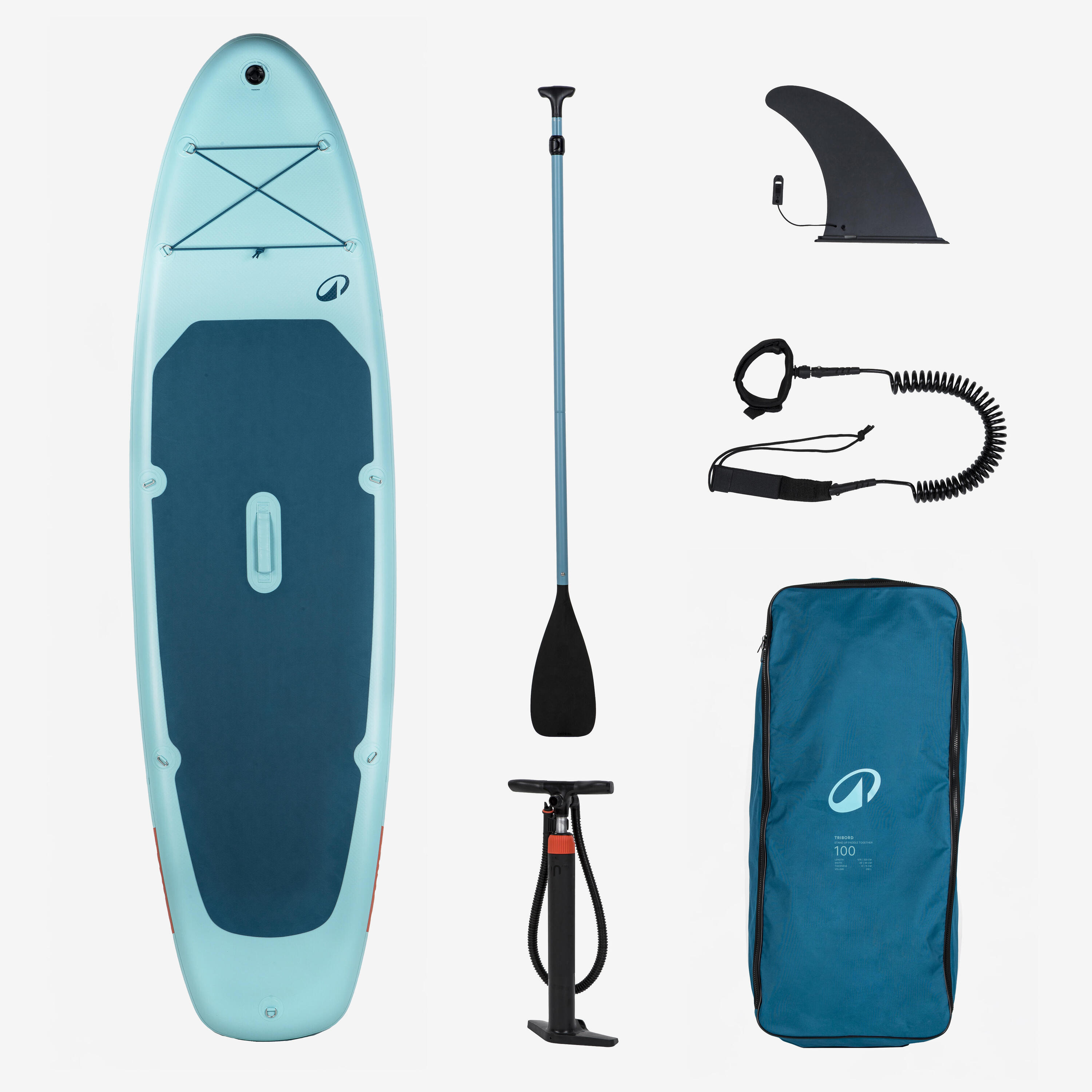
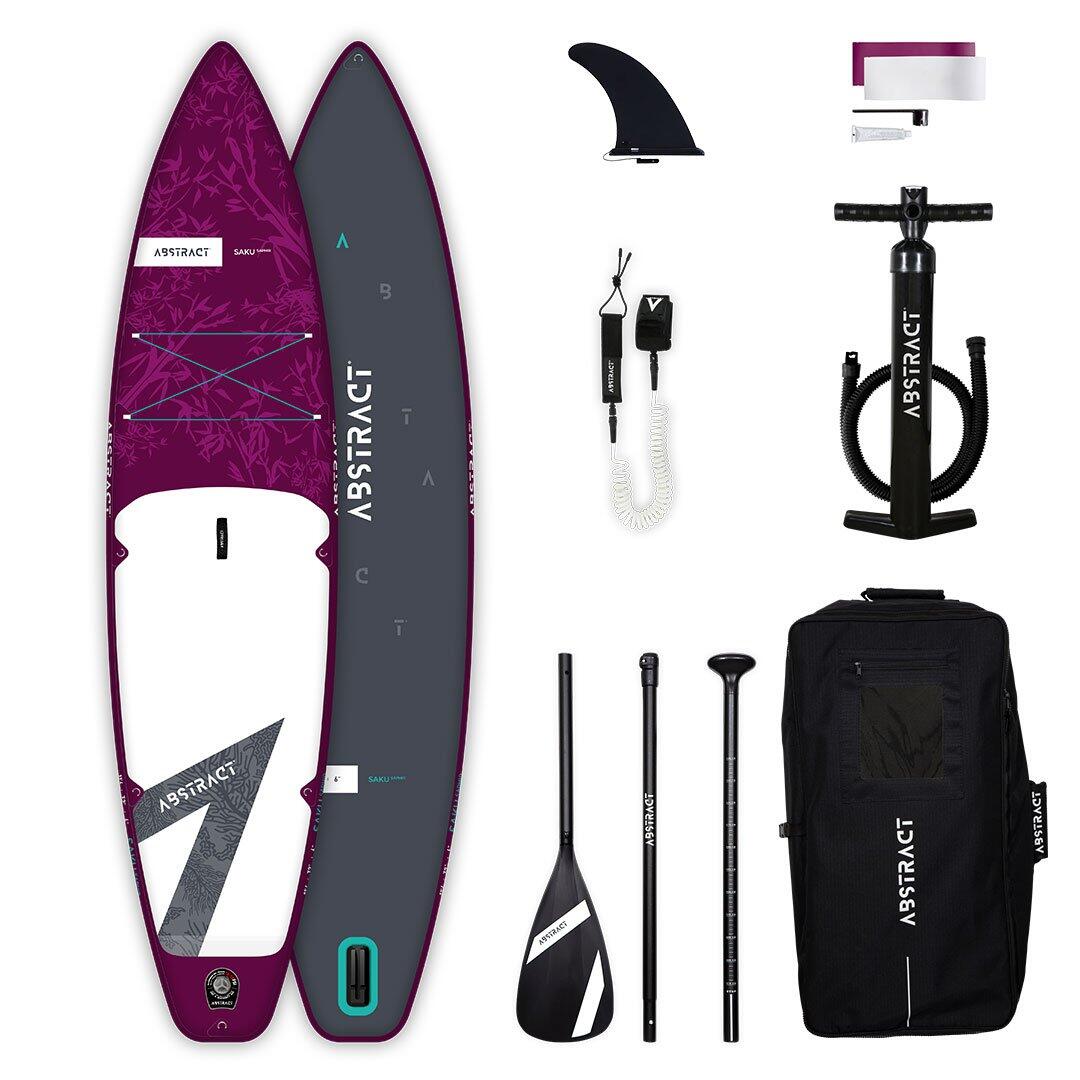
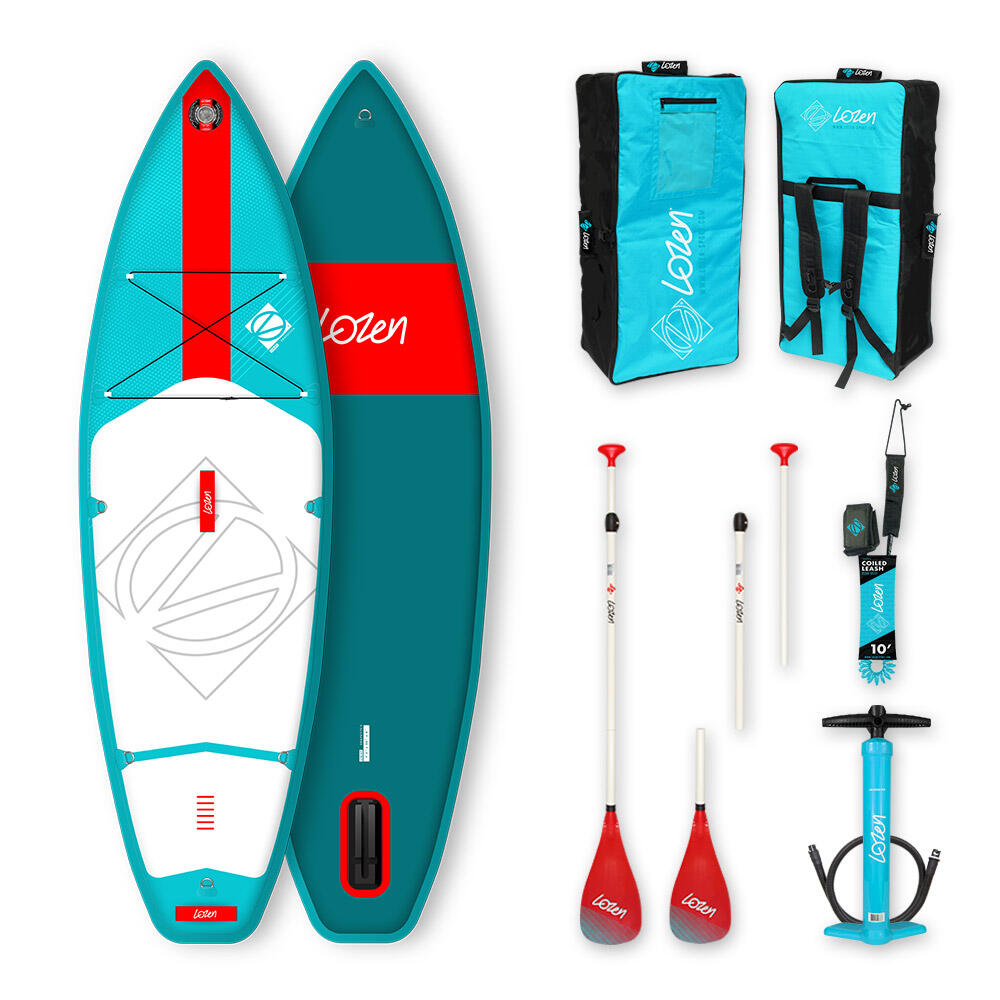
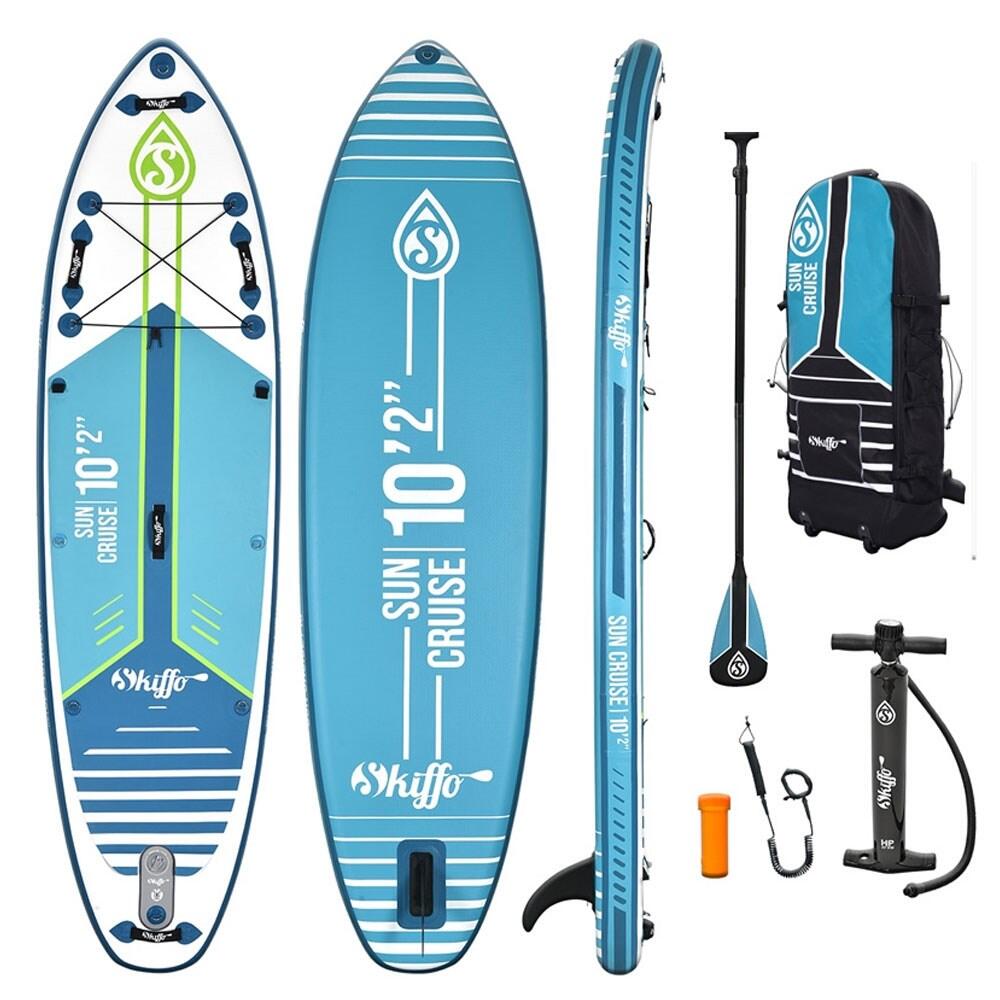
For beginners, the best type of gear is a wide, stable board that allows for easy balance and confidence on the water. Many new paddlers choose an inflatable stand-up paddle boards because these models provide a high volume of air, making them very buoyant and forgiving for those still finding their centre of gravity. The technical reason behind this stability lies in the width and thickness of the rails, a board that is at least 32 inches wide provides a solid platform that resists tipping during small swells or choppy conditions. Choosing stand up paddle boards with a rounded nose and a flat tail ensures a smooth glide for those learning the basic forward stroke. It is essential for beginners to pick a board that matches their weight capacity to keep the deck sitting at the correct level above the water line. If the board is too small for the rider's weight, it will sink too low, creating drag and making it much harder to stay upright while stationary or moving at slow speeds.
Is there a difference between a SUP and paddle boarding?

SUP stands for stand-up paddle boarding, which is a specific discipline where the rider remains standing or kneeling throughout the session. While the terms are used interchangeably, selecting a high-quality adult SUP board involves looking at the specific length and hull shape made for adult users. For younger family members, choosing kids stand-up paddle boards option is better because they are shorter and narrower, allowing smaller riders to reach the water with their paddles more effectively without overstretching. The reason for these size differences is the leverage required to turn the board, a child on a full-sized adult board will struggle to manoeuvre because the swing weight is too high for their physical strength. And make sure to always use a coiled leash on flat water to ensure your SUP board stays close if you fall, as wind can push an unattached board away faster than you can swim.

Is SUP easier than surfing?

Yes, most people find SUP significantly easier to learn than traditional surfing because you start from a standing or kneeling position on a much larger platform. While surfboards are built for speed and turning in the pocket of a wave, a standard SUP board is built for stability and straight-line tracking on calm lakes or slow-moving rivers. To find the right equipment for your specific goals, you can browse SUP board per sport practise categories which differentiate between touring, racing, and wave-riding models. The technical reason SUP is more accessible is the increased displacement, which provides mechanical support even when the board is not moving. Unlike surfing, which requires timing the energy of a wave, stand up paddle boards allow you to move at your own pace using your own power.

What are the benefits of convertible stand up paddle boards?

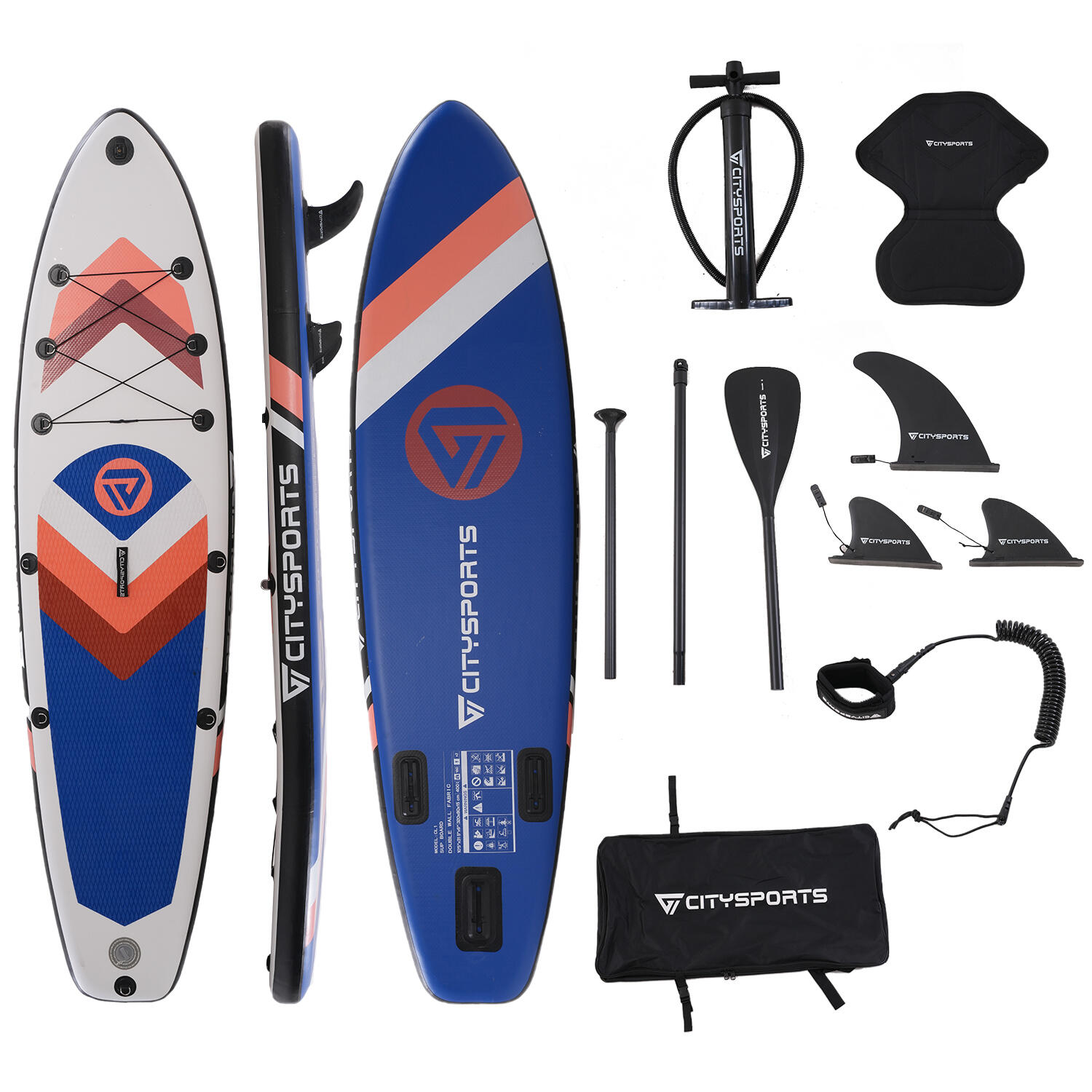
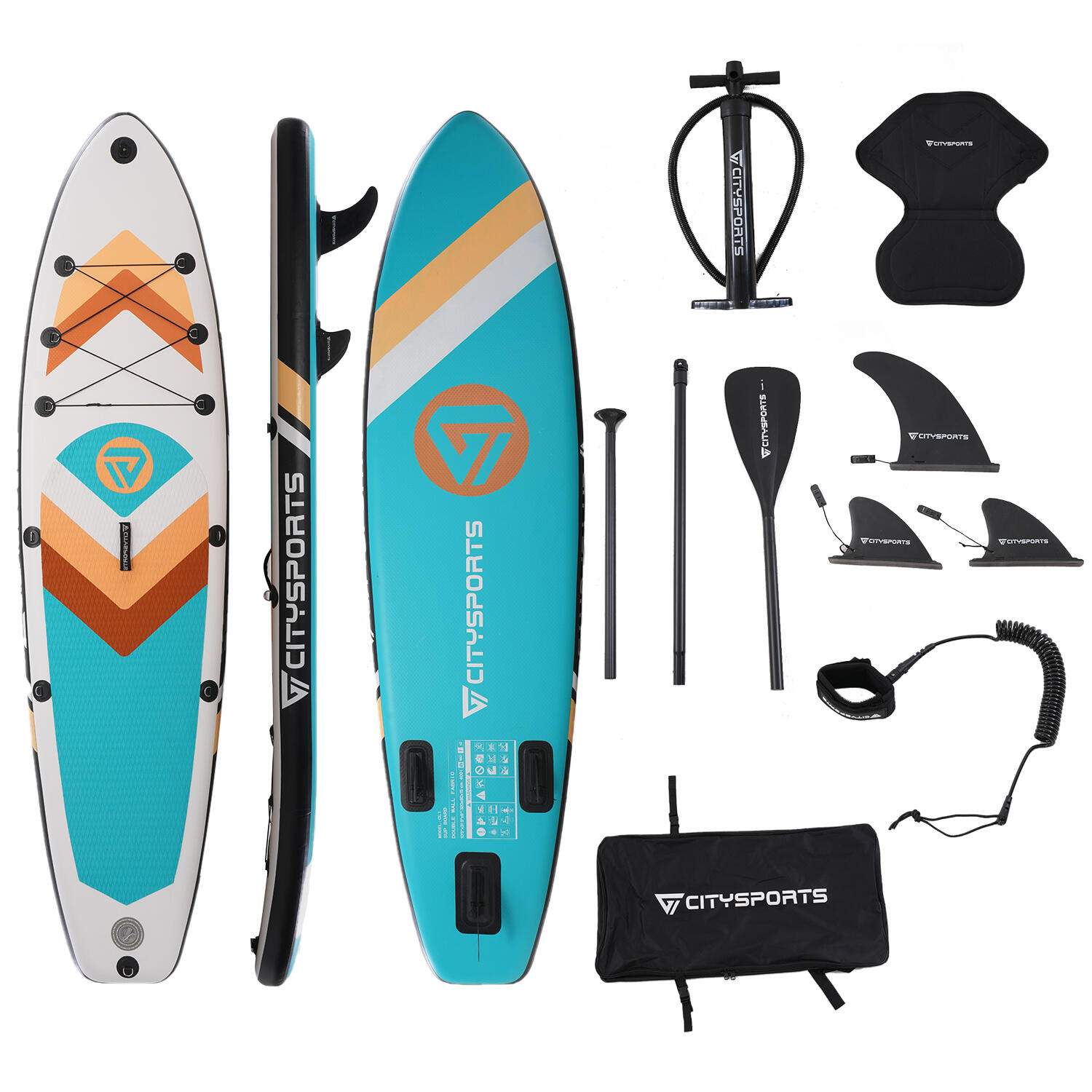
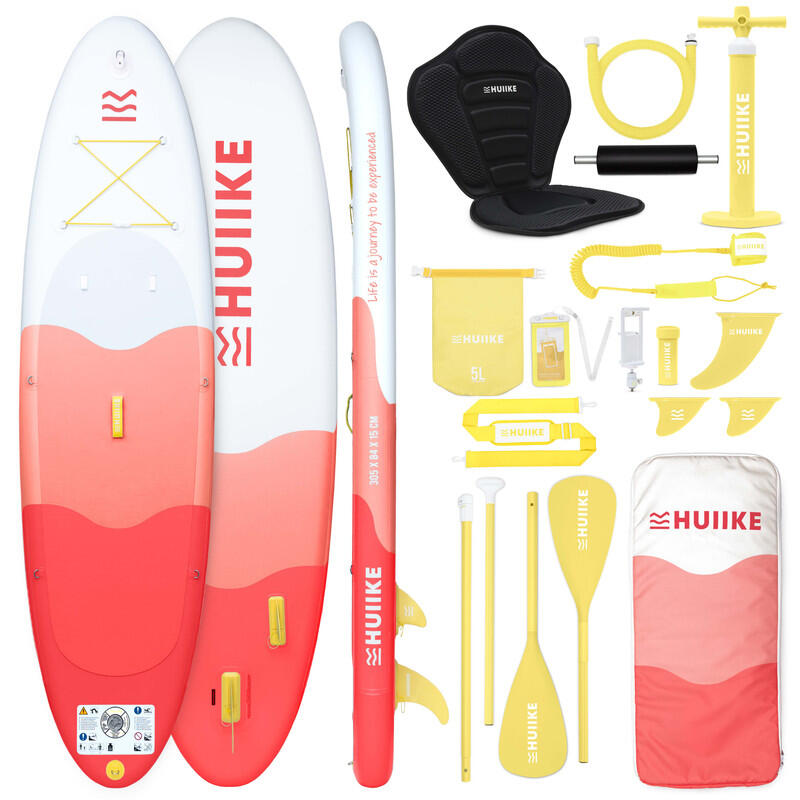
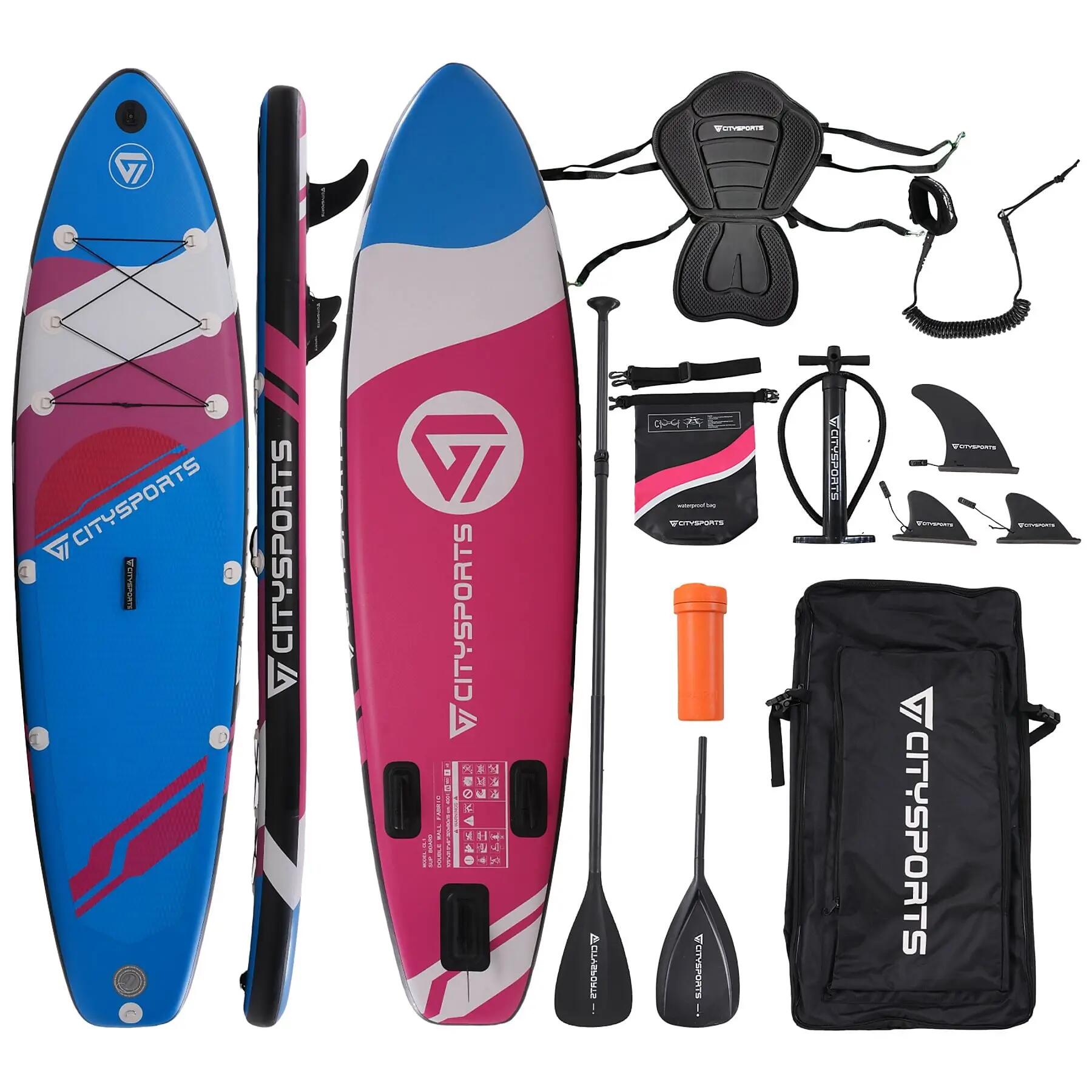
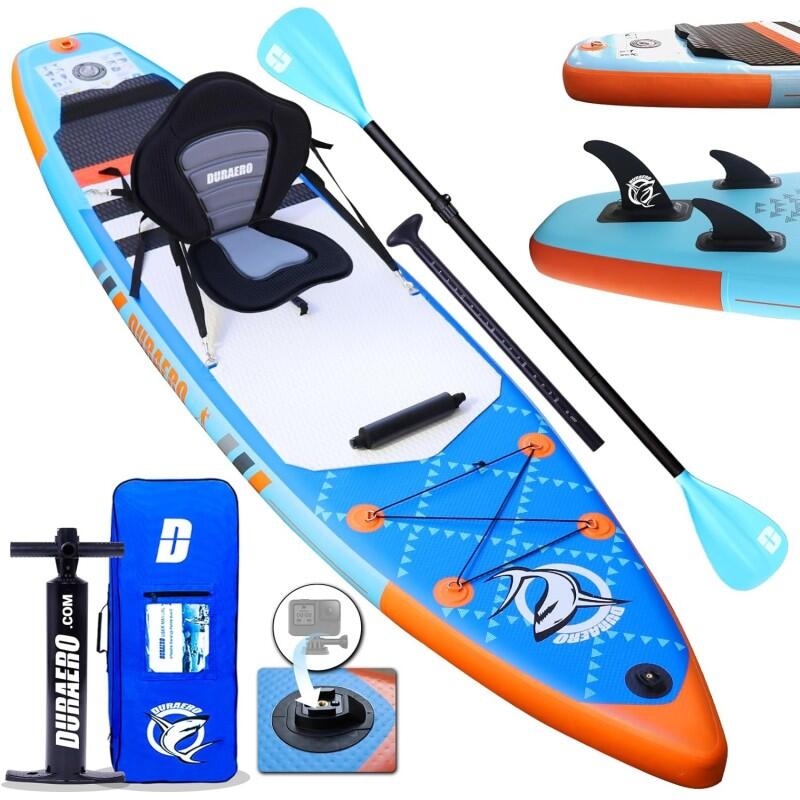
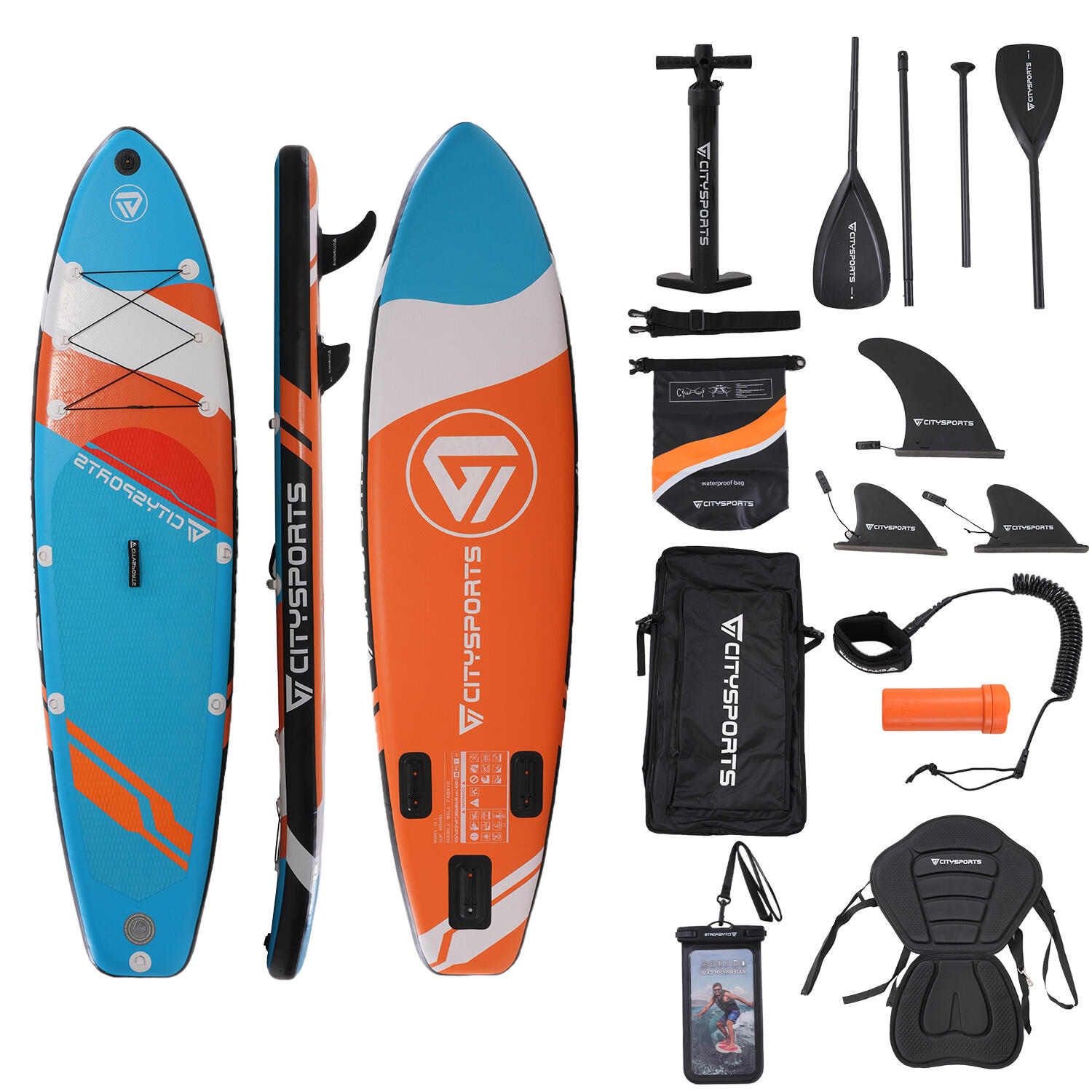
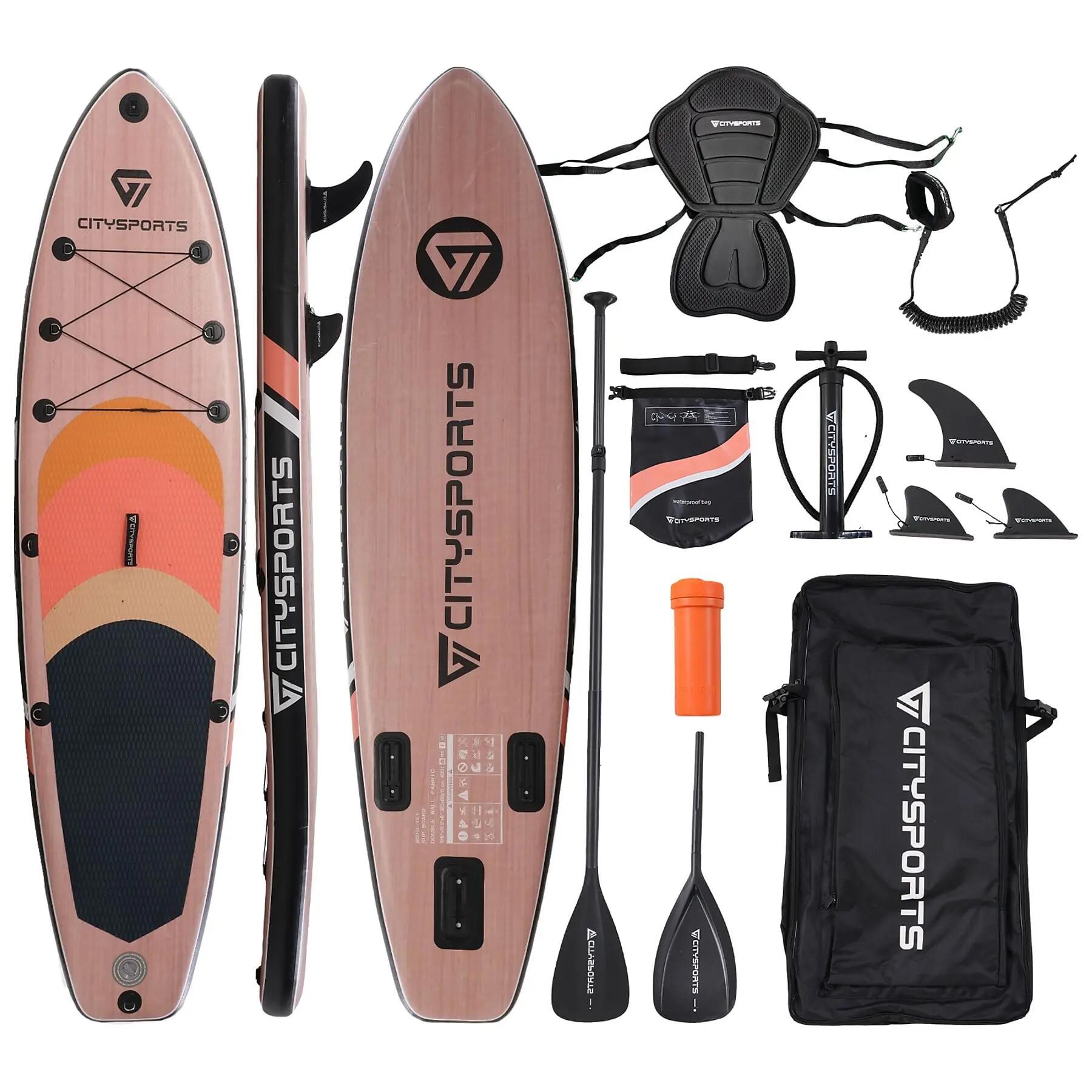
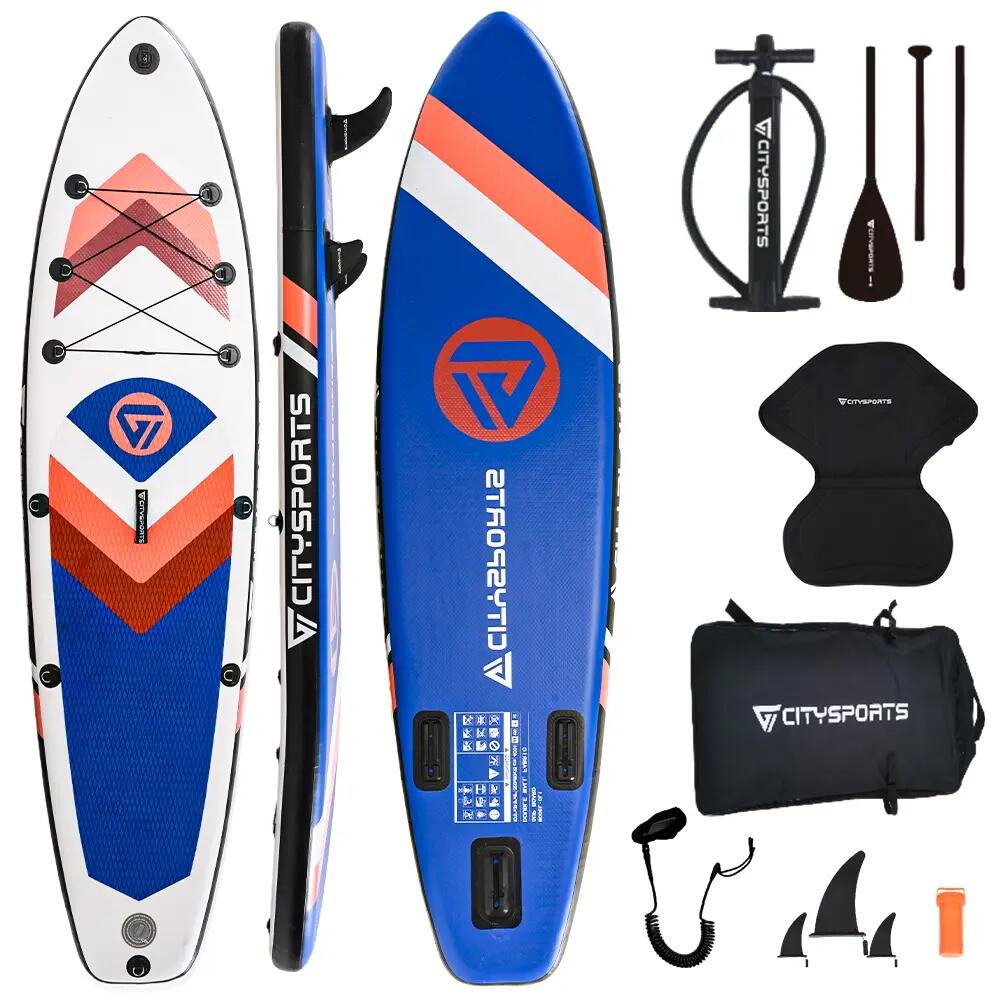
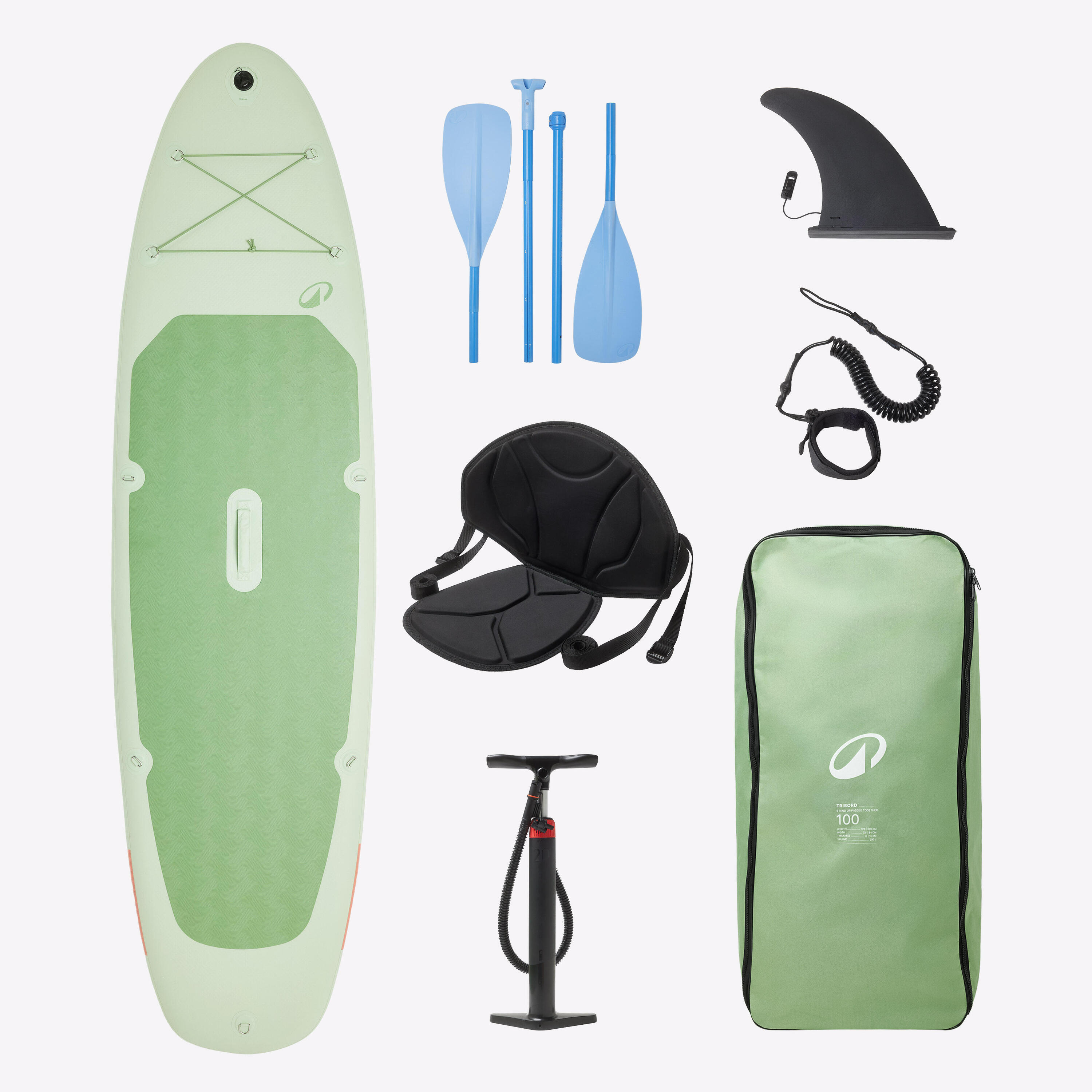
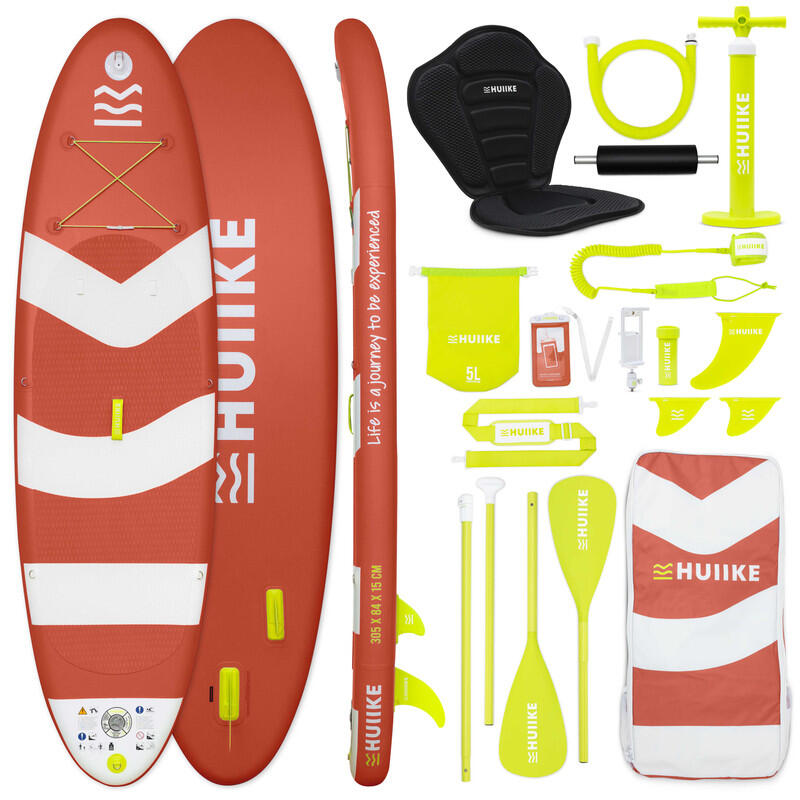
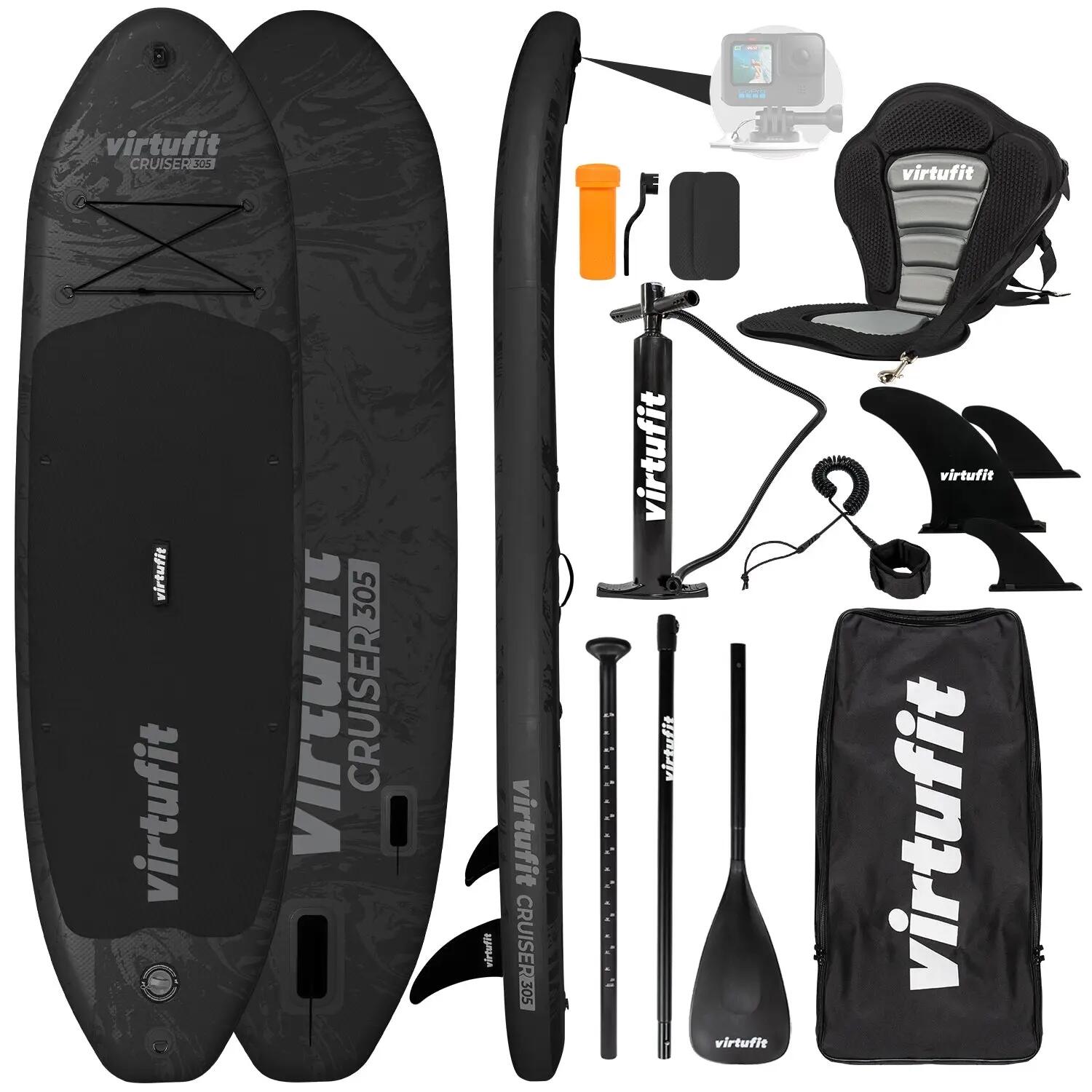
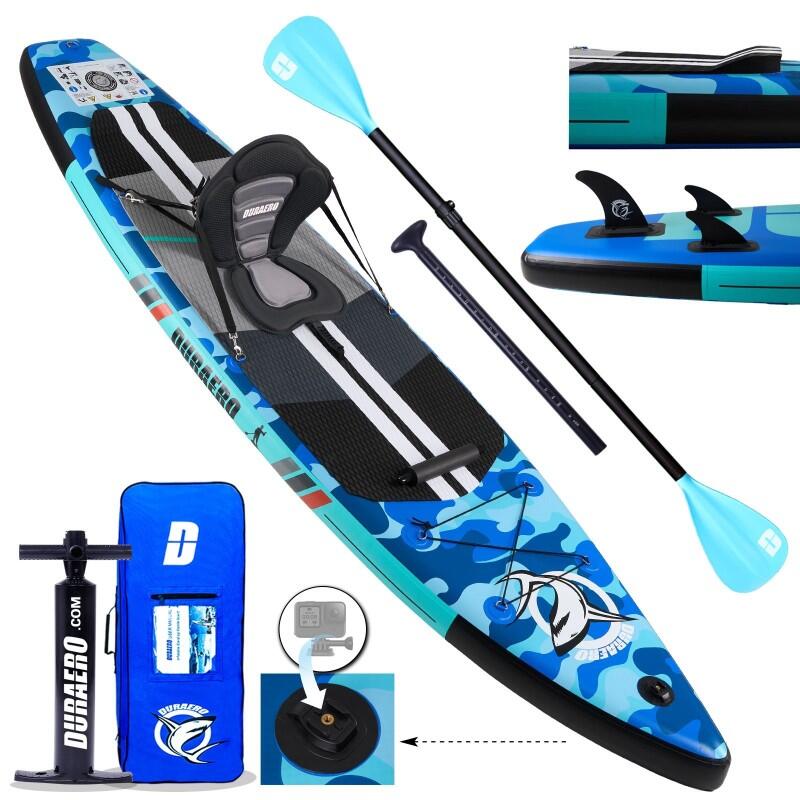
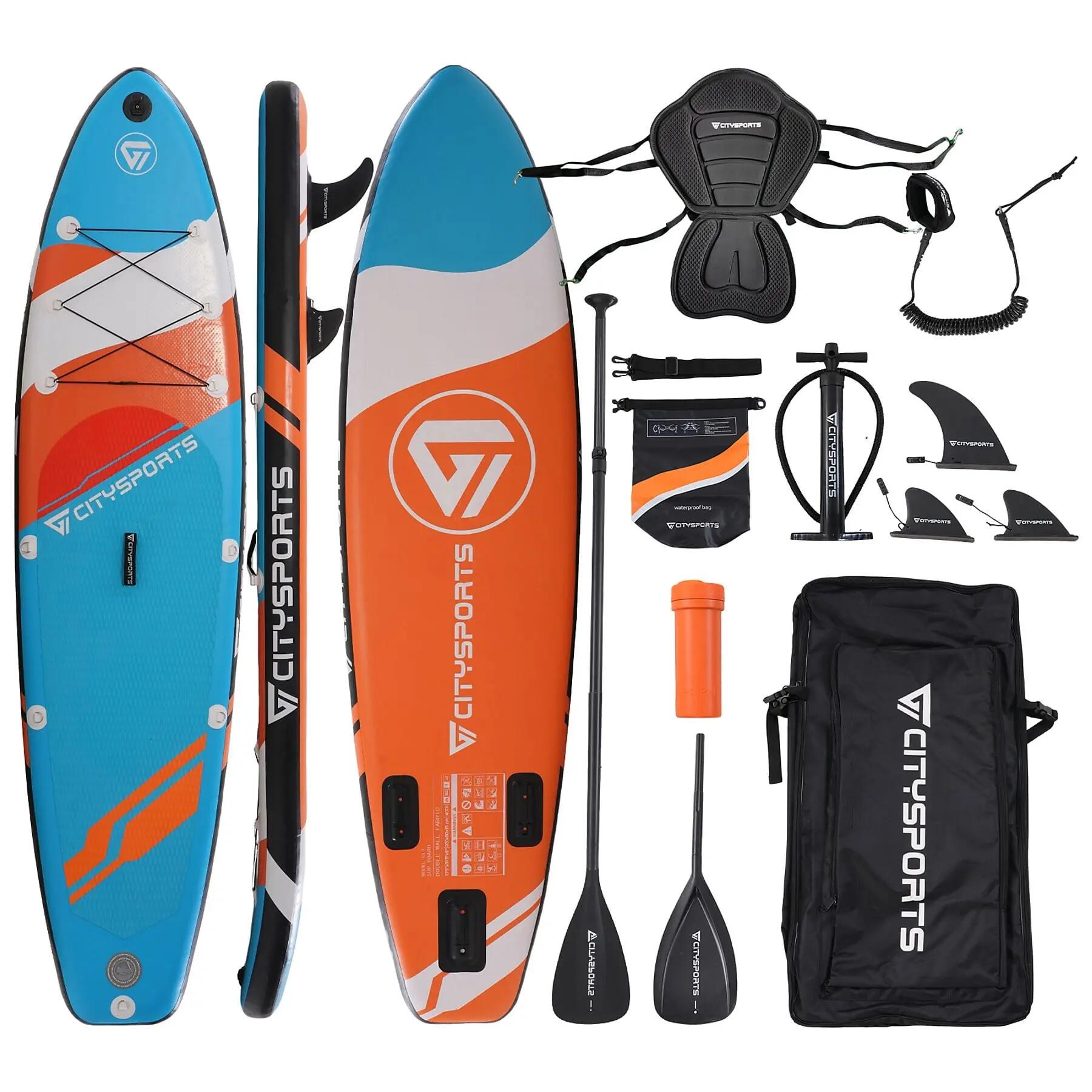
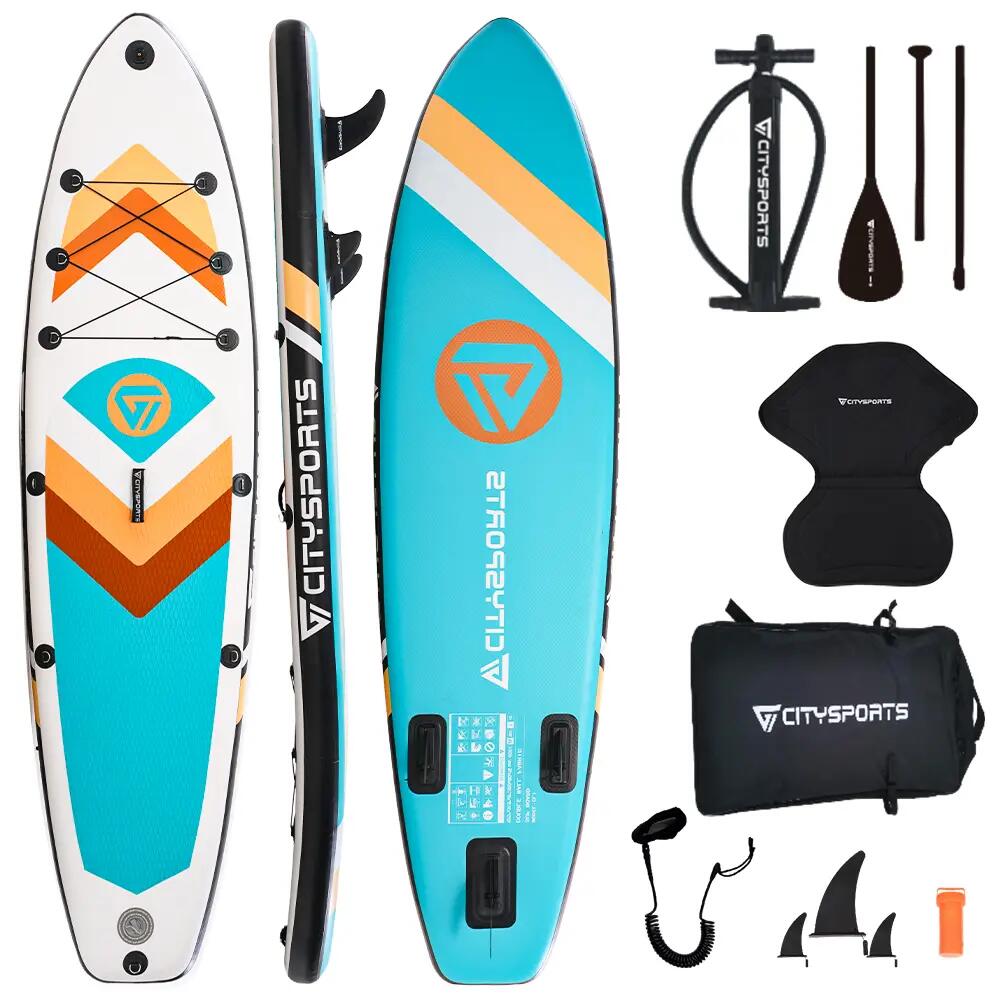
For those who want versatility, convertible stand up paddle boards offer the ability to attach a seat and use the board as a sit-on-top kayak. This is a great technical solution for longer excursions where you might want to rest your legs while still making progress against the wind. The reason these hybrid boards are popular is that they often feature additional D-rings for gear attachment and a slightly wider tail to handle the weight of a seated passenger. Pairing your setup with practical stand-up paddle accessories can further enhance comfort, storage, and overall performance on the water. Using a dual-blade paddle with these models provides extra efficiency when seated, as the lower centre of gravity changes your stroke mechanics entirely. Also make sure that your seat is positioned over the centre of the board's volume to maintain the correct trim, preventing the nose from diving or the tail from dragging, which would slow your speed significantly.