21 items
4.4/5 based on 723 reviews collected online and in stores

SUP Transport Bag & Accessories FAQs

Which SUP transport bag or carrying accessory is right for your setup?

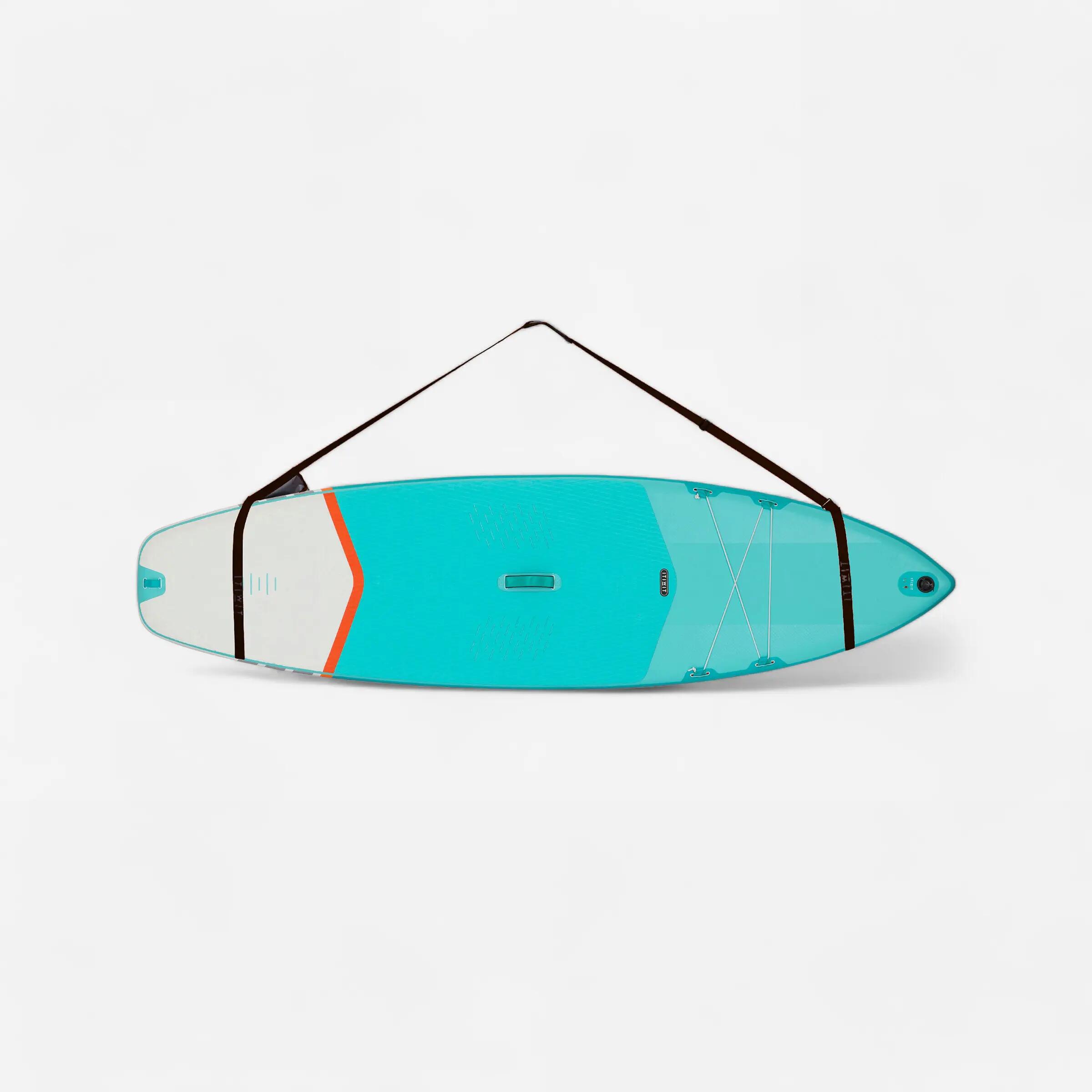
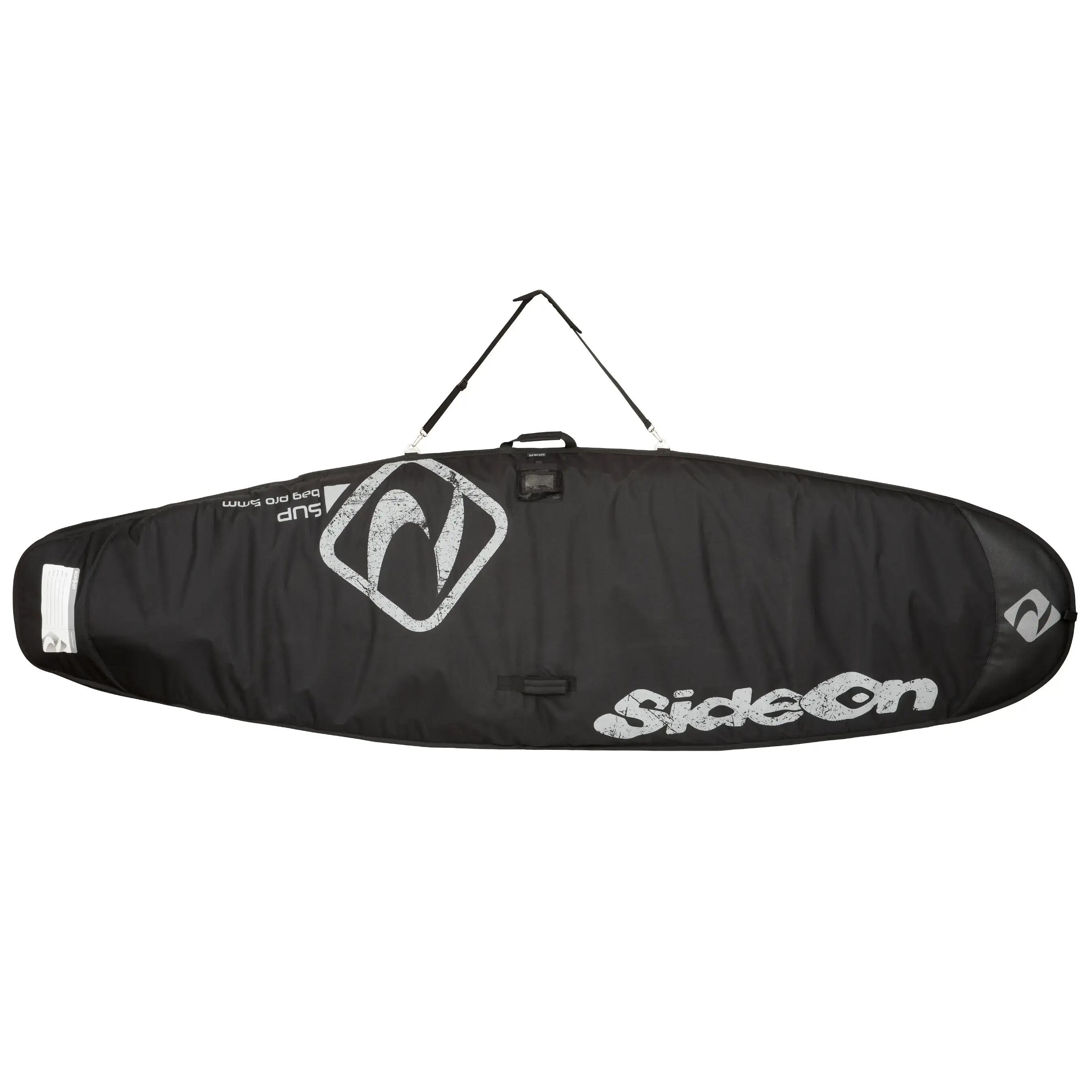
Start with how you normally move your board: packed in a car, carried by hand, or moved over longer distances. For an inflatable board, check the folded dimensions and the space needed for the pump, paddle and small accessories before choosing a bag. The SUP transport bags range includes replacement backpacks and larger carry options, so matching the bag to your board size matters more than simply choosing the biggest capacity. For rigid or inflated boards, a padded shoulder strap can share the load between your shoulder and the board handle. Pro tip: adjust the strap so the board sits close to your hip. This reduces swinging and makes longer carries easier, especially in wind.

Can you transport a SUP by bike or over a long walk?

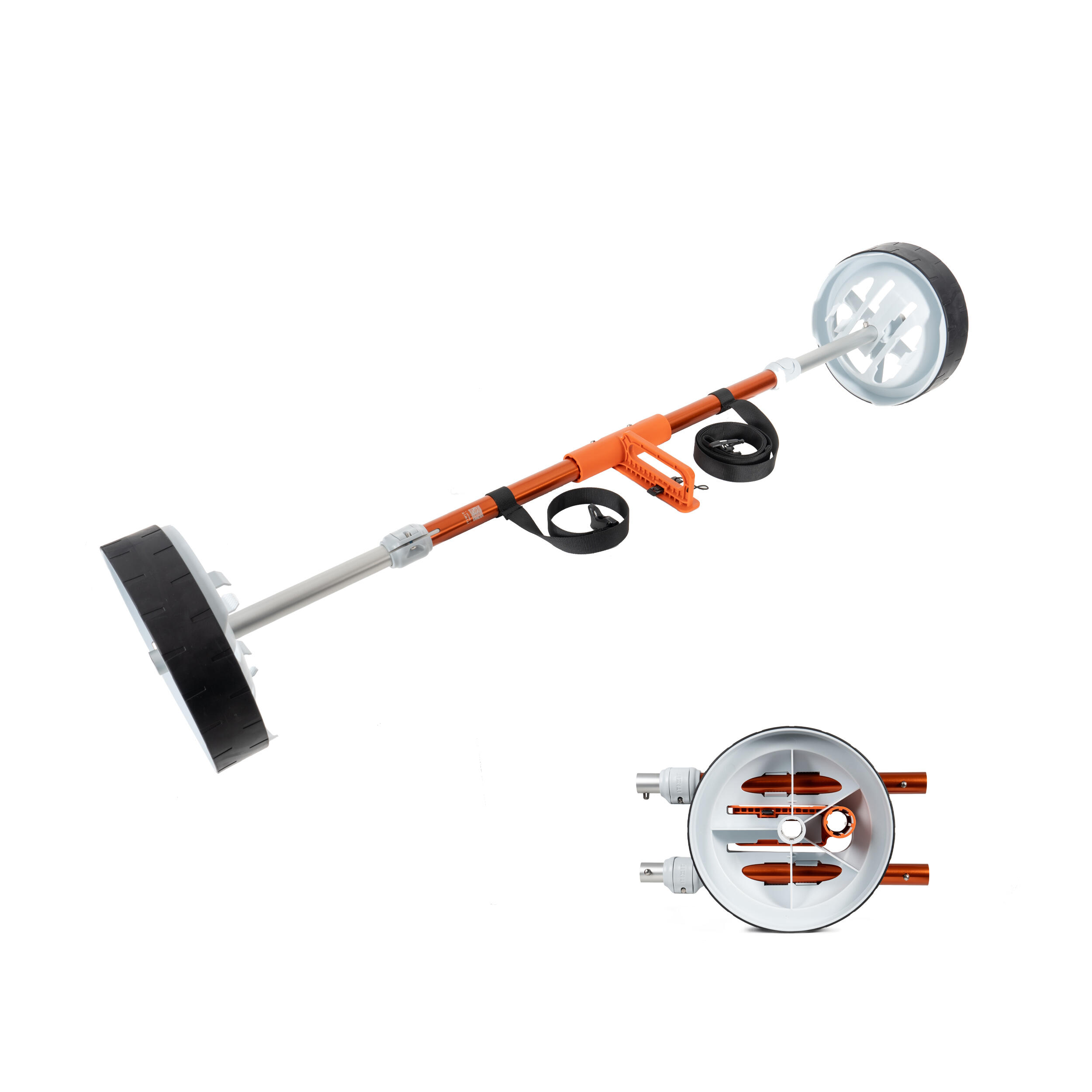
Yes, but use a transport method made for the journey rather than improvising with a general trolley. For cycling, check the dedicated SUP carriage for bike options and confirm the attachment method, board size and load limit before setting off. A hand-pulled SUP trolley is more suitable for moving a board across a car park, path, gravel or sand to the launch point. Decathlon's ultra-compact SUP and kayak trolley, for example, dismantles for compact storage and is rated for loads up to 50 kg, but it is not intended to be attached to a bicycle. Pro tip: keep heavier kit centred over the wheels to reduce pulling effort and improve stability.

What is the best way to secure a SUP on a roof rack?

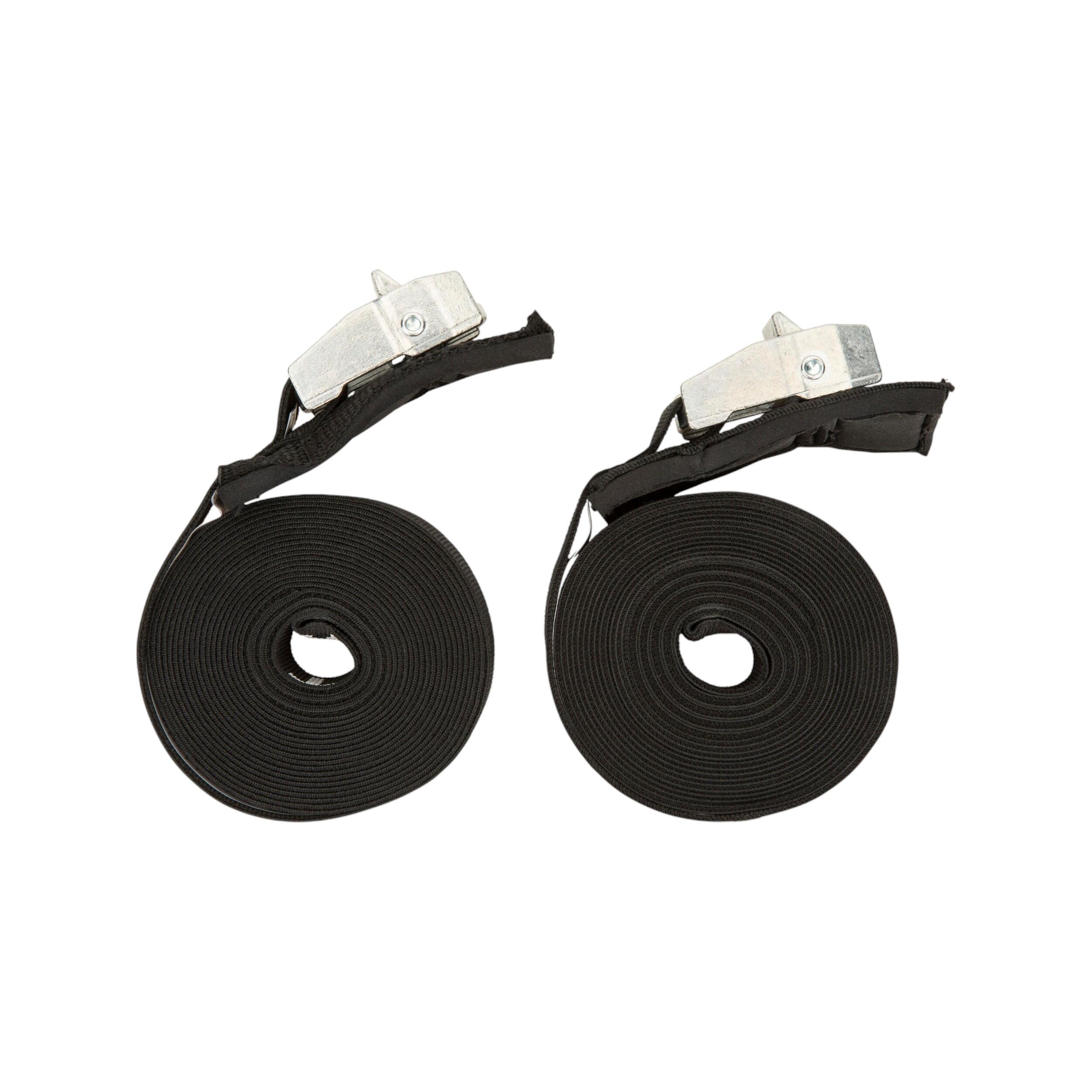
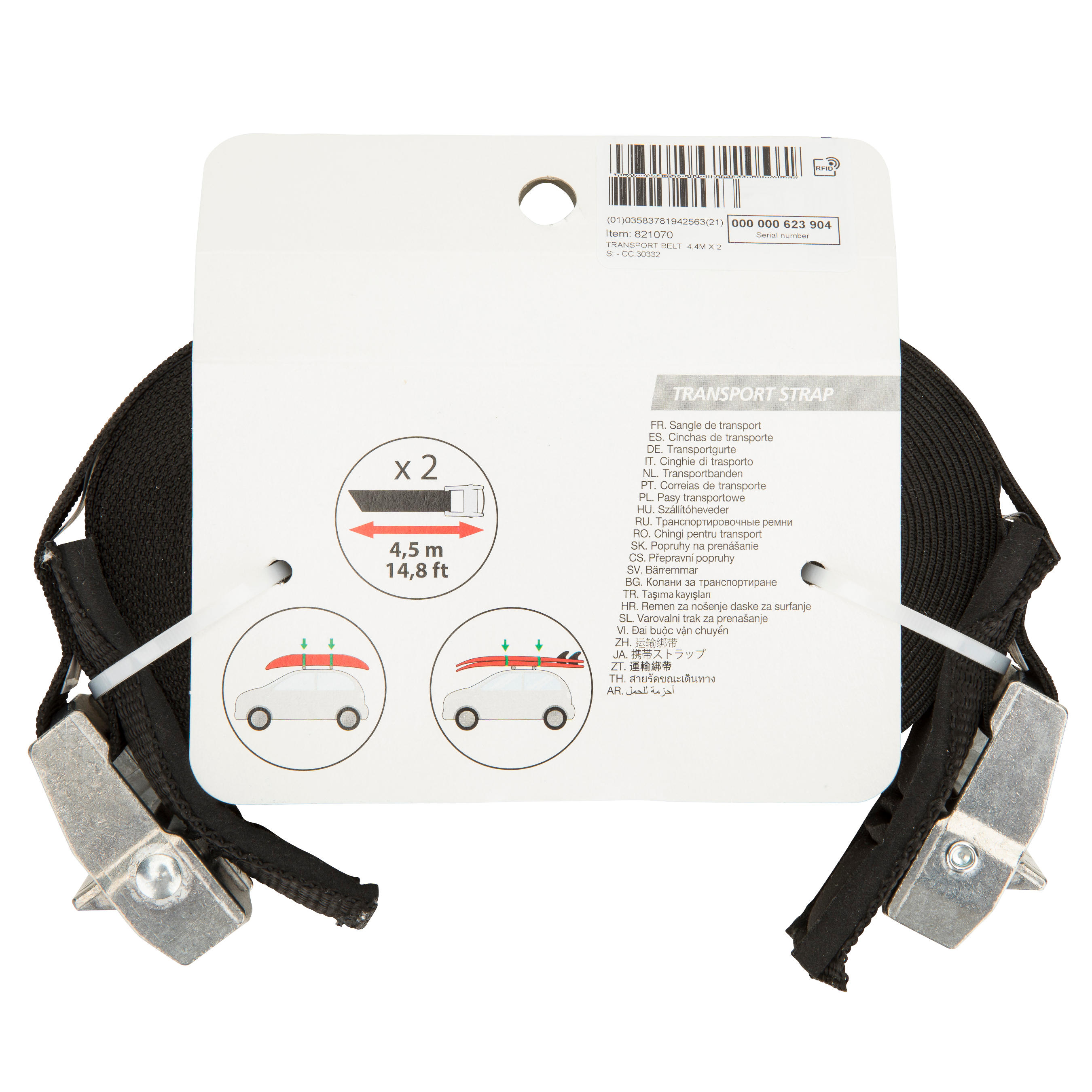
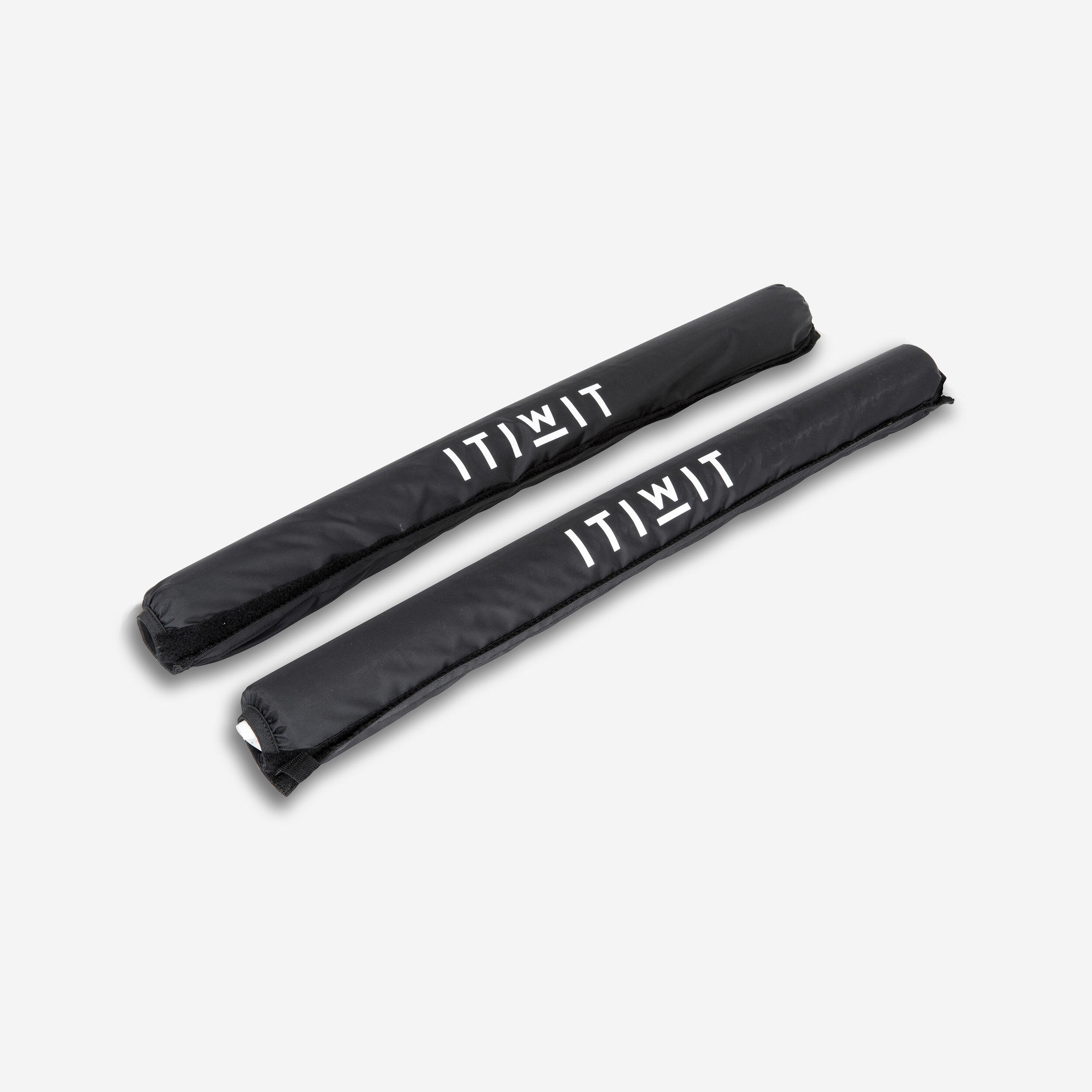
Use roof-rack padding where the board contacts the bars, then secure the board with purpose-made straps that hold it firmly without crushing it. The SUP straps and holders for cars range includes protective foam and wide travel straps for paddle-sport equipment. Wider webbing spreads pressure over a larger area, while padded buckle zones help reduce rubbing against the board or vehicle. Tighten each strap evenly, secure loose ends, then push the board gently from different directions to check for movement before driving. Pro tip: stop after the first part of a longer journey and recheck tension, because vibration and changing wind loads can affect the setup.

How can you protect a paddle and pump during transport?

Keep hard edges and moving parts separated from the board wherever possible. A paddle blade can pick up chips or scratches when it is packed beside buckles, fins or trolley hardware, so a padded cover is useful during car journeys and storage. Decathlon's paddle and pump covers category includes protection made around SUP equipment rather than general luggage. Adjustable paddle covers can accommodate separable or adjustable paddles, which matters because the joints and blade edges are common contact points in a packed boot. Pro tip: dry the paddle and pump before covering them, and avoid trapping sand inside a cover, as grit can act like an abrasive during transport.

How should SUP transport bags and accessories be stored after use?

Remove sand, salt and moisture before putting transport gear away. Let bags, straps, padded covers and trolley components dry fully, then store them out of prolonged direct sunlight. This helps limit odour, fabric wear and unnecessary stress on webbing or padded areas. Replacement backpacks can be a practical choice when the original carry bag wears out, but compatibility still matters: check your board's folded size, length and model family rather than assuming every backpack will fit. If you are matching transport gear to a different board, compare the format within the stand up paddle range first. Pro tip: roll the straps rather than knotting them so they're easier to inspect and use next time.