35 items
4.4/5 based on 1288 reviews collected online and in stores

Neoprene Surfing Shoes FAQs

What neoprene thickness is appropriate for surf boots in cold water conditions?

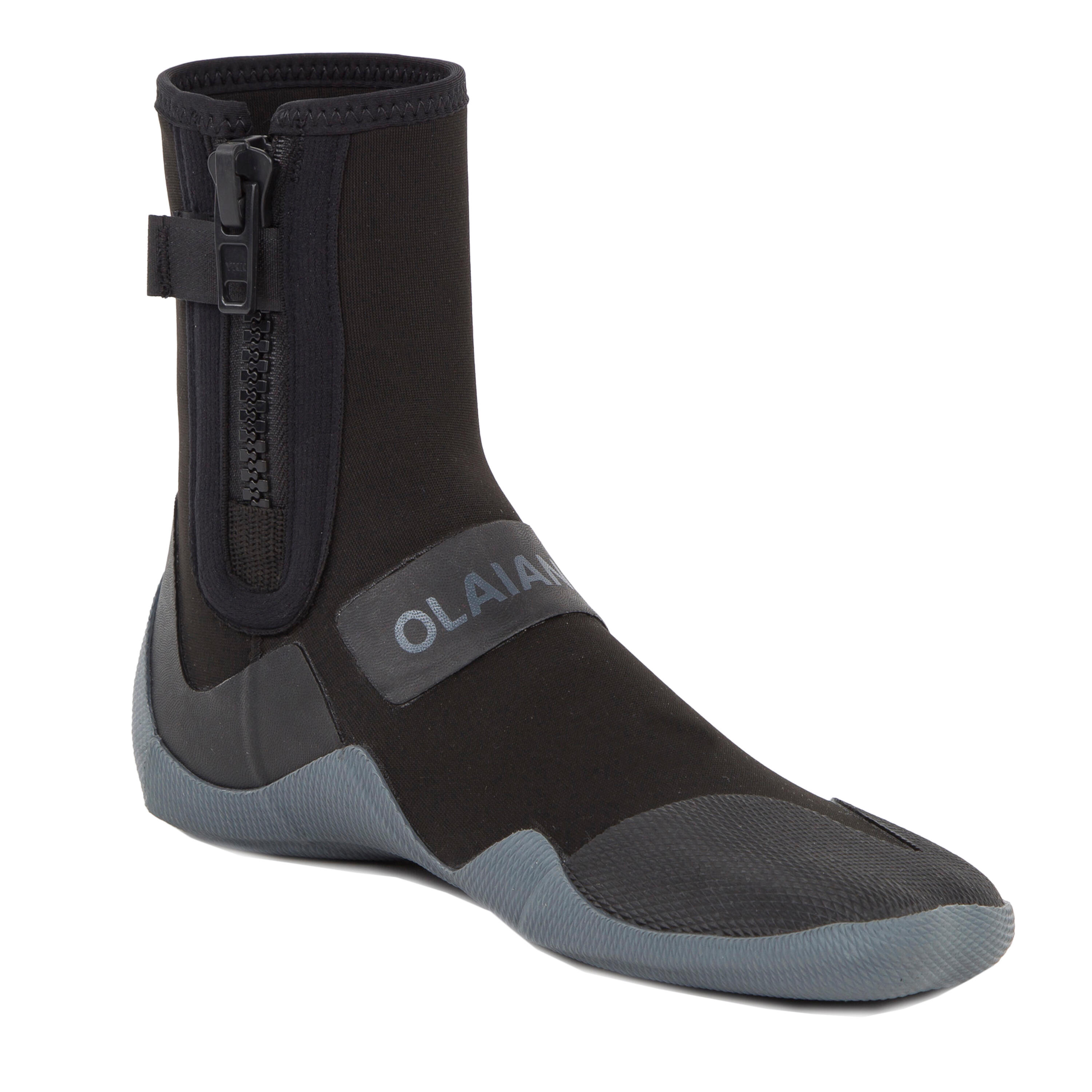
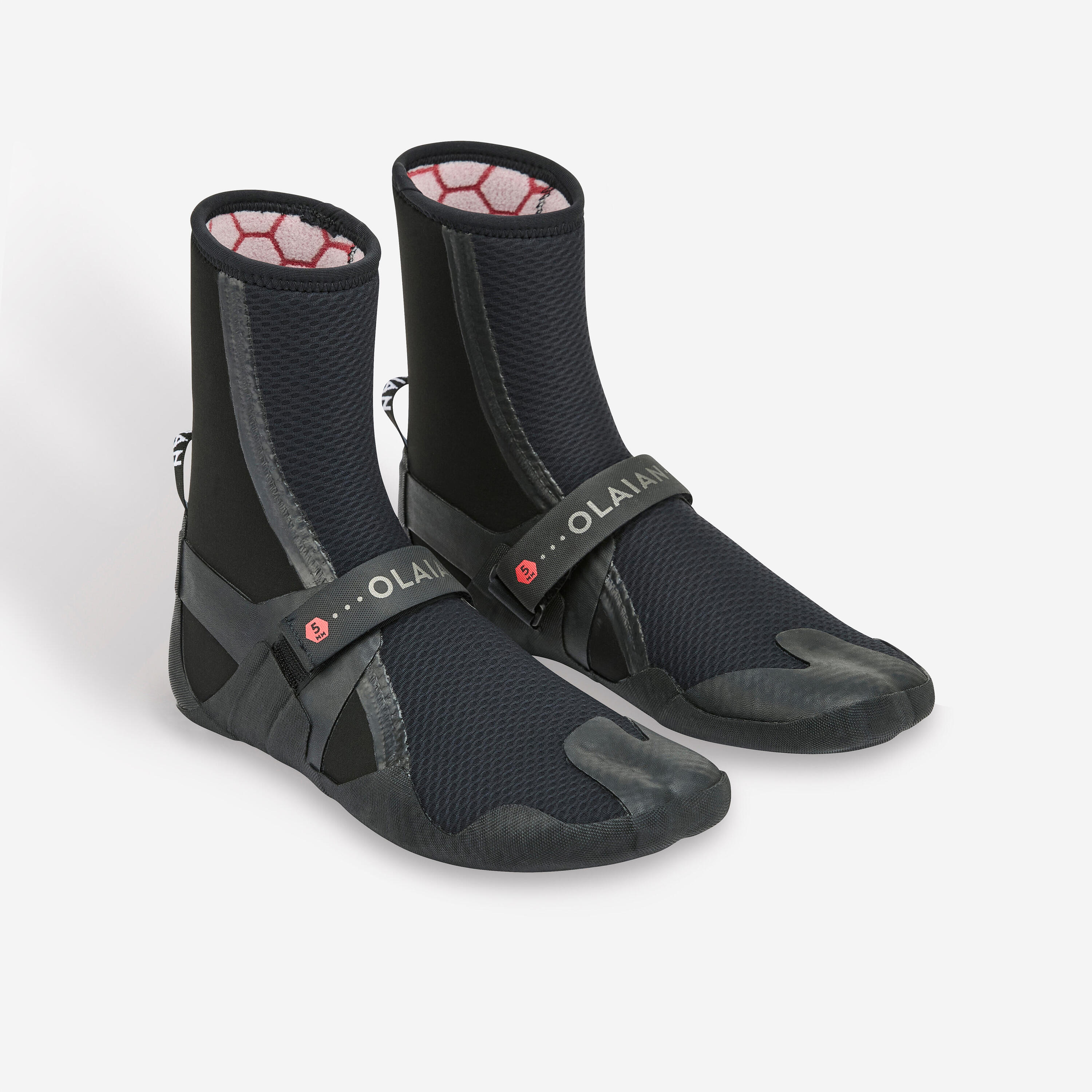
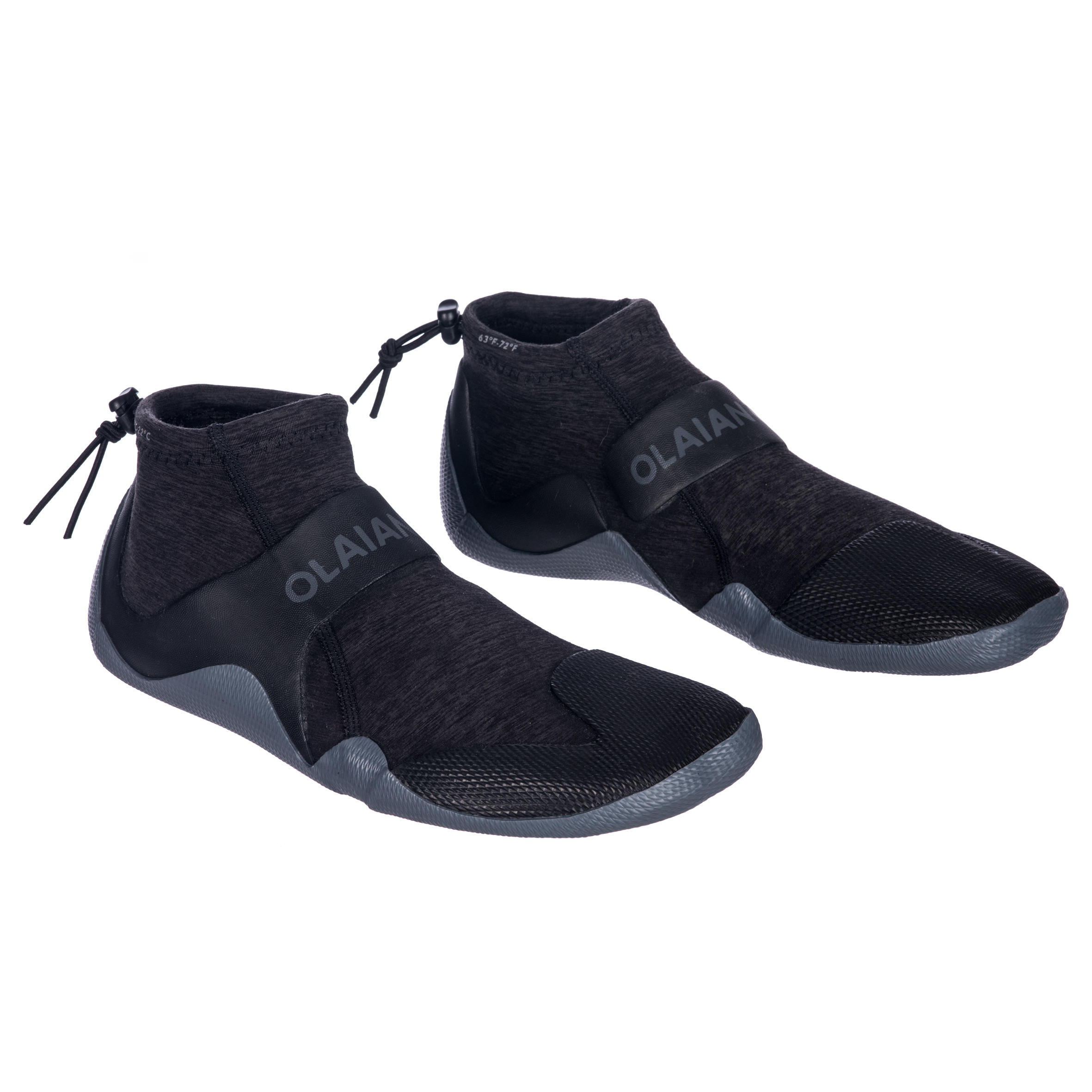
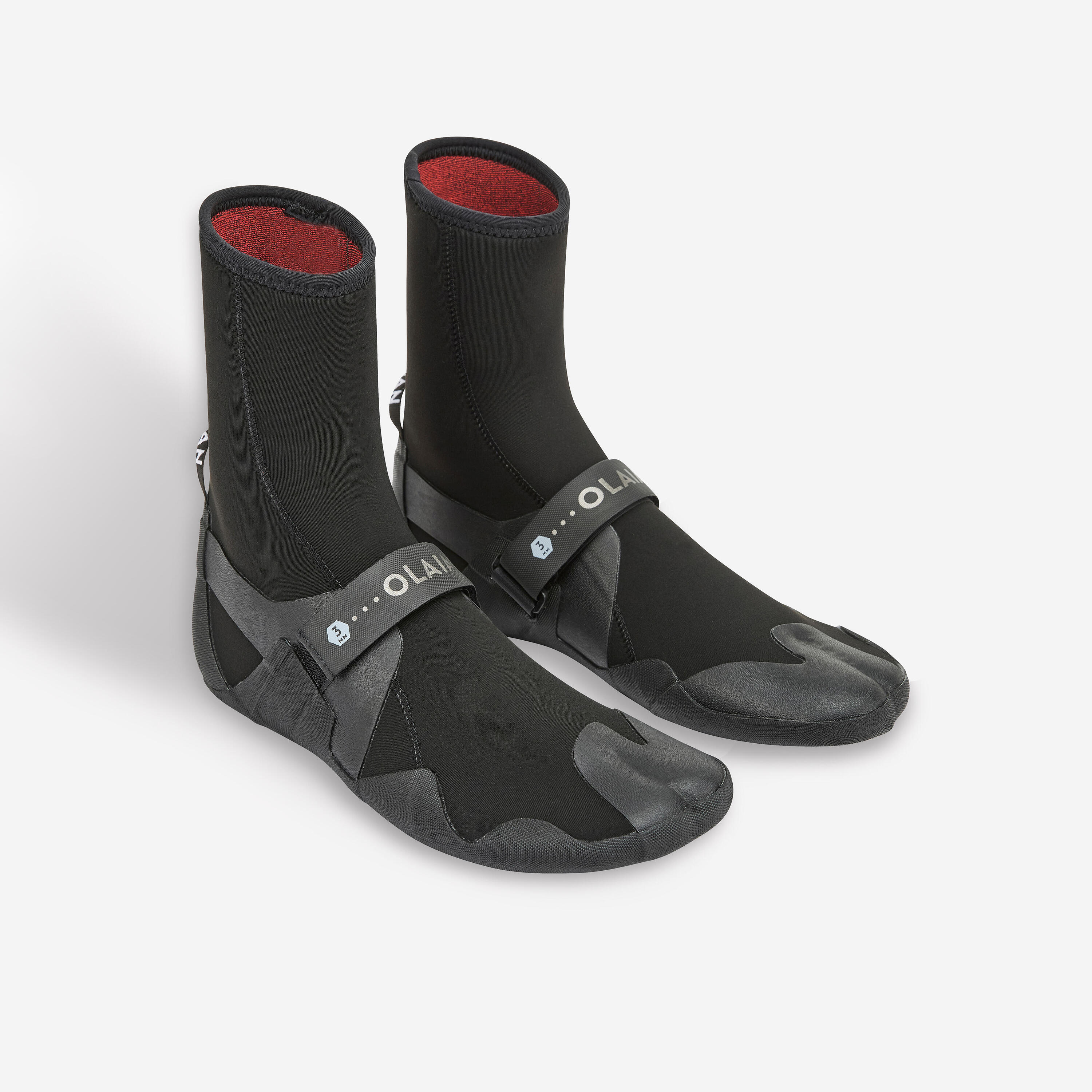
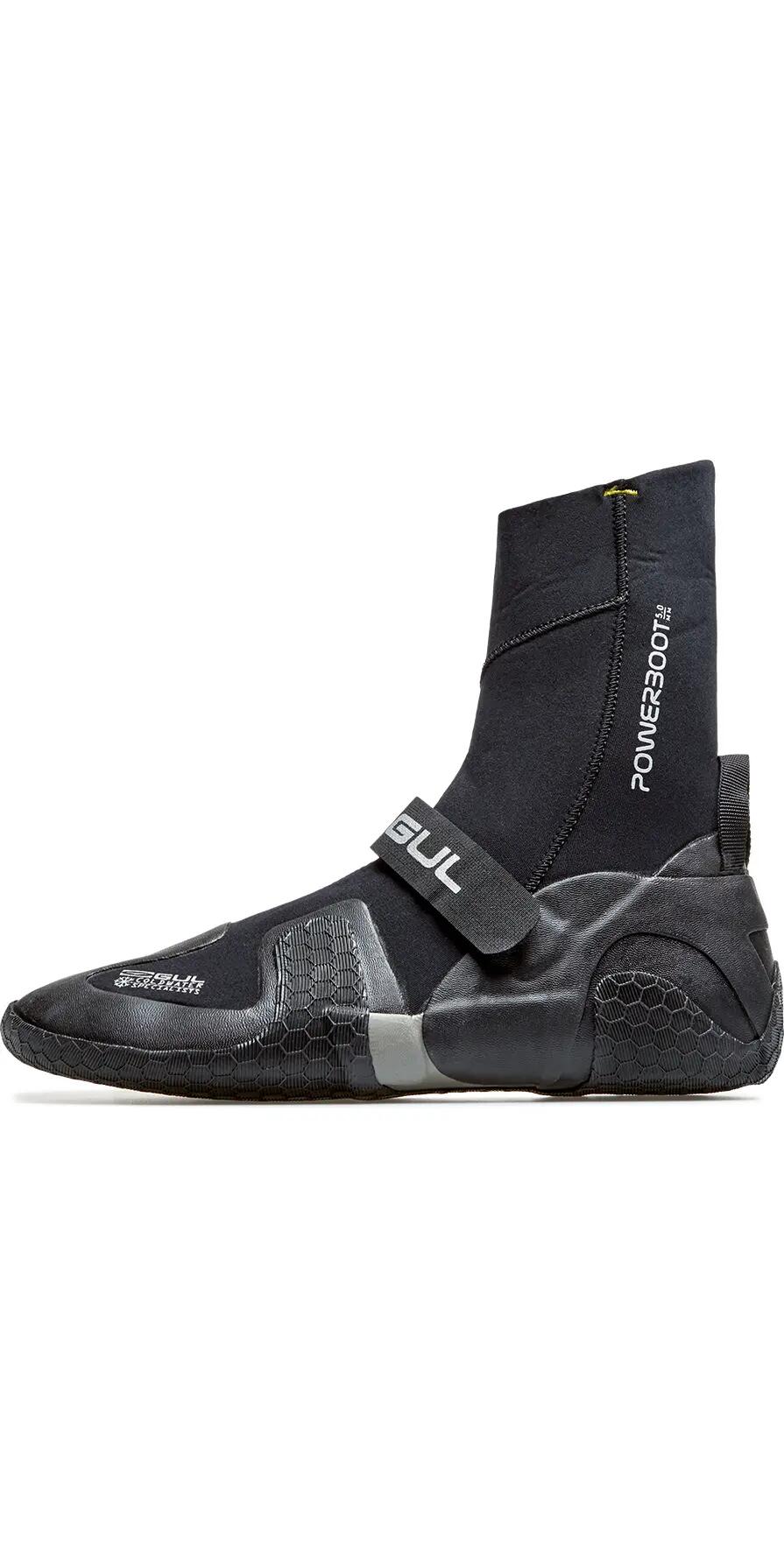
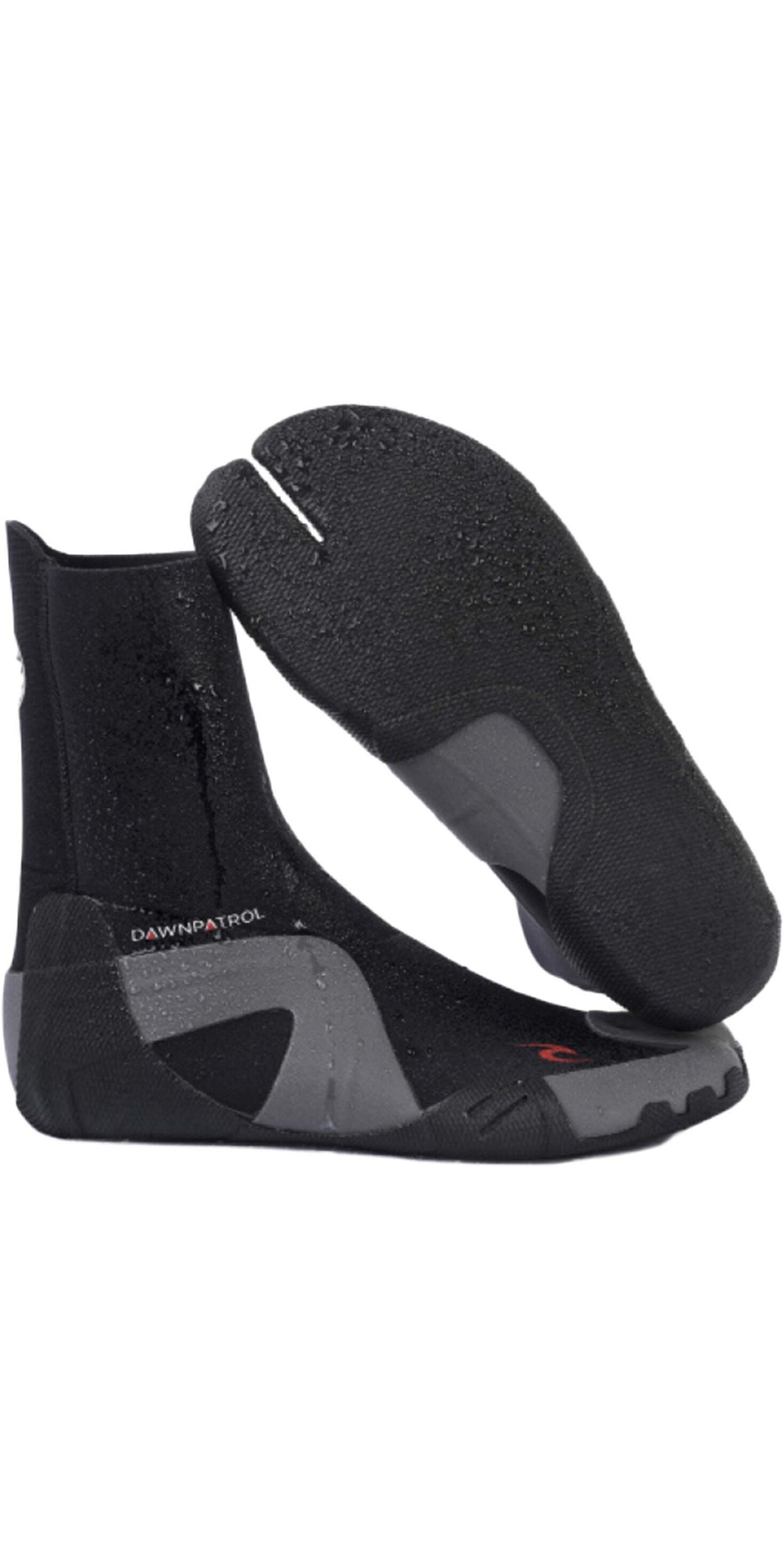
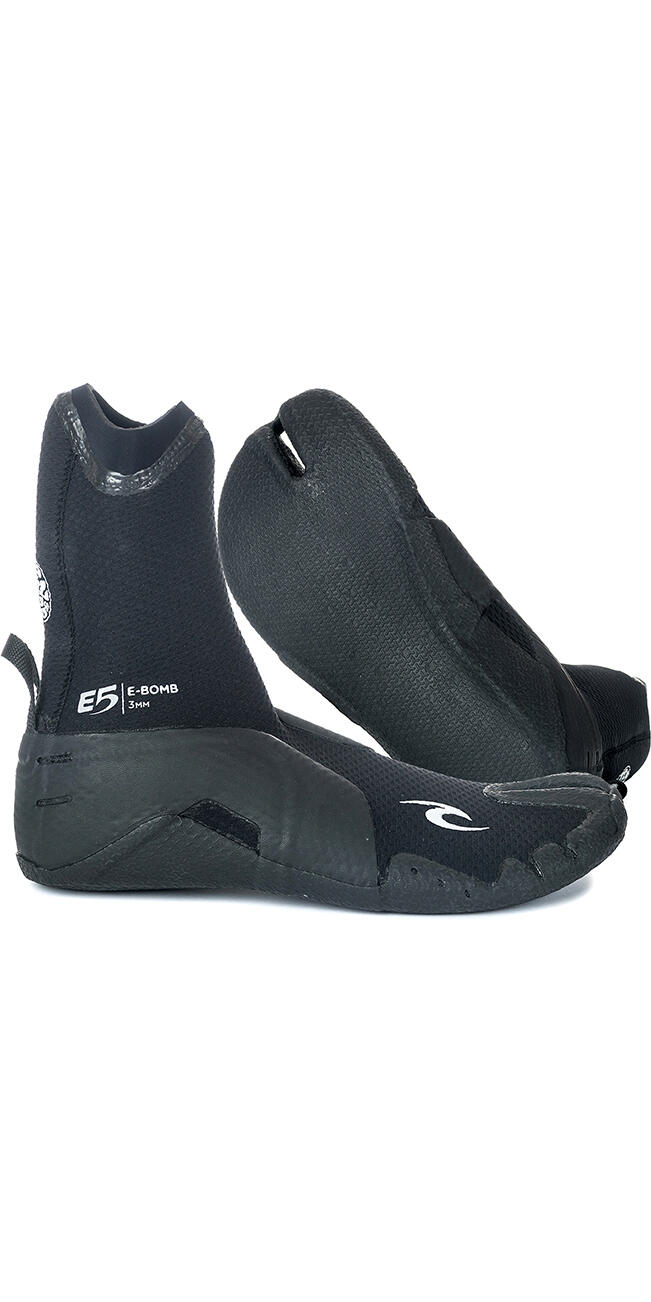
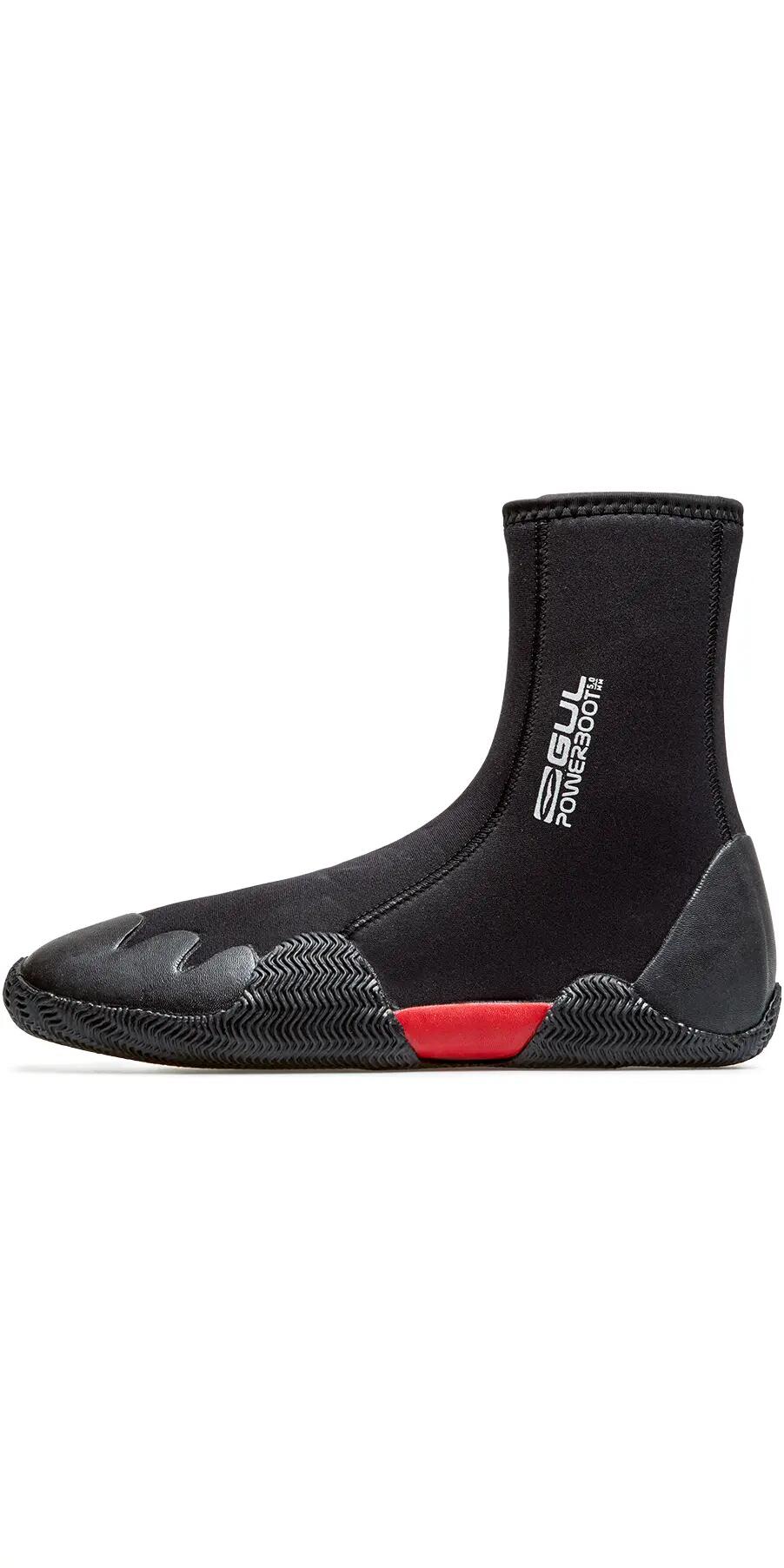
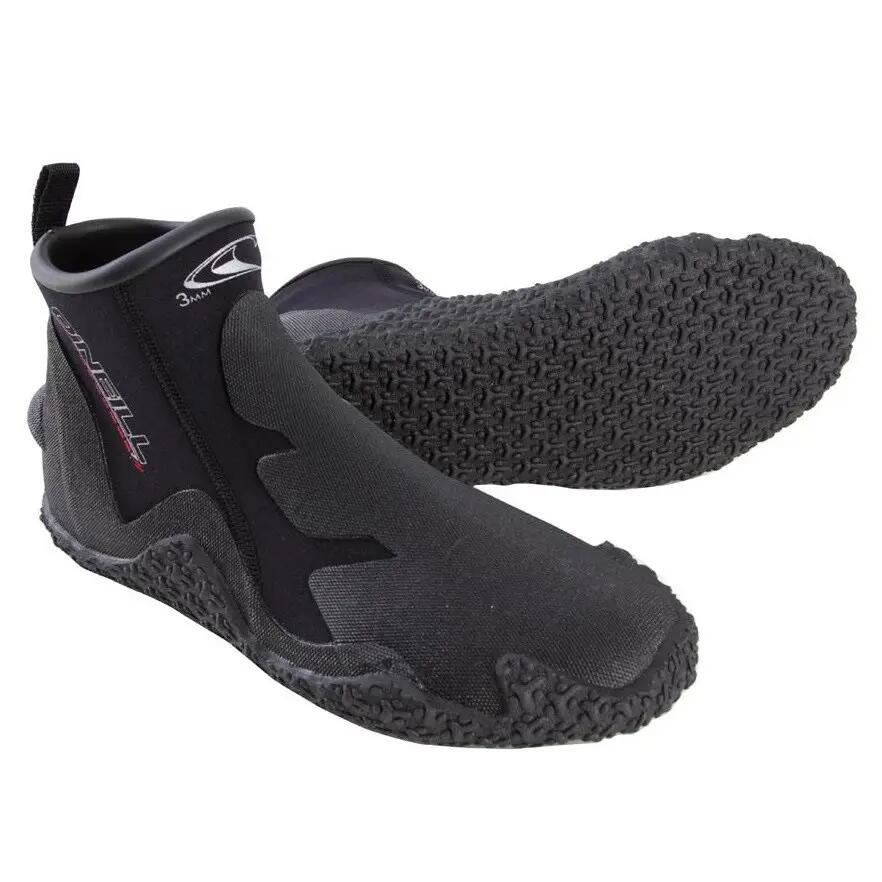
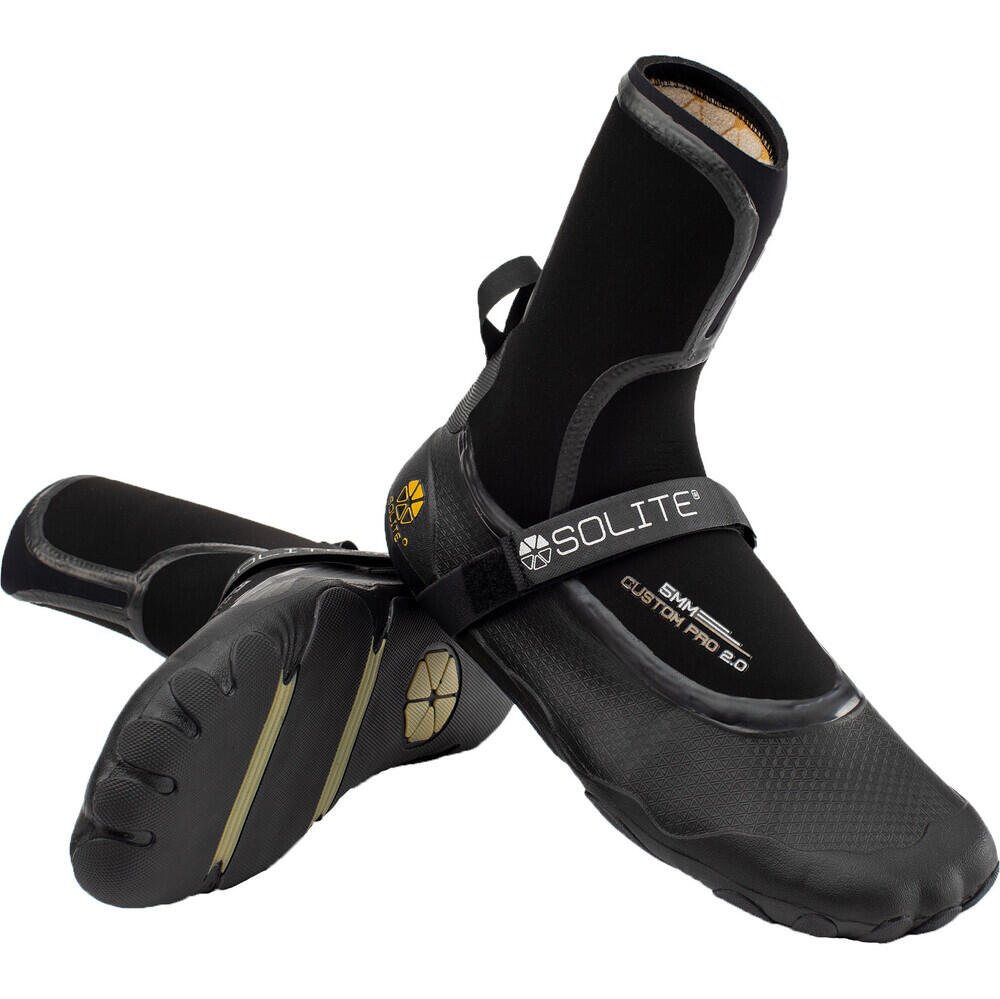
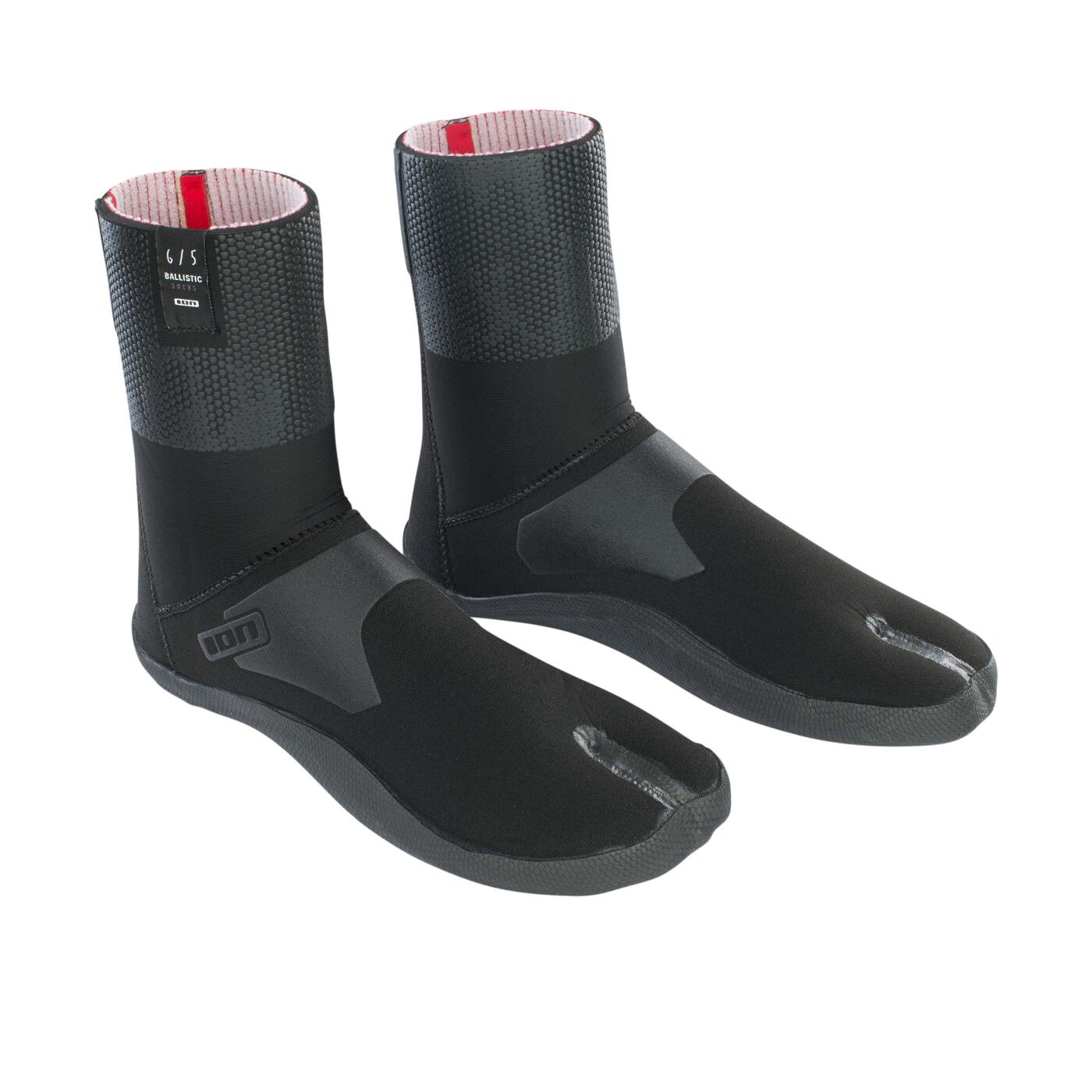
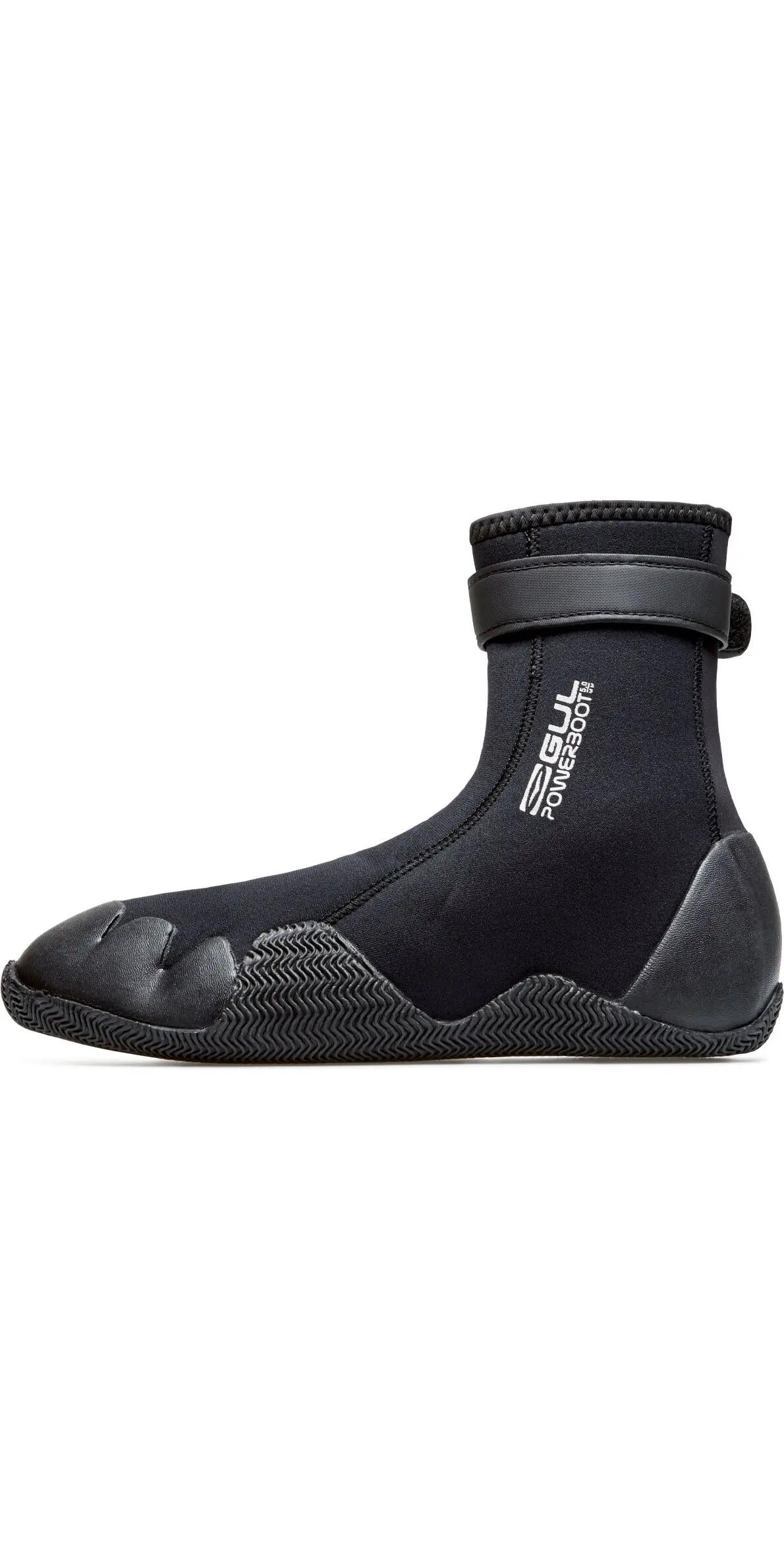
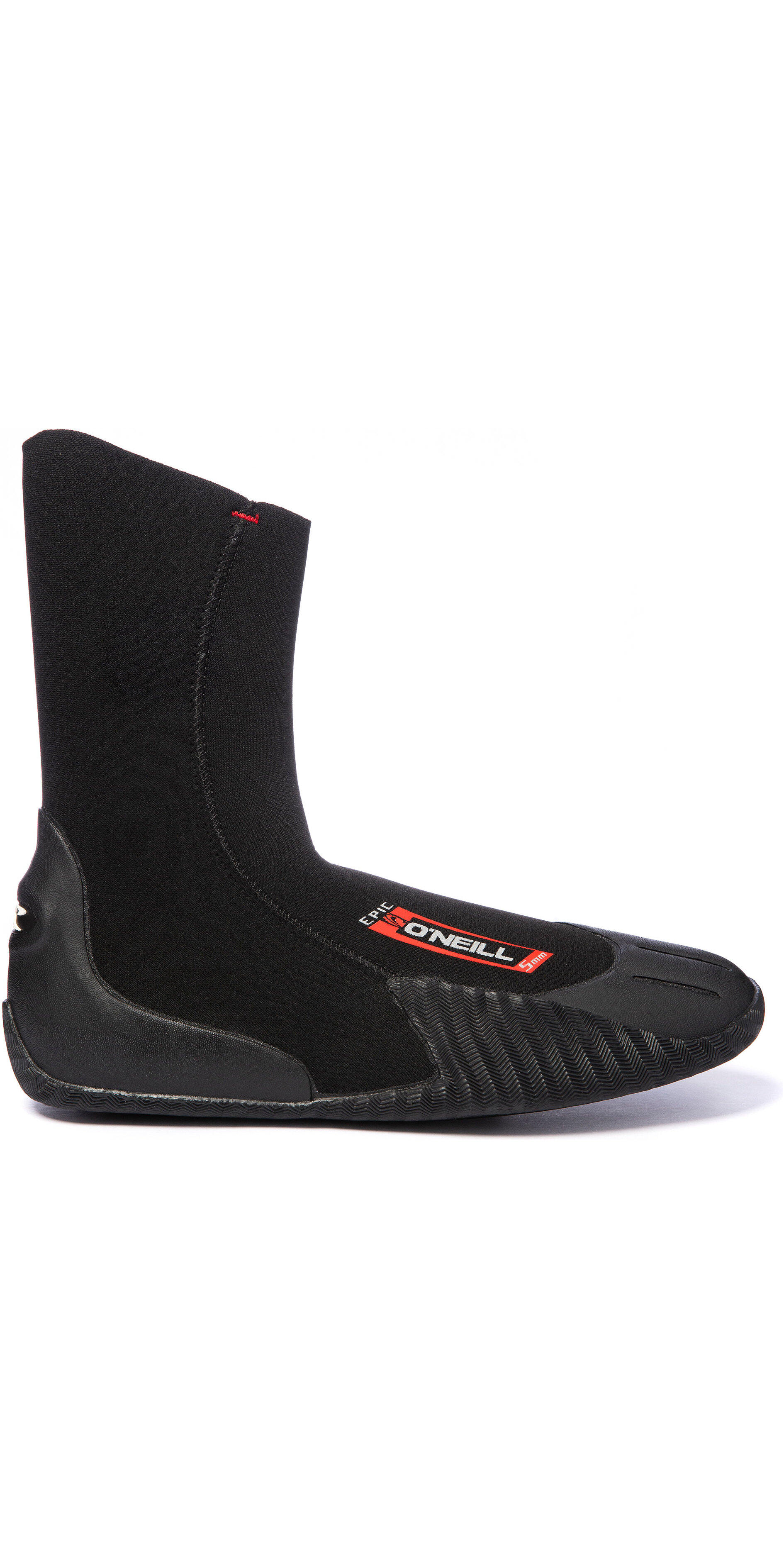
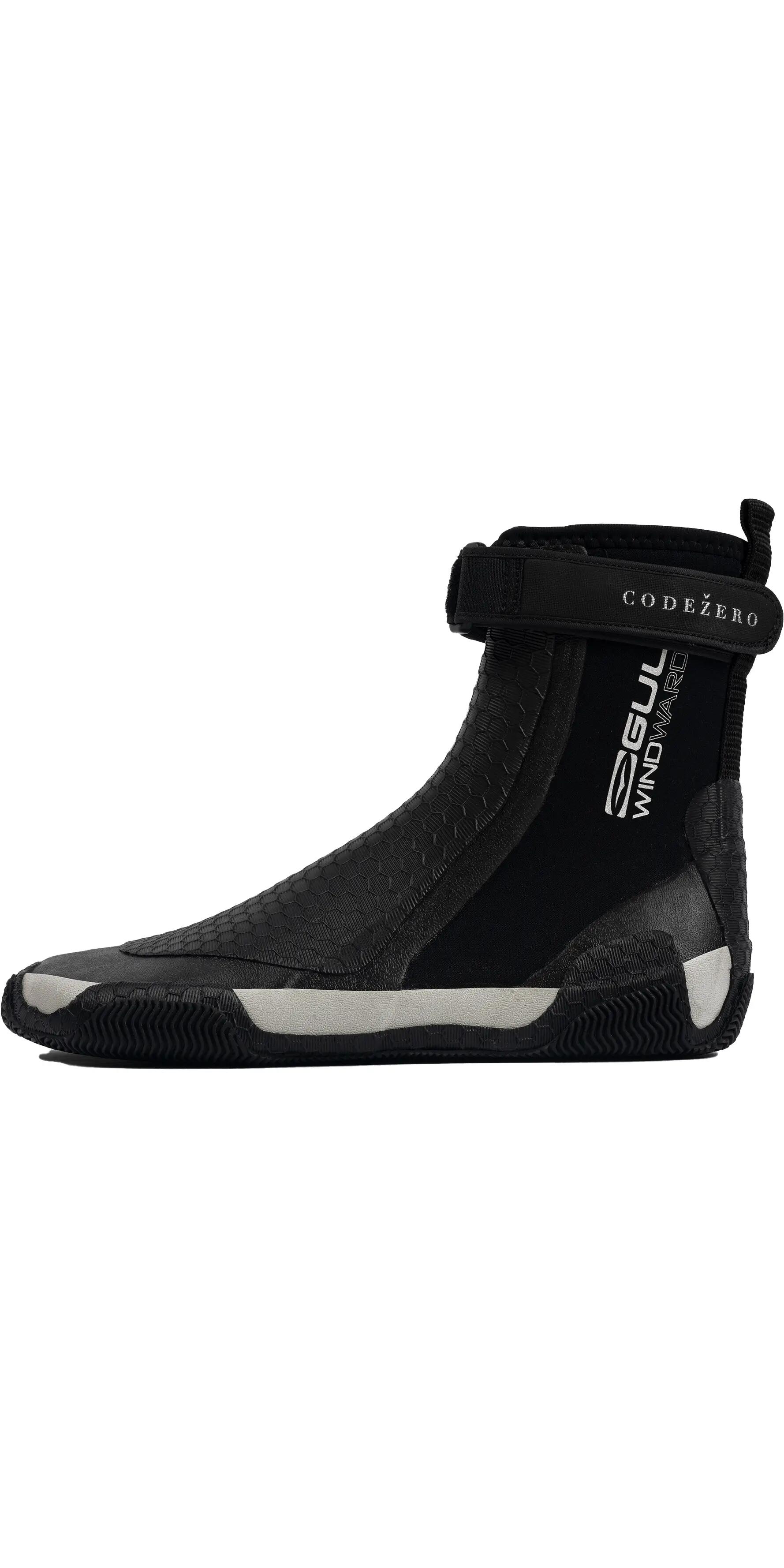
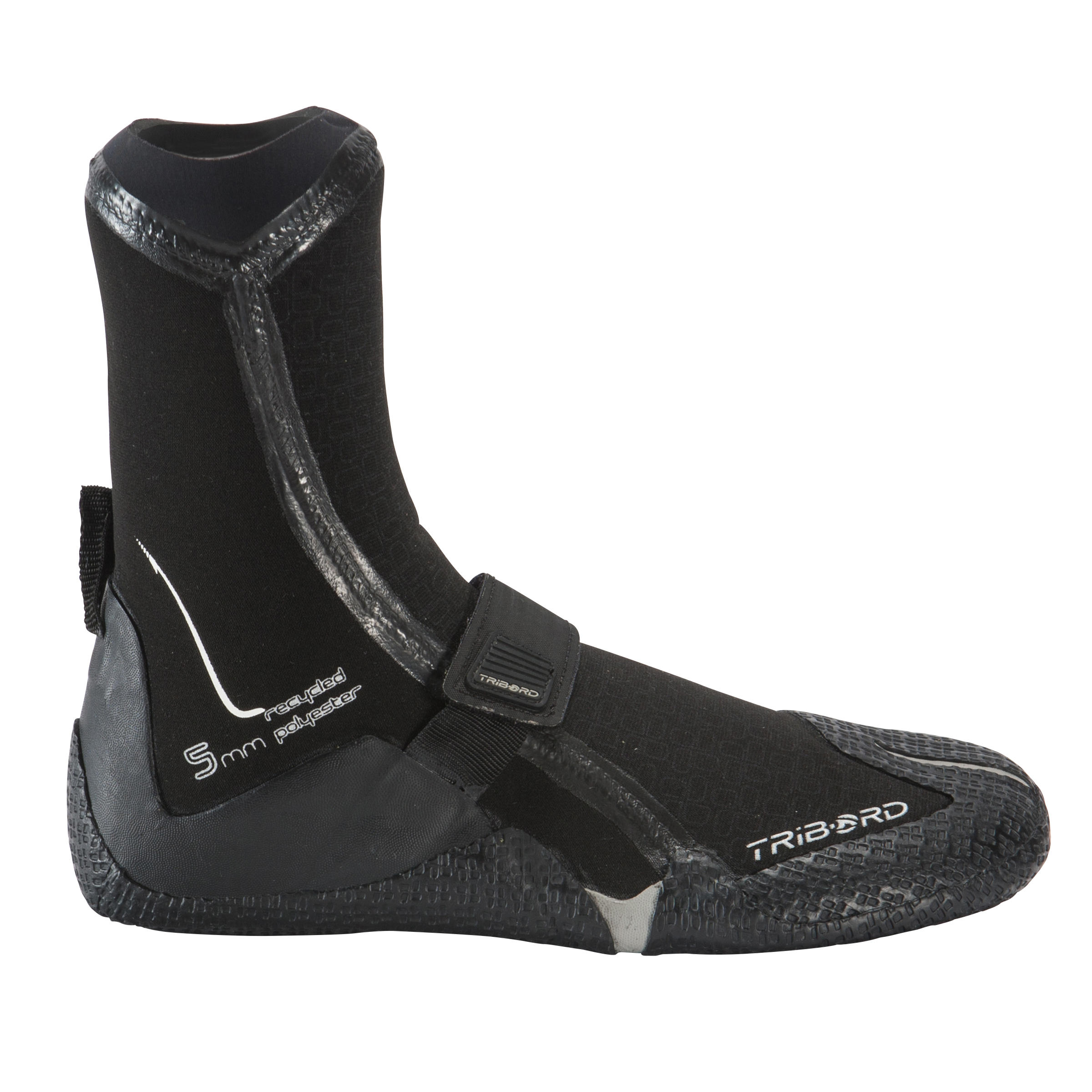
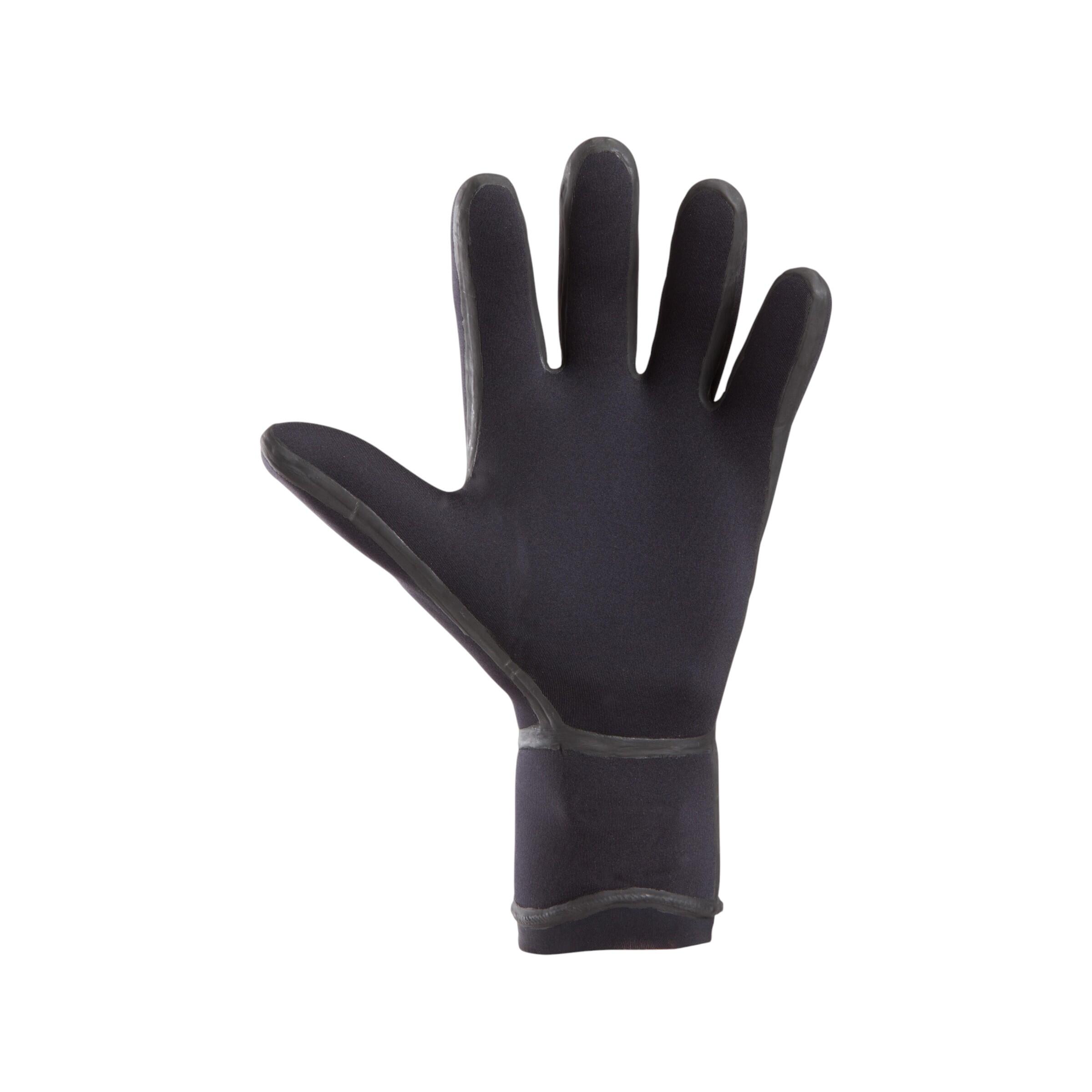
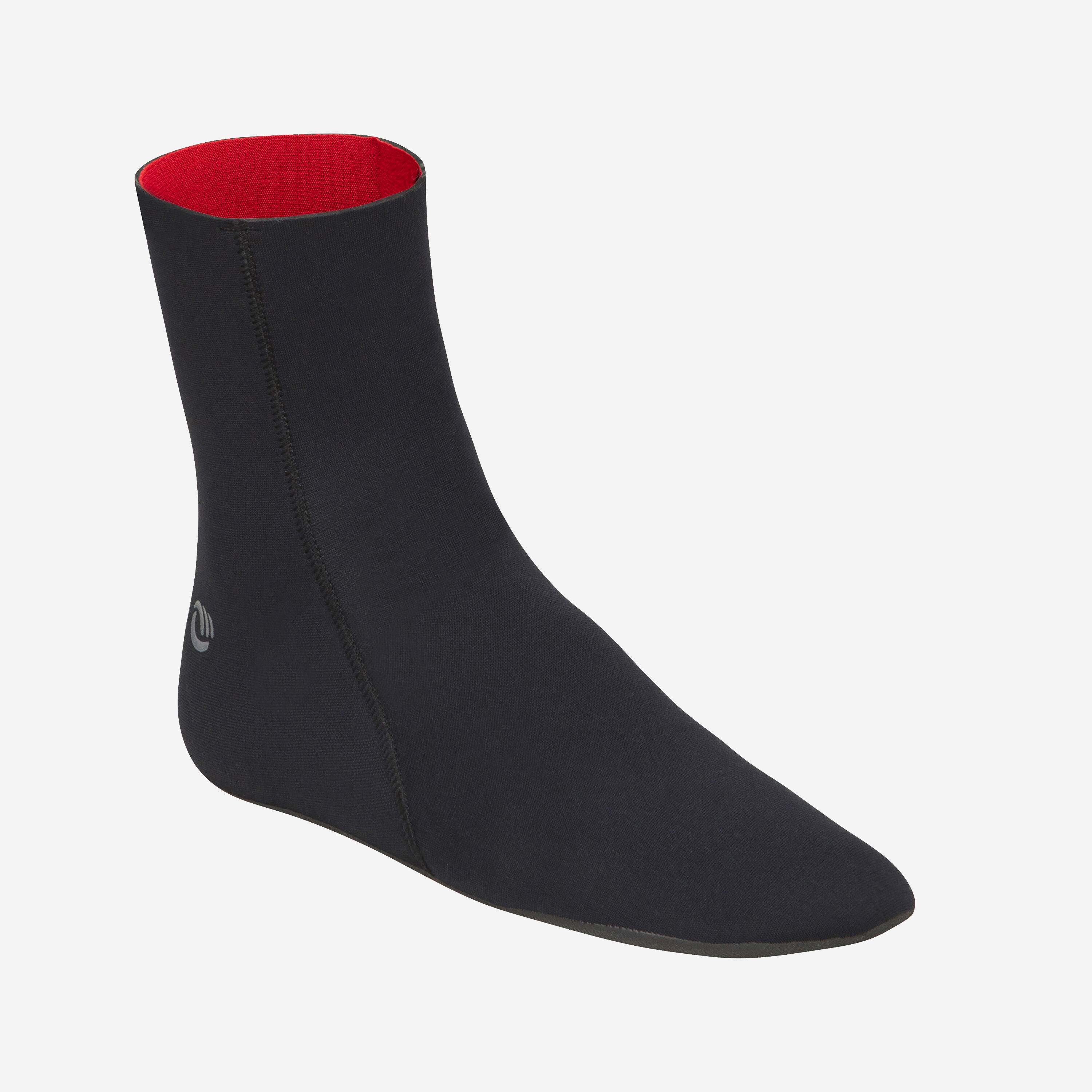
Neoprene thickness in surf boots follows the same principle as wetsuit panels: thicker neoprene provides more thermal insulation but reduces sensitivity and flex through the ankle. A 3 mm boot suits water temperatures between roughly 10 and 15 degrees, providing meaningful warmth without significantly deadening the feel of the board underfoot during turns. Below 10 degrees, a 5 mm boot is more appropriate; at that temperature, unprotected feet lose feeling within minutes, which affects both comfort and the ability to apply precise foot pressure to the board. The sole construction matters as much as the neoprene thickness; a split-toe boot places the big toe separately, mimicking the natural foot position on the board and improving grip sensitivity on the tail pad, while a round-toe boot prioritises warmth by keeping all toes together to share body heat. Cold hands benefit from the same approach as cold feet: matching boots with neoprene surfing gloves in the same thickness rating keeps insulation consistent across the extremities, which lose heat at similar rates. Expert advice: boots sized correctly should feel snug with no air pockets at the toe or heel; a loose fit allows water to flush through continuously and negates the thermal benefit entirely.

When does a split-toe surf boot perform better than a round-toe design?

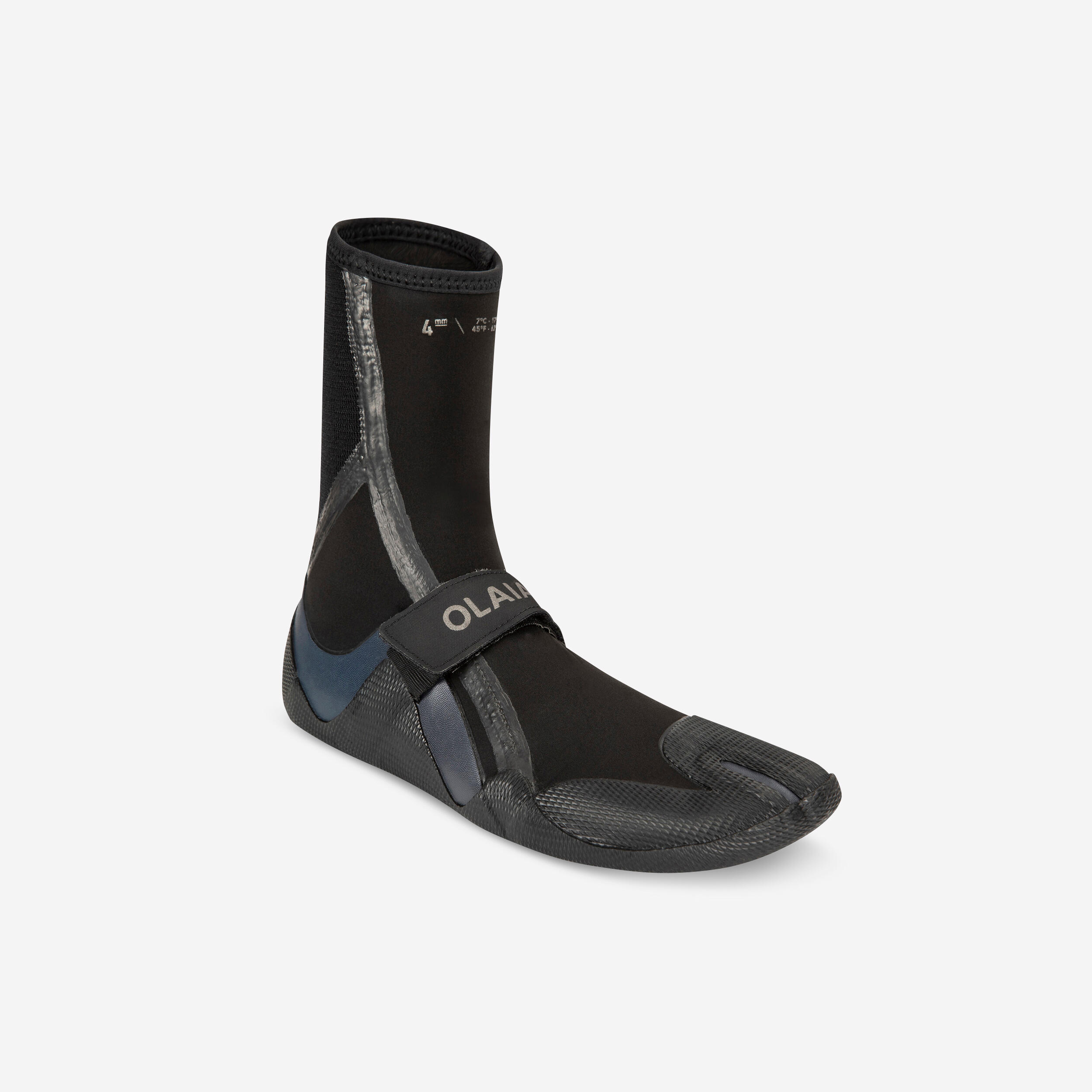
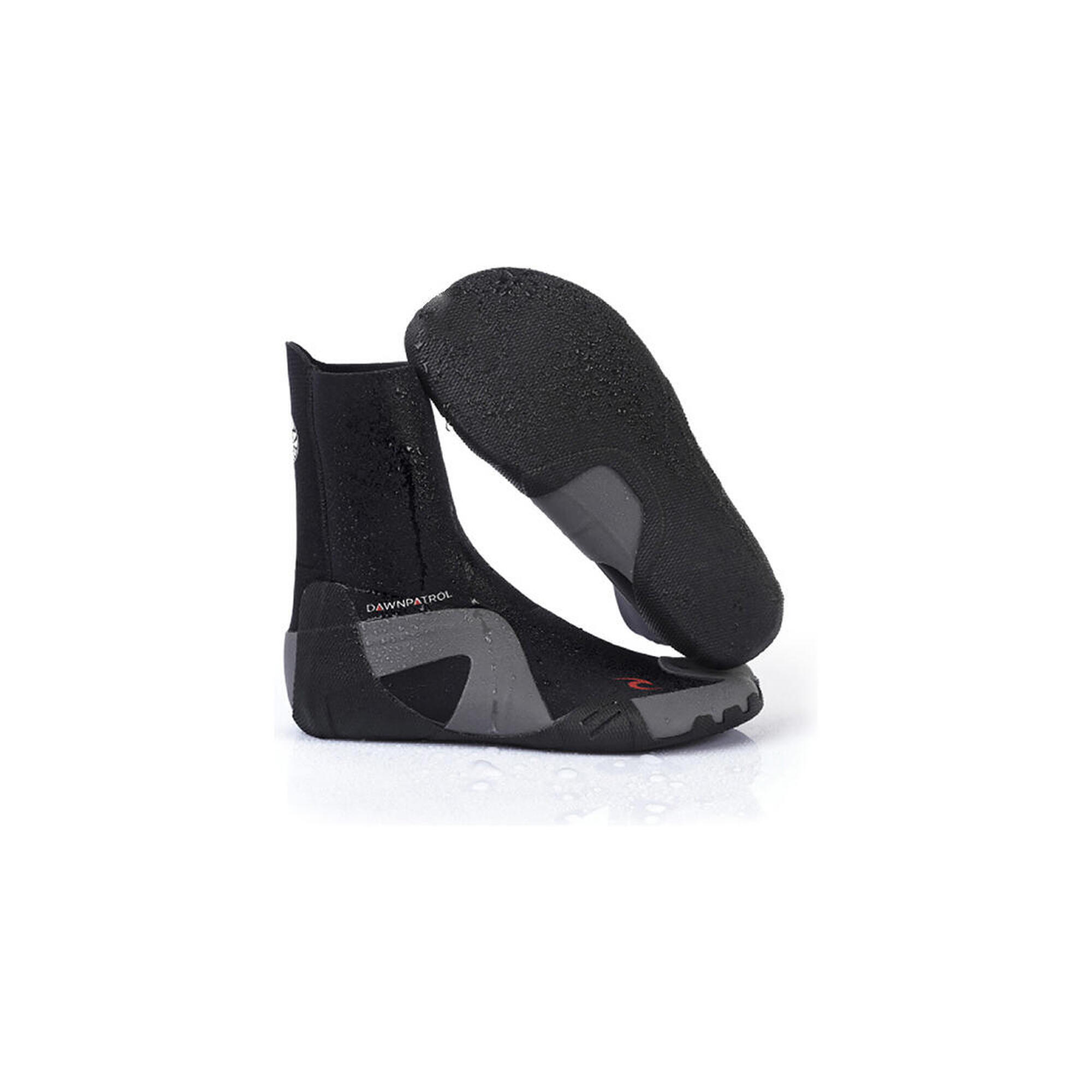
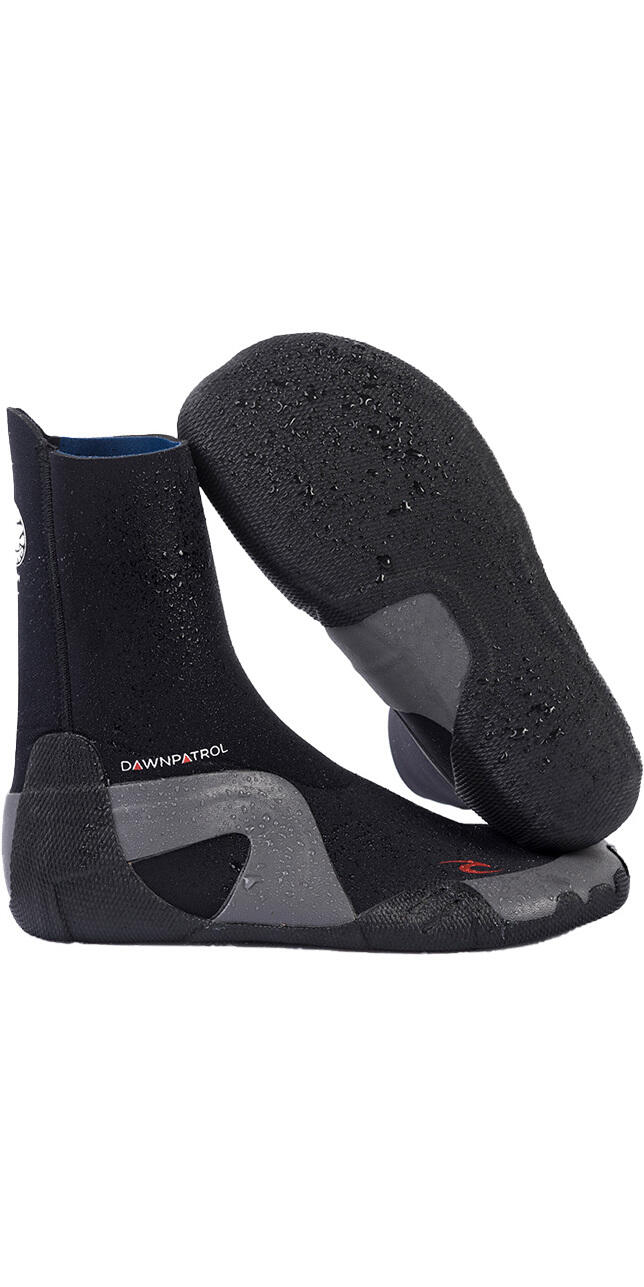
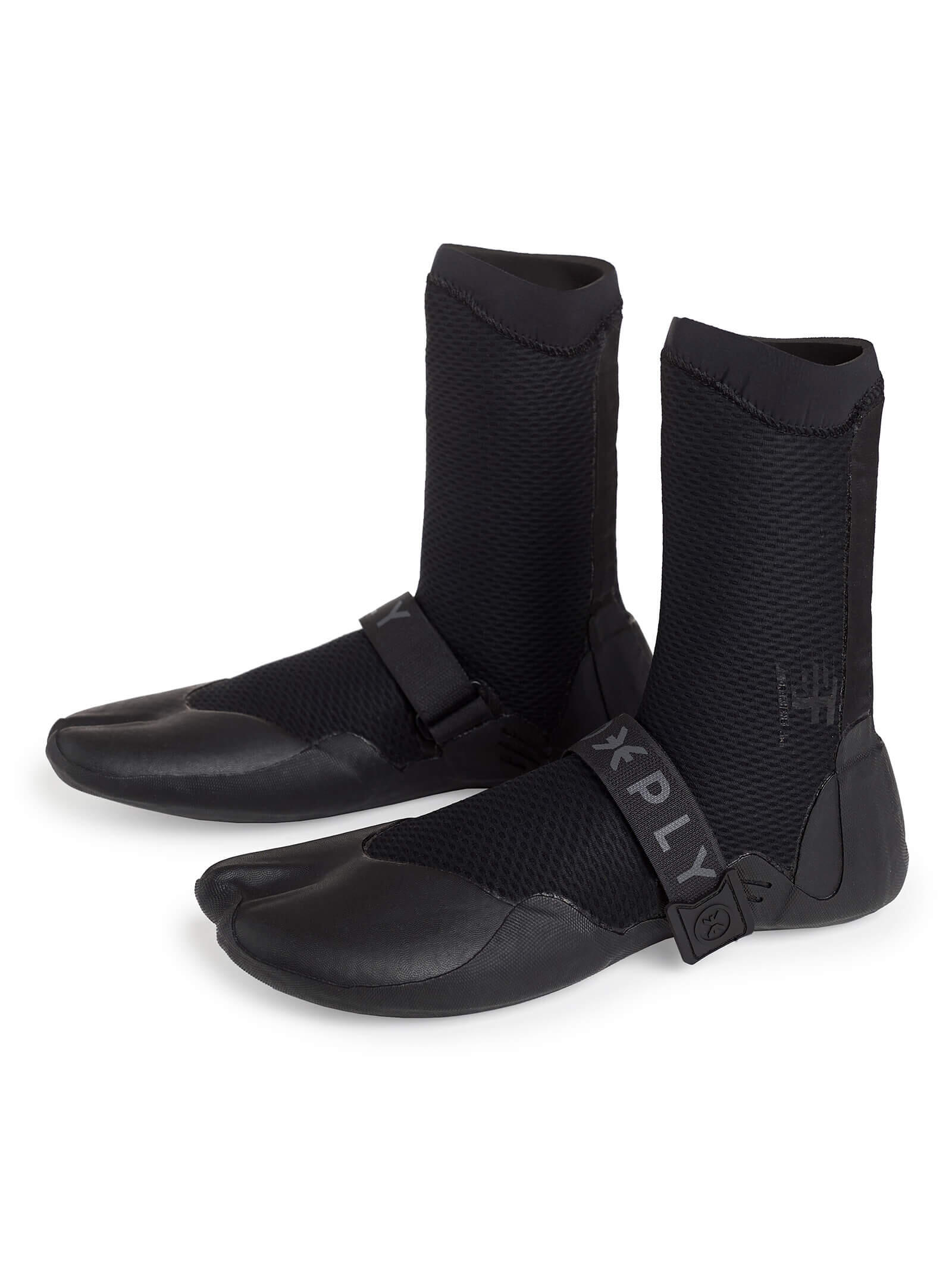
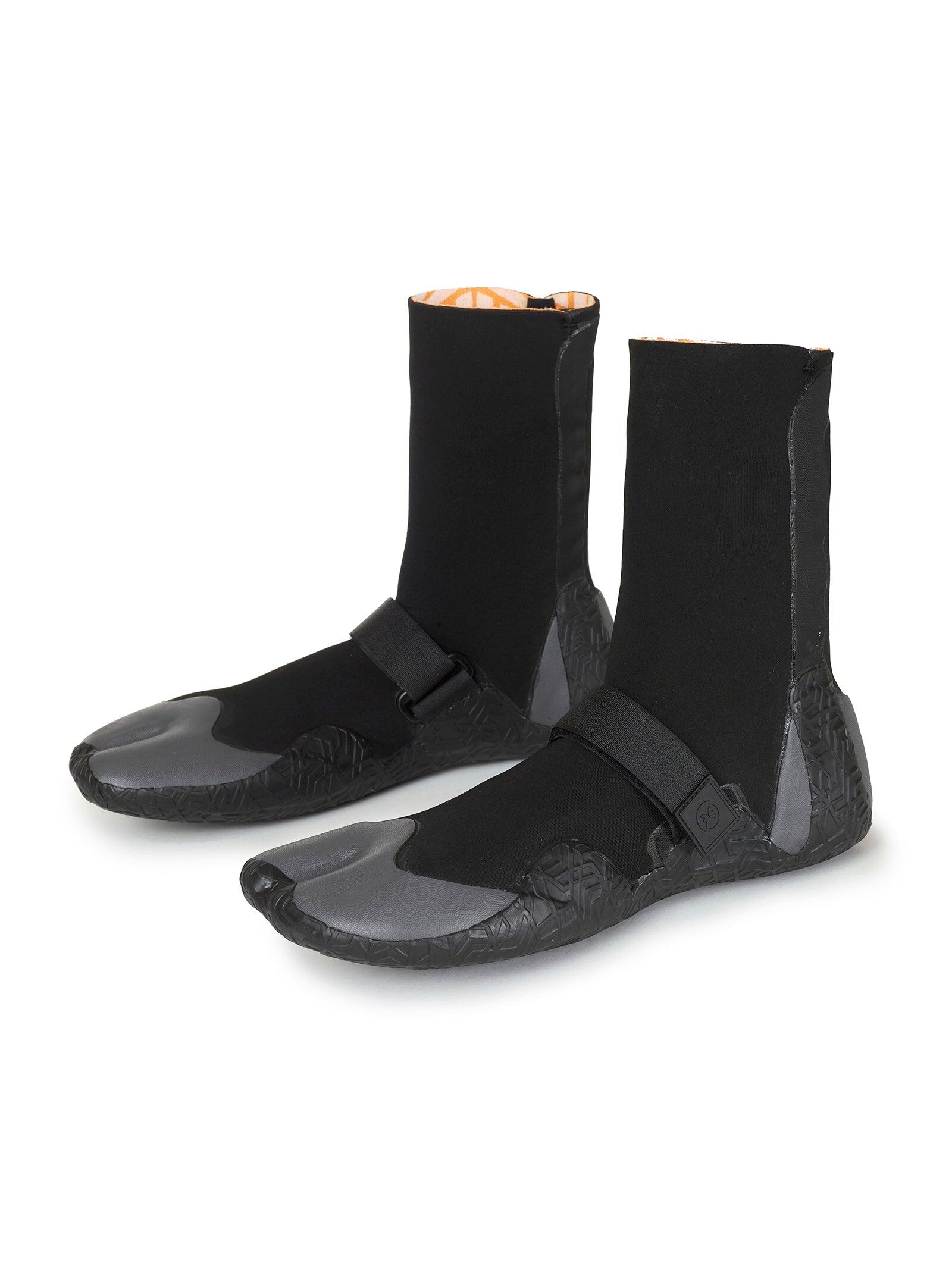
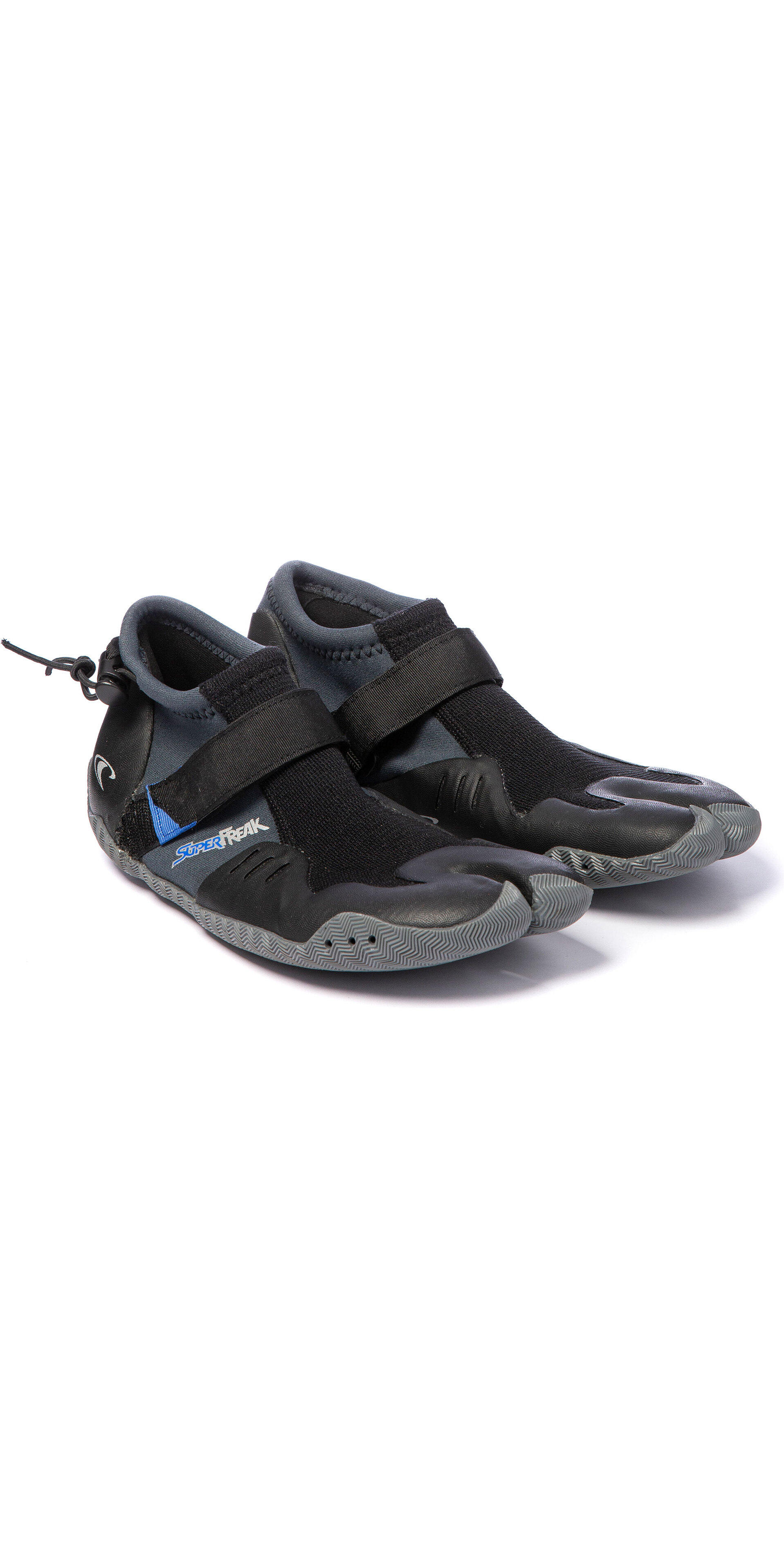
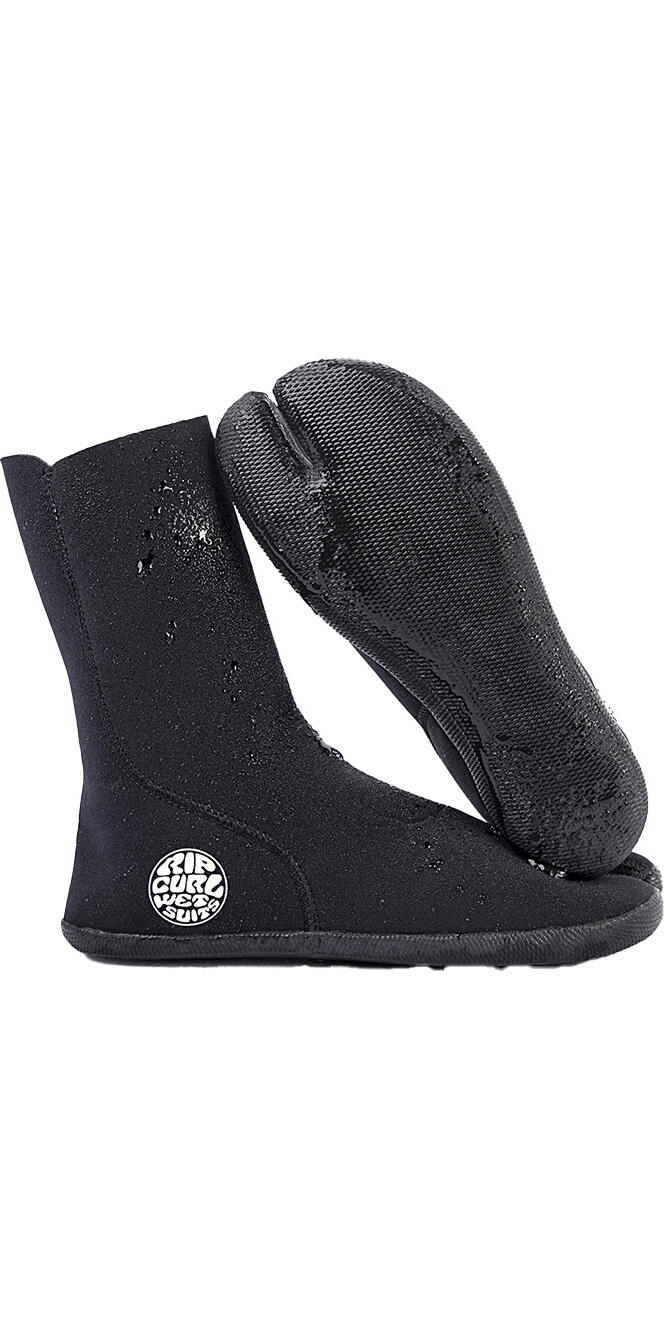
A split-toe boot wraps the big toe in its own neoprene pocket, recreating the natural gripping position the foot takes when it loads the rail or tail pad through a turn. The payoff is proprioceptive feedback: the separated toe keeps more contact with the deck and reads foot placement more precisely than a round-toe boot, where the toes sit bunched together. That makes a split-toe design the preferred choice for surfers refining their technique in cold water who want to feel as close to barefoot as the conditions permit. On milder days or during shorter sessions, pairing split-toe boots with a neoprene shortie provides enough warmth without the bulk of a full wetsuit.

What sole construction provides the best grip on a waxed surfboard deck?

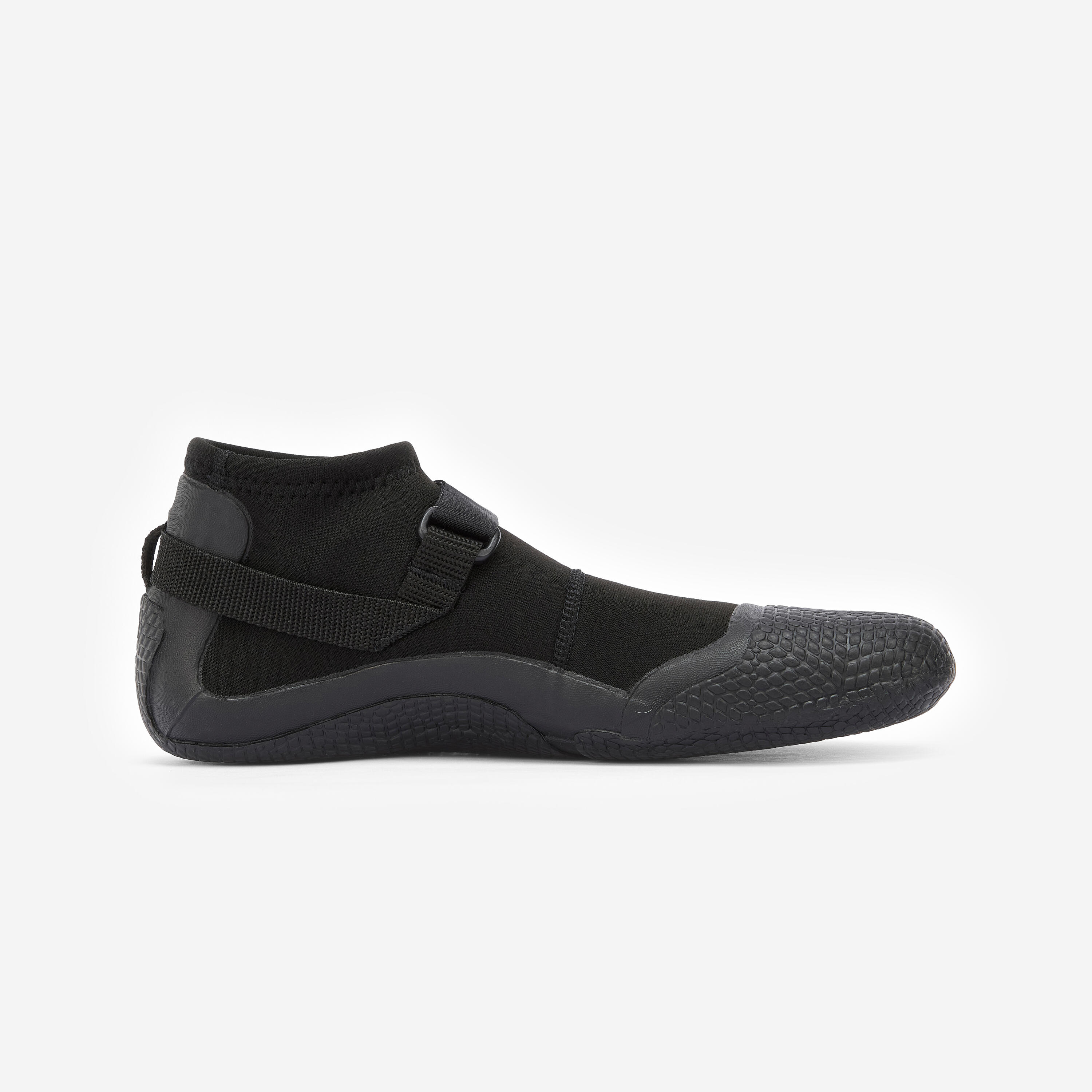
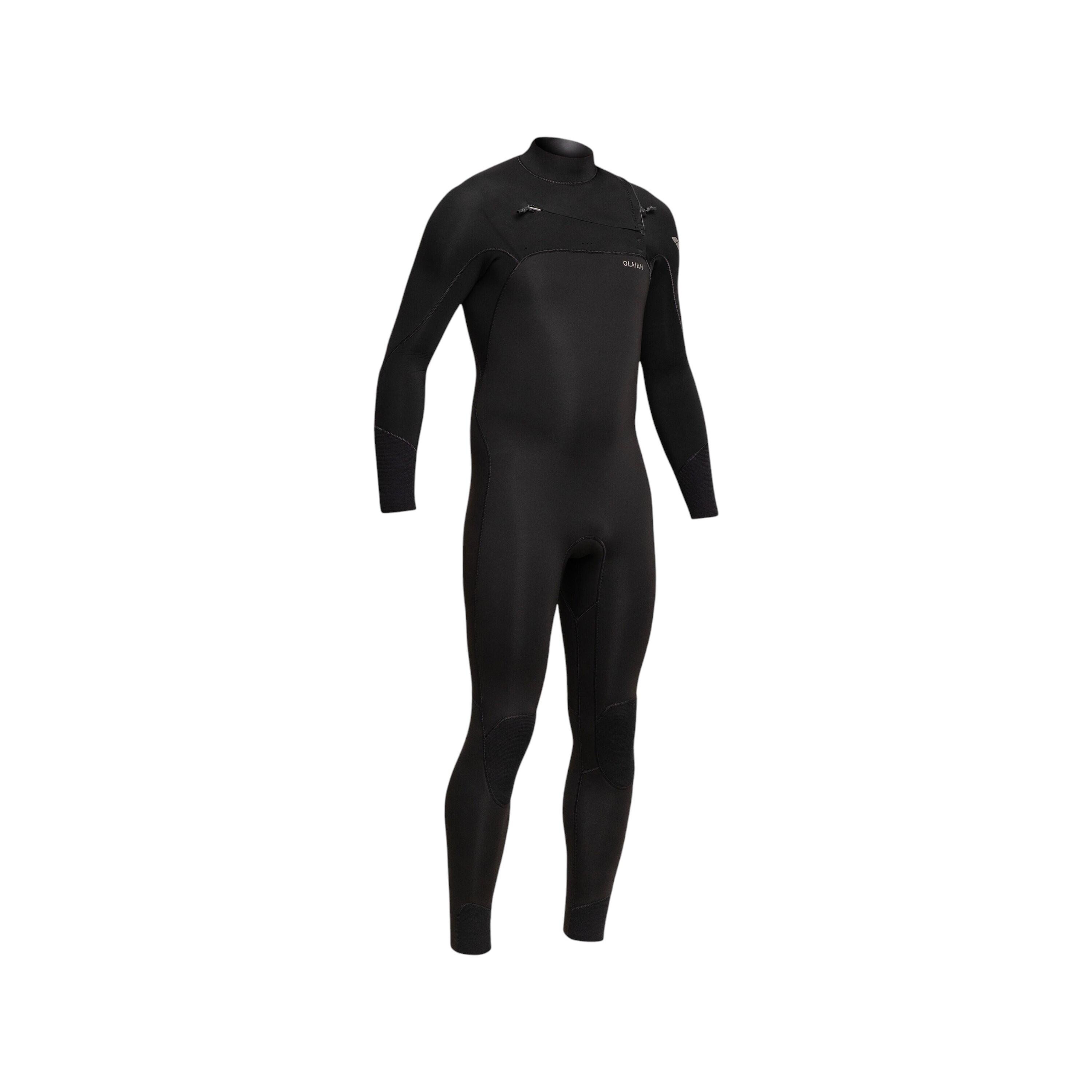
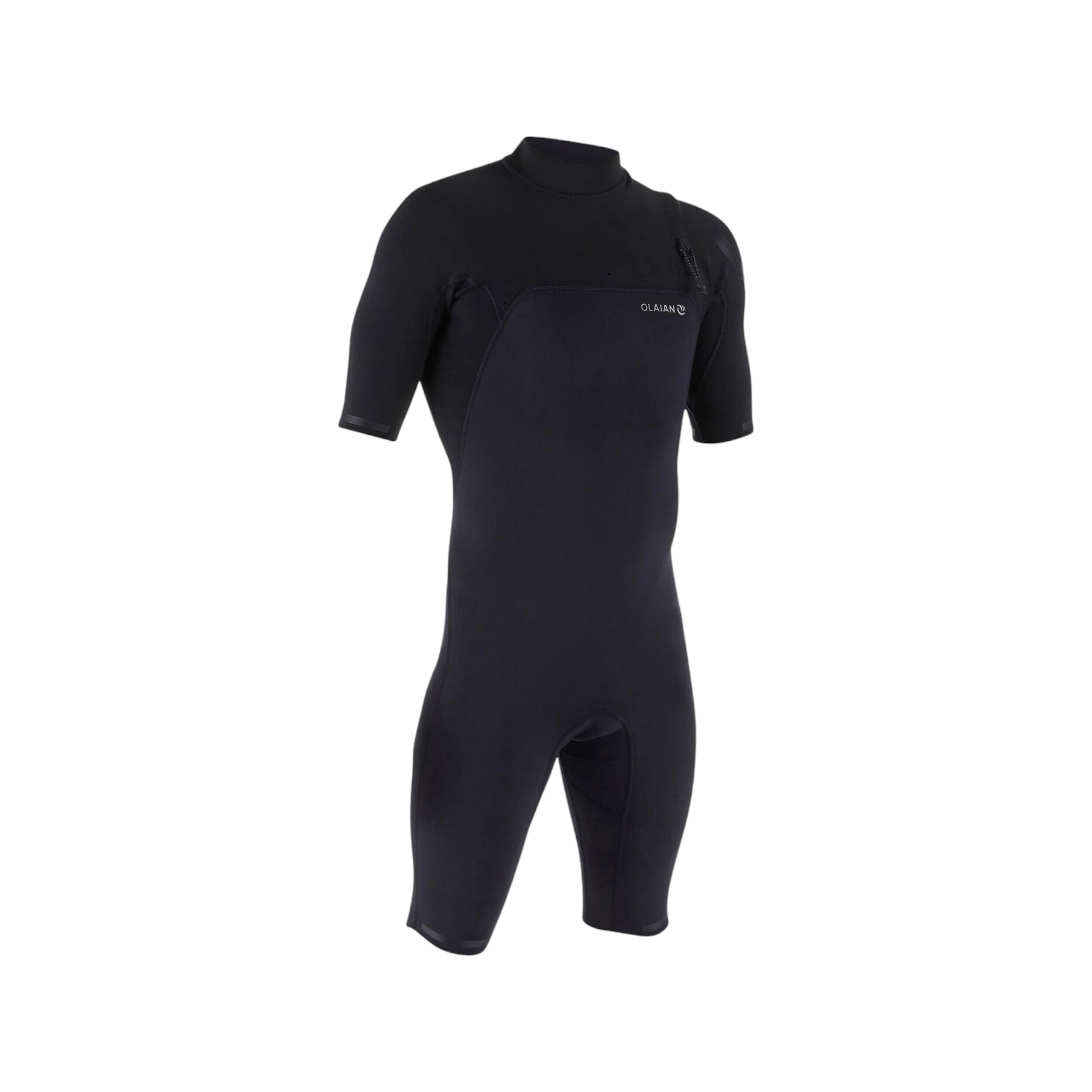
The sole of a surf boot needs to grip a waxed board surface without being so tacky that foot movement between positions is restricted during manoeuvres. A natural rubber sole compound with a flat or minimal tread pattern performs best in this context; deep lugs that work well on wet rock create interference with the wax texture and make it harder to slide the back foot into position quickly. The sole thickness also affects board feel; a thinner sole transmits more pressure feedback from the deck, while a thicker sole absorbs more of that sensation in exchange for additional cushioning on rocky entries. Boot choice shouldn't happen in isolation from the wetsuit: a neoprene surfing wetsuit with sealed seams and a chest zip holds warmth best when the boots closing around the ankles are sealed to the same standard, so sole thickness and flexibility deserve consideration alongside the suit itself.

What additional neoprene accessories complement surf boots in a full cold-water setup?

A complete cold-water surf kit addresses heat loss from the feet, hands, head, and any exposed skin at the neck and wrist cuffs. Boots and gloves cover the extremities, but accessory items such as neoprene earplugs reduce the risk of surfer's ear, a condition caused by repeated cold-water exposure to the ear canal that causes bony growths and progressive hearing loss over years of regular surfing. Wax combs, leash attachments, and boot repair patches are practical additions for extended cold-water sessions. Items covering these functional needs are available in neoprene surfer's accessories, where products are grouped by function rather than by wetsuit type, making it straightforward to complete a kit without duplicating items already owned.

How do surf boots fit into the full neoprene cold-water surfing system?

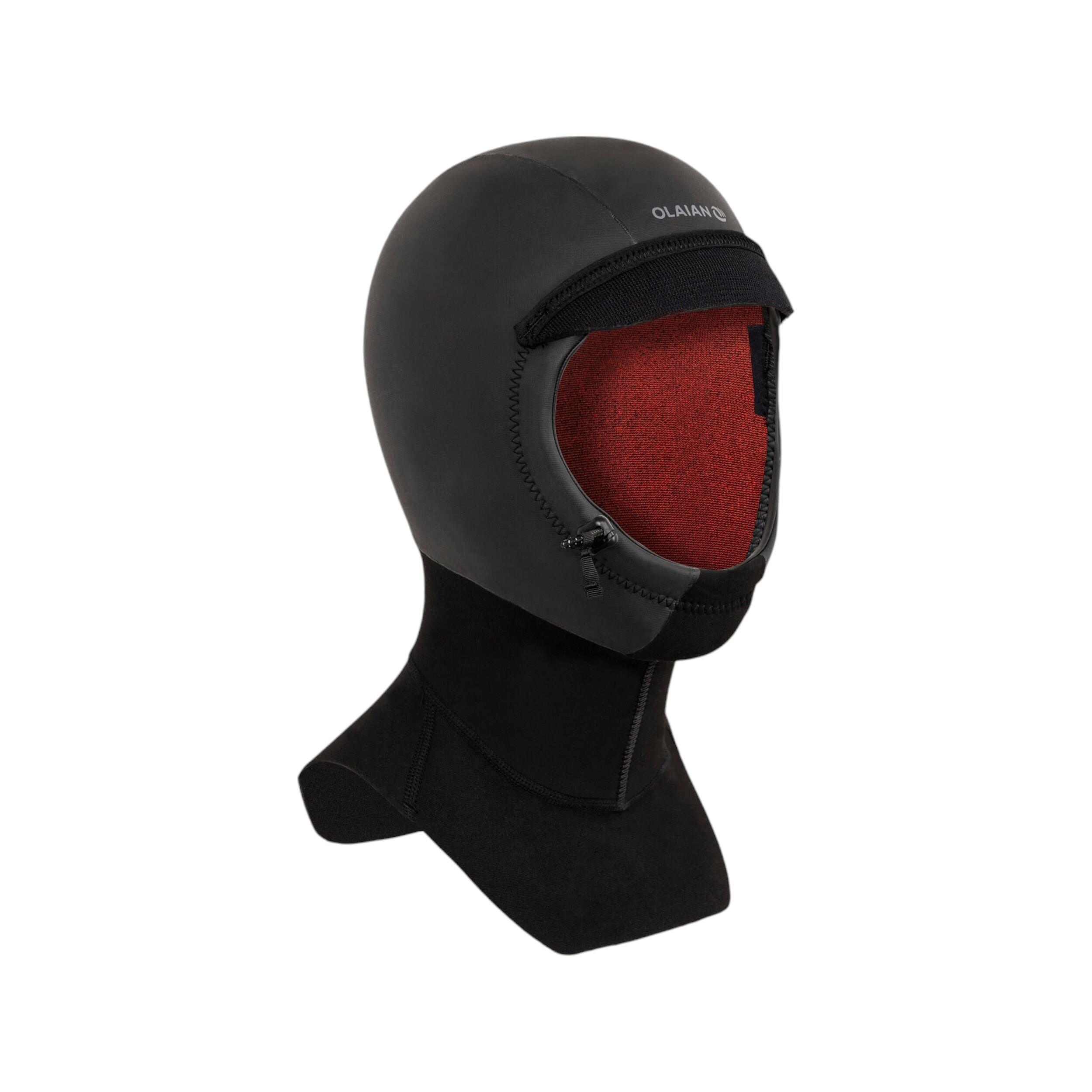
Cold-water surfing gear works as a layered thermal system where each component addresses a specific area of heat loss. The wetsuit covers the core and limbs, the hood protects the head and neck, gloves cover the hands, and boots cover the feet. Each of these areas loses heat at a different rate and through a different mechanism; the head and neck lose heat rapidly through convection and direct water contact, while the feet lose heat primarily through conduction with cold water that flushes through a poorly sealed boot. A neoprene surfer hood paired with a high-neck wetsuit and tucked-in boot ankle cuffs creates a near-continuous seal across the body that prevents the continuous water flushing that makes cold-water sessions short and uncomfortable even in a technically adequate wetsuit.