51 items
4.2/5 based on 607 reviews collected online and in stores

Women's Surfing Wetsuits FAQs

What is the difference between a zip-back and a chest-zip wetsuit for women?

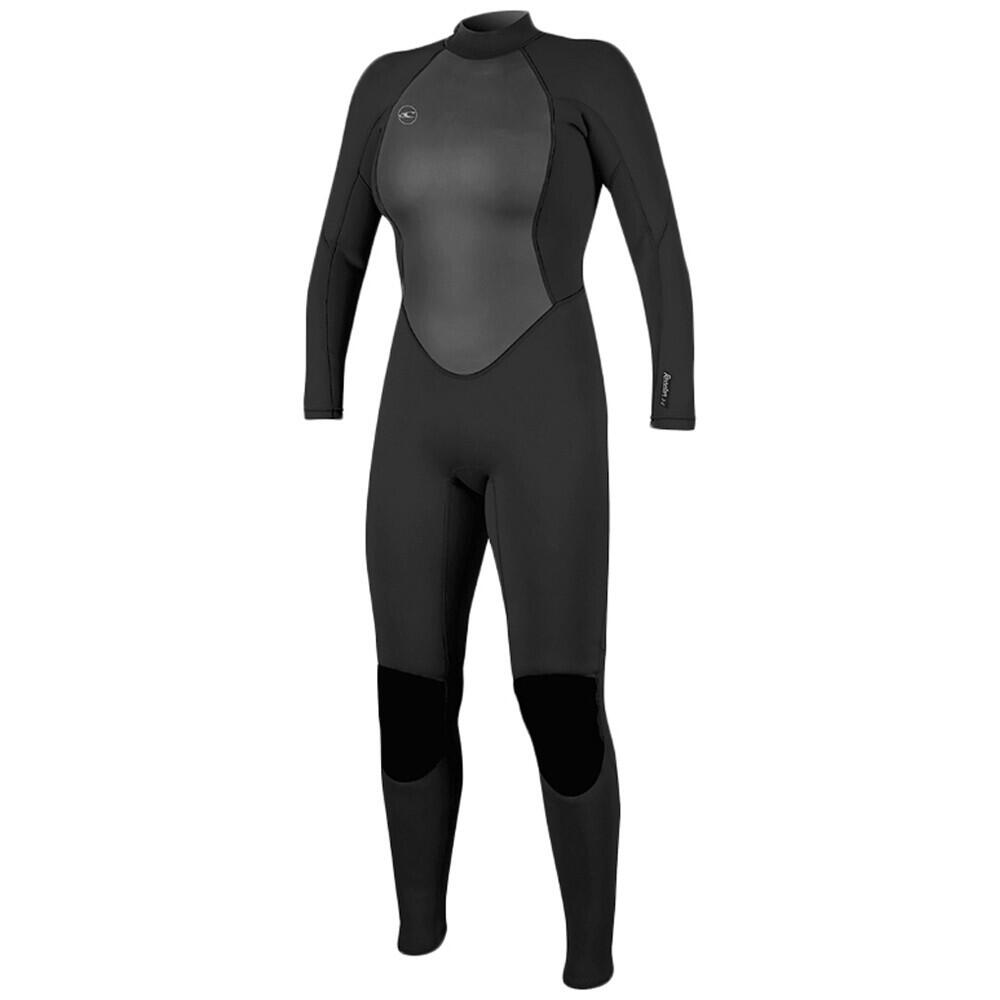
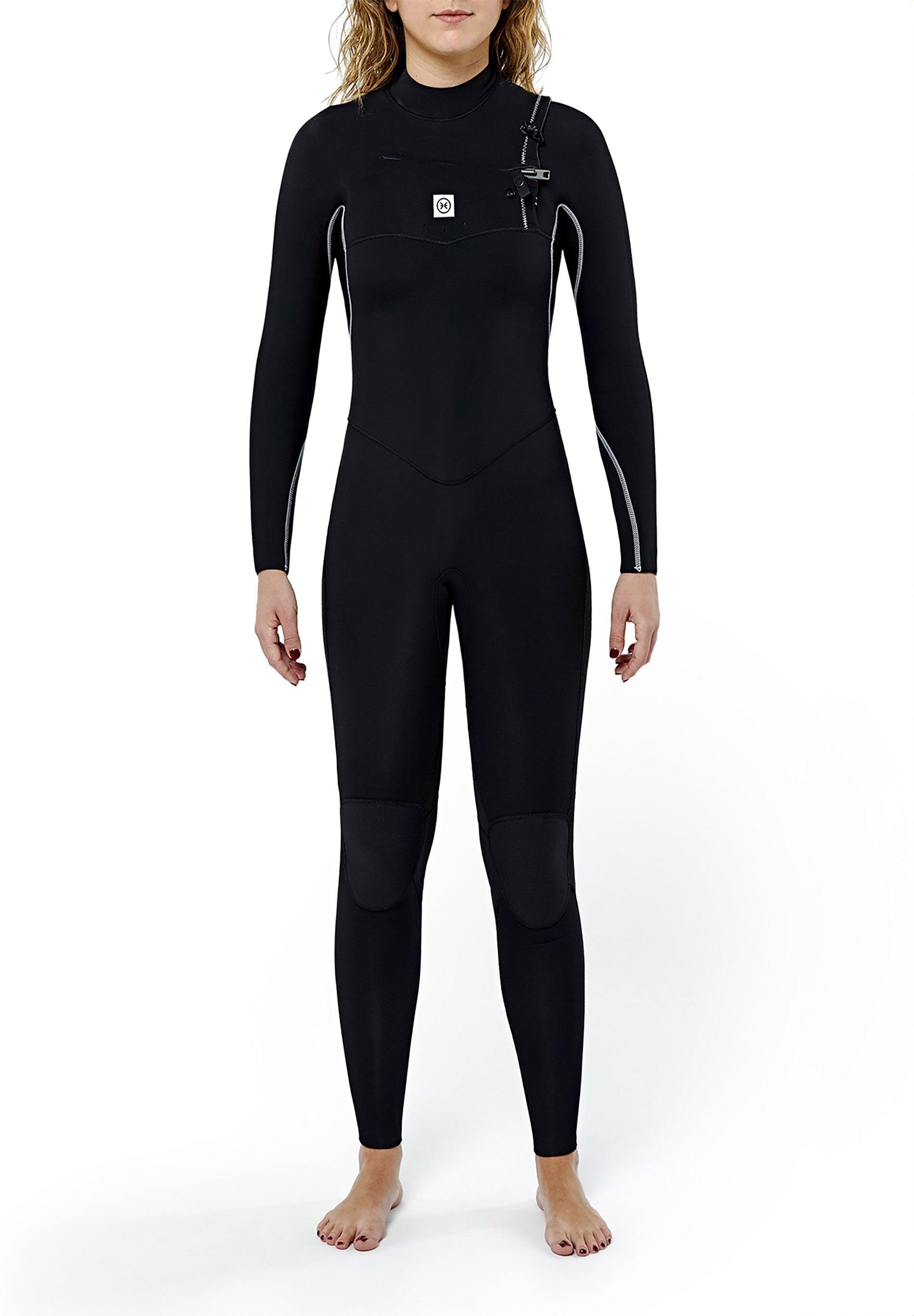
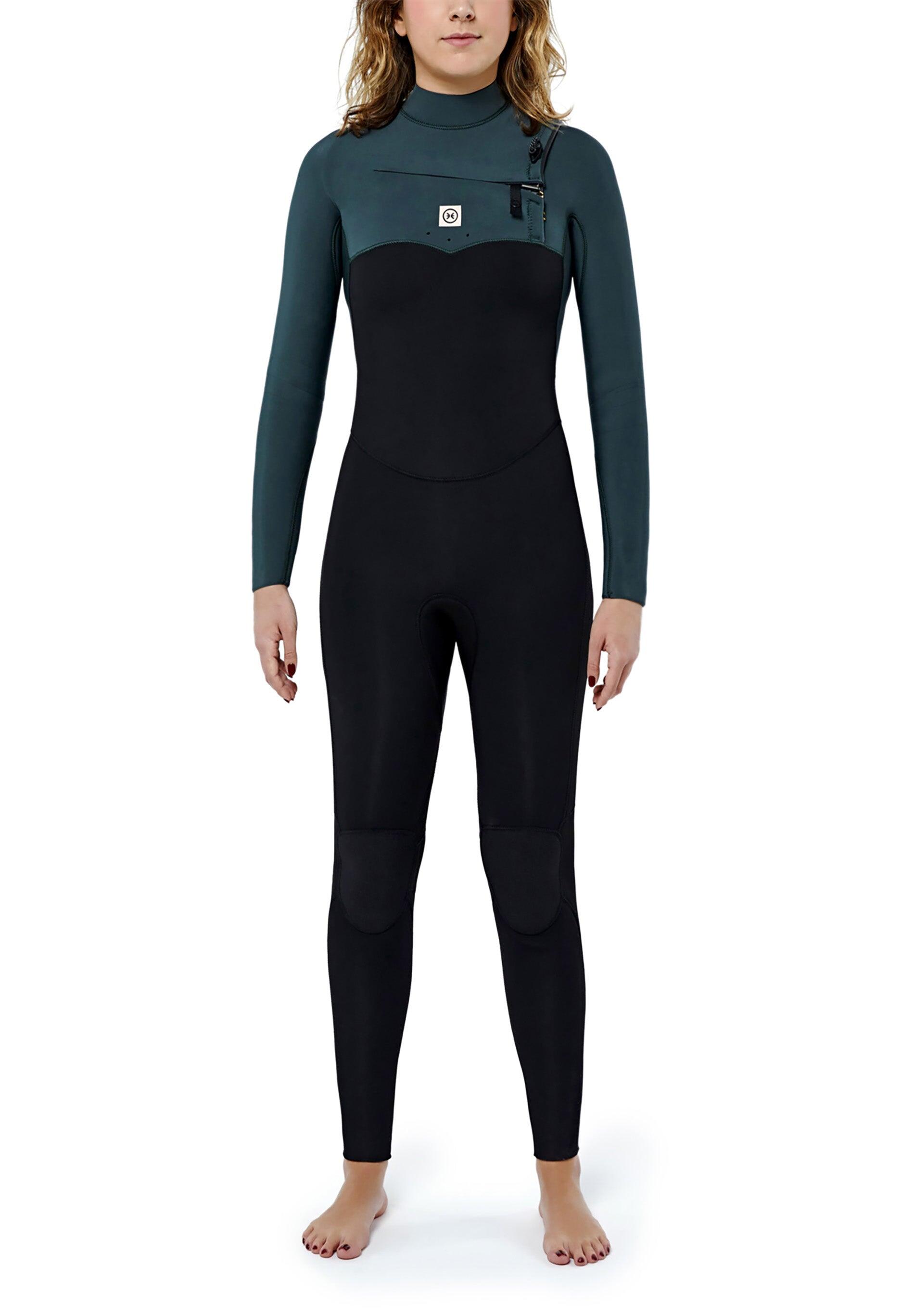
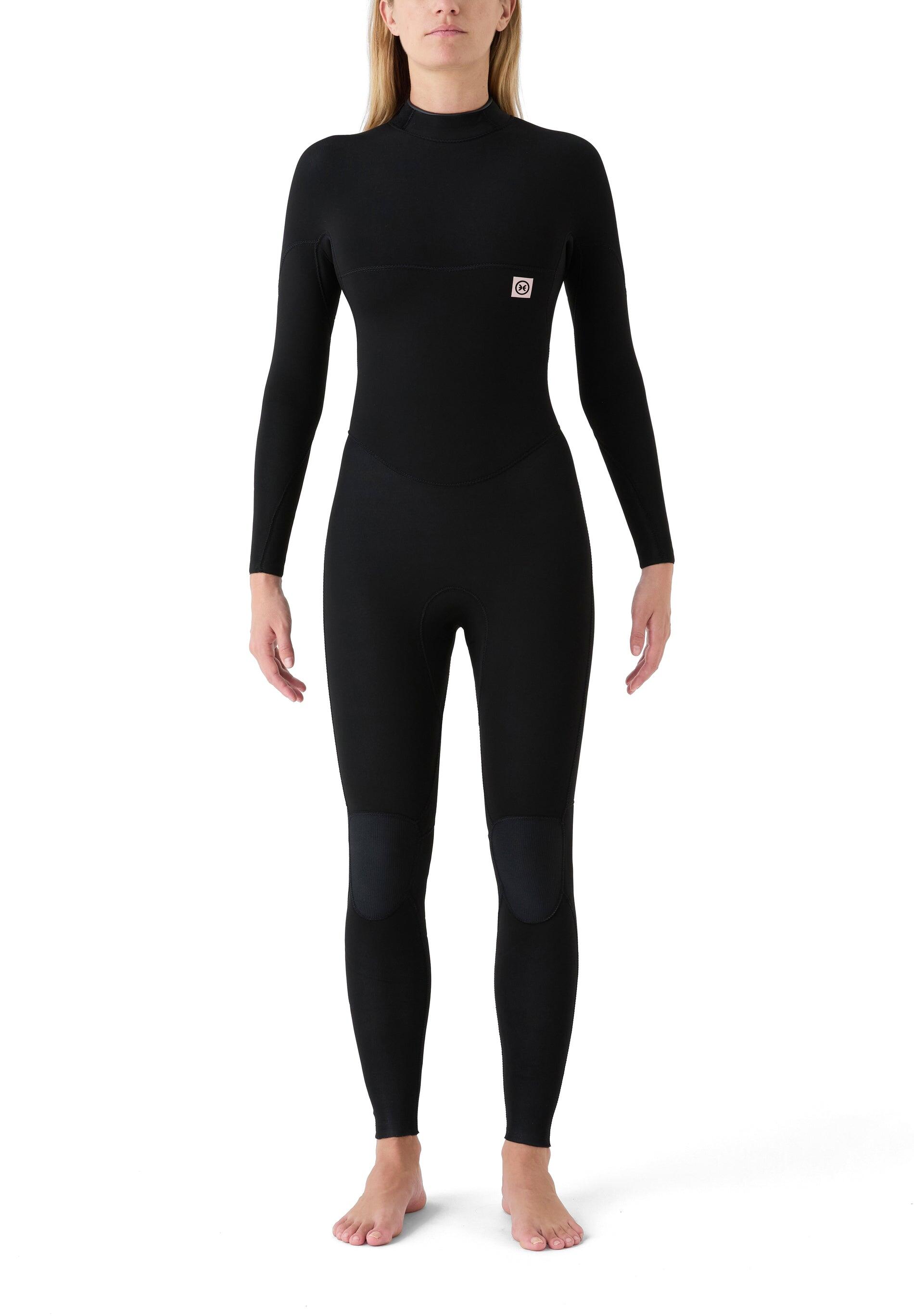
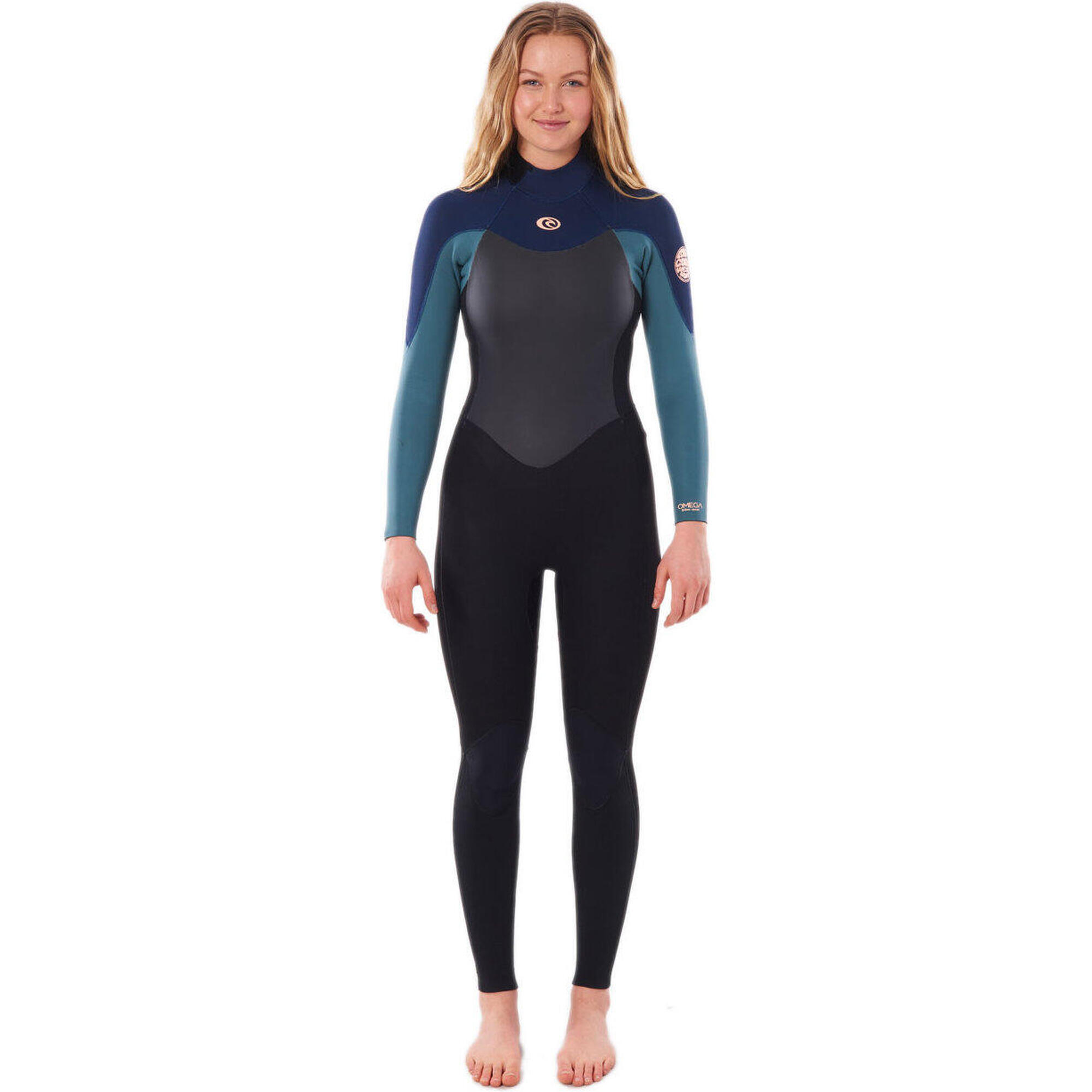
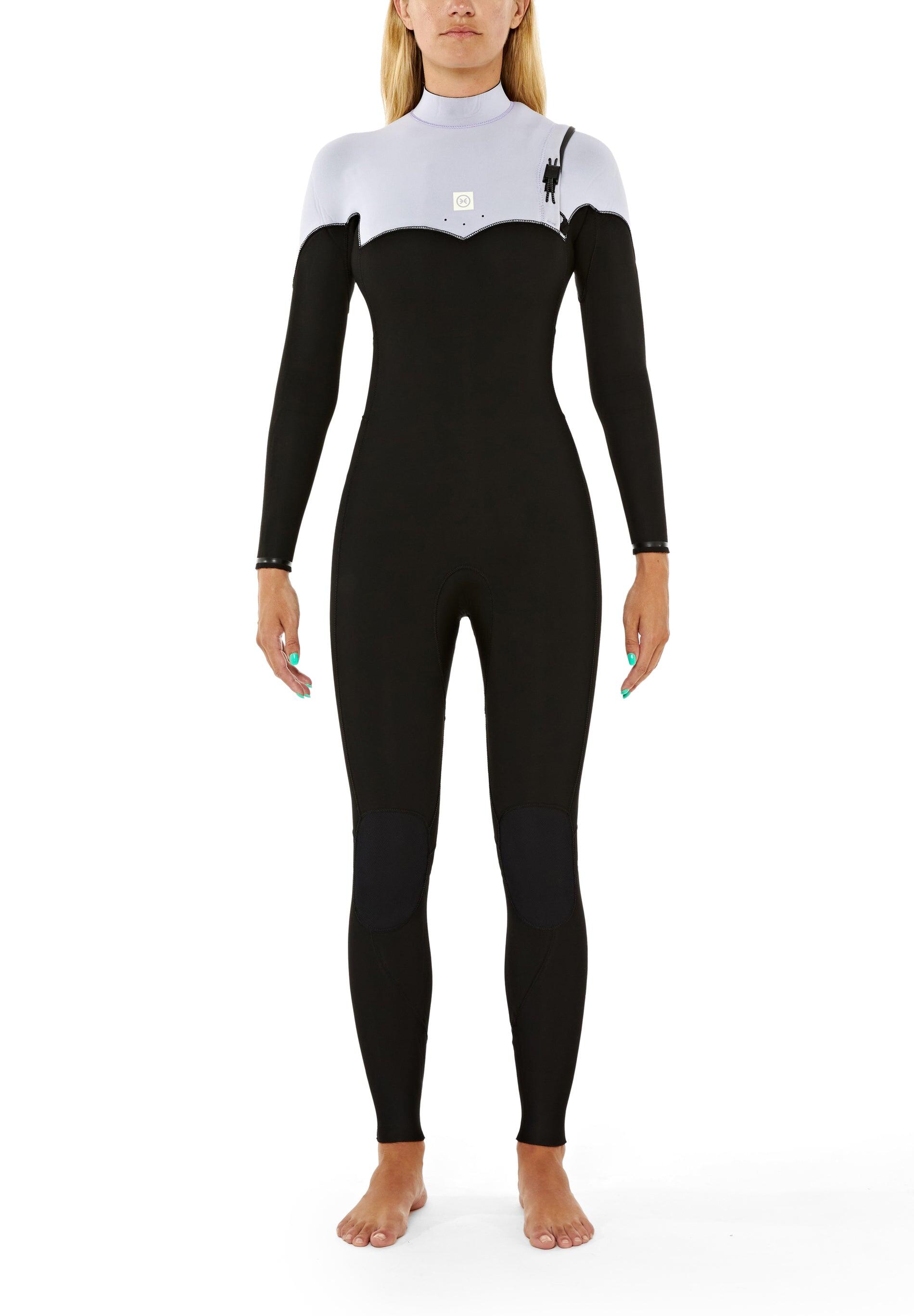
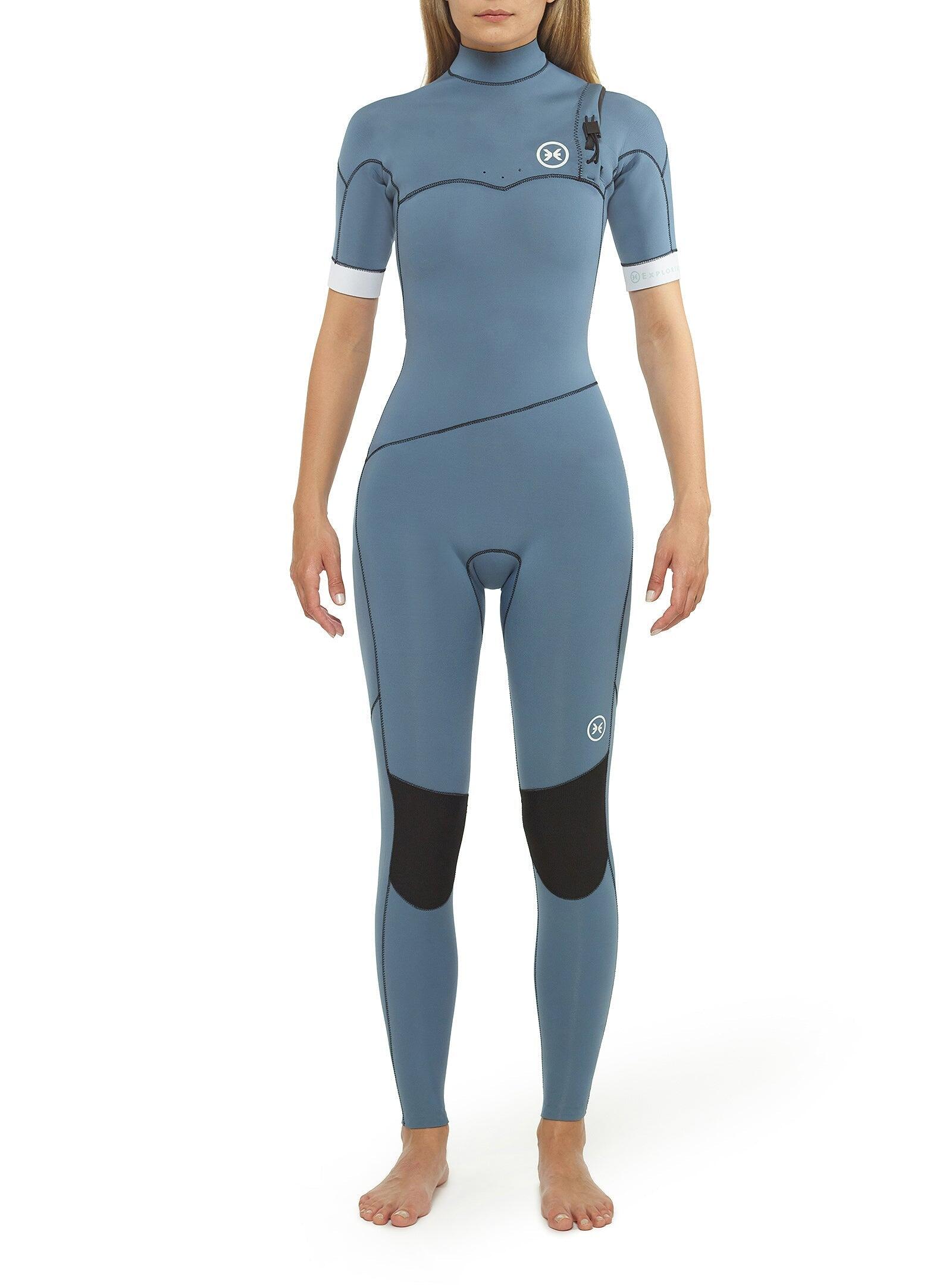
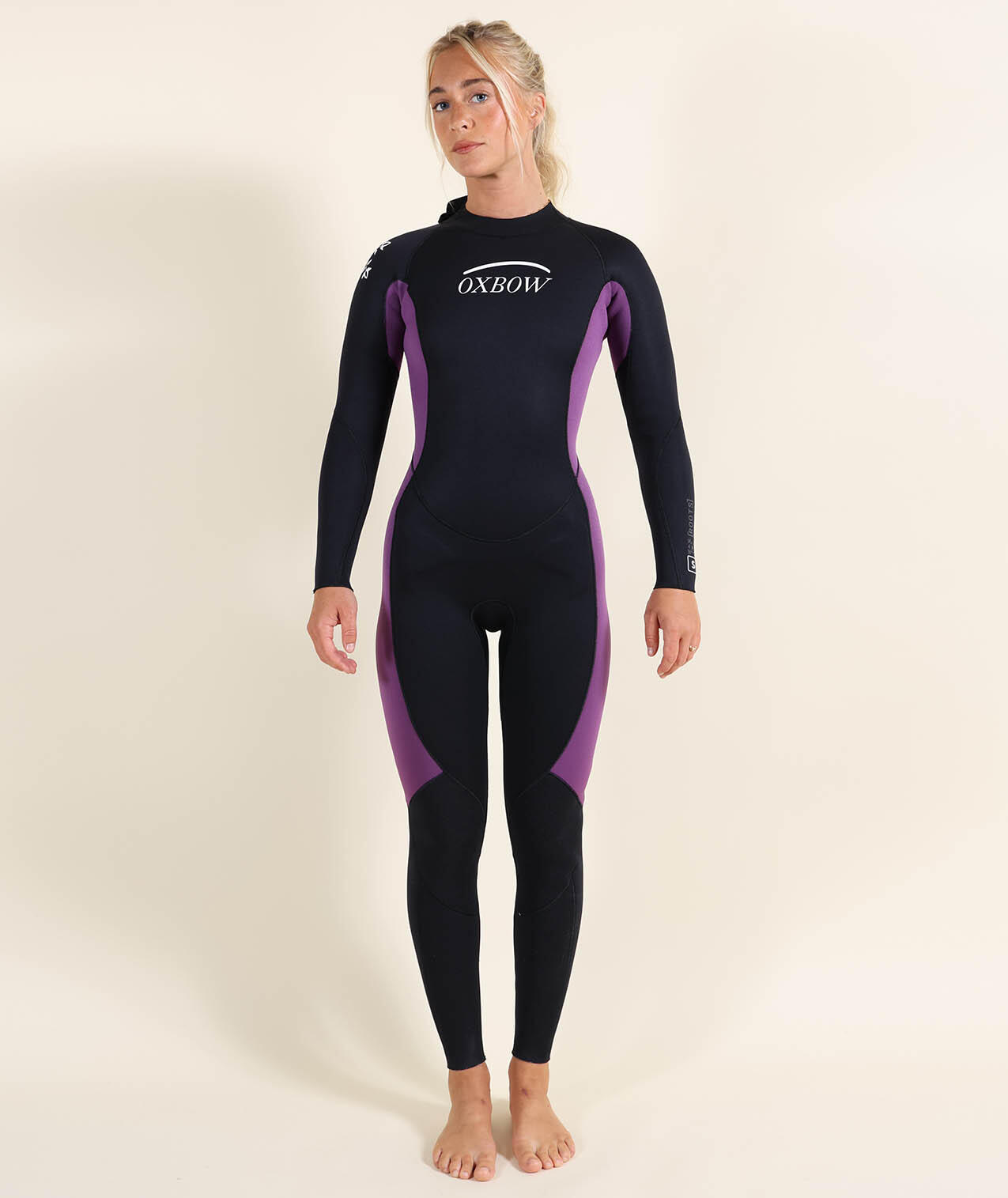
The zip position on a wetsuit affects both the ease of getting dressed and the thermal performance of the suit in cold water. A zip-back suit has a long diagonal or vertical zip running from the lower back to the neck, which makes it quick to pull on and off independently, particularly in a cramped beach car park or changing area. The trade-off is that the zip creates a channel along the spine where cold water can flush through during duck-diving and wipeouts, reducing the suit's effective warmth in cooler conditions. A chest-zip suit moves the opening to a short horizontal or angled zip across the upper chest, sealed by a neoprene flap that sits flat once closed. The back panel becomes a single continuous piece of neoprene with no zip interruption, which significantly reduces water ingress during submersion and keeps the suit warmer for longer. The catch is that chest-zip suits require more flexibility to get into and typically require more flexibility for solo entry. For women surfing through autumn and winter, the improved thermal performance of a chest-zip generally justifies the extra effort at the start and end of a session. The same technical trade-offs apply across the equivalent men's surfing wetsuits range, where both zip configurations are available across the same thickness ratings. Surfing tip: always rinse a zip-back suit with the zip fully open to flush salt and sand from the zip teeth, which are the first component to fail on a well-used suit.

How does neoprene thickness affect a woman's wetsuit choice across the season?

Neoprene thickness is given in millimetres as two figures: the first is the torso panel and the second the limb panels. A 4/3 mm full steamer suits water between 8 and 13 degrees, which covers the west coast through peak winter. A 3/2 mm suit suits the milder shoulder-season days, when the water is warmer and full thermal insulation isn't needed. Women often prefer slightly more insulation than men at the same water temperature, owing to differences in subcutaneous fat distribution and surface area, so it's worth choosing on that basis rather than simply matching a male partner's suit. When the temperature really drops, the neoprene surfer's accessories range includes hoods, gloves, and thermal liners designed to complement your wetsuit setup.

When should you choose a women's surfing wetsuit over a shortie?

A full women's surfing wetsuit is the better choice whenever water temperatures drop or you'll be spending longer in the water, providing greater insulation across the arms, legs and core. For warmer summer sessions, holidays or shorter outings, a woman's neoprene shortie offers lighter coverage and greater freedom of movement while still providing protection from the water and wind. Many surfers keep both styles, choosing the one that best suits the conditions.

How do you choose the right size women's surfing wetsuit?

Choosing the right size starts with your height, chest and hip measurements rather than everyday clothing size. A woman's surfing wetsuit should fit snugly without restricting breathing or movement, as neoprene naturally relaxes slightly once it's in the water. If you're shopping for younger surfers too, our kids surfing wetsuits use age and height guidance to achieve the same secure, comfortable fit.