419 items
4.7/5 based on 37238 reviews collected online and in stores

Girls' Swimwear FAQs

What technical features make a girls' skirt swimsuit practical for both pool and beach use?

A skirt swimsuit adds a short attached skirt panel at the hip that extends coverage below the swimsuit line without adding significant drag in the water during casual swimming. The skirt panel sits flat against the body during movement, unlike a loose swim skirt that billows and creates resistance, because it uses the same elasticated fabric as the suit body rather than a separate flowing layer. This makes it a comfortable choice for pool sessions, beach days, and water park visits where coverage and comfort across different activities matter more than pure hydrodynamic performance. A built-in brief layer beneath the skirt panel provides additional security during active play, jumping, and slides, where the skirt hem moves independently. Chlorine-resistant fabric construction extends the lifespan of the garment through regular pool use without the colour fading and fabric sagging that standard fashion swimwear develops within a season. UPF-rated fabric blocks UV through the material, which reduces the total skin area that needs sunscreen coverage and maintains that protection even when wet. The practical combination of coverage, chlorine resistance, and UV rating in girls' skirt swimsuits makes them particularly suited to young swimmers who move between pool and outdoor settings across a busy summer. Expert tip: check the skirt hem sits at least several centimetres below the hip bone when fitted; a skirt cut too short rides up during active movement and provides less coverage than intended.

What practical advantages does a tankini offer over a one-piece swimsuit for older girls?

A tankini separates into a longer-length top that extends to the hip and a brief or short bottom, which gives the fit flexibility of a two-piece while providing the torso coverage of a one-piece. The key practical benefit is independent sizing; a girl with a longer torso relative to her hip width can match a larger top with a correctly fitted bottom, which a one-piece in a single size cannot accommodate without compromising either the shoulder straps or the leg cut. Getting changed at the poolside is also faster than wrestling with a wet one-piece, which becomes particularly relevant when time between lessons and other activities is limited. A tankini top that extends well below the waistline of the bottom also prevents the gap at the midriff that a crop top and brief combination creates during movement. These practical sizing and coverage benefits are central to the appeal of girls' tankini swimsuits for the pre-teen and early teenage age group.

How does period-proof swimwear work and when does it become relevant for younger swimmers?

Period-proof swimwear uses a built-in gusset layer constructed from a closely woven absorbent fabric that traps menstrual flow without releasing it into the water during short to medium duration swims. The outer layer of the gusset uses a hydrophobic material that sheds pool water outward while the inner absorbent layer retains any fluid from the body, separating the two directions of liquid movement. The protection level suits light to moderate flow and sessions up to roughly ninety minutes, which covers most training sessions and recreational swims without requiring additional protection. For younger swimmers who are navigating early periods around swim lessons, competitions, and beach holidays, having swimwear that removes the need to skip a session or rely on uncomfortable internal protection is a practical confidence benefit. The absorbent gusset construction and flow capacity details found across the girls' menstrual swimwear range help teens choose the right level of protection for lessons, training, and holidays.

What fit considerations determine whether a one-piece suits pool training or just casual use?

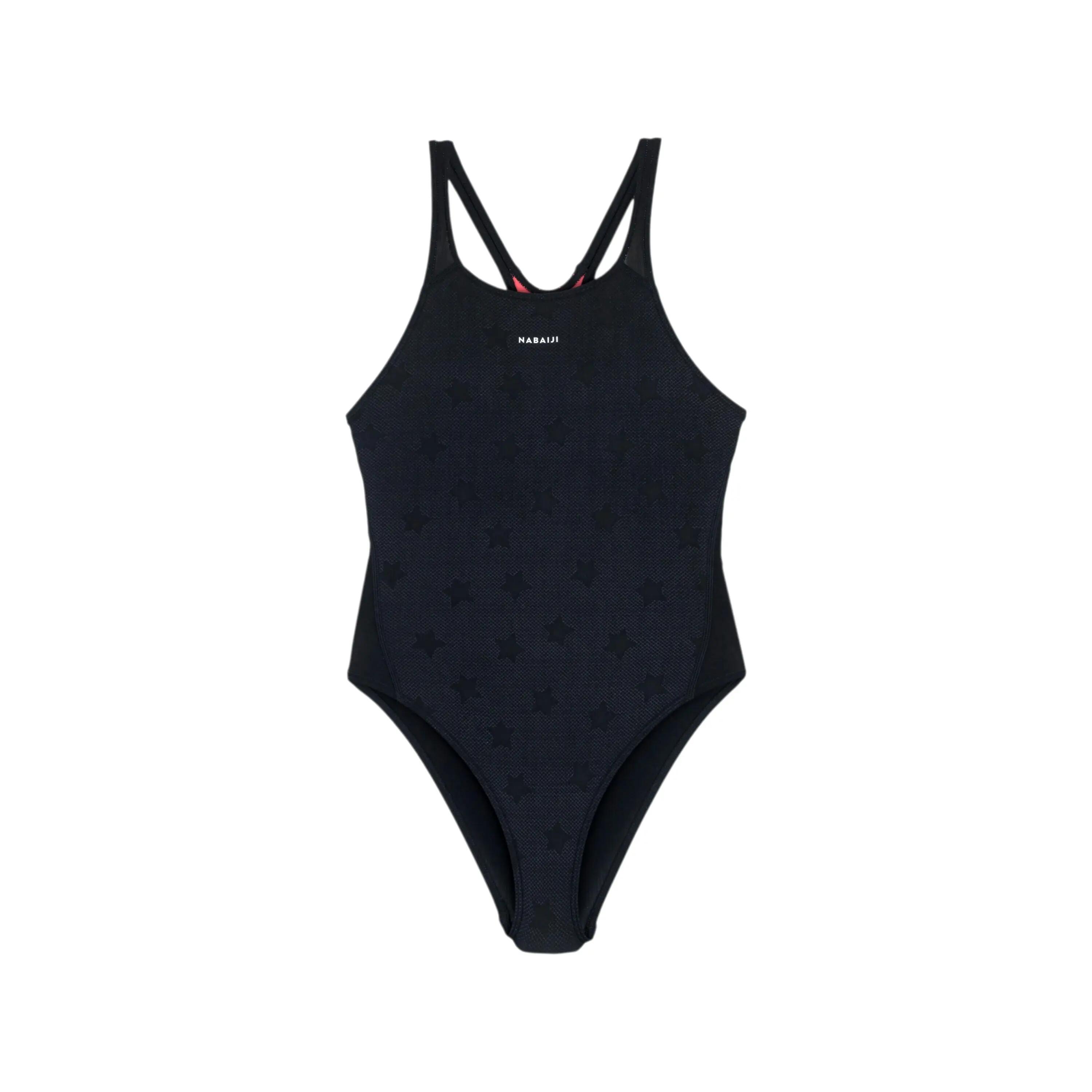
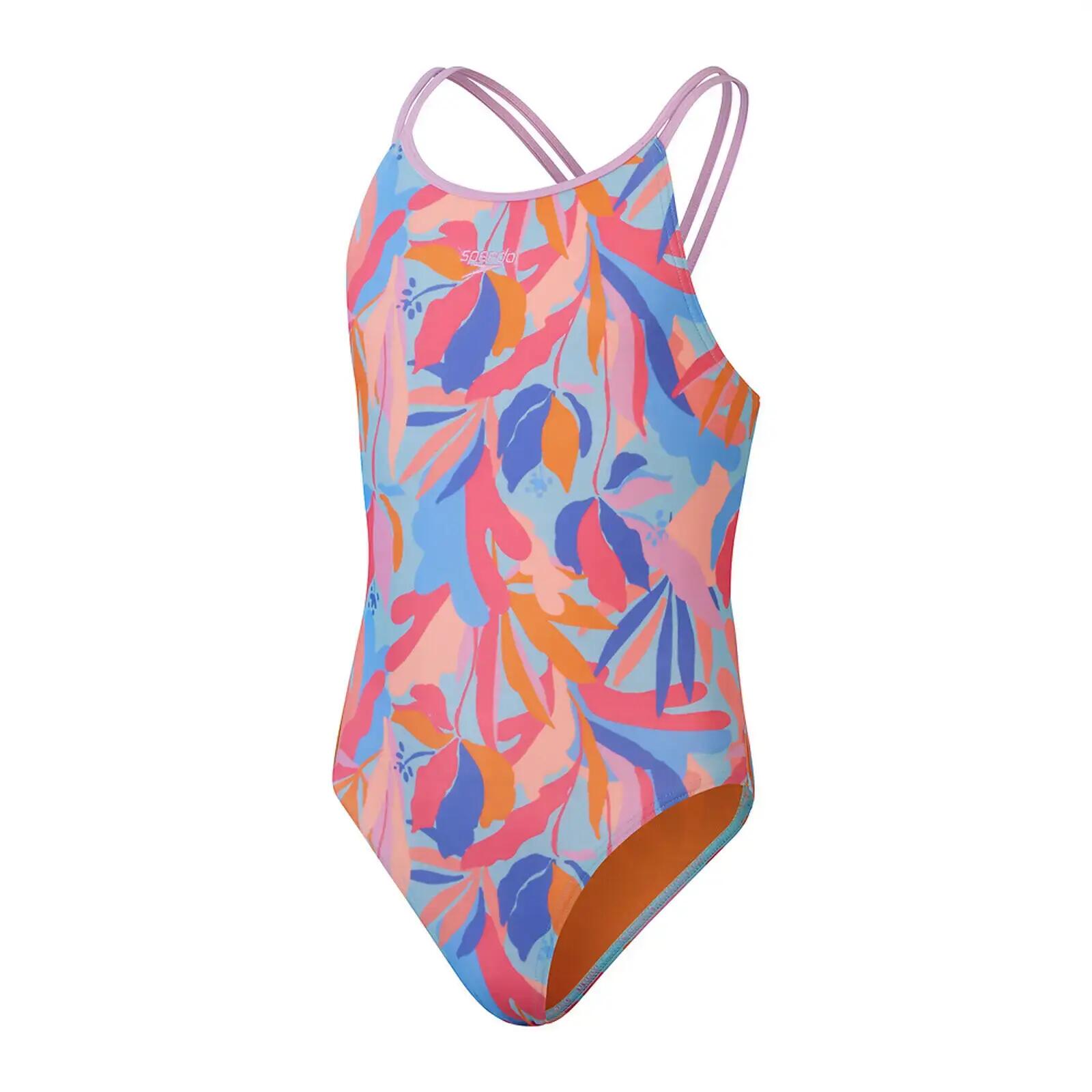
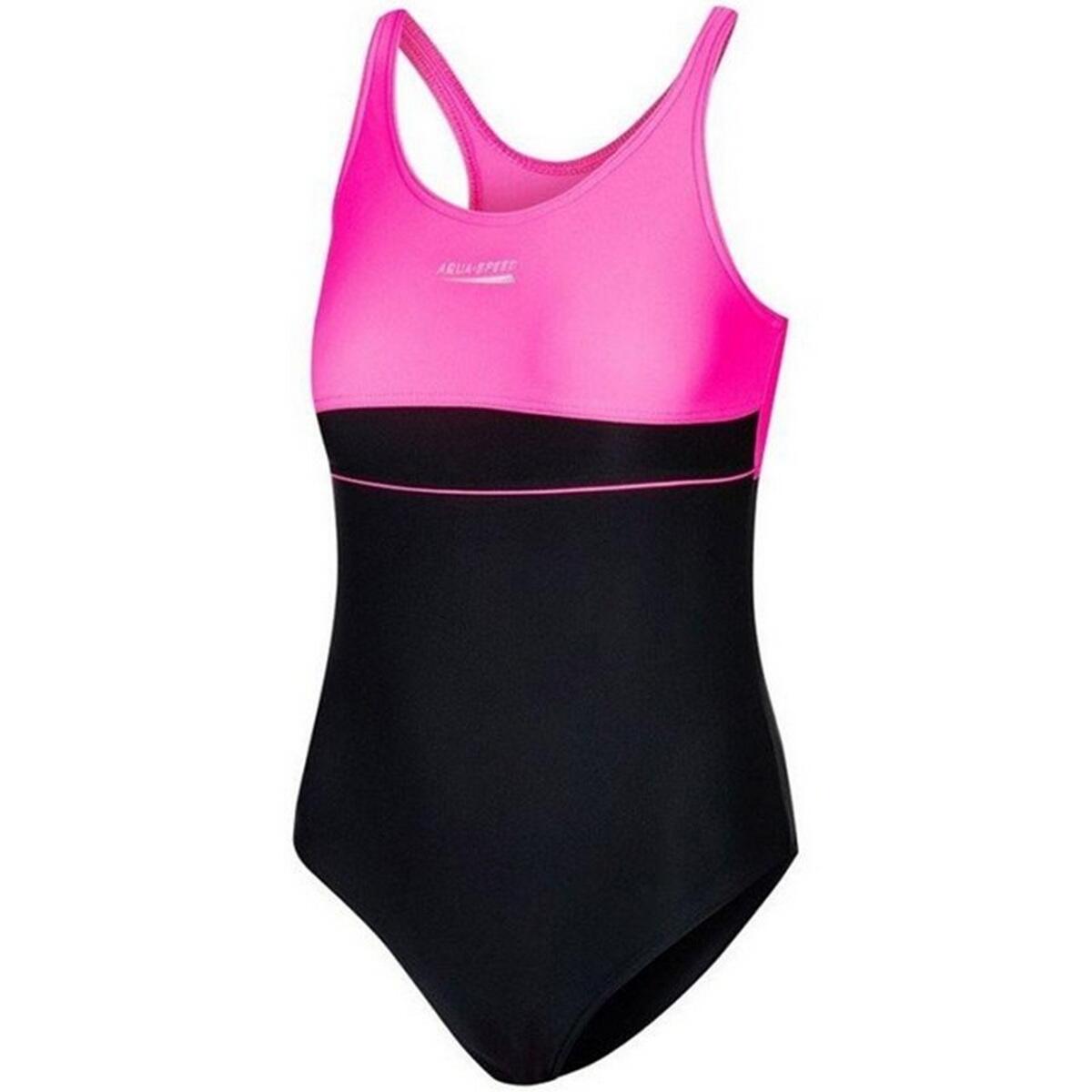
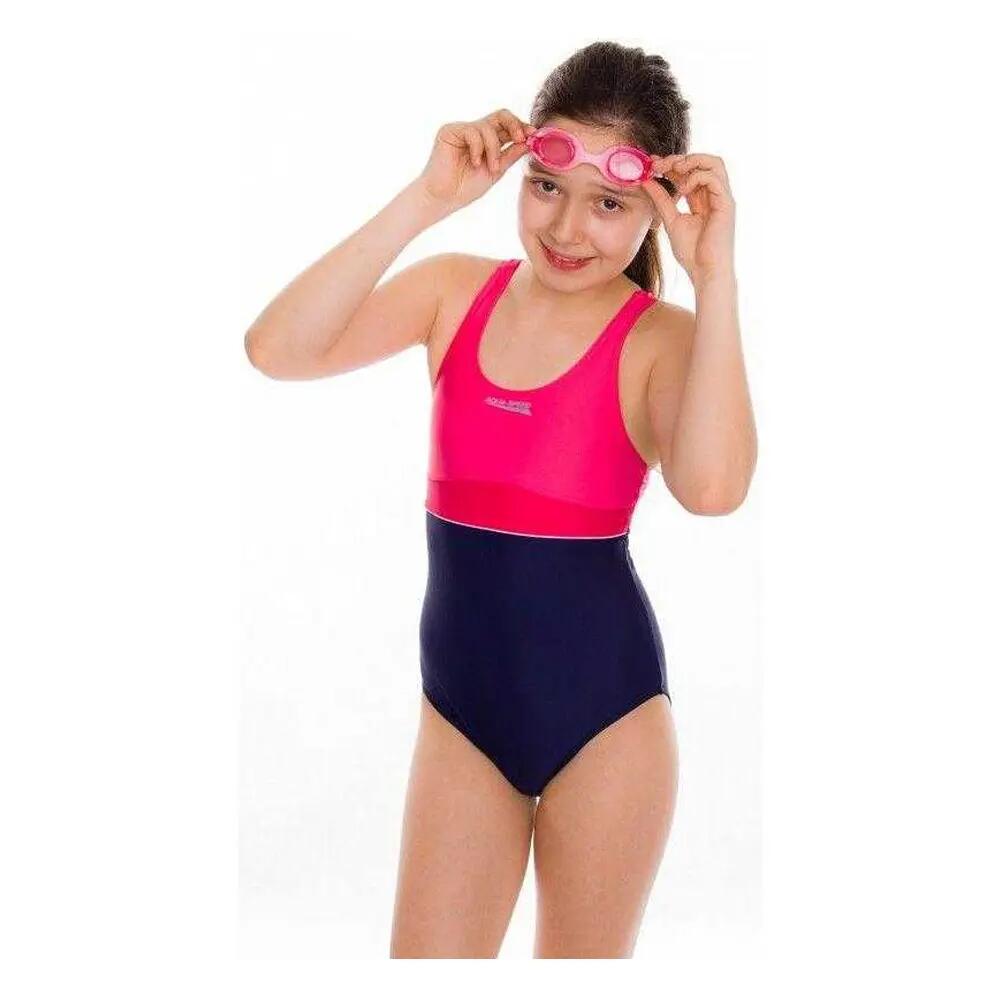
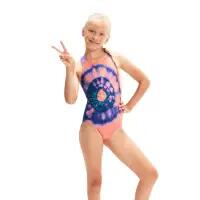
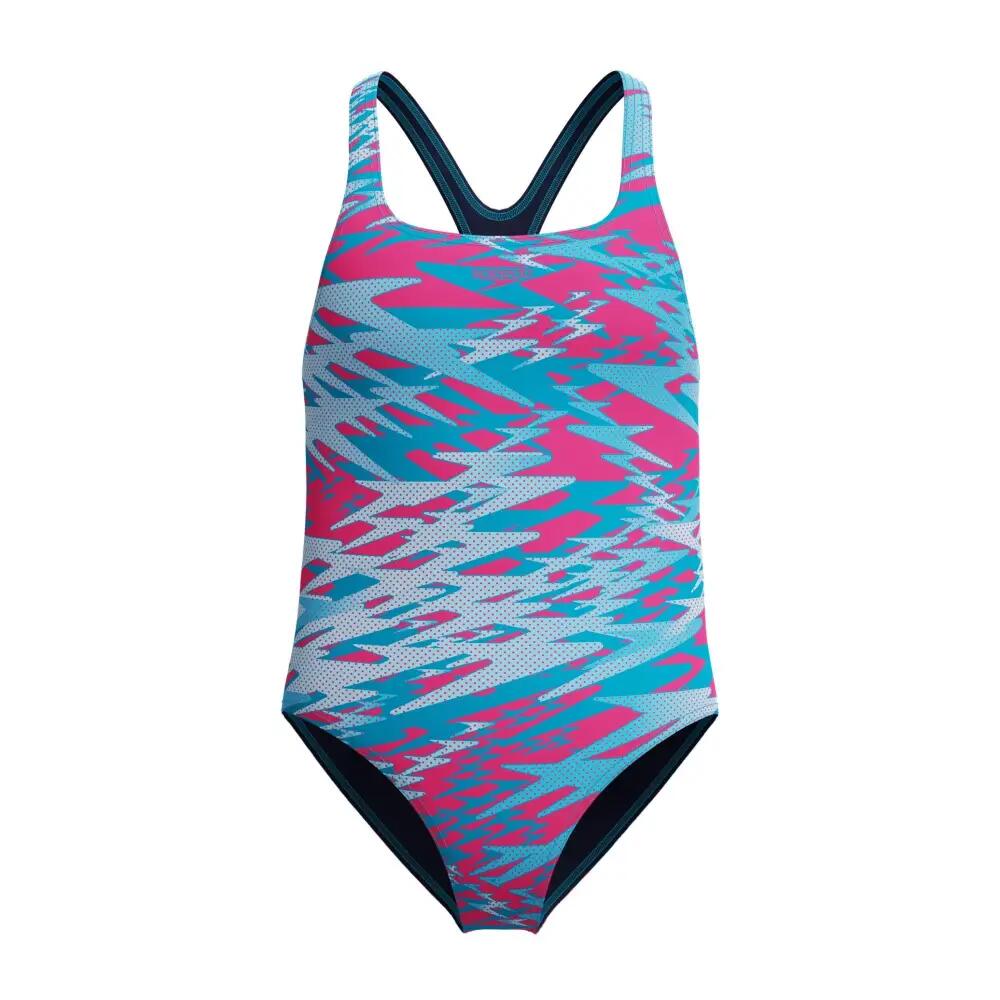
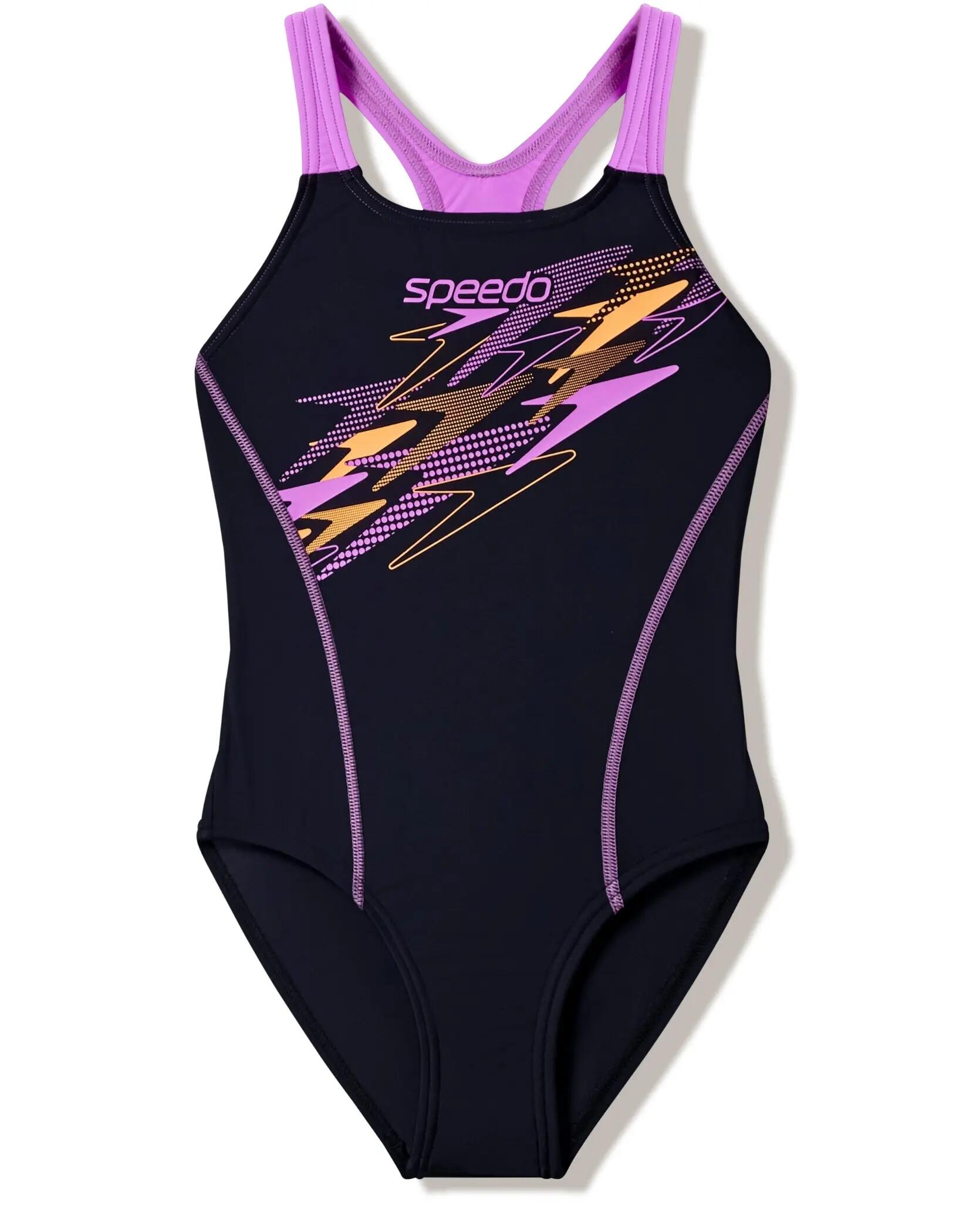
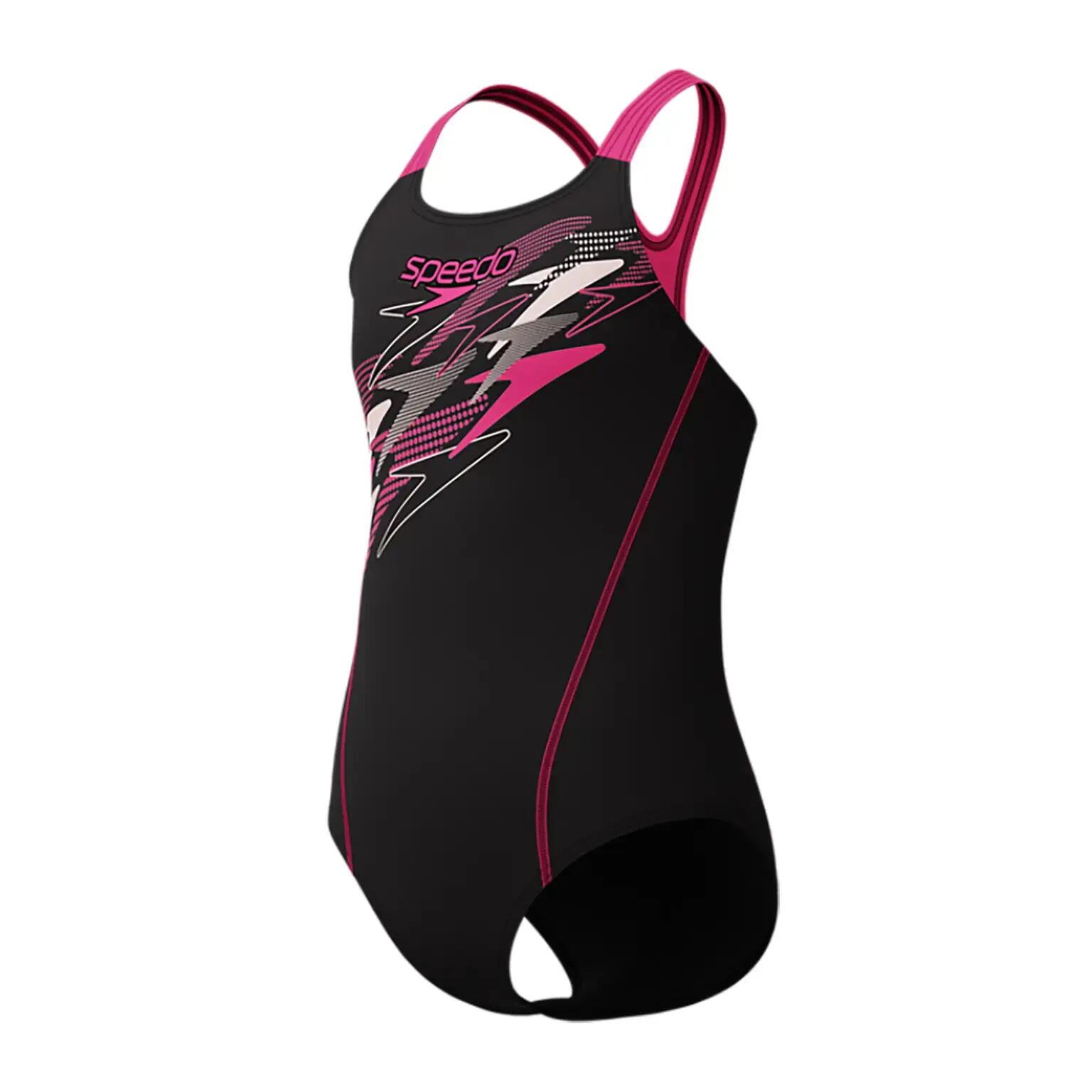
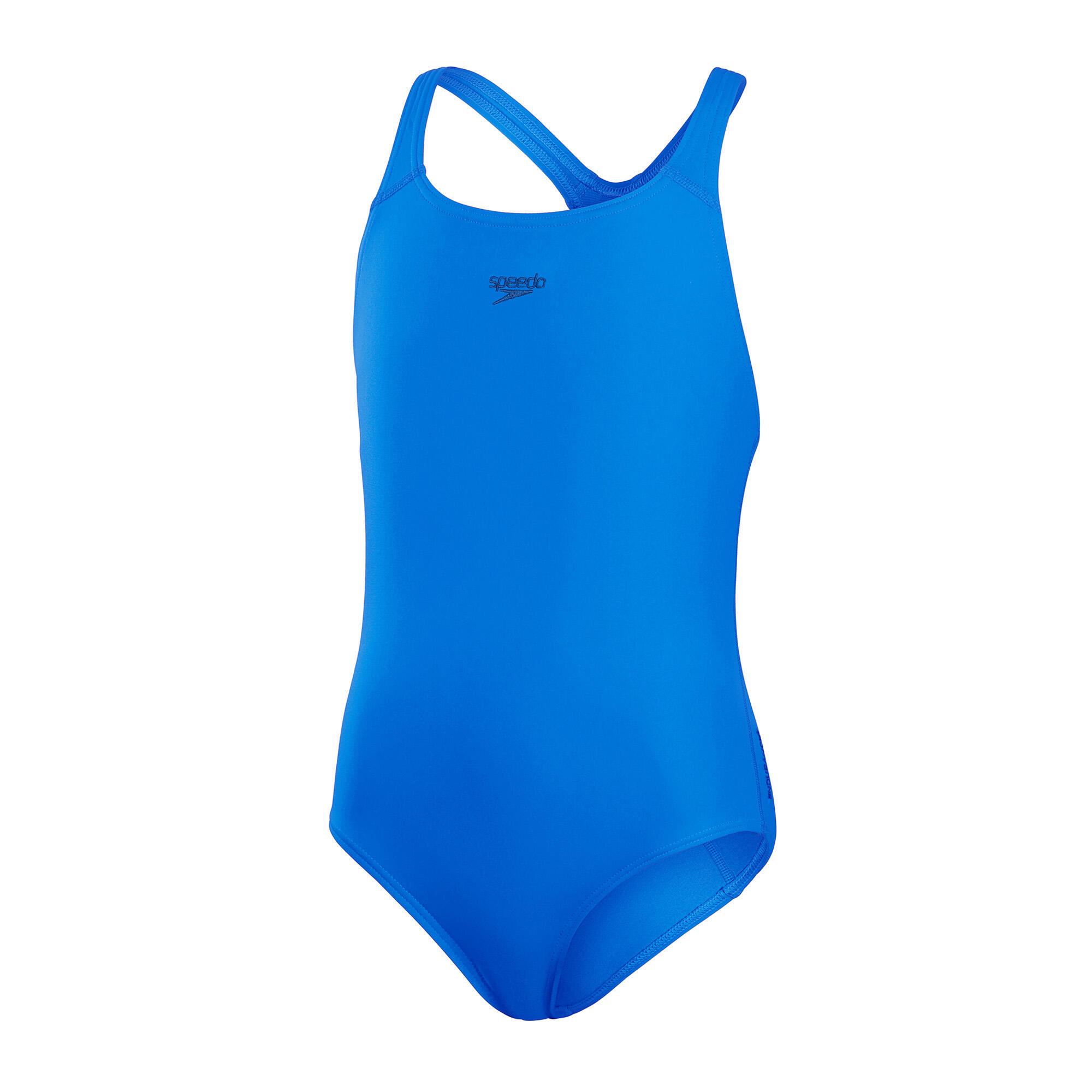
A training one-piece uses a higher-cut leg opening that reduces drag at the hip and thigh during the kick cycle, a racerback or crossback strap configuration that keeps the straps clear of the shoulder blade during arm rotation, and a close-fitting body that does not shift position during tumble turns or push-offs. A casual one-piece prioritises comfort and coverage over performance, using a lower-cut leg and often a wider strap that stays in place during gentle swimming and beach activity. The distinction matters for a young swimmer who trains multiple sessions per week: a casual suit causes friction and strap slip during drill work that a training-specific cut avoids. Proper strap adjustment is critical in both cases; a strap that sits too loose on the shoulder pulls the neckline forward during freestyle and breaststroke, reducing both coverage and comfort. Swimmers can explore girls' one-piece swimsuits designed specifically for training, lessons, and everyday pool use.
How does girls swimwear sizing shift between different style categories across age groups?

Swimwear sizing for girls follows height and chest measurement as the primary inputs, but the proportional fit varies significantly between style categories. A two-piece allows the top and bottom to be sized independently, which accommodates the different growth rates of the torso and hips that become more pronounced through the pre-teen and teenage years. A one-piece sized to the chest may pull at the leg openings if the torso is shorter than average for the age band, while a size chosen for the torso may gap at the chest if the reverse is true. A two-piece design removes that compromise by letting each component fit its relevant body zone correctly, which is why this style becomes increasingly popular as proportions diverge from the standard sizing blocks used for younger age groups. The flexibility of separate top and bottom sizing makes girls' two-piece swimsuits a popular choice as fit requirements change through the teenage years.