3,648 items
4.6/5 based on 466540 reviews collected online and in stores

Swimwear FAQs

What swimwear fabrics offer the best support and shape retention for active swimming?

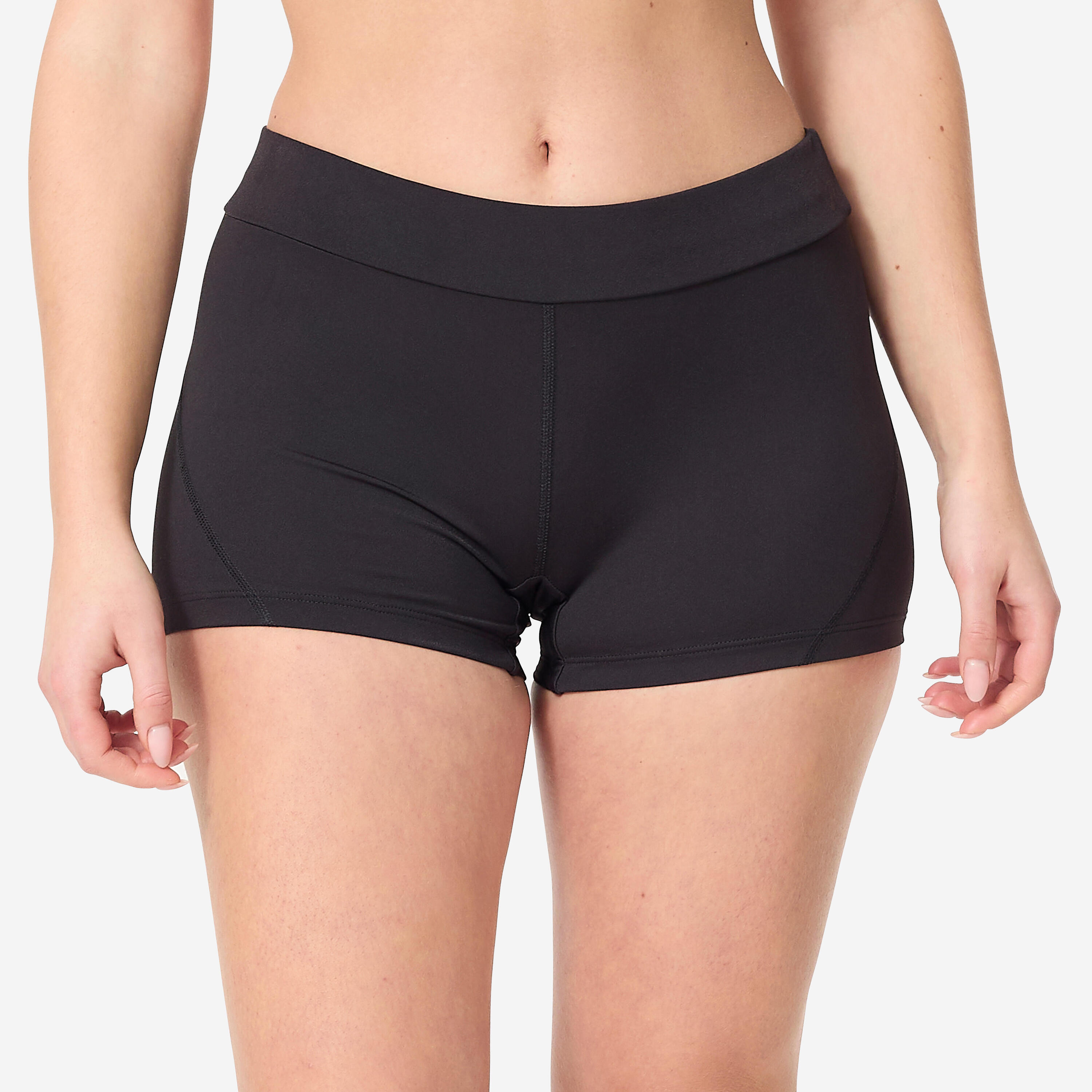
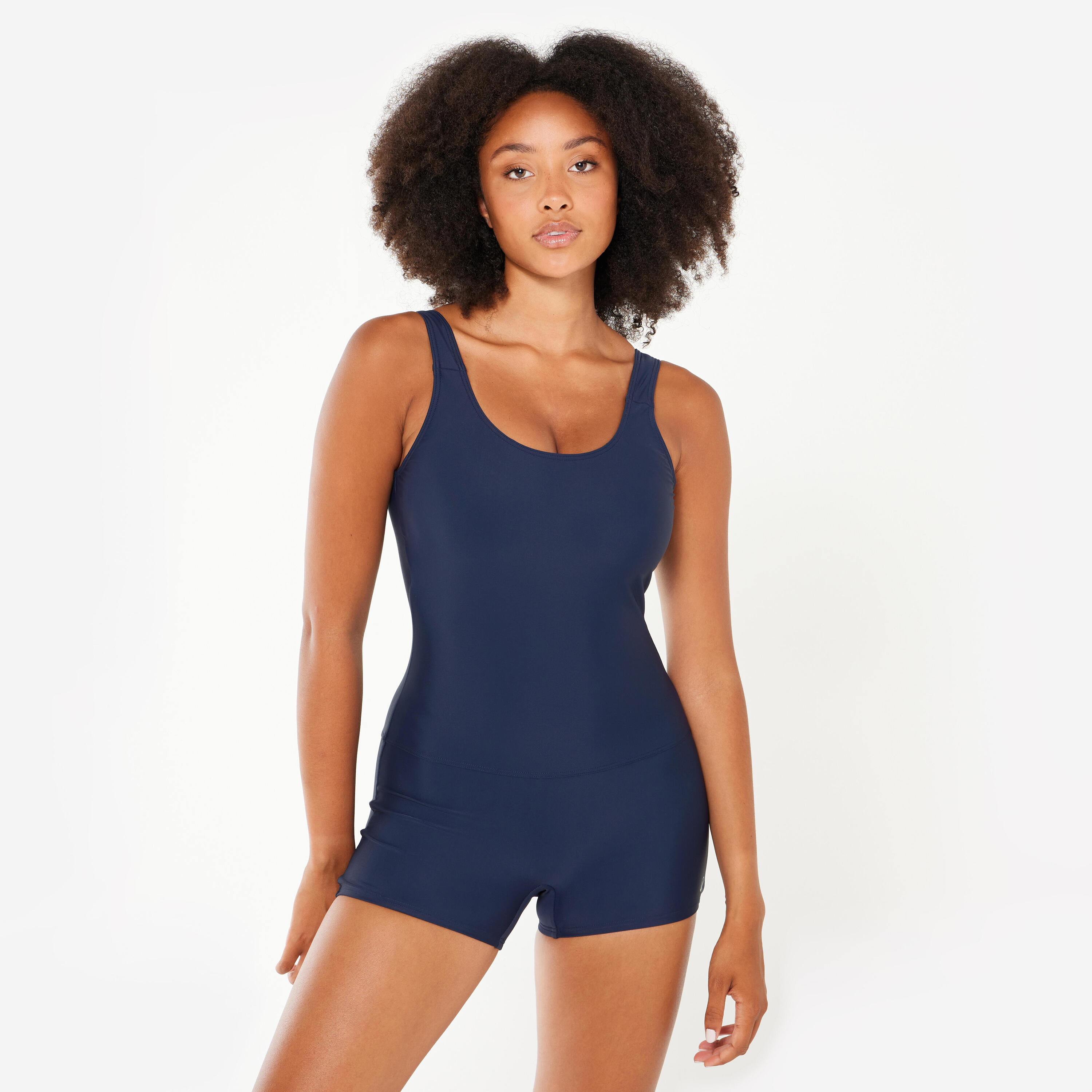
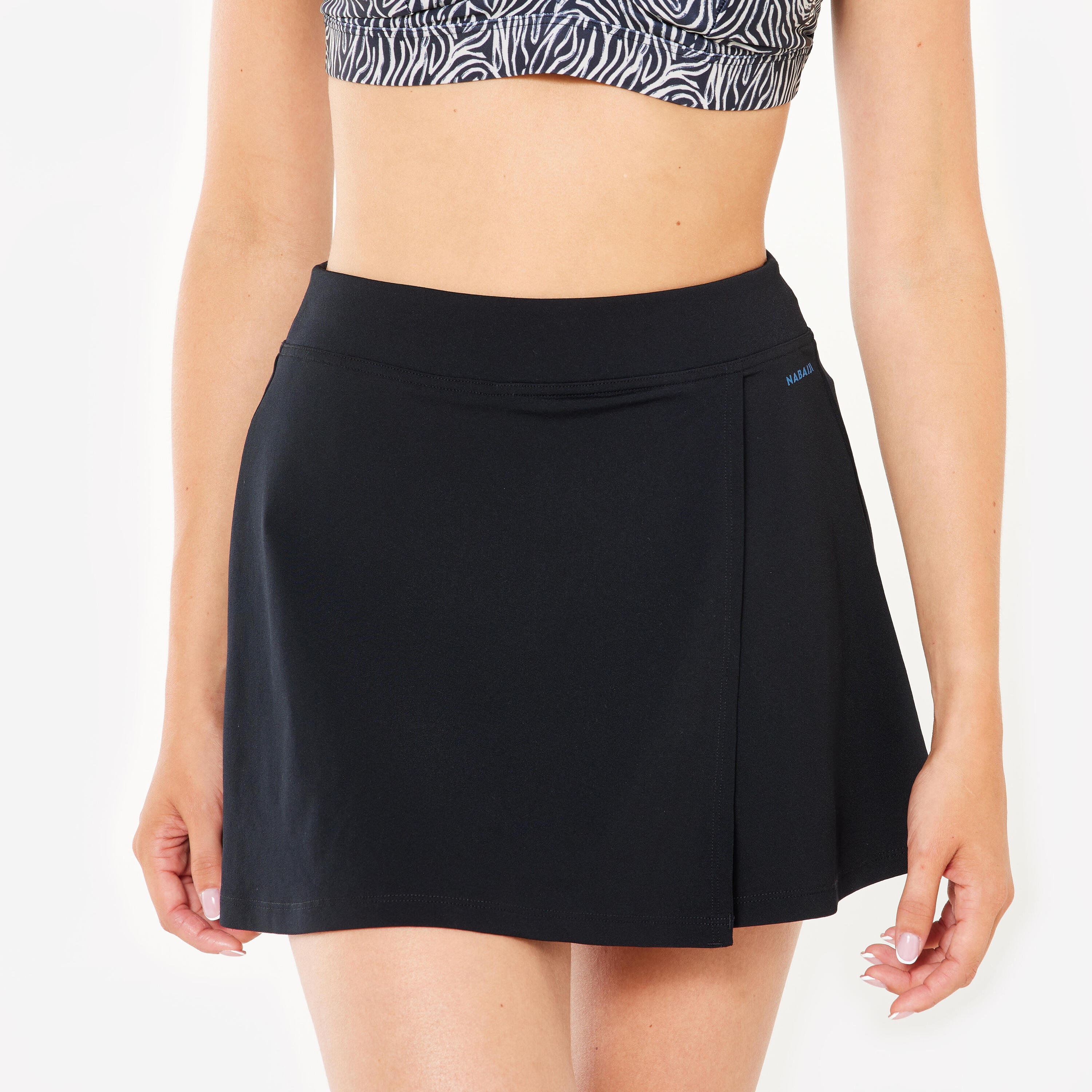
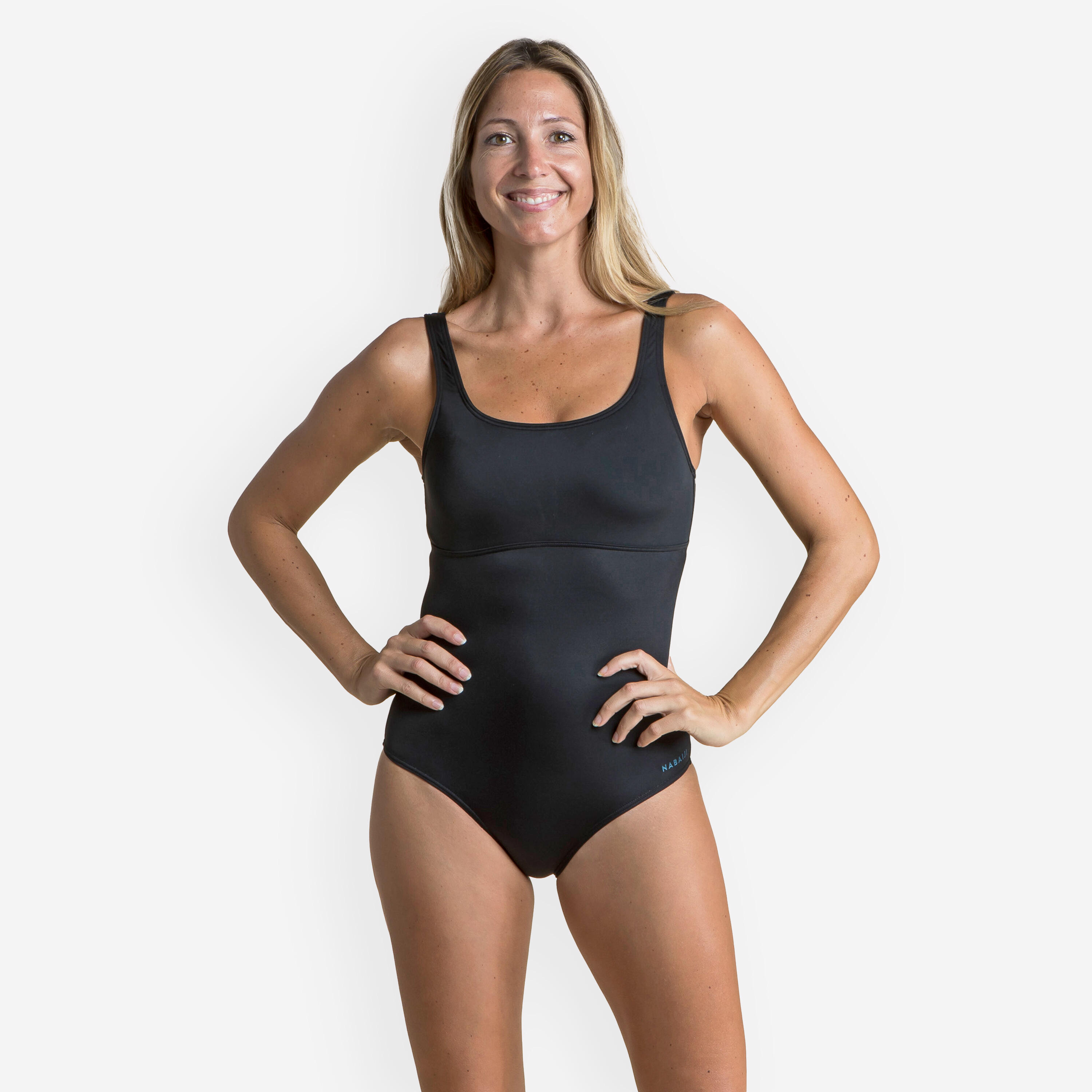
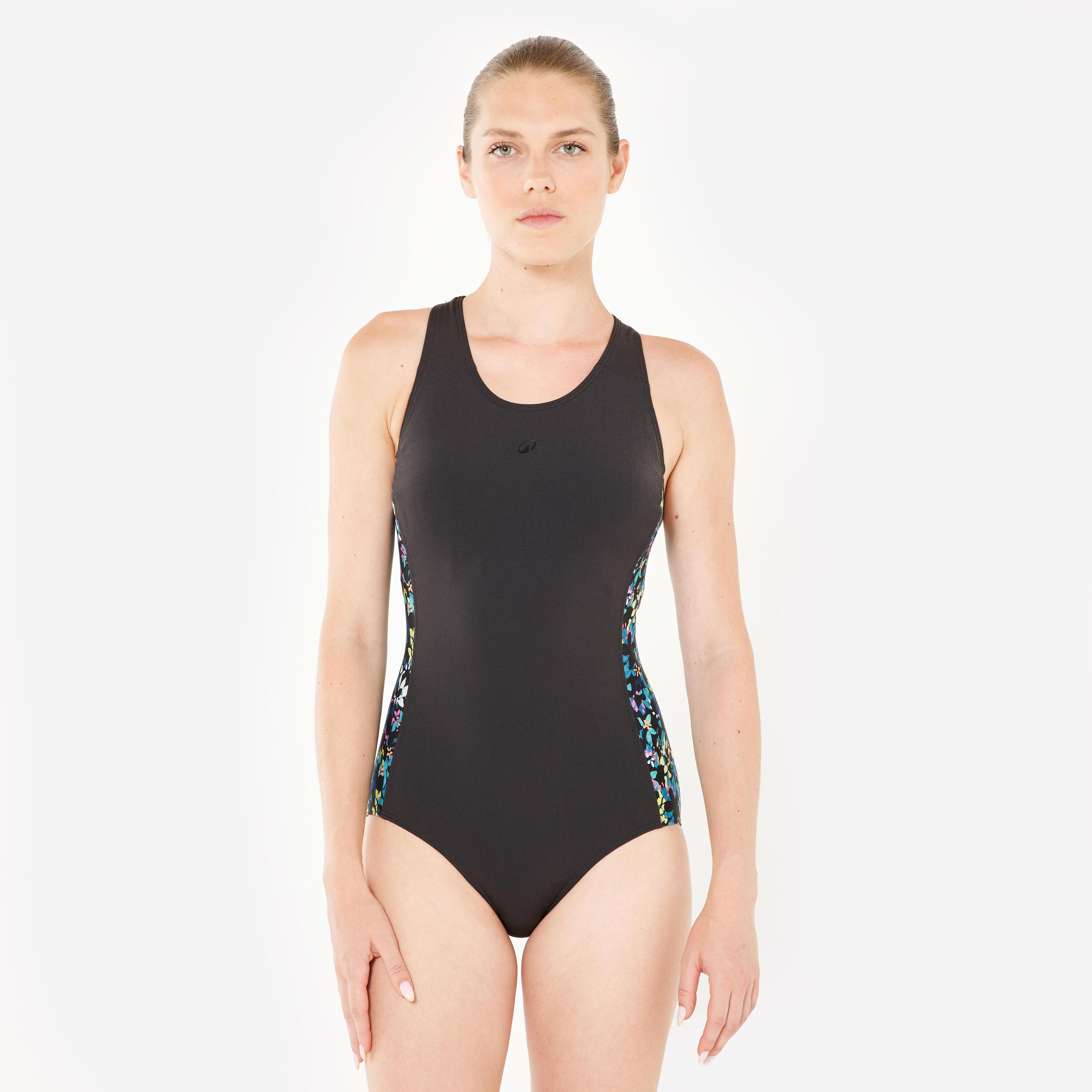
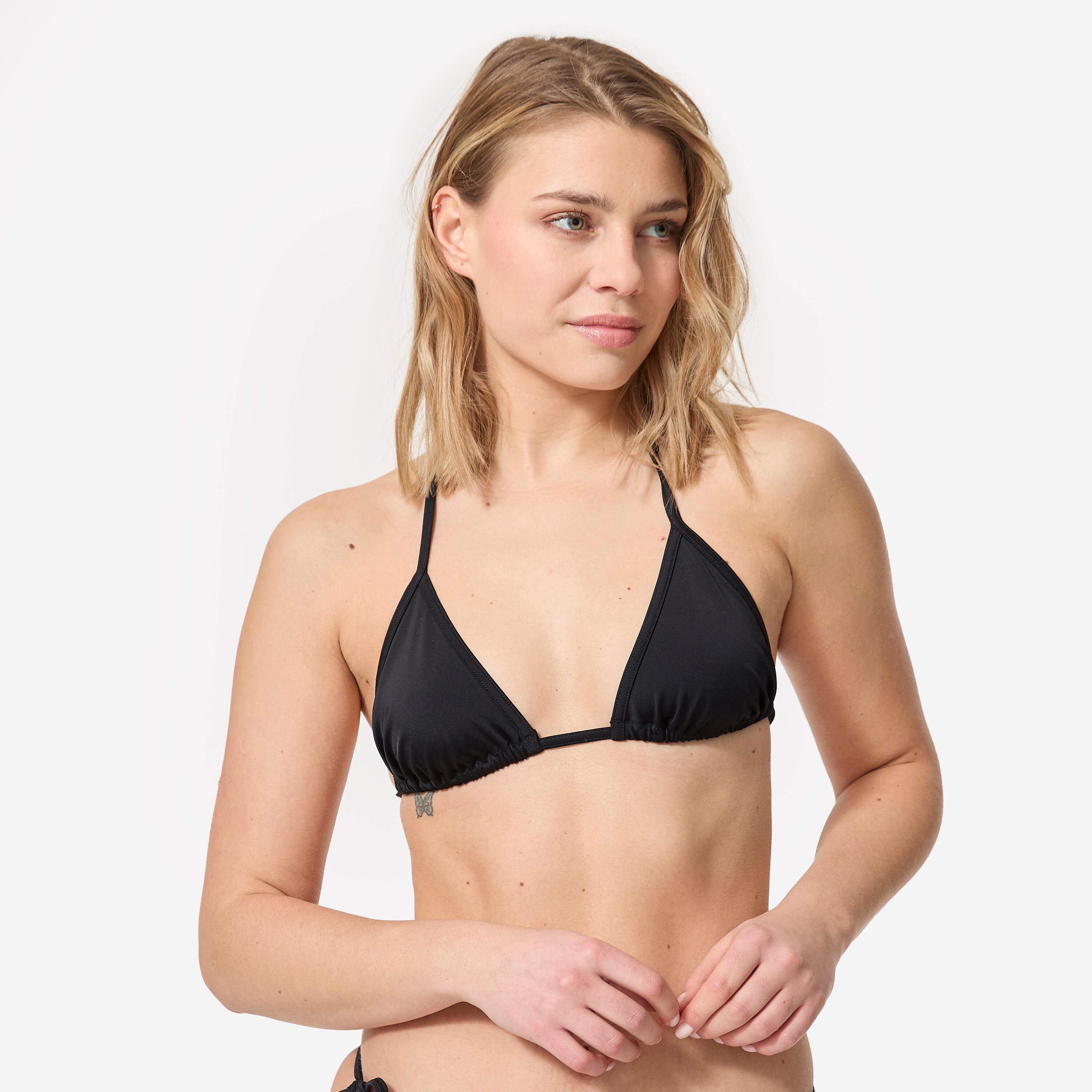
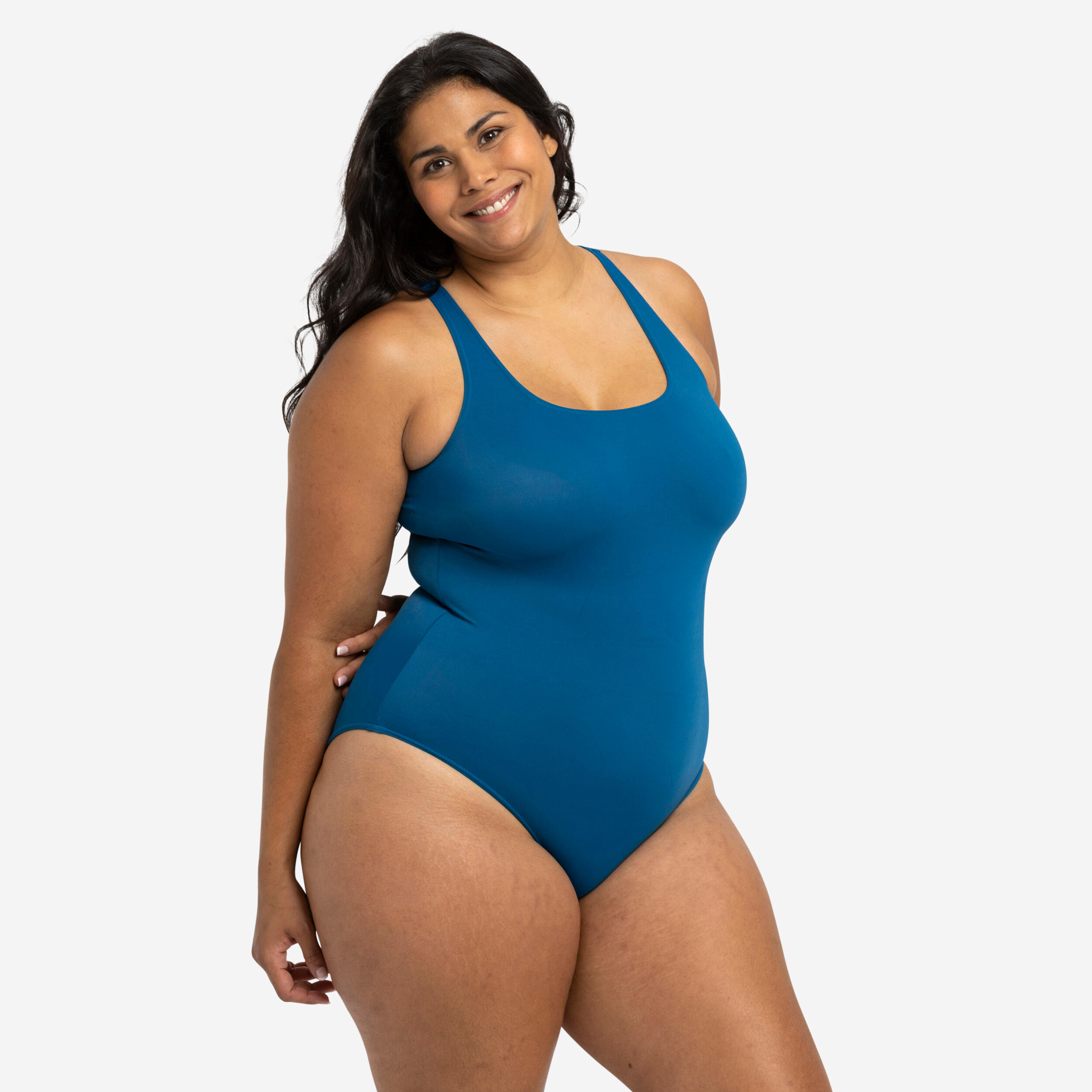
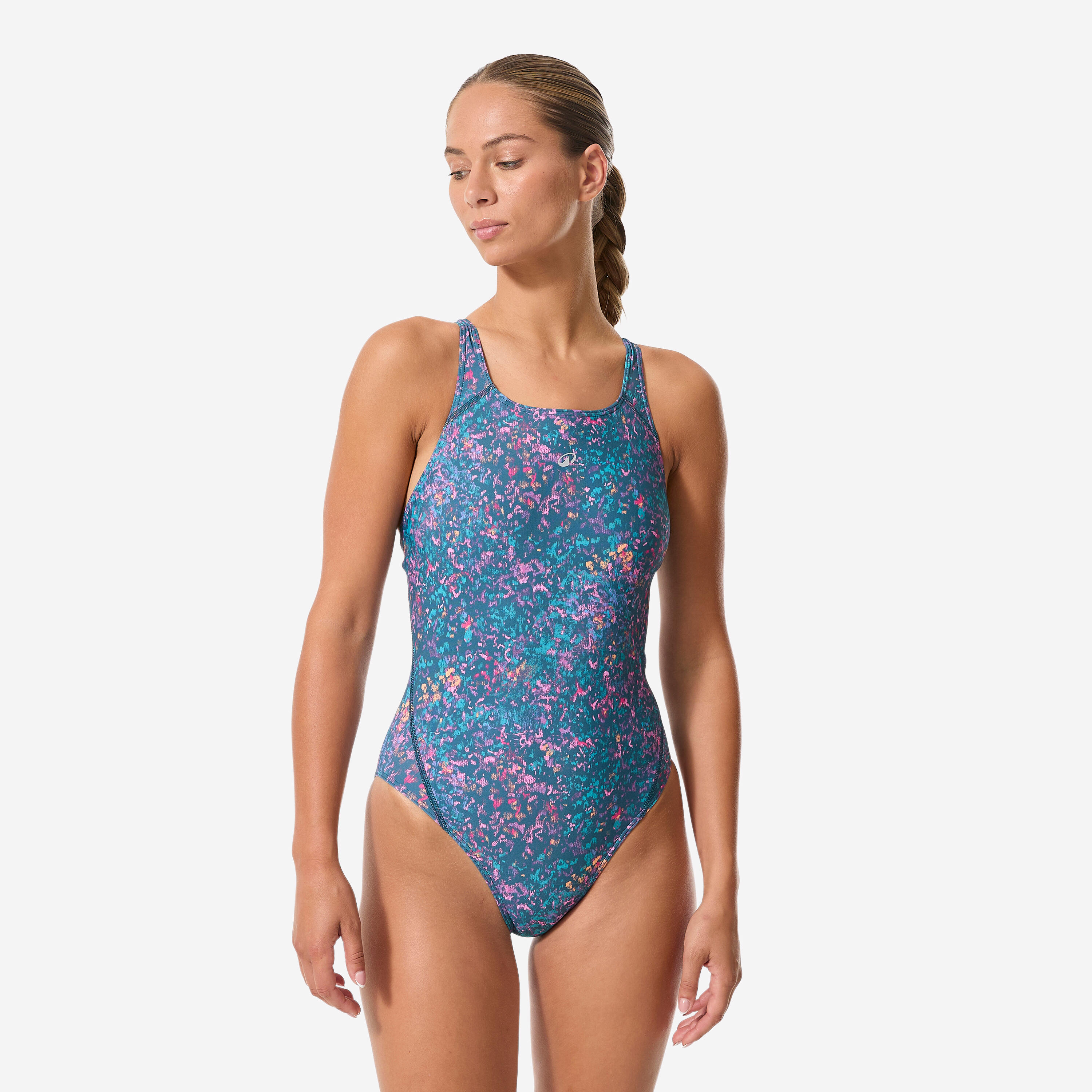
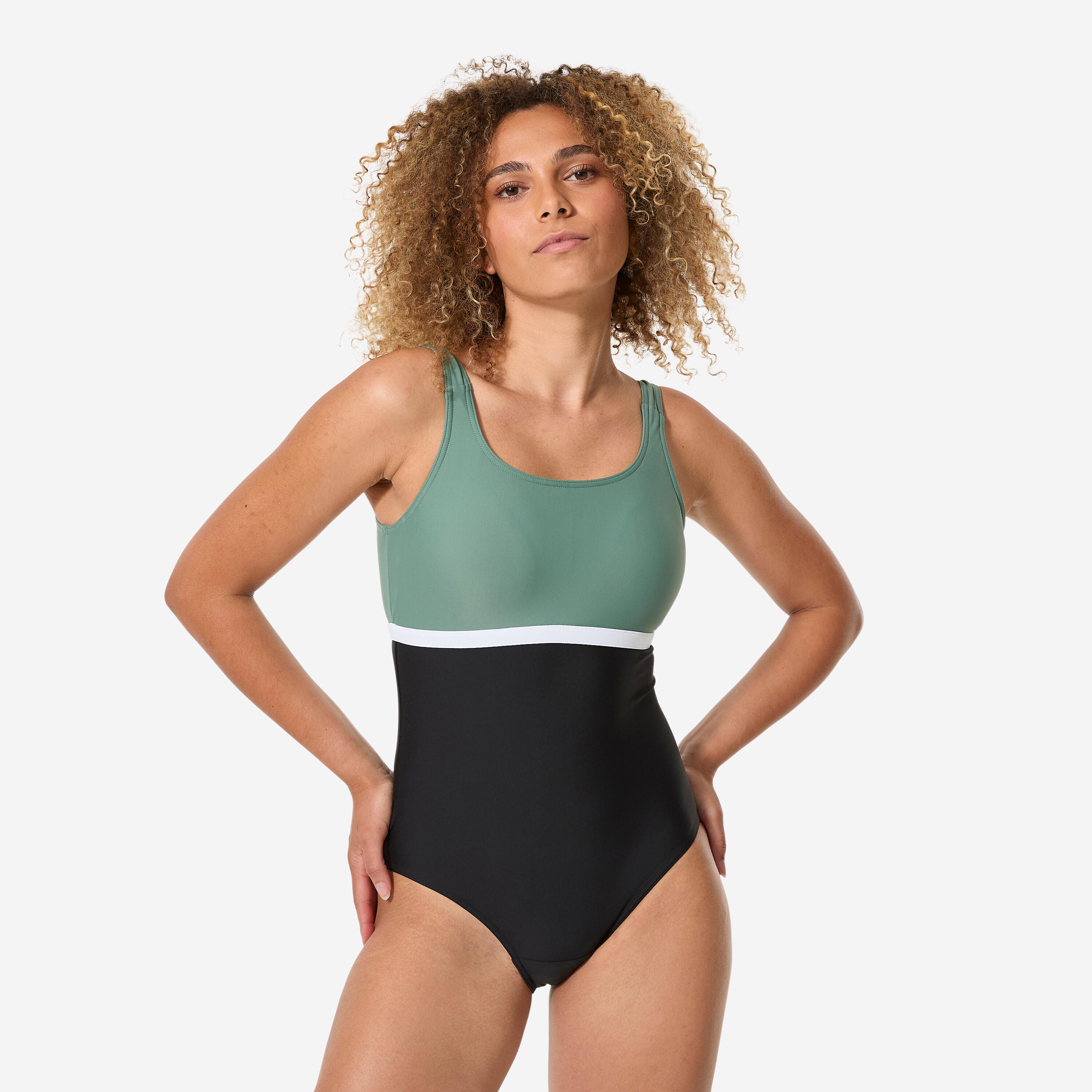
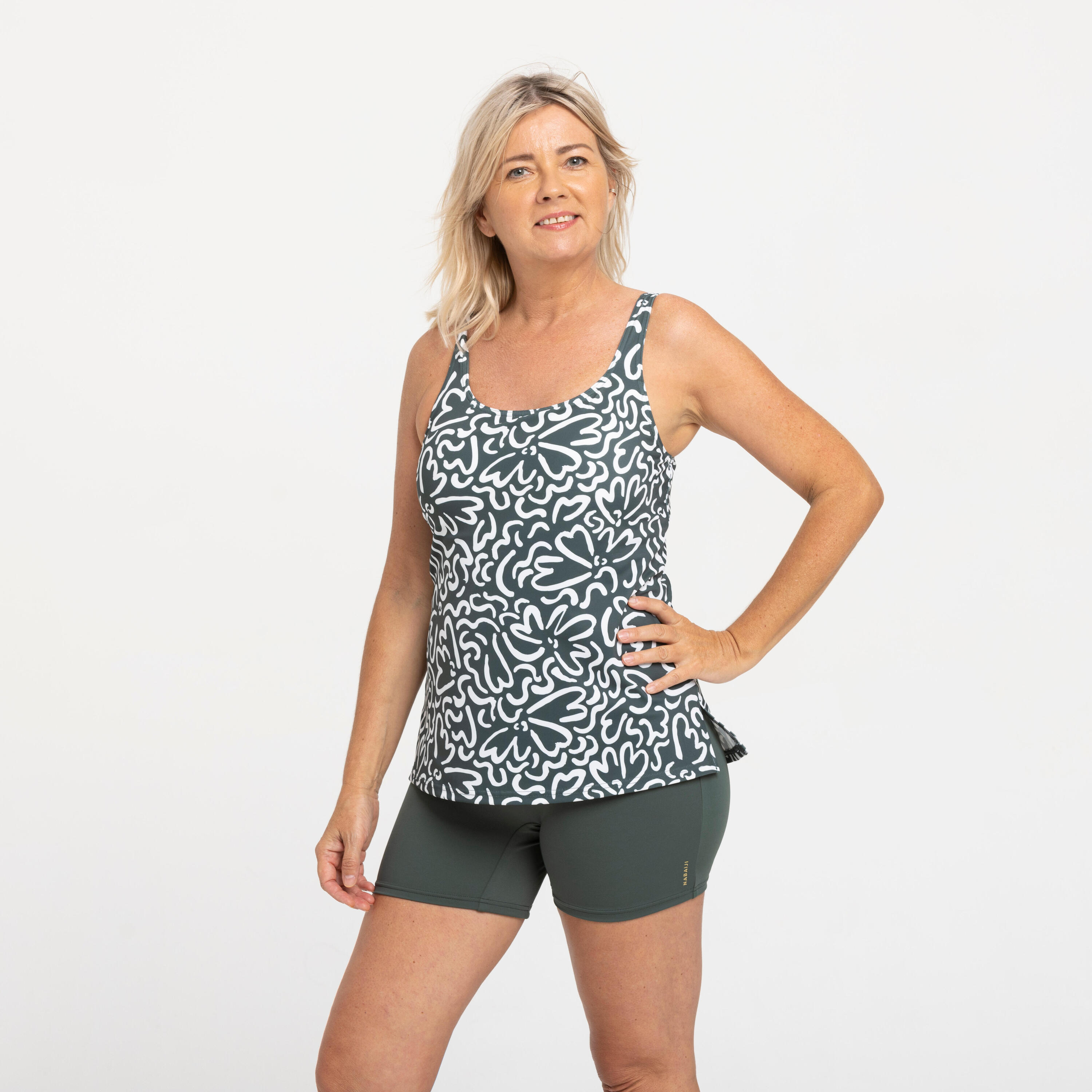
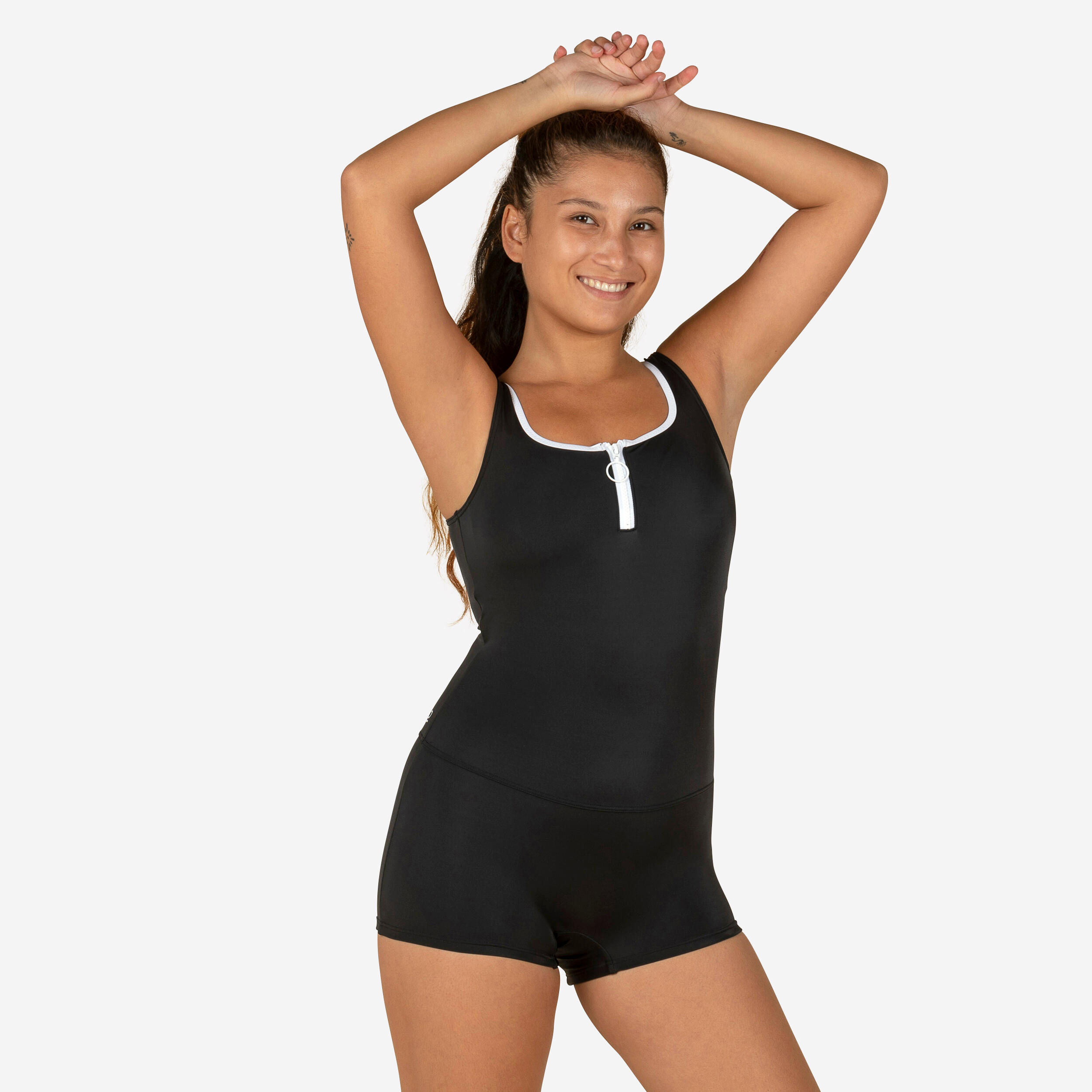
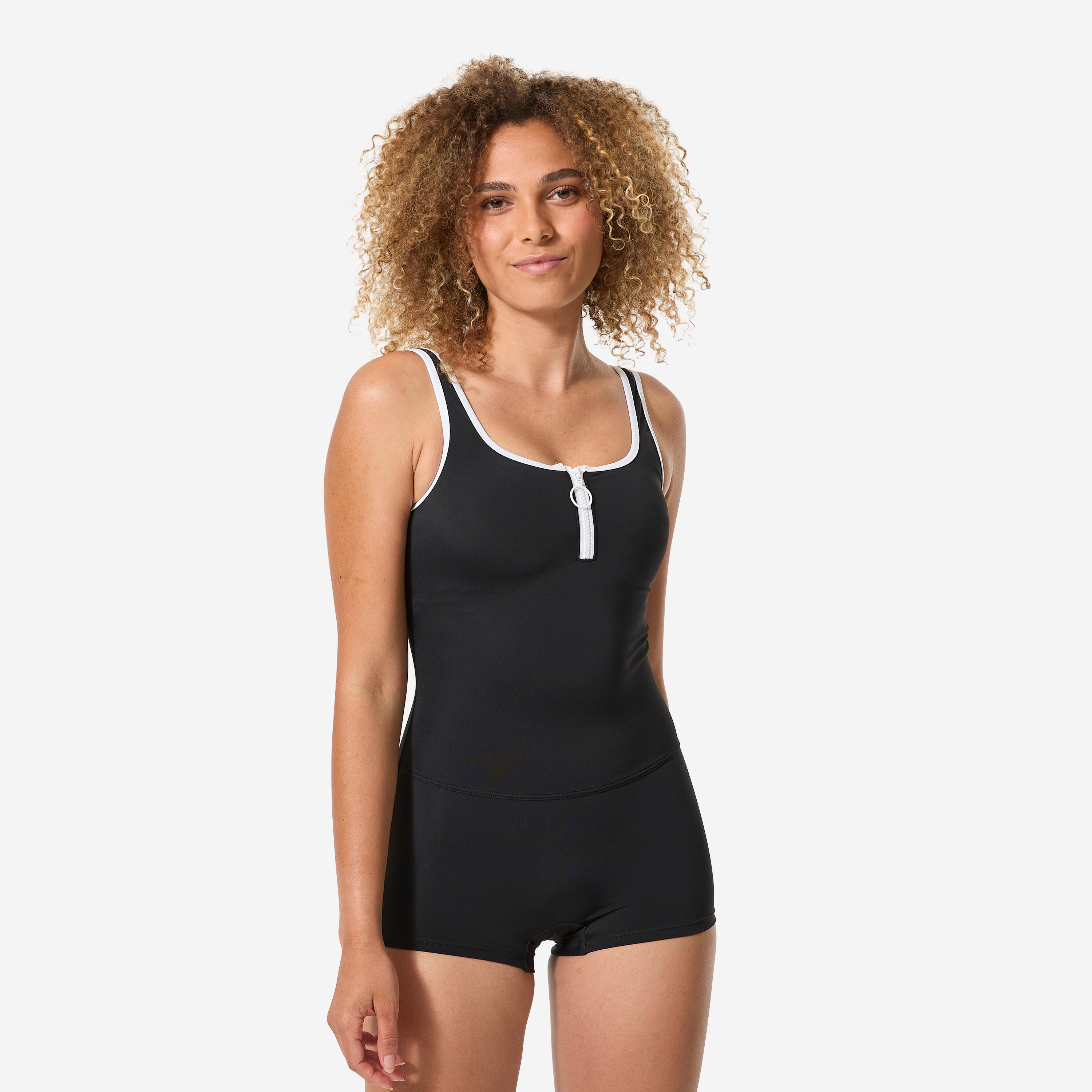
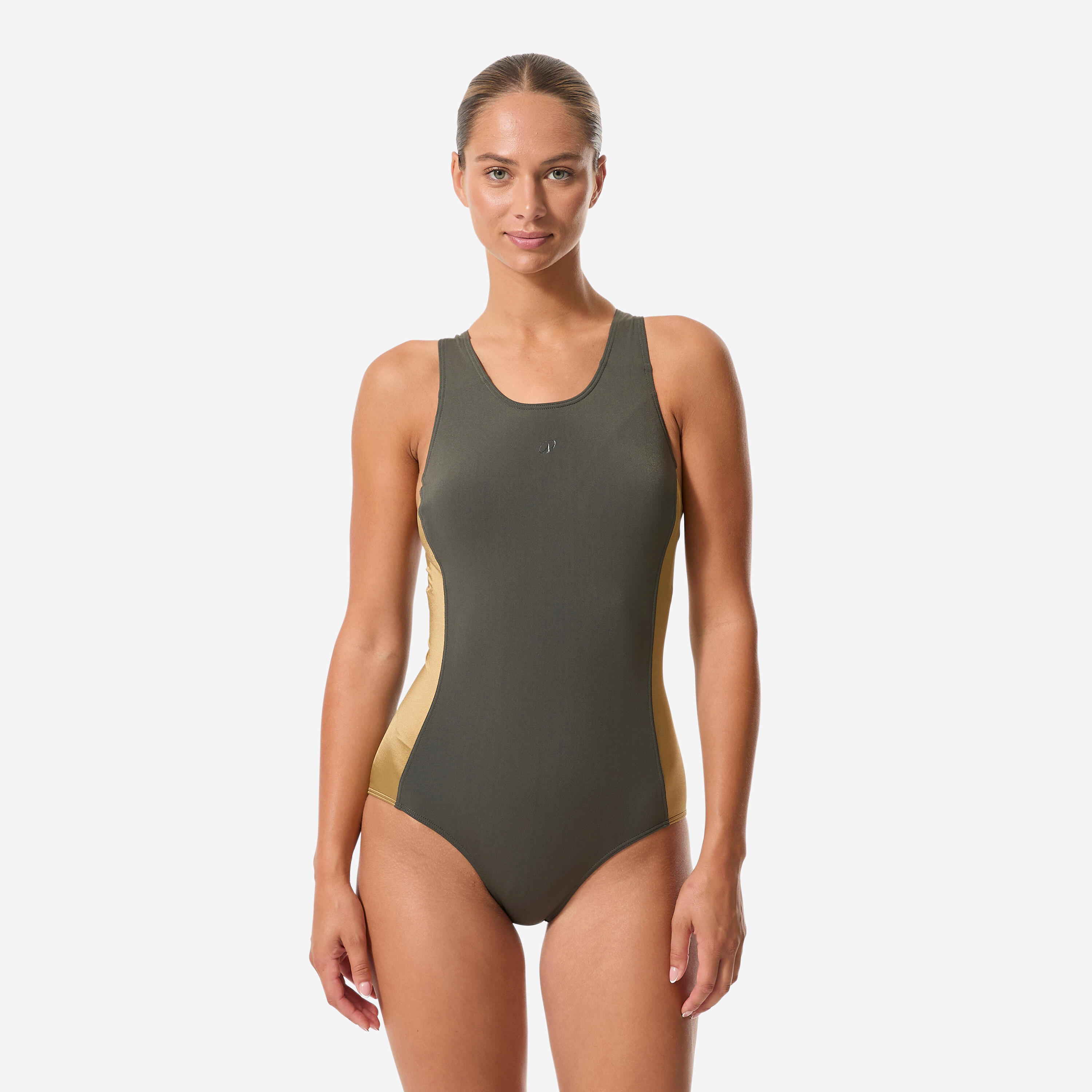
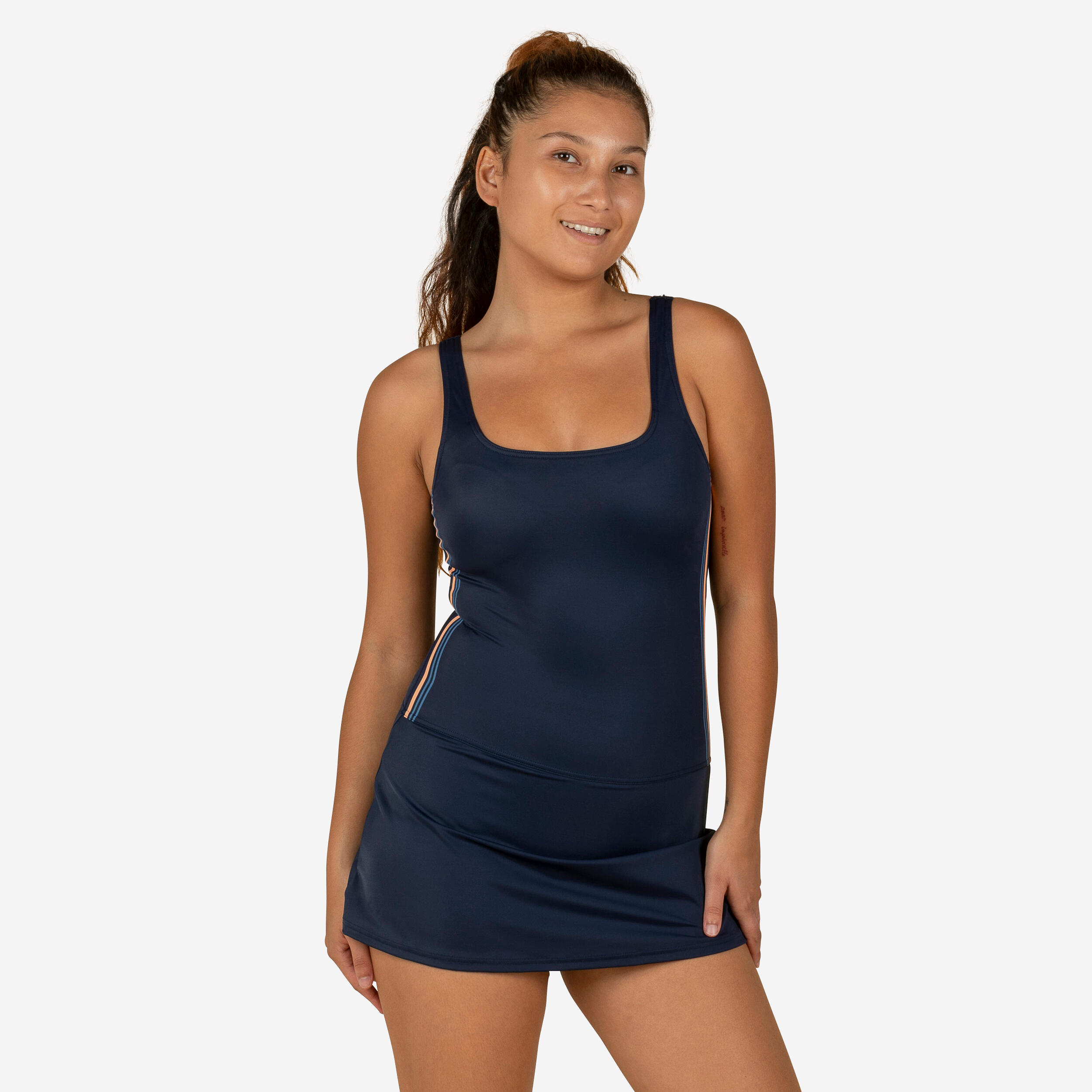
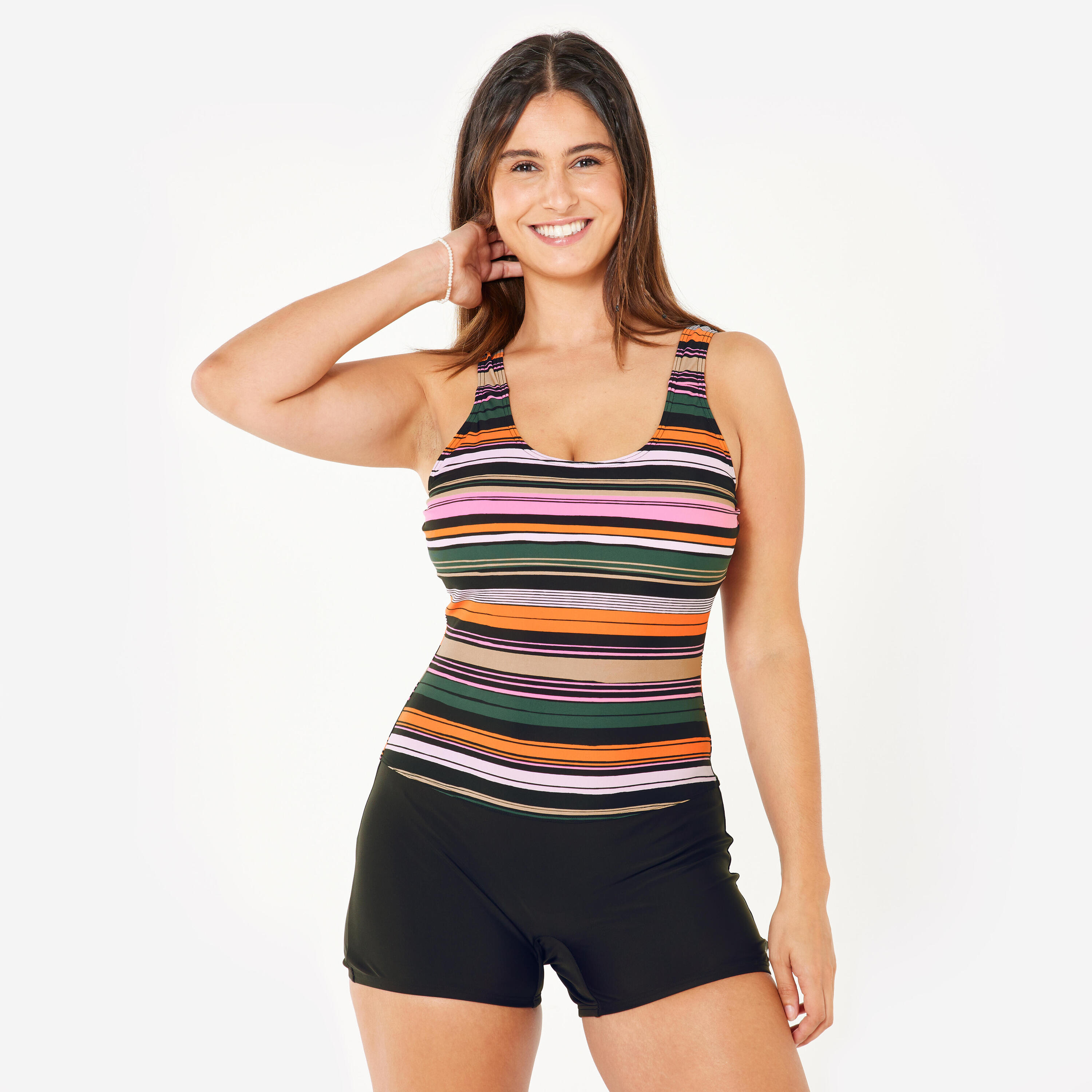
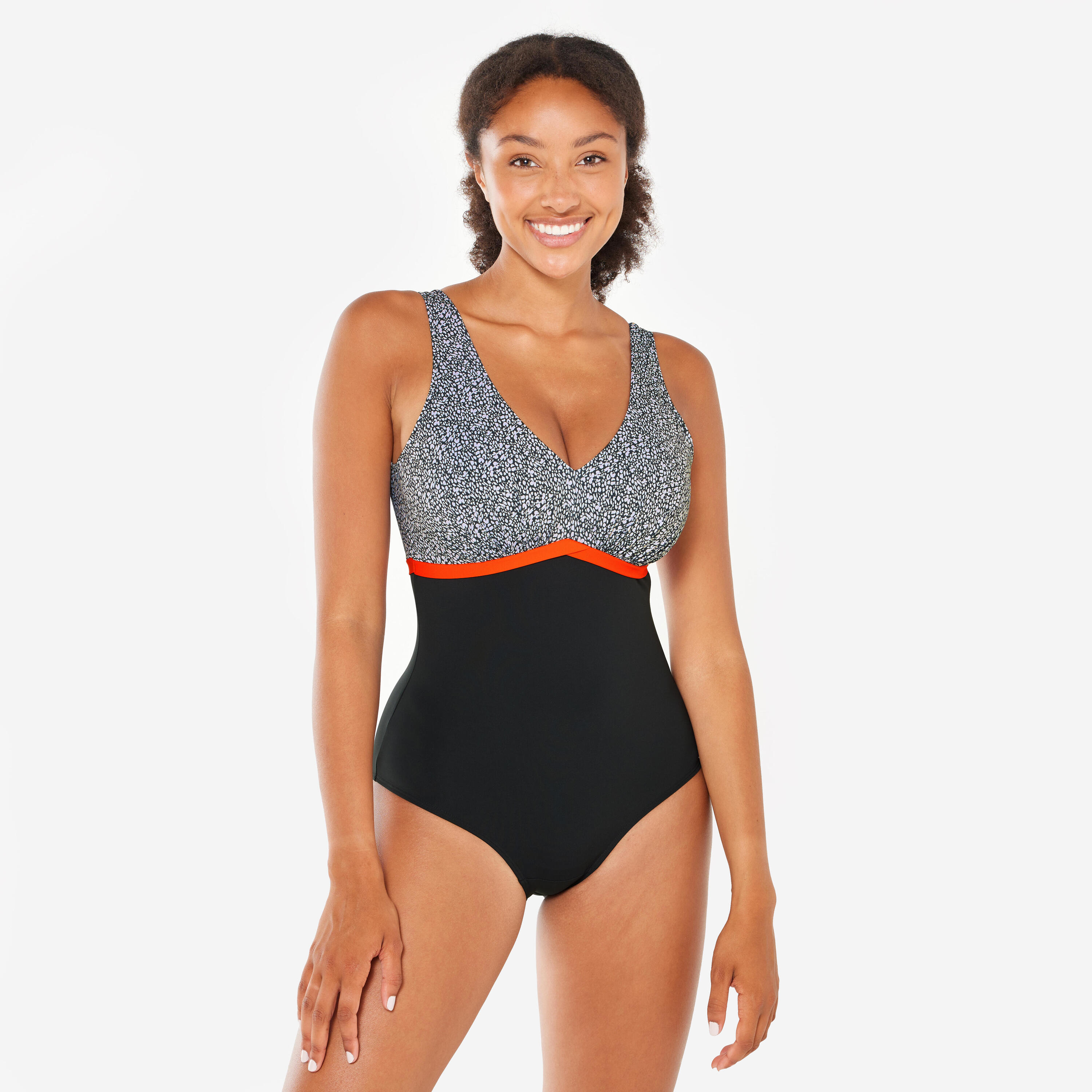
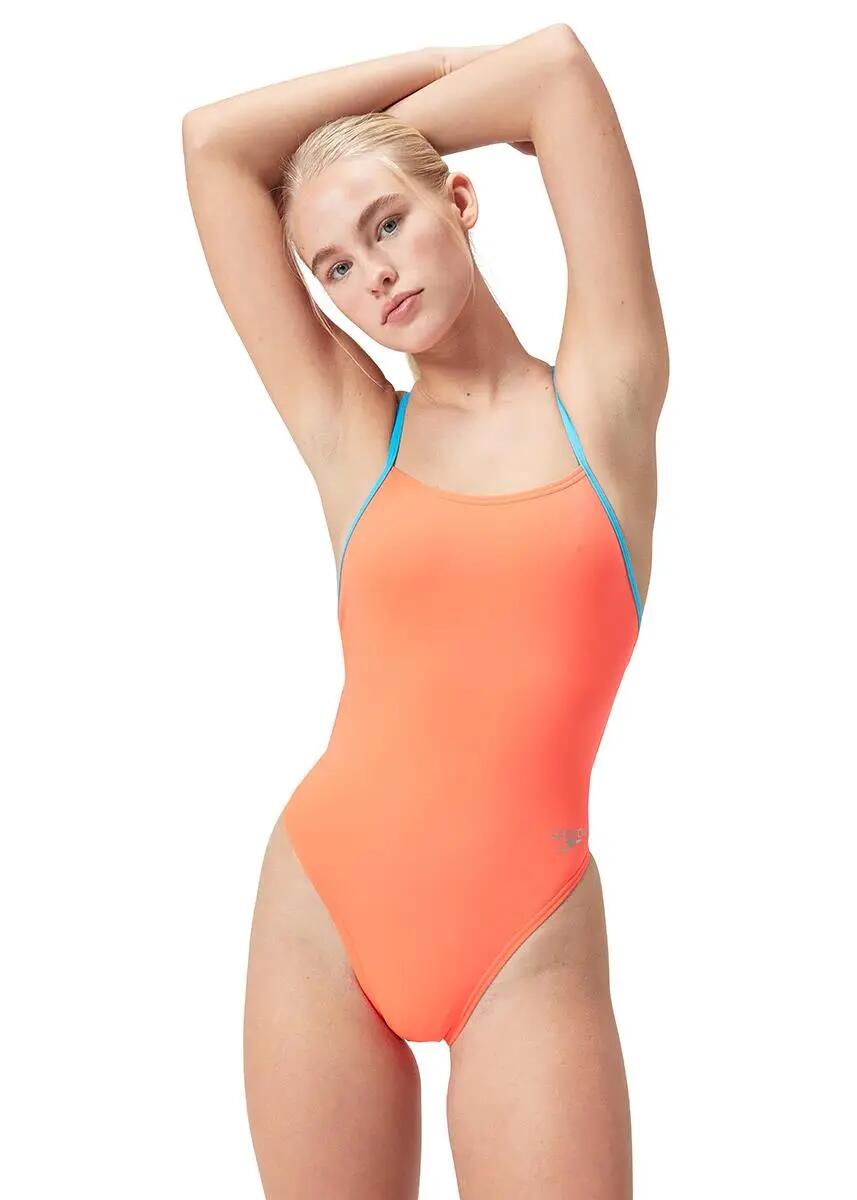
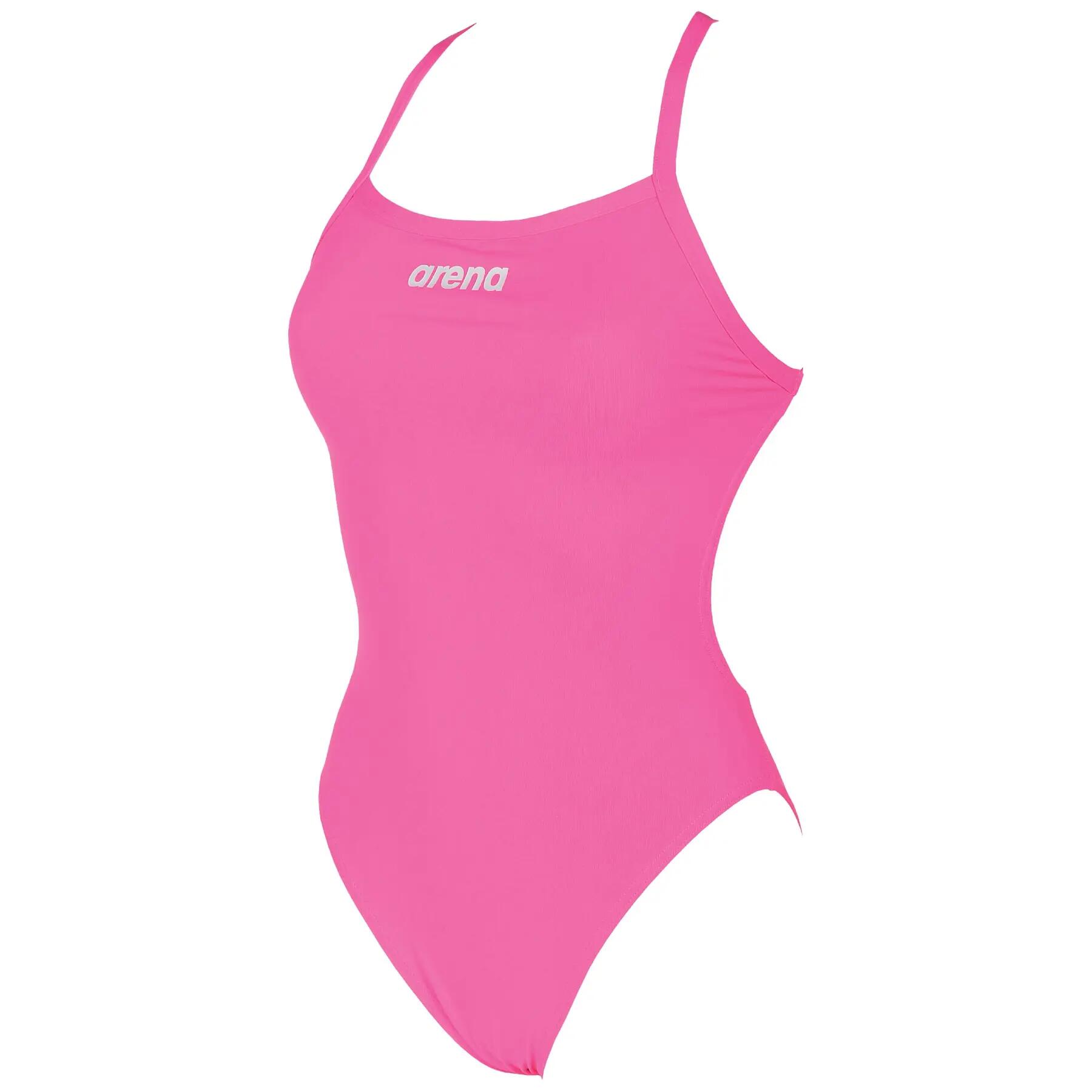
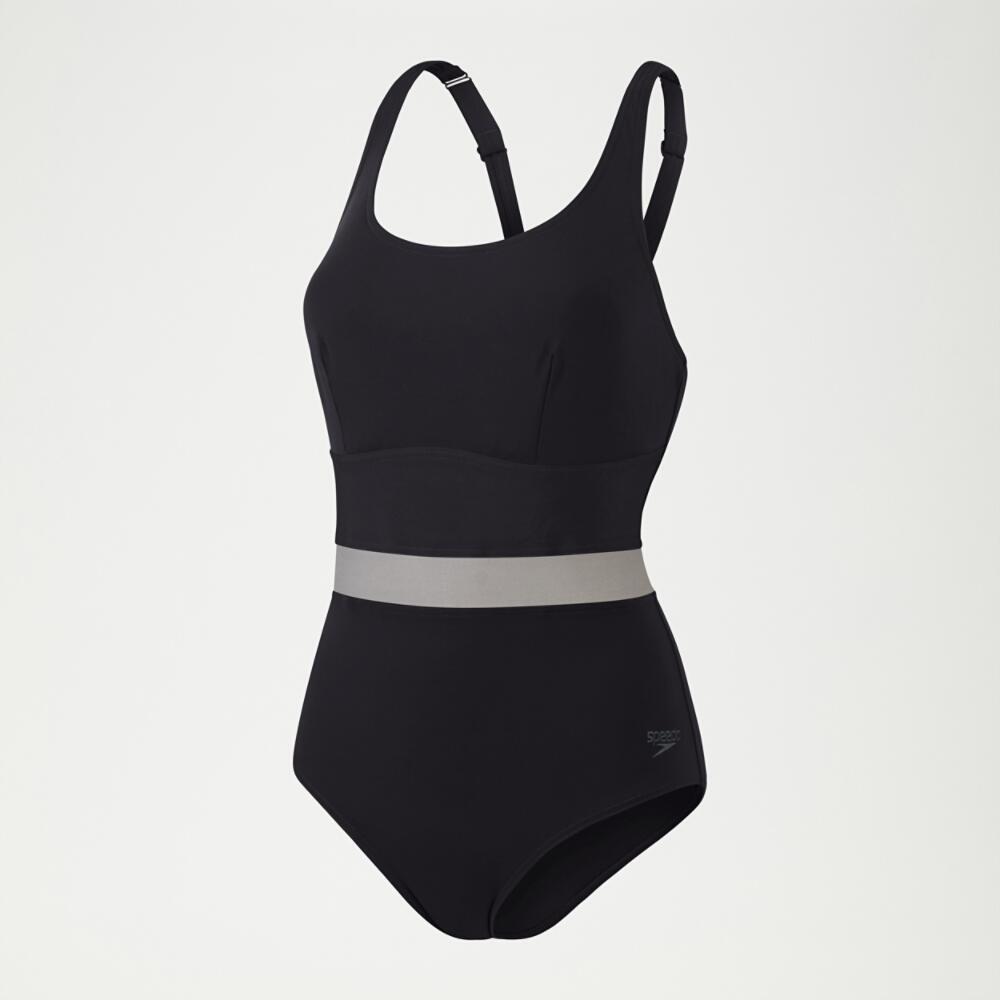
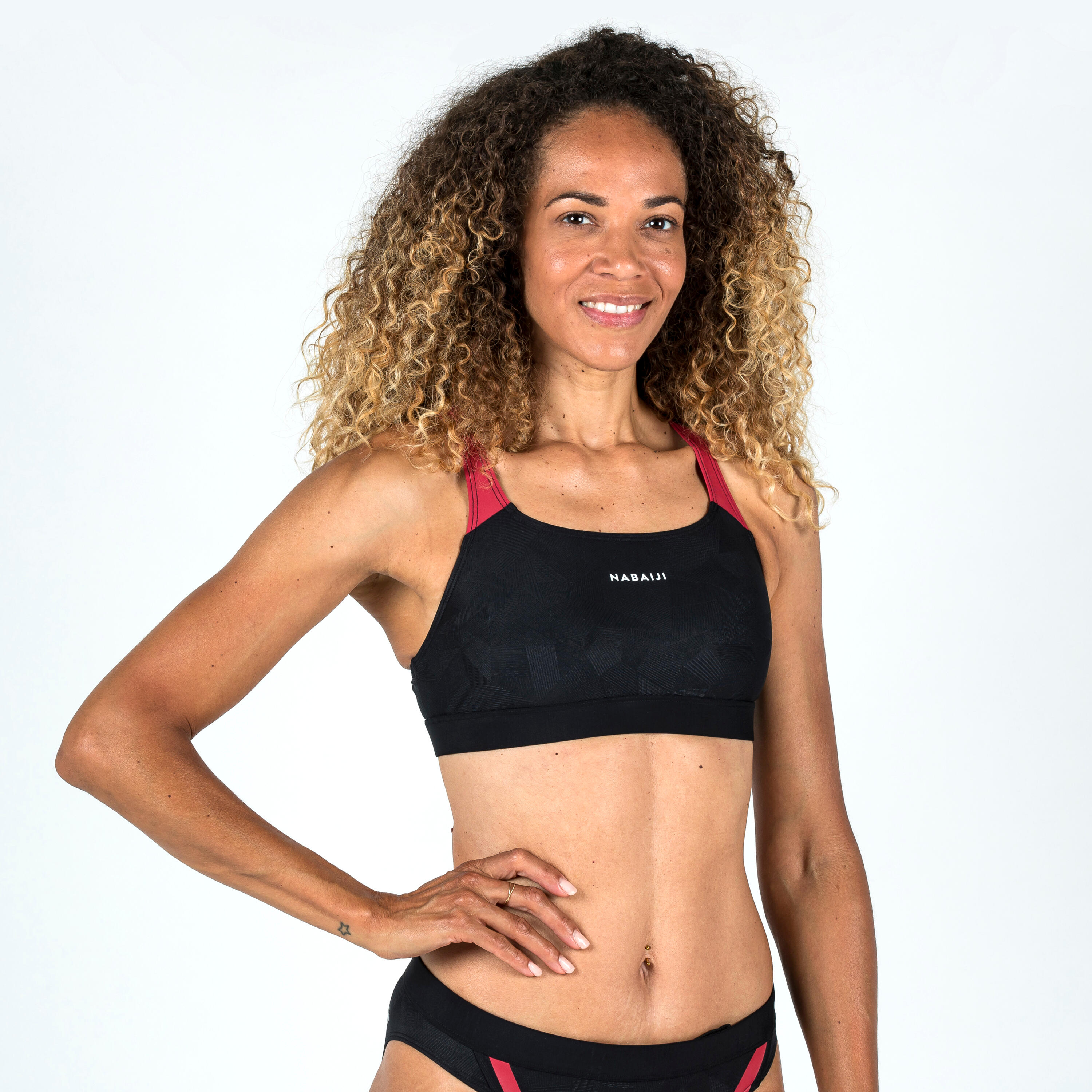
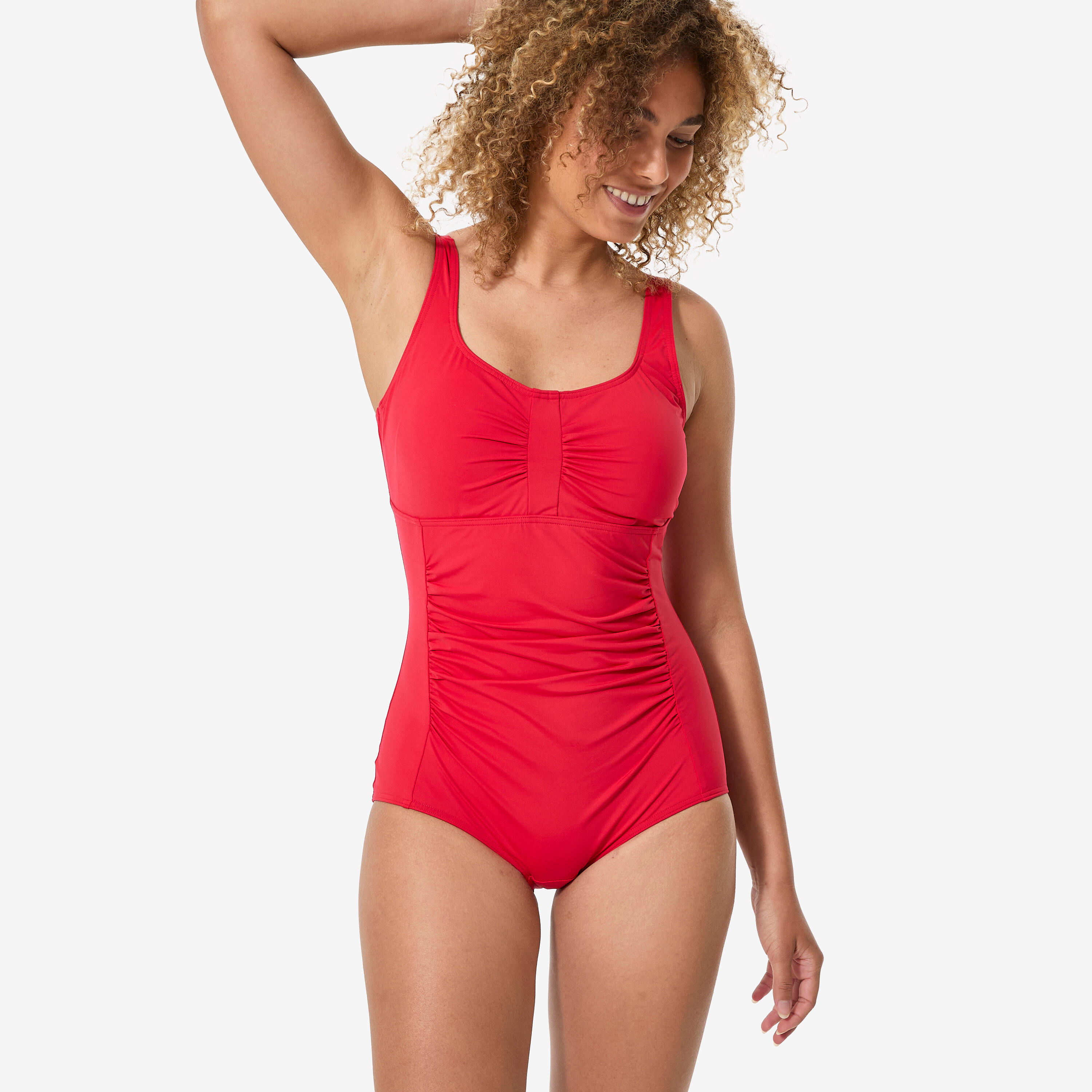
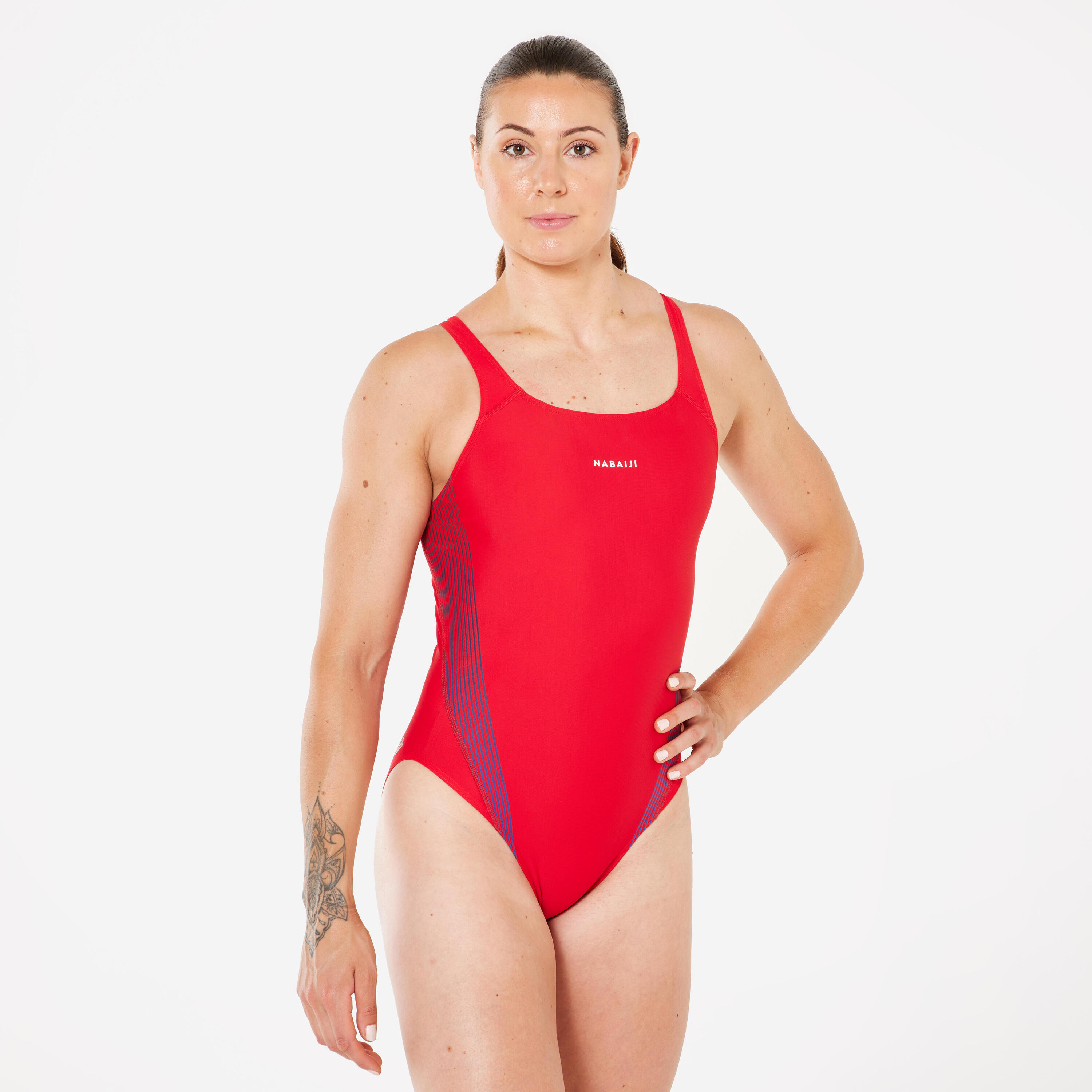
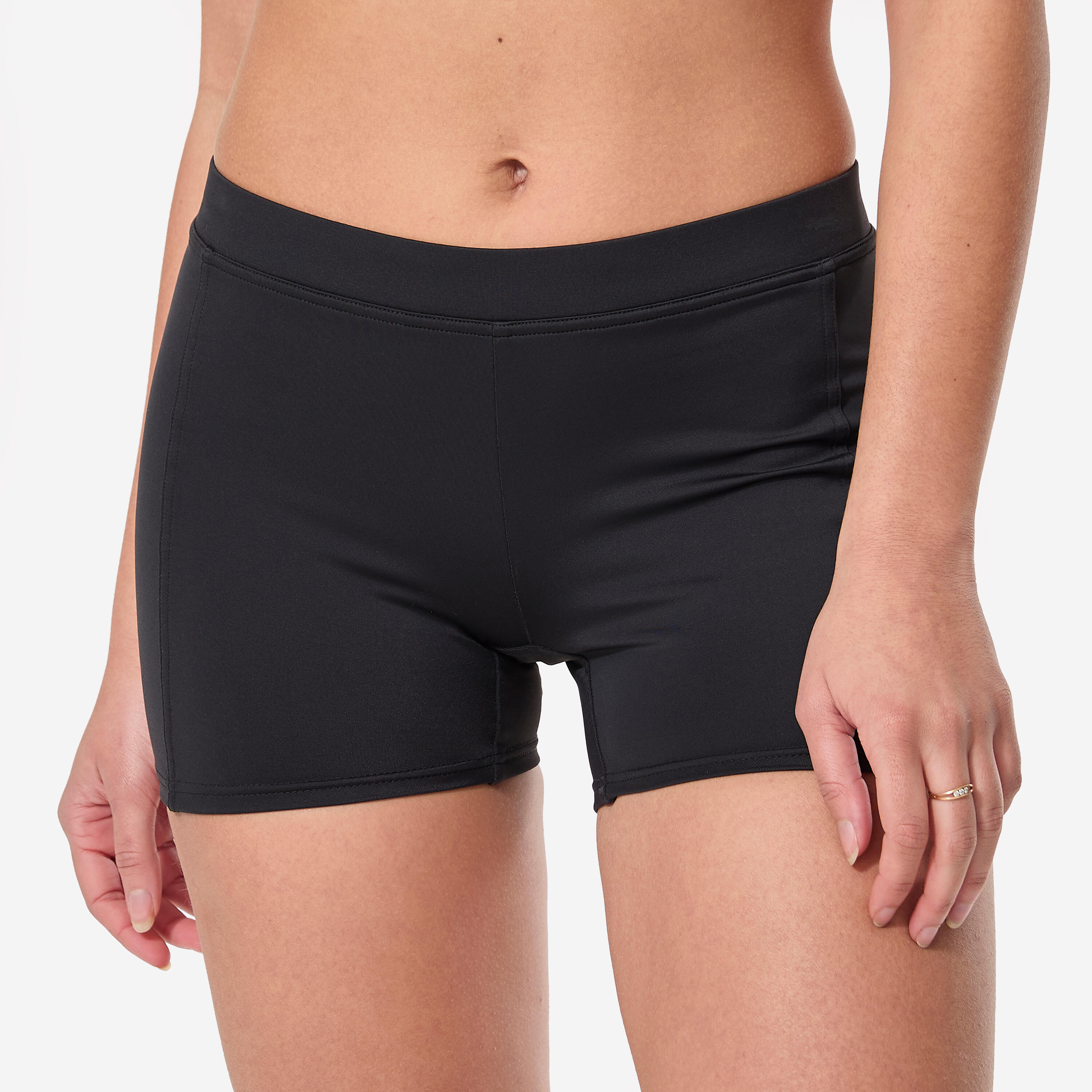
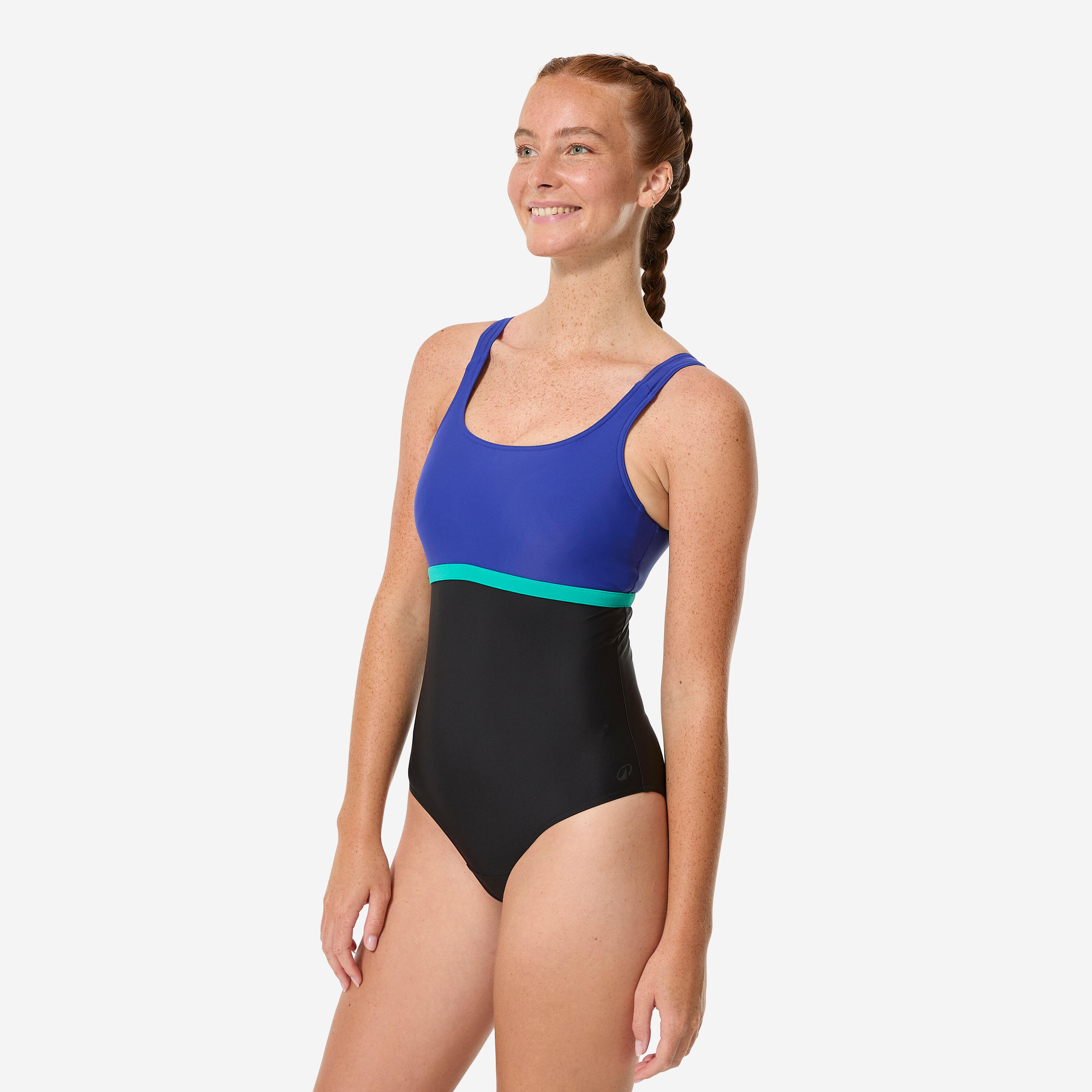
Chlorine-resistant fabrics such as polyester and polyamide blends with elastane are the best choice for active swimming, because they hold their shape and colour after repeated pool exposure. Standard Lycra degrades quickly in chlorinated water, losing elasticity within weeks of regular use, whereas polyester-polyamide blends retain compression and support for much longer. For lane swimmers or anyone training several times a week, checking the chlorine-resistance rating on the product label is the most reliable way to compare longevity across models. Fabric weight matters too: lighter fabrics reduce drag in the water but offer less coverage and compressive support, while mid-weight fabrics balance the two. Different cuts, such as one-piece, tankini, and bikini styles, use these fabrics in different ways, which is reflected across the range of women's swimwear tailored for varied swimming activity levels.
What features are most important in swimwear for babies and toddlers?

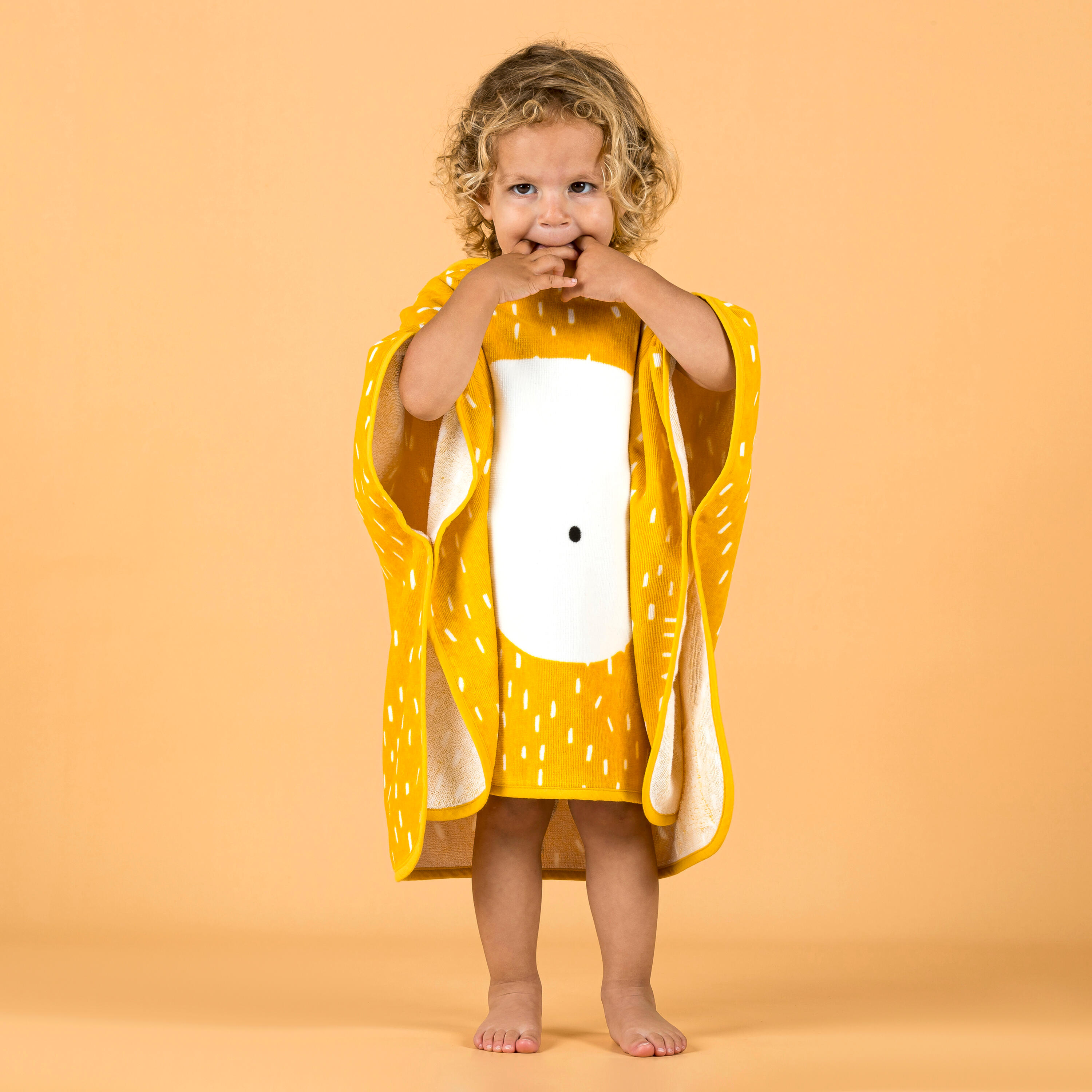
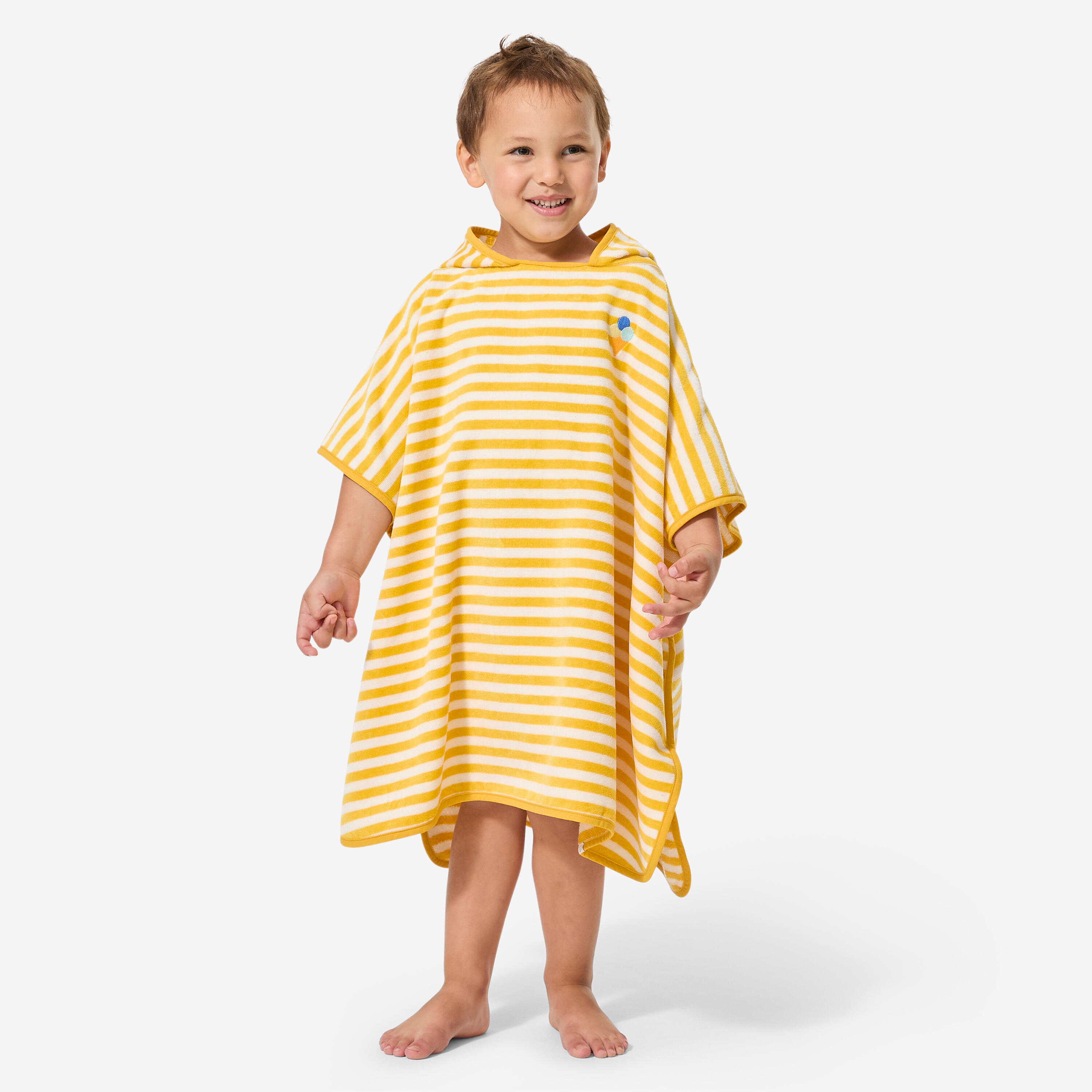
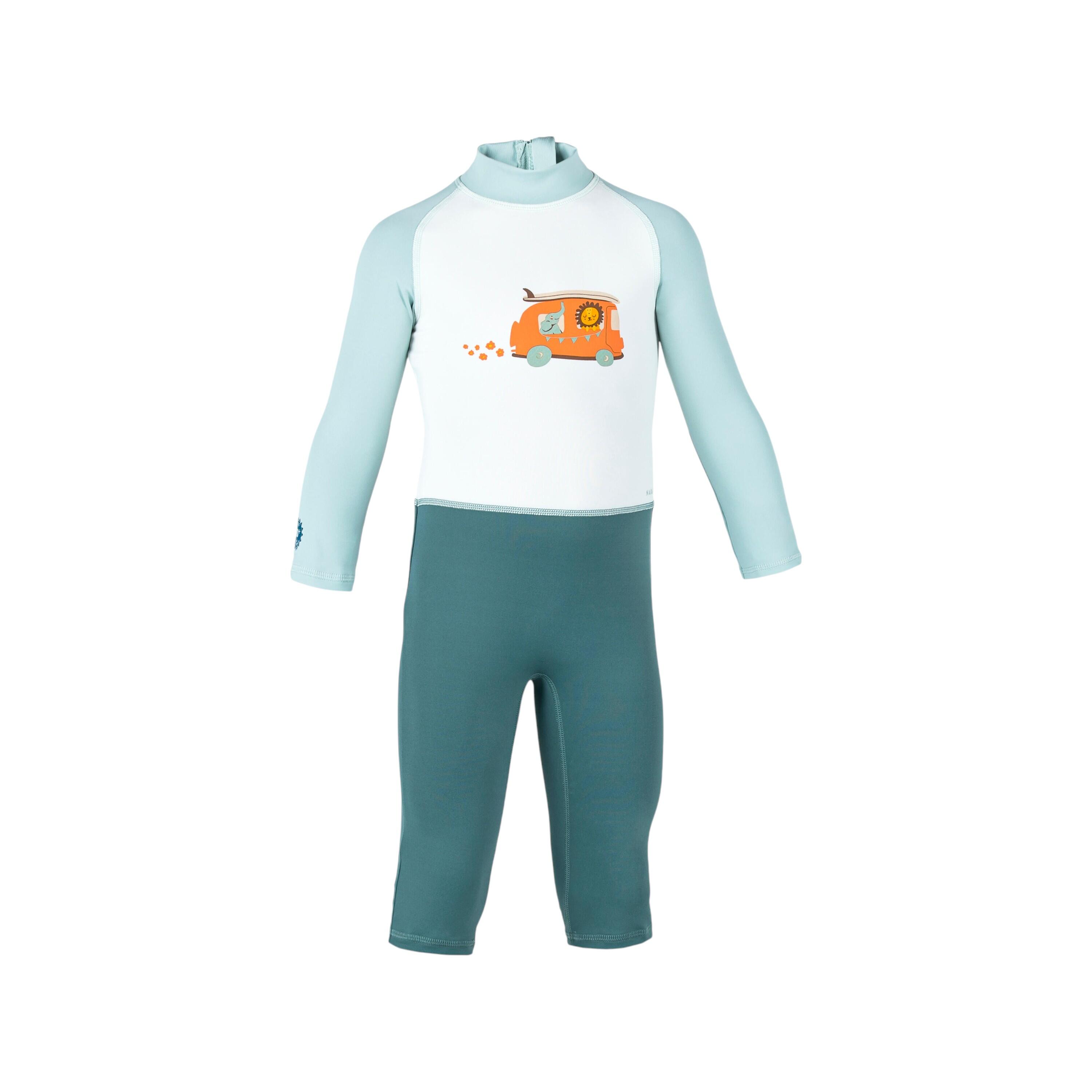
Swimwear for babies and toddlers needs to balance sun protection, a secure fit, and fast-drying fabric. UPF-rated fabric that covers the shoulders and upper arms significantly reduces UV exposure for skin that burns faster than an adult's. A snug but non-restrictive fit around the leg openings keeps the suit from shifting during water play while still allowing plenty of movement for kicking and splashing. Elasticated waistbands without sharp hardware matter for comfort both in and out of the water. The full range of sun-protective, water-activity suits for the youngest swimmers sits under babies' swimwear.

What makes swimwear suitable for girls' swimming lessons?

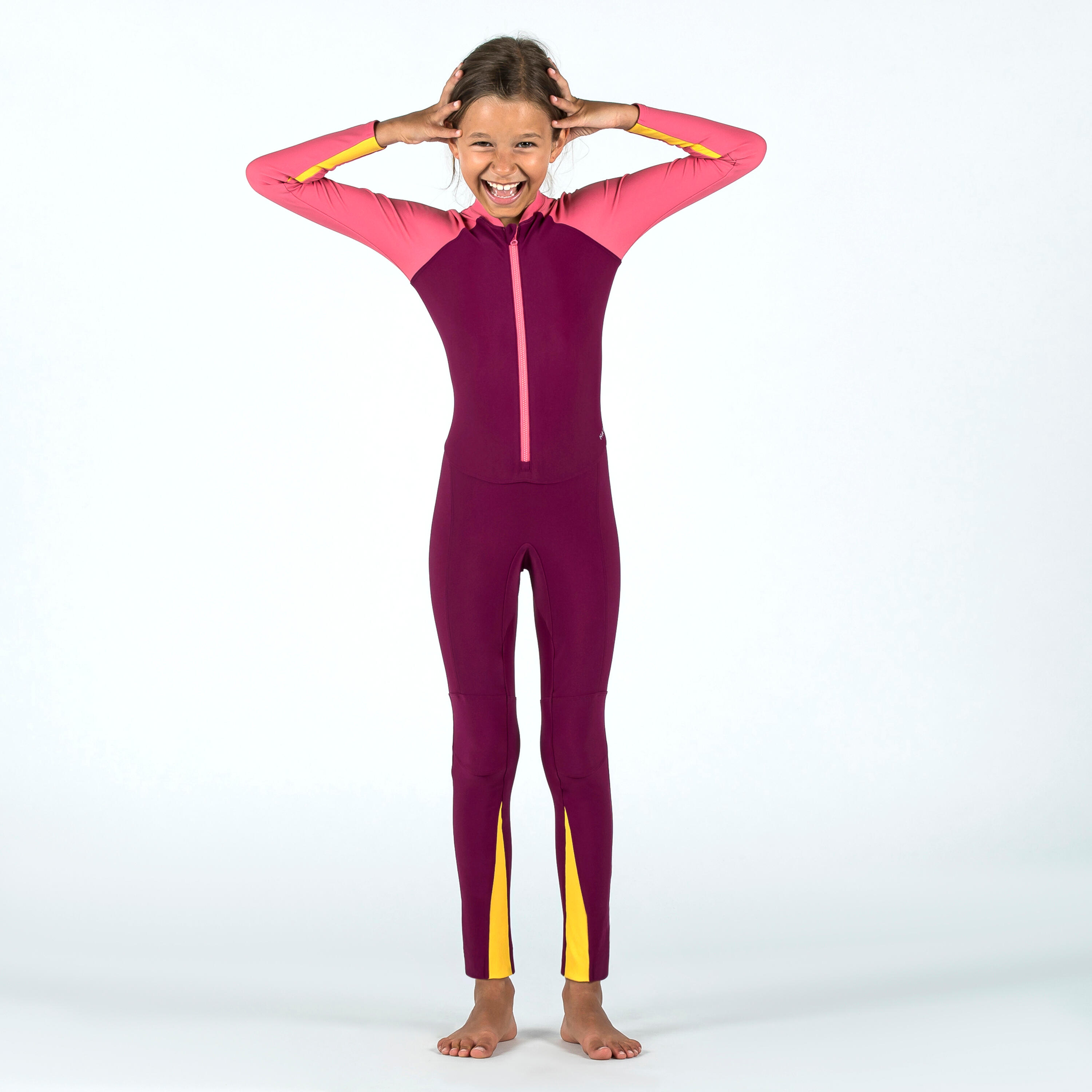
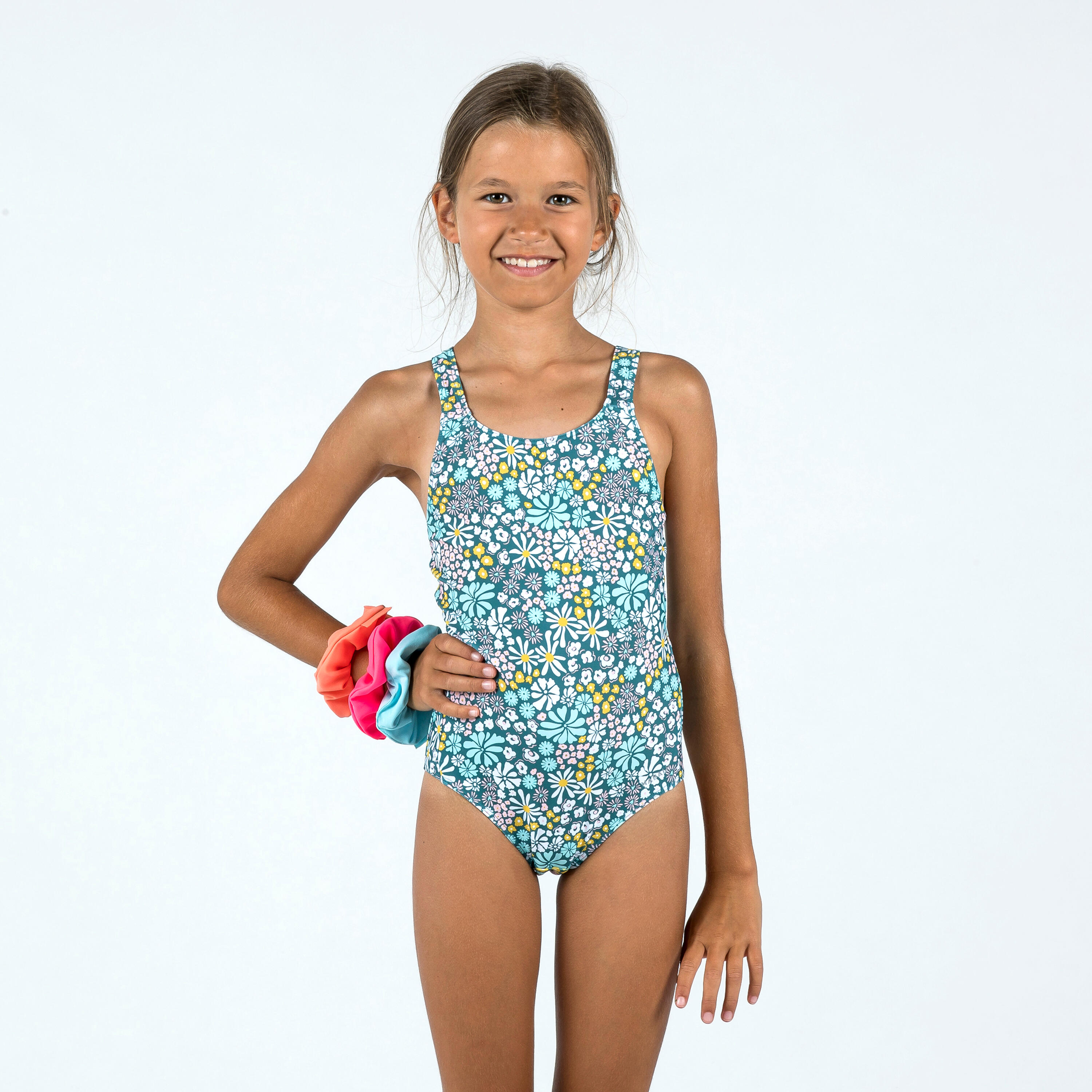
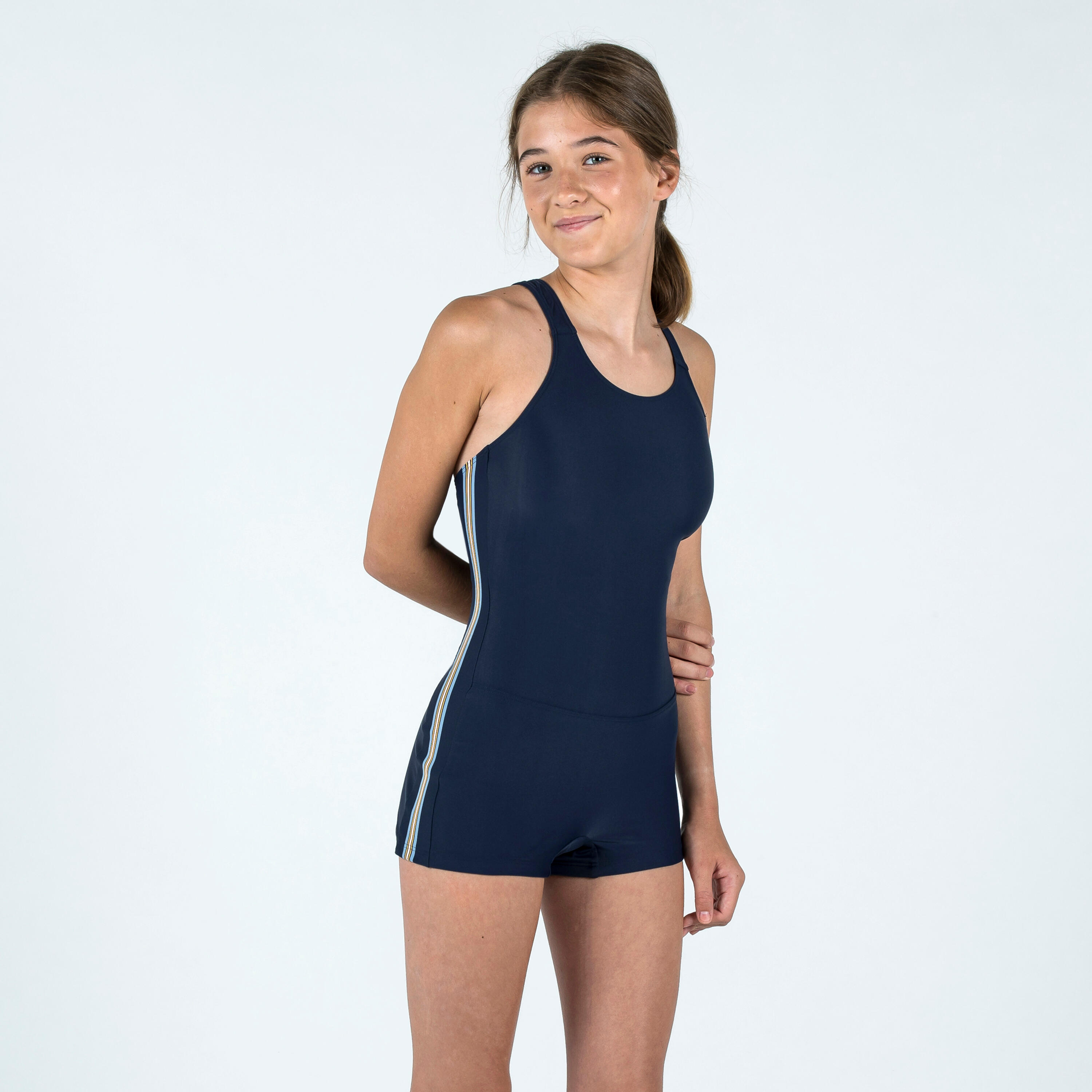
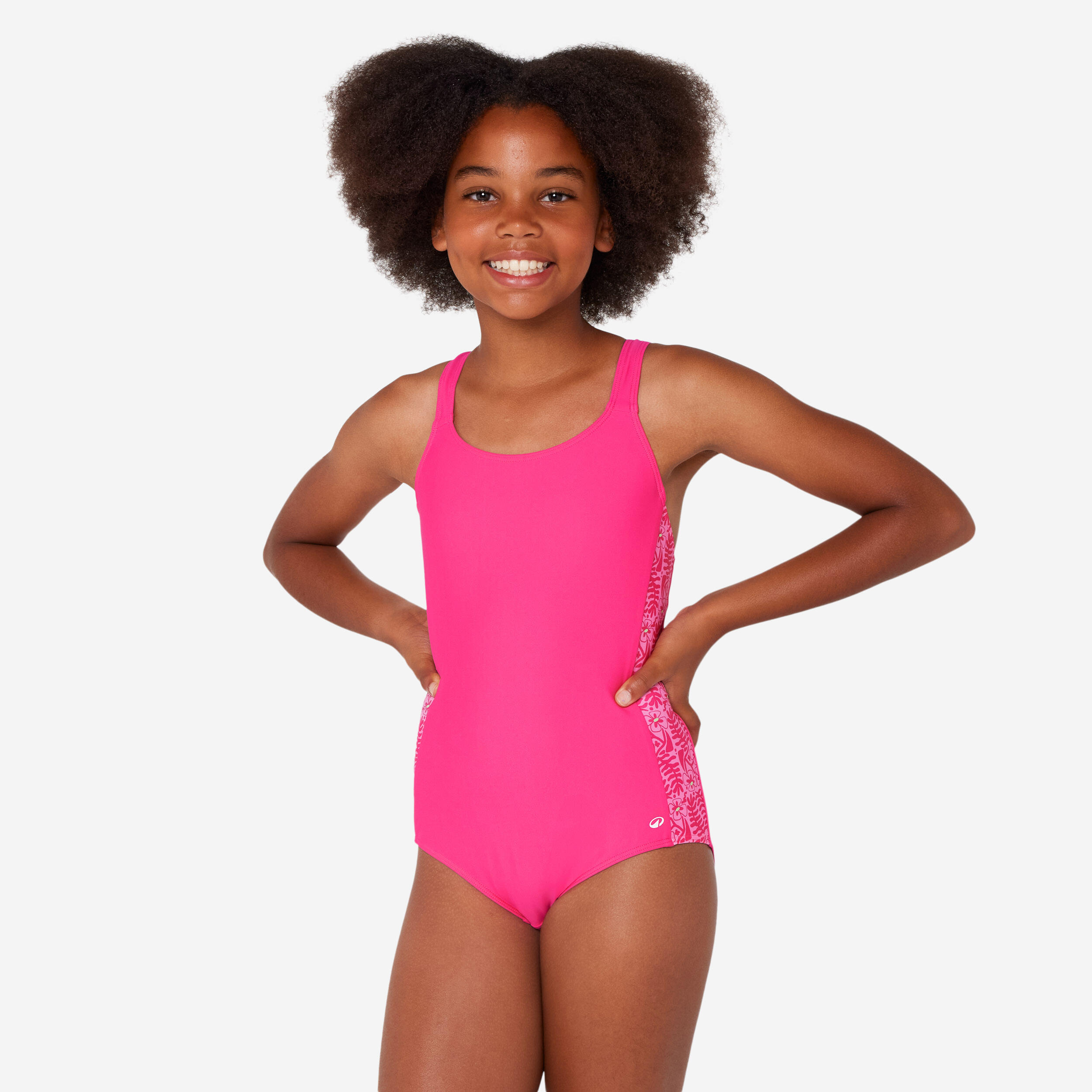
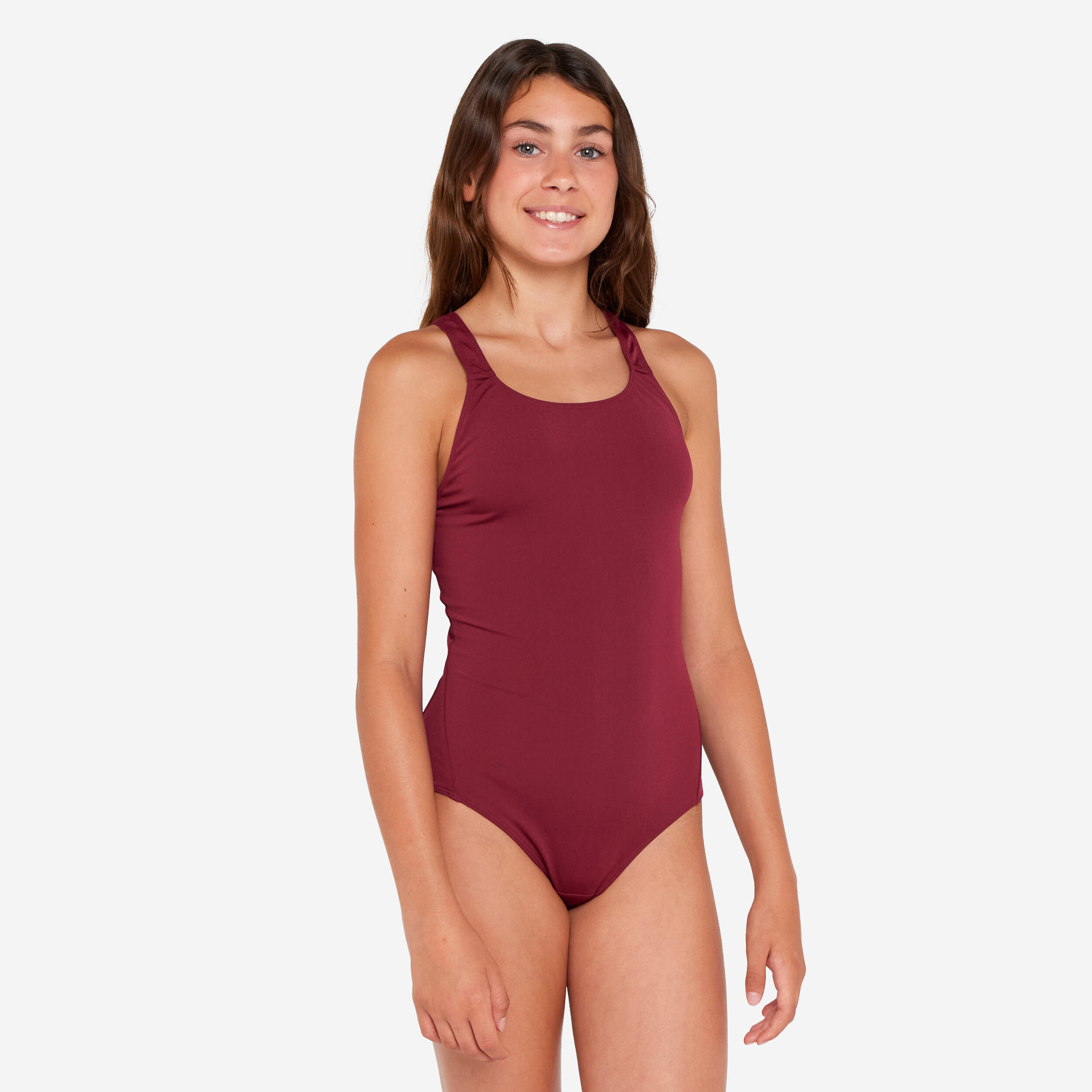
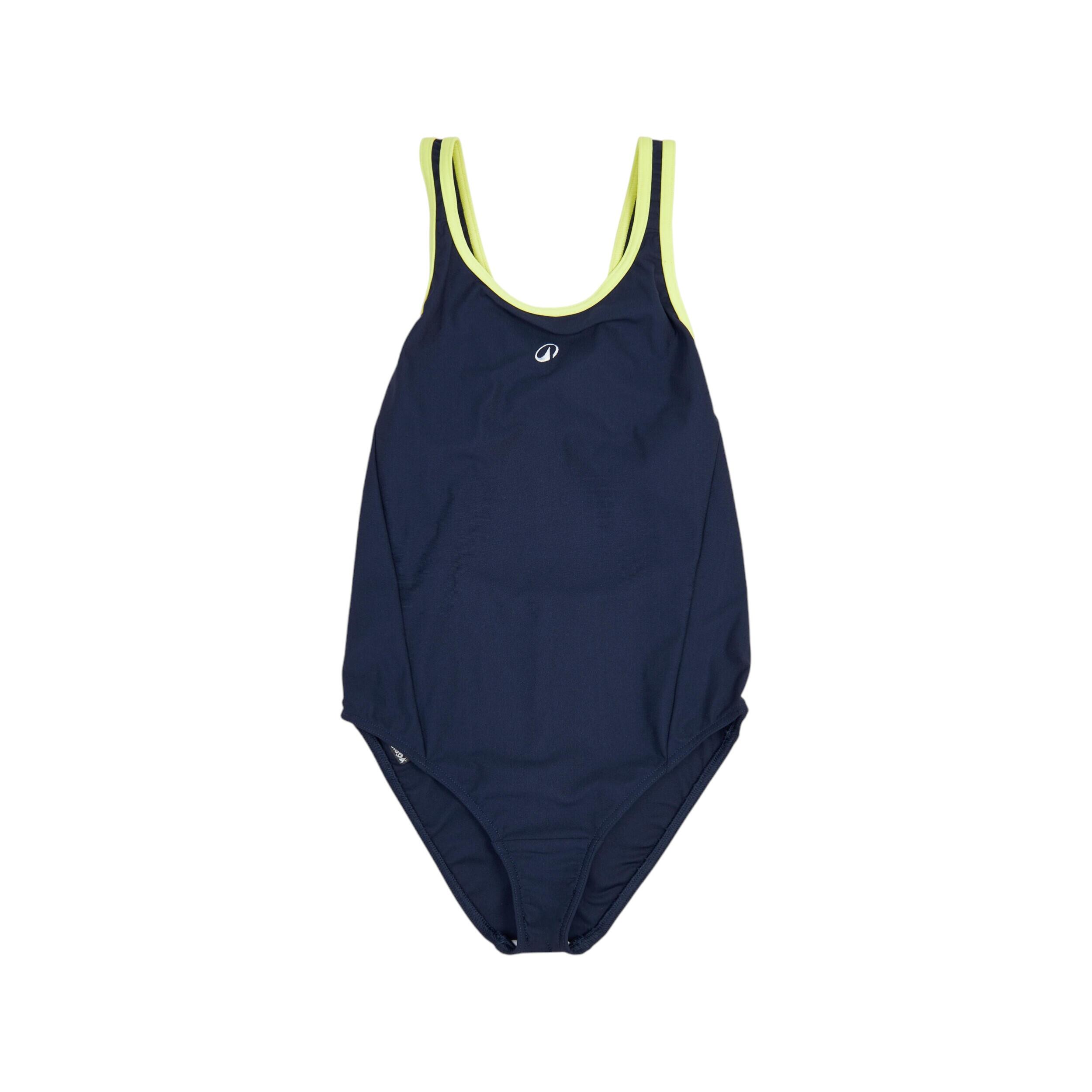
For girls learning to swim, a one-piece suit is the most practical choice, since it stays in place during lessons without needing adjustment and avoids separate pieces that can shift or need adjustment during lessons. Look for a secure back fastening, wide shoulder straps that don't slip, and a fabric with at least 15% elastane so the suit stretches with arm movements through each stroke. A suit that's too tight across the shoulders restricts the range of motion needed for freestyle and backstroke. Our collection of girls' swimwear covers age-appropriate styles built for pool lessons and water activity.

What cut of swimwear works best for male open-water swimmers?

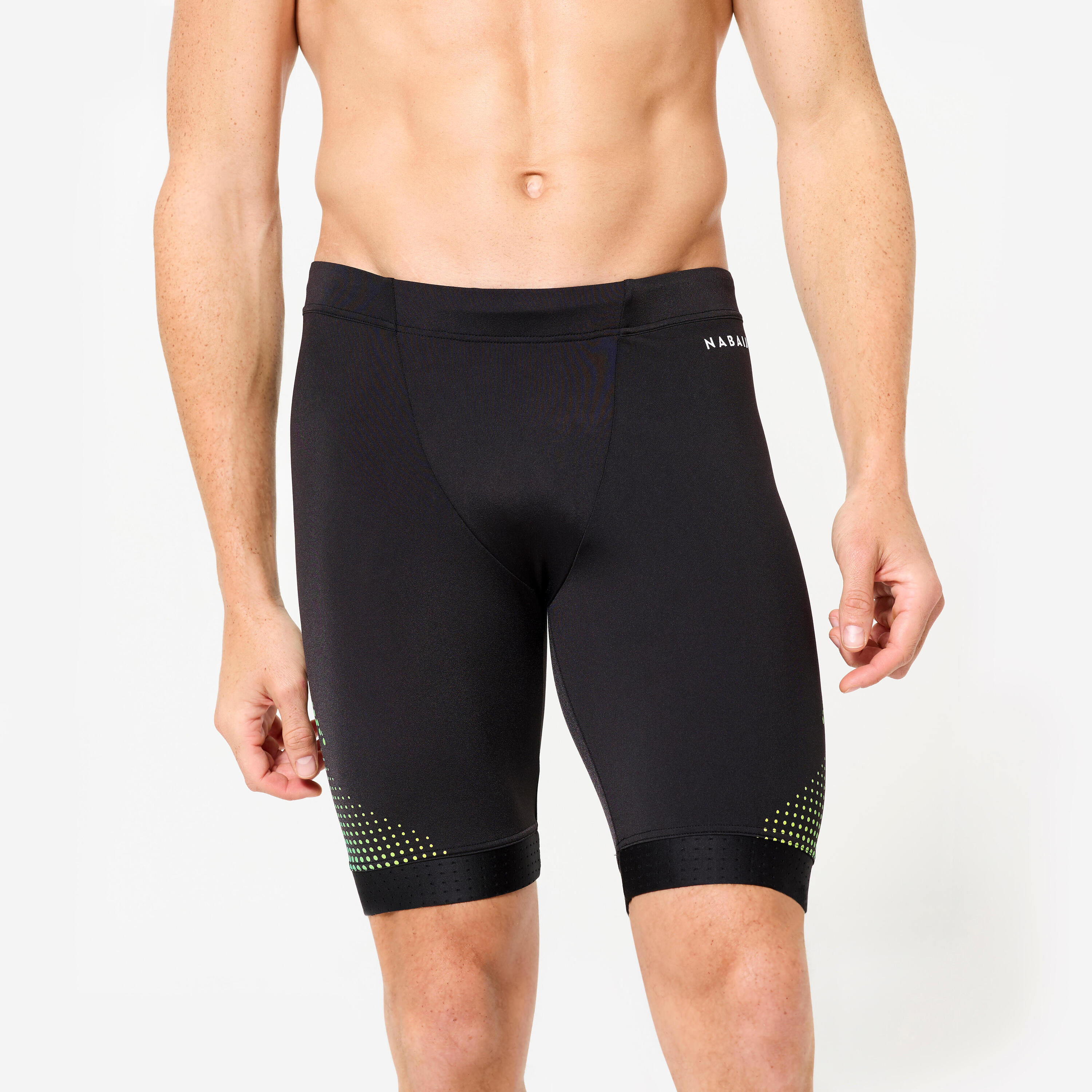
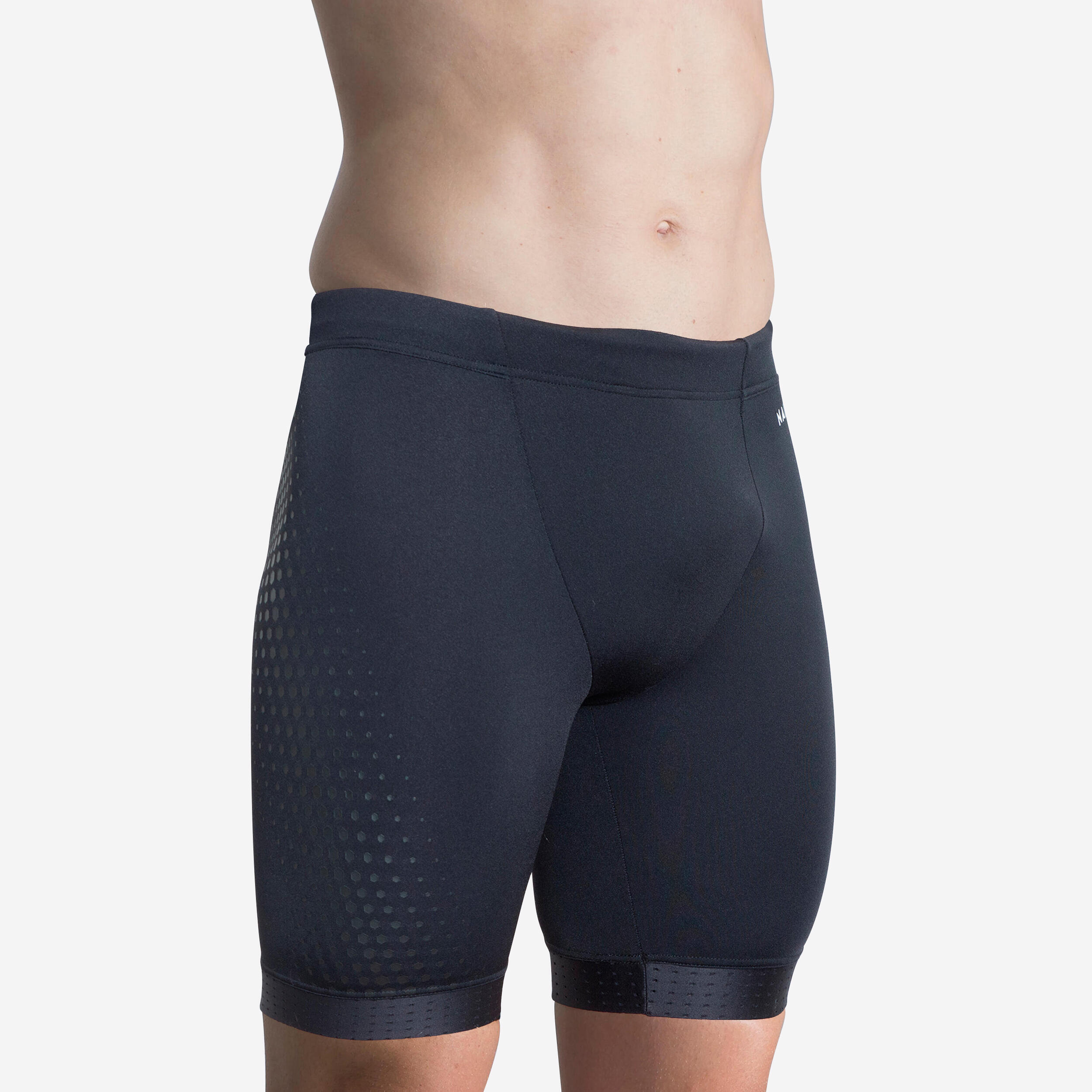
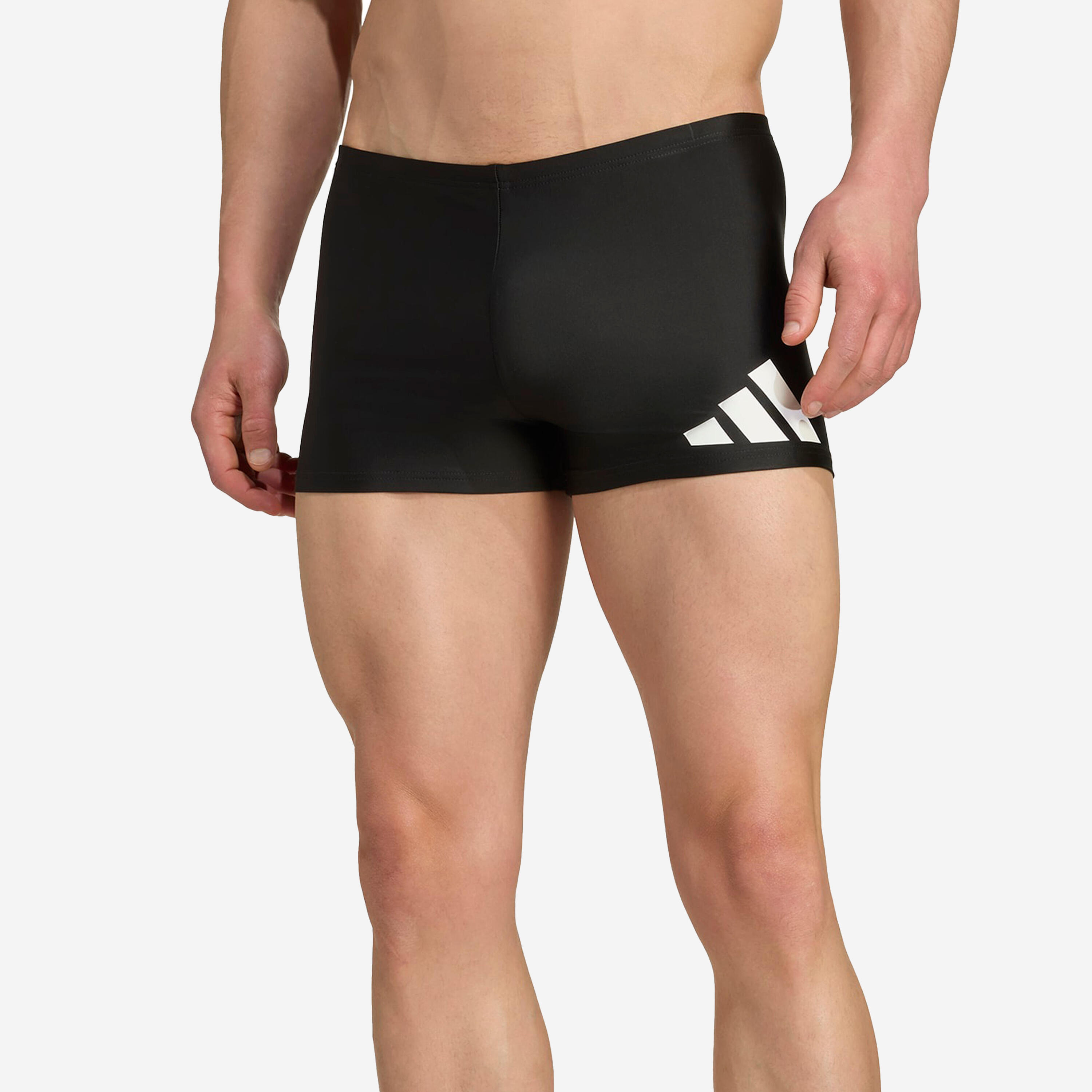
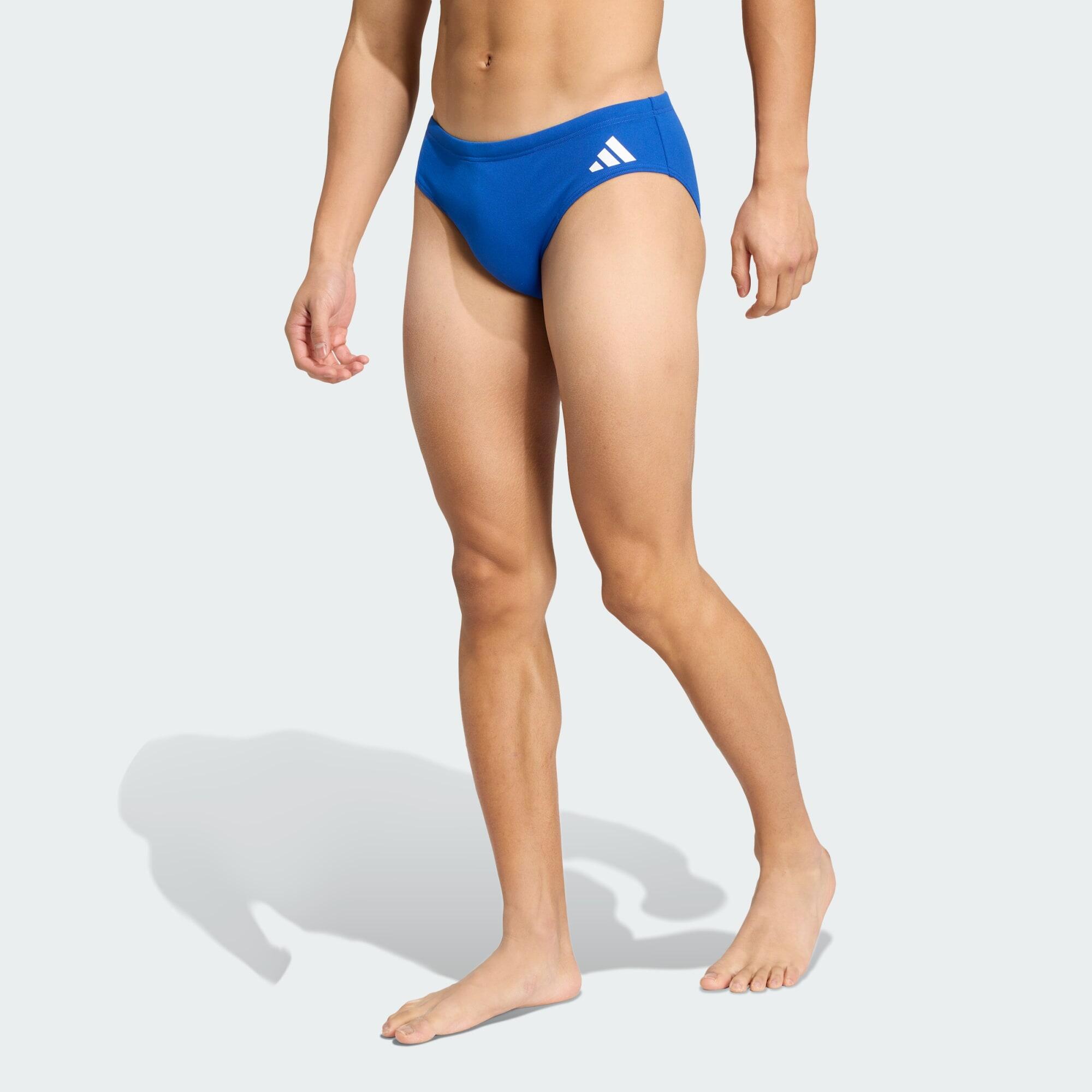
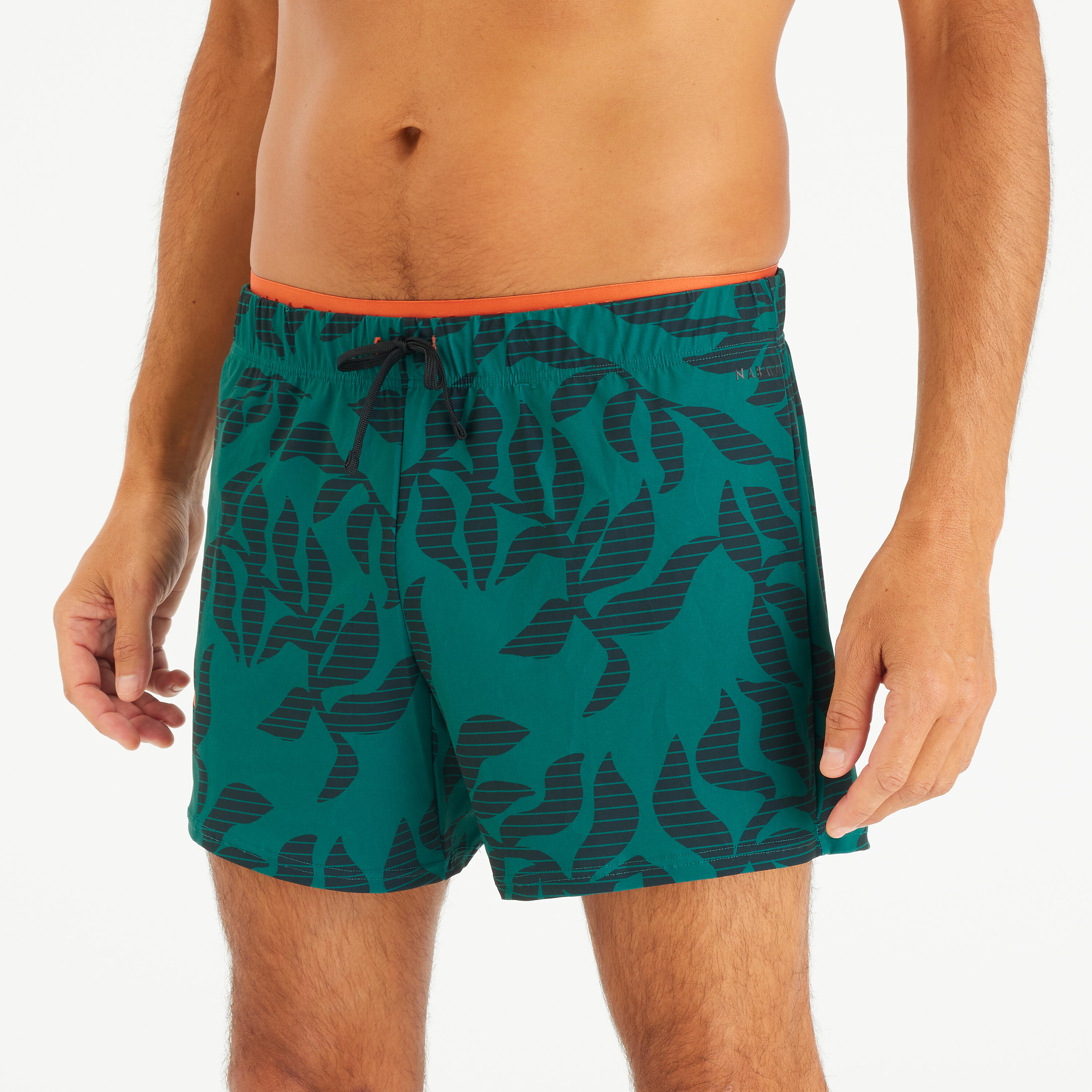
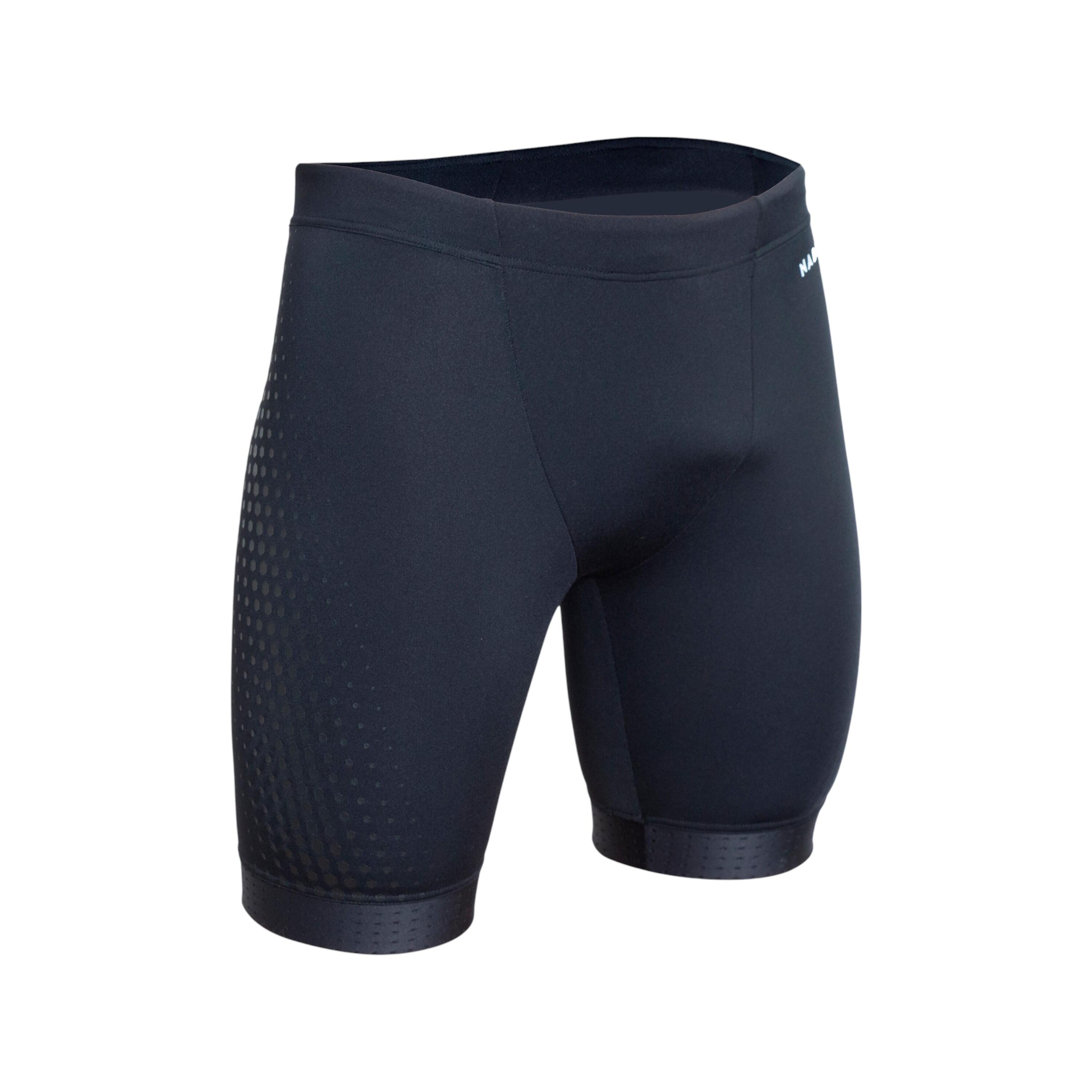
For male open-water swimmers, longer-leg jammers hold heat better than brief-style suits in cold water, because they cut the area of exposed skin on the upper thigh where heat loss is significant. Jammers with a flat drawcord waistband rather than a fixed elastic one allow more precise fit adjustment, which keeps the suit from shifting or dropping on longer swims. Chlorine resistance matters less for open water than for the pool, but UV protection becomes more relevant given the longer sun exposure on the water. Performance cuts for training and open-water use sit under men's swimwear.

How does swimwear for boys differ between pool training and beach use?

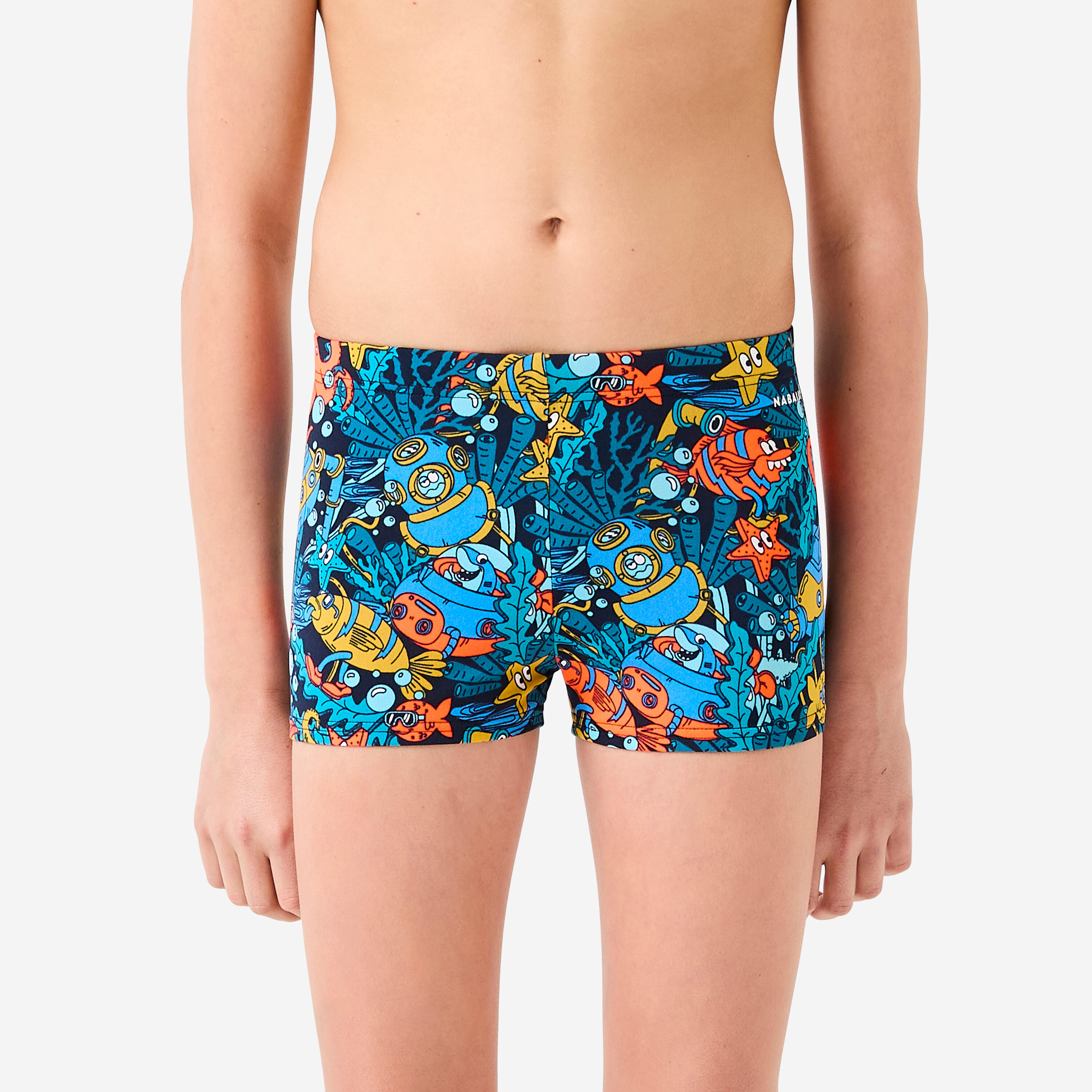
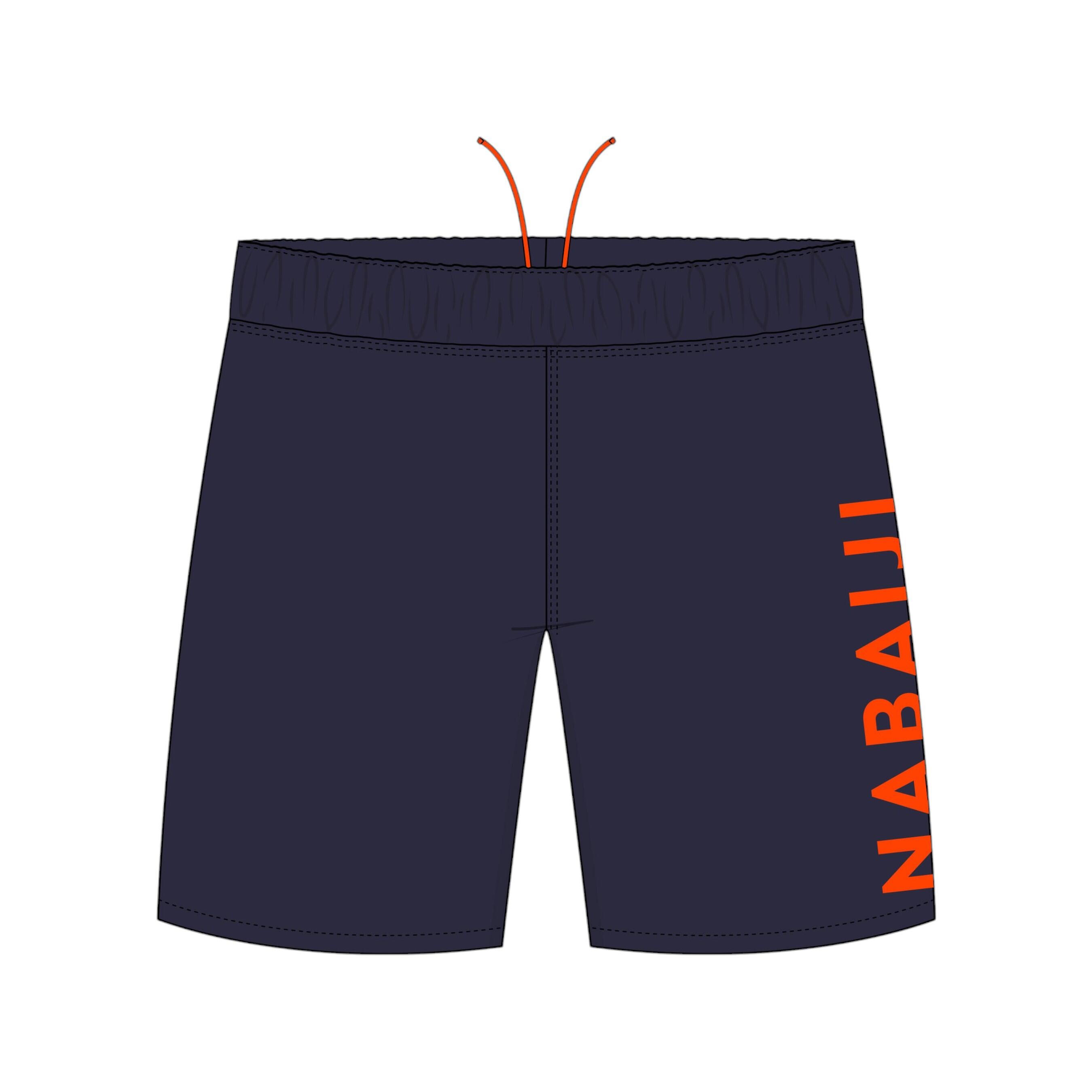
Pool training swimwear for boys prioritises a close fit, chlorine resistance, and freedom of movement for stroke technique, which usually means jammers or fitted swim shorts in a technical fabric. Beach swimwear prioritises comfort over longer wear, quick drying after coming out of the water, and a relaxed fit that works both in and out of the sea. The two use different fabric constructions: a training jammer uses a compression-grade polyamide blend, while a beach boardshort uses a woven quick-dry polyester that doesn't cling when wet. Both ranges sit under boys' swimwear, with handy filters to sort by age, activity, and swim style before the next splash-filled session.