26 items
4.3/5 based on 702 reviews collected online and in stores

SWIMMING WETSUITS FAQS

What is an open water swimming wetsuit?

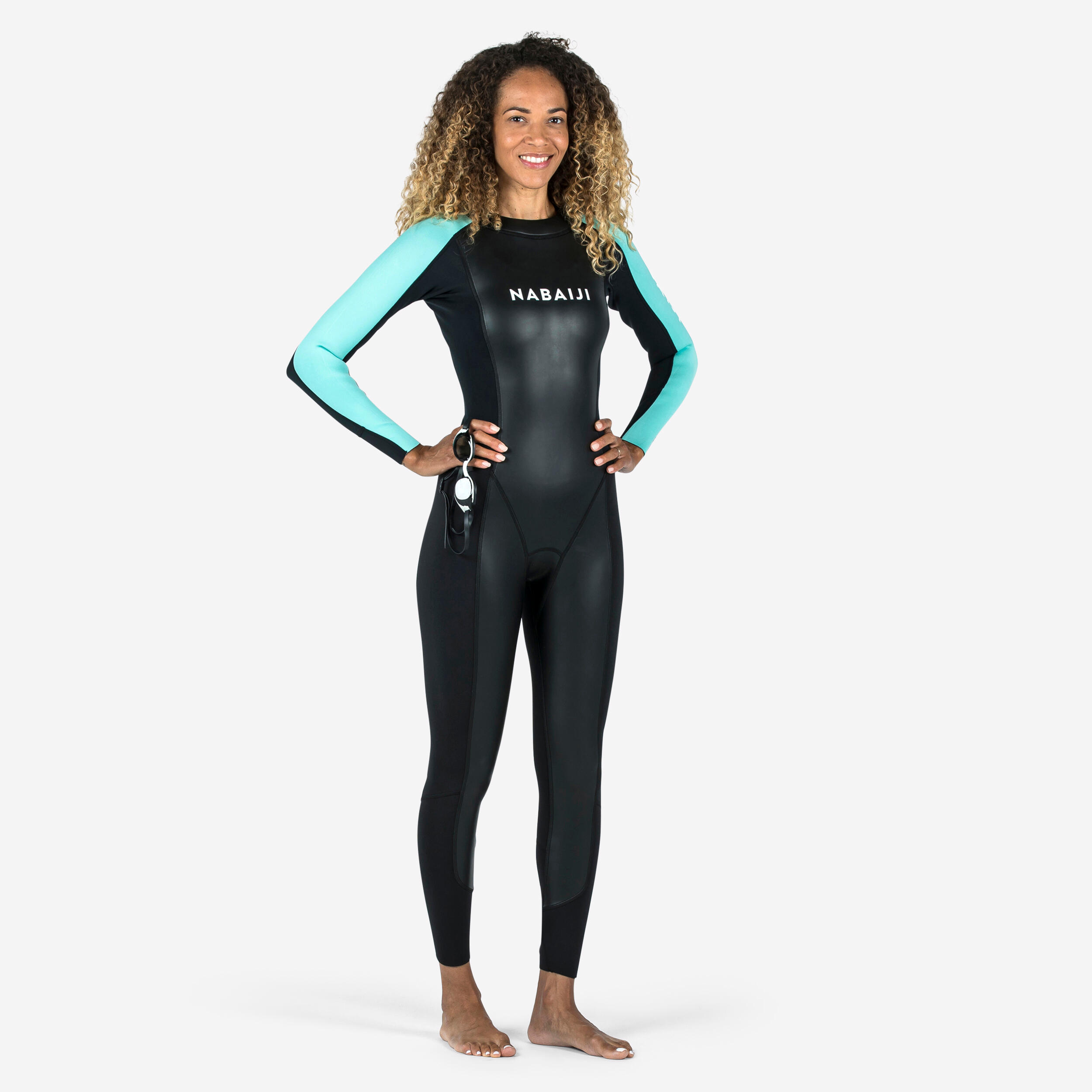
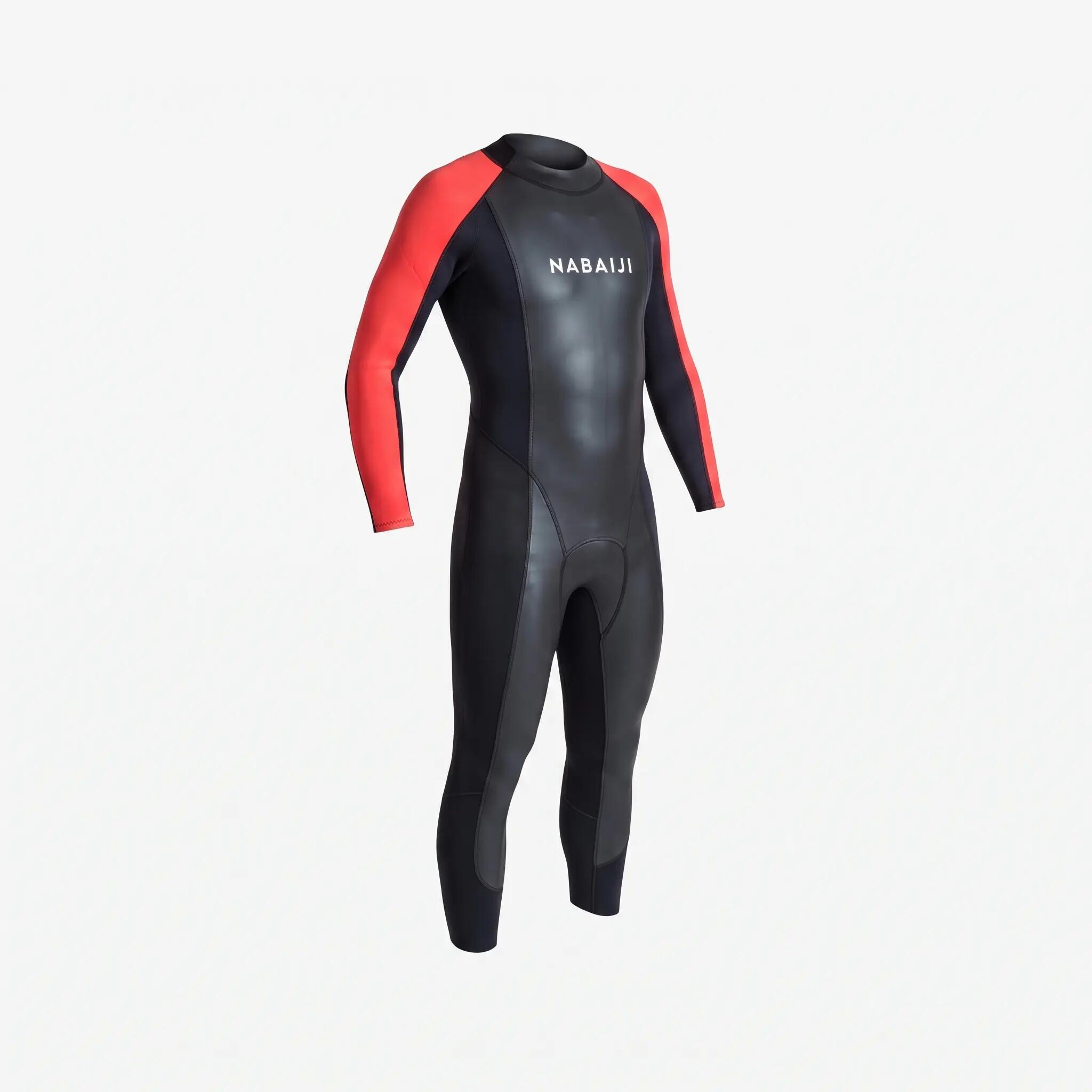
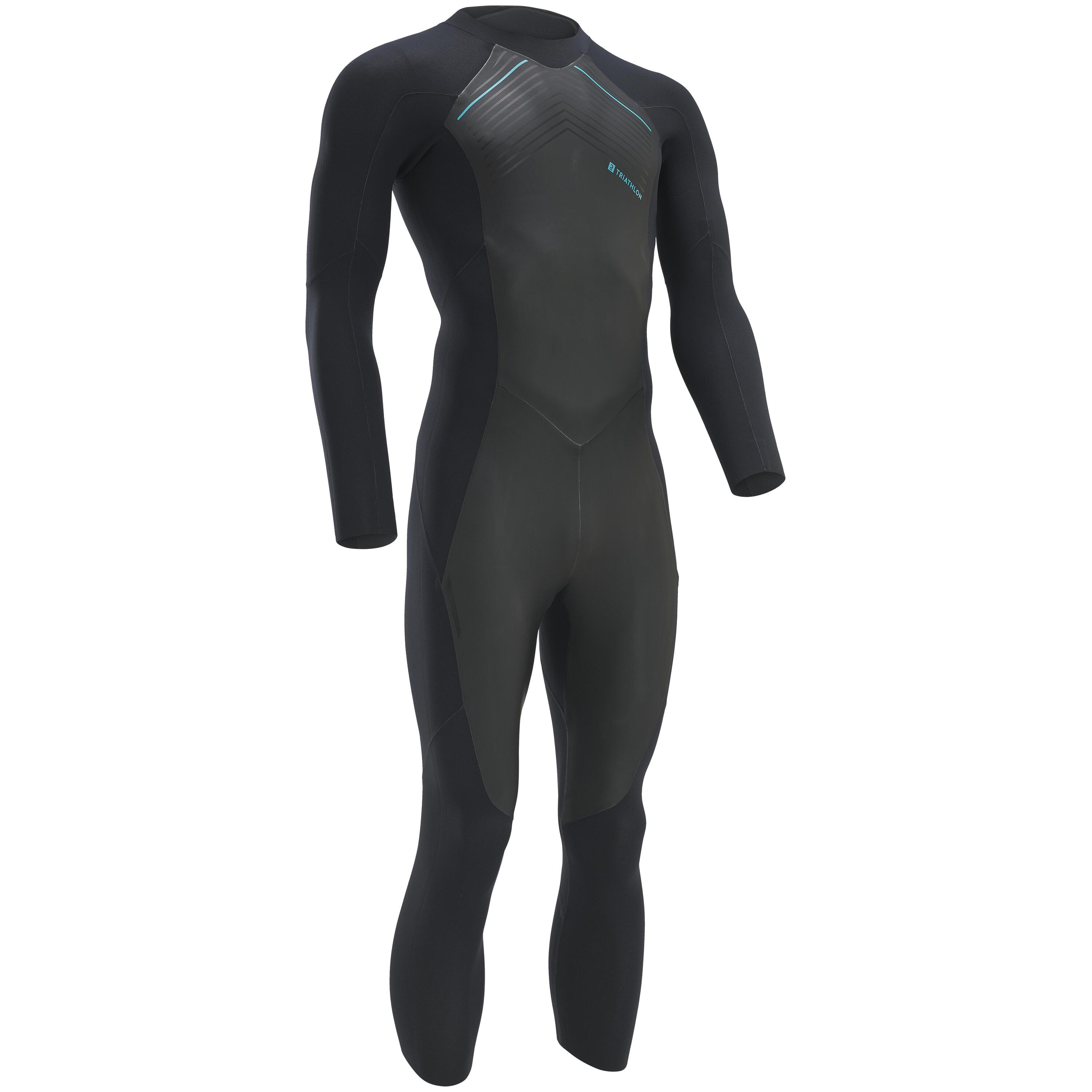
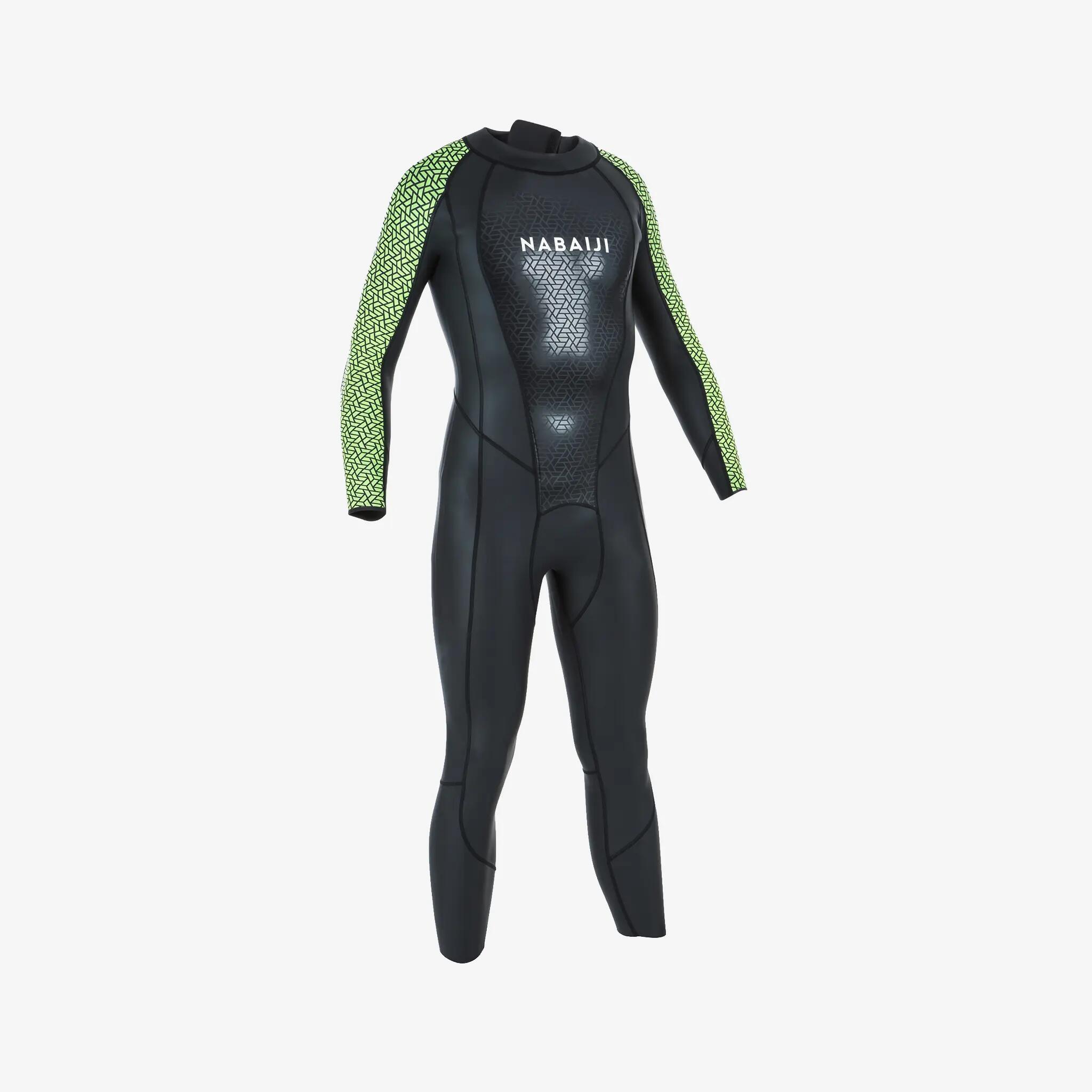
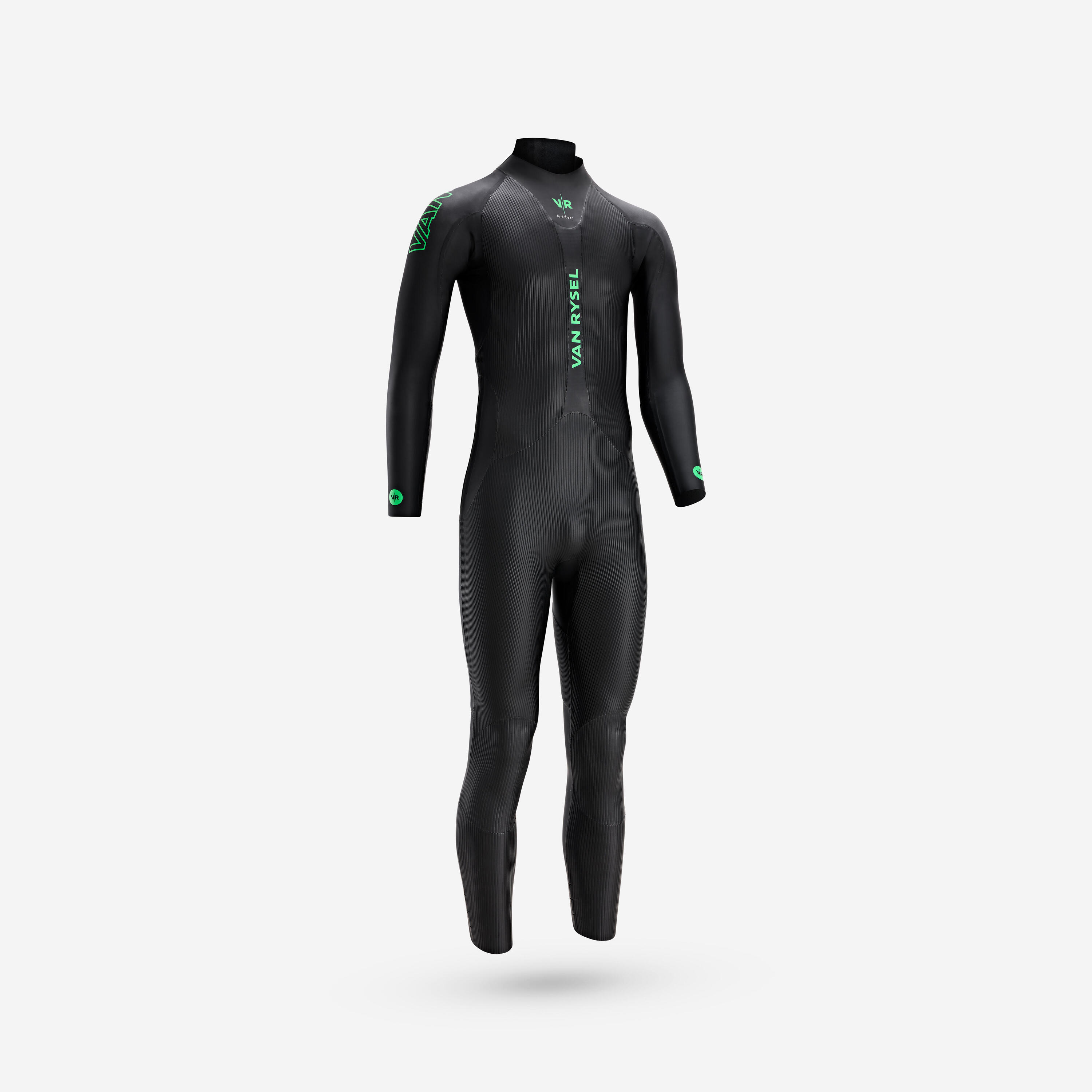
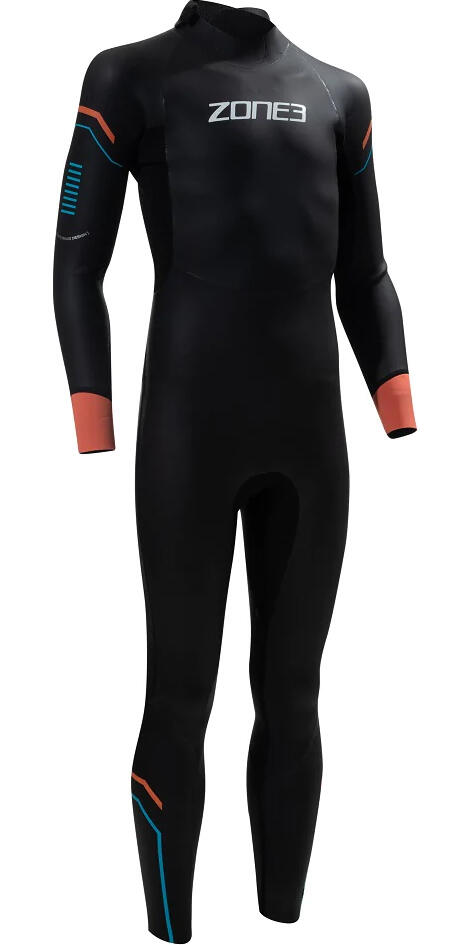
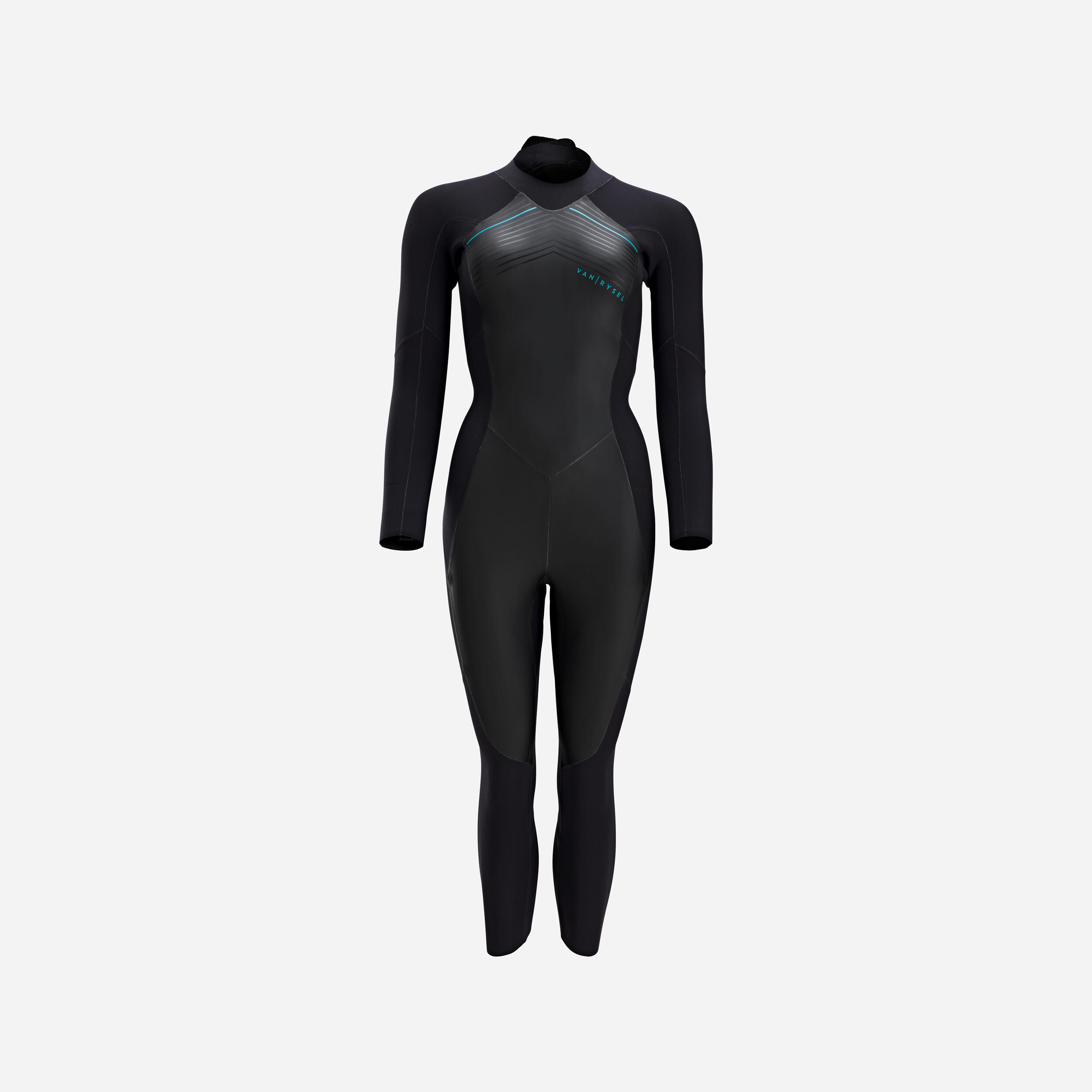
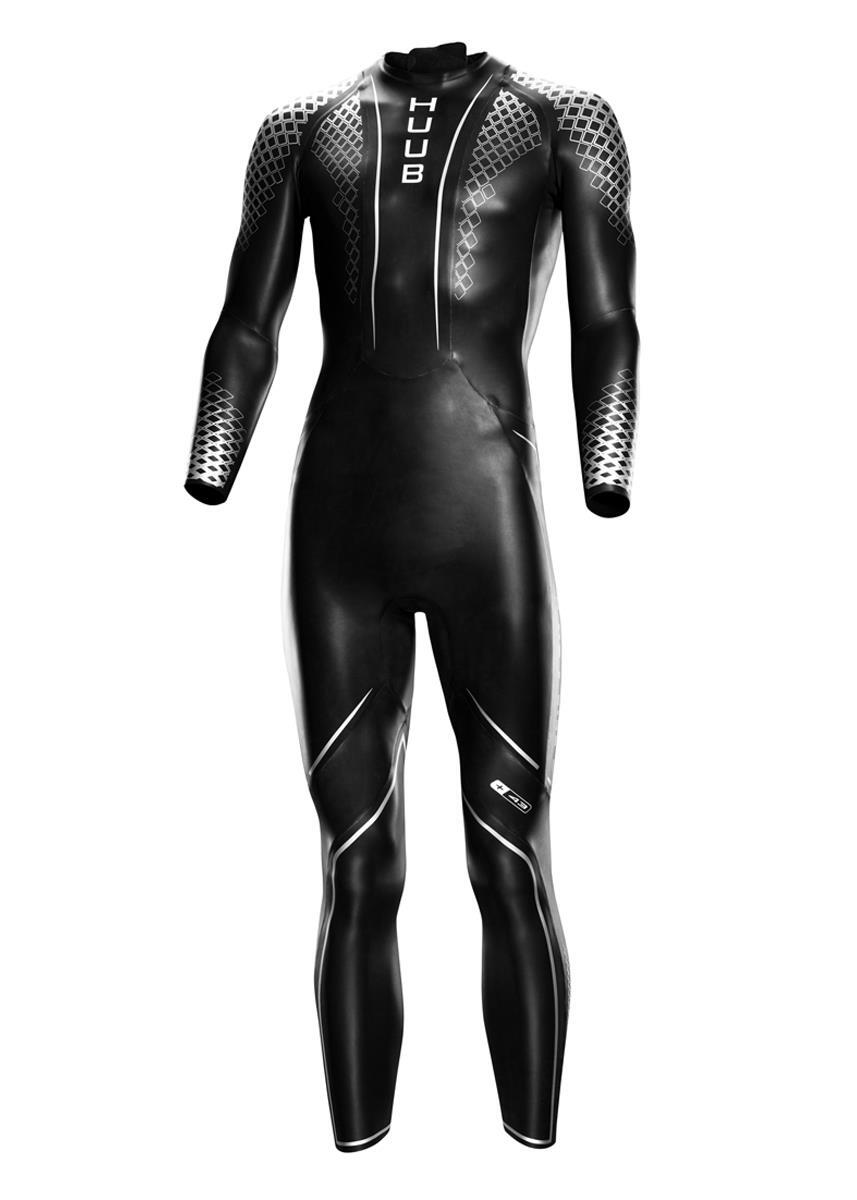
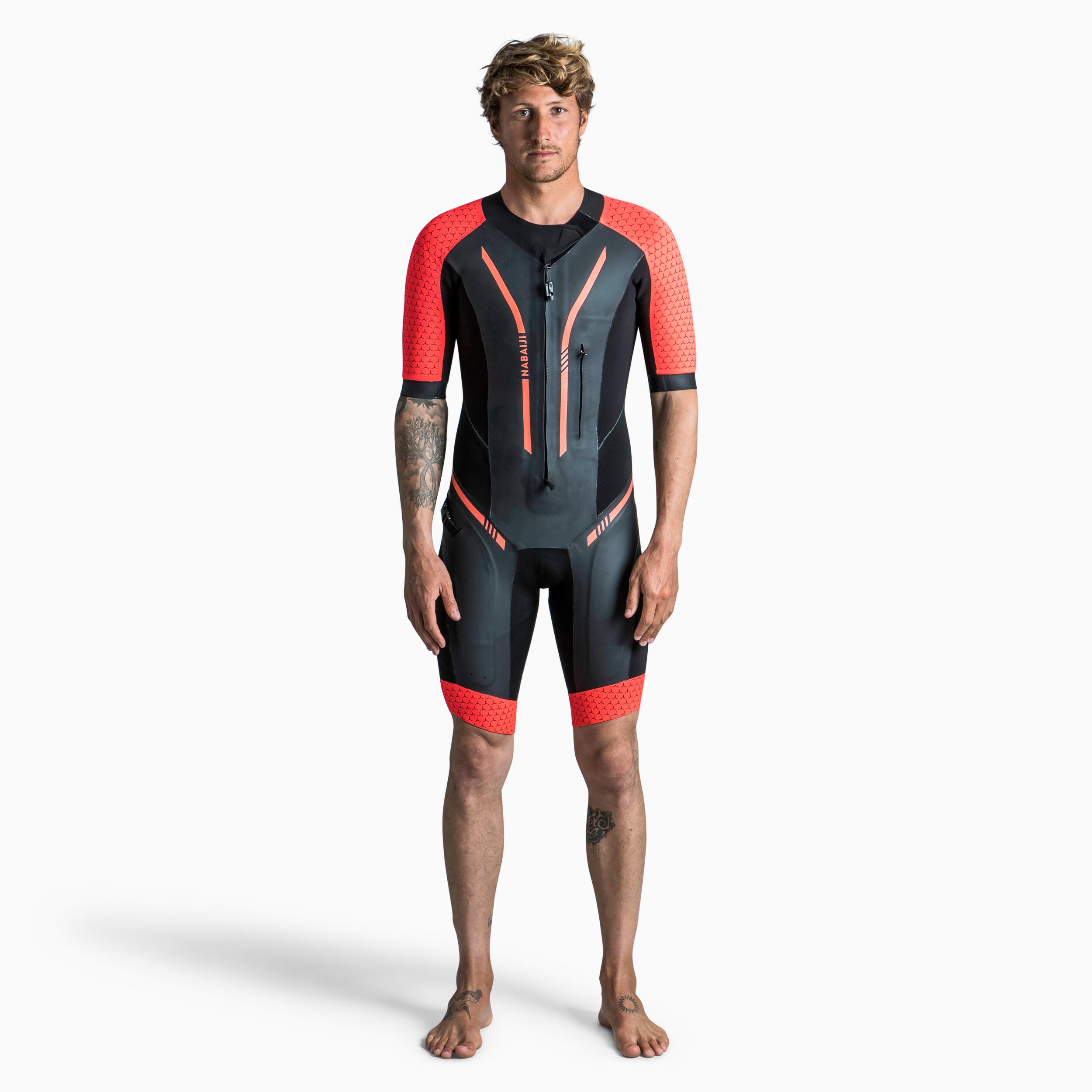
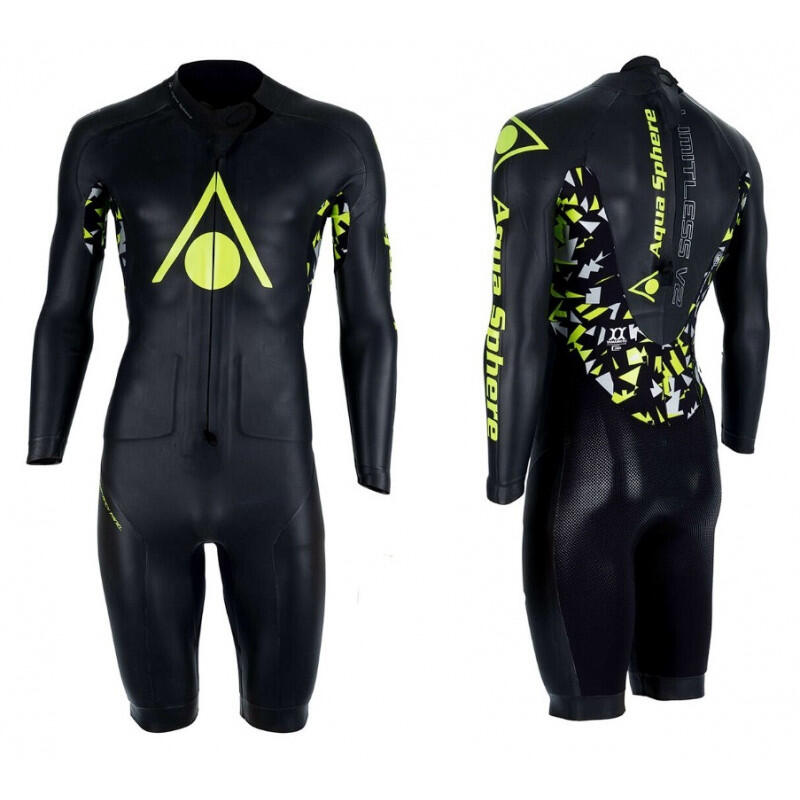
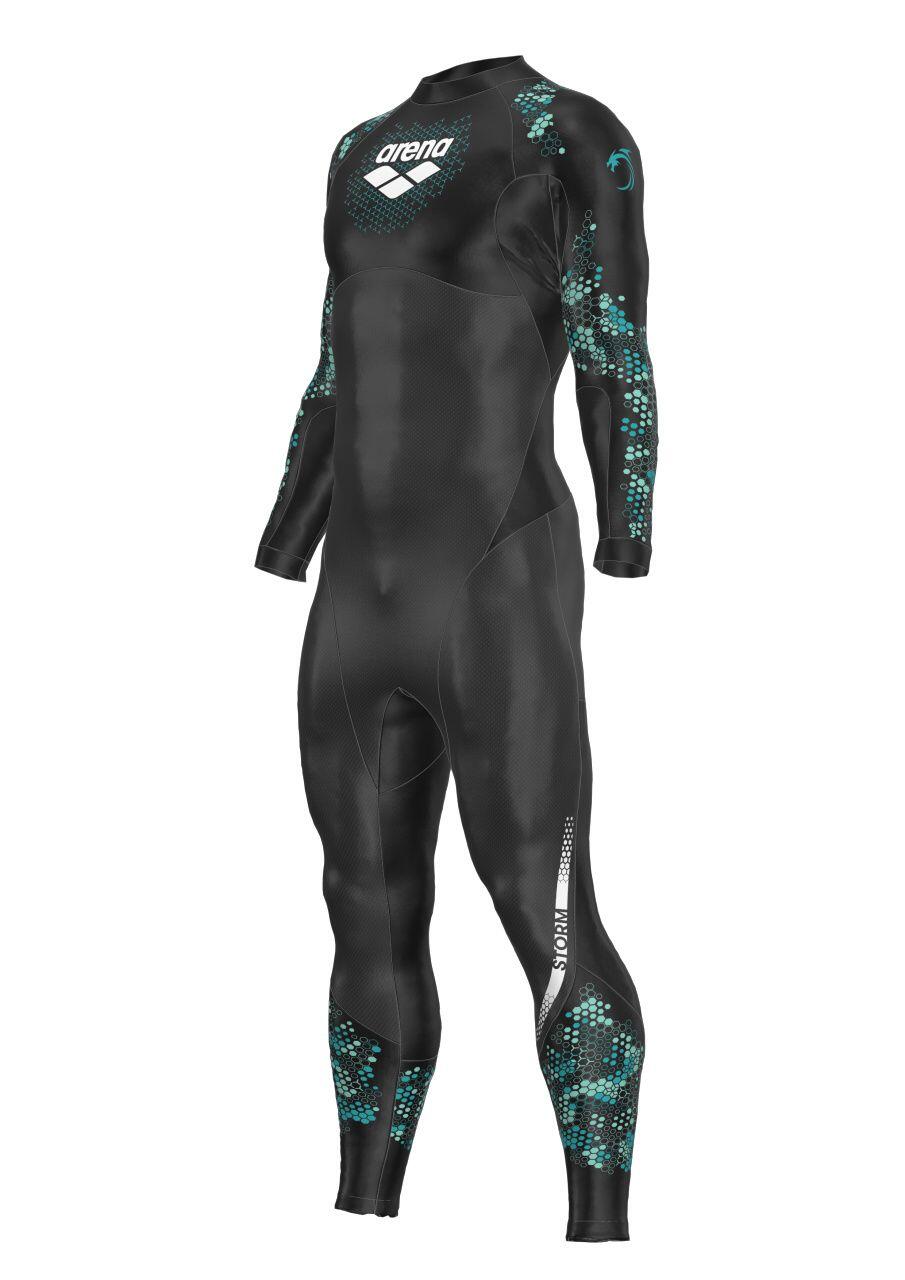
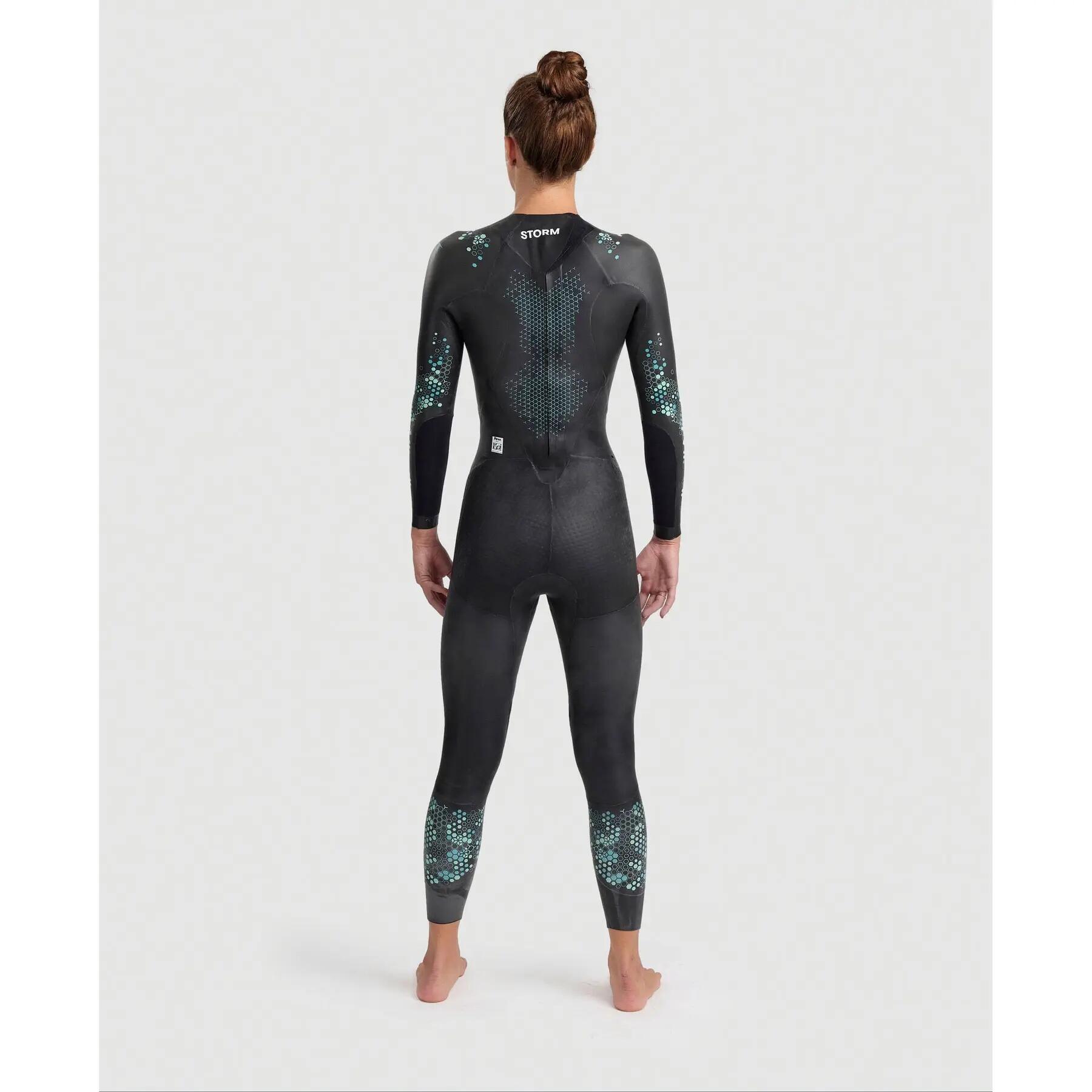
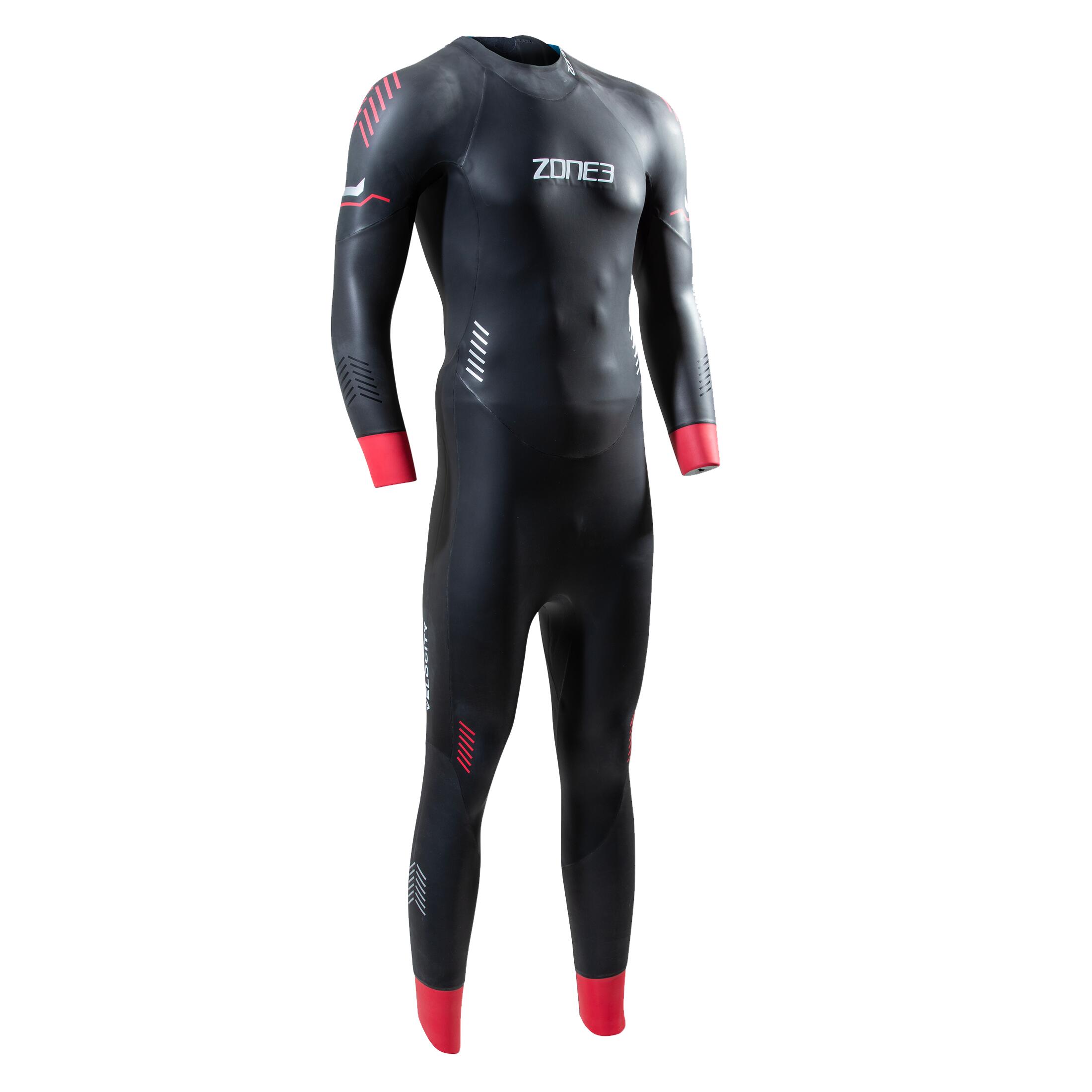
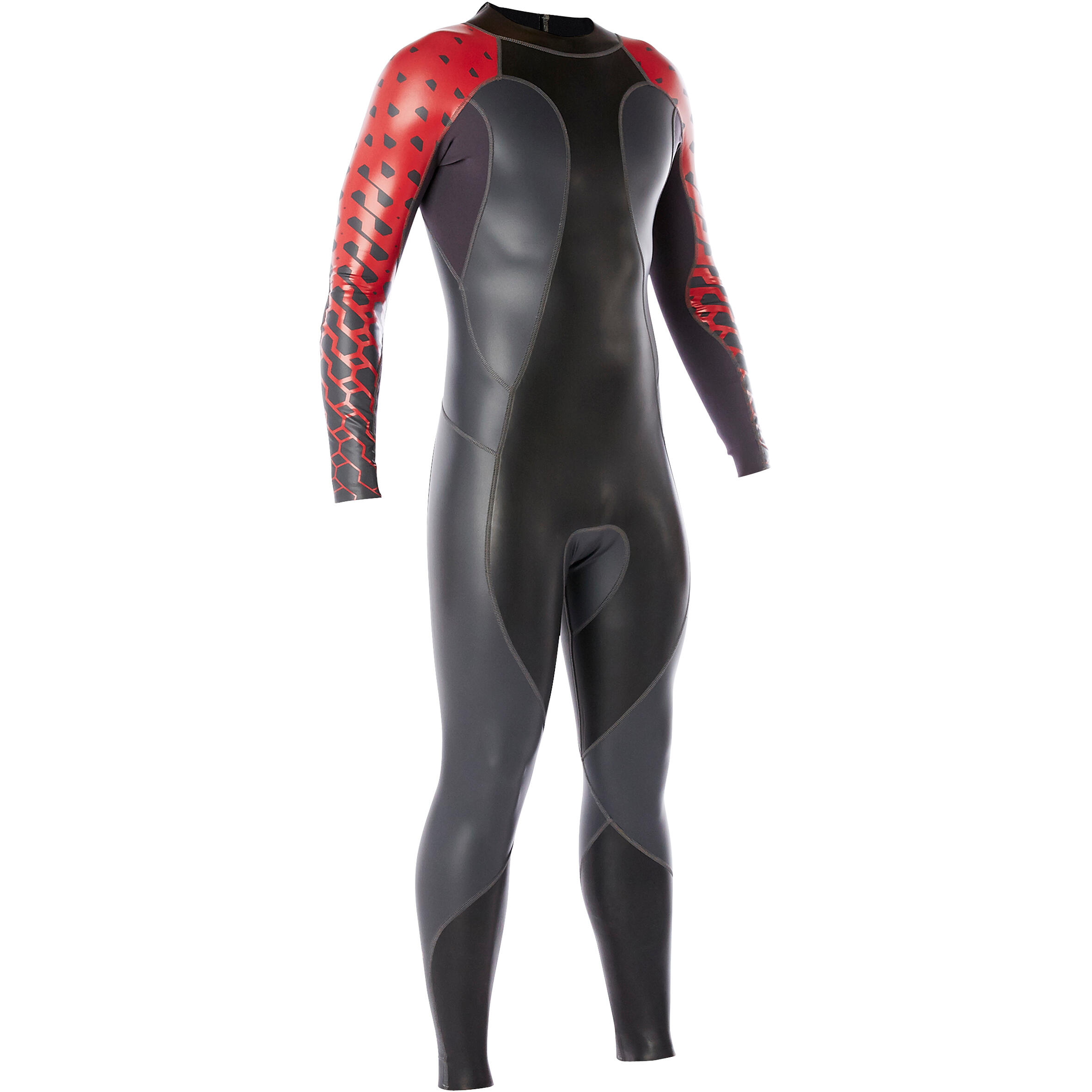
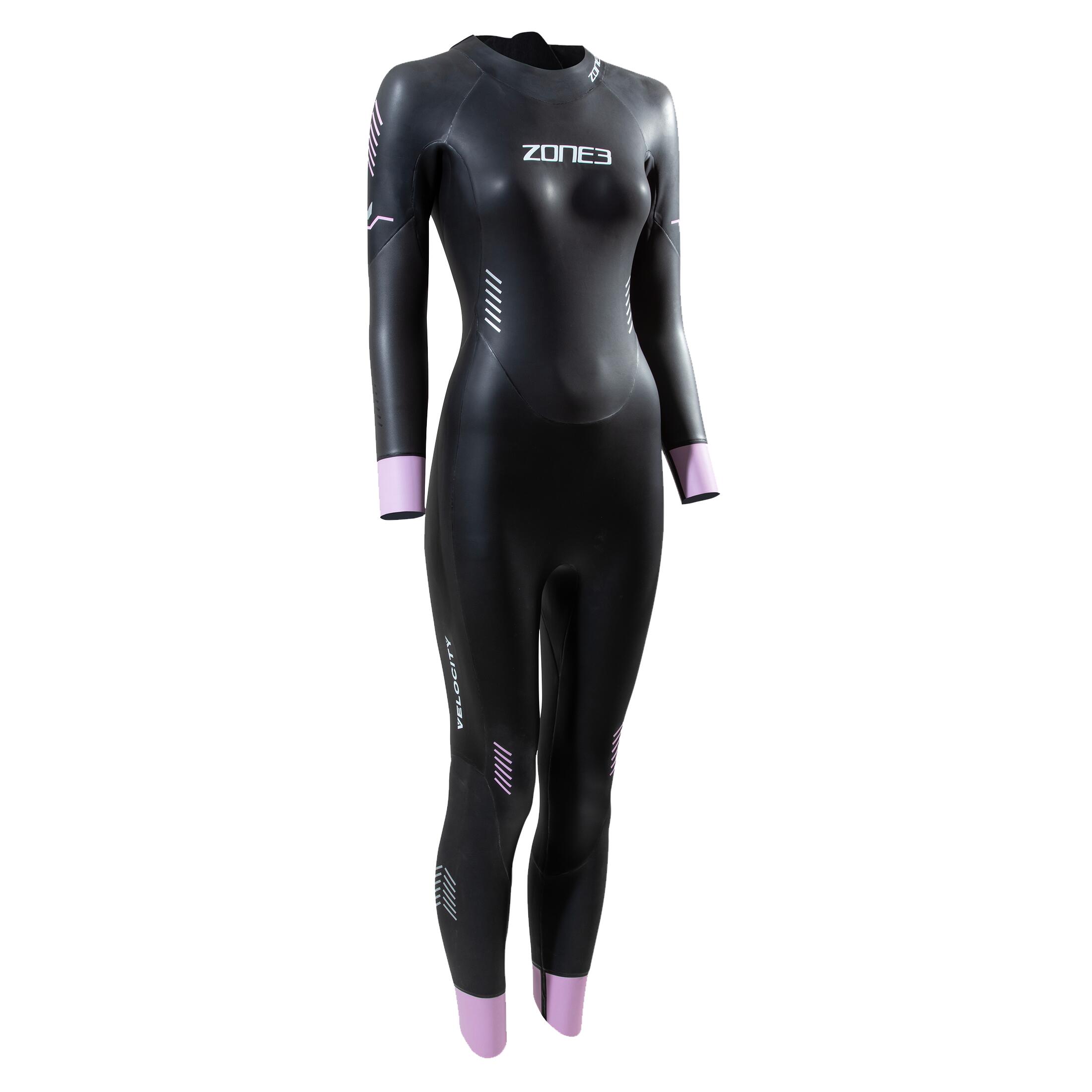
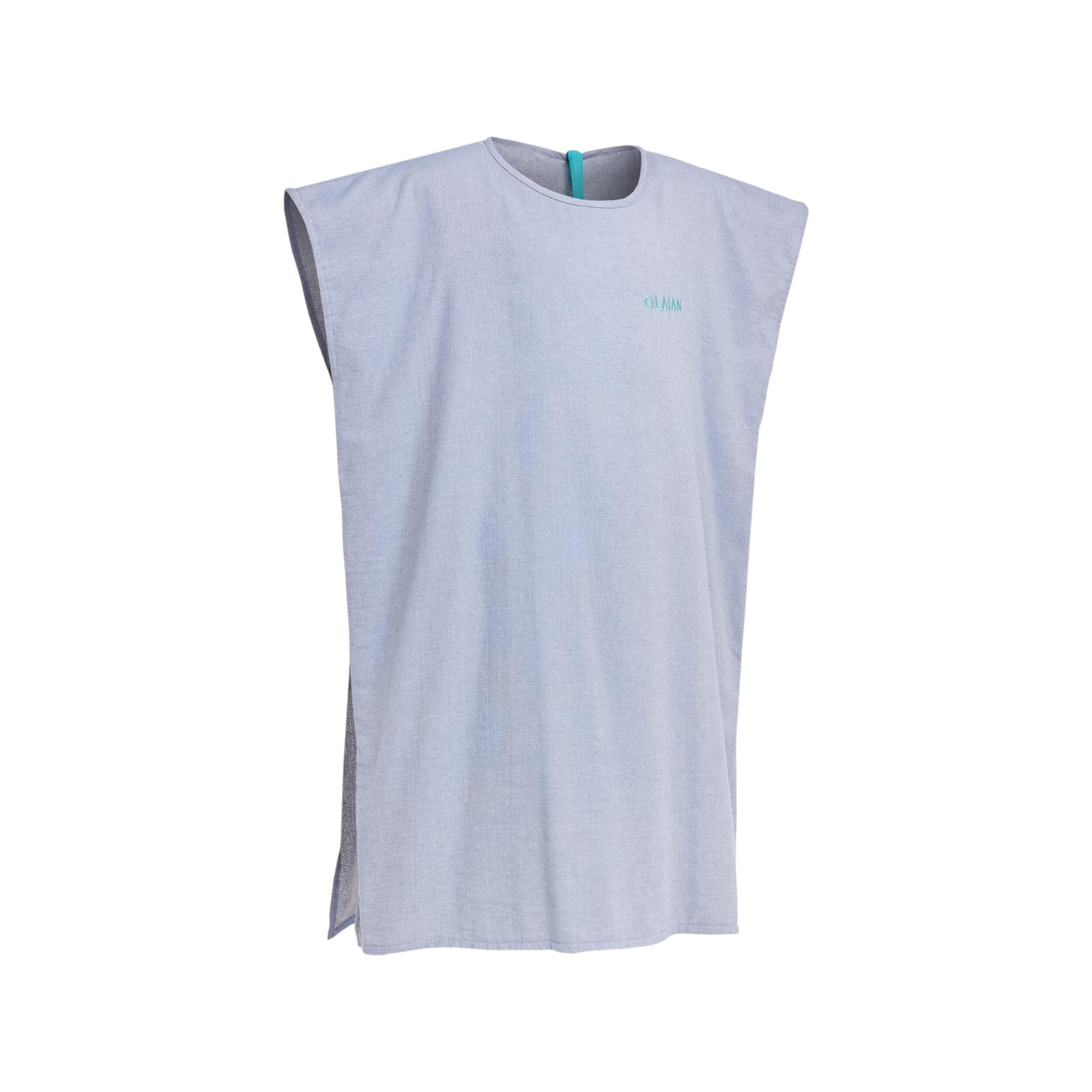
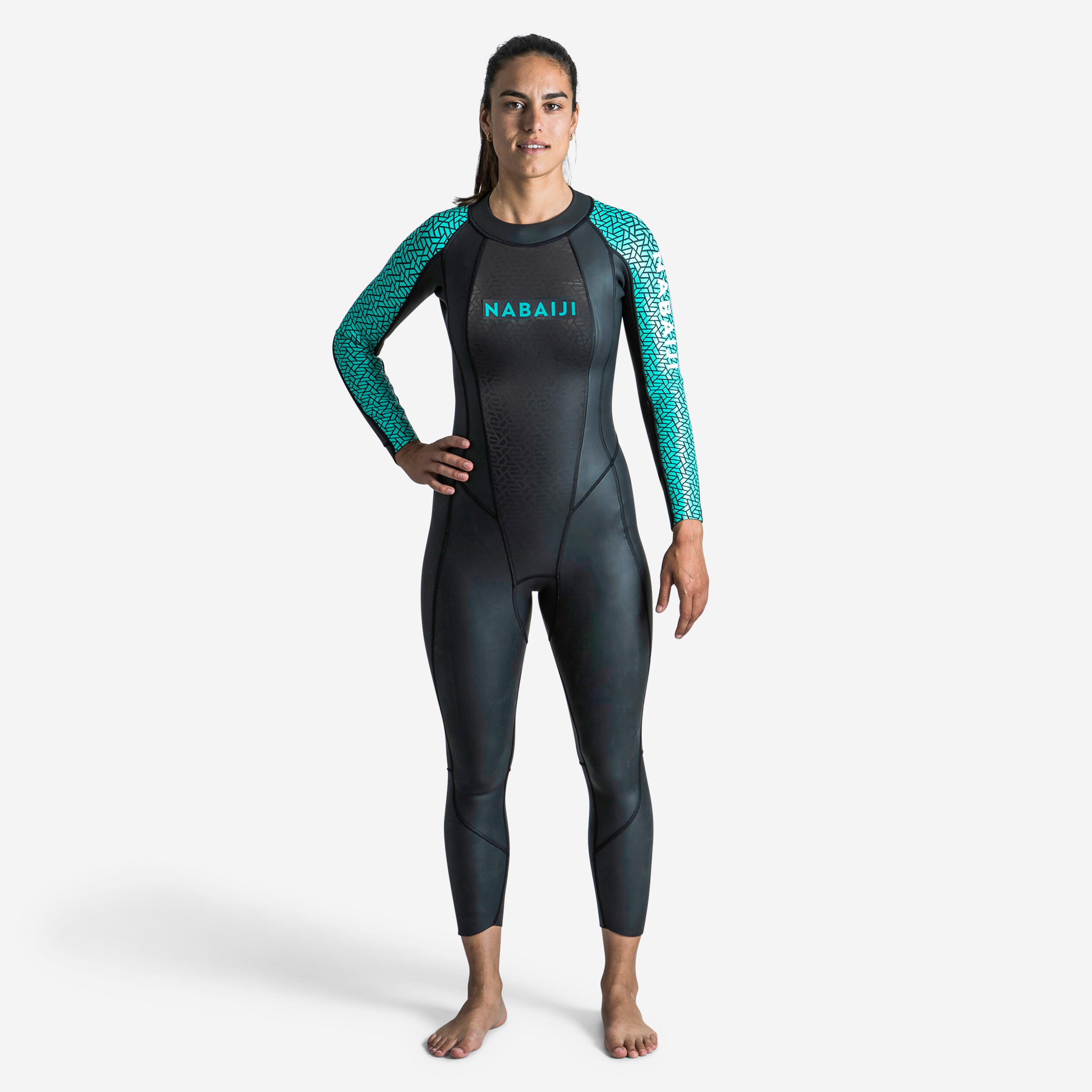
An open water swimming wetsuit is specialised gear created to keep you warm, buoyant, and protected when swimming outdoors in lakes, rivers, or the sea. Unlike surfing suits, swimming wetsuits prioritize shoulder flexibility and hydrodynamics to allow for an efficient front-crawl stroke without resistance. These suits utilize high-grade neoprene and thermal insulation to maintain core body temperature in cold conditions while providing extra lift in the water, which helps swimmers maintain a horizontal position. For those preparing for a triathlon or long-distance event, pairing your gear with practical essentials like open water ponchos ensures warmth and comfort before and after your swim. The technical "why" behind the varied thickness of neoprene, often thicker on the legs and thinner on the arms, is to maximize buoyancy where your body naturally sinks while ensuring your reach remains unrestricted. Professional swimmers often select models with a "glide skin" coating to reduce surface drag against the current.

How do I choose the right wetsuit for me?

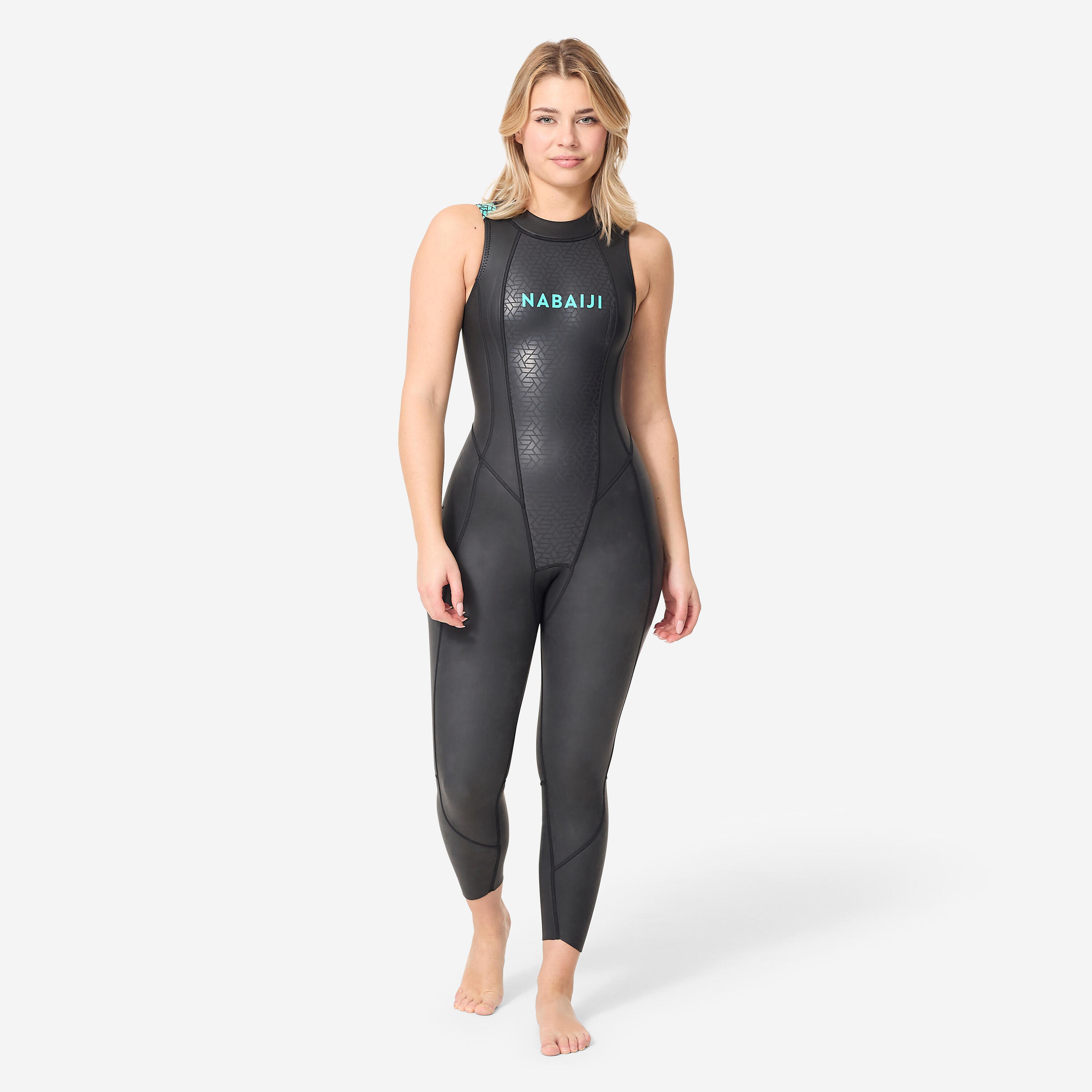
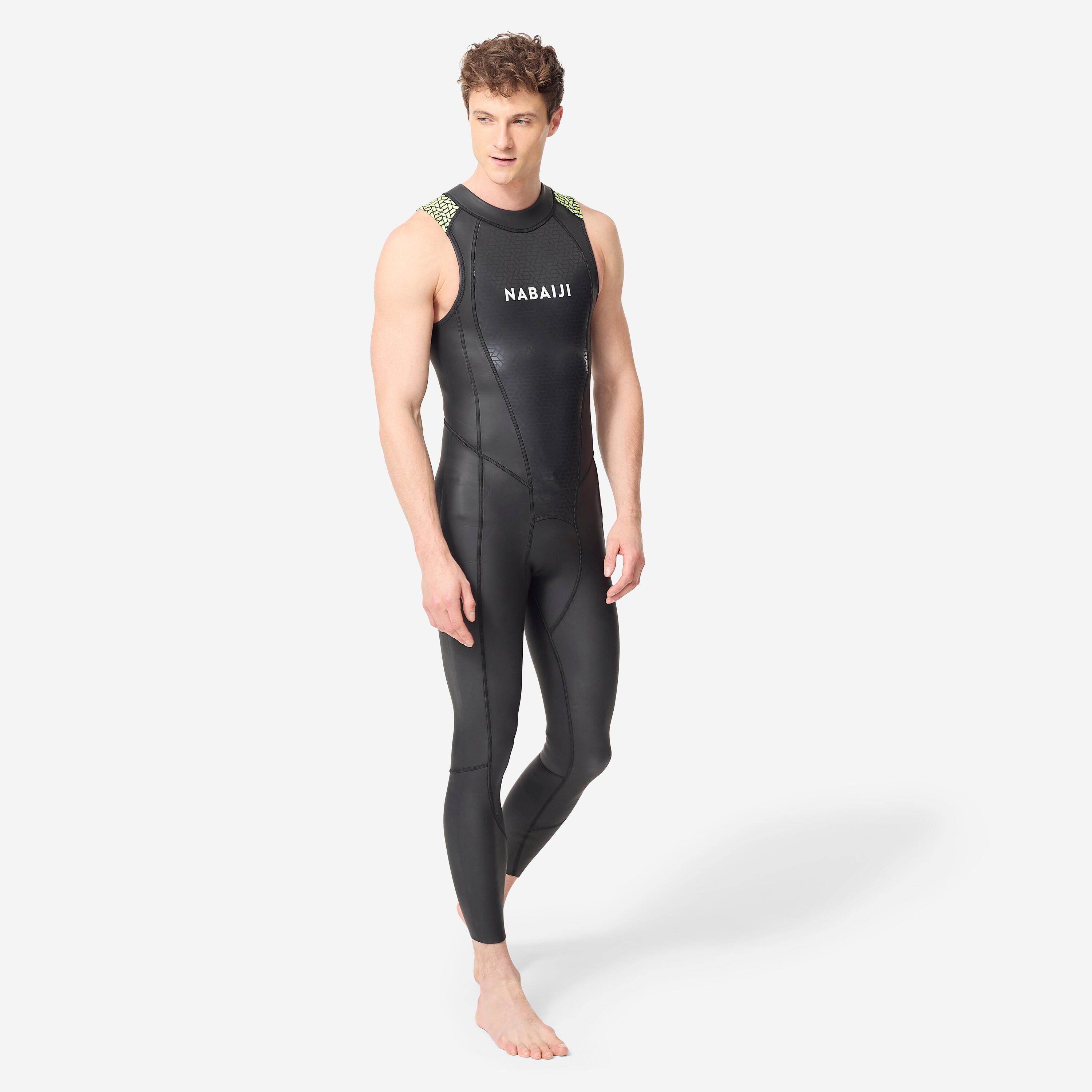
Pick a swimming wetsuit based on how cold the water is, the duration of your swim and what feels comfortable for you. Full suits provide maximum warmth for winter sessions, while sleeveless options allow better arm mobility for those who find full sleeves too restrictive. It is vital to ensure the fit is snug but not restrictive; a suit that is too loose will allow "flushing," where cold water constantly enters and exits the suit, negating the thermal benefits. For longer sessions in lakes or the sea, many swimmers rely on specialized open water swimming equipment to enhance safety, visibility, and comfort in changing conditions. Expert advice: If you are between sizes, always prioritize the chest measurement, as a suit that is too tight across the lungs can make deep breathing difficult during high-intensity efforts in deep water.

Can beginners use open water wetsuits?

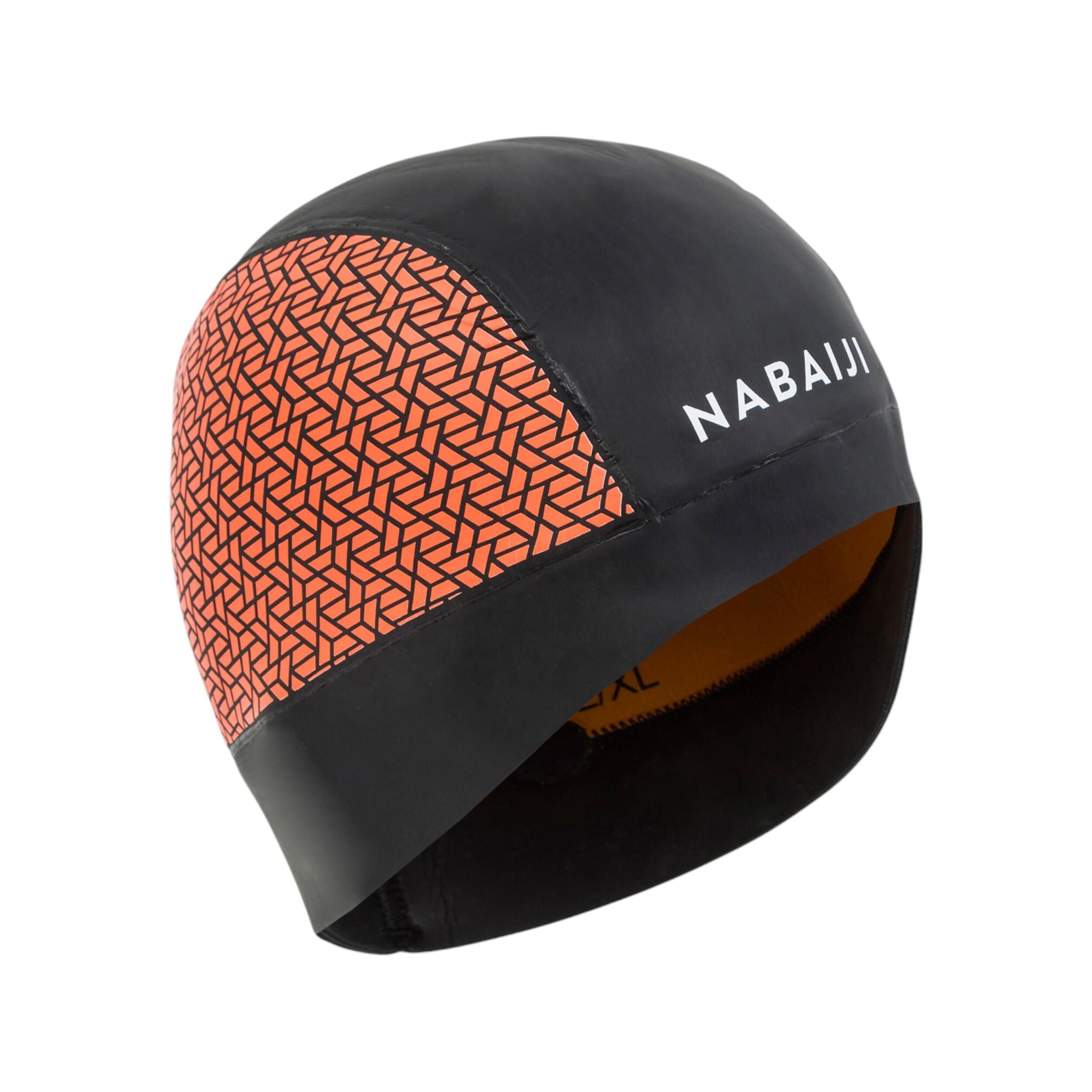
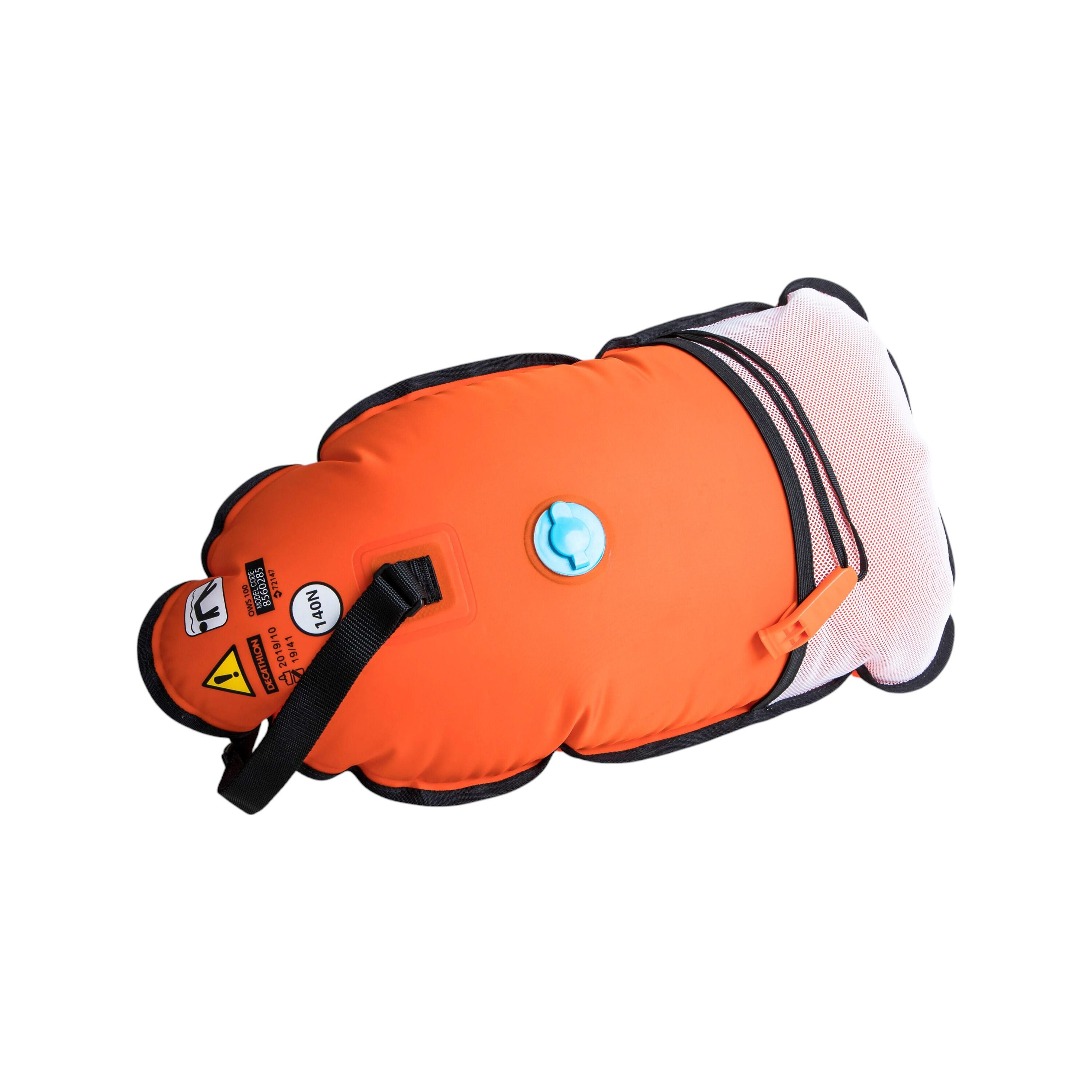
Yes, wetsuits add significant warmth, buoyancy, and confidence for anyone starting out in uncontrolled aquatic environments. For the novice swimmer, the added lift provided by open water neoprene wetsuits makes staying afloat much easier, reducing the energy required to stay on the surface. Beginners should always pair their suit with essential swimming accessories such as a high-visibility tow float and a silicone cap for safety and heat retention. The reason for the bright panels found on many entry-level thermal swimming wetsuits is to ensure you remain visible to boats and other water users. Smart tip: When putting on your suit for the first time, use gloves or the pads of your fingers rather than your nails to avoid puncturing the delicate outer skin of the neoprene.

What is the benefit of thermal swimming wetsuits in cold water?

Thermal swimming wetsuits serve as a critical barrier against the onset of cold water shock by trapping a thin layer of water between your skin and the neoprene. Your body heat warms this trapped layer, creating a microclimate that shields you from the external temperature. The thickness of the material, usually measured in millimetres, determines the insulation level; a 4/3mm suit is standard for temperate conditions, while 5mm options are better for winter peaks. High-performance open water neoprene wetsuits often feature internal fleece linings that wick moisture and provide additional heat retention for the core. For enhanced safety and preparedness in changing conditions, many swimmers complement their gear with reliable open water accessories such as safety buoys and thermal caps. Expert tip: To maximize the thermal efficiency of your kit, ensure the zip is fully closed and the neck seal is positioned correctly to prevent water ingress when you dive or turn your head during breaths.