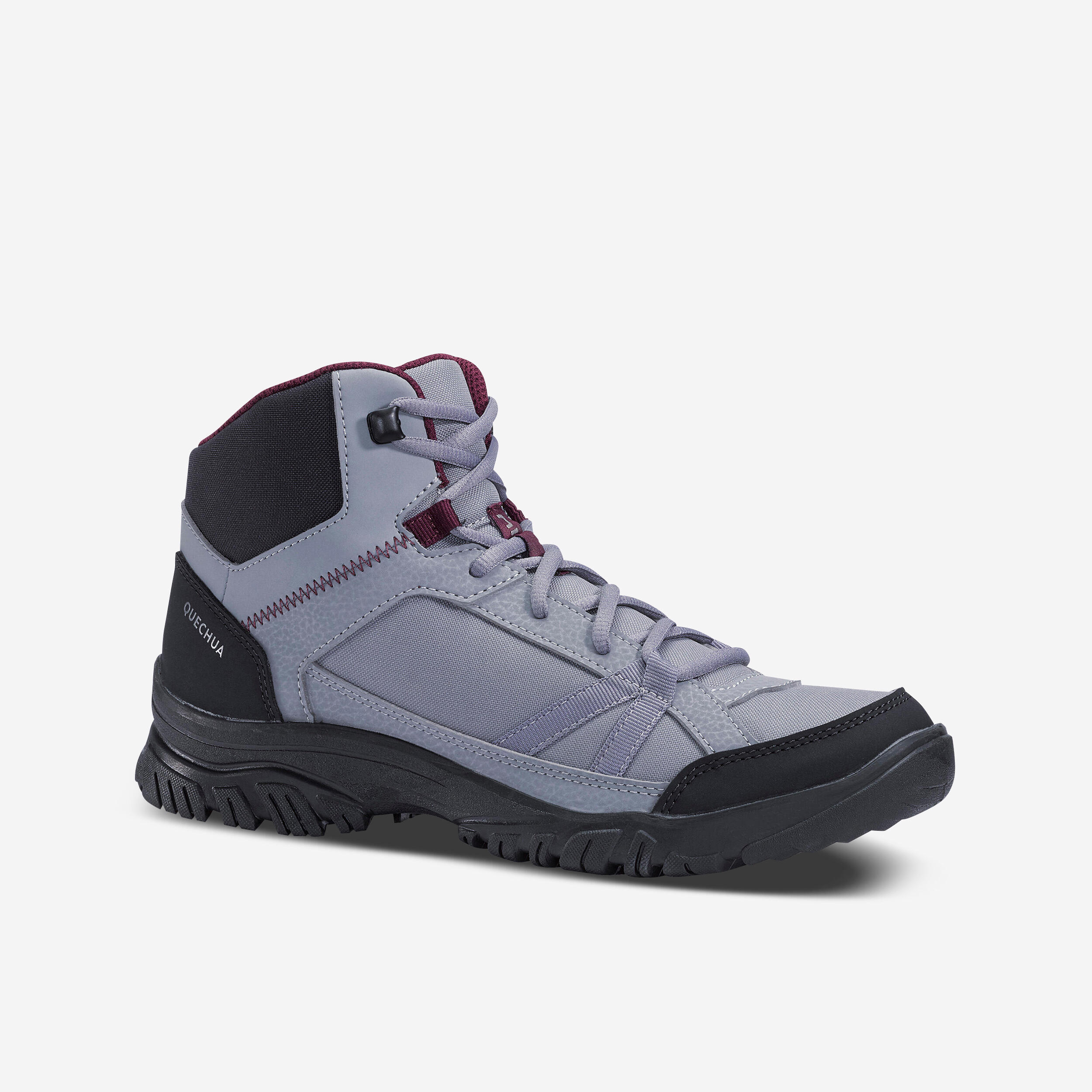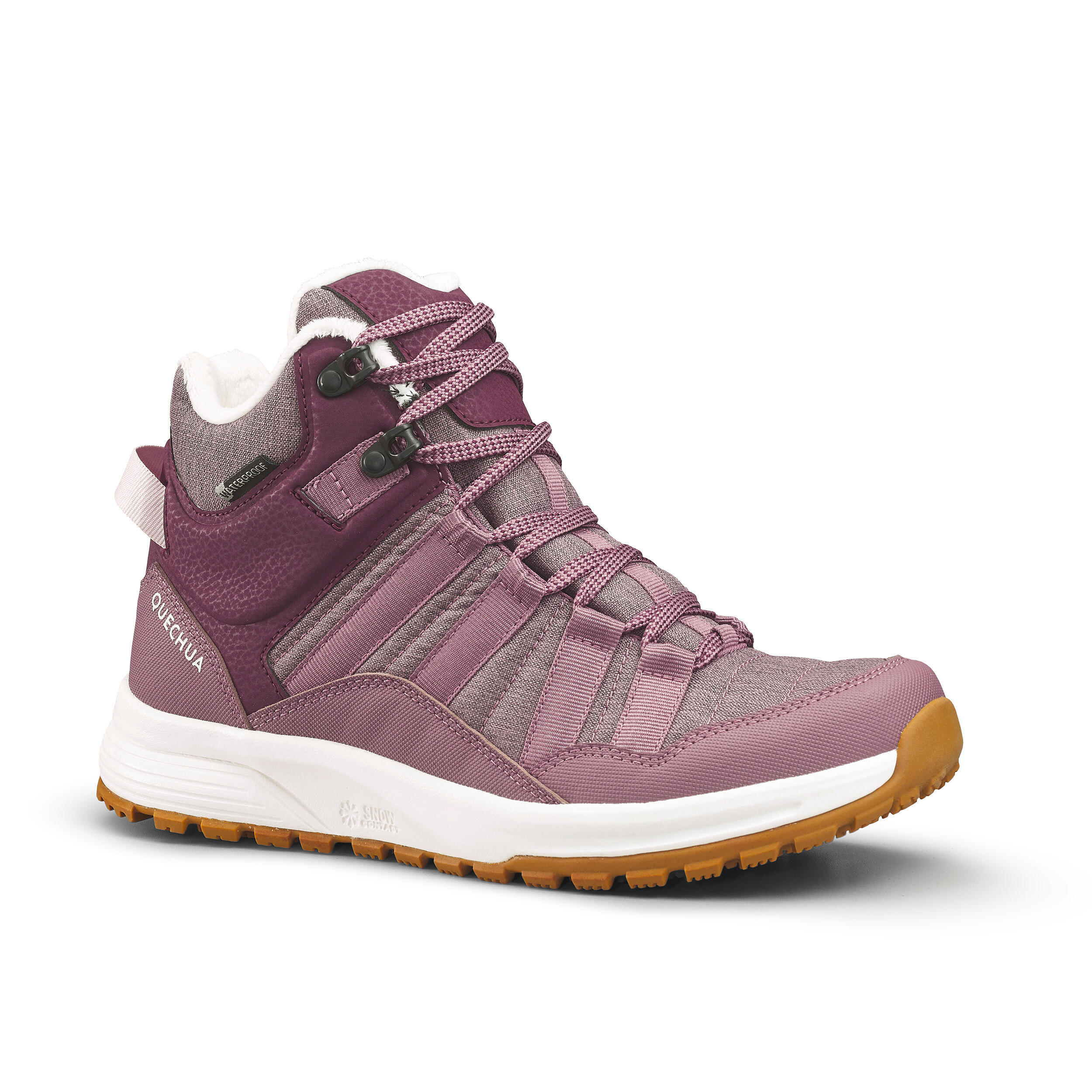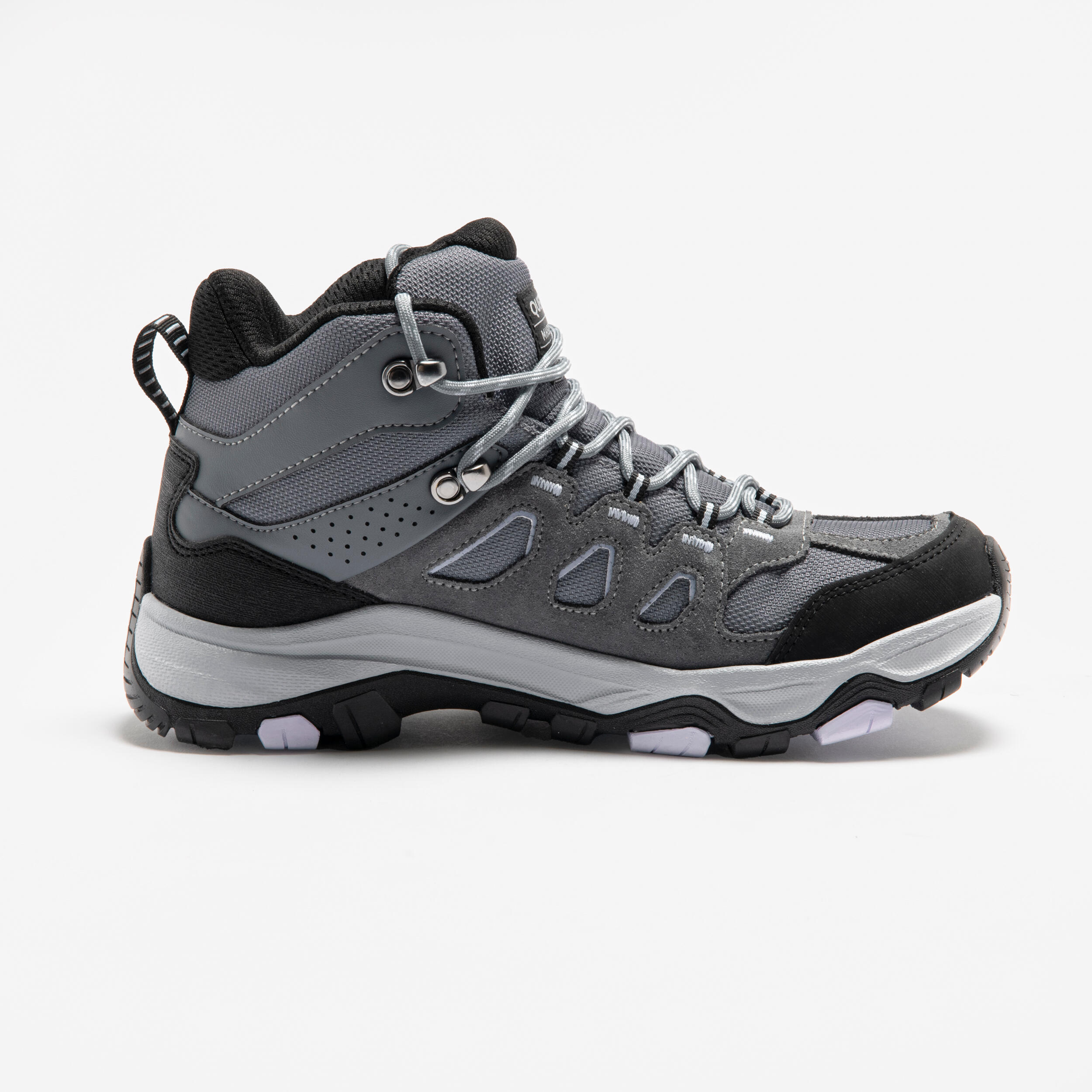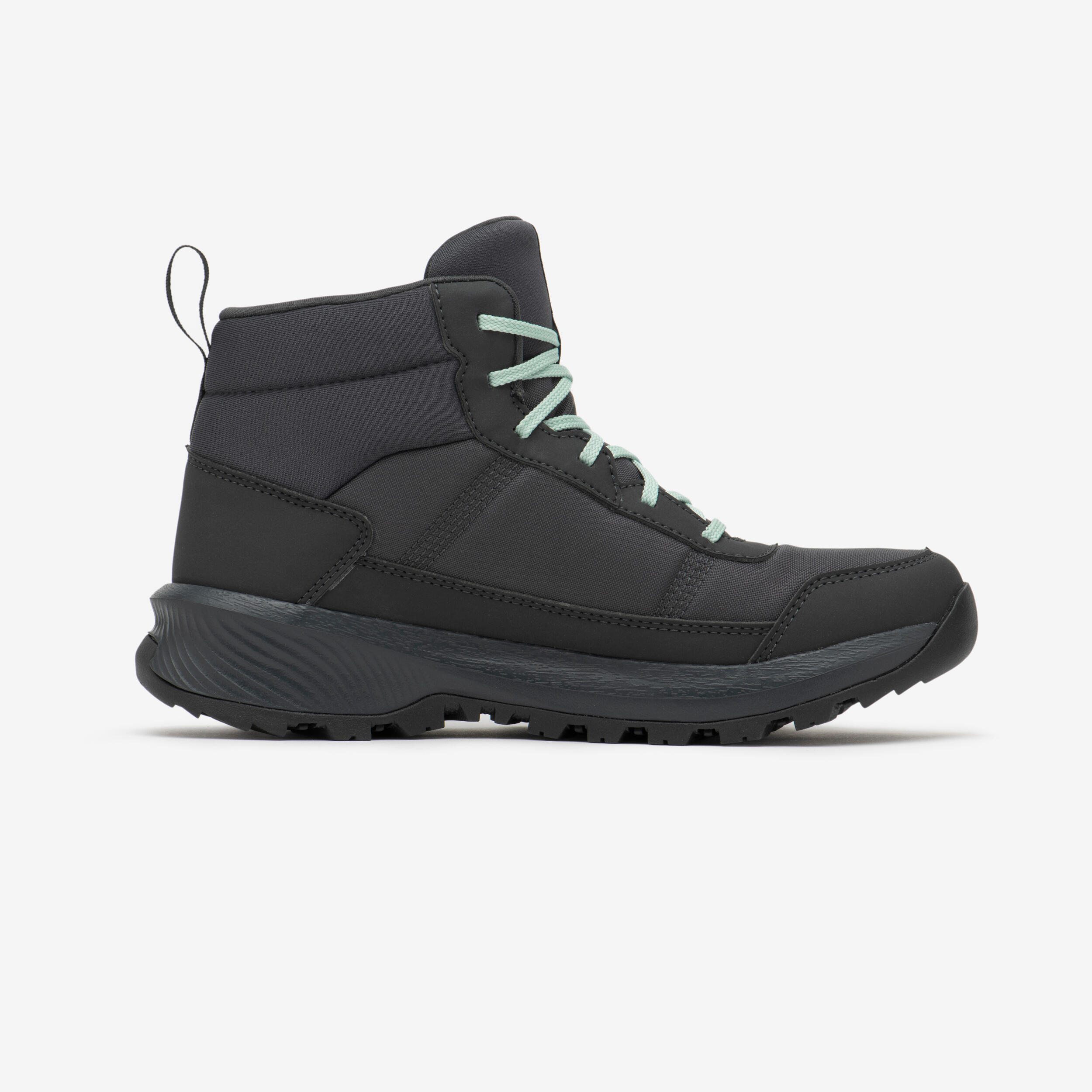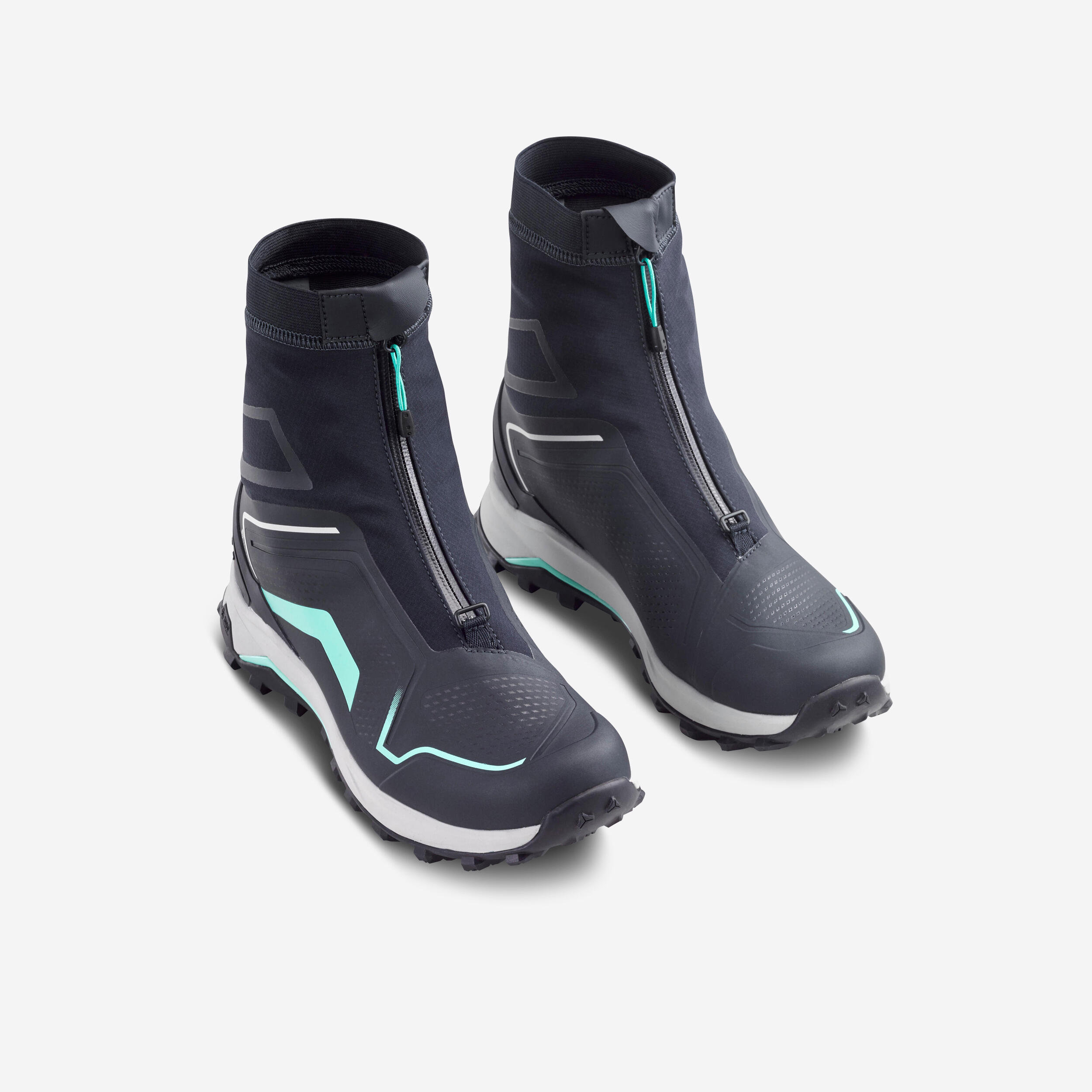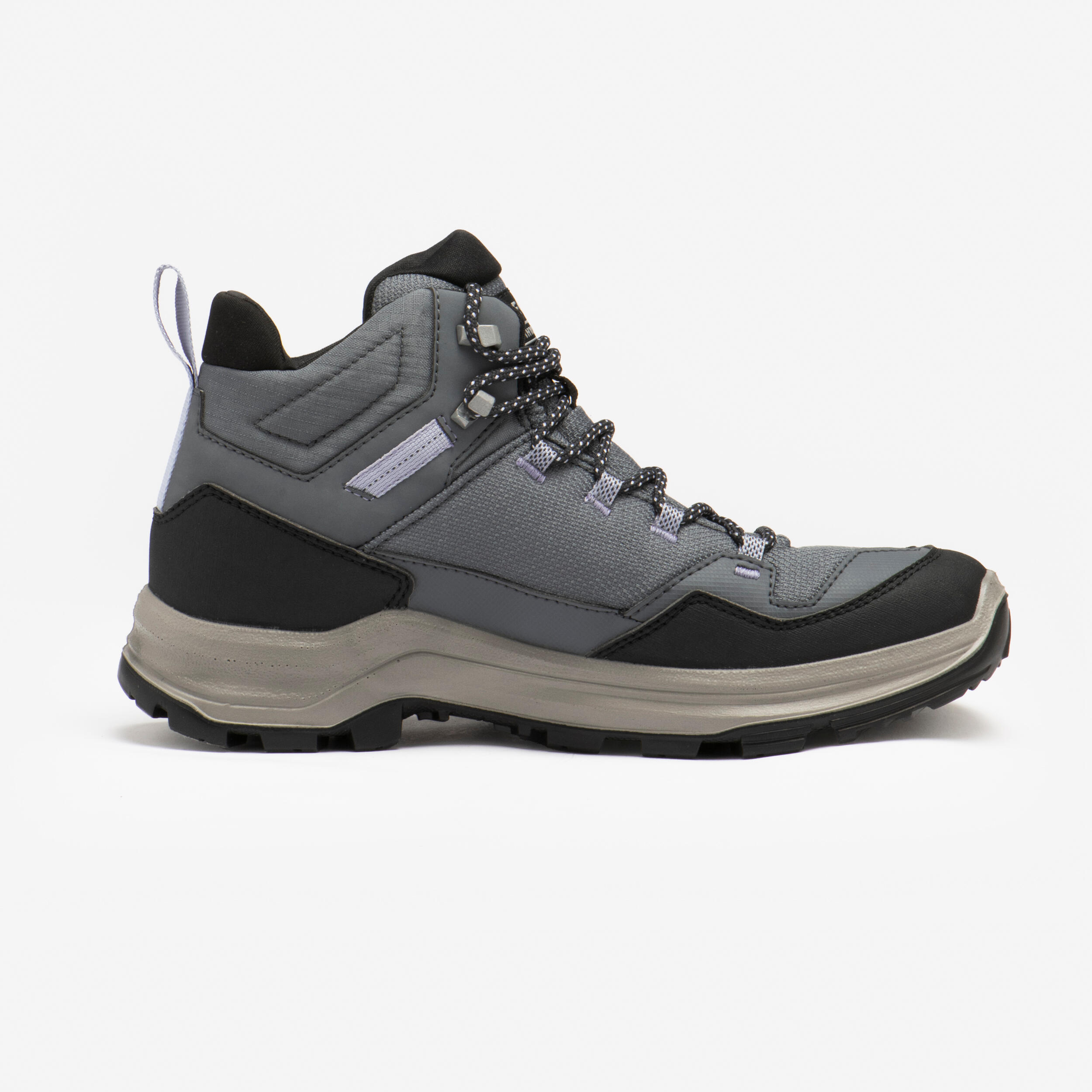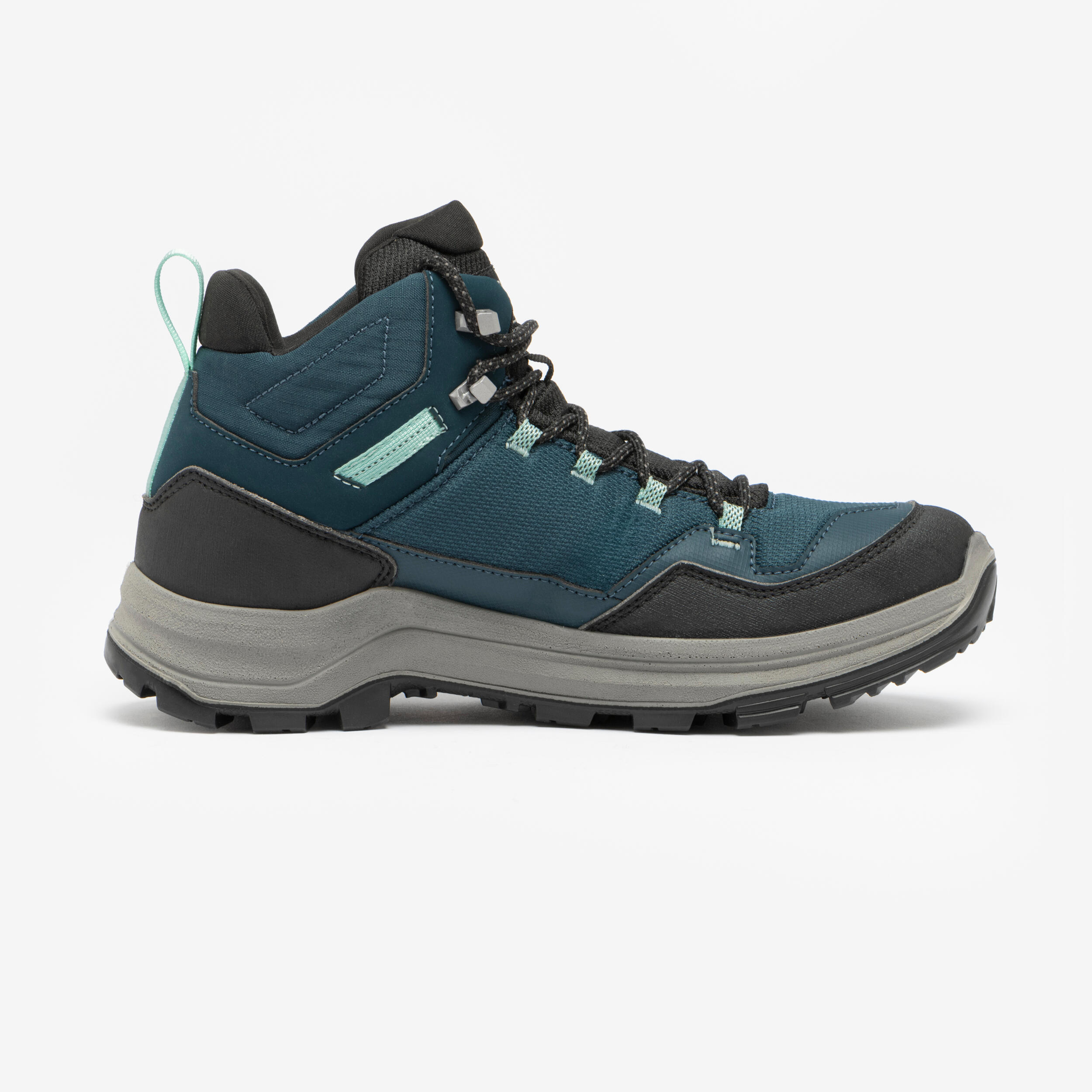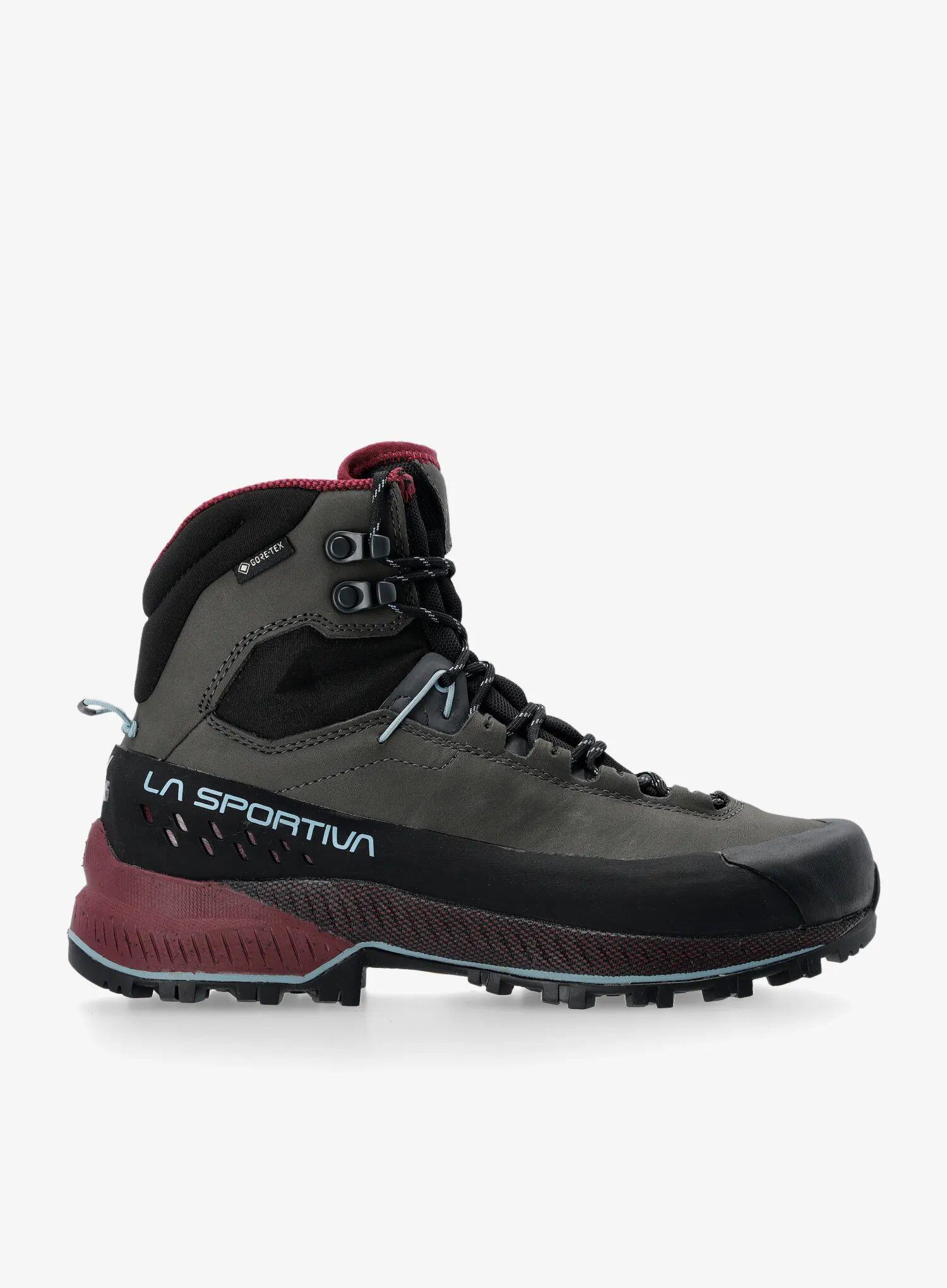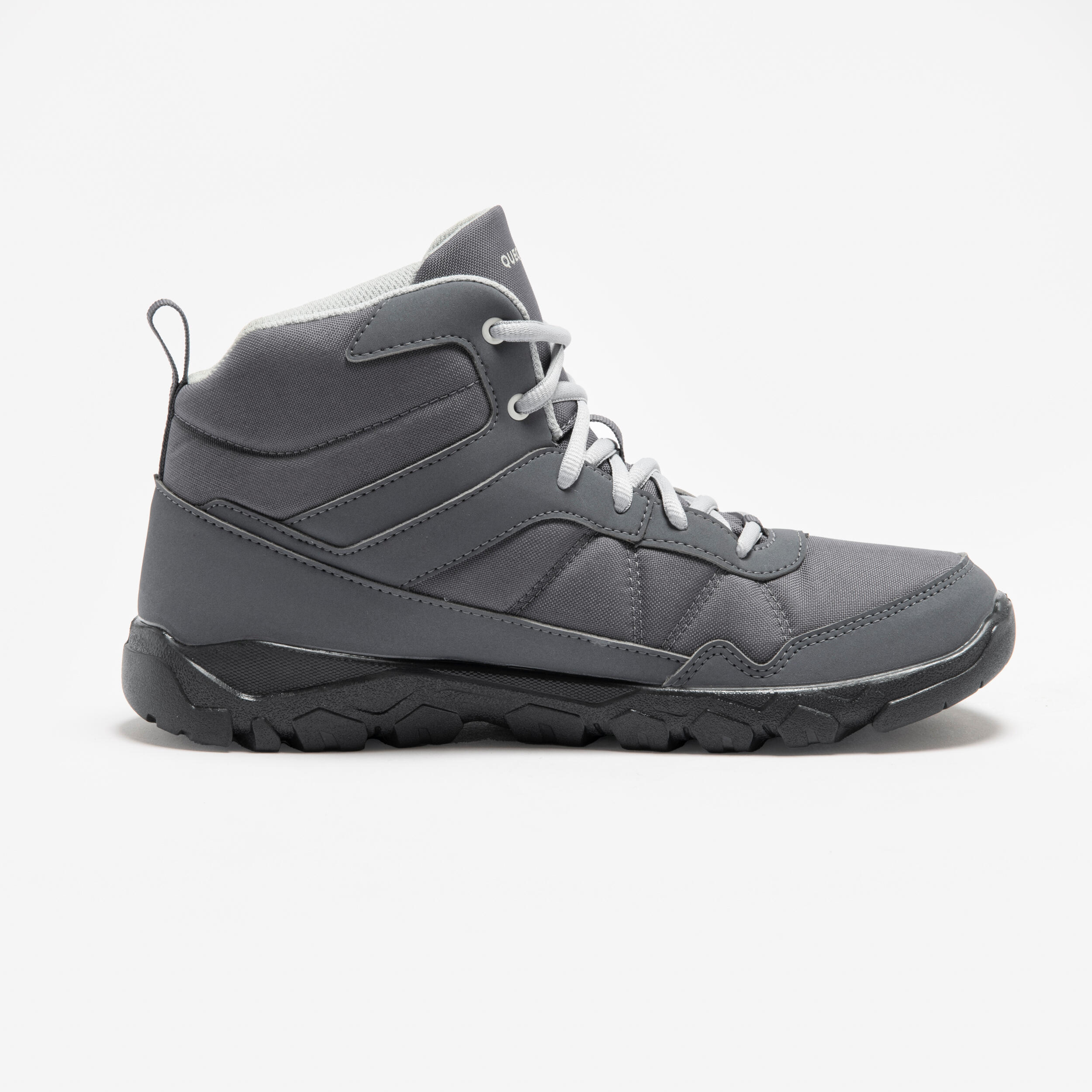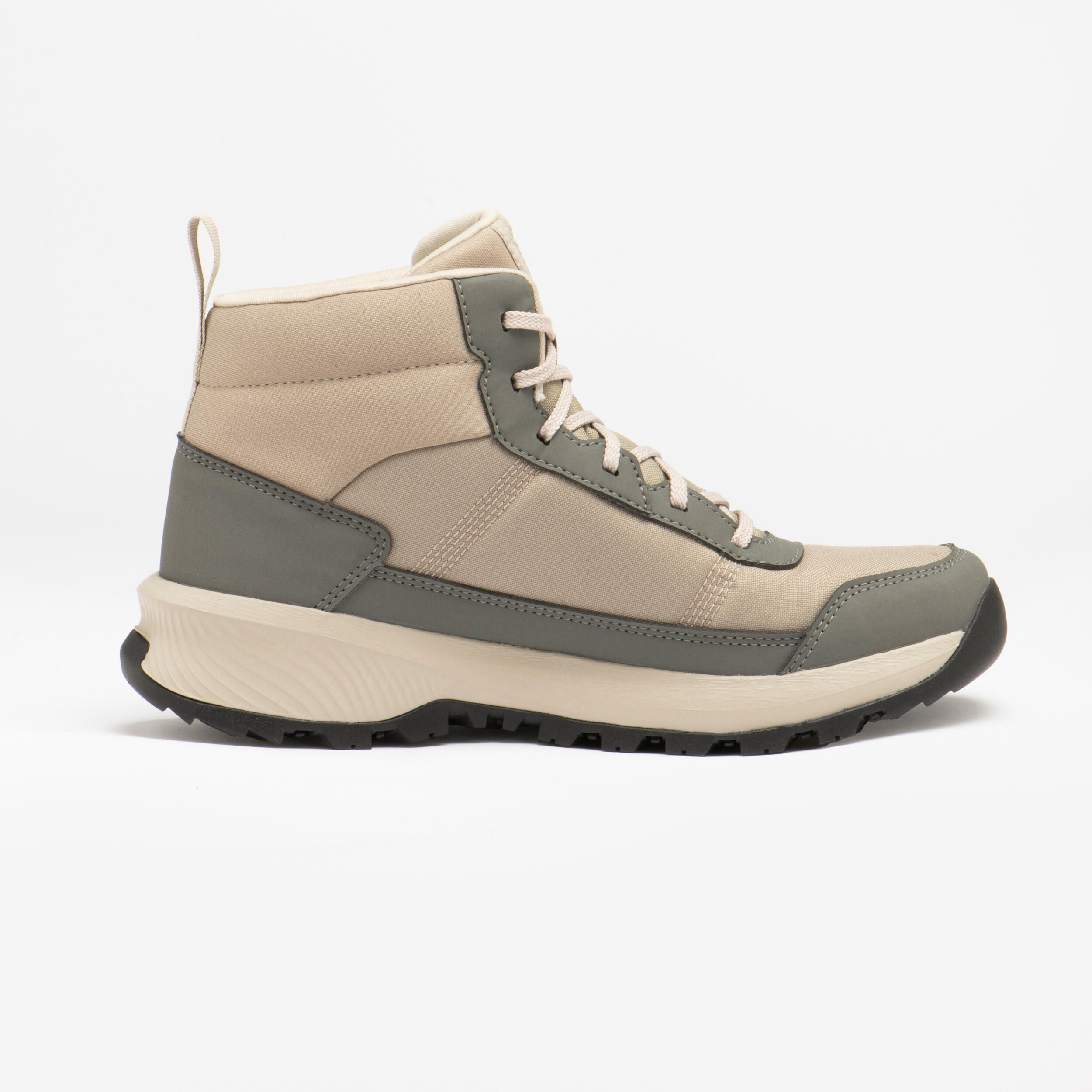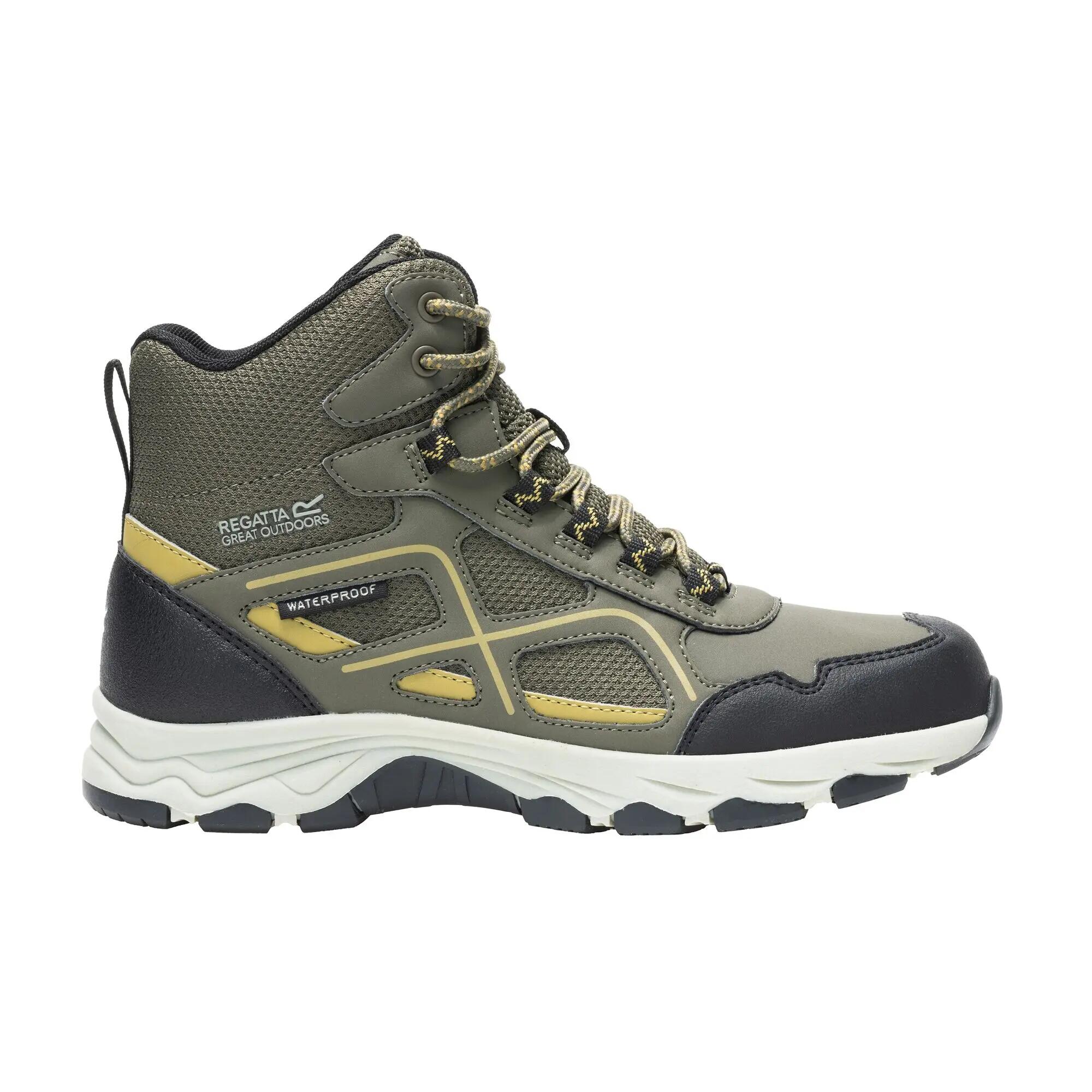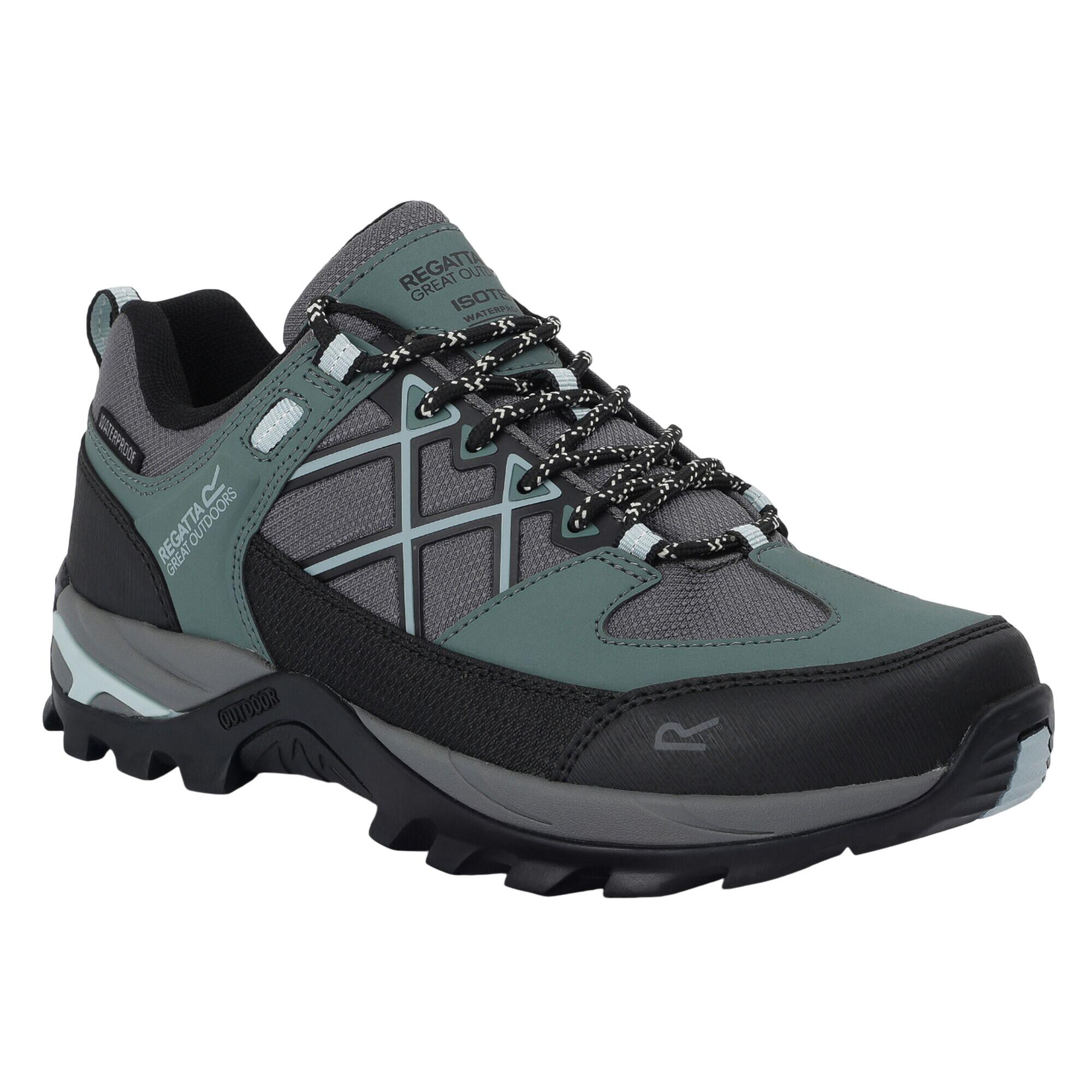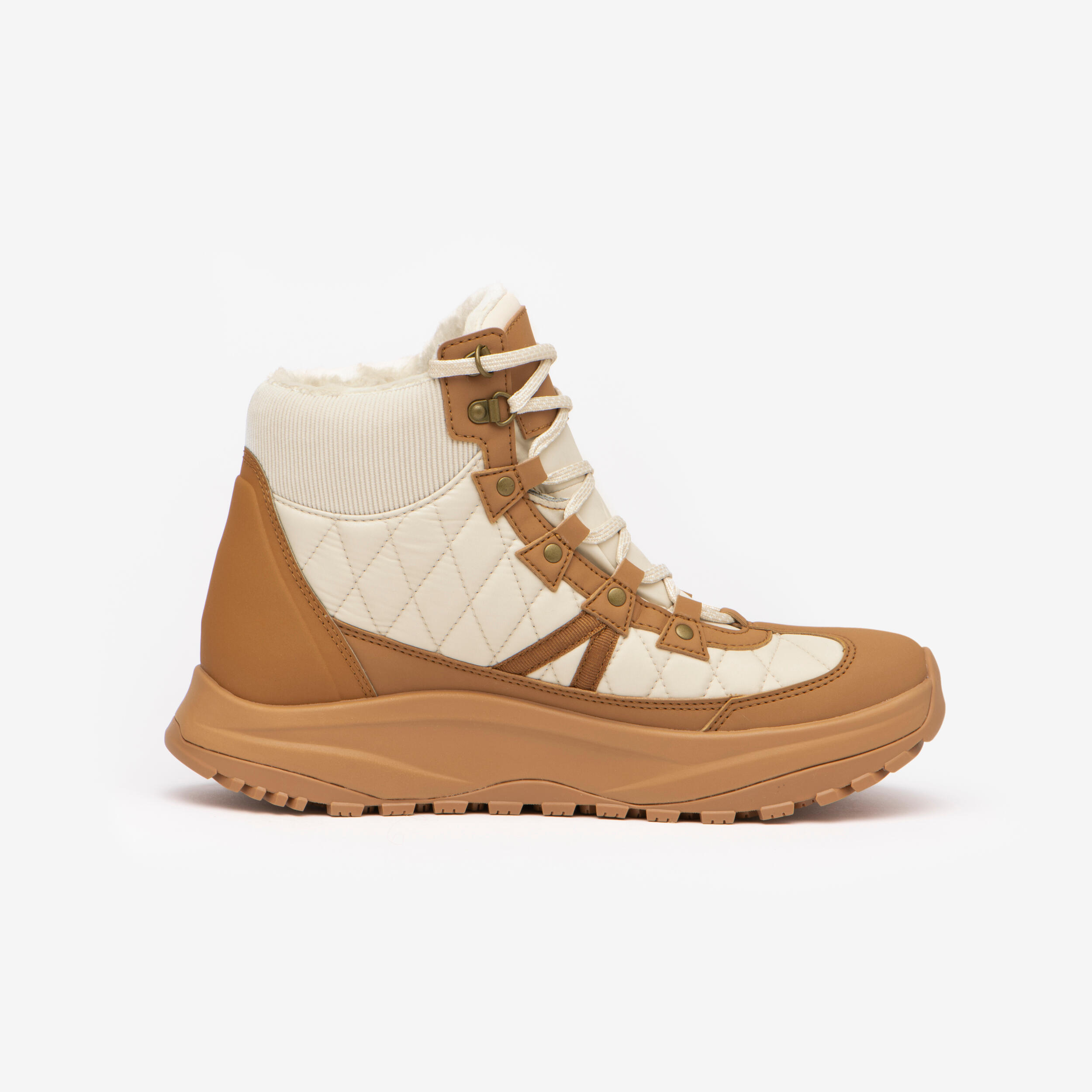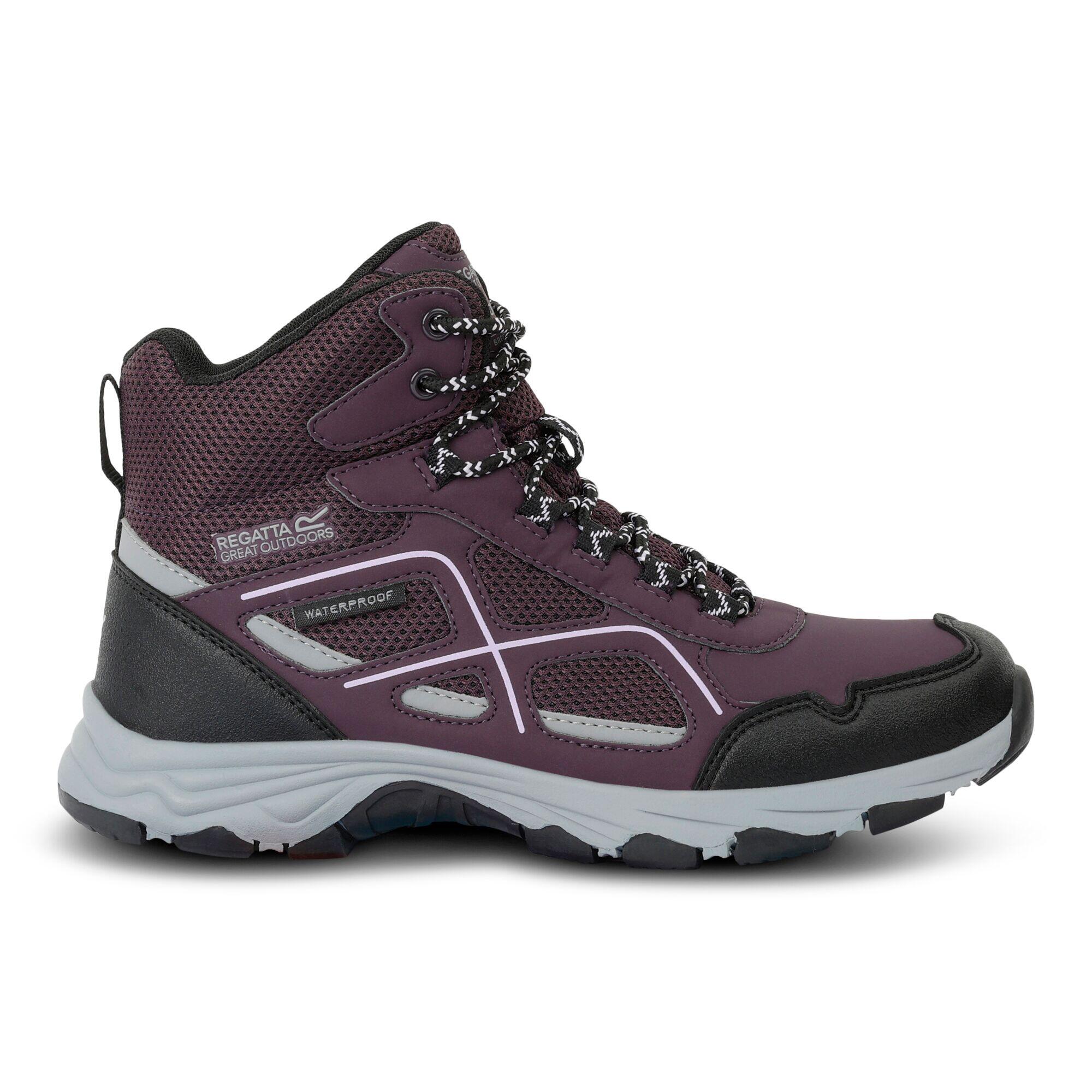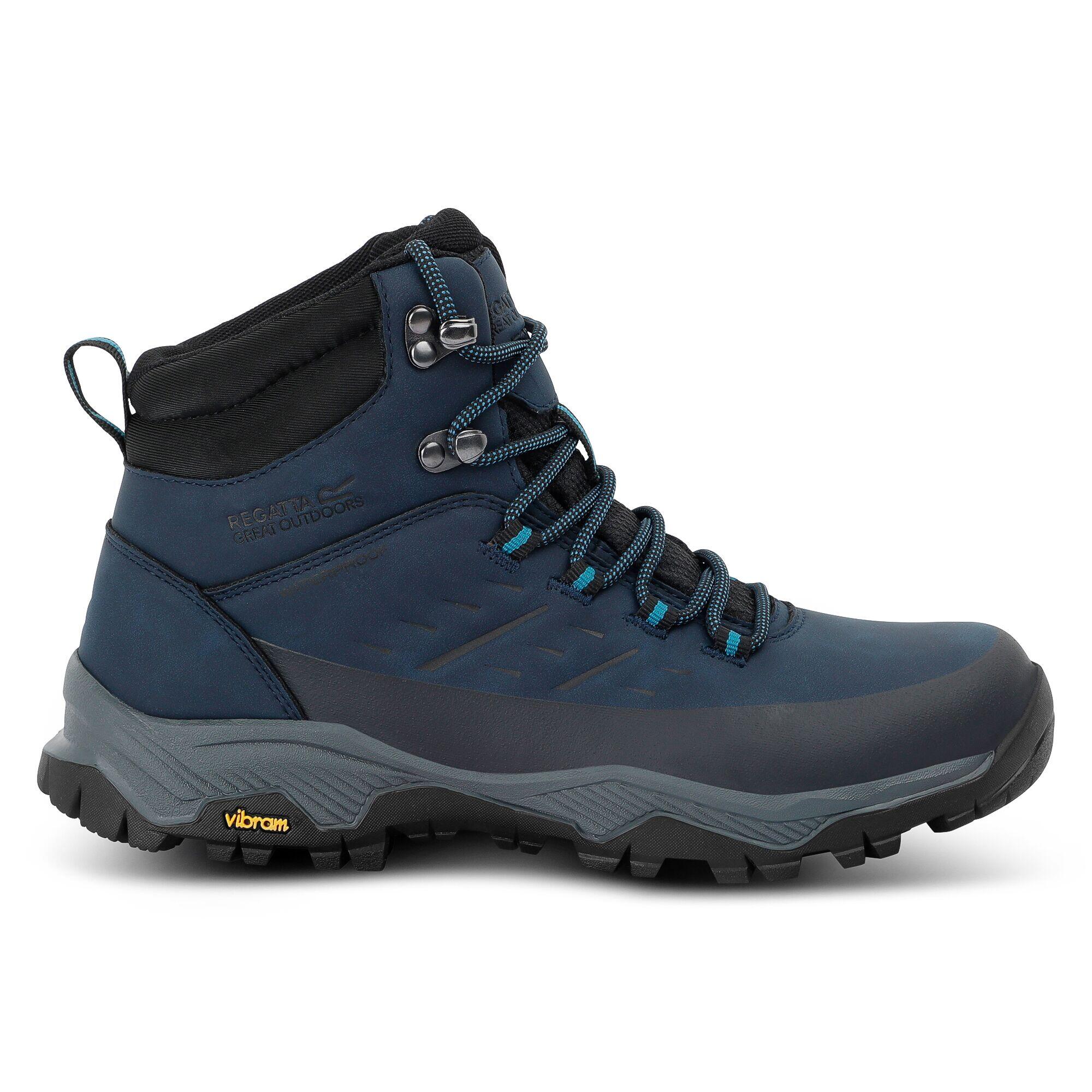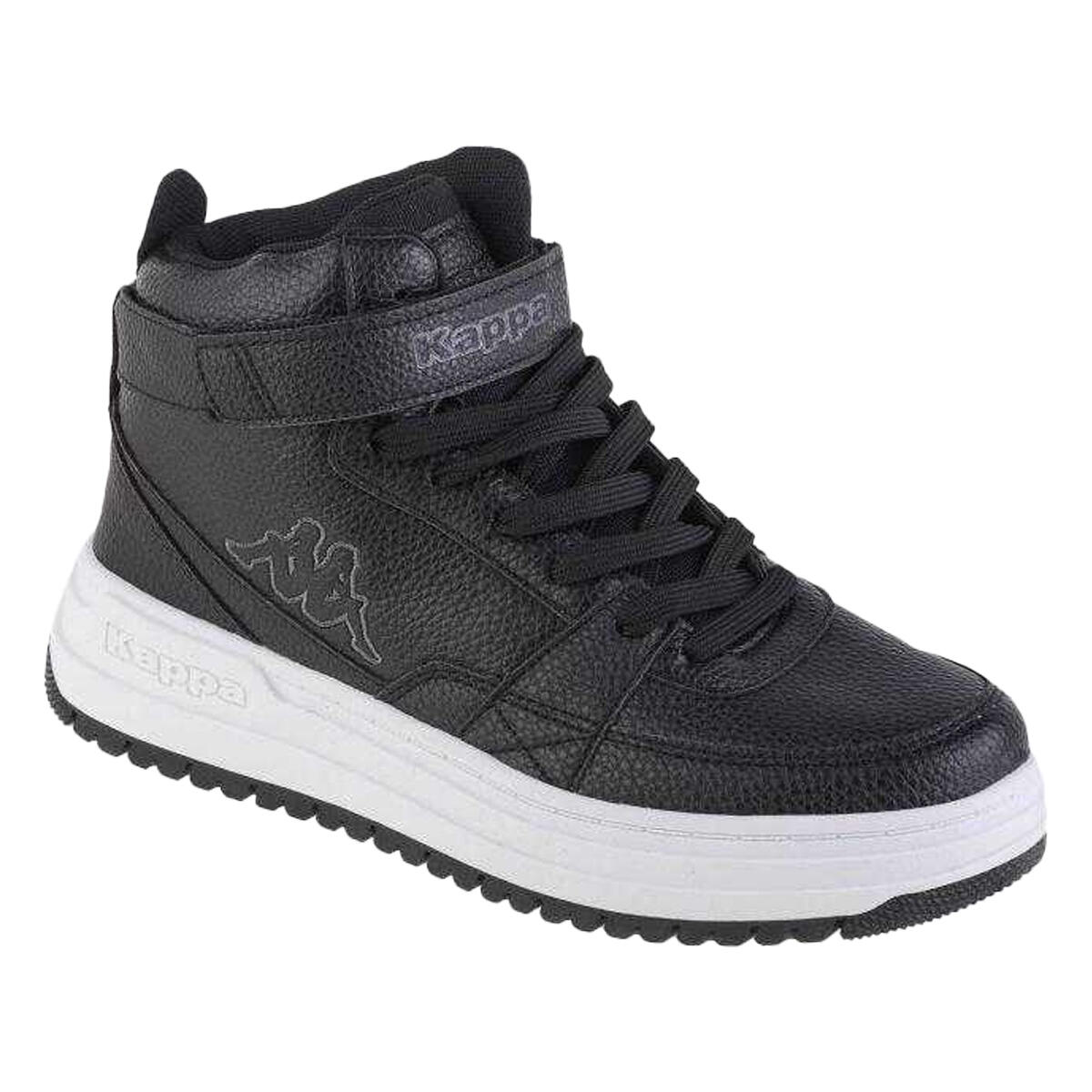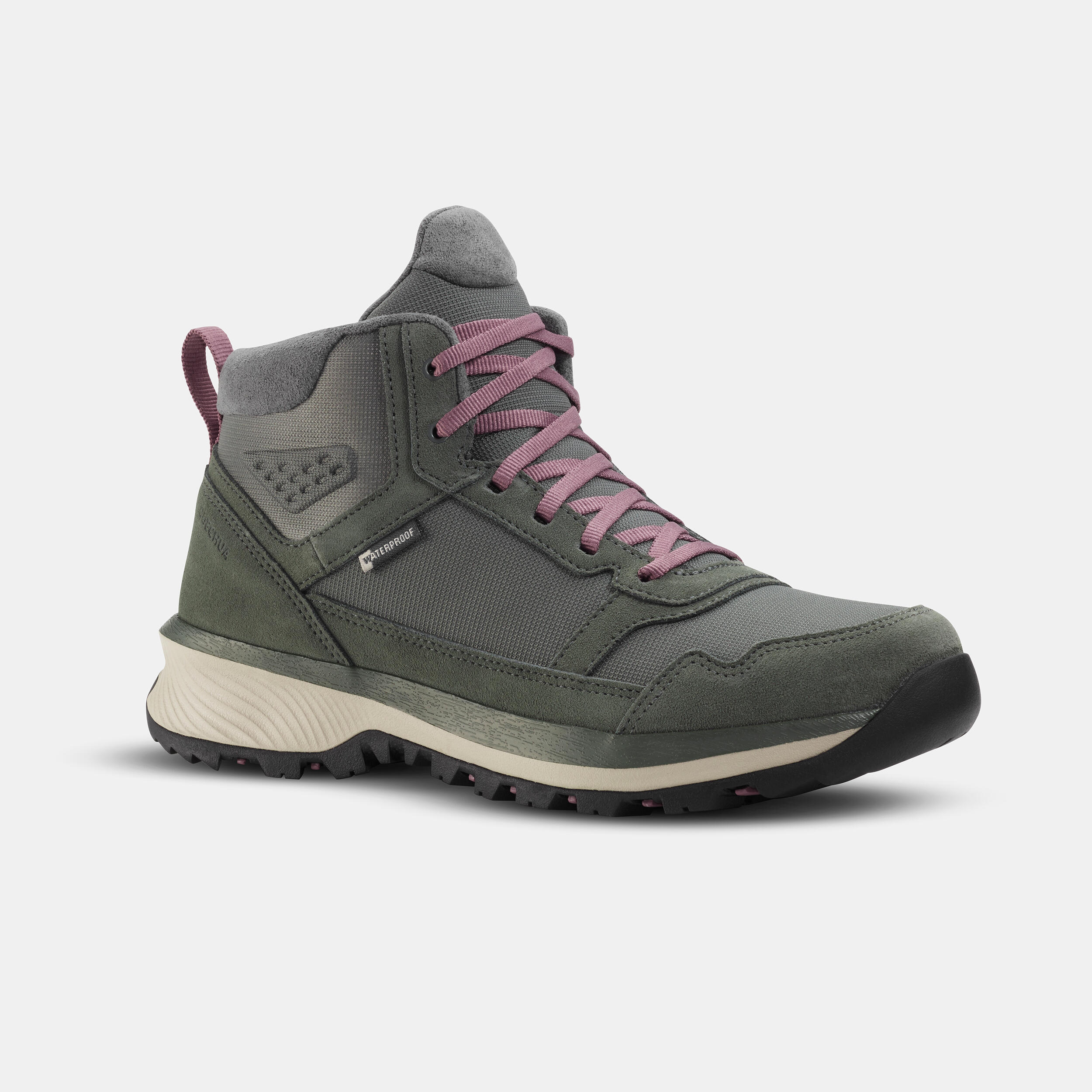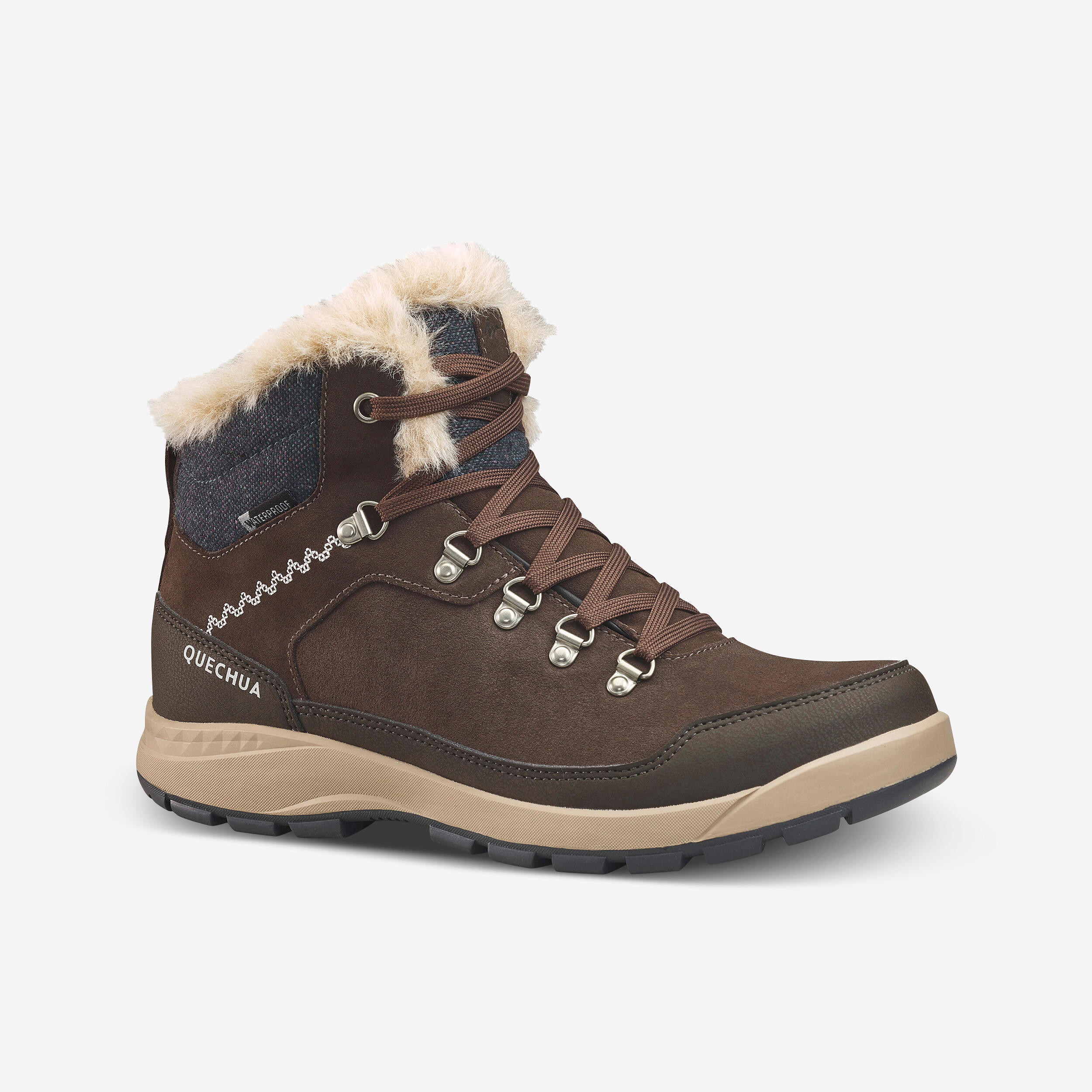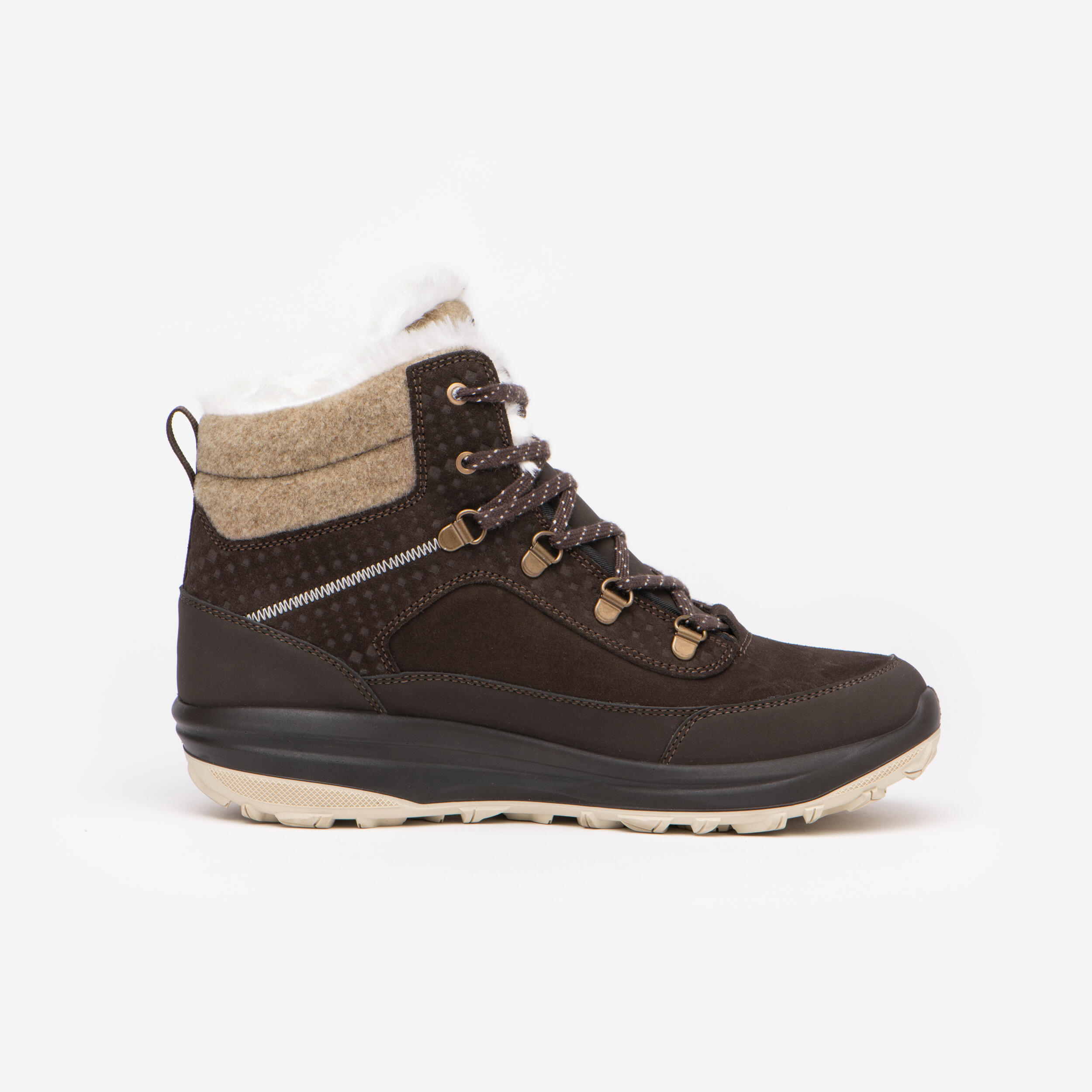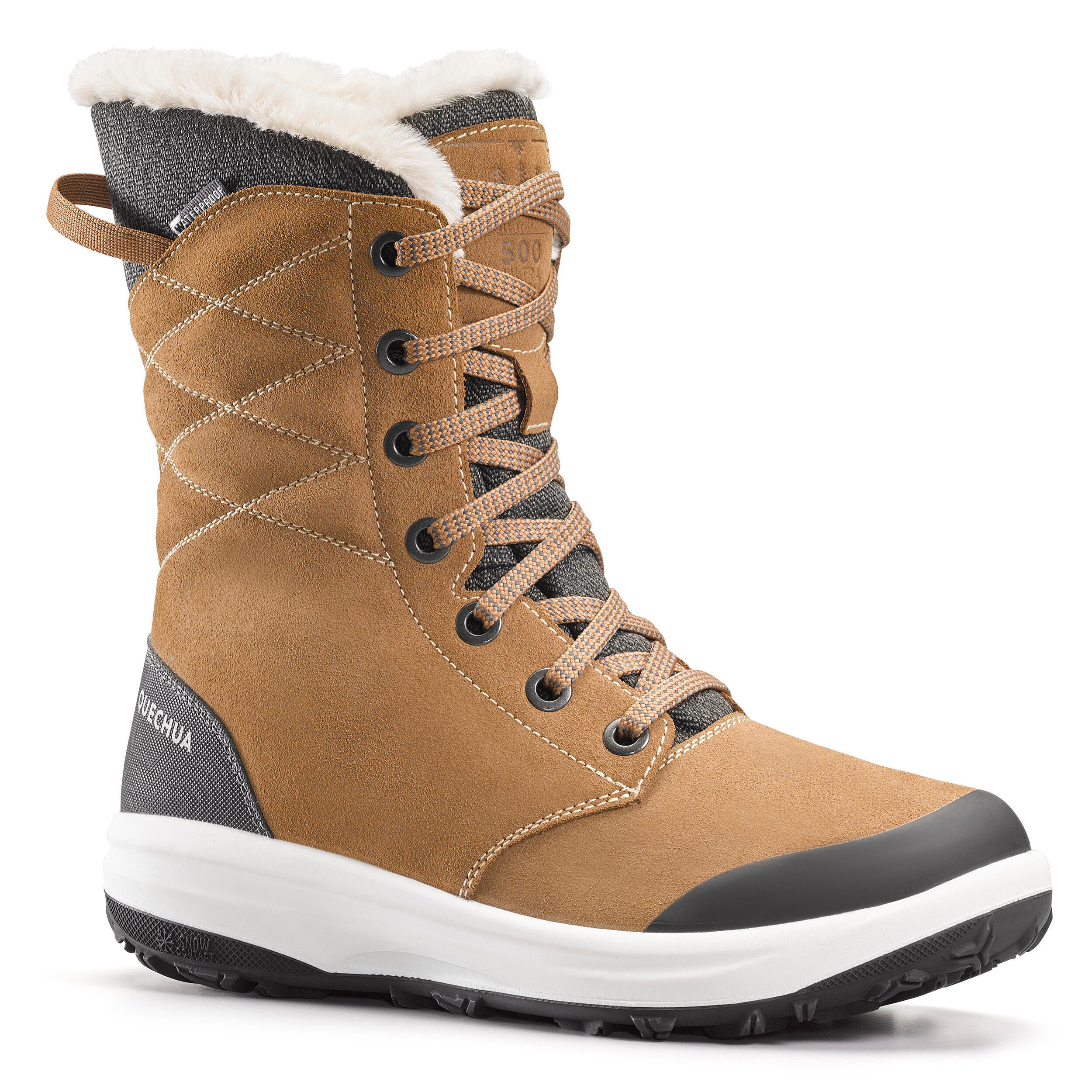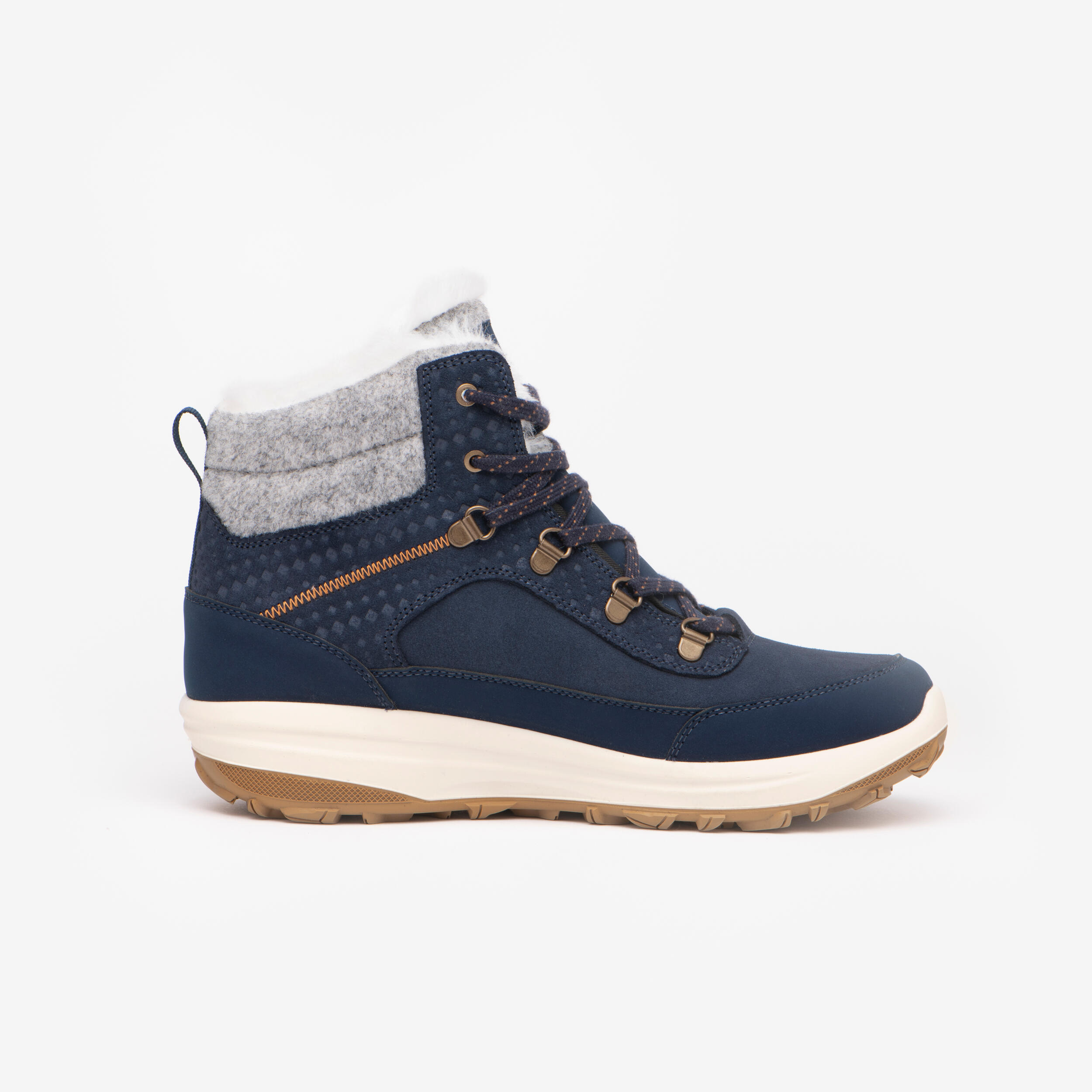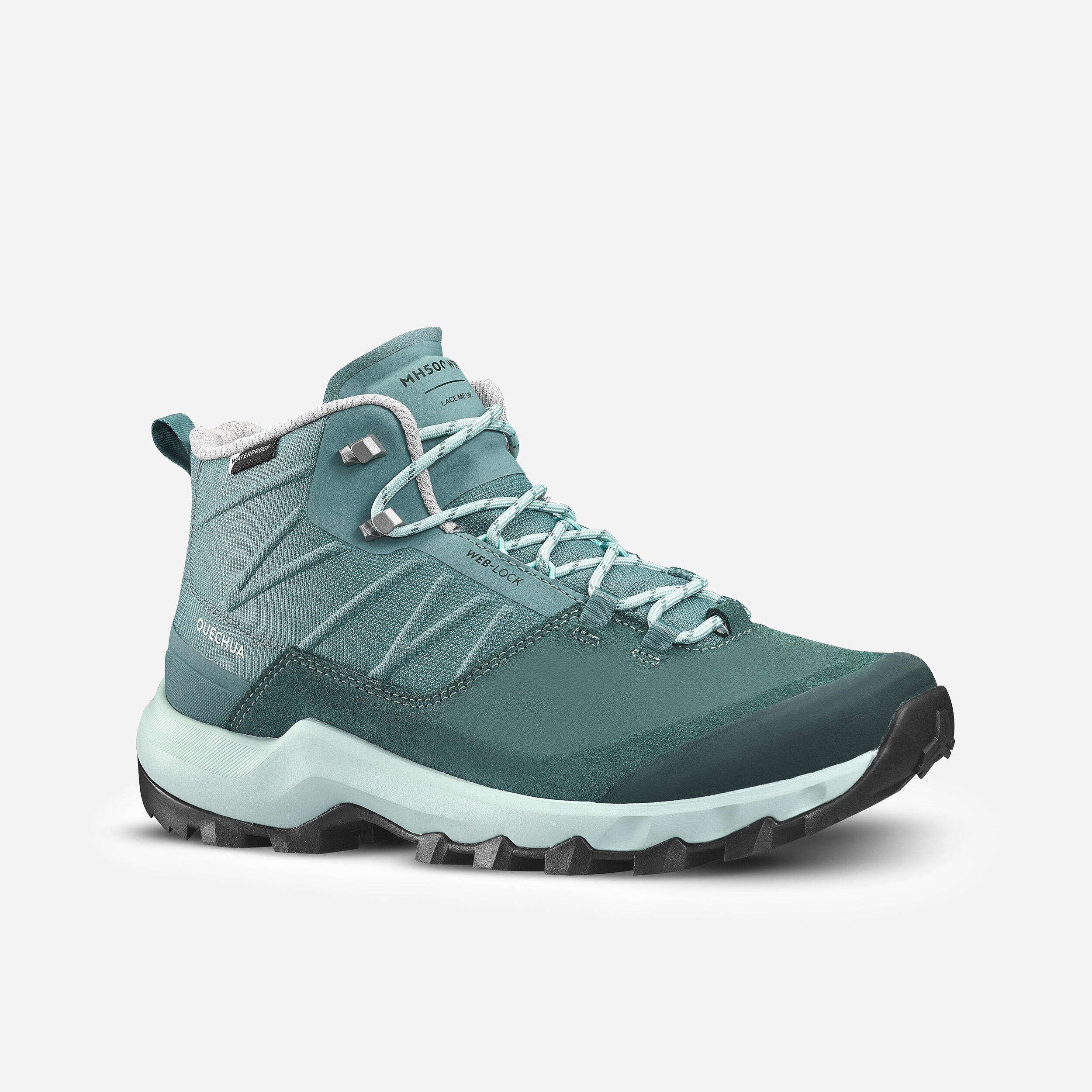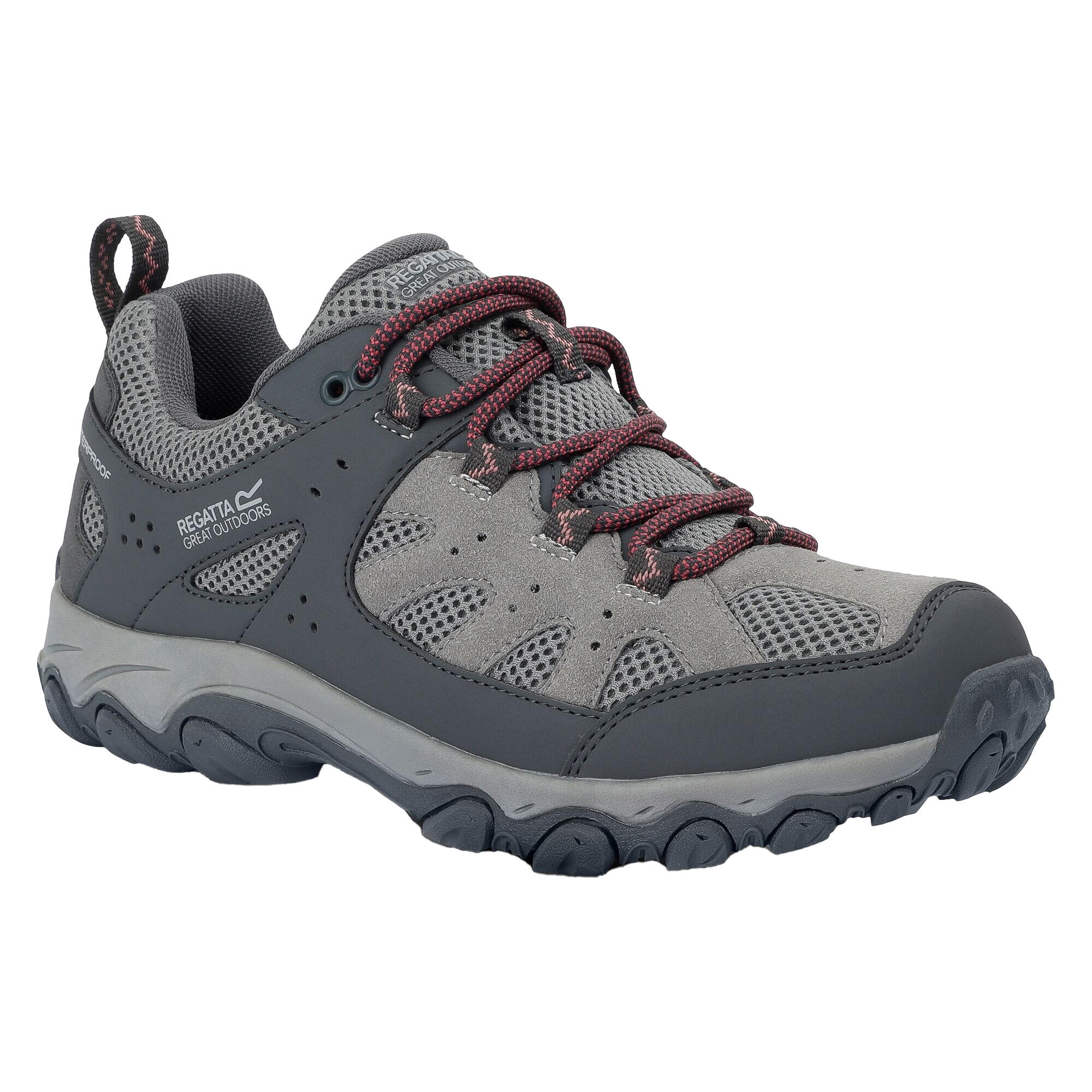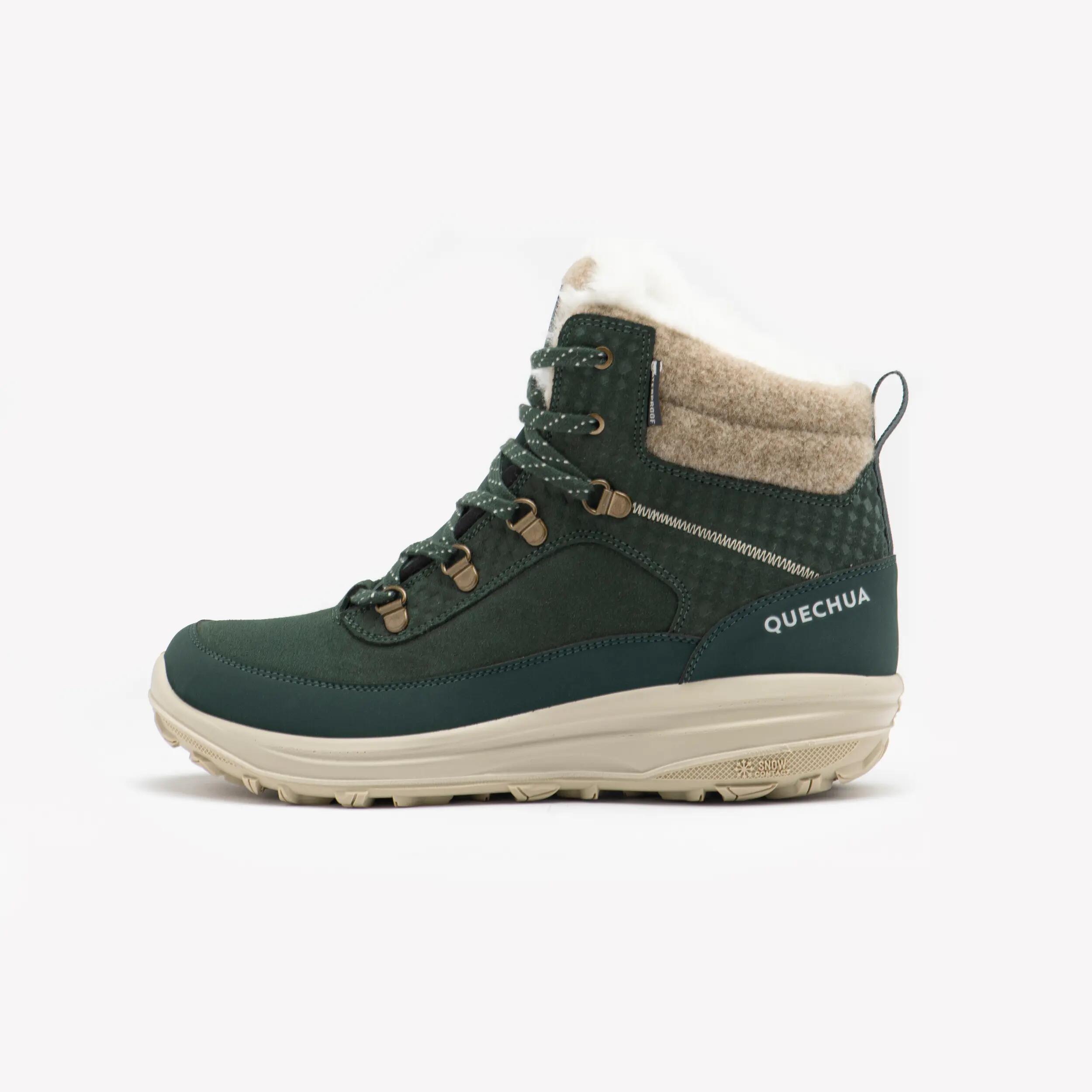
509 items
4.5/5 based on 45684 reviews collected online and in stores

Women's Hiking Boots FAQs

How do I choose the right women's hiking boots for the trail?

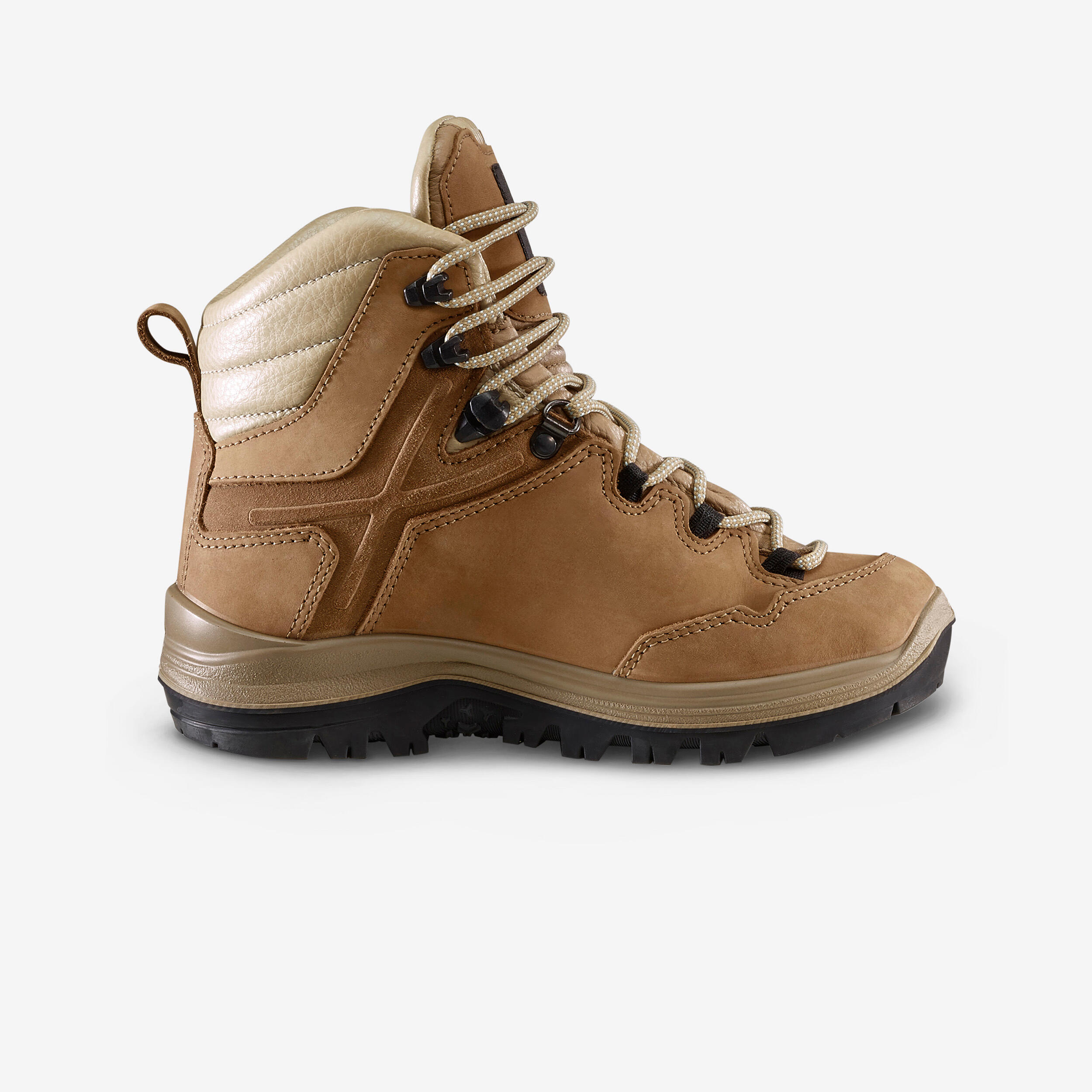
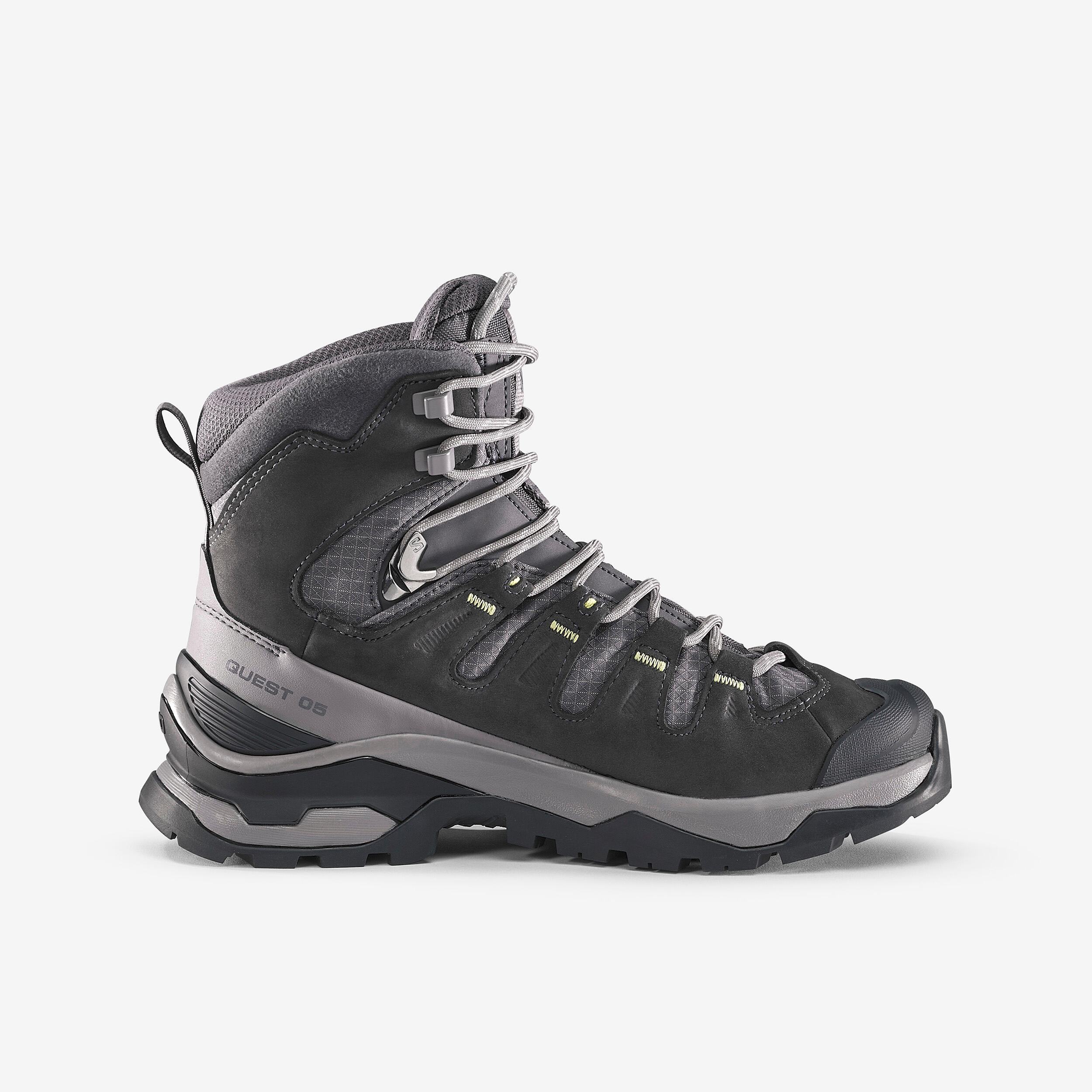
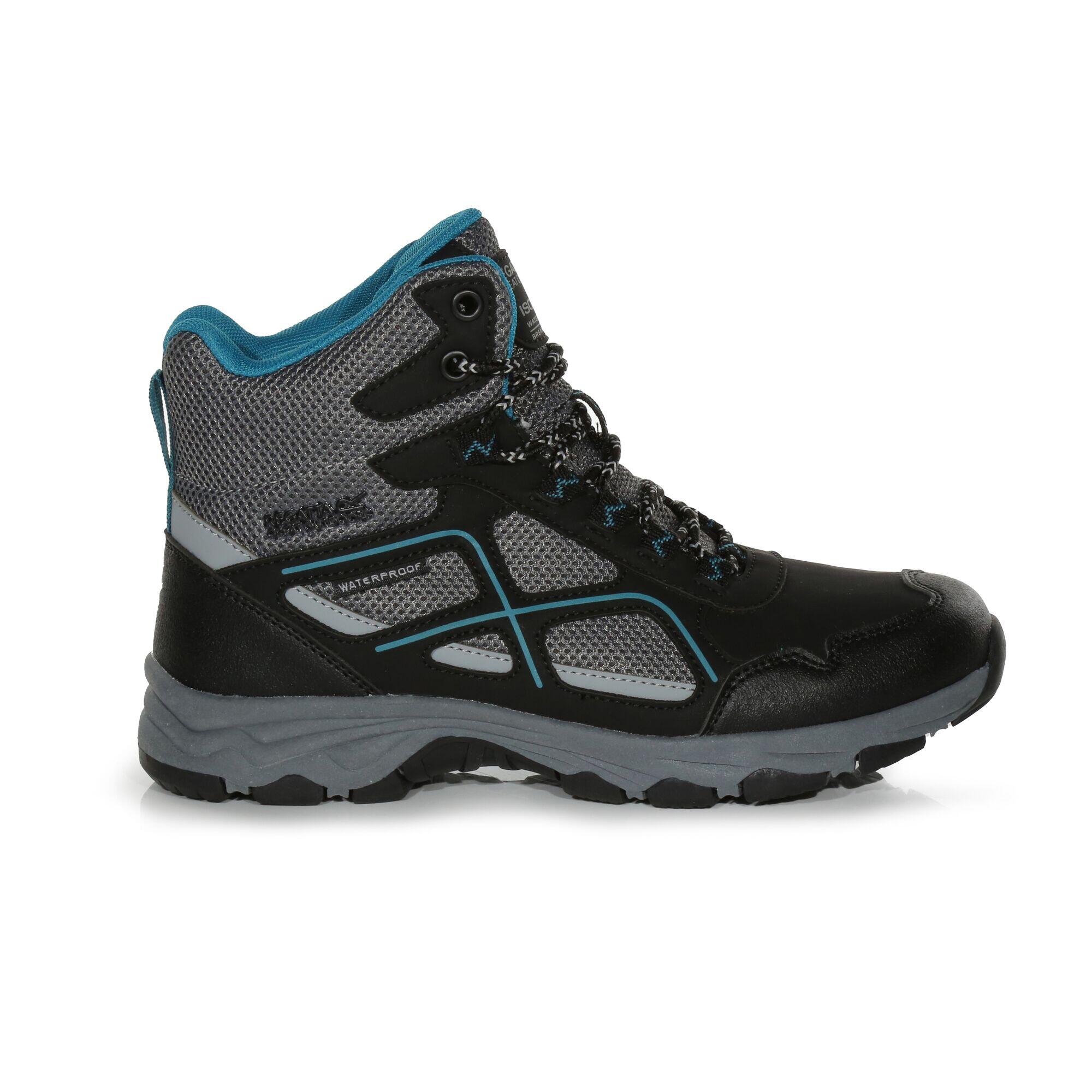
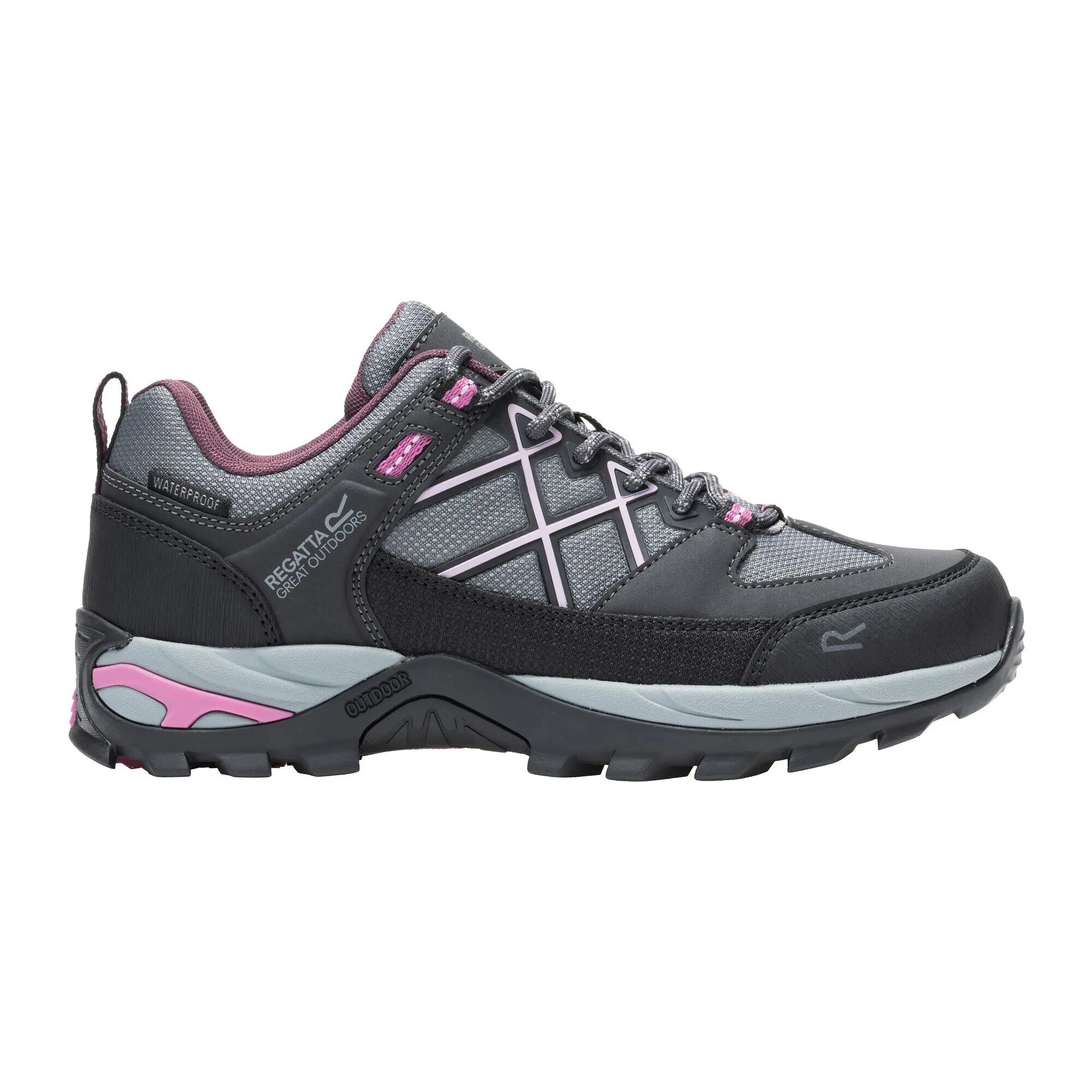
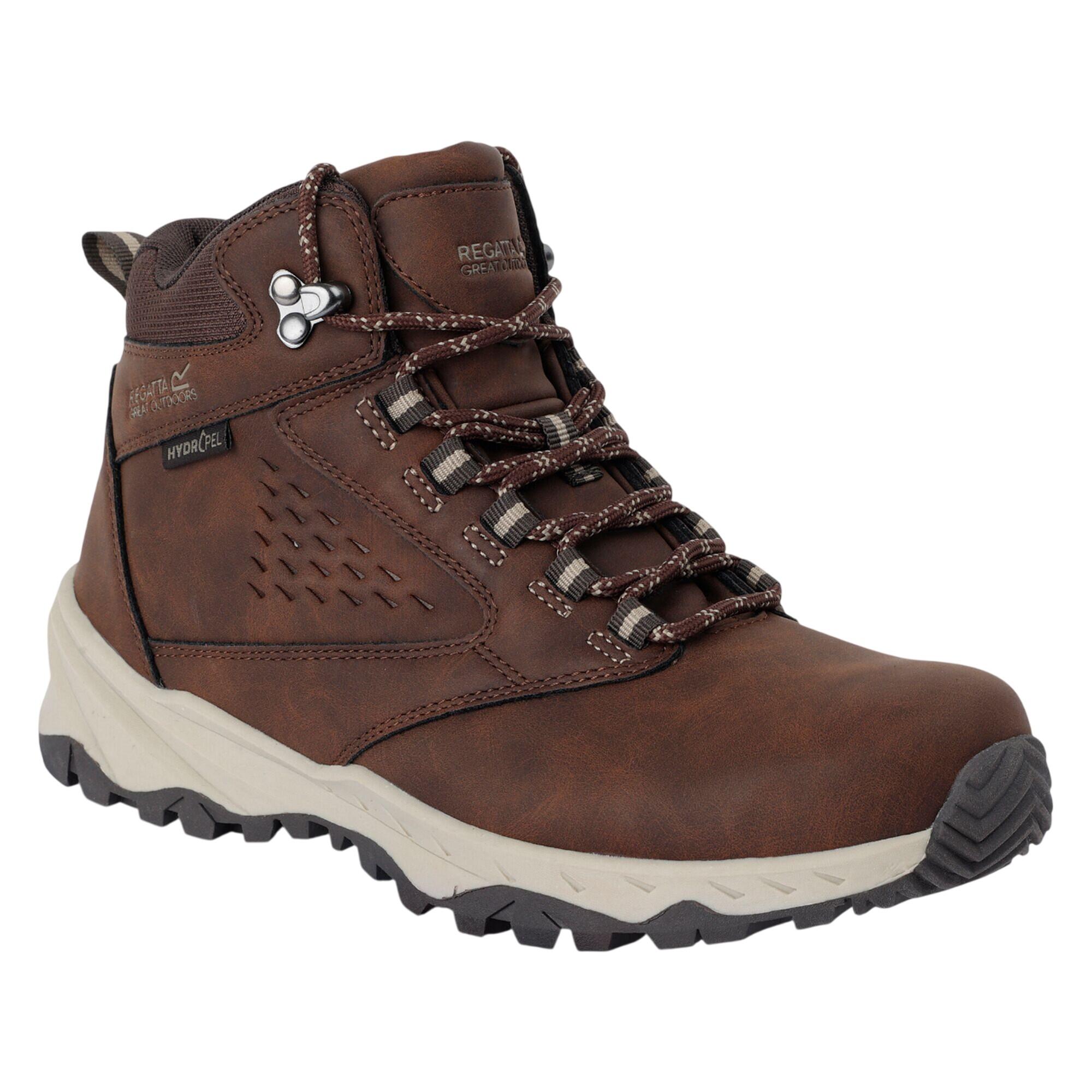
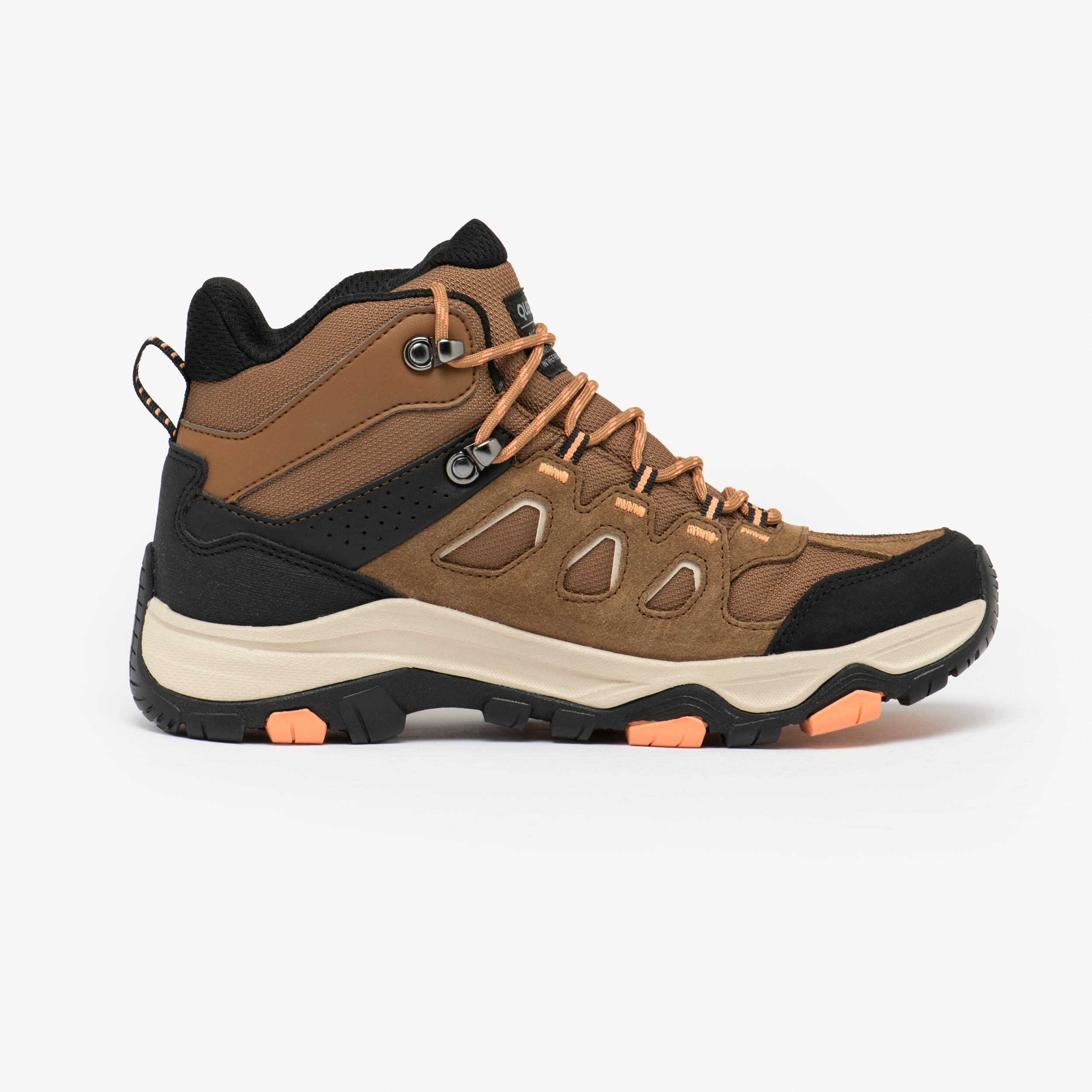
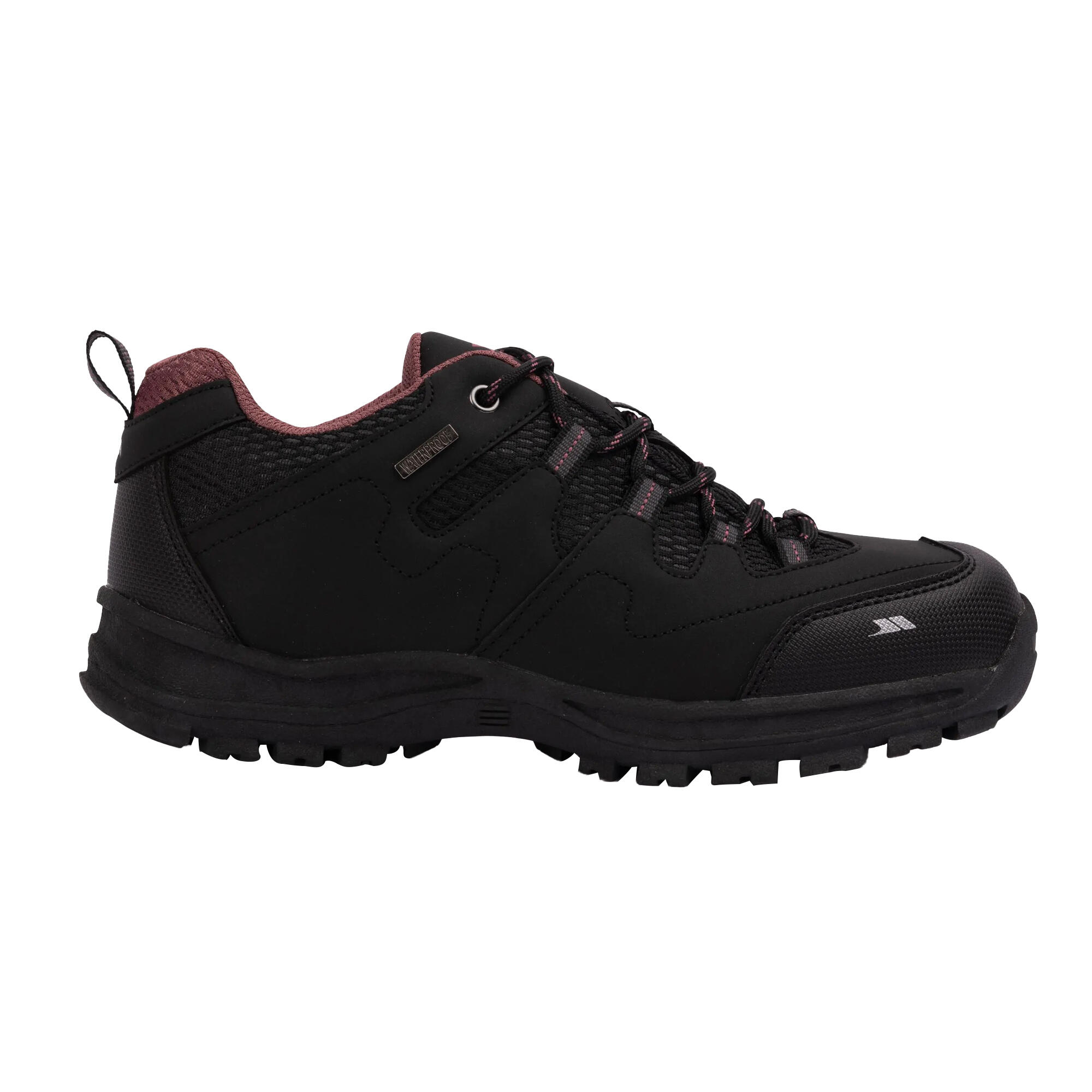
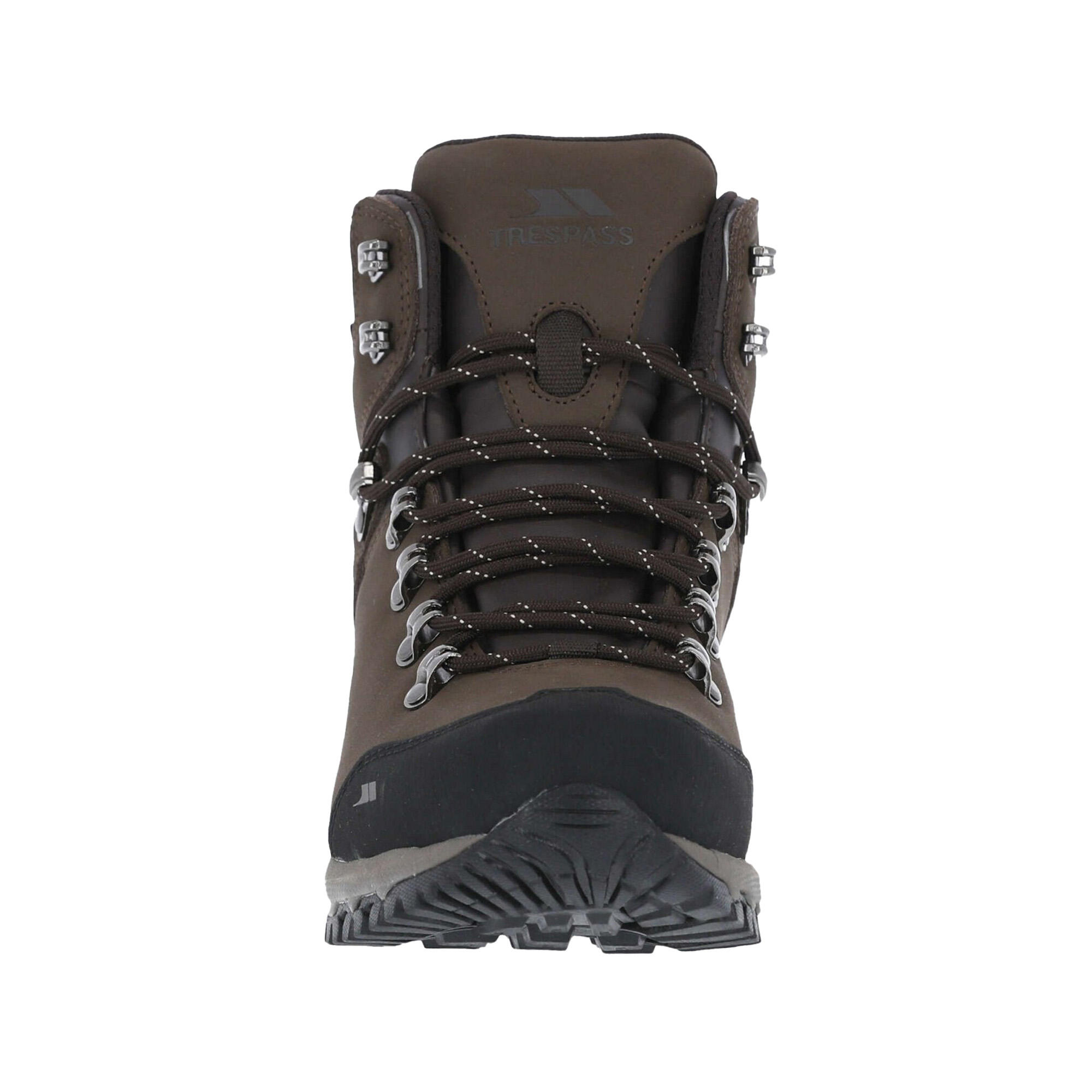
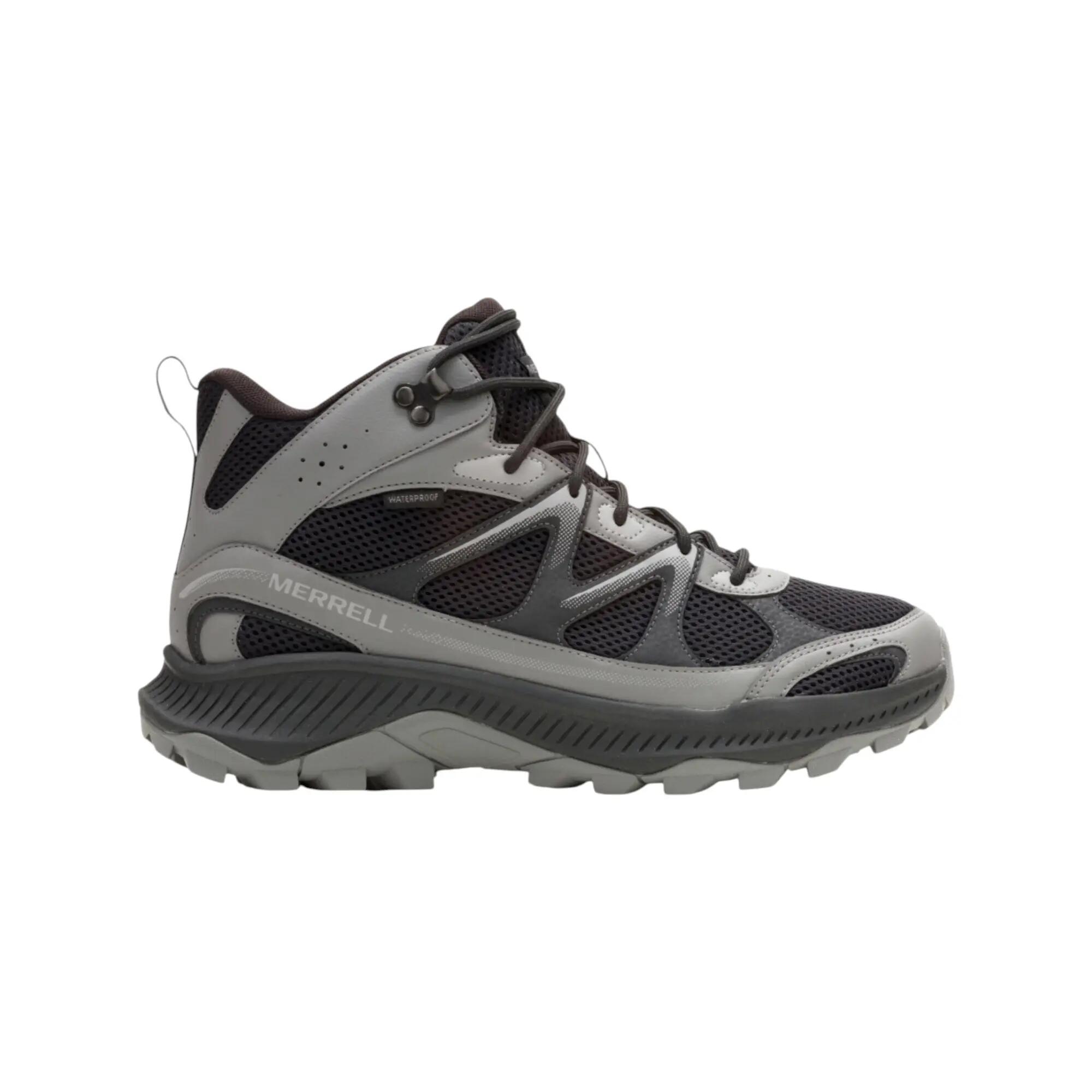
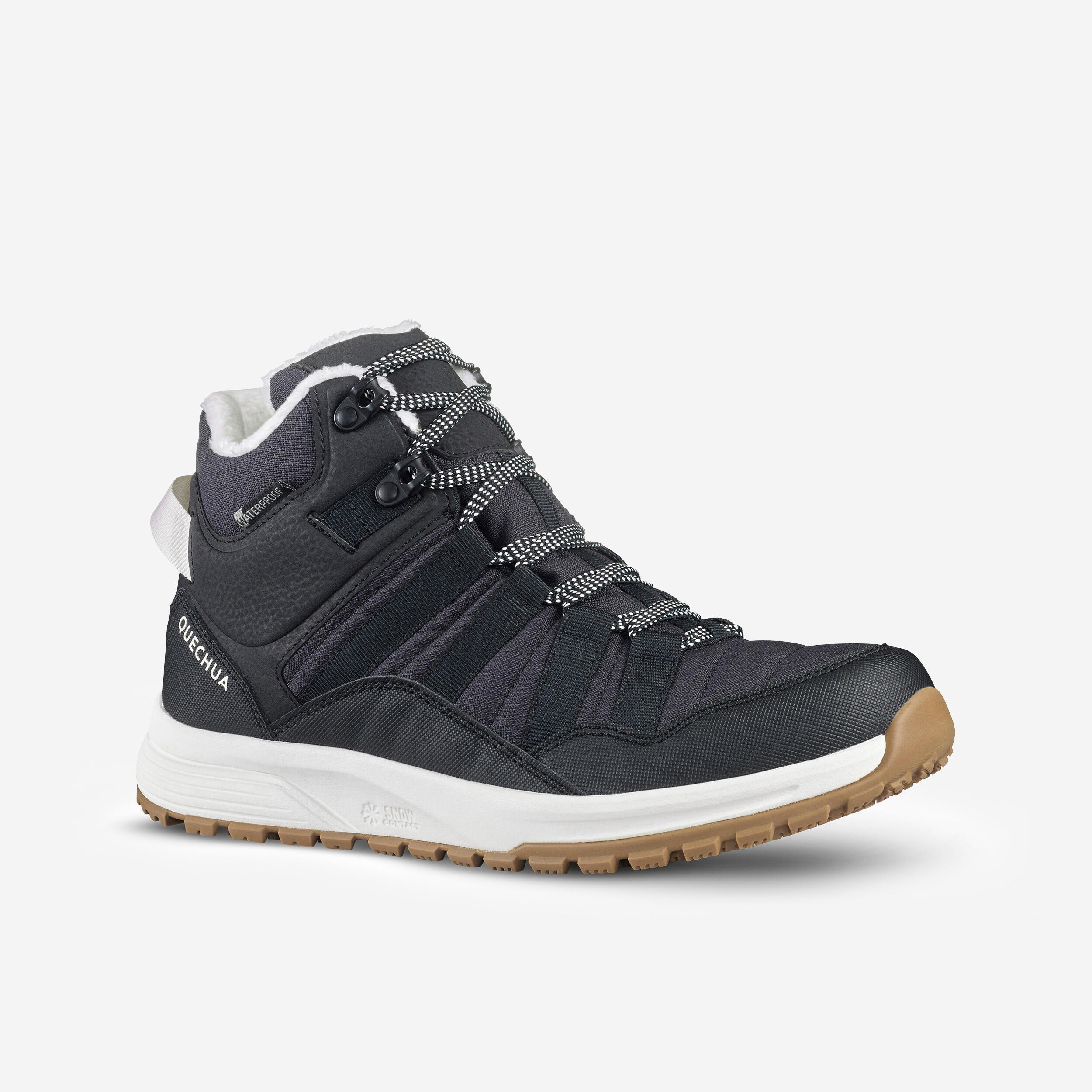
Choosing the right women's hiking boots depends on terrain, distance, and the load you plan to carry on the trail. For well-groomed paths in the park or along a canal towpath, a lightweight mid-cut boot delivers enough support without slowing you down, while rocky paths demand a higher-cut, stiffer boot that protects the ankle from rolling on uneven ground. A leather upper handles abrasive scree and resists scuffing across a long season, while a synthetic mesh upper breathes more easily for fast-paced summer walks. Practical advice: try the boots on at the end of the day with the socks you actually plan to hike in, since feet swell across hours of walking. For shorter outings where you want trail-ready grip without the bulk of a boot, browse our range of women's waterproof walking shoes across the Quechua and Forclaz labels with low-cut, mid-cut, and mesh-and-leather builds.
What makes waterproof women's hiking boots worth the investment?

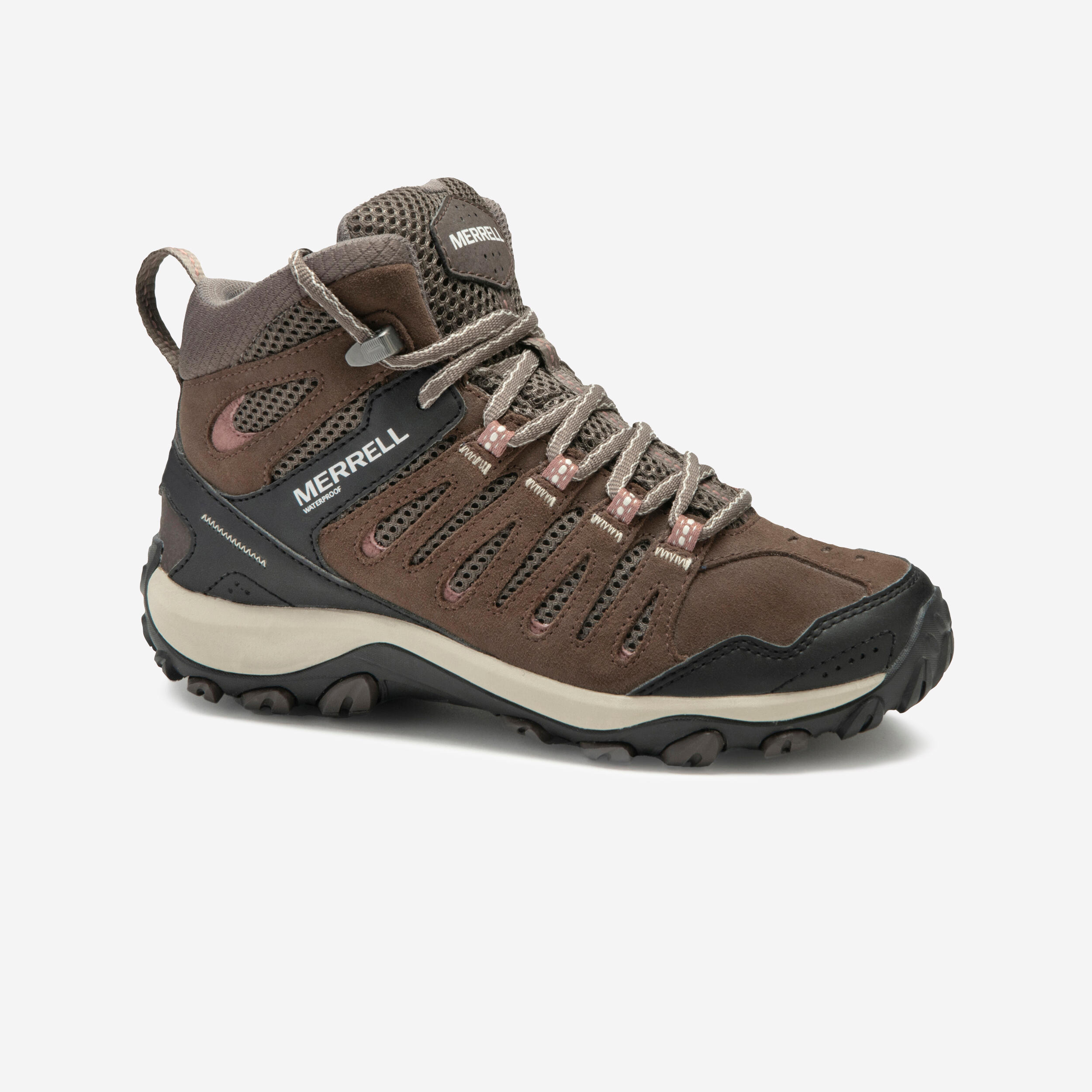
Waterproof women's hiking boots use a breathable membrane such as Gore-Tex or in-house Novadry technology, which lets sweat vapour escape while blocking liquid water from entering. The reason this matters across a hill walk is the wet underfoot conditions of bog, peat, and stream crossings, where a leaking upper soaks the foot within minutes and turns a pleasant outing into a cold slog home. A gusseted tongue prevents debris and water creeping in around the laces, while waxed leather builds add another layer of natural water repellence. For casual everyday support that pairs with a tracksuit or jeans rather than dedicated trail kit, our range of women's sport shoes spans Domyos, Kalenji, and Newfeel labels.
When should I choose warm women's hiking boots over standard models?

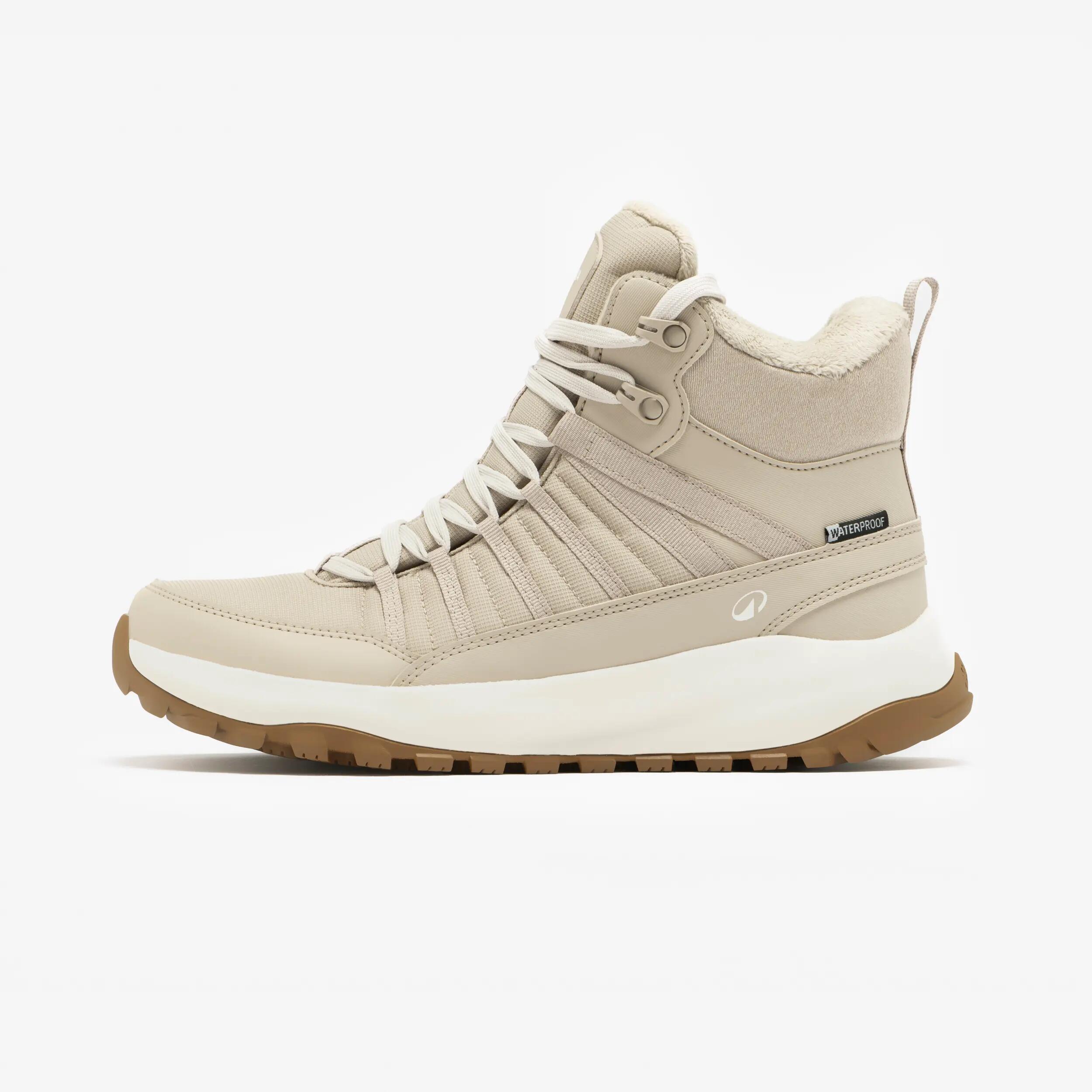
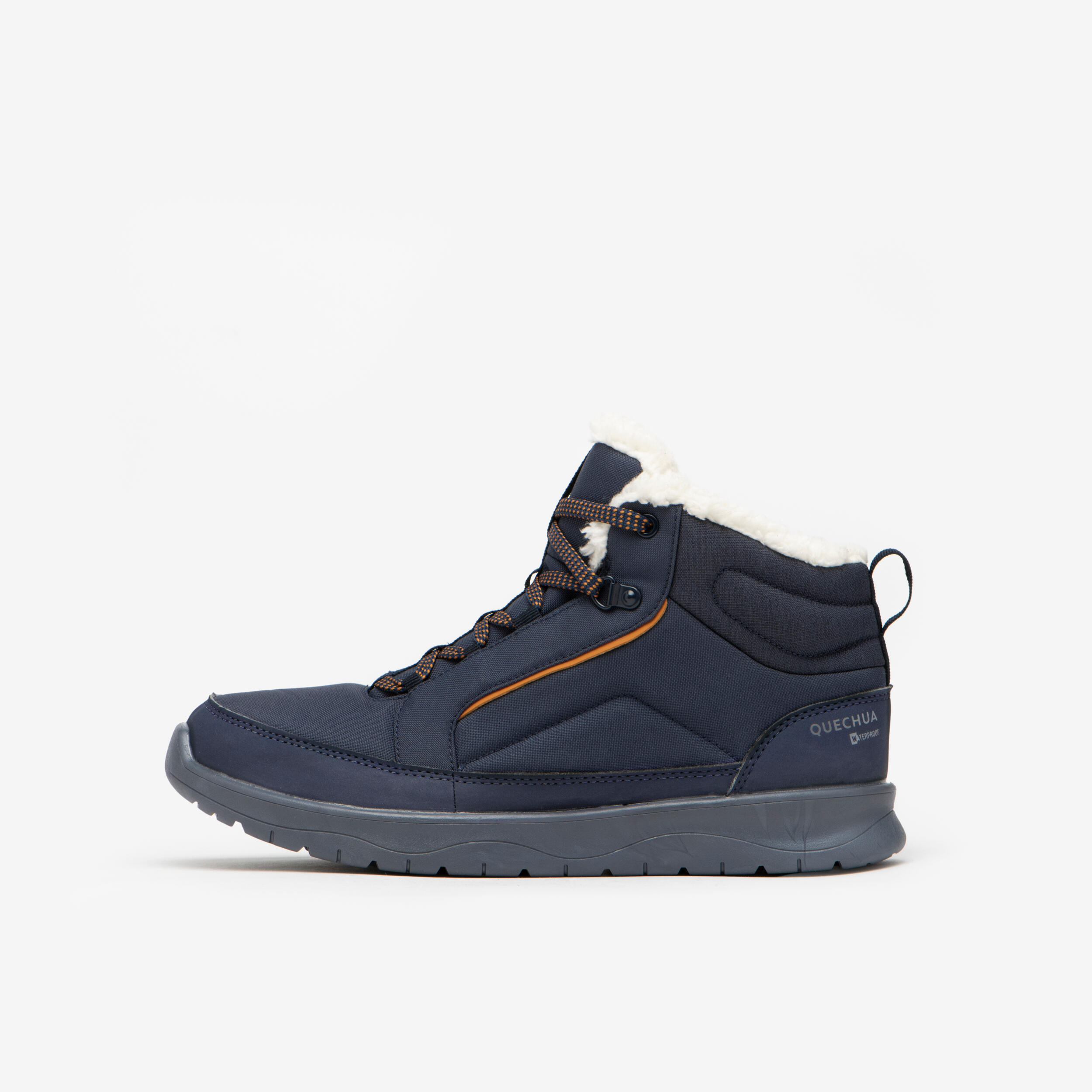
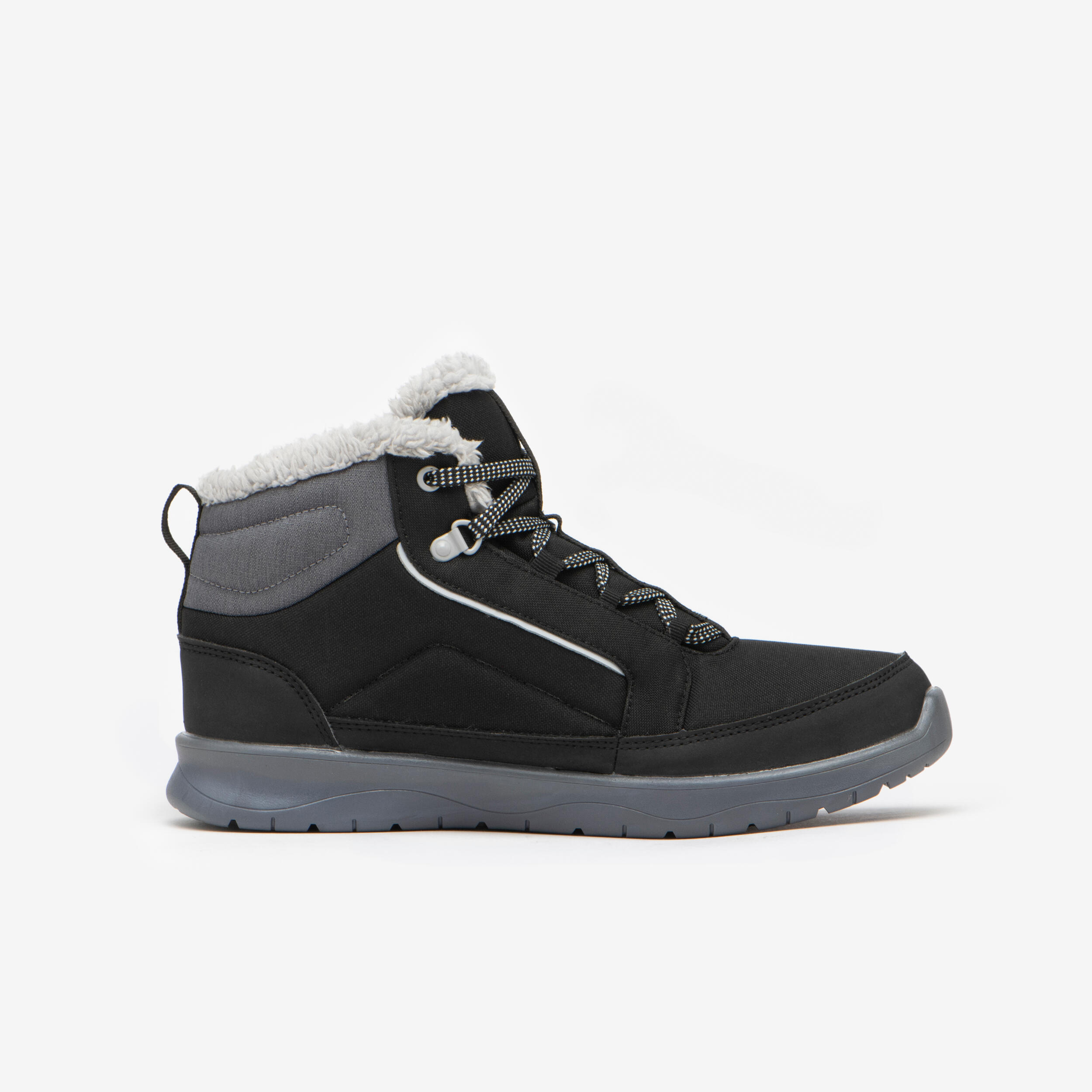
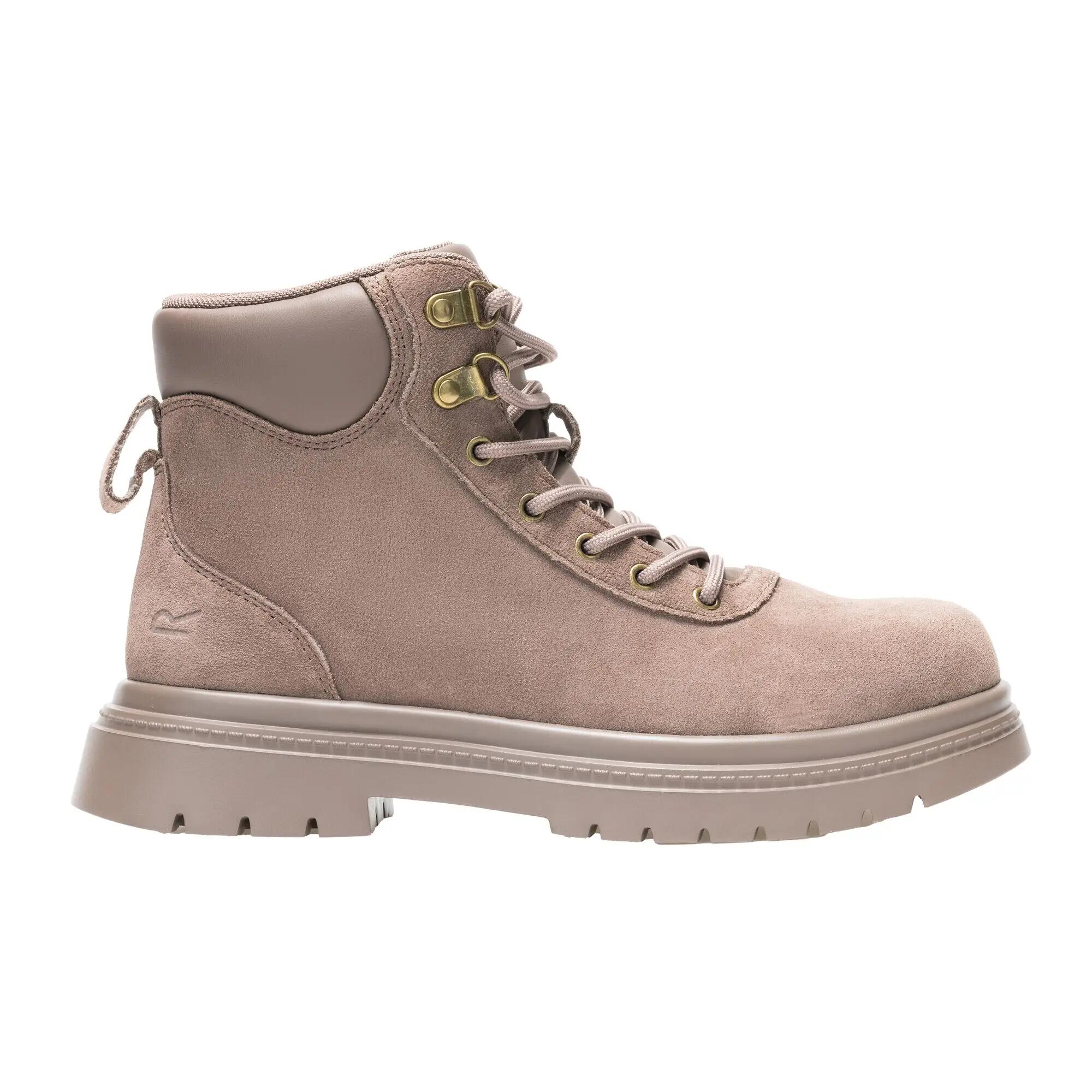
Warm women's hiking boots make sense once temperatures drop below freezing on early-morning starts, frosted hill walks, and any winter outing where snow, sleet, or icy ground are likely. The reason this matters: standard hiking boots lack the insulated lining and lofted footbed that prevent cold from radiating up through the sole, which becomes a real problem on long stops at a viewpoint or during a slow descent. Faux-fur or synthetic-fleece linings trap warm air around the foot, while higher cuffs seal heat in at the ankle. For deep winter outings where snow becomes the dominant condition, browse our range of women's snow boots covering insulated, mid-calf, and full-calf cuts across Quechua.

Can I wear trainers for hiking instead of dedicated hiking boots?

Trainers can handle a short walk in a city park or a flat coastal path, but they were never built for the demands of real hiking on rocky, uneven, or wet terrain. This matters because trainers use soft, road-tuned outsoles with shallow tread that slip on wet rock and loose peat, while their flexible mesh uppers offer no ankle support or protection against scuffs from sharp stones. They also lack the stiffer midsole that transfers force efficiently from the heel through the toe on a long, steady climb. For casual, everyday wear that prioritises comfort on tarmac and city streets, our range of women's trainers covers Kalenji, Newfeel, Domyos, and adidas builds.

How do hiking boots fit into a wider hiking footwear setup?

Hiking boots sit at one end of a wider hiking footwear setup, where the right pair for a given outing depends on the terrain, weather, pack weight, and pace you have planned. Boots deliver maximum ankle support and protection for technical, rocky, multi-day routes with a heavy pack, while lightweight hiking shoes shine on dry trails, summer paths, and faster, less technical outings. Many regular walkers own one of each and rotate based on the day. To browse the full system in one place rather than category by category, see our range of women's hiking and walking shoes across Quechua, Forclaz, and Newfeel.