
13,695 items
4.3/5 based on 128544 reviews collected online and in stores

Horse Riding FAQs

What horse riding gear does a beginner need?

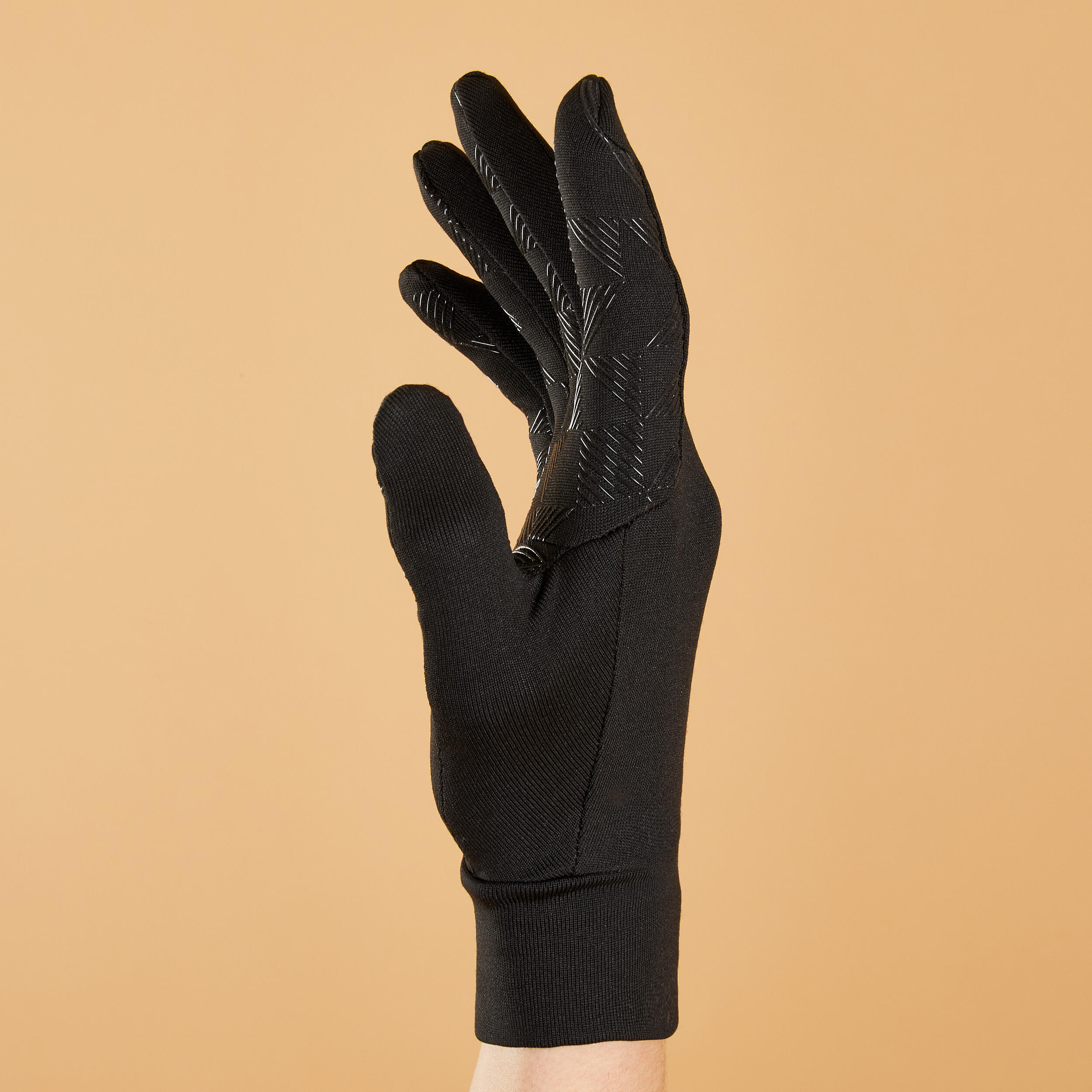
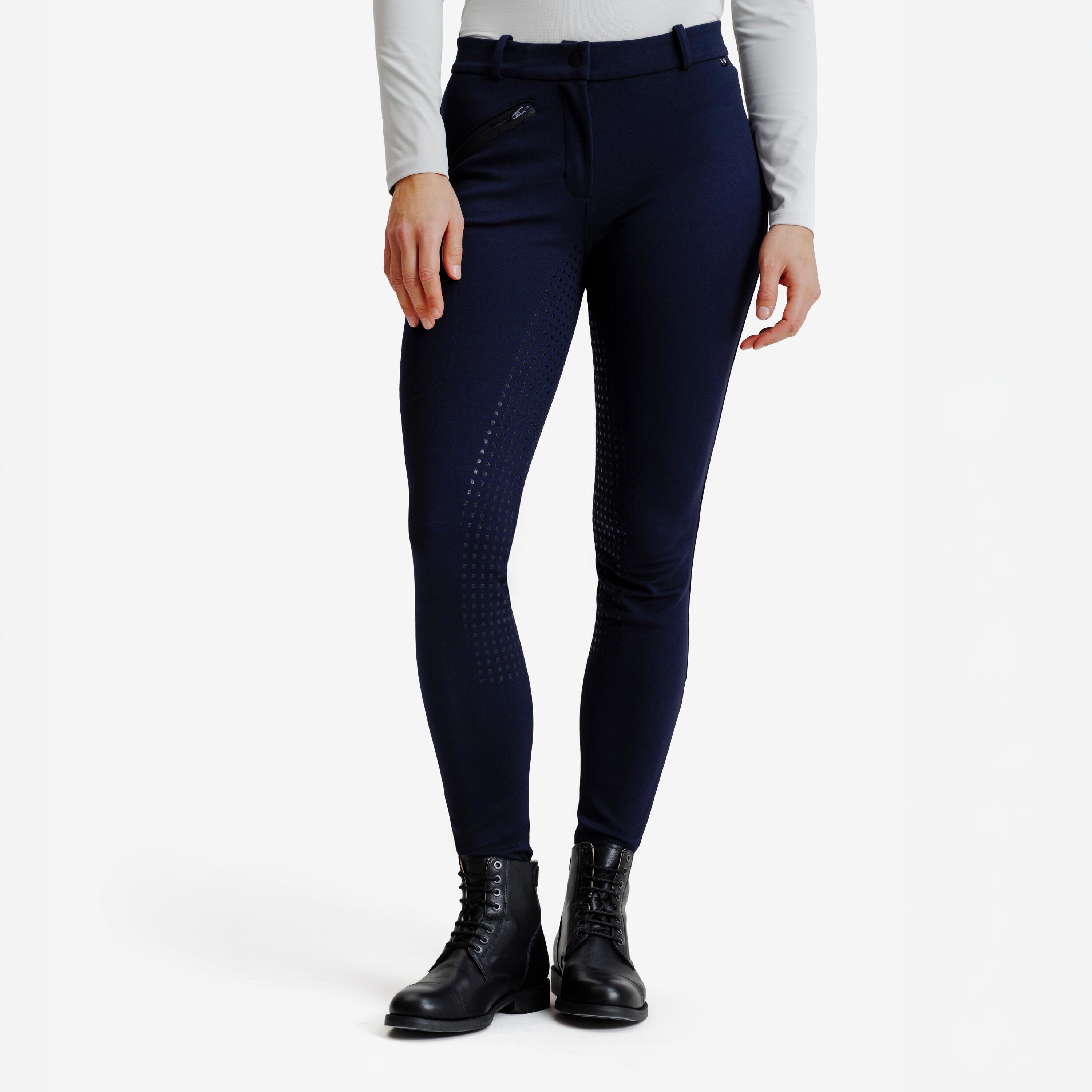
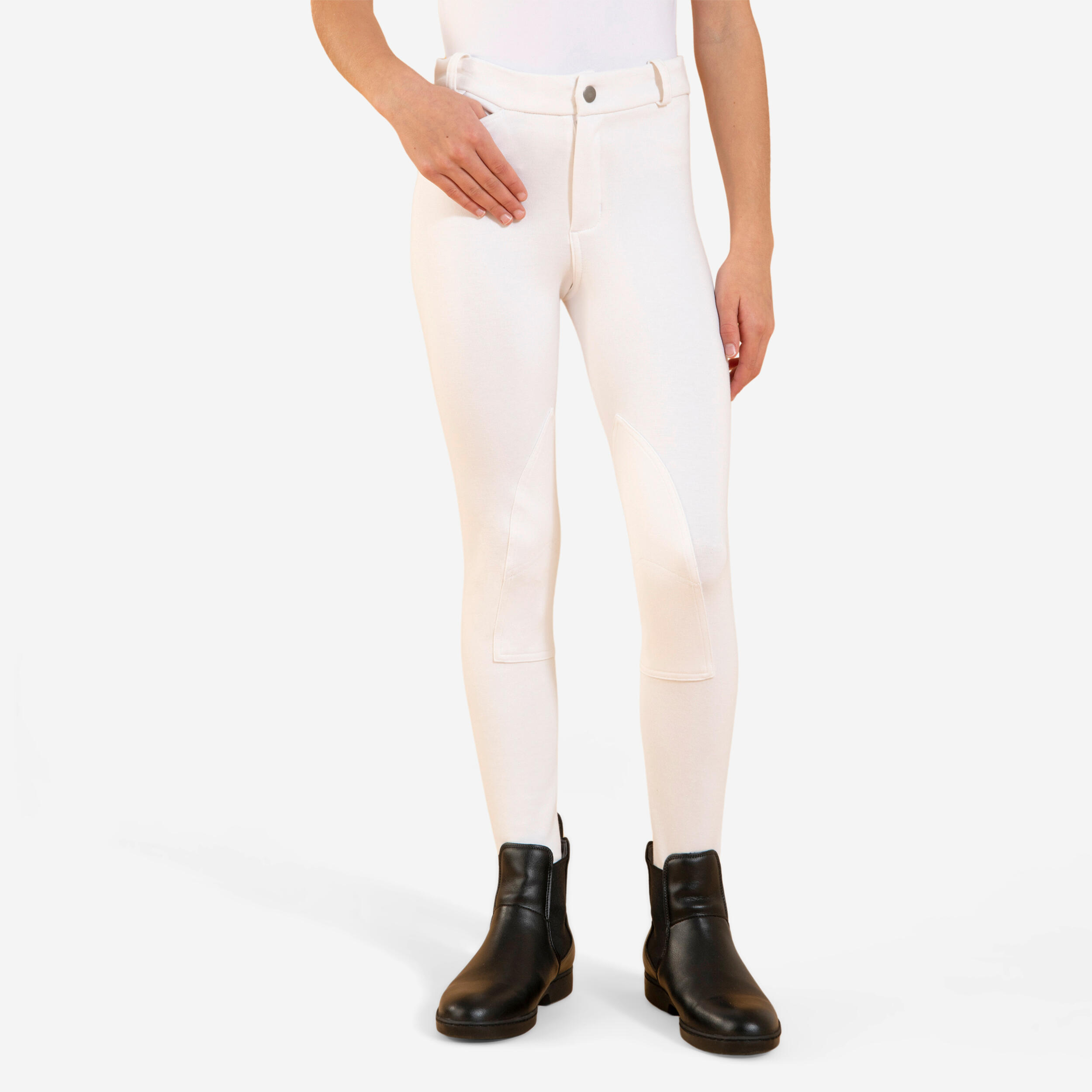
Start with equipment that supports safety, movement and reliable contact with the horse rather than treating riding clothing like ordinary sportswear. A riding helmet, suitable boots, comfortable jodhpurs or breeches and gloves form a practical starting point, while half-chaps can add lower-leg protection when worn with jodhpur boots. Fouganza develops many of these items around the specific demands of the saddle, stirrups and reins. For example, riding gloves use palm grip for rein control, while jodhpurs use stretch and carefully placed seams to reduce restriction and rubbing. The wider horse rider equipment range can help you build the rider side of the setup according to your experience, riding frequency and the conditions in which you train.
Why is the right riding helmet important?

A riding helmet should be chosen for the rider and activity rather than treated as a general-purpose sports helmet. Fit is especially important because a helmet that moves excessively can be distracting and may not sit as intended while riding. Try it with the hairstyle and clothing you normally wear at the yard, check that it stays level on your head, and follow the manufacturer's fitting guidance. The selection of horse rider helmets lets you compare sizes and riding-focused designs separately from the rest of your apparel. Inspect the shell, straps and fastening system regularly and replace a helmet according to the manufacturer's guidance if it has experienced a significant impact, even when visible damage appears limited.

What is the benefit of wearing jodhpur boots with half-chaps?

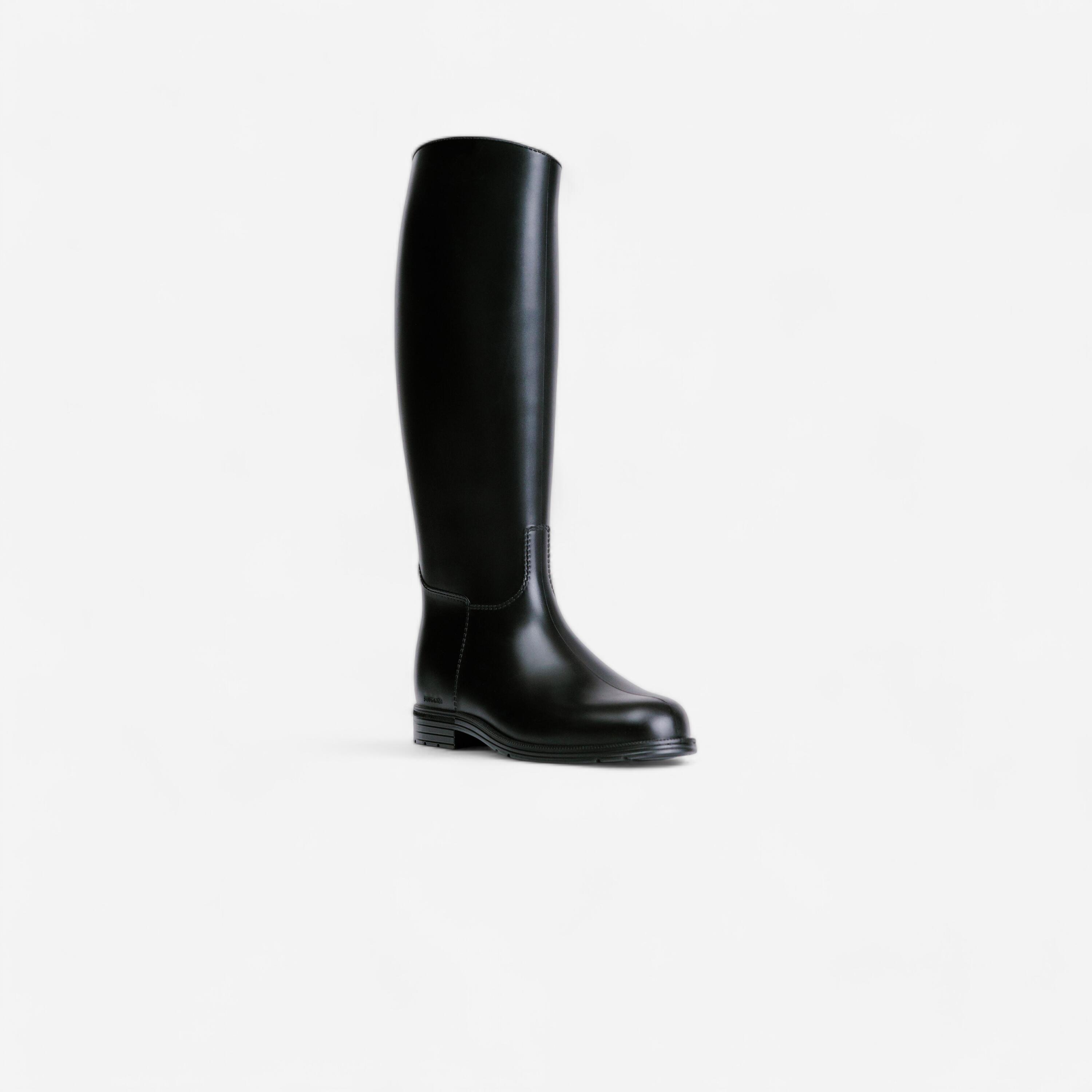
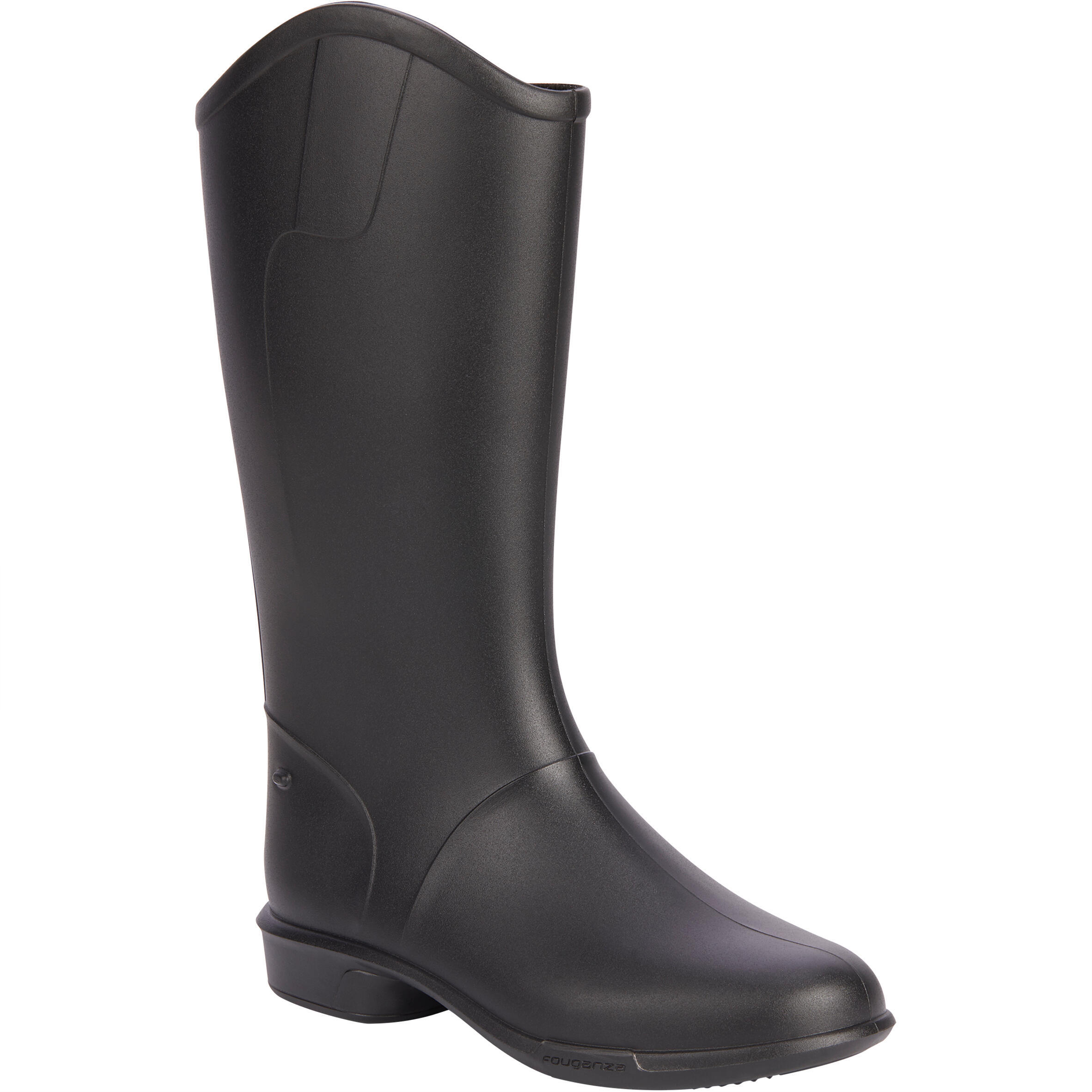
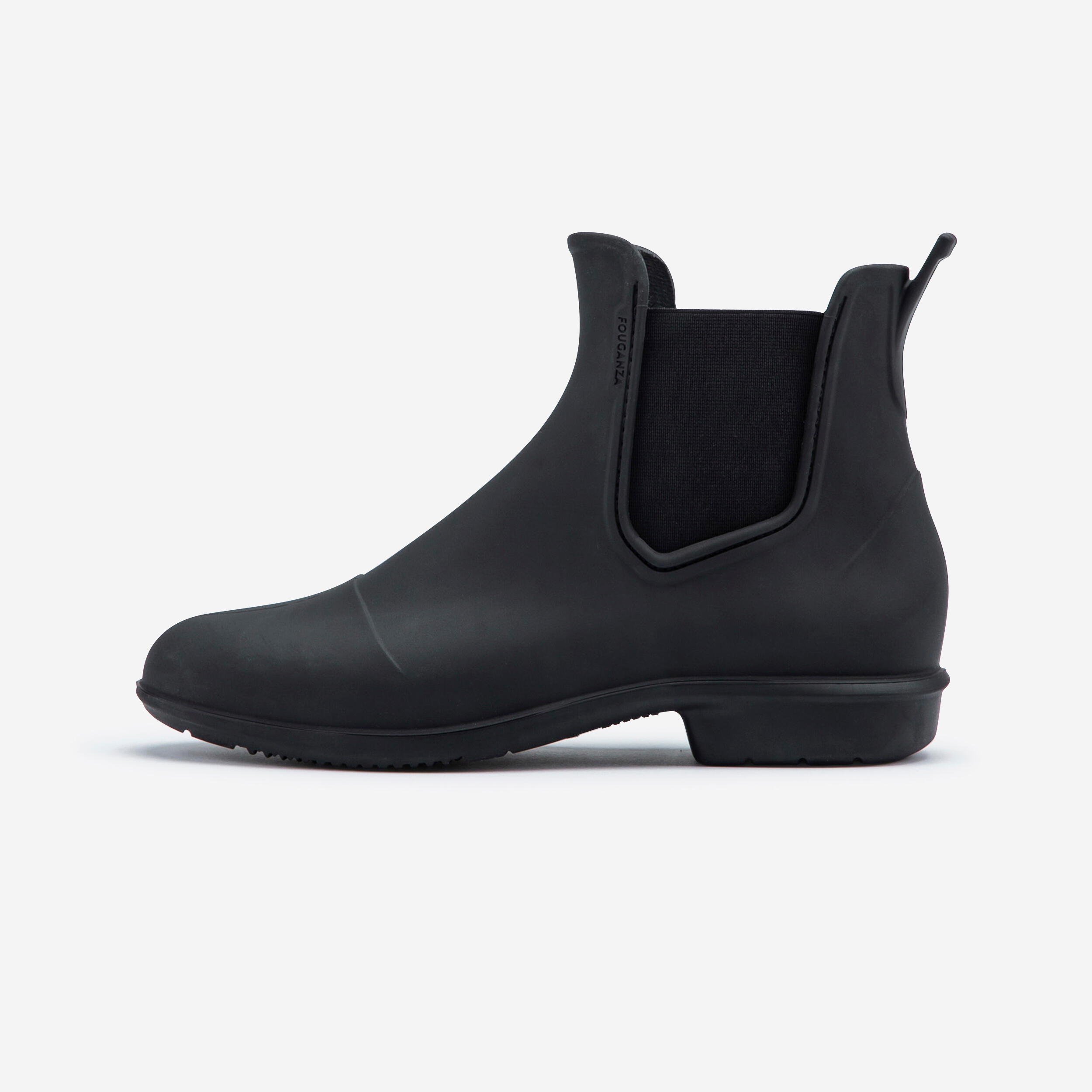
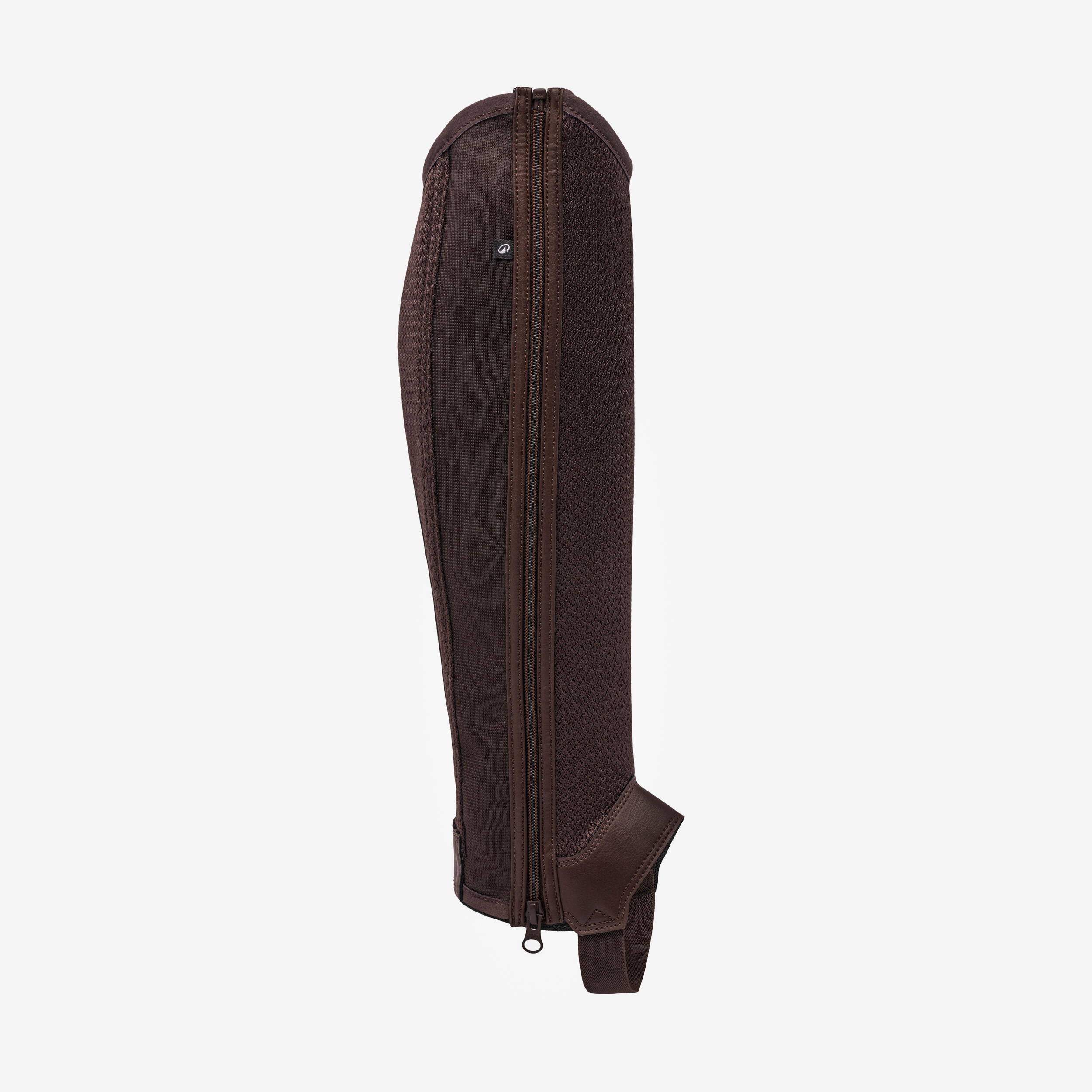
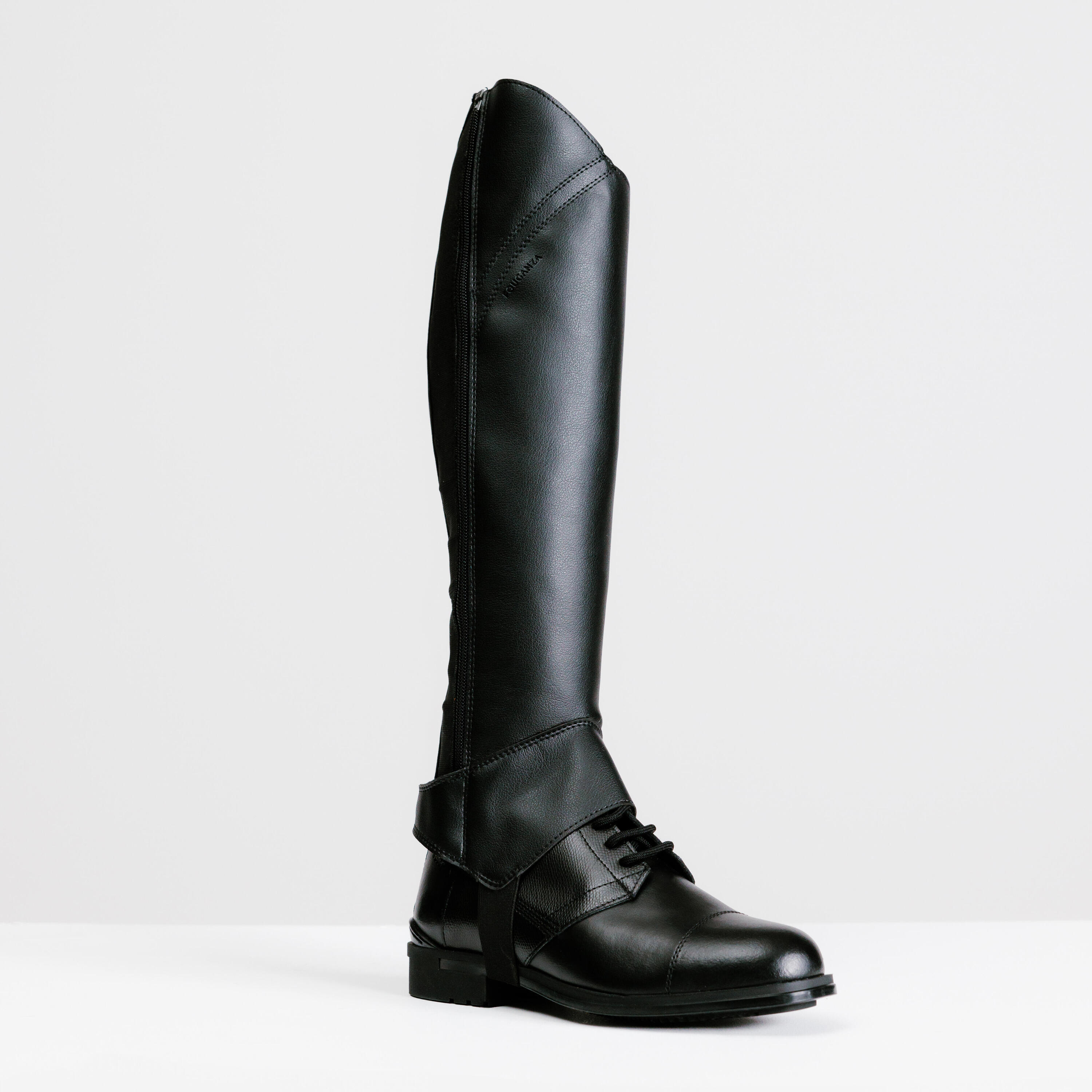
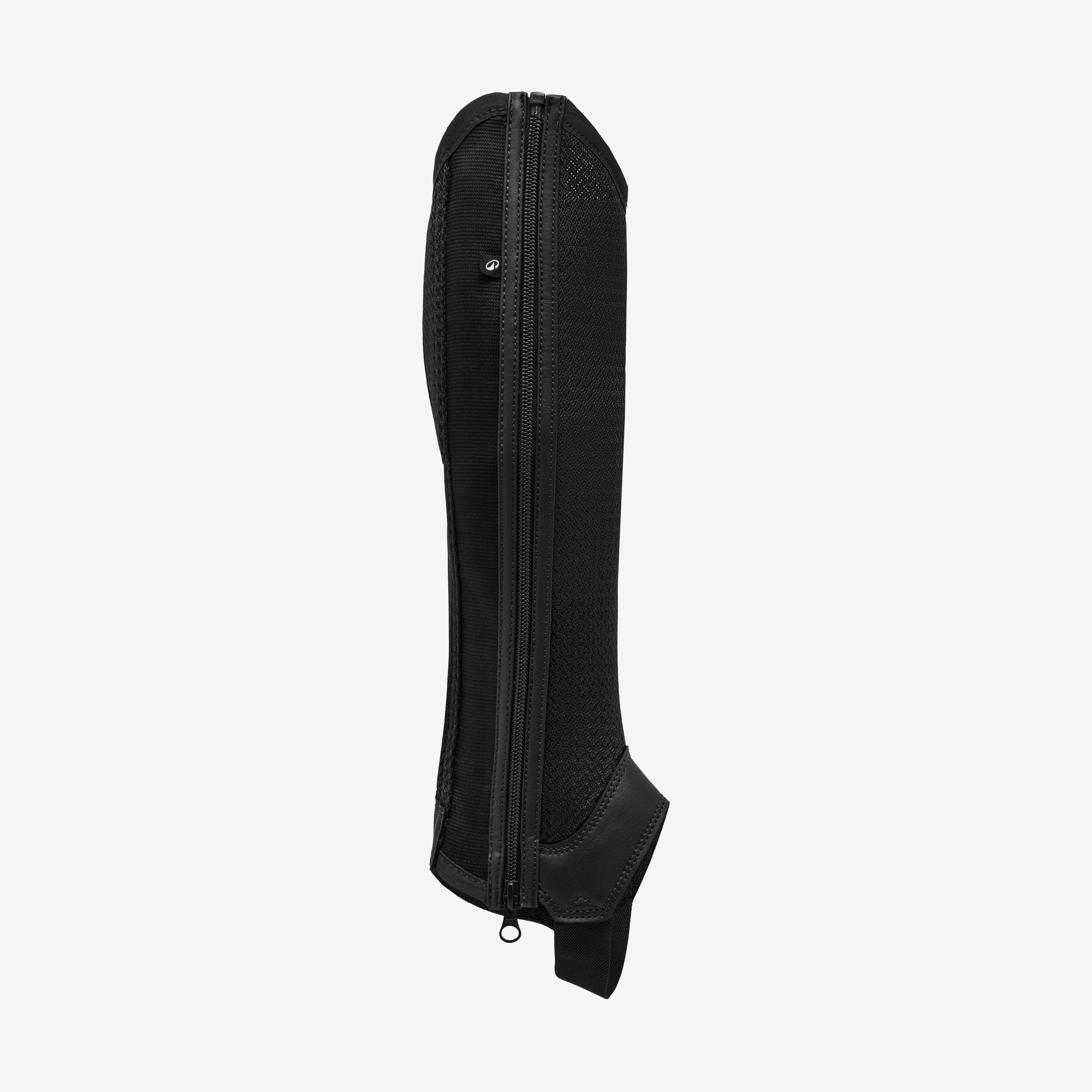
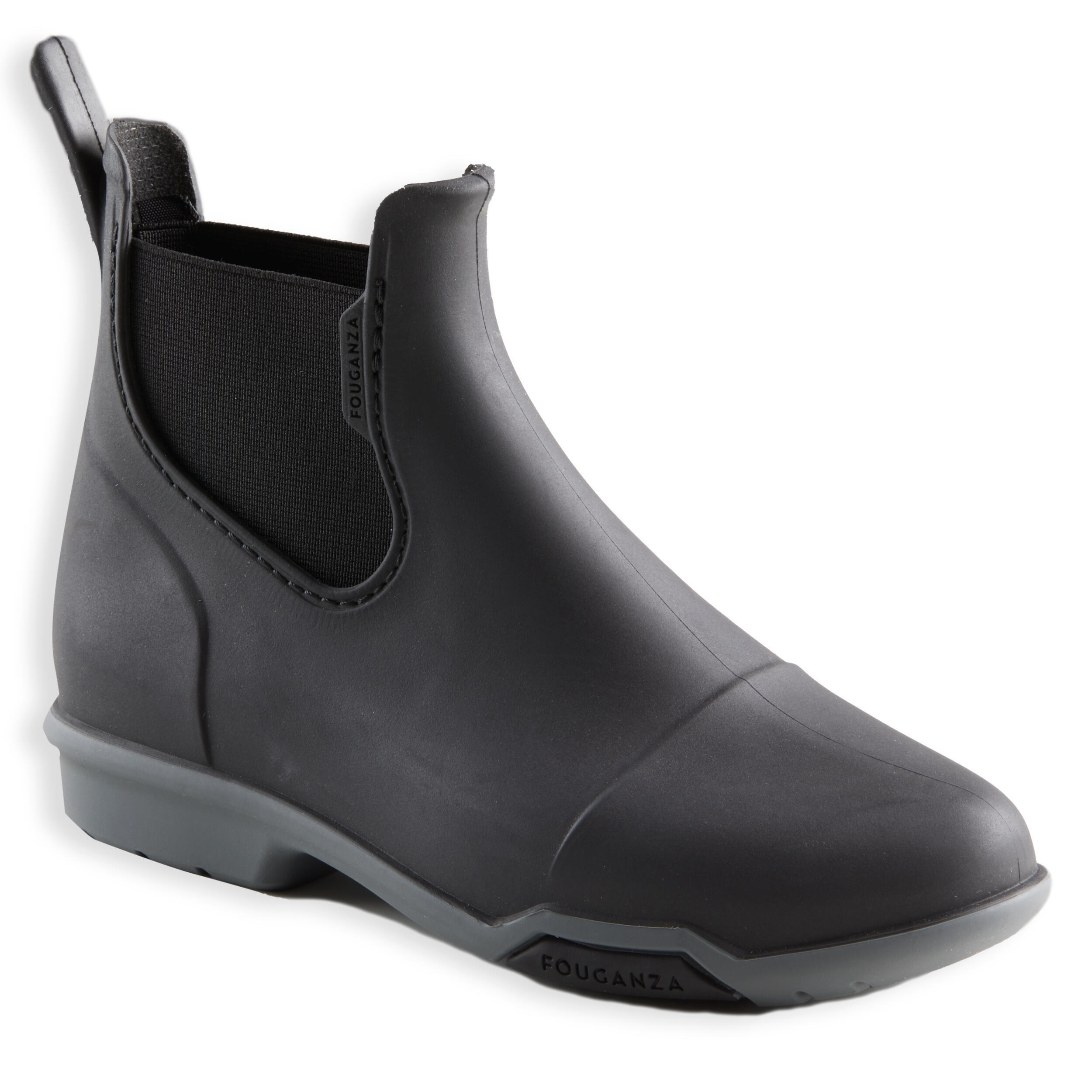
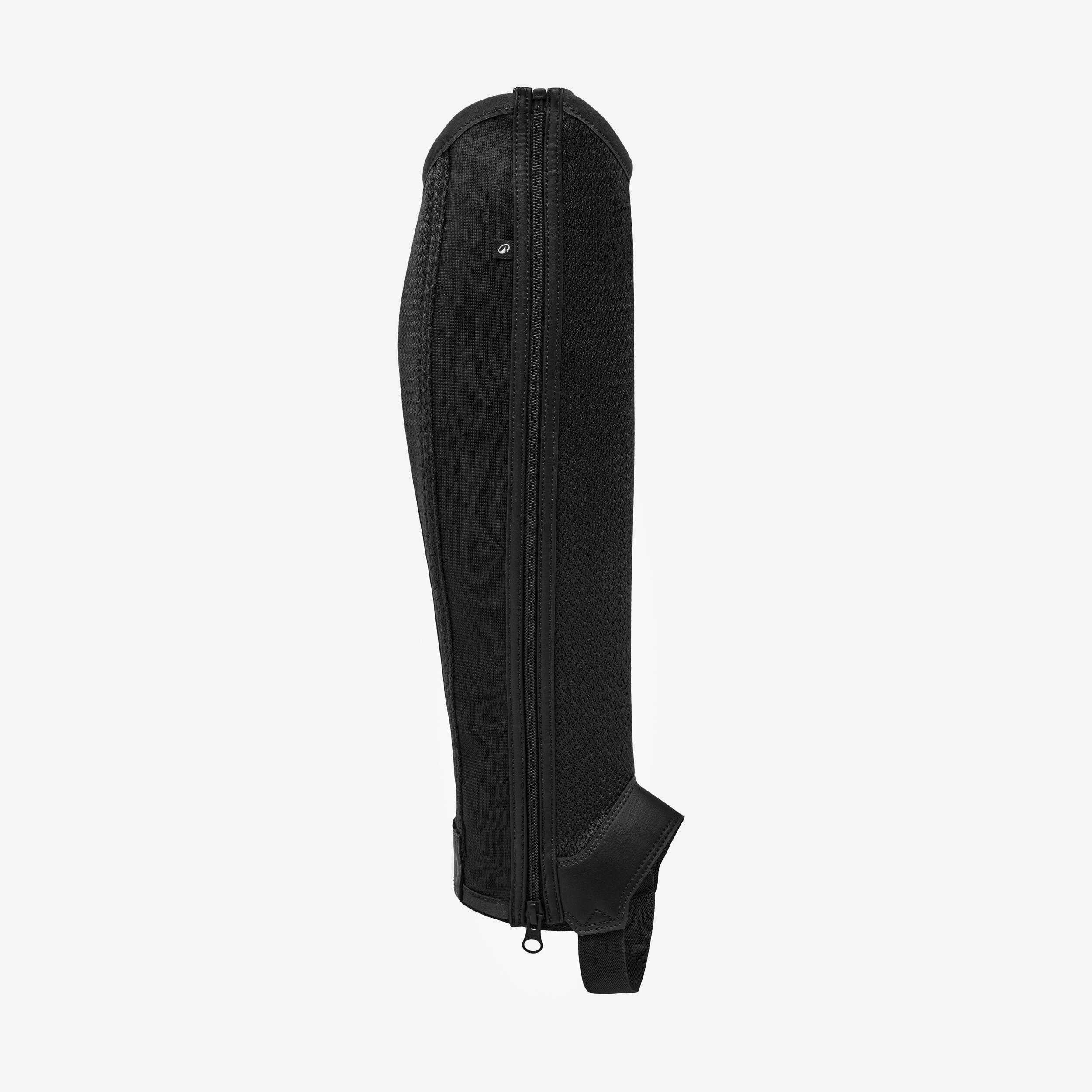
Jodhpur boots provide foot and ankle coverage, while half-chaps extend protection up the lower leg where repeated saddle contact can create friction. Fouganza's 100-series jodhpur boots use a fully injected upper-and-sole construction and a tread designed around contact with stirrup irons. Mesh 100 half-chaps combine breathable fabric with reinforcement on the inner leg, plus an under-boot elastic strap to help keep them positioned. This matching approach shows how horse equipment and rider kit need to work together as a system. After muddy sessions, brush or wipe synthetic boots and half-chaps clean, remove insoles where possible to help drying and keep them away from radiators, fires or other strong heat sources.

What makes horse riding apparel suitable for regular riding?

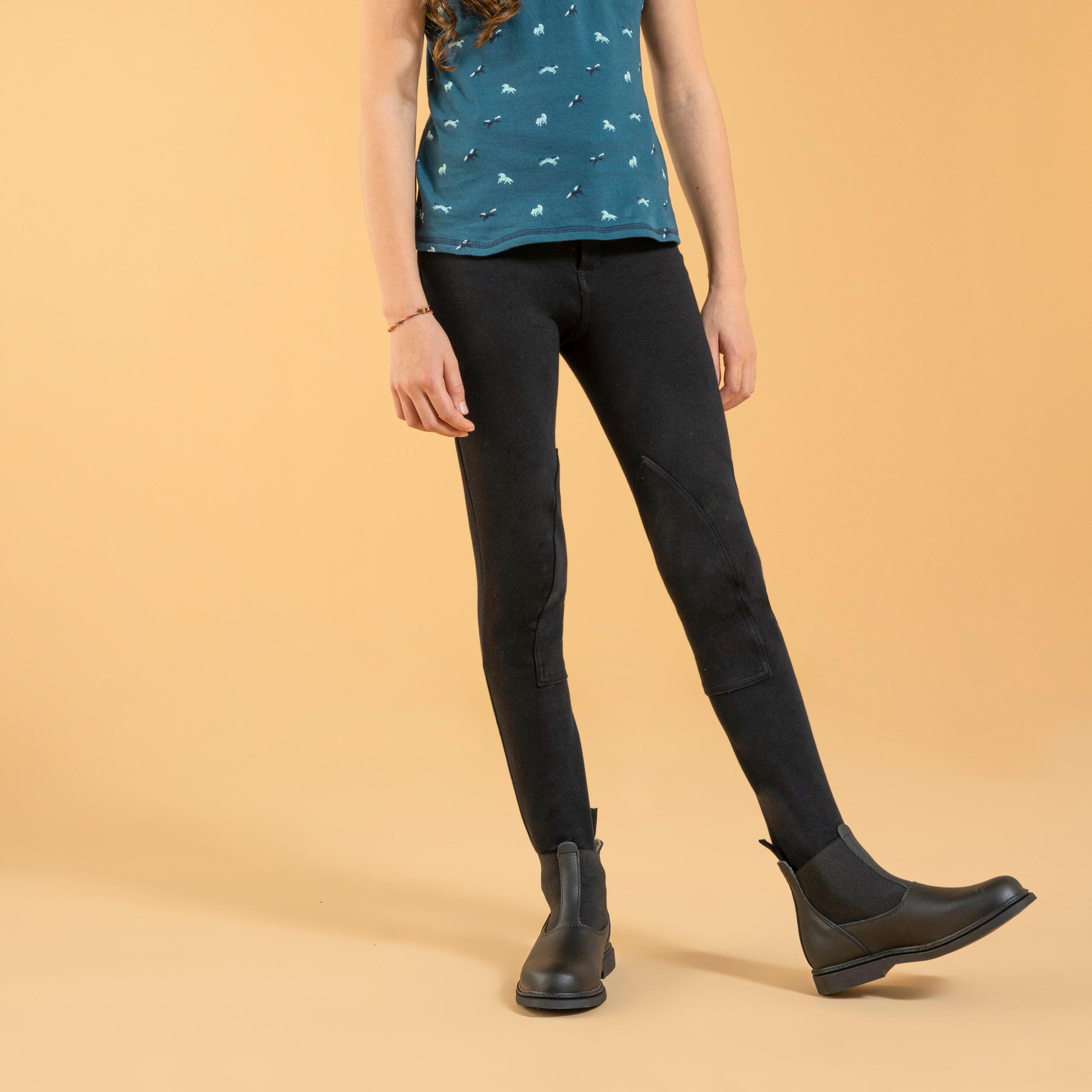
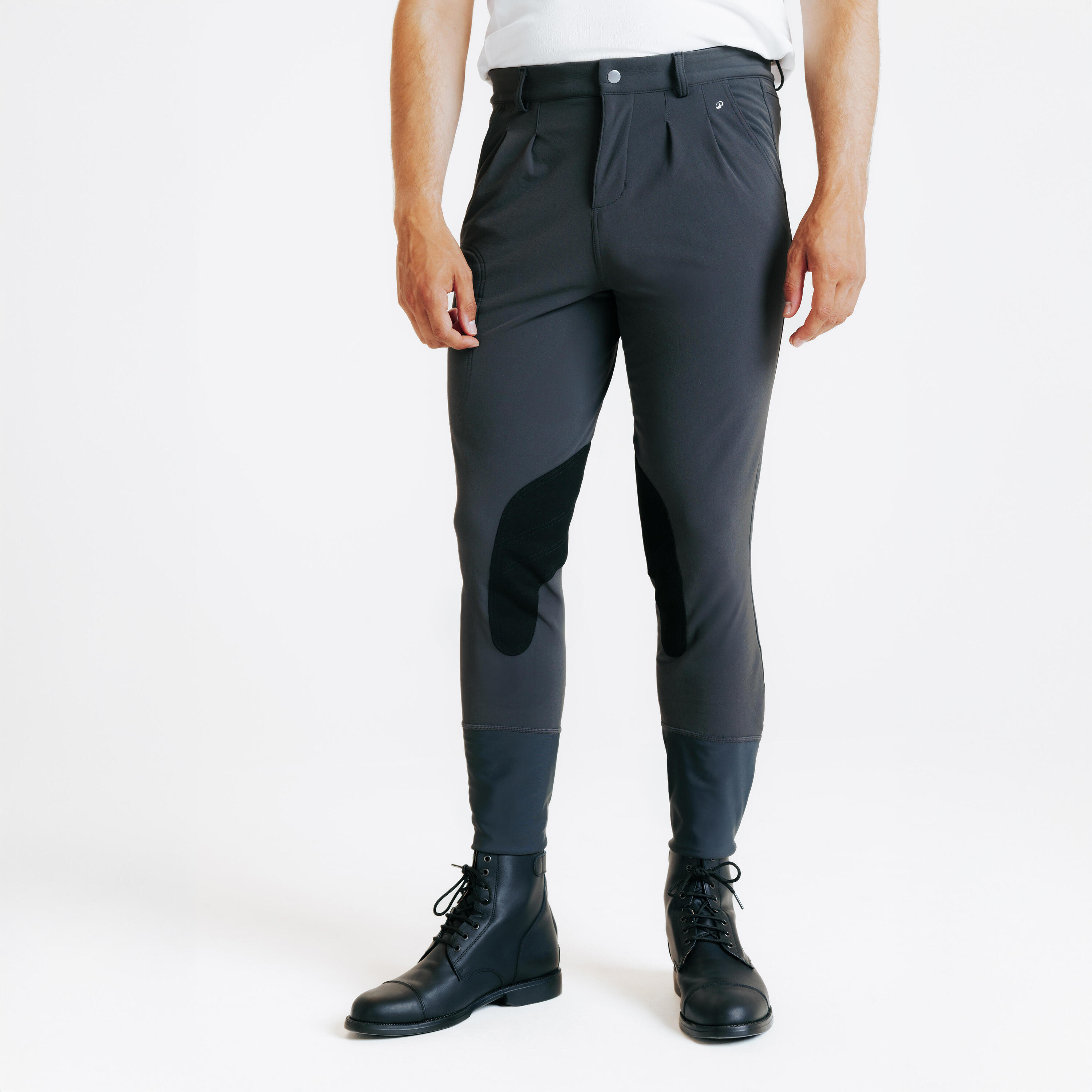
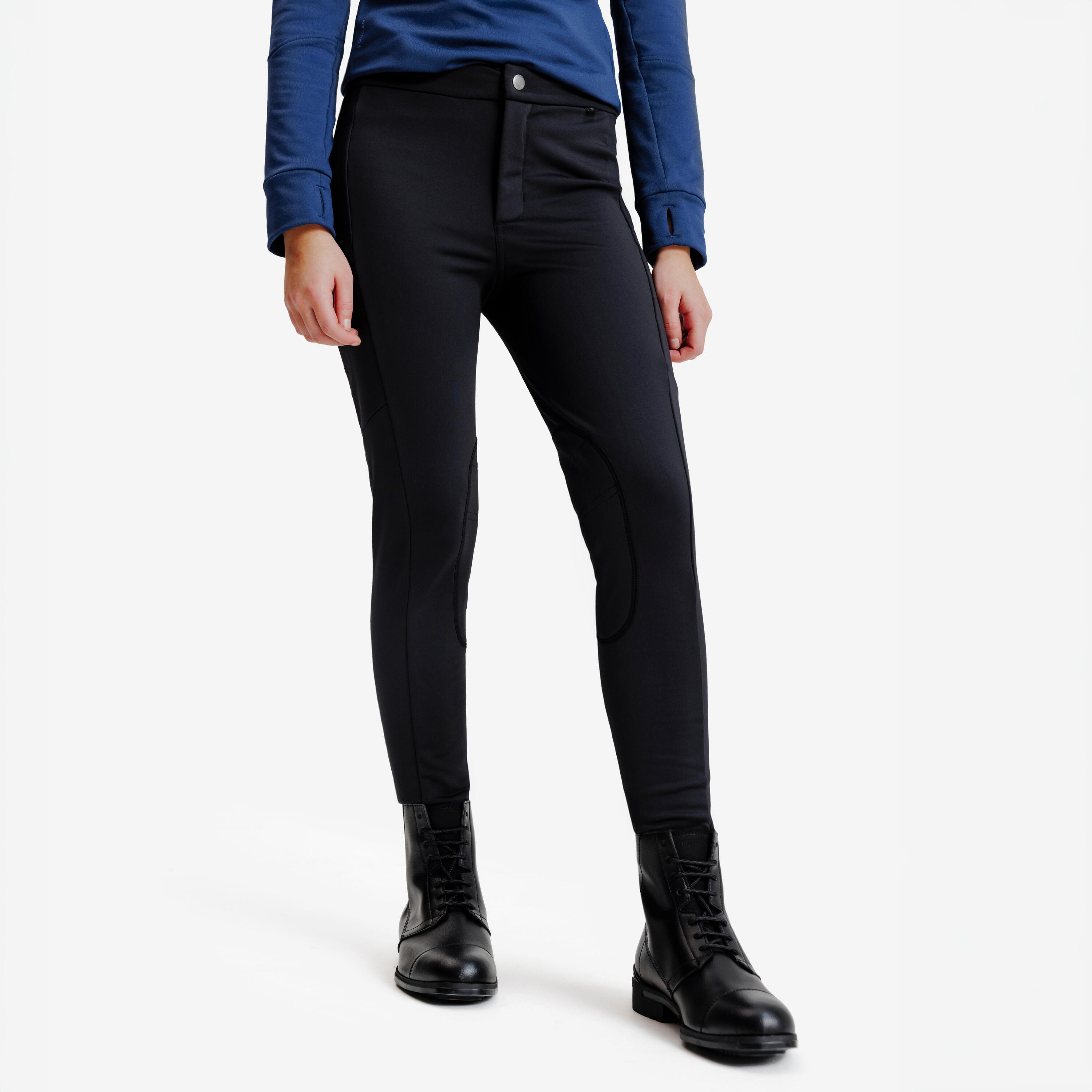
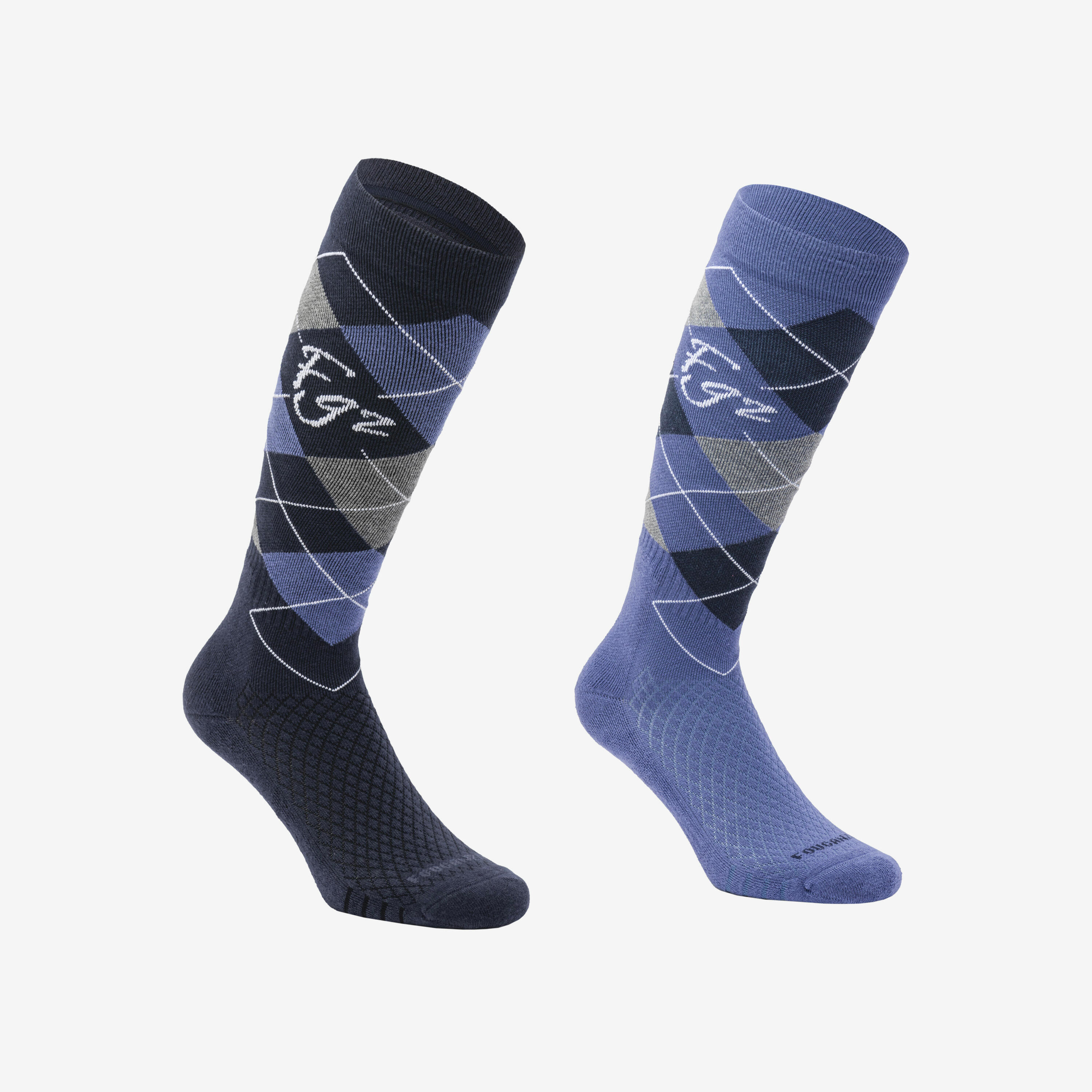
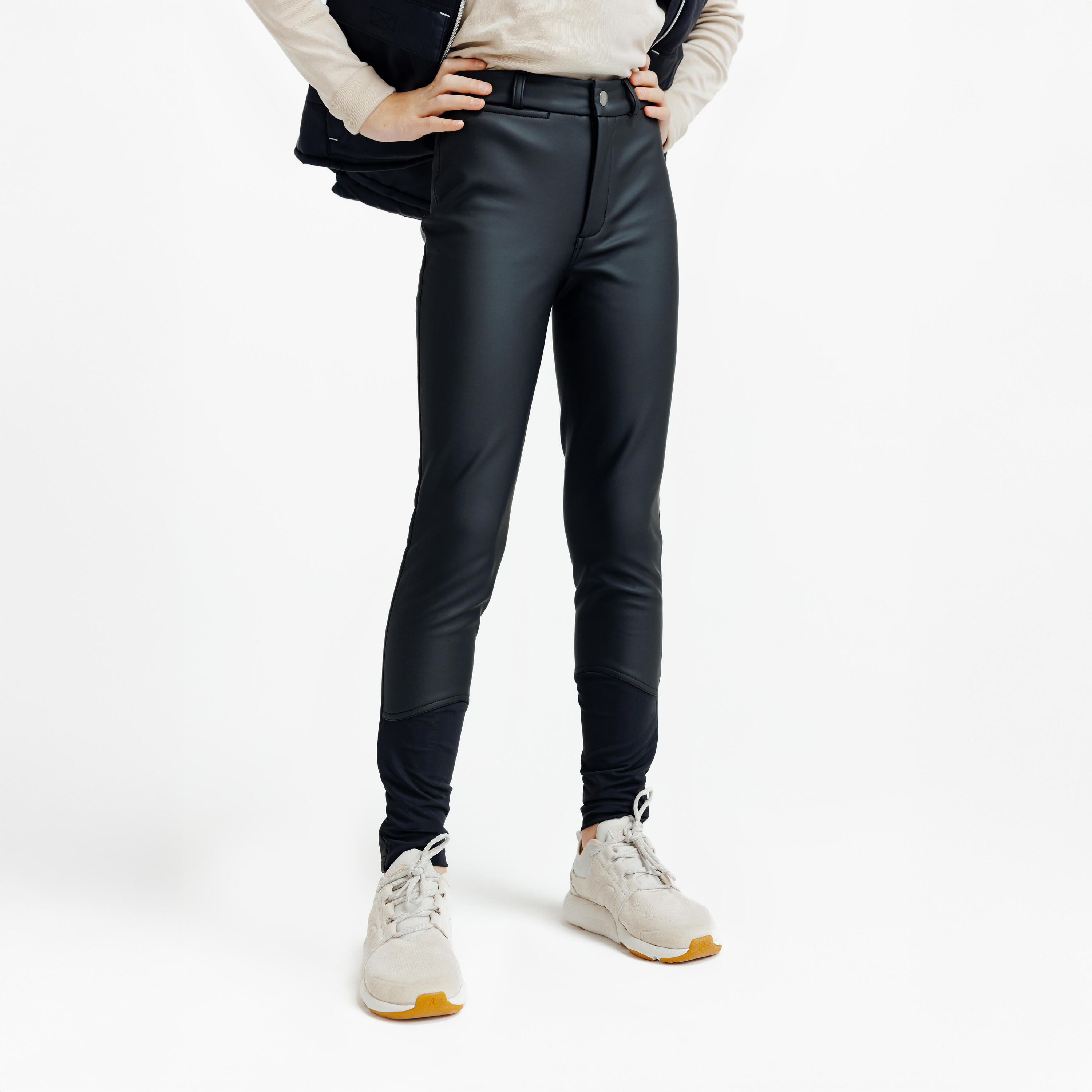
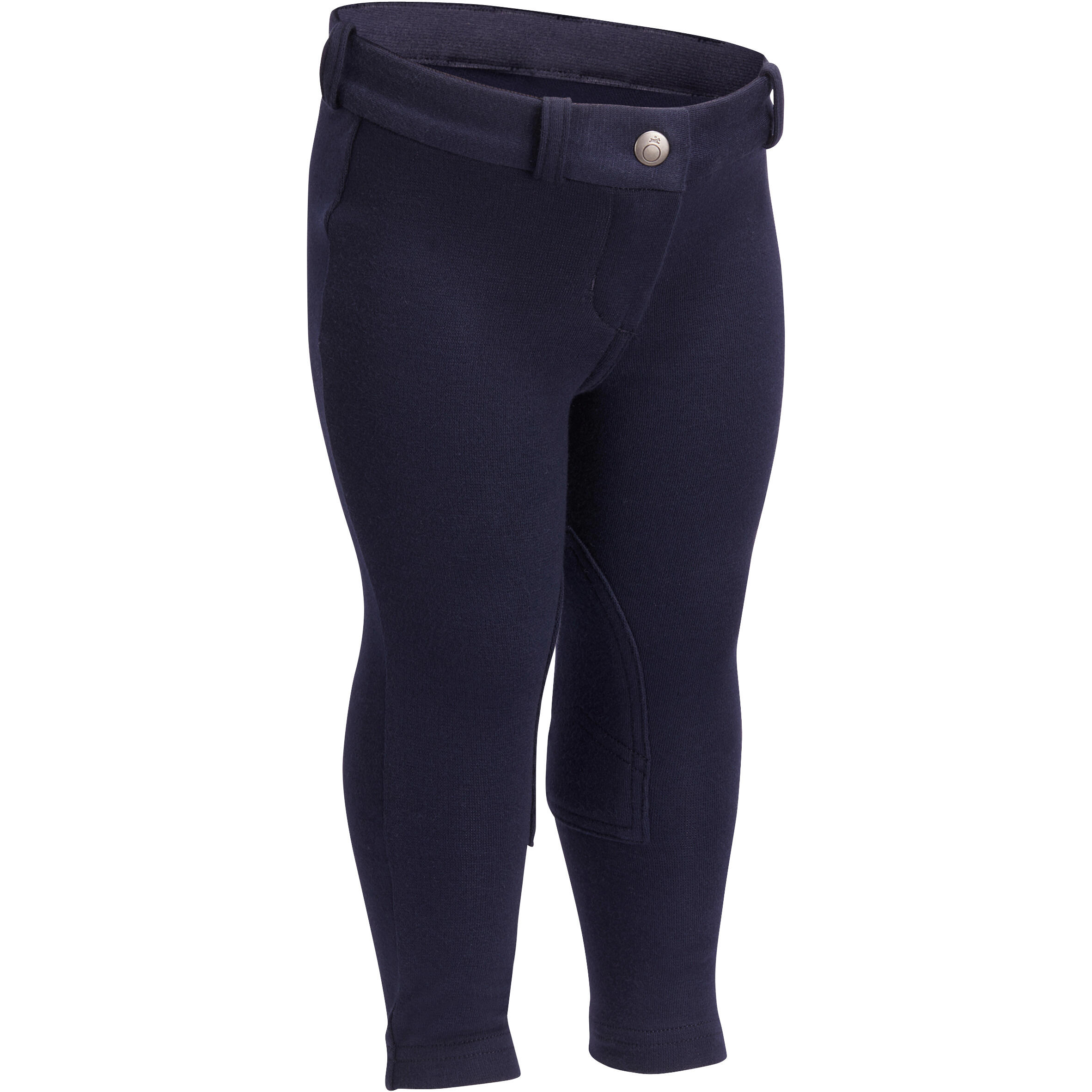
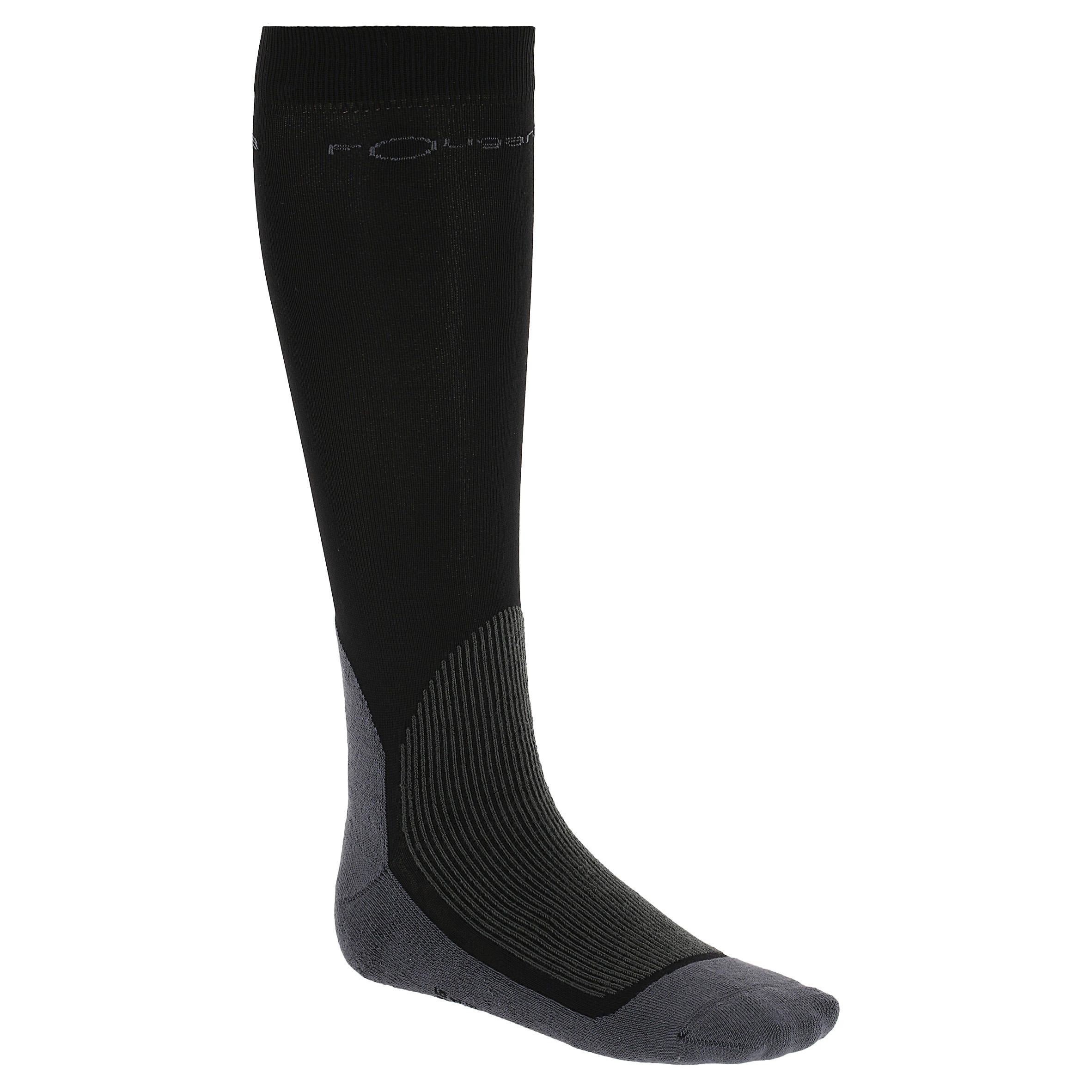
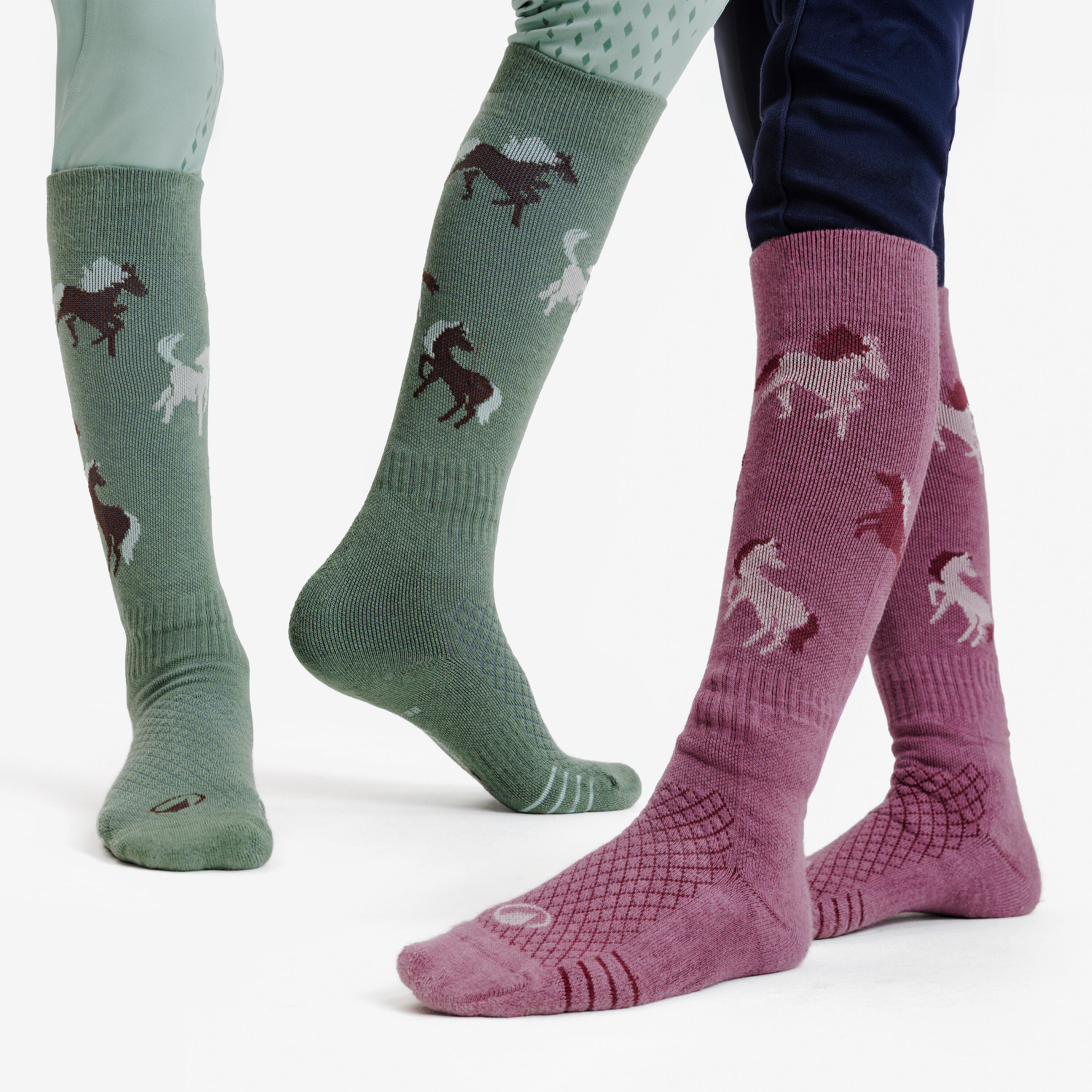
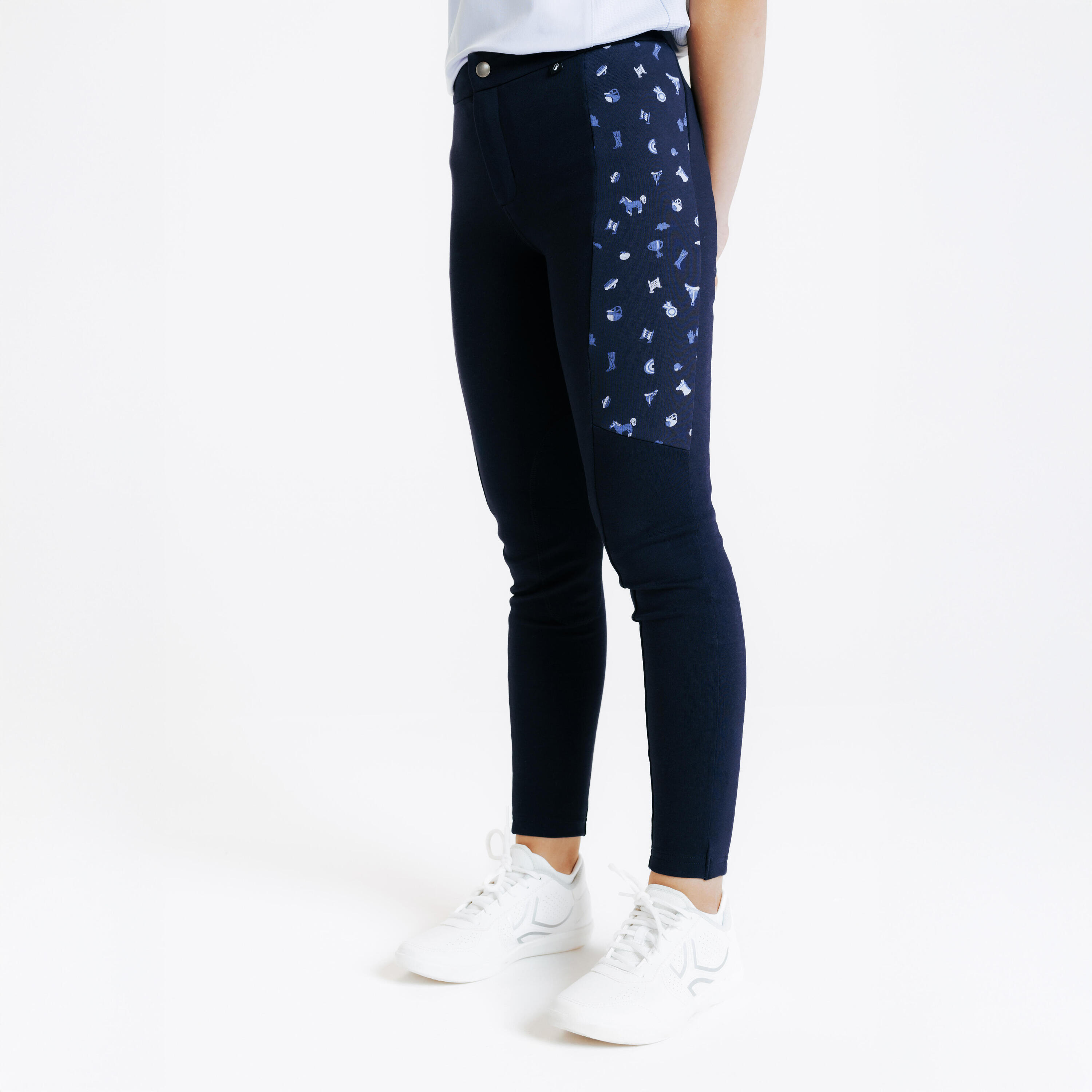
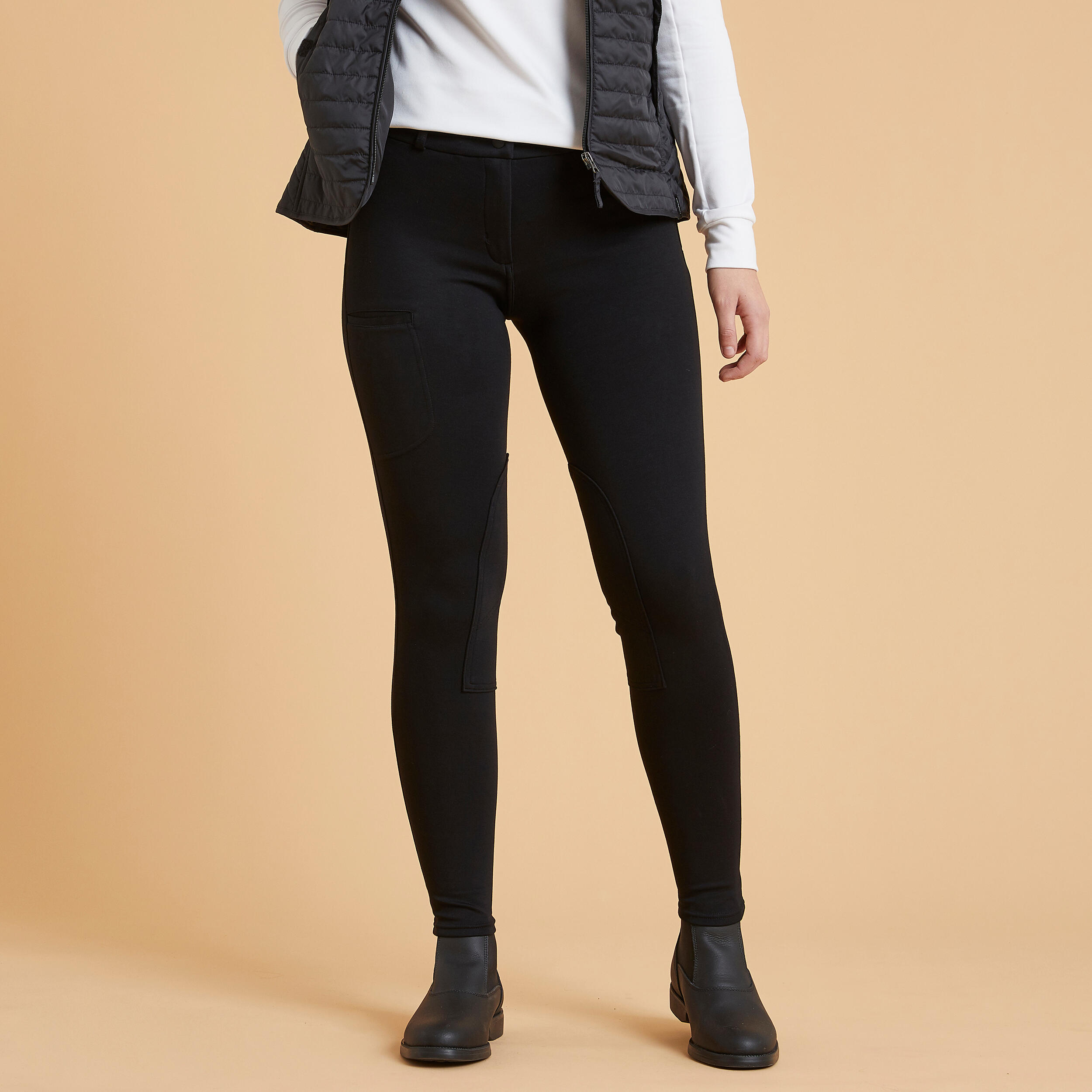
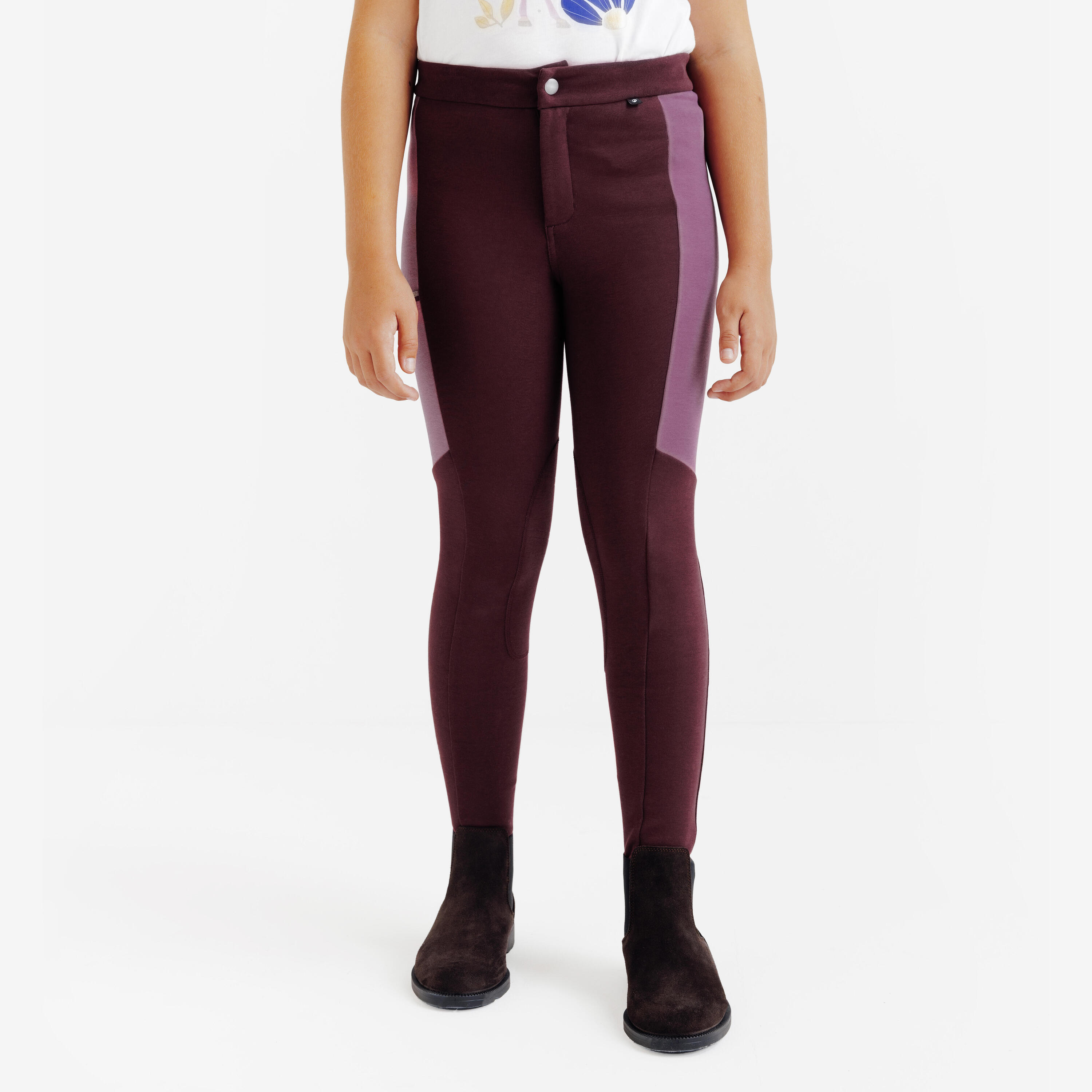
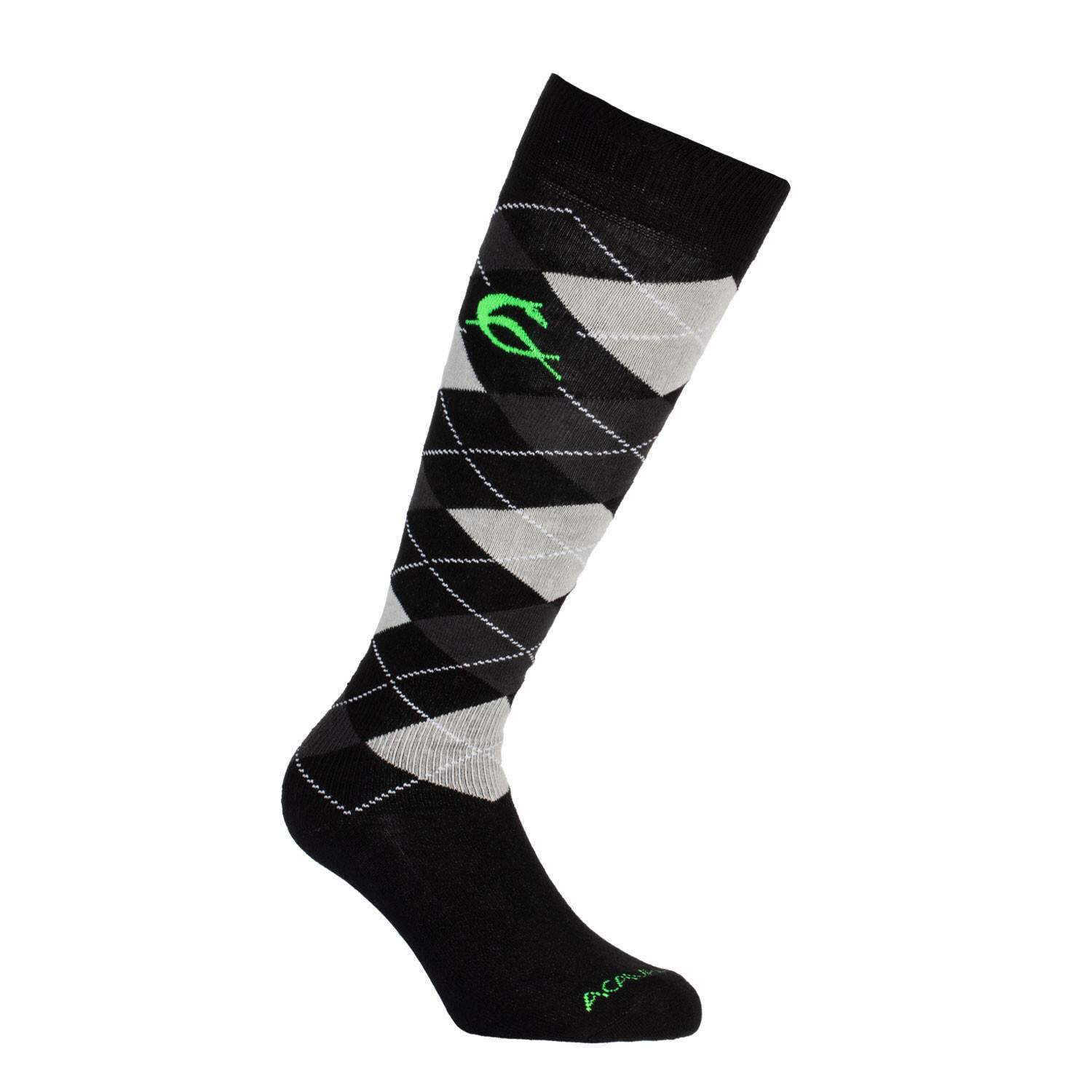
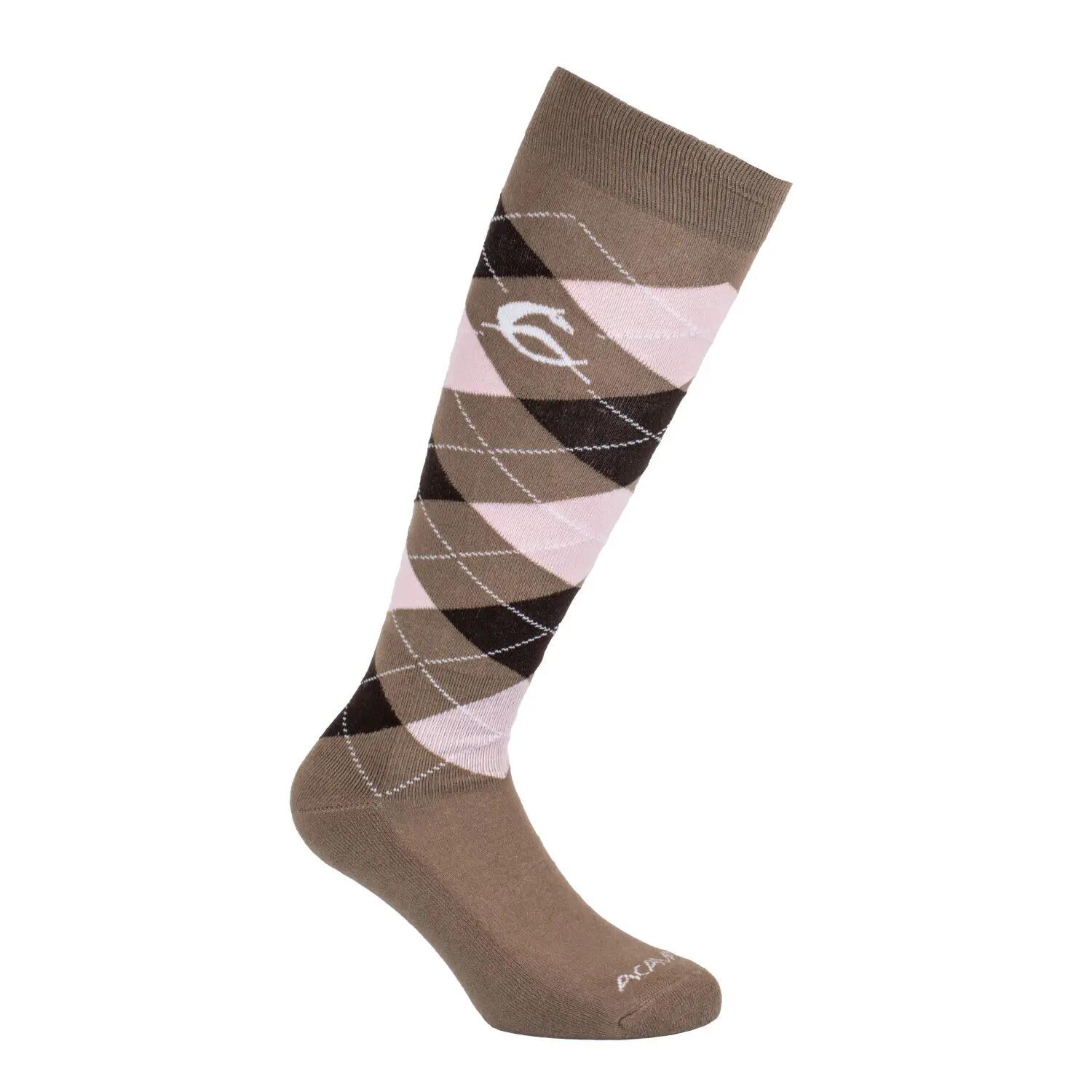
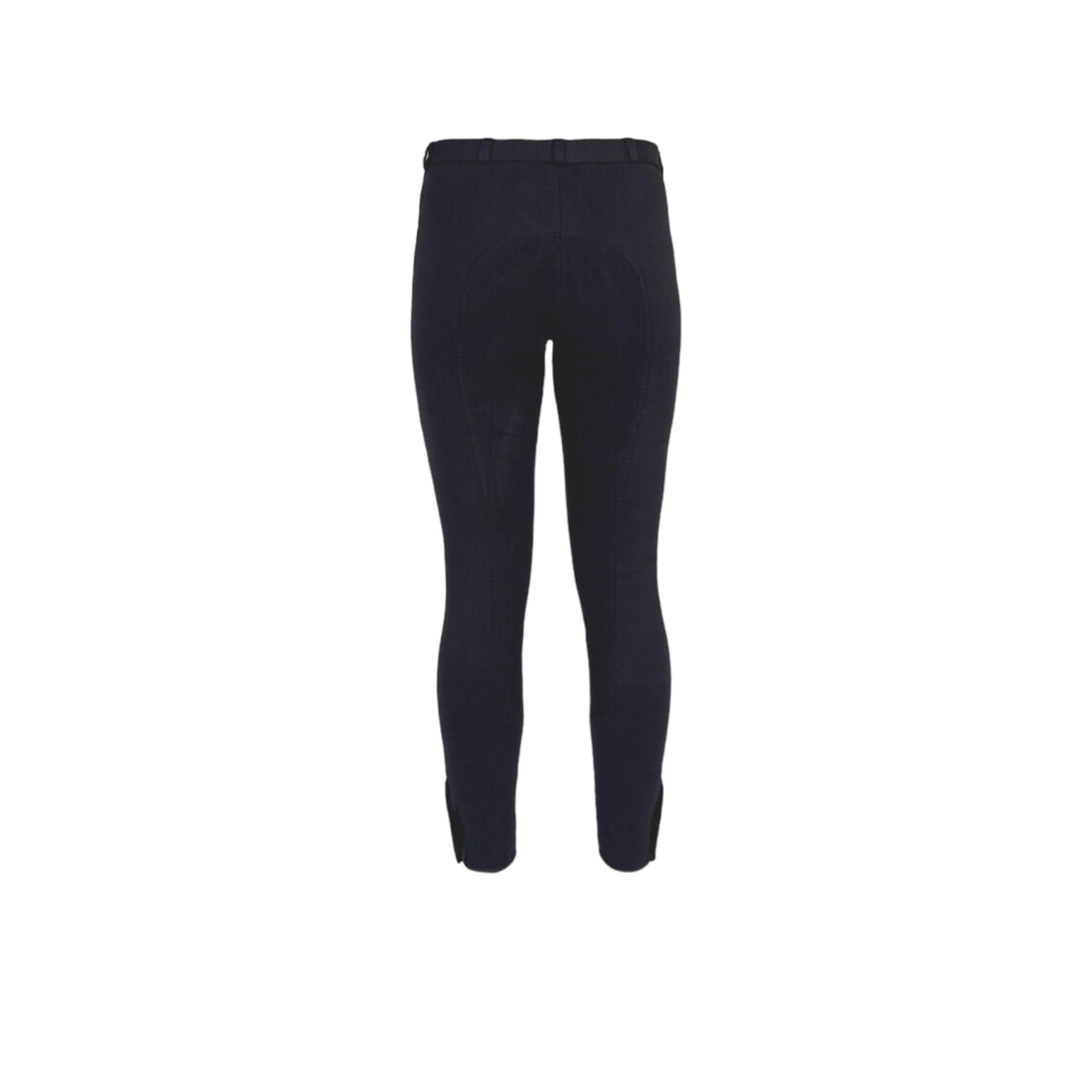
Riding apparel should allow you to move freely while avoiding unnecessary bulk or pressure where clothing sits inside boots or contacts the saddle. Fouganza jodhpurs use two-way stretch around the hips and legs, while carefully positioned seams help reduce repeated chafing. Straight lower-leg shapes also limit extra fabric inside boots and half-chaps. Riding socks follow the same principle: they are relatively thin and high, with reinforcement concentrated at the heel and toe and ventilation positioned over the foot where fitted footwear can trap heat. For formal events, horse riding competition clothing adds discipline-specific presentation requirements to these practical fit considerations. Try garments in a seated riding position where possible, as a comfortable standing fit does not always behave the same way in the saddle.

How does a typical riding gear be cared for after stable and yard use?

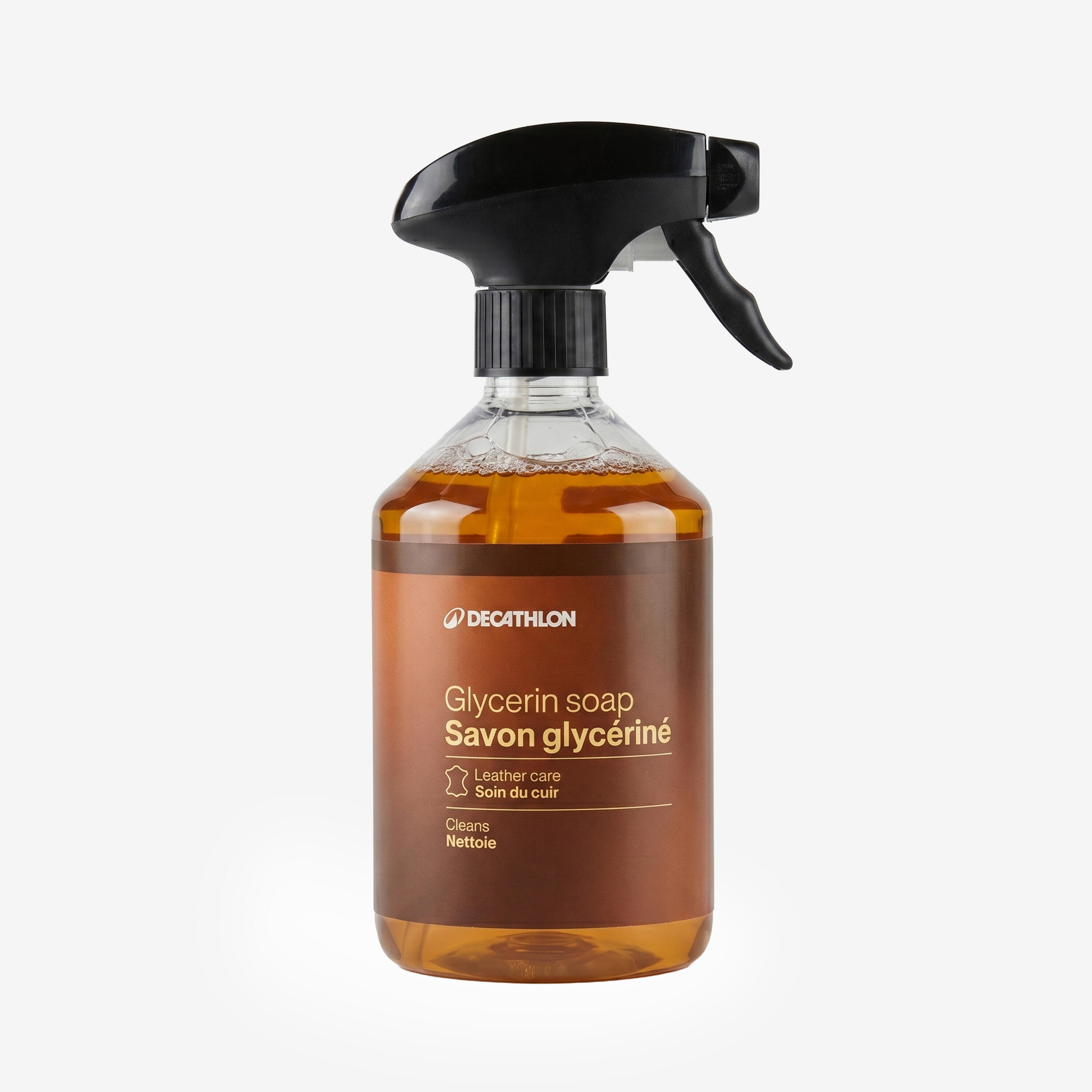
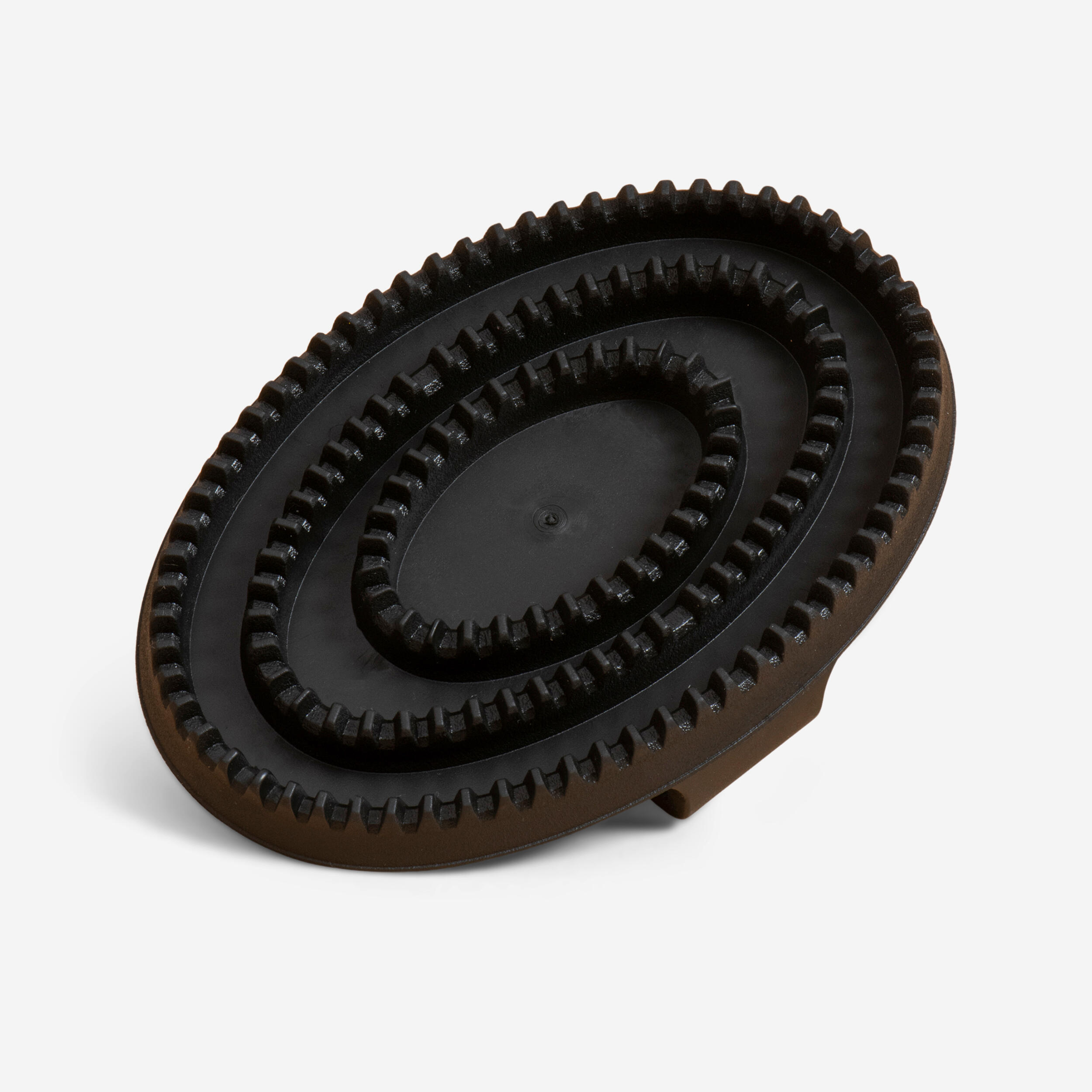
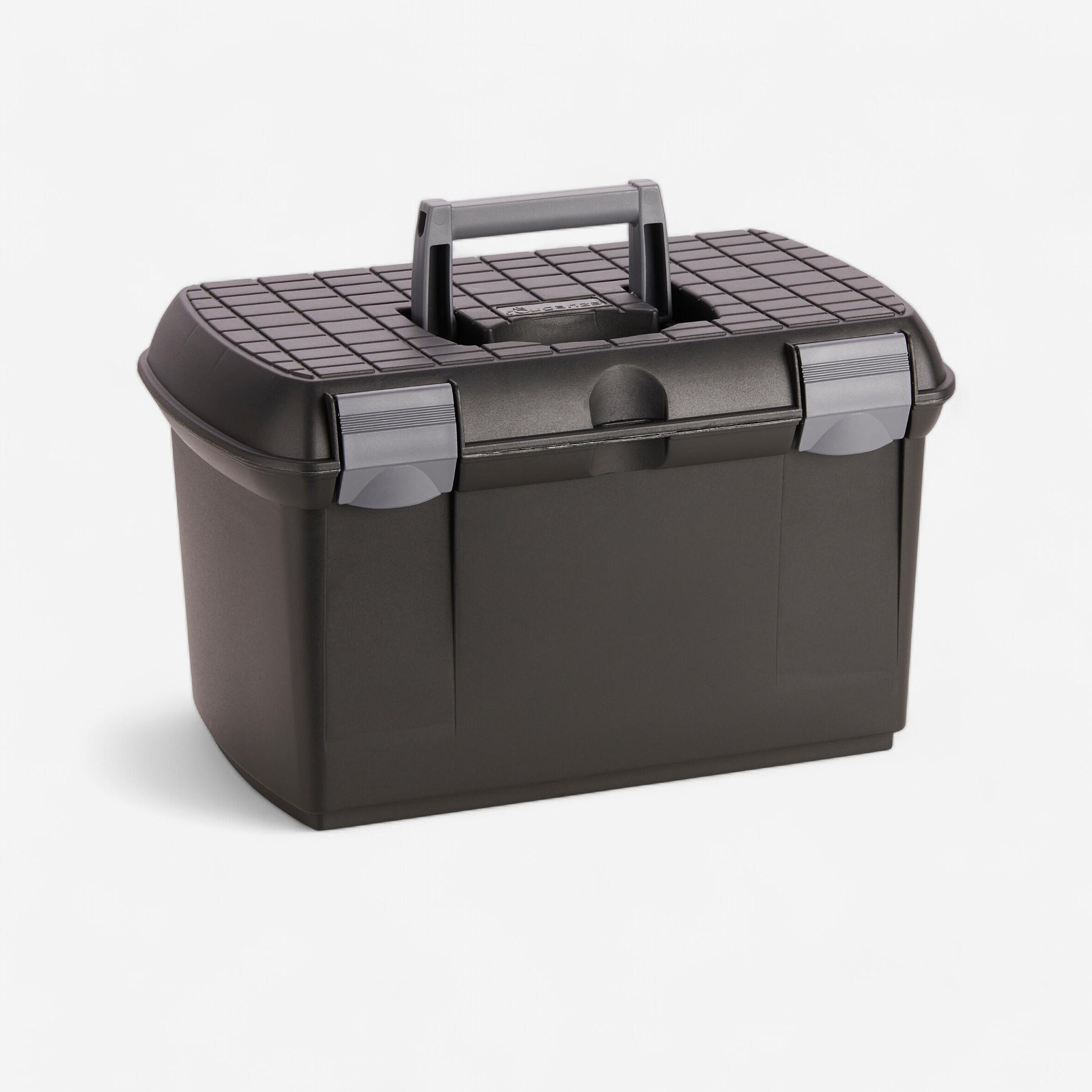
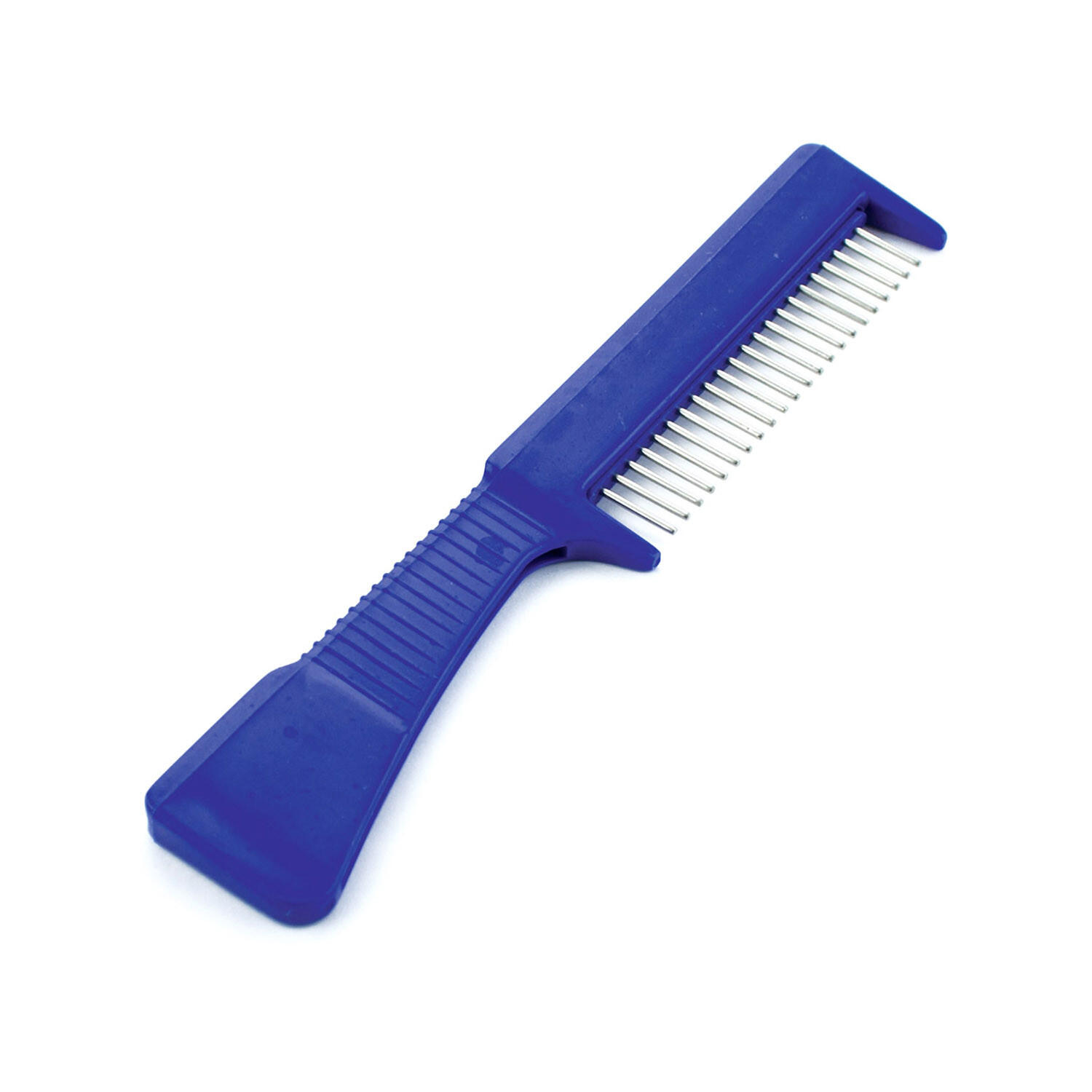
Drying and cleaning methods depend on the material, so avoid using the same routine for every item. Fouganza advises letting wet gloves dry flat at room temperature rather than placing them in direct sunlight or beside a heater. You can brush and wipe synthetic half-chaps with a damp cloth, while you can rinse waterproof jodhpur boots or clean them with water and a soft brush. Removing a boot insole can also help trapped moisture escape. Keep rider clothing separate from muddy grooming and stable items where practical, and use dedicated horse care & stable equipment for routine yard tasks. Before storing anything, make sure it is properly dry and check high-wear areas such as boot soles, half-chap straps, glove palms and reinforced clothing zones.