1,581 items
4.5/5 based on 319817 reviews collected online and in stores

Running Accessories FAQs

Which running accessories are useful for everyday training?

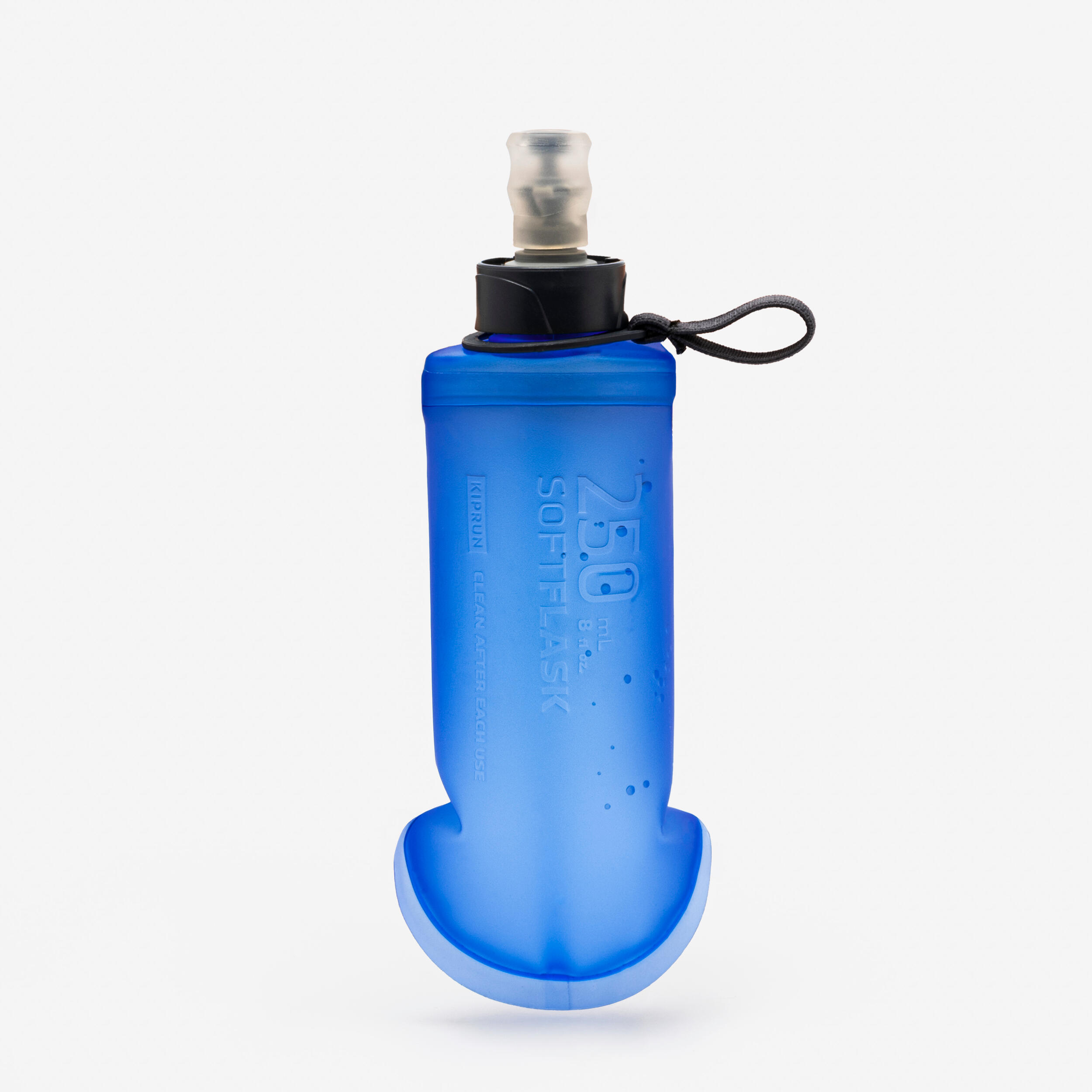
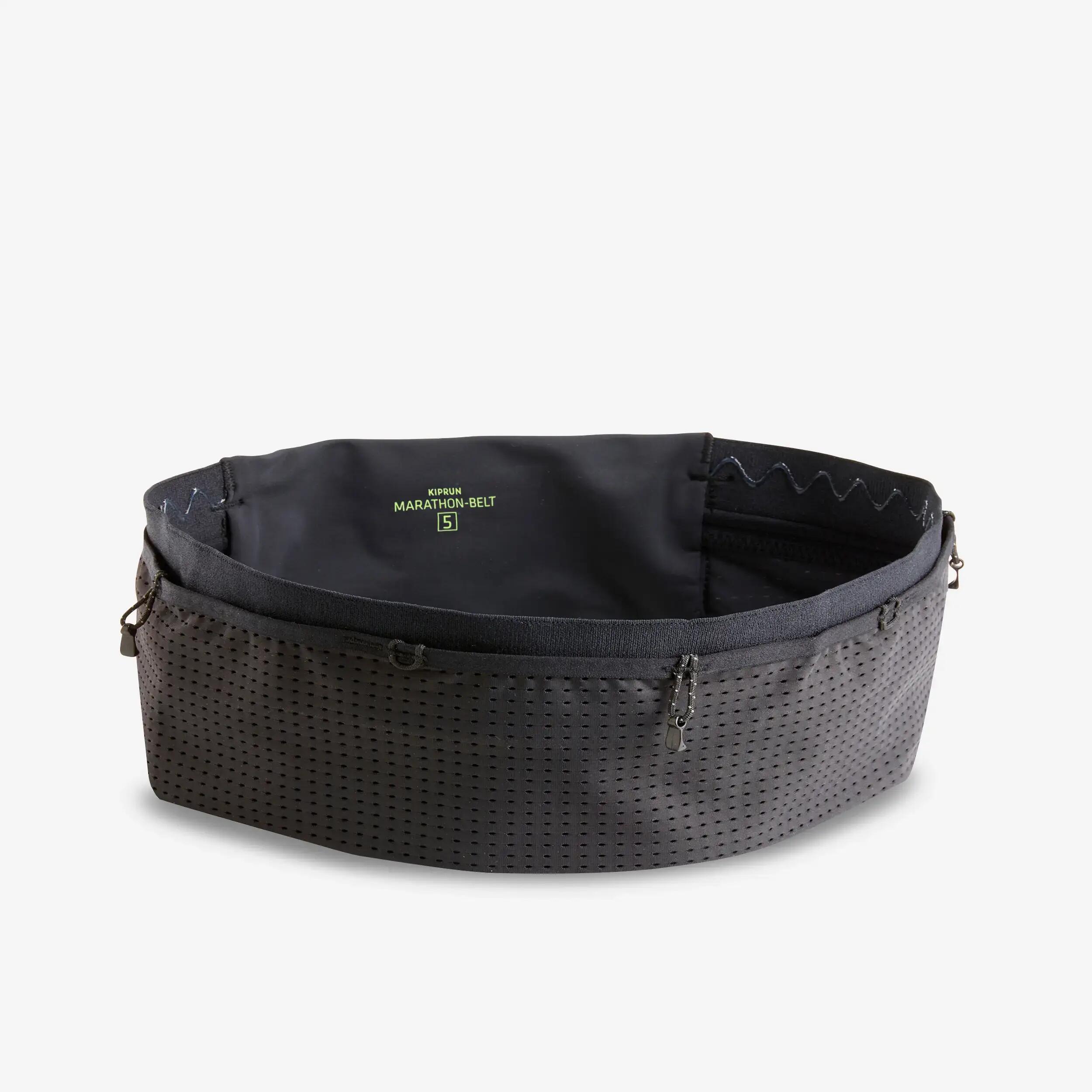
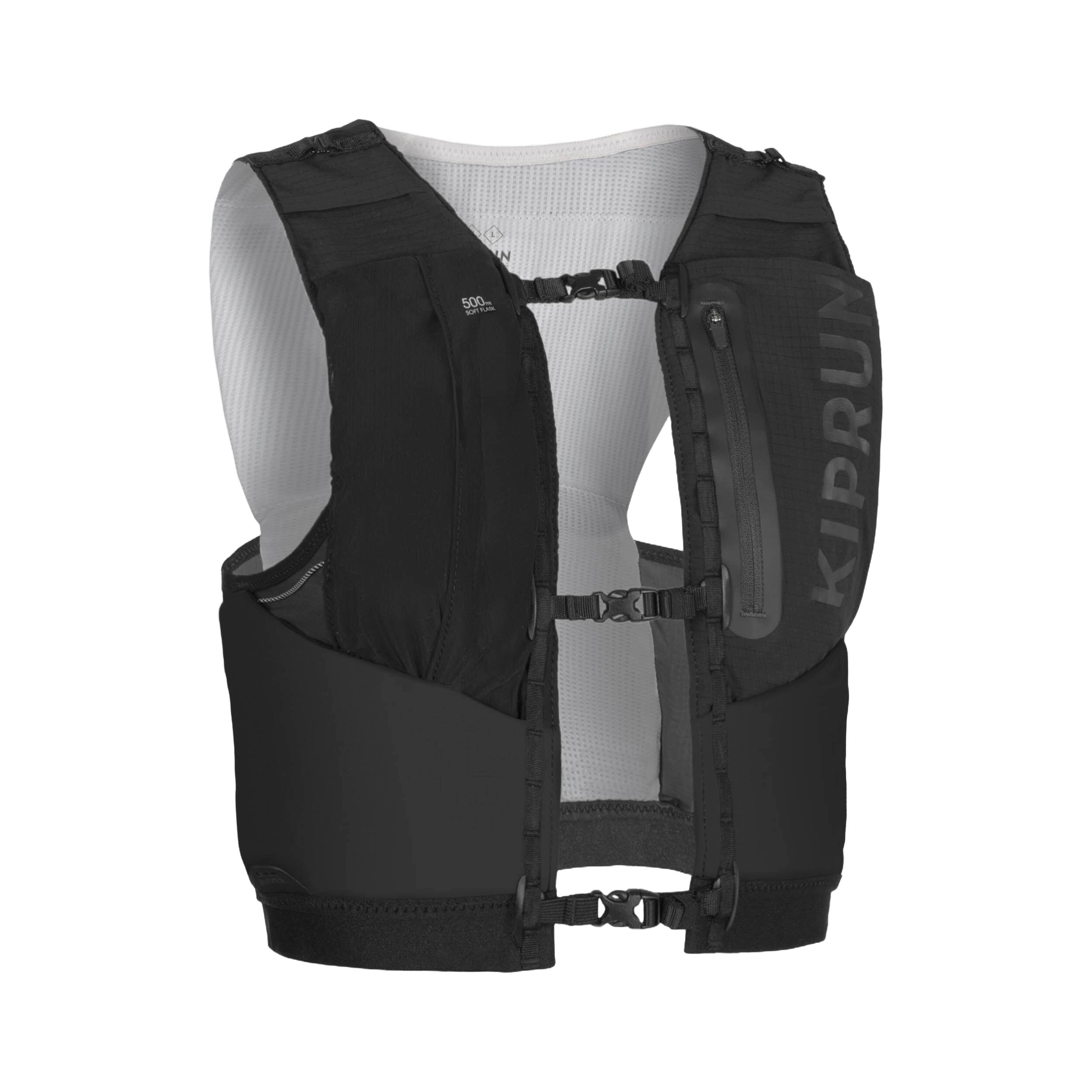
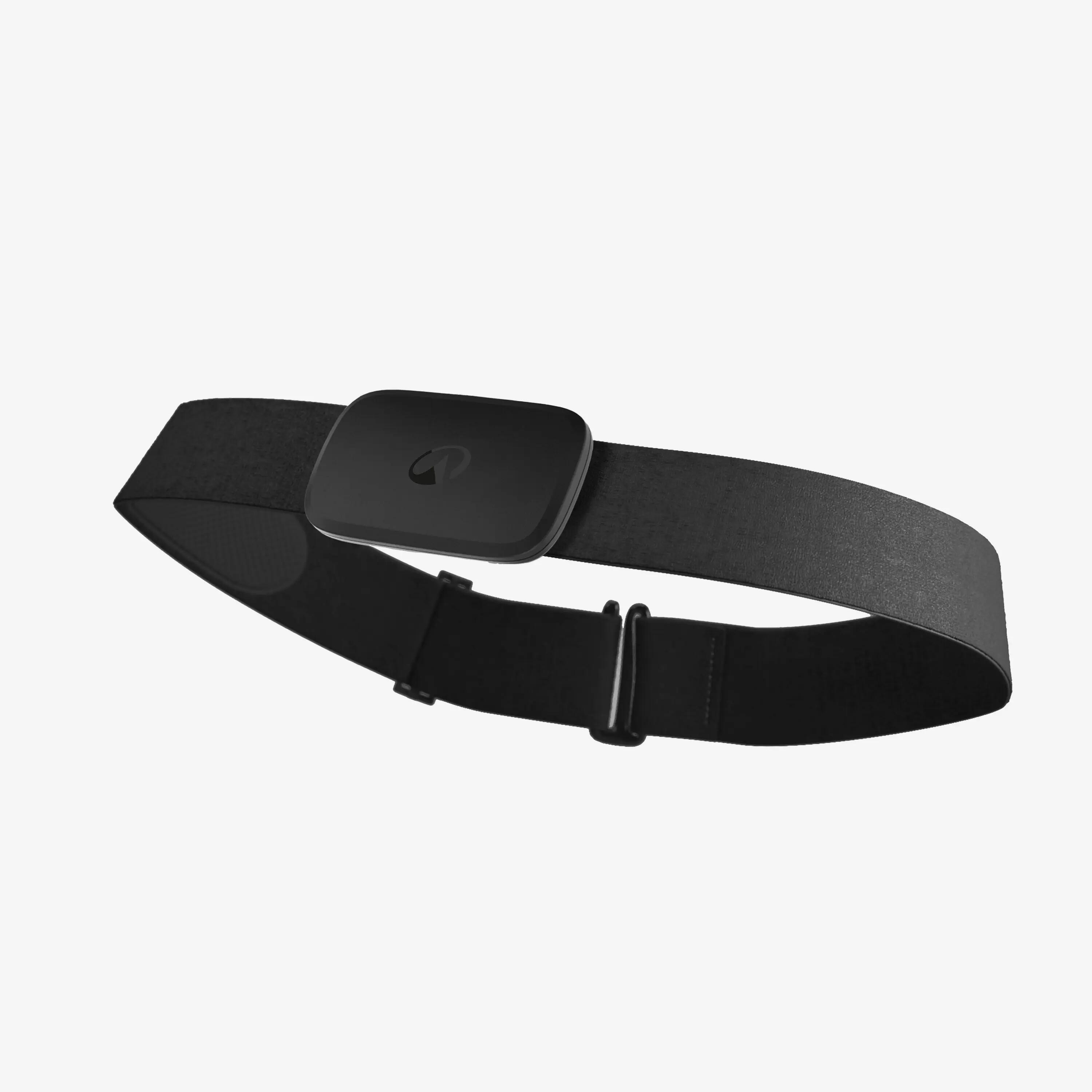
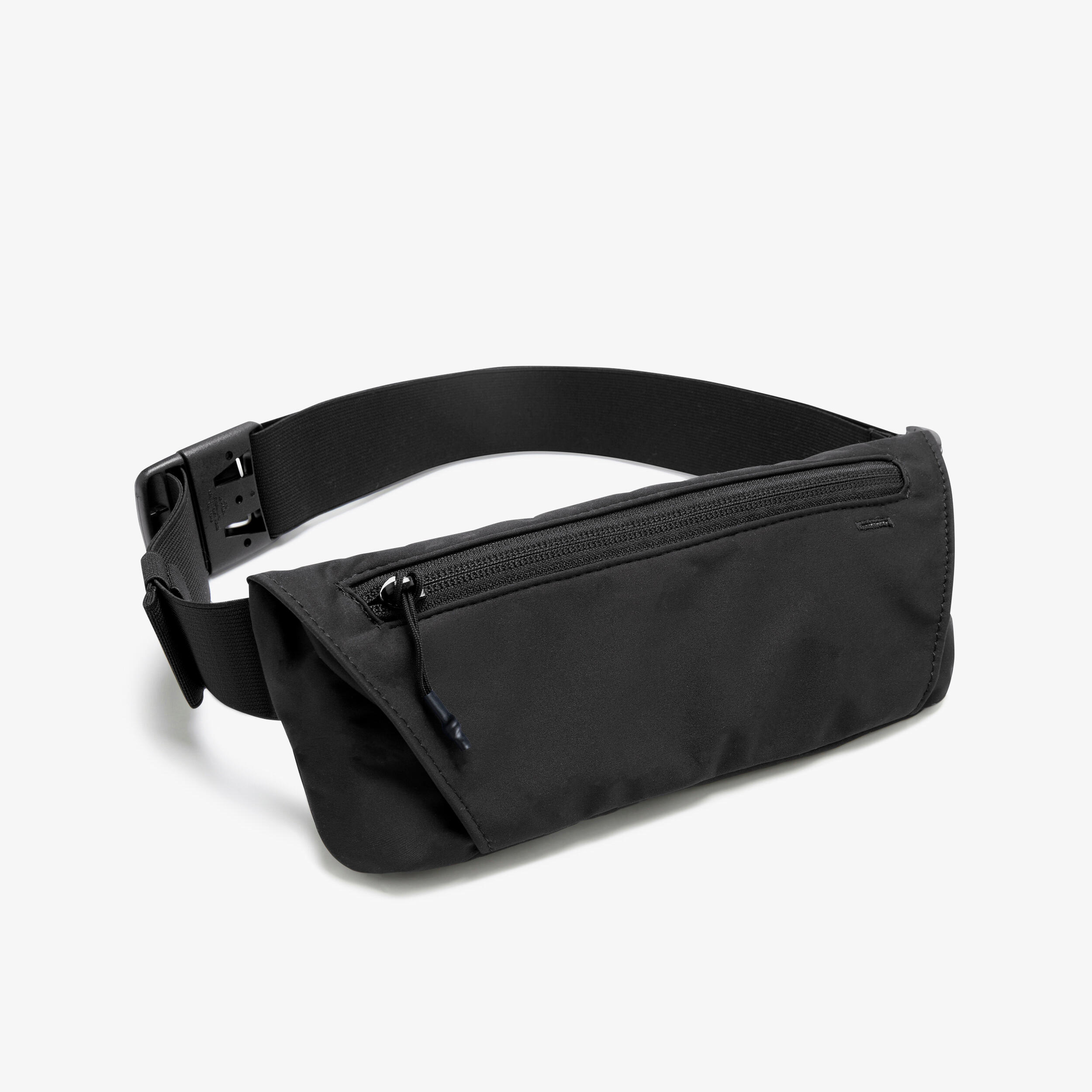
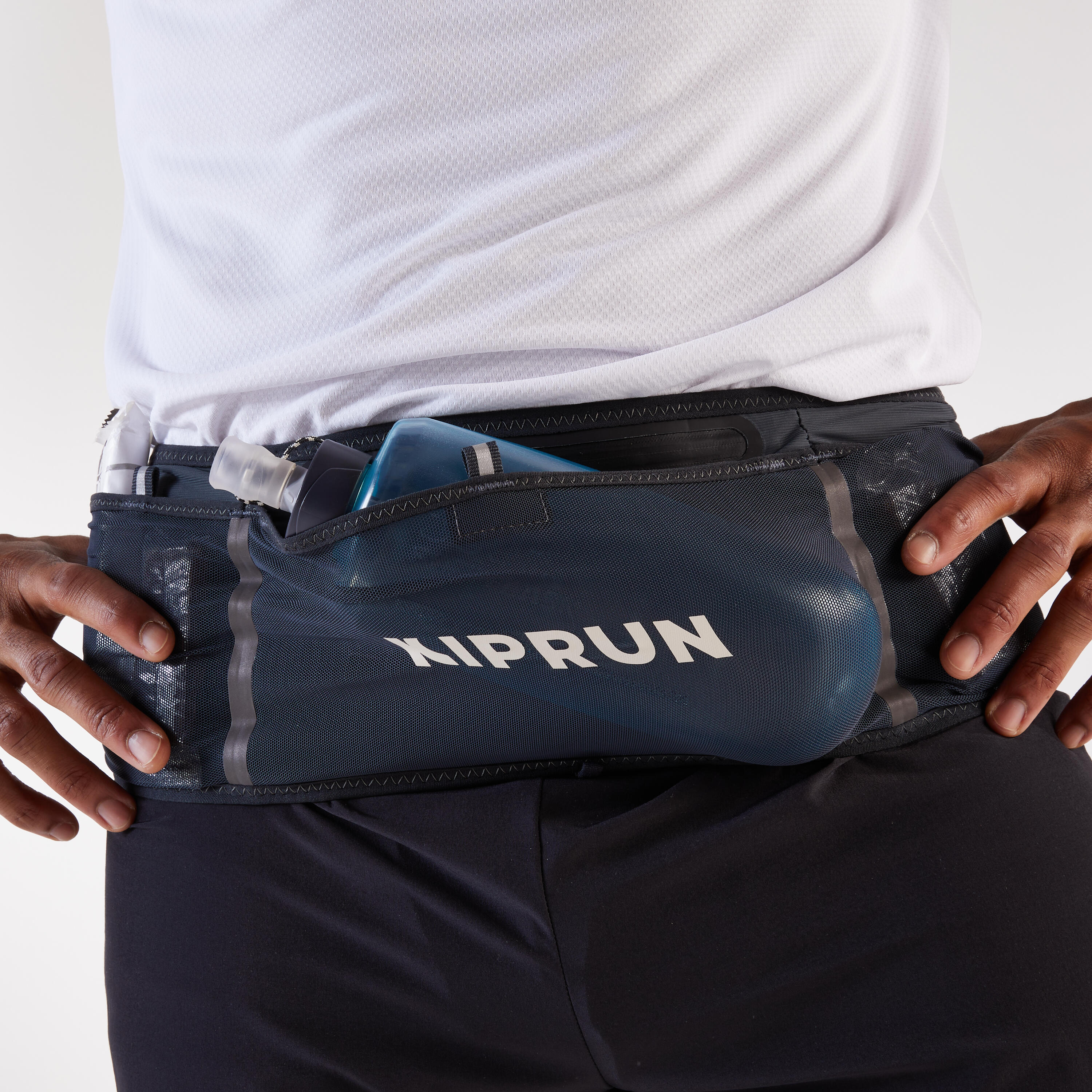
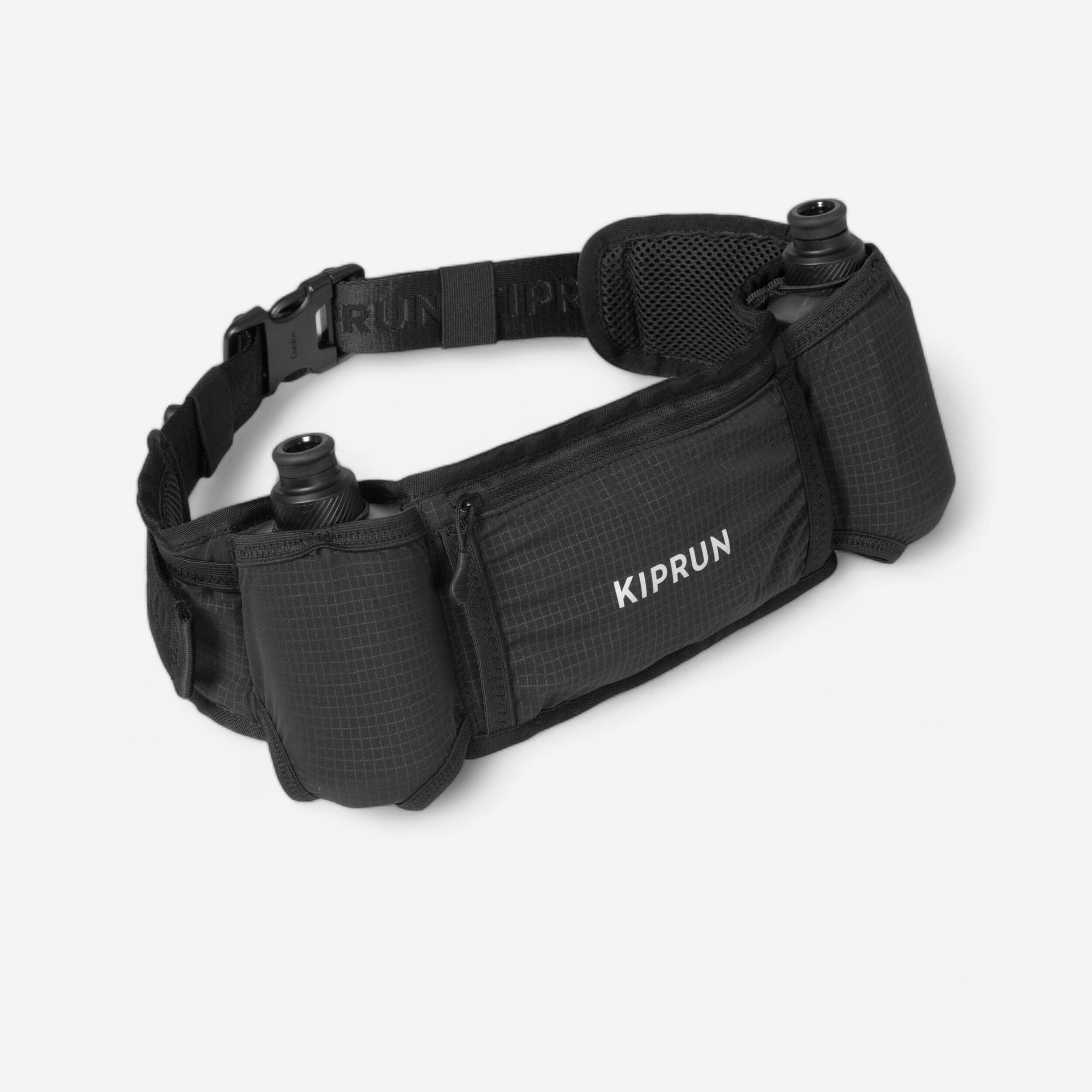
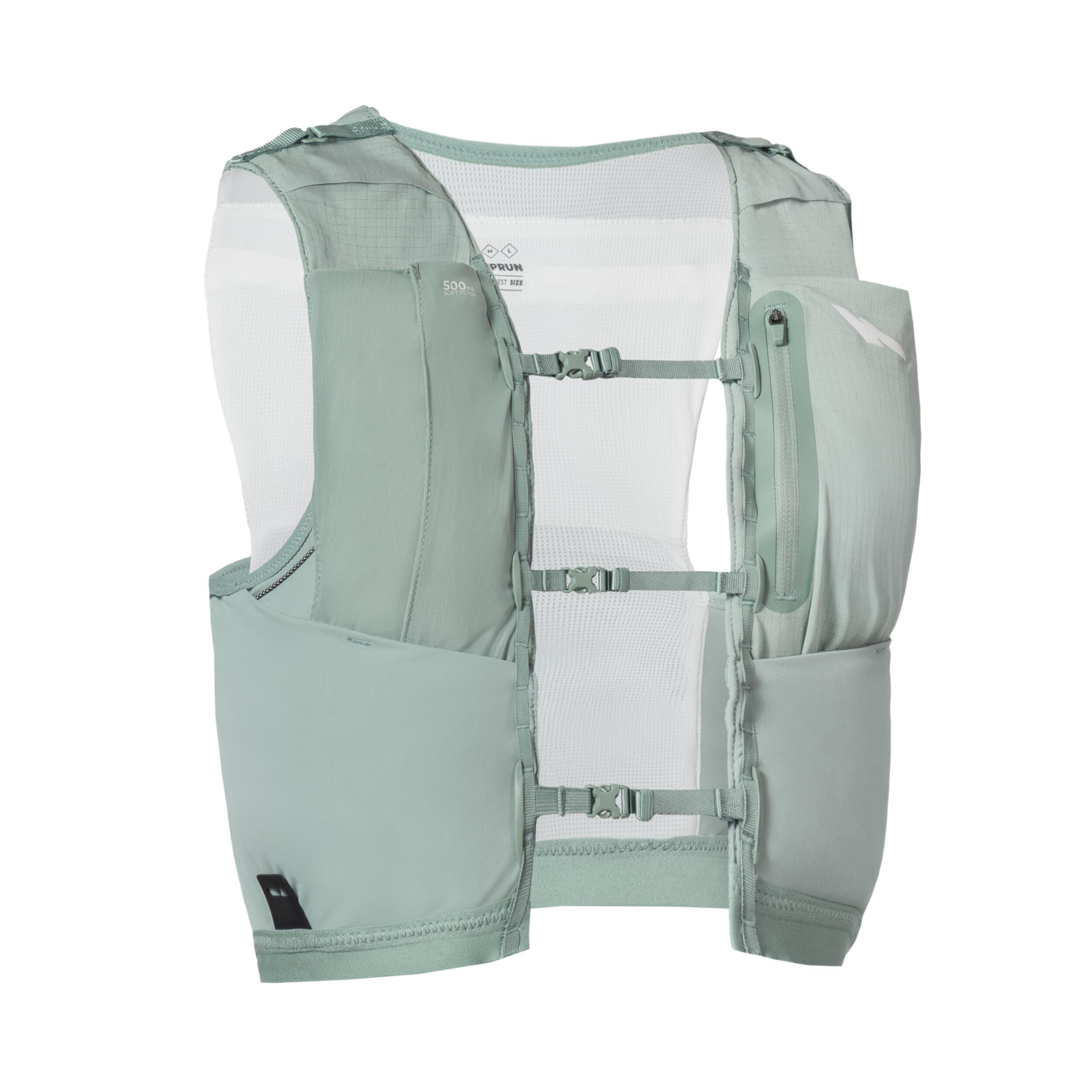
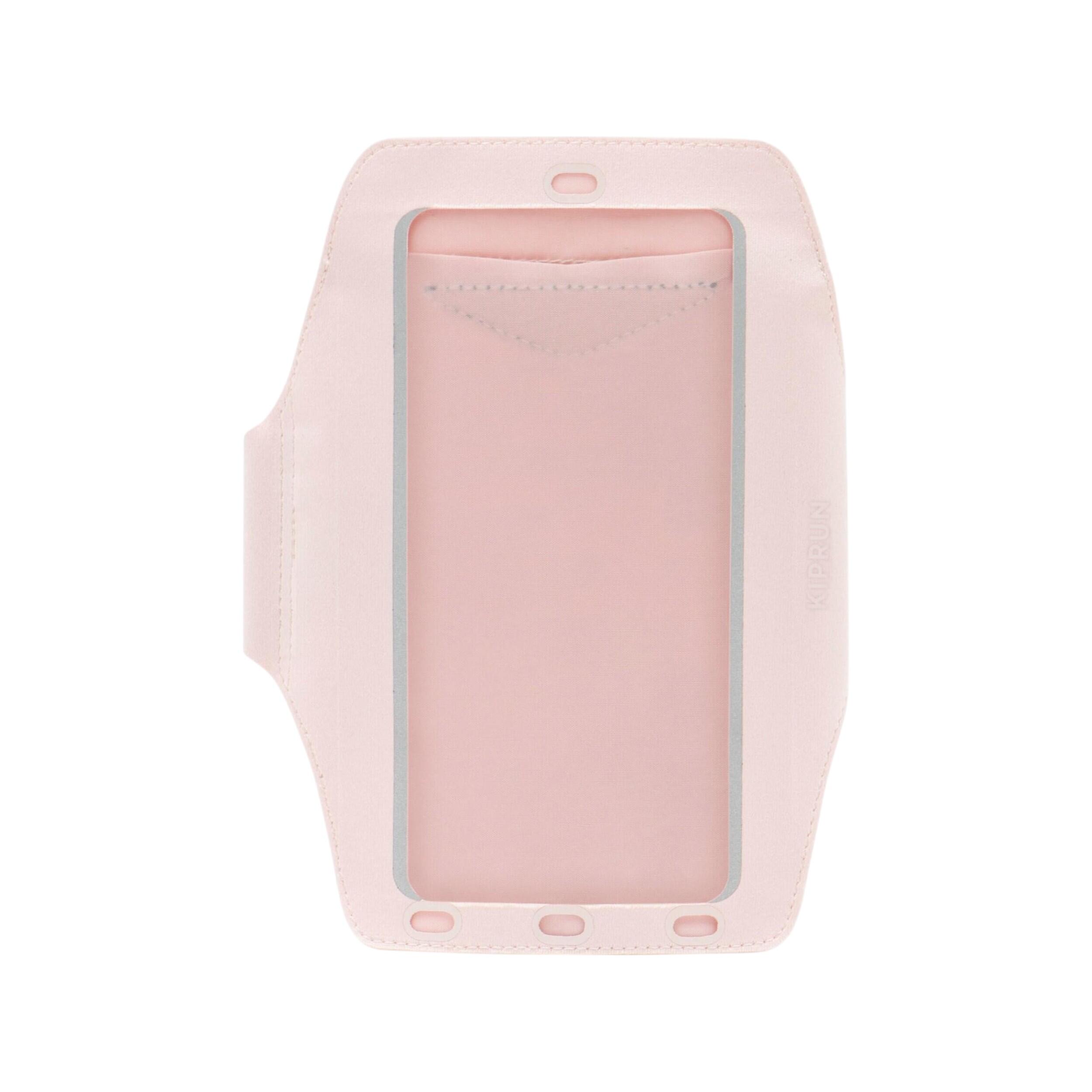
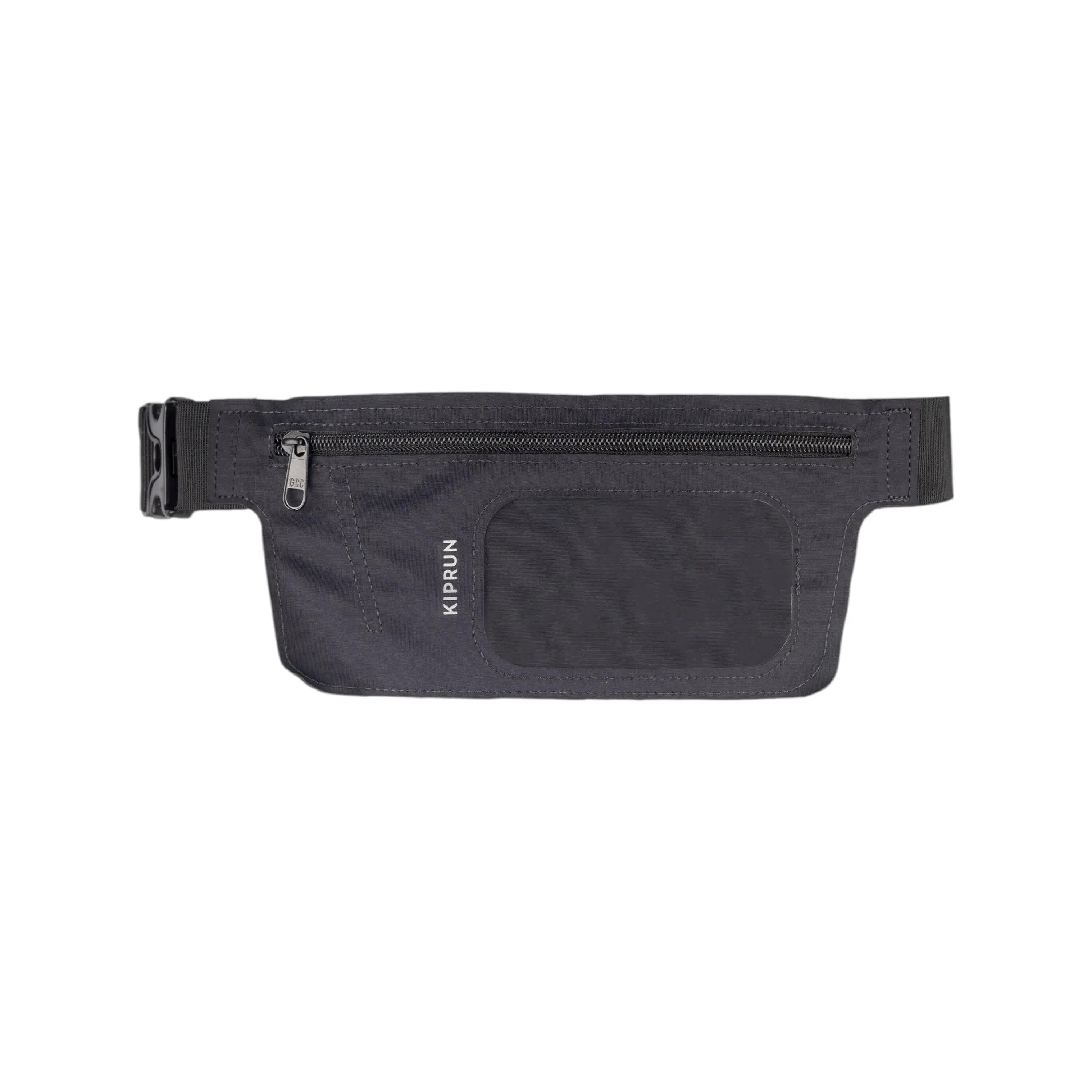
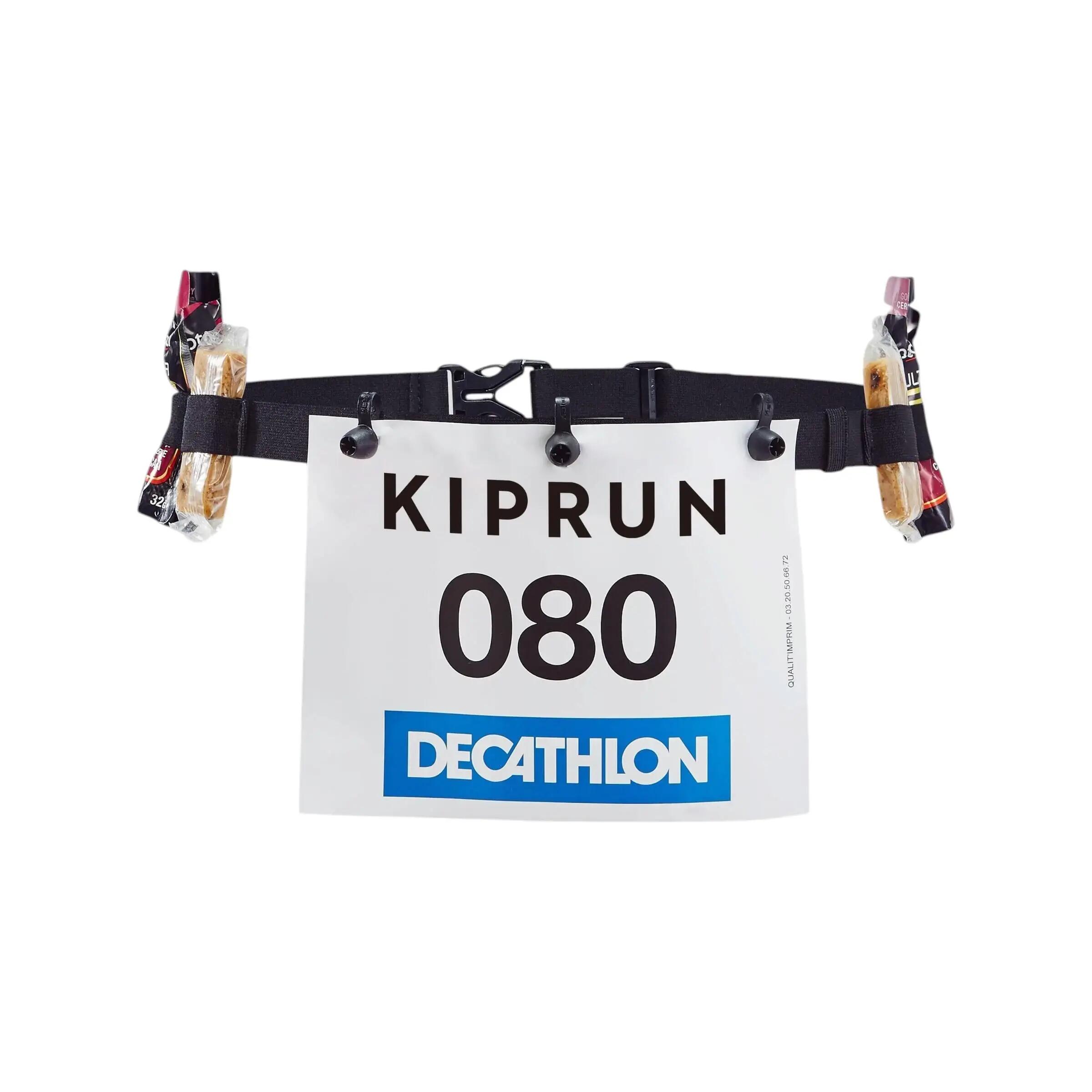
Start with the items that solve practical problems on your usual route, such as carrying essentials, managing weather or tracking your session. A simple running kit might include a secure belt, suitable headwear and visibility or weather protection, while longer sessions may need hydration and nutrition storage. Running belts can be particularly useful when you want to carry a phone, keys, gels or small bottles without holding them in your hands. KIPRUN models focus on reducing bounce, separating items so keys do not scratch a phone and keeping loose adjustment straps under control. Pro tip: tighten a loaded belt around your hips rather than wearing it loosely at the waist. A stable fit reduces movement and makes pockets easier to access while you are still running.
Which types of running headwear suit warm, cold or wet conditions?

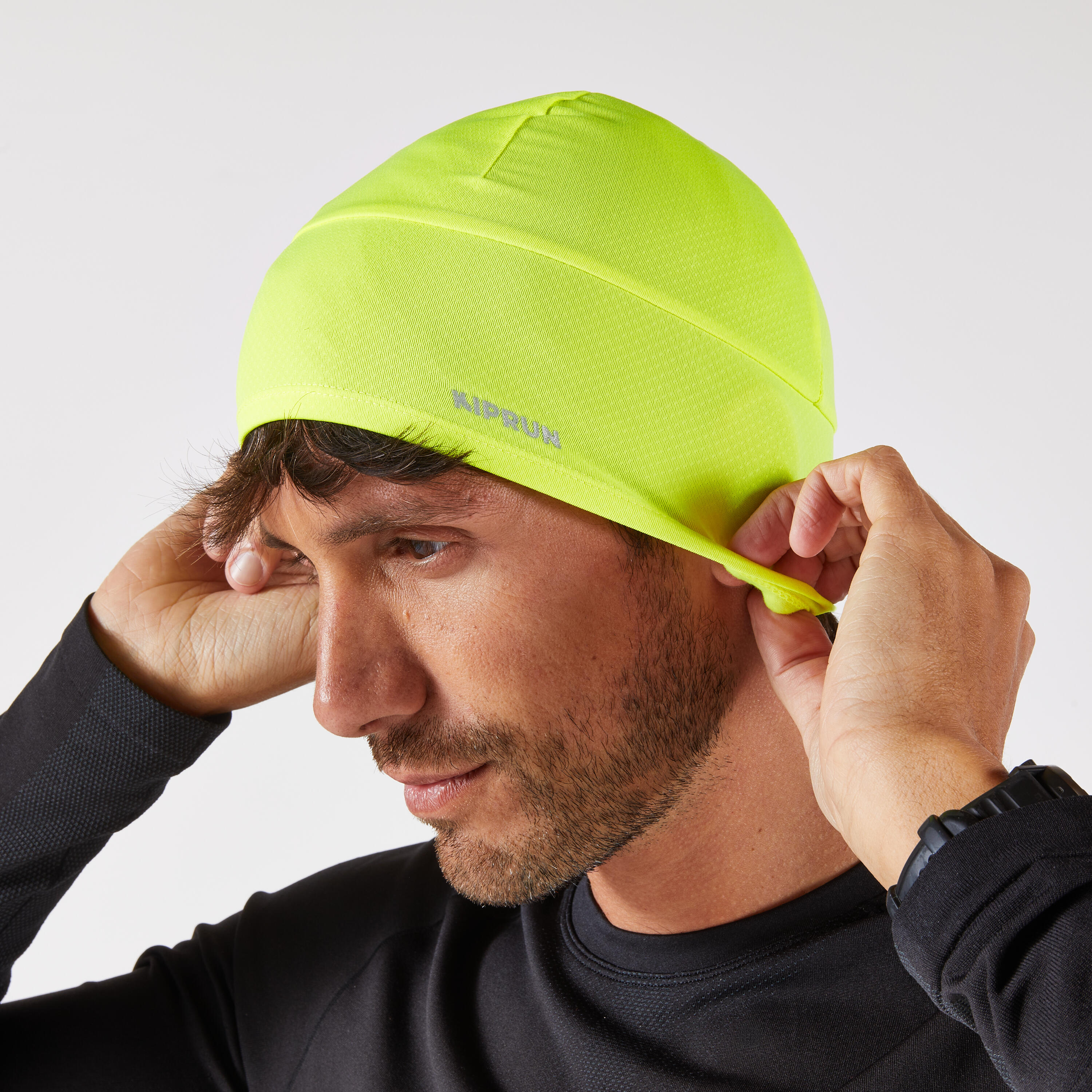
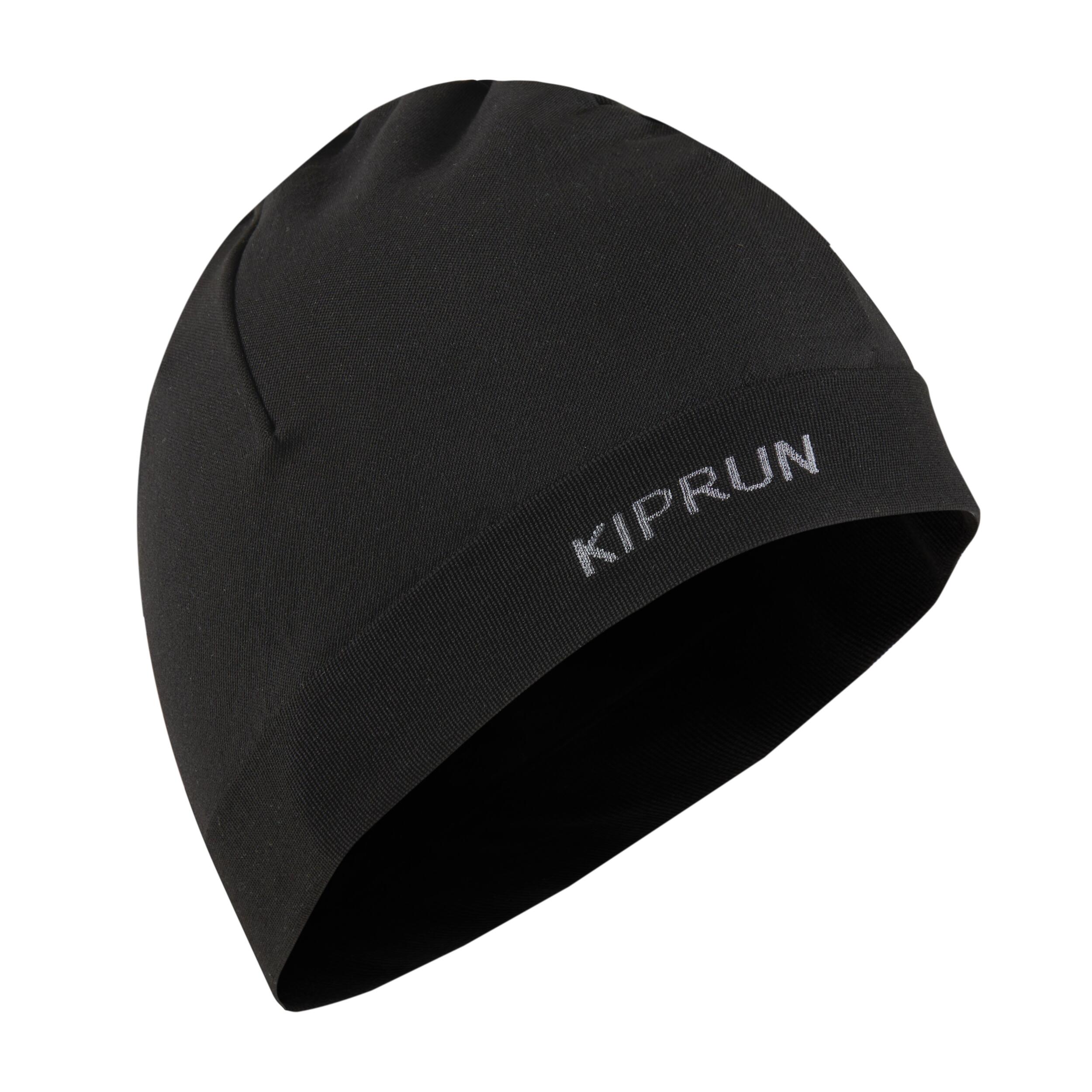
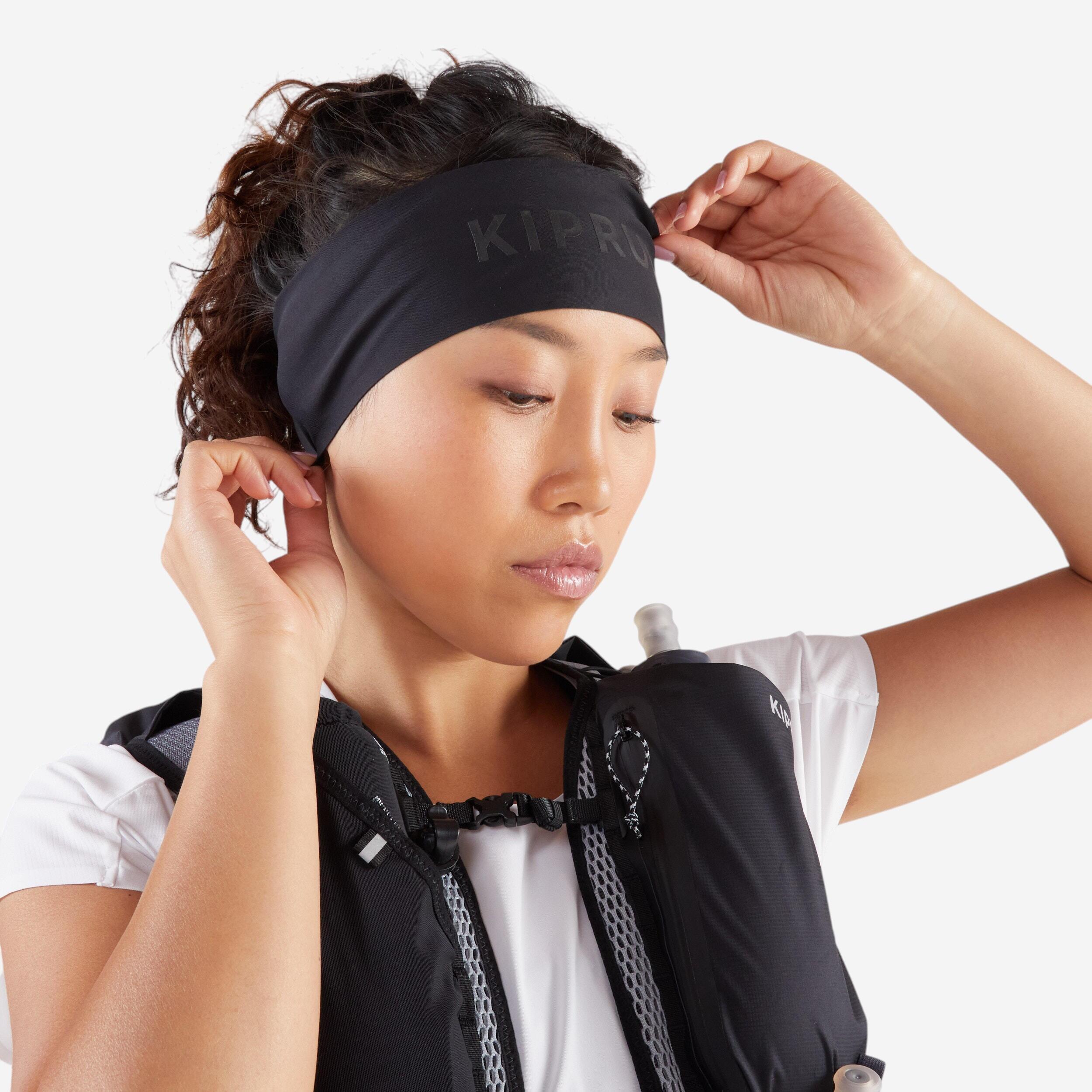
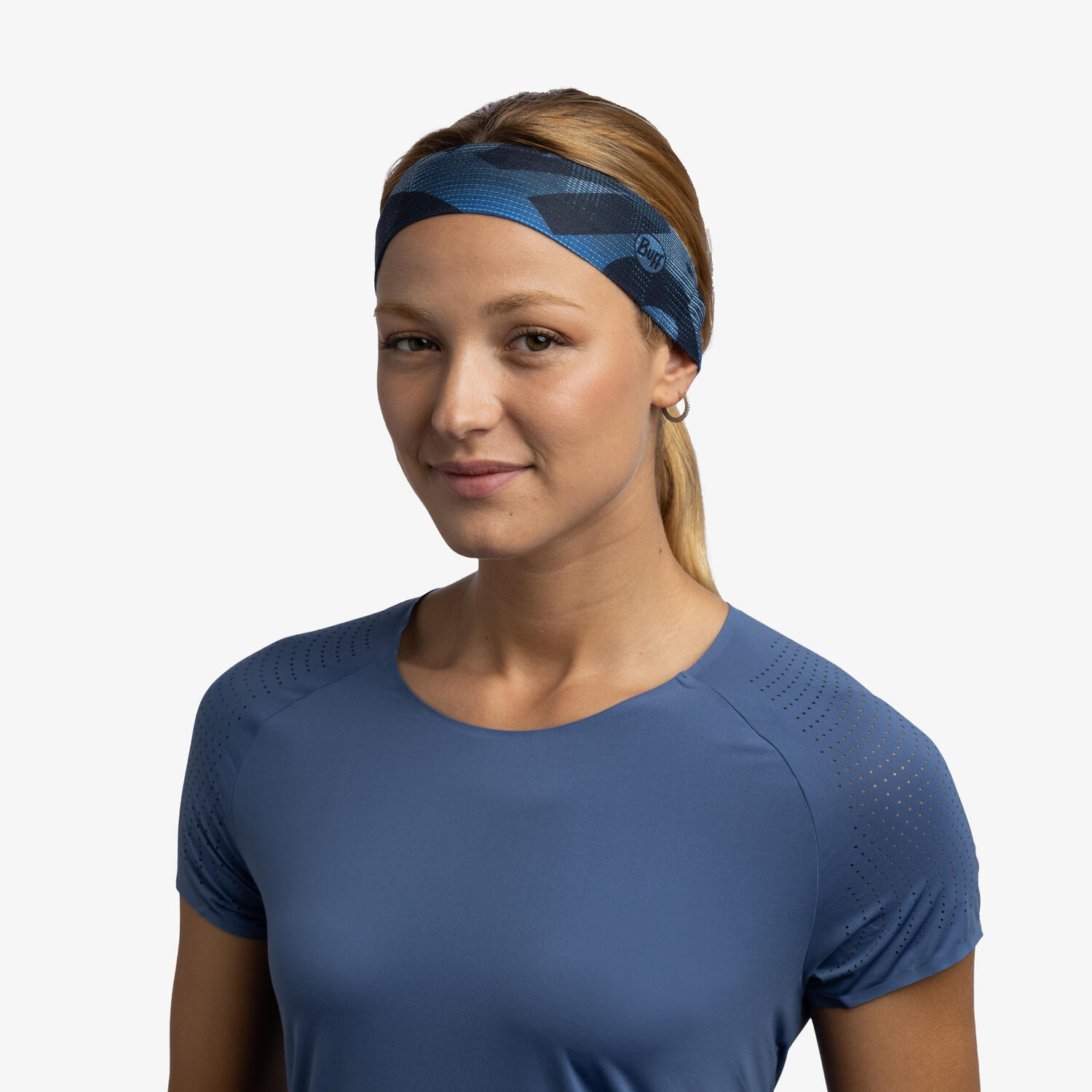
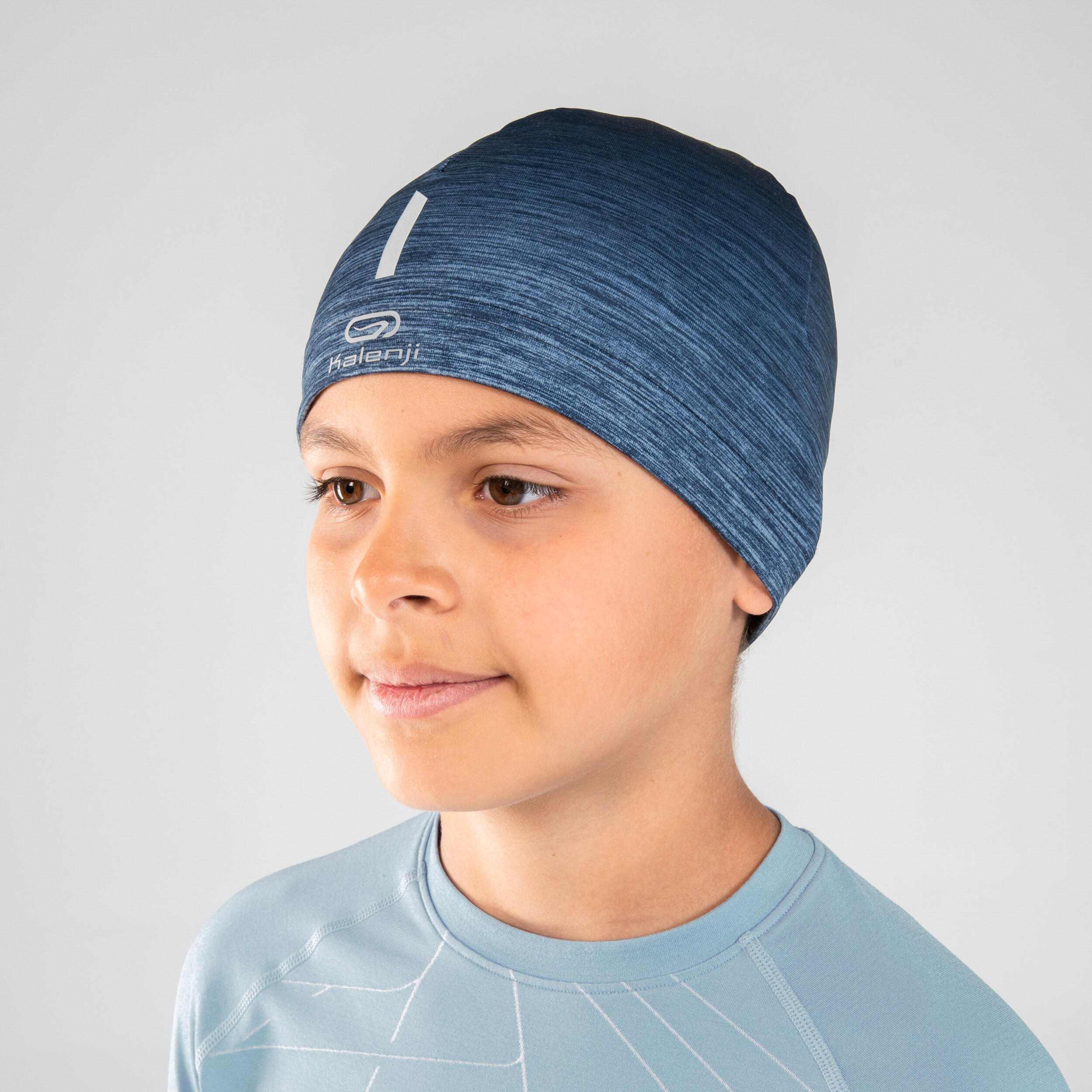
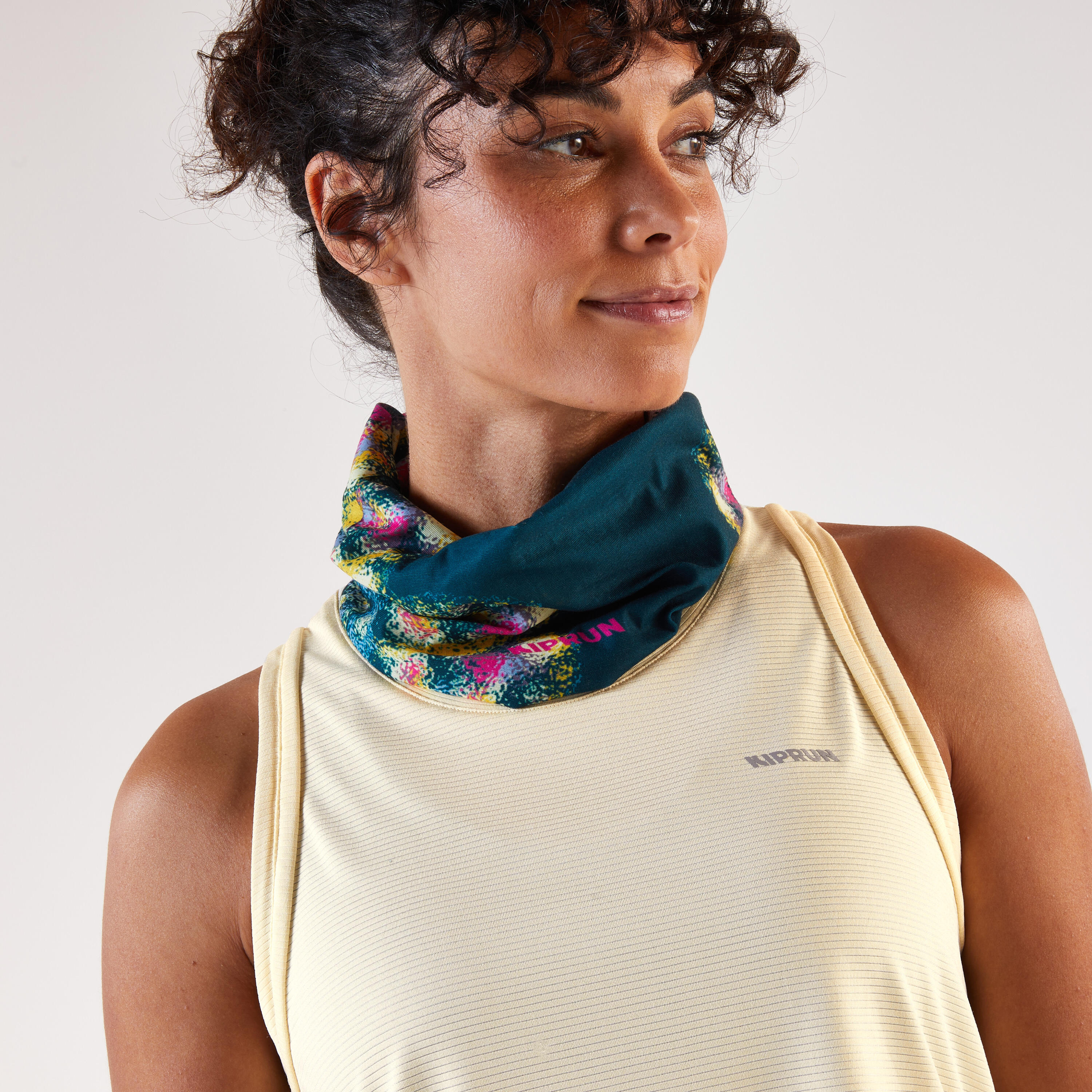
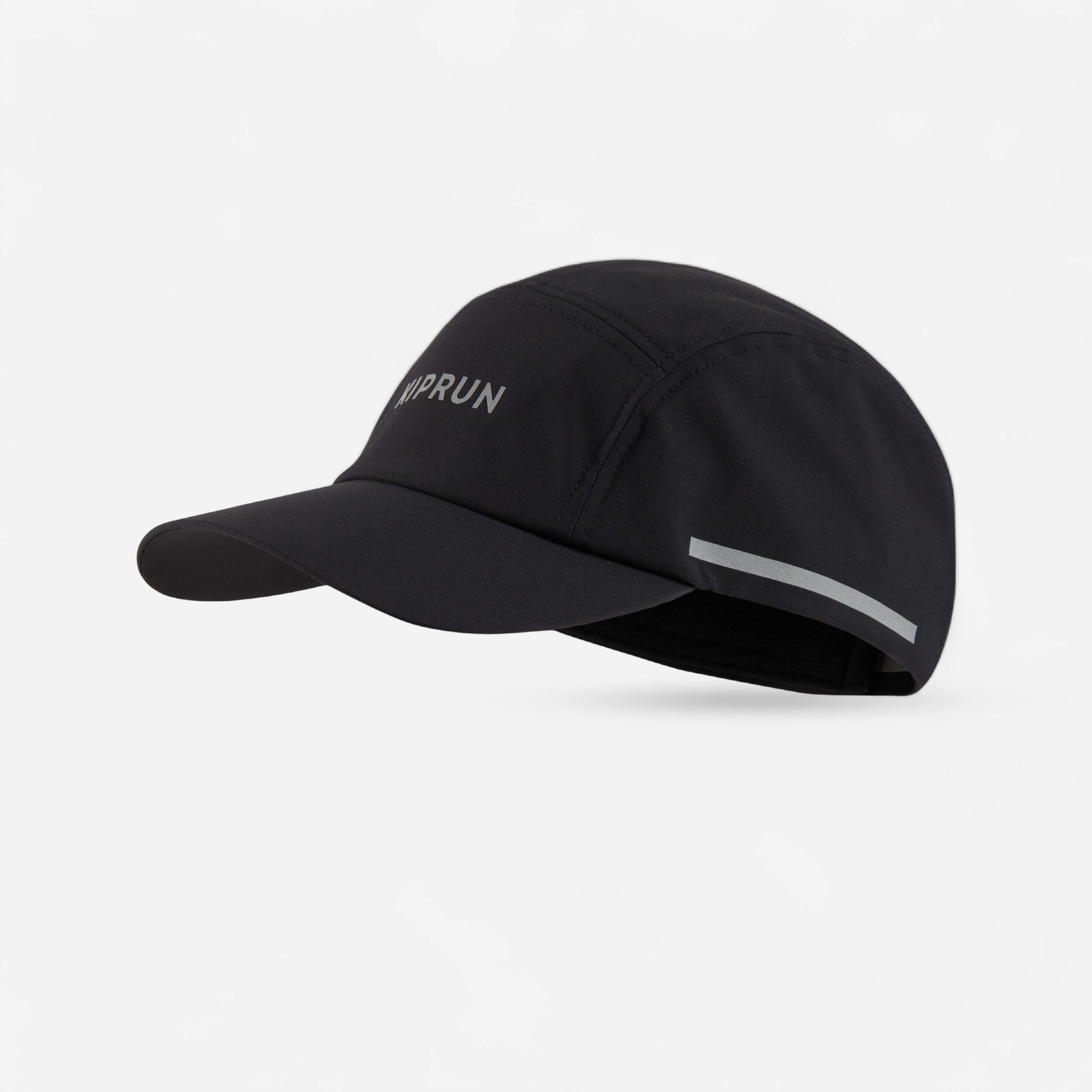
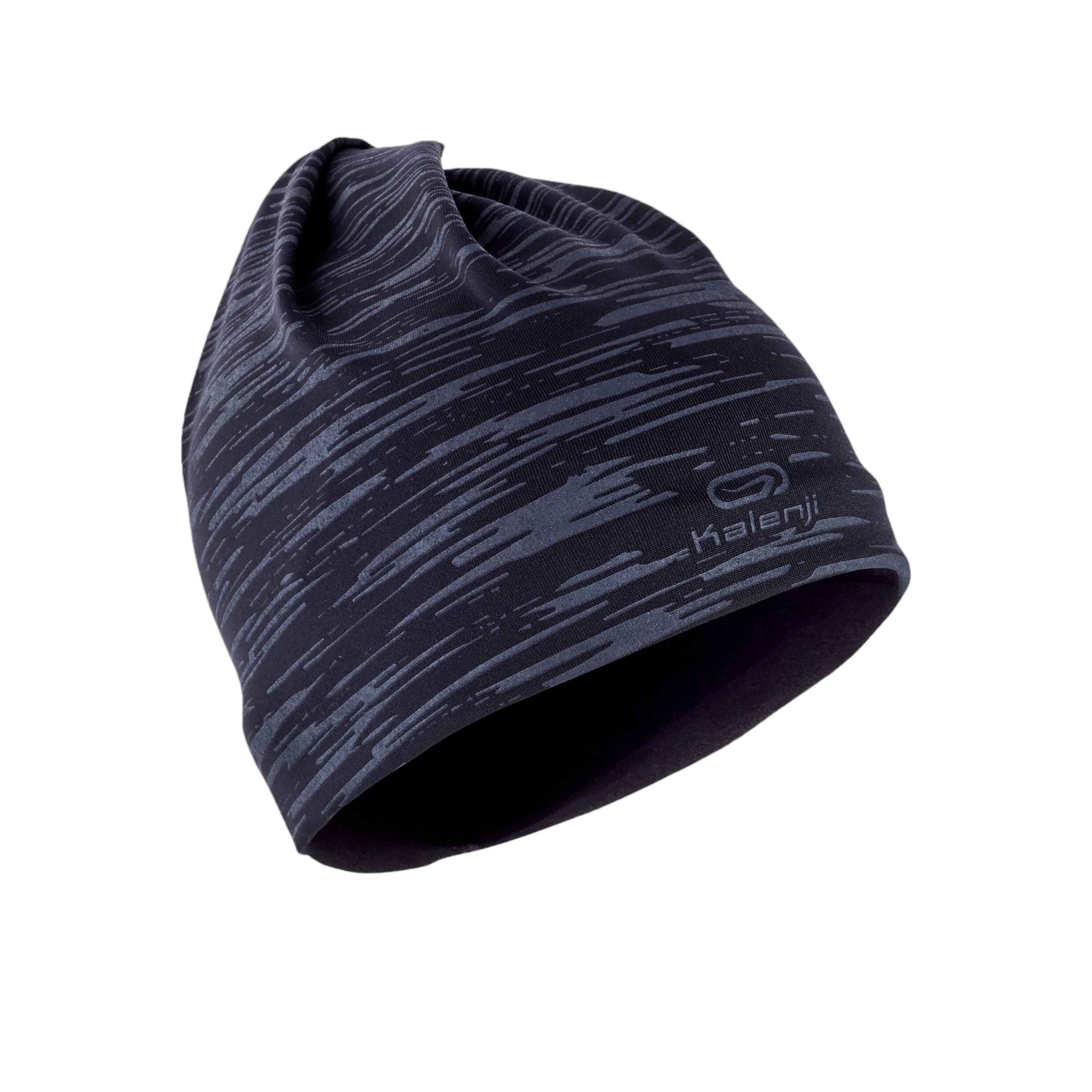
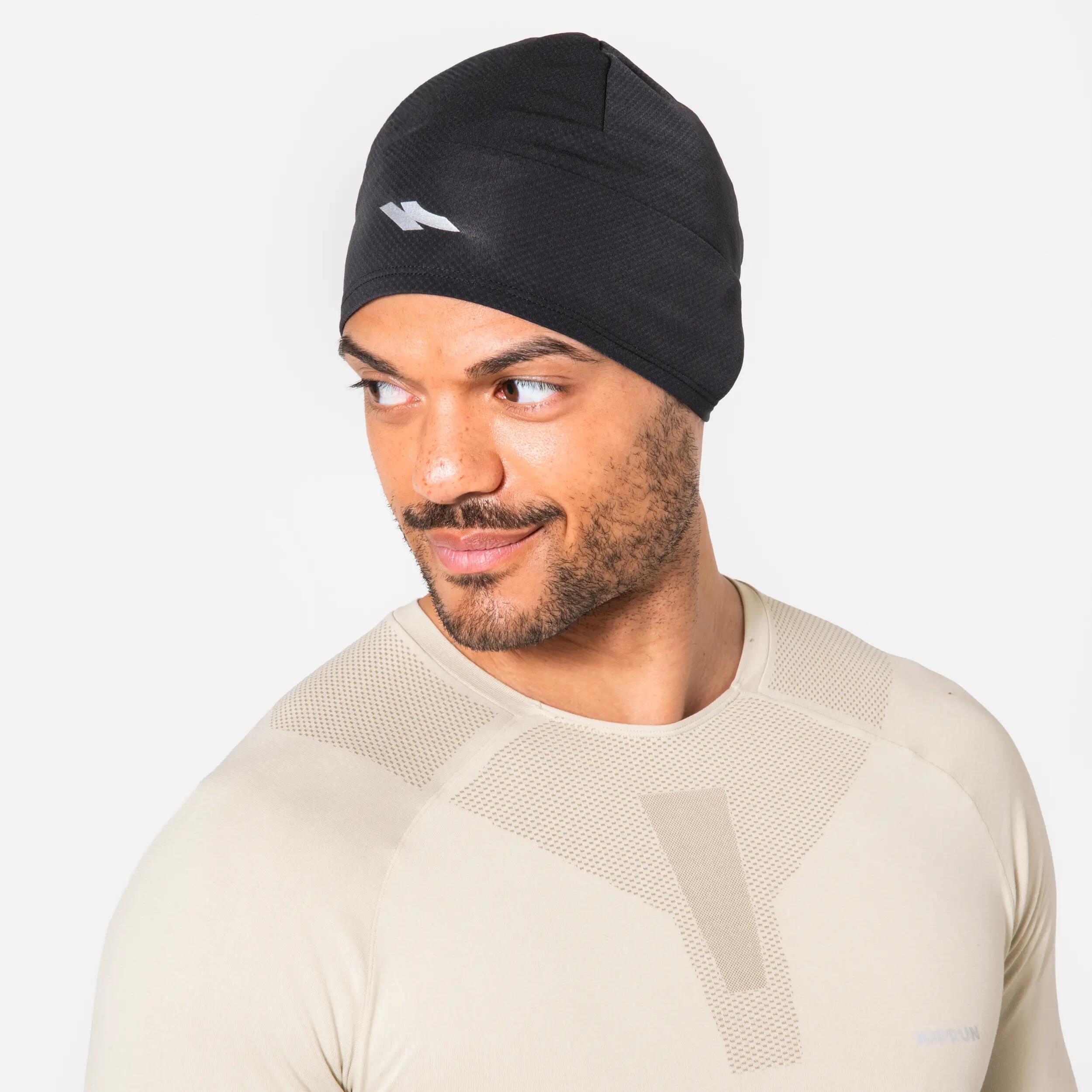
The right running headwear depends on temperature, wind, sun and how much protection you need without trapping too much heat. Lightweight caps can help with sun or light weather protection, while running beanies can add warmth during colder sessions. KIPRUN technical headwear may combine warmth with perspiration management and water-repellent treatments for light drizzle rather than claiming full waterproof protection. Pro tip: match the accessory to the actual conditions instead of choosing the warmest option available. If your head overheats quickly, a lighter piece can feel more comfortable once your body temperature rises during the run.

What should you look for in a running watch?

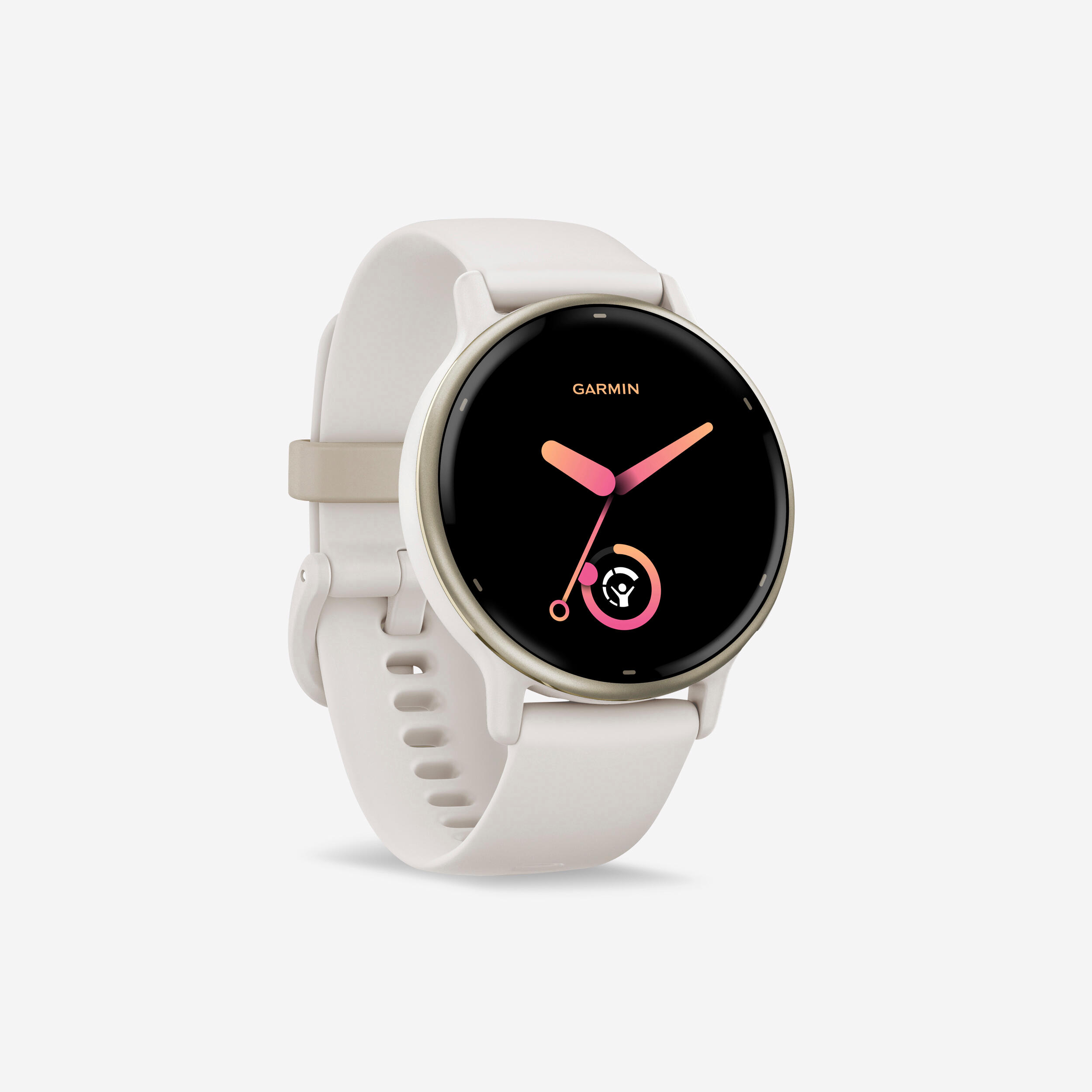
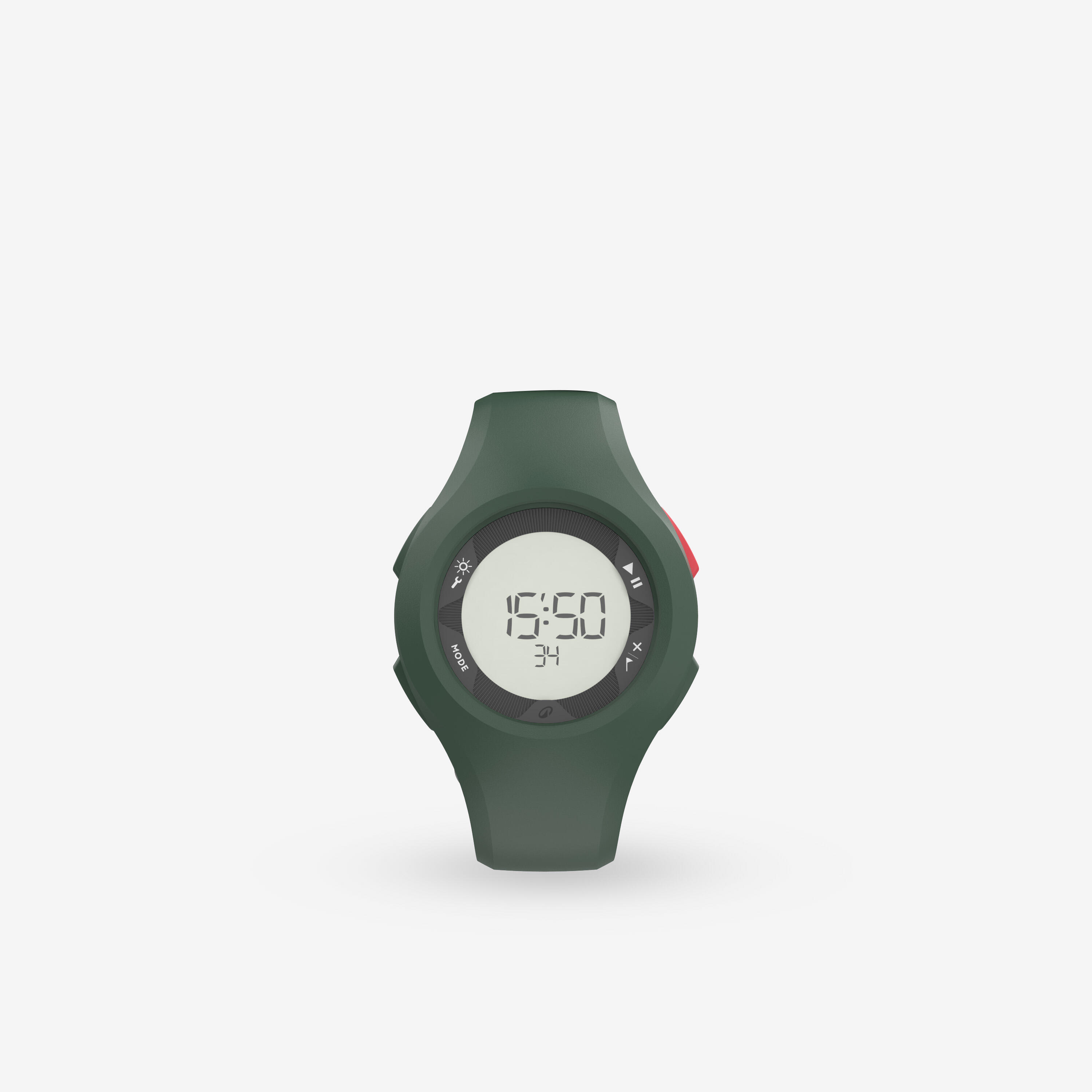
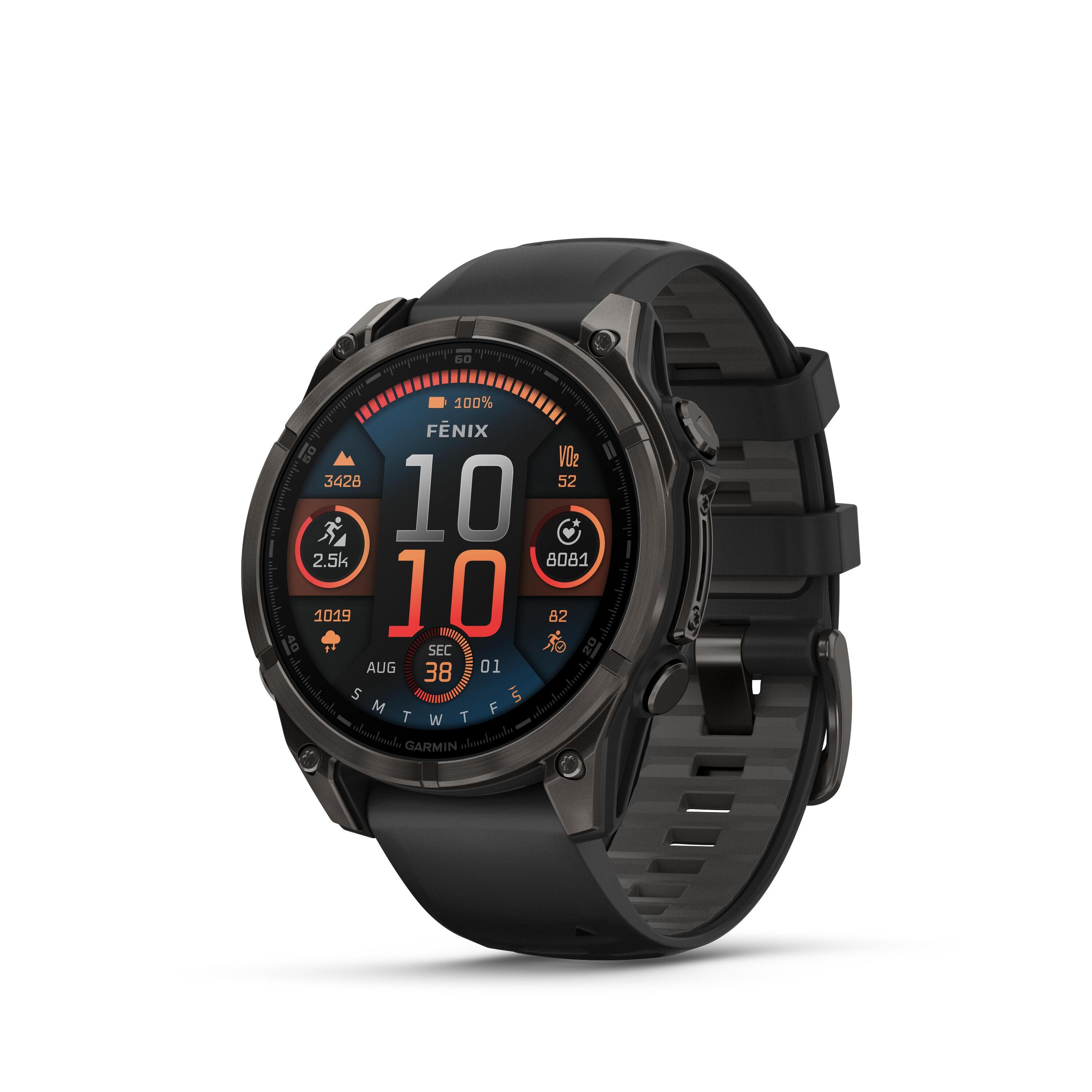
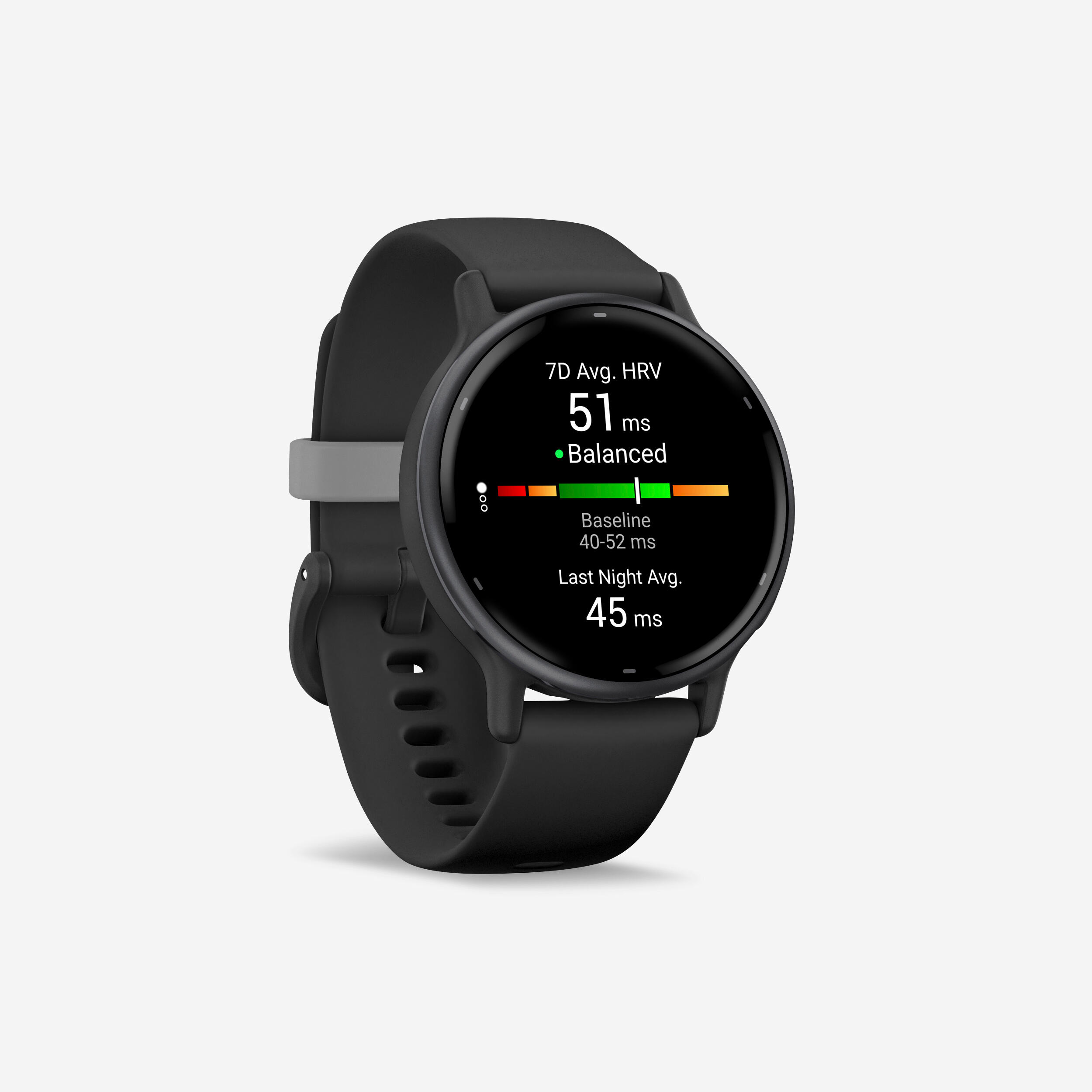
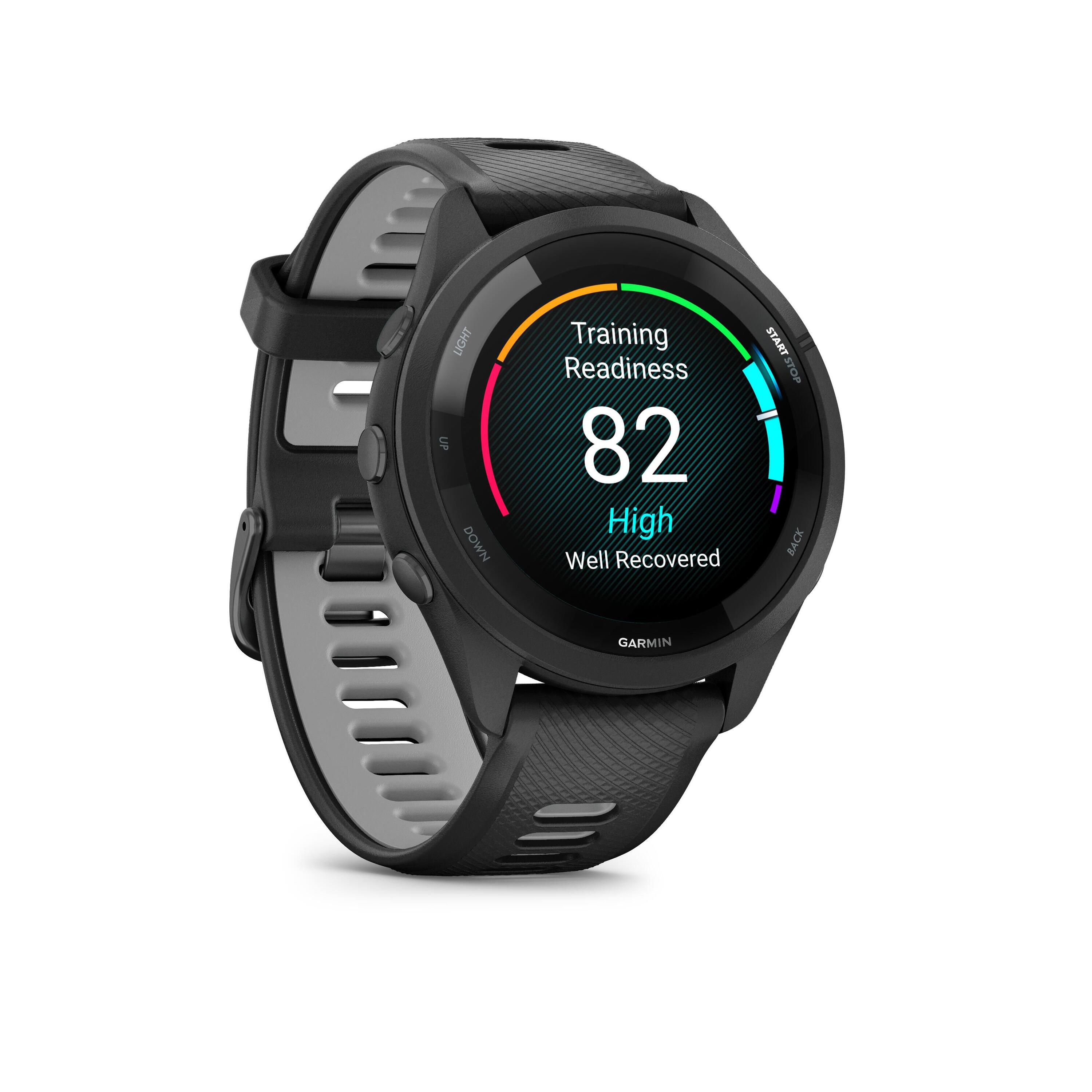
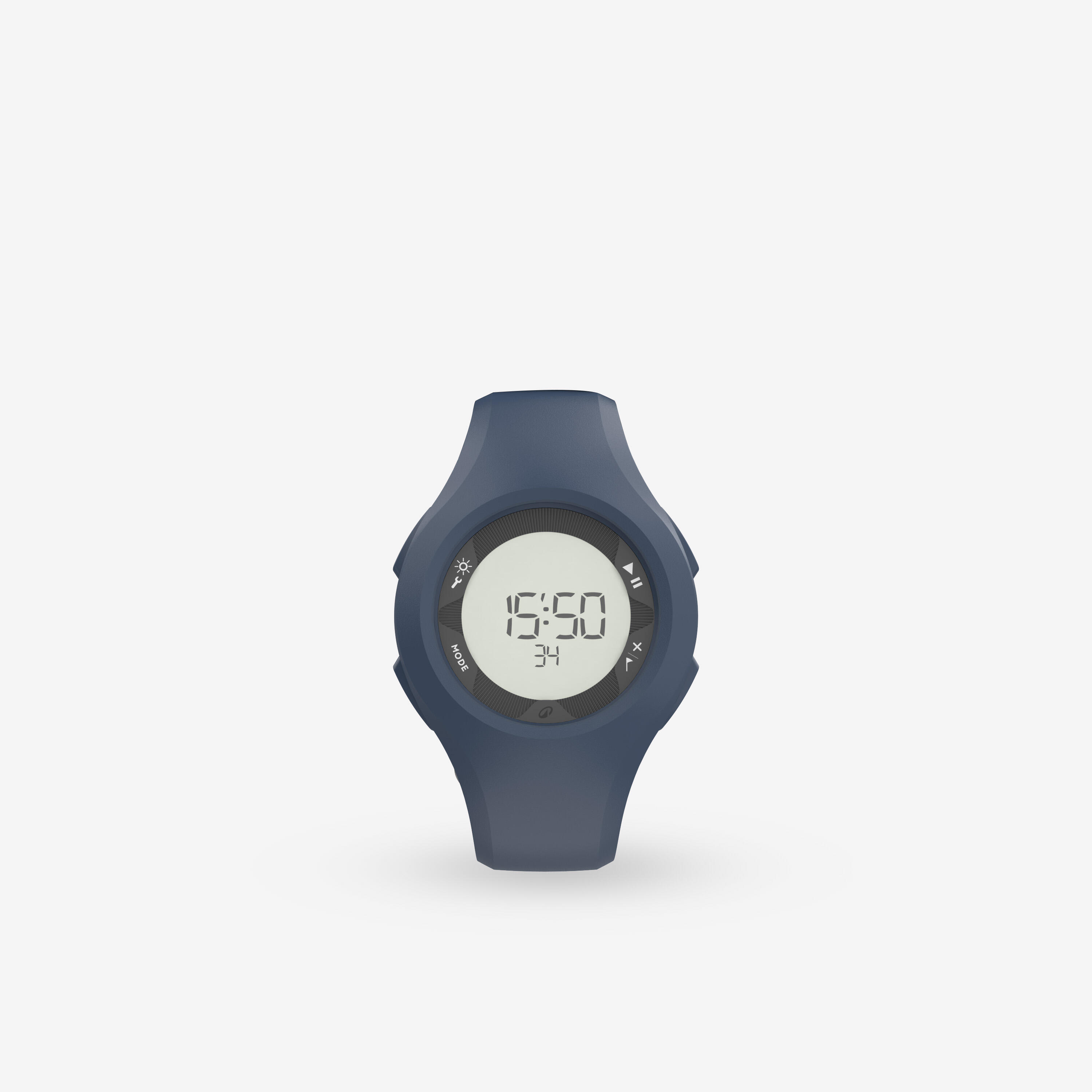
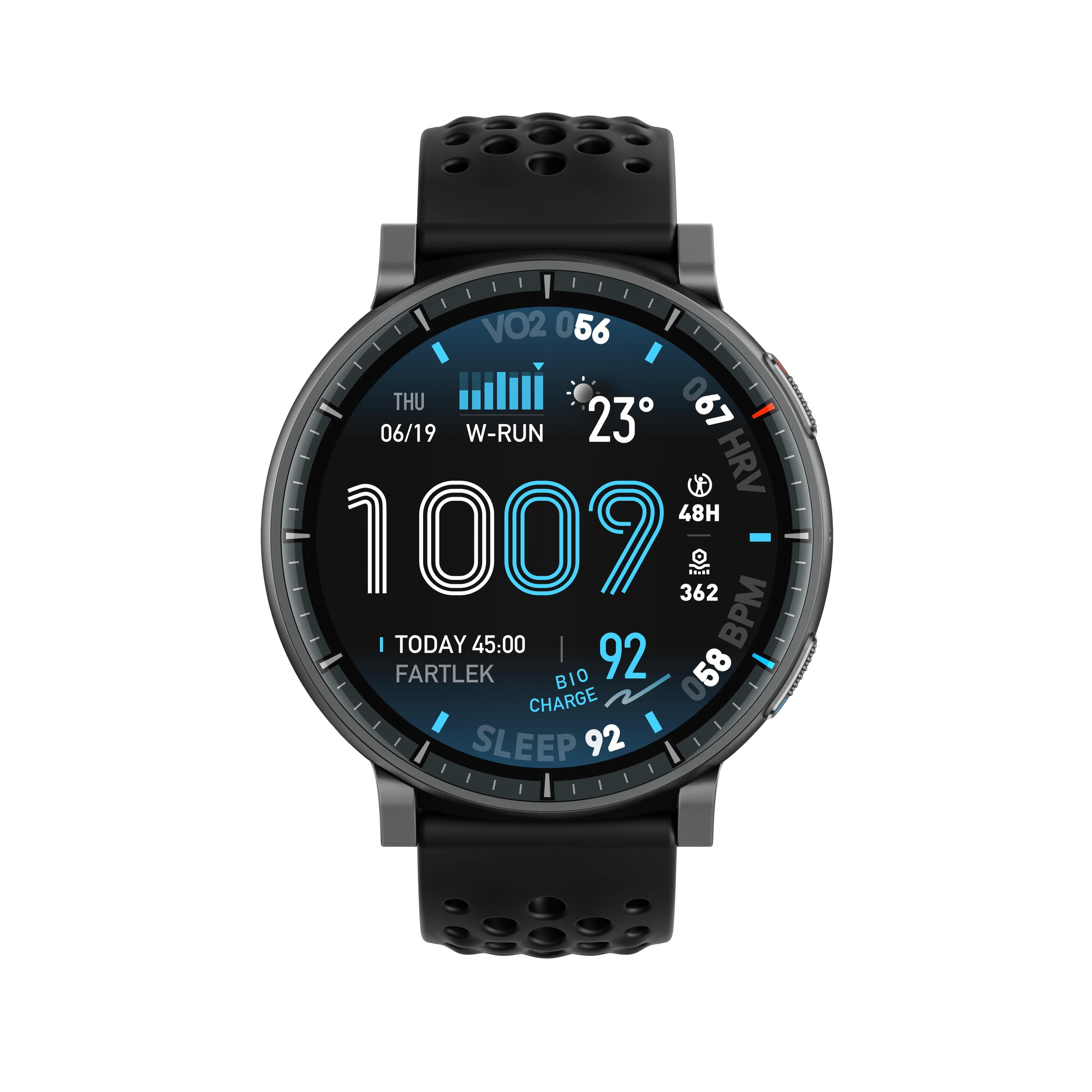
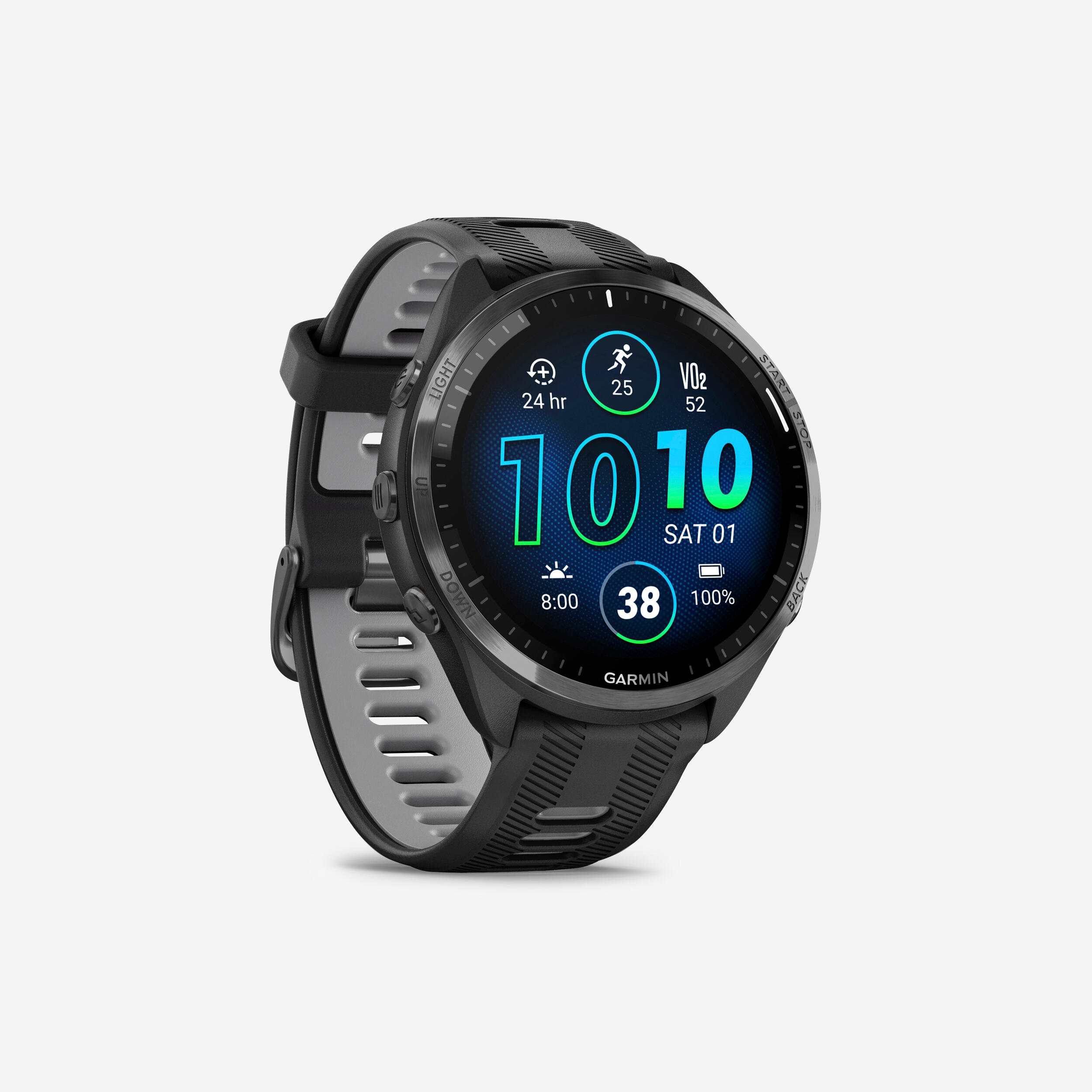
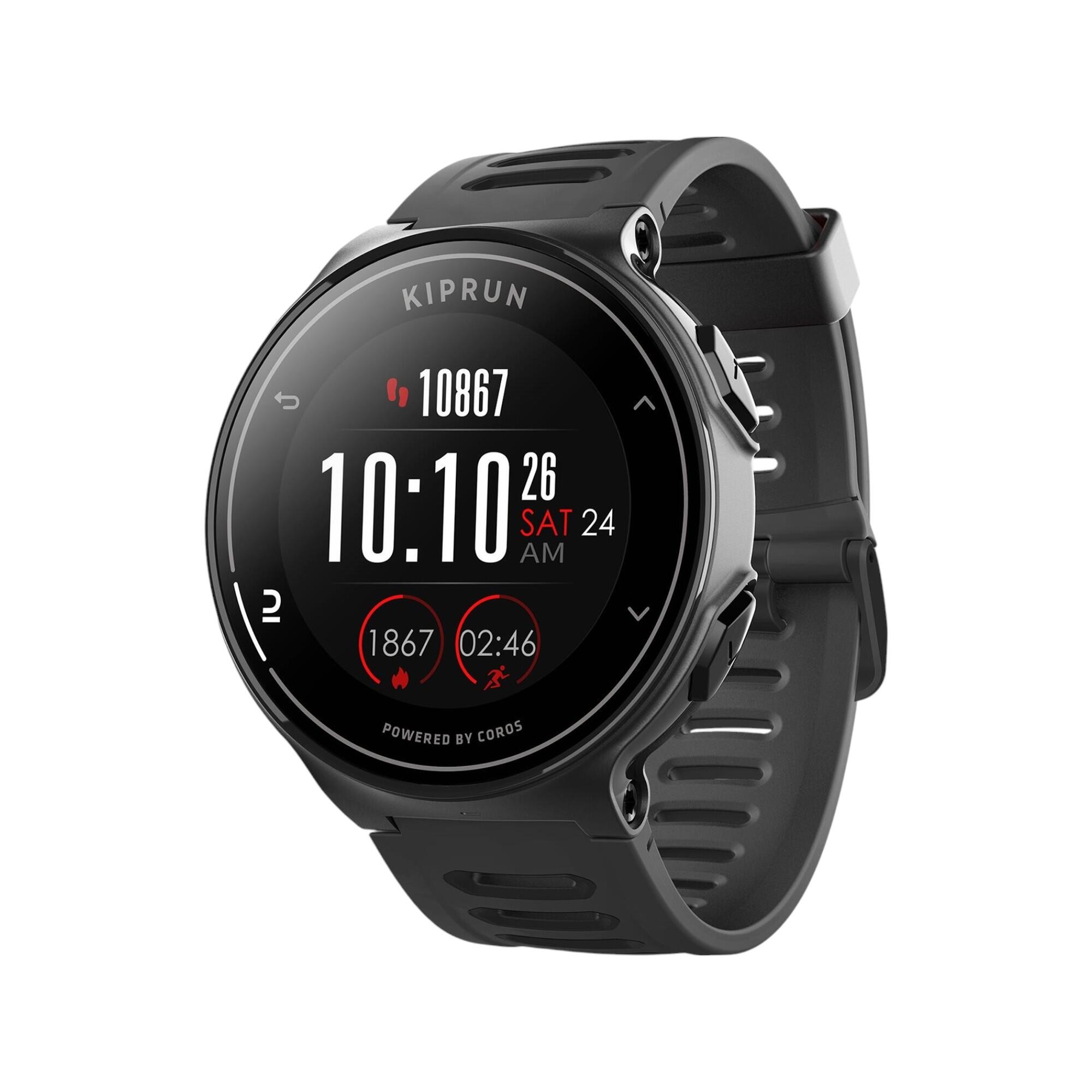
A running watch can help you track pace, distance, time and other training data, but the most useful features depend on how you train. Beginners may only need simple distance and timing information, while structured training can benefit from lap data, heart-rate tracking or programmed sessions. Battery life and readability also become more important on longer runs. Pro tip: avoid watching the screen constantly. Use the watch to guide your planned pace or intervals, then check the data afterwards to understand how effort changed across the session. Consistent tracking over several weeks usually tells you more than one unusually fast or slow run.

Which weather conditions call for running gloves?

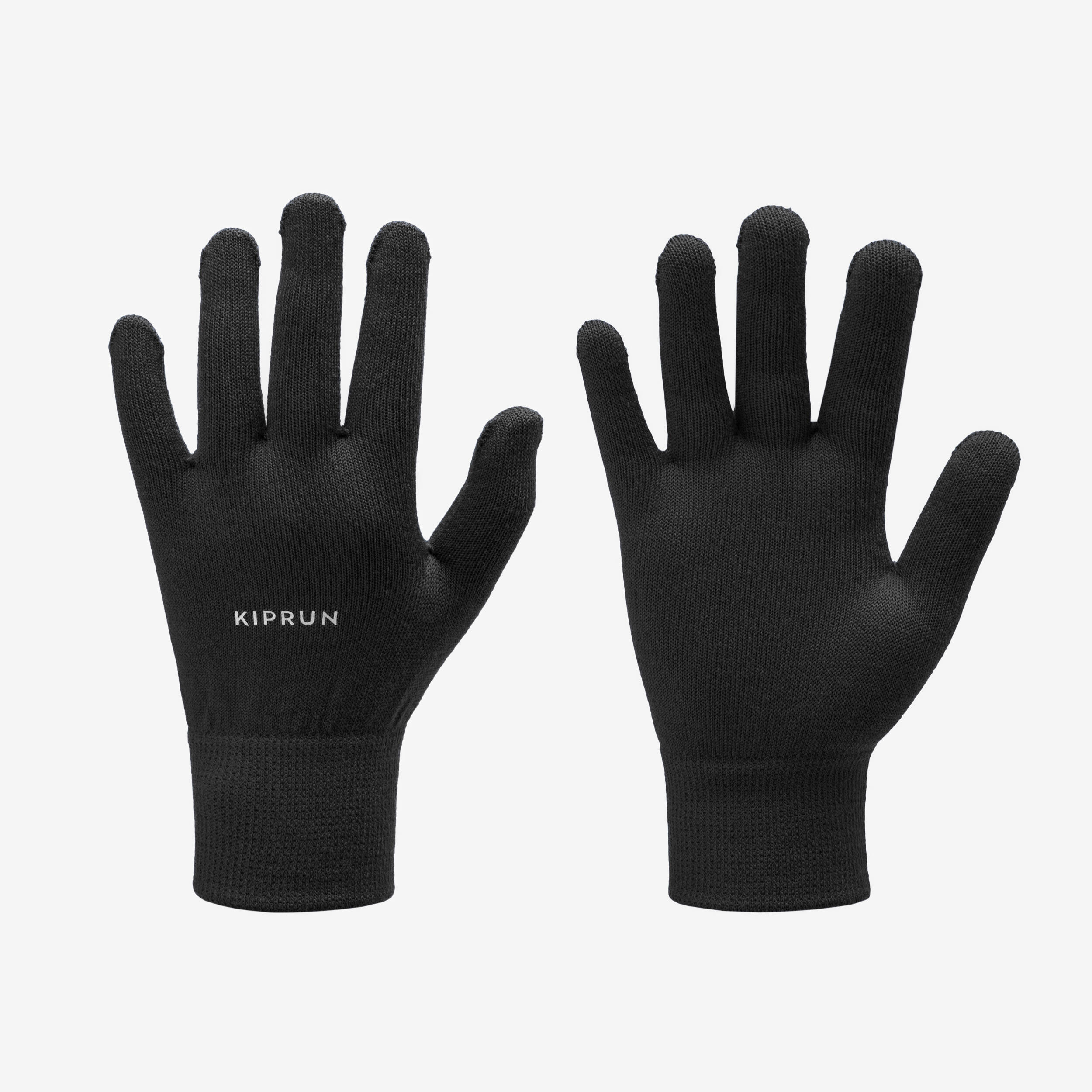
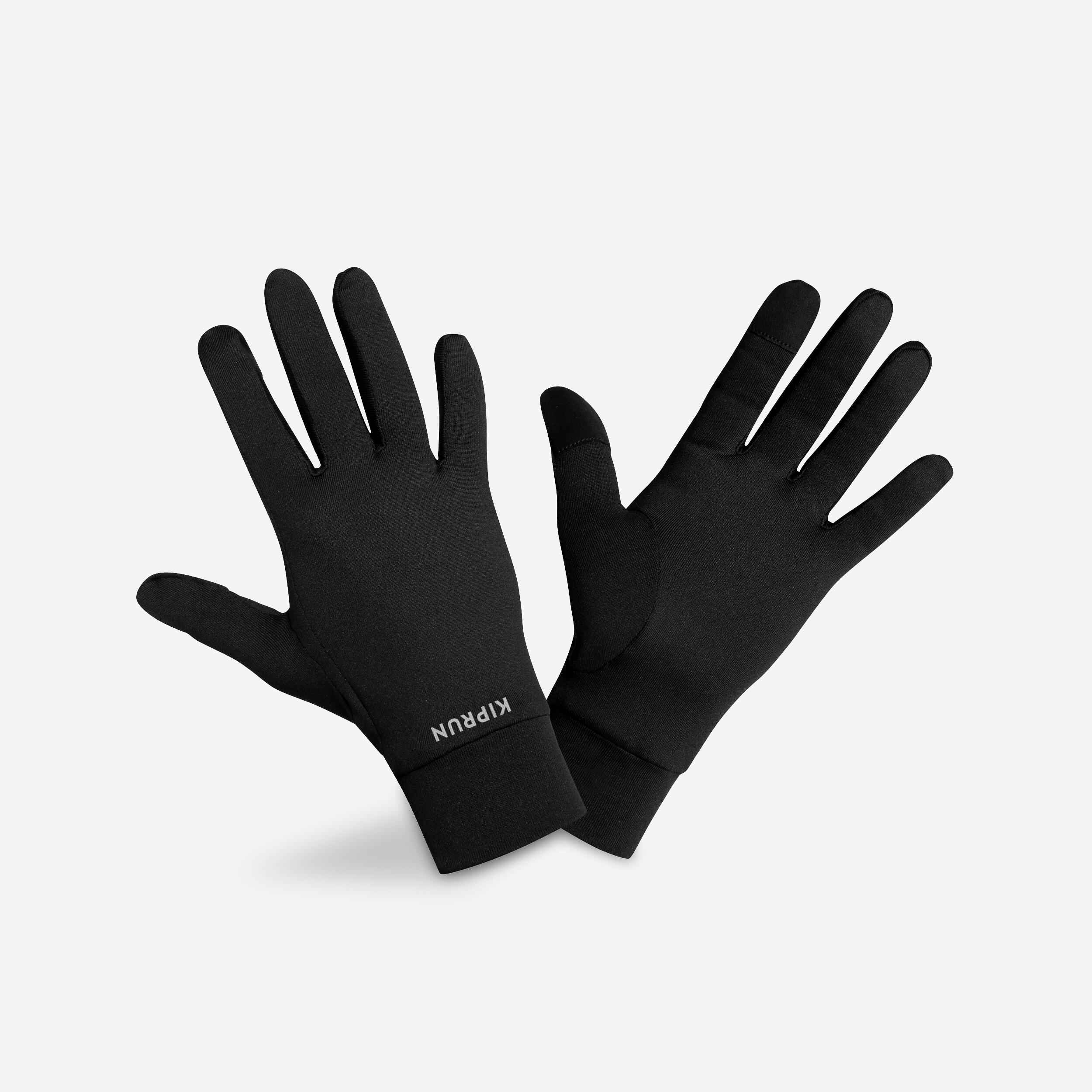
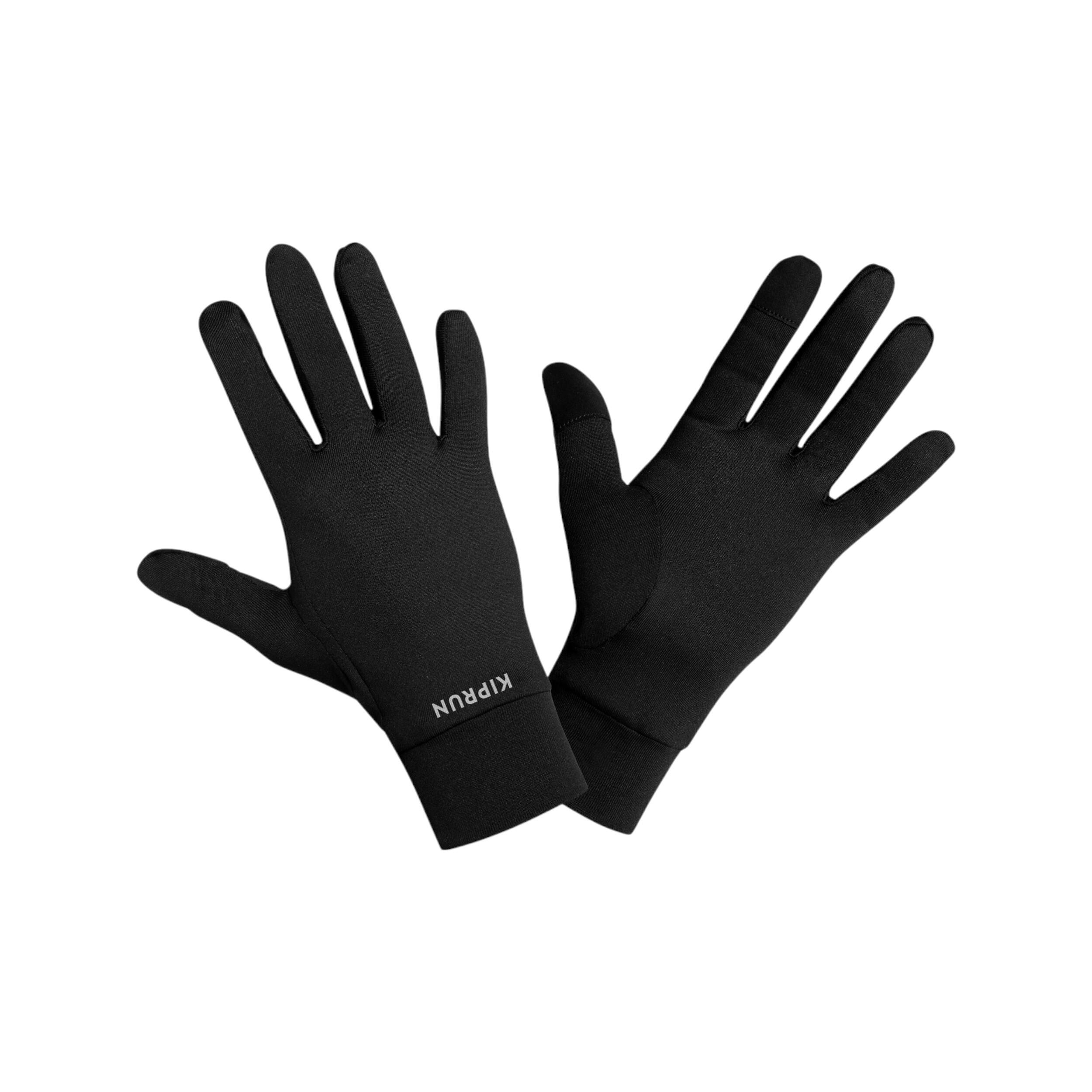
Cold hands can become distracting even when the rest of your body warms quickly, so running gloves can be useful in cooler weather without adding a heavy upper-body layer. Some KIPRUN gloves are developed around defined temperature ranges and combine warmth with lightweight construction for active use. Touchscreen-compatible fingertips can also help if you need to check a phone without removing them. Pro tip: judge gloves according to your own circulation and running intensity as well as the air temperature. If your hands normally warm up after the first few kilometres, choose a lighter pair that can be easily tucked into a belt or pocket once you no longer need them.

How do running sunglasses help during outdoor sessions?

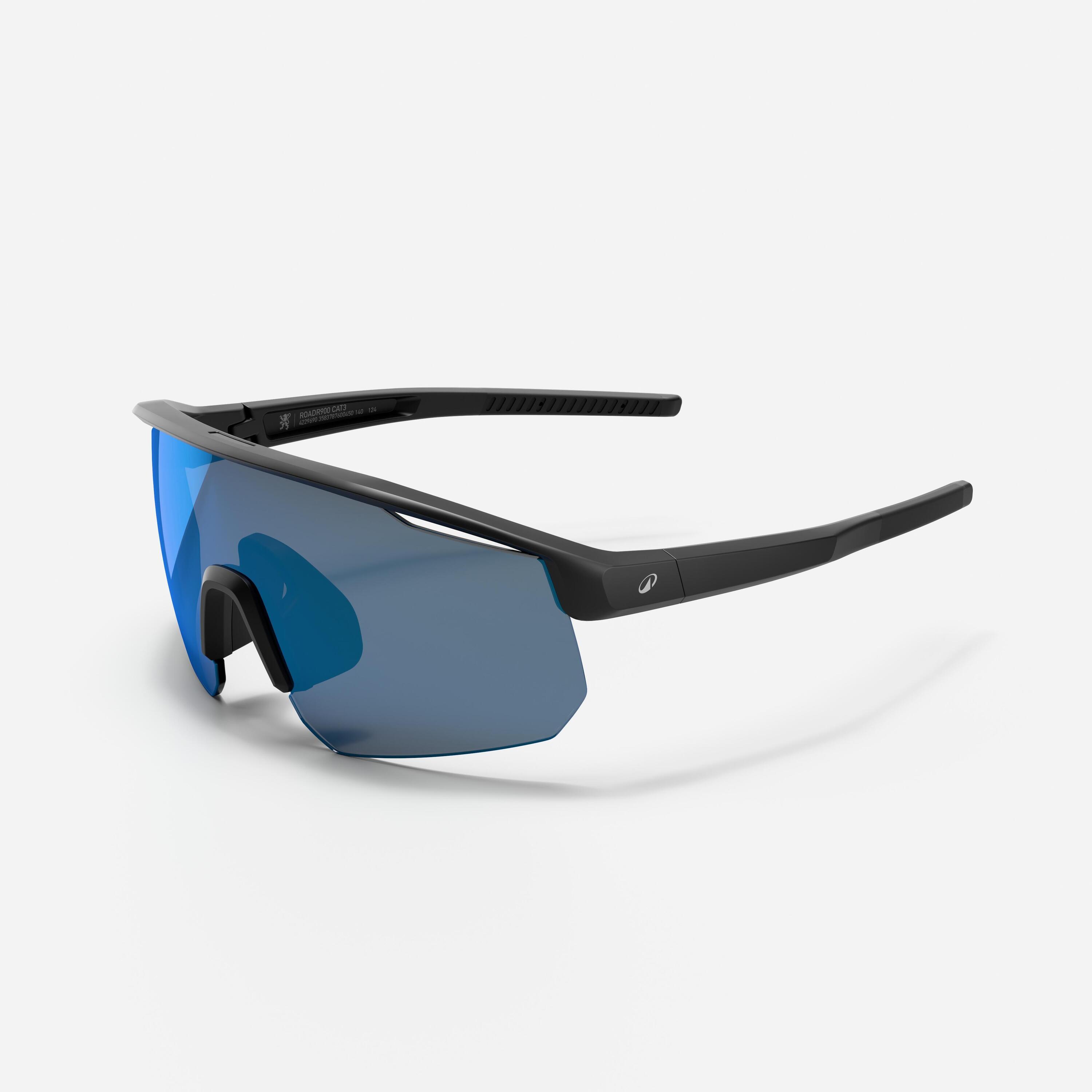
Bright light, glare, wind and airborne debris can all make outdoor running less comfortable, particularly on exposed roads or open routes. A suitable pair of running sunglasses should stay stable as your head moves without creating pressure around the temples or nose. Low weight and secure grip become more noticeable on longer sessions because repeated movement can make a poor fit distracting. Pro tip: test sunglasses while jogging rather than only standing still. Look down, turn your head and make a few quicker movements to check whether the frame slips. Keep the lenses clean too, as sweat and fingerprints can reduce clarity when sunlight or changing conditions already make visibility more demanding.