276 items
4.5/5 based on 50864 reviews collected online and in stores

RUNNING WATCHES FAQS

How do I choose between different running watches for my training level?

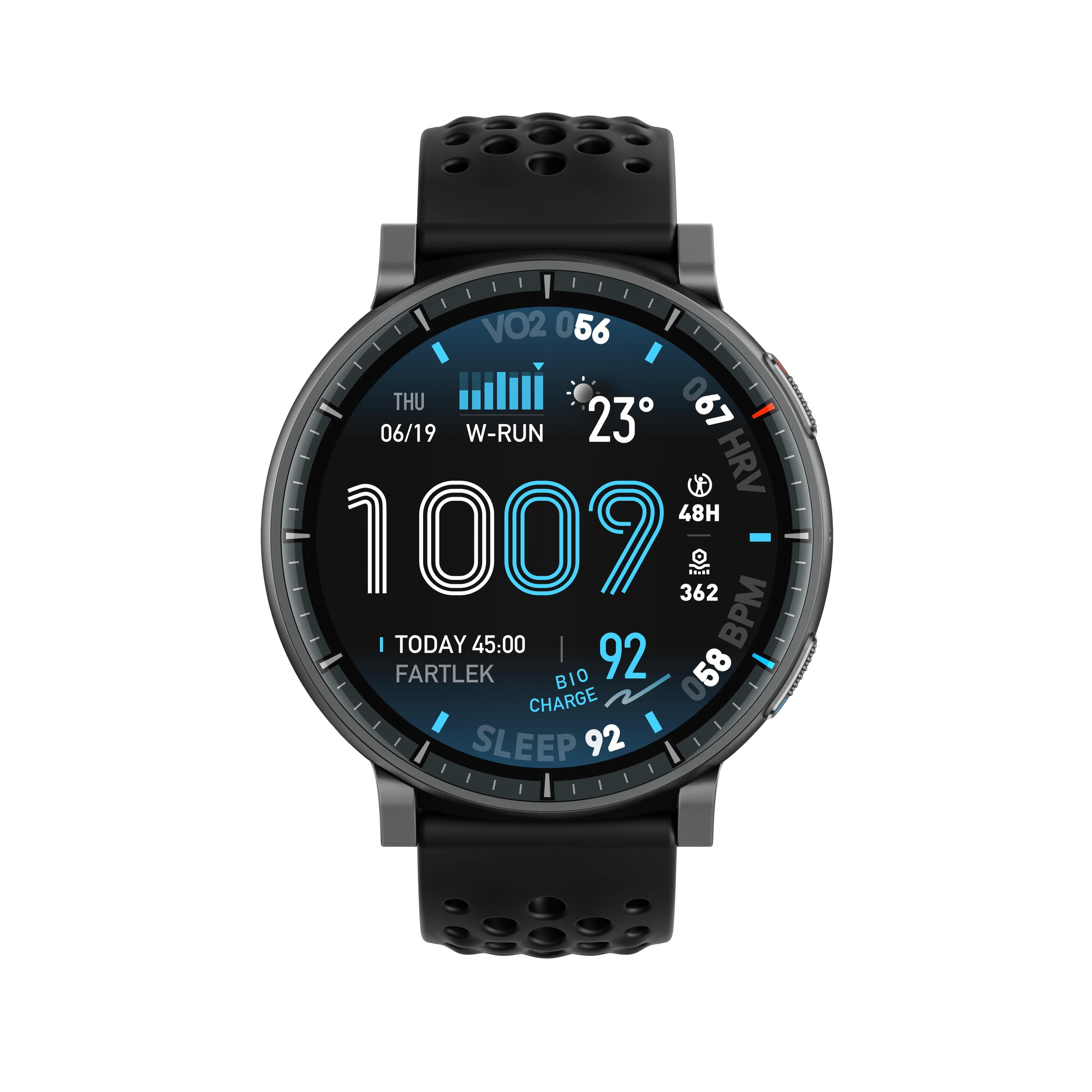
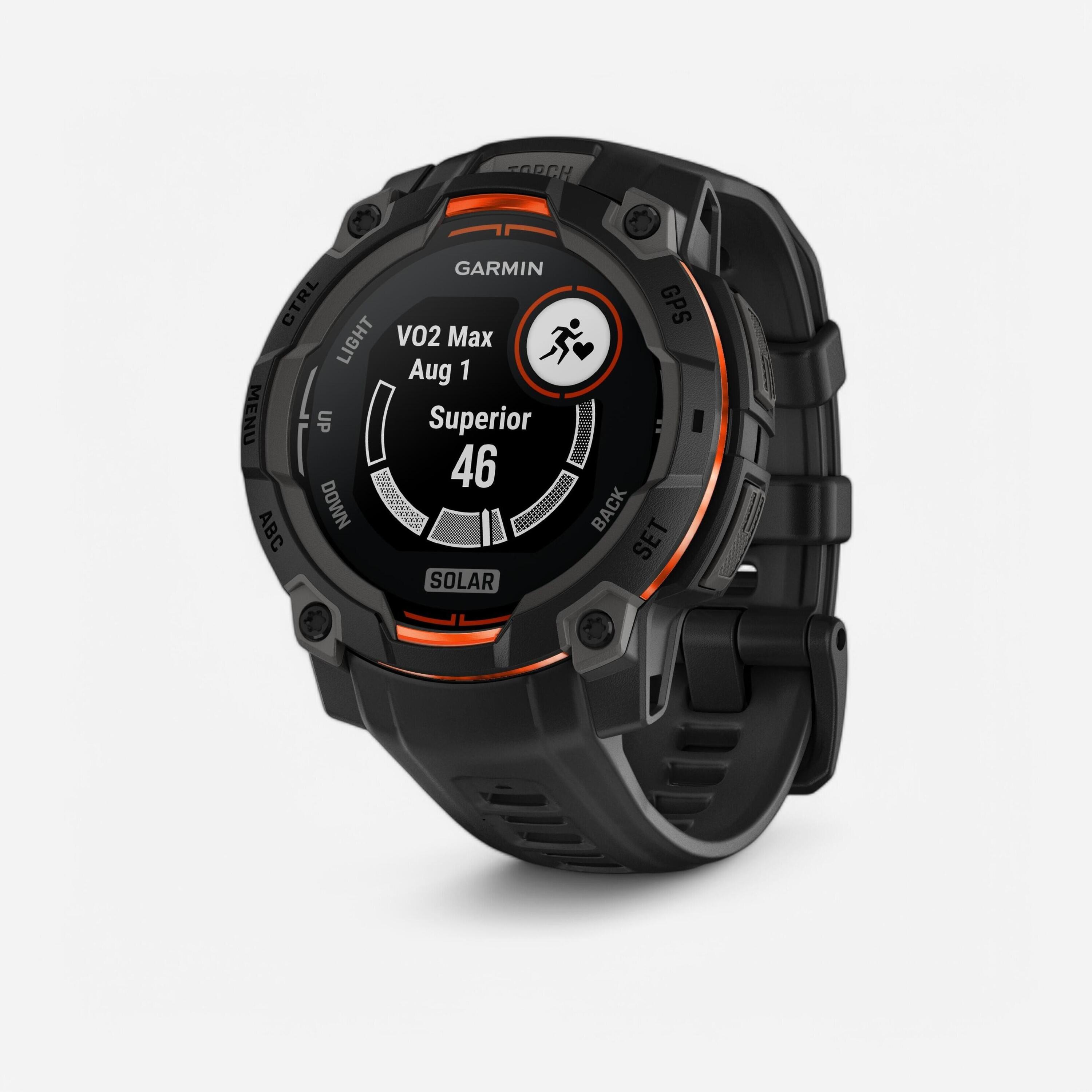
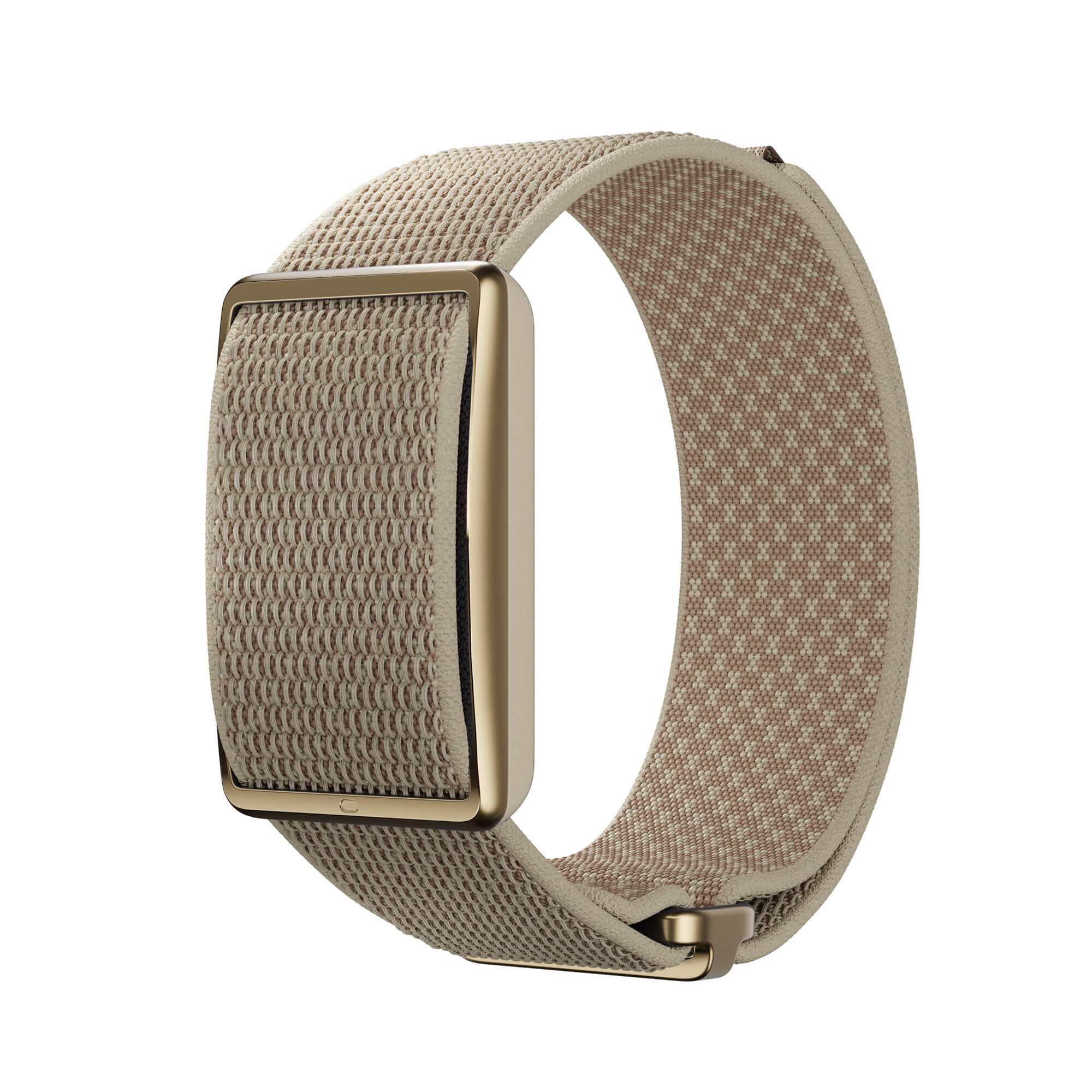
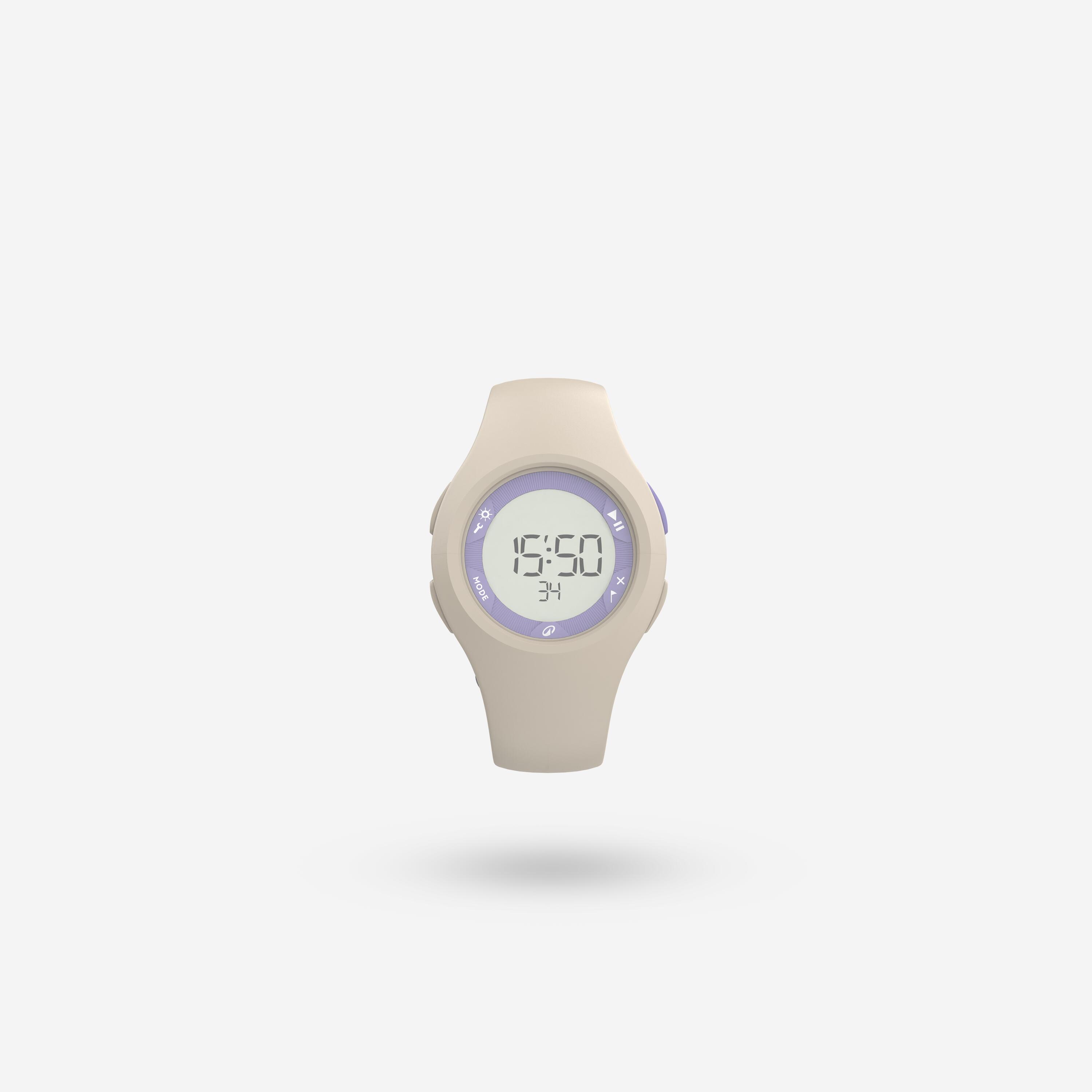
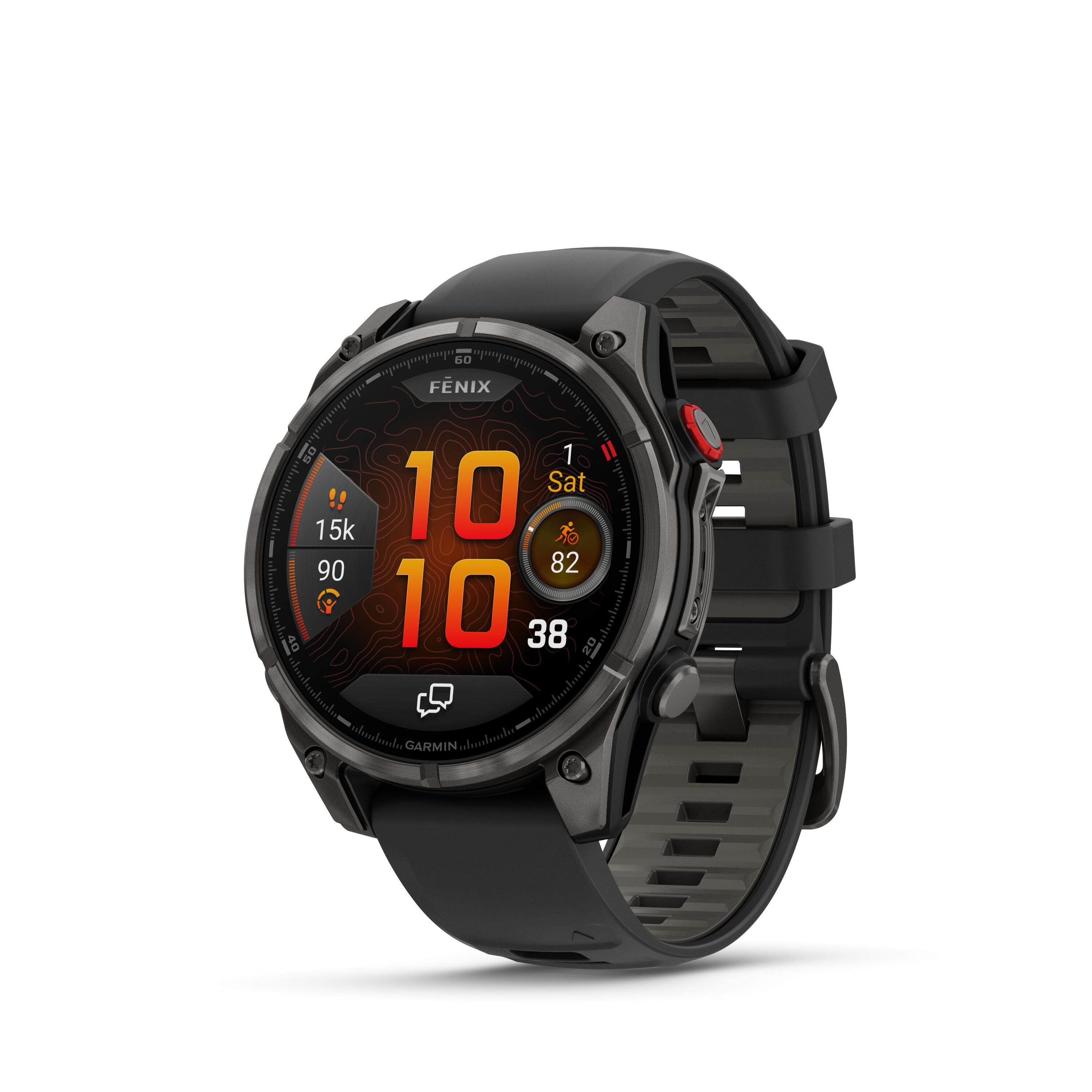
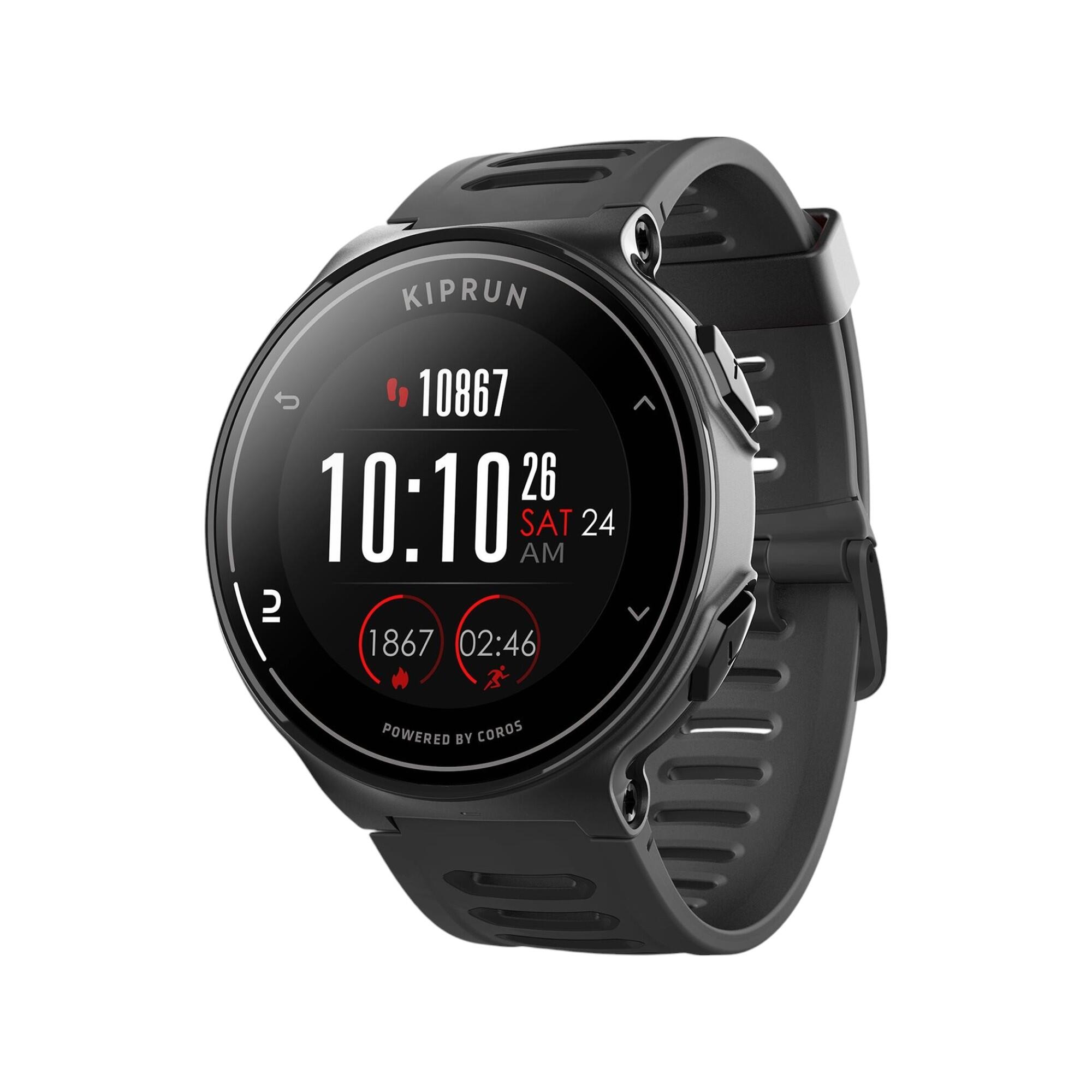
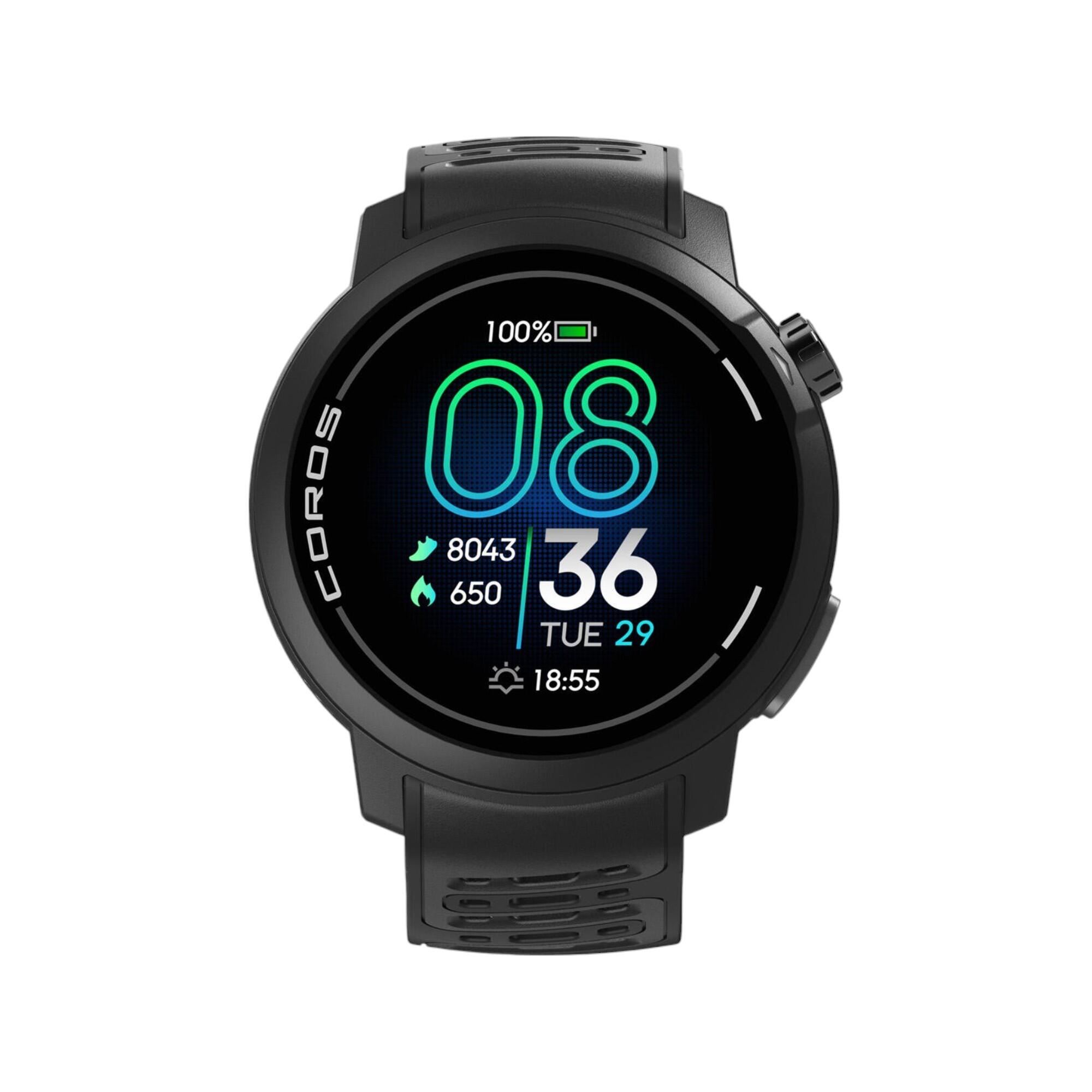
Selecting the right running watch depends on whether you need basic timing or advanced physiological data to guide your recovery and performance. For those starting their journey, simple fitness running watches provide essential feedback on duration and estimated calorie burn without the complexity of satellite mapping. As you transition into structured interval training, the need for precision increases, making running GPS watches a superior choice for calculating exact live pace and total distance. The technical reason behind this upgrade is the integration of GNSS chips that communicate with multiple satellite constellations to ensure signal stability under heavy tree cover or near tall buildings. Expert advice: Ensure the watch strap is tight enough so that no light enters the optical sensor on the underside, as this prevents external interference from skewing your biometric readings during high-intensity sprints.

What are the benefits of sports running watches with heart rate sensors?

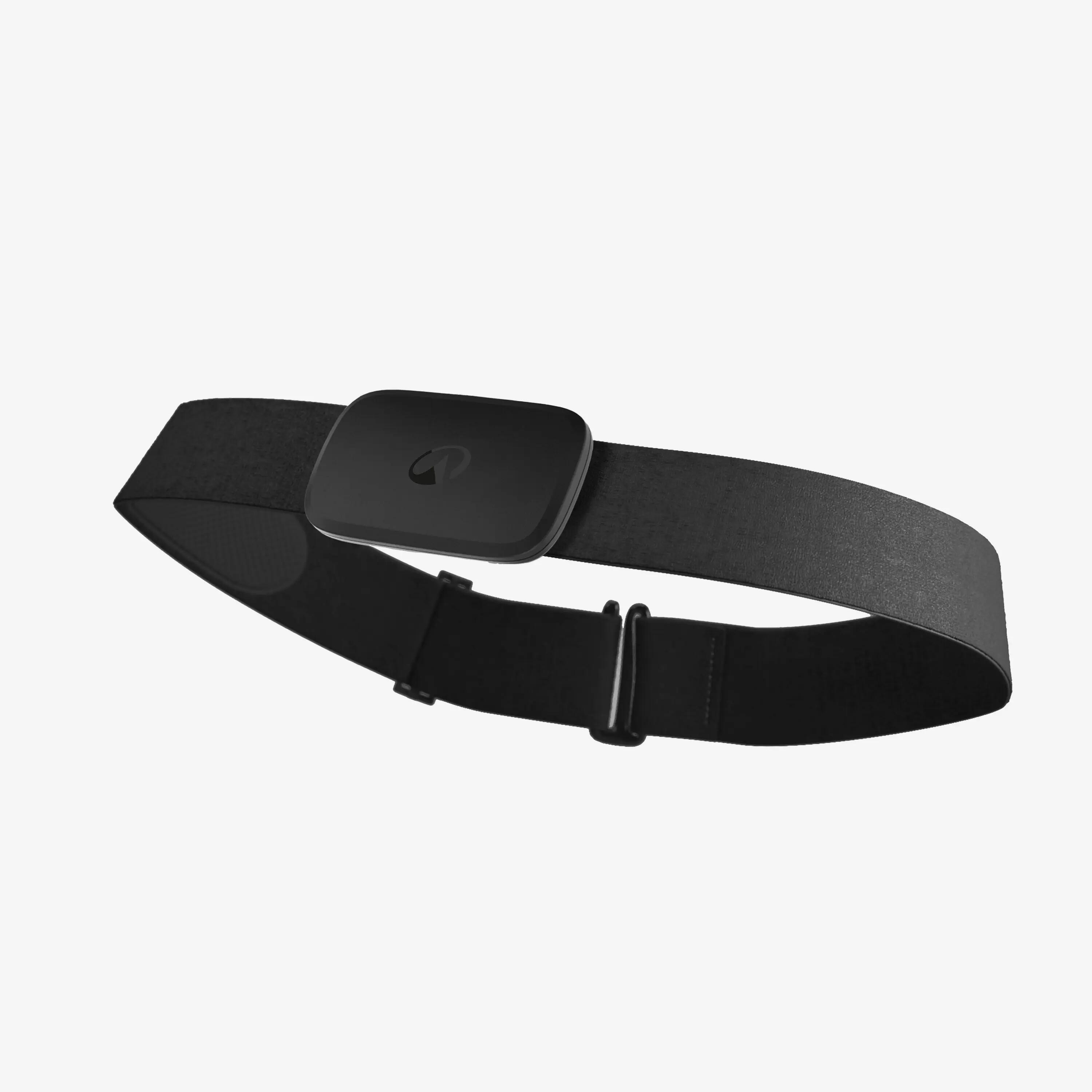
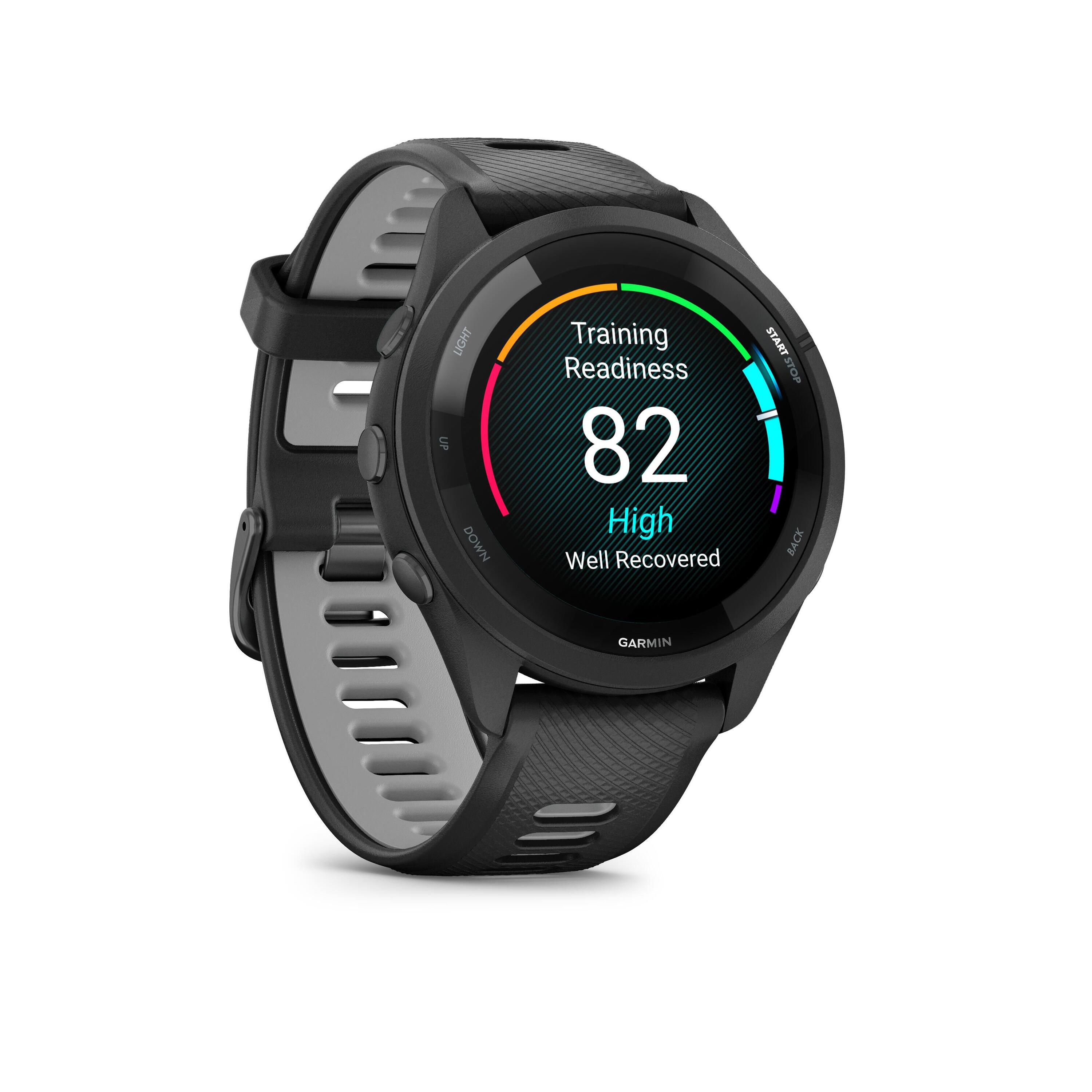
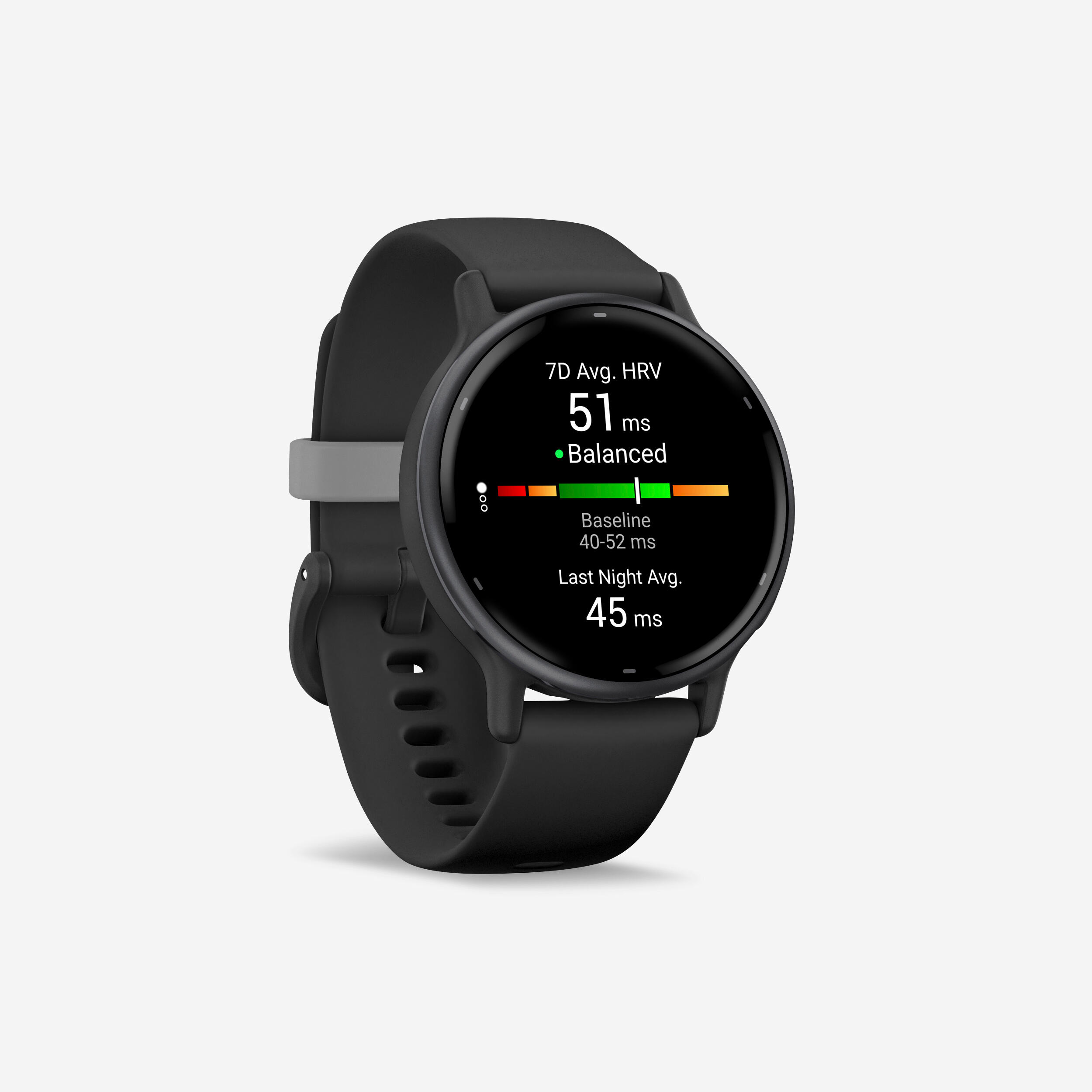
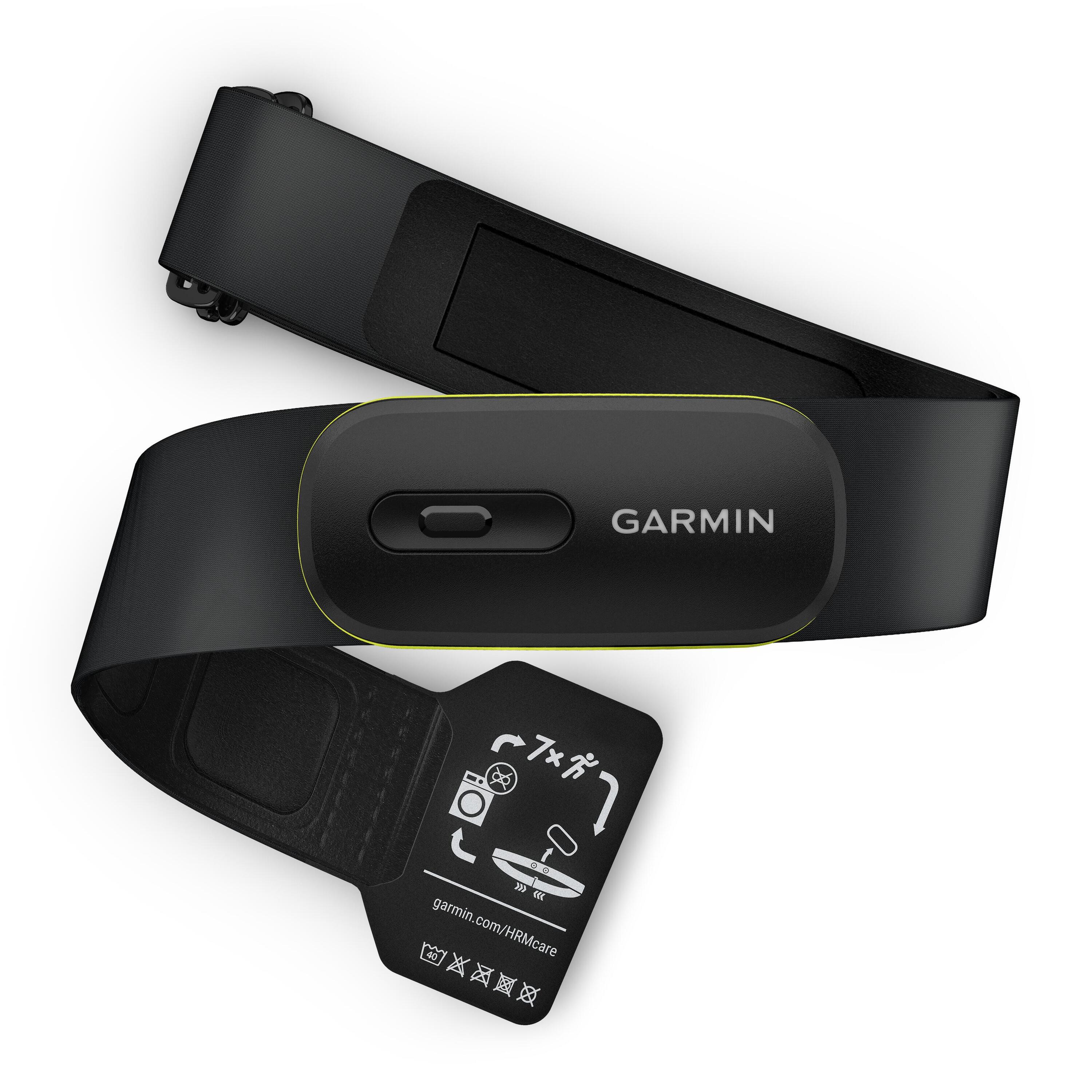
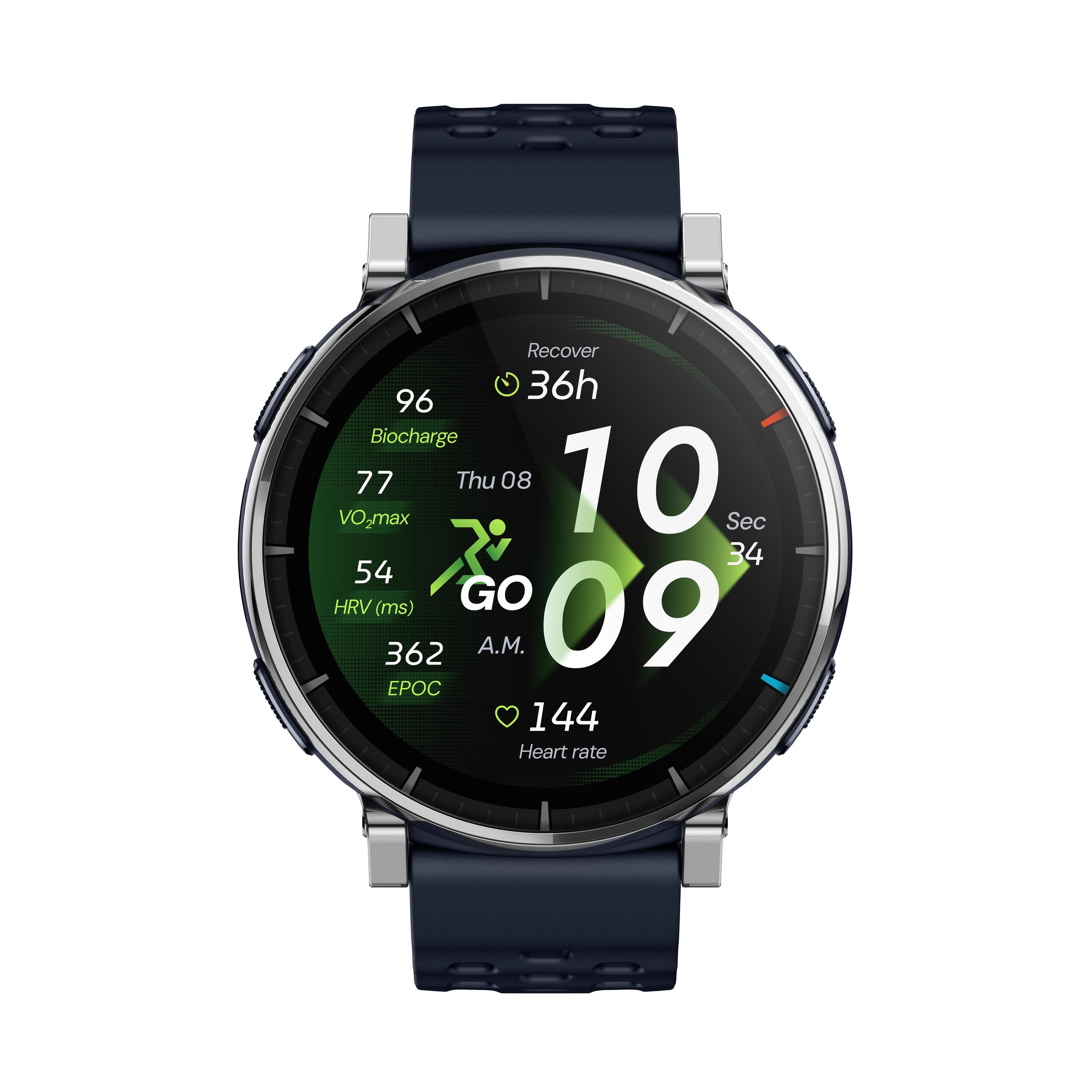
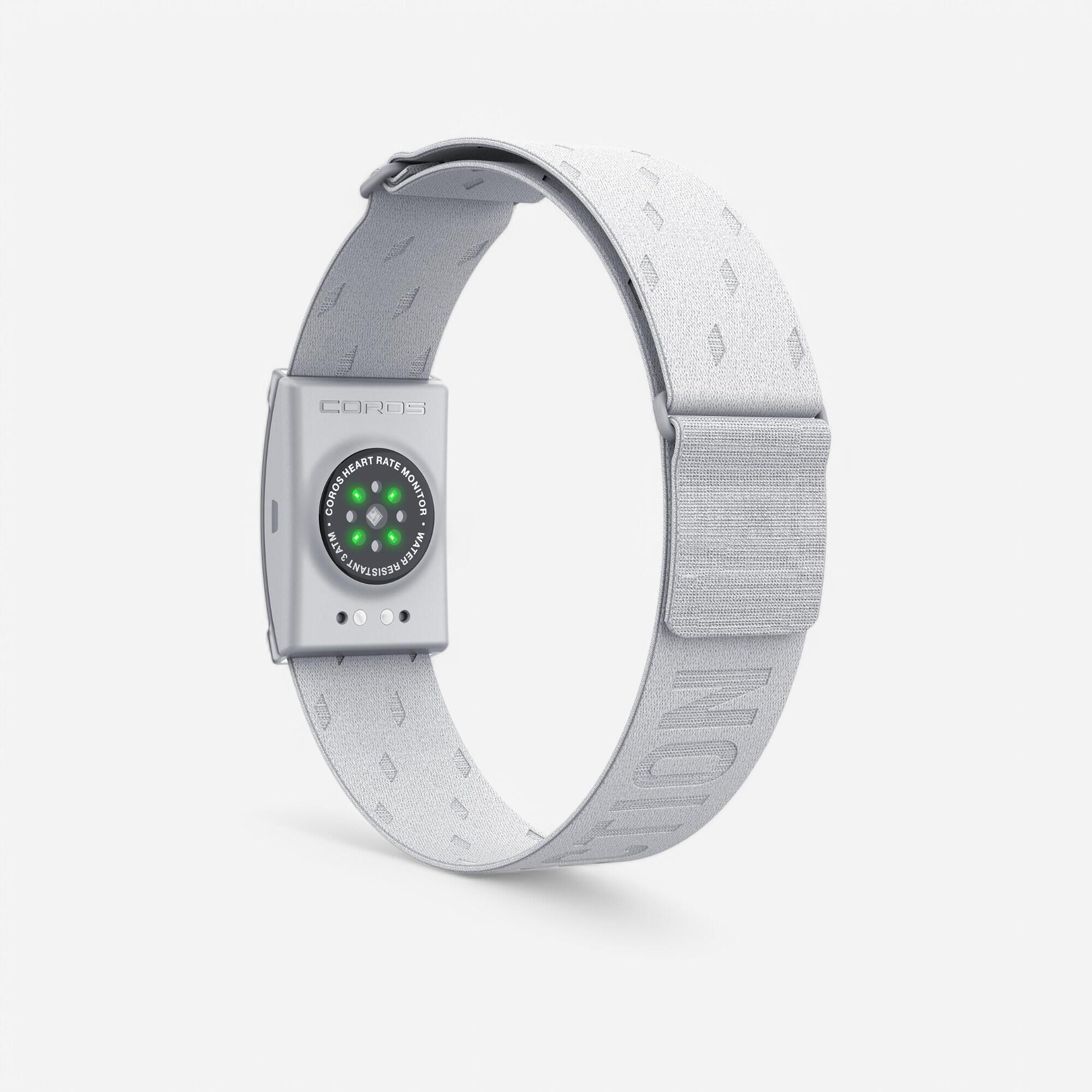
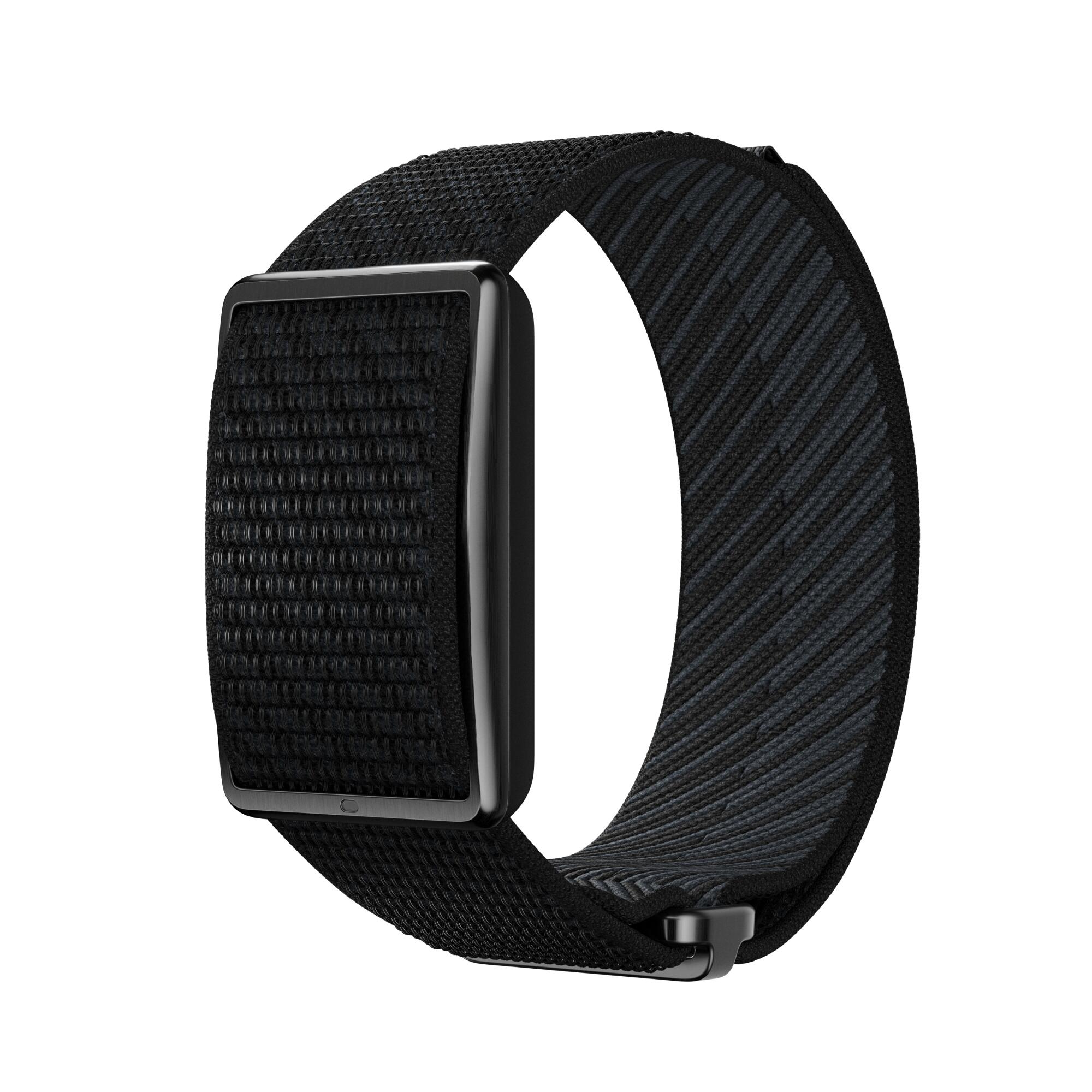
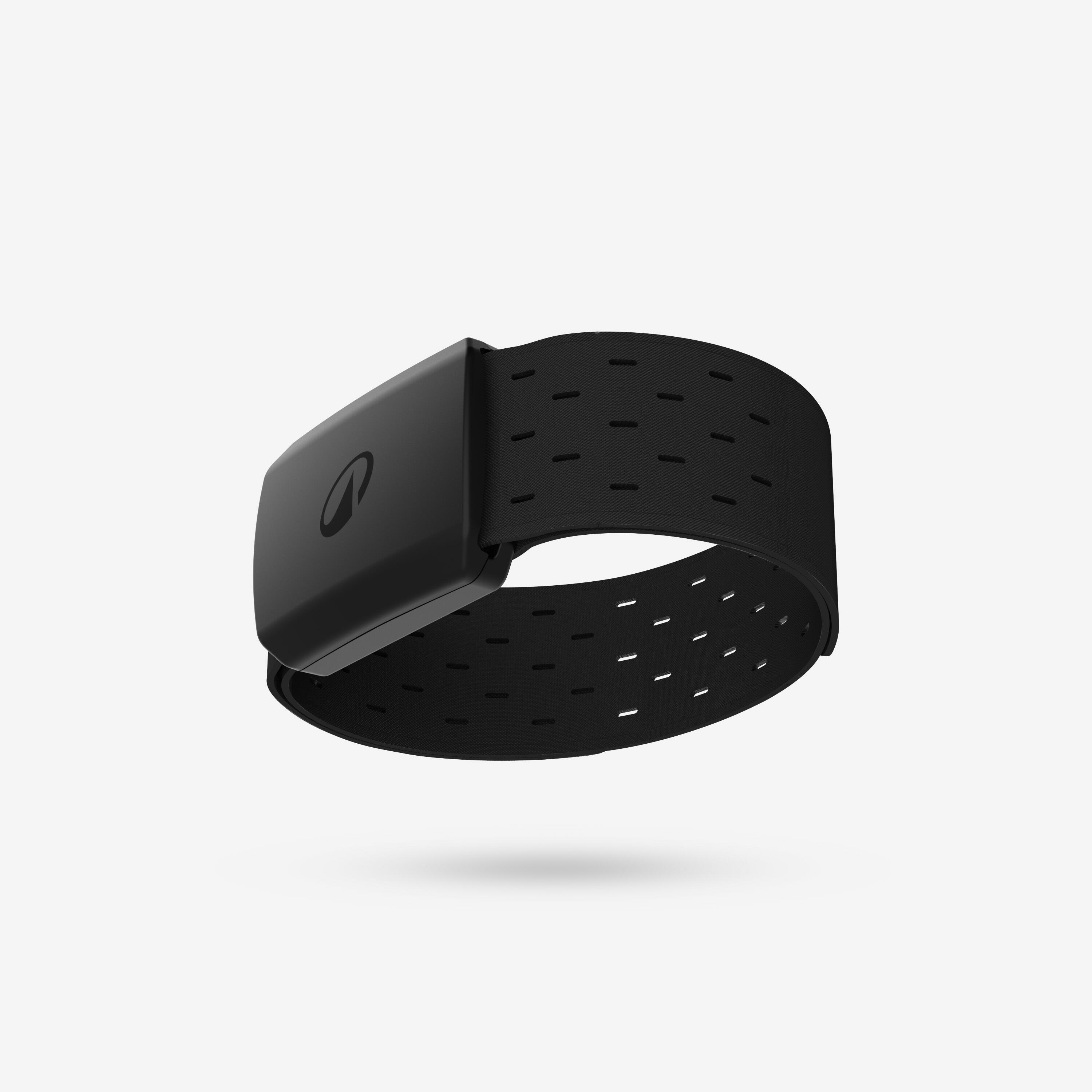
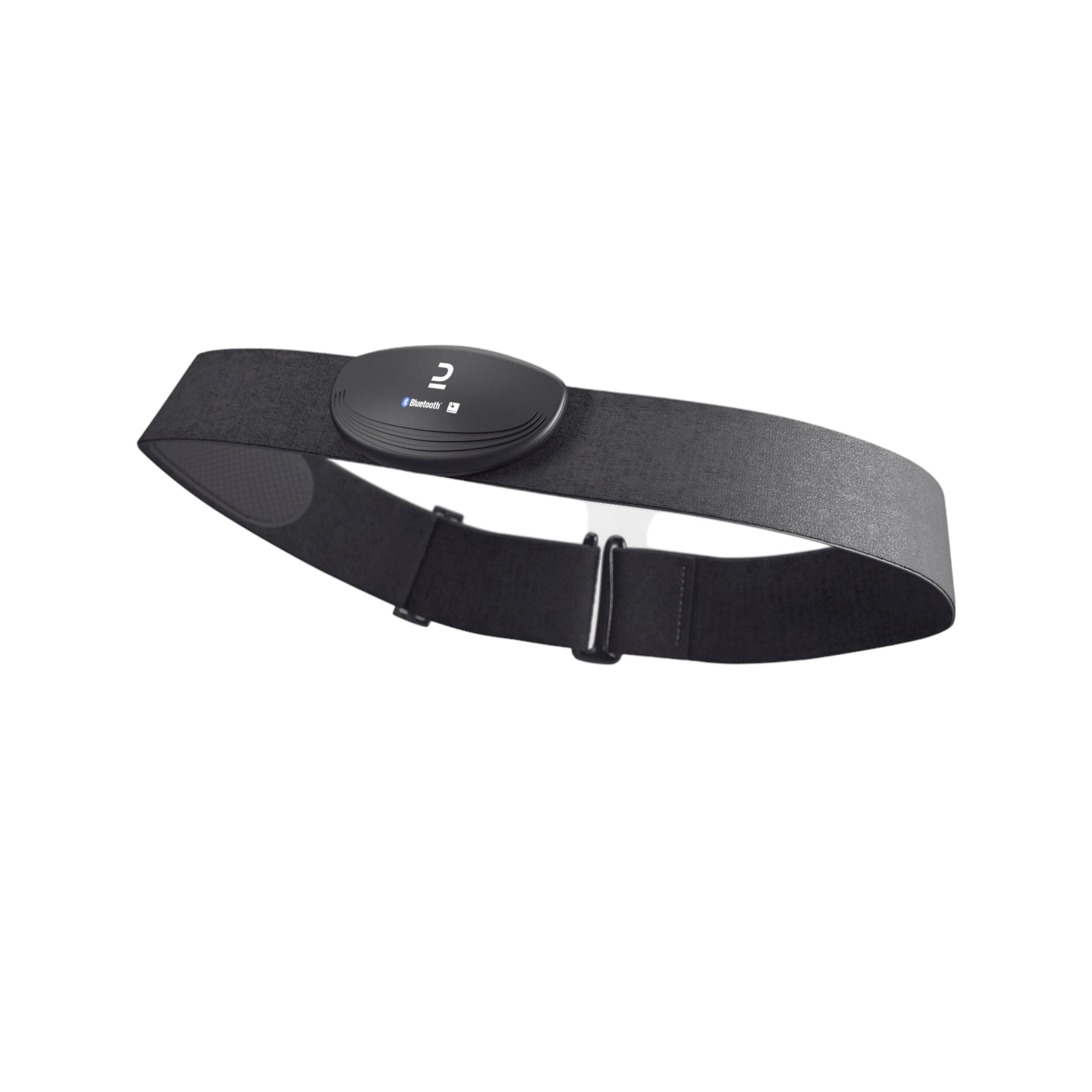
Built-in sensors in running watches track your heart rate, helping you train at the right intensity for improving endurance or speed. While wrist-based optical sensors are convenient for daily tracking, pairing your device with a chest strap running heart rate monitor provides the highest level of electrical accuracy for rapid heart rate changes during hill reps. These running watches measure the time between each beat to calculate stress scores and readiness levels. Using this data helps in identifying when your body requires rest versus when it is primed for a personal best. The expertise involved in these wearables includes accelerometer technology that tracks cadence and vertical oscillation, giving you the tools to refine your running economy. Running tip: Check your resting heart rate every morning via your watch; a sudden increase of five to ten beats per minute often serves as an early warning sign of fatigue or oncoming illness.
Why should I use running stopwatches for track sessions?

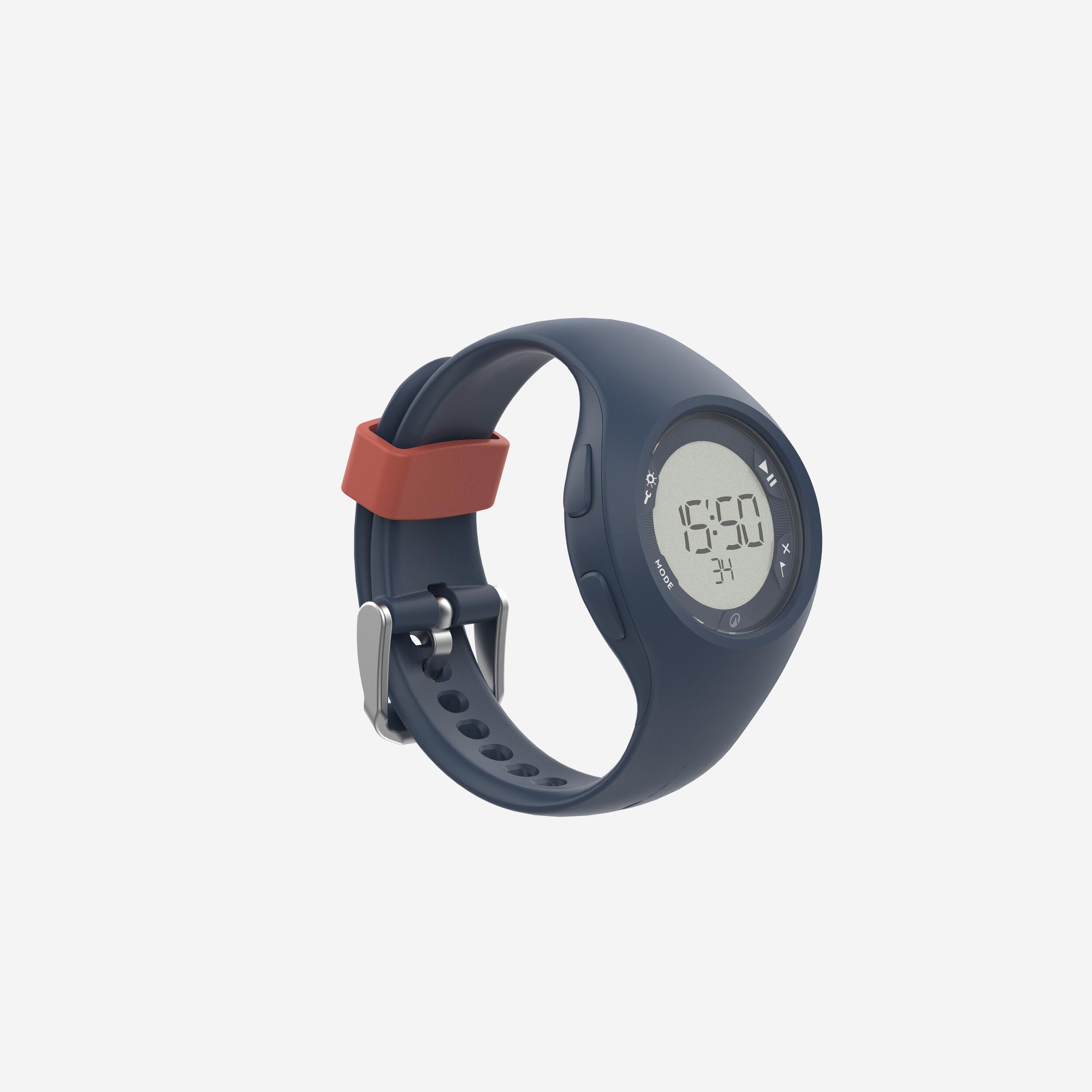
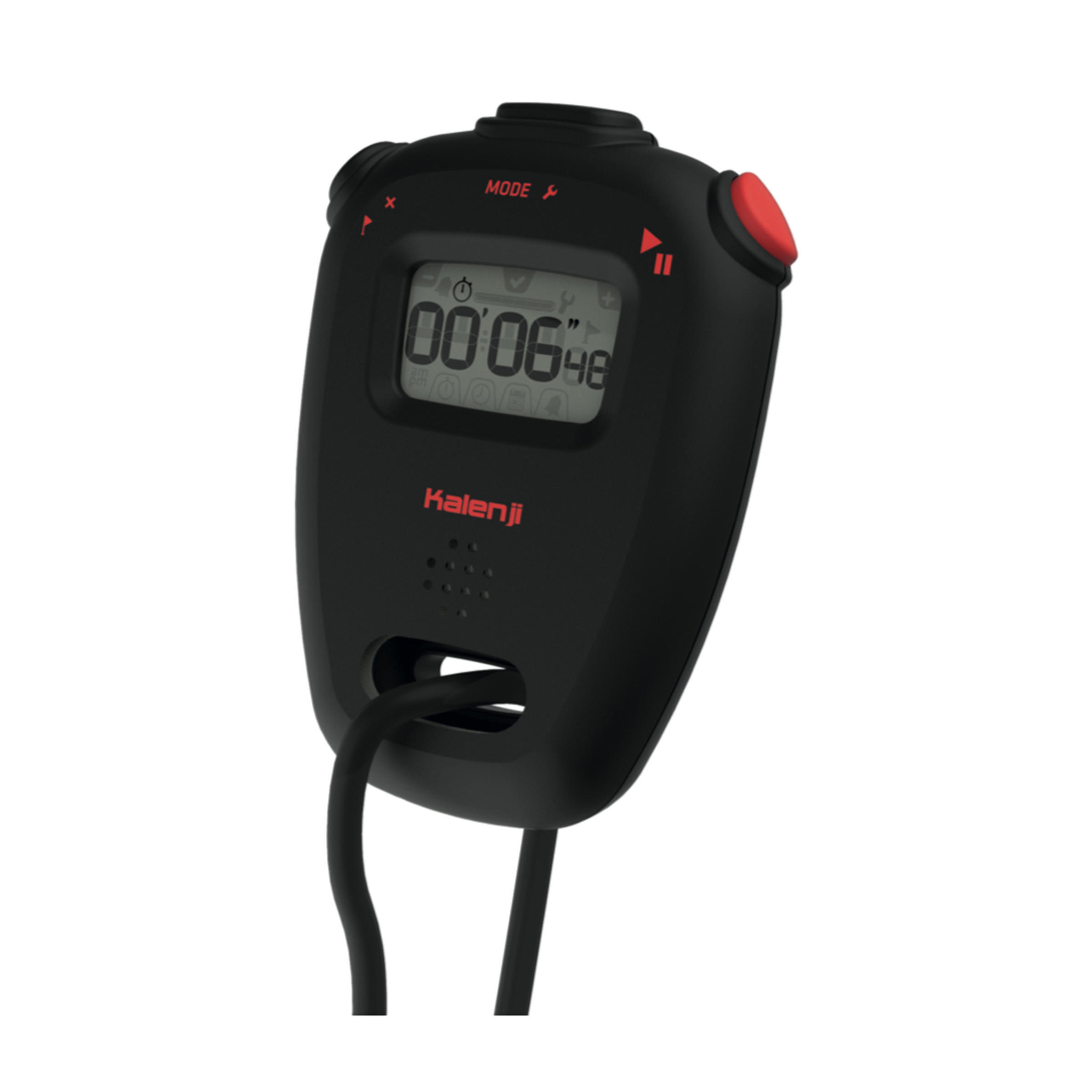
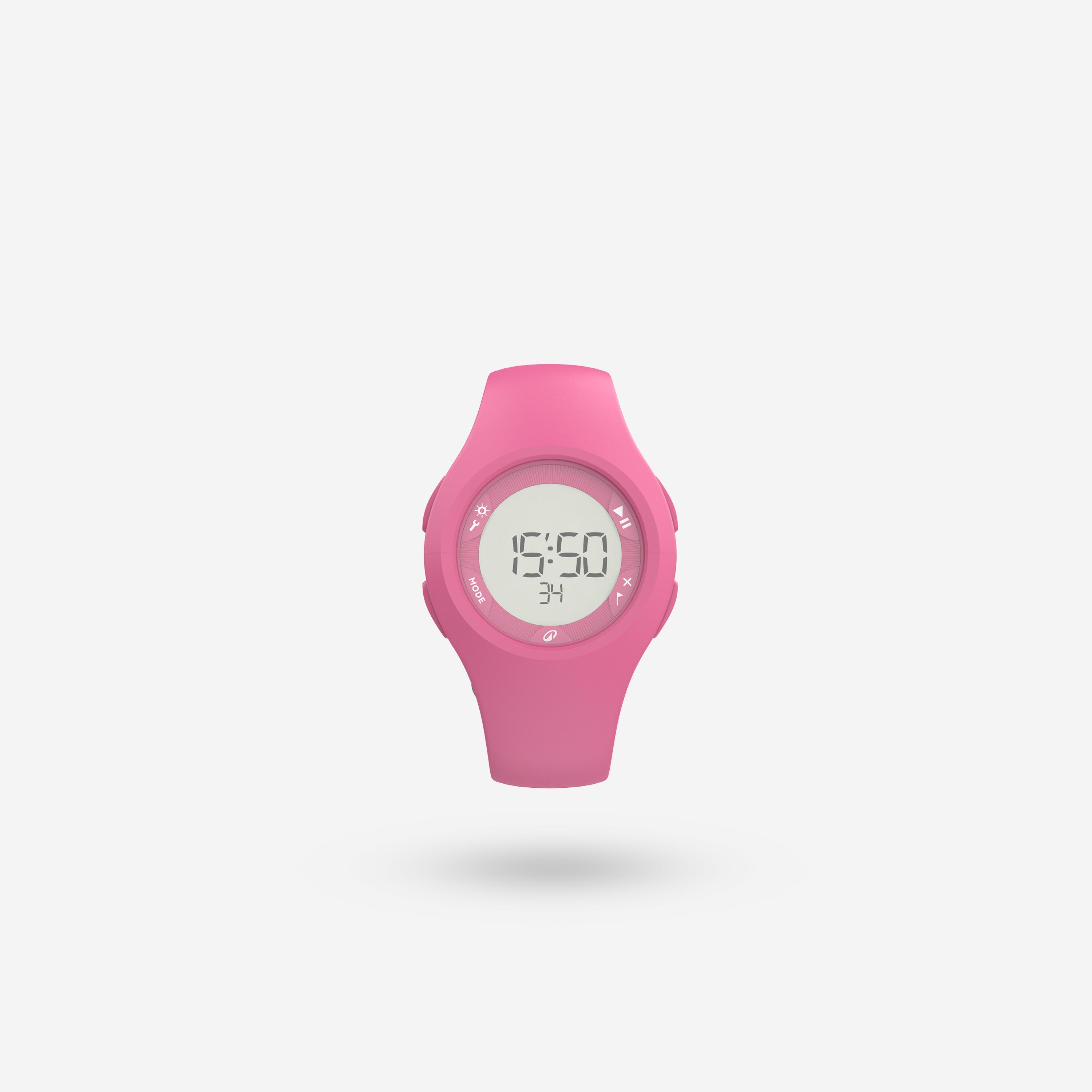
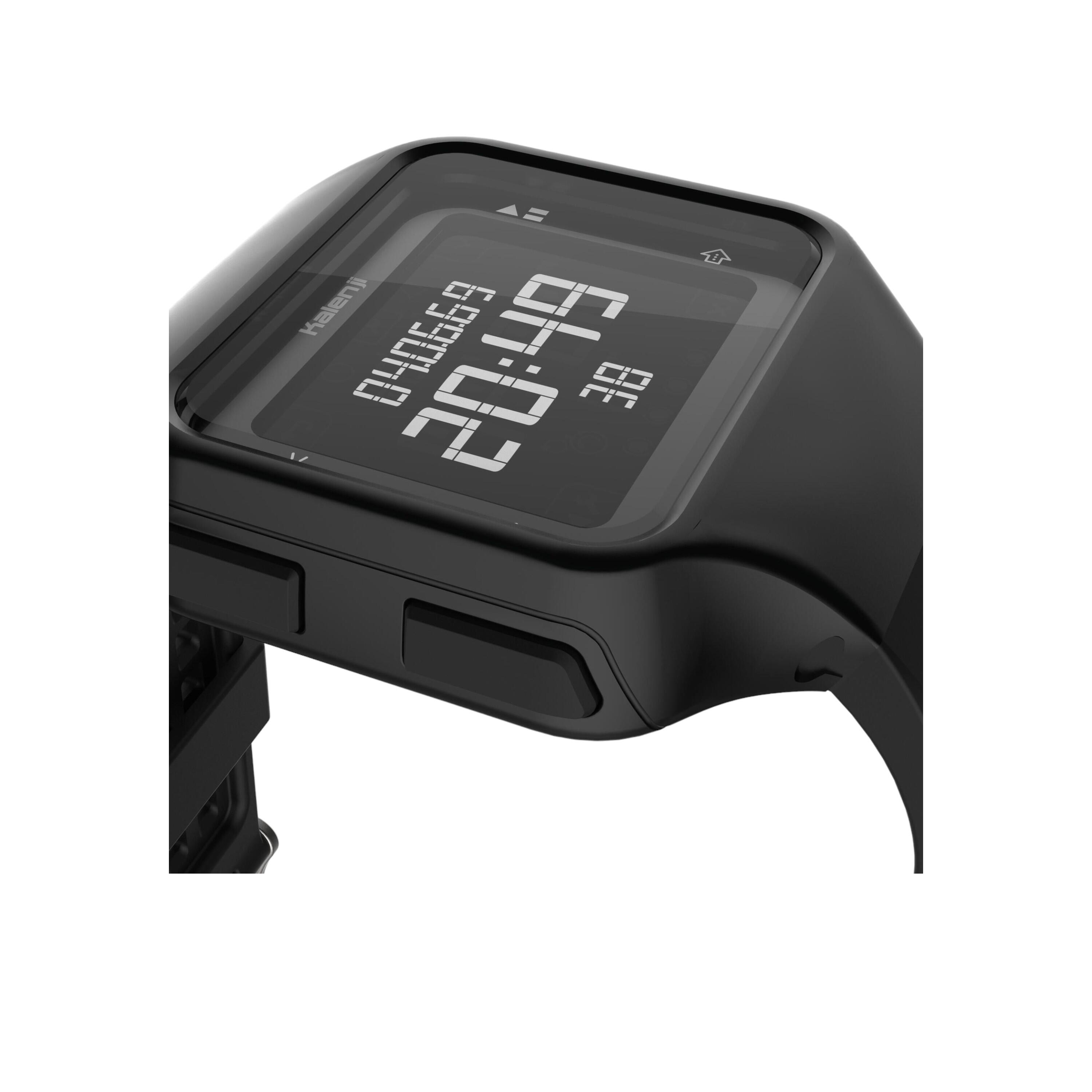
On a measured 400m track, satellite tracking is often unnecessary because the distance is already fixed, making the tactile buttons of running stopwatches more efficient for manual lap timing. These devices eliminate the slight lag sometimes found in GPS processing, providing instantaneous feedback as you cross the finish line. Performance running watches often include "pacer" functions that beep to keep you on a specific target time per lap. This manual approach is favoured by coaches who prioritise split-second accuracy over GPS-mapped routes. The technical reason behind using a dedicated timer is the extended battery life, which can last for months rather than days, ensuring your gear is always ready for a session. Smart tip: Use the lap memory function to review your consistency post-workout, as maintaining an even split across every repetition is a key indicator of well-developed pacing skills and muscular endurance.

What features are essential in fitness running watches for marathons?

Long-distance events require running watches with high battery stamina and clear displays that remain legible under direct sunlight. Look for models that offer "UltraTrac" or power-saving modes that reduce the frequency of satellite pings to extend the life of the device over several hours. Many athletes rely on advanced running smartwatches and activity trackers to monitor pace, distance, and heart rate in real time during endurance events. Most fitness running watches also include hydration and nutrition alerts, which act as a digital coach to remind you to refuel at set intervals. This prevents the "bonk" by ensuring glycogen levels remain stable throughout the race. The reason for choosing a watch with a transreflective screen is that it uses ambient light to illuminate the pixels, making it easier to read without draining the battery with a backlight.