5,349 items
4.4/5 based on 403056 reviews collected online and in stores

Hiking Equipment FAQs

What benefits do adjustable hiking poles provide on climbs and descents?

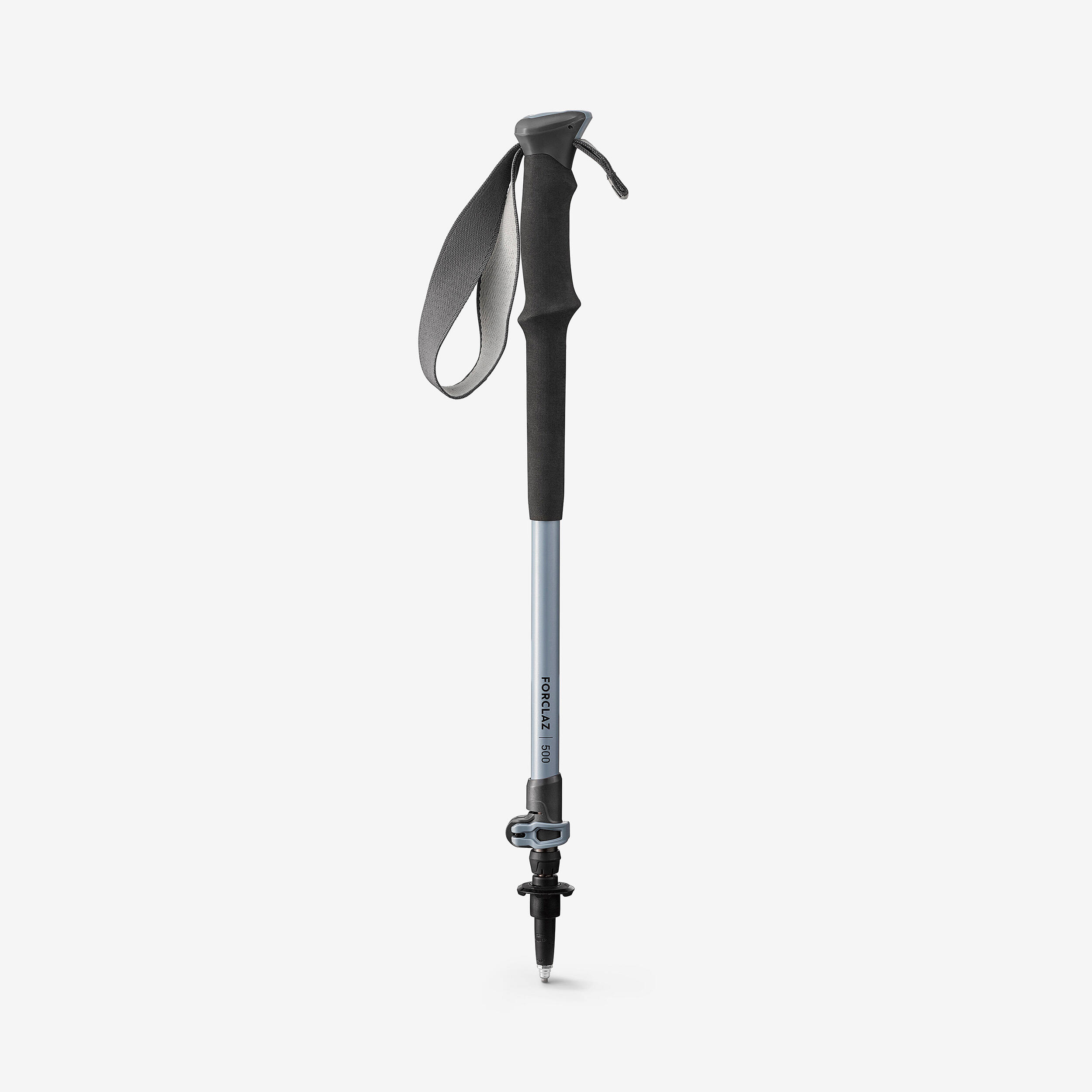
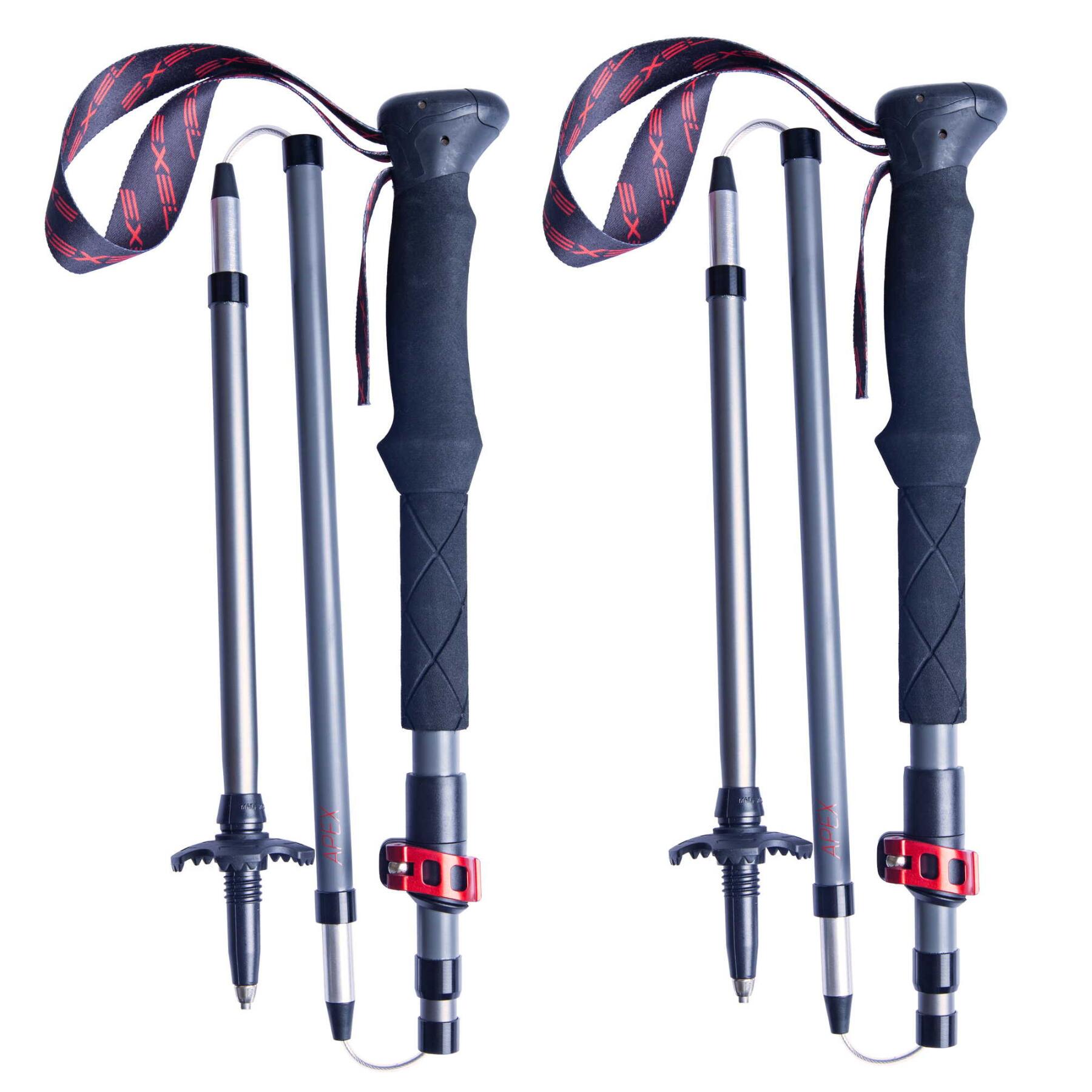
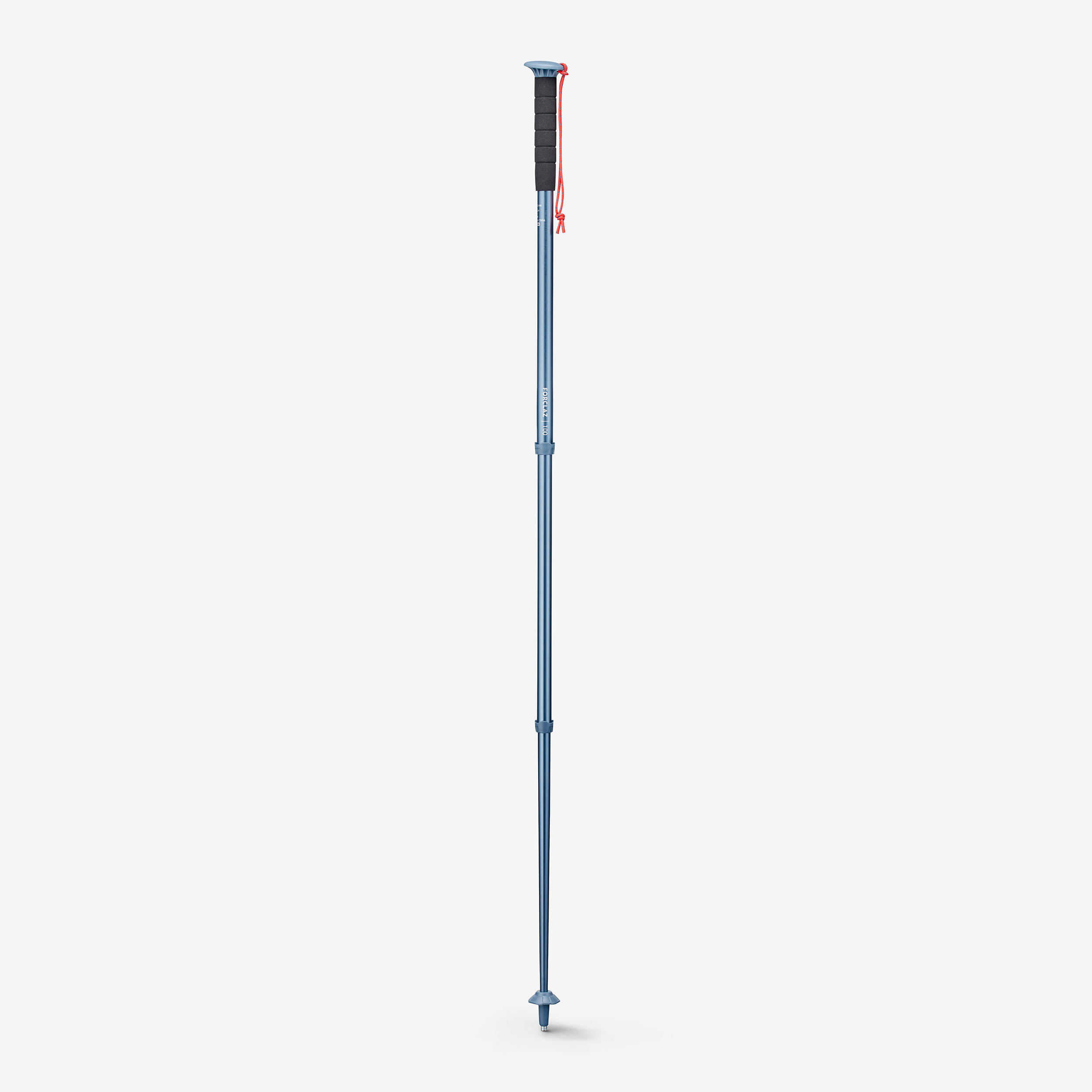
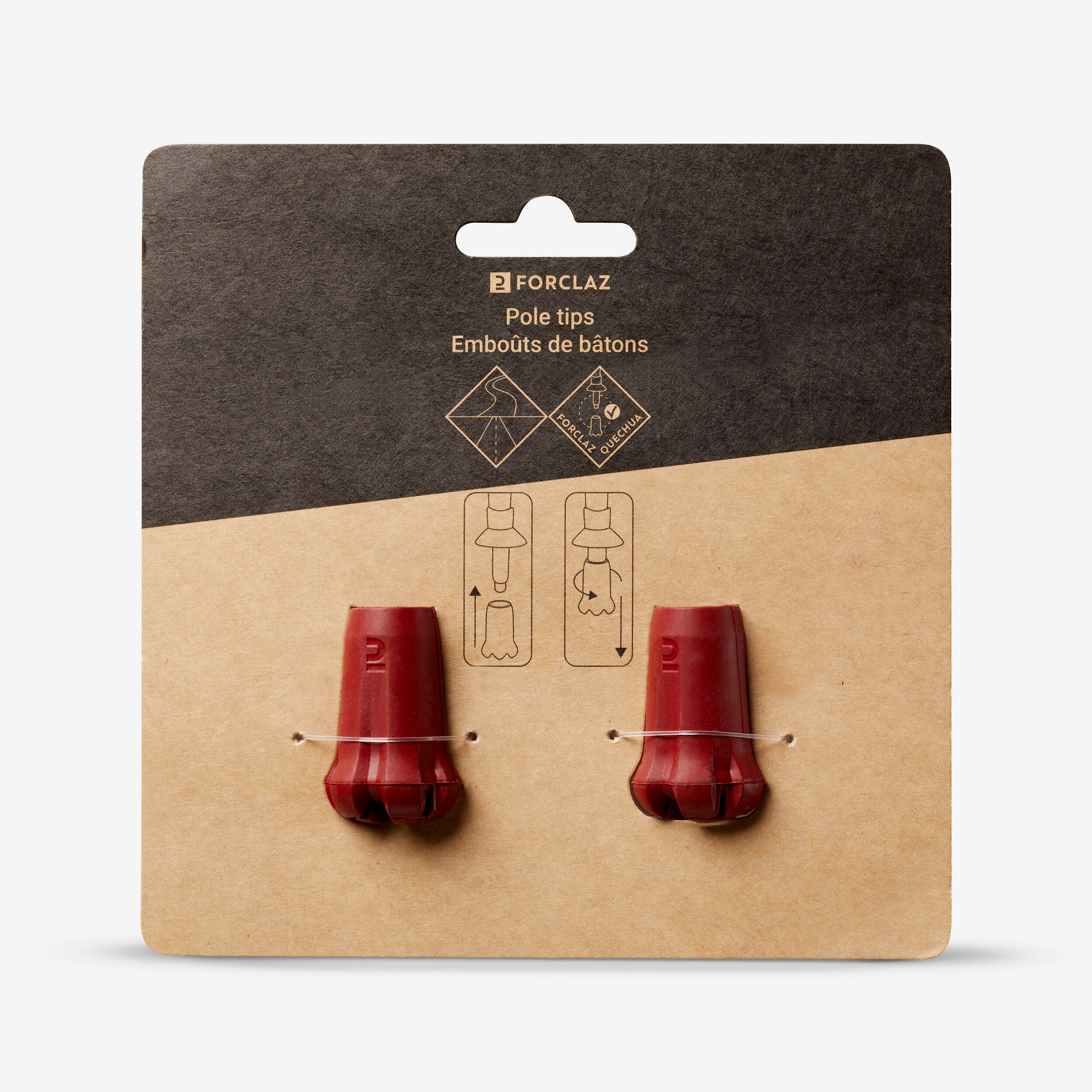
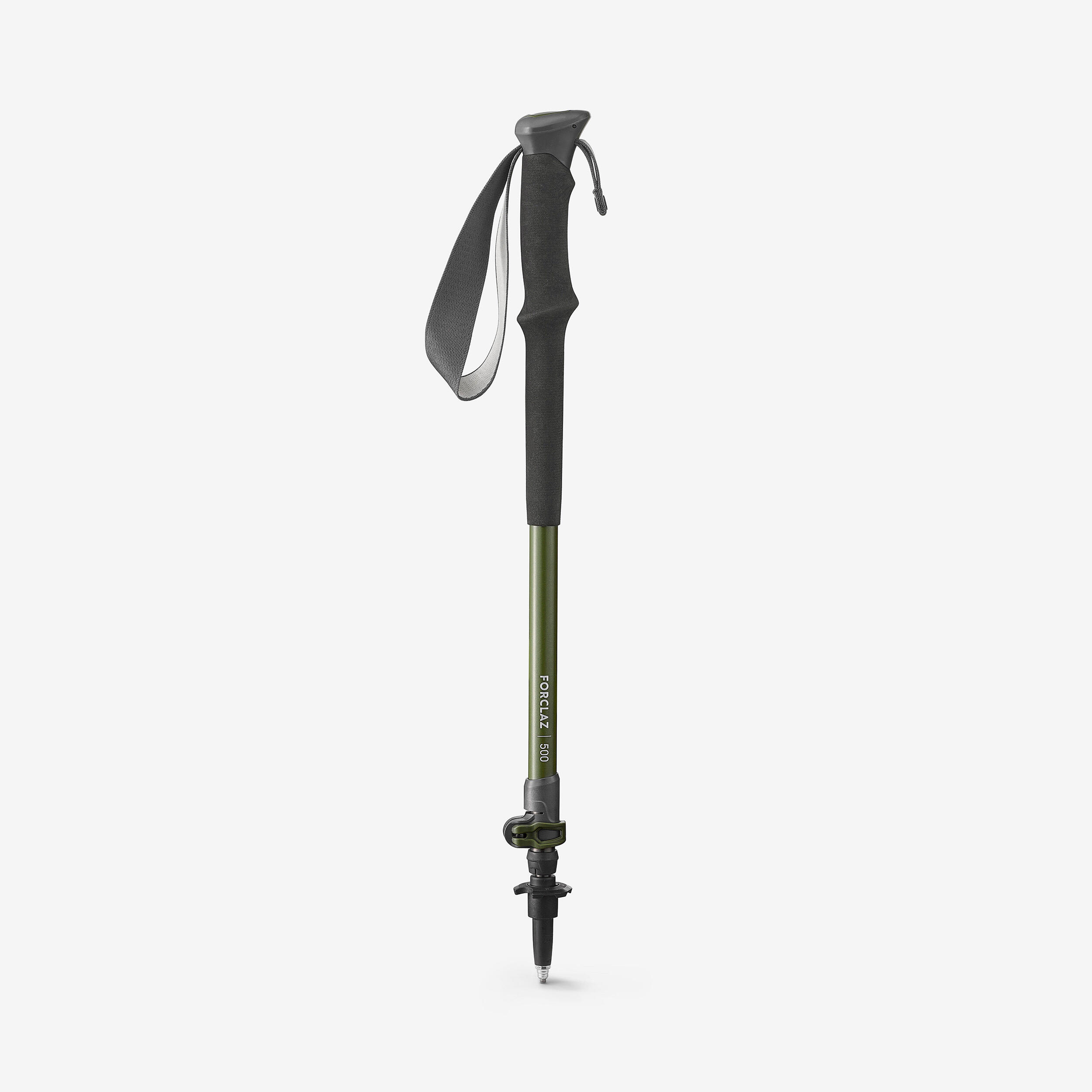
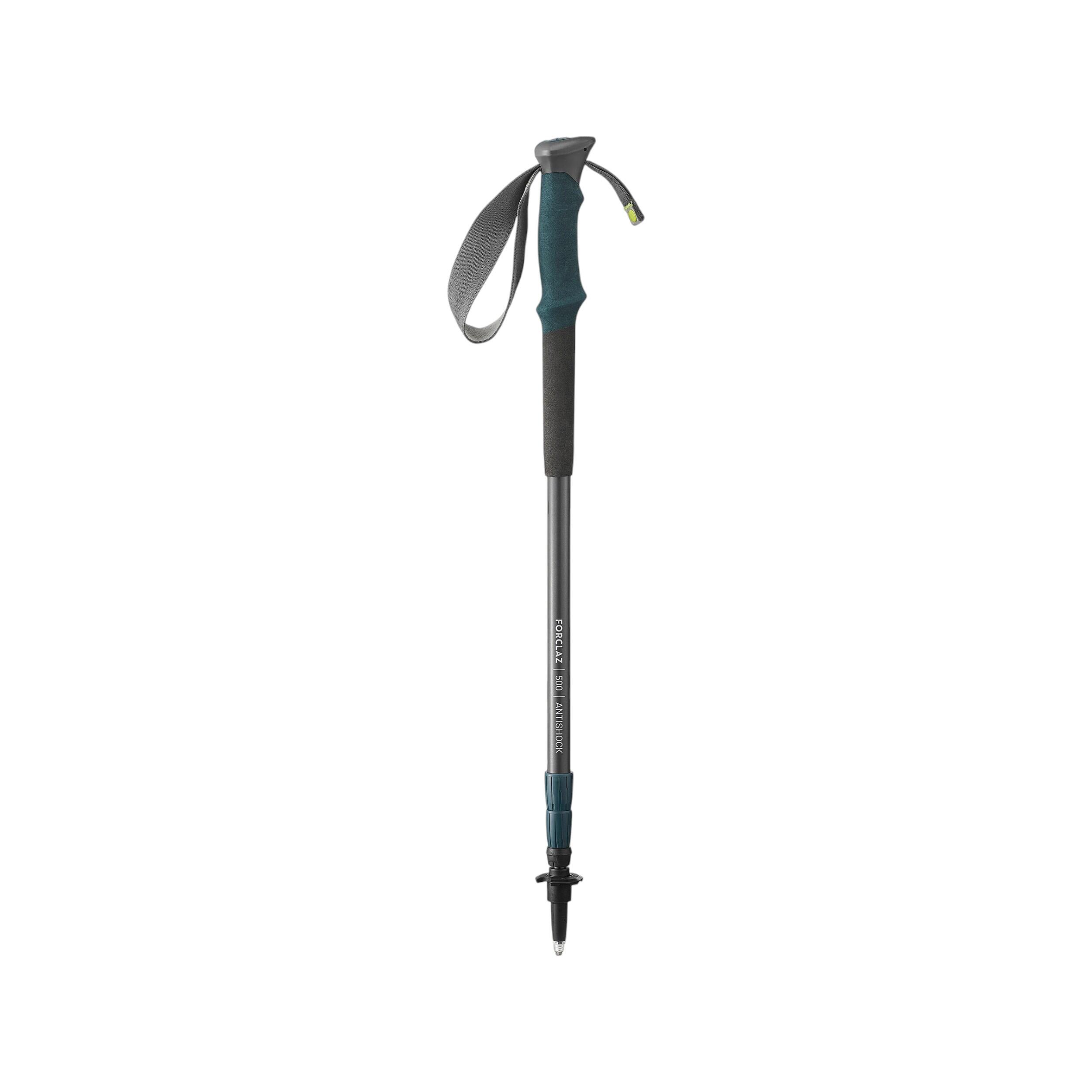
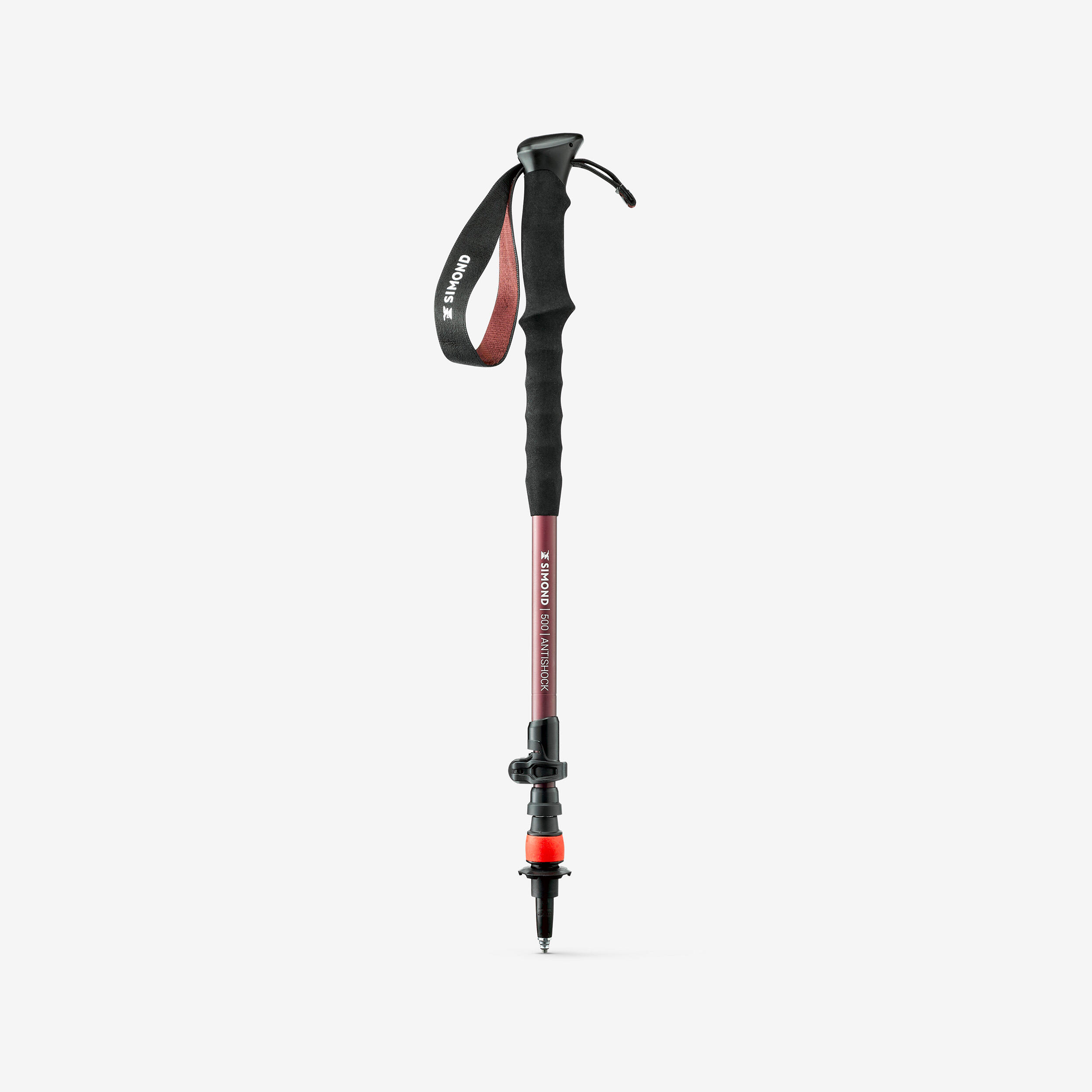
Adjustable poles let you change both length and hand position as the slope changes, which can make them more adaptable than a fixed walking stick. Forclaz's MT500 uses an automatic push-pin to unfold the lower section and an external lever for adjustment from 105 to 130 cm. Its long foam handle also gives you several grip positions, so you can hold lower on climbs or traverses and use the top of the handle differently on descents. The range of hiking poles also includes replaceable tips, baskets and lower sections on selected models, which can make worn components easier to change without replacing the whole pole. Set both poles to a comfortable working length before starting and recheck the locking system after transport.

What makes hiking sunglasses and protective cases suitable for outdoor use?

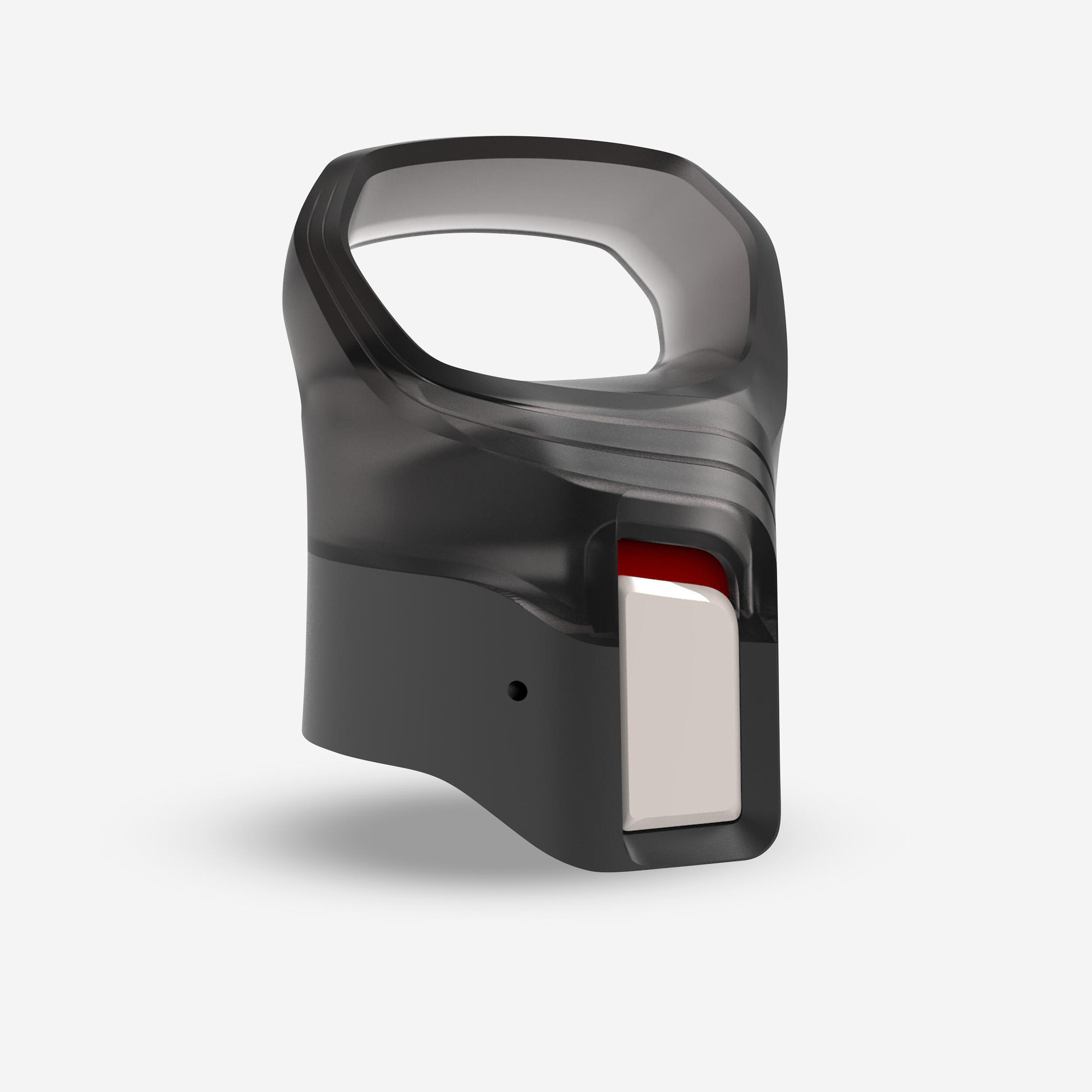
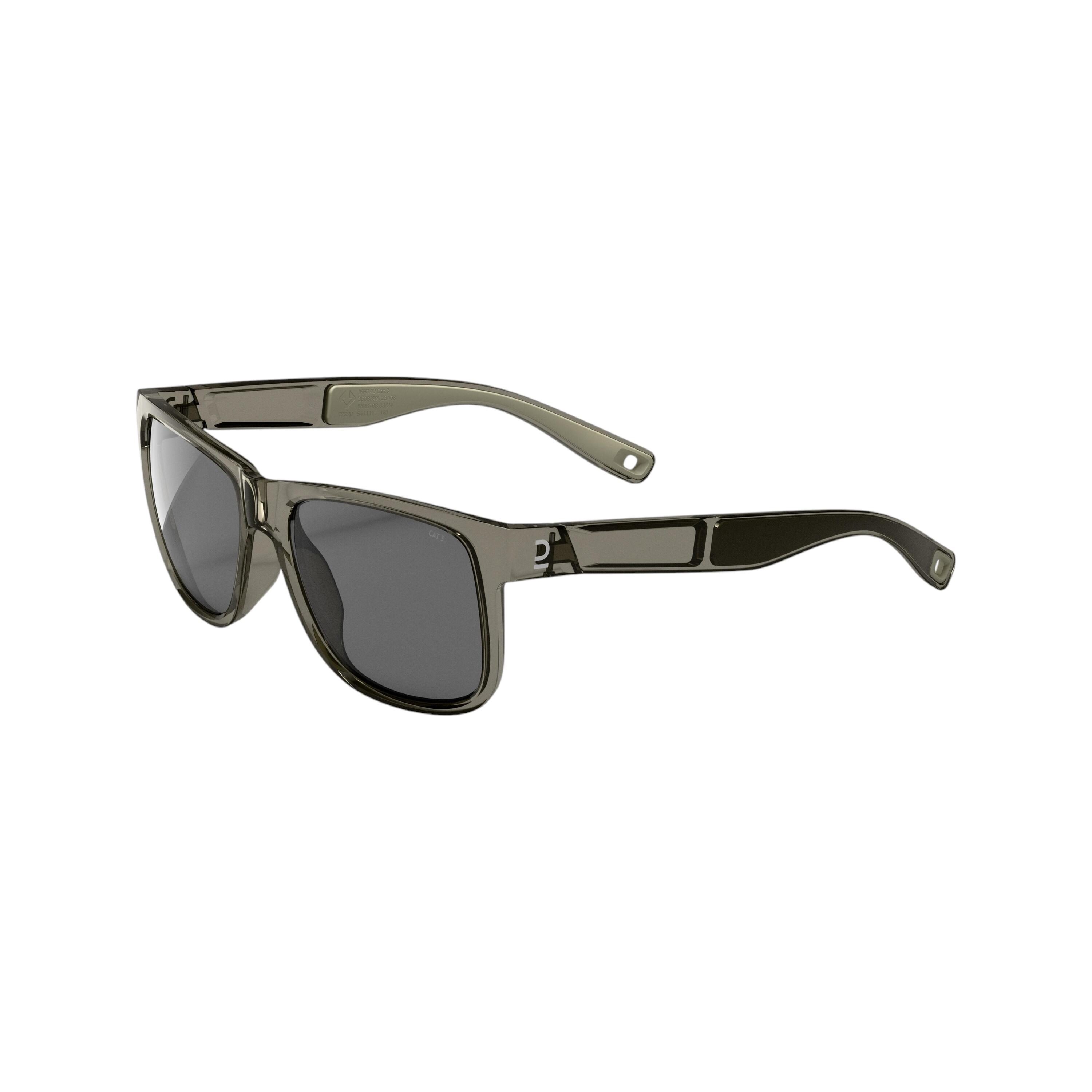
Choose eyewear according to light conditions, fit and the level of protection needed for the route, then protect the lenses when the glasses are packed away. Decathlon's rigid CASE 560 uses a thermoformed EVA shell to resist crushing and impact, while a microfibre lining helps reduce scratching. That makes a lightweight case useful when hiking sunglasses are being carried inside a backpack with harder equipment such as poles, bottles or electronics. Avoid dropping loose glasses into a pocket with keys or metal accessories, and wipe lenses with a suitable soft cloth rather than clothing that may carry grit. When the glasses are not being worn, keeping them in a structured case can reduce damage during transport between sections of the walk.
Which headlamp features are useful for hiking and bivouac use?

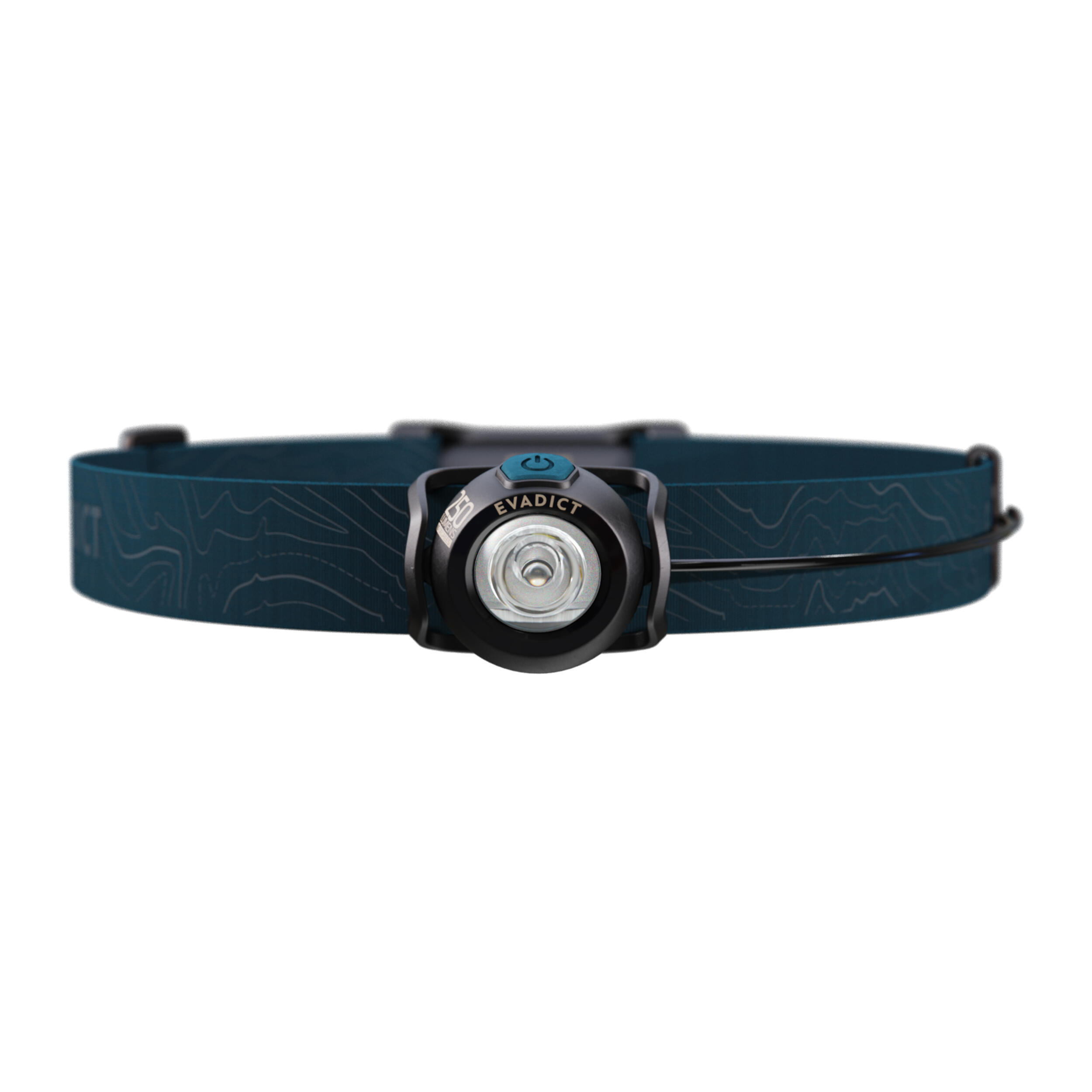
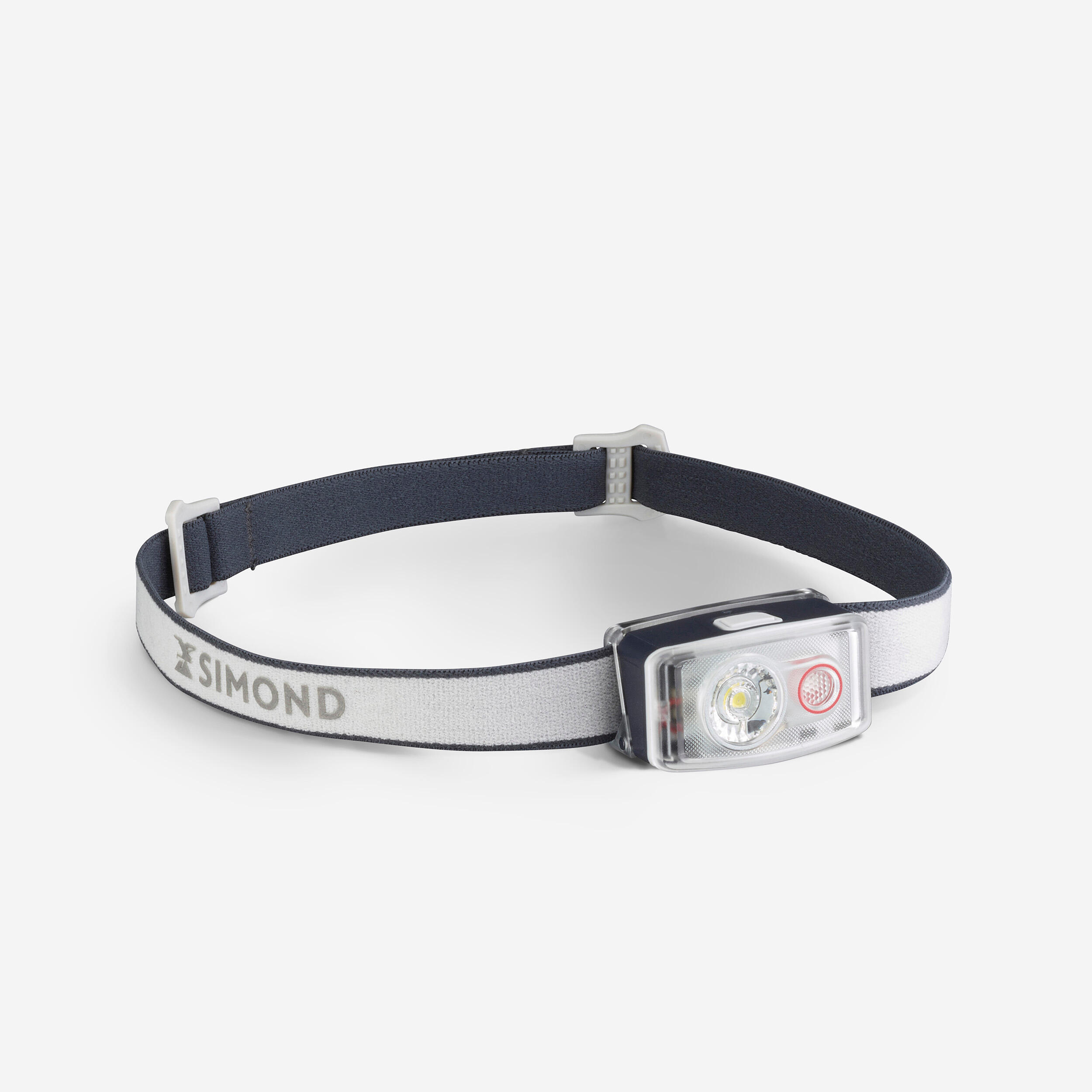
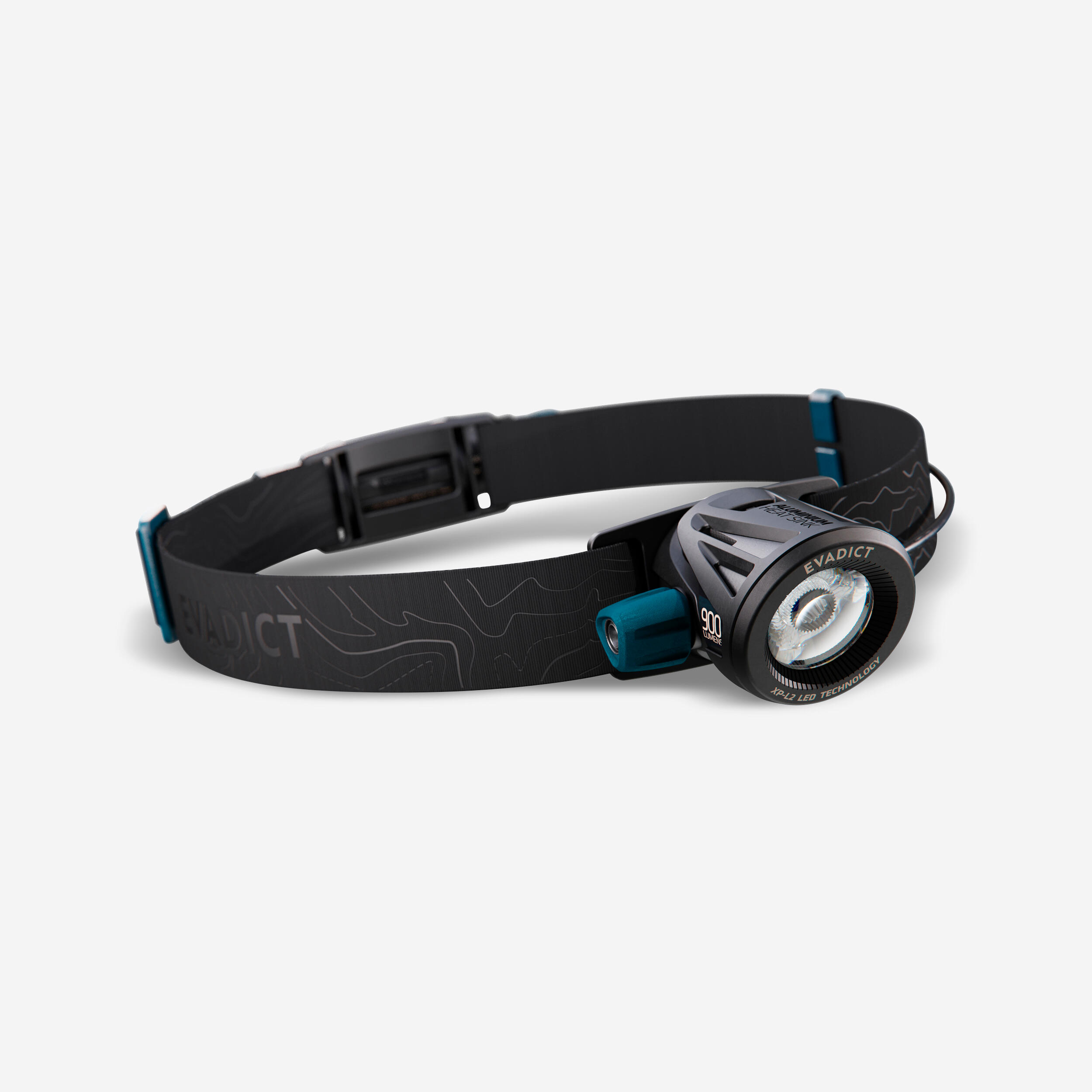
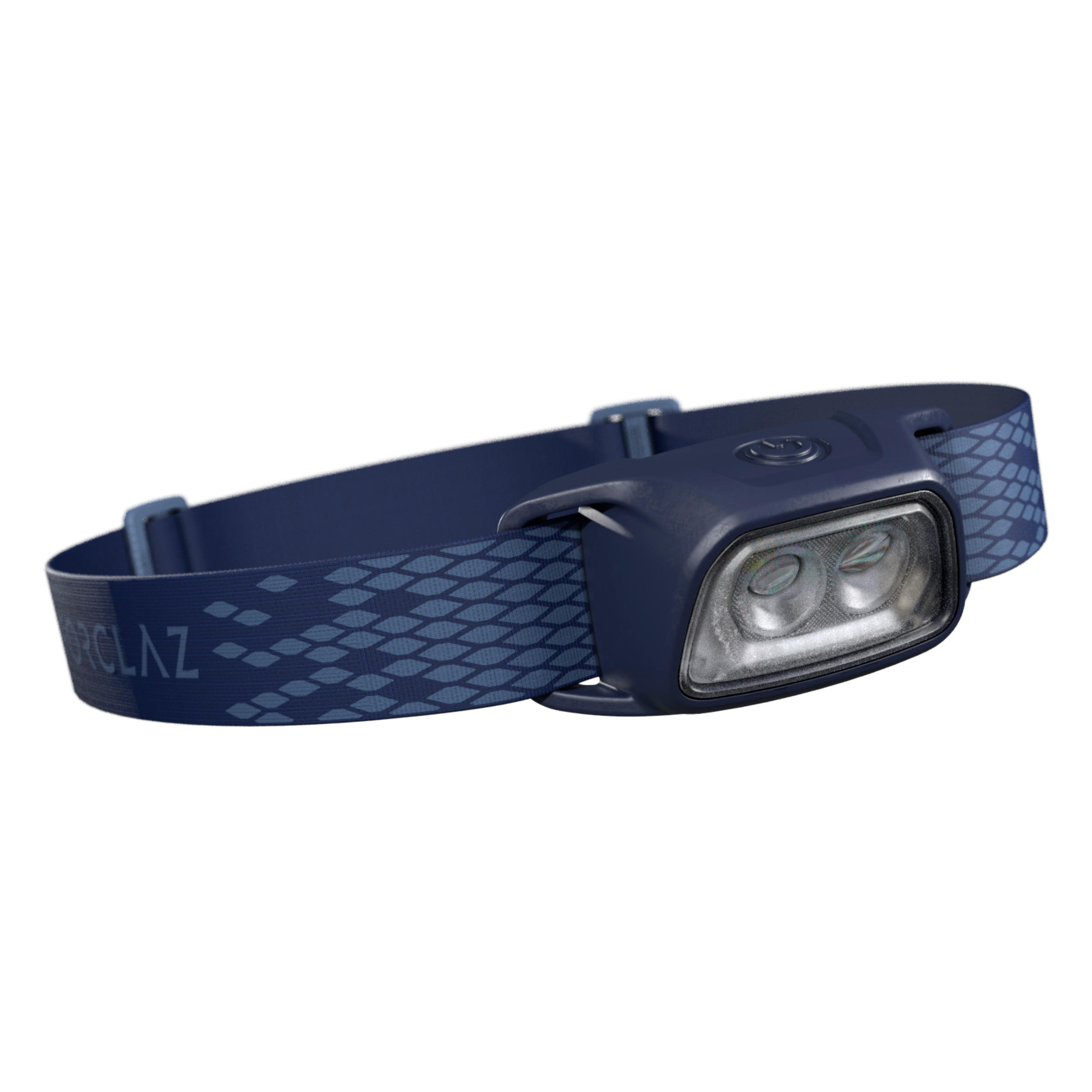
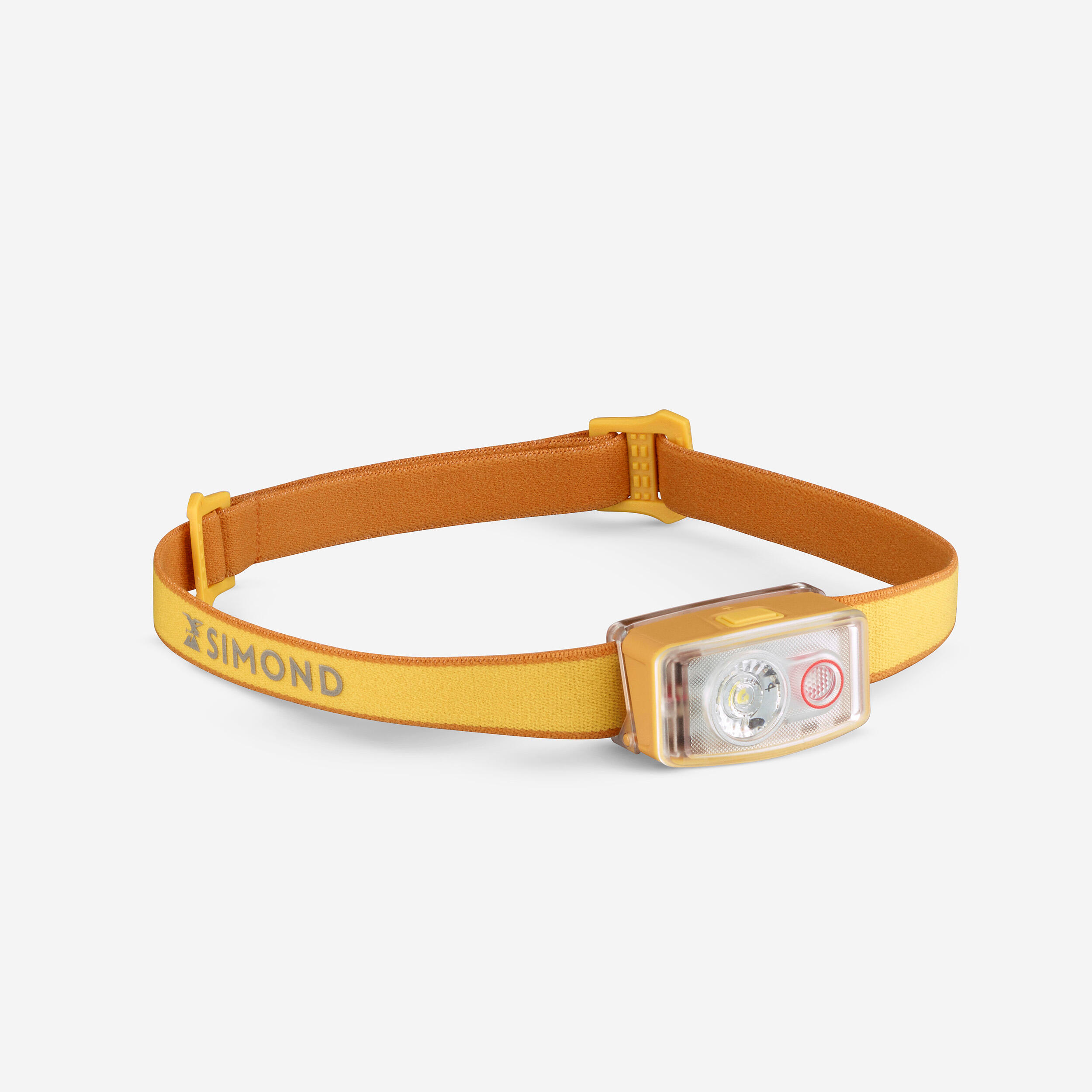
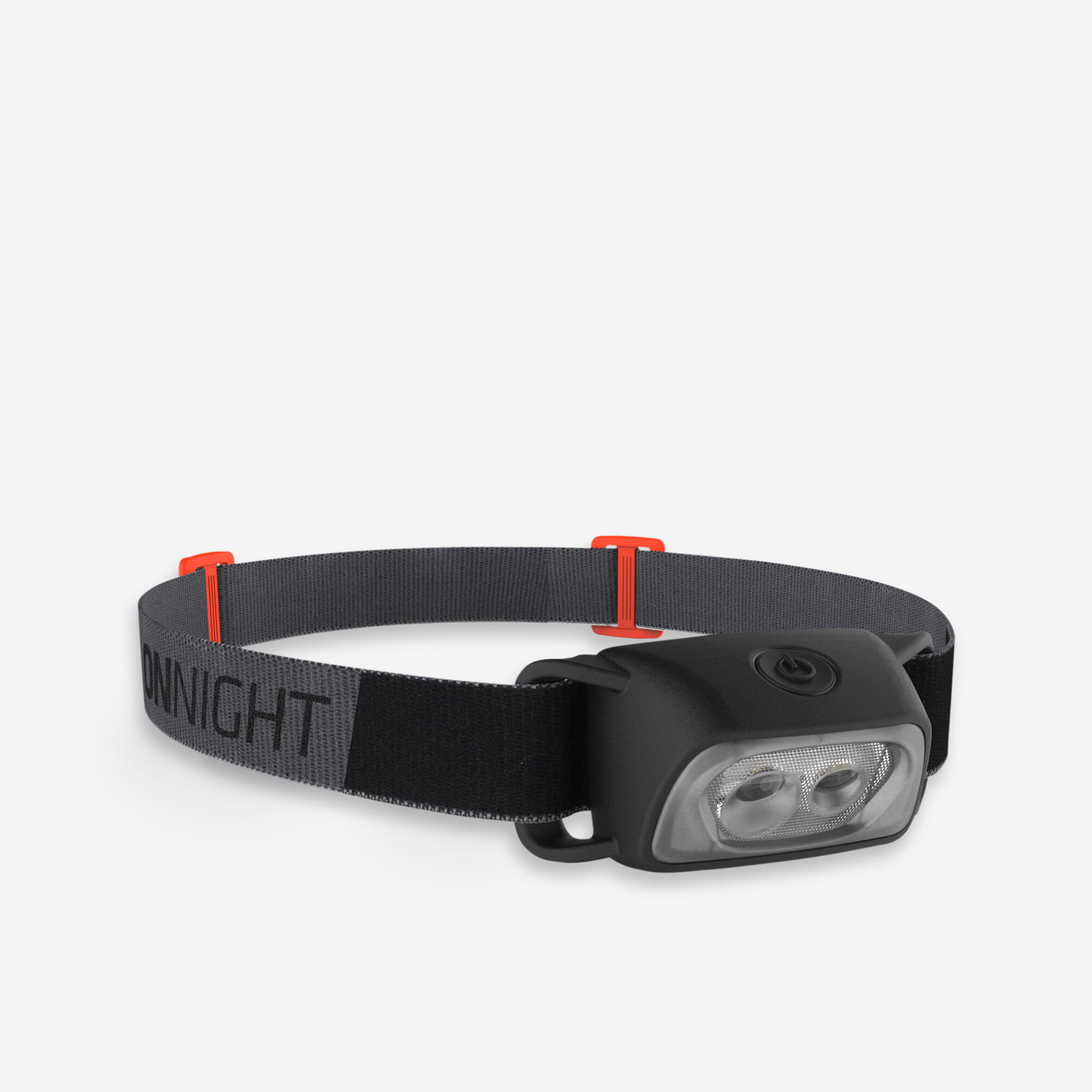
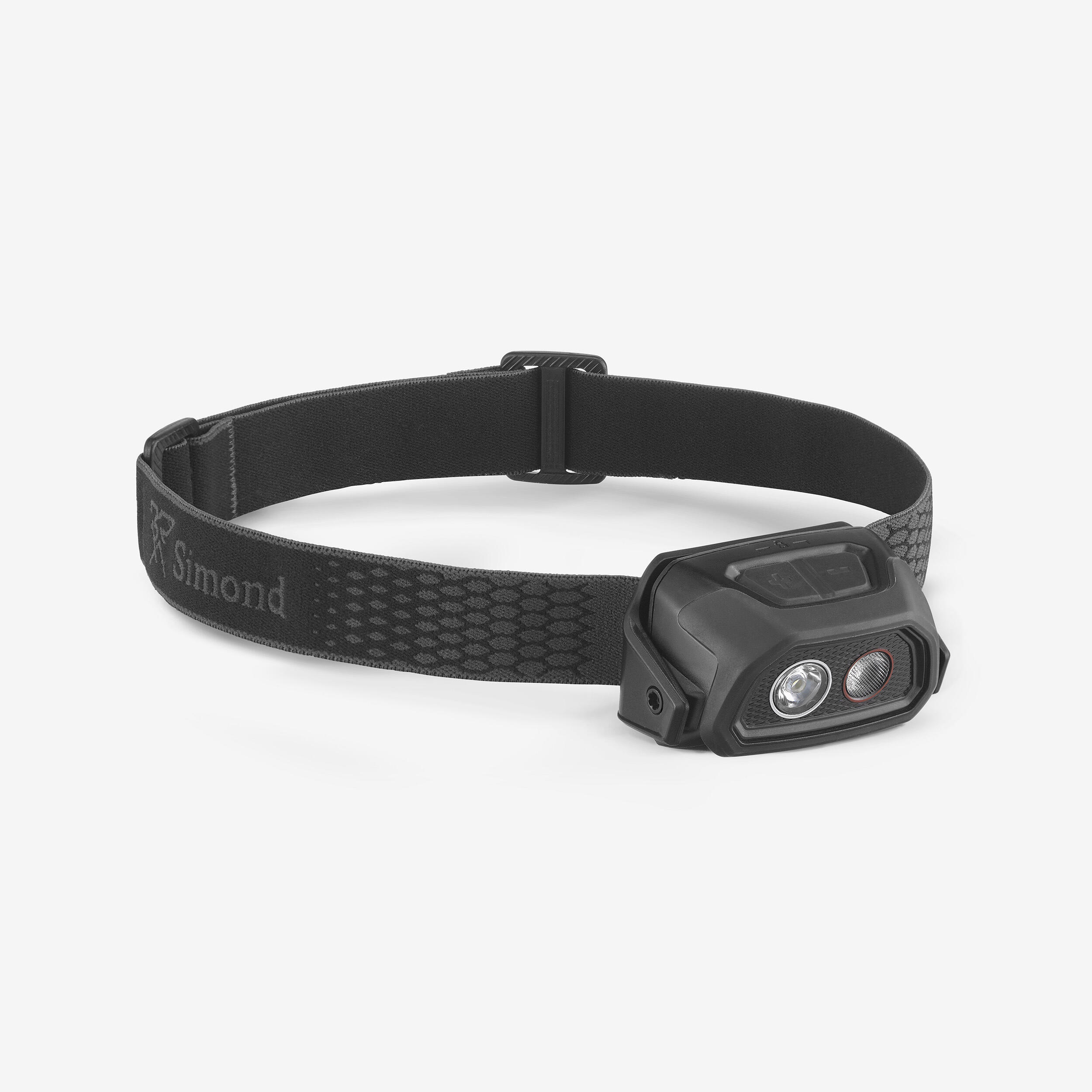
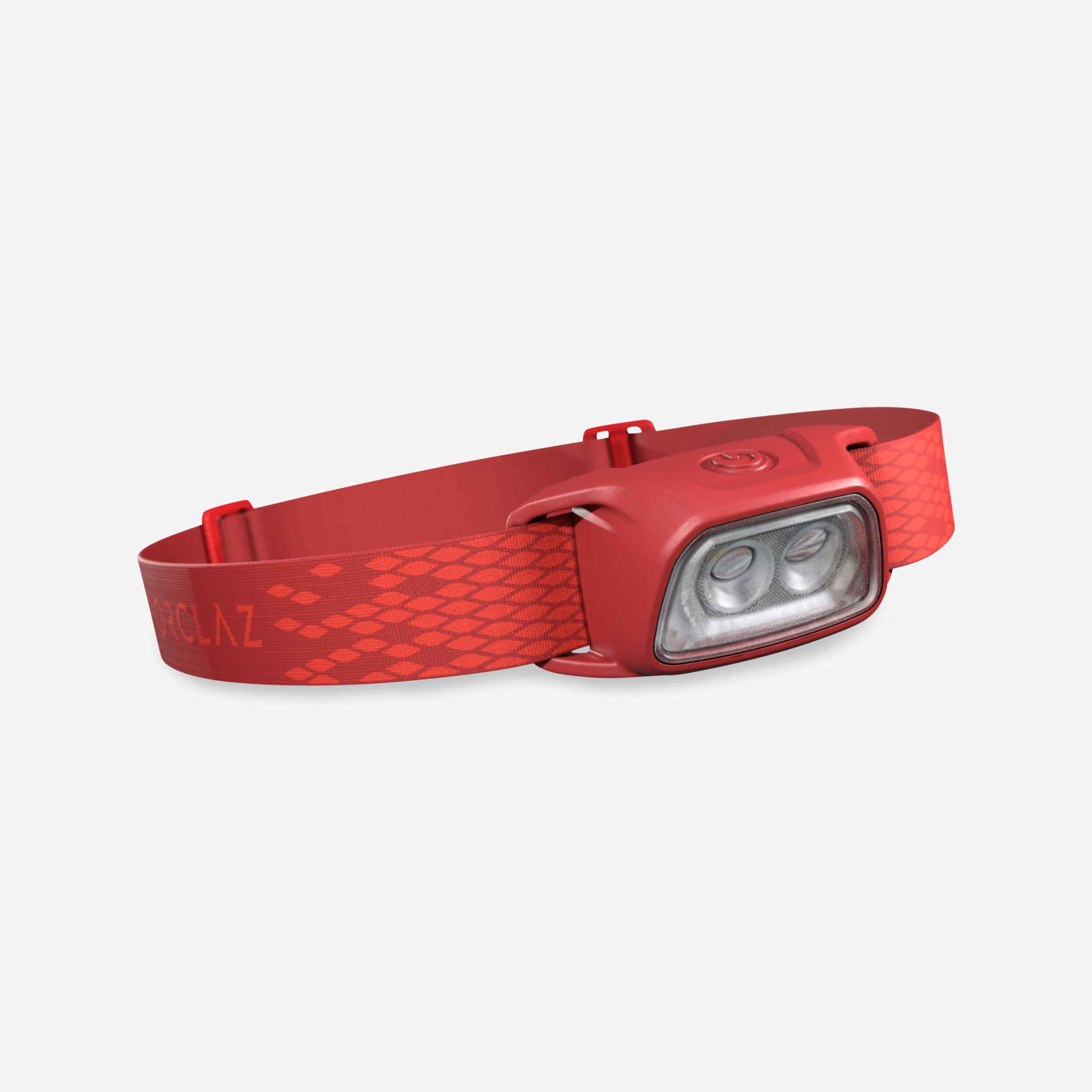
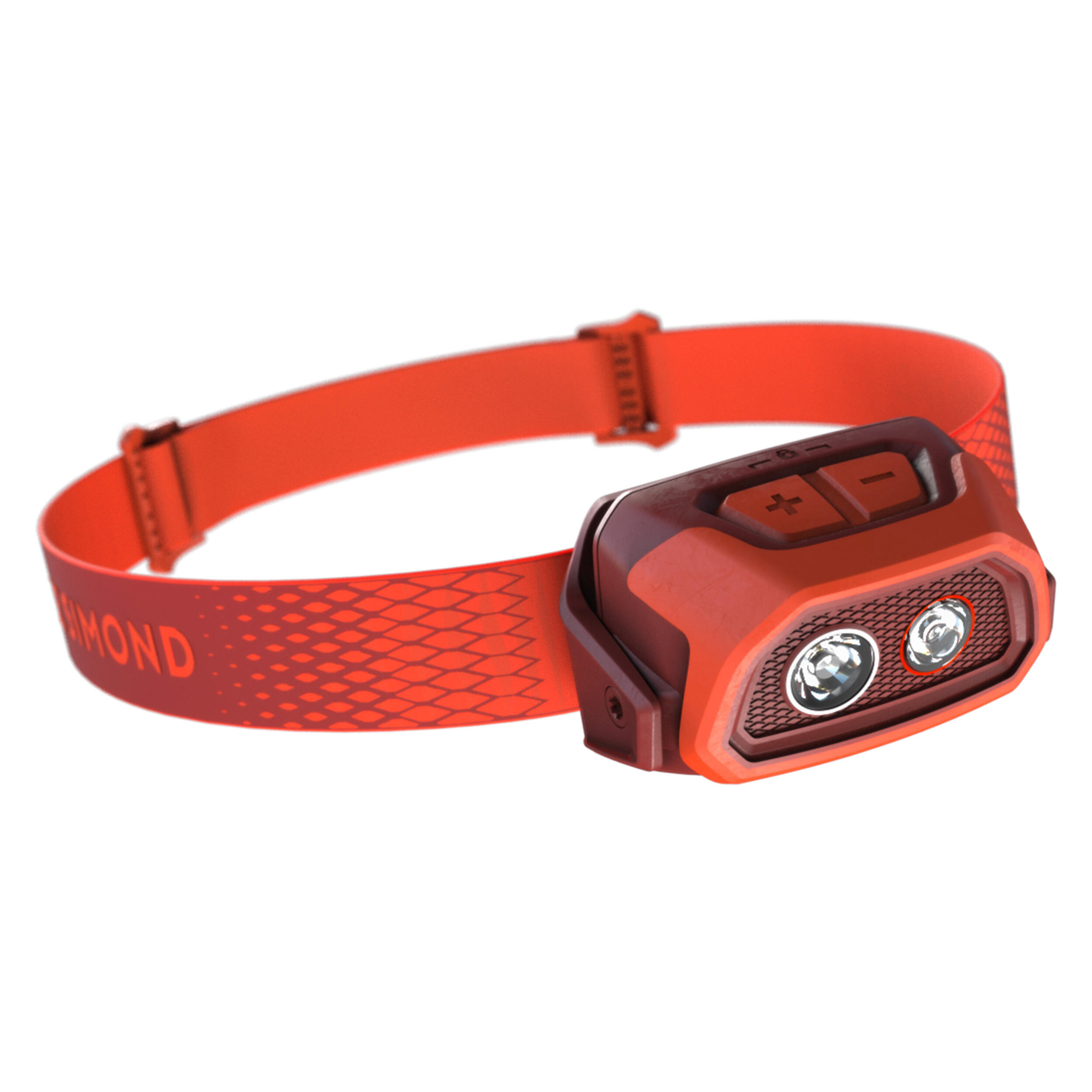
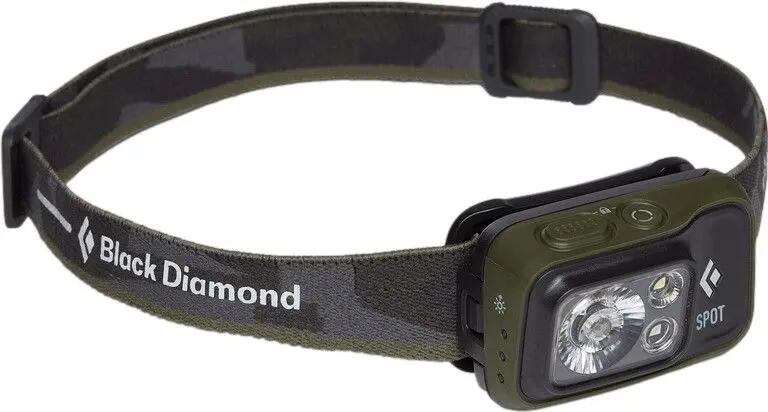
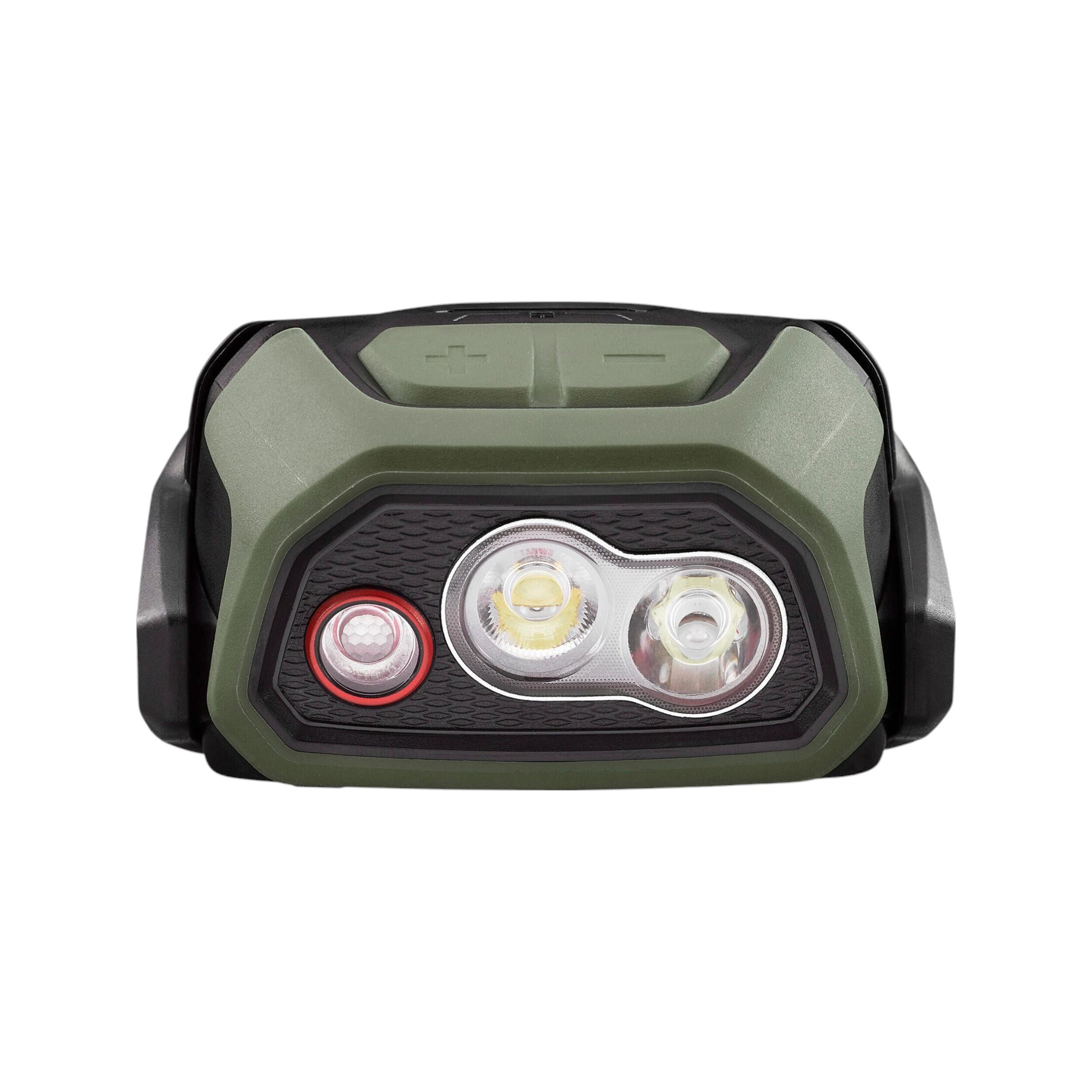
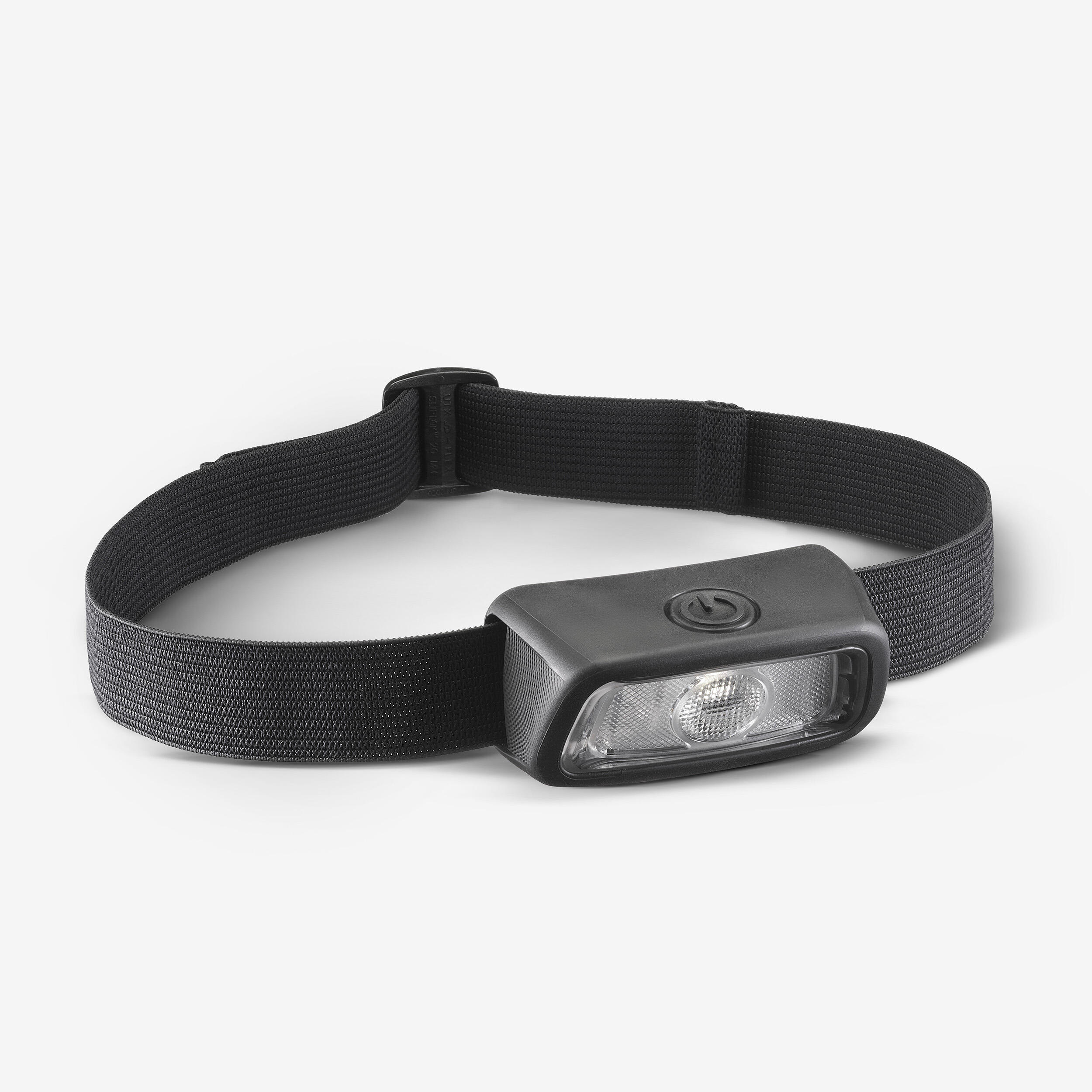
A hiking headlamp should be simple enough to operate in the dark while giving sufficient beam range, battery life and weather resistance for the intended use. Quechua's HL50 uses one 50-lumen mode with a 20 m wide beam and a large button that can be operated while wearing gloves. The lamp weighs about 60 g and carries an IPX4 splash-resistance rating, making it suitable for straightforward night-time camp tasks or finishing a walk after sunset. A suitable hiking headlamp should provide enough light while keeping the controls straightforward to reach and use. A removable, washable headband can also simplify care after sweaty use. For long-term storage, remove disposable batteries and keep the lamp dry and away from direct sunlight.

Which hydration option suits your hike better, a bottle or a water bladder?

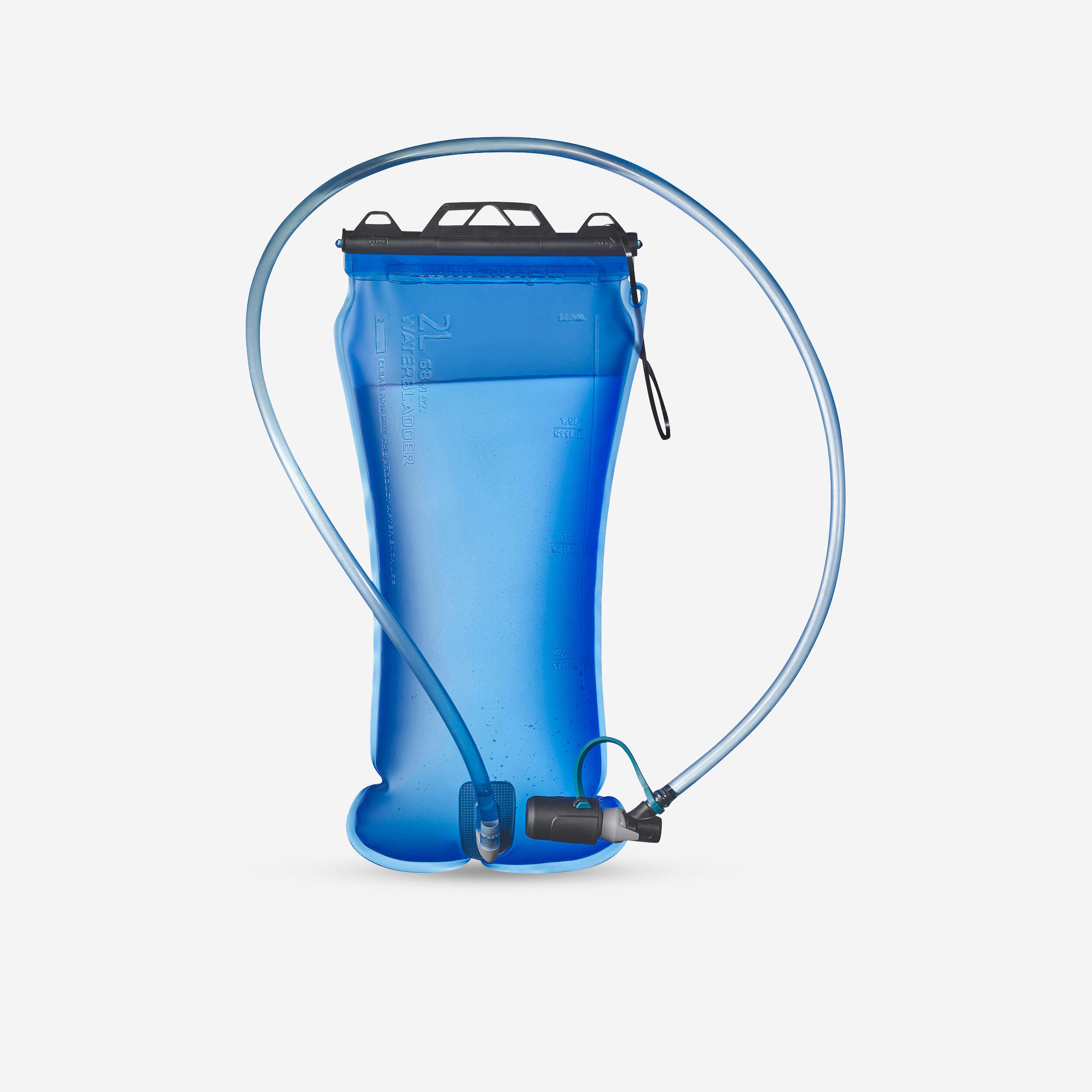
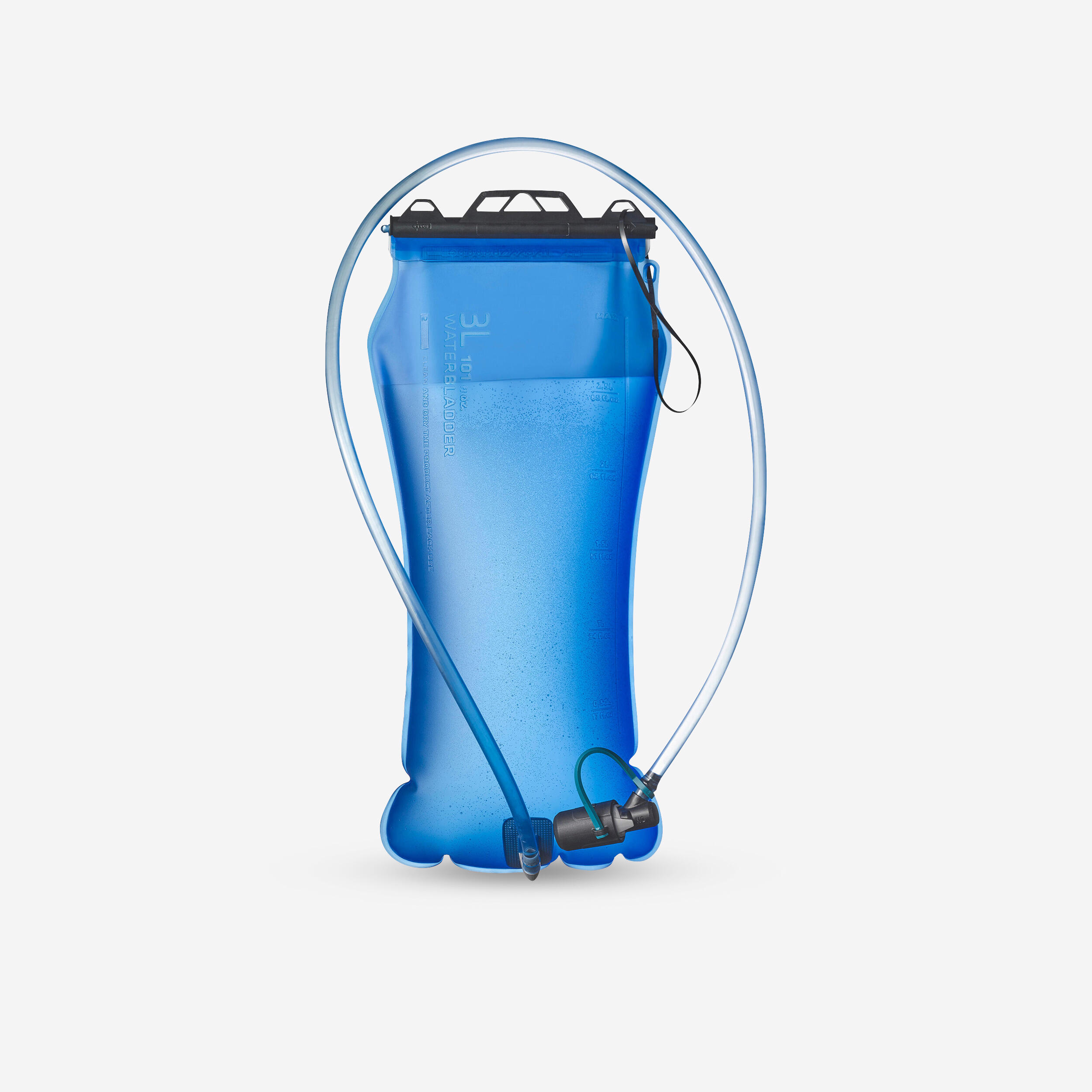
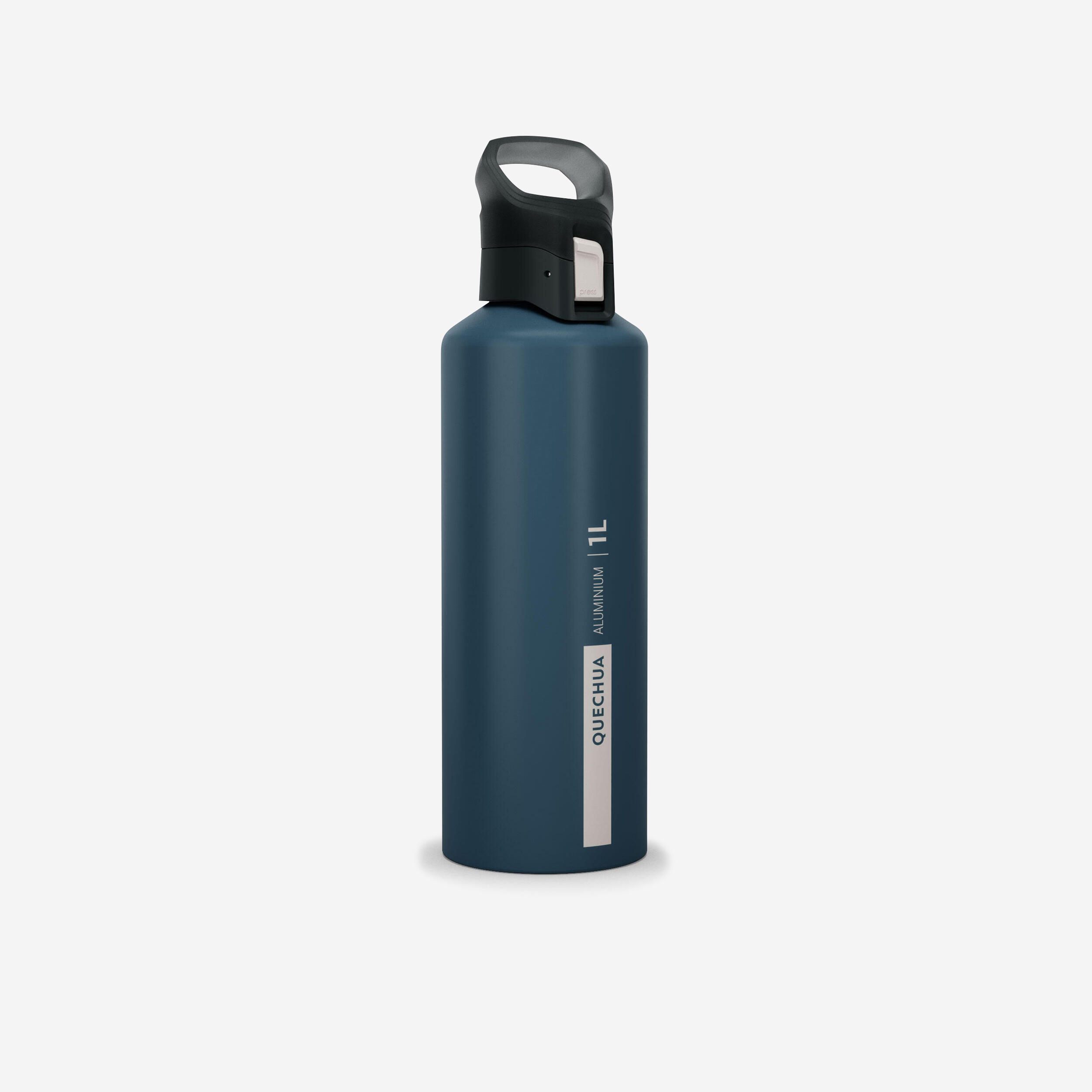
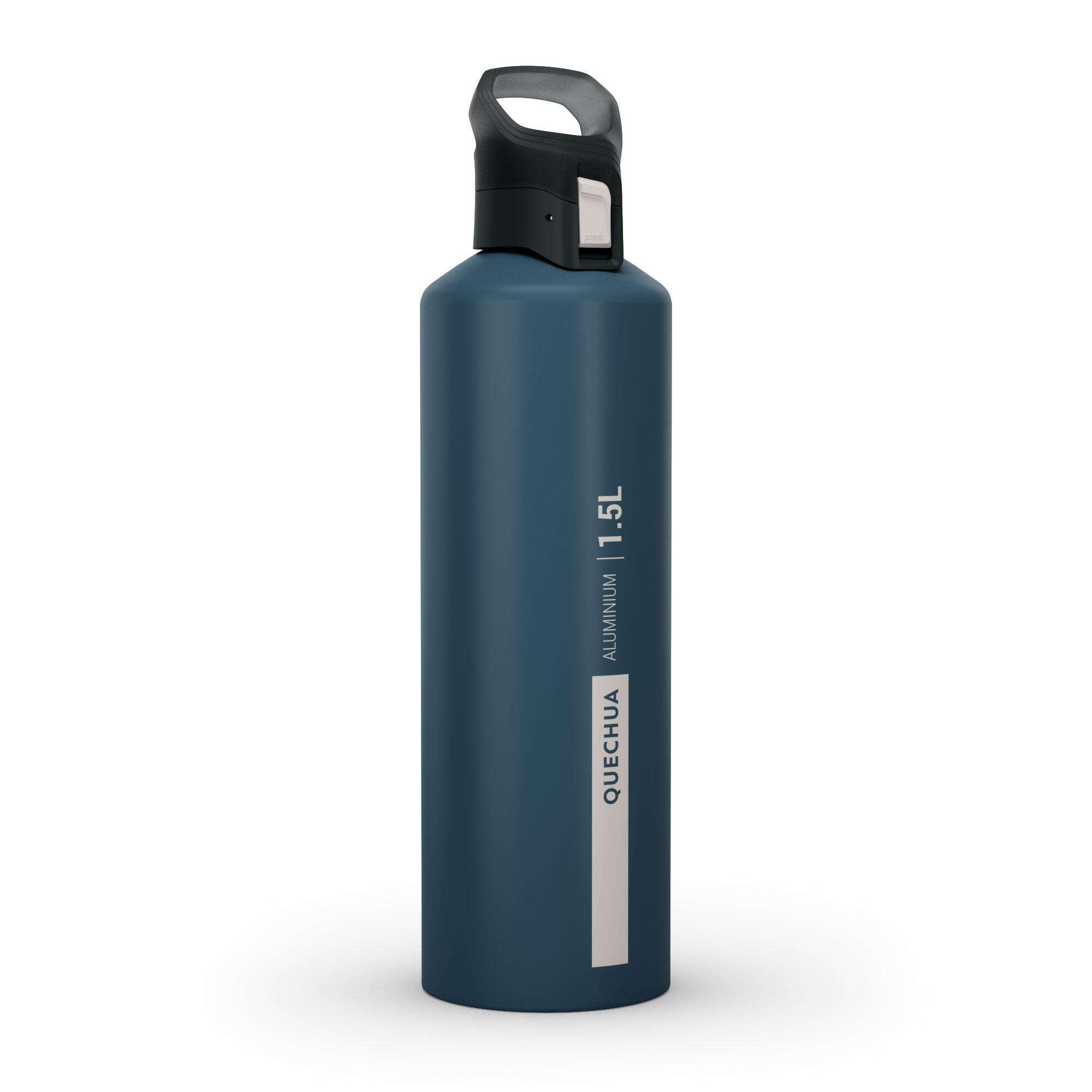
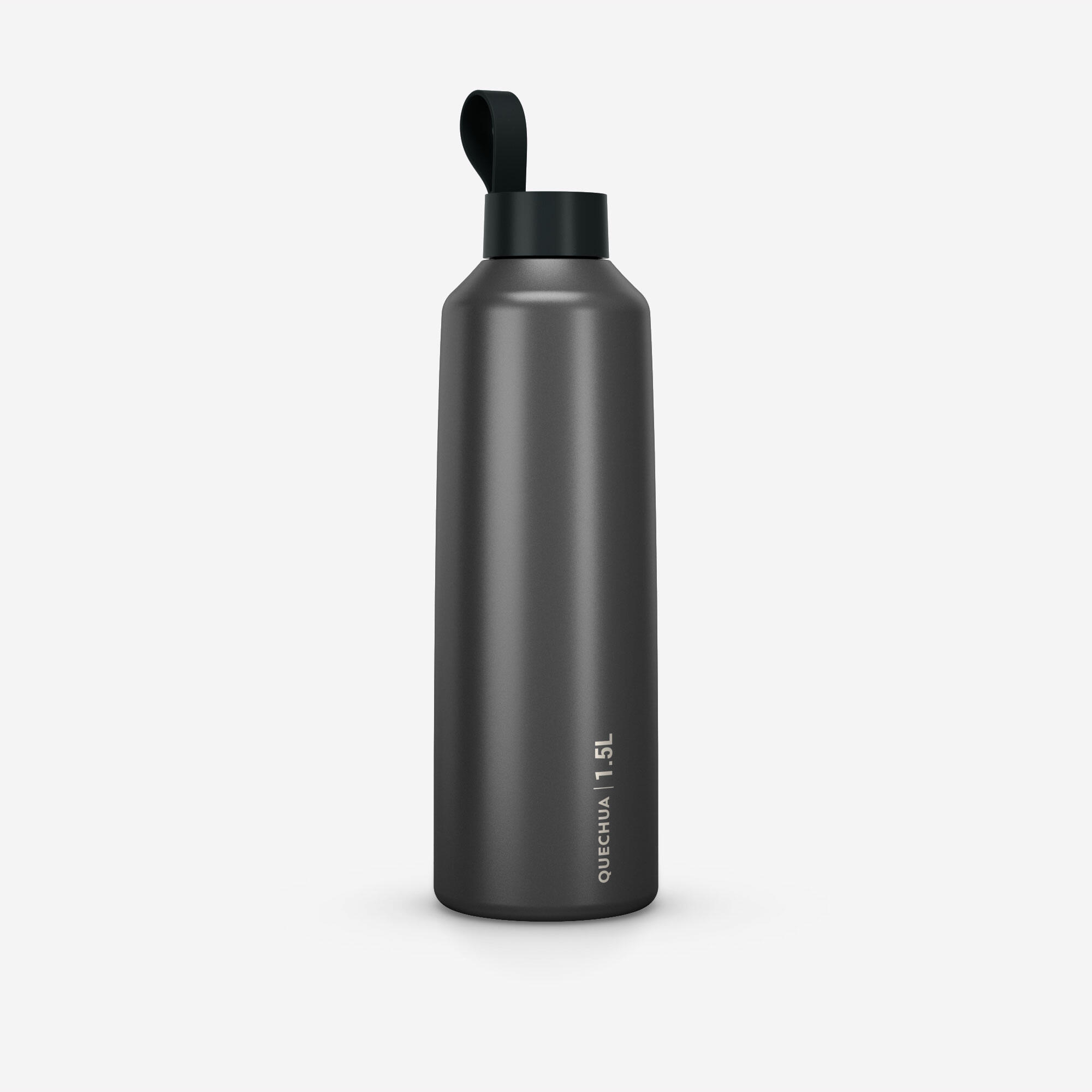
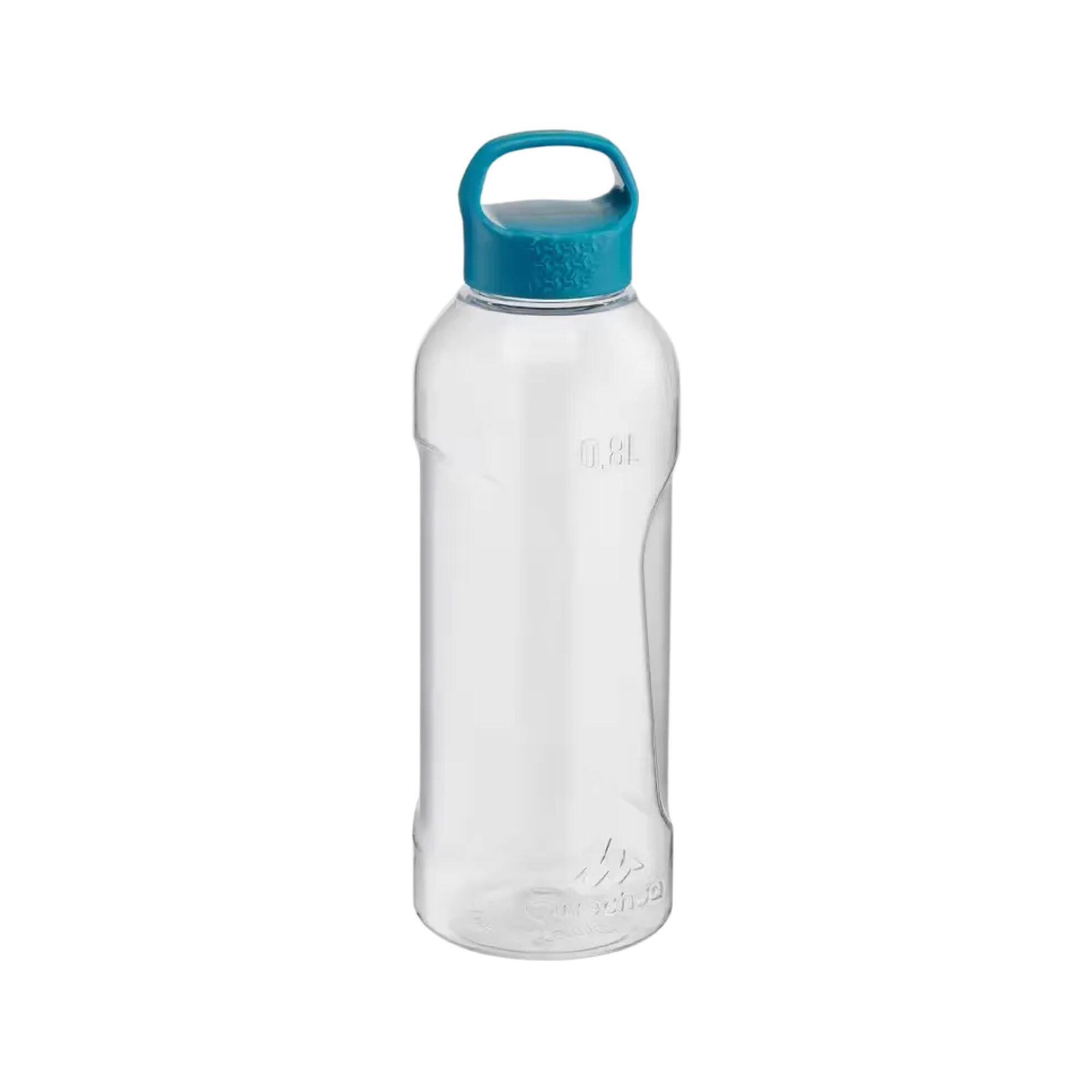
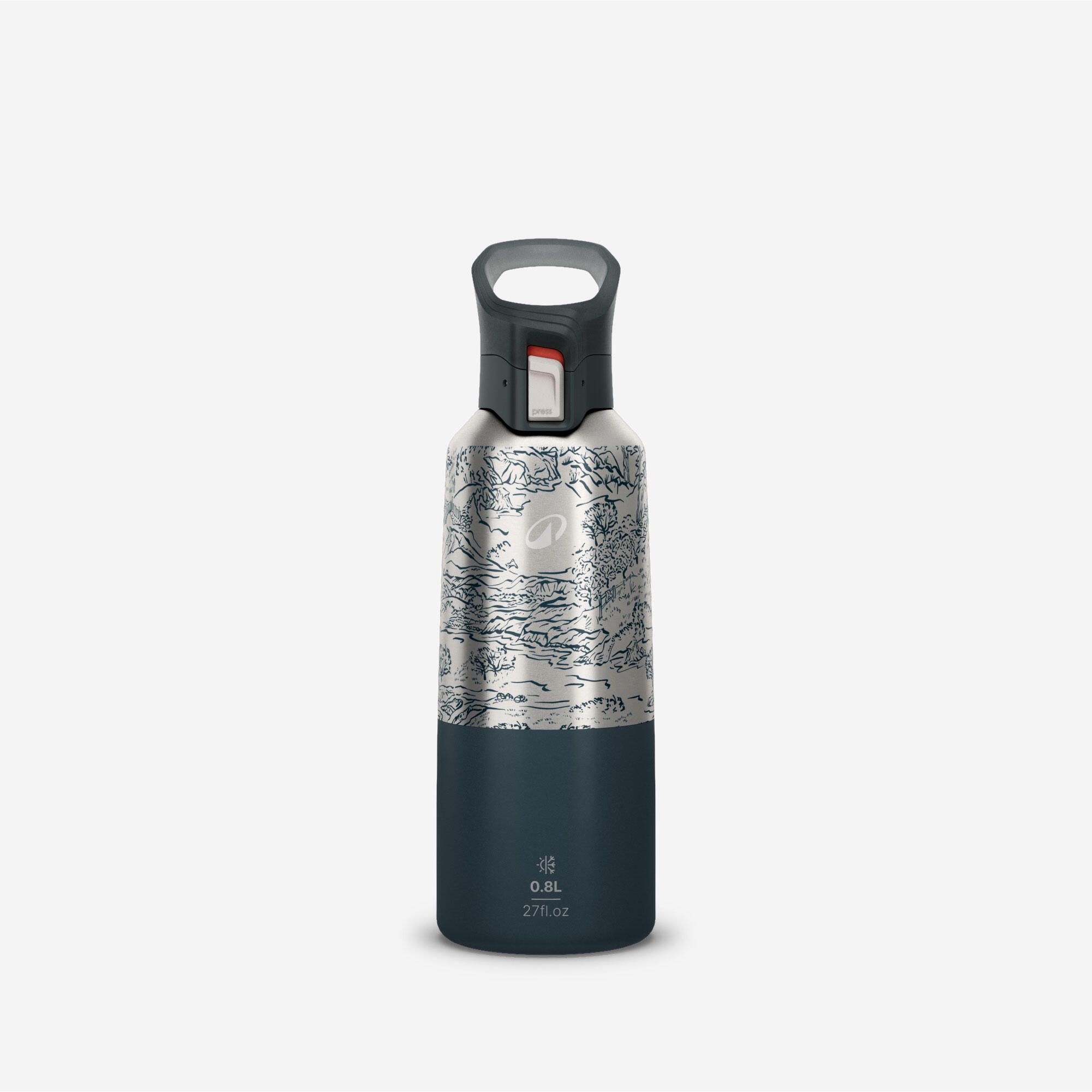
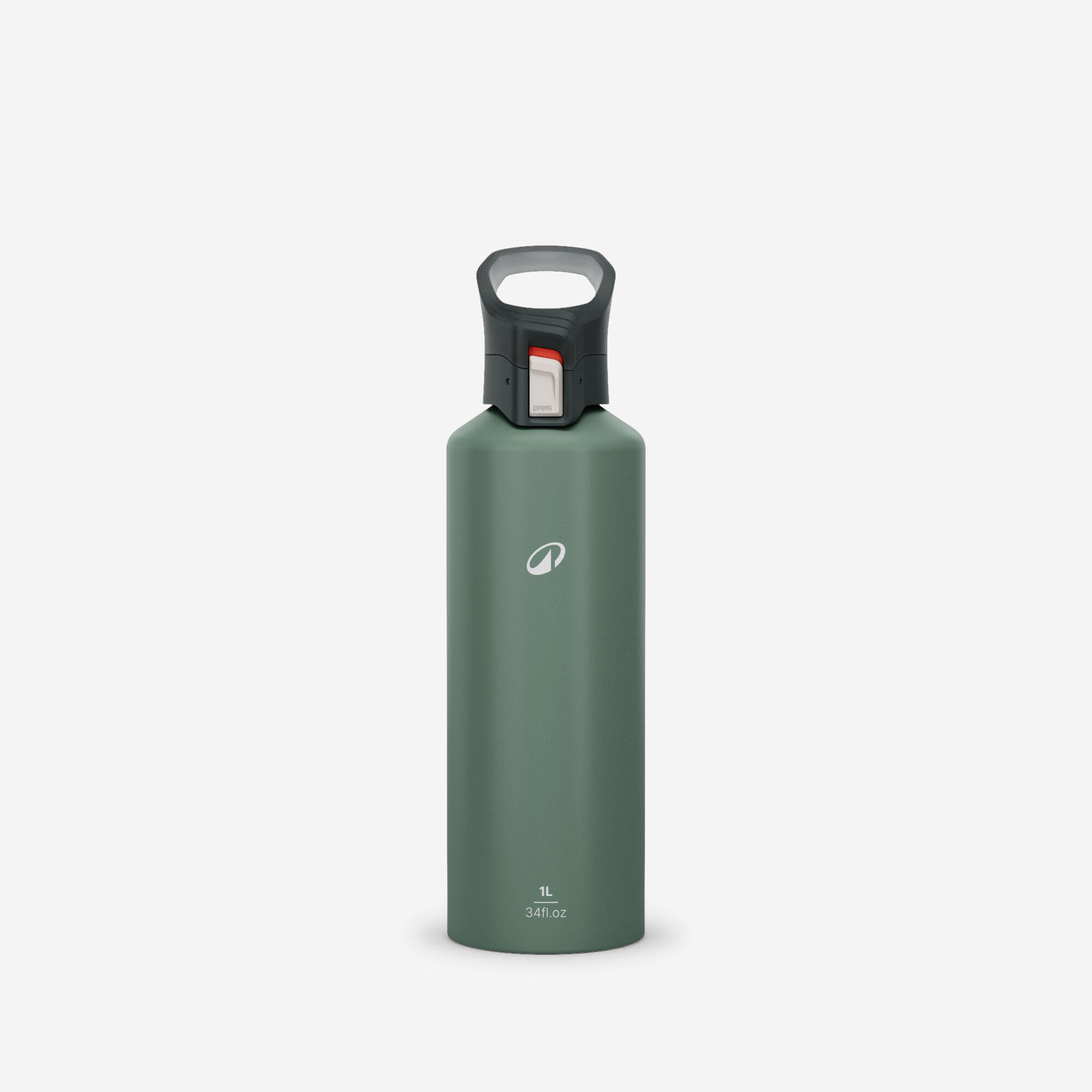
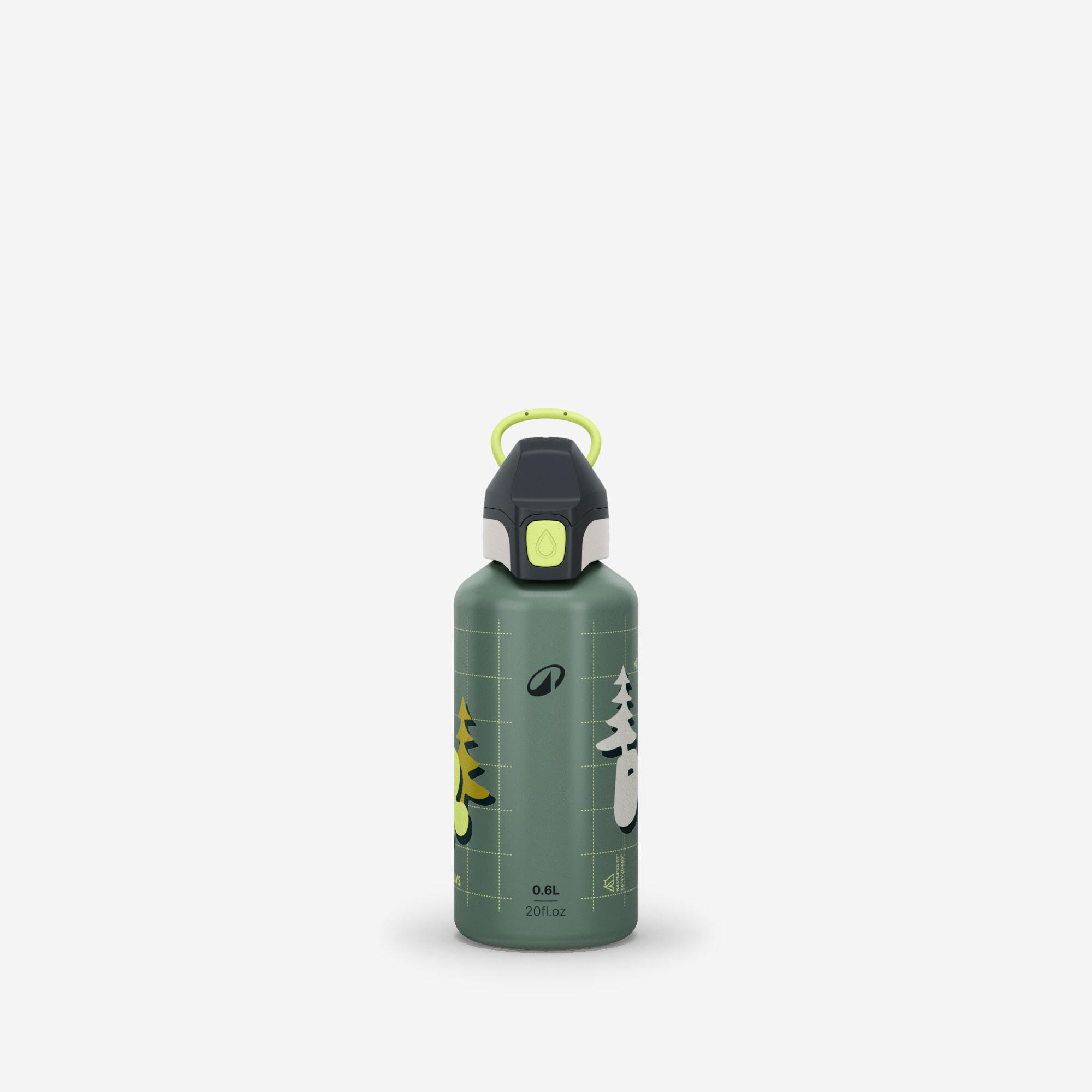
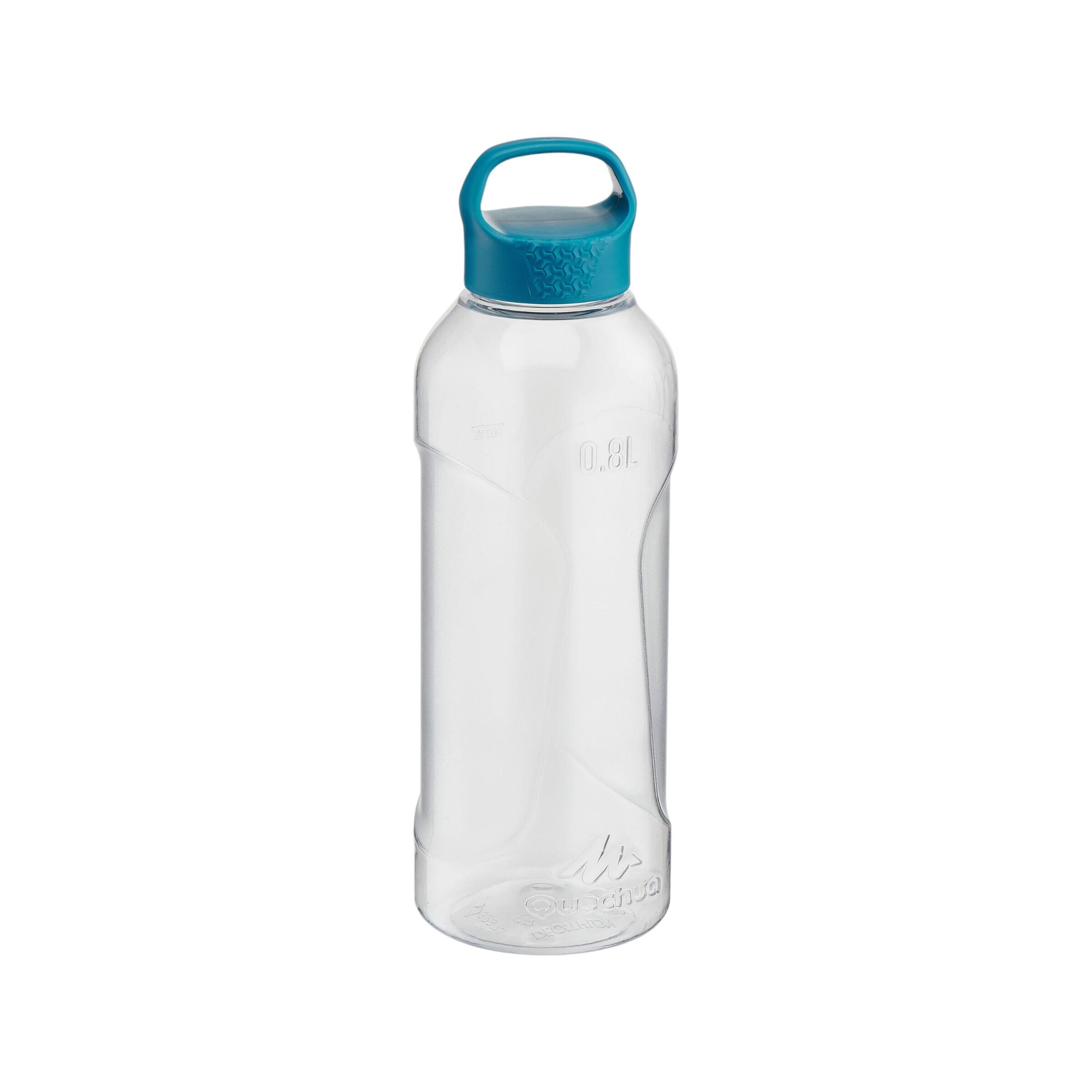
Bottles are simple to refill and clean, while water bladders let you drink through a hose without stopping to remove a container from your backpack. Quechua bottles use one-handed quick-release caps on selected models, with replacement caps and seals available separately. Forclaz's 2 L MT500 bladder has a 100 cm hose, on/off mouthpiece and full-width sliding top, making filling and internal cleaning easier than with a narrow opening. Match hiking bottles and water bags to your route length, carrying setup and preferred drinking method. Clean bottles after use and let the cap and body dry separately. Bladders need more thorough care: wash the reservoir and hose after each use and avoid leaving drinks inside for extended periods.
When can snowshoes or additional grip equipment be useful?

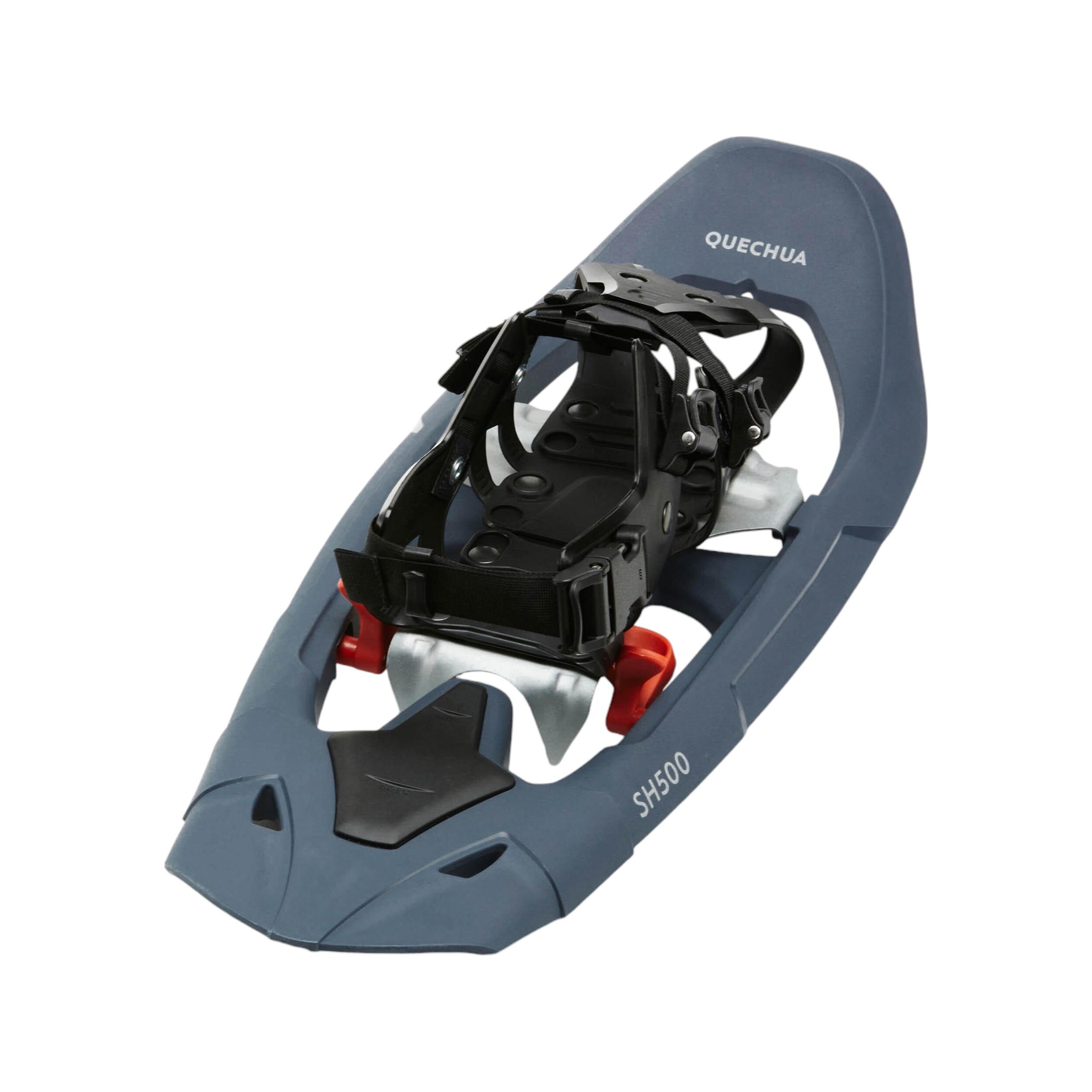
Extra traction becomes relevant when ordinary hiking footwear cannot provide reliable contact on snow, ice or other slippery winter surfaces. The right choice depends on whether you are walking over deeper snow, compacted paths or icy ground, because snowshoes and traction devices solve different problems. The hiking snowshoes and grips range can therefore complement rather than replace appropriate winter footwear. Check compatibility with your boots before setting out and practise fitting the equipment somewhere controlled rather than learning on an exposed section of trail. After use, remove snow, mud and grit, allow straps and metal parts to dry and inspect contact points for wear. Winter traction equipment should be carried where it can be reached easily if trail conditions change during the walk.