2,743 items
4.6/5 based on 590243 reviews collected online and in stores

HIKING & TREKKING BACKPACKS, BAGS & BABY CARRIERS FAQS

What features should I look for in hiking backpacks and bags?

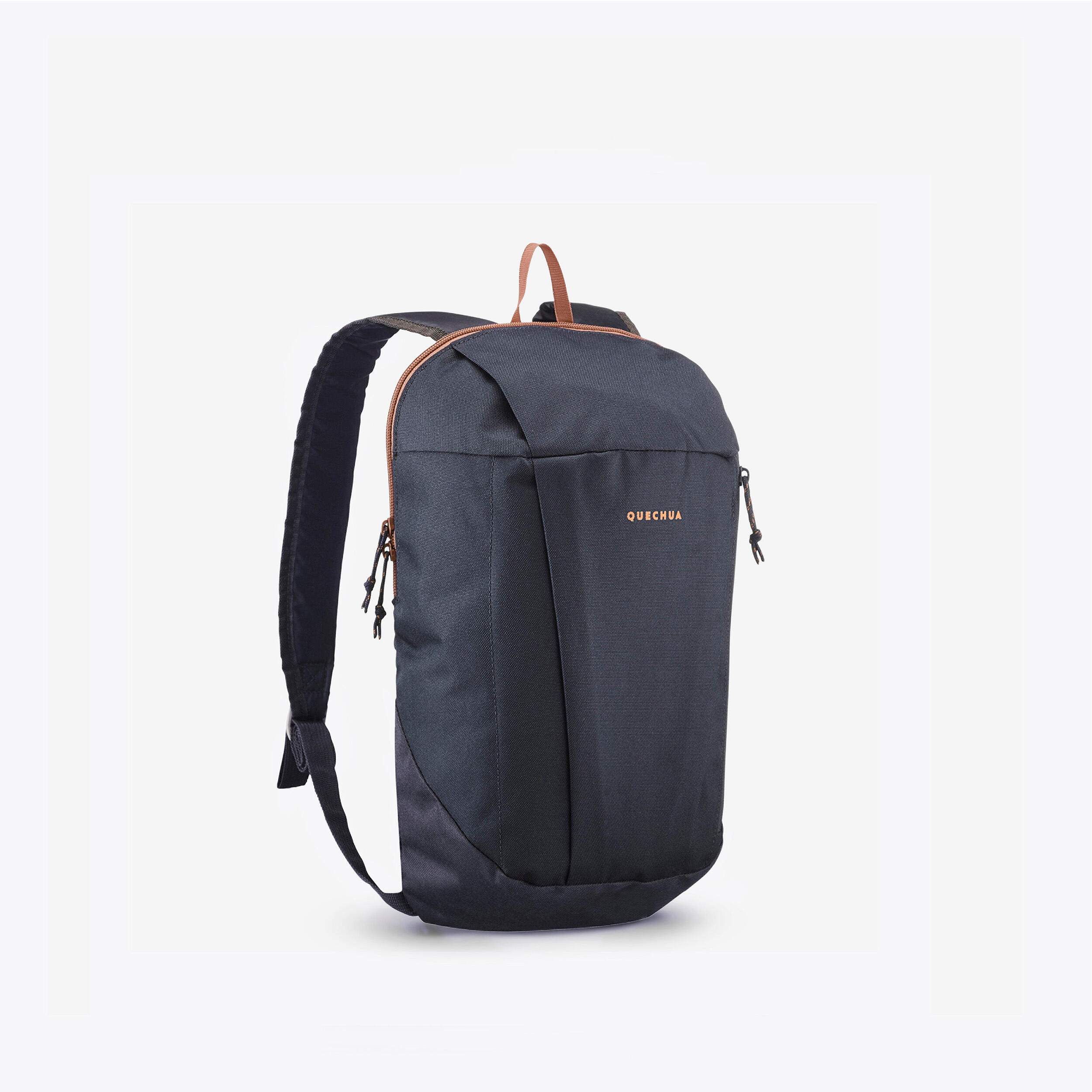
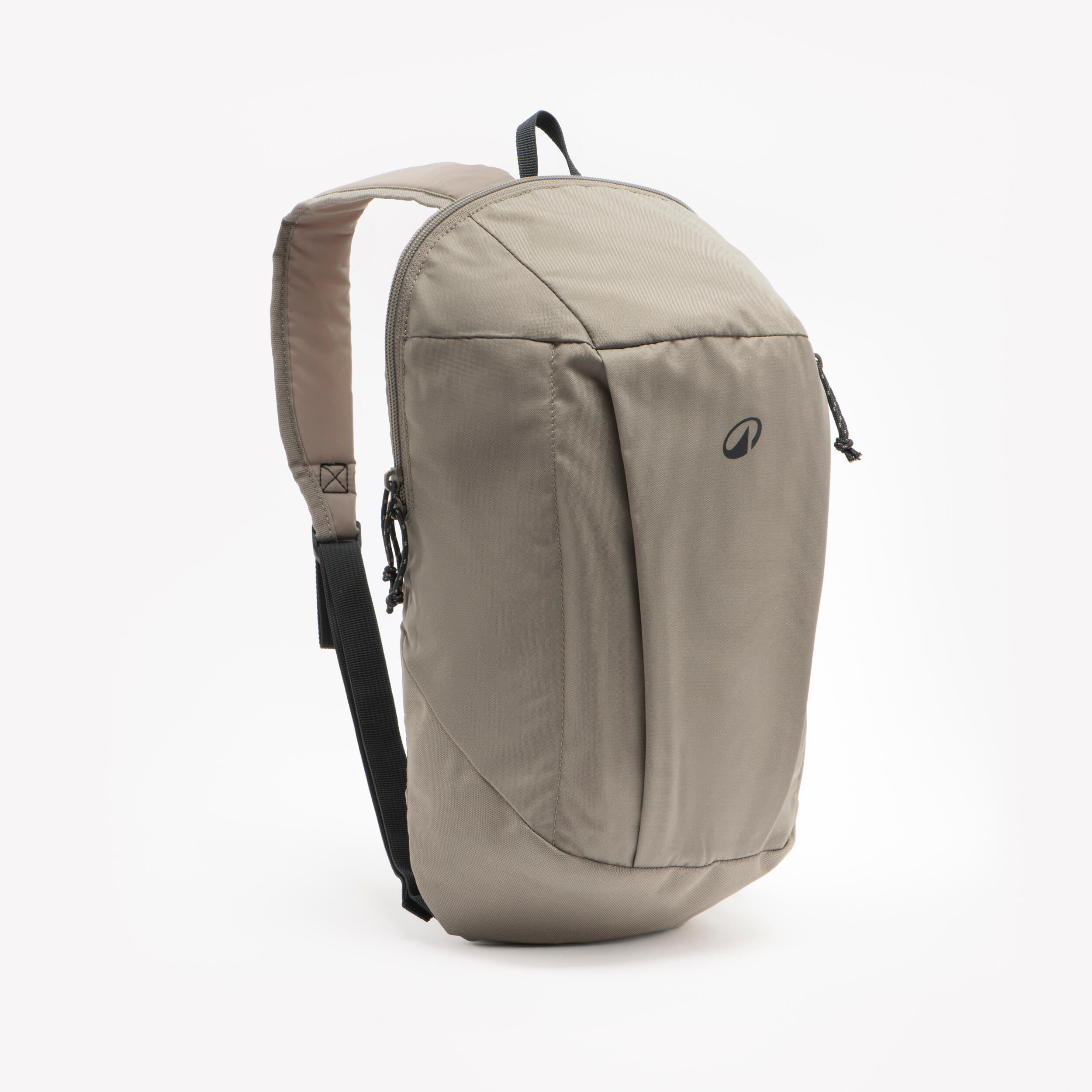
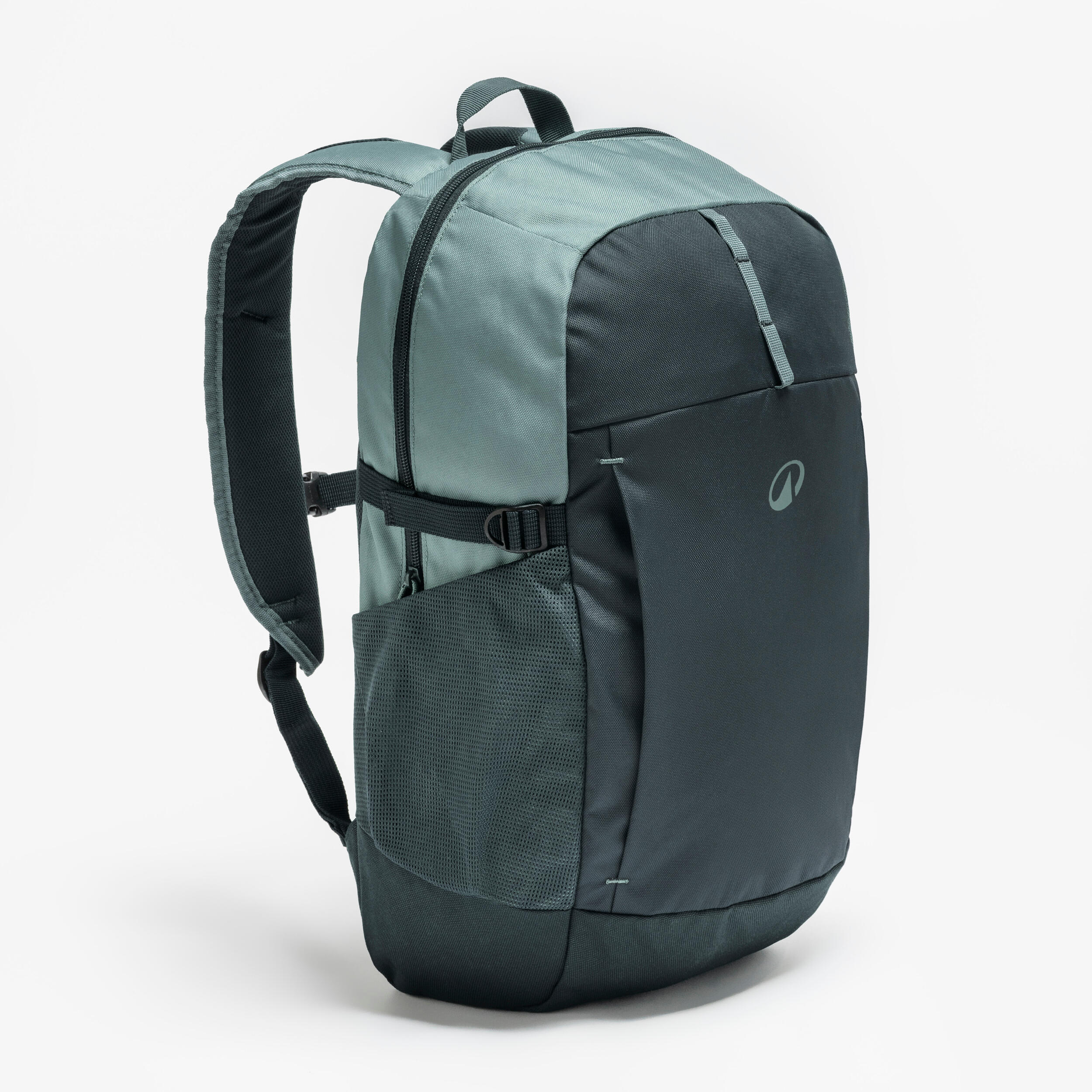
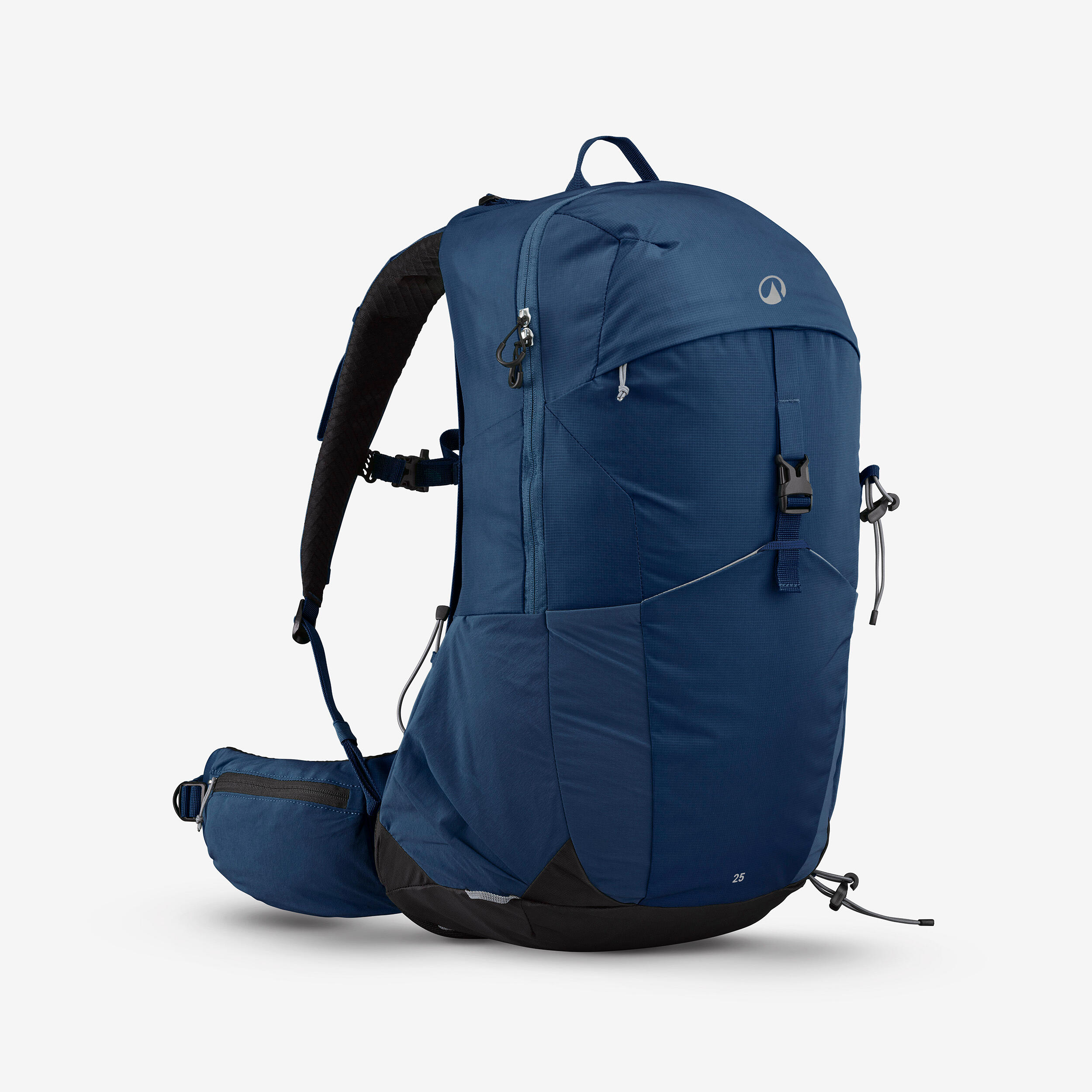
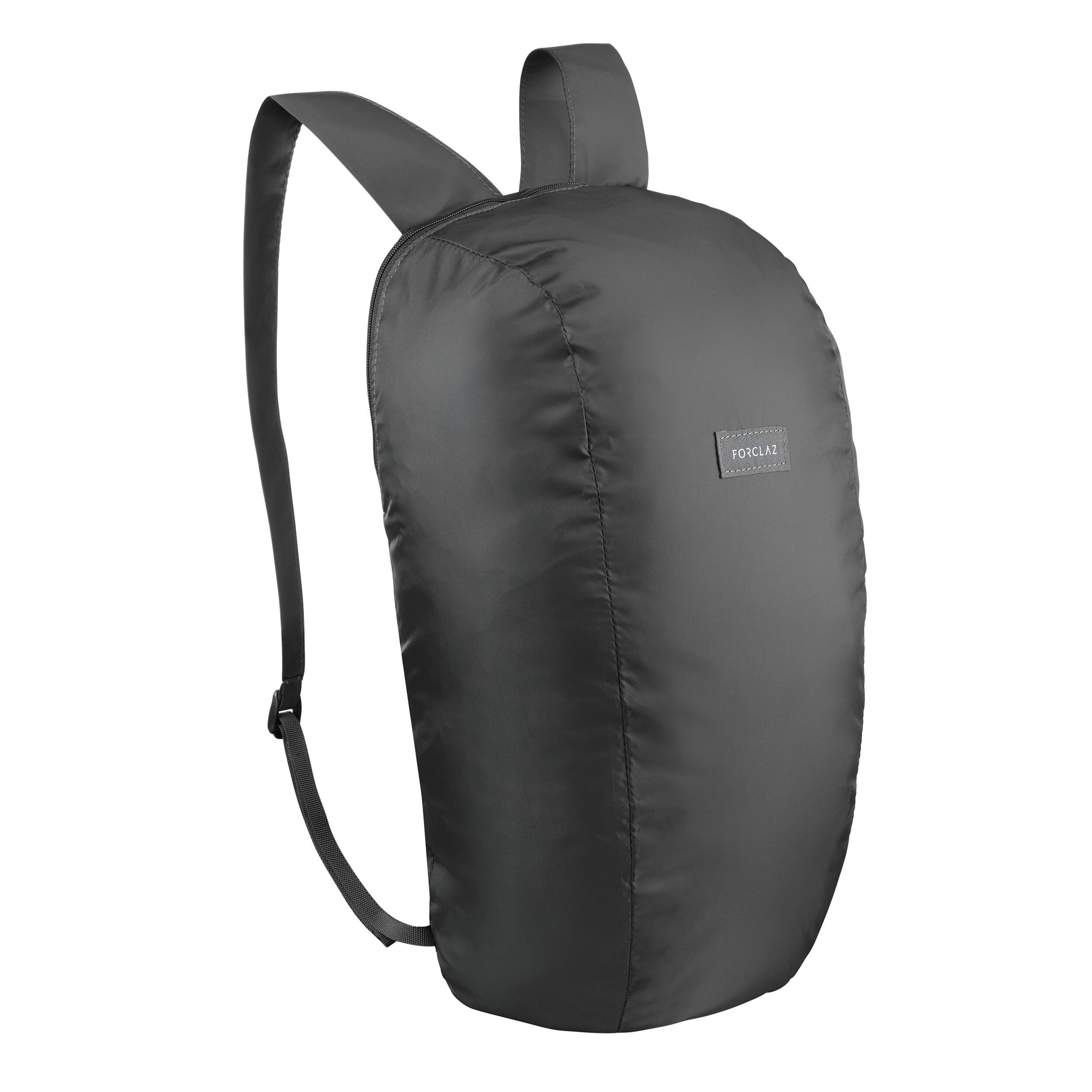
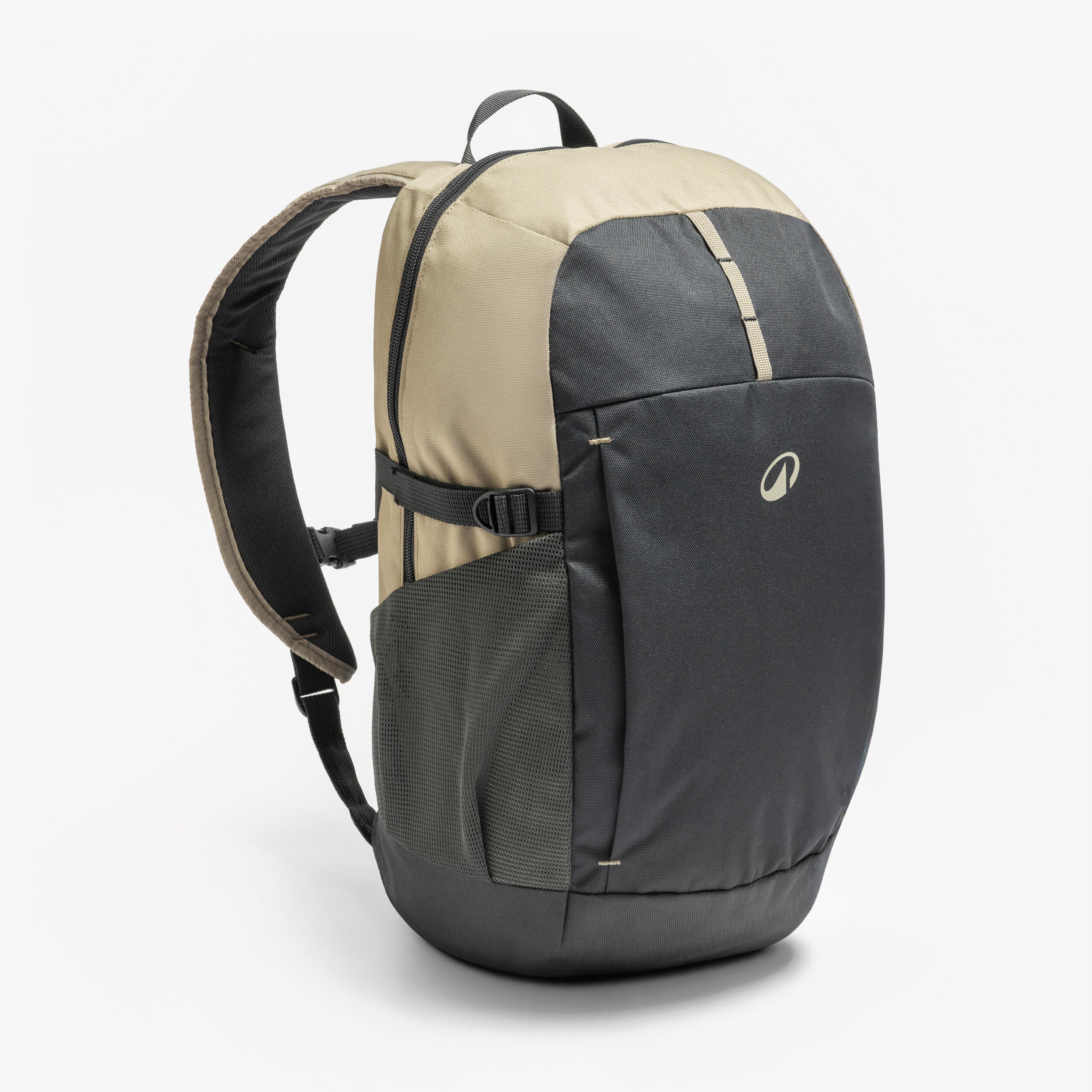
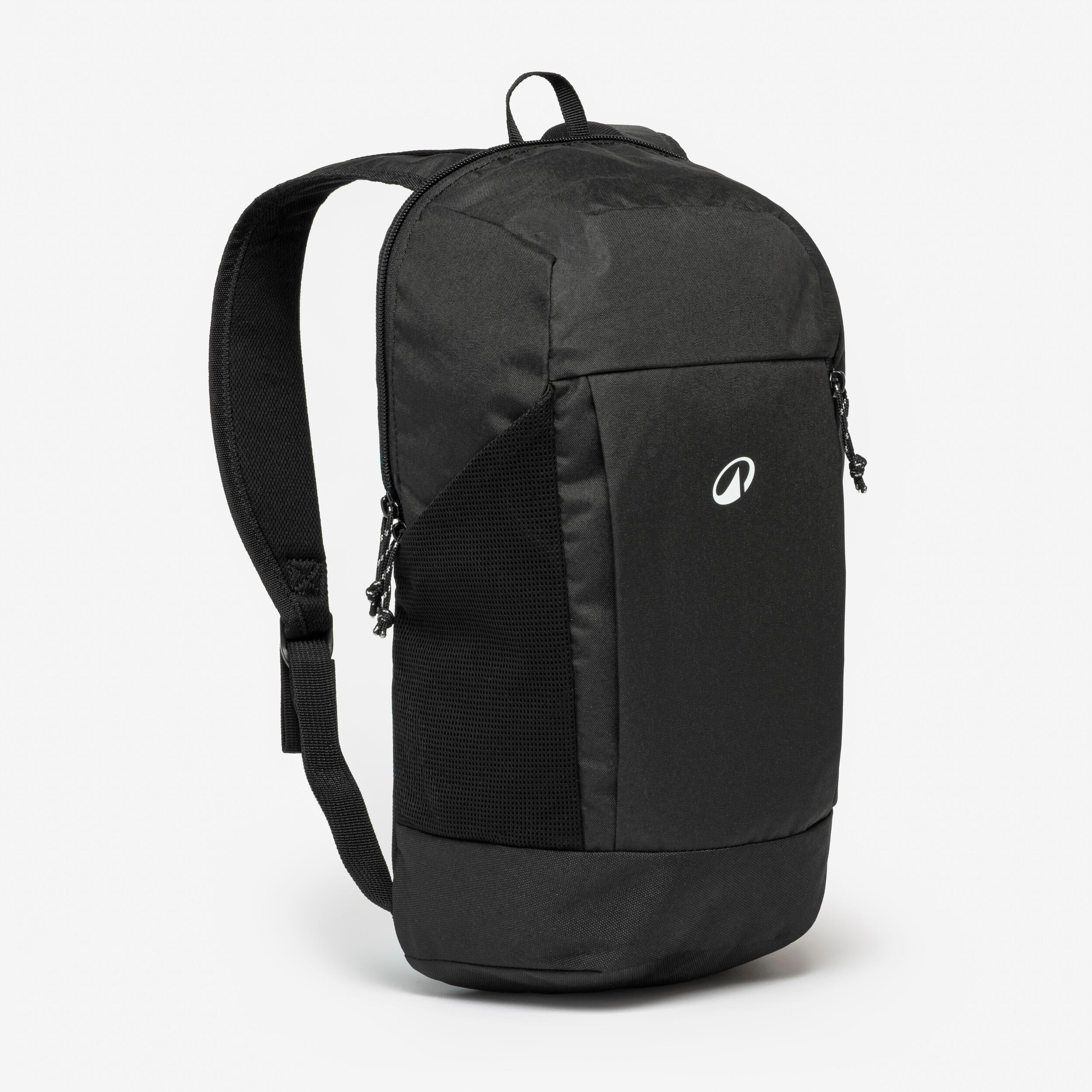
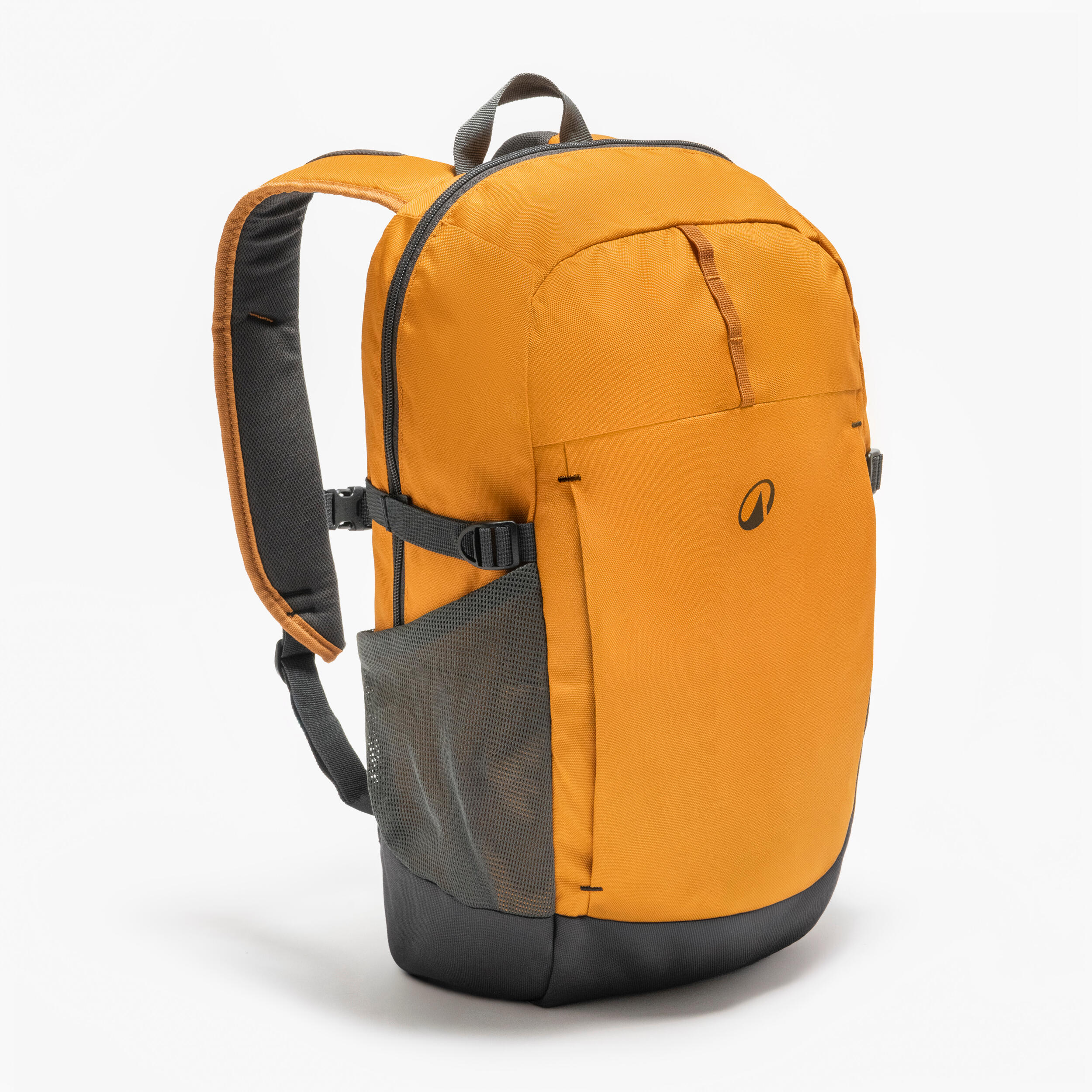
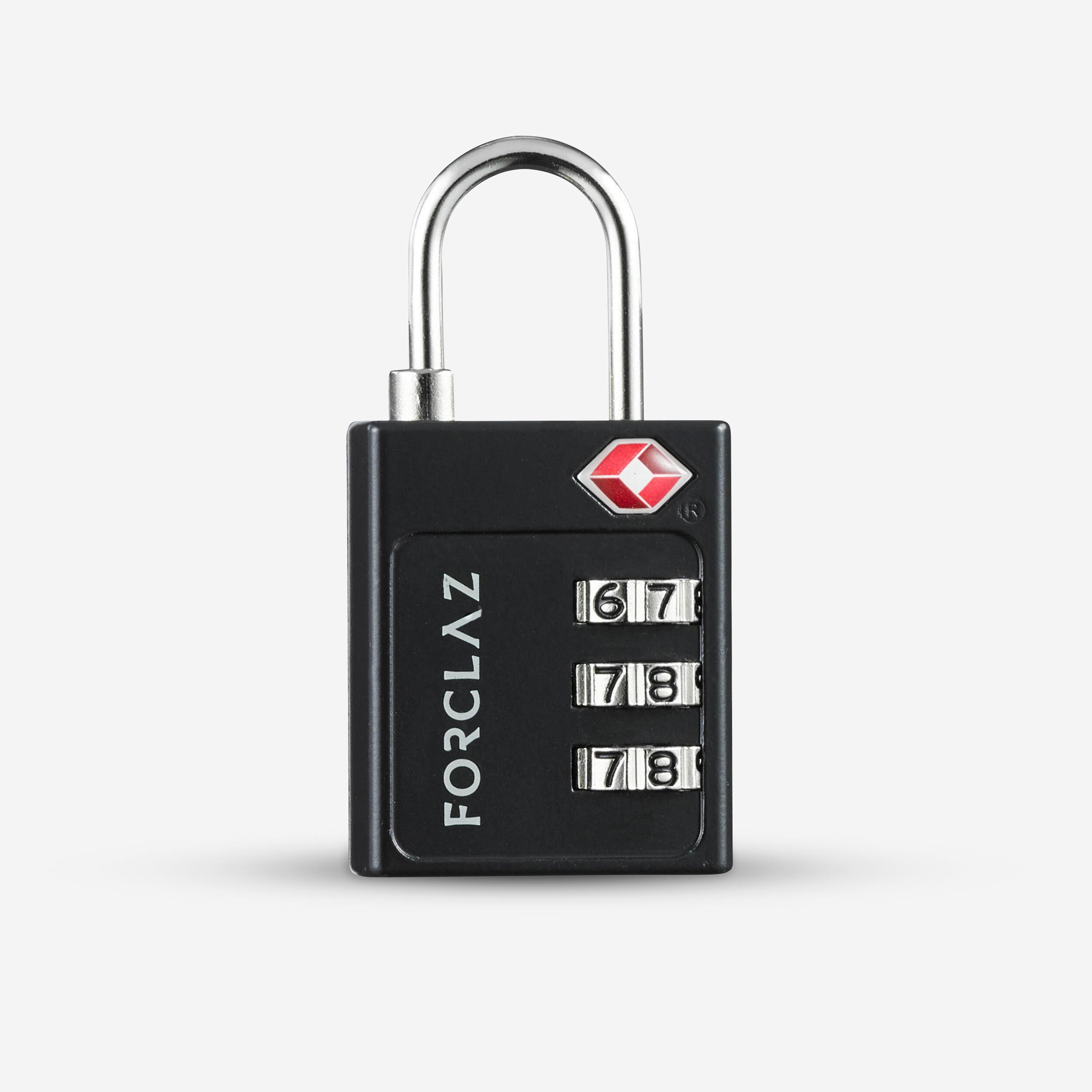
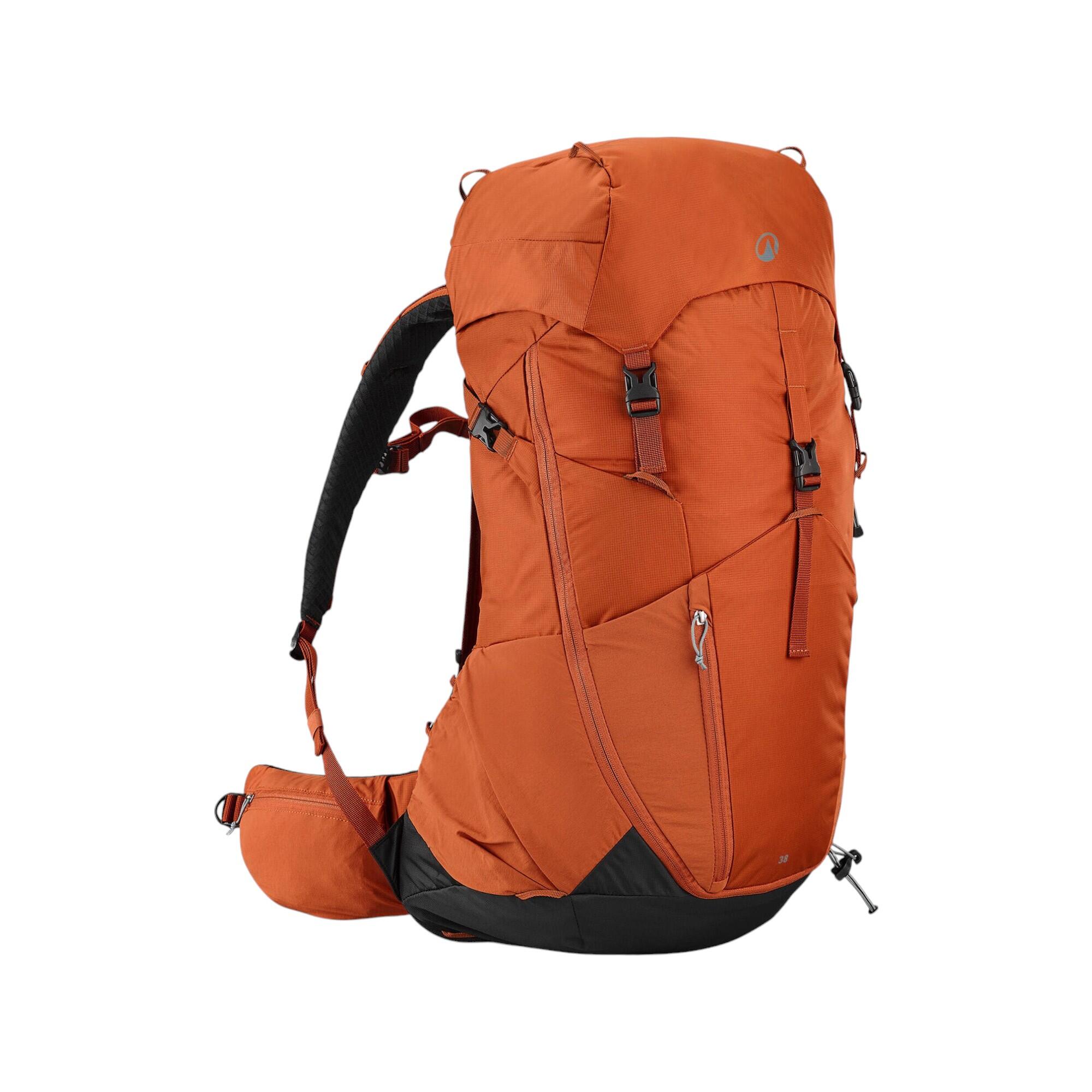
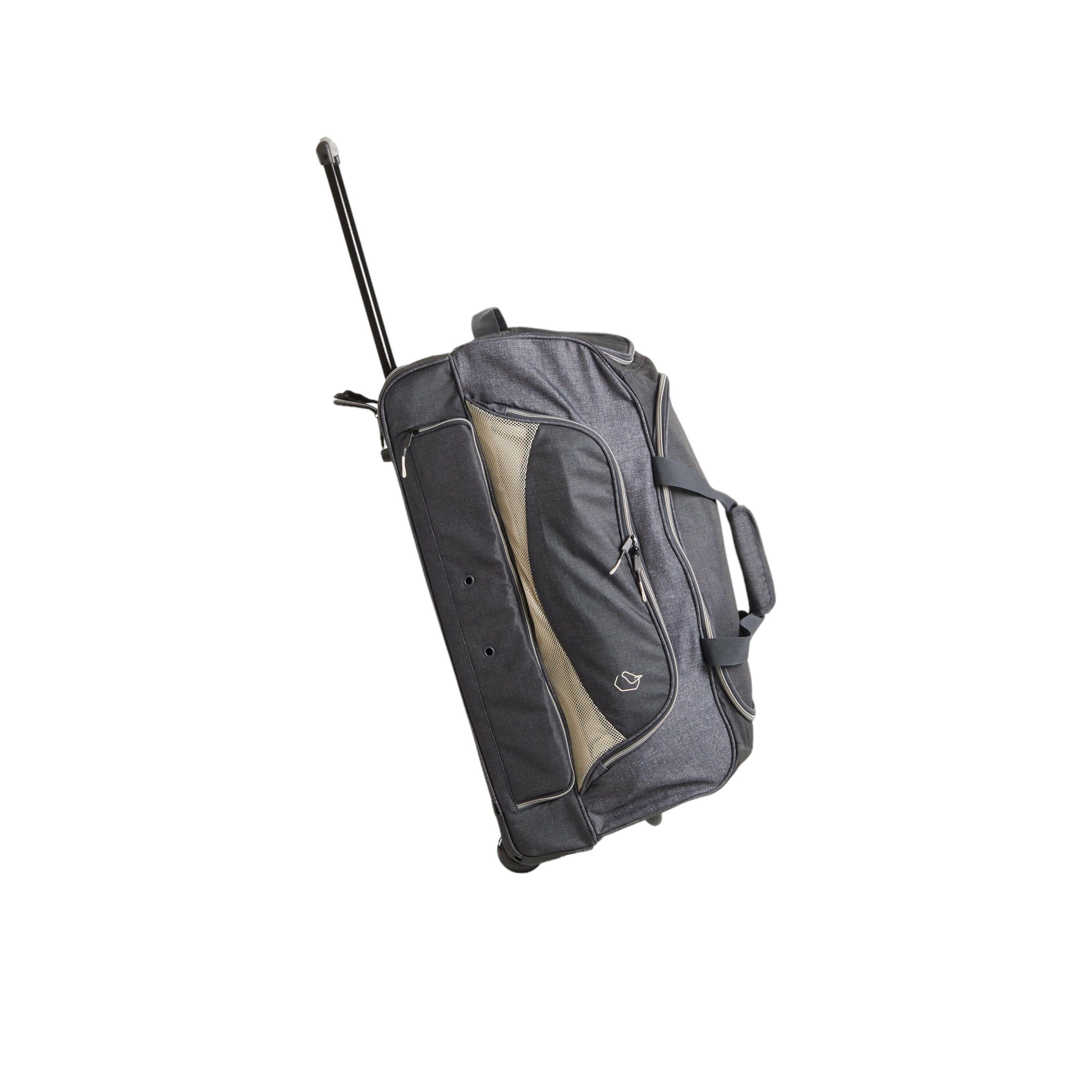
Selecting the right technical pack depends on your intended duration and the difficulty of the terrain you plan to traverse. For day-long excursions, a bag with a capacity between 20 and 30 litres provides ample room for a hydration bladder, waterproof layers, and lunch. Advanced models include a suspended mesh back system that creates a physical gap between the fabric and your body, allowing air to circulate and reducing perspiration. If your adventure involves multi-modal transport or long-distance flight connections before reaching the trail, choosing heavy-duty travel bags with lockable zips and stowable straps prevents damage during transit. The reason for reinforced "P600" polyester fabrics in these high-wear areas is to provide resistance against abrasion from rocks and rough handling. Smart tip: Ensure the shoulder straps are adjusted so the padding wraps comfortably around your collarbone without restricting arm movement, and always use the load-lifter straps at the top to pull the weight closer to your centre of gravity. This prevents the pack from swaying and pulling you backward on steep inclines or narrow ridges.
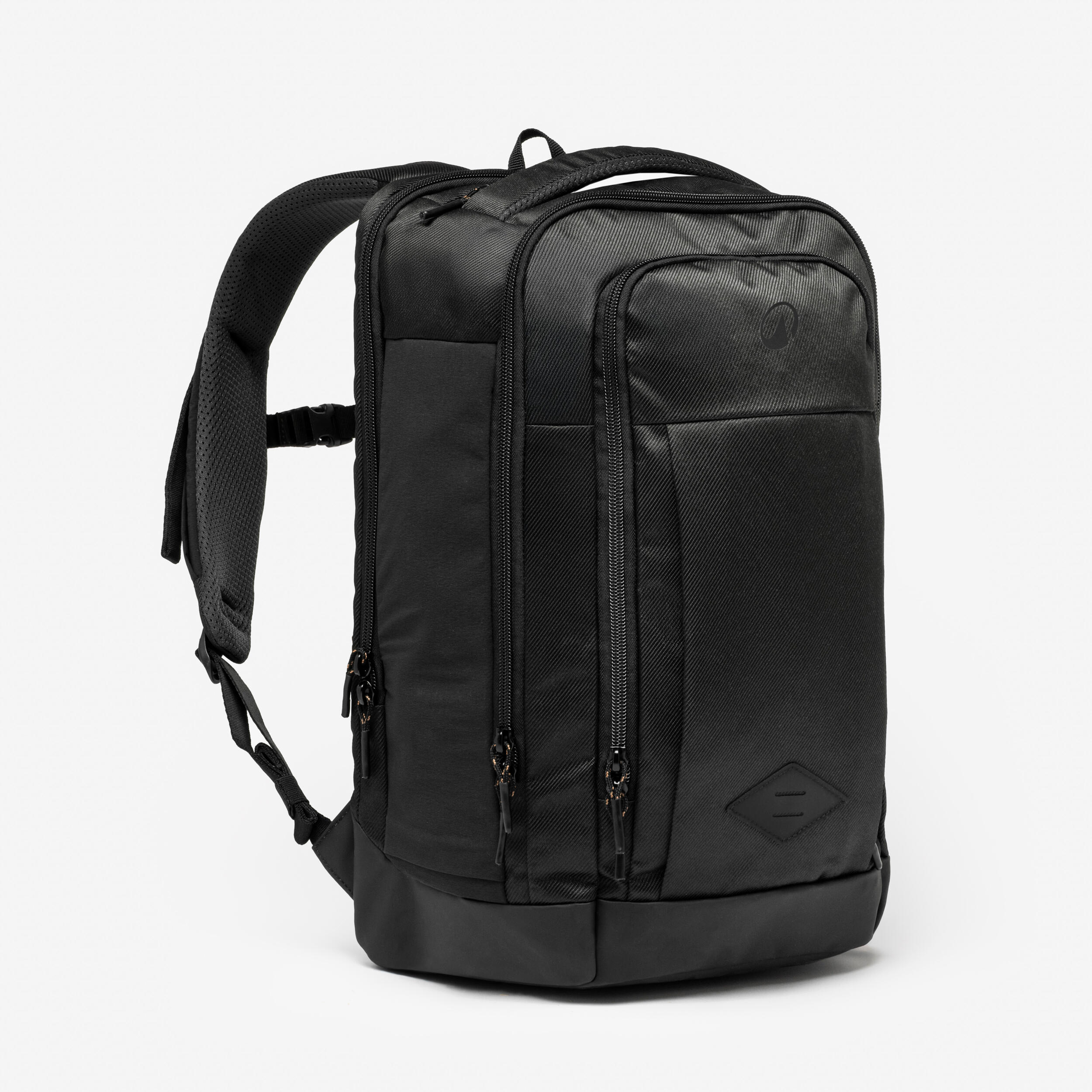
When is it better to use a waist bag instead of a full rucksack?

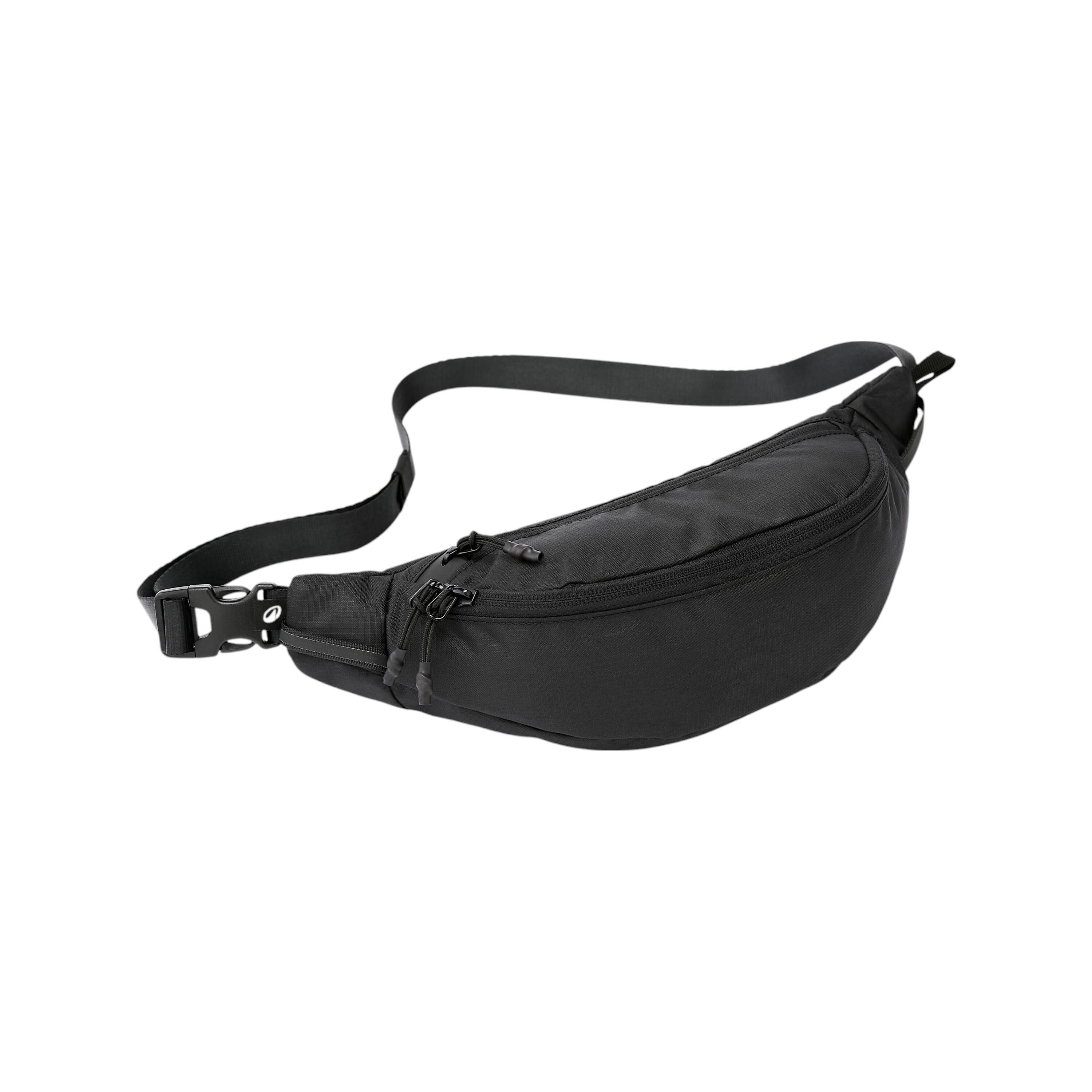
For high-intensity activities or short, fast-paced walks on flat terrain, a full-sized rucksack can often feel cumbersome and lead to unnecessary heat buildup on your back. Technical bum bags offer a lightweight alternative that keeps essential items like your smartphone, energy gels, and keys within easy reach. These compact carriers are particularly useful for trail runners or hikers who prefer to move without the restriction of shoulder straps. The technical reason behind a wide, adjustable waistband is to distribute the weight across your iliac crest, ensuring the bag remains stable and does not bounce while you are in motion. Small advice: Position the bag so it sits snugly in the small of your back to maintain your natural gait. If you find yourself needing to carry more than a litre of water or a spare jacket, it is time to transition back to a small daypack to avoid overloading your waist and causing discomfort or skin chafing over longer distances.
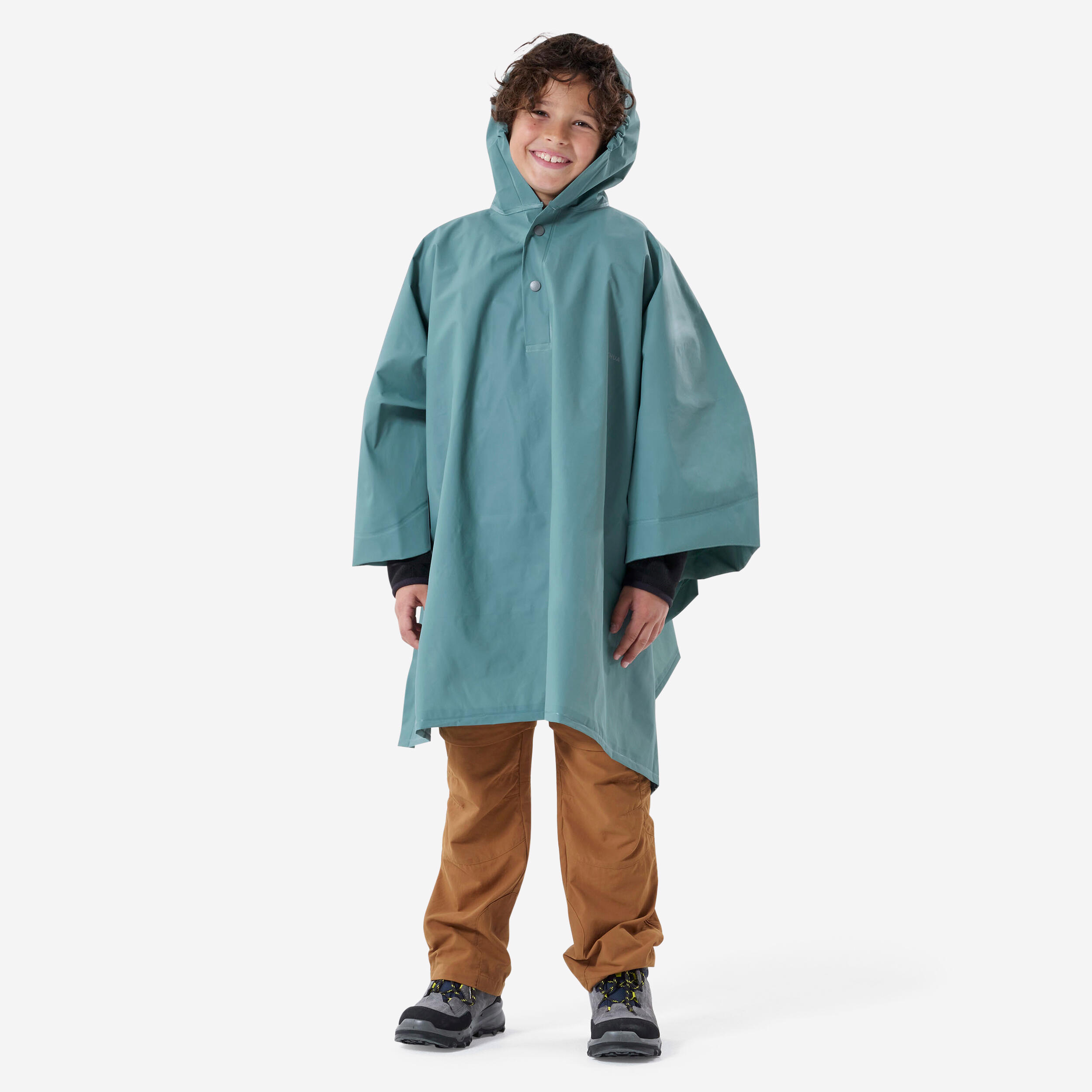
How do I choose the safest baby carriers for mountain paths?

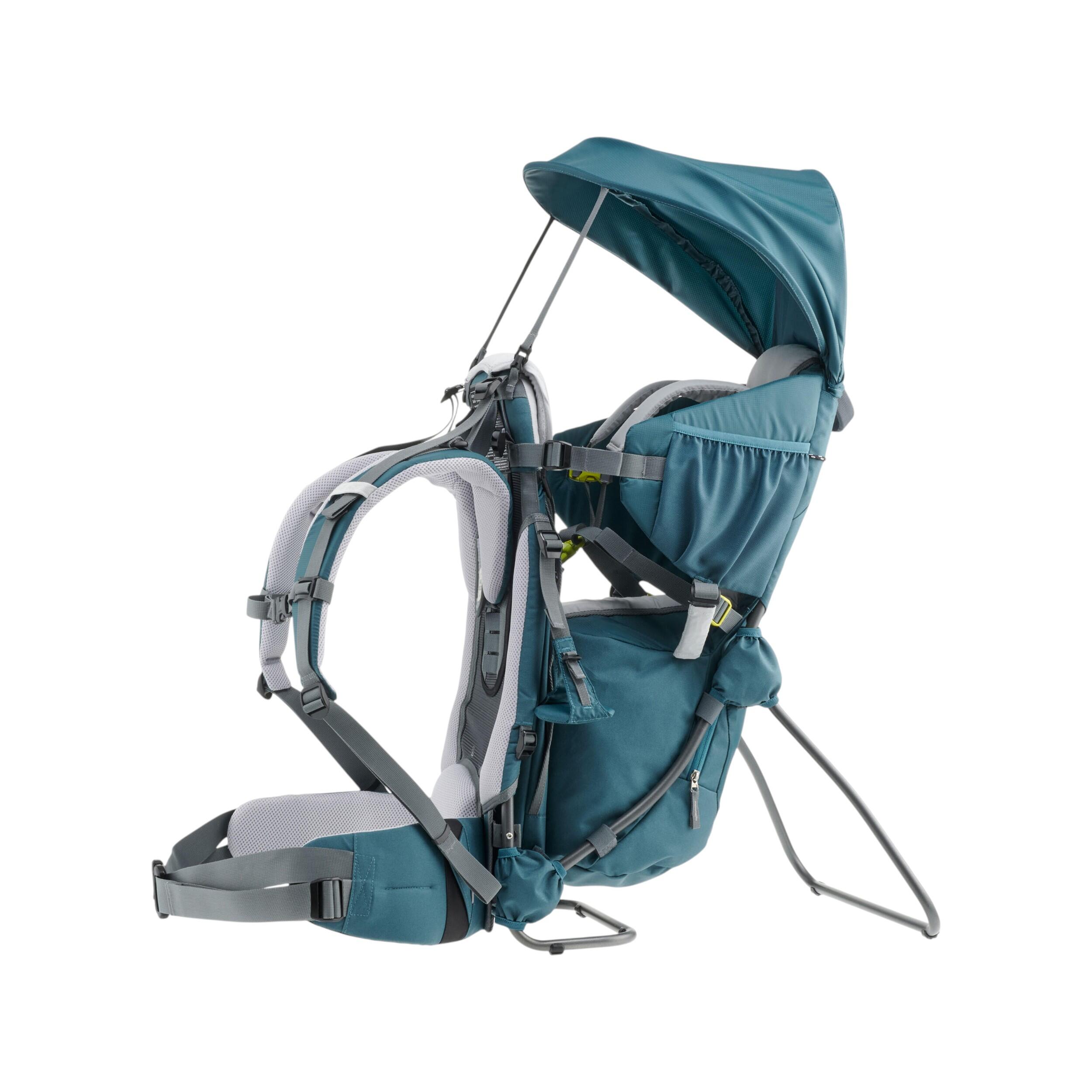
Taking young children into the outdoors requires specialized equipment that prioritizes both the comfort of the adult and the safety of the passenger. Our high-performance baby carriers are built with an internal aluminium frame that provides the rigidity needed to support the child's weight while protecting them from impacts. The reason for the 5-point safety harness is to keep the child securely positioned even if you have to navigate uneven steps or steep descents. These carriers also feature sun protection canopies and stirrups to maintain blood circulation in the child's legs during long treks. Expert advice: Before setting off, practice adjusting the seat height so the child’s chin is clear of the carrier’s top edge, and ensure your own hip belt is tightened first to take the bulk of the load. This prevents shoulder fatigue and keeps your balance steady on technical paths. Always check the maximum weight limit, which typically accommodates children up to 18kg plus additional gear stored in the integrated bottom compartment.

What is the difference between trekking backpacks and carriers?

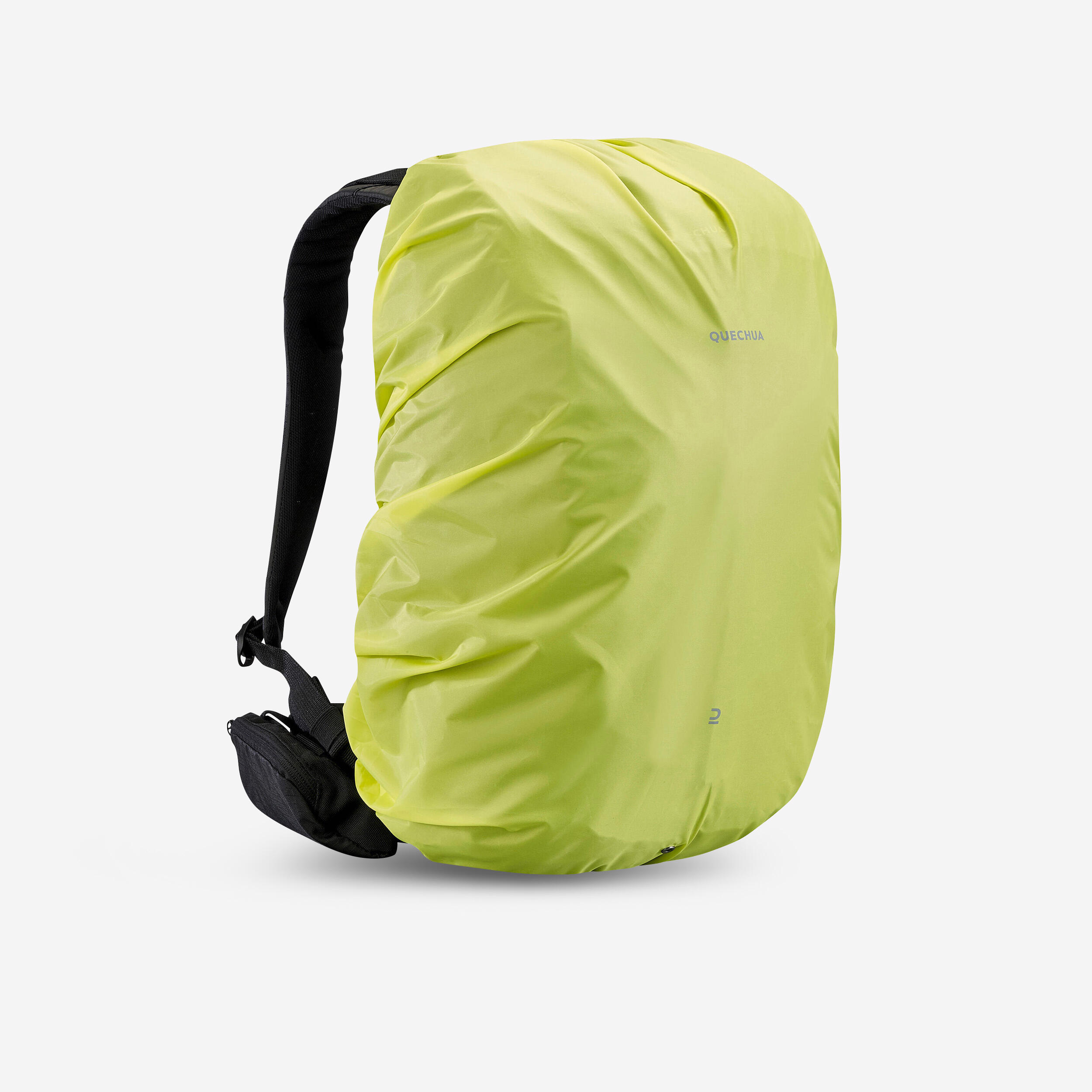
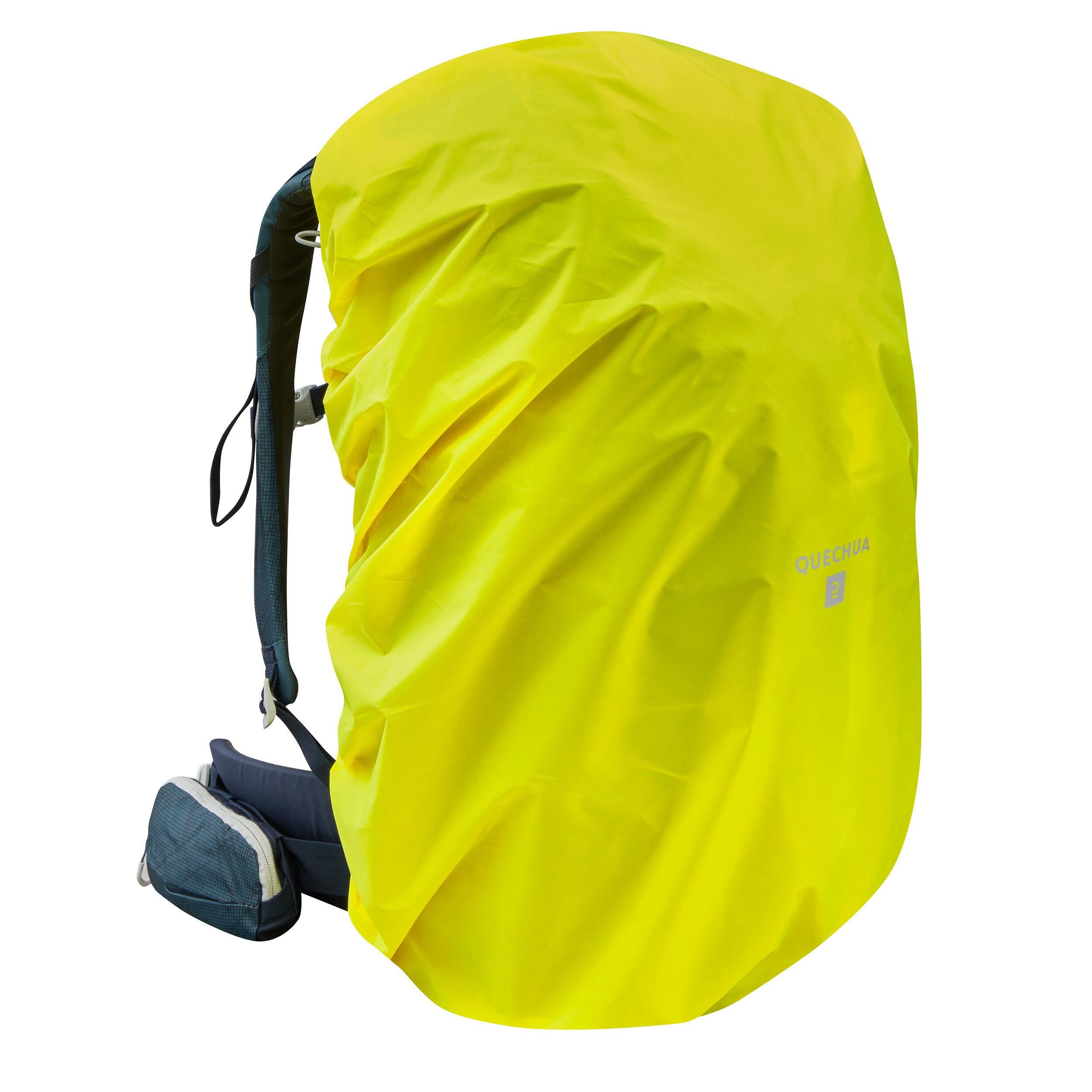
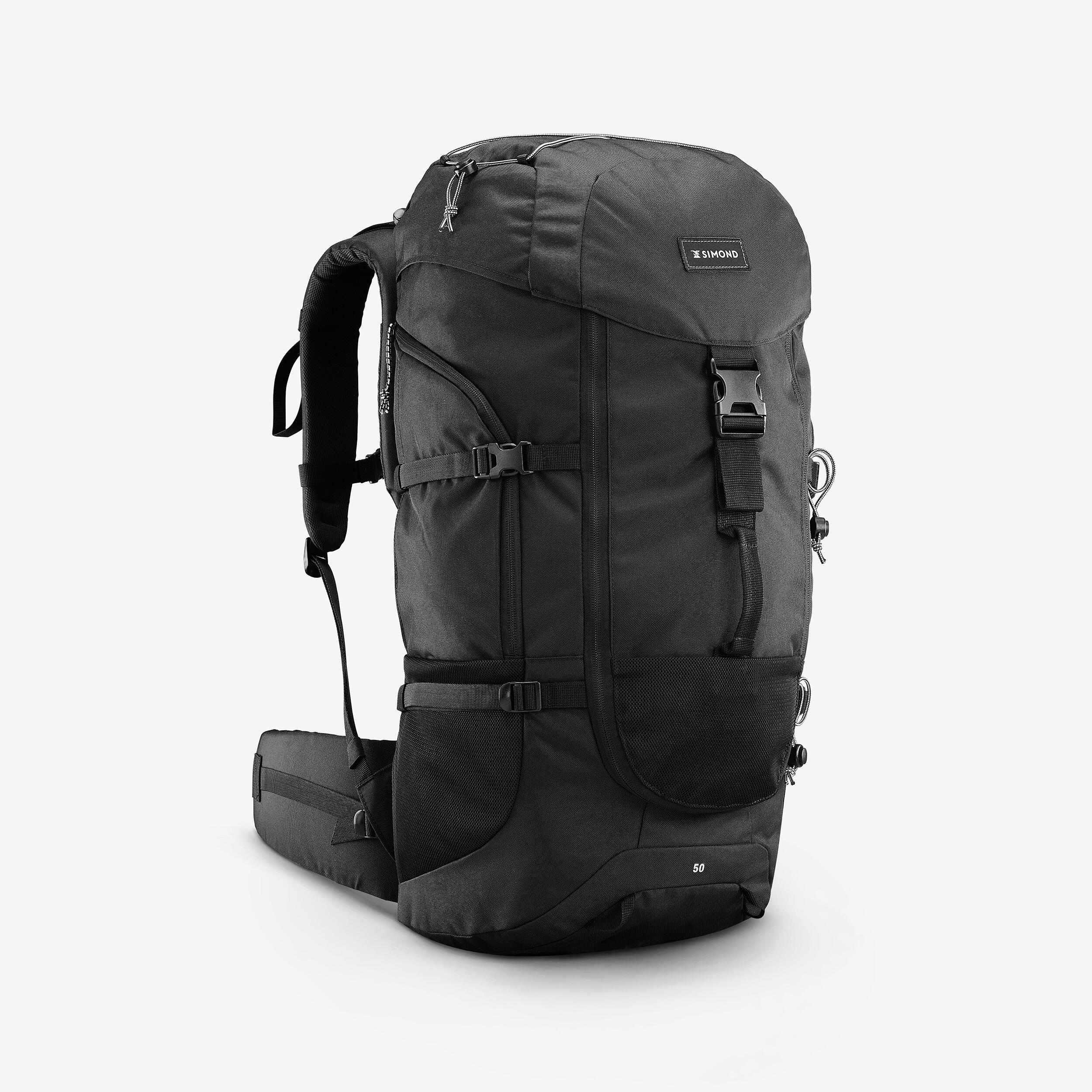
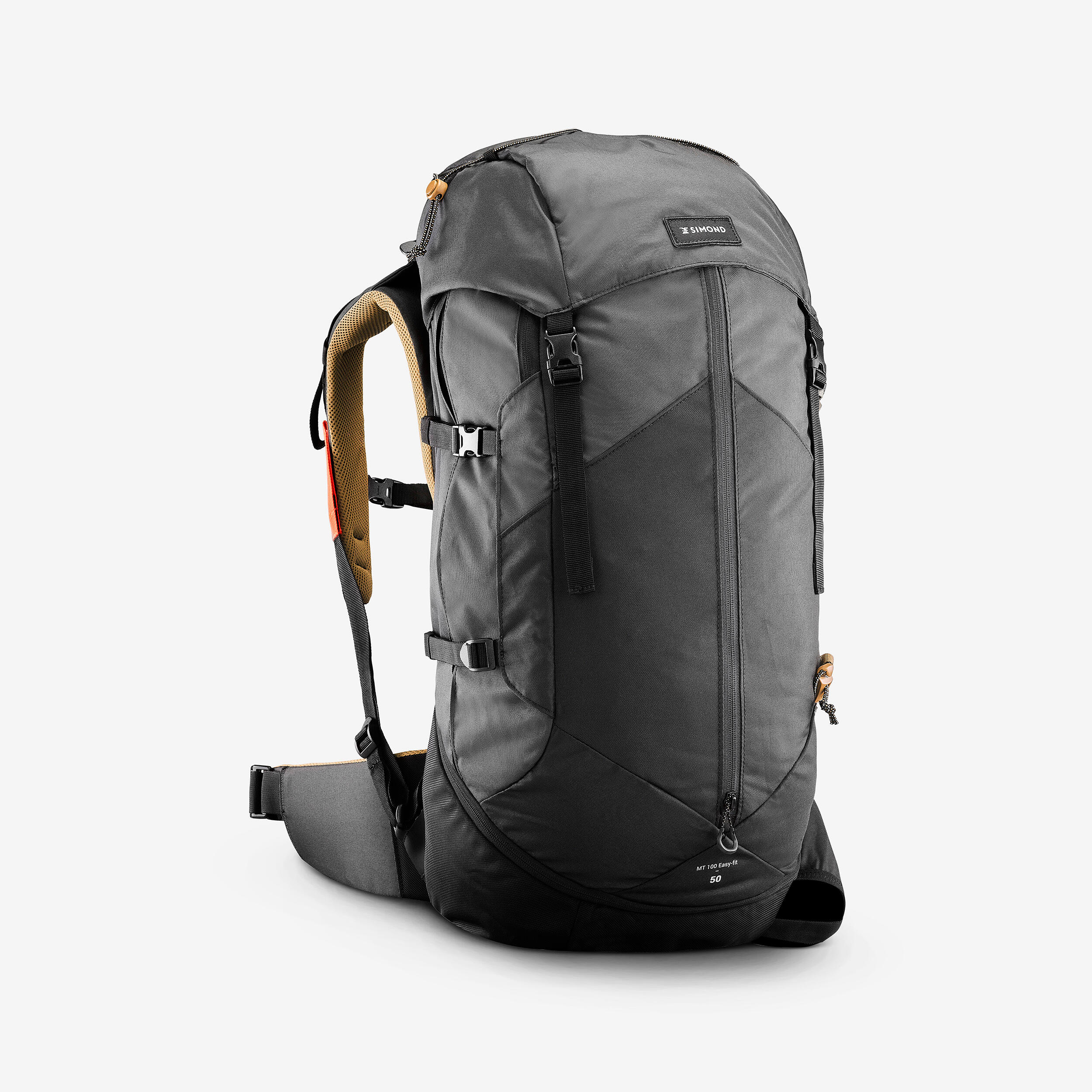
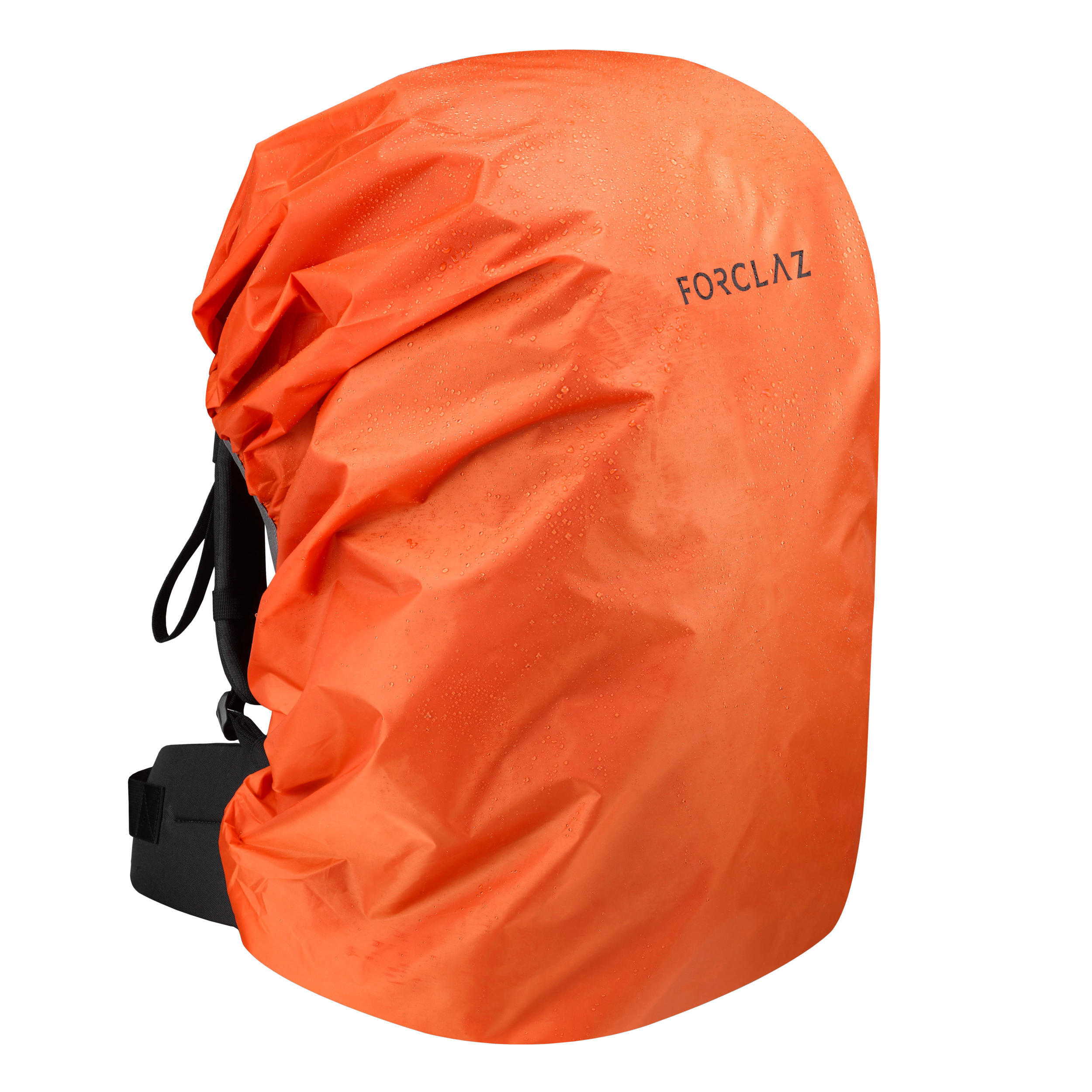
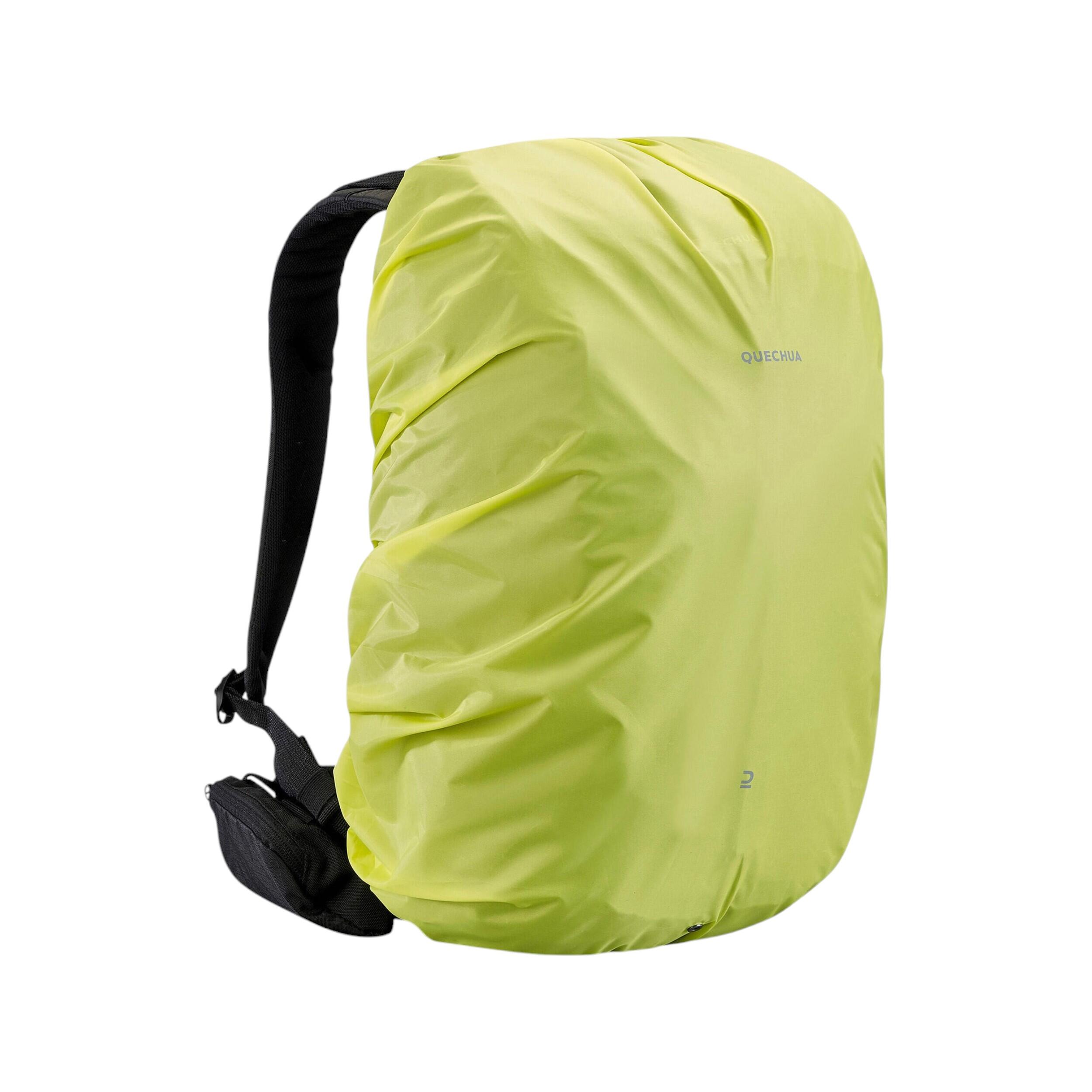
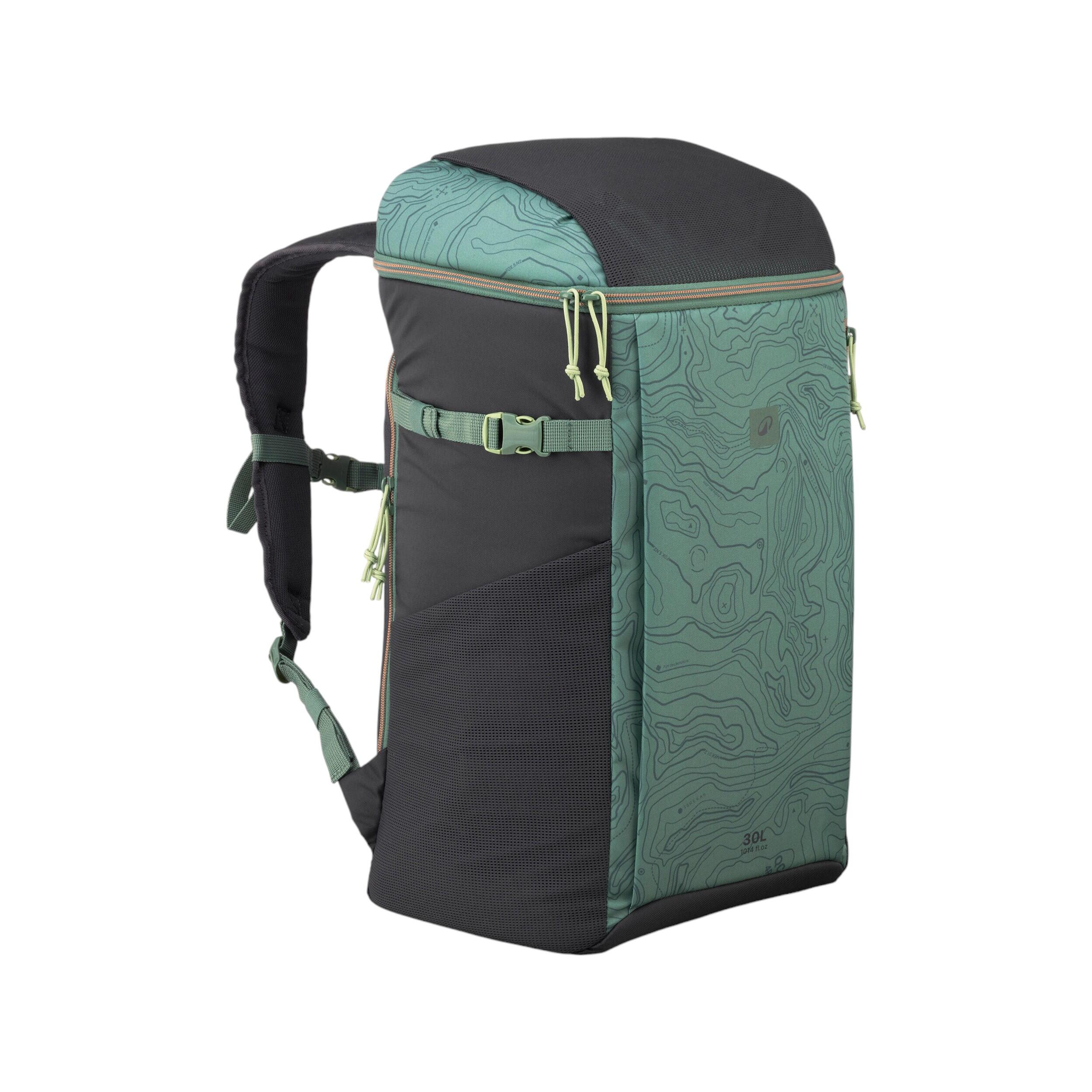
While both are designed for outdoor use, trekking rucksacks are built for multi-day self-sufficiency, often featuring external attachment points for tents, sleeping mats, and walking poles. These bags usually exceed 50 litres in capacity and utilize a complex harness system that can be adjusted to match your specific back length. For day hikes or picnics where food storage is essential, many outdoor enthusiasts also consider insulated options like cooler backpacks designed to keep meals and drinks fresh throughout the journey. In contrast, specialized bags for shorter distances or specific sports focus on aerodynamics and rapid access. The technical reason behind the "Symbium" technology found in our elite trekking range is to allow the hip belt to pivot with your natural walking motion, significantly reducing the energy required to stabilize the pack on uneven ground. Expert tip: When packing for a multi-day trip, place your lightest items like a sleeping bag at the very bottom and the heaviest items close to the back panel at mid-height. This setup ensures the pack works with your body's mechanics rather than against them. High-visibility rain covers are often included in the base pocket, providing an essential waterproof barrier and making you easier to spot in low-visibility mountain conditions.