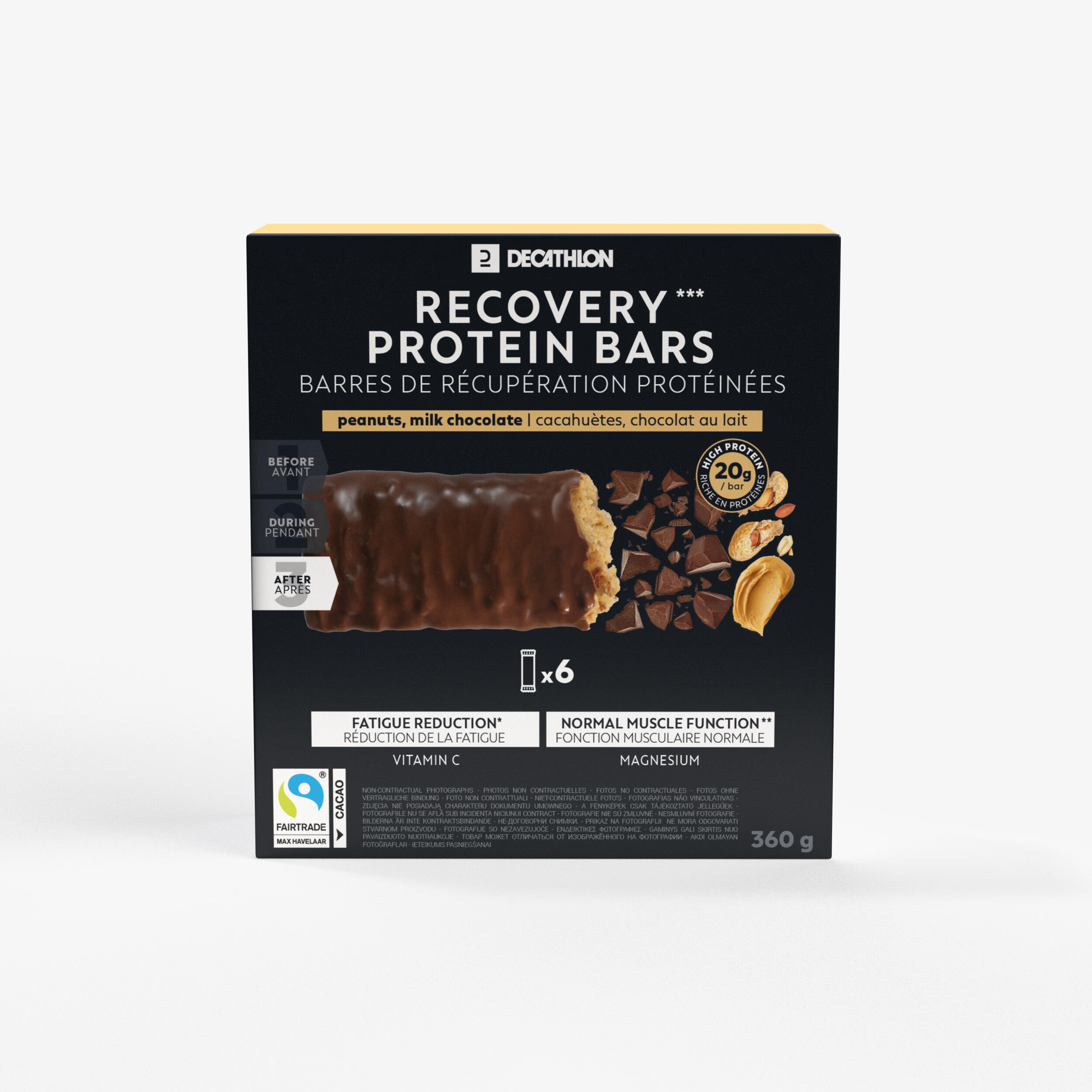
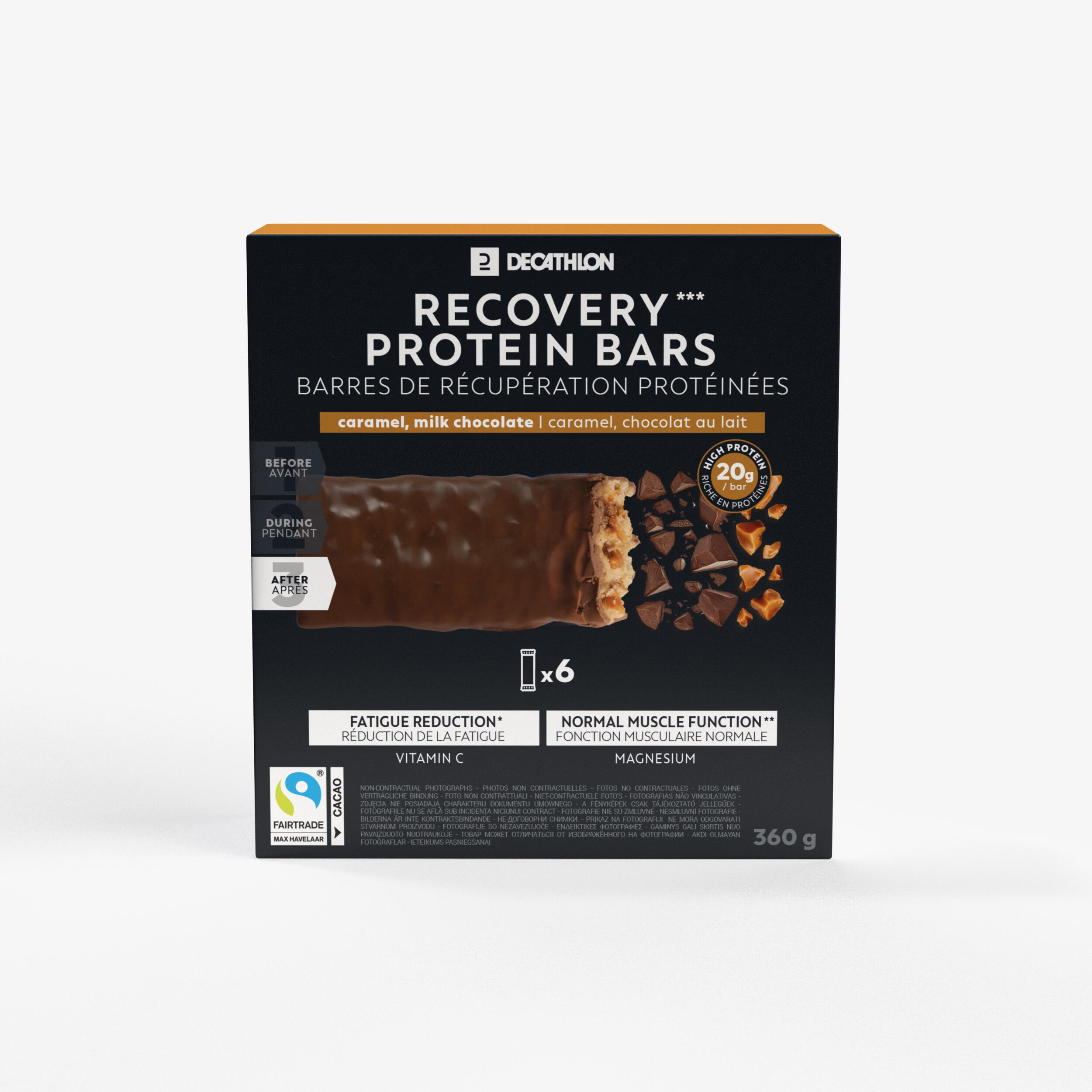
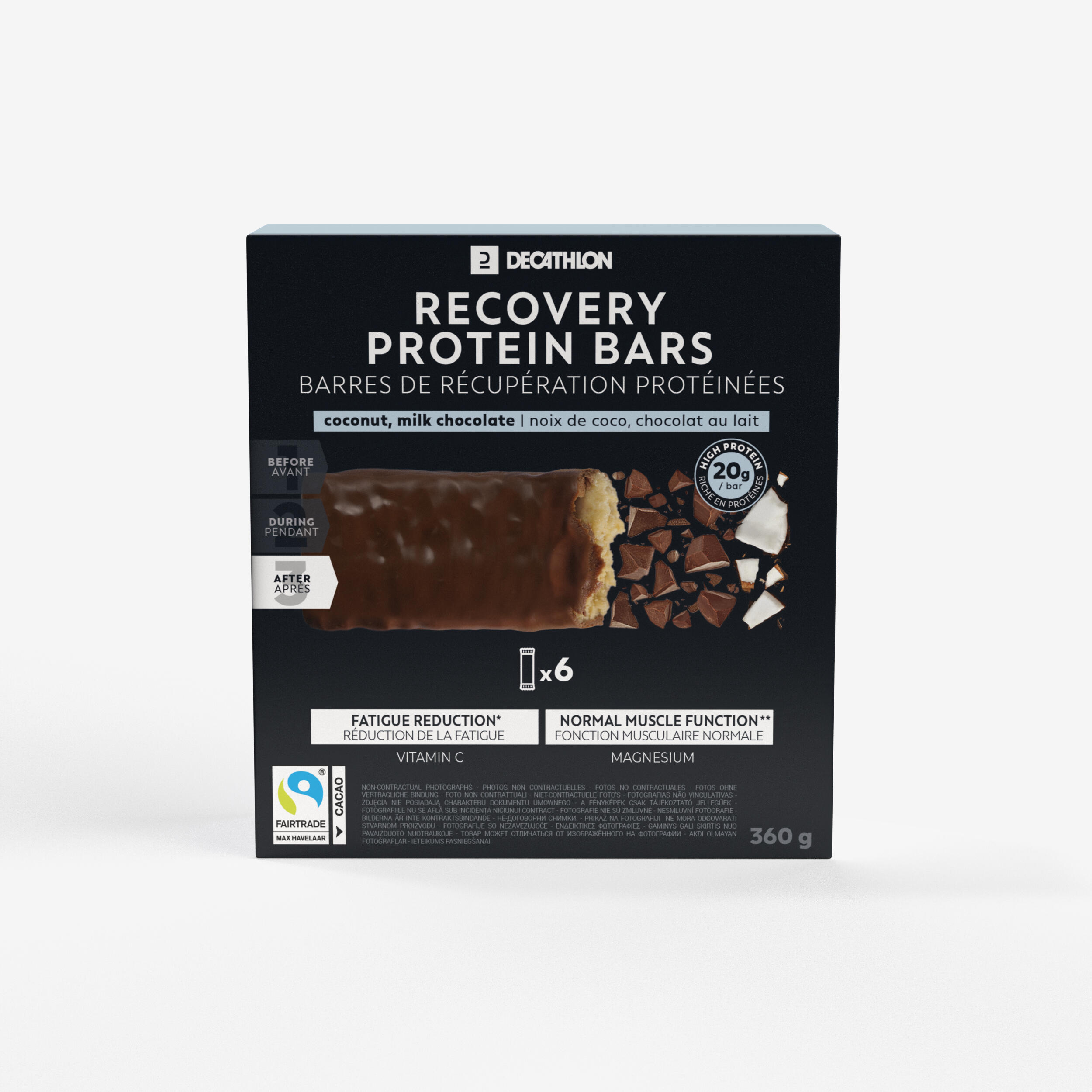
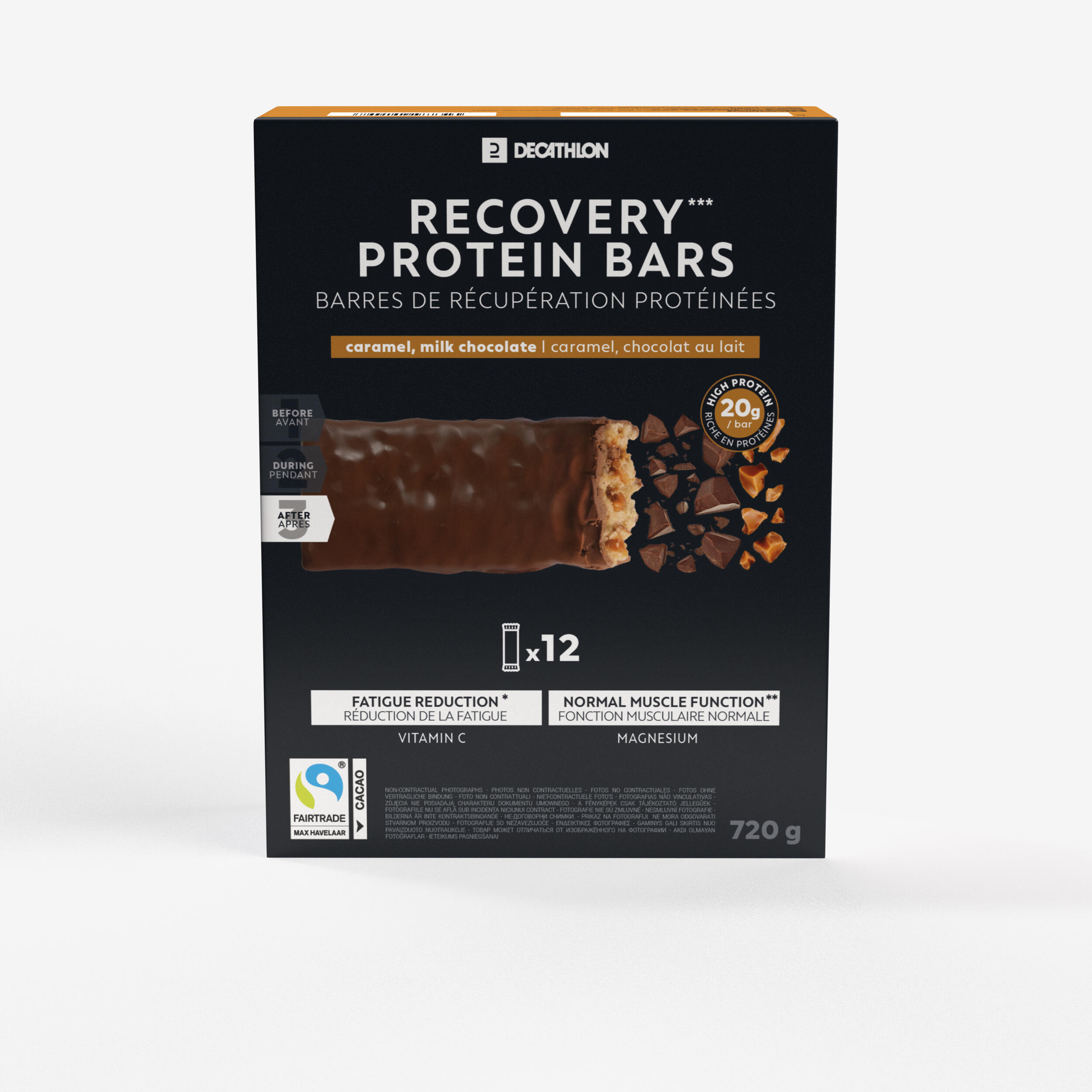
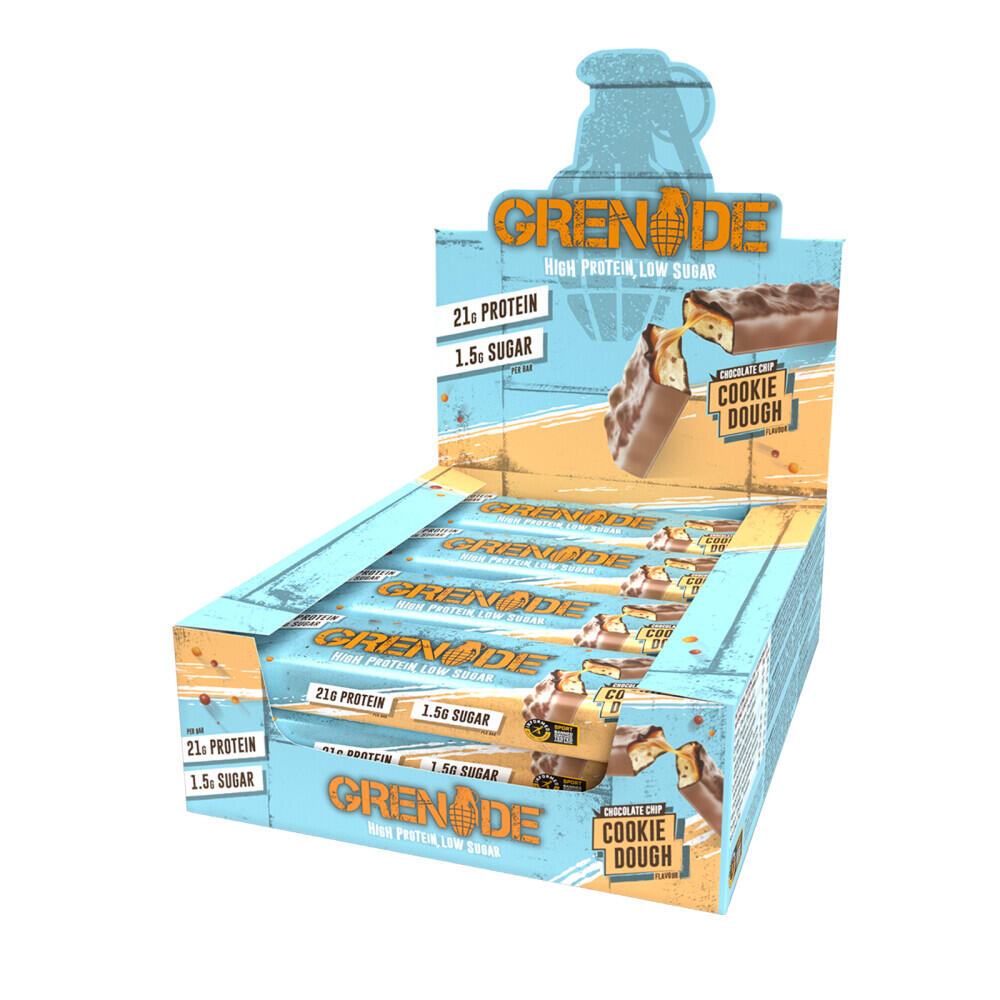
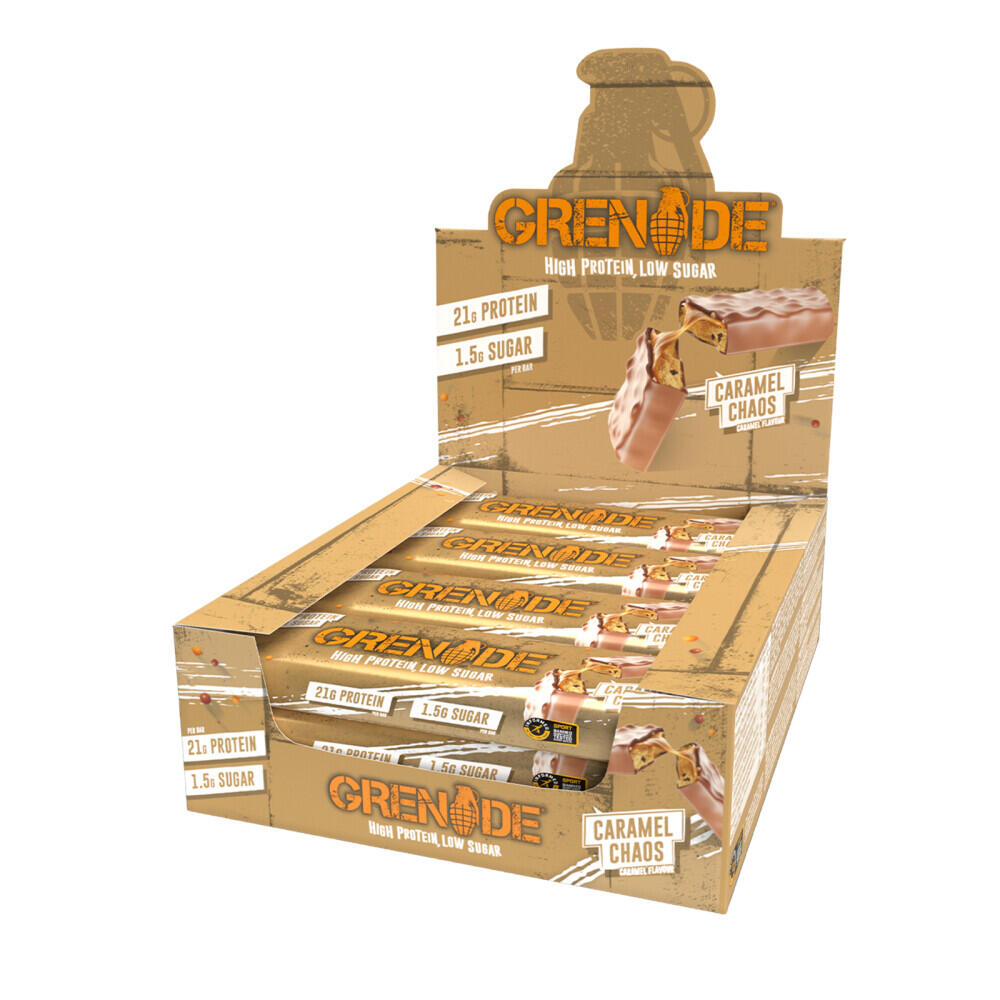
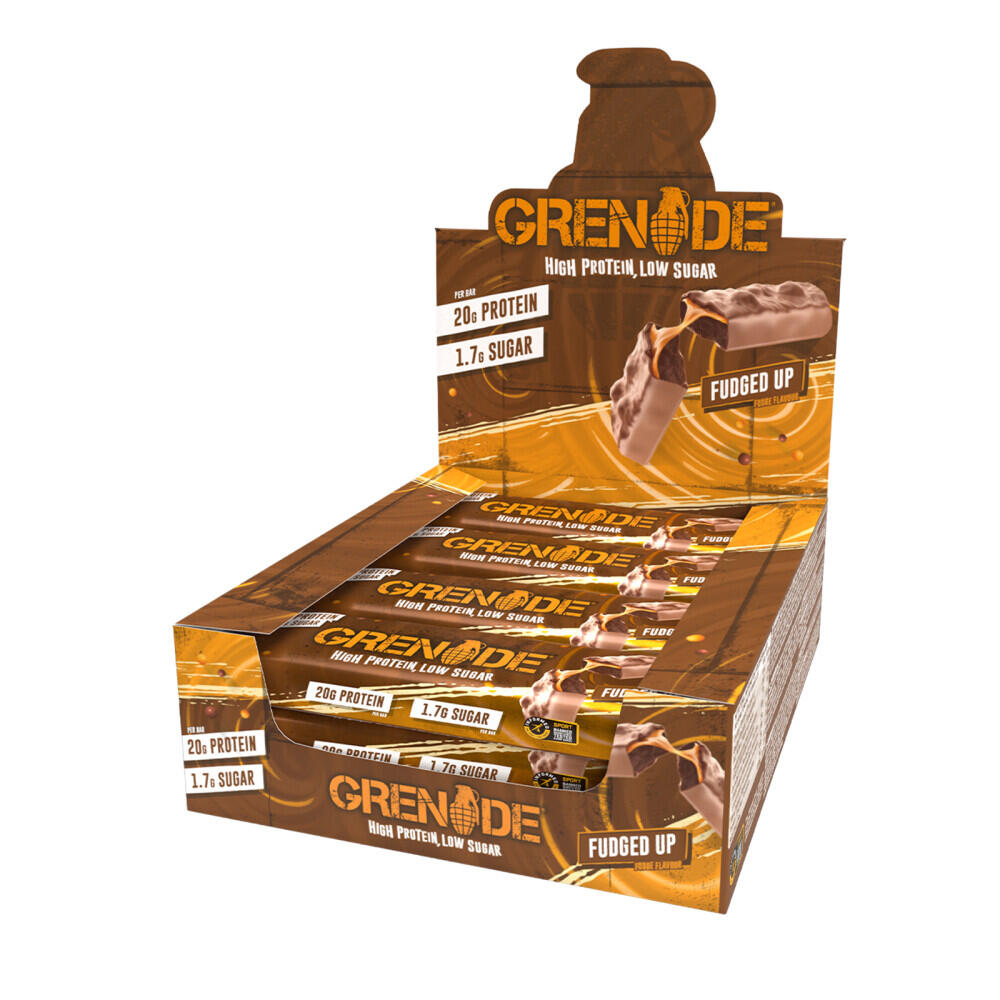
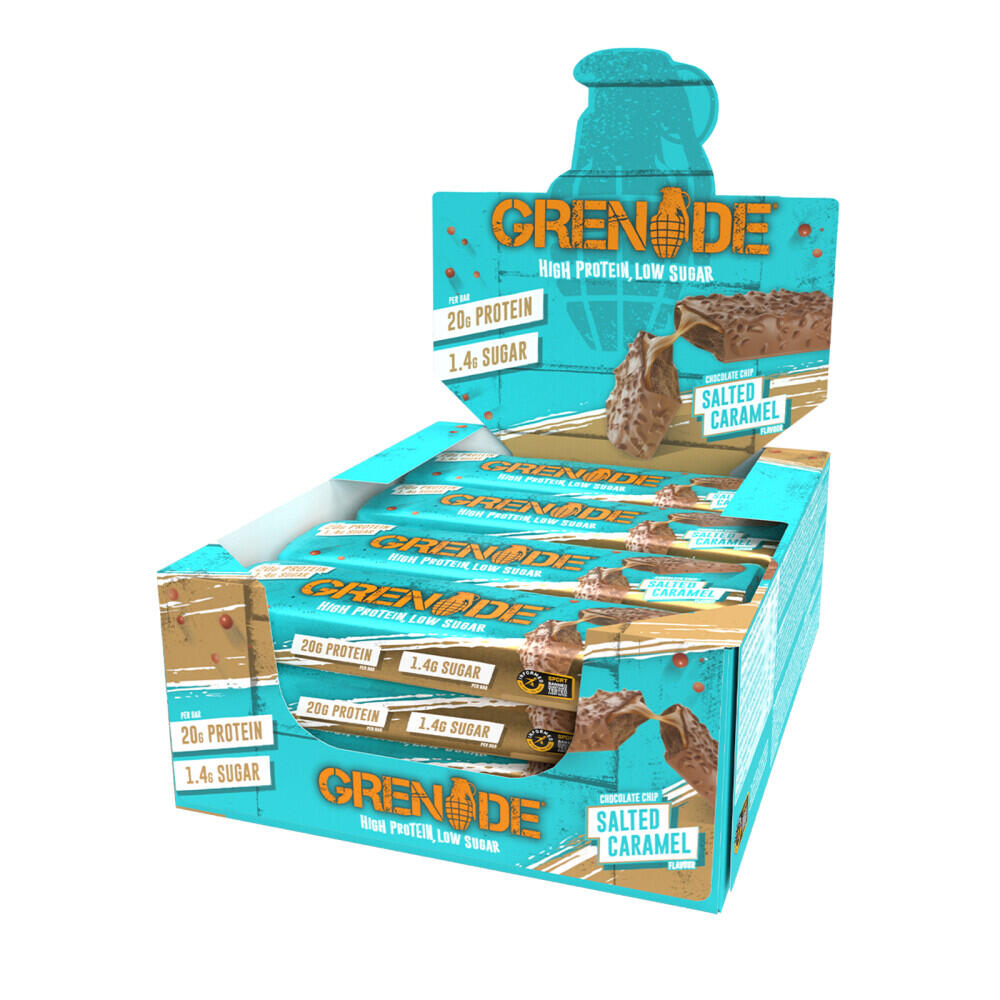
115 items
4.7/5 based on 11456 reviews collected online and in stores

Protein Bars FAQs

Are protein bars a good snack option?

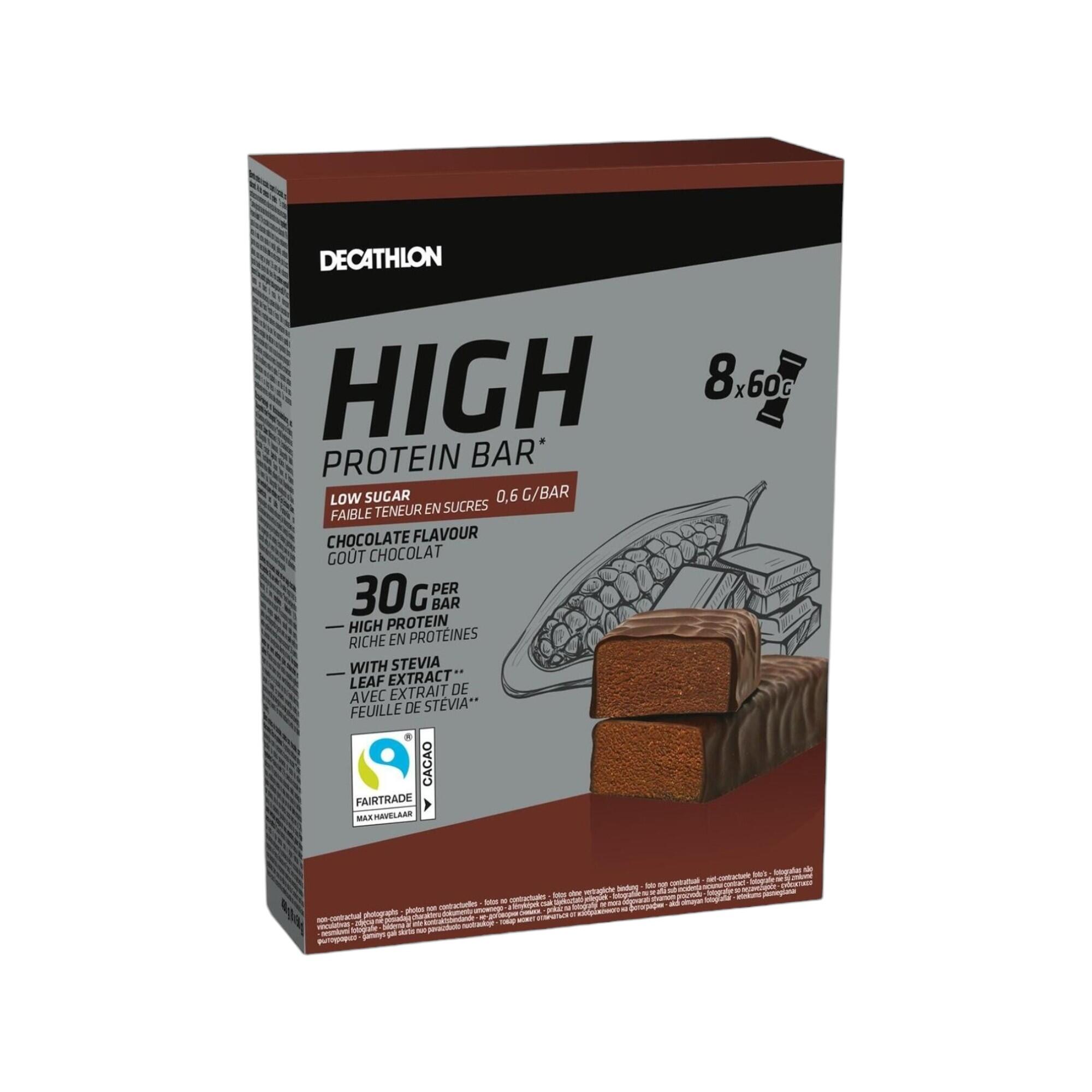
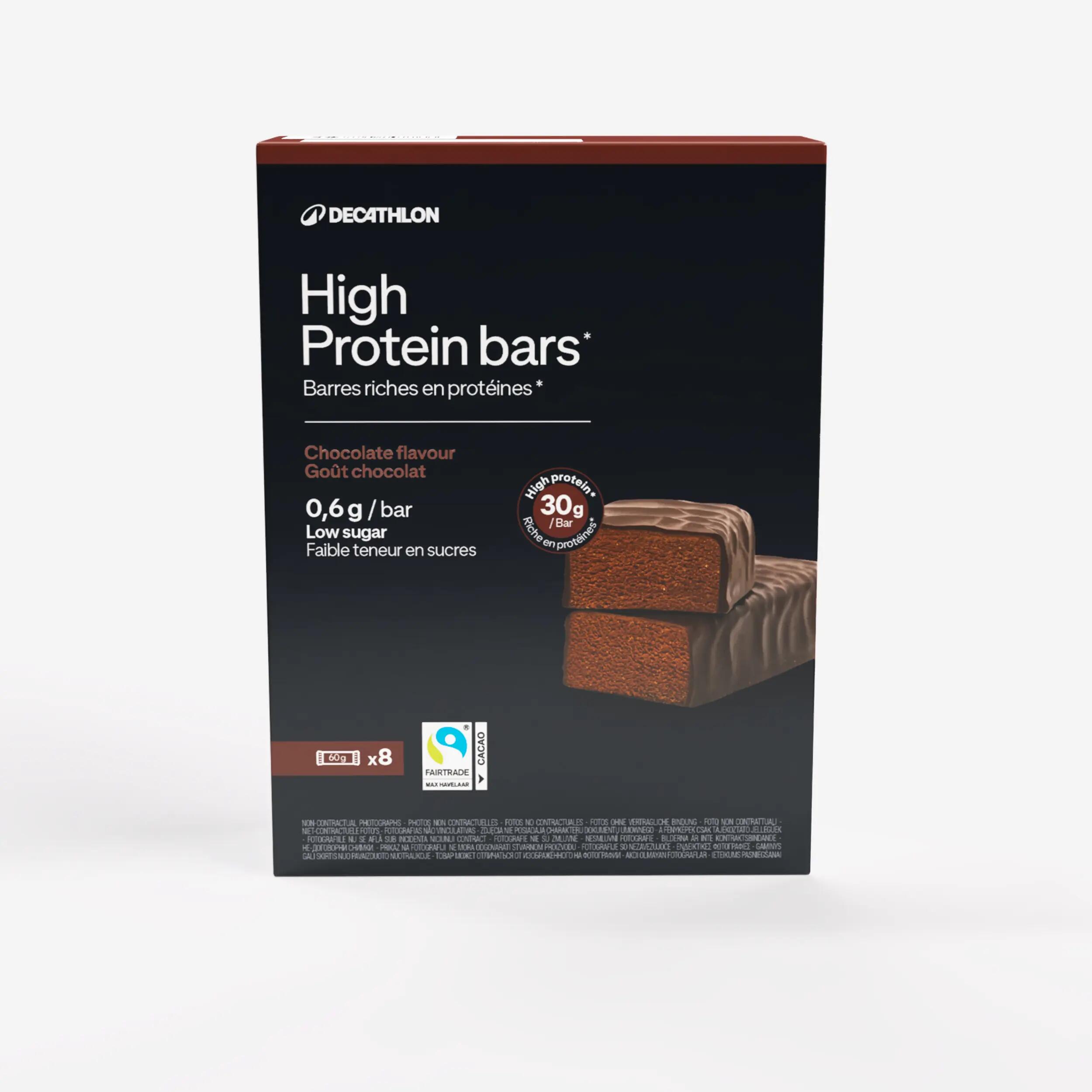
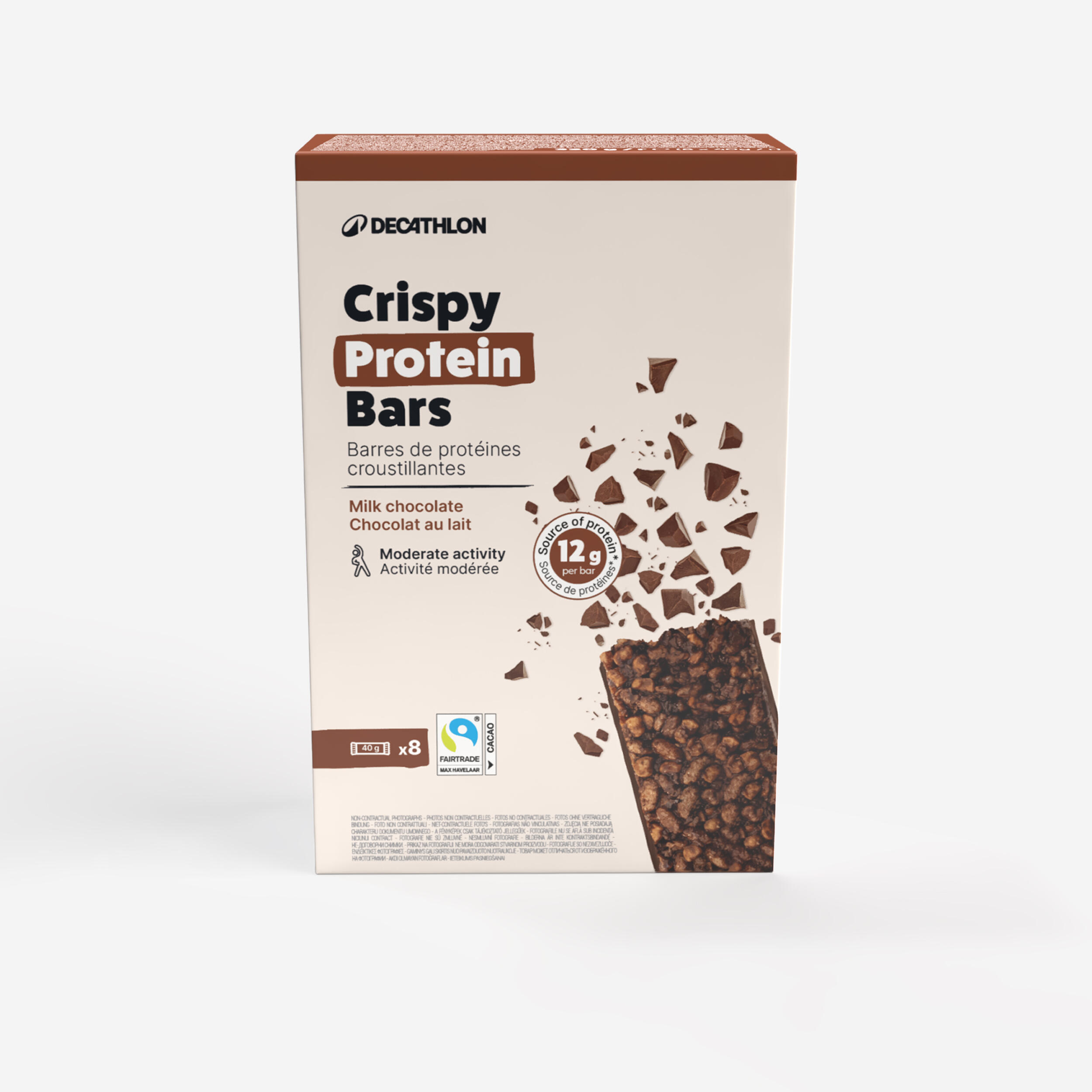
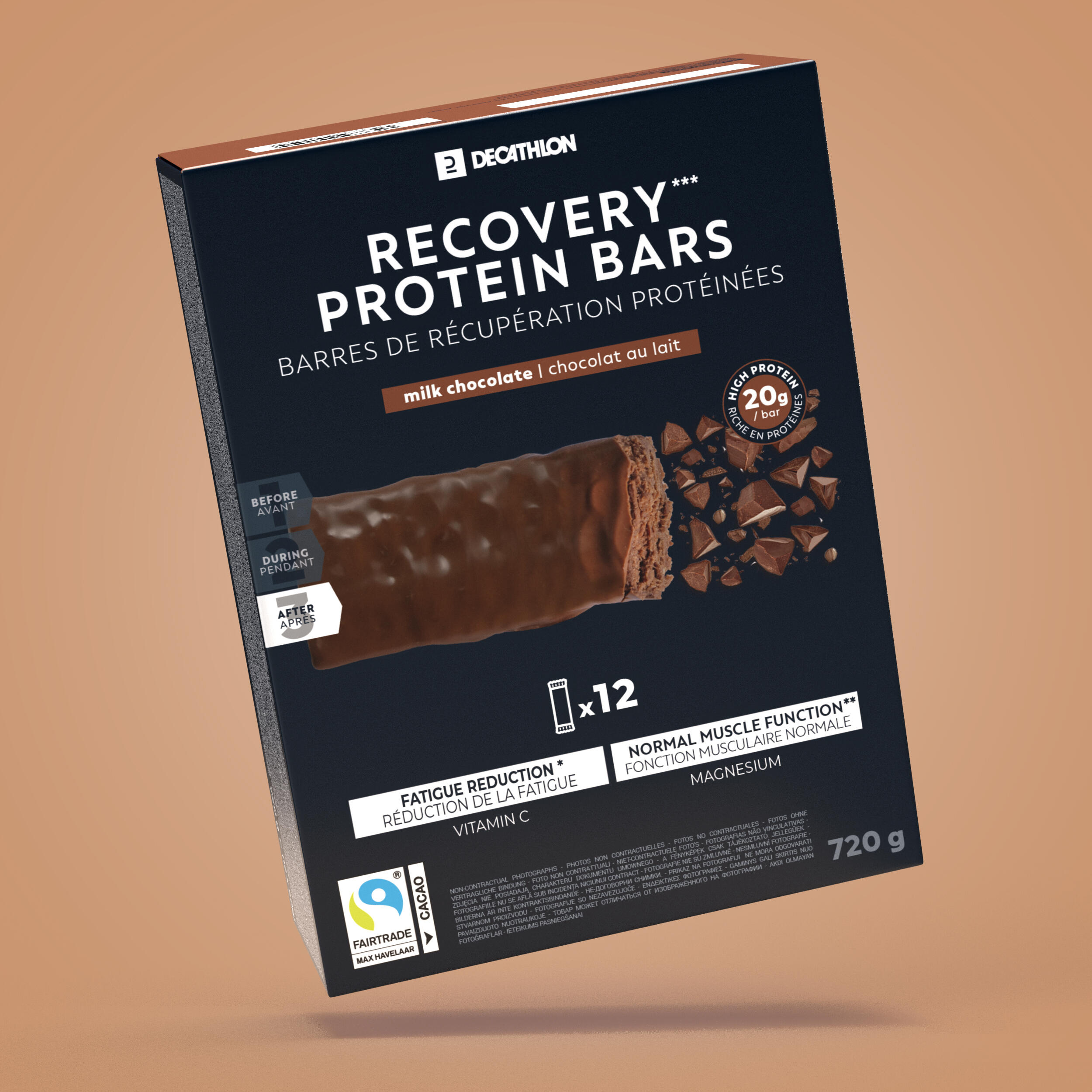
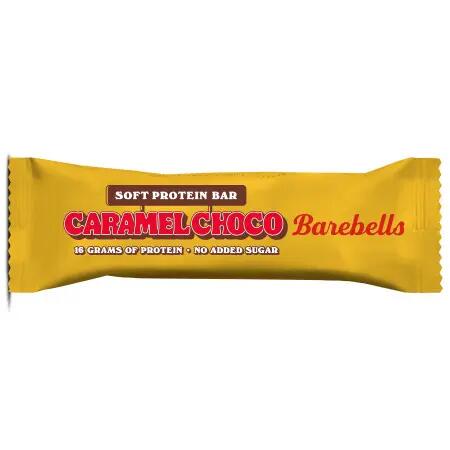
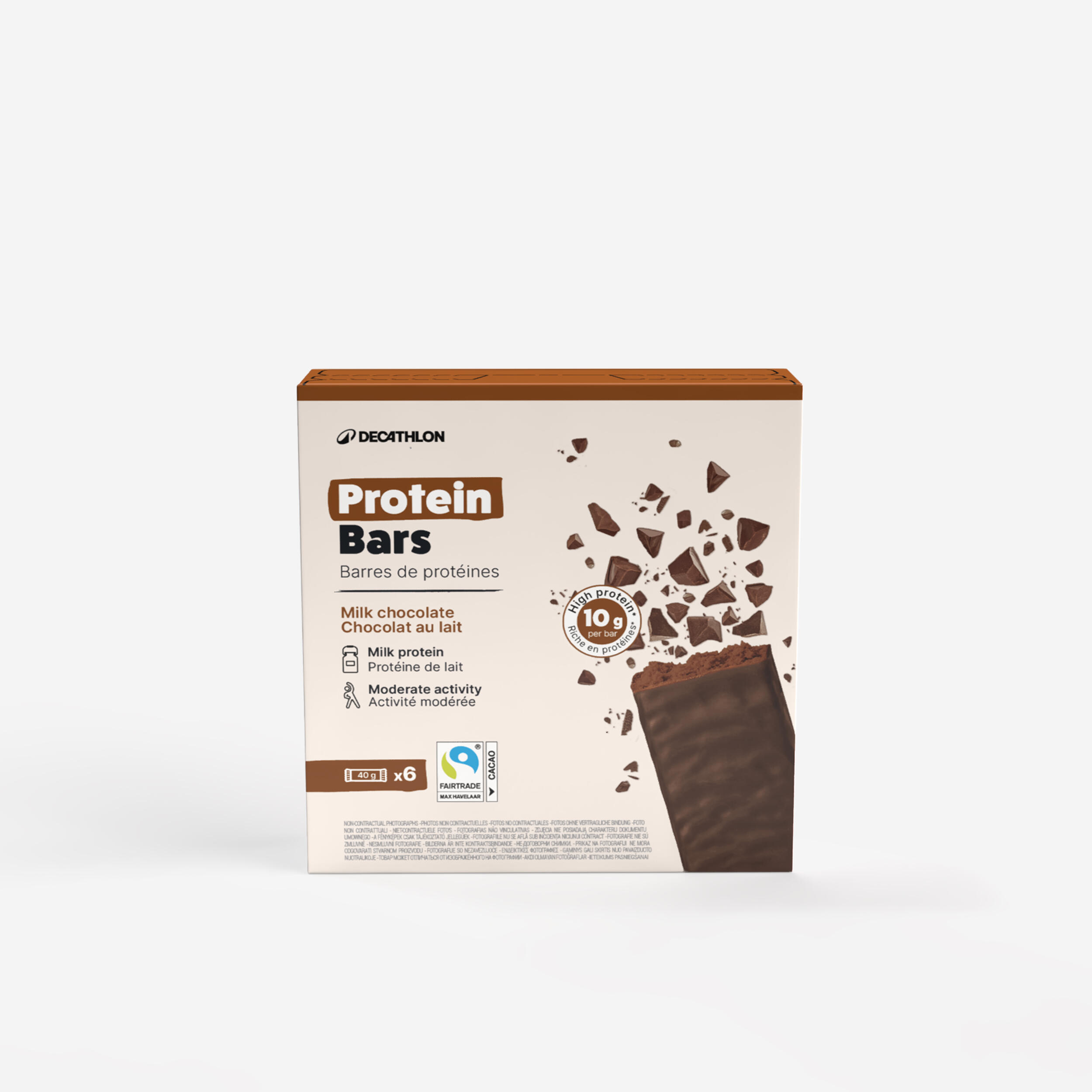
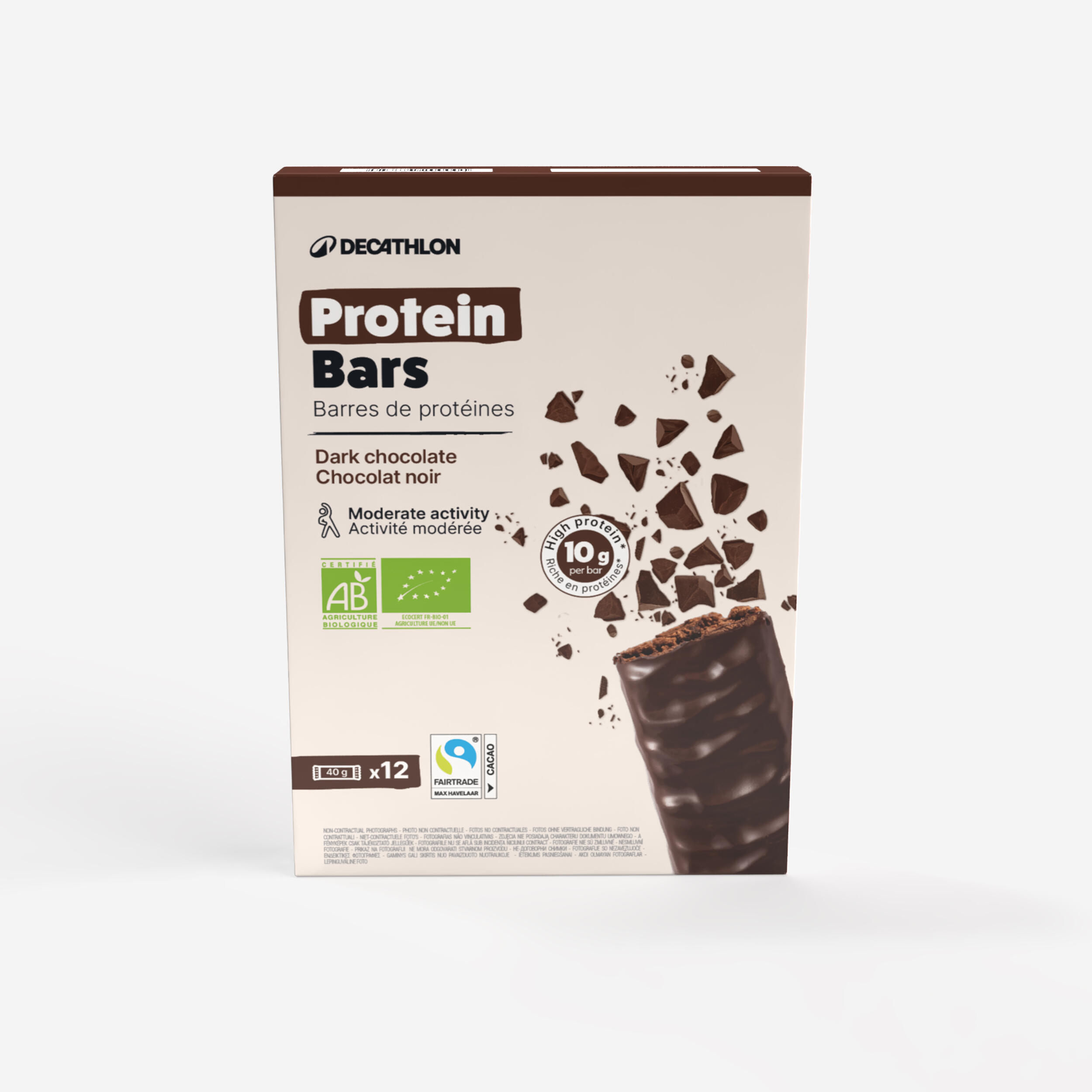
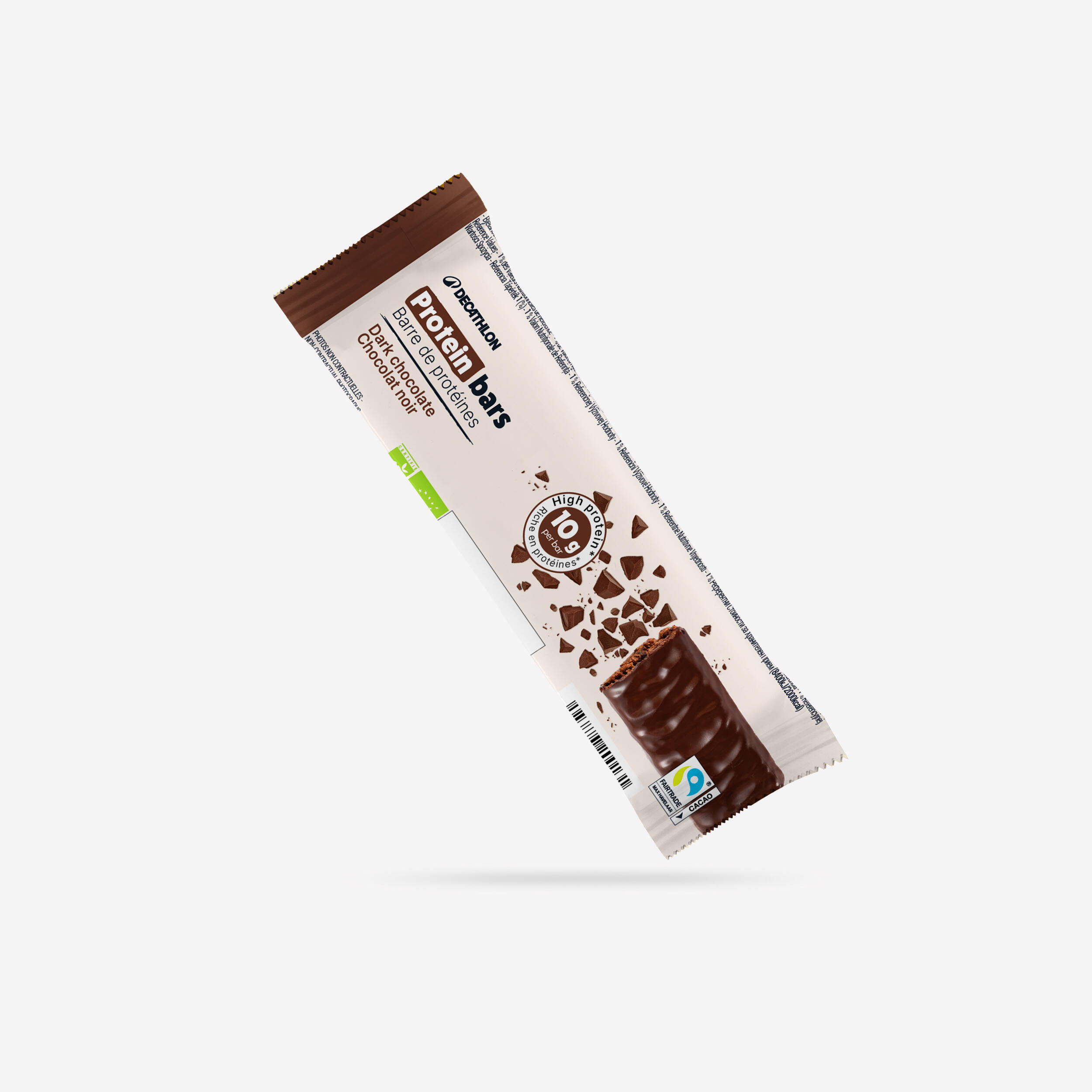
Protein bars are a convenient choice when eaten as part of a balanced diet, since they pack a meaningful protein dose into a portable snack that fits in a gym bag, a desk drawer, or a kit bag on match day. They support muscle recovery after a heavy training block and keep you feeling fuller for longer than a standard cereal-based snack. This matters because it supports sustained energy. A snack that combines protein with slow-release carbohydrates and a touch of fibre stabilises blood sugar across a long afternoon, while a sugary bar alone spikes and crashes within the hour. Match the bar to your goal like a high-protein bar for strength and recovery, a lower-sugar option for steady everyday energy, or a fruit-and-nut bar for endurance fuel. For pre-training fuel rather than post-training recovery, our range of energy bars includes carb-focused options across the Aptonia and Decathlon Nutrition labels.
When is the best time to eat a protein bar?

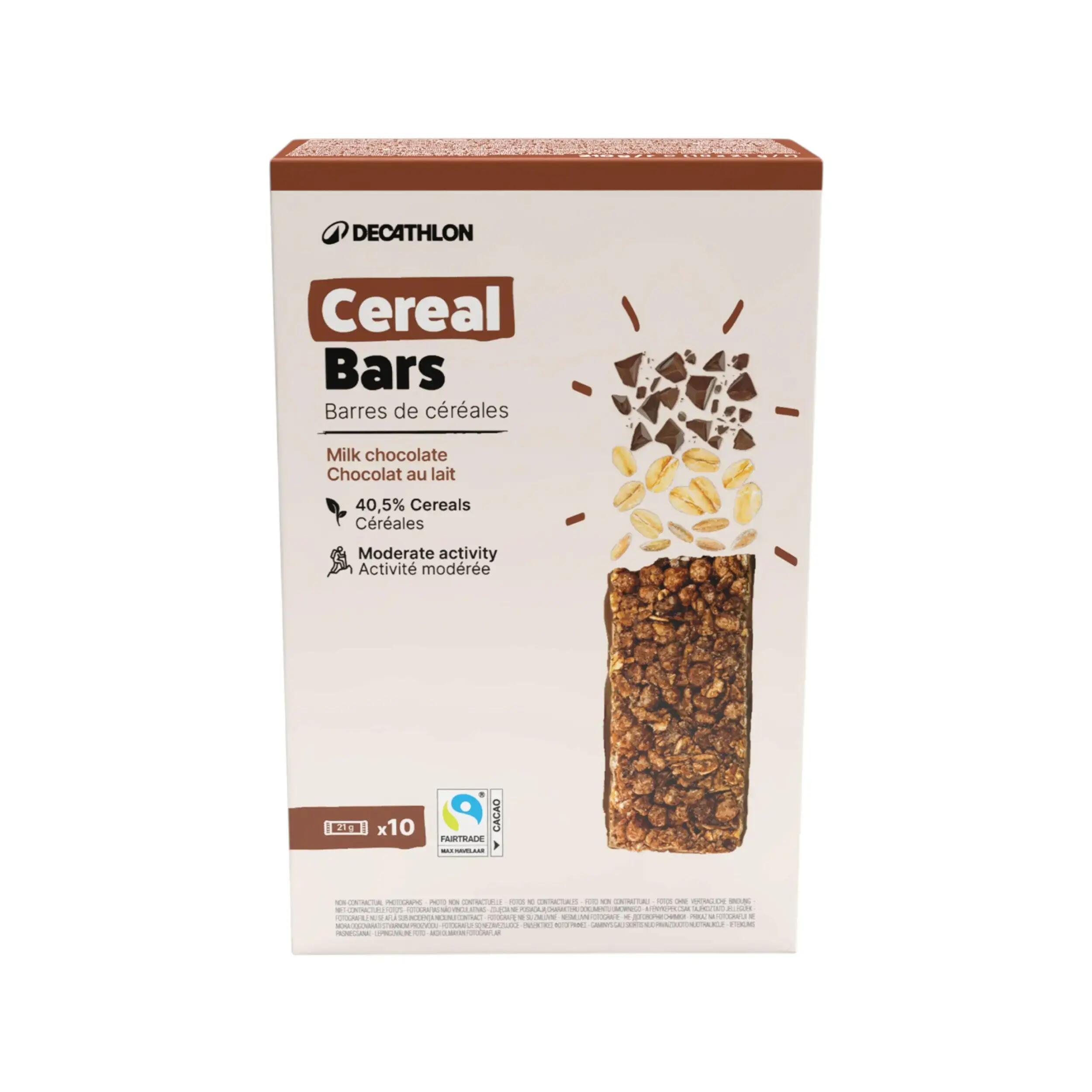
Protein bars can be eaten across the day, but they shine in two specific windows: after a workout, when muscles are most receptive to repair, and as a mid-afternoon snack to bridge the gap between lunch and dinner without reaching for empty calories. Many athletes also reach for a bar before a long endurance session because it delivers protein and steady carbs in a single, easy-to-carry package. The reason a bar beats a shake on the move is simple: no shaker, no powder, no mixing time, just a wrapper to open between drills or on a turbo session. For a lighter, oat-based alternative, browse our range of cereal bars across the Aptonia and Decathlon Nutrition labels.

What is the difference between high-protein and low-sugar protein bars?

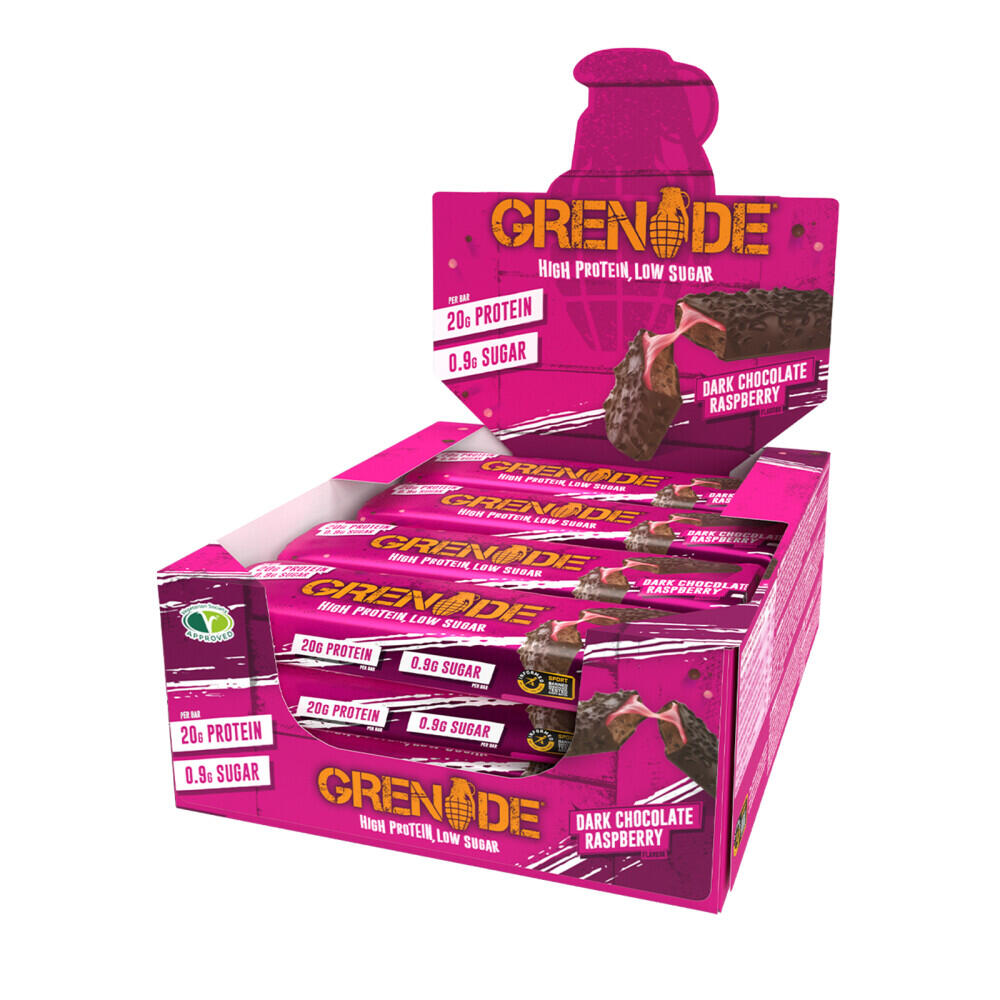
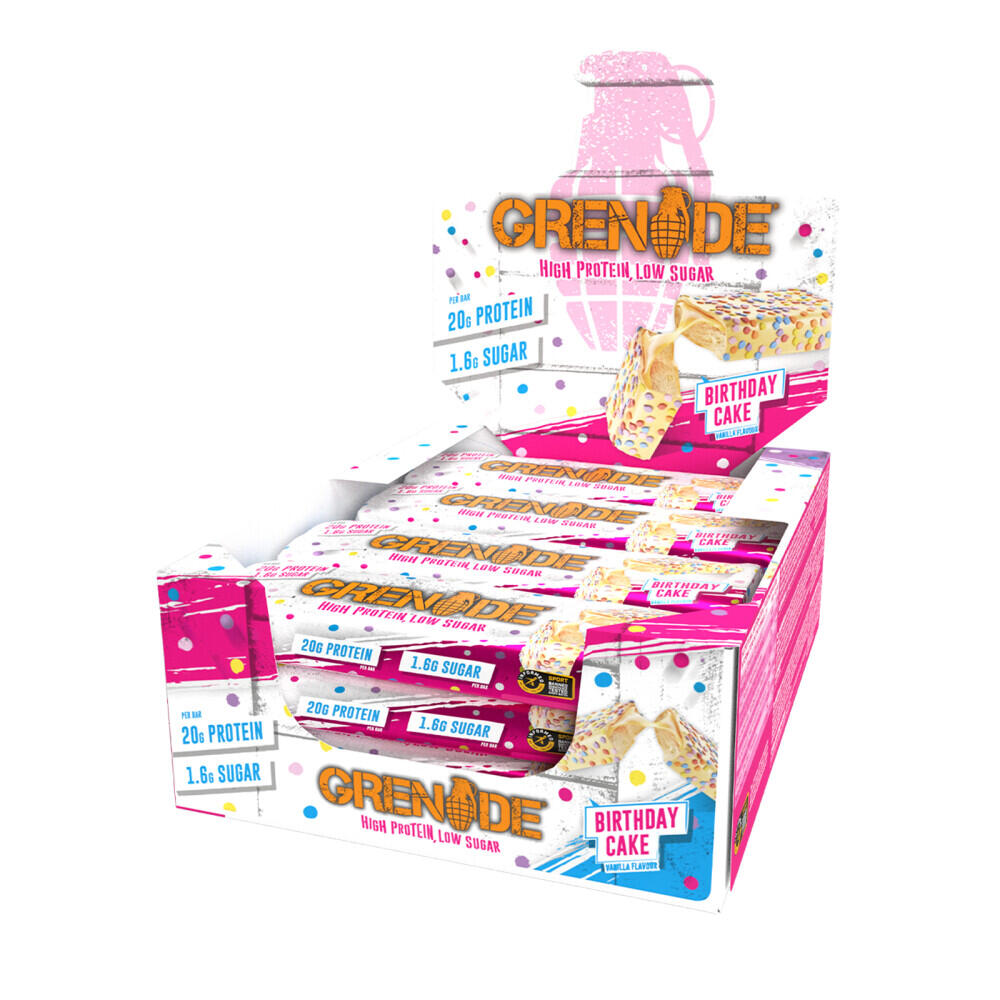
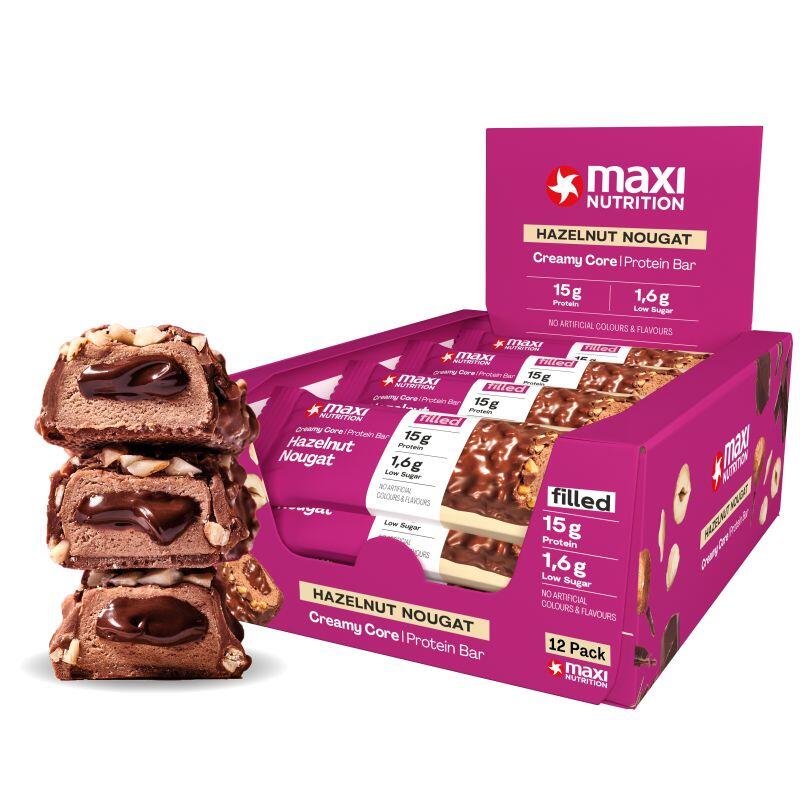
High-protein bars deliver a larger protein dose per serving, which makes them the natural pick for post-workout recovery, muscle repair, and lean-mass goals across a structured strength block. Low-sugar bars focus on cutting back the sugar content for a lighter, steadier snack that suits everyday energy management, weight goals, or a desk drawer pick-me-up between meetings. Both fit into a balanced nutrition plan, and the right choice comes down to whether your priority is recovery and growth or moderate, sustainable fuelling across the day. For natural-fruit fuel between long sessions, our range of energy compotes and fruit preparations covers pouches and sachets across Aptonia.

Are vegan protein bars as effective as dairy-based ones?

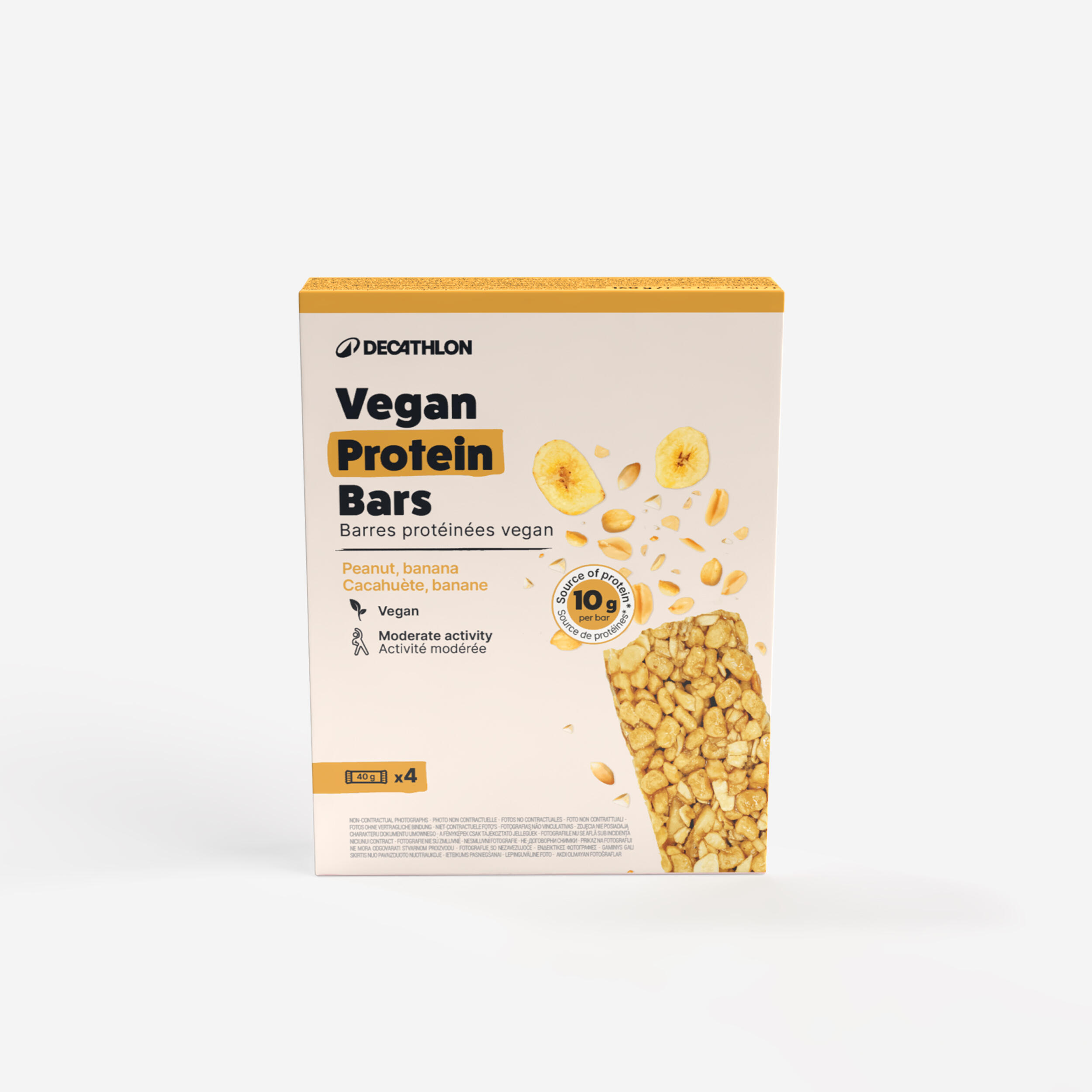
Yes, vegan protein bars are just as effective as dairy-based options when the protein blend is built around complementary plant sources. Pea, soy, rice, and hemp proteins together deliver the full essential amino acid profile needed for muscle recovery, and many vegan bars also pack added fibre, nuts, and seeds that boost satiety and slow energy release across a long afternoon. Common flavour profiles include chocolate, peanut, and caramel, which match the most popular dairy bars on the market. For supporting longer endurance sessions where solid food alone is too heavy to digest mid-effort, our range of energy preparations covers gels and chews across Aptonia.

Can protein bars replace a full meal?

Protein bars work best as a supplement rather than a full meal replacement, because most bars lack the complete nutrient profile of a proper plate of food, including the spread of micronutrients, fibre, and healthy fats found in whole ingredients. They tide you over on a busy day, fuel the gap between training and the next meal, or help during a long commute home, but they should not become a regular substitute for breakfast, lunch, or dinner. For a wider view of the full bar category, including protein, energy, and cereal options side by side, browse our range of nutrition bars across Aptonia and Decathlon Nutrition.