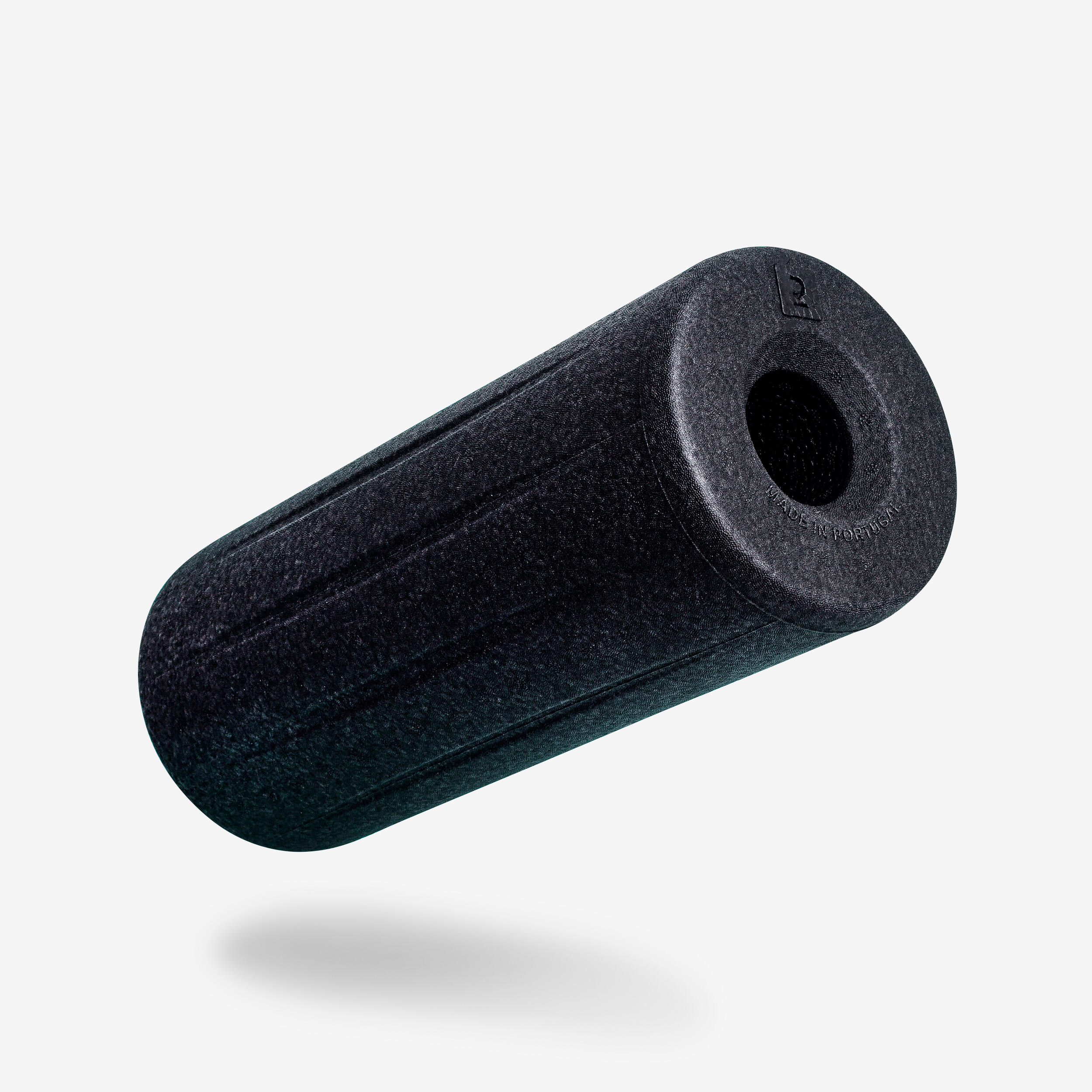
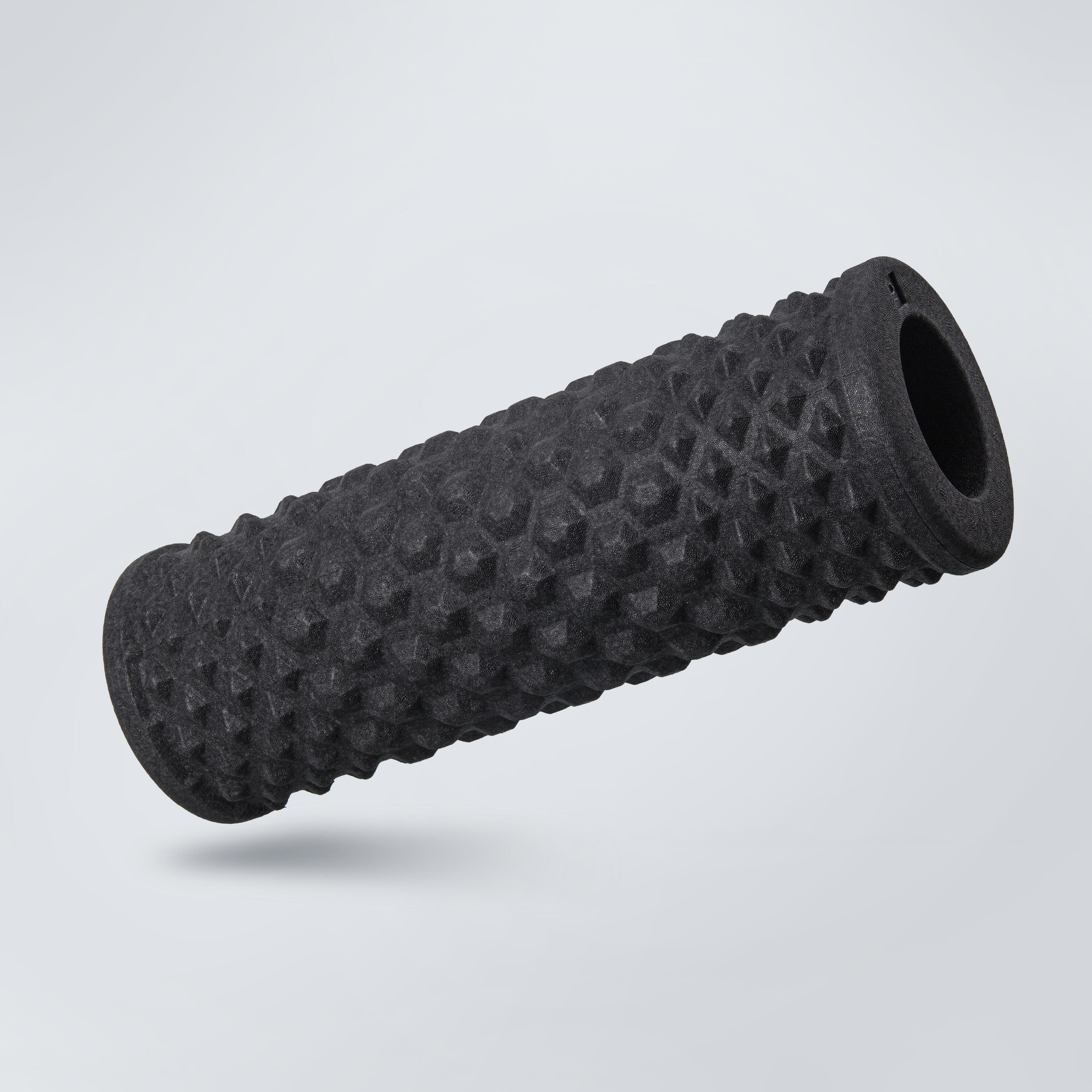
DECATHLON Soft Massaging Foam Roller - Blue4.7(754)Reviews.votesAriaCurrent price {{currentPrice}} €21.00
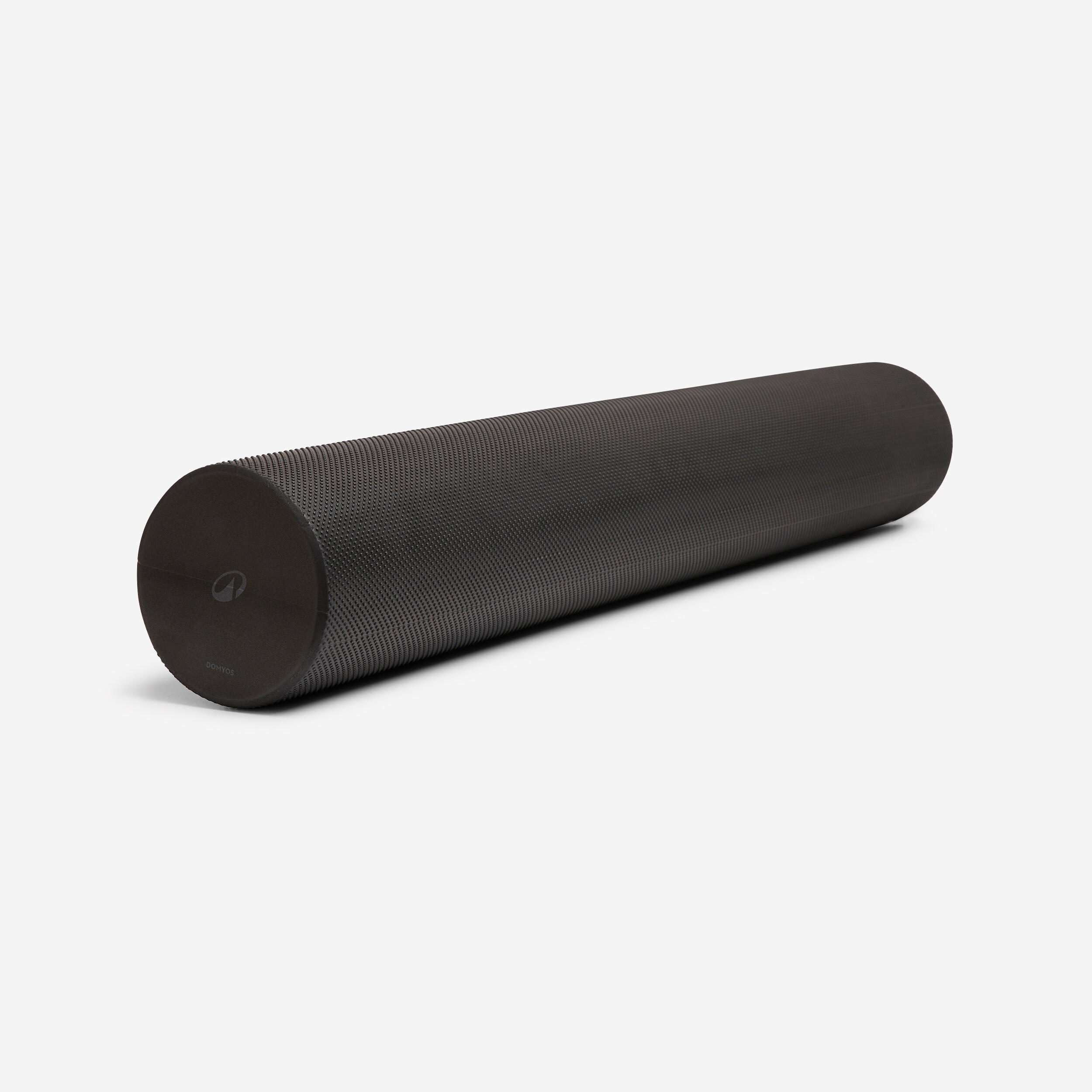
DOMYOS Pilates Foam Roller Length 90 cm Diameter 15 cm - Black4.7(213)Reviews.votesAriaCurrent price {{currentPrice}} €32.00
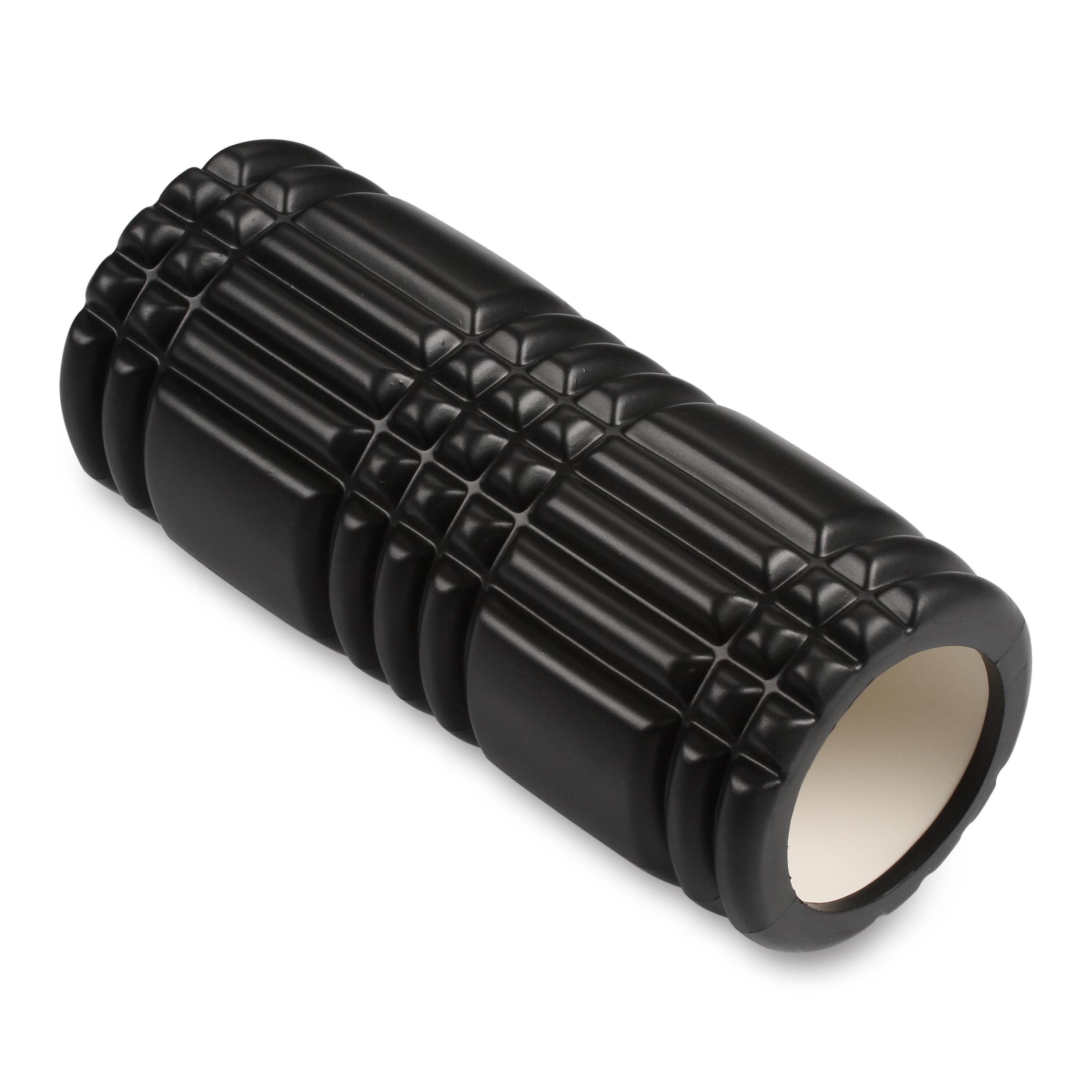
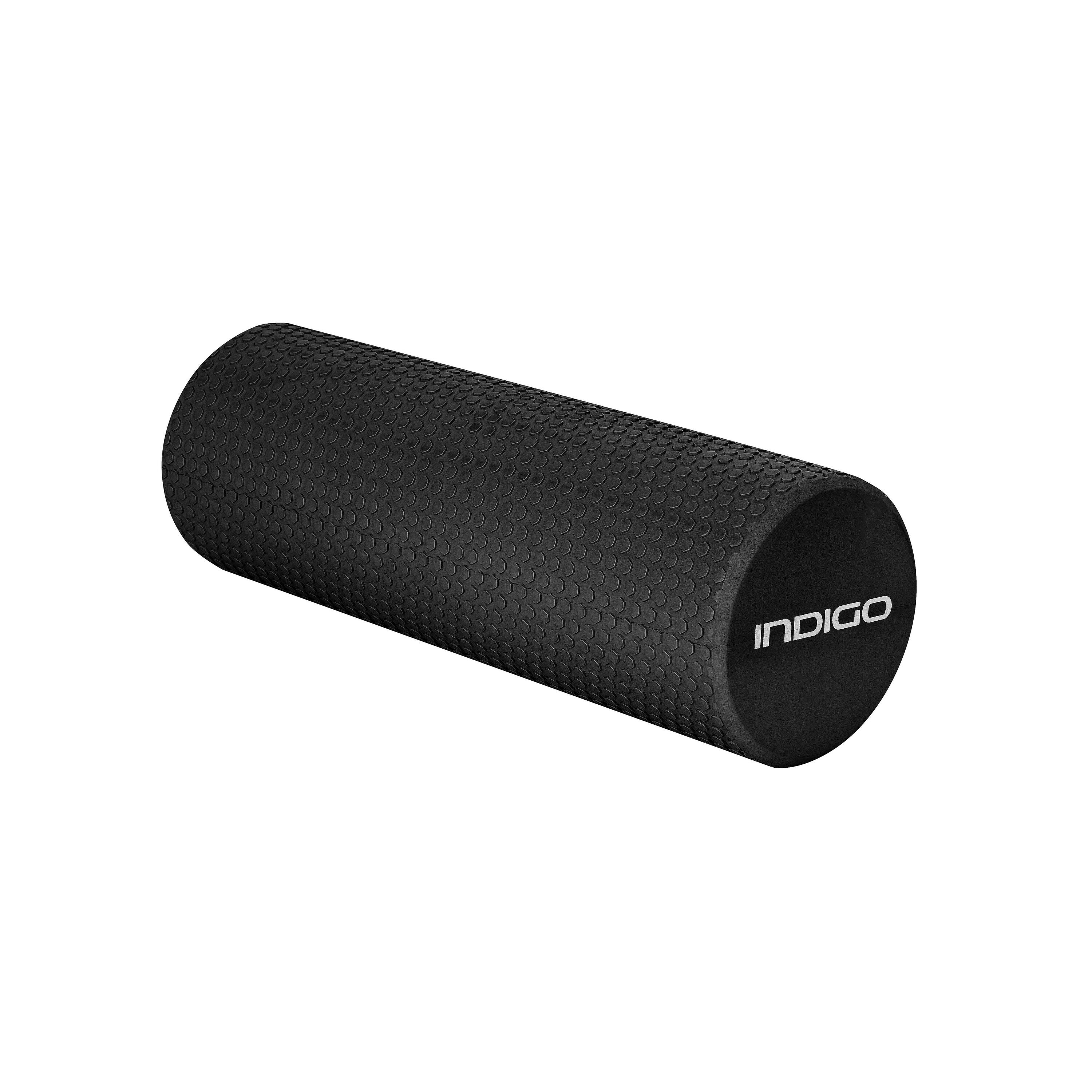
Marketplace -Online Only Marketplace -Online Only2 coloursMarketplace -Online OnlyINDIGO SPORTS INDIGO Round Foam Roller Muscle Massage and Yoga 33x14 cm4.5(2)Reviews.votesAria2 coloursCurrent price {{currentPrice}} €7.99Sold and shipped by Indigo Sports S.L.
Marketplace -Online Only Marketplace -Online Only2 coloursMarketplace -Online OnlyINDIGO SPORTS INDIGO Round Foam Roller Muscle Massage and Yoga 33x14 cm4.5(2)Reviews.votesAria2 coloursCurrent price {{currentPrice}} €7.99Sold and shipped by Indigo Sports S.L.
DOMYOS Foam Roller Purple - 38cm x 13cm4.8(111)Reviews.votesAriaCurrent price {{currentPrice}} €21.00
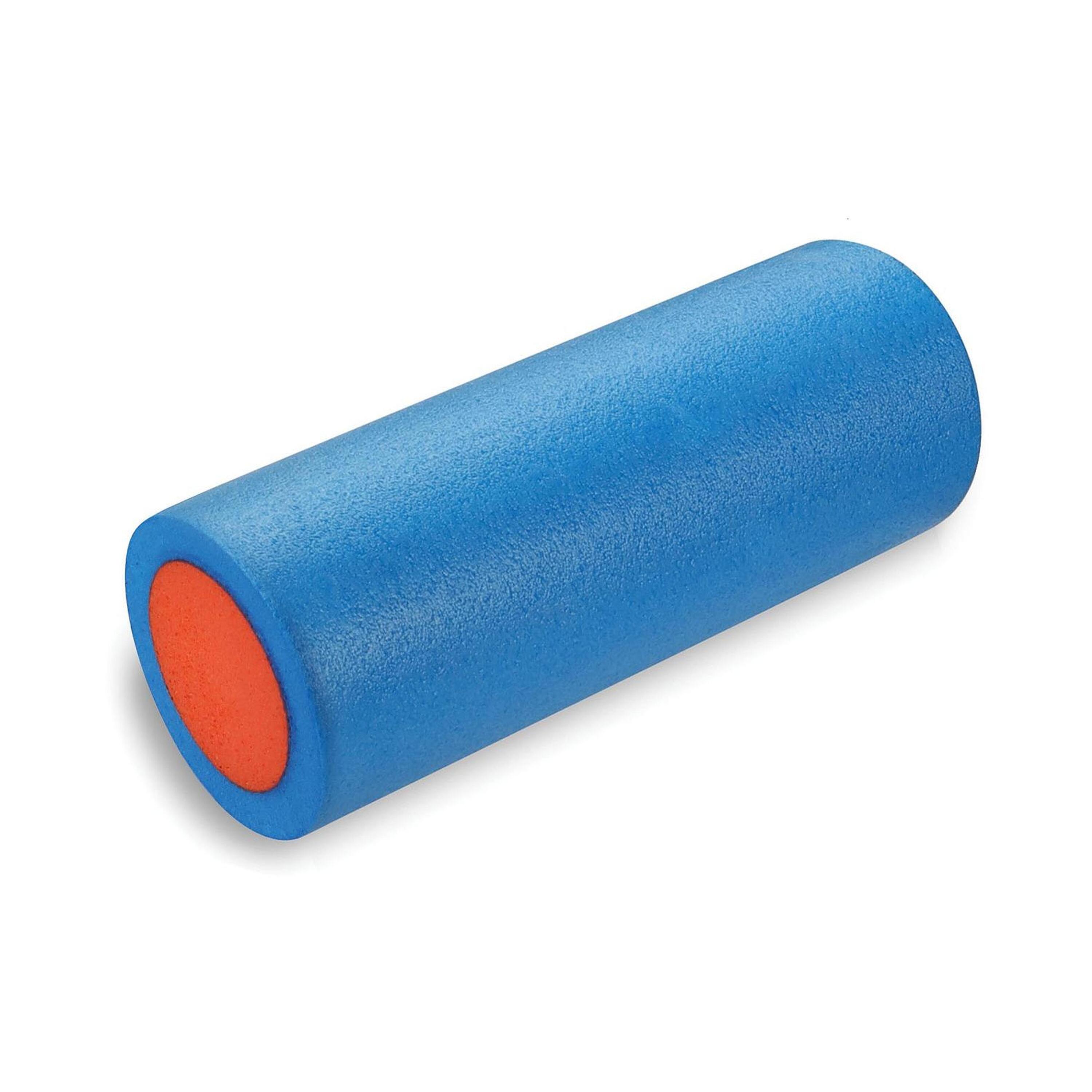
Marketplace -Online Only Marketplace -Online OnlyMarketplace -Online OnlyINDIGO SPORTS INDIGO EPE Yoga Massage Foam Roller 45 x 15 cm Blue5(1)Reviews.votesAriaCurrent price {{currentPrice}} €8.99Sold and shipped by Indigo Sports S.L.
Marketplace -Online Only Marketplace -Online OnlyMarketplace -Online OnlyFFITNESS 3 in 1 Muscle Massage Roller Myofascial Training Kit FFCurrent price {{currentPrice}} €34.80Sold and shipped by Fusaro Group
Marketplace -Online Only Marketplace -Online Only2 coloursMarketplace -Online OnlyINDIGO SPORTS INDIGO Round Foam Roller Massage and Yoga 45x15 cm5(3)Reviews.votesAria2 coloursCurrent price {{currentPrice}} €15.99 Former price €16.99 5% offLowest price: €16.99Starting on 14/9/2026 and valid for the entire duration of the promoSold and shipped by Indigo Sports S.L.
Marketplace -Online Only Marketplace -Online Only2 coloursMarketplace -Online OnlyINDIGO SPORTS INDIGO Round Foam Roller Massage and Yoga 45x15 cm5(3)Reviews.votesAria2 coloursCurrent price {{currentPrice}} €15.99 Former price €16.99 5% offLowest price: €16.99Starting on 14/9/2026 and valid for the entire duration of the promoSold and shipped by Indigo Sports S.L.
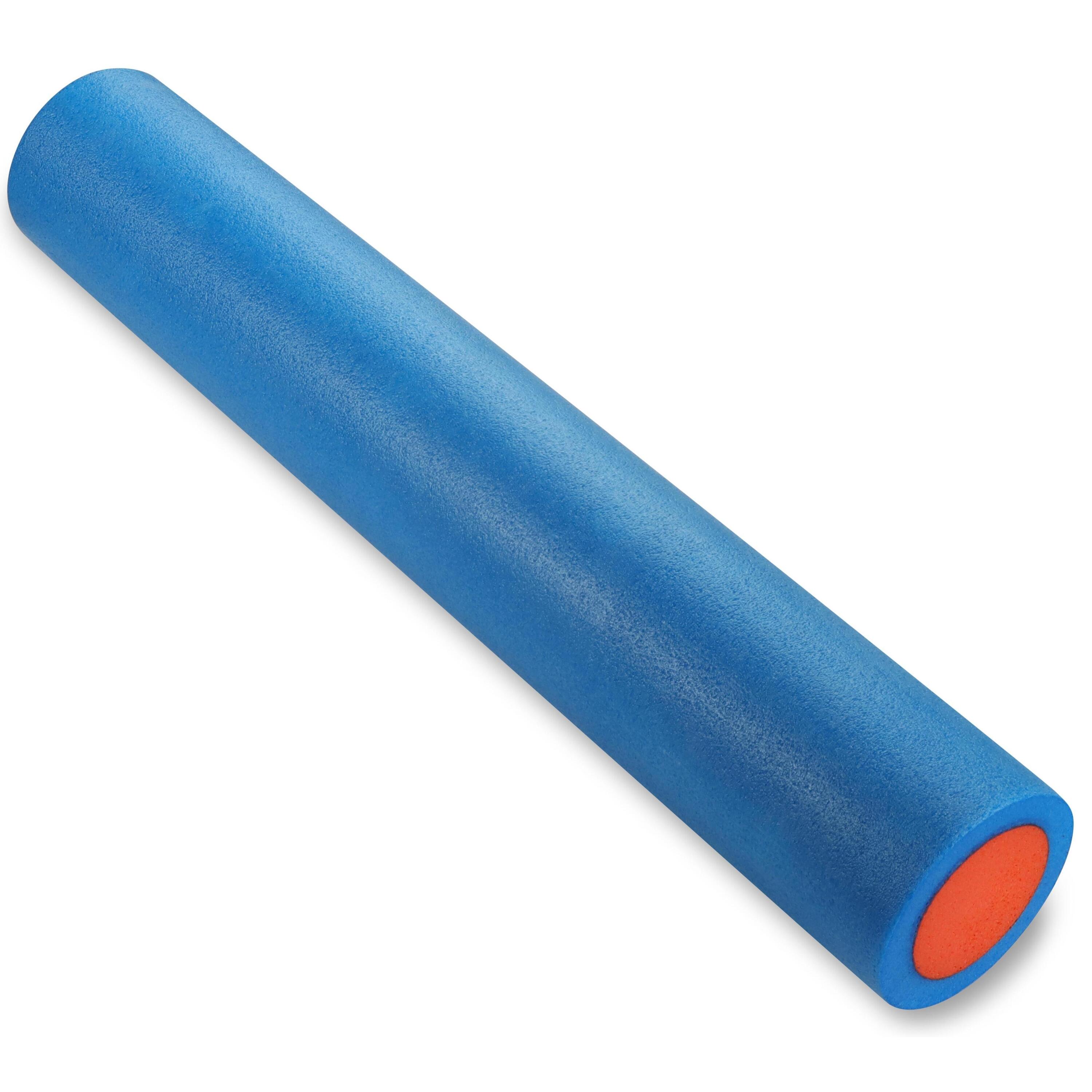
Marketplace -Online Only Marketplace -Online OnlyMarketplace -Online OnlyINDIGO SPORTS INDIGO EPE Yoga Foam Roller Massage 90x15 cm Blue4.3(4)Reviews.votesAriaCurrent price {{currentPrice}} €22.99Sold and shipped by Indigo Sports S.L.
Marketplace -Online Only Marketplace -Online OnlyMarketplace -Online Only4FIZJO 4FIZJO PRO+ rehabilitation massage roller4.9(7)Reviews.votesAriaCurrent price {{currentPrice}} €17.33€17.33/unitSold and shipped by Super Merchant EUR
Marketplace -Online Only Marketplace -Online OnlyMarketplace -Online OnlyZIPRO ZIPRO Yoga Roller Massage Foam Roller5(2)Reviews.votesAriaCurrent price {{currentPrice}} €38.99 Former price €45.00 13% offLowest price: €45.00Starting on 10/9/2026 and valid for the entire duration of the promoSold and shipped by Morele.net EU
Marketplace -Online Only Marketplace -Online OnlyMarketplace -Online OnlyFFITNESS Anti-cellulite massage roller – Pink Massager Cellu Roll FF5(2)Reviews.votesAriaCurrent price {{currentPrice}} €32.50Sold and shipped by Fusaro Group
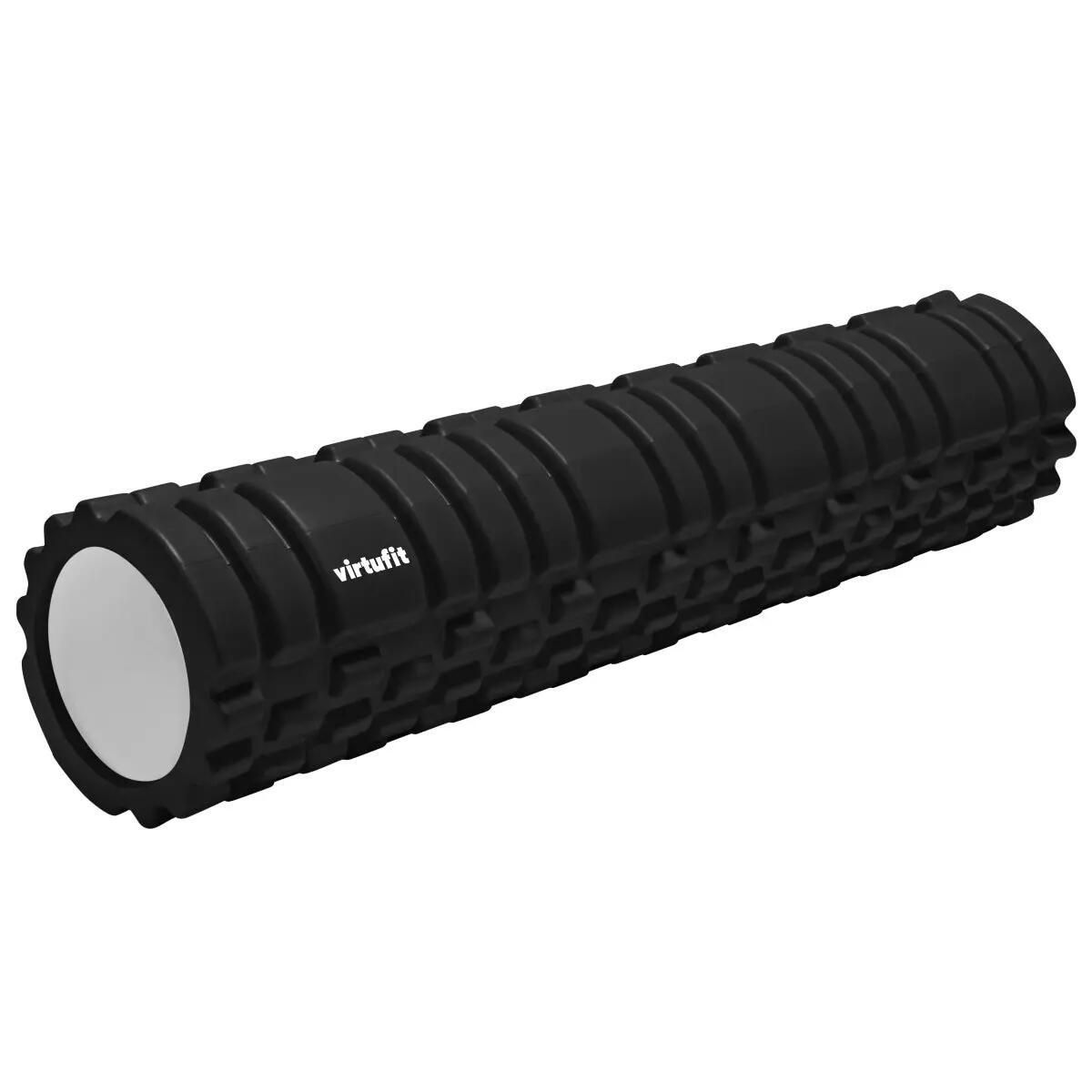
Marketplace -Online Only Marketplace -Online OnlyMarketplace -Online OnlyVIRTUFIT Foam Roller - Grid Foam Roller massage roller - 62 cm - BlackCurrent price {{currentPrice}} €32.00Sold and shipped by Fitwinkel - Sporttrader
Marketplace -Online Only Marketplace -Online Only10 coloursMarketplace -Online OnlyTUNTURI Yoga Grid Foam Roller - Massage Roller 33 cm - Foam Roller - Blue - Free app5(1)Reviews.votesAria10 coloursCurrent price {{currentPrice}} €26.99Sold and shipped by Tunturi New Fitness BV
Marketplace -Online Only Marketplace -Online Only10 coloursMarketplace -Online OnlyTUNTURI Yoga Grid Foam Roller - Massage Roller 33 cm - Fitness Roller - Rose Gold5(1)Reviews.votesAria10 coloursCurrent price {{currentPrice}} €26.99Sold and shipped by Tunturi New Fitness BV
Marketplace -Online Only Marketplace -Online Only10 coloursMarketplace -Online OnlyTUNTURI Yoga Grid Foam Roller - Massage Roller 33 cm - Light blue - Free fitness app5(1)Reviews.votesAria10 coloursCurrent price {{currentPrice}} €27.99Sold and shipped by Tunturi New Fitness BV
Marketplace -Online Only Marketplace -Online Only10 coloursMarketplace -Online OnlyTUNTURI Yoga Grid Foam Roller - Massage Roller 33 cm - Fitness Roller - Black - Free app5(1)Reviews.votesAria10 coloursCurrent price {{currentPrice}} €26.99Sold and shipped by Tunturi New Fitness BV
Marketplace -Online Only Marketplace -Online Only10 coloursMarketplace -Online OnlyTUNTURI Yoga Grid Foam Roller - Massage Roller 33 cm - Fitness Roller - Mint - Free app5(1)Reviews.votesAria10 coloursCurrent price {{currentPrice}} €26.99Sold and shipped by Tunturi New Fitness BV
Marketplace -Online Only Marketplace -Online Only10 coloursMarketplace -Online OnlyTUNTURI Yoga Grid Foam Roller - Massage Roller 33 cm - Fitness Roller - Orange - Free5(1)Reviews.votesAria10 coloursCurrent price {{currentPrice}} €27.99€27.99/unitSold and shipped by Tunturi New Fitness BV
Marketplace -Online Only Marketplace -Online Only10 coloursMarketplace -Online OnlyTUNTURI Yoga Grid Foam Roller 33cm - Massage/Fitness Roller - Petrol Blue - Free App5(1)Reviews.votesAria10 coloursCurrent price {{currentPrice}} €27.99Sold and shipped by Tunturi New Fitness BV
Marketplace -Online Only Marketplace -Online Only10 coloursMarketplace -Online OnlyTUNTURI Yoga Grid Foam Roller - Massage Roller 33cm - Fitness Roller - Army Green5(1)Reviews.votesAria10 coloursCurrent price {{currentPrice}} €26.99Sold and shipped by Tunturi New Fitness BV
Marketplace -Online Only Marketplace -Online Only10 coloursMarketplace -Online OnlyTUNTURI Yoga Grid Foam Roller - Massage Roller 33 cm - Fitness Roller - Grey - Free app5(1)Reviews.votesAria10 coloursCurrent price {{currentPrice}} €27.99Sold and shipped by Tunturi New Fitness BV
Marketplace -Online Only Marketplace -Online Only10 coloursMarketplace -Online OnlyTUNTURI Yoga Grid Foam Roller - Massage Roller 33 cm - Foam Roller - Pink - Free app5(1)Reviews.votesAria10 coloursCurrent price {{currentPrice}} €26.99Sold and shipped by Tunturi New Fitness BV
Marketplace -Online Only Marketplace -Online Only5 coloursMarketplace -Online OnlyMOBICLINIC Foam massage roller 14x33 cm Versatile Lightweight Prevents injury FitRoller4.5(2)Reviews.votesAria5 coloursCurrent price {{currentPrice}} €23.95Sold and shipped by Grupo R. Queraltó SA
Marketplace -Online Only Marketplace -Online Only5 coloursMarketplace -Online OnlyMOBICLINIC Foam massage roller 14x33 cm Versatile Lightweight Foam Prevents injury4.5(2)Reviews.votesAria5 coloursCurrent price {{currentPrice}} €23.95Sold and shipped by Grupo R. Queraltó SA
Marketplace -Online Only Marketplace -Online Only5 coloursMarketplace -Online OnlyMOBICLINIC Foam Massage Roller 14 x 33cm Lightweight Versatile Prevents Injuries FitRoller4.5(2)Reviews.votesAria5 coloursCurrent price {{currentPrice}} €23.95Sold and shipped by Grupo R. Queraltó SA
Marketplace -Online Only Marketplace -Online Only5 coloursMarketplace -Online OnlyMOBICLINIC Foam massage roller 14x33 cm Versatile Lightweight Prevents injury FitRoller4.5(2)Reviews.votesAria5 coloursCurrent price {{currentPrice}} €23.95Sold and shipped by Grupo R. Queraltó SA
Marketplace -Online Only Marketplace -Online Only5 coloursMarketplace -Online OnlyMOBICLINIC Foam massage roller 14x33 cm Versatile Lightweight Blue Prevents injury4.5(2)Reviews.votesAria5 coloursCurrent price {{currentPrice}} €23.95Sold and shipped by Grupo R. Queraltó SA
Marketplace -Online Only Marketplace -Online OnlyMarketplace -Online OnlyFFITNESS Anti-cellulite massage roller – Massager Cellu Roll FF4(1)Reviews.votesAriaCurrent price {{currentPrice}} €32.50Sold and shipped by Fusaro Group
Marketplace -Online Only Marketplace -Online Only2 coloursMarketplace -Online OnlyTRIGGERPOINT TriggerPoint GRID 2.0 Firm Foam Roller Orange - EVA Foam2 coloursCurrent price {{currentPrice}} €72.00Sold and shipped by Fitwinkel - Sporttrader
Marketplace -Online Only Marketplace -Online Only2 coloursMarketplace -Online OnlyTRIGGERPOINT TriggerPoint GRID 2.0 Firm Massage Roller, Black EVA Foam2 coloursCurrent price {{currentPrice}} €72.00€72.00/unitSold and shipped by Fitwinkel - Sporttrader
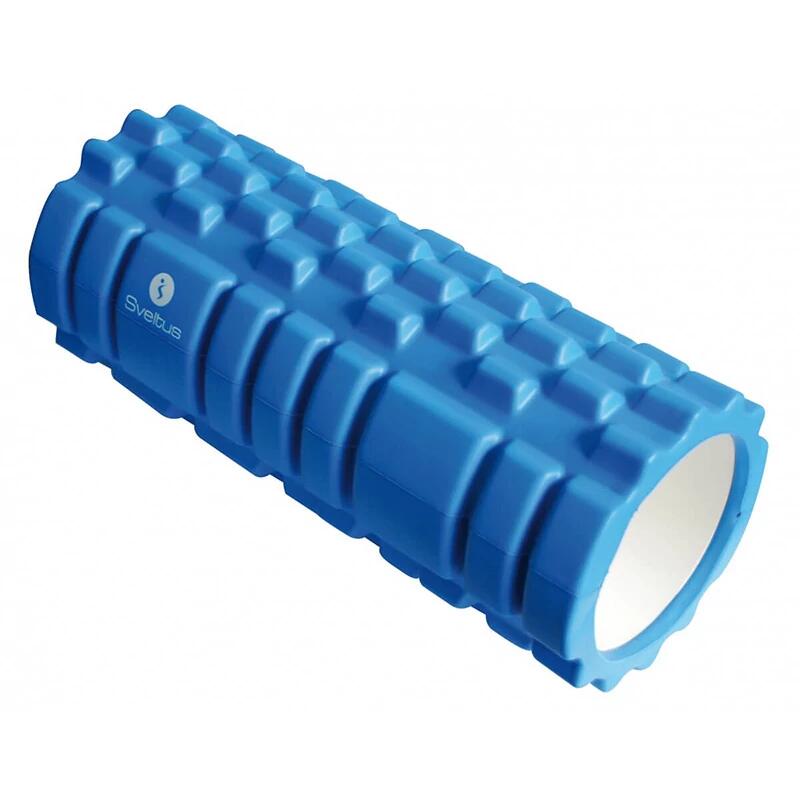
Marketplace -Online Only Marketplace -Online OnlyMarketplace -Online OnlySVELTUS Sveltus Grid Foam Roller 33 cm blue - high-density foamCurrent price {{currentPrice}} €21.99€21.99/unitSold and shipped by Sportano EU
Marketplace -Online Only Marketplace -Online OnlyMarketplace -Online OnlyKALAHARI 4 WELLNESS Foot Massage Roller and Peanut Spiky Ball with eBook. Plantar Fasciitis Relief5(1)Reviews.votesAriaCurrent price {{currentPrice}} €23.90Sold and shipped by KALAHARI 4 wellness
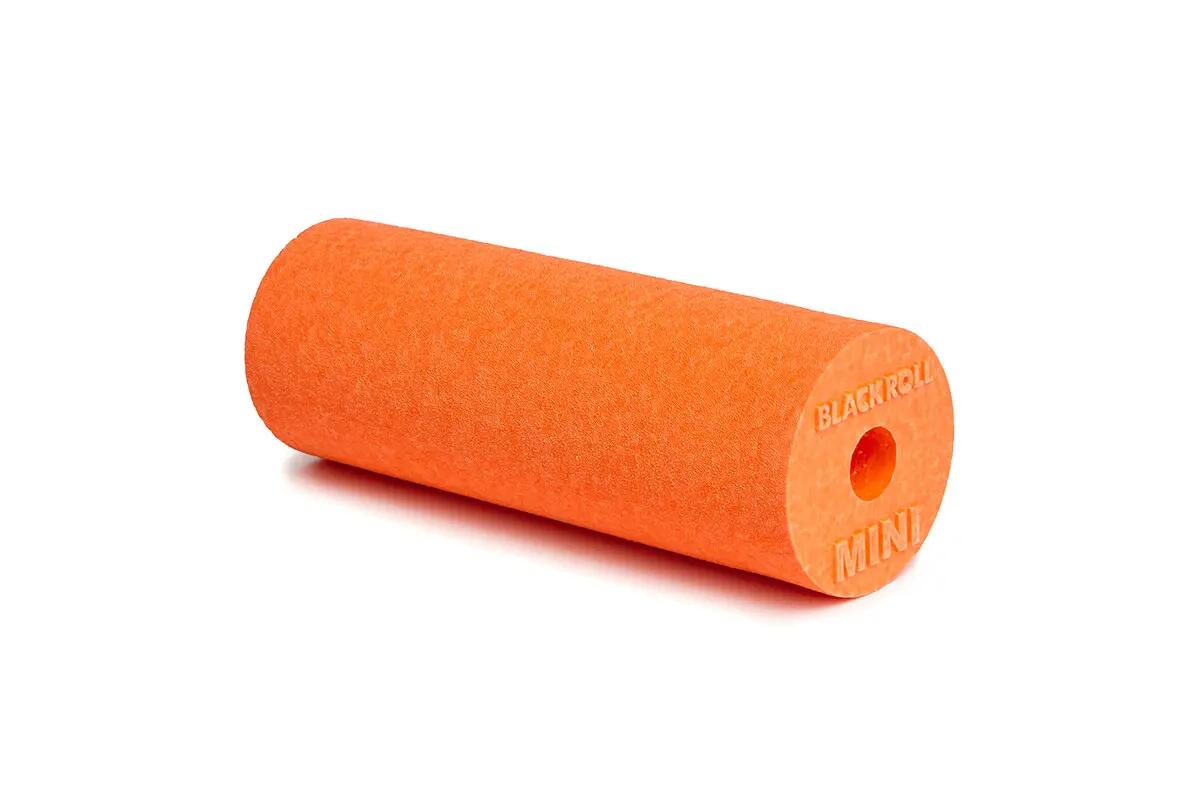
Marketplace -Online Only Marketplace -Online Only4 coloursMarketplace -Online OnlyBLACKROLL Mini Foam Roller - 15 cm - Orange4.7(3)Reviews.votesAria4 coloursCurrent price {{currentPrice}} €33.00€33.00/unitSold and shipped by Fitwinkel - Sporttrader
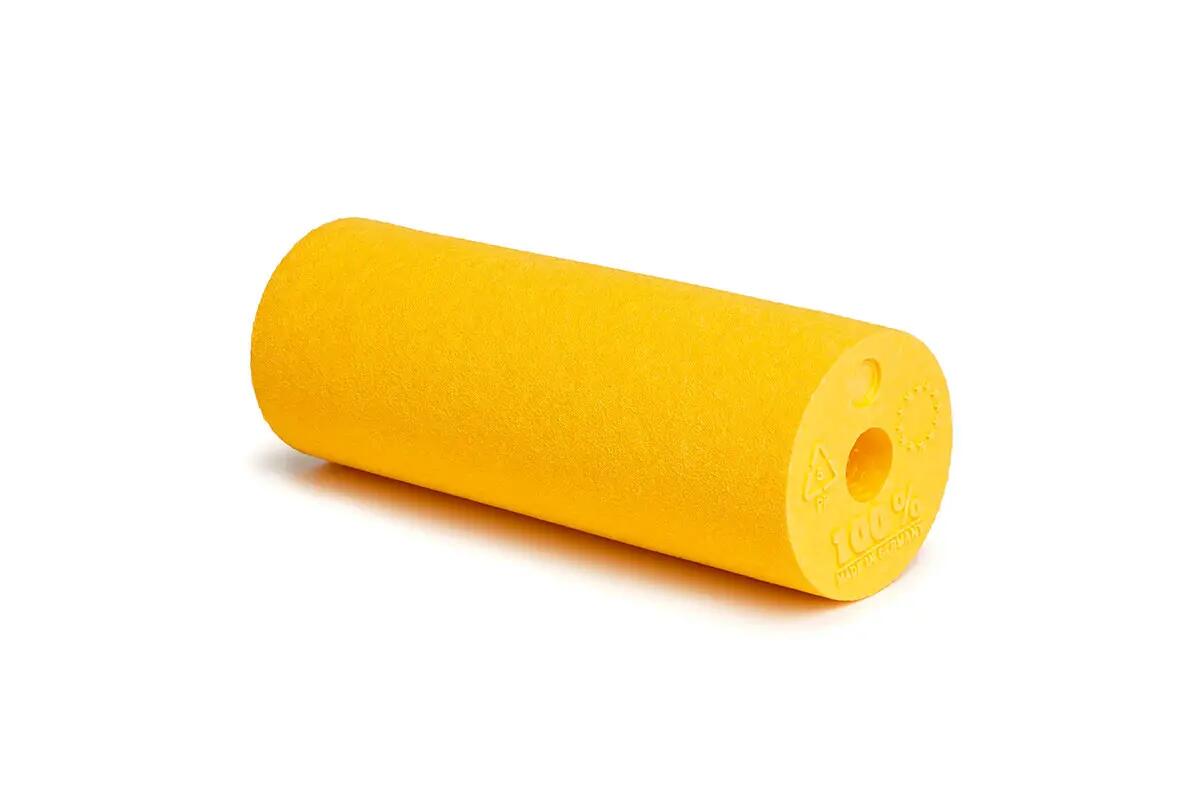
Marketplace -Online Only Marketplace -Online Only4 coloursMarketplace -Online OnlyBLACKROLL Mini Foam Roller - 15 cm - Yellow4.7(3)Reviews.votesAria4 coloursCurrent price {{currentPrice}} €33.00€33.00/unitSold and shipped by Fitwinkel - Sporttrader
Marketplace -Online Only Marketplace -Online Only4 coloursMarketplace -Online OnlyBLACKROLL Mini Foam Roller - 15 cm - Black4.7(3)Reviews.votesAria4 coloursCurrent price {{currentPrice}} €21.00€21.00/unitSold and shipped by Bikexperience
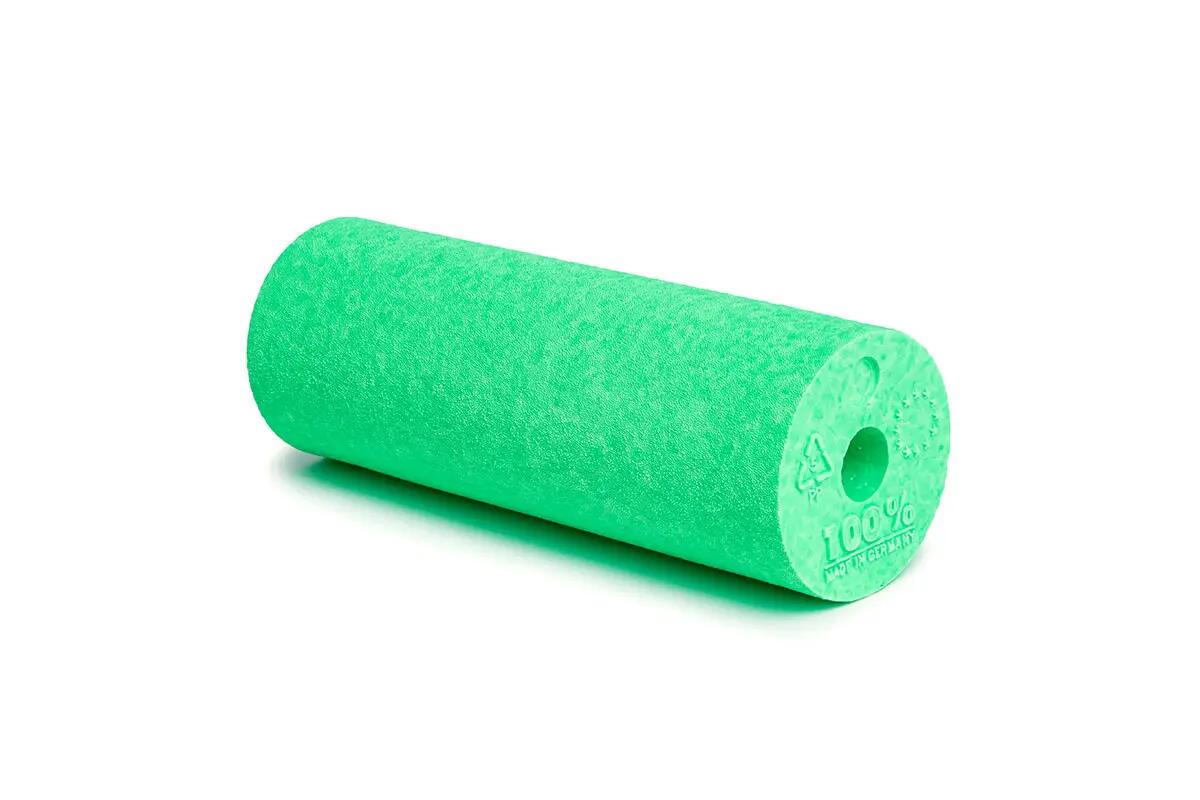
Marketplace -Online Only Marketplace -Online Only4 coloursMarketplace -Online OnlyBLACKROLL Mini Foam Roller - 15 cm - Green4.7(3)Reviews.votesAria4 coloursCurrent price {{currentPrice}} €29.00€29.00/unitSold and shipped by Fitwinkel - Sporttrader