128 items
4.6/5 based on 73174 reviews collected online and in stores

Stainless Steel Camping Water Bottles FAQs

Why choose a stainless steel water bottle for camping?

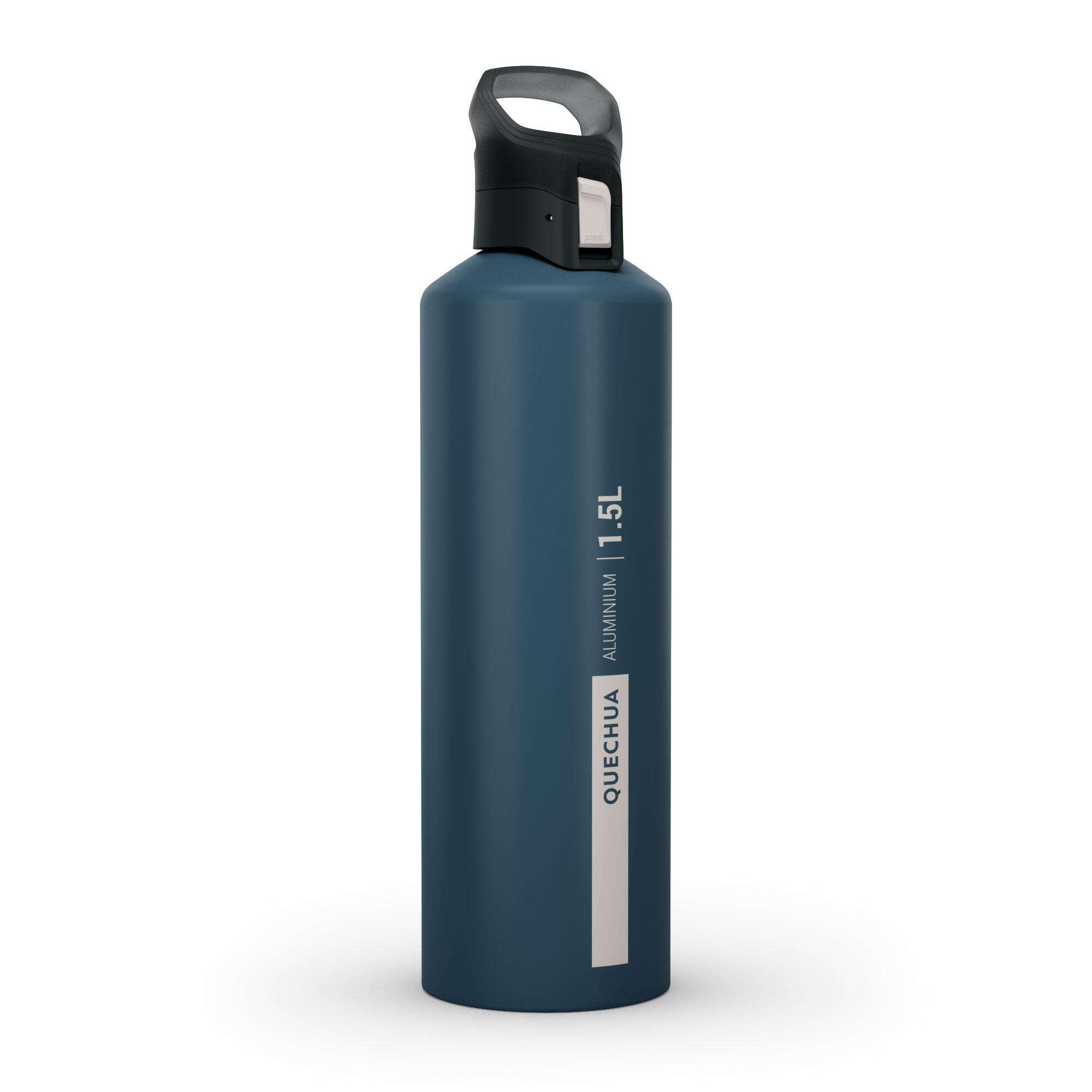
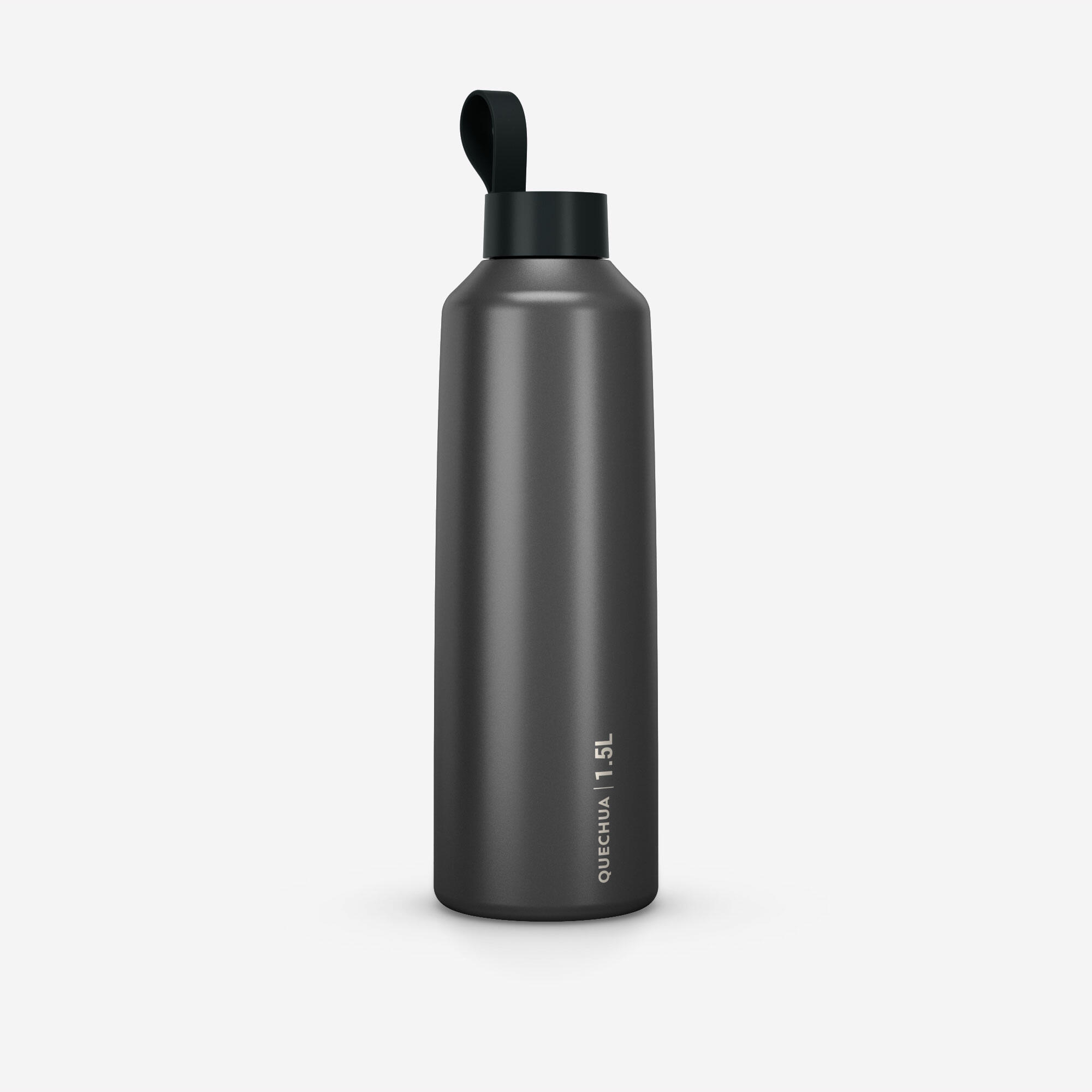
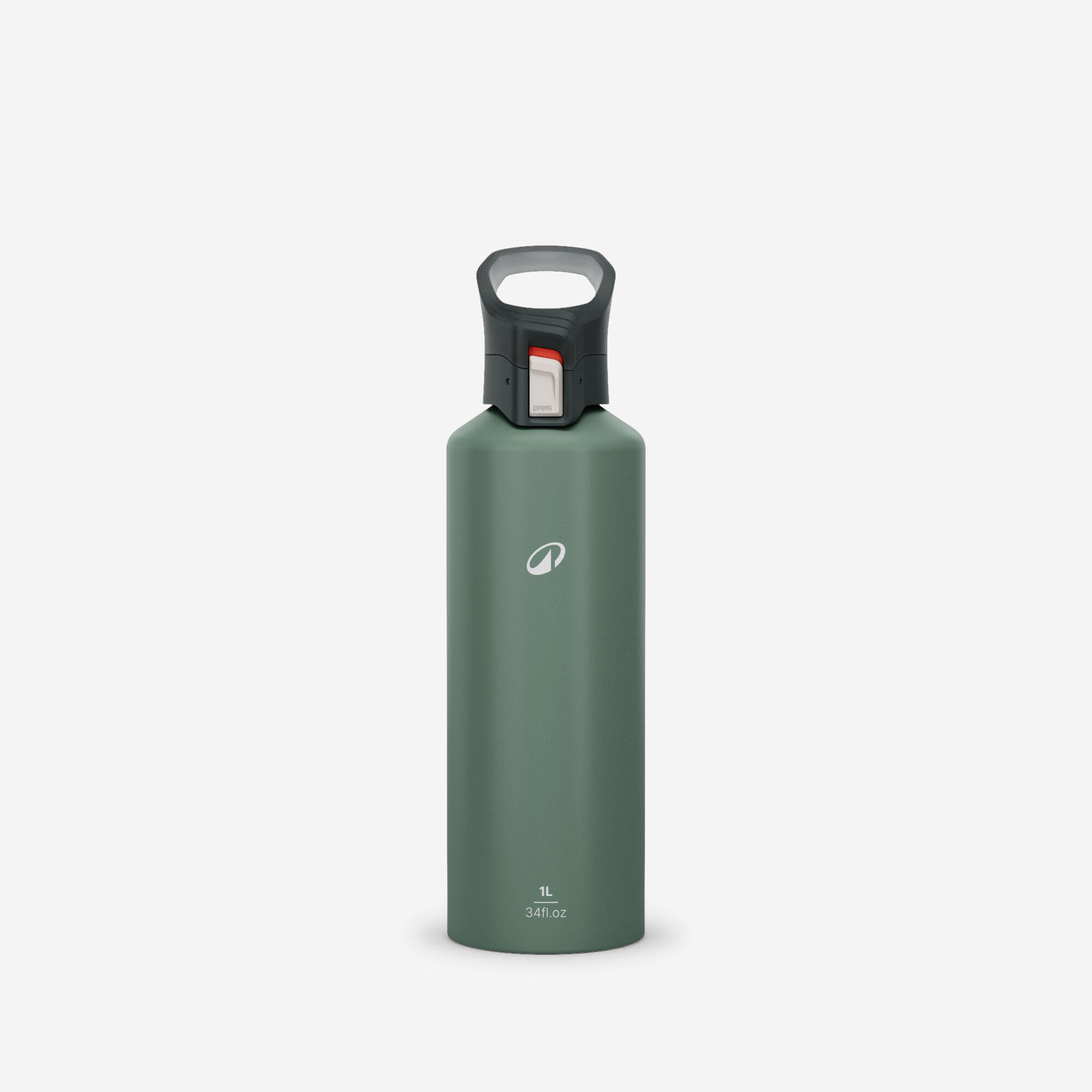
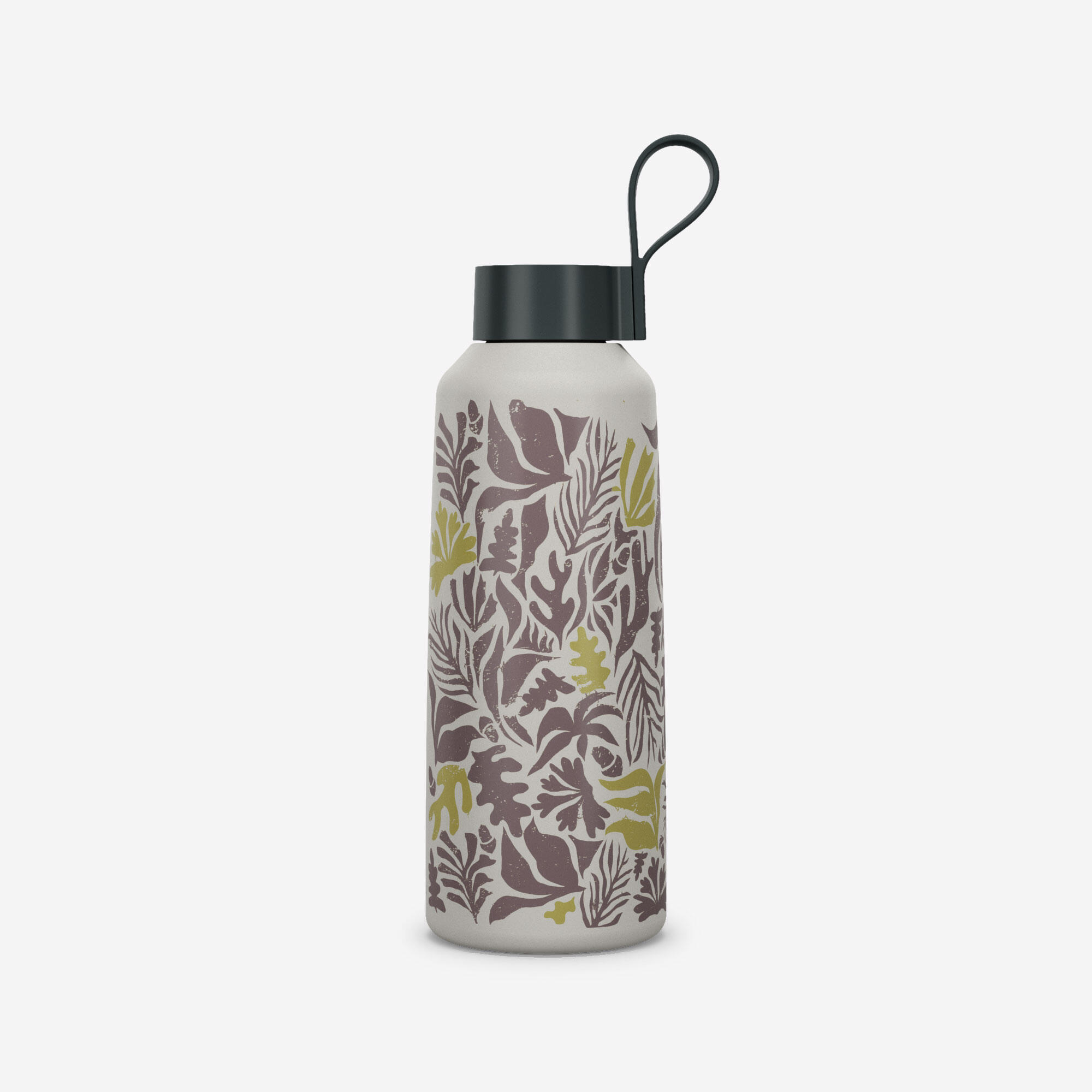
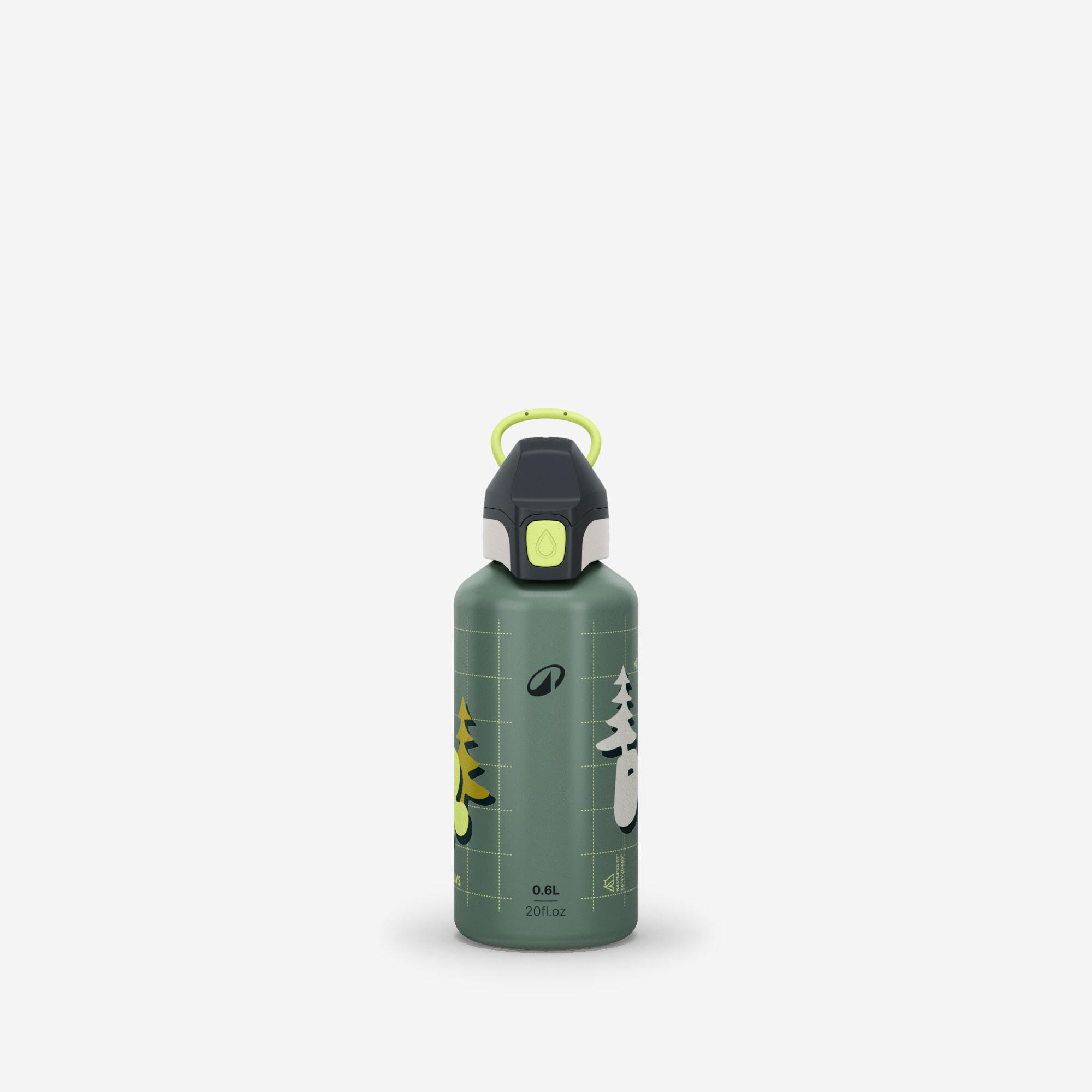
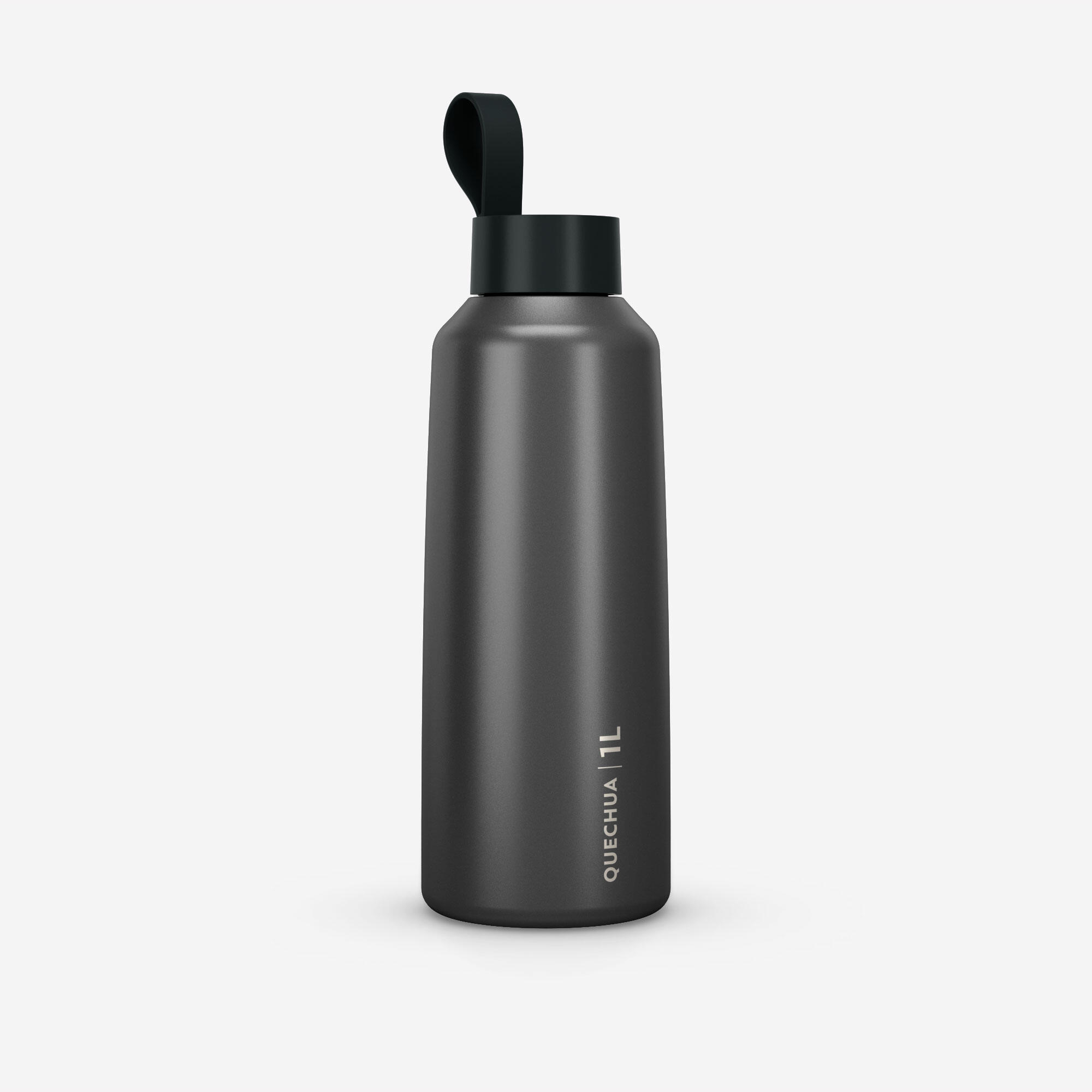
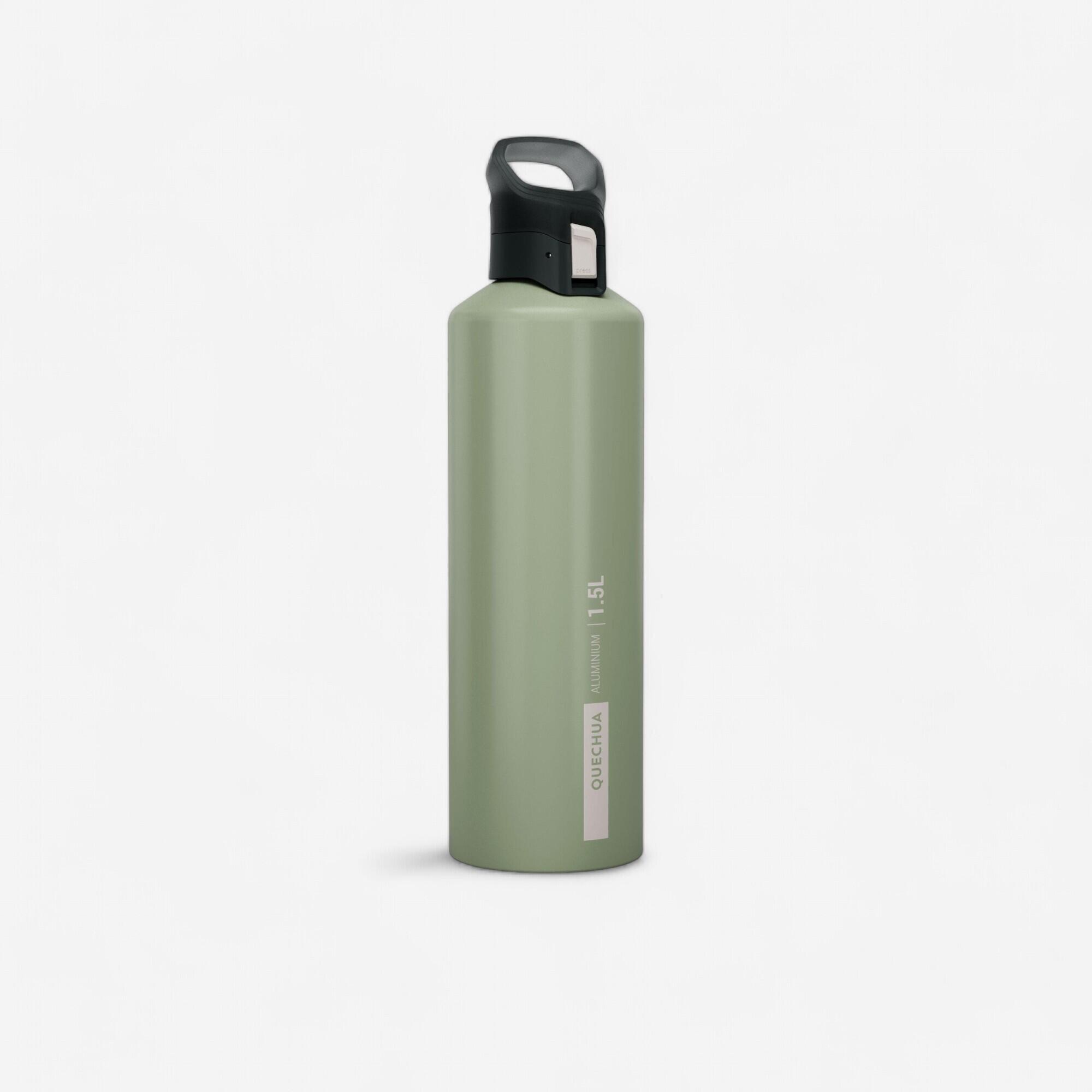
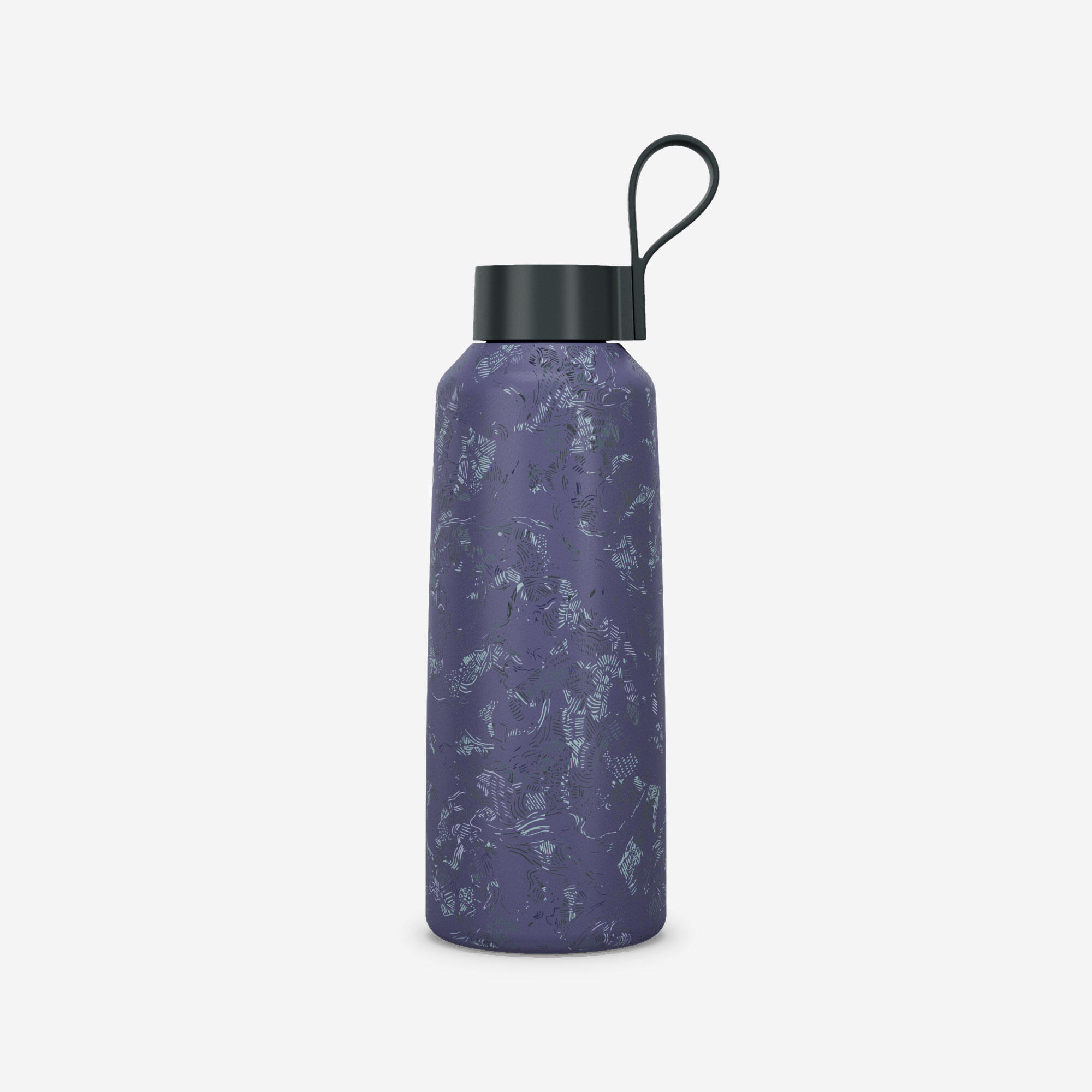
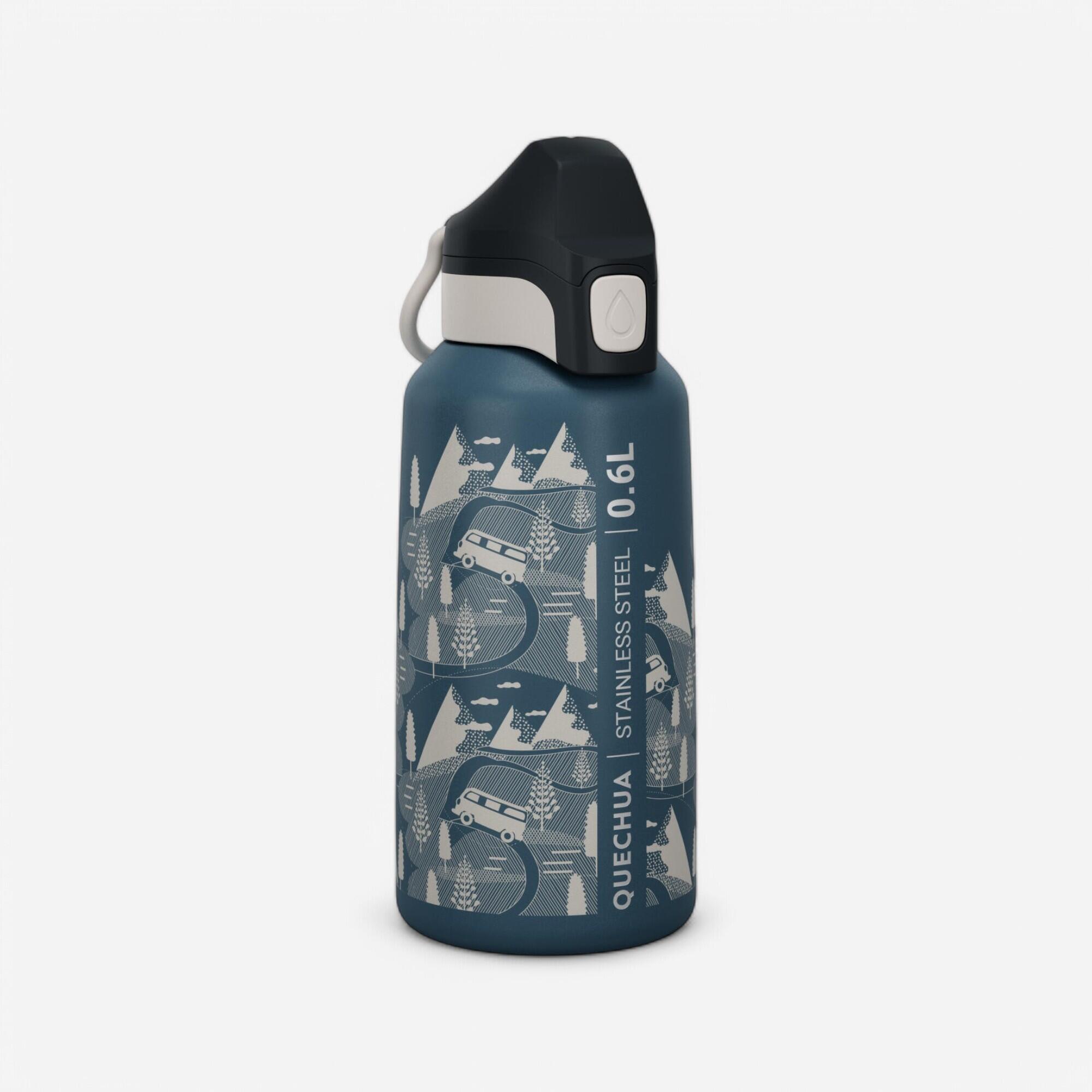
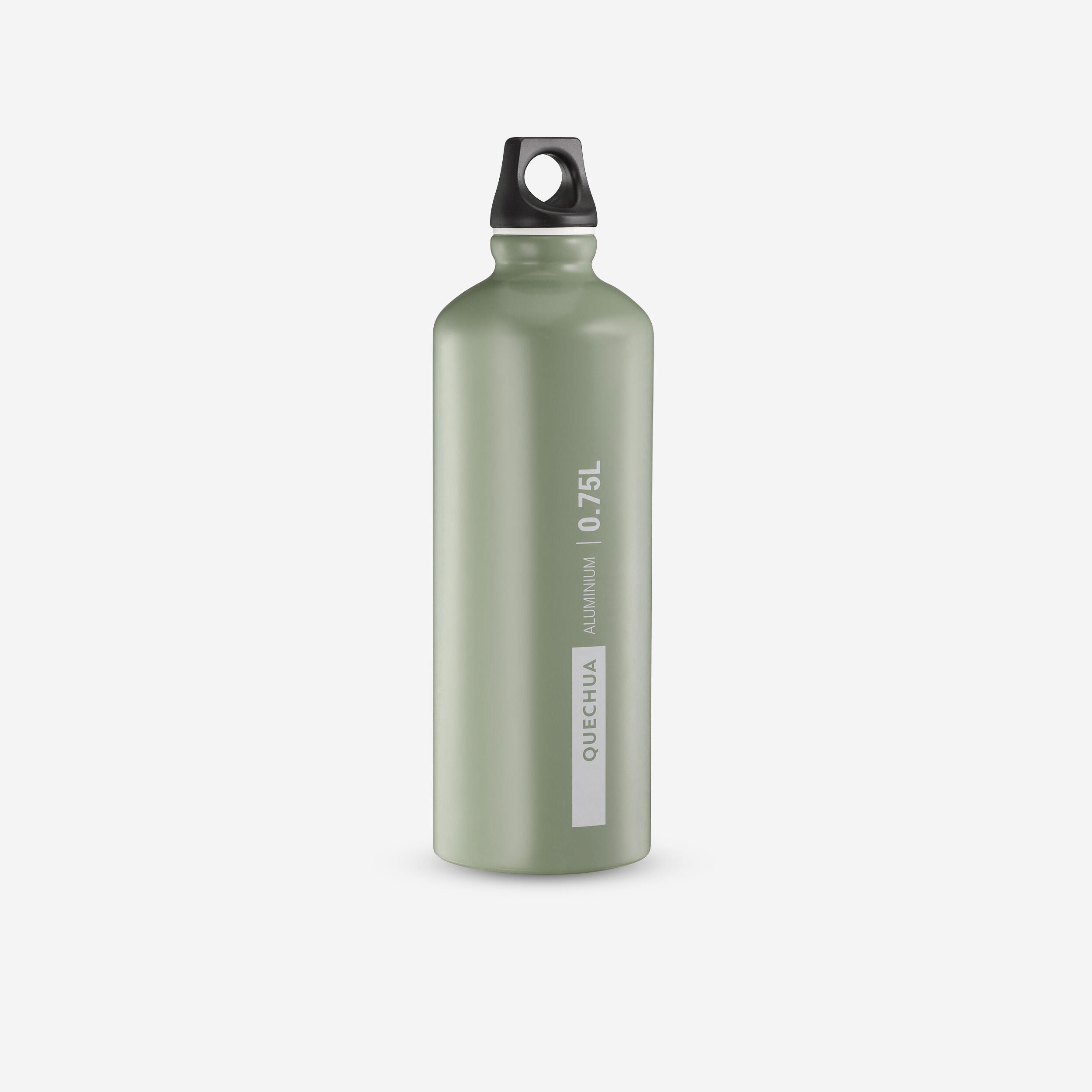
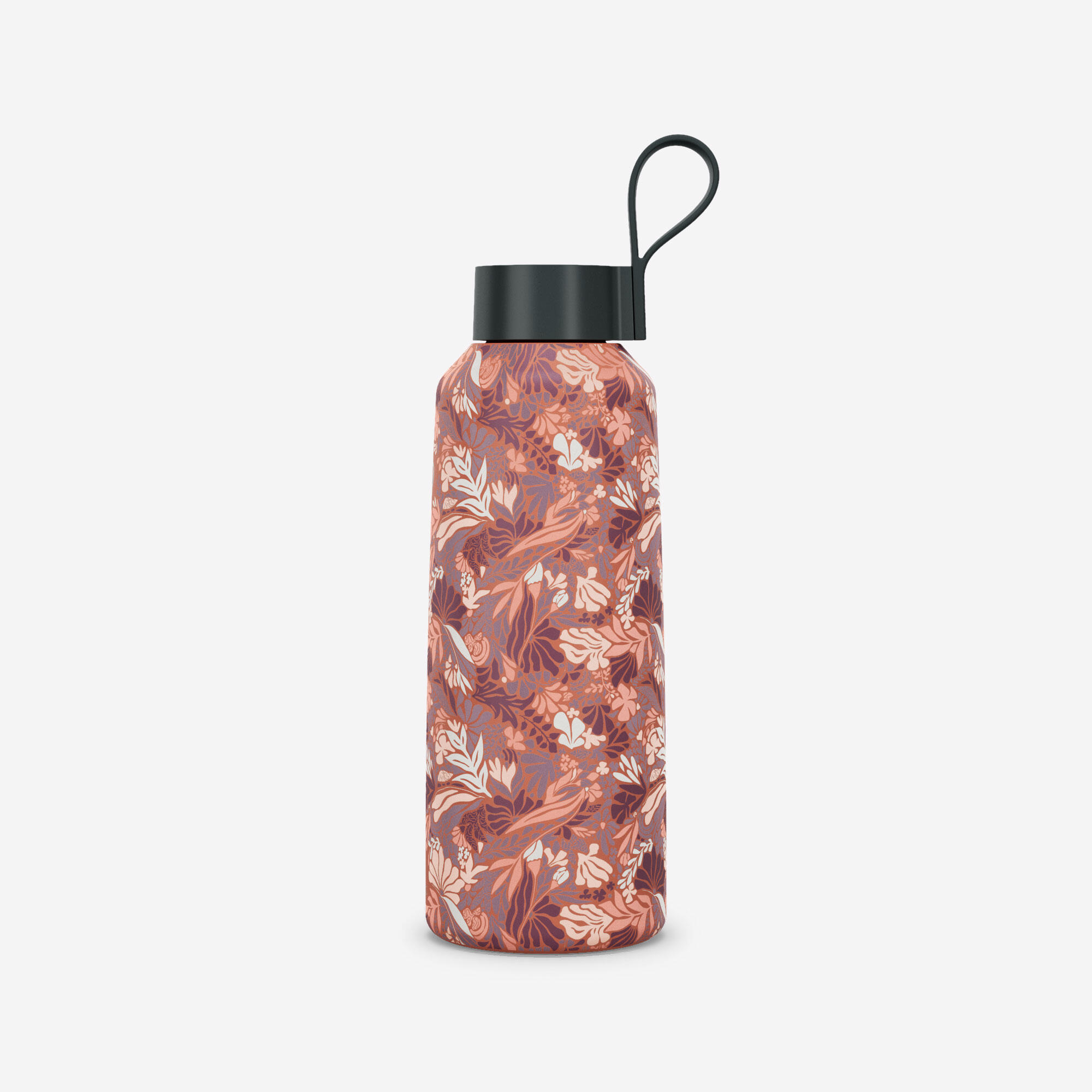
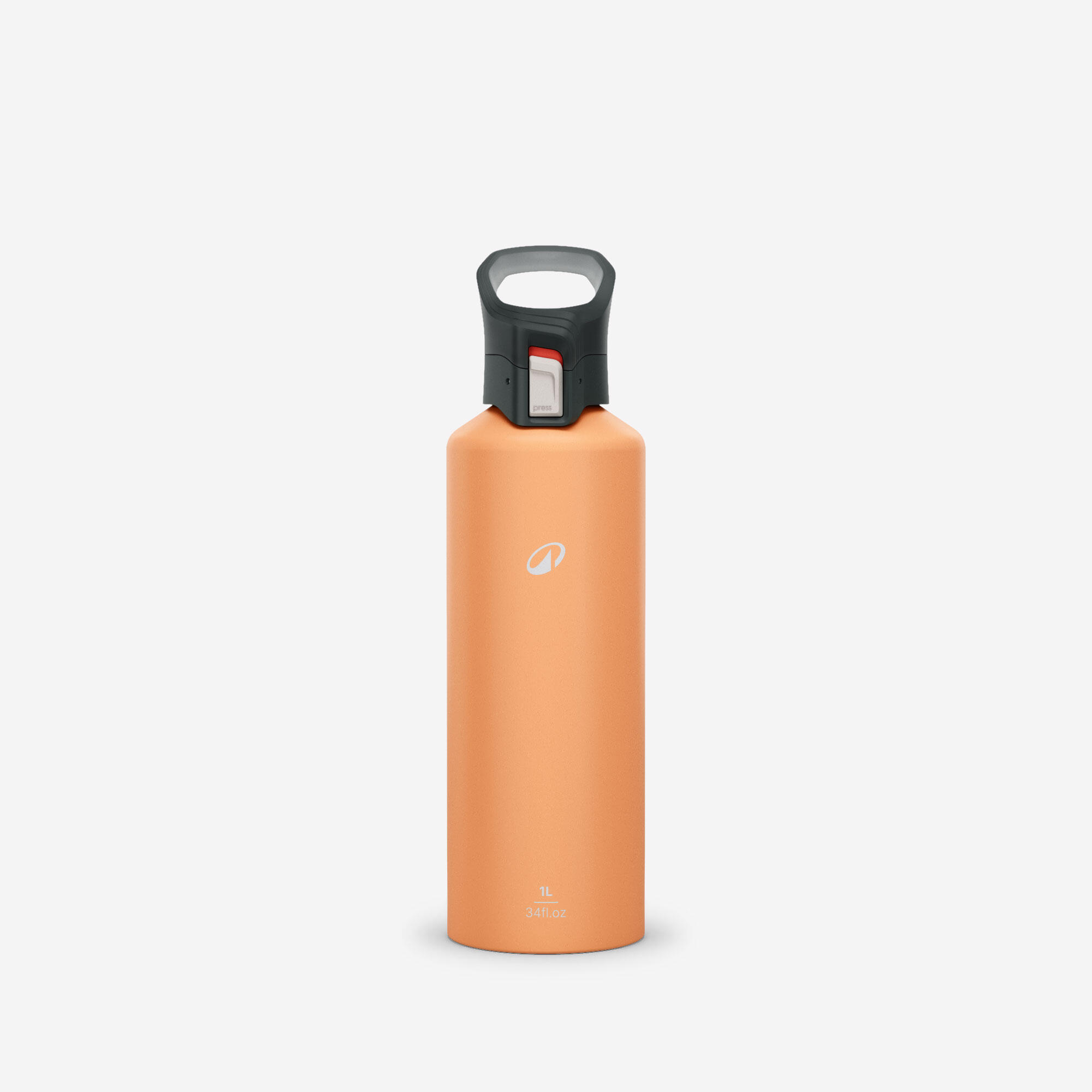
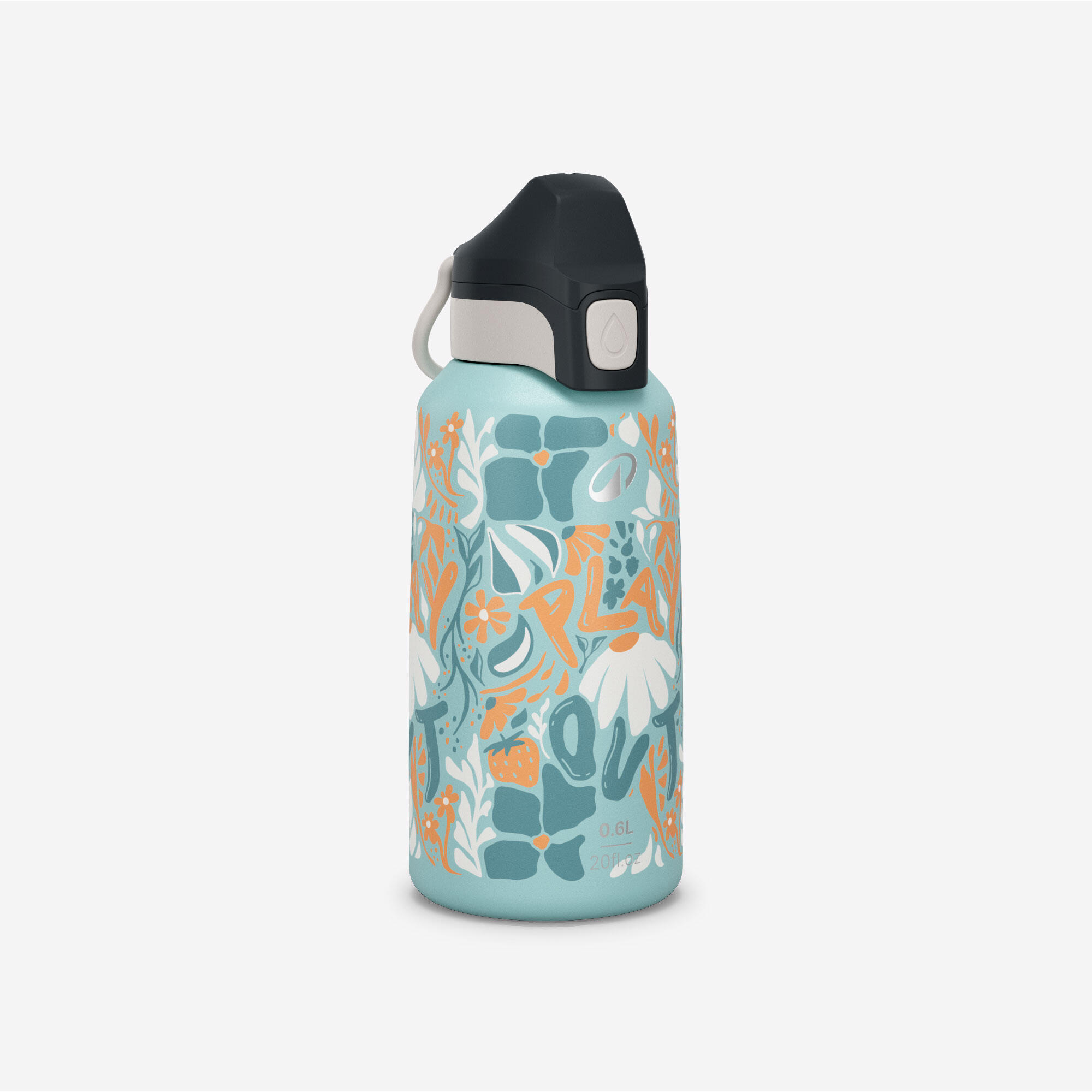
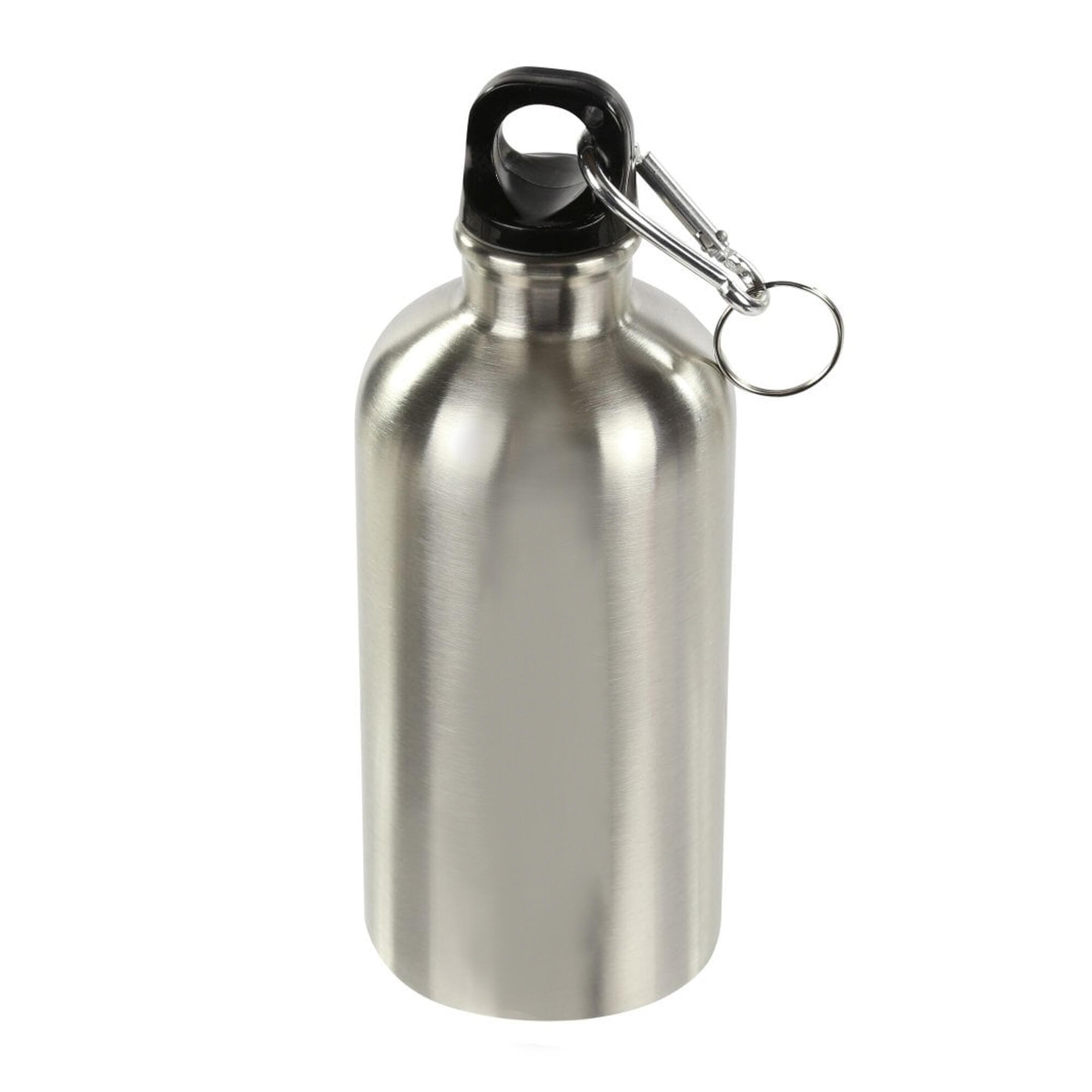
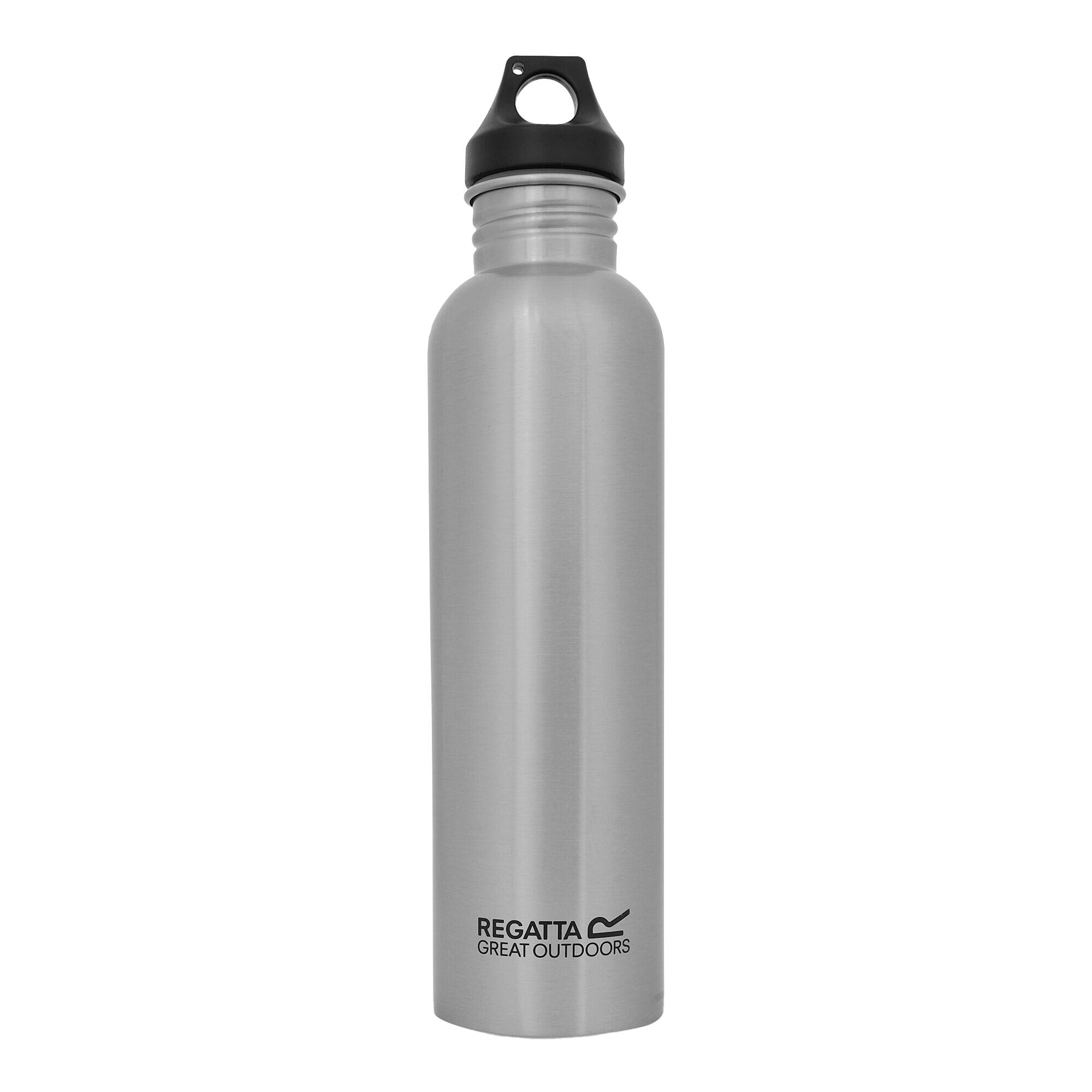
Stainless steel is tough, hygienic and non-reactive, so it won't leach anything into your drink and water tastes clean trip after trip. It's also recyclable at the end of its life. It handles the knocks and drops of camping far better than plastic. If you want the lightest possible option for a long hike instead, our plastic water bottles keep pack weight to a minimum. Steel, though, is the one that lasts for years of hard use.
Can stainless steel bottles maintain drink temperature?

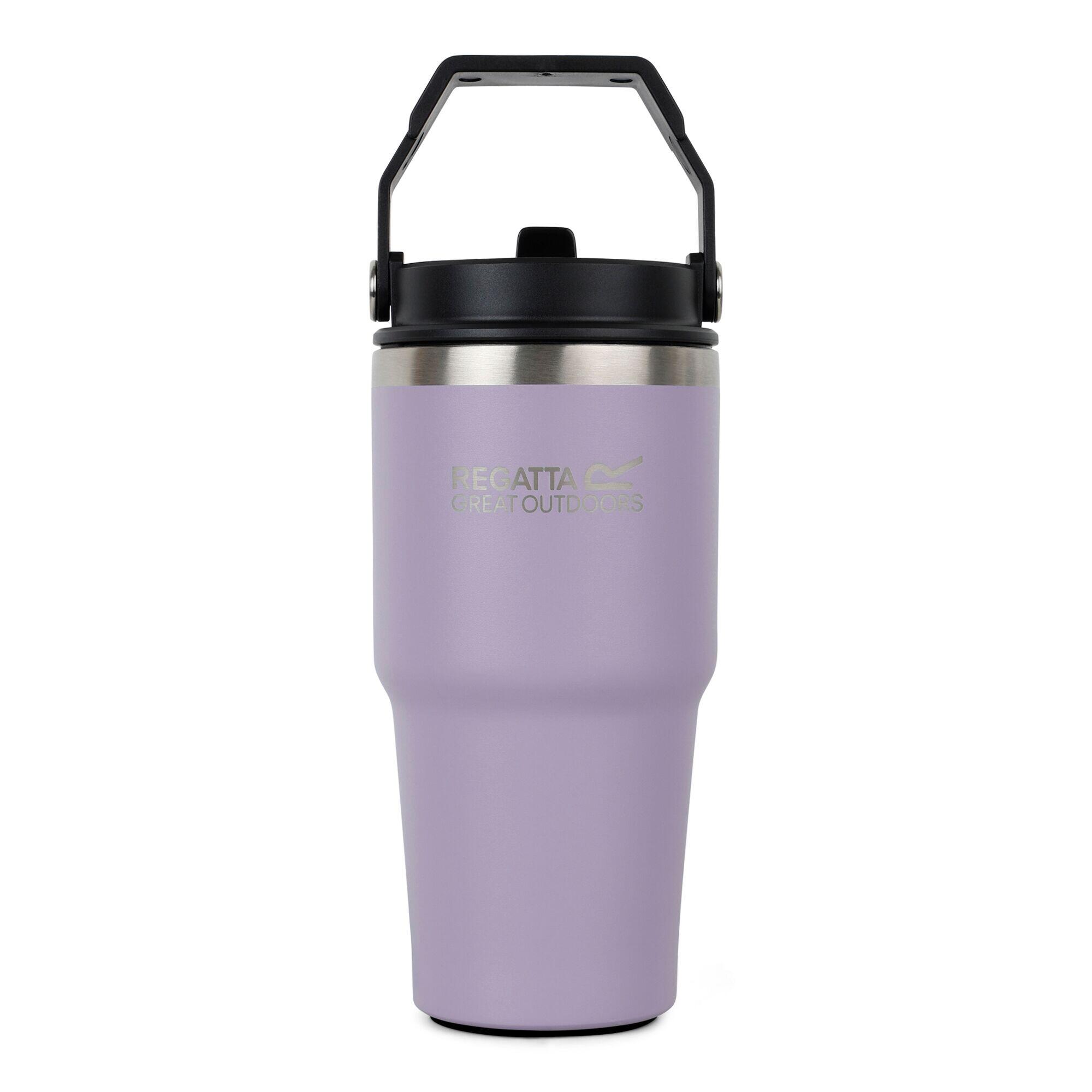
Single-walled steel bottles help water stay cool in the shade but drift towards ambient temperature over time; double-walled, vacuum-insulated models are the ones that hold a drink properly hot or cold for hours on end. The trapped vacuum is what slows heat transfer. If long-lasting temperature retention is what you're after, our thermal flasks and bottles use that double-wall vacuum build to retain the temperature of hot and cold drinks throughout the day.

What cap types are available for stainless steel bottles?

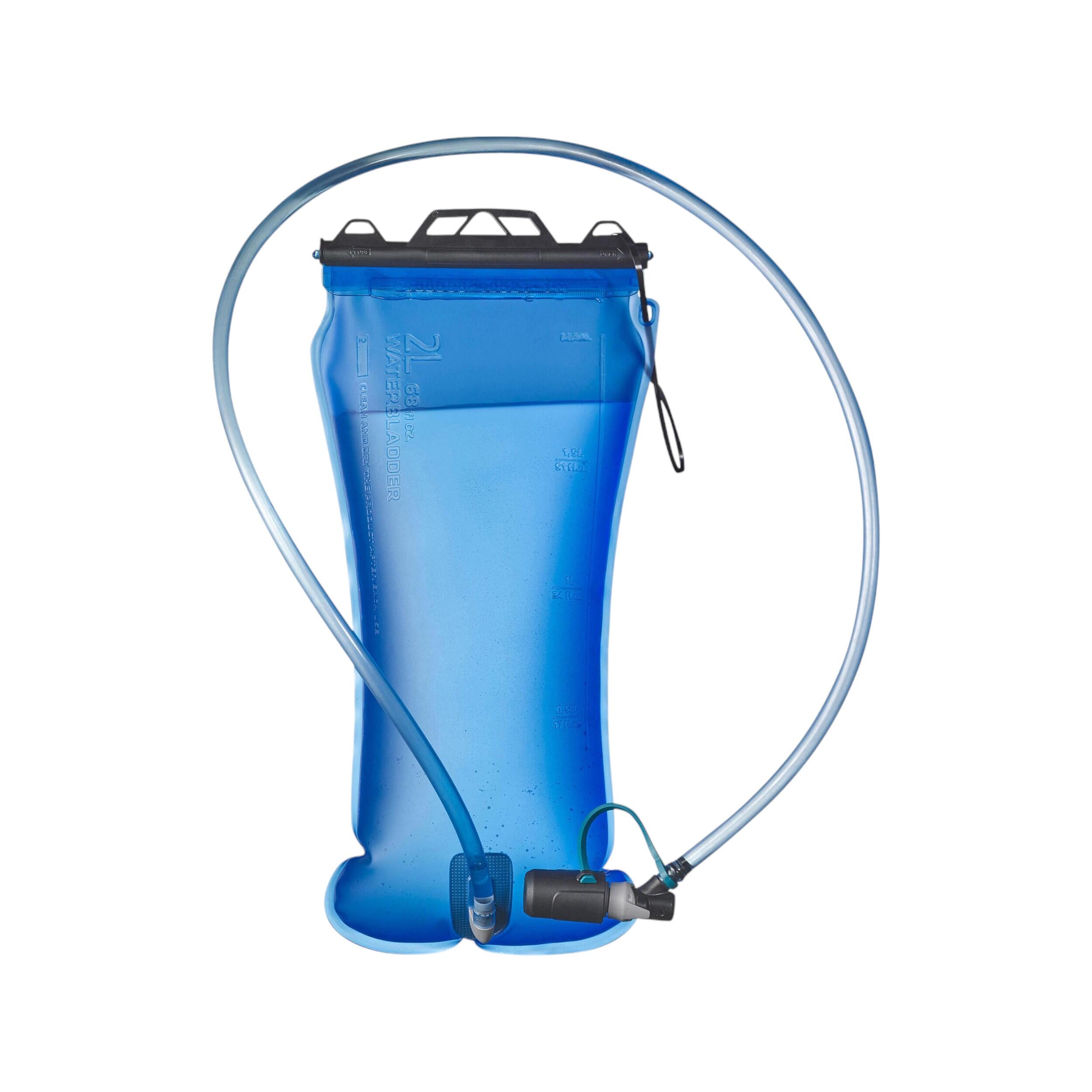
Match the capacity to the trip: a half-litre bottle is light for a short walk, while three-quarters of a litre or a full litre is ideal for a day out before you need a refill. Bear in mind that steel adds a little weight over plastic. Camping water bladders are worth considering alongside a sturdy bottle when you need hands-free hydration on longer days.

What size stainless steel bottle should you choose?

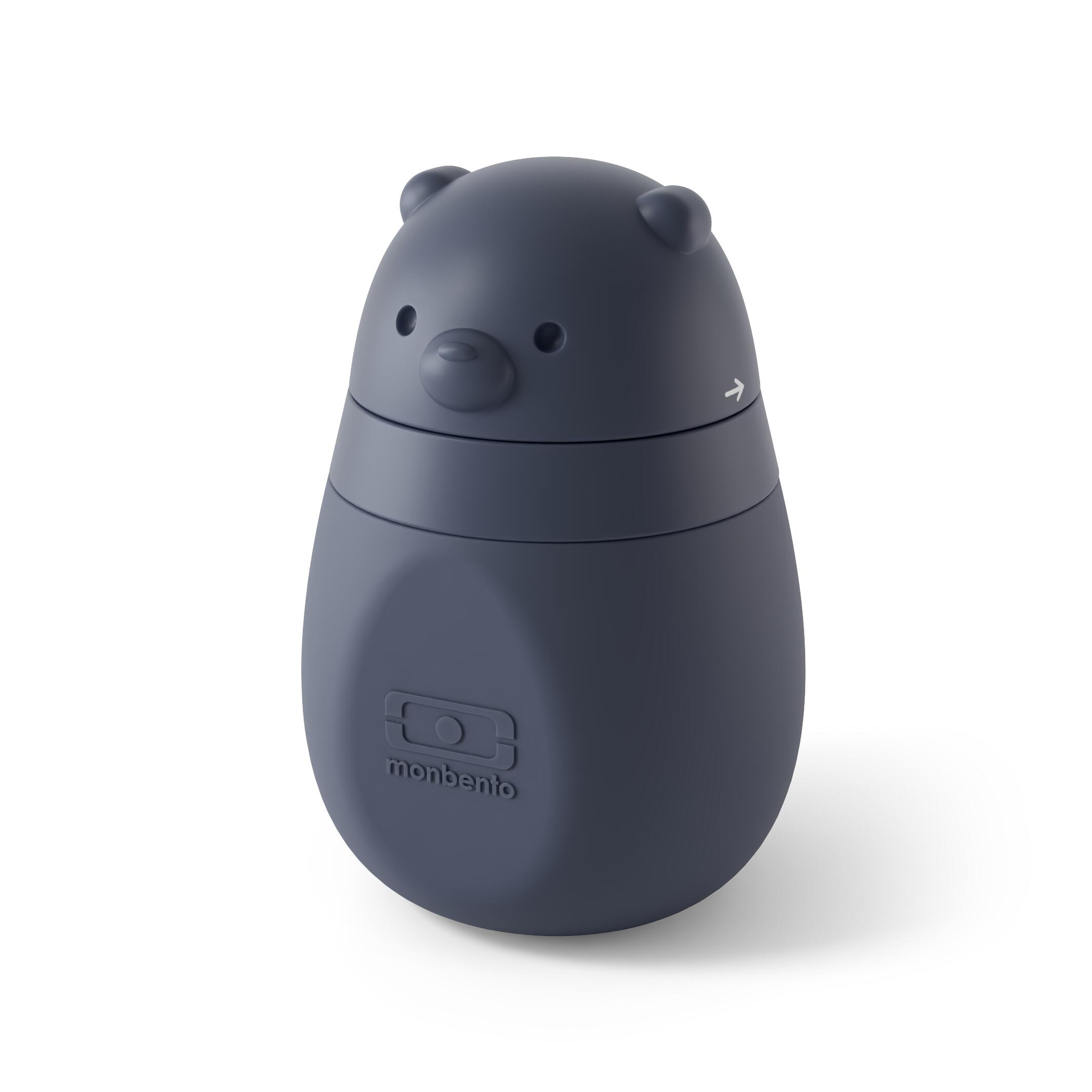
Choose a bottle size based on how long you'll be out. A 500 ml bottle works well for shorter outings, while a 750 ml or 1 litre bottle offers more hydration for full-day adventures. Although stainless steel is slightly heavier than plastic, it provides excellent durability. Children may be more comfortable using our kids' water bottle range, which features smaller, lighter bottles with caps designed for little hands.

How should a stainless steel bottle be cleaned and stored?

Wash it with warm, soapy water and a bottle brush, paying attention to the cap and the threads where residue tends to gather, then dry it thoroughly before storing so it stays fresh inside. Avoid harsh bleach, which can mark the finish over time. Freeze a bottle to use as a cold reserve in your camping coolers, where it keeps the food chilled and hands you an icy drink later in the day.