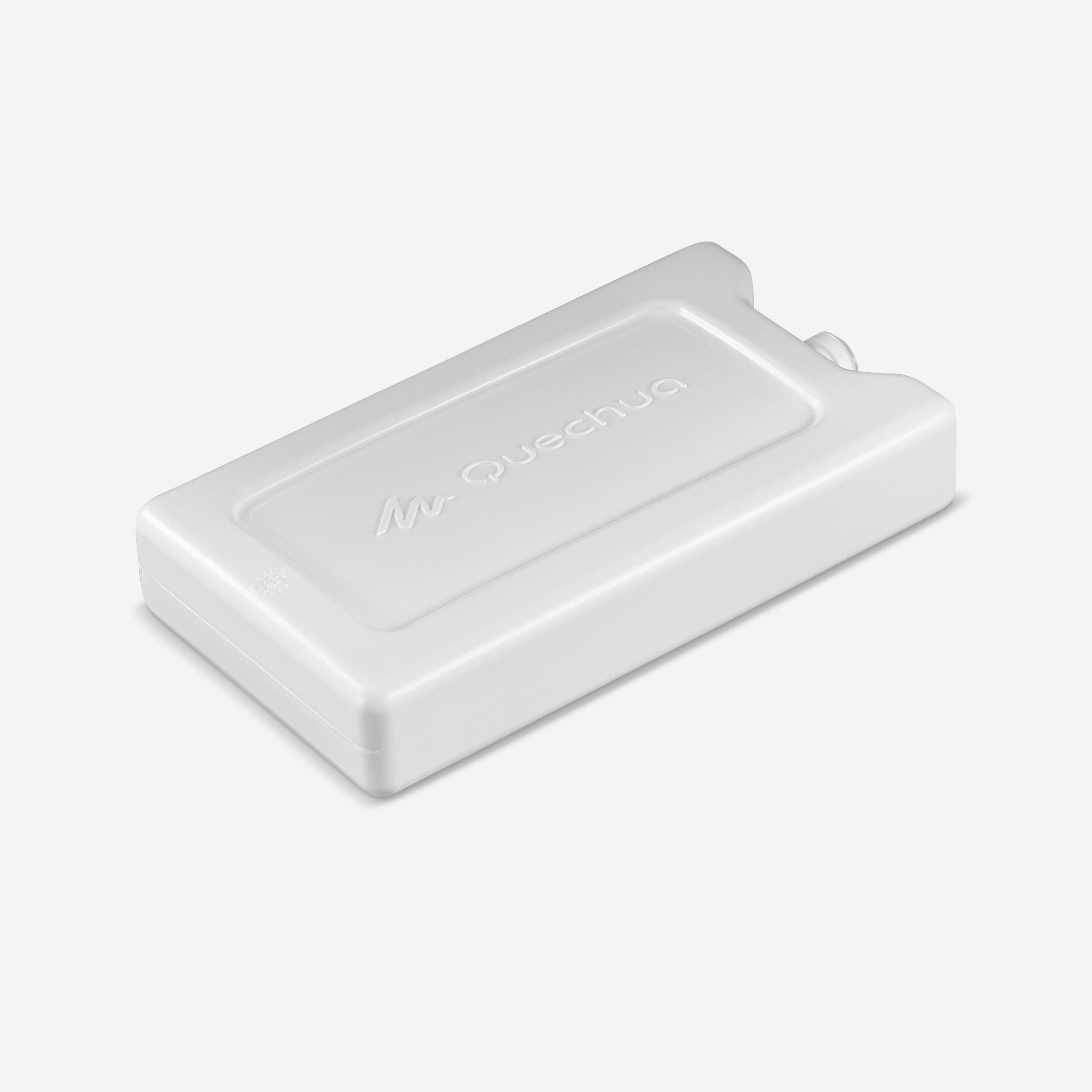
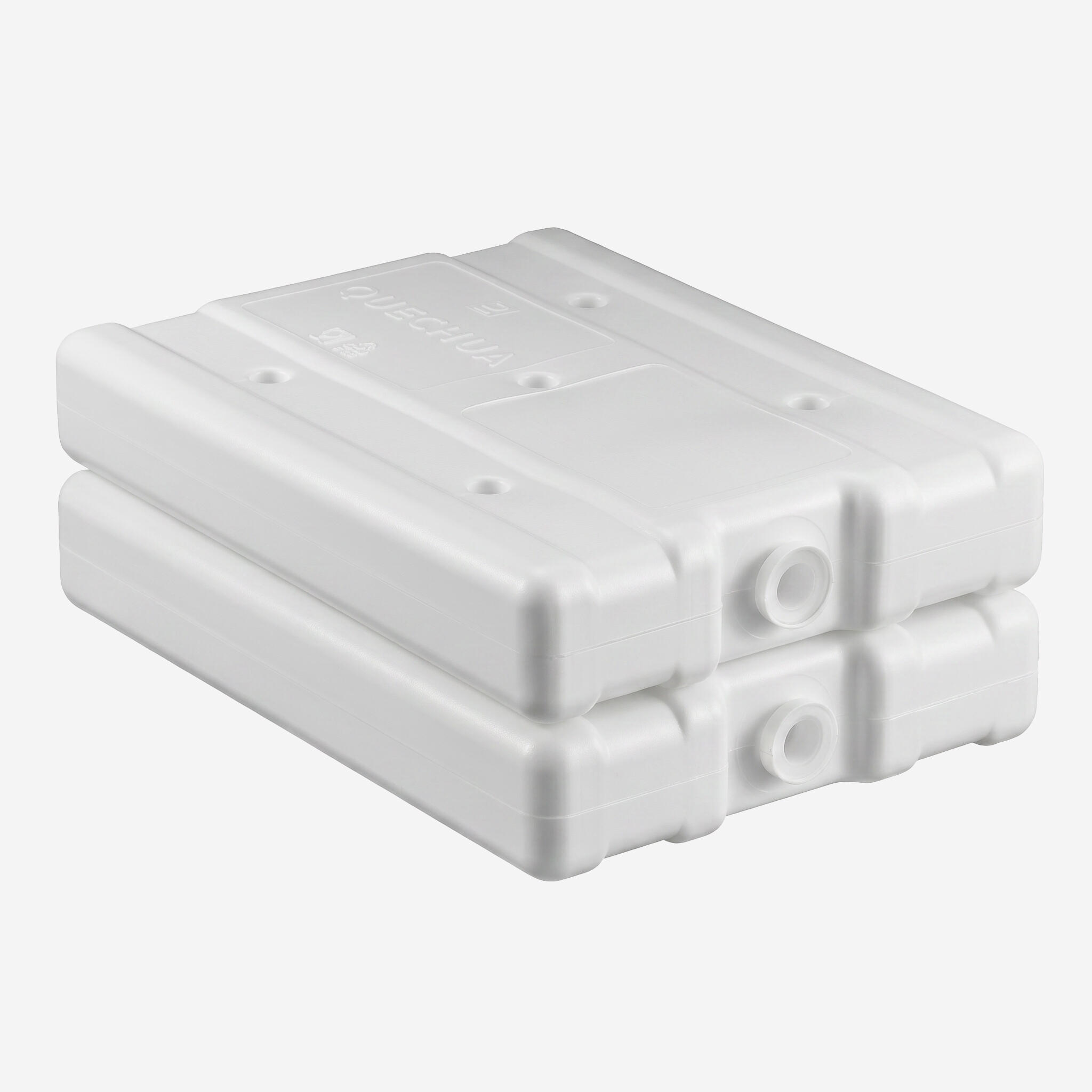
QUECHUA Set of two ice bricks for cool boxes, 370 g4.7(528)Reviews.votesAriaCurrent price {{currentPrice}} €4.00€5.41/kg
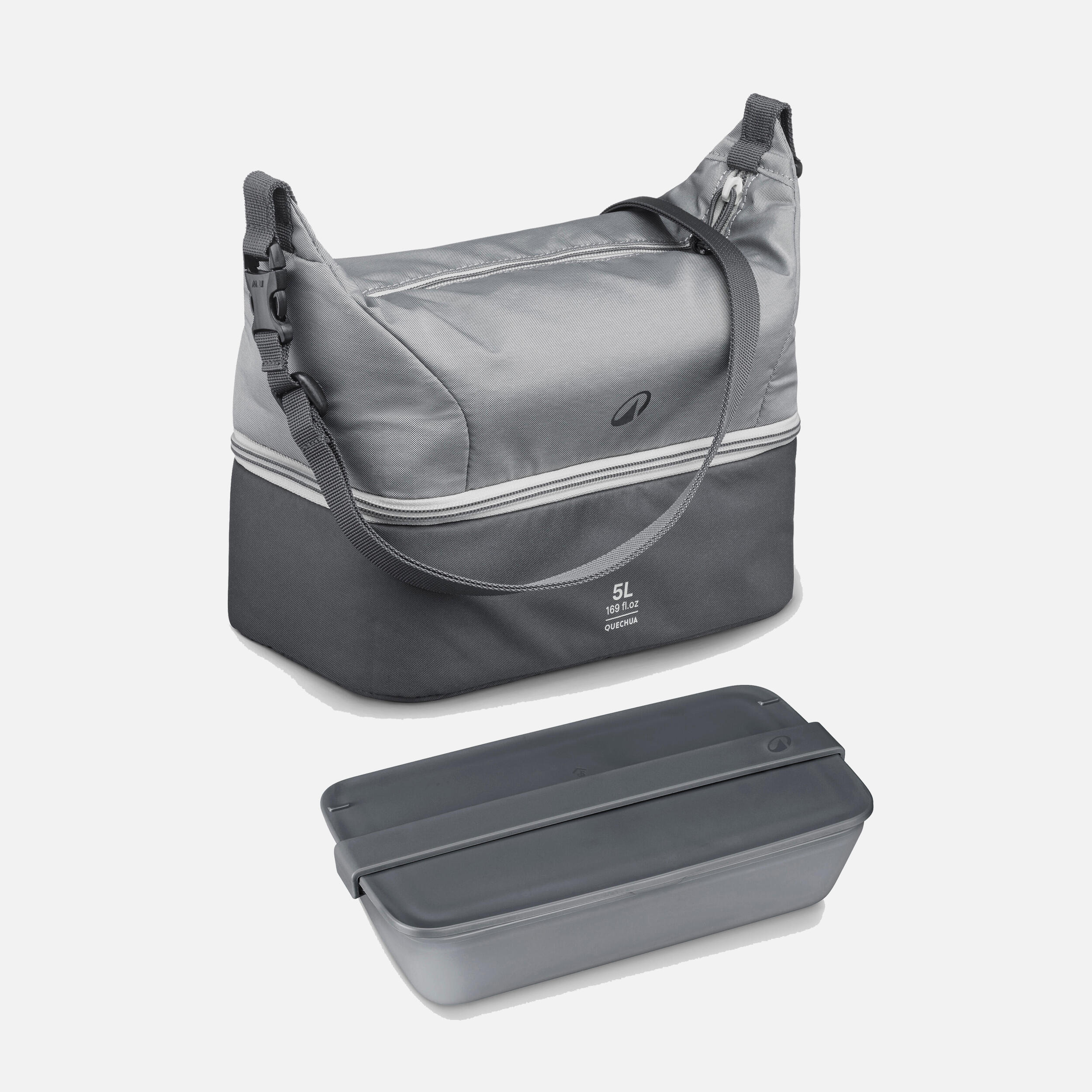
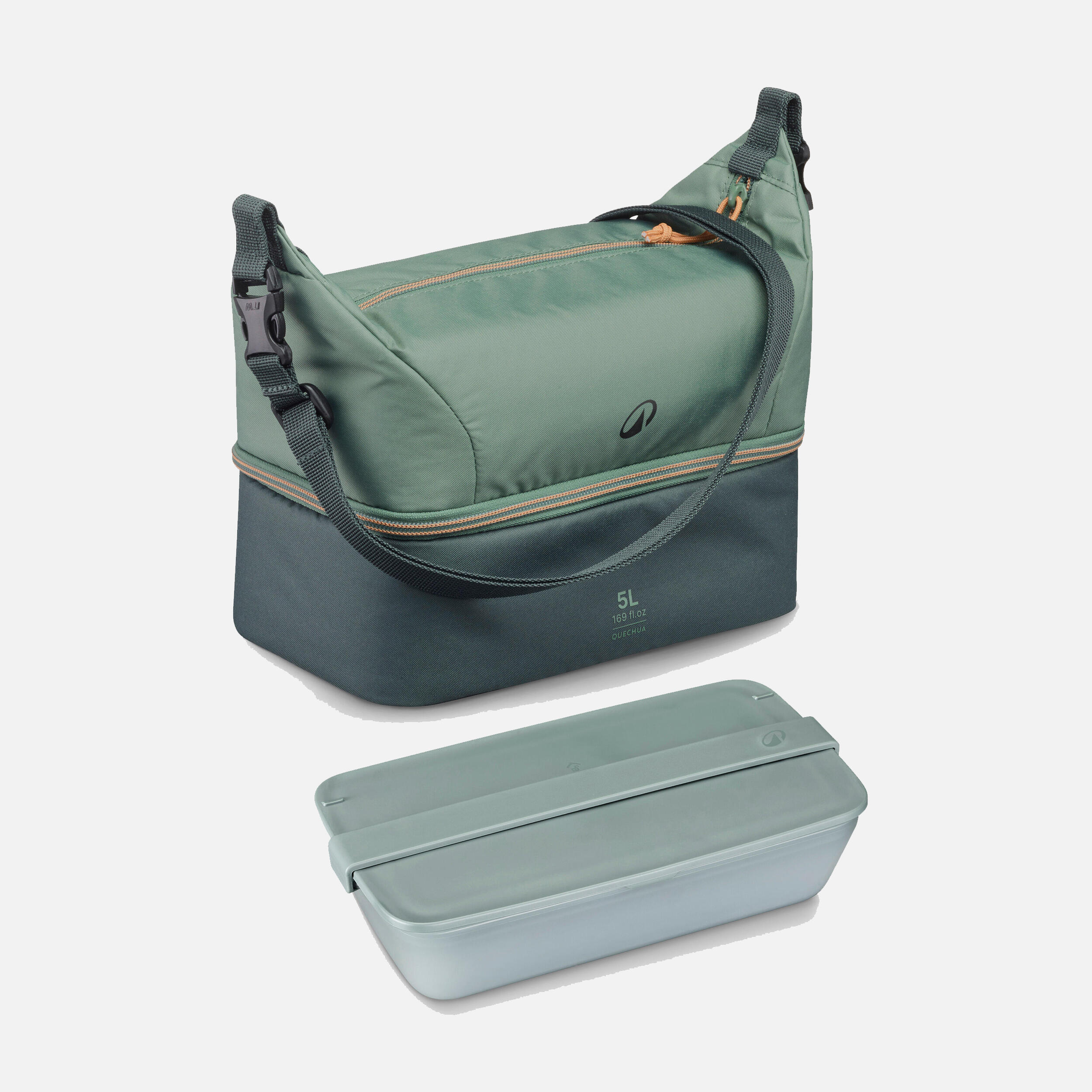
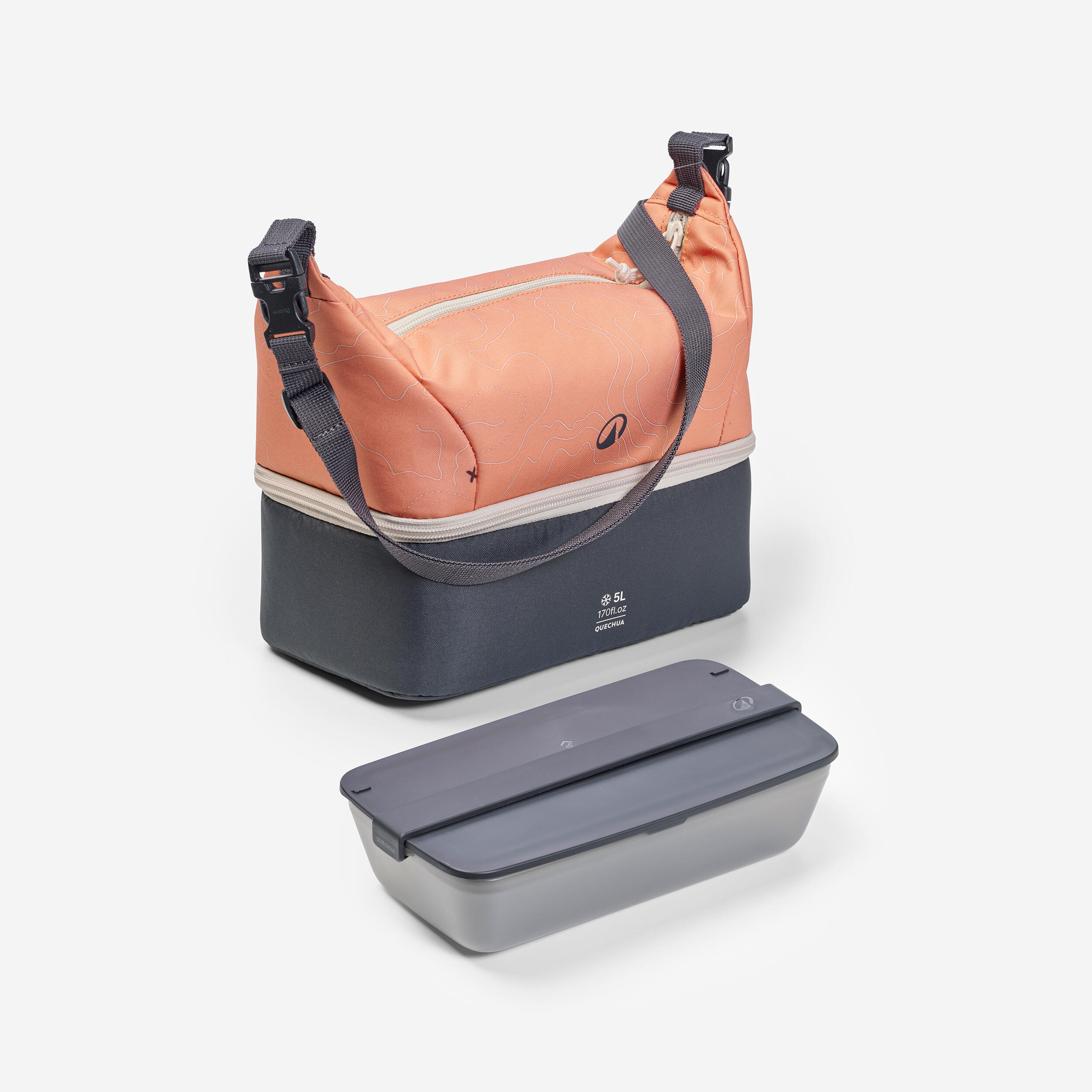
3 coloursQUECHUA 5 L insulated lunchbox 500 with 1 L plastic food storage container included4.7(886)Reviews.votesAria3 coloursCurrent price {{currentPrice}} €15.00
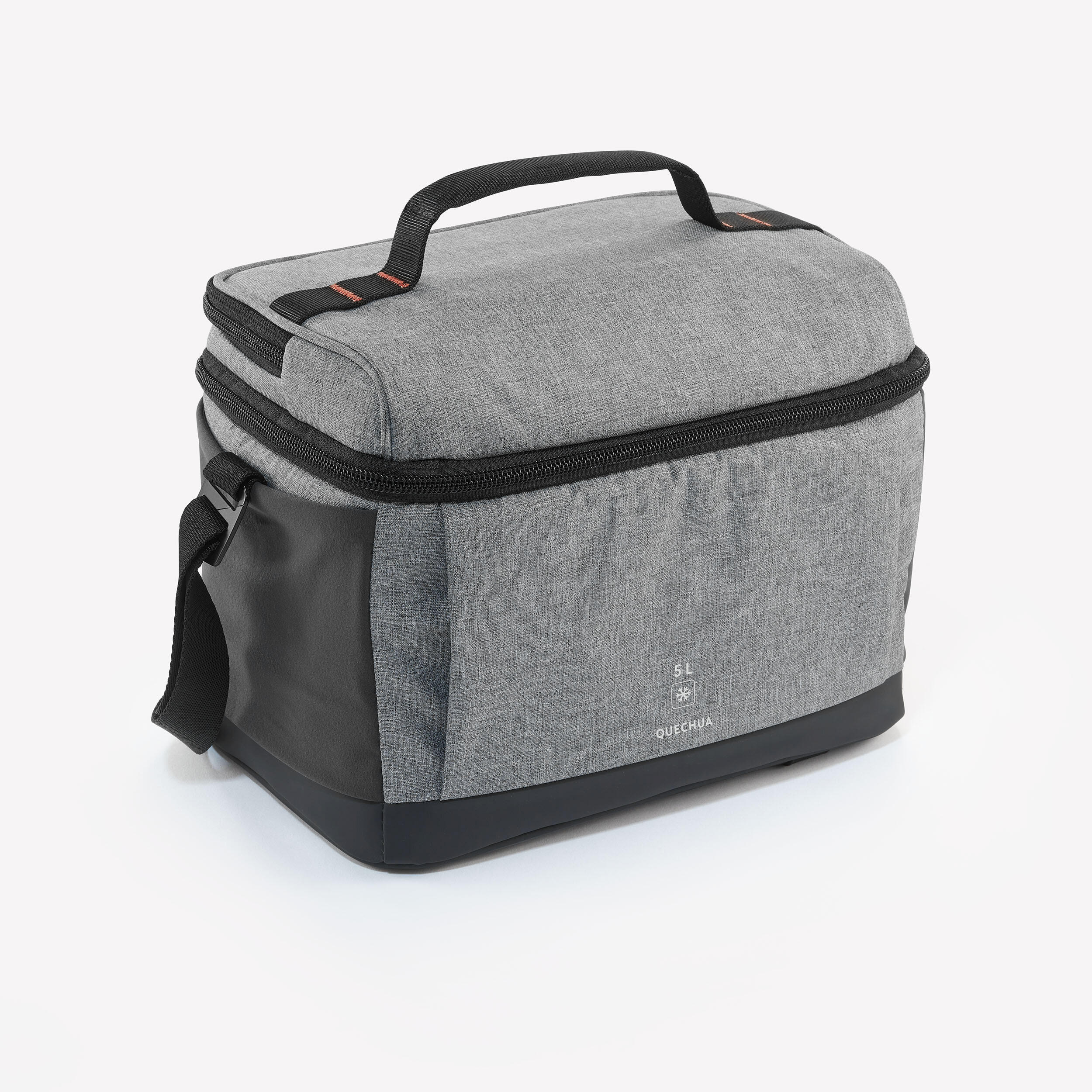
QUECHUA Isothermal lunch box - 5 litres4.8(985)Reviews.votesAriaCurrent price {{currentPrice}} €12.00
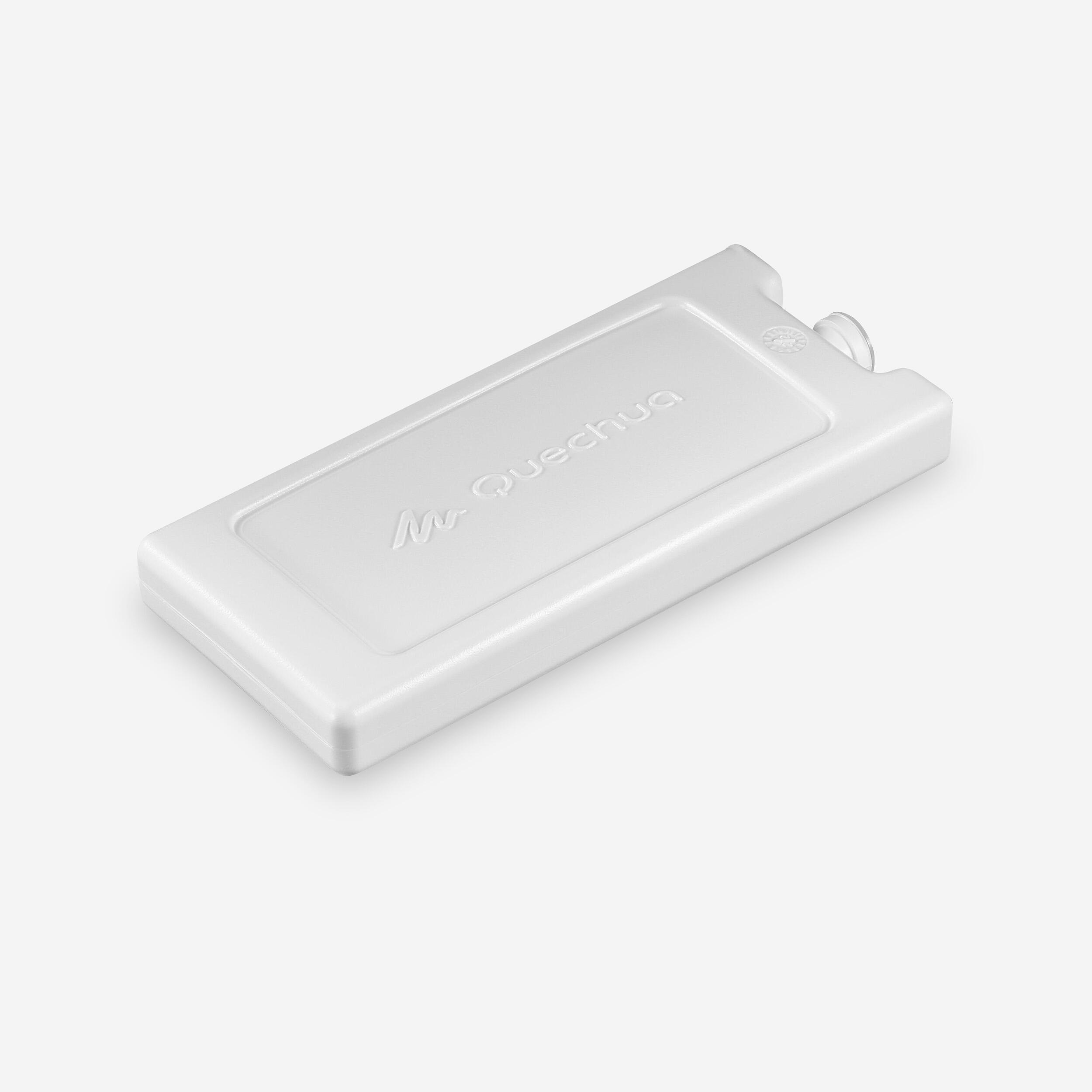
QUECHUA Set of two ice packs for cool boxes, 175 g4.8(1,271)Reviews.votesAriaCurrent price {{currentPrice}} €3.00€8.58/kg
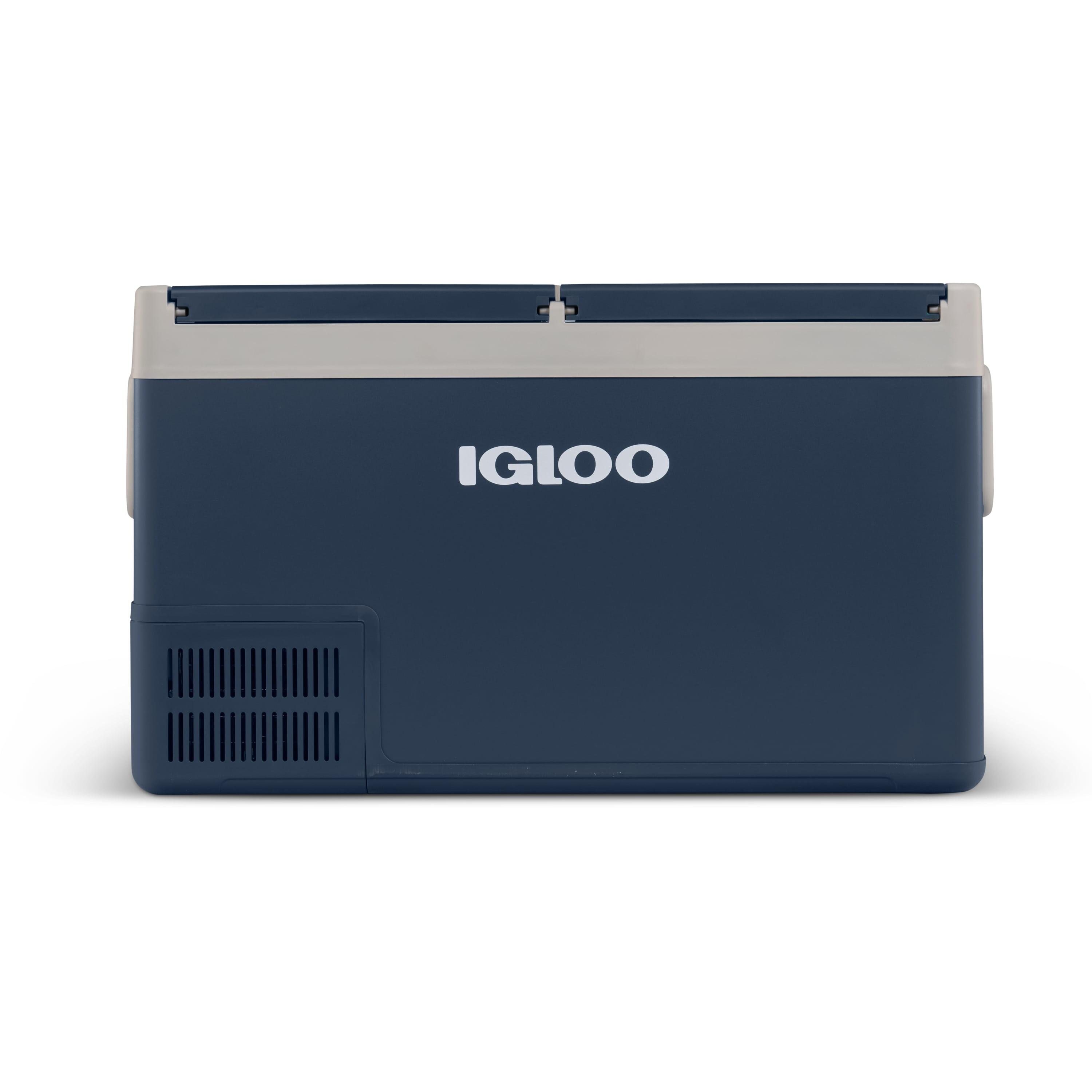
Marketplace -Online Only Marketplace -Online OnlyMarketplace -Online OnlyIGLOO Igloo ICF 80DZ Portable Electric Compressor CoolerCurrent price {{currentPrice}} €849.99Sold and shipped by Sportano EU
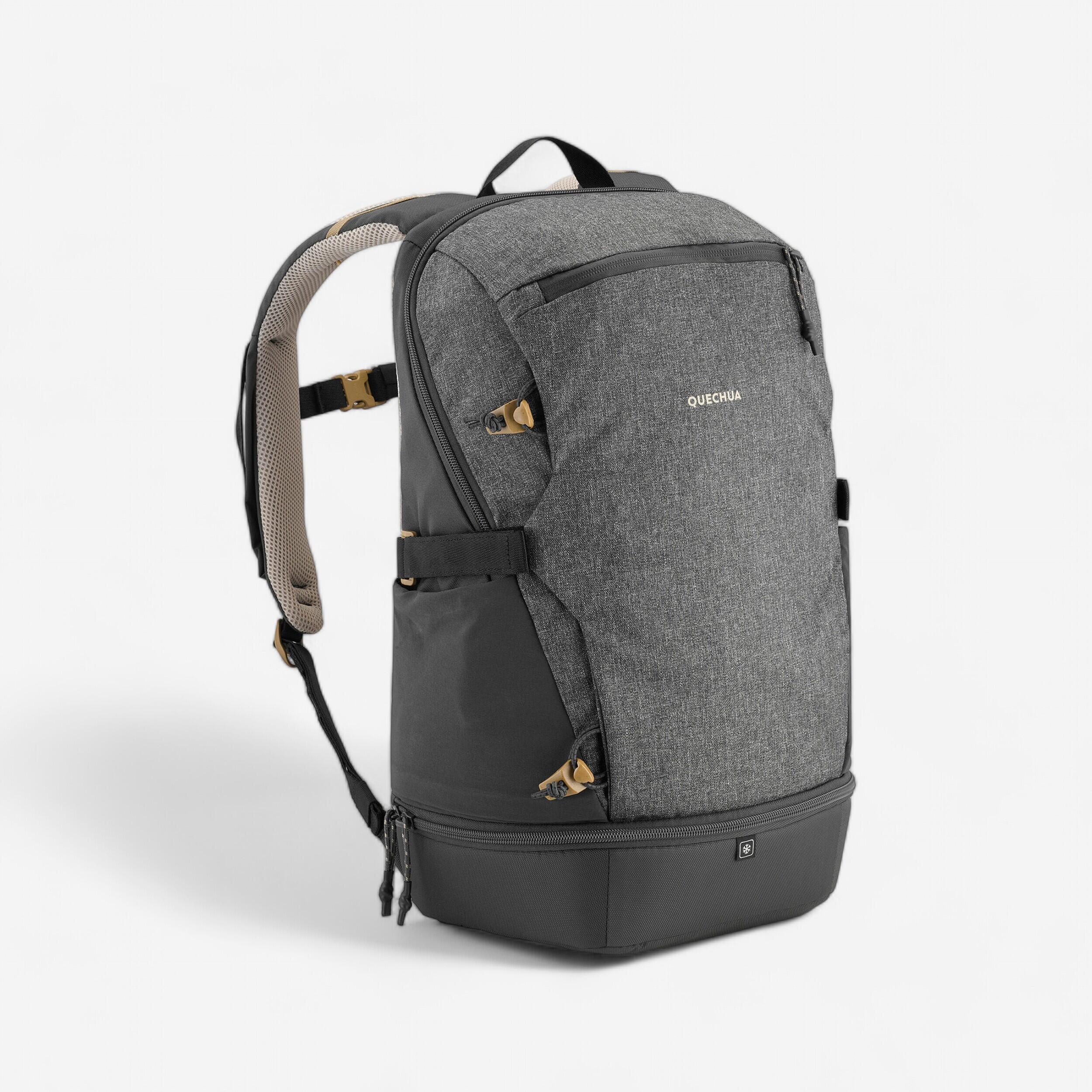
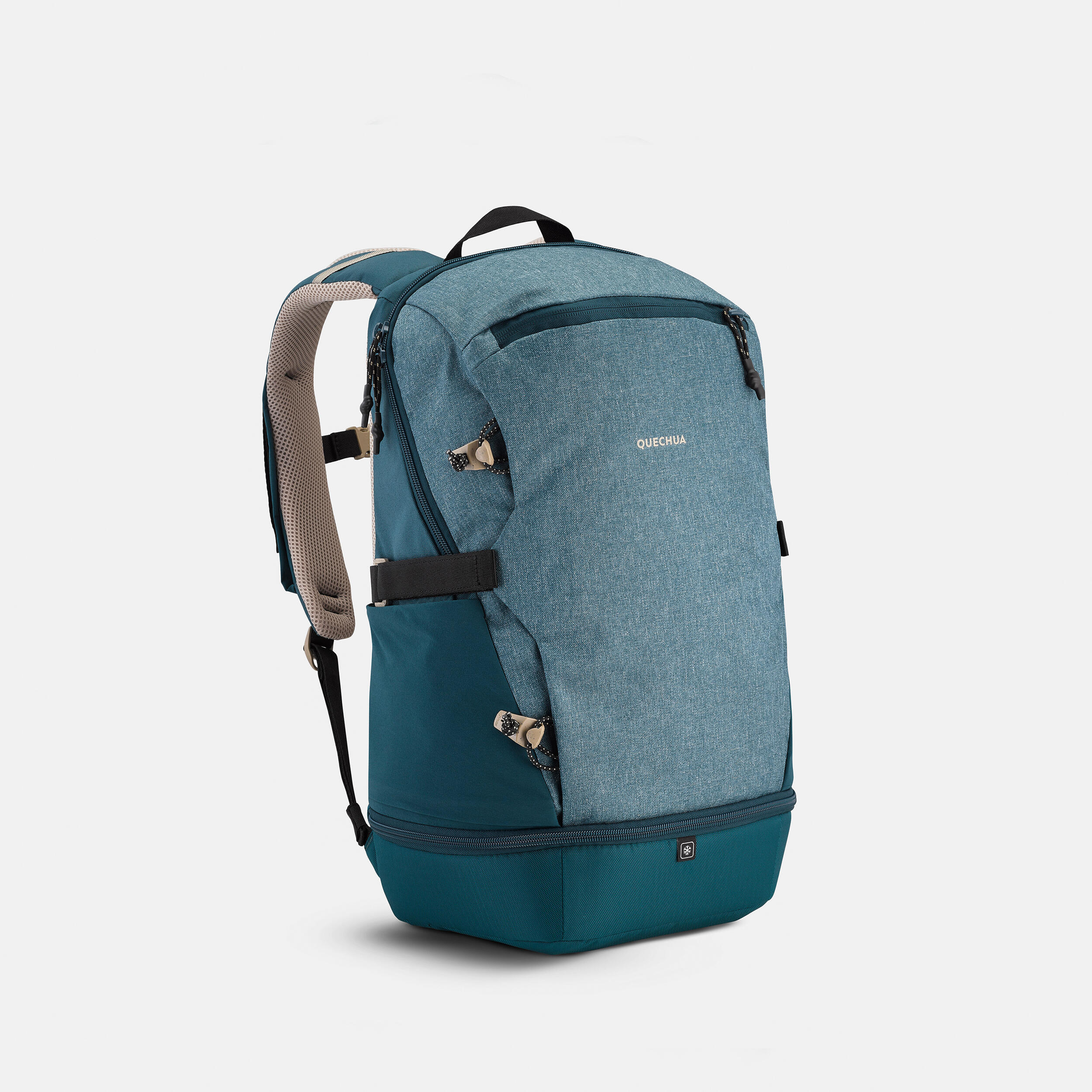
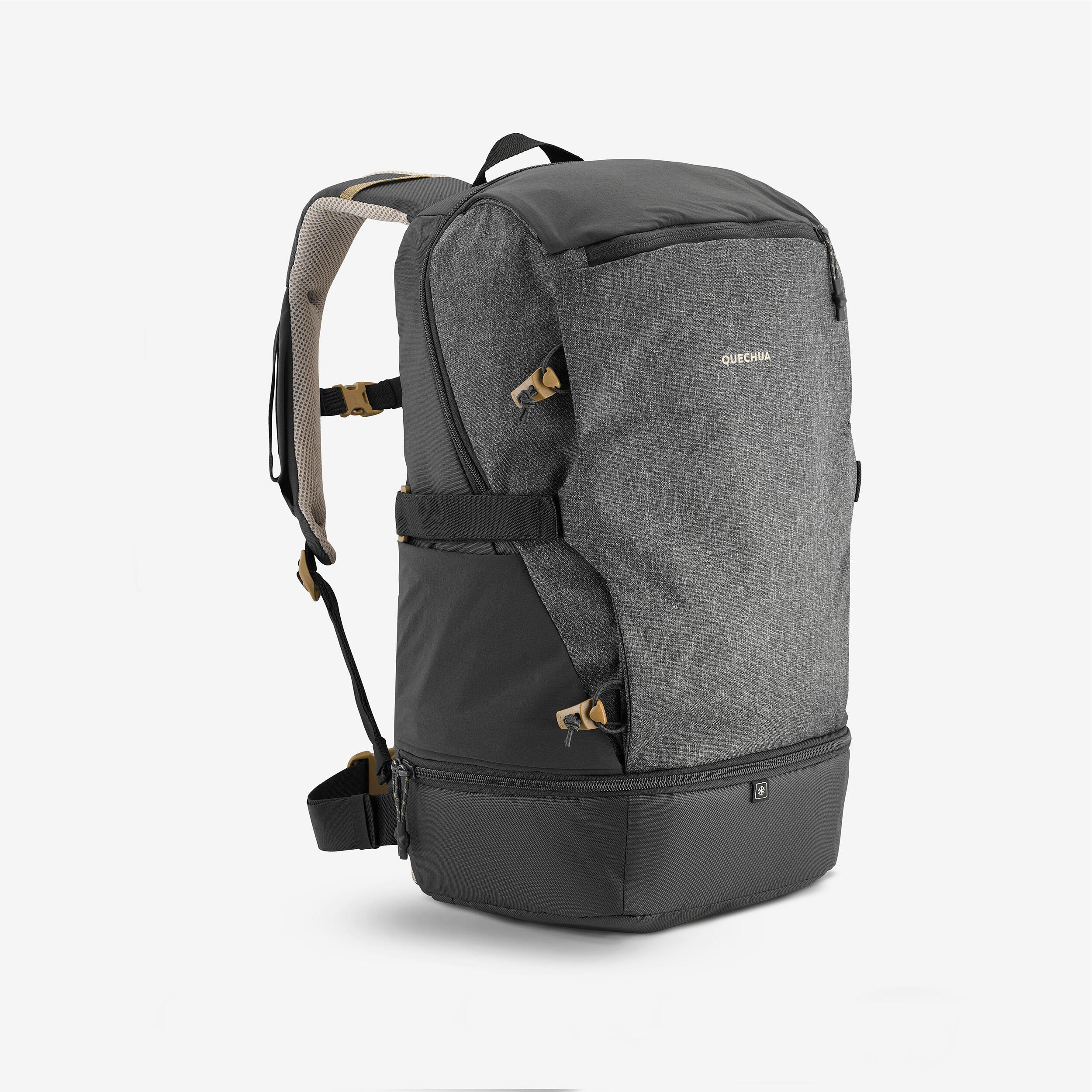
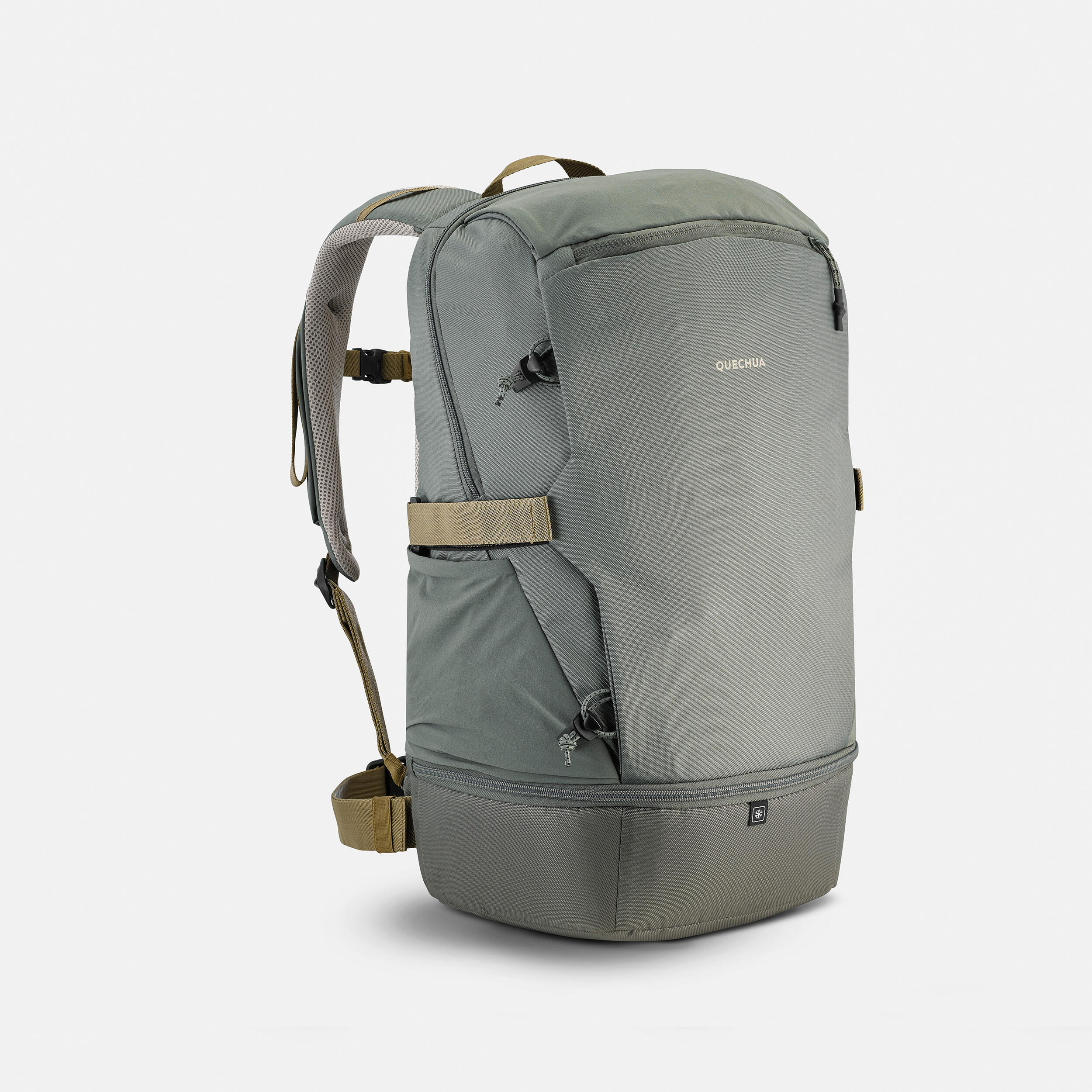
Promotion Promotion2 coloursPromotionQUECHUA NH500 Arpenaz 20L insulated hiking backpack - Ice grey4.8(2,162)Reviews.votesAria2 coloursCurrent price {{currentPrice}} €24.90 Former price €36.00 30% offLowest price: €36.00Starting on 1/2/2025 and valid for the entire duration of the promo
3 coloursQUECHUA 5 L insulated lunchbox 500 with 1 L plastic food storage container included4.7(886)Reviews.votesAria3 coloursCurrent price {{currentPrice}} €15.00
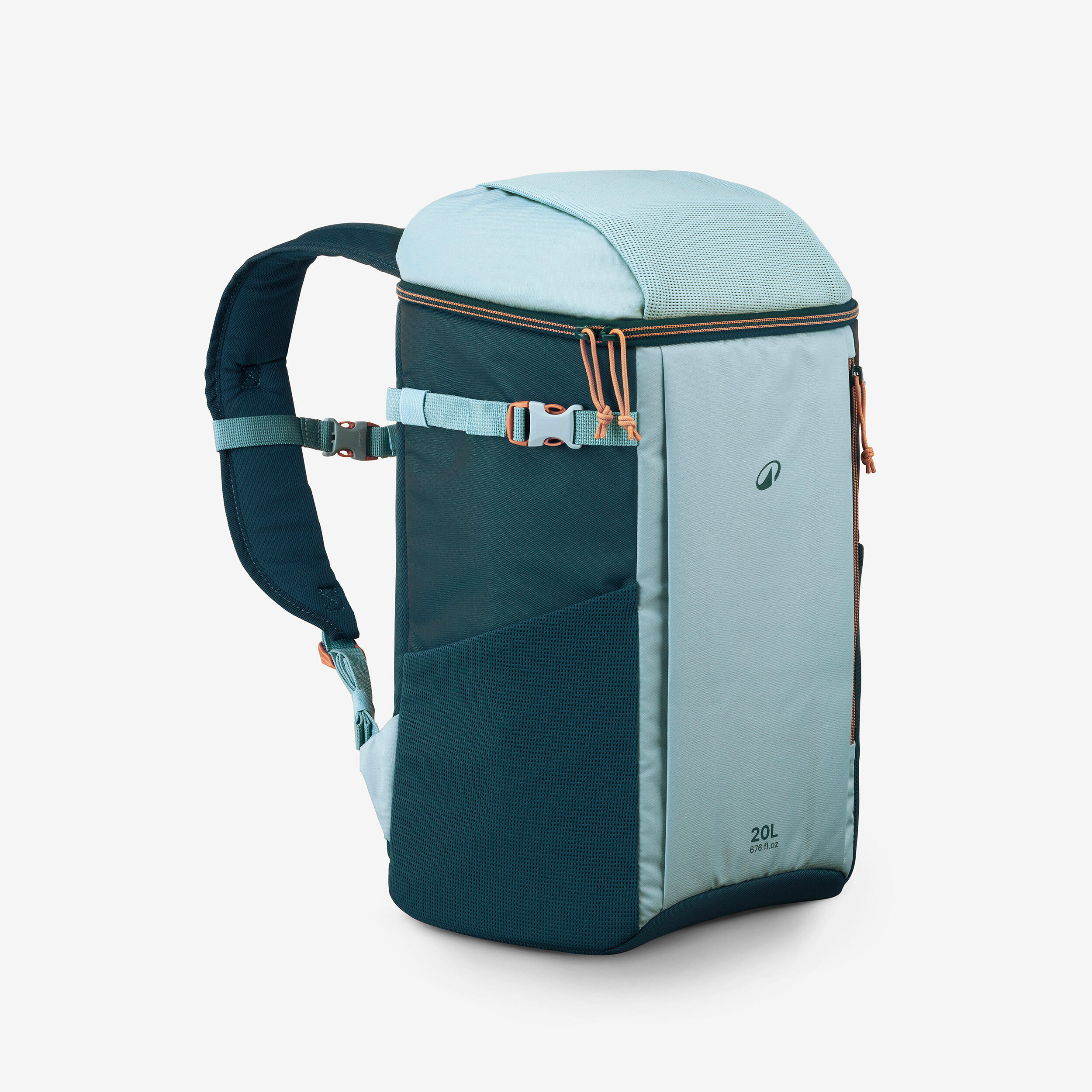
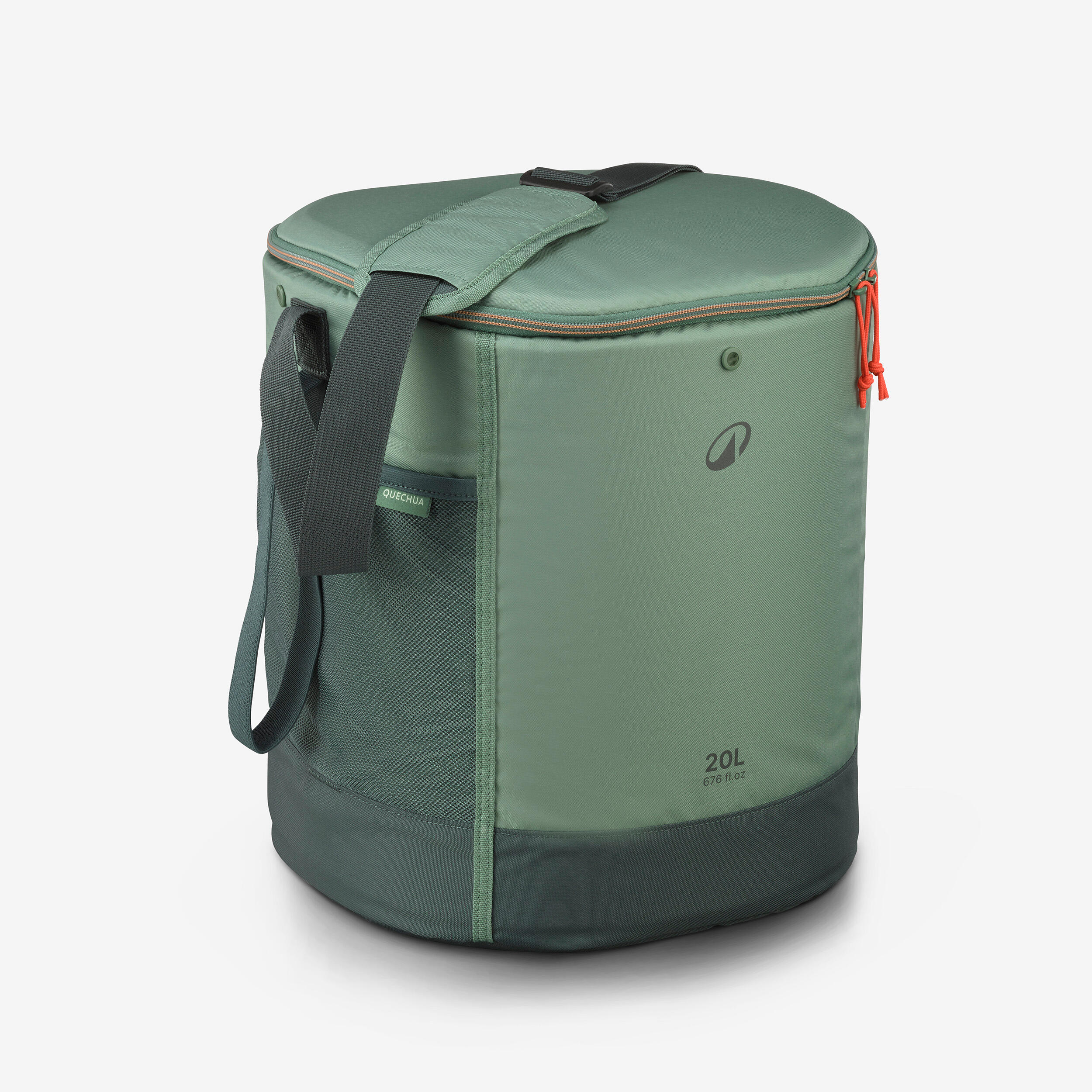
QUECHUA 20 L Backpack Cooler 100 - Insulated and compact4.8(6,130)Reviews.votesAriaCurrent price {{currentPrice}} €26.00
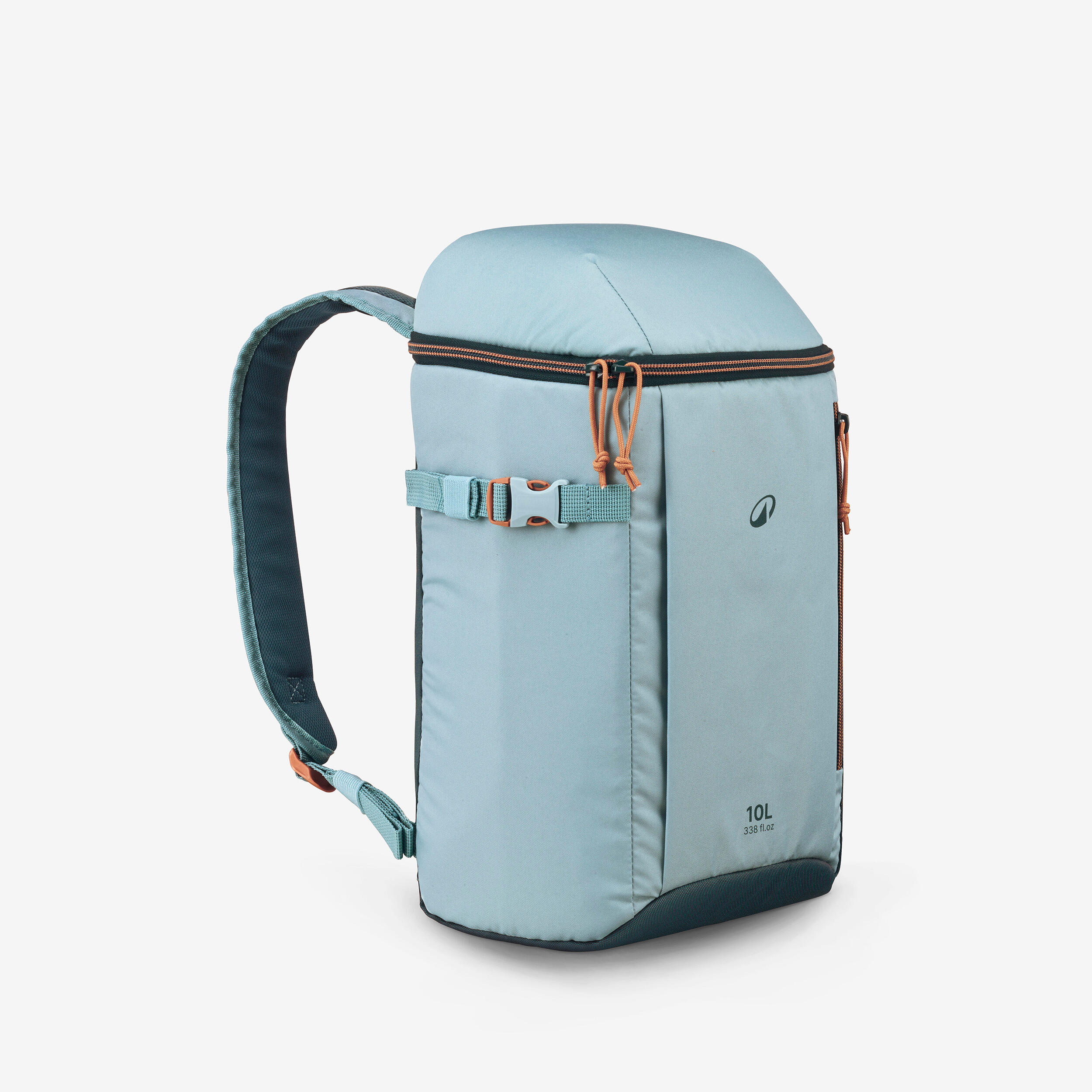
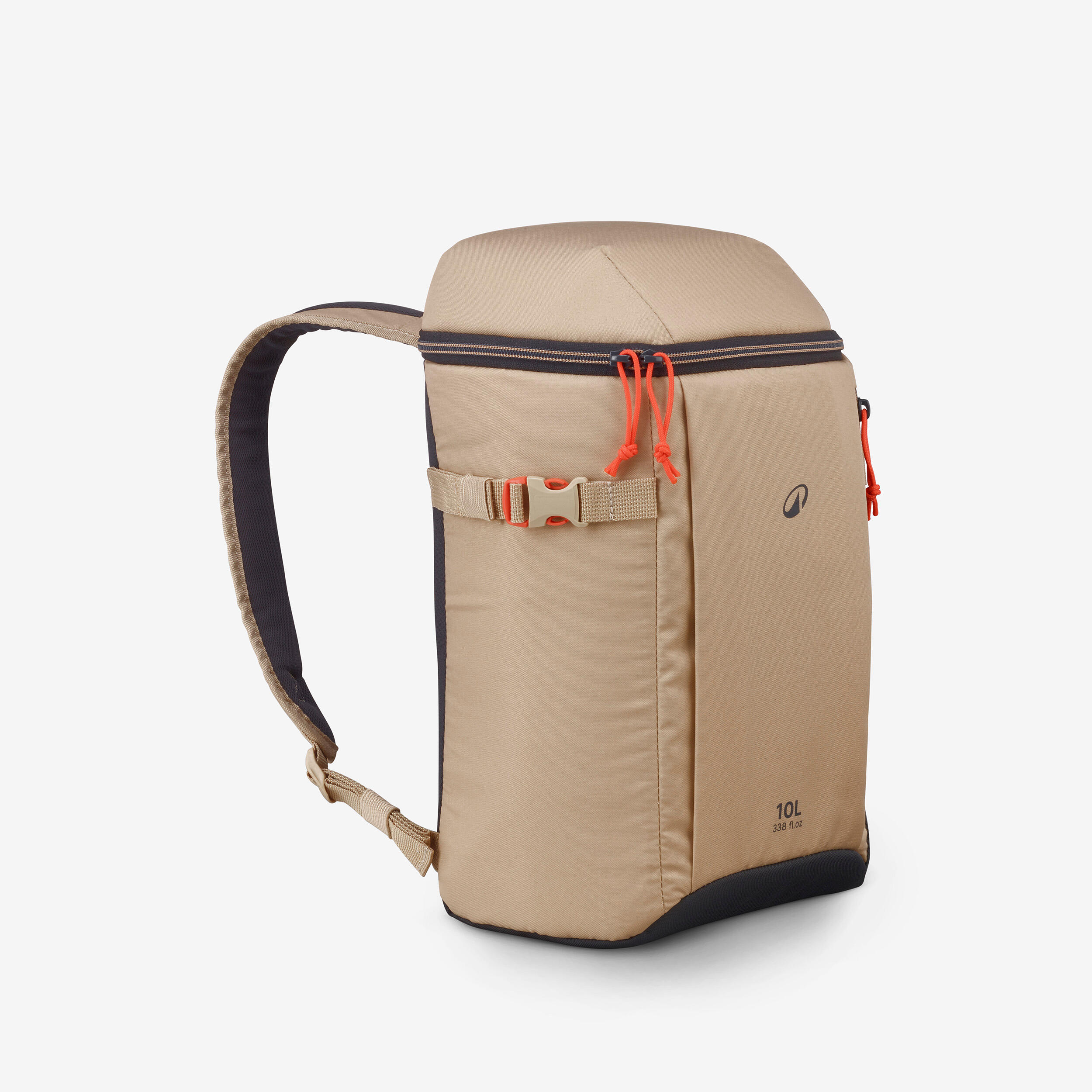
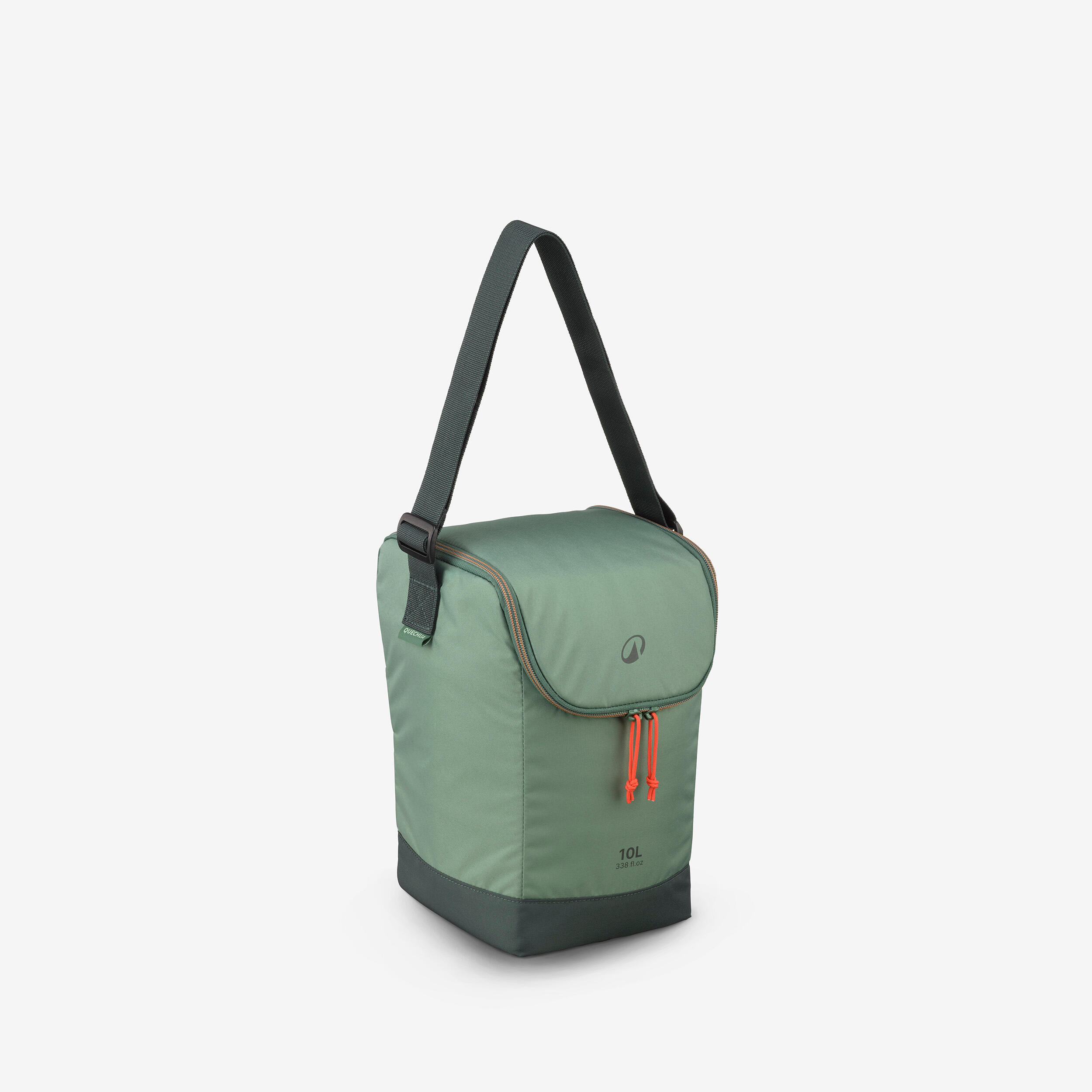
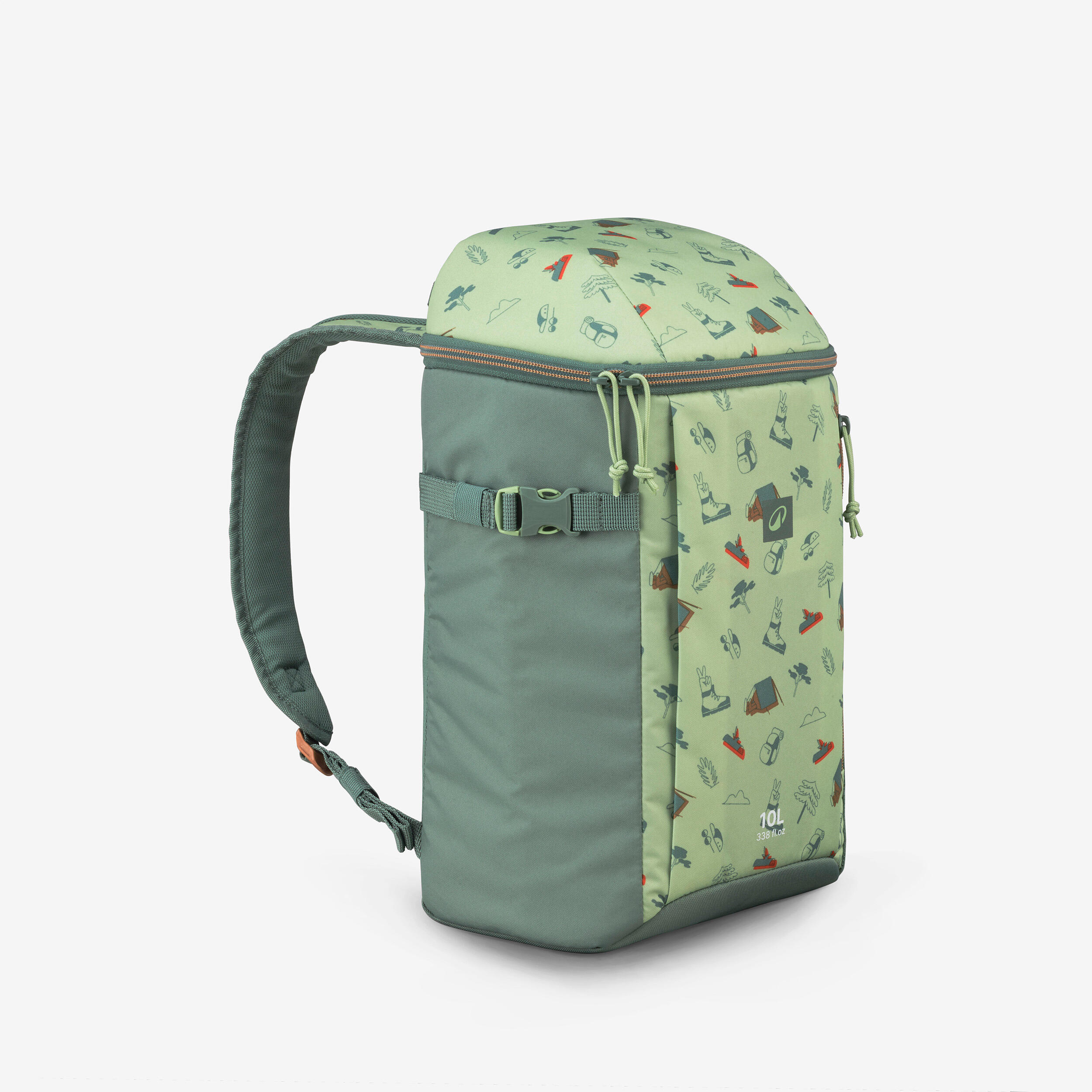
3 coloursQUECHUA Ice 10 L compact and isothermal backpack 1004.8(4,521)Reviews.votesAria3 coloursCurrent price {{currentPrice}} €15.00
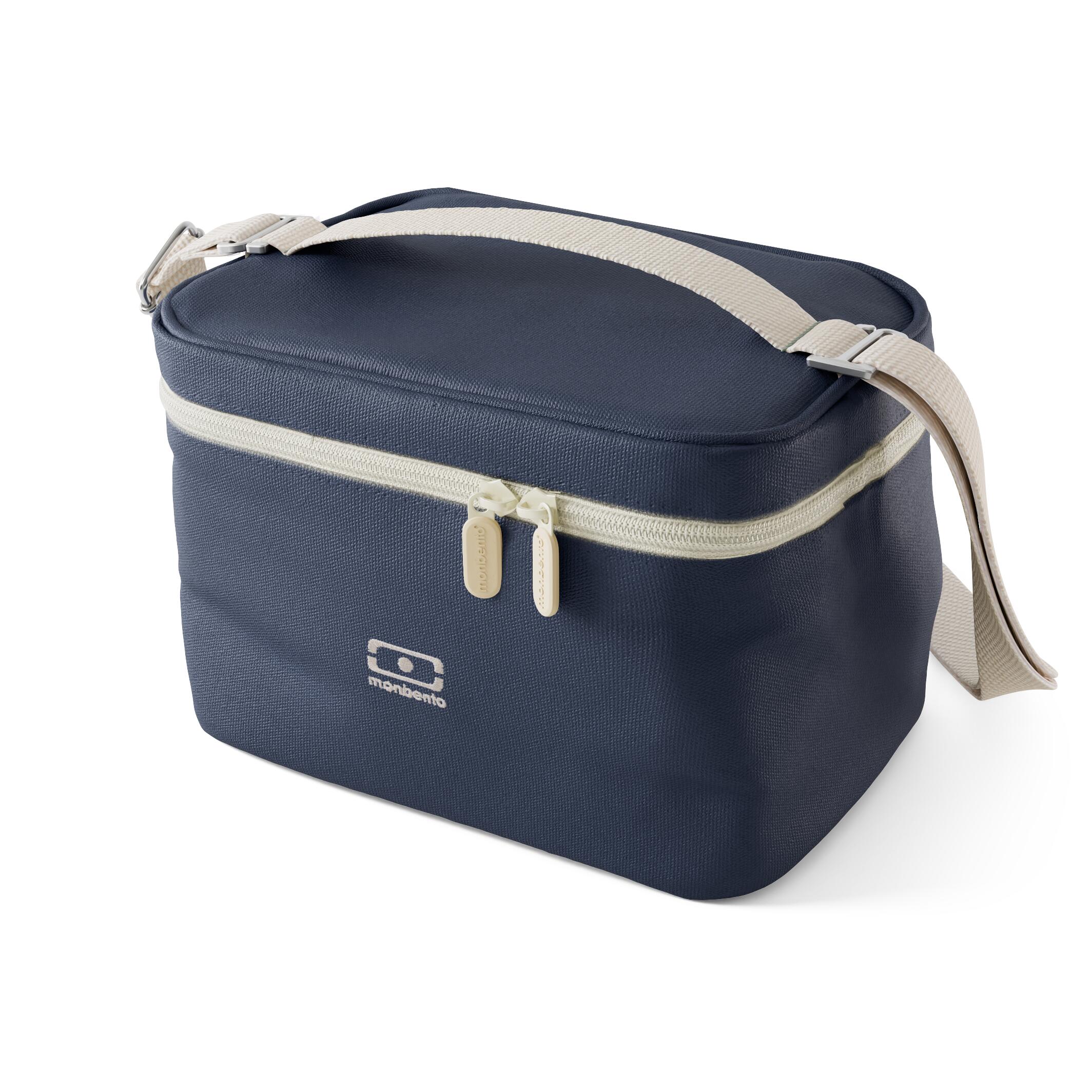
Marketplace -Online Only Marketplace -Online OnlyMarketplace -Online OnlyMONBENTO Insulated lunch bag 5L|Adult|Office, picnic|Adjustable strap|Arctic5(1)Reviews.votesAriaCurrent price {{currentPrice}} €21.90Sold and shipped by MONBENTO
QUECHUA Isothermal Lunch Box 900 Litres 5 Set of Table Mats Included4.7(277)Reviews.votesAriaCurrent price {{currentPrice}} €21.00
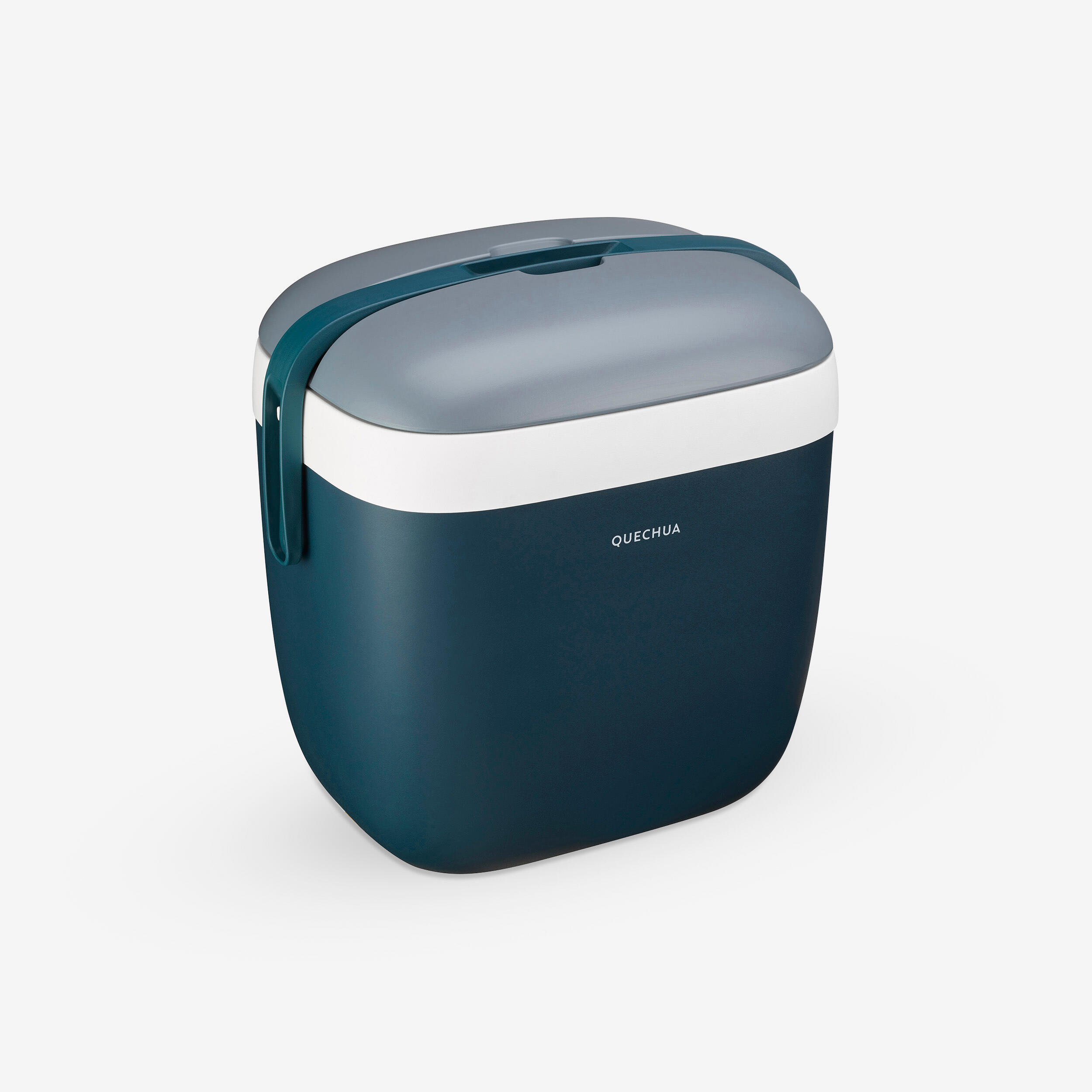
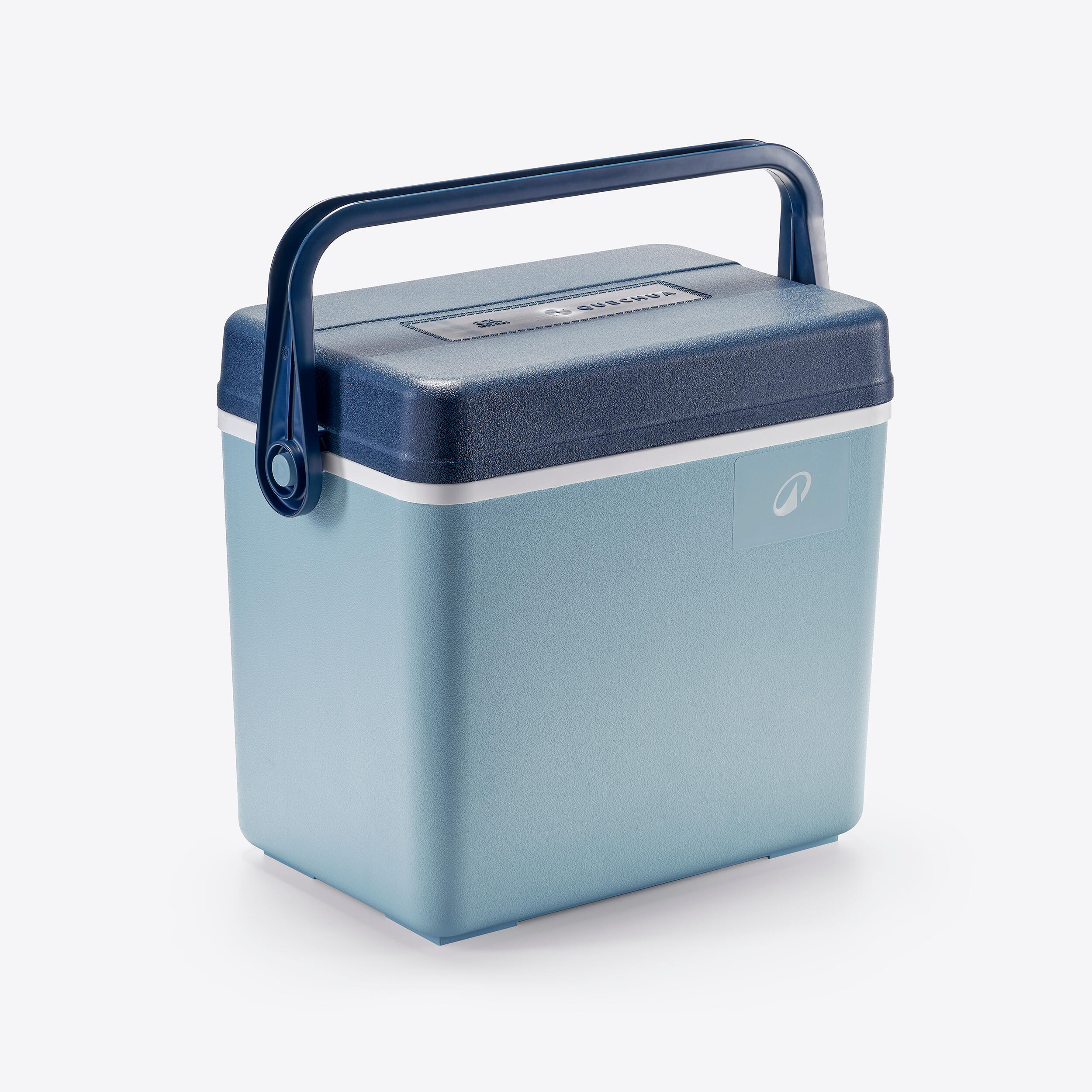
QUECHUA RIGID CAMPING COOLER - 22 LITRES - STAYS COOL FOR 5 HOURS4.3(258)Reviews.votesAriaCurrent price {{currentPrice}} €29.00
Last chance Last chance3 coloursLast chanceQUECHUA Ice 10 L compact and isothermal backpack 1004.8(4,521)Reviews.votesAria3 coloursCurrent price {{currentPrice}} €12.00 Former price €15.00 20% offLowest price: €15.00Starting on 10/9/2026 and valid for the entire duration of the promo
2 coloursQUECHUA Arpenaz 500 20L insulated hiking backpack - Ice blue4.8(2,162)Reviews.votesAria2 coloursCurrent price {{currentPrice}} €30.00
QUECHUA 32L Rigid Cooler Box 500 for Camping, Isothermal with Container Compartments4.6(124)Reviews.votesAriaCurrent price {{currentPrice}} €55.00
3 coloursQUECHUA 5 L insulated lunchbox 500 with 1 L plastic food storage container included4.7(886)Reviews.votesAria3 coloursCurrent price {{currentPrice}} €15.00
QUECHUA Flexible, Isothermal, Compact Cooler Box 100 10 Litres for Camping4.8(1,686)Reviews.votesAriaCurrent price {{currentPrice}} €10.00
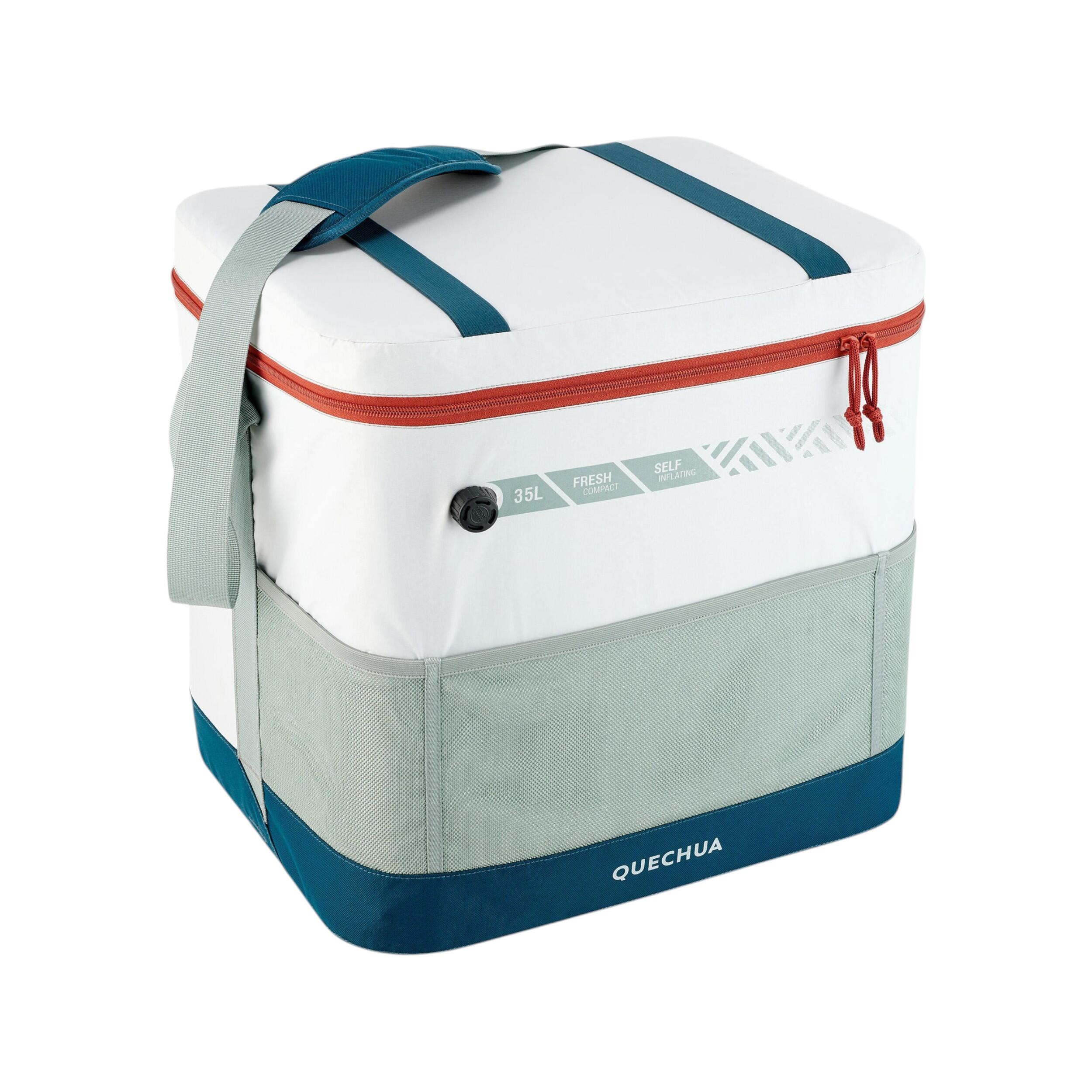
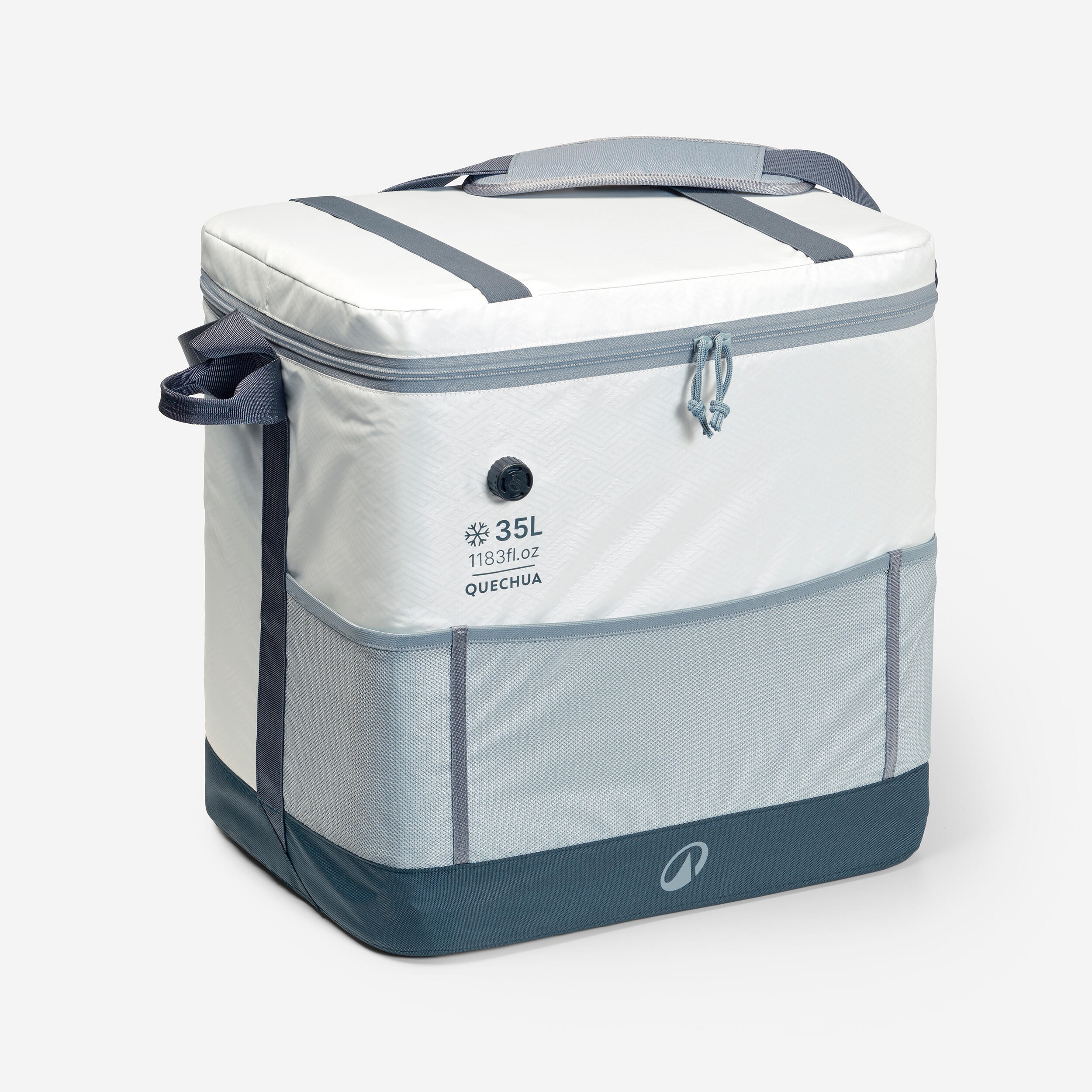
QUECHUA 35 L Fresh camping cooler 500 - keeps food cool for 17 hours4.8(928)Reviews.votesAriaCurrent price {{currentPrice}} €55.00
QUECHUA Set of two ice bricks for cool boxes, 740 g4.6(163)Reviews.votesAriaCurrent price {{currentPrice}} €7.00€4.73/kg
2 coloursQUECHUA Arpenaz 500 30L insulated hiking backpack - Ice grey4.8(1,082)Reviews.votesAria2 coloursCurrent price {{currentPrice}} €42.00
QUECHUA Flexible, Isothermal, Compact Cooler Box 100 20 Litres for Camping4.7(925)Reviews.votesAriaCurrent price {{currentPrice}} €21.00
2 coloursQUECHUA Arpenaz 500 30L insulated hiking backpack - Ice grey4.8(1,082)Reviews.votesAria2 coloursCurrent price {{currentPrice}} €42.00
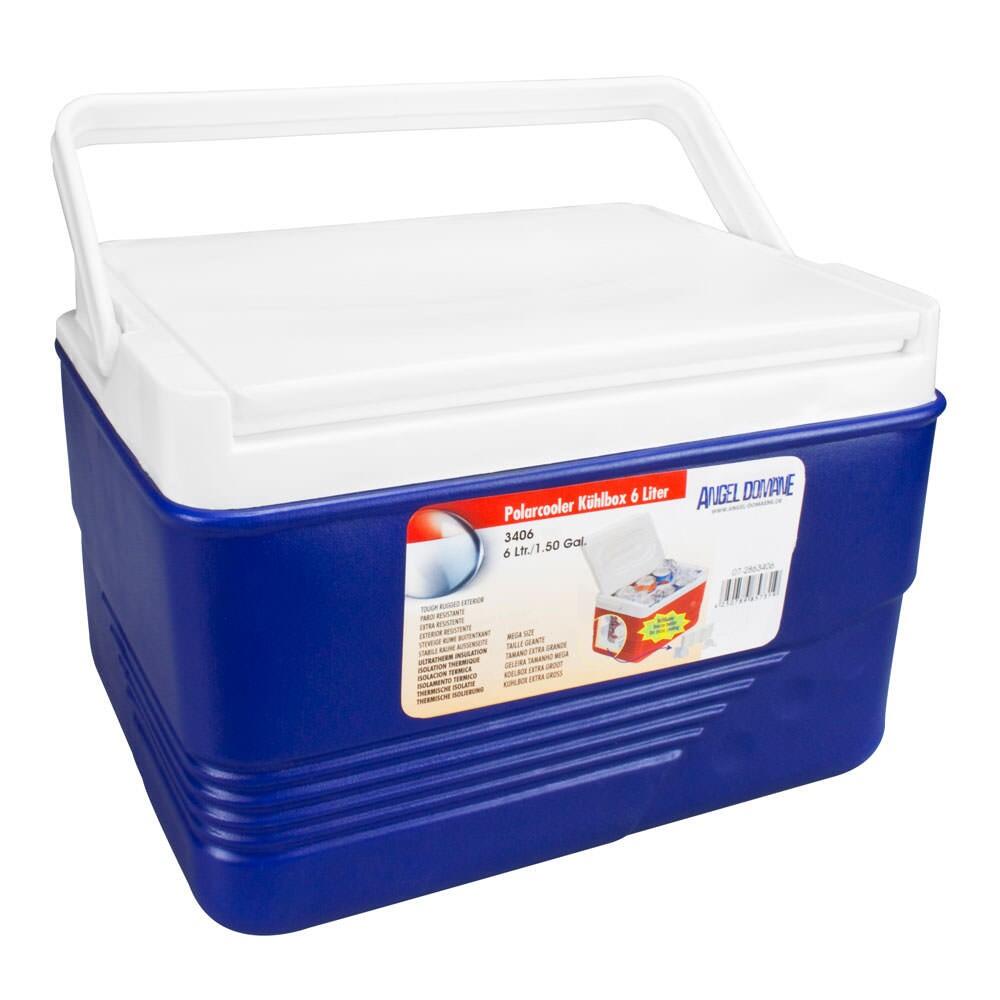
Marketplace -Online Only Marketplace -Online OnlyMarketplace -Online OnlyEUROCATCH Polarcooler Cool Box 6LCurrent price {{currentPrice}} €24.99Sold and shipped by Raven Intnl
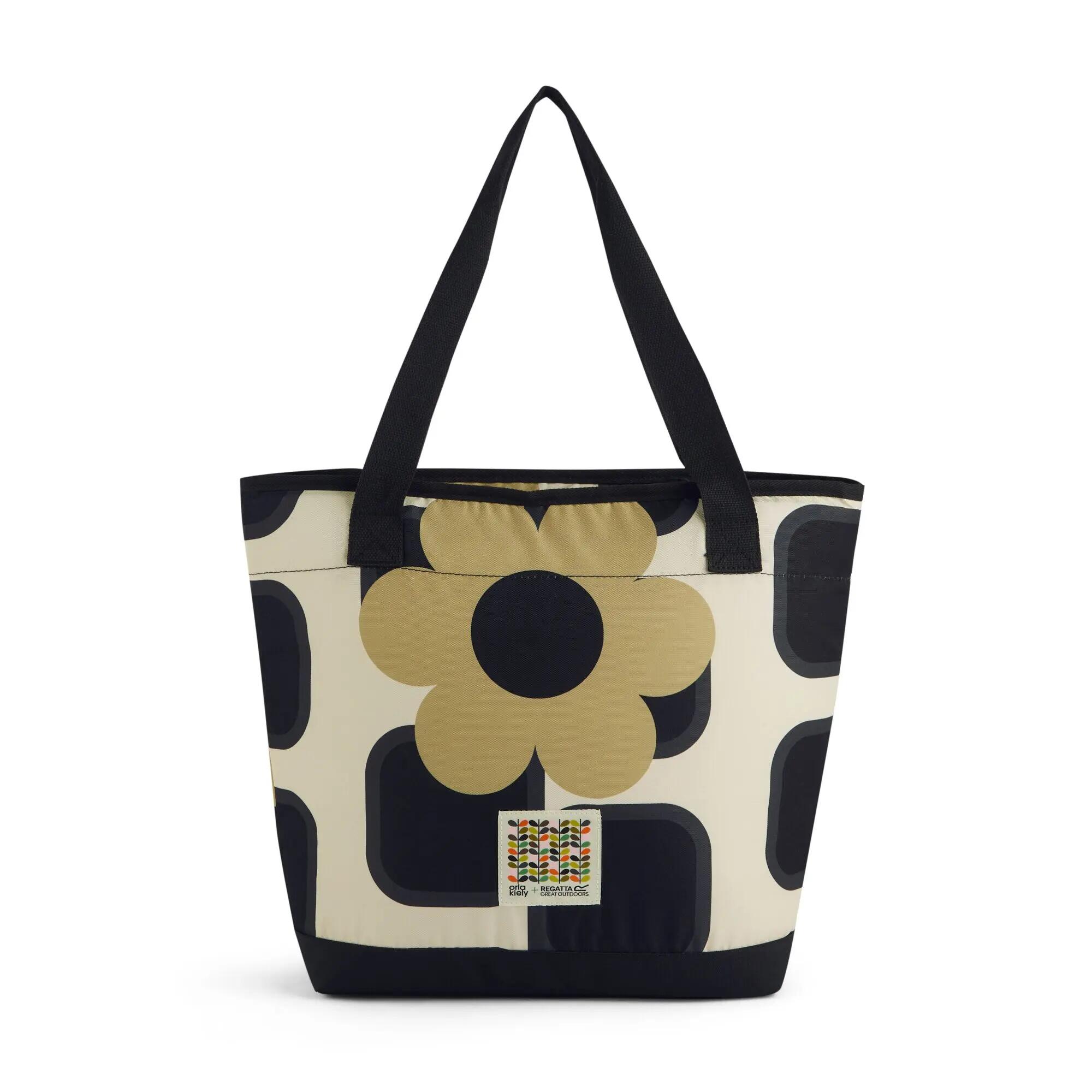
Marketplace -Online Only Marketplace -Online OnlyMarketplace -Online OnlyREGATTA Orla Kiely Tote CoolbagCurrent price {{currentPrice}} €38.00Sold and shipped by Sport is good
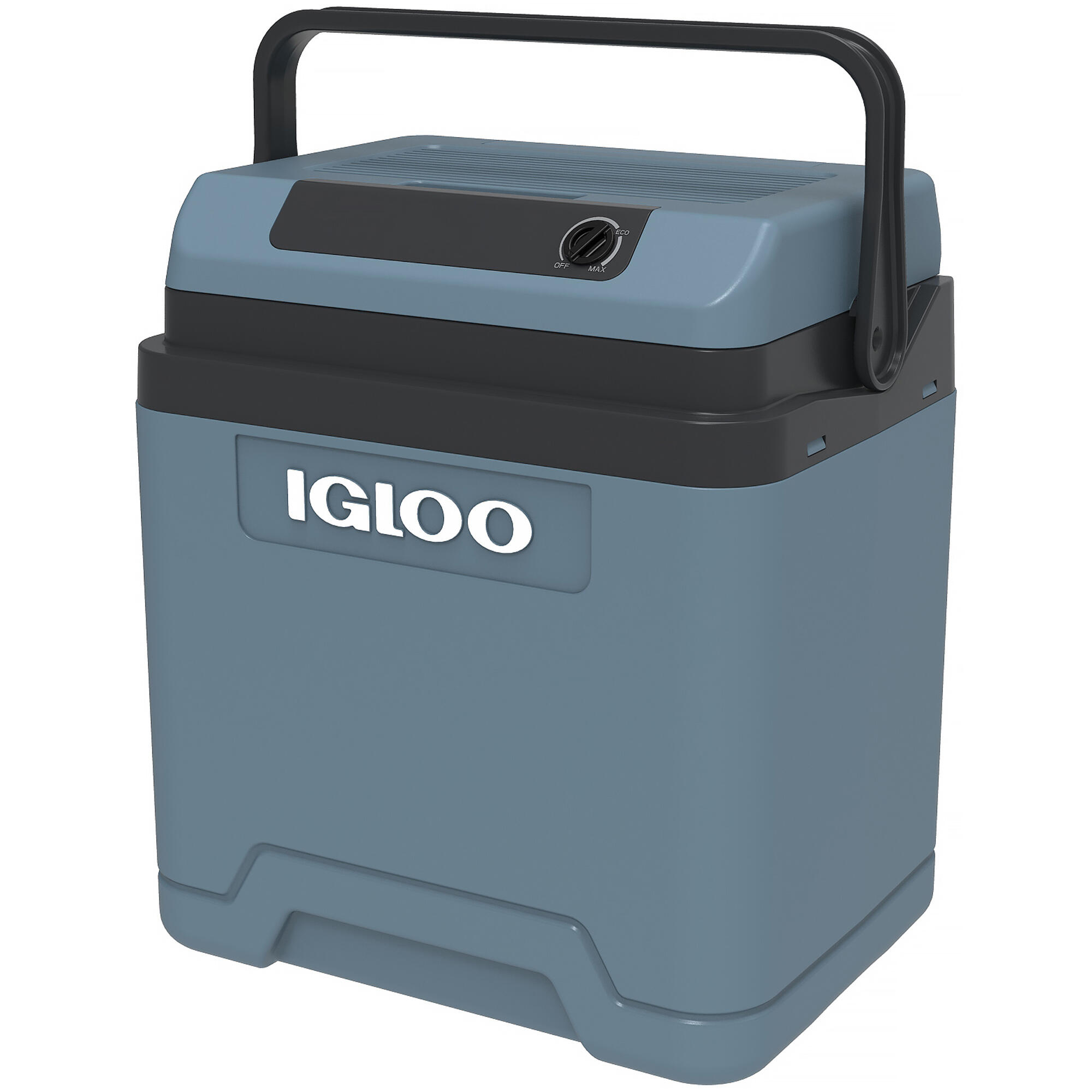
Marketplace -Online Only Marketplace -Online OnlyMarketplace -Online OnlyIGLOO IGLOO IE27 Thermoelectric Coolbox 12V DCCurrent price {{currentPrice}} €456.46Sold and shipped by Solution 4YOU
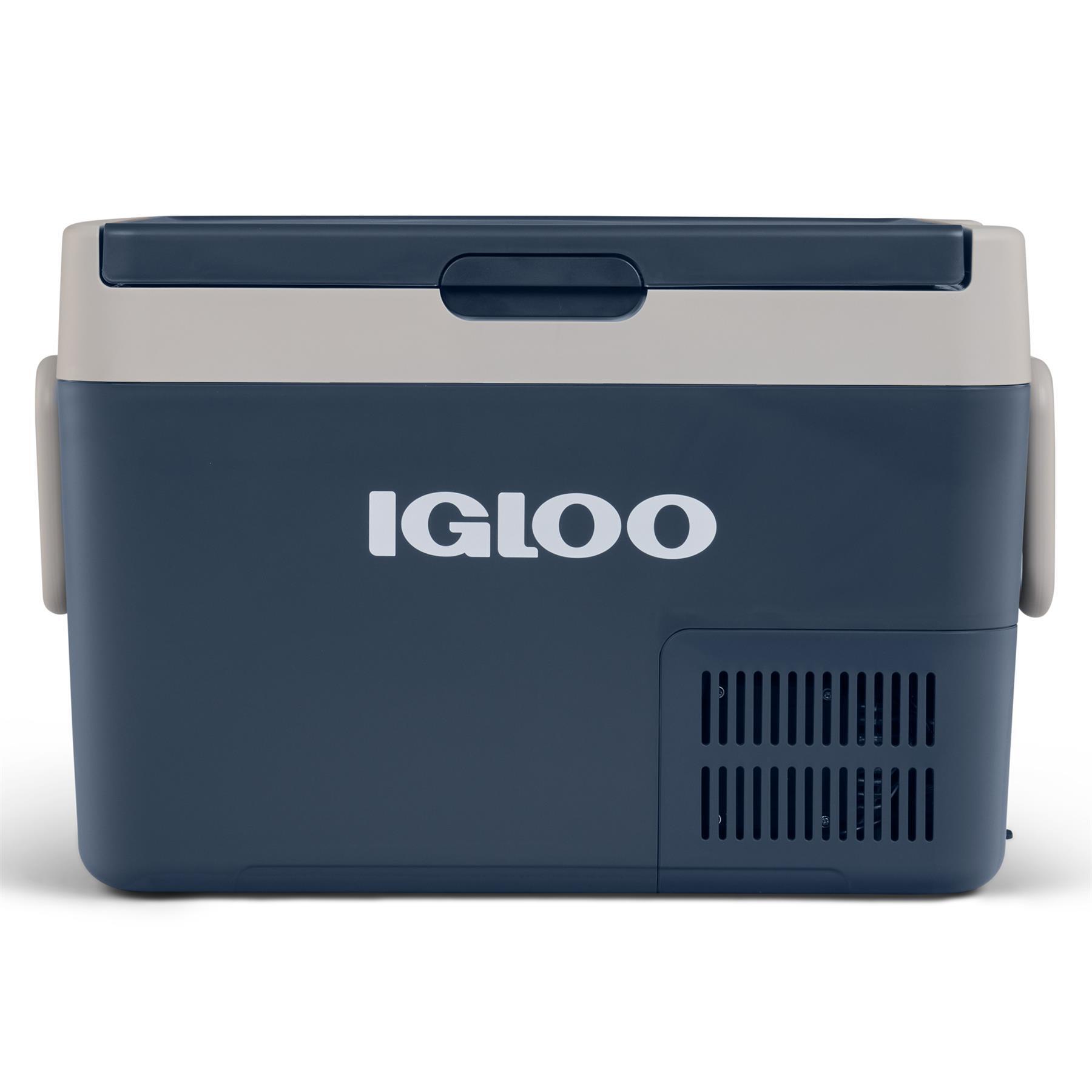
Marketplace -Online Only Marketplace -Online OnlyMarketplace -Online OnlyIGLOO Igloo Coolers - ICF32 Electric 32L Compressor Portable Cooler5(1)Reviews.votesAriaCurrent price {{currentPrice}} €620.99Sold and shipped by Sportano EU
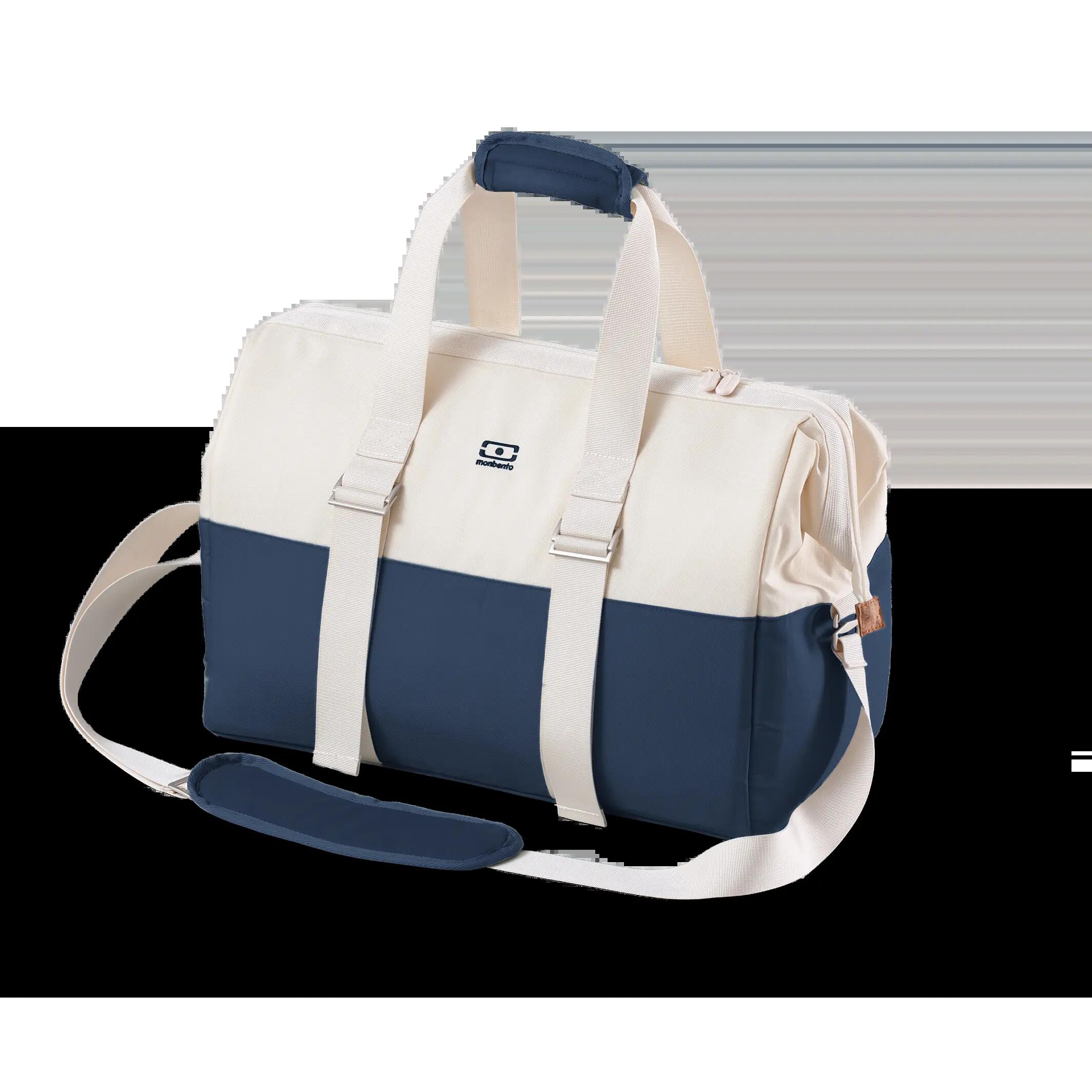
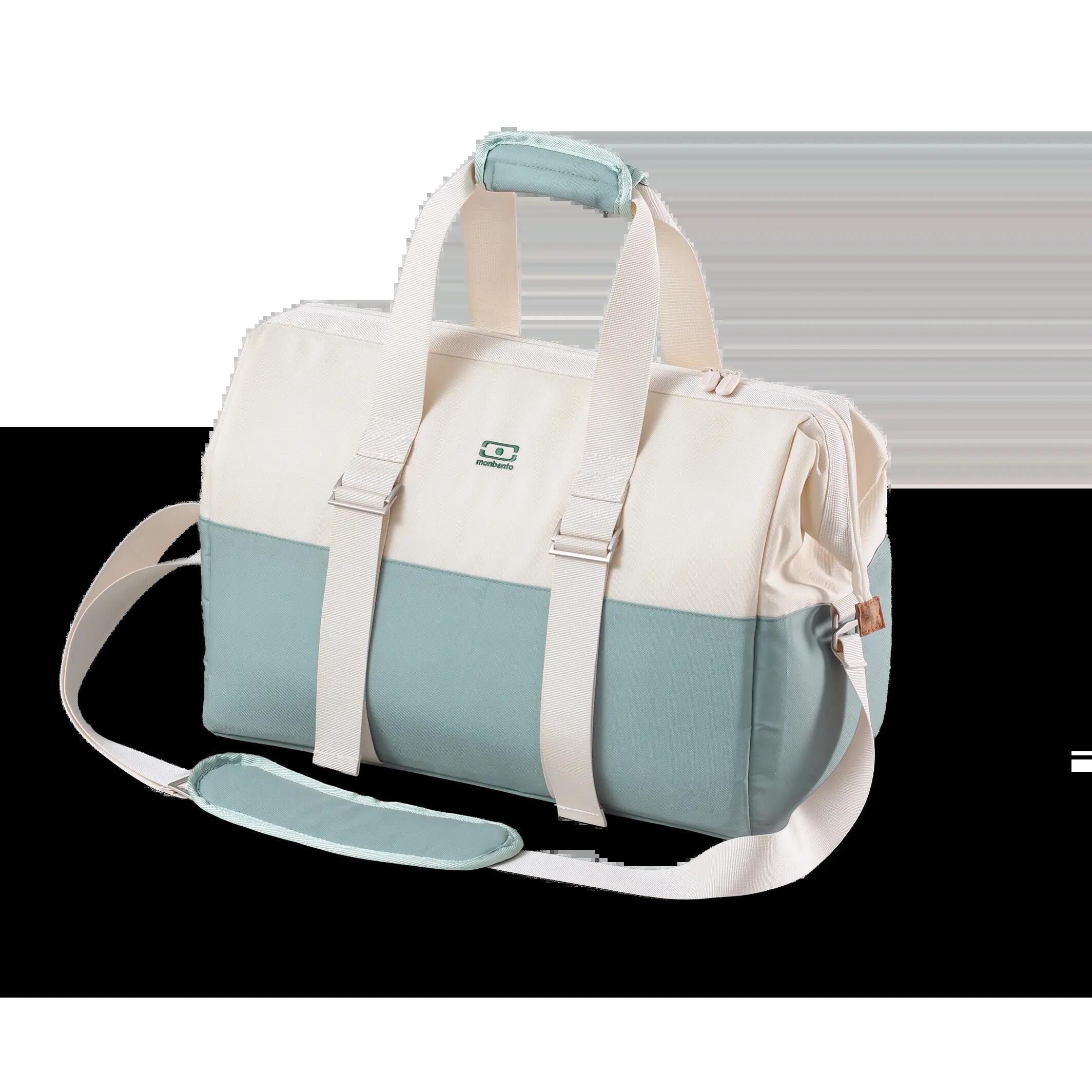
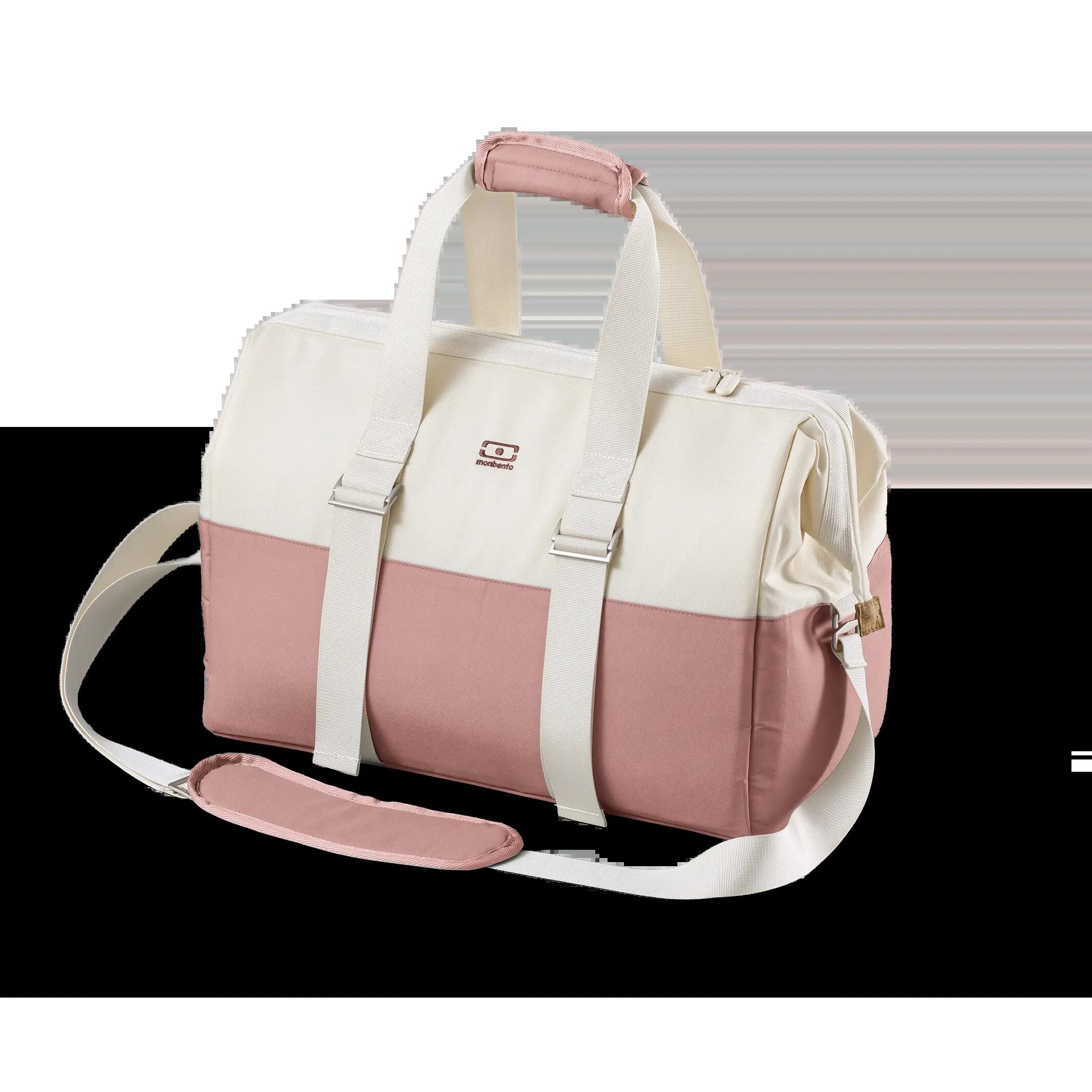
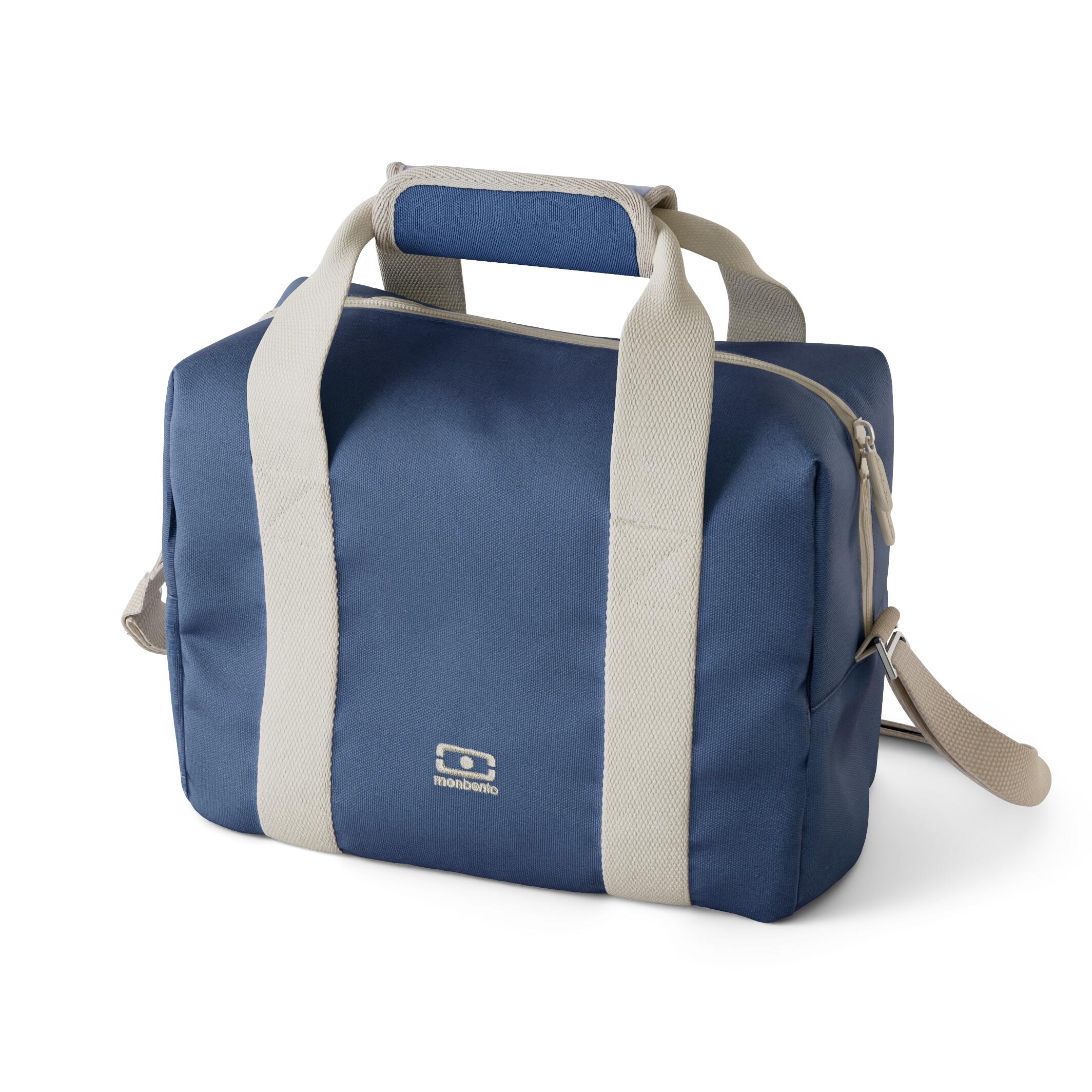
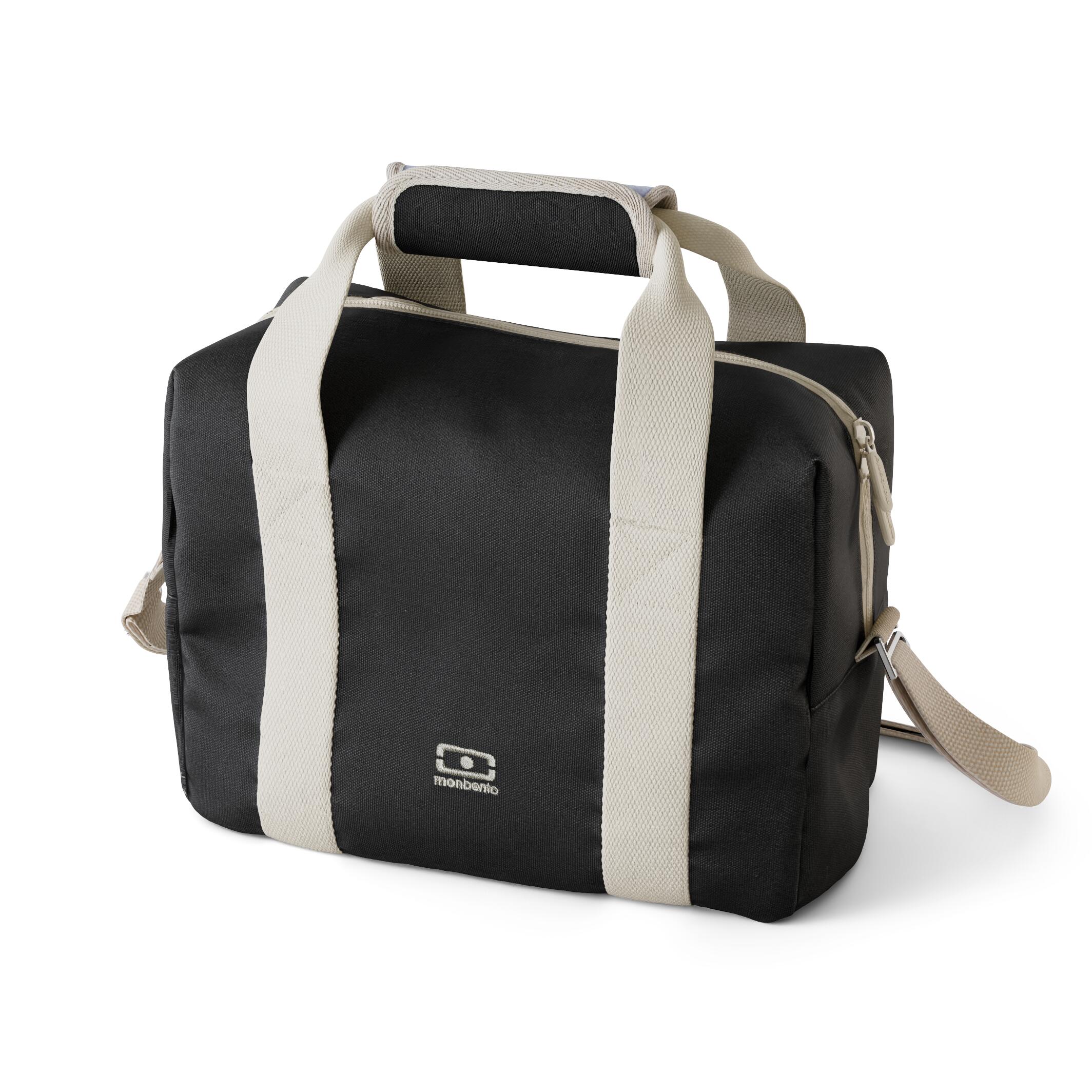
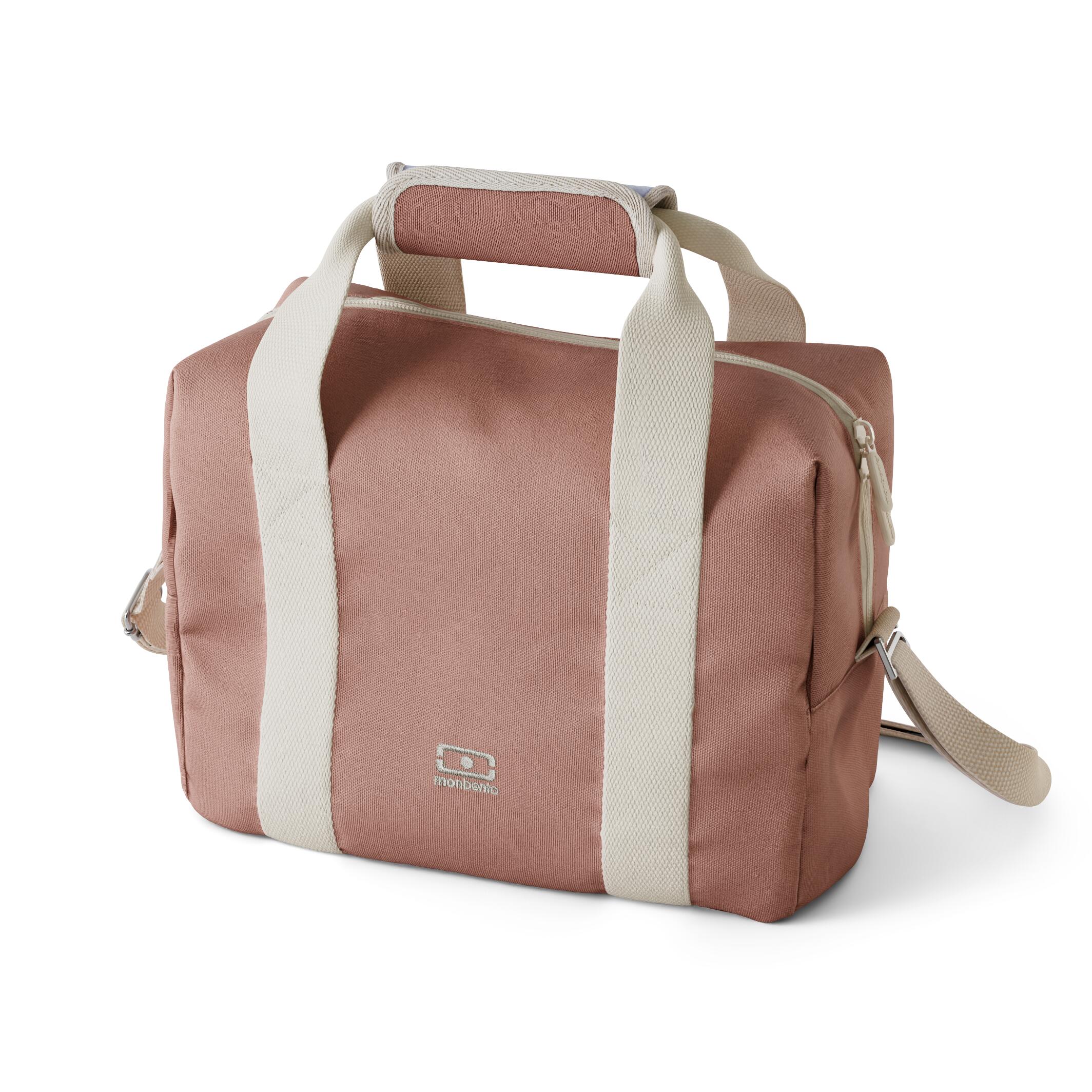
Marketplace -Online Only Marketplace -Online Only3 coloursMarketplace -Online OnlyMONBENTO XXL koeltas 25L|Volwassenen|Kantoor, picknick|Verstelbare handgreep|Escape3 coloursCurrent price {{currentPrice}} €59.90Sold and shipped by MONBENTO
Marketplace -Online Only Marketplace -Online Only3 coloursMarketplace -Online OnlyMONBENTO XXL koeltas 25L|Volwassenen|Kantoor, picknick|Verstelbare handgreep|Escape3 coloursCurrent price {{currentPrice}} €59.90Sold and shipped by MONBENTO
Marketplace -Online Only Marketplace -Online Only3 coloursMarketplace -Online OnlyMONBENTO XXL koeltas 25L|Volwassenen|Kantoor, picknick|Verstelbare handgreep|Escape3 coloursCurrent price {{currentPrice}} €59.90Sold and shipped by MONBENTO
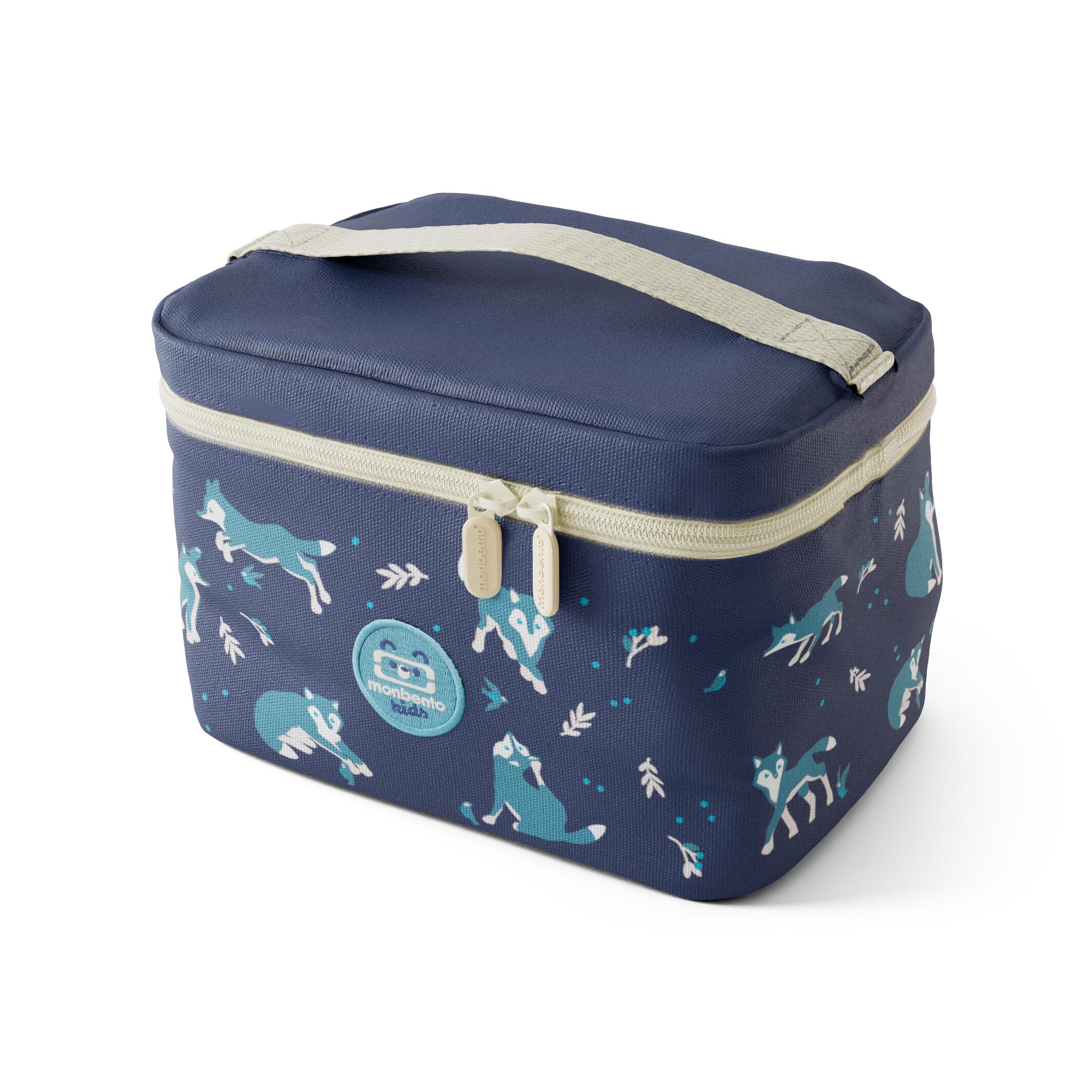
Marketplace -Online Only Marketplace -Online OnlyMarketplace -Online OnlyMONBENTO Insulated lunch bag 5L|Kids|School, picnic|FrostyCurrent price {{currentPrice}} €18.90Sold and shipped by MONBENTO
3 coloursQUECHUA Ice 10 L compact and isothermal backpack 1004.8(4,521)Reviews.votesAria3 coloursCurrent price {{currentPrice}} €15.00
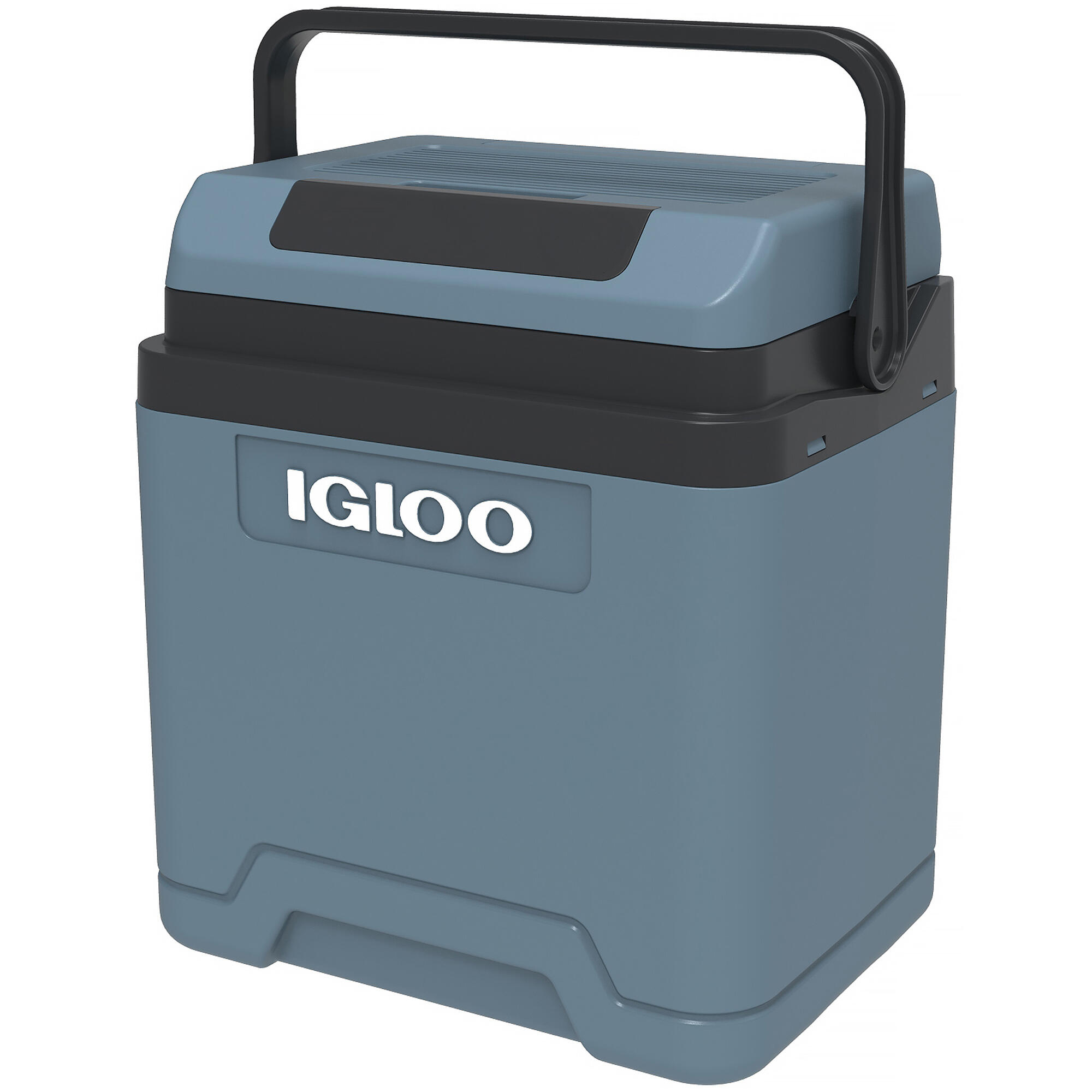
Marketplace -Online Only Marketplace -Online OnlyMarketplace -Online OnlyIGLOO 27l Ac/dc Thermoelectric Cooler5(1)Reviews.votesAriaCurrent price {{currentPrice}} €103.80Sold and shipped by Sports Lab IE
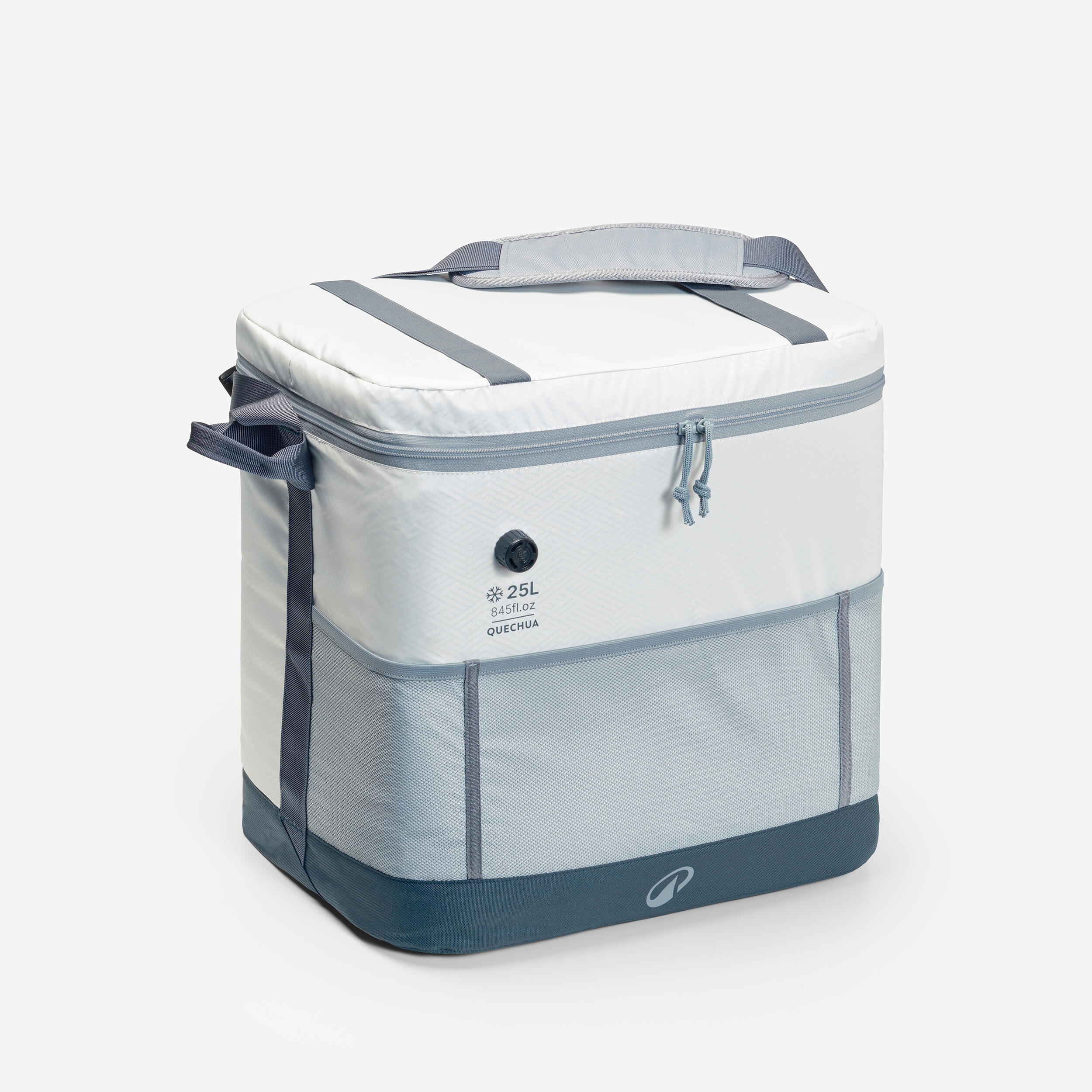
QUECHUA 25-litre Fresh Cooler box 500 for camping - keeps cool for 15 hours4.8(1,094)Reviews.votesAriaCurrent price {{currentPrice}} €46.00
Marketplace -Online Only Marketplace -Online Only3 coloursMarketplace -Online OnlyMONBENTO Large insulated bag 12L|Adult|Office, picnic|Adjustable strap|Elegant3 coloursCurrent price {{currentPrice}} €29.90Sold and shipped by MONBENTO
Marketplace -Online Only Marketplace -Online Only3 coloursMarketplace -Online OnlyMONBENTO Large insulated bag 12L|Adult|Office, picnic|Adjustable strap|Elegant3 coloursCurrent price {{currentPrice}} €29.90Sold and shipped by MONBENTO
Marketplace -Online Only Marketplace -Online Only3 coloursMarketplace -Online OnlyMONBENTO Large insulated bag 12L|Adult|Office, picnic|Adjustable strap|Elegant3 coloursCurrent price {{currentPrice}} €29.90Sold and shipped by MONBENTO
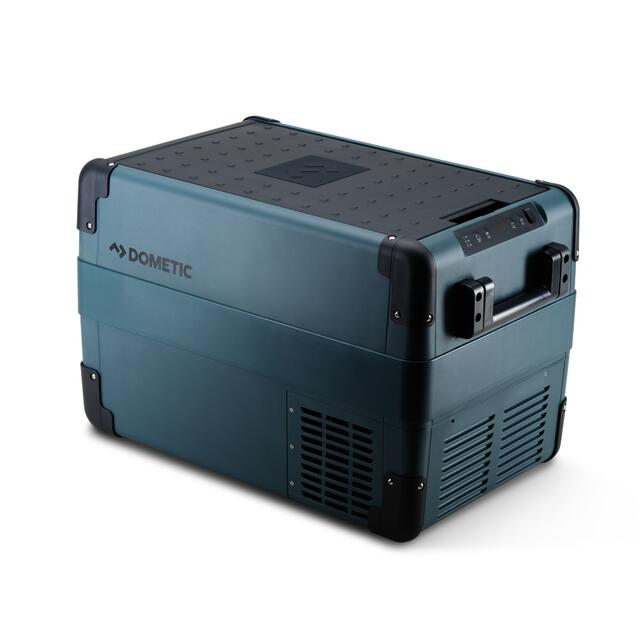
Marketplace -Online Only Marketplace -Online OnlyMarketplace -Online OnlyDOMETIC Dometic CFX 2FromCurrent price {{currentPrice}} €631.01€631.01/unitSold and shipped by Sport & Go EU
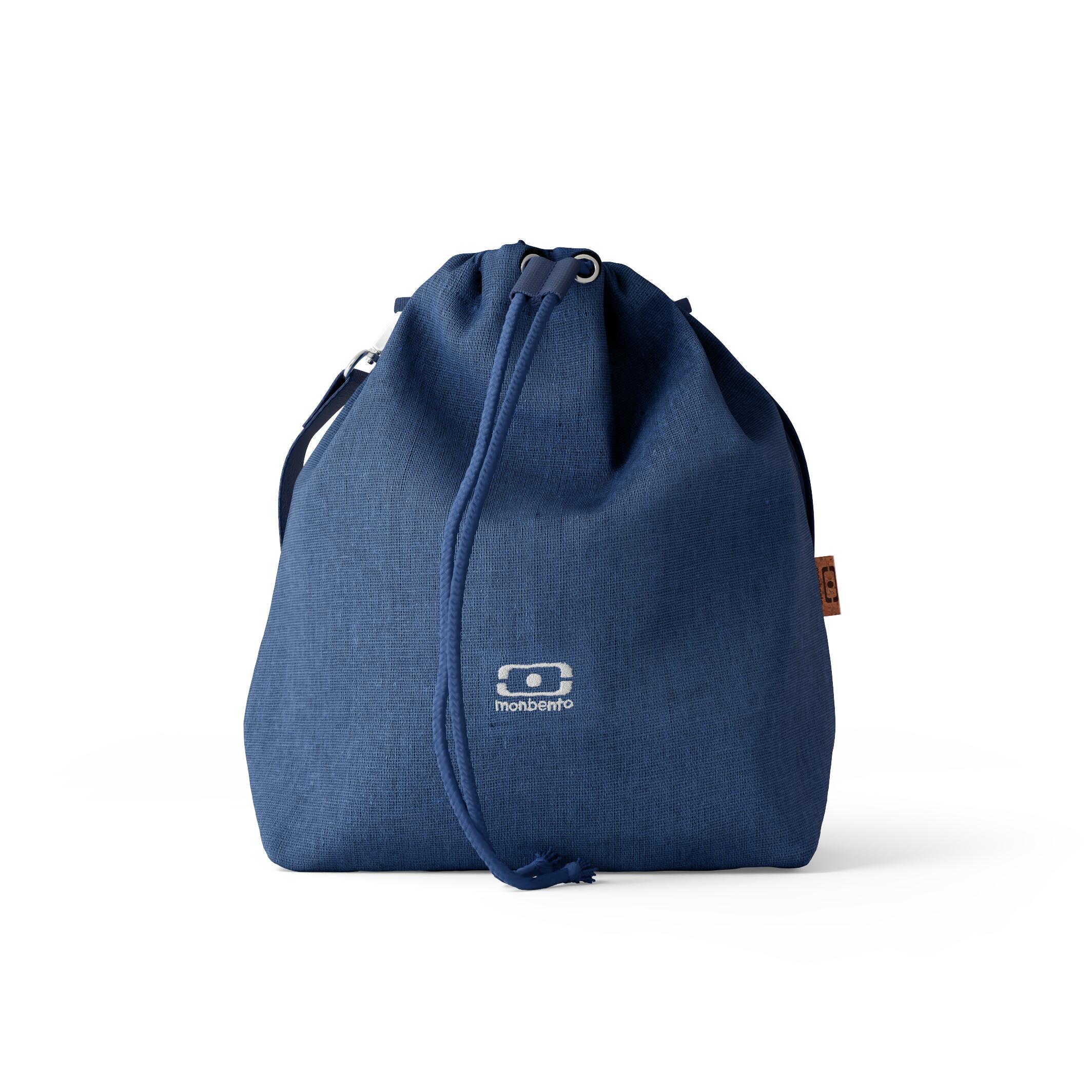
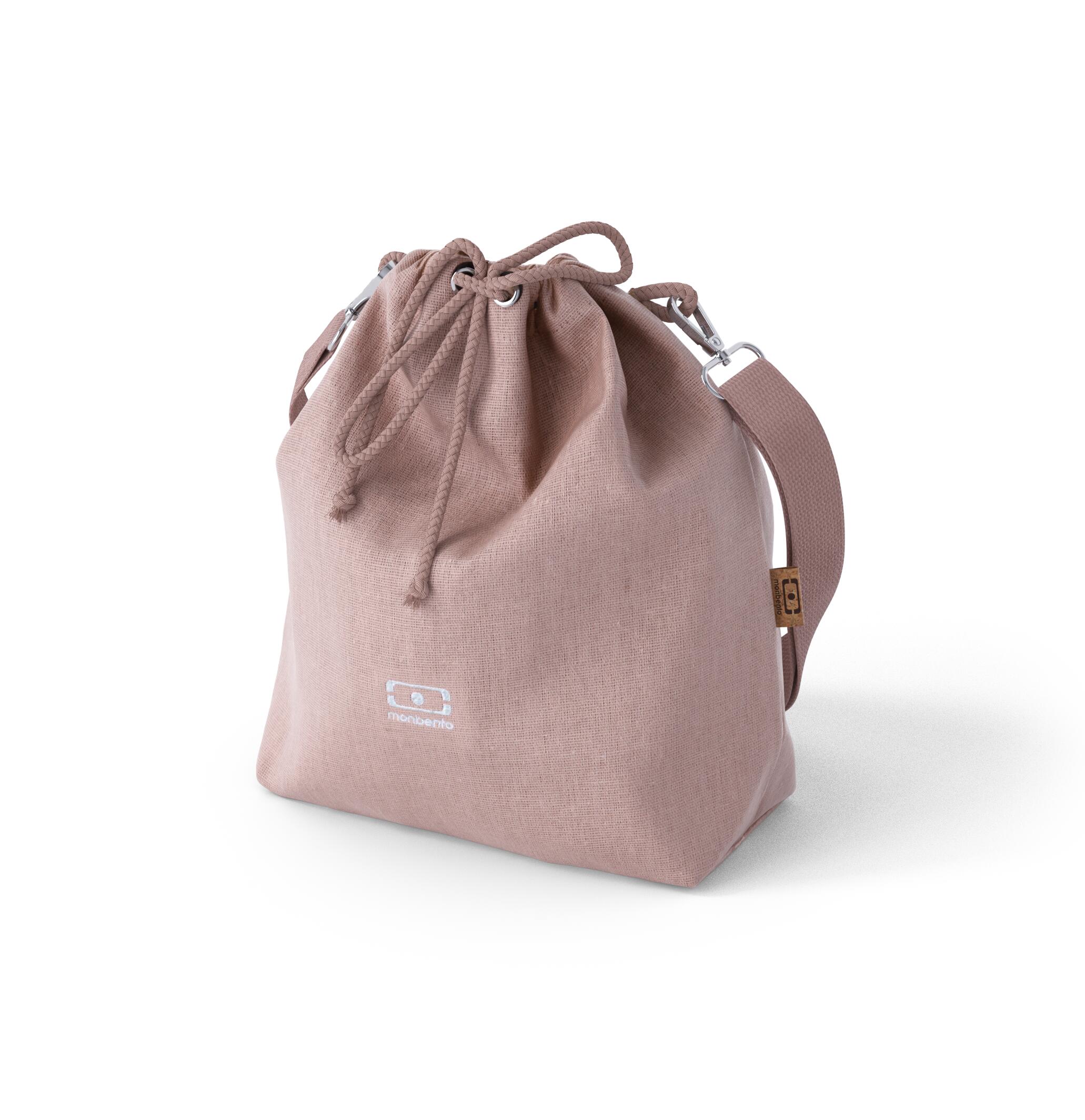
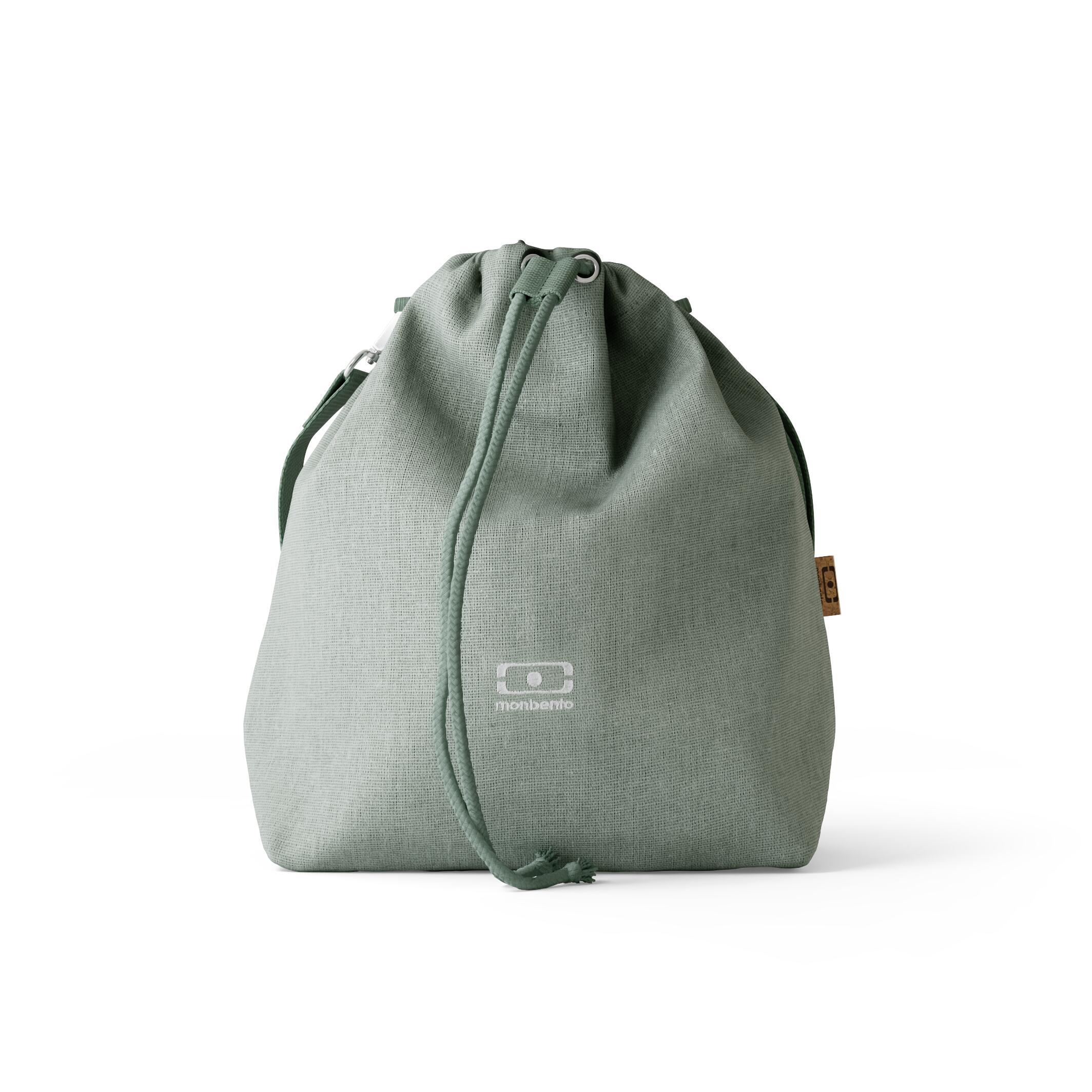
Marketplace -Online Only Marketplace -Online Only3 coloursMarketplace -Online OnlyMONBENTO Insulated lunch bag 5.7L|Office, picnic|Adjustable strap|Fresh3 coloursCurrent price {{currentPrice}} €22.90Sold and shipped by MONBENTO
Marketplace -Online Only Marketplace -Online Only3 coloursMarketplace -Online OnlyMONBENTO Insulated lunch bag 5.7L|Office, picnic|Adjustable strap|Fresh3 coloursCurrent price {{currentPrice}} €21.90Sold and shipped by MONBENTO
Marketplace -Online Only Marketplace -Online Only3 coloursMarketplace -Online OnlyMONBENTO Insulated lunch bag 5.7L|Office, picnic|Adjustable strap|Fresh3 coloursCurrent price {{currentPrice}} €22.90Sold and shipped by MONBENTO