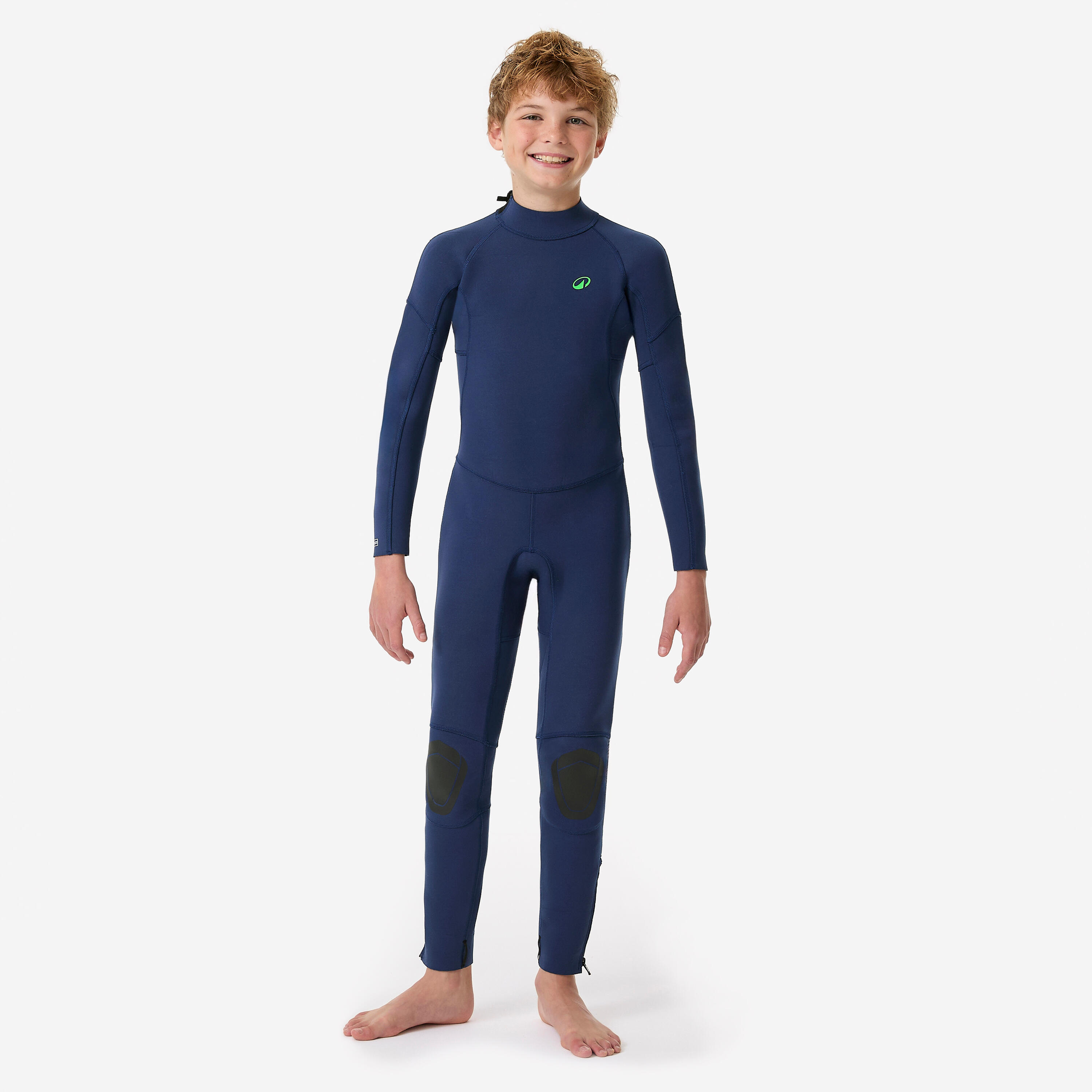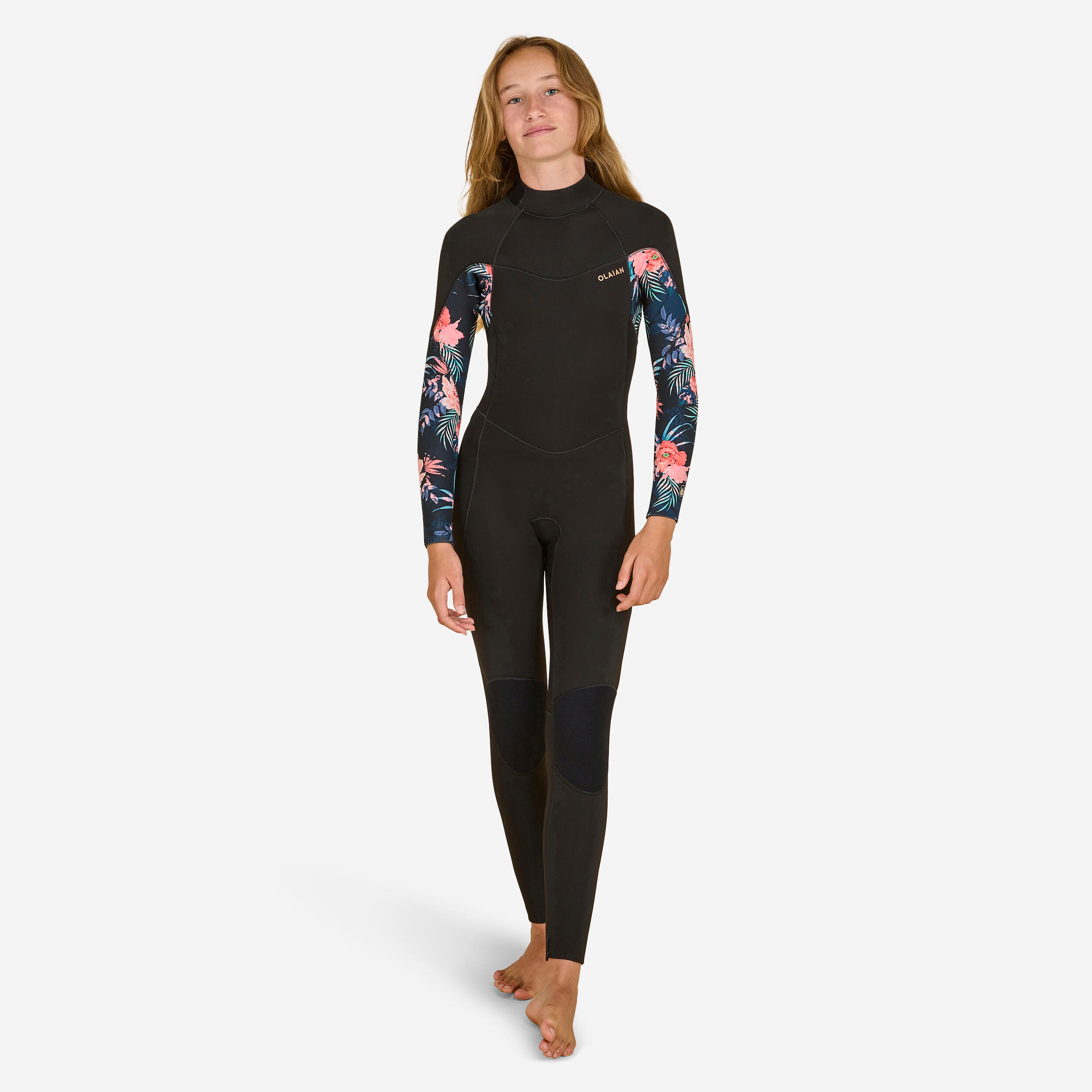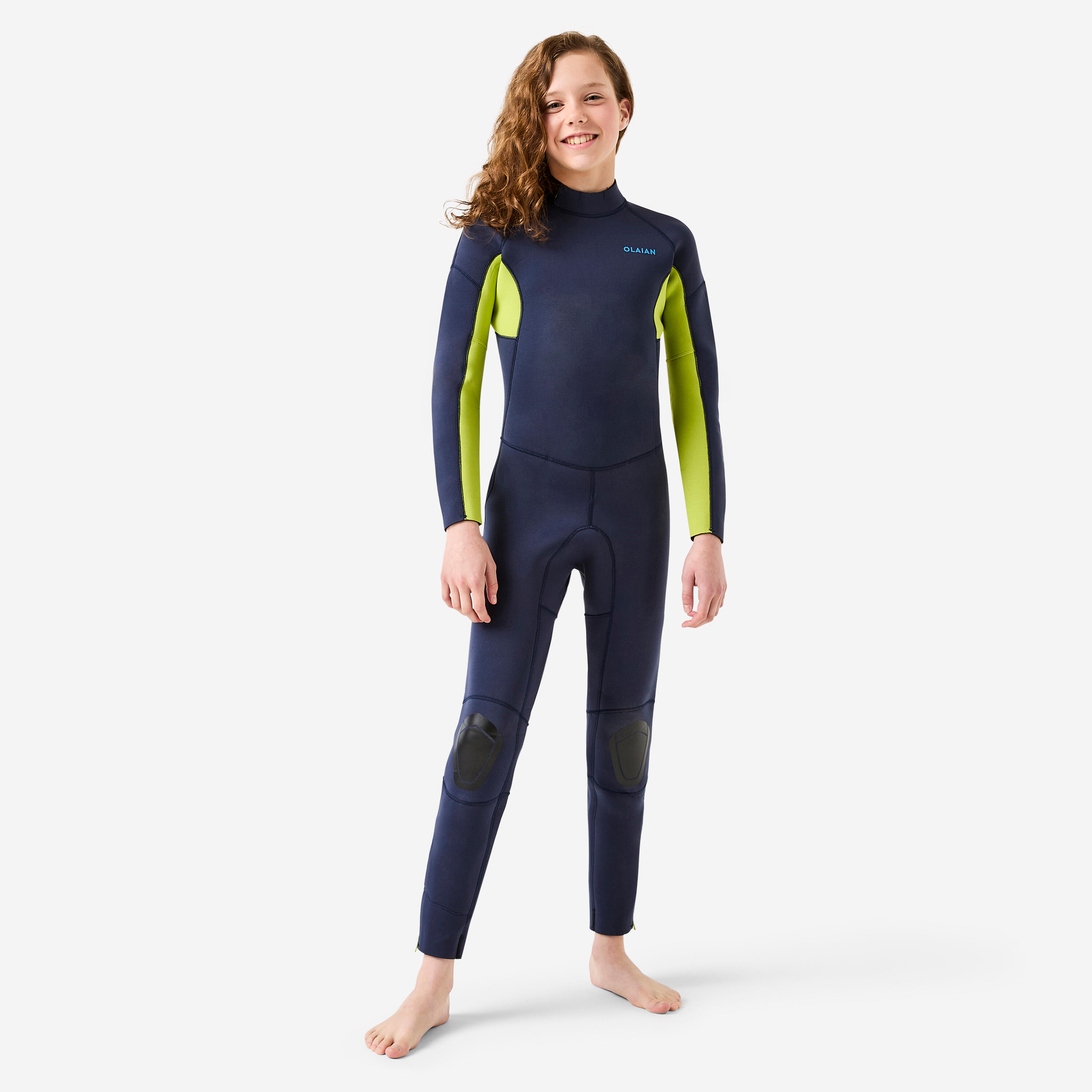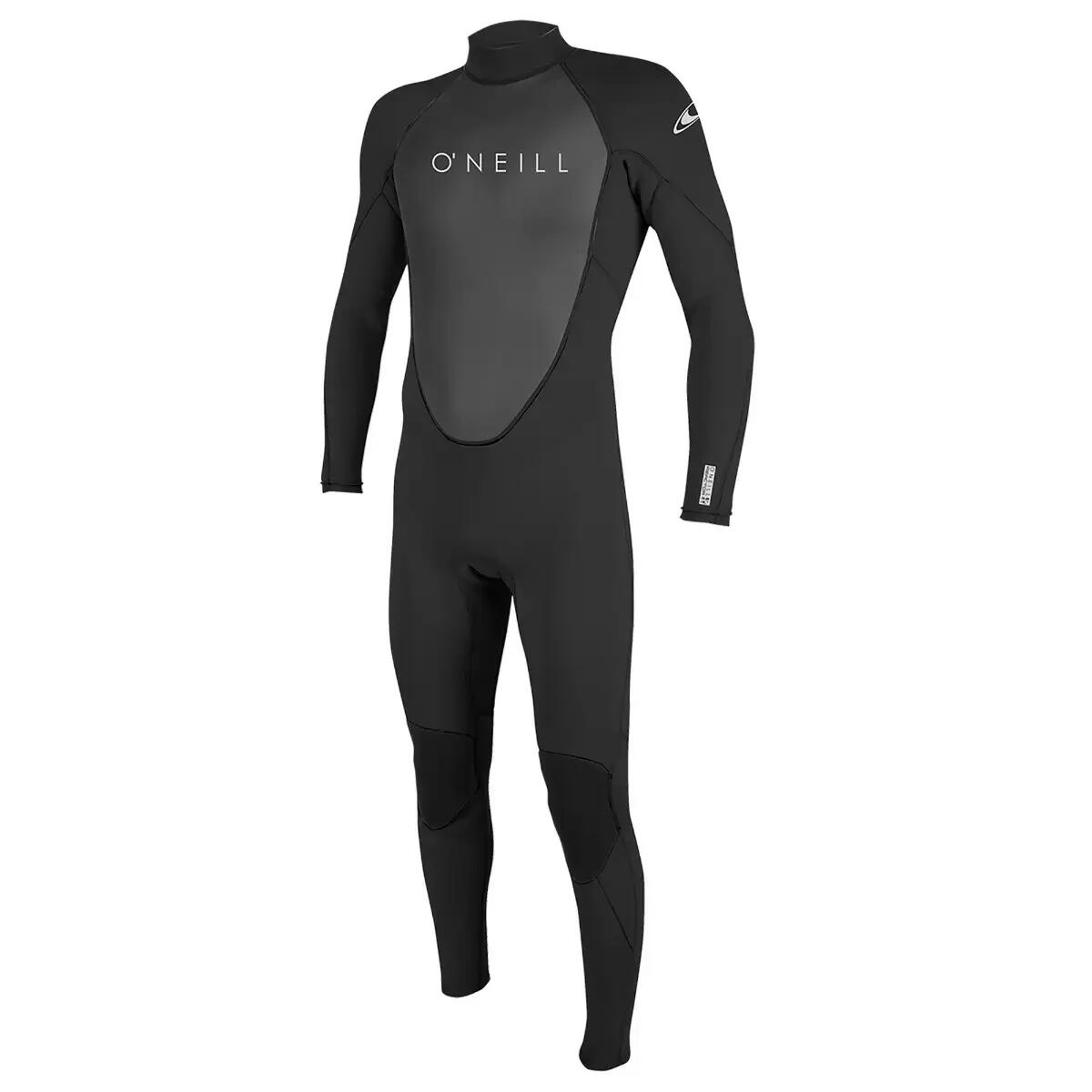
36 items
4.6/5 based on 268 reviews collected online and in stores

Kids Surfing Wetsuits FAQs

What neoprene thickness suits young surfers in cold water?

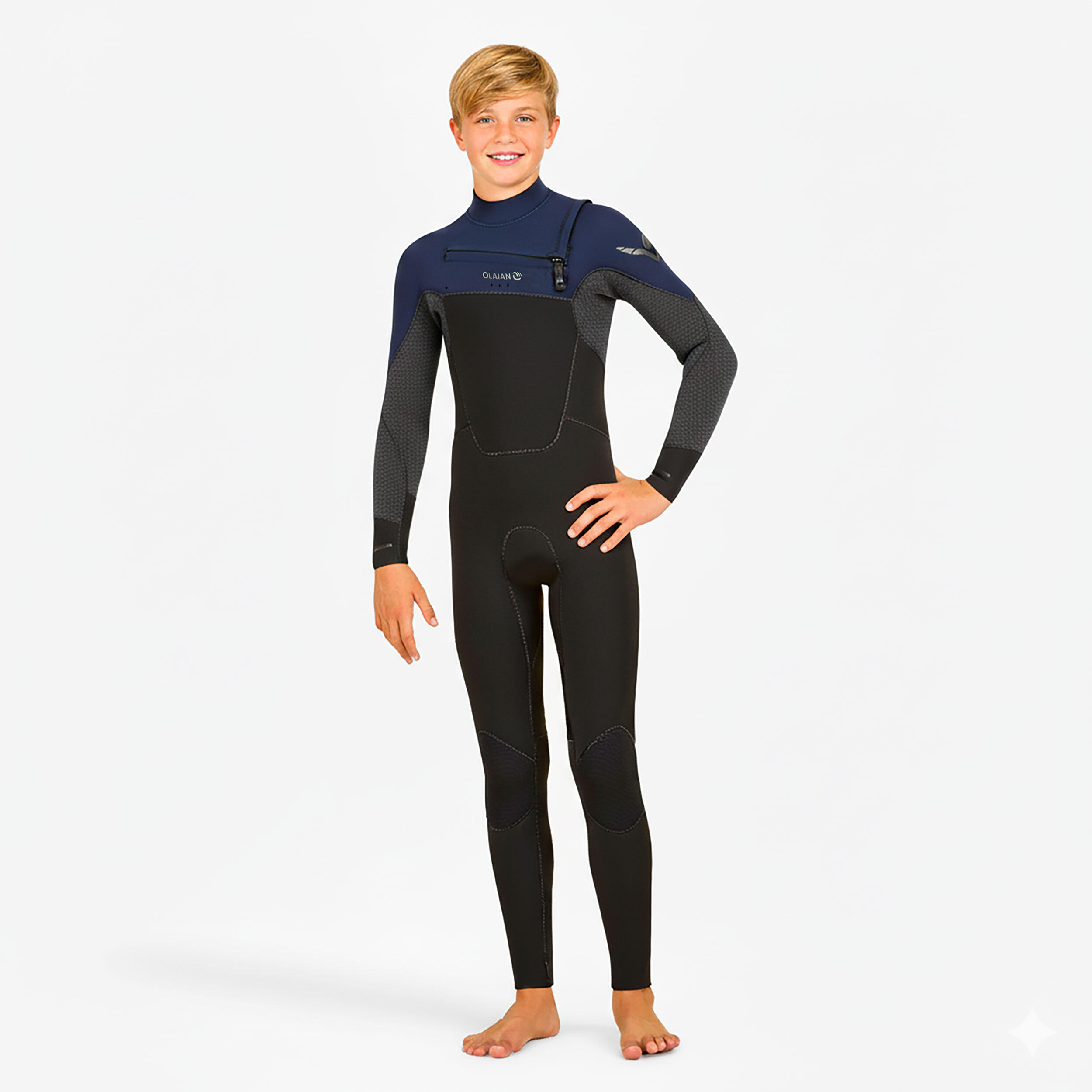
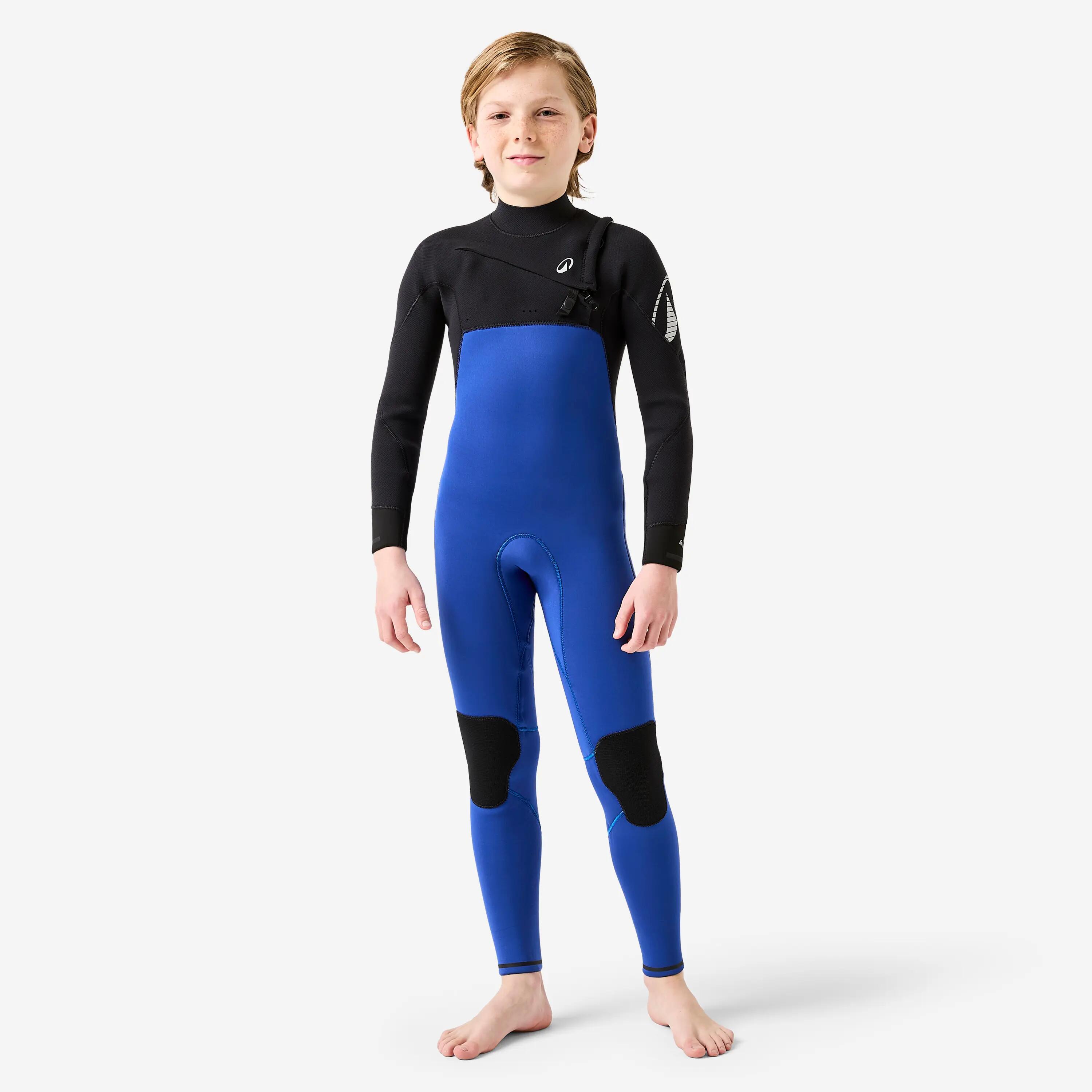
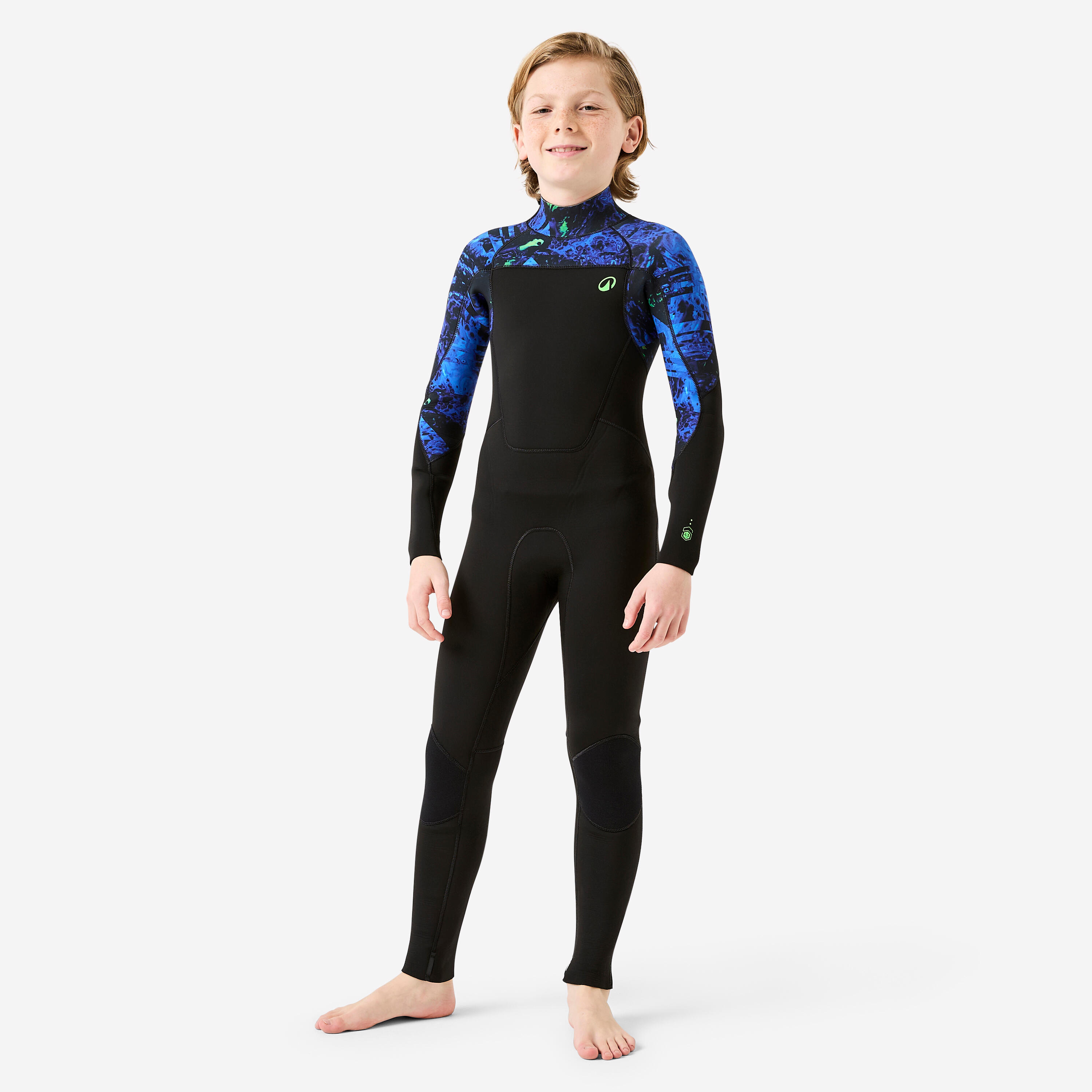
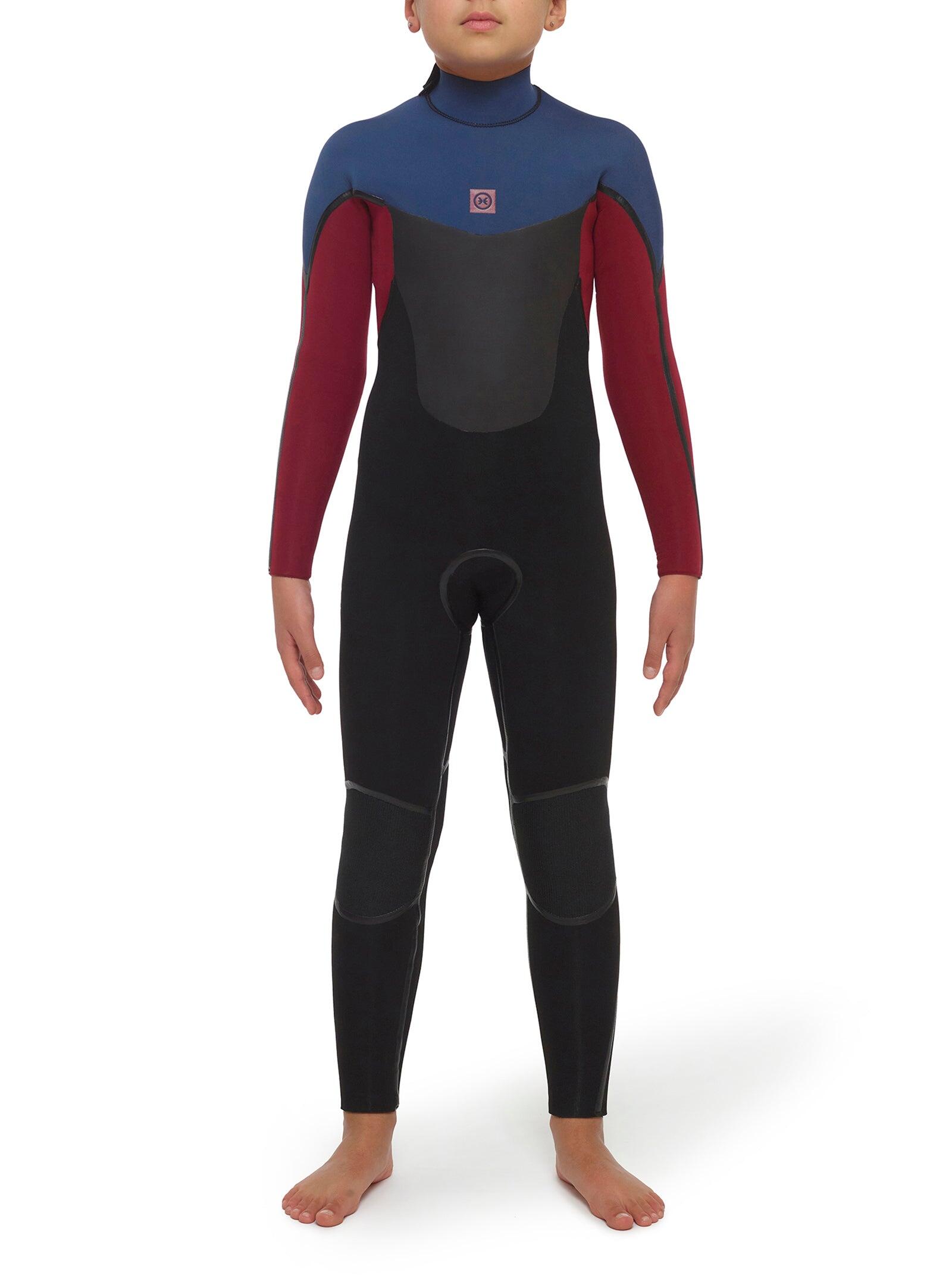
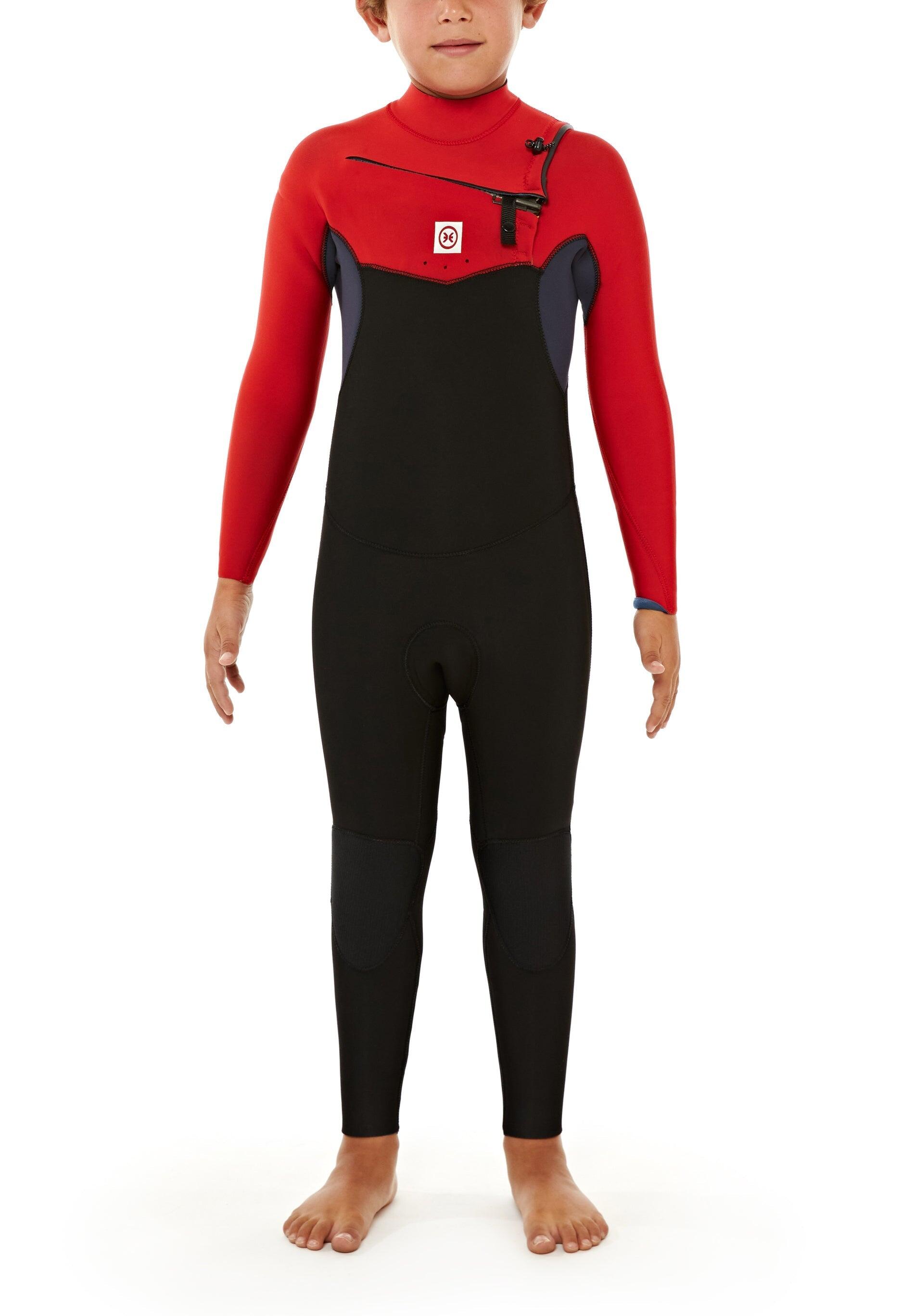
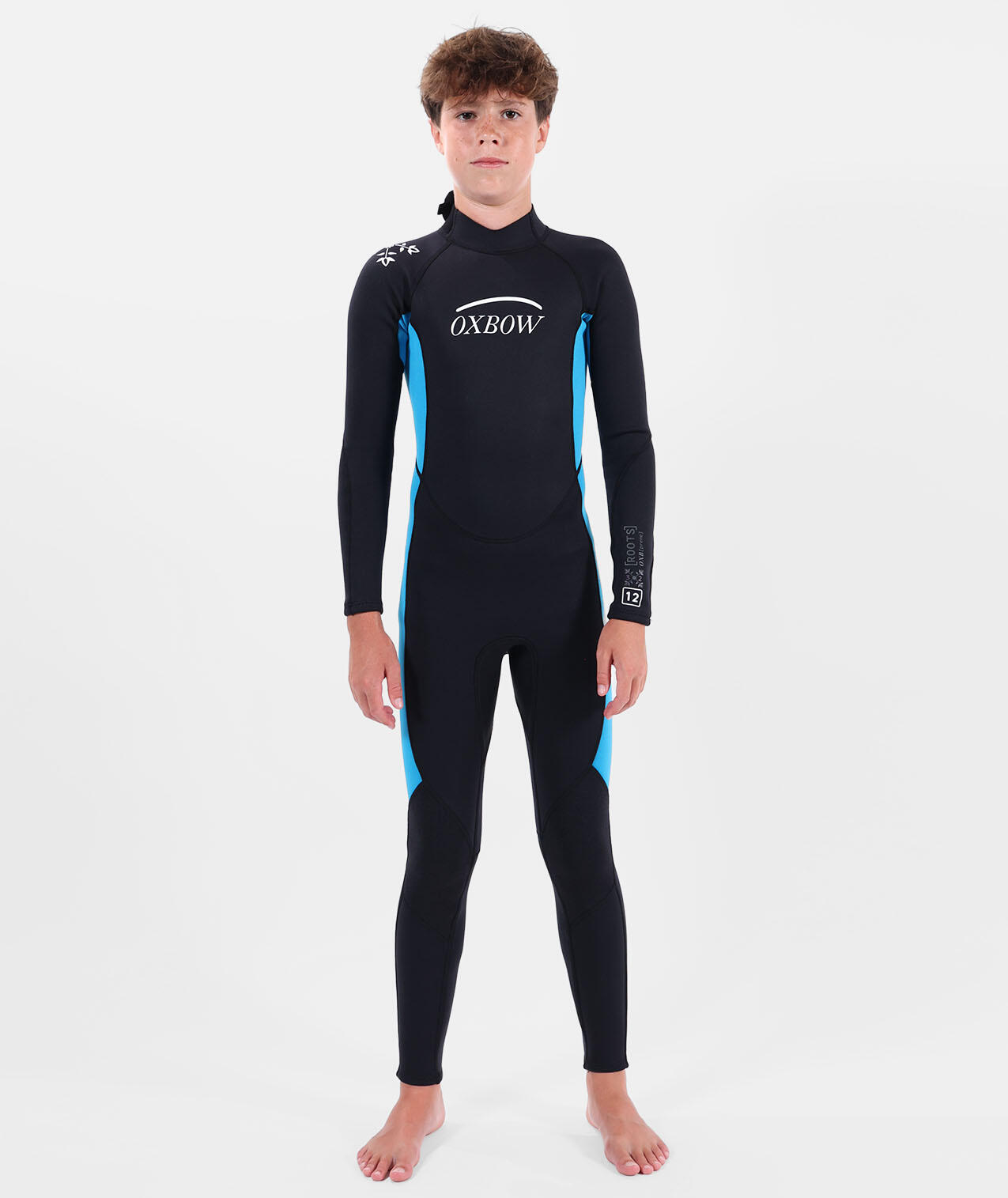
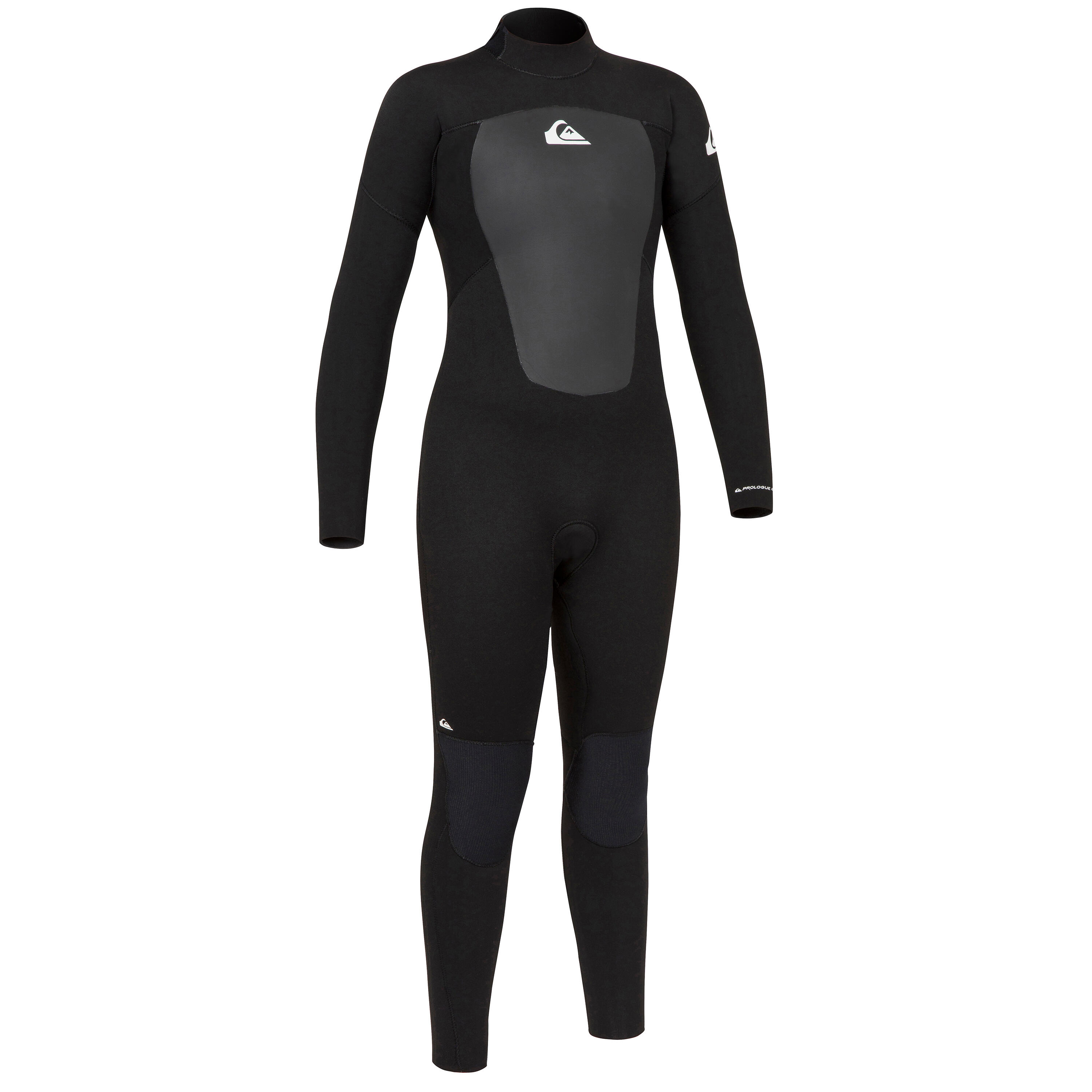
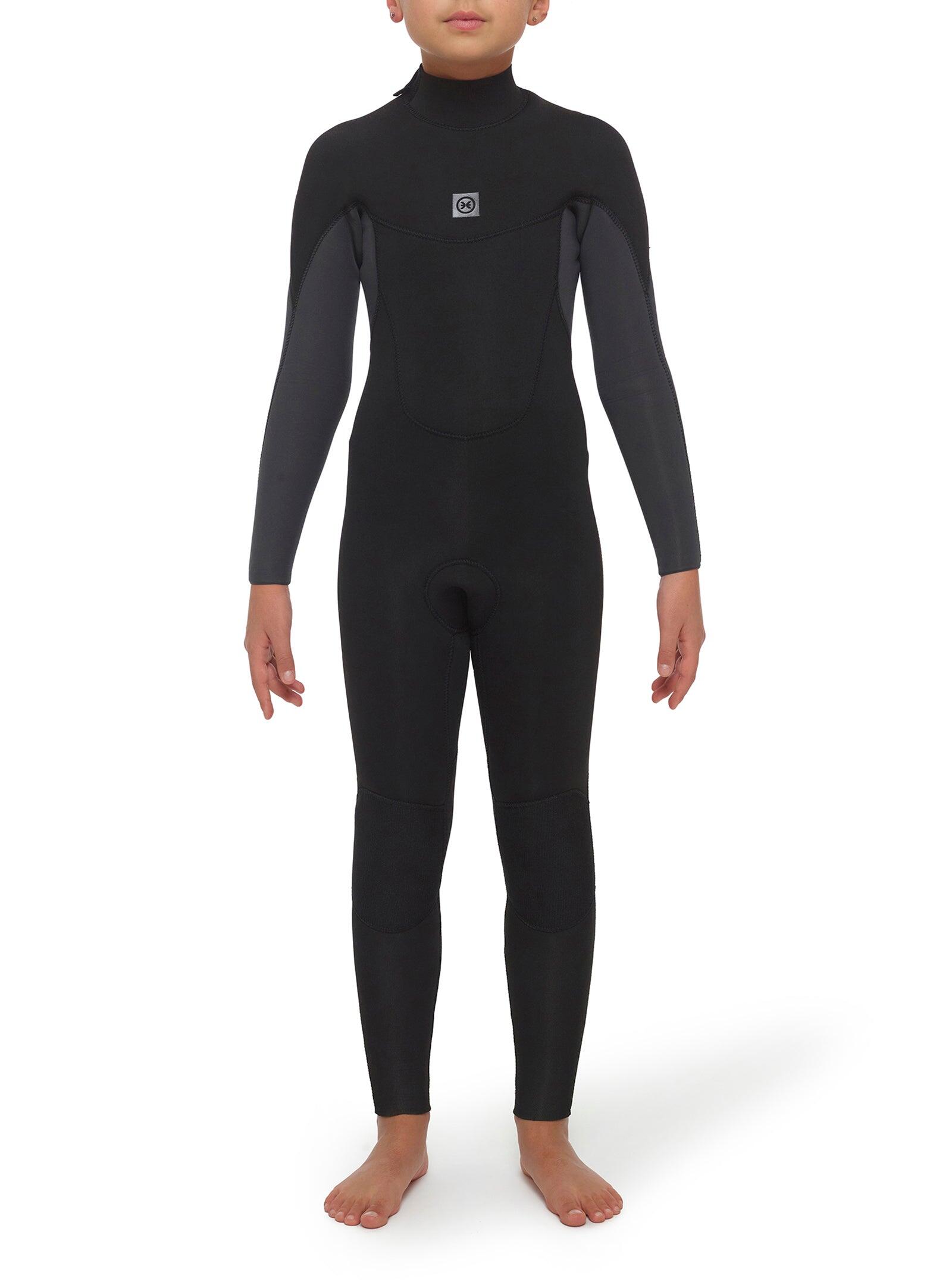
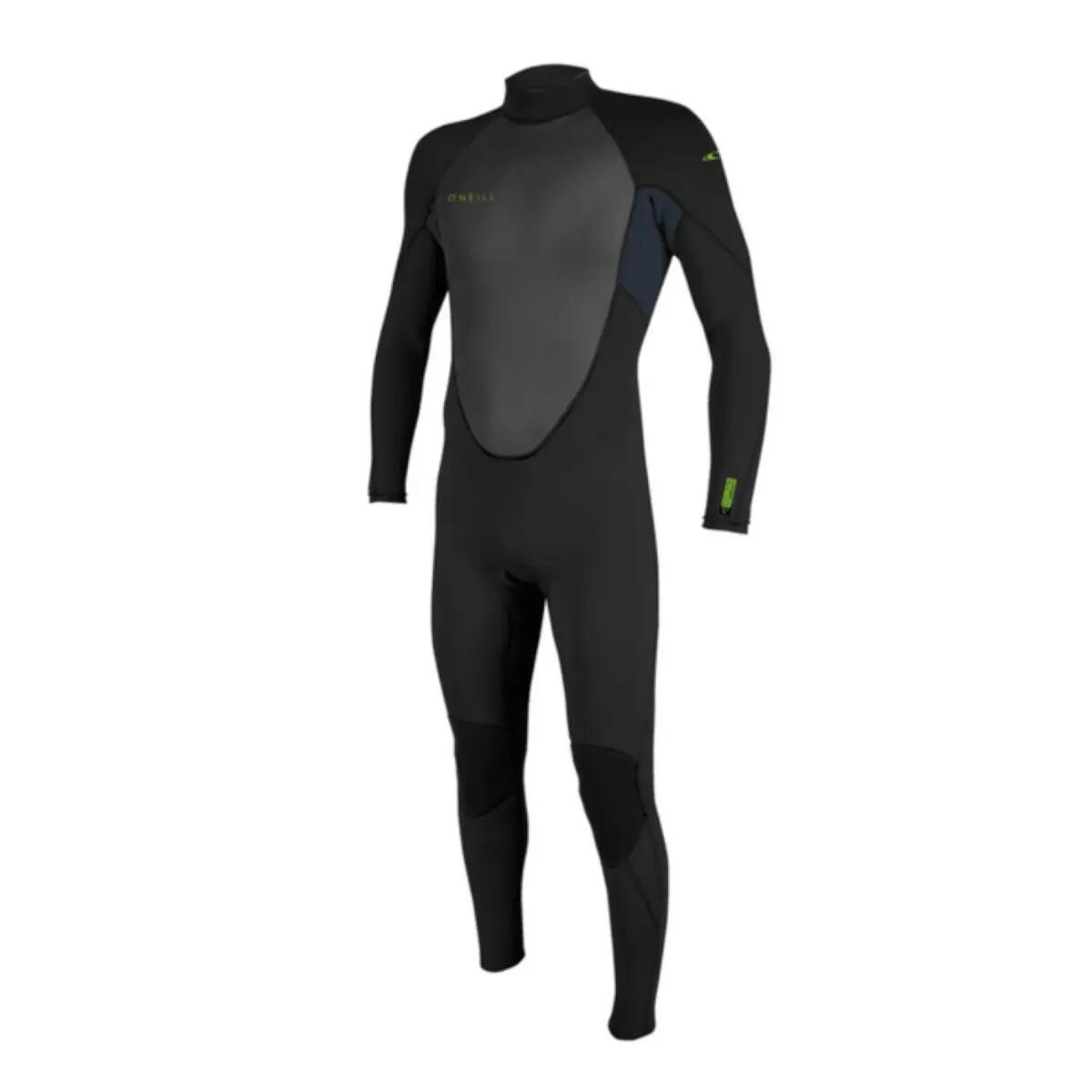
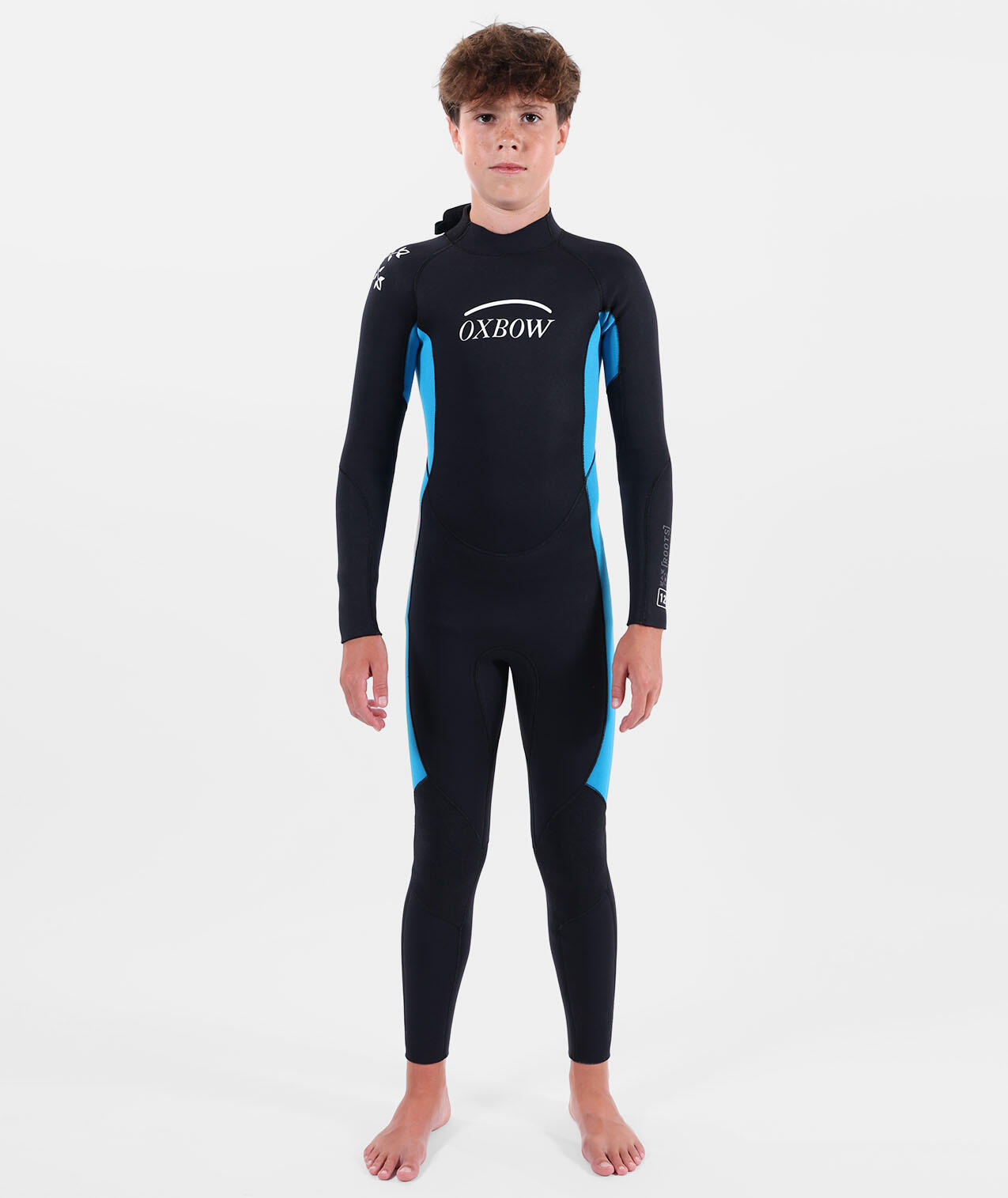
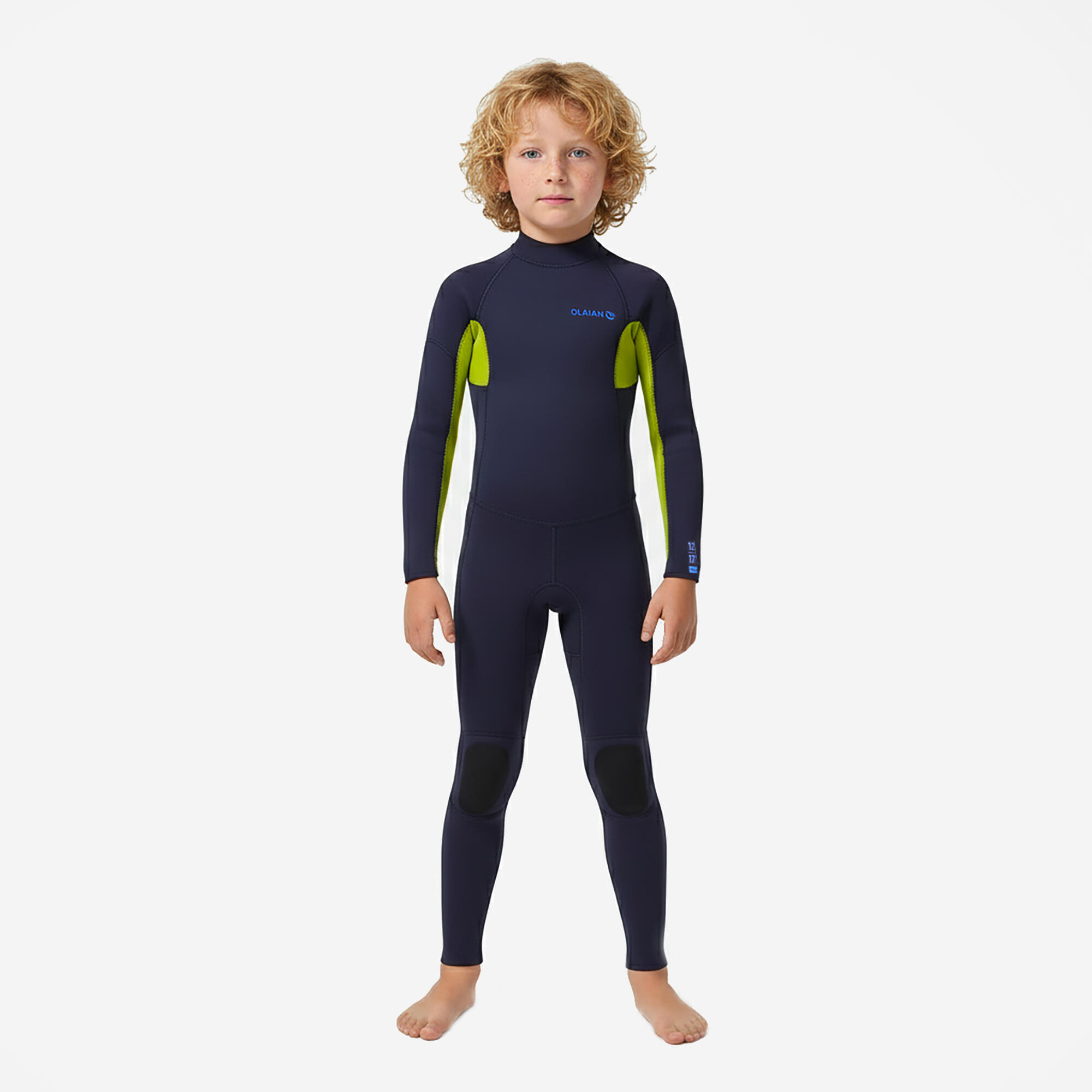
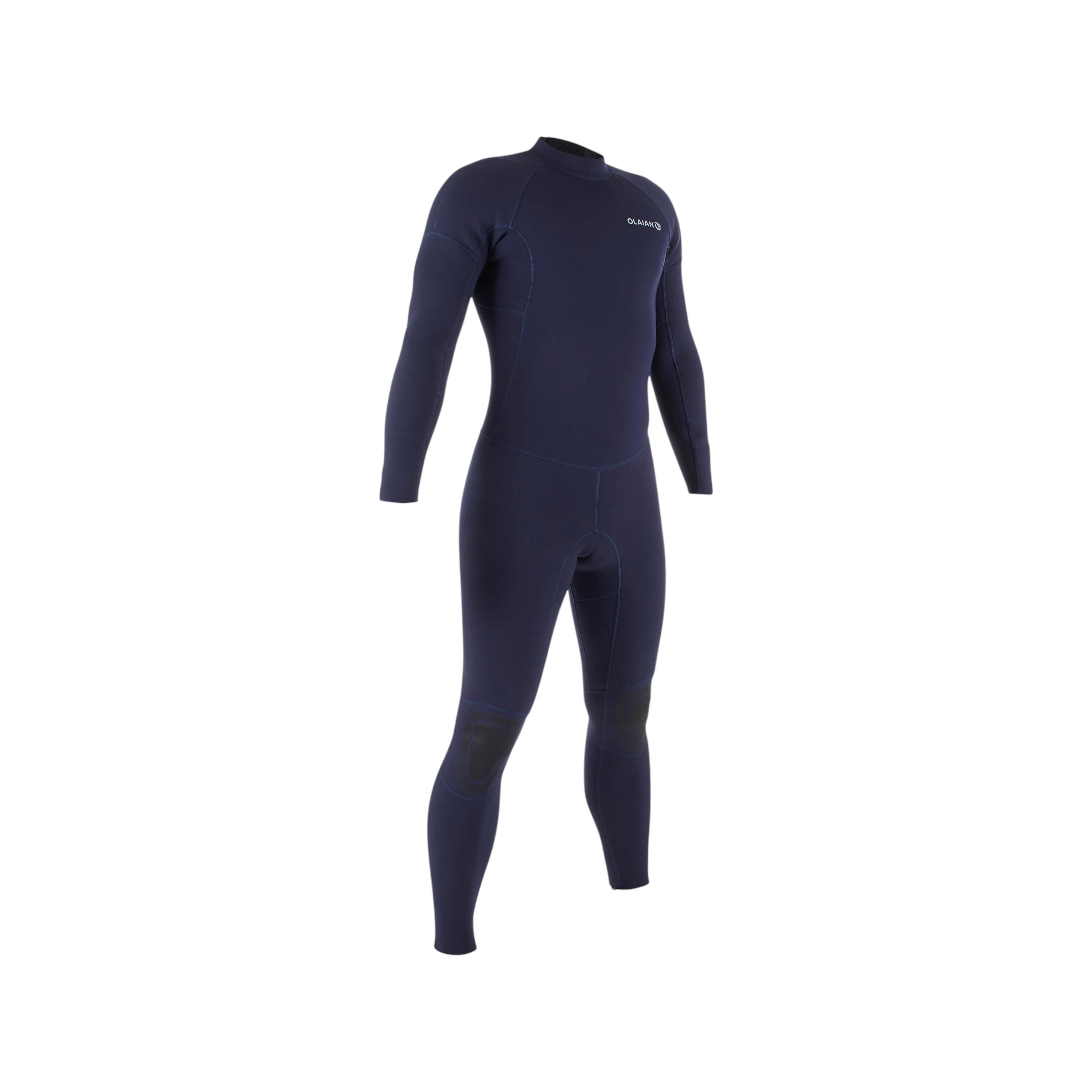
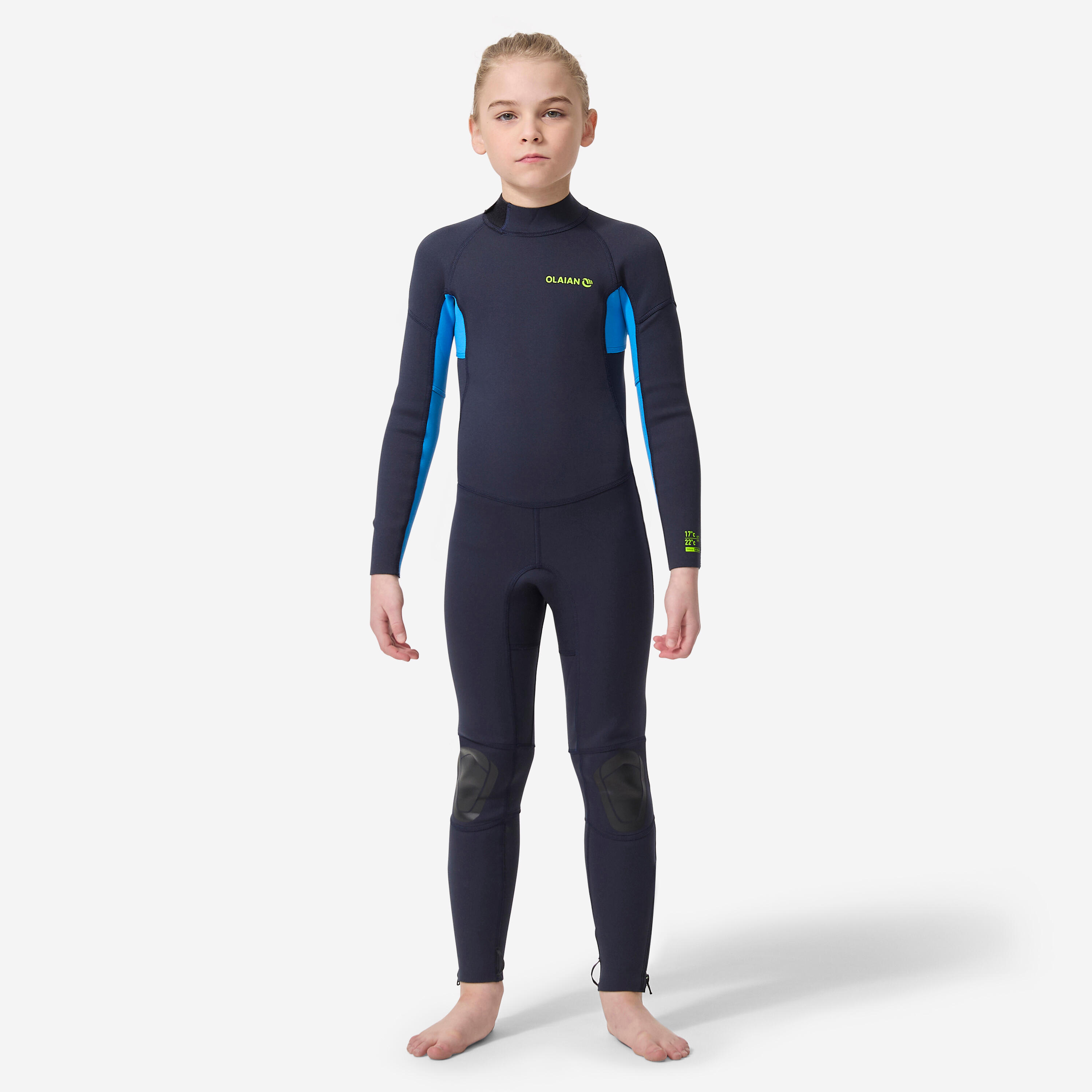
Children lose body heat significantly faster than adults during water sessions, which makes neoprene thickness a more critical specification for junior surfers than it is for their parents. Cold water temperatures can drop between 8 and 12 degrees through winter and early spring, conditions that call for a 4/3 mm full steamer to maintain core temperature across a typical hour-long surf lesson. A 3 mm to 2 mm suit covers the shoulder months from late spring through early autumn, when surface temperatures sit between 14 and 12 degrees. The panel distribution matters as much as the overall rating; a quality kids' steamer places the thicker neoprene across the chest and lower back where heat loss is greatest, while using thinner, more flexible panels across the shoulders to allow the arm rotation needed for paddling. An ill-fitting suit that has gaps at the neck or wrists flushes cold water continuously through the suit, making even a technically adequate thickness feel inadequate within minutes. Size should be matched to a combination of height and chest measurement rather than age alone, as children of the same age vary considerably in torso length. For parents also gearing up to surf alongside younger family members, the equivalent full-suit collection for adults is mentioned under men's surfing wetsuits section. Practical advice: a suit that feels snug in the changing room is correct, neoprene stretches with body heat in the water, and a suit that fits loosely on land will be uncomfortably loose in the sea.

What cut of kids' wetsuit suits, beach-break surfing versus rock pool exploration?

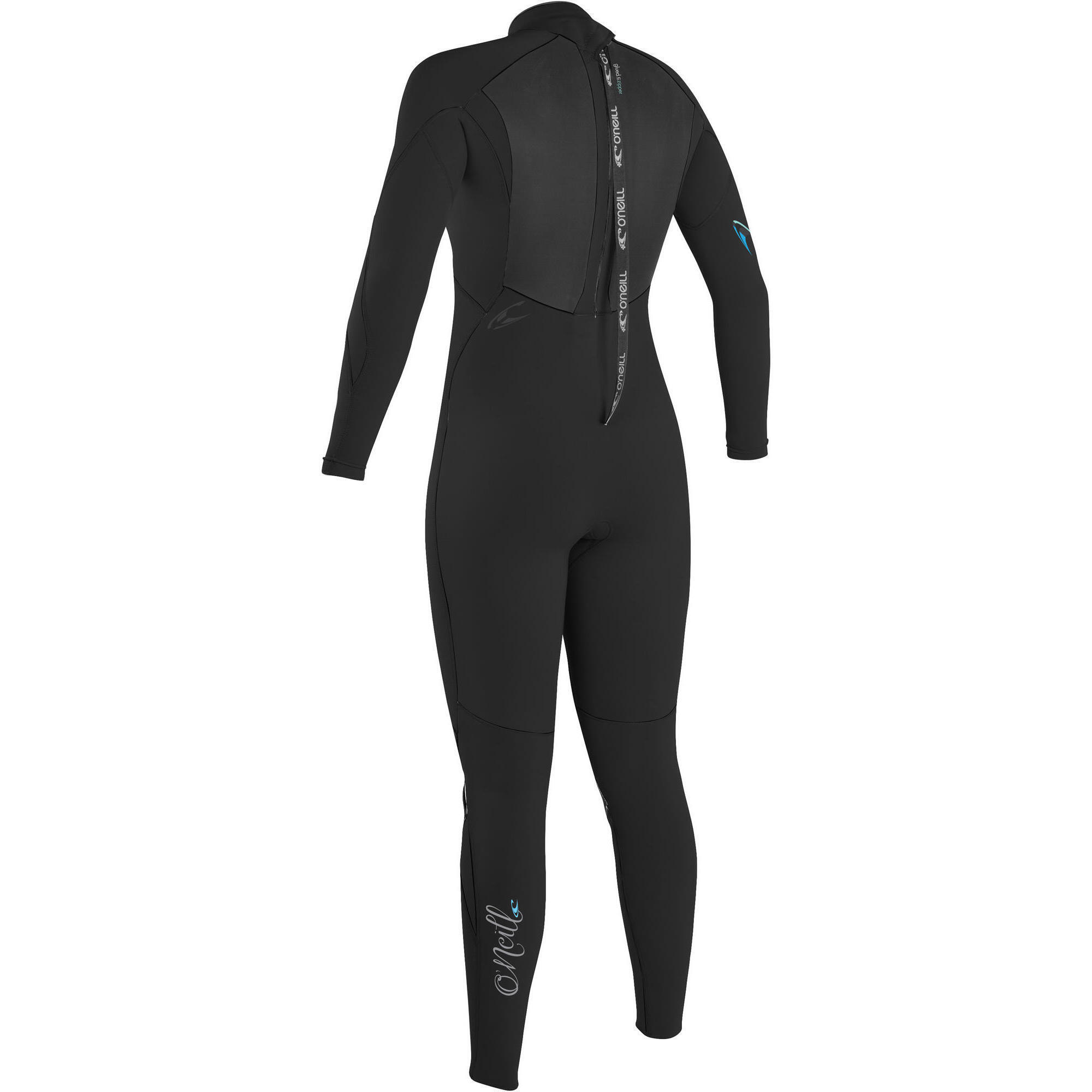
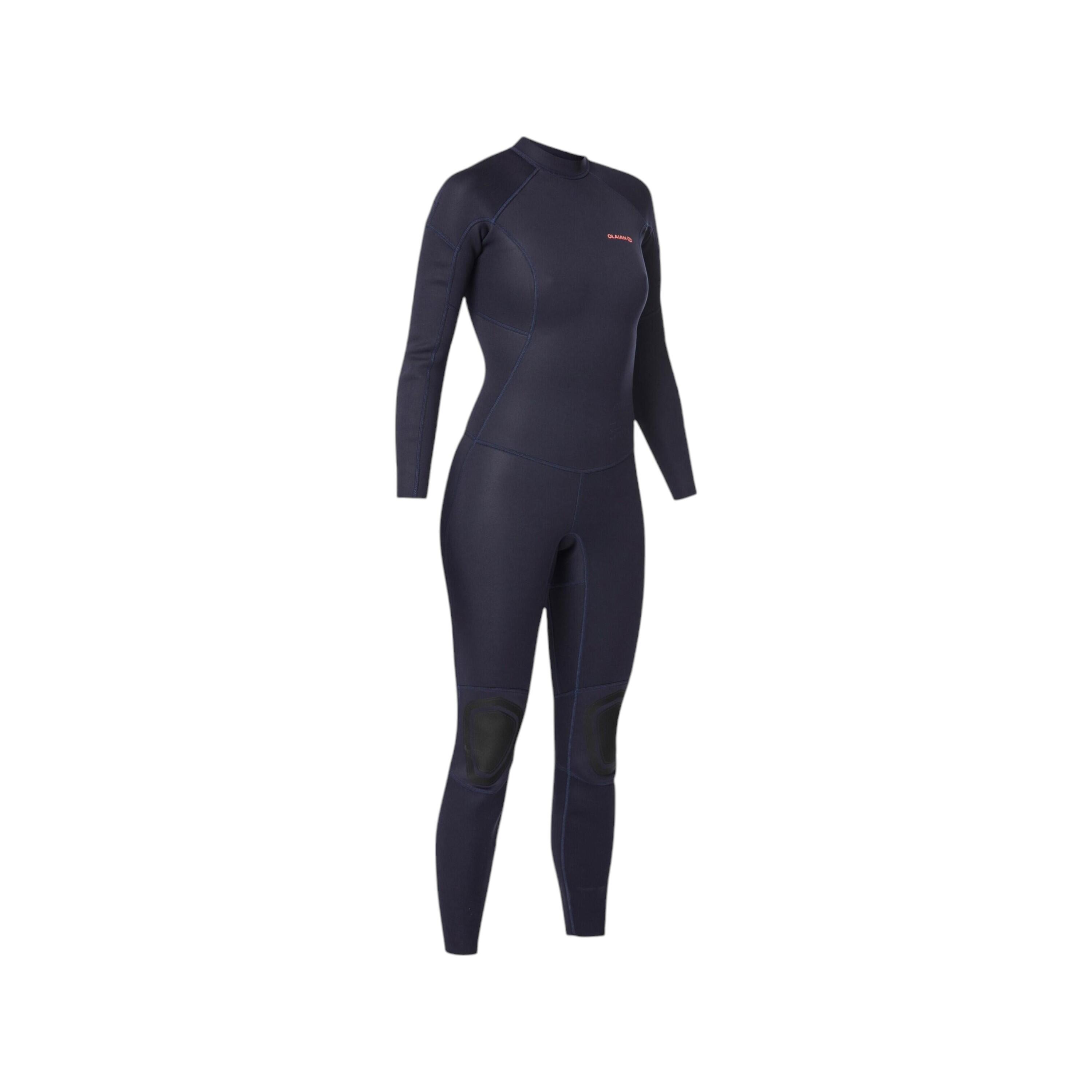
A full-length steamer with sealed seams covers both active surfing and extended rock pool sessions, where cold wind on wet skin causes significant chill between waves. For warmer summer days at sheltered beaches where the water temperature sits above 17 degrees, a shorty reduces overheating during physical activity while still providing UV protection and abrasion resistance against sand and board contact. The key distinction is session duration; a full suit retains its thermal benefit for longer, while a shorter cut suits warmer conditions where heat retention becomes a drawback. Mothers and daughters heading into the water together will find that the women's surfing wetsuits range follows the same cut and thickness logic, making it straightforward to match kit across the family.

What additional neoprene accessories complete a junior surfer's cold-water kit?

A full steamer covers the core and limbs but leaves the head, hands, and feet exposed to the cold, and each of those affects how long a child stays comfortable in the surf. A neoprene hood is one of the most effective additions in genuinely cold water, since the head sheds a disproportionate share of body heat during immersion, and a hood tucked under the wetsuit collar seals the gap that otherwise lets cold water flush down the back of the neck. Earplugs guard against a surfer's ear, a condition that builds gradually from repeated cold-water exposure over years of regular surfing. To round out warm protection from head to toe, the neoprene surfer's accessories range includes gloves, thermal socks, hoods and earplugs designed to complement a wetsuit setup.

When should you choose a kids' surfing wetsuit over a neoprene shortie?

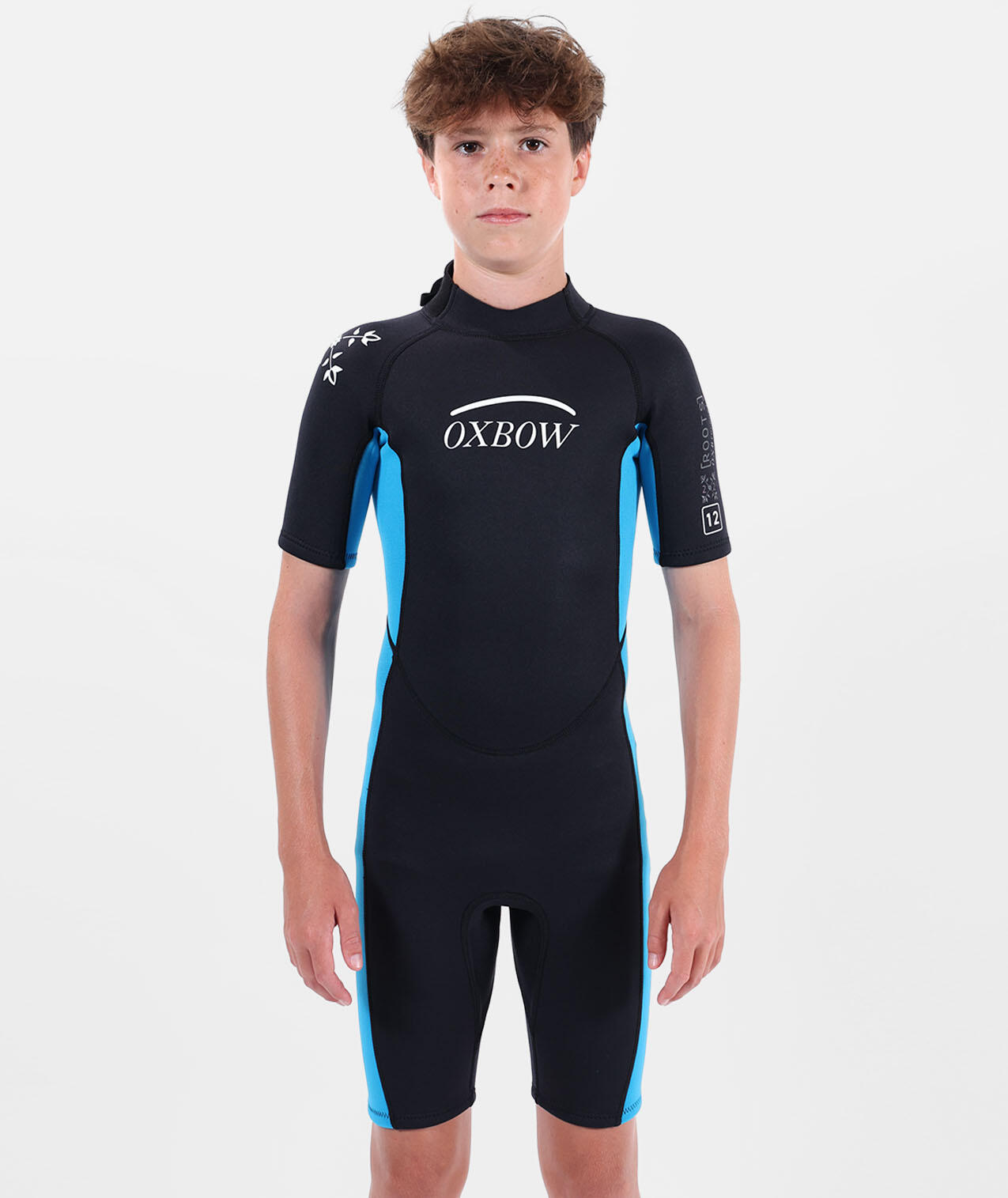
A kids' surfing wetsuit is the better choice for cooler water, longer surf sessions and conditions where full-body warmth is important. Its full-length design helps reduce heat loss while protecting the arms and legs from wind, sun and board contact. On warmer summer days or relaxed beach outings, a a neoprene shortie offers lighter coverage and greater freedom of movement, making it a practical option for paddling, swimming and casual water play. Choose the style that best matches the water temperature and your child's activity.

How does a kids' wetsuit system work together with surf boots for cold-water sessions?

A wetsuit and boots function as a connected thermal system, and the seal between the two is where most cold-water flushing occurs if the fit is mismatched. The ankle cuff of a full steamer should overlap the top of the boot so that paddling and duck-diving movements do not pull the cuff clear and allow water entry. Children's feet lose heat proportionally faster than adults because the surface-area-to-volume ratio is higher in smaller feet, making boot fit a genuine performance consideration rather than an optional comfort upgrade. A split-toe design from the surfing boots range maintains more board feel than a round-toe construction, supporting technique development without sacrificing the thermal protection that cold Atlantic water demands across most of the year.