257 items
4.7/5 based on 46481 reviews collected online and in stores

RUNNING CAPS FAQS

How do I choose the best running caps for summer training?

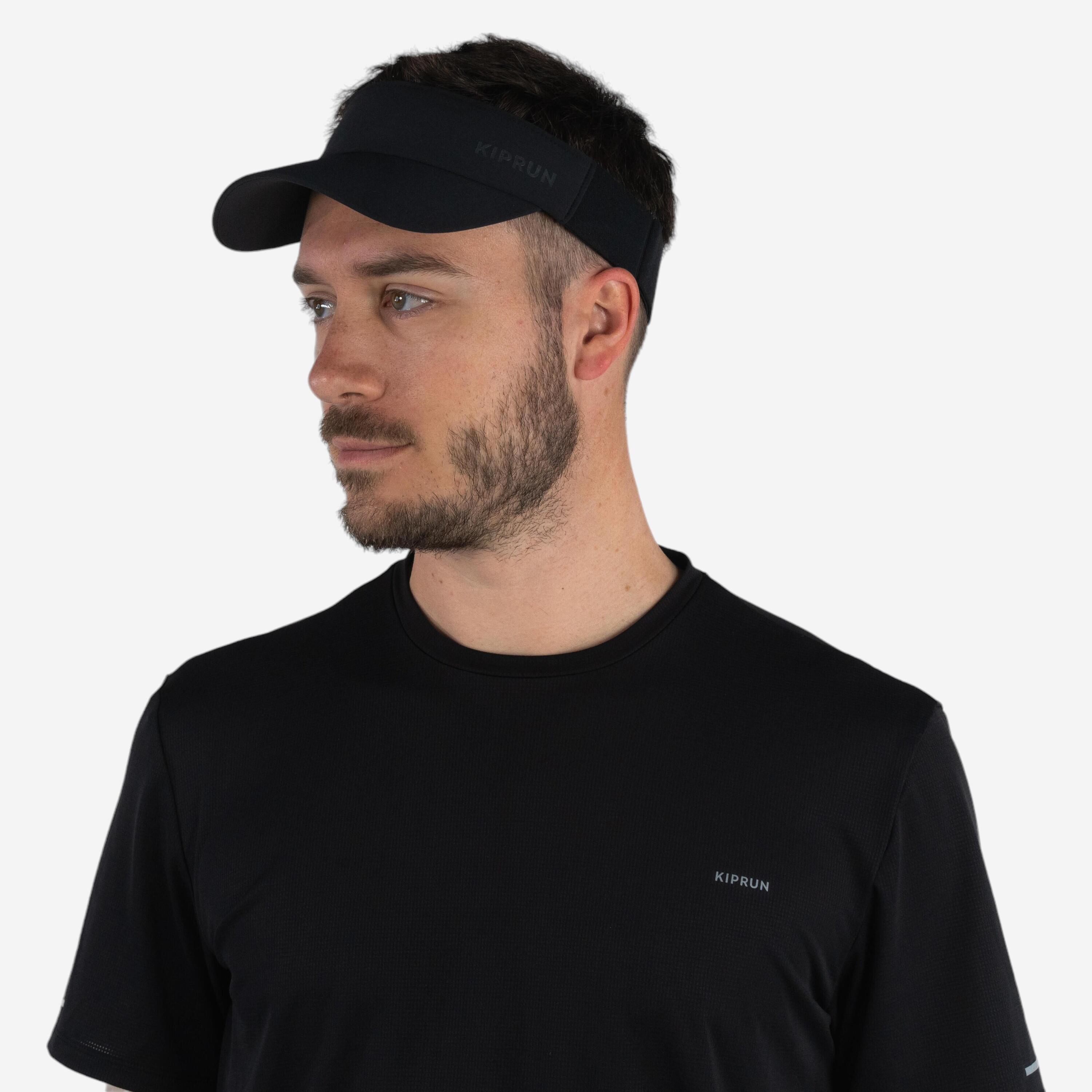
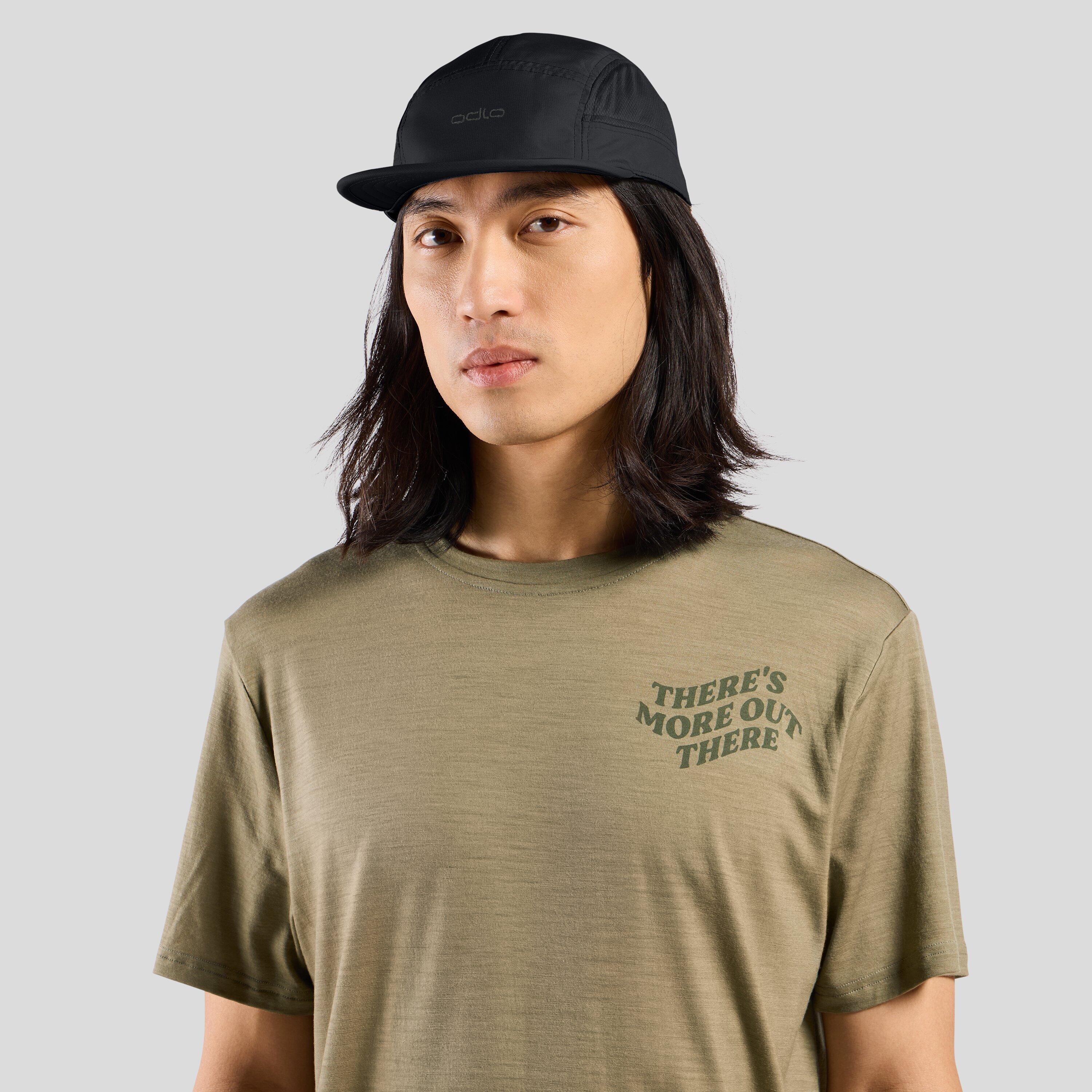
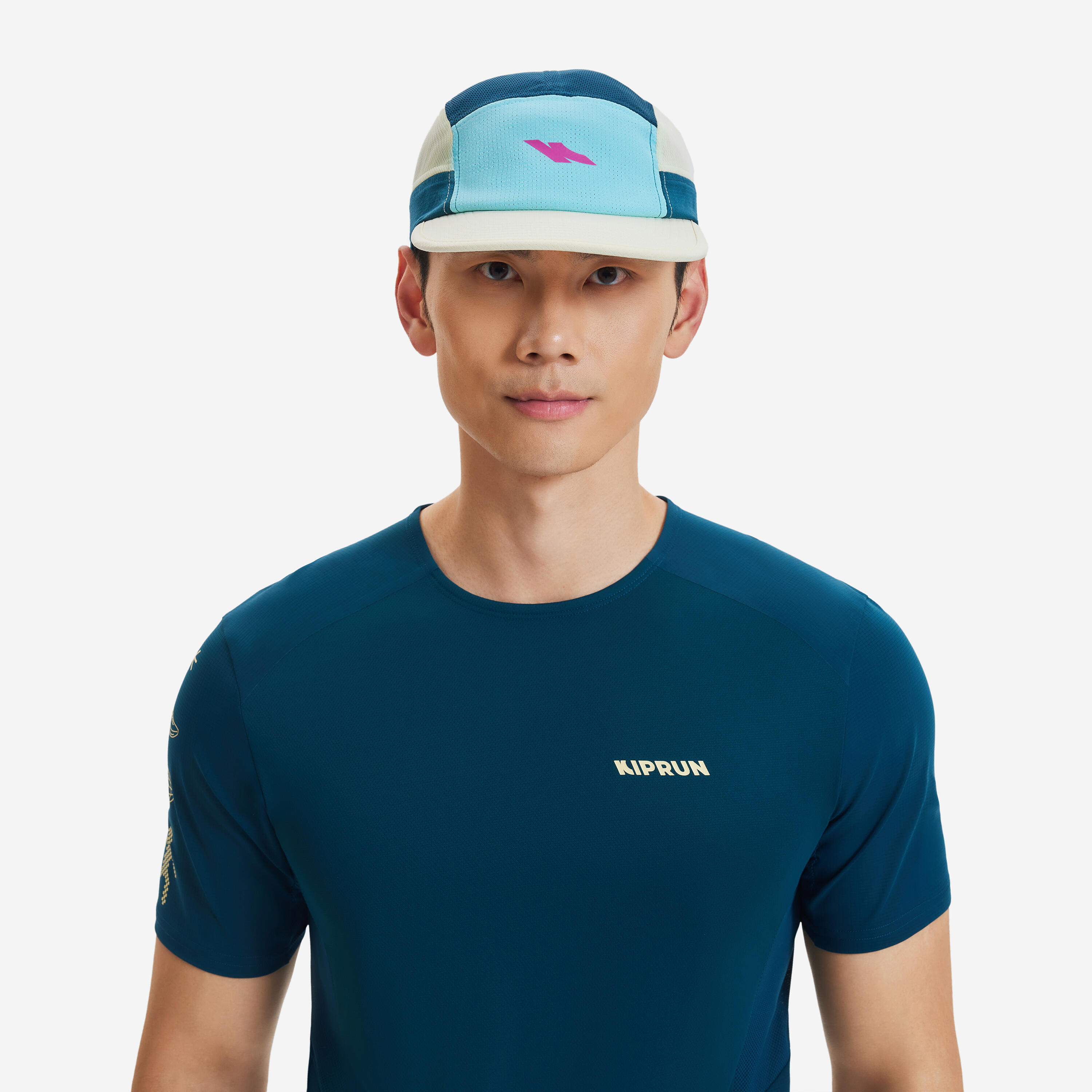
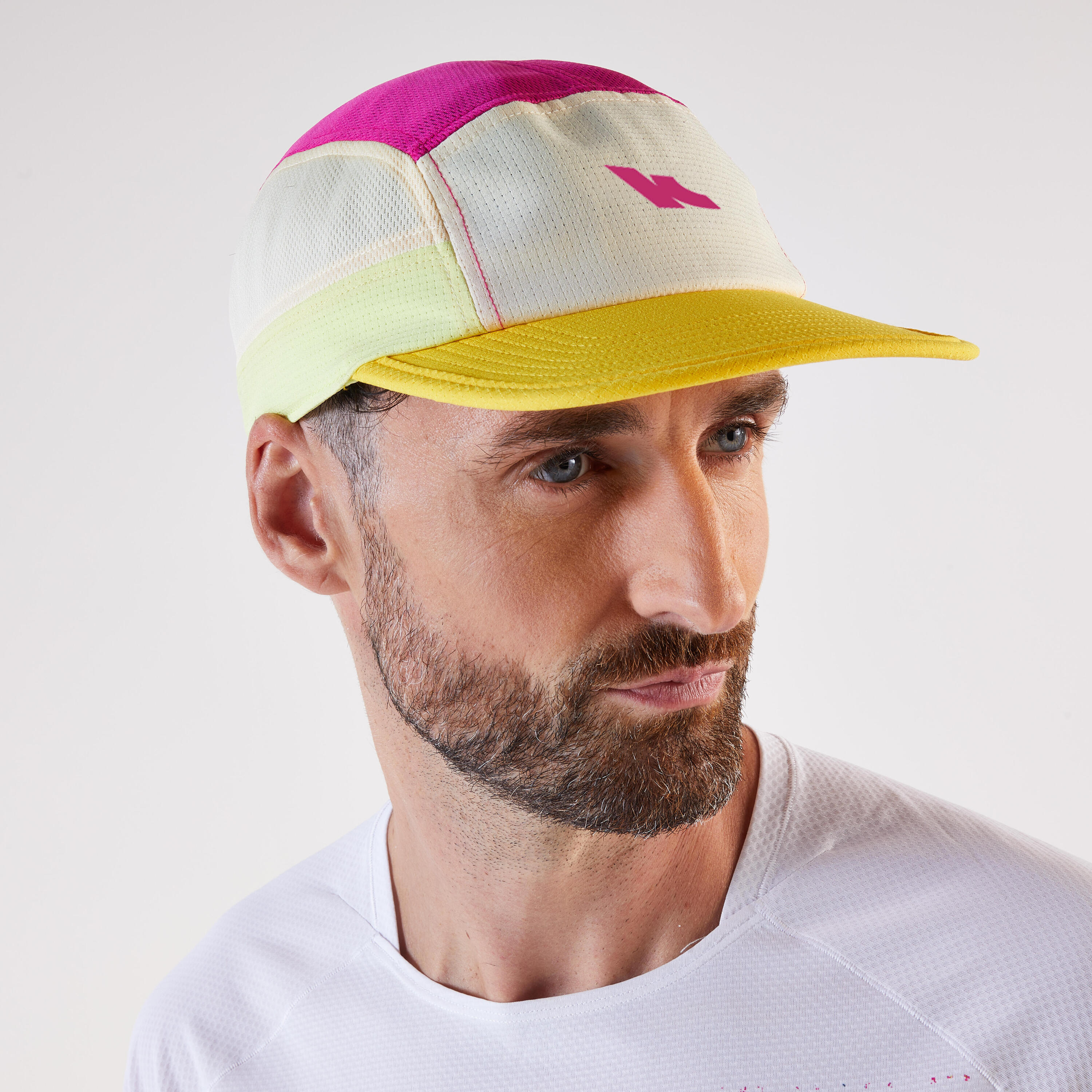
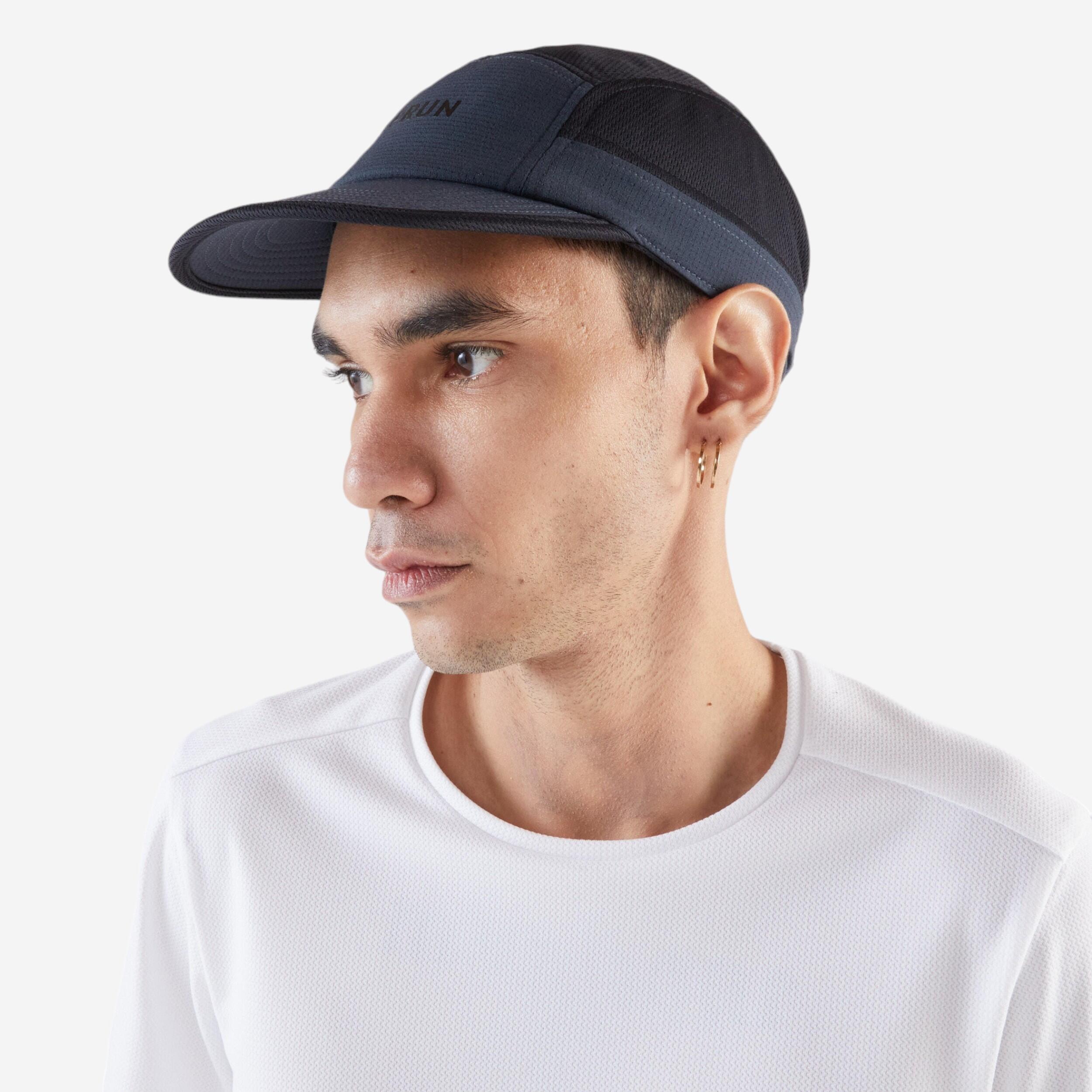
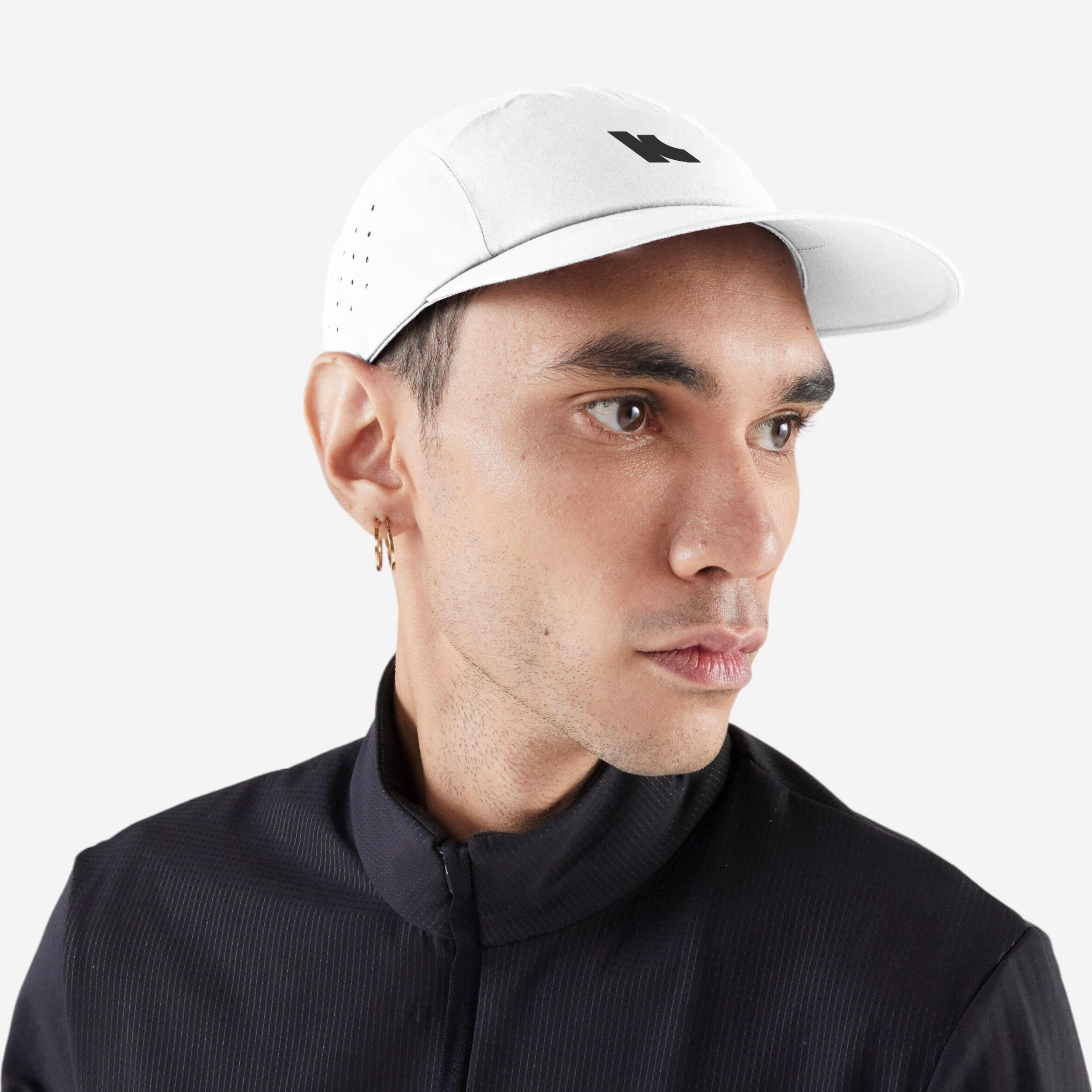
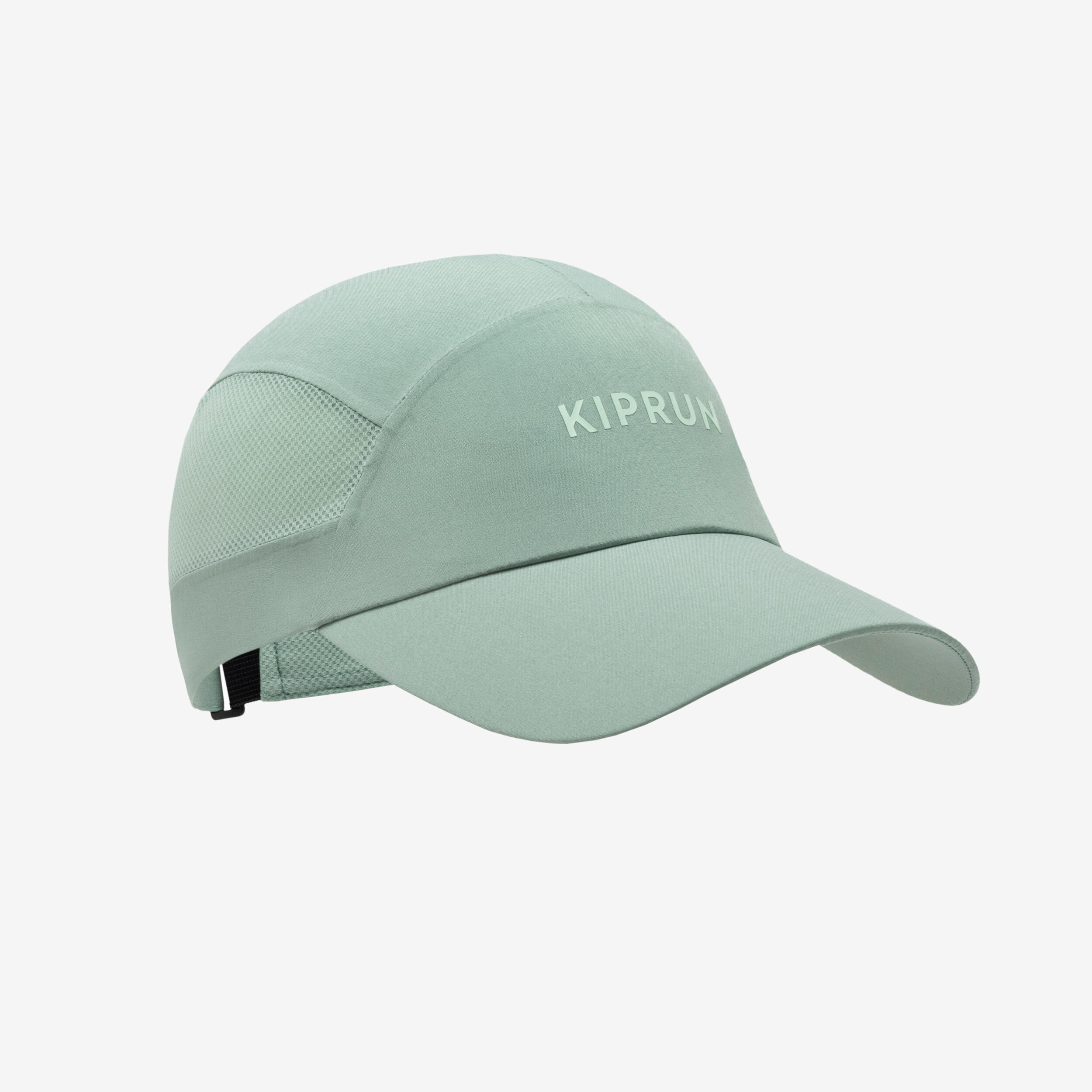
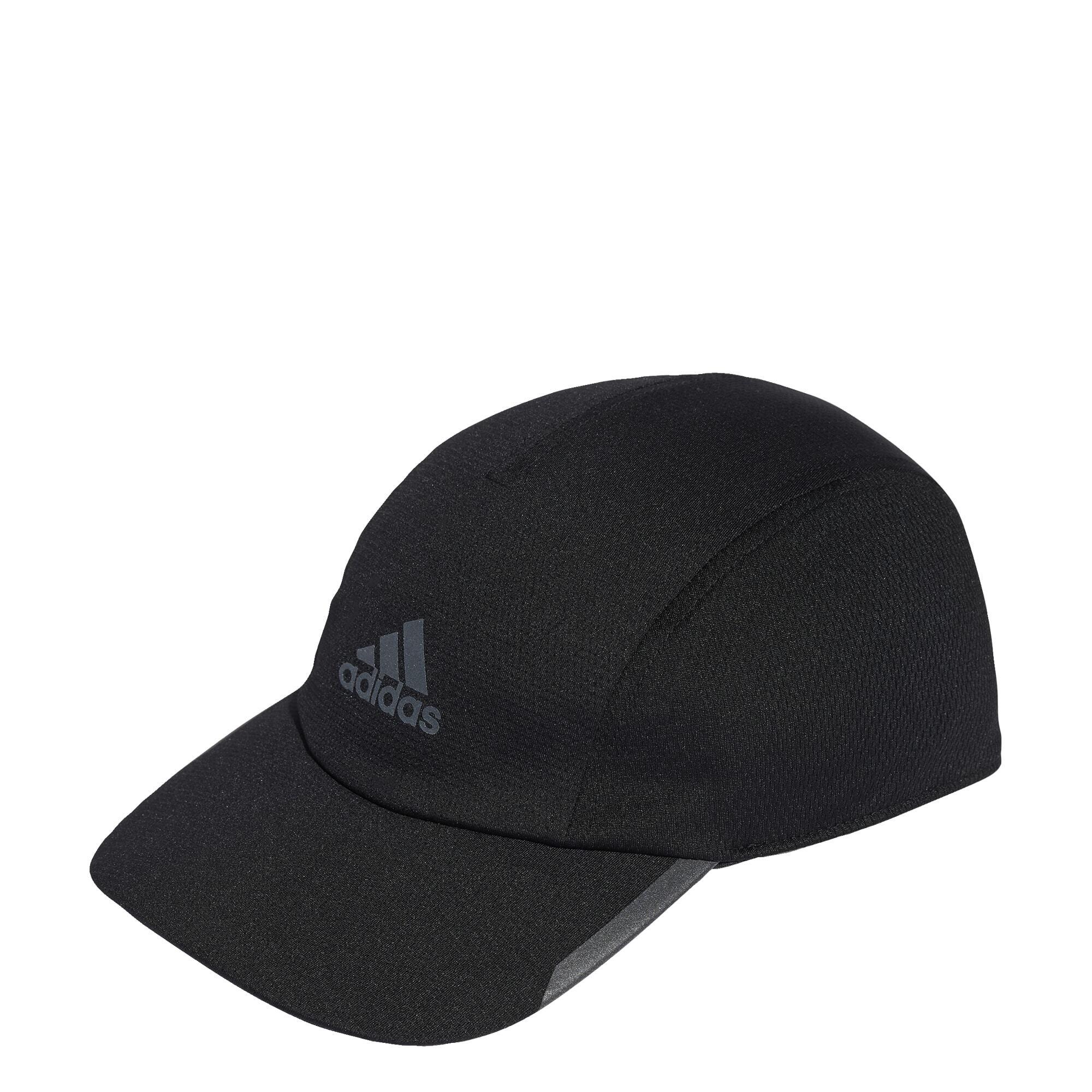
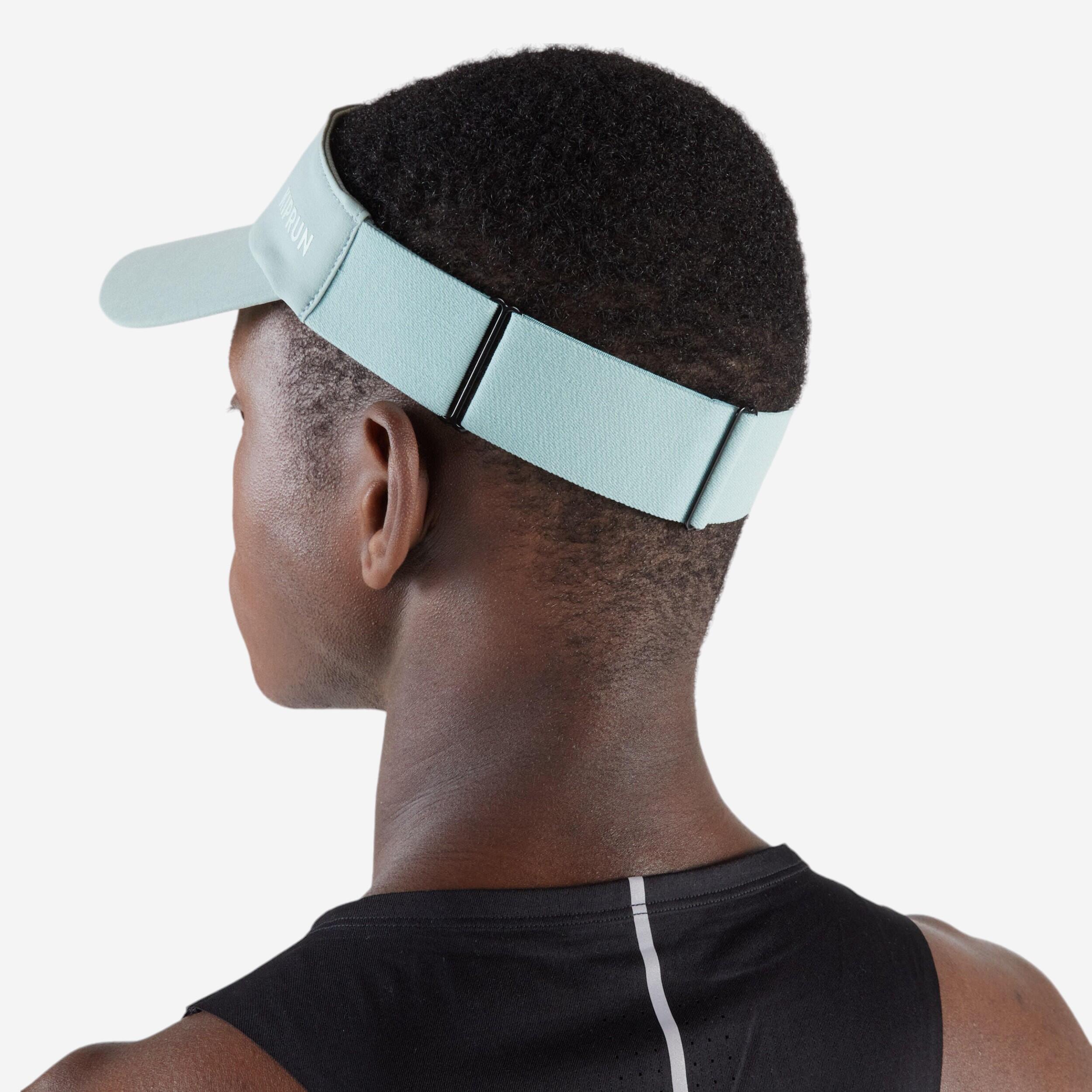
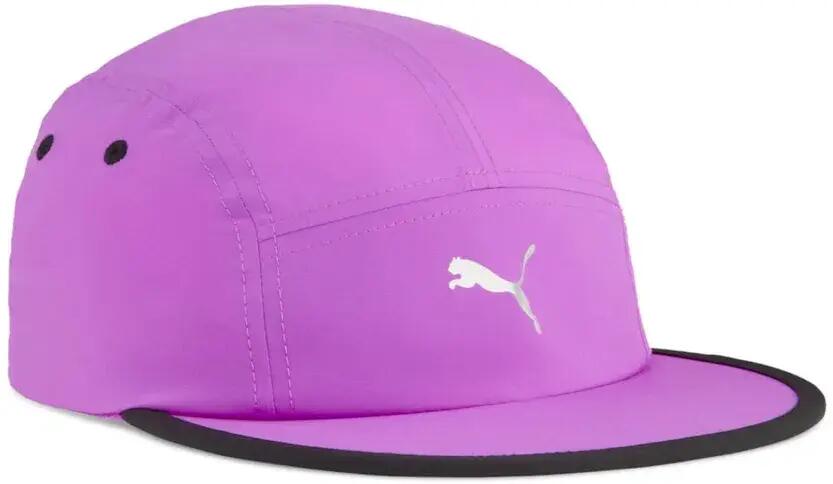
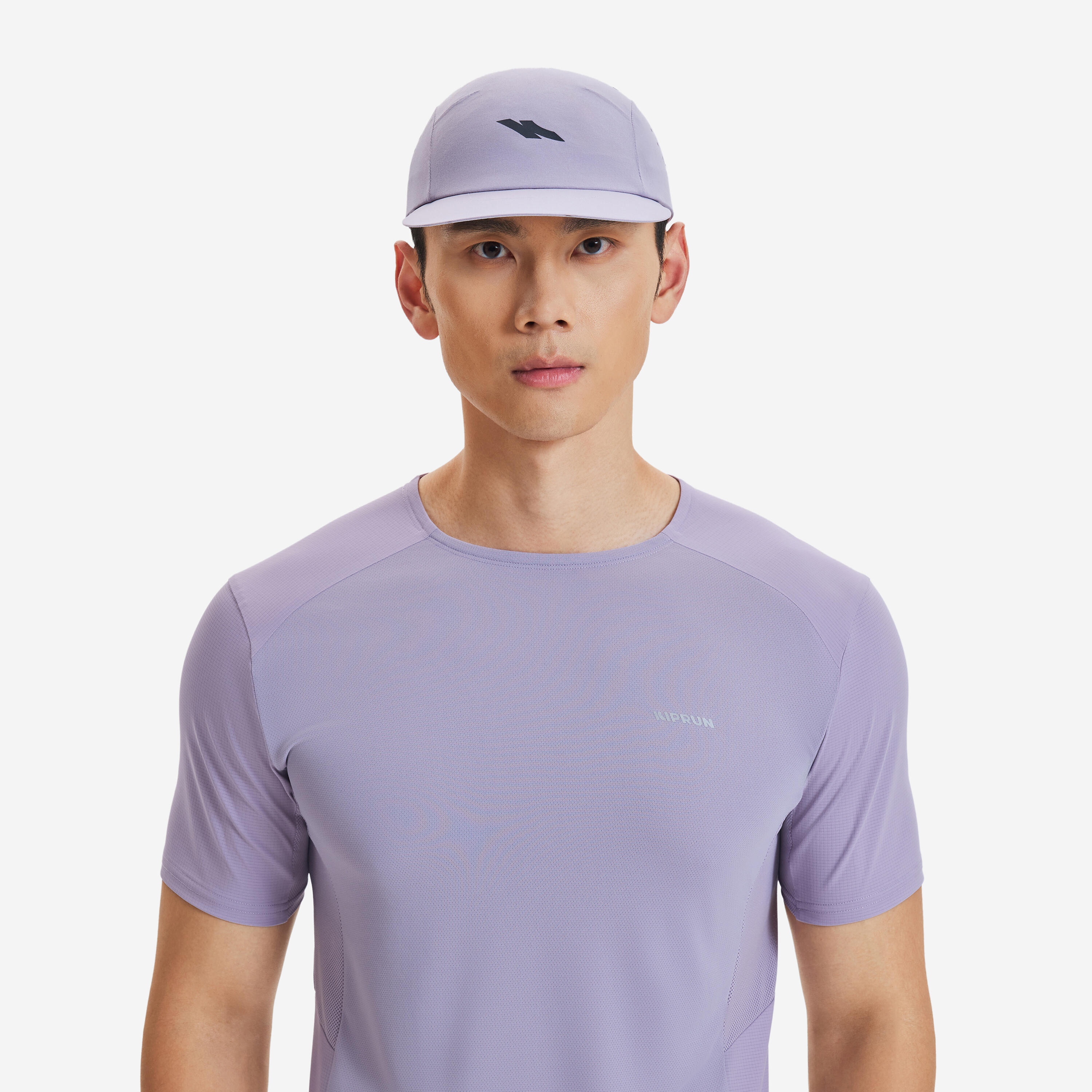
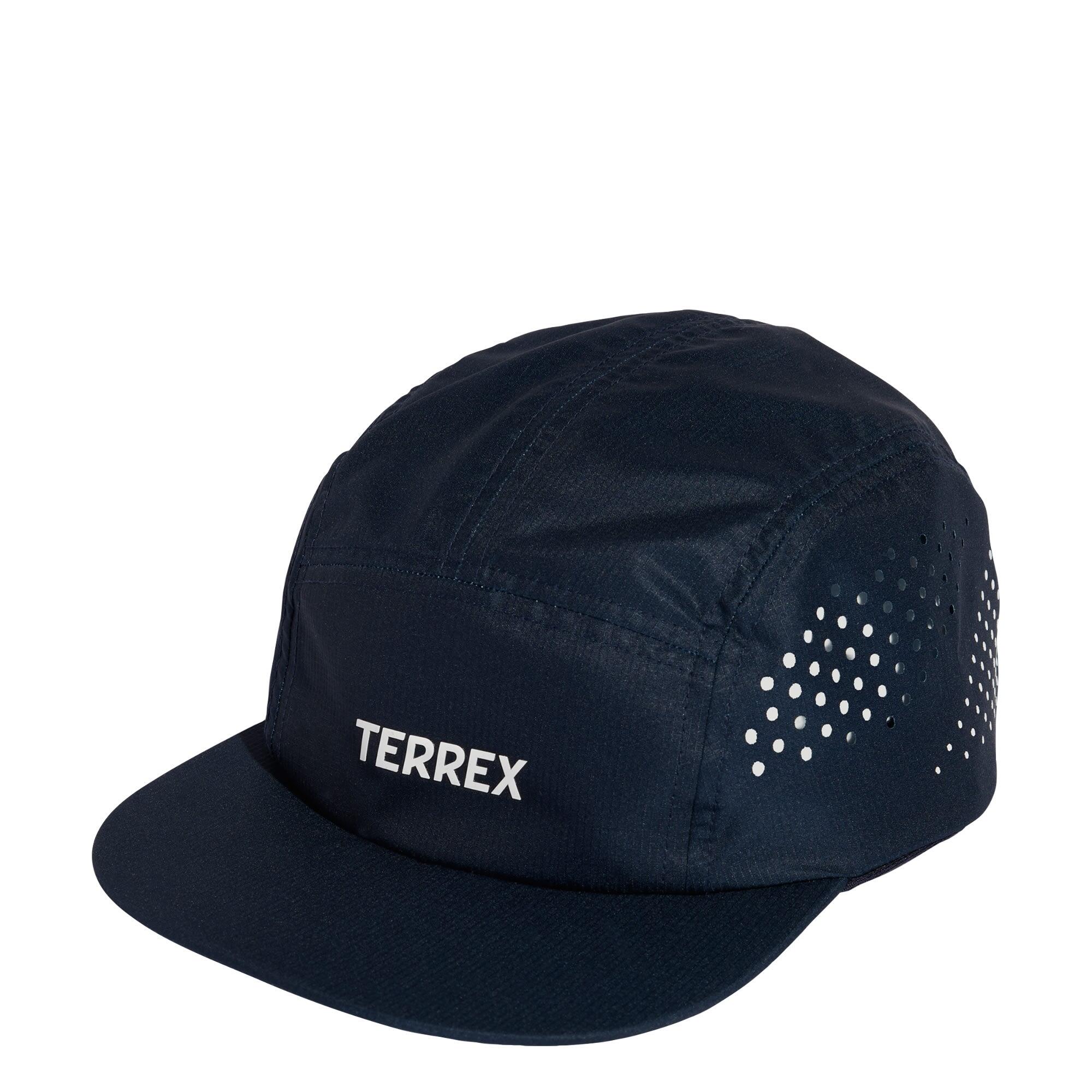
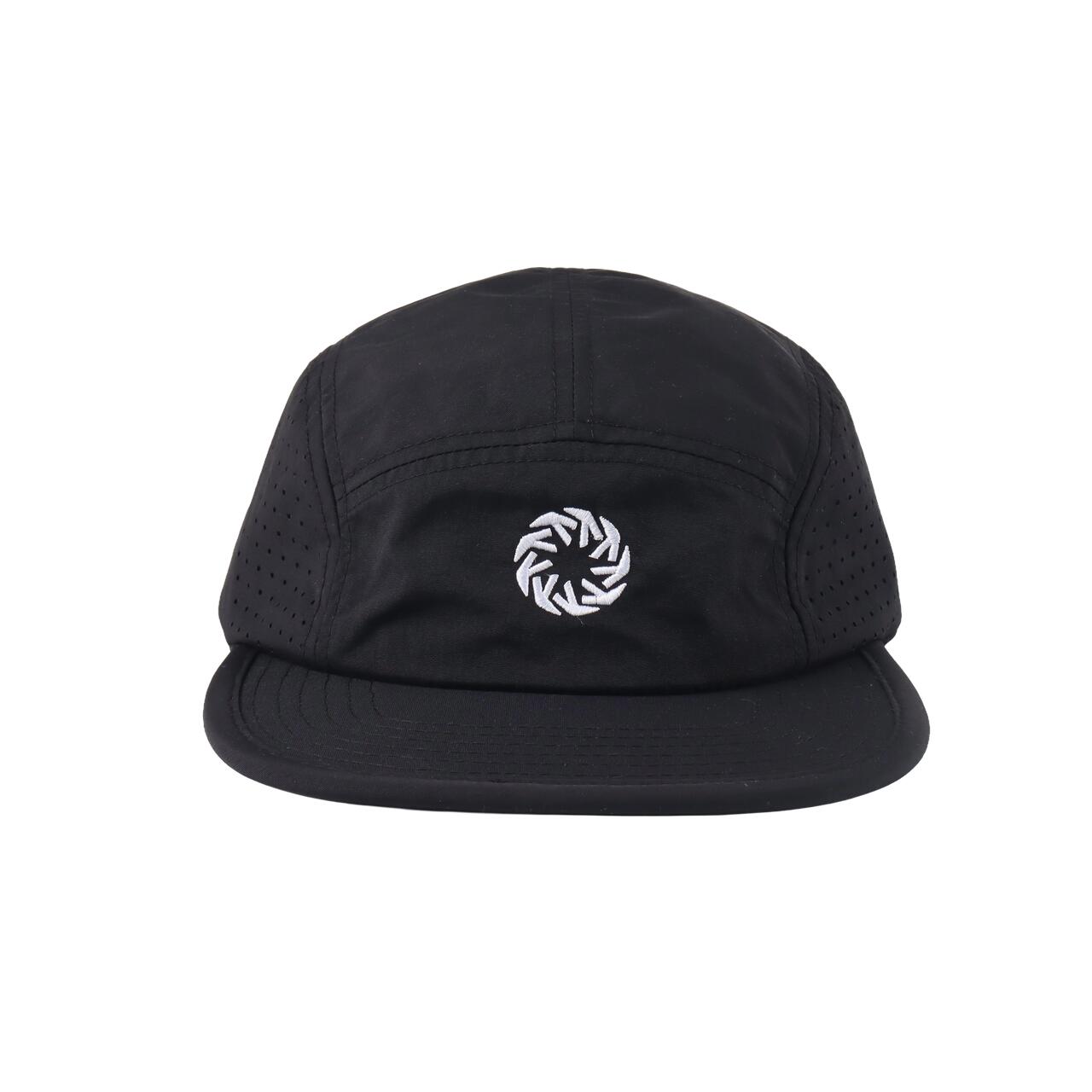
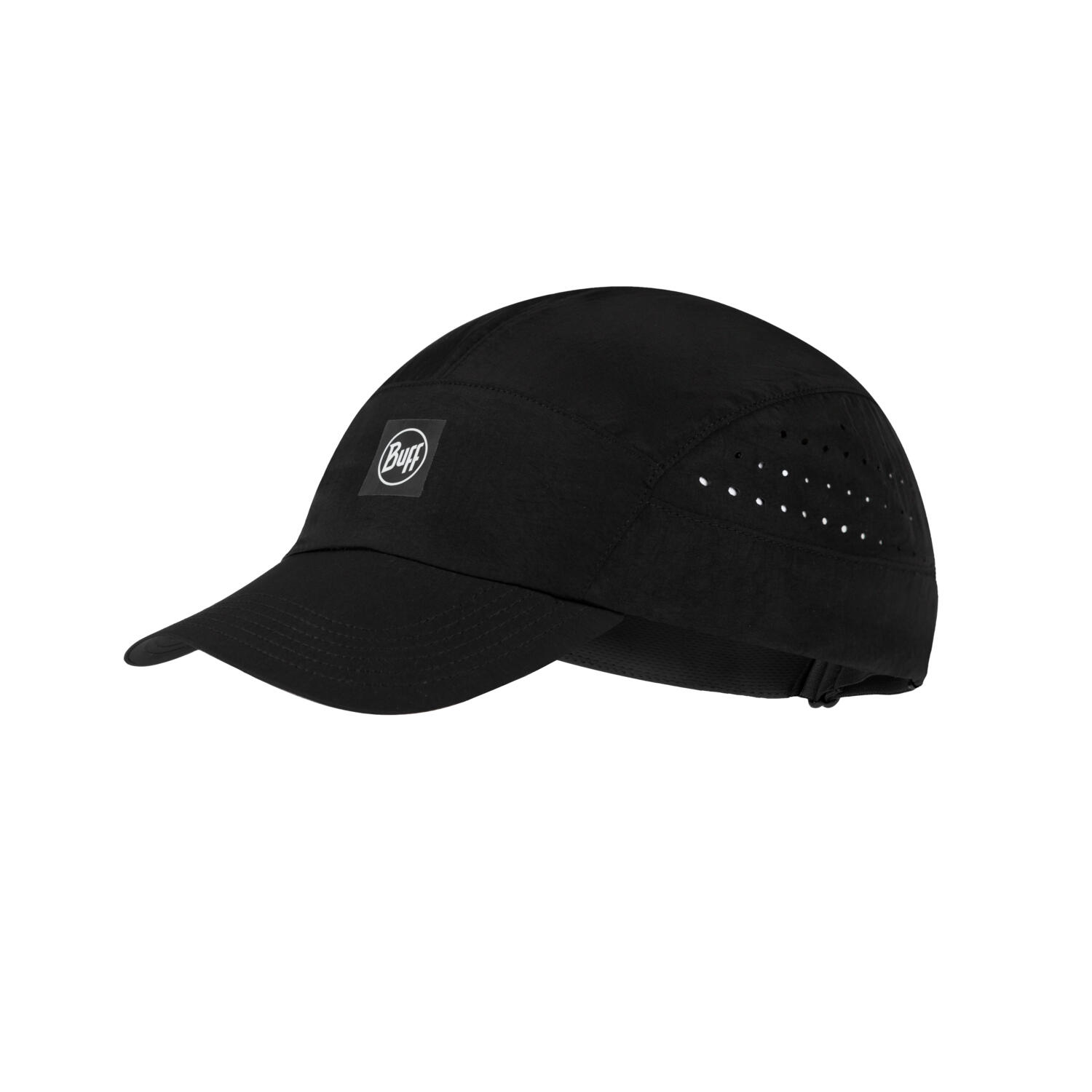
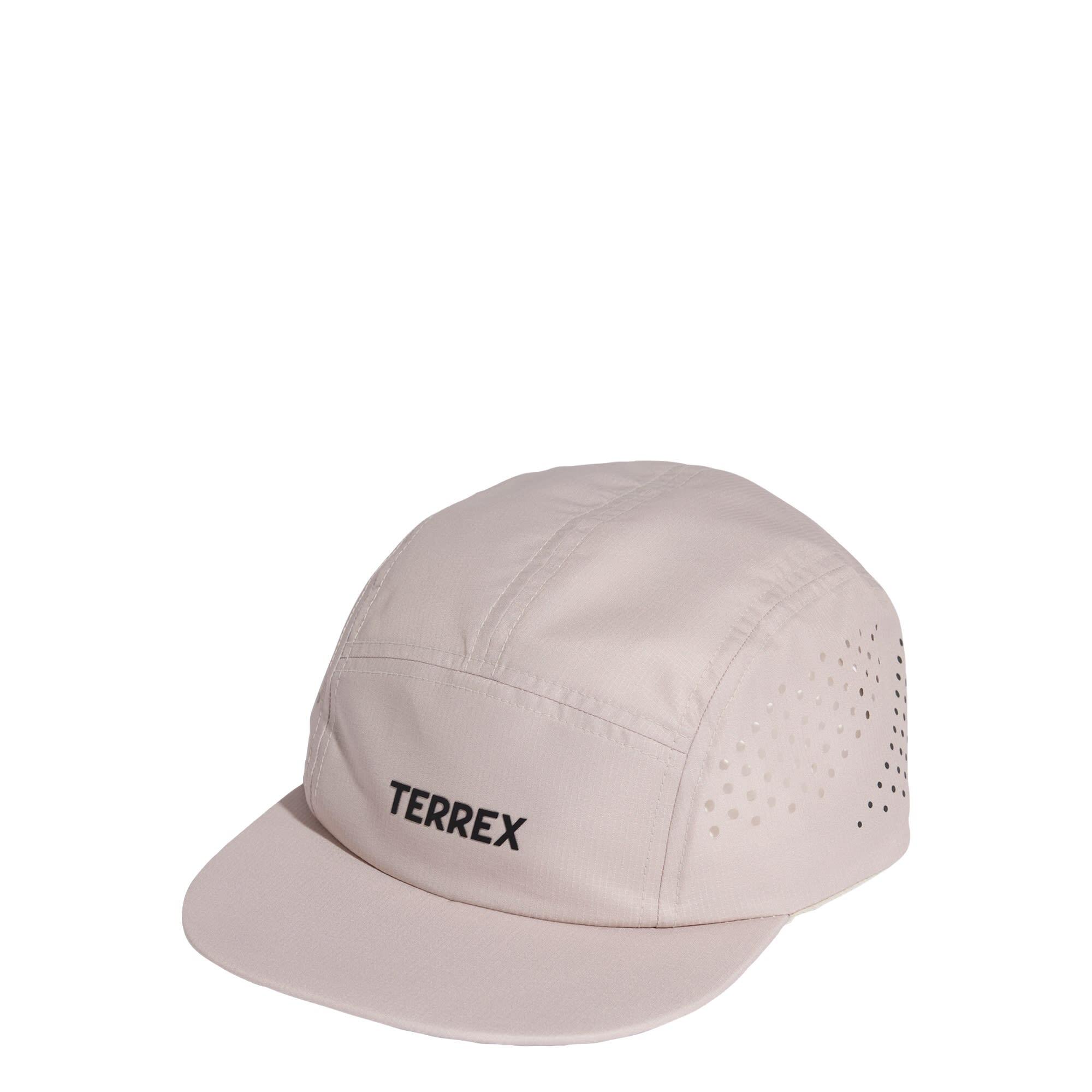
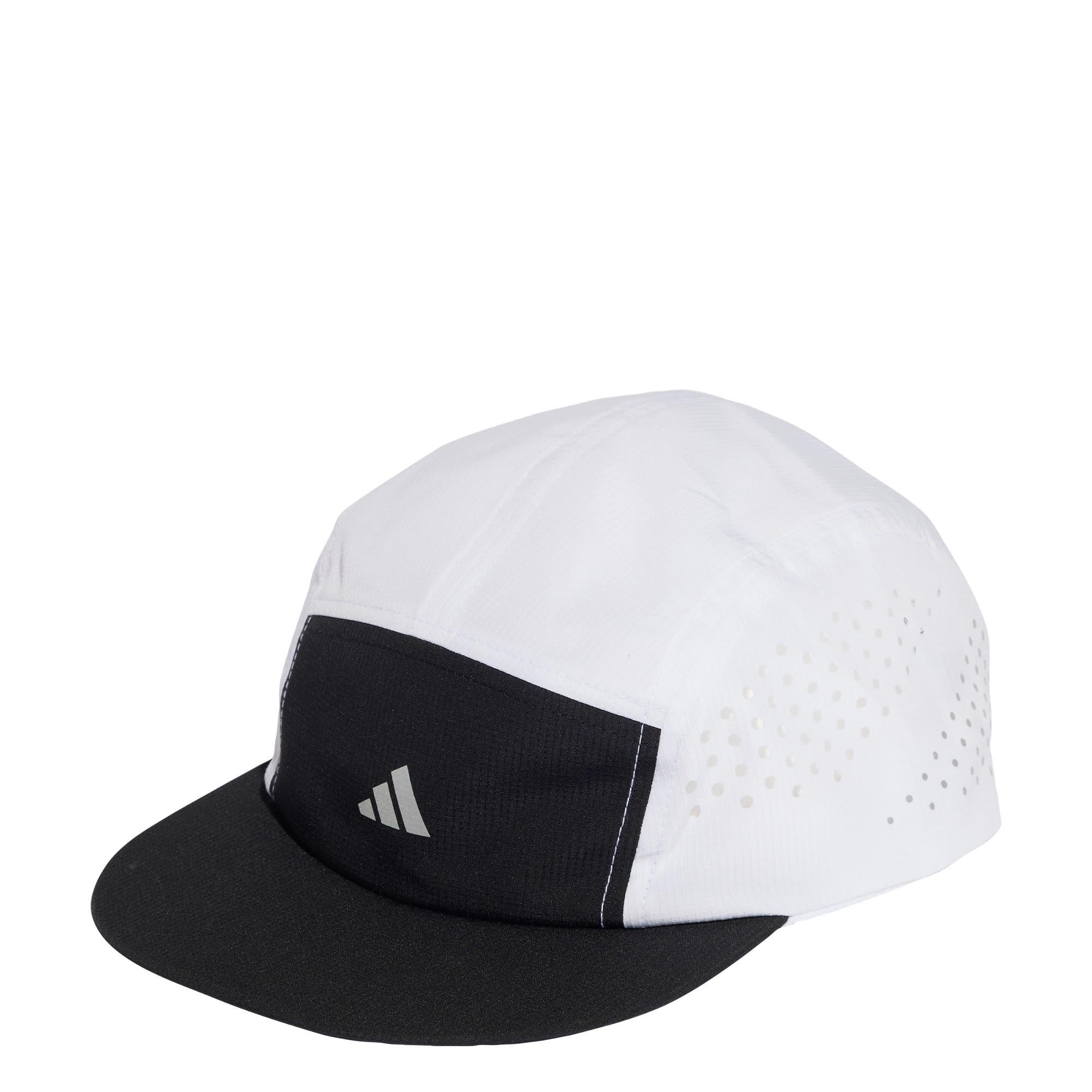
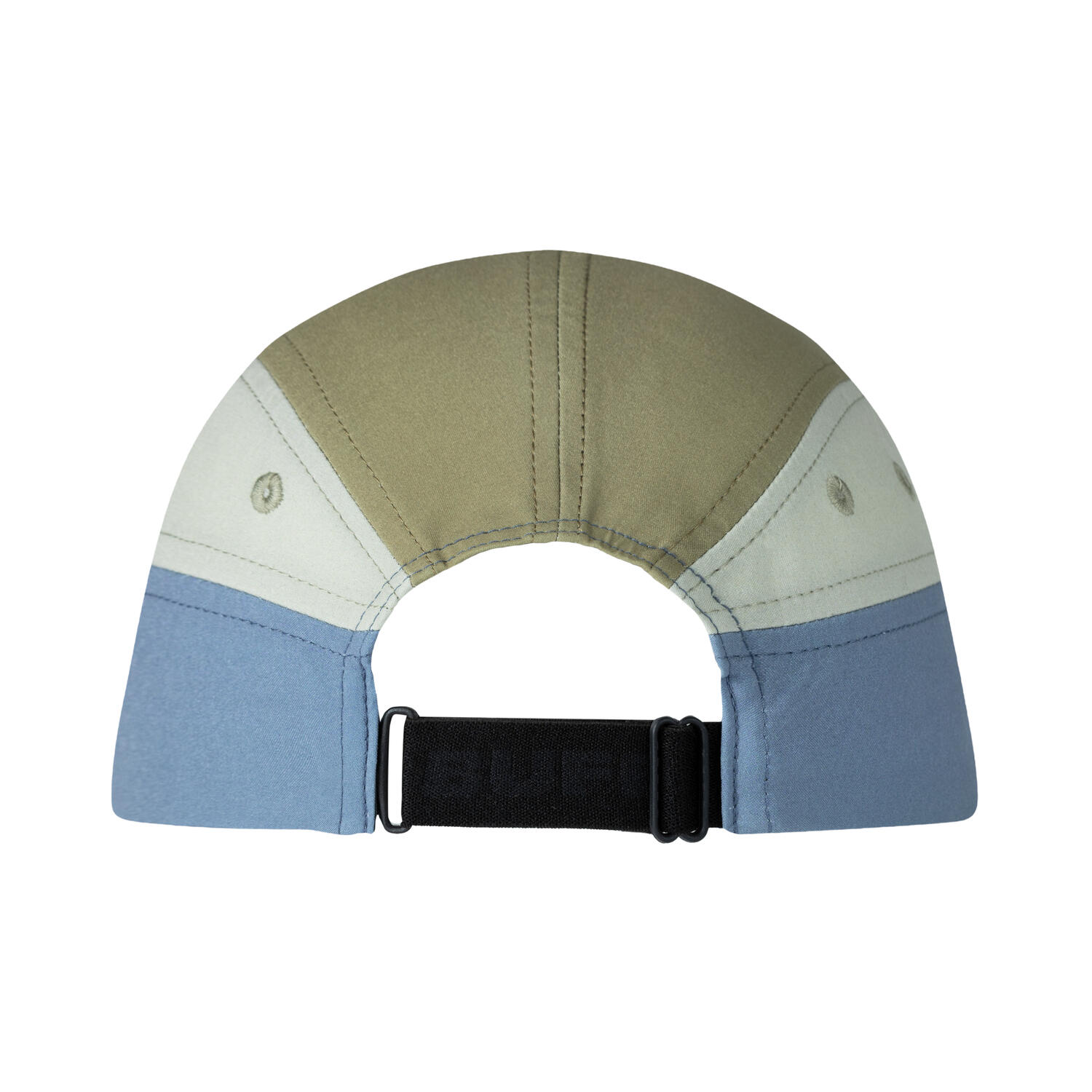
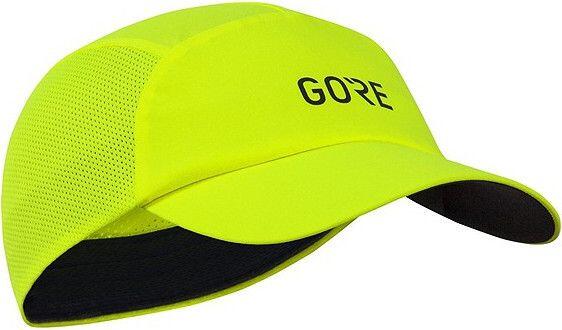
Choosing the right headwear for high-temperature sessions involves prioritising ventilation and moisture management to prevent overheating. Performance running caps feature technical synthetic fabrics like polyester and elastane that wick perspiration away from the forehead before it reaches the eyes. The technical reason behind this selection is the breathability rating; laser-cut holes or mesh side panels allow heat to escape from the crown of the head. When the temperature drops during early morning winter runs, switching to insulated running beanies provides better thermal retention for the ears. For summer, look for a peak with a dark underside to reduce glare from the road or trail surface. Adults running caps often include an adjustable rip-tab or buckle at the rear to ensure a secure fit against high winds. Smart tip: If you have long hair, select a model with a high-clearance ponytail opening to maintain comfort and airflow at the nape of the neck.

What are the benefits of using running caps for women?

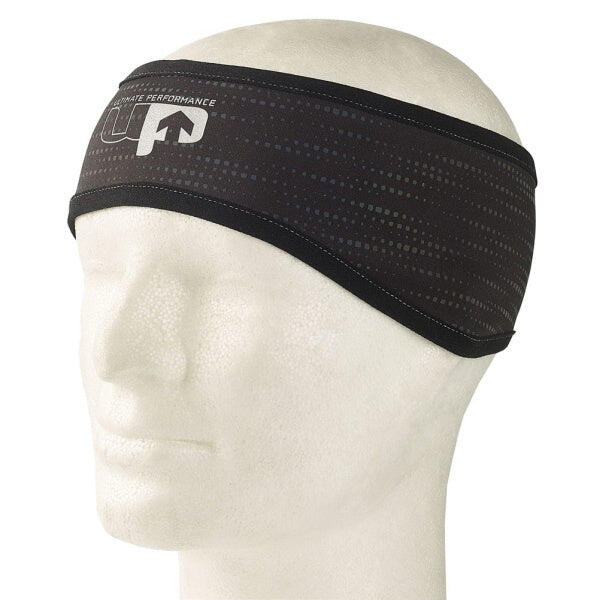
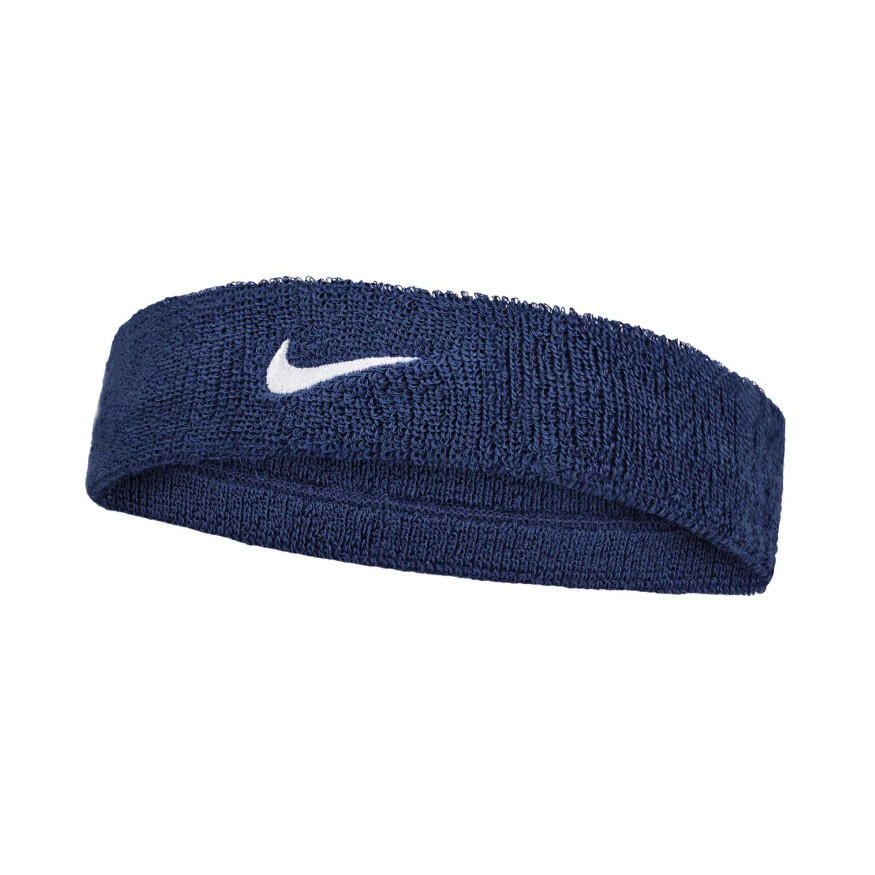
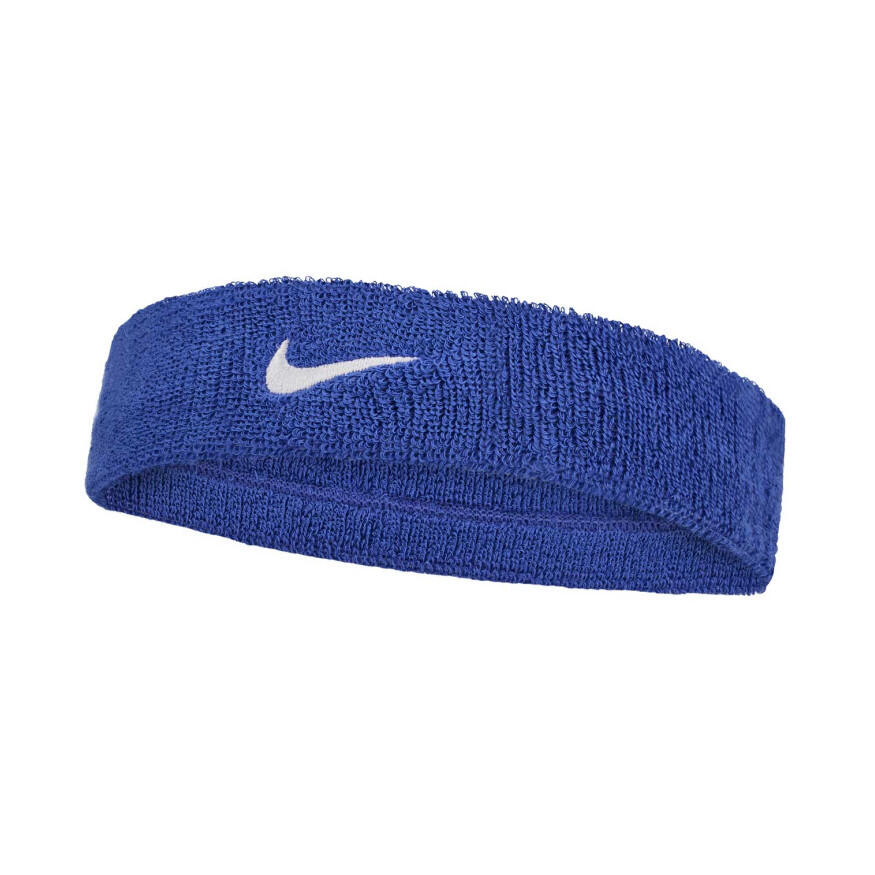
Headwear for women is often made with a smaller circumference and deeper side cuts to accommodate different anatomical shapes and hair volumes. Women’s running caps are made with ultra-light materials, helping you stay light and comfortable during faster training sessions. If you find a full cap too restrictive or warm, switching to running headbands offers a compromise by managing sweat while leaving the top of the head exposed for maximum cooling. The reason for using flat-lock seams in these accessories is to eliminate pressure points under the brim, which can cause headaches during long-distance efforts.

Why should I use performance running caps instead of standard cotton hats?

Standard cotton hats absorb water and become heavy, leading to discomfort and potential chafing during rhythmic movement. In contrast, performance running caps are hydrophobic, meaning they shed light rain and dry rapidly after intense sweating. For bright outdoor sessions, many athletes also rely on lightweight running sunglasses to reduce glare and protect their eyes from harmful UV exposure. The technical reason behind the curved visor is to provide a physical shield for the face against rain droplets and direct sunlight without obstructing peripheral vision. For those running in low-light conditions, many running caps for men and women incorporate reflective strips or fluorescent fabrics to increase visibility to motorists. Best tip: Look for a cap with an integrated sweatband made of "space-mesh" fabric, as this creates a soft buffer that actively pulls liquid away from the skin through capillary action.
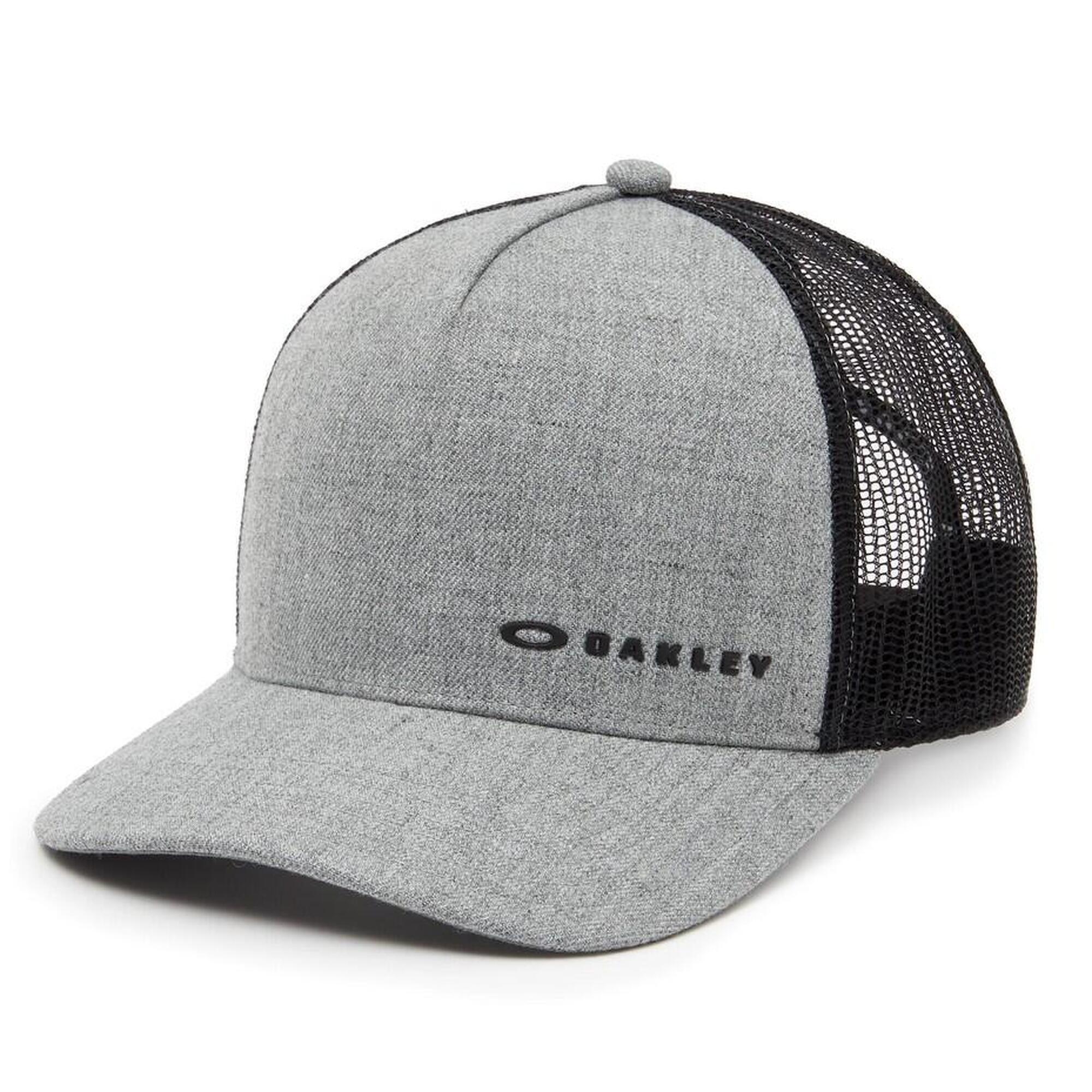
When should I choose a trail-specific running cap?

Trail-specific headwear is often built with higher durability to withstand contact with low-hanging branches or brush. These adults running caps frequently feature a shorter brim to allow for better upward visibility when navigating steep ascents or technical rocky paths. The expertise behind trail models involves the use of ripstop fabrics that resist tearing while remaining soft enough to compress into a hydration vest pocket. For runners tackling long distances or variable weather, supportive running leg and arm sleeves can help regulate muscle temperature and reduce fatigue during extended efforts. If your route involves significant elevation gain where weather changes rapidly, a versatile cap with a long neck flap can provide extra protection against sunburn or biting winds on exposed ridges. Small advice: Rinse your cap in cool water immediately after a salty summer run to prevent the salt crystals from hardening and degrading the technical fibres over time, ensuring the fabric remains soft and pliable for your next training session on the hills.