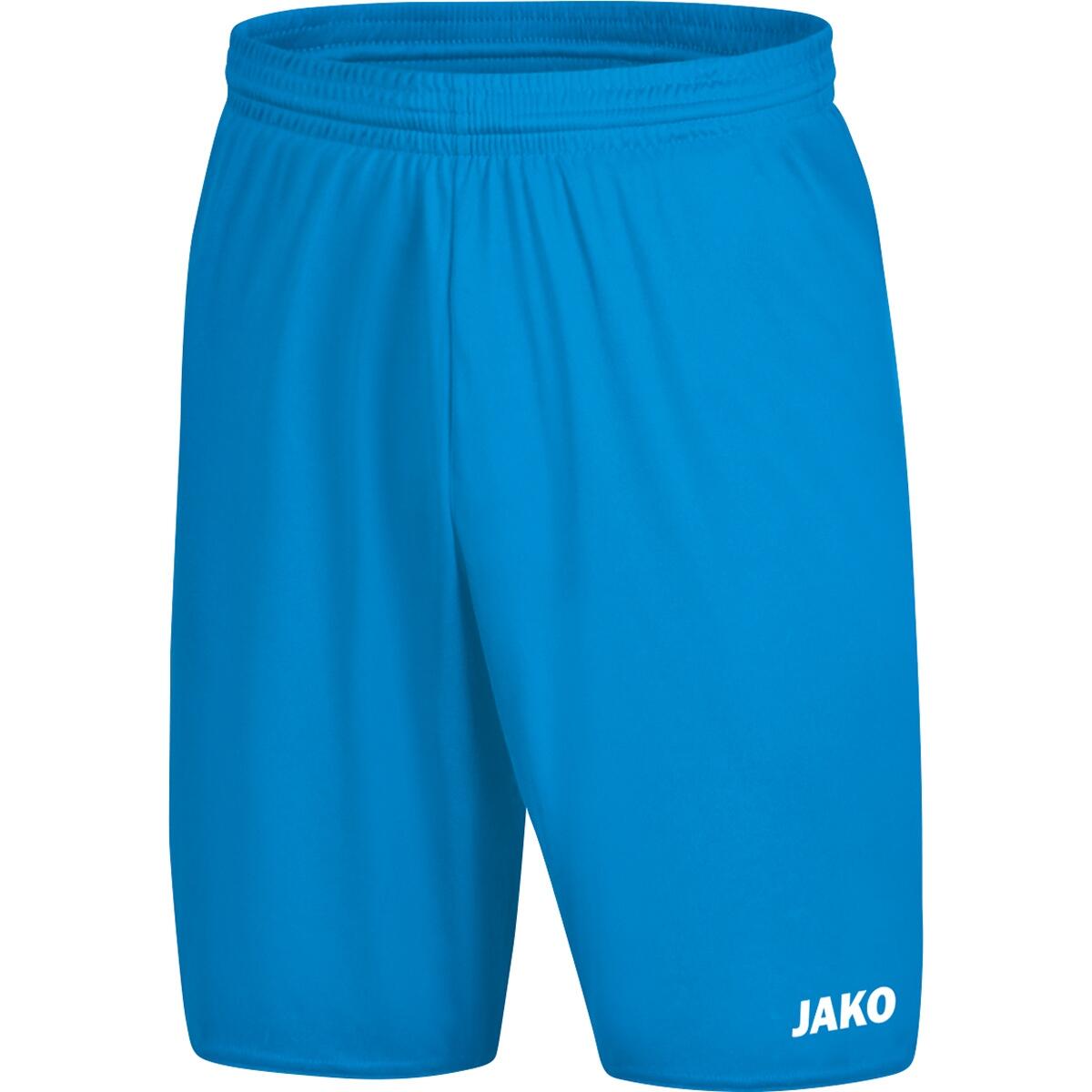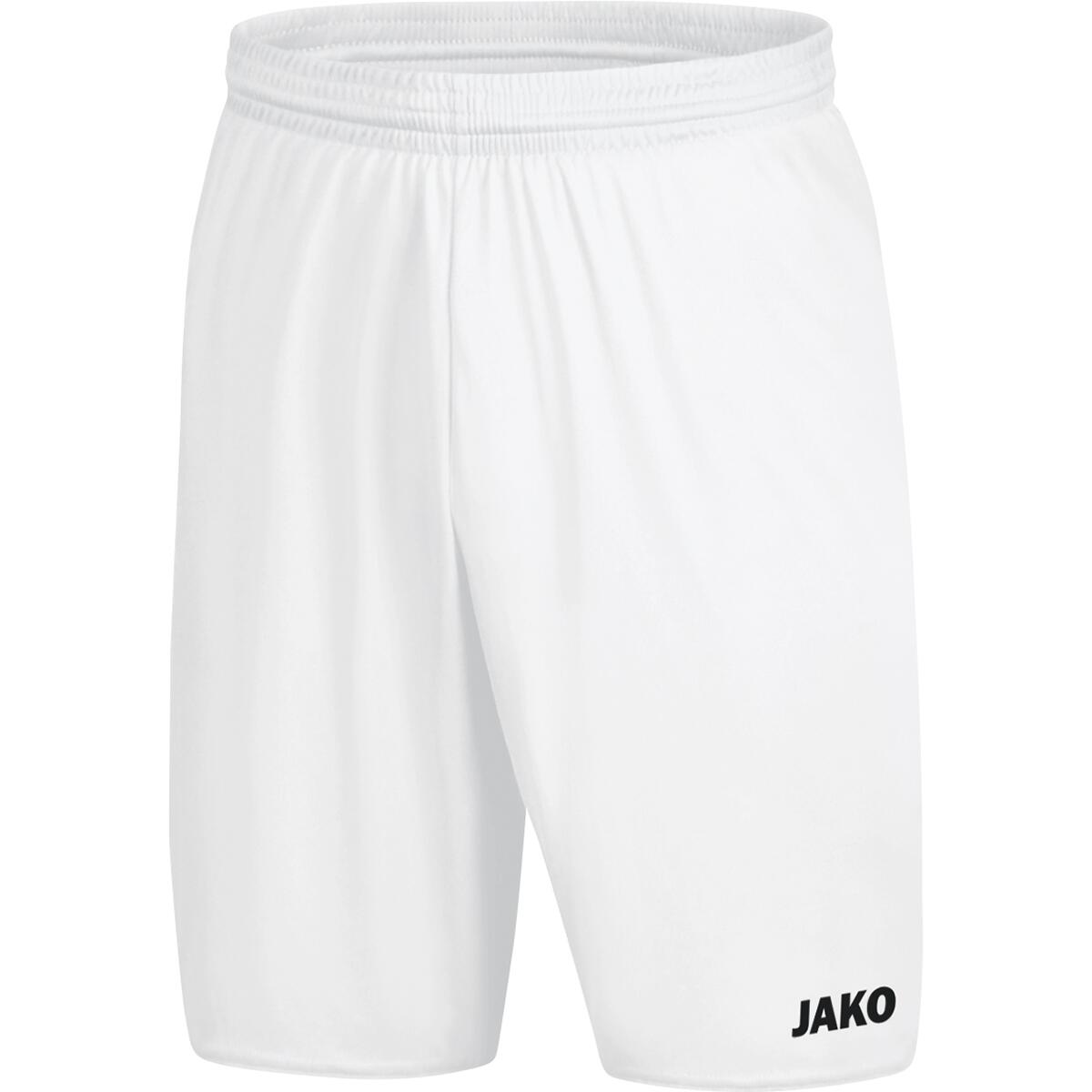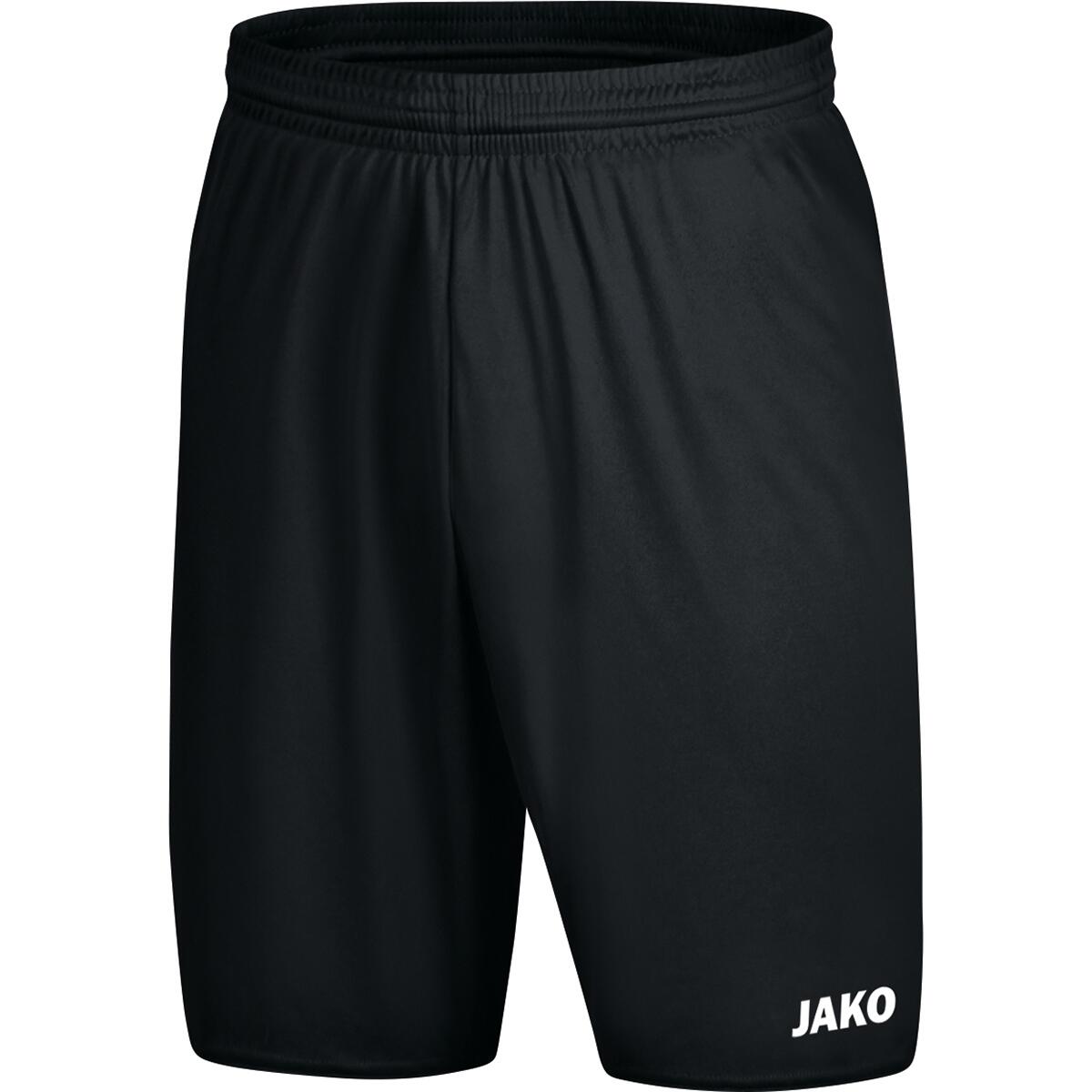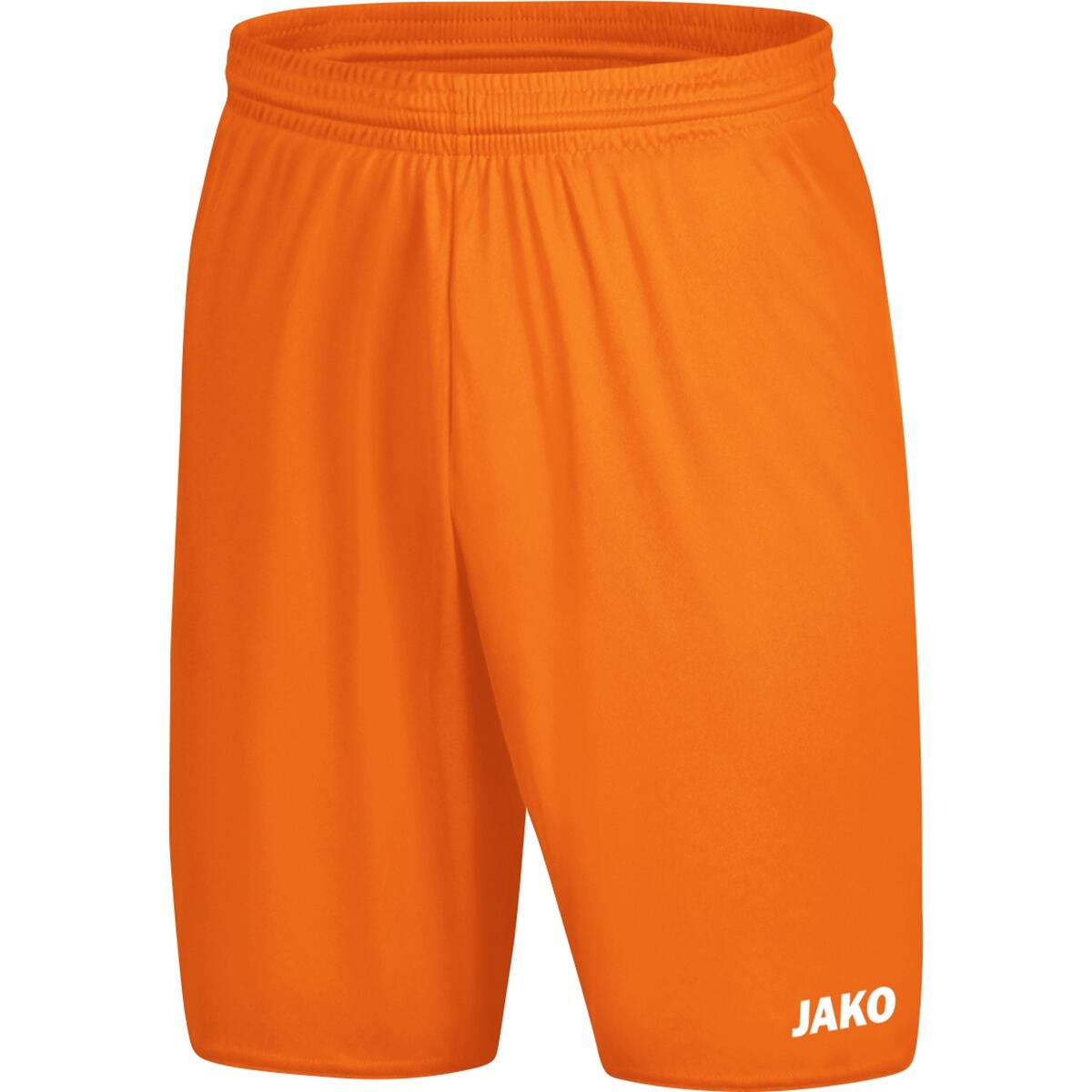
6,077 items
4.6/5 based on 1261813 reviews collected online and in stores

Walking Clothes FAQs

What clothes should you wear for walking exercise?

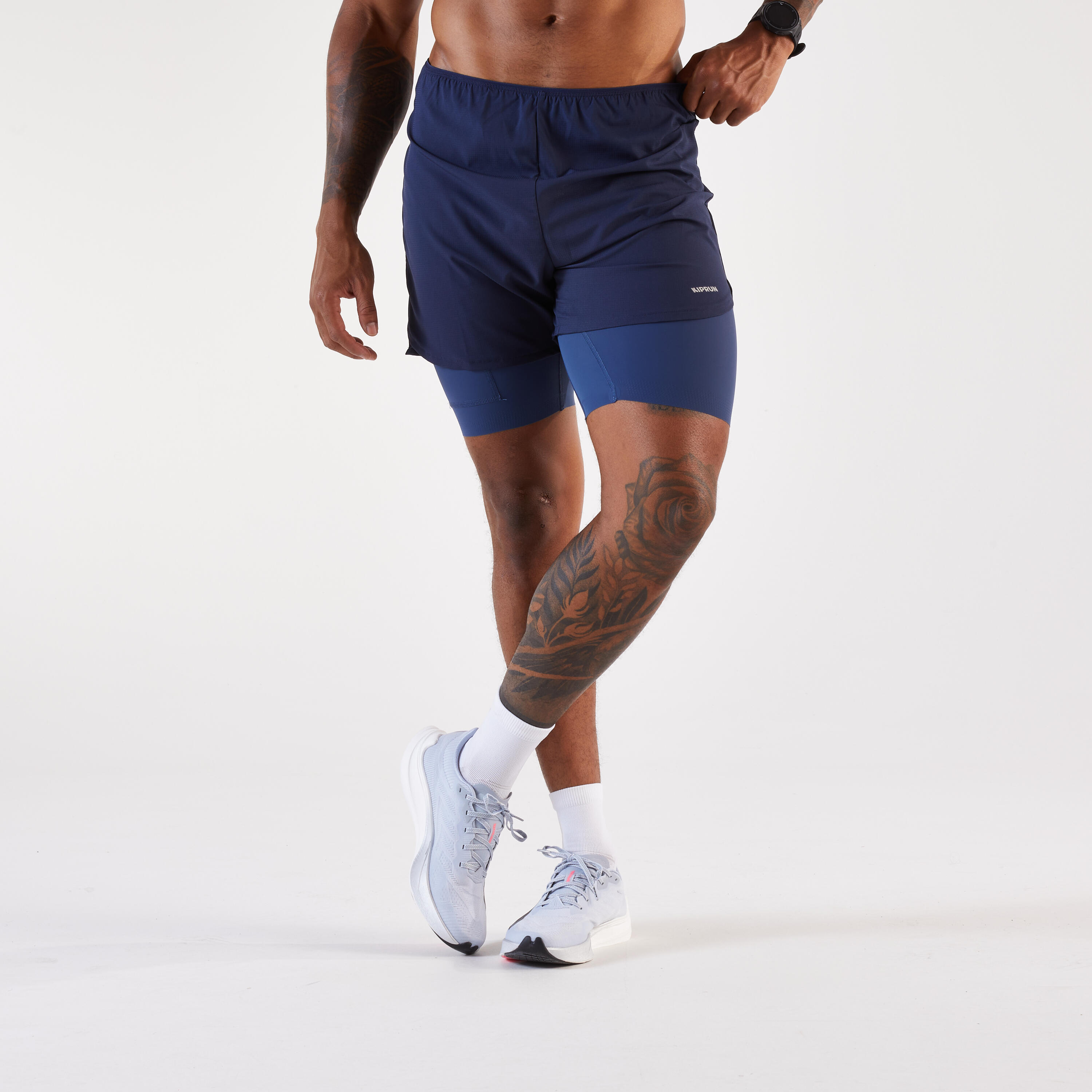
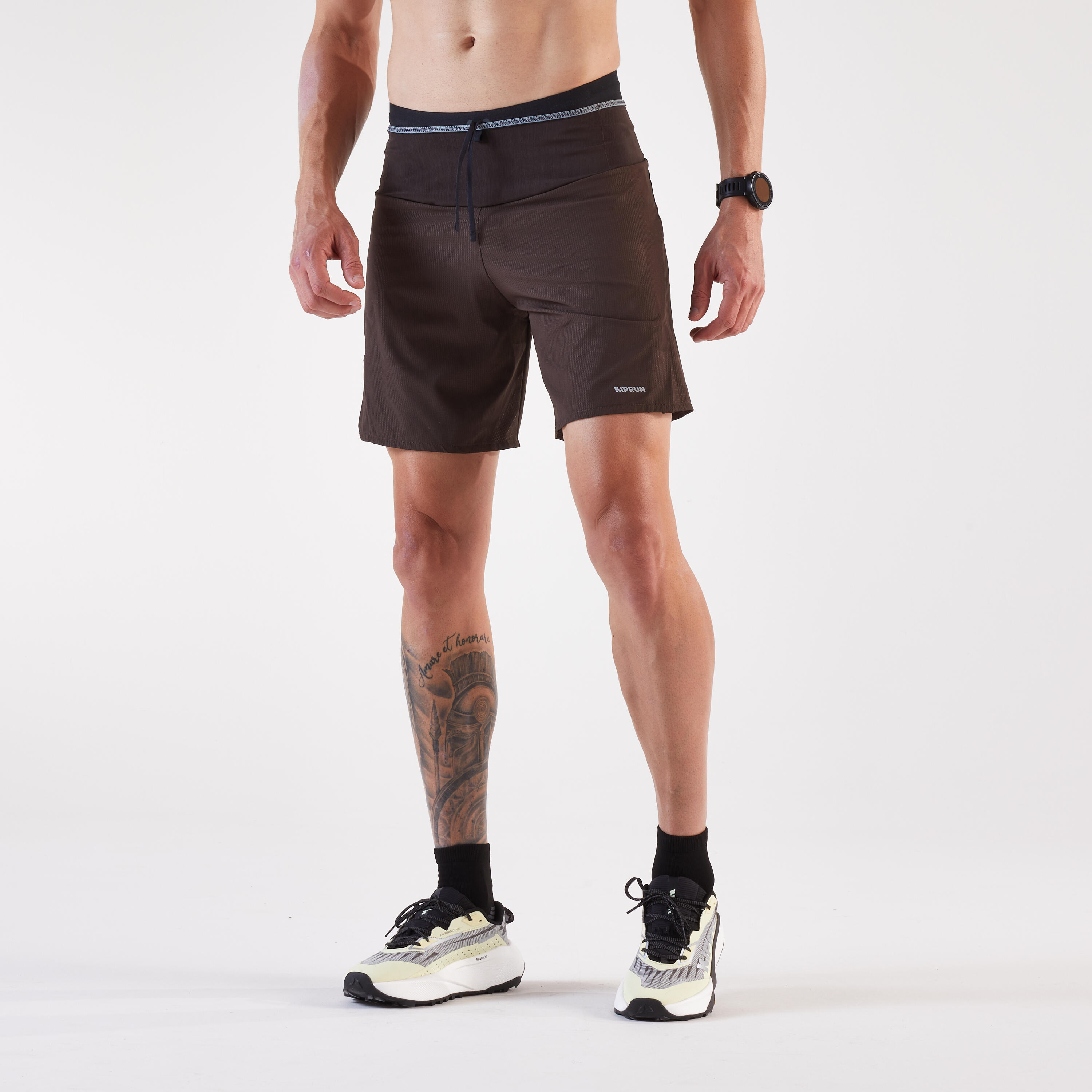
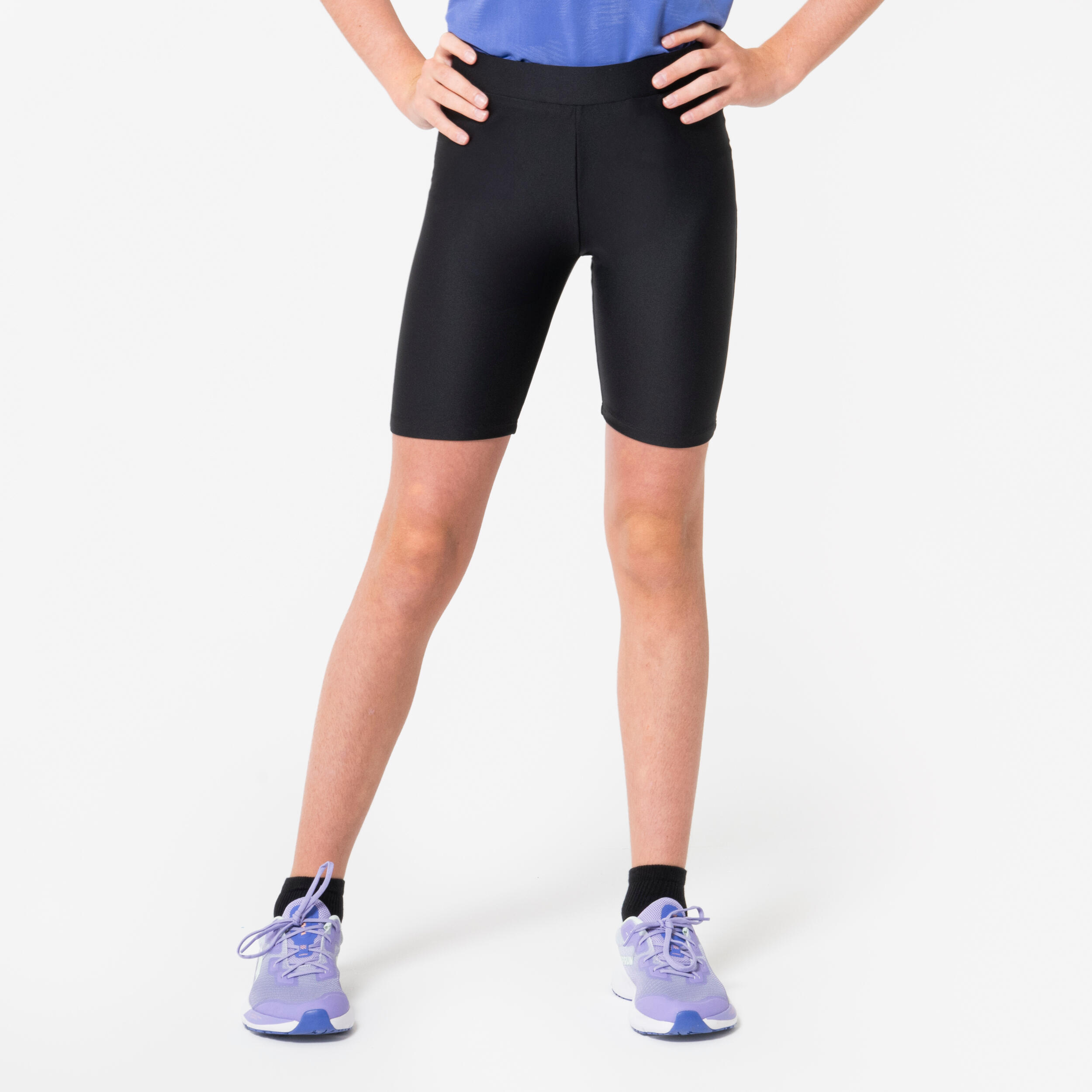
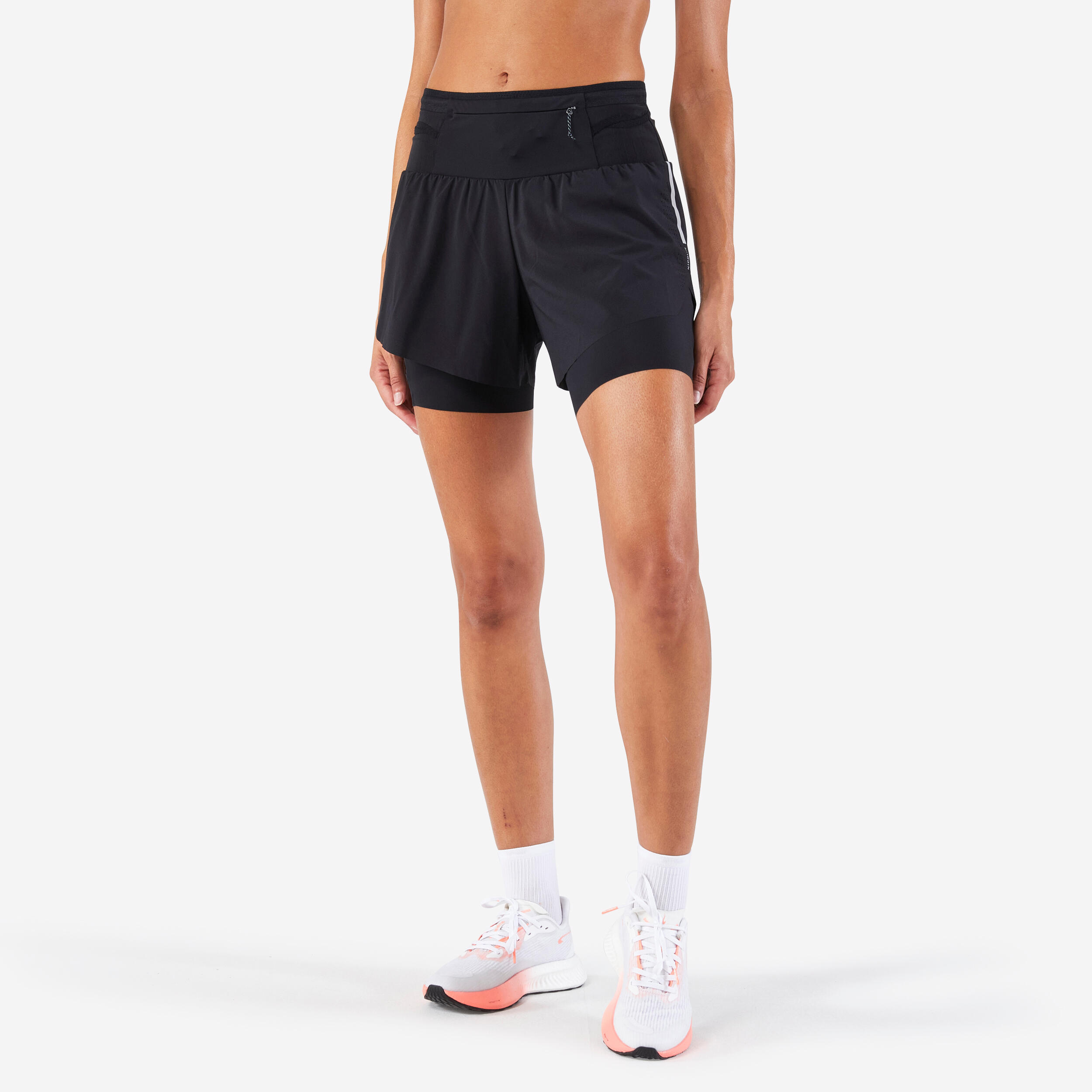
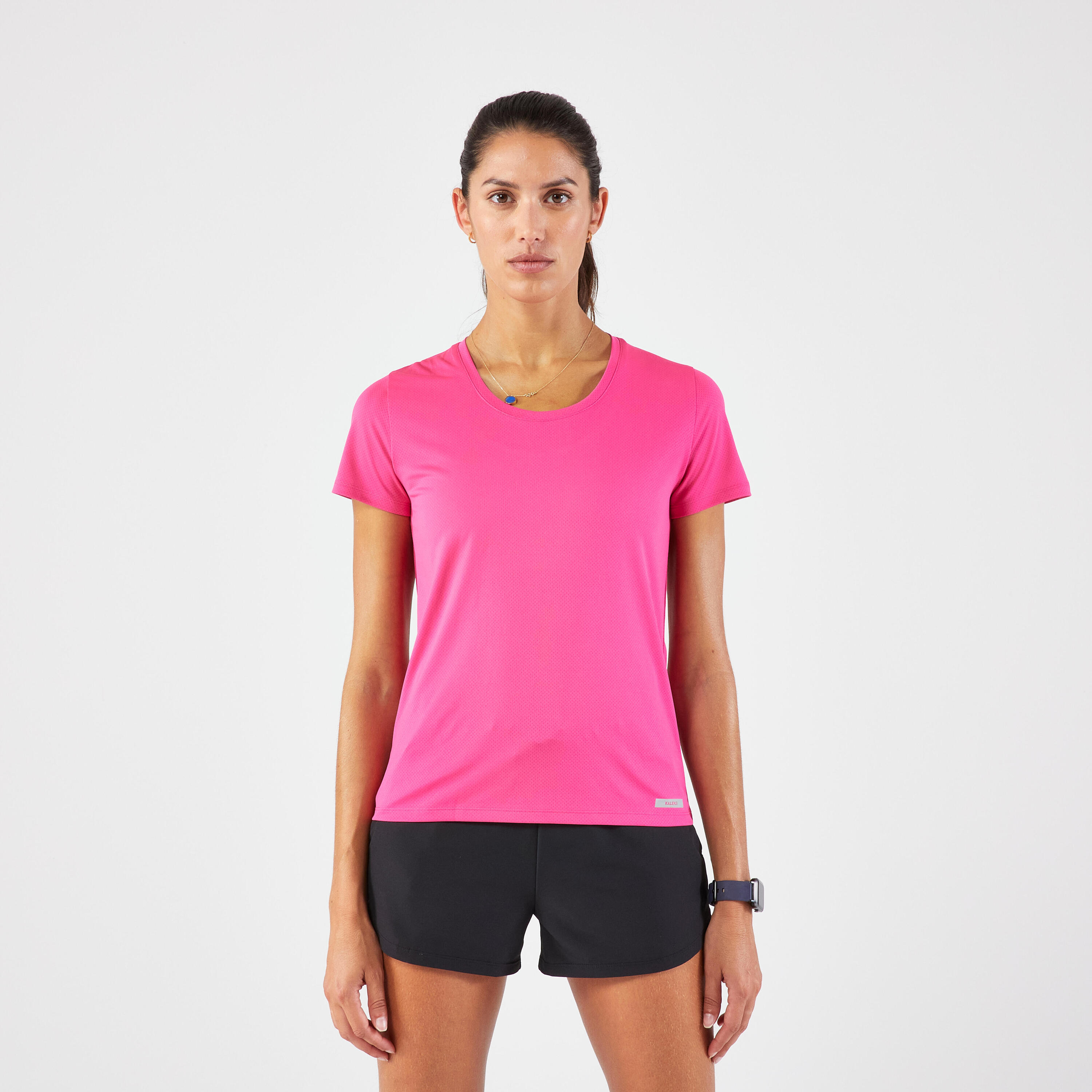
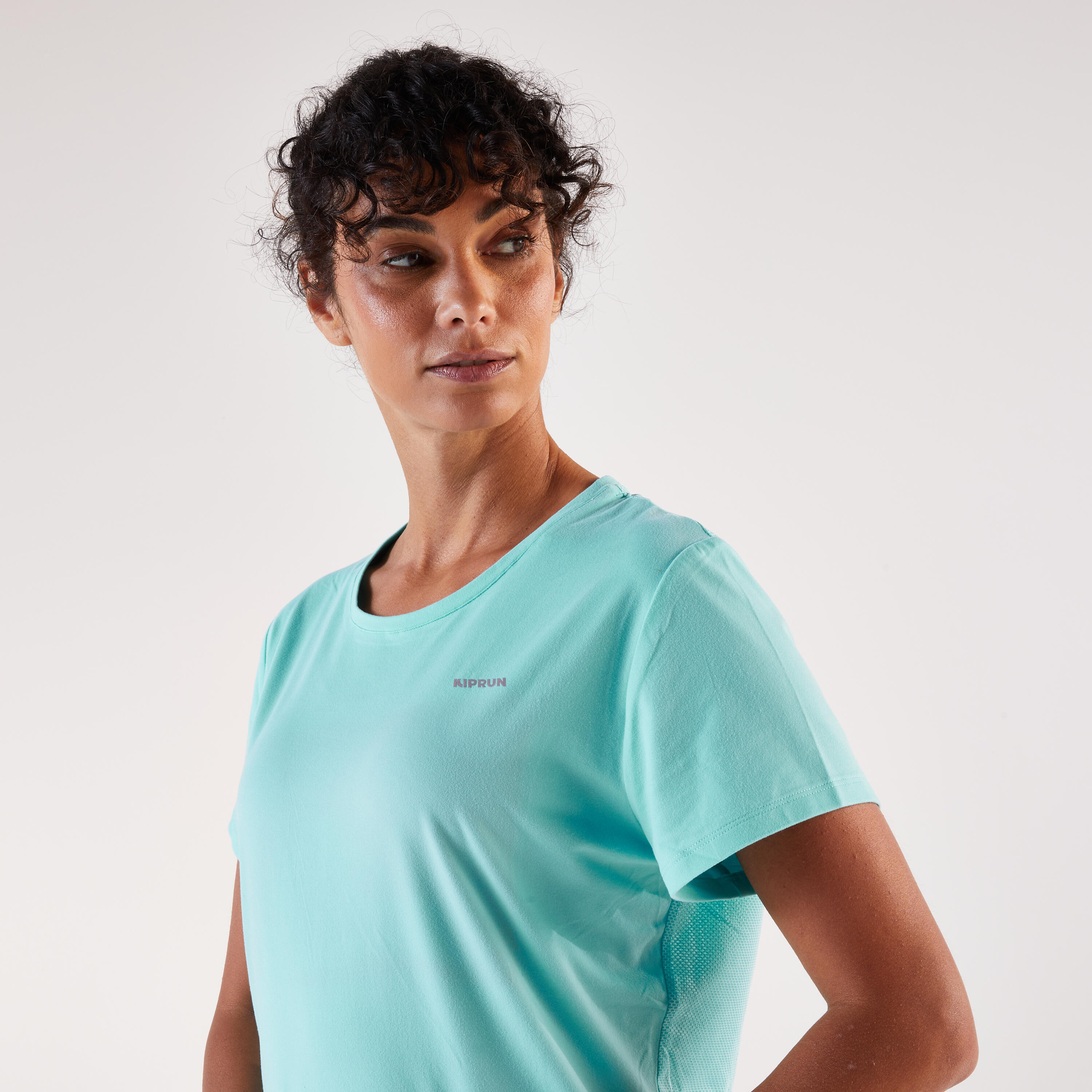
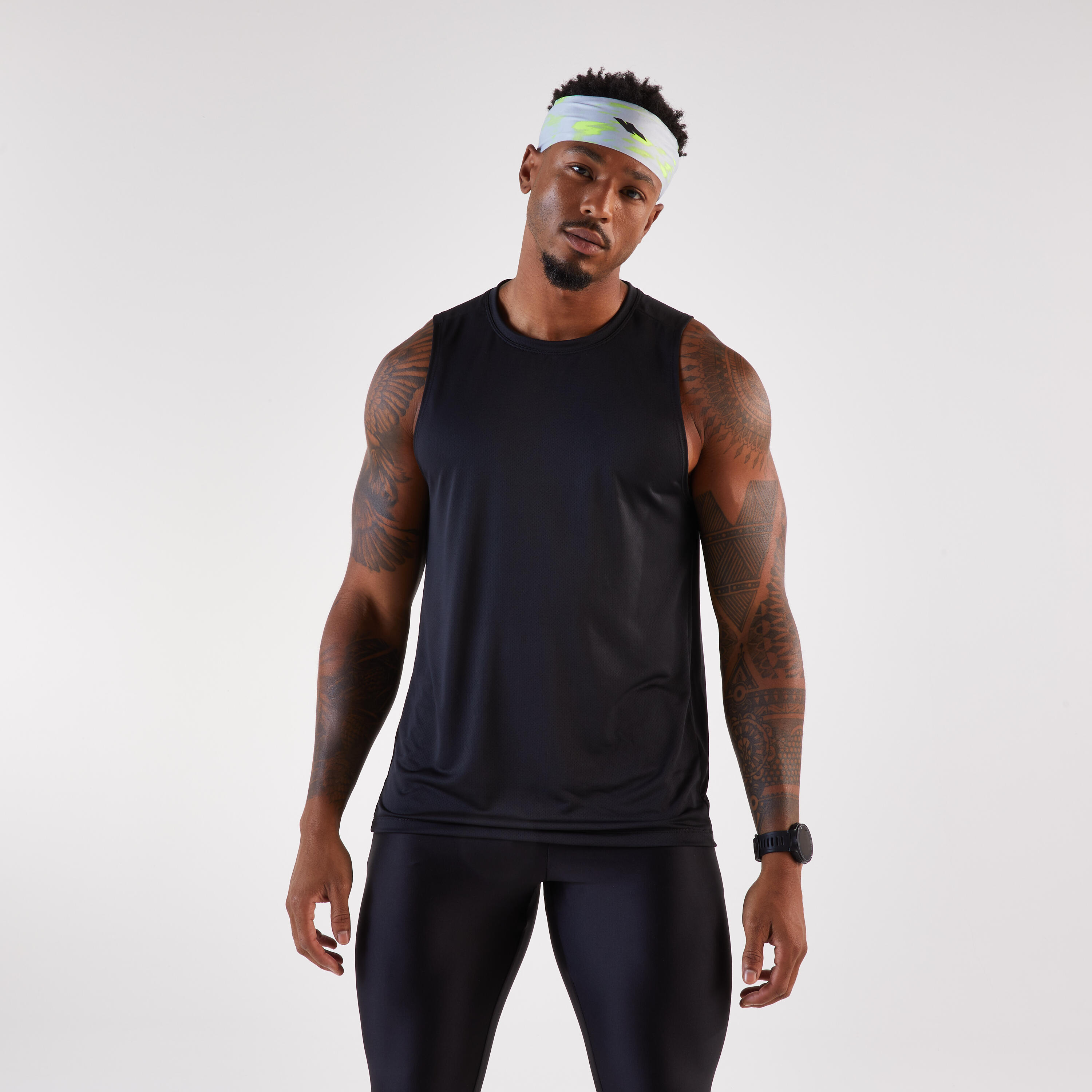
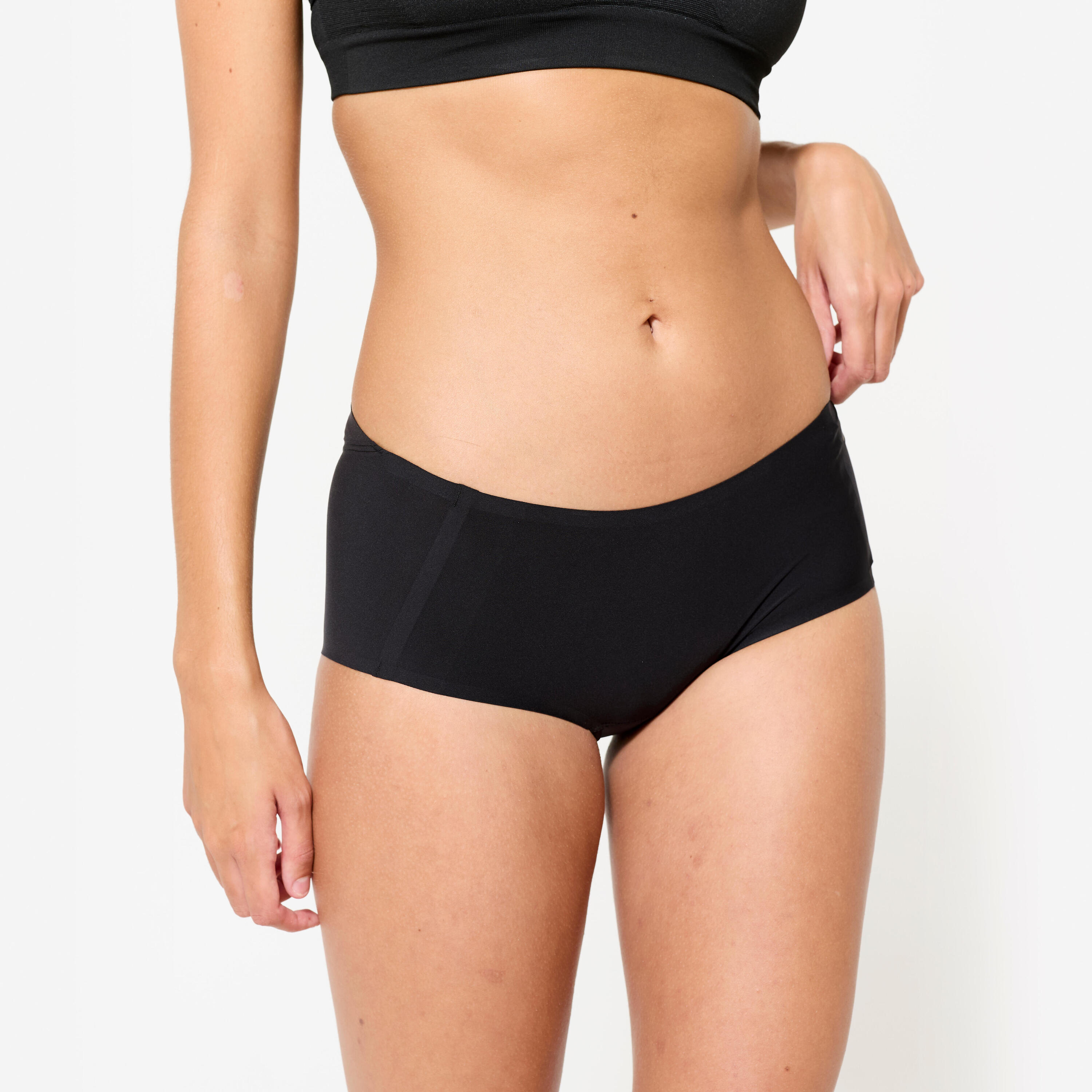
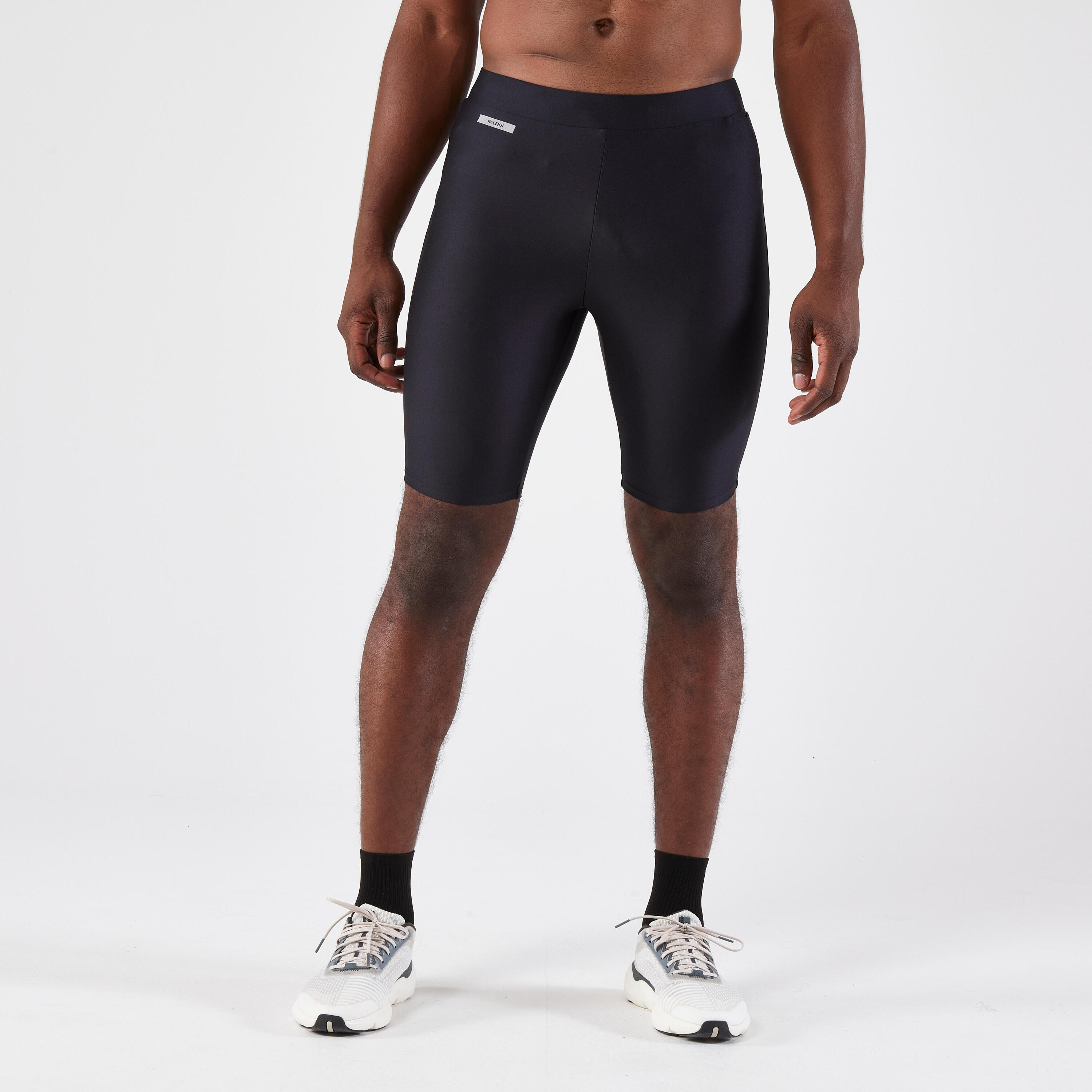
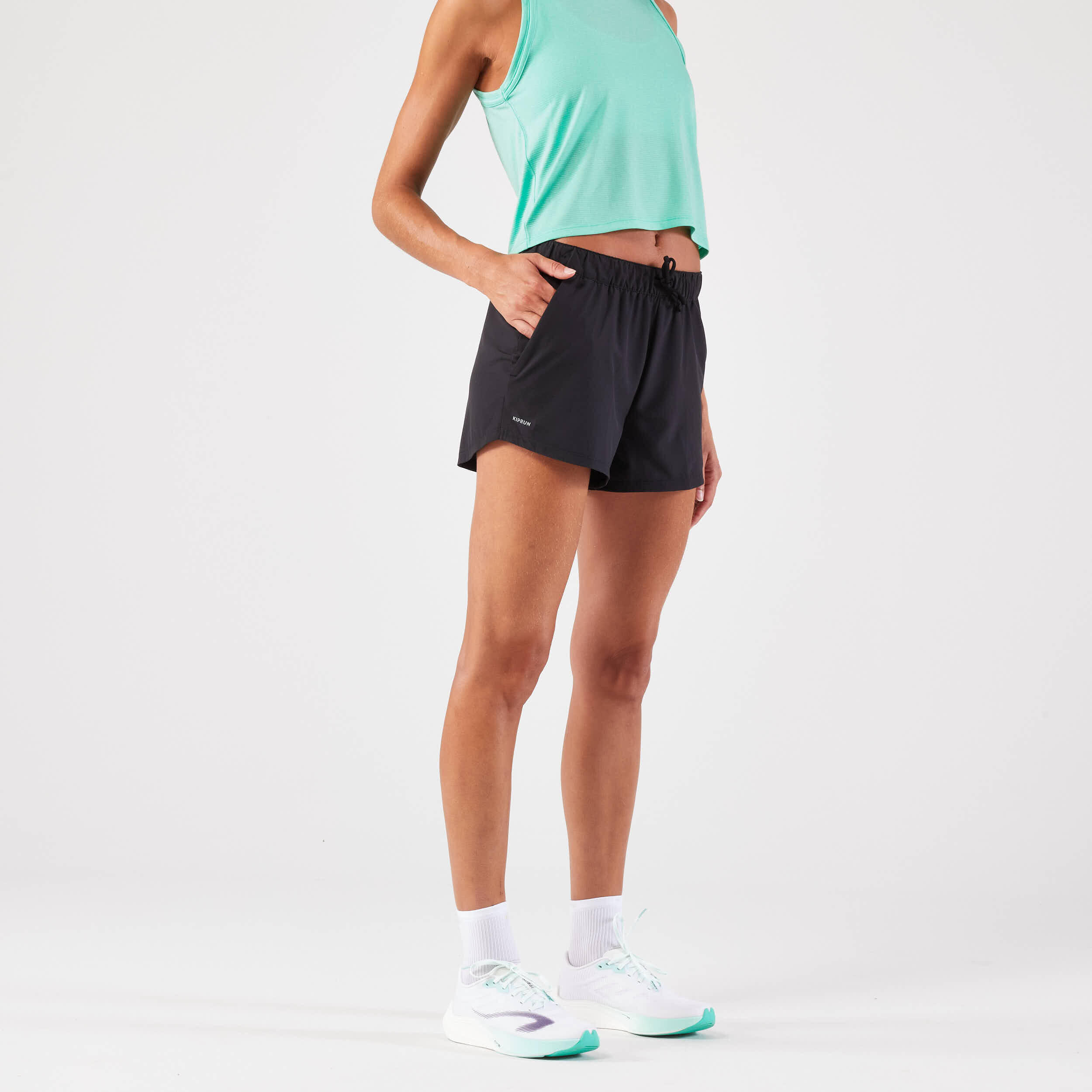
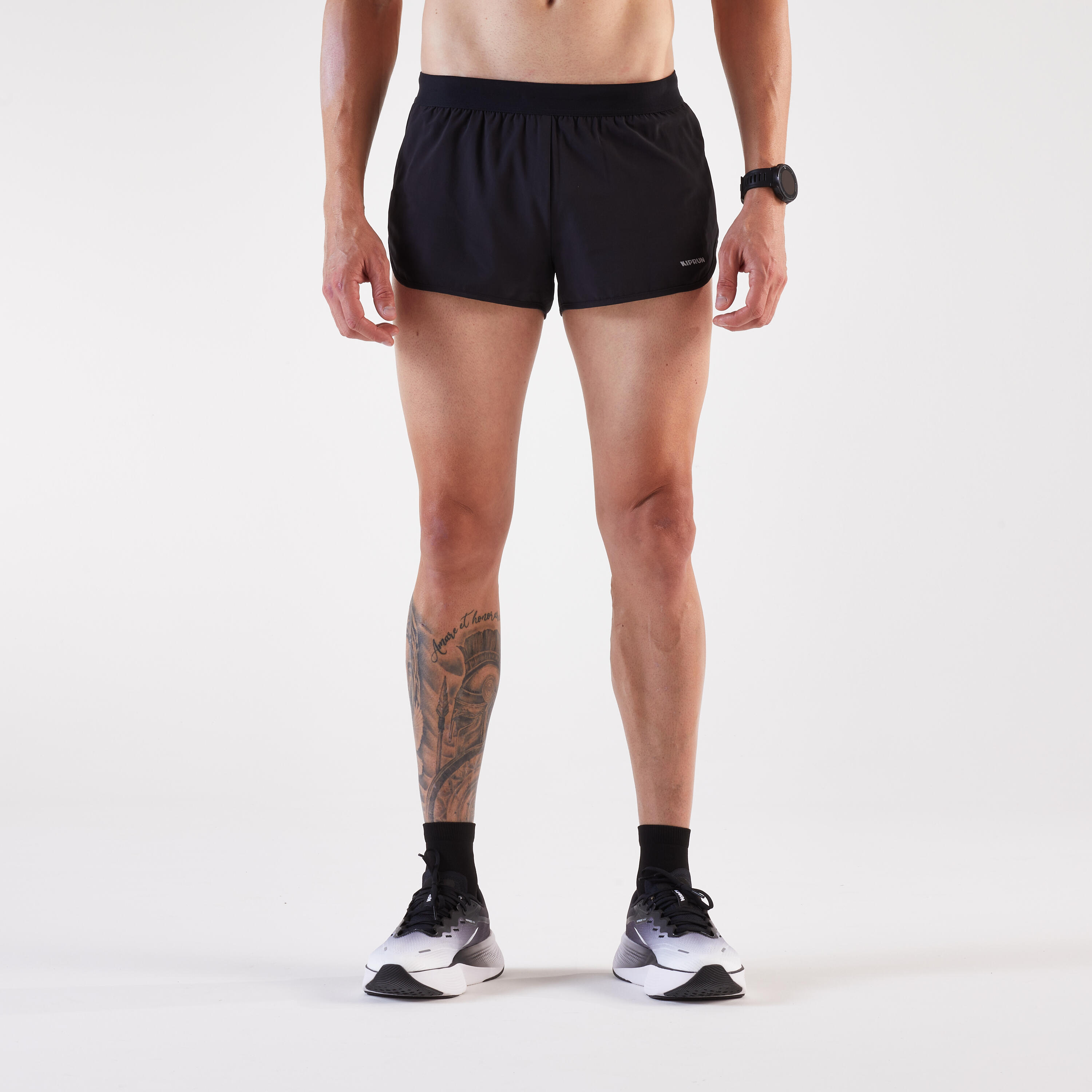
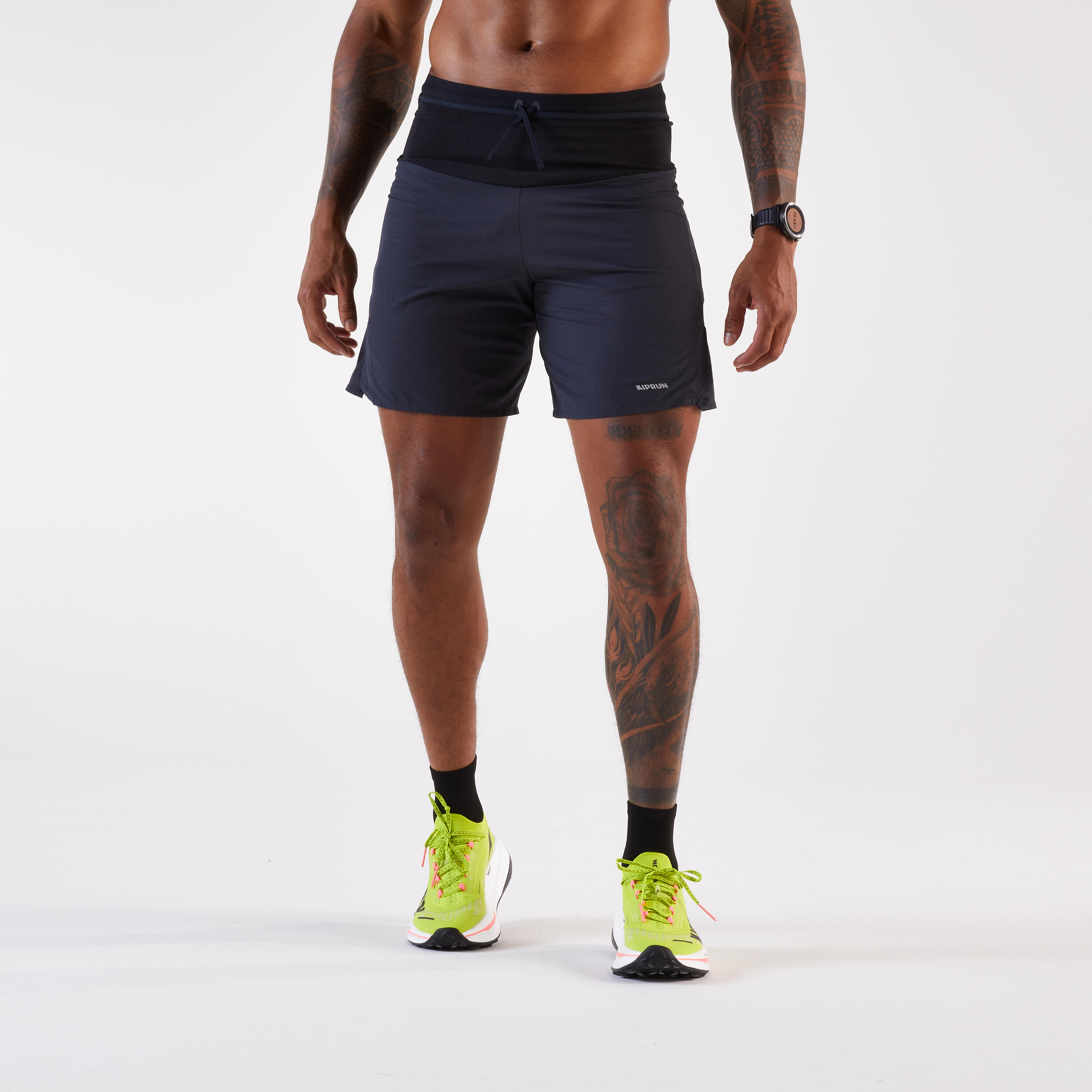
Choose walking clothes according to your pace, route, temperature and expected time outdoors. Brisk exercise creates more heat and perspiration than a relaxed walk, so lightweight technical clothing can feel more comfortable than everyday cotton. Synthetic tops and shorts transfer moisture towards the outer surface, where it can dry more quickly. Stretch fabric also supports natural hip, shoulder and arm movement without requiring an excessively loose fit. The current selection includes running and trail garments that can suit active walking, although not every item was developed specifically for walking. Use the wider walking gear category to coordinate clothing with footwear and practical equipment. Pro tip: begin slightly cool, as your body temperature normally rises once your walking pace becomes steady.

Which tops work well for brisk walking?

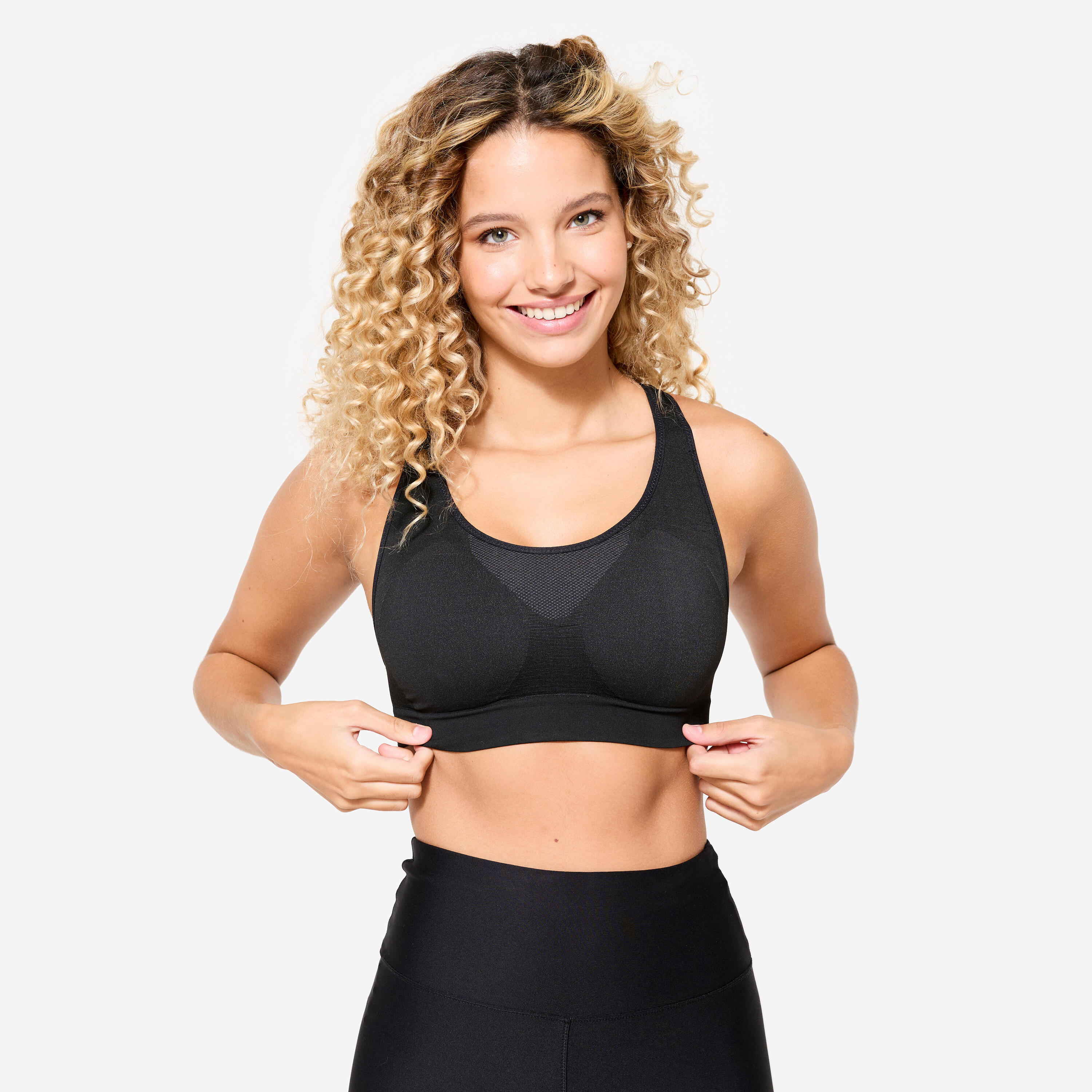
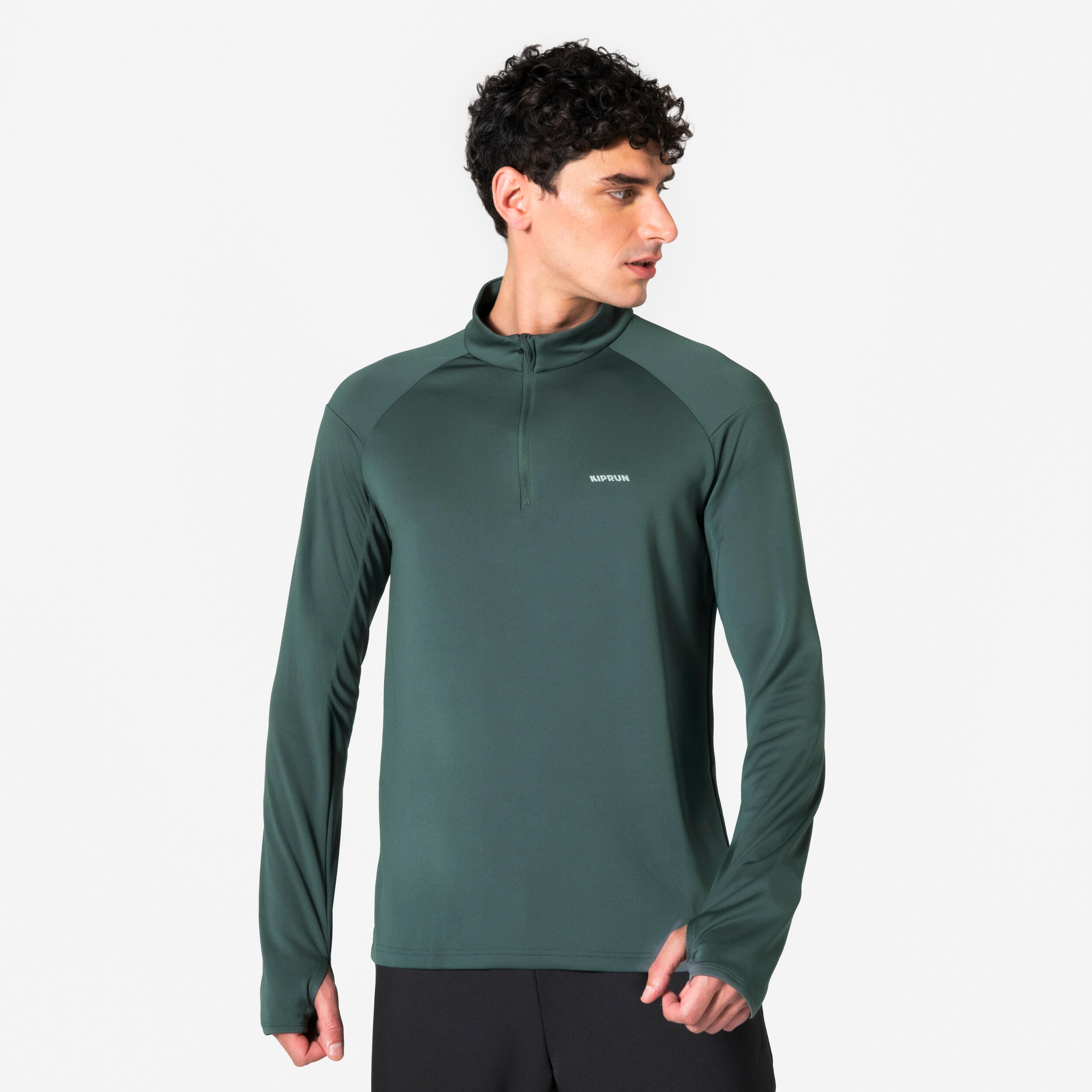
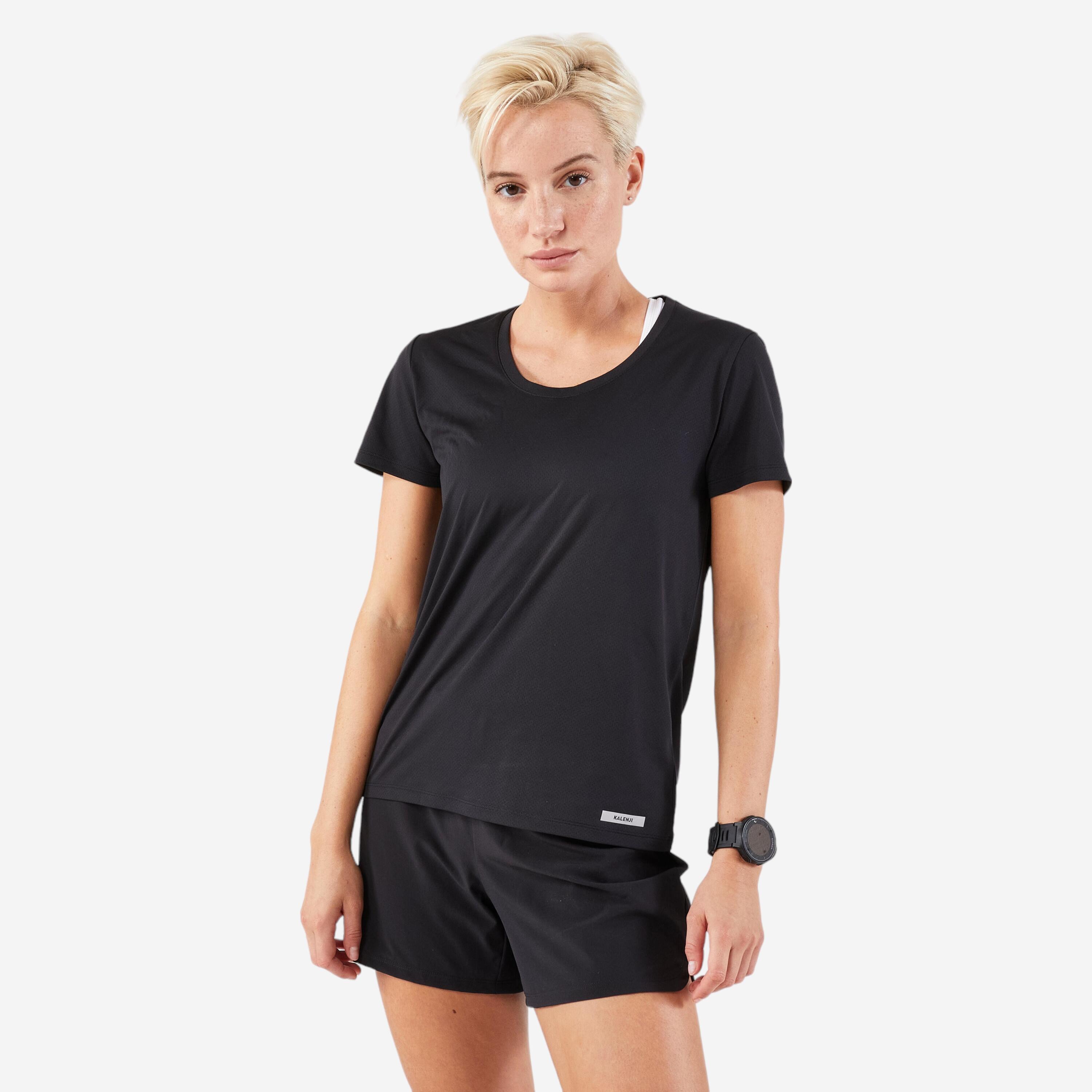
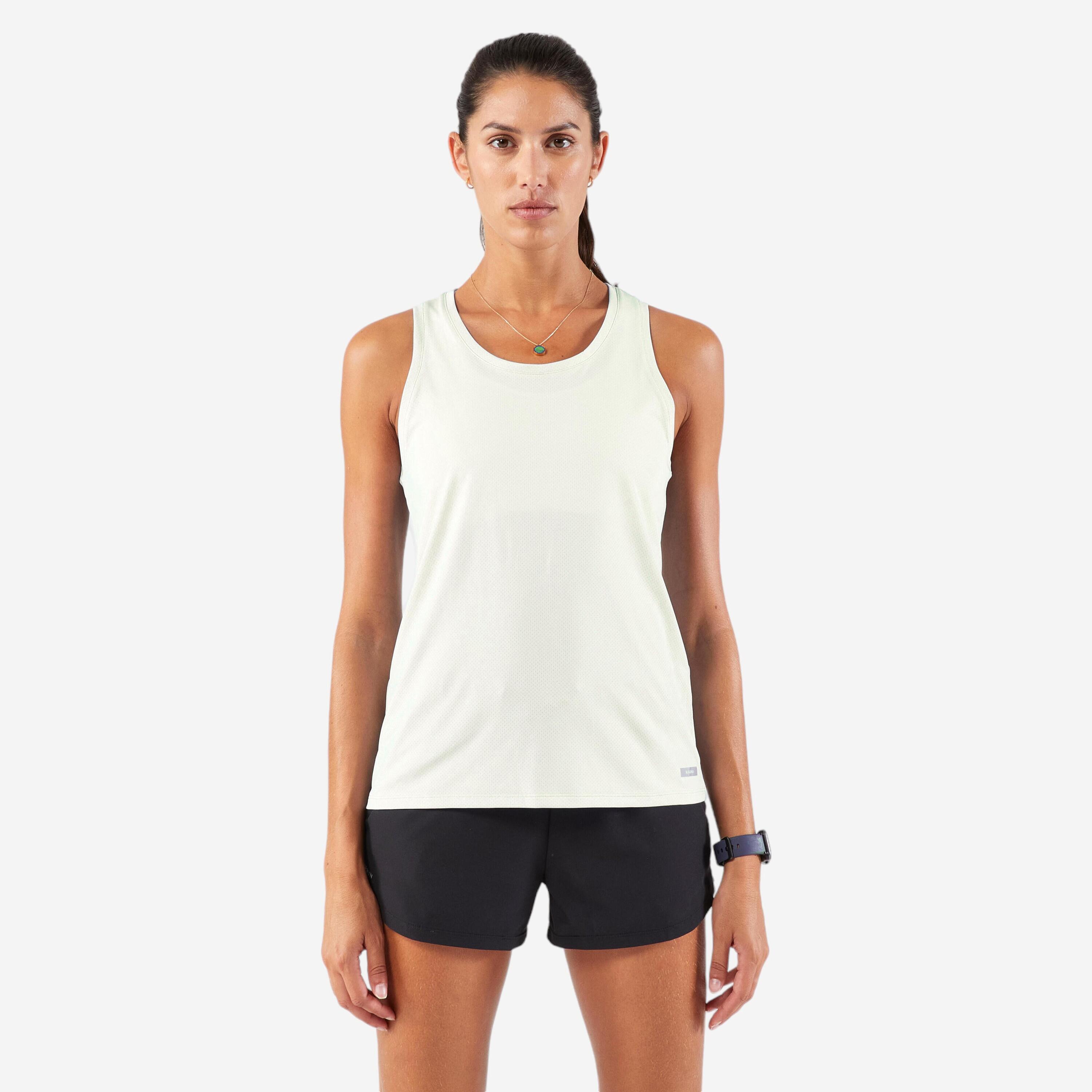
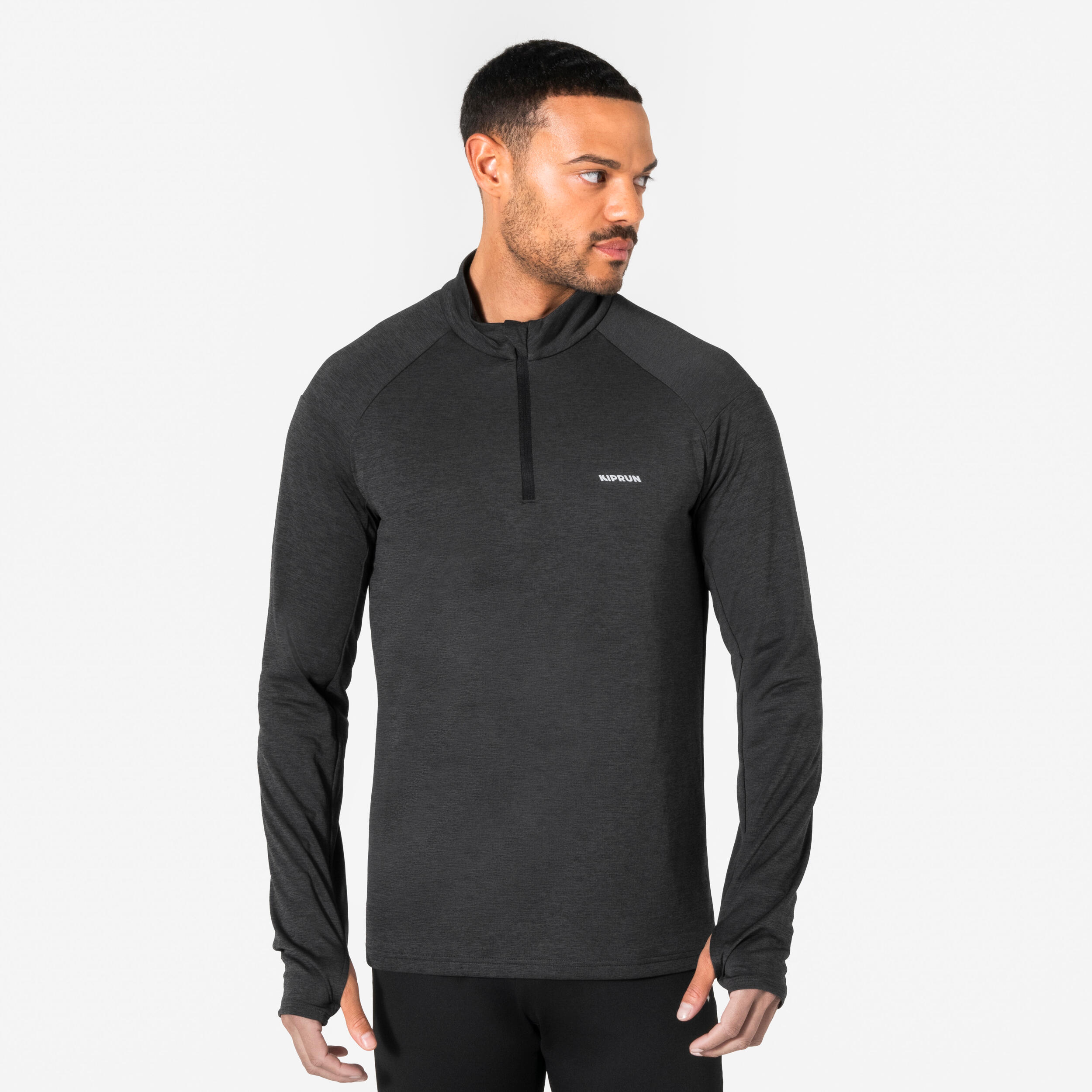
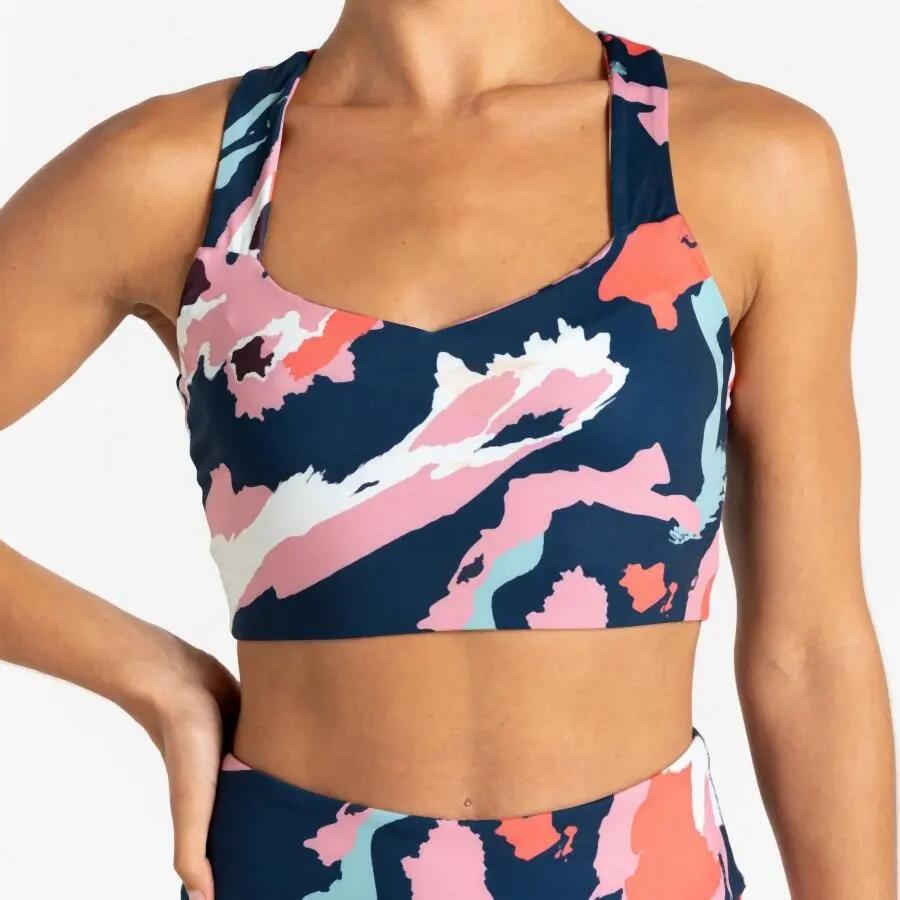
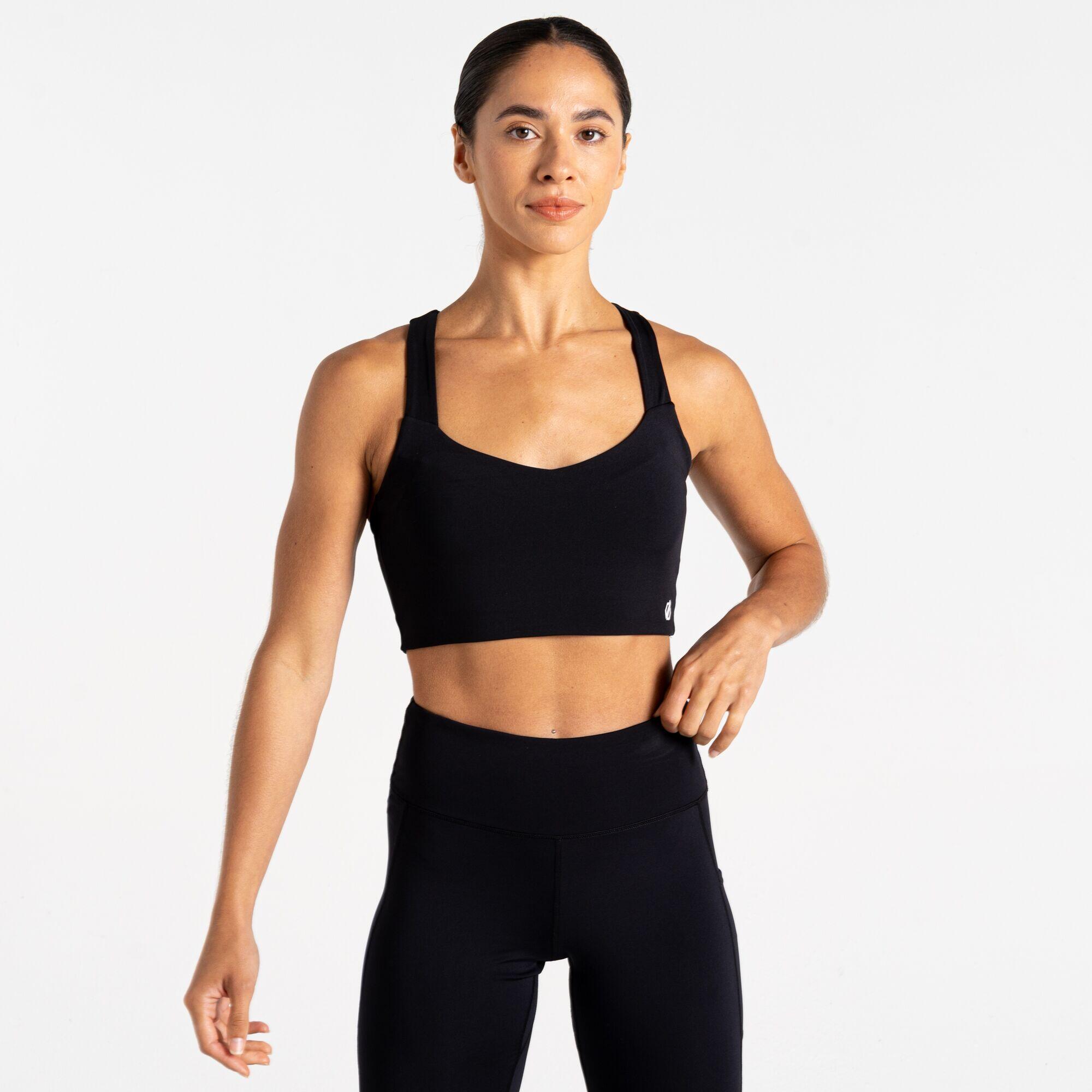
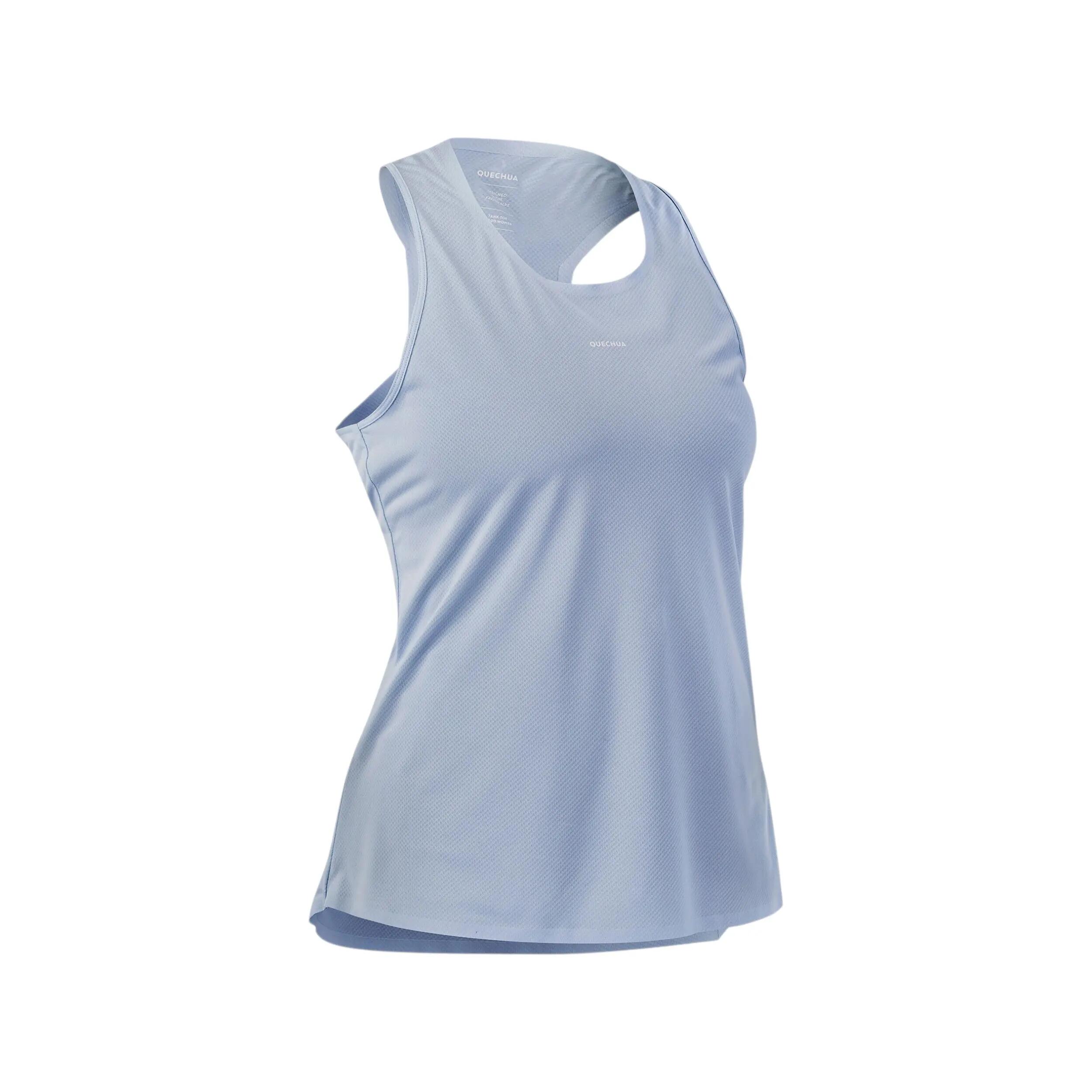
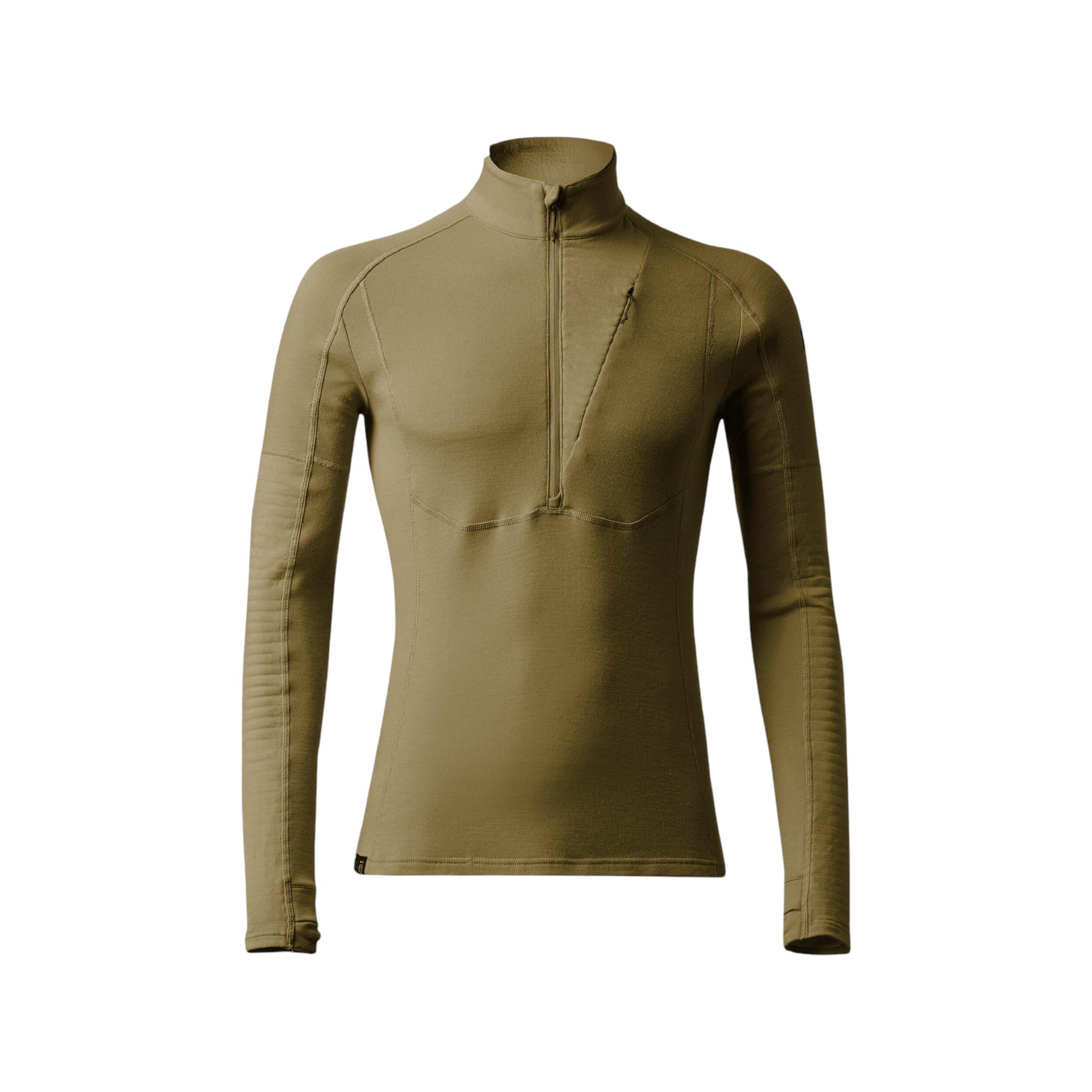
A suitable walking top should allow free arm movement and manage moisture without clinging heavily to the skin. Lightweight short-sleeved T-shirts suit warm exercise, while long-sleeved technical tops provide more coverage in cooler or sunnier conditions. Racer-back sports bras can also leave the shoulder blades freer during an active arm swing, but support and fit should be based on an accurate bust measurement. Select a walking tops by sleeve length, fabric, cut and intended weather. Check that the neckline does not rub and that the hem remains in position when you reach overhead. For longer walks, test the top beneath any backpack straps because pressure and perspiration can create friction.

In cold weather, what should you wear for a stroll?

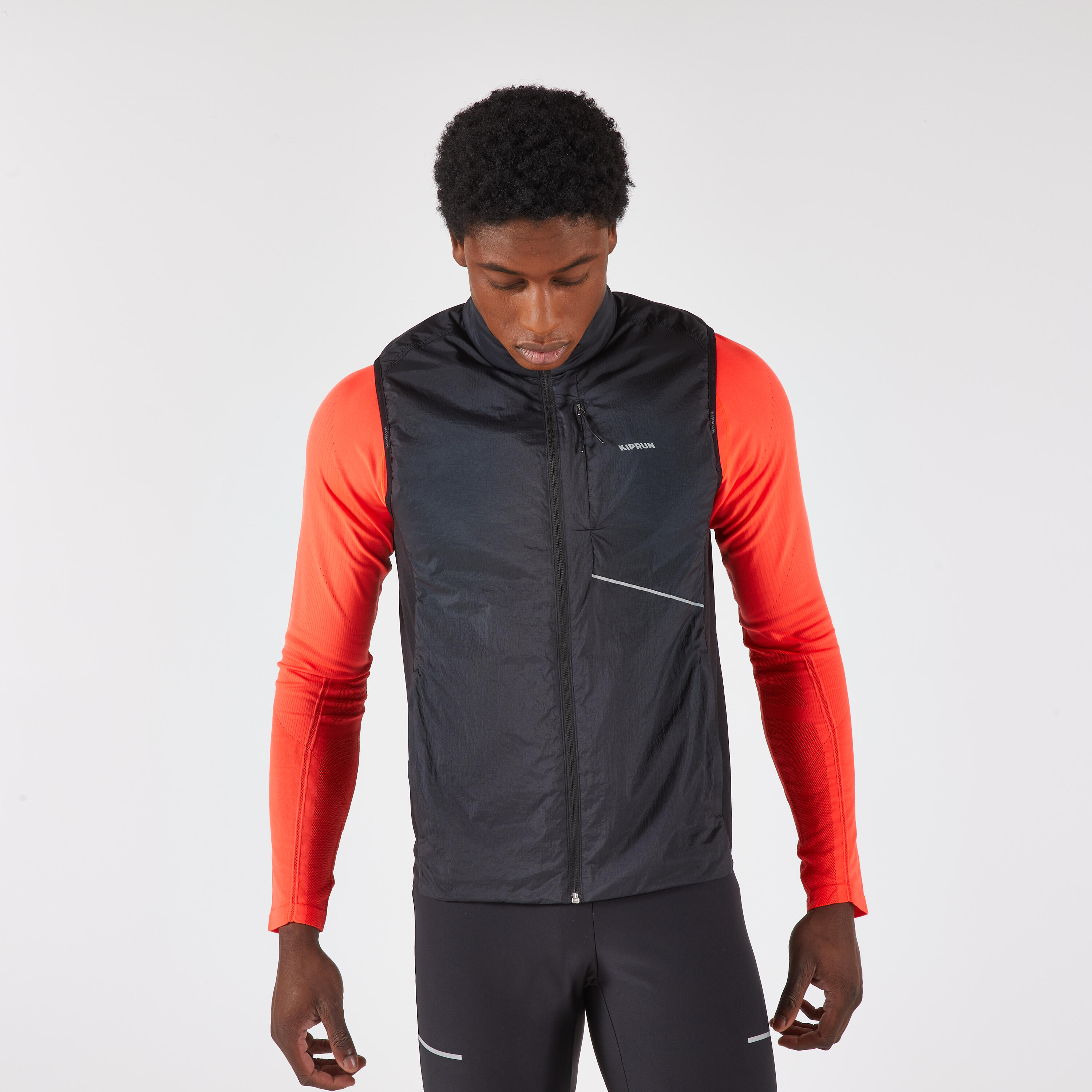
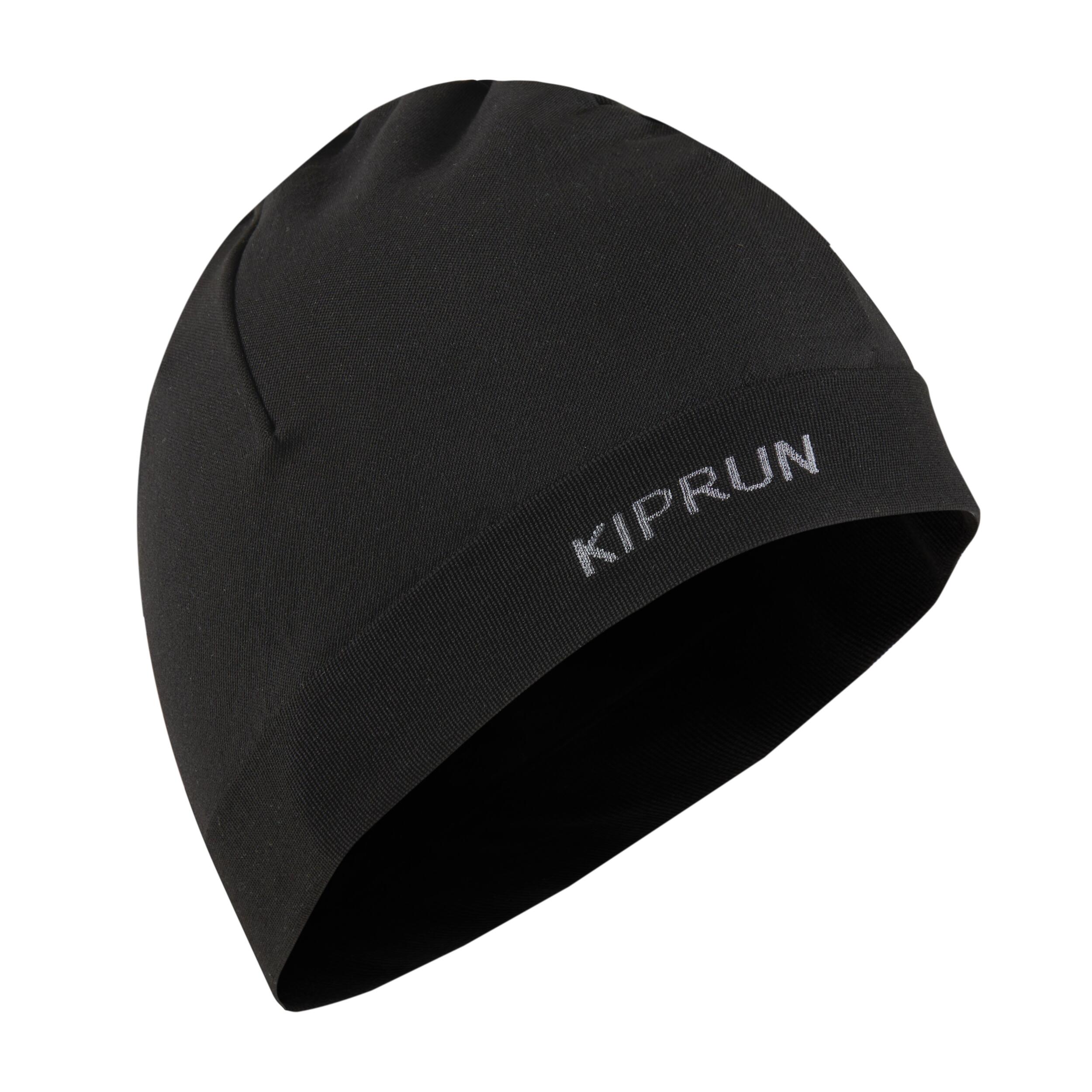
Use several manageable layers rather than one heavy garment. A moisture-moving base helps keep damp fabric away from the skin, while a warmer middle layer traps insulating air. Add an outer layer when wind or rain increases heat loss. Choose walking cold protection according to the forecast, pace and amount of shelter along your route. Faster walkers may need less insulation because their bodies produce more heat, while slower outings and rest stops require greater protection. Avoid overdressing at the start, as trapped perspiration can leave you cold when your pace drops. Keep a dry spare layer available during longer walks in exposed or changeable conditions.

Why do walking socks matter during exercise?

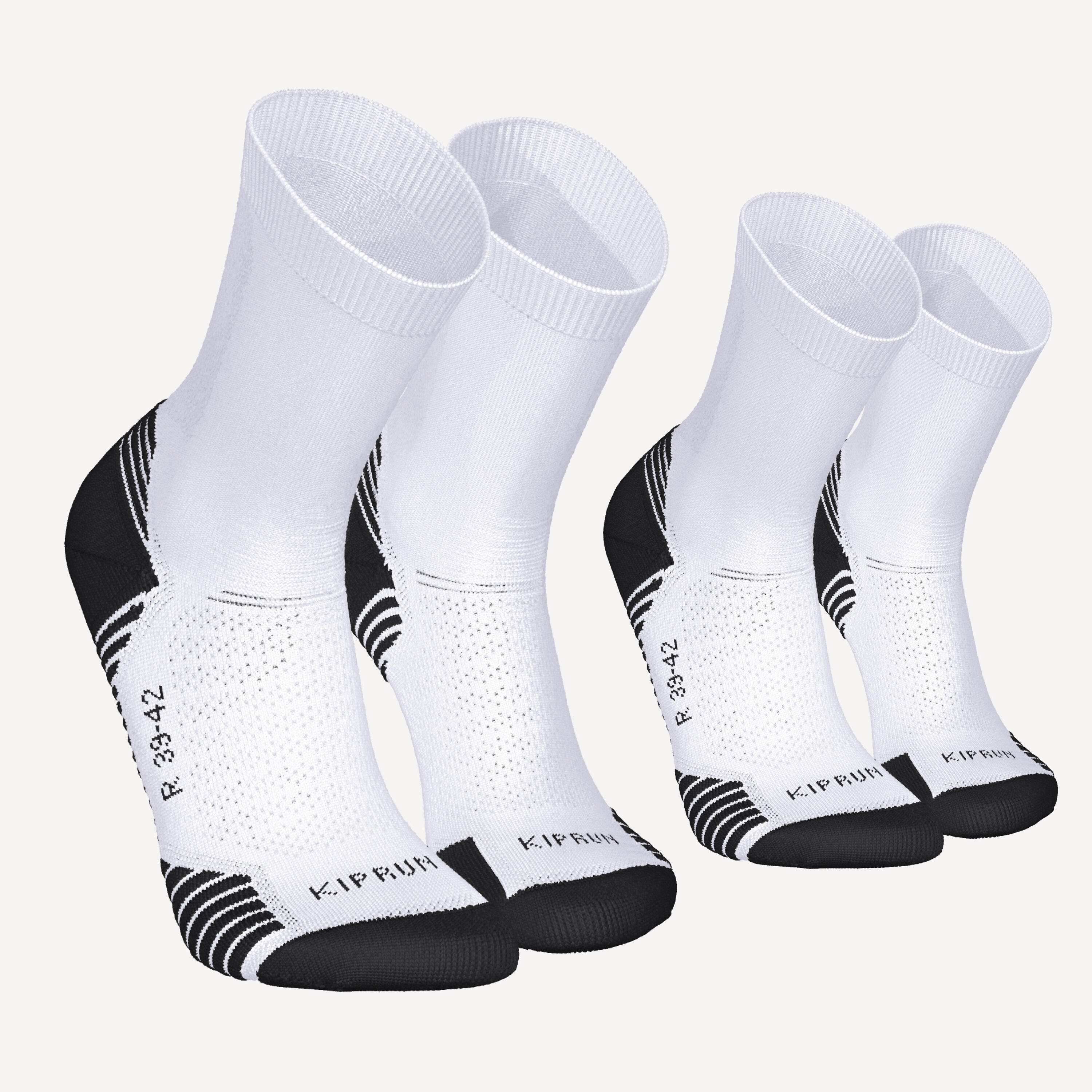
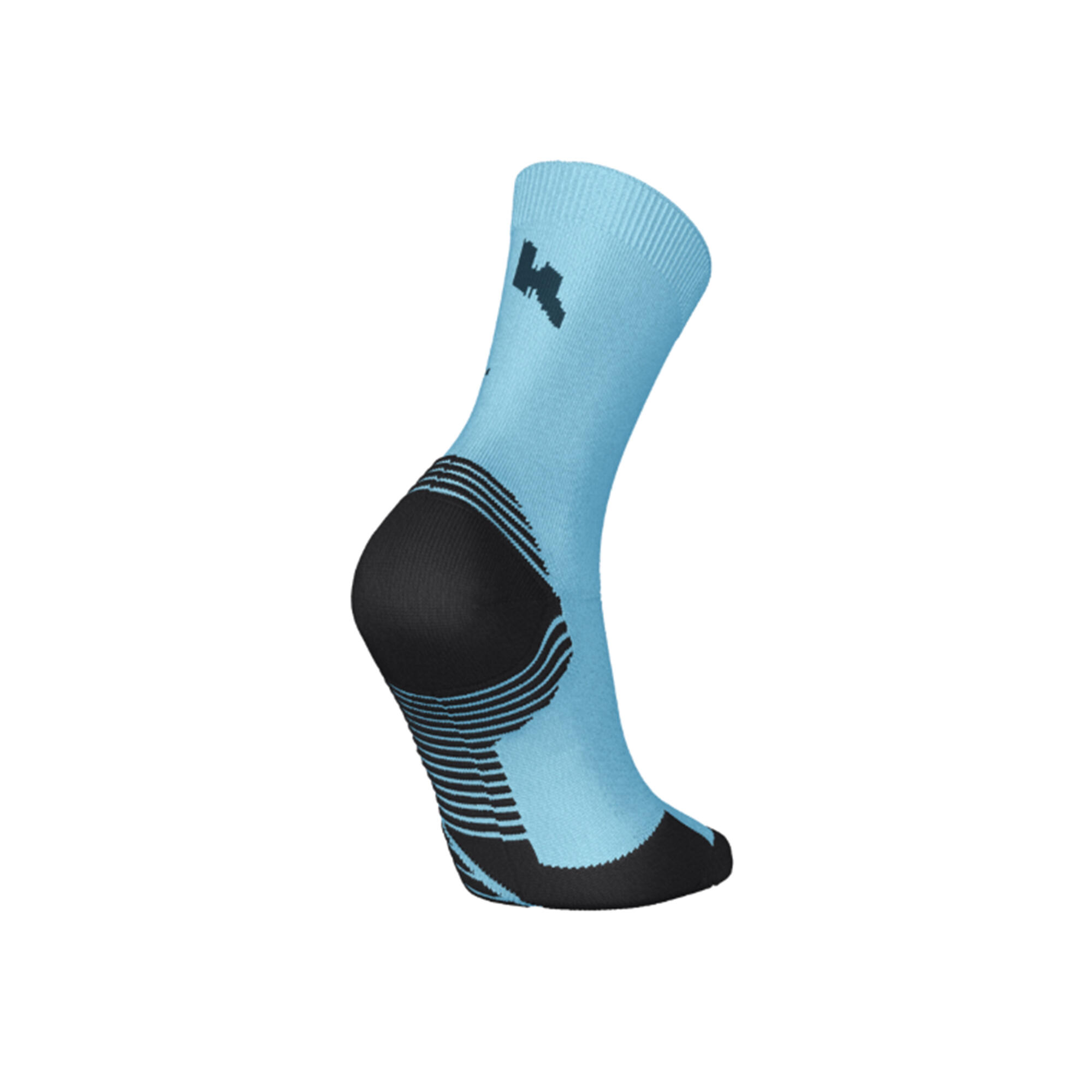
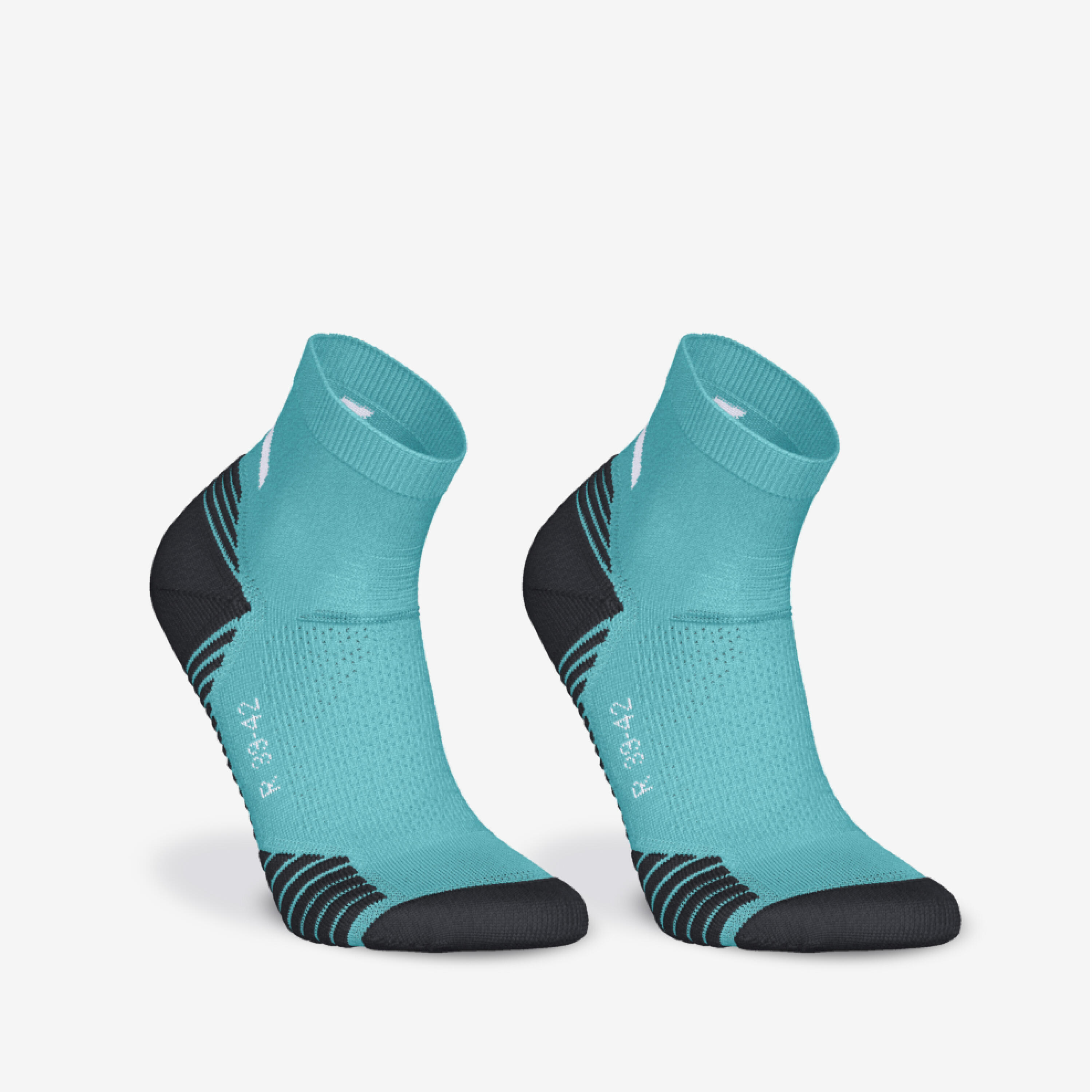
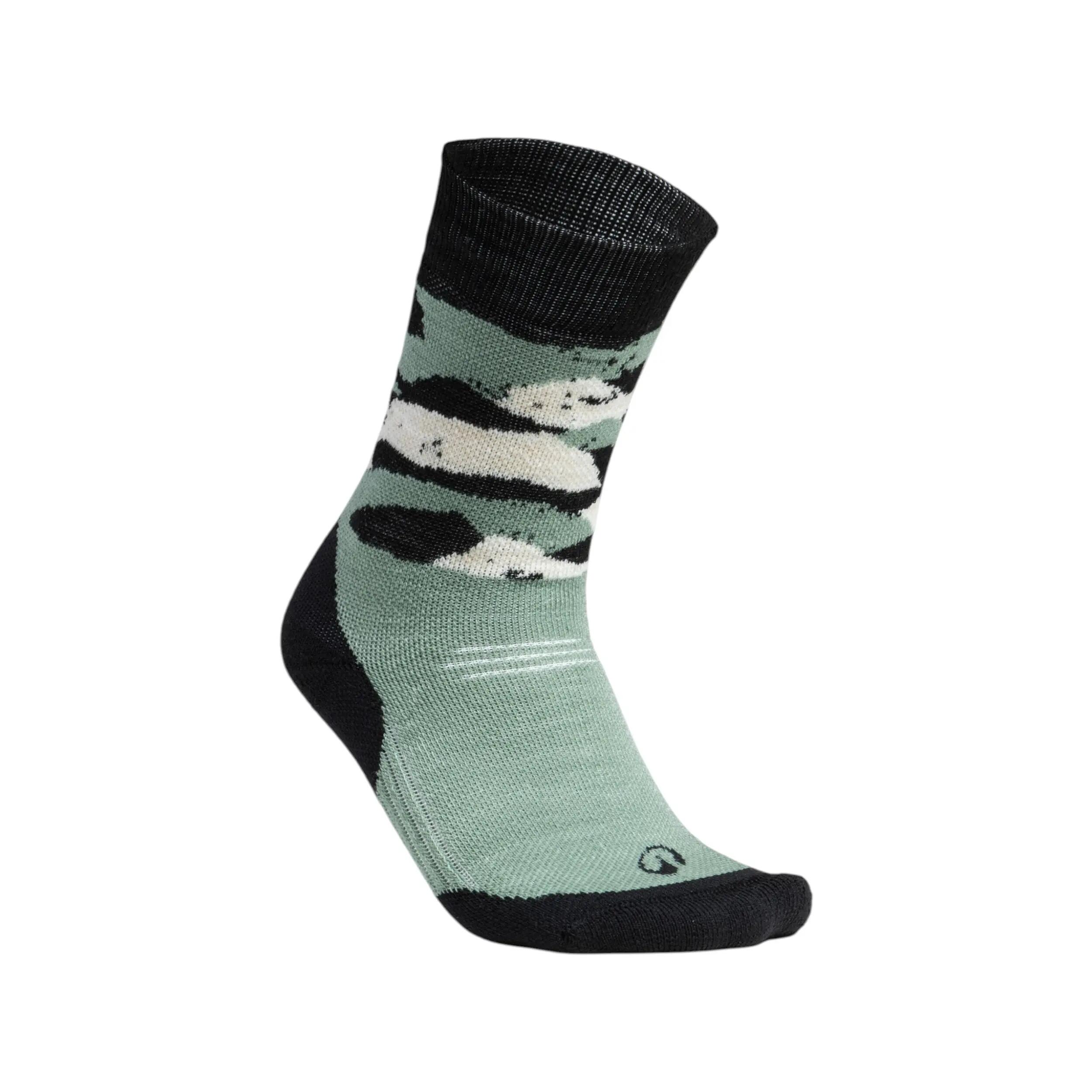
Socks influence moisture control, cushioning and how securely your feet sit inside the footwear. A smooth technical sock can reduce dampness and limit folds that create pressure against the toes or heel. Thicker constructions add cushioning but also take up more room, so check that the shoe does not become tight. Select walking socks based on height, thickness and expected distance. The cuff should remain secure without restricting circulation, while the heel should stay correctly aligned rather than sliding beneath the foot. Pro tip: test the exact sock and footwear combination before a long walk because comfortable items can still cause rubbing when their thicknesses and seam positions interact.

What walking clothes provide useful sun coverage?

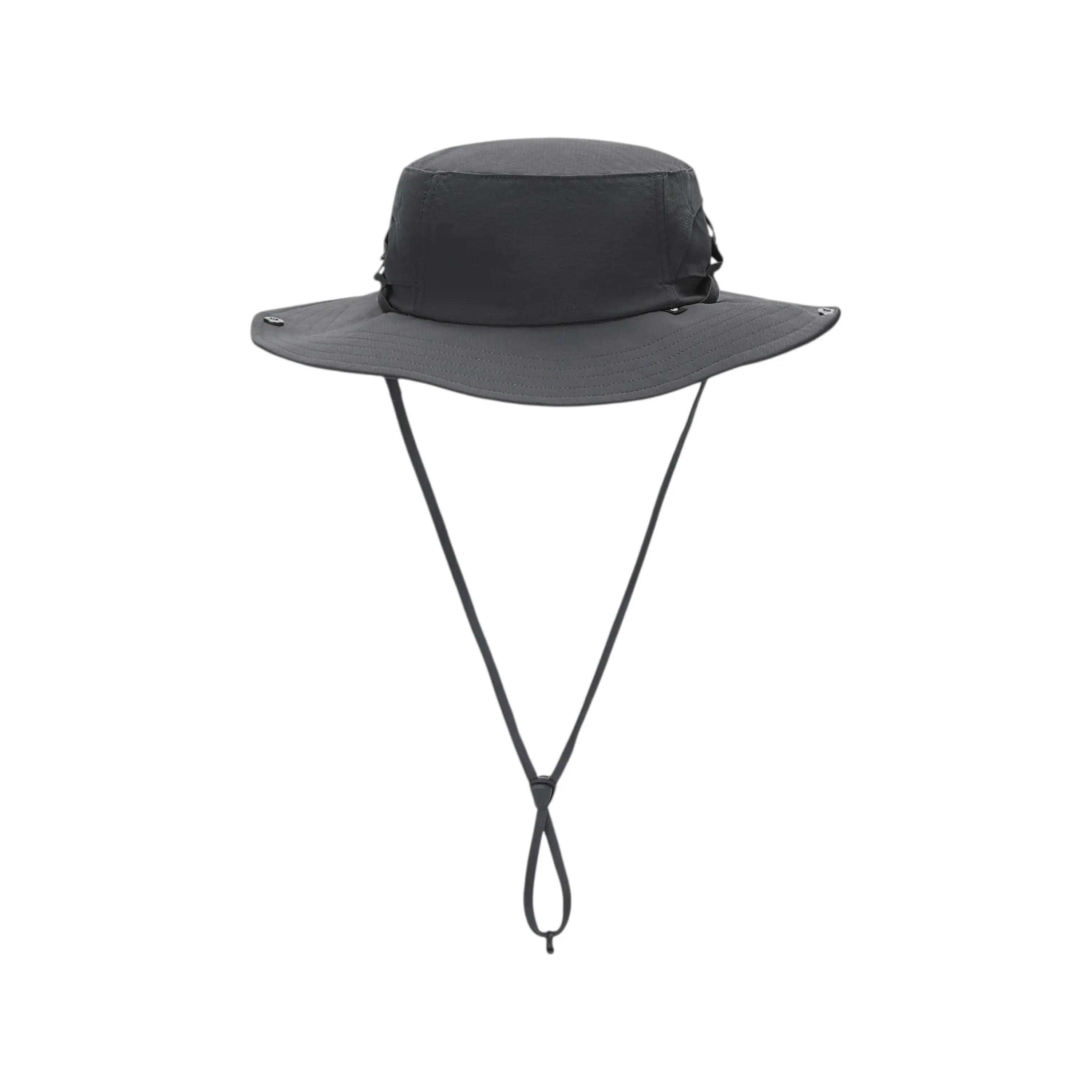
Lightweight long sleeves can cover more skin while still allowing perspiration to move through the fabric. A cap, suitable eyewear and breathable clothing can also reduce direct exposure during open routes. Make use of walking sun protection to compare clothing and accessories for brighter conditions, but check individual product information before relying on a specific UPF claim. Coverage does not replace suitable sunscreen on exposed areas, particularly during longer midday walks. Choose pale, ventilated clothing where practical and carry enough water for the temperature and route. Wash technical sun-covering garments according to their labels, avoiding excessive heat when it could damage stretch fibres or product-specific finishes.