150 items
4.5/5 based on 2358 reviews collected online and in stores

Surfer Accessories FAQs

What surf wax grade suits cold water conditions?

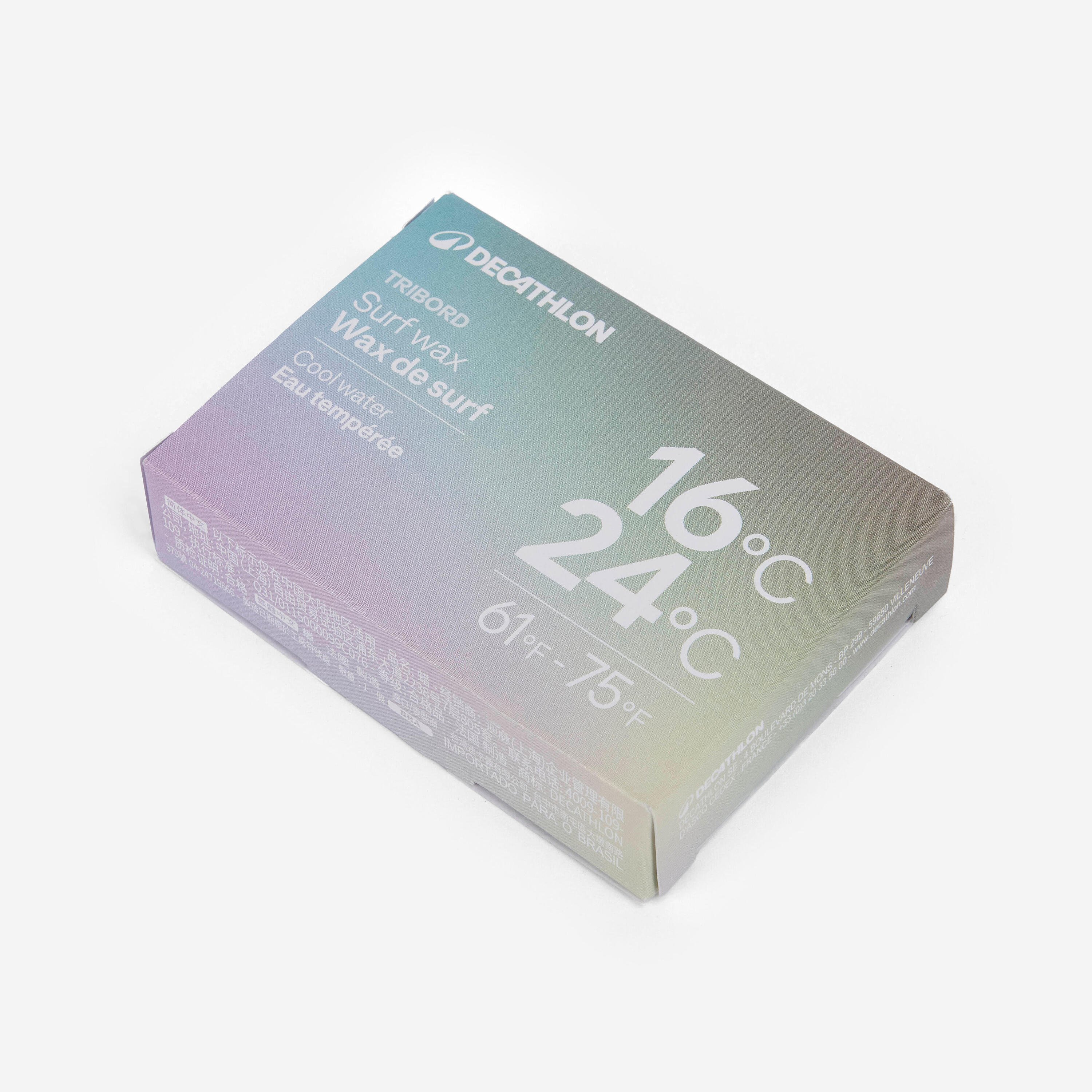
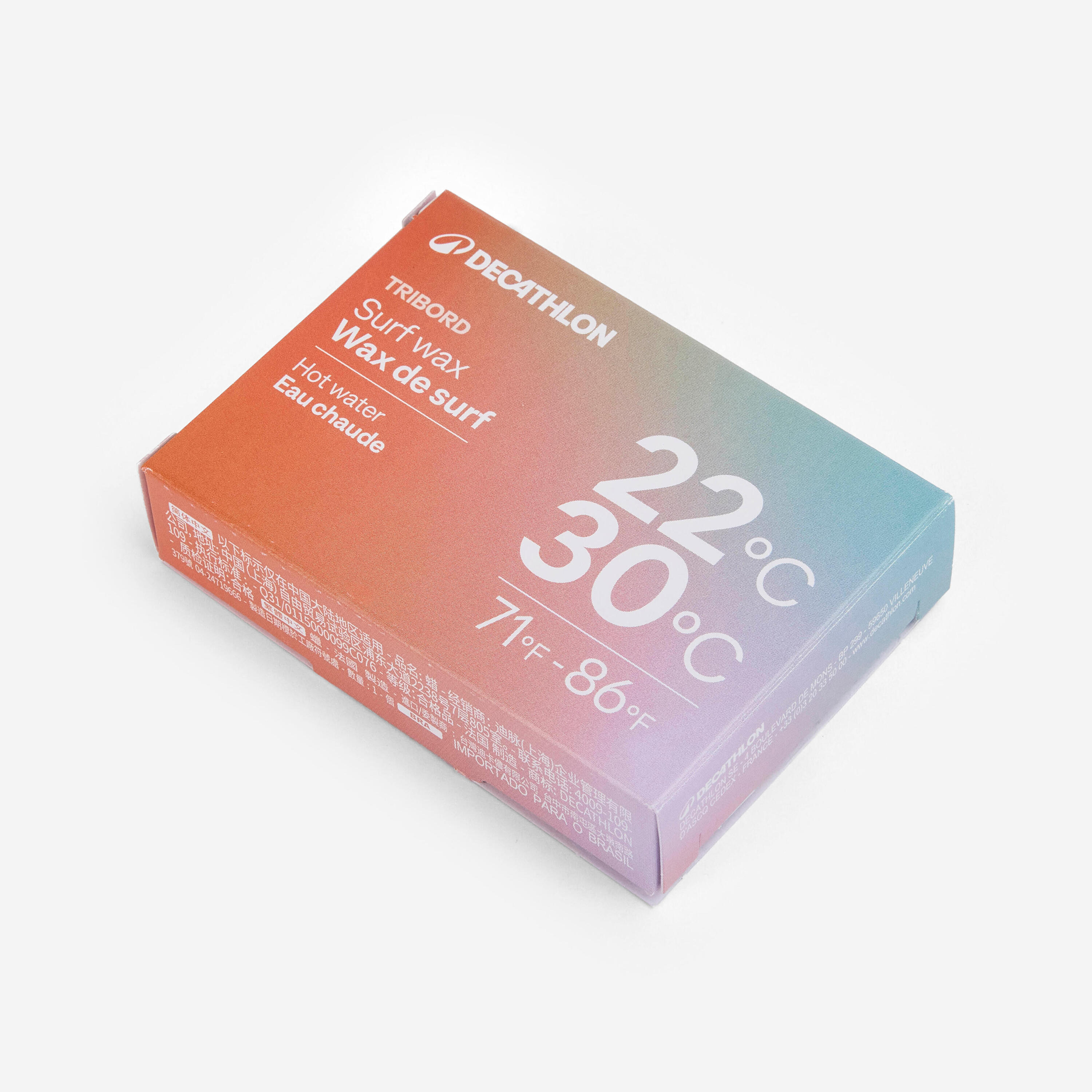
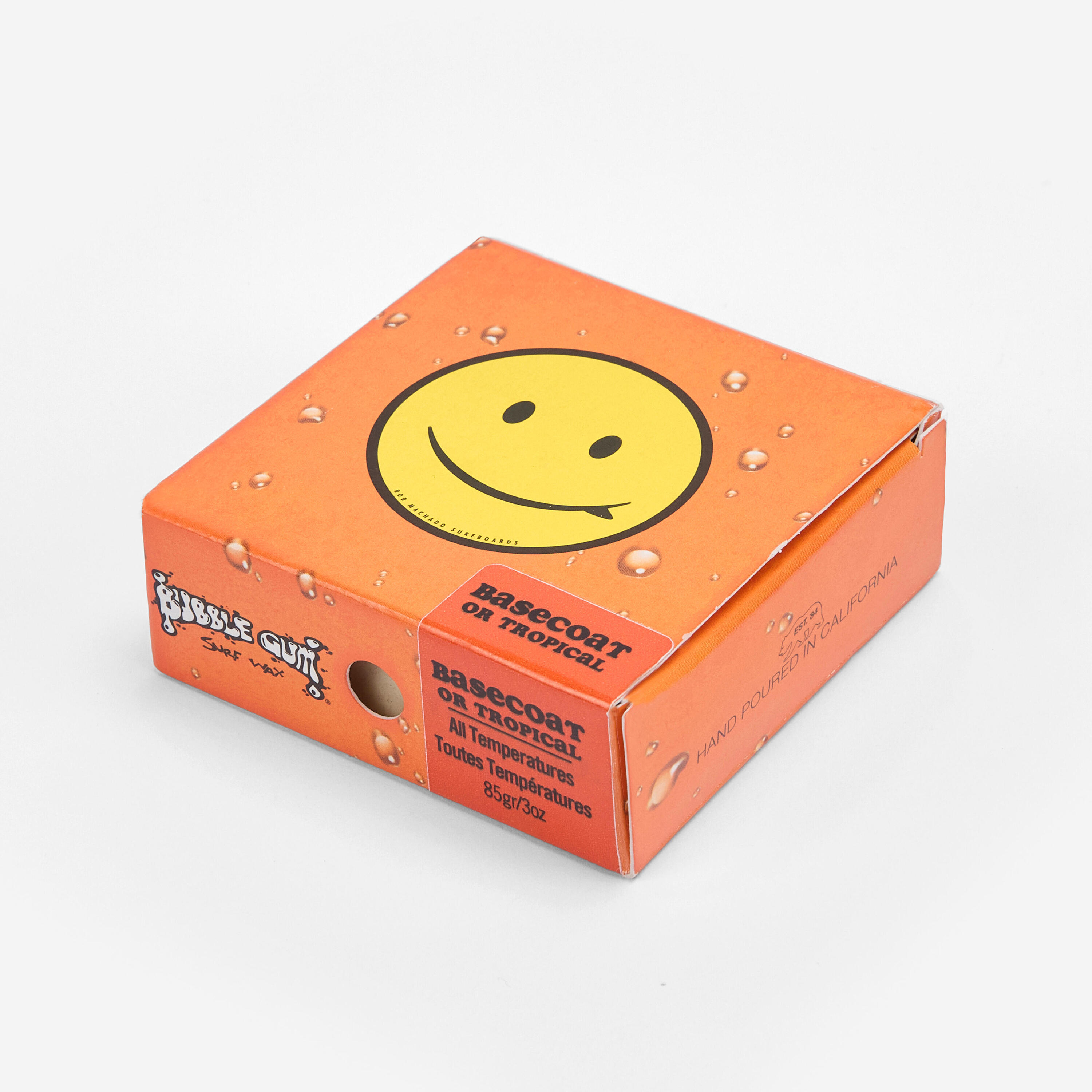
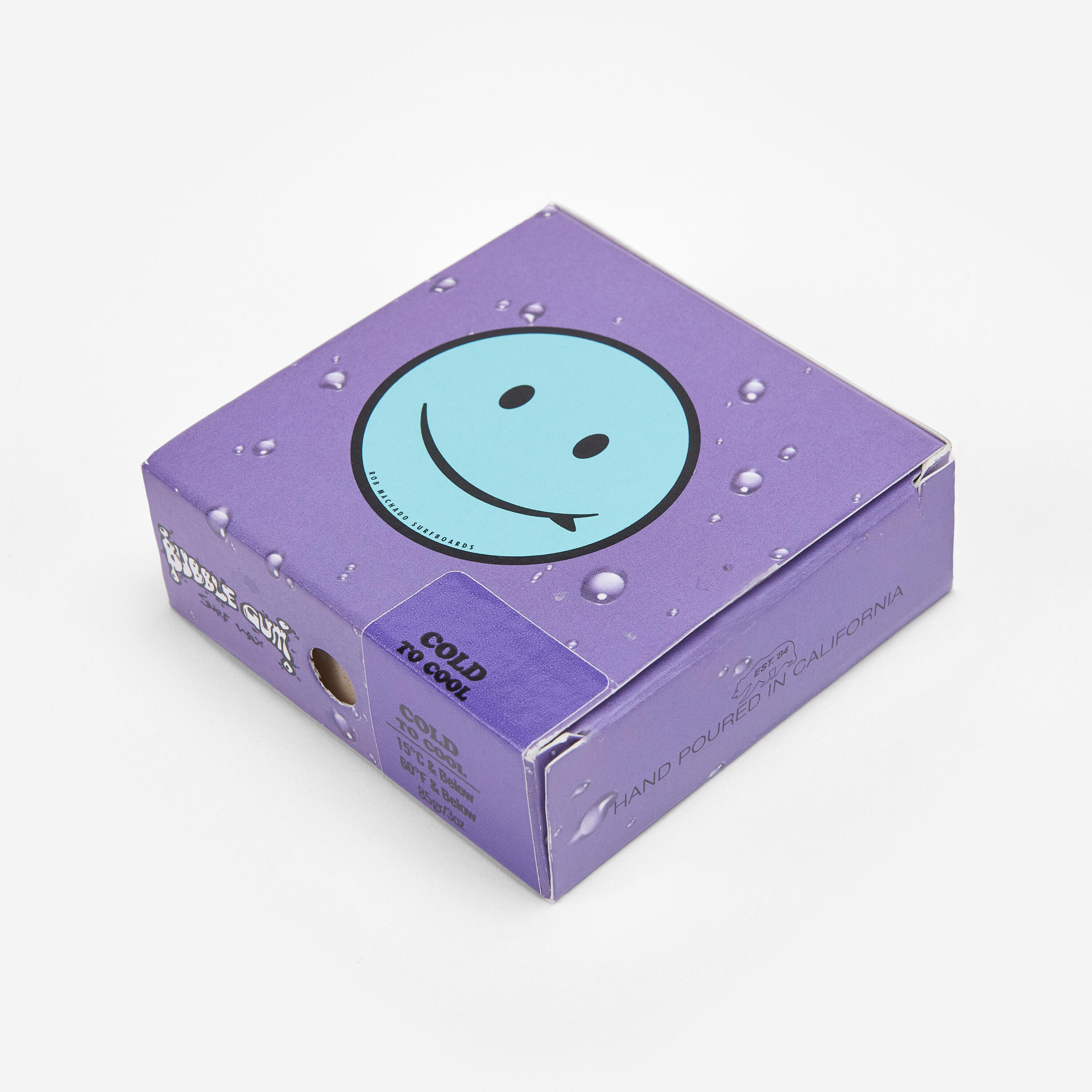
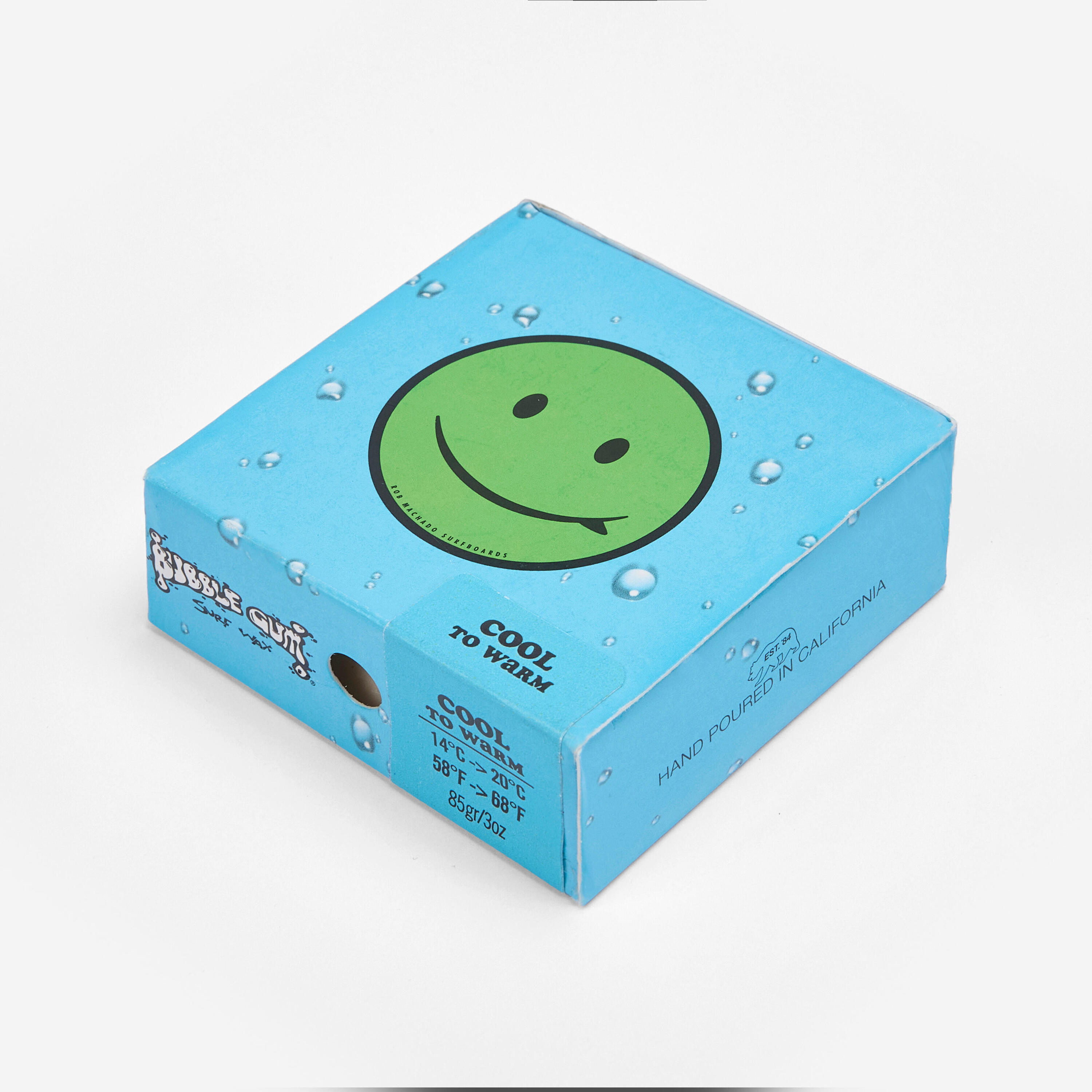
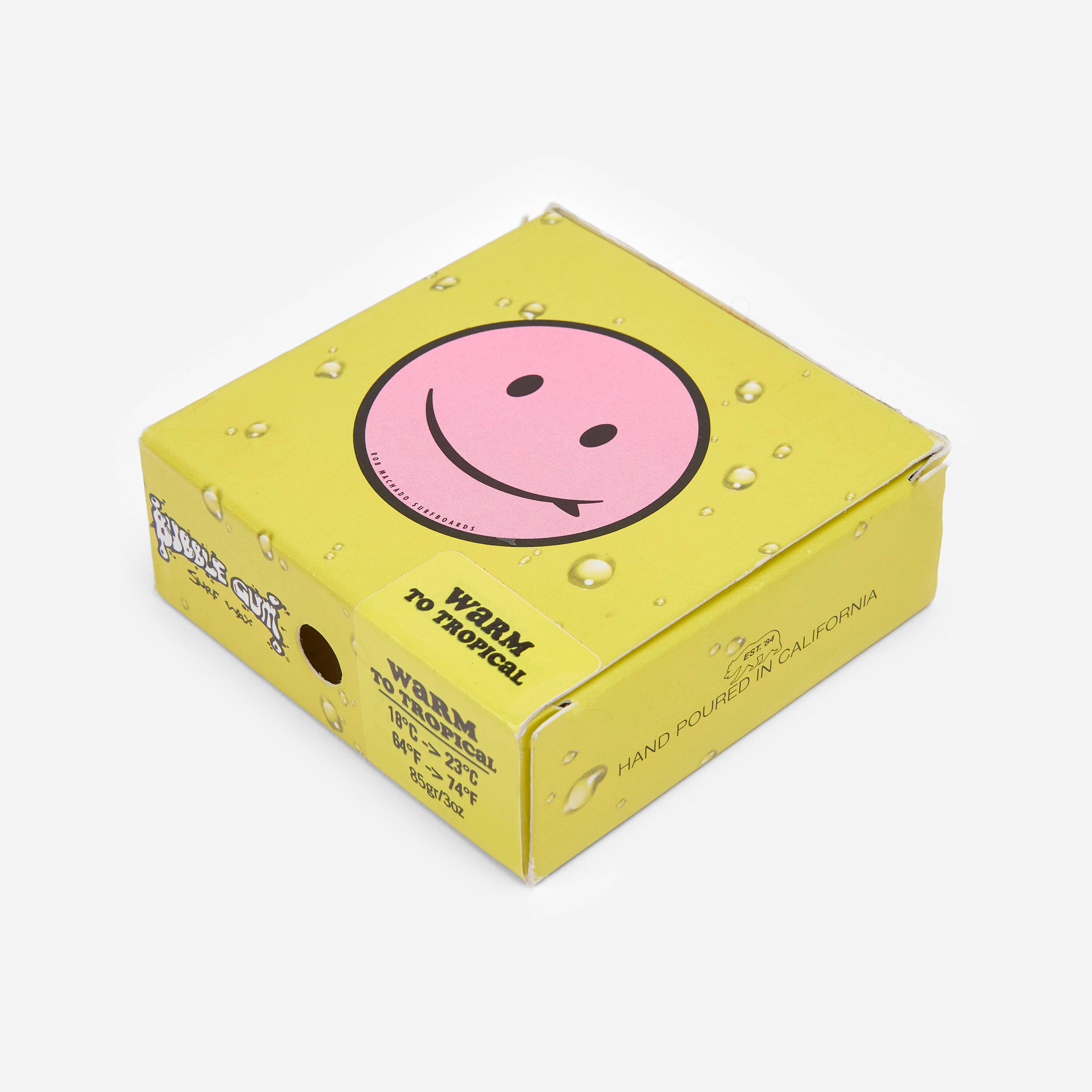
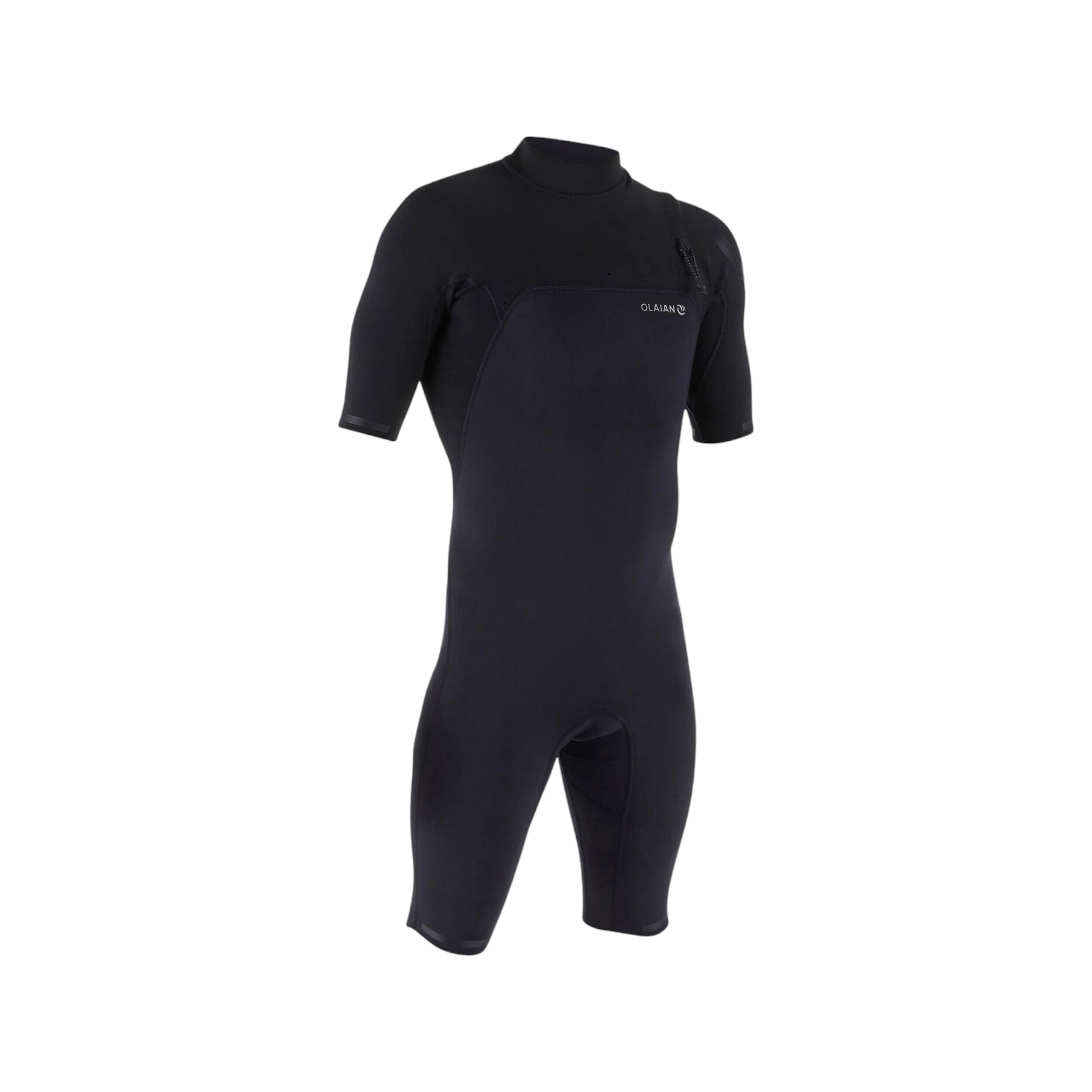
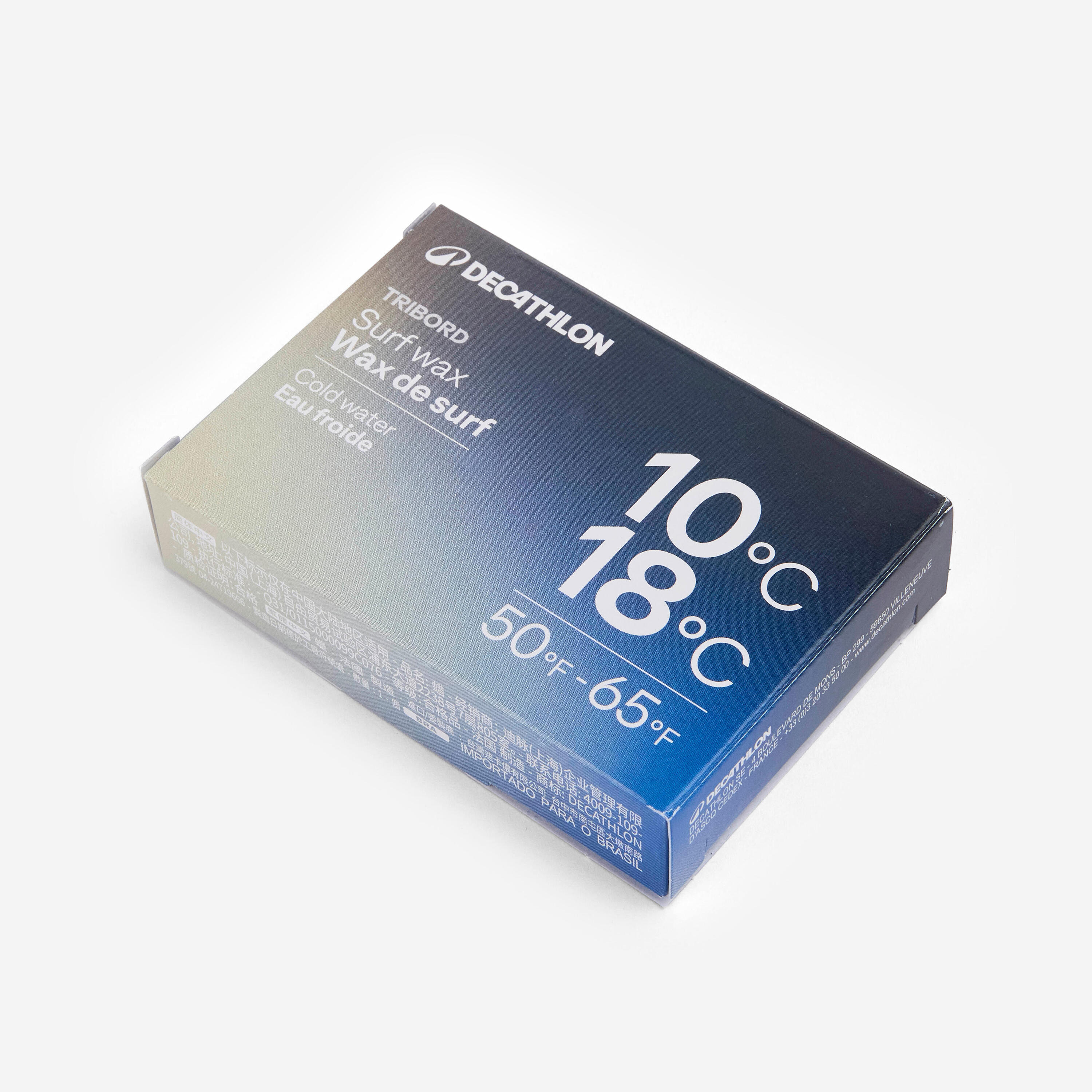
Surf wax is temperature-graded, and selecting the wrong hardness for the prevailing water conditions is one of the most common reasons a board deck loses grip mid-session. Cold-water wax, rated for water below 16 degrees, stays soft enough to retain texture at low temperatures; it builds grip on contact and remains workable throughout a full session without hardening off. Tropical or warm-water wax used in cold conditions sets to a near-smooth film that provides minimal friction underfoot, particularly at the heel during pop-up. A base coat, applied regardless of temperature rating, creates a rough foundation layer that top-coat wax bonds to more effectively and wears away less quickly. Without it, the top coat strips back fastest at the high-pressure toe and heel zones. Natural wax derived from plant-based rather than petroleum compounds has improved significantly in cold-water performance in recent years and is worth considering for regular reef break use, where wax enters the water during every session. For warmer conditions where a full wetsuit is unnecessary, the neoprene shorties range offers lighter coverage that pairs well with seasonal wax selections. Expert tip: always wax a clean, dry deck; salt and grit trapped under wax create hard nodules that accelerate delamination on epoxy constructions over time.

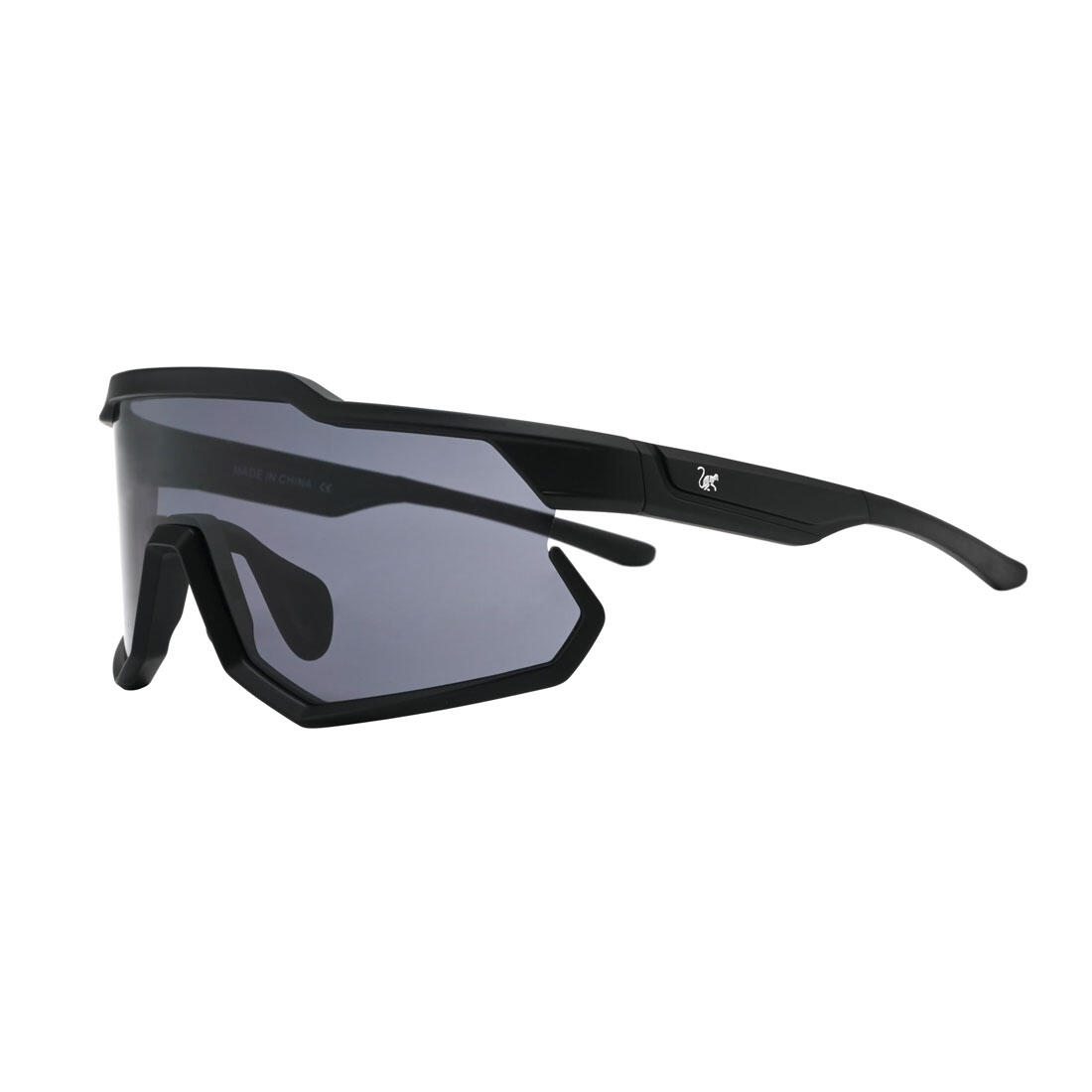
What do polarised lenses offer that standard tinted sunglasses cannot at a surf break?

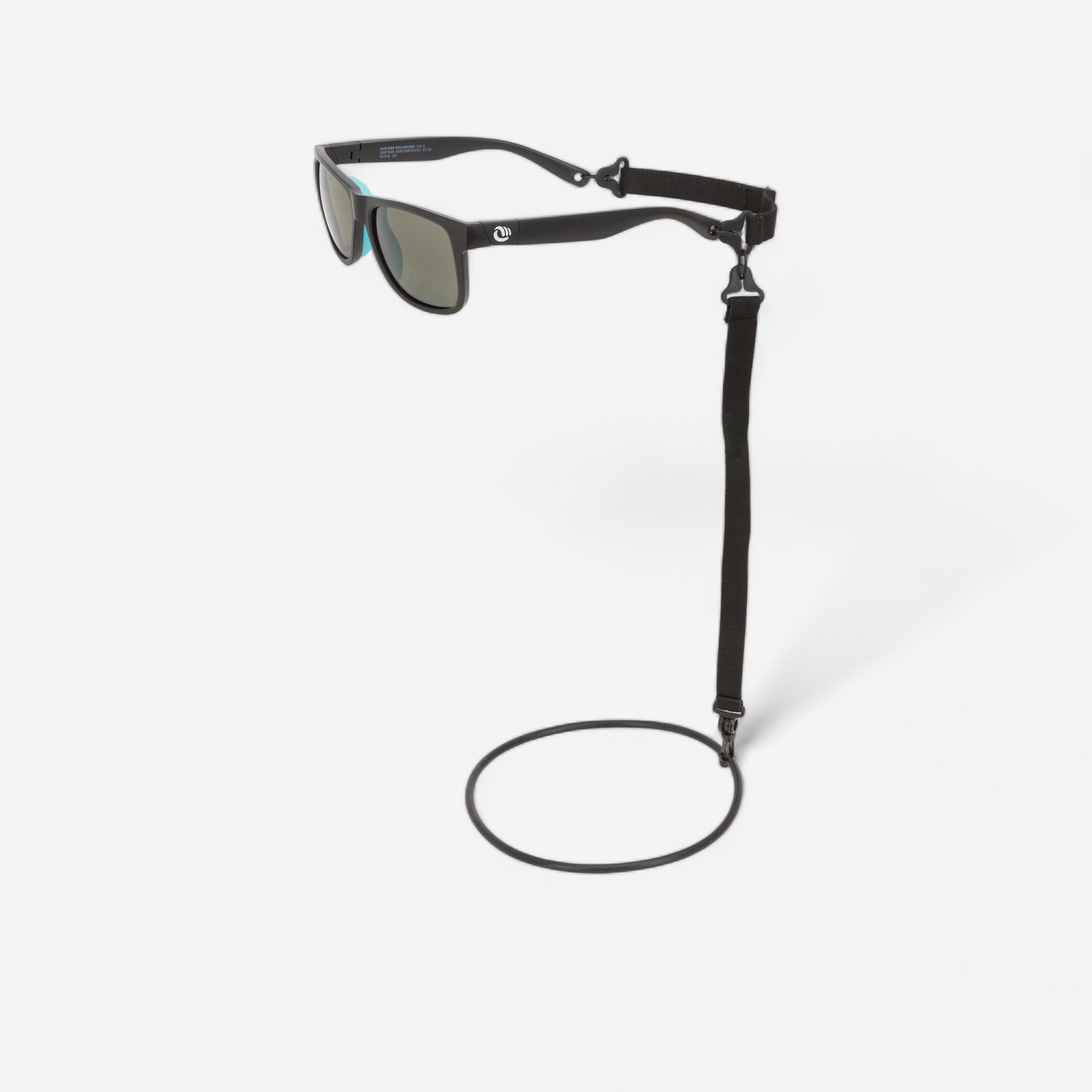
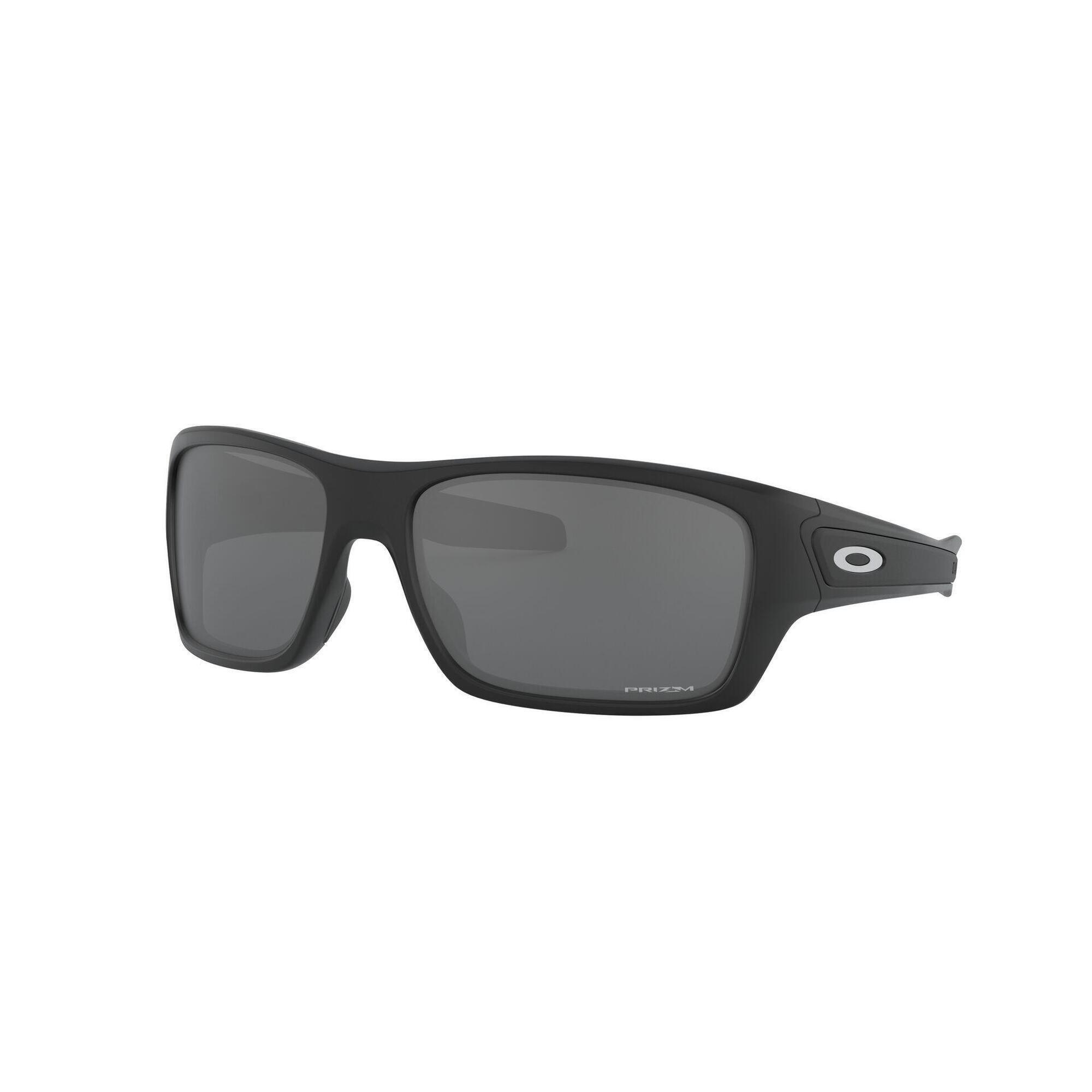
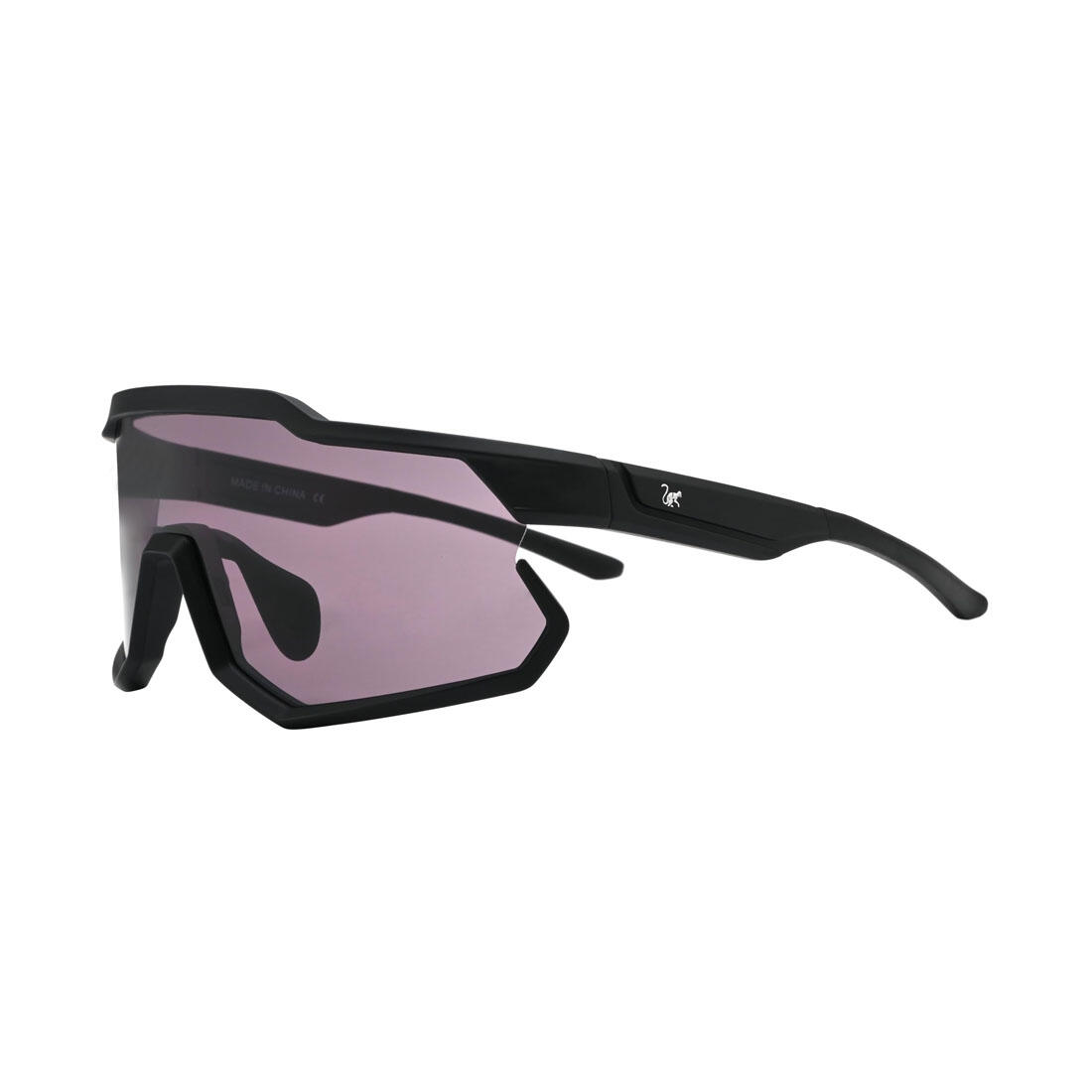
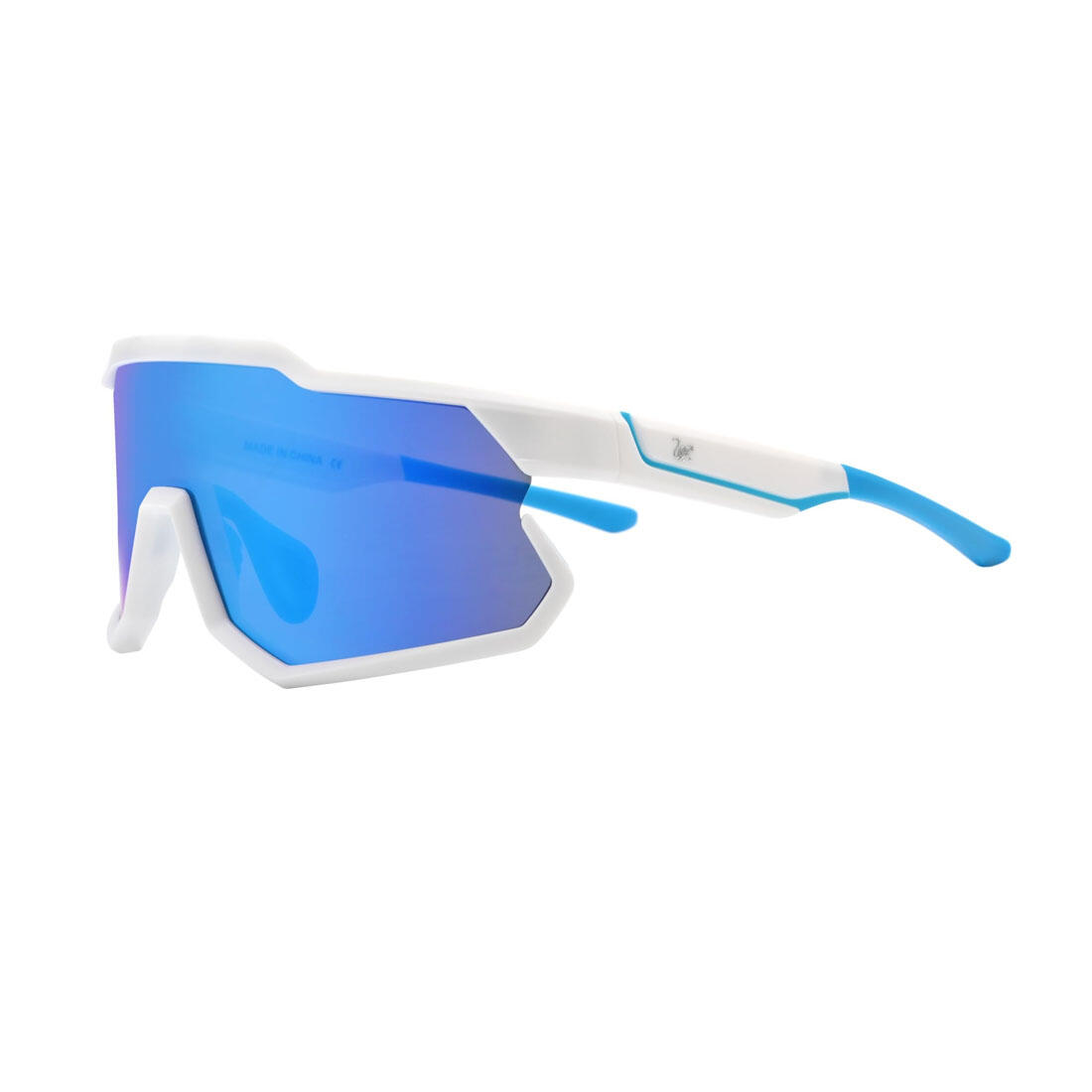
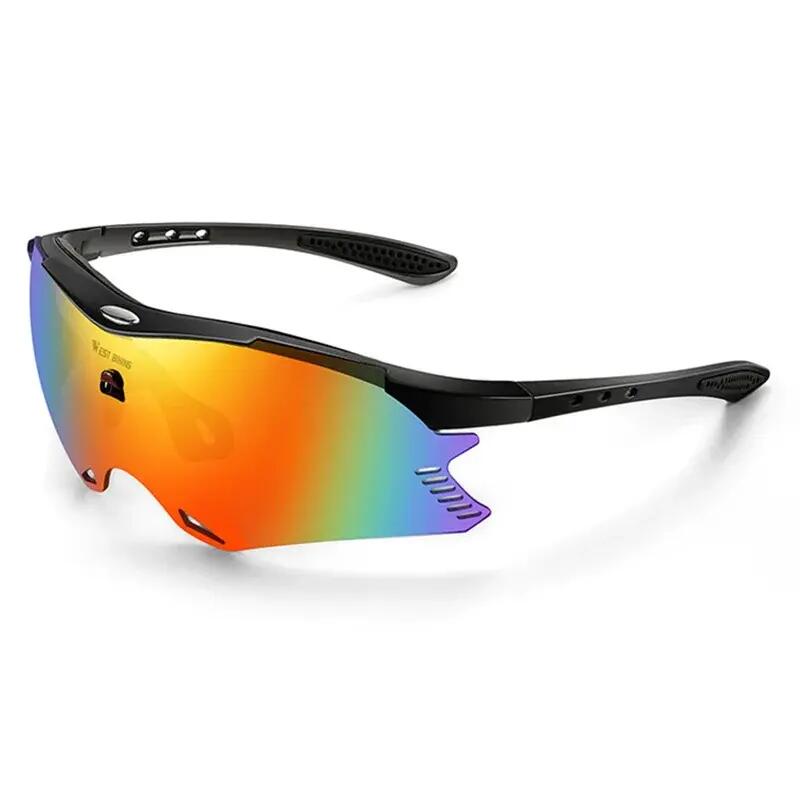
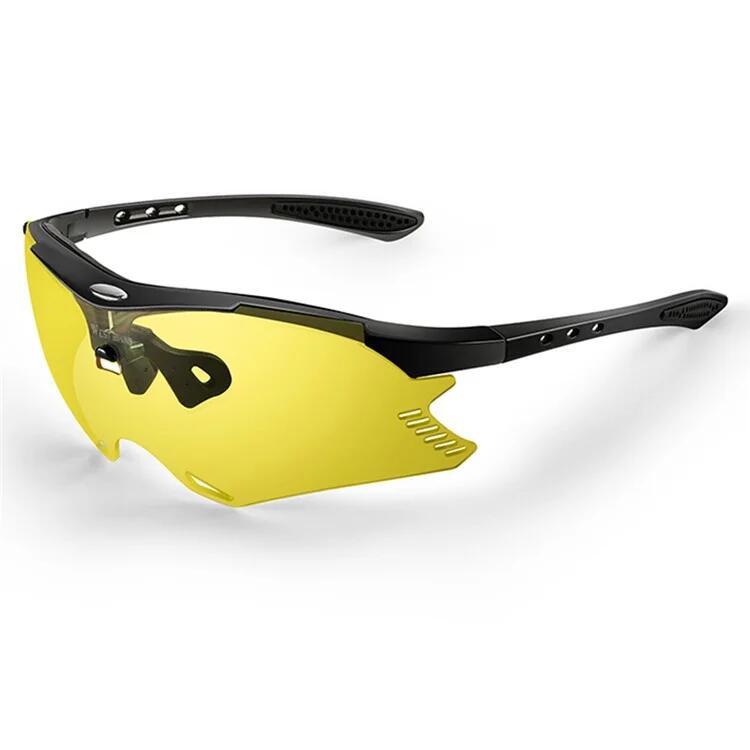
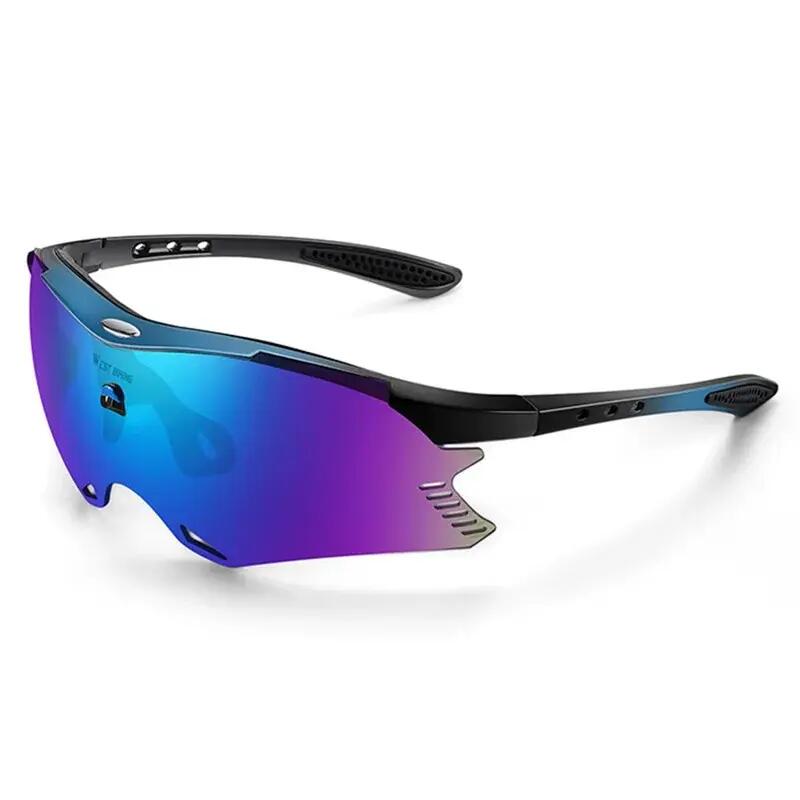
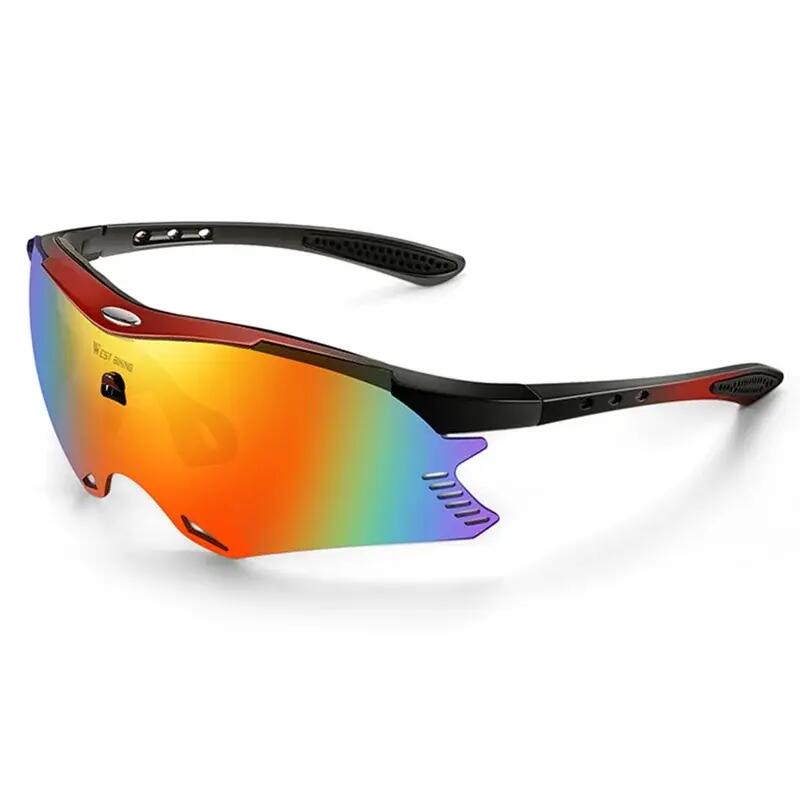
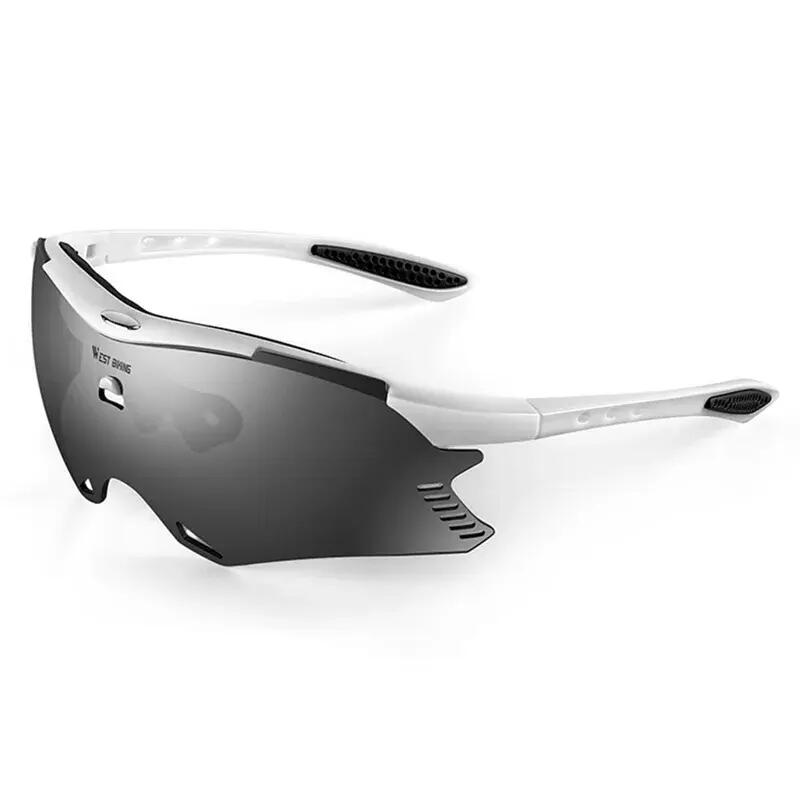
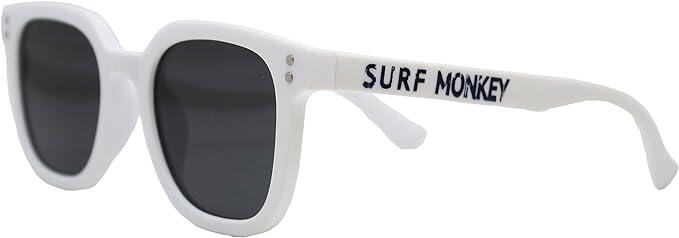
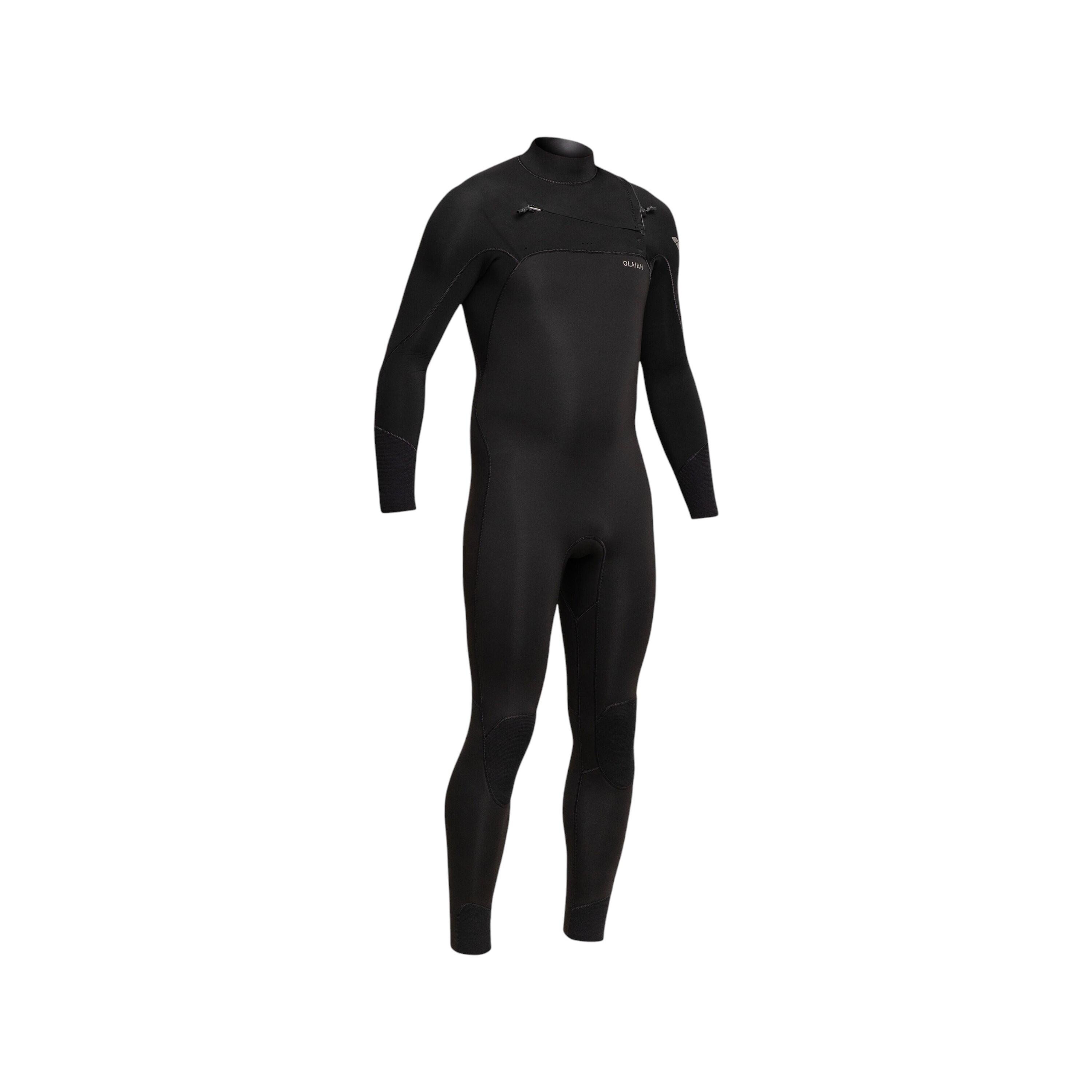
Glare reflected off the sea surface travels as horizontally polarised light, which tinted lenses reduce in overall brightness but do not specifically filter out. Polarised lenses contain a chemical layer oriented to block that horizontal polarisation directly, cutting sea glare almost completely while leaving general contrast and colour unaffected. The practical difference at a busy reef or point break is significant: reading incoming sets, tracking swells, and spotting other surfers in the water becomes noticeably clearer, particularly in low morning or evening sun. Wrap-around frames prevent wind-induced eye watering and stay seated through shore entries over rock. Cold-water accessories perform best when paired with a properly fitted neoprene surfing wetsuit matched to the season and water temperature.

What protection do neoprene earplugs offer and when do they become part of the standard kit?

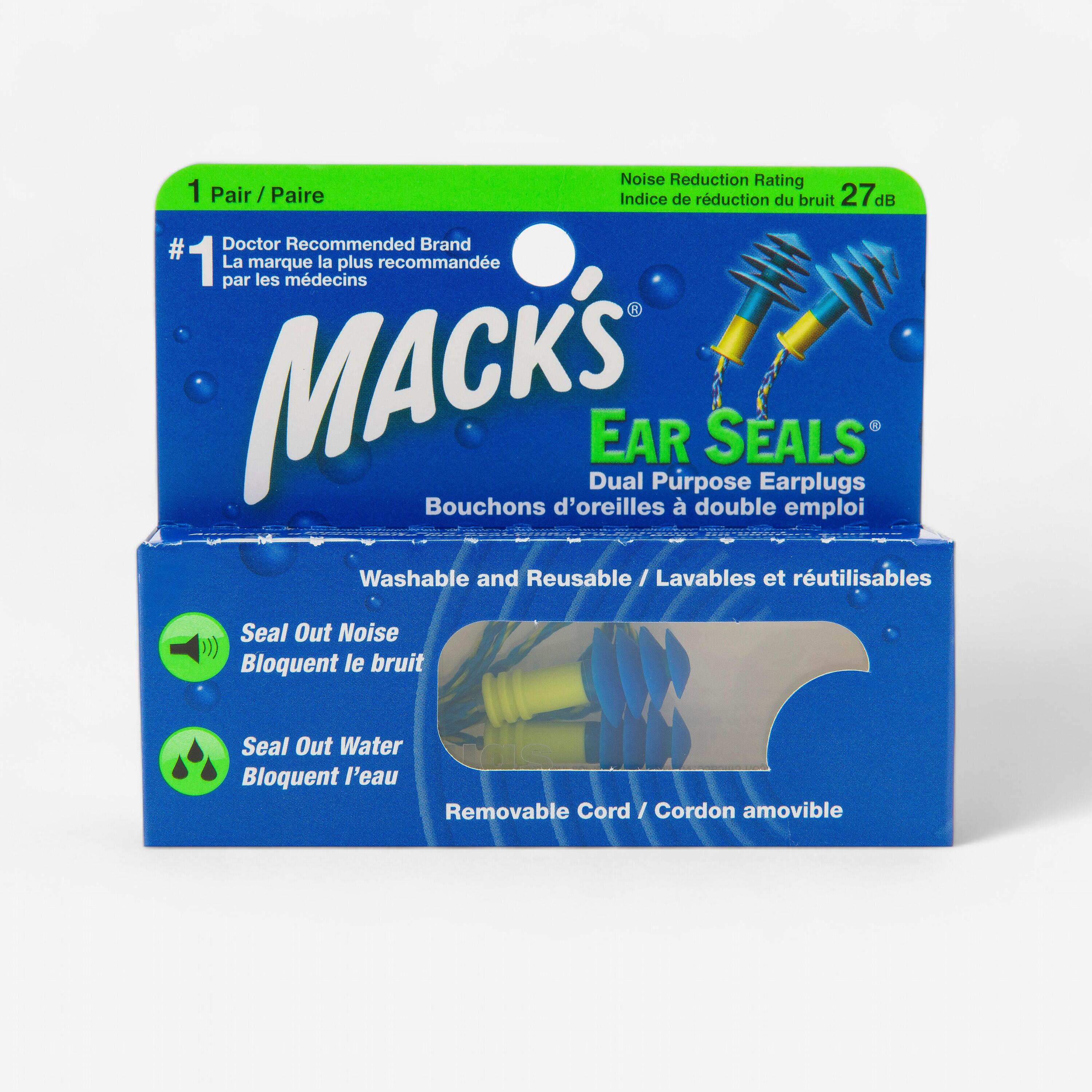
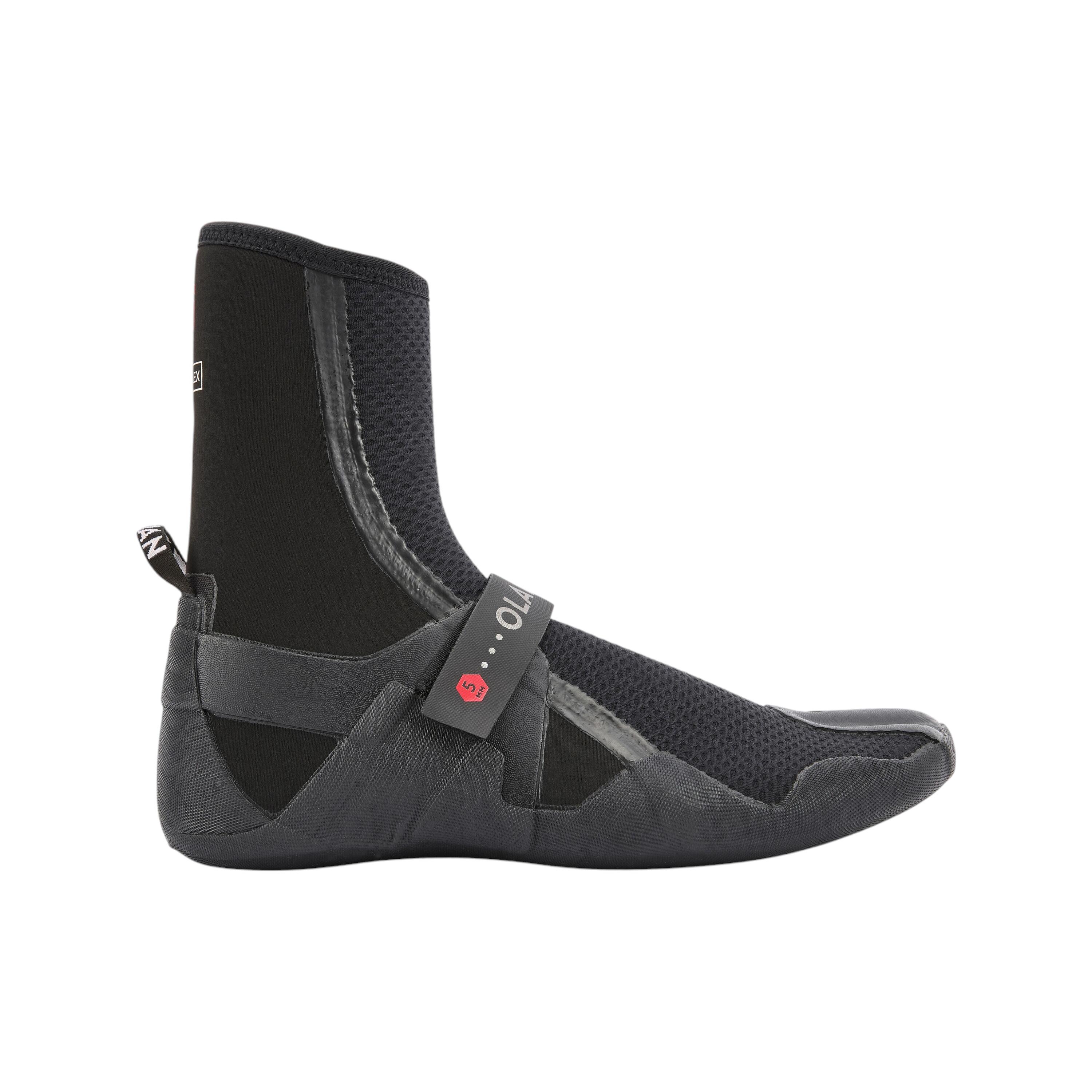
Surfer's ear is a progressive condition caused by repeated cold-water and wind exposure that stimulates bone growth inside the ear canal. It develops without pain over years of regular surfing and is typically not noticed until the canal narrows enough to cause recurrent infection or partial hearing loss, at which point surgical removal becomes the only option. Neoprene earplugs create a barrier at the canal entrance that significantly reduces the cold and wind stimulus driving bone growth, while still transmitting enough ambient sound to hear breaking waves and other water users. Fitting them correctly, seated flush rather than placed loosely, is what determines their effectiveness. Similar fit considerations apply to neoprene surfing shoes, where a secure seal helps limit cold-water flushing.

At what temperature do neoprene gloves shift from optional to necessary?

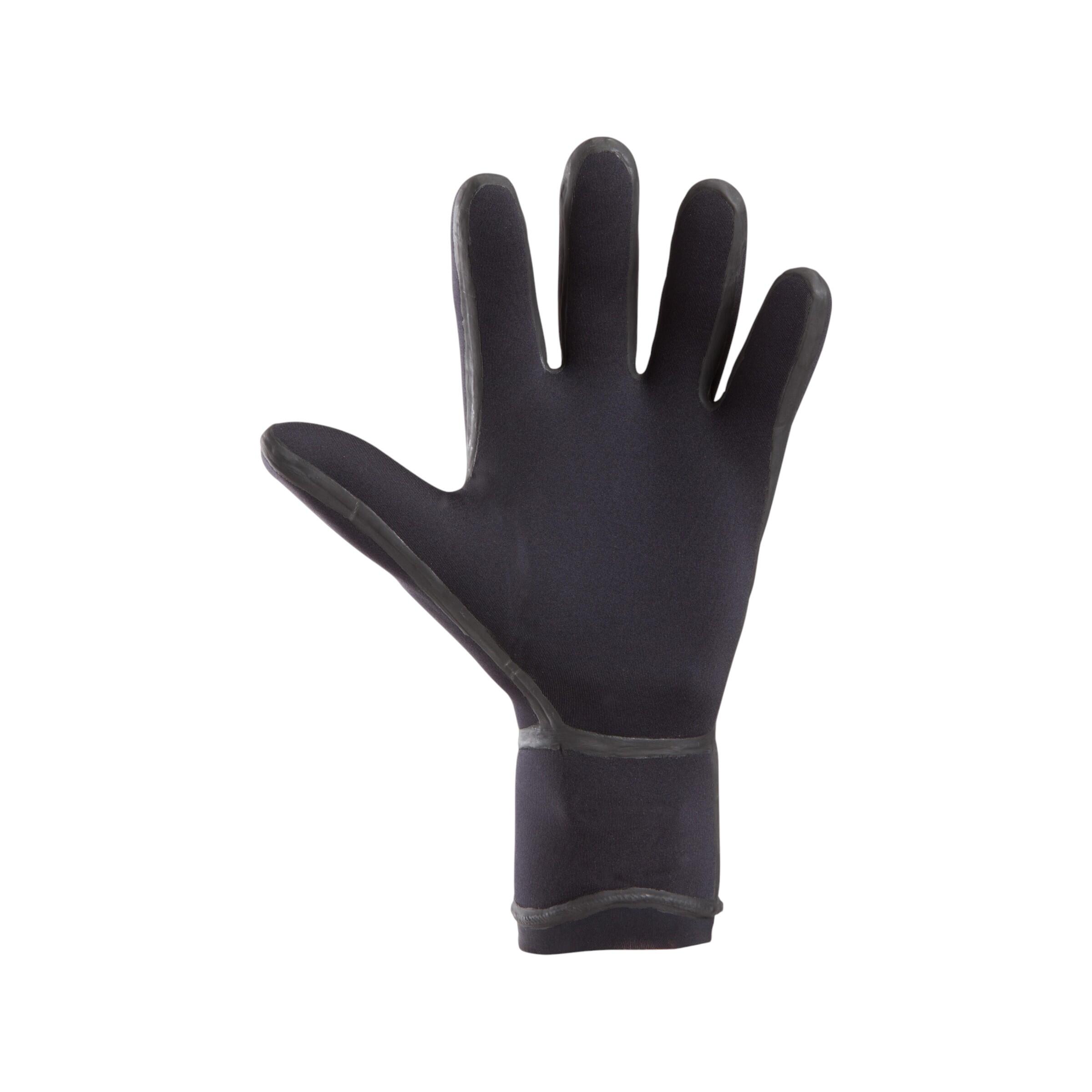
Hands begin to lose precision before they lose sensation, and that threshold typically arrives around twelve degrees for most regular surfers. A two millimetre glove extends that functional range by several degrees while retaining enough tactile feedback to maintain a cupped hand position through the catch phase of each stroke. Three millimetre options provide meaningful warmth below ten degrees but require a brief adaptation period as the added bulk around the knuckle area initially shortens the apparent reach of each pull. Pre-curved palm constructions that hold a natural paddling position reduce forearm fatigue over longer sessions. If your focus starts slipping mid-session because of cold creeping in through your head, then combining a hood with neoprene surfing gloves tends to extend your session more than either piece does on its own.
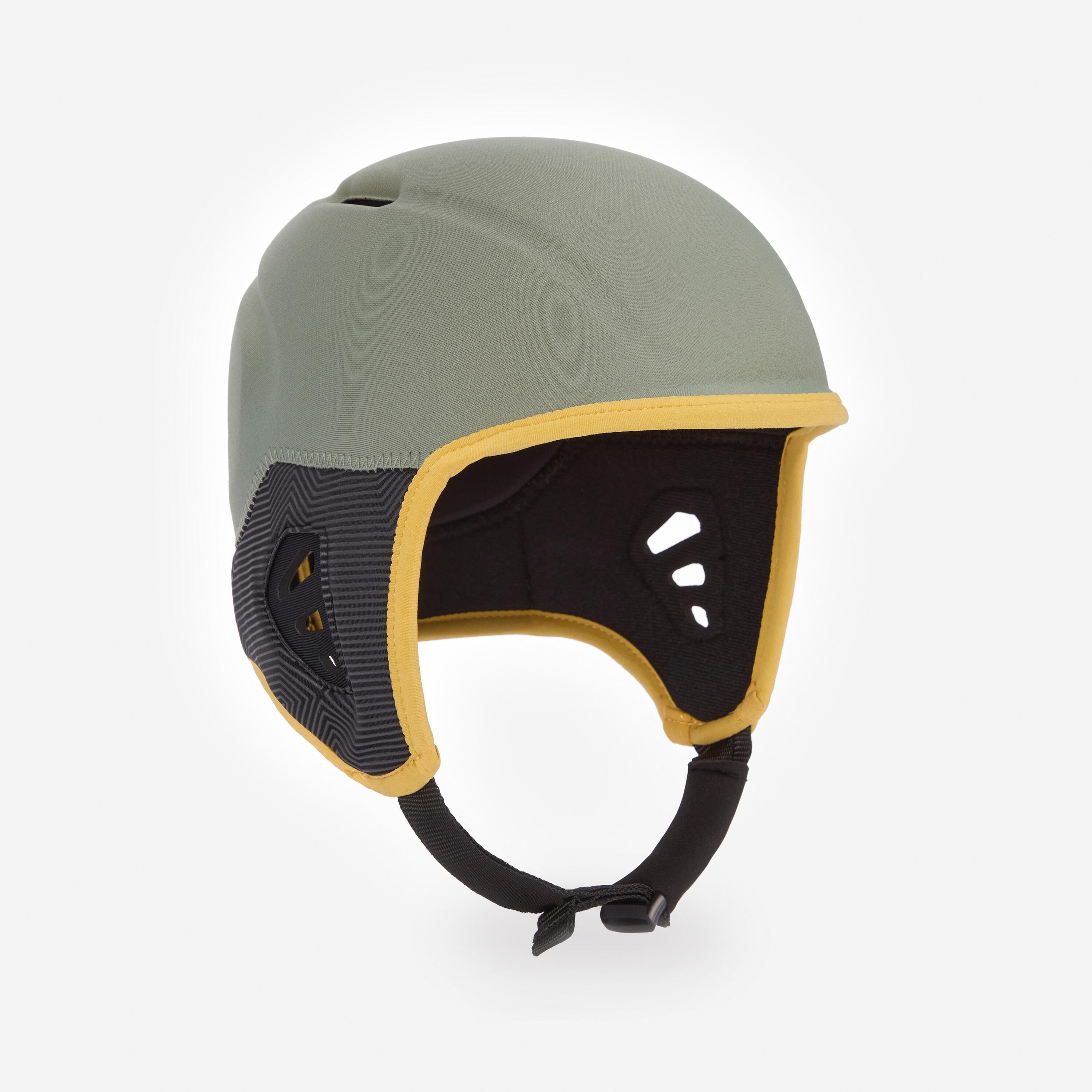
How does a neoprene hood address heat loss in cold water and what construction suits surfing?

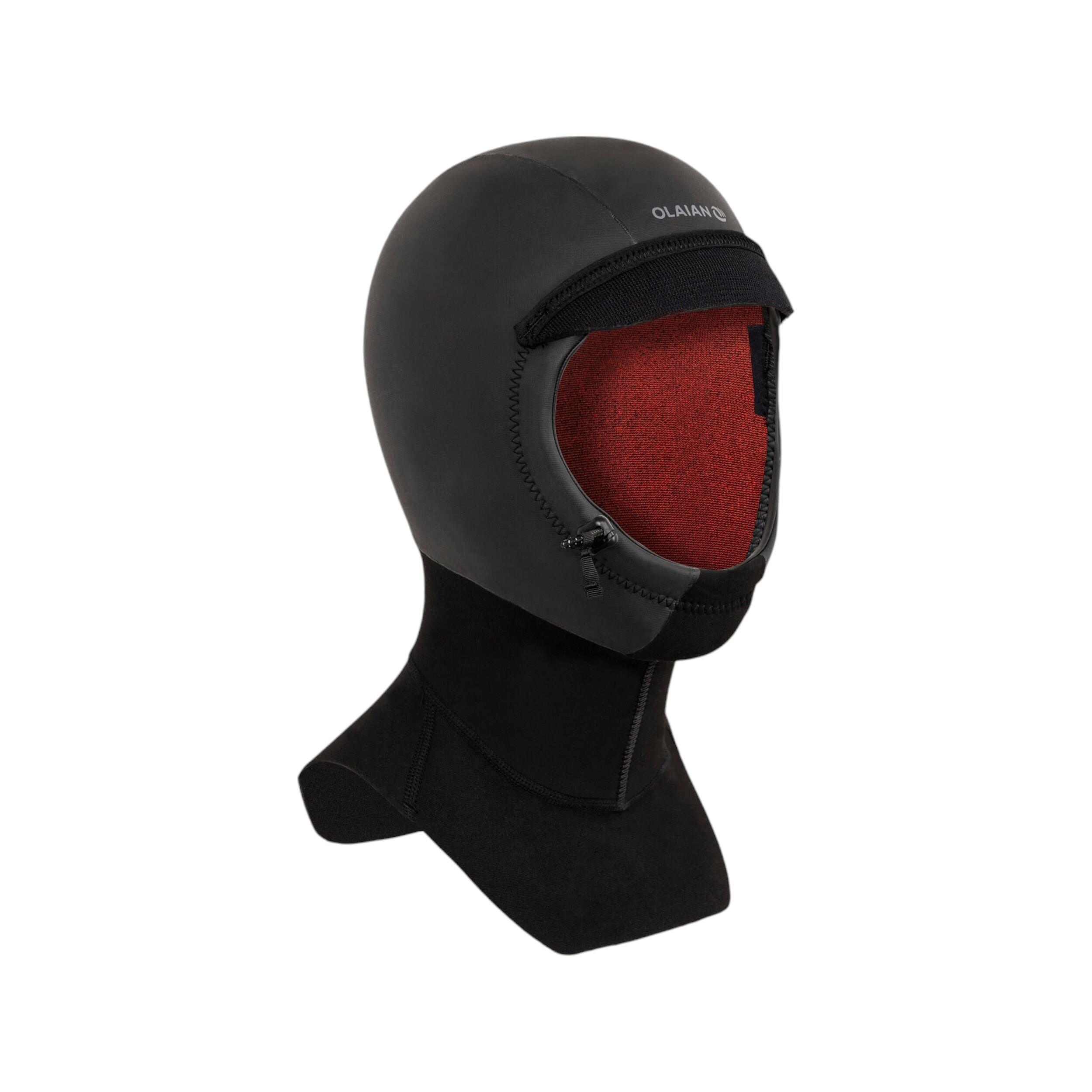
The head and neck account for a disproportionately high share of heat loss during water immersion because the blood vessels supplying the brain run close to the surface of the skull with limited insulating tissue above them. A neoprene hood slows that conductive loss significantly, and the neck seal, where the hood tucks inside the wetsuit collar, determines how much cold water flushes through the system during duck-dives and wipeouts. A hood that sits over the wetsuit collar rather than inside it allows continuous flushing that undermines the thermal benefit almost entirely. Bib-style hoods with an extended chest and back panel that tuck fully beneath the suit address this by creating a sealed overlap rather than a surface-level contact. Neoprene surfing hoods differ widely in bib depth and thickness, so when reviewing your full head-hands-feet setup, choose specs that suit the actual water temperature, defaulting to the warmest hood can leave you overheating during hard paddling on milder winter days.