63 items
  • Promotion Promotion
  • Marketplace -Online Only Marketplace -Online Only
  • Marketplace -Online Only Marketplace -Online Only
  • Marketplace -Online Only Marketplace -Online Only
  • Marketplace -Online Only Marketplace -Online Only
  • Marketplace -Online Only Marketplace -Online Only
  • Marketplace -Online Only Marketplace -Online Only
  • Marketplace -Online Only Marketplace -Online Only
  • Marketplace -Online Only Marketplace -Online Only
  • Marketplace -Online Only Marketplace -Online Only
  • Marketplace -Online Only Marketplace -Online Only
  • Marketplace -Online Only Marketplace -Online Only
  • Marketplace -Online Only Marketplace -Online Only
  • Marketplace -Online Only Marketplace -Online Only
  • Marketplace -Online Only Marketplace -Online Only
  • Marketplace -Online Only Marketplace -Online Only
  • Marketplace -Online Only Marketplace -Online Only
  • Marketplace -Online Only Marketplace -Online Only
  • Marketplace -Online Only Marketplace -Online Only
  • Marketplace -Online Only Marketplace -Online Only
  • Marketplace -Online Only Marketplace -Online Only
  • Marketplace -Online Only Marketplace -Online Only
  • Marketplace -Online Only Marketplace -Online Only
  • Marketplace -Online Only Marketplace -Online Only
4.7/5 based on 4233 reviews collected online and in stores

Men's Sailing Shoes FAQs

What outsole construction provides reliable grip on a wet fibreglass or teak deck?

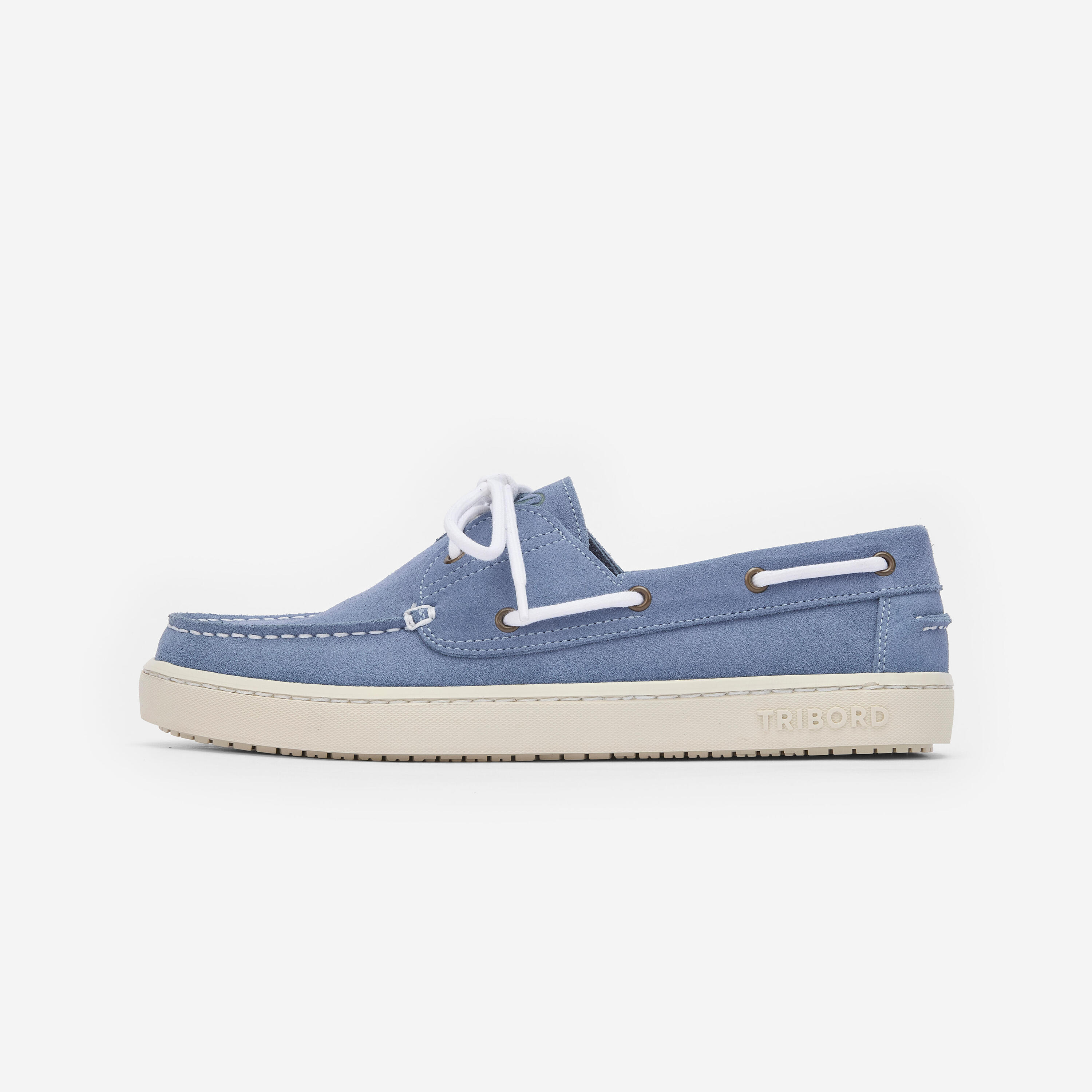
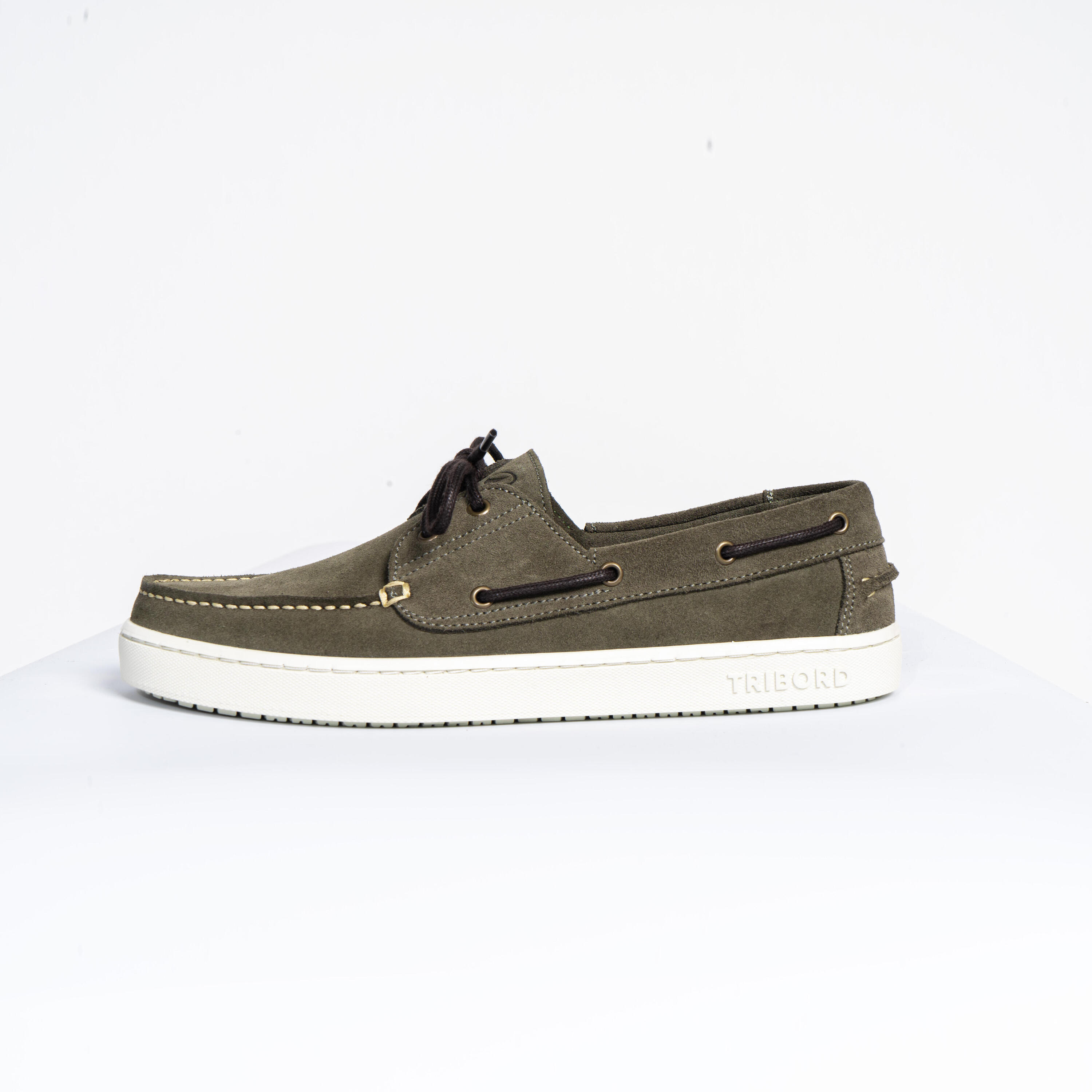
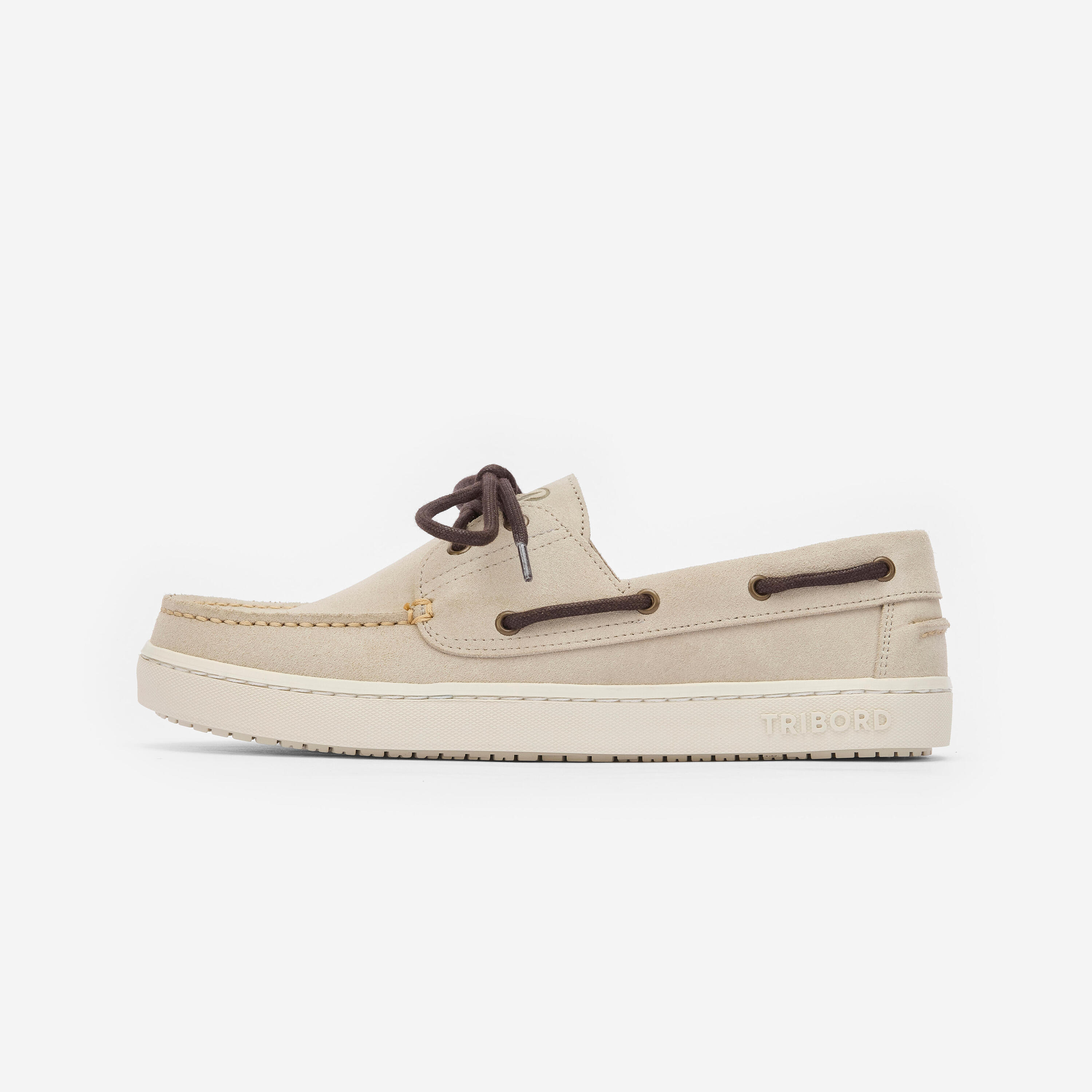
Deck grip depends on two variables: the rubber compound and the tread pattern. A soft natural rubber compound deforms slightly under foot pressure, increasing the contact area against the deck and creating the friction needed to resist slipping on wet fibreglass. Harder compounds last longer but sacrifice that conforming grip on smooth, wet surfaces. Siping, the fine cuts across the sole face, channels water outward from beneath the foot and improves traction on each step. Non-marking white or cream soles are standard on sailing footwear because darker compounds contain carbon black that transfers to gel coat and teak decks during sustained use. A drainage port at the toe box allows water that enters during boarding or a wave across the foredeck to exit rather than pool underfoot. Deck shoes suit inshore, and marina use well, but for coastal passages where conditions deteriorate, the transition to men's sailing boots provides ankle support and waterproof protection that a low shoe cannot offer. Practical advice: break leather sailing shoes in gradually before a long passage; stiff leather at the heel causes pressure sores during continuous on-deck movement.
Which is better for sailing: leather or synthetic men's sailing shoes?

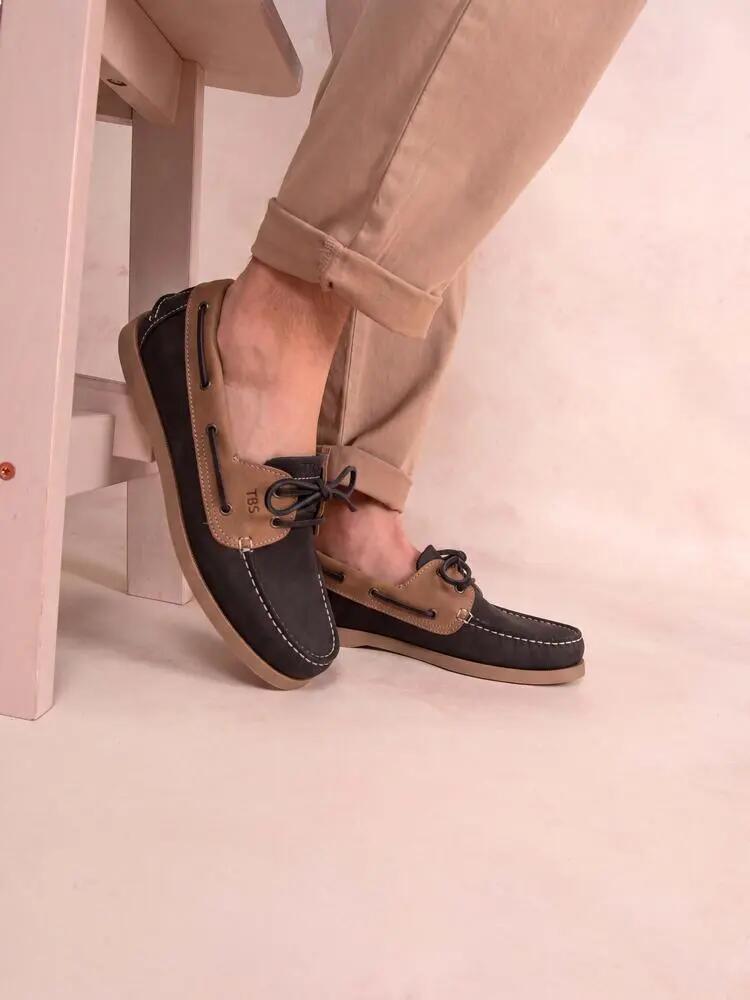
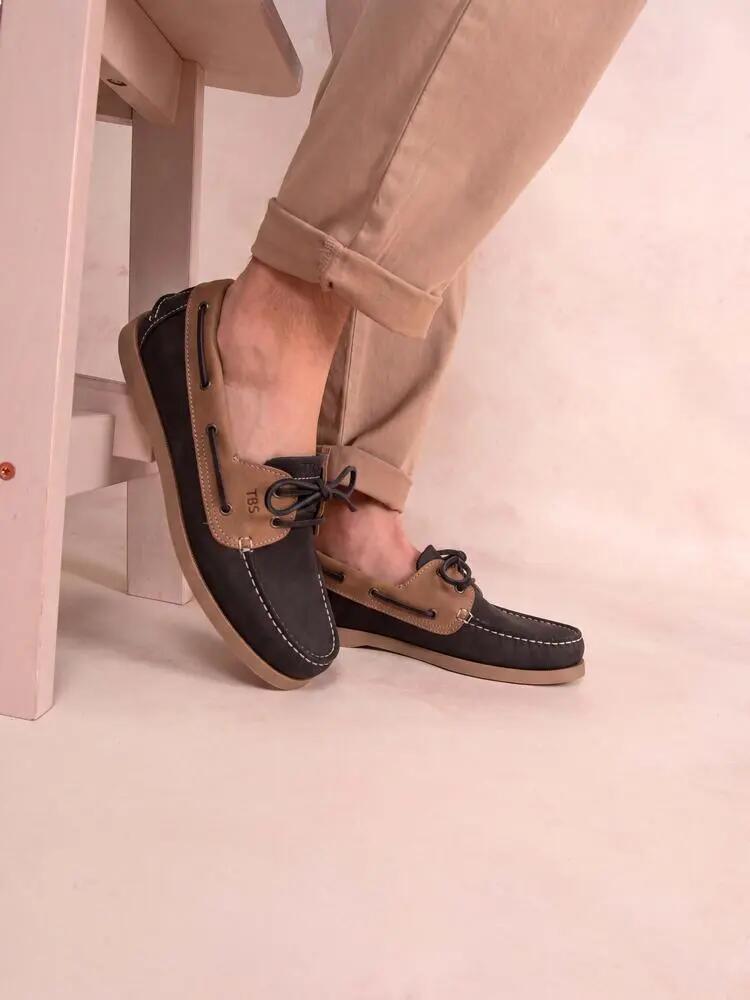
A leather boat shoe uses a moccasin or stitchdown construction where the upper wraps beneath the foot and is stitched directly to the outsole, creating a close-fitting profile that keeps the foot stable on an angled deck. Leather conforms over time, improving fit and reducing pressure points, but requires drying after saltwater exposure. A synthetic sailing trainer dries faster, weighs less, and needs no break-in period, though synthetic uppers are less durable under rope and hardware abrasion. Construction also affects layering; a trainer sits better under the ankle cuff of men's sailing wetsuits without the raised heel seam a boat shoe creates.

What closure system suits active deck work versus marina wear?

A traditional lace closure distributes tension evenly across the instep, but free lace ends can catch on cleats or harness clips during a passage. A side-entry elastic gore panel allows quick on-and-off transitions for marina use, where the shoe moves between boat and shore repeatedly. A speed-lace system with a locking buckle combines rapid adjustment with a locked tension that does not work loose during physical activity on deck. Shoe profile also affects compatibility with lower body kit; a low-profile tongue sits more comfortably under the hem of men's sailing trousers and bermudas without a pressure ridge across the shin during long watches.

Which men's sailing shoes work best for cold-weather sailing?

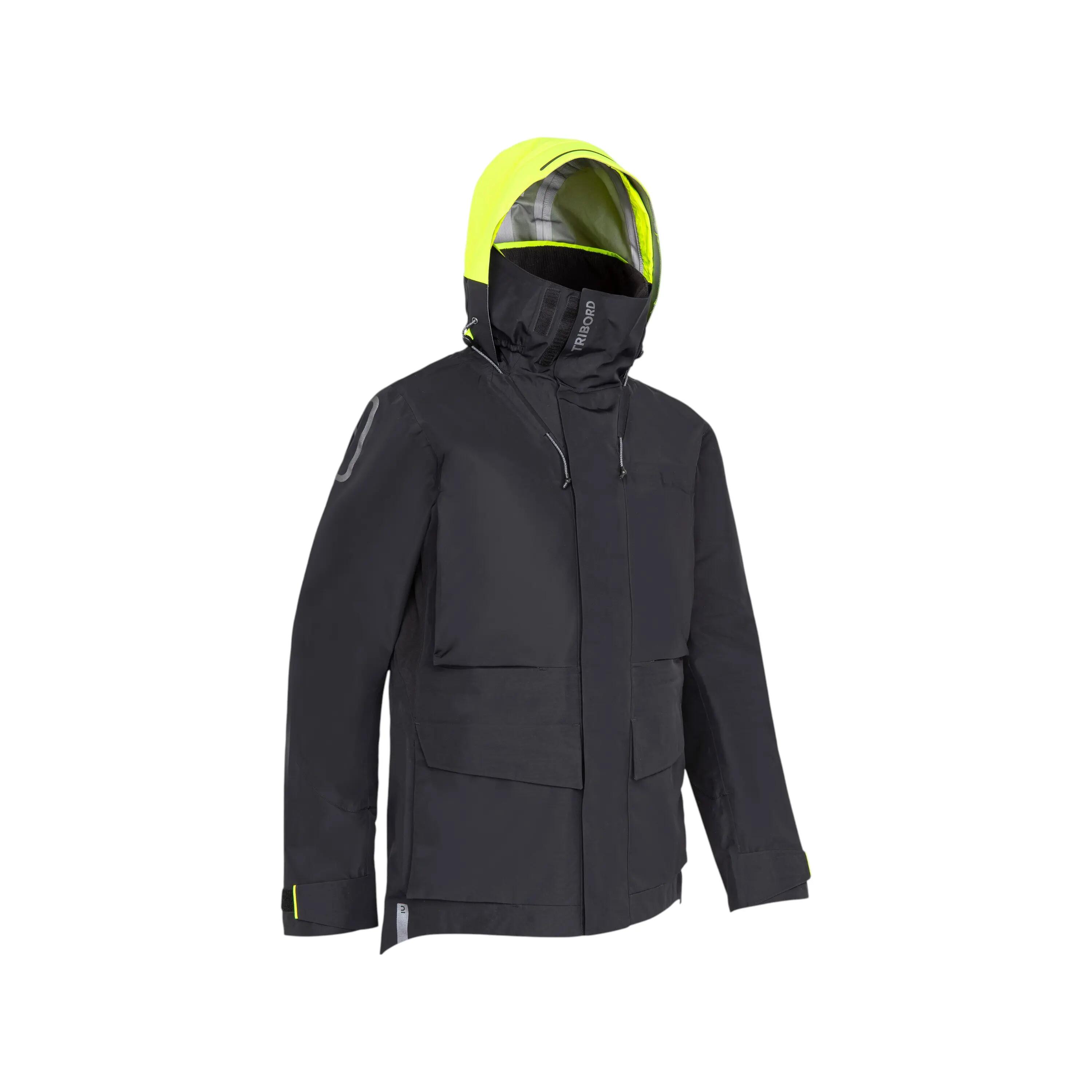
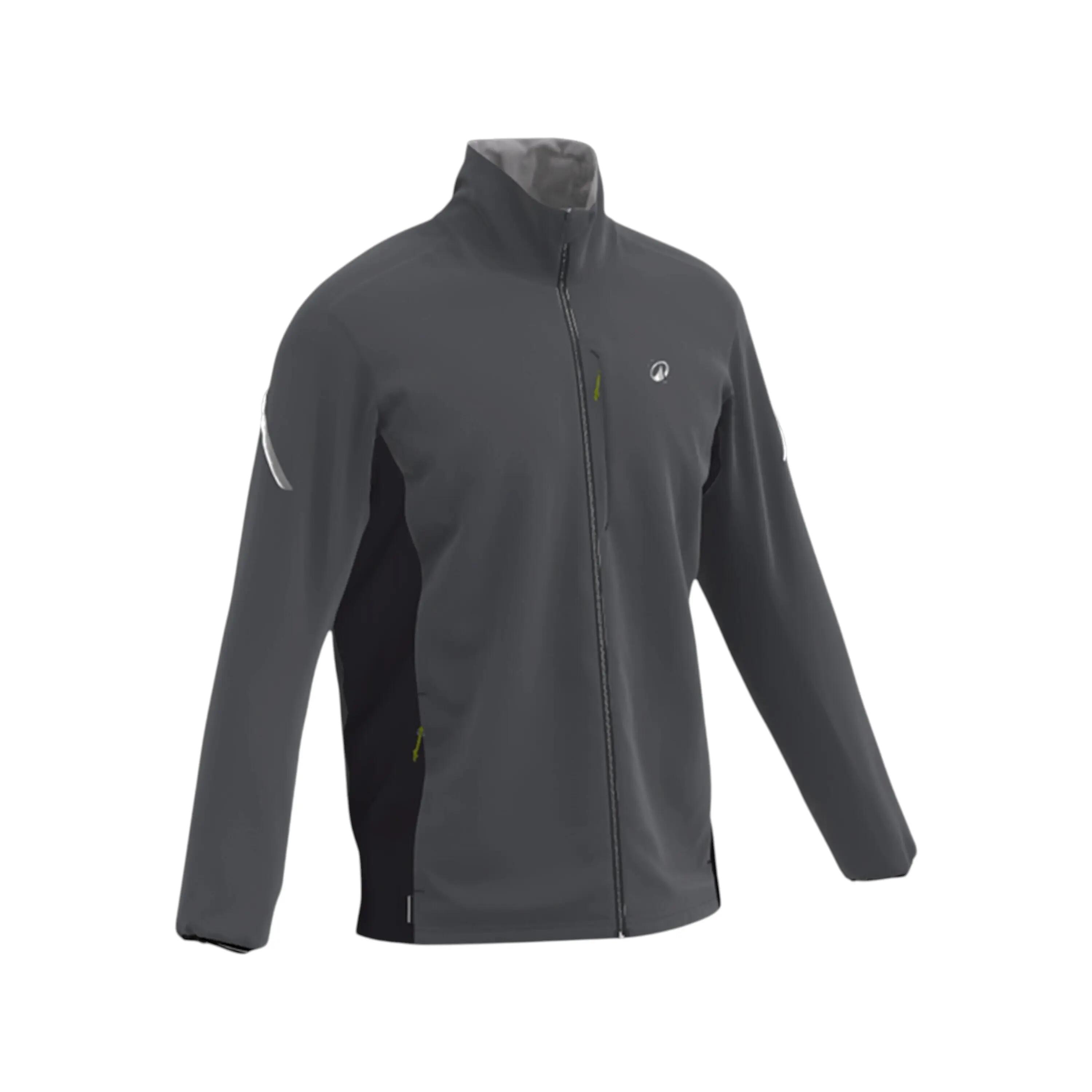
Cold-weather sailing calls for men's sailing shoes that maintain grip on wet decks while working comfortably with the rest of your clothing. Deck shoes provide reliable traction and foot protection, although they do not replace the insulation needed across the upper body. A thermal mid-layer between your base layer and outer shell creates an insulating air buffer during helming or watch-keeping, where movement is limited. Pairing your footwear with men's sailing fleeces, soft-shells, and sweaters helps maintain warmth without restricting movement inside your jacket. A slim-fitting fleece layers comfortably beneath a close-cut offshore jacket, while a roomier fleece suits cruising jackets with a more generous fit.

How do sailing shoes fit into a complete cold and wet weather deck system?

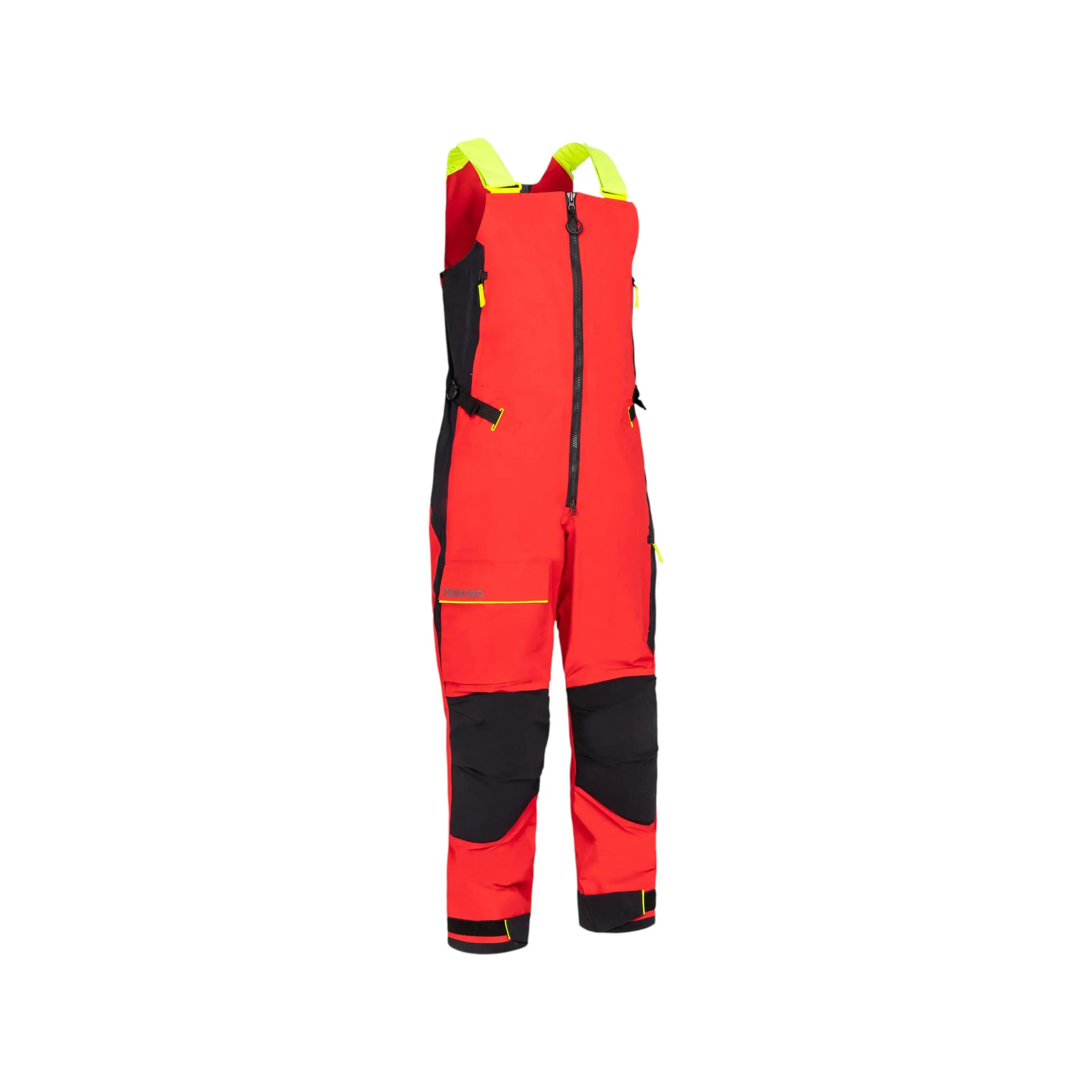
A complete deck kit addresses the body from feet upward, with each layer's sealing performance determining whether the system performs effectively. Sailing shoes provide the grip foundation; waterproof salopettes with ankle sealing above them prevent water from running down the leg into the shoe during a boarding wave. A mid-layer maintains core temperature between active periods, and an outer shell handles spray and sustained rain. Complete your sailing clothing system with a men's sailing jacket and smock designed for reliable waterproof and windproof protection.