20 items
4.6/5 based on 1678 reviews collected online and in stores

Men's Sailing Dungarees & Bib FAQs

How might you choose men's sailing dungarees for different conditions?

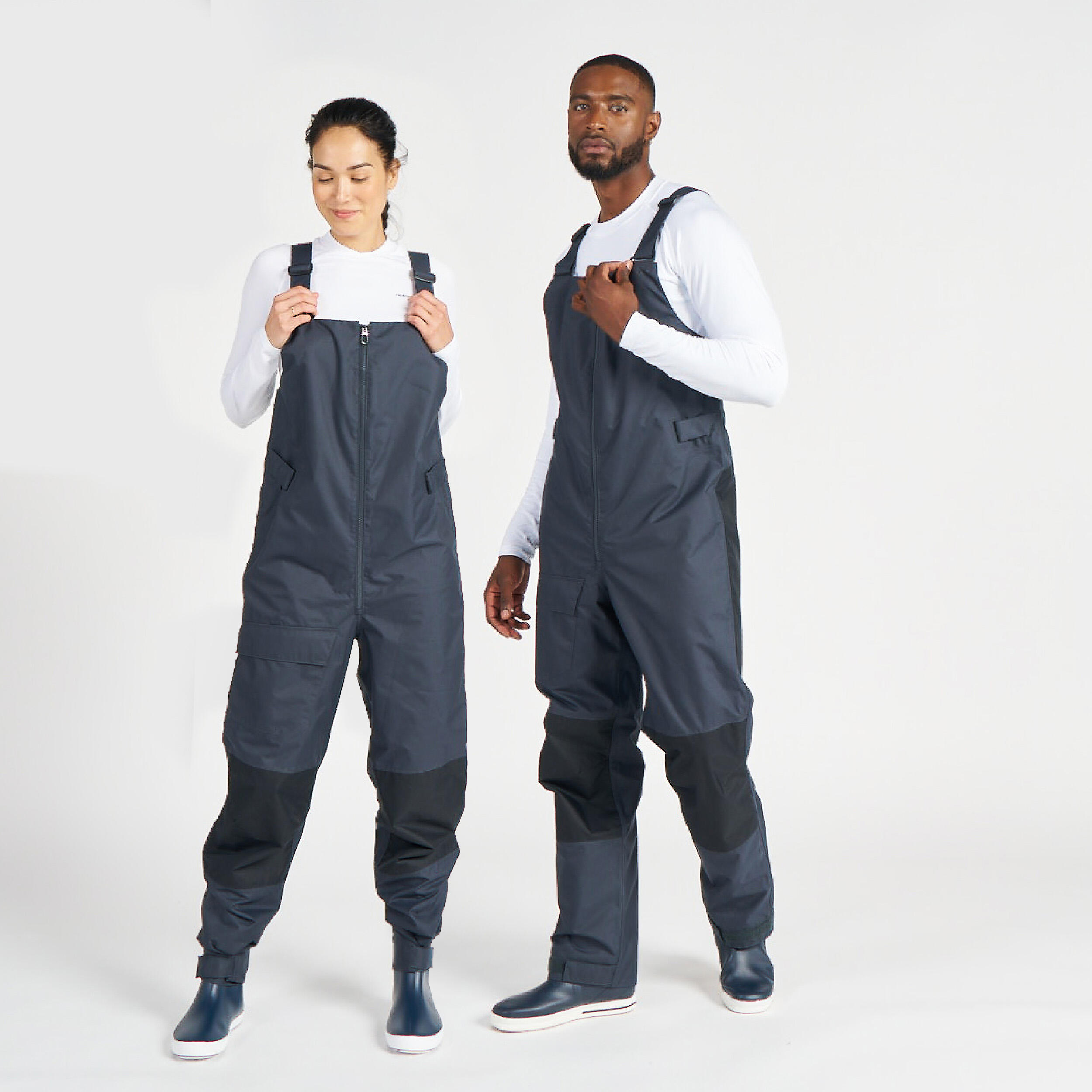
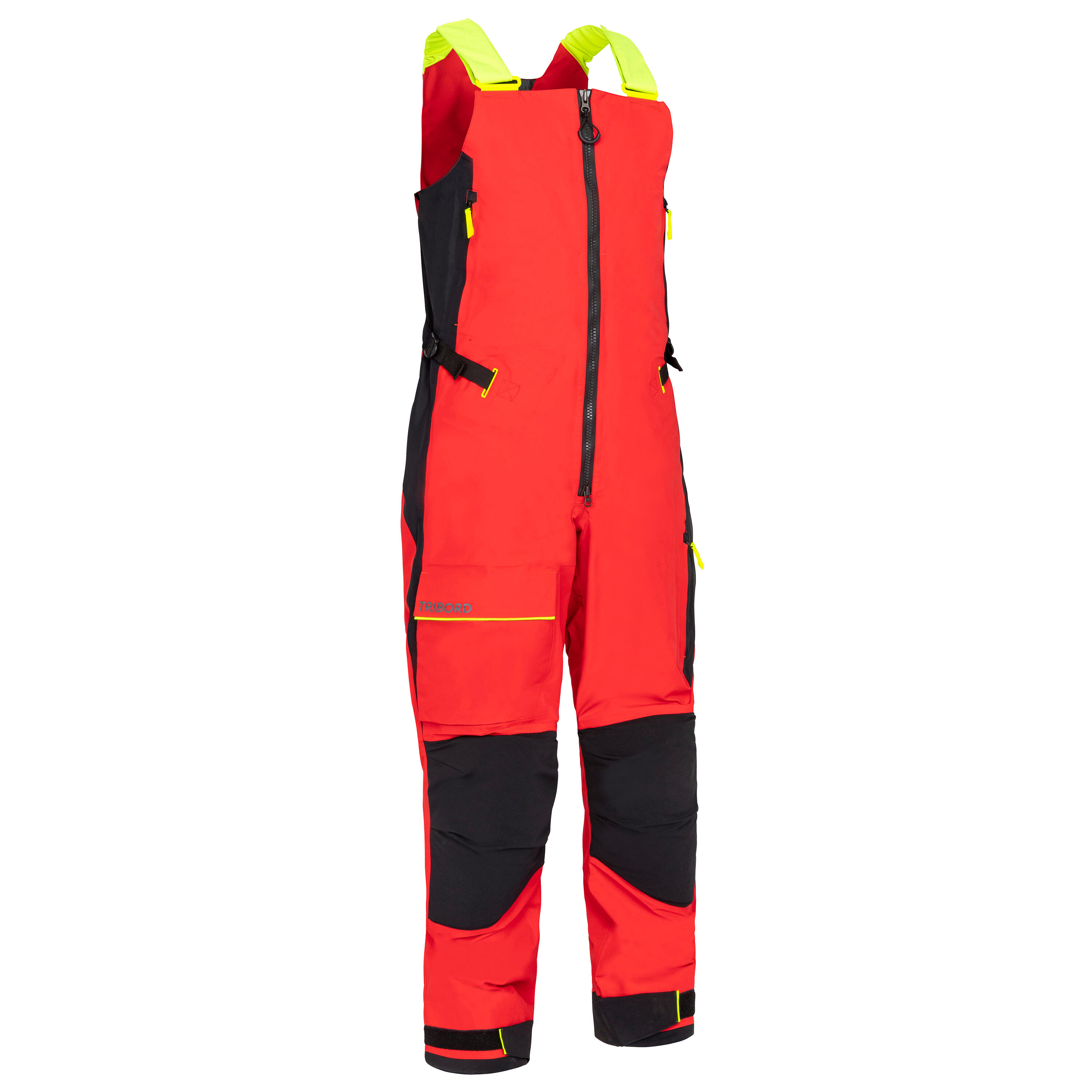
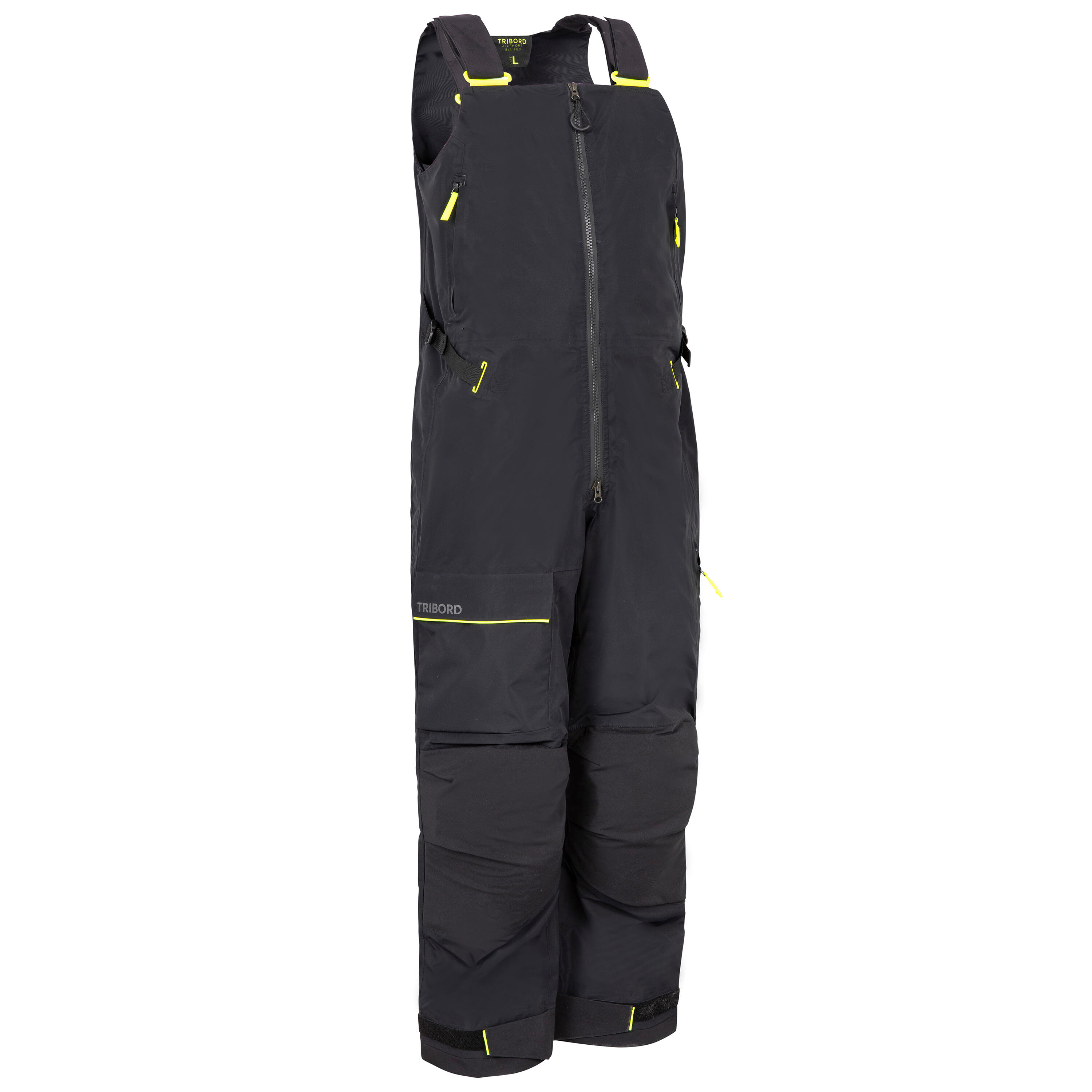
Choose the protection level according to where you sail, how long you expect to face rain or spray and how much time you spend kneeling or sitting on deck. Decathlon builds a clear progression from coastal Sailing 100 protection through Sailing 500 and into Offshore 900 equipment for more exposed conditions. Suitable for regular coastal or wetter inshore use, men's sailing dungarees at the 500 level use a 15,000 mm waterproof membrane, fully taped seams and reinforced seat and knee zones. Adjustable straps, hips and lower legs also help the bib work with other layers and sailing boots. Pro tip: try the dungarees over your normal mid-layers and boots, then crouch and kneel to check that the braces do not pull and the leg cuffs stay securely positioned.

When are lightweight sailing overtrousers enough?

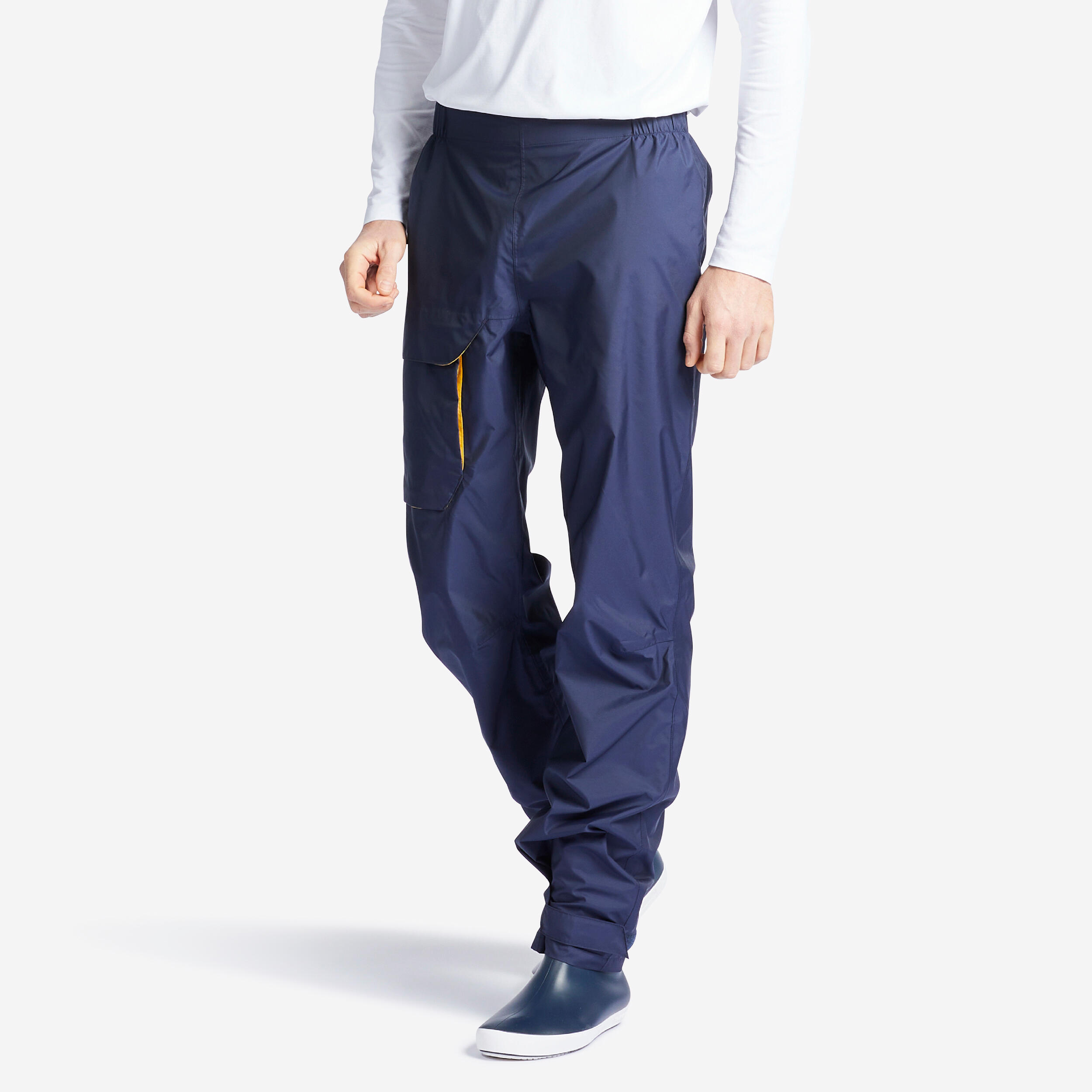
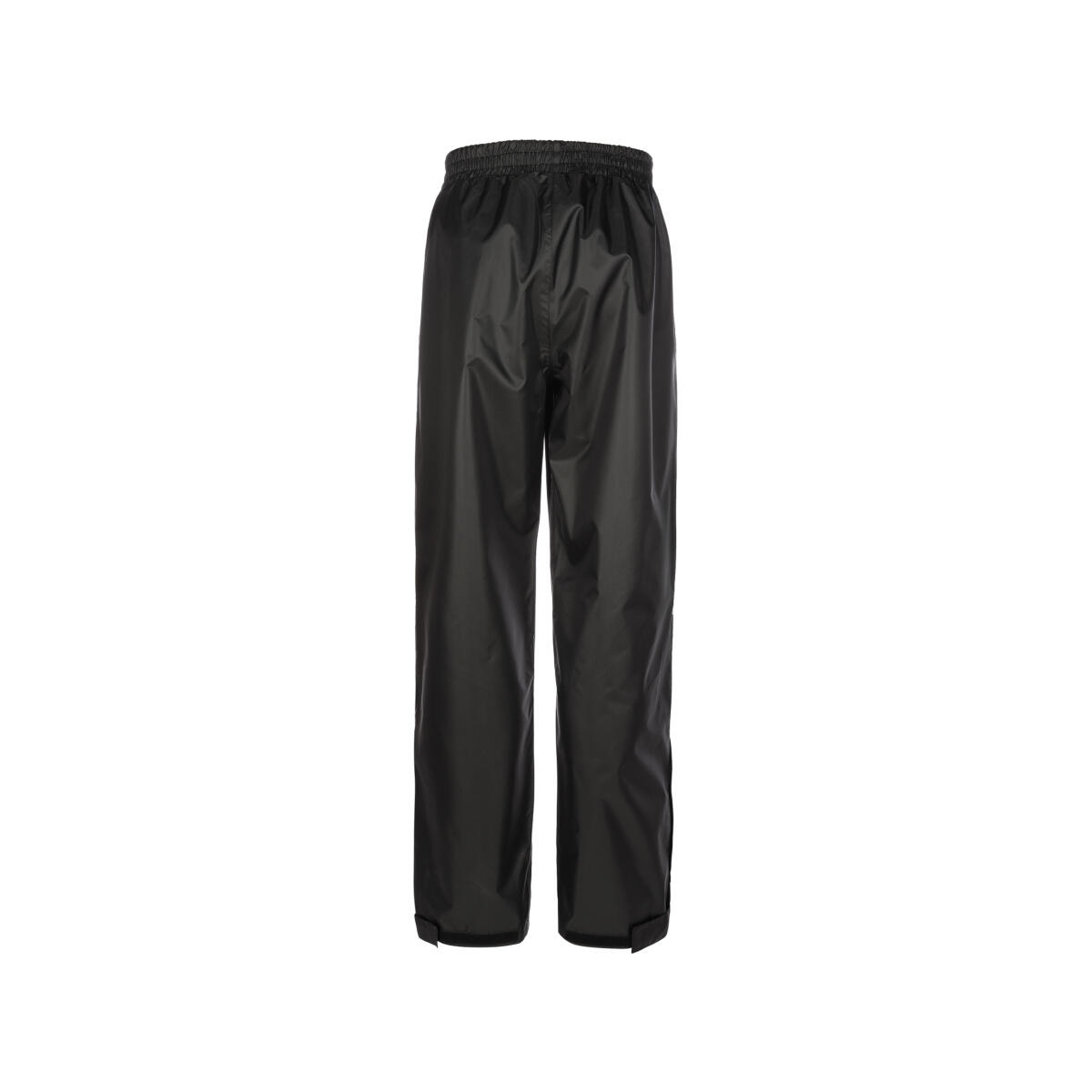
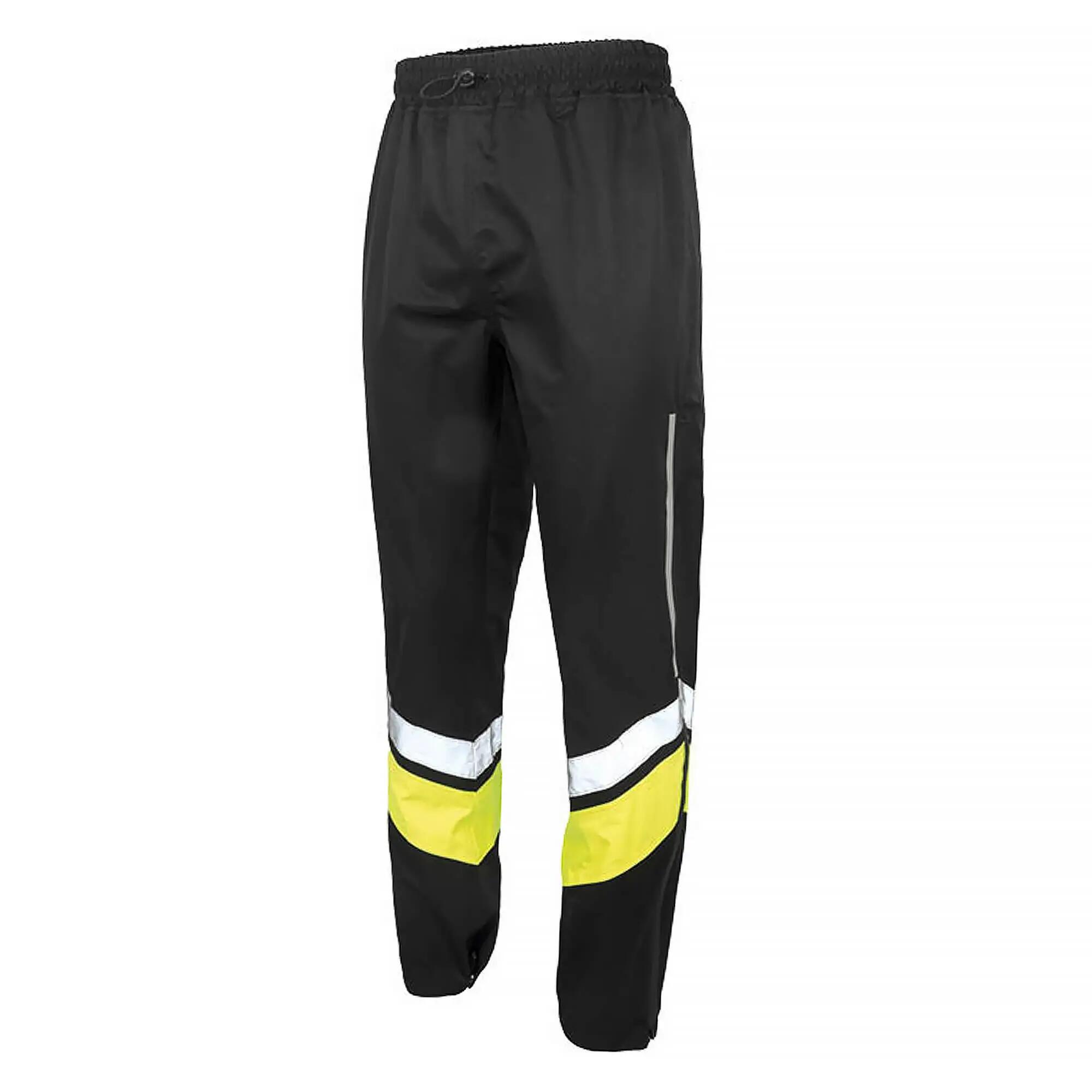
For shorter coastal outings or sudden showers, full-height bibs may provide more coverage than you actually need. A lighter option such as men's waterproof sailing overtrousers can give practical rain protection while remaining easier to pull on and remove when conditions change. Entry-level Decathlon sailing protection uses waterproof fabrics, taped seams and breathable construction rather than relying only on a water-repellent surface treatment. Pro tip: keep overtrousers somewhere accessible on deck if the weather is unsettled. Their main advantage is rapid extra coverage, so storing them underneath heavy luggage defeats much of their usefulness when rain arrives quickly.

What makes offshore sailing dungarees different from coastal bibs?

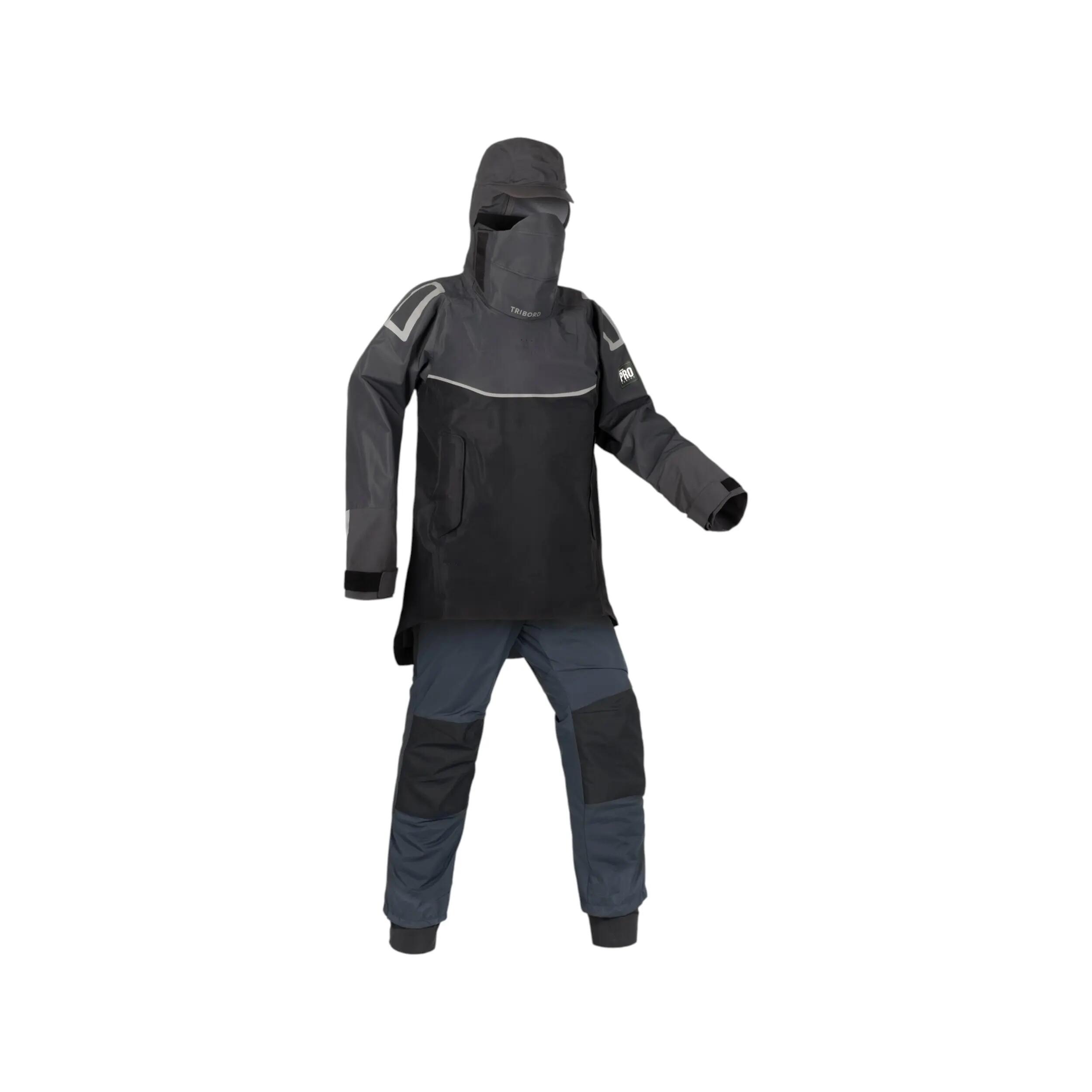
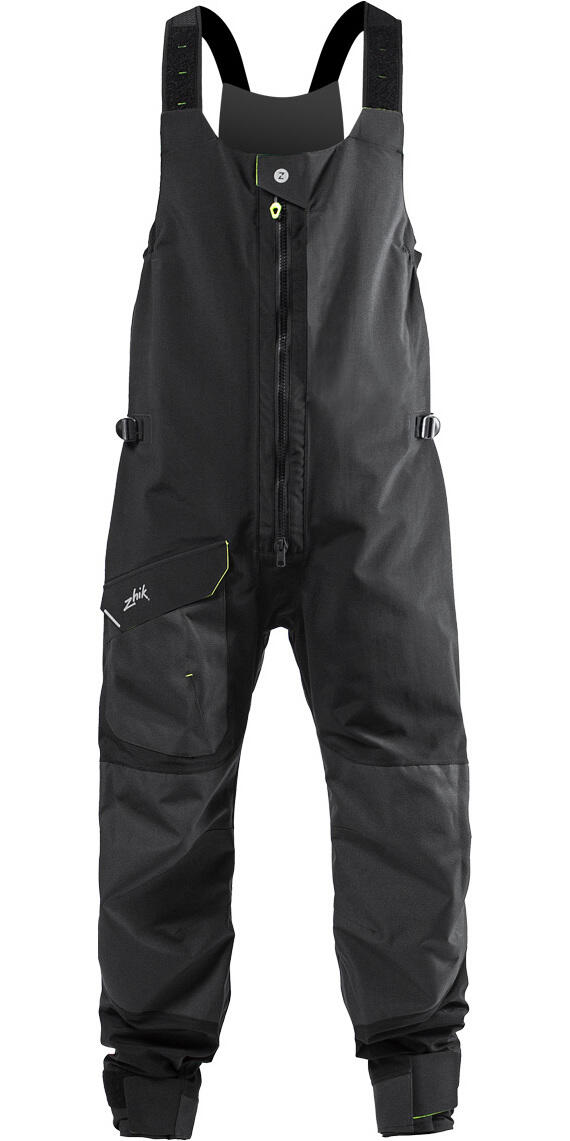
Offshore sailing increases exposure time, water pressure and repeated contact with hard deck surfaces, so the garment needs more than a higher waterproof rating. Decathlon's men's offshore sailing dungarees add stronger three-layer protection, reinforced contact areas and foam around the knees and seat for comfort during prolonged manoeuvres. Offshore models can also include equipment-secure pockets, water-resistant zips and drop-seat access. Pro tip: compare reinforcement, pocket access and kneeling comfort alongside waterproof performance. On long passages, the ability to move, sit and reach tools comfortably can matter just as much as keeping rain out.

How should sailing dungarees fit with the rest of your sailing kit?

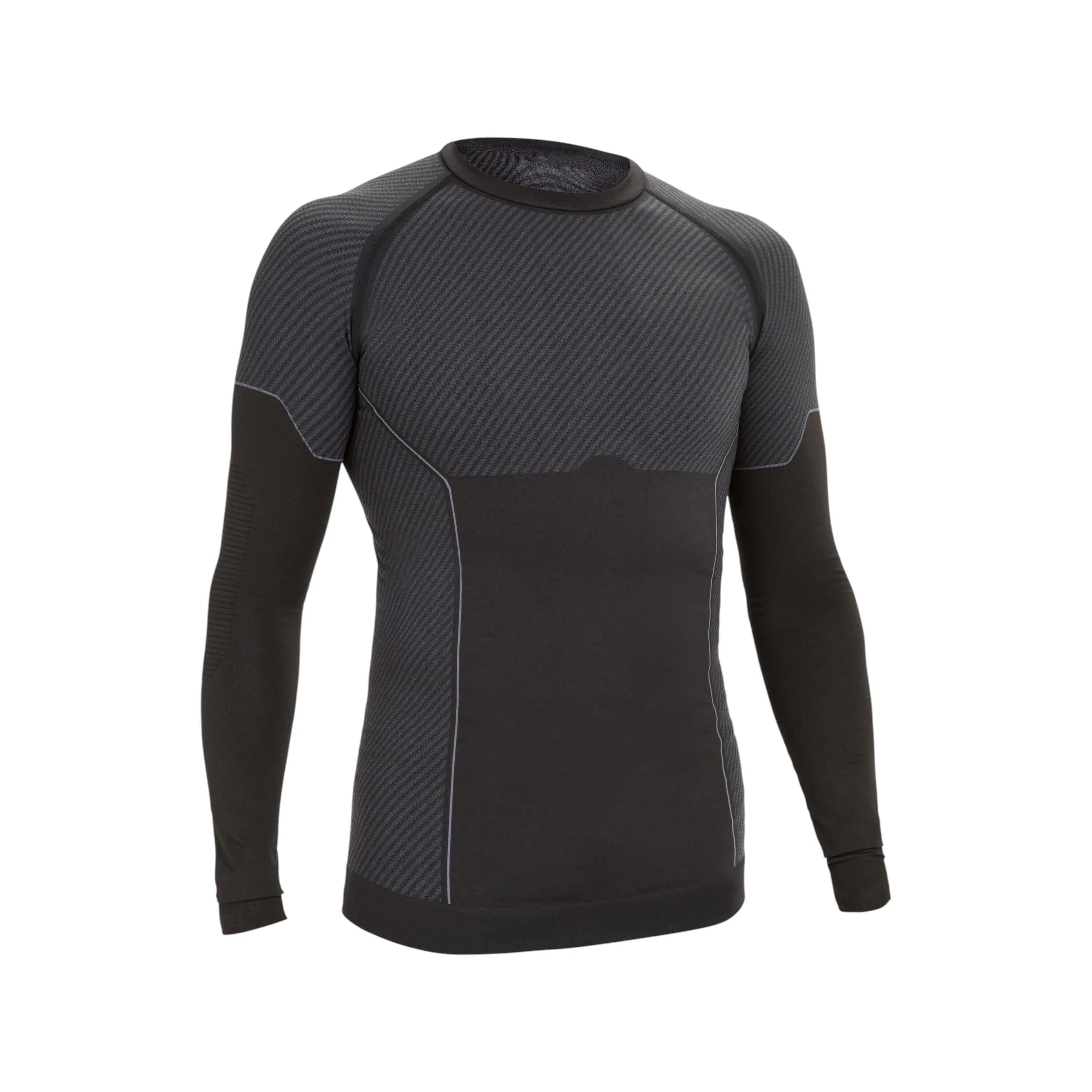
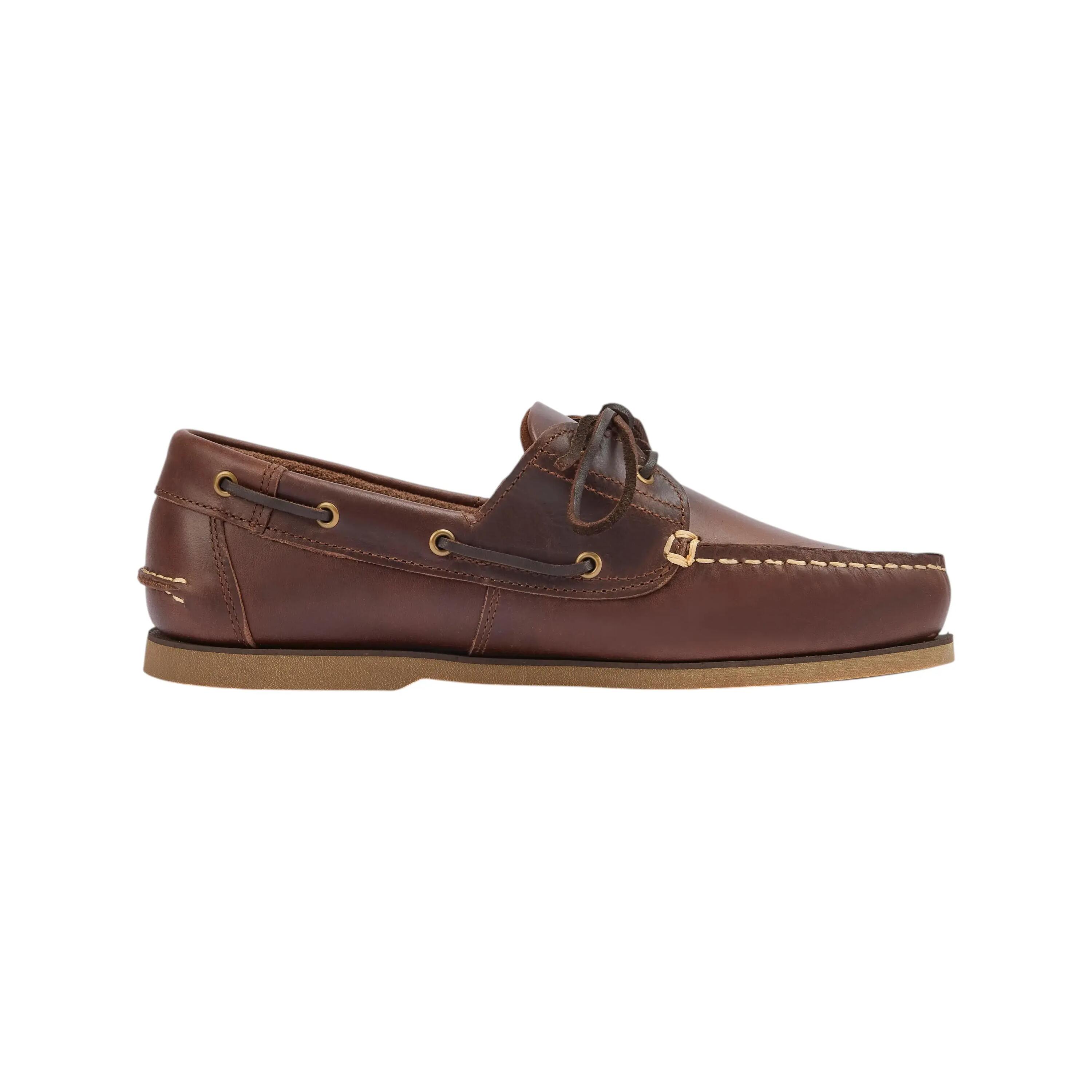
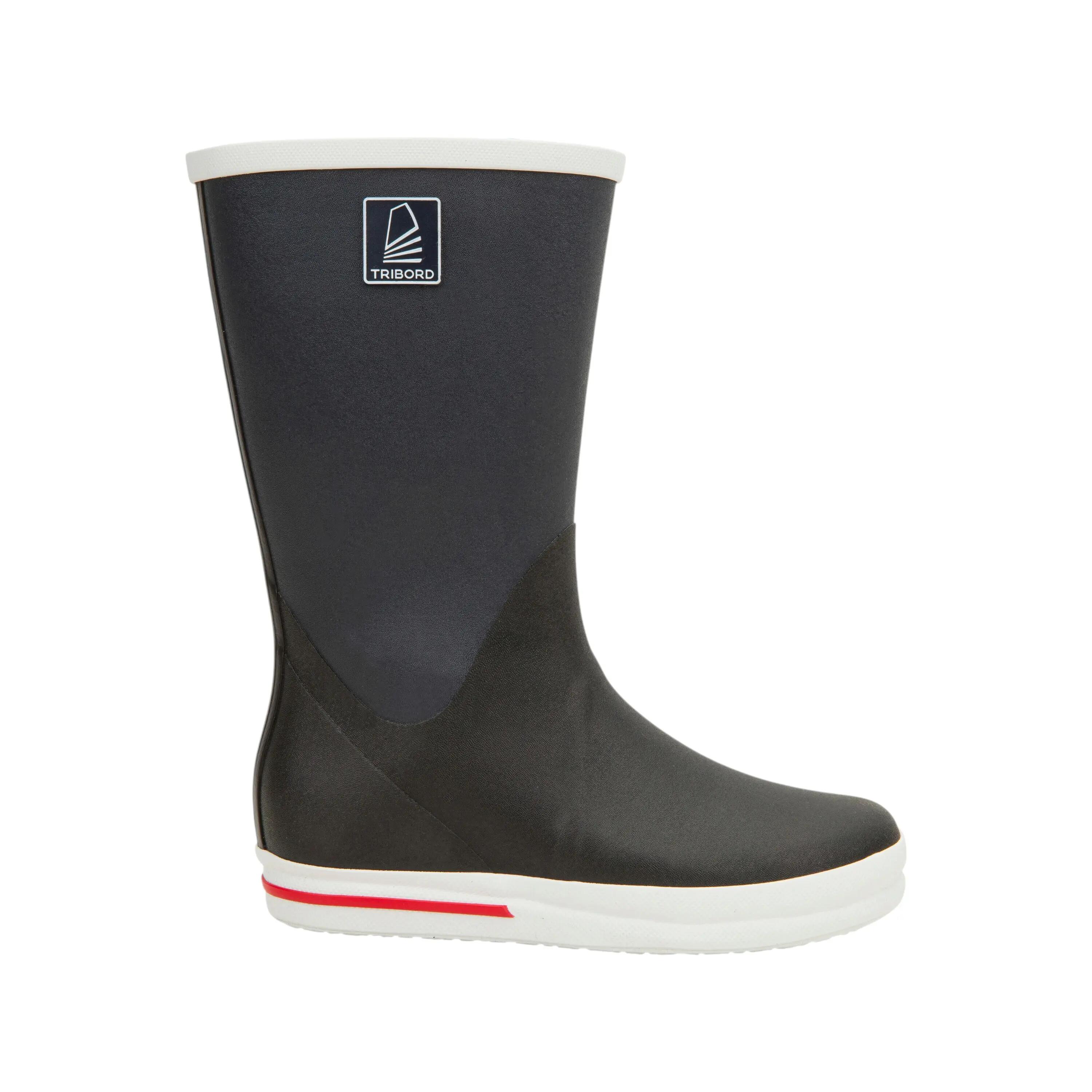
The bib should leave enough room for insulation without becoming loose enough to snag or shift around the body. Before combining layers from the wider men's sailing clothes range, check that base layers, fleeces, jackets and boots all work with the adjustable straps and cuffs of the dungarees. Sailing 500 models also use silicone at the lower leg to help the fabric grip over boots during movement. Pro tip: test the full outfit before heading offshore by sitting, reaching overhead and stepping onto a raised surface. If several layers bunch around the hips, knees or shoulders, reduce unnecessary bulk rather than simply loosening every adjustment.

Can sailing dungarees be worn over a wetsuit?

This combination can work in some conditions, but it depends on the sailing activity, temperature and whether the extra layers still allow comfortable movement. Comparing options from the men's sailing wetsuits range, remember that neoprene provides thermal protection in a different way from waterproof dungarees, which mainly block rain, spray and wind. Wearing both can increase warmth but also add bulk around the knees and torso. Pro tip: test the combination by crouching, climbing and moving your arms before committing to a long session. If the wetsuit and bib restrict movement together, a lighter thermal layer beneath the dungarees may be more practical.