44 items
4.8/5 based on 30151 reviews collected online and in stores

Men's Sailing Fleeces, Soft-Shells and Sweaters FAQs

How to choose the right men's sailing mid-layer for cold-water conditions?

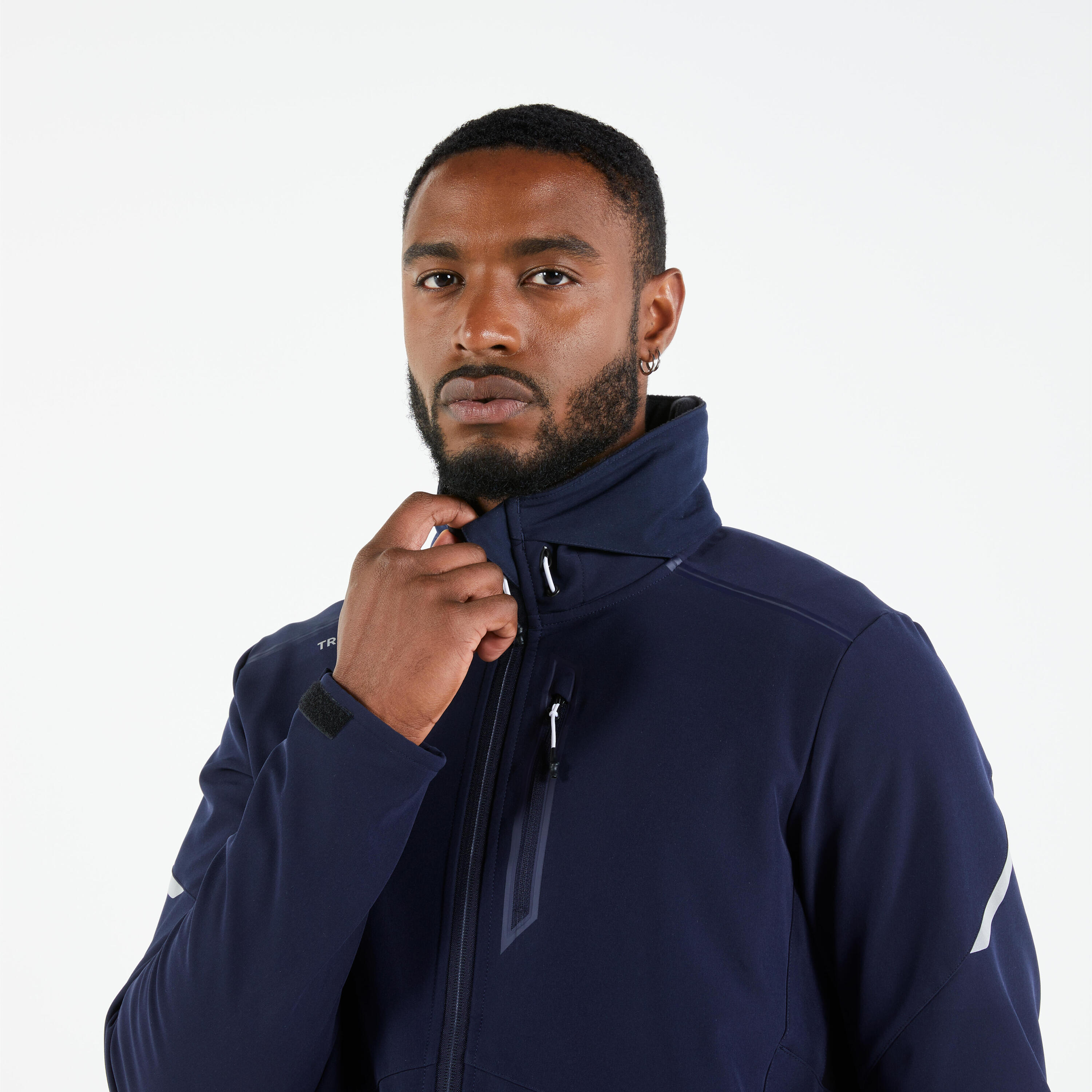
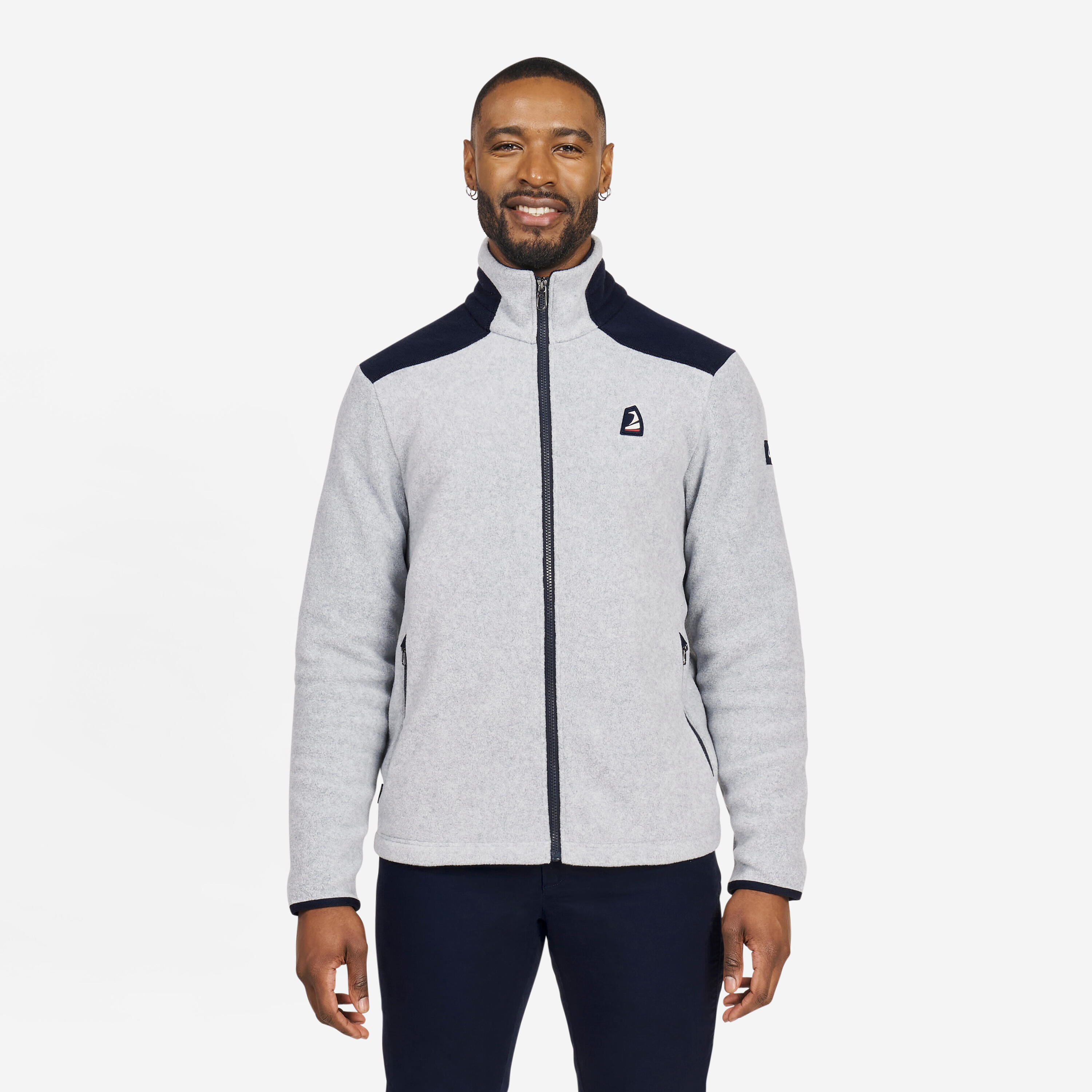
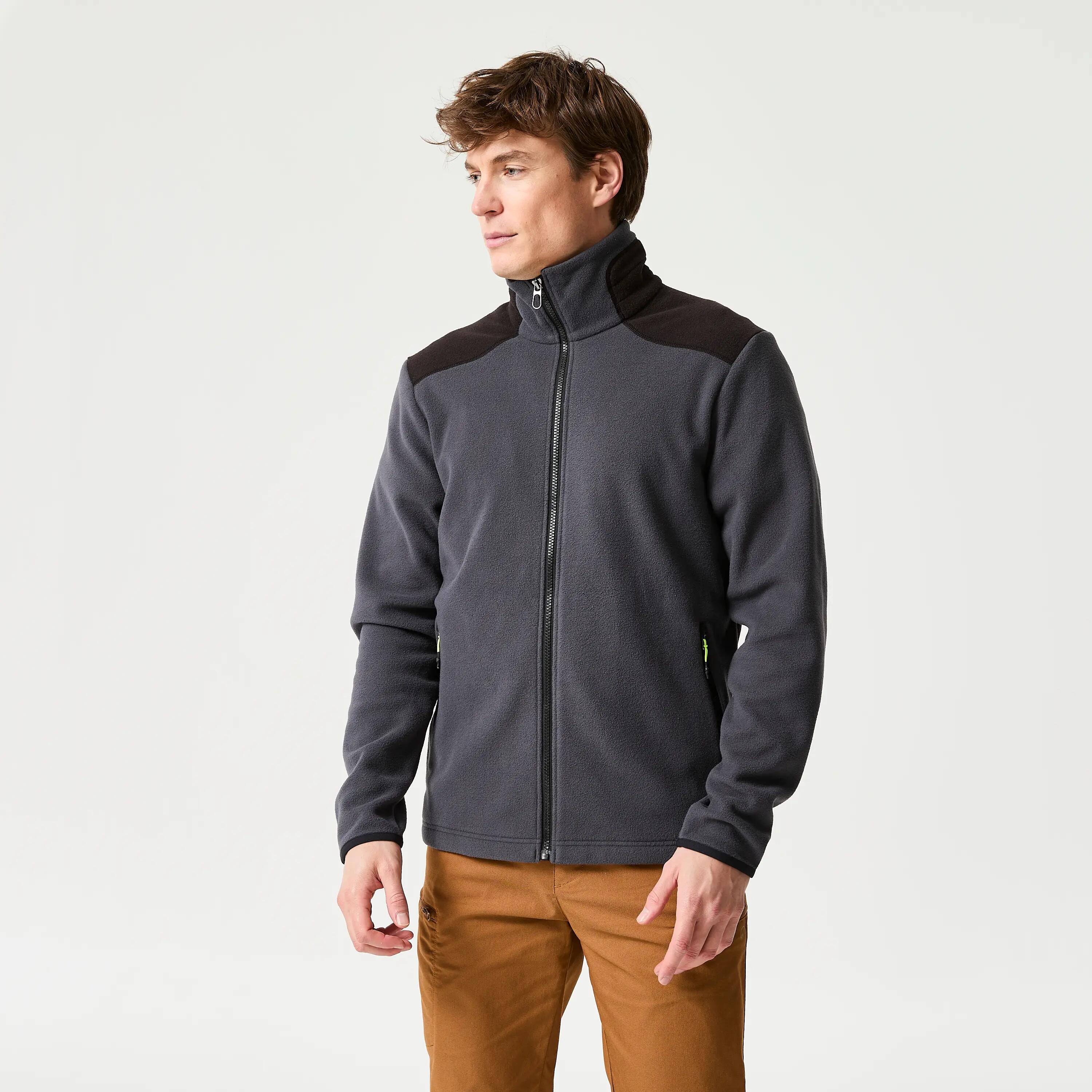
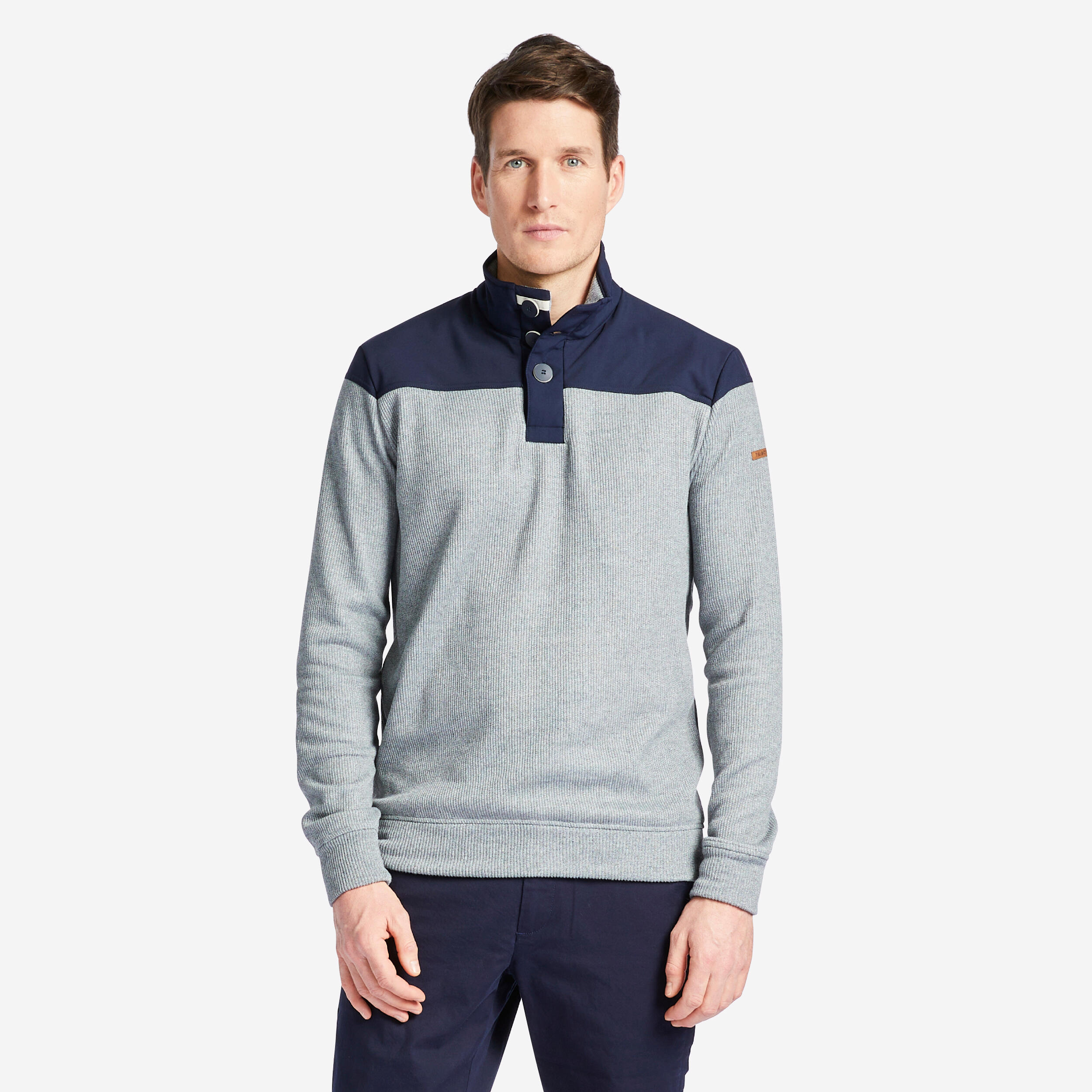
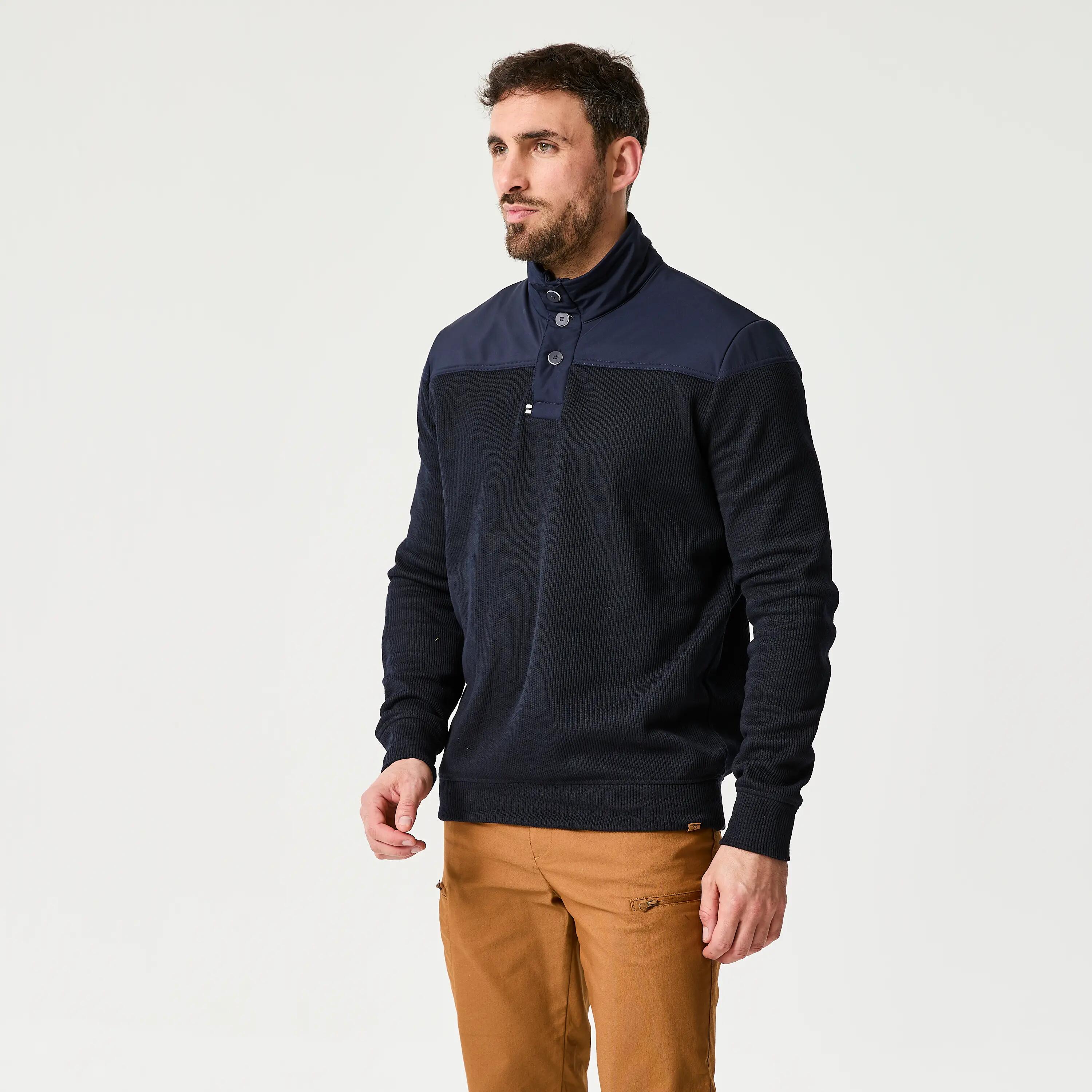
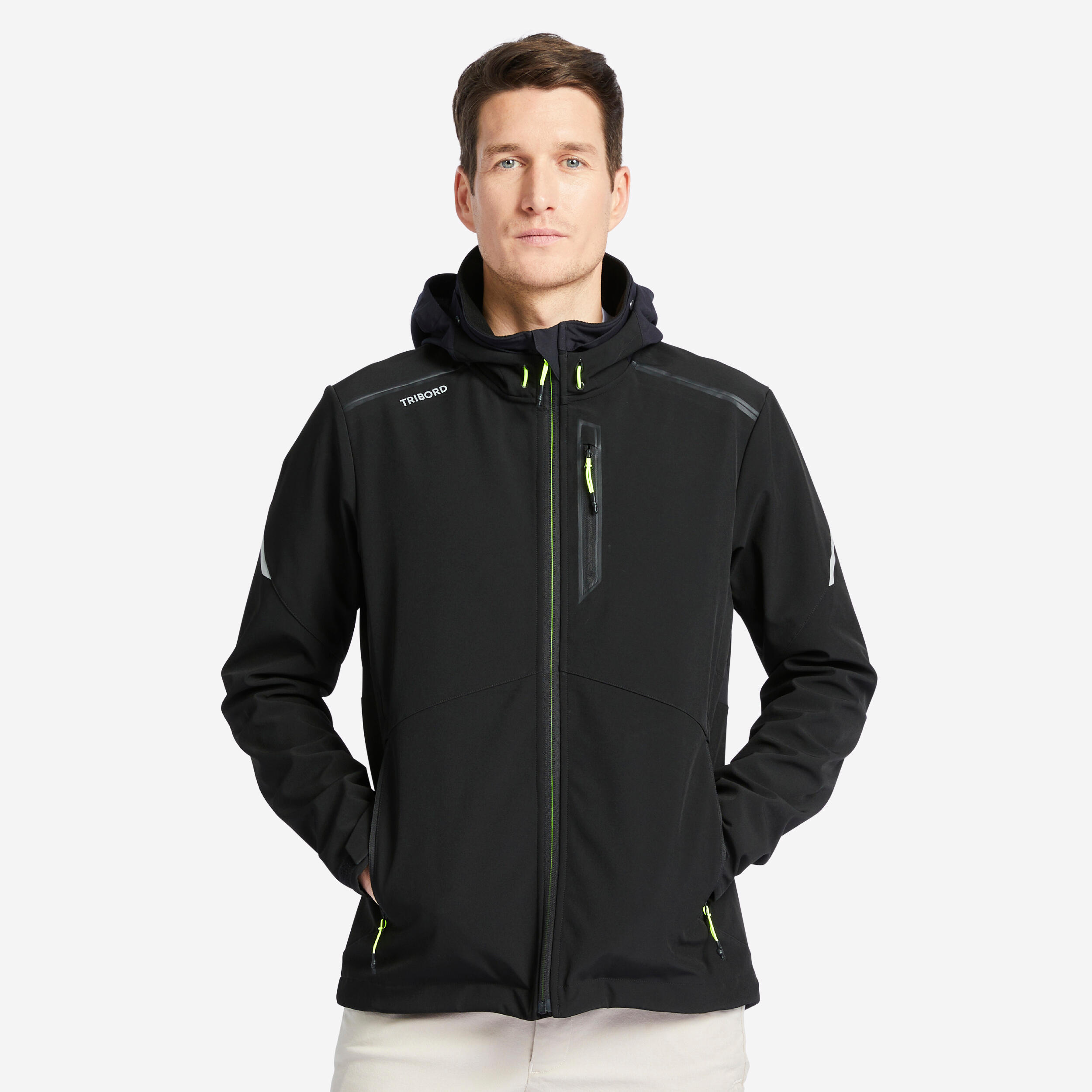
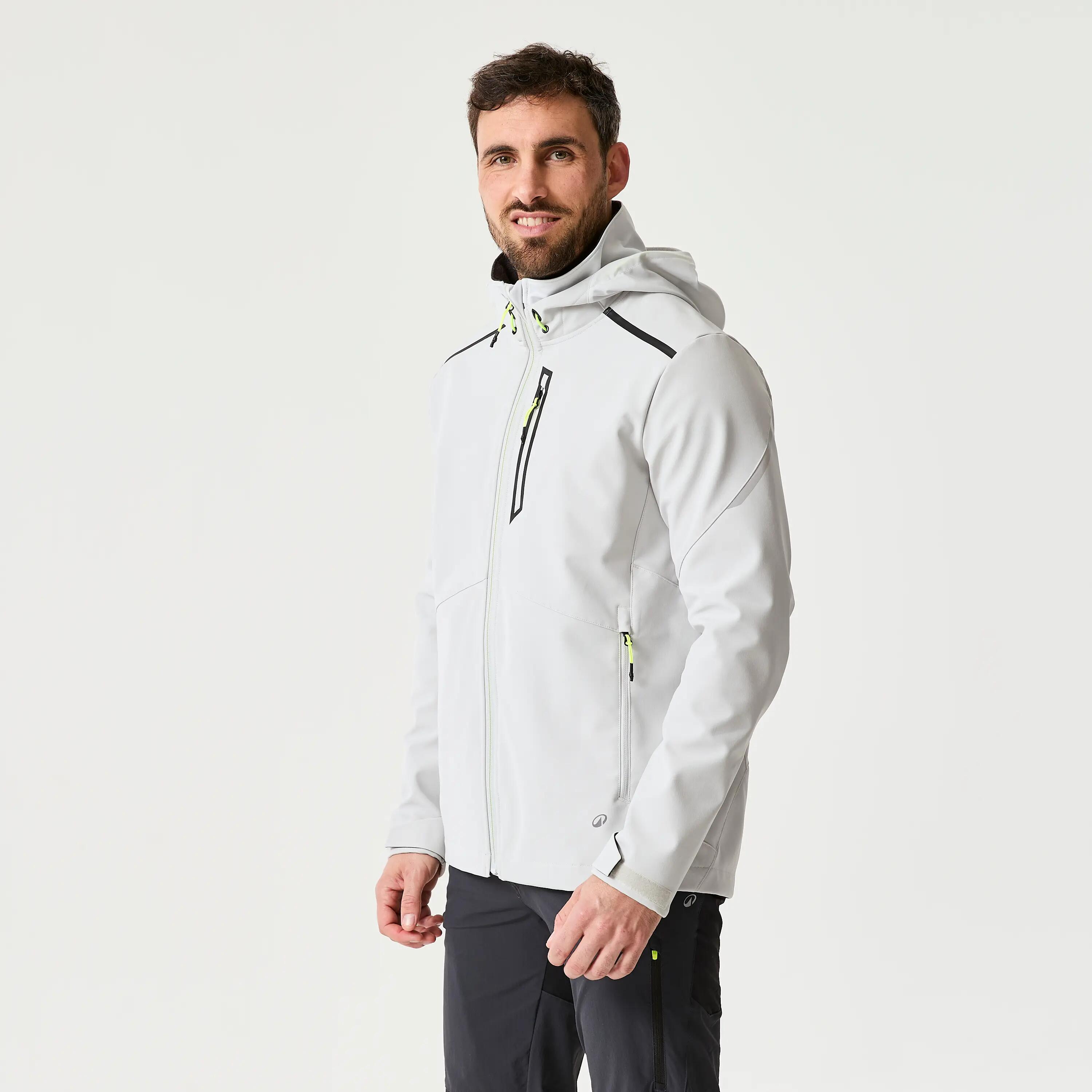
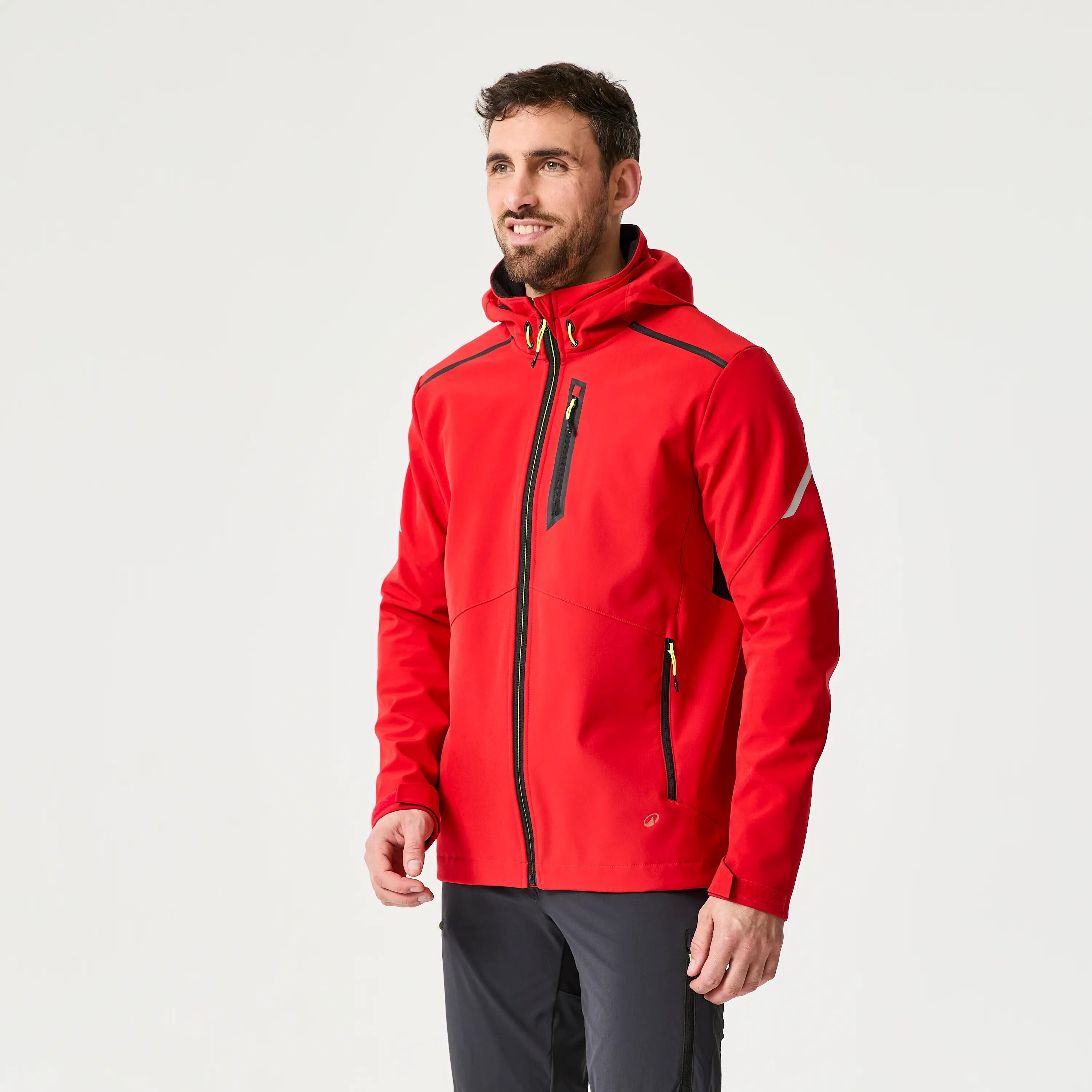
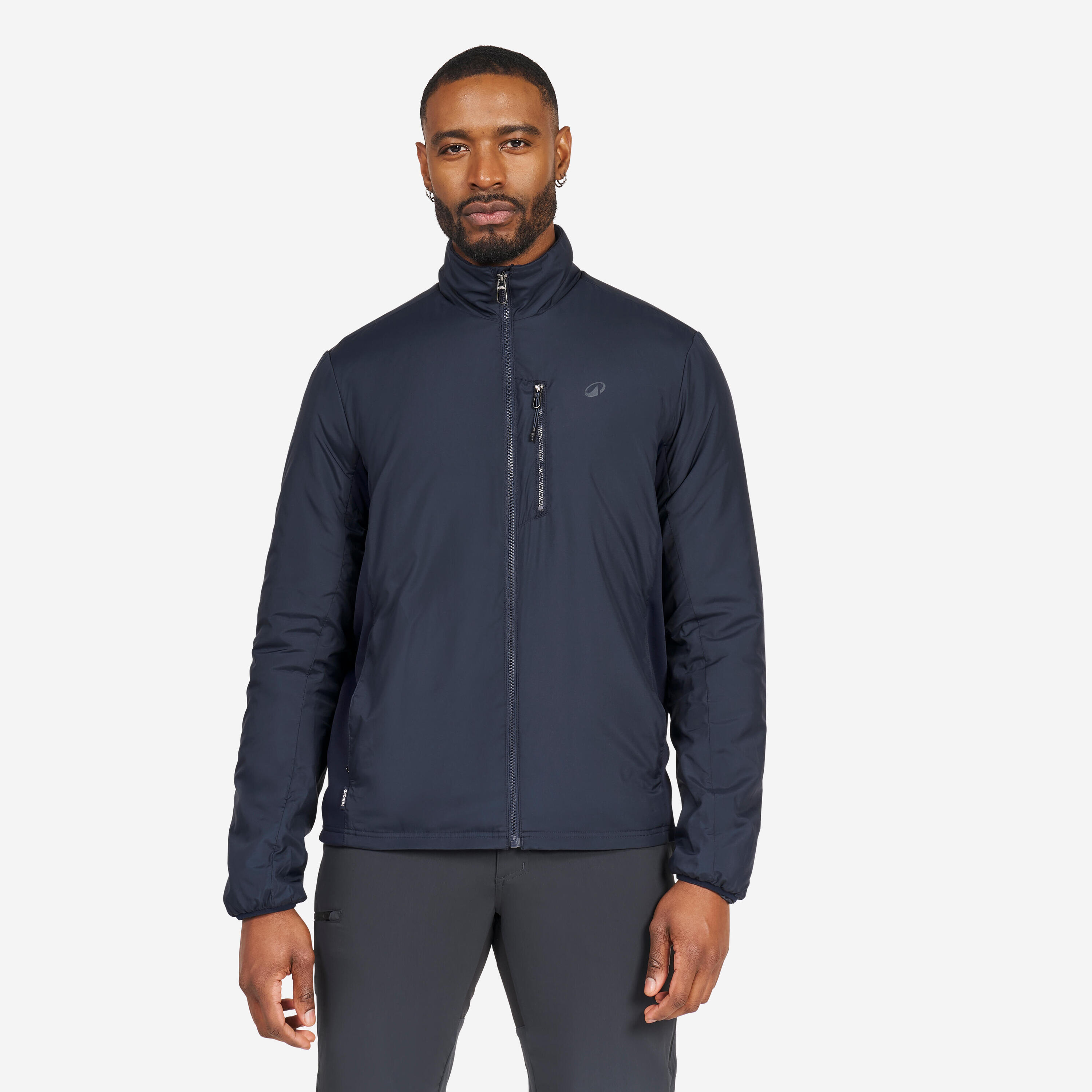
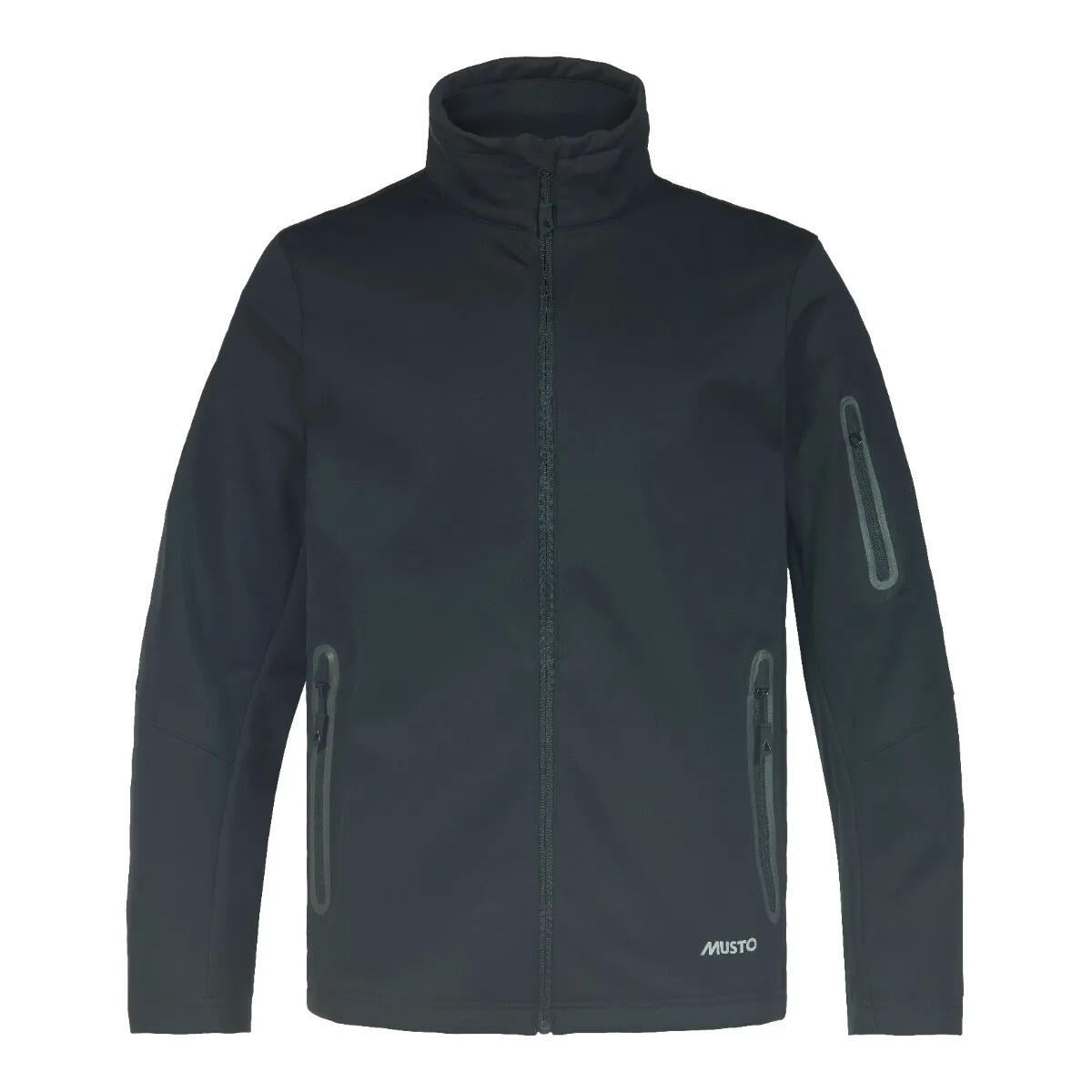
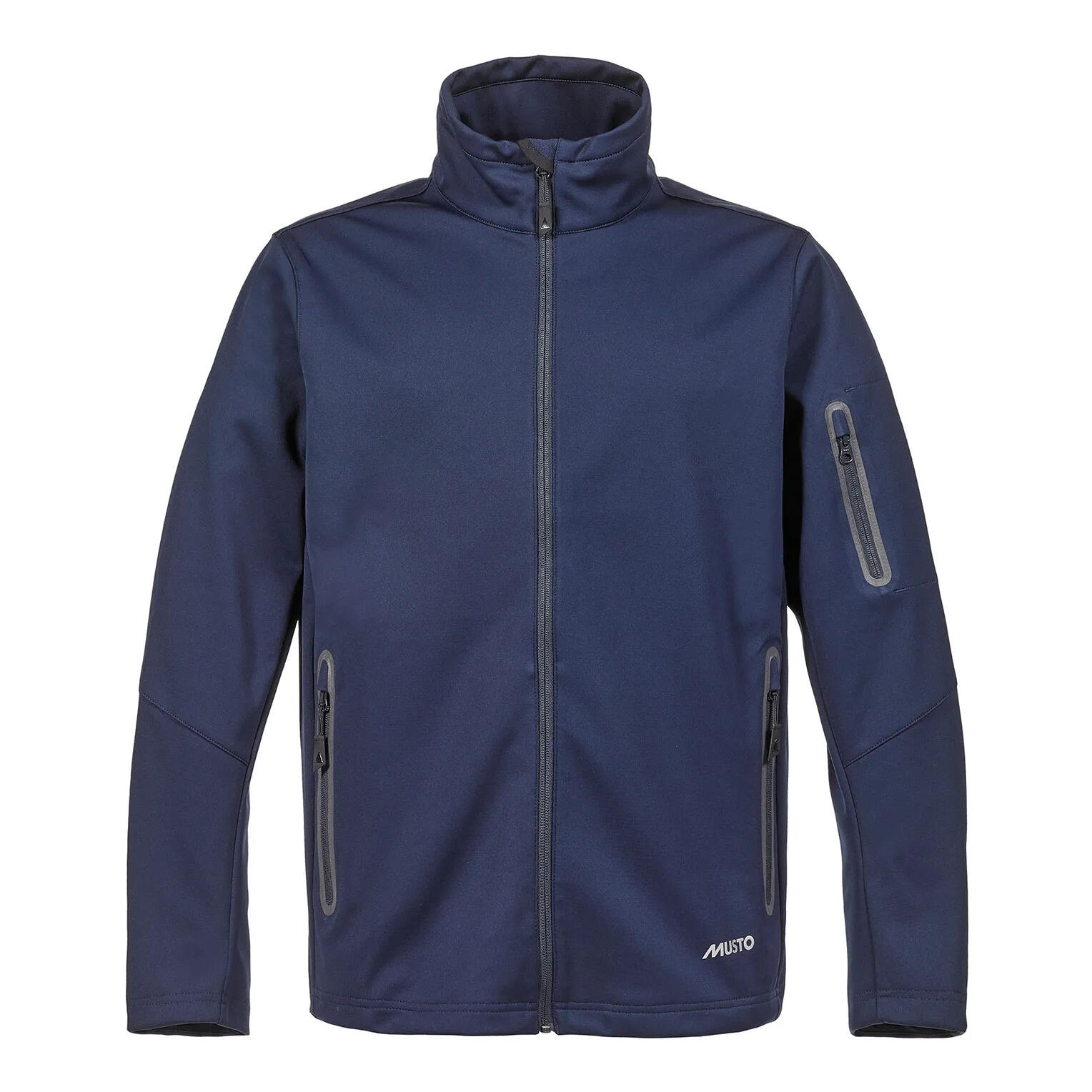
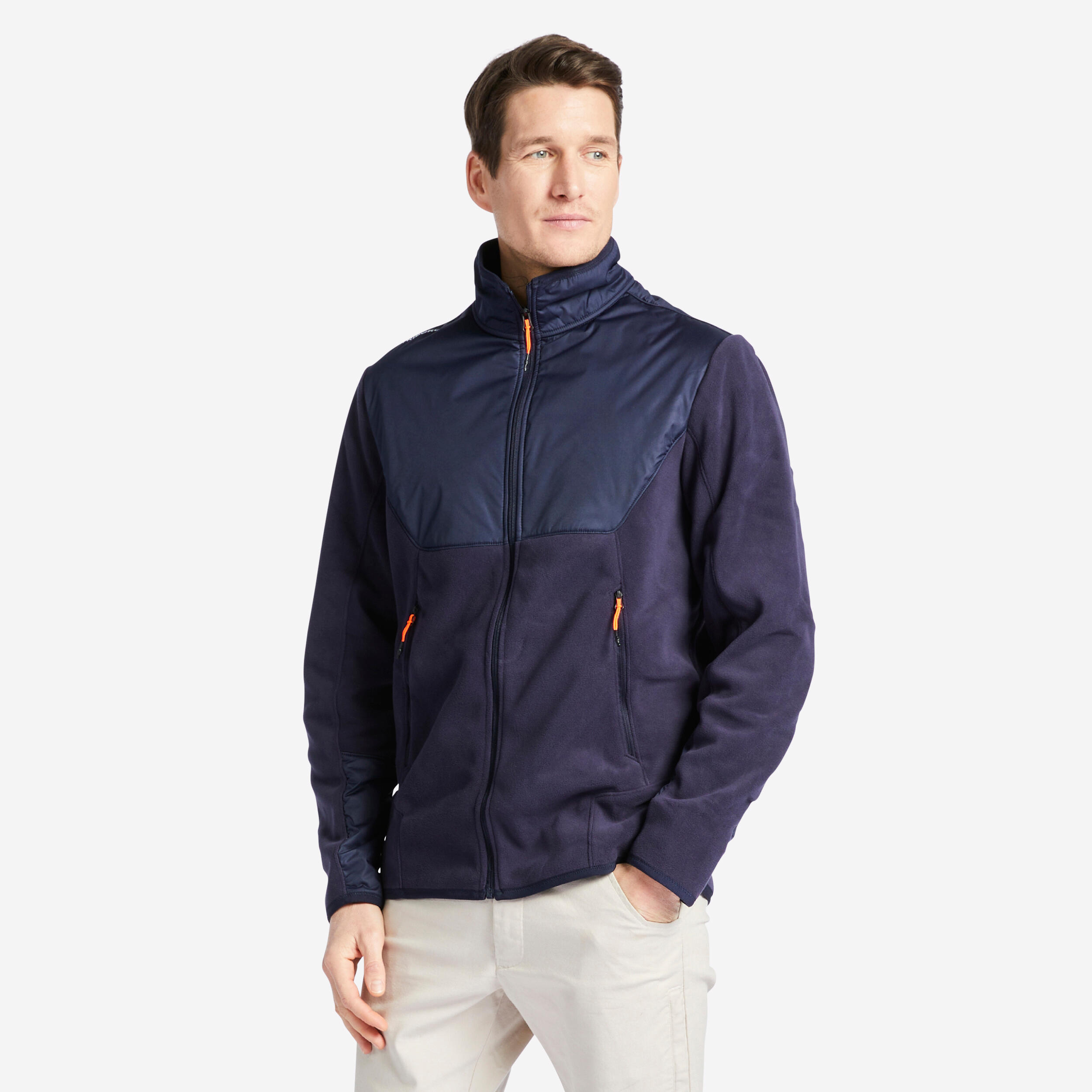
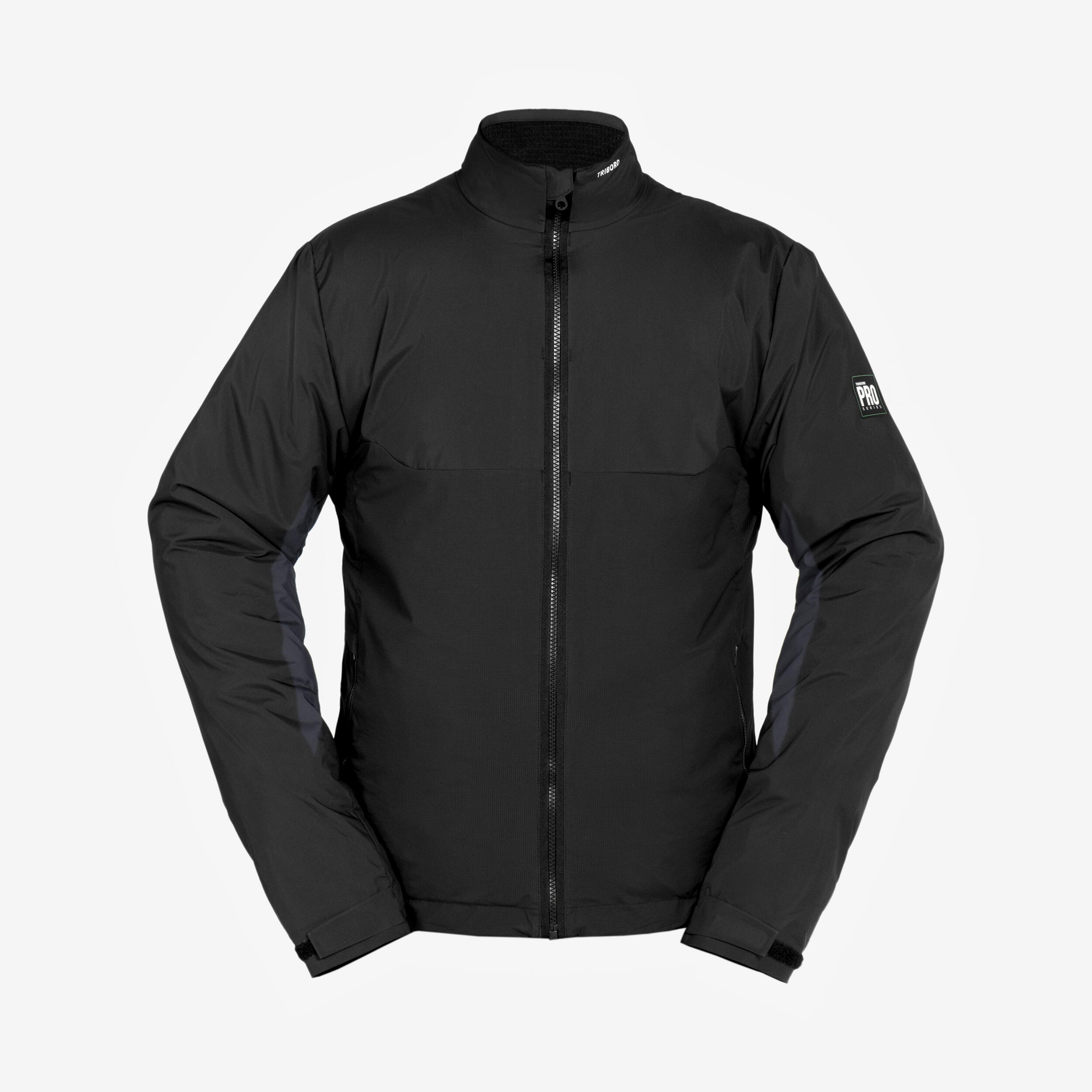
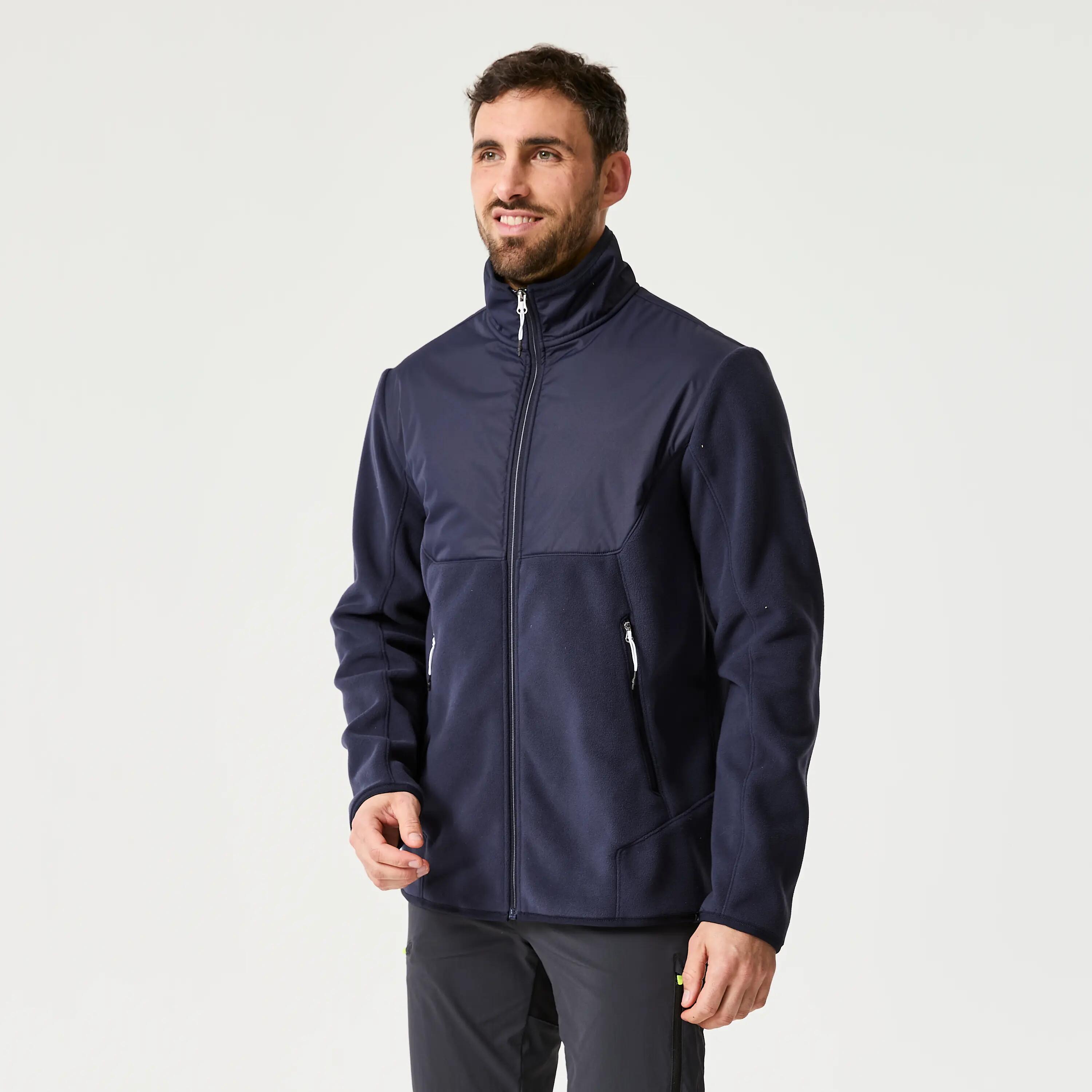
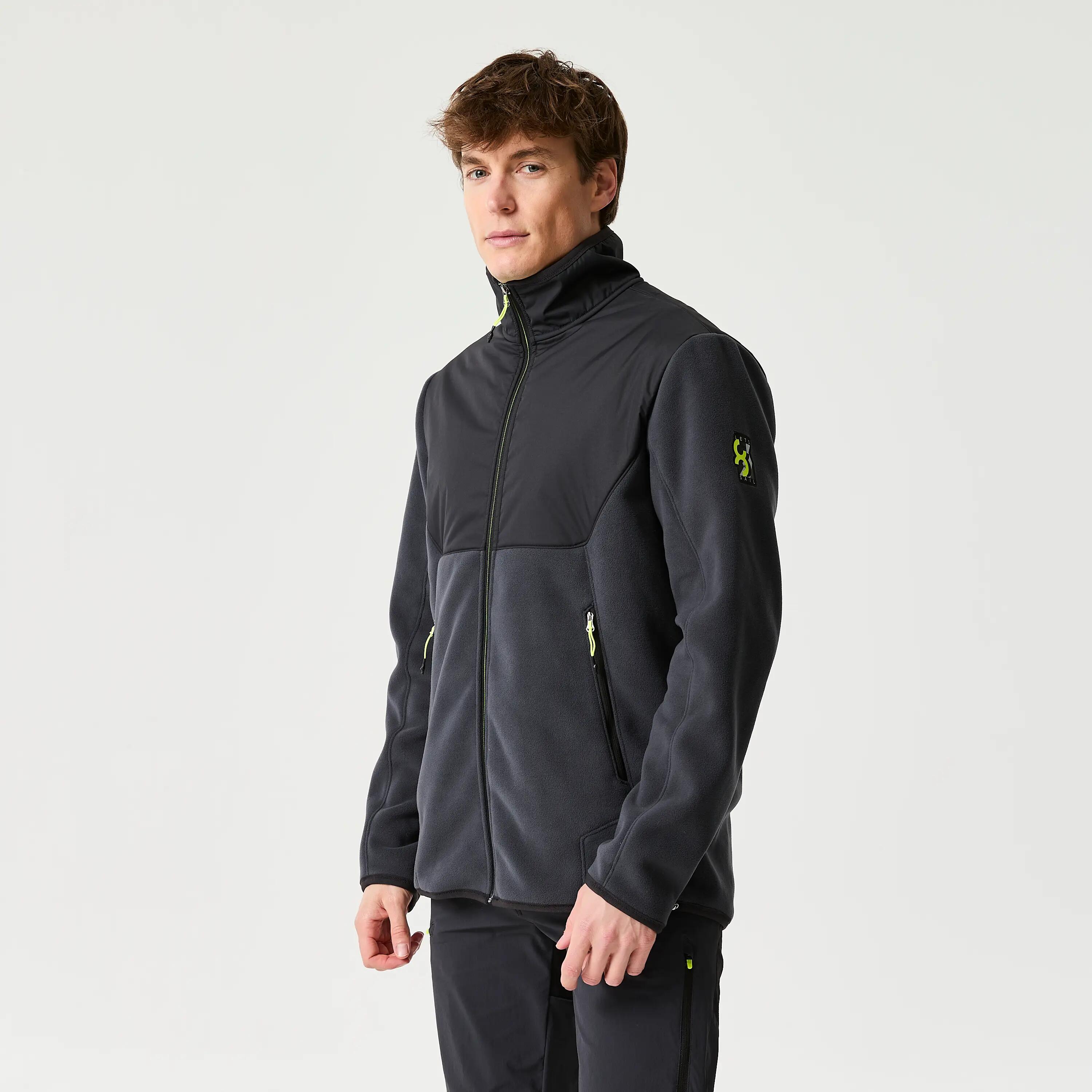
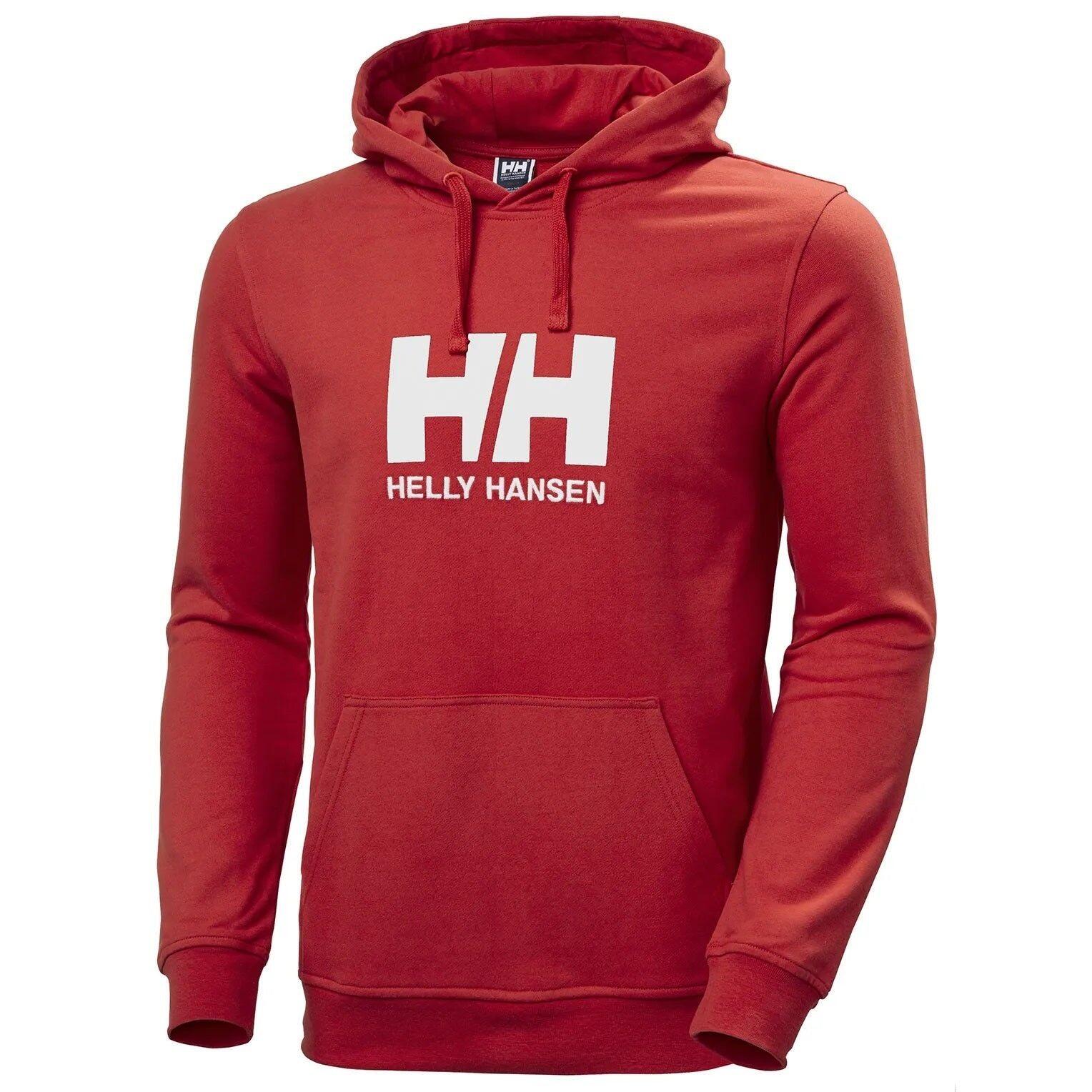
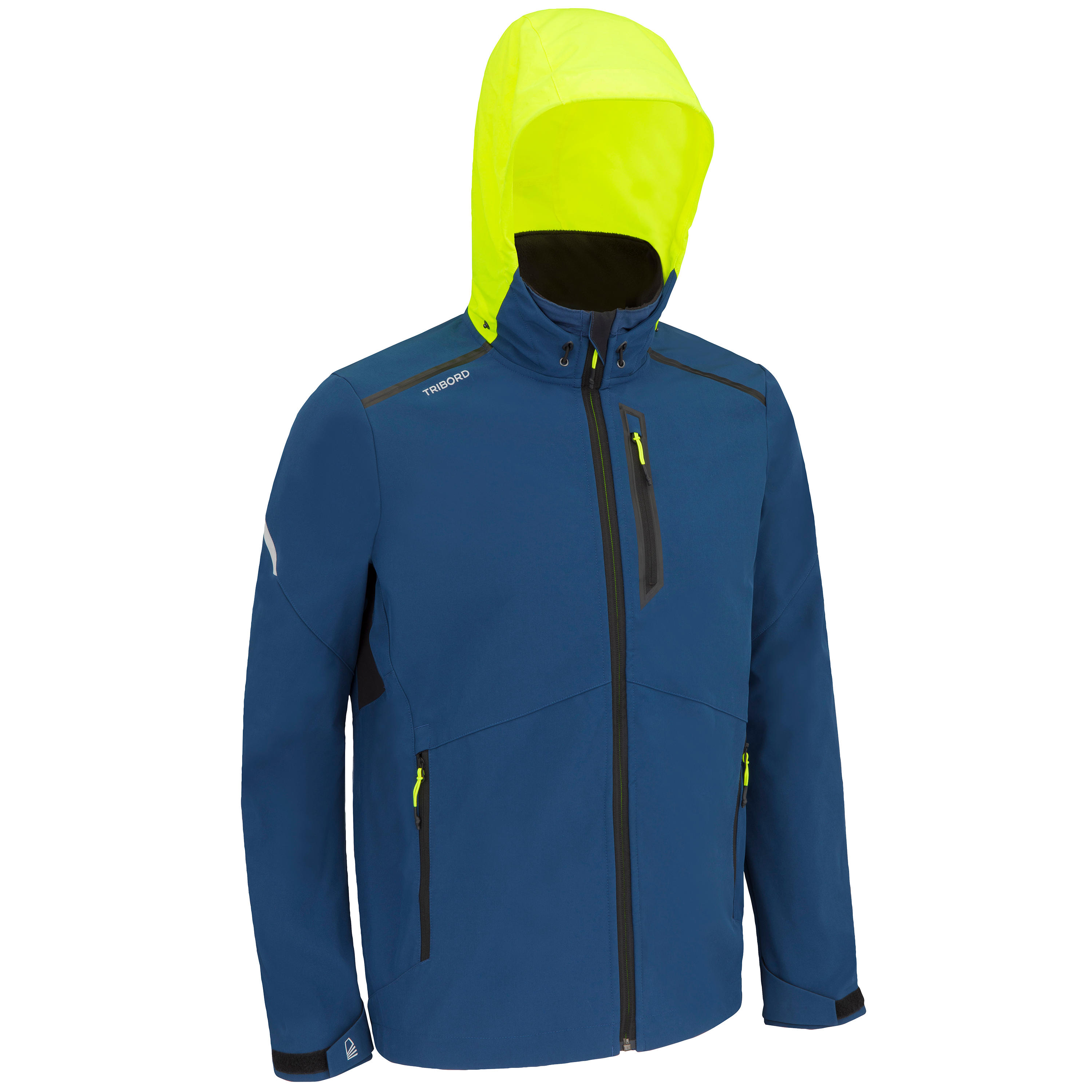
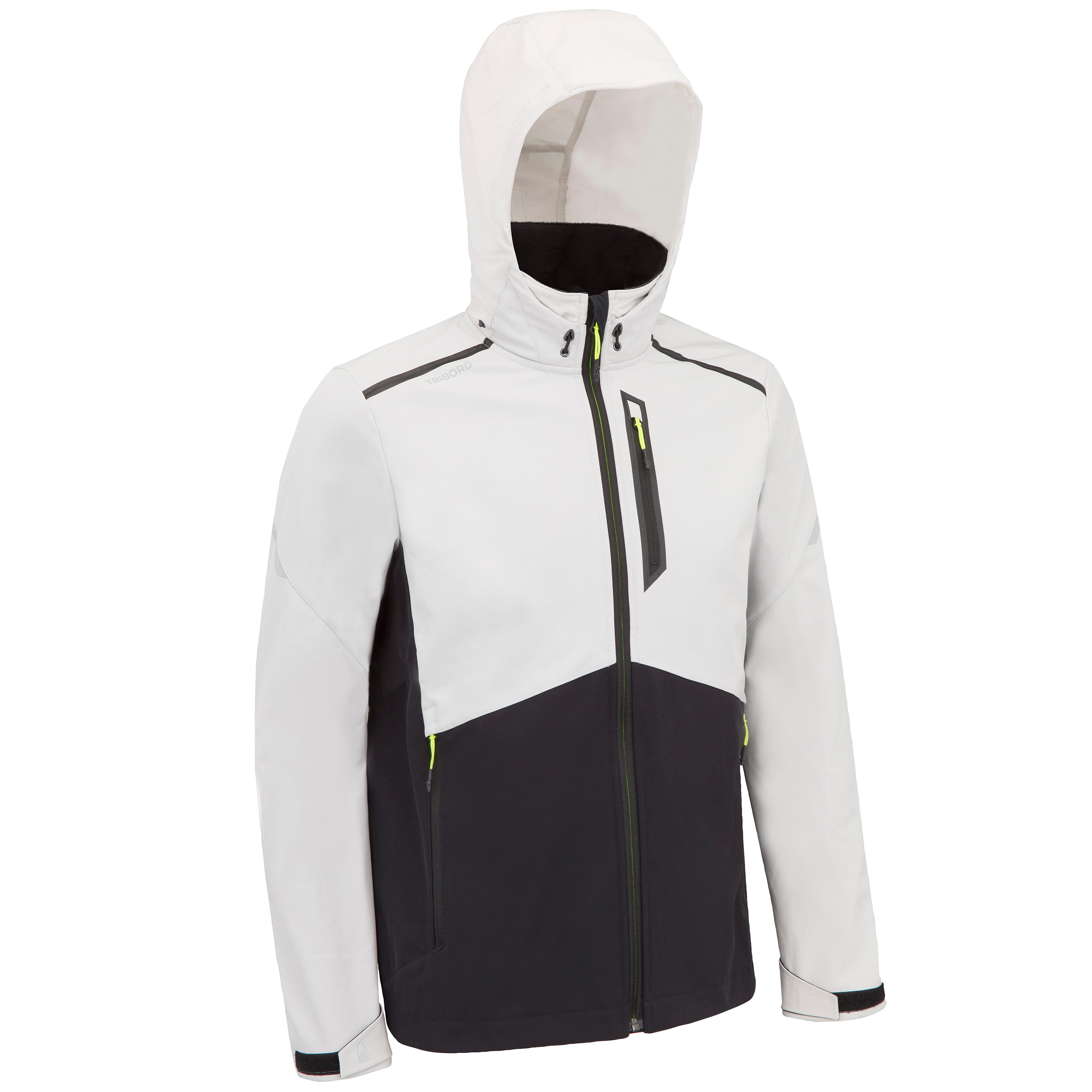
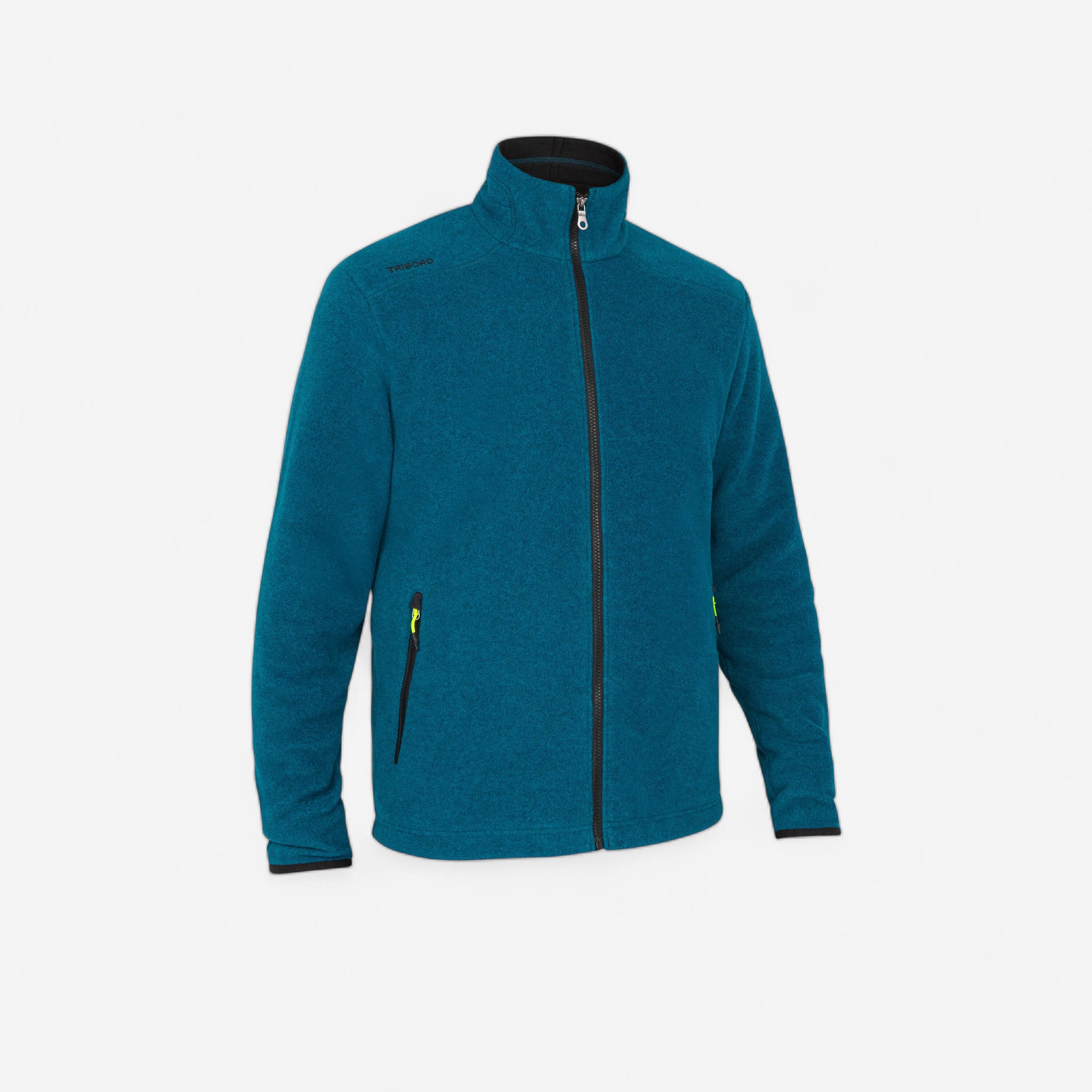
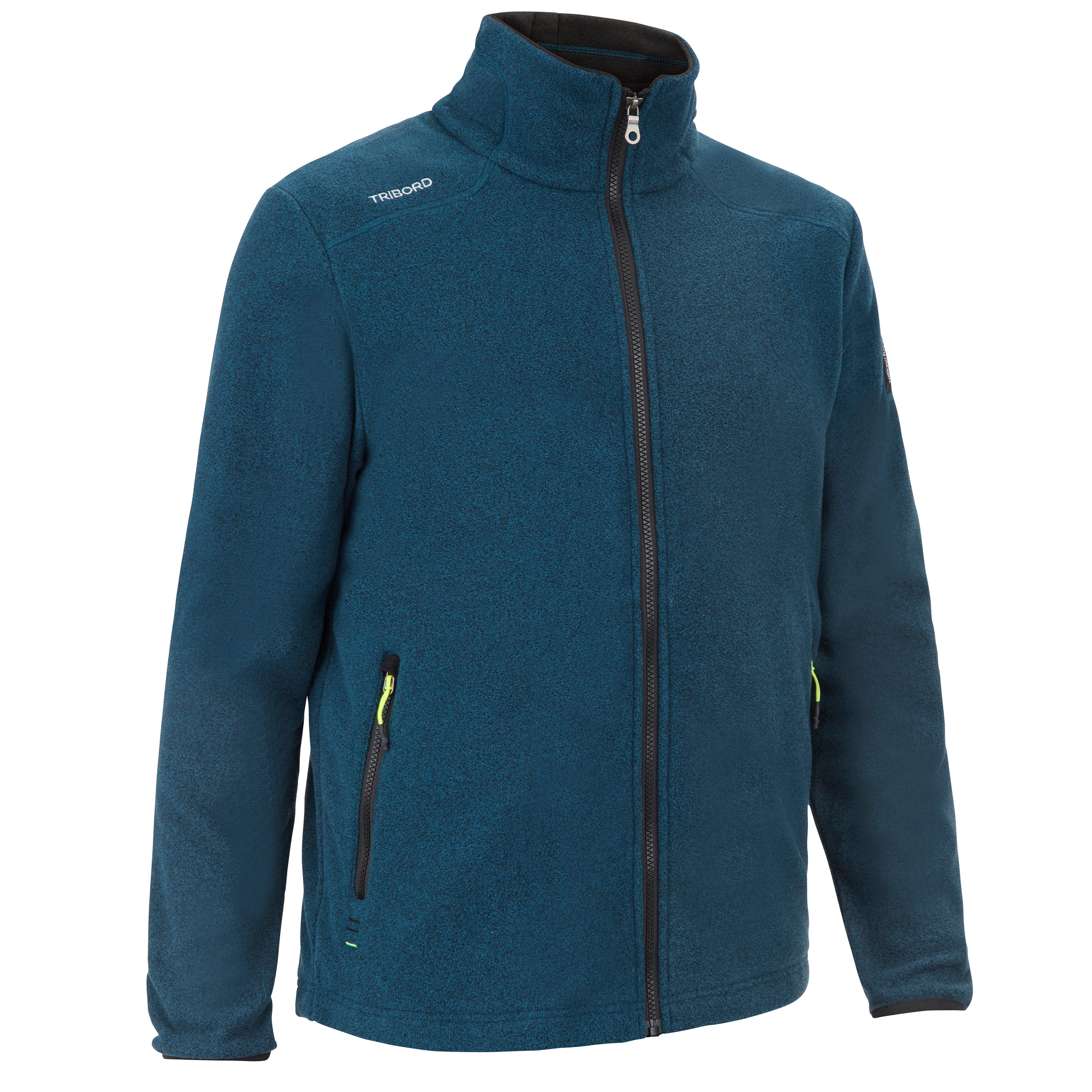
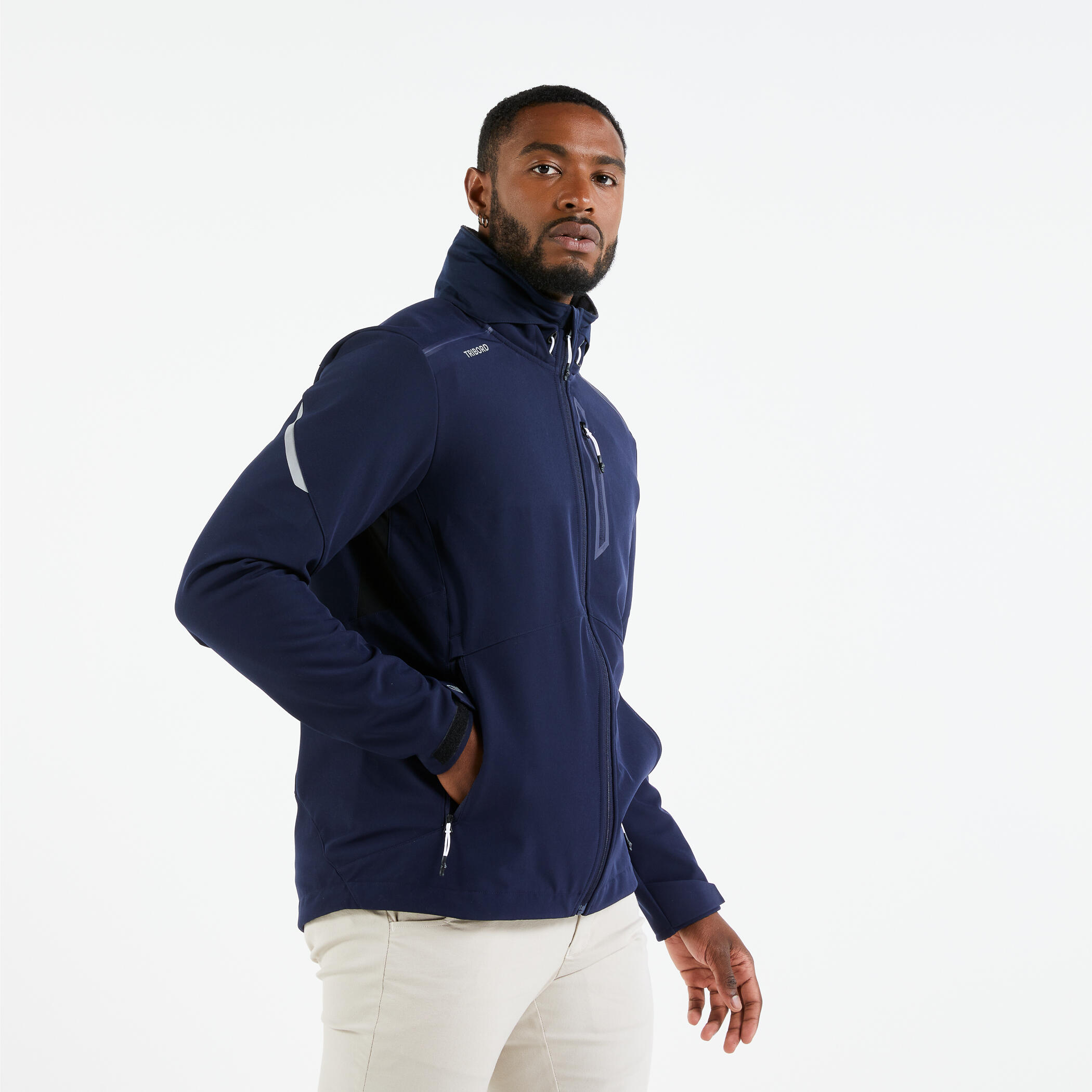
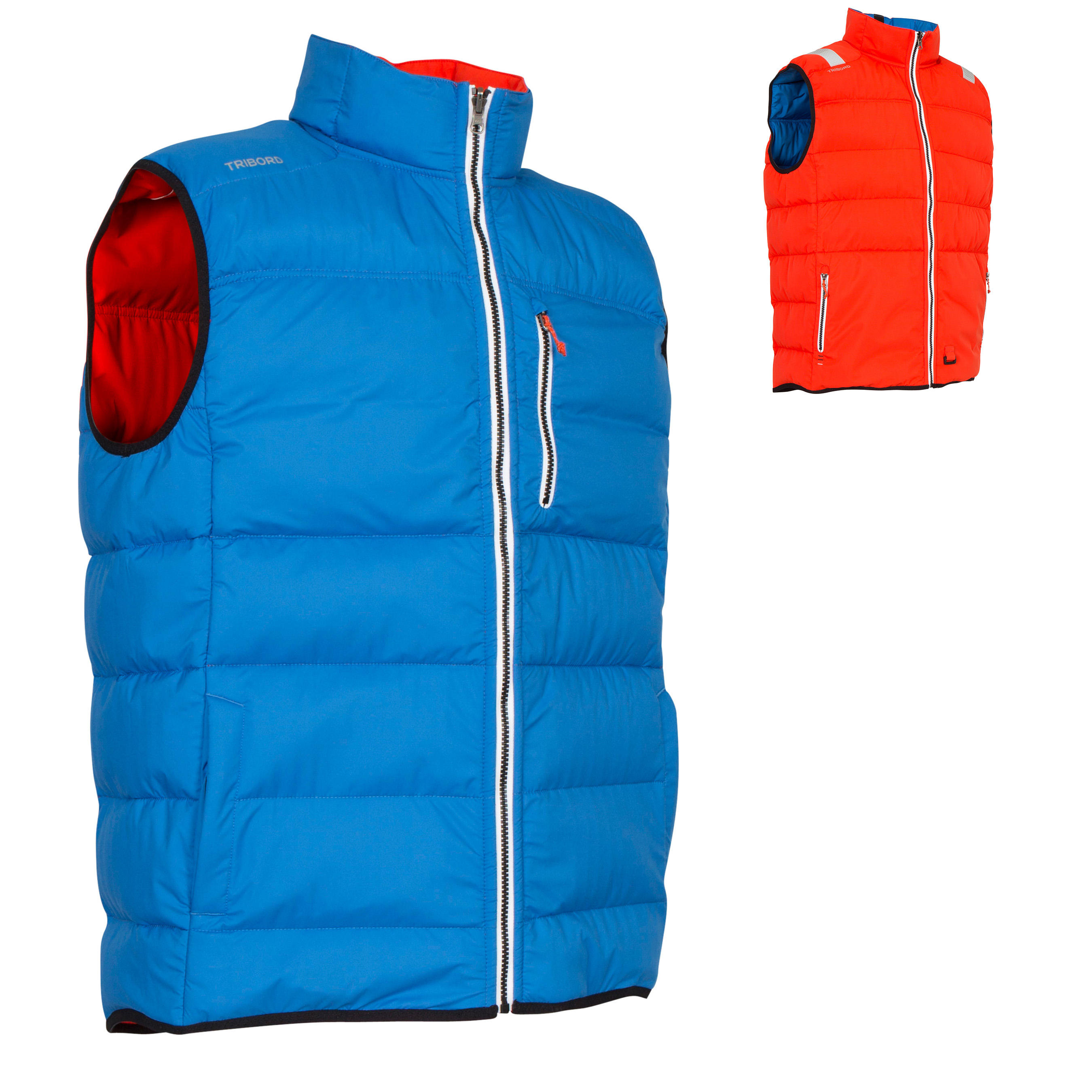
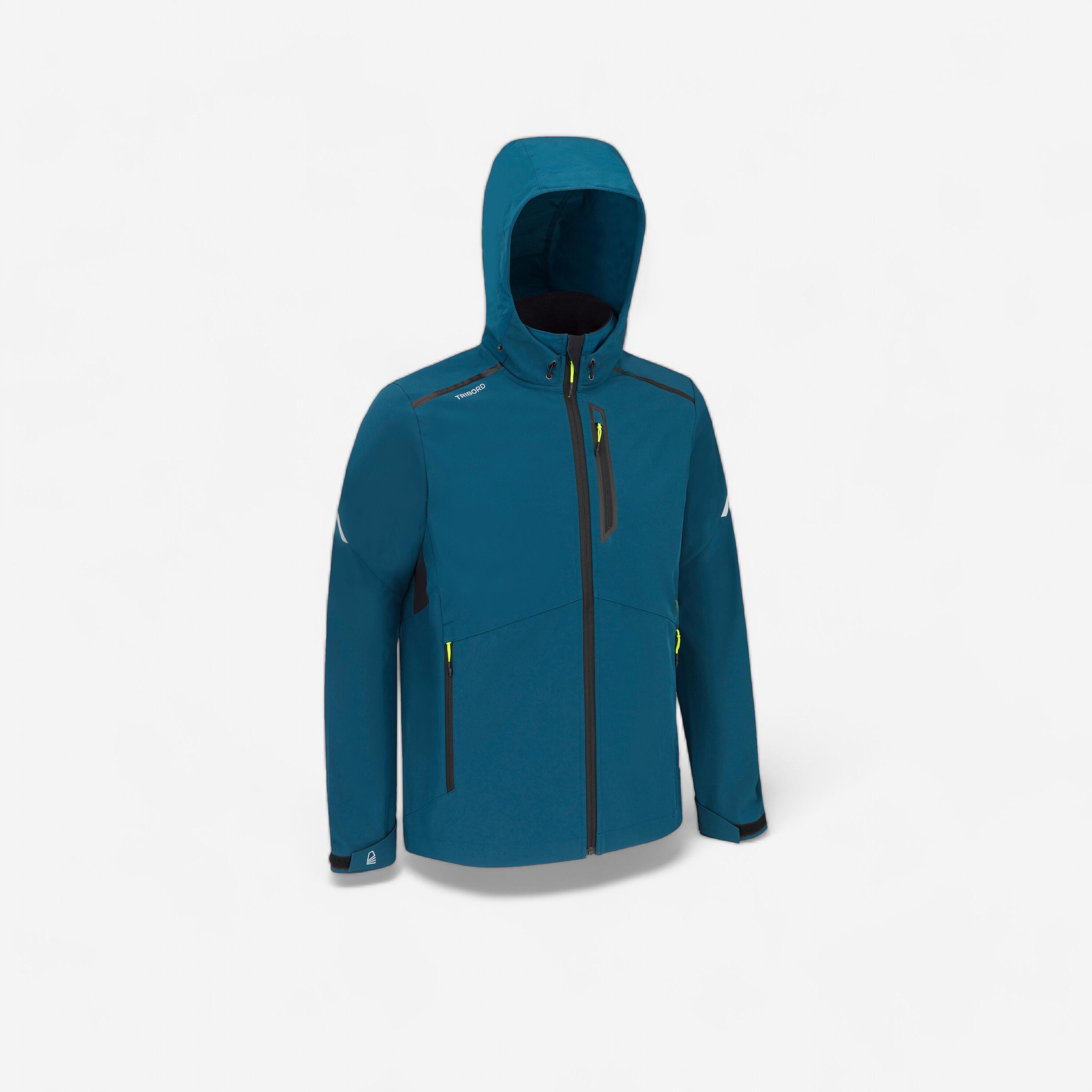
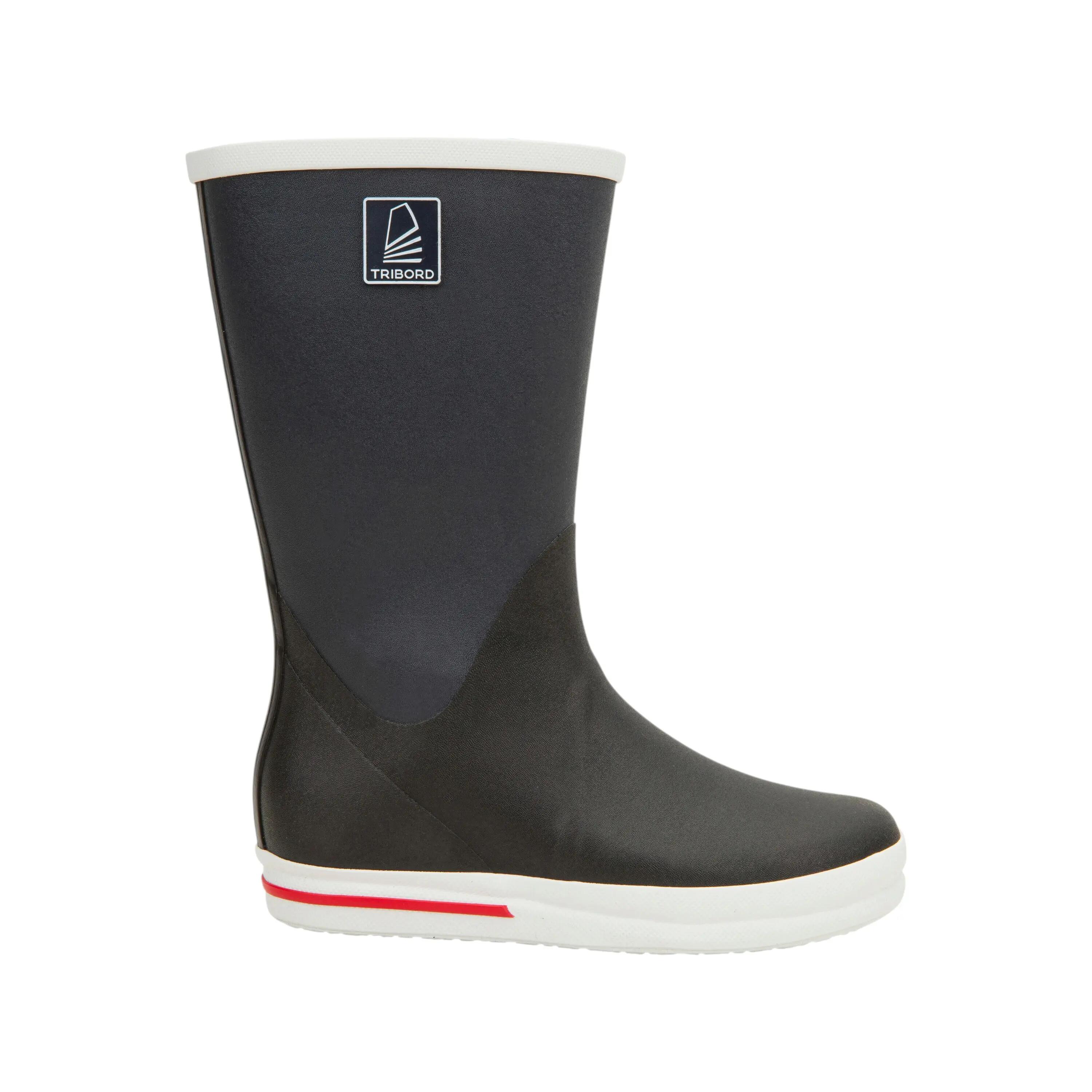
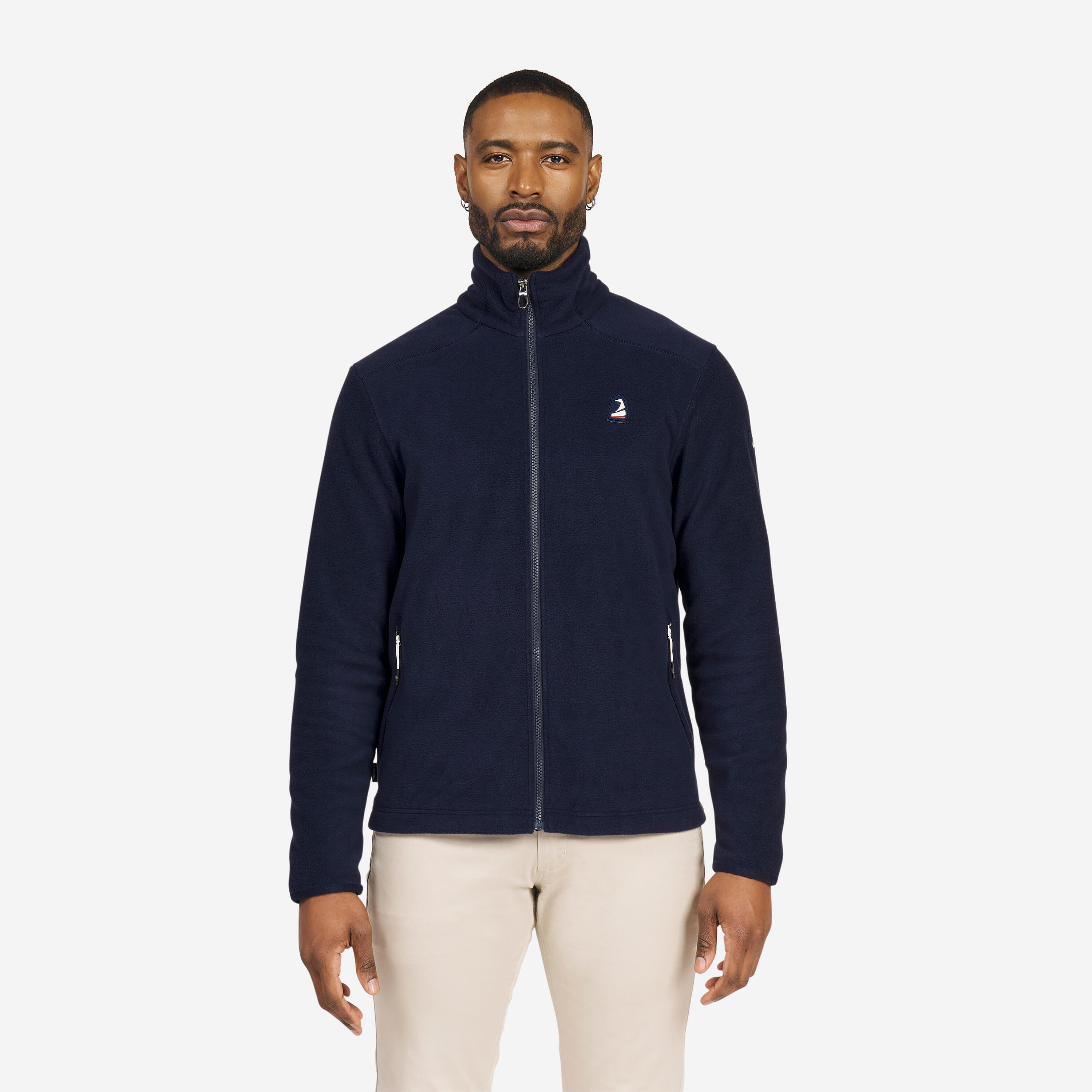
Choosing the right men's sailing mid-layer depends on the weather, activity level and exposure to wind on the water. Fleece generates warmth through a pile construction that traps air between fibres, but that same open structure allows wind to pass straight through at speed, which quickly reduces its insulating benefit on an exposed foredeck in even a light breeze. A soft-shell bonds a stretch-woven face fabric to a fleece backer, creating a single garment that blocks wind at the surface while retaining the warmth of the insulating layer beneath. Each option suits different sailing conditions, so matching the garment to your typical outings delivers better comfort throughout the day. Breathability also influences comfort during long hours afloat. A soft-shell face fabric restricts moisture vapour escape more than open-pile fleece, so active deck work generates more internal heat. Fleece suits below-deck layering and quieter watch-keeping, while a soft-shell performs better during active manoeuvres and prolonged deck exposure. Keeping feet dry completes the layering system, and men's sailing boots with sealed ankle cuffs help prevent cold water entering during active deck work. Sailing tip: Choose a wind-resistant soft-shell for exposed coastal sailing, while fleece remains an excellent choice for cooler, less demanding conditions.

At what point does a sailing sweater or pullover outperform a fleece as the mid-layer choice?

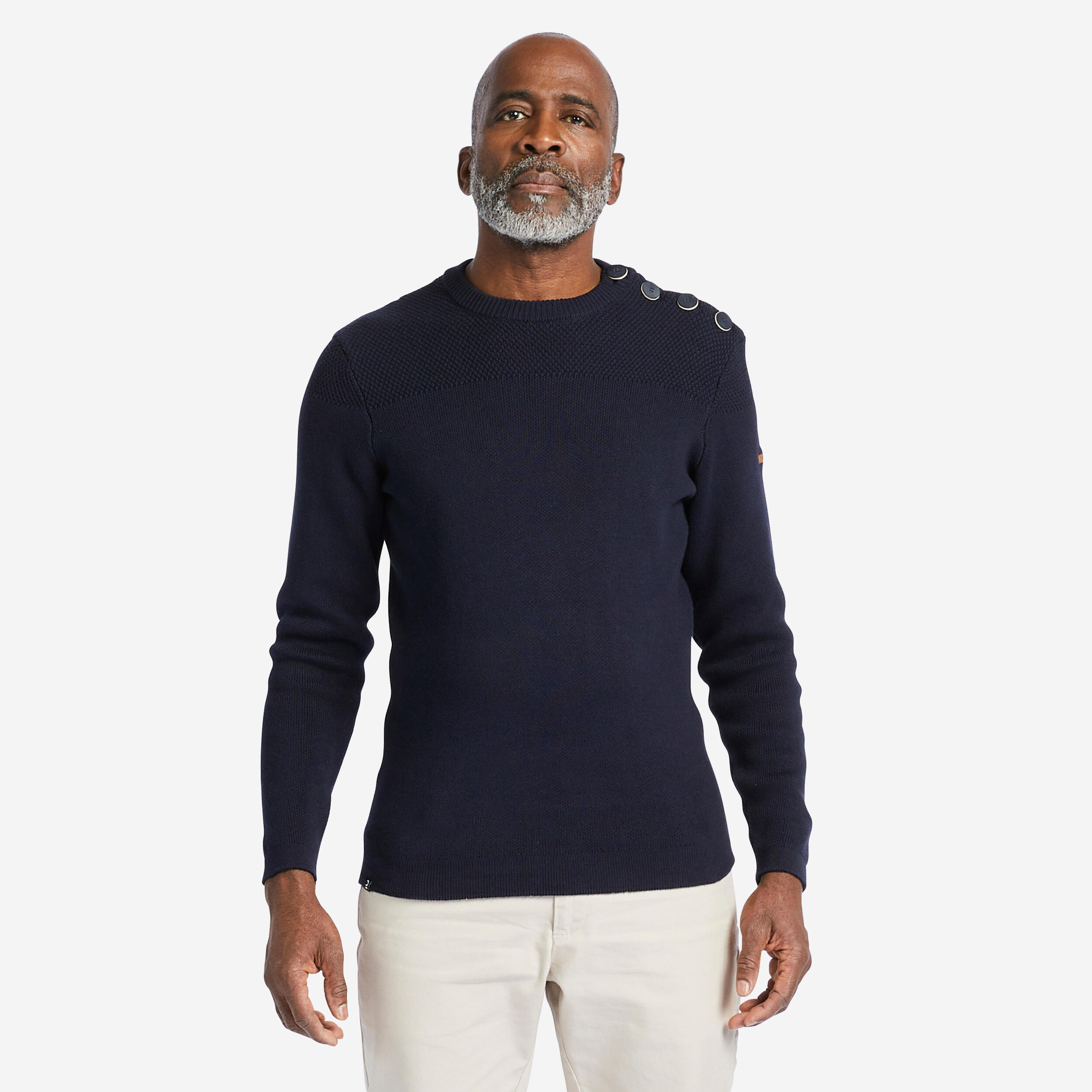
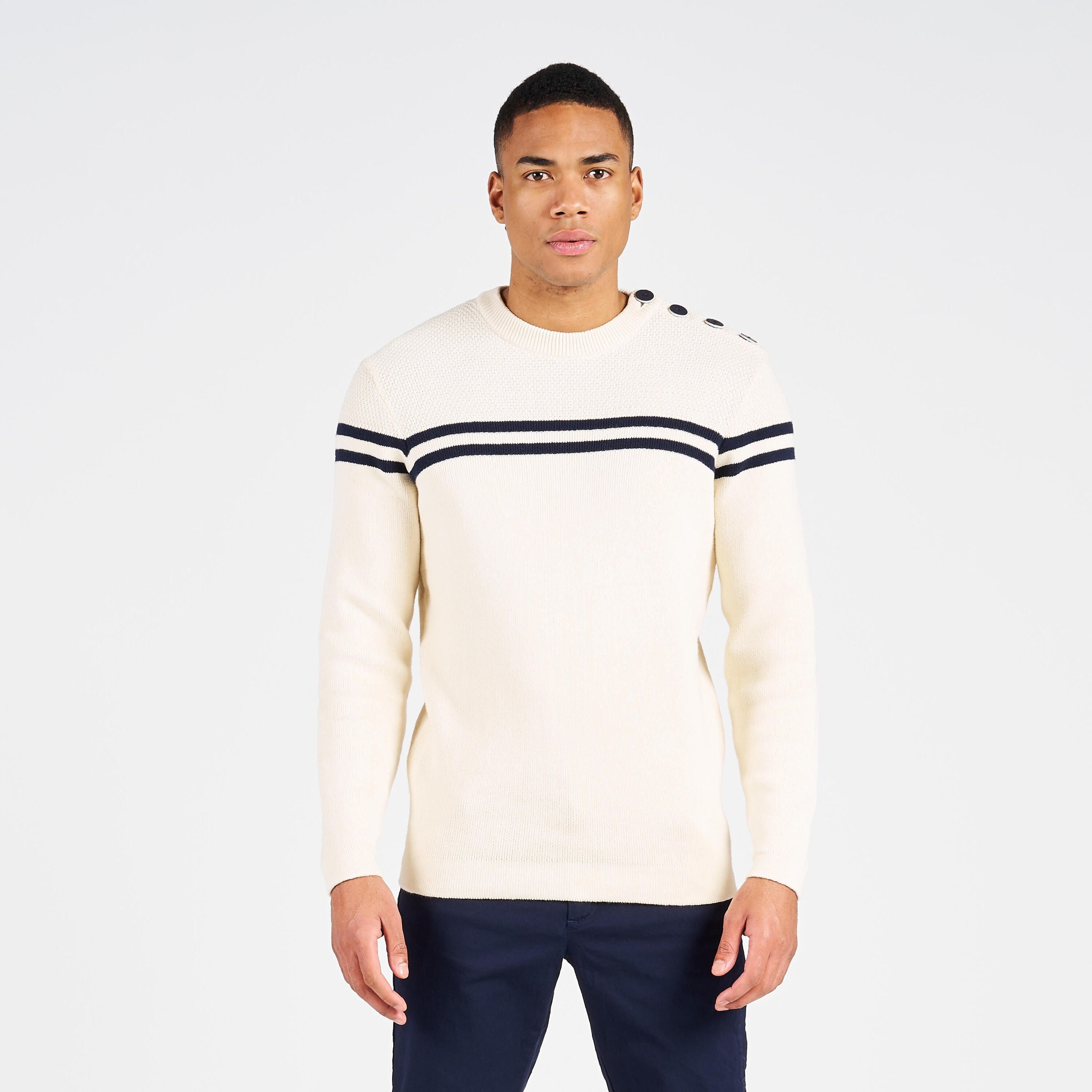
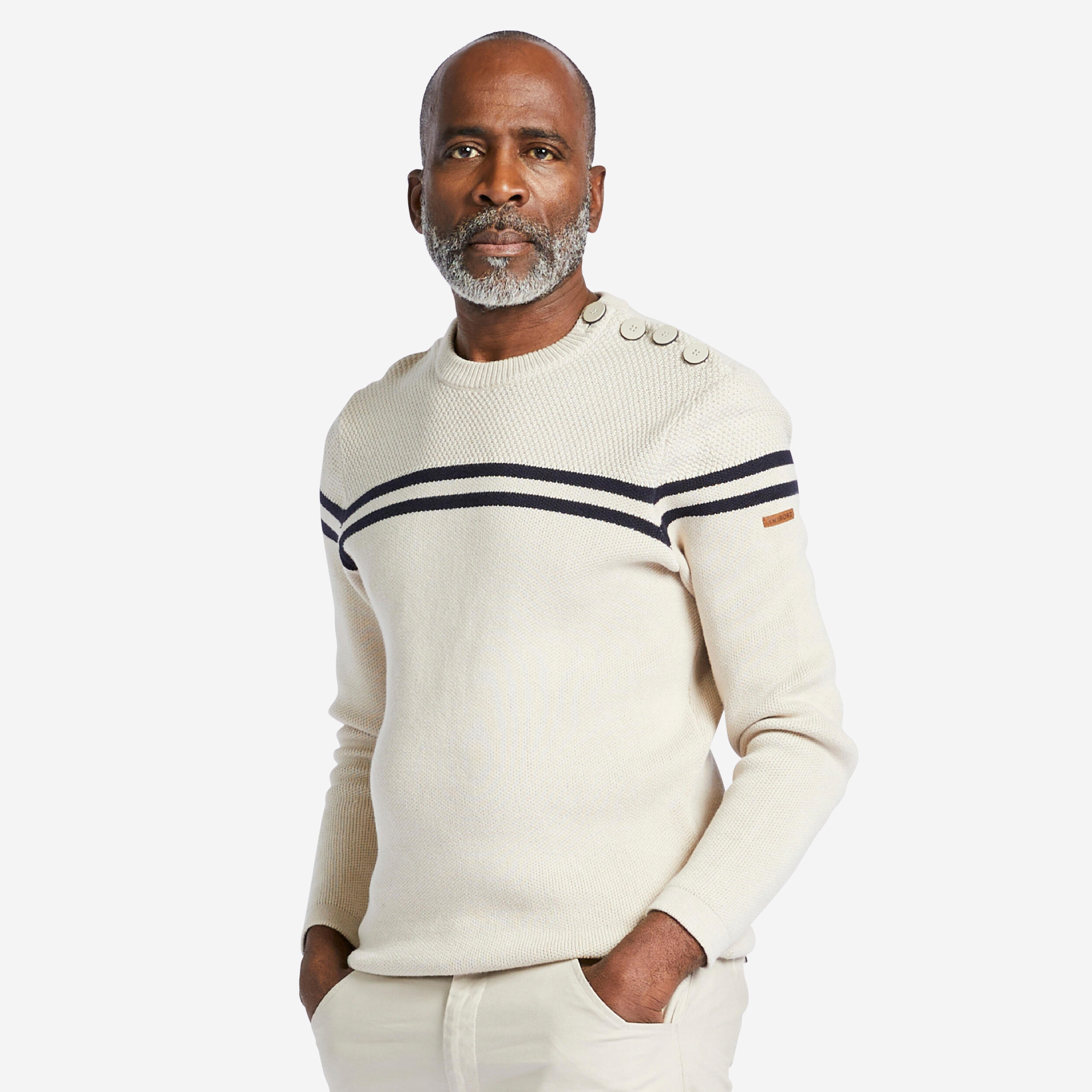
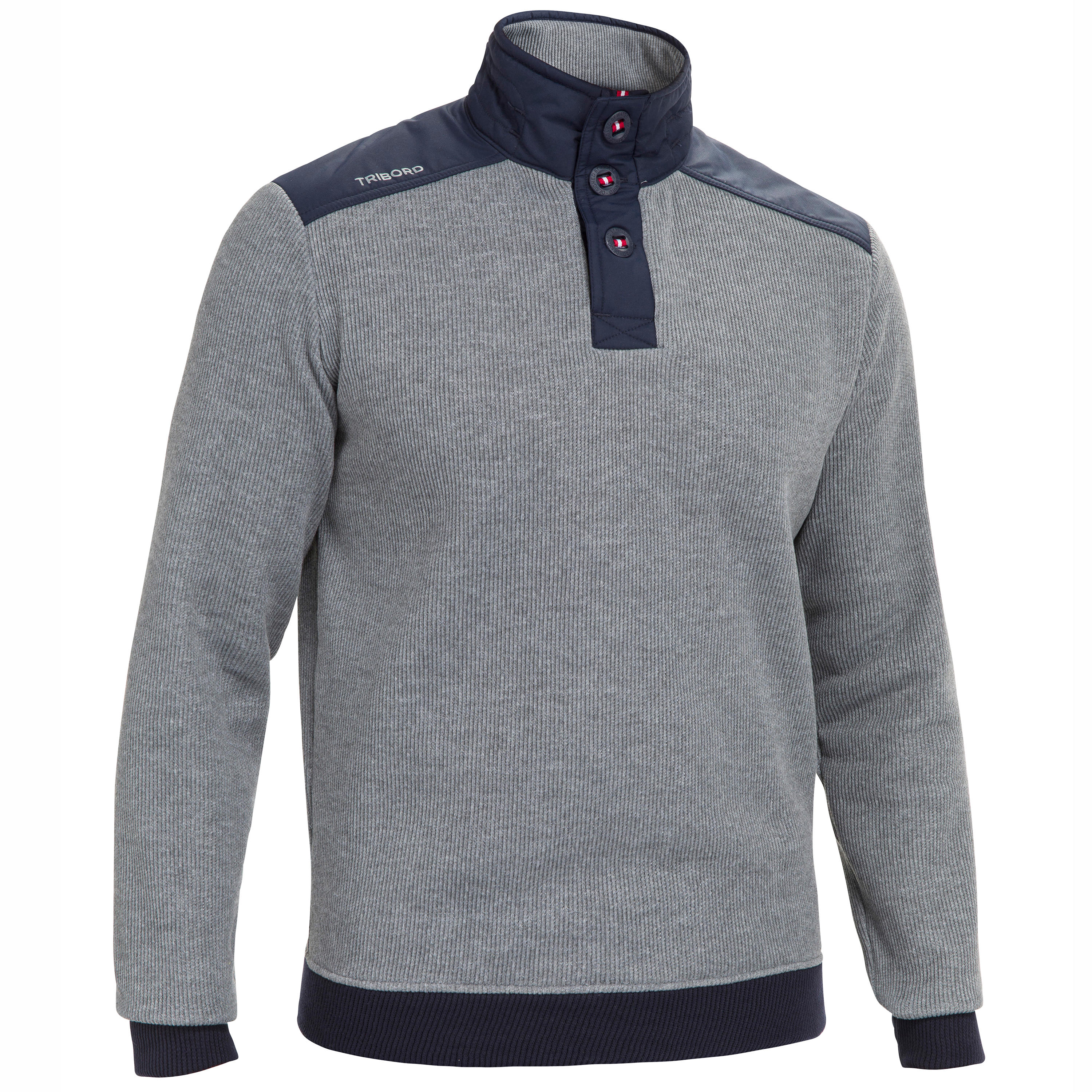
Knit sailing sweaters and pullovers use a tighter construction than open-pile fleece that provides moderate wind resistance without a separate membrane layer, which makes them more practical for short coastal passages and marina use where the conditions are not consistently severe enough to justify a full soft-shell. A Merino wool or wool-blend sweater adds the benefit of natural moisture management; wool absorbs up to 30% of its weight in water vapour without feeling damp, regulating body temperature more effectively than synthetic fleece during sustained physical activity followed by periods of inactivity. The drawback is that wool weighs more and dries more slowly than synthetic alternatives, making it less practical for conditions where the garment is repeatedly wetted. A sailor who moves between boat and shoreside during a day afloat will find the temperature regulation of a knit sweater more comfortable than synthetic fleece, provided the outer layer keeps direct precipitation off the wool. Layering a sweater over men's sailing wetsuits creates a different fit to fleece, as knit fabrics typically offer less stretch around the hem.

How does mid-layer hem length affect the layering system between fleece and salopettes?

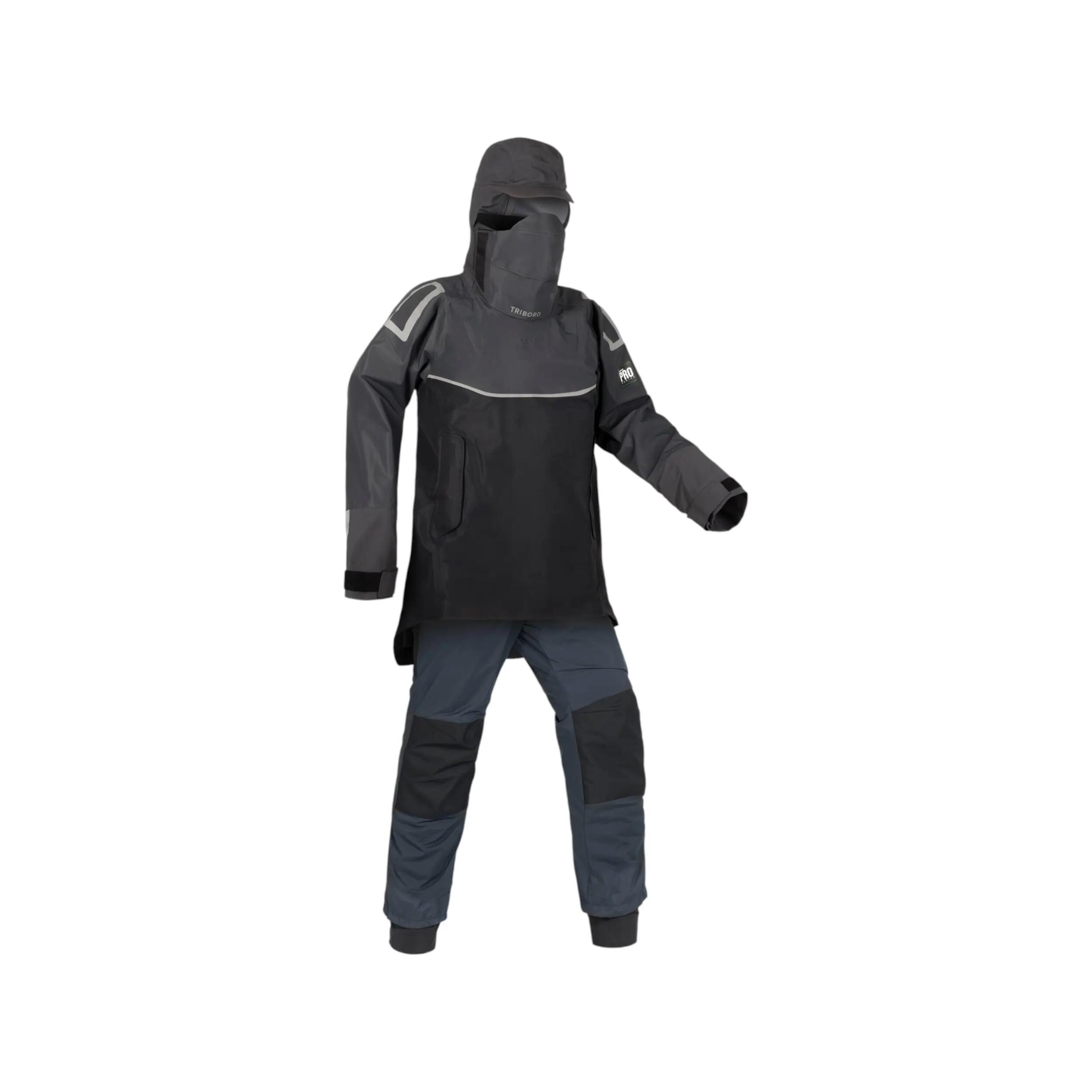
A mid-layer that ends at the hip bone rather than below it leaves a gap at the waist when the arms are raised overhead during sheet work or reaching for a halyard, allowing cold air to enter between the salopette bib and the fleece hem. This gap is responsible for a significant proportion of the chill that sailors experience on long passages despite wearing nominally adequate layering. A mid-layer with a hem that extends to the hip crease stays tucked inside the salopette waistband through the full range of arm movement, maintaining a continuous warm zone from chest to ankle. This interaction between the mid-layer and lower-body kit makes the hem specification of a fleece or soft-shell as relevant as its thermal rating; selecting a long-hem fleece specifically to complement men's sailing trousers and bermudas with a high-rise waistband creates a seal that short-body mid-layers cannot achieve.
What makes a sailing fleece easy to pack for long passages?

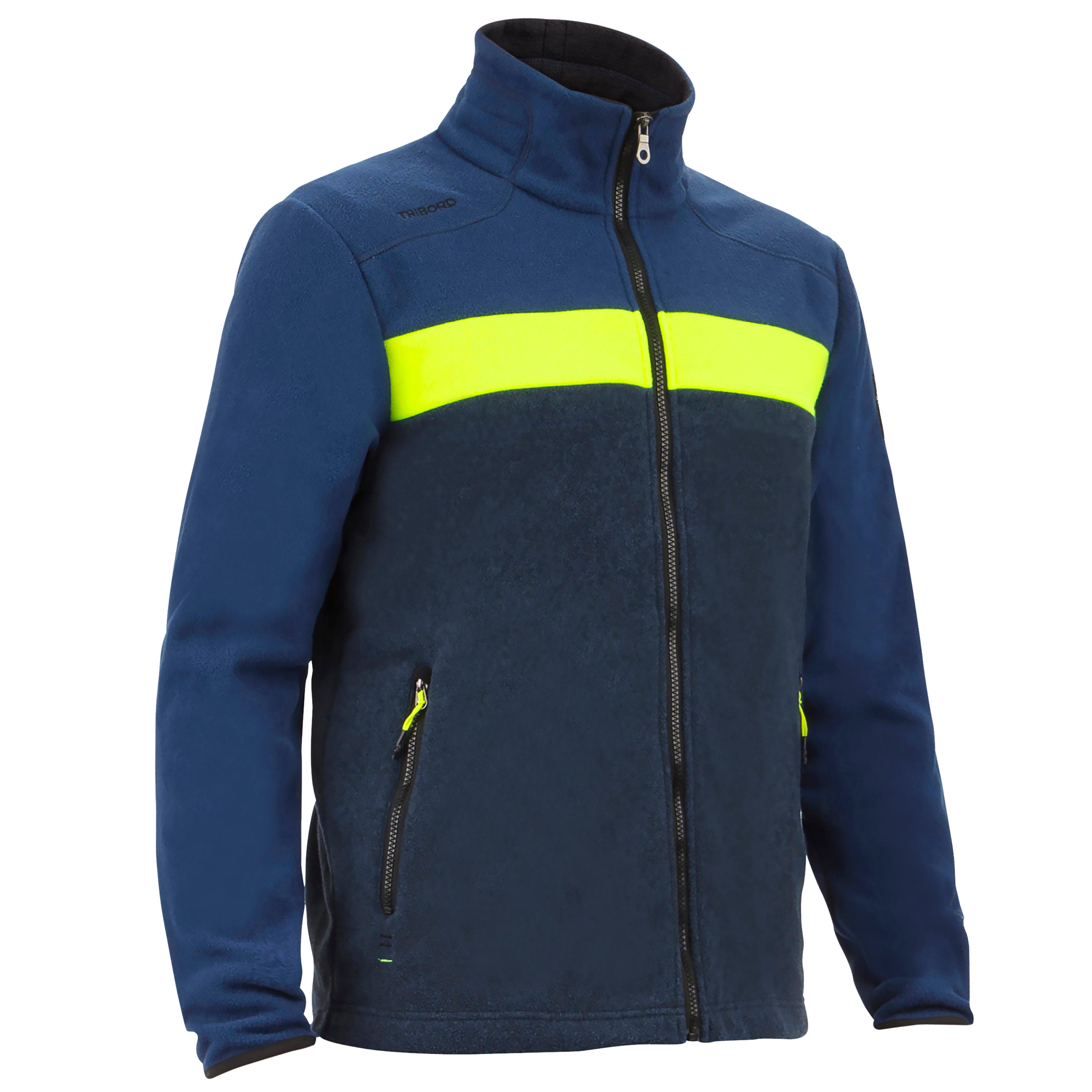
Storage space on a boat is limited, so a bulky mid-layer quickly becomes inconvenient on longer passages. Synthetic fleece garments pack the smallest because the pile construction compresses easily under compression without losing loft when unpacked, whereas a bonded soft-shell retains its face fabric rigidity and resists compressing flat. A knit sweater falls between the two: it compresses reasonably but rebounds slowly and takes longer to feel fully restored after being packed tightly. Choosing a slim-fit fleece or soft-shell also makes layering under a men's sailing jacket and smock more comfortable while keeping your clothing system efficient for changing conditions.

What structural details help a men's sailing mid-layer stay warm during night watches?

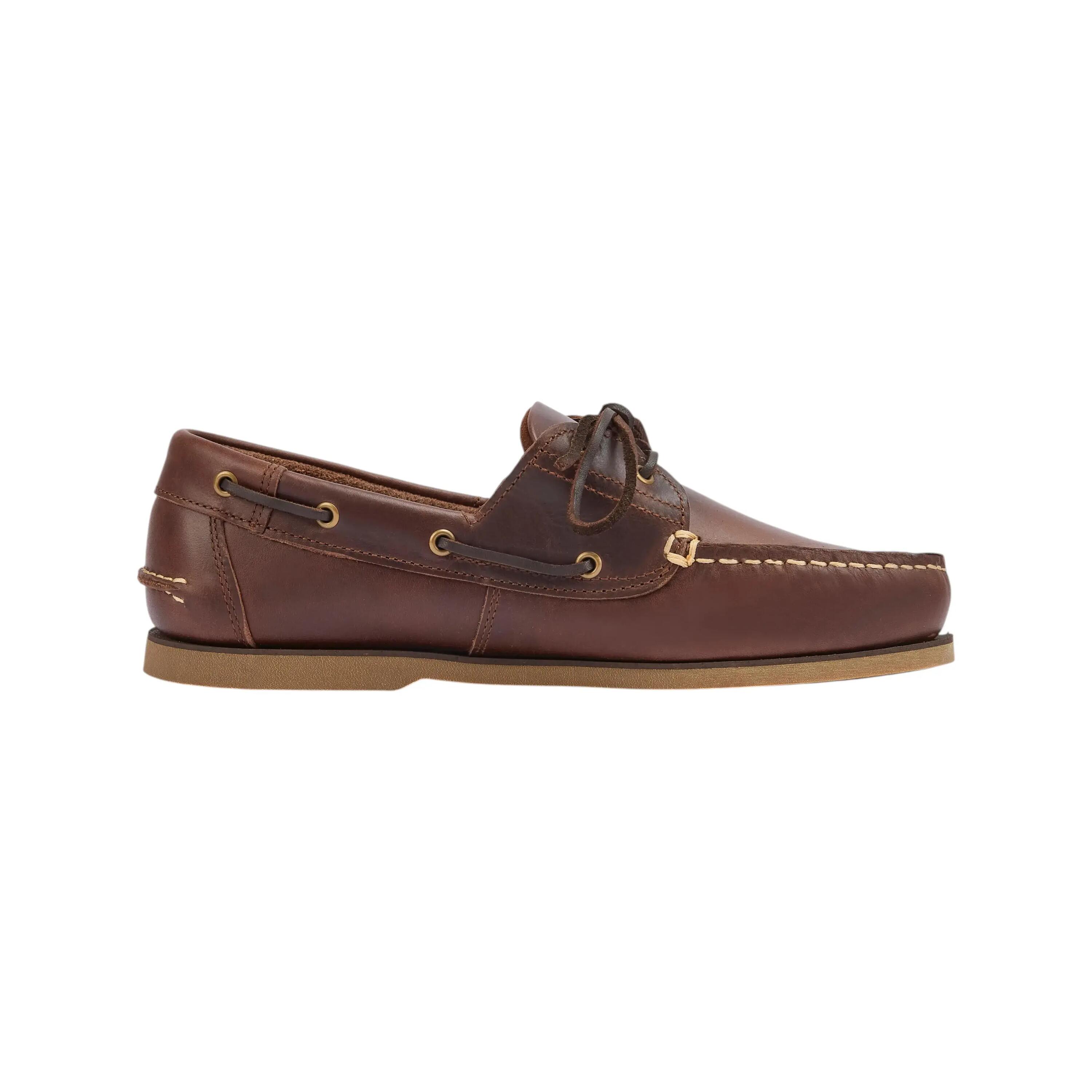
Small craftsmanship details make a big difference when you are on watch for long periods. Close-fitting cuffs help stop cold air entering at the wrists when you reach for lines, steer or adjust layers under a sailing jacket. A high collar adds extra warmth around the neck, while a smooth outer face makes the mid-layer easier to wear under waterproof outerwear without bunching. For colder night watches, a fleece-backed or soft-shell mid-layer helps hold warmth close to the body while still allowing enough movement for deck work. Purpose-built men's sailing shoes help complete the cold-weather setup with grip, drainage and comfort during repeated wet-and-dry conditions.