21 items
4.4/5 based on 2342 reviews collected online and in stores

Cooler Boxes and Ice Packs FAQs

How do I choose the right cooler box and ice packs for camping?

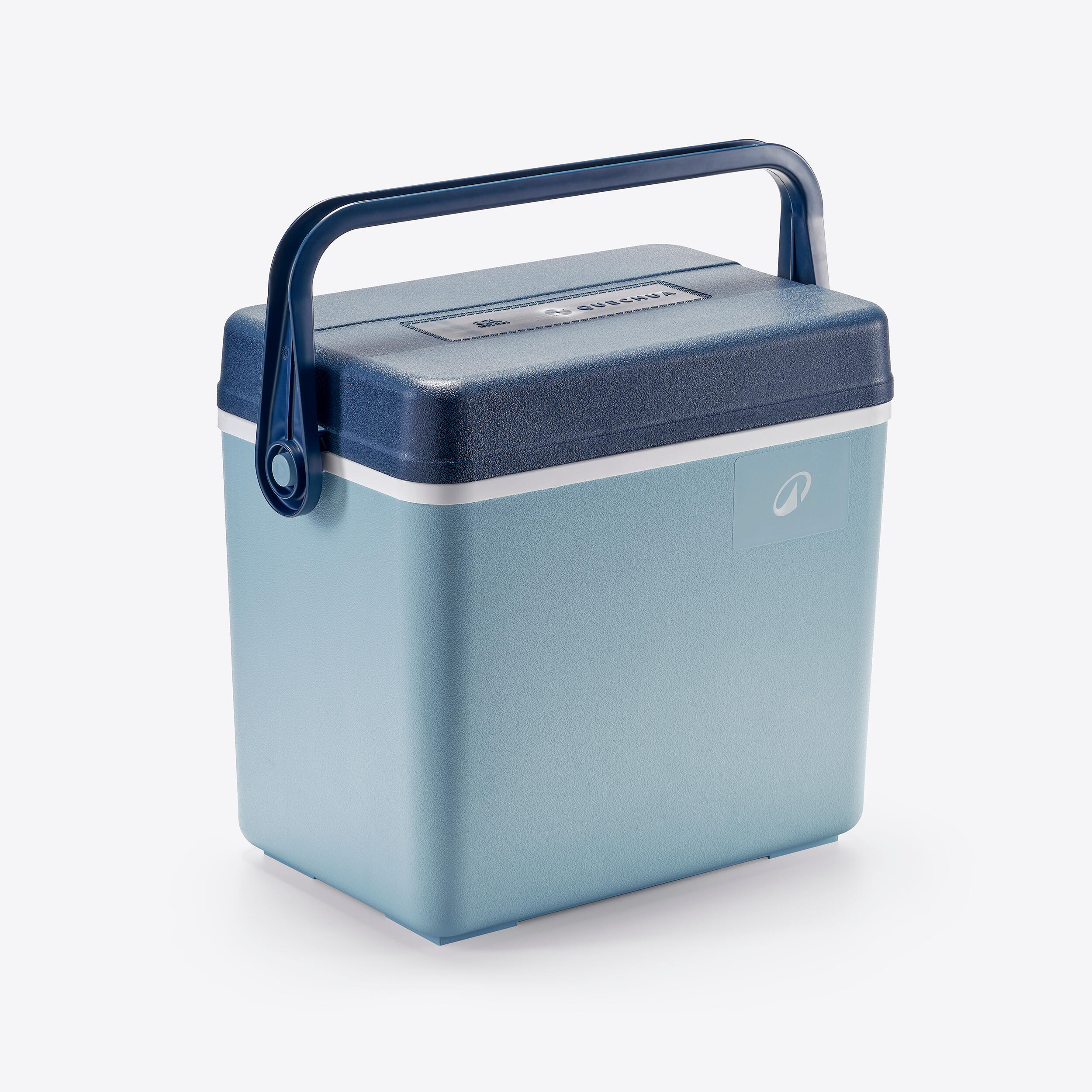
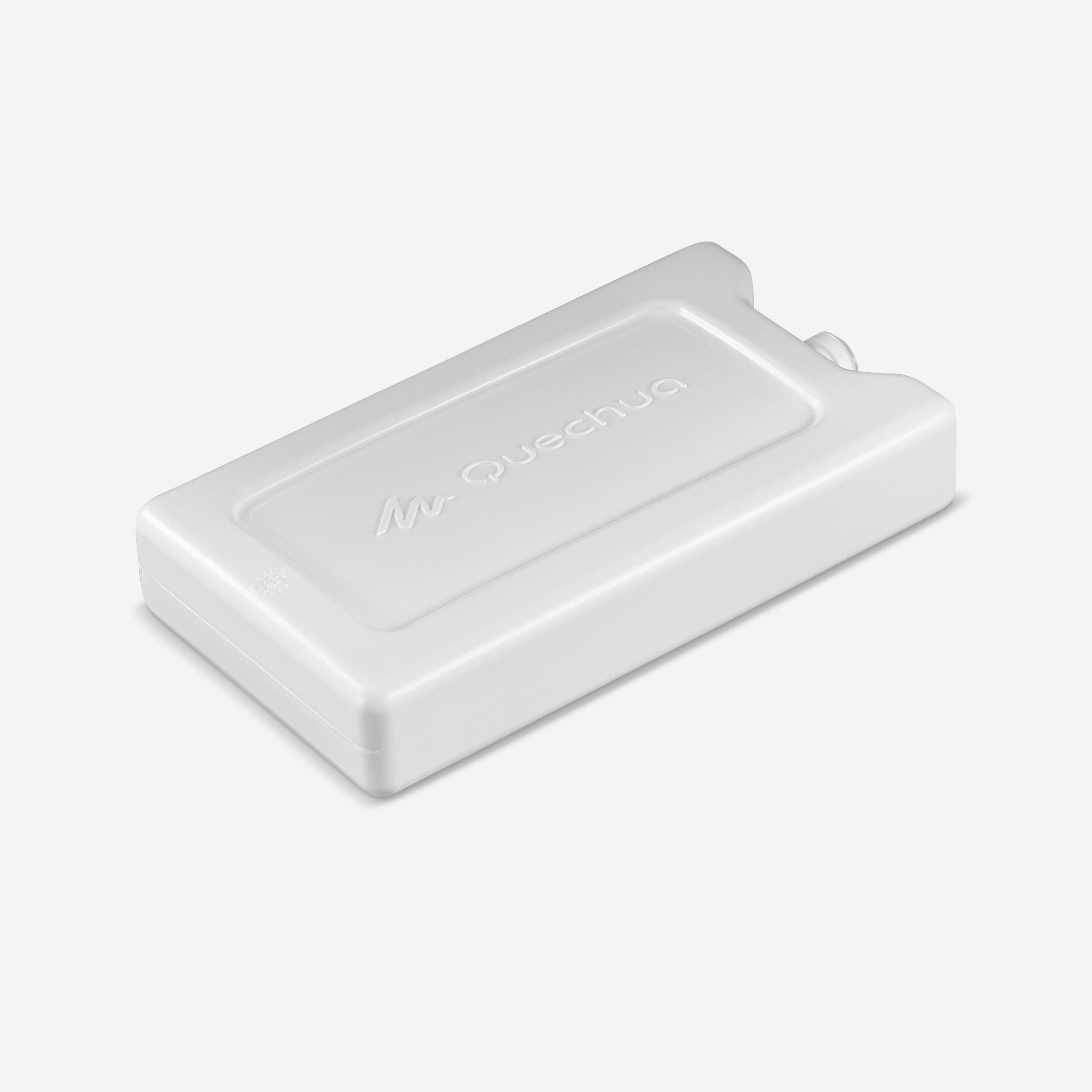
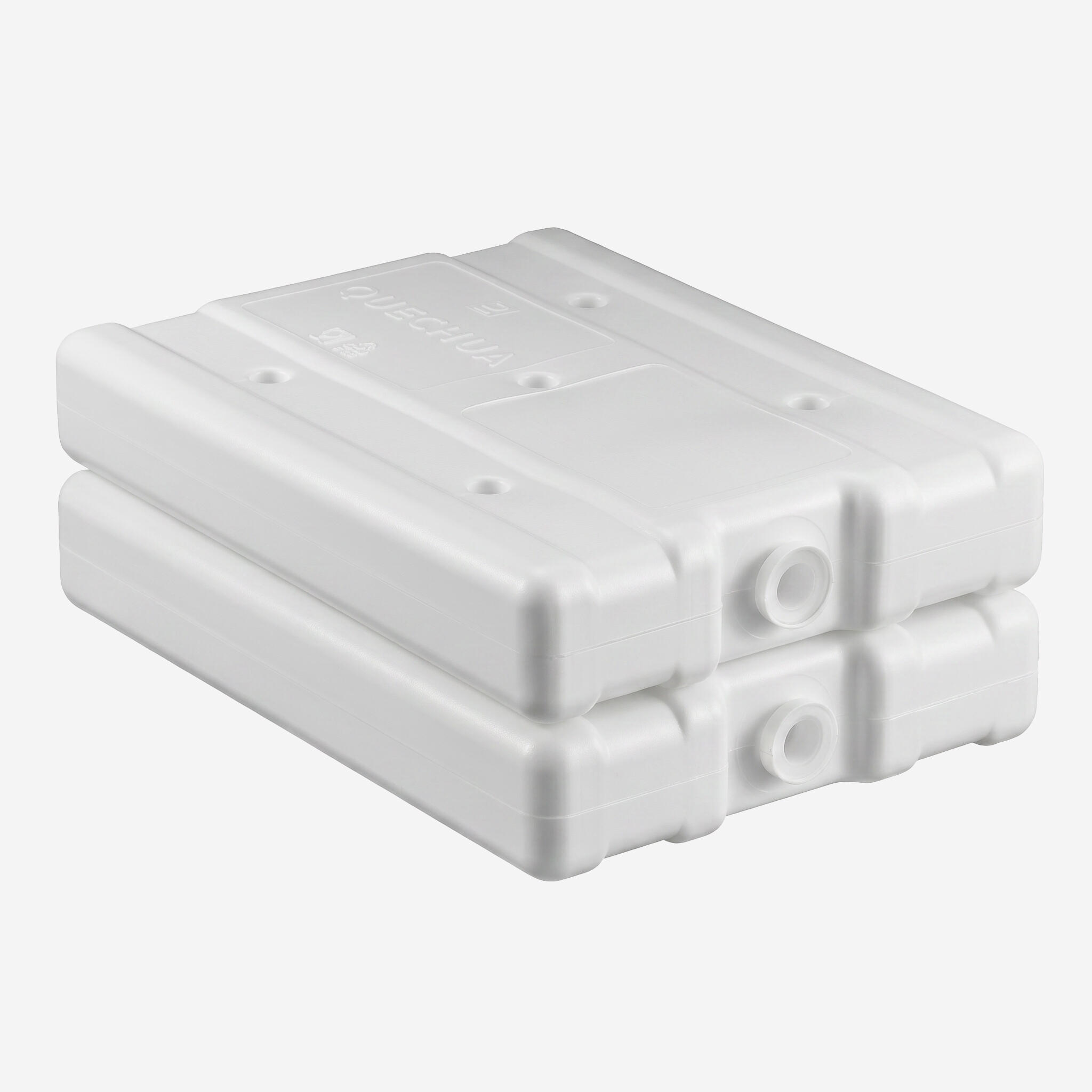
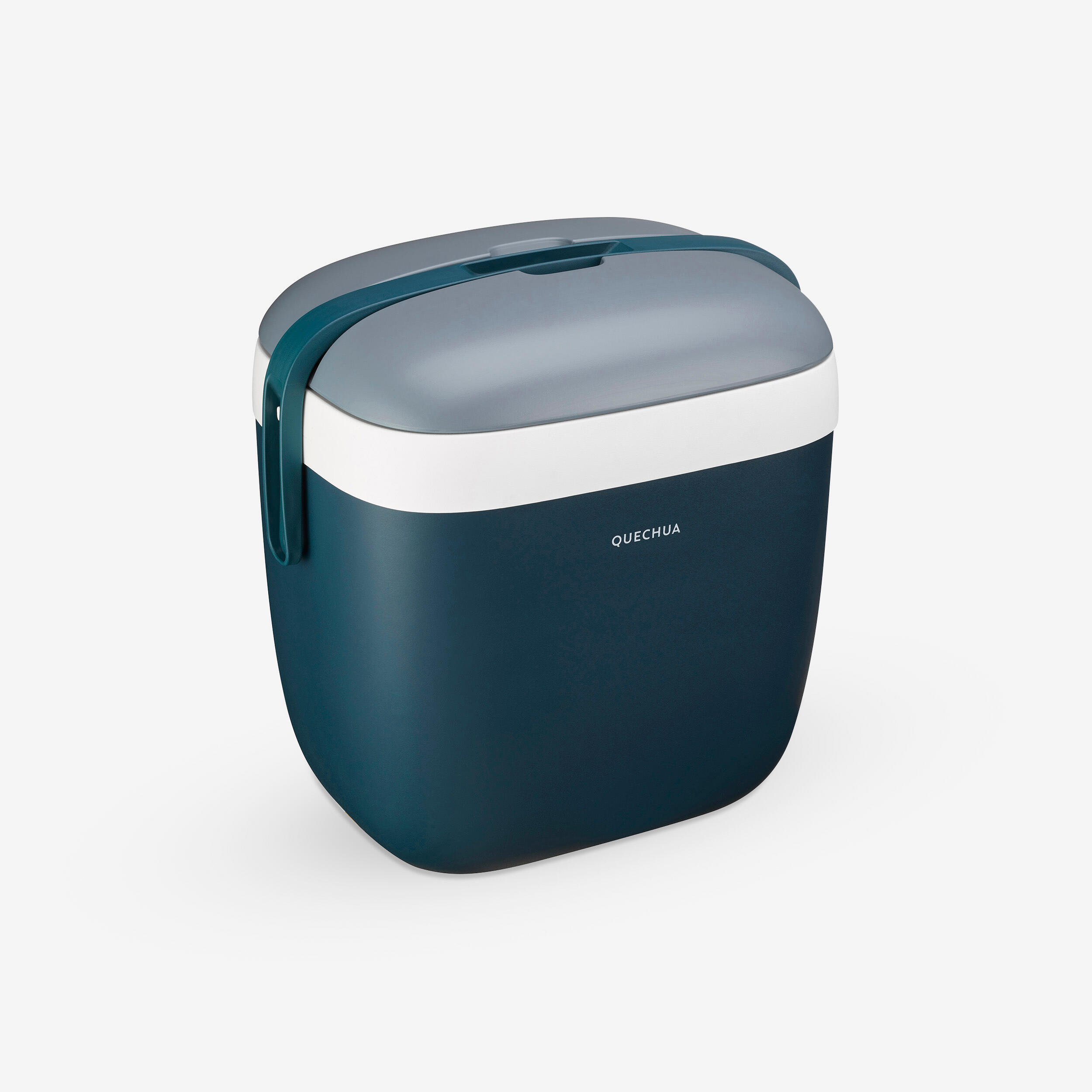
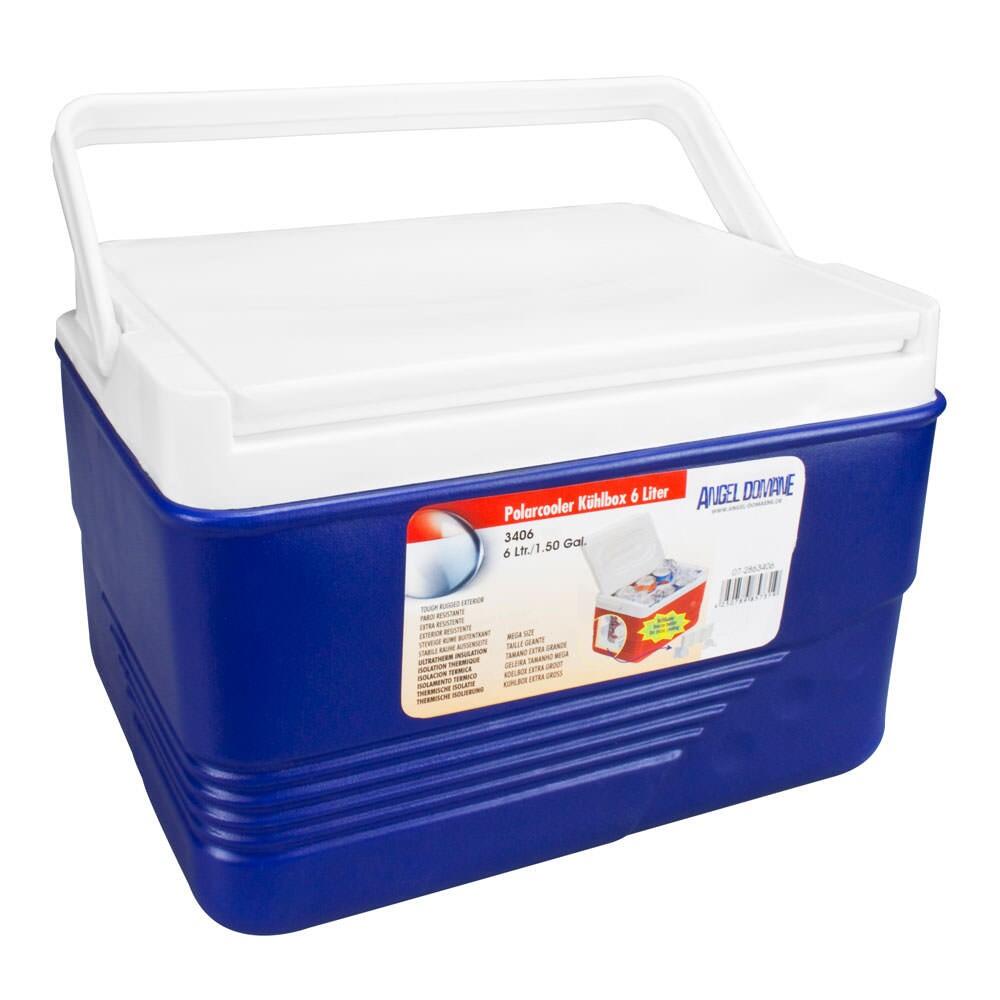
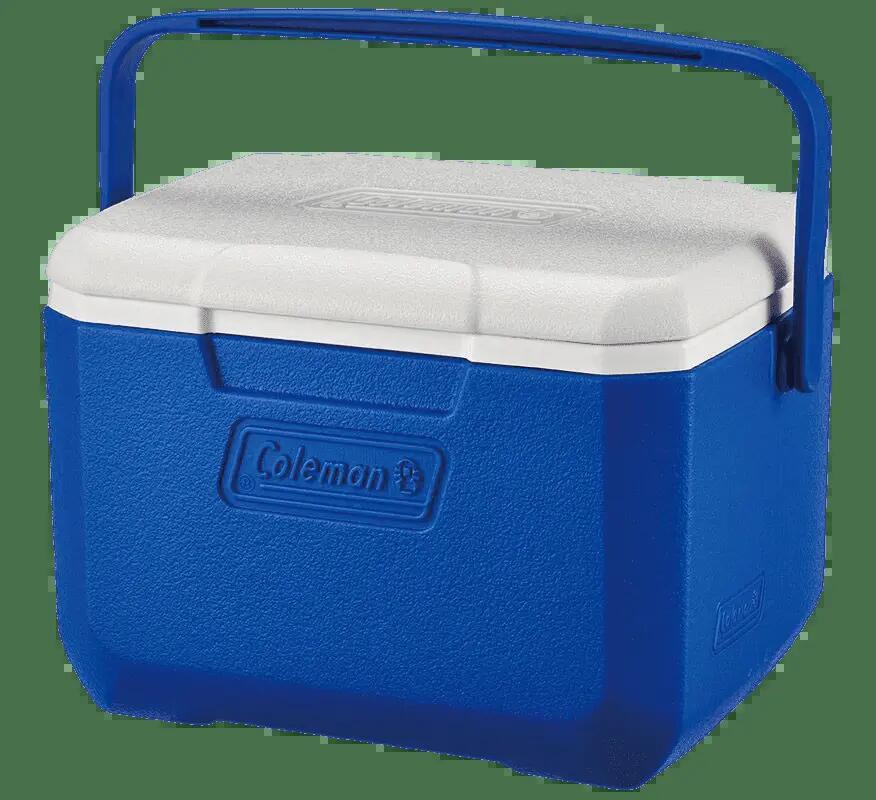
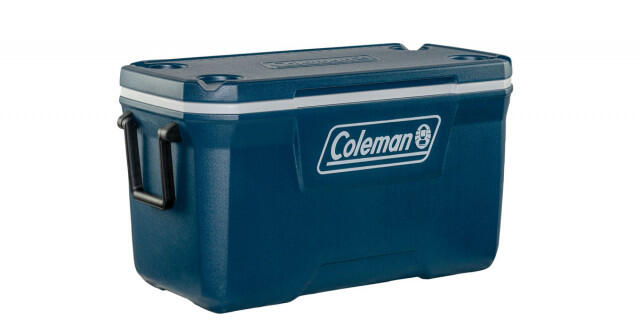
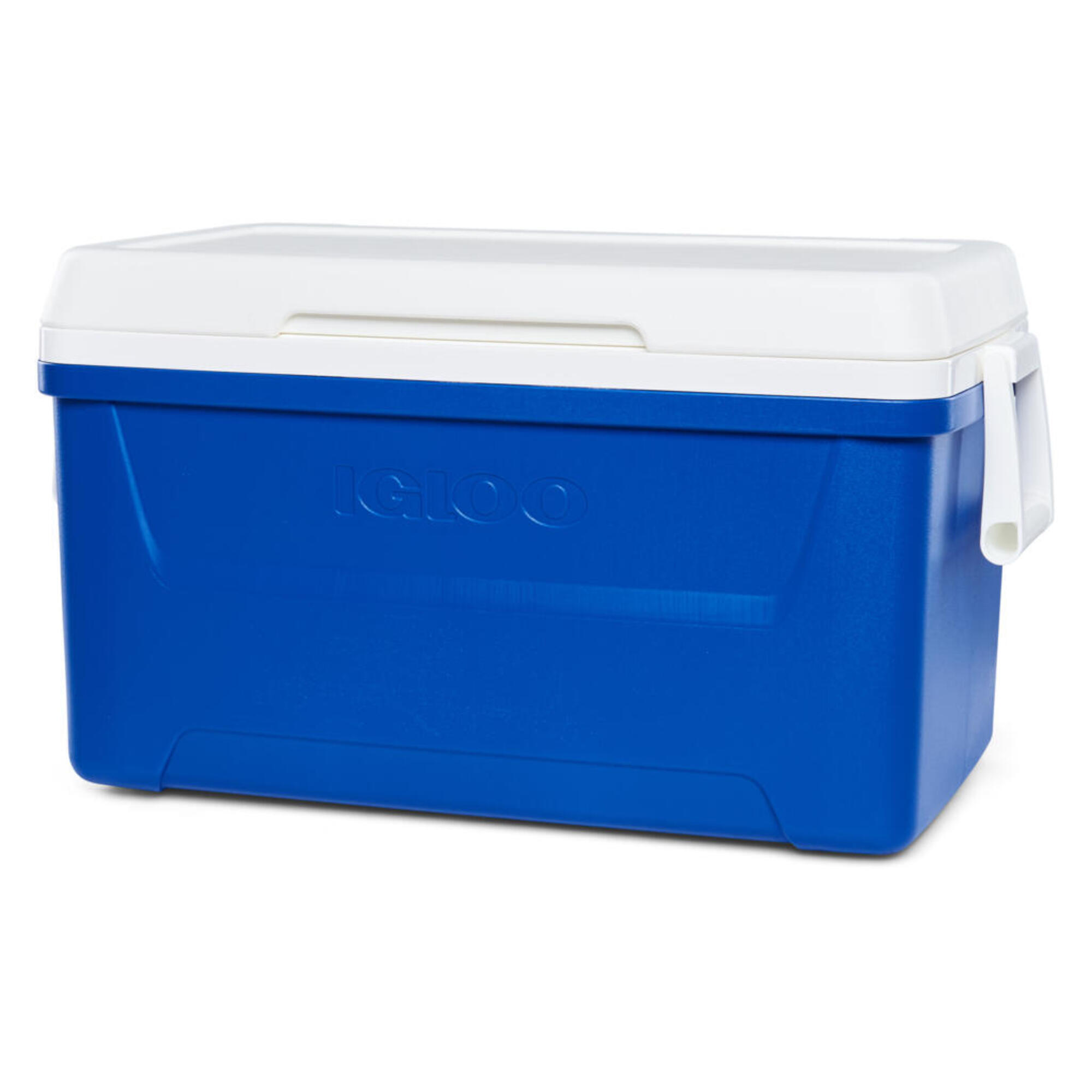
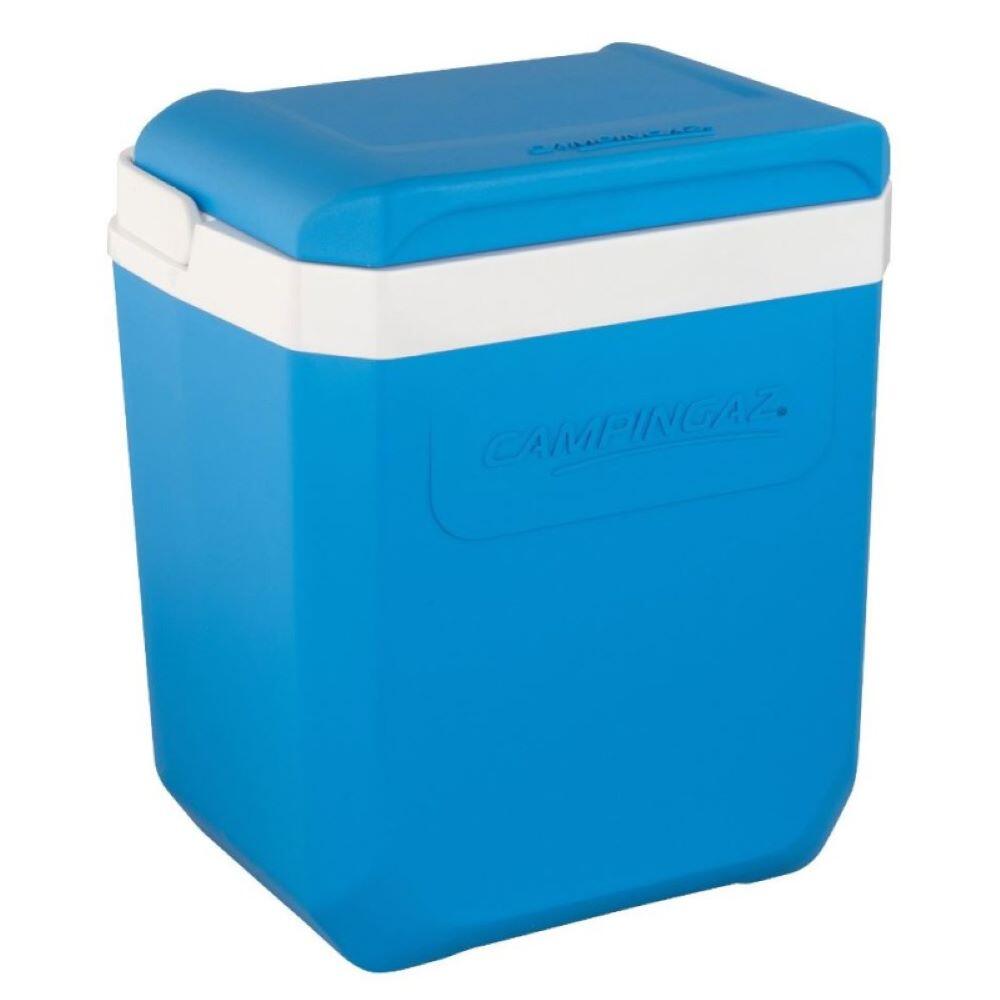
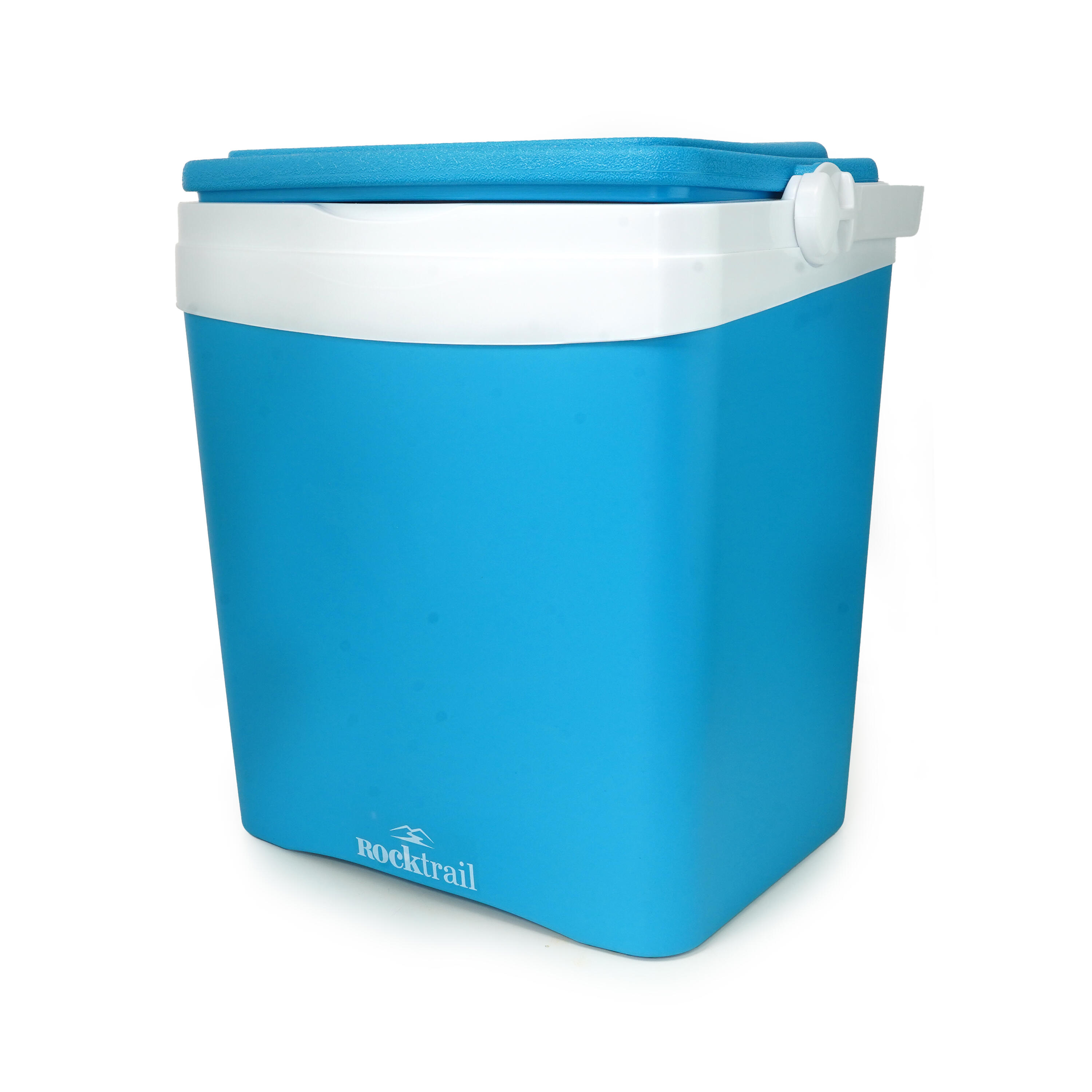
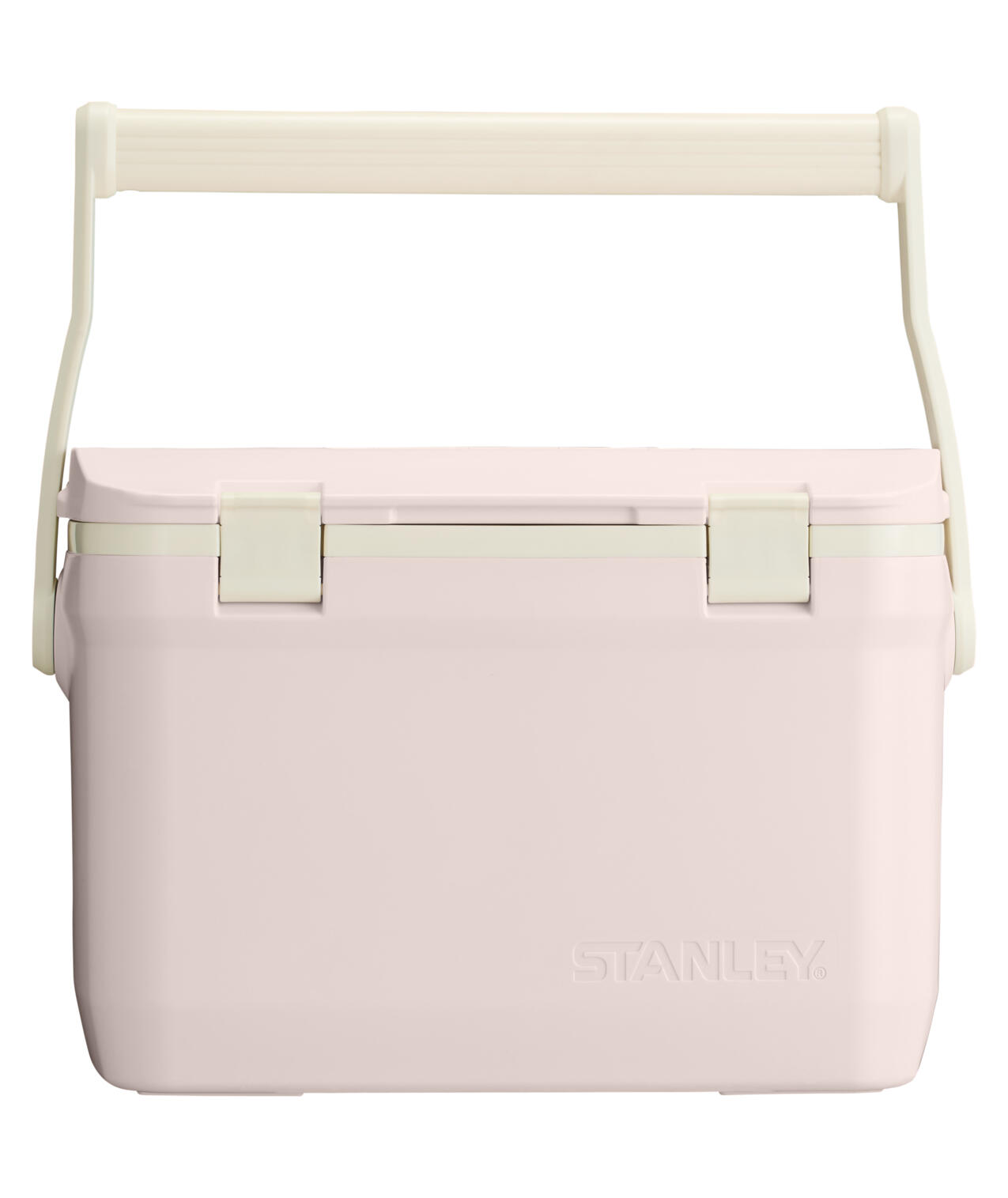
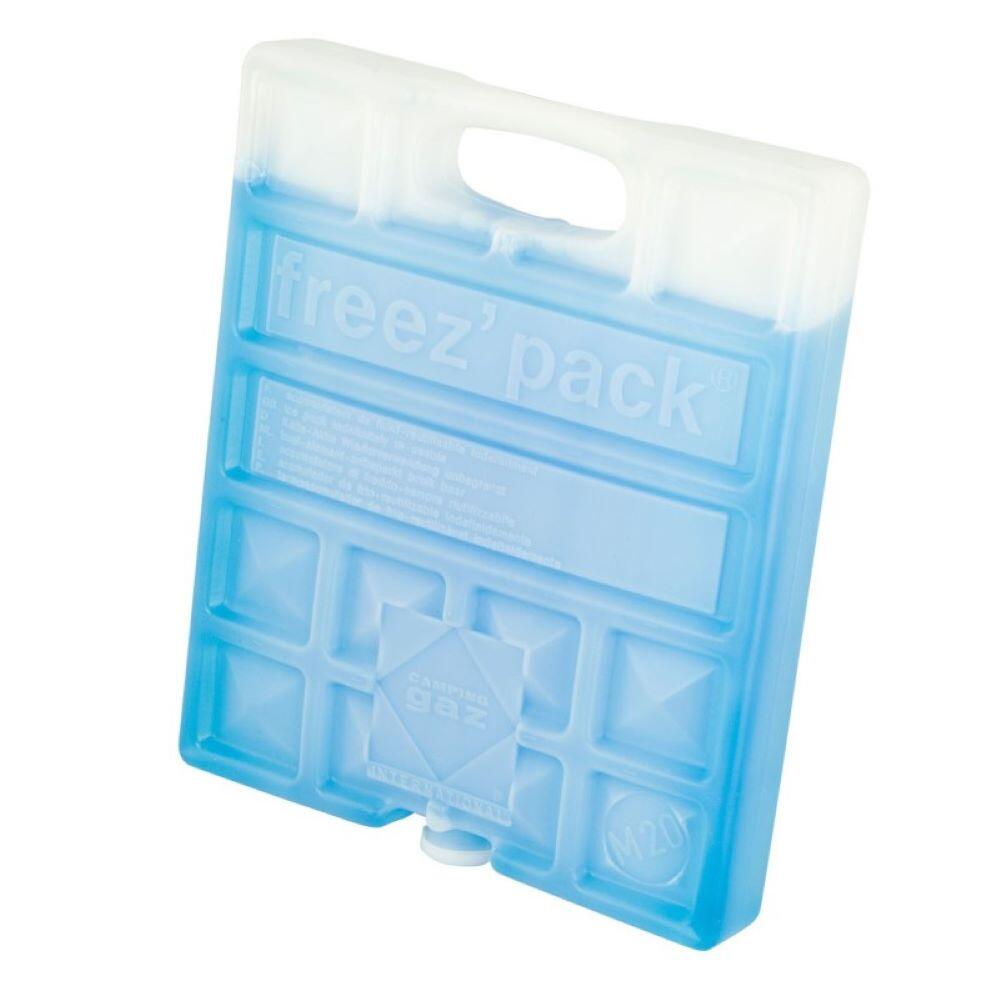
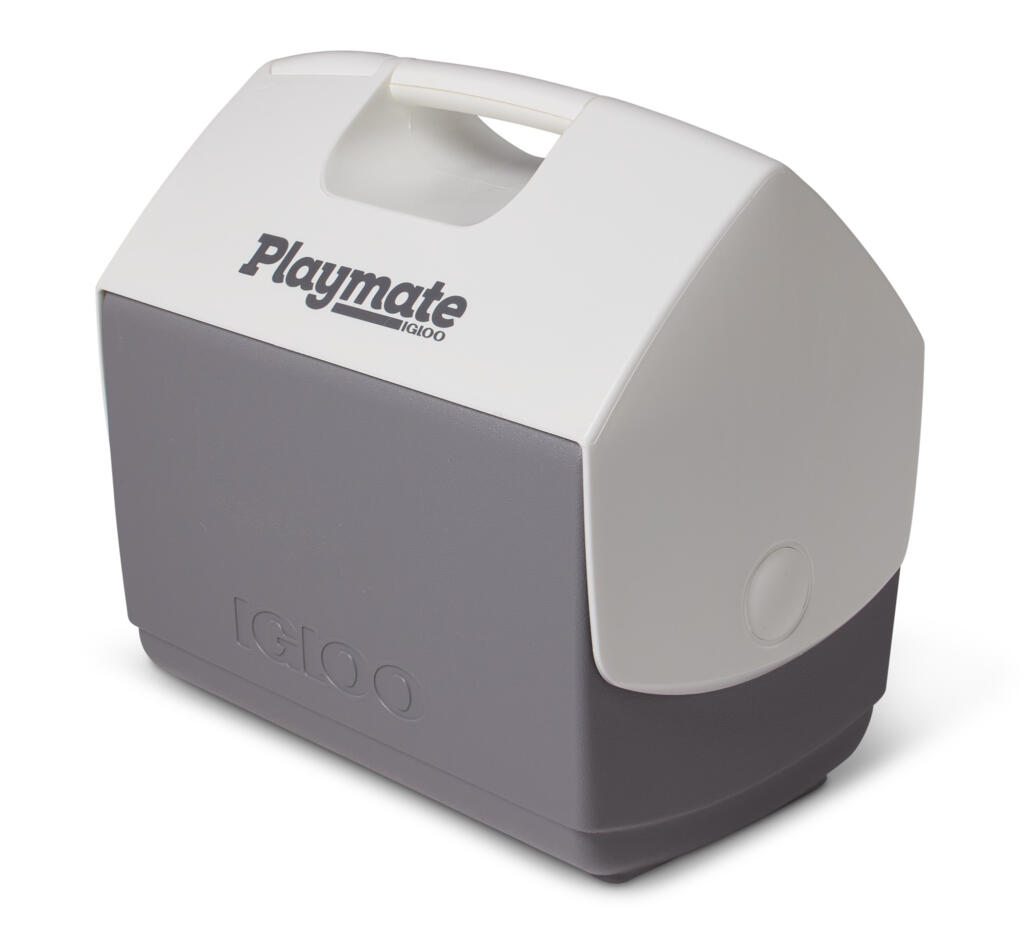
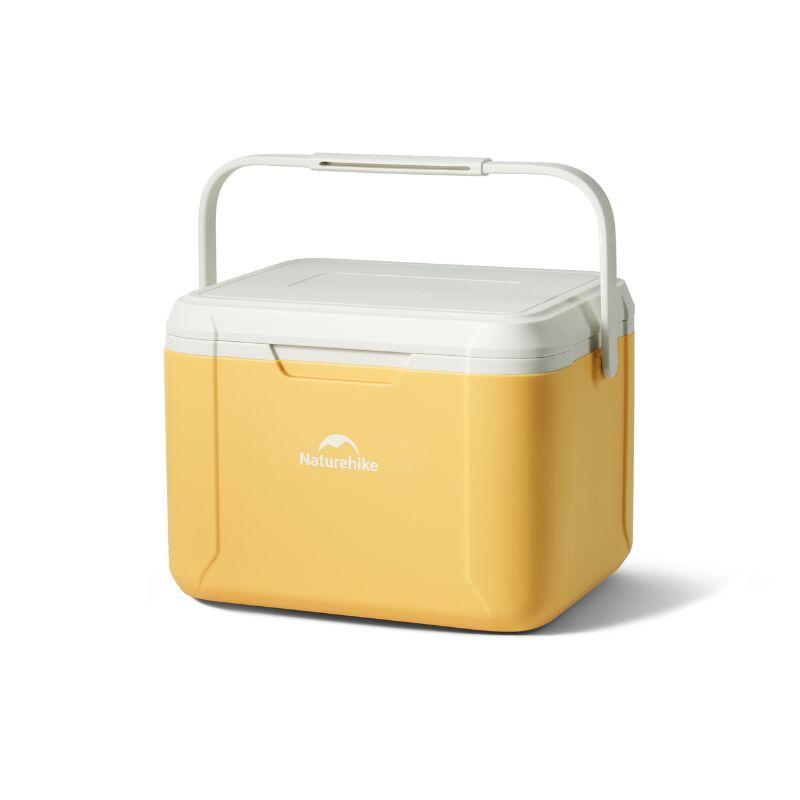
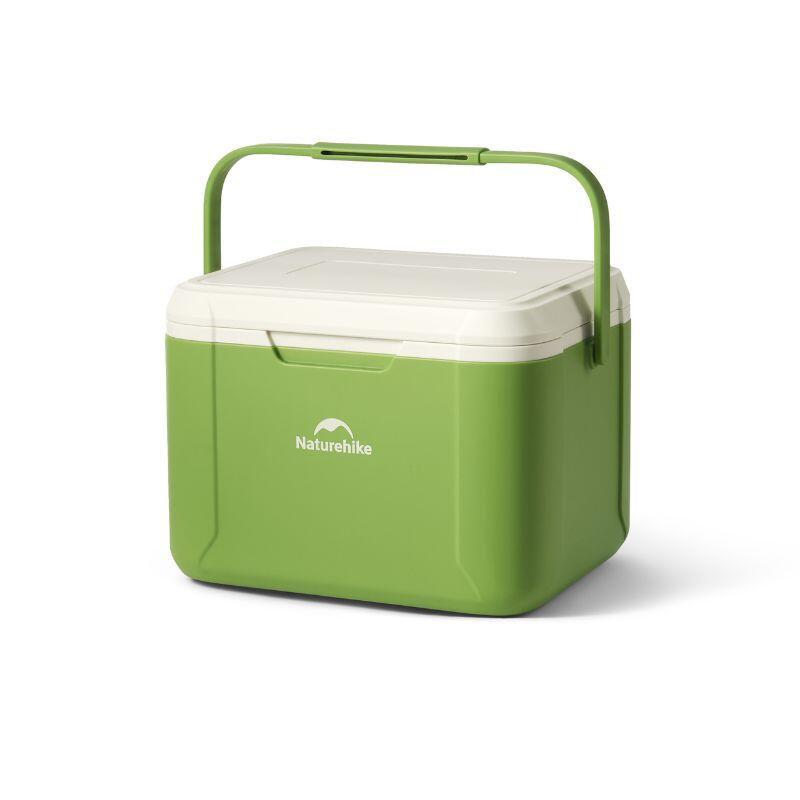
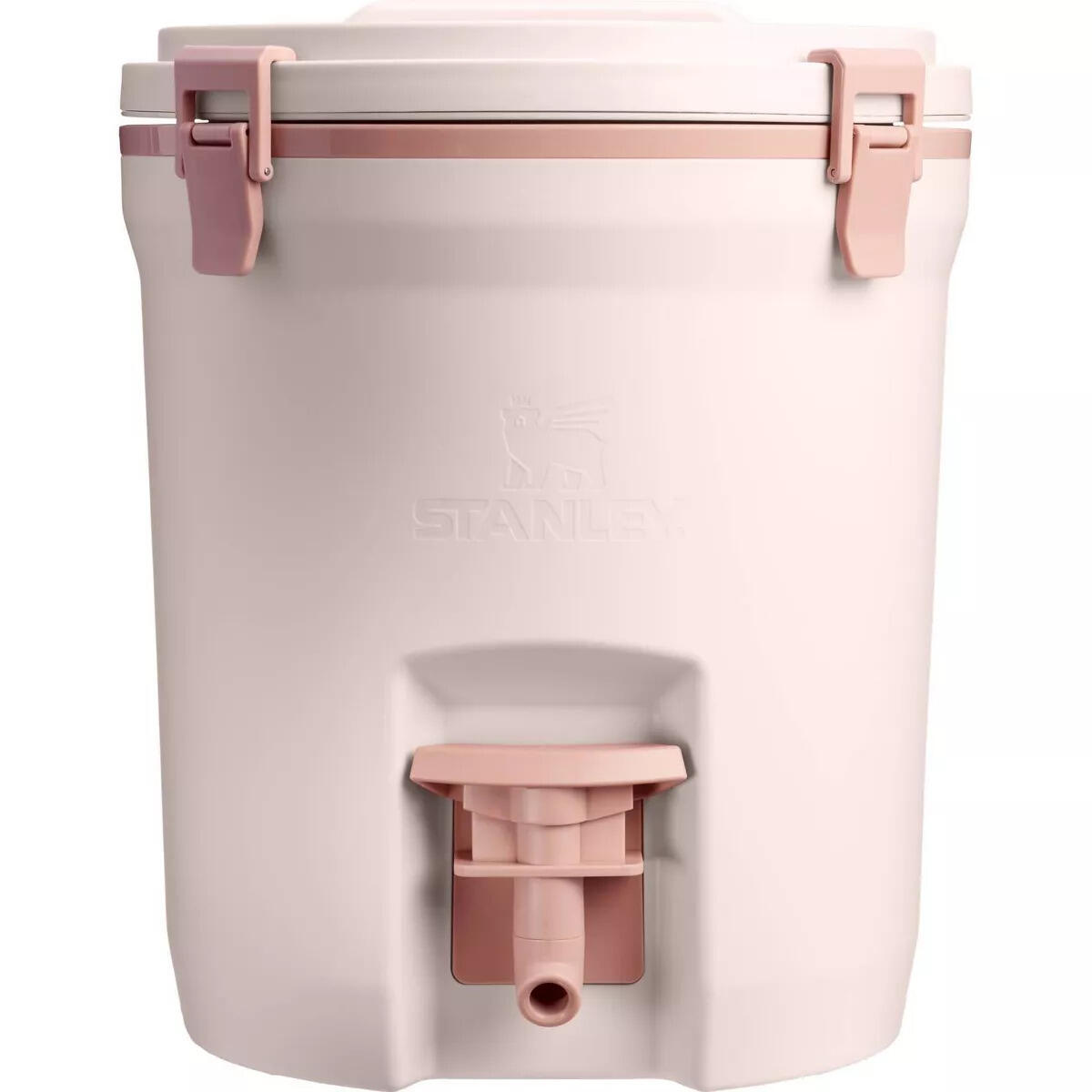
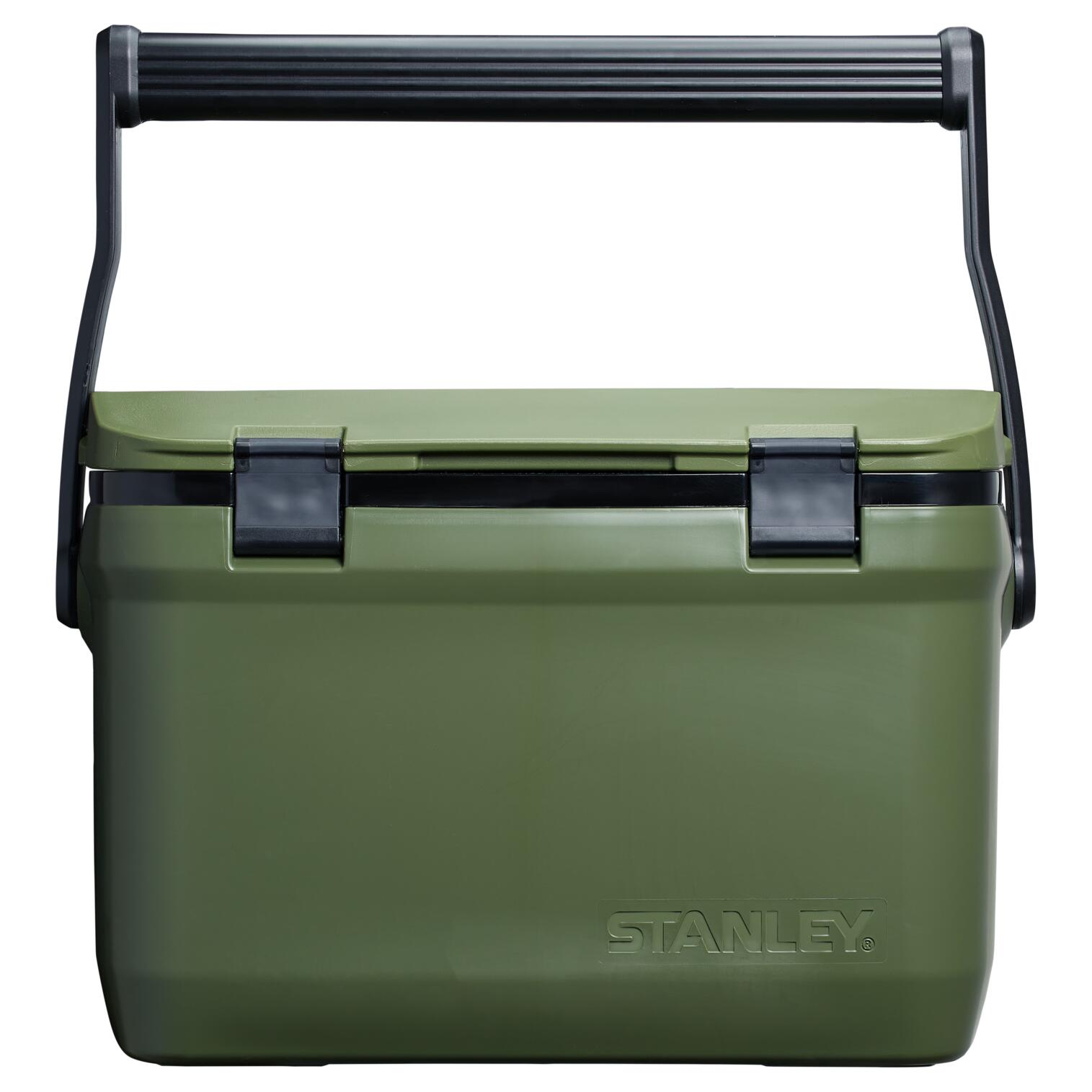
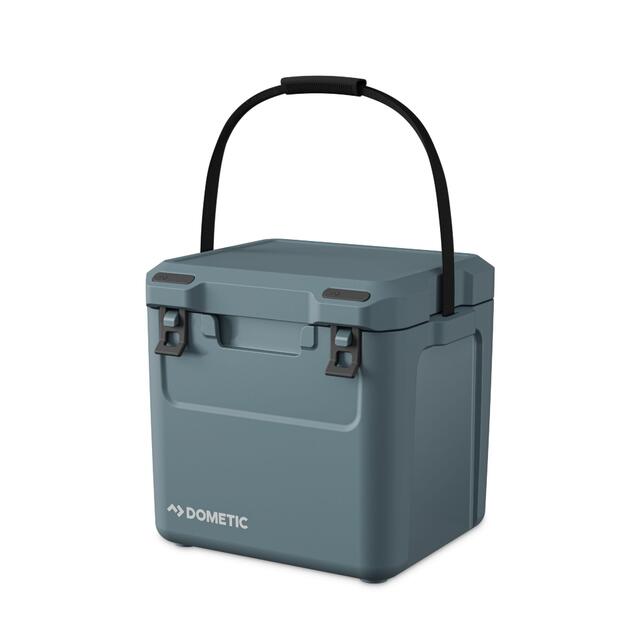
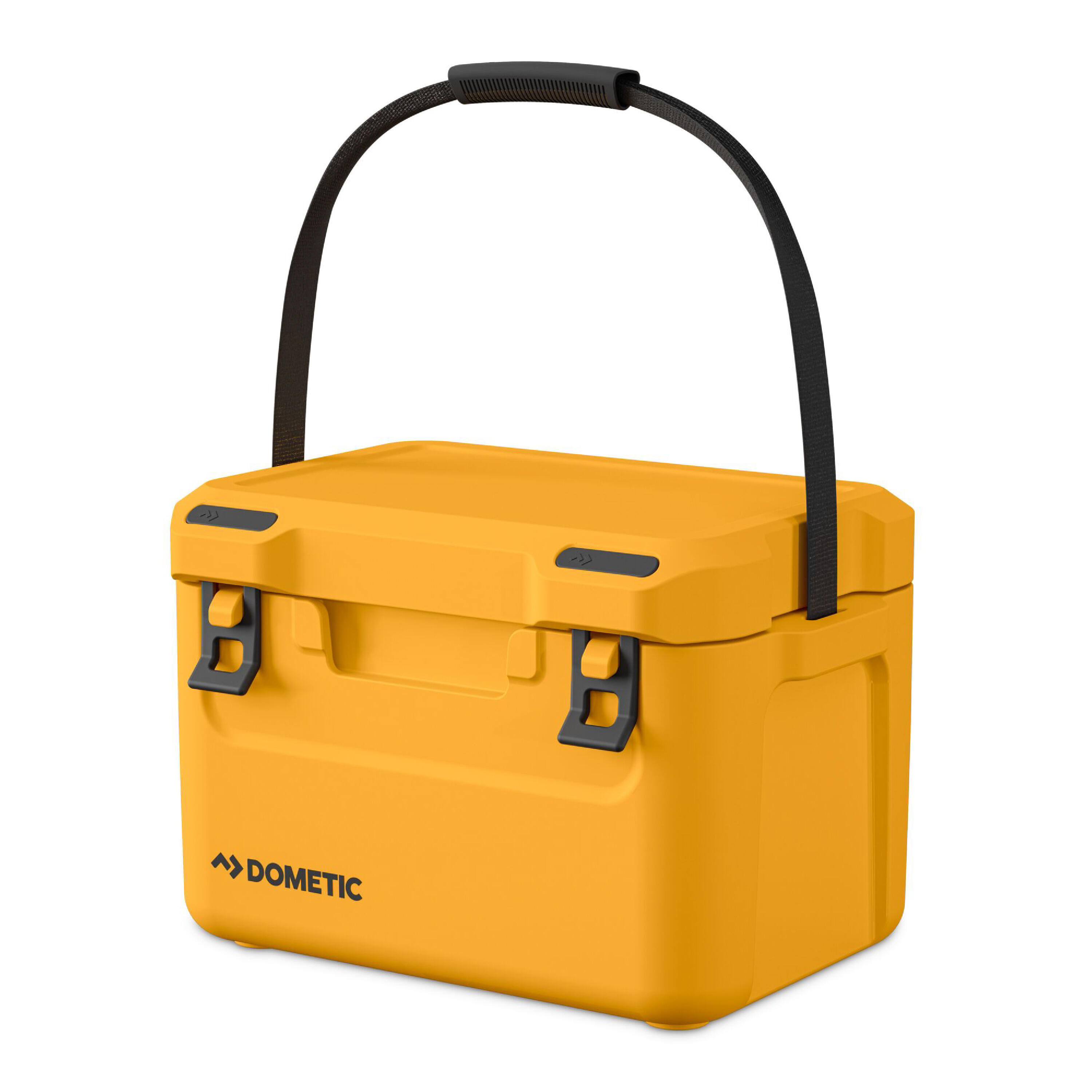
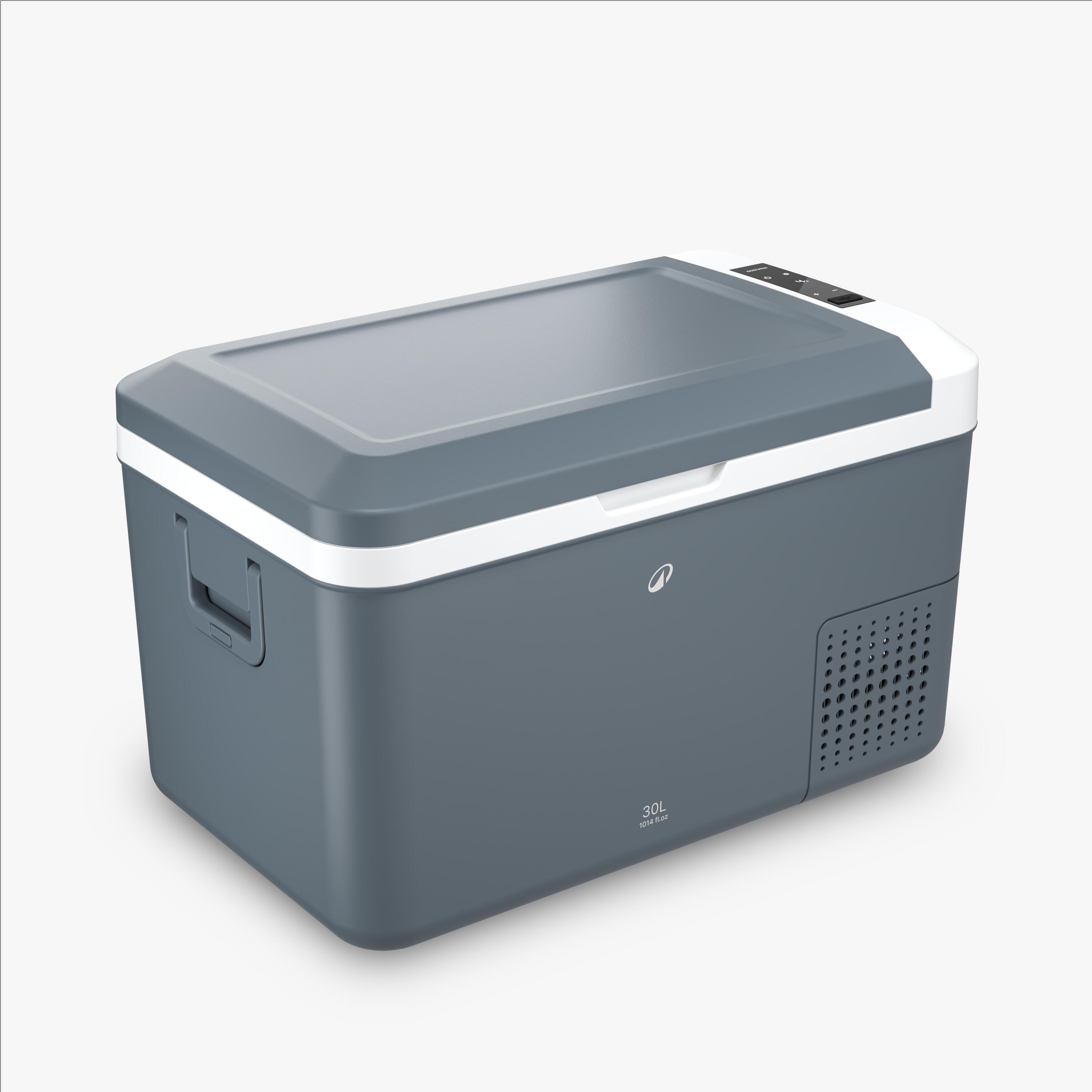
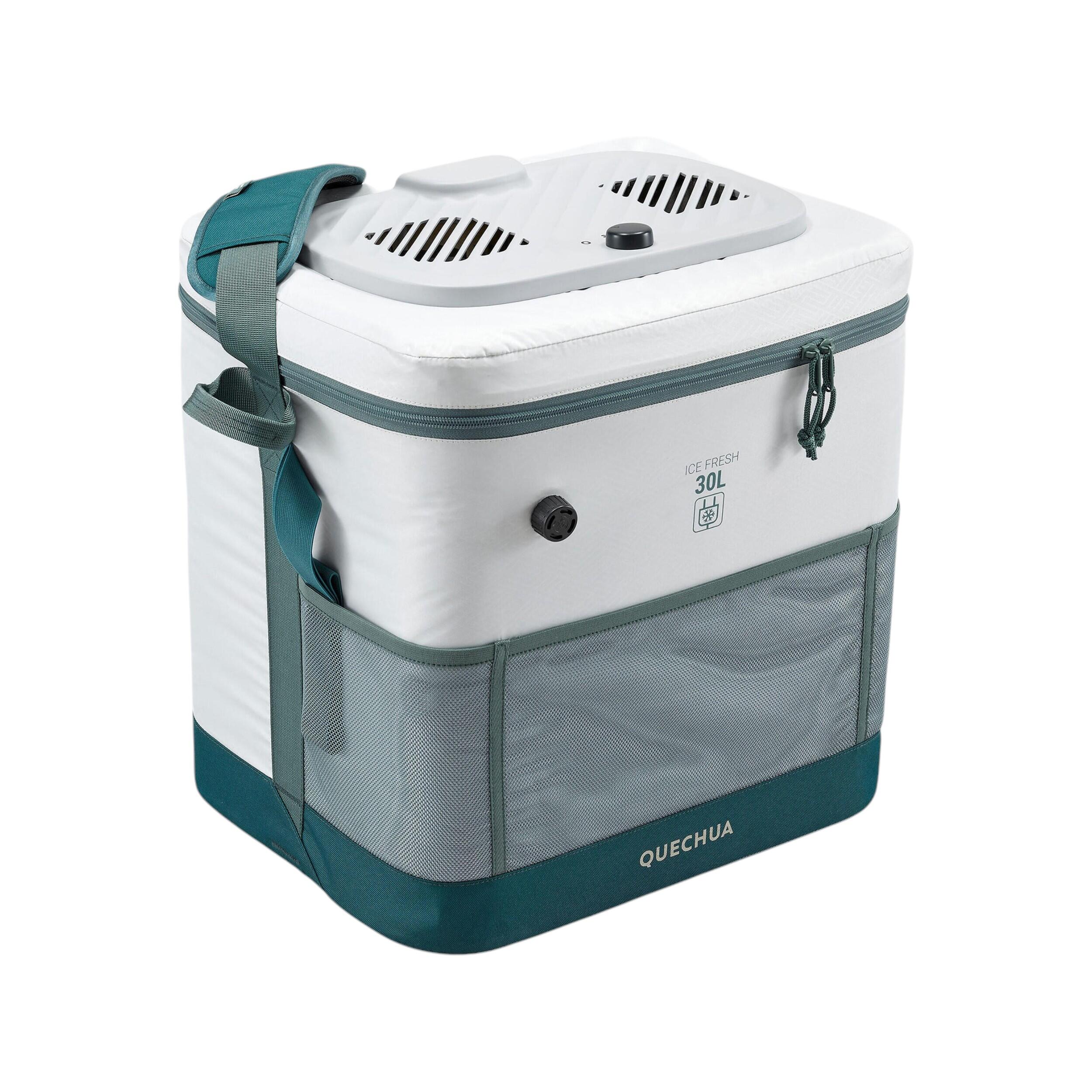
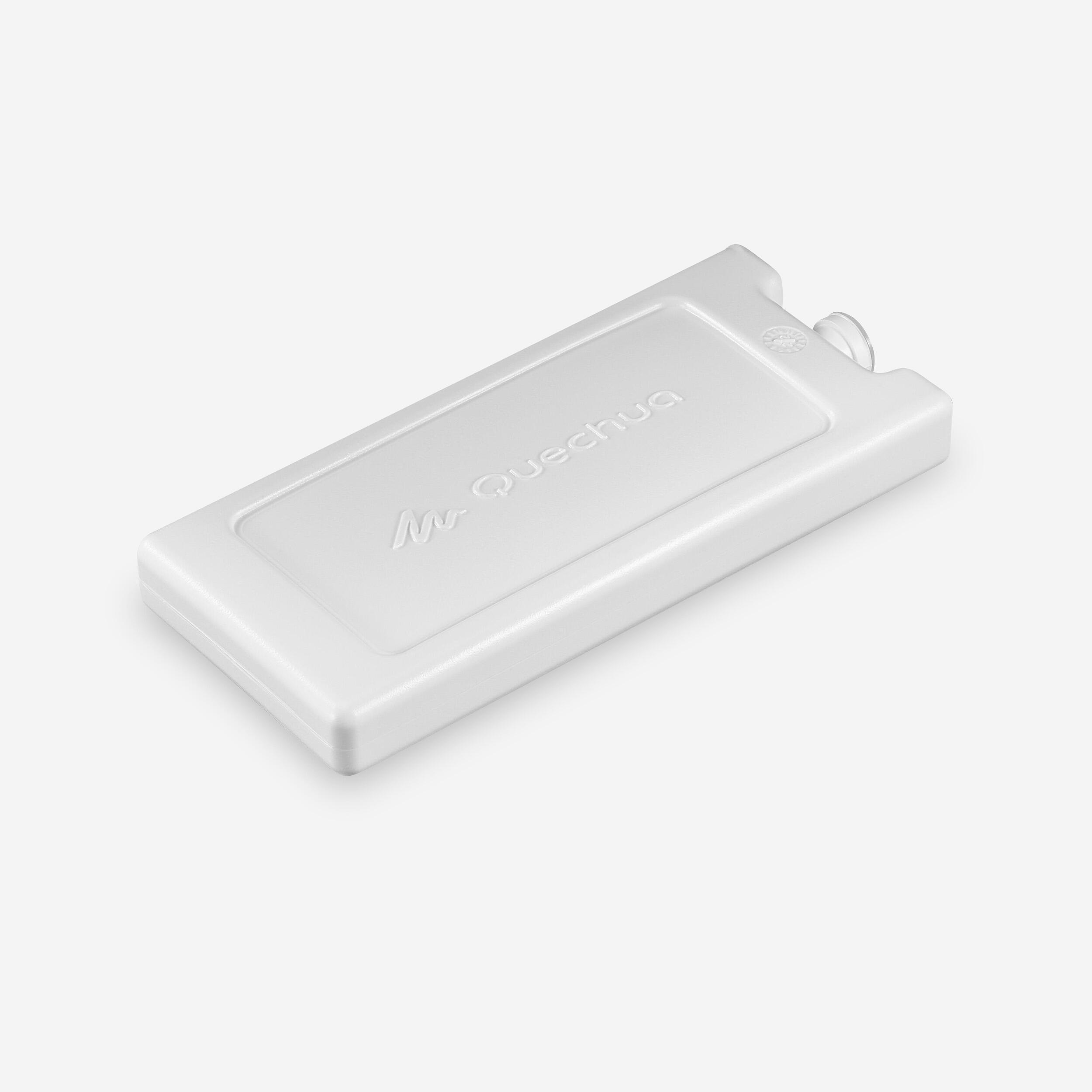
Choosing the right cooler box and ice packs comes down to the length of the trip, the size of your group, and how the cooler will travel from the car to the pitch. Insulated boxes with thick walls and tight-fitting lids hold cold for days, while reusable ice packs or ice bricks supply the chill that the insulation then locks in. The two only work as a pair: insulation slows the warm air reaching your food, but without ice packs even a great cooler warms up fast, and ice packs without a proper box melt within hours. Wheeled models make light work of shifting a heavy load from the car to the pitch. One cooling tip: freeze the ice packs solid overnight and pack them at the bottom, under the food, since cold air sinks and settles the chill up through everything above. And for an option that keeps food cold without relying on ice melt at all, the 12V, mains, and dual-voltage electric cooler boxes from Quechua and Campingaz actively chill the contents throughout the trip.

When should I pick a flexible cooler instead of a hard cooler box?

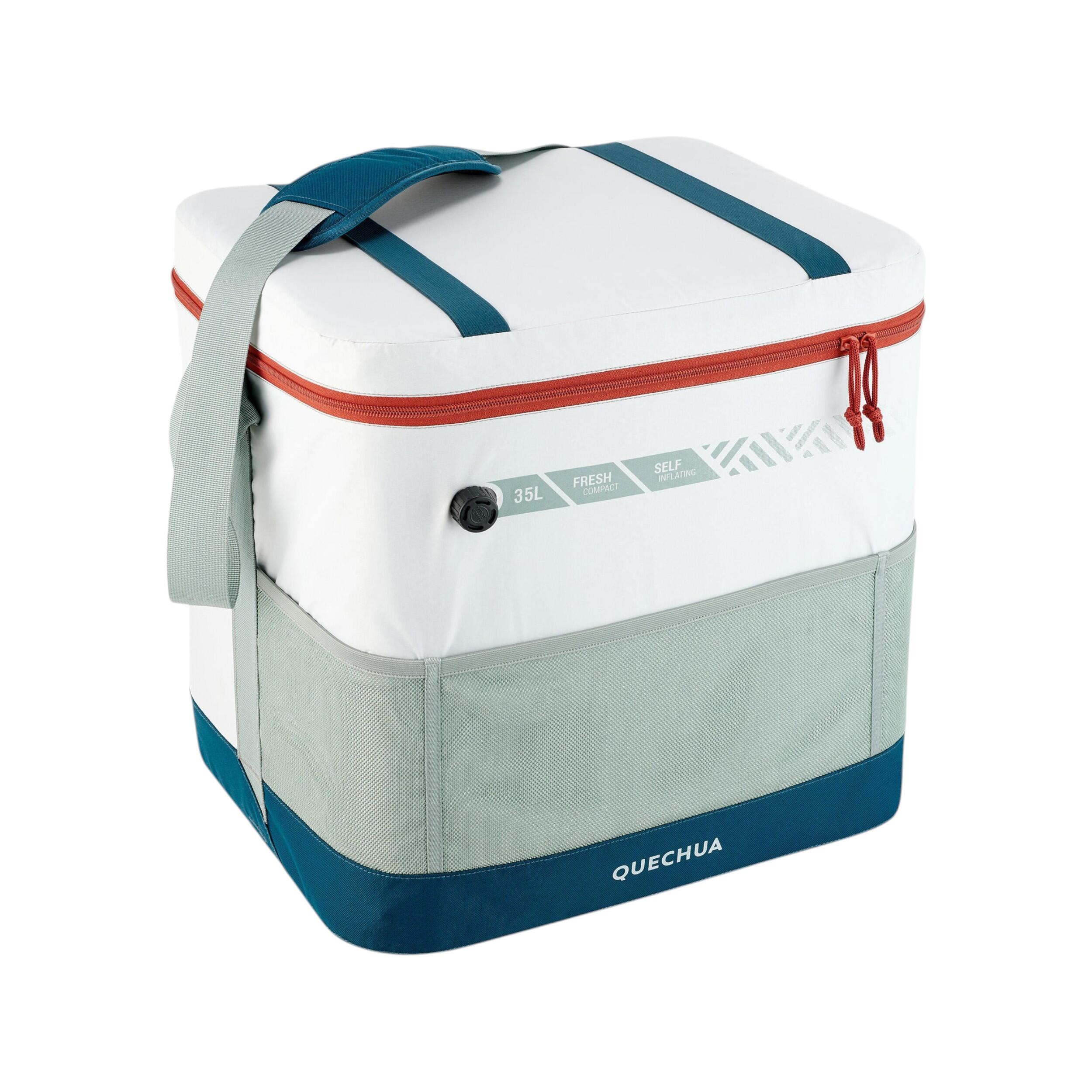
A flexible cooler makes sense over a hard box whenever pack size, weight, and easy off-season storage matter more than the longest possible cold retention. Soft-sided flexible coolers collapse down small when empty, which suits picnics, beach days, day hikes, and overnighters where the cooler doesn't need to hold cold for a full week. Between trips, a hard box sits taking up garage space, whereas the foldable, collapsible, and lightweight flexible coolers in our range tuck neatly into a cupboard.

How do cooler bags compare with cooler boxes and ice packs?

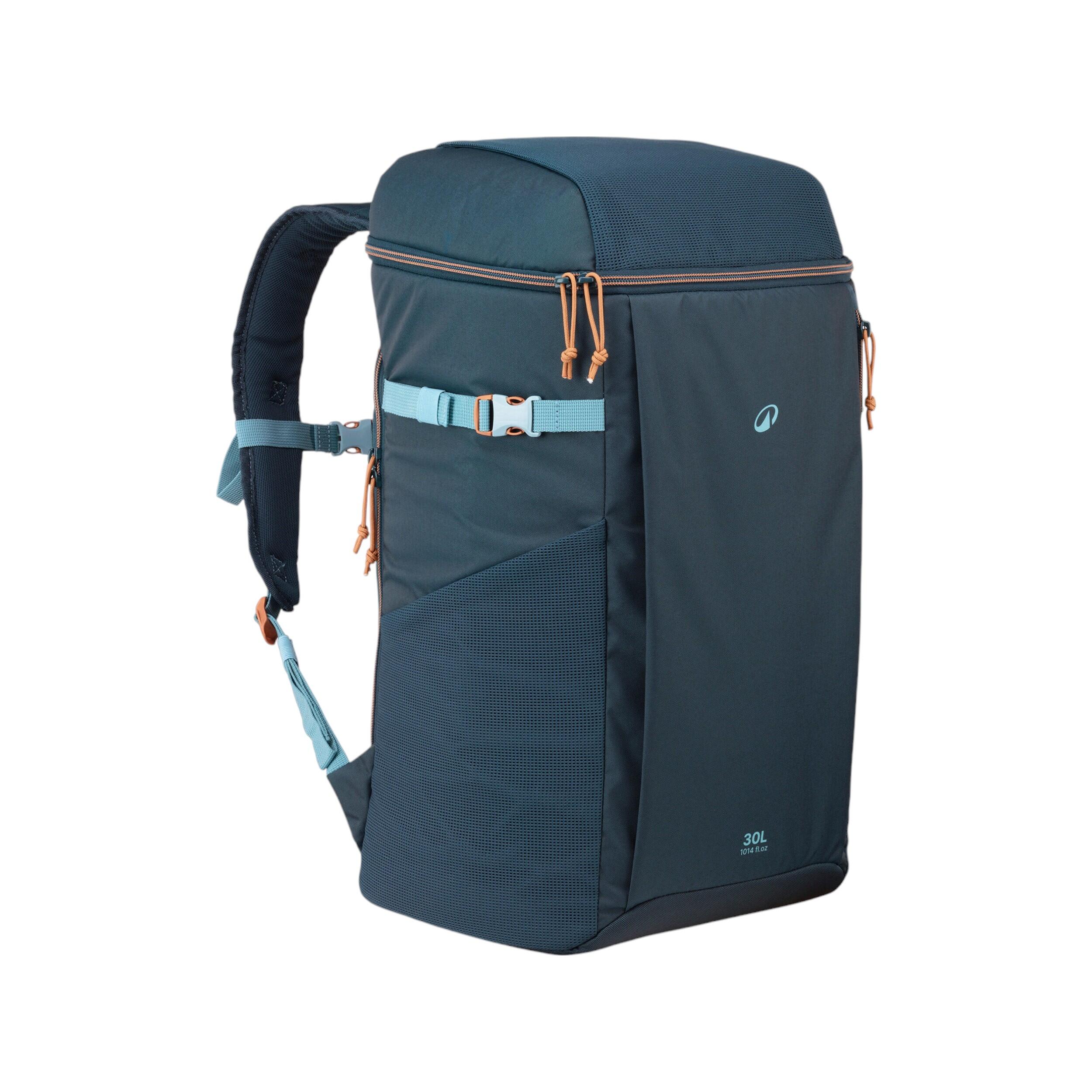
A cooler bag trades some of a hard box's cold-hold time for lighter weight and an easier carry, which makes it the better pick for picnics, beach trips, school lunches, and day hikes. The split is simple: the soft bag travels with the family through the day, while the hard box stays at the pitch as the main fridge with the ice packs sealed inside. When it's the carrying that matters most, the soft, backpack, and shoulder-strap cooler bags and backpacks in our range do the job a heavy box can't.

How do cooler boxes and ice packs fit alongside the wider camping cooler range?

Cooler boxes and ice packs sit at the classic, no-power end of the range, while electric units, flexible coolers, and bag-style coolers cover the rest. A hard box paired with reusable ice packs maintains a low temperature for days without electricity, while an electric unit actively chills its contents from a power source and a soft cooler handles shorter outings. Since no single unit does every job from a beach day to a family holiday, the hard, wheeled, electric, and flexible camping coolers from Quechua let you match the cooler to the trip.

How do cooler boxes and ice packs fit alongside cooking equipment at the pitch?

Food safety is what links the two: a cooler box and its ice packs hold raw meat, fish, vegetables, butter and milk at a safe temperature between leaving home and mealtimes at camp. Left unrefrigerated, fresh ingredients can spoil quickly, while a properly chilled cooler helps preserve quality until cooking begins. Fresh ingredients only become useful once it's time to cook, making cooking equipment and cutlery an important part of the campsite kitchen setup.