282 items
4.9/5 based on 1727 reviews collected online and in stores

Kids' Running T-shirts FAQs

Which kids' running T-shirt suits their activity?

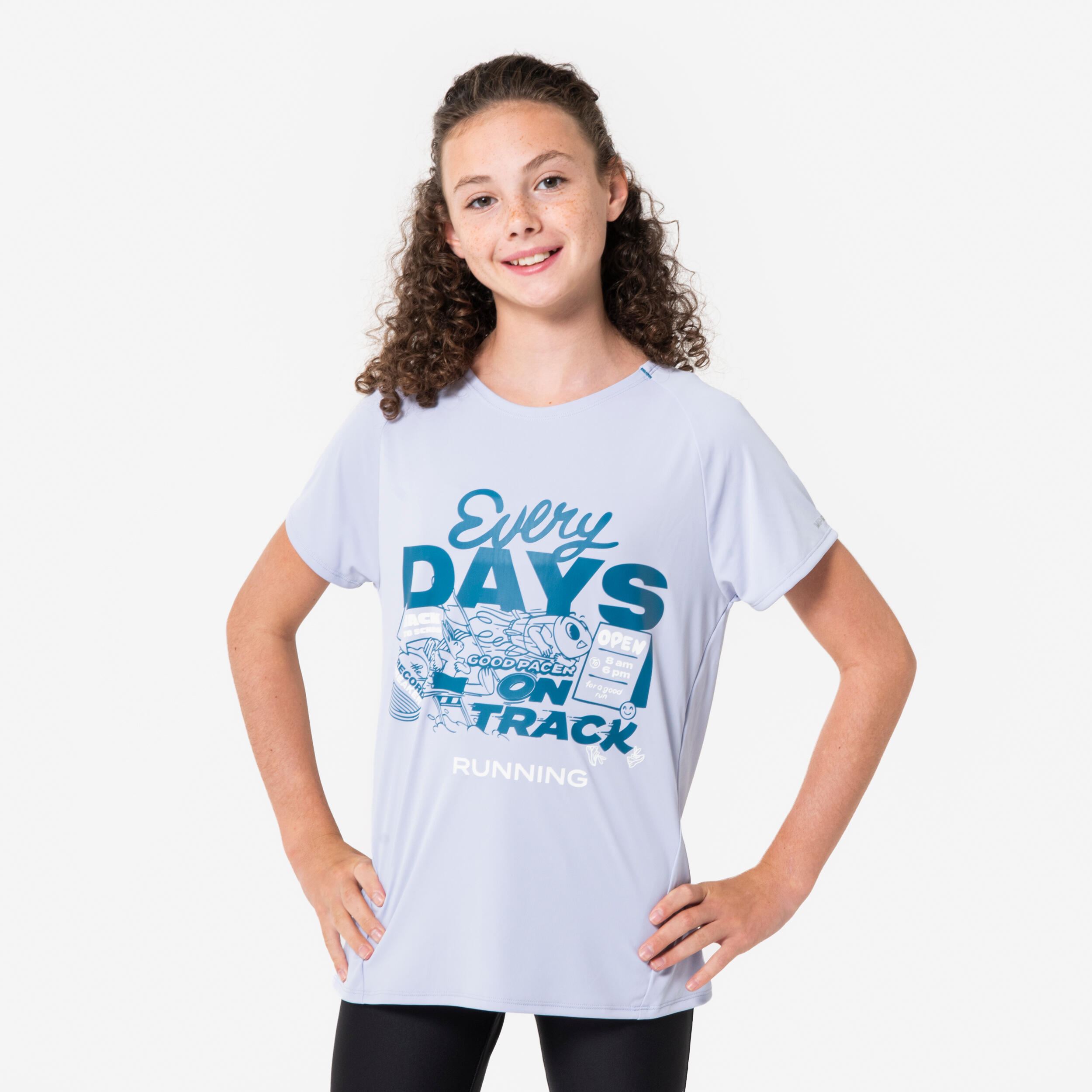
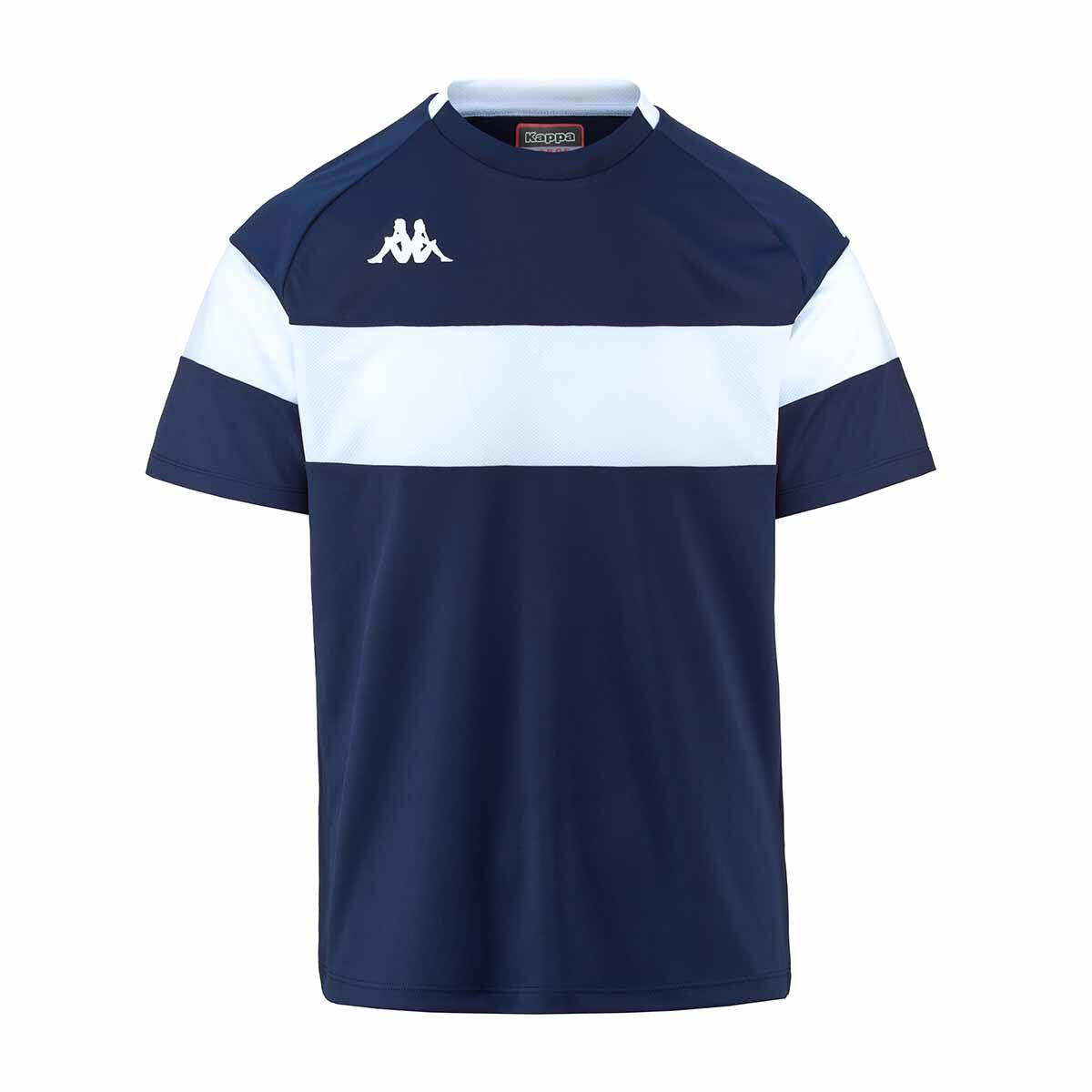
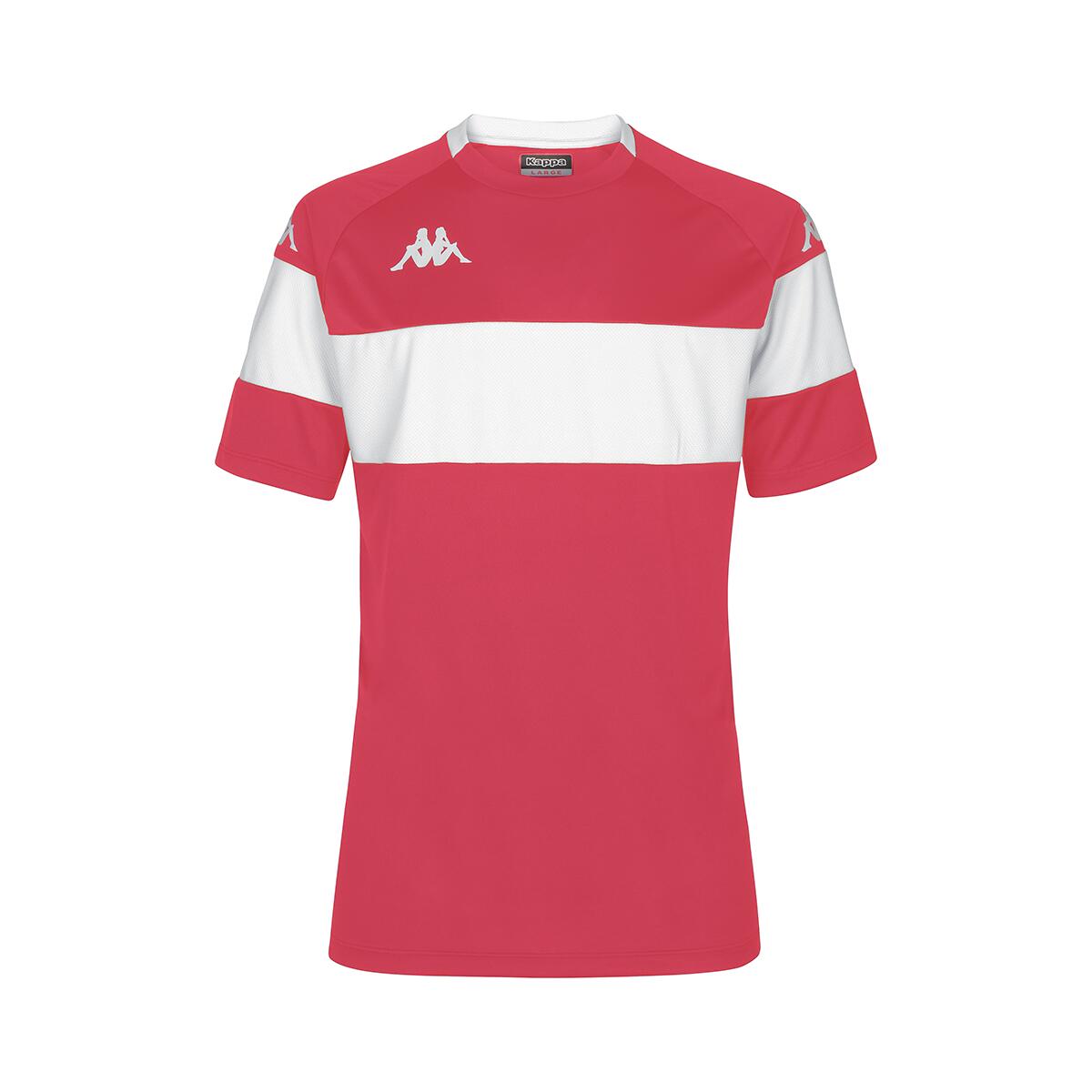
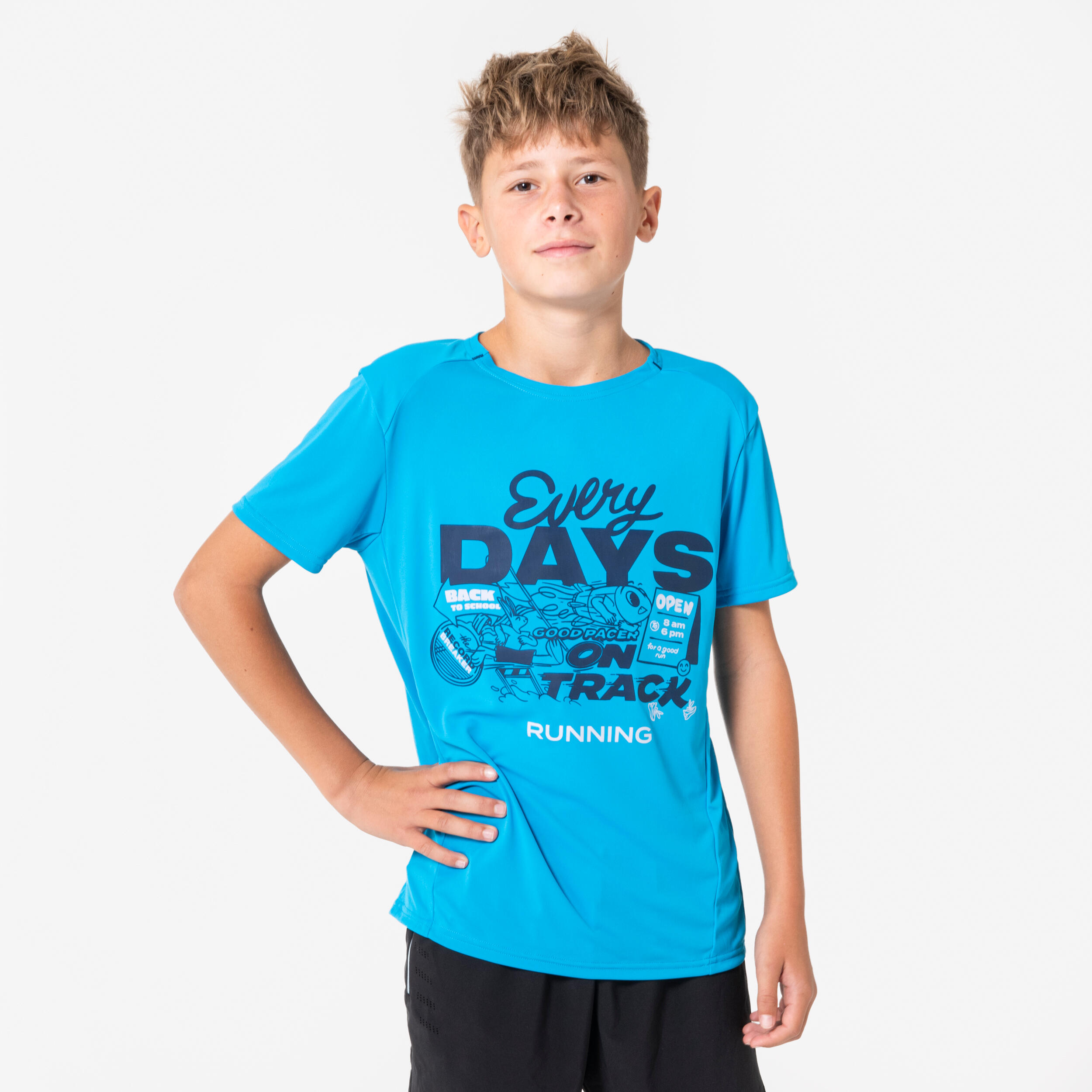
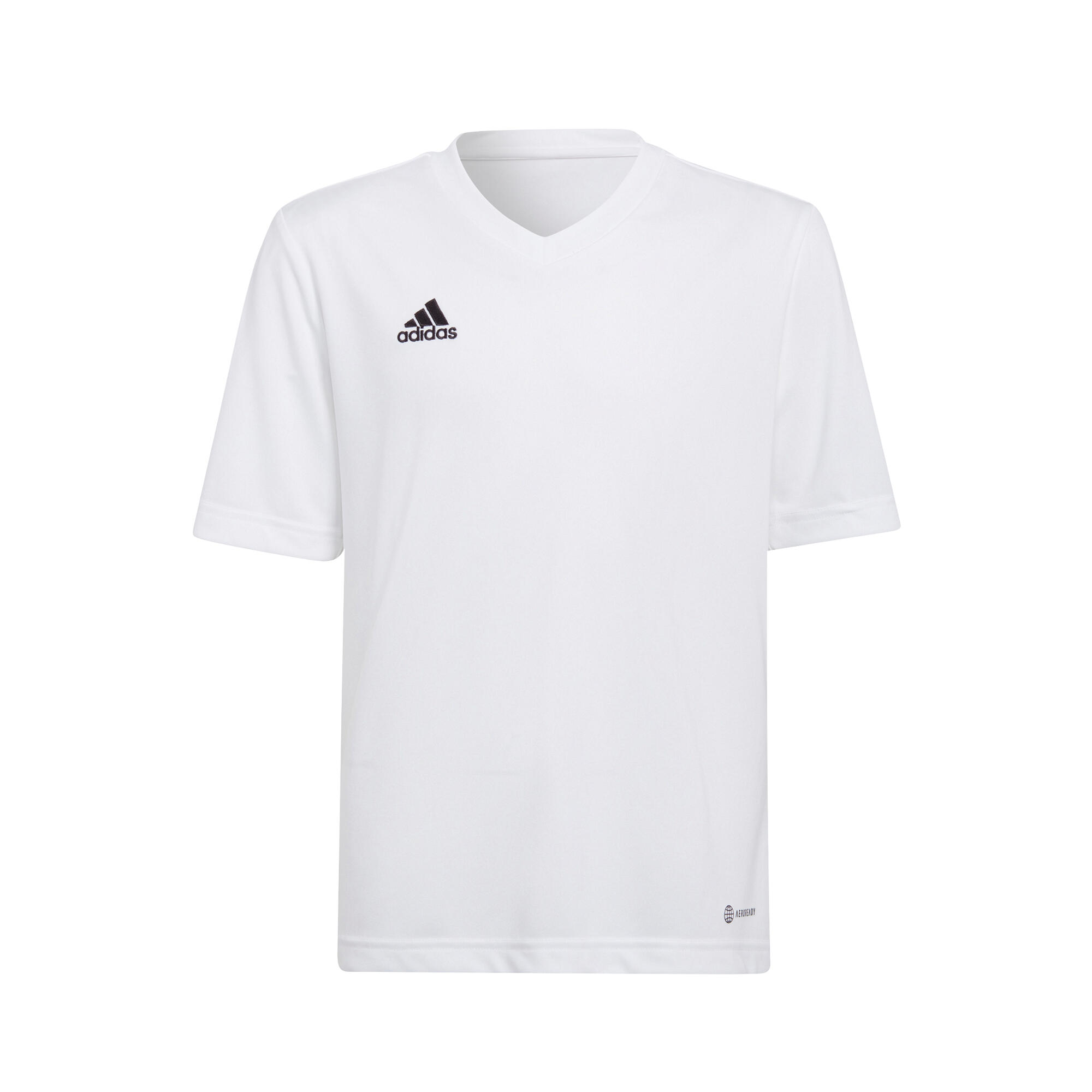
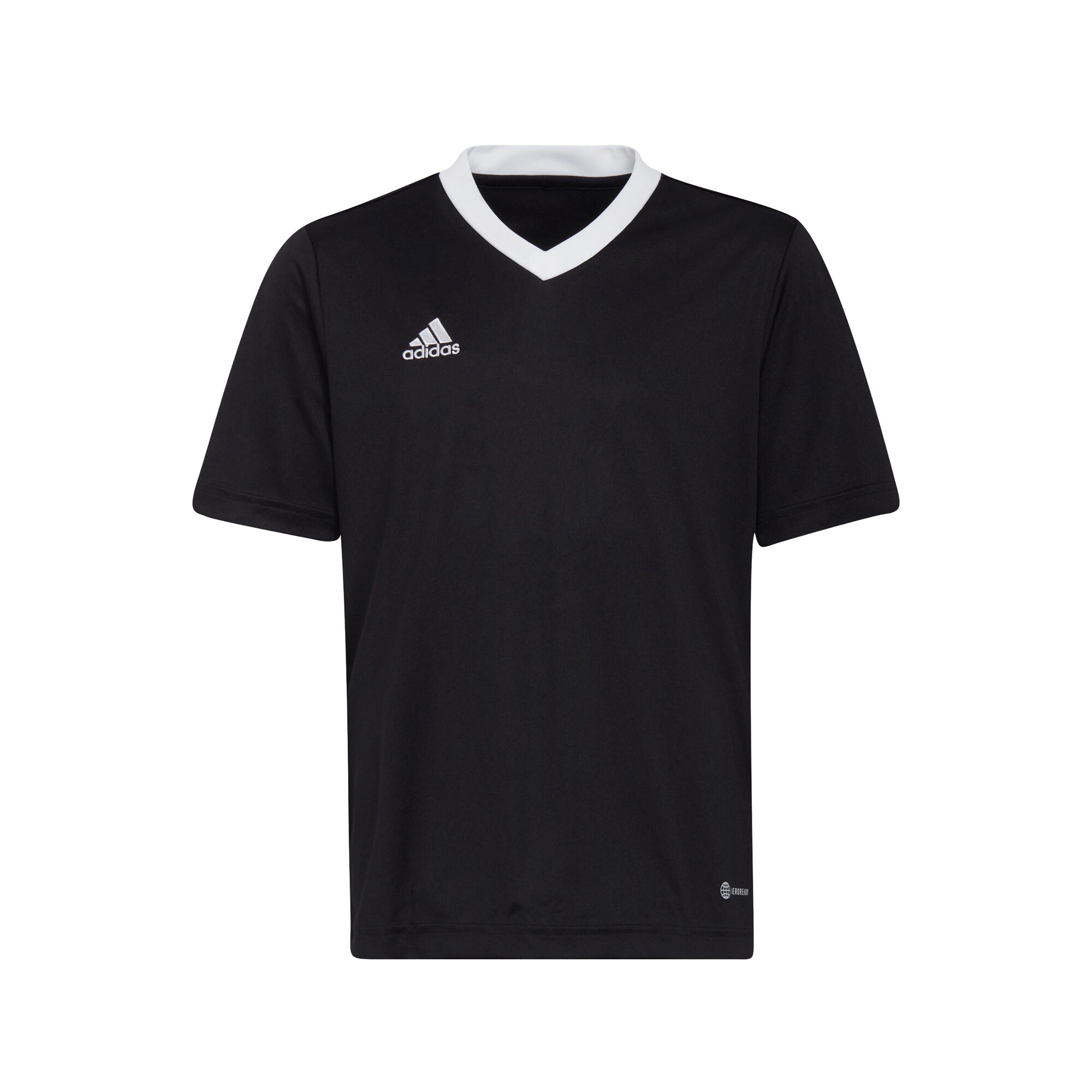
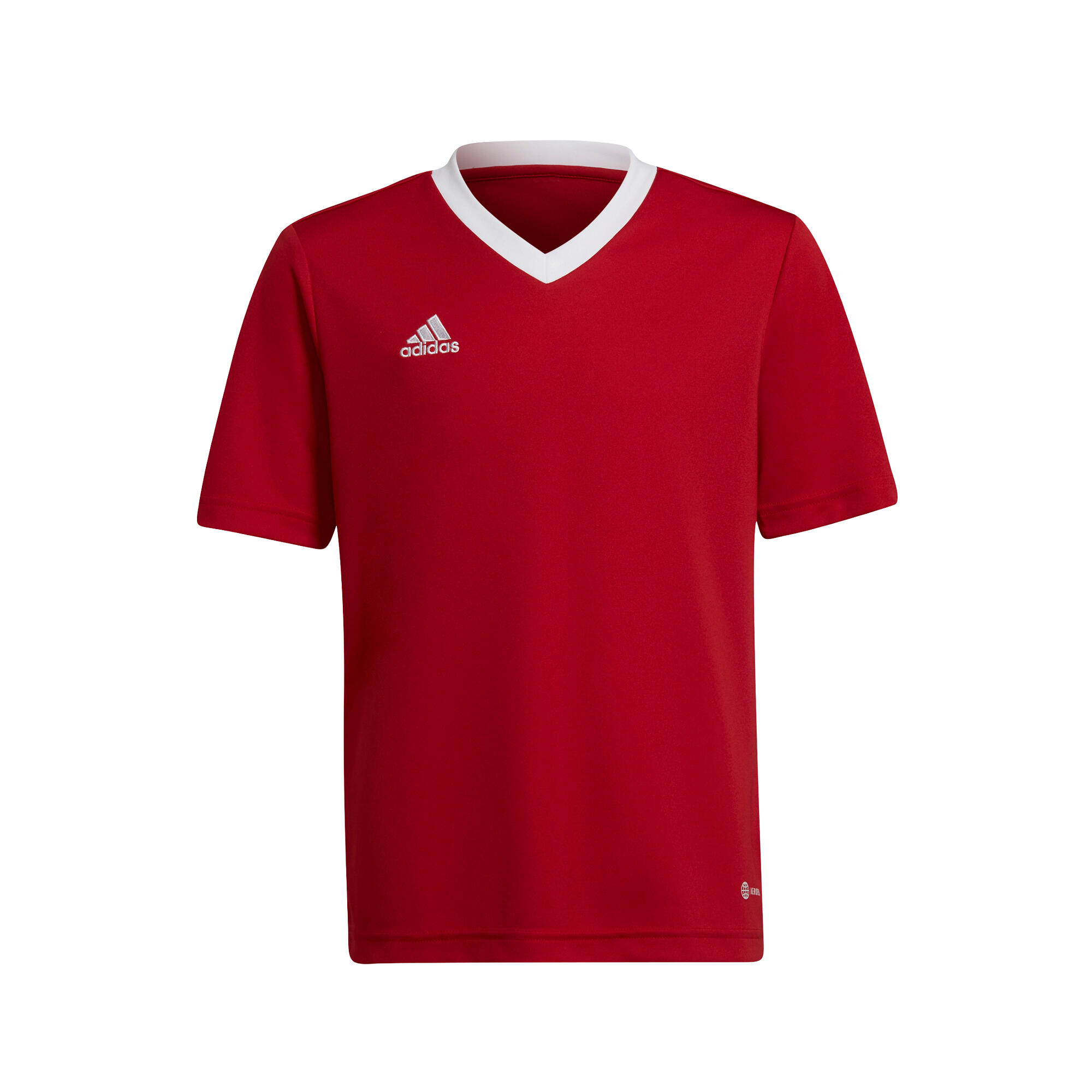
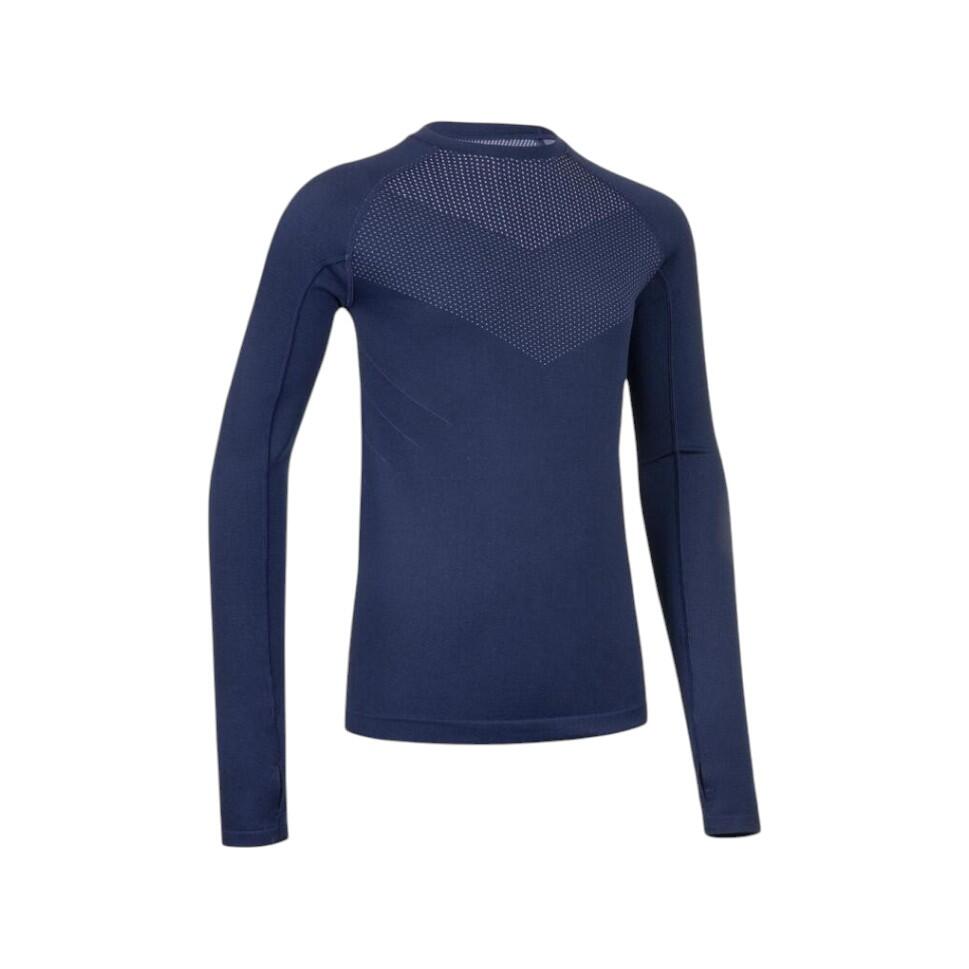
Choose kids' running T-shirts according to the weather, session intensity and amount of movement involved. Soft Dry+ 500 shirts suit regular school or club athletics, while lighter seamless KIPRUN models support intensive running, jumping and throwing in warm conditions. Synthetic fabric transfers perspiration away from the skin and dries more quickly than ordinary cotton, helping reduce the cold, damp feeling that can follow exercise. Compare the wider selection of kids' running tops when deciding between T-shirts, sports bras and seasonal layers. Pro tip: choose the garment for how warm the child becomes after ten minutes of activity, not only for the temperature before training starts.

What is the difference between Dry+ 500 and seamless KIPRUN T-shirts?

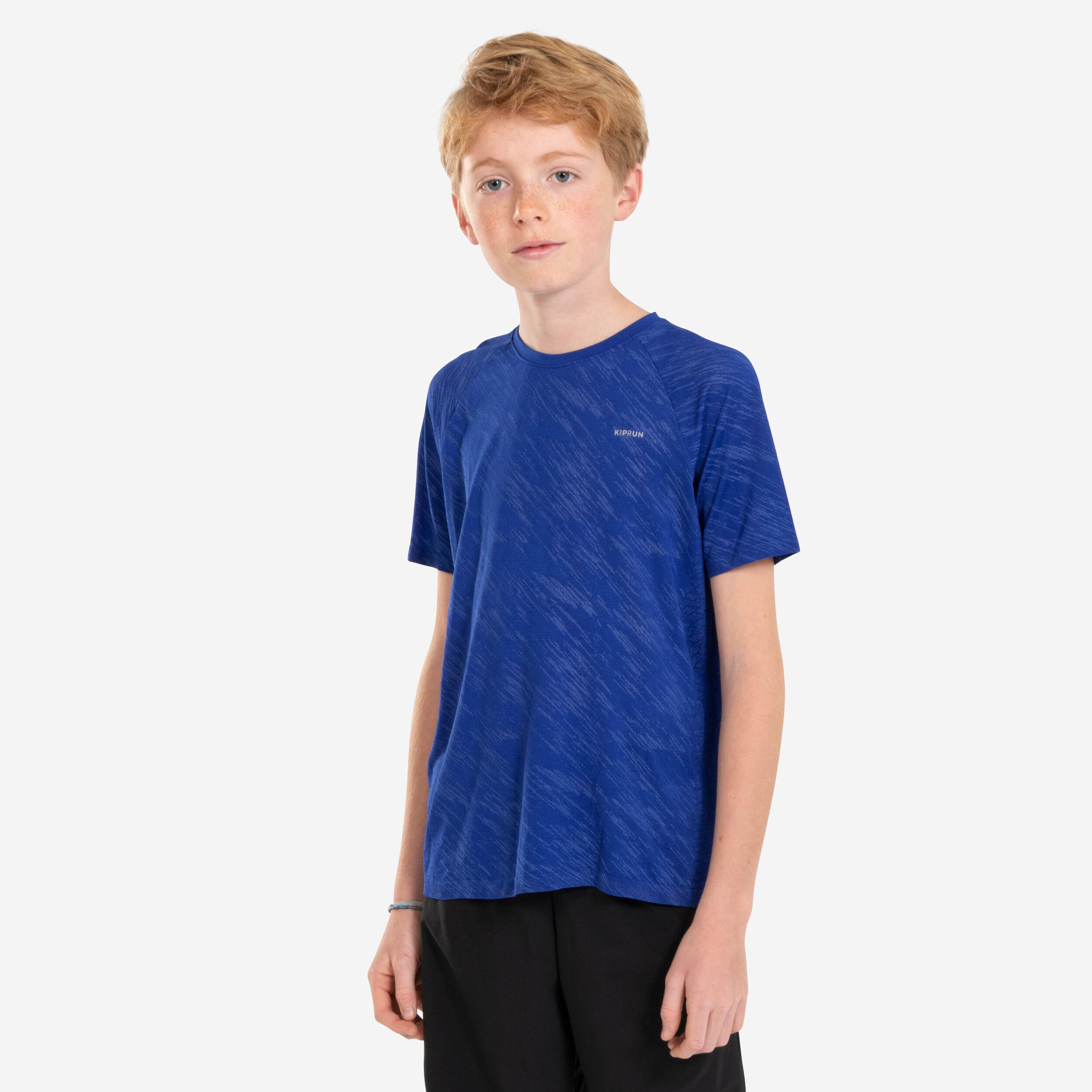
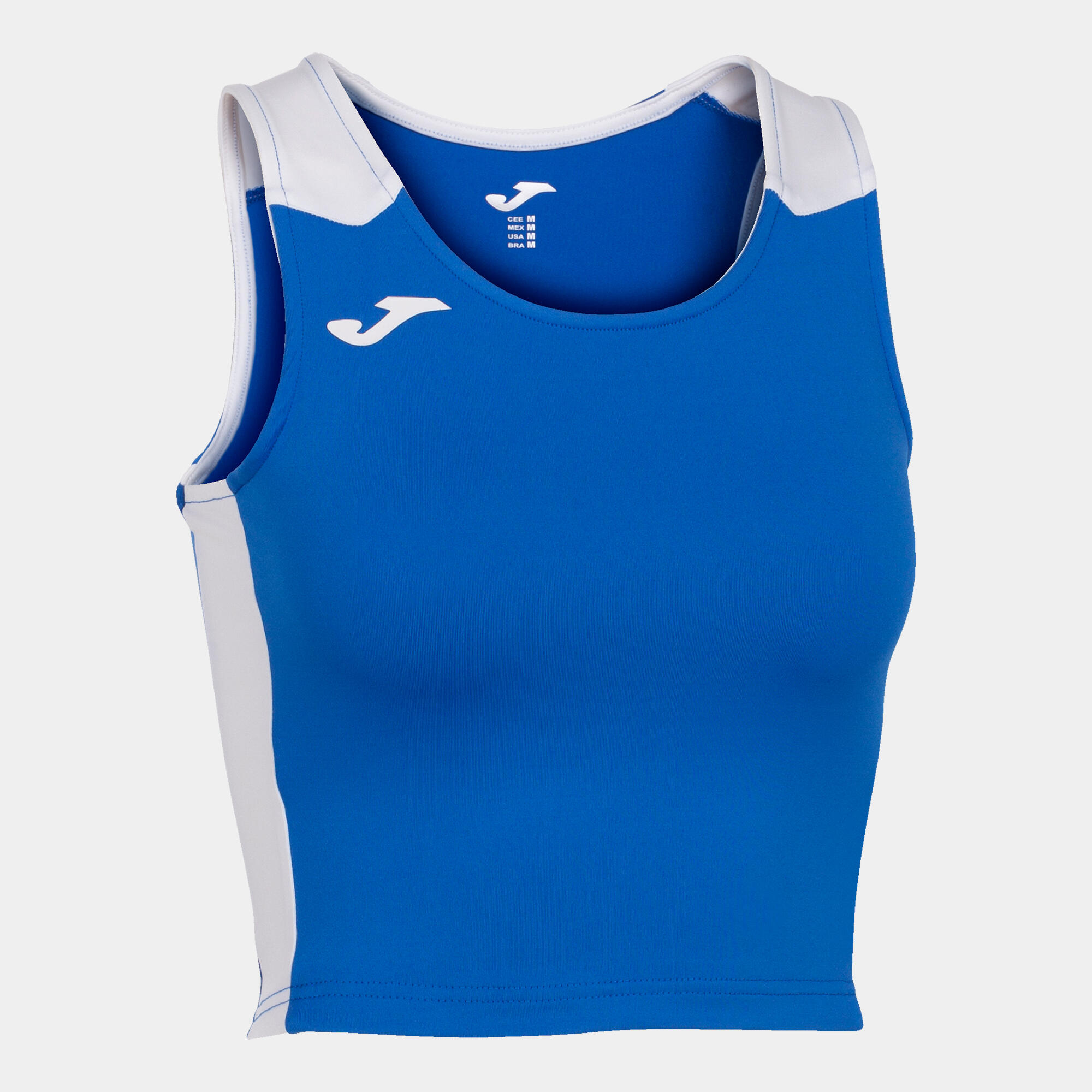
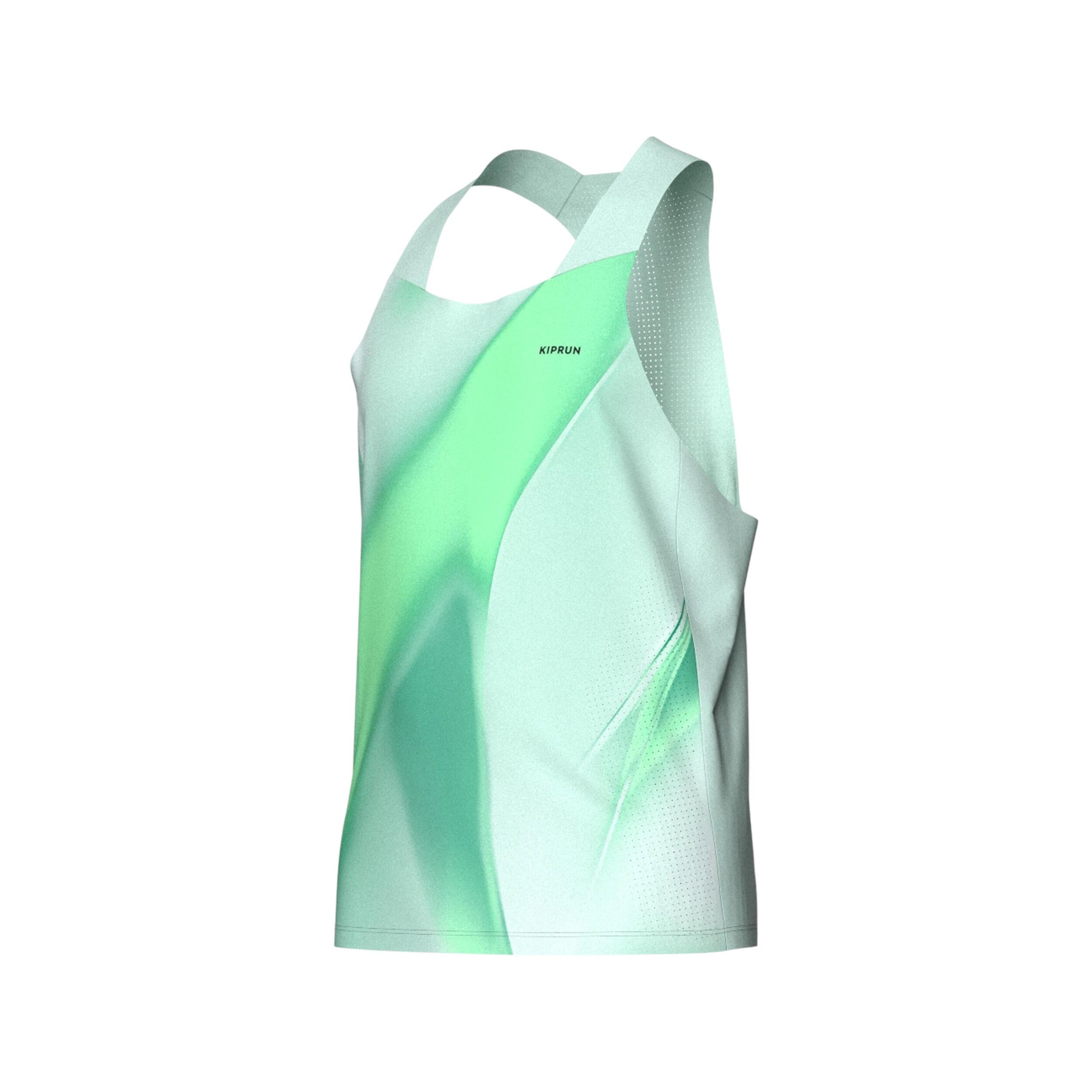
Dry+ 500 tops prioritise softness, stretch and straightforward moisture management for regular warm-weather athletics. Their anti-UV-treated fabric also provides product-specific chest coverage from sunlight, although this should not be treated as a category-wide protection rating. KIPRUN Run 900 and Light 900 shirts use tubular knitting that removes conventional side seams, reducing raised contact points around the torso. These performance constructions weigh approximately 45 to 57 g and use elastic knit structures for unrestricted movement. When very little shoulder coverage is preferred, compare kids' running tank tops. Seamless fabric may reduce rubbing, but the neckline and armholes should still be checked during repeated arm movement.

In what ways must a children's running T-shirt fit?

The T-shirt should allow comfortable breathing, arm swing and torso rotation without hanging so loosely that the fabric twists or catches during movement. A regular-fit shirt can feel softer and more familiar, while a seamless performance top may sit closer to the body. Check that the shoulder seams, neckline and sleeves remain comfortable when the child reaches overhead, bends forwards and completes a short jog. Height can be more useful than age alone when choosing a size because children grow at different rates. Pair the top with flexible kids' running shorts that remain secure without pressing into the stomach. The shirt hem should not bunch heavily over the waistband or expose the lower back when the arms rise.

What should you consider when choosing children's breathable running T-shirts?

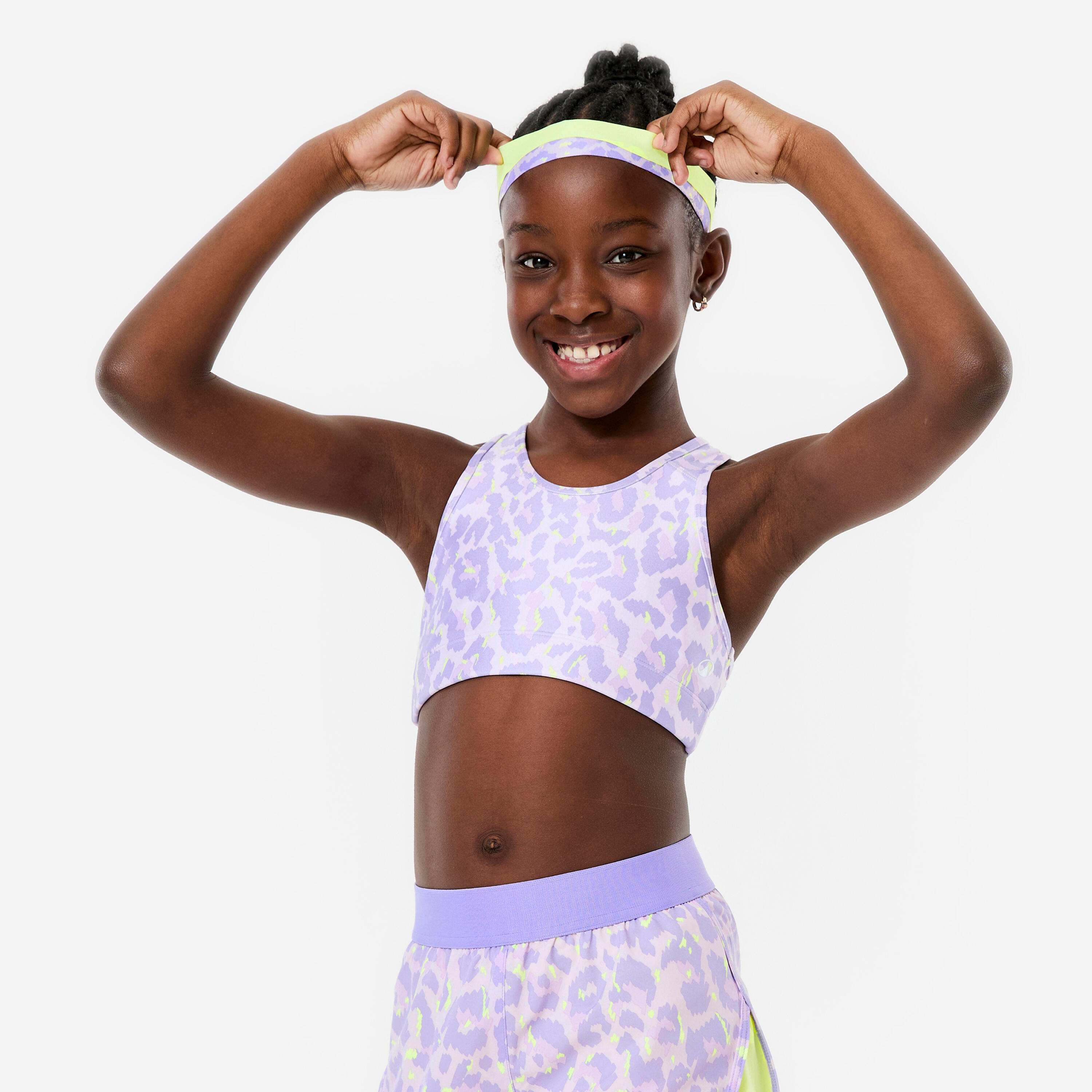
Choose a running T-shirt that matches the session conditions, activity level and the child's comfort. Lightweight, breathable fabrics can help release heat during indoor athletics and warm-weather runs, while quick-drying materials reduce the amount of moisture held against the skin. The fit should allow free arm movement without hanging too loosely or feeling tight across the shoulders and chest. Flat seams, soft necklines and smooth hems can also help reduce rubbing during repeated movement. Girls may wear a child-specific sports bra beneath the T-shirt, but check that straps, hems and underlayers do not create pressure points. During cooler sessions, the T-shirt can be paired with kids' running tights and a lightweight outer layer. Children should change out of a damp running T-shirt soon after exercise to avoid becoming cold while waiting or travelling home.
How should you wash and store your child's running T-shirt?

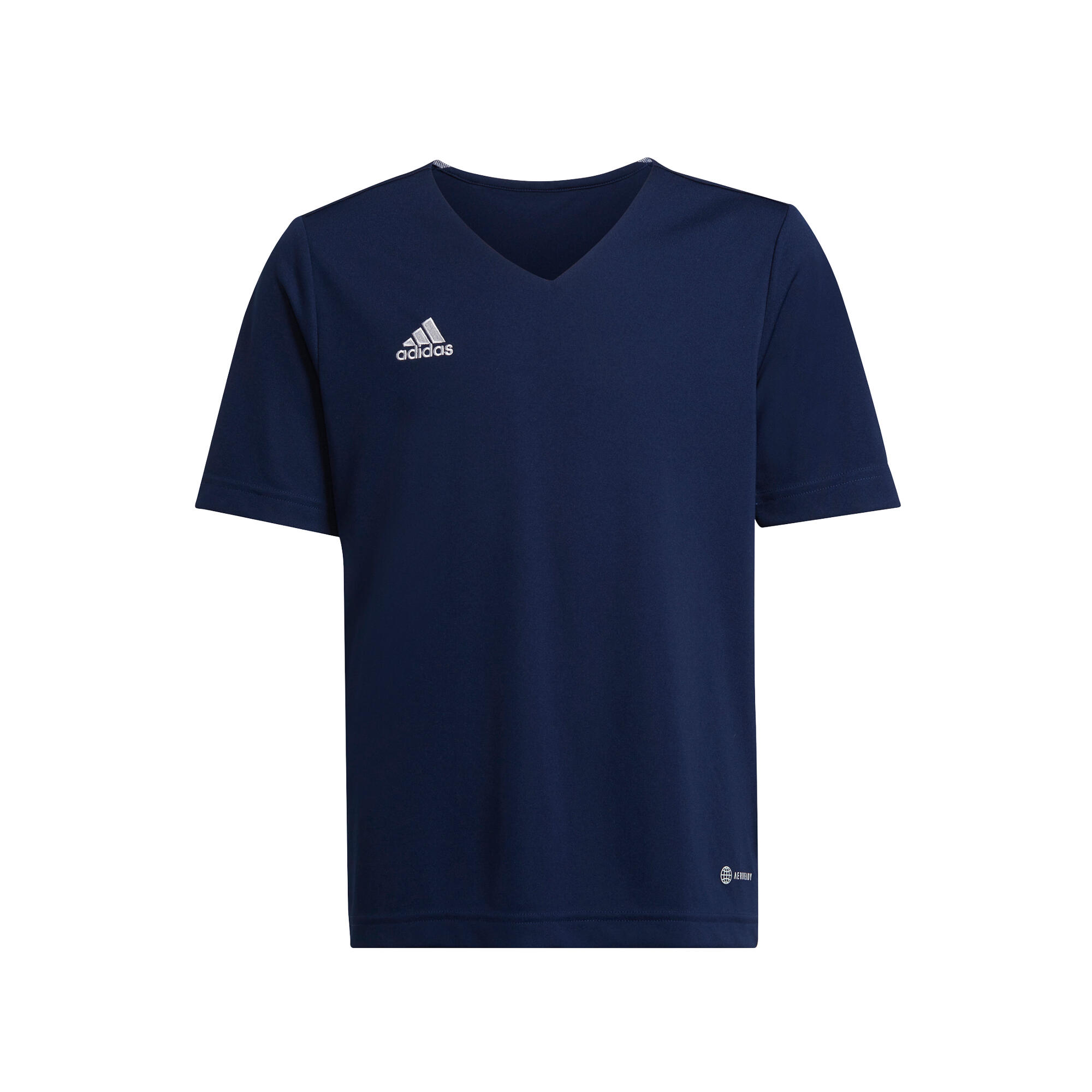
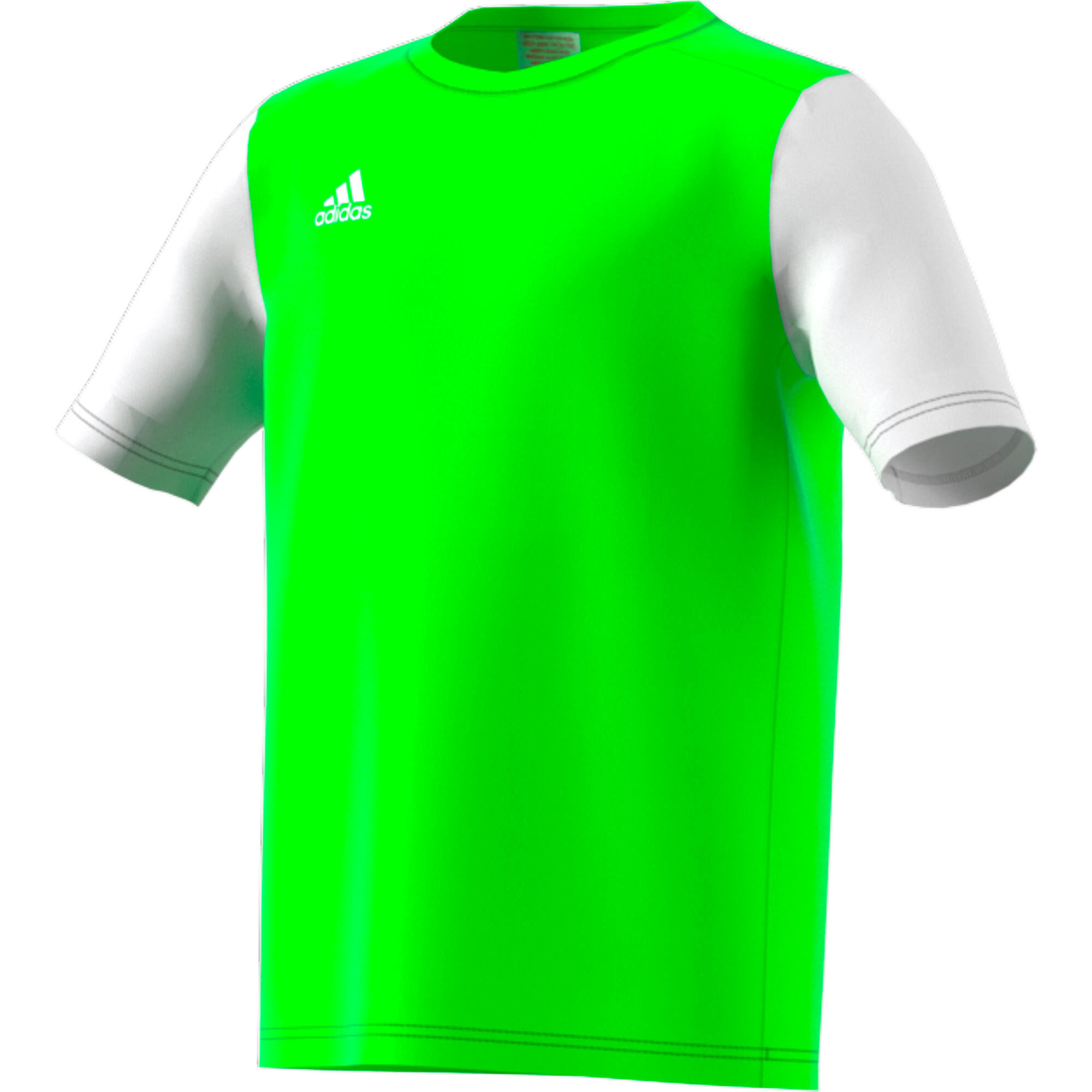
Wash technical T-shirts after sweaty sessions so salt, dirt and body oils do not remain inside the fibres. Most reviewed Decathlon and KIPRUN garments should be washed at no more than 30 degrees and should not be tumble dried, ironed, bleached or dry cleaned. Avoid fabric softener because it can coat moisture-managing fibres and affect perspiration transfer. Turn lightweight tops inside out and keep them away from exposed zips or hook-and-loop fasteners that could snag seamless knit structures. Air dry each garment fully before storage. Rotate short sleeves with kids' running long-sleeved T-shirts when colder weather requires greater coverage. Store clean clothing in a dry, ventilated place and inspect the neckline, sleeves and stretch zones regularly.