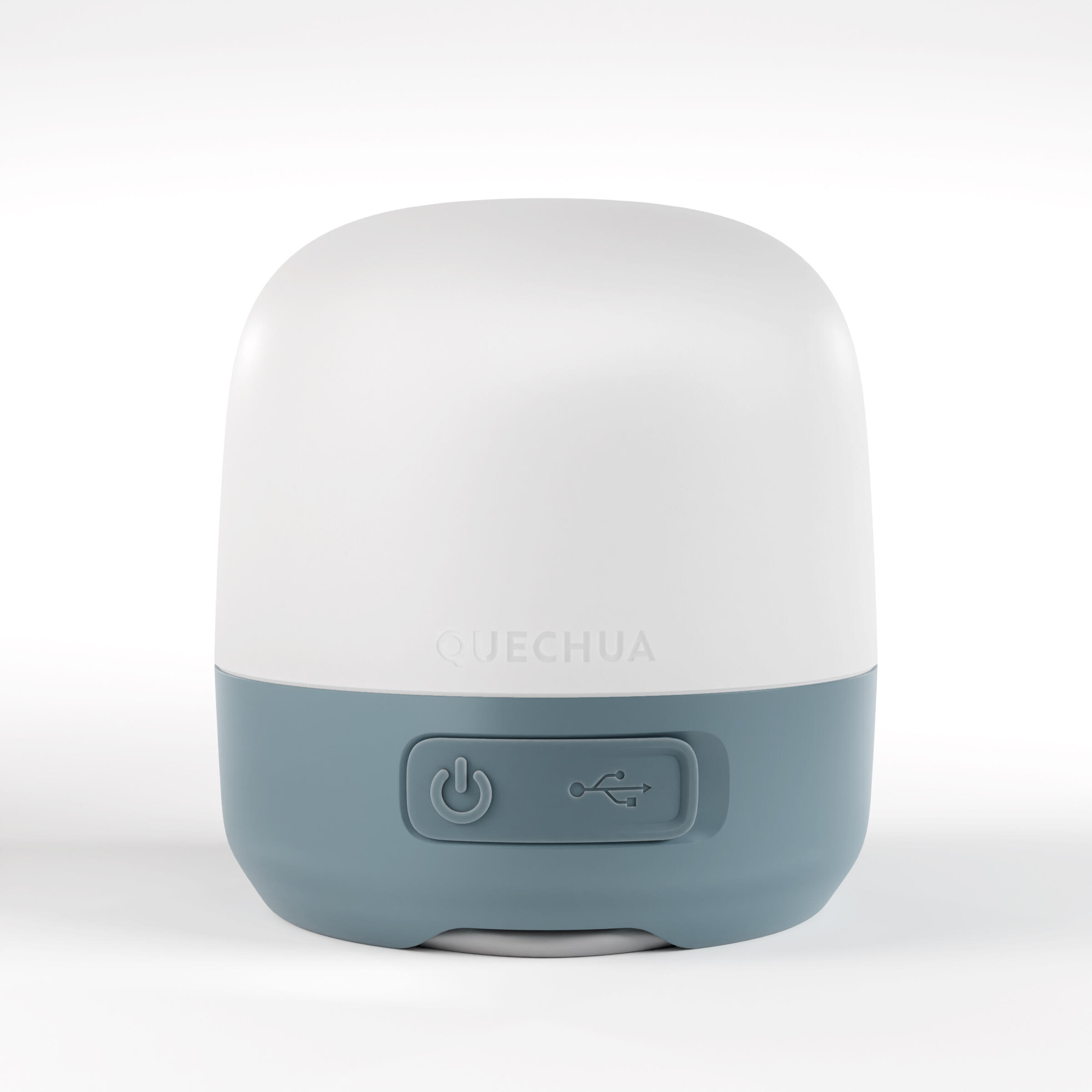
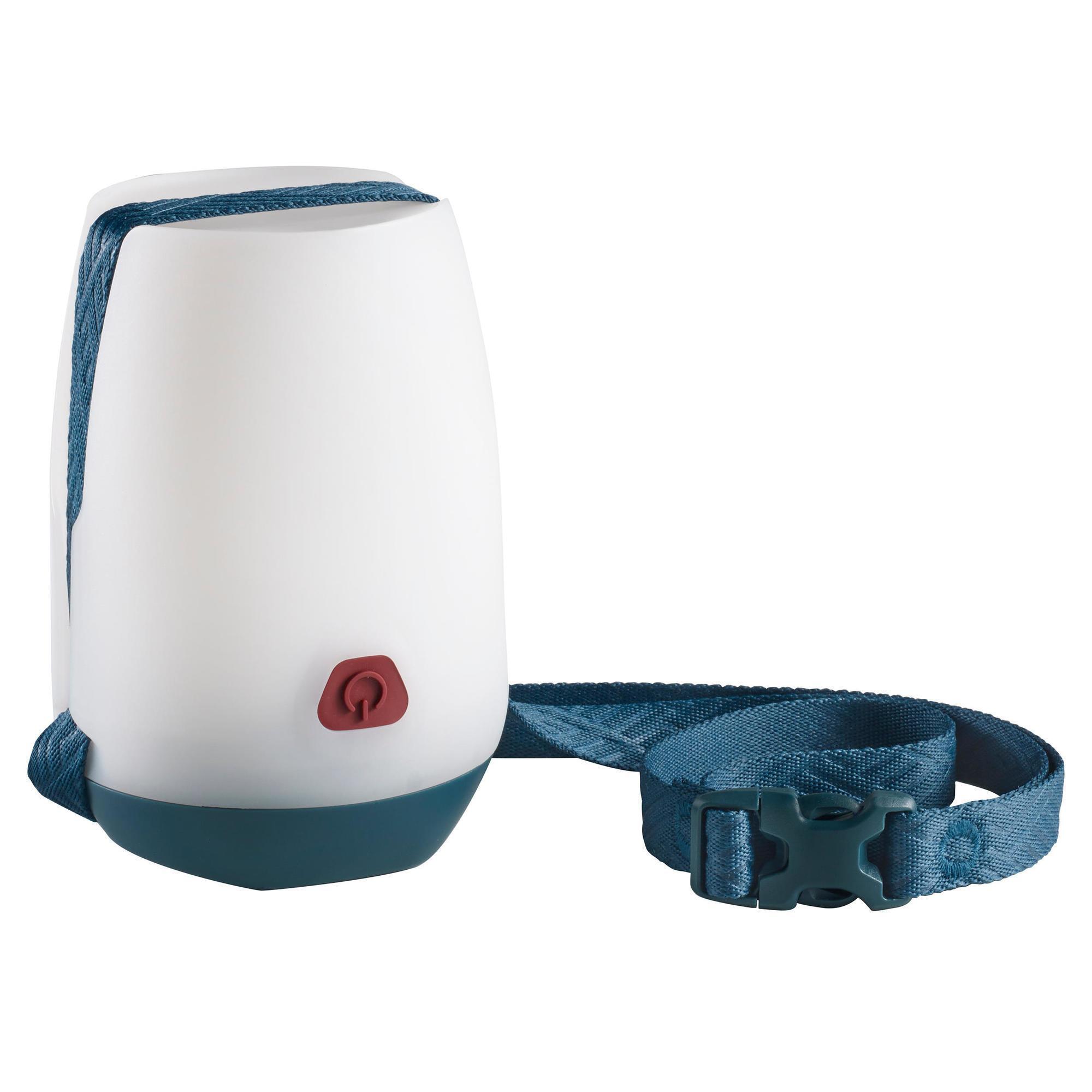
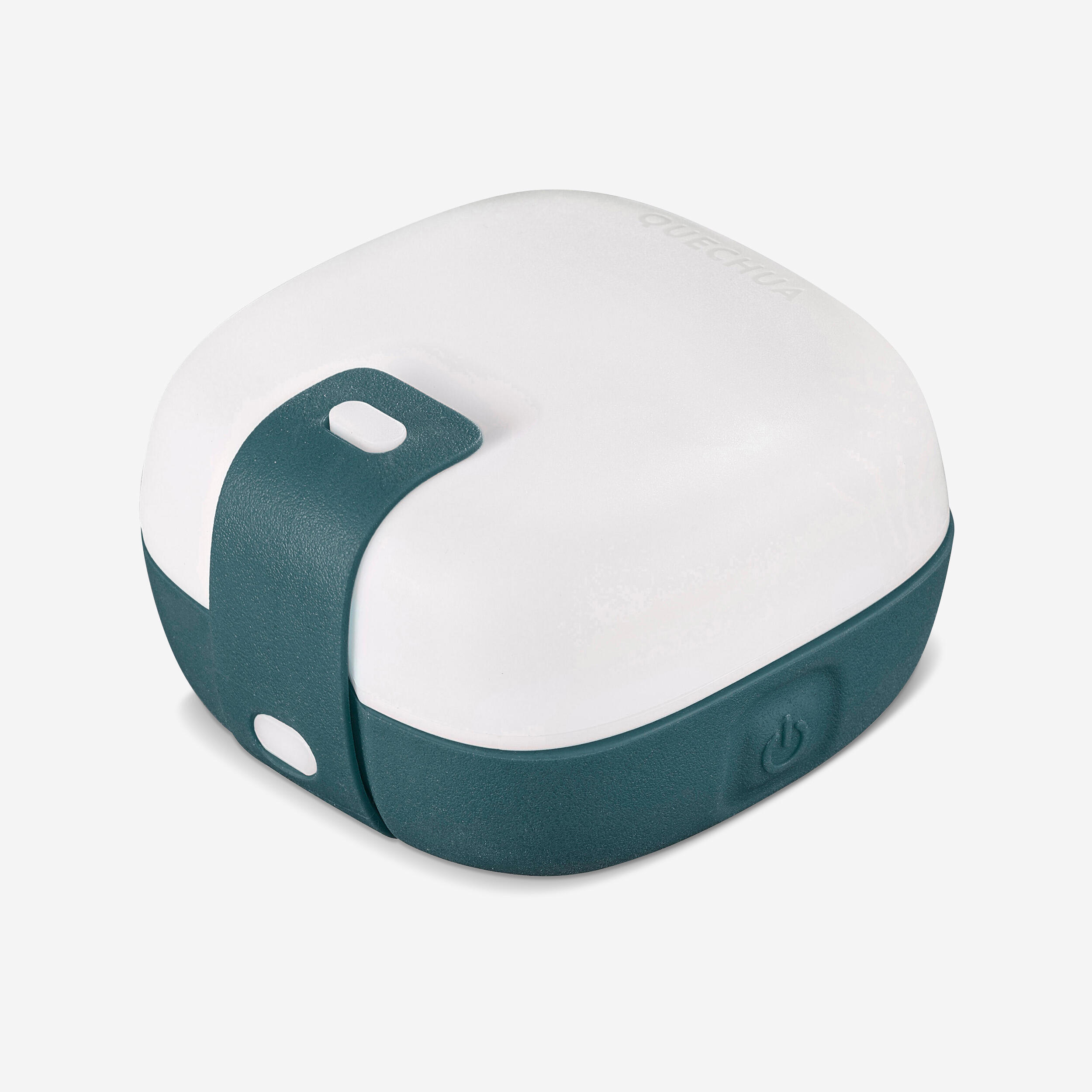
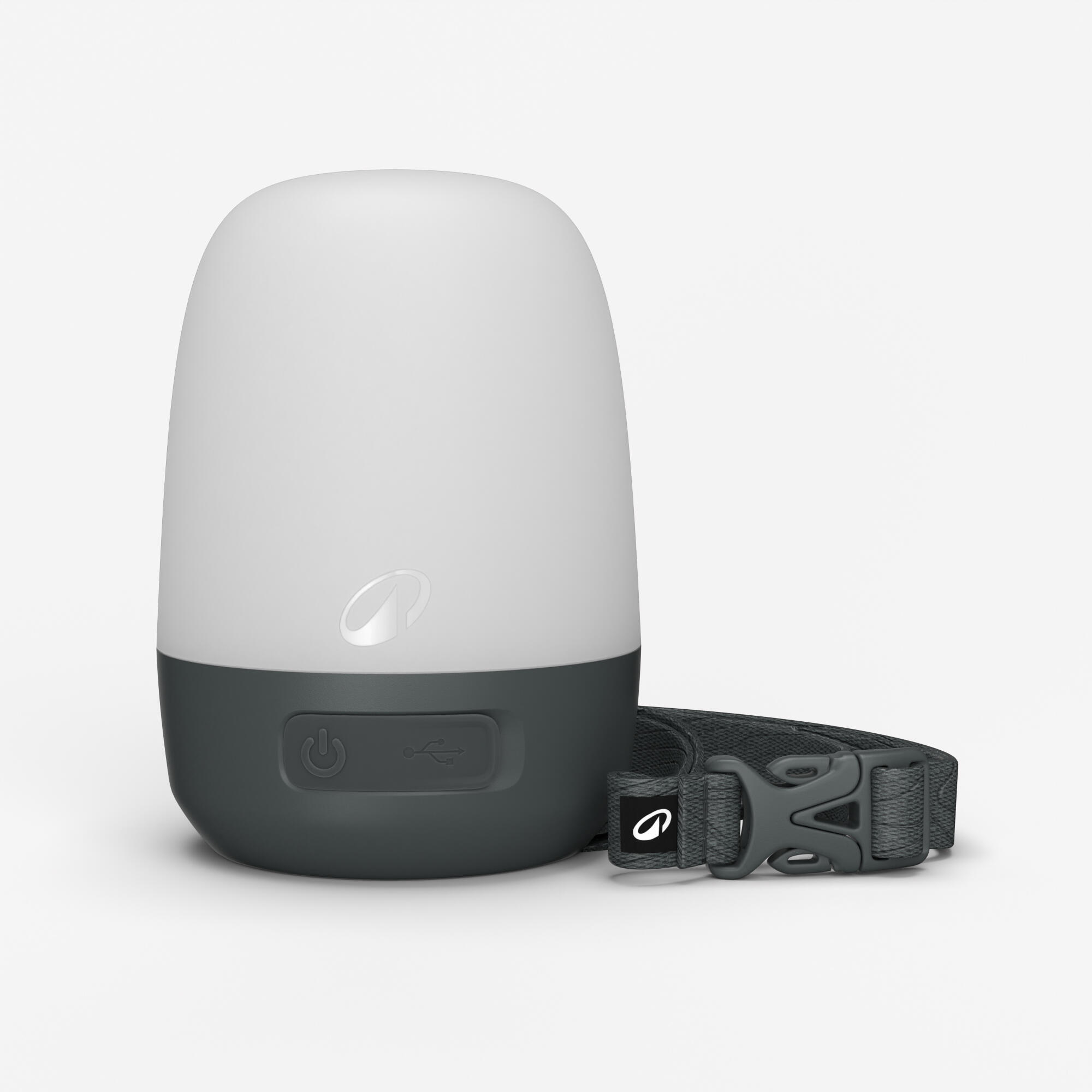
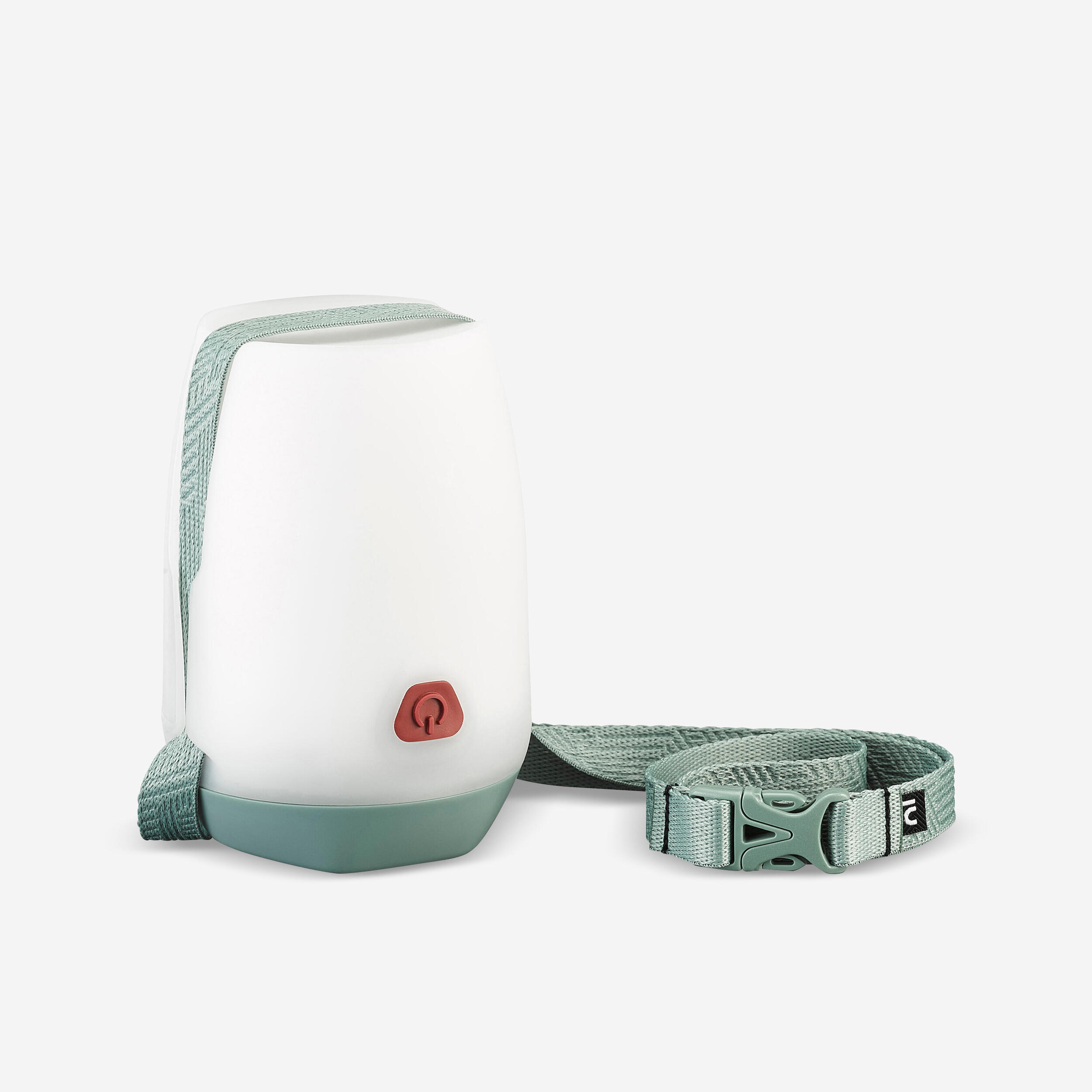
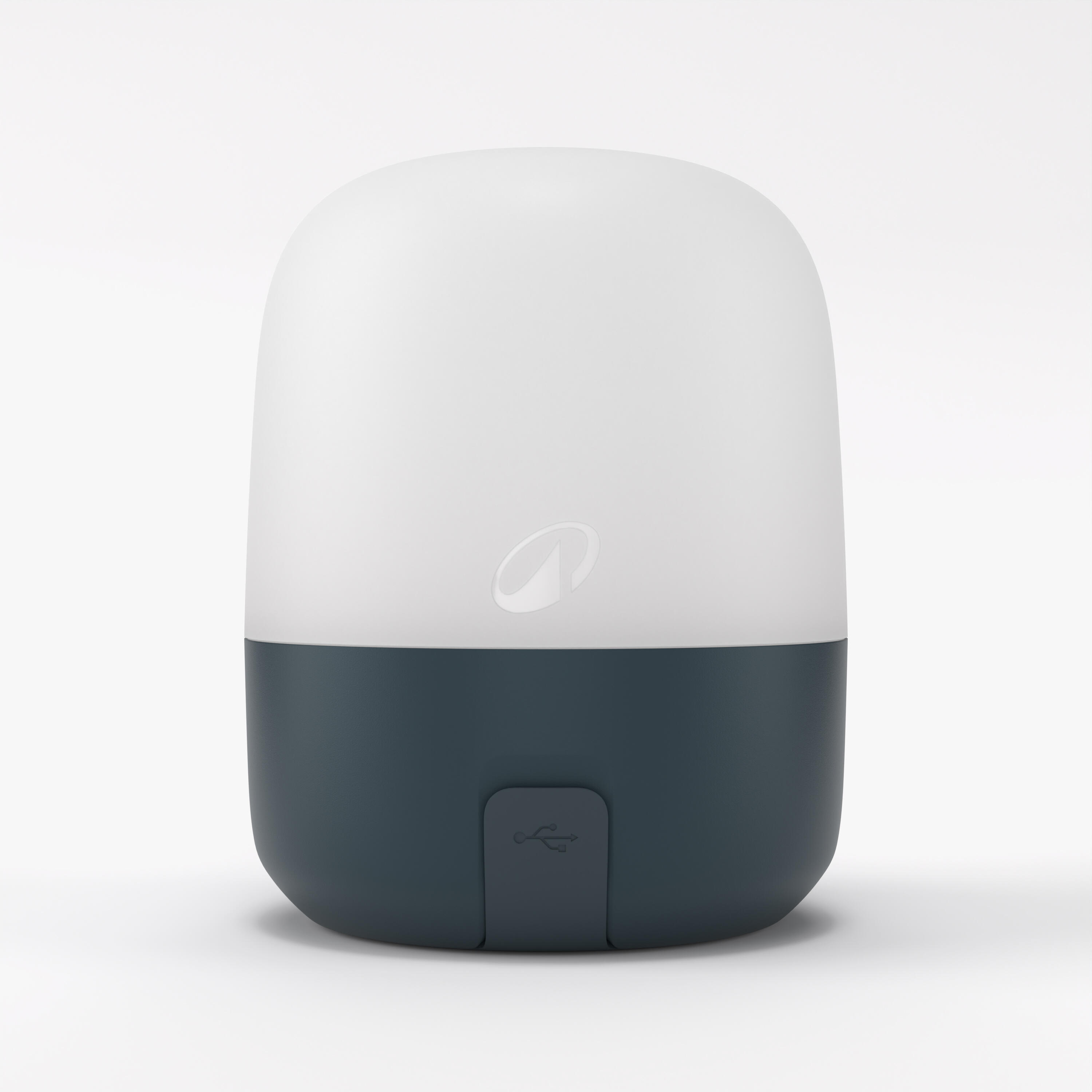
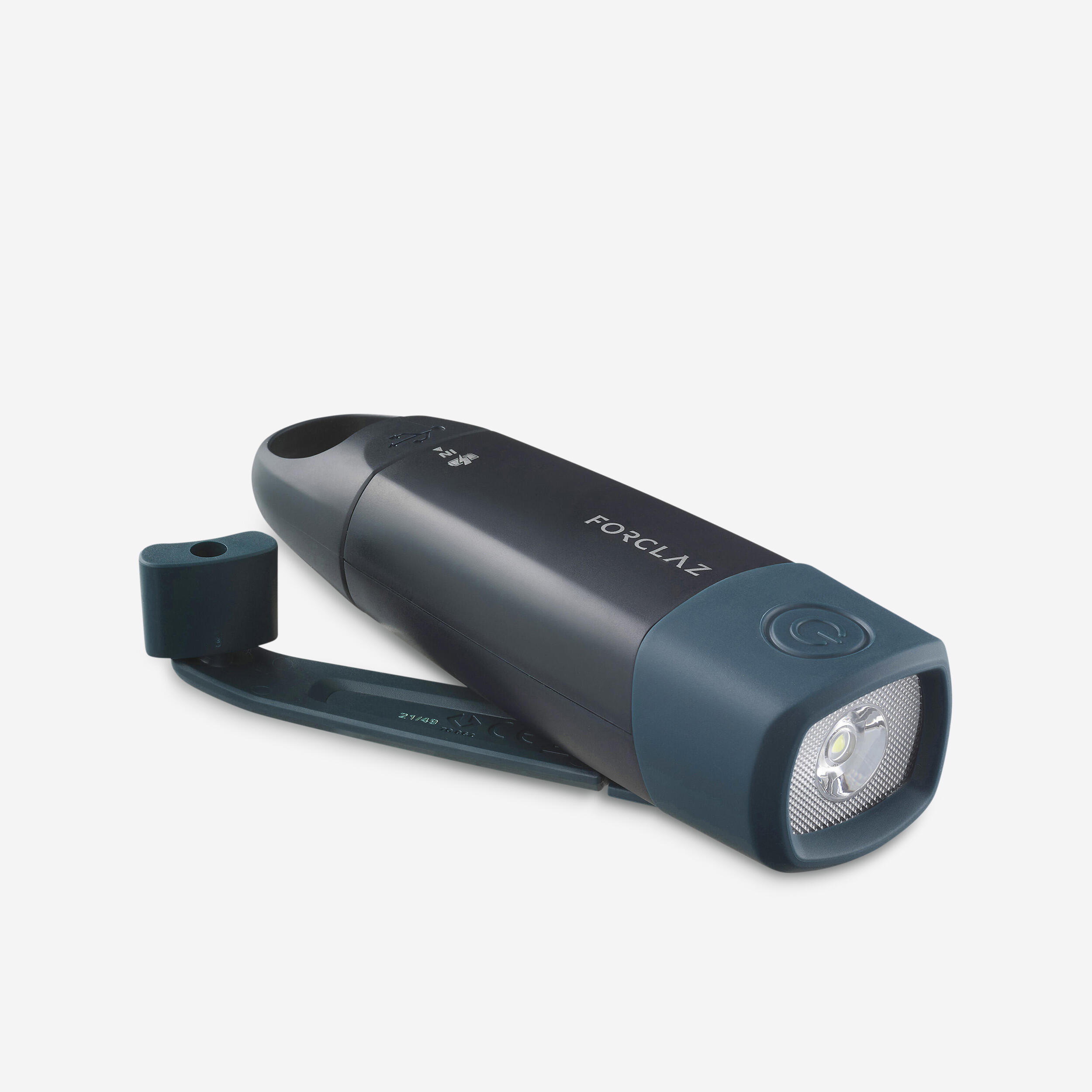
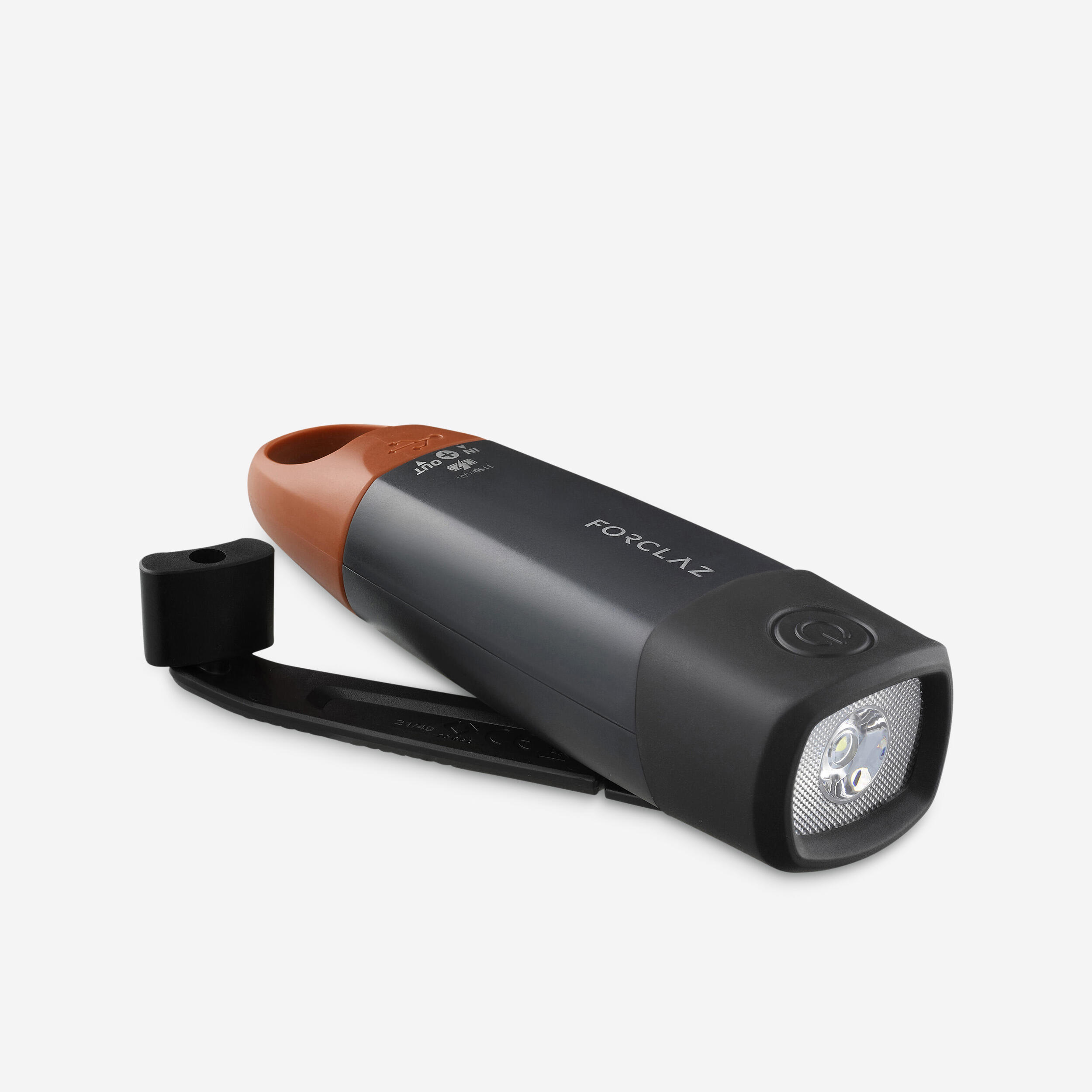
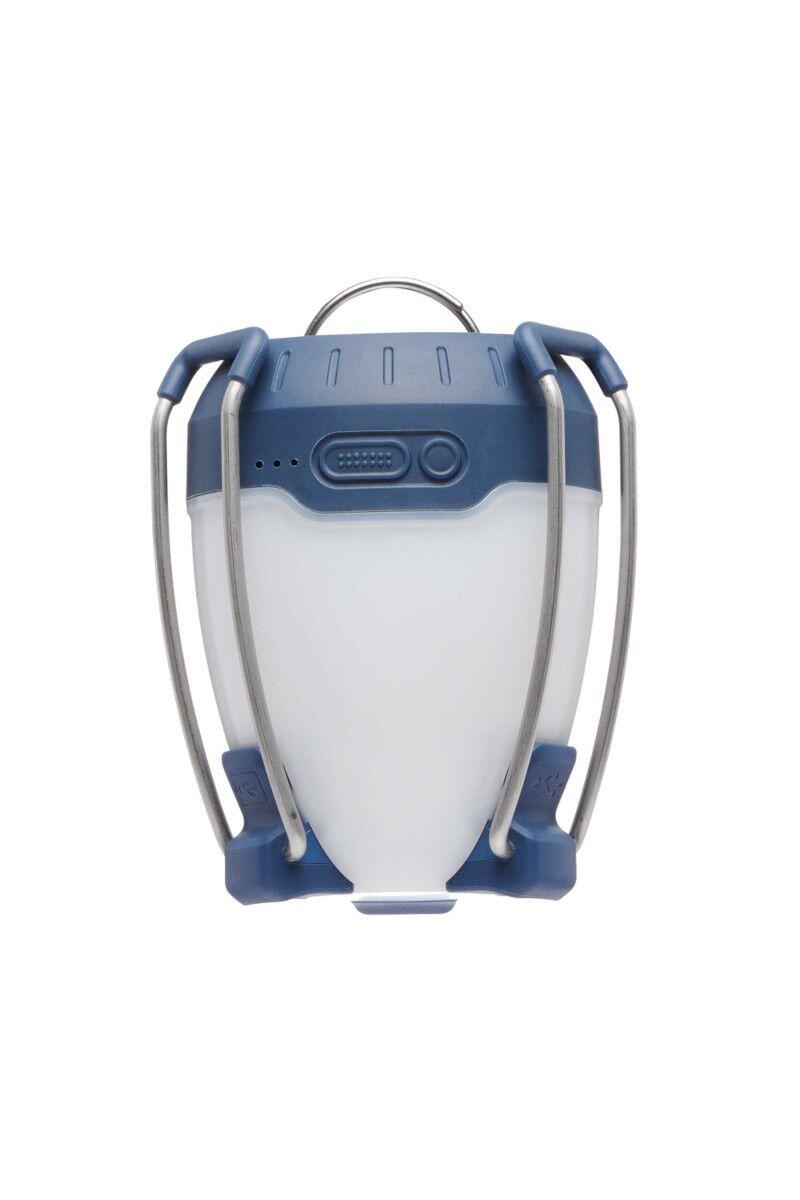
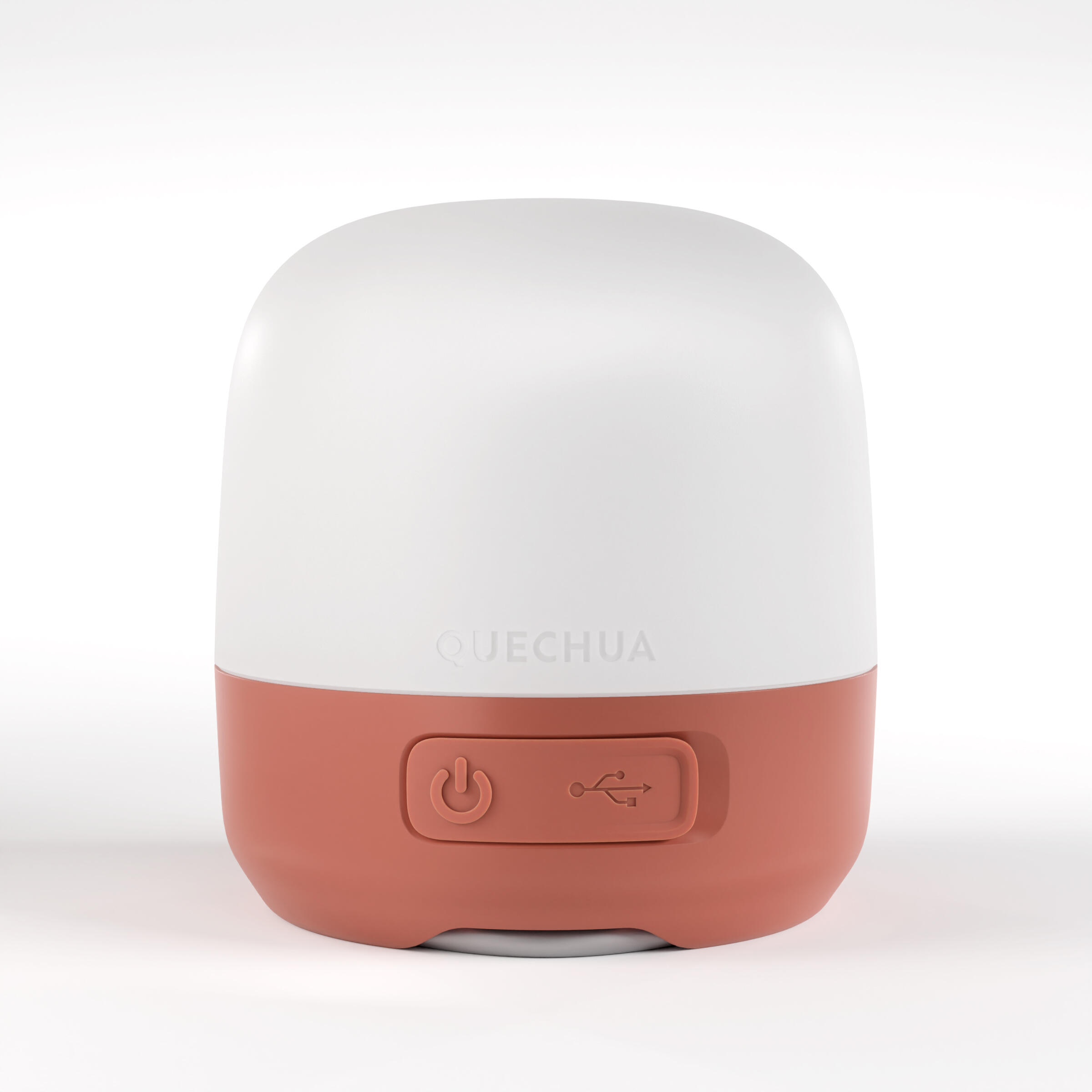
QUECHUA Rechargeable Dynamo camping lamp, 60 lumens, BL604.8(1,019)Reviews.votesAriaCurrent price {{currentPrice}} €18.00
New Lower Price New Lower Price2 coloursNew Lower PriceQUECHUA 100lm battery-operated camping lamp BL1004.8(2,373)Reviews.votesAria2 coloursCurrent price {{currentPrice}} €10.00 Former price Was €12.00Lowest price: €12.00
2 coloursQUECHUA 40lm battery-operated camping lamp BL404.8(1,772)Reviews.votesAria2 coloursCurrent price {{currentPrice}} €6.00
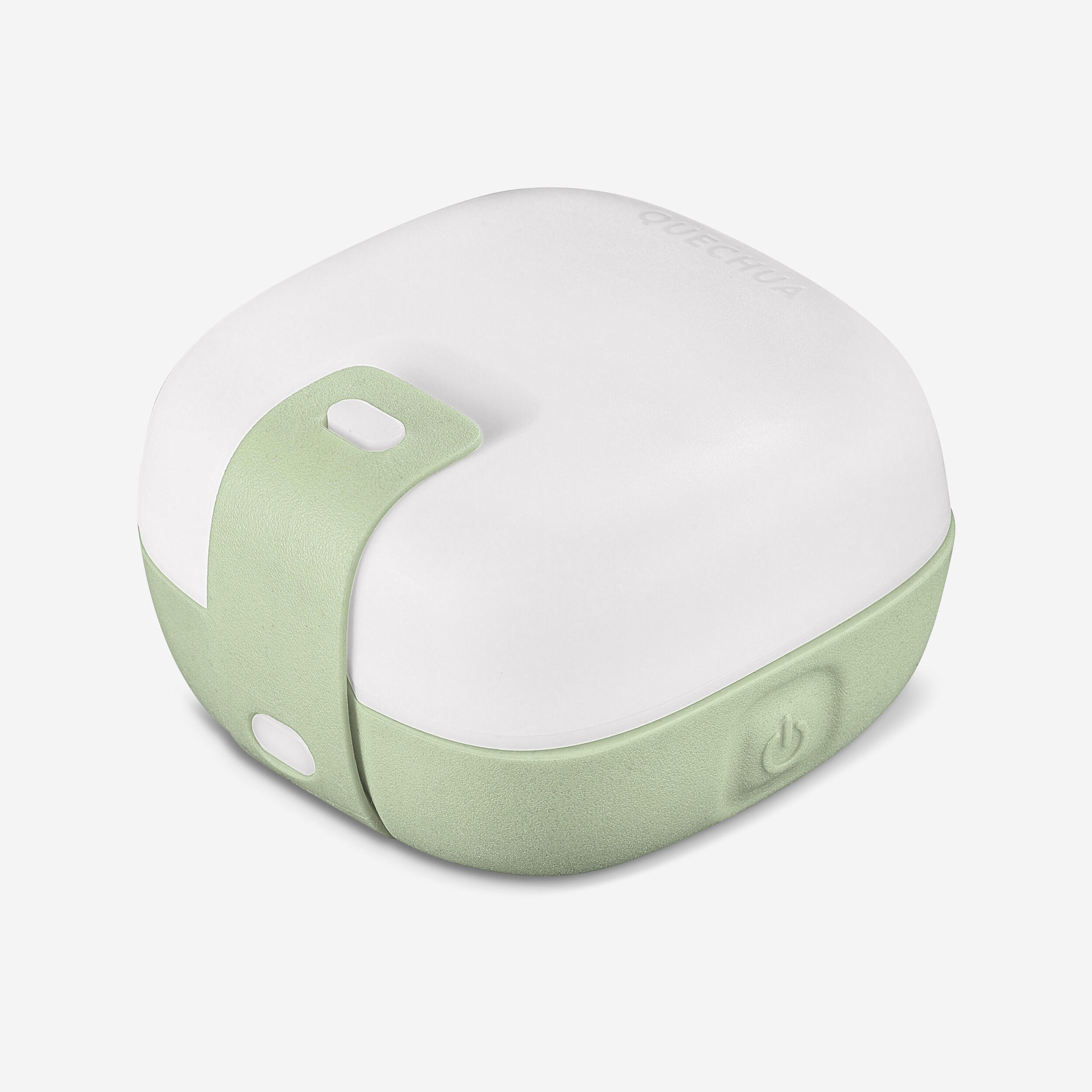
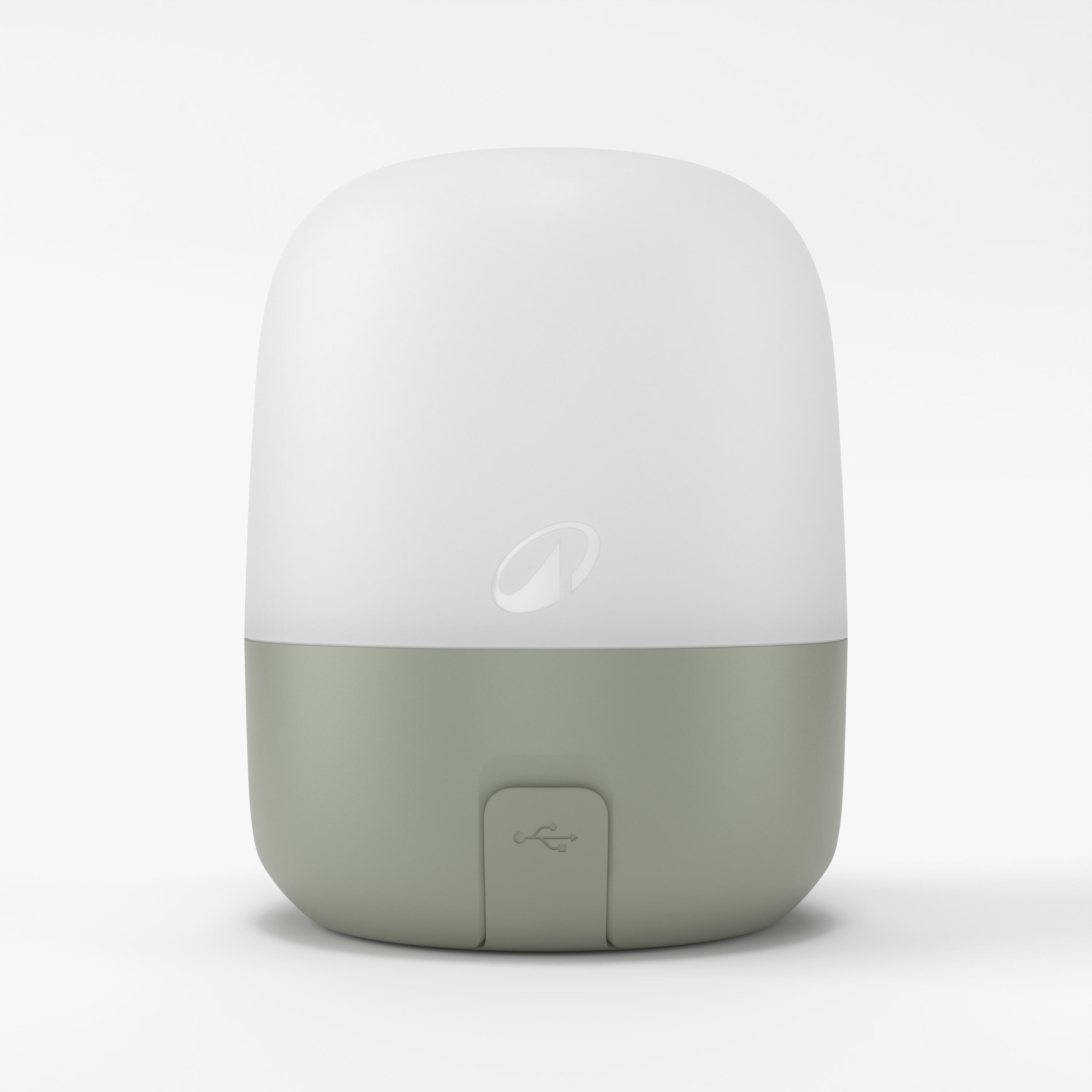
New Lower Price New Lower PriceNew Lower PriceQUECHUA USB rechargeable camping lamp, 120 lumens, BL120 green4.8(102)Reviews.votesAriaCurrent price {{currentPrice}} €21.00 Former price Was €25.00Lowest price: €25.00
New Lower Price New Lower Price2 coloursNew Lower PriceQUECHUA 100 lumen battery-operated camping lamp, BL1004.8(2,373)Reviews.votesAria2 coloursCurrent price {{currentPrice}} €10.00 Former price Was €12.00Lowest price: €12.00
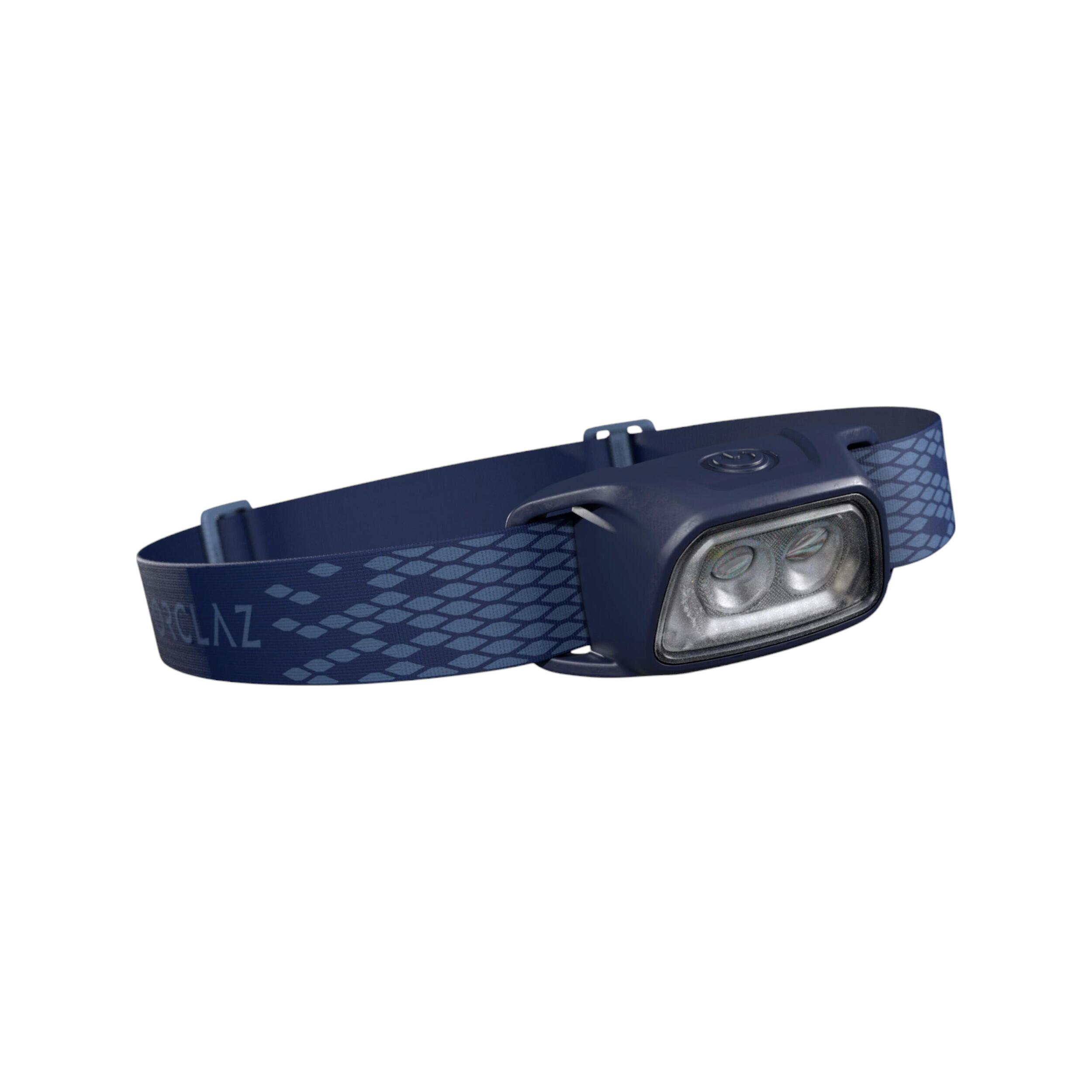
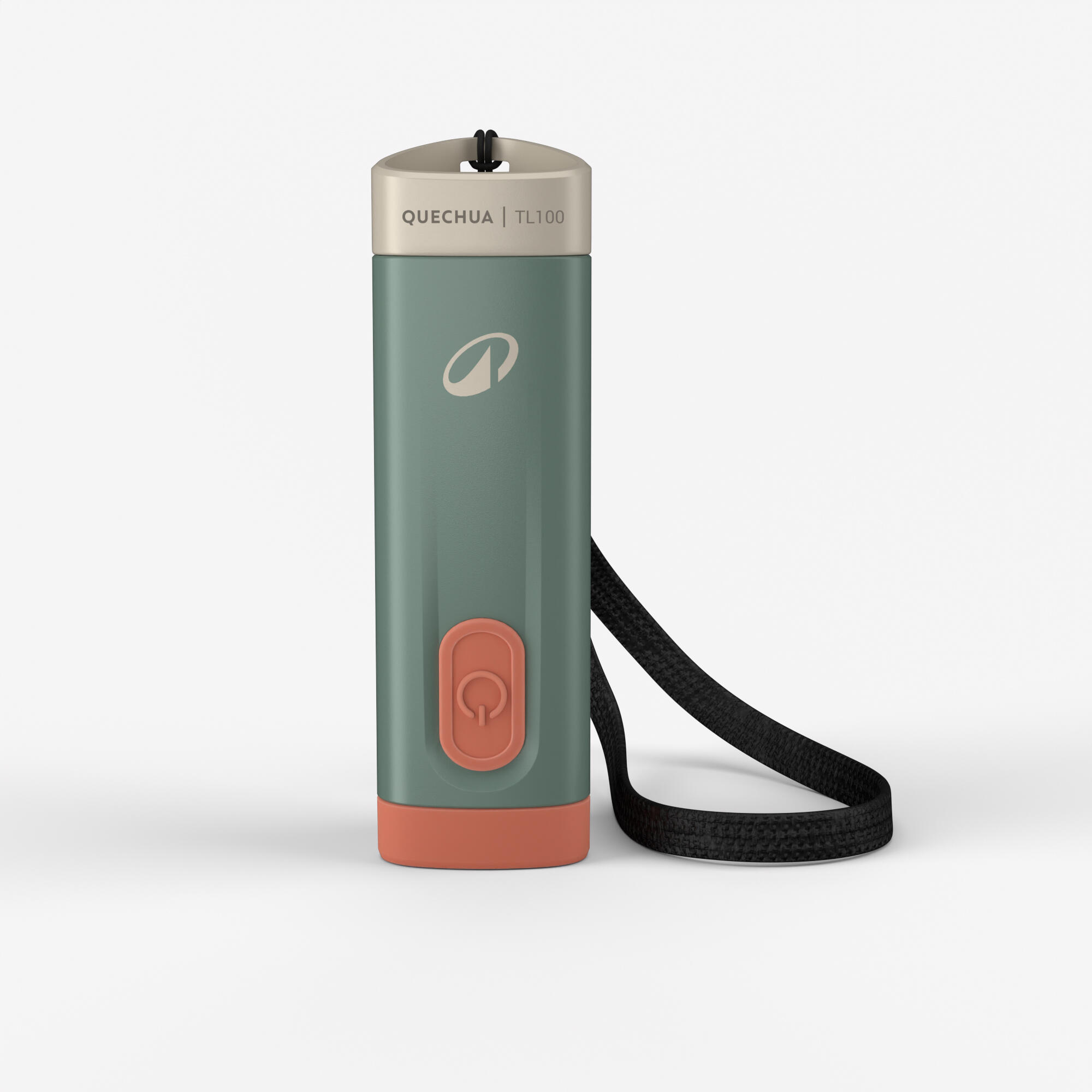
3 coloursFORCLAZ Battery-operated Torch - 100 lumen - TL100 - Khaki4.8(1,267)Reviews.votesAria3 coloursCurrent price {{currentPrice}} €10.00
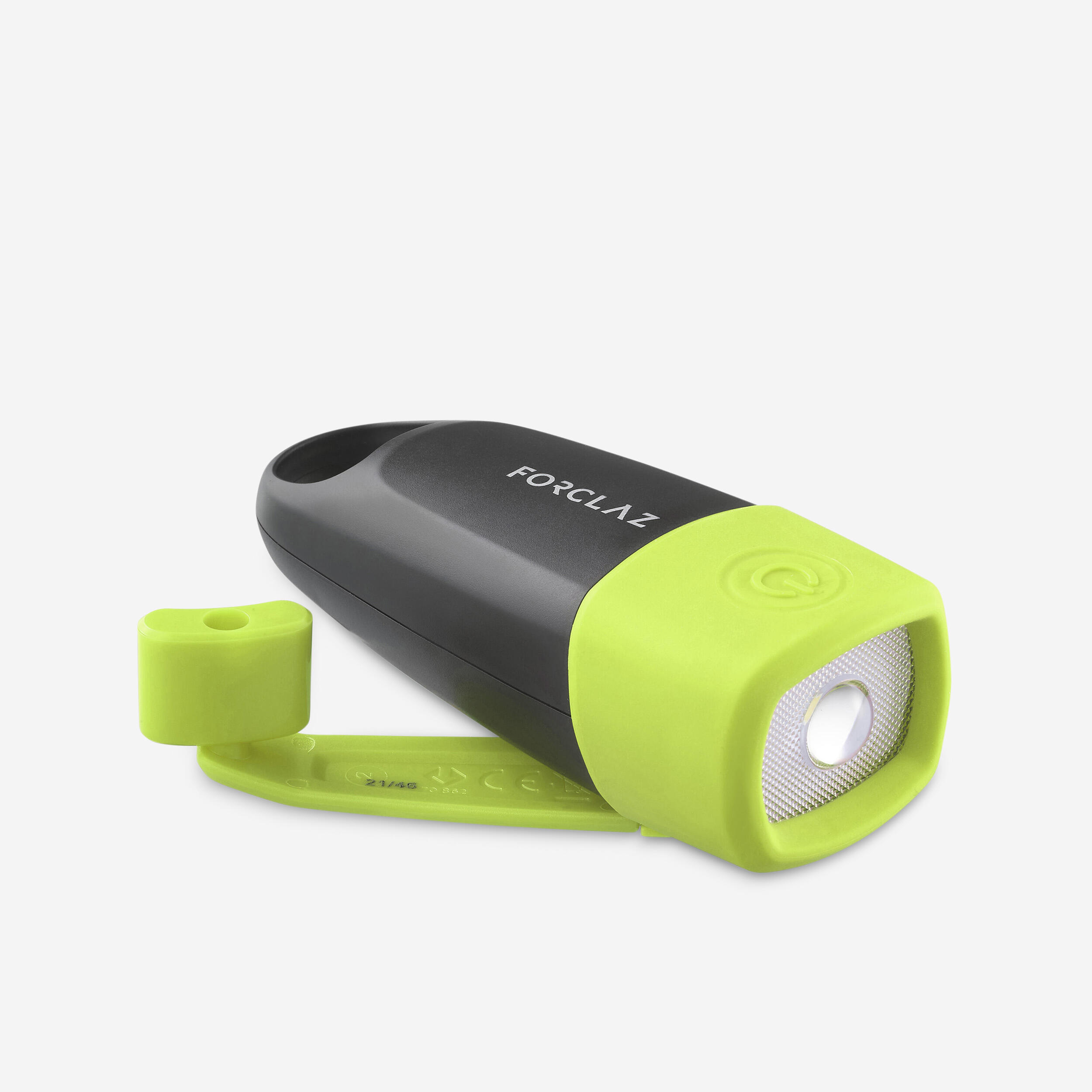
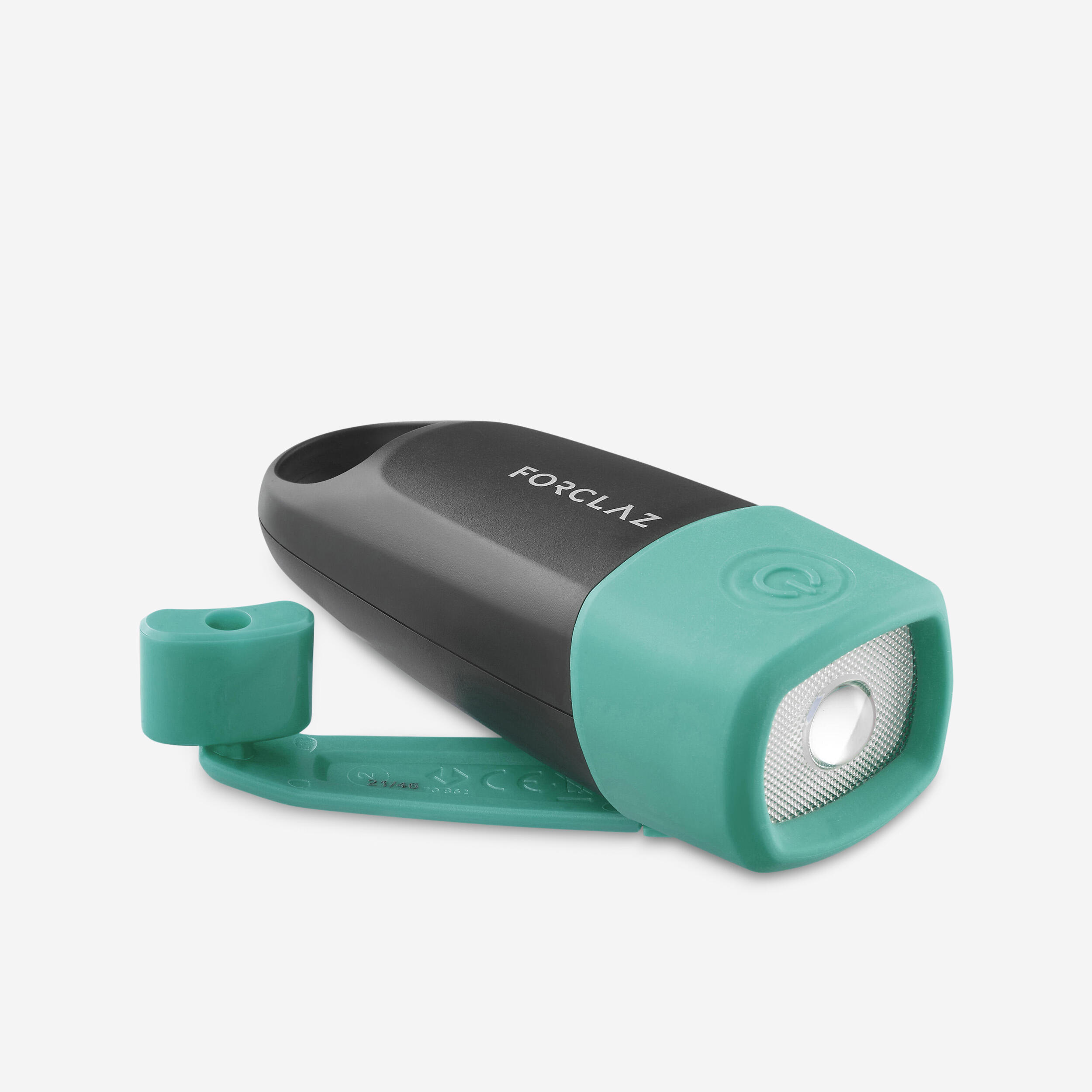
2 coloursFORCLAZ 15lm dynamo torchlight DYNAMO 1004.6(589)Reviews.votesAria2 coloursCurrent price {{currentPrice}} €9.00
2 coloursFORCLAZ 15lm dynamo torchlight DYNAMO 1004.6(589)Reviews.votesAria2 coloursCurrent price {{currentPrice}} €9.00
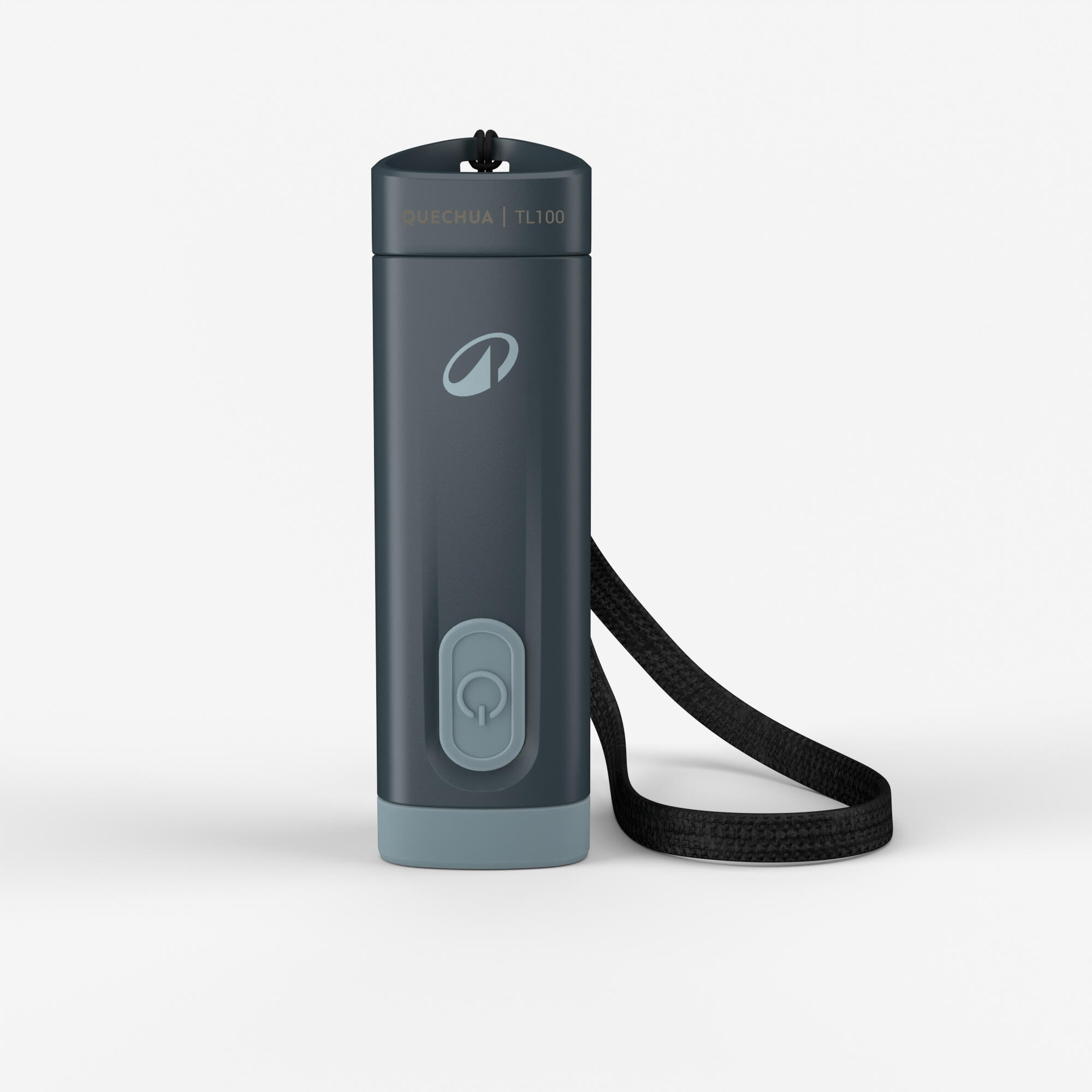
3 coloursFORCLAZ Battery-operated Torch - 100 lumen - TL100 - Blue4.8(1,267)Reviews.votesAria3 coloursCurrent price {{currentPrice}} €10.00
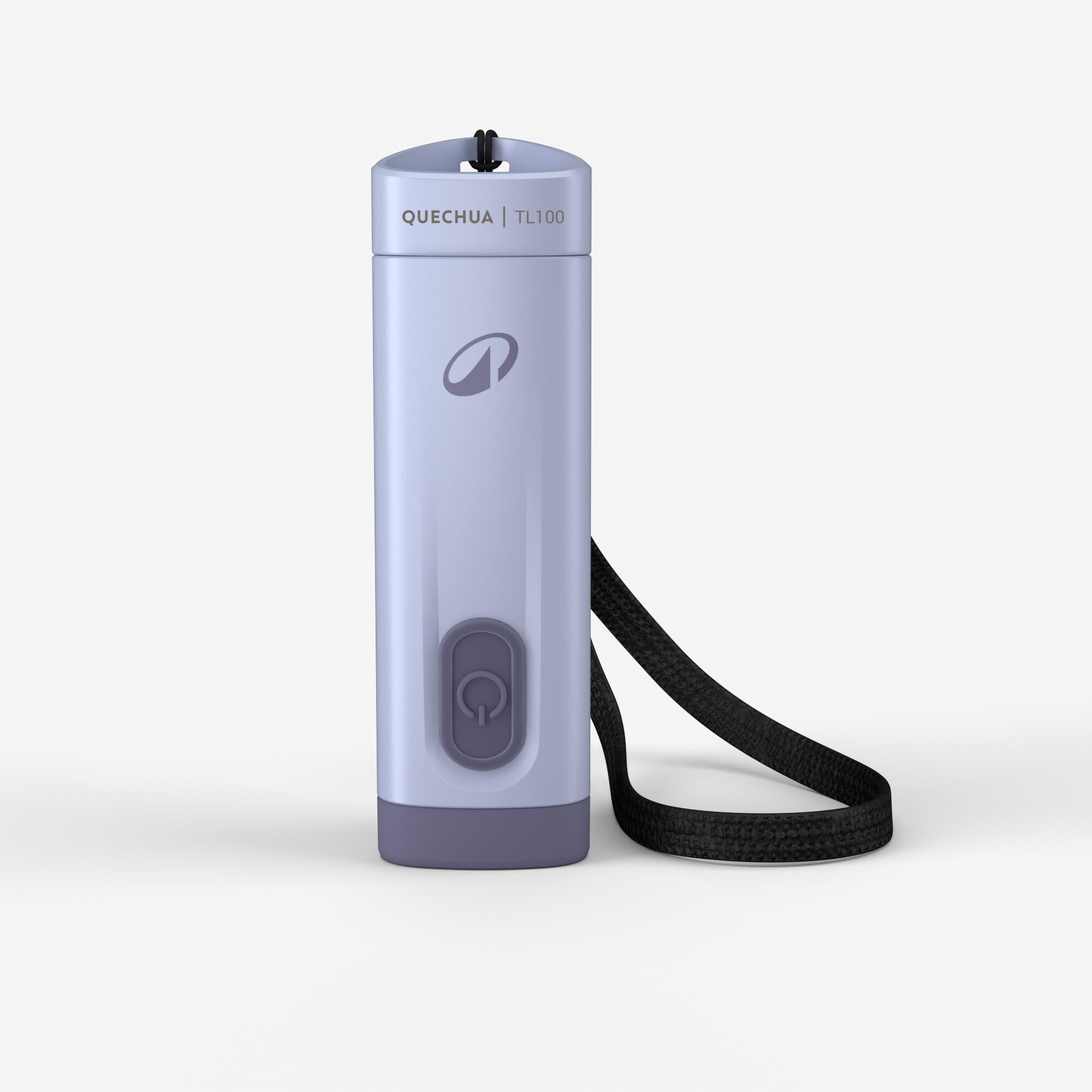
3 coloursFORCLAZ Battery-operated Torch - 100 lumen - TL100 - Purple4.8(1,267)Reviews.votesAria3 coloursCurrent price {{currentPrice}} €10.00
2 coloursQUECHUA Battery-operated camping lamp, 40 lumens, BL404.8(1,772)Reviews.votesAria2 coloursCurrent price {{currentPrice}} €6.00
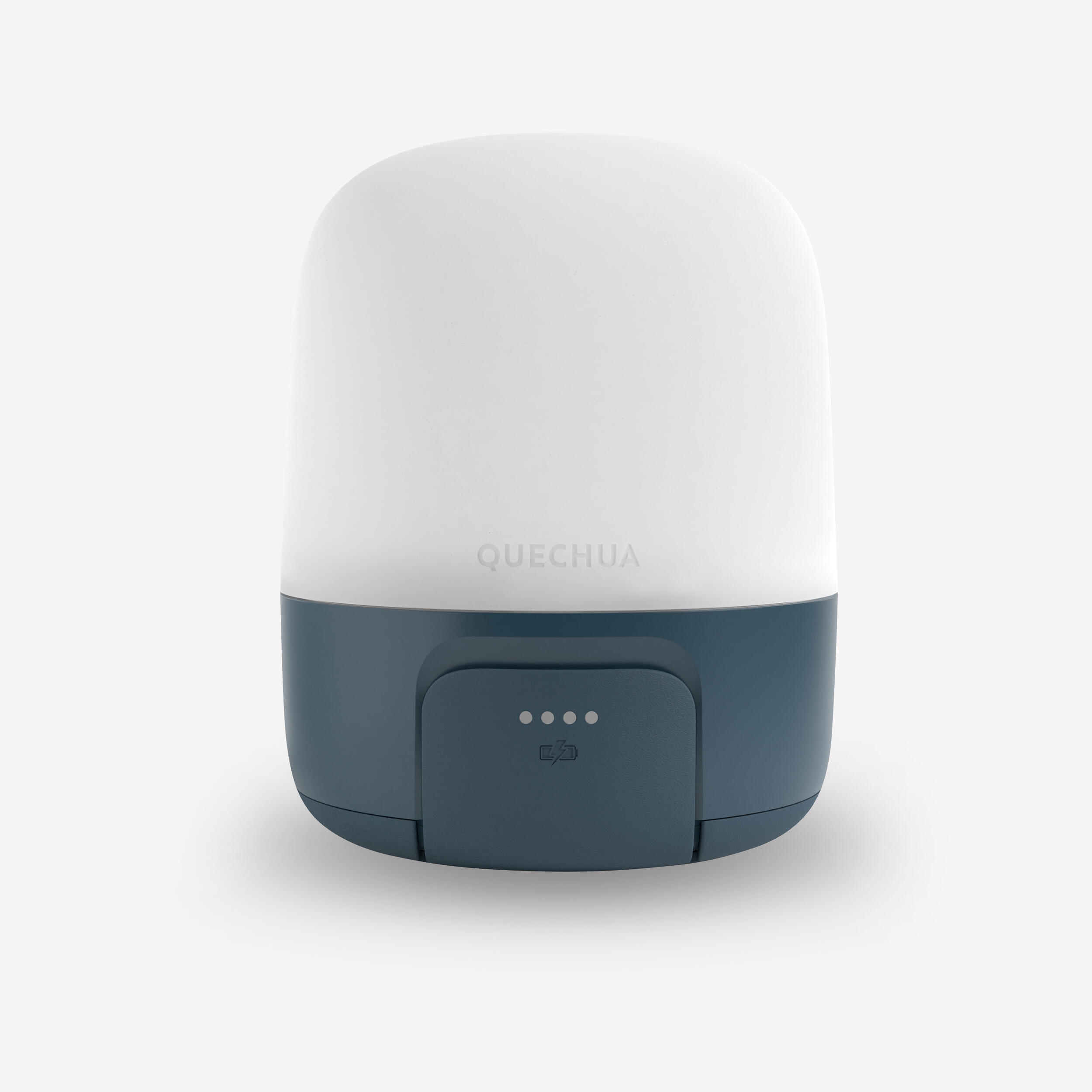
2 coloursQUECHUA Rechargeable camping lamp, 200 lumens, BL2004.8(874)Reviews.votesAria2 coloursCurrent price {{currentPrice}} €30.00
QUECHUA 400lm rechargeable camping lamp and external battery BL4004.8(204)Reviews.votesAriaCurrent price {{currentPrice}} €55.00
2 coloursQUECHUA Rechargeable camping lamp, 200 lumens, BL2004.8(874)Reviews.votesAria2 coloursCurrent price {{currentPrice}} €30.00
FORCLAZ 150lm rechargeable torchlight with dynamo DYNAMO 5004.7(501)Reviews.votesAriaCurrent price {{currentPrice}} €15.00
FORCLAZ Rechargeable torchlight and external battery - 210 lumen - DYNAMO 900 PWB4.8(139)Reviews.votesAriaCurrent price {{currentPrice}} €26.00
Marketplace -Online Only Marketplace -Online OnlyMarketplace -Online OnlyBLACK DIAMOND Black Diamond Men's Sports LampCurrent price {{currentPrice}} €65.75Sold and shipped by Super Merchant EUR
QUECHUA Rechargeable Dynamo camping lamp, 60 lumens, BL604.8(1,019)Reviews.votesAriaCurrent price {{currentPrice}} €19.00
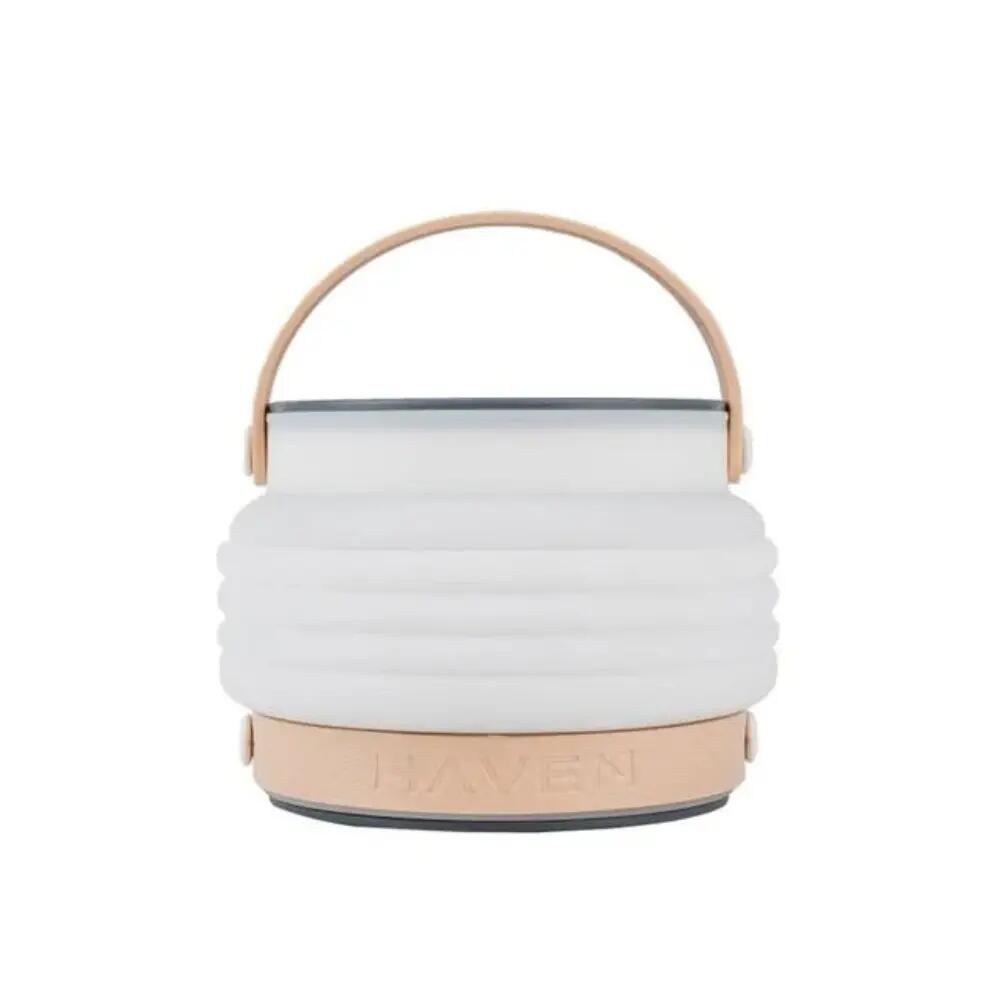
Marketplace -Online Only Marketplace -Online OnlyMarketplace -Online OnlyHAVEN Haven 3 in 1 Solar Lantaarn 6000 WitCurrent price {{currentPrice}} €69.96€23.32/unitSold and shipped by Outdoor Food
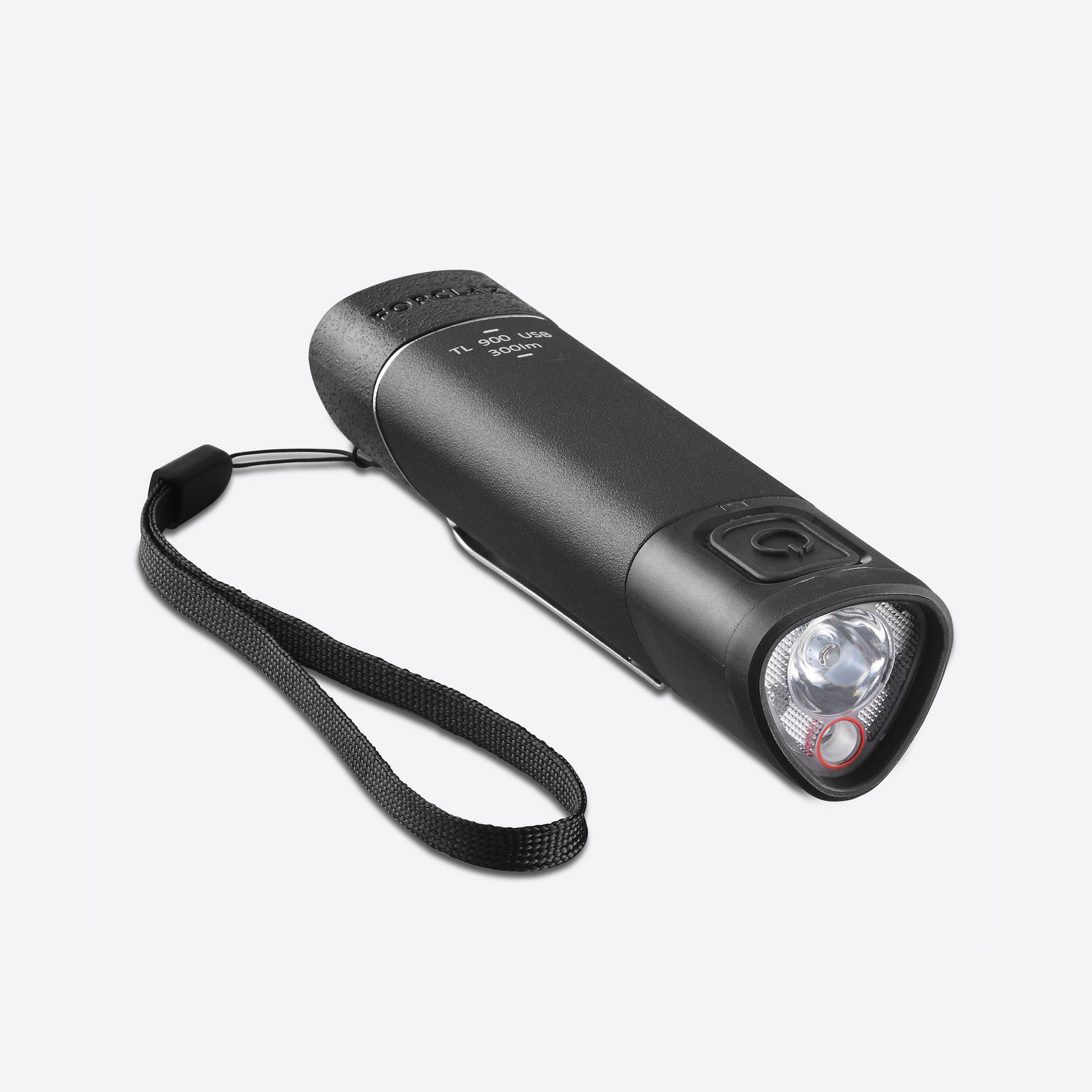
Last chance Last chanceLast chanceFORCLAZ Rechargeable torchlight - 300 lumen - TL9004.7(121)Reviews.votesAriaCurrent price {{currentPrice}} €30.00
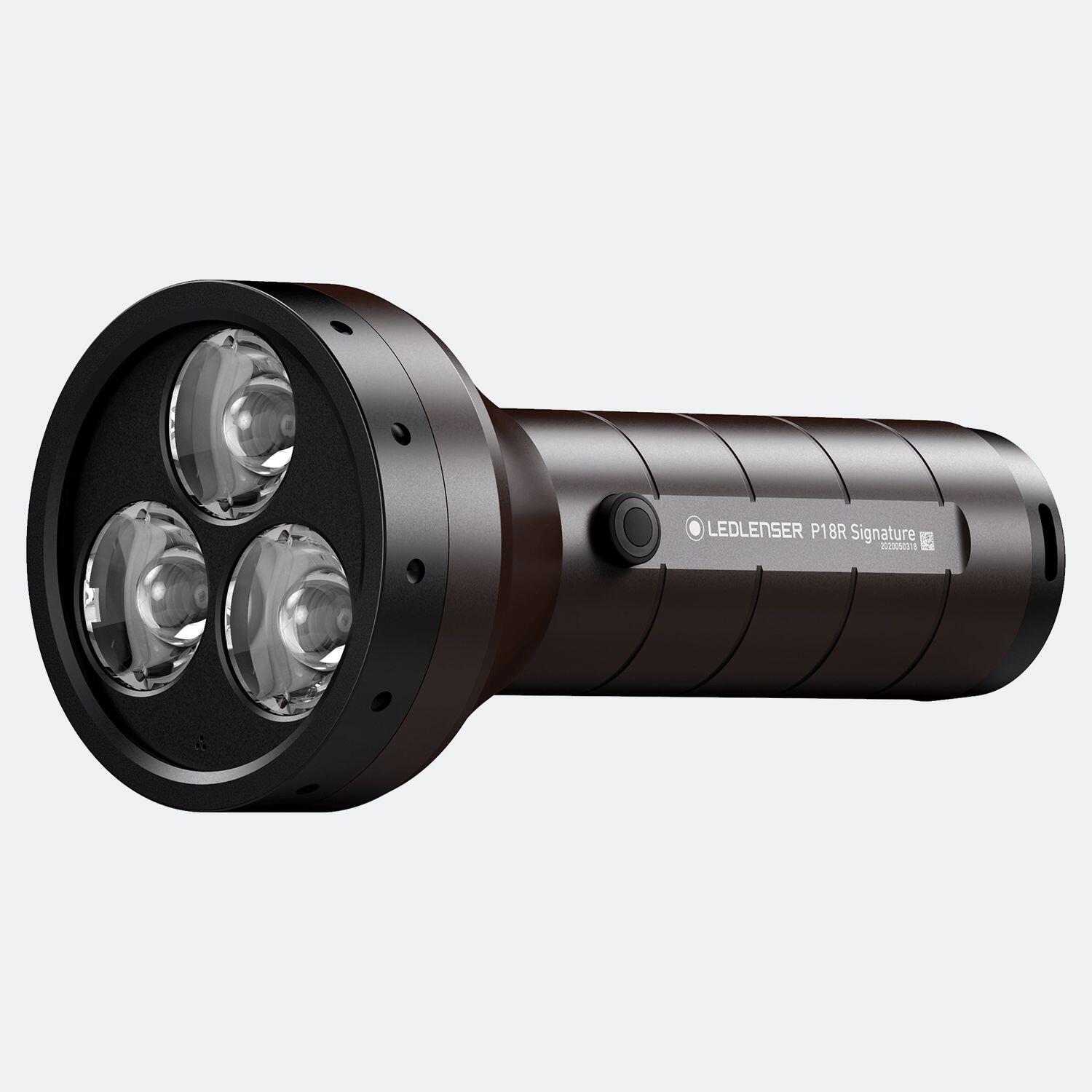
Marketplace -Online Only Marketplace -Online OnlyMarketplace -Online OnlyLEDLENSER P18R Signature Torch Rechargeable 4500lm LED Up To 70 Hours Run Time, WaterproofCurrent price {{currentPrice}} €227.50€227.50/unitSold and shipped by Sports Lab IE
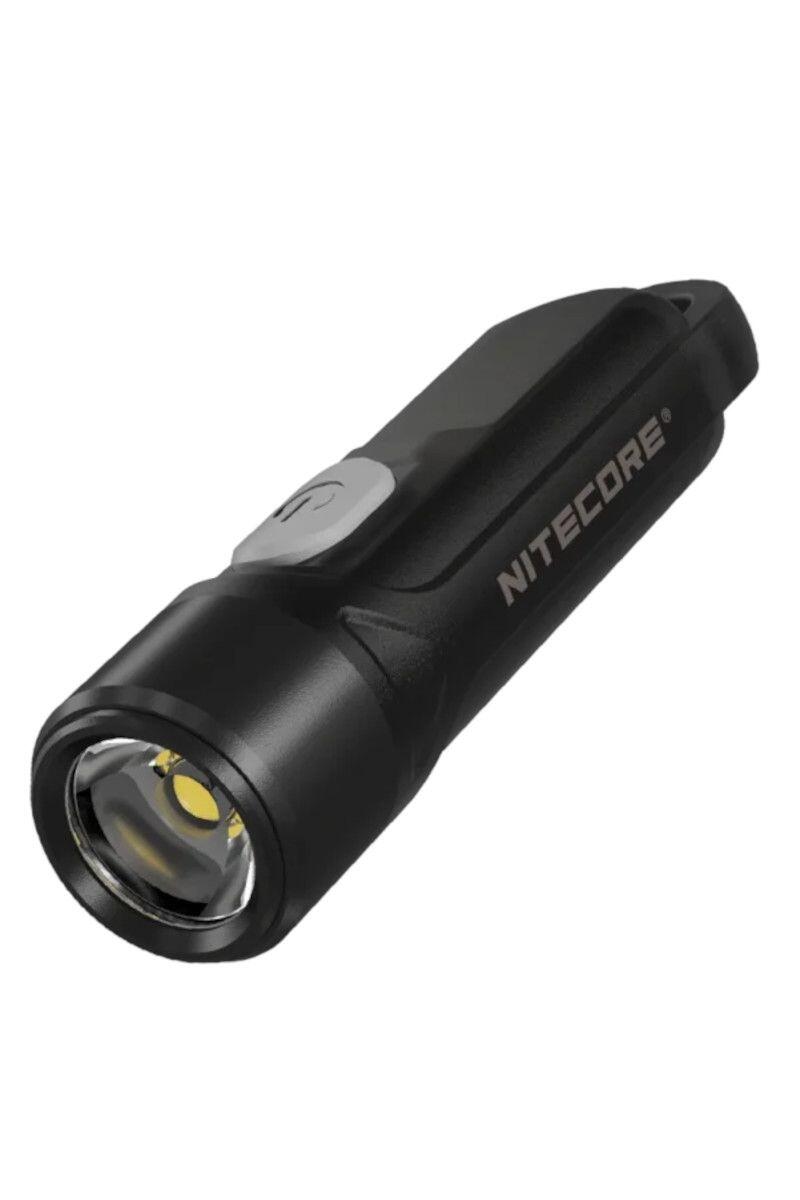
Marketplace -Online Only Marketplace -Online OnlyMarketplace -Online OnlyNITECORE Torch LED Nitecore TIKI LECurrent price {{currentPrice}} €34.46Sold and shipped by Super Merchant EUR
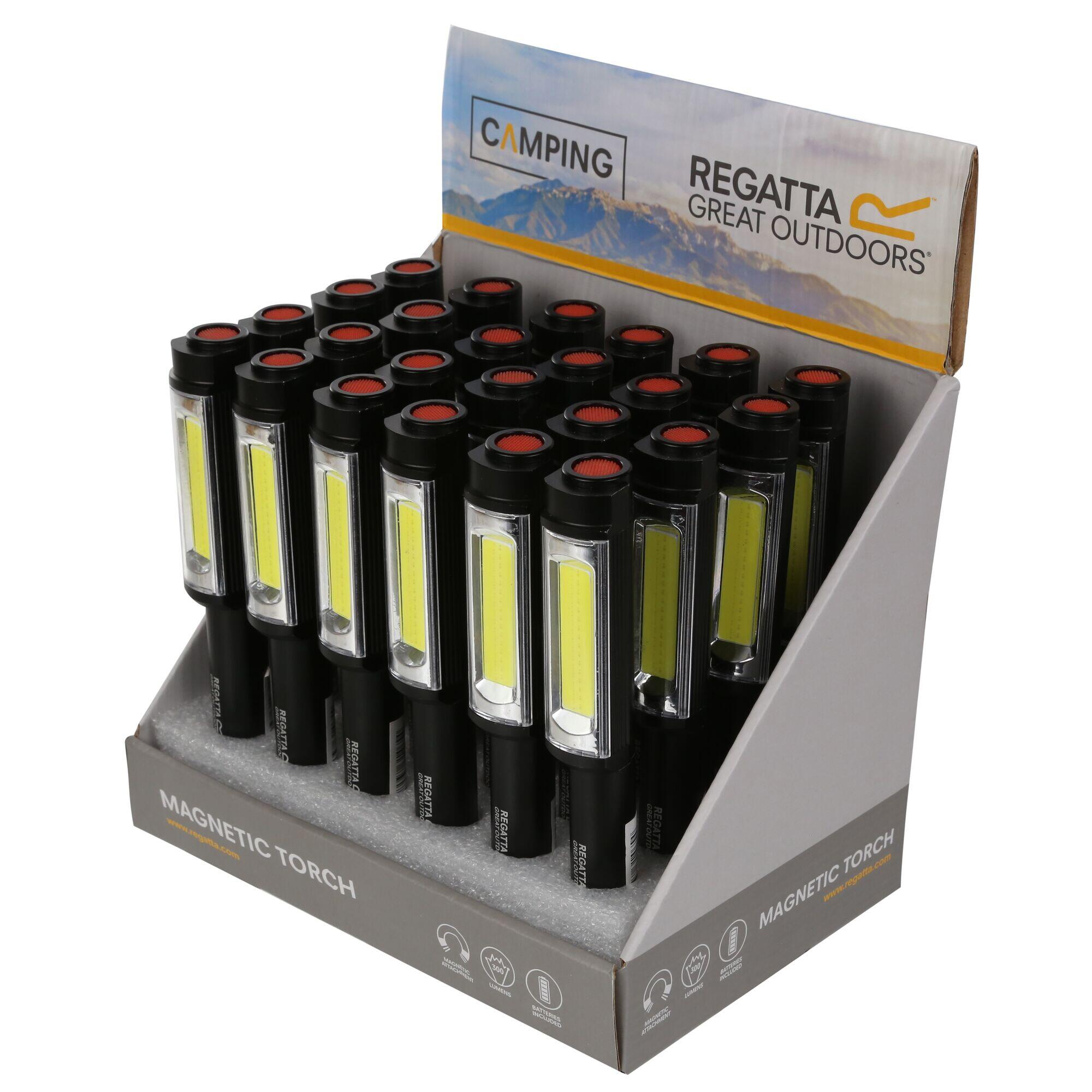
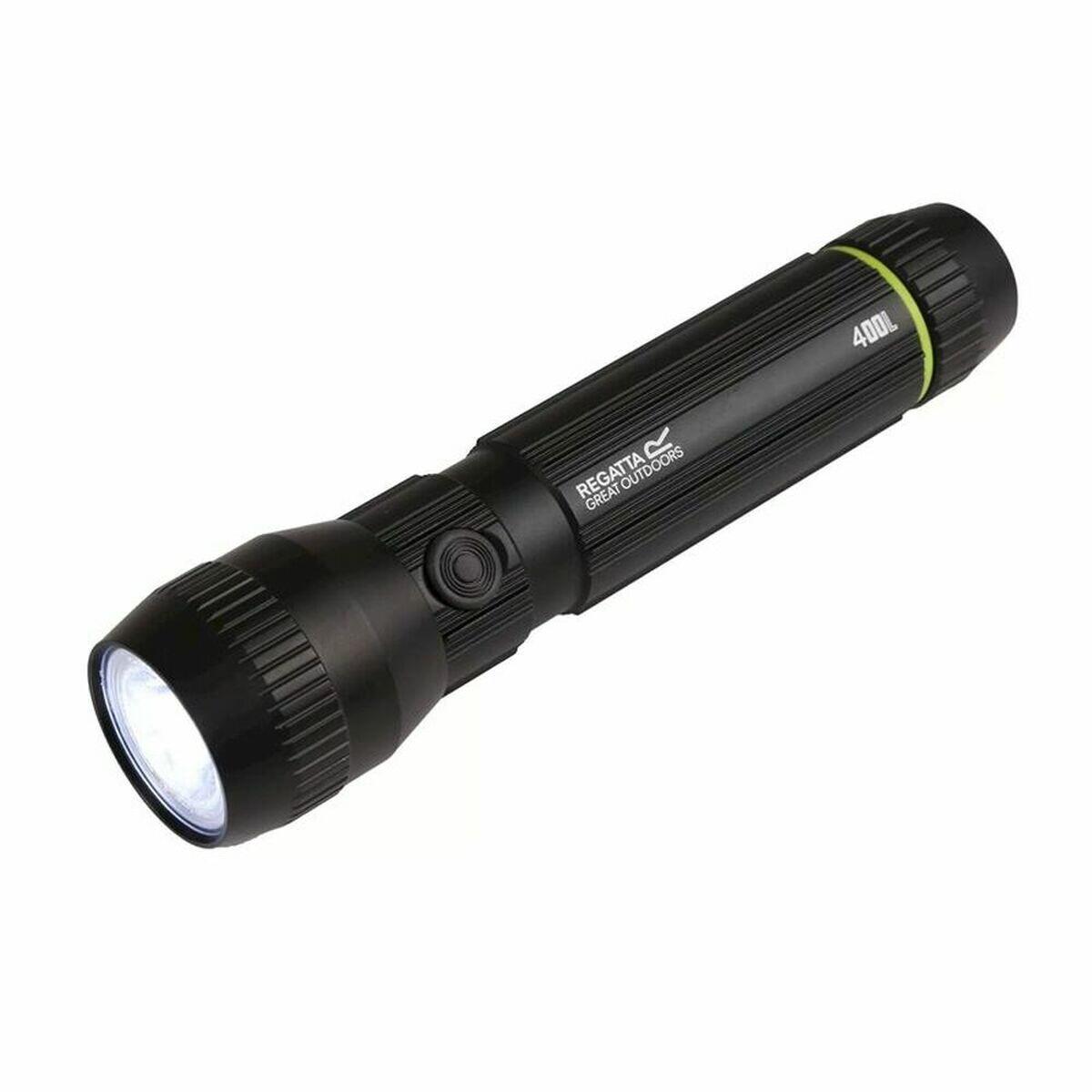
Marketplace -Online Only Marketplace -Online OnlyMarketplace -Online OnlyREGATTA Regatta Magnetic Torch 300 Lumen BlackCurrent price {{currentPrice}} €15.35Sold and shipped by Sports Lab IE
SOLOGNAC Hunting torch, 900 lumens, USB rechargeable4.7(125)Reviews.votesAriaCurrent price {{currentPrice}} €46.00
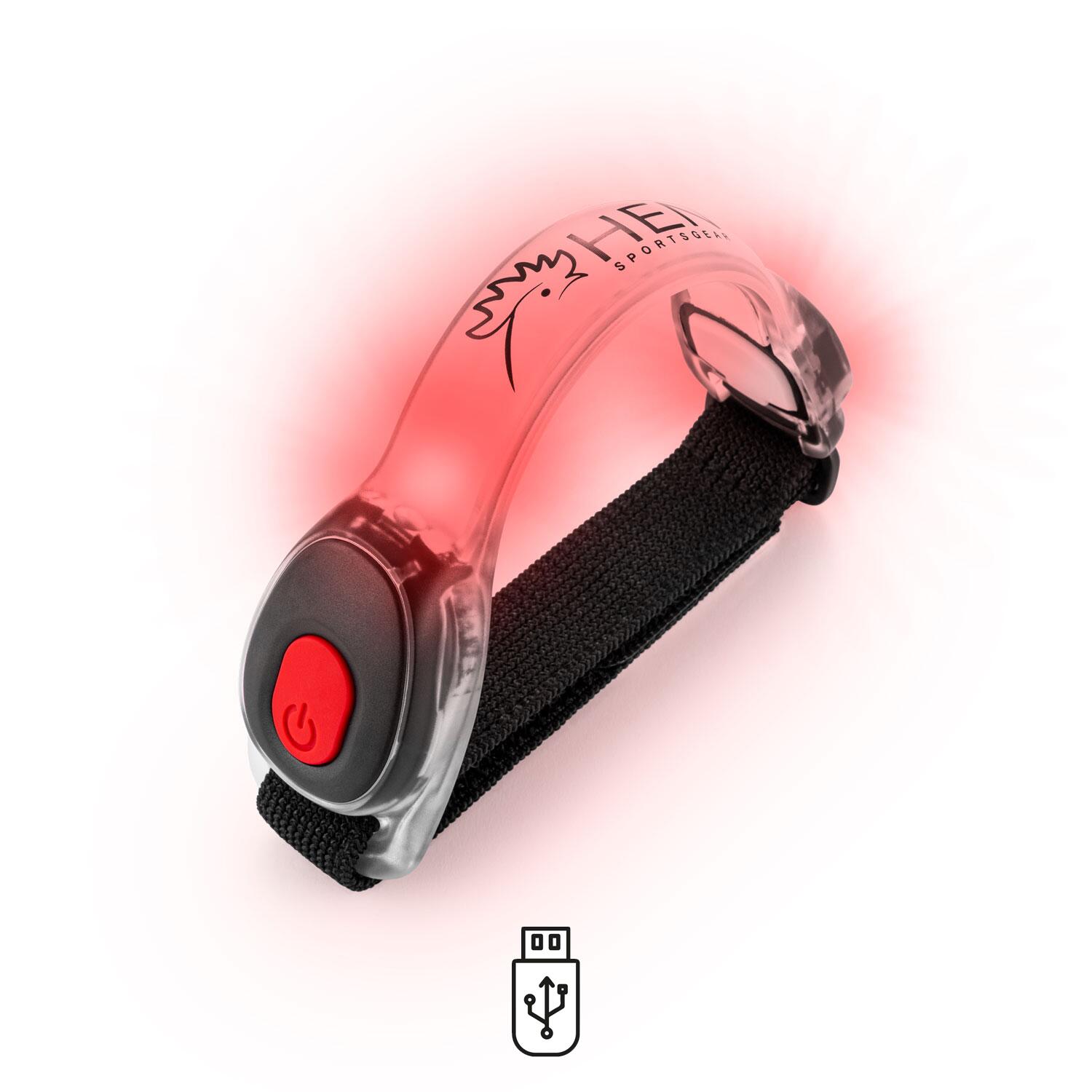
Marketplace -Online Only Marketplace -Online Only2 coloursMarketplace -Online OnlyHEN SPORTSGEAR LED - Bracelet Lighting - Running Lights - Red, USB Rechargeable4(1)Reviews.votesAria2 coloursCurrent price {{currentPrice}} €27.99€27.99/unitSold and shipped by Hen Sportsgear
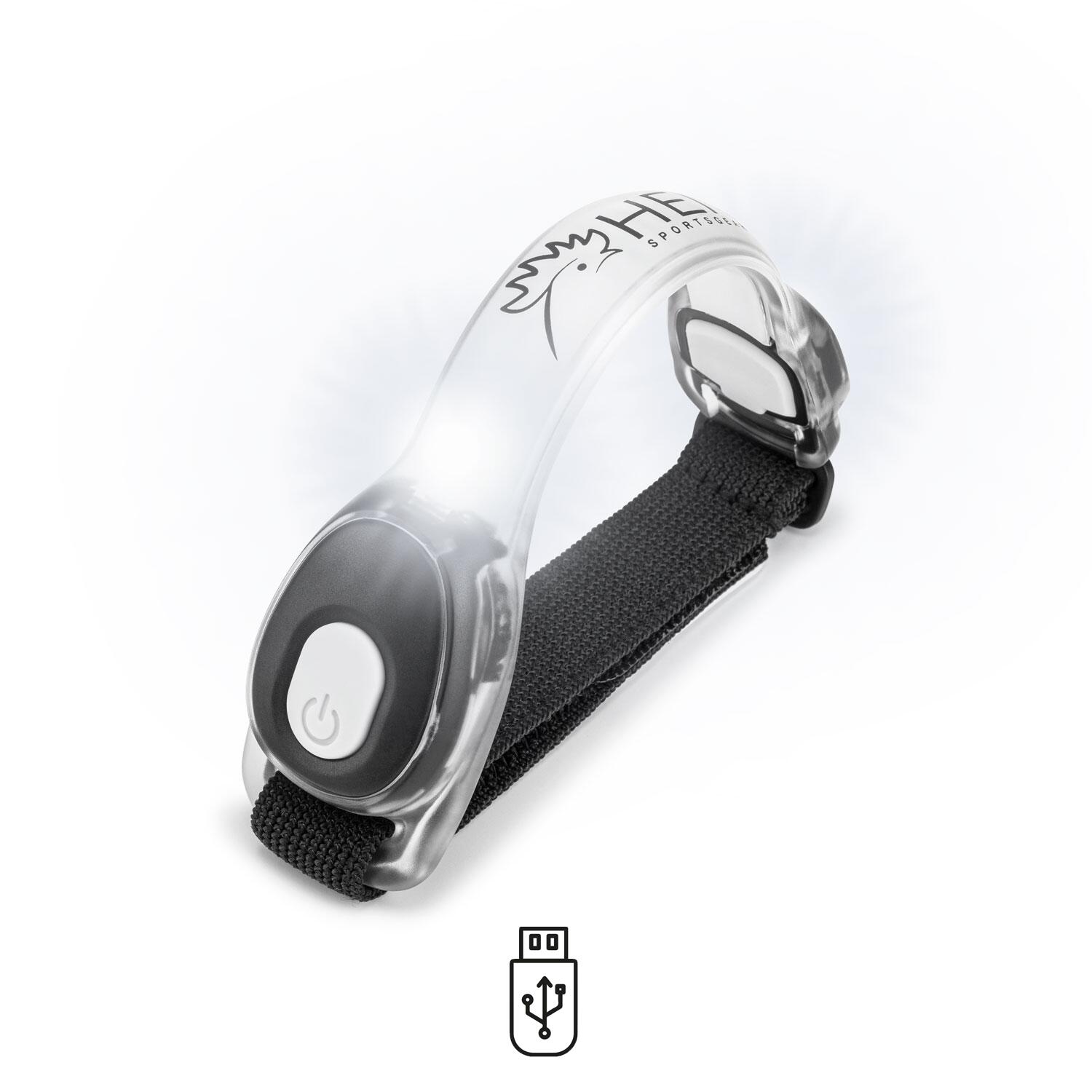
Marketplace -Online Only Marketplace -Online Only2 coloursMarketplace -Online OnlyHEN SPORTSGEAR LED wristband lighting - USB rechargeable - running lights - White4(1)Reviews.votesAria2 coloursCurrent price {{currentPrice}} €27.99€27.99/unitSold and shipped by Hen Sportsgear
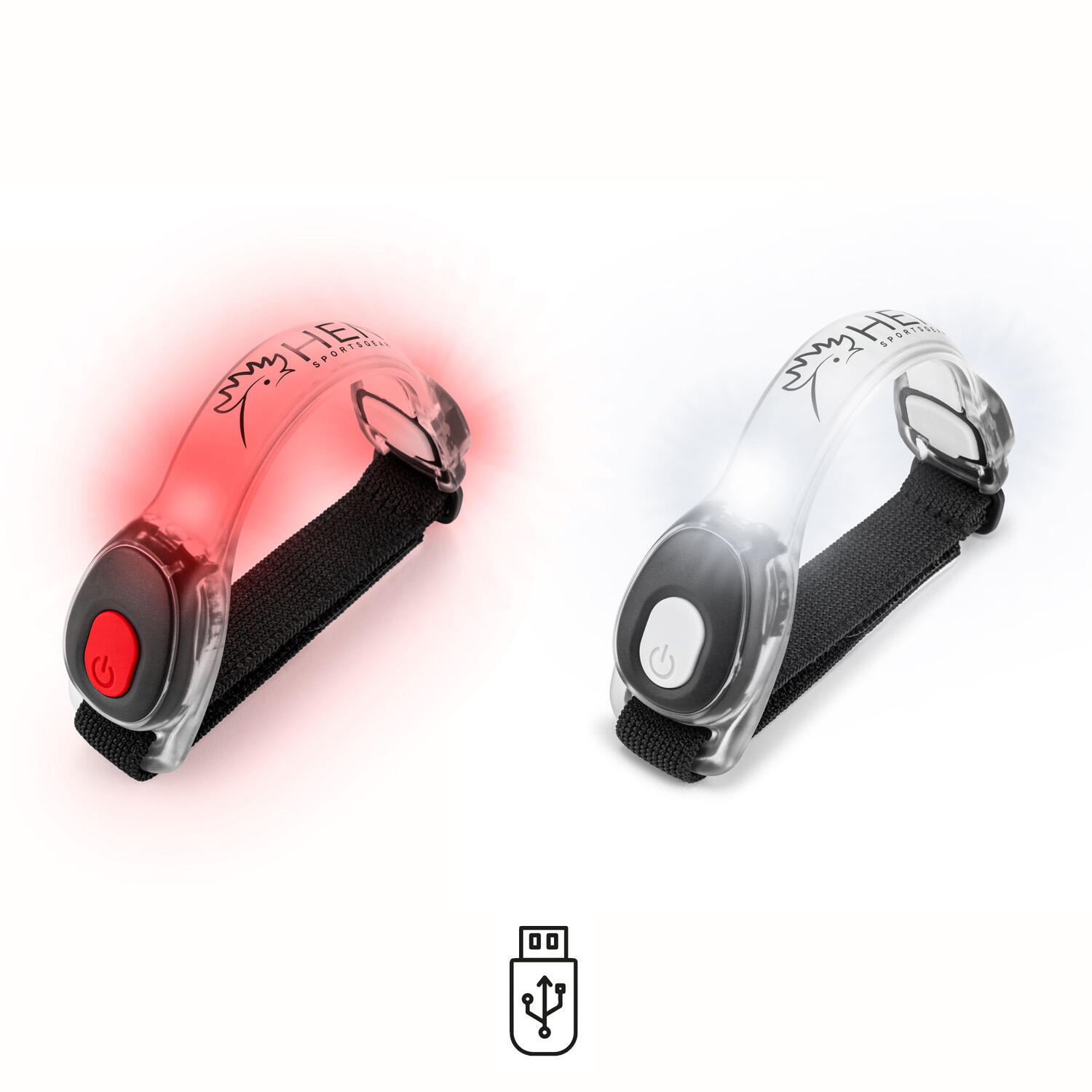
Marketplace -Online Only Marketplace -Online OnlyMarketplace -Online OnlyHEN SPORTSGEAR LED - Wristband Lighting - Red + White - USB rechargeable - 2 Pieces2(1)Reviews.votesAriaCurrent price {{currentPrice}} €33.99€17.00/unitSold and shipped by Hen Sportsgear
Marketplace -Online Only Marketplace -Online OnlyMarketplace -Online OnlyFLEXTAIL Flashlight - 1200 lumens - Battery life 200 hours - BlackCurrent price {{currentPrice}} €51.99€51.99/unitSold and shipped by Sportano EU
Marketplace -Online Only Marketplace -Online OnlyMarketplace -Online OnlyREGATTA LED Head Torch Camping Montegra BlackCurrent price {{currentPrice}} €42.00Sold and shipped by Sport is good
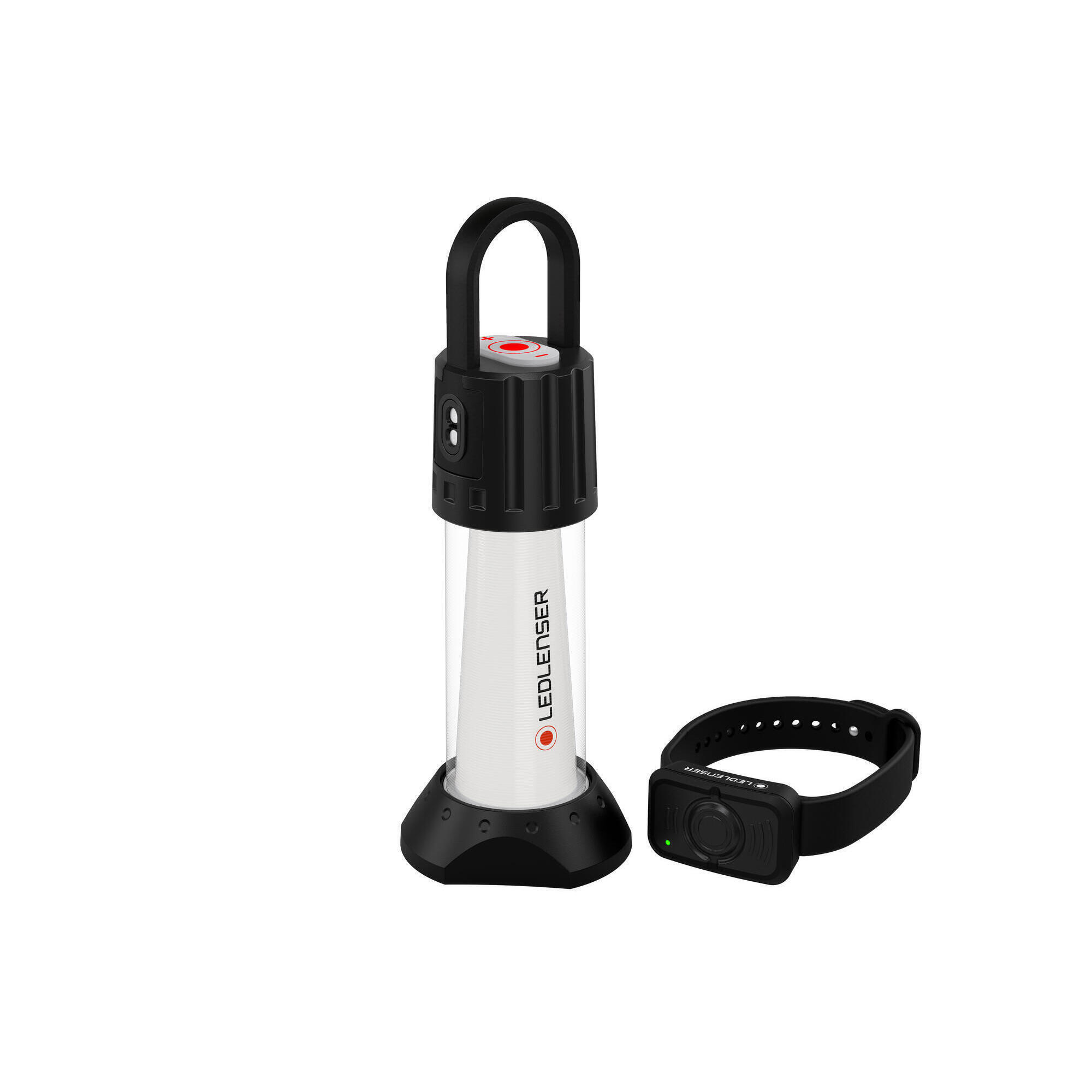
Marketplace -Online Only Marketplace -Online Only2 coloursMarketplace -Online OnlyLEDLENSER ML6 Rechargeable Lantern Inc Bluetooth, 750lm Warm Light, Up To 180h Runtime2 coloursCurrent price {{currentPrice}} €98.00€98.00/unitSold and shipped by Sports Lab IE
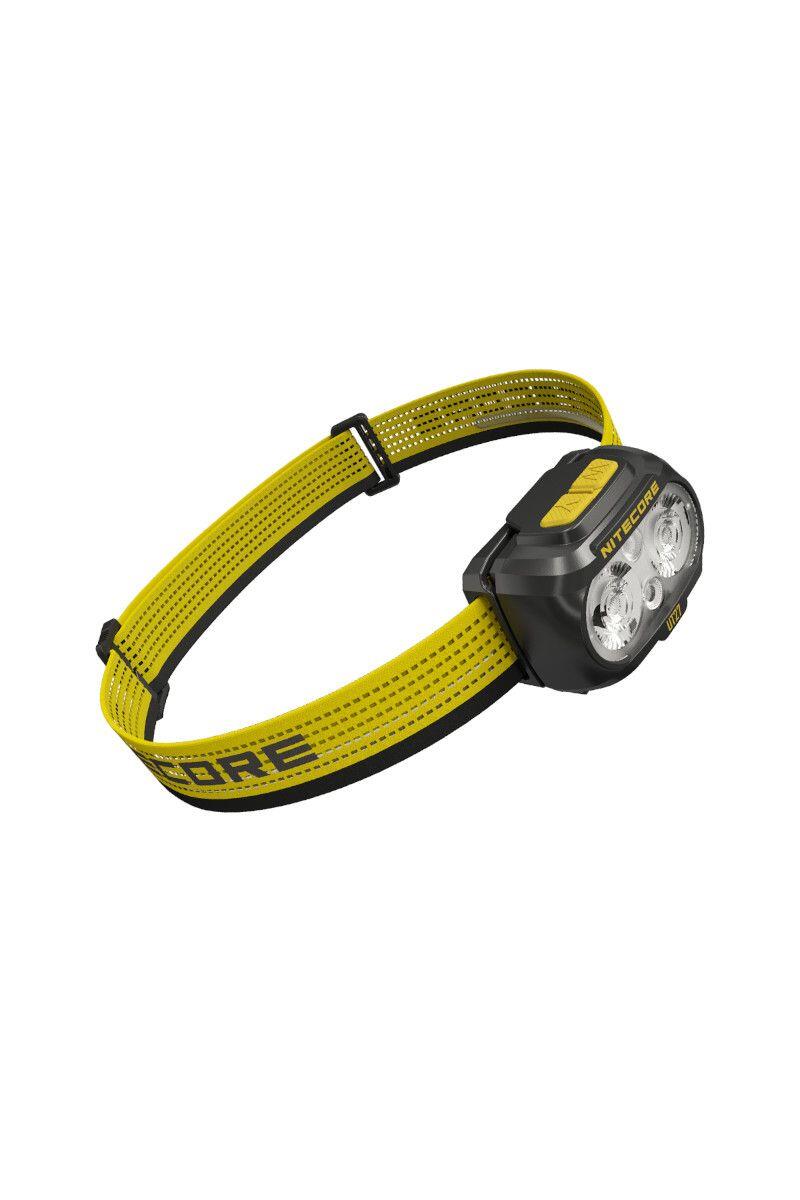
Marketplace -Online Only Marketplace -Online OnlyMarketplace -Online OnlyNITECORE The Nitecore UT27 (MCT) 800 Lumen HeadlampCurrent price {{currentPrice}} €69.30€17.33/unitSold and shipped by Super Merchant EUR
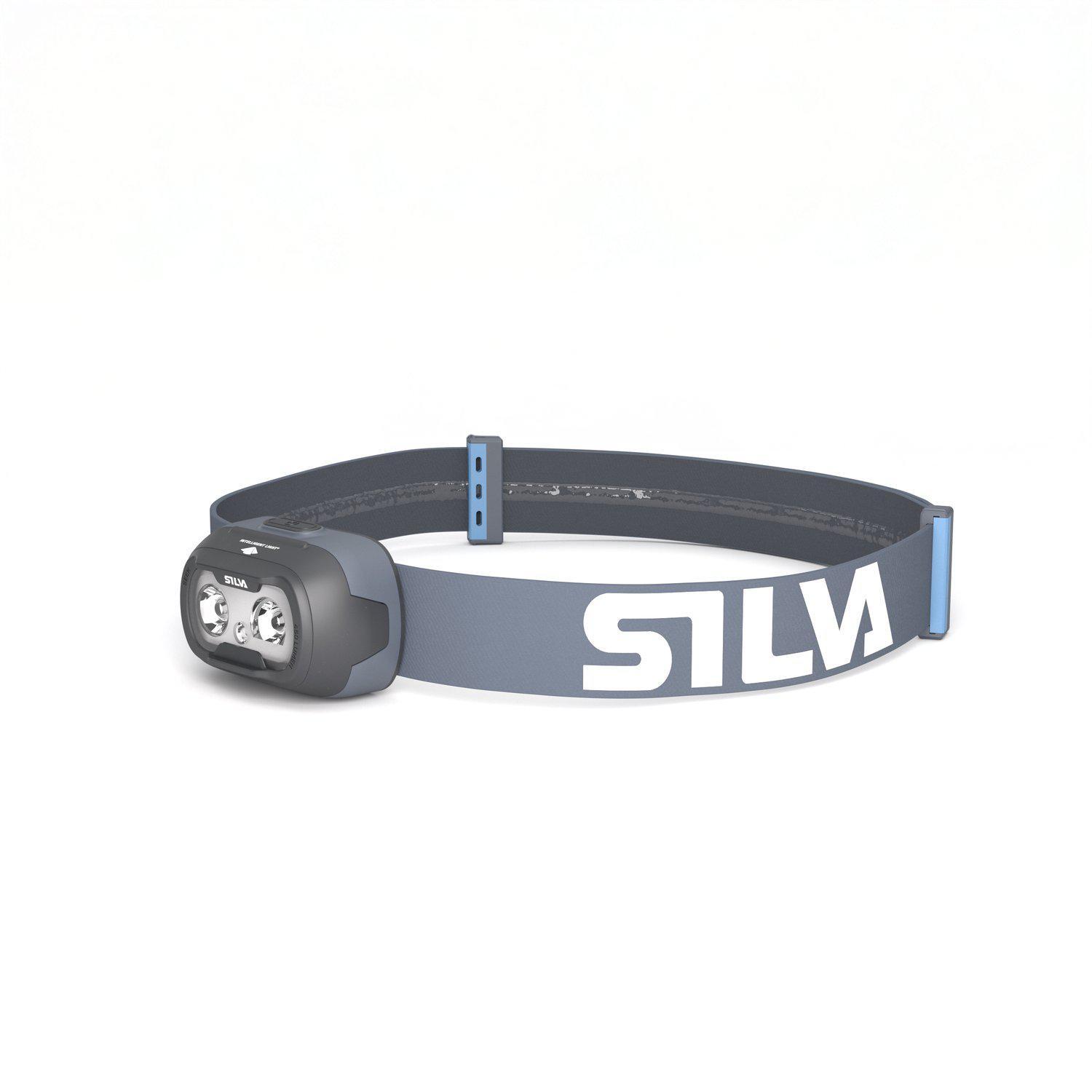
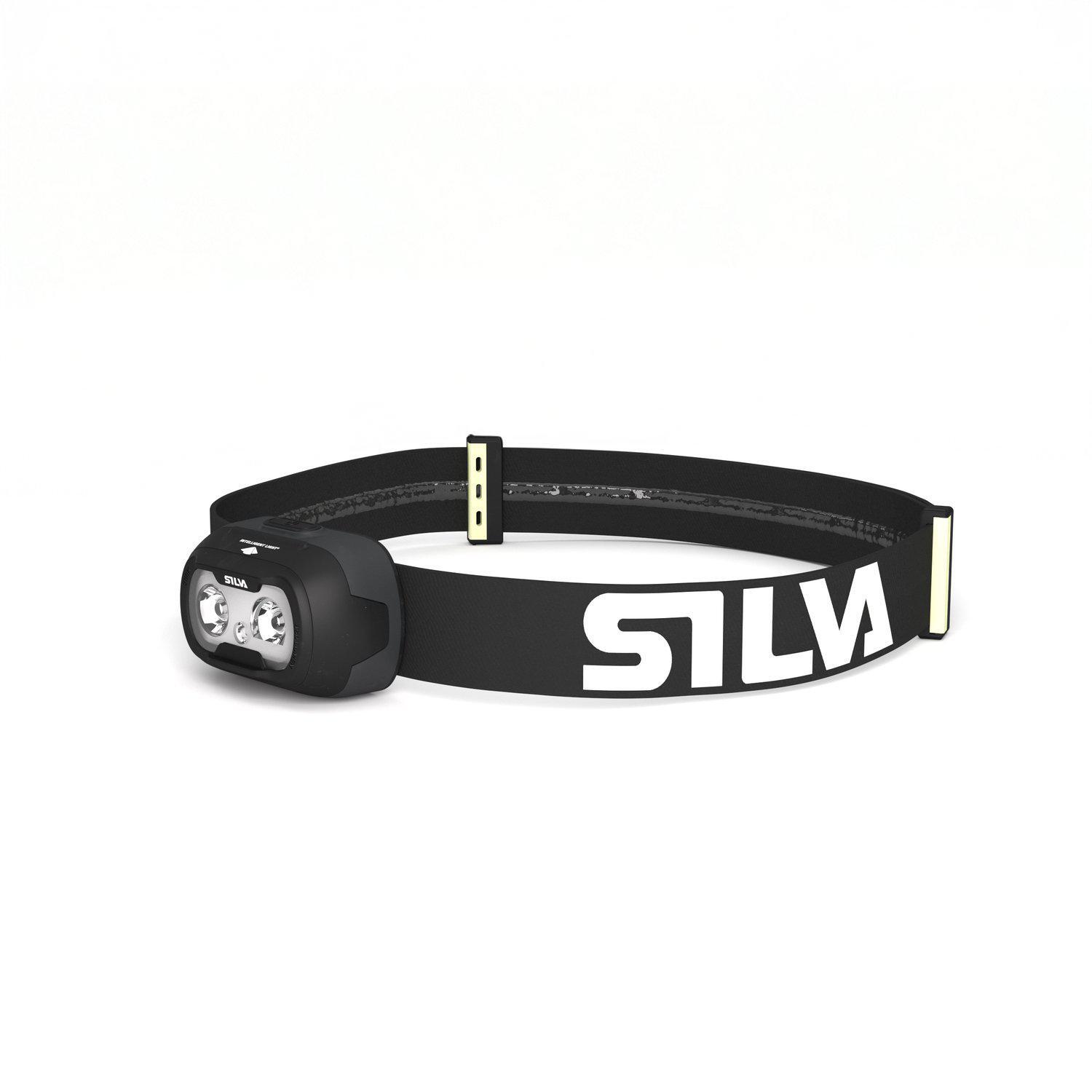
Marketplace -Online Only Marketplace -Online Only2 coloursMarketplace -Online OnlySILVA Rechargeable 450 lumen head torch with USB-C charging, Seek 4502 coloursCurrent price {{currentPrice}} €62.99€62.99/unitSold and shipped by Sportano EU
Marketplace -Online Only Marketplace -Online Only2 coloursMarketplace -Online OnlySILVA Rechargeable 450 lumen head torch with USB-C charging, Seek 4502 coloursCurrent price {{currentPrice}} €61.99€61.99/unitSold and shipped by Sportano EU
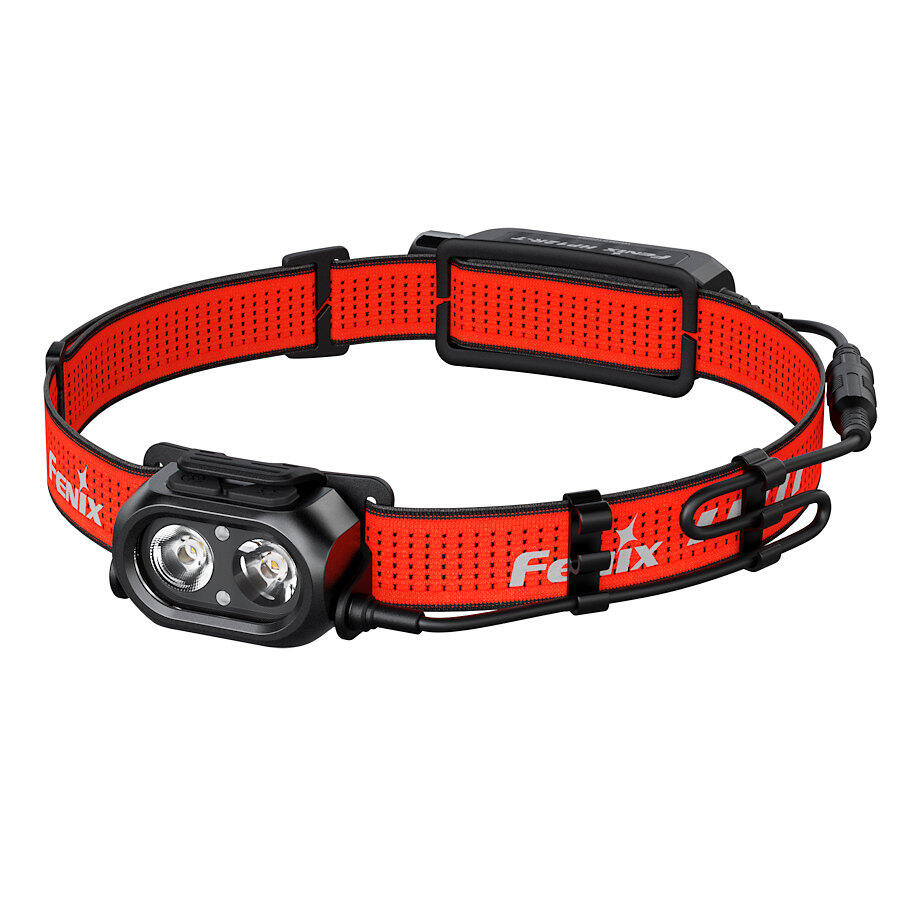
Marketplace -Online Only Marketplace -Online OnlyMarketplace -Online OnlyFENIX HP12R-T 1300 Lumen Rechargeable Trail Running HeadlampCurrent price {{currentPrice}} €103.35Sold and shipped by Sports Lab IE
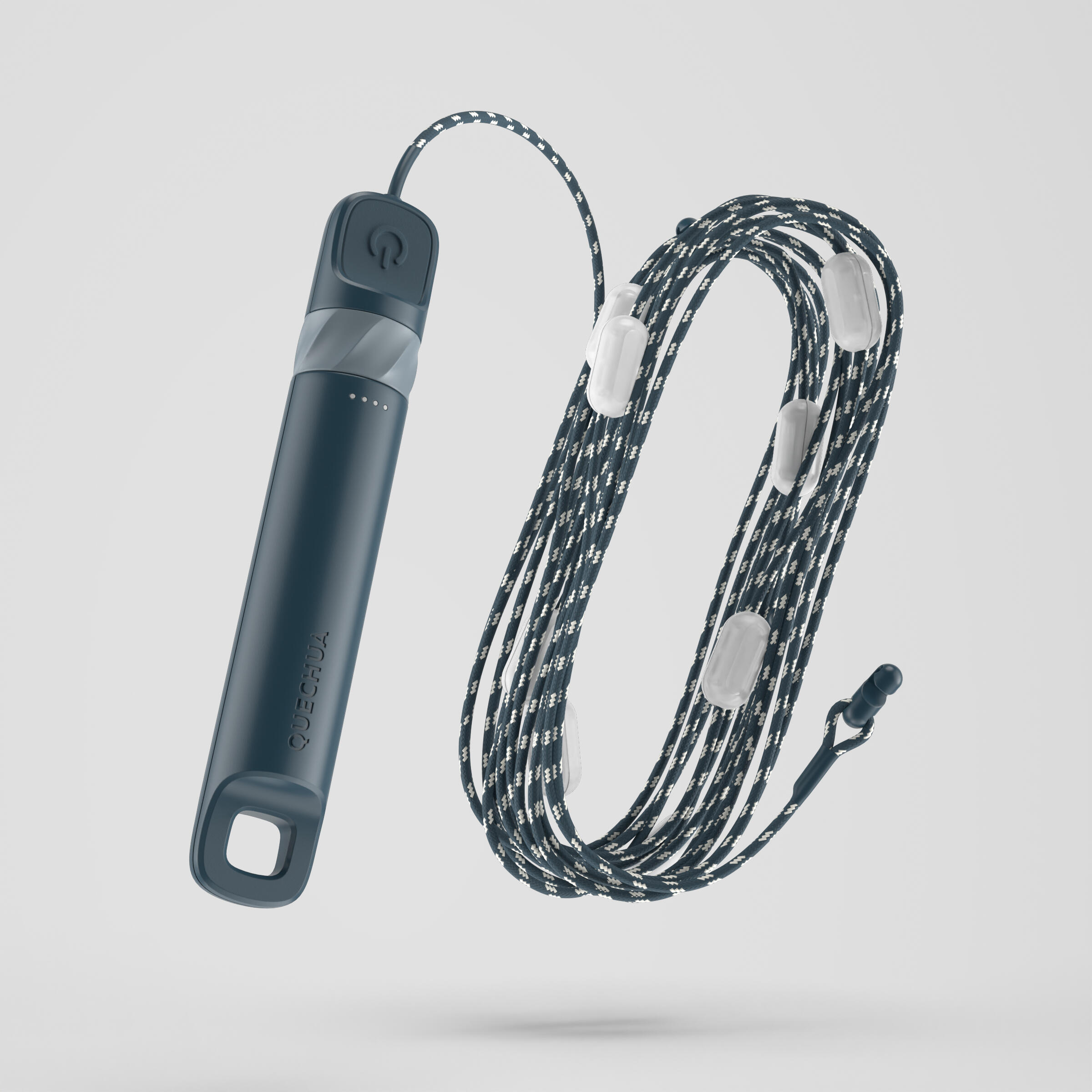
QUECHUA 200lm, IPX4 rechargeable camping string lights4.6(297)Reviews.votesAriaCurrent price {{currentPrice}} €36.00
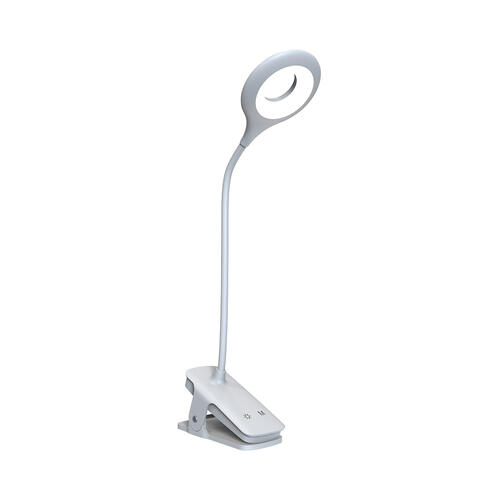
Marketplace -Online Only Marketplace -Online OnlyMarketplace -Online OnlyWOZINSKY Wozinsky Mini Wireless LED Reading Lamp, Clip + USB-C CableCurrent price {{currentPrice}} €24.36Sold and shipped by infoylog
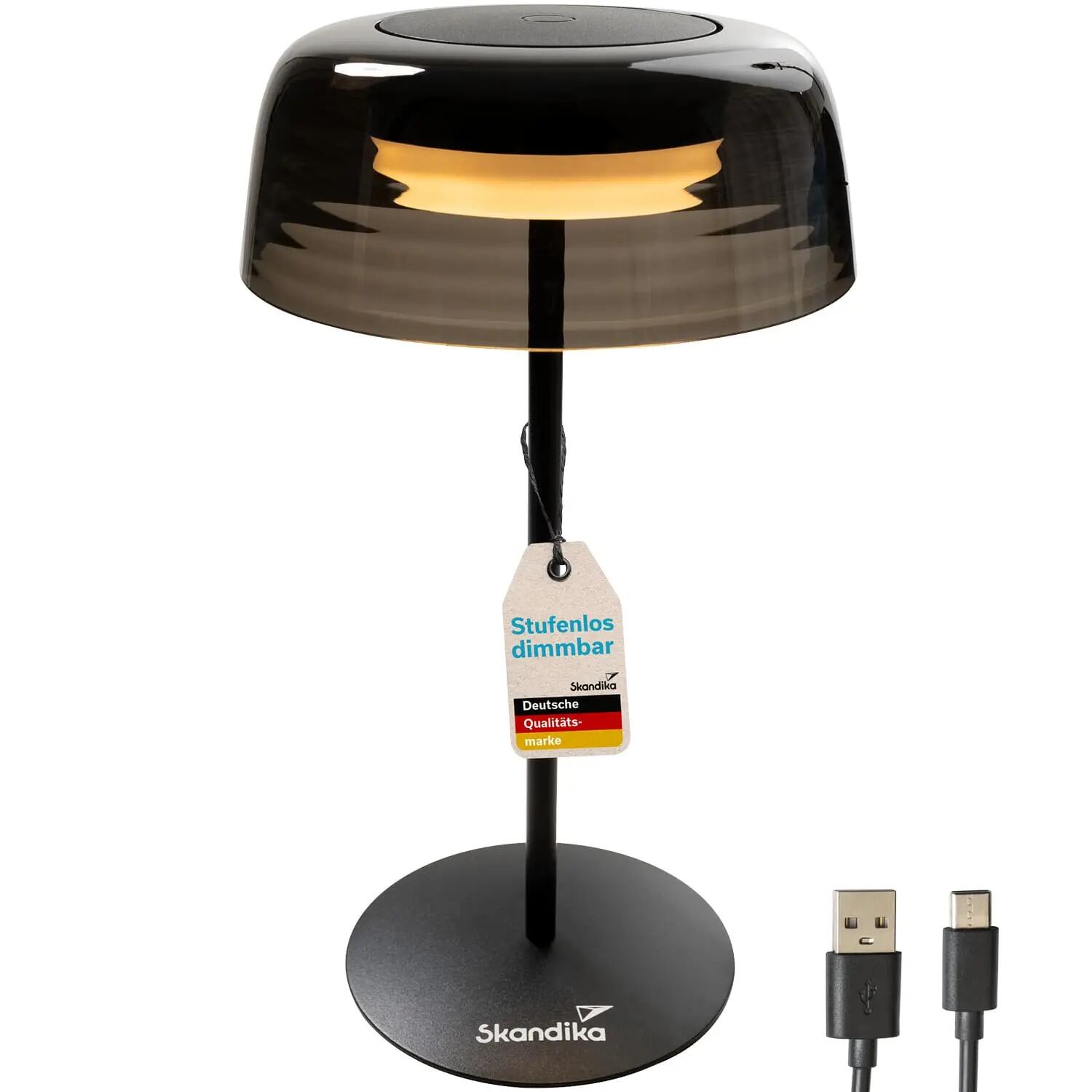
Marketplace -Online Only Marketplace -Online OnlyMarketplace -Online OnlySKANDIKA Vilja Camping Lamp – Table Lamp with ShadeCurrent price {{currentPrice}} €49.95Sold and shipped by Max Trader GmbH
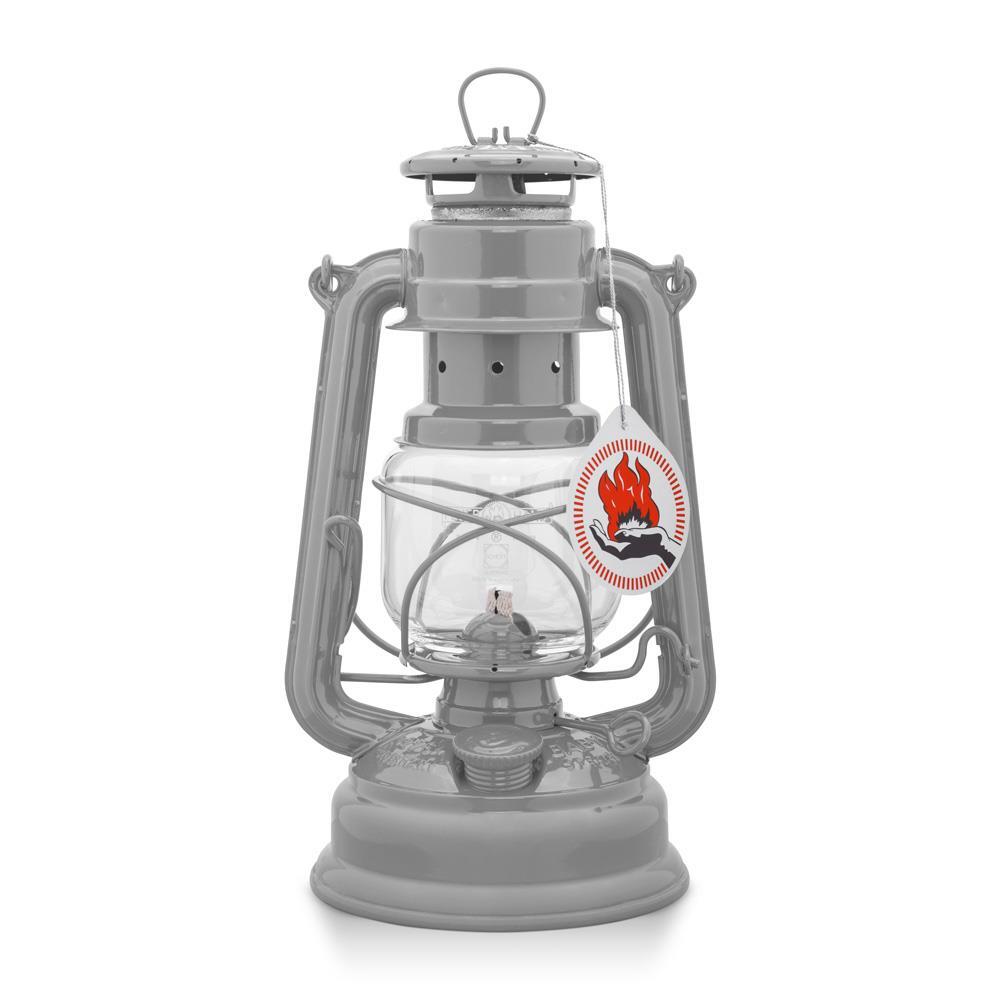
Marketplace -Online Only Marketplace -Online OnlyMarketplace -Online OnlyFEUERHAND Feuerhand Baby Special 276 Storm Lantern - Zinc GreyCurrent price {{currentPrice}} €58.99Sold and shipped by Outdoor Food
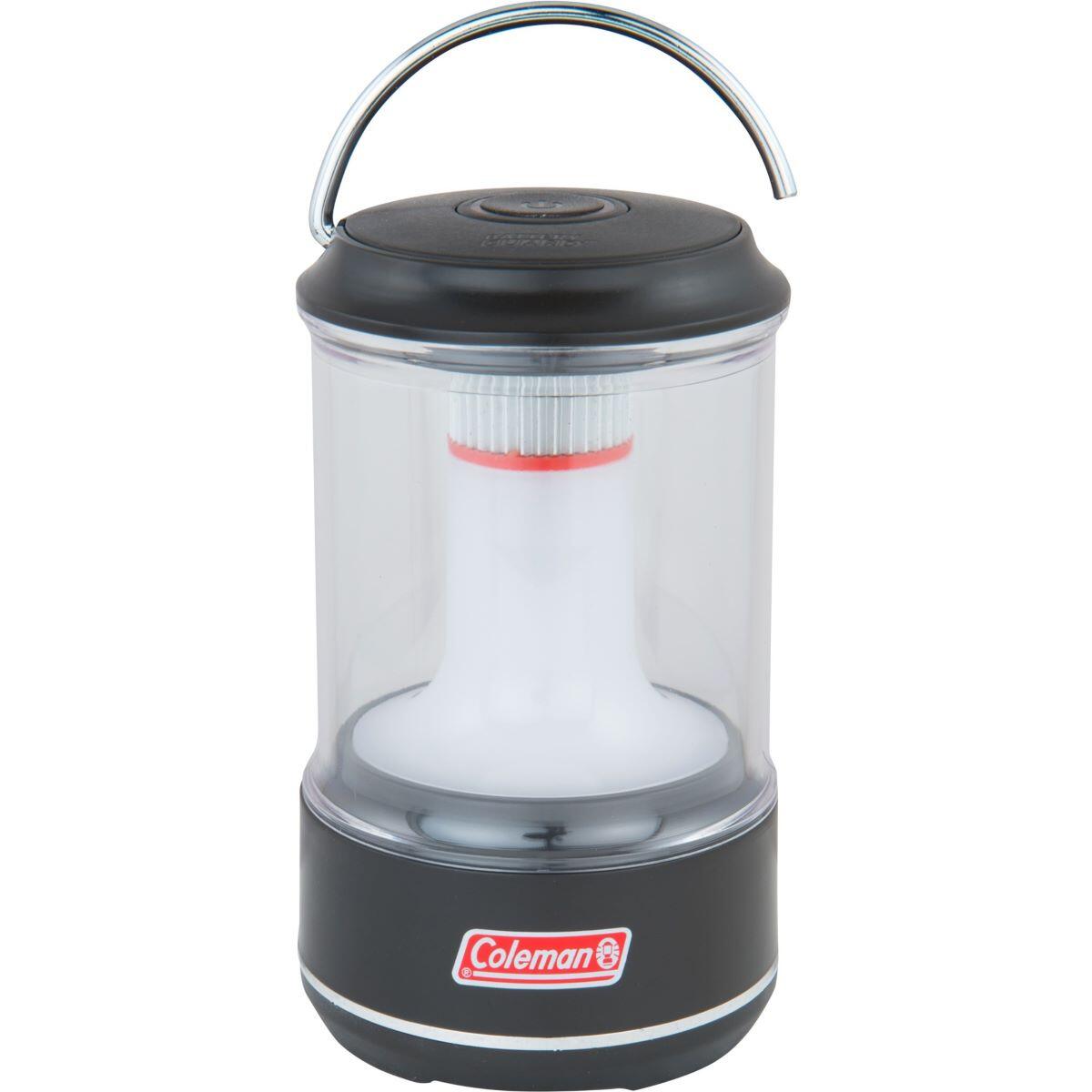
Marketplace -Online Only Marketplace -Online OnlyMarketplace -Online OnlyCOLEMAN Coleman BatteryGuard 200 lm Compact Black LED LanternCurrent price {{currentPrice}} €29.15€9.72/unitSold and shipped by Sports Lab IE