802 items
4.4/5 based on 83384 reviews collected online and in stores

Camping Equipment Care and Hygiene FAQs

What camping equipment care products should every camper carry?

The core hygiene kit for a camping trip covers three categories: fabric care for sleeping and shelter equipment, surface sanitisers for cooking and eating areas, and odour control for enclosed spaces like tents and sleeping bags. Fabric care products include specialist sprays that restore the DWR water-repellent coating on tent flysheets and sleeping bag shells without damaging the membrane underneath. Standard household detergents break down DWR coatings and should never be used on technical outdoor fabrics, which is the reason specialist cleaners exist. Surface sanitisers designed for camping use are biodegradable and low-residue, which matters when you are cleaning food prep surfaces in locations where wastewater disposal needs to be environmentally considerate. Odour-control sprays use enzyme-based formulas that break down the organic compounds causing the smell rather than masking them with fragrance, which gives a lasting result rather than a temporary cover. Smart tip: Apply odour spray to the inside of a sleeping bag shell while it is still slightly damp after airing, as the enzyme formula bonds more effectively to fabric fibres when moisture is present. Trekkers building a complete sleep-hygiene setup can pair care products with quality camping sleeping equipment that uses washable liners and removable covers, making the overall cleaning process significantly faster between trips.

Which cleaning products are safe to use on tent fabric without damaging the waterproofing?

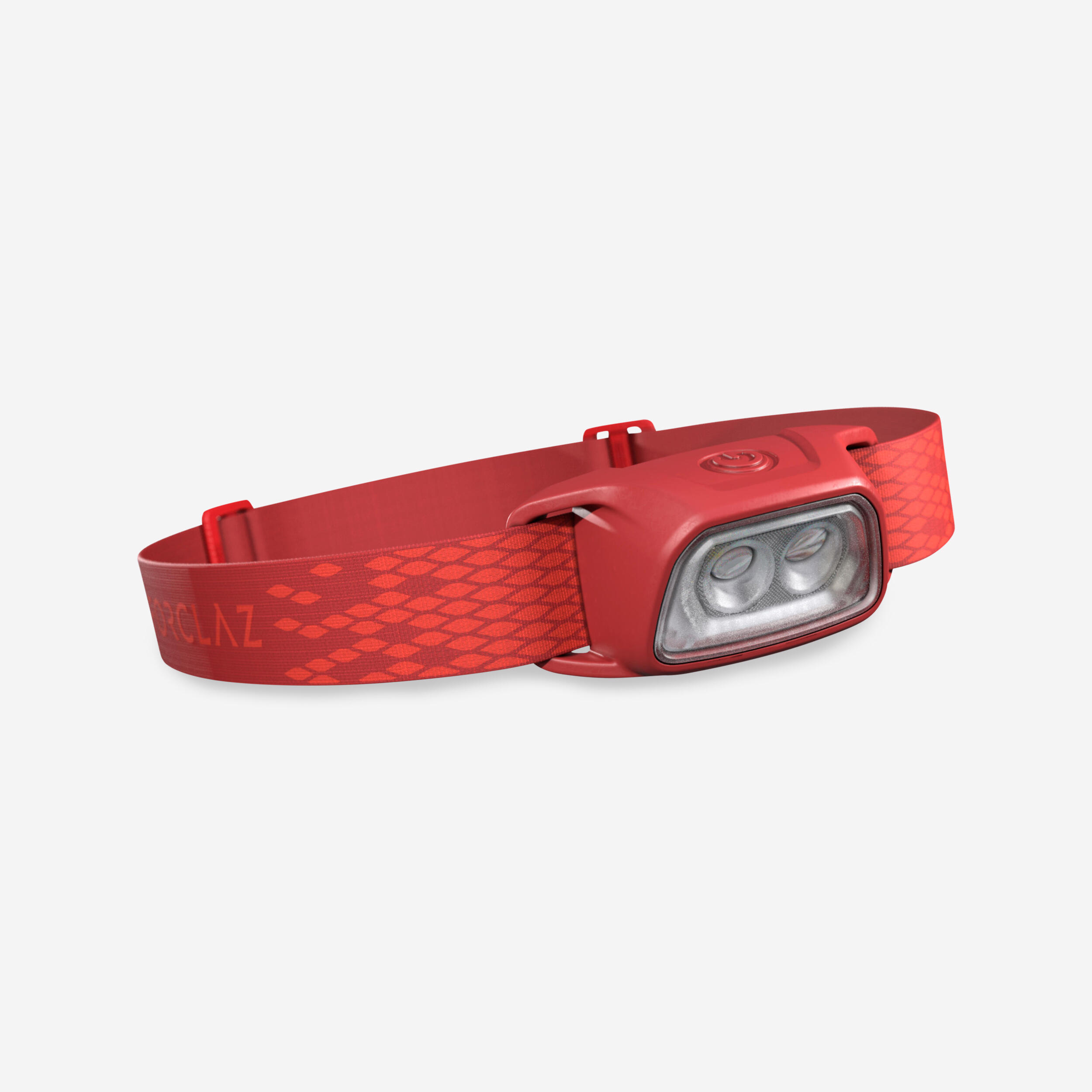
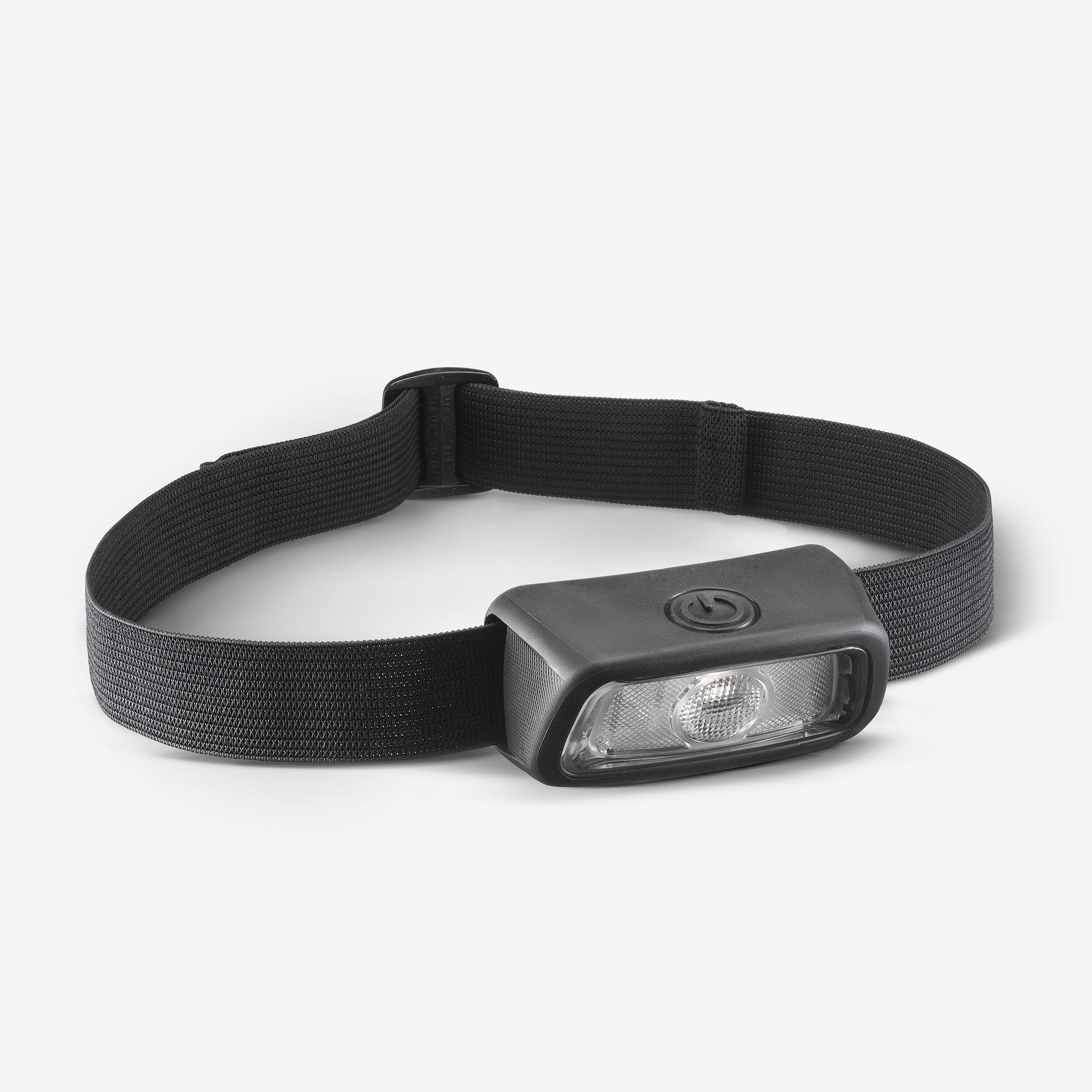
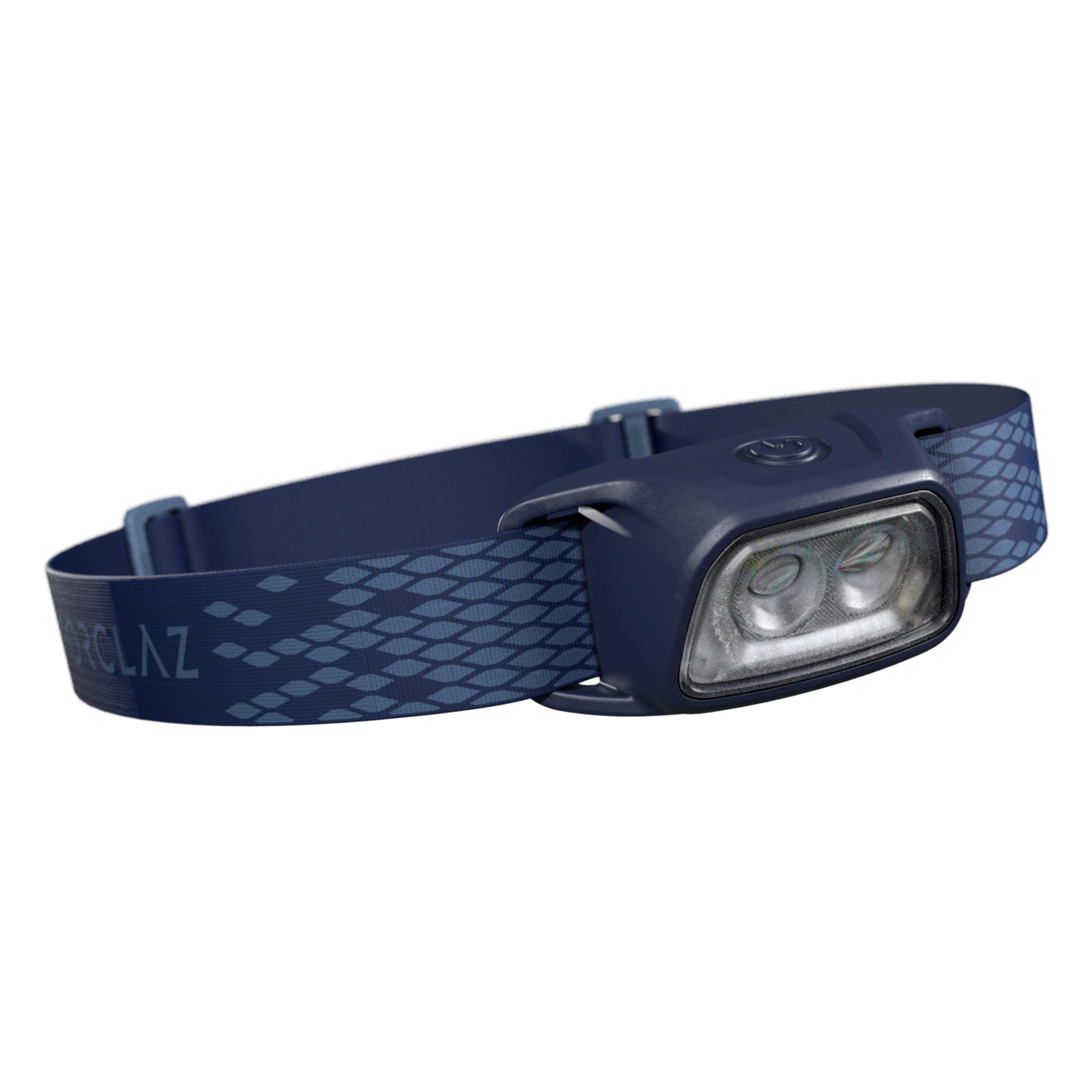
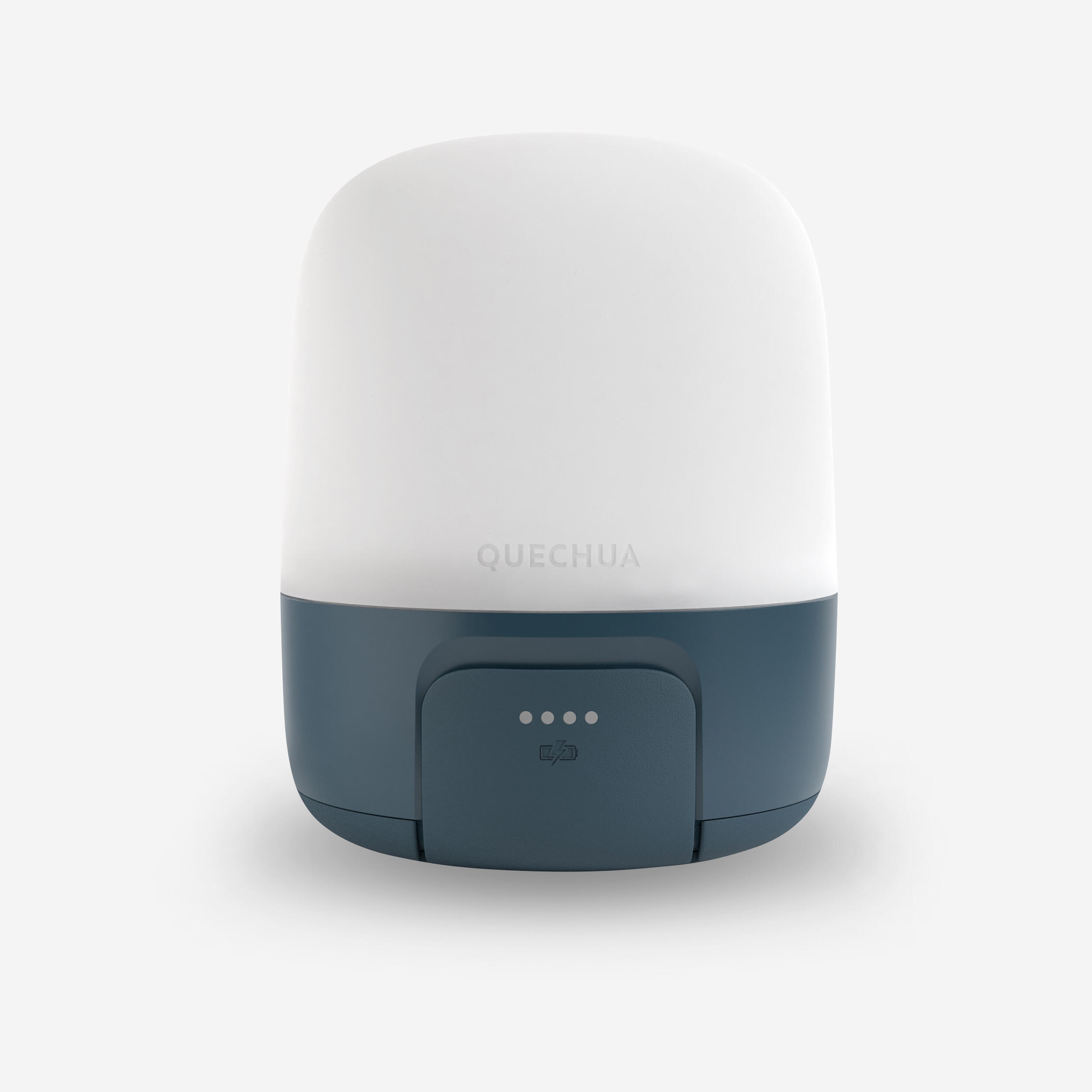
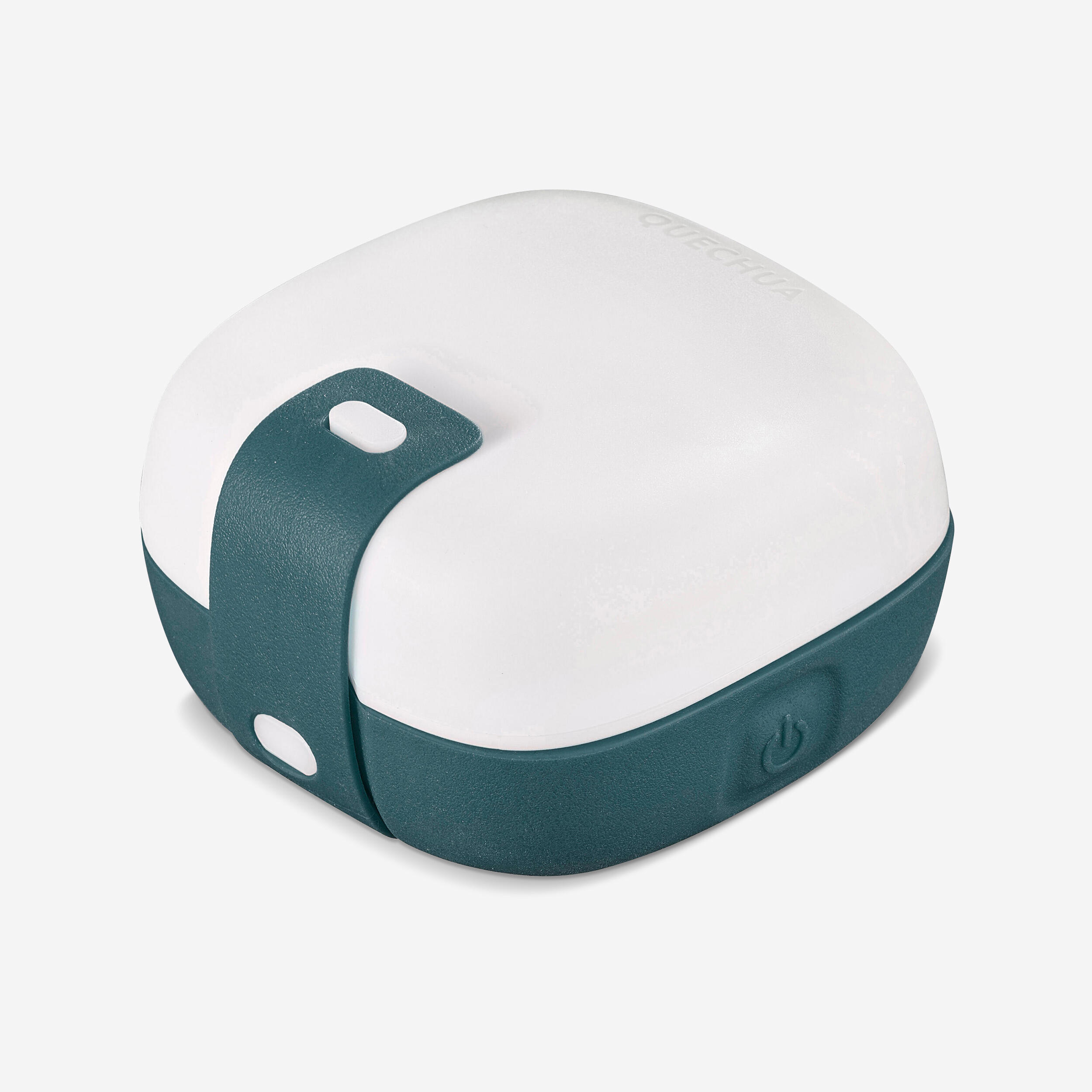
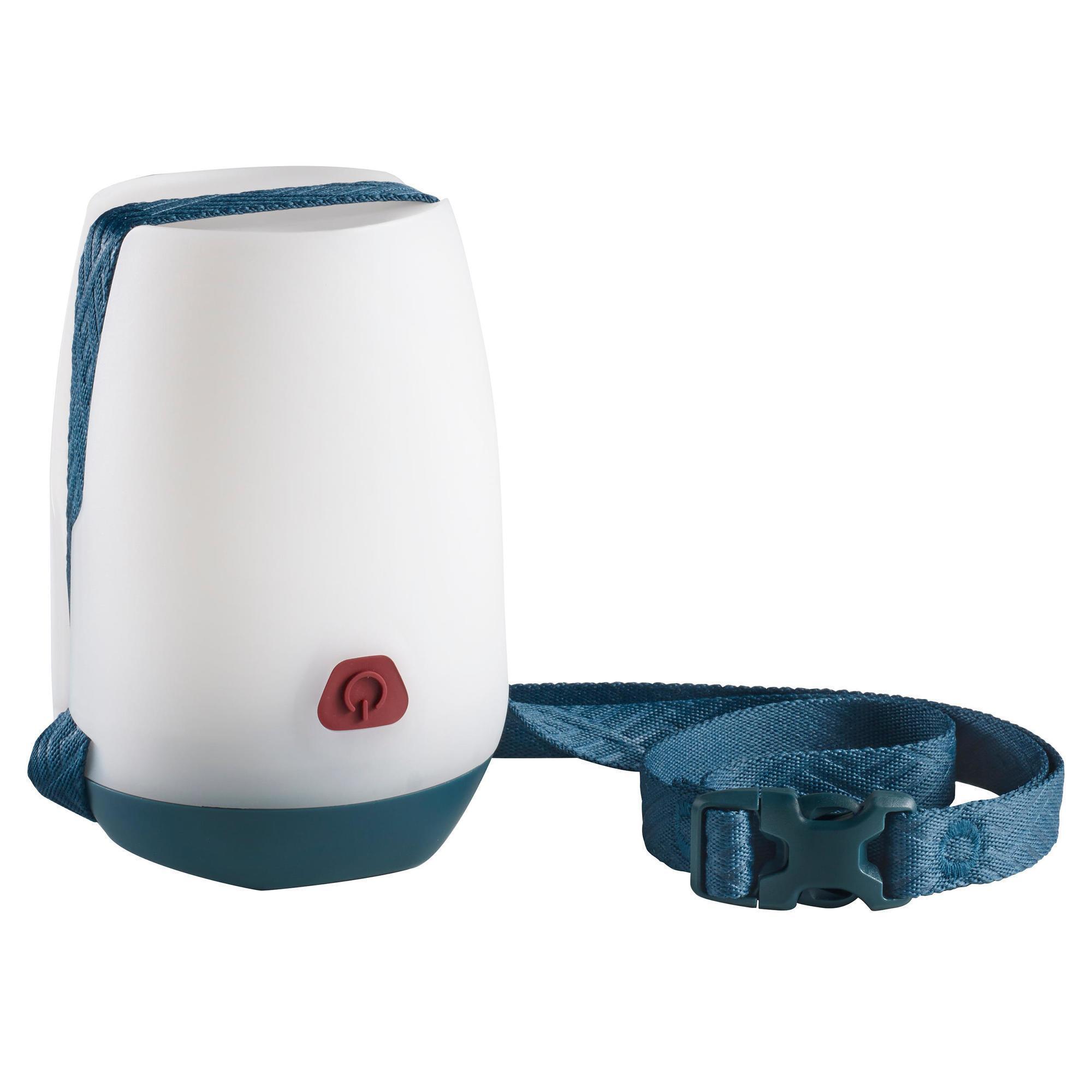
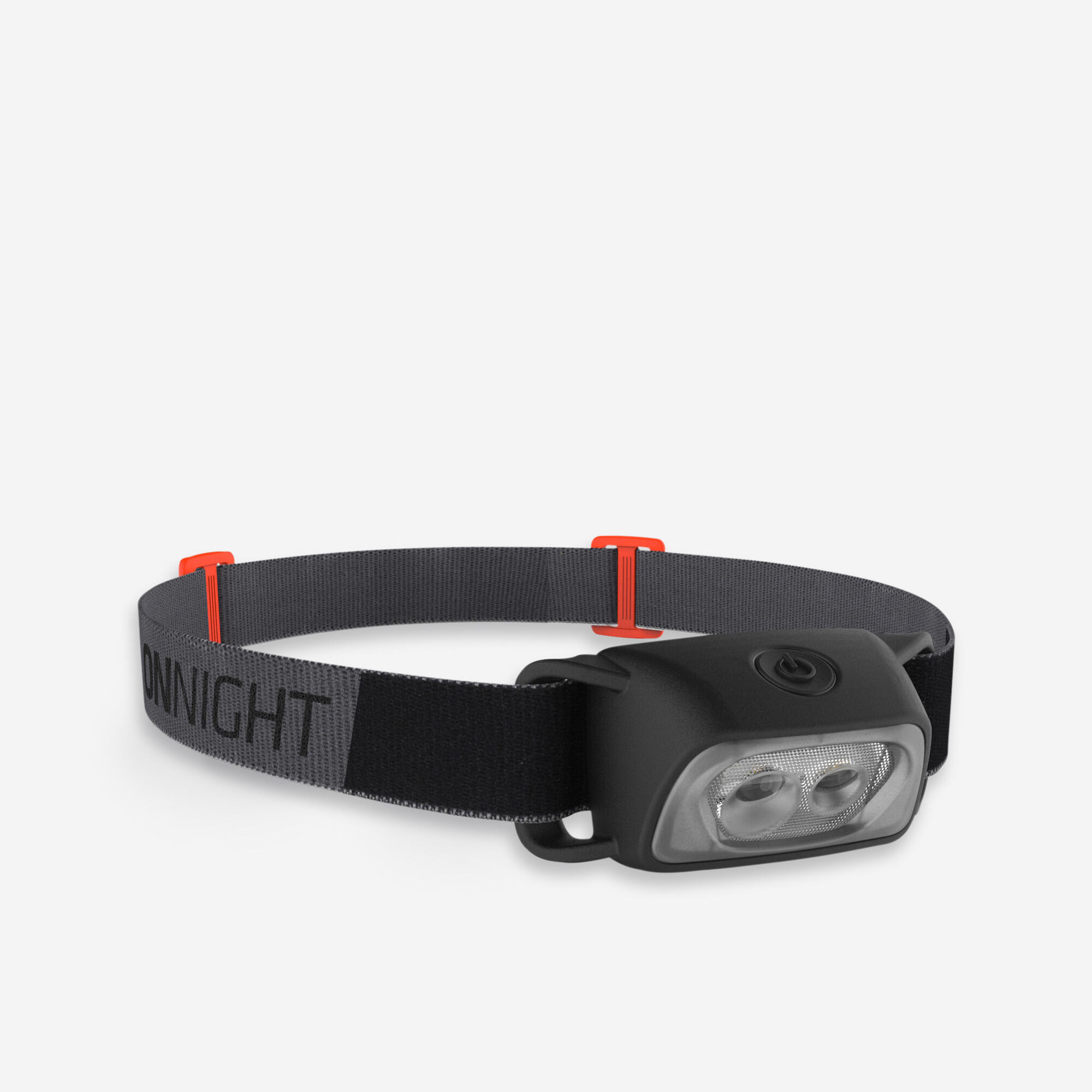
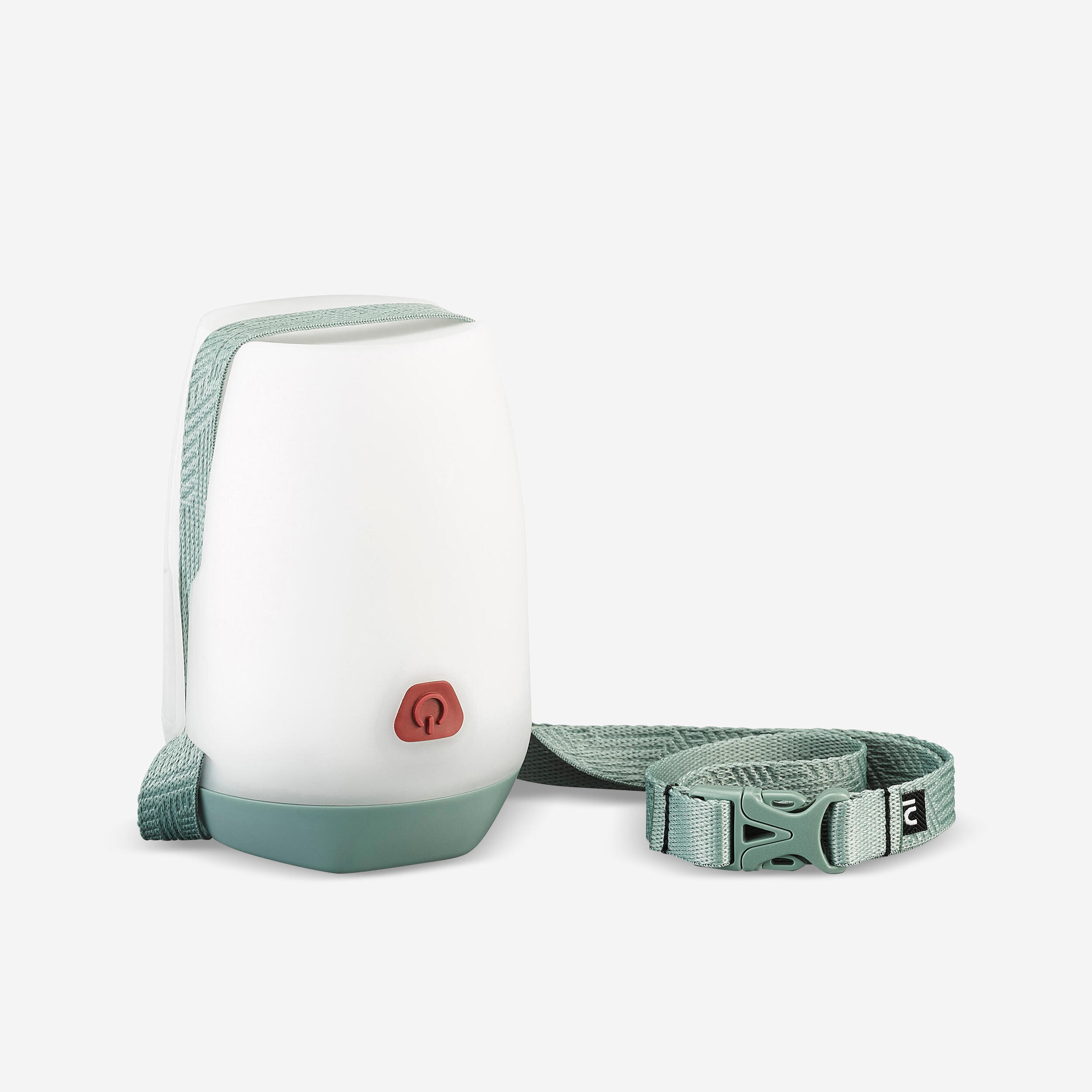
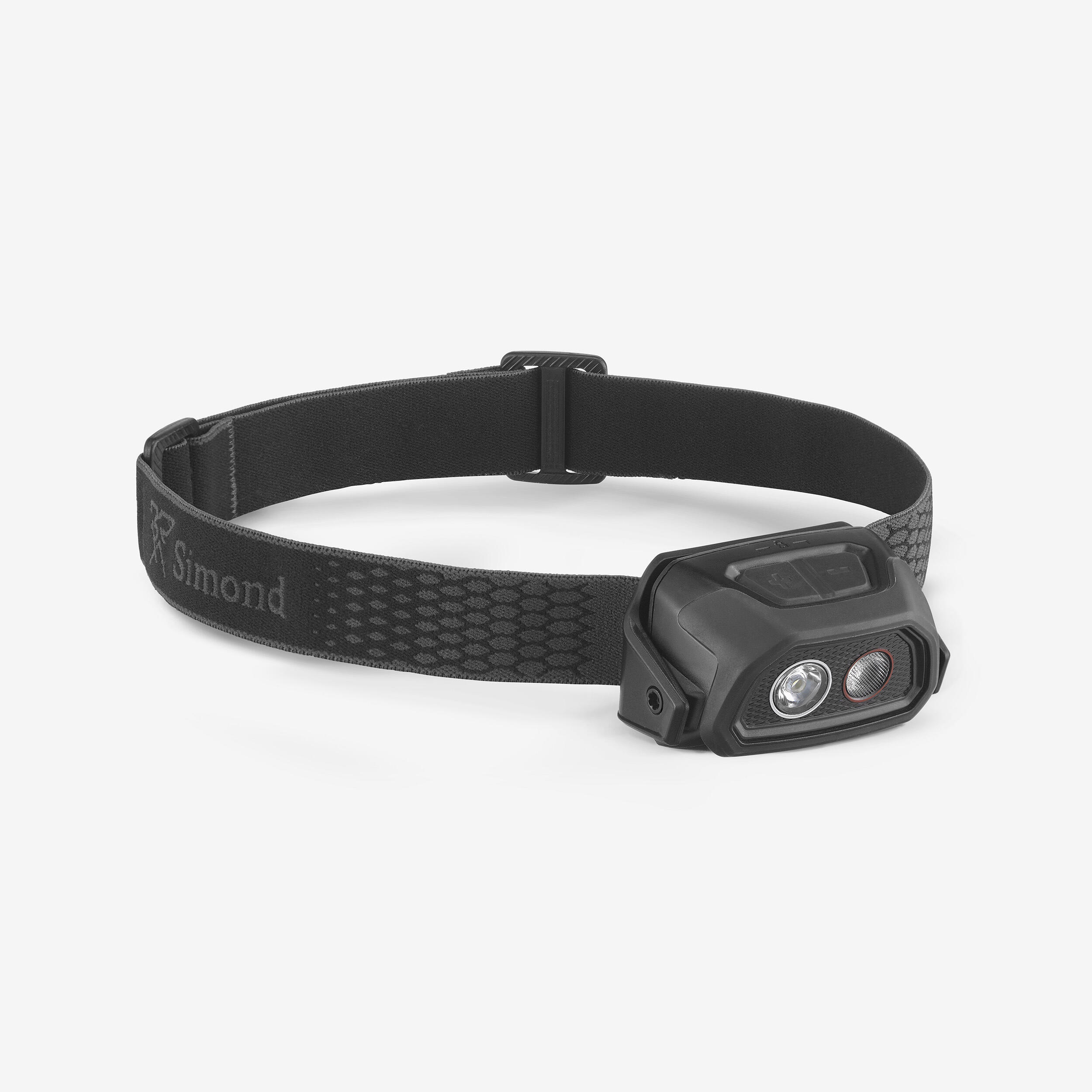
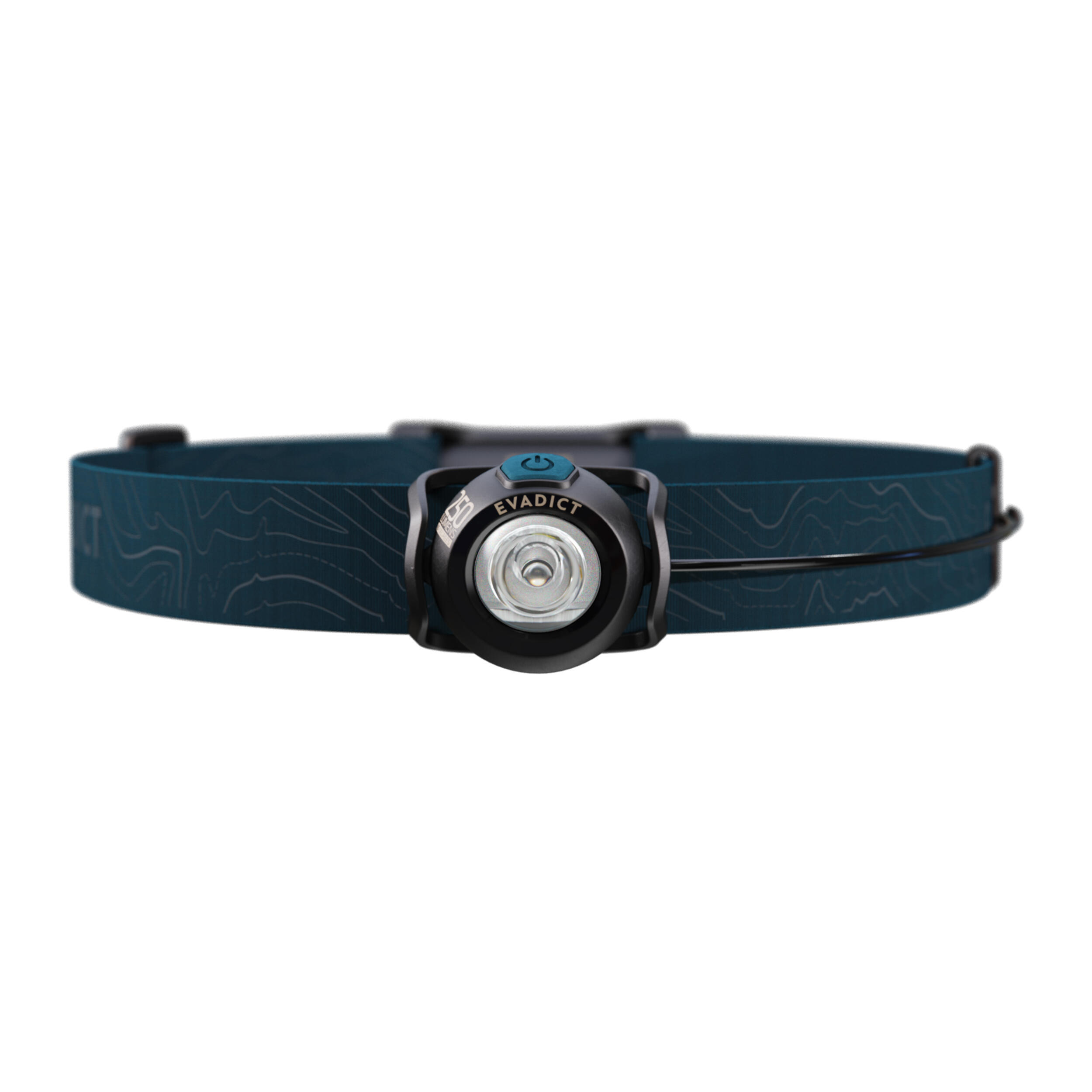
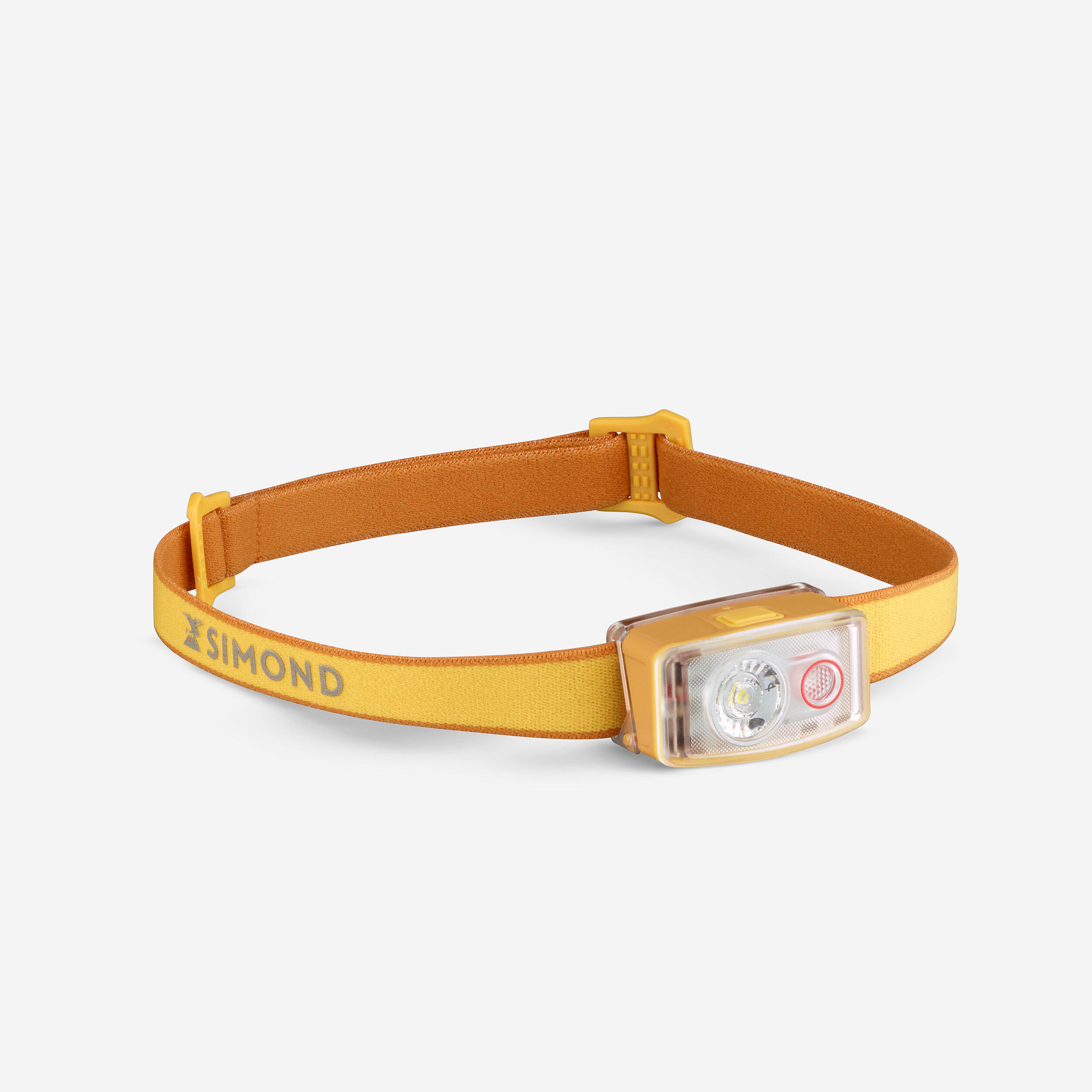
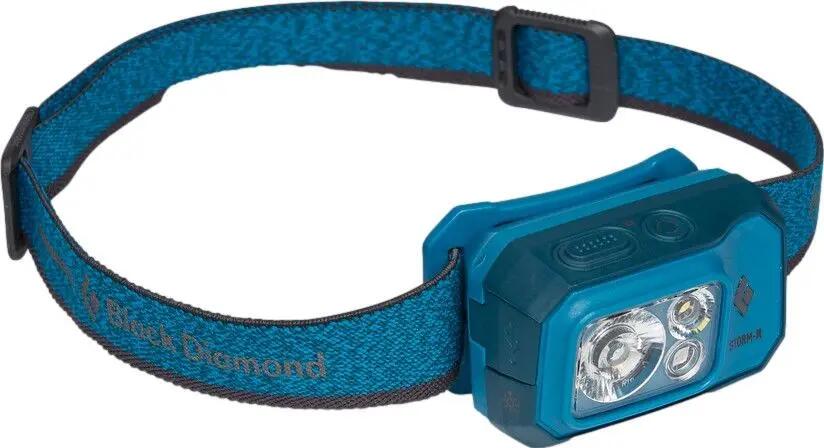
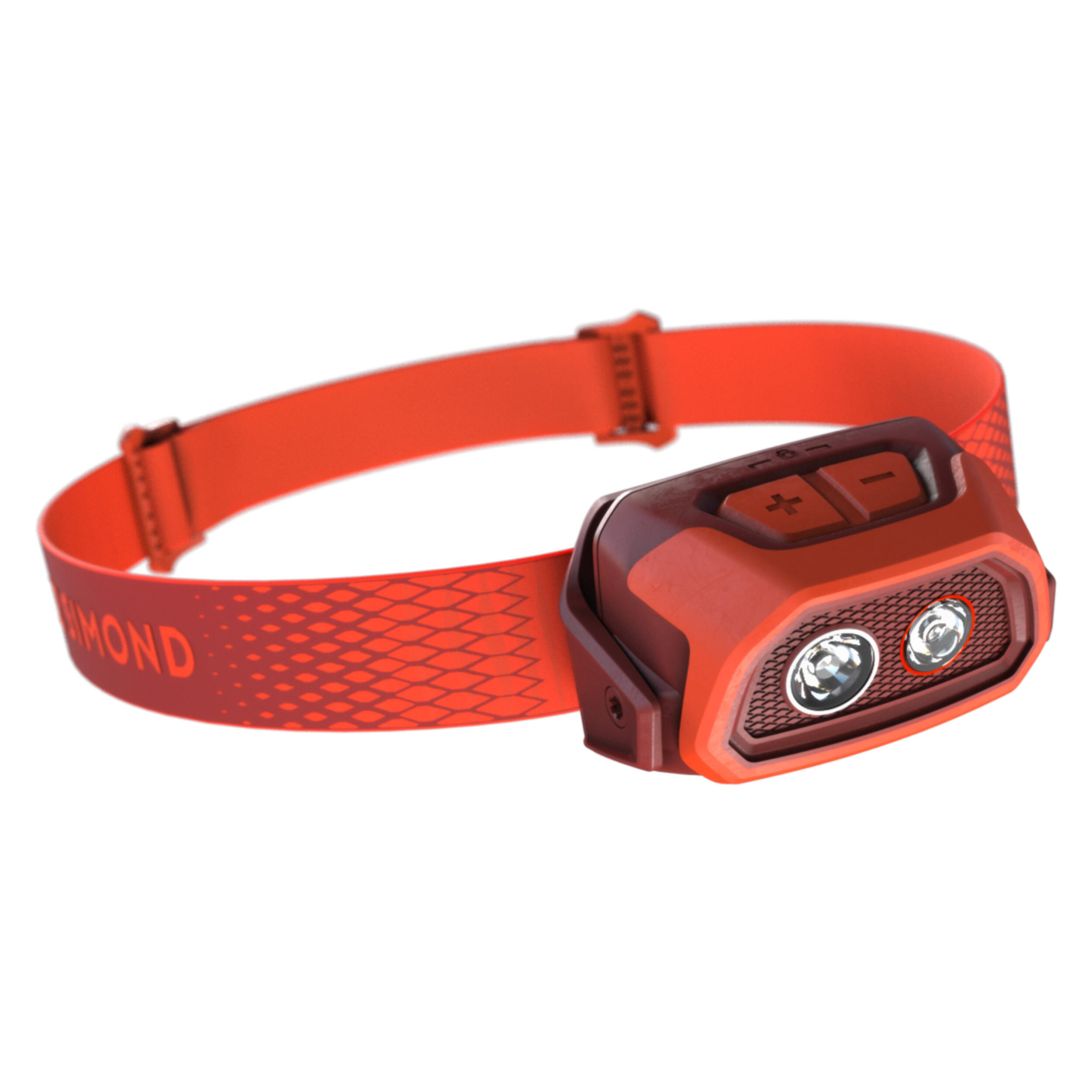
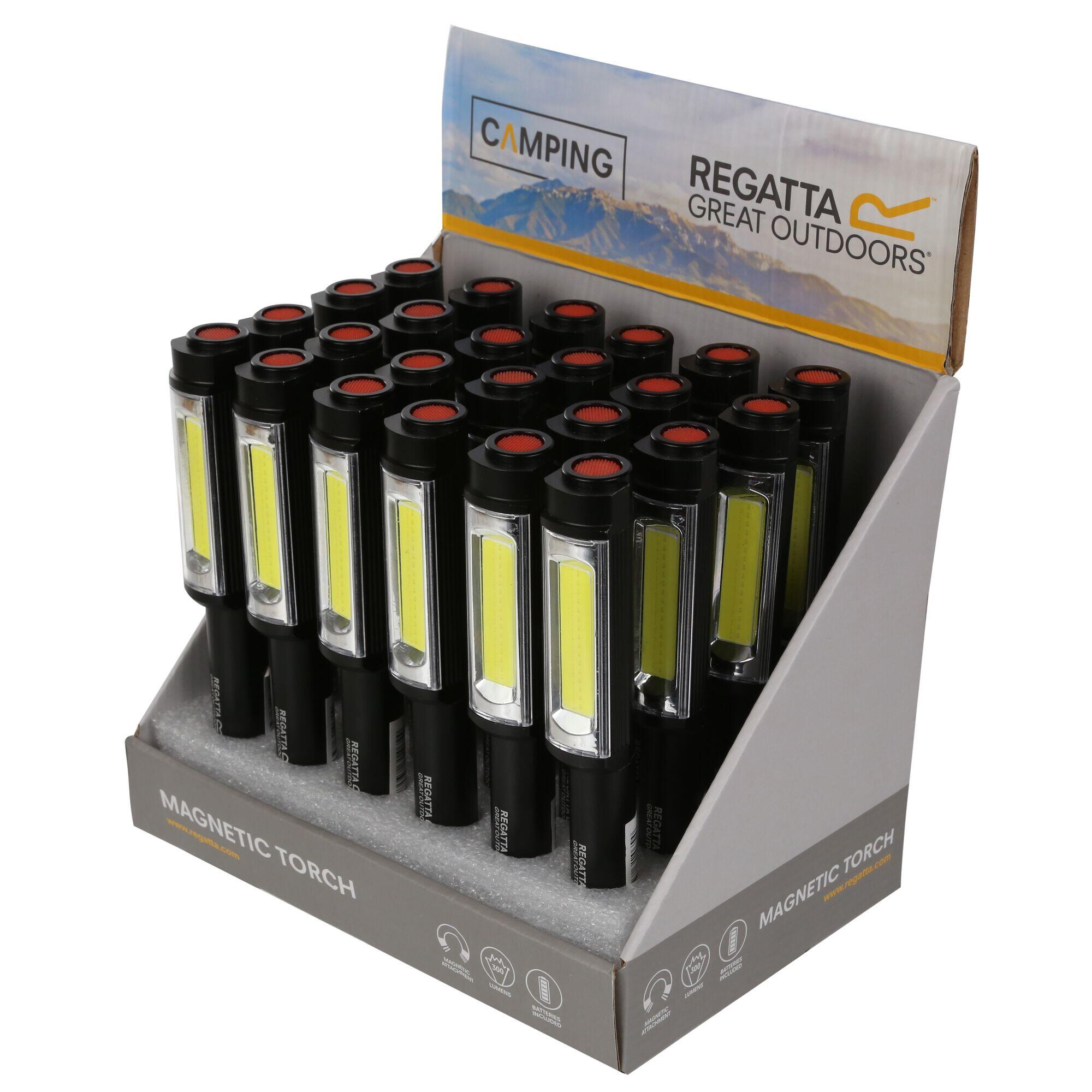
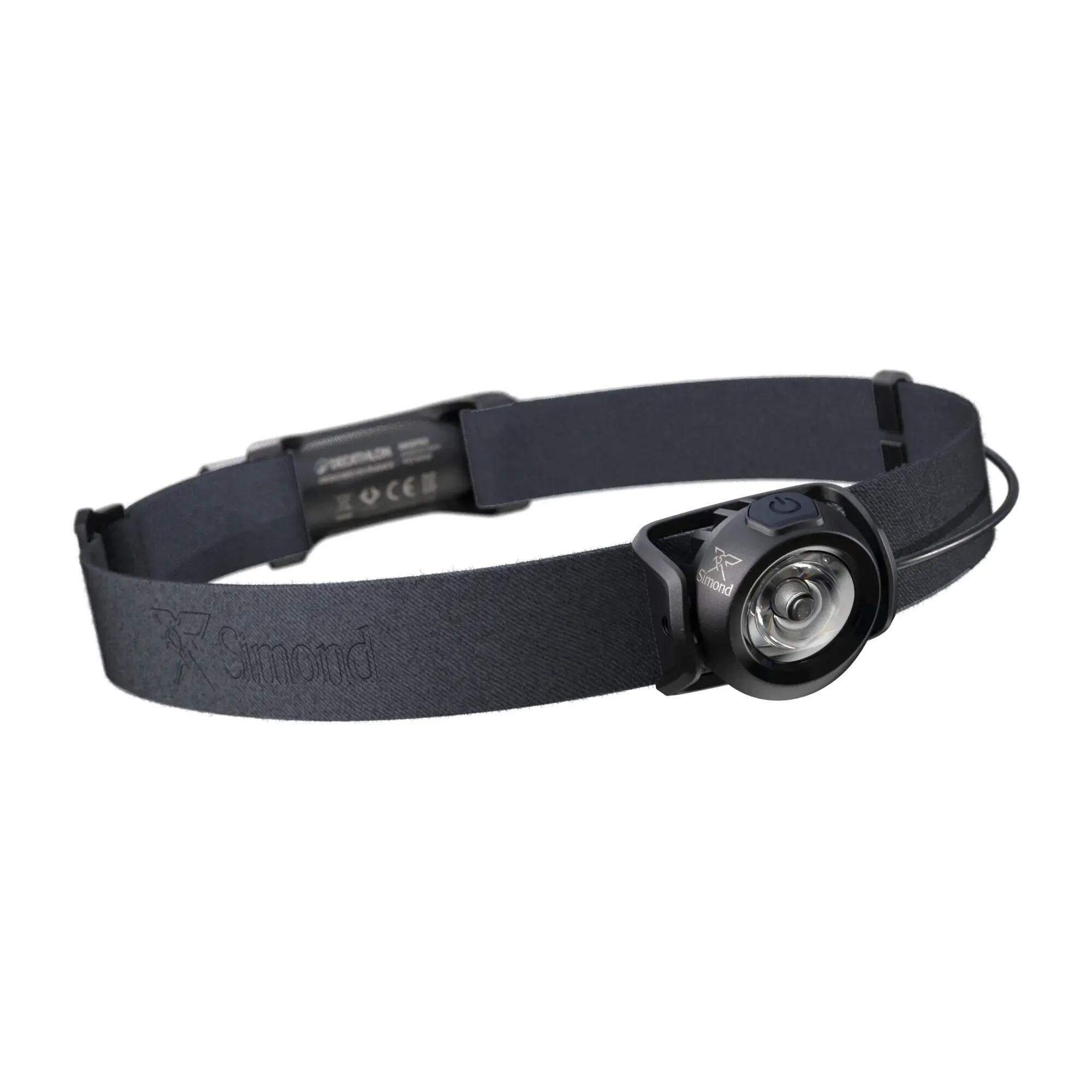
Tent fabric cleaning requires a product that removes dirt, mildew, and body oil residue without stripping the PU coating on the flysheet or degrading the seam tape adhesive. The correct approach is a non-detergent cleaner applied with a soft brush to the affected area, rinsed thoroughly with cold water, and left to dry fully before storage. Hot water accelerates coating degradation, so cold rinsing is always the correct choice regardless of how dirty the fabric is. For mildew spots specifically, a diluted specialist mildew remover applied before the general clean tackles the root cause rather than just the surface discolouration. Camping advice: treat seam tape areas last and avoid scrubbing directly over them, as mechanical abrasion loosens the tape bond at its edges over time. When you camp in tough conditions, and you need reliable light for evening cleaning tasks at the pitch, a hands-free option from the range of camping lighting keeps both hands free while working.

How do camping shower and toilet hygiene products differ from standard household products?

Camping-specific hygiene products for showers and toilets are formulated to work effectively with low water volumes and to break down safely in portable waste systems. Standard household shower gels and toilet chemicals contain surfactants and preservatives that do not fully break down in a cassette toilet tank, which causes foaming, odour buildup, and accelerated corrosion of the tank seals. Camping toilet fluid uses a combination of biocides and enzyme activators that digest waste solids and control odour without damaging the tank or blocking the dump point. For the shower side, biodegradable soap and shampoo products rinse clean with the limited water output of a solar or pump shower, leaving no residue that would block the shower head valve over time. Campers setting up a full wash station benefit from pairing hygiene products with a dedicated unit from the camping showers range, which provides a consistent water delivery rate that hygiene products are formulated to work with.

What hygiene products should be packed alongside a camping toilet?

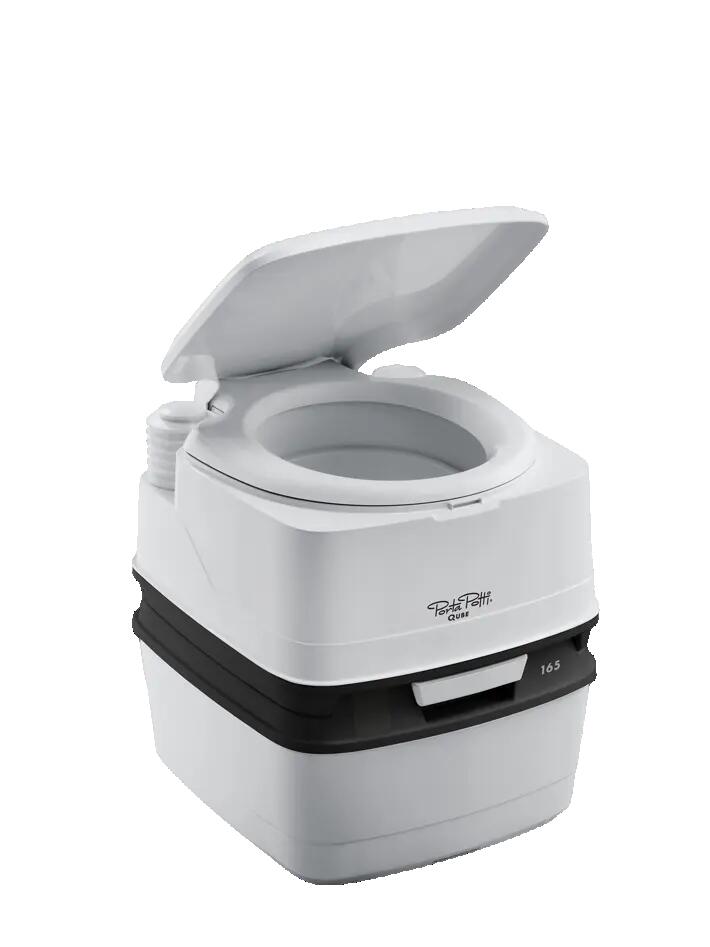
A camping toilet hygiene kit should include tank treatment fluid, rinse fluid for the flush mechanism, toilet tissue rated for cassette disposal, and a hand sanitiser for use when running water is not immediately available. Tank treatment fluid is the most critical item; without it, anaerobic bacteria in the sealed waste tank produce hydrogen sulphide gas that makes emptying unpleasant and can pressurise the tank enough to cause a seal failure on older units. Rinse fluid is separate from tank fluid and goes into the flush water reservoir; it keeps the bowl surface clean between uses and prevents limescale buildup on the flush nozzle. Biodegradable tissue rated for cassette systems breaks down in the tank within hours, whereas standard tissue takes days and can block the outlet valve at the dump point. A fully stocked sanitation area makes camping far more comfortable, and pairing these products with a unit from the camping toilets range gives a complete and self-contained setup.

How does camping hygiene fit into overall campsite health and safety?

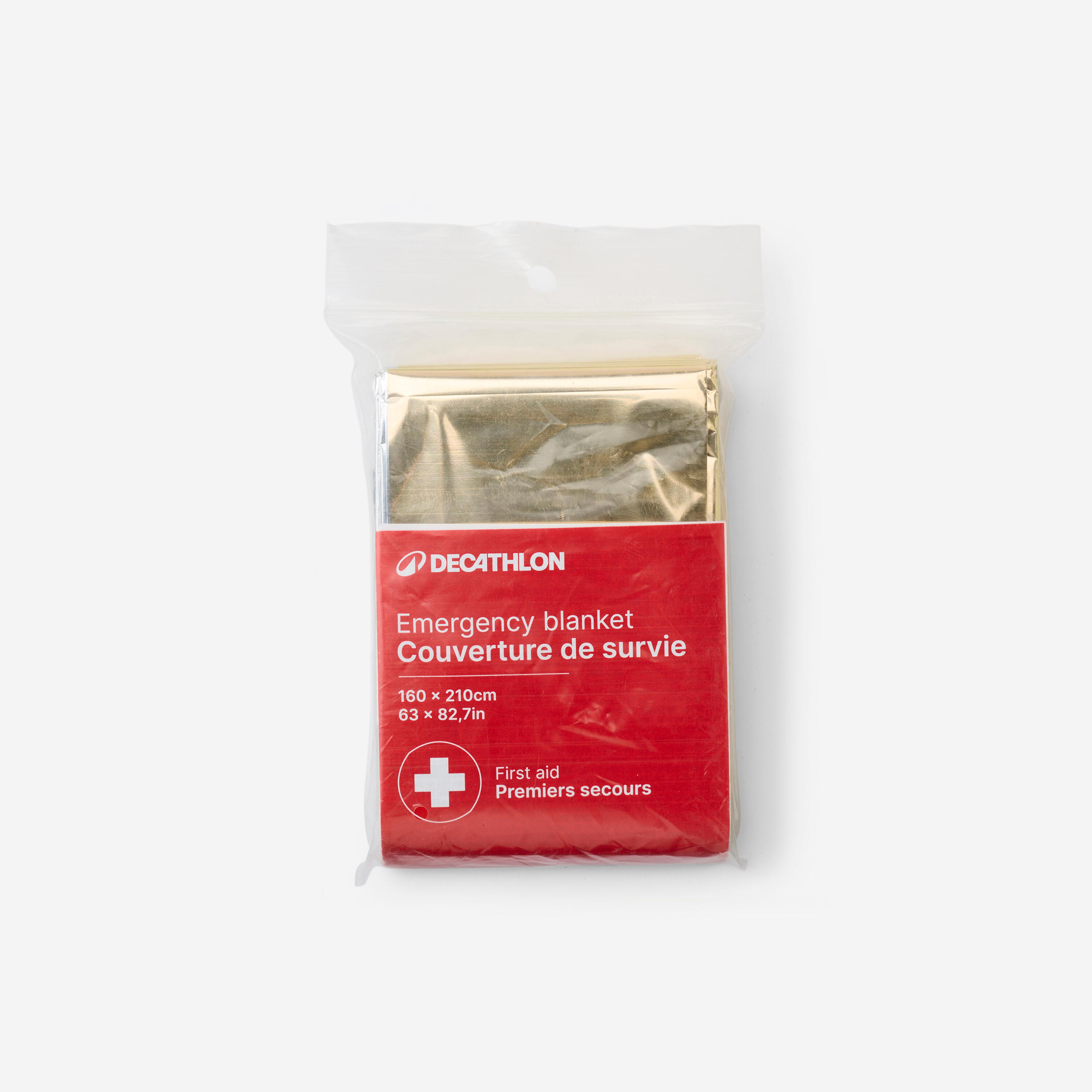
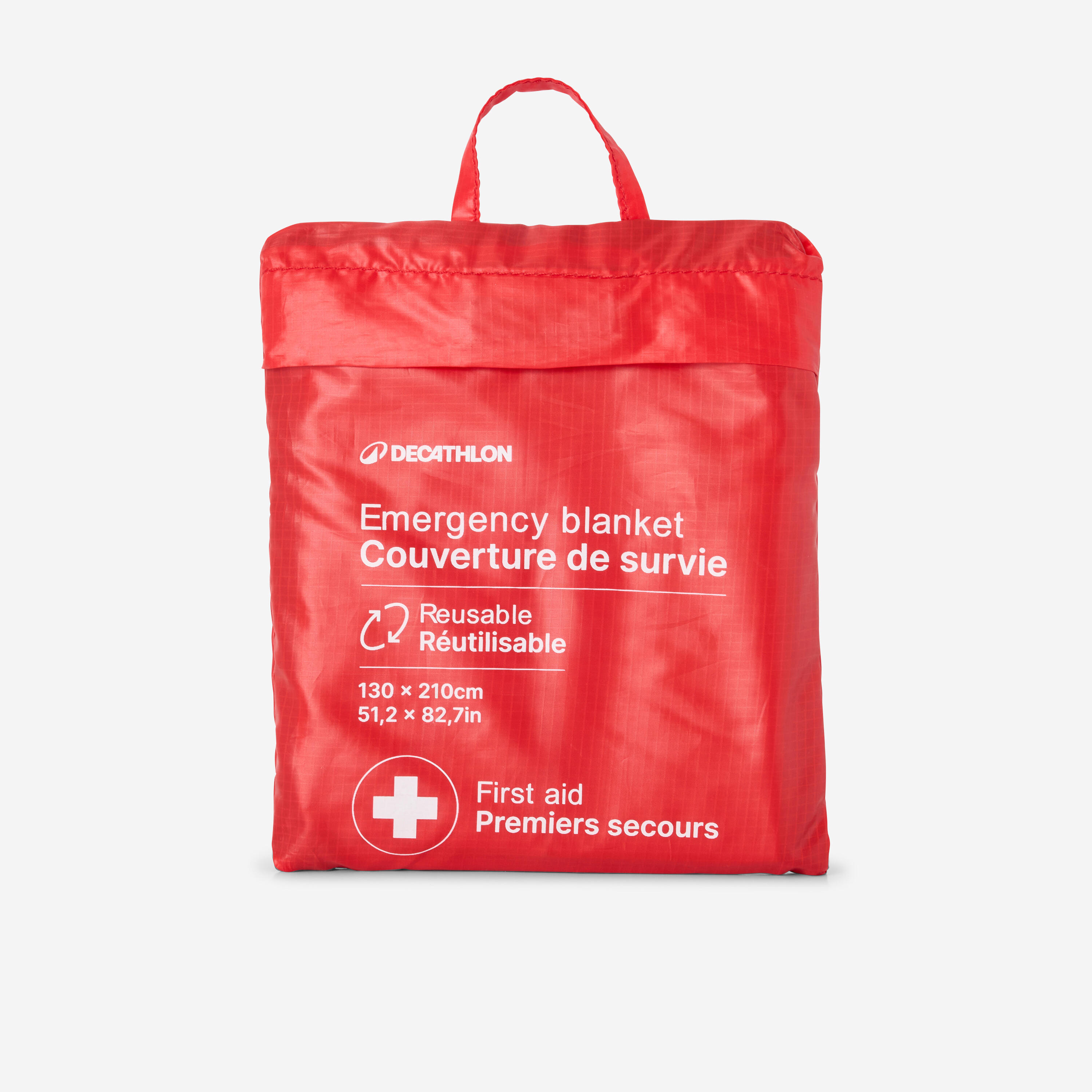
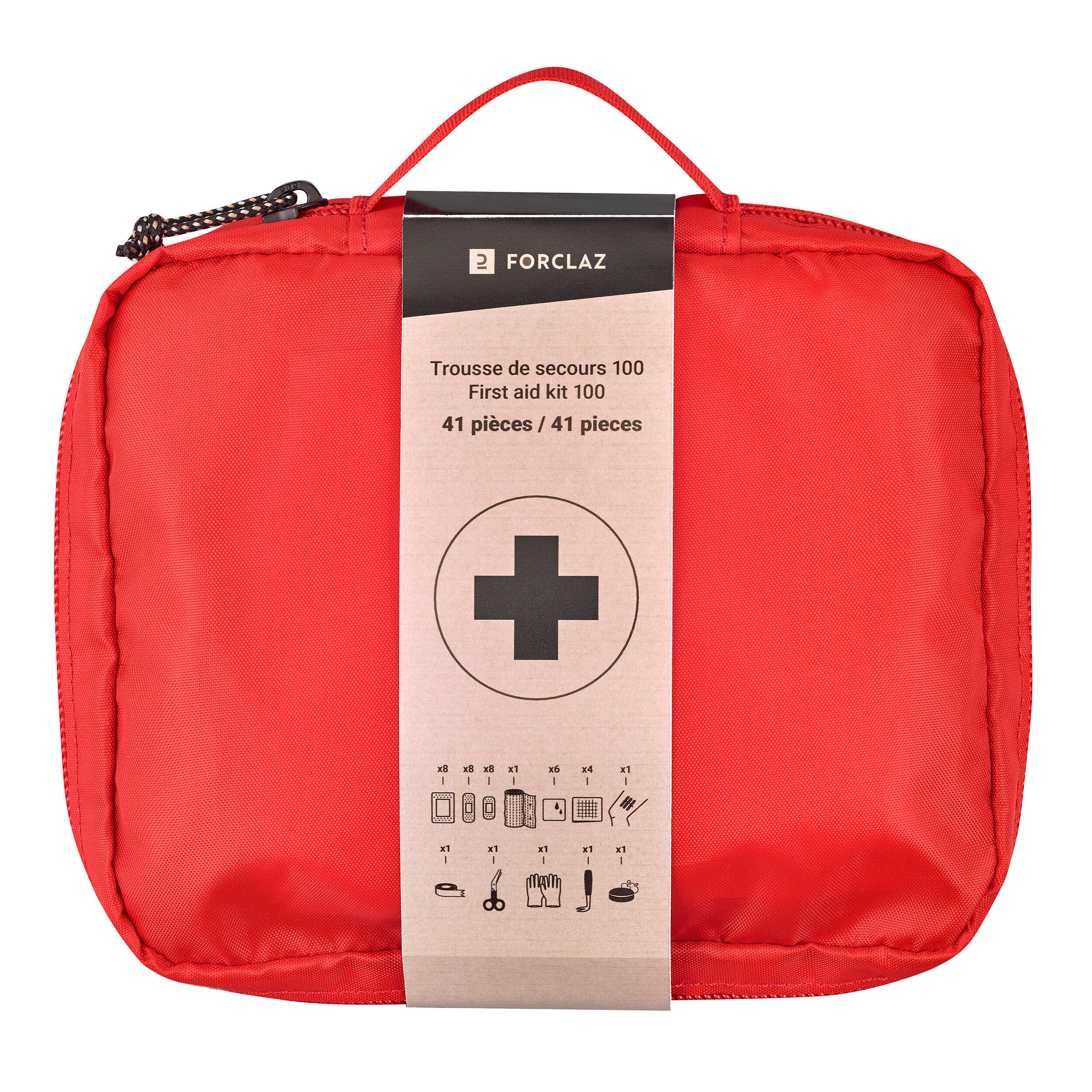
Campsite hygiene covers equipment care, personal hygiene, food safety, and wound care, and each area depends on having the right products accessible rather than left at the bottom of a kit bag. Equipment cleaning prevents mould and bacteria from degrading fabric and coating performance across seasons. Personal hygiene products prevent skin irritation and infection during multi-night stays, particularly in warm weather, where sweat and sun cream residue accelerate bacterial growth on clothing and skin. Food preparation surfaces cleaned with a biodegradable sanitiser reduce cross-contamination risk in a shared camp kitchen setup. Having a stocked camping first aid kit alongside your hygiene products ensures that minor cuts, burns, or skin reactions from outdoor activities can be treated promptly at the pitch rather than requiring a trip to find supplies.