
38 items
4.7/5 based on 8409 reviews collected online and in stores

Pool Games FAQs

What pool game equipment is best suited for younger children?

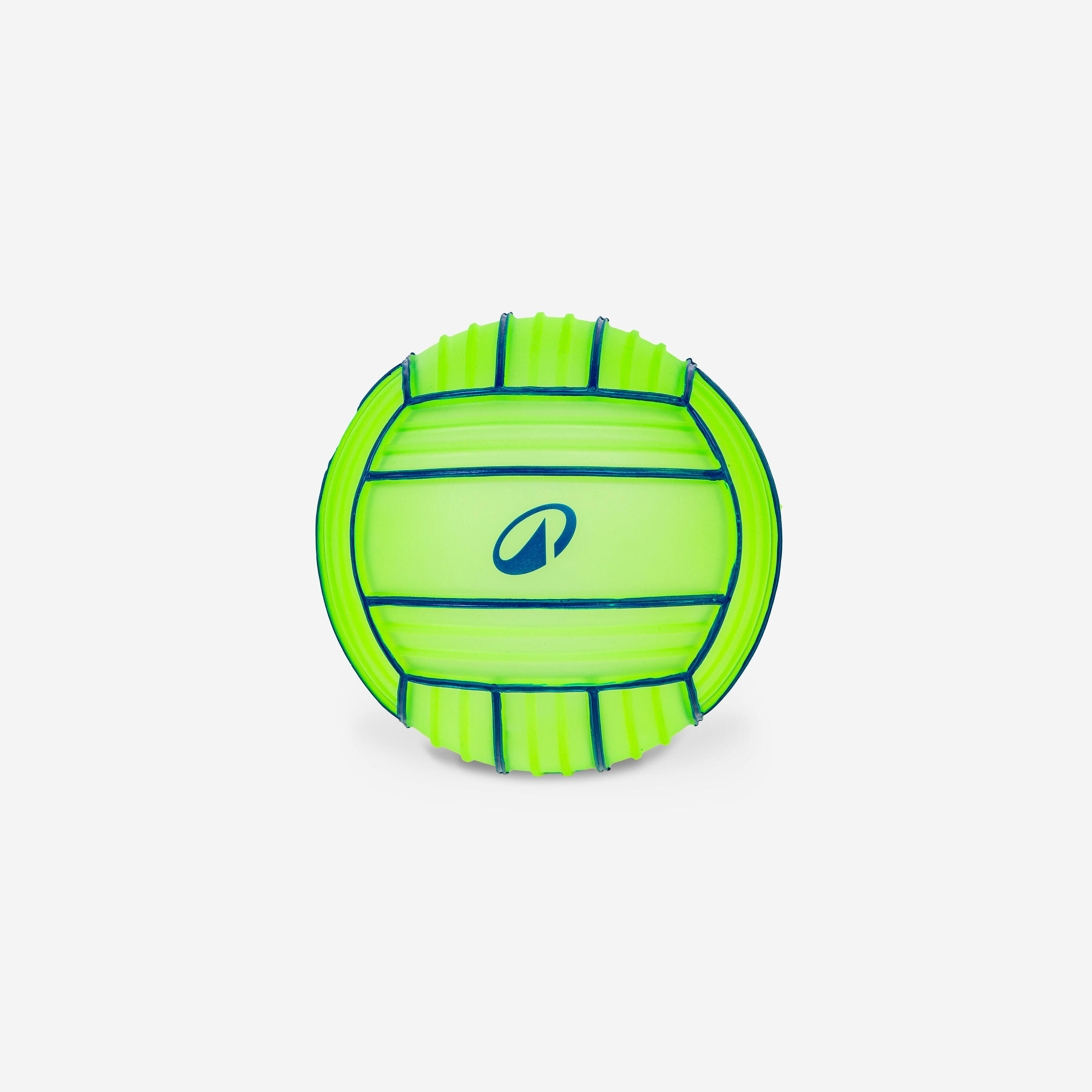
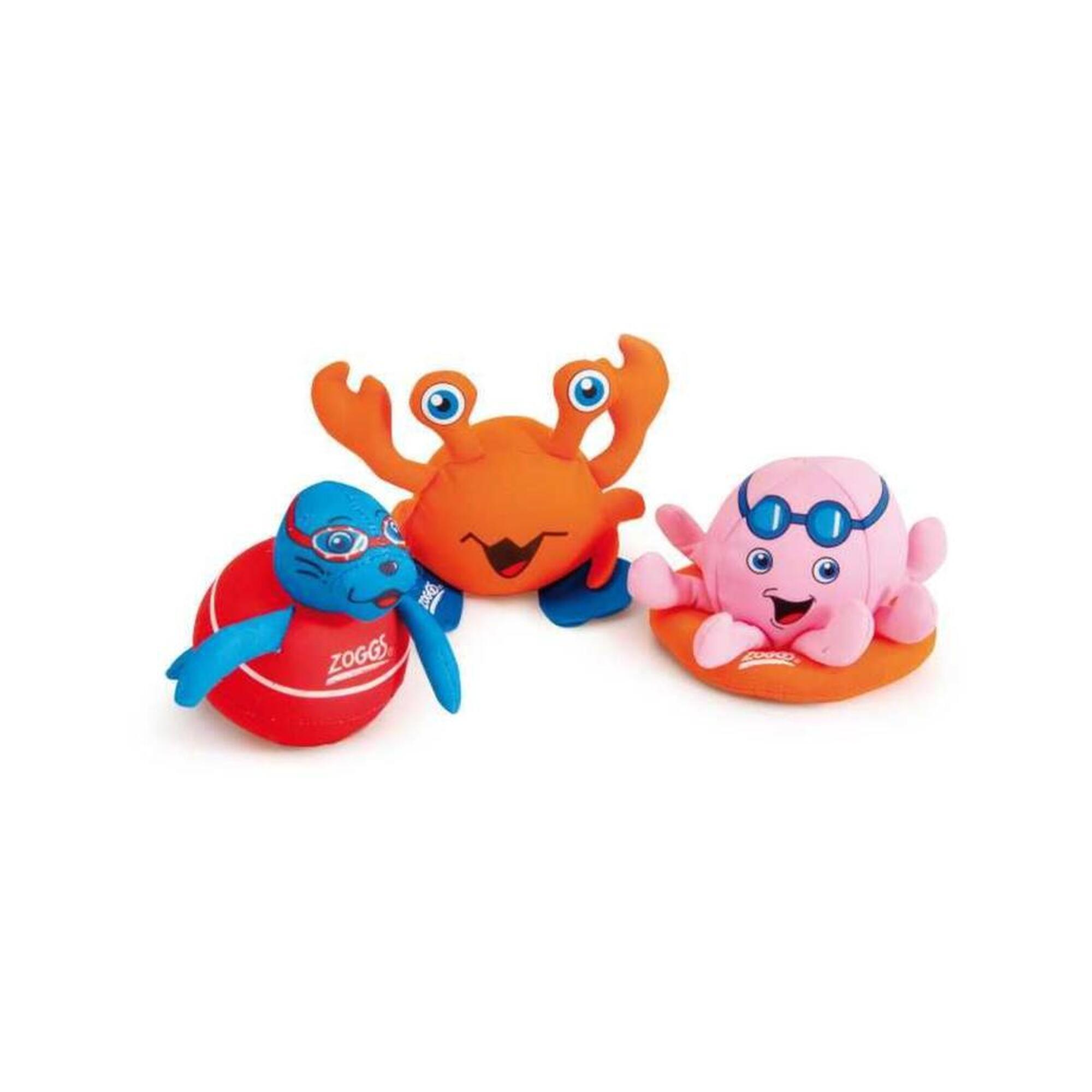
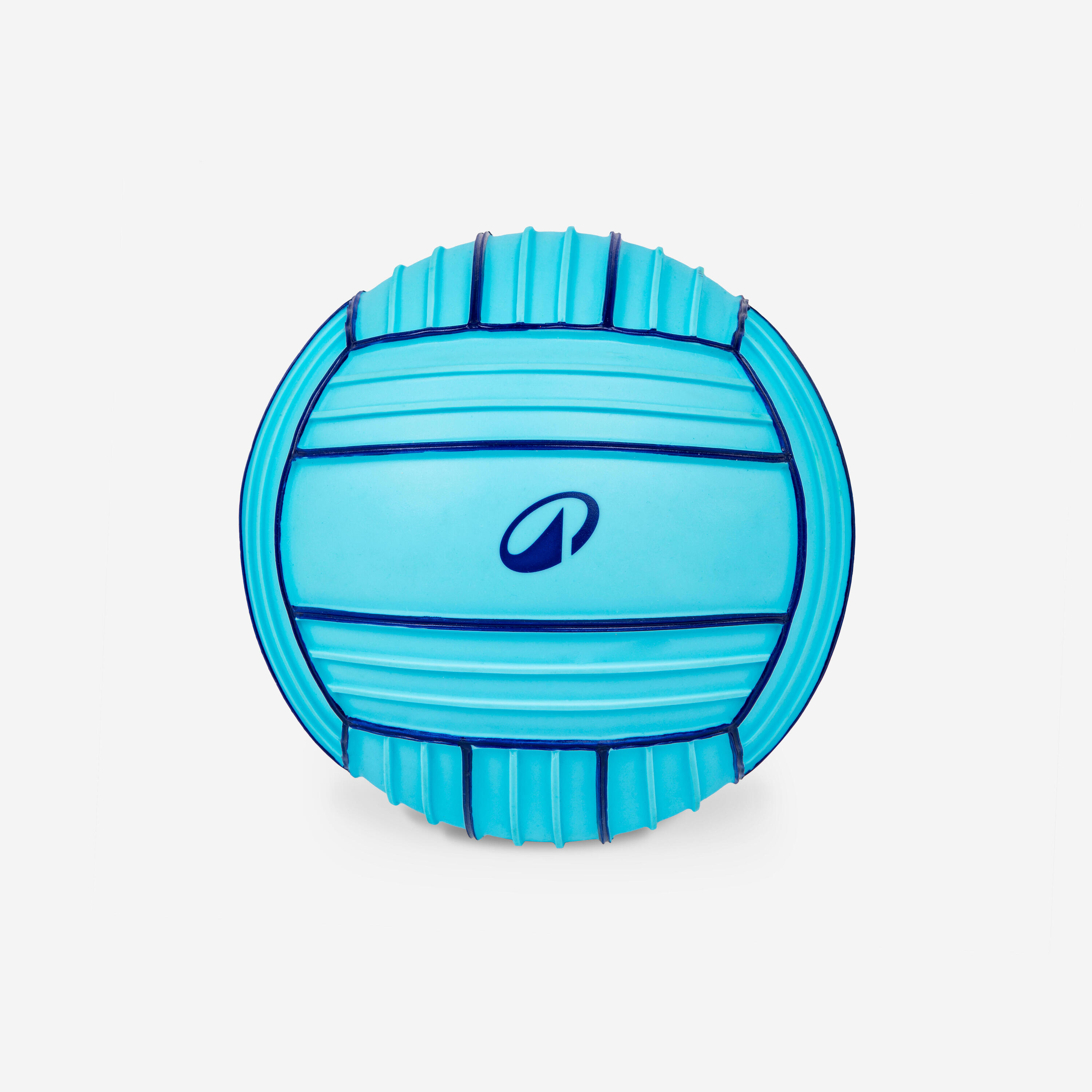
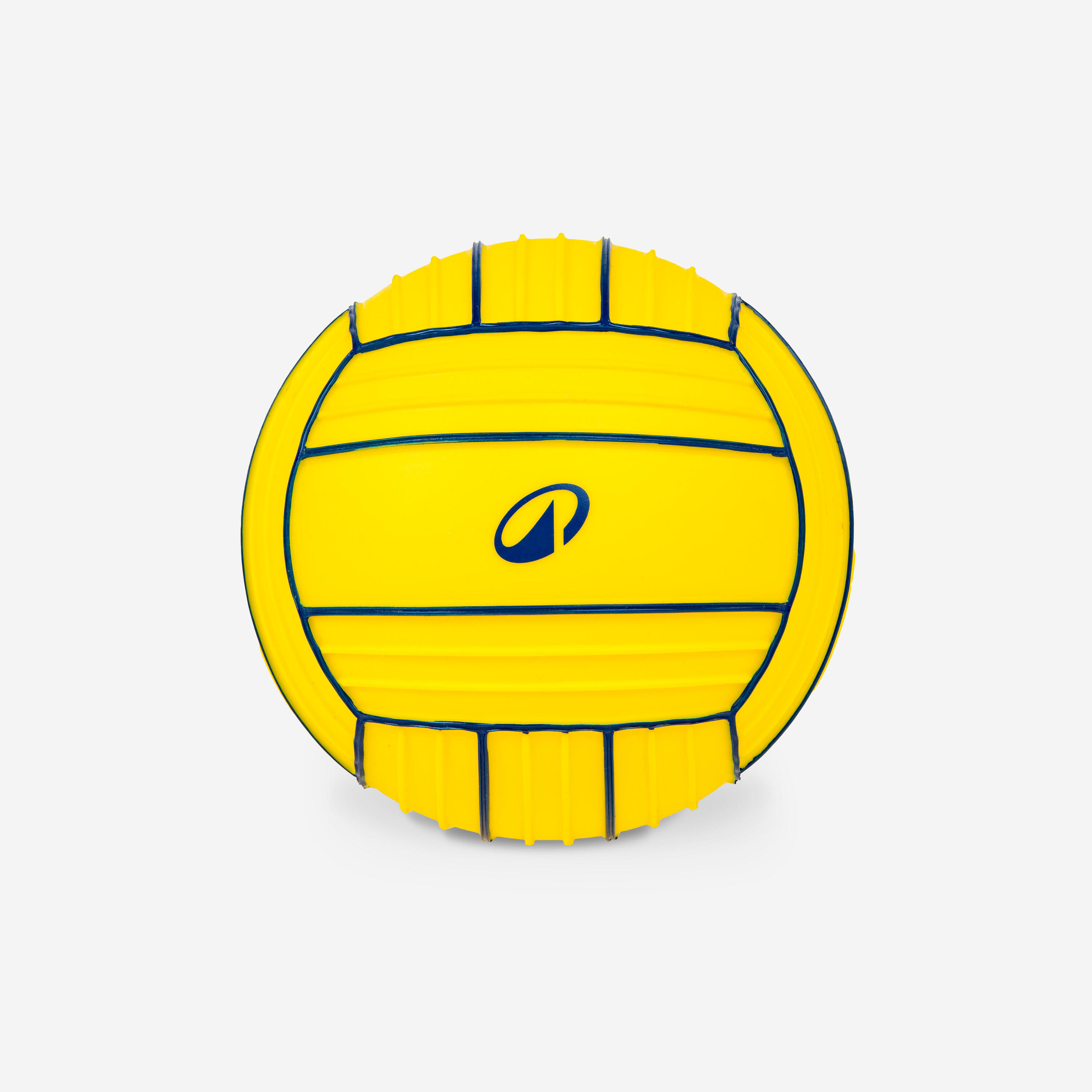
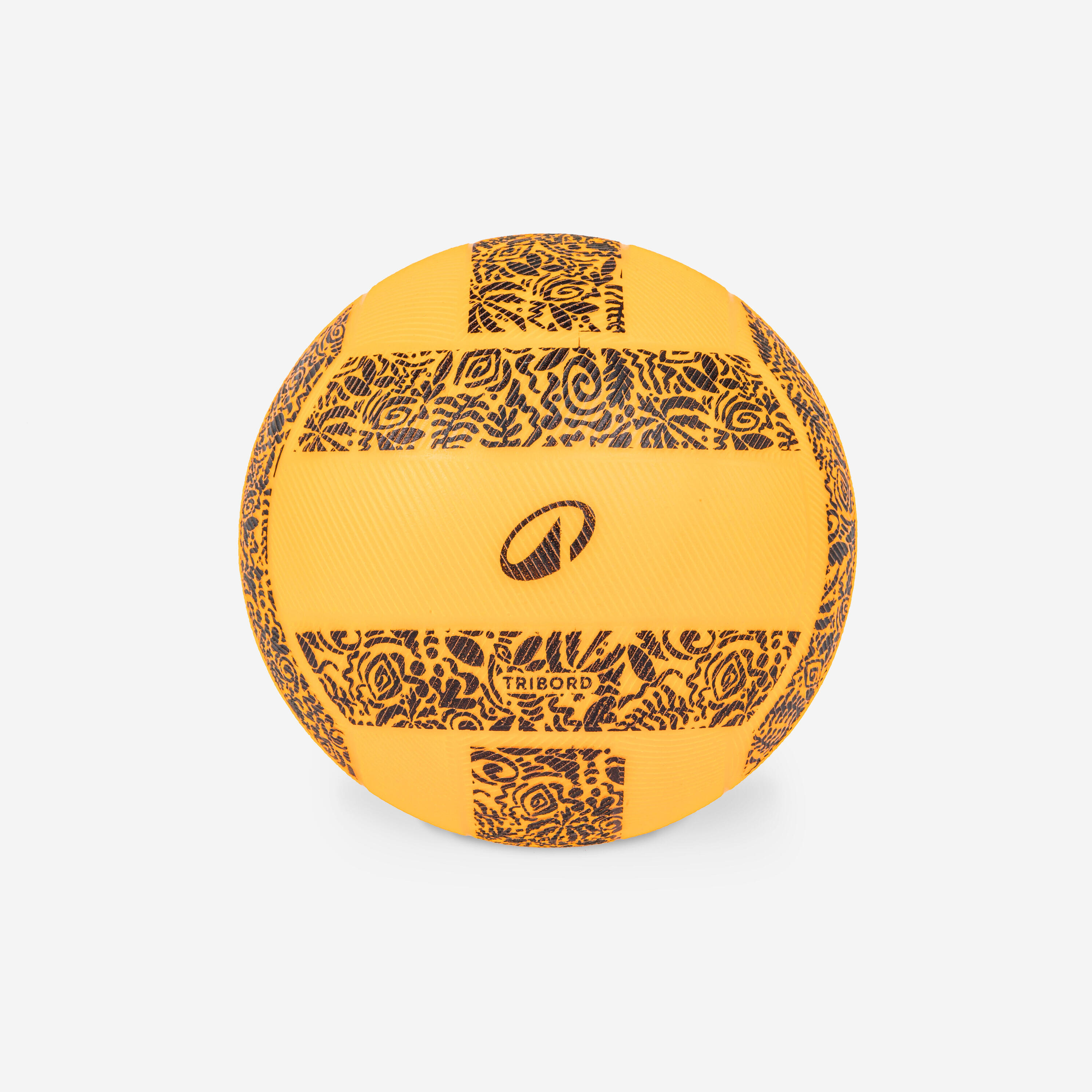
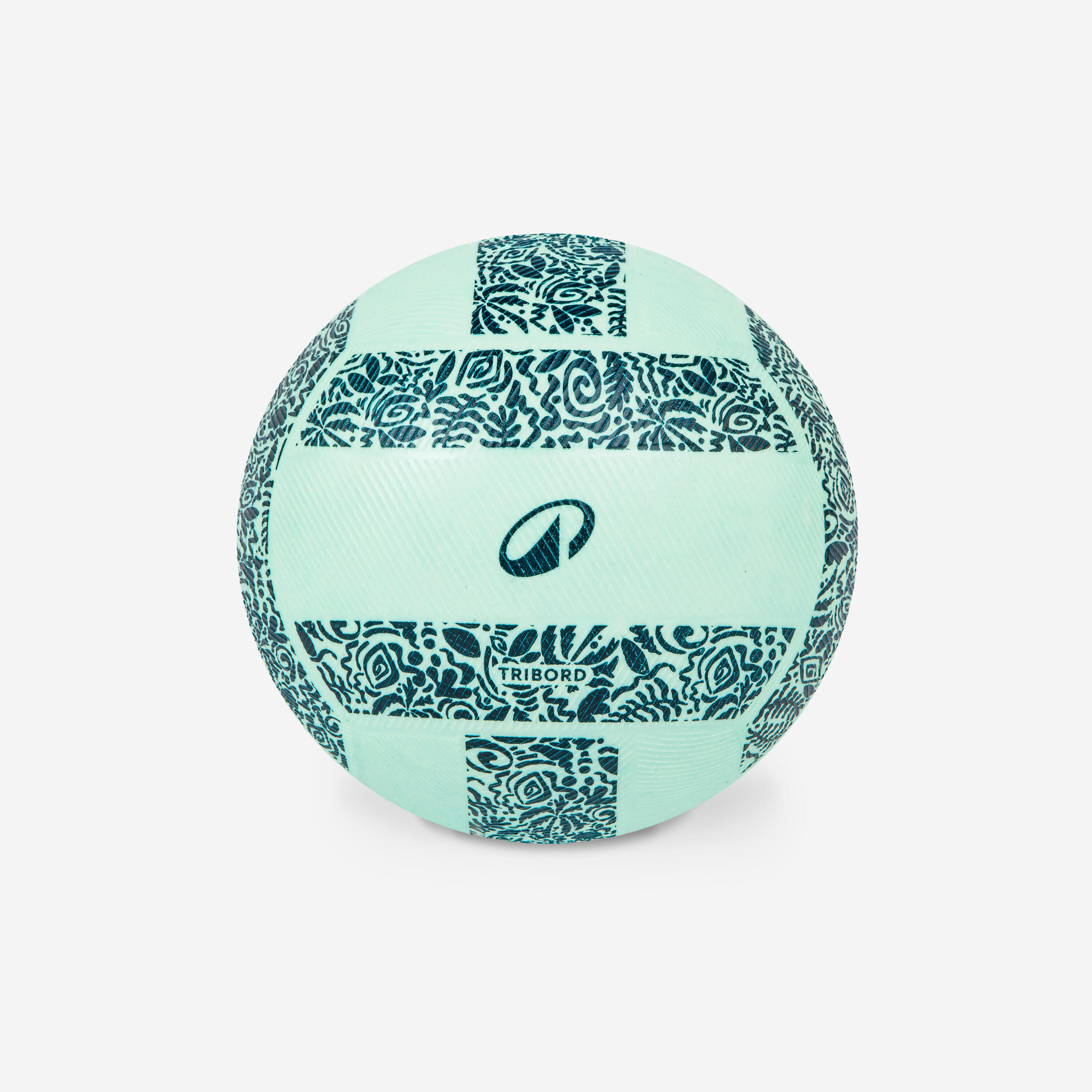
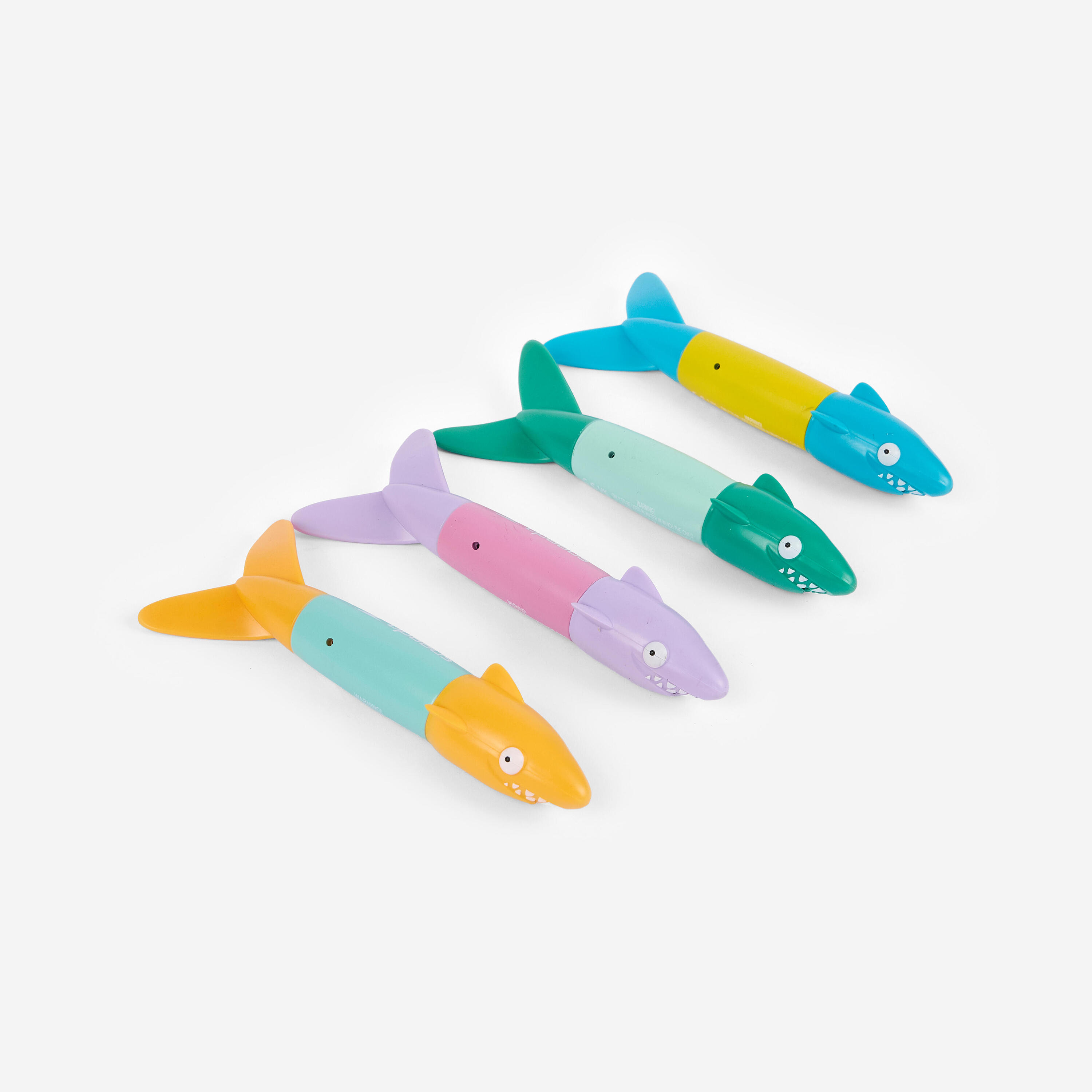
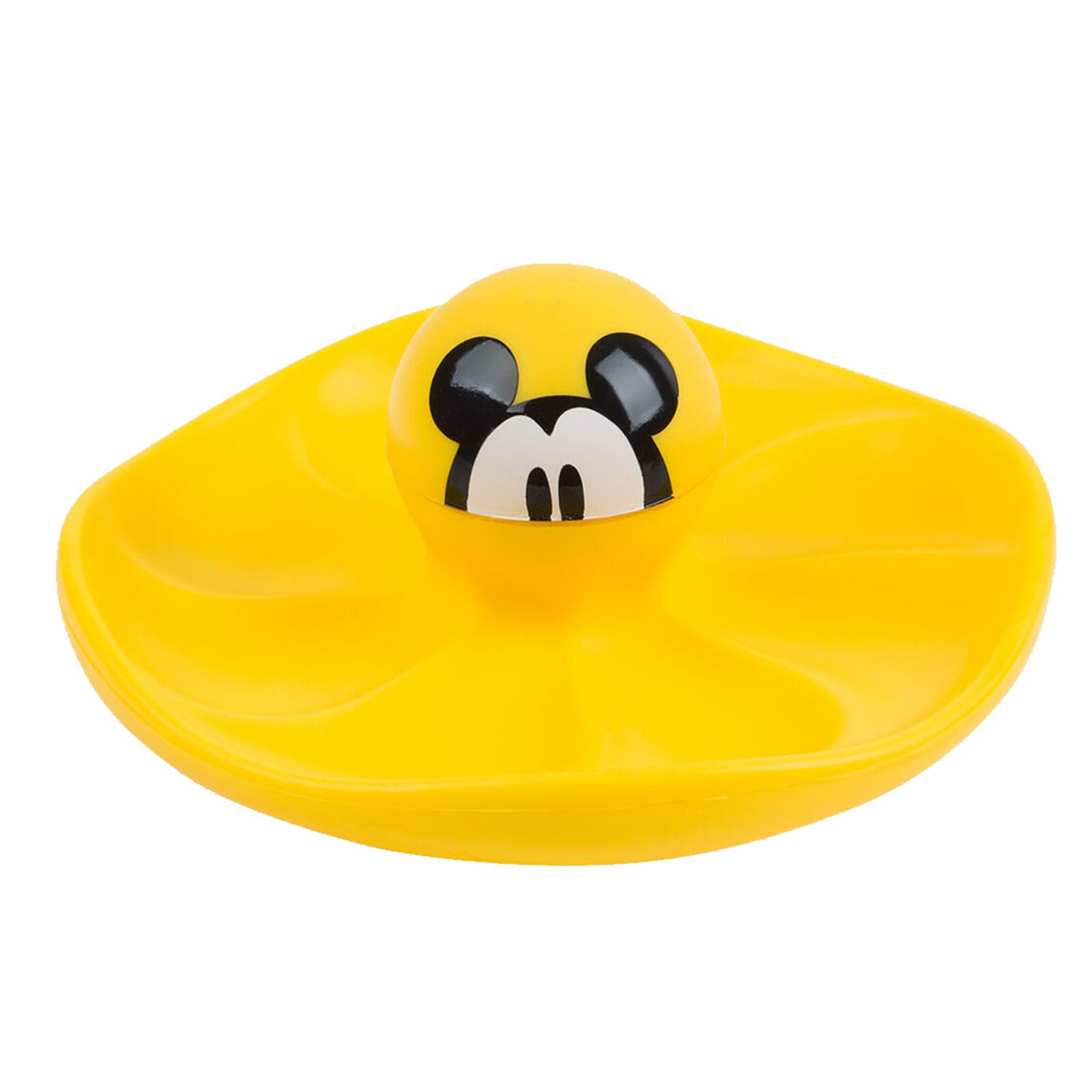
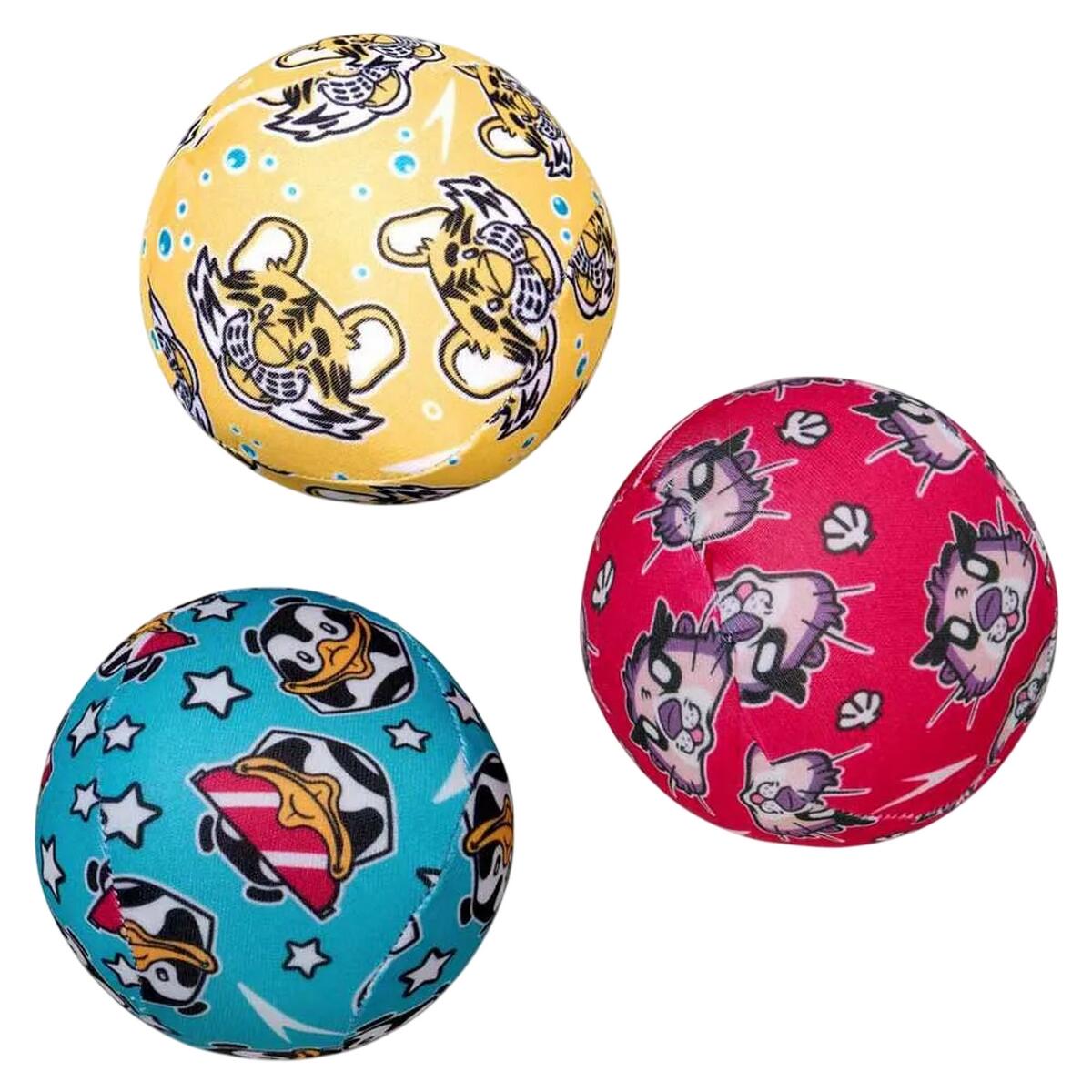
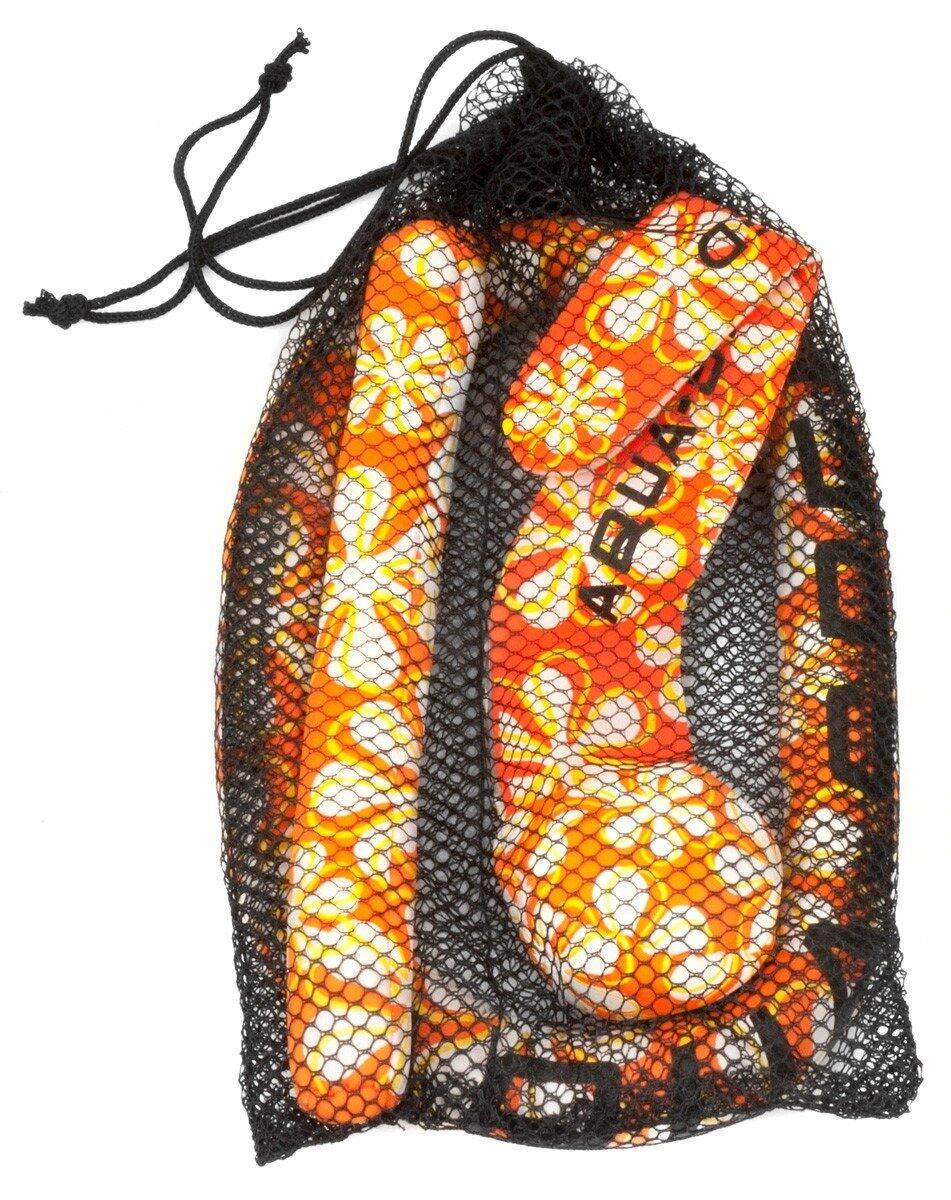
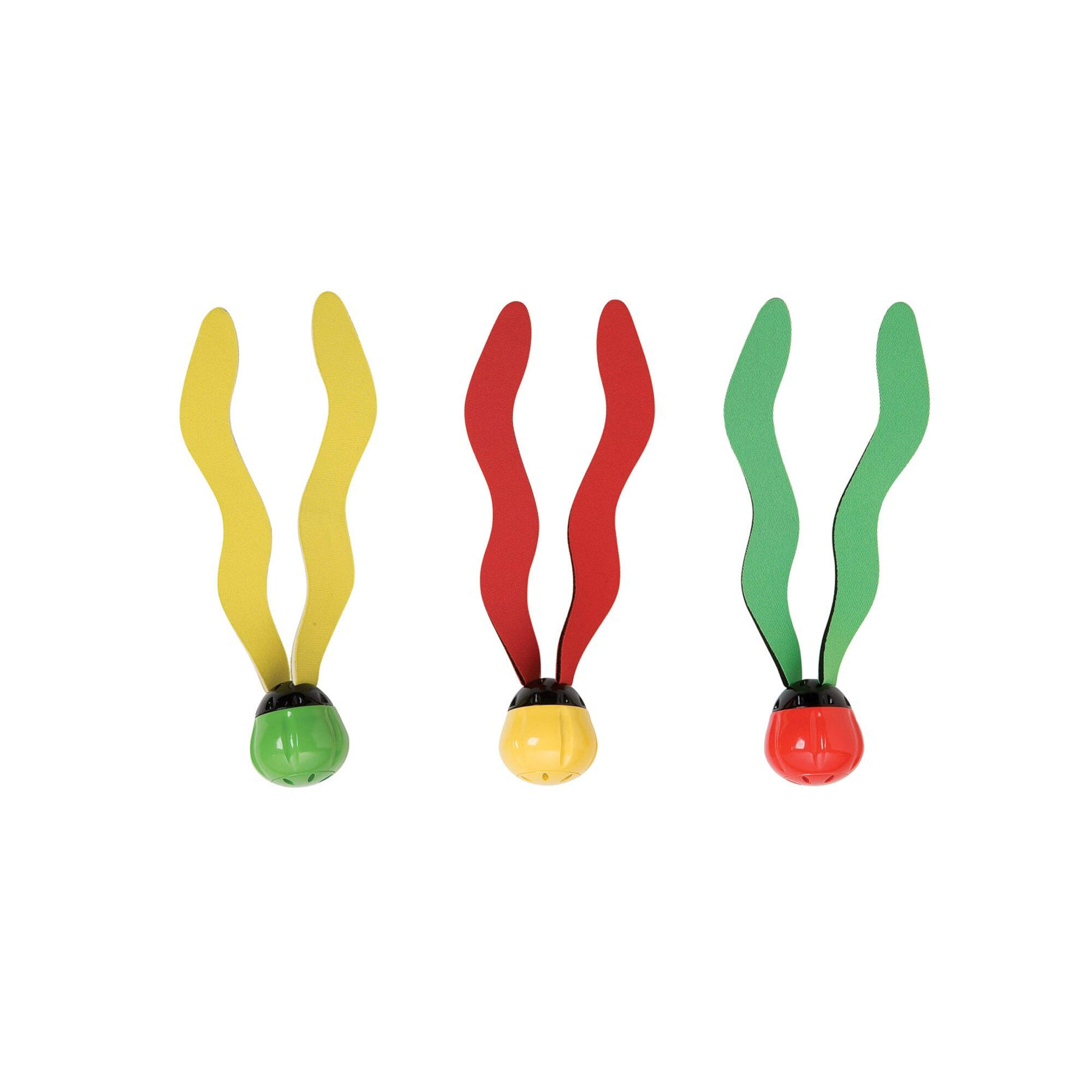
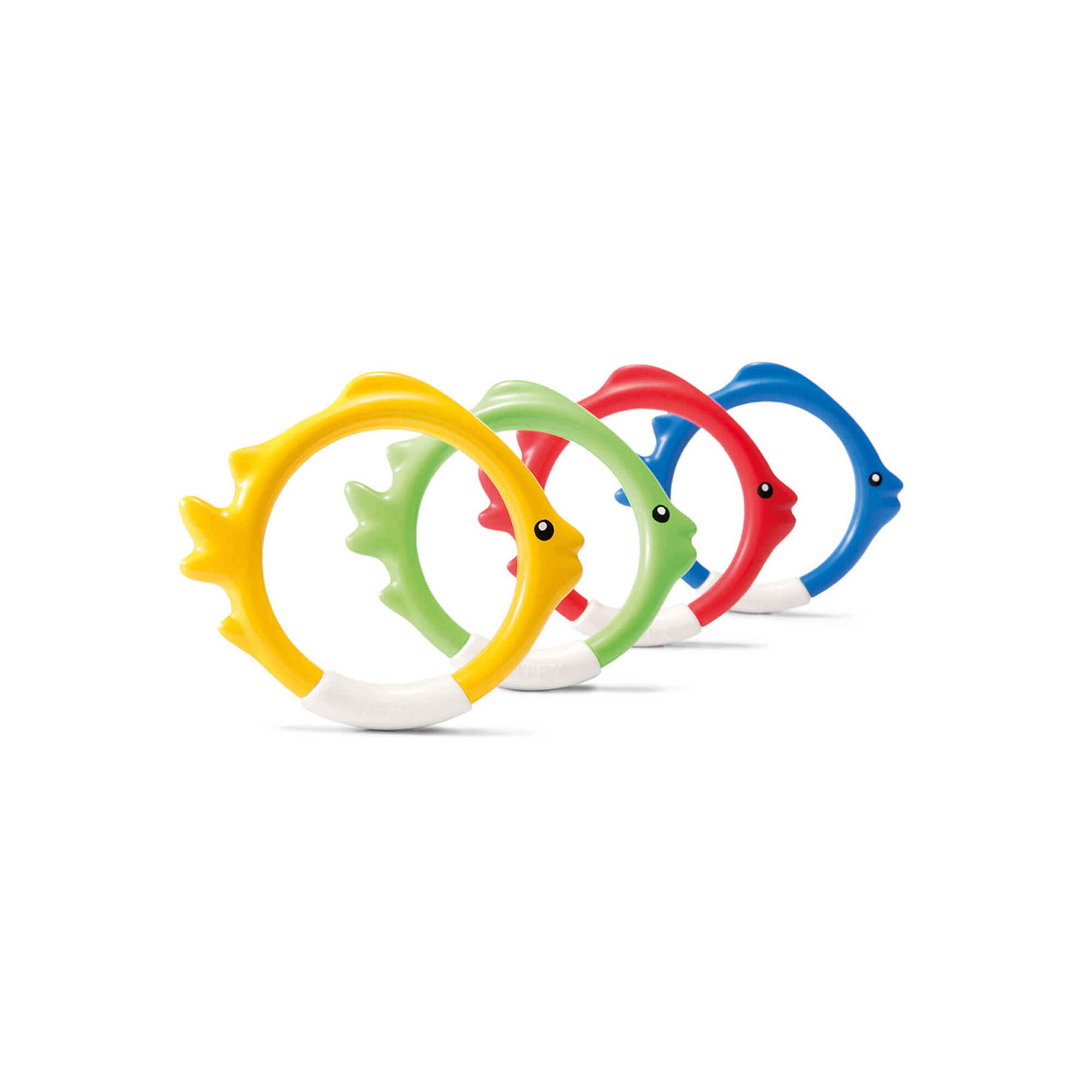
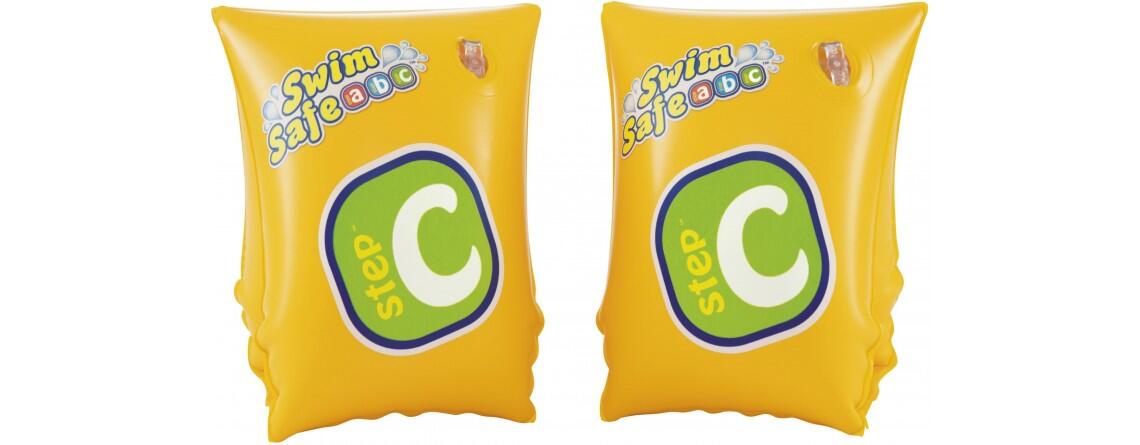
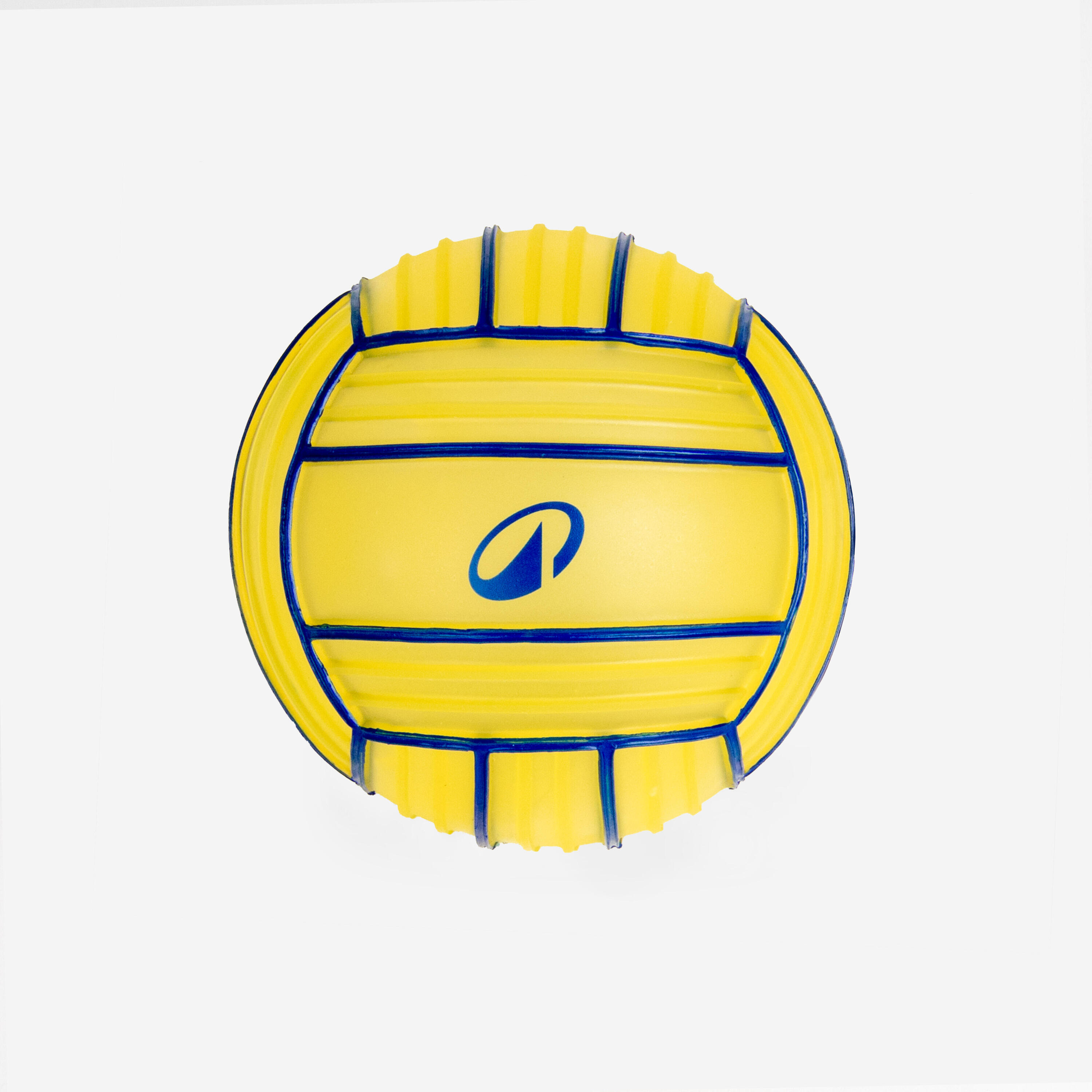
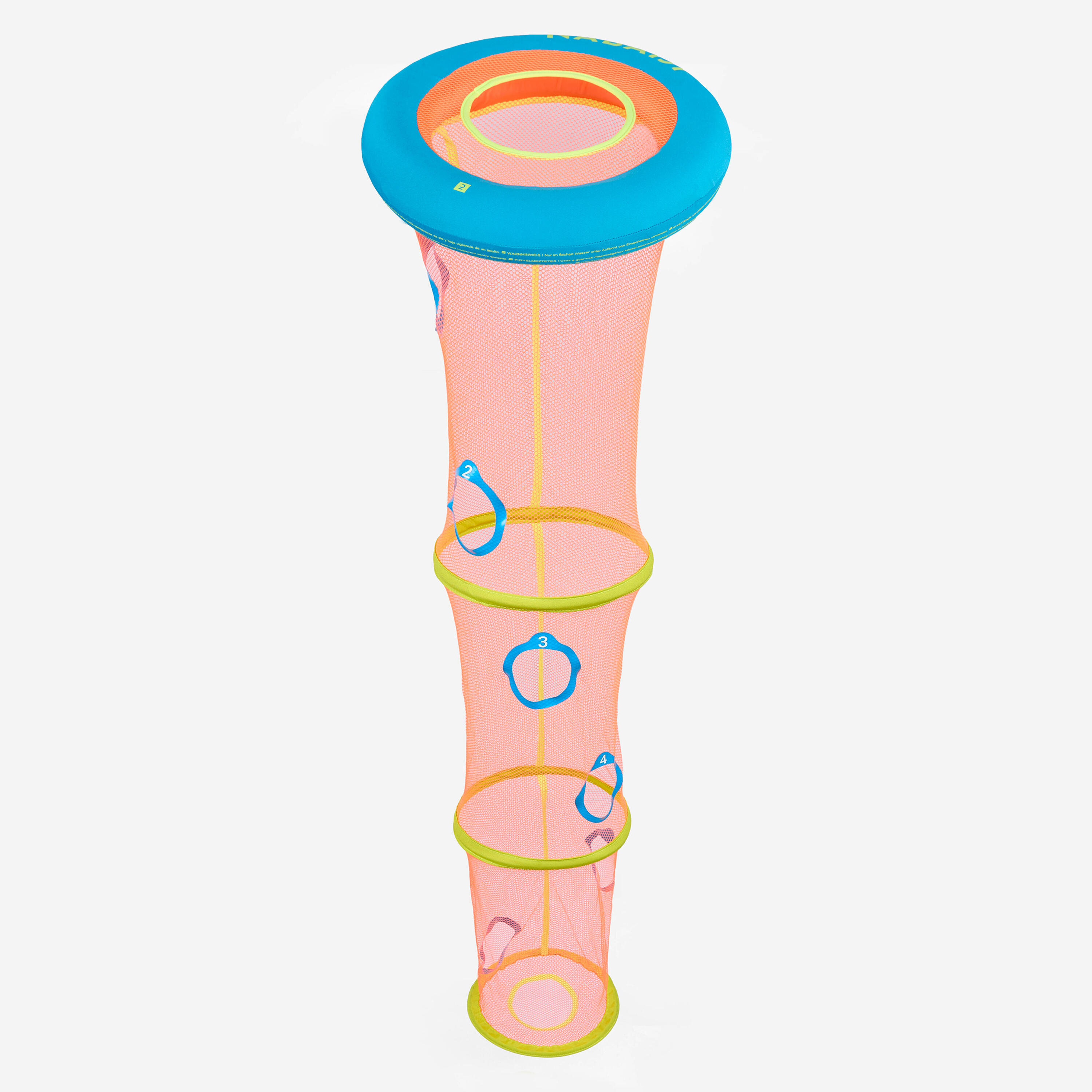
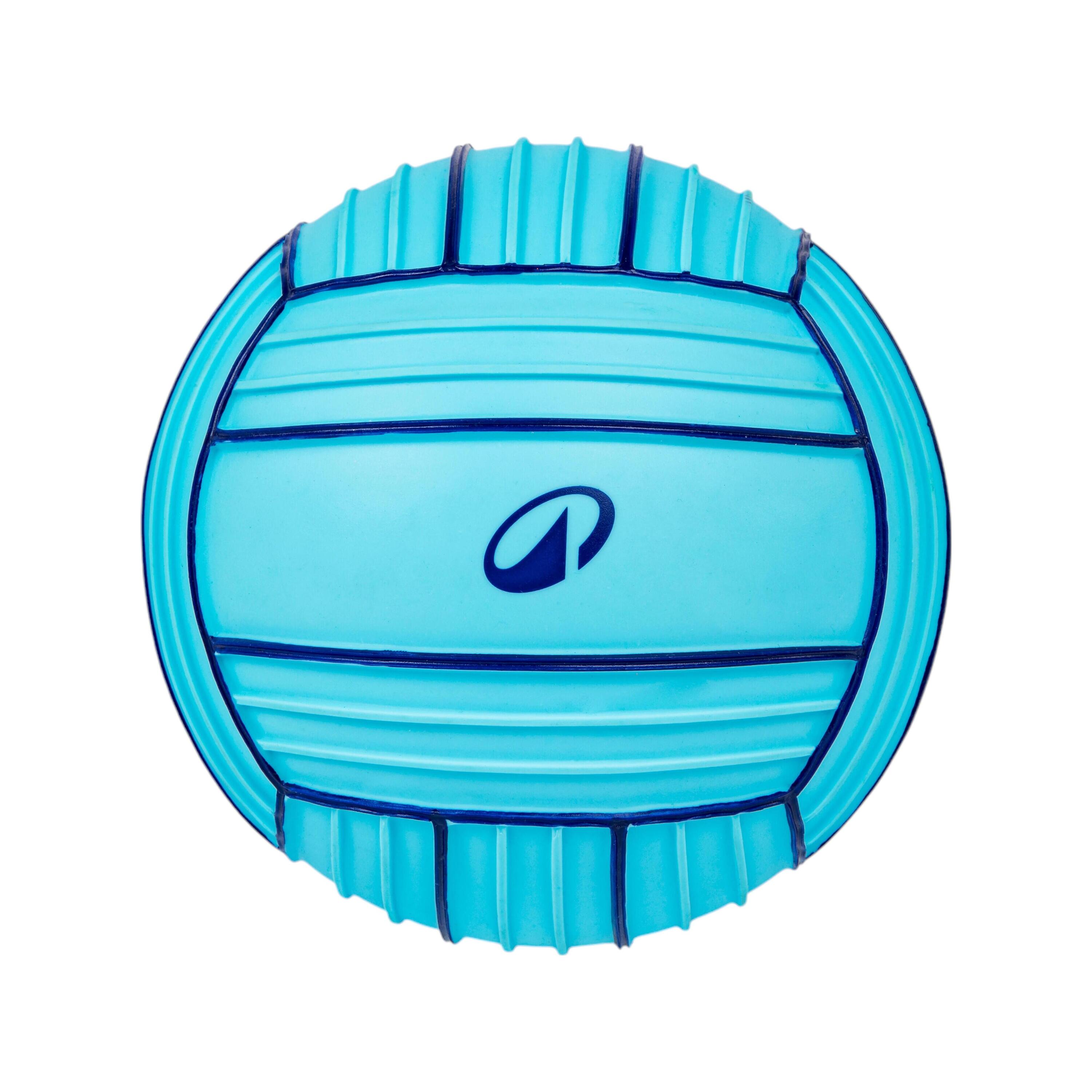
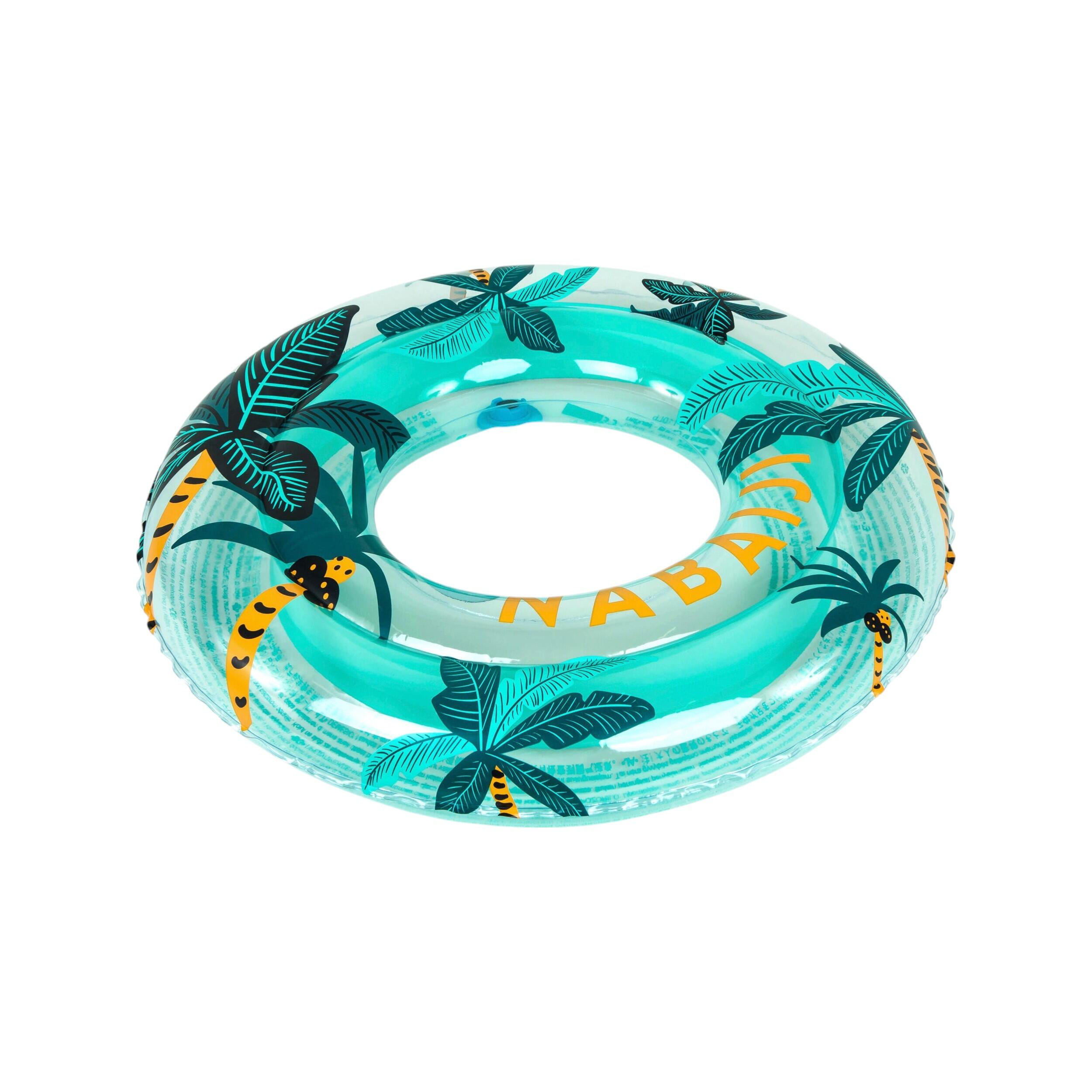
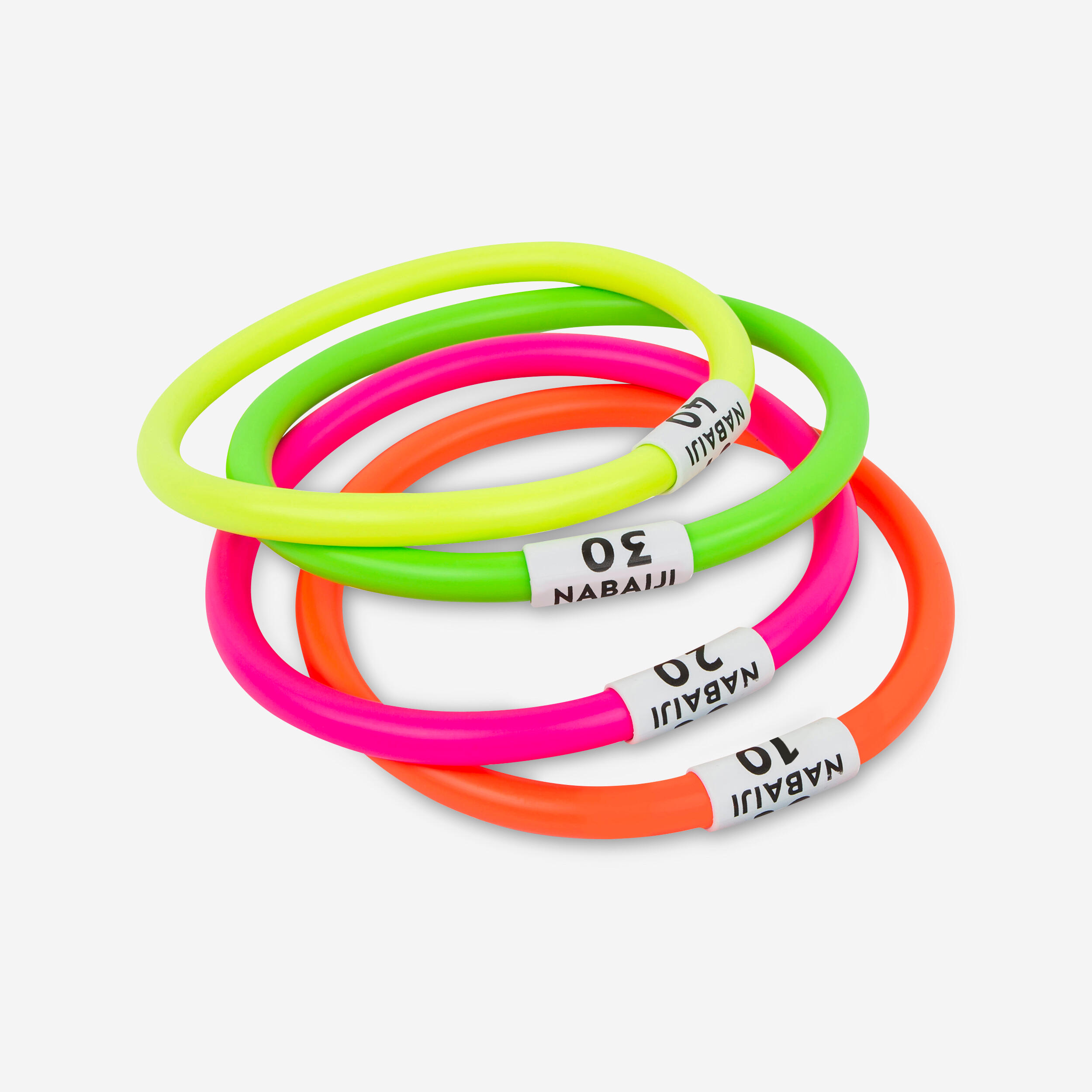
For children still building water confidence, weighted dive rings and small grippy pool balls are two of the most effective starting points. Watko grip balls use a textured surface that gives wet hands something to hold on to, which is also good for young swimmers who are still learning to track and catch in the water. The weighted aquatic rings sink slowly enough to give children time to retrieve them, making the activity achievable without being frustrating. These kinds of structured pool toys build the underwater breath control and kick technique that formal lessons aim for, but through play rather than instruction. For parents setting up a more complete session, items such as pumps, goggles, and float aids sit alongside games within pool accessories, making it straightforward to gather everything needed for a full afternoon in the water.
How do I choose the right water polo ball size?

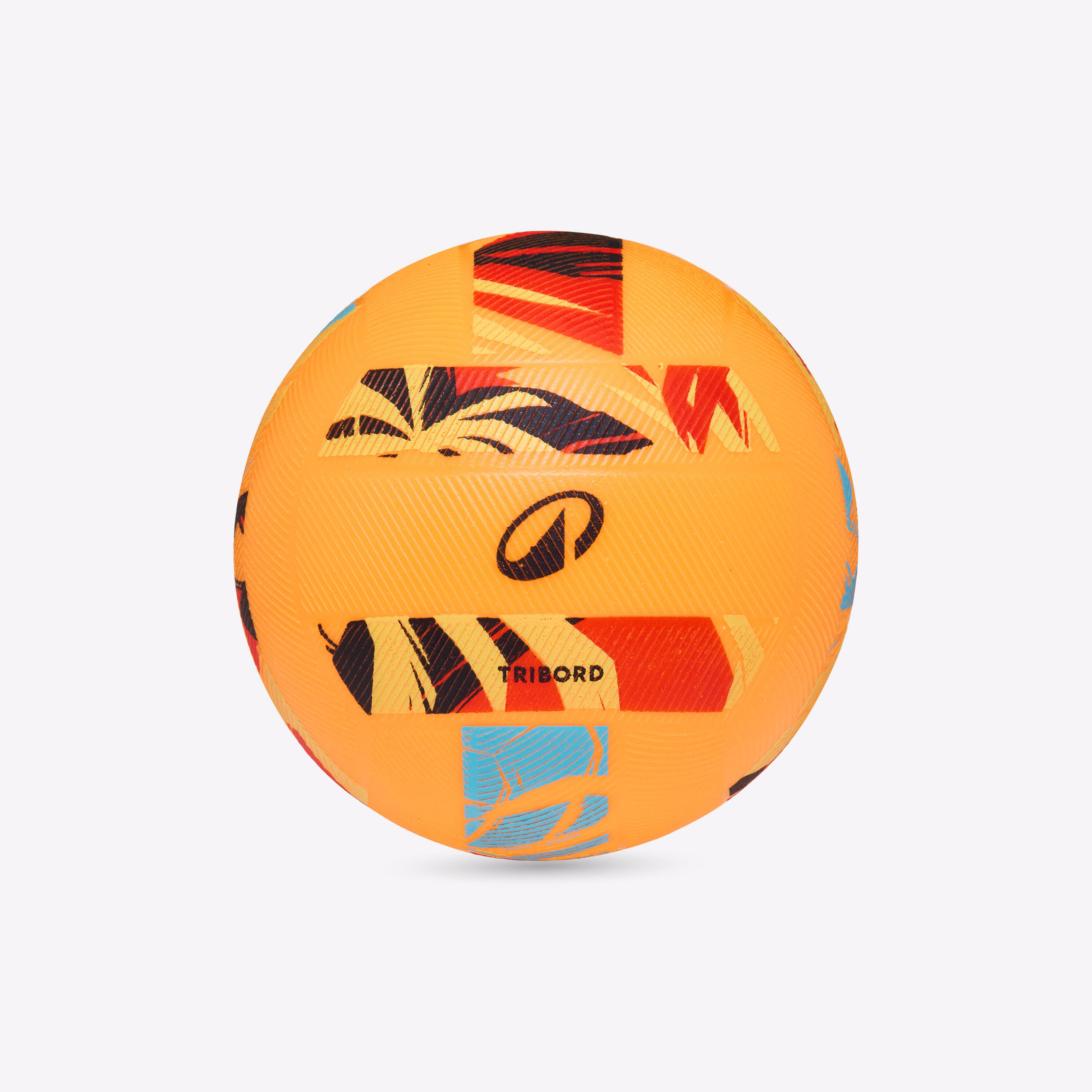
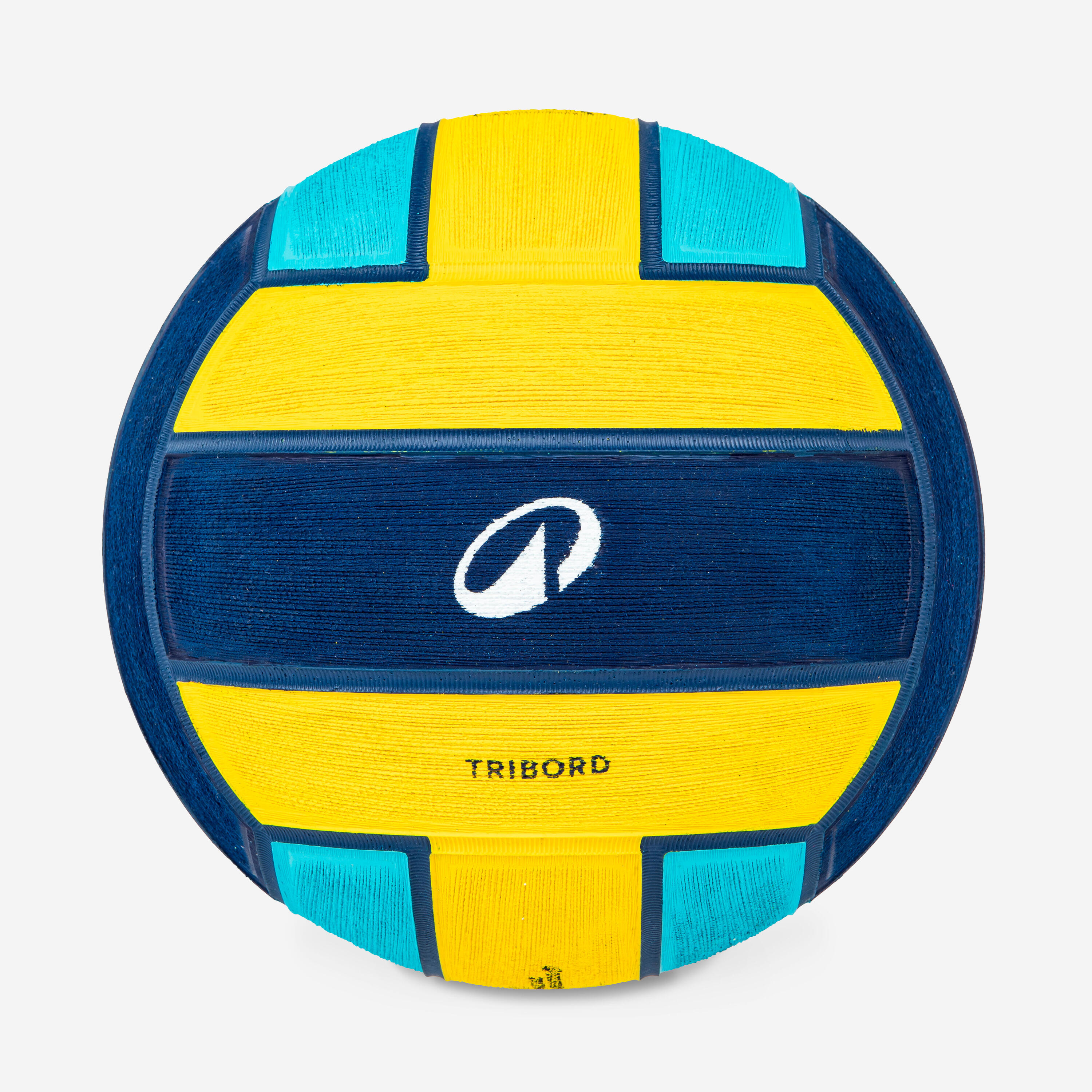
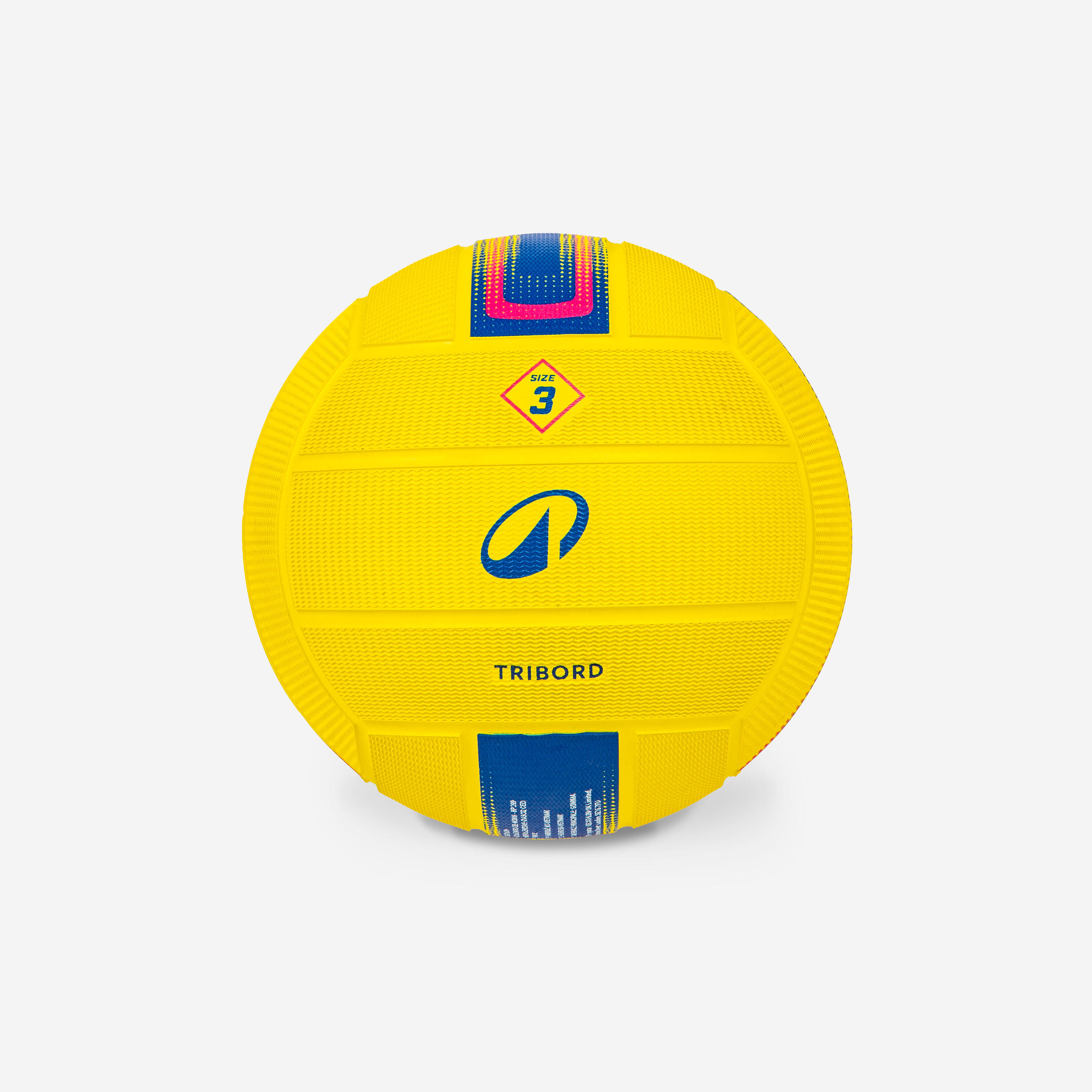
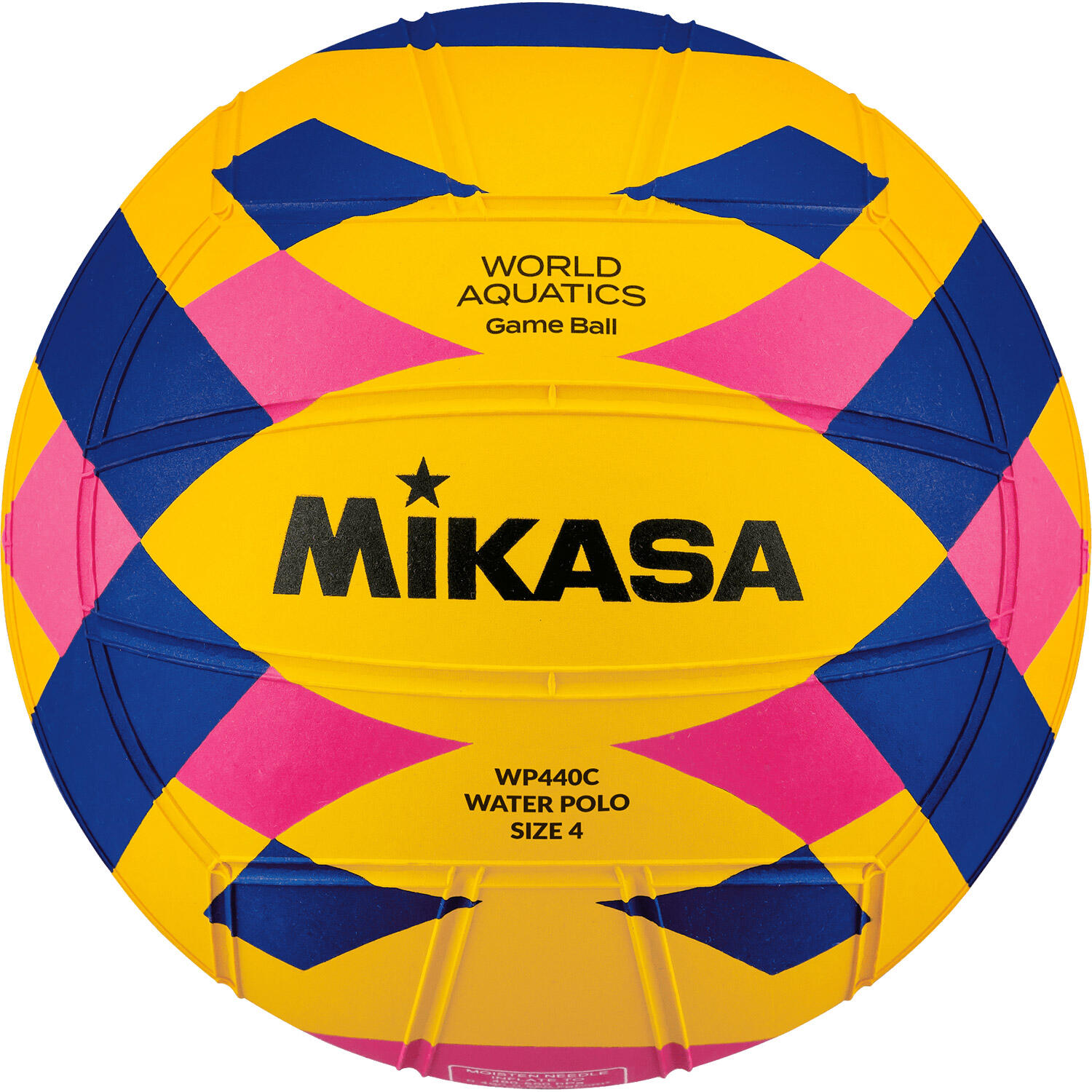
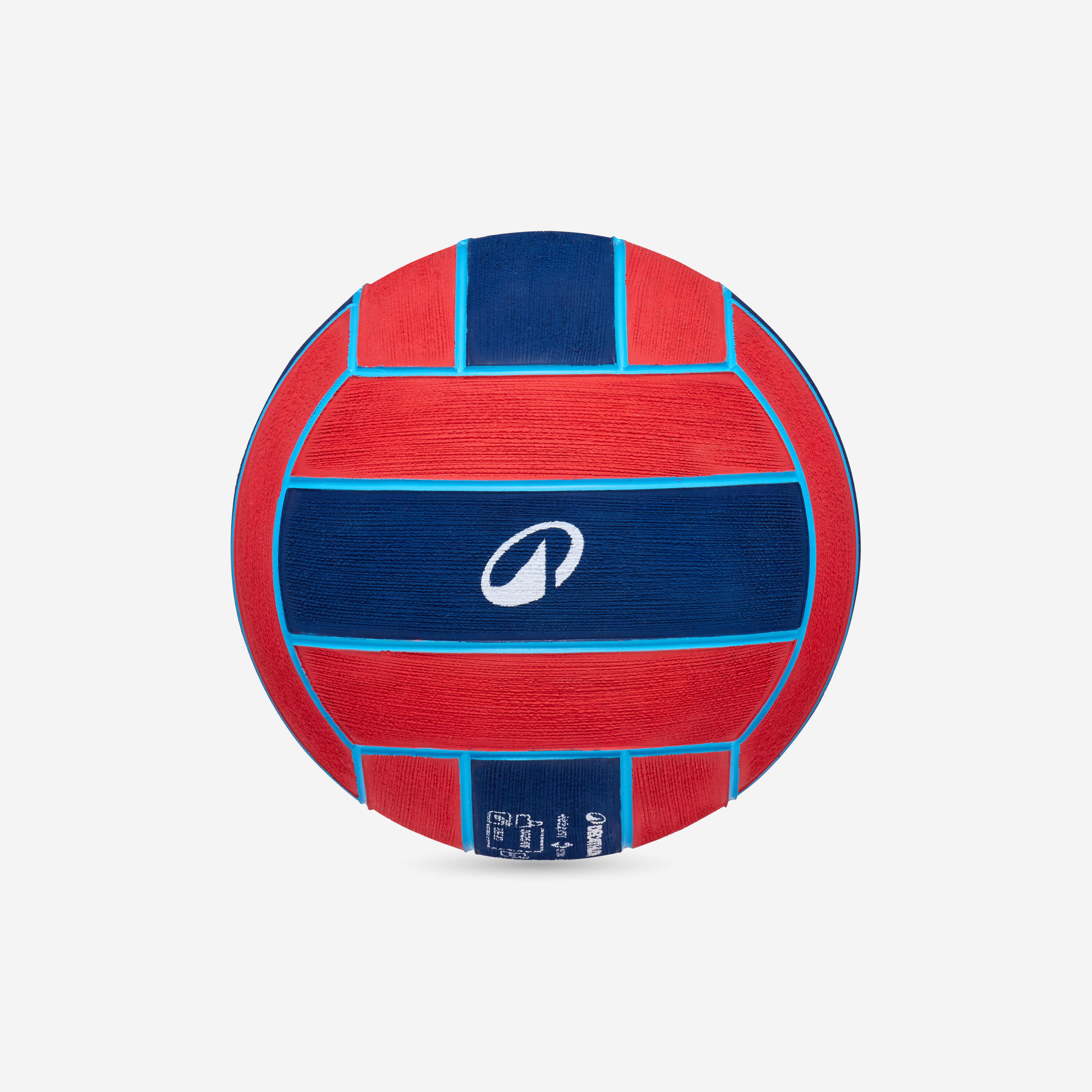
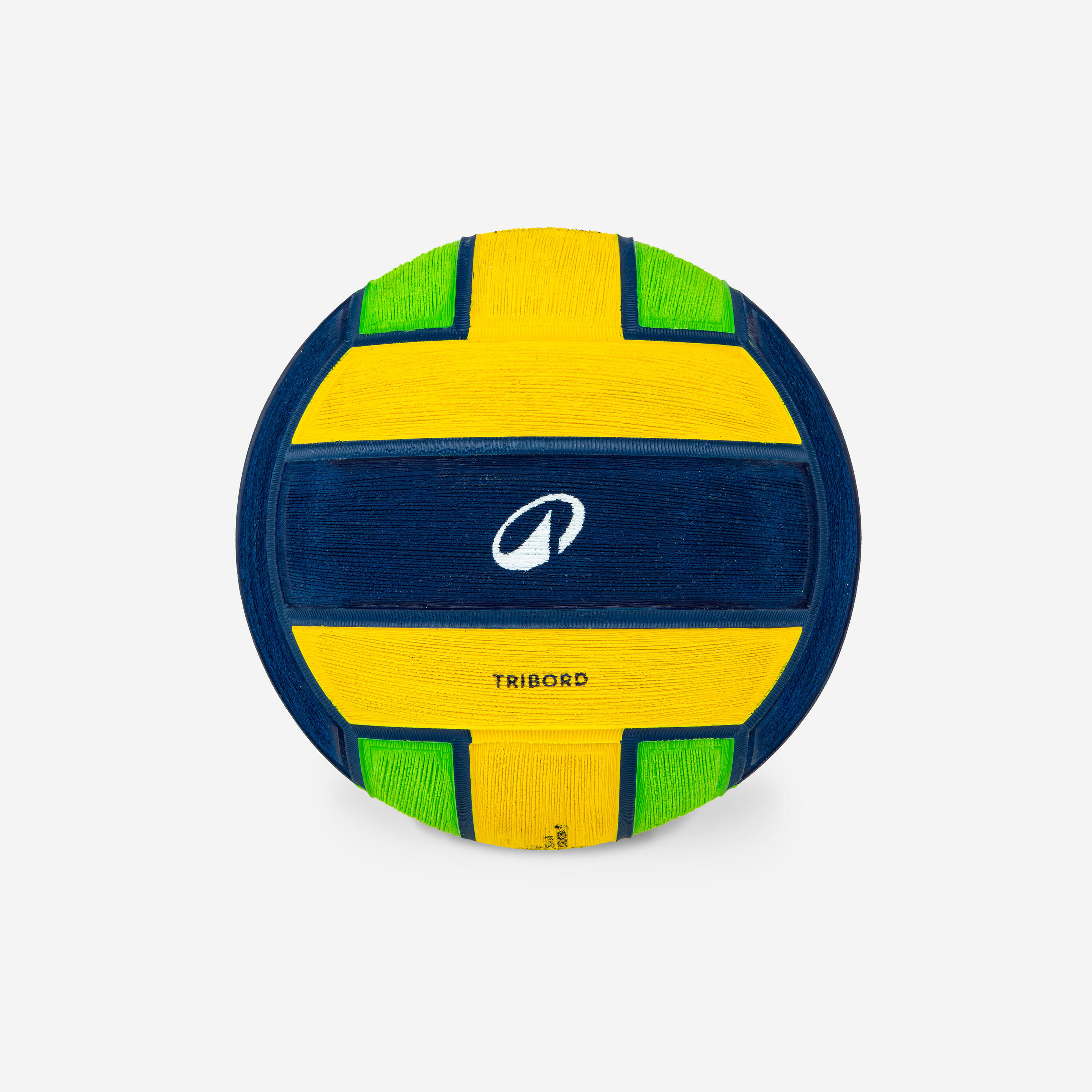
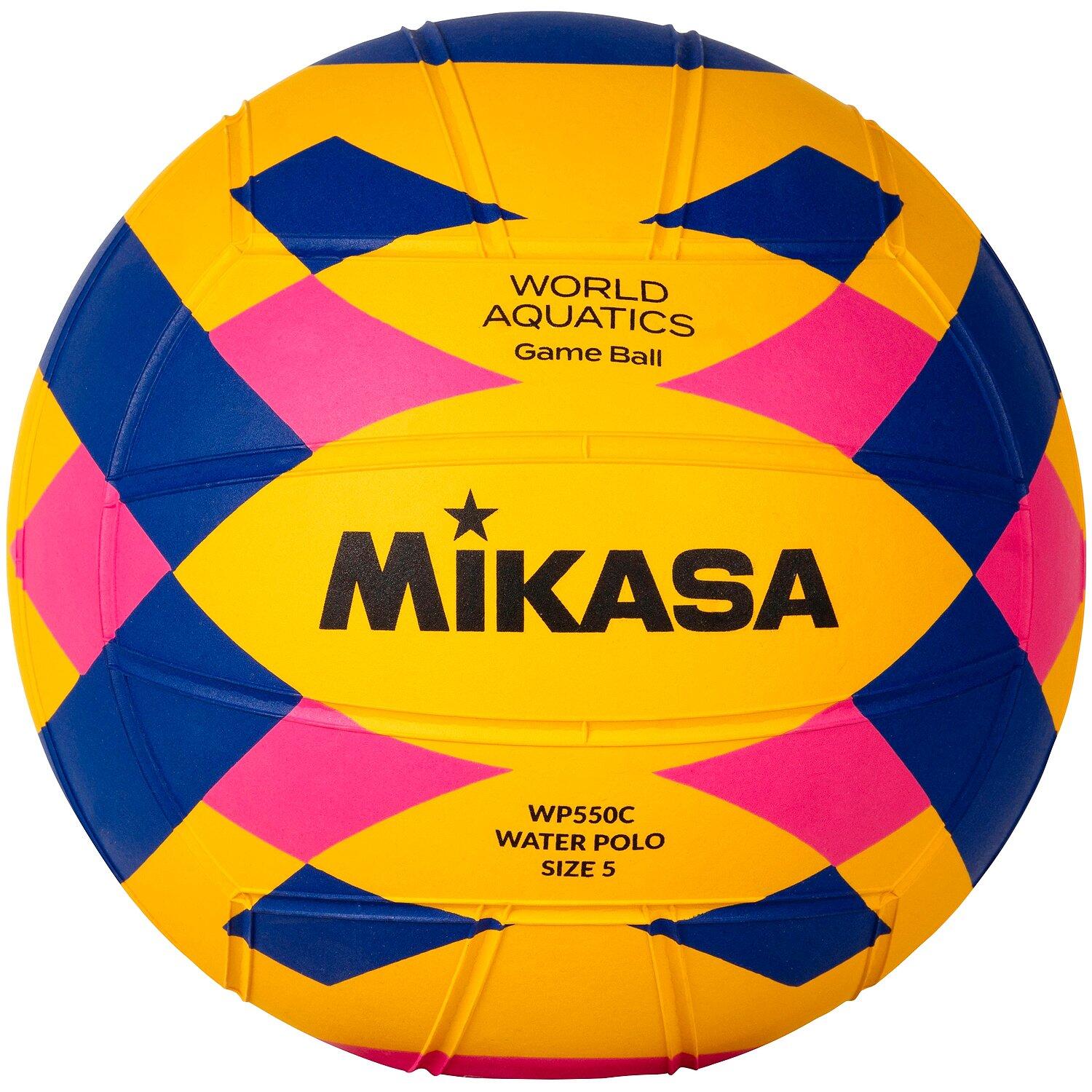
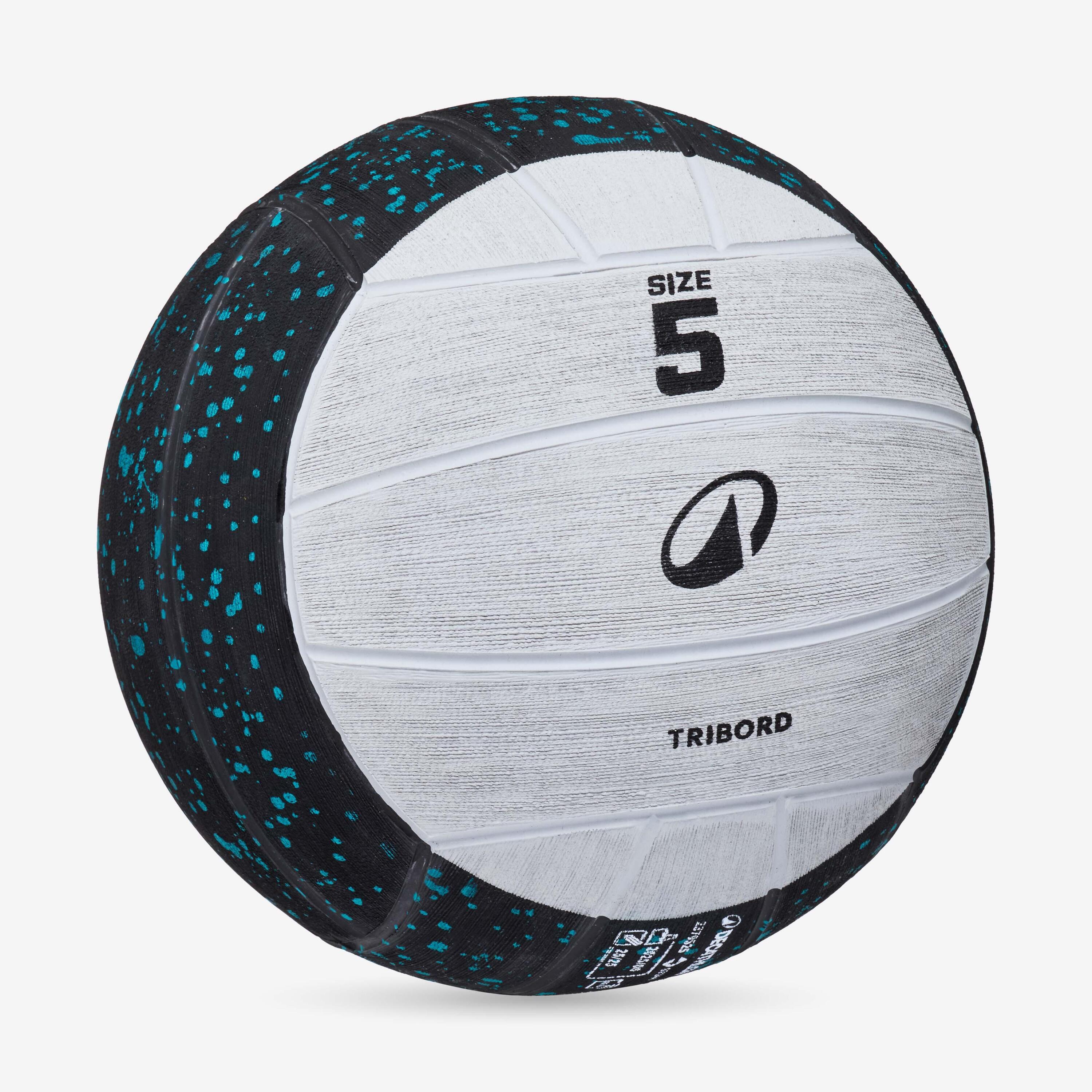
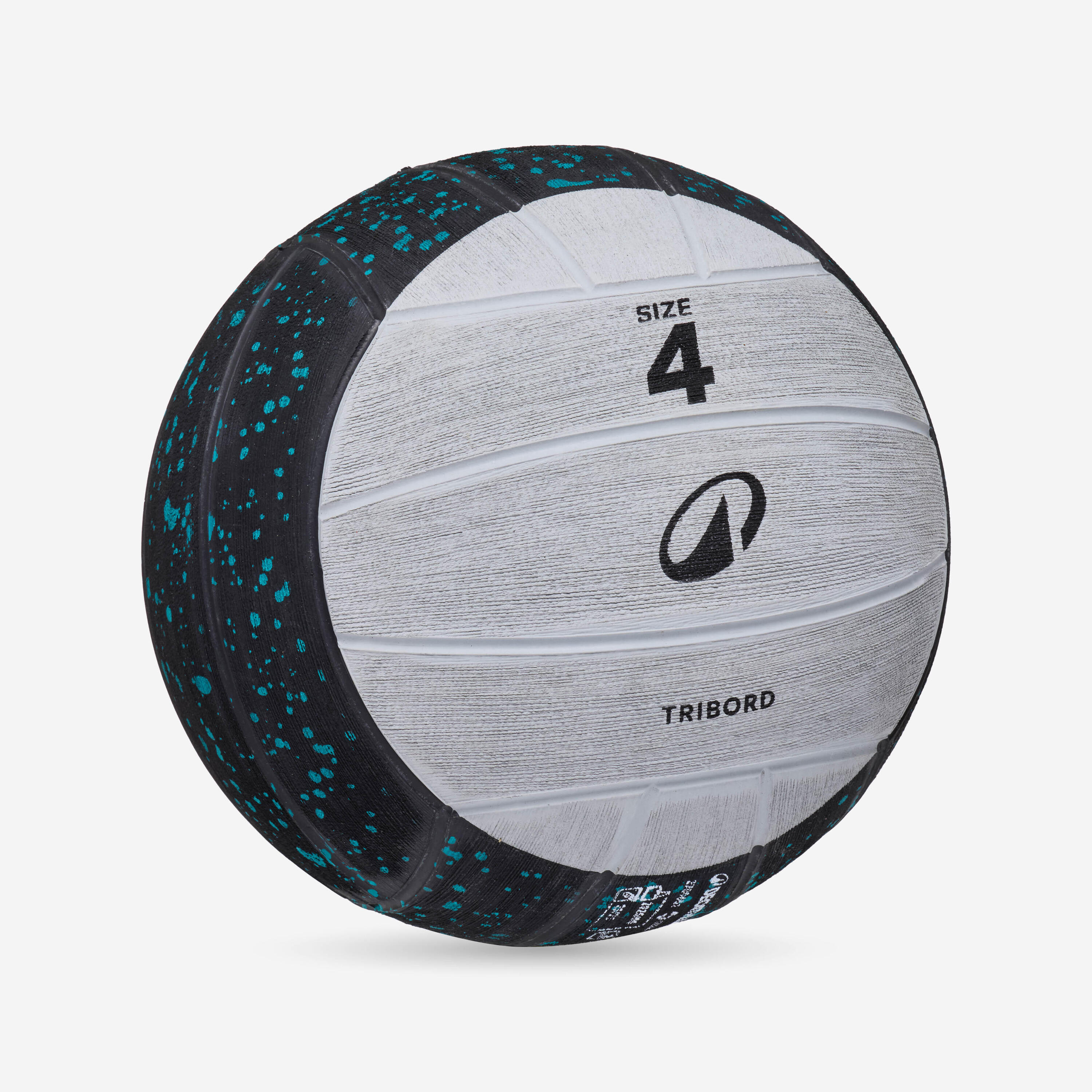
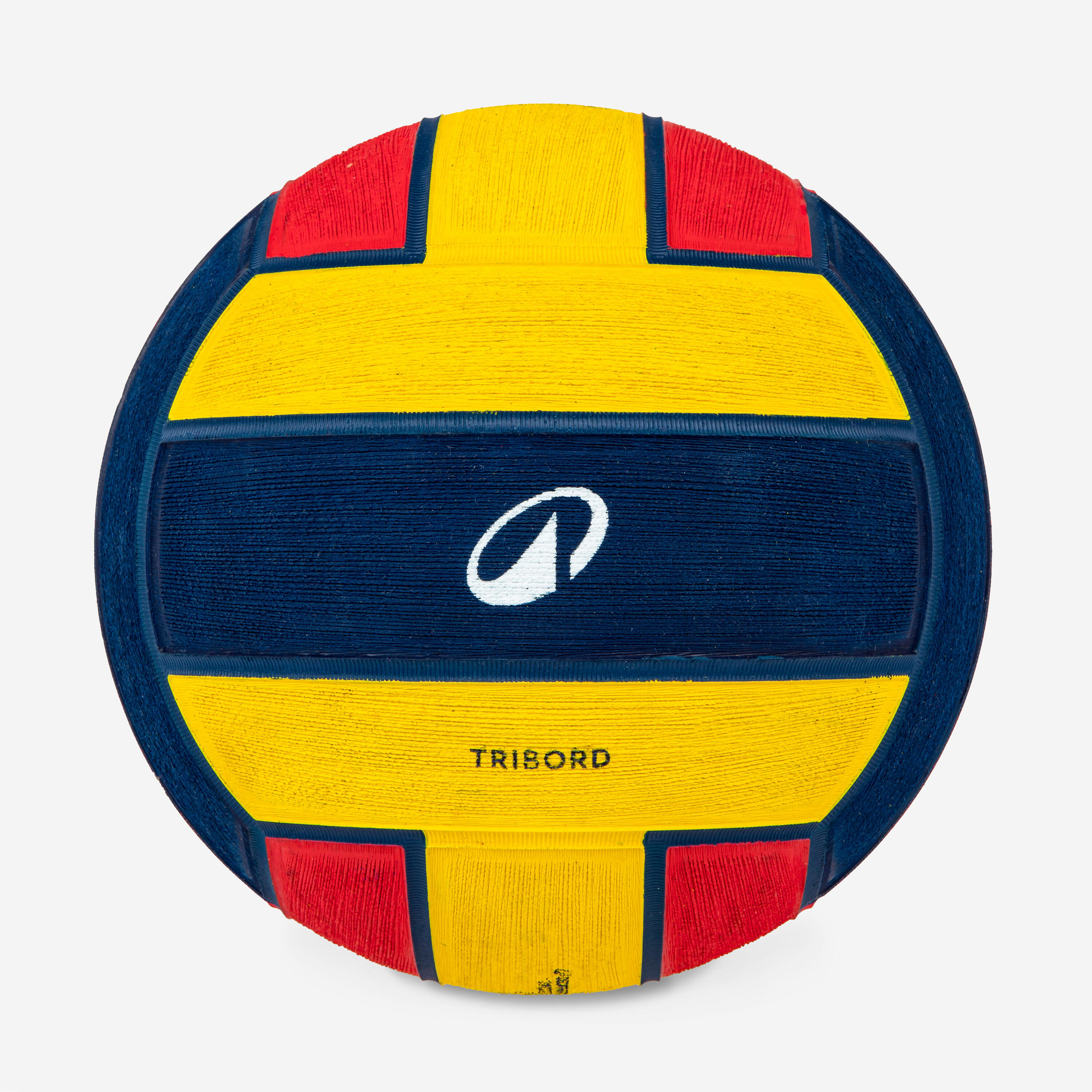
Water polo ball sizing follows a straightforward age and gender structure. Size 2 suits younger children up to around age 8, while size 3 works well for junior players and those new to the game. Size 4 is the standard for women's water polo, and size 5 is used in men's competitive play. The WP900 series uses a textured surface grip that holds under pressure, which is particularly useful when practising throwing technique. For teams or schools looking to step up training intensity, the weighted balls at 800 g (size 4) and 1 kg (size 5) add resistance to passing drills, strengthening the shoulder and core muscles used in a competitive match. All of the water polo balls and inflatable goal frames on this page fall within the broader pool sports equipment category, which covers structured aquatic competition gear.

What should I look for in an inflatable pool volleyball net?

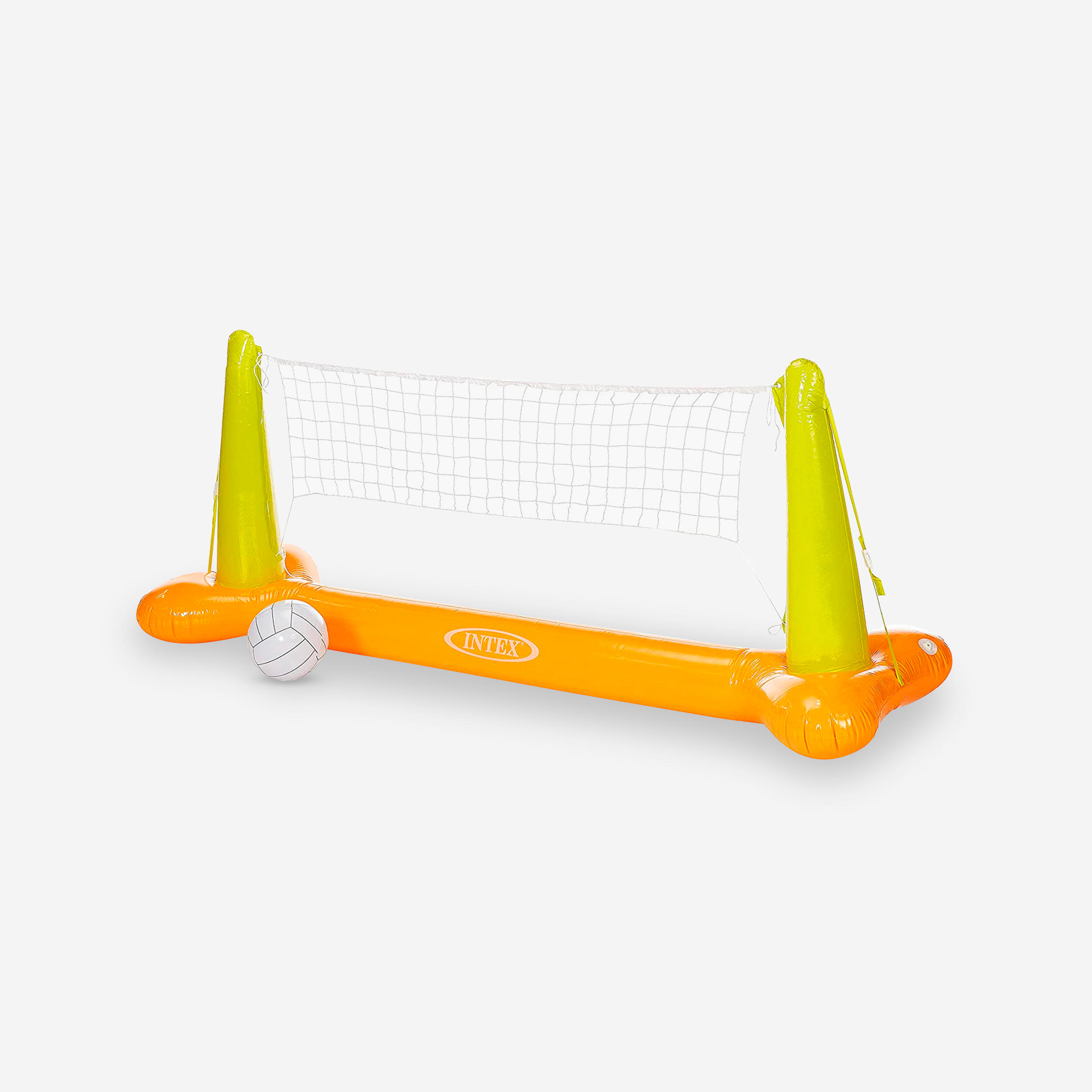
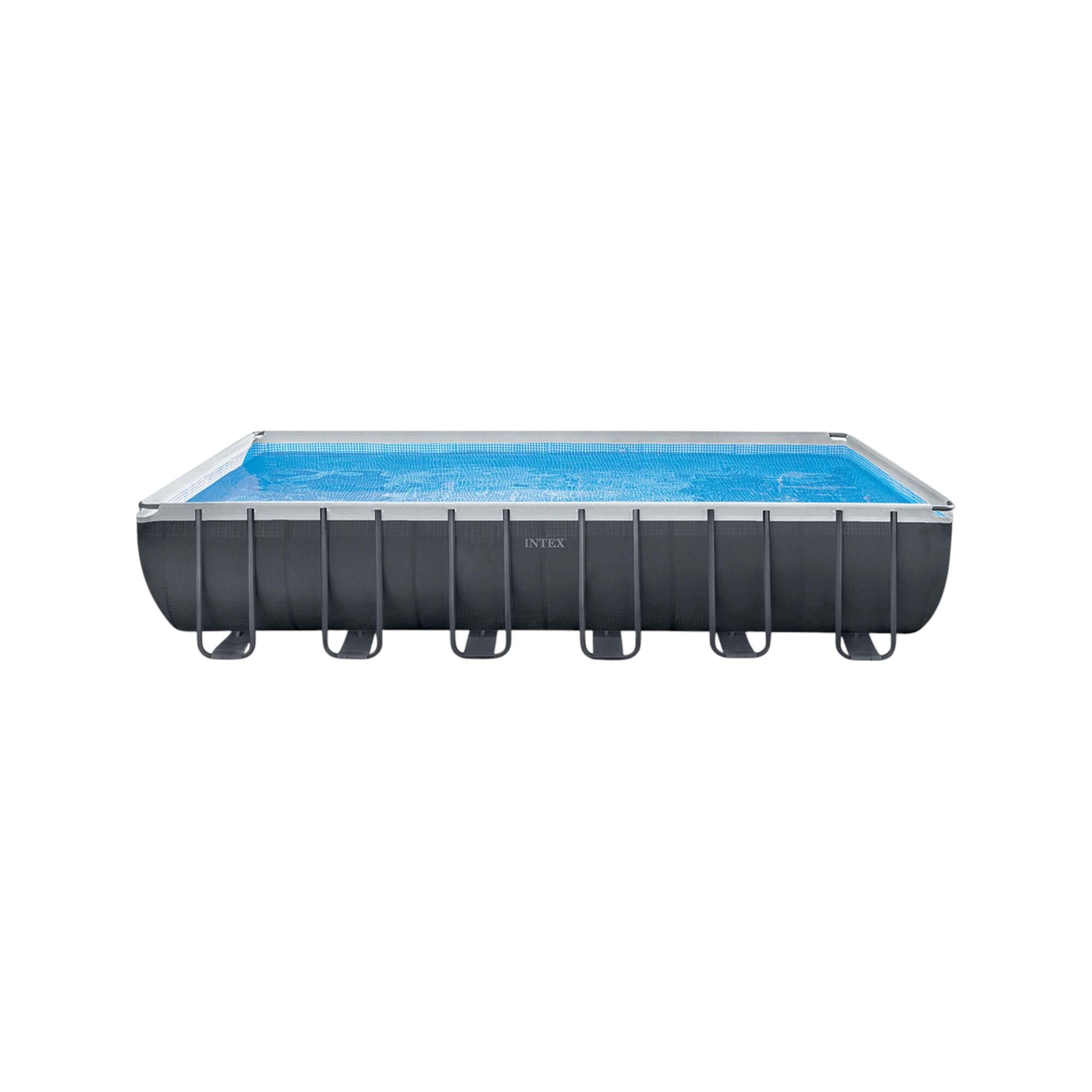
An inflatable pool volleyball set is one of the most practical options for home pool use as it anchors in the water without needing to attach to pool walls, making it versatile across different pool depths. The key thing to check before buying is your pool's width: the Intex net spans approximately 239 cm, so it suits most standard above-ground and mid-sized in-ground pools. Net height matters for casual family play; a lower net keeps rallies going longer, while a regulation-height set suits older players who want a more competitive game. If you're setting up a home pool for the first time and need to weigh up size and shape options before committing to game equipment, it's worth considering what fits your space by reviewing the available swimming pools first, as pool dimensions directly affect which game formats work.

Are inflatable water polo goals suitable for training use?

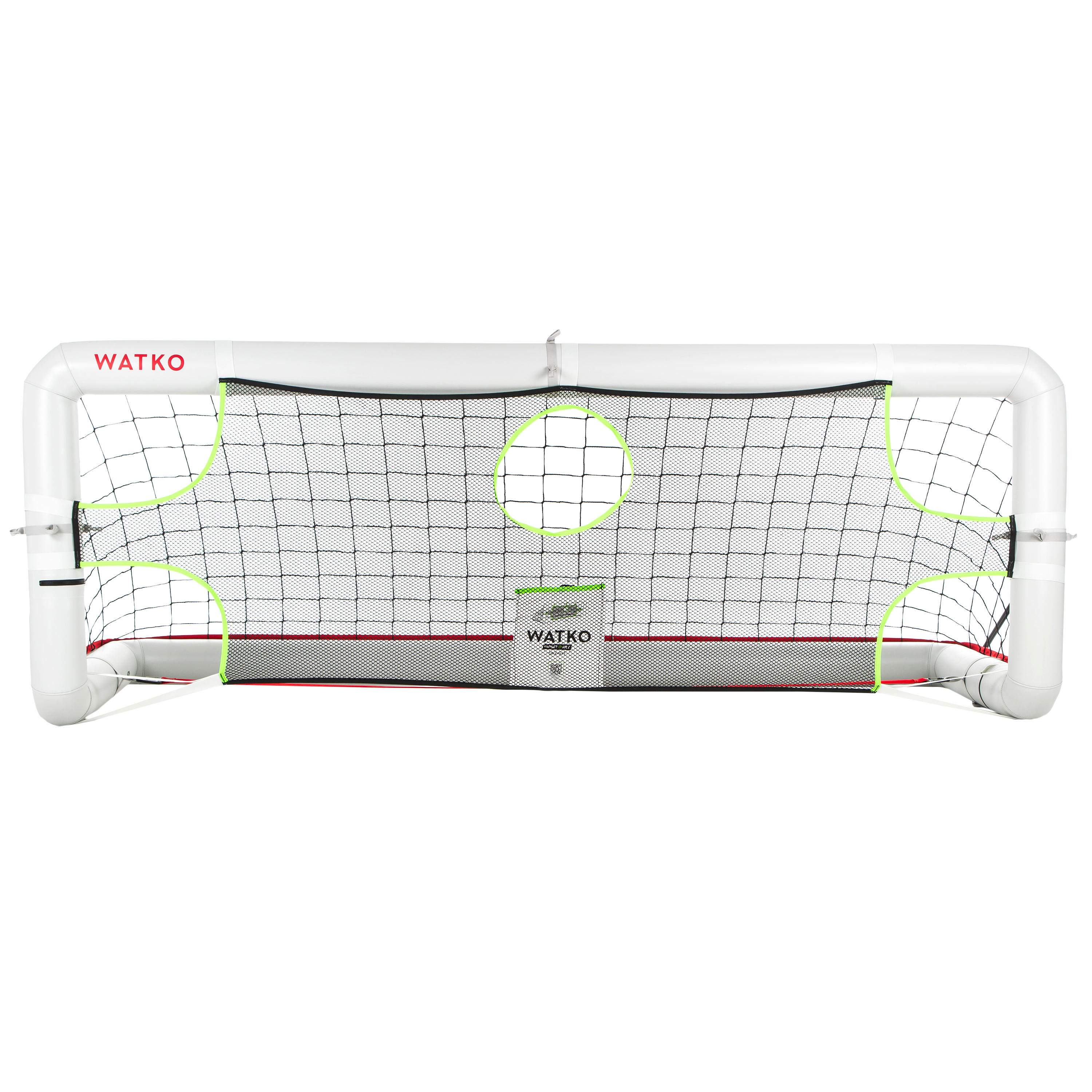
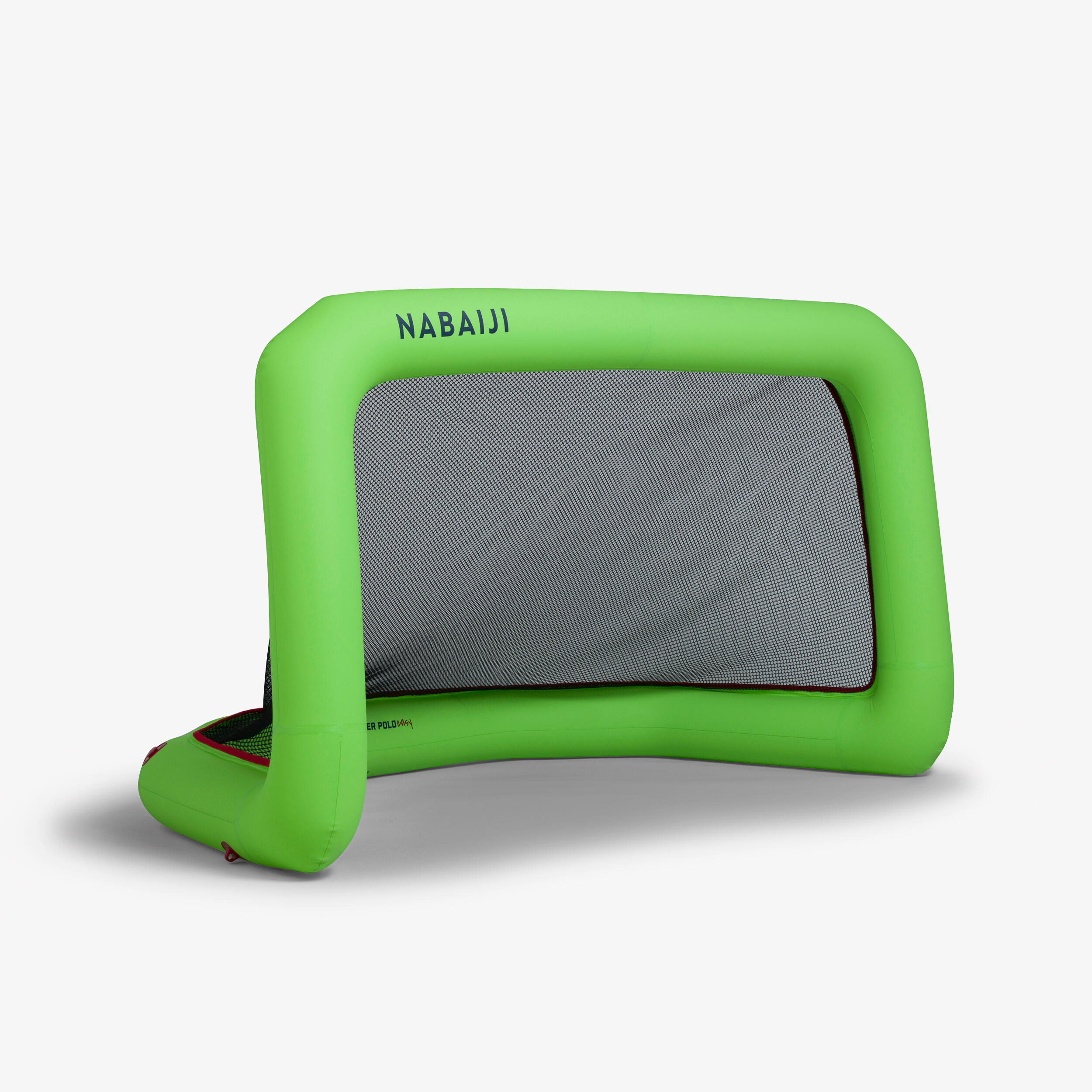
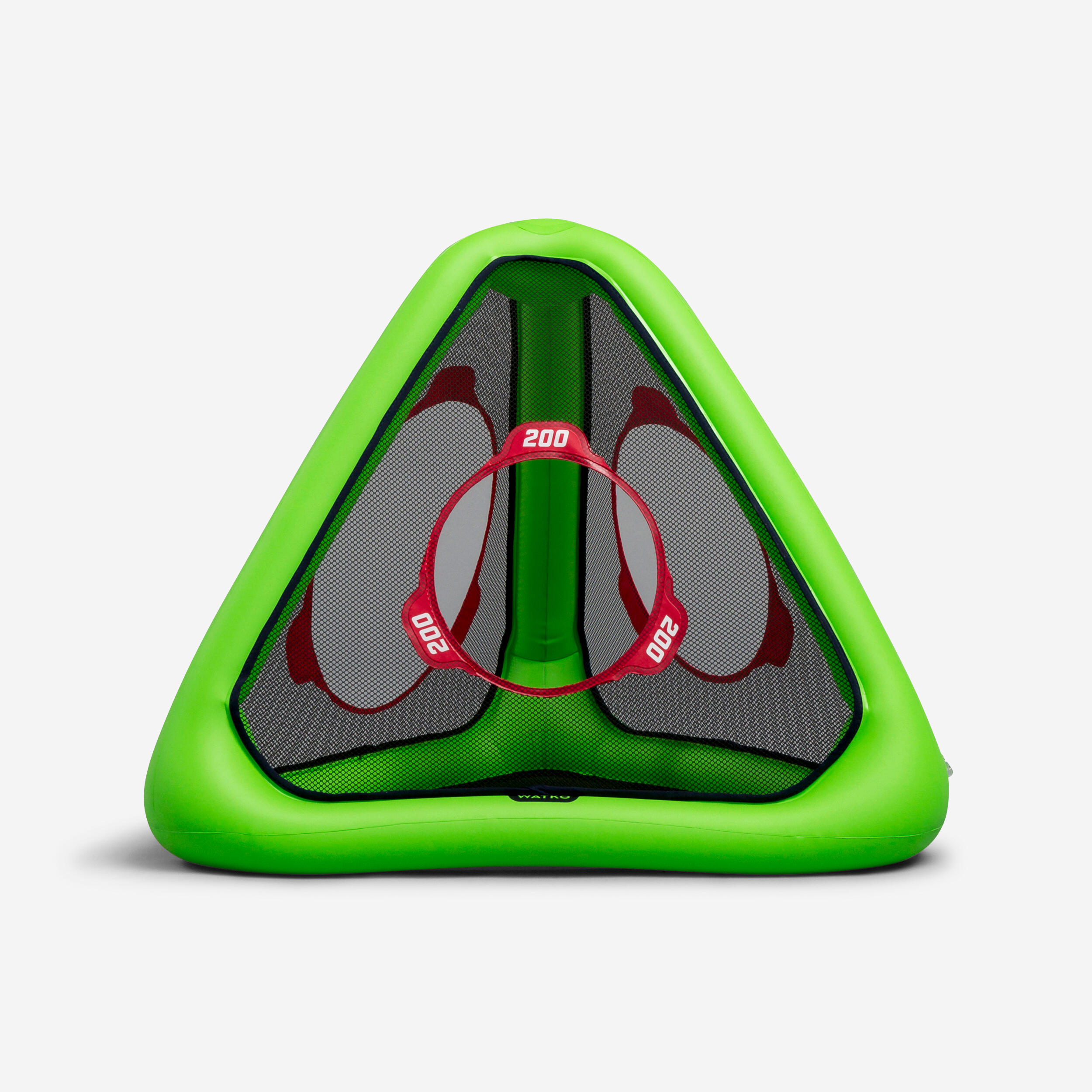
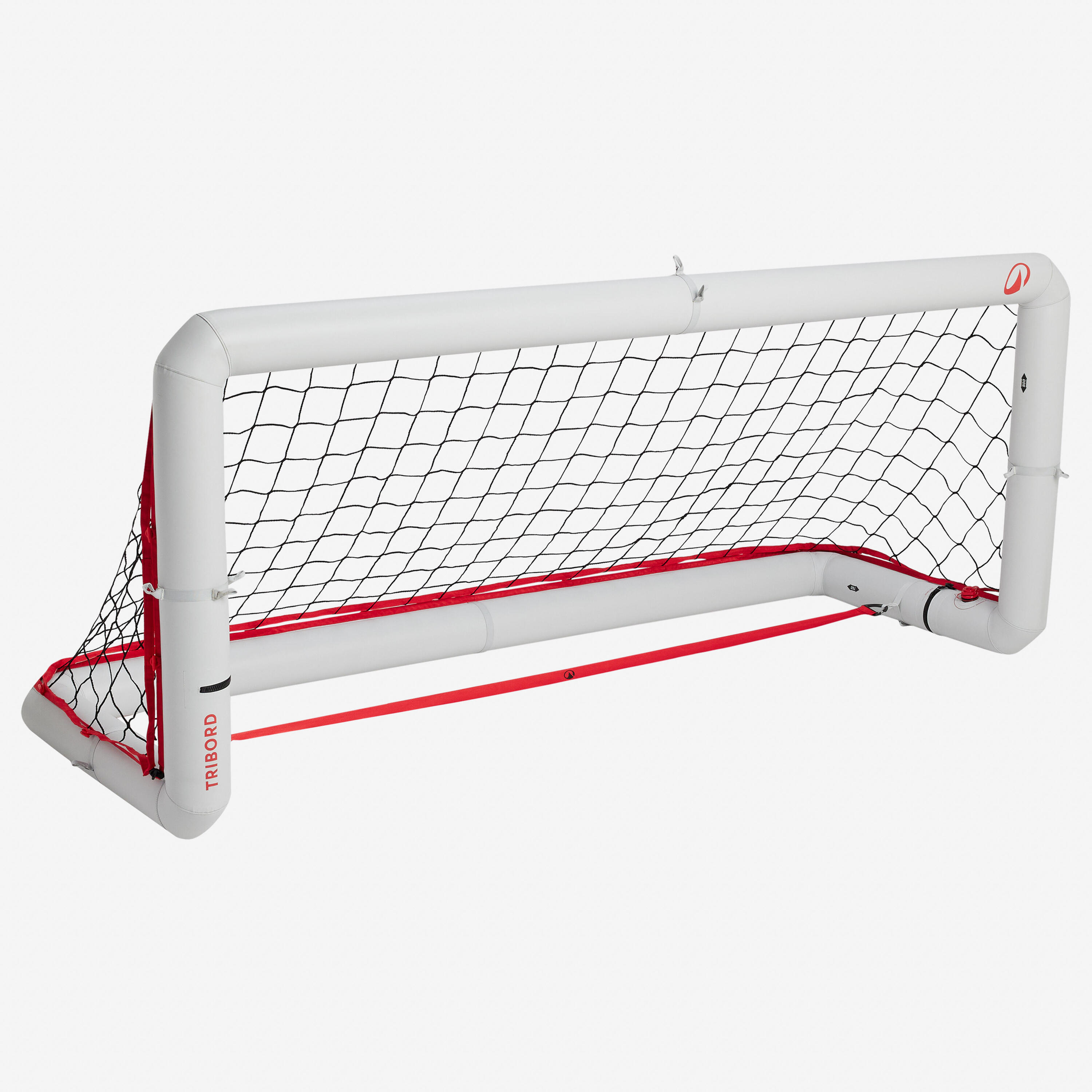
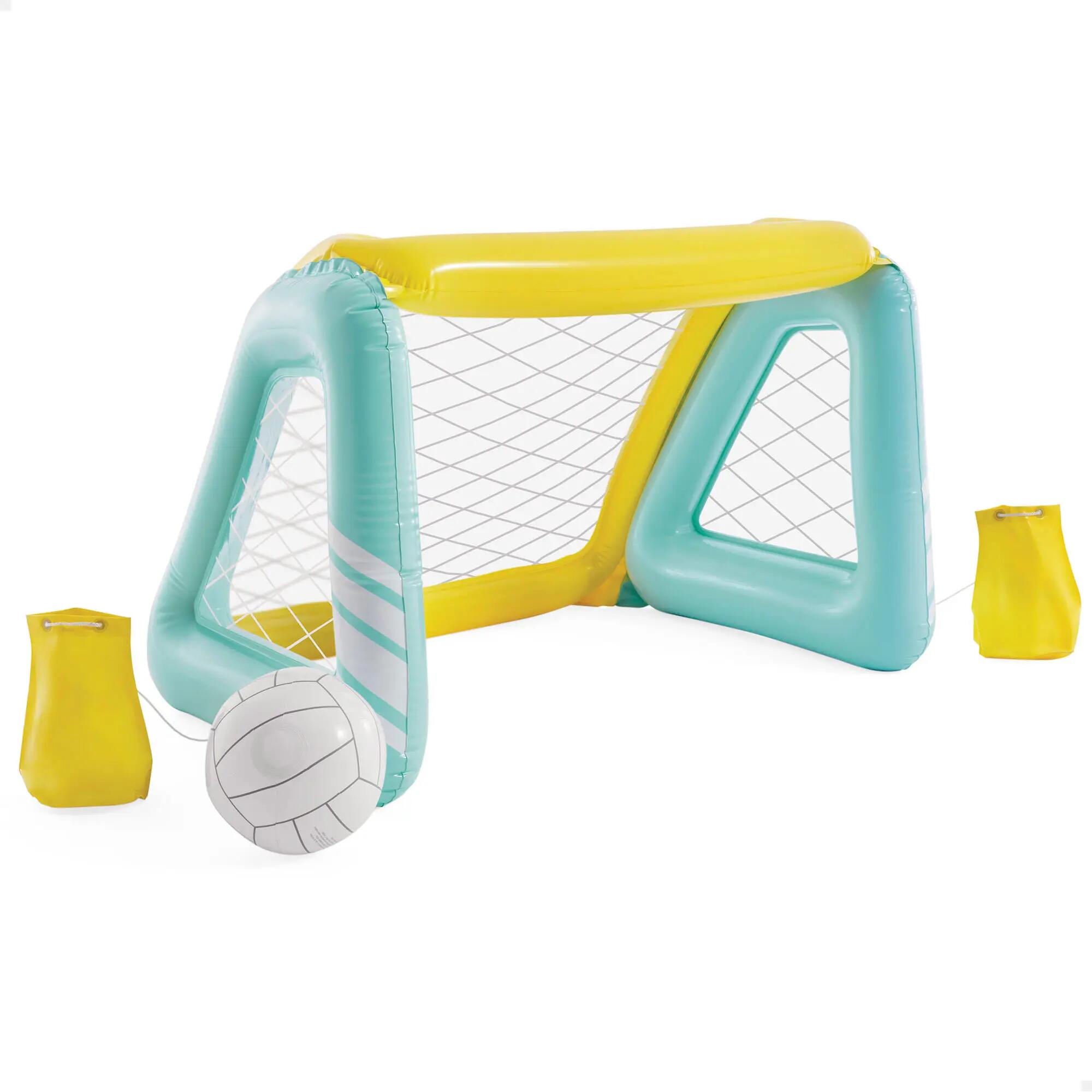
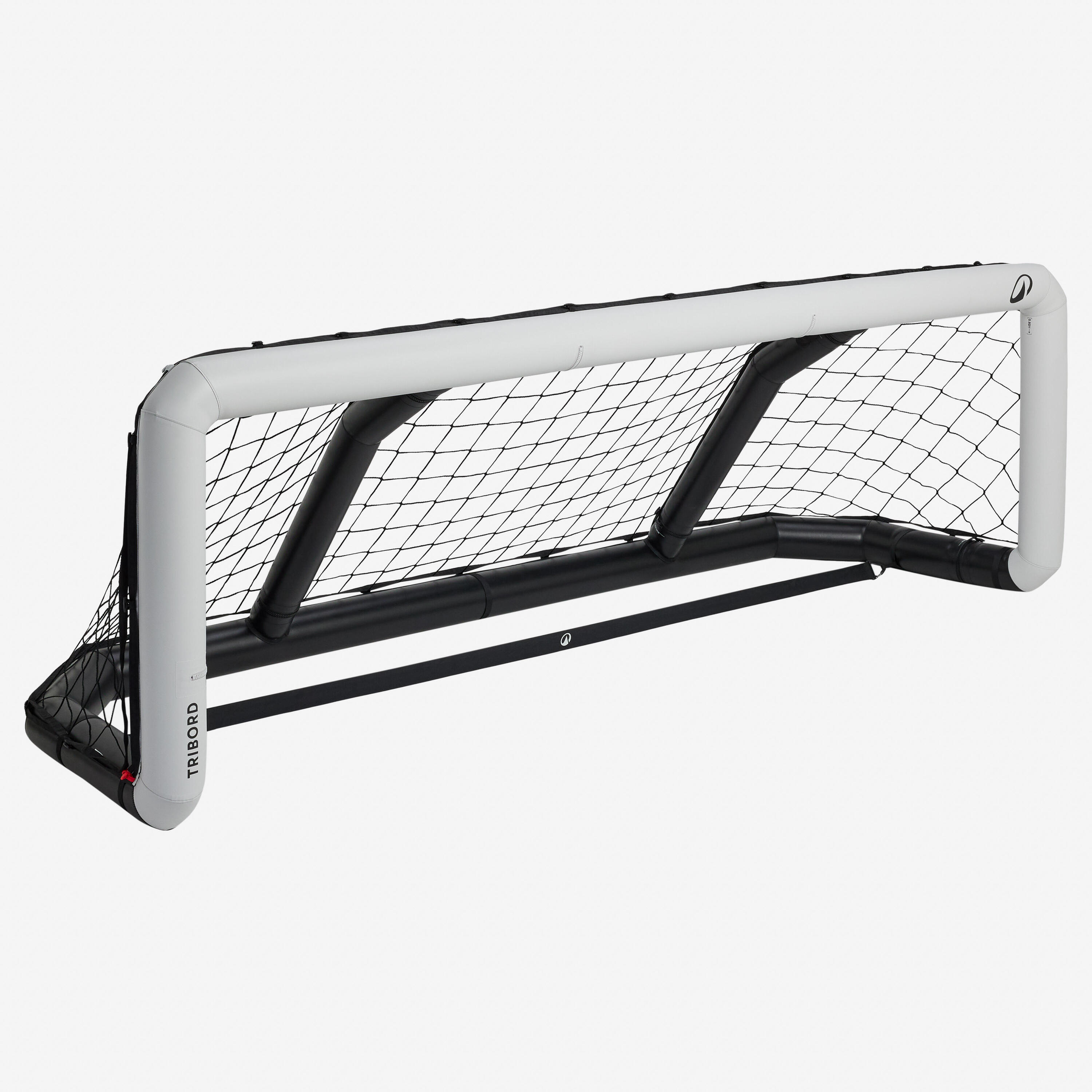
Yes, but the right size depends on the setting. The Watko Easy is 1.5 m wide and suits casual club sessions, school events, or backyard pool play where portability matters; it inflates quickly and stores flat between sessions. For more serious training environments, the Decathlon 500 (2.15 m x 0.75 m) and 550 (2.5 m x 0.8 m) goals offer dimensions closer to competition standards. The larger goals attach to the pool's edge and remain stable under repeated shots, which is what separates them from the entry-level option. When children are just getting started with water polo movements, adding pool rings and mats alongside a goal makes for a more varied circuit, training positioning and recovery between plays in one session.

What is the difference between pool toys and pool game equipment?

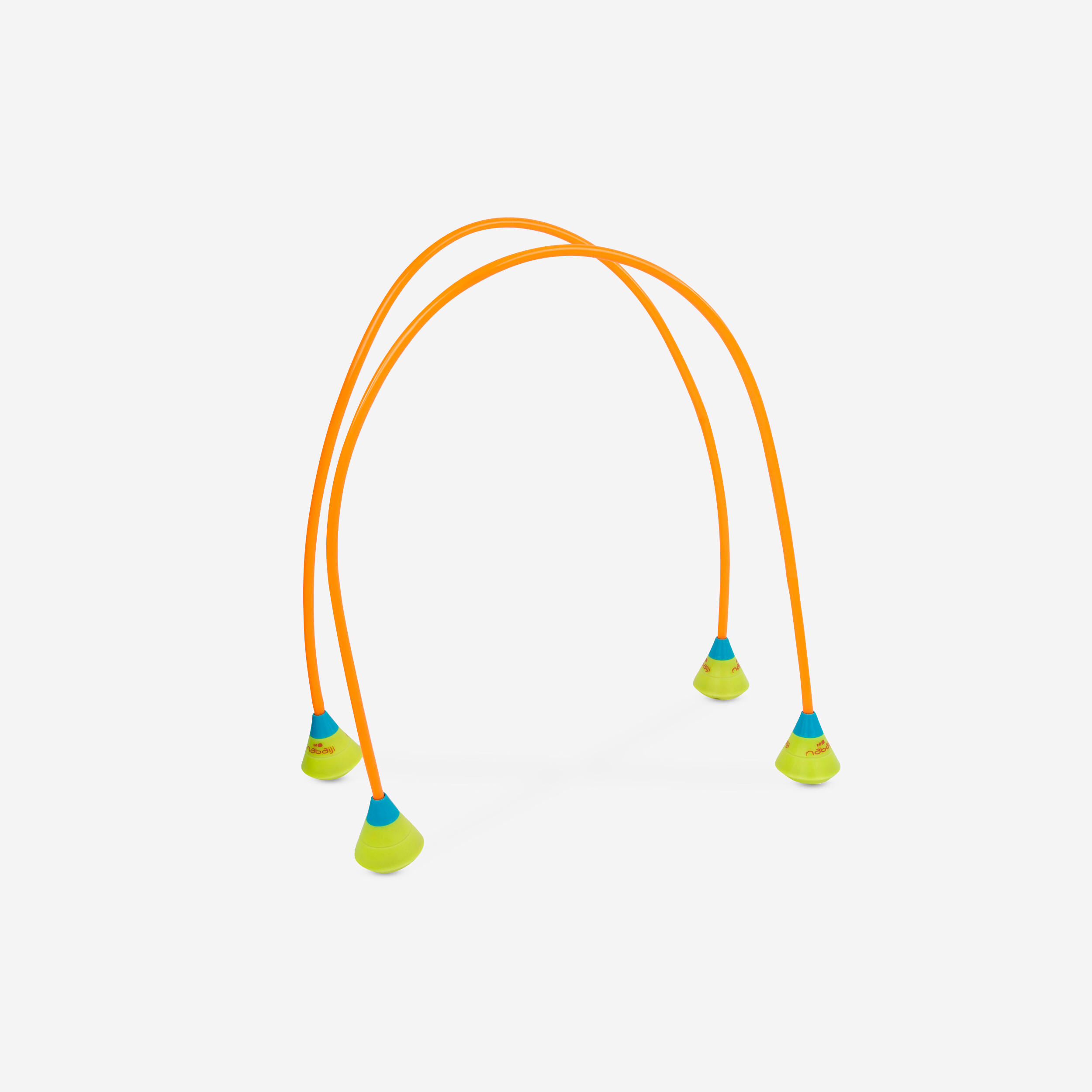
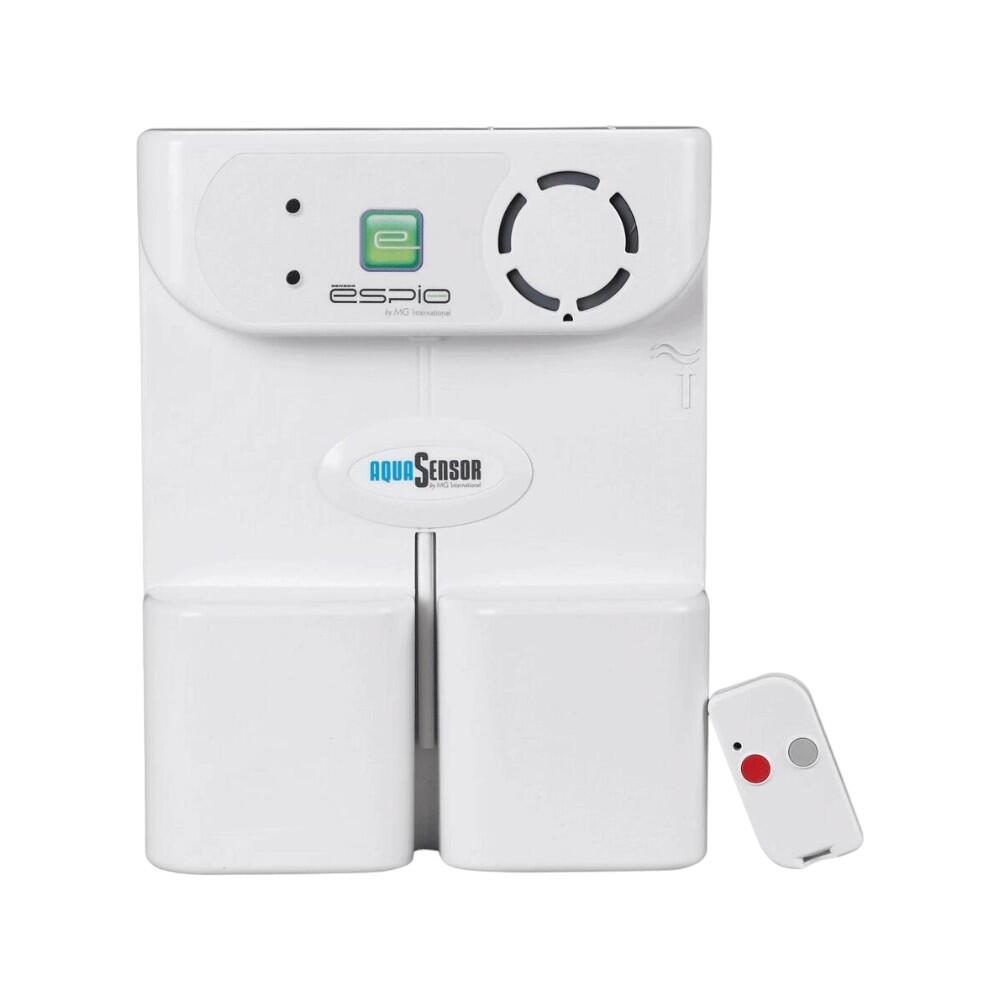
Pool toys tend to be open-ended with dive rings, grip balls, and floating targets that children use however they choose. Pool games equipment is more structured, with defined rules, scoring, and setup: inflatable volleyball nets, water polo goals, and underwater game kits like the Tiball set, all fall into this category. The practical distinction matters when buying for a group. Toys work well for mixed ages and unstructured sessions; game equipment tends to suit older children and adults who want something competitive. Safety is also a consideration for home pool owners, so using a pool alarm provides an additional layer of protection when children may be near the water, particularly during the summer months when pool activity increases.