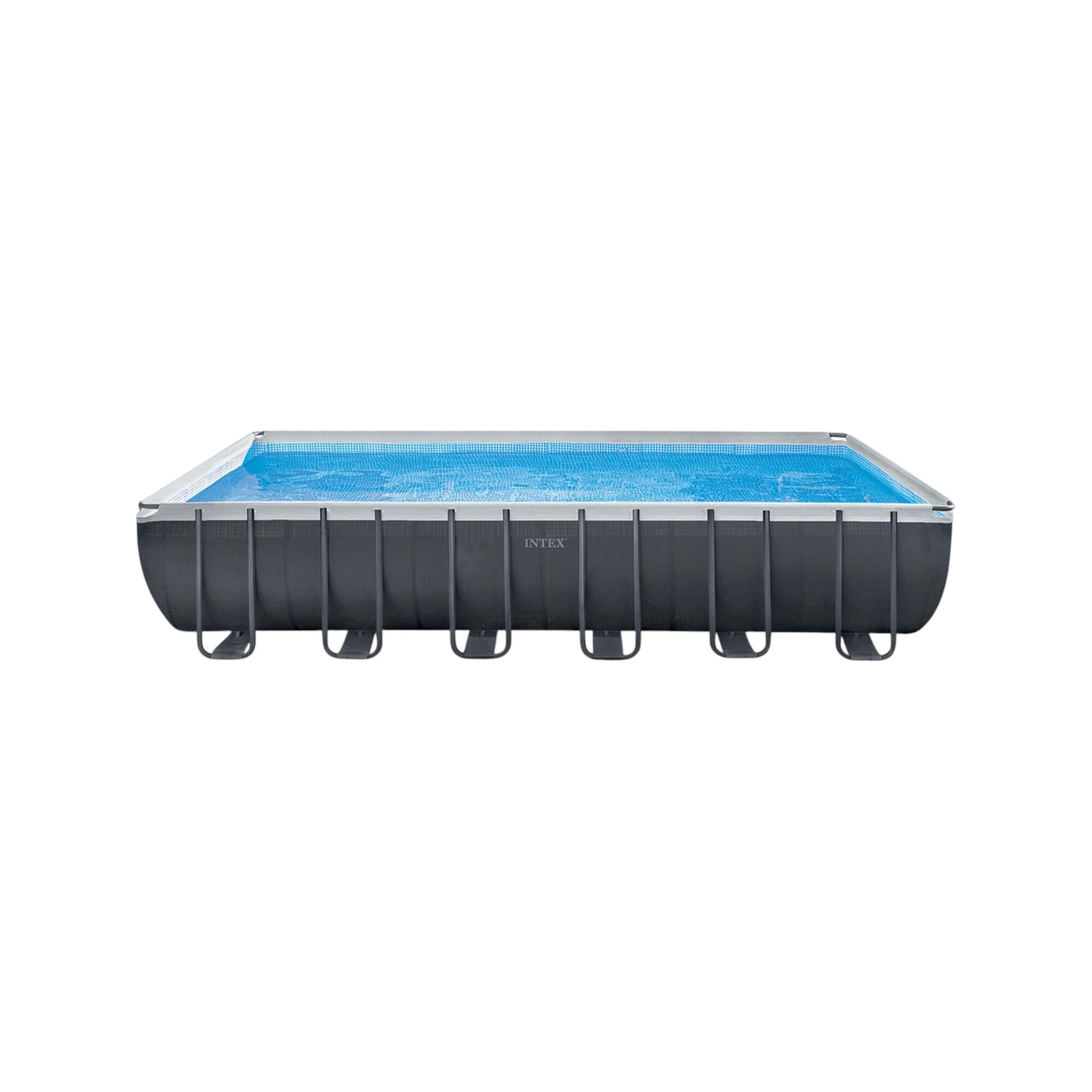
413 items
4.3/5 based on 18536 reviews collected online and in stores

Pools FAQs

What size inflatable pool works best for young children in a garden setting?

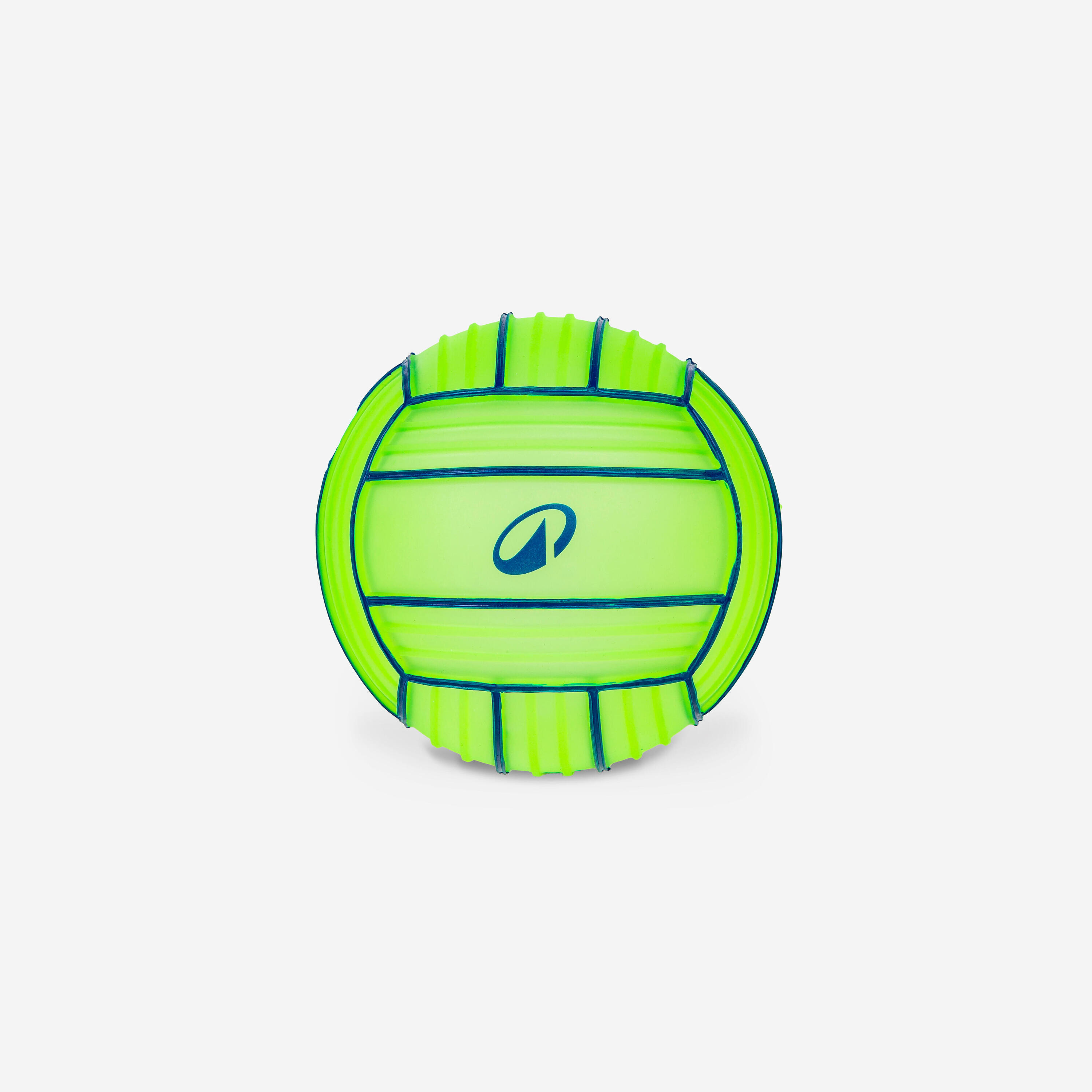
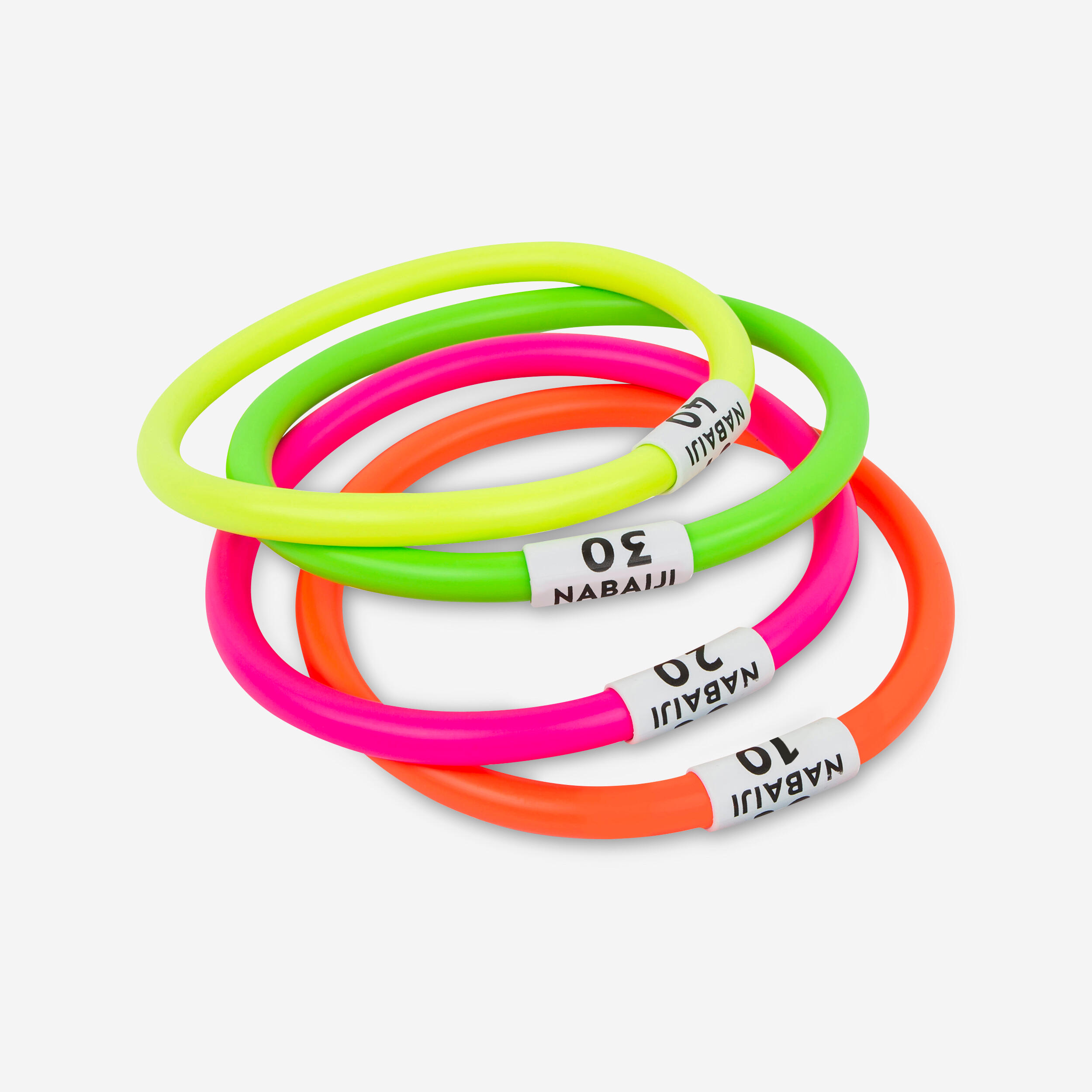
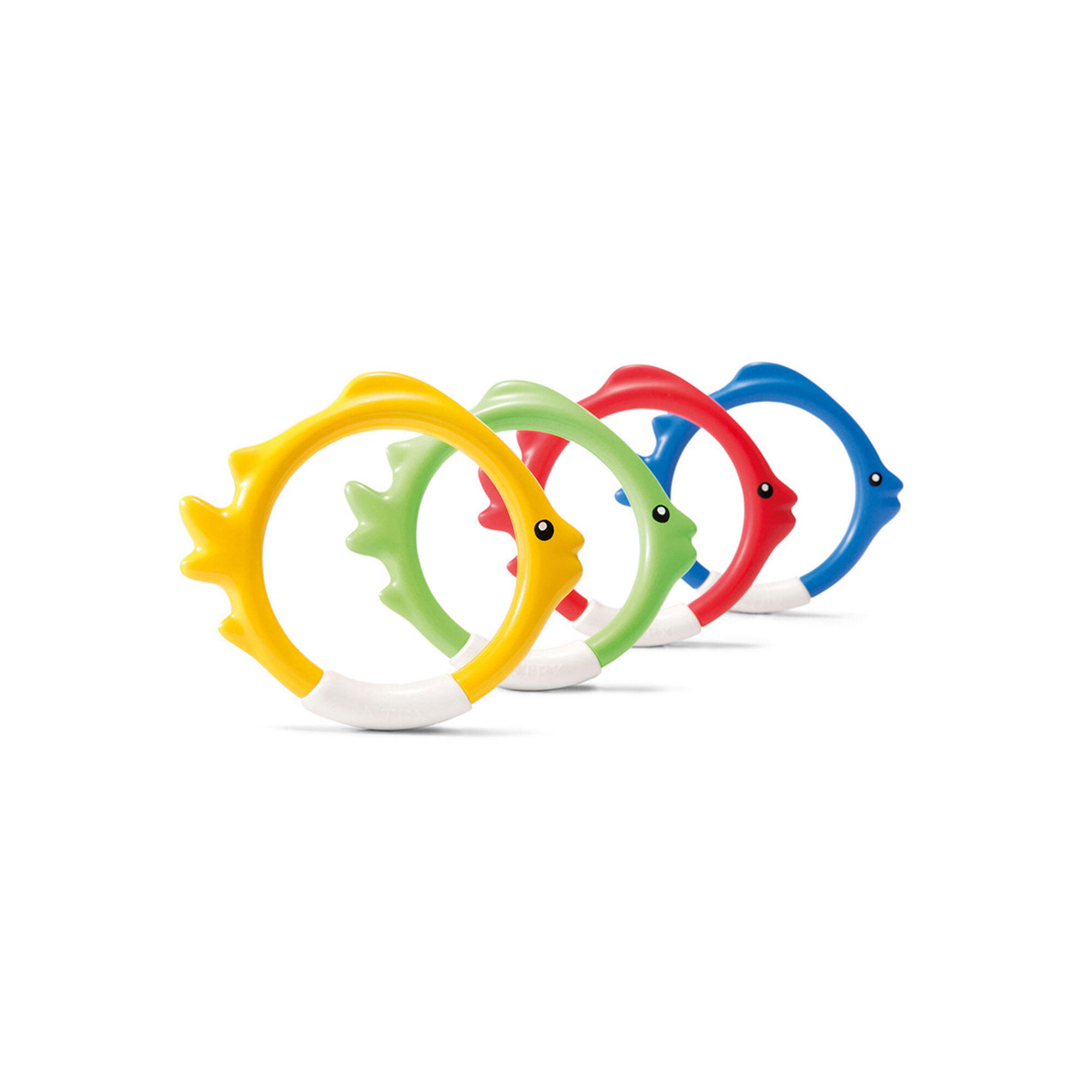
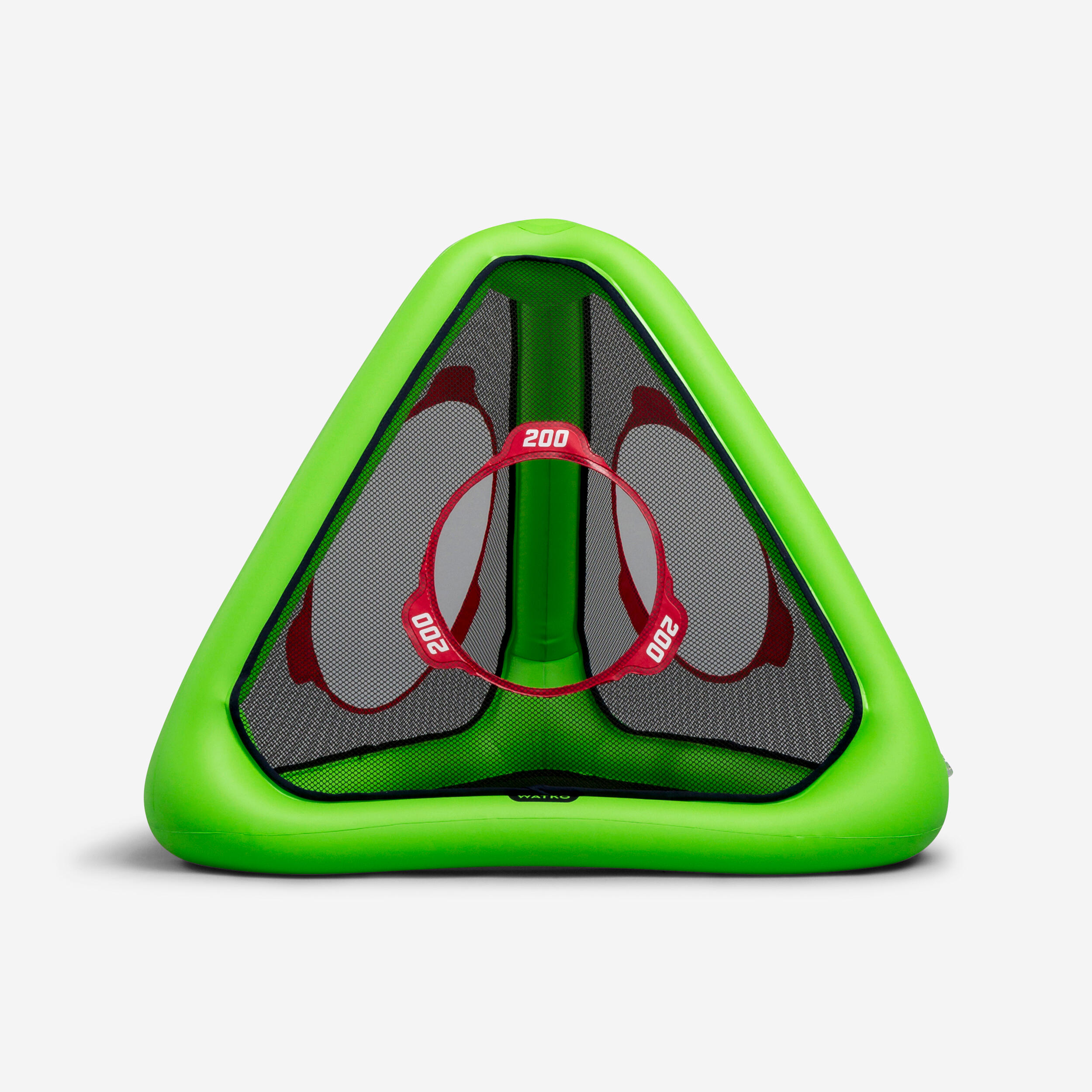
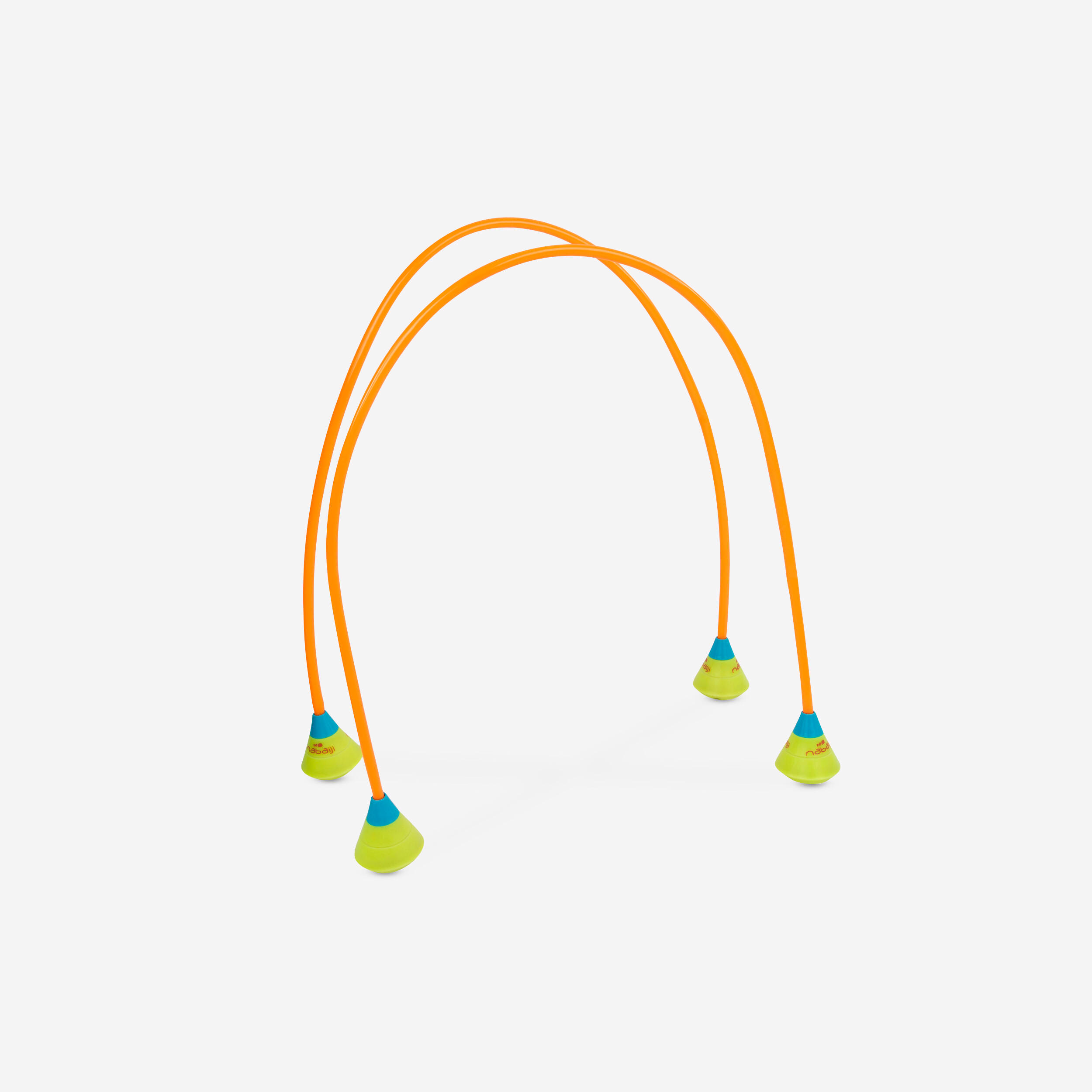
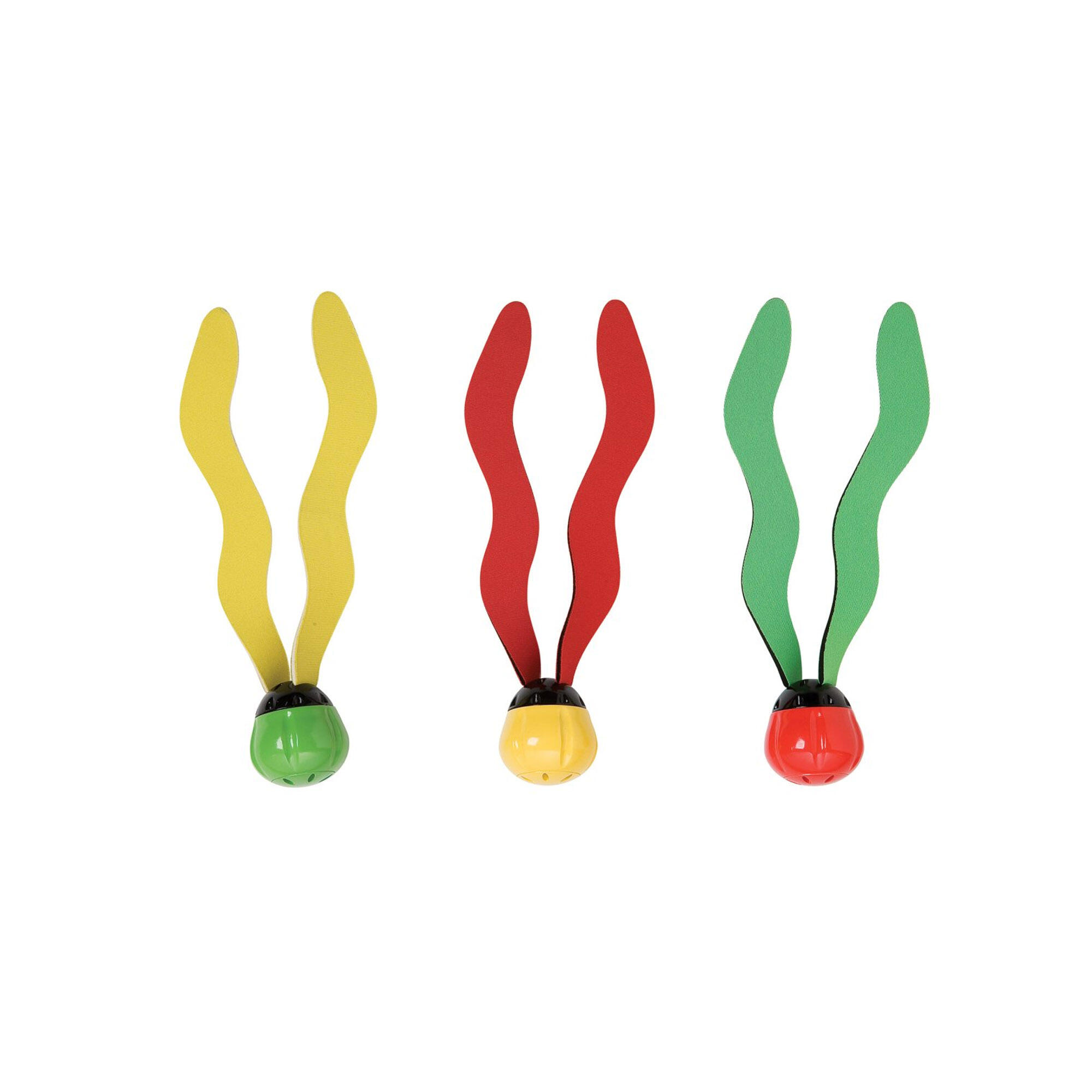
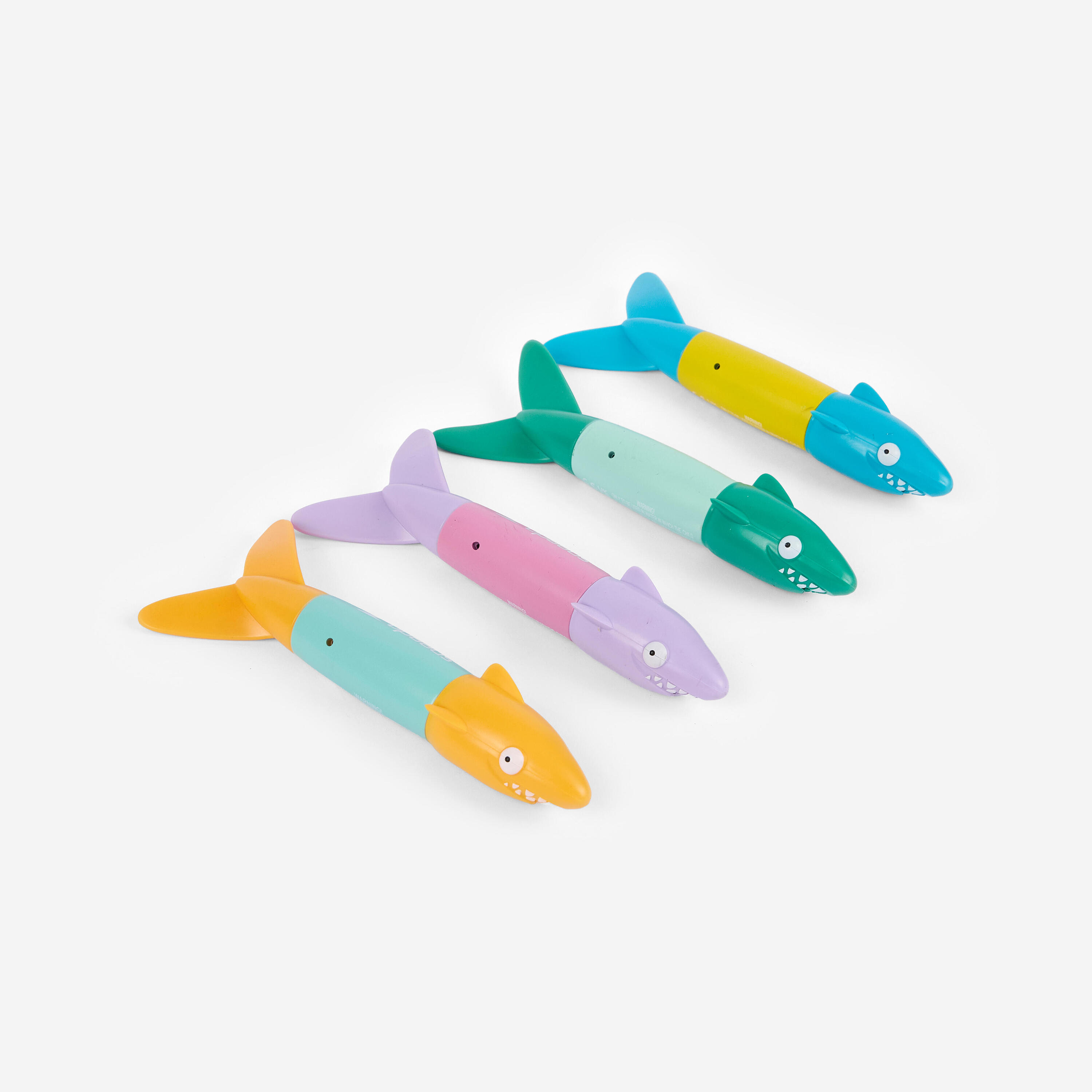
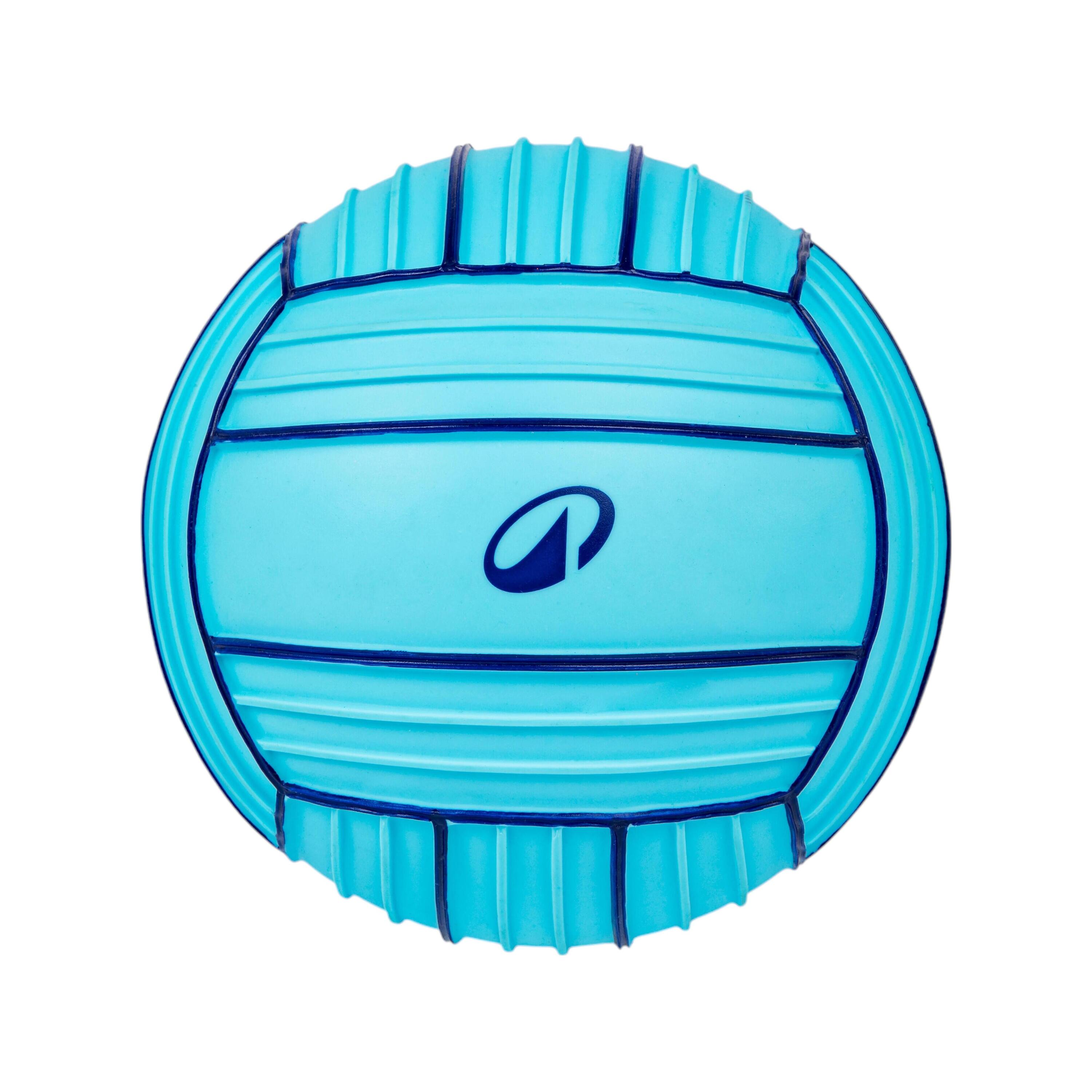
For toddlers and young children, a shallow paddling pool with a diameter of around 1-2 m and a water depth of no more than 30 cm gives enough space to splash and play without creating a depth risk. The floor material matters as much as the size; a textured or anti-slip base reduces the chance of feet sliding on the pool floor when children are standing and moving around. Pools with a rigid inflatable top ring rather than full side inflation tend to hold their shape better under the weight of leaning children. Adding a few pool games, such as diving rings or floating targets, turns a basic paddling session into structured play that keeps children engaged for longer and encourages water confidence at the same time. Smart tip: position the pool on a flat grassy surface rather than paving; grass provides natural cushioning if a child slips at the pool edge, and the softer ground is gentler on the pool base over repeated use.

What accessories do I need to keep an inflatable garden pool clean between uses?

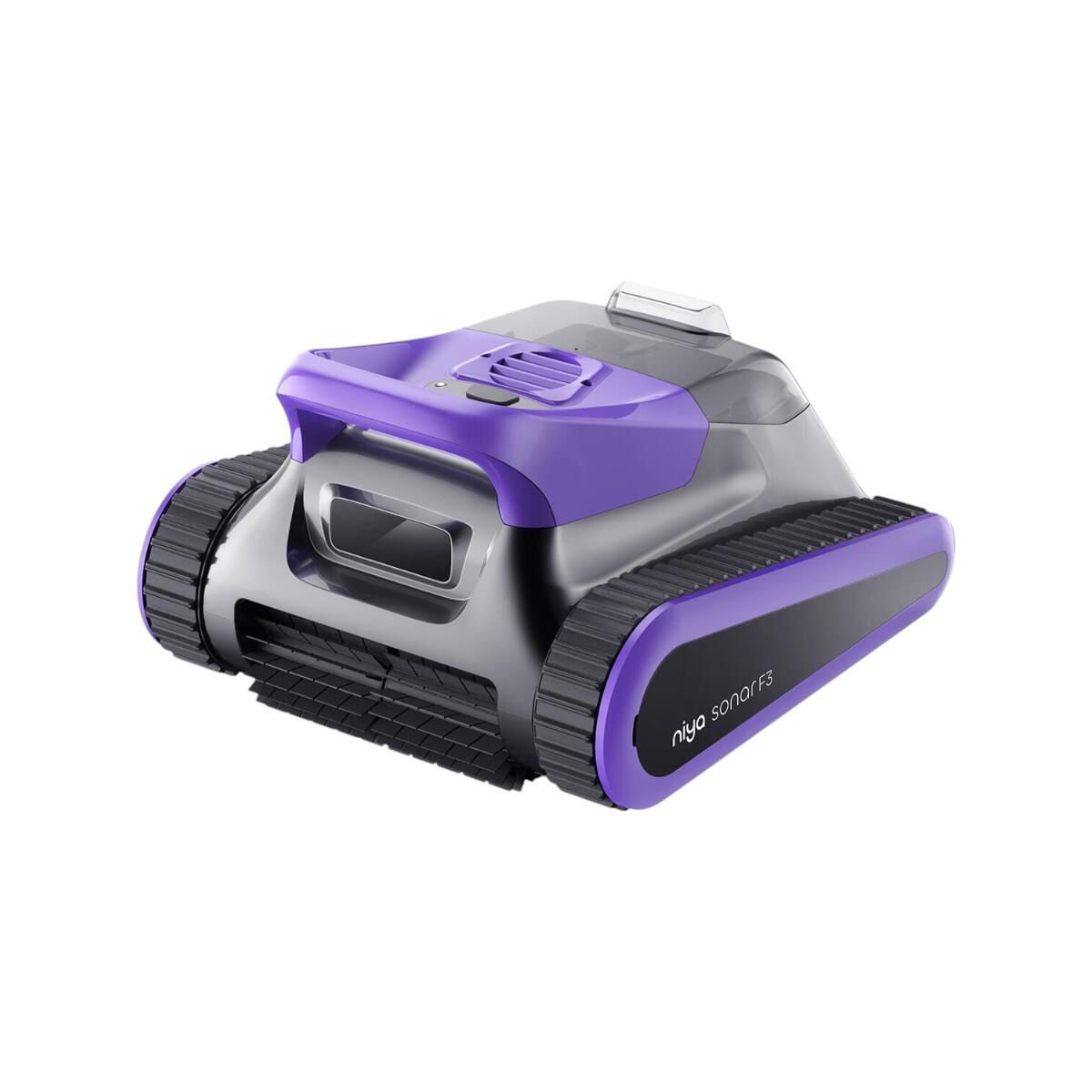
Keeping an inflatable pool clean between uses requires a few basics: a fine-mesh hand skimmer for removing leaves and debris, a small submersible pump for draining and refilling, and a chemical treatment kit appropriate for the pool volume. Chlorine or bromine tablets sized for small above-ground pools dissolve slowly and maintain a consistent sanitiser level without requiring daily dosing. A wall-mounted thermometer helps you monitor whether the water temperature is comfortable before children get in. Most of the tools needed to keep the water clear and the pool functioning well are listed under pool accessories, grouped by function for straightforward selection.
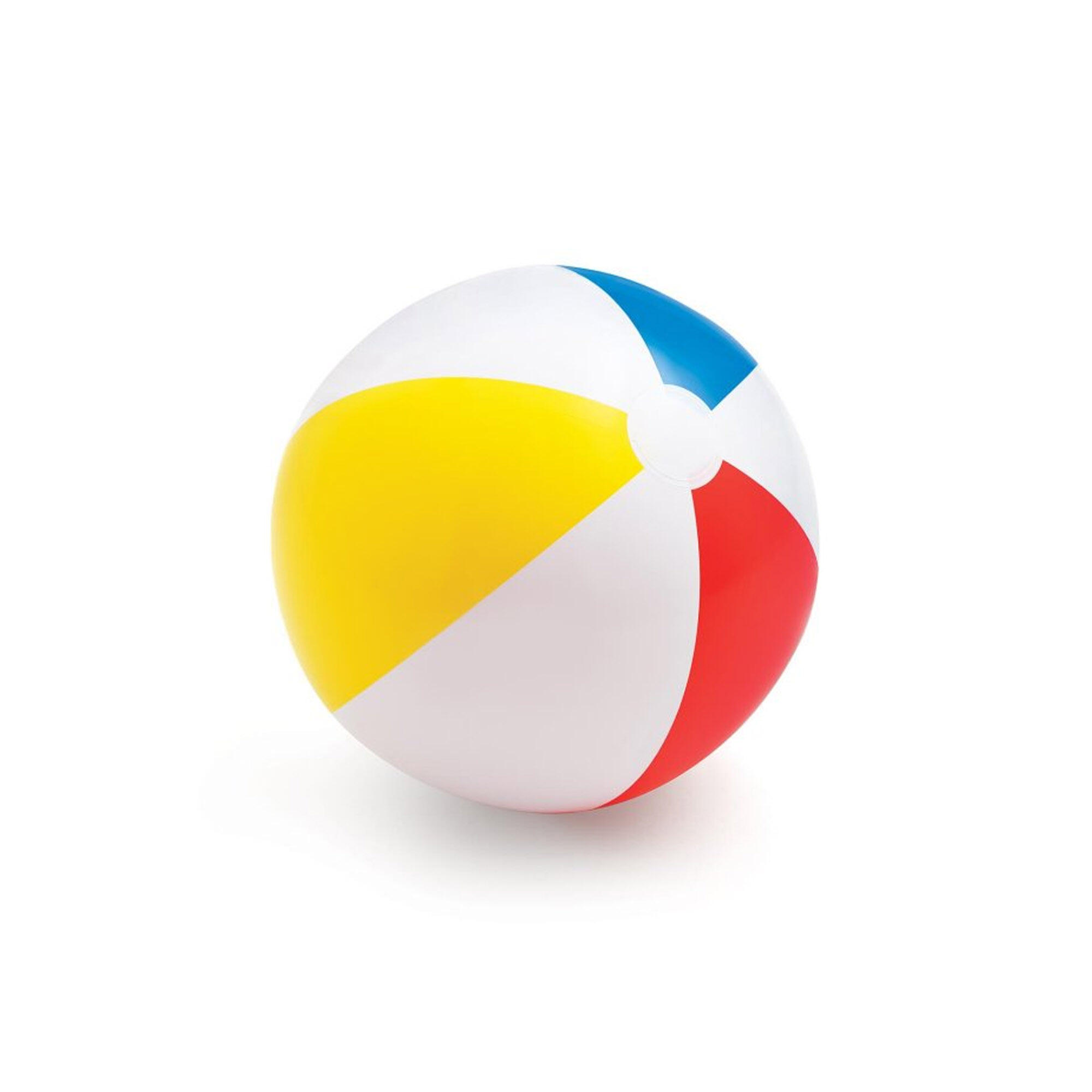
How do pool heating options affect water temperature in a garden inflatable?

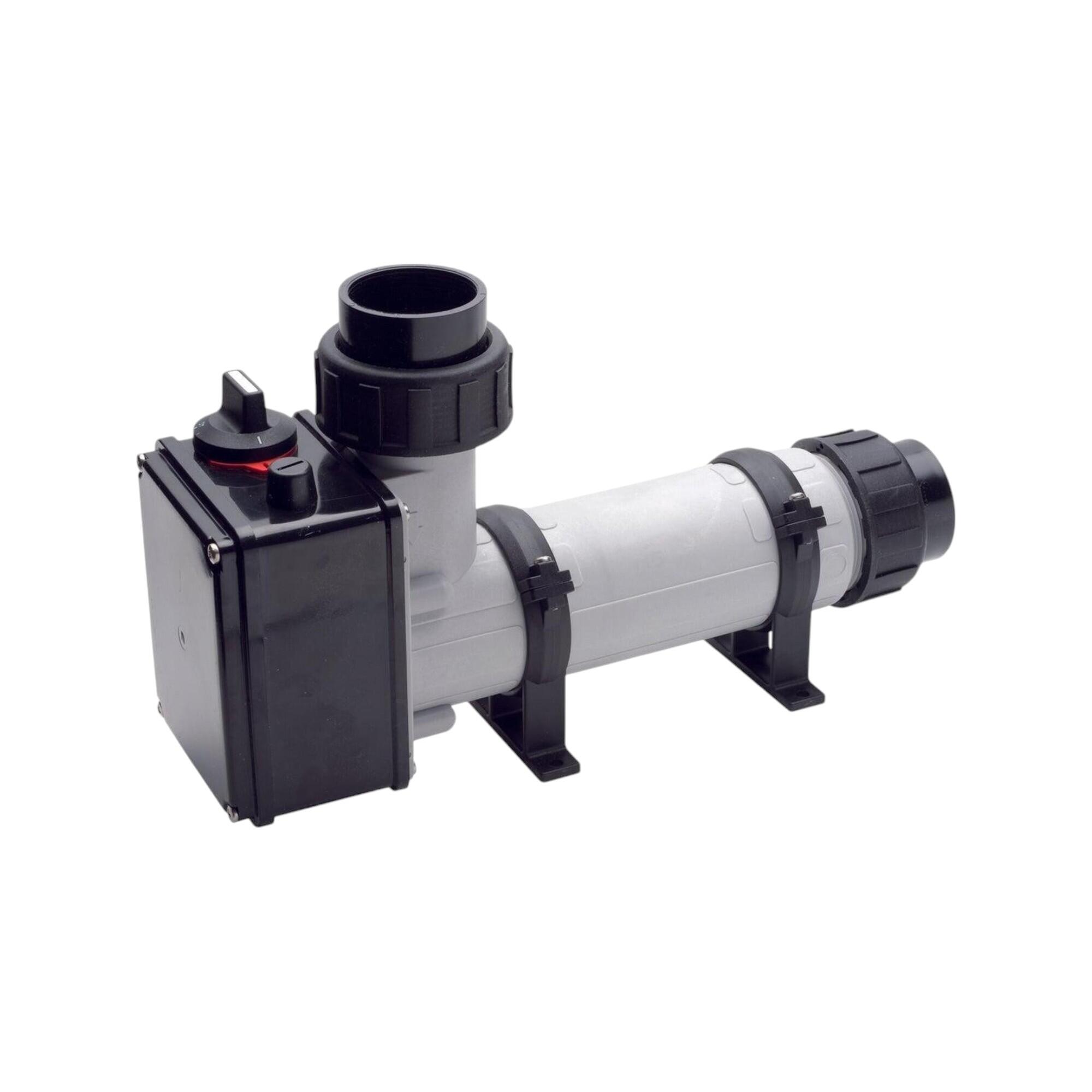
An unheated inflatable pool filled with tap water can sit well below a comfortable bathing temperature on cooler days, which shortens the usable season significantly. Solar heating works by trapping radiant heat from sunlight against the water surface, raising the temperature gradually over several hours of sun exposure without any ongoing running cost. Electric heat pumps are faster and more consistent but require a power connection and are better suited to larger semi-permanent pools. For families who want to extend pool use into the shoulder months, a solar cover from the pool heating range is the most practical entry-level option, working passively overnight to retain heat that the water absorbed during the day.

Do I need a pool alarm for a garden inflatable pool?

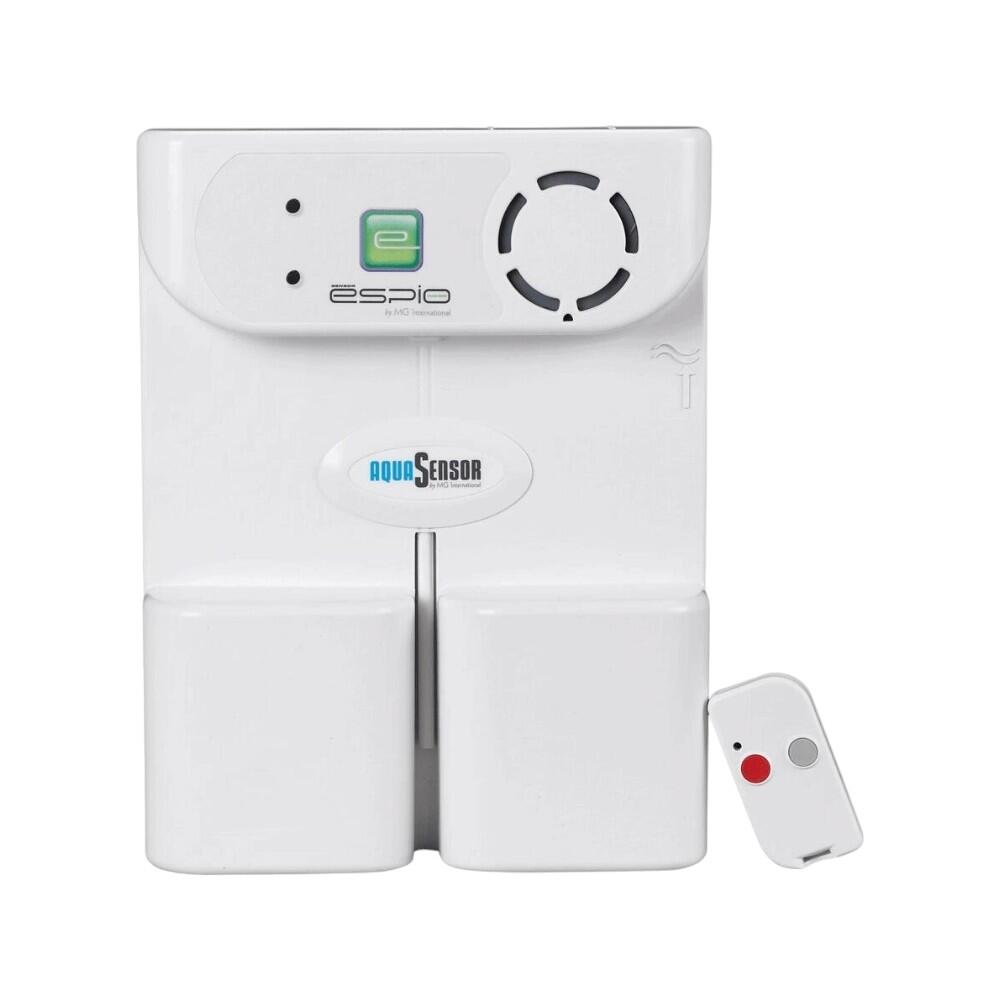
A pool alarm adds a meaningful layer of safety for any pool that a young child could access unsupervised, including shallow inflatables. Surface wave alarms detect movement on the water and trigger an audible alert within seconds of a child entering, giving adults nearby enough time to respond. Wristband alarms work differently; they trigger when the band is submerged, making them better suited to situations where the child is already wearing the device. For garden inflatables used around toddlers, a pool alarm used alongside supervision rather than as a substitute for it provides the most reliable safety setup. Smart tip: test the alarm weekly to confirm the battery and sensor are functioning correctly before each use.

How does a pool cover benefit both safety and water quality?

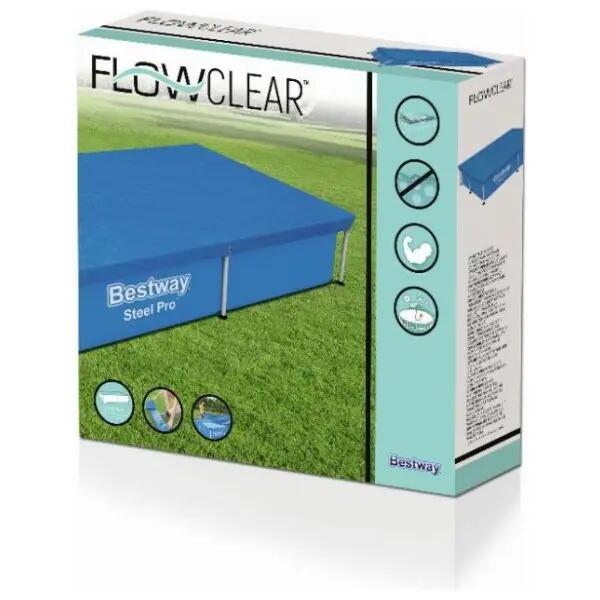
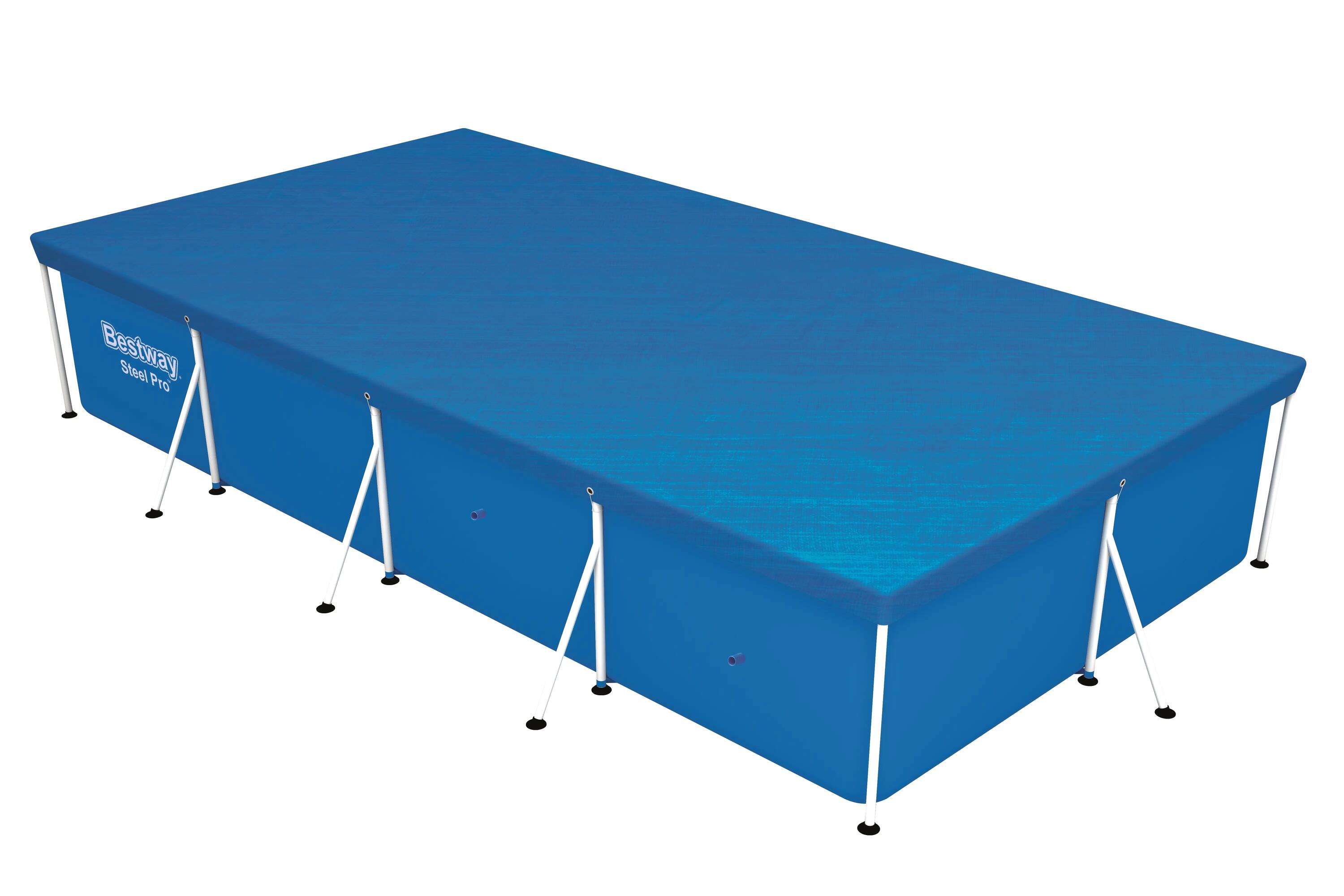
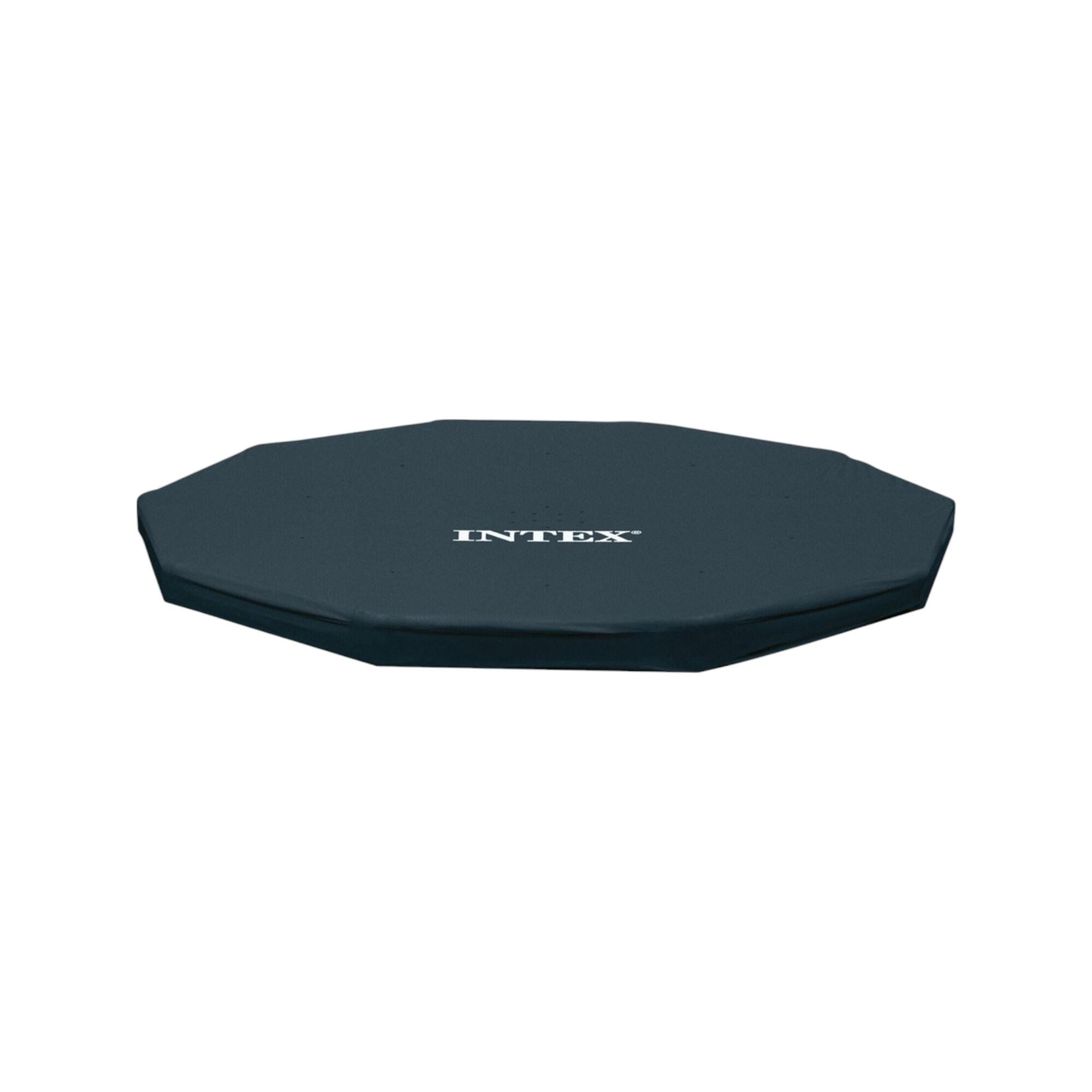
A pool cover serves two distinct purposes that together justify its use even for seasonal inflatable pools. From a safety perspective, a fitted cover prevents unsupervised access when the pool is not in use, which is particularly relevant for pools left filled overnight or between swim sessions during the week. From a water quality perspective, a cover blocks sunlight from reaching the water surface, which slows the growth of algae and reduces the rate at which chlorine breaks down under UV exposure. This means the pool needs fewer chemical top-ups between uses and stays cleaner for longer. A well-fitted pool cover sized to match the pool diameter also reduces evaporation, which keeps the water level stable and cuts down on refilling frequency across a full summer season.