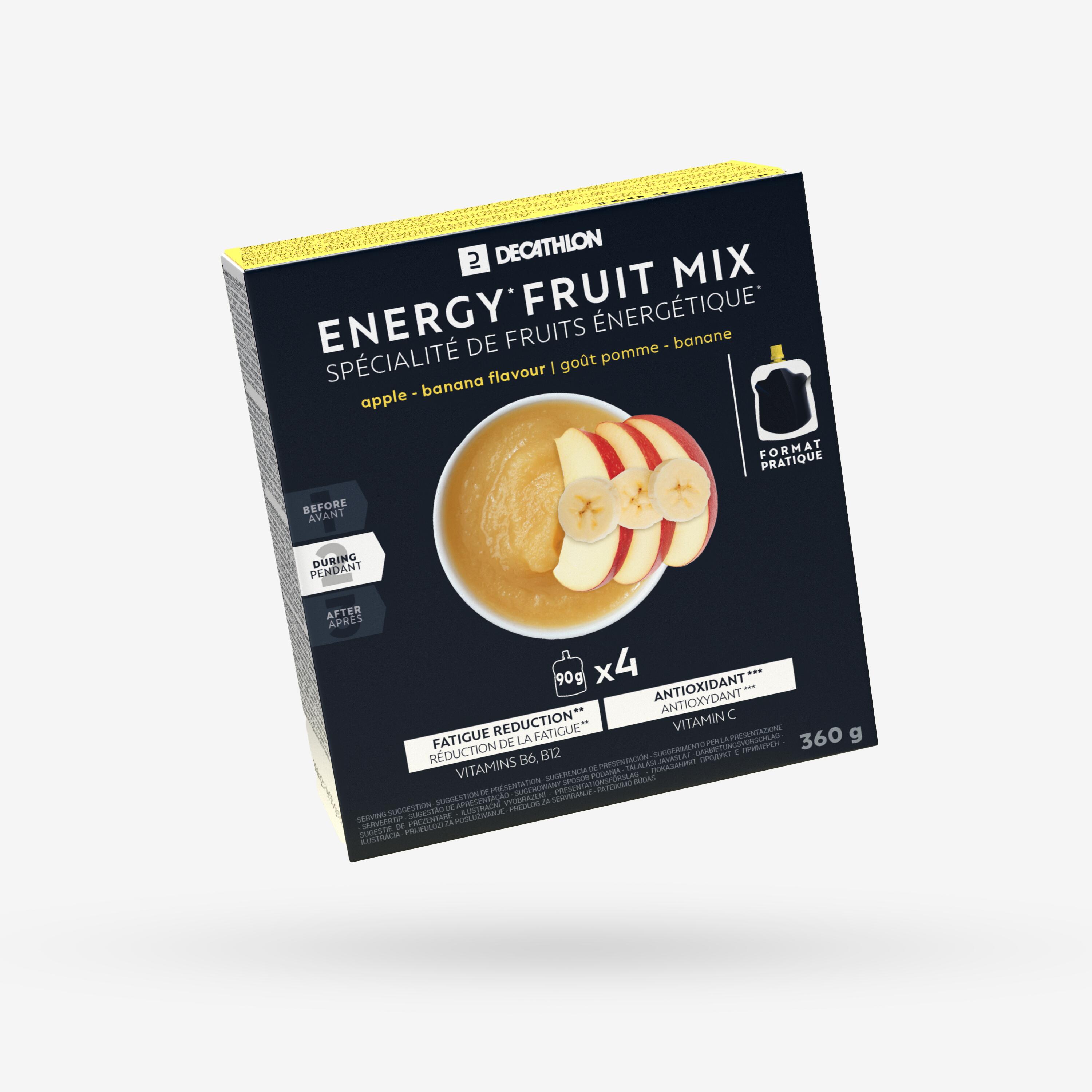
138 items
4.6/5 based on 49478 reviews collected online and in stores

Athletics Energy Intakes FAQs

Which energy intakes are suitable for athletics training?

Choose nutrition according to the session length, intensity and timing of your next normal meal. Short technical or sprint sessions may need only water and balanced food before and afterwards, while prolonged endurance work can justify planned carbohydrate during activity. The wider athletics nutrition and hydration selection covers food and drink for different stages, so check the stated purpose rather than treating every product as interchangeable. A useful pro tip is to write the carbohydrate amount on your session plan. This makes it easier to compare jellies, bars and drinks without relying on packet size or sweetness.
What energy intake works before athletics practice?

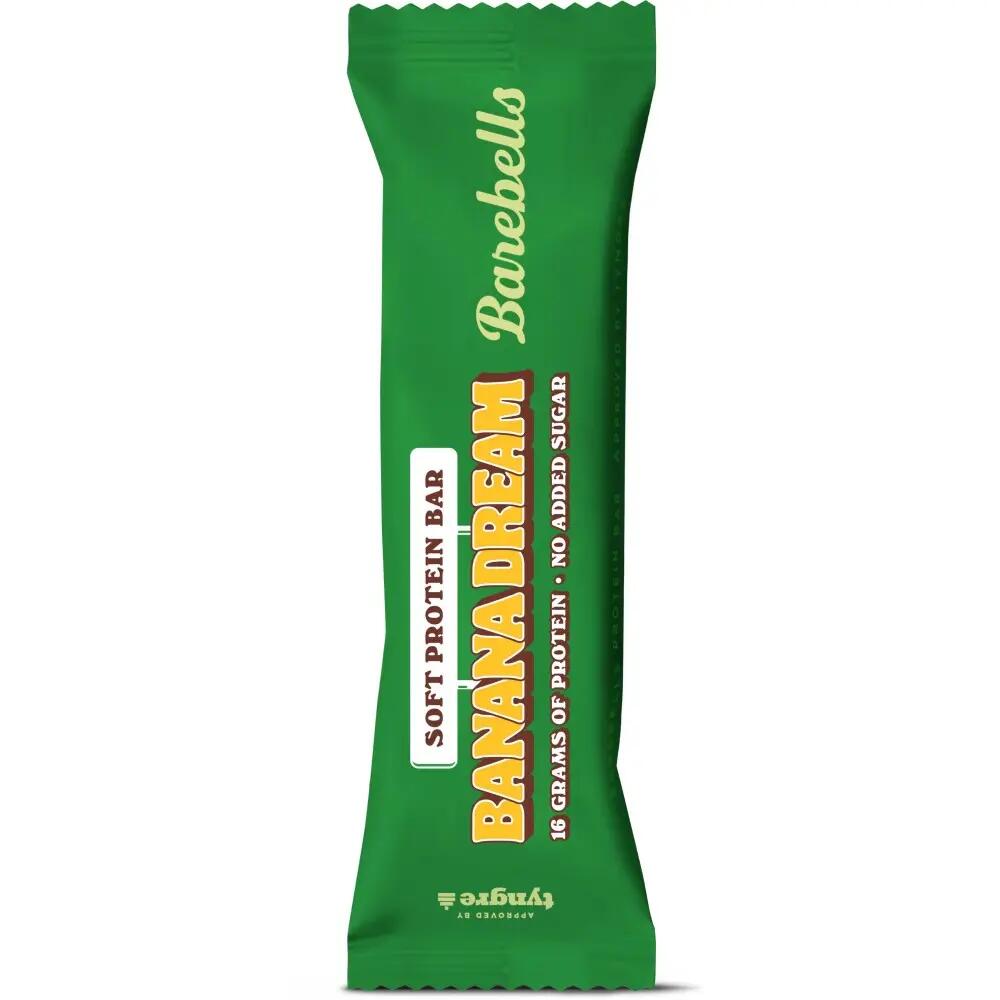
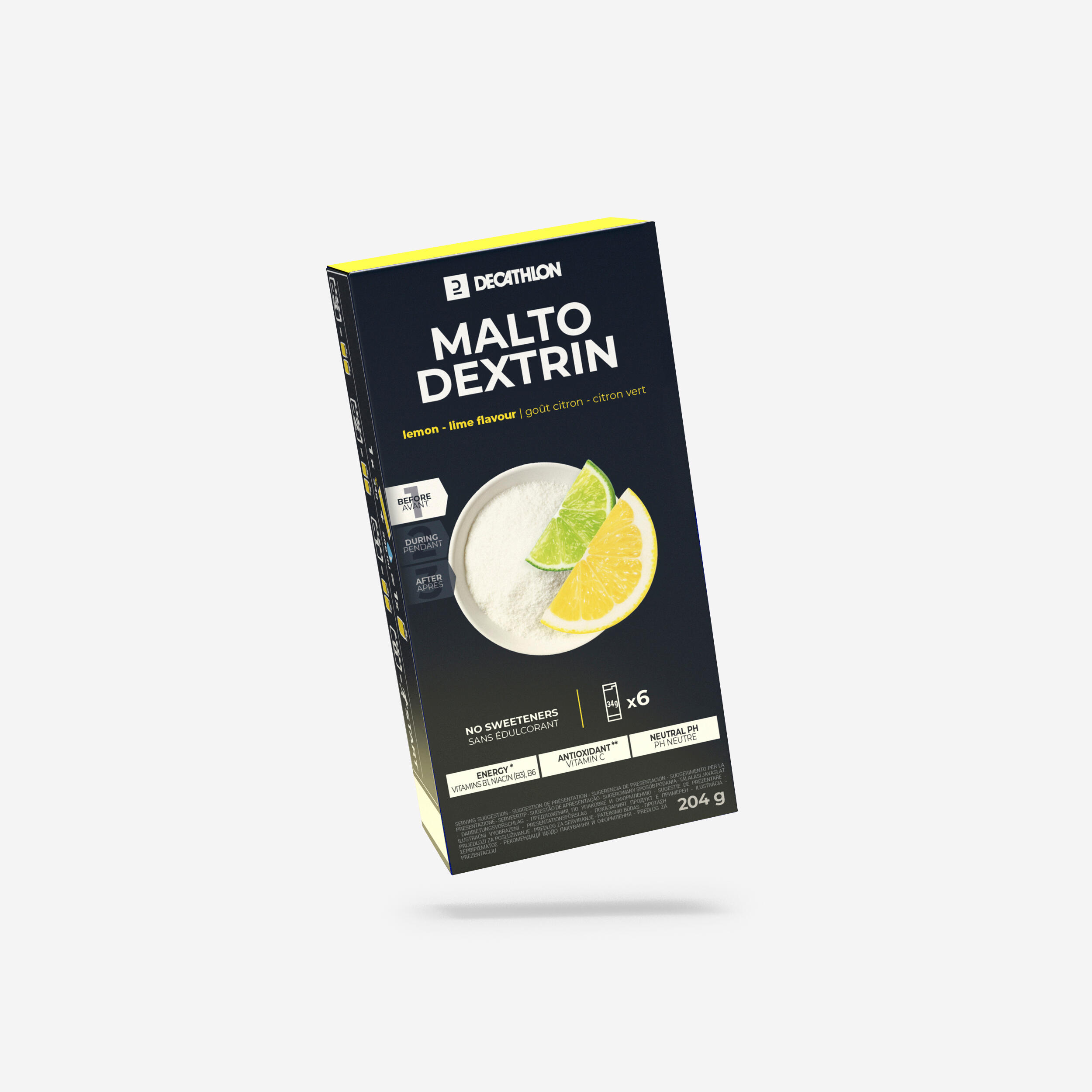
Before training, prioritise familiar food that sits comfortably and gives you enough time to digest. The before athletics practice selection includes formats such as maltodextrin drinks and energy foods, but these are mainly relevant when ordinary meals are inconvenient or a long event requires deliberate carbohydrate preparation. A low-sweetness maltodextrin drink can raise carbohydrate intake without the texture of solid food, although it should not replace a balanced diet. Follow the mixing instructions precisely, test the product during training and avoid starting a new loading routine immediately before an important competition.
When are energy foods useful during athletics?

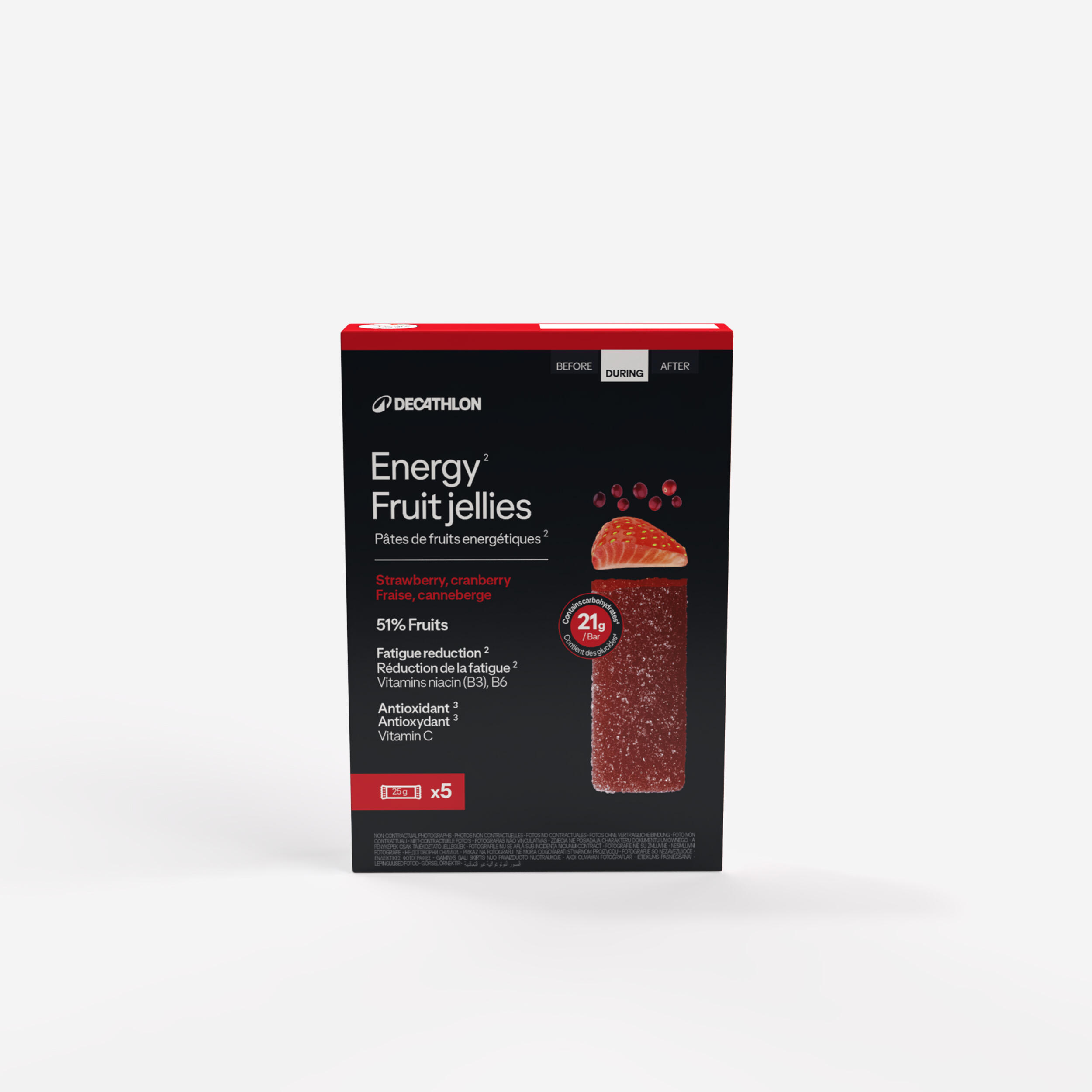
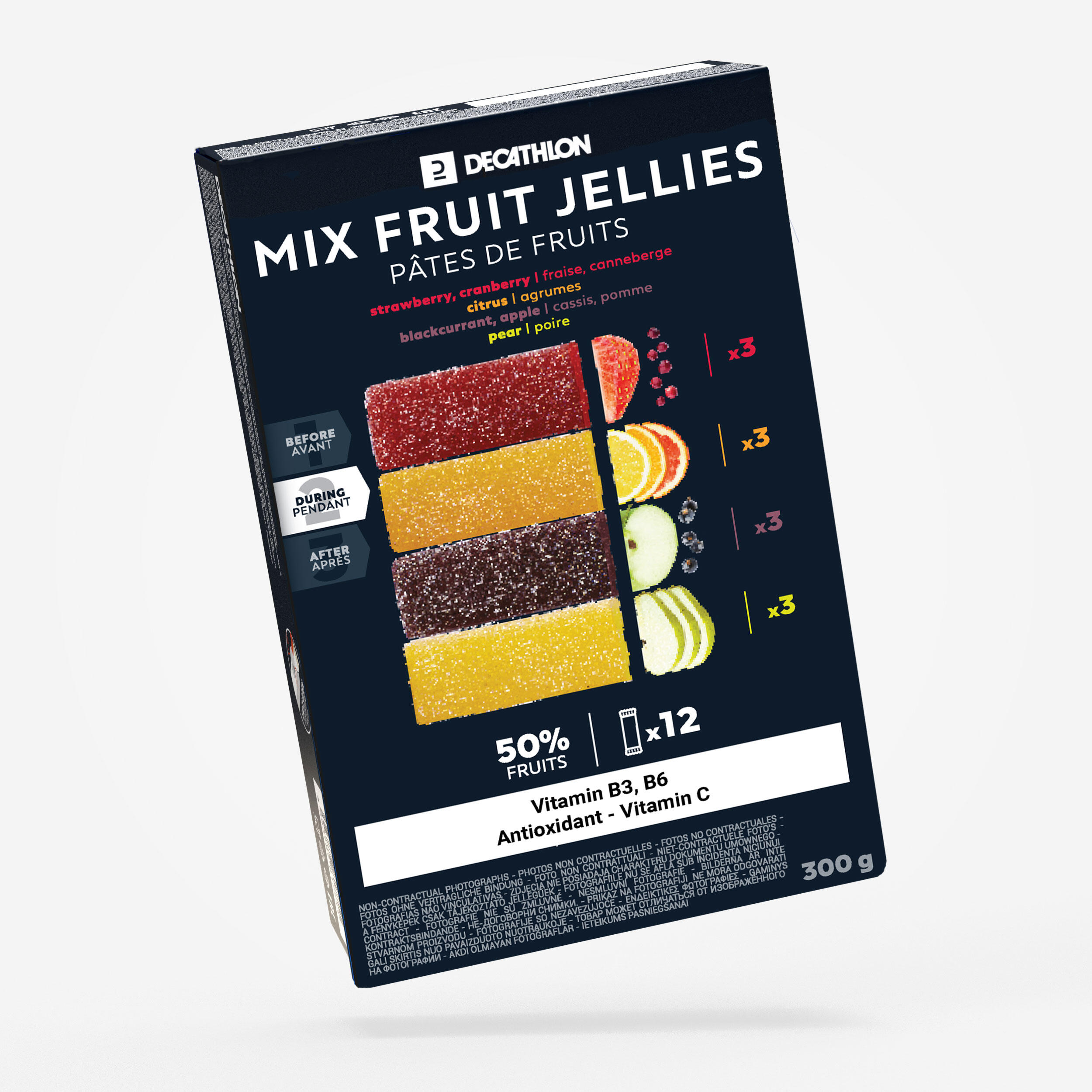
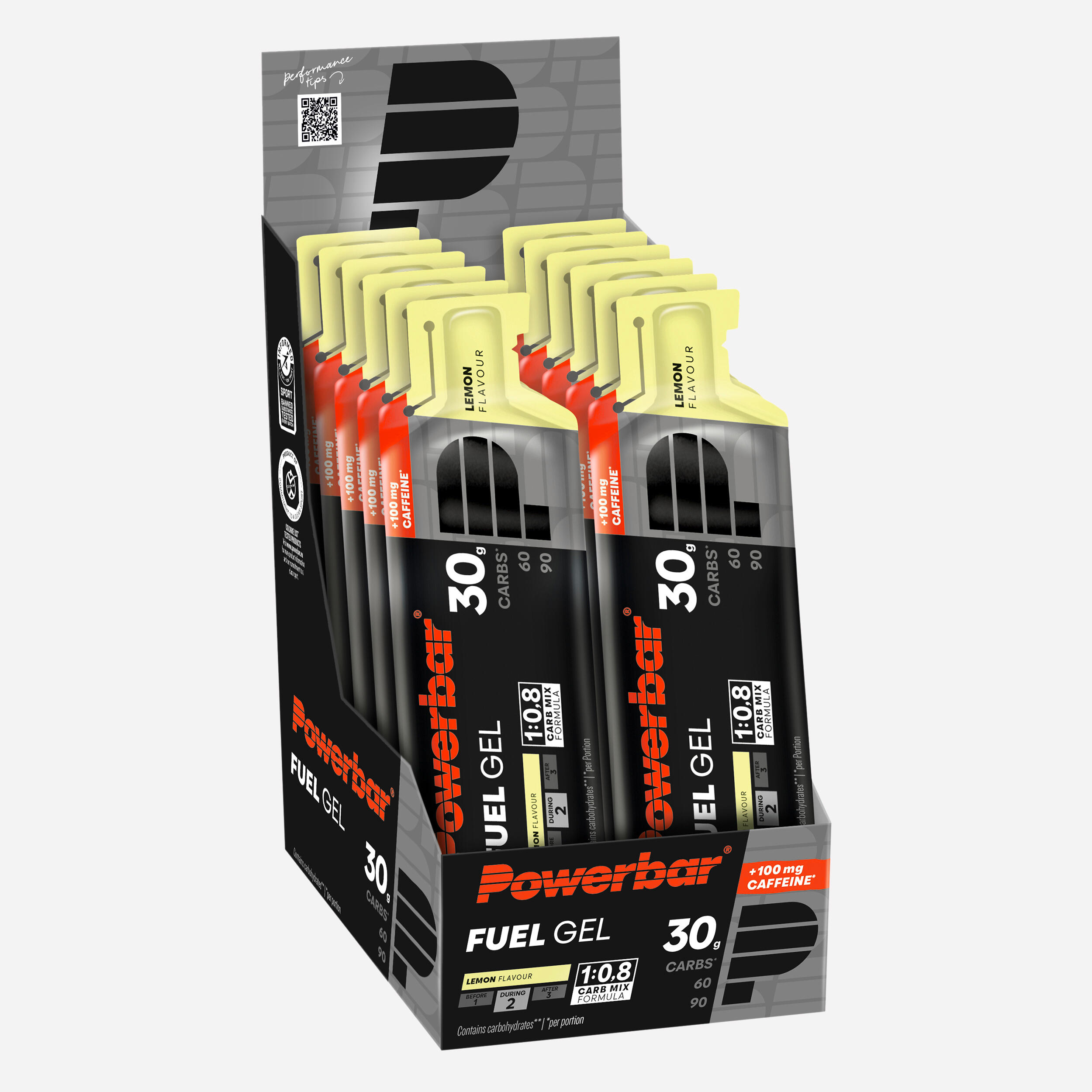
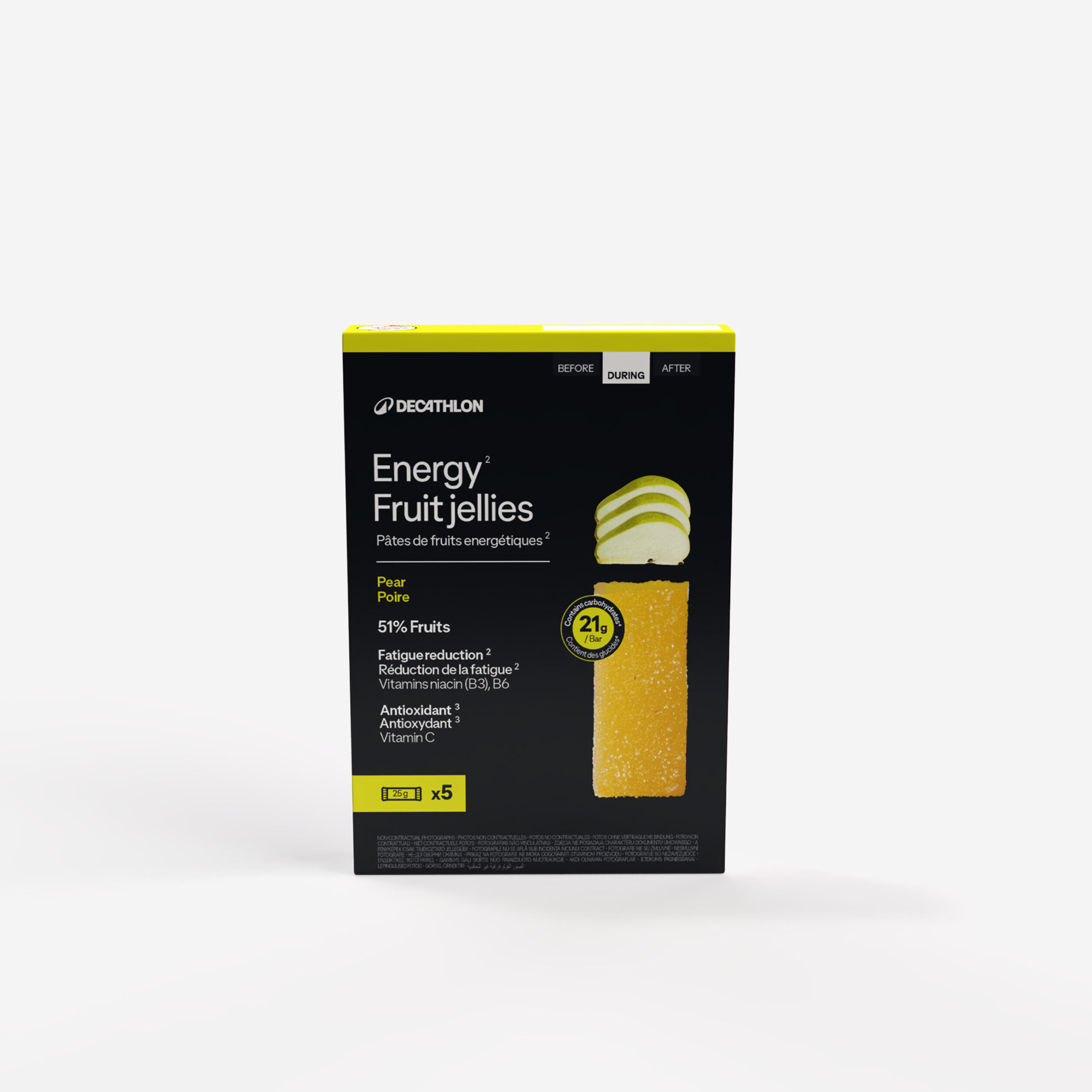
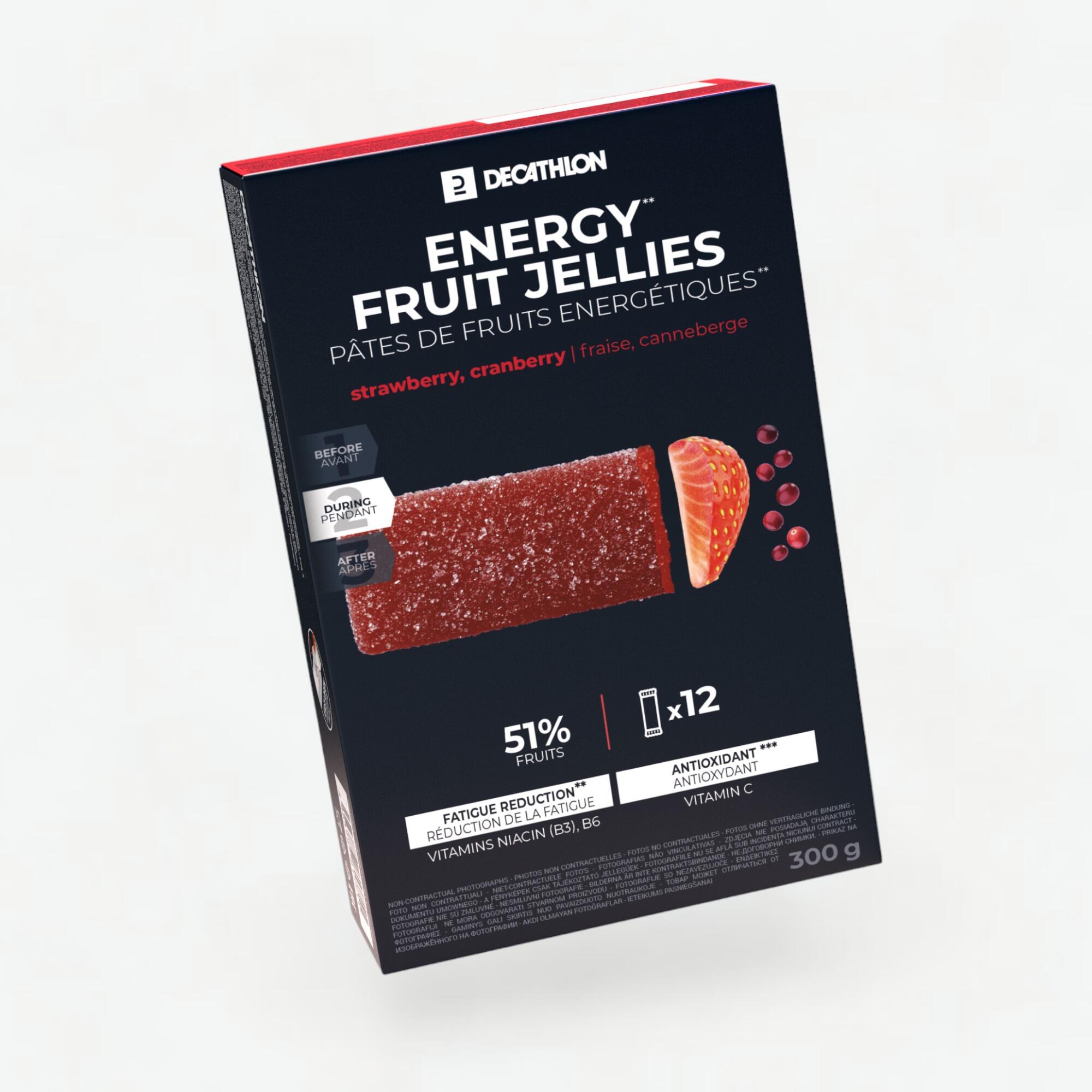
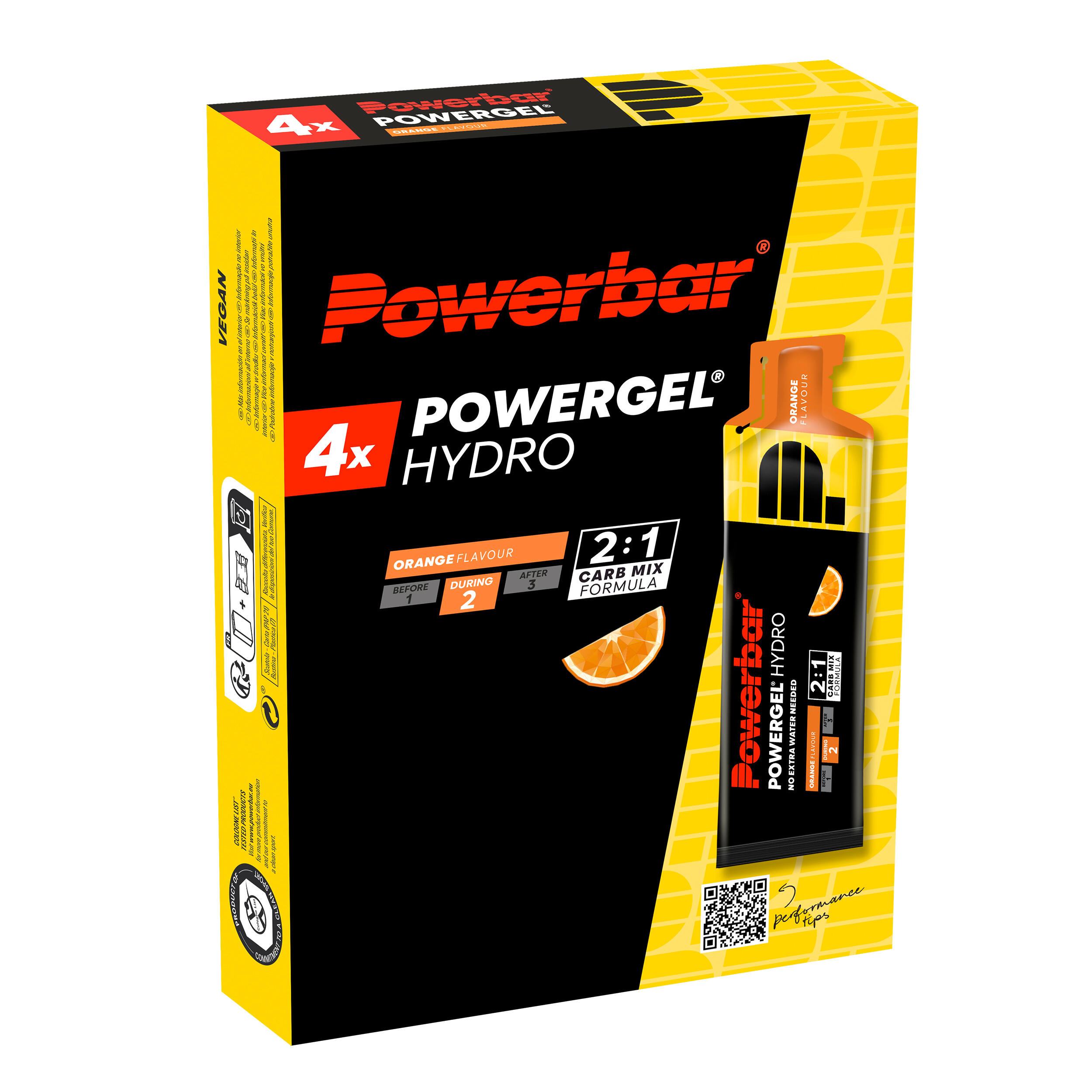
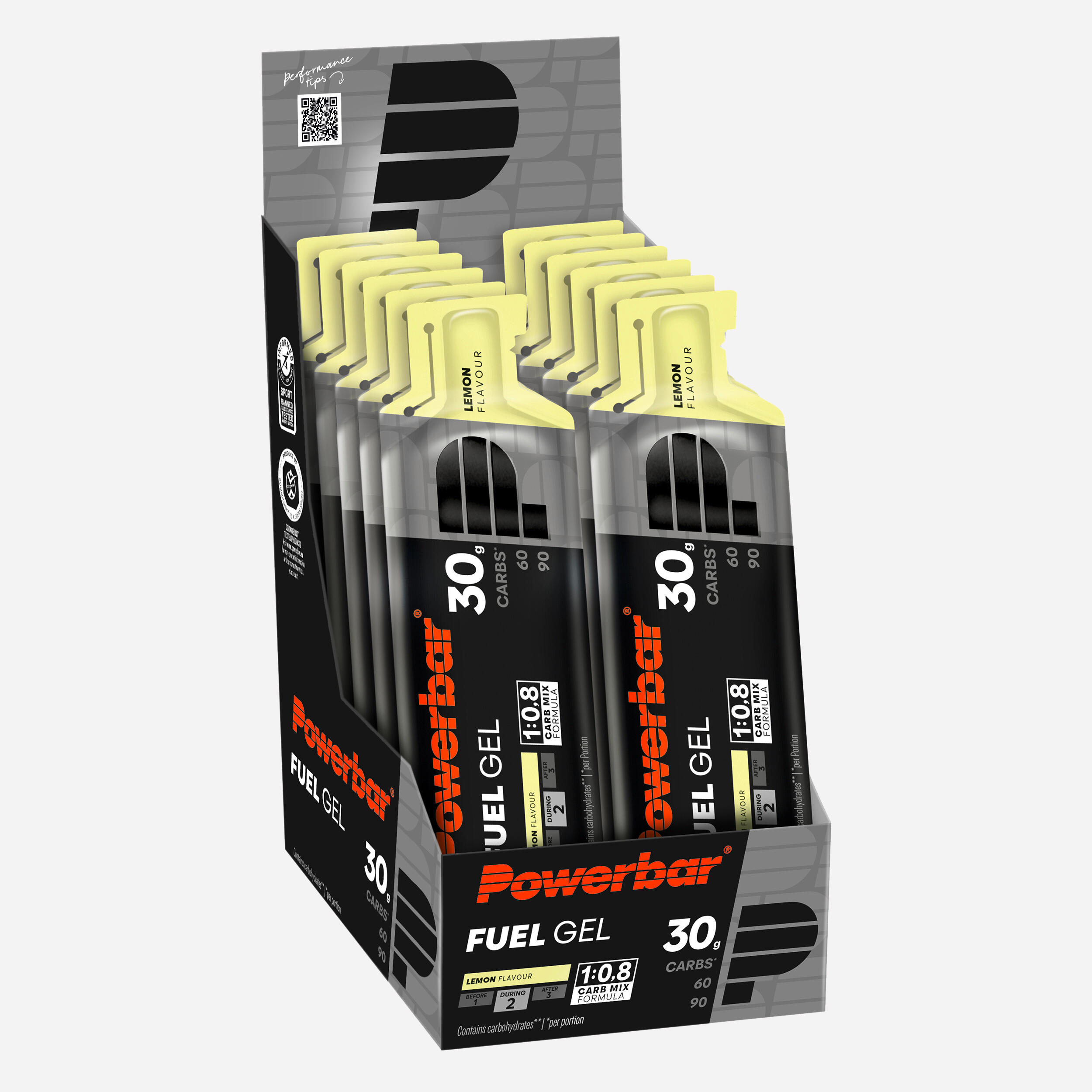
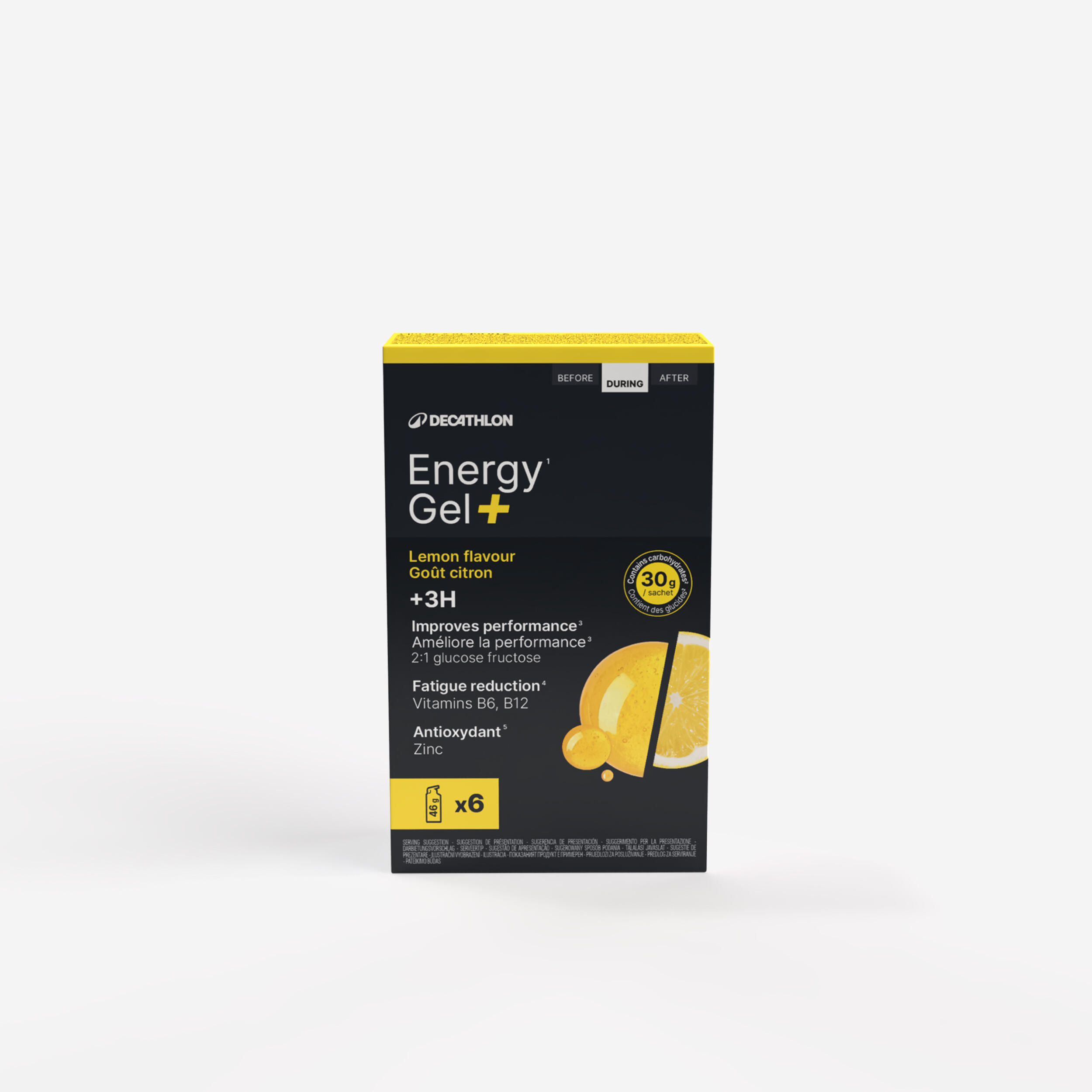
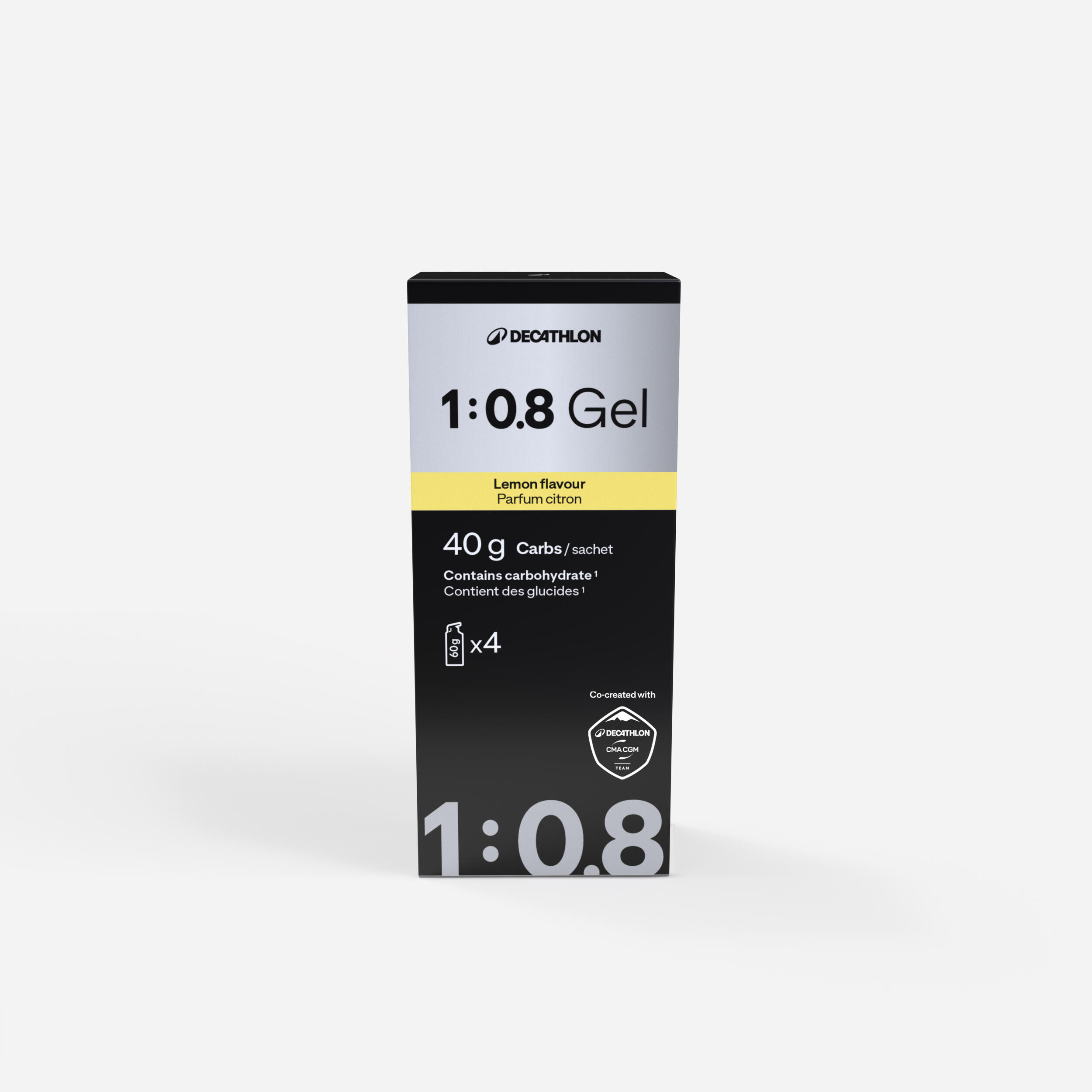
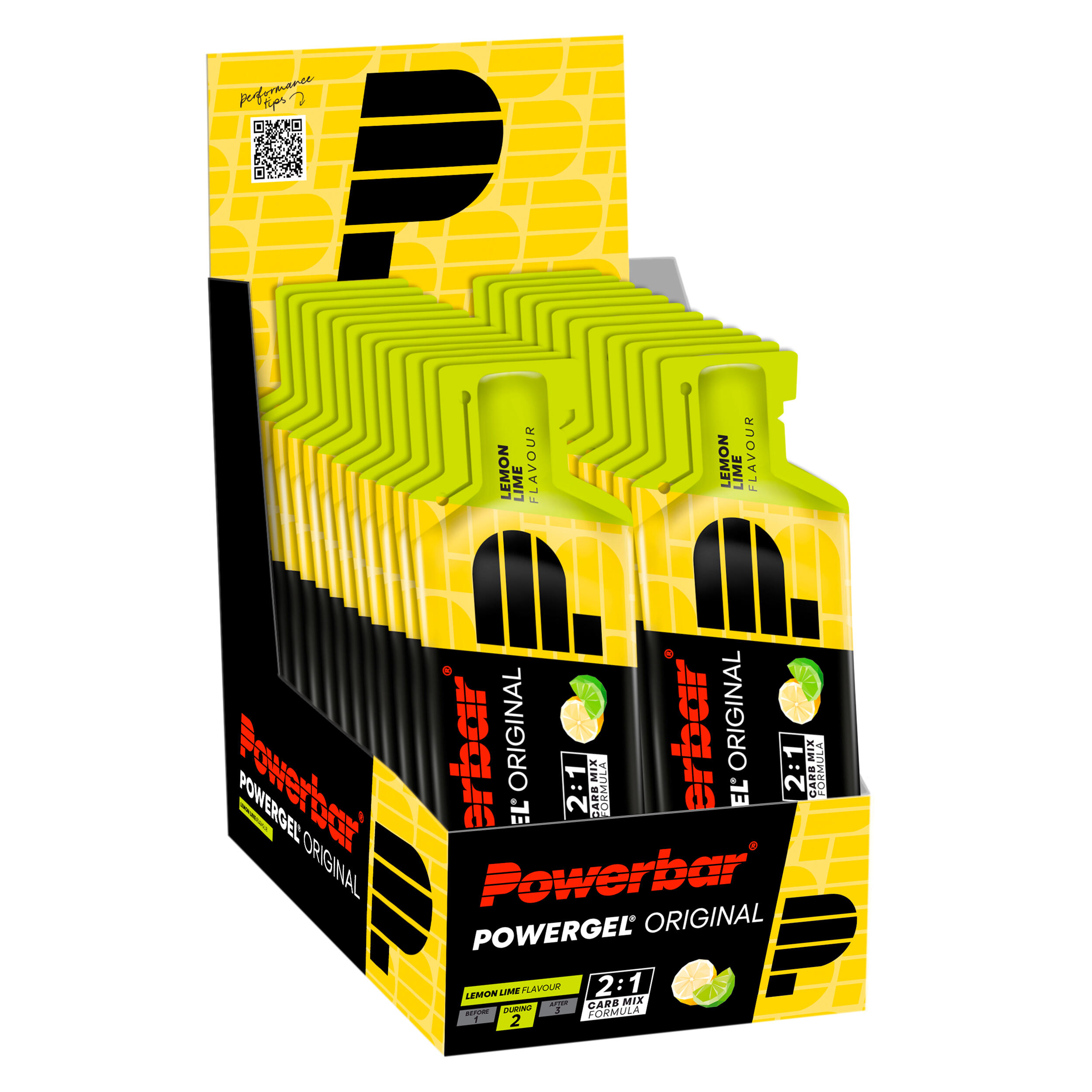
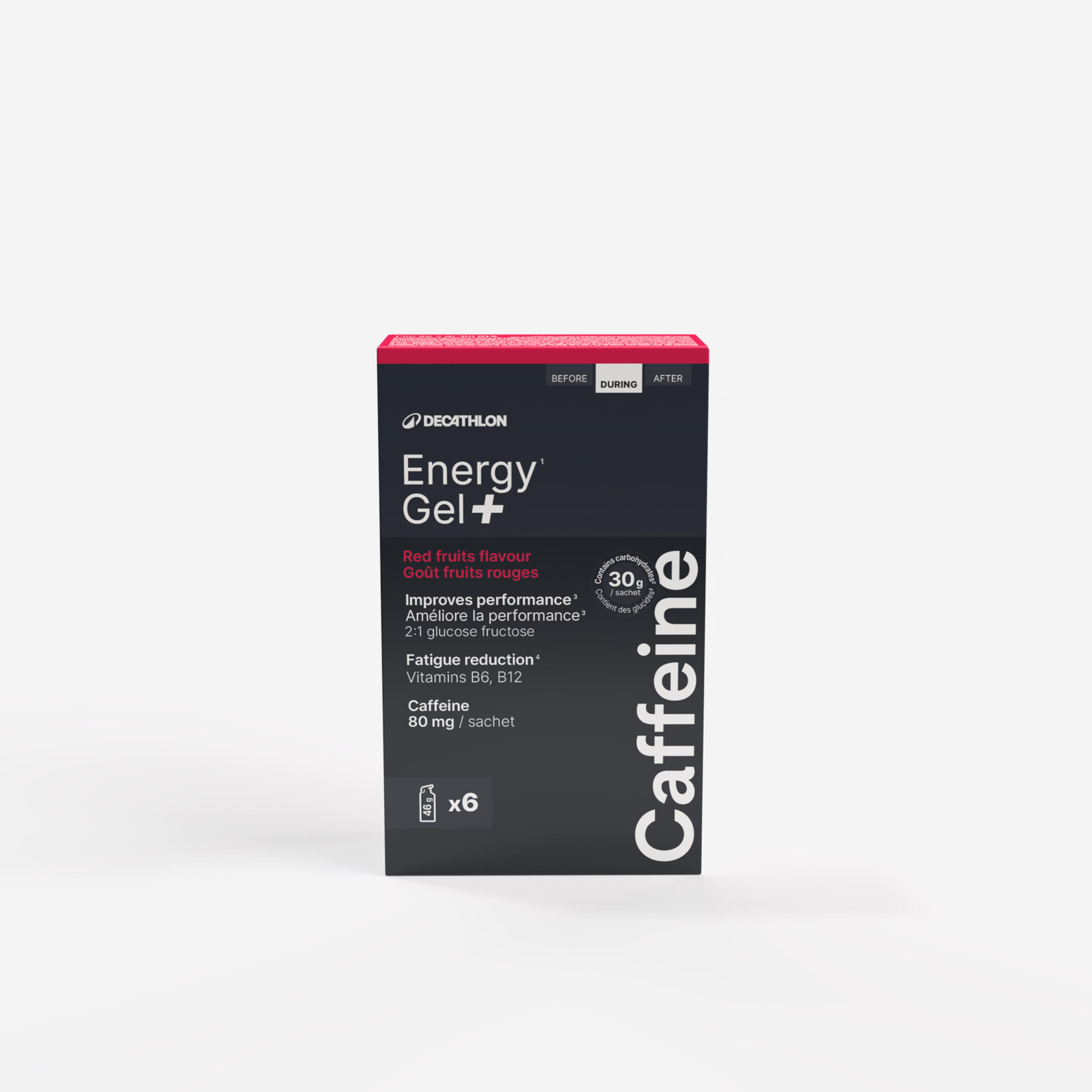
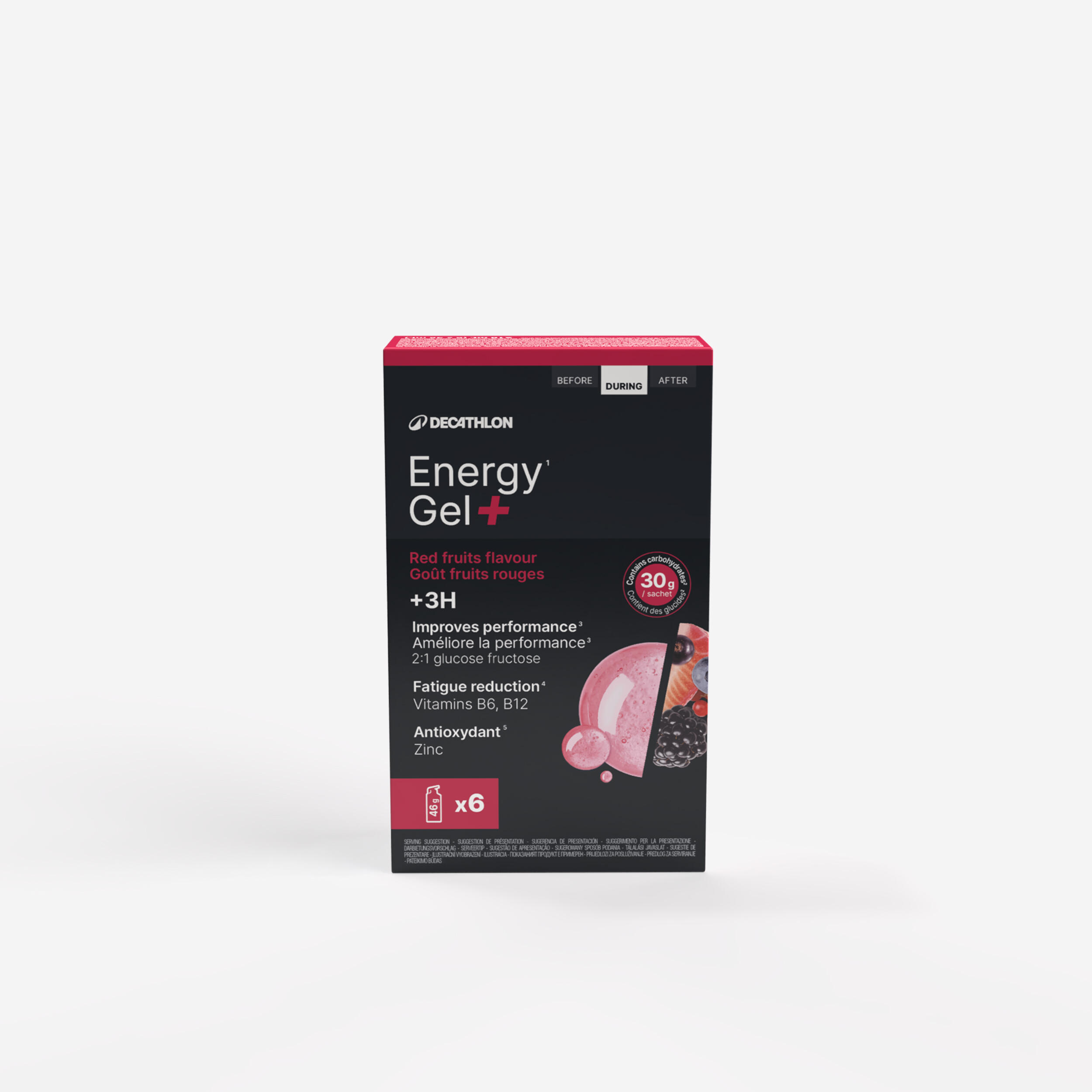
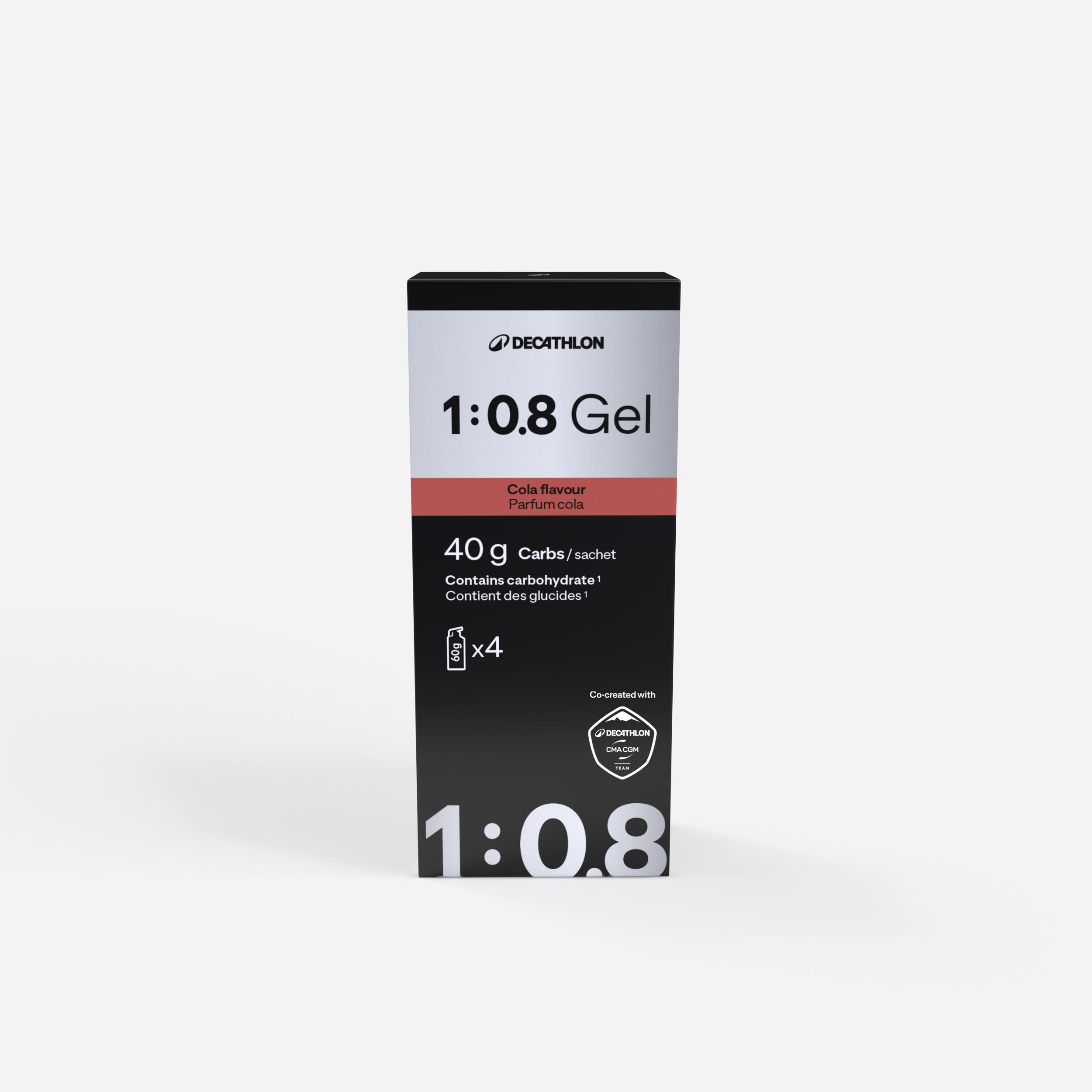
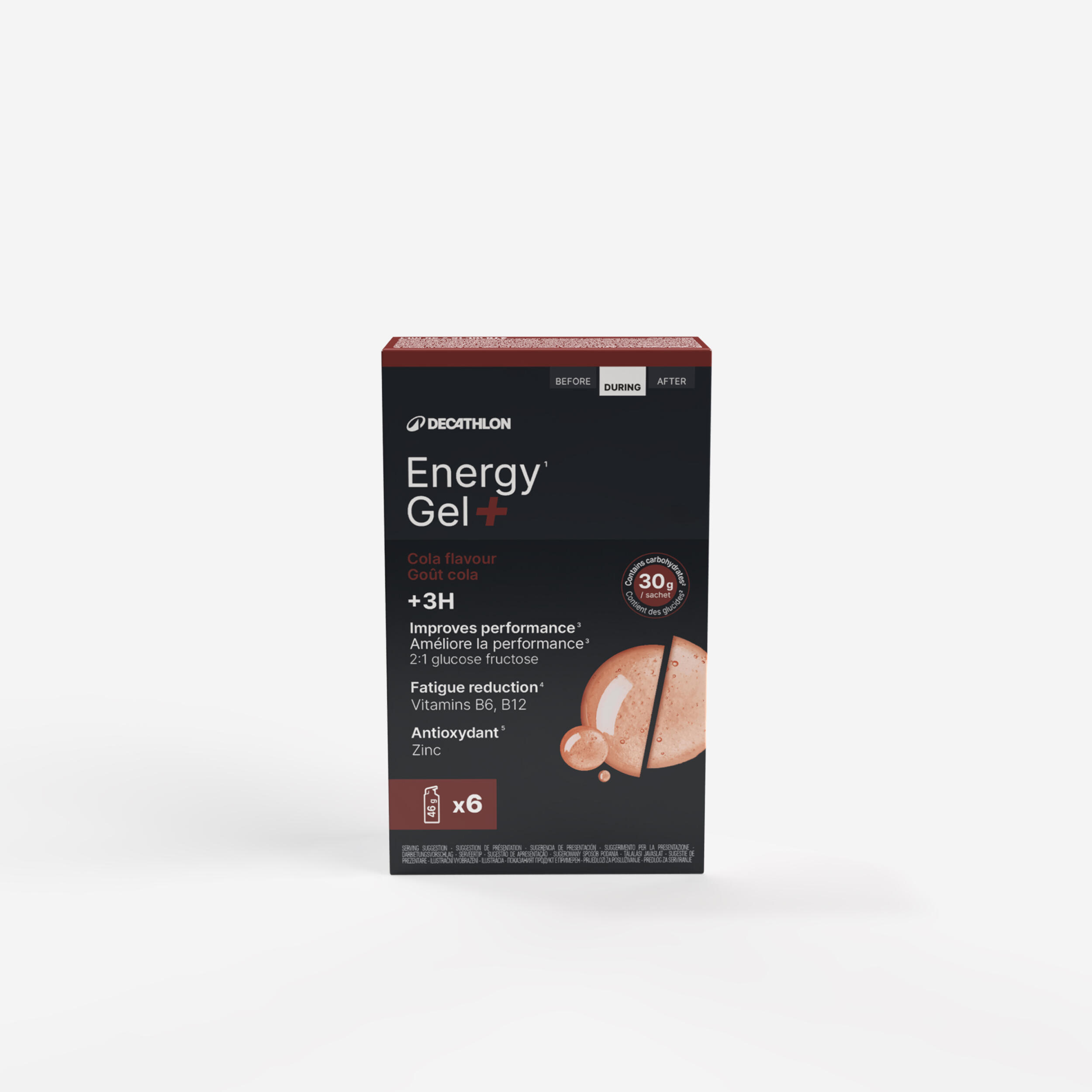
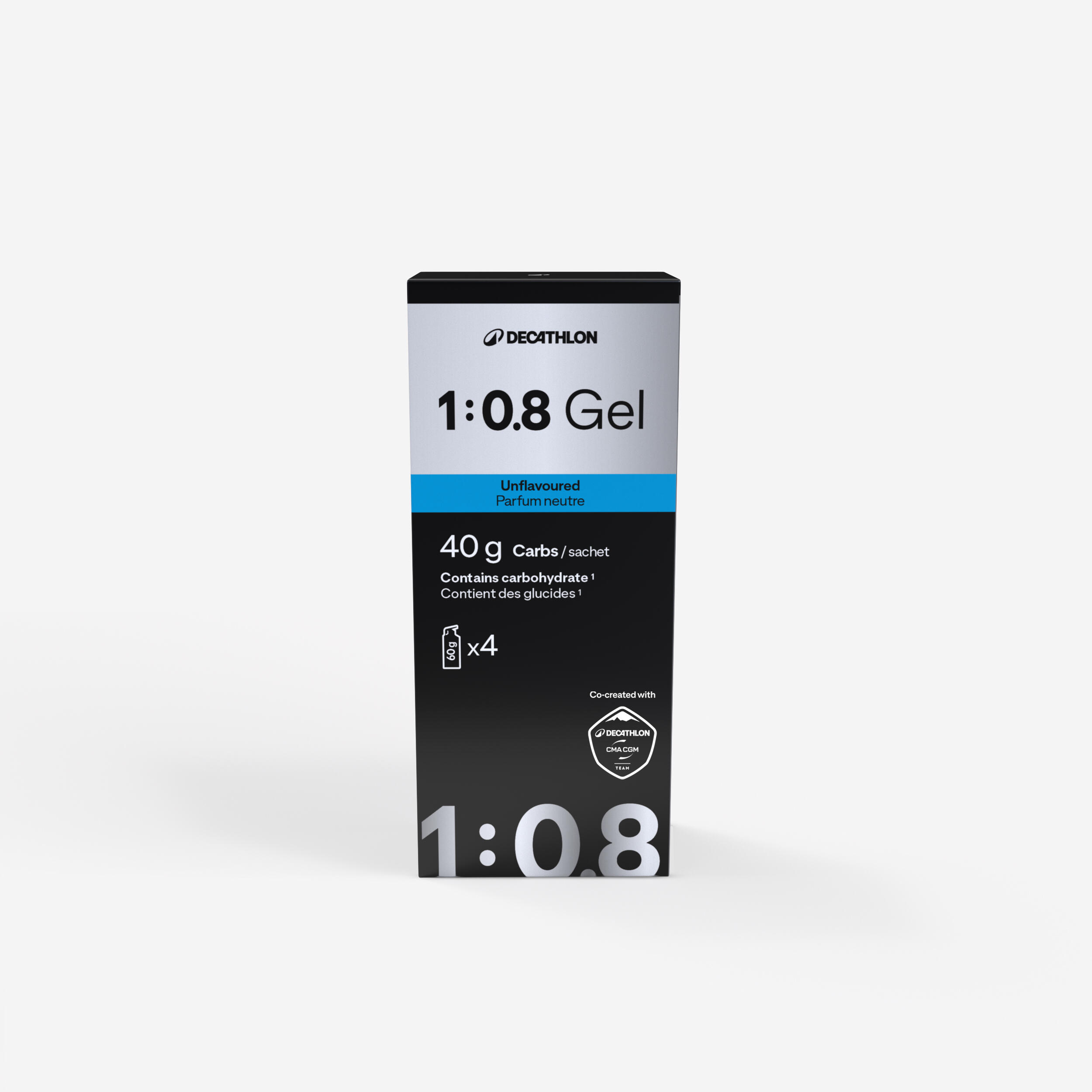
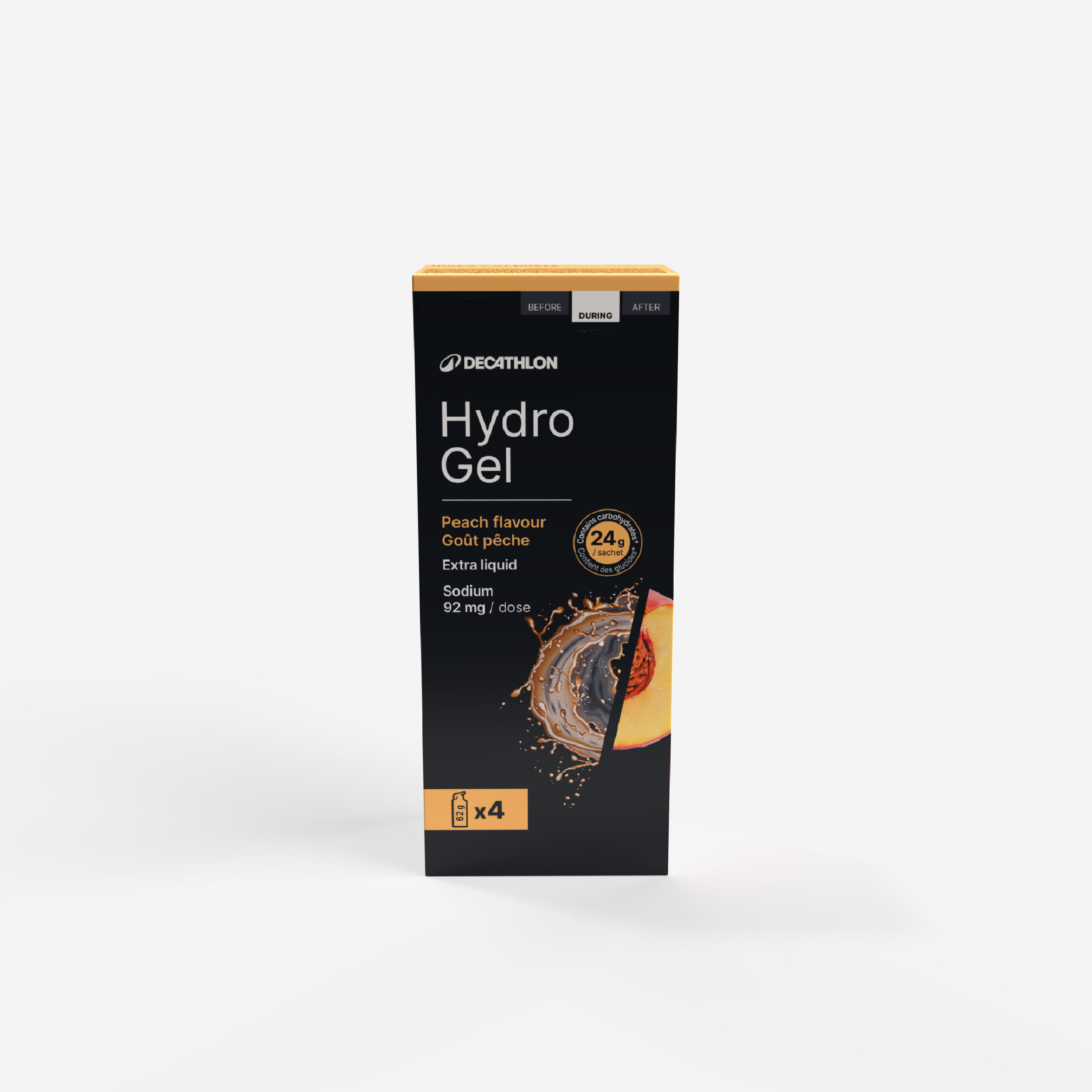
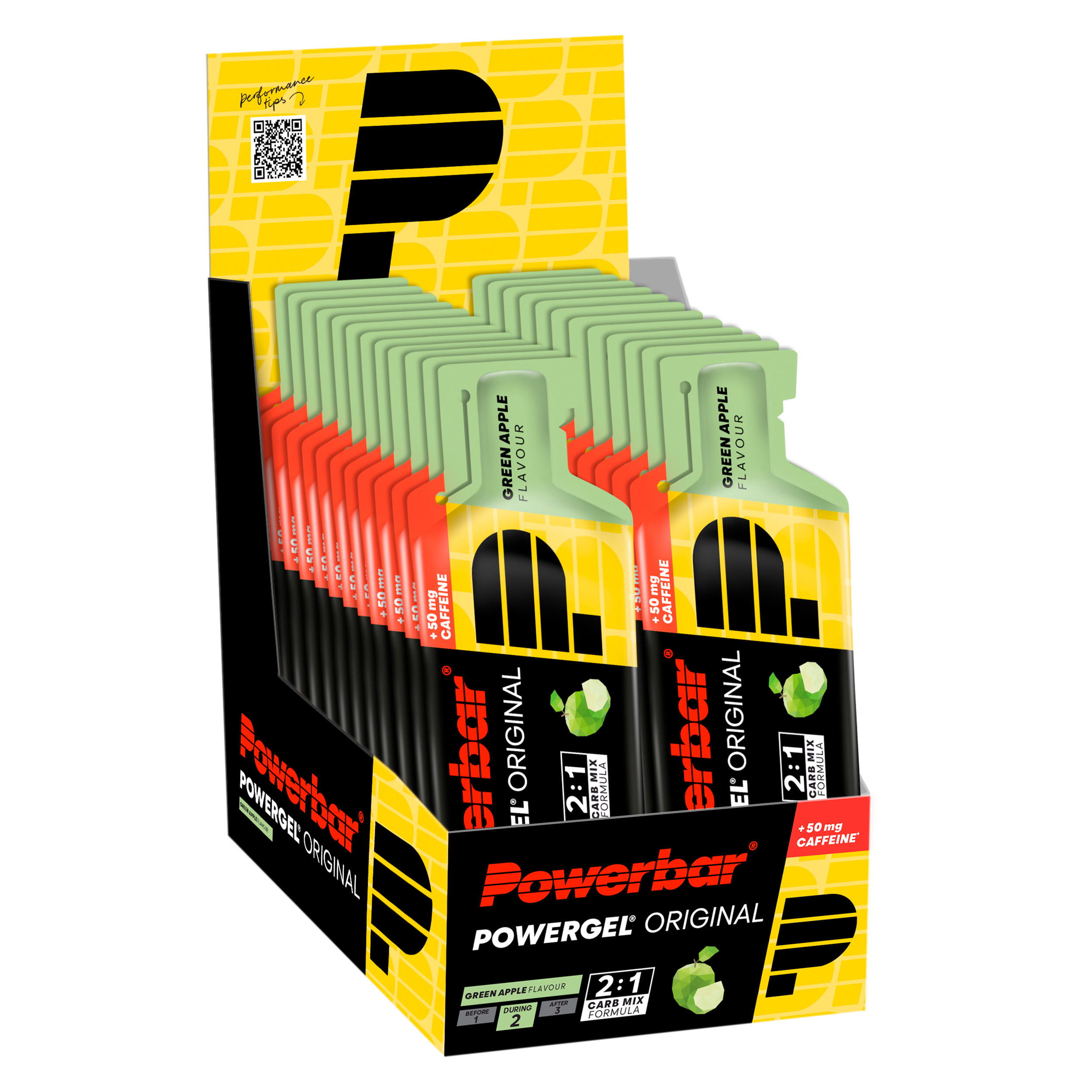
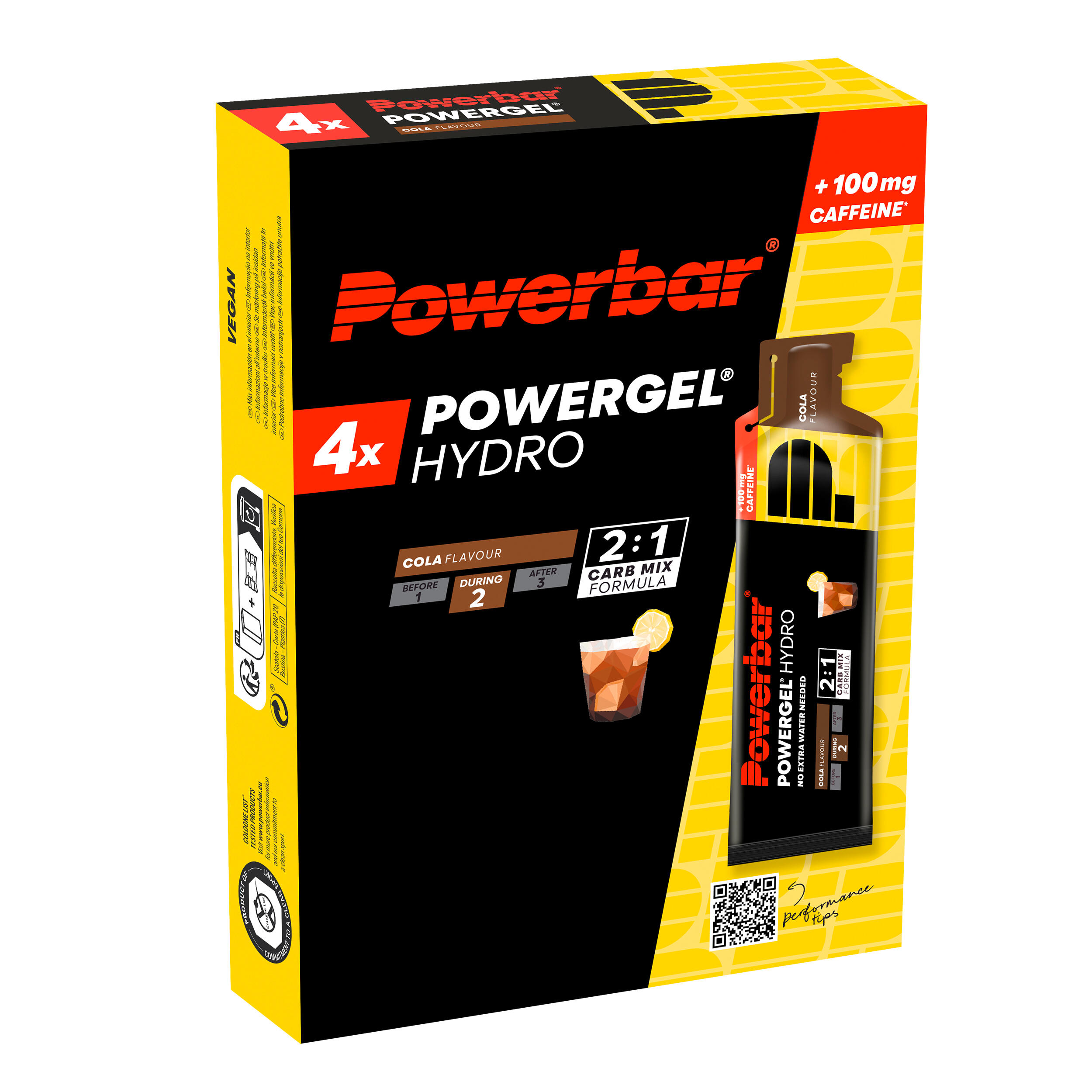
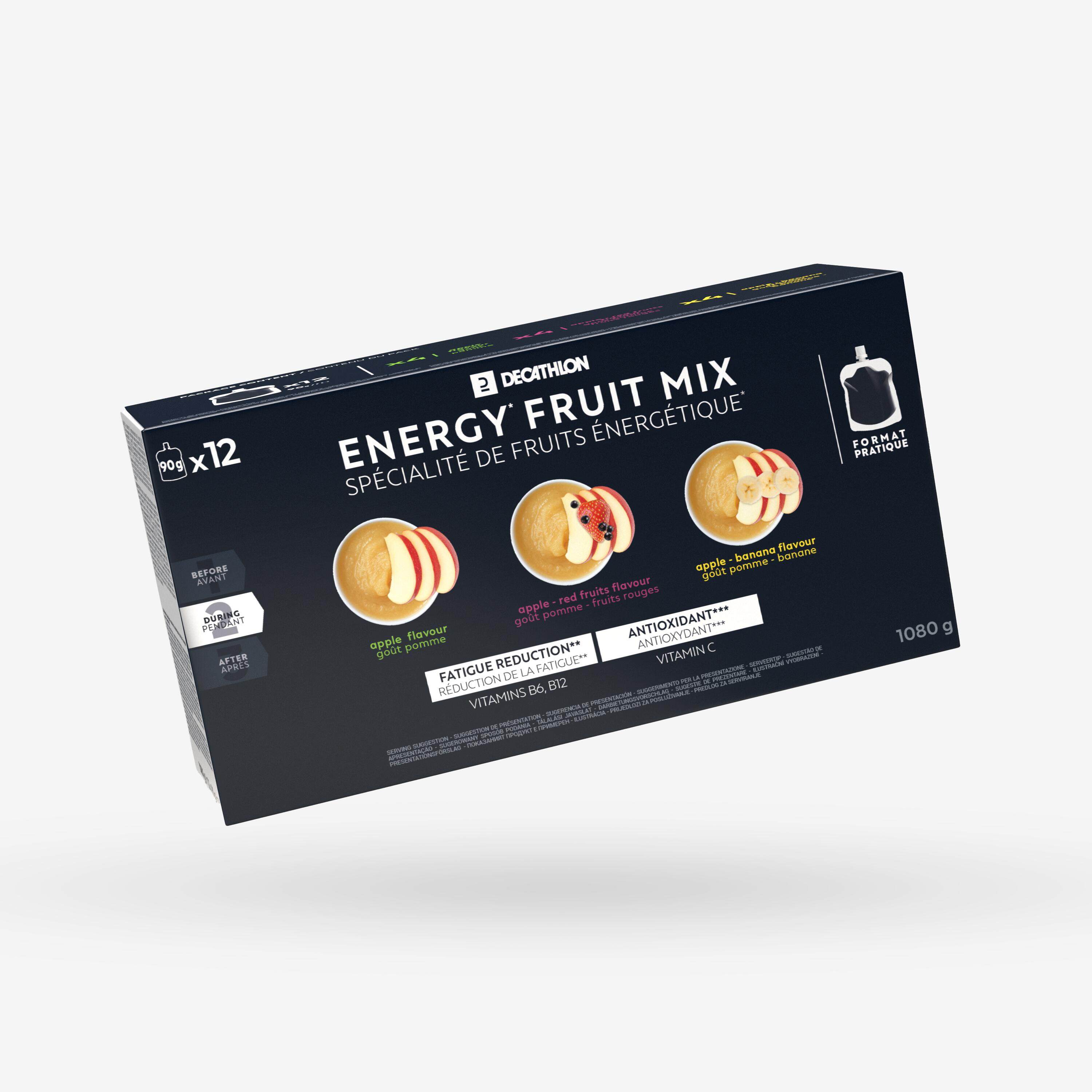
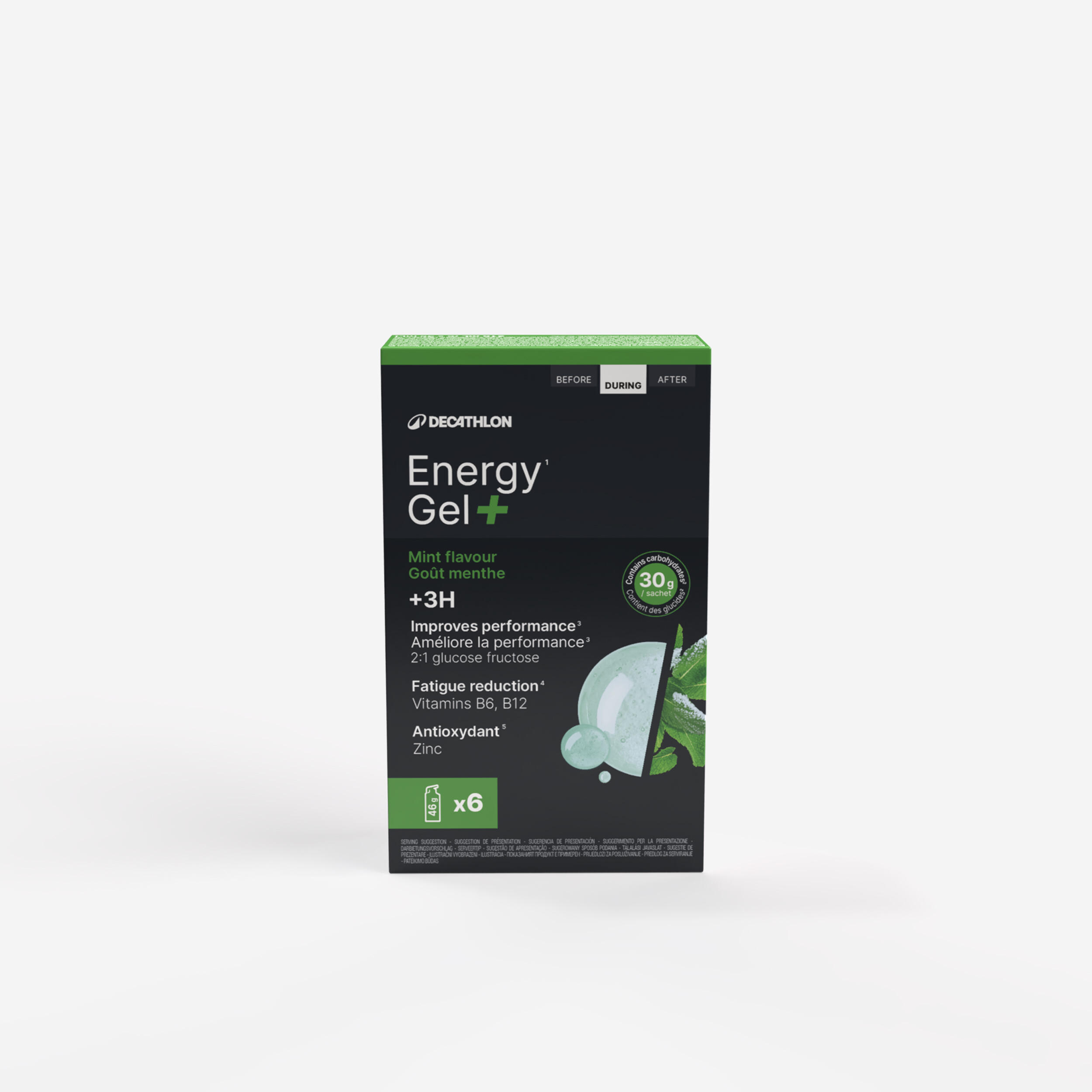
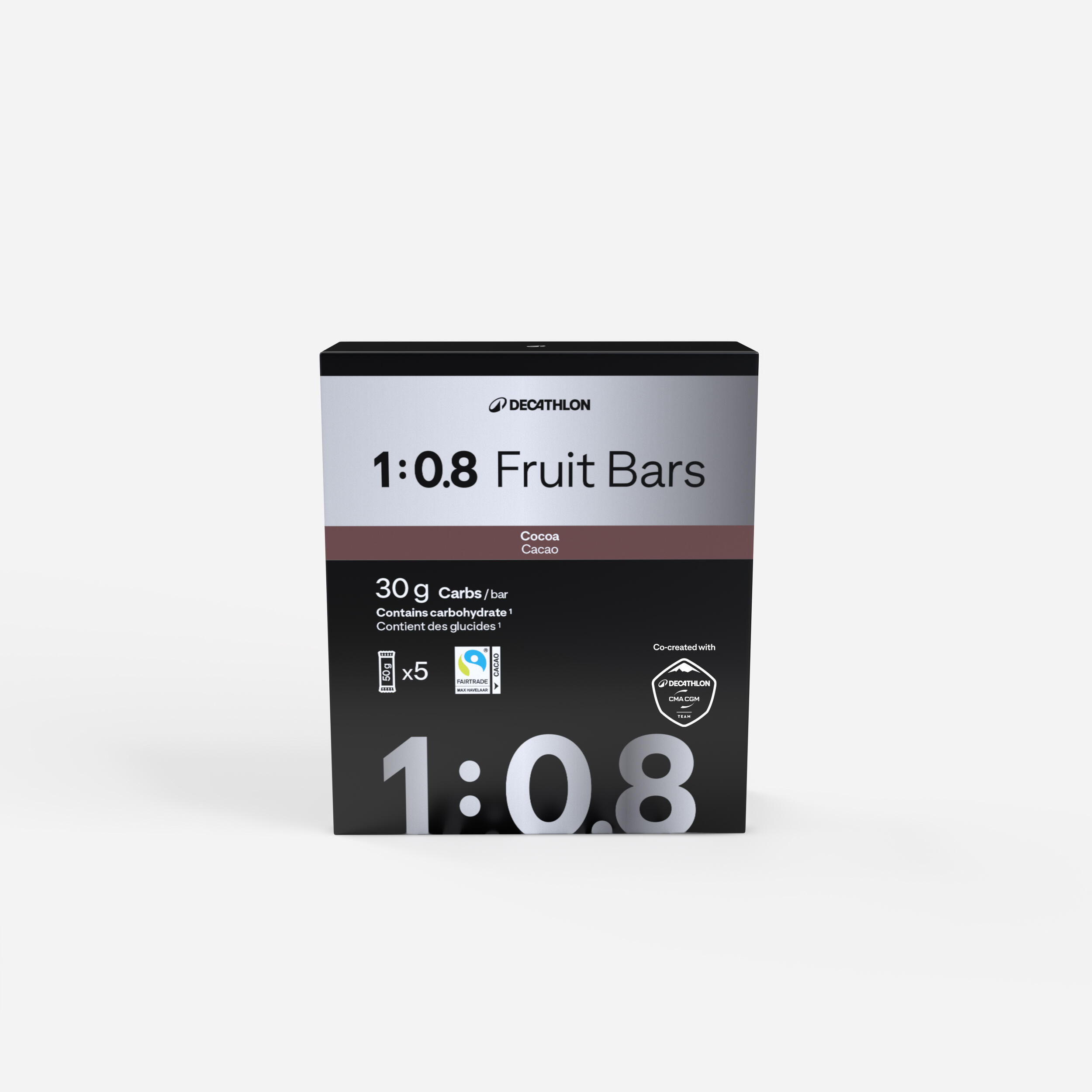
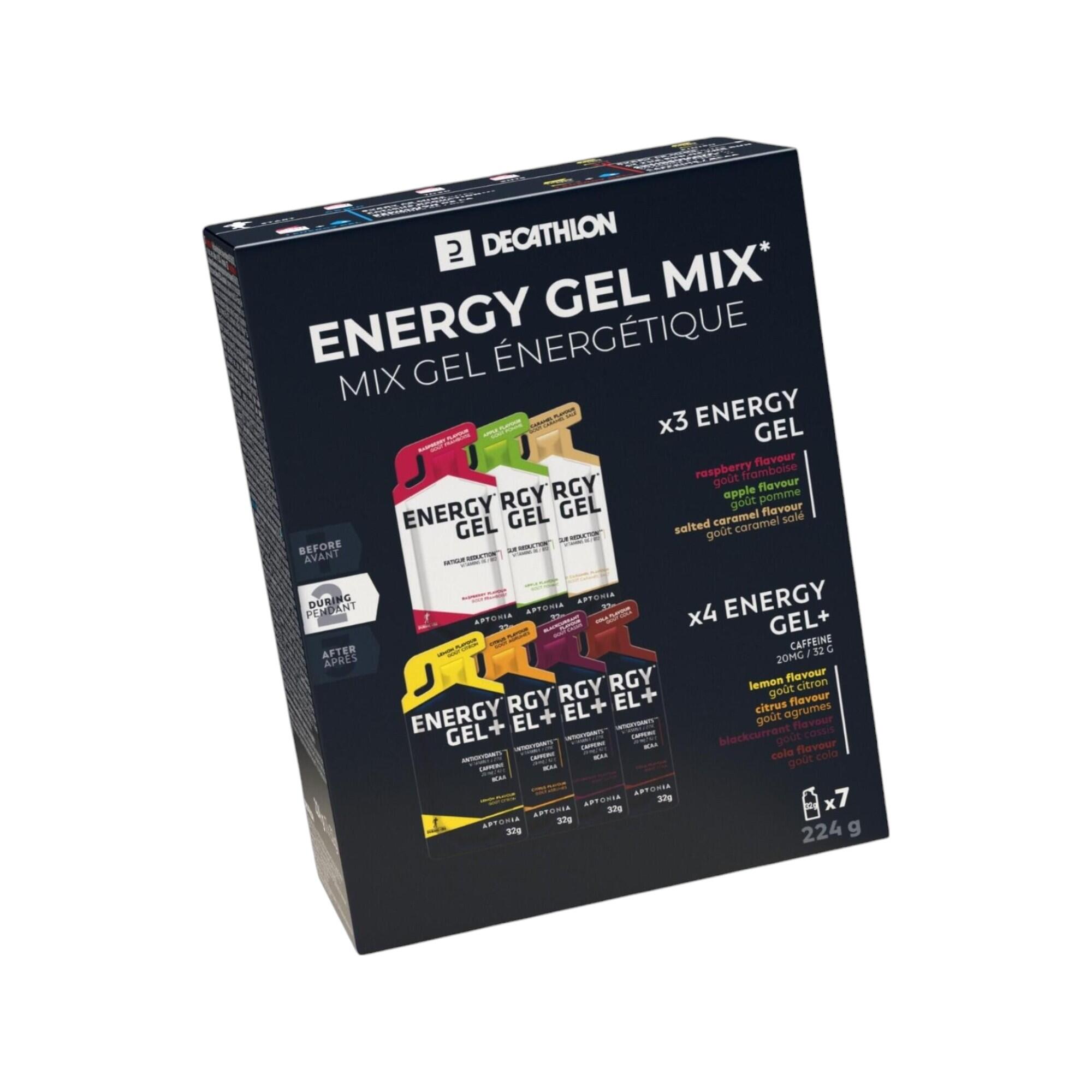
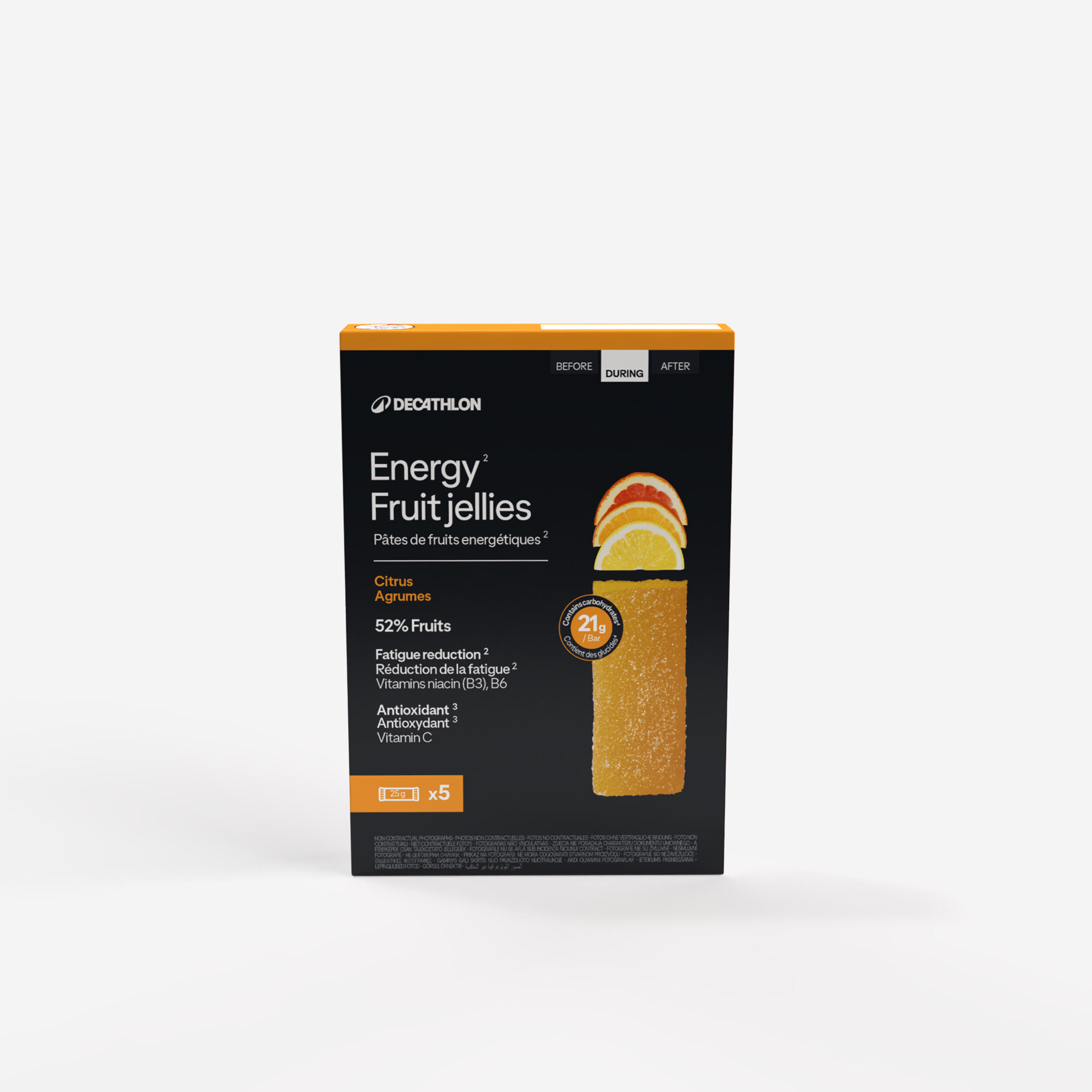
Energy foods become more relevant as exercise duration rises, particularly during long endurance sessions rather than a brief track practice. The during athletics practice selection includes compact gels, fruit jellies and bars that are easier to carry than a meal. Decathlon fruit jellies provide measurable carbohydrate portions and use packaging that can protect an unfinished piece, helping you plan intake while moving. Start with small amounts in training, note how your stomach responds and carry water where the product instructions recommend it. Do not copy another athlete's hourly intake without considering your body size, pace and overall fuelling plan.

Is a liquid or solid energy source better for athletics?

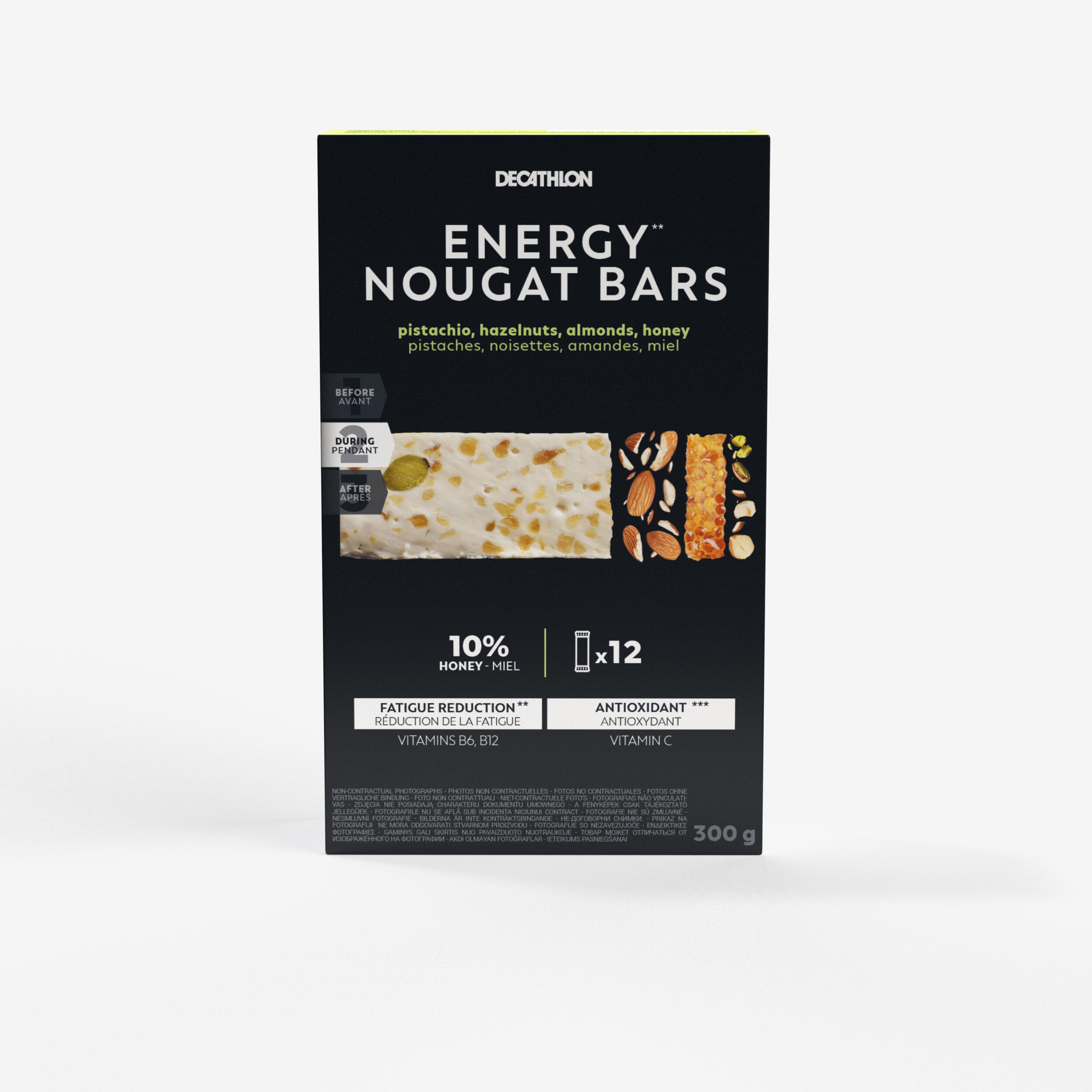
The right format depends on your session, drinking opportunities and tolerance. Athletics energy drinks combine fluid with carbohydrate and sometimes electrolytes, which can be practical when you need to drink regularly. Fruit jellies and nougat bars provide a more food-like texture and let you count individual portions, but chewing may feel awkward during hard efforts. Avoid making a drink stronger than directed, as excessive concentration can feel heavy in the stomach. For long activity, rotating flavours and textures may reduce taste fatigue. Practise opening wrappers and handling bottles before competition so nutrition does not interrupt your rhythm.

Which foods or drinks are suitable after athletics training?

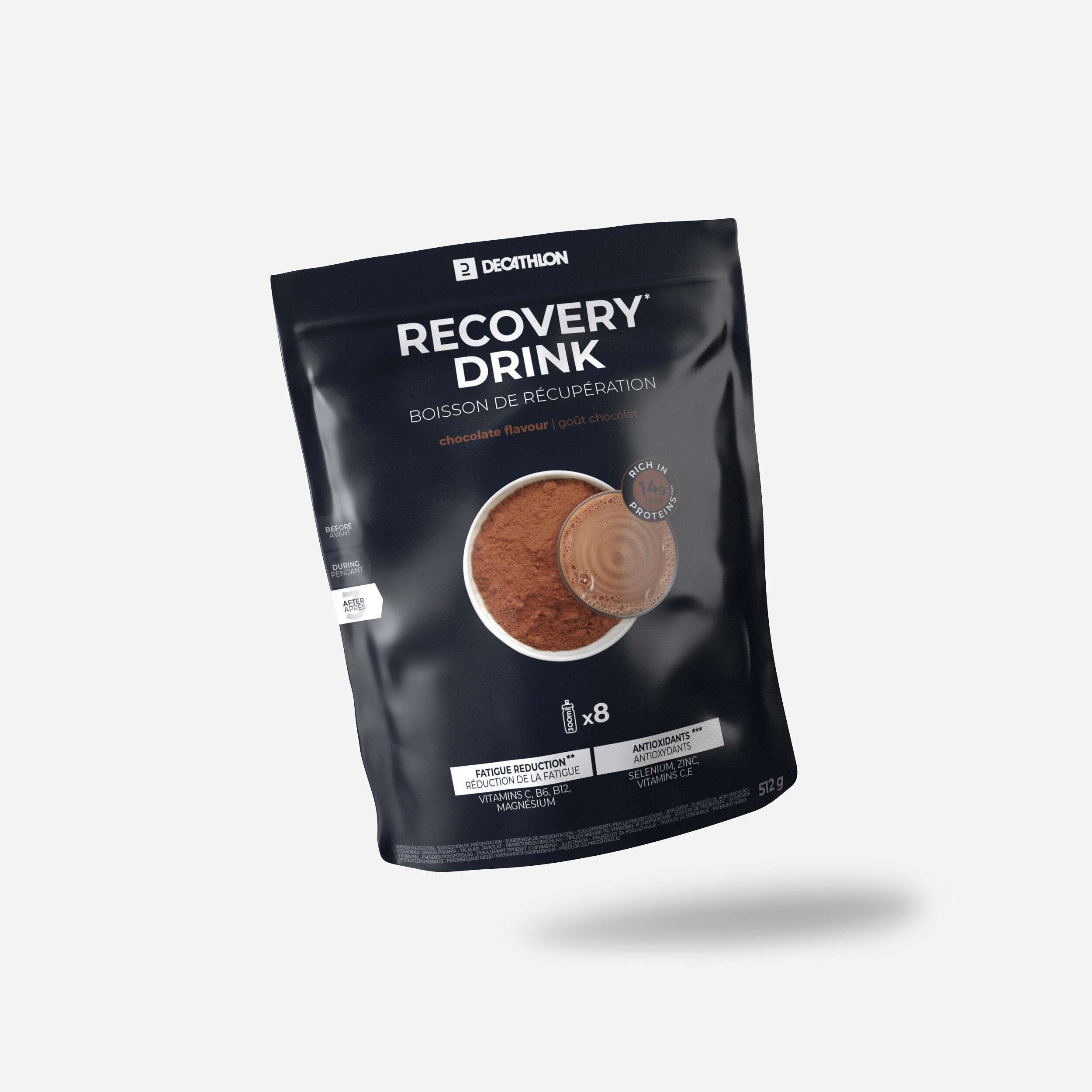
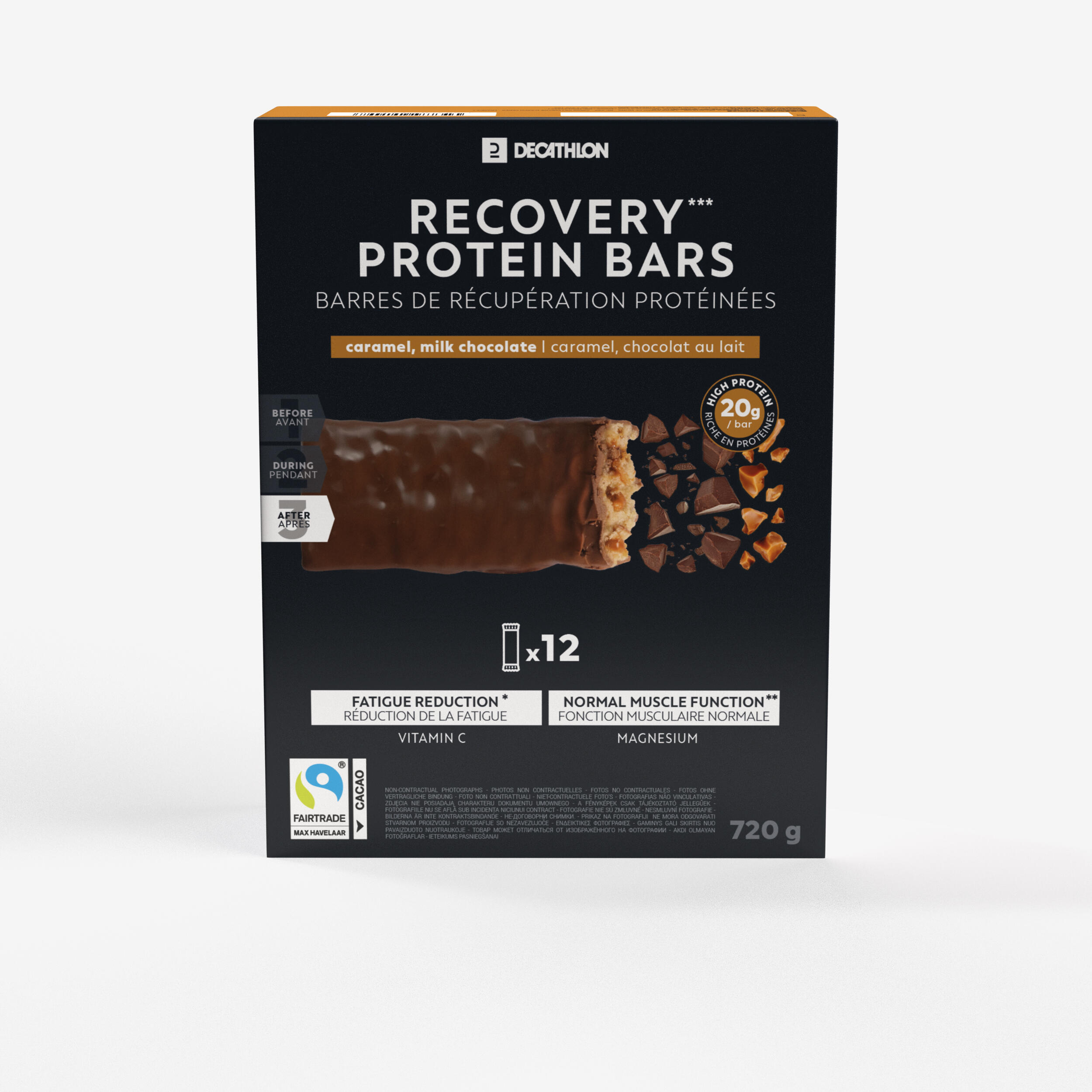
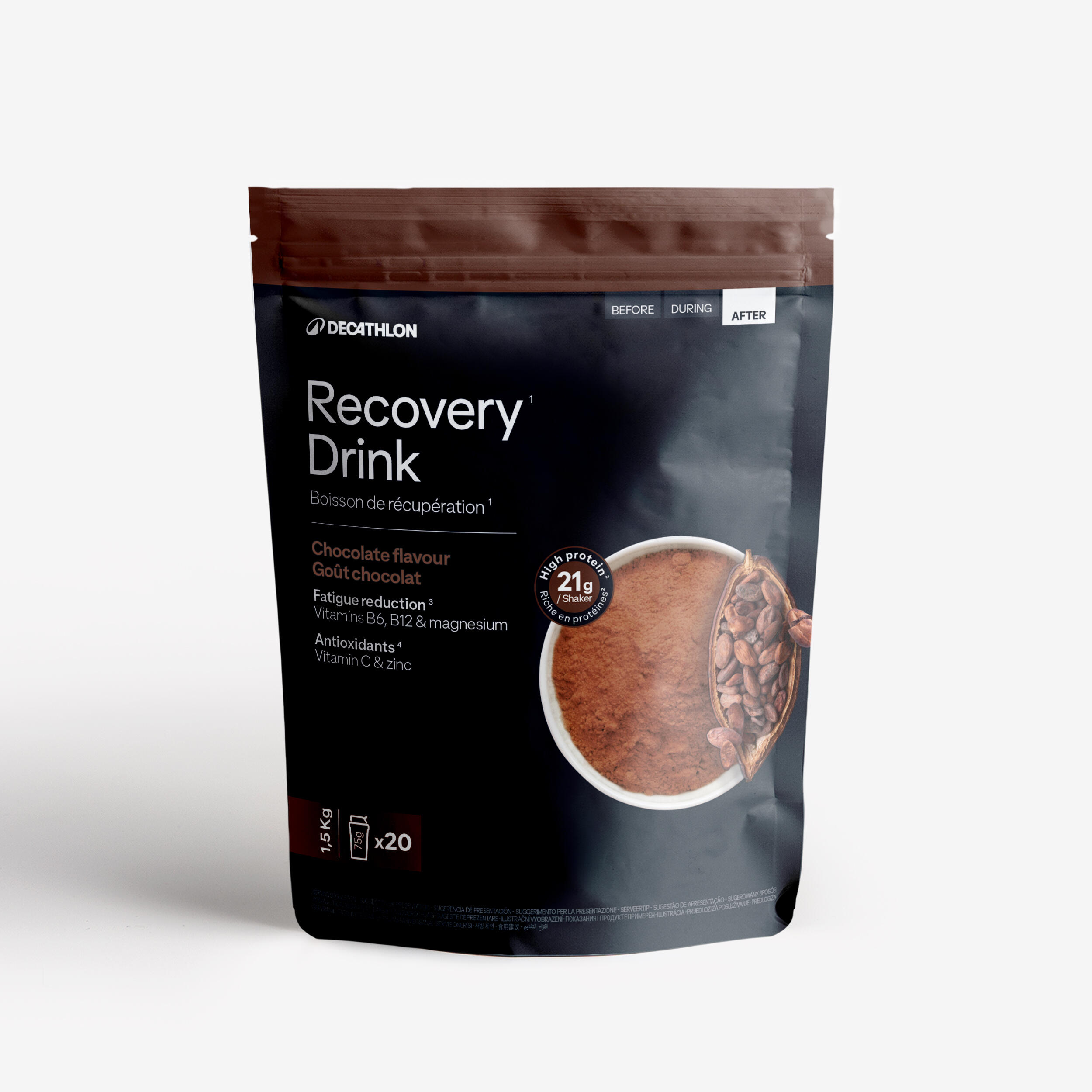
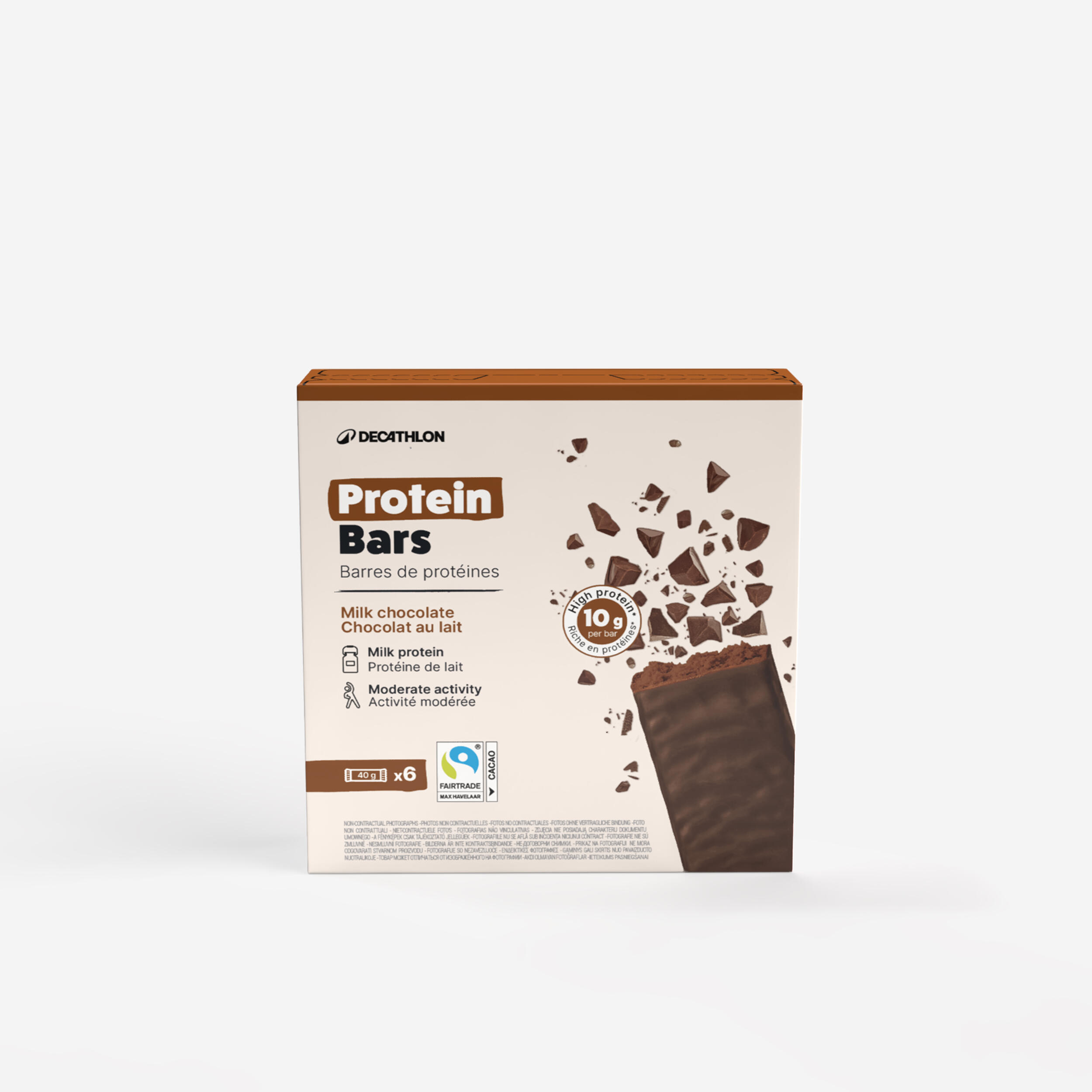
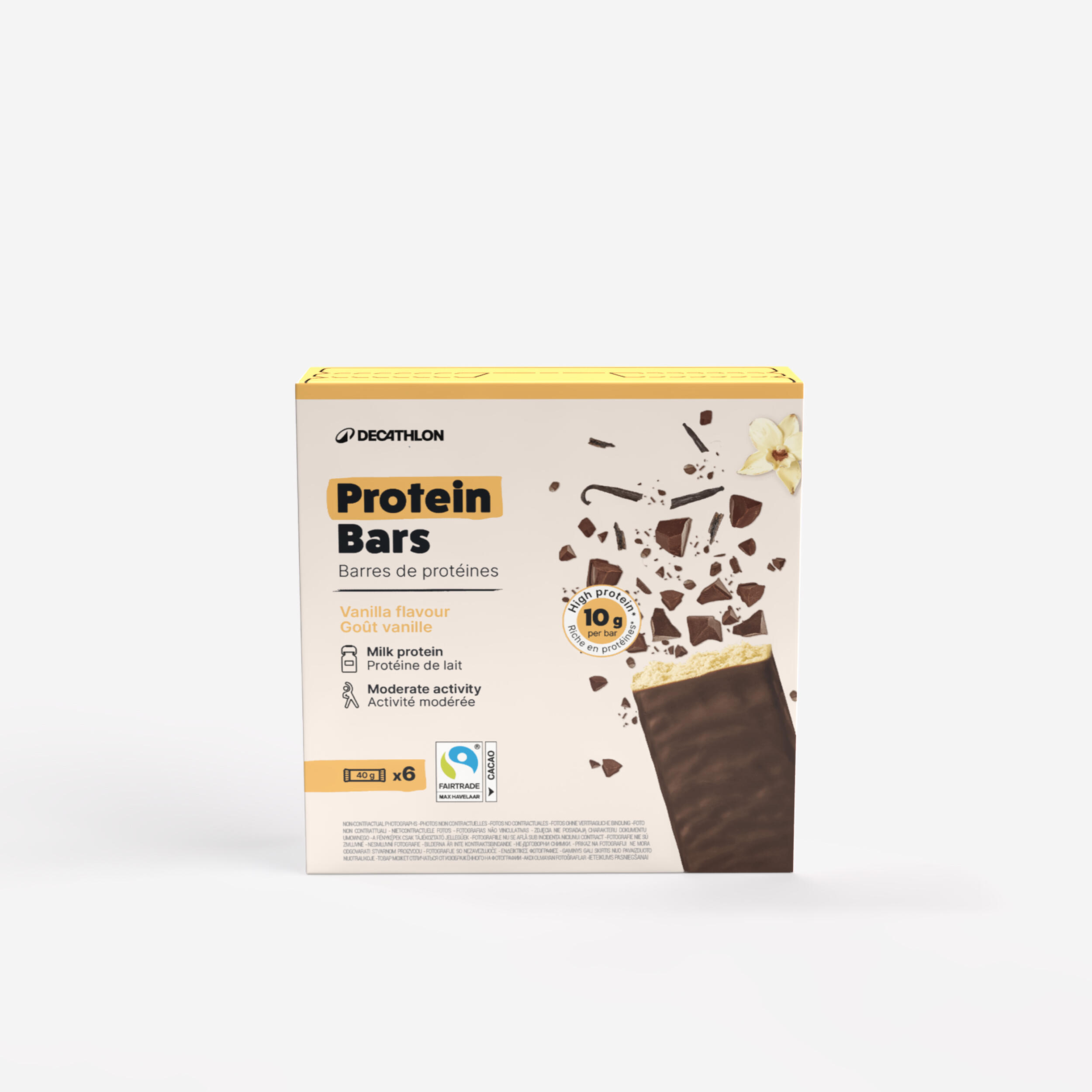
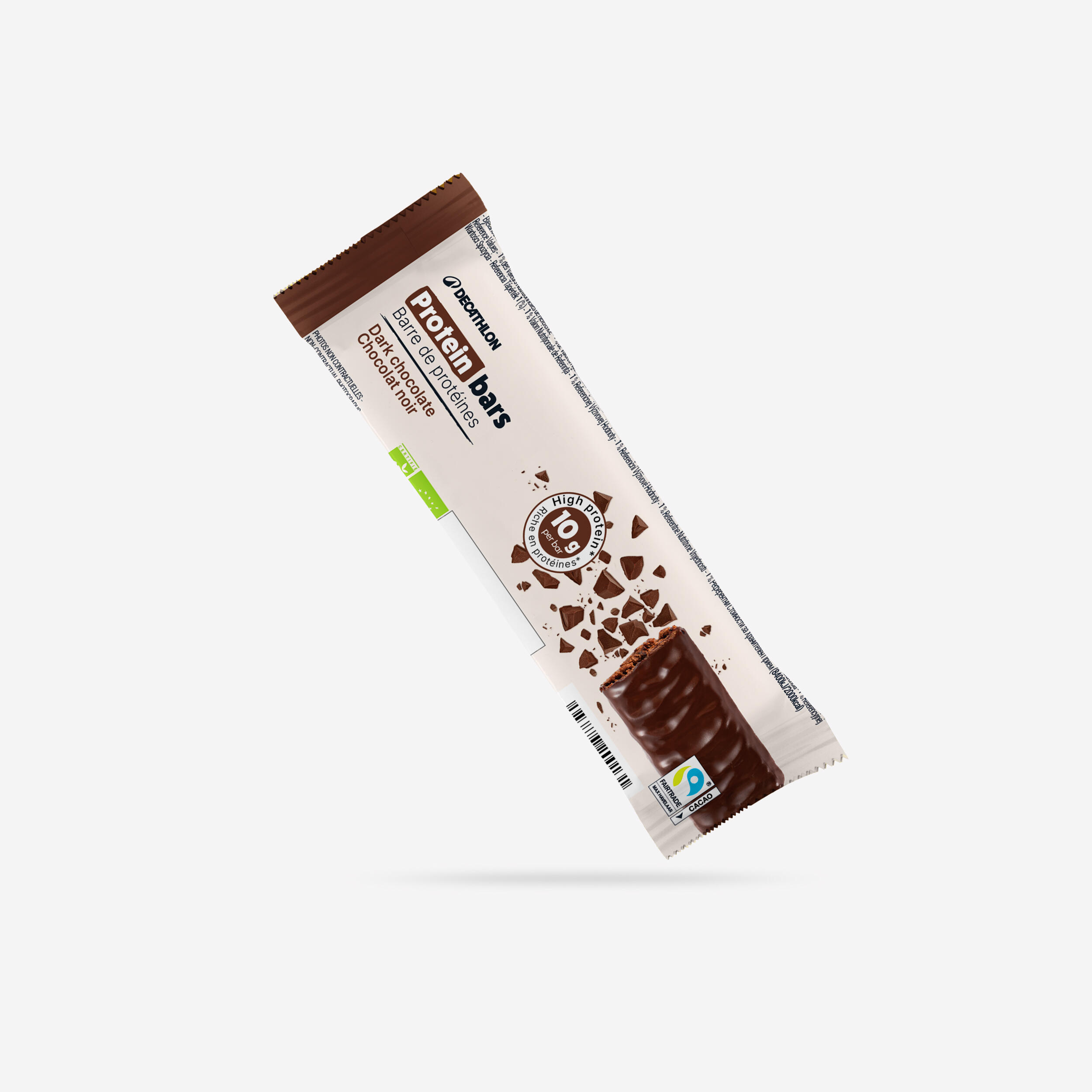
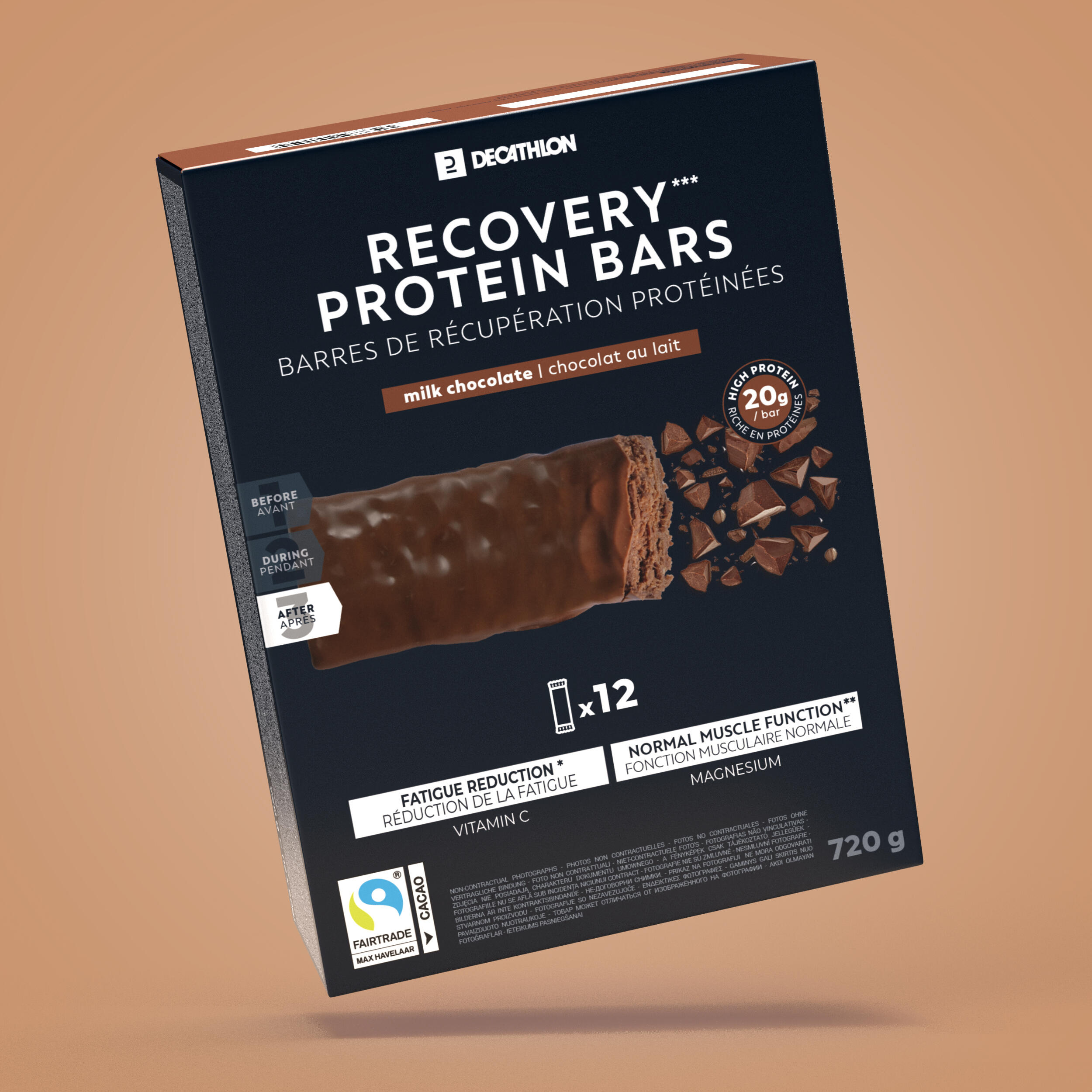
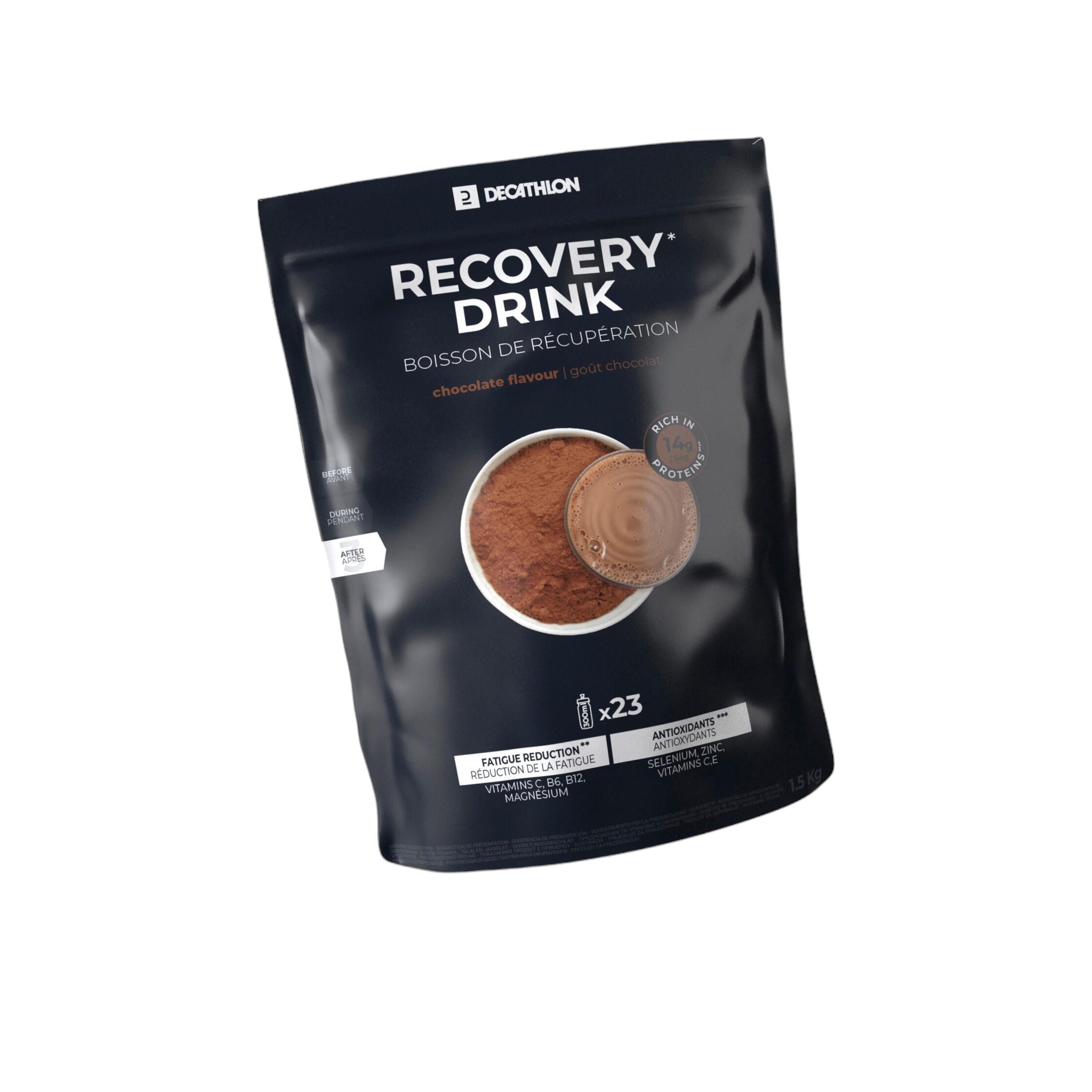
After exercise, consider how demanding the session was and when you will eat a complete meal. The after athletics practice selection includes products that combine carbohydrate with protein for post-session use. Carbohydrate helps replace energy used during prolonged or intensive work, while protein supports muscle maintenance and repair. A separate bar or shake may be useful when food will be delayed, but it is not compulsory after every light session. Drink steadily, follow serving instructions and refrigerate prepared shakes when required. Consistent meals, sleep and sensible training progression remain more important than taking extra protein without a clear need.