110 items
4.7/5 based on 35298 reviews collected online and in stores

During Athletics Practice FAQs

What items are useful to have during an athletics session?

Your athletics practice kit should match the session length, weather, event type and access to drinking water. For a short track session, a bottle, suitable clothing and basic athletics practice equipment may be enough. Longer endurance training can require planned carbohydrate and fluid intake, particularly when you will be active for several hours. Use the wider athletics nutrition and hydration selection to compare formats, but avoid assuming that every practice needs specialist fuel. Pack products you have already tested, secure opened wrappers and keep nutrition away from dirty footwear. A useful pro tip is to arrange your bag in the order you will use each item, reducing distractions between drills or training blocks.
When are athletics practice energy gels useful?

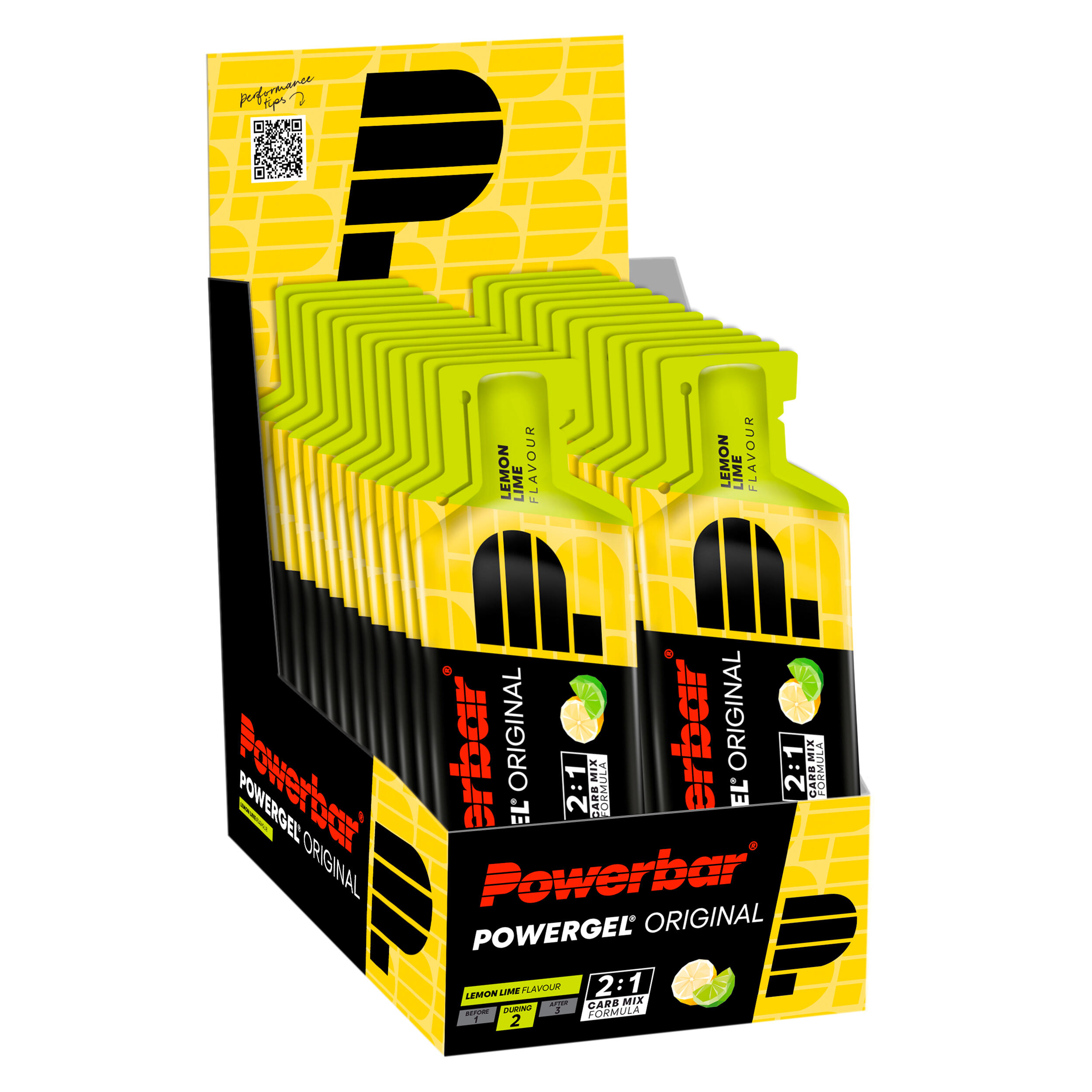
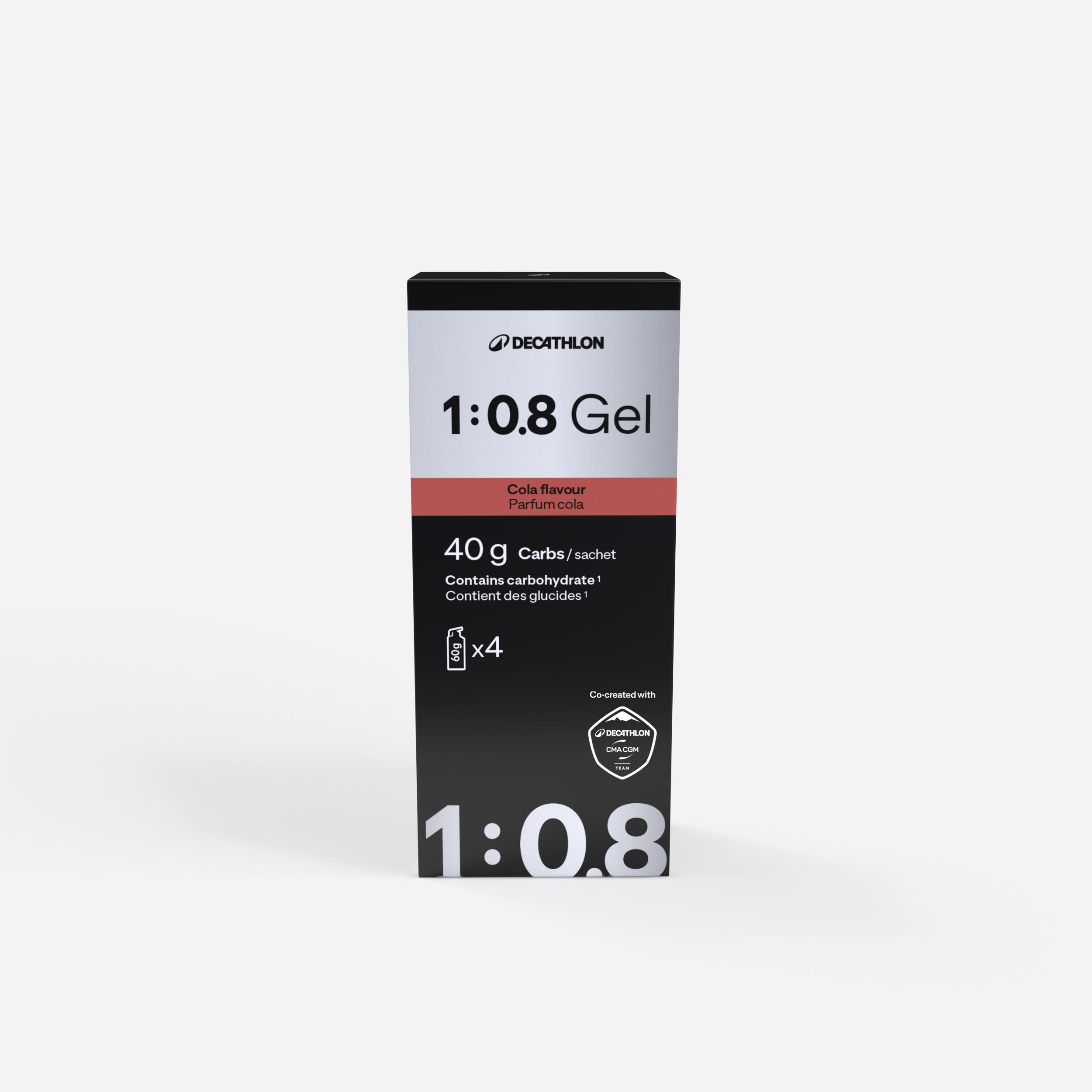
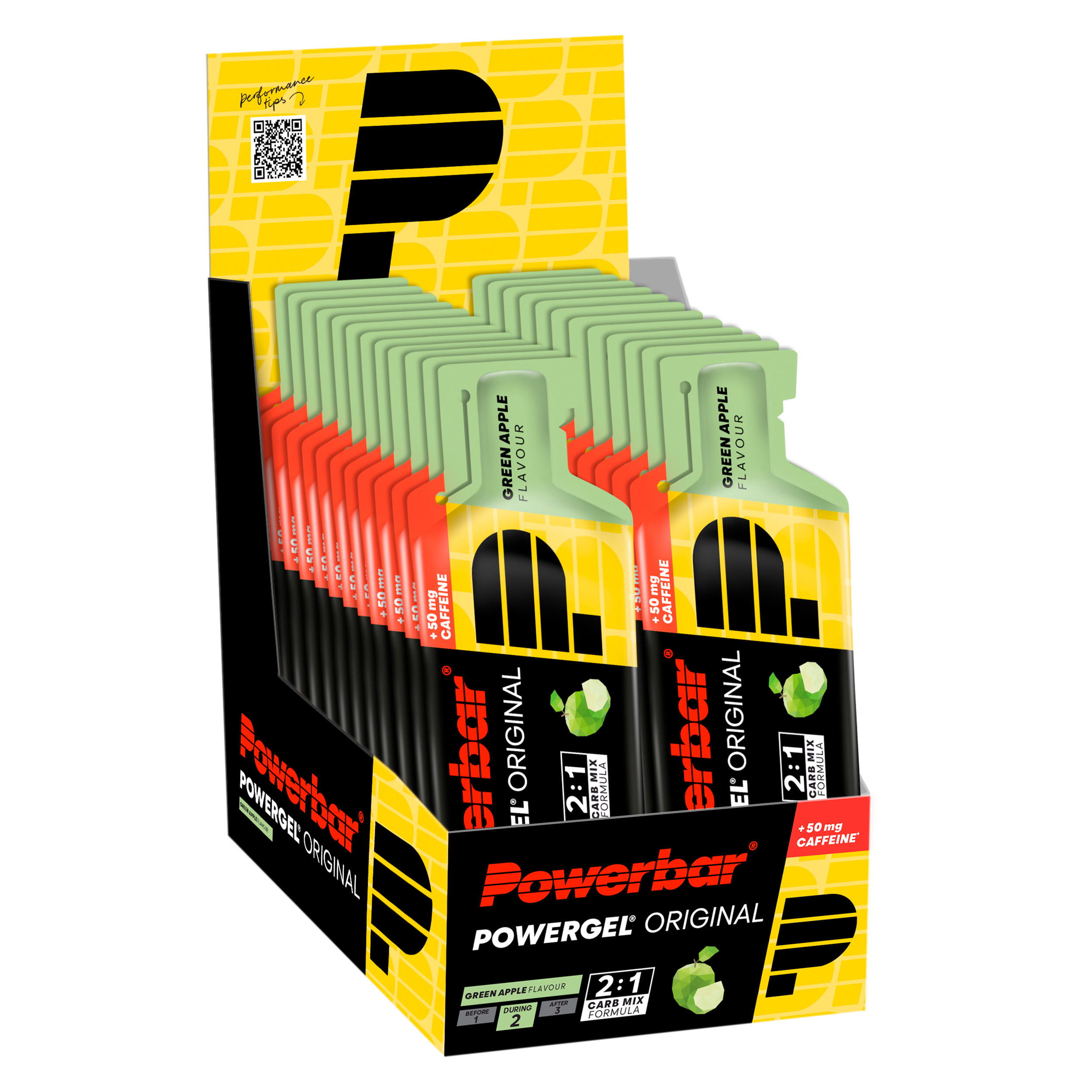
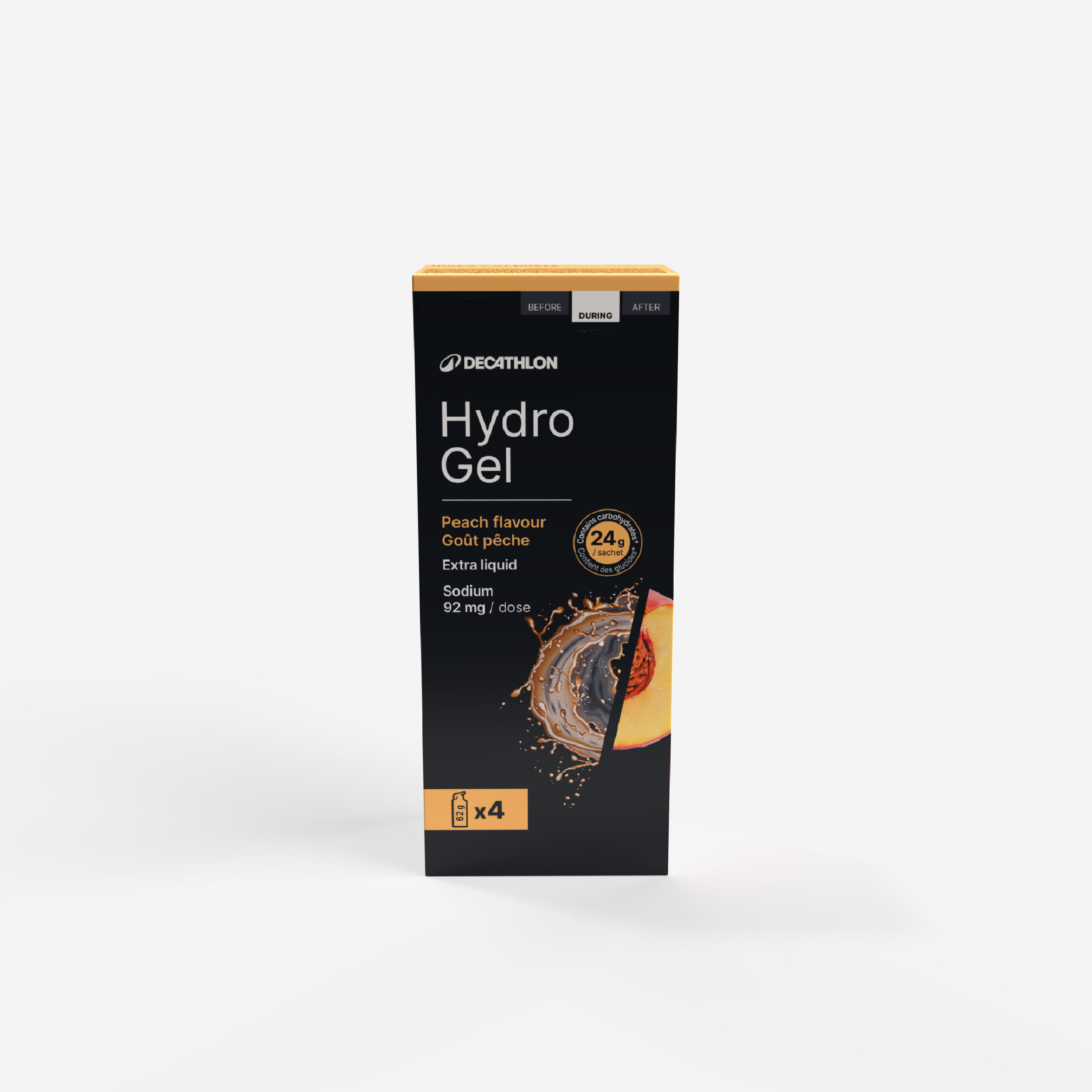
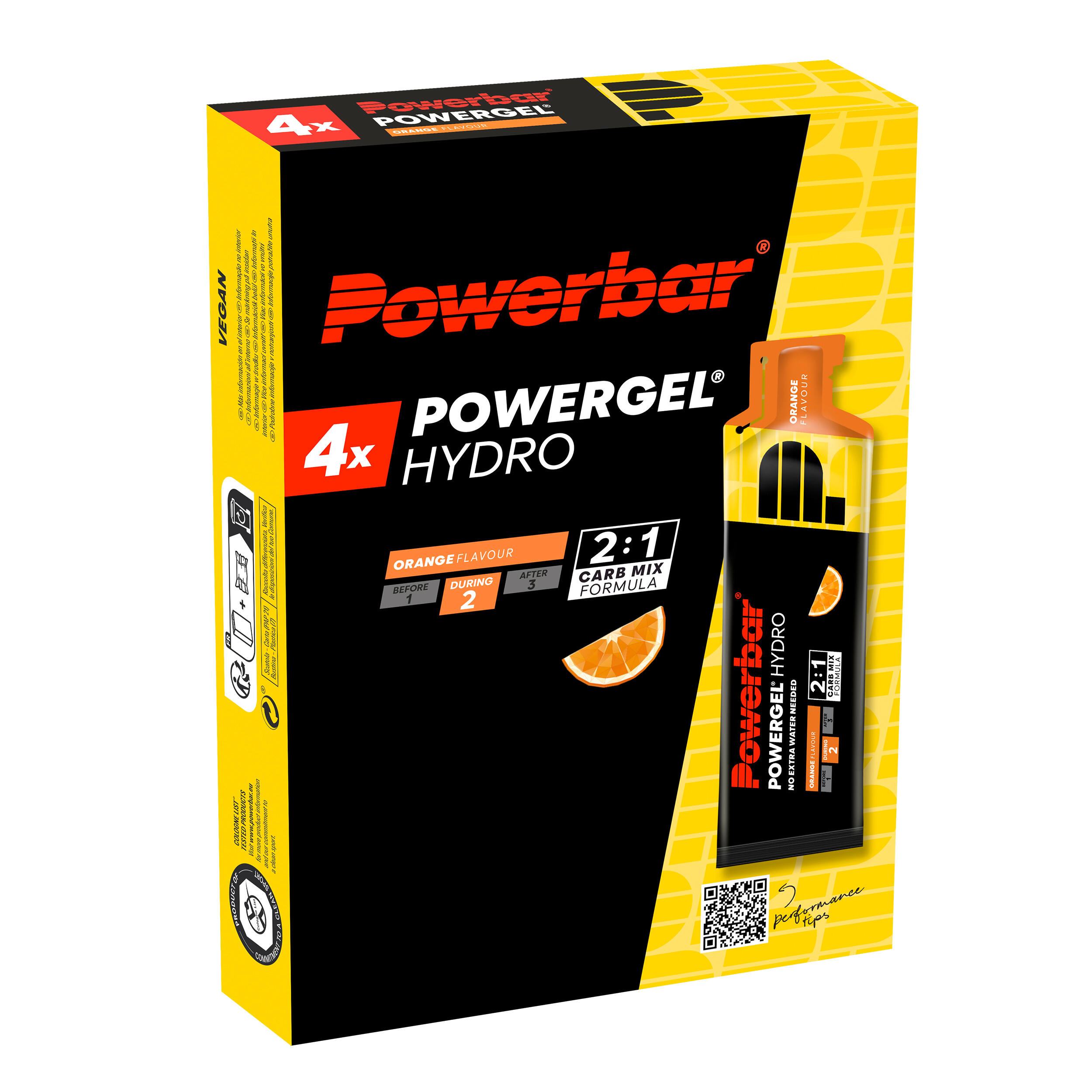
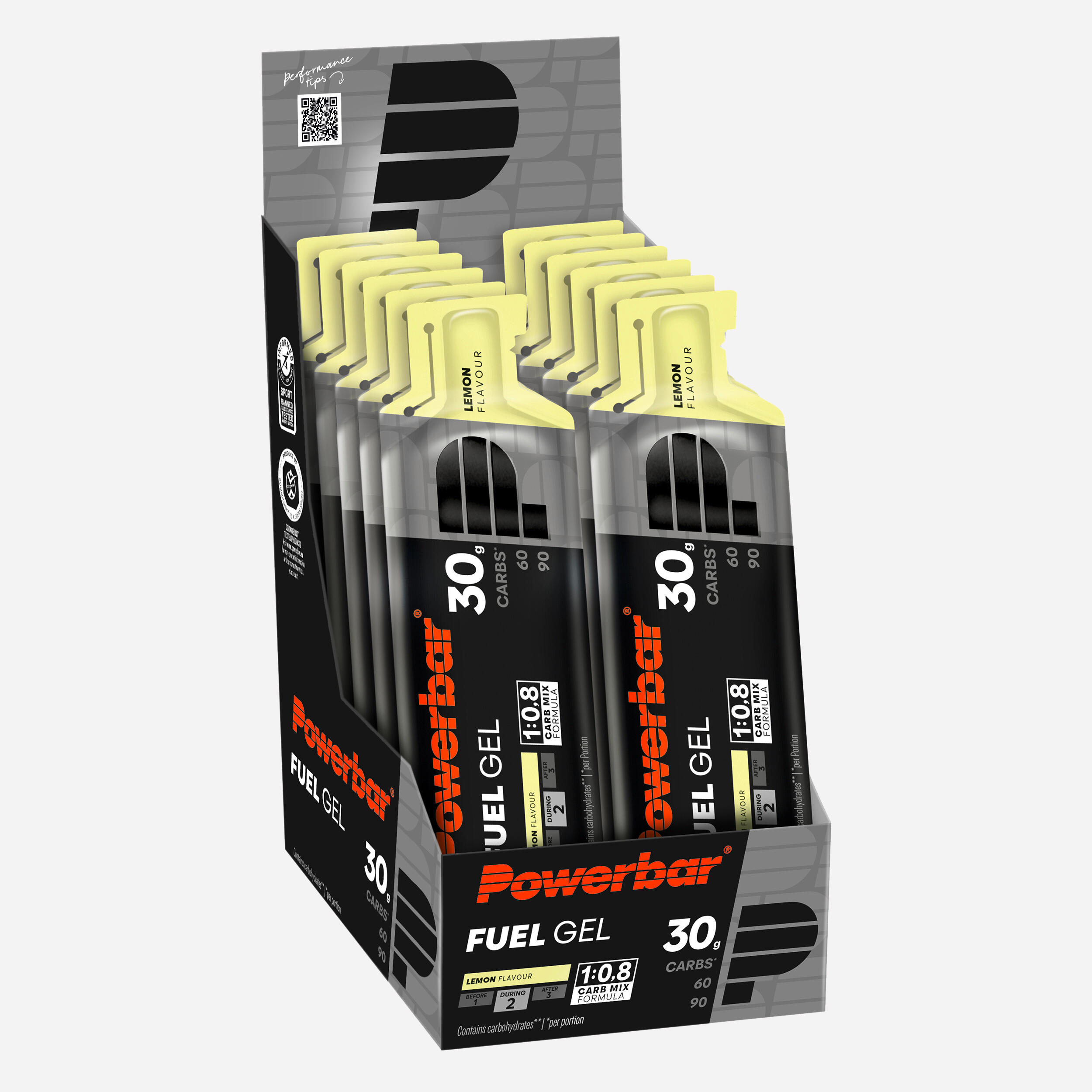
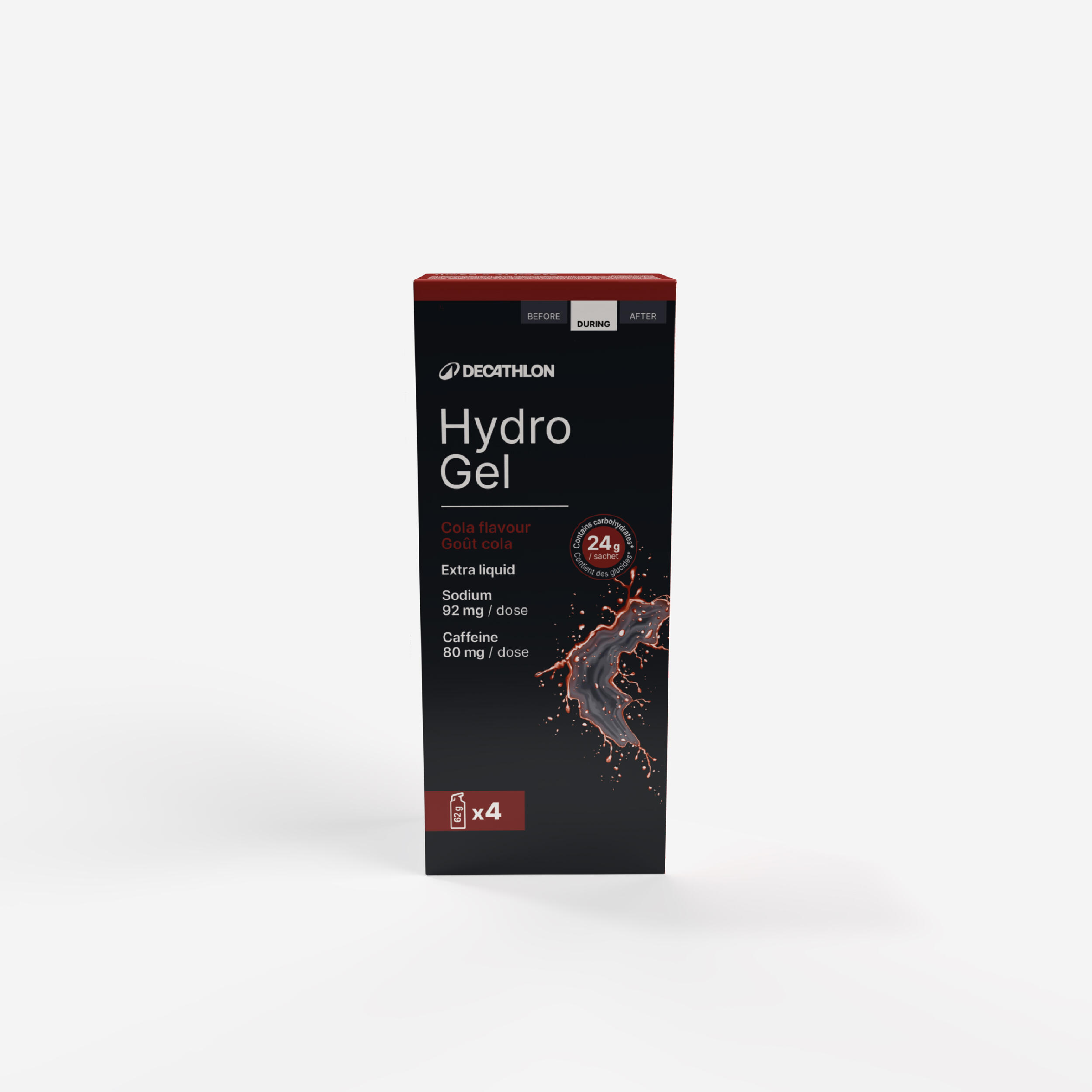
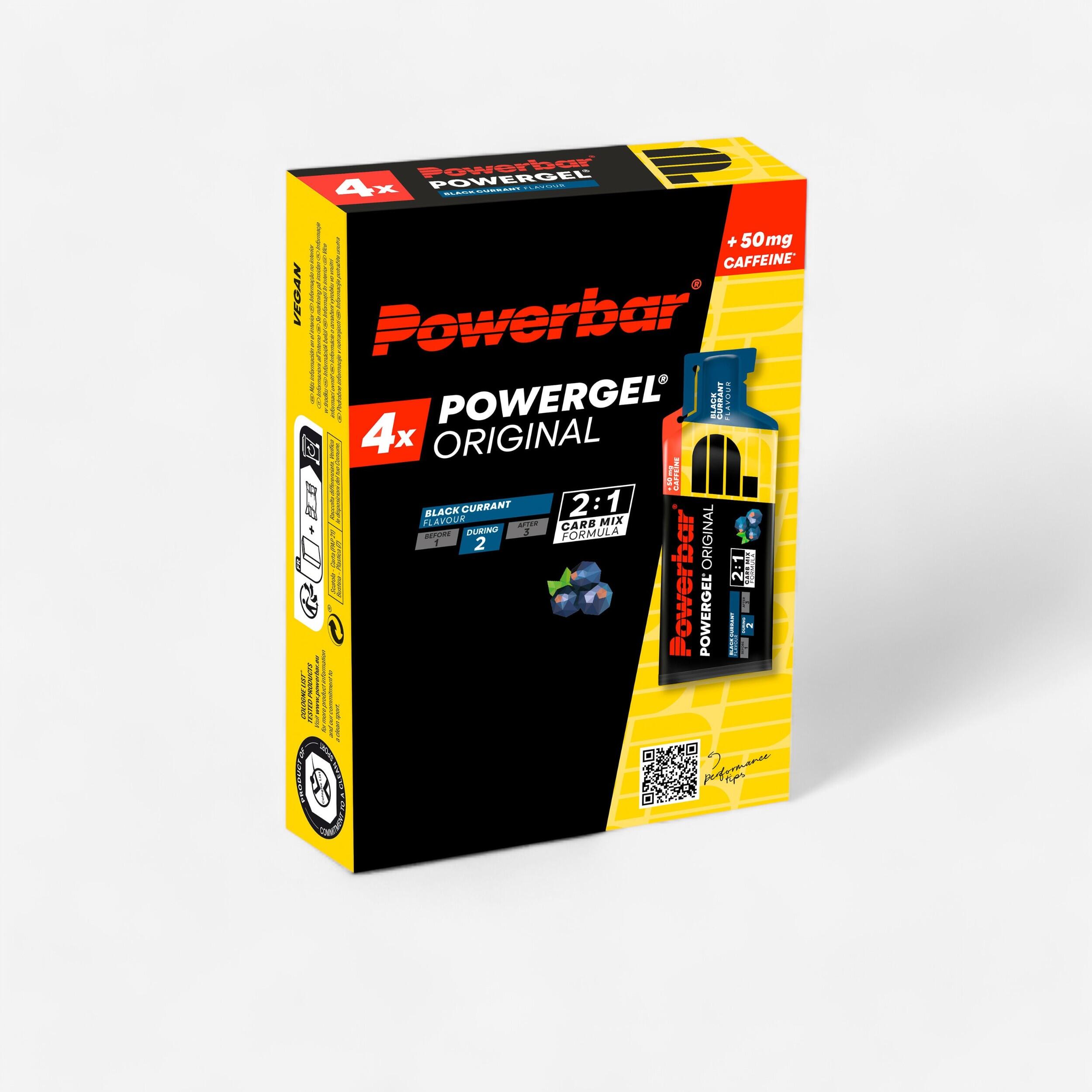
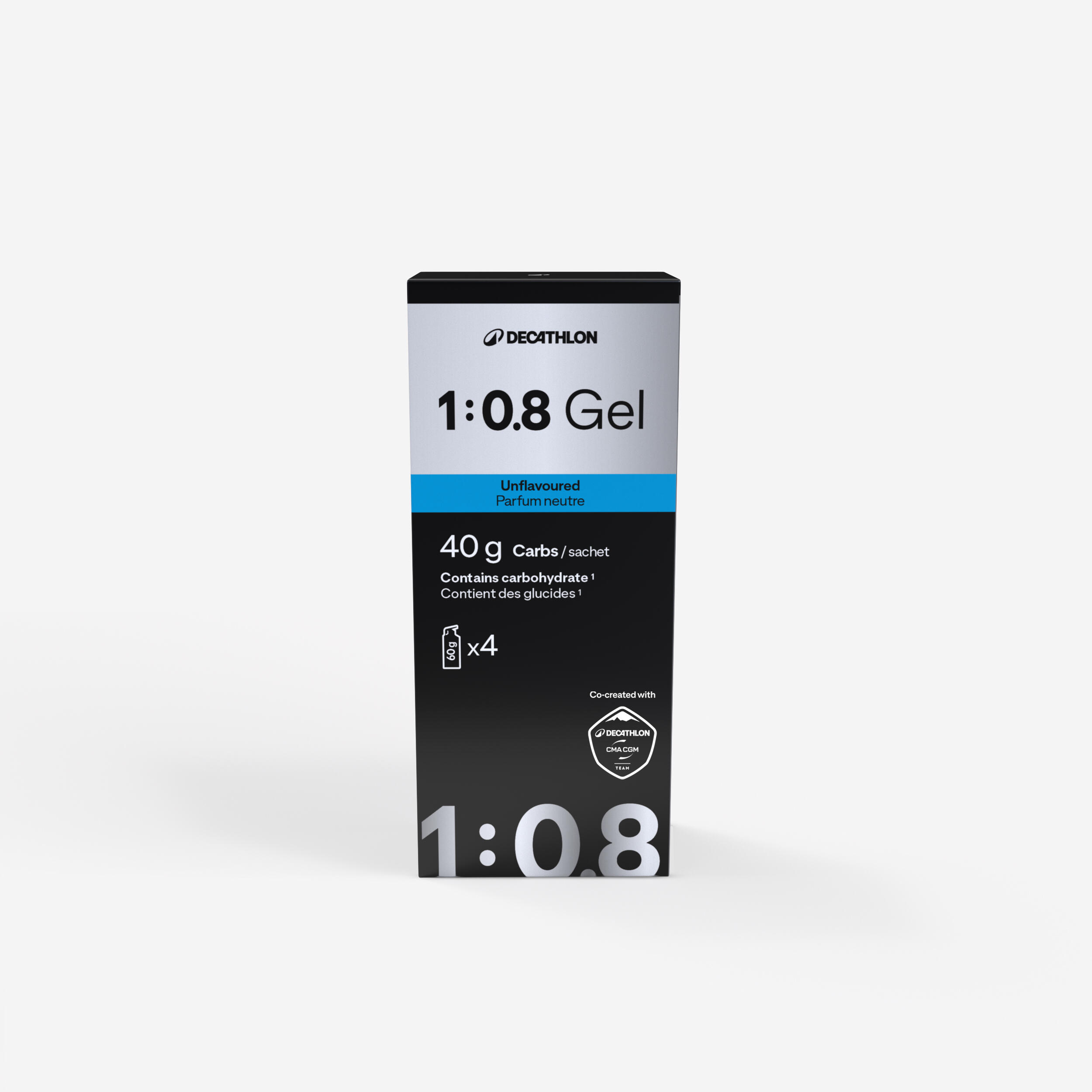
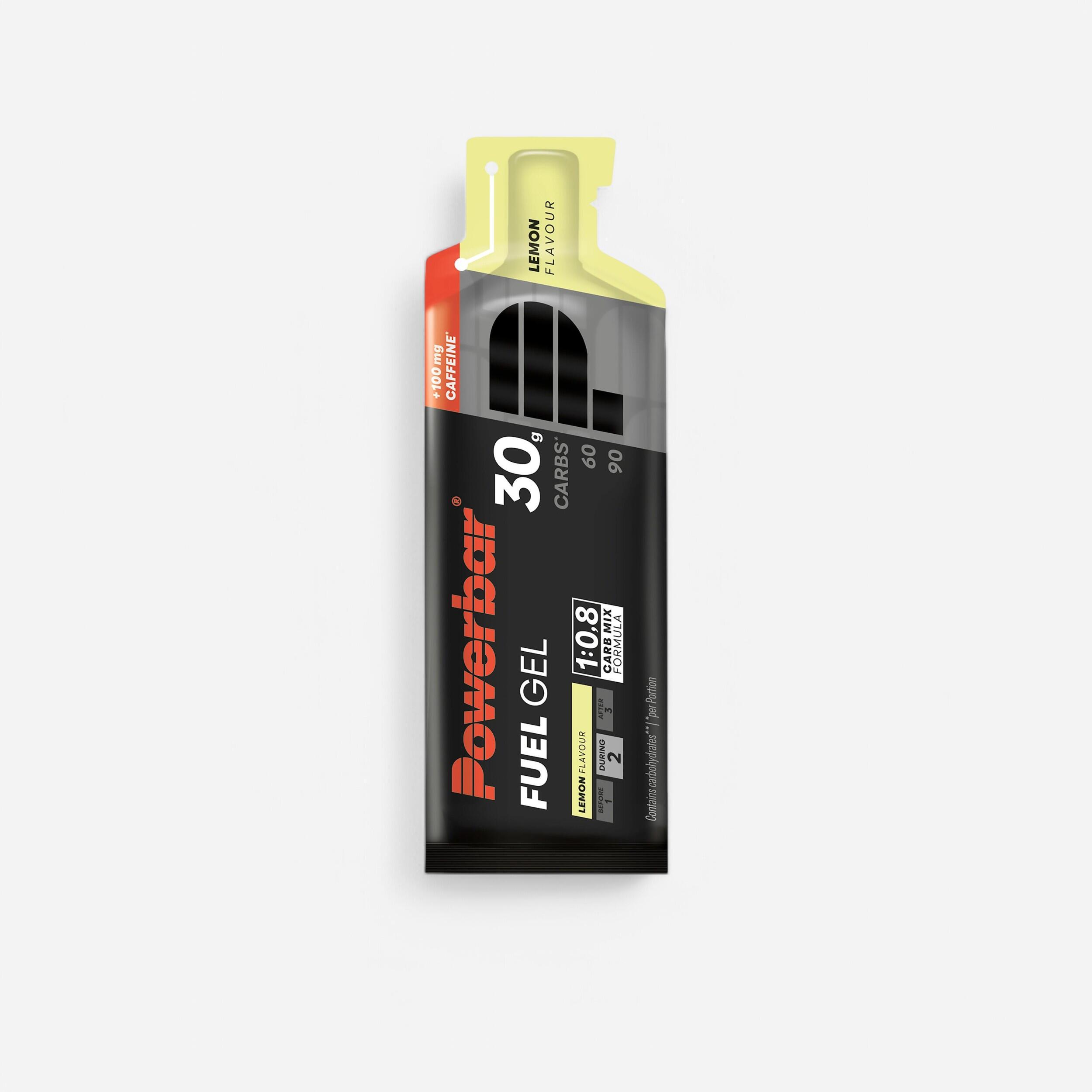
Athletics practice energy gels are mainly useful during prolonged or demanding endurance sessions when quick carbohydrate is easier to carry than solid food. One hydro gel energy gel provides 24 g of carbohydrate in a fluid 53 ml portion, so you can account for it within a wider fuelling plan. Its water-based consistency may feel easier to swallow than a thick gel, but you should still practise with it before competition. Take small, controlled mouthfuls and continue drinking according to the conditions. Check allergens, storage guidance and personal tolerance rather than copying another athlete's intake.

Are fruit jellies suitable during a long athletics session?

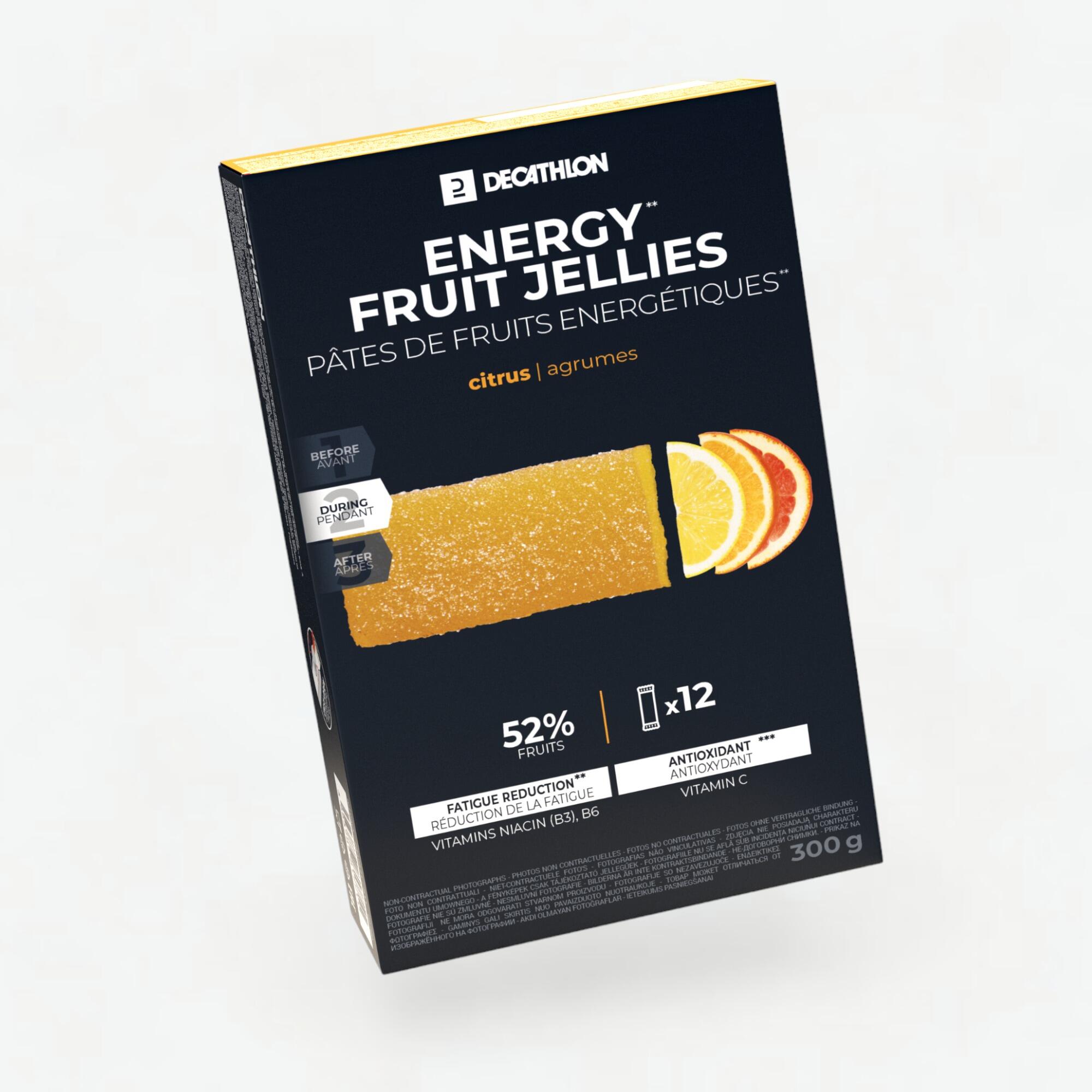
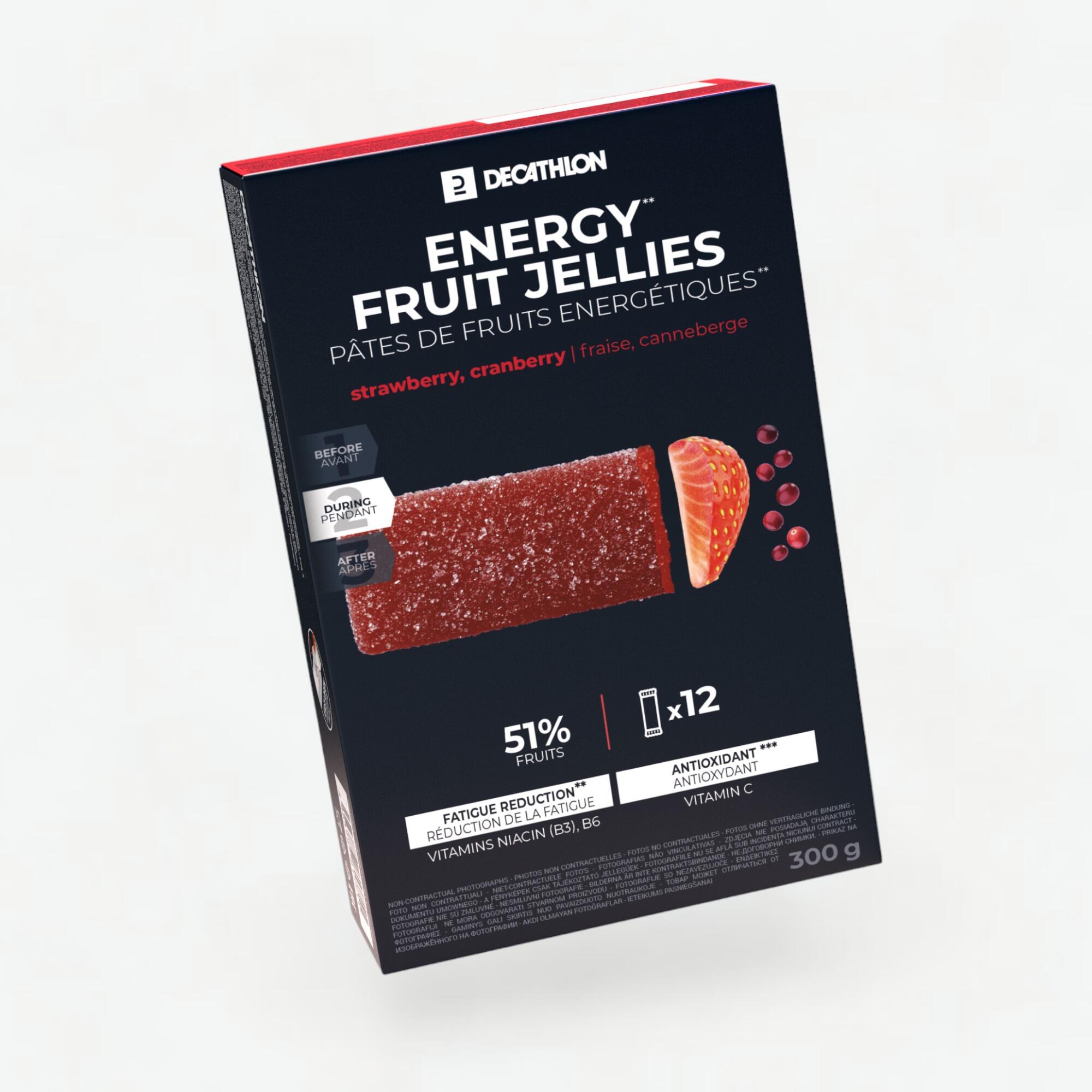
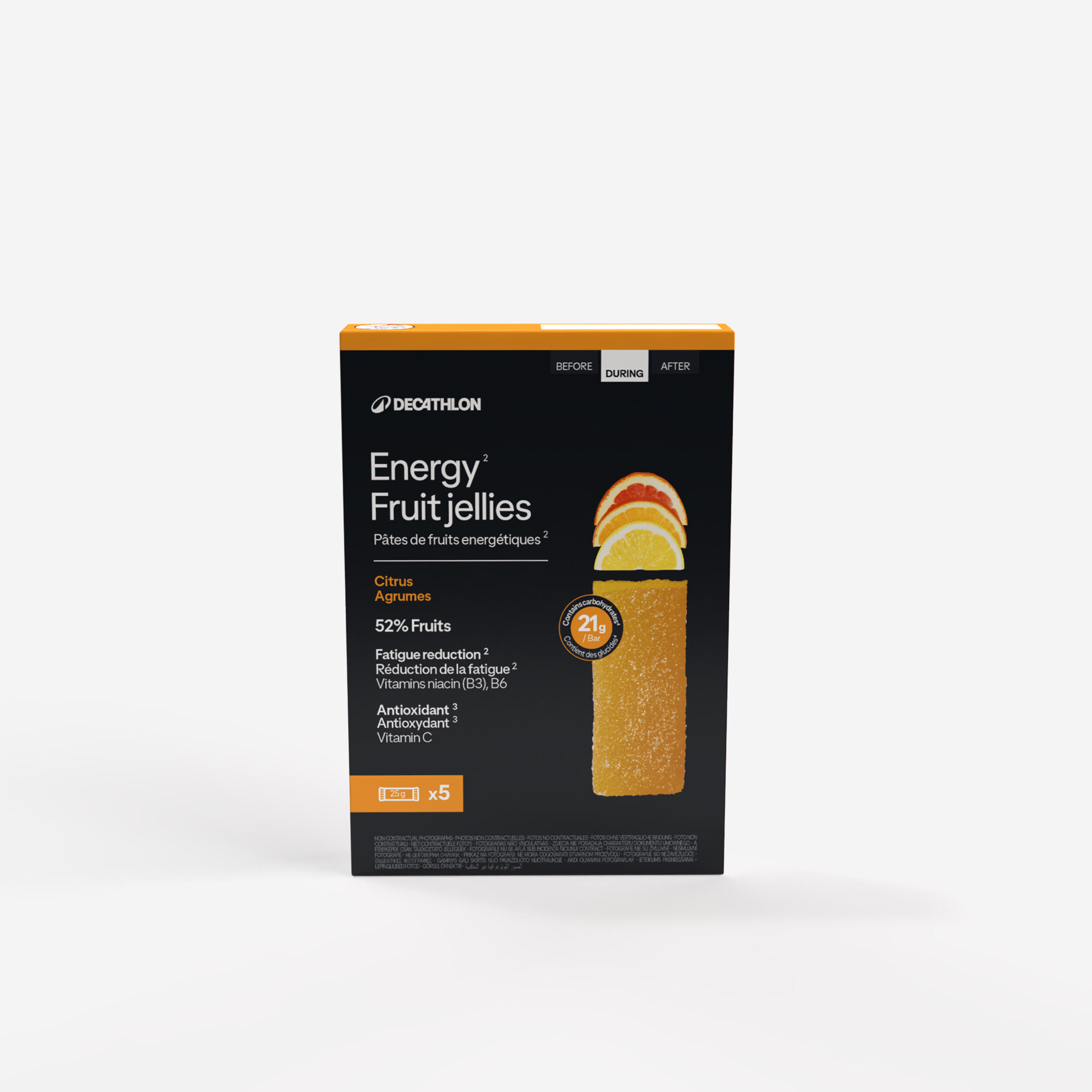
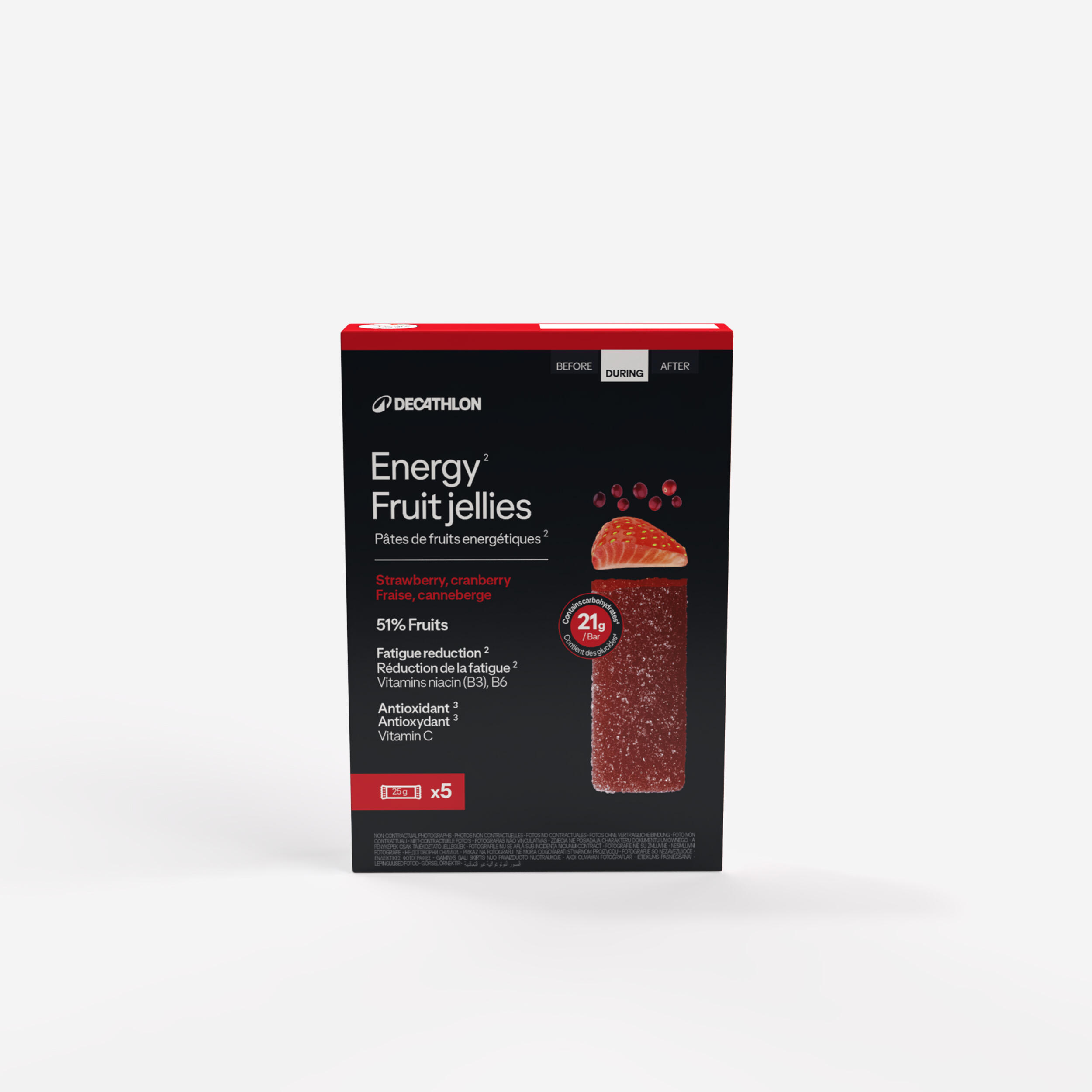
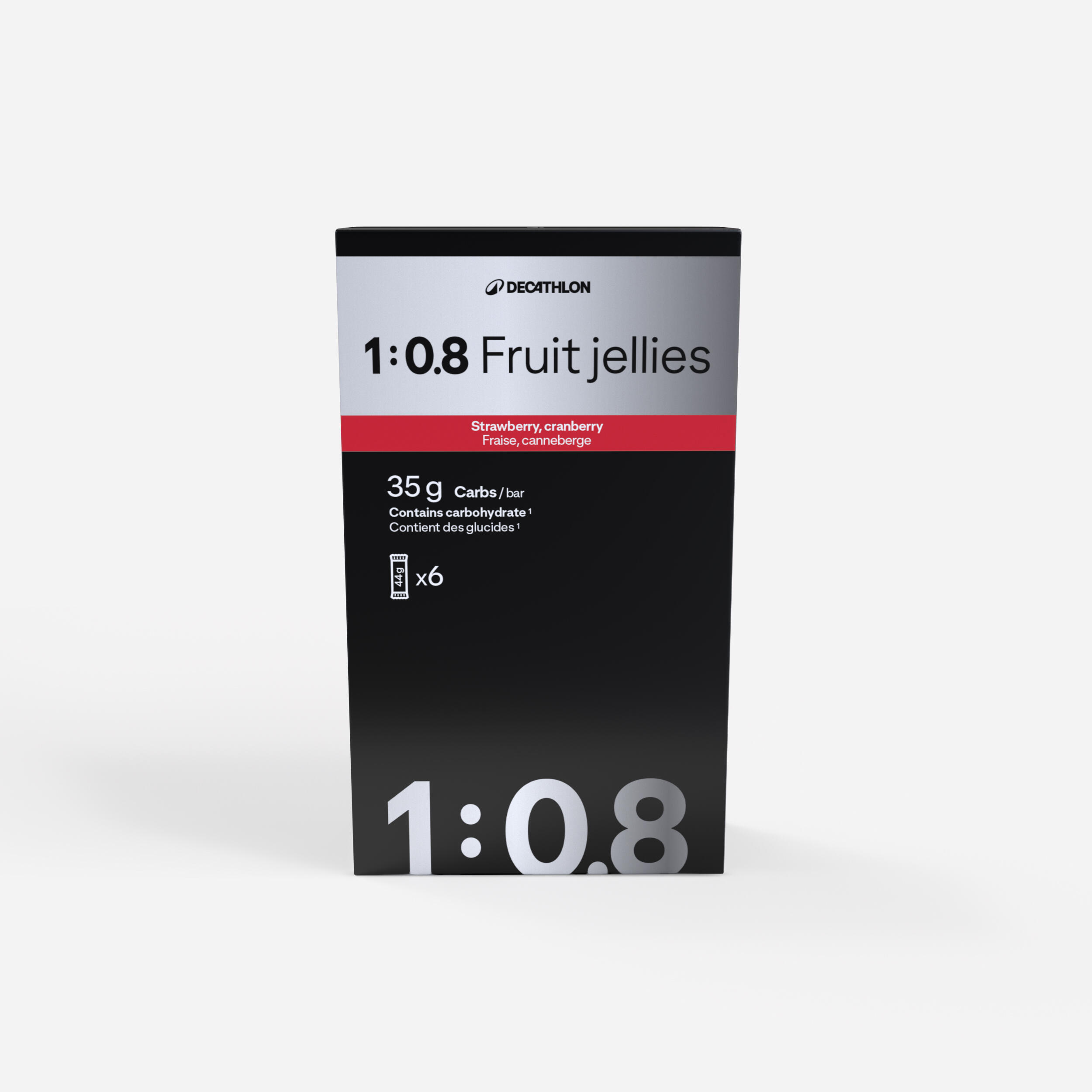
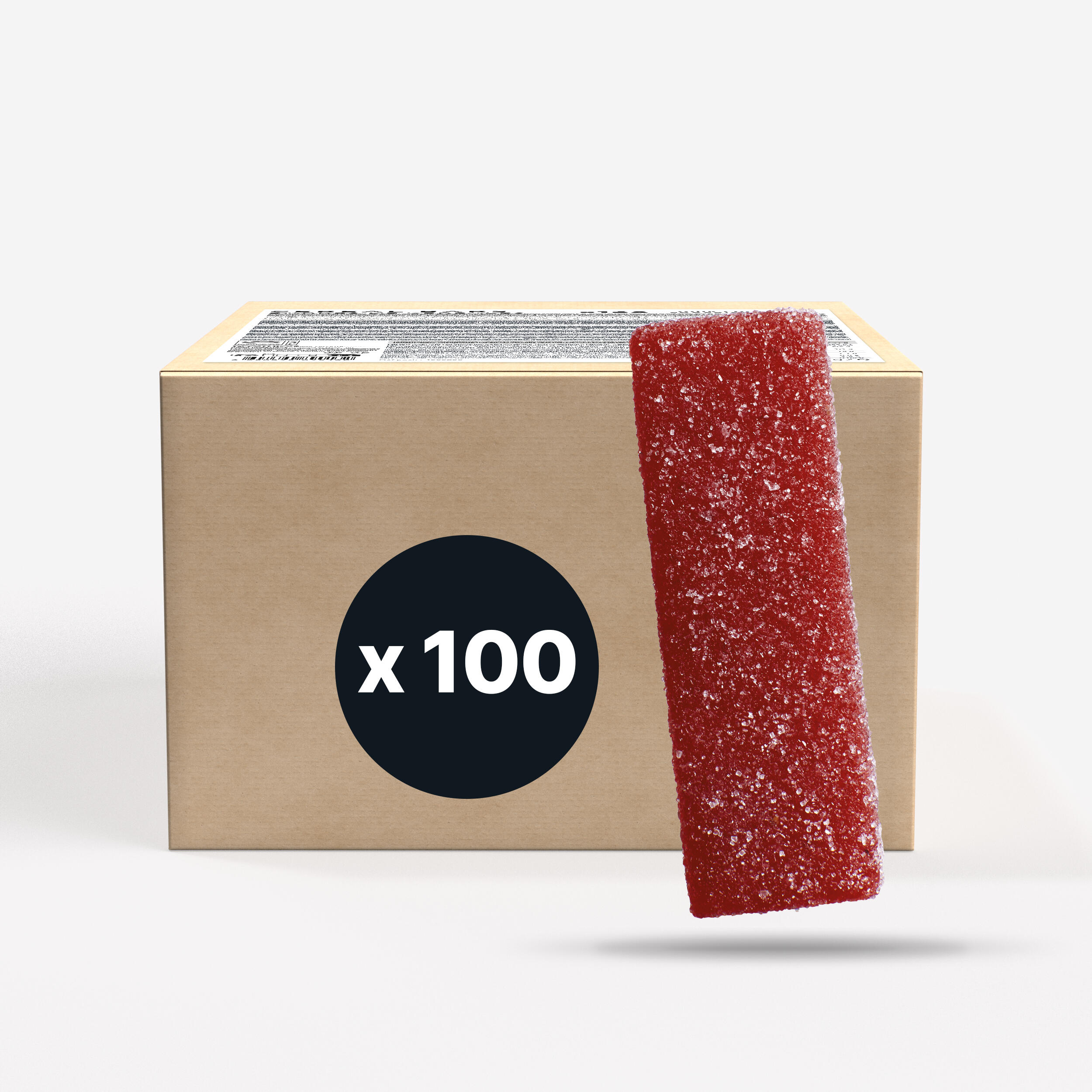
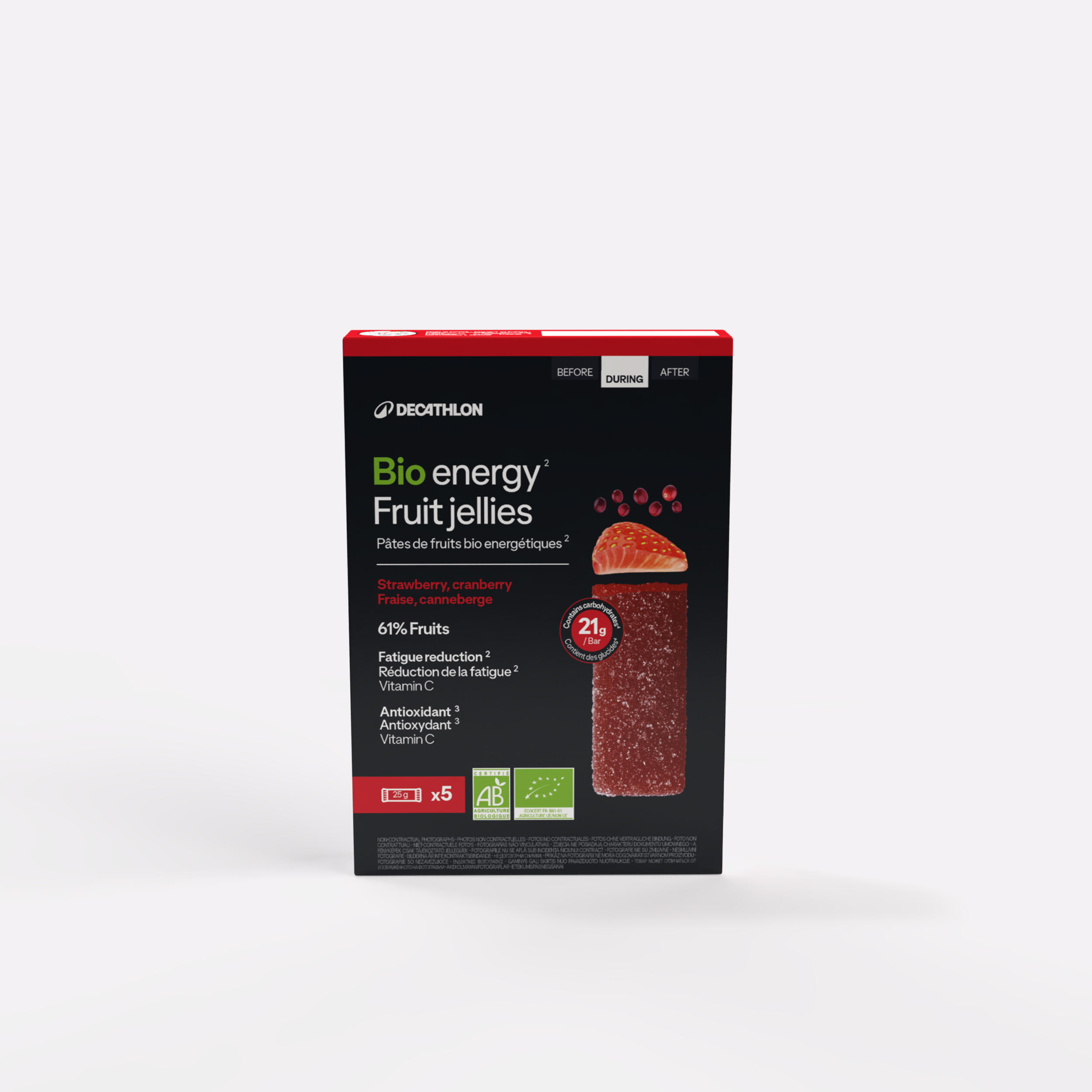
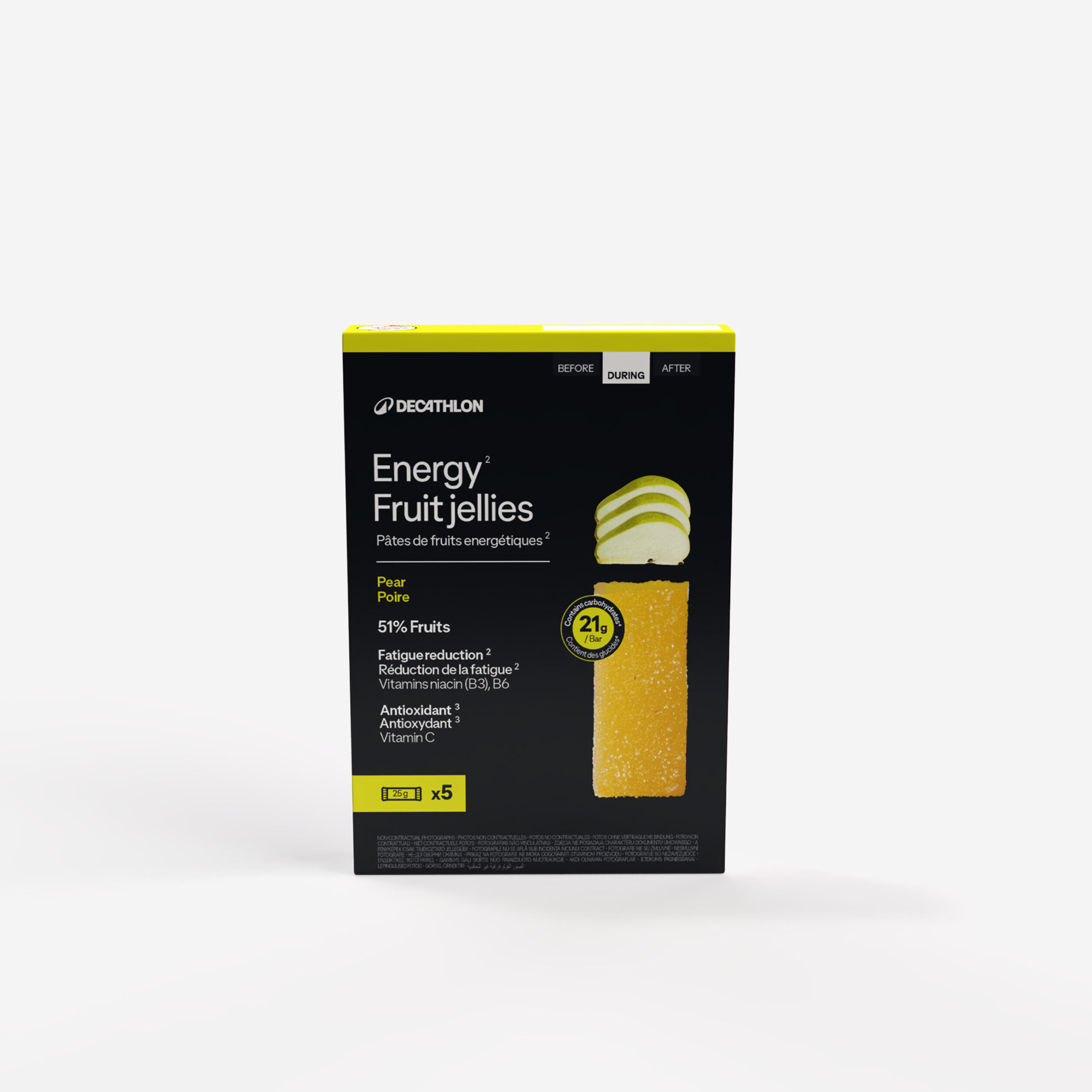
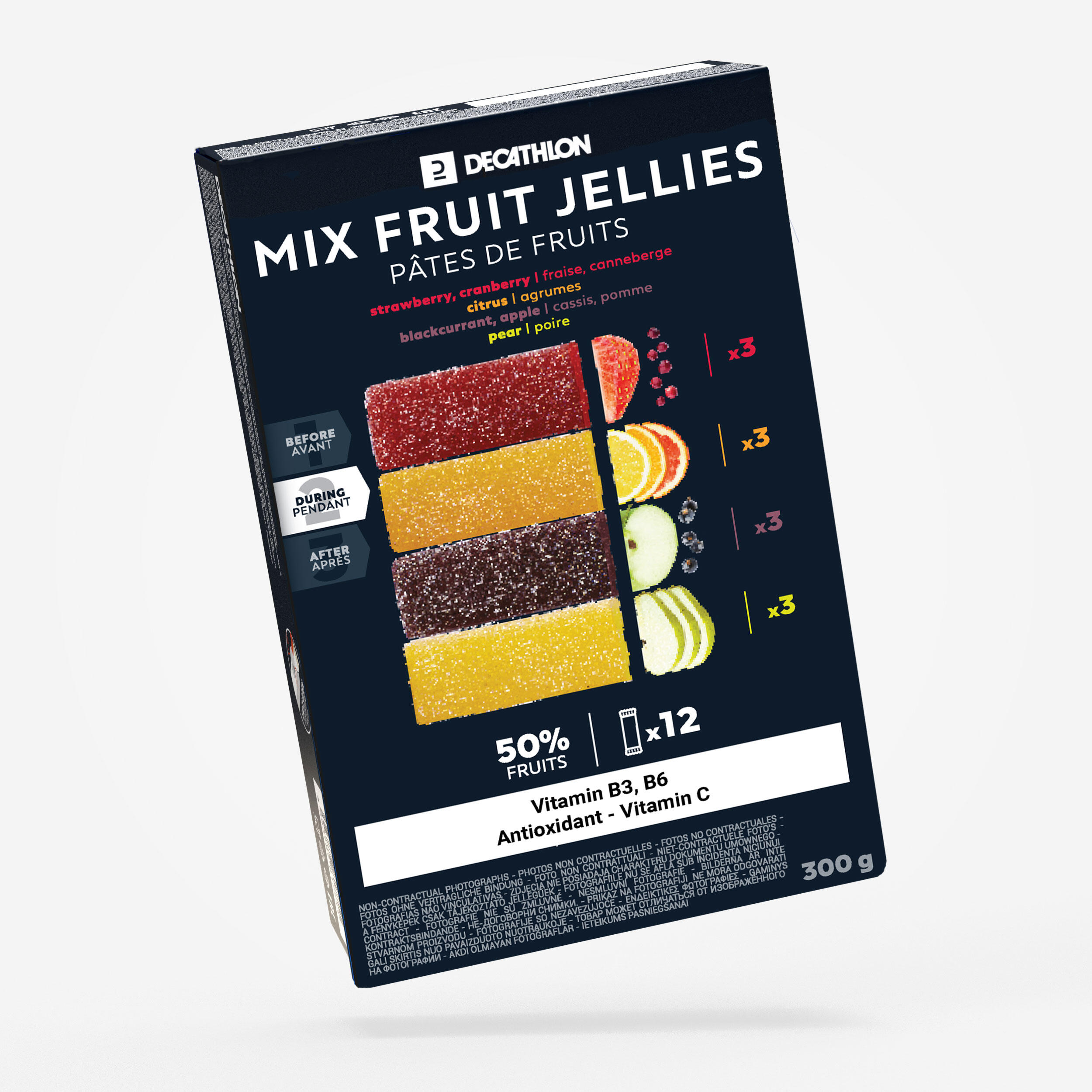
Fruit jellies provide a soft, food-like alternative when you do not want to rely only on liquids or gels. The energy fruit jelly mix contains several flavours with broadly similar nutritional values, helping reduce flavour fatigue during longer activity. Each 25 g portion provides about 21 g of carbohydrate and comes in packaging that opens easily and can protect an unfinished piece. Decathlon mainly recommends this format for endurance workouts lasting more than three hours, not an ordinary brief track practice. Test the texture while moving, open the wrapper before a demanding interval and carry every used wrapper until you reach a bin.

What is best to drink during athletics practice?

Water usually covers short or low-intensity practice in mild conditions, while longer sessions, heat and heavy perspiration may increase your need for carbohydrate and electrolytes. Different athletics energy drinks vary in concentration, serving instructions and purpose, so the sweetest option is not necessarily the most suitable. An isotonic drink combines fluid with carbohydrate and salts at a concentration intended for steady absorption, which may support prolonged work. Mix powders accurately because an overly concentrated drink can feel heavy on the stomach. Begin sipping early, use regular small amounts and wash the bottle thoroughly afterwards so sugar residue does not remain around the cap or valve.

How should you plan energy intake for athletics practice?

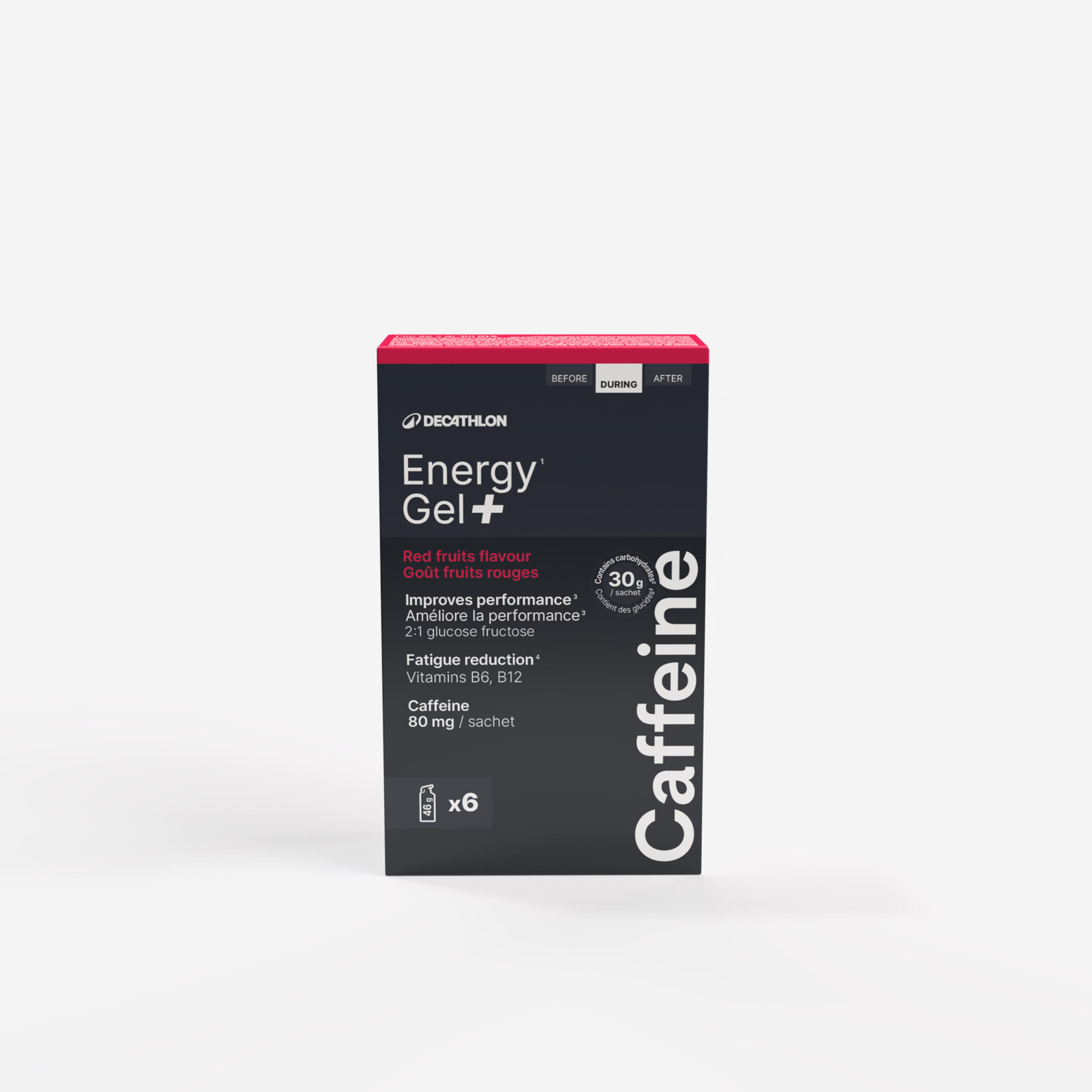
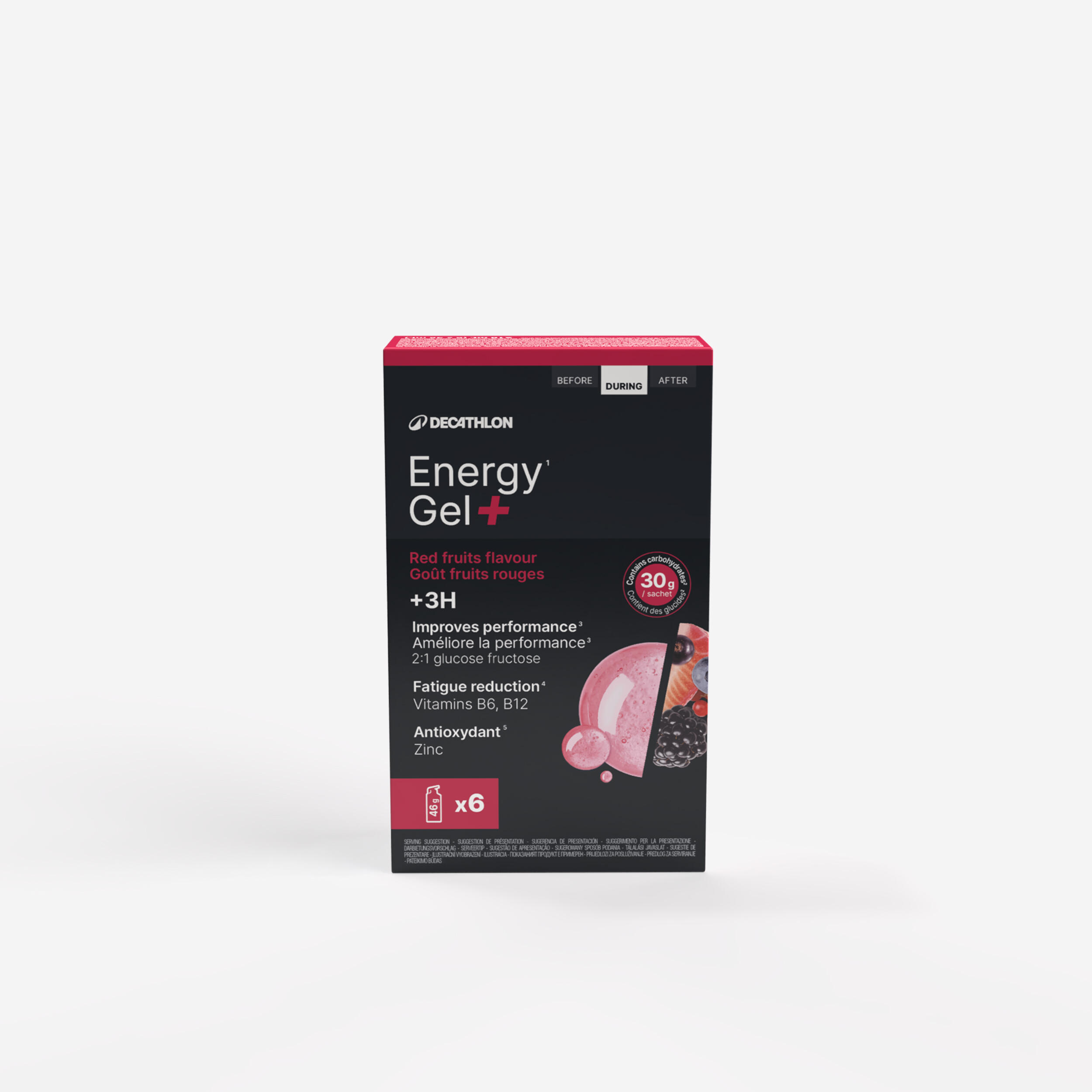
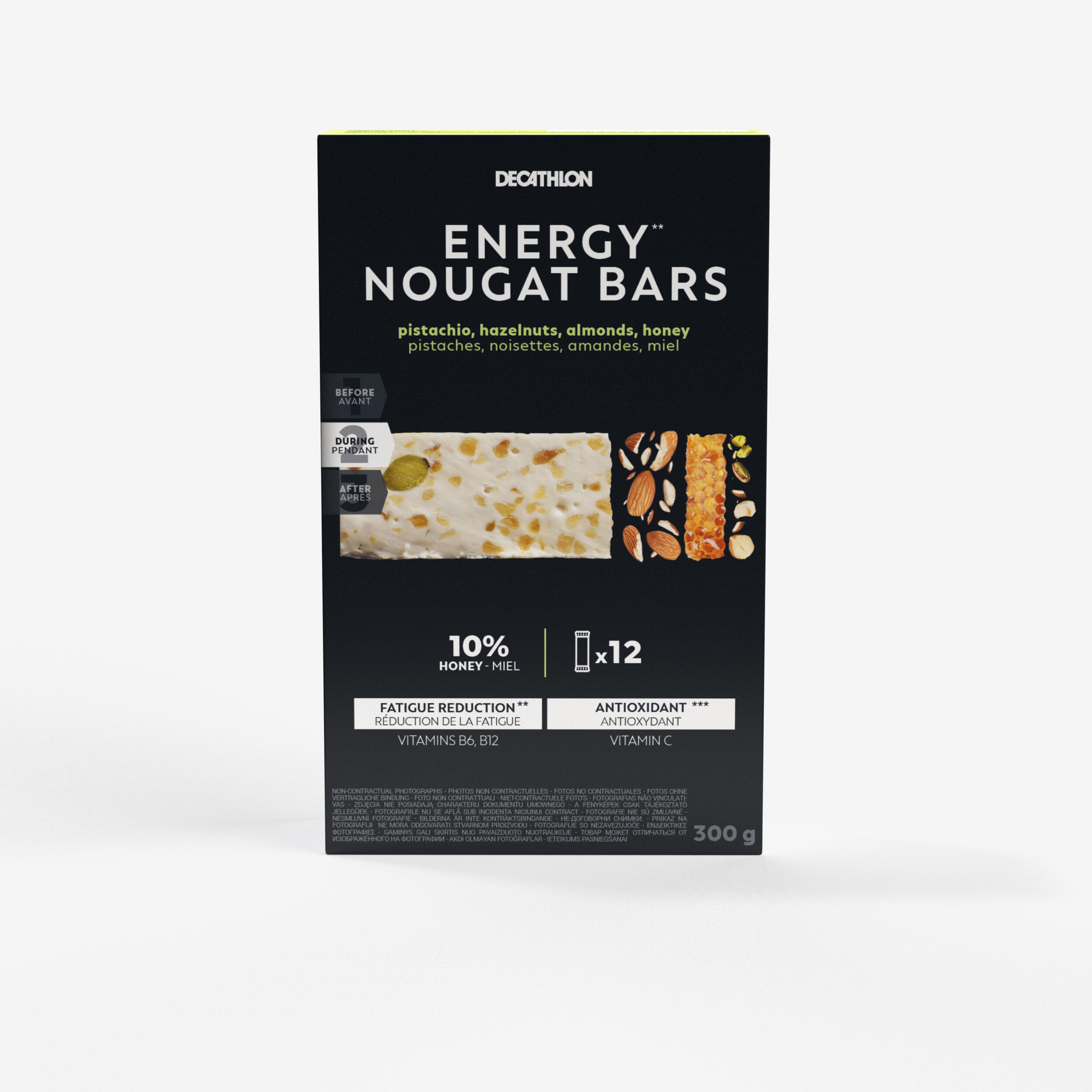
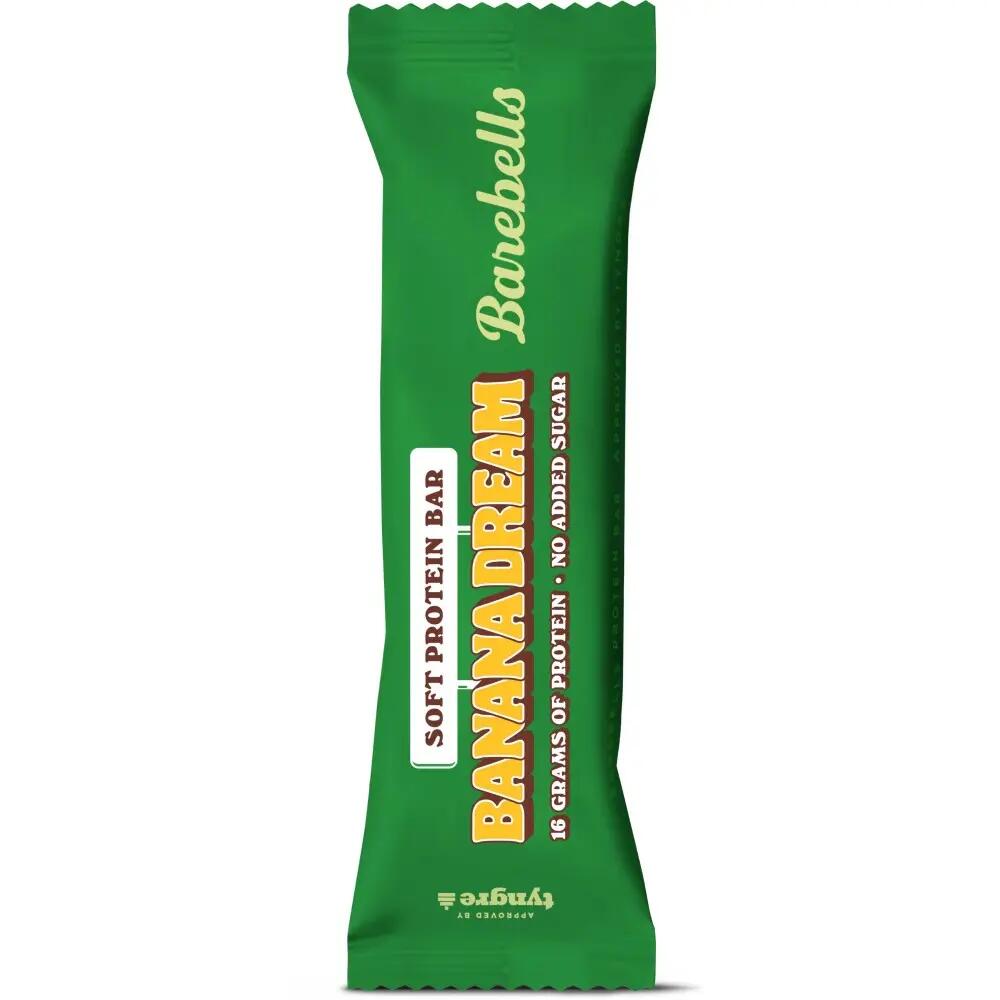
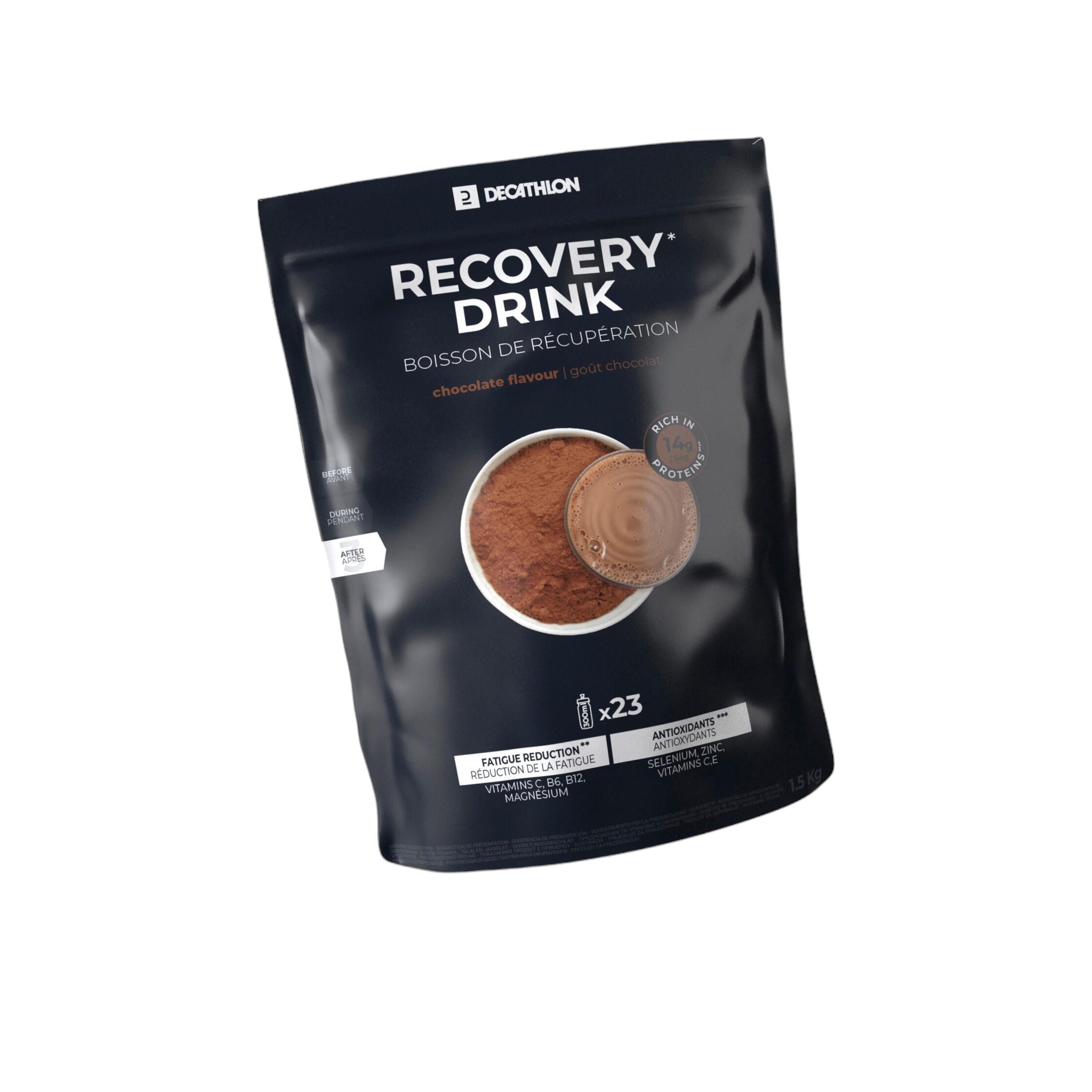
Base your plan on duration and intensity, then separate products intended before, during and after activity. The broader athletics energy intakes category includes gels, jellies, bars and other formats, but they do not all serve the same purpose. During very long endurance work, combining different textures can make regular carbohydrate intake easier, while a brief sprint or technical session may require no food at all. Record what you consume, when you take it and how your stomach responds. Change only one part of the plan at a time, and never trial unfamiliar athletic practice accessories or nutrition during an important meeting.