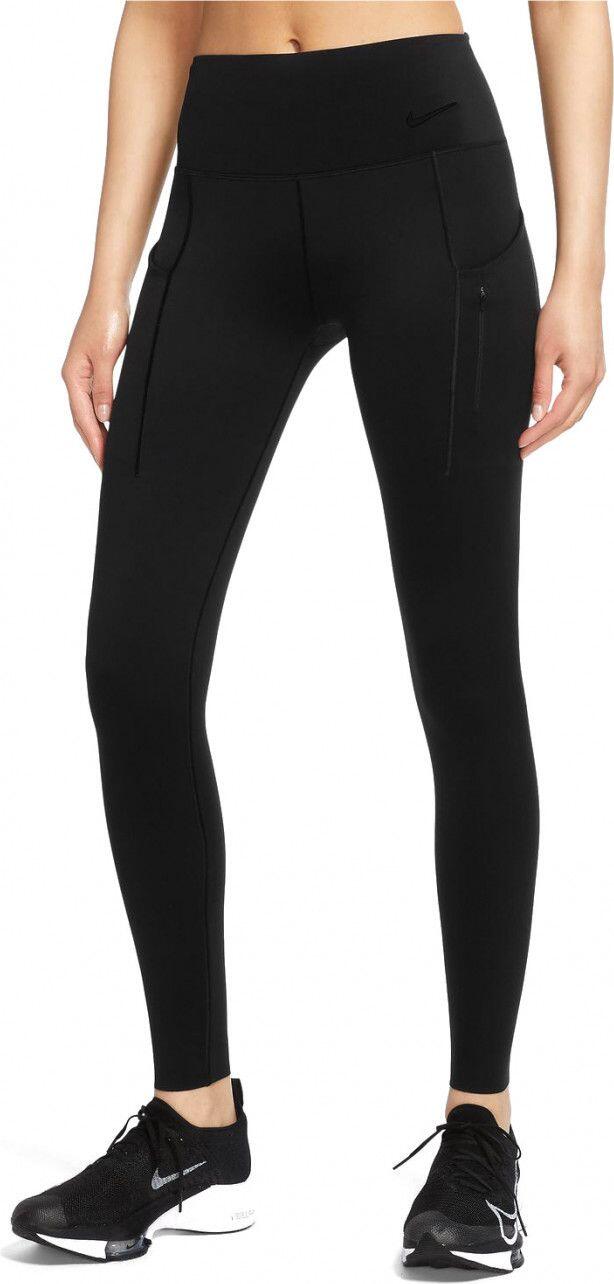
172 items
4.8/5 based on 8872 reviews collected online and in stores

Women's Athletics Leggings FAQs

Are women's athletics leggings better with a firm or relaxed fit?

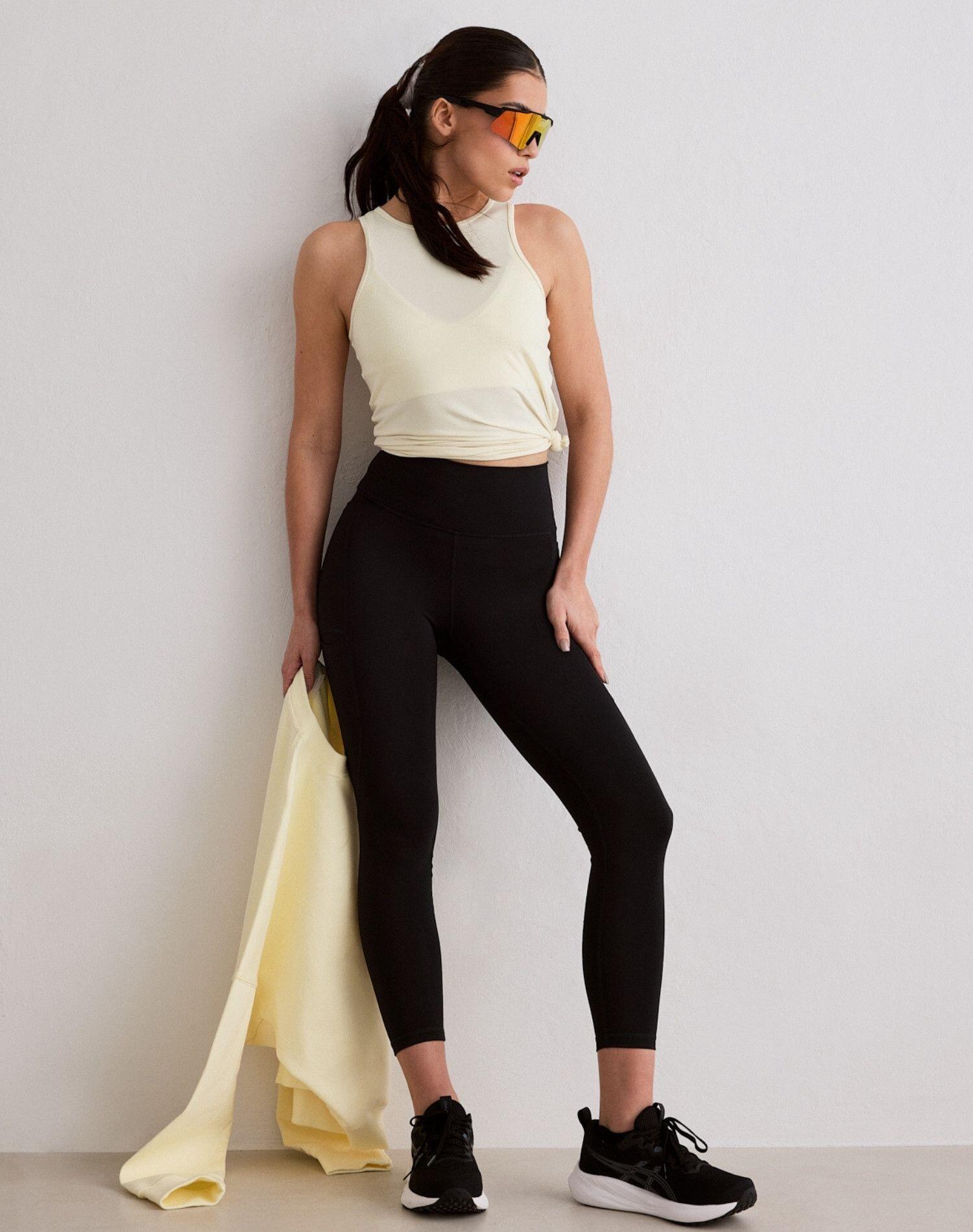
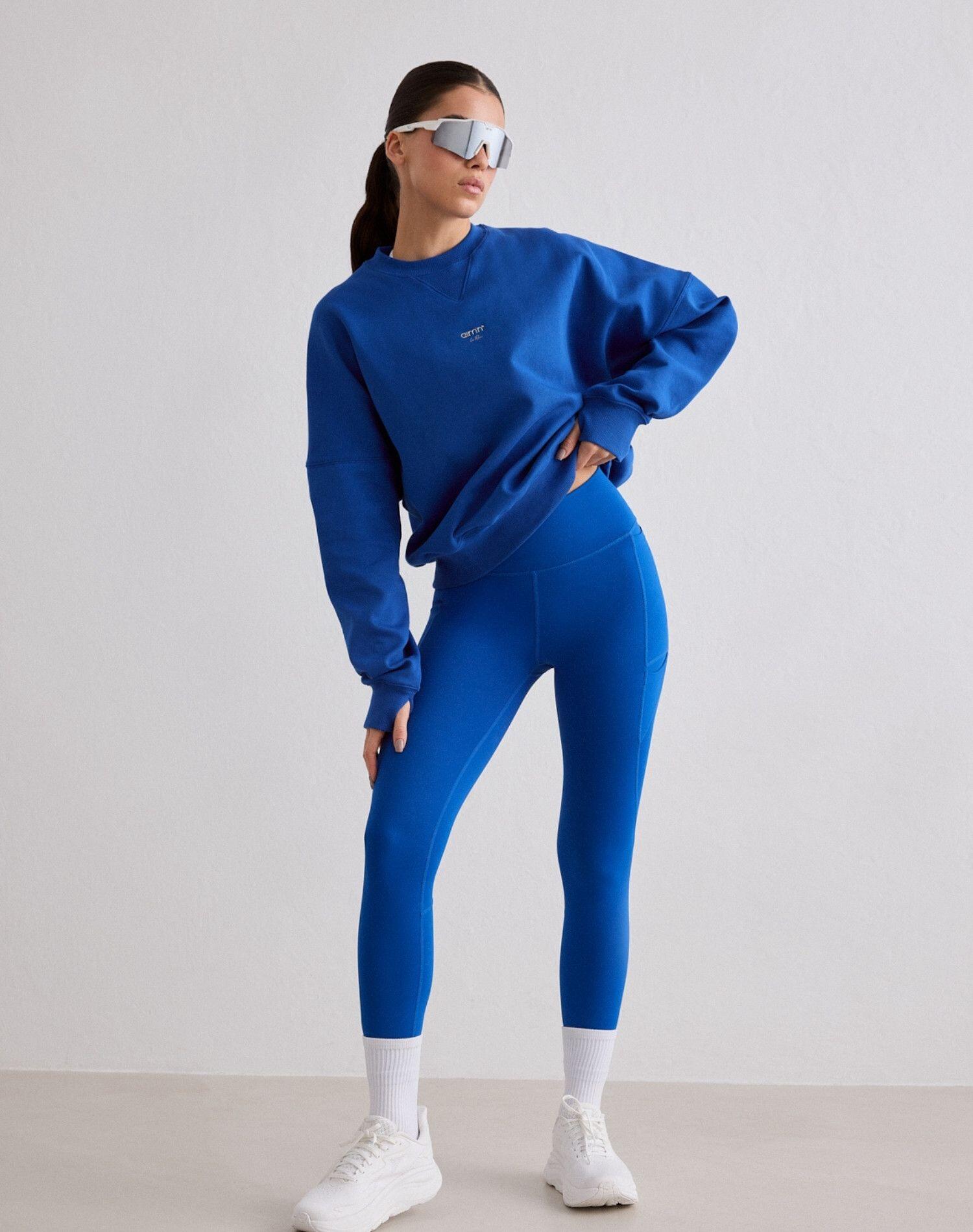
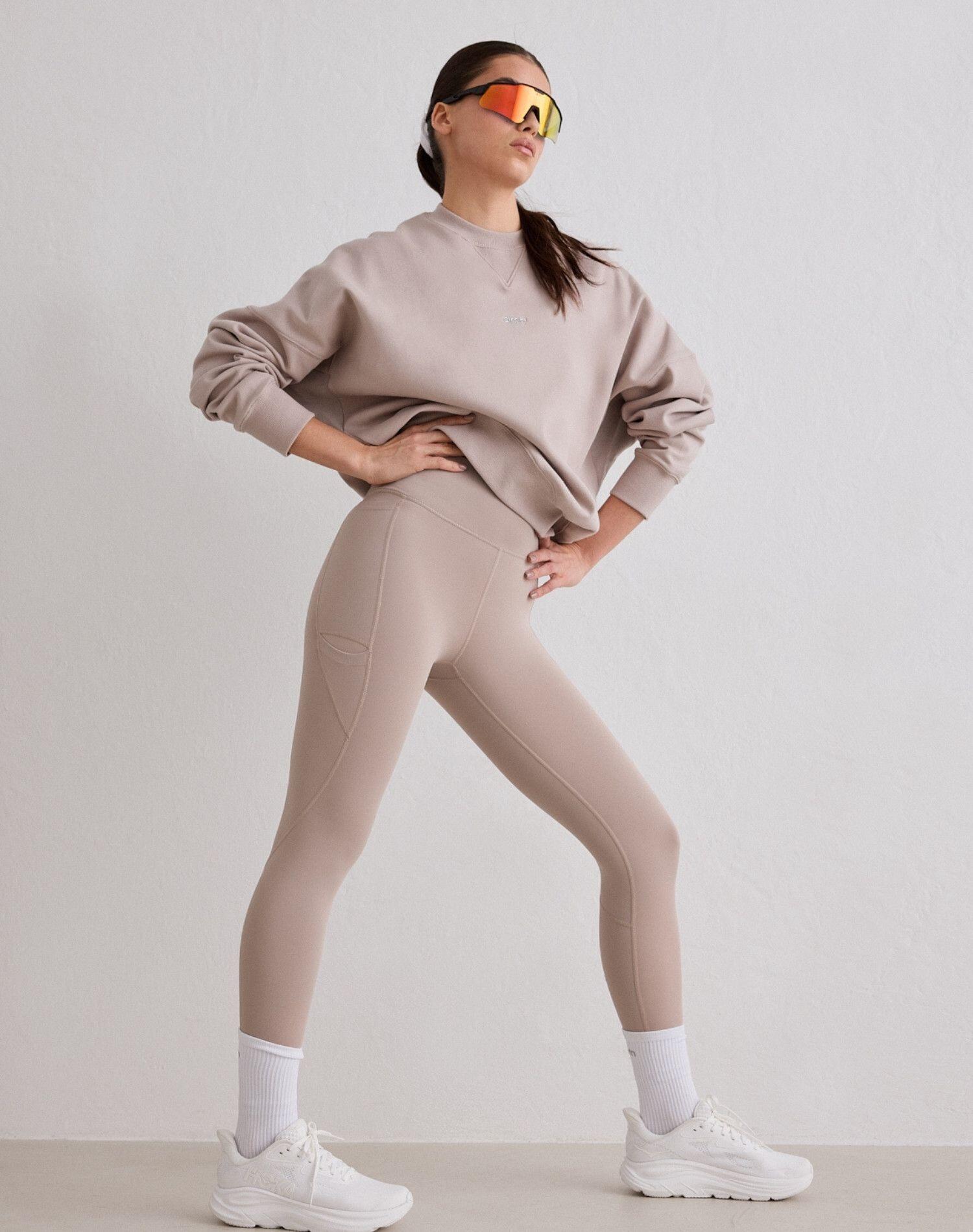
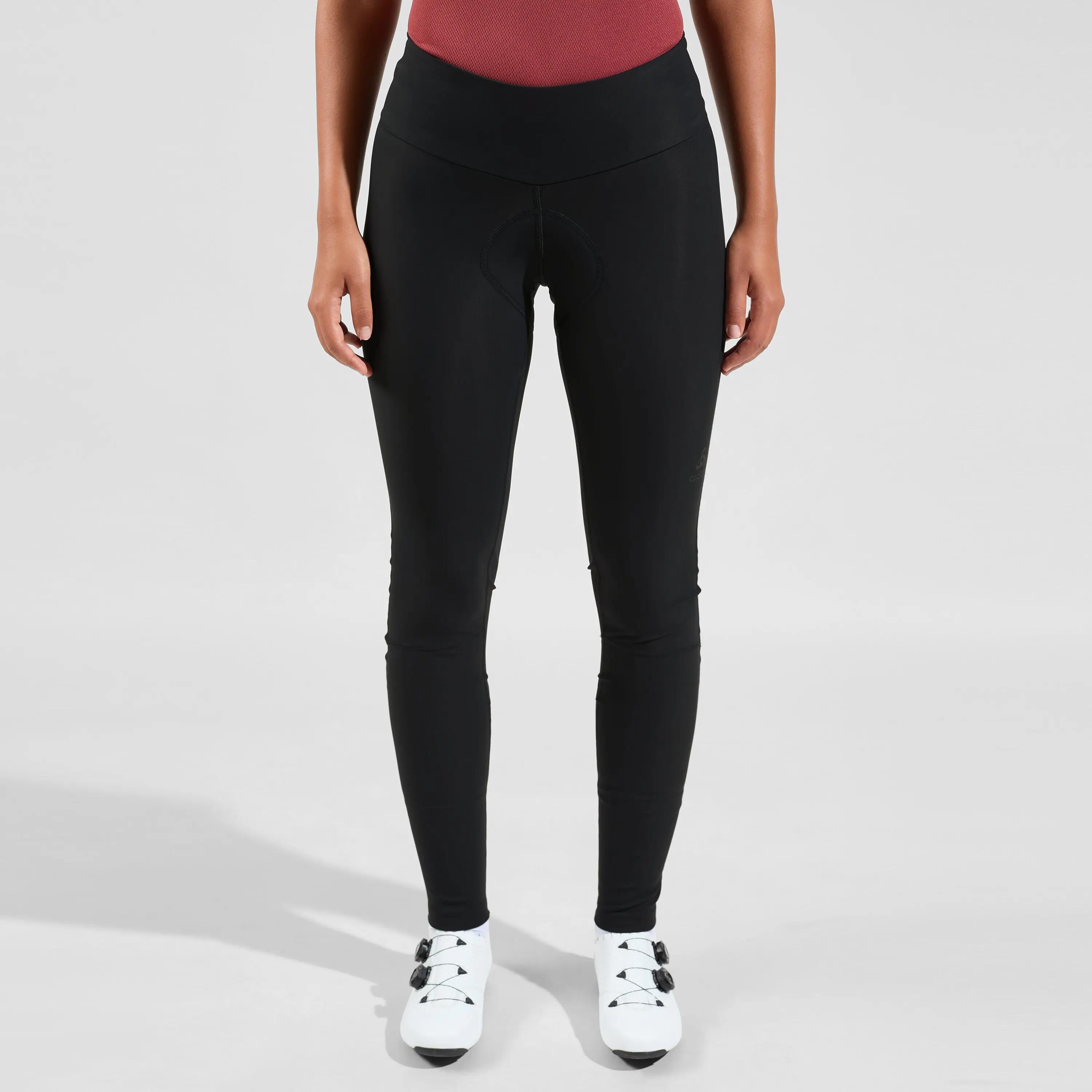
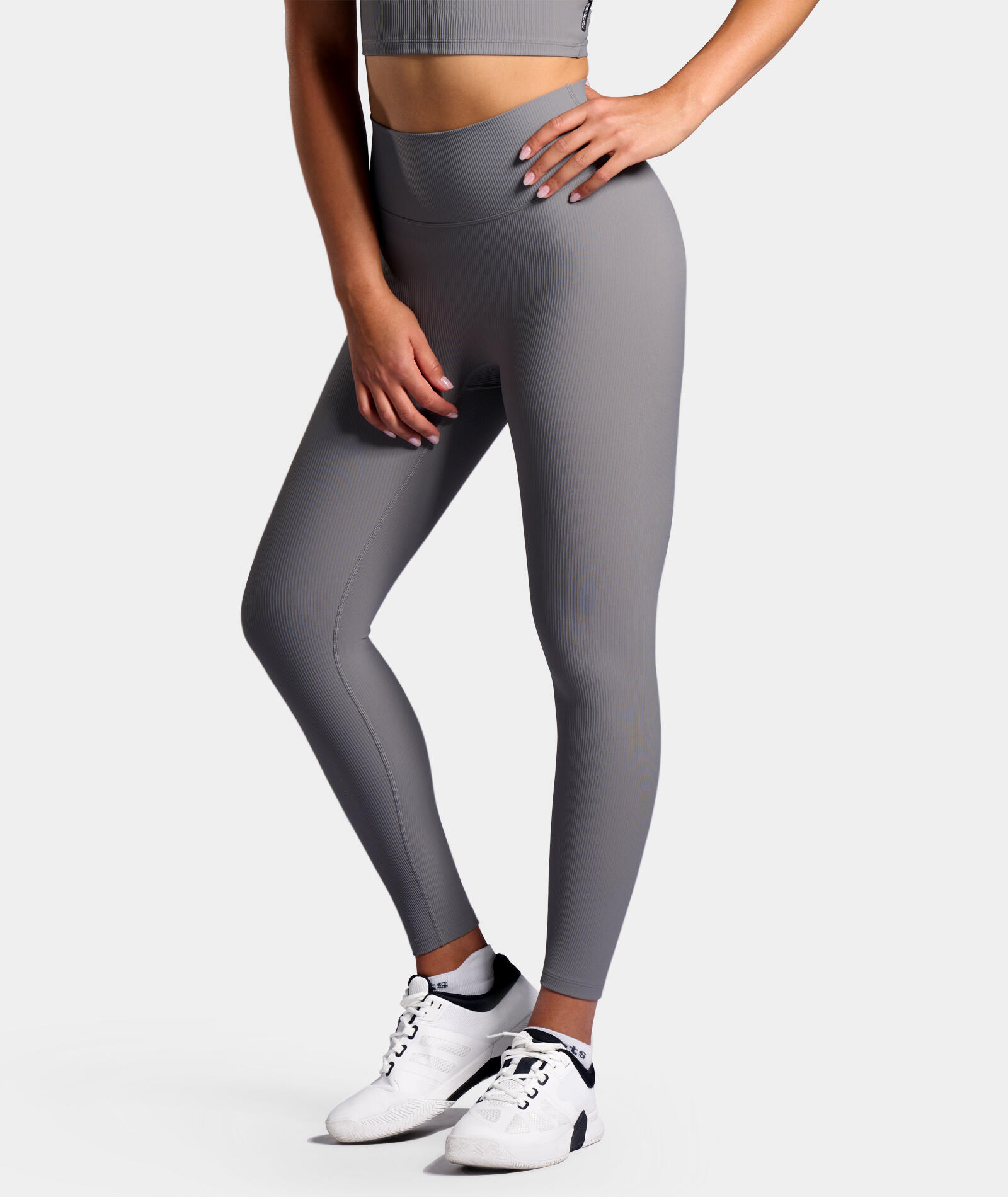
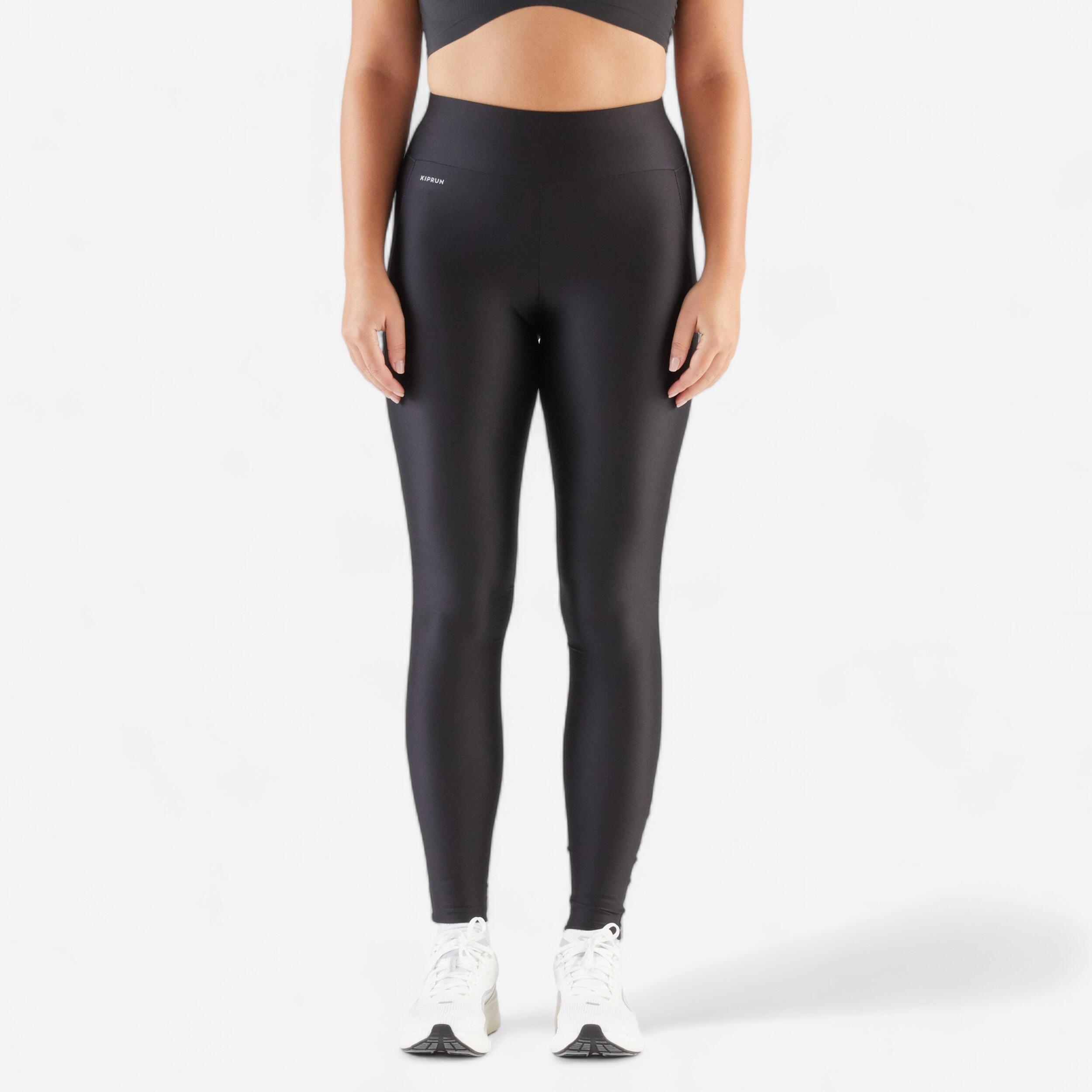
Women's athletics leggings should sit close to your body without pinching your waist, restricting your hips or gathering behind your knees. The waistband should remain level when you jog, sprint, lunge and bend into a starting position. Check that the fabric stretches smoothly across your thighs without becoming transparent and that the ankles do not bunch above your shoes. Try the leggings with your usual women's athletics clothes so overlapping waistbands and longer tops do not create pressure. A practical pro tip is to place your phone or keys in the pocket during a short run, as added weight can change how securely the waistband sits.
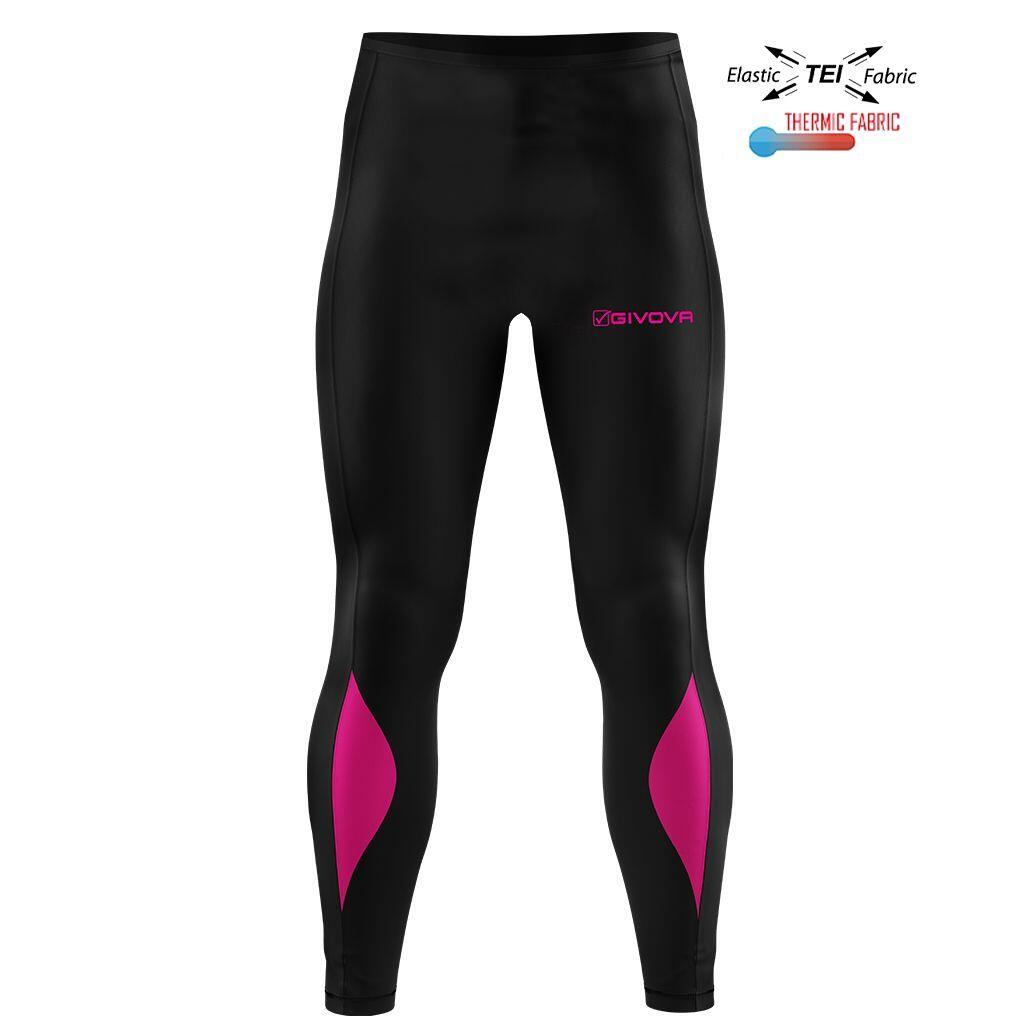
Which features improve comfort in women's athletics running leggings?

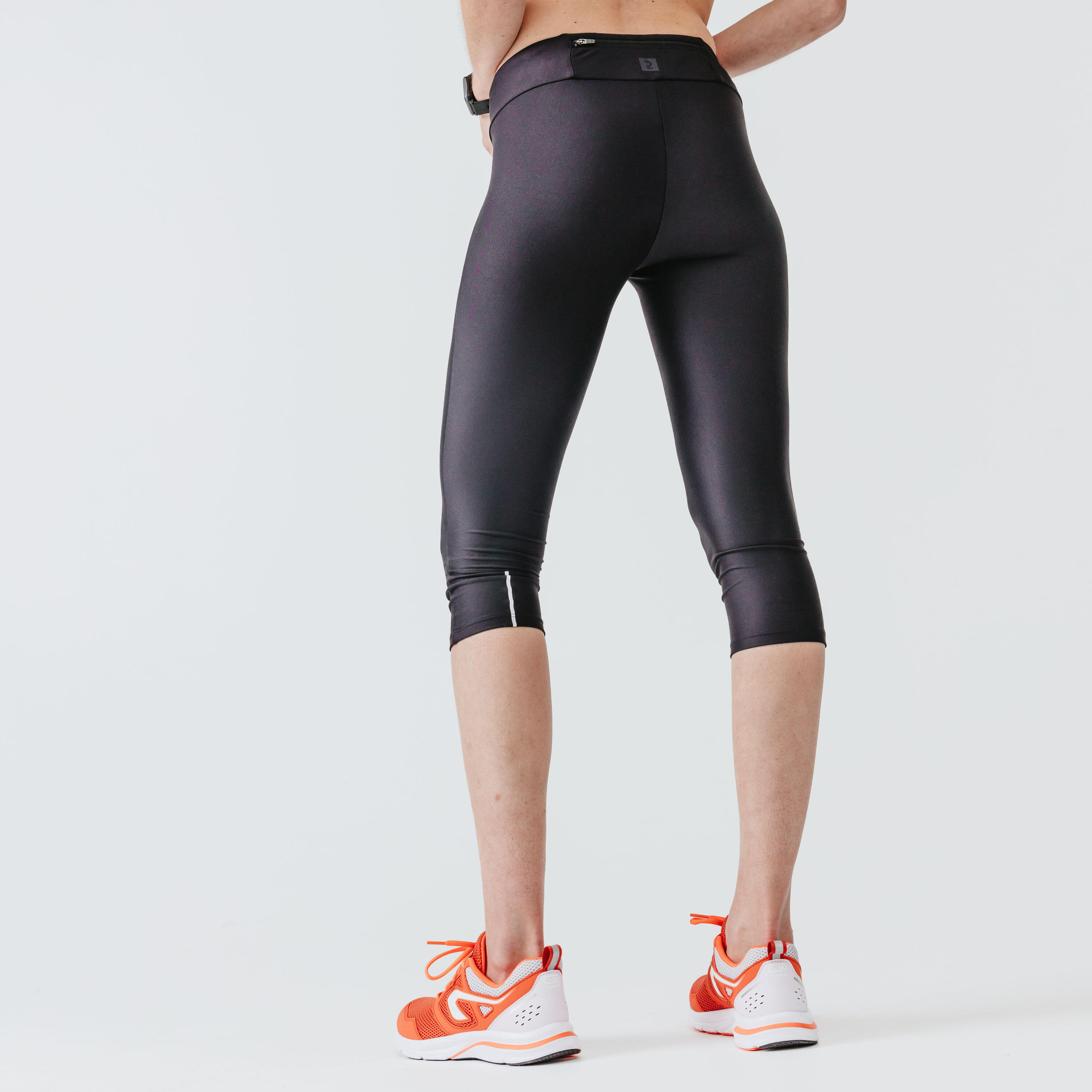
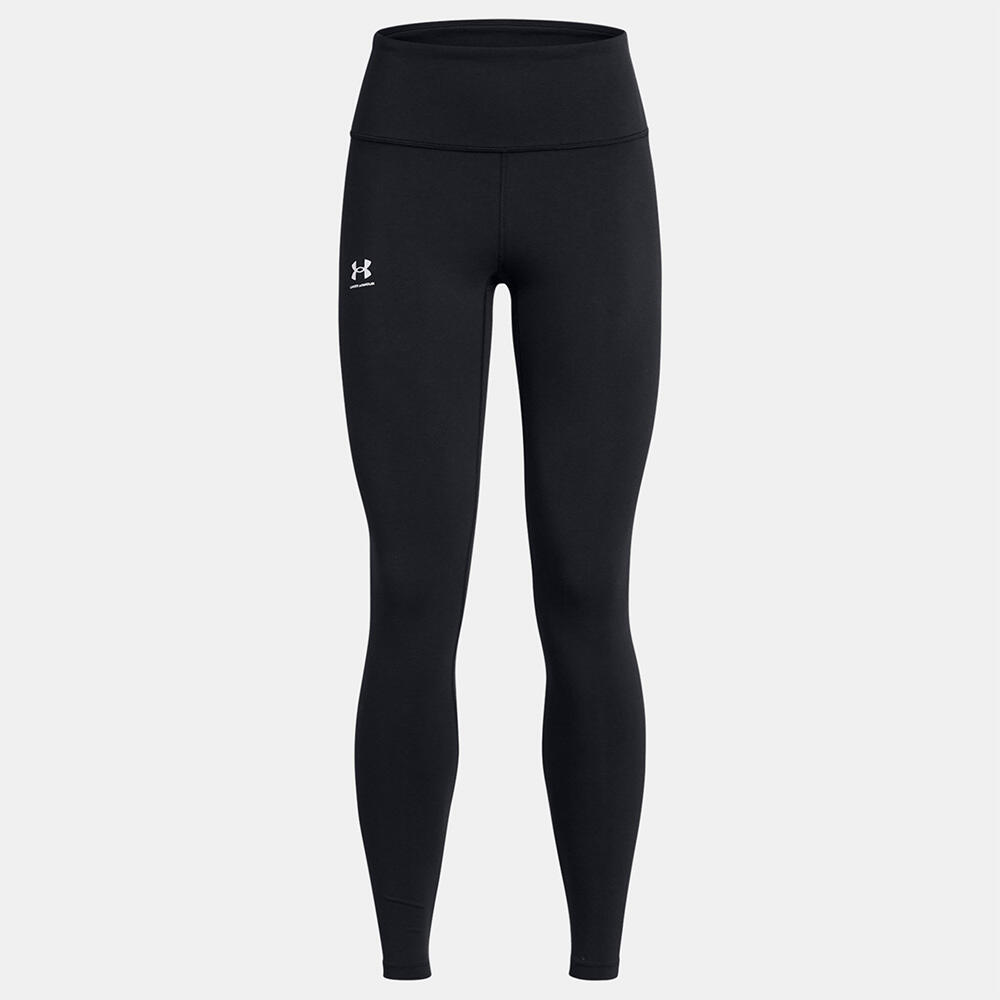
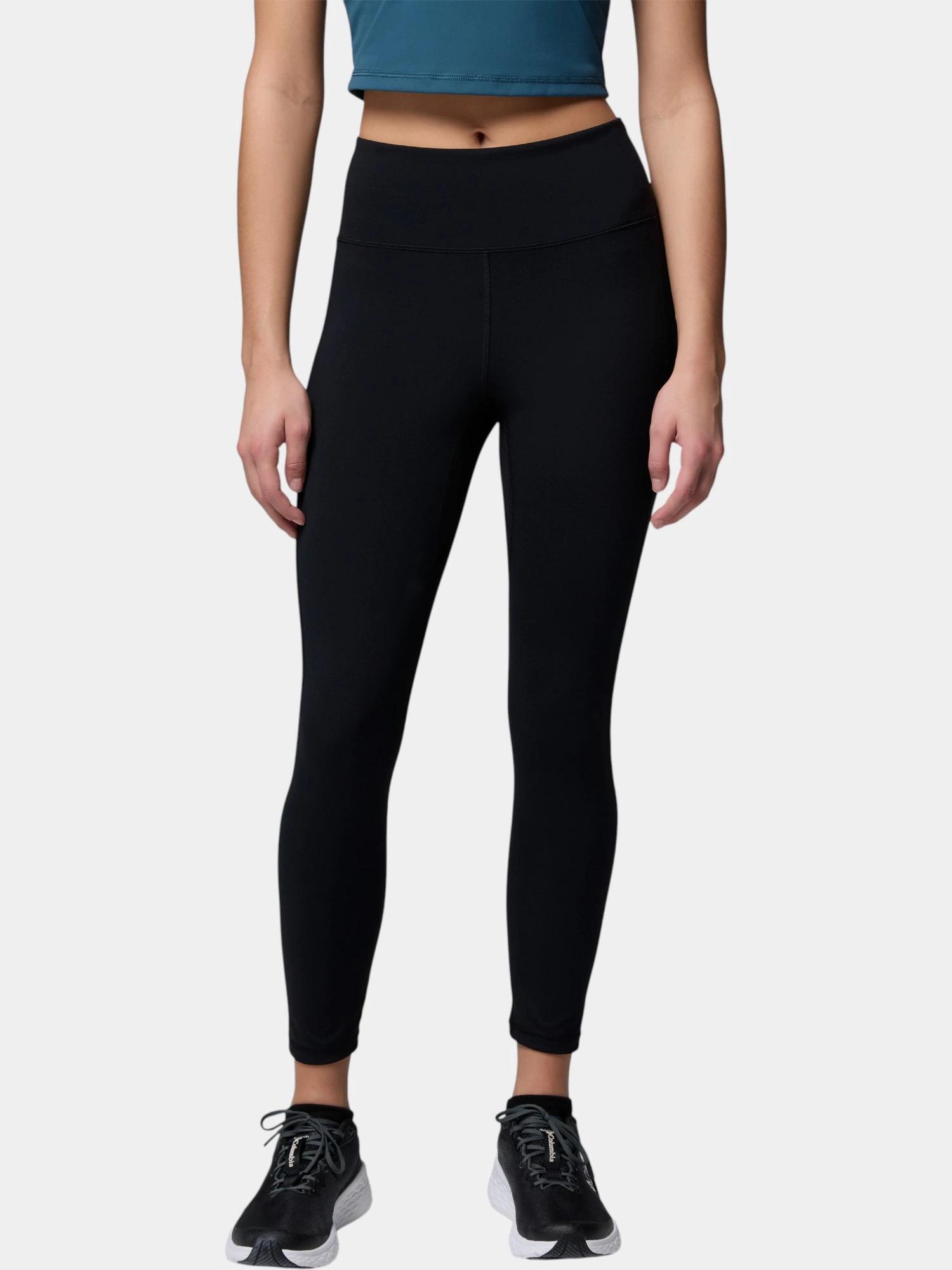
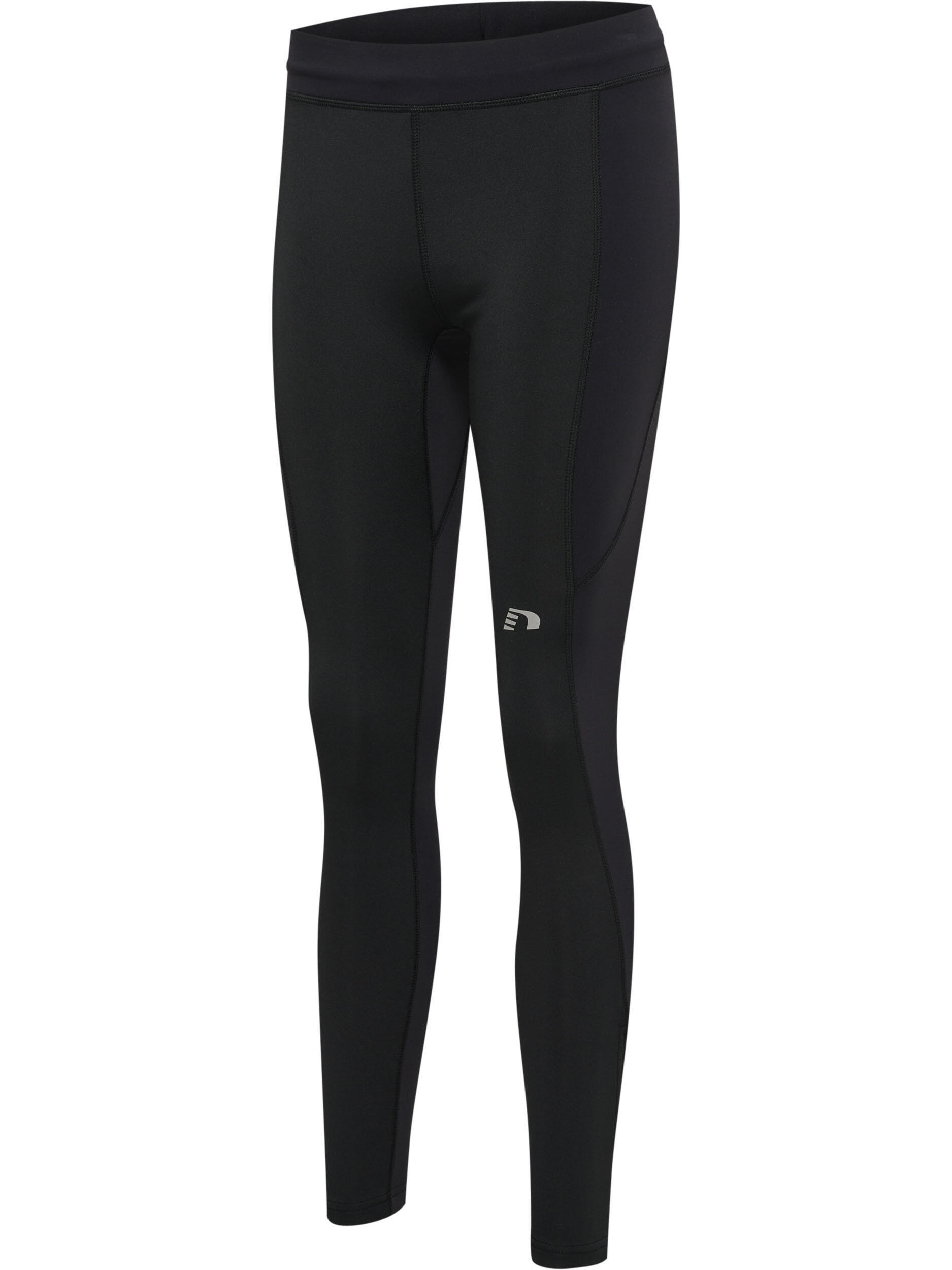
Comfort depends on stable support, flexible fabric and fewer raised contact points. Women's KIPRUN Run 100 running leggings use a wide waistband with a drawcord, helping you refine the fit and reduce downward movement during repeated strides. Their inner-leg construction avoids a conventional seam between the thighs, limiting one common source of rubbing when heat, moisture and movement combine. Polyester helps transfer perspiration away from your skin, while elastane allows the fabric to stretch and recover. A zipped rear pocket can hold keys, tissues or a small phone, but avoid overloading it because heavy items may bounce or pull against your lower back.

When do cropped women's athletics leggings offer the most comfort?

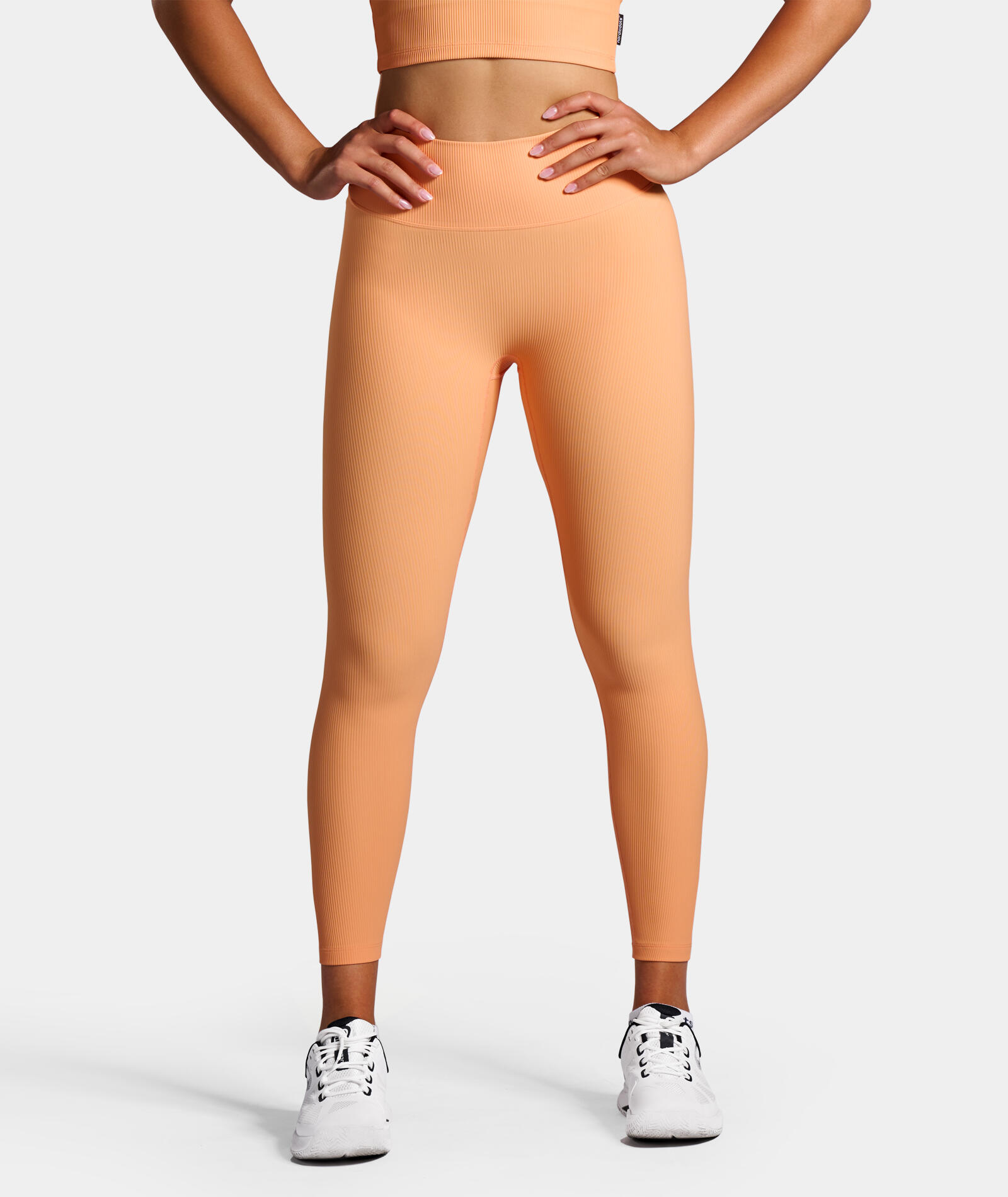
Cropped leggings can suit mild or warm sessions when you want close support around your hips and thighs with more airflow around your lower legs. Women's KIPRUN Run 100 short running leggings use a similar second-skin fit, adjustable waistband and zipped storage to the full-length model, but finish higher on the calf. Check the hem while running because it should remain flat without tightening or rolling upwards. Cropped coverage may also feel practical for indoor athletics halls or fast summer intervals. Choose by temperature and comfort rather than assuming a shorter cut is always cooler, as fabric weight, pace, sunlight and personal heat tolerance also affect how warm you feel.

Are women's athletics leggings suitable for cold-weather training?

Full-length leggings offer helpful leg coverage for cool outdoor sessions, although the Run 100 fabric is lightweight and does not provide the heavier insulation of brushed winter styles. Consider the temperature, wind strength and time spent resting between efforts before choosing your layers. A colder warm-ups, wear women's athletics pants over the leggings as a removable outer layer, then take them off before quicker drills if you begin to feel restricted or overheated. Try to keep the leggings dry, as damp fabric can feel cold when your activity level drops. Make sure the waistbands do not overlap uncomfortably and that the outer trousers move smoothly over the knees without shifting the leggings.

How can you choose women's athletics leggings for different training sessions?

Choose women's athletics leggings according to the intensity, location and conditions of your session. Lightweight, breathable models can help manage perspiration during indoor practice, track drills and warmer-weather training, while thicker leggings offer additional coverage in cooler conditions. Consider athletics clothes with stretch fabrics that allow the hips, knees and legs to move freely through running drills, lunges and warm-ups. Check that the waistband stays secure without rolling or pressing into the stomach, and make sure seams do not rub during repeated movement. Pockets can be useful for carrying a key or small personal item, but their contents should remain stable while running. After training, wash the leggings at no more than 30 degrees Celsius and air-dry them to help preserve their shape, elasticity and quick-drying performance.