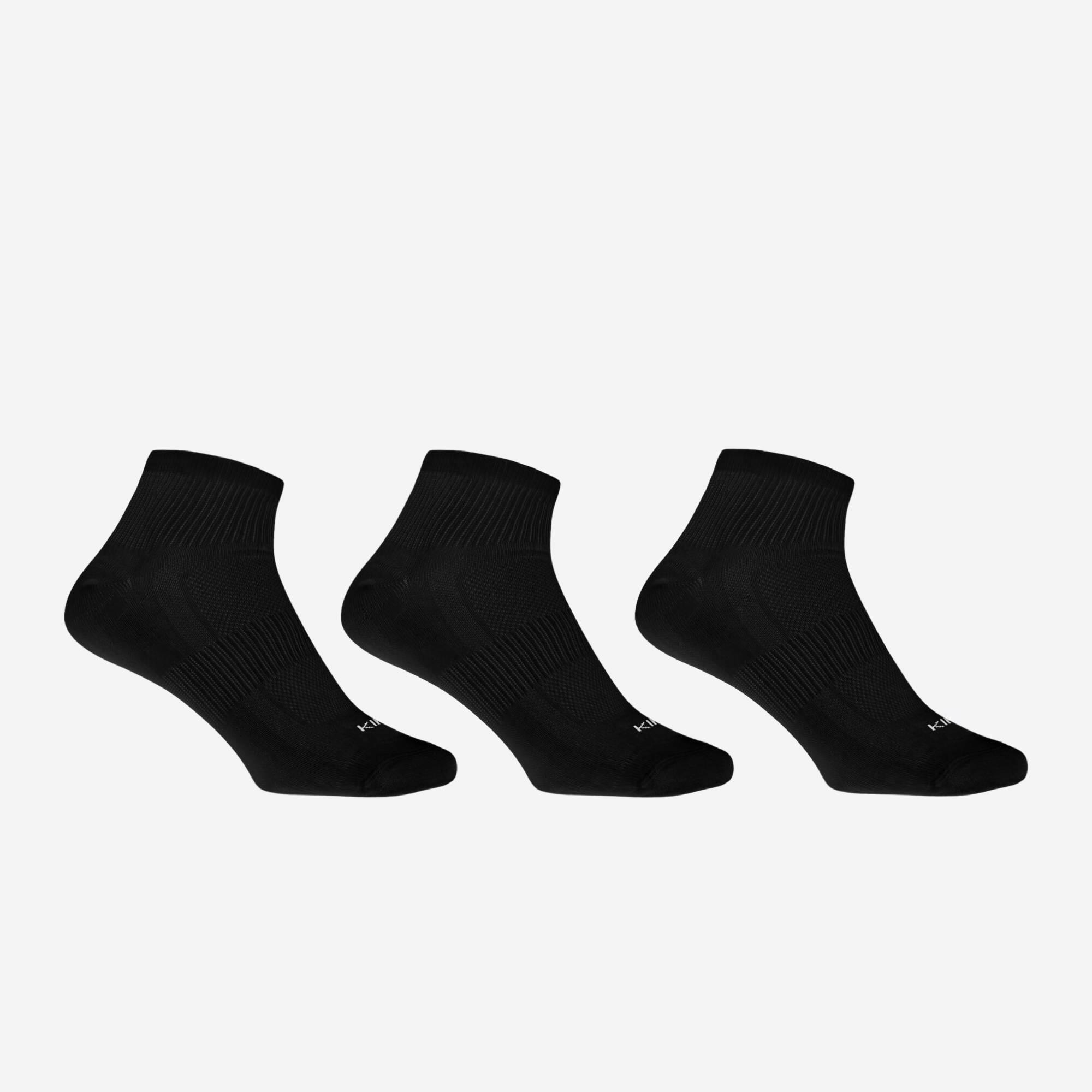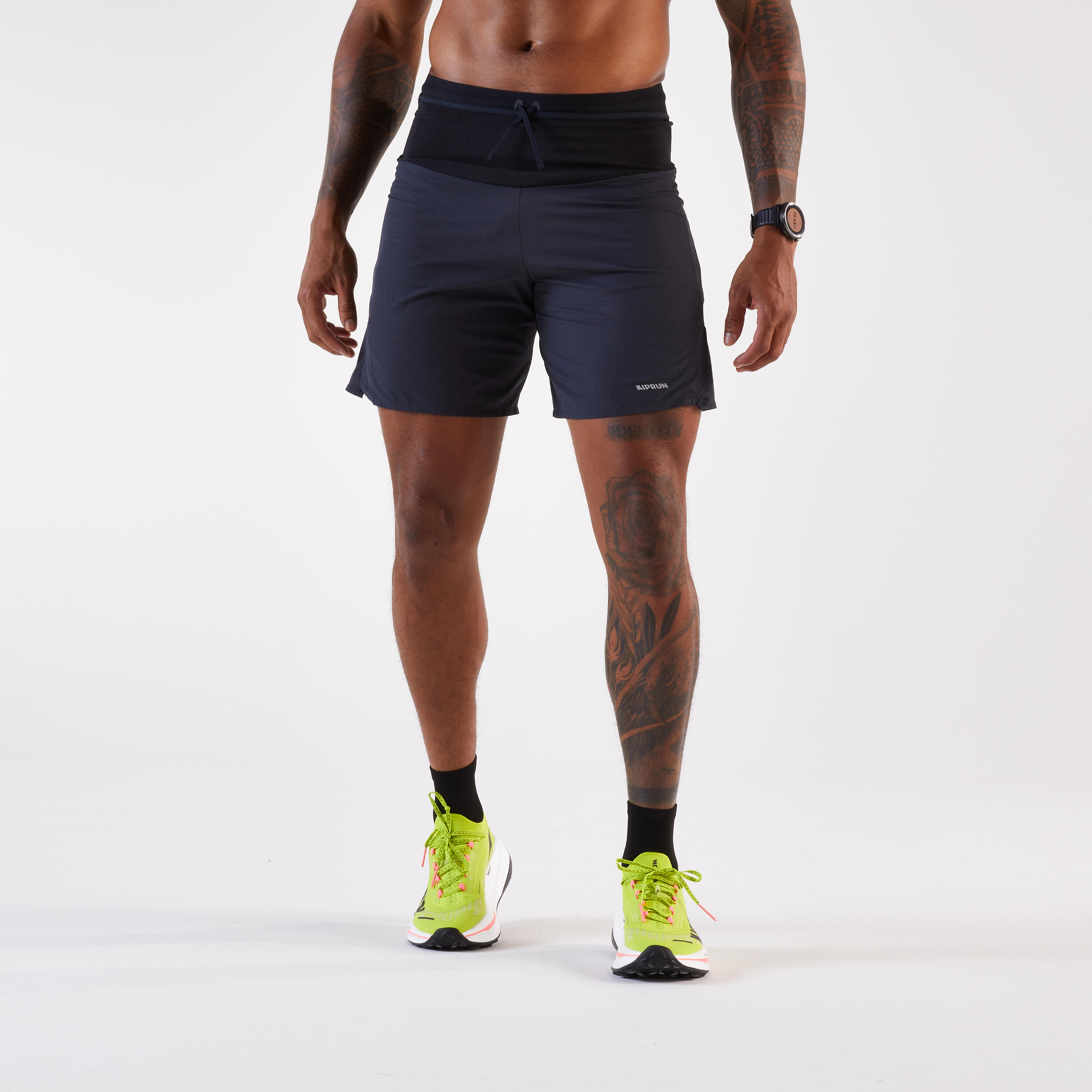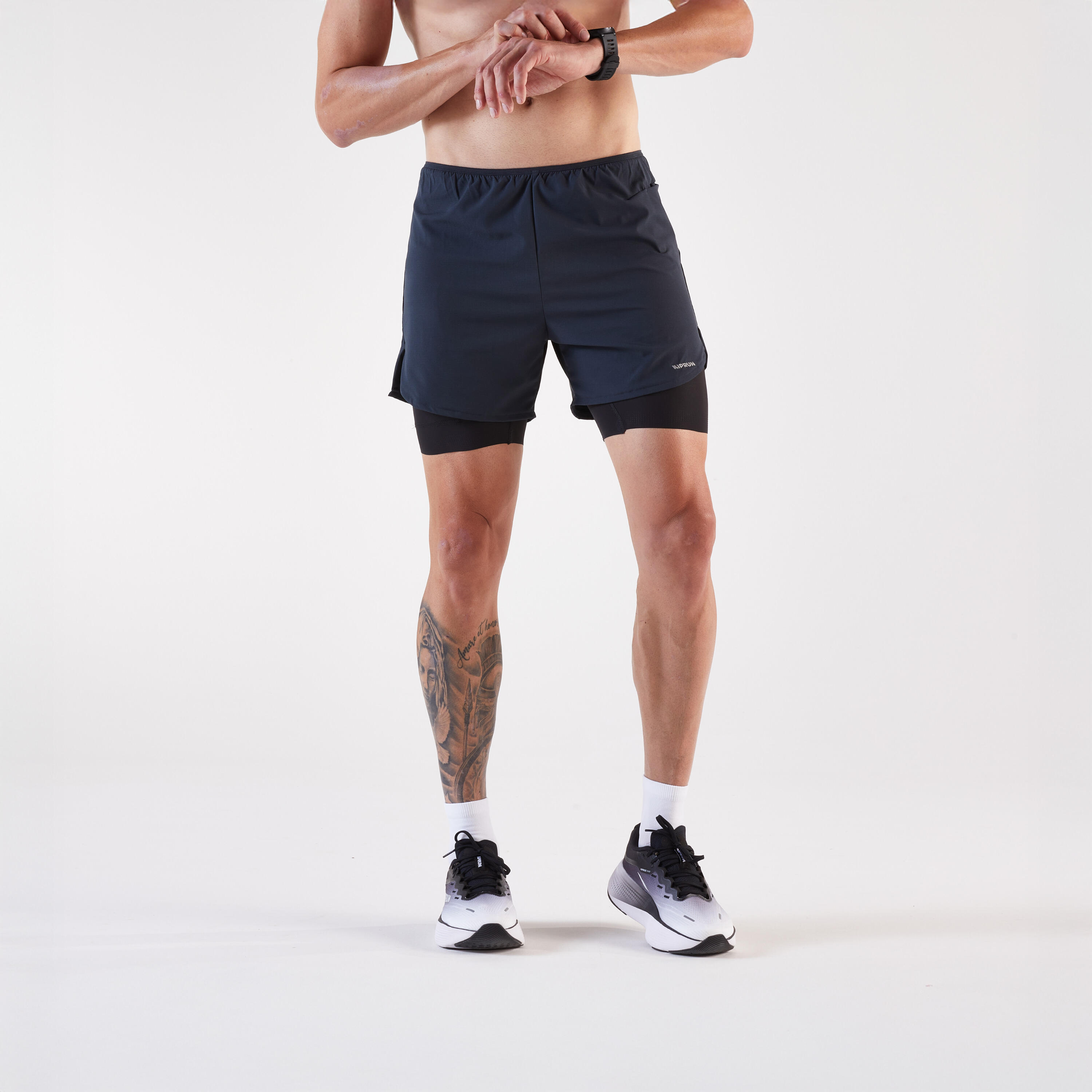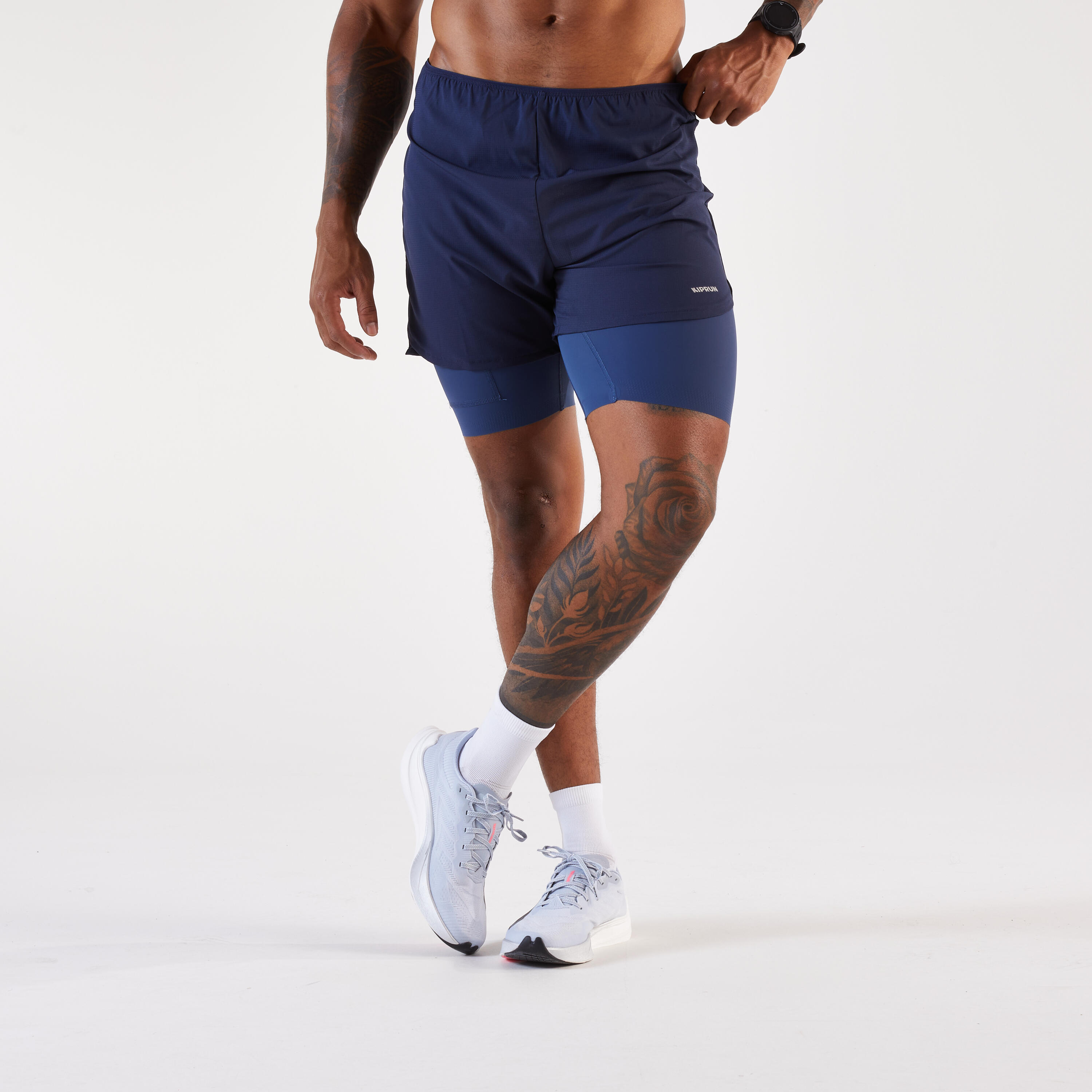
4,722 items
4.6/5 based on 1163923 reviews collected online and in stores

Athletics Clothes FAQs

What athletics clothes do you need for training?

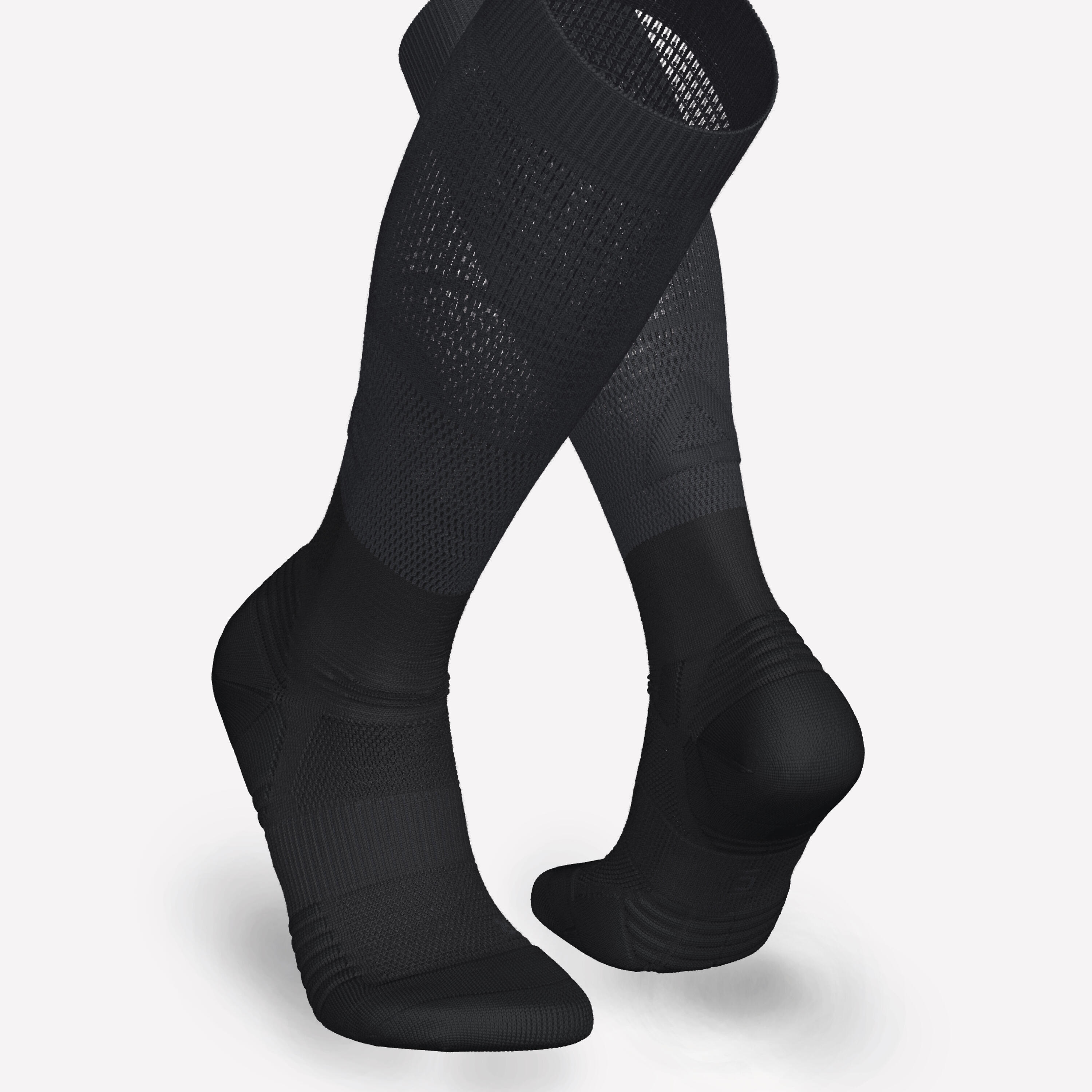
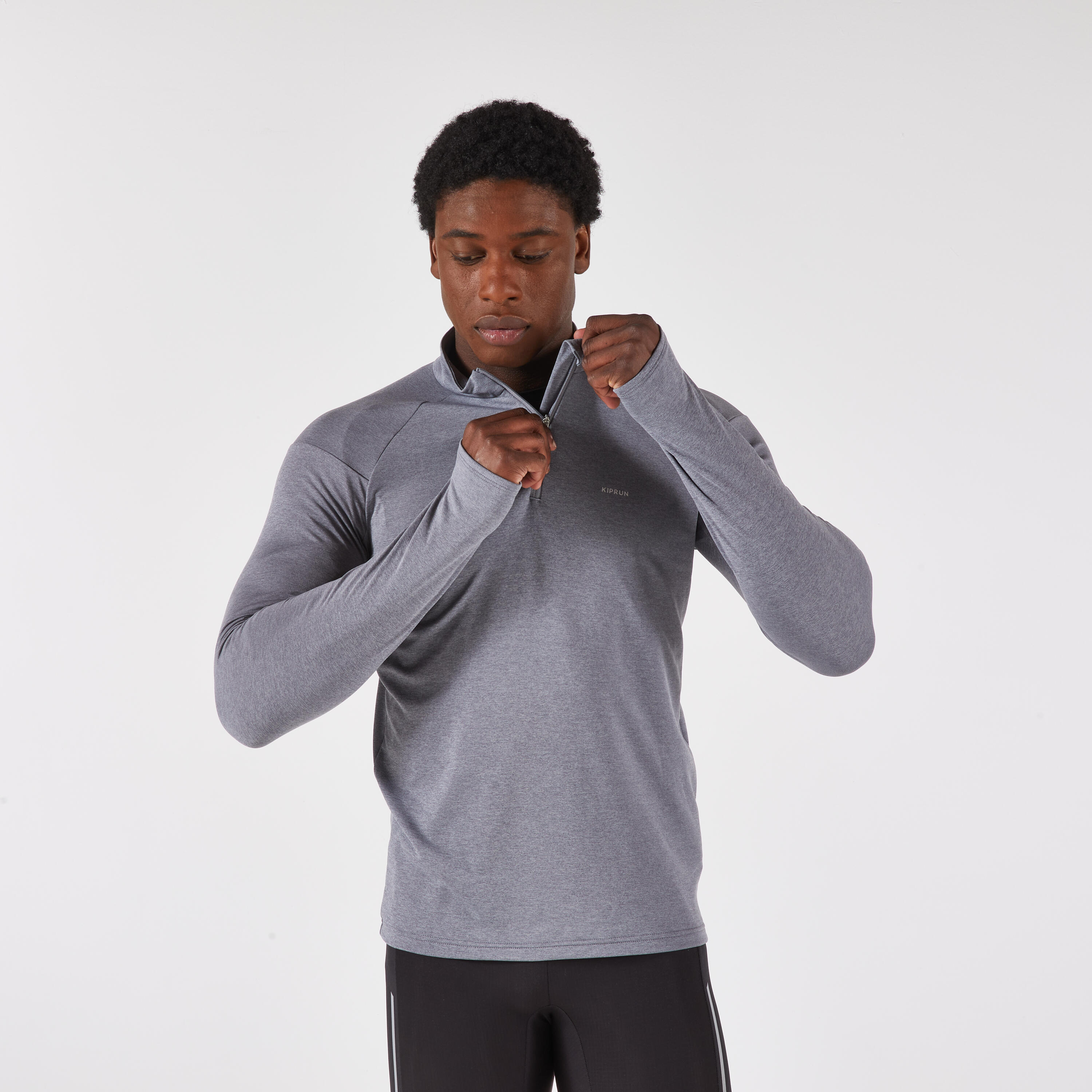
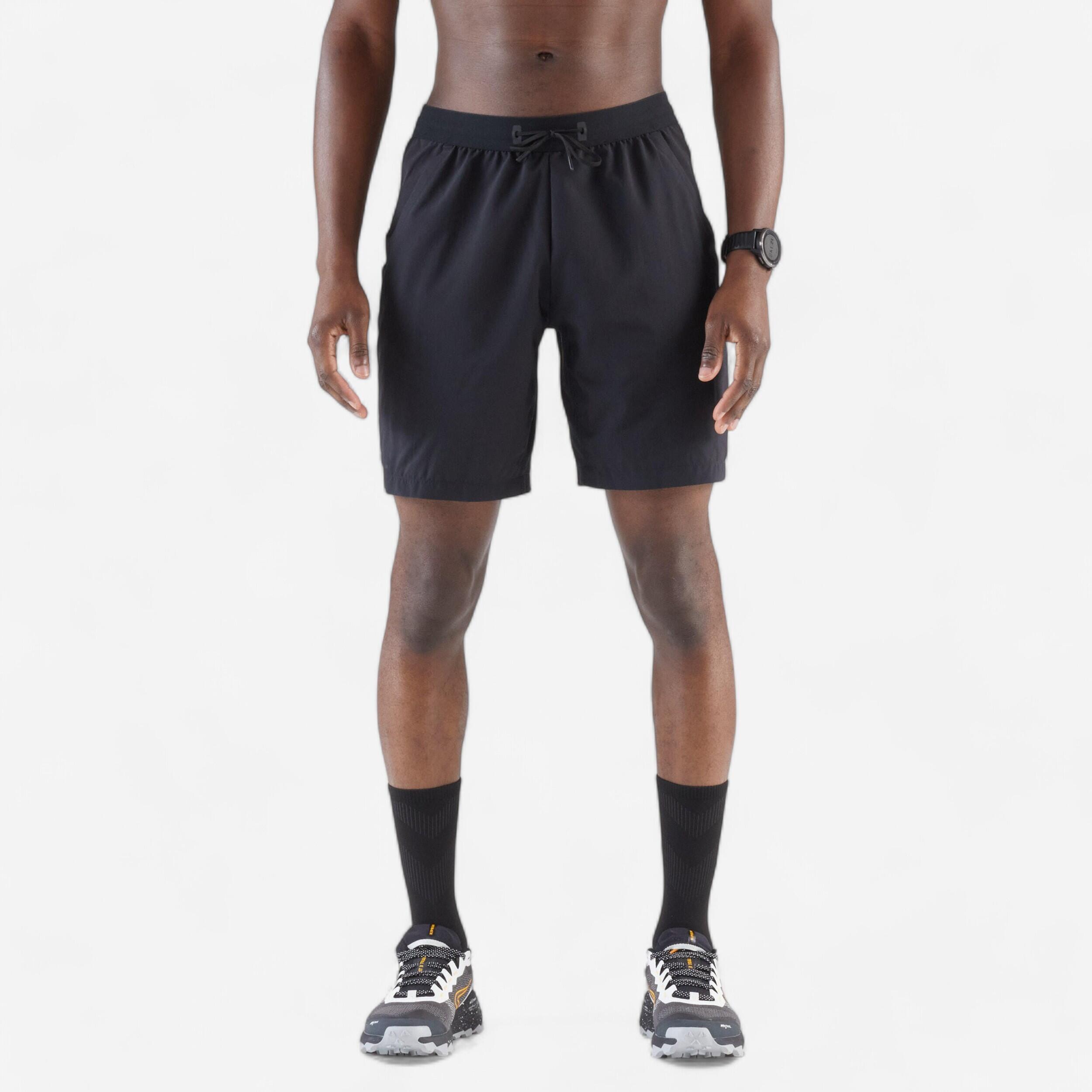
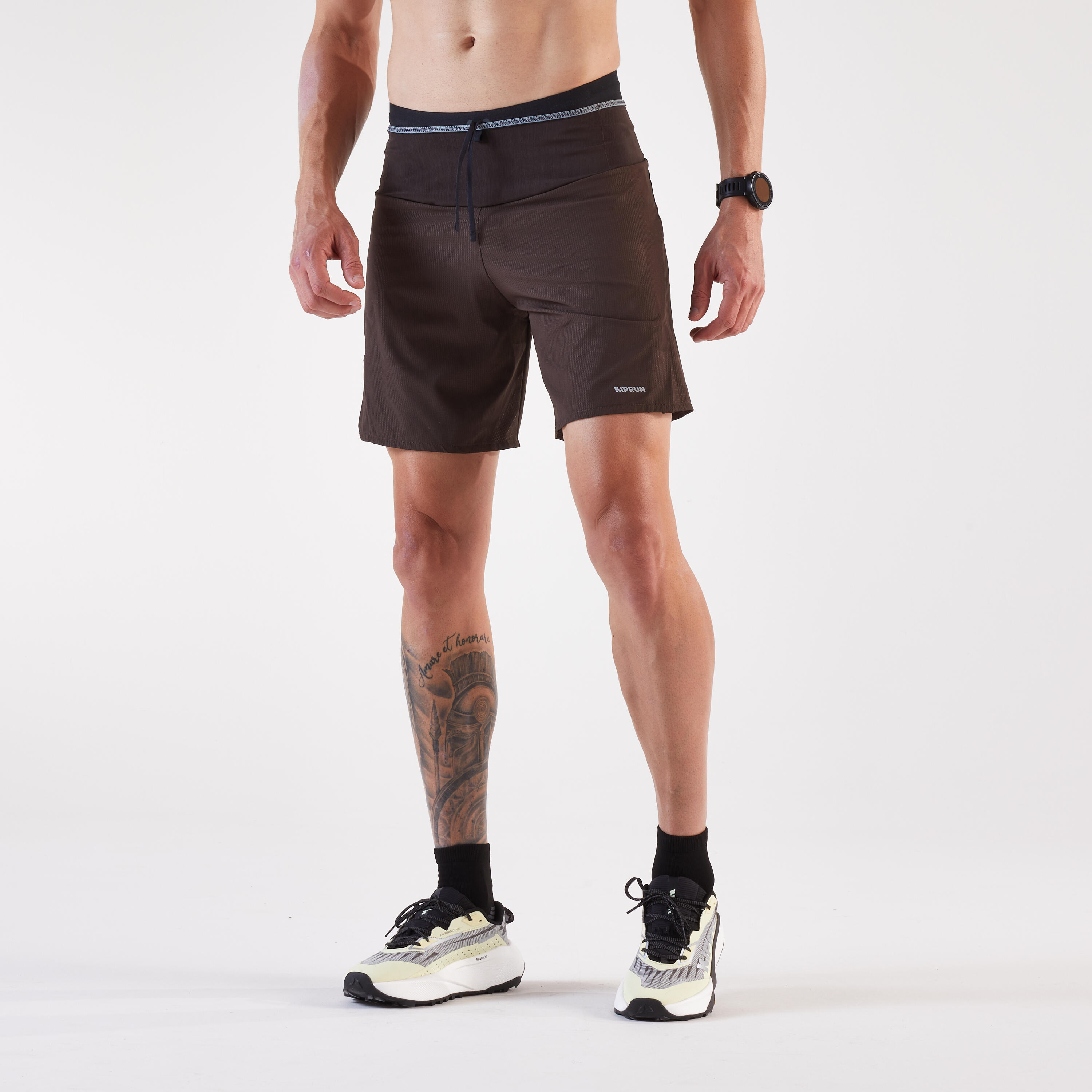
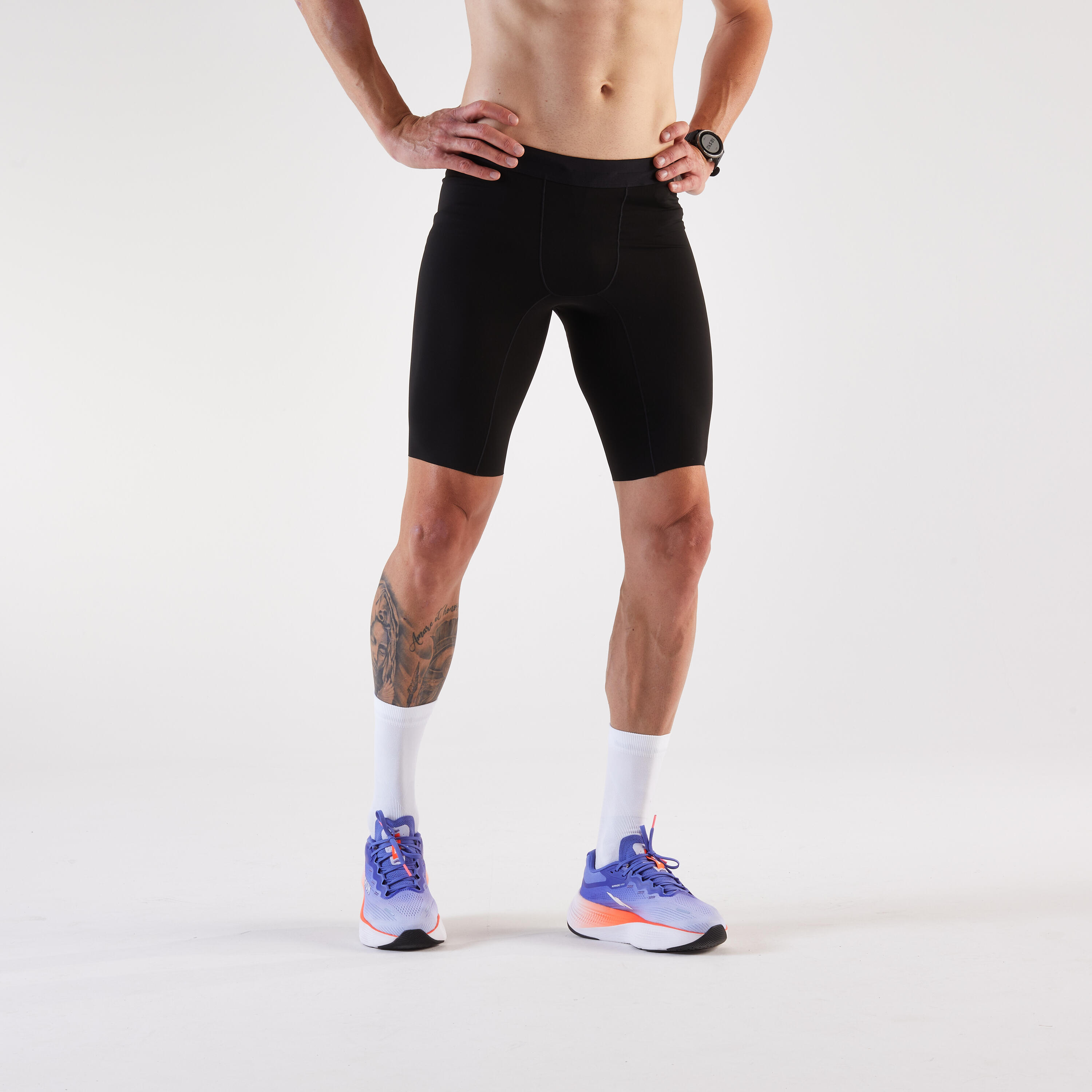
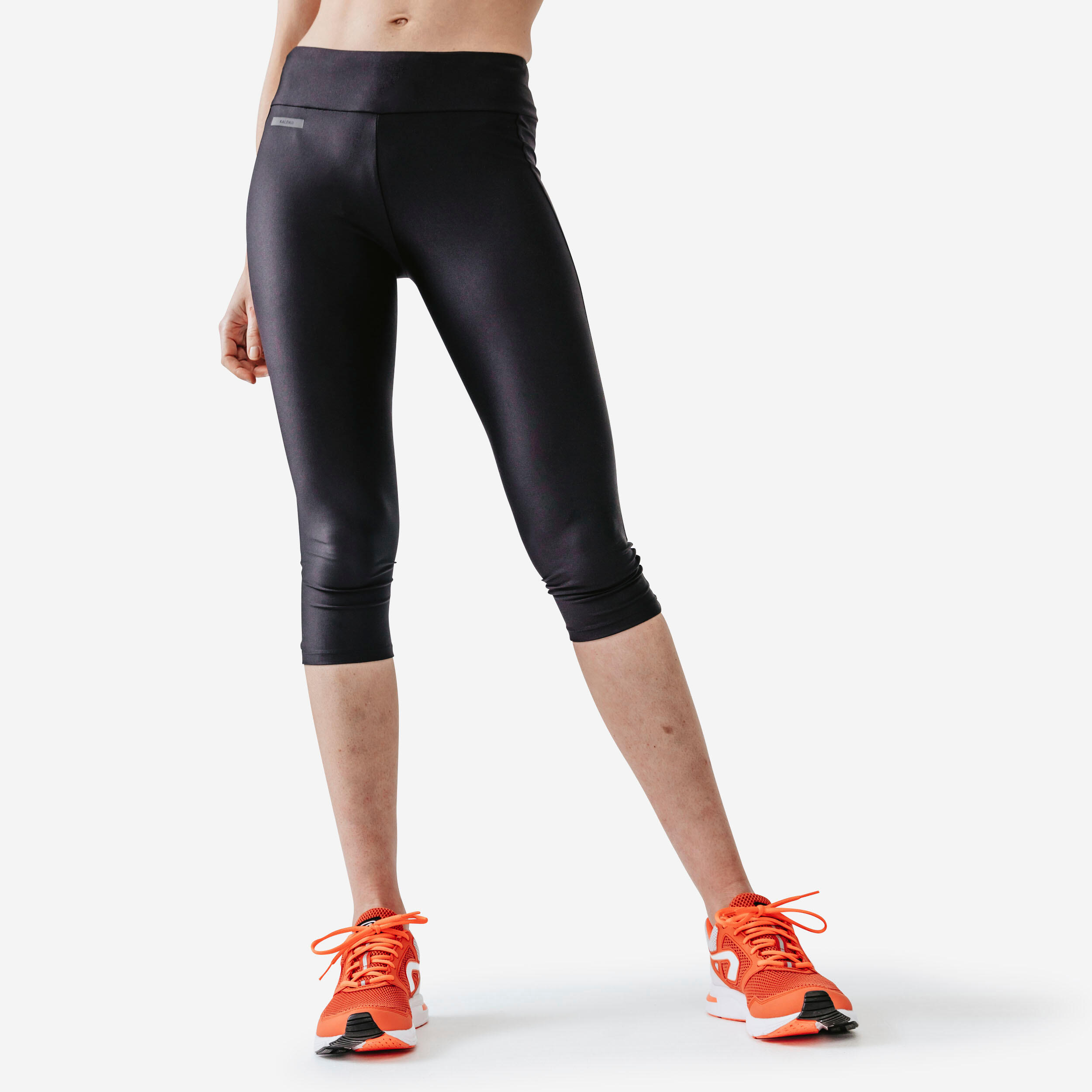
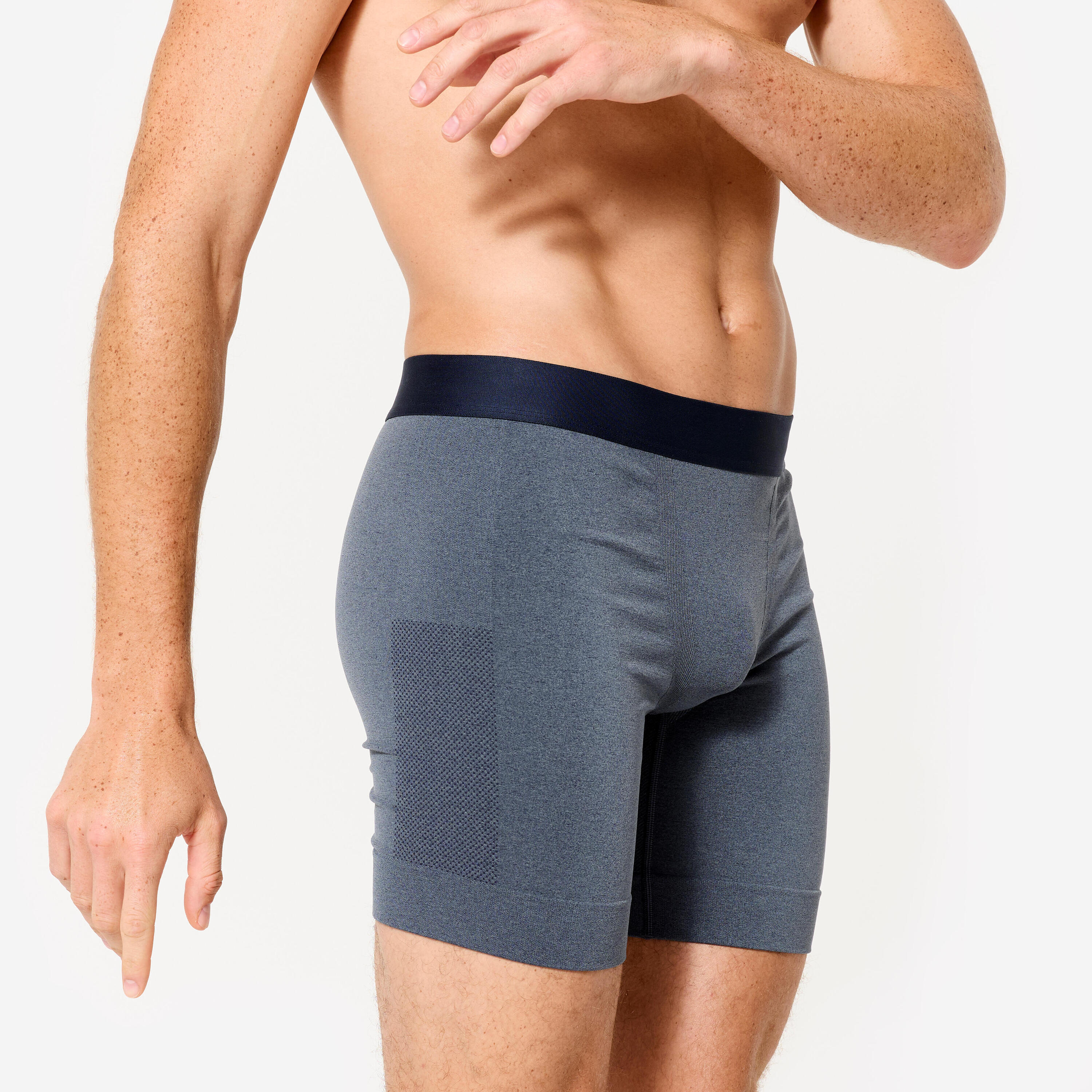
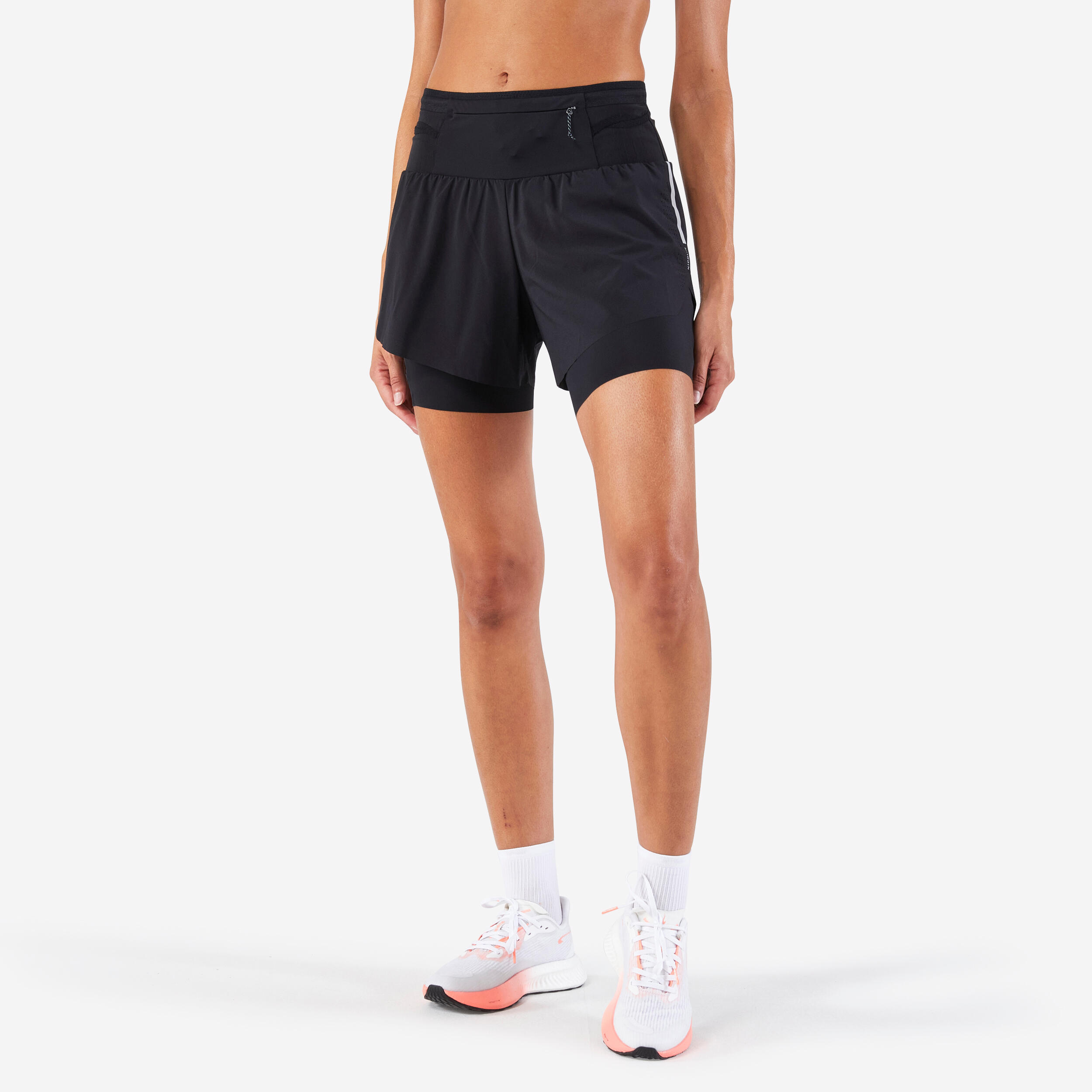
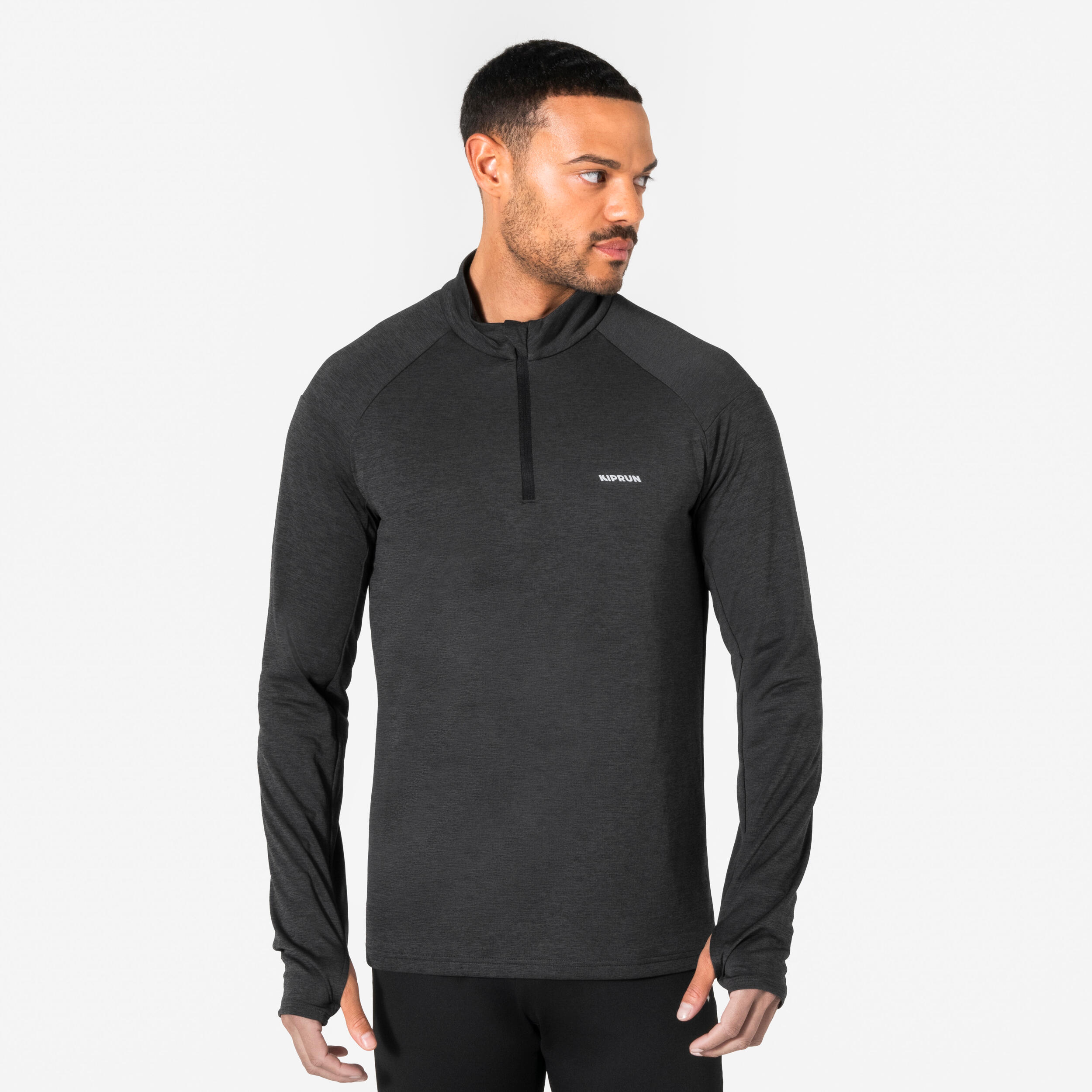
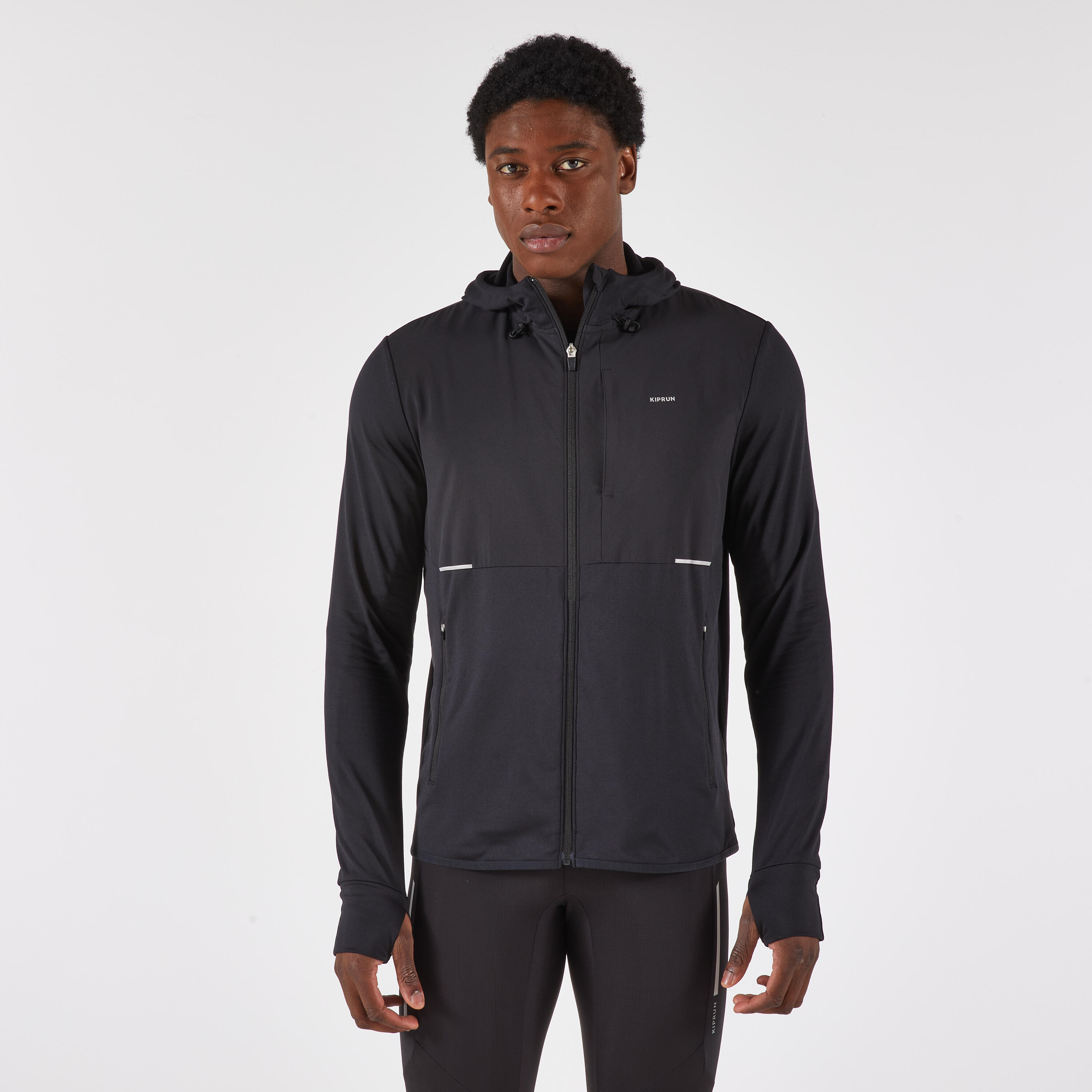
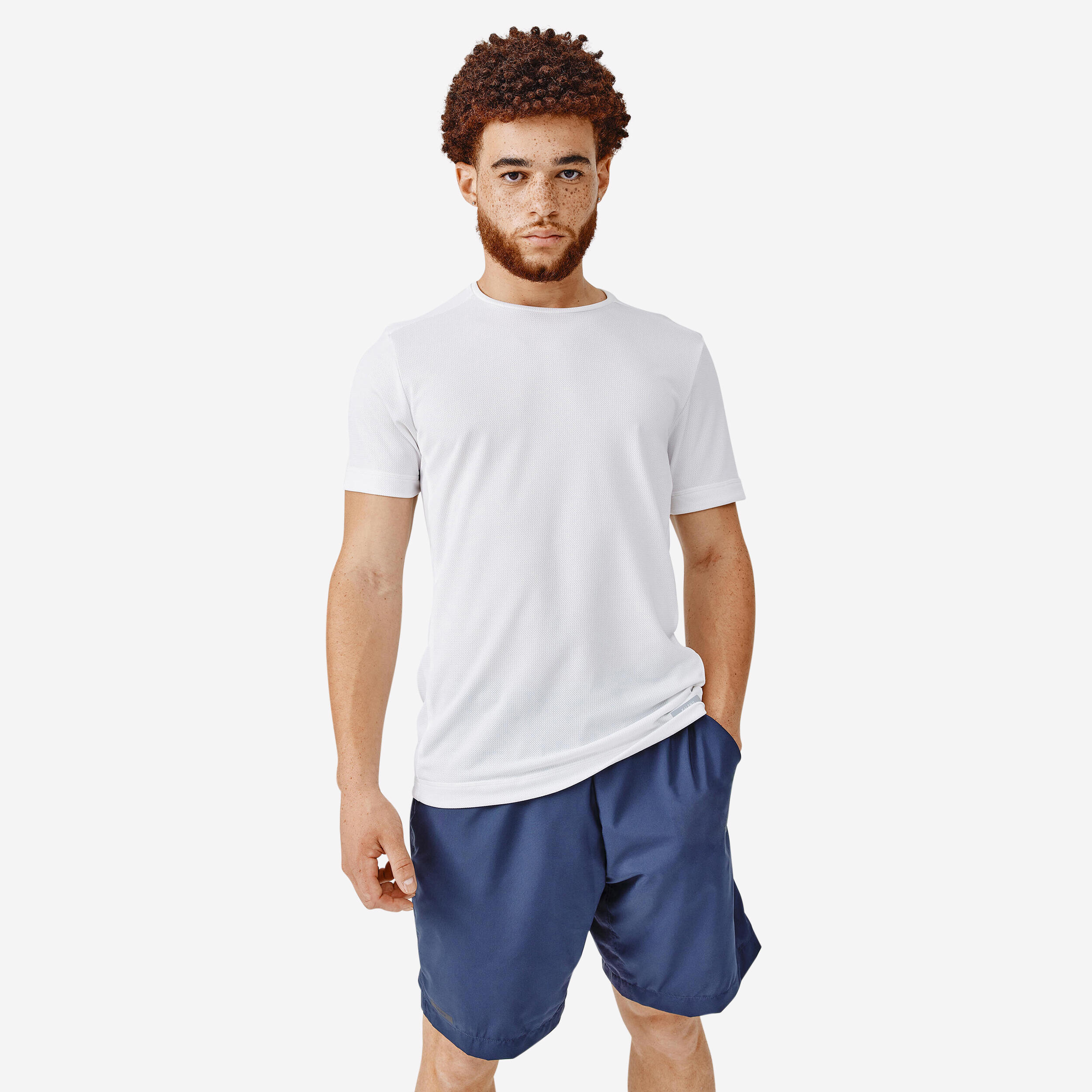
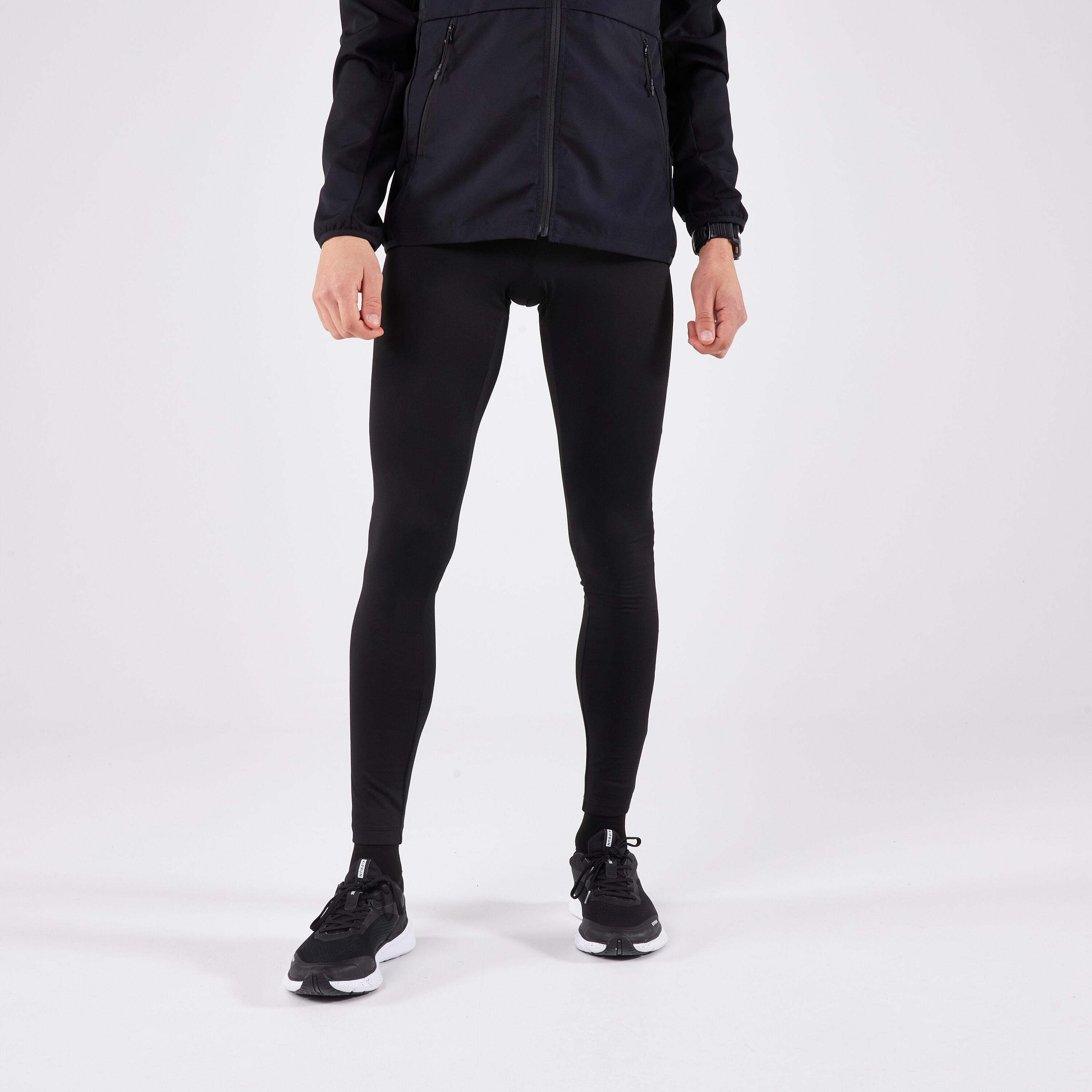
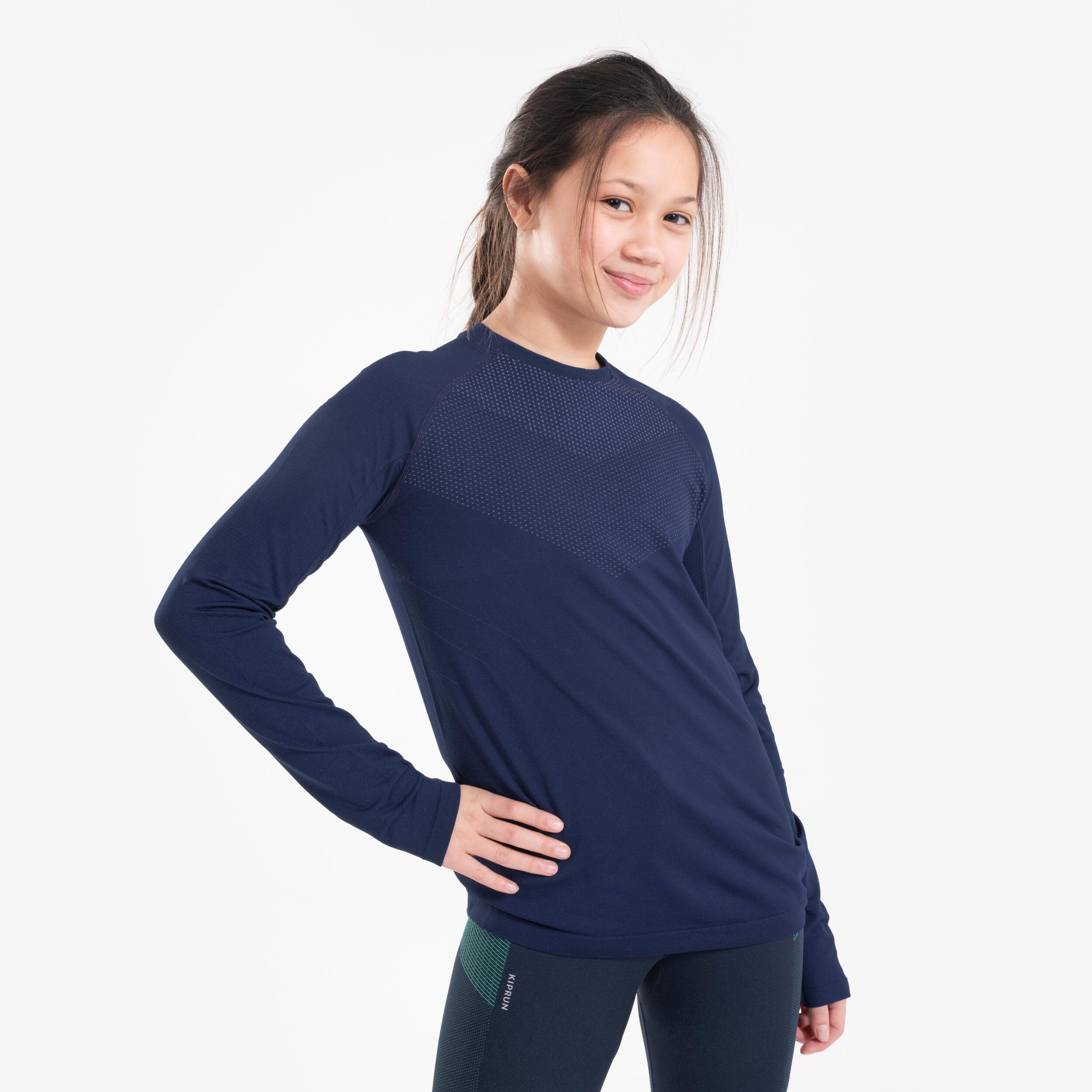
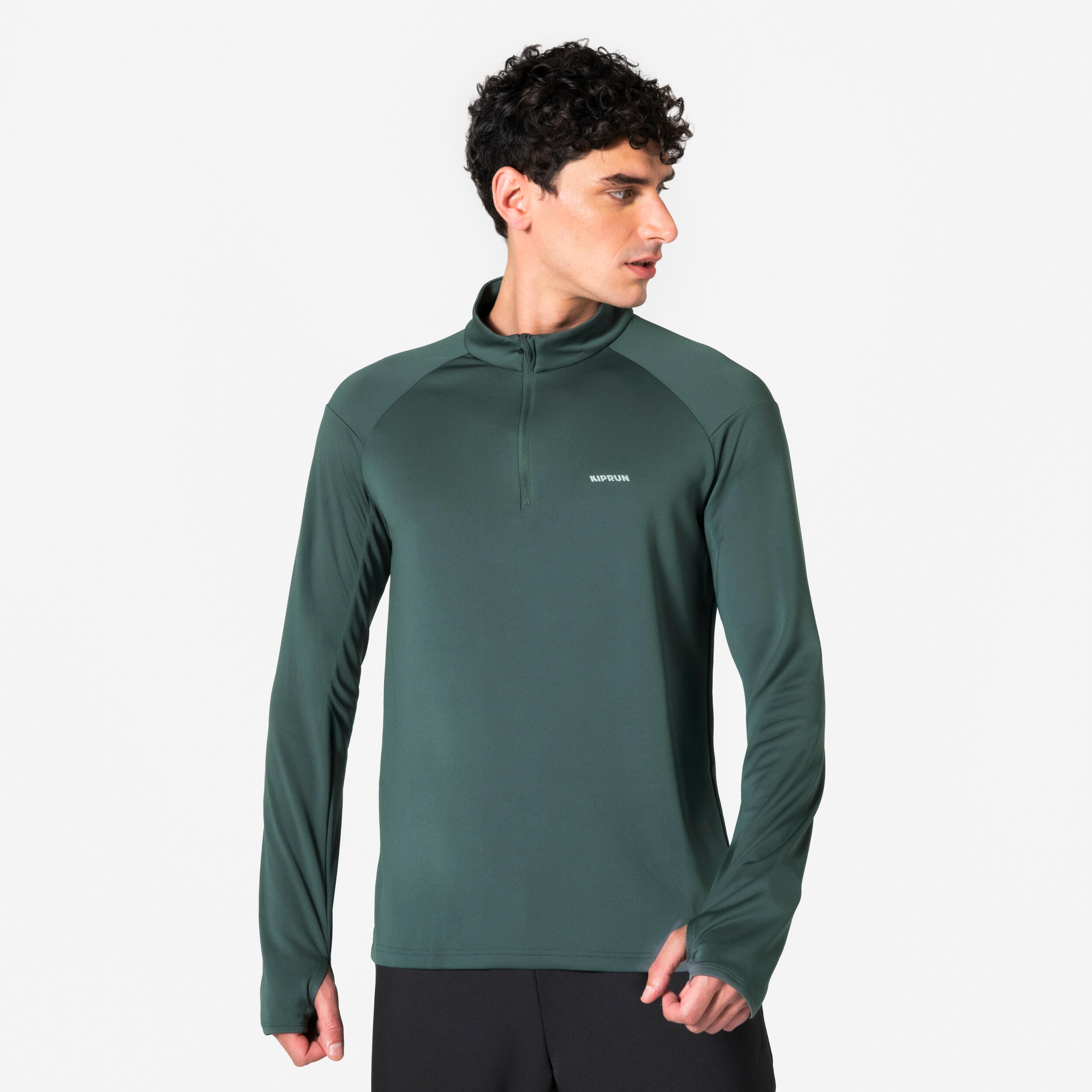
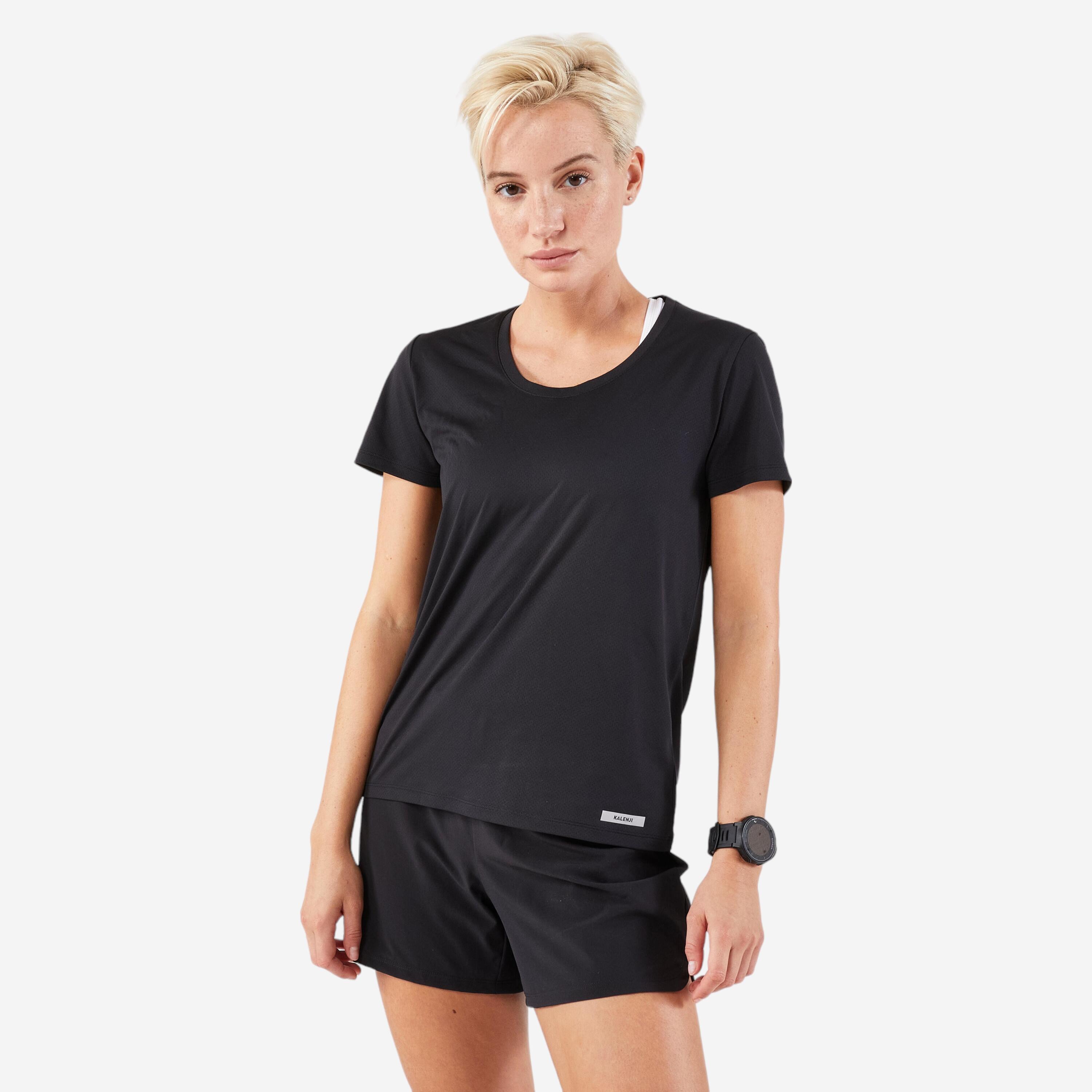
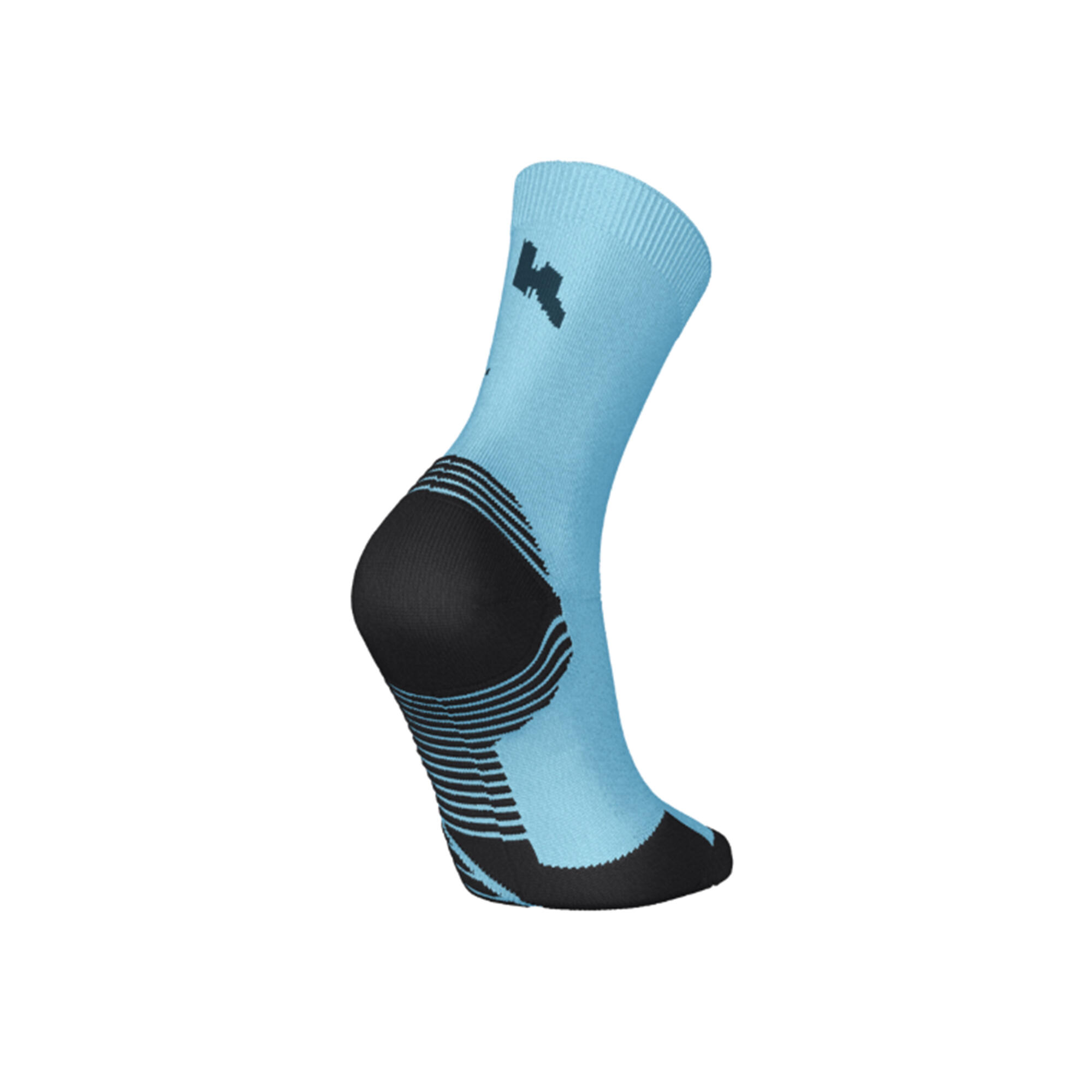
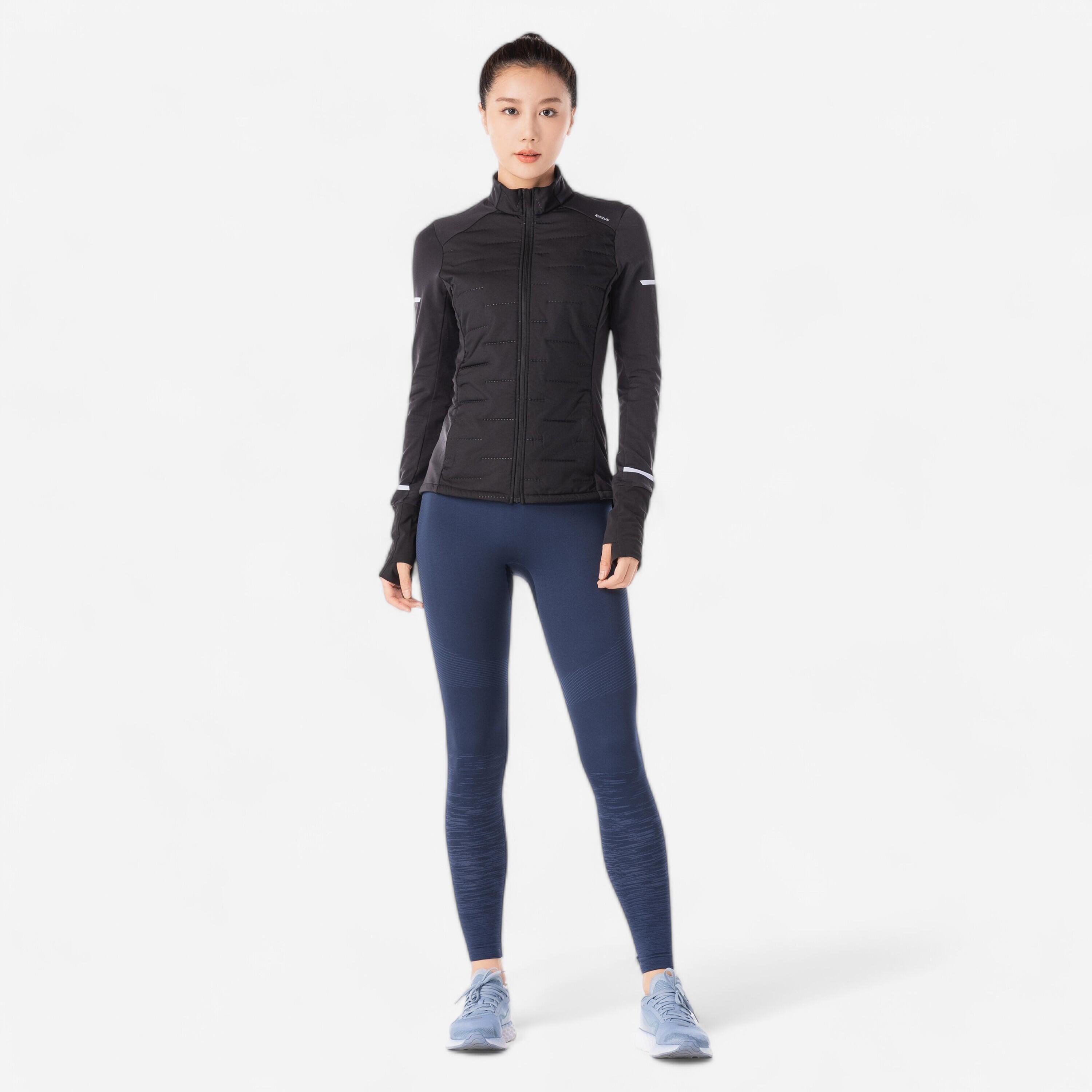
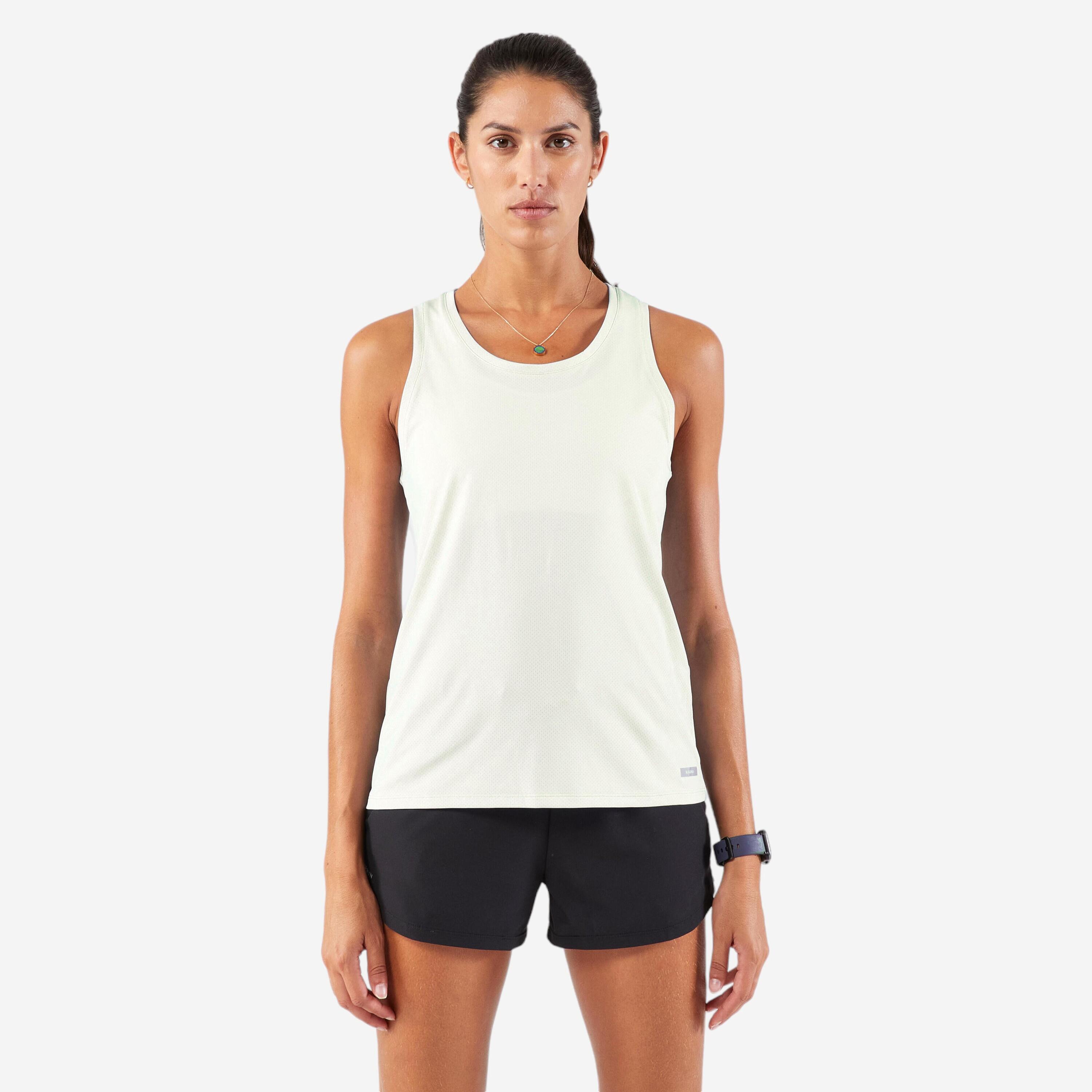
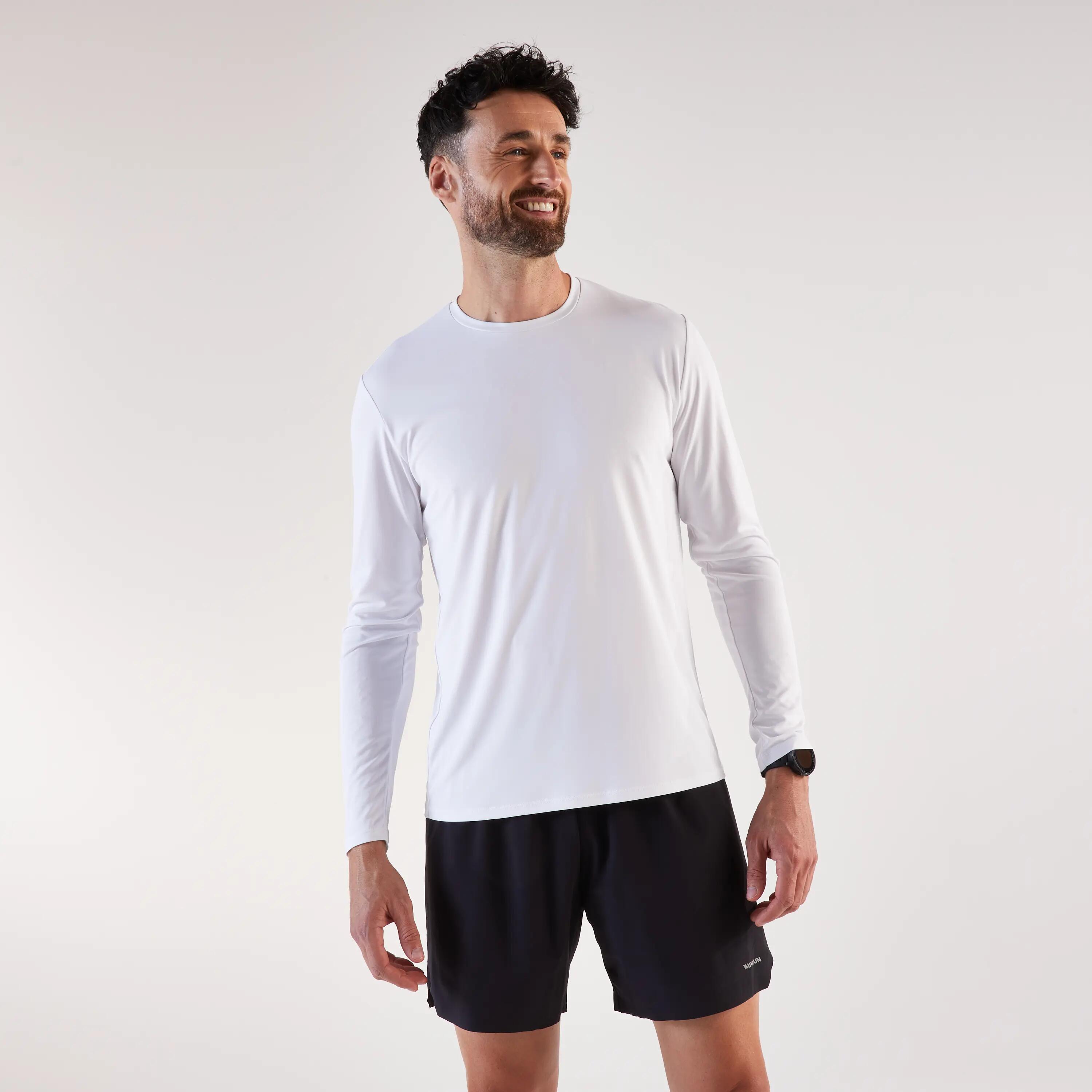
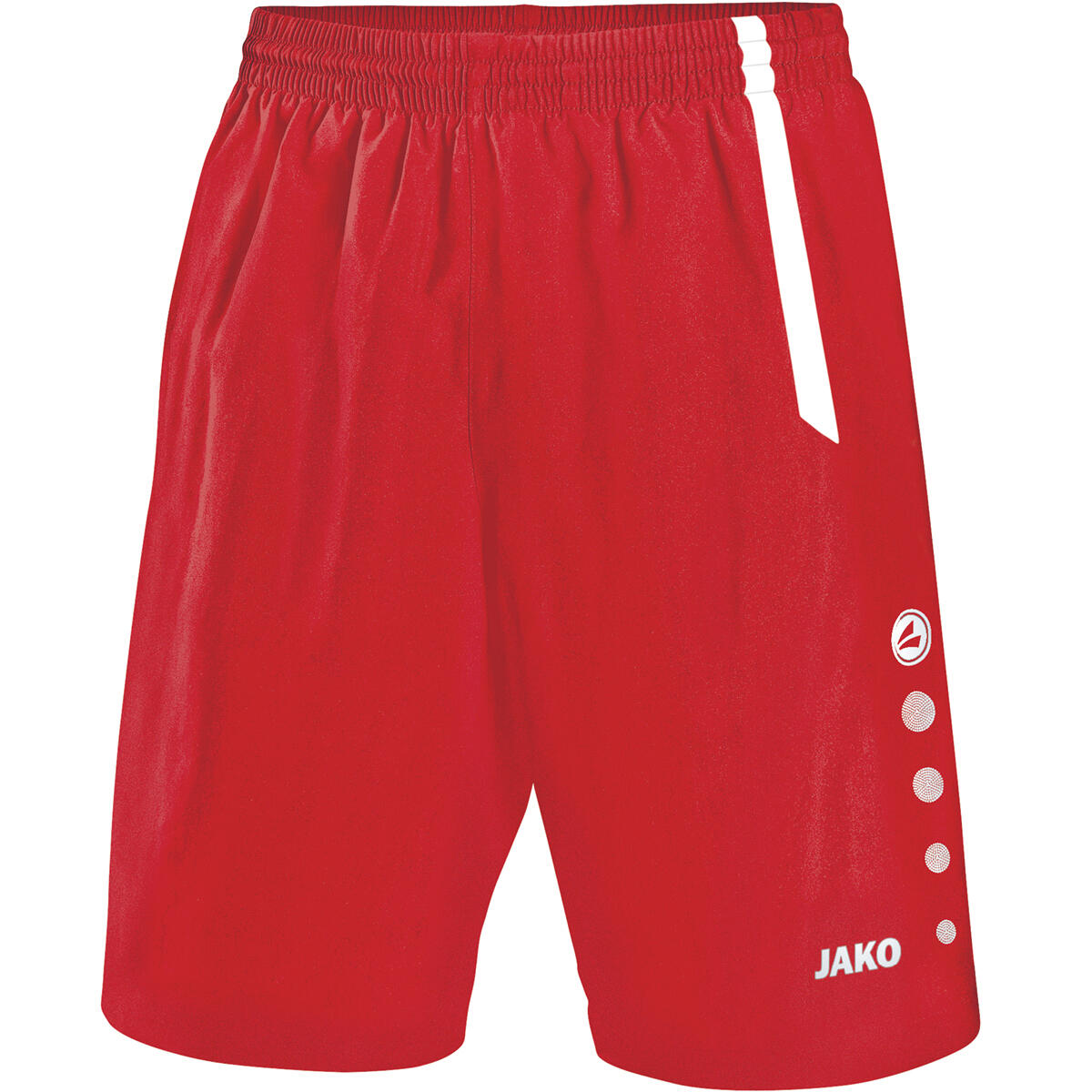
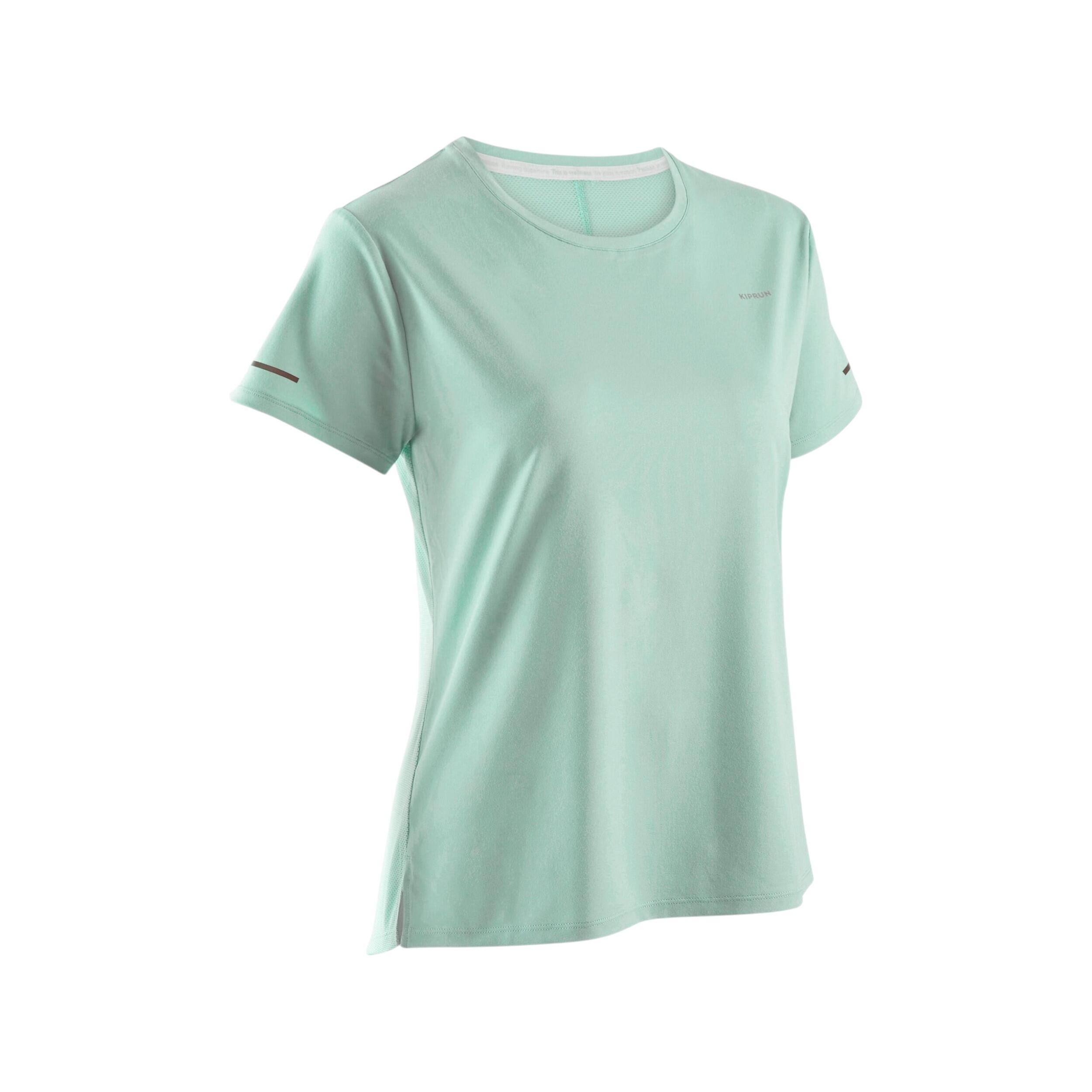
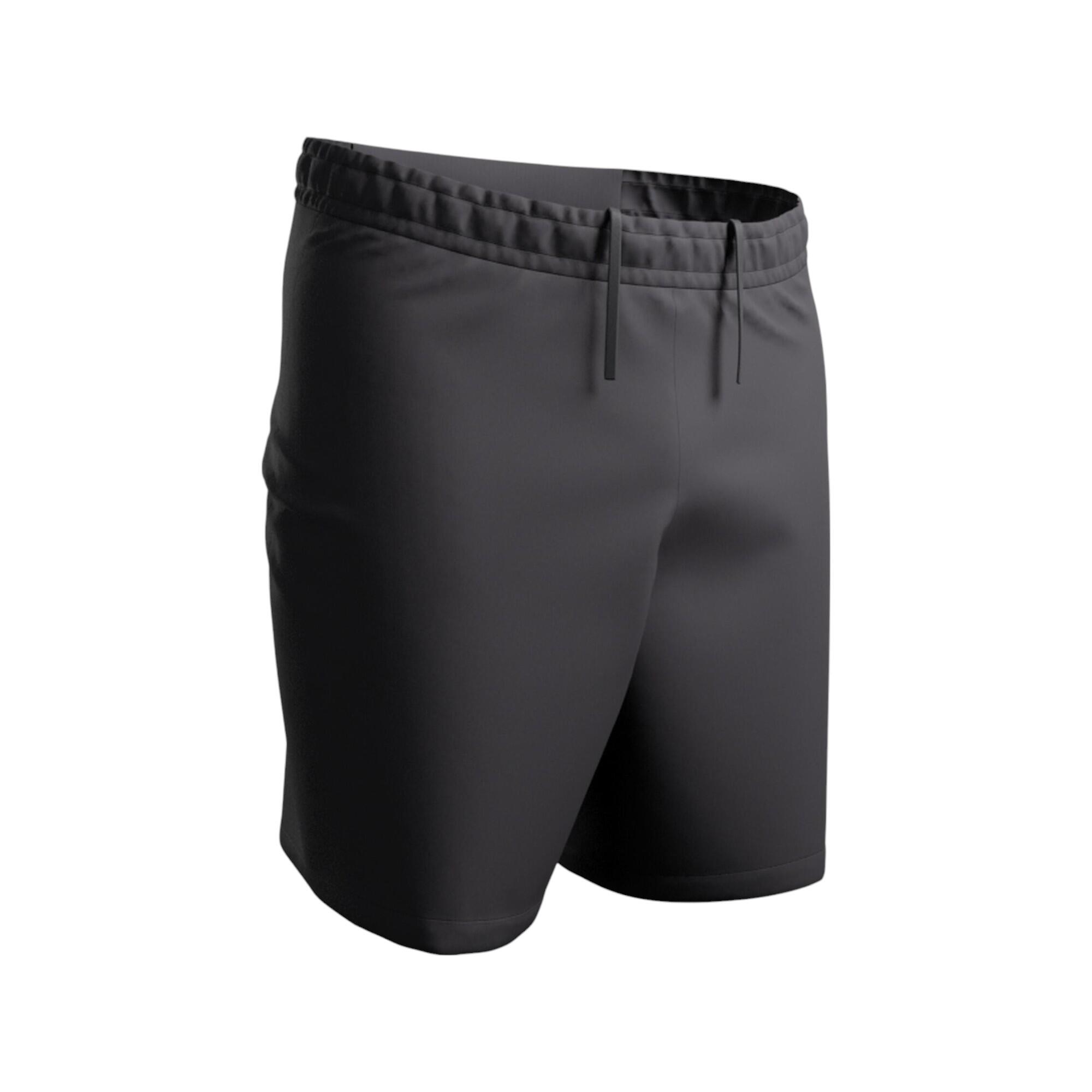
Build your outfit around the event, session intensity, weather and amount of time you expect to spend waiting between efforts. A practical athletics wear setup normally includes a breathable top, flexible bottoms, suitable underwear and socks that remain comfortable inside your shoes. Short sleeves and lightweight shorts can suit warm indoor or outdoor practice, while tights, long sleeves and a removable jacket provide extra coverage in cooler conditions. Children need the same movement and moisture-management principles, but sizing should allow for growth without creating loose fabric that interferes with drills. Choose kids' athletics clothes by height, fit and session needs rather than age alone. Test the complete outfit during training before relying on it for an athletics meeting.
What makes athletics clothes breathable?

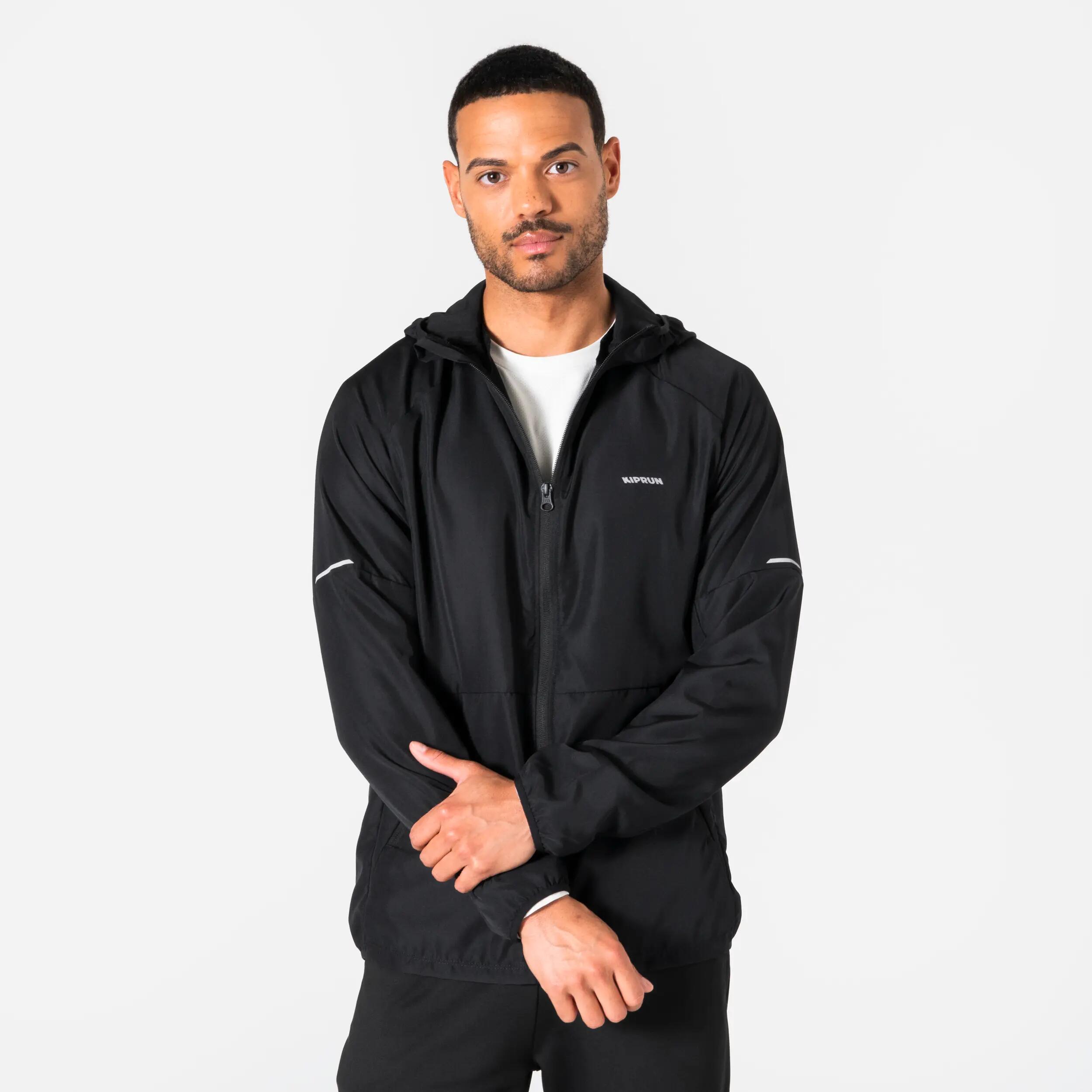
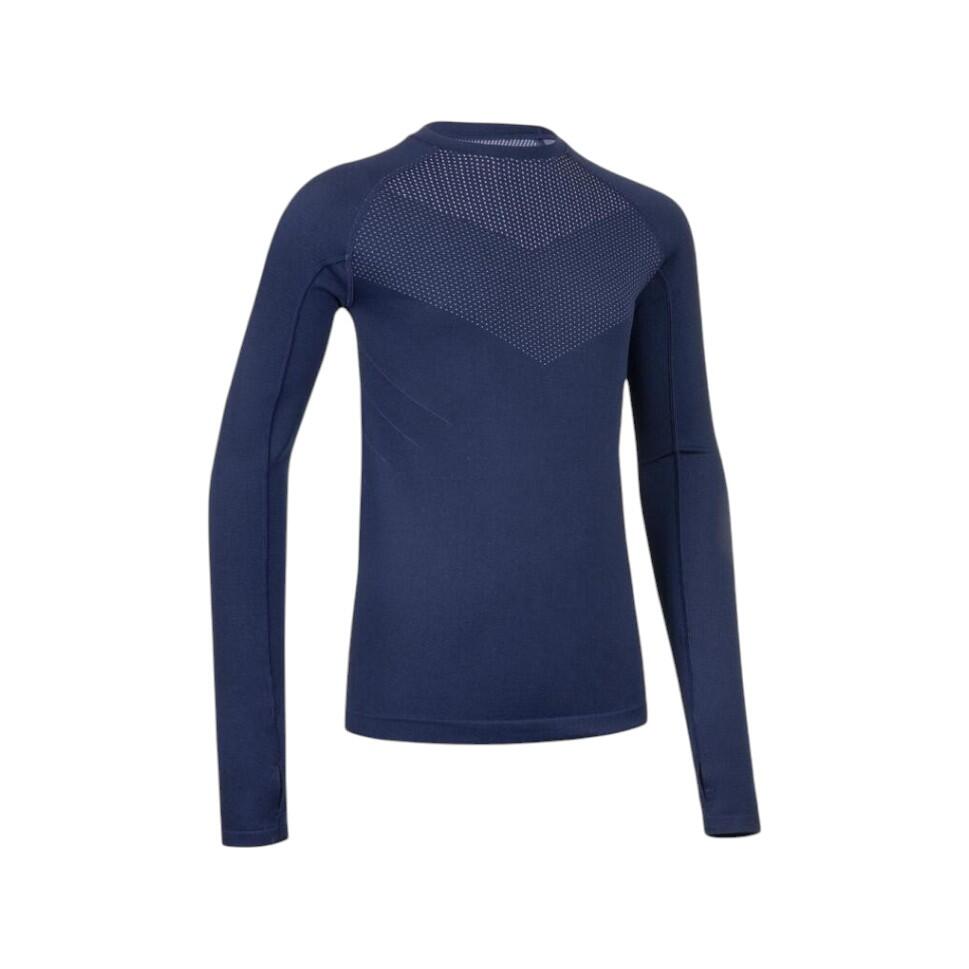
Breathable athletics apparel uses technical fabric and ventilation structures to move perspiration away from your skin and dry more quickly than heavy everyday cotton. Some tops use micro-perforated material across large areas, while seamless garments place more open knit around the back, sides and underarms where heat commonly builds. Shorts and tights also need moisture-managing fabric around the waistband and inner thighs. When choosing men's athletics clothes, consider the fabric structure as well as the garment weight. Lightweight material can still feel damp if it lacks effective moisture transfer. Start with the fewest suitable layers, then add weather protection only when the conditions require it.

How do properly fitted athletics clothes feel?

Athletics sports clothes should support a full range of movement without squeezing, slipping or creating excess fabric around your arms and legs. Raise your knees, swing your arms, squat and bend into a starting position when checking the size. Tops should not pull across the shoulders, while waistbands should remain level during running and jumping. Loose shorts need enough space for longer strides, and fitted garments should stretch without becoming transparent or digging into the skin. When comparing women's athletics clothes, test sports bras, tops and bottoms together because overlapping seams and waistbands can change comfort. Loaded pockets should also remain stable without pulling the garment out of position.

How should you layer athletics wear for changing weather?

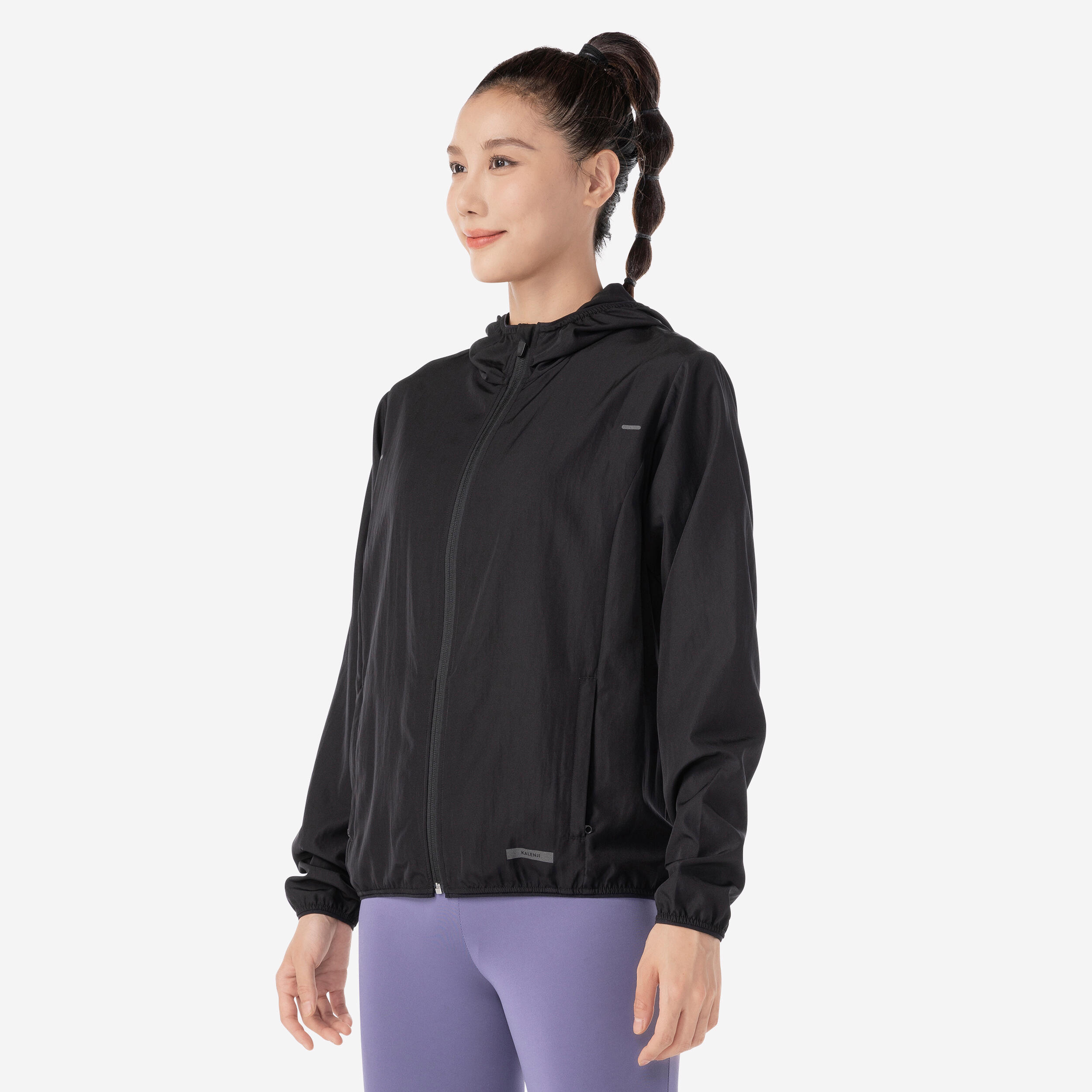
Use several light layers that can be removed individually rather than one bulky garment that becomes difficult to regulate. A close moisture-managing base layer helps move perspiration, while a breathable mid-layer adds warmth during cool practice. Windproof or waterproof protection belongs on the outside when the forecast requires it. Remove unnecessary layers before intense intervals so sweat does not build inside the clothing, then put a dry layer back on during long rests. Small items such as gloves, caps and hydration can be organised with suitable athletics accessories. Keep every layer loose enough for normal shoulder, hip and knee movement, and avoid stacking several tight garments around the same joint.

How do you organise athletics clothing before an event?

Wear and wash every garment before the event so you know how the fabric, seams and waistbands behave once you begin moving and perspiring. Check drawcords, pocket zips, inner liners and sports-bra straps for wear, then remove anything that may bounce during your event. Pack your competition outfit separately from muddy footwear and include dry clothes for the journey home. Keep your number, pins, timetable and spare layers with your athletics competition essentials so nothing is misplaced during the warm-up. Most technical tops and bottoms should be washed at 30 degrees Celsius and air-dried. Avoid fabric softener, high heat and harsh treatments that may affect stretch or moisture management.