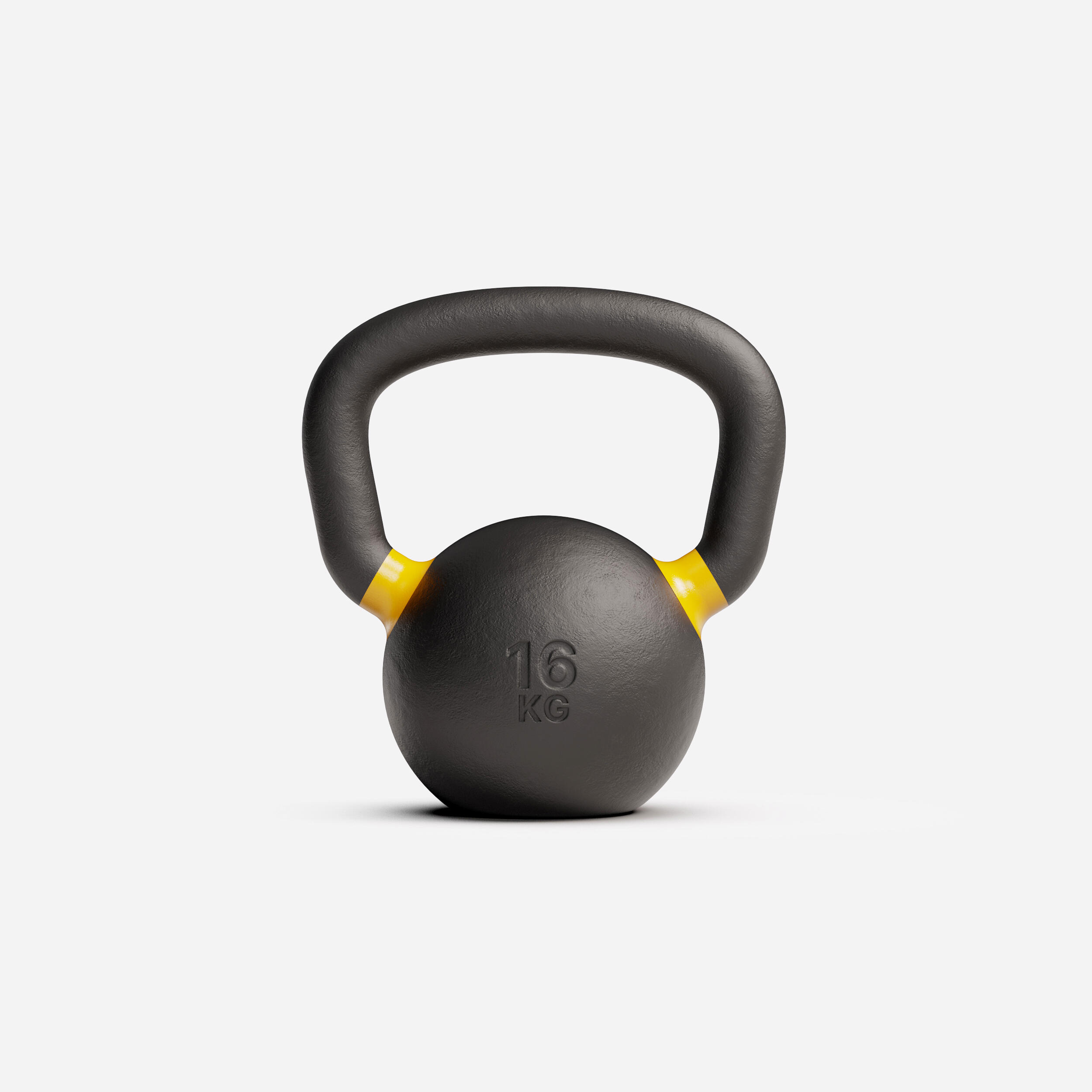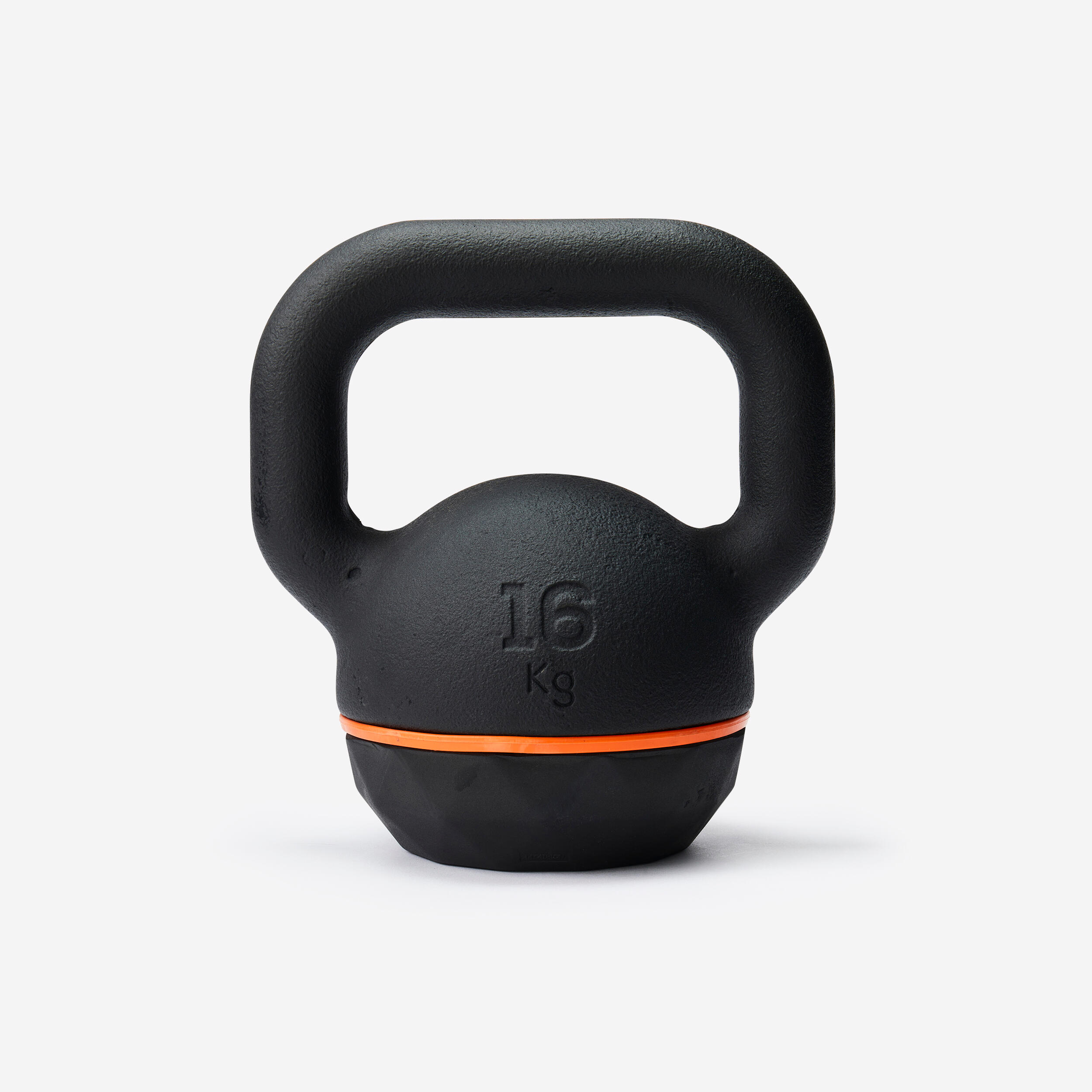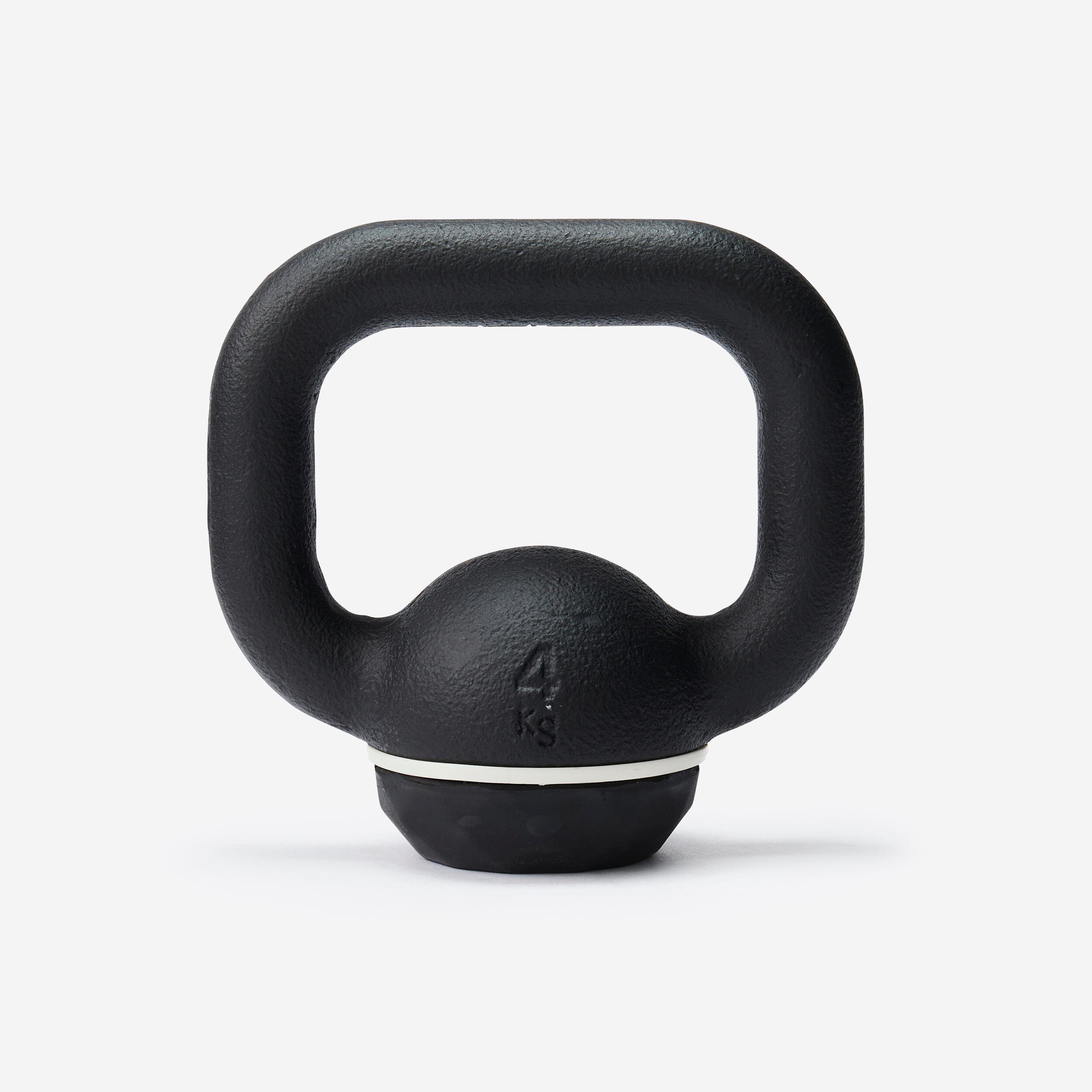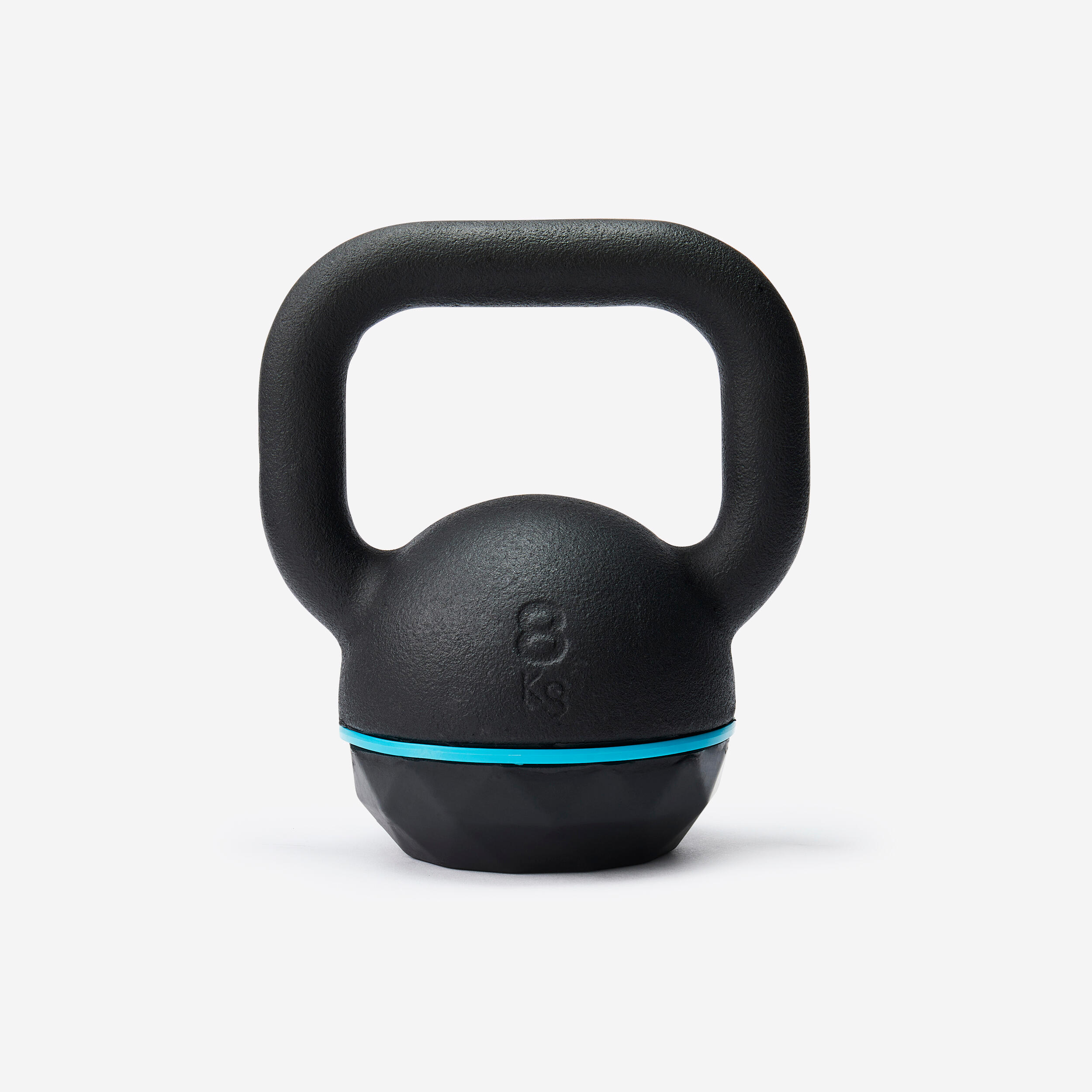
49 items
4.8/5 based on 3830 reviews collected online and in stores

Cross Training Kettlebells FAQs

How do I choose the right cross training kettlebell weight for my level?

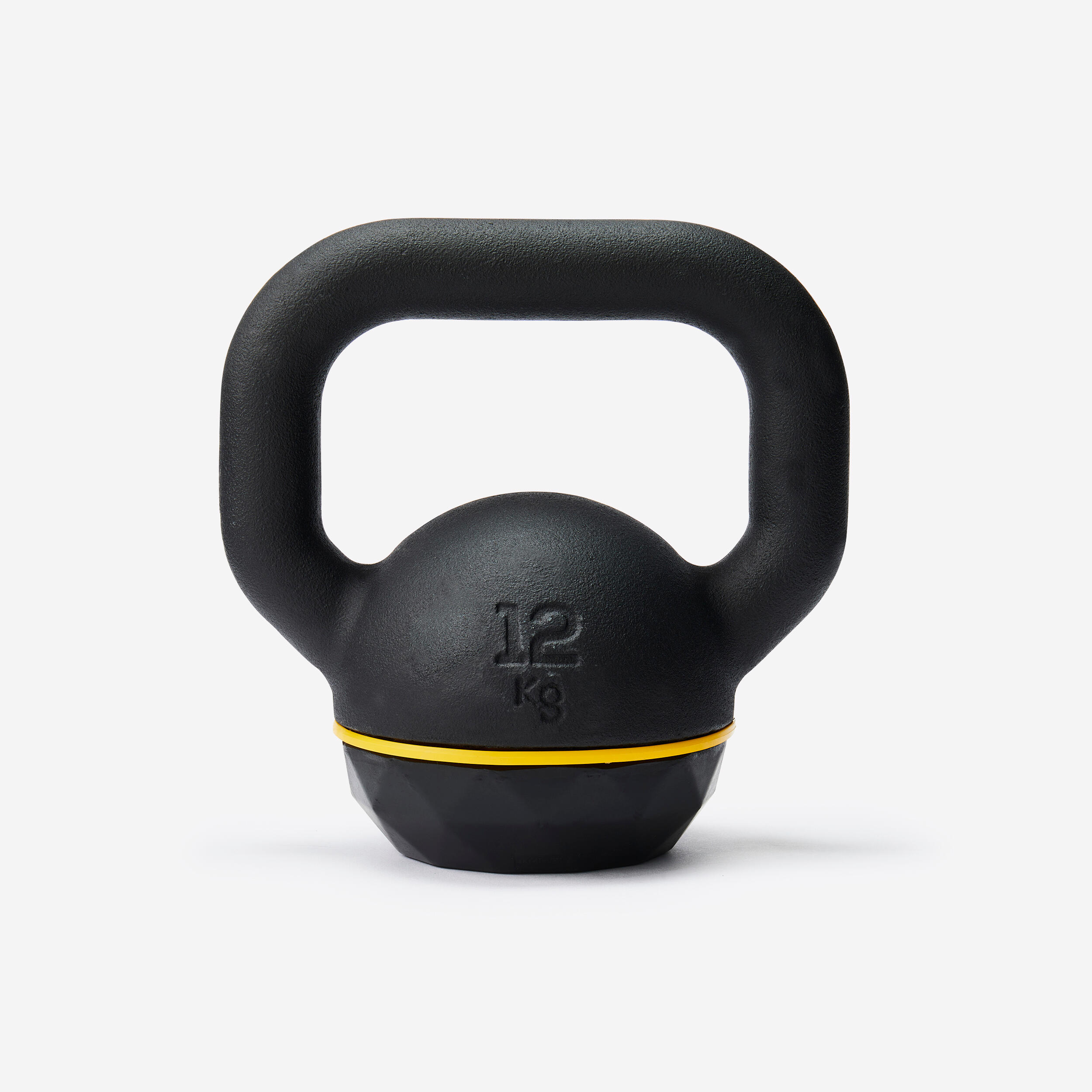
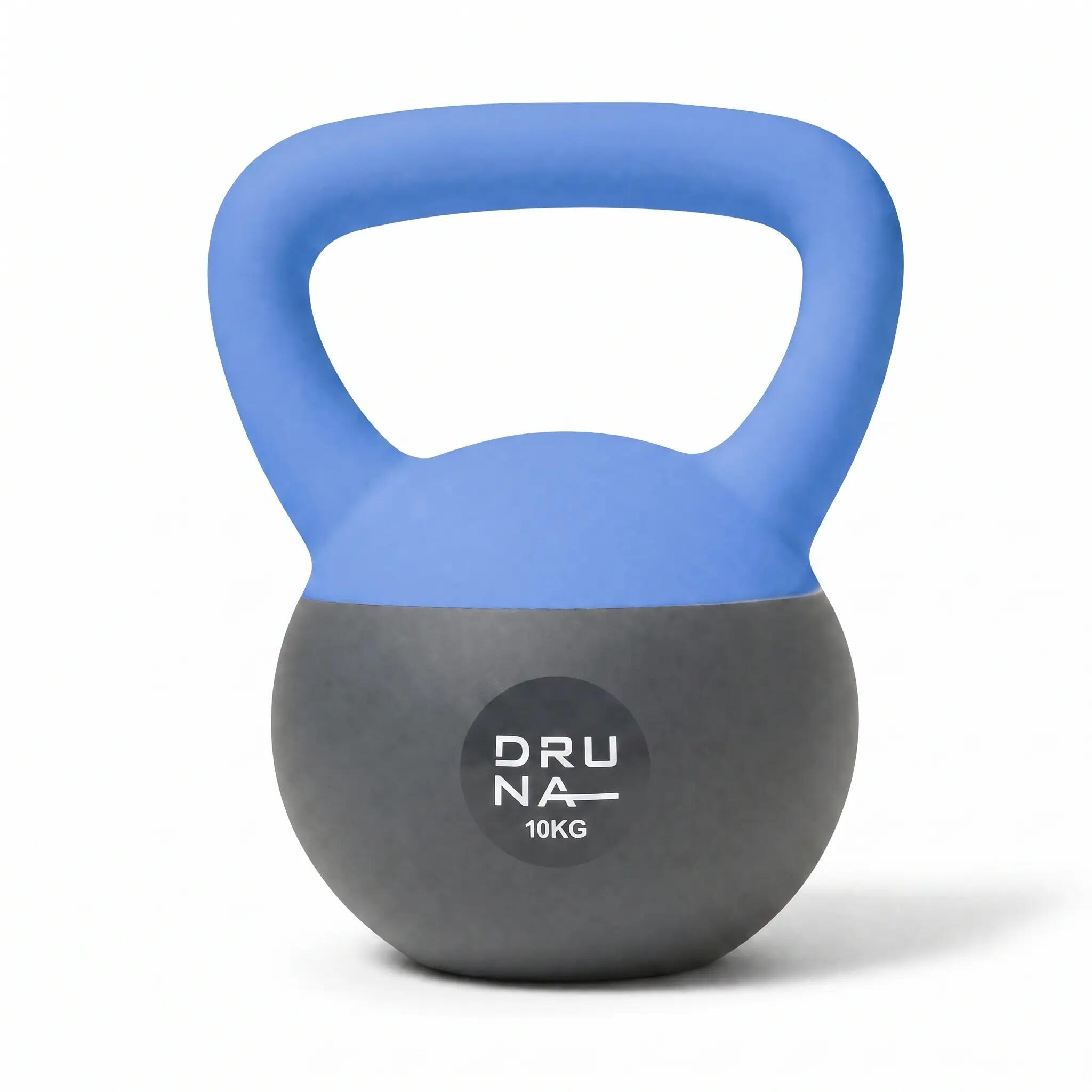
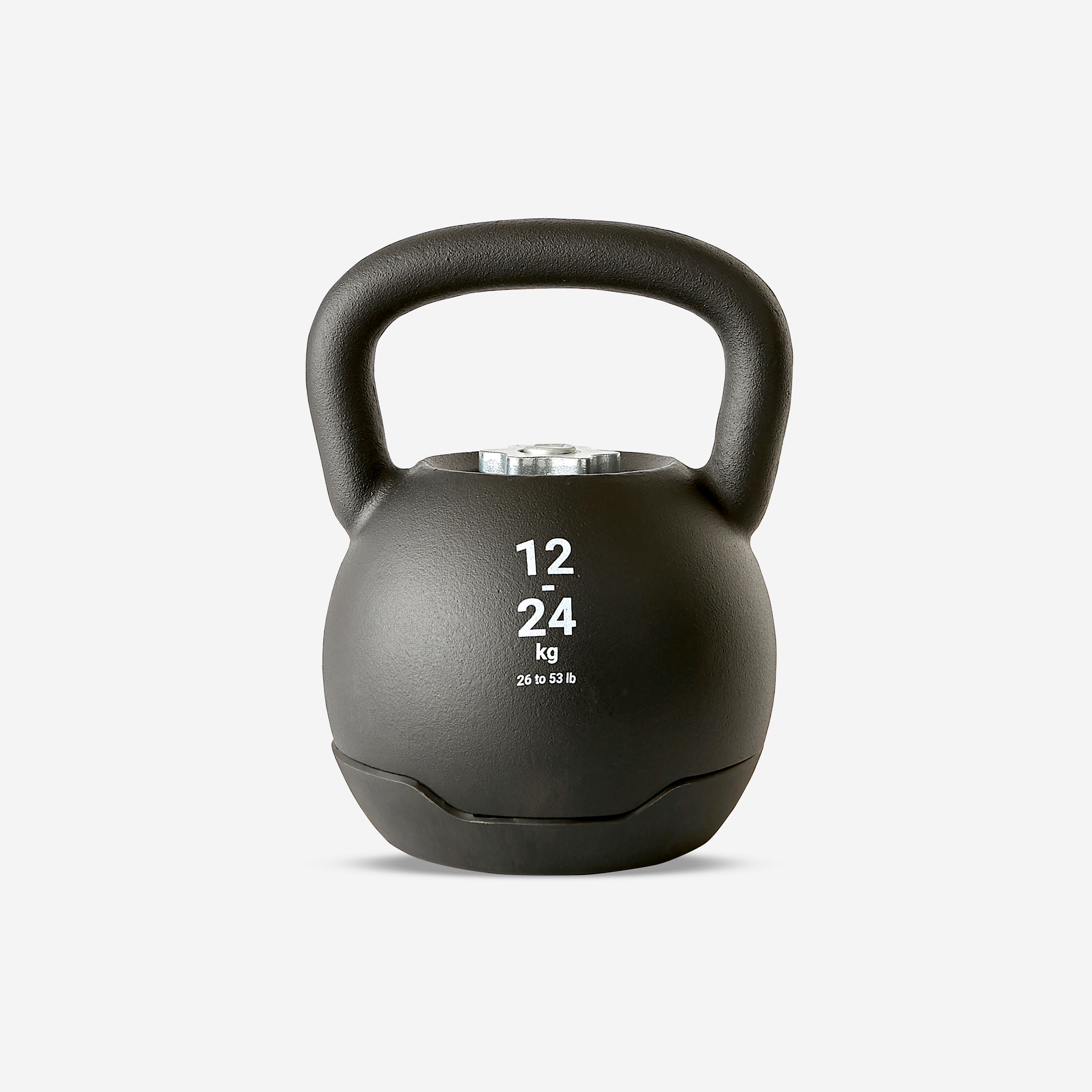
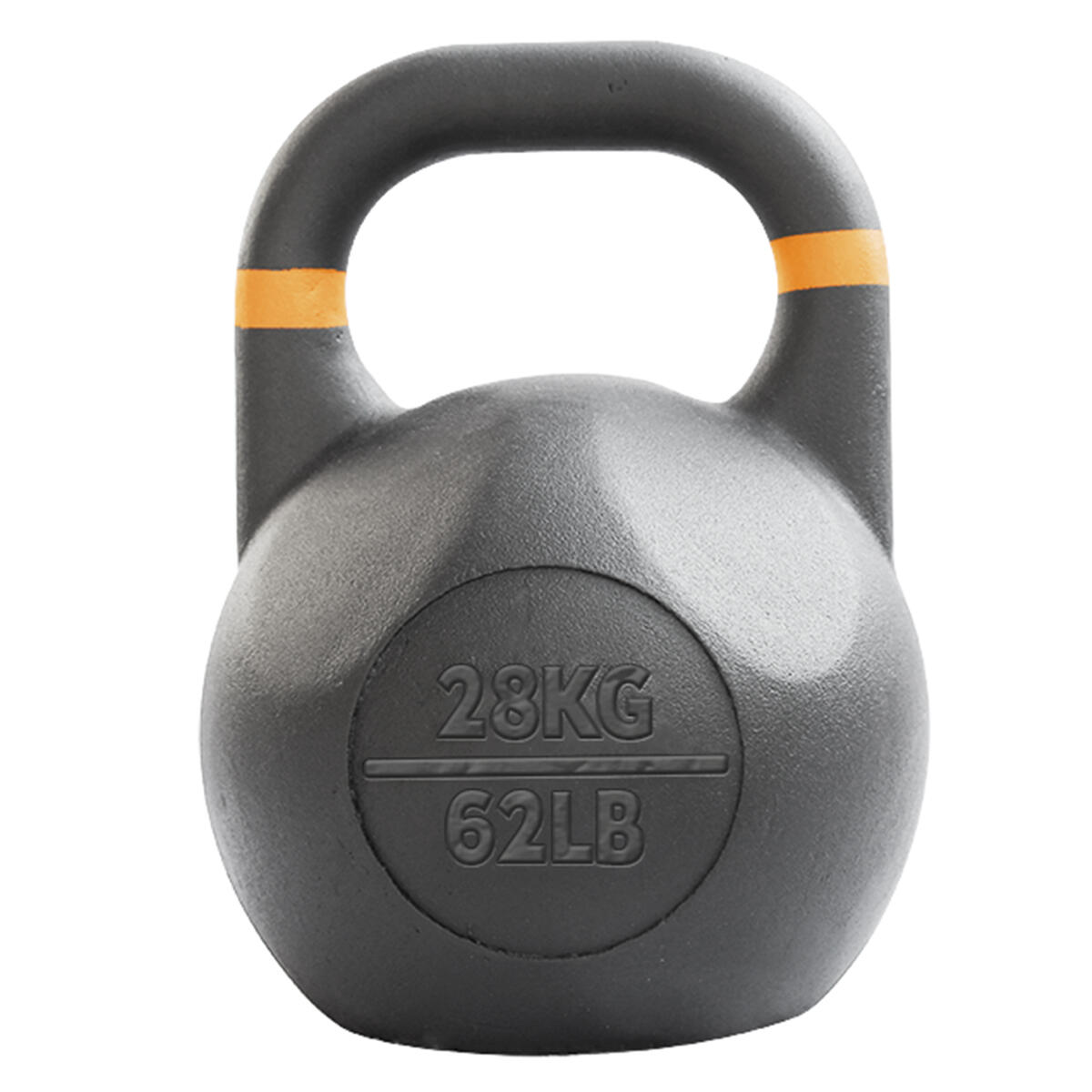
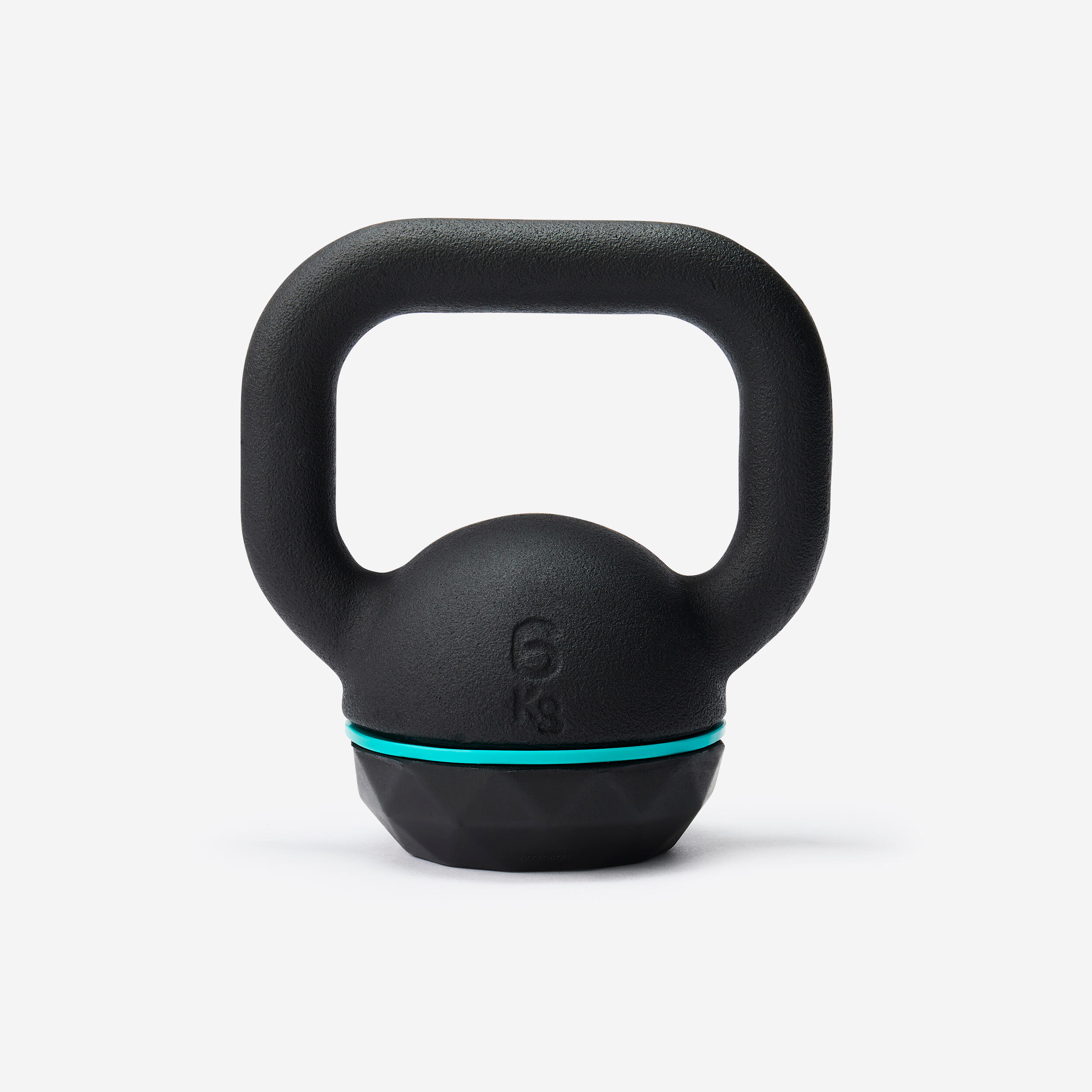
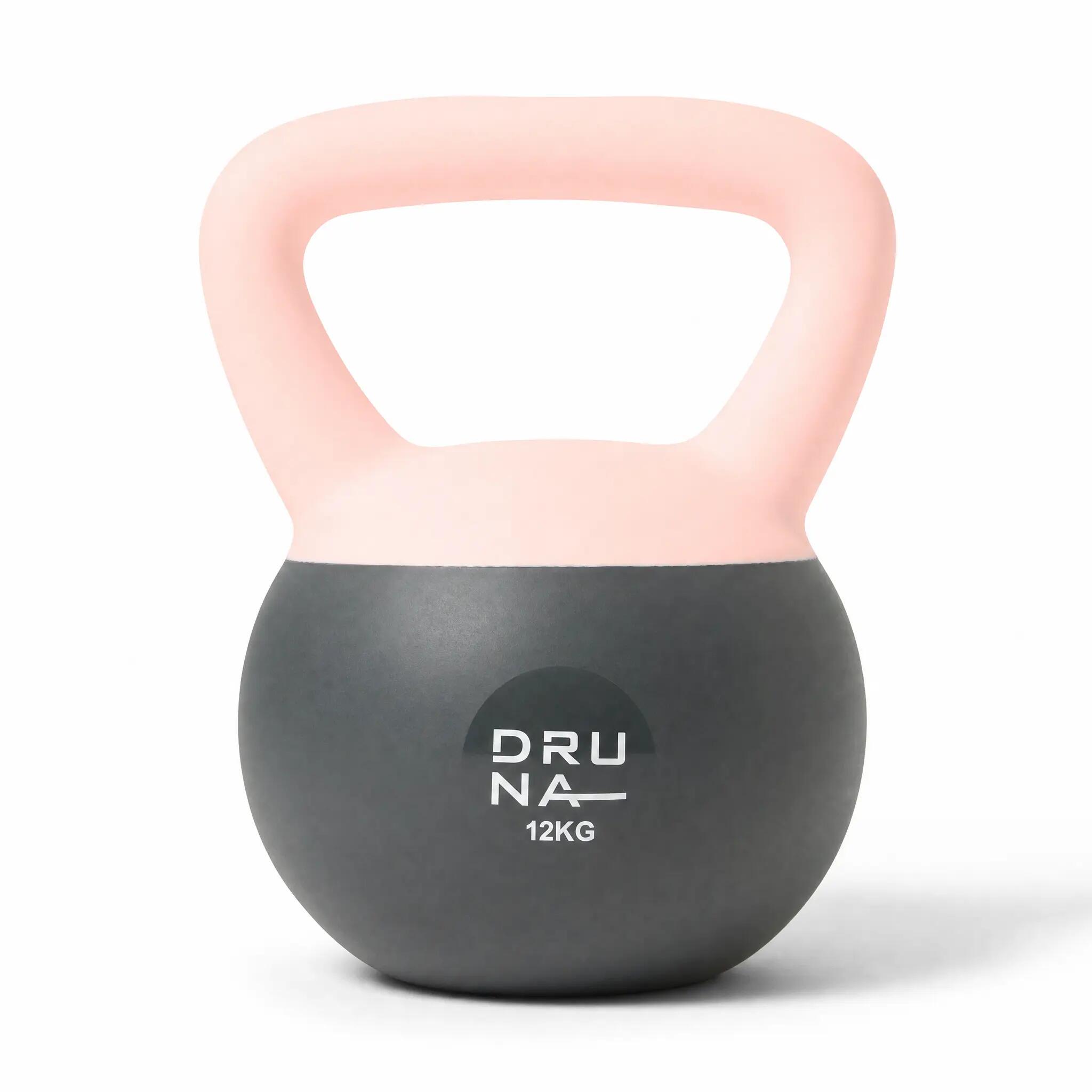
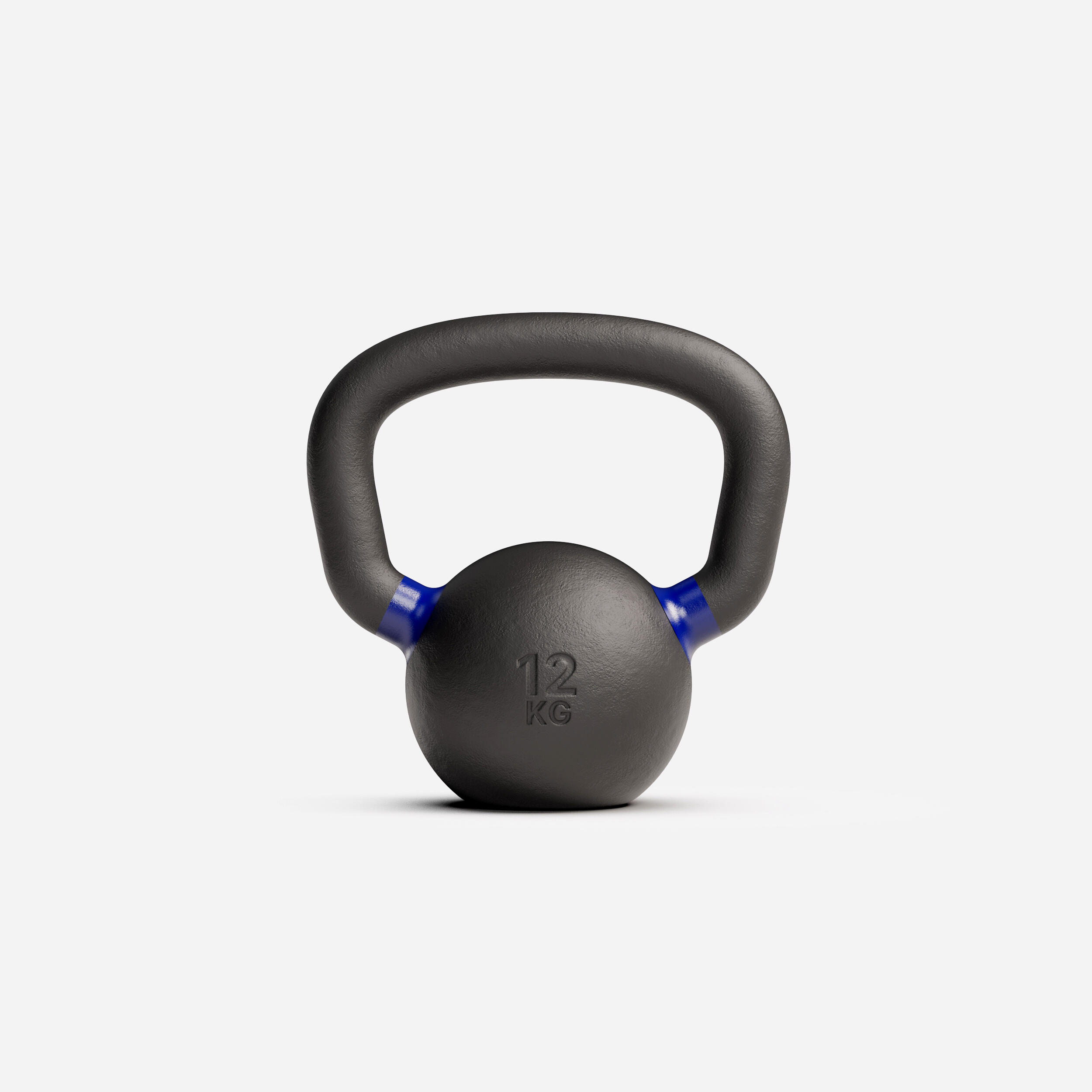
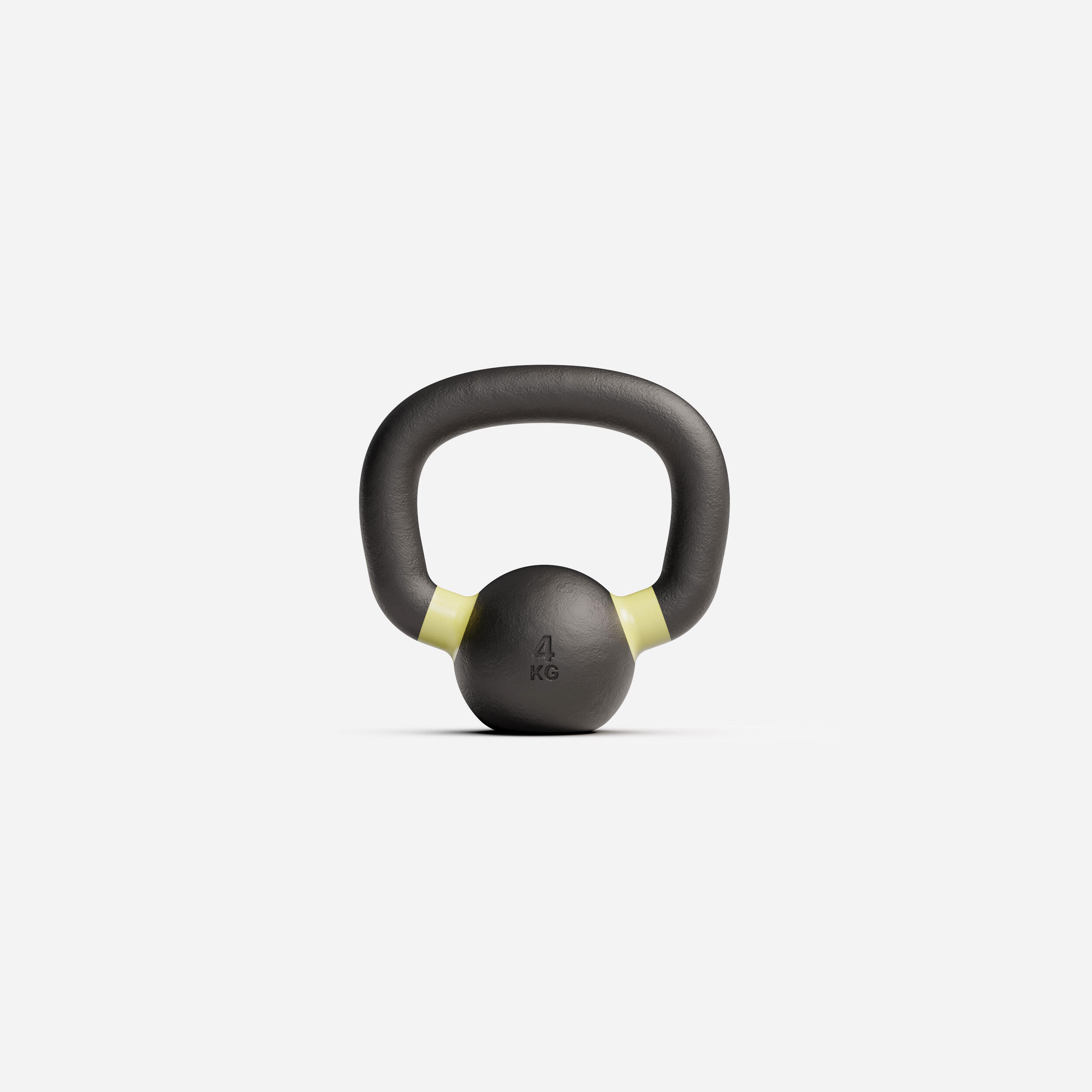
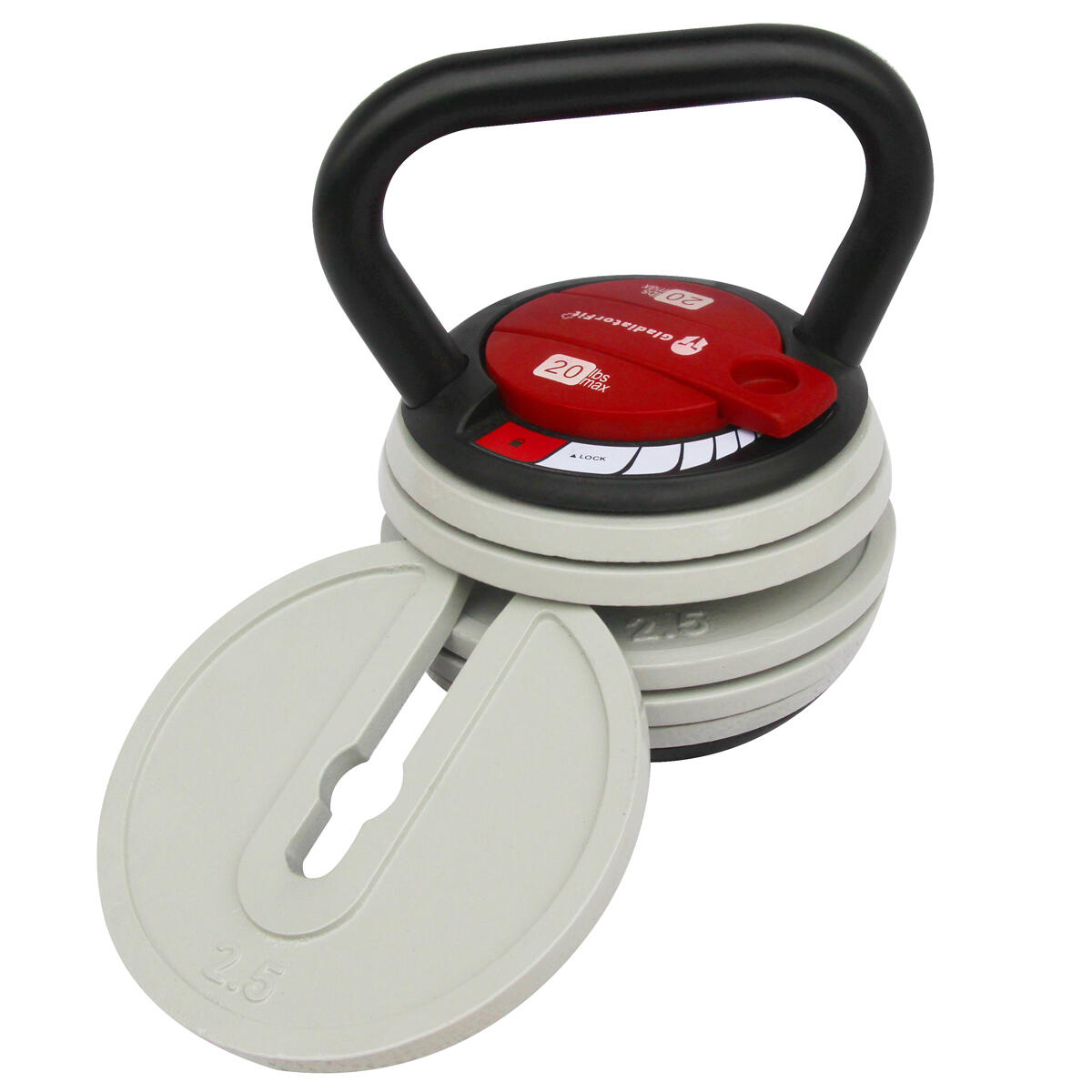
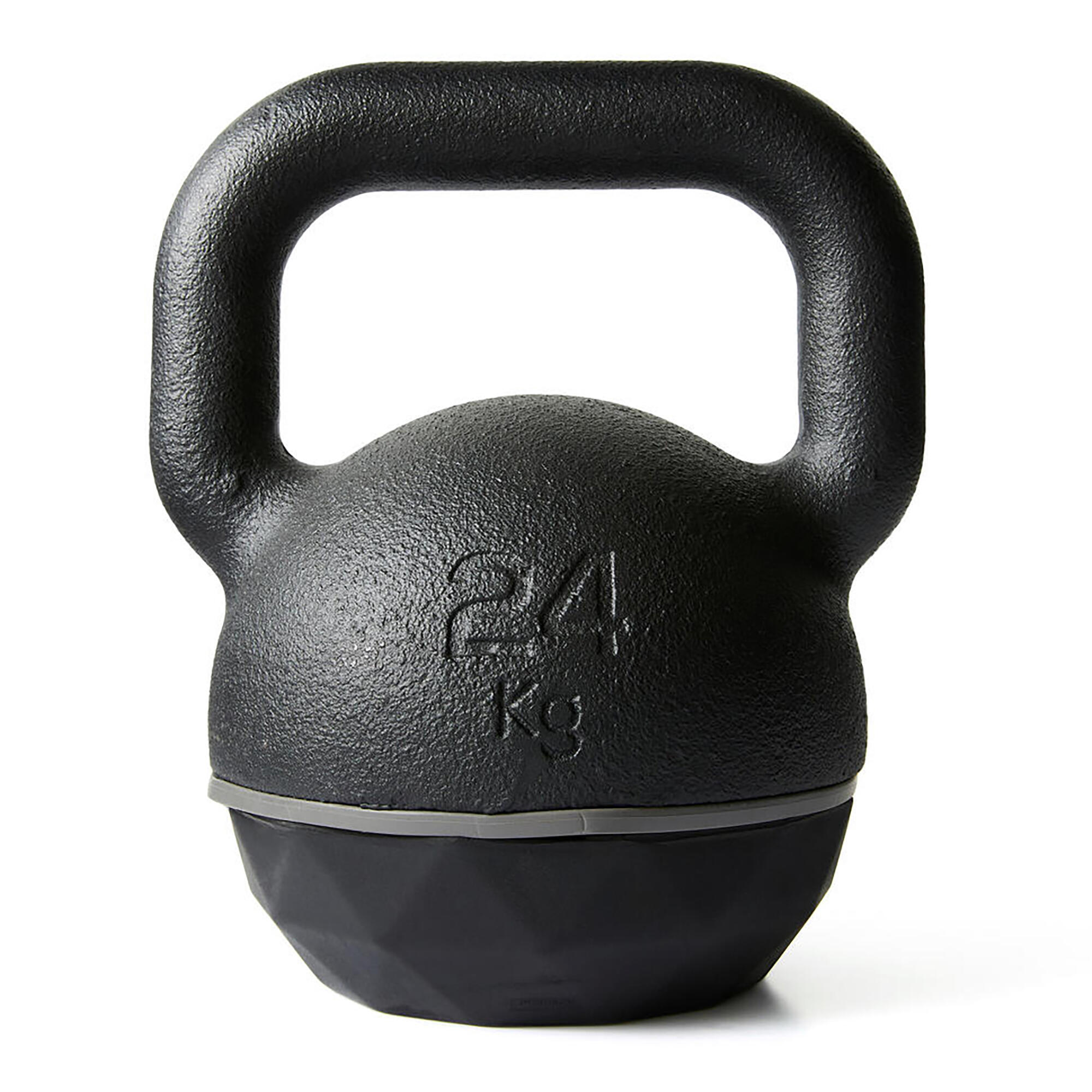
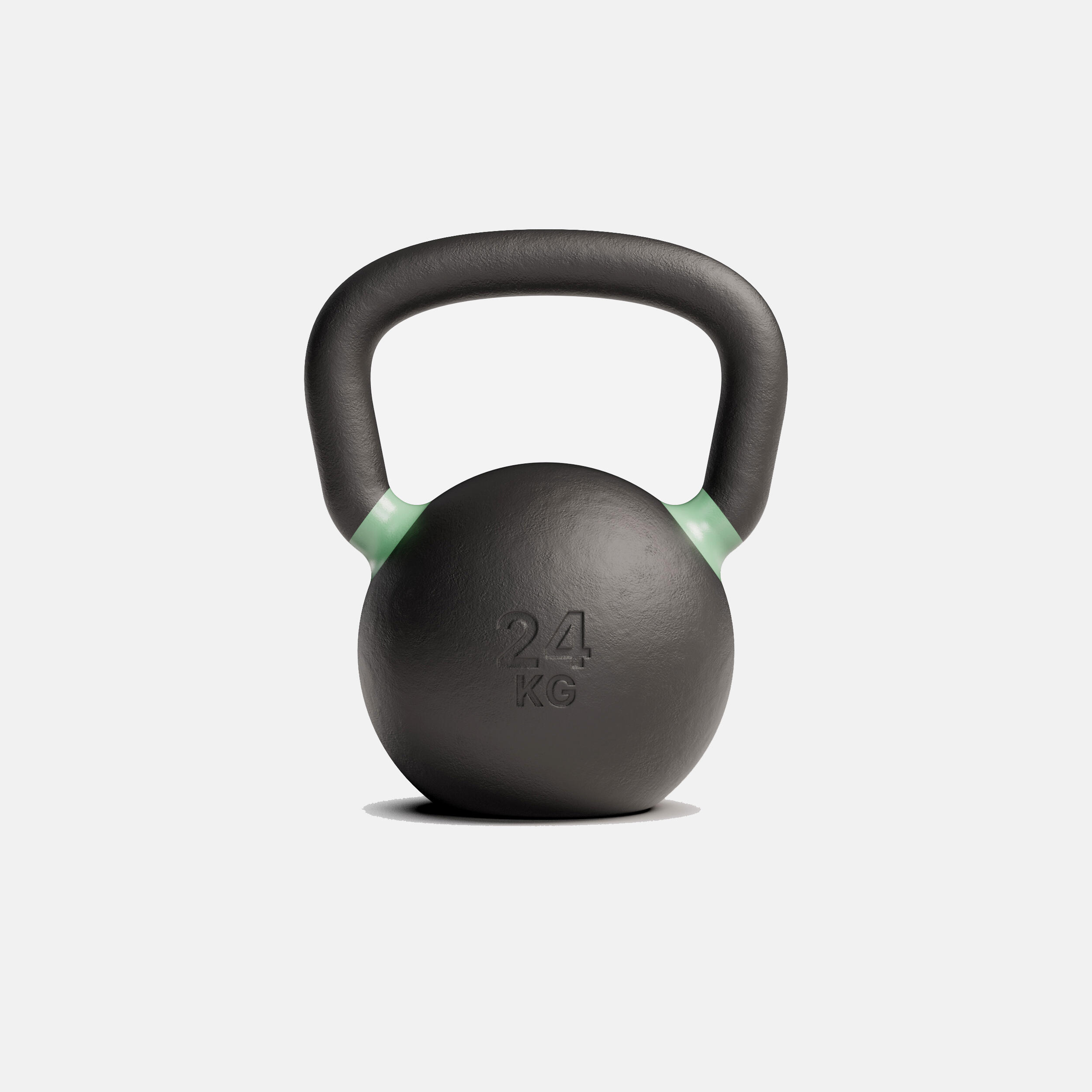
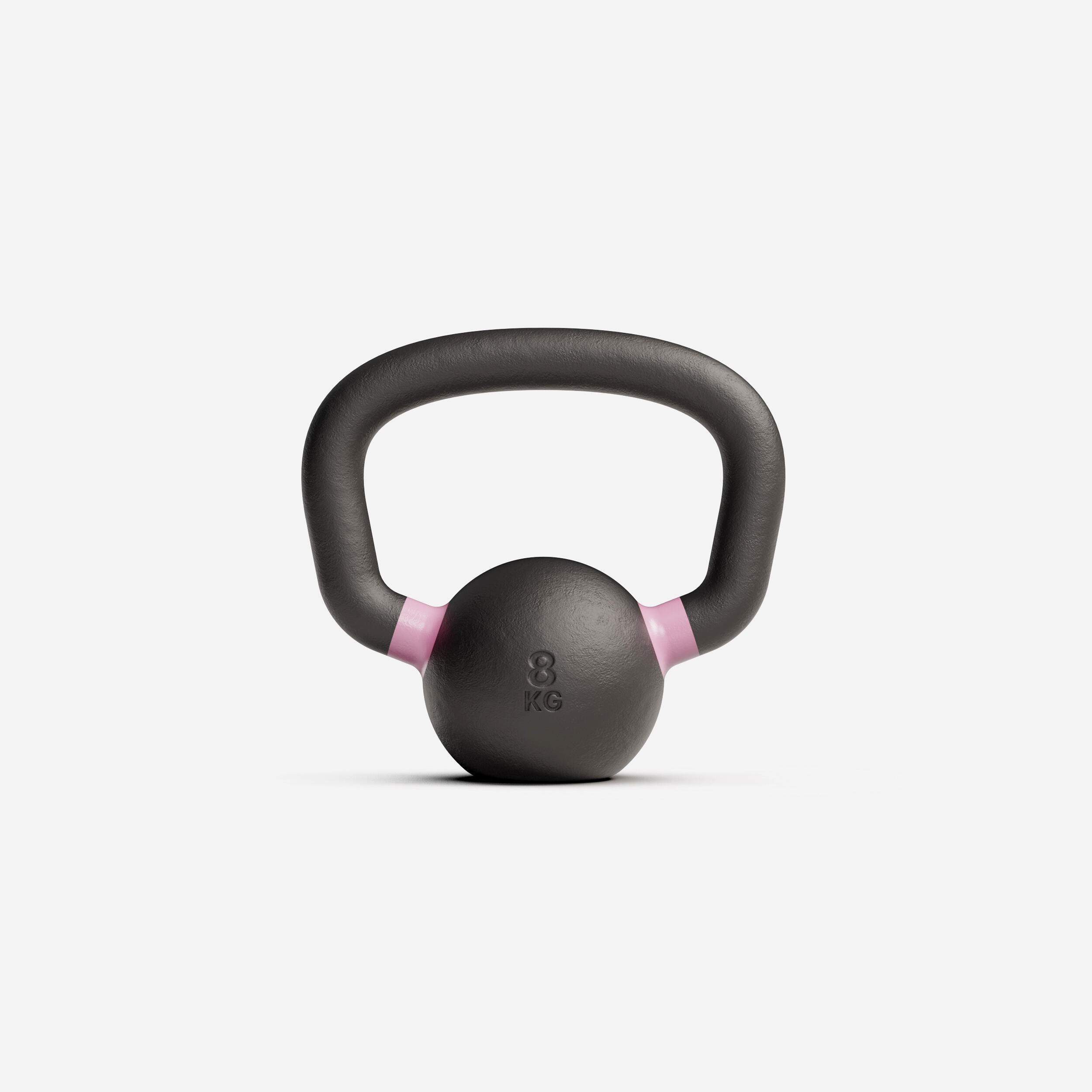
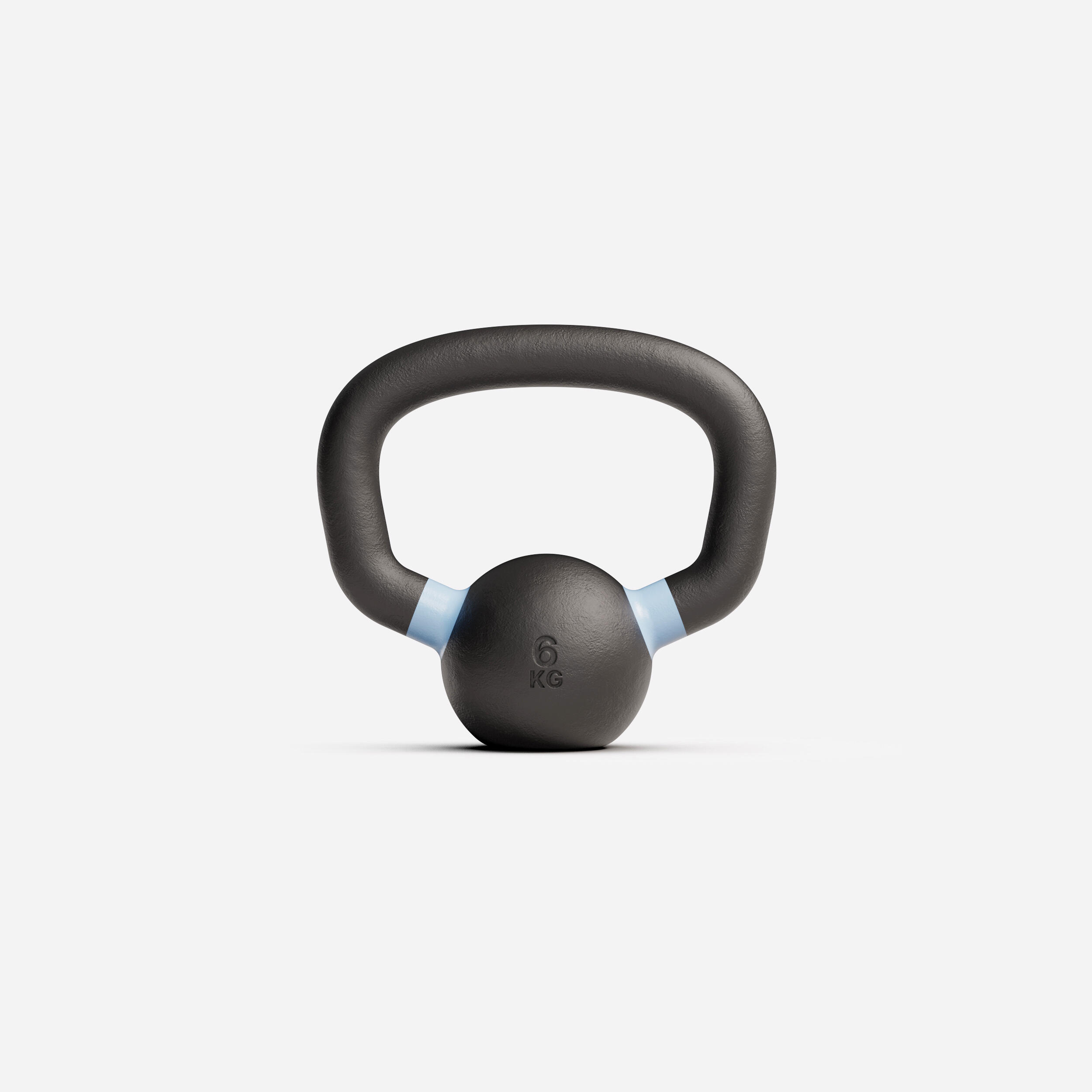
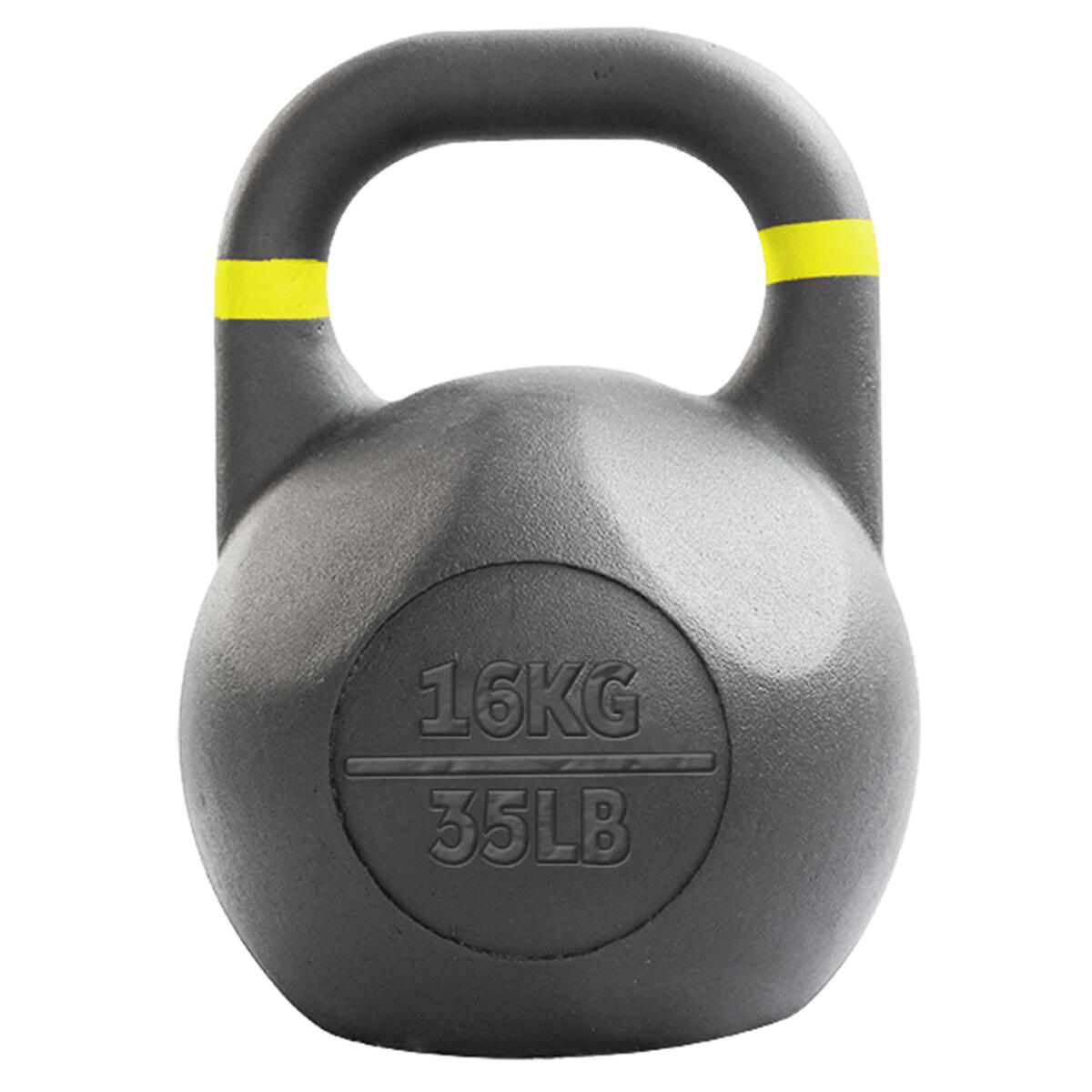
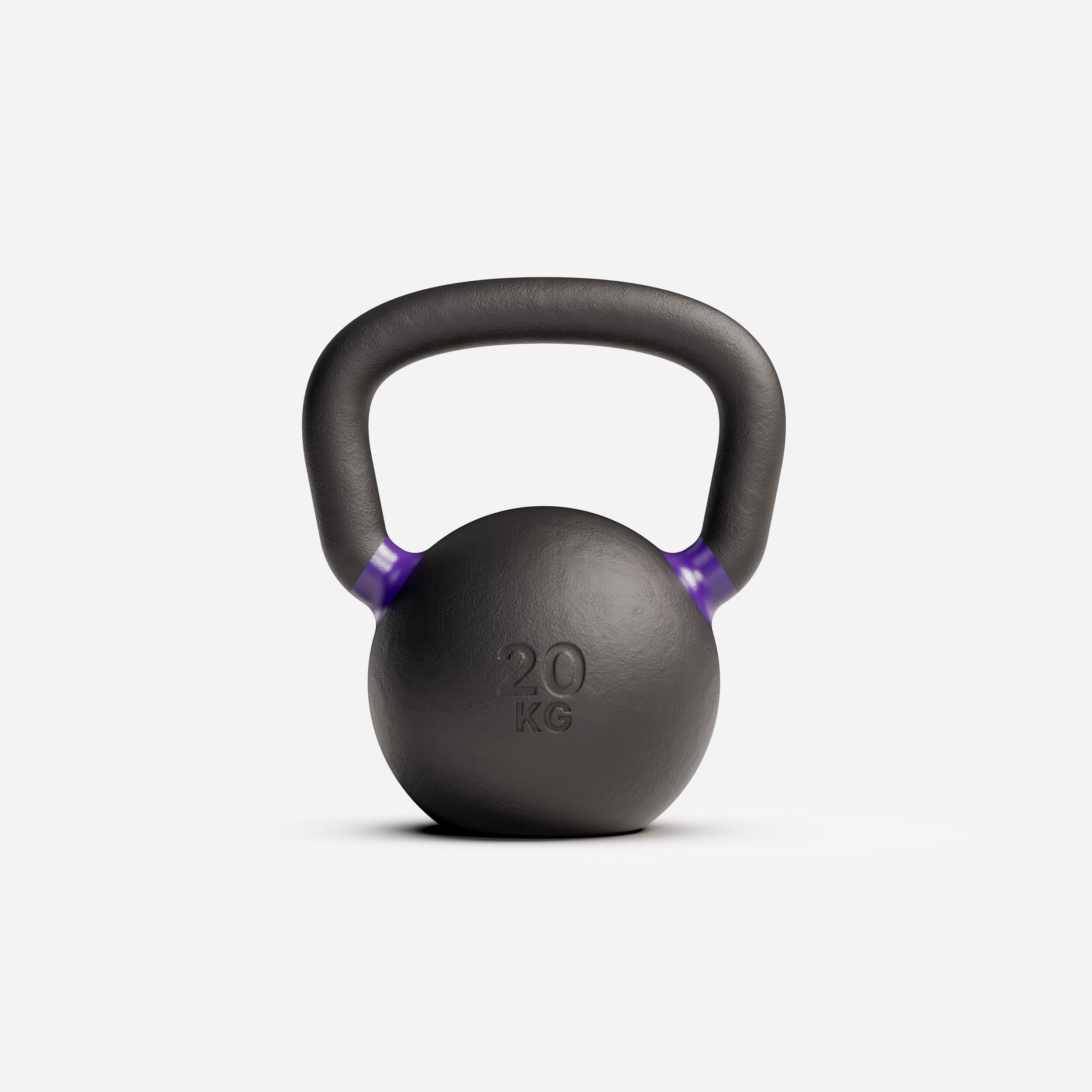
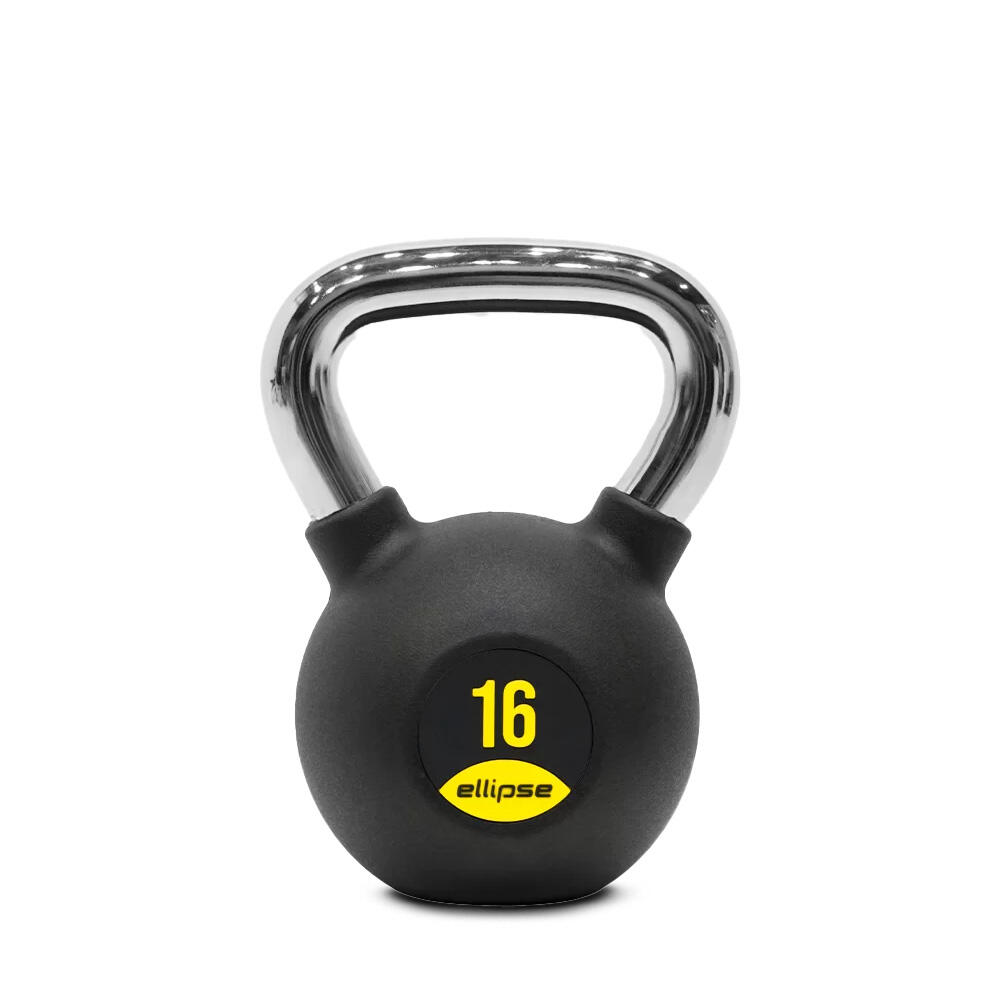
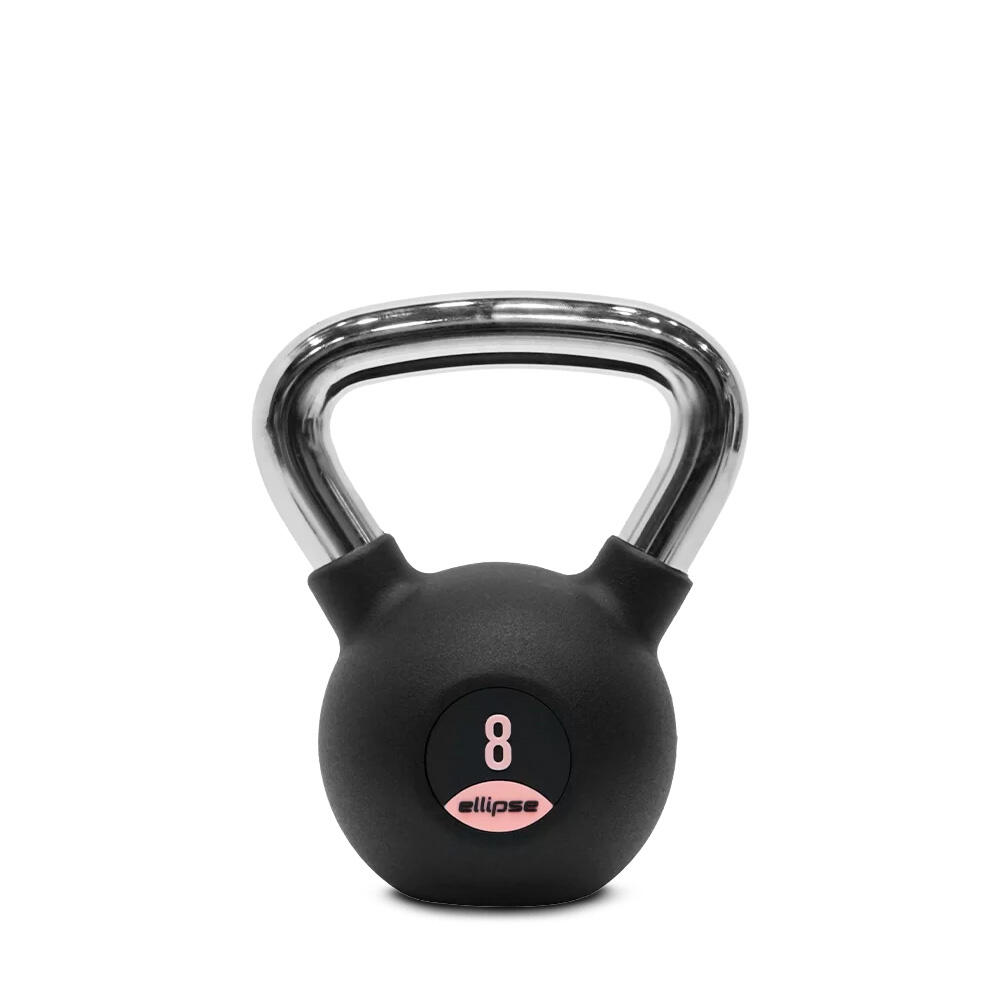
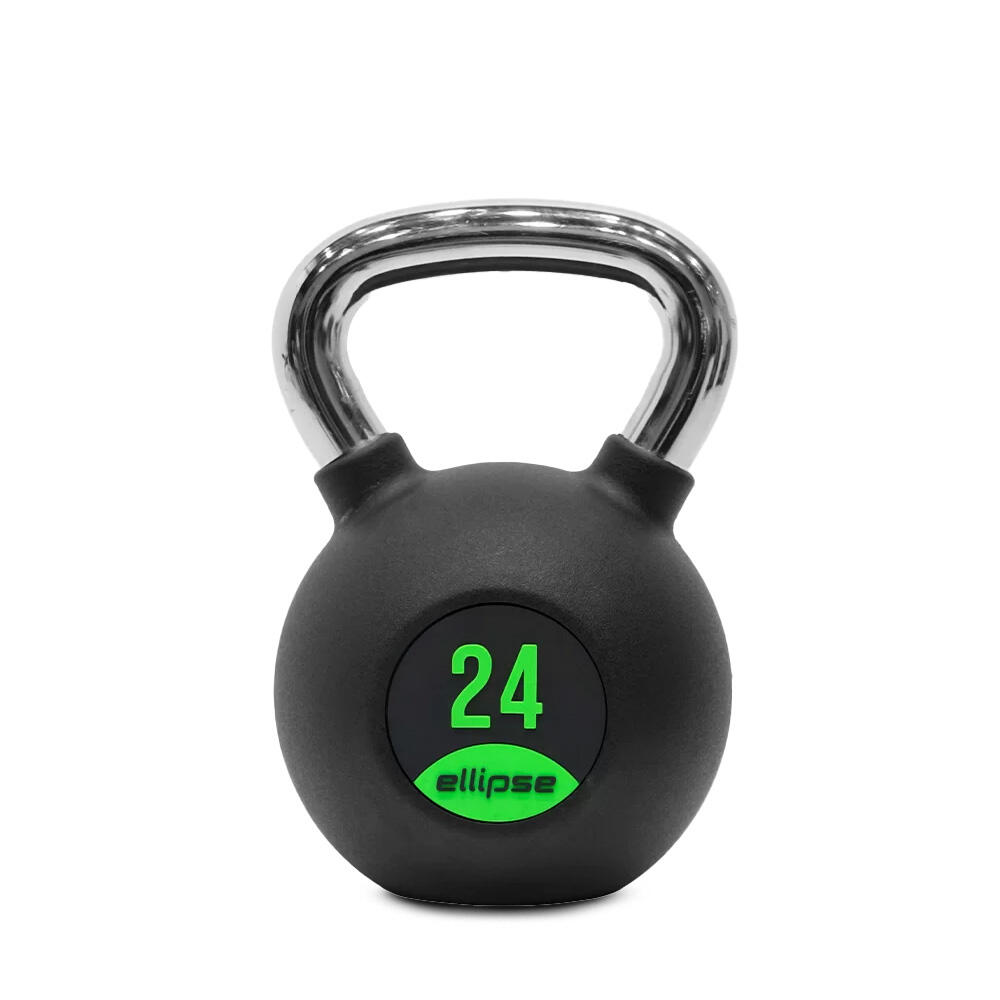
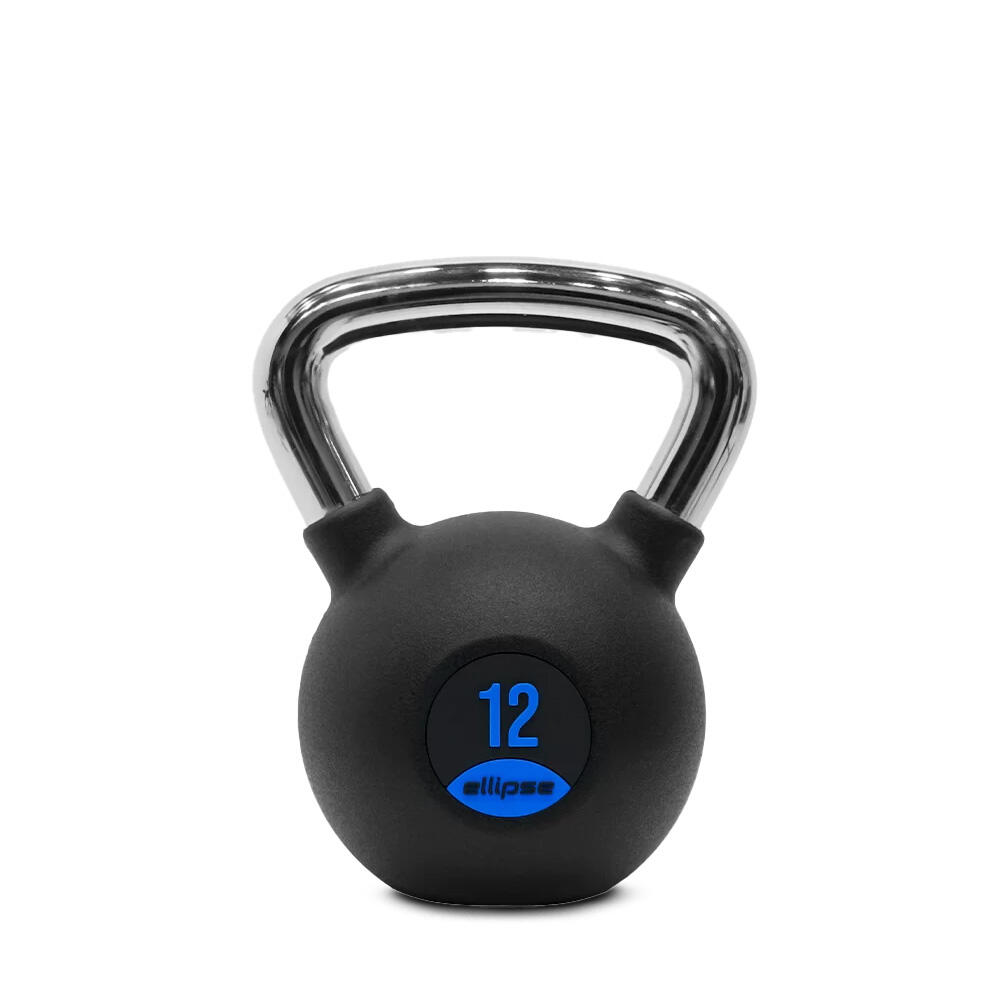
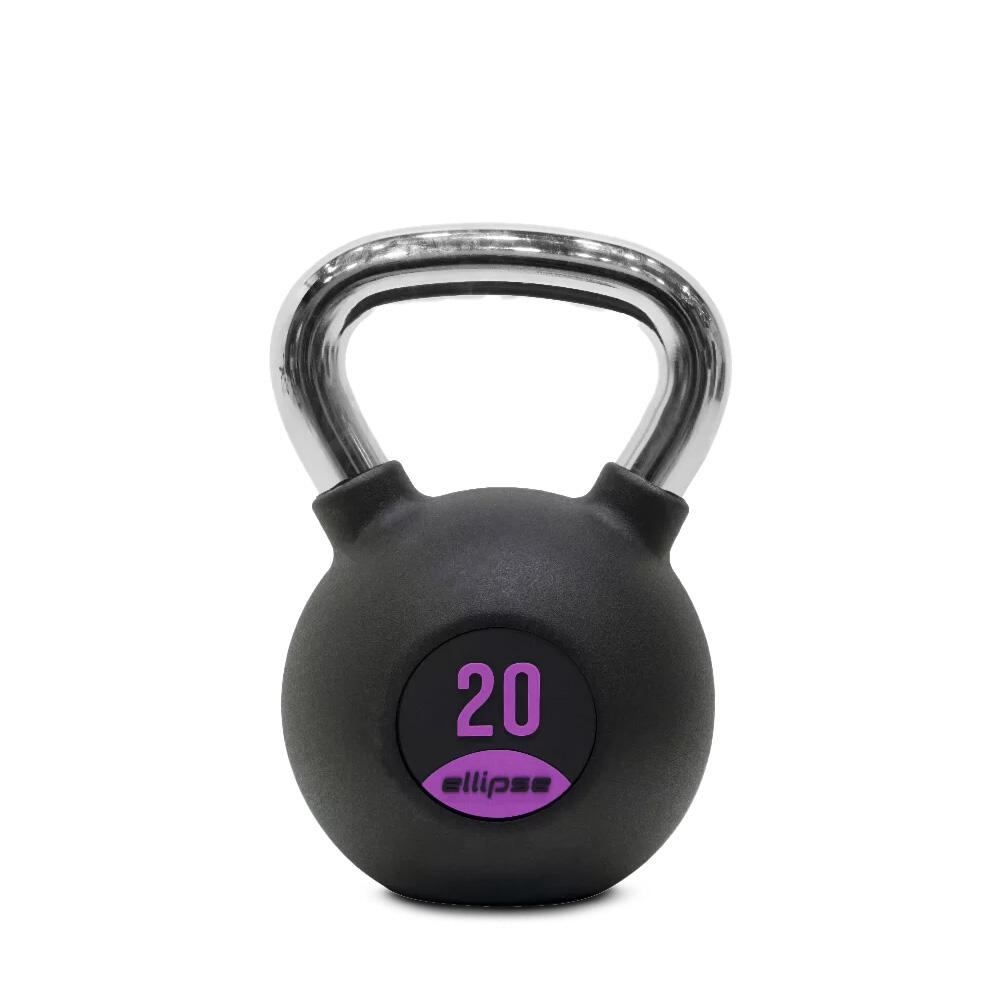
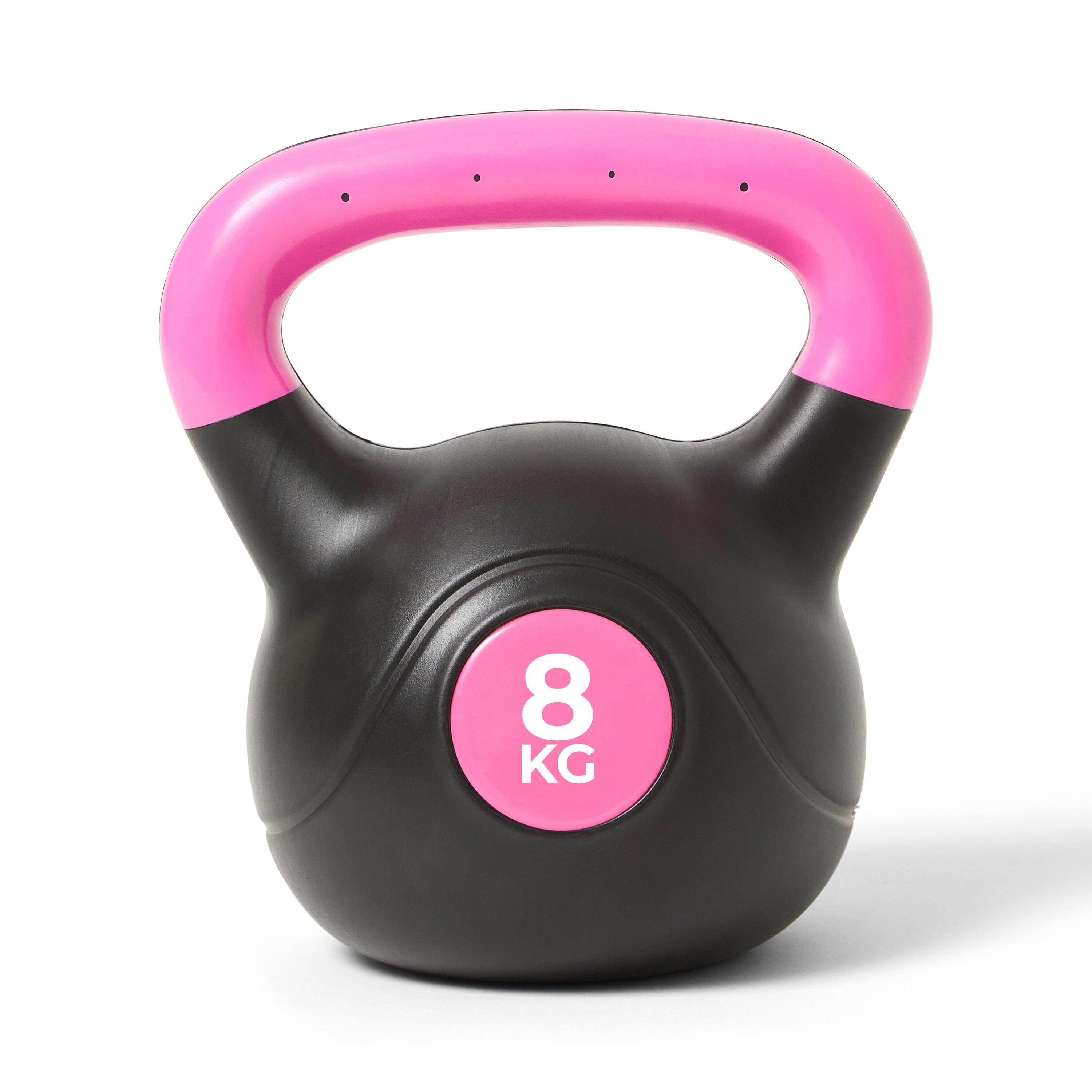
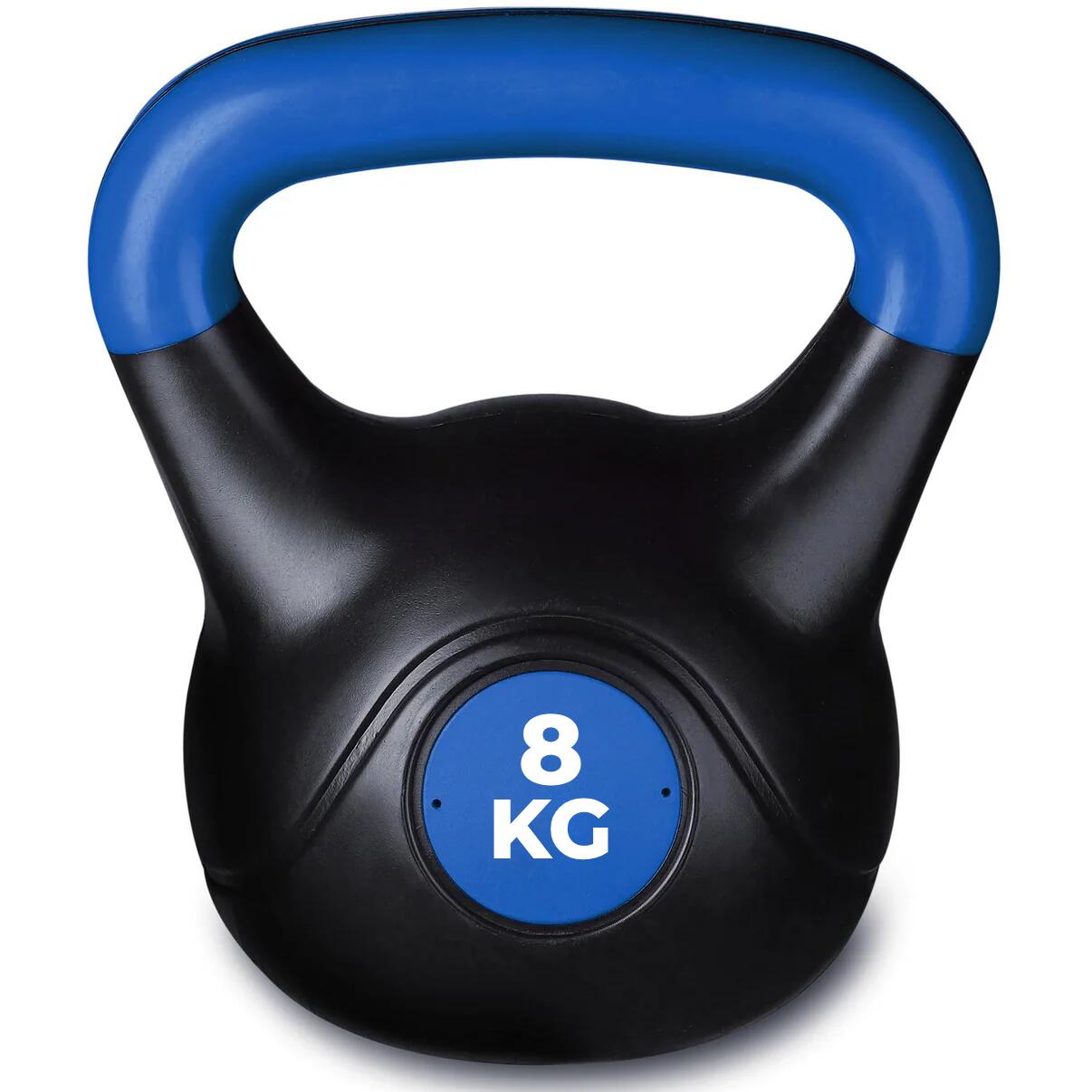
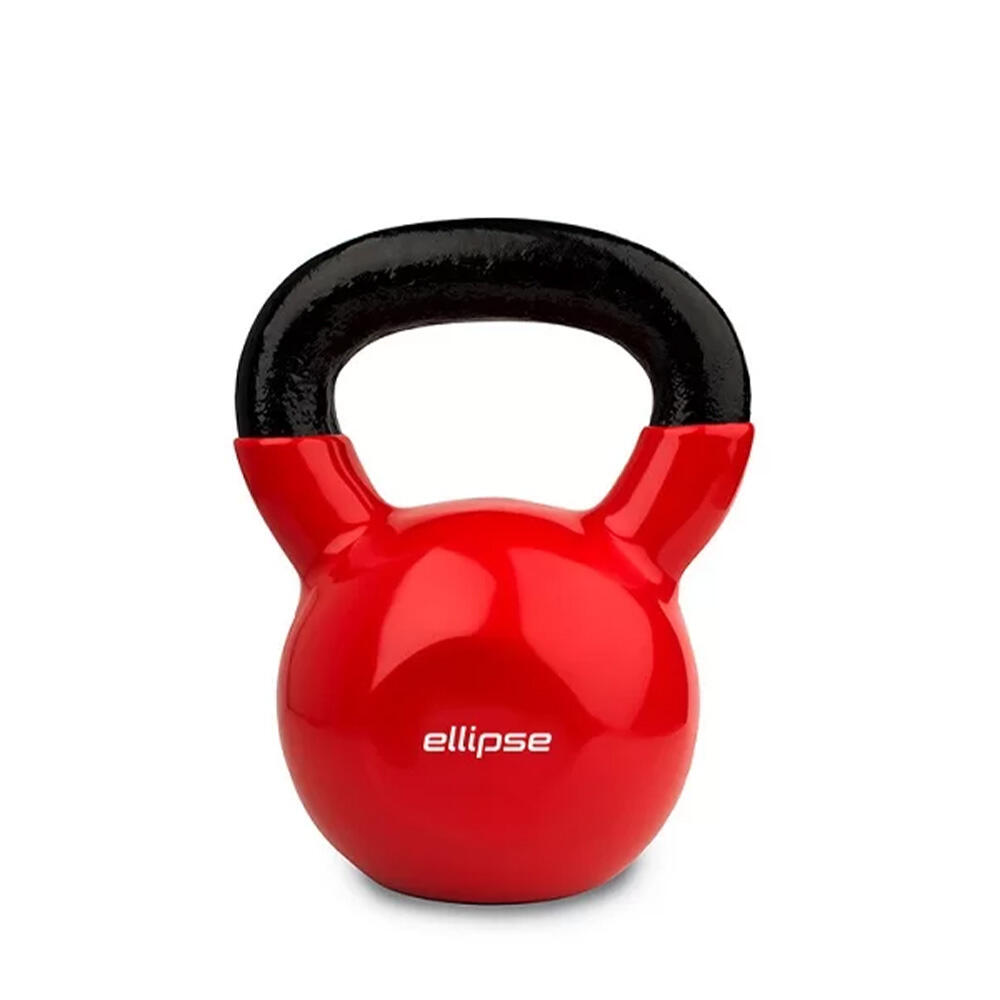
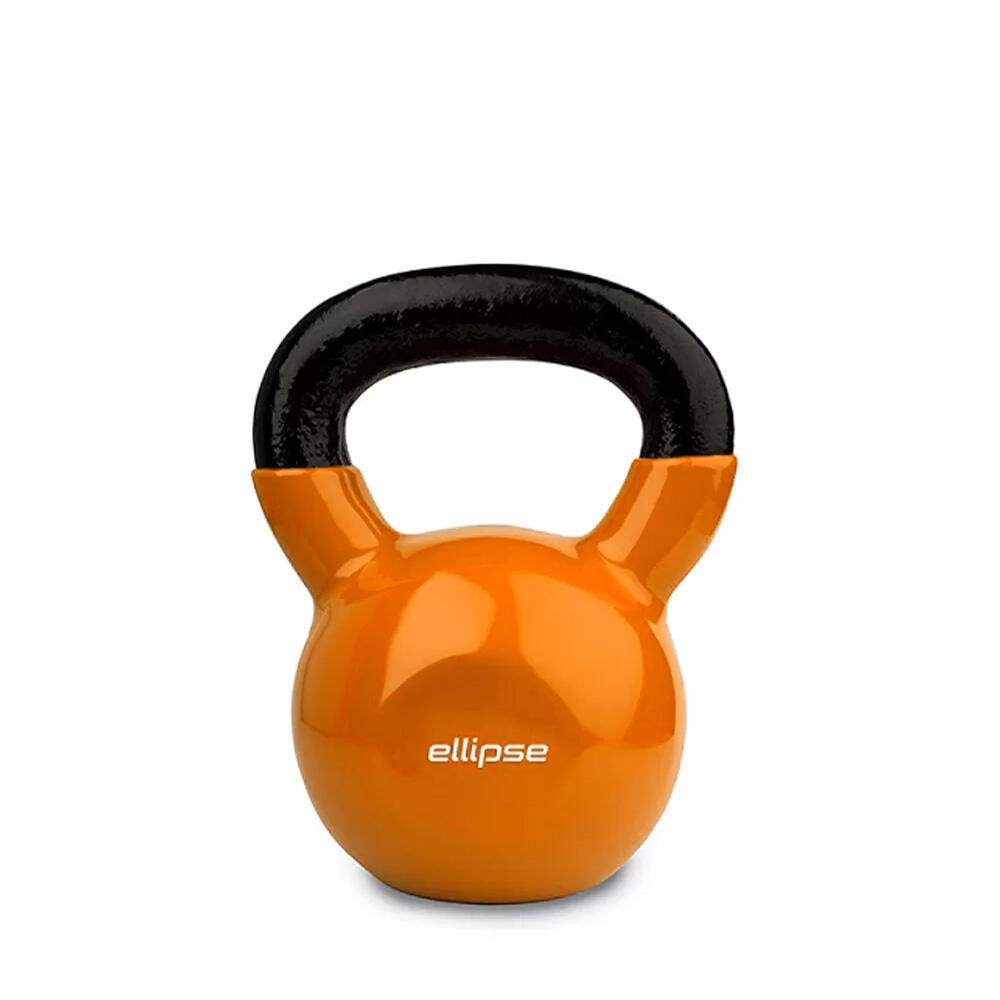
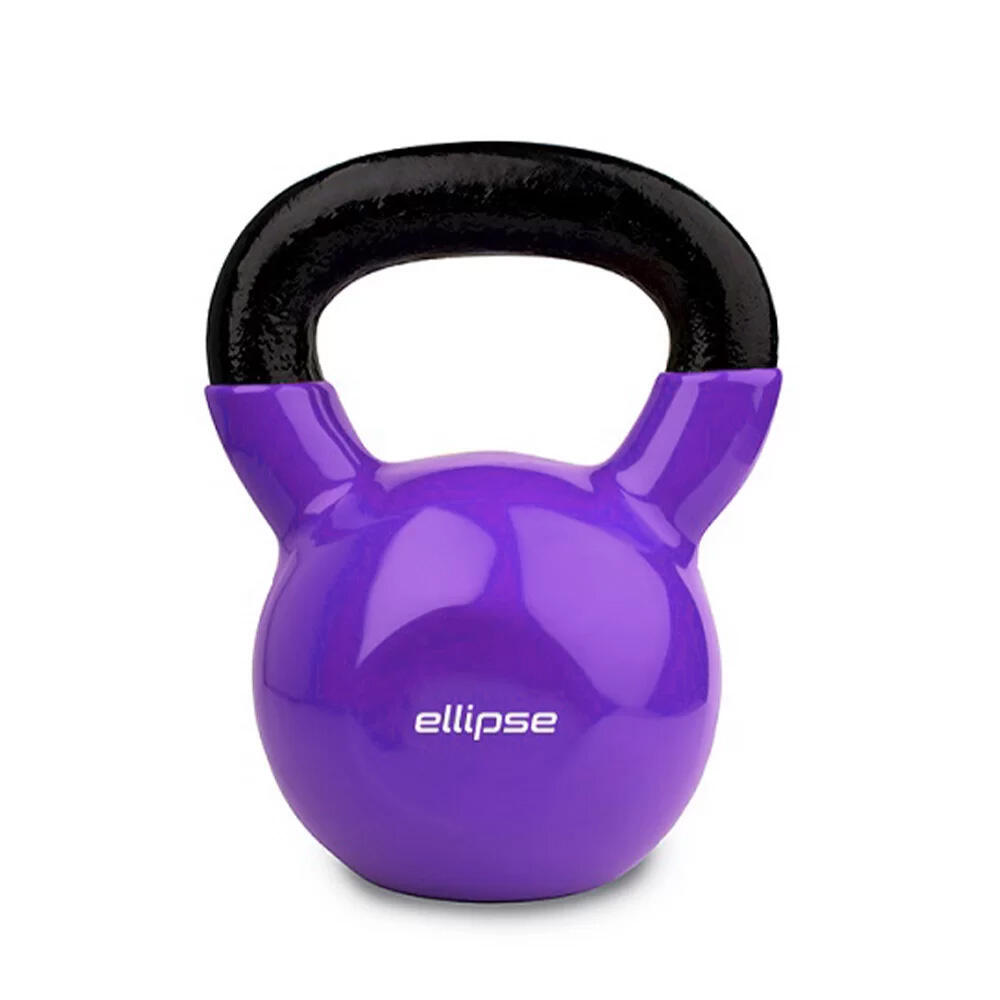
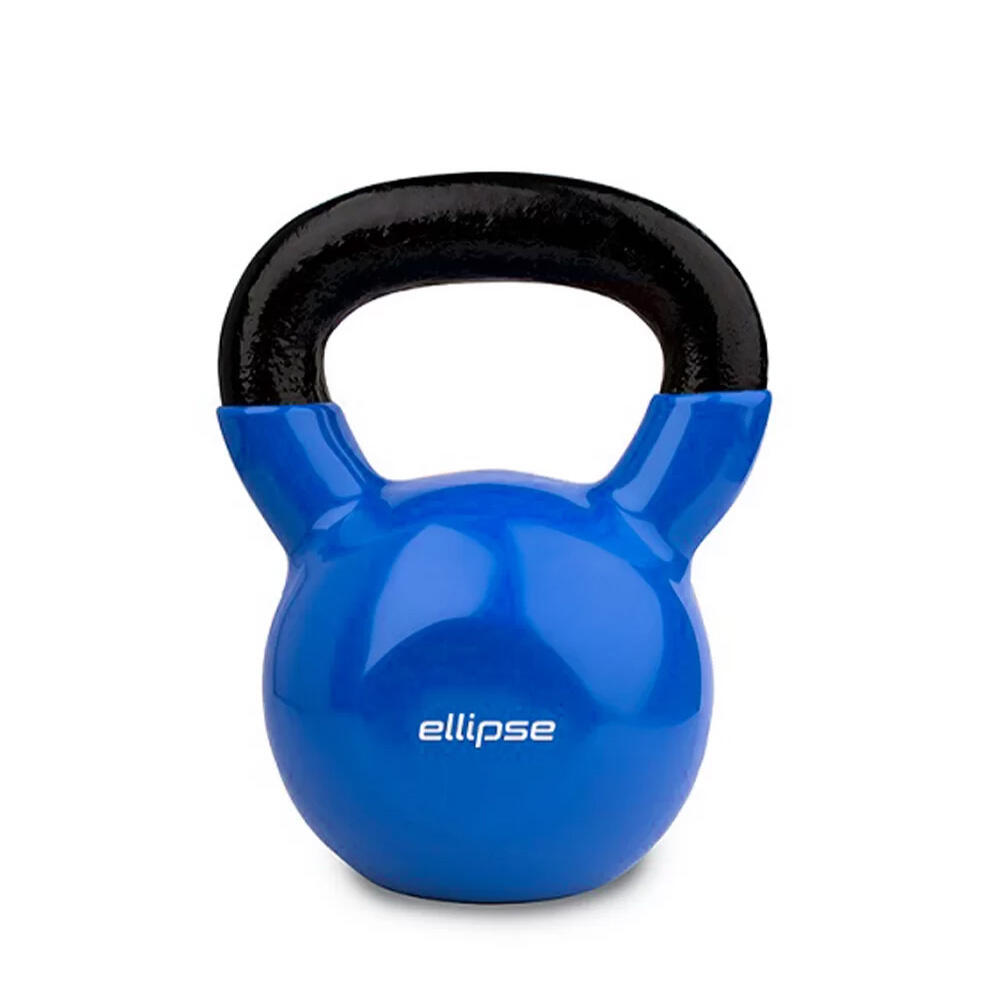
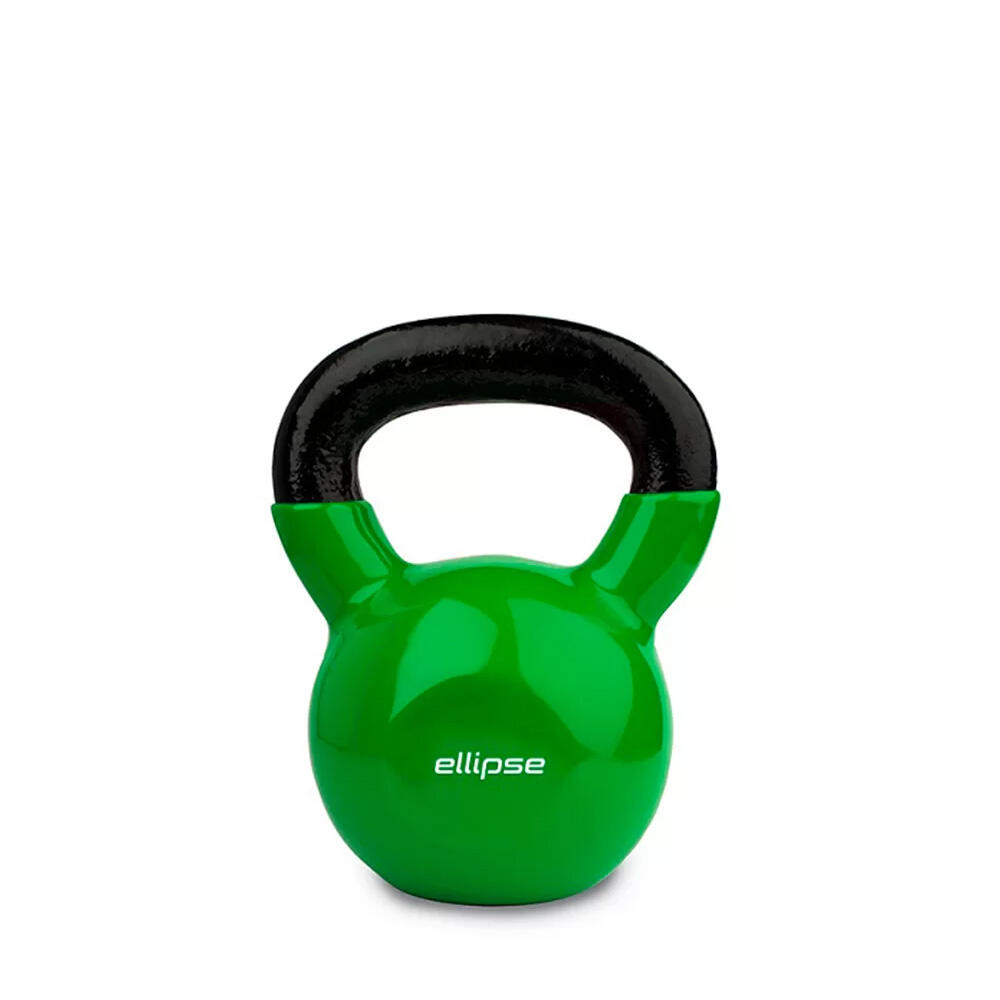
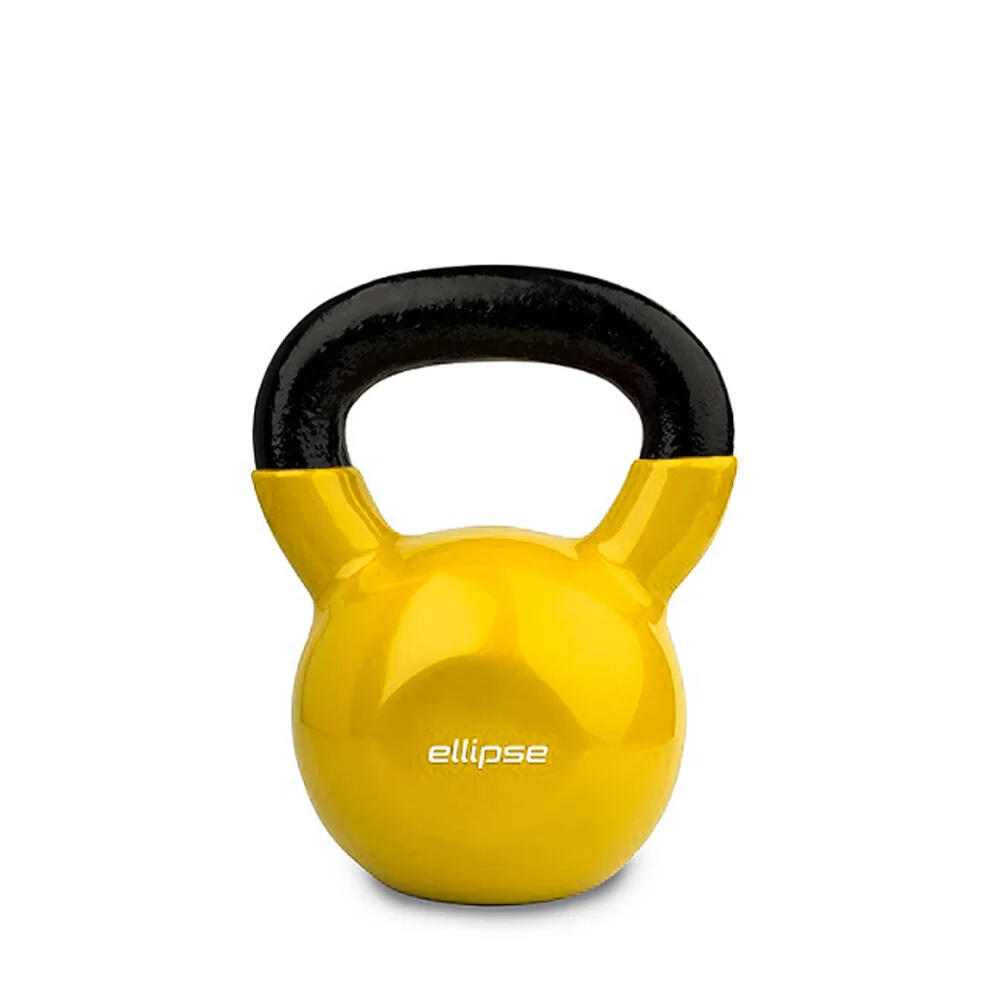
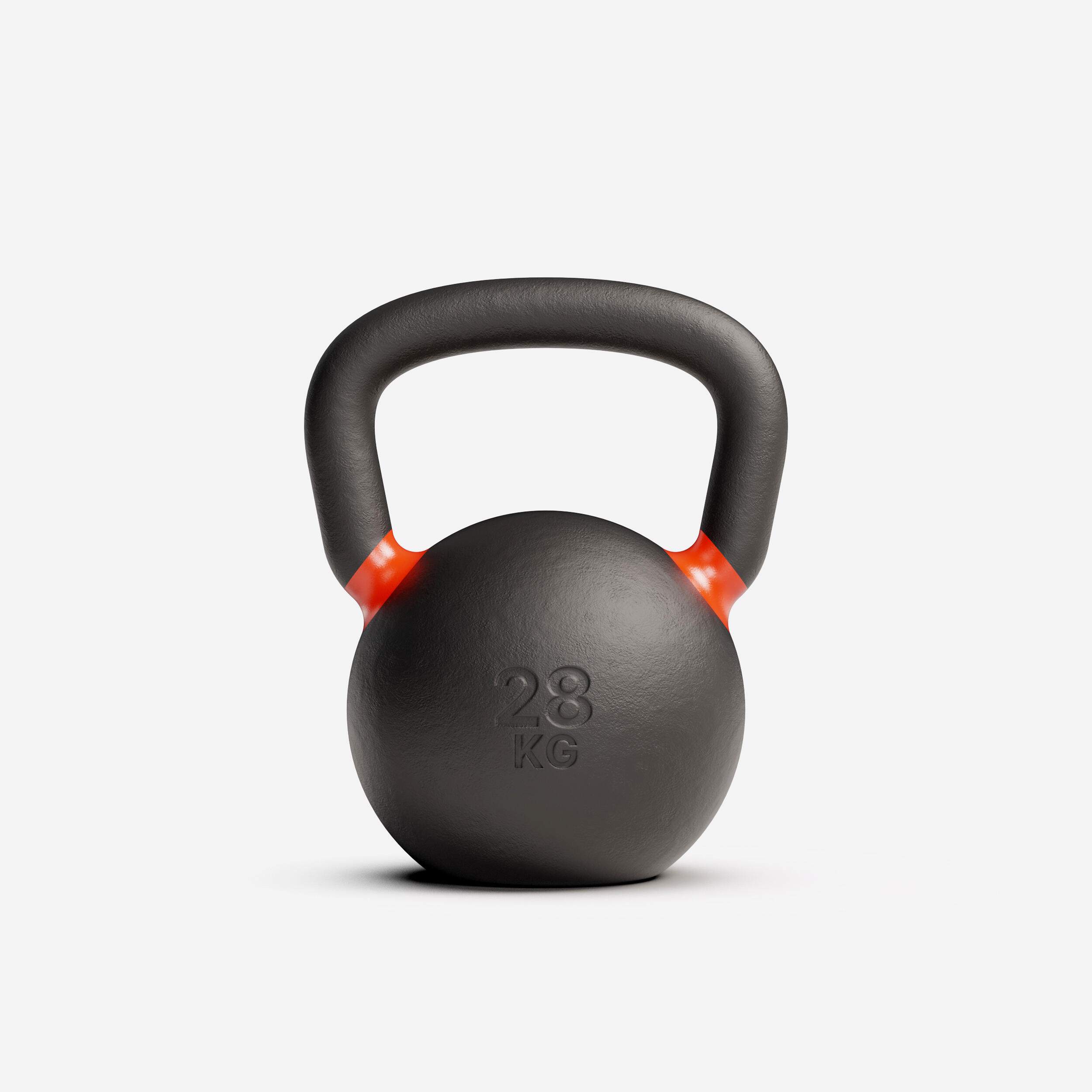
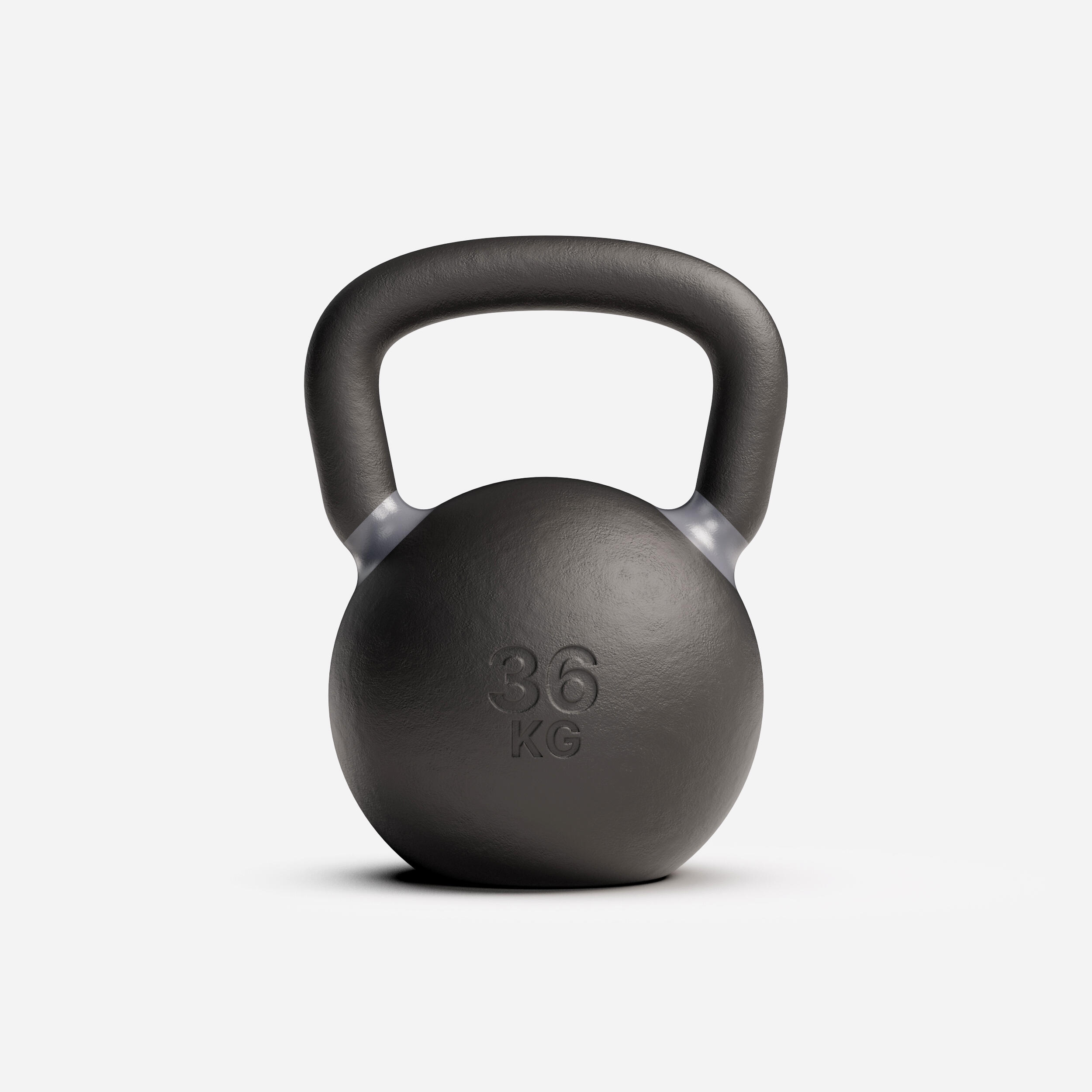
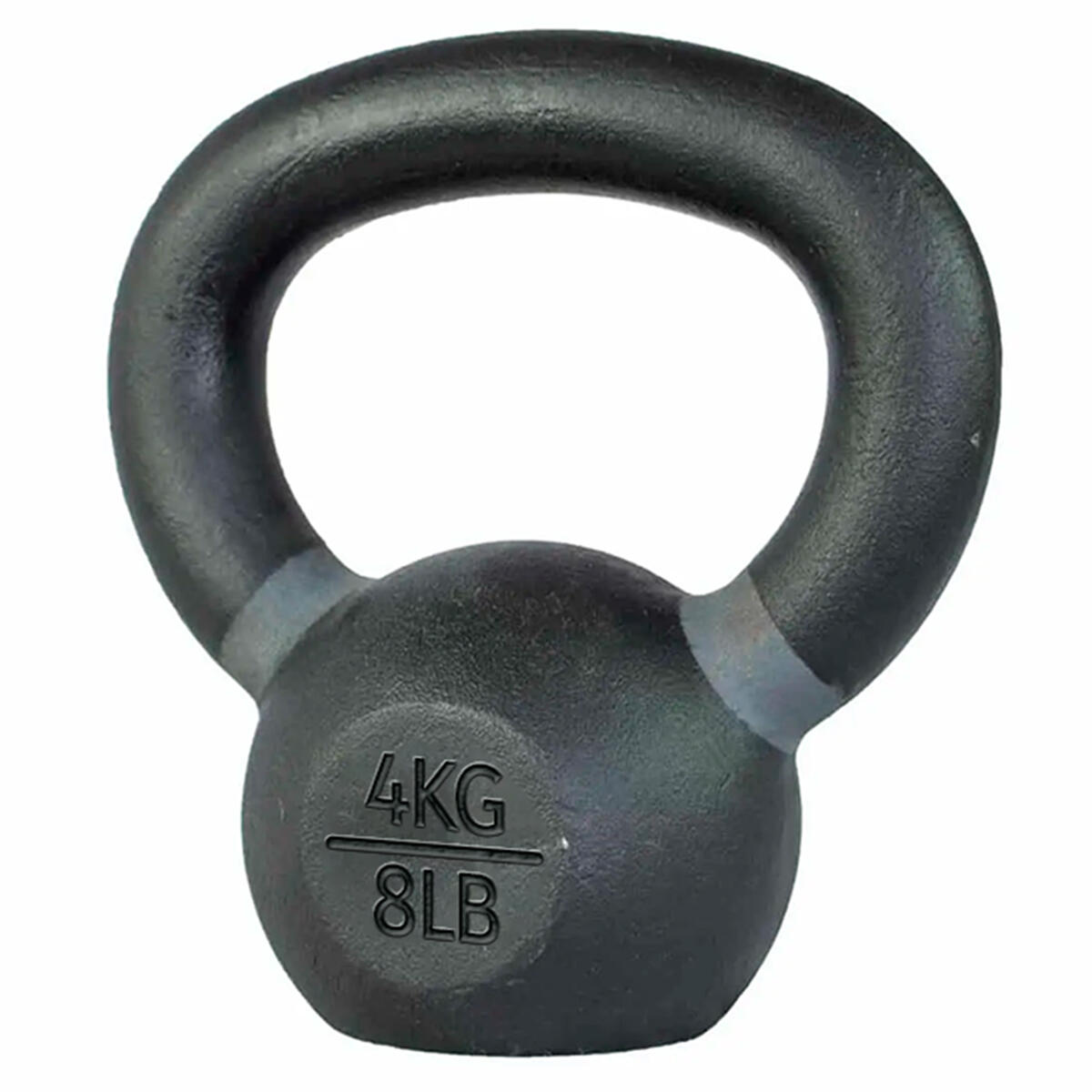
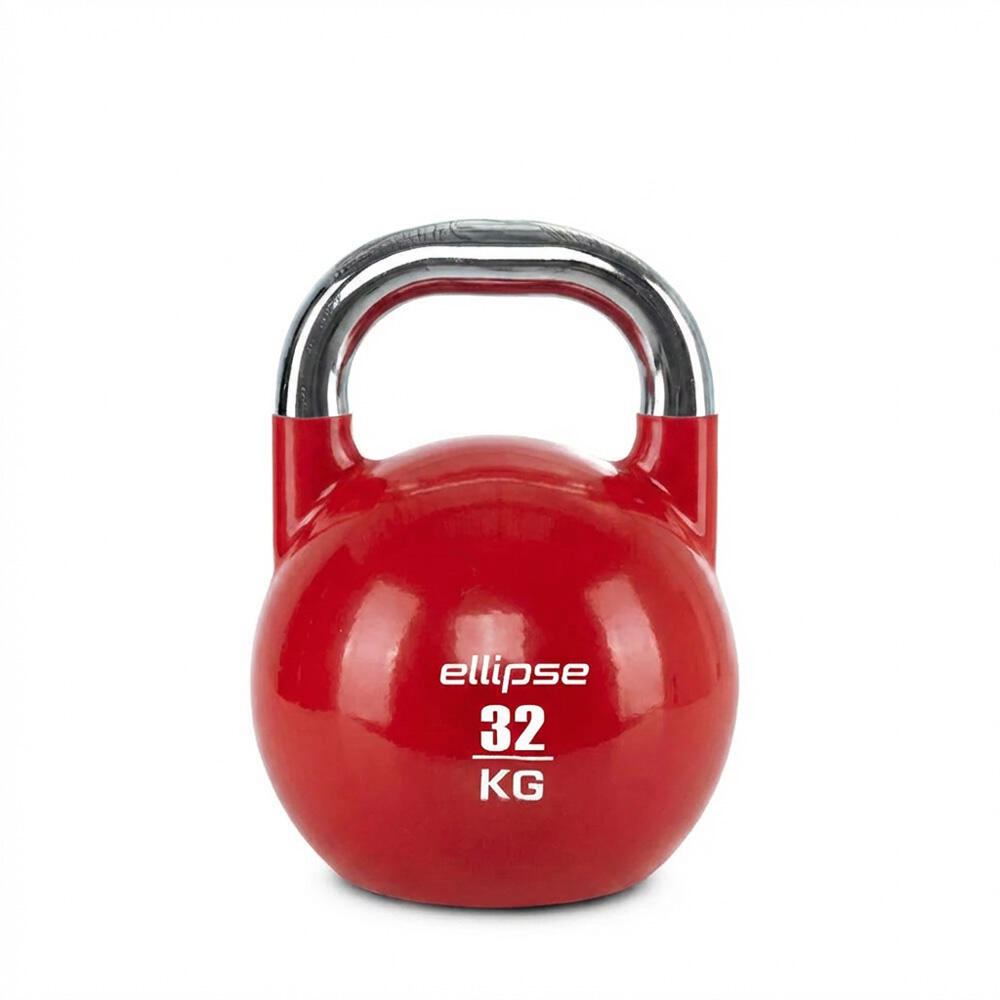
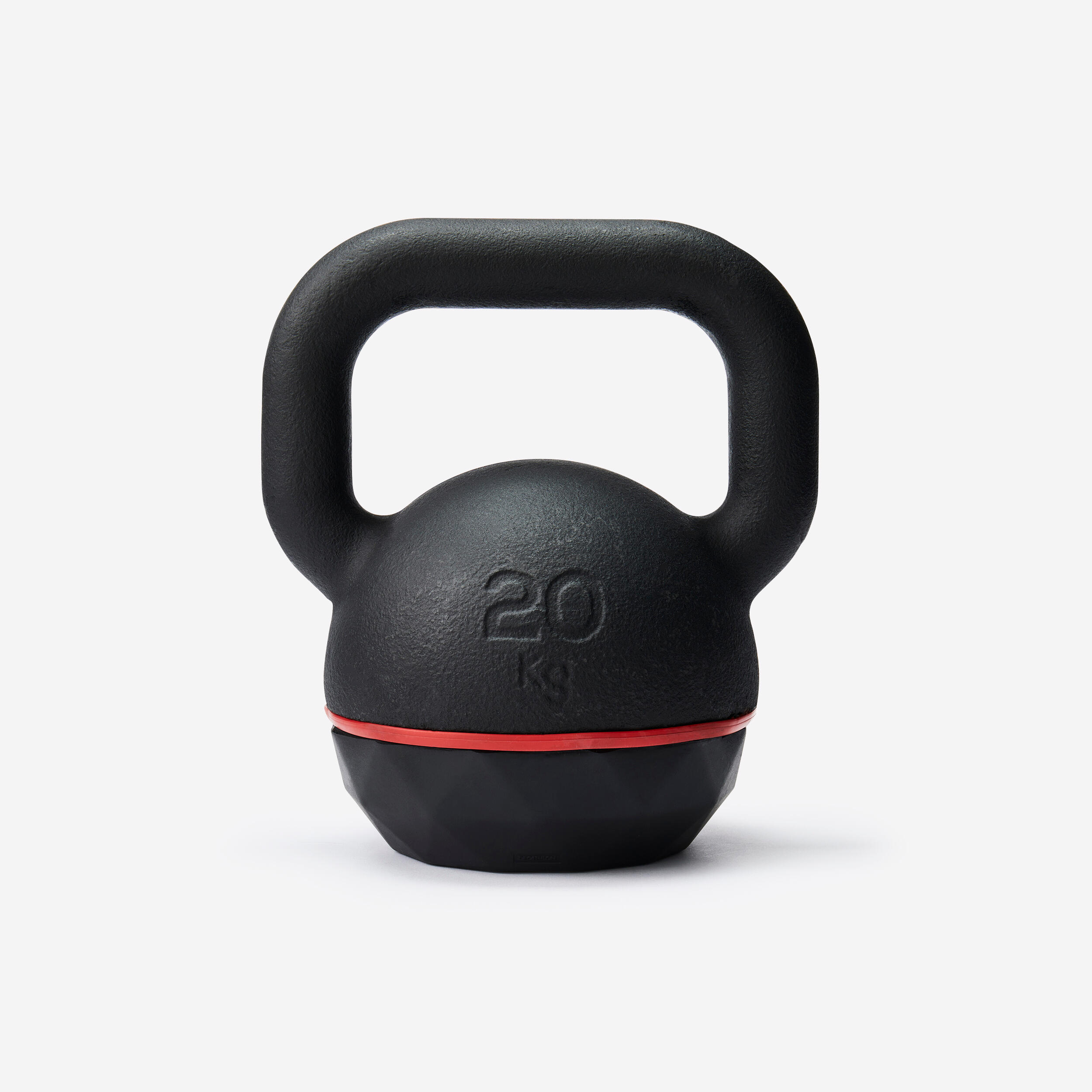
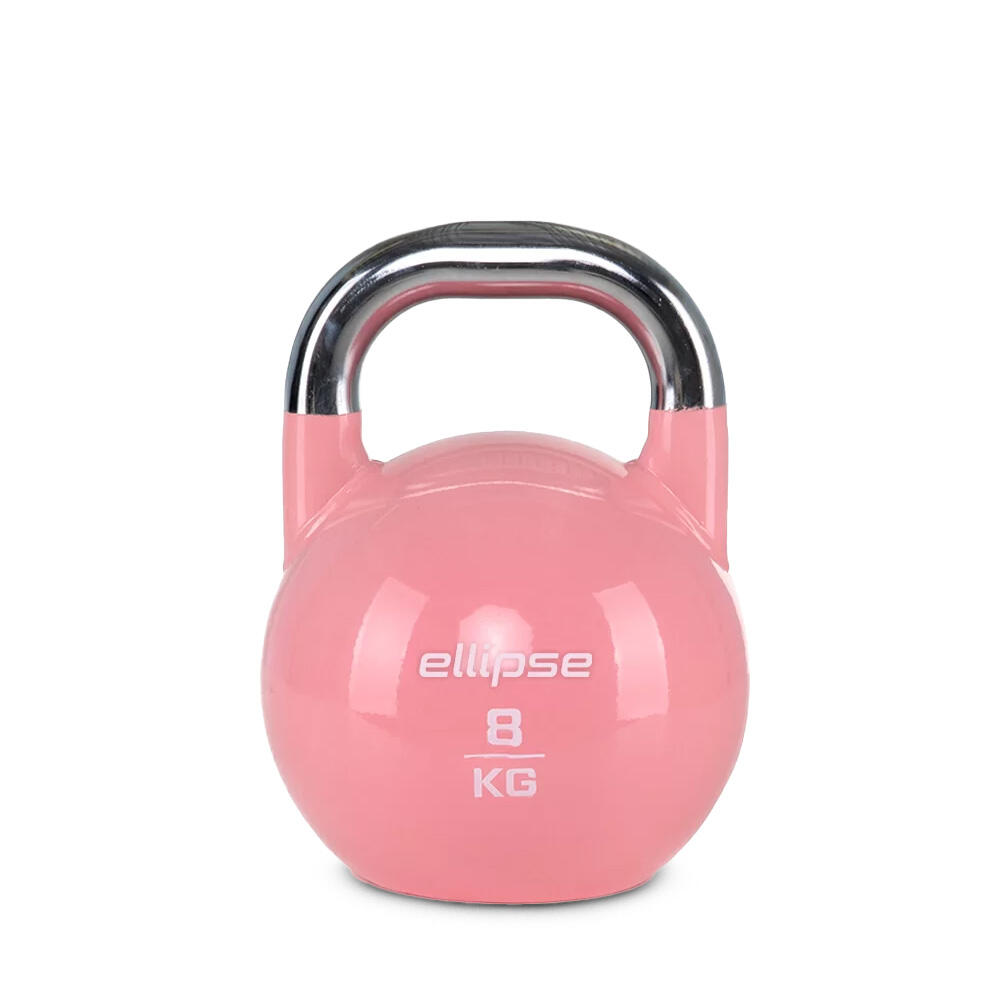
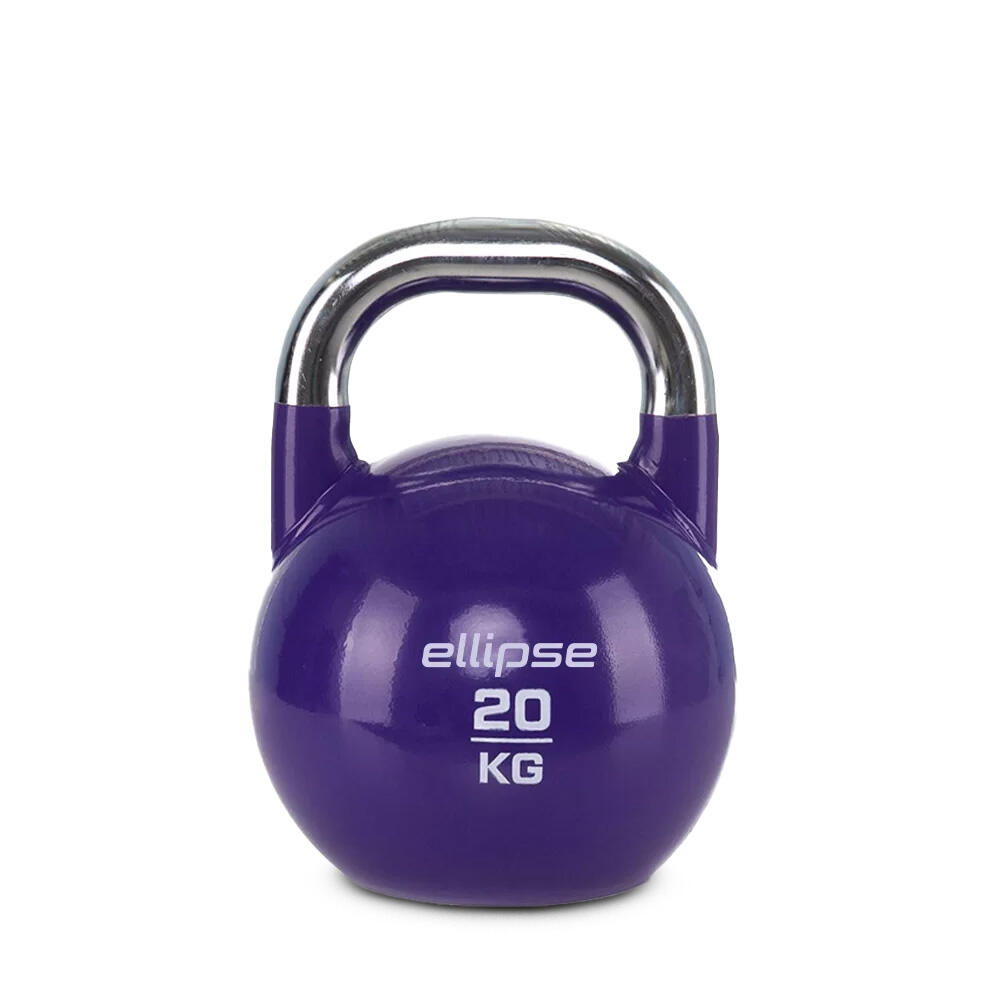
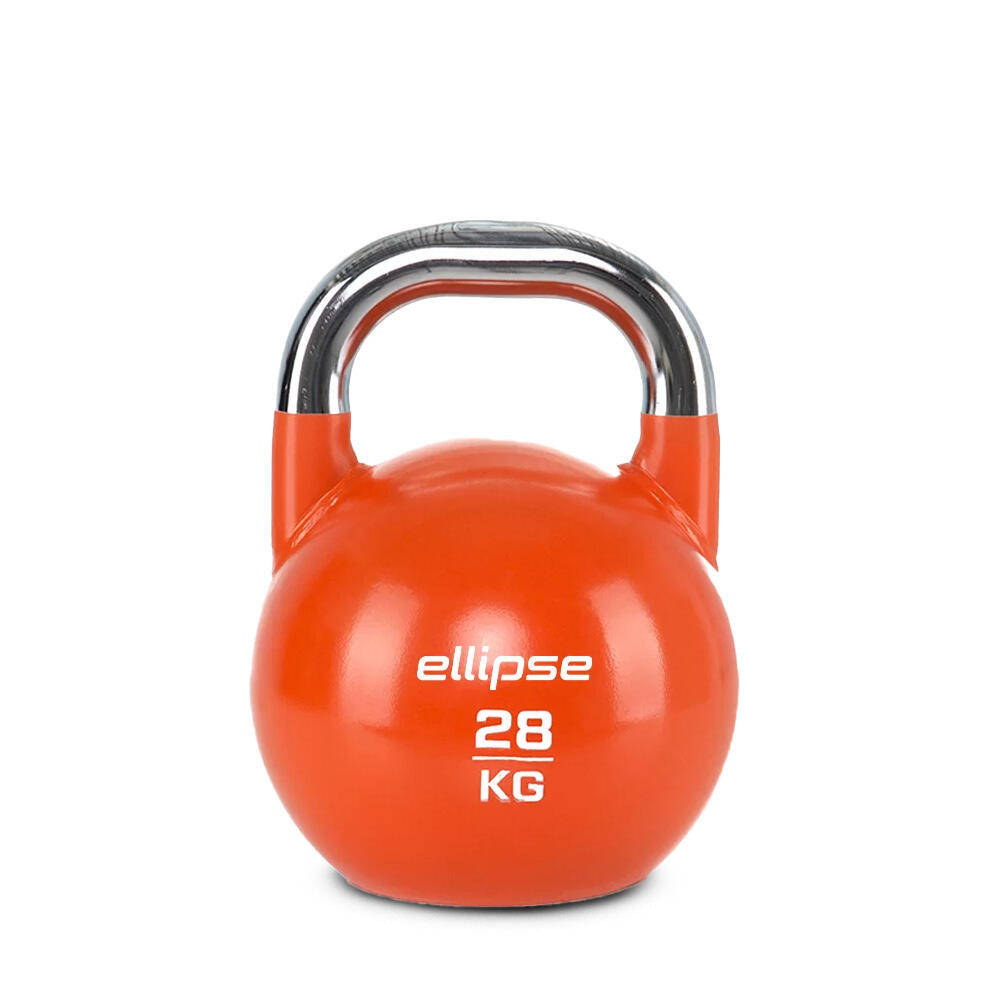
Choosing the right cross training kettlebell weight comes down to your current strength, the lifts you actually do, and the goal you train for across the week. Beginners typically start lighter for technique-focused work like swings, goblet squats, and presses, while more experienced lifters reach for heavier kettlebells for heavy carries, double-bell work, and ballistic high-rep conditioning sessions. What matters most for progression is that a kettlebell that is too light wastes movement time without driving real adaptation, while one too heavy compromises technique and risks shoulder, lower-back, or wrist strain on swings and snatches. Cast iron, vinyl-coated, and rubber-base kettlebells suit different floors, training styles, and noise tolerances at home. Practical advice: keep a lighter bell for warm-ups, a moderate bell for working sets, and a heavier bell for carries and presses. For longer barbell-driven lifts that complement kettlebell work, browse our range of cross training barbells across the Corength label in standard and Olympic cuts.
What bodyweight equipment pairs well with cross training kettlebells?

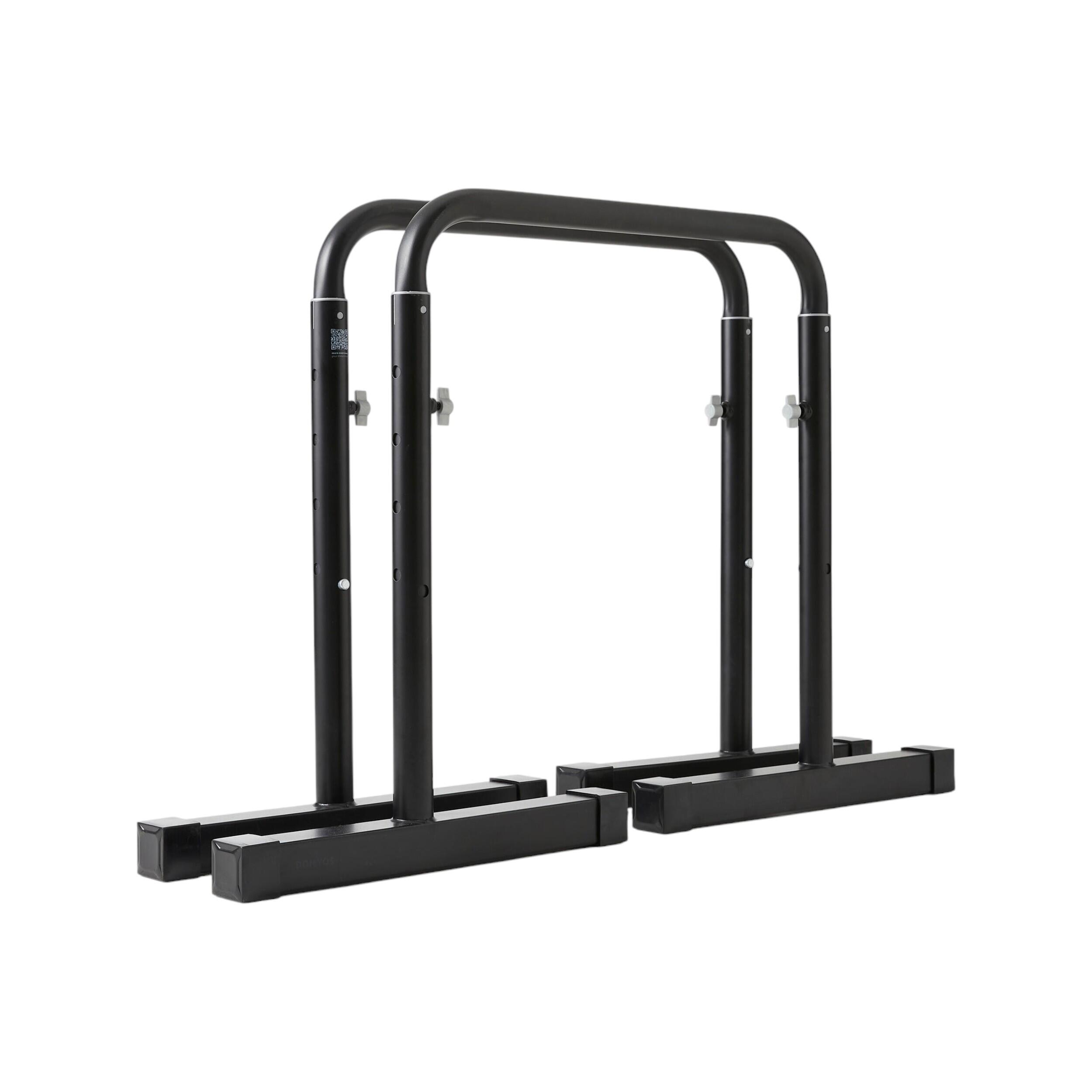
Cross training kettlebells deliver their best results when paired with the bodyweight equipment that builds the dips, push-ups, and core work needed to keep shoulders and the trunk strong across a full programme. Parallel bars sit at the centre of this work, supporting dips, L-sits, levers, and tucked progressions that target chest, triceps, and core in ways a kettlebell alone cannot match. What makes this important across a training week is that a kettlebell-only programme leaves chest and pressing patterns underdeveloped, while bodyweight pressing fills the gap cleanly. Browse our range of cross training parallel bars across the Corength label in freestanding, wall-mounted, and adjustable cuts for home and garage gyms.
How do weighted bags compare with kettlebells for cross training?

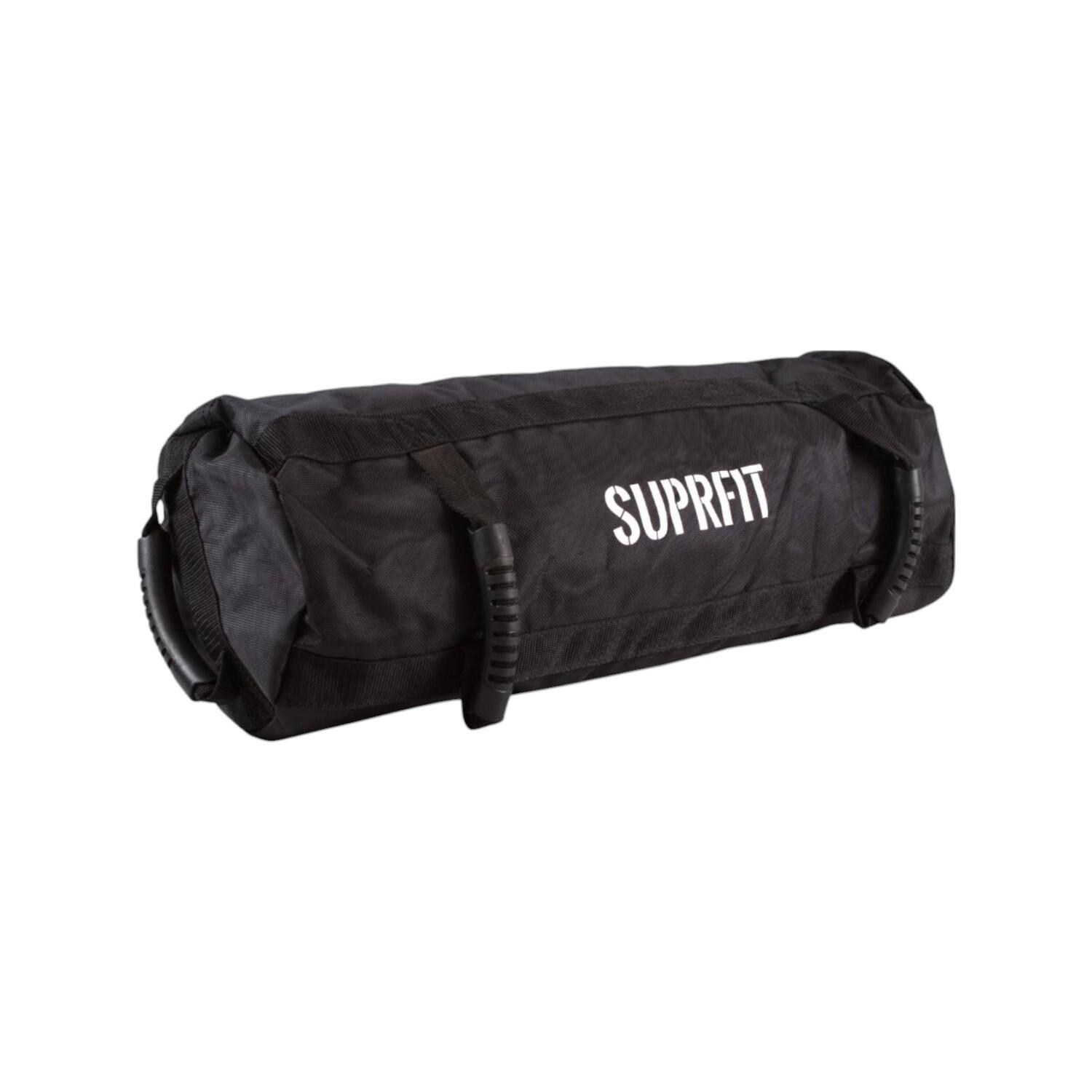
Weighted bags and kettlebells both build strength, power, and conditioning, but they shine at different jobs across a training week. Kettlebells handle ballistic lifts like swings, snatches, and cleans where the offset handle and stable weight matter most, while weighted bags shift the load inside the bag during carries, throws, and shouldering work, which forces the core and stabilisers to work harder on every rep.The real benefit becomes clear across a complete programme: kettlebells build precision under fixed loads, while bags build the messy, real-world strength that translates to lifting awkward objects. Browse our range of cross training weighted bags across the Corength label in soft-shell, sand-filled, and adjustable-weight builds.
Are weighted vests a good complement to cross training kettlebells?

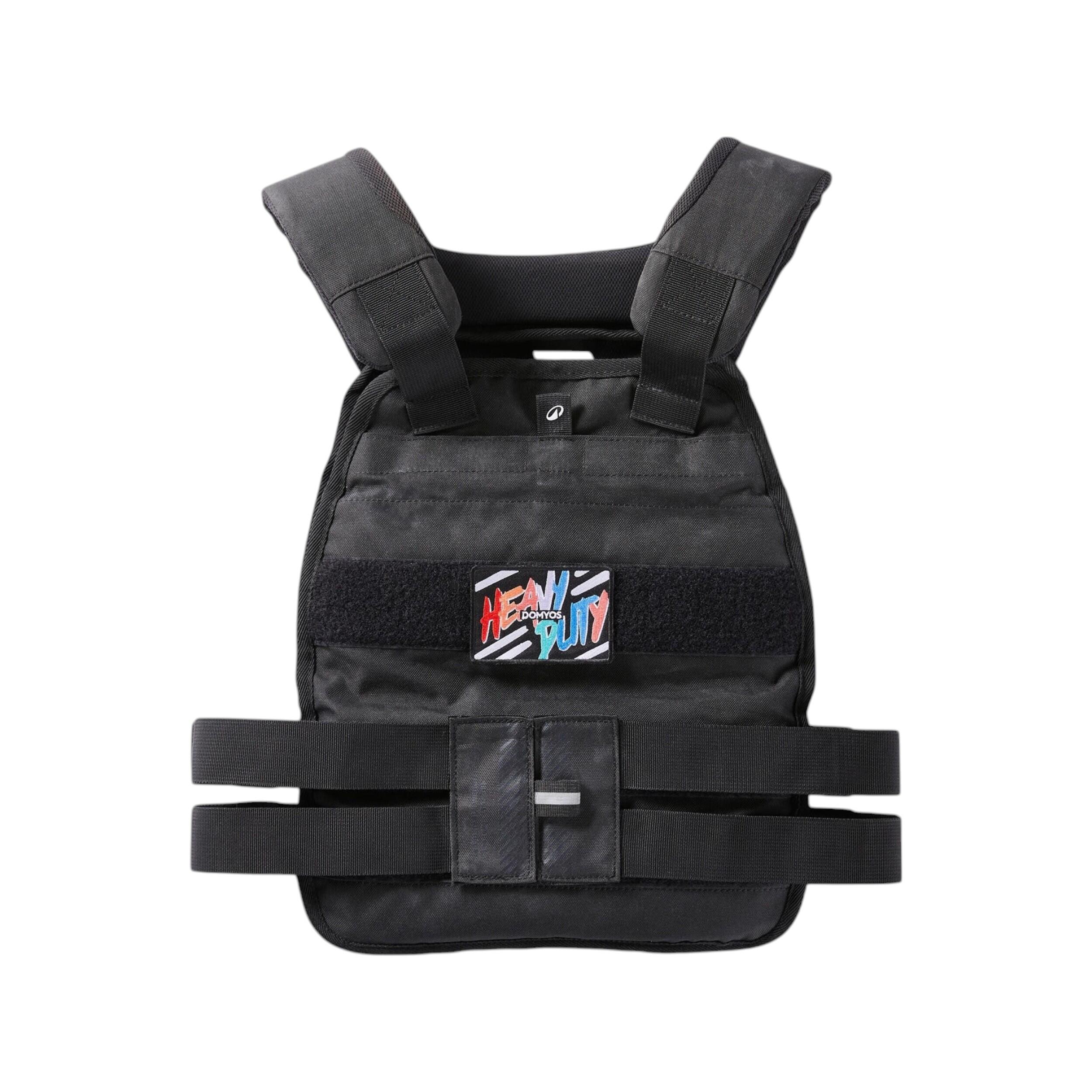
Weighted vests are an excellent complement to cross training kettlebells, since they let you load bodyweight work like push-ups, pull-ups, lunges, squats, and runs without having to hold extra weight in the hands. The key difference shows during longer training sessions because a vest spreads the load across the chest and back rather than fatiguing the grip, which means you can keep training the target muscles long after a kettlebell carry would have ended the set. Vests also pair cleanly with running, hiking, and incline-walking conditioning. Browse our range of cross training weighted vests across the Corength label in fixed-weight and adjustable-pocket cuts.

How do dumbbells fit alongside cross training kettlebells in a home gym?

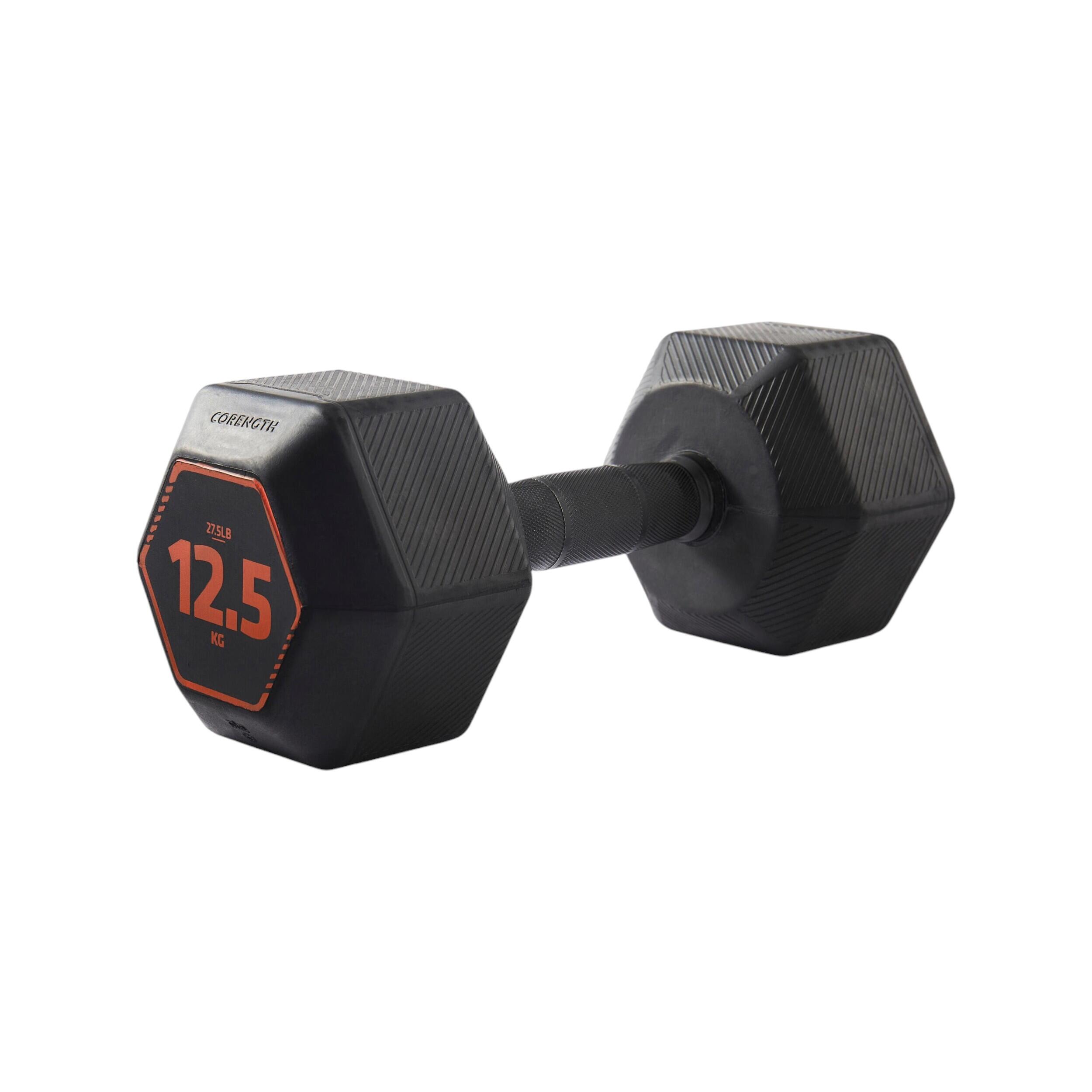
Dumbbells and kettlebells both sit at the centre of any well-stocked home gym, but they cover different movement patterns and grip styles that matter for a balanced programme. Dumbbells excel at controlled, strict pressing and pulling work, since the symmetrical handle and balanced load suit bench presses, rows, curls, and shoulder presses. Kettlebells, by contrast, win at ballistic, swinging and offset-load work where the displaced centre of gravity recruits the posterior chain. Where this becomes useful during the season is balance most well-rounded home programmes use both rather than choosing one. Browse our range of cross training dumbbells across the Corength label in cast-iron, vinyl-coated, and adjustable cuts.

How do cross training kettlebells fit into a complete home gym setup?

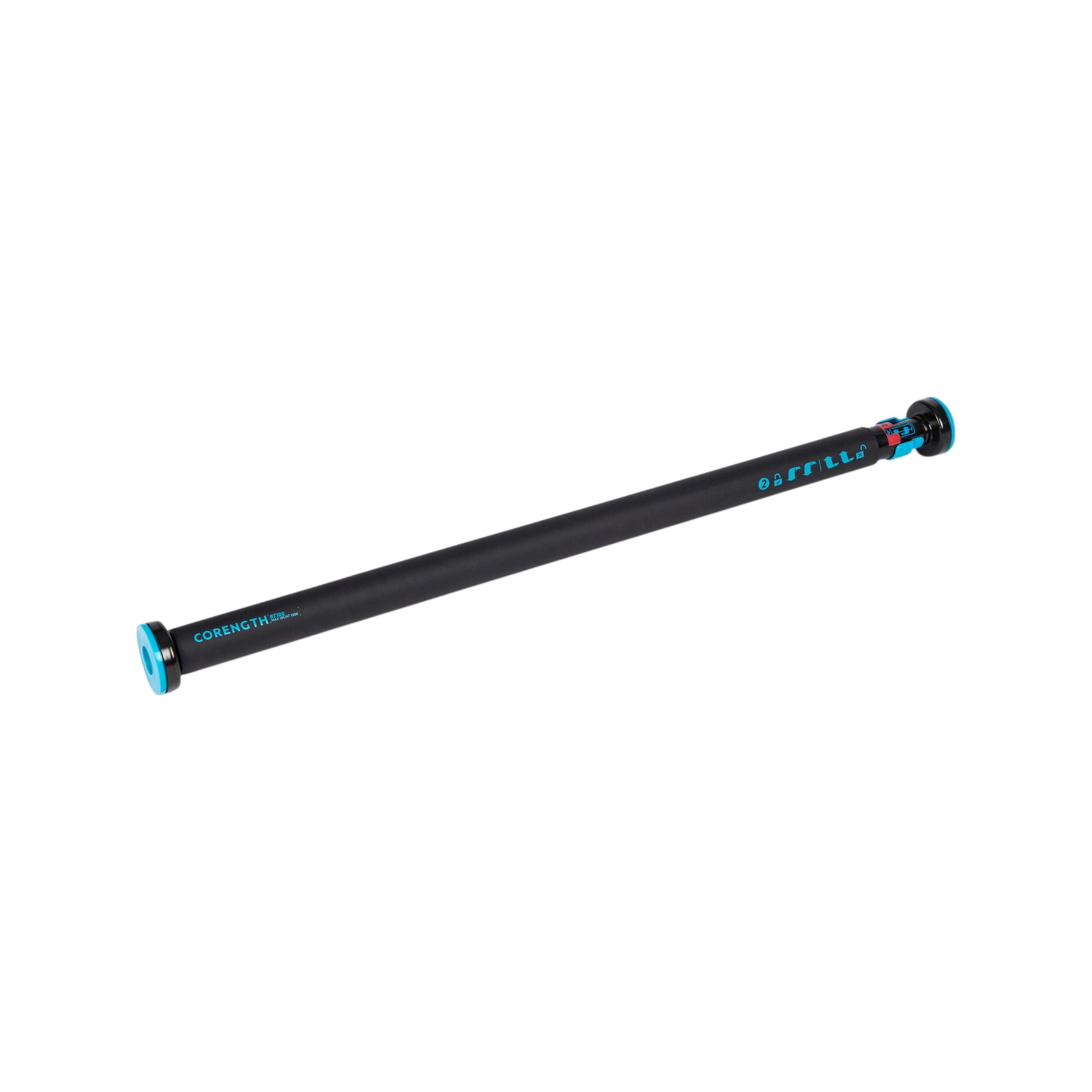
Cross training kettlebells sit at the centre of a complete home gym setup that covers pulling, pressing, carrying, and conditioning work across the week. Pull-up bars add the vertical pulling pattern that kettlebells alone cannot deliver, since rows and high pulls work the back differently to a strict overhead chin-up or pull-up. Why this becomes important across a training programme is balance a kettlebell-heavy plan with no vertical pulling leaves the lats, biceps, and upper back underdeveloped. Browse our range of cross training pull-up bars across the Corength label in doorway, wall-mounted and freestanding builds for home gyms of every size.