16 items
4.4/5 based on 1061 reviews collected online and in stores

WEIGHTED VESTS FAQS

How do I choose between different weighted vests for my workout?

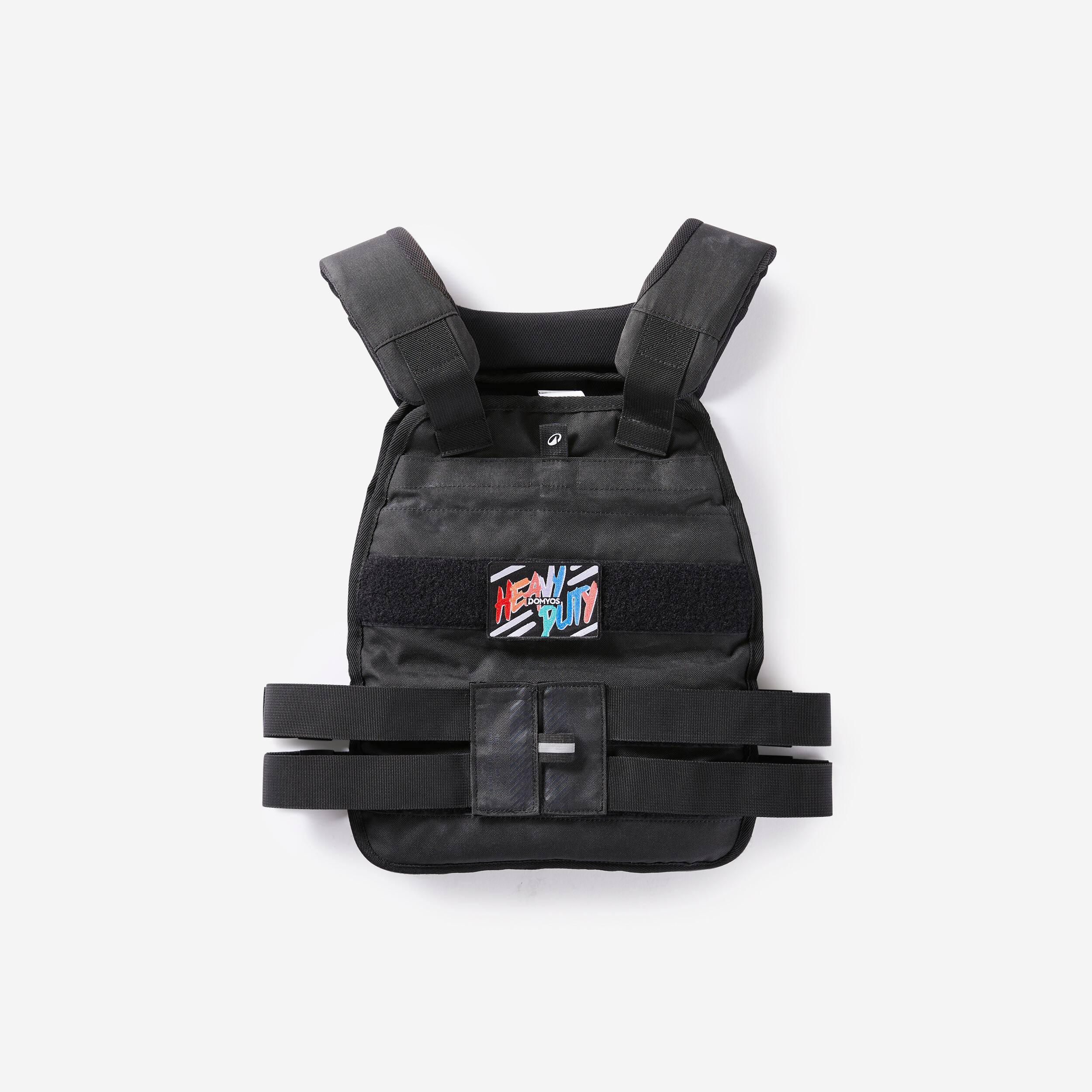
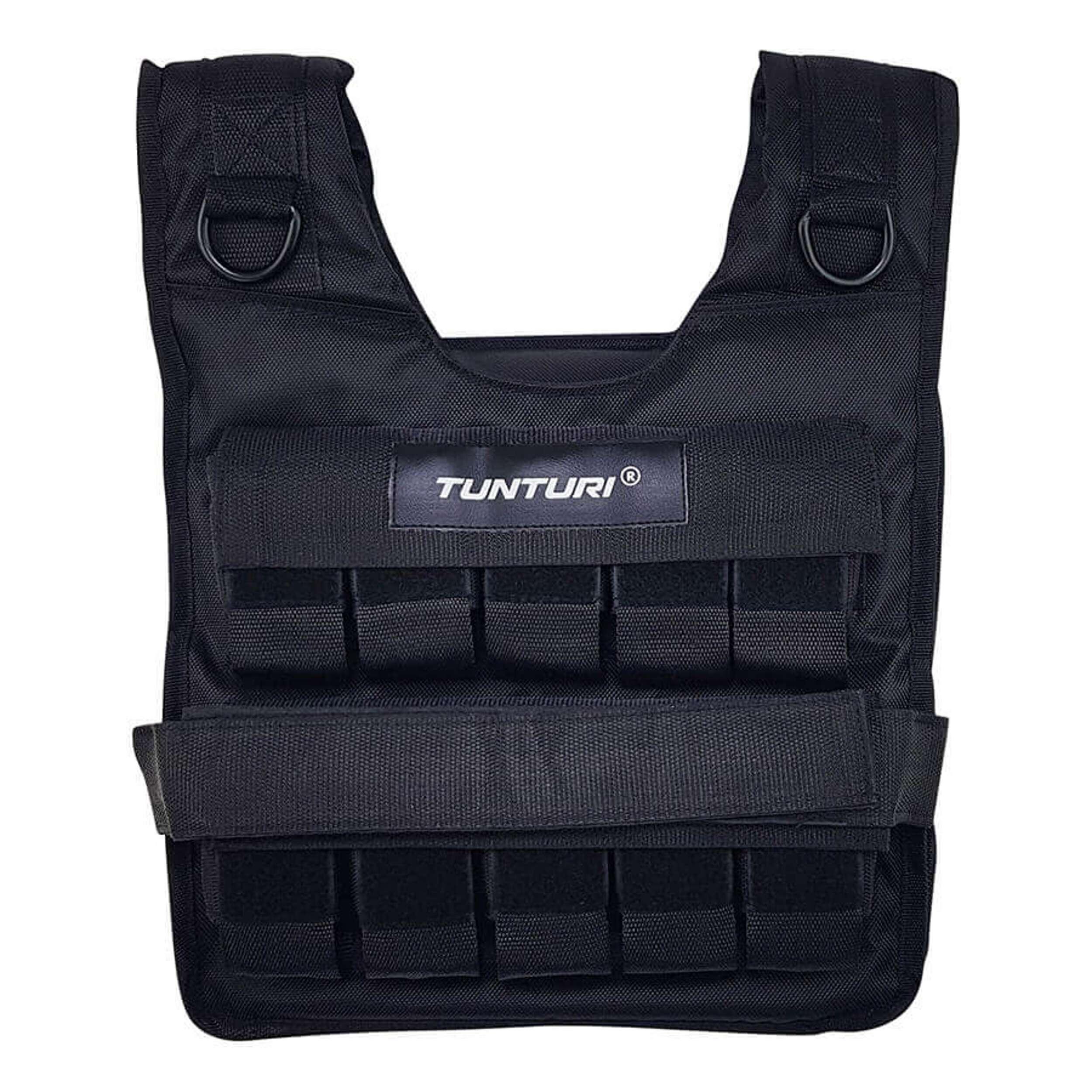
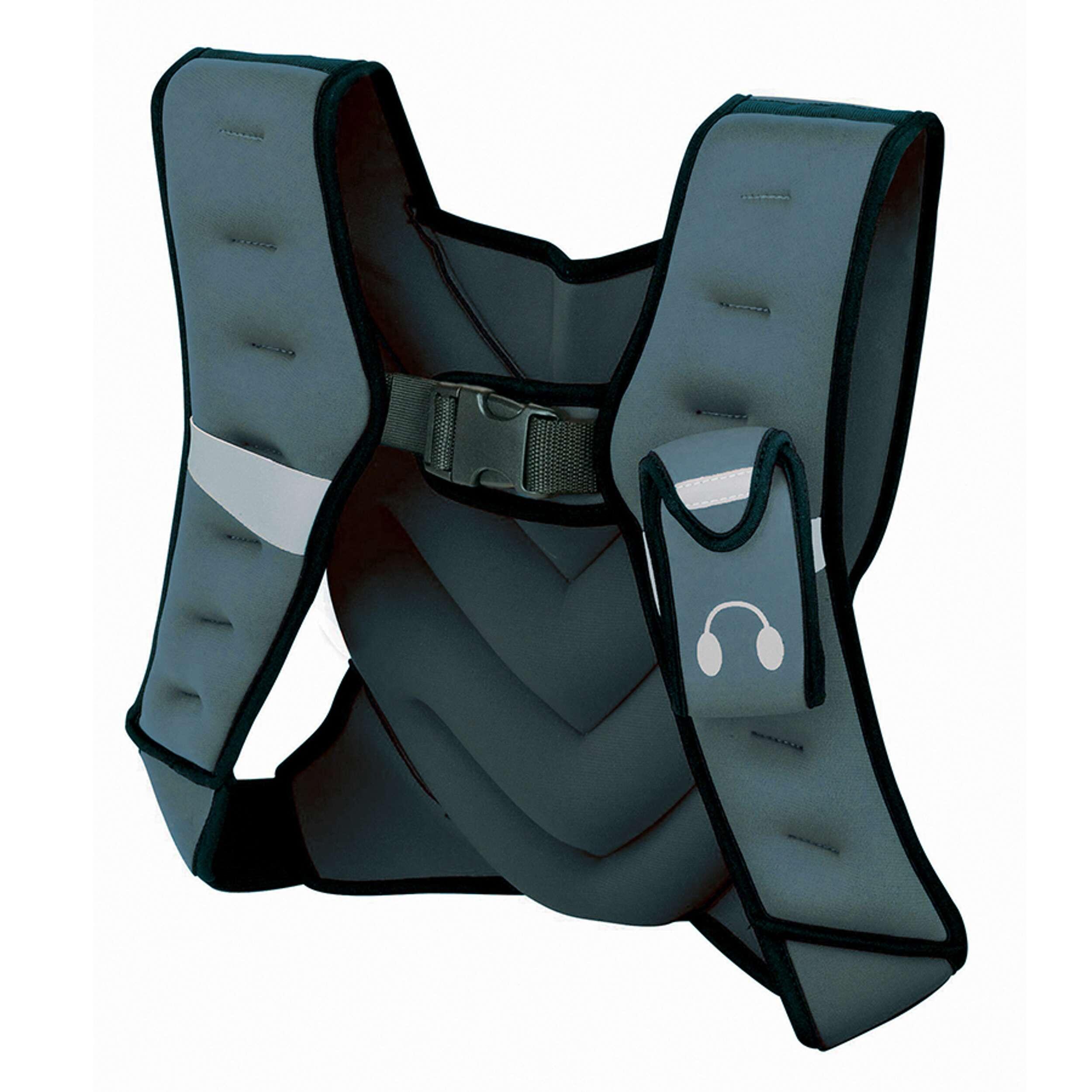
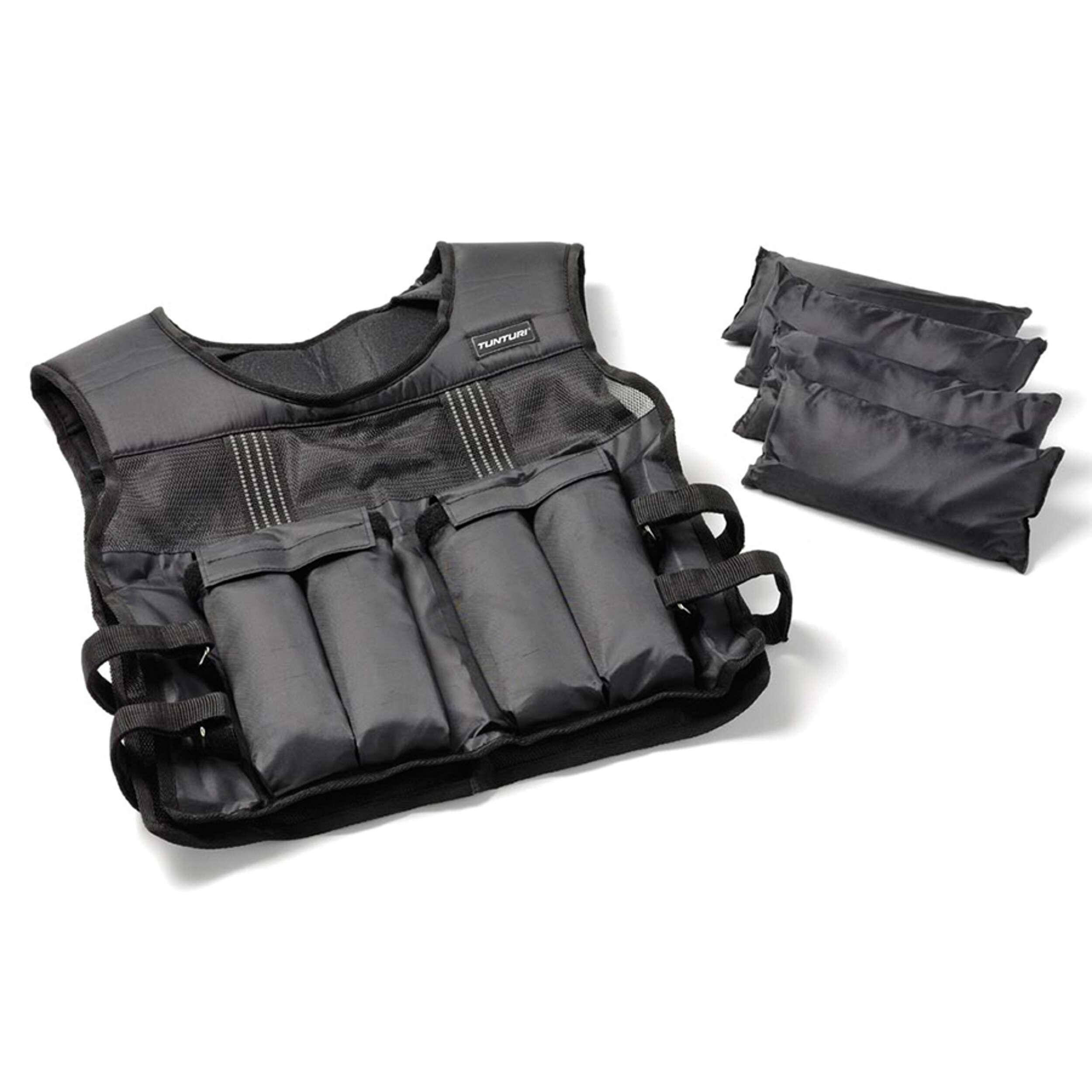
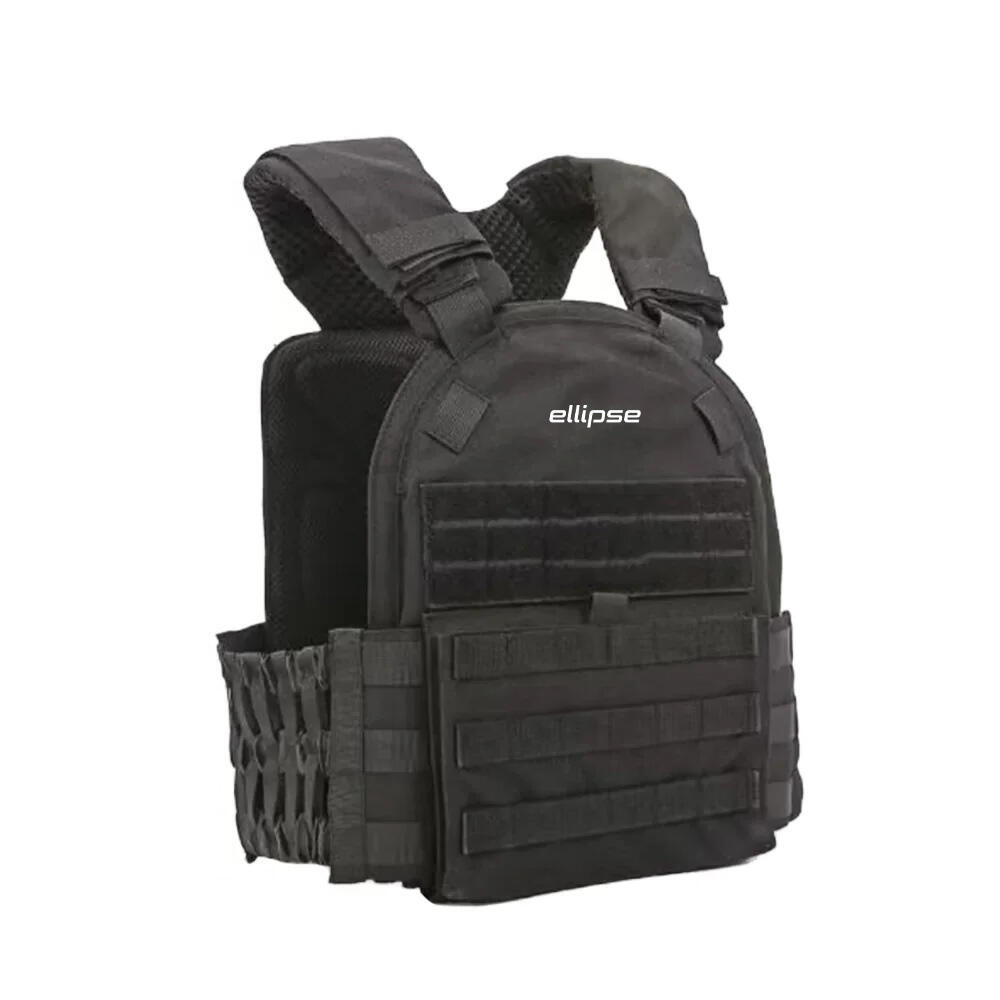
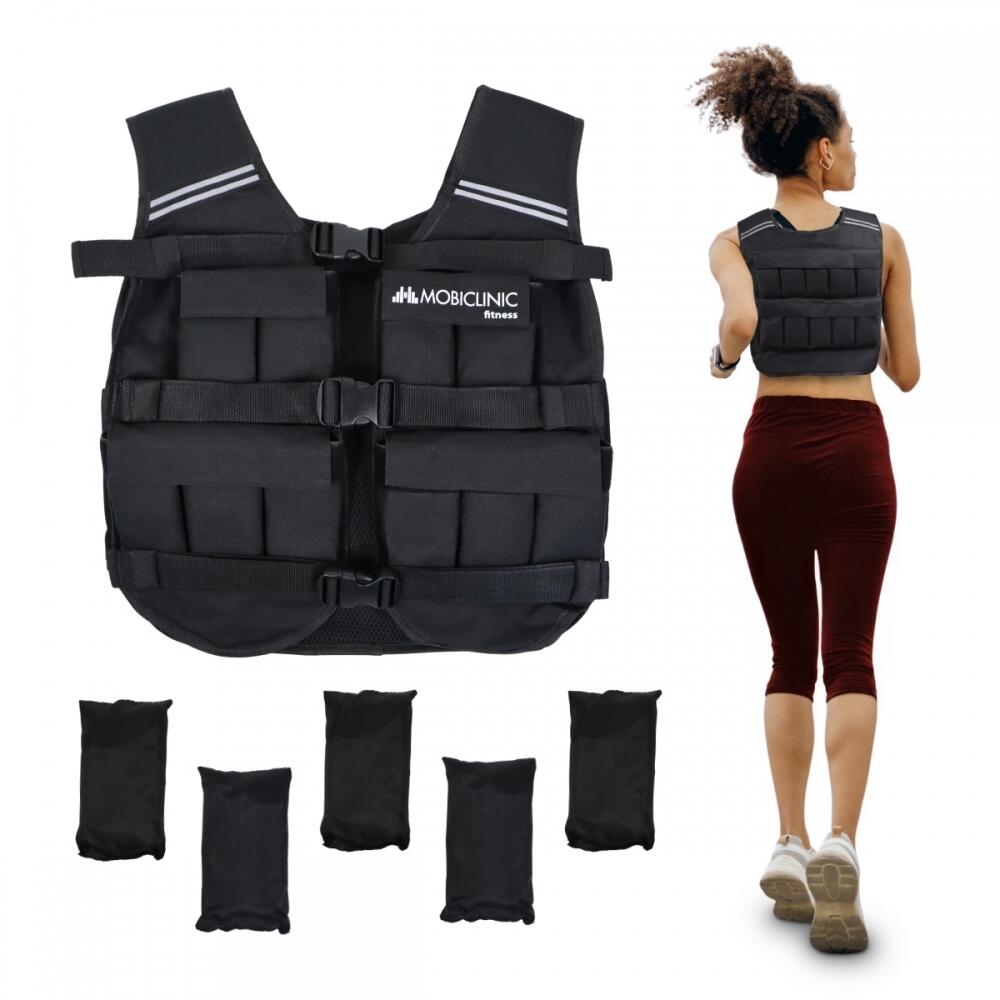
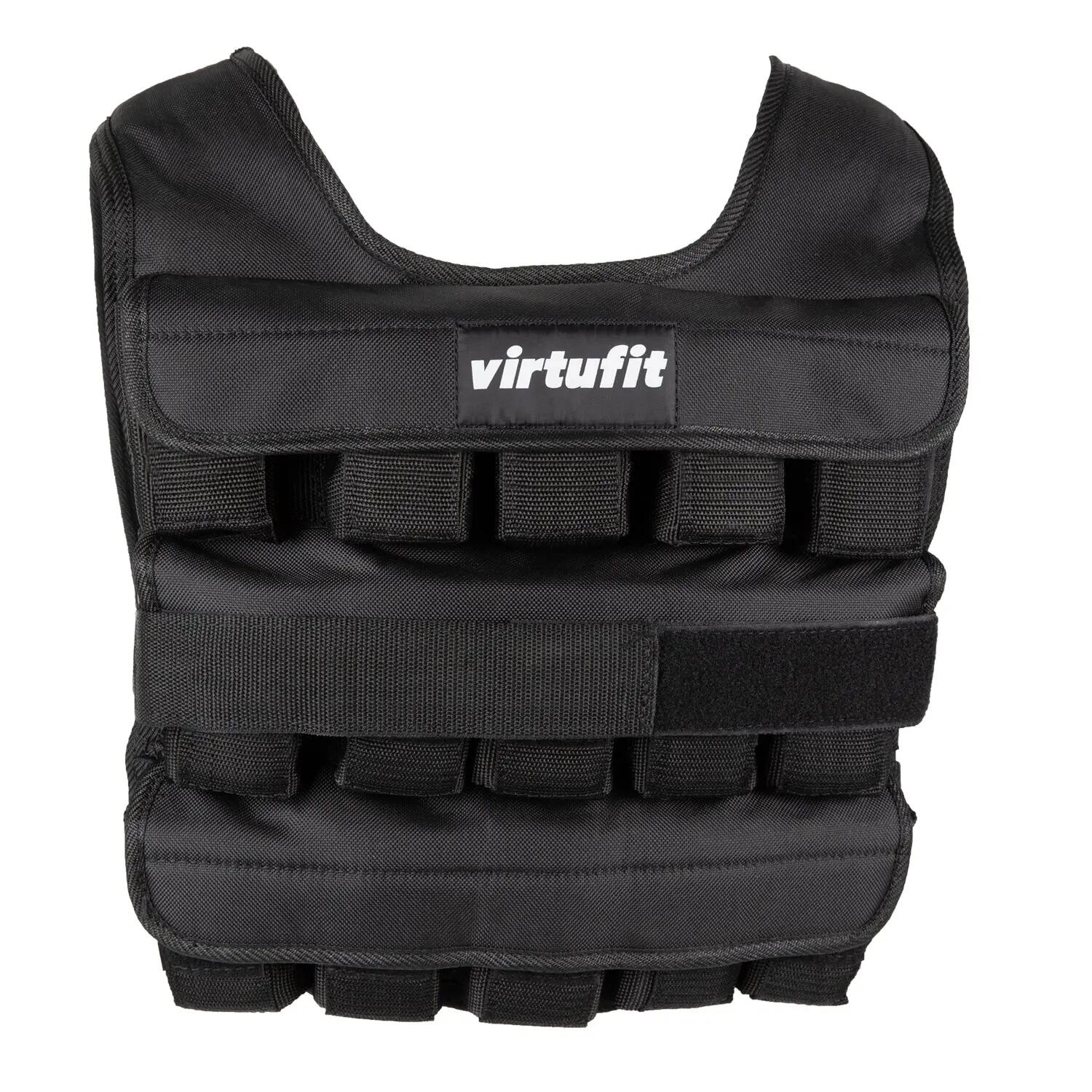
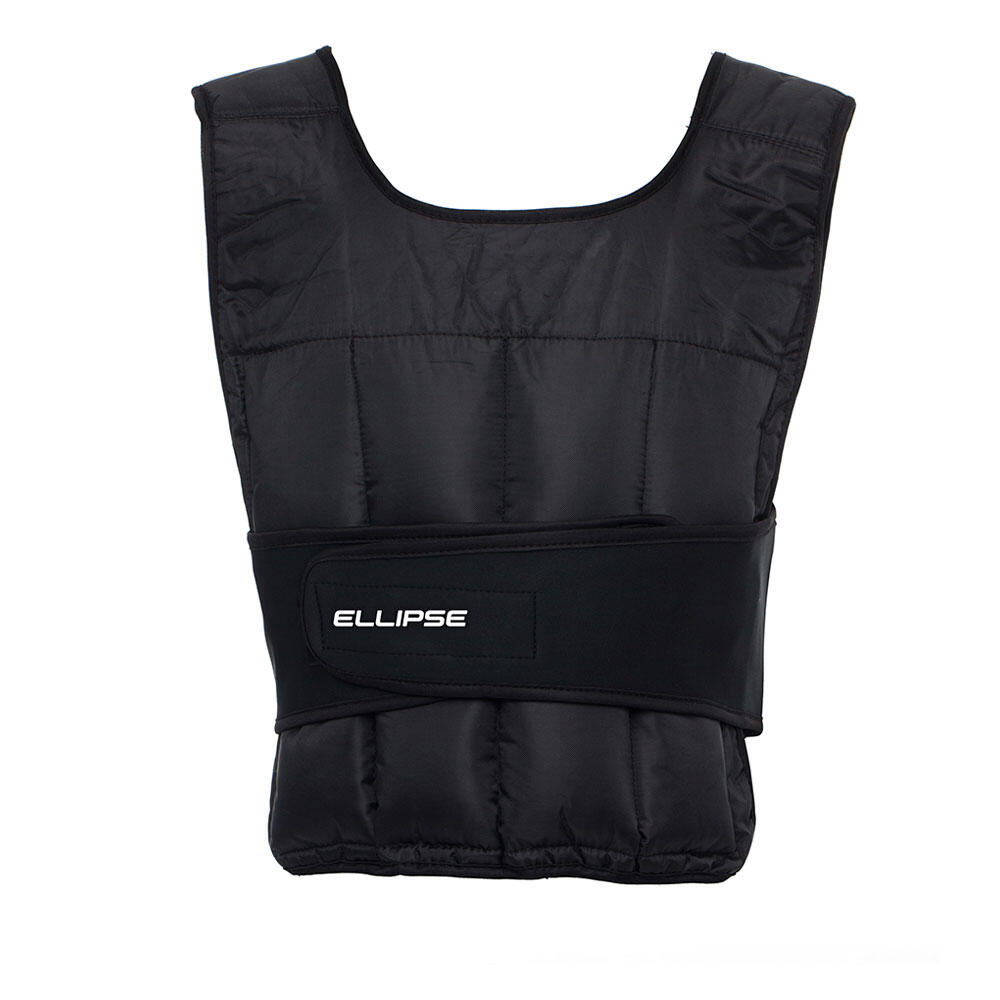
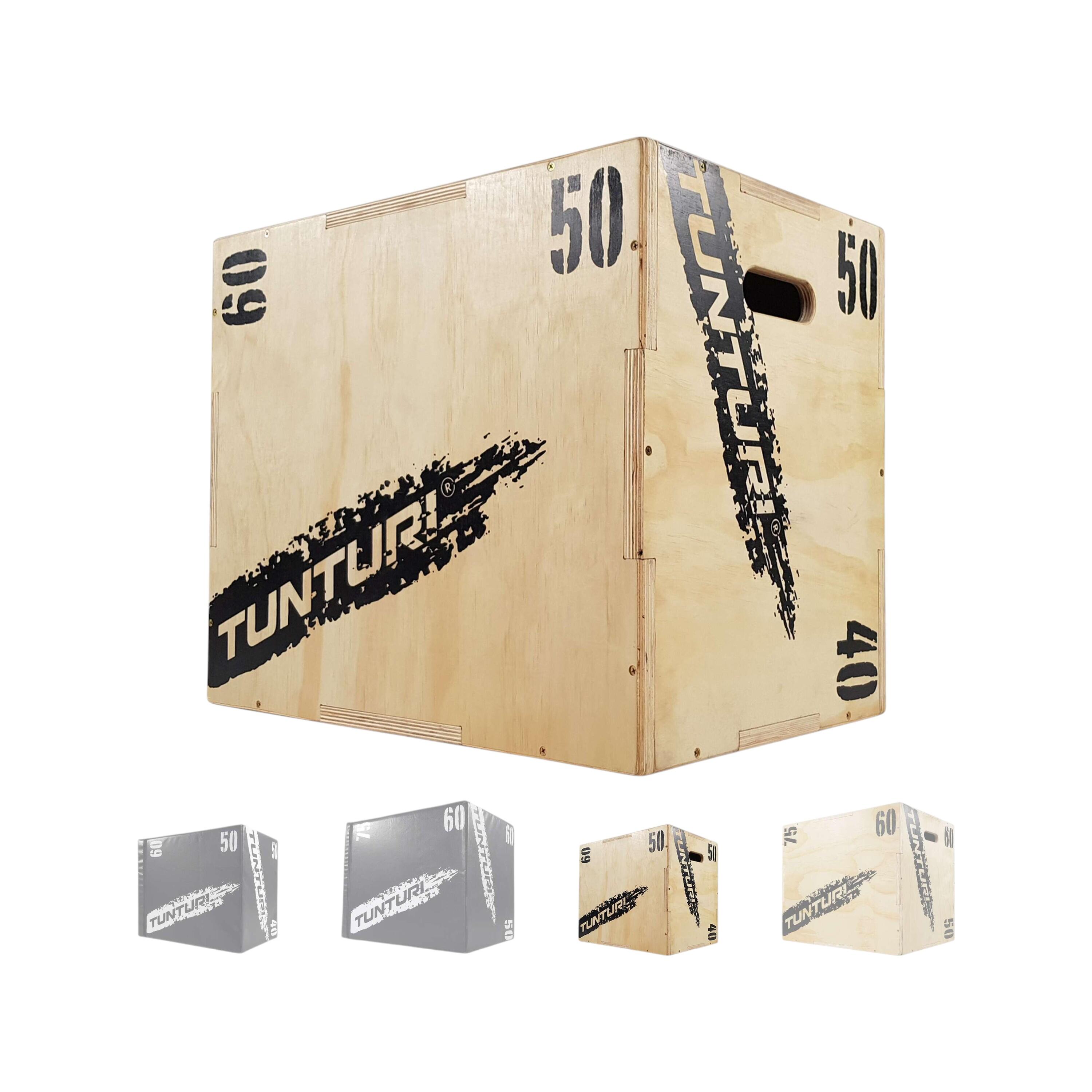
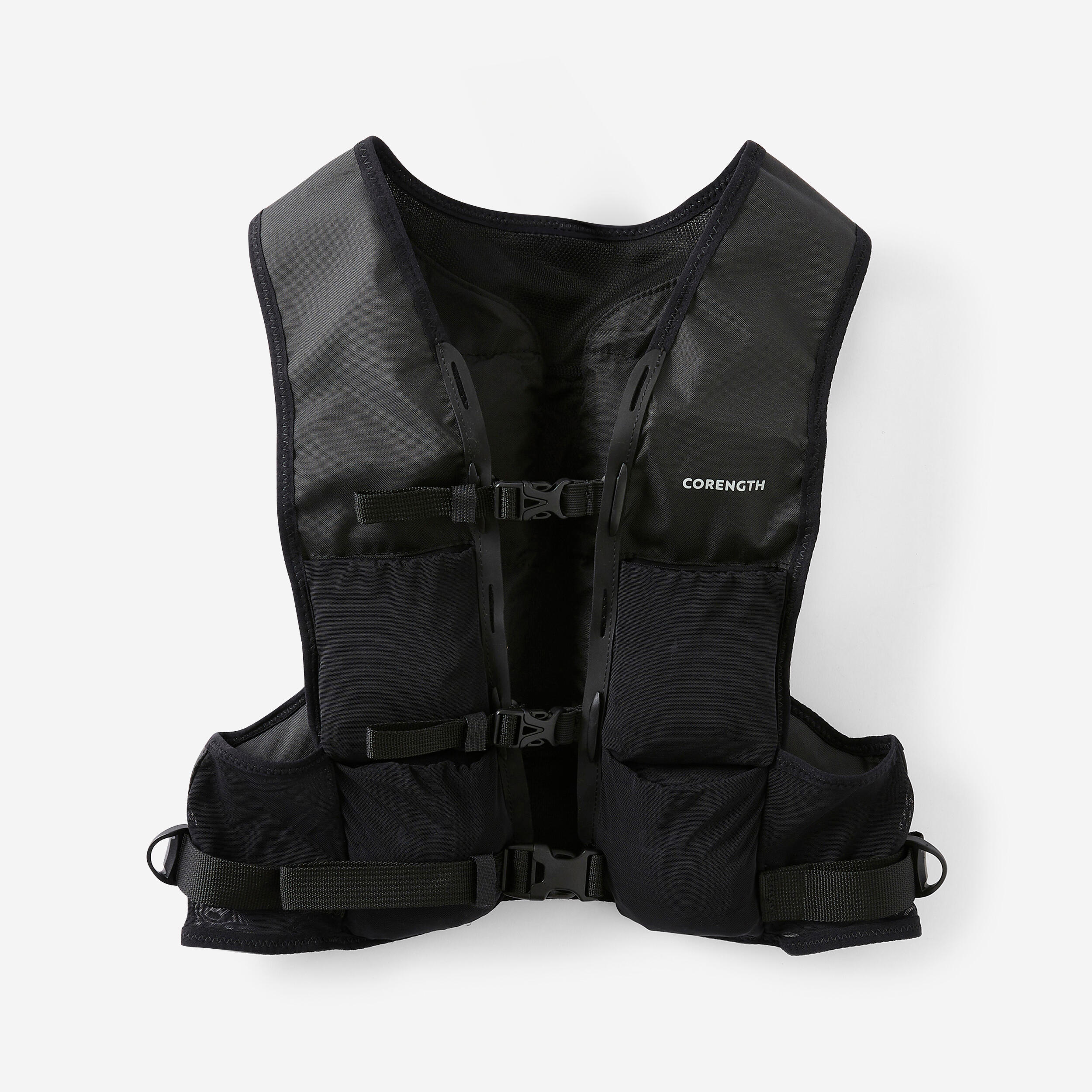
Selecting the right gear depends on how intense your workout is and whether you’re focusing on holding positions or moving quickly. For high-intensity metabolic conditioning, cross training weighted vests are typically the preferred choice because they feature a compact, ergonomic cut that allows for a full range of motion in the shoulders and torso. These vests often utilize a cross training weight plate system, where steel plates are inserted into front and back pockets to provide a balanced load that stays close to your centre of gravity. The technical reason behind this setup is to minimize "bounce" during plyometric exercises like box jumps or burpees. If your routine involves shifting between different strength levels, adjustable weighted vests allow you to increment the load by adding or removing small sandbags or metal blocks. This modularity ensures that the resistance remains challenging as your cardiovascular capacity and muscular endurance improve over time without needing to purchase multiple separate units.

What are the advantages of adjustable weighted vests pro models?

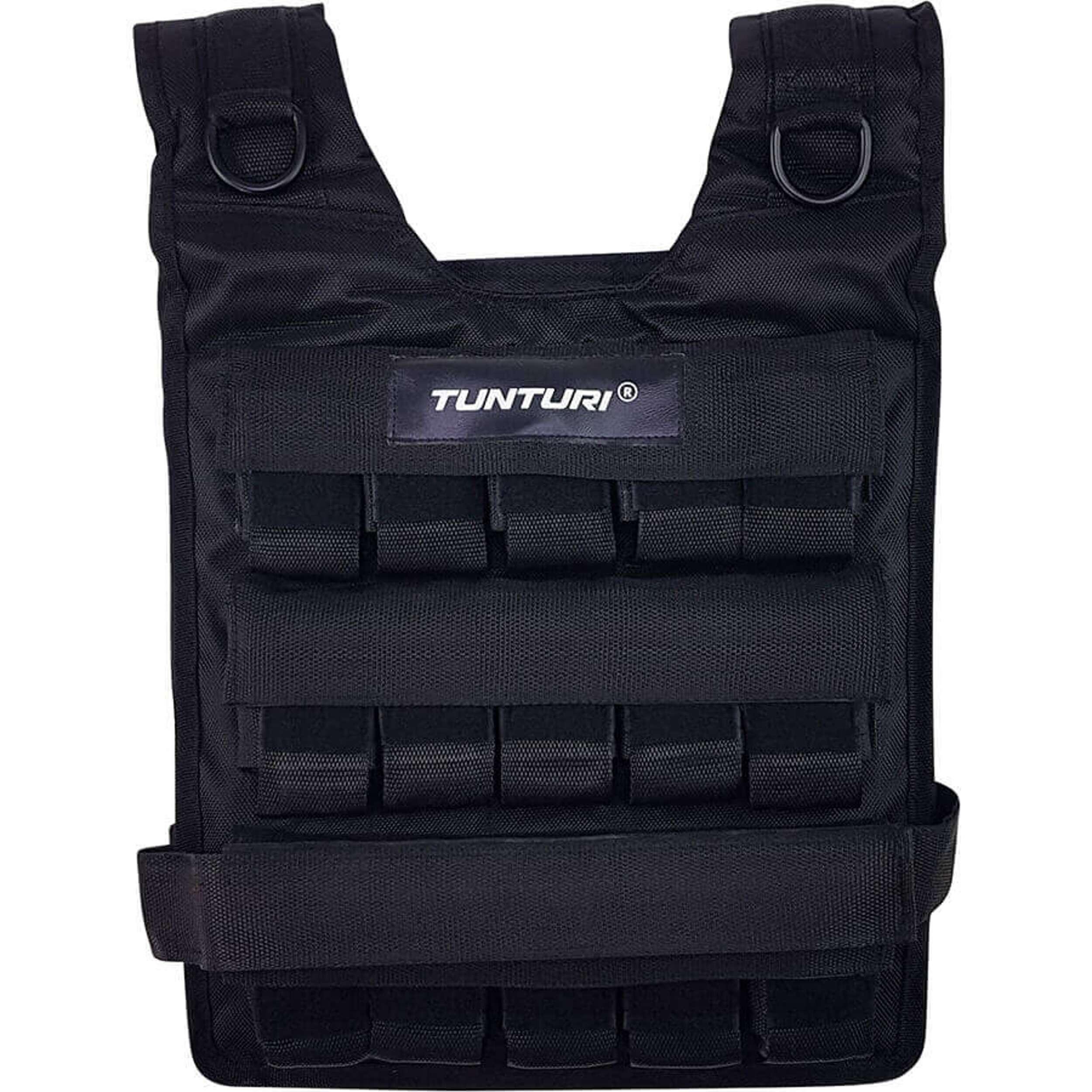
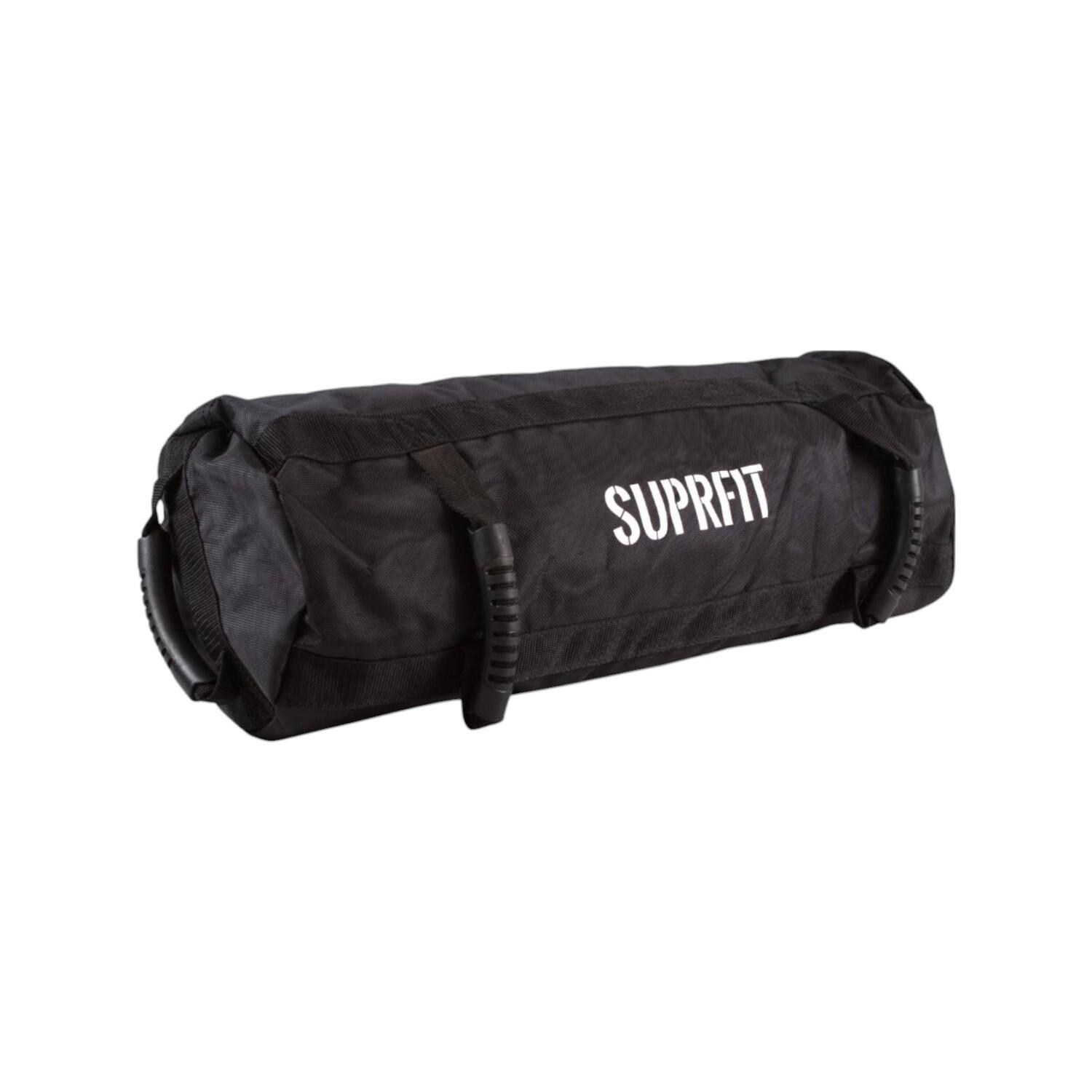
The pro-tier models are specifically built for athletes who require maximum durability and a rock-solid fit during complex gymnastics movements. These adjustable weighted vest pro units use reinforced tactical-grade materials and heavy-duty Velcro straps to ensure the vest remains immobile even when inverted. Unlike a cross training weighted bag which is often used for uneven load carries and lunges, a pro vest is intended for bodyweight movements like muscle-ups or handstand push-ups. The technical benefit of the pro harness is the pressure distribution; wide shoulder straps and a wrap-around waistband prevent the load from pinching your trapezius muscles or restricting your rib cage during heavy breathing. This level of stabilization is essential for maintaining proper spinal alignment when you are adding 10kg or more to your natural body weight during a workout.

Can I use weight training weighted vests for calisthenics?

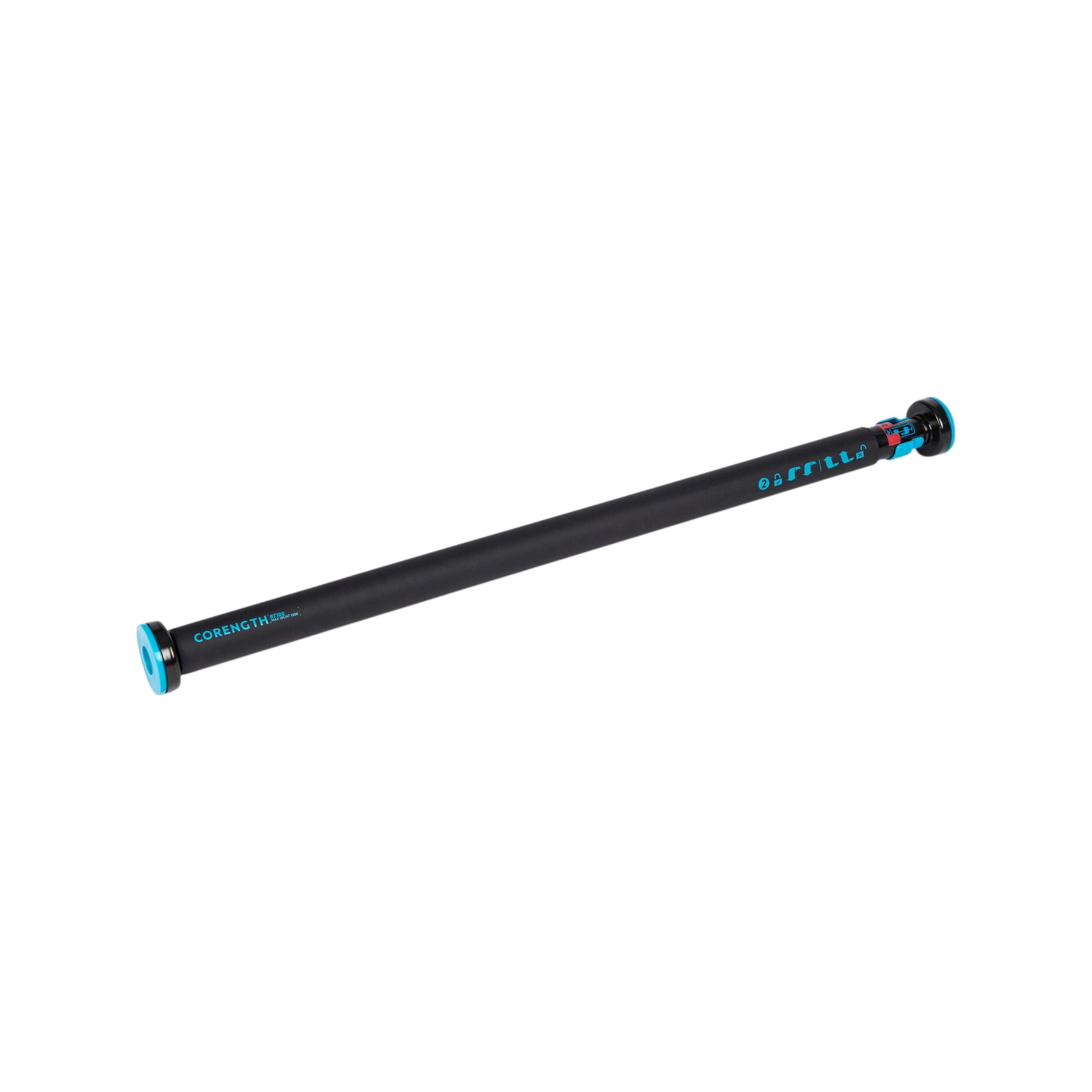
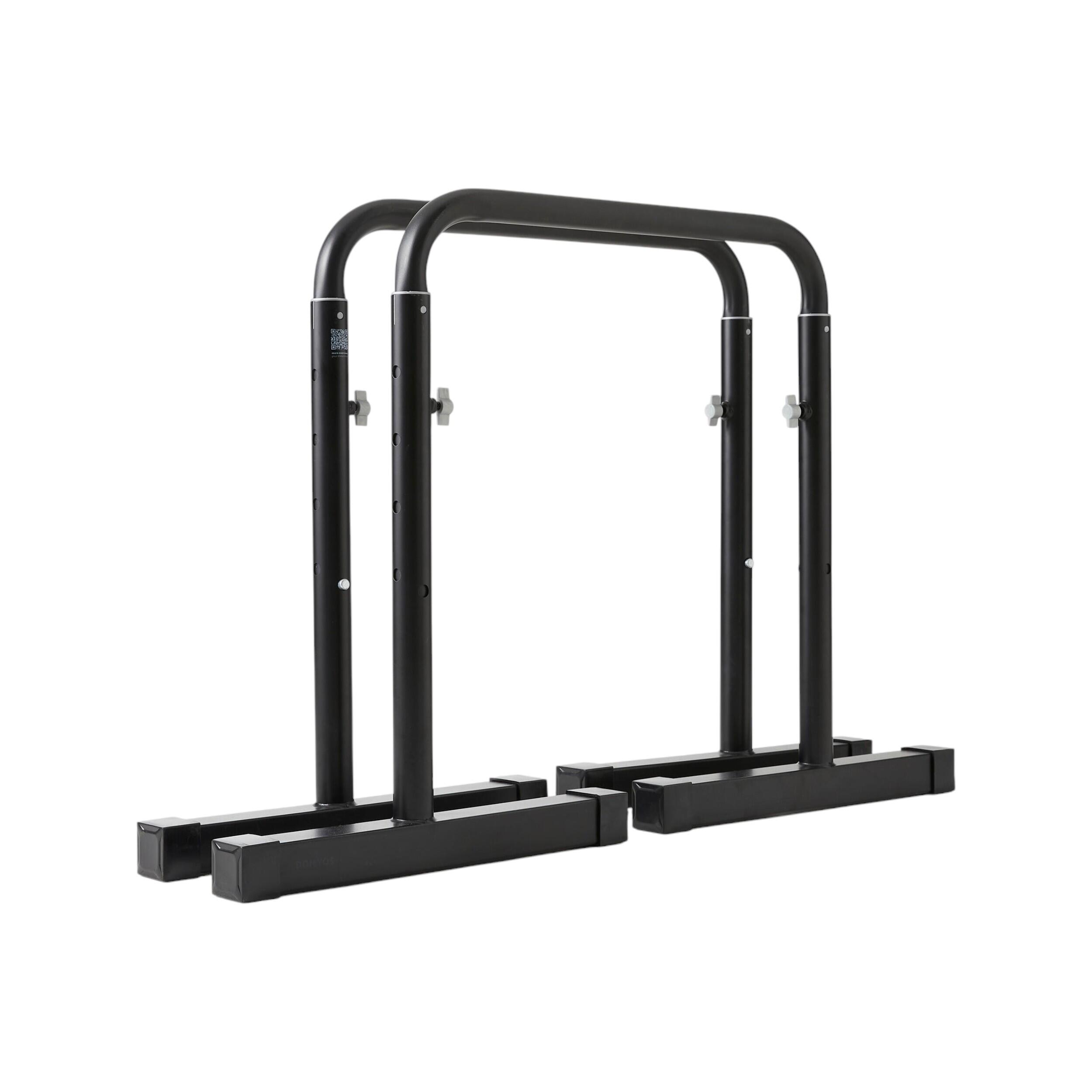
Yes, weighted vests are a practical way to progress in calisthenics once bodyweight exercises start to feel easy. Instead of increasing repetitions, adding load helps build strength and control more efficiently. For example, combining a vest with cross training parallel bars allows for deeper dips, increasing muscle engagement in the chest and triceps through greater range of motion. The added weight also challenges stabiliser muscles, improving balance and control during both the lowering and lifting phases of each movement. For better comfort and performance, ensure the vest fits snugly and sits high on the torso—this helps avoid interference during exercises like pull-ups. Many athletes prefer vests over dipping belts because the weight is evenly distributed, creating a more natural feel and reducing strain on the hips and lower back.

How does a weighted vest improve pull-up performance?

Using extra resistance during bodyweight pulling exercises creates a significant stimulus for muscle hypertrophy and grip strength. When you use a vest while working on cross training pull up bars, you are practicing progressive overload by forcing the latissimus dorsi and biceps to move a greater total mass. This technical approach builds explosive power; once you remove the vest, your body feels significantly lighter, often allowing you to perform more "unweighted" repetitions with better speed and form. It is important to start with a low percentage of your body weight to ensure your connective tissues and joints adapt to the increased force.

Are weighted vests effective for increasing calorie burn during a daily walk?

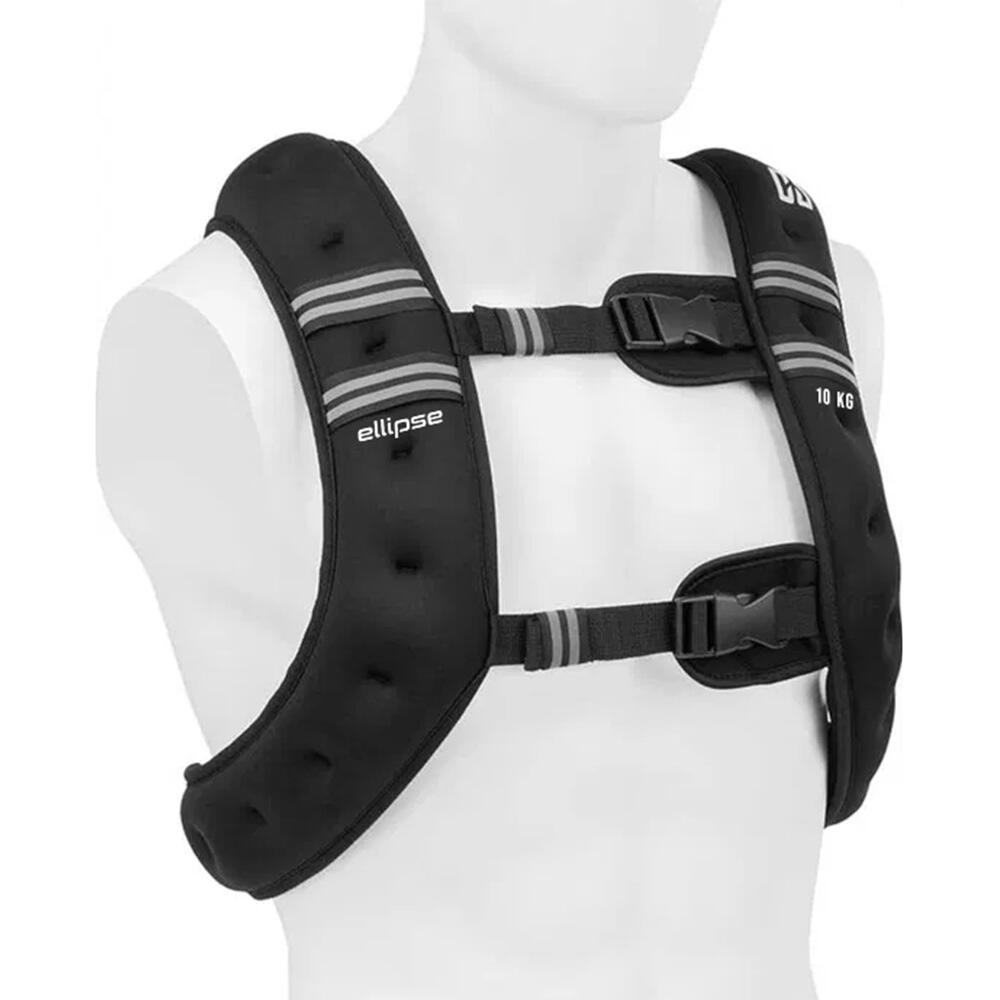
Integrating a supportive weighted vest into your daily walking routine is an exceptionally efficient and straightforward way to increase metabolic demand and accelerate total calorie burn. By introducing centralized resistance, your body is forced to recruit significantly more muscle fibers across your core and lower body to stabilize your spine. The technical "why" behind this elevated energy expenditure centers on mechanical workload; fighting against an increased gravitational load causes your resting heart rate to climb safely into a steady cardiovascular conditioning zone without requiring an aggressive increase in pacing speed. This makes it highly beneficial for active recovery or building functional baseline endurance. When sourcing a durable weighted vest in Ireland, choosing low-profile form factors with adaptable pocket configurations prevents lower-back strain. For fitness enthusiasts aiming to diversify their metabolic threshold or home strength workouts, adding this multi-functional layer alongside high-quality cross training equipment provides a seamless path toward upgrading your overall training capacity.

Is a weighted vest better than holding dumbbells for increasing walking intensity?

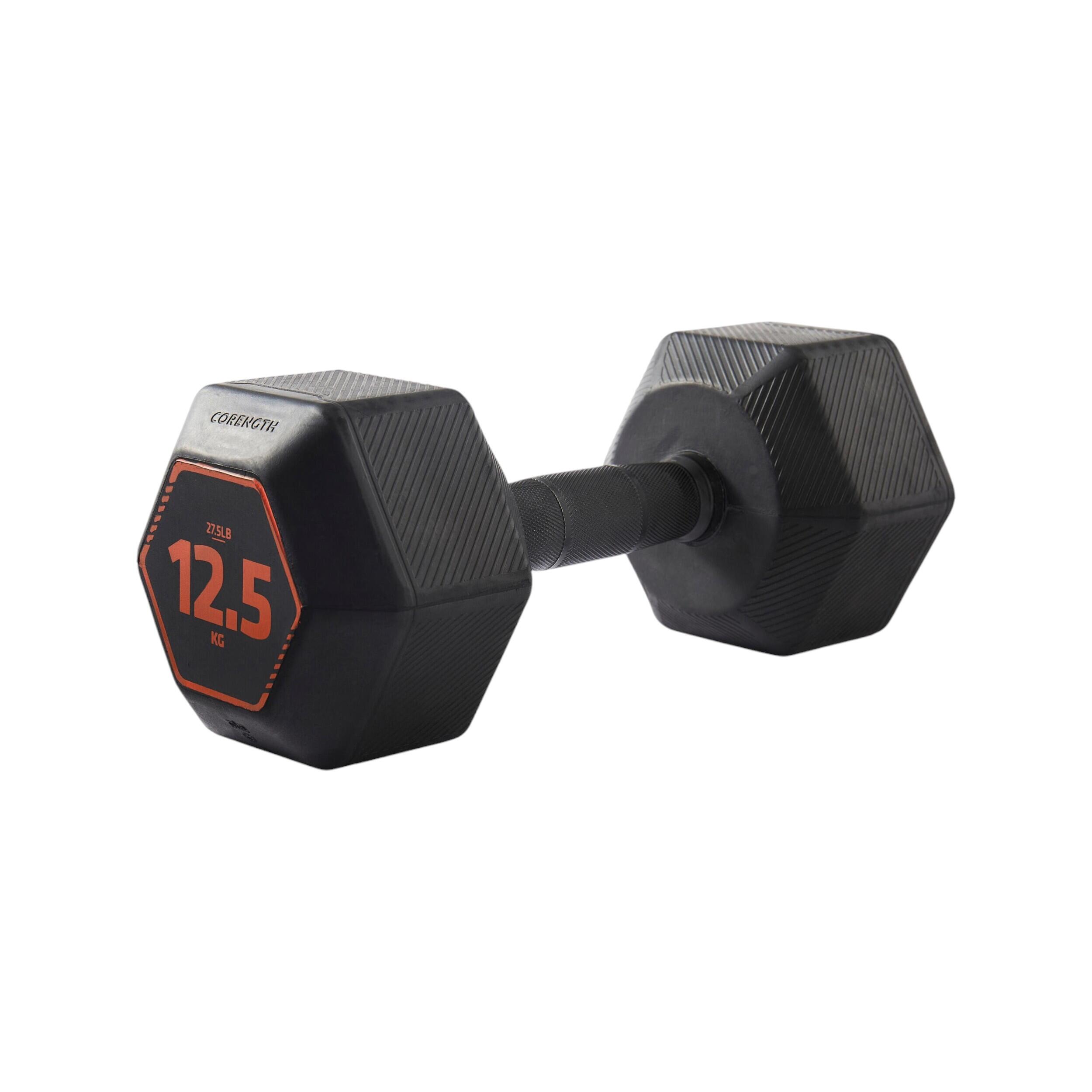
Yes, securing an adjustable body-mounted harness is universally safer and anatomically superior to holding hand weights during distance conditioning. Carrying standard hand weights over an extended duration creates an uncalibrated lever arm, forcing your shoulder tendons and biceps to maintain rigid isometric contractions that can cause chronic joint inflammation, premature fatigue, and elevated blood pressure readings. Conversely, a technical weighted vest aligns the load precisely with your center of gravity, distributing mass uniformly over your chest and upper back panels. This hands-free distribution preserves a natural arm swing and proper skeletal alignment, which explains why a specialized weighted running vest is overwhelmingly favored by functional fitness athletes and outdoor runners alike. If your primary goal involves isolated upper-body strength progressions rather than walking conditioning, investing in dedicated dumbbells allows you to perform targeted compound lifts safely on the gym floor. Pro-tip: When buckling up for a walk or conditioning loop, ensure the integrated chest and waist straps are tightened securely so the frame does not shift or bounce. A loose fit creates repetitive micro-friction against your technical activewear, which can degrade synthetic fibers, whereas a flush, compressed fit safeguards your posture and keeps the mass perfectly synchronized with your gait.