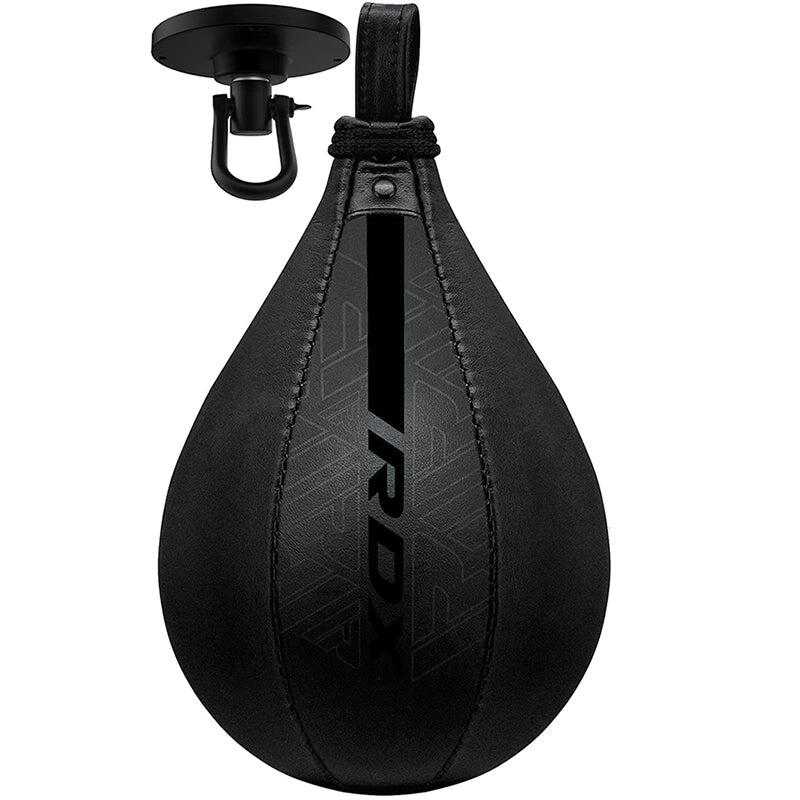
135 items
4.2/5 based on 2395 reviews collected online and in stores

BOXING PUNCHING BAGS FAQS

How do I choose the right boxing punching bag for my training?

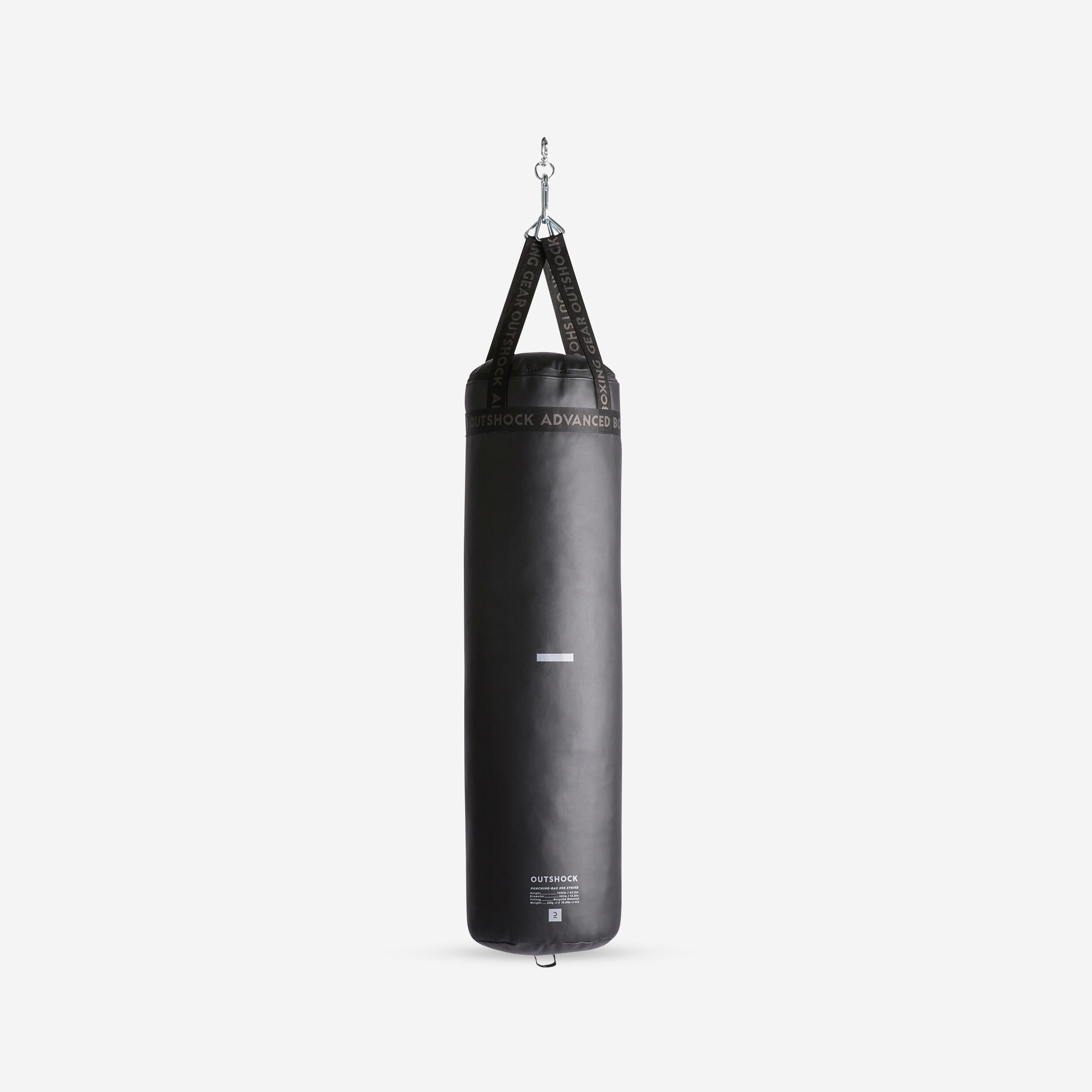
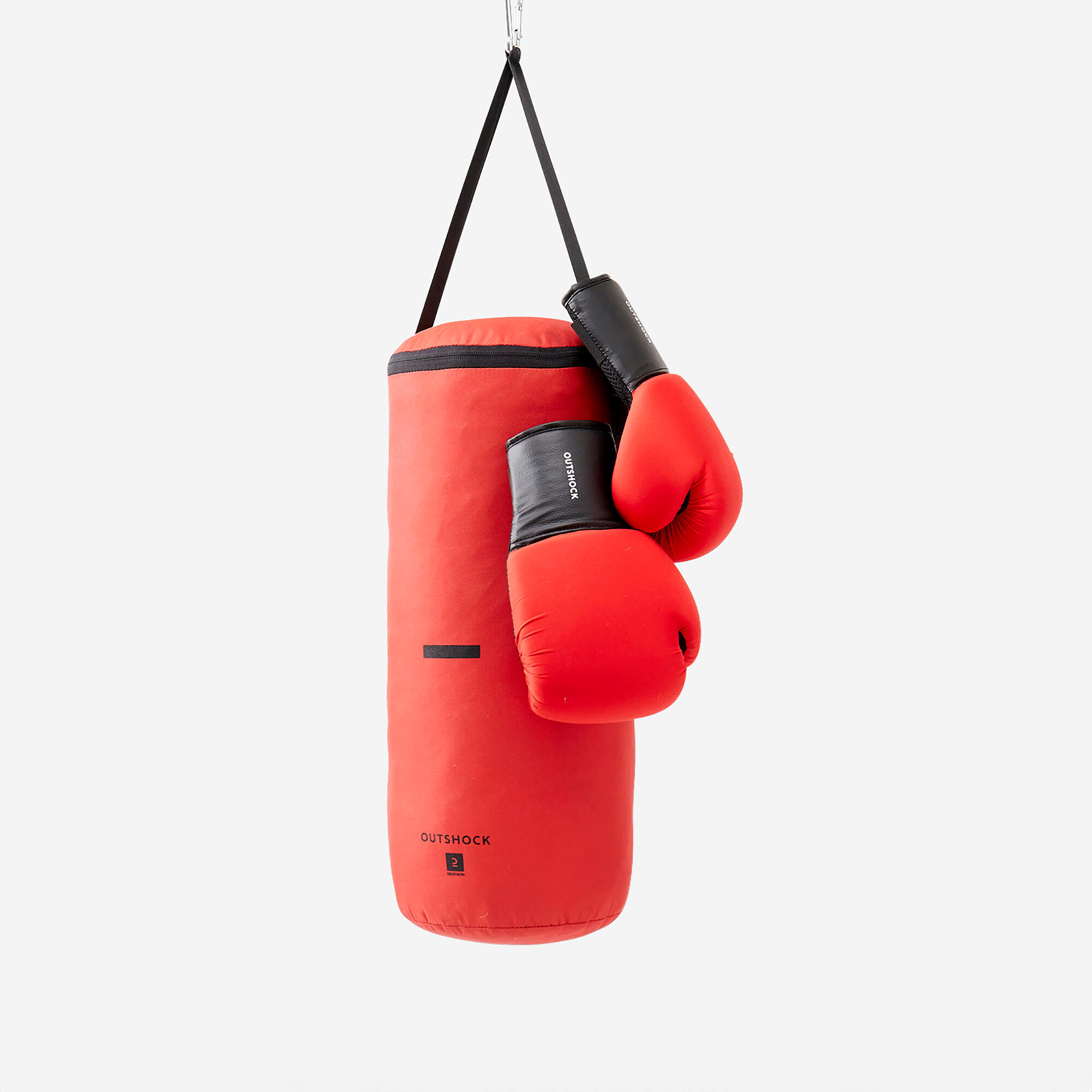
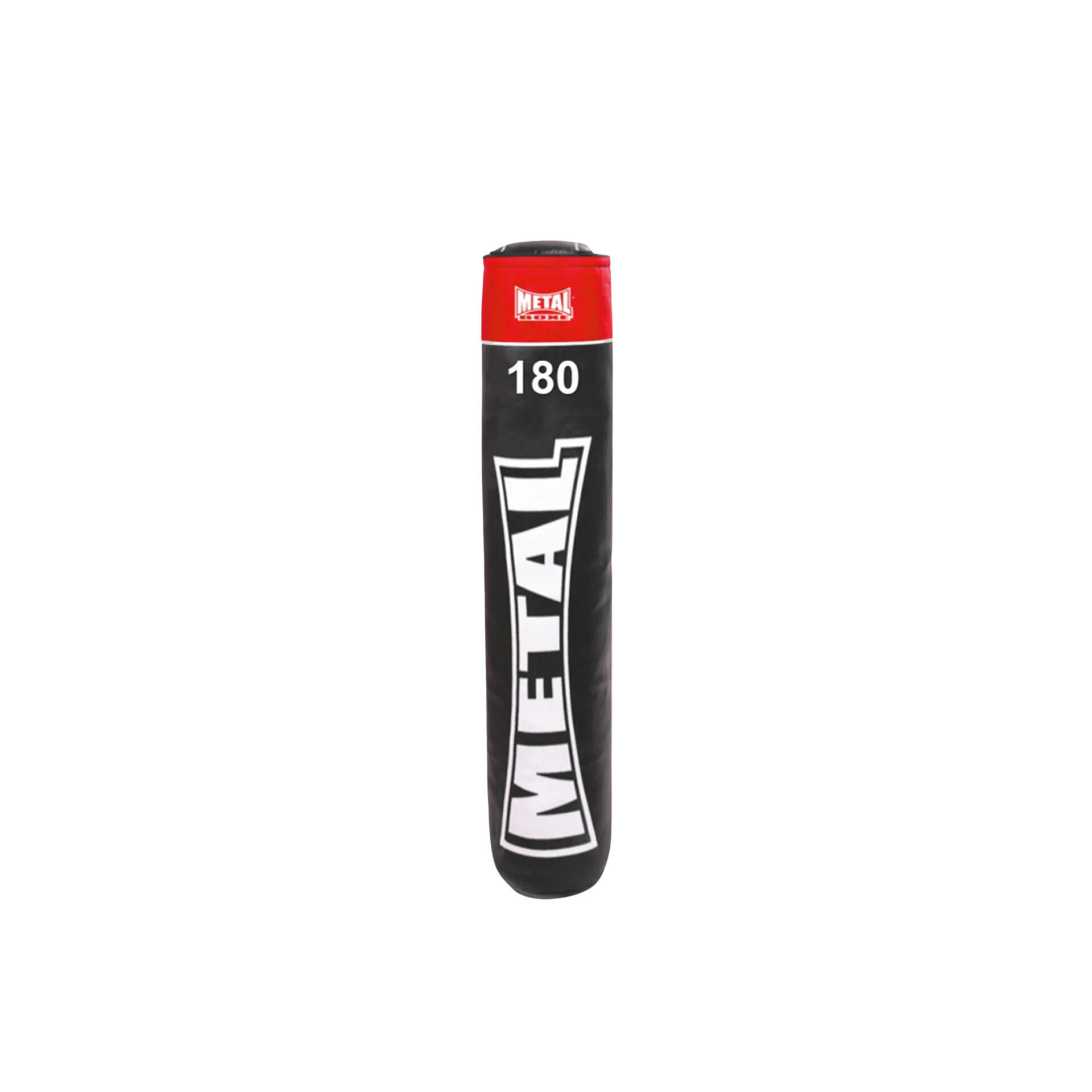
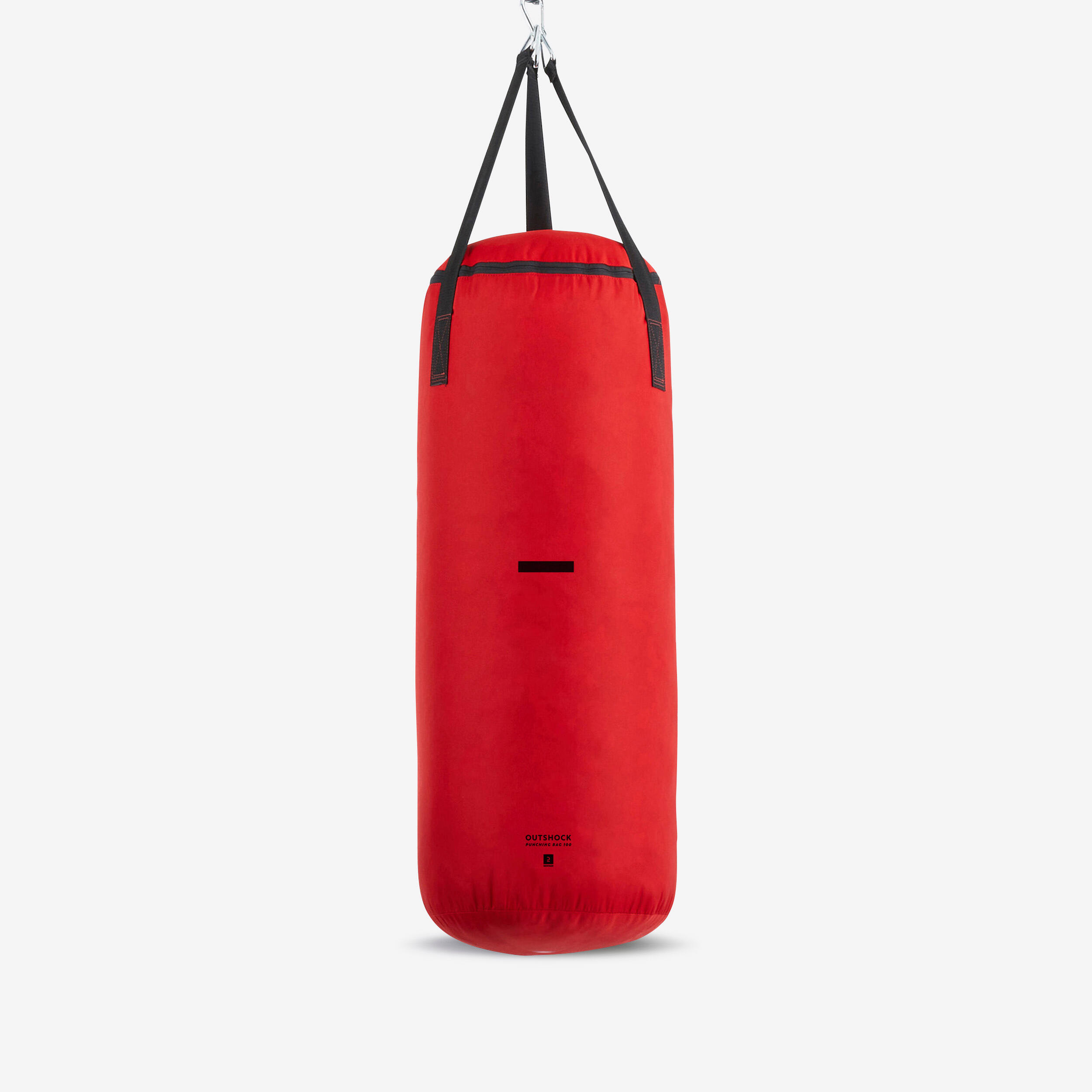
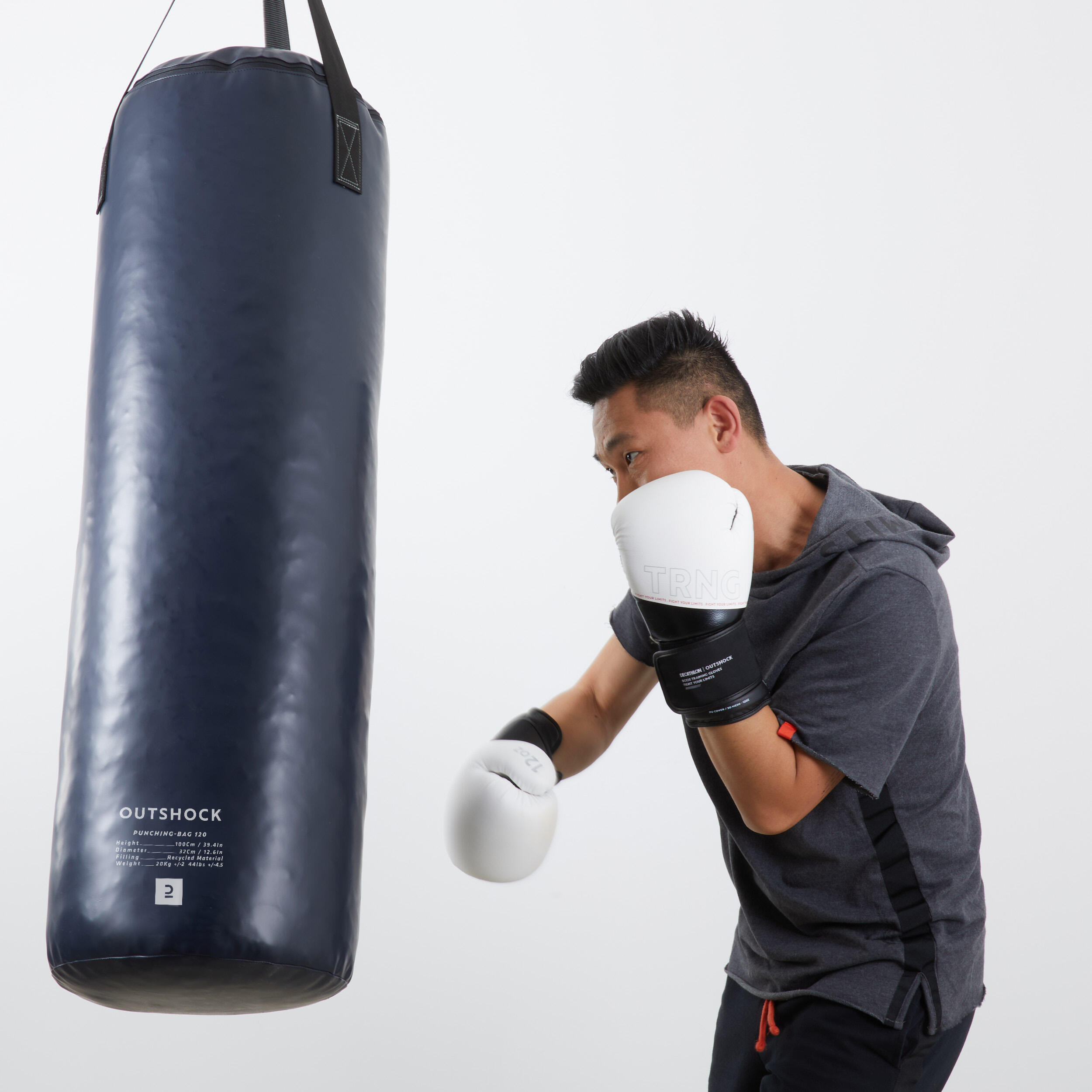
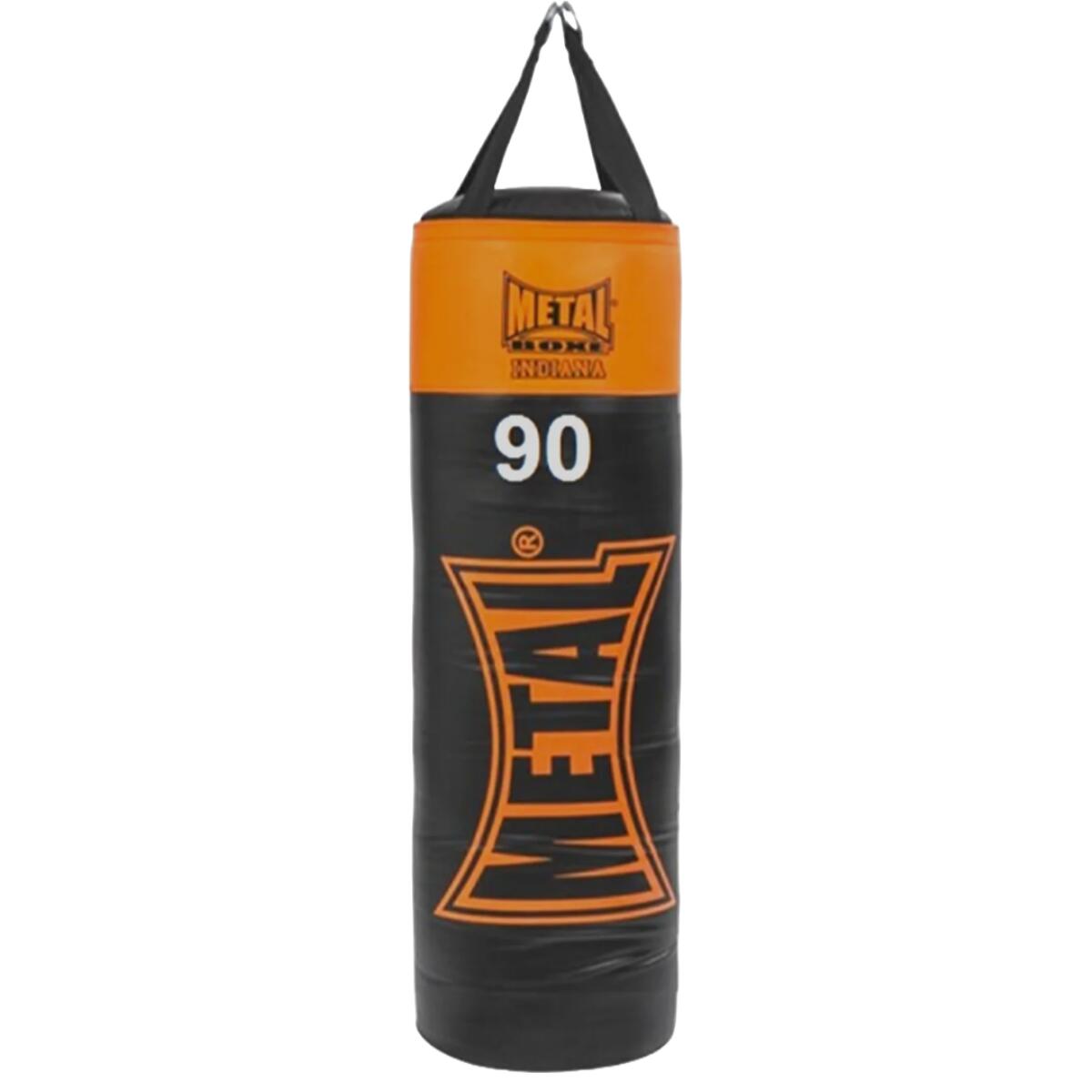
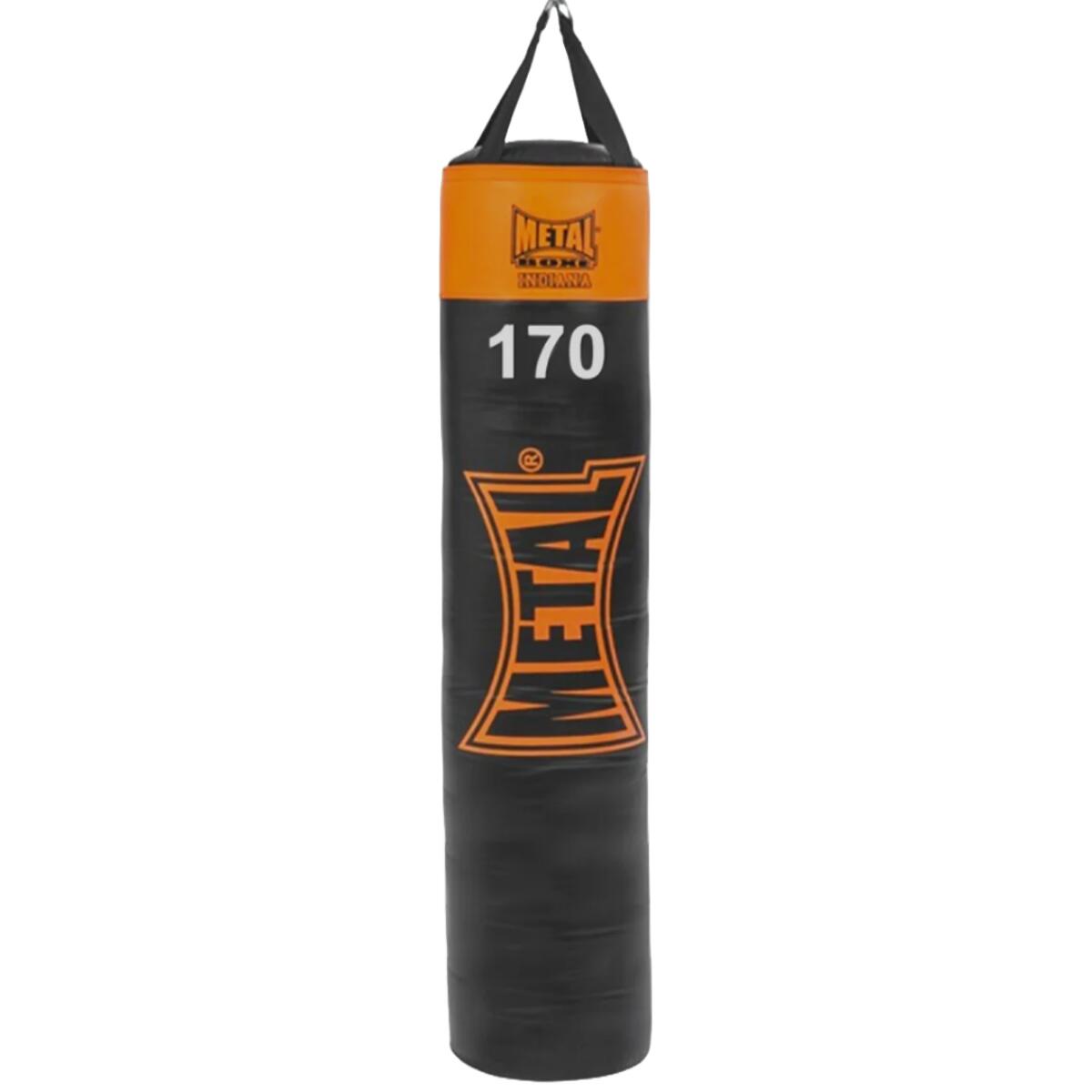
Selecting the perfect gear depends entirely on whether you are honing lightning-fast precision or building raw, heavy-hitting power in your local home gym. For those focusing on cardio and high-volume strikes, lightweight punching bags offer the right amount of resistance without putting excessive strain on your joints during long rounds. If you are a heavyweight hitter aiming to develop knockout force, a larger, denser bag is essential to absorb the impact of every hook and cross. The technical "why" behind different bag weights involves the pendulum effect; a bag that is too light will swing wildly, interrupting your rhythm, while a bag that is too heavy might feel like hitting a brick wall. Most fighters find that a bag weighing roughly half their body weight provides the ideal balance for daily drills. Always ensure your striking surface is made from high-quality synthetic leather or reinforced fabric to withstand the friction of thousands of punches over time.

What is the difference between hanging and freestanding bags?

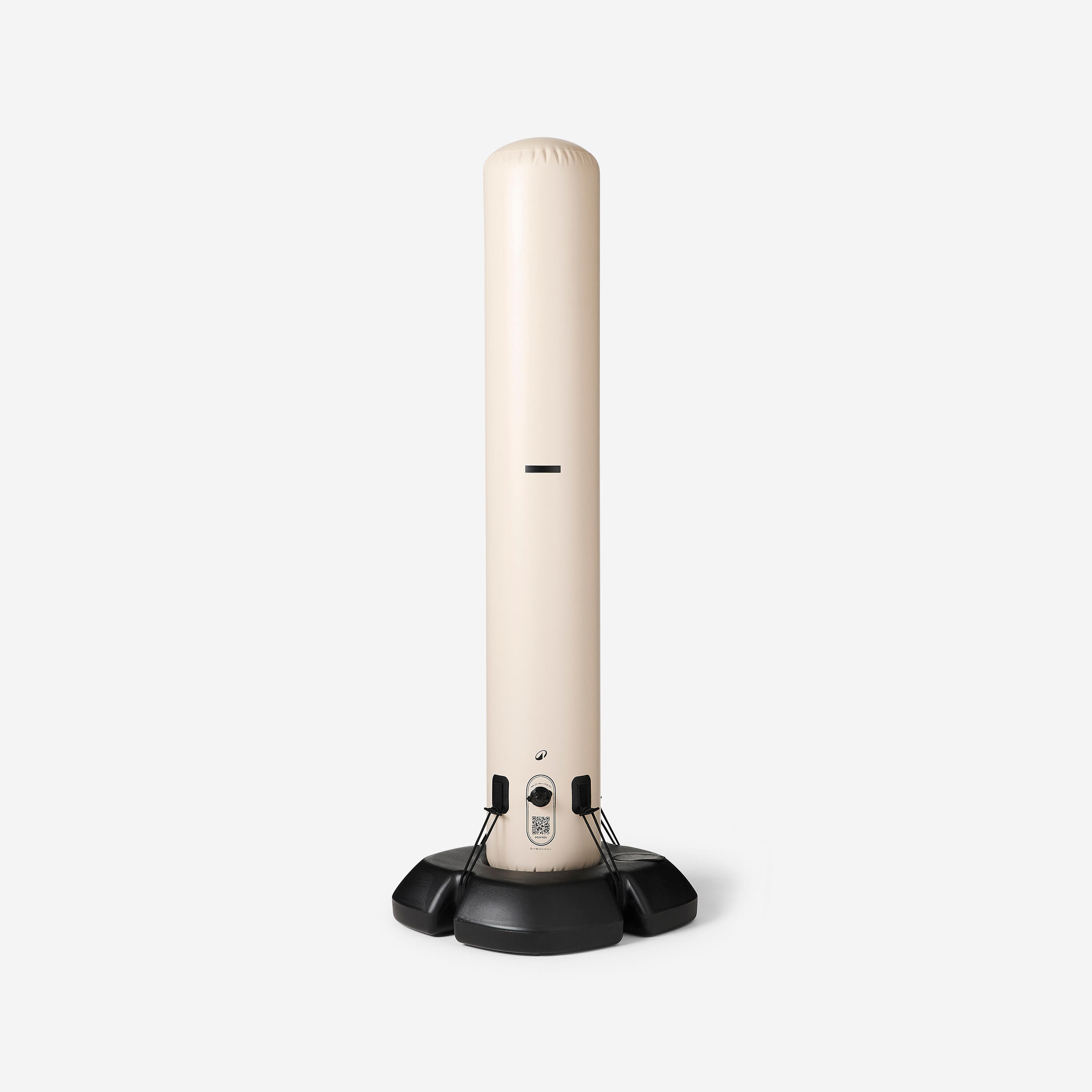
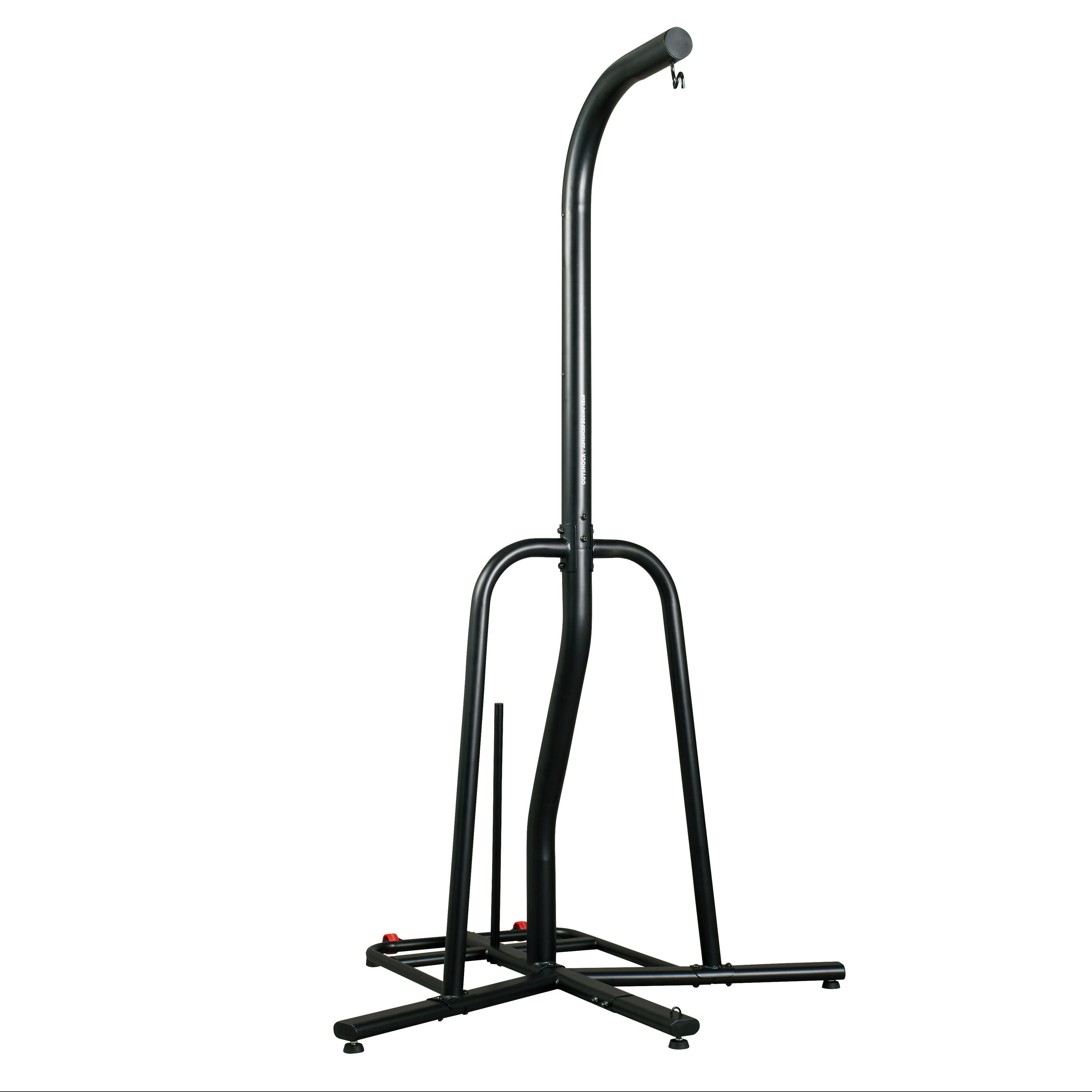
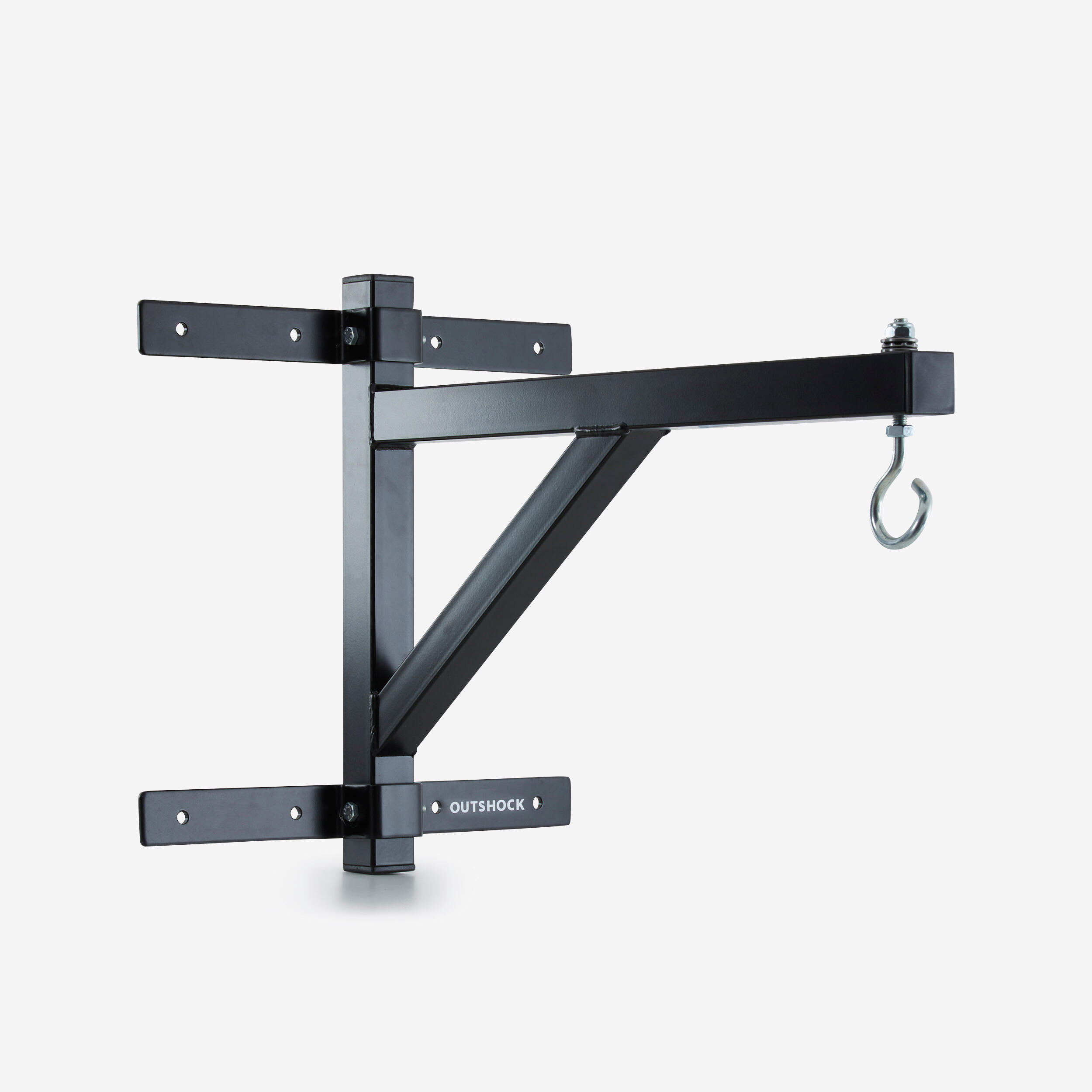
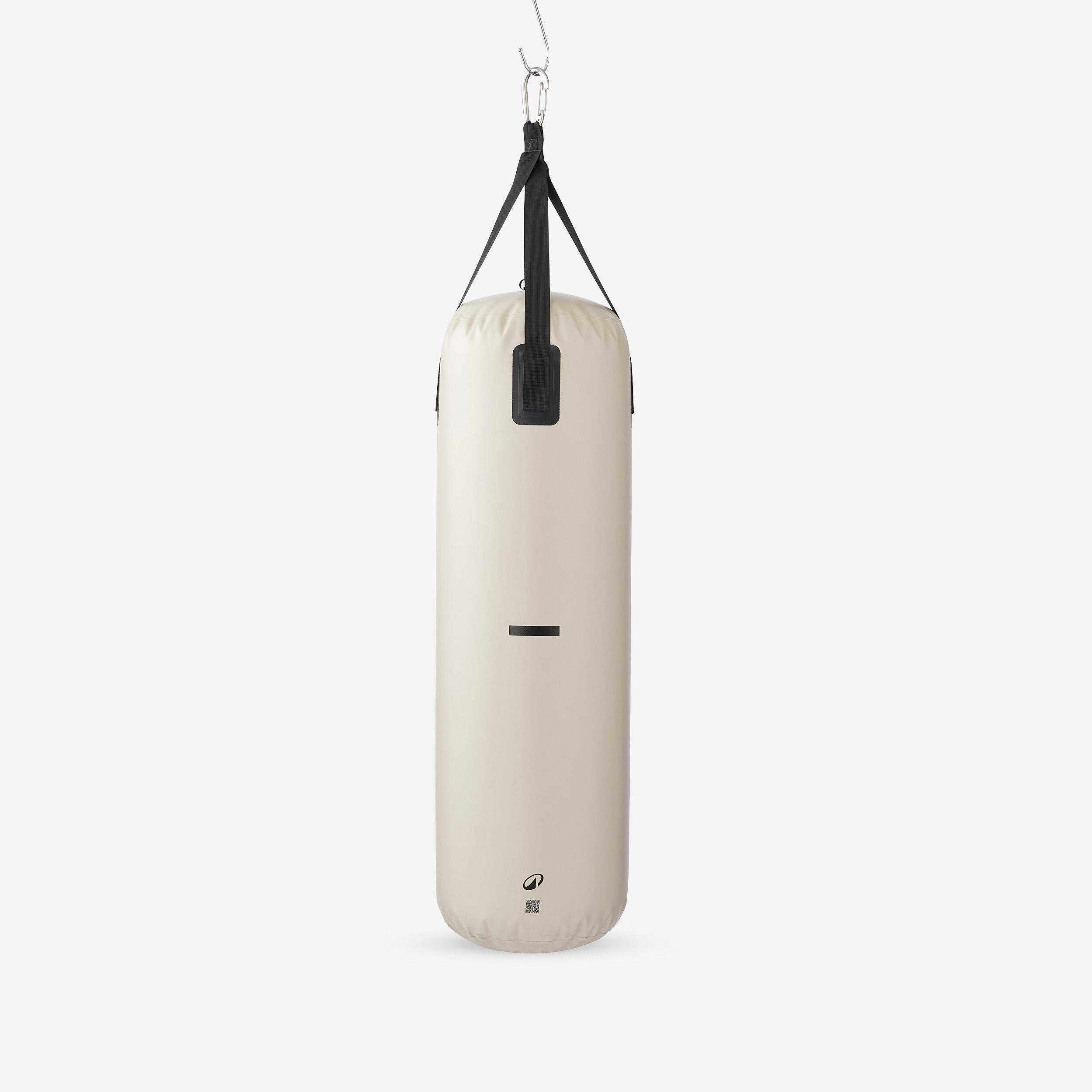
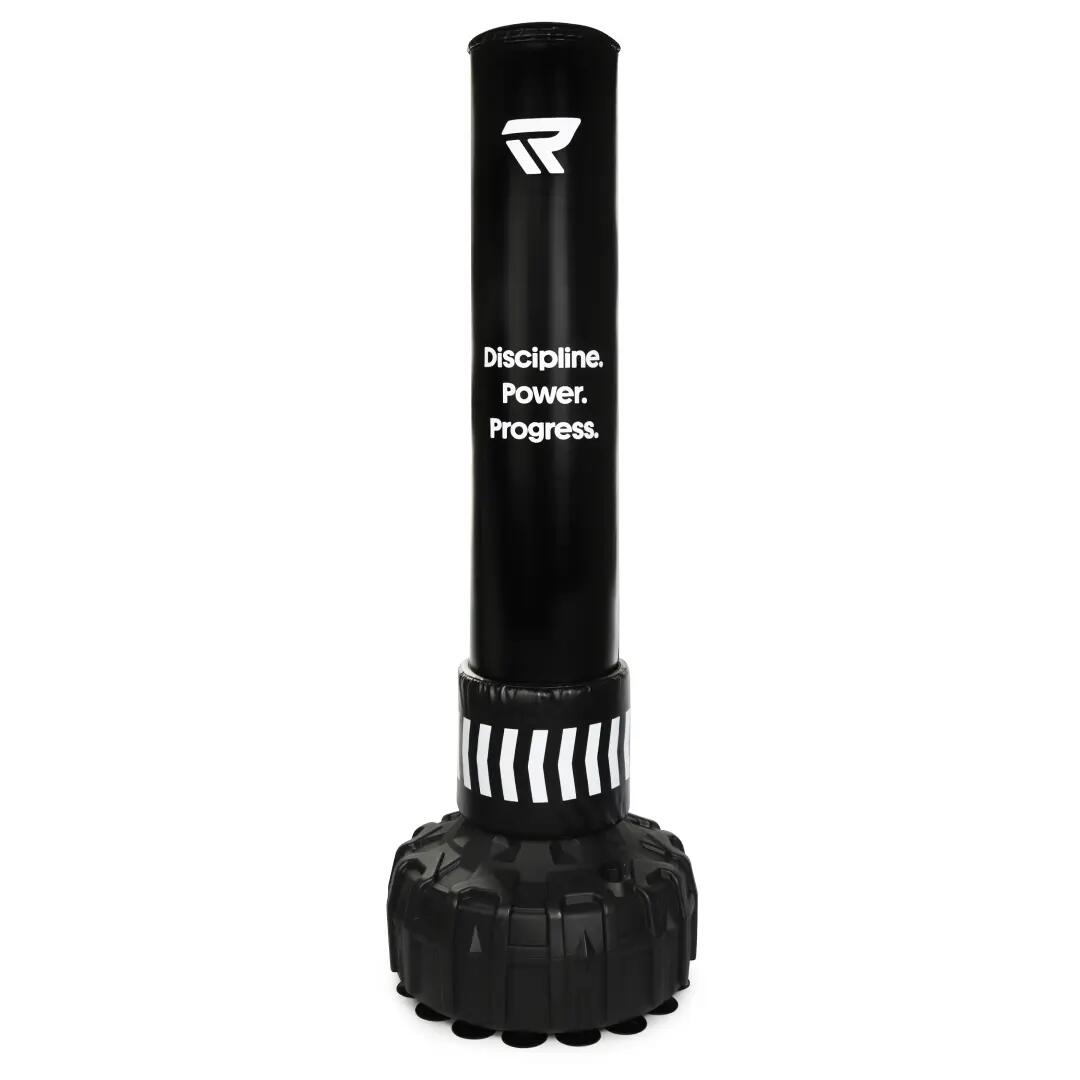
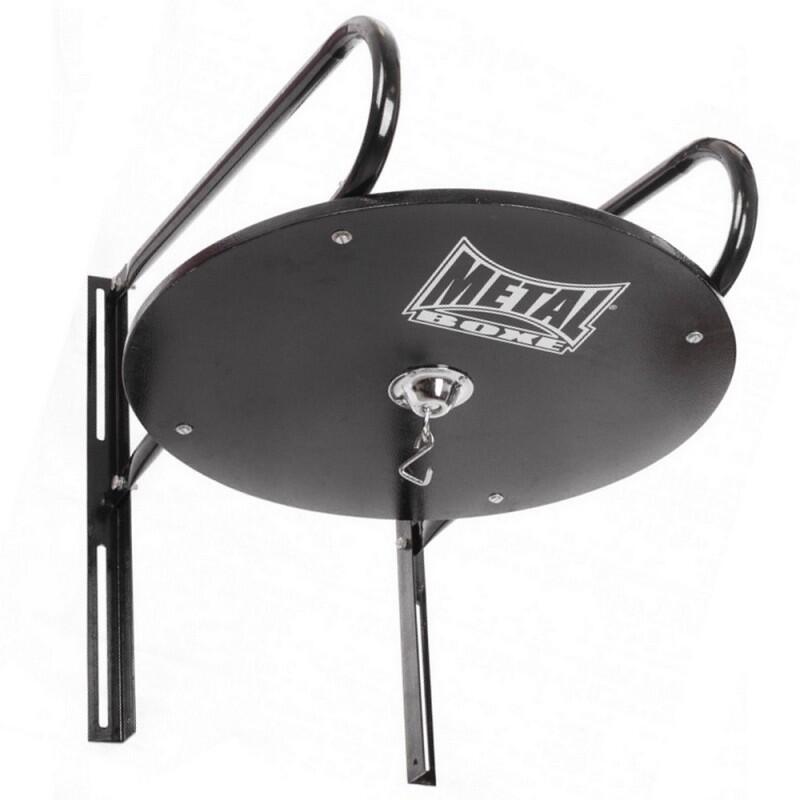
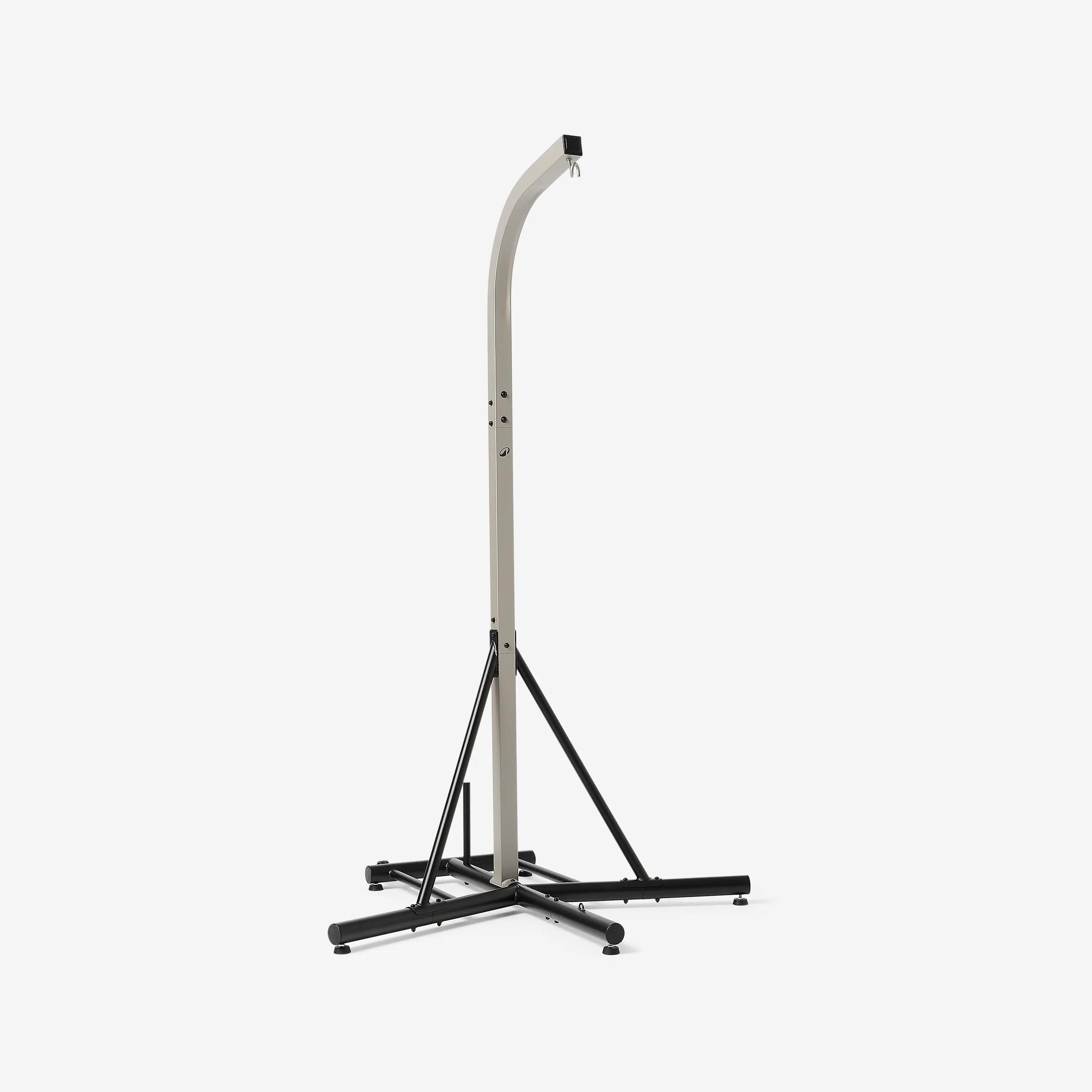
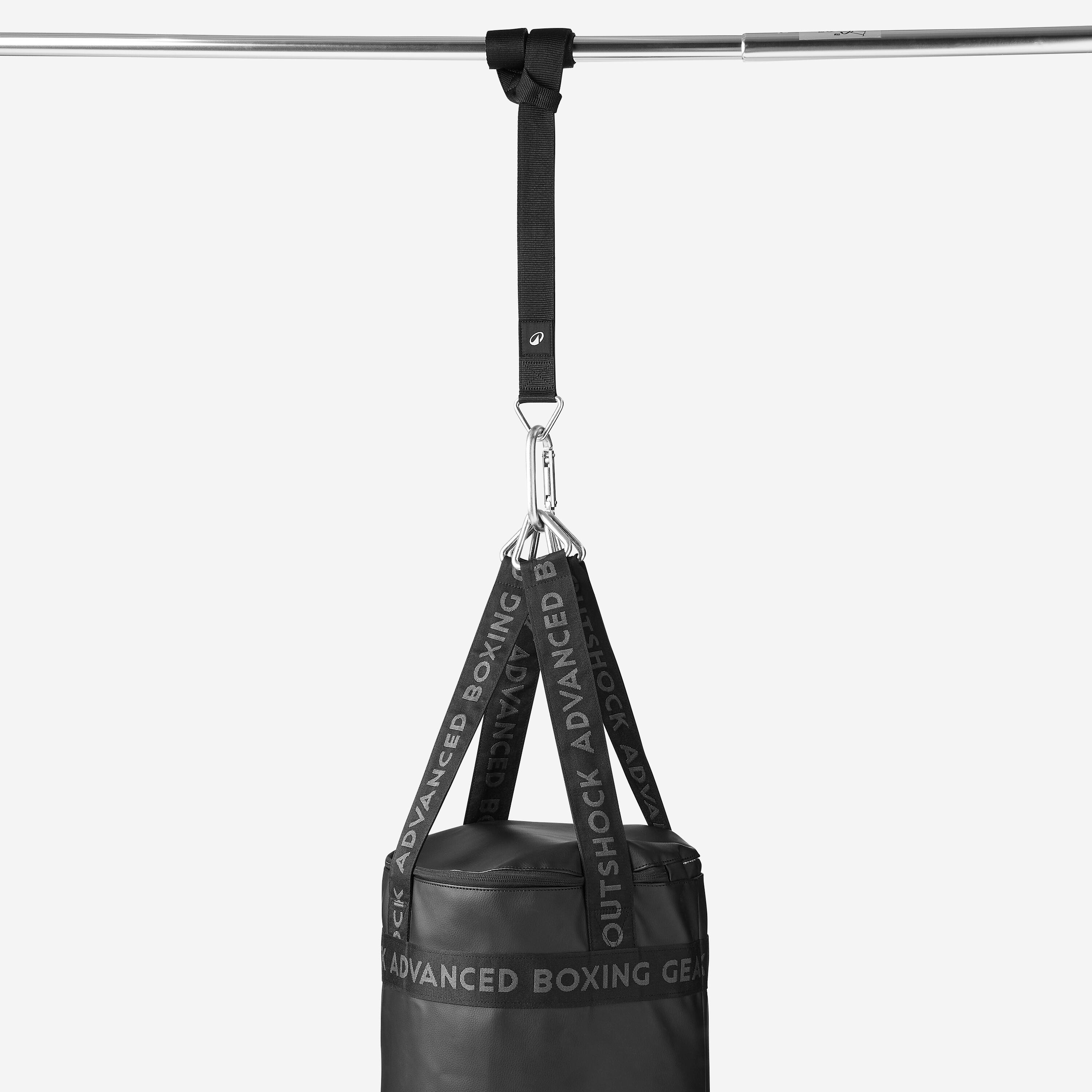
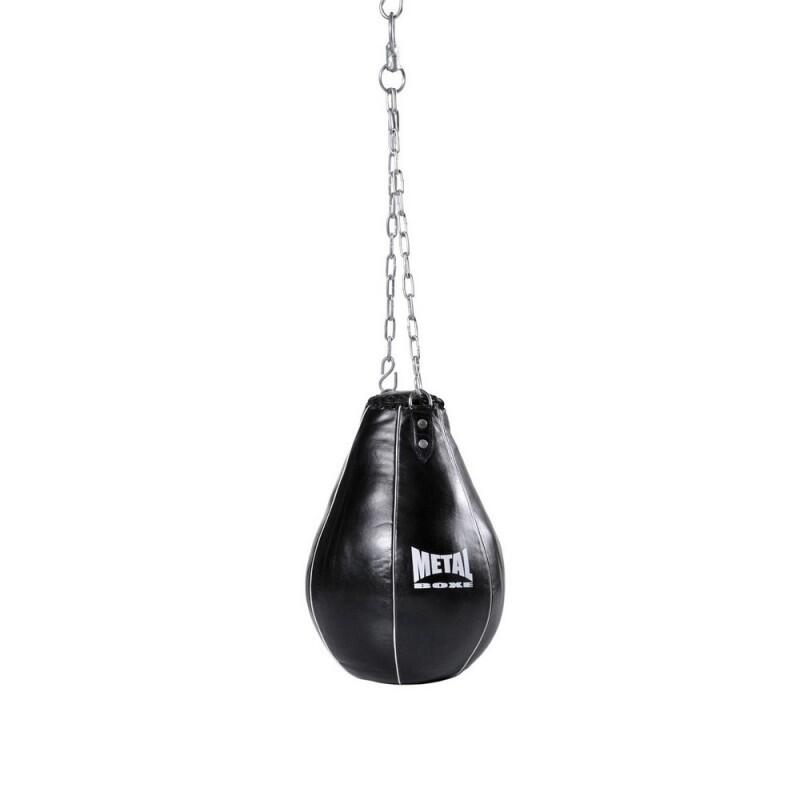
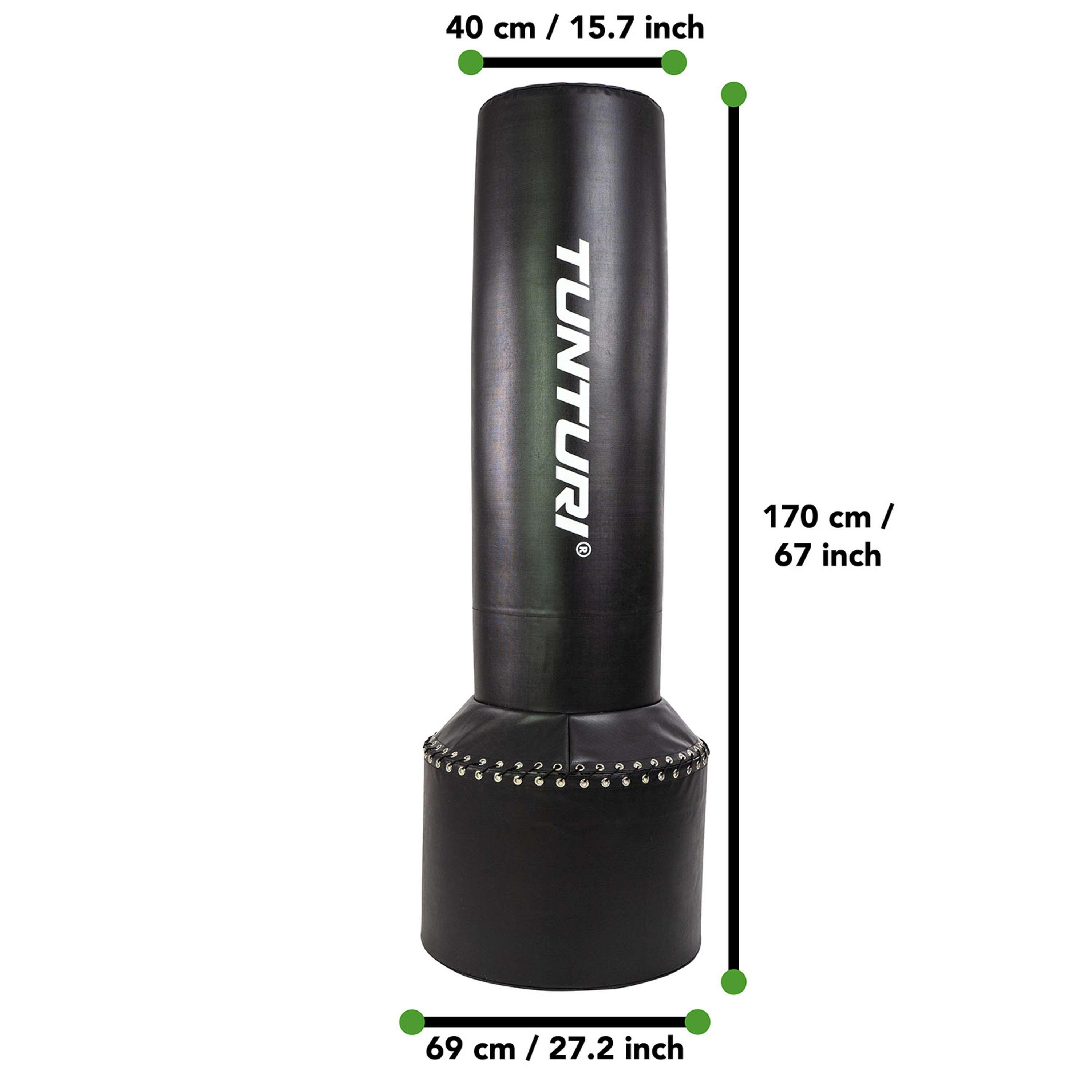
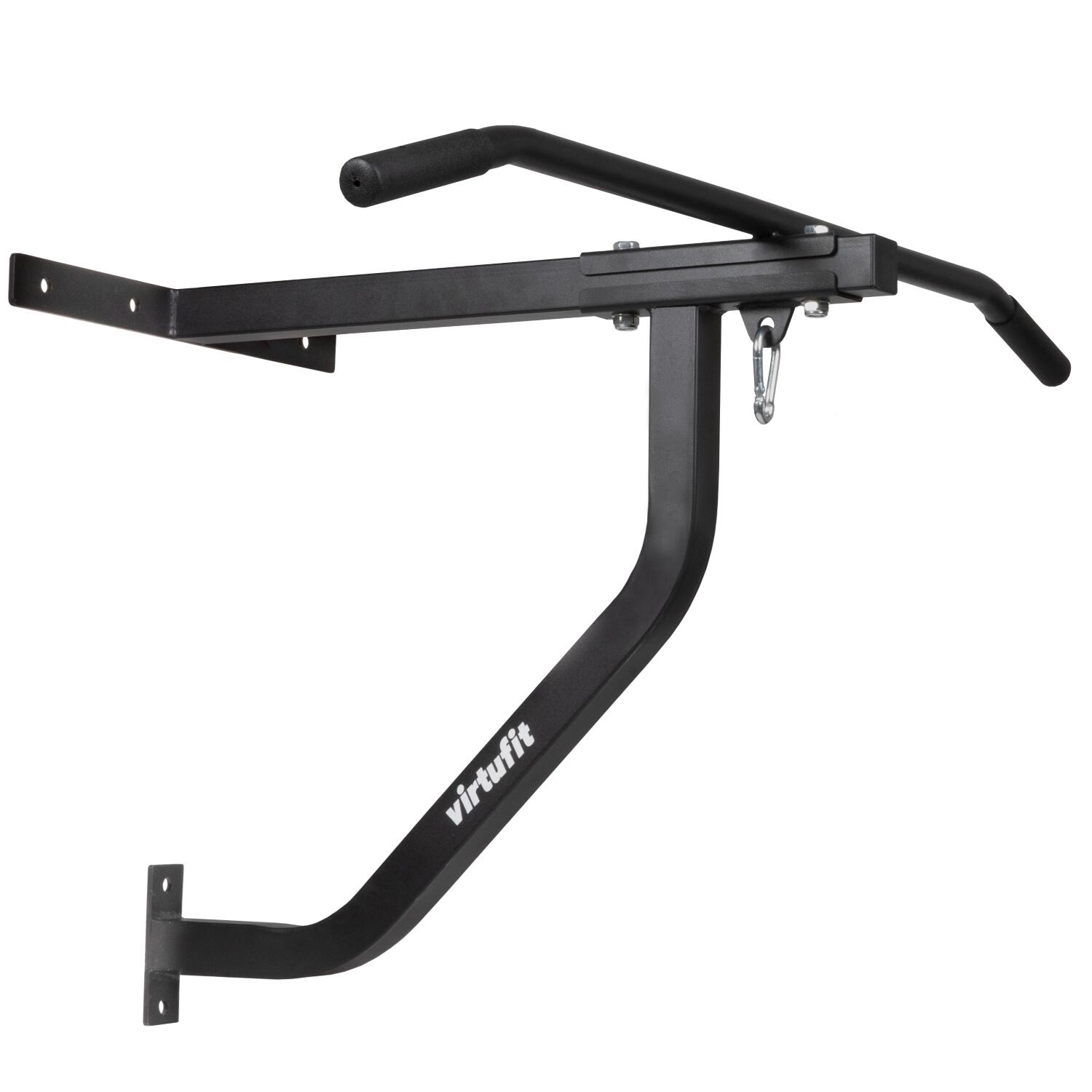
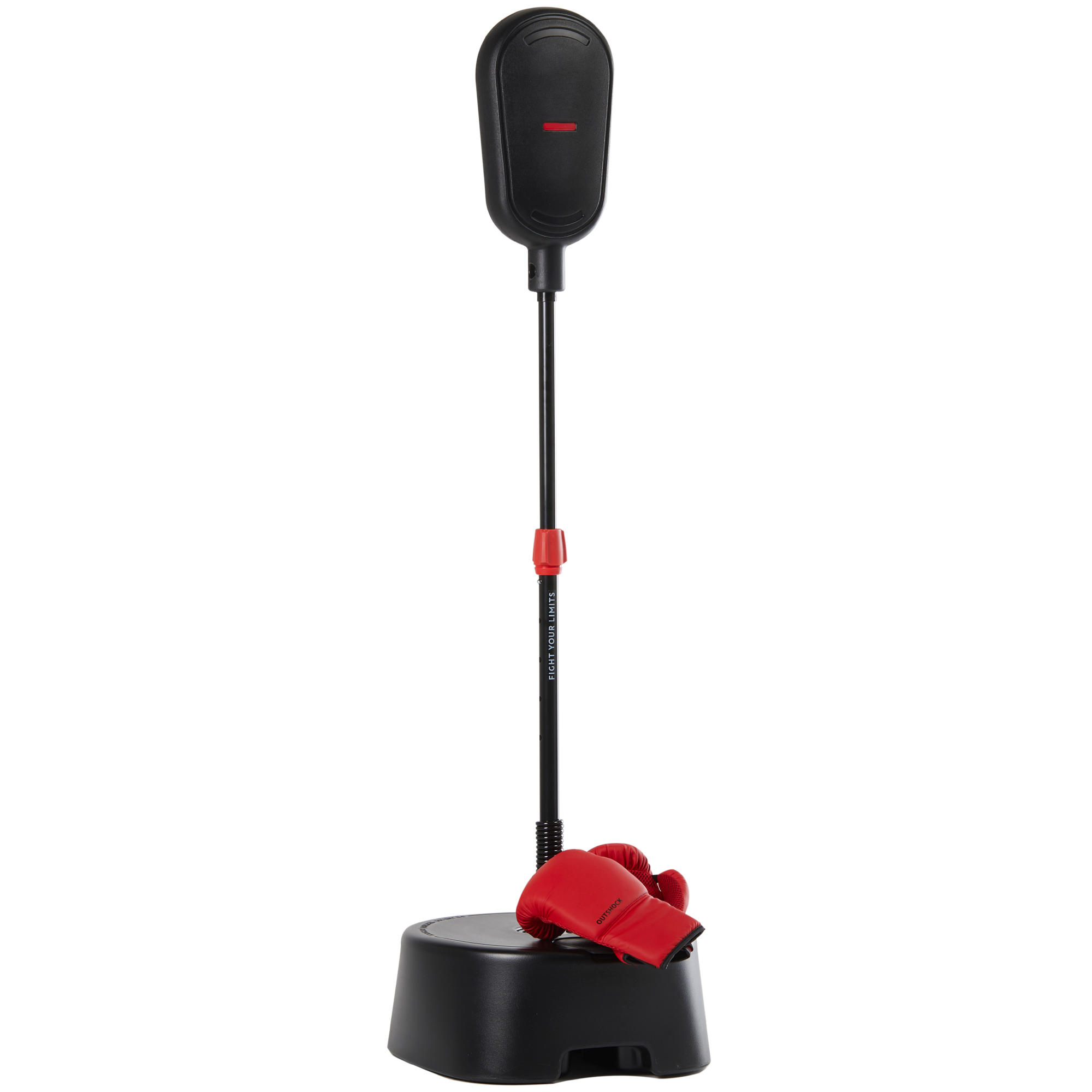
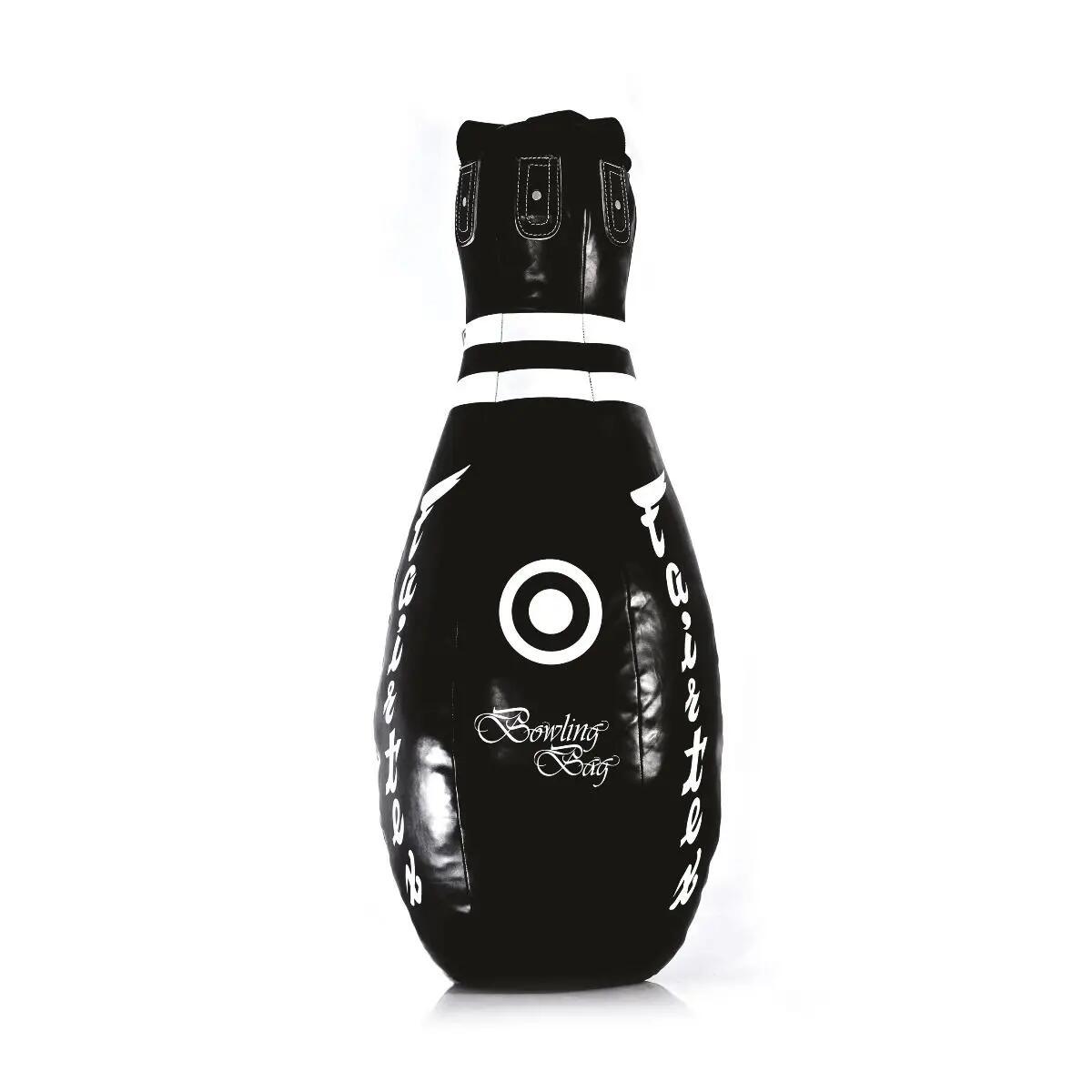
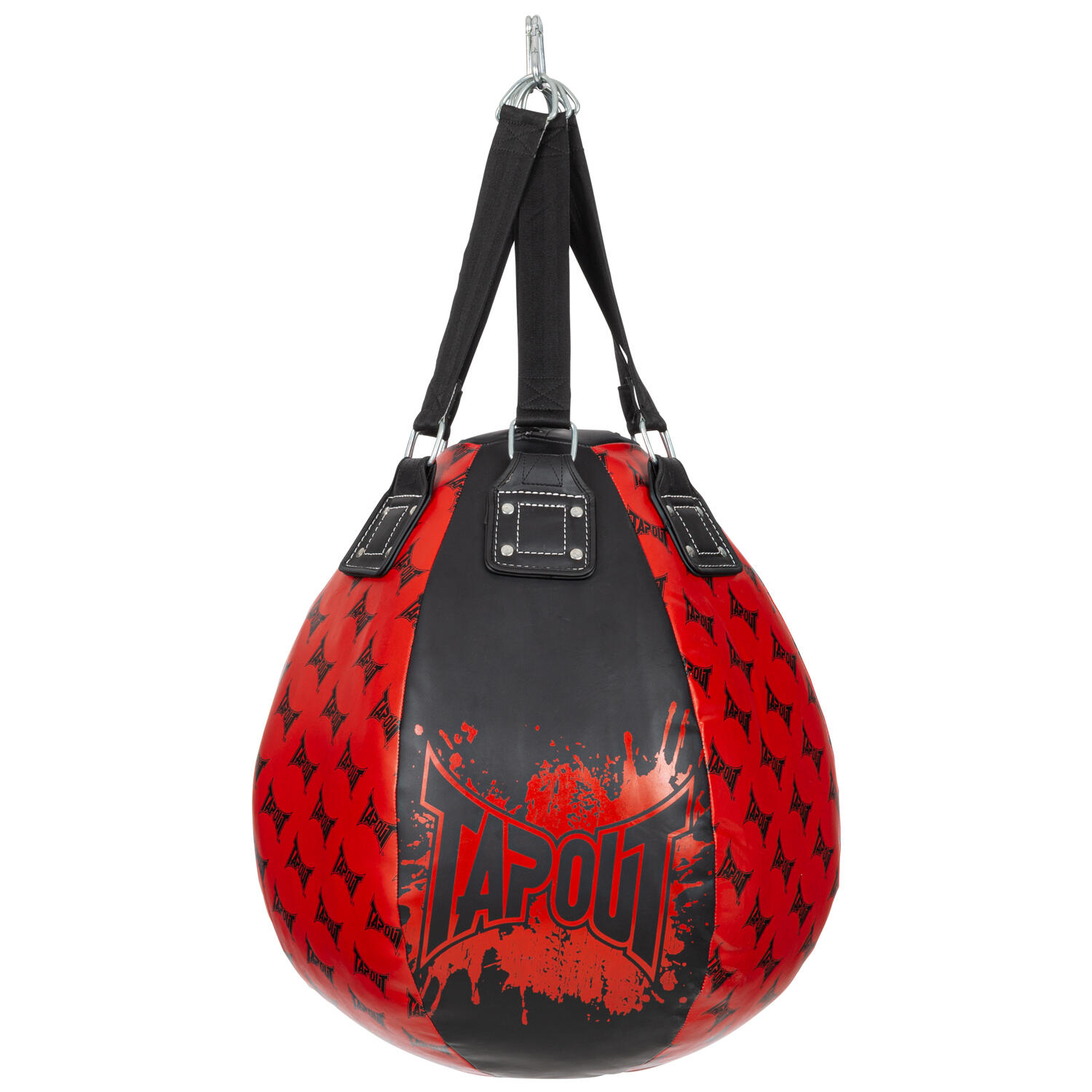
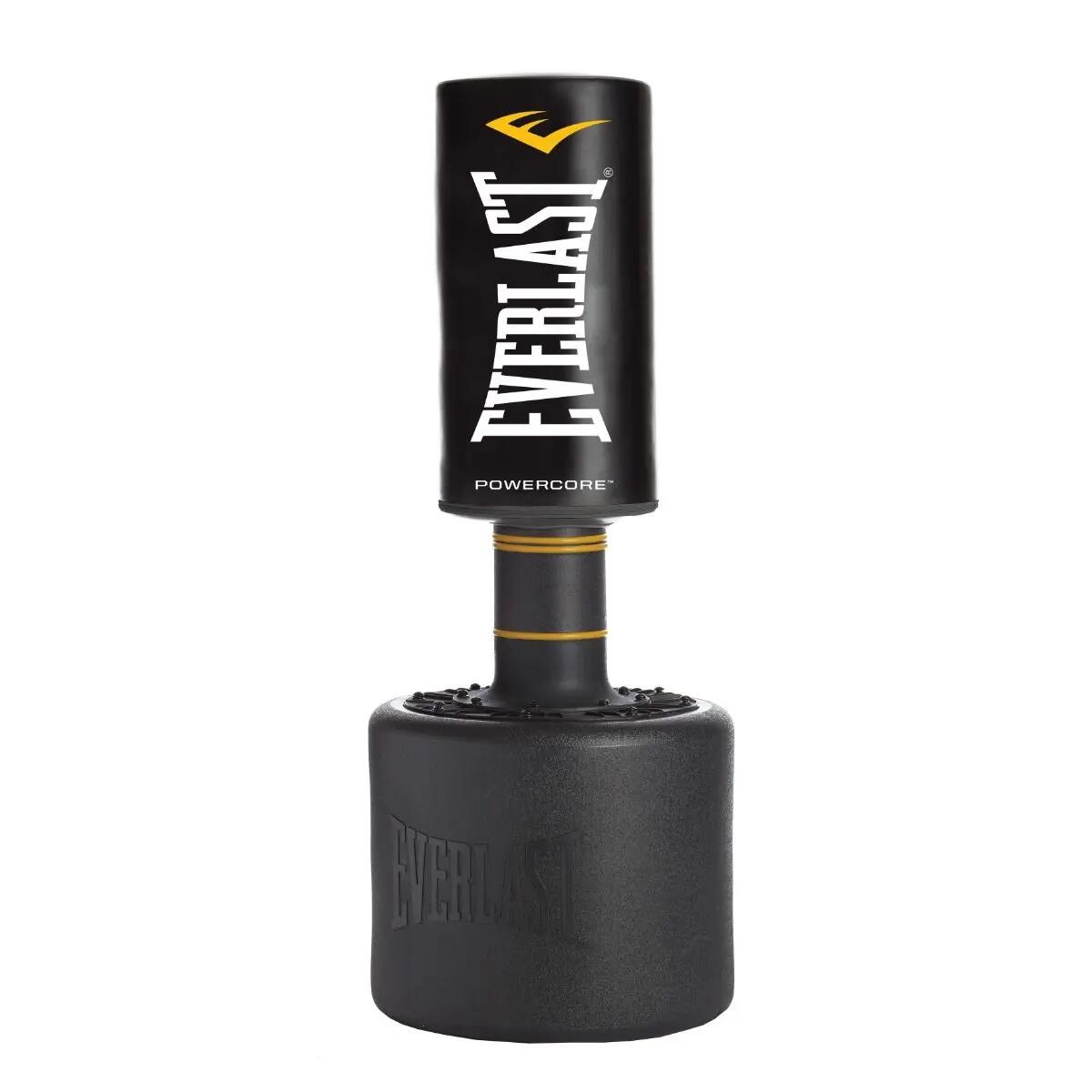
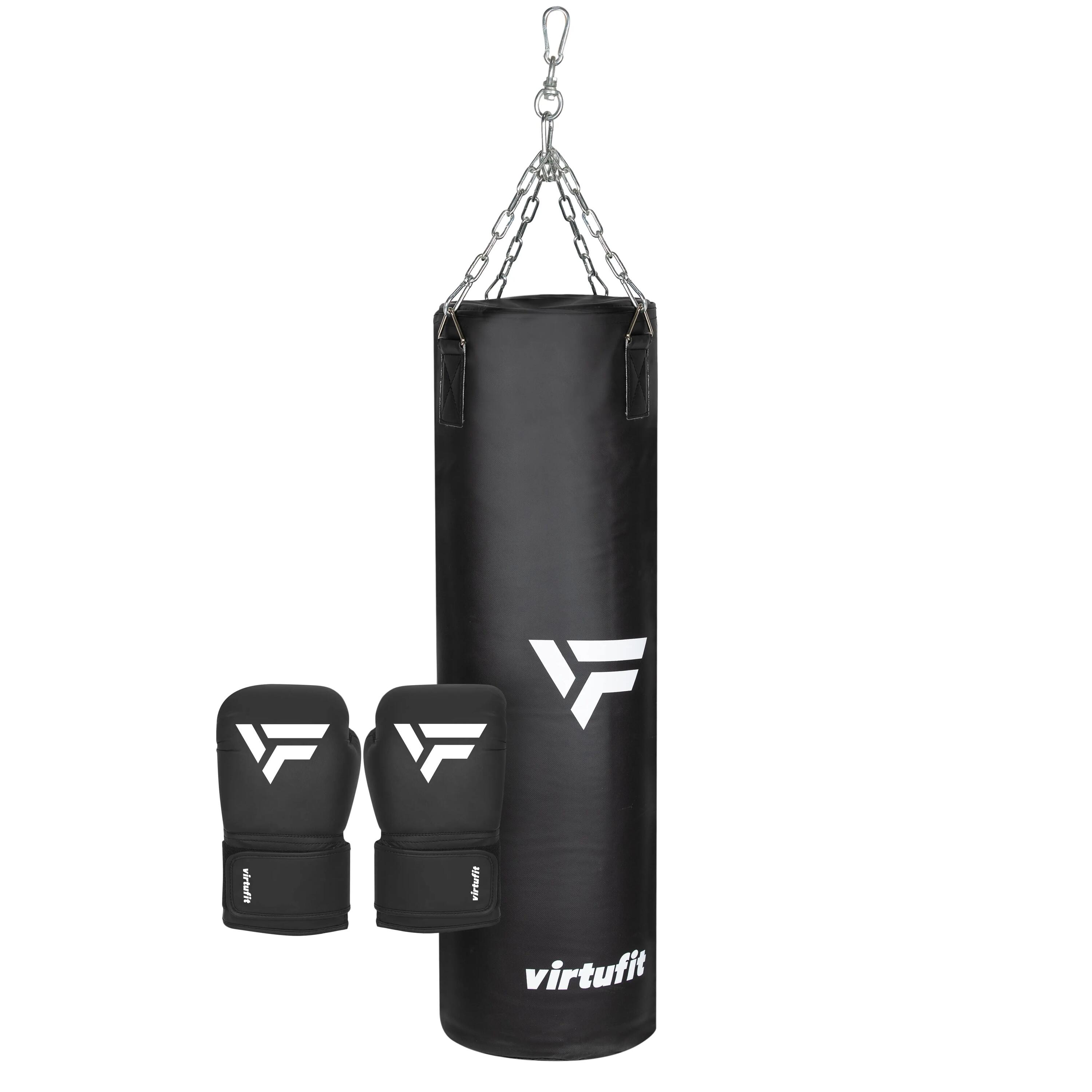
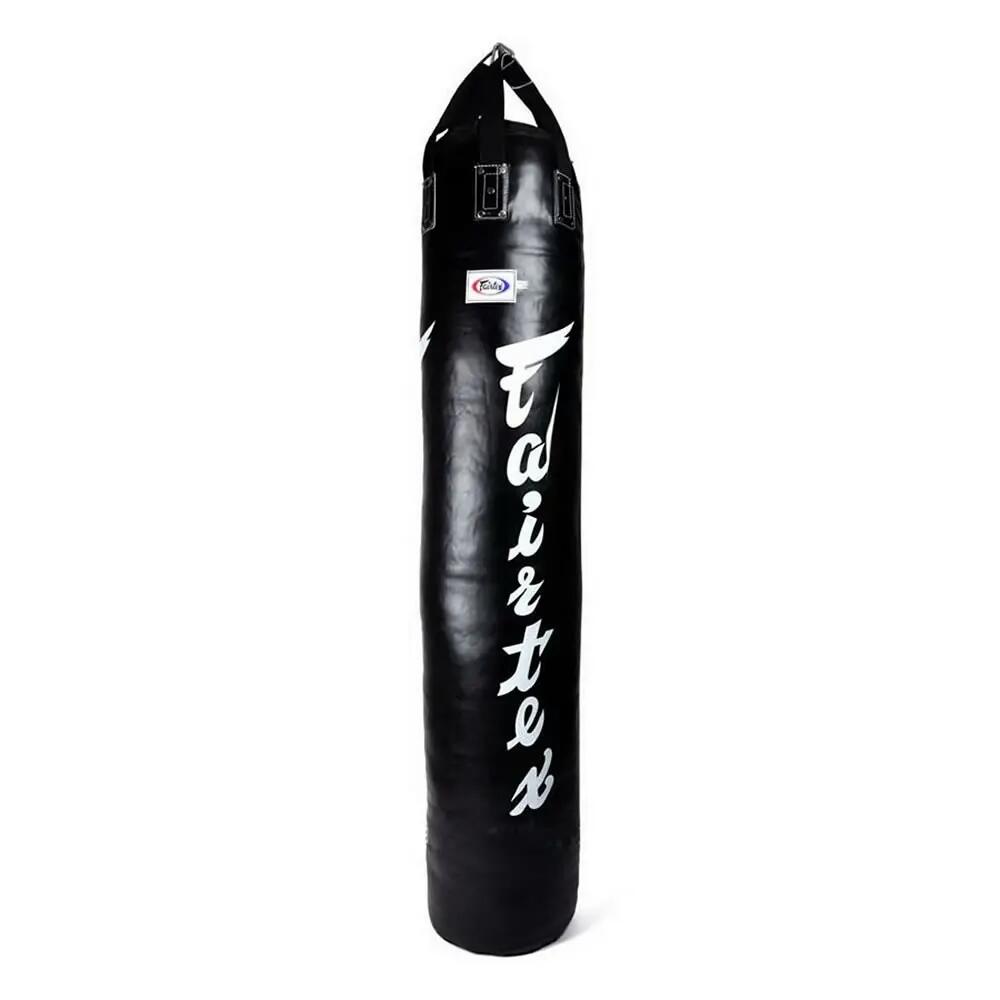
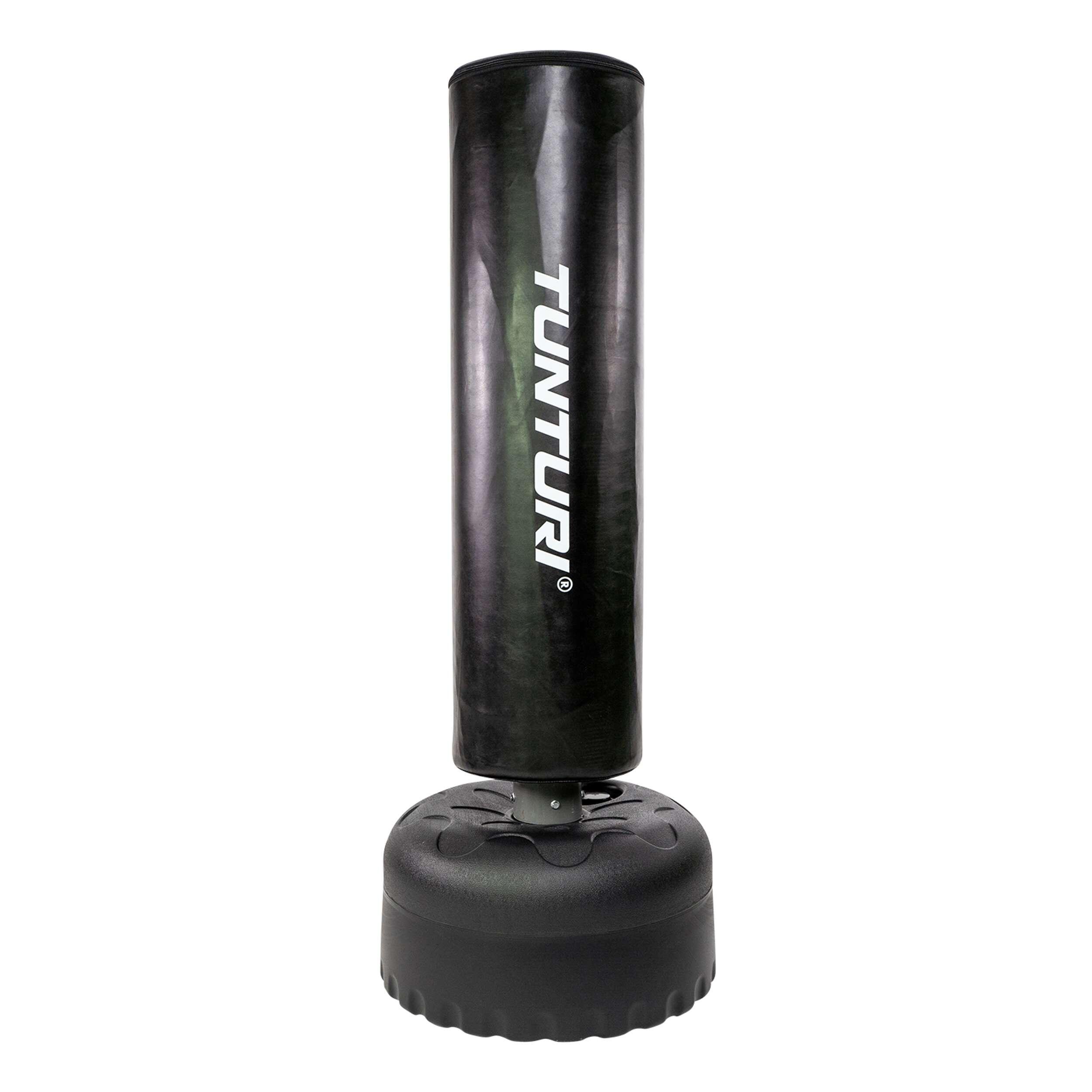
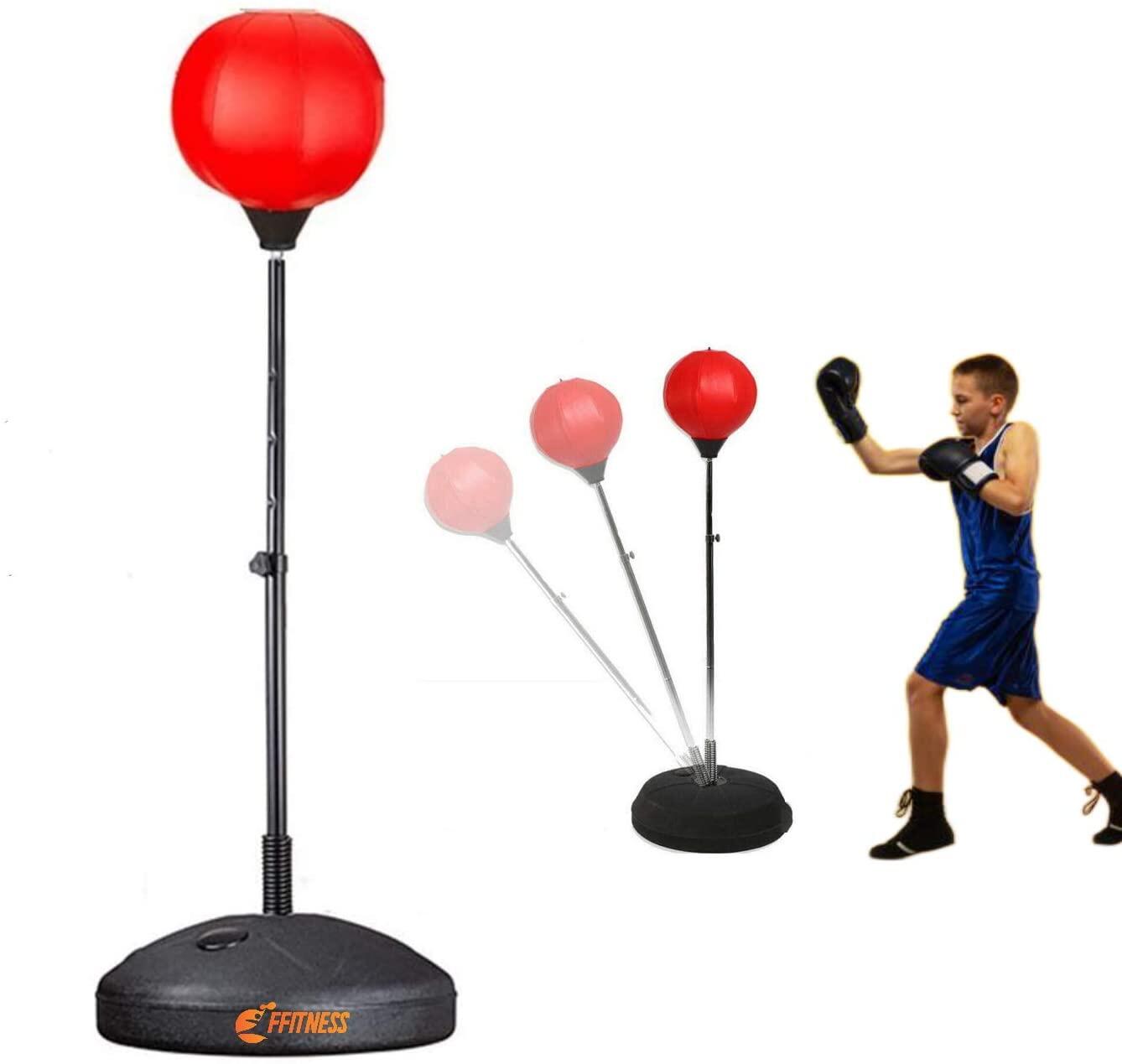
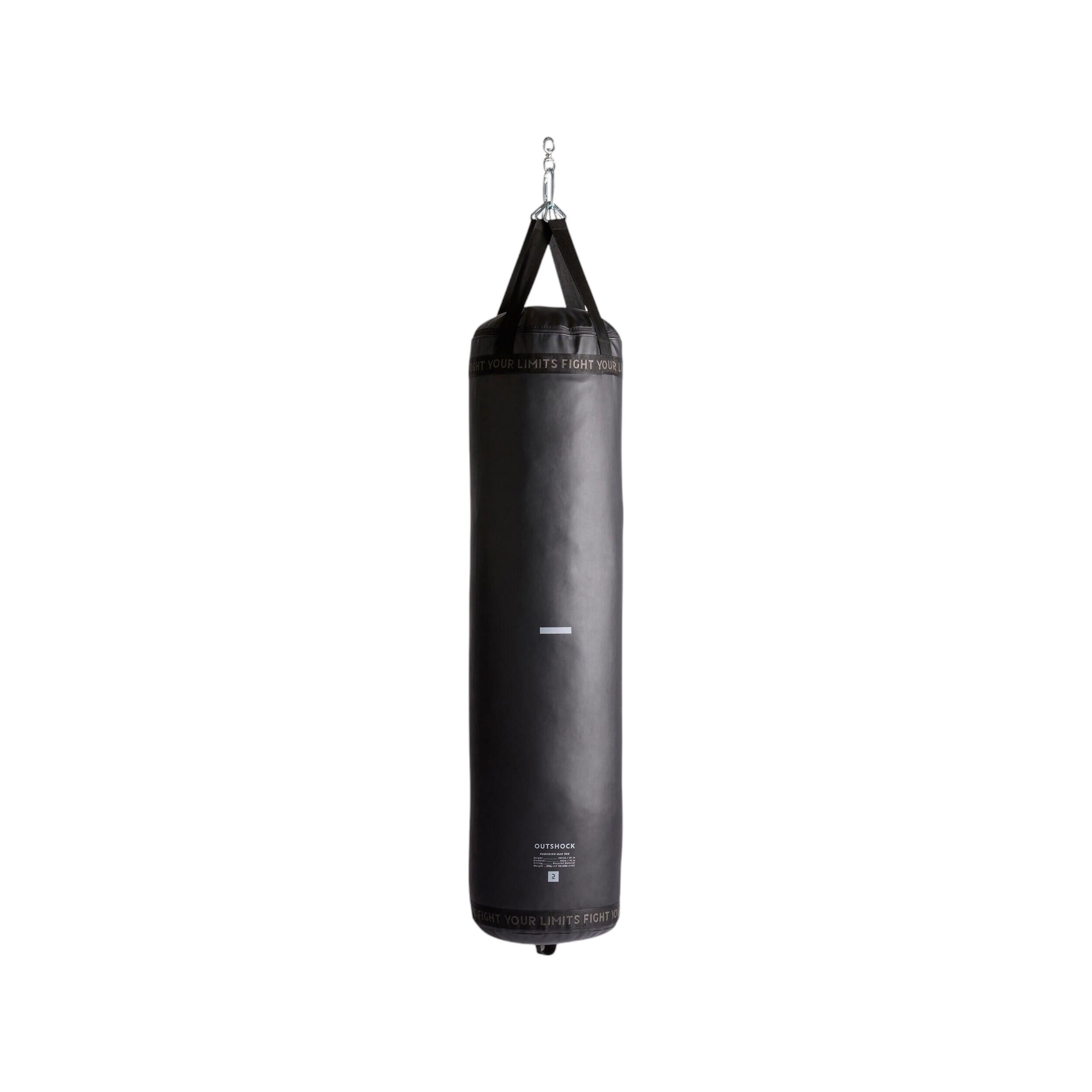
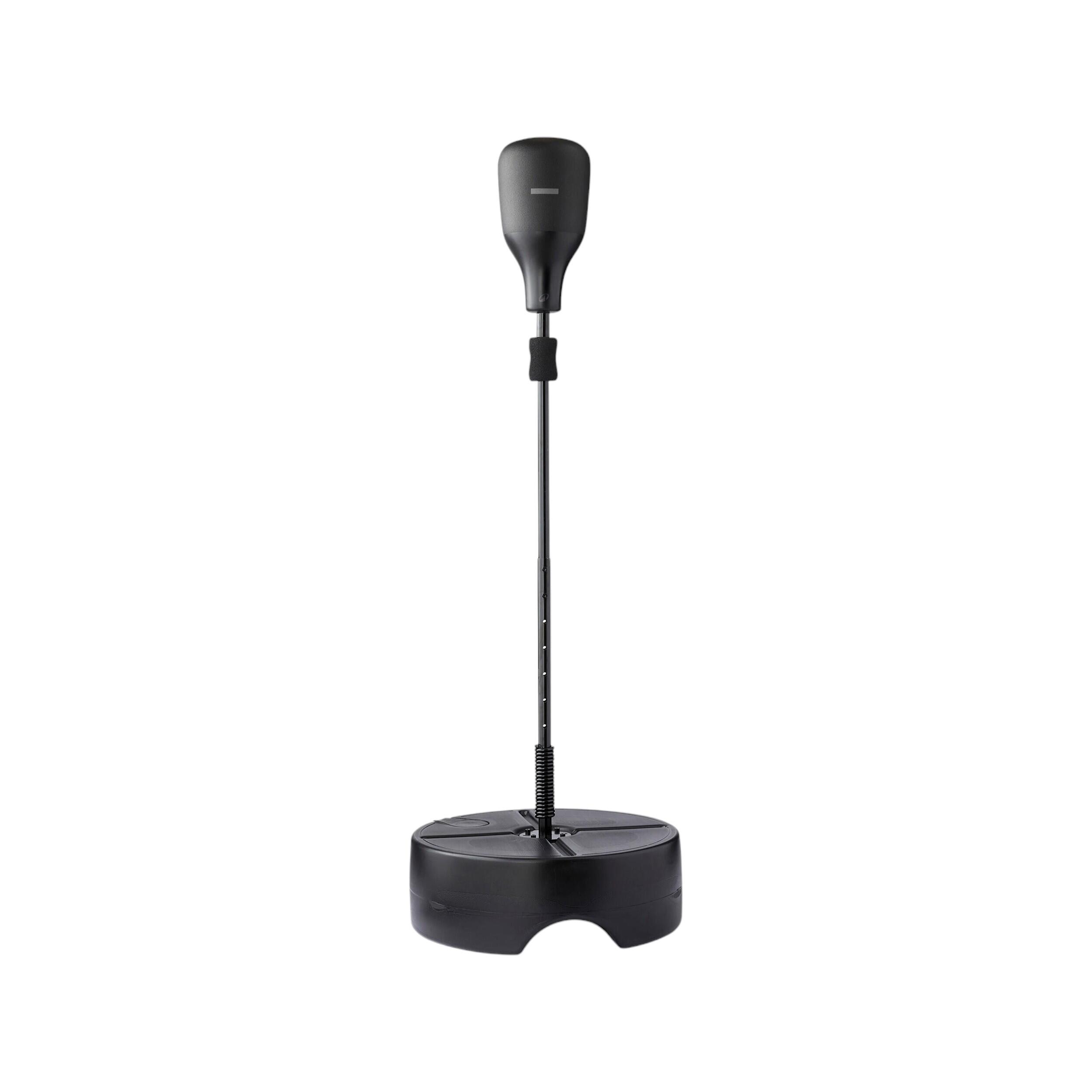
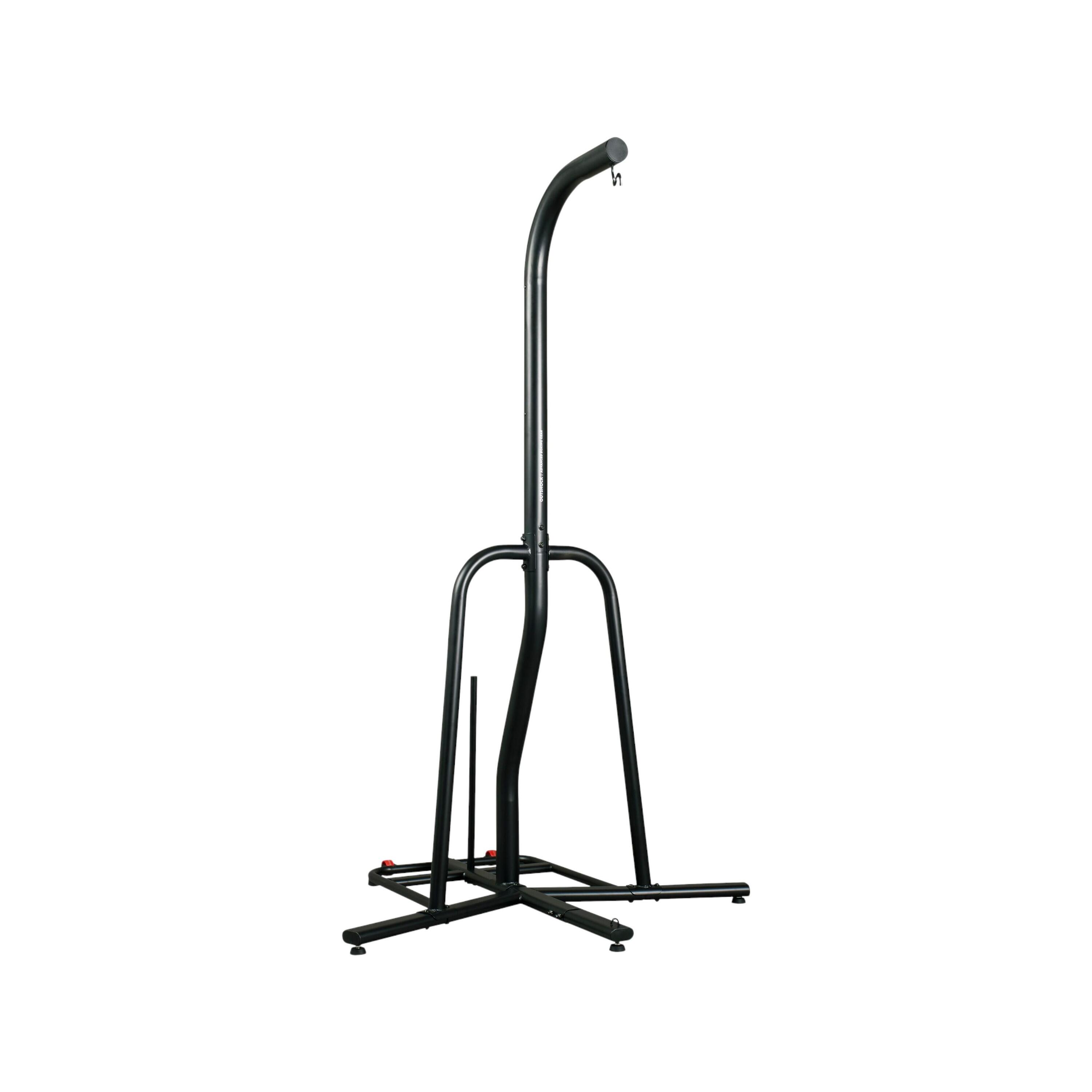
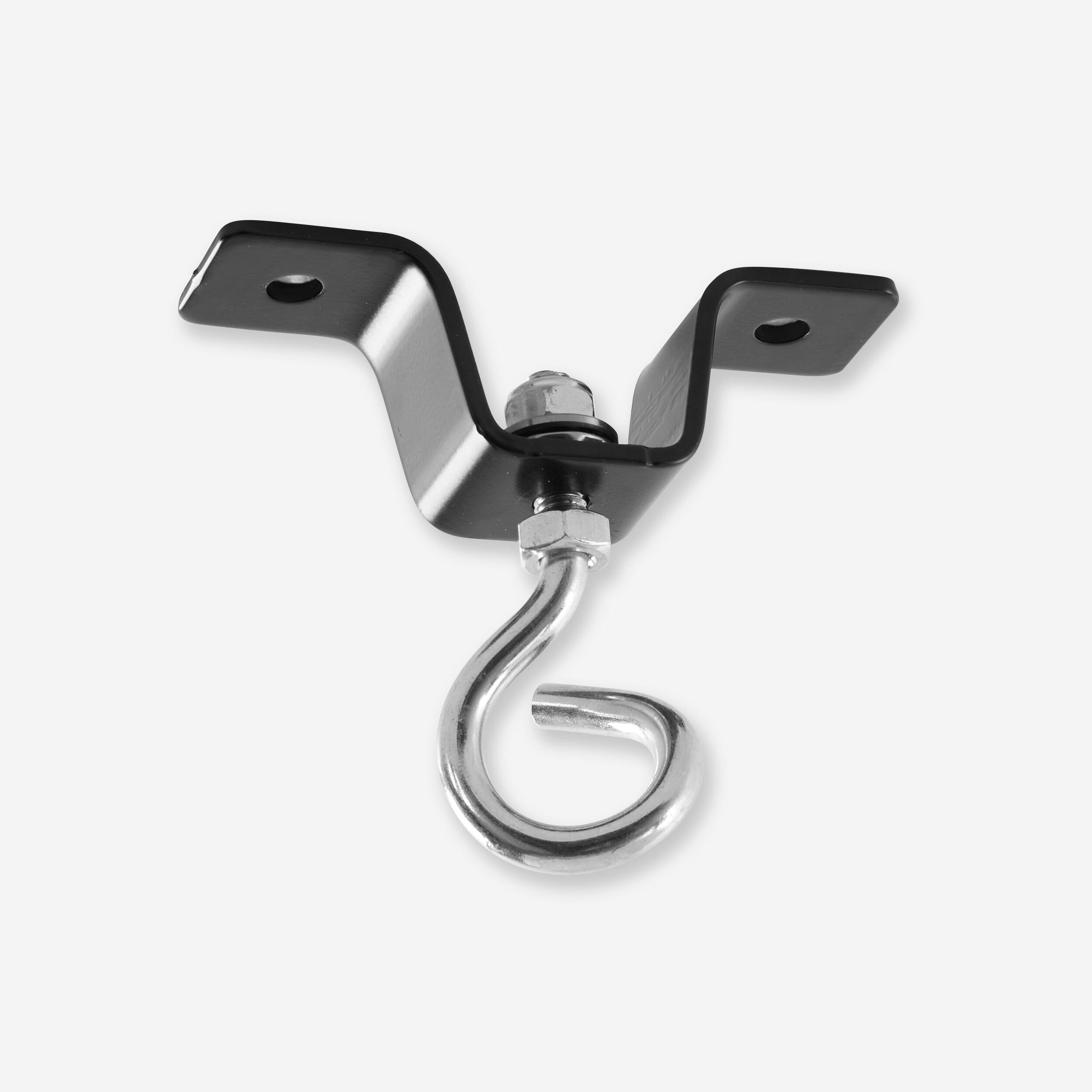
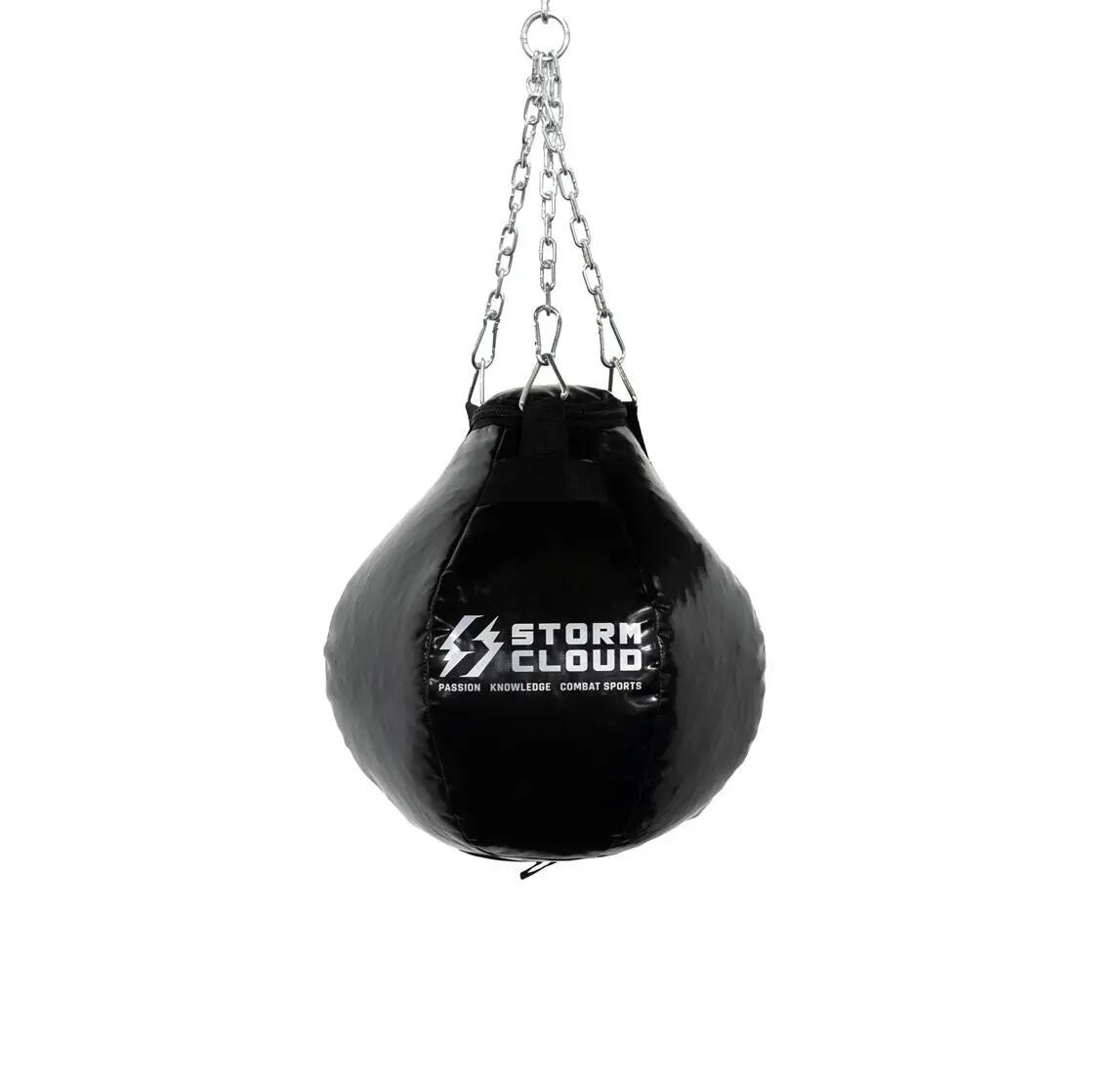
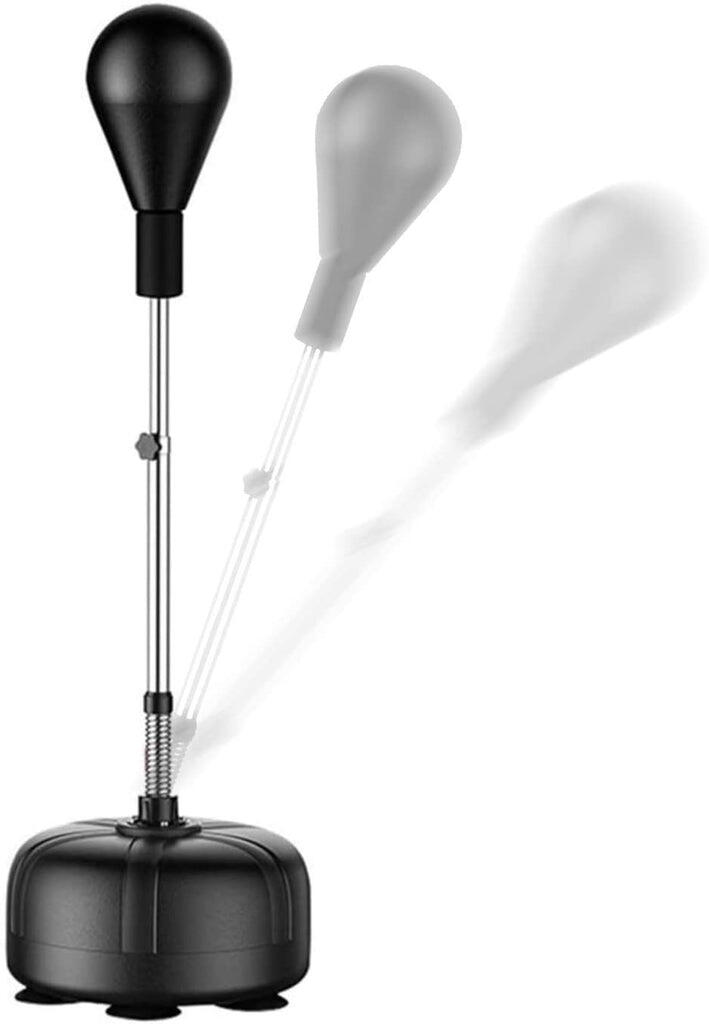
Hanging boxing workout bags are the classic choice for a reason, providing a natural swing that forces you to work on your footwork and timing as the target moves. These require sturdy ceiling joists or specialized punching bag supports to handle the constant vibration and downward force of the weight. On the other hand, freestanding bags are a fantastic solution for those with limited space or rental restrictions where drilling into walls isn't an option. These models use a heavy base, often filled with water or sand, to keep the unit upright during intense combinations. Smart tip: If you move around your bag a lot, the circular base of a freestanding model allows you to practice 360-degree movement, which is brilliant for simulating a real opponent in the ring.

Should I fill my bag base with water or sand?

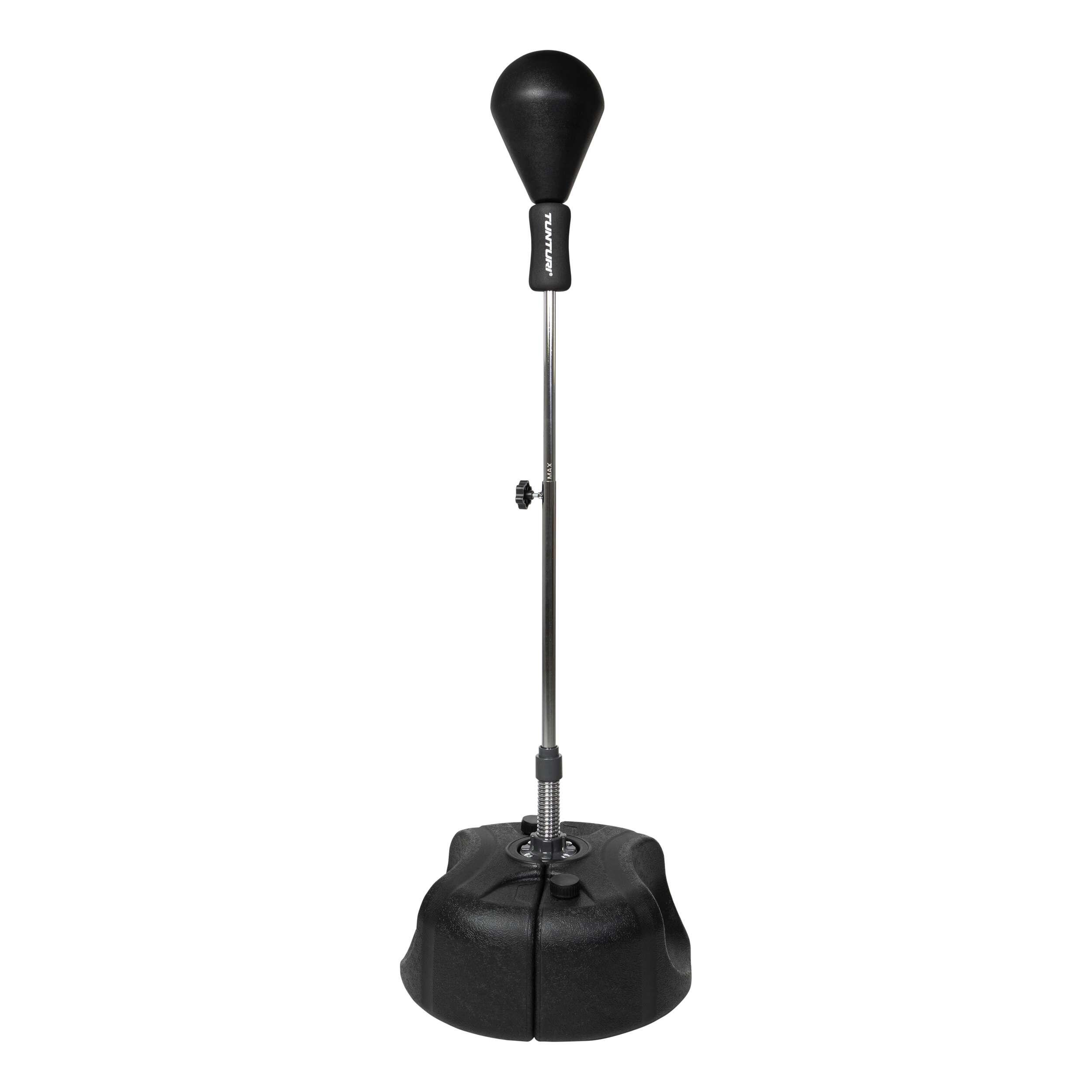
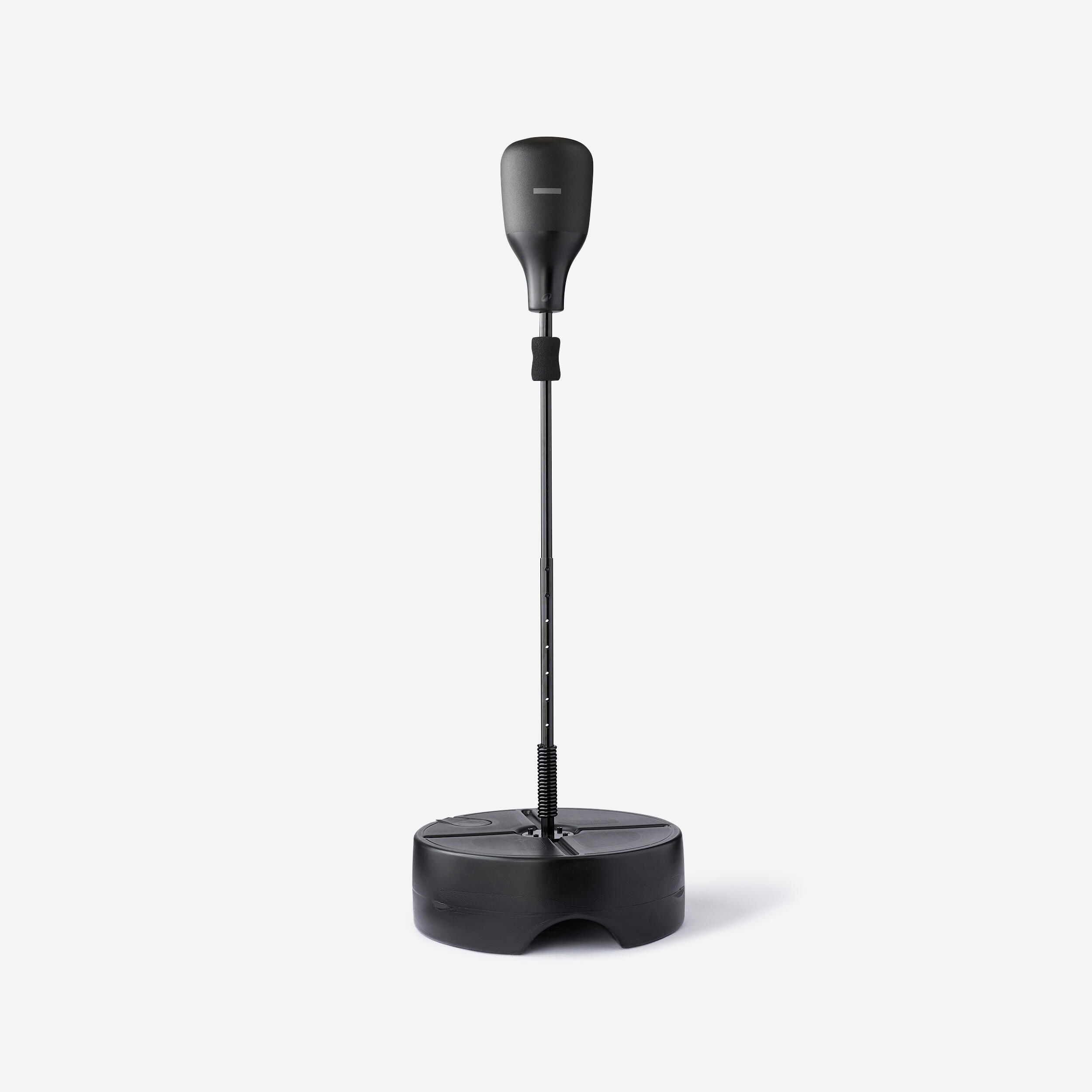
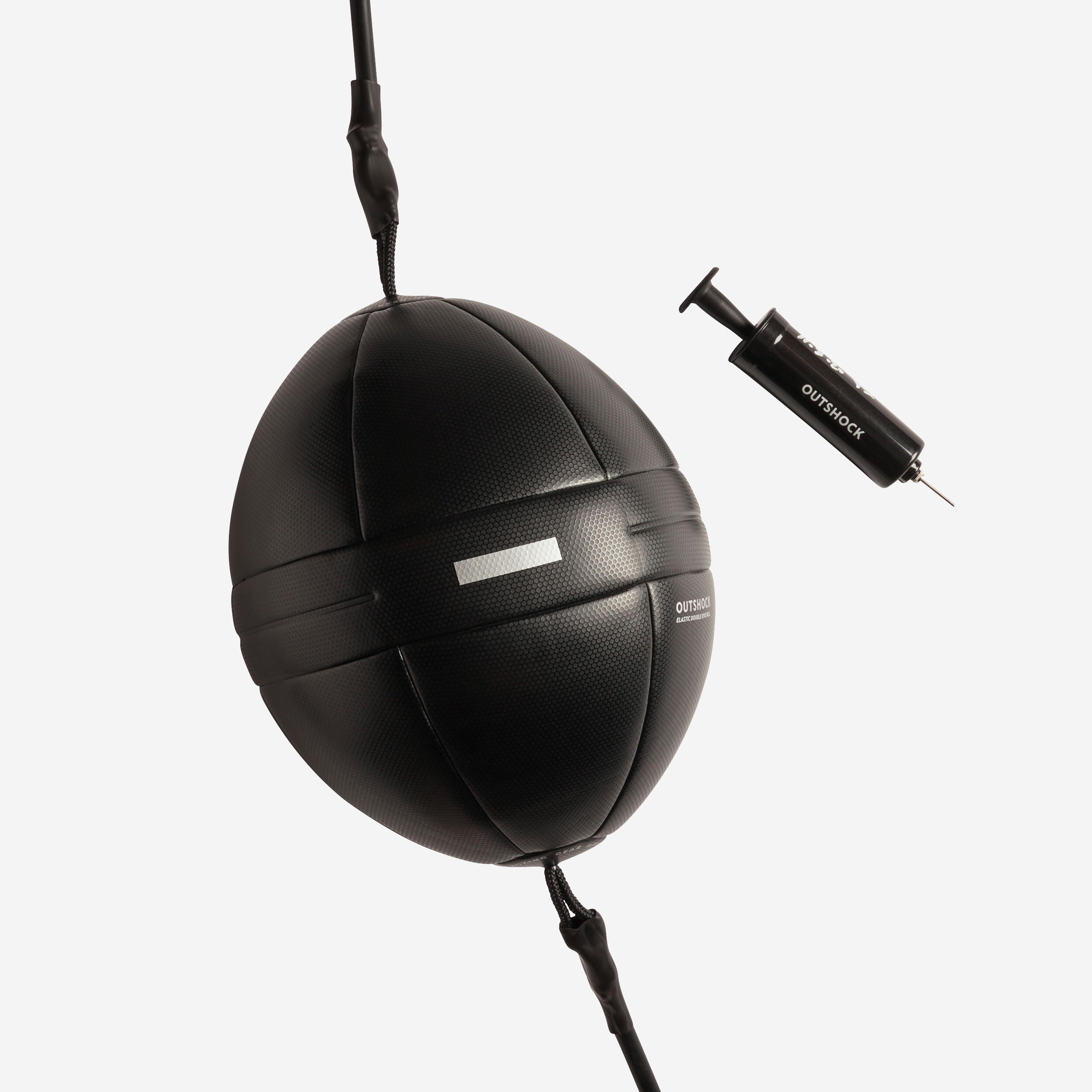
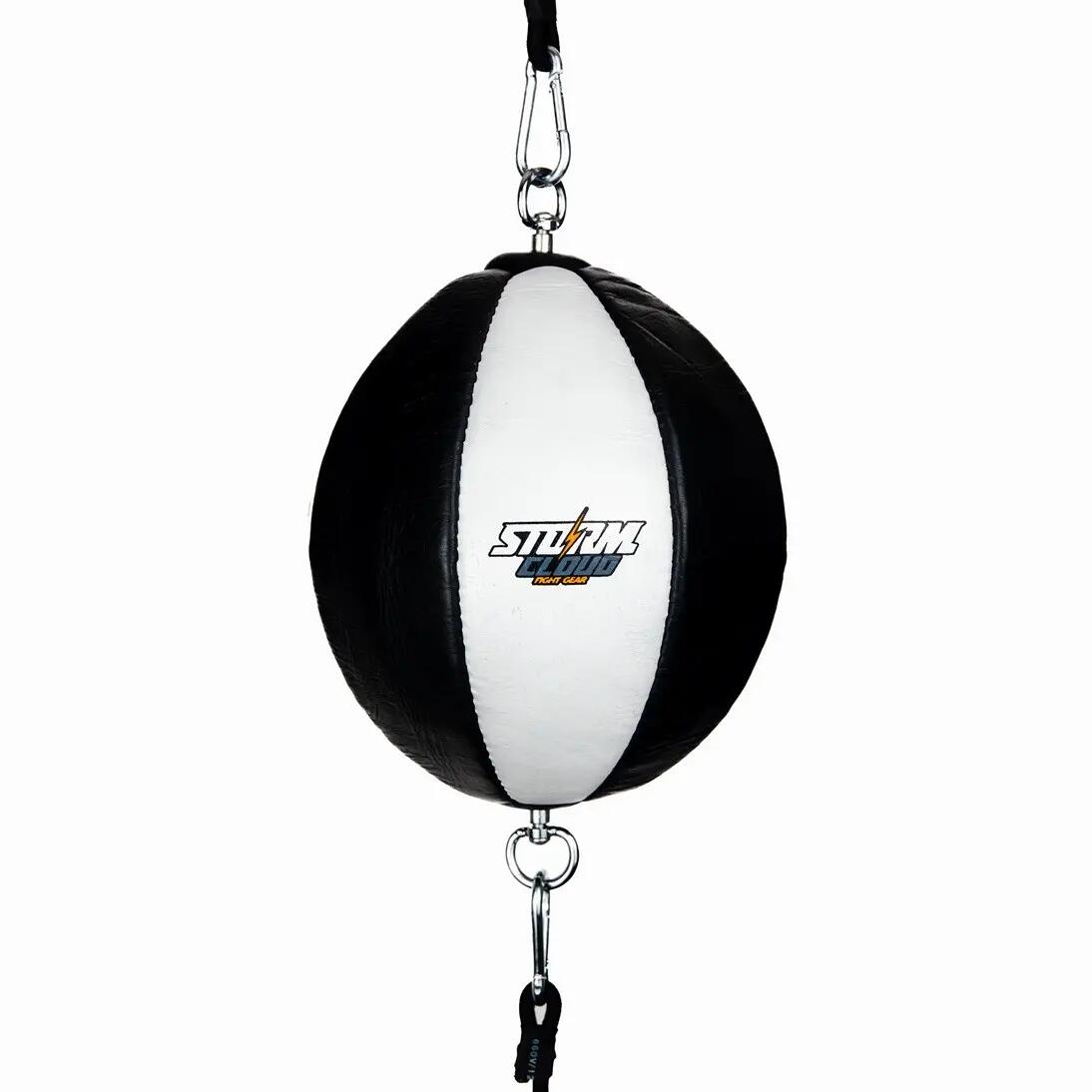
Bags filled with sand are generally preferred for maximum stability because sand is significantly denser than water, preventing the bag from sliding across the floor during heavy kicks. If you find your bag moves too much, adding extra dry sand to the base provides the mechanical weight needed to keep it anchored. Water is often easier to fill and empty if you need to move your gear frequently, but it can lead to more "wobble" at the top of the bag. For boxers who want to improve their speed and hand-eye coordination simultaneously, alternating their heavy bag work with a punching ball helps sharpen reflexes. The reason for using sand is simple physics; the higher density provides a lower centre of gravity, which is crucial for safety when you are throwing maximum-power leg kicks or heavy overhand rights.
What are the benefits of using boxing workout bags at home?

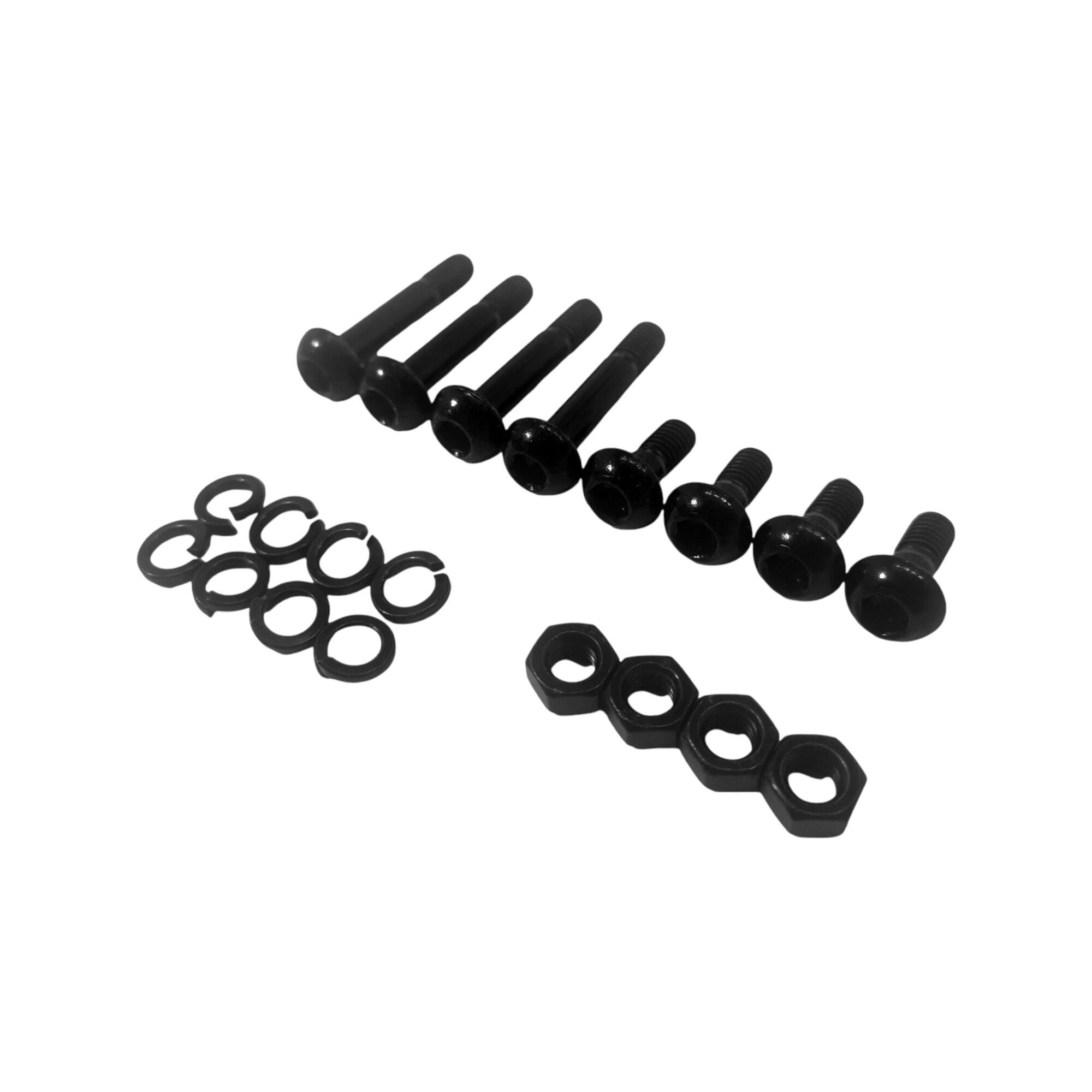
Training with boxing punching bags is one of the most effective ways to torch calories while building functional strength and improving your mental focus. A solid session on the bag develops the muscles in your shoulders, core, and legs, providing a full-body workout that prepares you for any physical challenge. These bags are crafted with multi-layer foam padding to ensure the impact is distributed evenly, protecting your knuckles from injury. Expert advice: Always wear hand wraps and proper gloves, even when hitting a soft bag, to support the small bones in your hands. To keep your setup in top condition, exploring boxing equipment spare parts can help maintain durability and performance over time. High-quality boxing punching bags athletes use are built to endure the humid climate, featuring moisture-resistant outer shells that stay grippy even when the sweat starts pouring. Whether you are a beginner or a pro, having your own bag means you can train whenever the mood strikes, ensuring you never miss a chance to sharpen your skills.