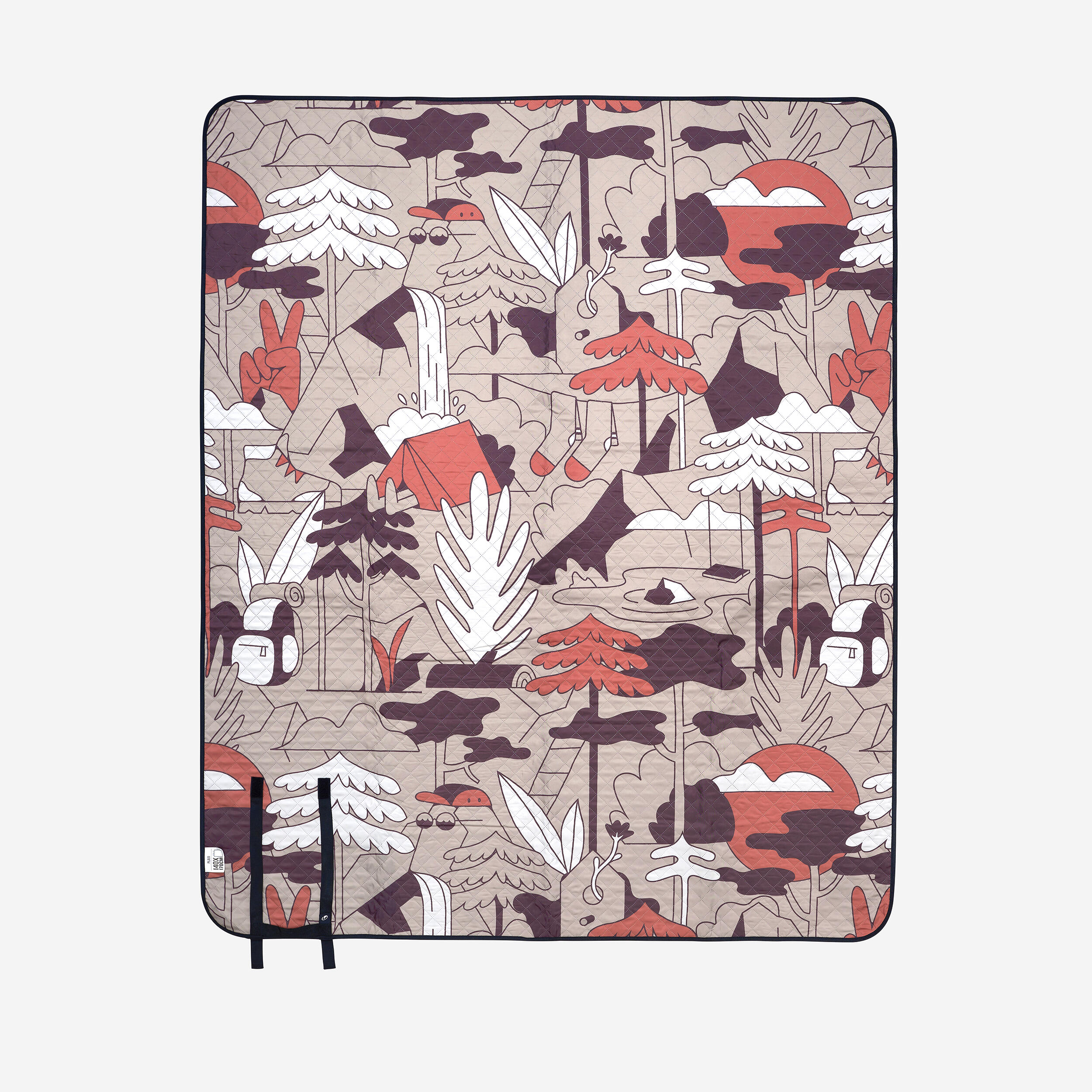
64 items
4.5/5 based on 28413 reviews collected online and in stores

Camping Rugs FAQs

How do I choose the right camping rug for my trip?

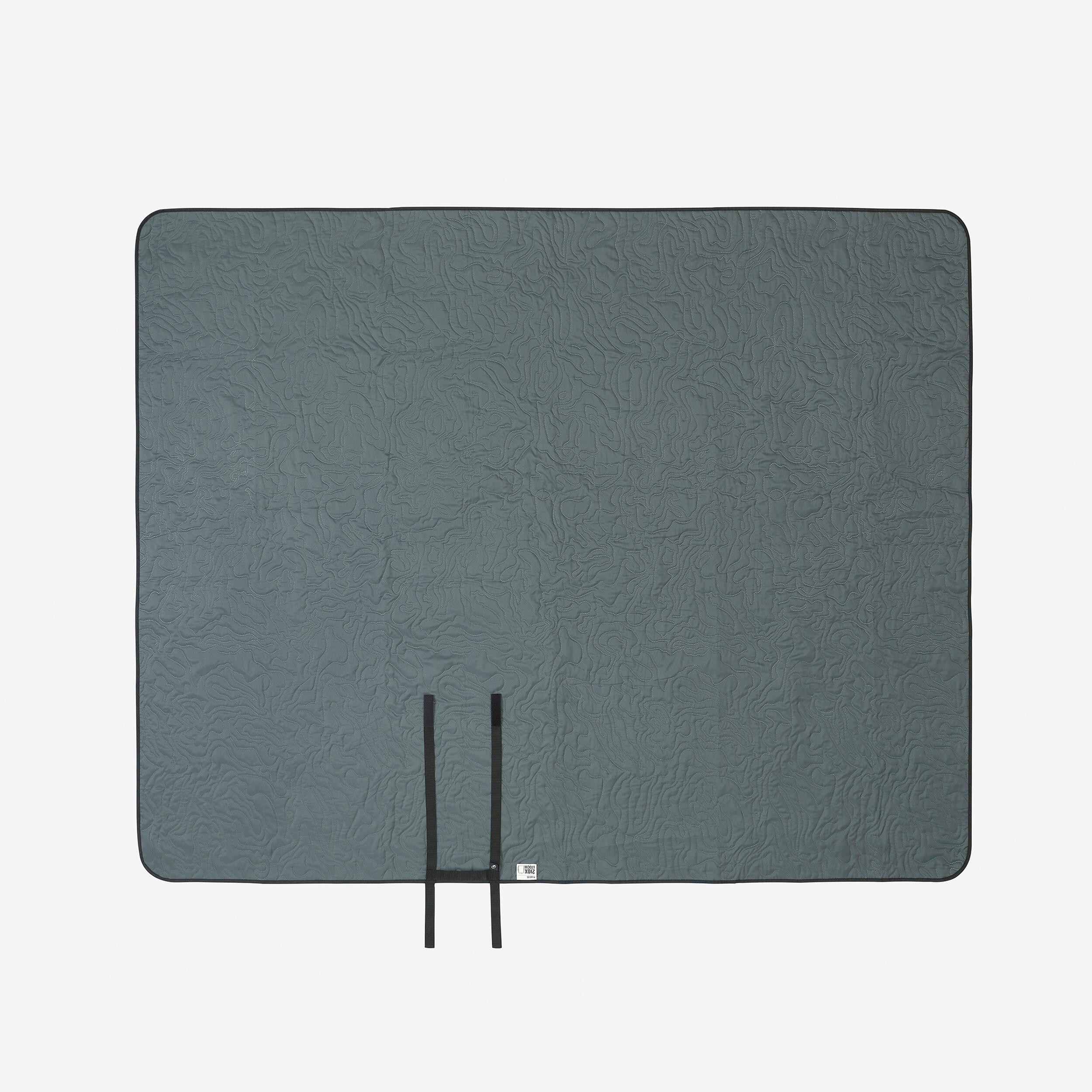
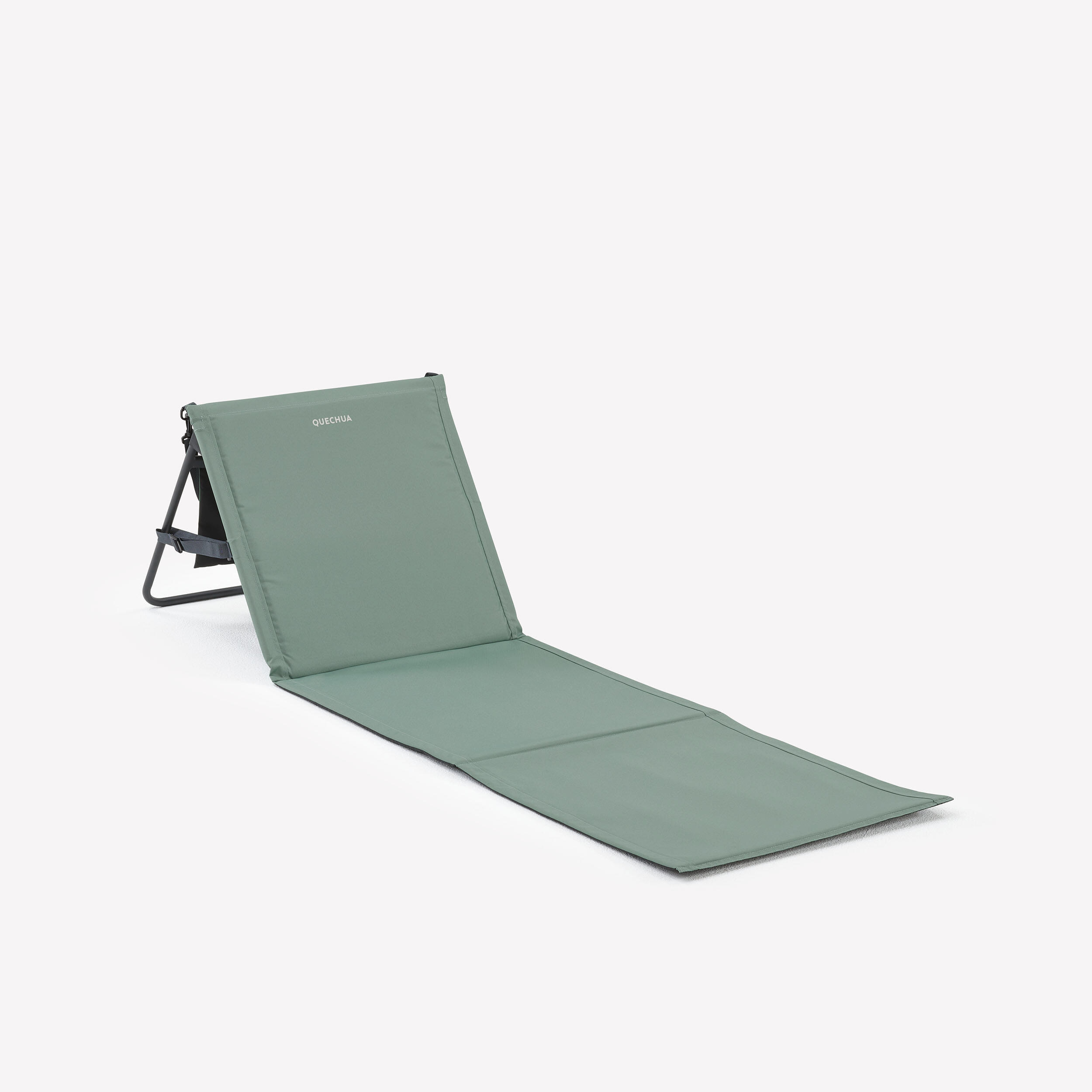
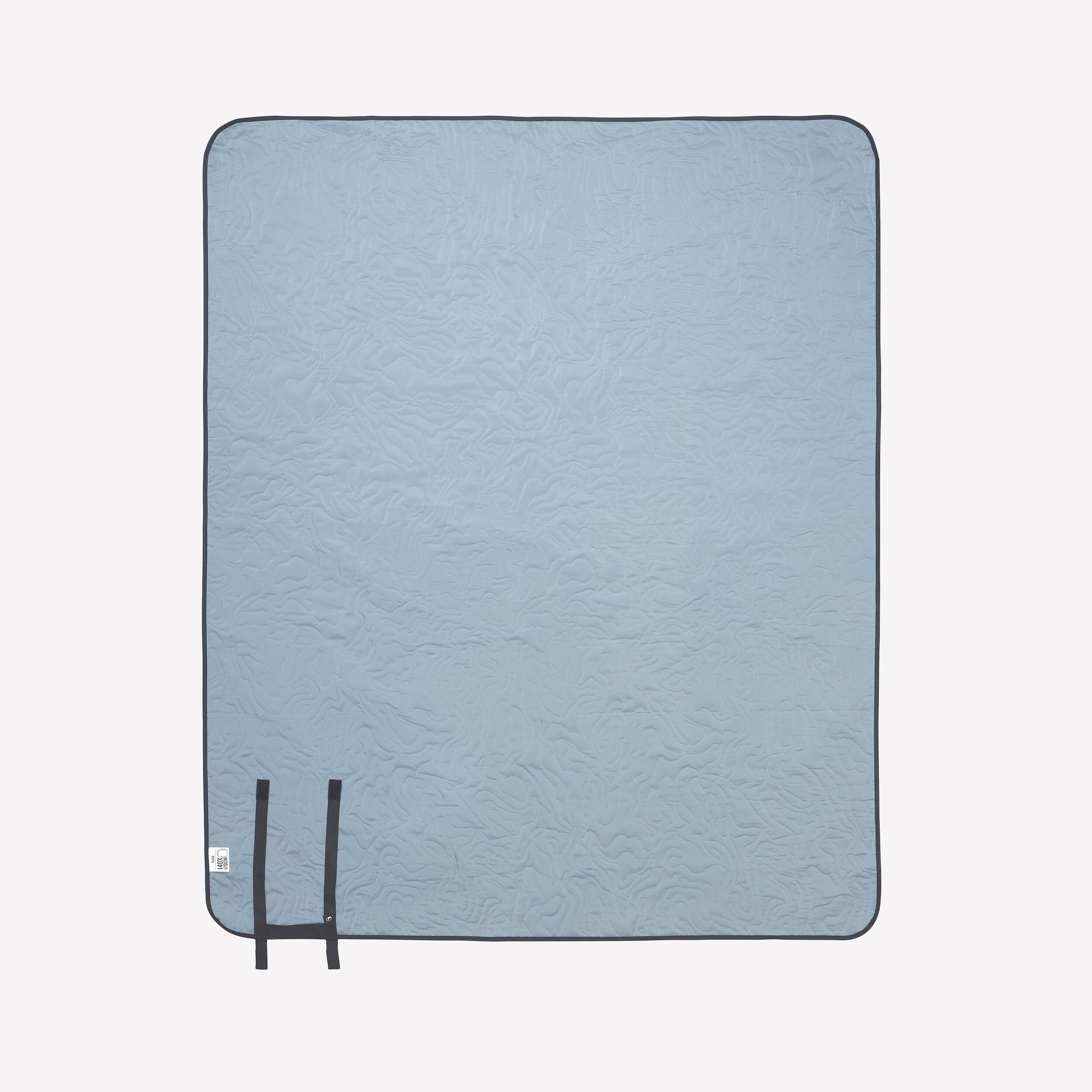
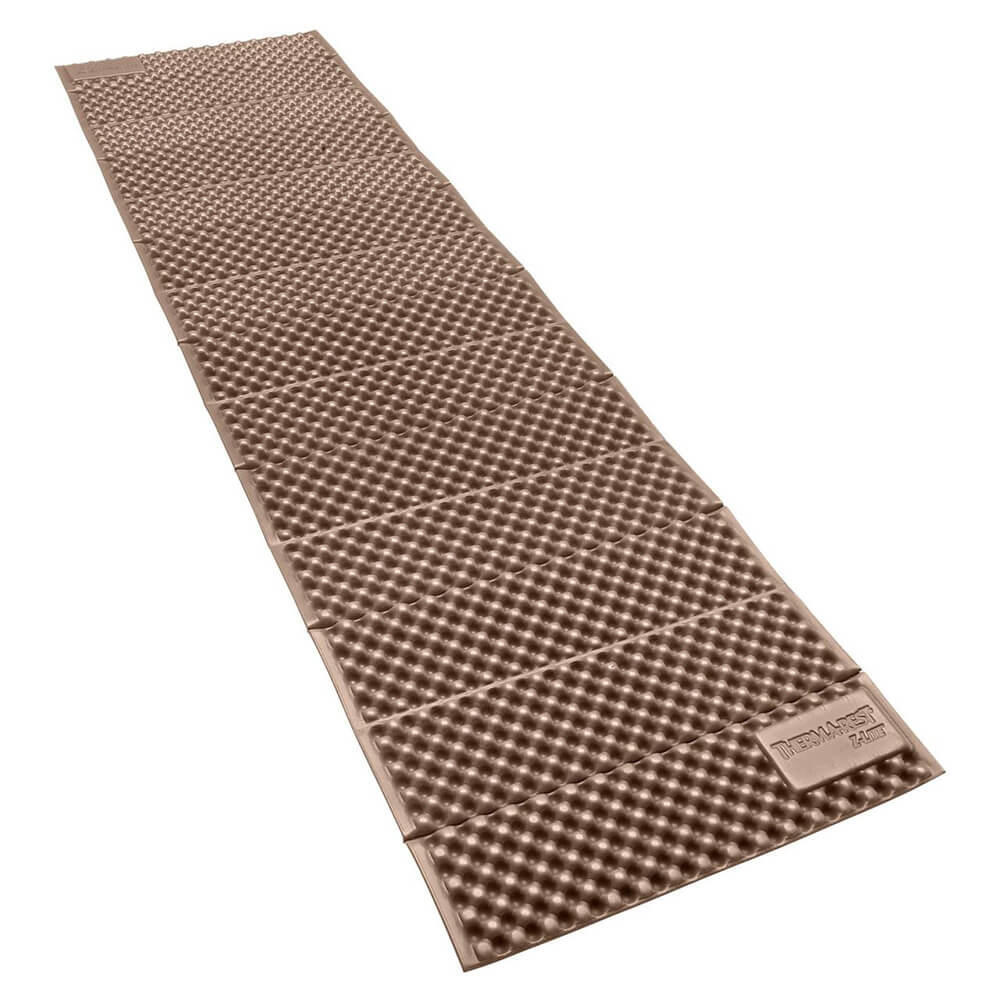
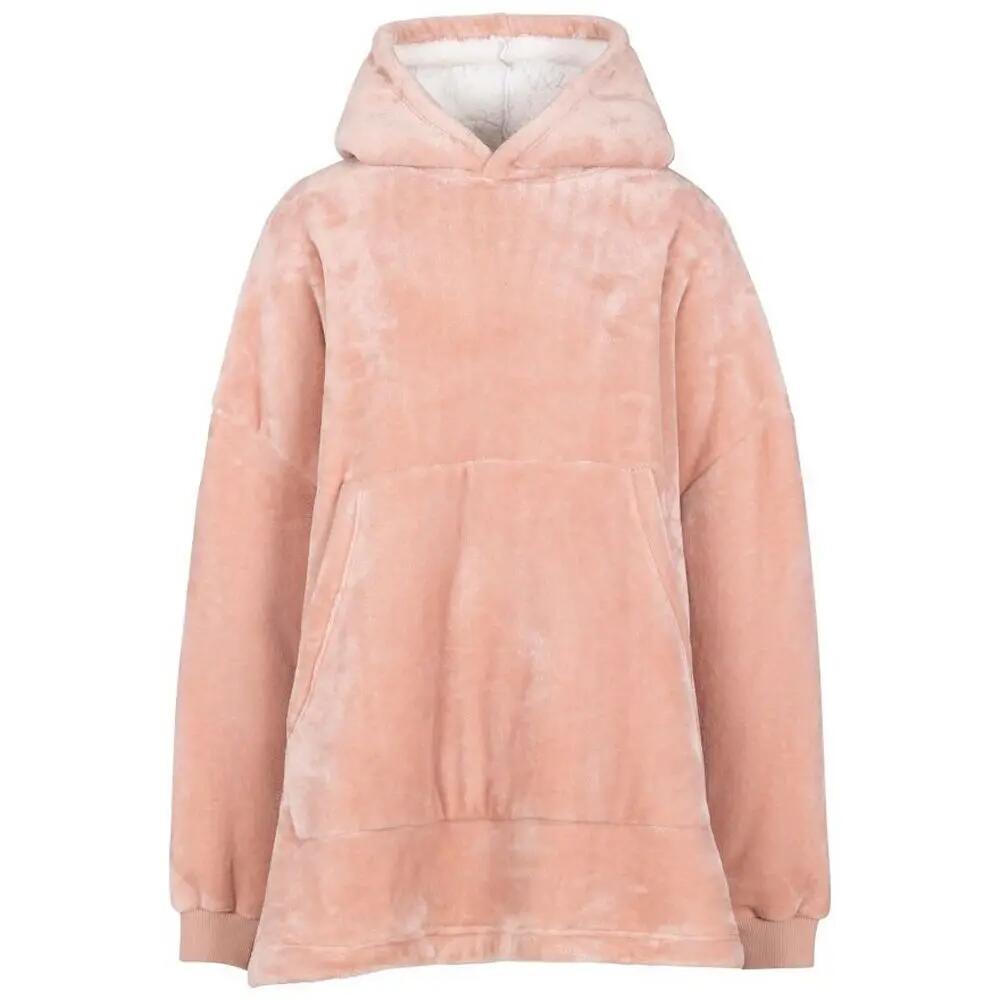
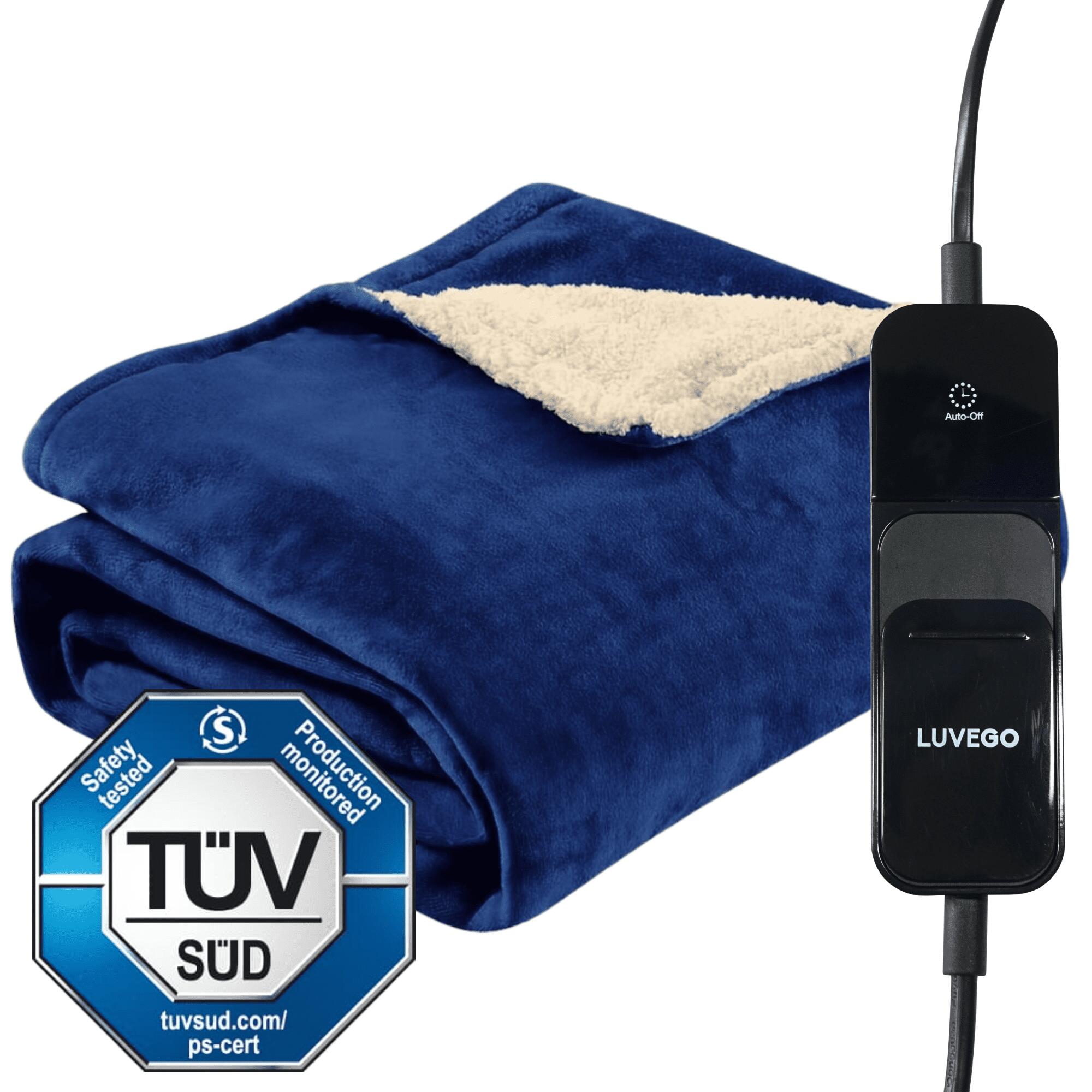
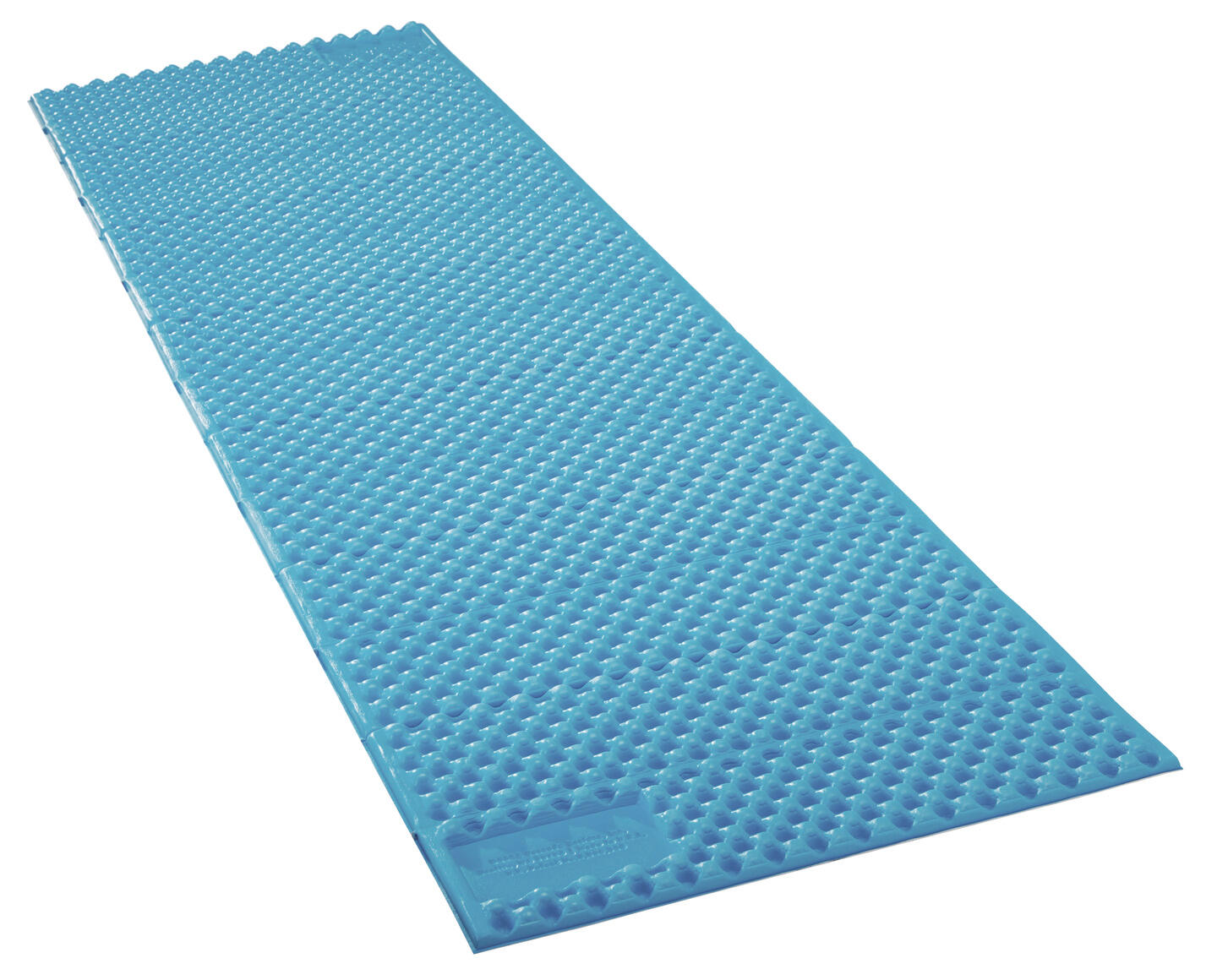
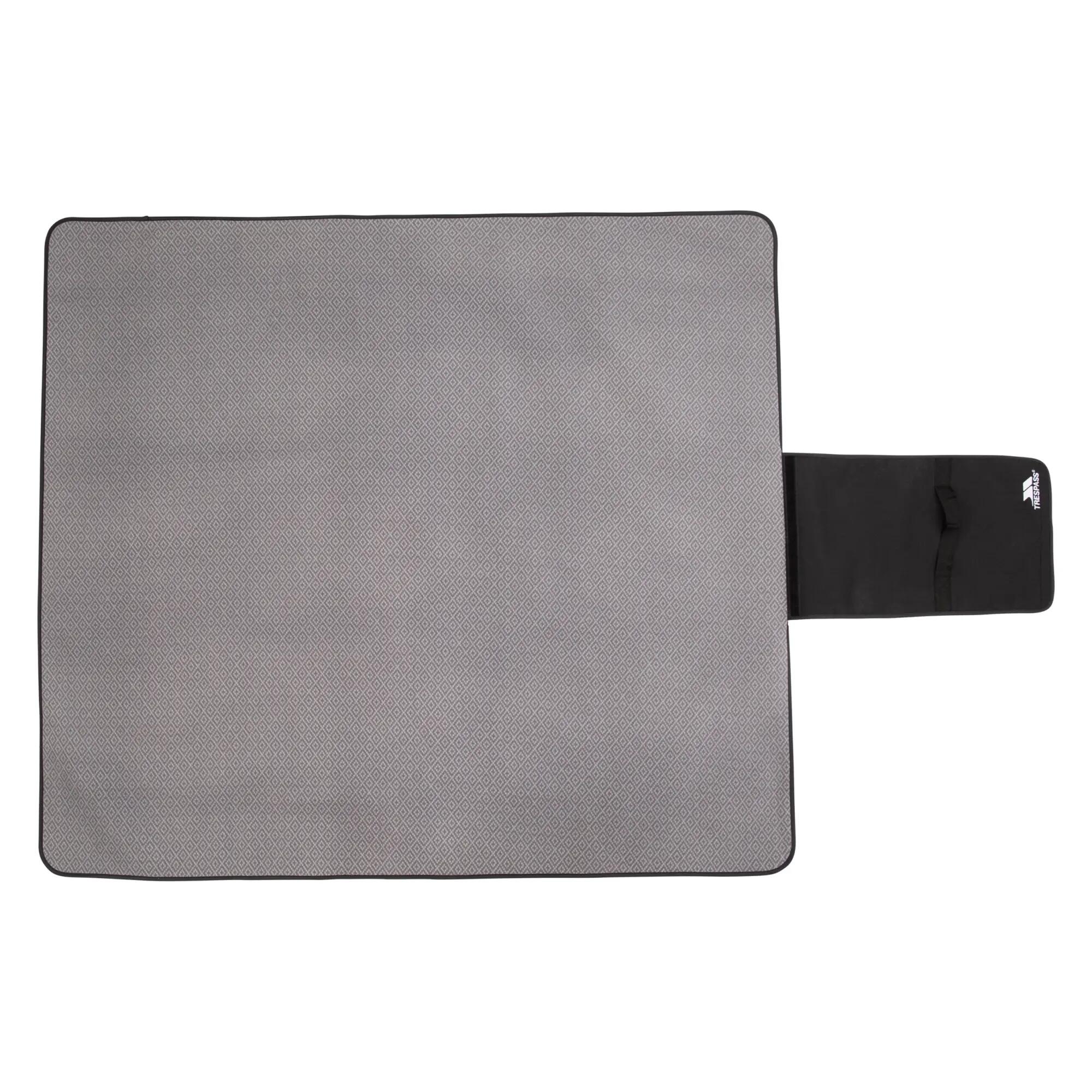
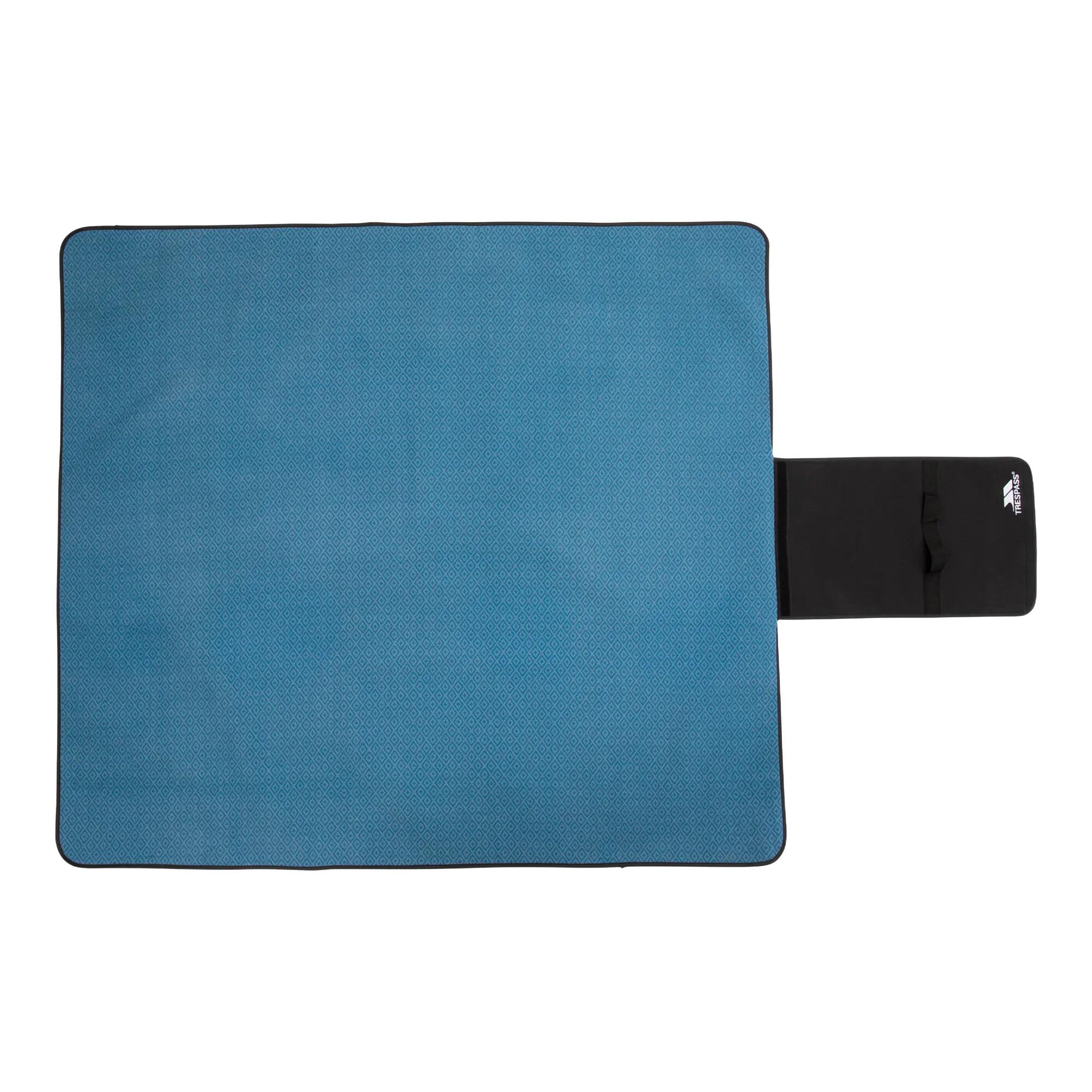
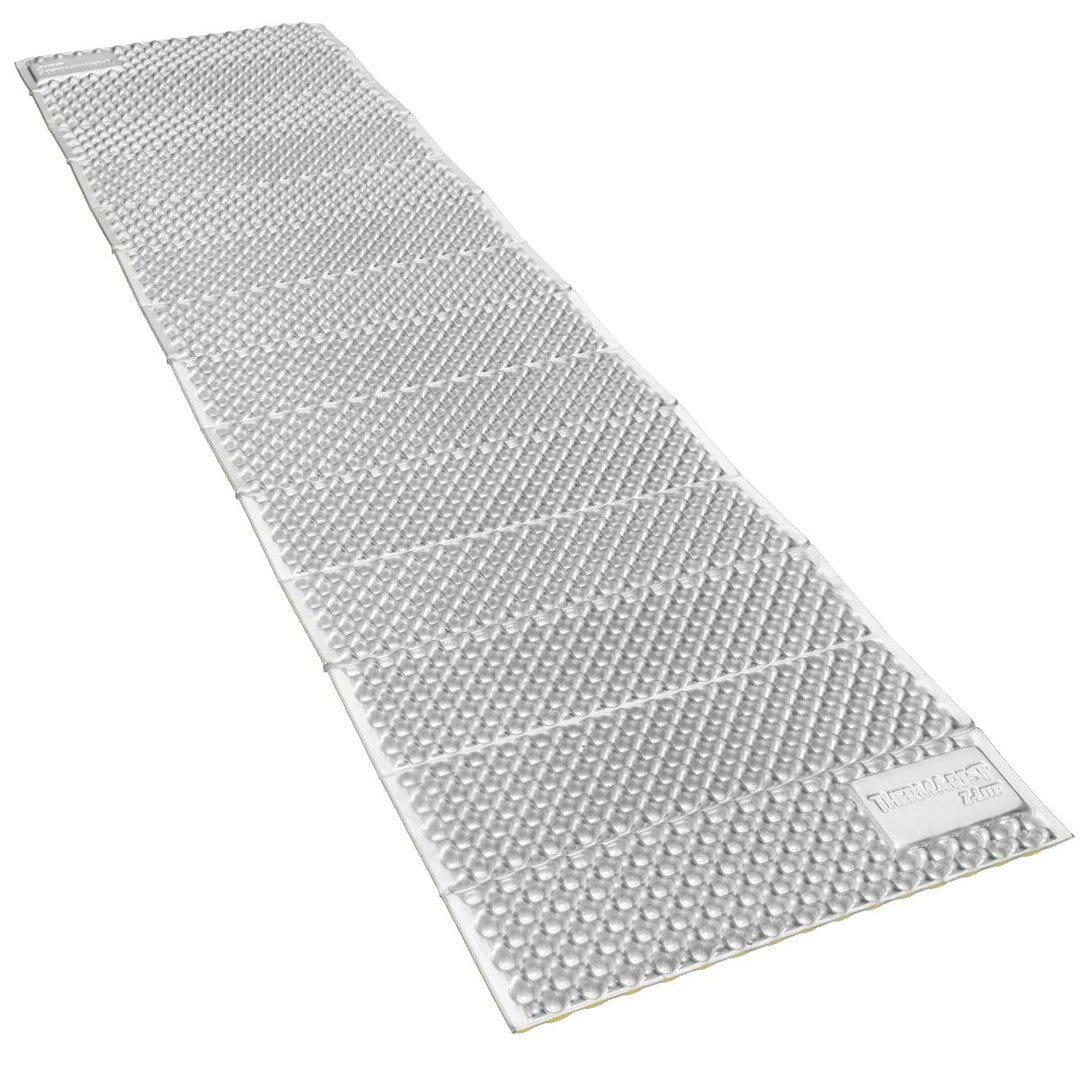
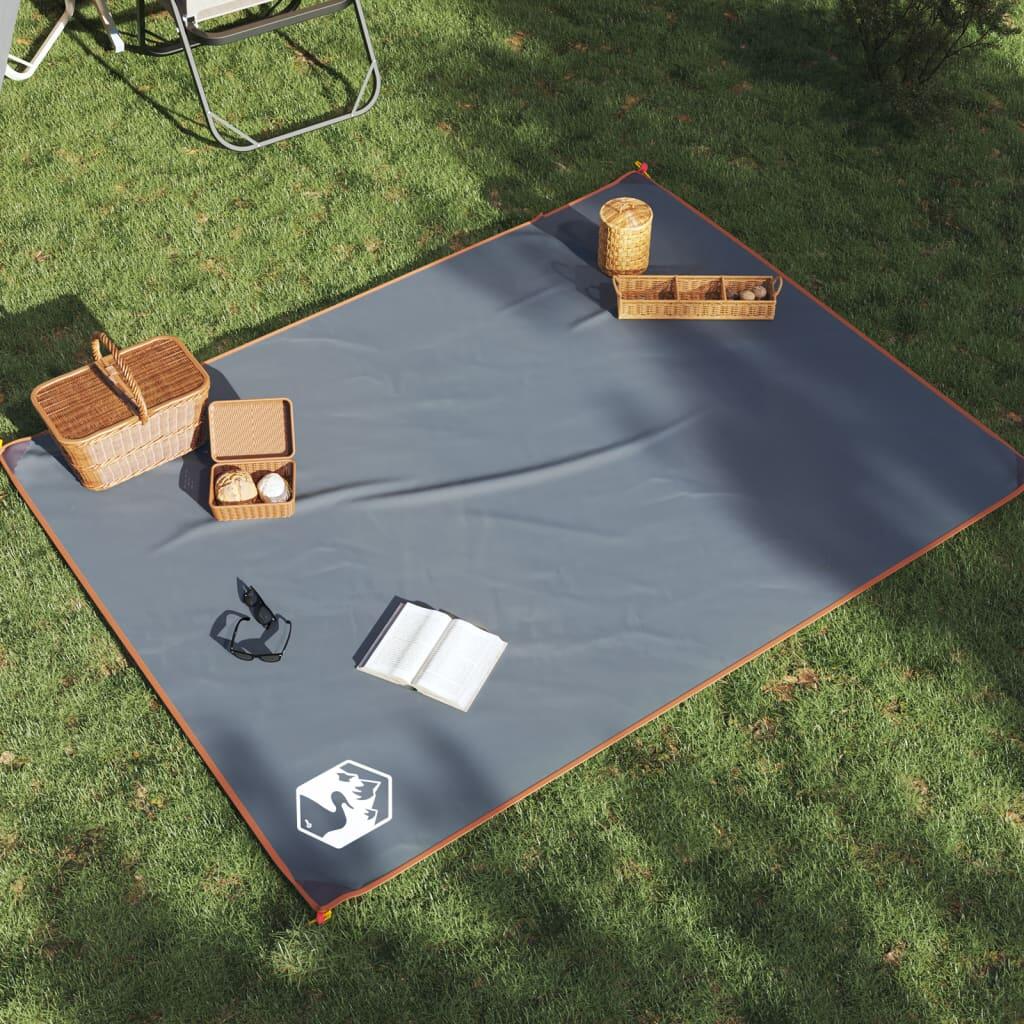
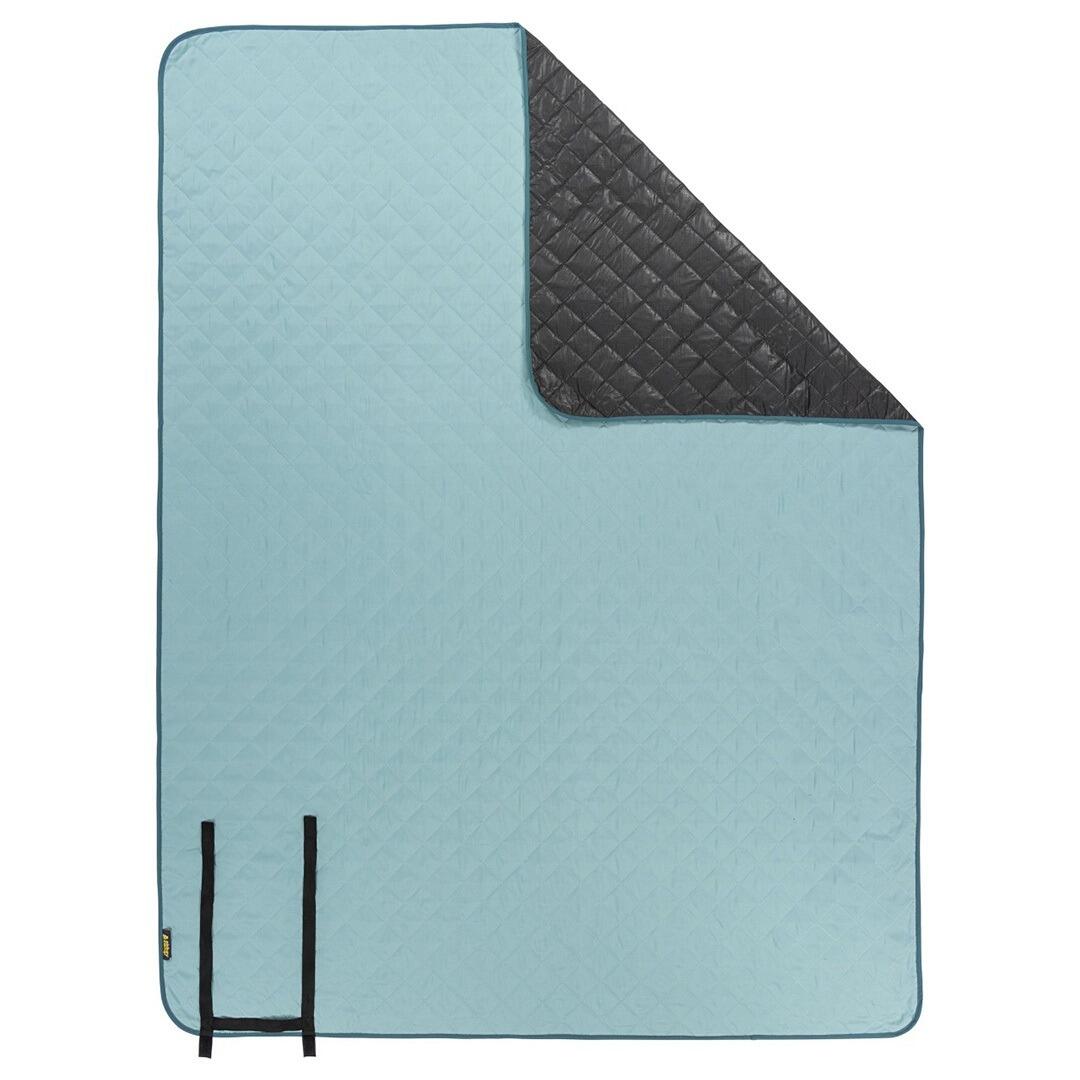
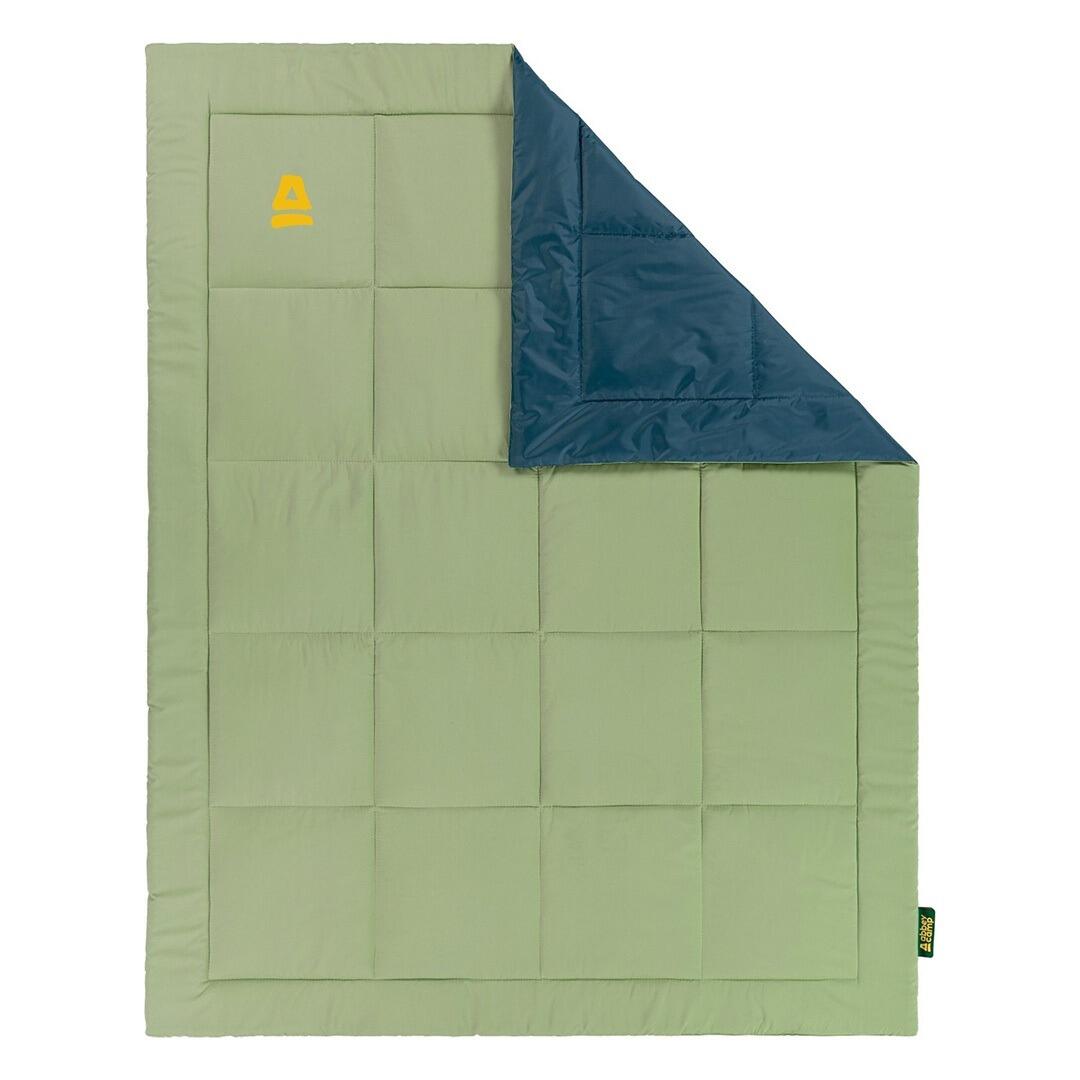
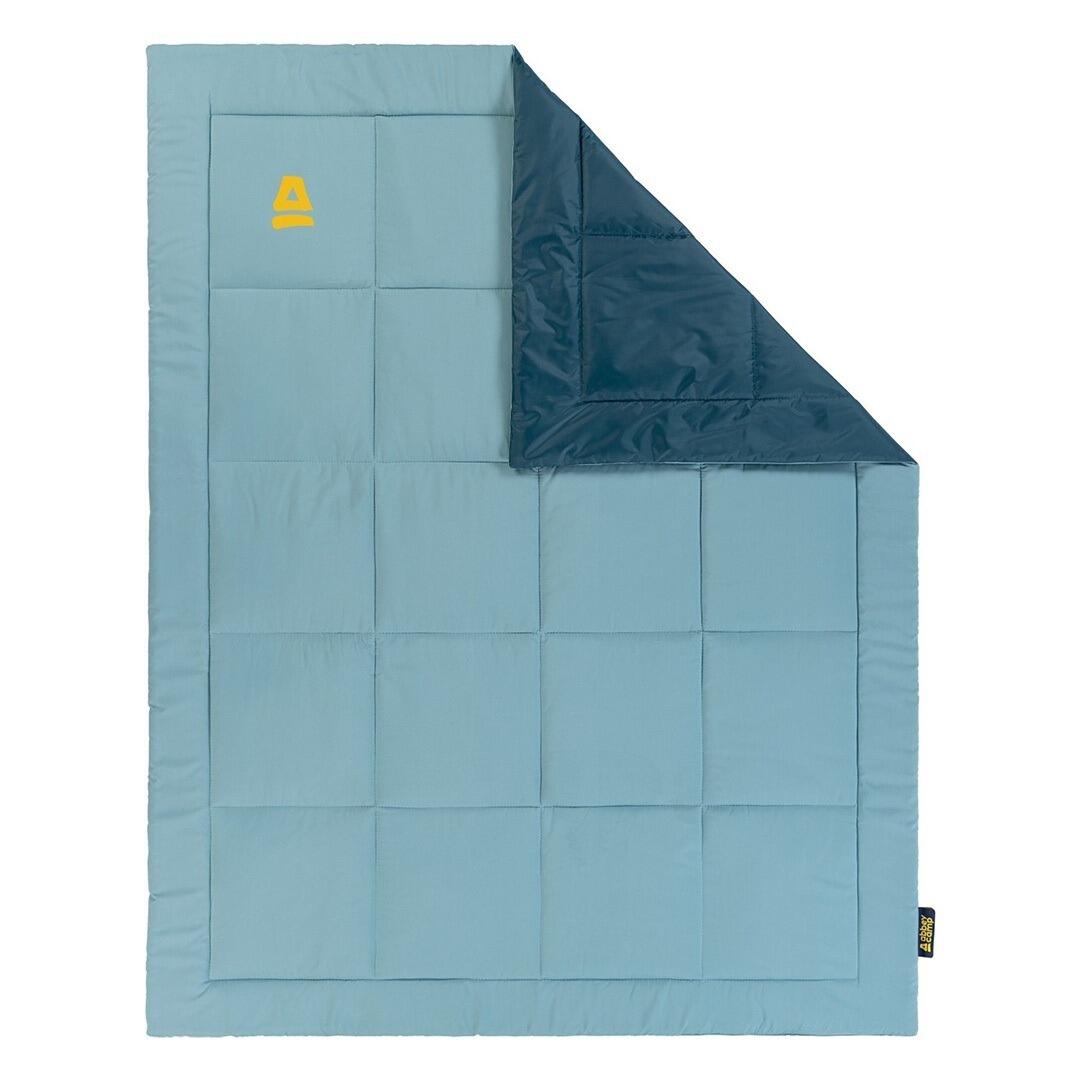
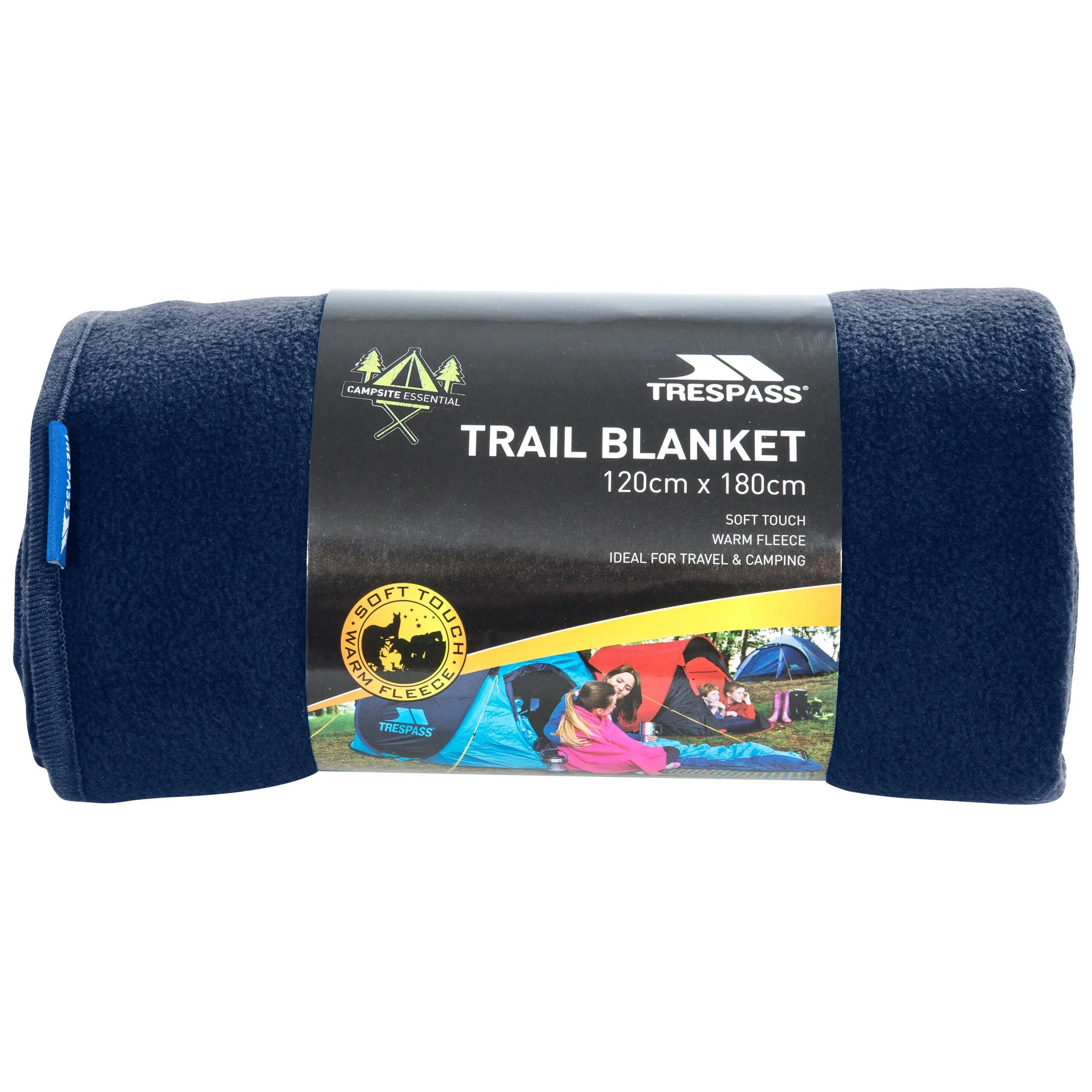
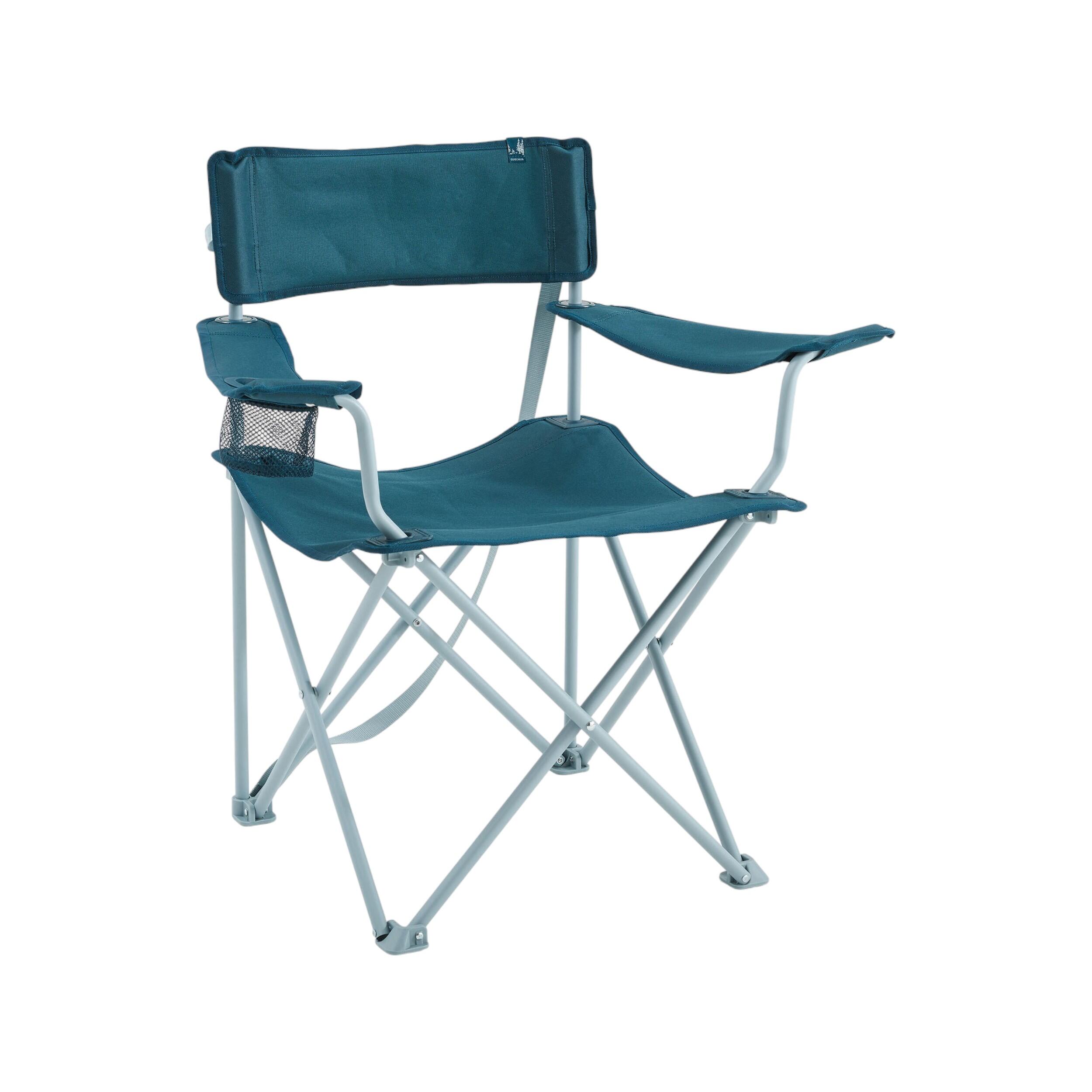
Choosing the right camping rug comes down to the placement, the size of the tent or porch, and the conditions you expect across the camping season. Indoor rugs lay across the tent floor to add warmth, comfort, and a softer feel underfoot, while outdoor rugs sit under the porch, awning, or beside the chairs to protect the unit feet from absorbing damp overnight. On a cold night at the pitch, the ground saps body heat faster than the air around it, and an insulating rug breaks that heat loss between the sleeper, the chair, and the cold ground. Larger XL rugs cover the full footprint of a family tent, while smaller rugs suit single-person trips and tighter pitches. Comfort blankets pull double duty as both a rug underfoot and a throw across cold evenings around the camp. Practical advice: pick a rug with a tough, easy-shake reverse face that handles being beaten clean of grass, mud, and pine needles before packing up. To complete the seating side of the pitch, check out our range of camping chairs from the Quechua label in folding, low-rider, lounger, and ultra-compact builds.

How do camping tables pair with rugs across the pitch?

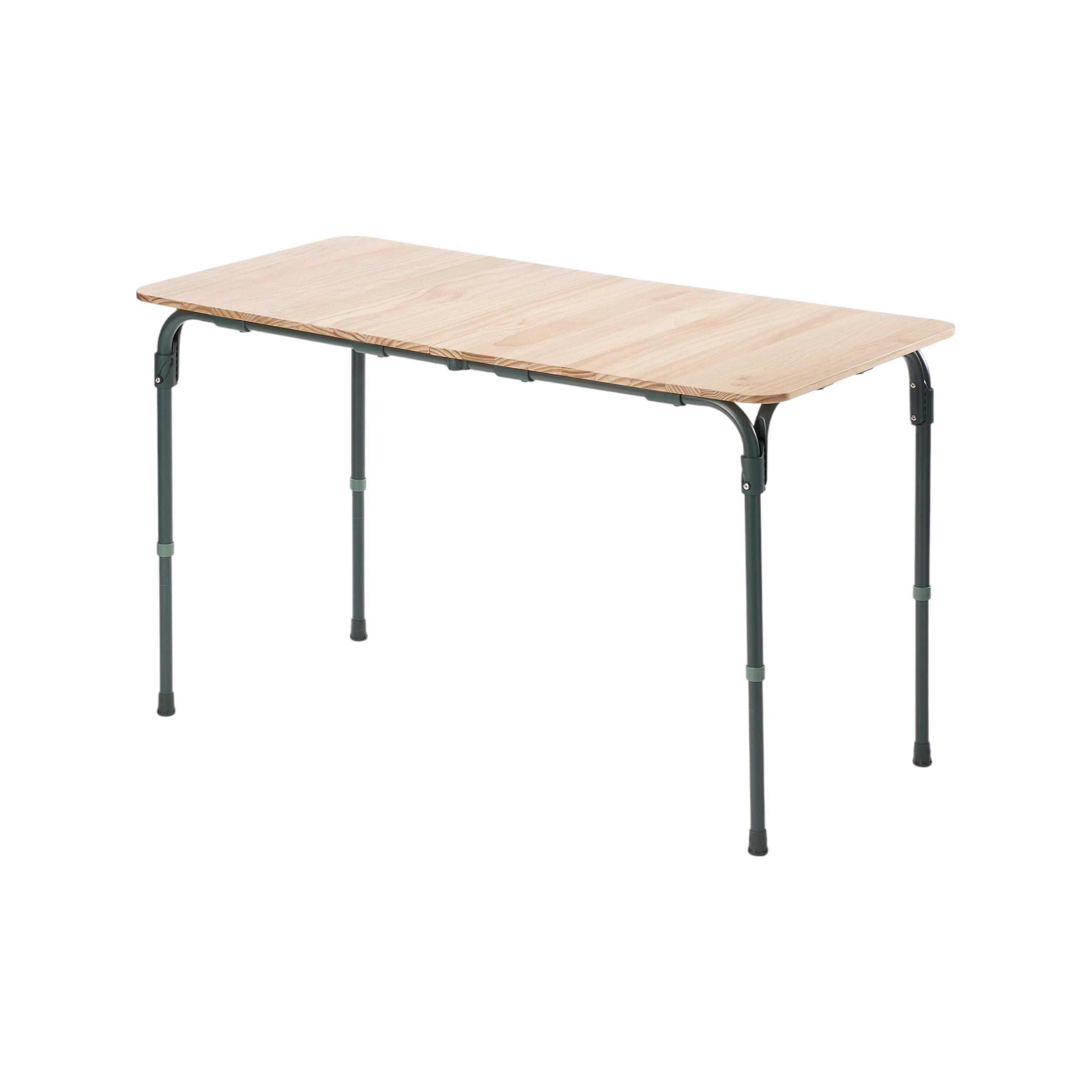
Camping tables pair cleanly with rugs by sitting directly on top of the rug to create a defined dining, cooking, and game-playing space inside the tent porch or under the awning. The combination keeps the table legs from sinking into soft ground, protects the table feet from grit and grass stains, and creates a tidy, organised zone where the family can gather across meals and quieter evenings. Throughout the trip, a well-anchored table on a rug stays stable for cooking, eating, and writing postcards rather than wobbling on uneven ground. Tap into our camping tables options by Quechua in folding, roll-top, telescopic, and side-table builds.
Do camping kitchens work well placed on a camping rug?

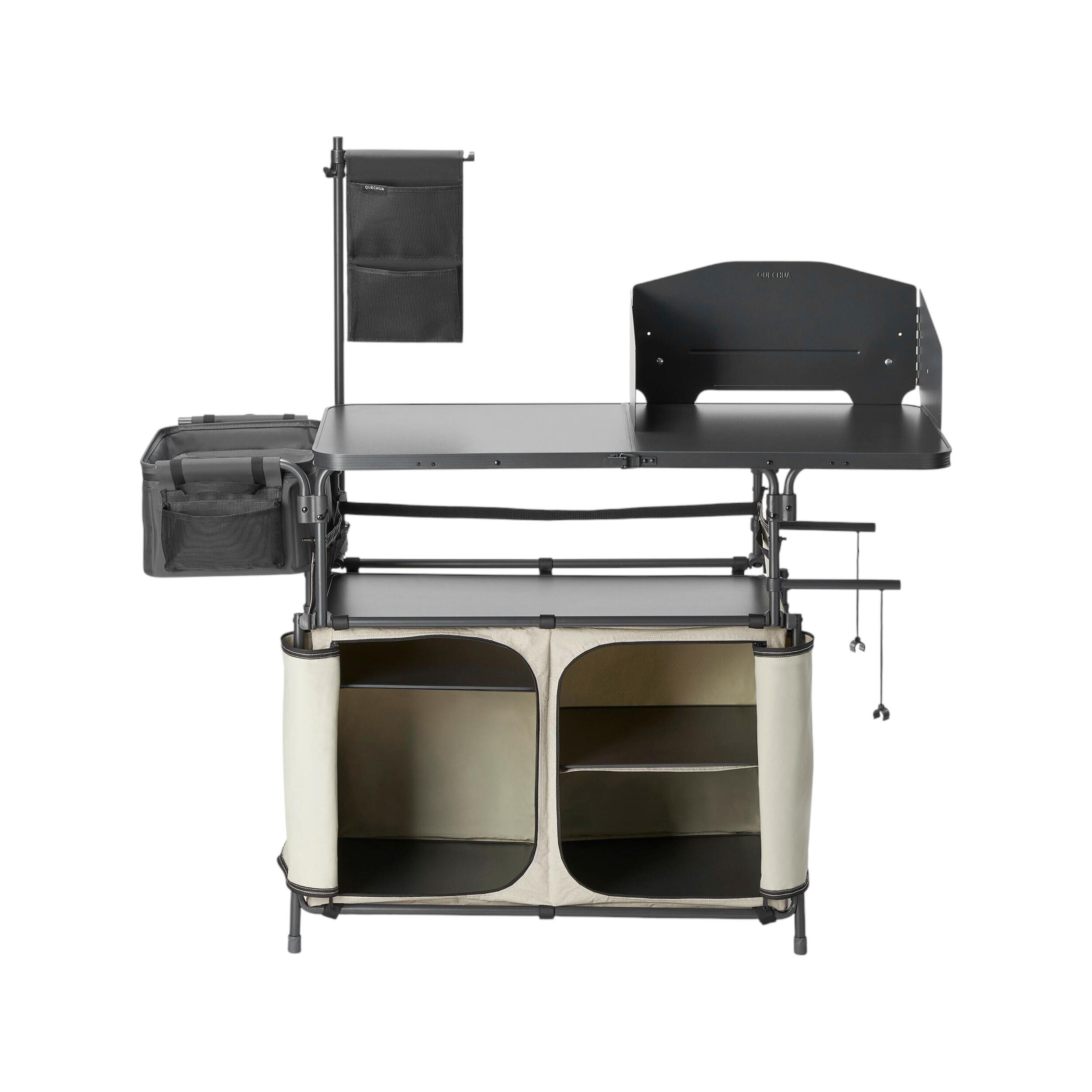
Camping kitchens work well placed on a camping rug whenever the cooking area sits inside a porch, awning, or covered pitch rather than directly on rough ground or wet grass. The rug beneath the kitchen unit helps stabilise it, protects the legs and feet from sinking, and catches spilled flour, splashed water, and dropped food that come with any week of cooking outdoors. On the trip, a tidy kitchen zone over a rug stays cleaner and far easier to sweep down at pack-up time. Check the availability of our camping kitchens from the Quechua label in folding, multi-level, and modular builds.

How do storage and wardrobe units sit alongside camping rugs?

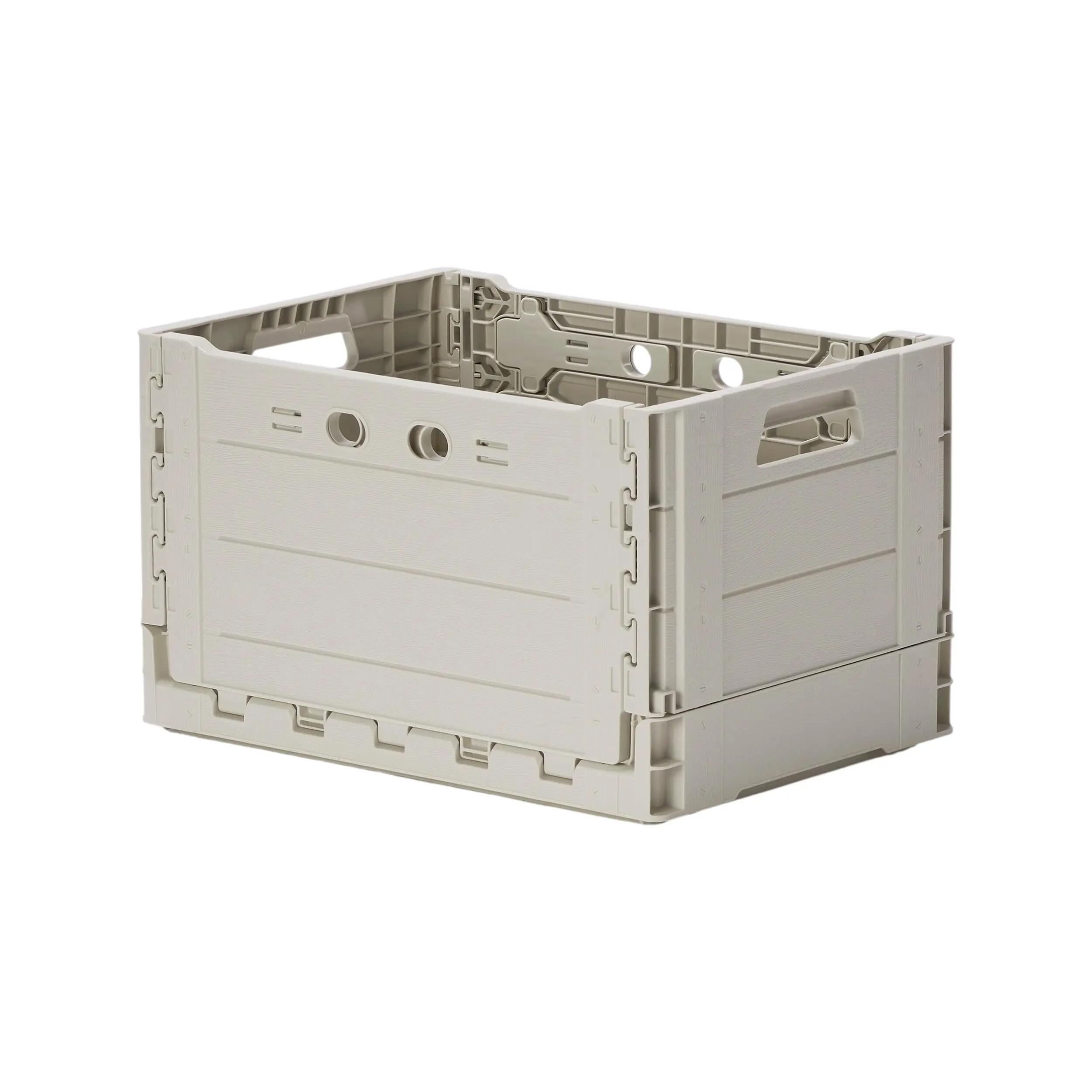
Storage and wardrobe units sit alongside camping rugs as the practical organisation pieces that the soft, warm rug ties together into a proper living space inside the tent. Wardrobes, storage boxes, and shelf units are placed onto or beside the rug to keep clothes off the cold floor, protect the unit feet from absorbing damp overnight, and define a clear sleeping zone separated from the cooking and seating areas. Throughout the week, an organised tent with a tidy floor, warm underfoot rug, and clear storage zones turns into a real home rather than a kit dump. Get a closer look at the camping storage and wardrobe for better options from Quechua label in folding, modular, and hanging builds.

What's the easiest way to move camping rugs from car to pitch?

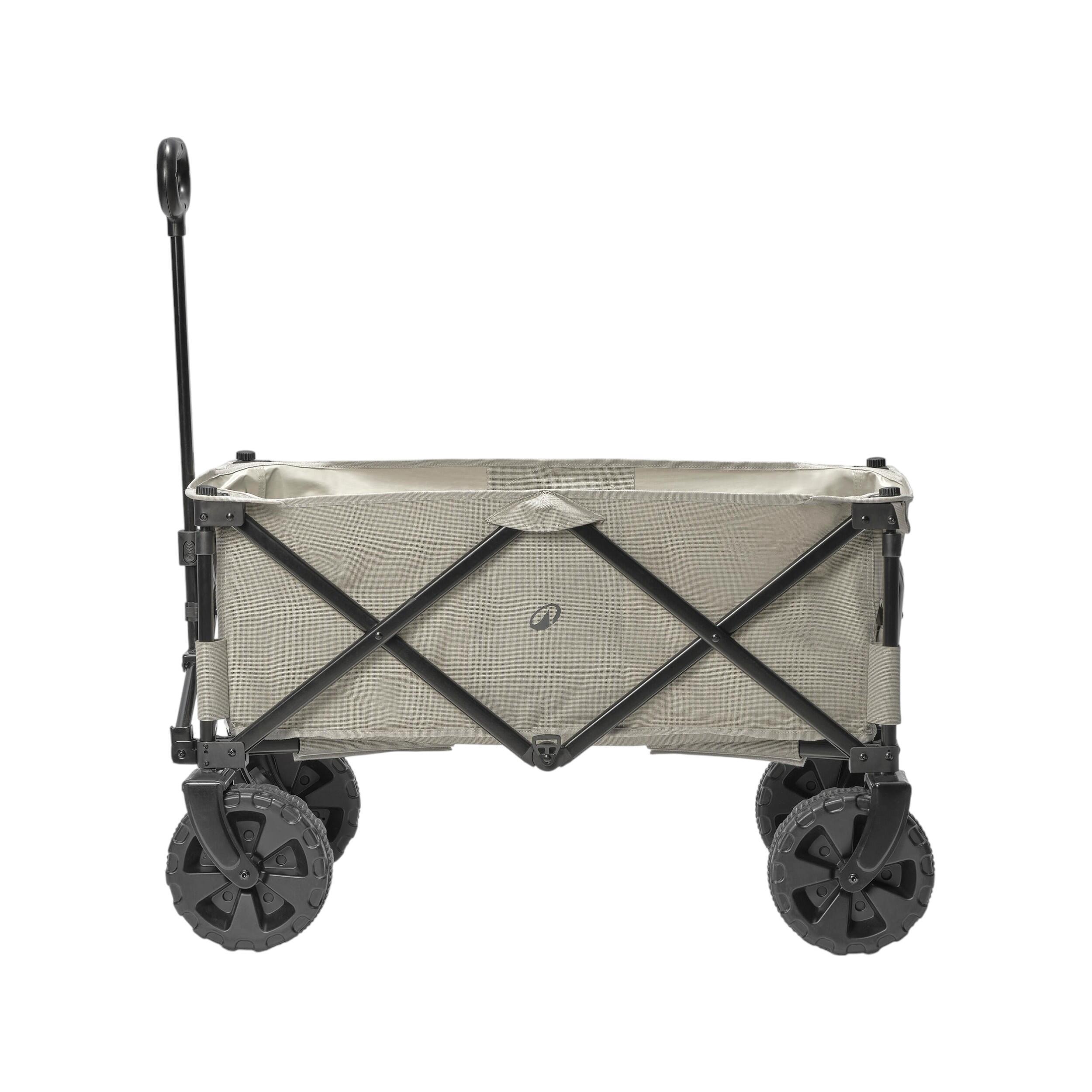
The easiest way to move camping rugs from car to pitch is with a camping trolley, since rolled or folded rugs sit easily on a flat trolley bed alongside the rest of the family kit for a single trip from the car park to the pitch. Rugs, chairs, tables, kitchen units, and bags load onto the trolley together, which saves the back-and-forth shuttles that eat into pitching time on arrival day. On a busy weekend, every minute saved carrying kit is a minute added to enjoying the trip itself. Spot the right choice in our camping trolleys for your next hassle-free outing.