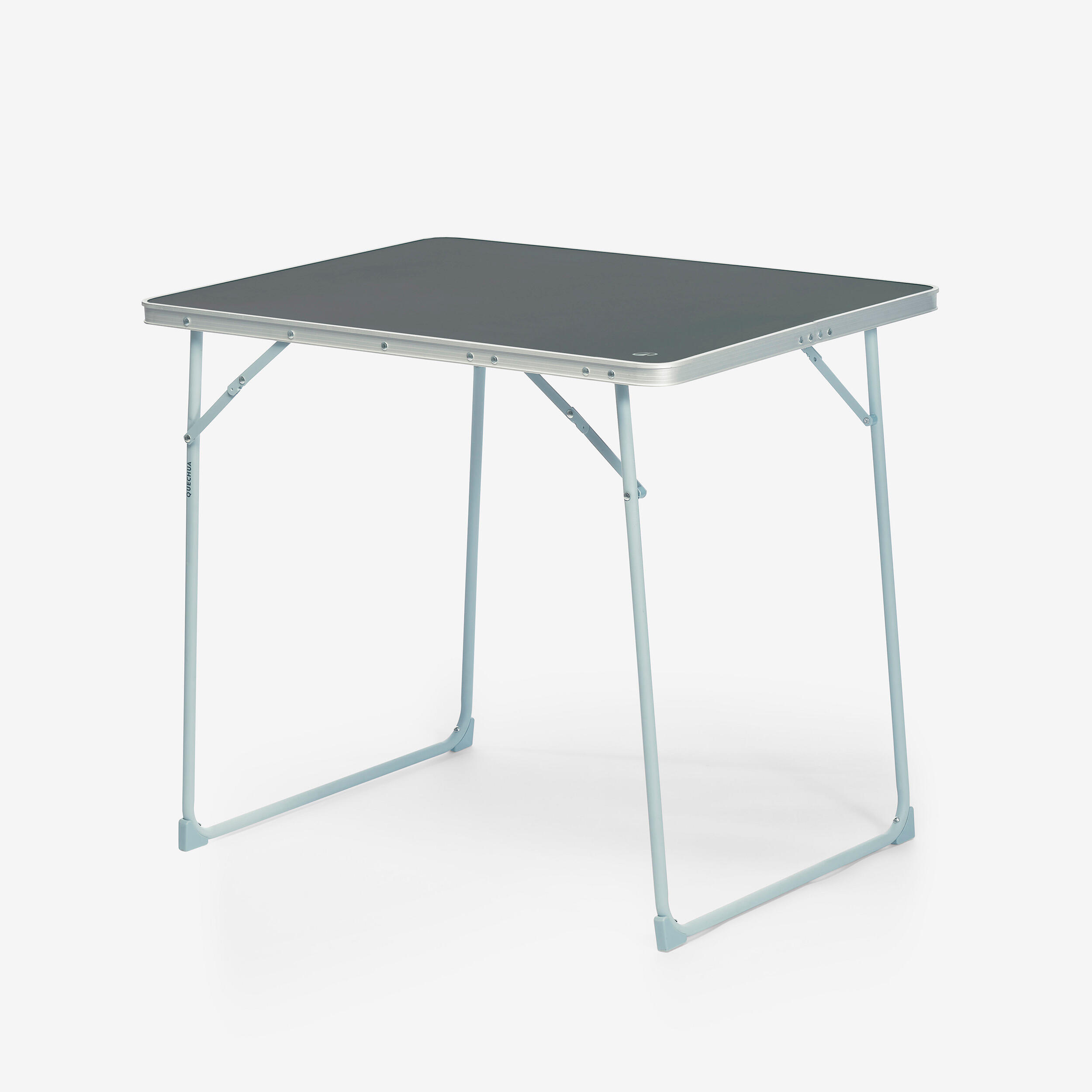
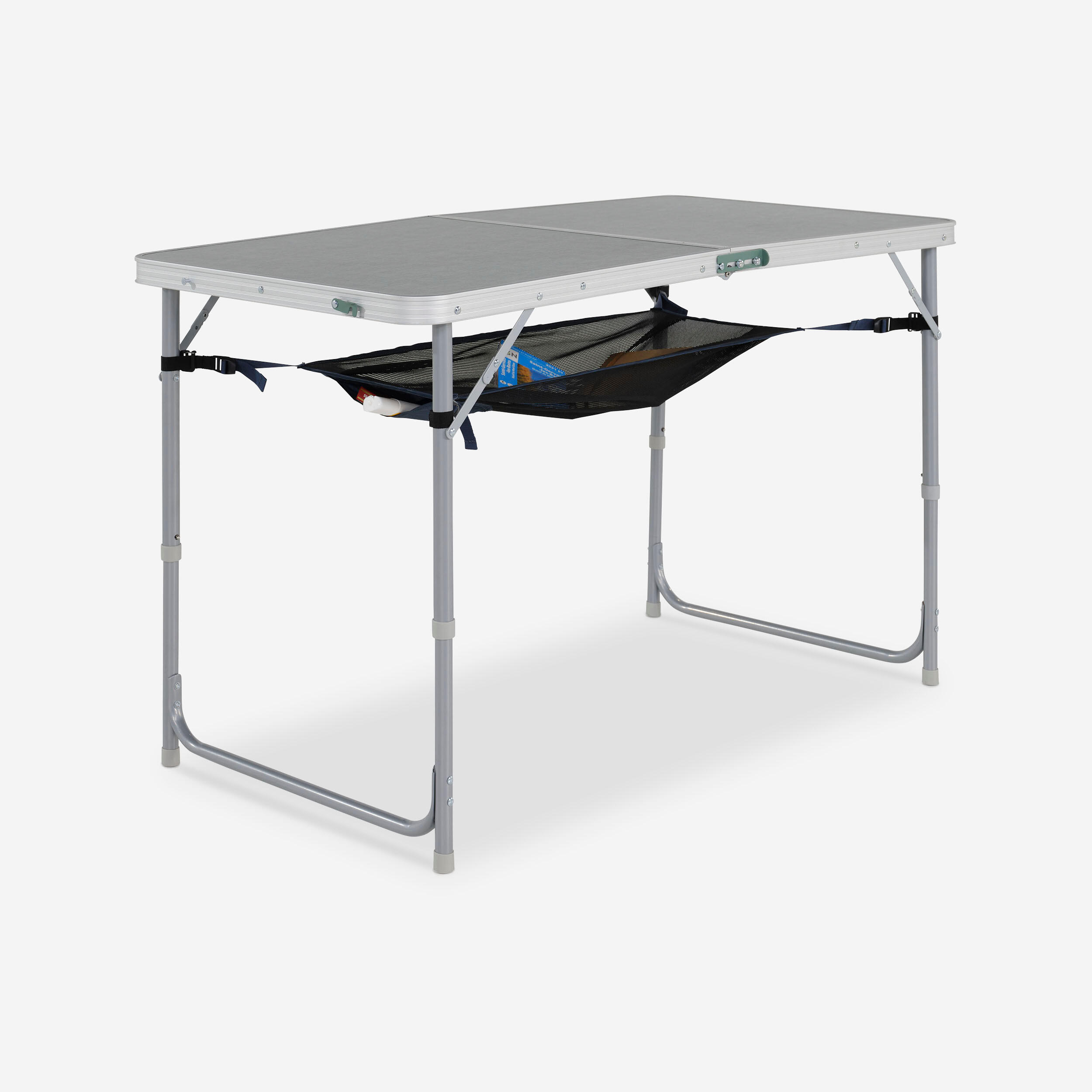
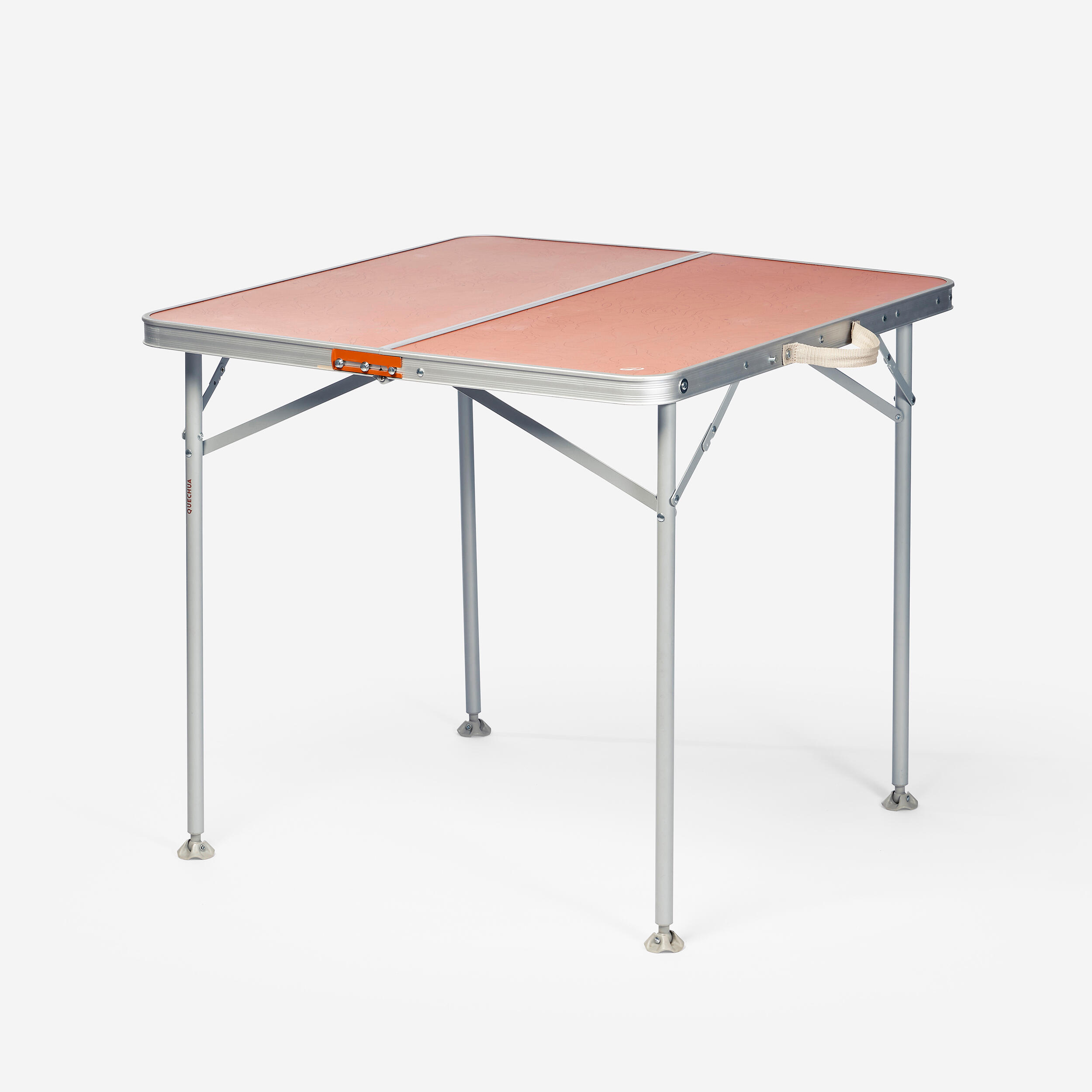
QUECHUA Folding camping table - 2 to 4 people - green4.8(4,336)Reviews.votesAriaCurrent price {{currentPrice}} €21.00
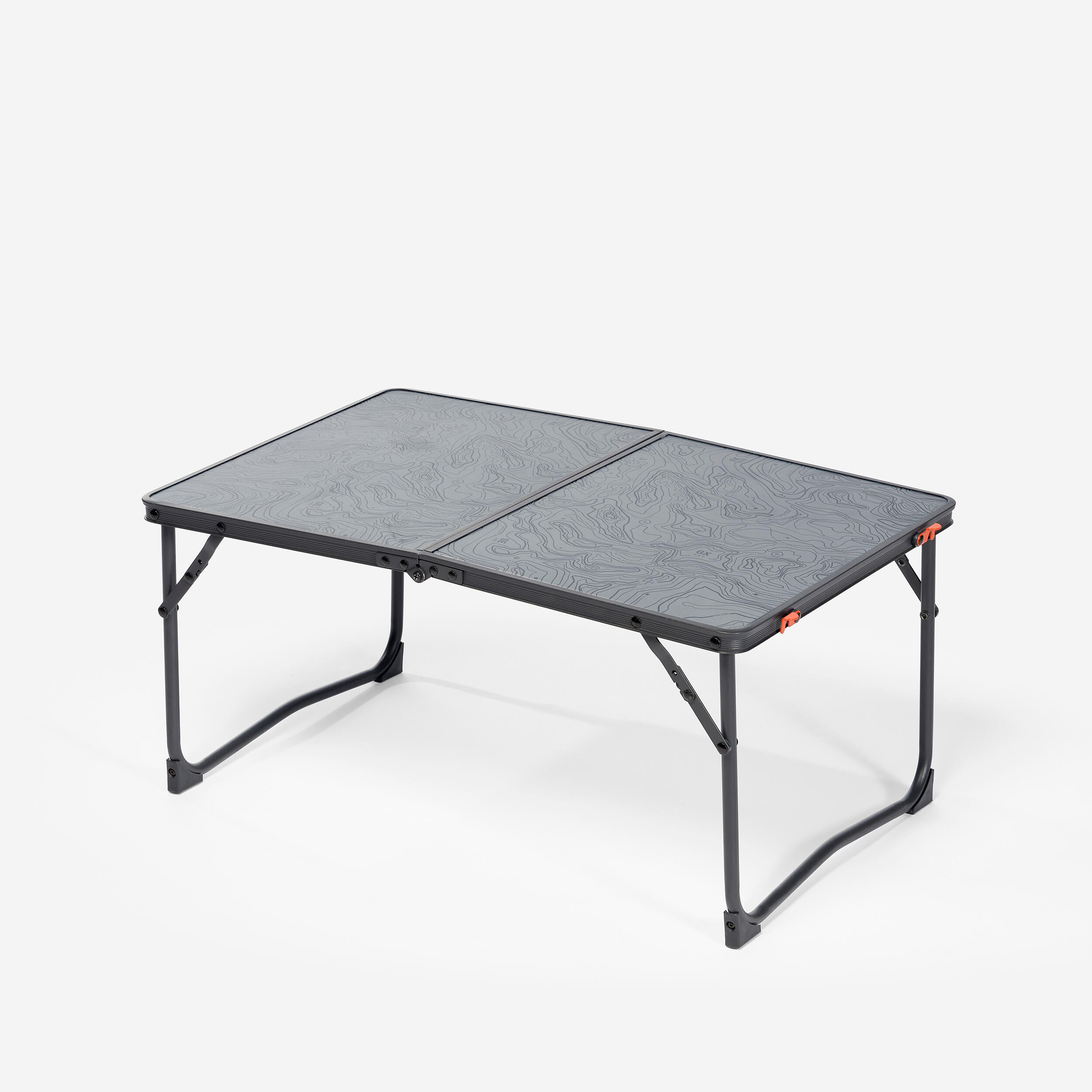
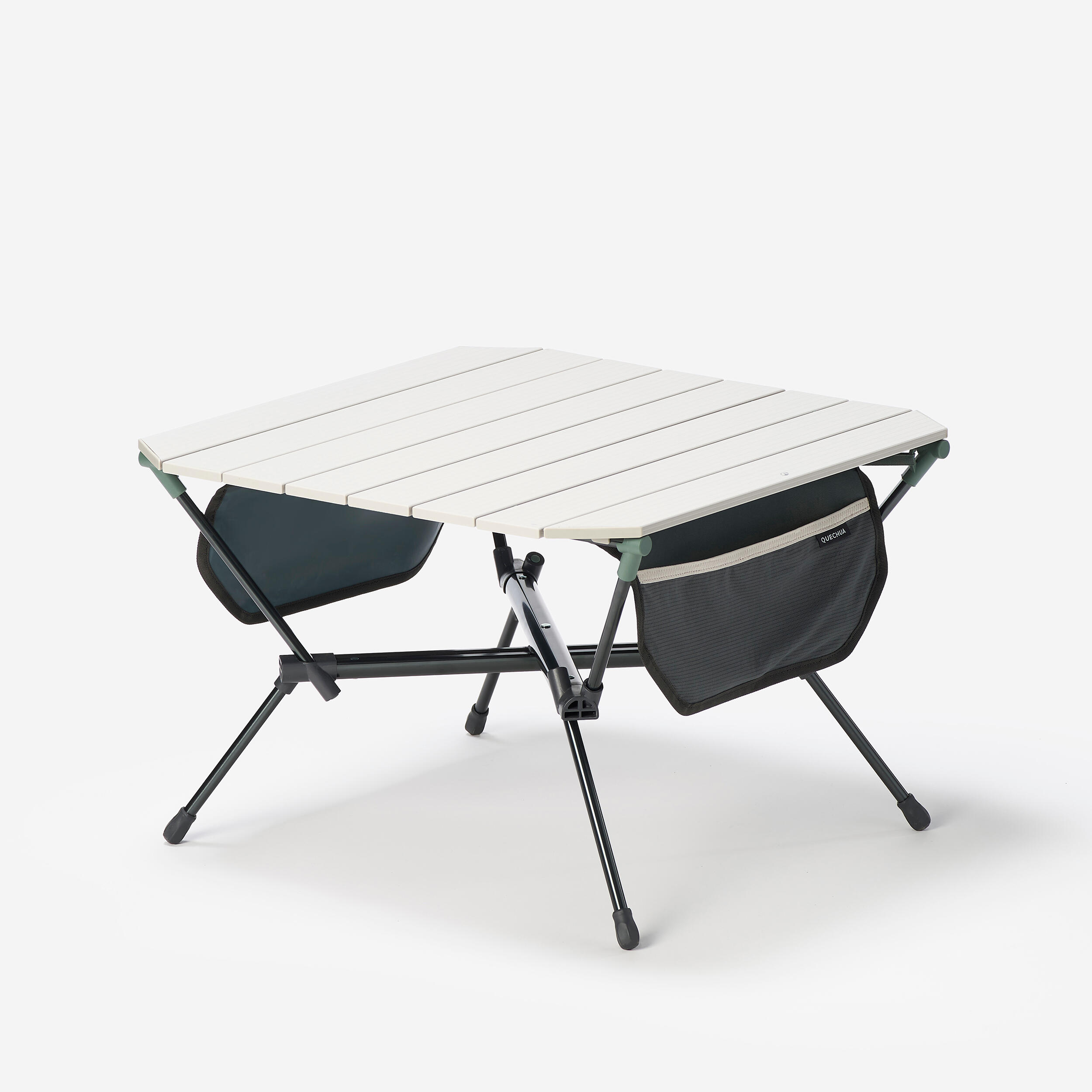
2 coloursQUECHUA Folding camping coffee table, 2 to 4 people, grey4.8(4,914)Reviews.votesAria2 coloursCurrent price {{currentPrice}} €15.00
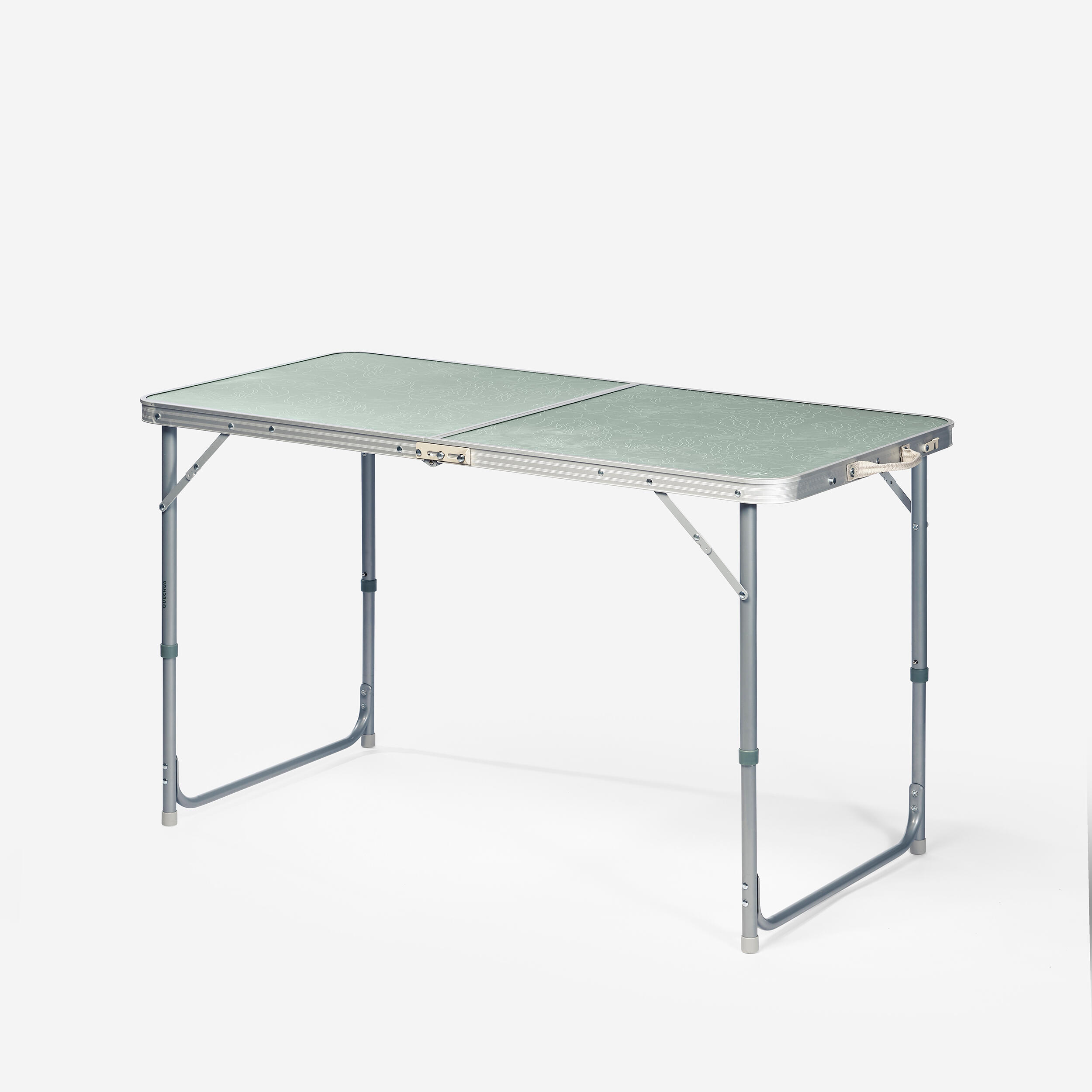
New Lower Price New Lower Price2 coloursNew Lower PriceQUECHUA Folding camping table - 4 to 6 people - green4.8(1,404)Reviews.votesAria2 coloursCurrent price {{currentPrice}} €39.00 Former price Was €46.00Lowest price: €46.00
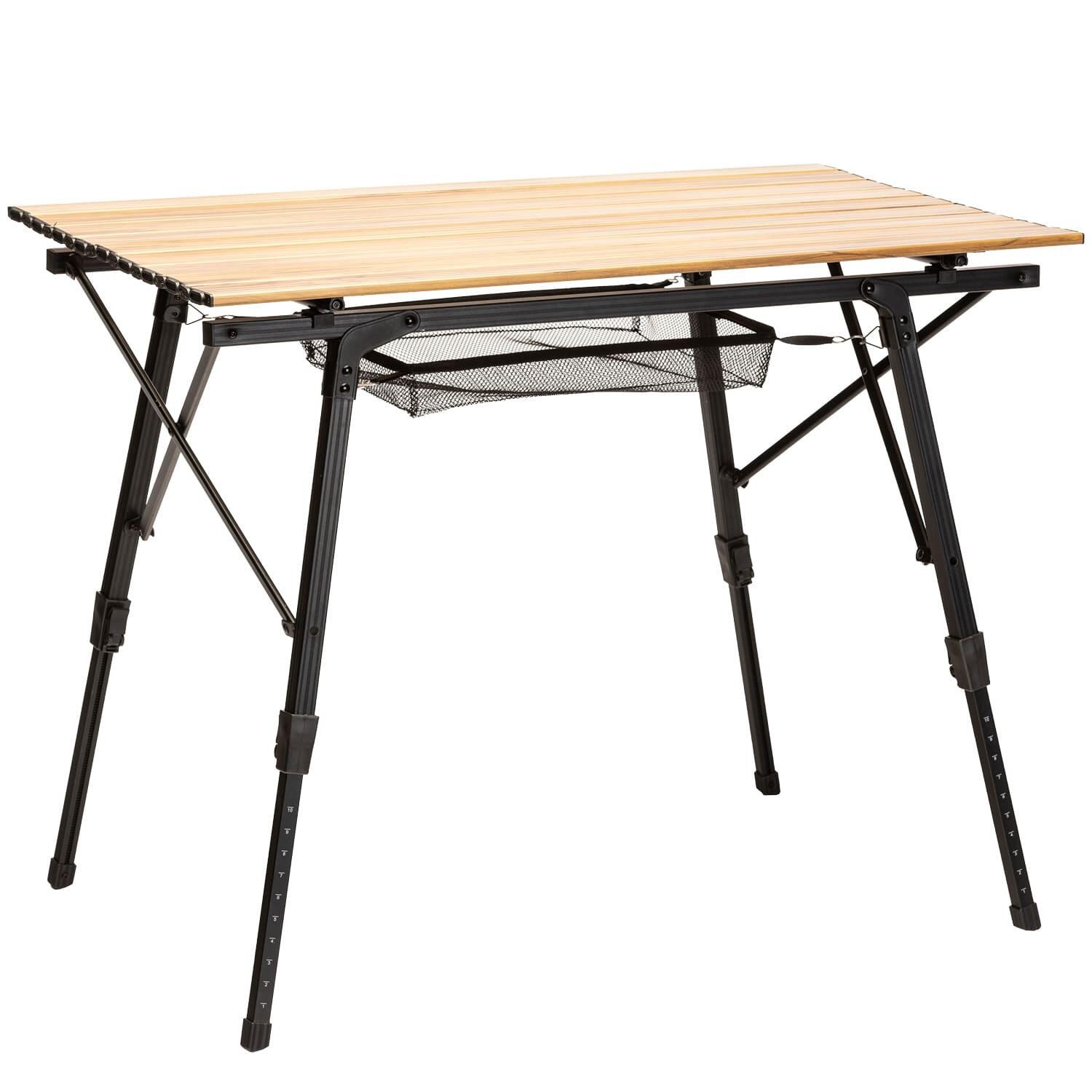
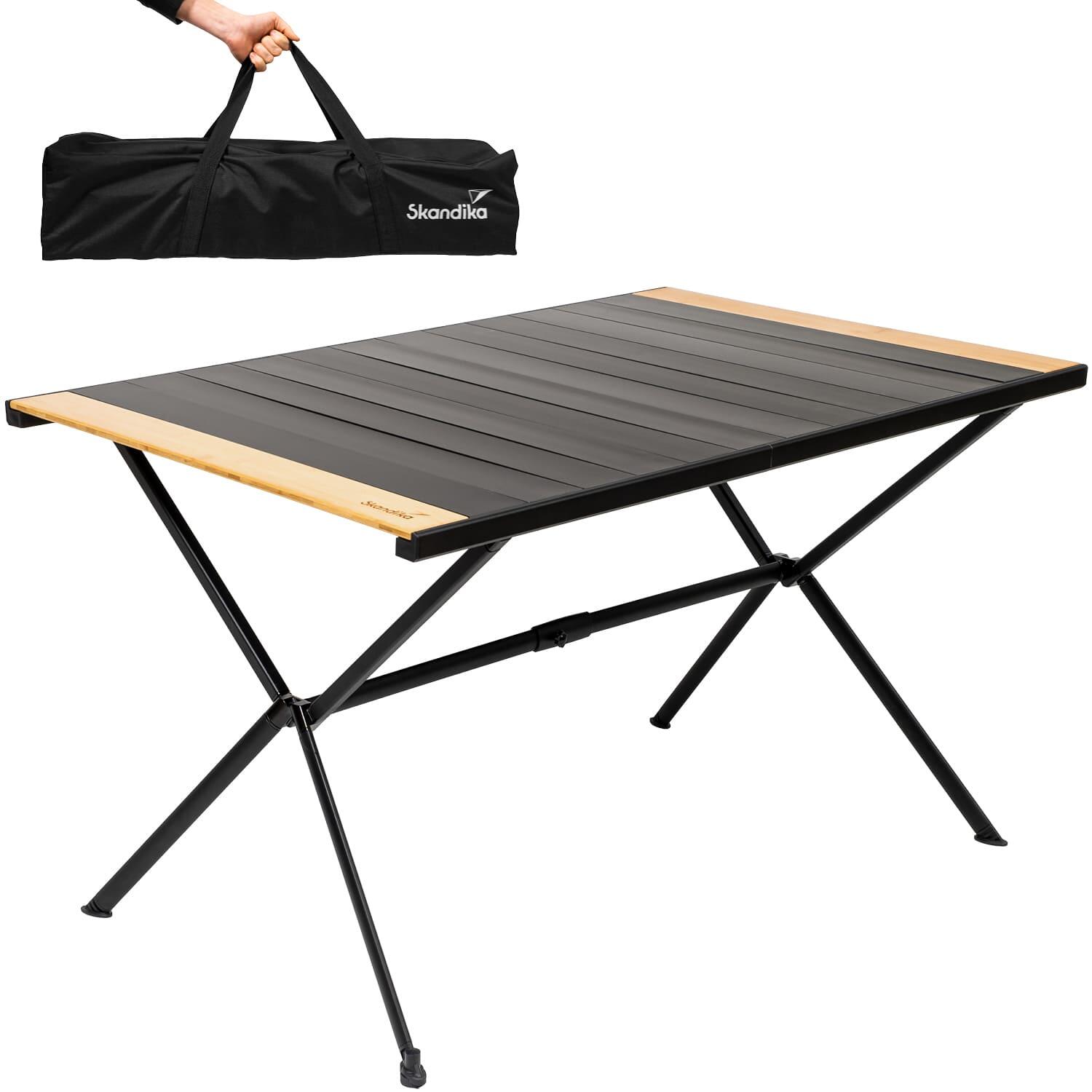
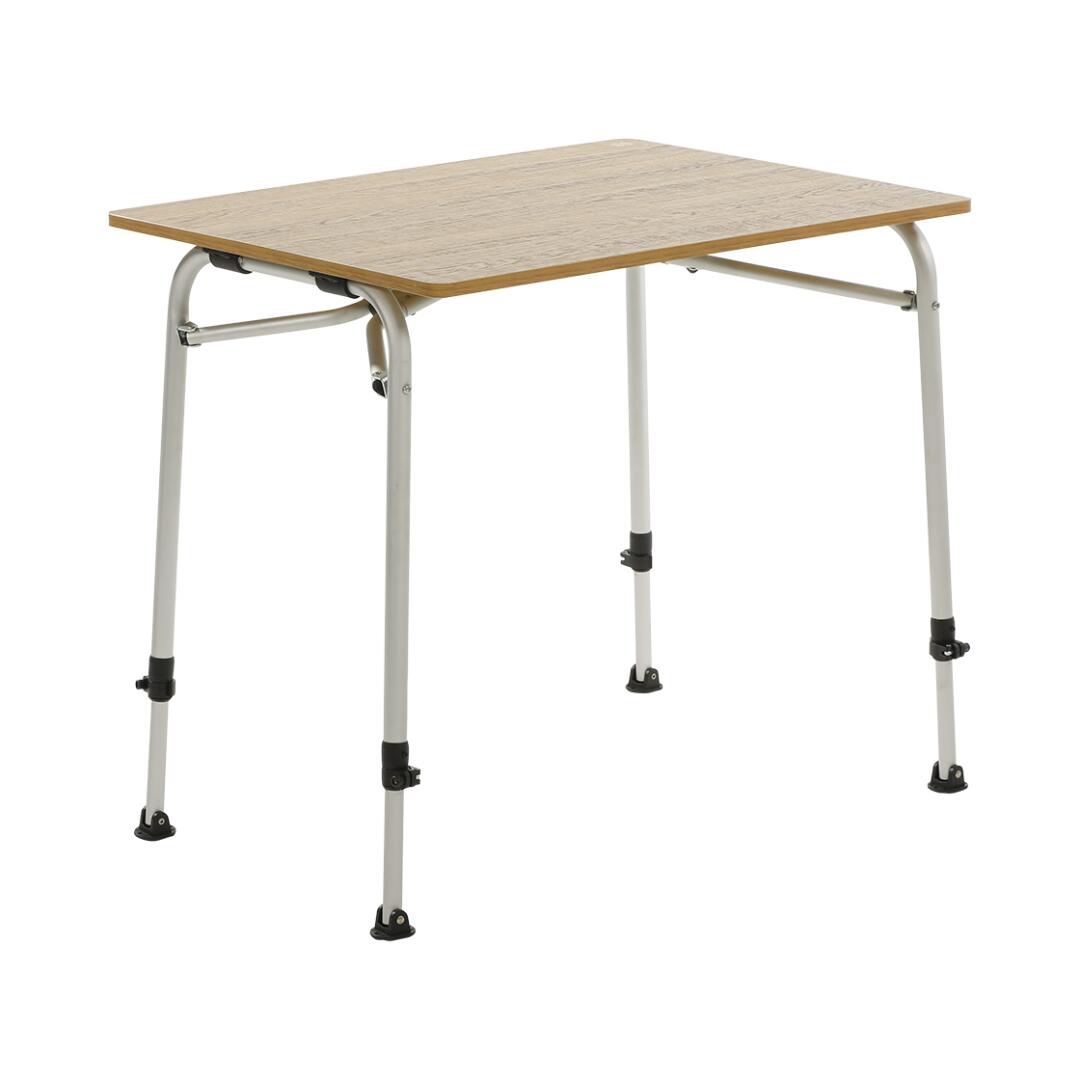
Marketplace -Online Only Marketplace -Online OnlyMarketplace -Online OnlySKANDIKA Jamsa Camping Table – Foldable, Height‑Adjustable, 90×51.5 cm5(2)Reviews.votesAriaCurrent price {{currentPrice}} €99.95Sold and shipped by Max Trader GmbH
QUECHUA STORAGE NET FOR TABLE DE CAMPING4.9(522)Reviews.votesAriaCurrent price {{currentPrice}} €7.00
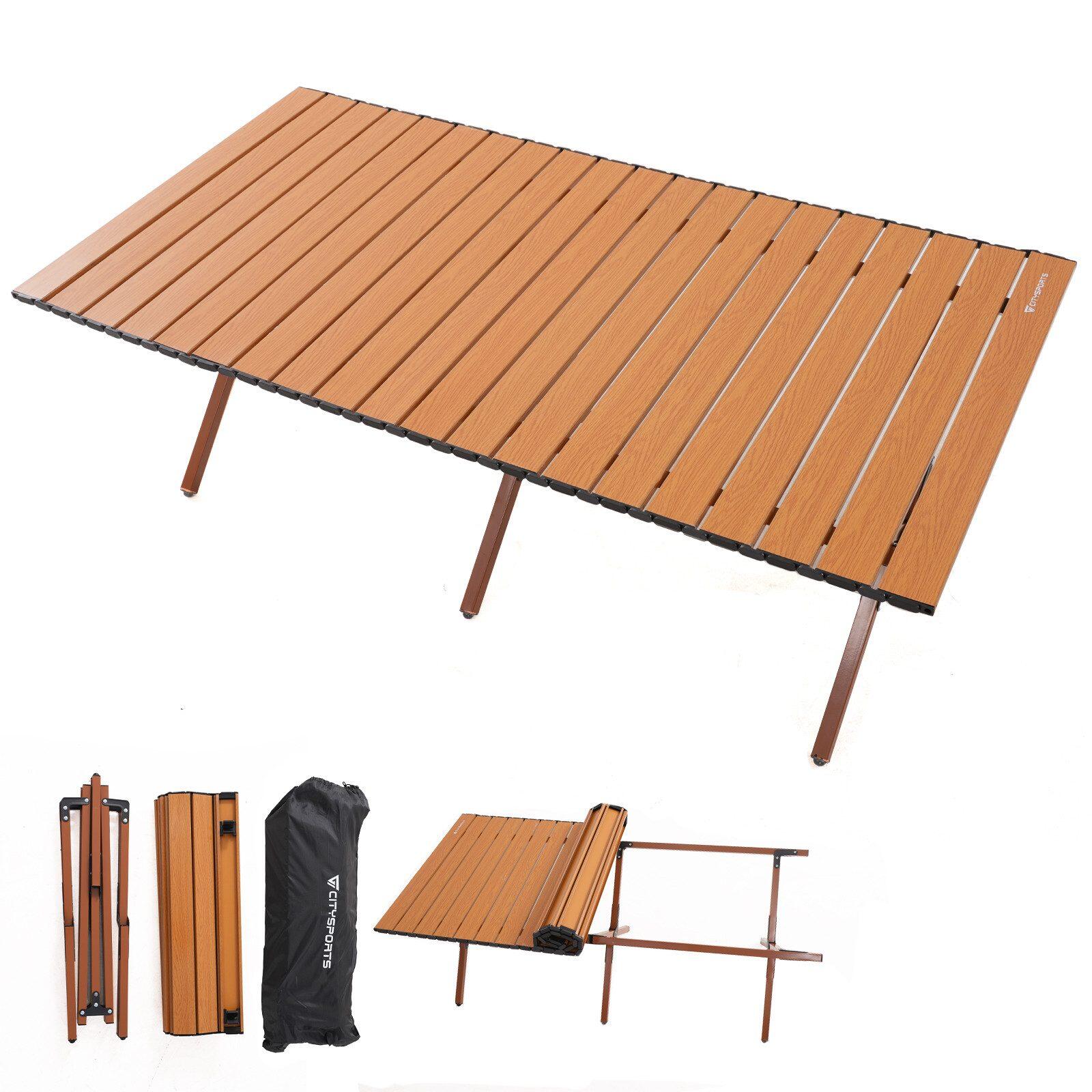
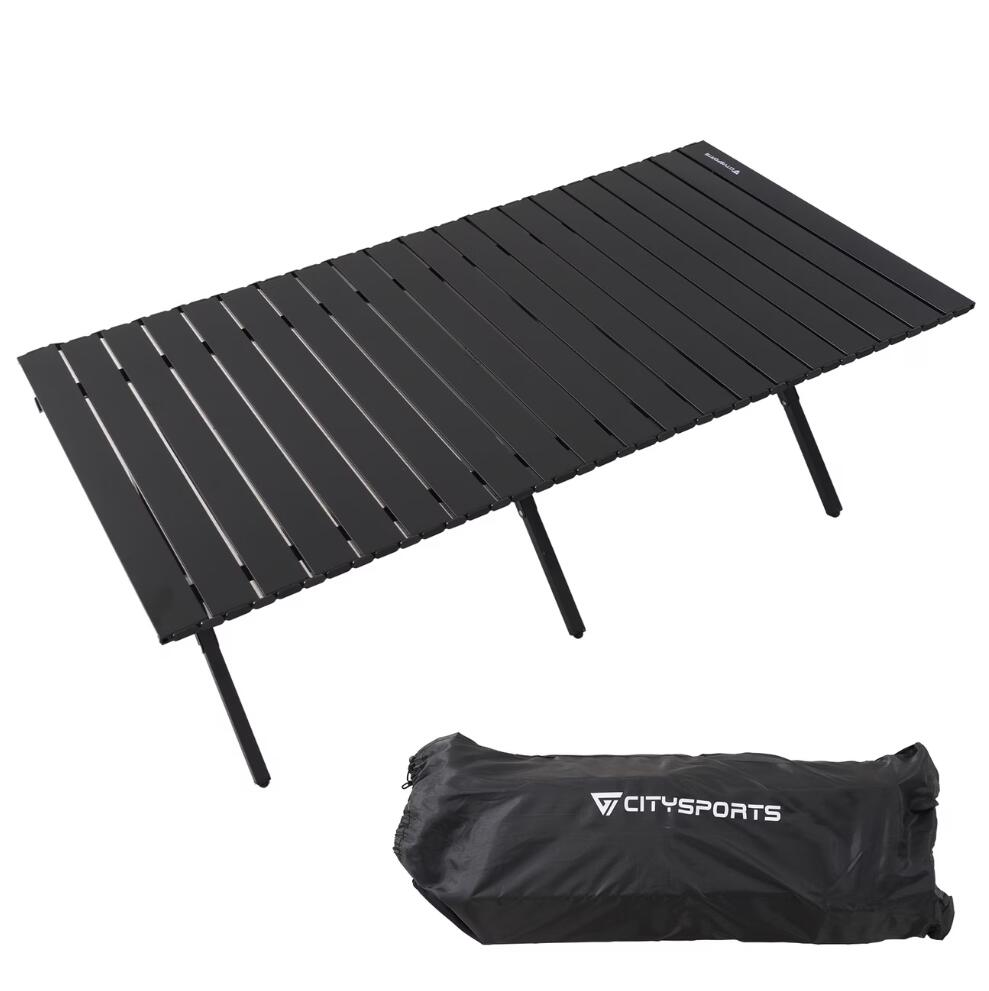
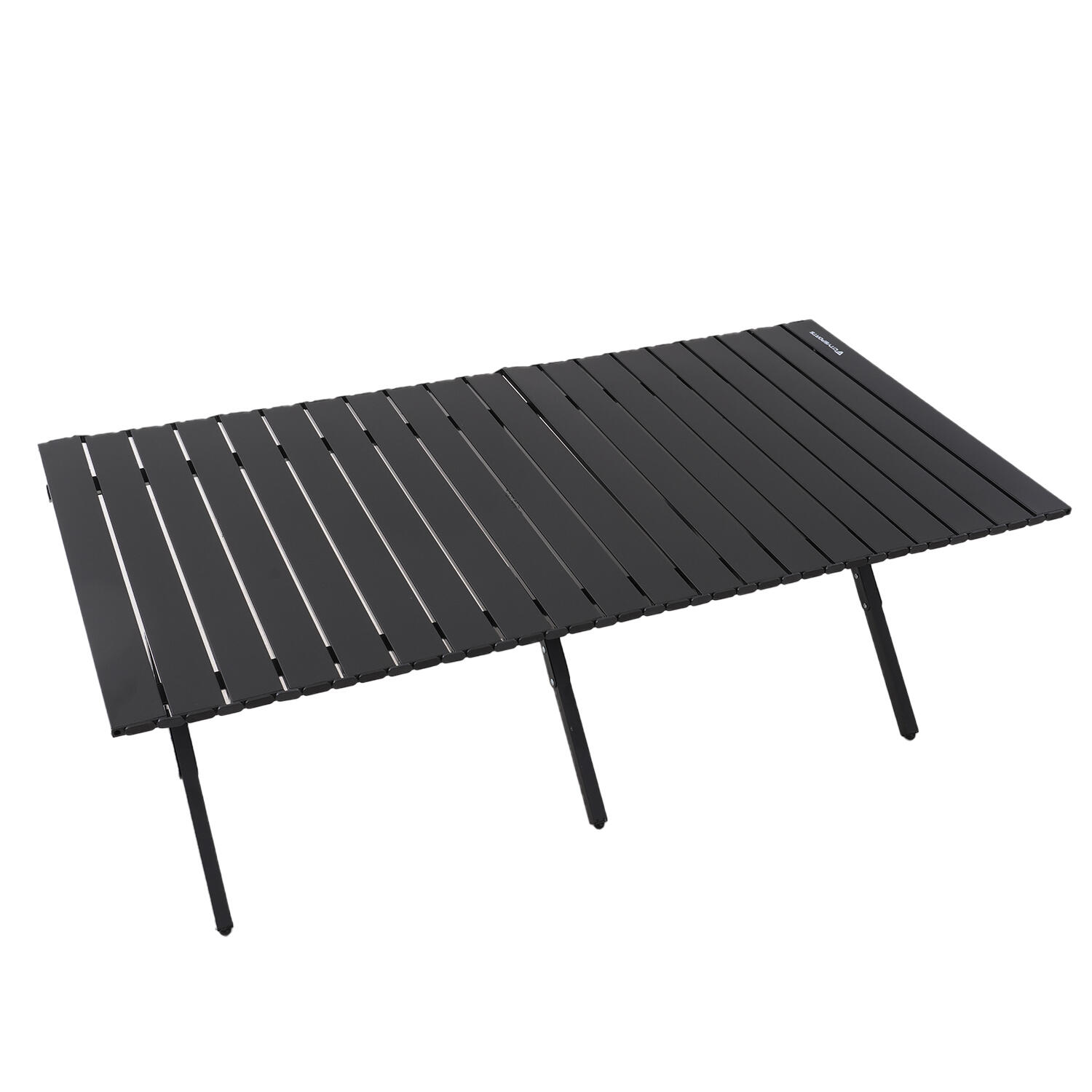
Marketplace -Online Only Marketplace -Online OnlyMarketplace -Online OnlyCITYSPORTS Camping Table CITYSPORTS Foldable Outdoor Carbon SteelCurrent price {{currentPrice}} €99.00Sold and shipped by Citysports EU
QUECHUA Compact camping table, 2 people - White4.9(588)Reviews.votesAriaCurrent price {{currentPrice}} €50.00
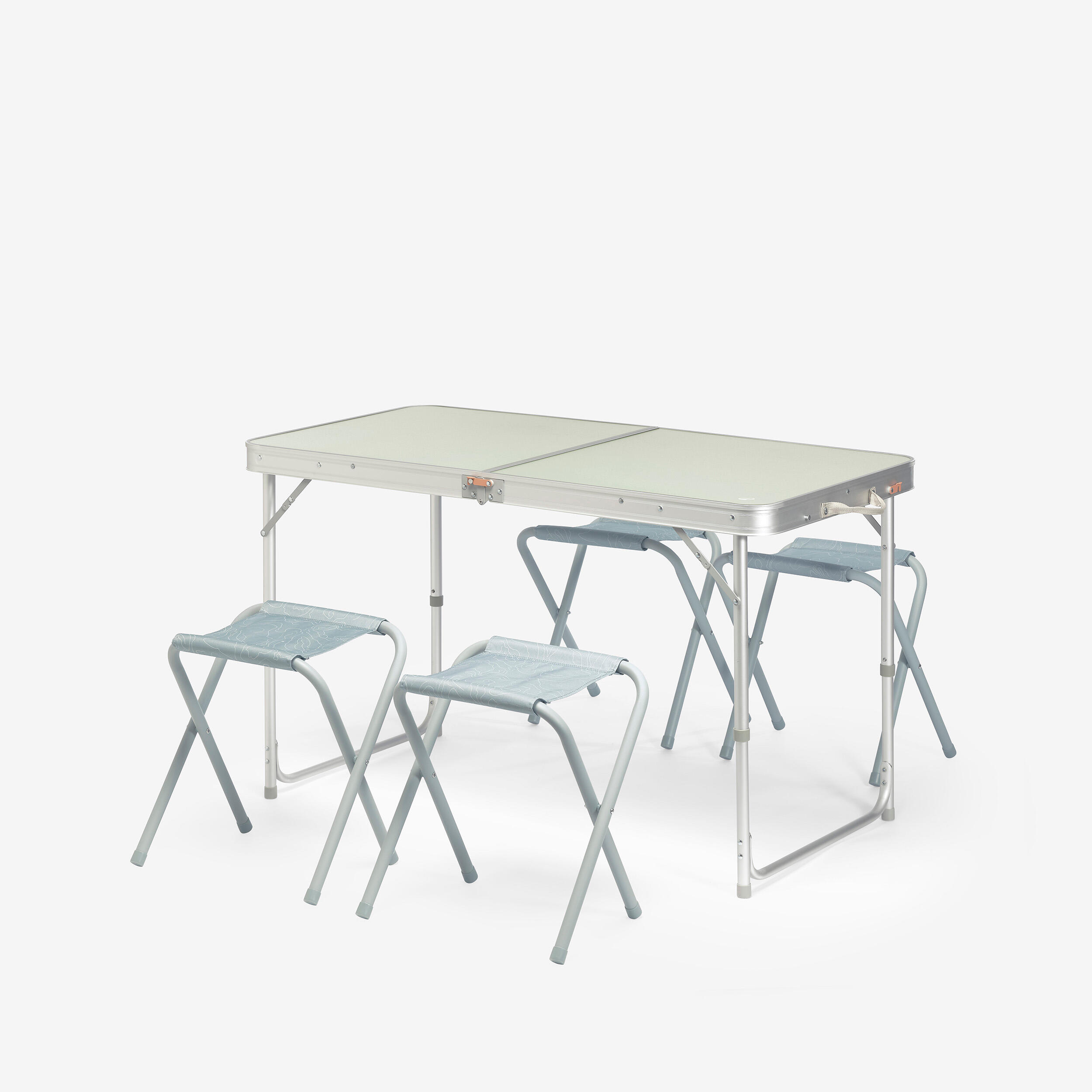
QUECHUA Folding camping table - 4 stools - 4 to 6 people, green4.7(1,392)Reviews.votesAriaCurrent price {{currentPrice}} €60.00
Marketplace -Online Only Marketplace -Online OnlyMarketplace -Online OnlyCITYSPORTS Camping Table CITYSPORTS Foldable Outdoor Black Carbon Steel3(1)Reviews.votesAriaCurrent price {{currentPrice}} €49.00Sold and shipped by Citysports EU
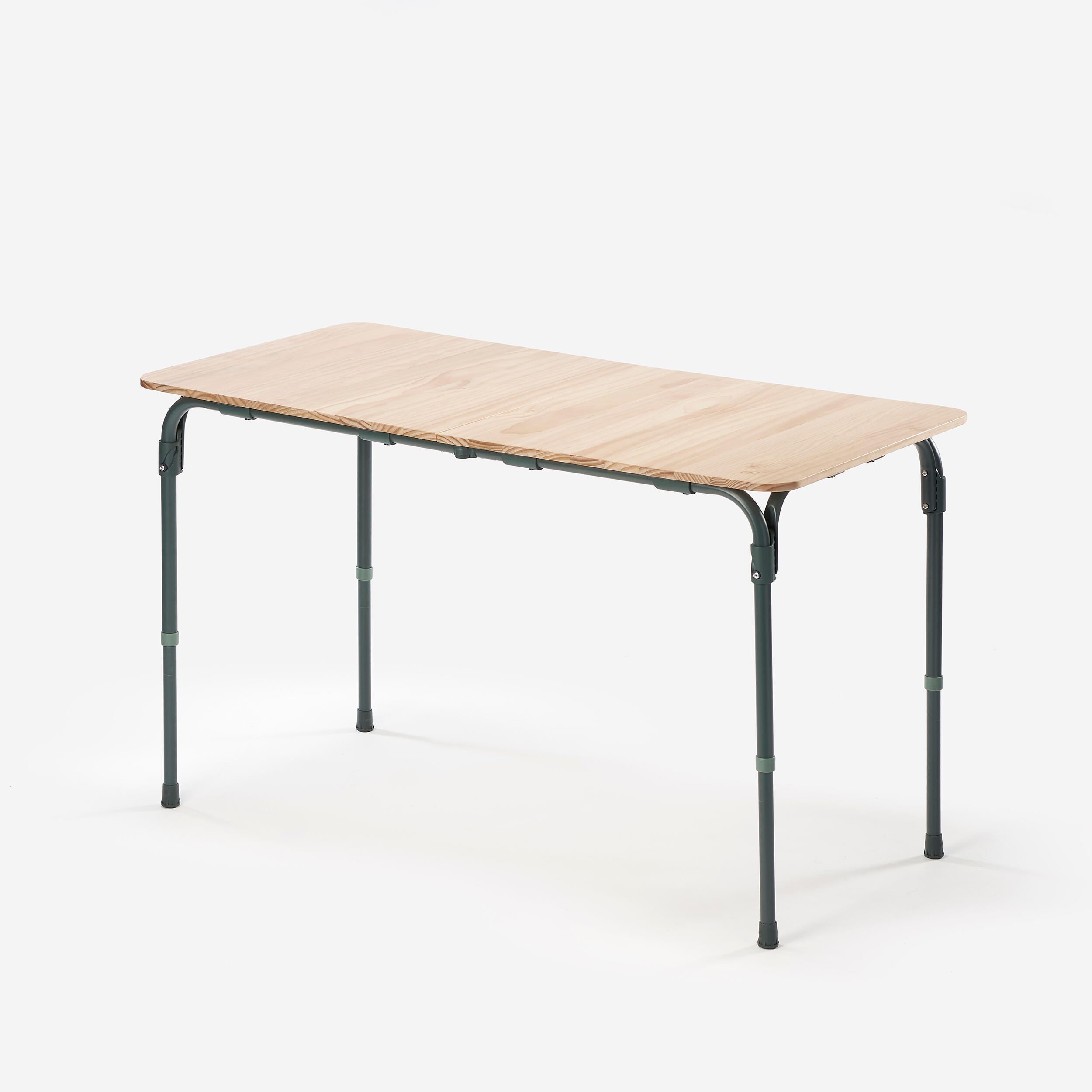
QUECHUA Folding and adjustable 4–6-seater camping table with wooden tabletop4.2(30)Reviews.votesAriaCurrent price {{currentPrice}} €125.00
QUECHUA Folding camping table - 4 people - brown4.6(1,036)Reviews.votesAriaCurrent price {{currentPrice}} €42.00
Marketplace -Online Only Marketplace -Online OnlyMarketplace -Online OnlySKANDIKA Tivaro Camping Table – Foldable Aluminium & Wood Table for 4 PeopleCurrent price {{currentPrice}} €179.00Sold and shipped by Max Trader GmbH
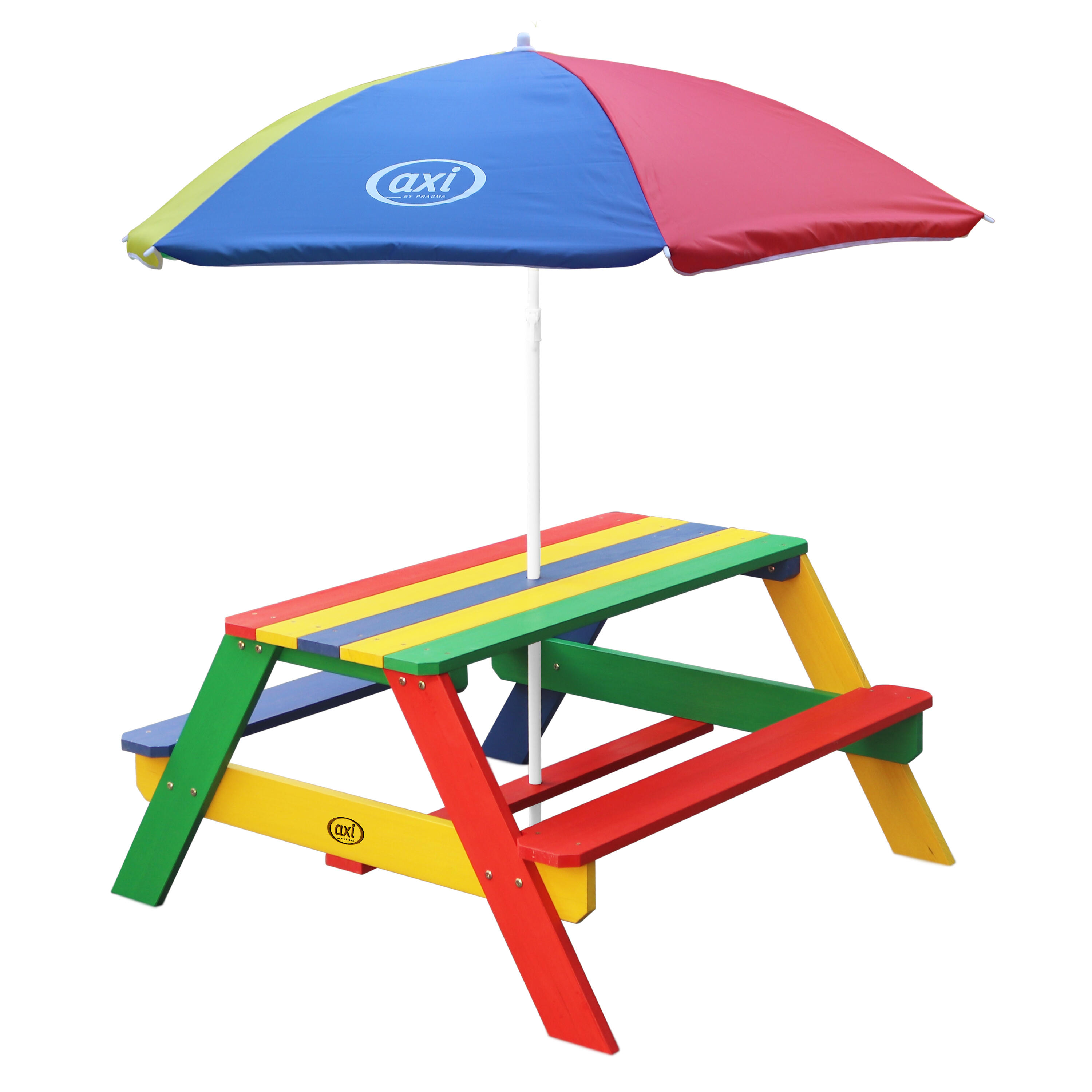
Marketplace -Online Only Marketplace -Online Only5 coloursMarketplace -Online OnlyAXI Picnic Table with Parasol 95x97x48 cm, Multicoloured5(1)Reviews.votesAria5 coloursCurrent price {{currentPrice}} €121.95€121.95/unitSold and shipped by Toys and Garden
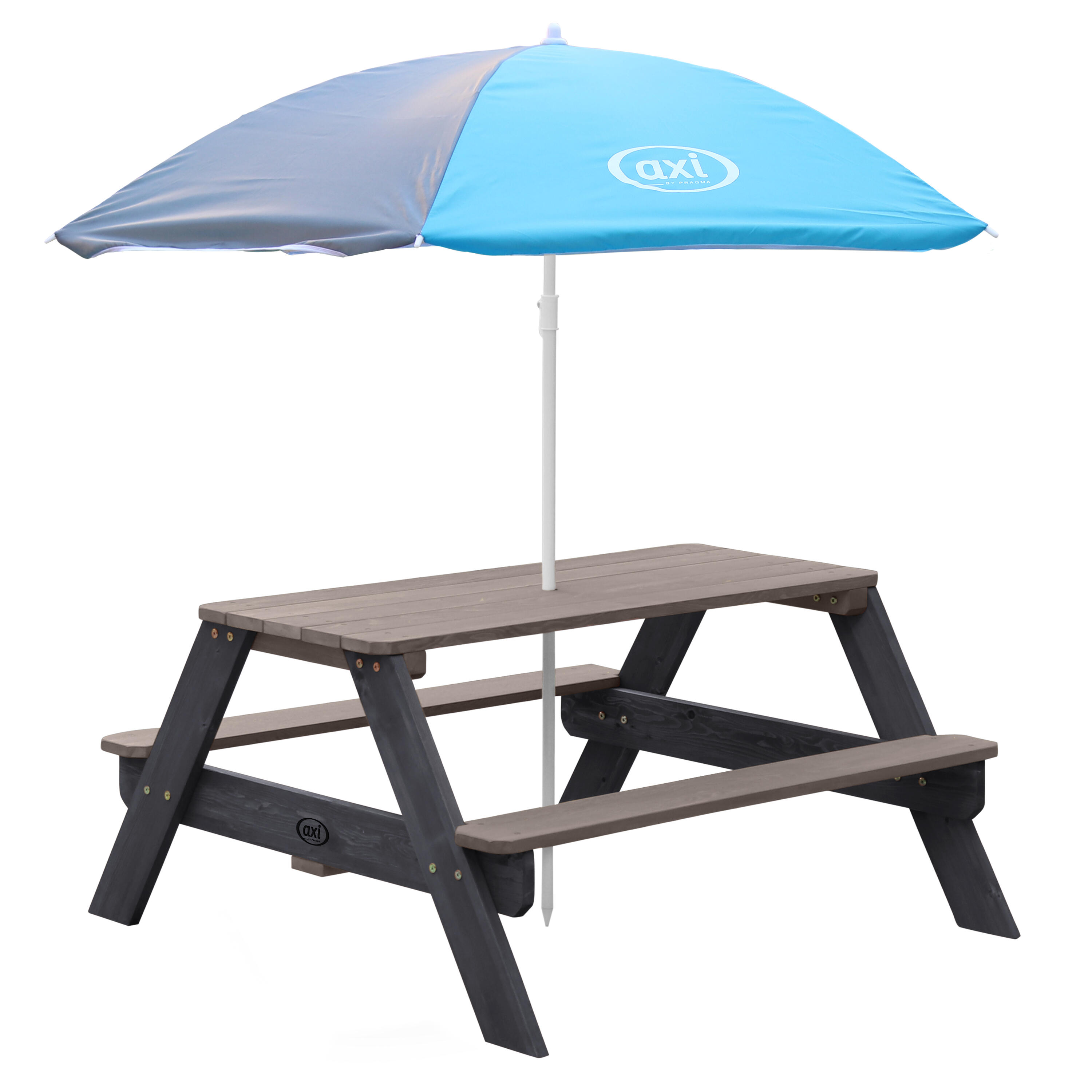
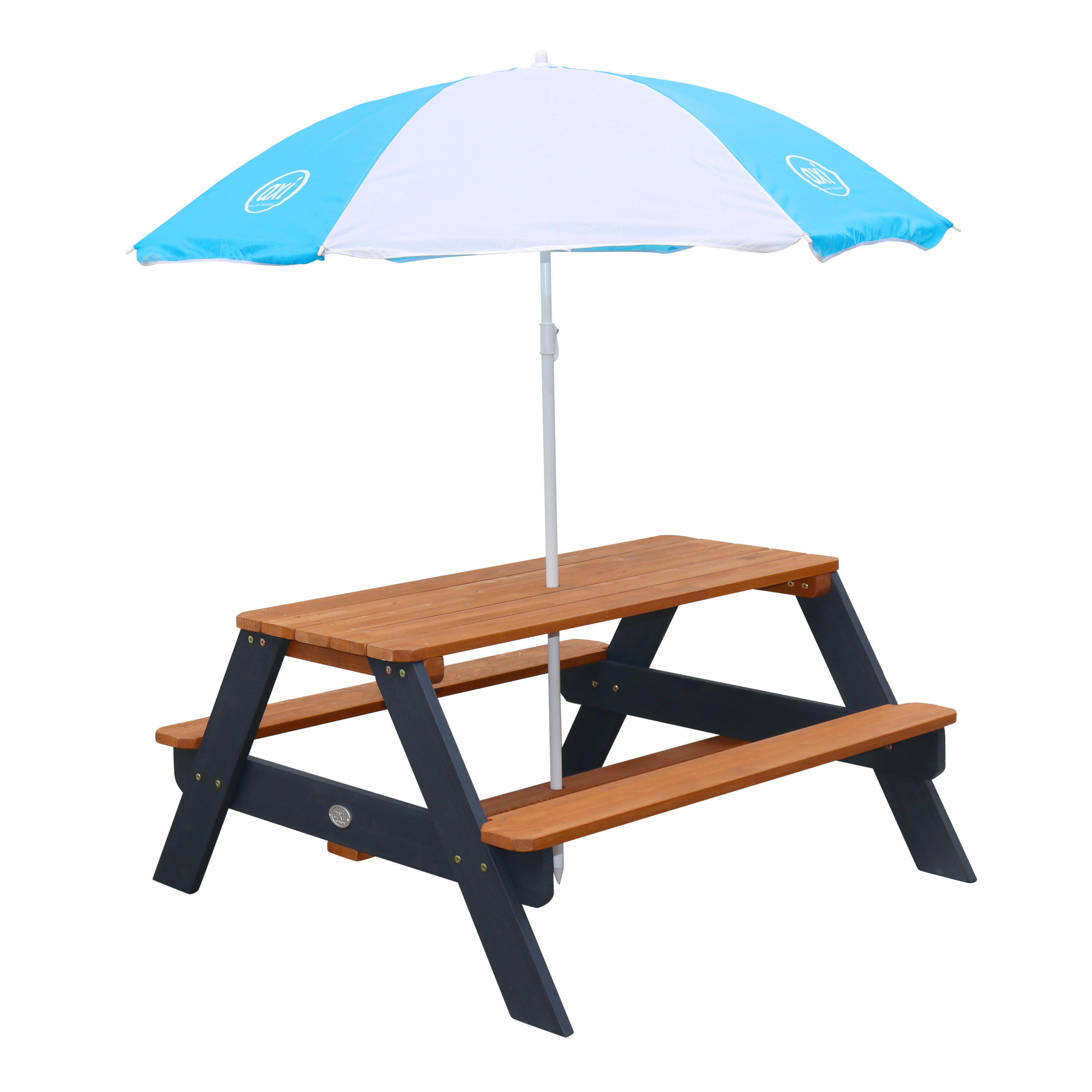
Marketplace -Online Only Marketplace -Online Only5 coloursMarketplace -Online OnlyAXI Picnic Table with Parasol 95x97x48 cm, Anthracite/Grey5(1)Reviews.votesAria5 coloursCurrent price {{currentPrice}} €121.95€121.95/unitSold and shipped by Toys and Garden
Marketplace -Online Only Marketplace -Online Only5 coloursMarketplace -Online OnlyAXI Picnic Table with Parasol 95x97x48 cm, Green/White5(1)Reviews.votesAria5 coloursCurrent price {{currentPrice}} €121.95€121.95/unitSold and shipped by Toys and Garden
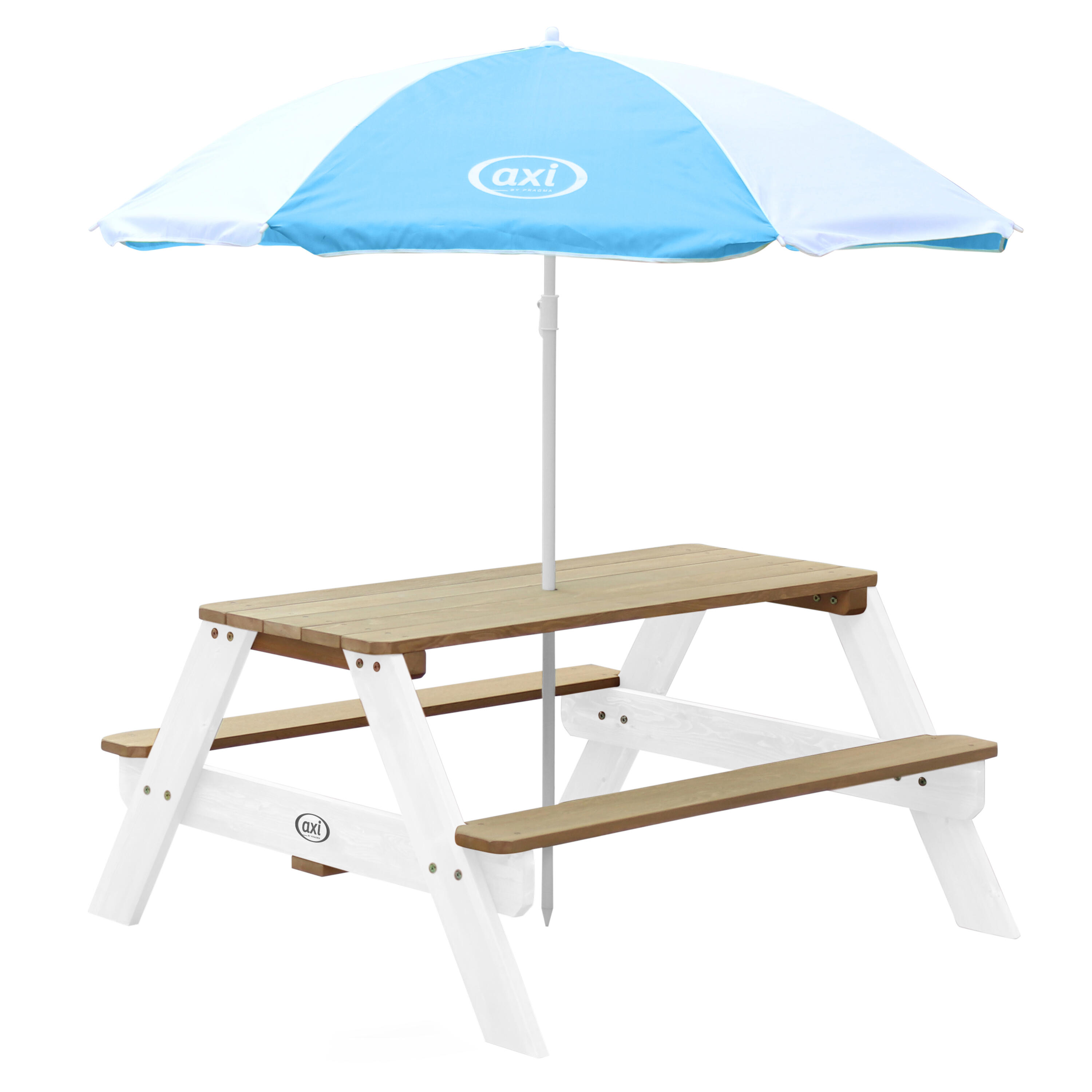
Marketplace -Online Only Marketplace -Online Only5 coloursMarketplace -Online OnlyAXI Picnic Table with Parasol 95x97x48 cm, Brown/White5(1)Reviews.votesAria5 coloursCurrent price {{currentPrice}} €121.95€121.95/unitSold and shipped by Toys and Garden
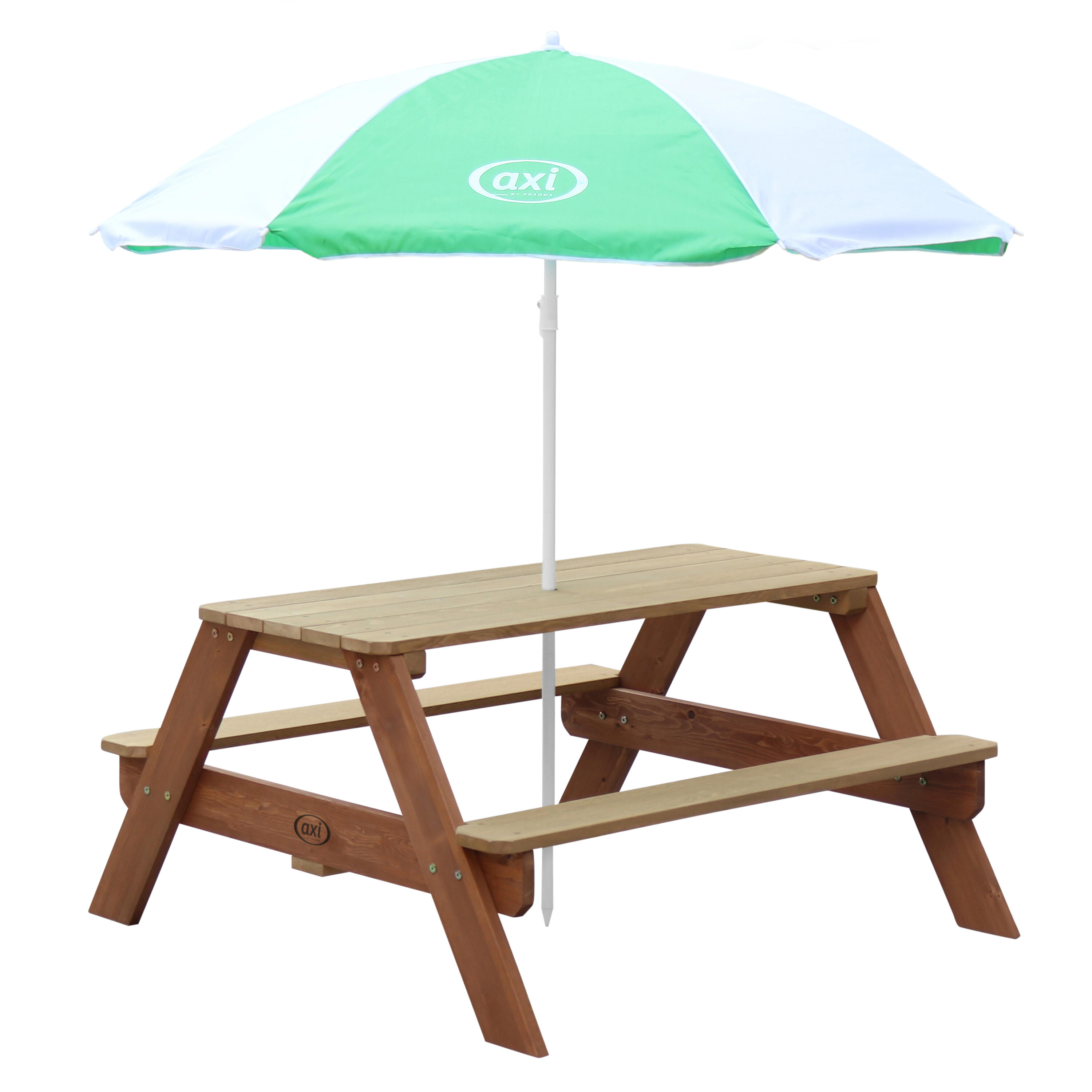
Marketplace -Online Only Marketplace -Online Only5 coloursMarketplace -Online OnlyAXI Picnic Table with Parasol 95x97x48 cm, Brown/Black5(1)Reviews.votesAria5 coloursCurrent price {{currentPrice}} €111.95€111.95/unitSold and shipped by Toys and Garden
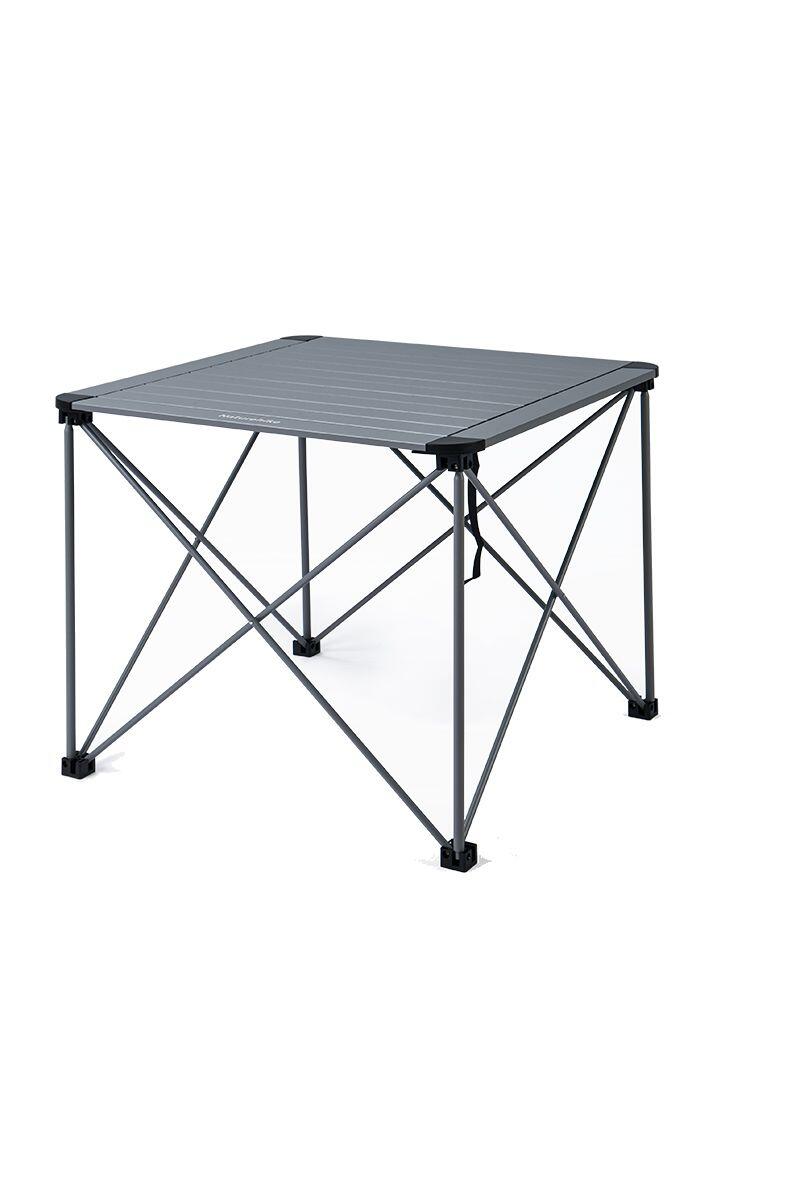
Marketplace -Online Only Marketplace -Online OnlyMarketplace -Online OnlyNATUREHIKE Naturehike Aluminium Folding Camping Table - MediumCurrent price {{currentPrice}} €80.99Sold and shipped by Sportano EU
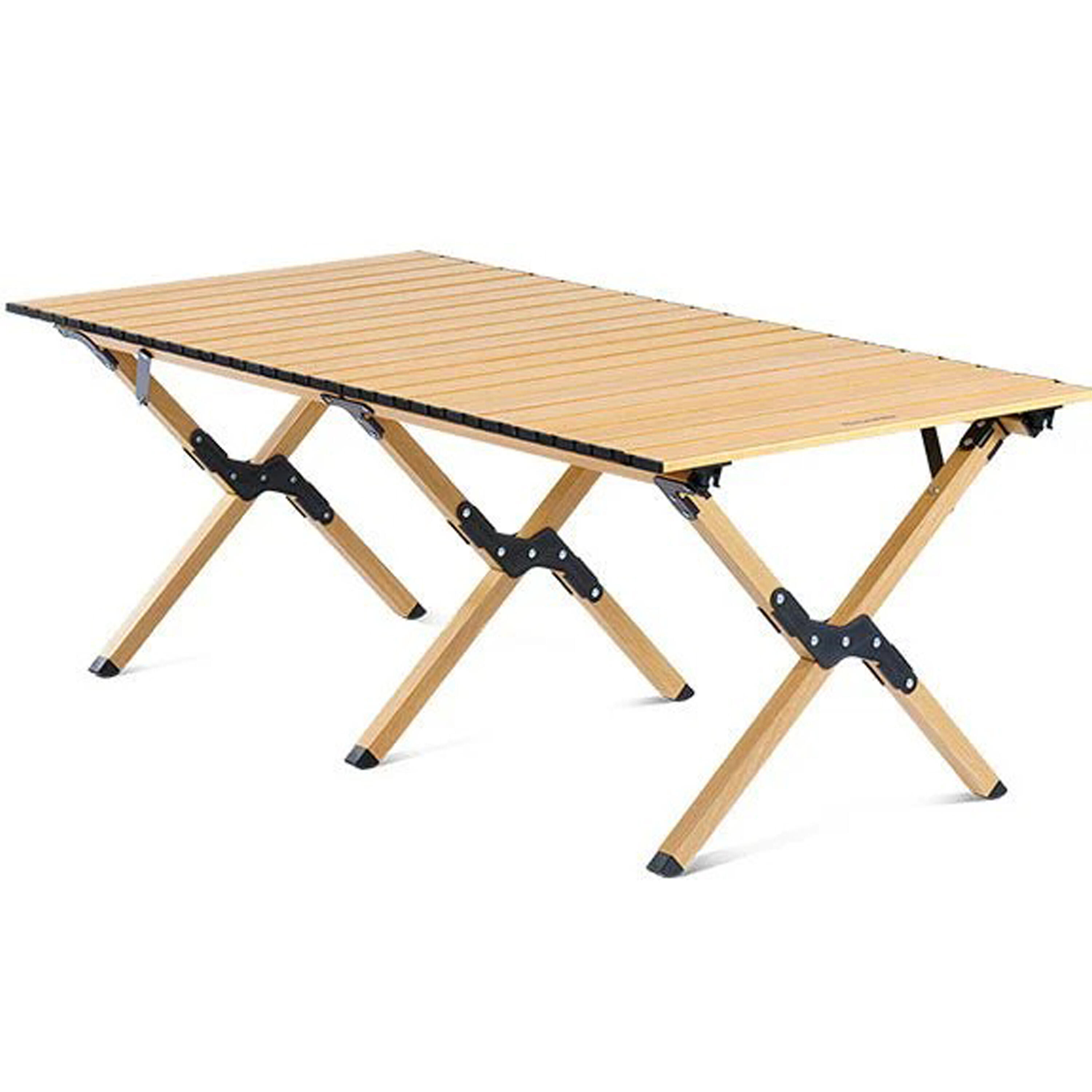
Marketplace -Online Only Marketplace -Online OnlyMarketplace -Online OnlyNATUREHIKE NATUREHIKE Star Jane L01 XL Roll-Up Camping Table - Oak FinishCurrent price {{currentPrice}} €106.99€106.99/unitSold and shipped by Sportano EU
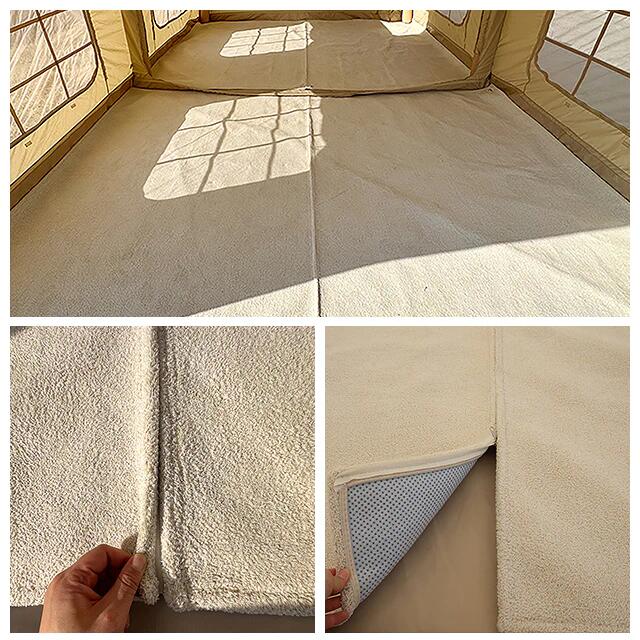
Marketplace -Online Only Marketplace -Online OnlyMarketplace -Online OnlyCOODY Coody 8.0 Carpet BeigeCurrent price {{currentPrice}} €156.45Sold and shipped by EMB
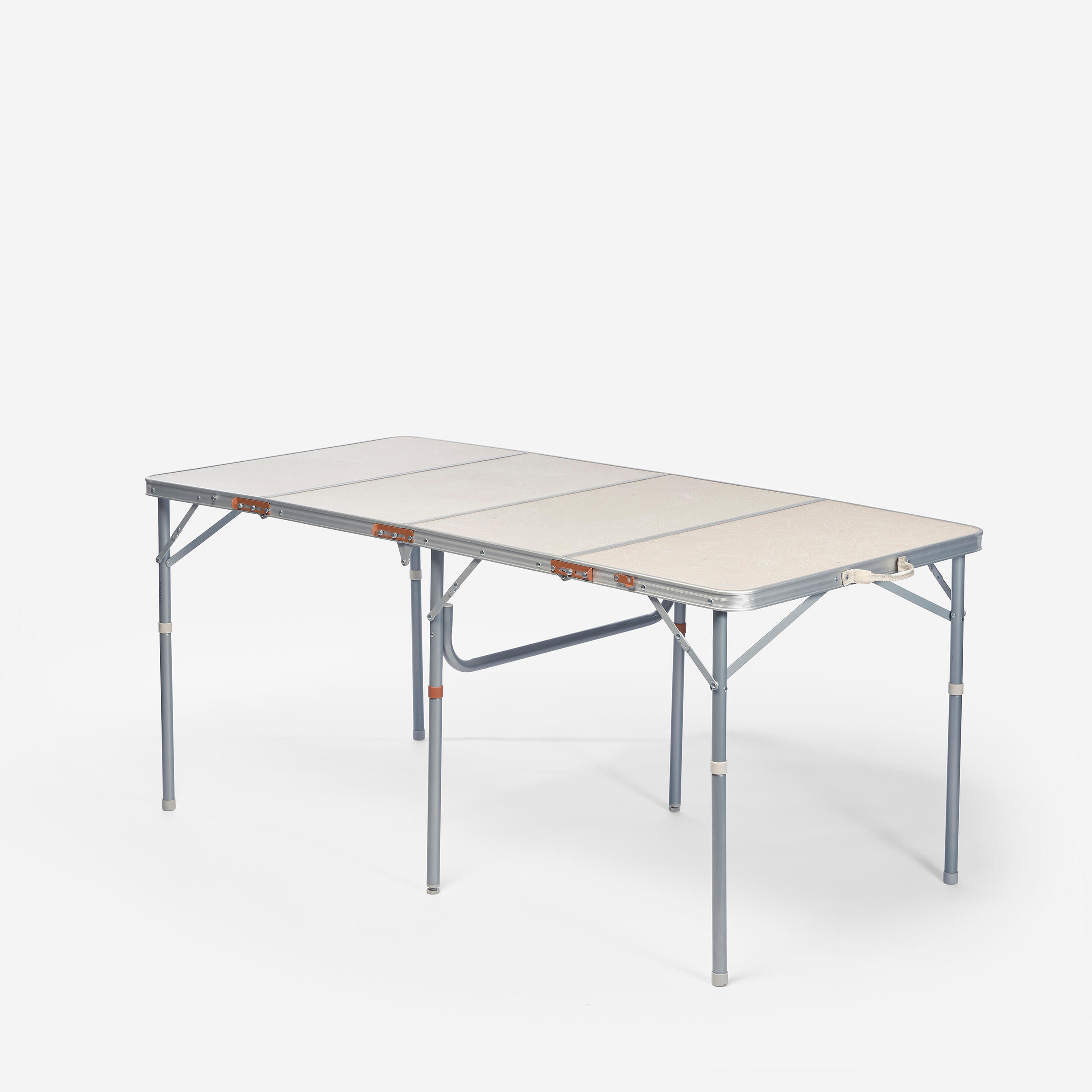
QUECHUA Large folding camping table - 6 to 8 people - beige4.8(124)Reviews.votesAriaCurrent price {{currentPrice}} €90.00
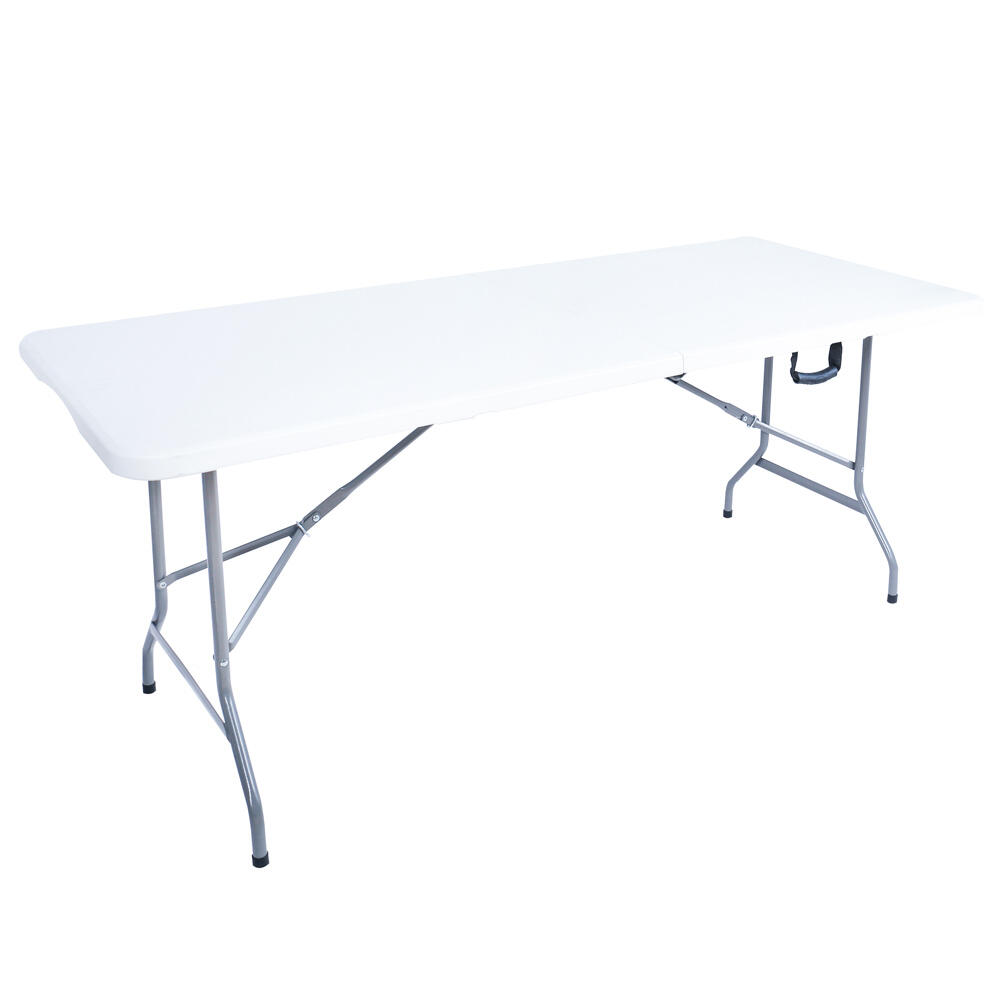
Marketplace -Online Only Marketplace -Online OnlyMarketplace -Online OnlyIVOL Folding Camping Table 180 x 74 cm5(1)Reviews.votesAriaCurrent price {{currentPrice}} €85.95Sold and shipped by iBuy24
Marketplace -Online Only Marketplace -Online OnlyMarketplace -Online OnlyTRAVELLIFE Sorrento table brown 80cm - Automatic foldable frameCurrent price {{currentPrice}} €144.65Sold and shipped by Sports Lab IE
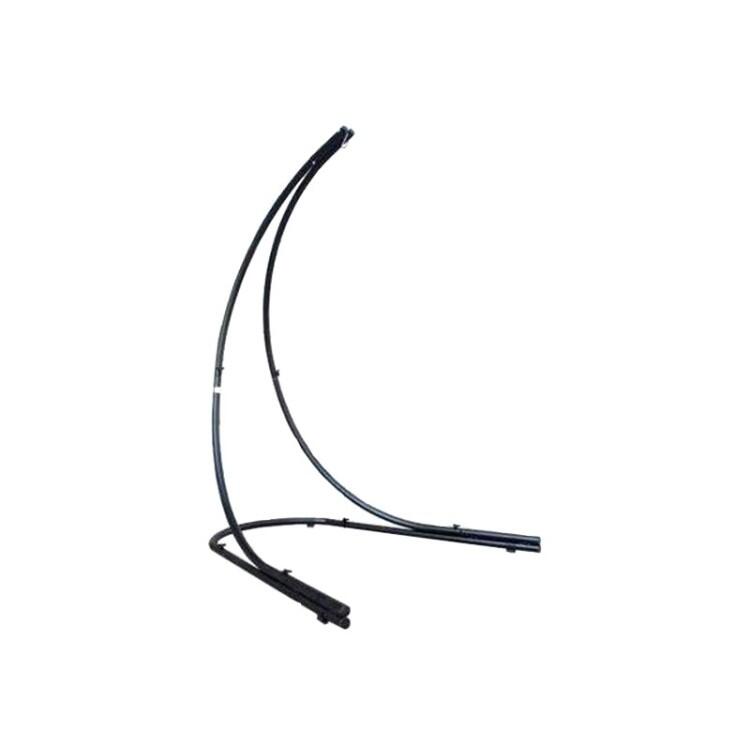
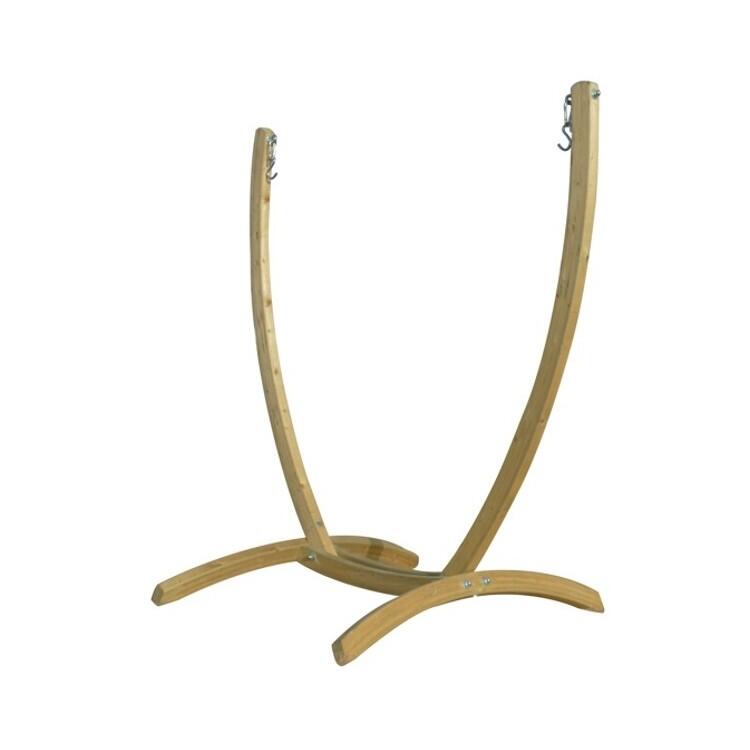
Marketplace -Online Only Marketplace -Online OnlyMarketplace -Online OnlyTROPICAL HAMAC Tropical Hamac - Lunatta hanging-chair arch standCurrent price {{currentPrice}} €169.00Sold and shipped by TROPICAL HAMAC
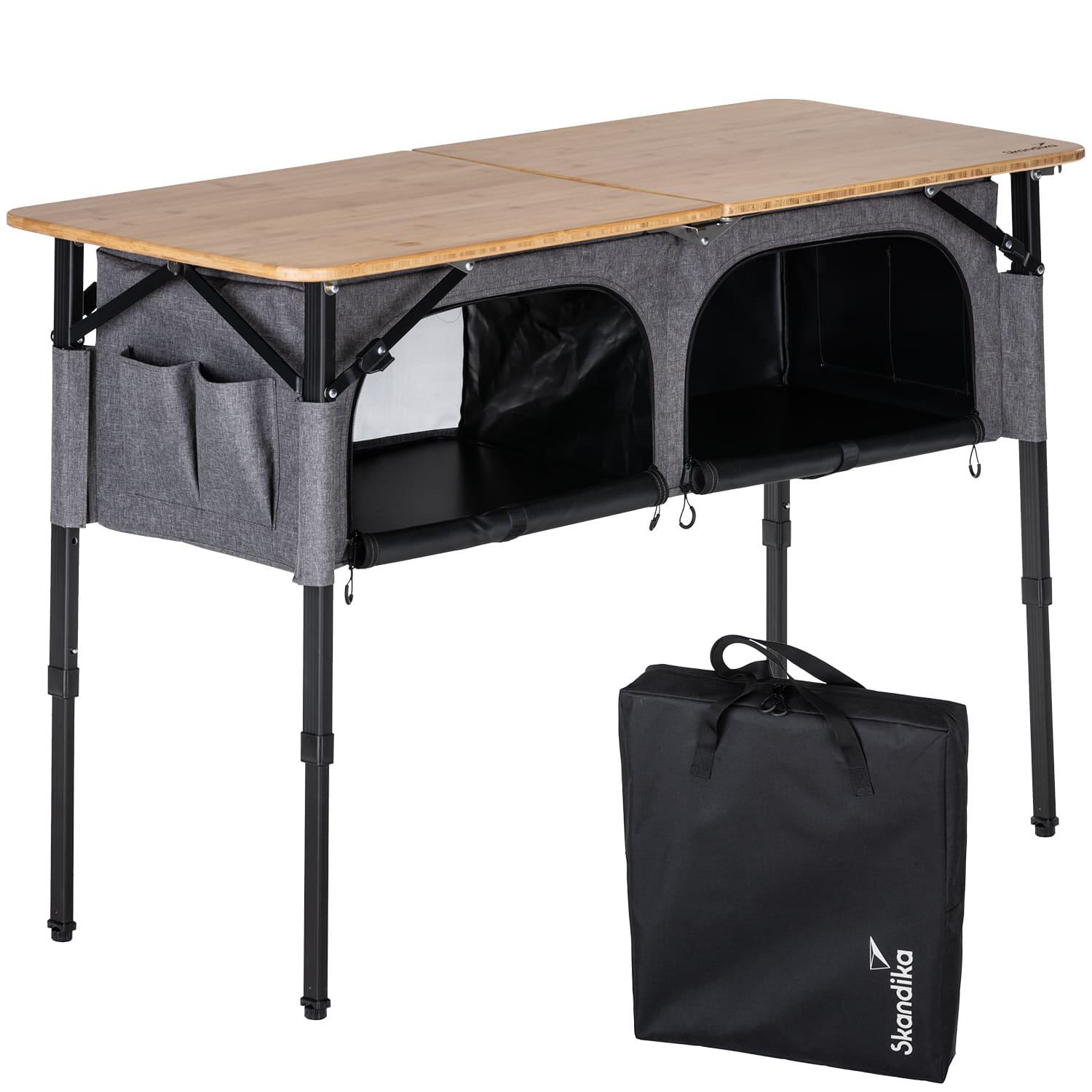
Marketplace -Online Only Marketplace -Online OnlyMarketplace -Online OnlySKANDIKA Tolja Camping Table with Cupboard – Bamboo Foldable Table with StorageCurrent price {{currentPrice}} €199.00Sold and shipped by Max Trader GmbH
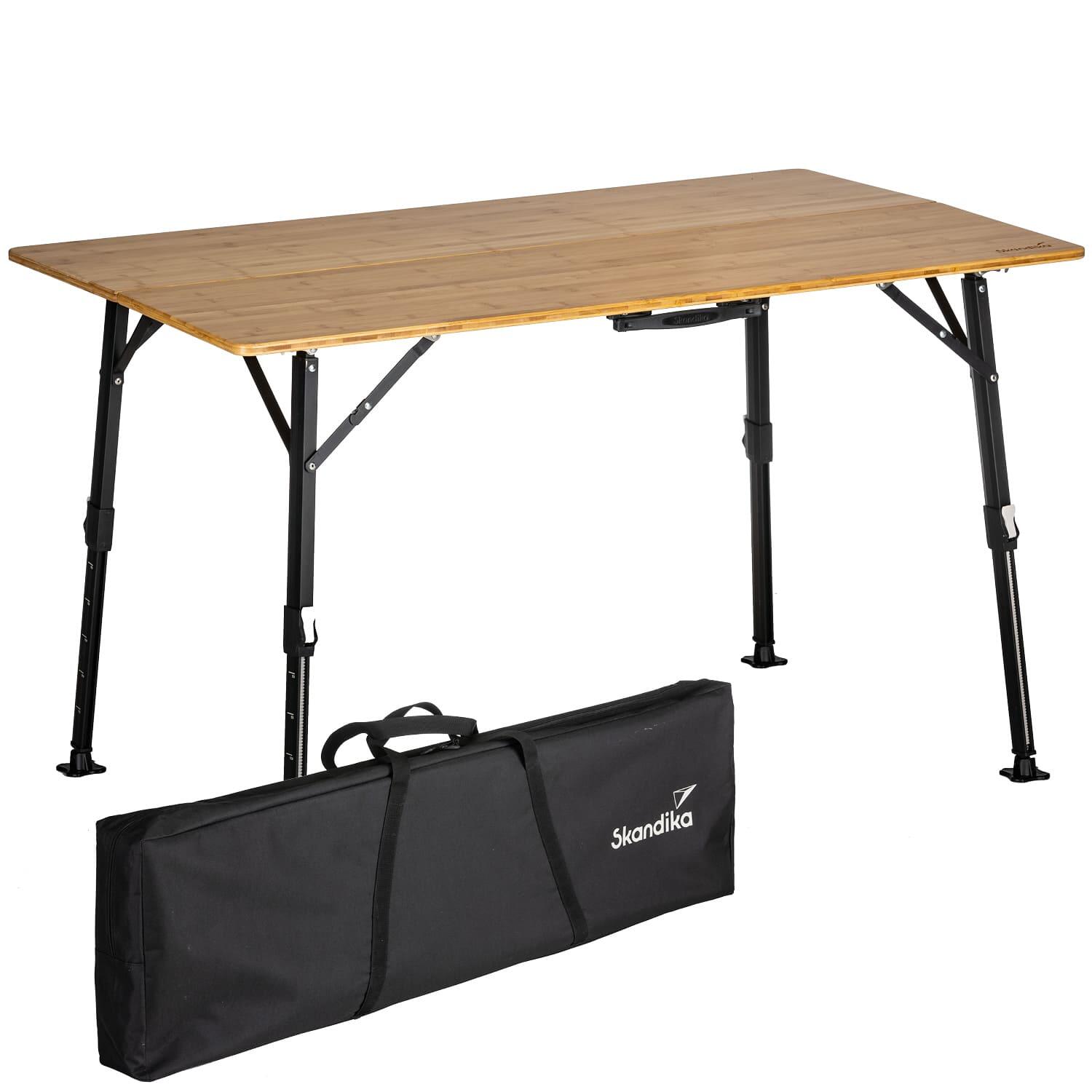
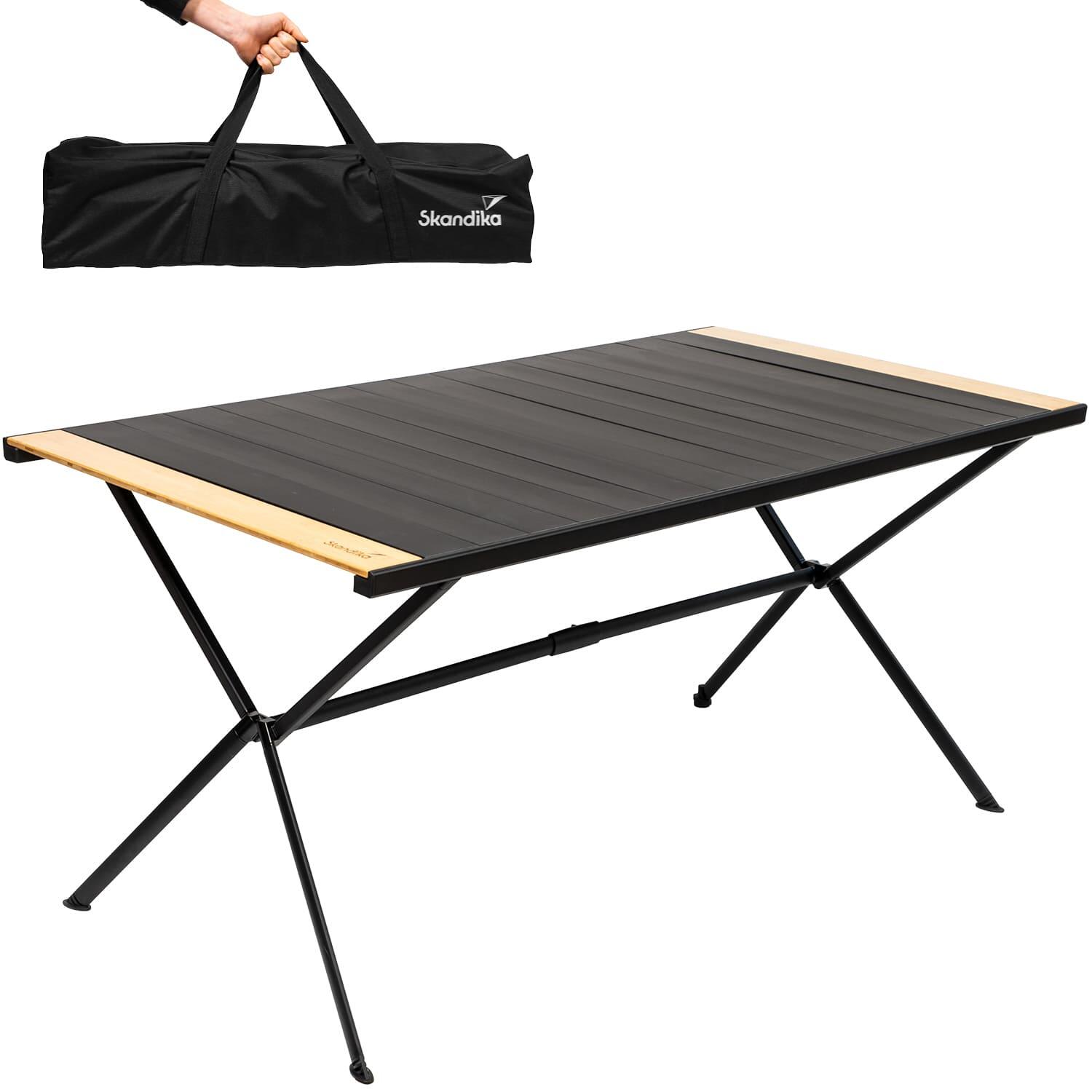
Marketplace -Online Only Marketplace -Online OnlyMarketplace -Online OnlySKANDIKA Tobro Camping Table - Foldable Table with Bamboo Top - 120×70×70 cmCurrent price {{currentPrice}} €239.00Sold and shipped by Max Trader GmbH
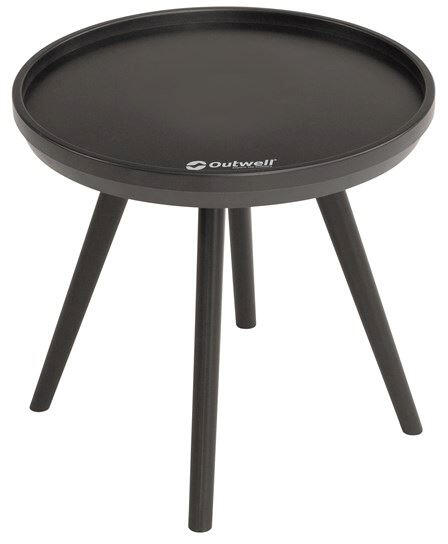
Marketplace -Online Only Marketplace -Online OnlyMarketplace -Online OnlyOUTWELL Outwell 531161 Brim Coffee TableCurrent price {{currentPrice}} €58.99Sold and shipped by Sportano EU
Marketplace -Online Only Marketplace -Online OnlyMarketplace -Online OnlySKANDIKA Tivaro Camping Table – Foldable Aluminium & Wood Table for 6 PeopleCurrent price {{currentPrice}} €199.00Sold and shipped by Max Trader GmbH
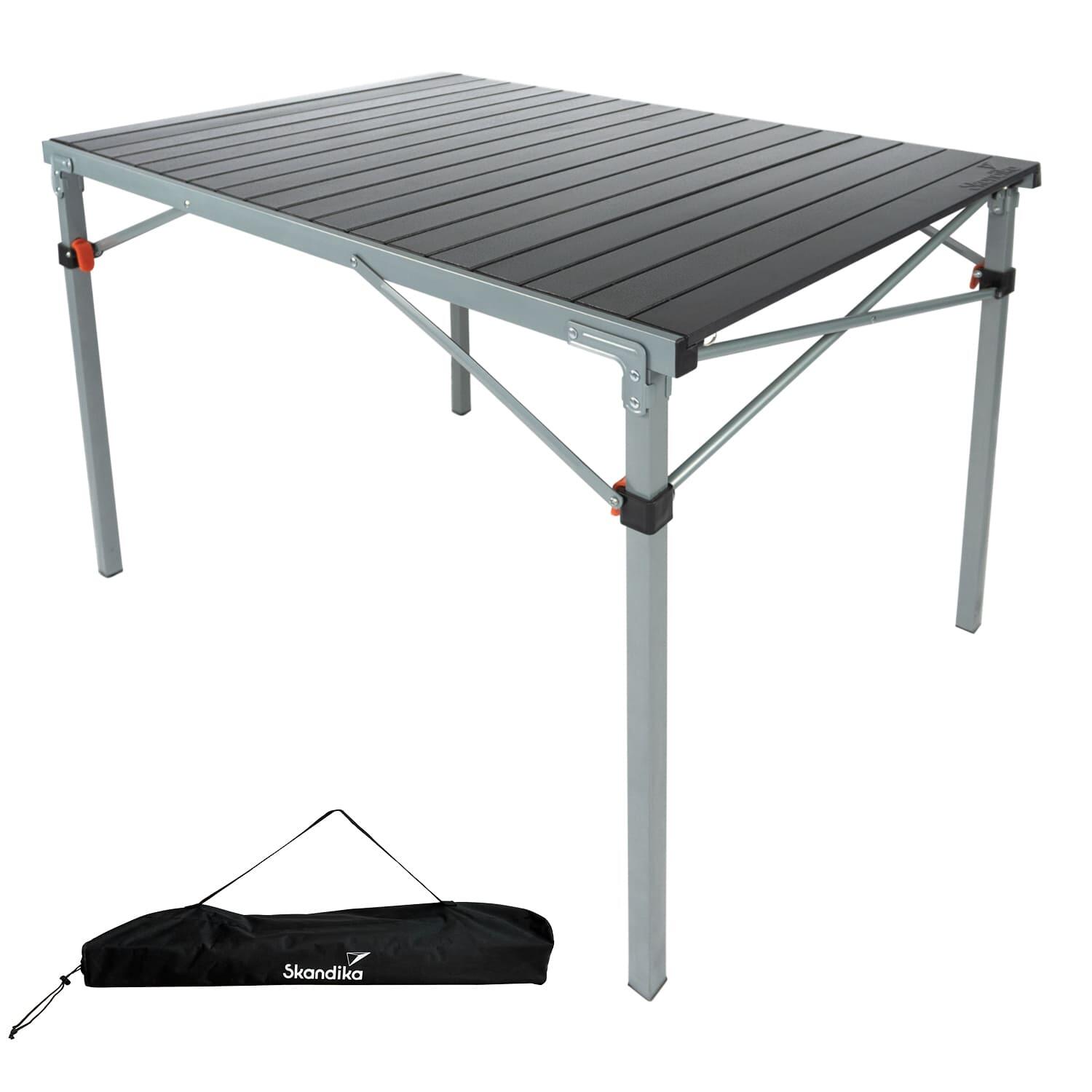
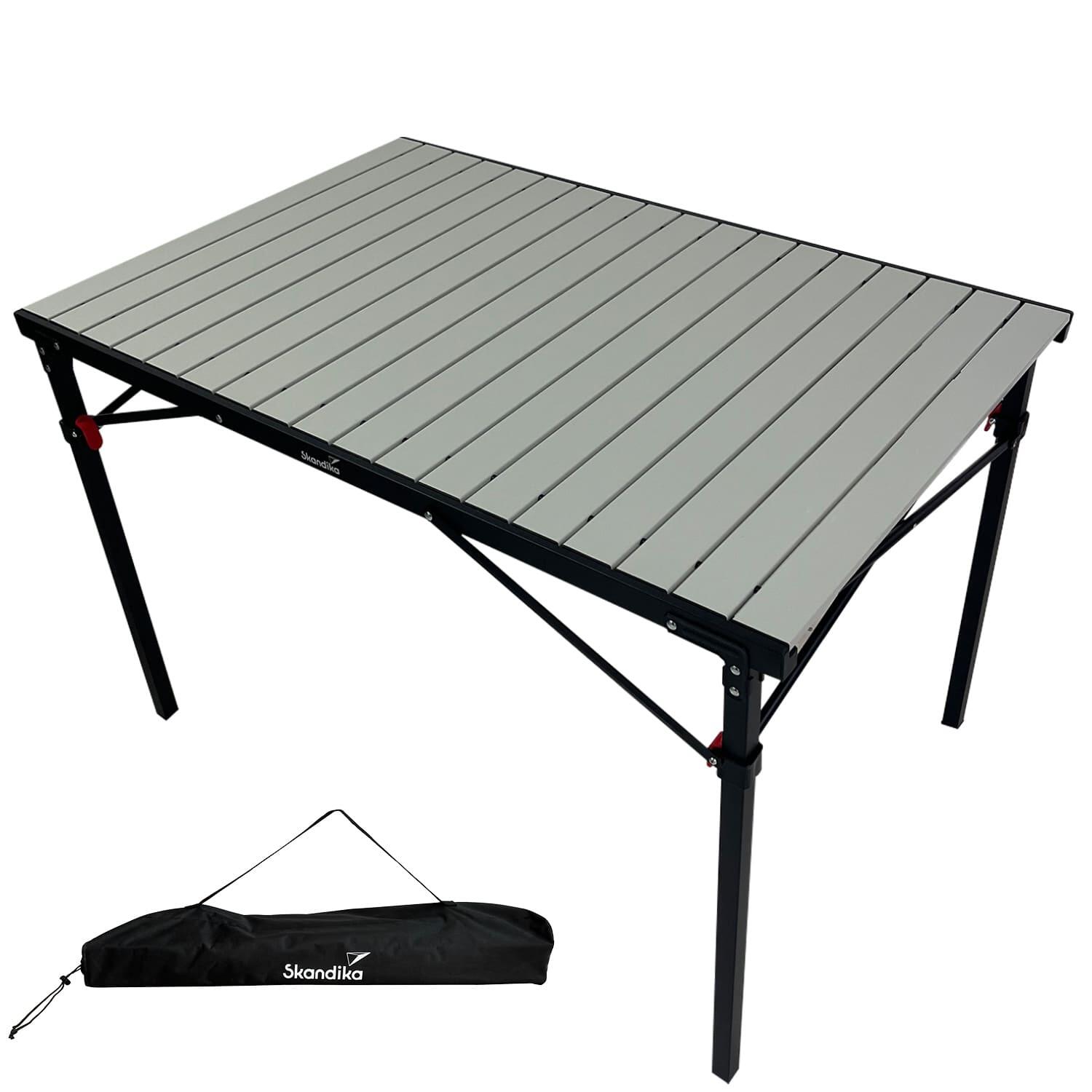
Marketplace -Online Only Marketplace -Online Only2 coloursMarketplace -Online OnlySKANDIKA Maikku Camping Table - For 6 People, 80 kg Capacity, 107×70×70 cm4.5(15)Reviews.votesAria2 coloursCurrent price {{currentPrice}} €104.95Sold and shipped by Max Trader GmbH
Marketplace -Online Only Marketplace -Online Only2 coloursMarketplace -Online OnlySKANDIKA Maikku Camping Table - For 6 People, 80 kg Capacity, 107×70×70 cm4.5(15)Reviews.votesAria2 coloursCurrent price {{currentPrice}} €119.95Sold and shipped by Max Trader GmbH
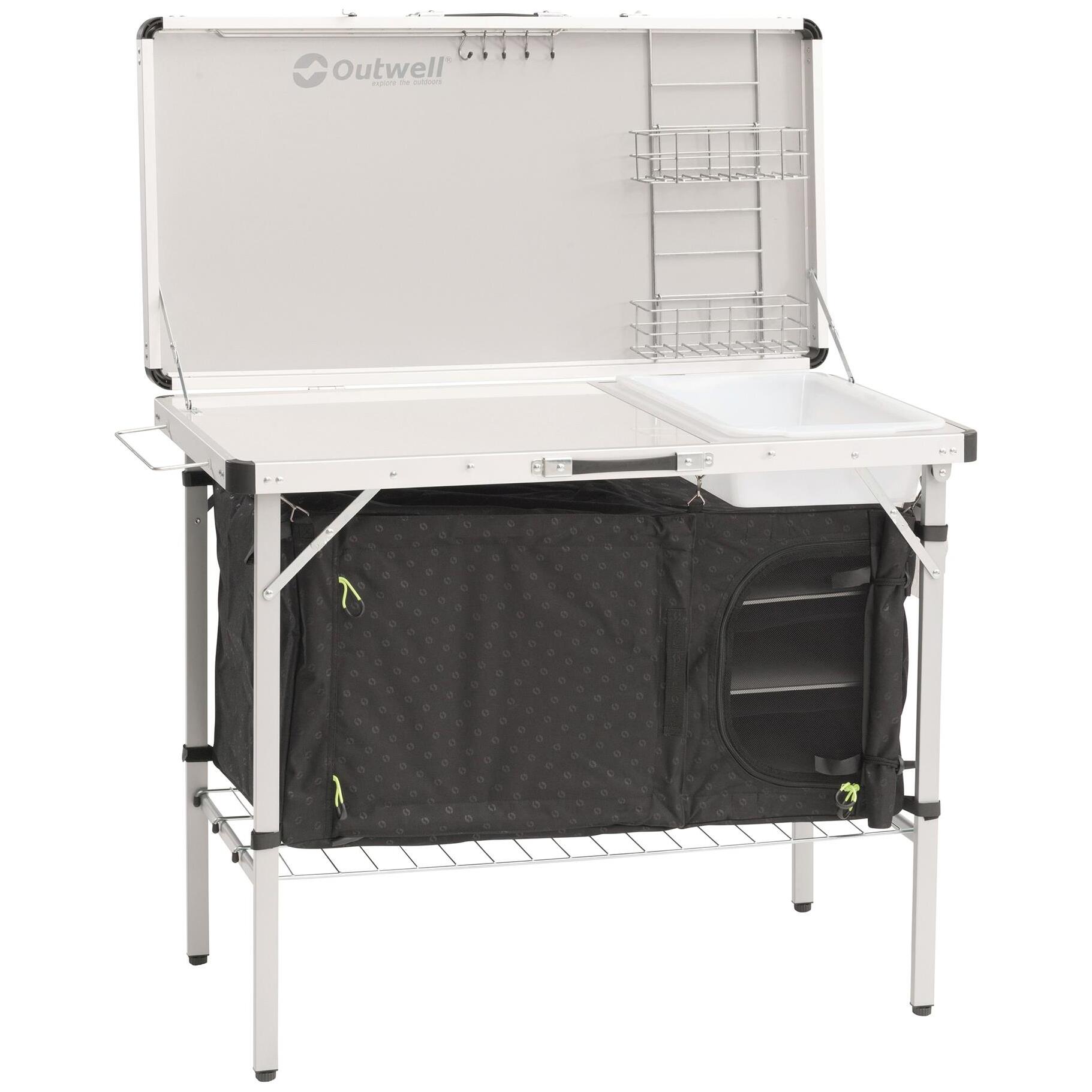
Marketplace -Online Only Marketplace -Online OnlyMarketplace -Online OnlyOUTWELL Drayton Kitchen TableCurrent price {{currentPrice}} €283.55Sold and shipped by Sports Lab IE
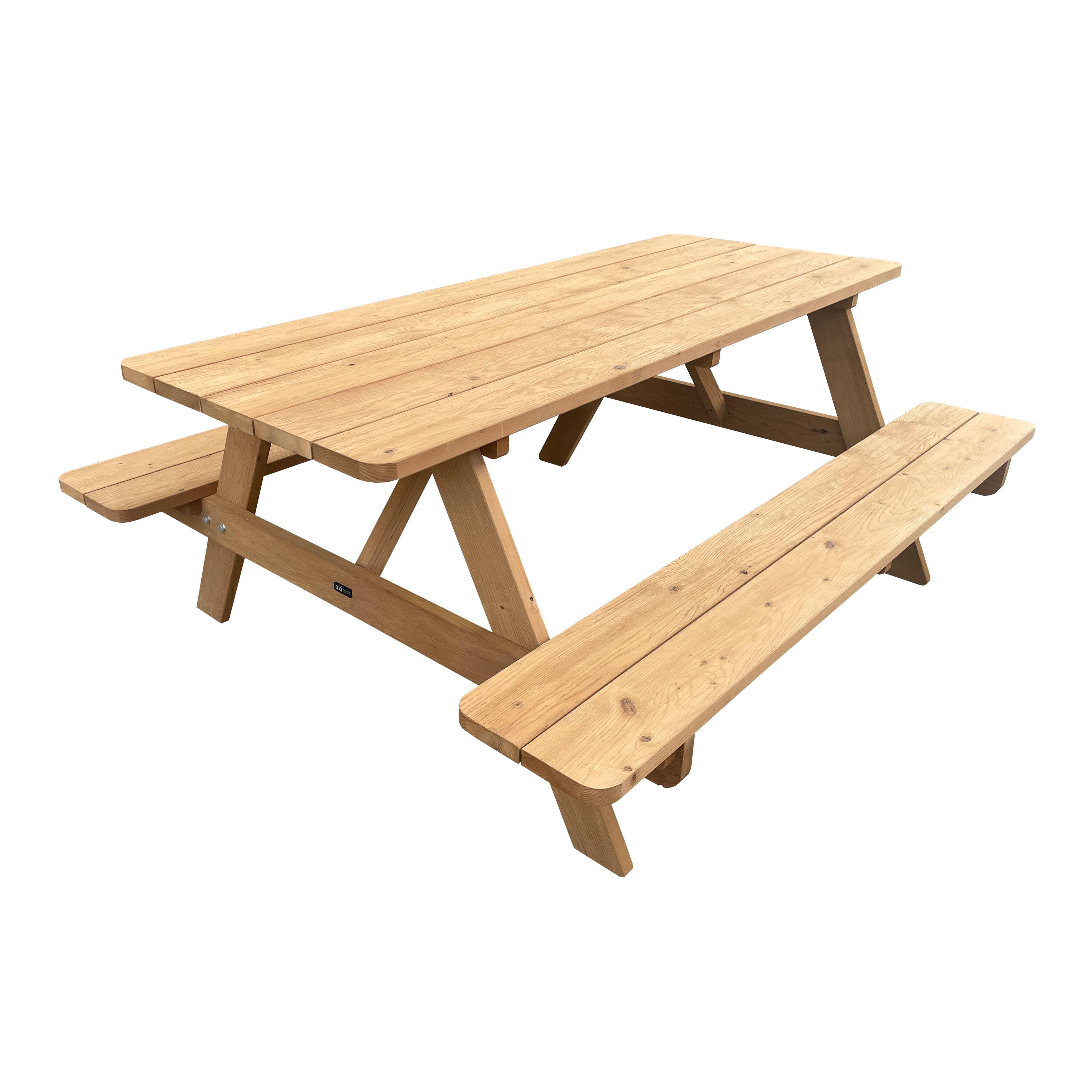
Marketplace -Online Only Marketplace -Online OnlyMarketplace -Online OnlyAXI Picnic Table - AXI Jean - Thermowood - Brown - 180 x 150 cmCurrent price {{currentPrice}} €644.00€644.00/unitSold and shipped by Toys and Garden
Marketplace -Online Only Marketplace -Online OnlyMarketplace -Online OnlyCITYSPORTS Camping Table CITYSPORTS Foldable Outdoor Black Carbon SteelCurrent price {{currentPrice}} €99.00Sold and shipped by Citysports EU
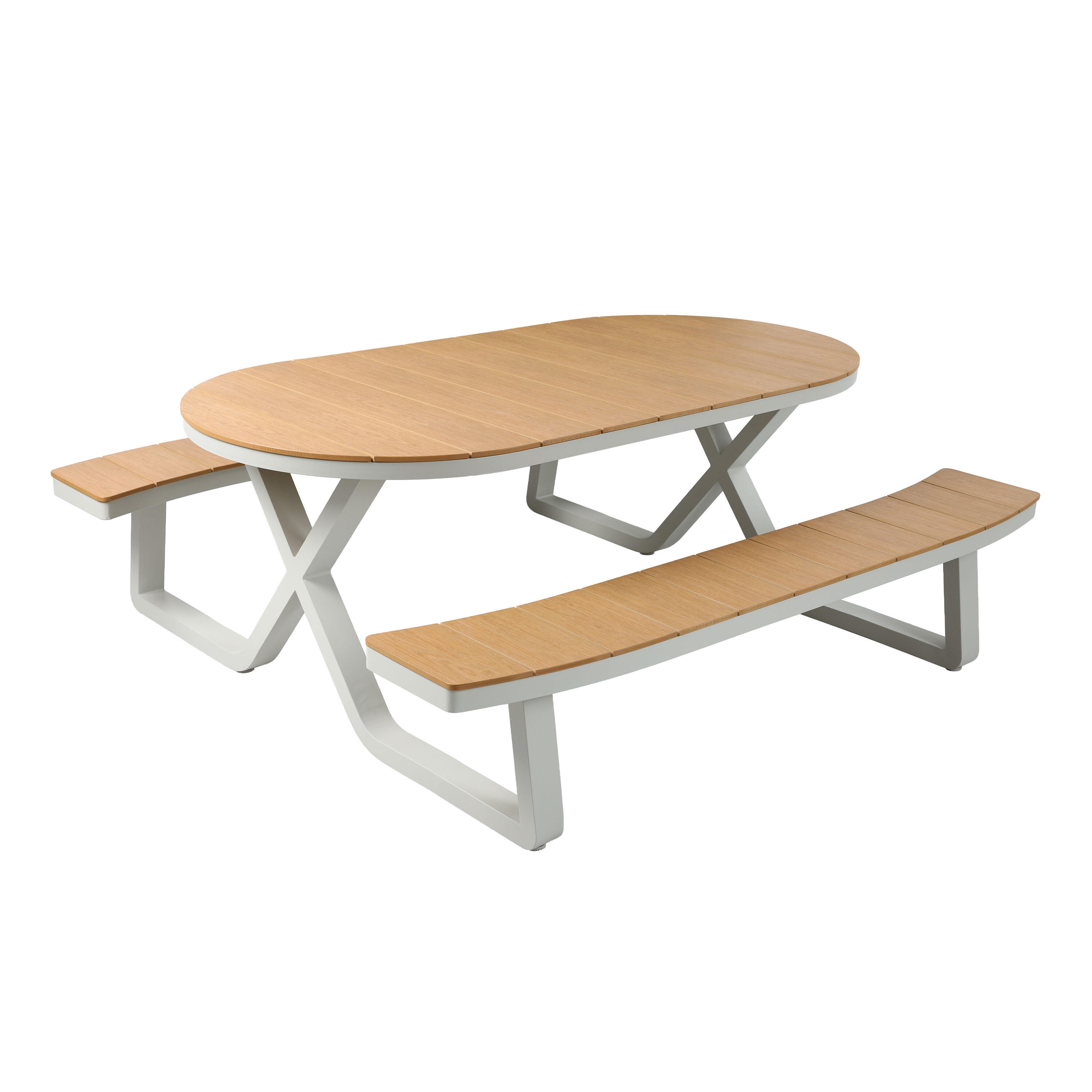
Marketplace -Online Only Marketplace -Online OnlyMarketplace -Online OnlyAXI Picnic Table with 2 benches Oval - AXI Jax - White/Teak-look PolywoodCurrent price {{currentPrice}} €899.95€899.95/unitSold and shipped by Toys and Garden
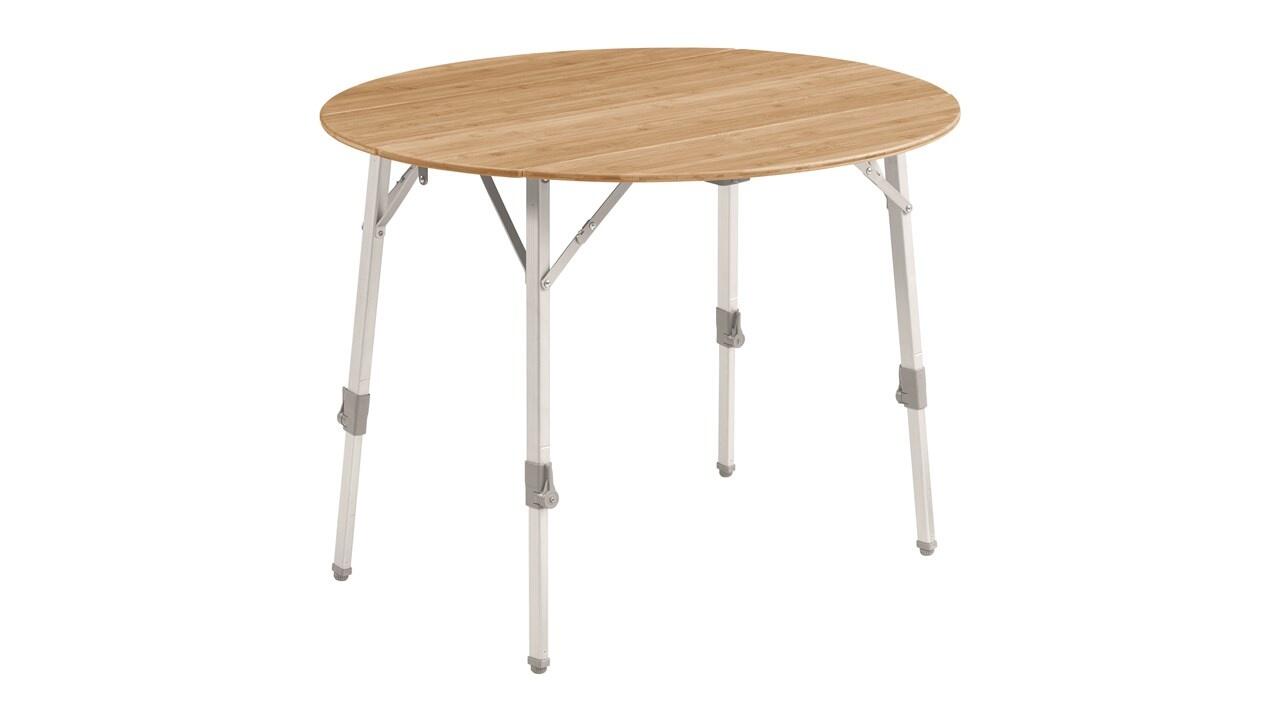
Marketplace -Online Only Marketplace -Online OnlyMarketplace -Online OnlyOUTWELL Custer Round Table for CampingCurrent price {{currentPrice}} €228.20Sold and shipped by Sports Lab IE
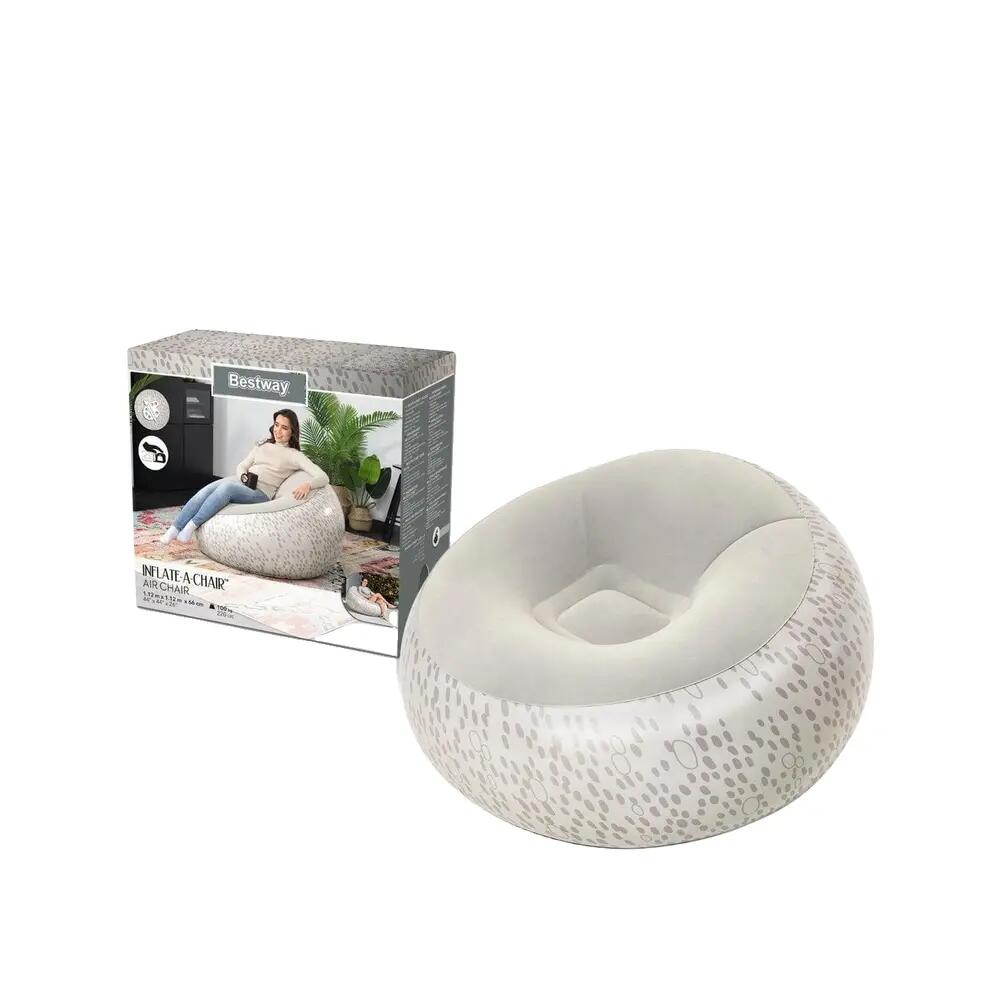
Marketplace -Online Only Marketplace -Online OnlyMarketplace -Online OnlyBESTWAY Bestway Inflatable Chair 75052 GreyCurrent price {{currentPrice}} €91.75Sold and shipped by Solution 4YOU
Marketplace -Online Only Marketplace -Online OnlyMarketplace -Online OnlyTROPICAL HAMAC Tropical Hamac - Paquito hanging chair standCurrent price {{currentPrice}} €259.00Sold and shipped by TROPICAL HAMAC
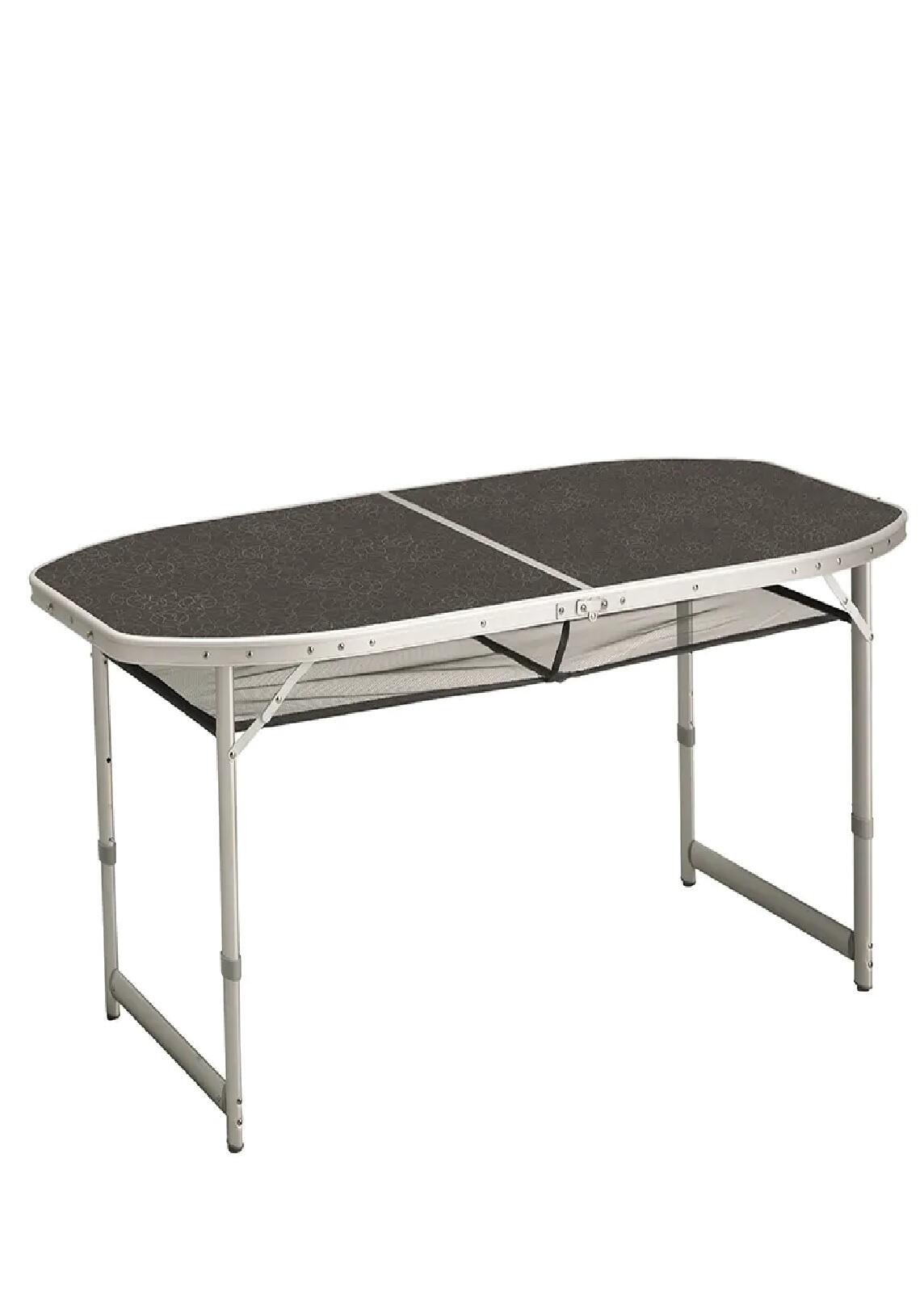
Marketplace -Online Only Marketplace -Online OnlyMarketplace -Online OnlyOUTWELL Outwell Hamilton Grey Camping TableCurrent price {{currentPrice}} €184.70Sold and shipped by Sports Lab IE
Marketplace -Online Only Marketplace -Online OnlyMarketplace -Online OnlySKANDIKA Masi Folding Camping Table With 2 Benches – 3-Piece Beer Table SetCurrent price {{currentPrice}} €159.00Sold and shipped by Max Trader GmbH