240 items
3.8/5 based on 10990 reviews collected online and in stores

Family Tents FAQs


How do I choose the right size for family camping tents?

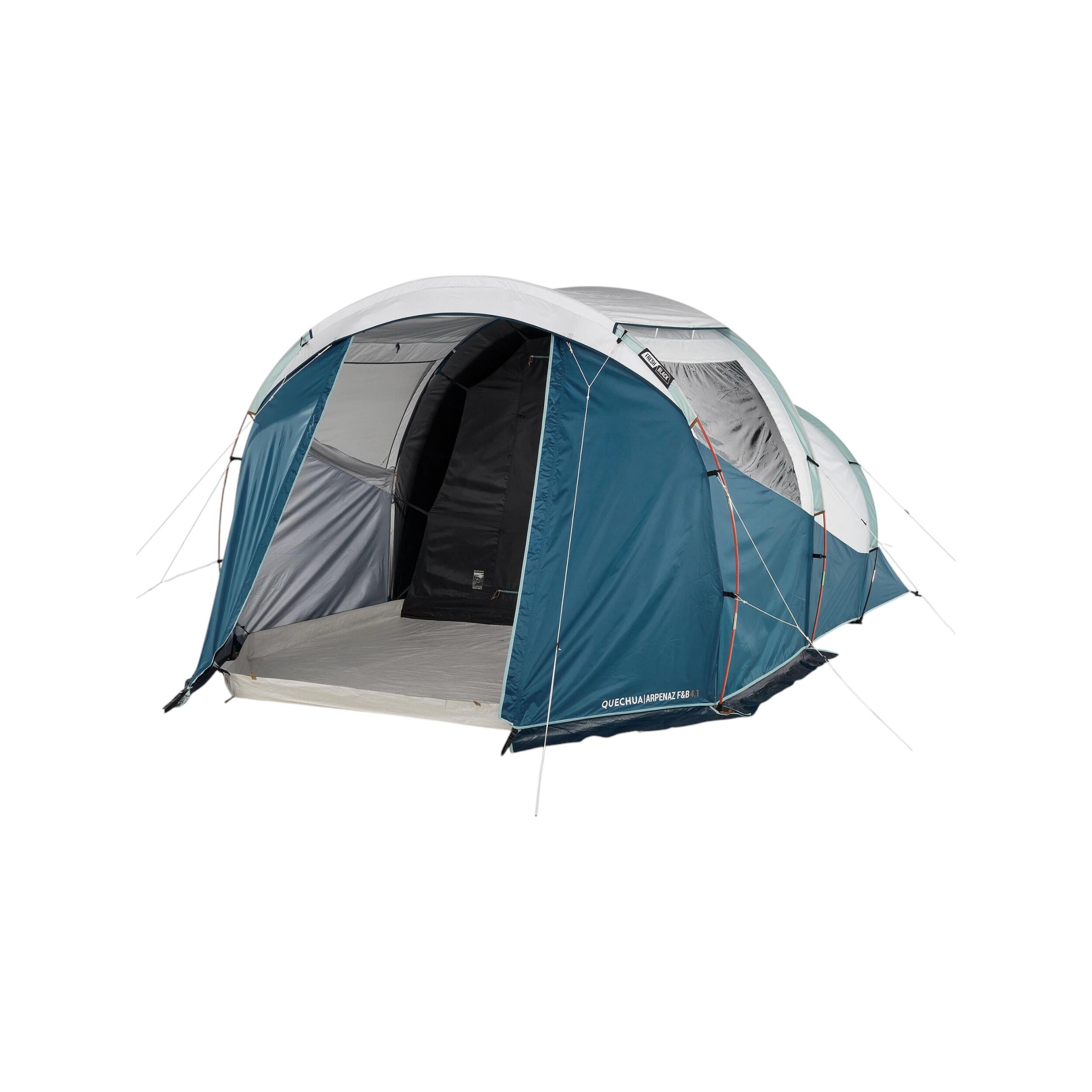
Selecting a right tent for your family is based on the number of people planning to sleep in the tent and the volume of communal gear required for a comfortable stay. For a small family or a group of four, opting for 4 man tents provides a balance between internal floor space and a manageable pack weight for transport. The technical reason to consider a higher capacity than your actual group size is the "living area" factor; extra berths often translate into a larger porch or central vestibule where you can store muddy boots and wet raincoats. When evaluating dimensions, check the "bedroom" width per person, which usually averages 60cm to 70cm in high-quality outdoor gear. Expert advice: If you plan on using wide inflatable air mattresses, always verify the internal bedroom floor plan to ensure the mattresses fit side-by-side without overlapping the tent walls, as contact with the flysheet can pull moisture through the fabric.


Are family tunnel tents stable in high wind conditions?

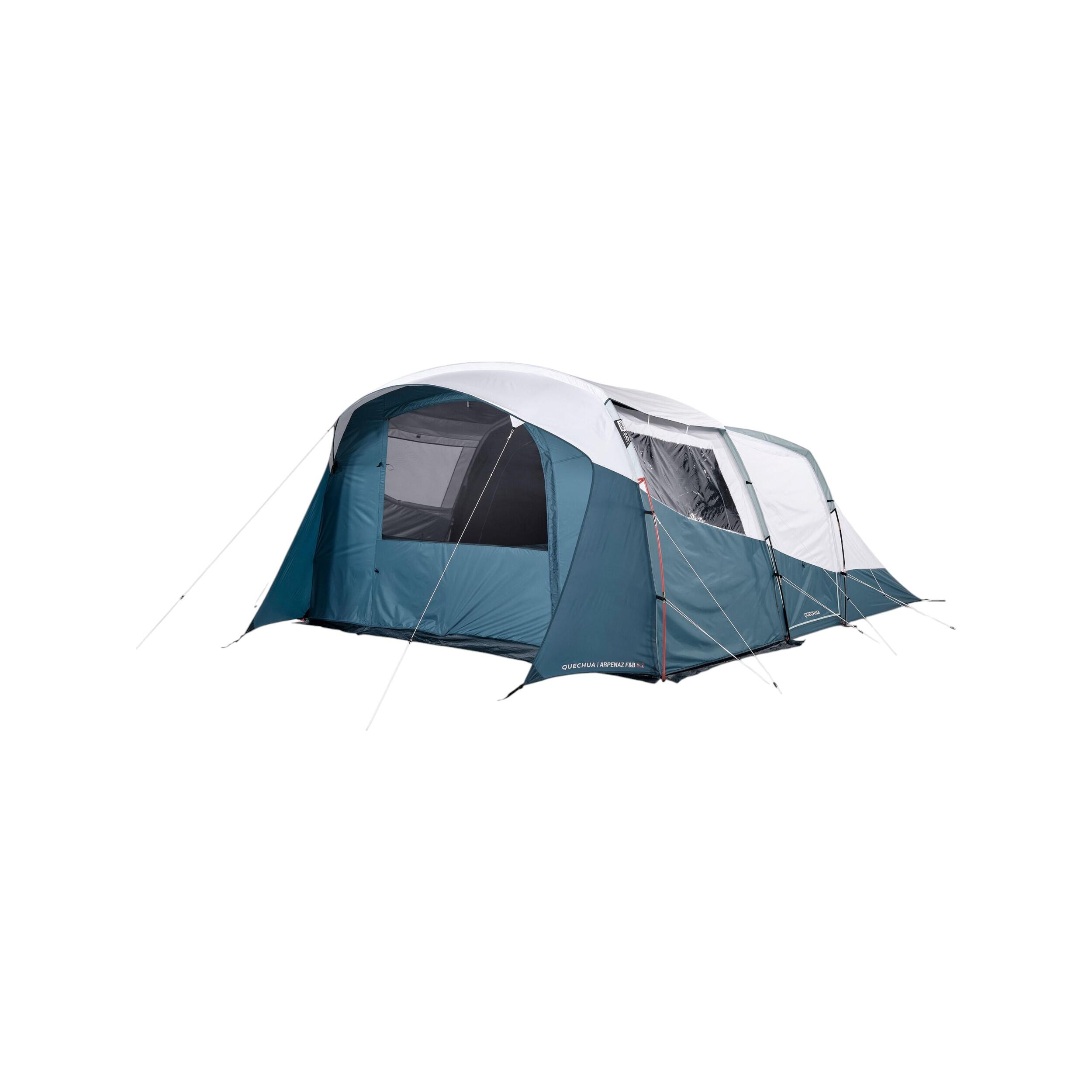
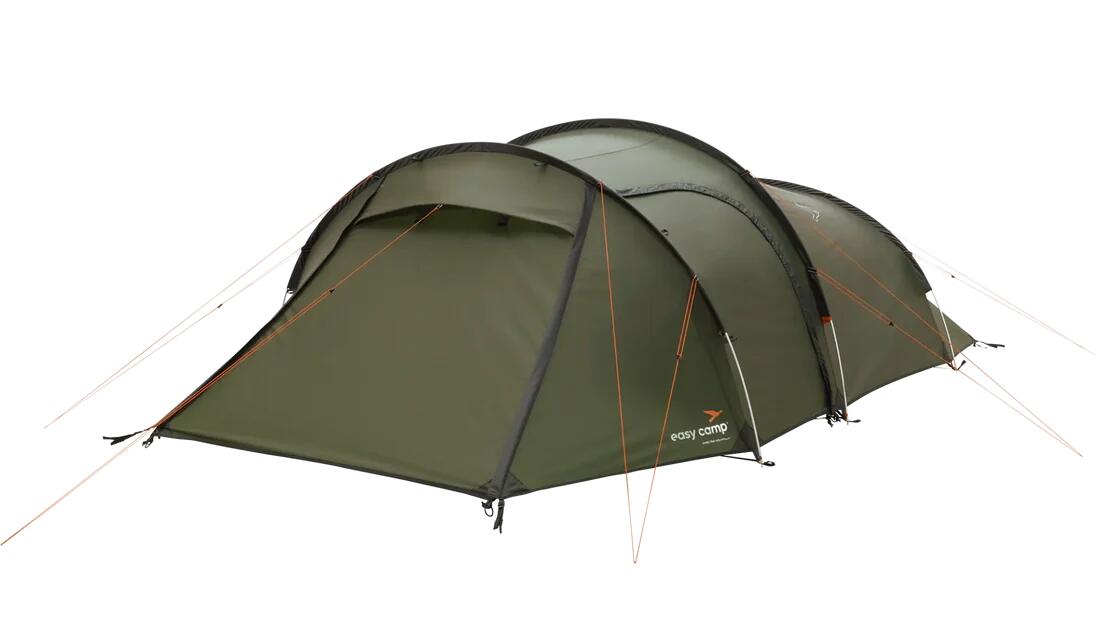
Tunnel-style tents are popular because they offer plenty of space inside and good headroom, making them a comfortable choice for longer trips. While they have a larger side profile than low-profile domes, they remain highly stable when pitched with the narrow end facing into the prevailing wind. For mid-sized groups who require more structural stability than a standard tunnel but less bulk than a jumbo unit, 5 man tents often feature hybrid pole configurations that increase rigidity. The technical reason behind the stability lies in the tension of the flysheet; when properly guyed out, the fabric distributes wind force across the entire frame. Smart tip: Use heavy-duty steel pegs for the primary corners and guy lines if you are setting up on hard or stony ground to ensure the anchors do not shift during a storm.


What is the benefit of Fresh & Black technology in larger tents?

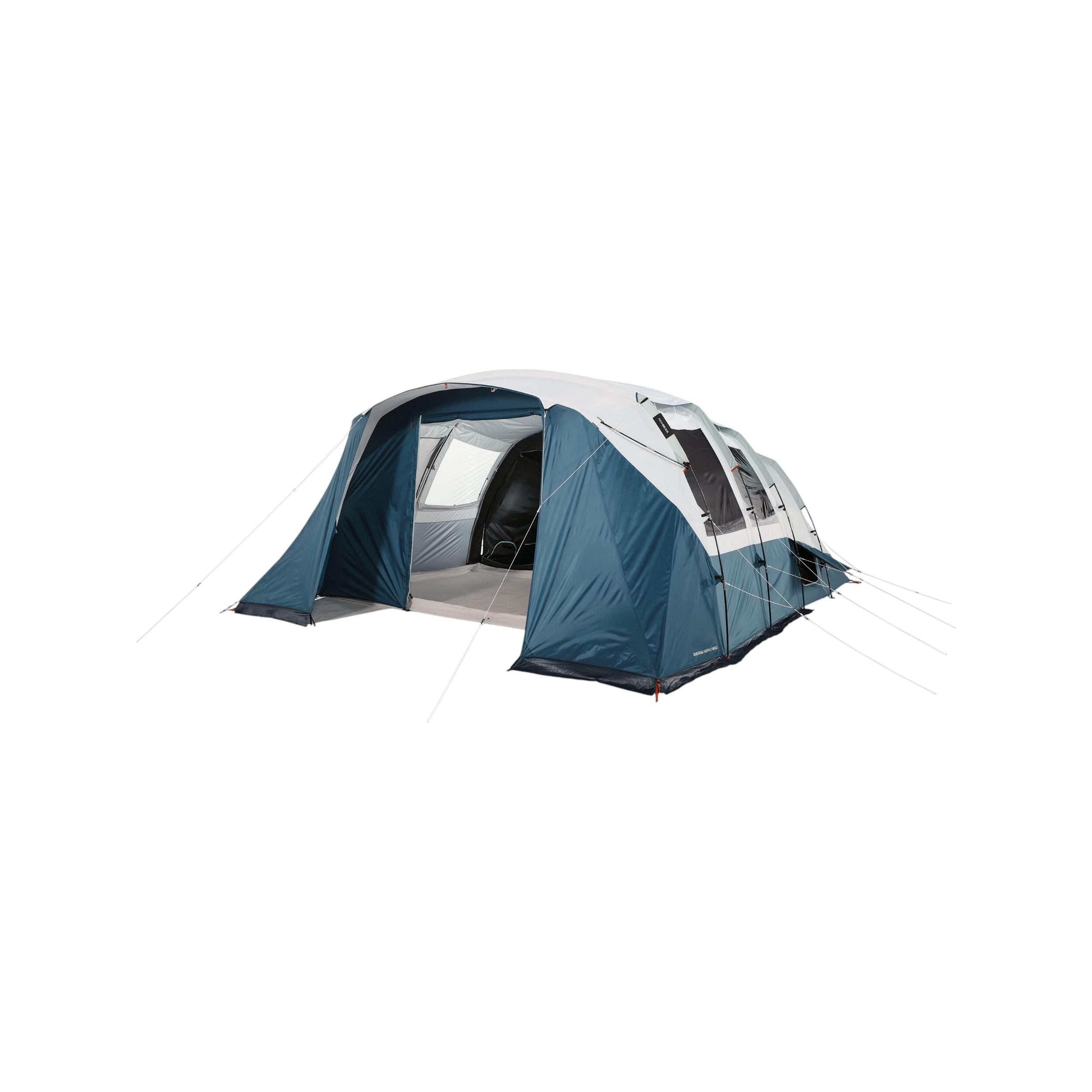
Modern family tents often use special fabric coatings that help block out light and keep the inside cooler. The patented Fresh & Black material reflects solar radiation to keep the internal temperature up to 17°C cooler than standard polyester fabrics in direct sunlight. This is particularly useful for parents with young children who need to nap during the day or for those who prefer to sleep past sunrise. For larger gatherings or those who prefer separate bedrooms for kids and adults, 6 man tents frequently feature these darkened cabins to improve sleep quality. The technical efficiency comes from a multi-layered fabric approach where the outer layer reflects light and the inner layer blocks it. Small tip: Even with darkened rooms, always leave the upper ventilation ports open to facilitate a constant exchange of air and reduce the buildup of carbon dioxide in confined sleeping spaces.


What is the difference between air-beam and poled tents?

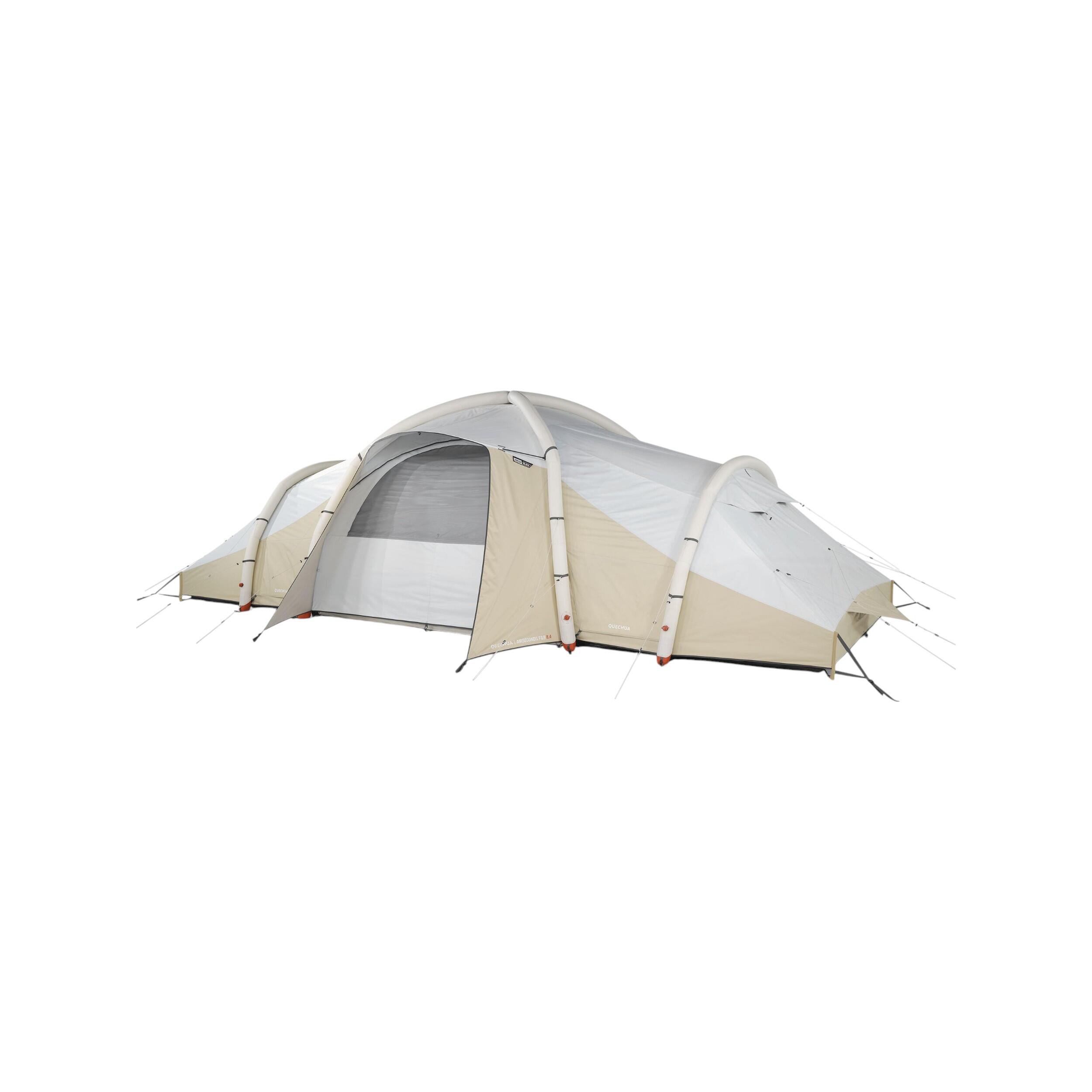
Inflatable air tents replace traditional fibreglass or aluminium poles with pressurized TPU beams, allowing for a much faster assembly time despite the large size of the structure. Families and group campers planning extended outdoor trips often consider spacious shelters like 8 man and large tents that benefit from quick-pitch air-beam technology and enhanced interior living space. These beams are highly resilient; in strong gusts, they may flex momentarily but will instantly pop back into their original shape, whereas rigid poles might snap under extreme pressure. The technical advantage of poled versions is their lighter weight and smaller packed volume, making them easier to fit into a car boot filled with other supplies. Best tip: If using an air tent, always carry a dedicated pressure gauge to ensure you do not over-inflate the beams on hot days, as rising temperatures cause the air inside to expand and increase the internal pressure.