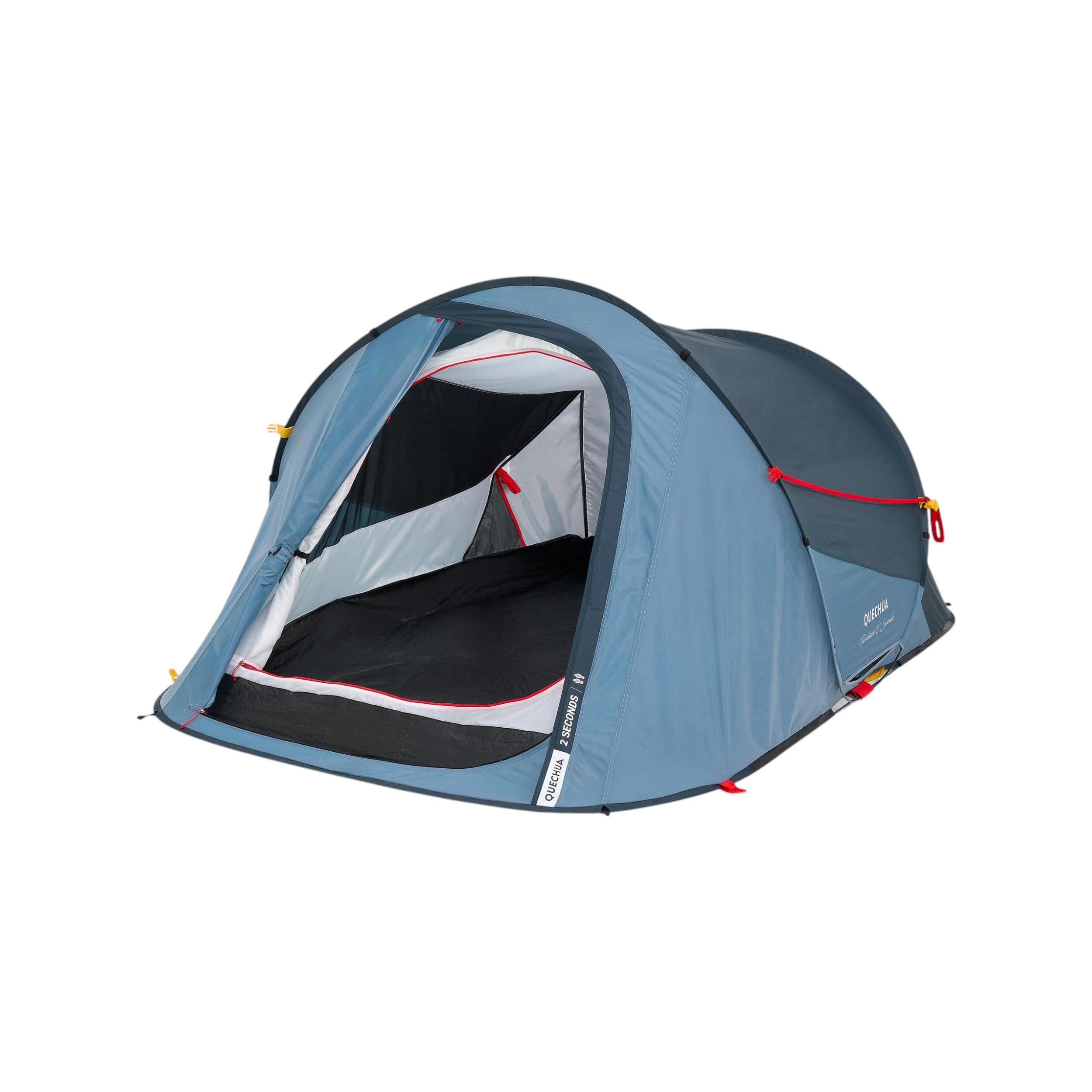
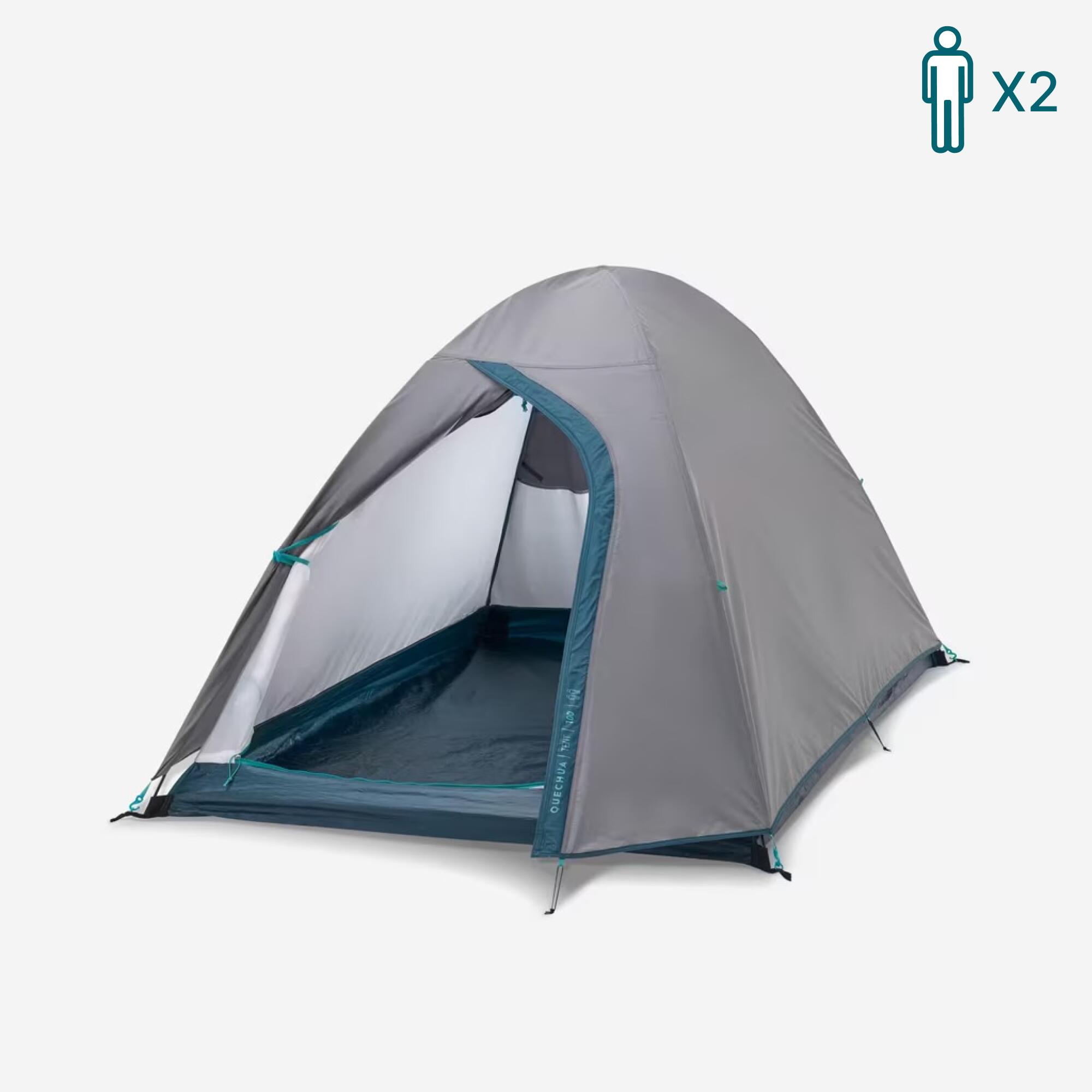
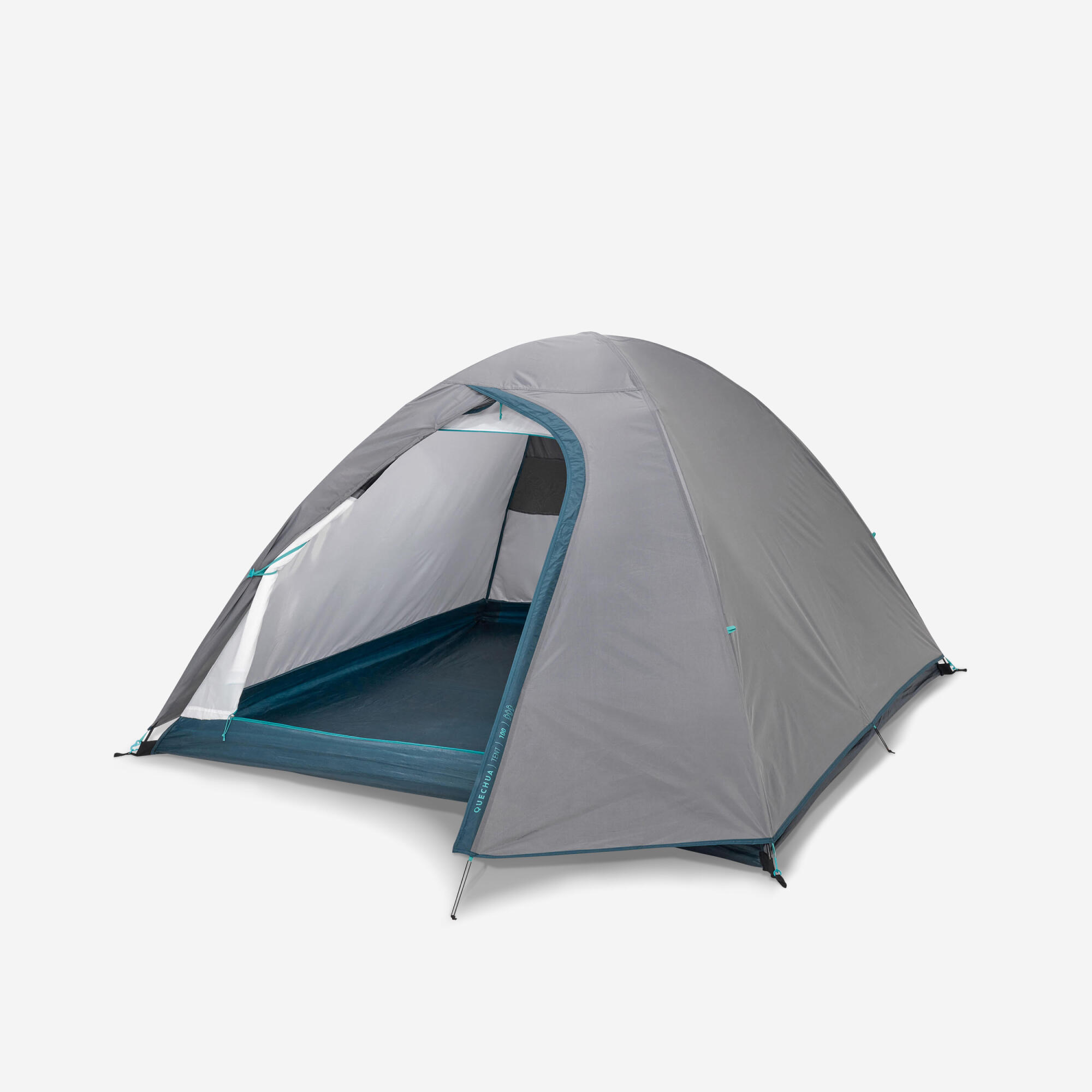
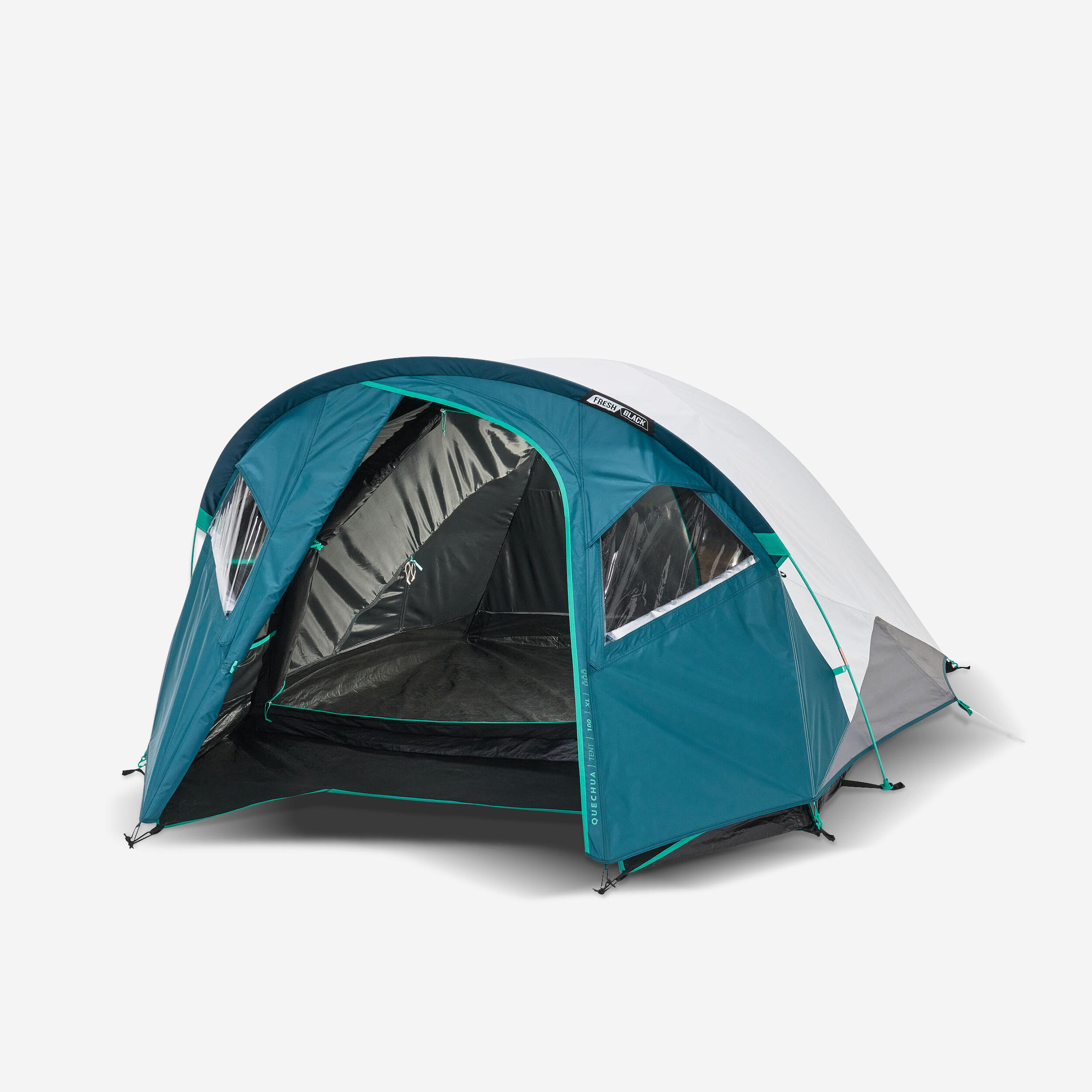
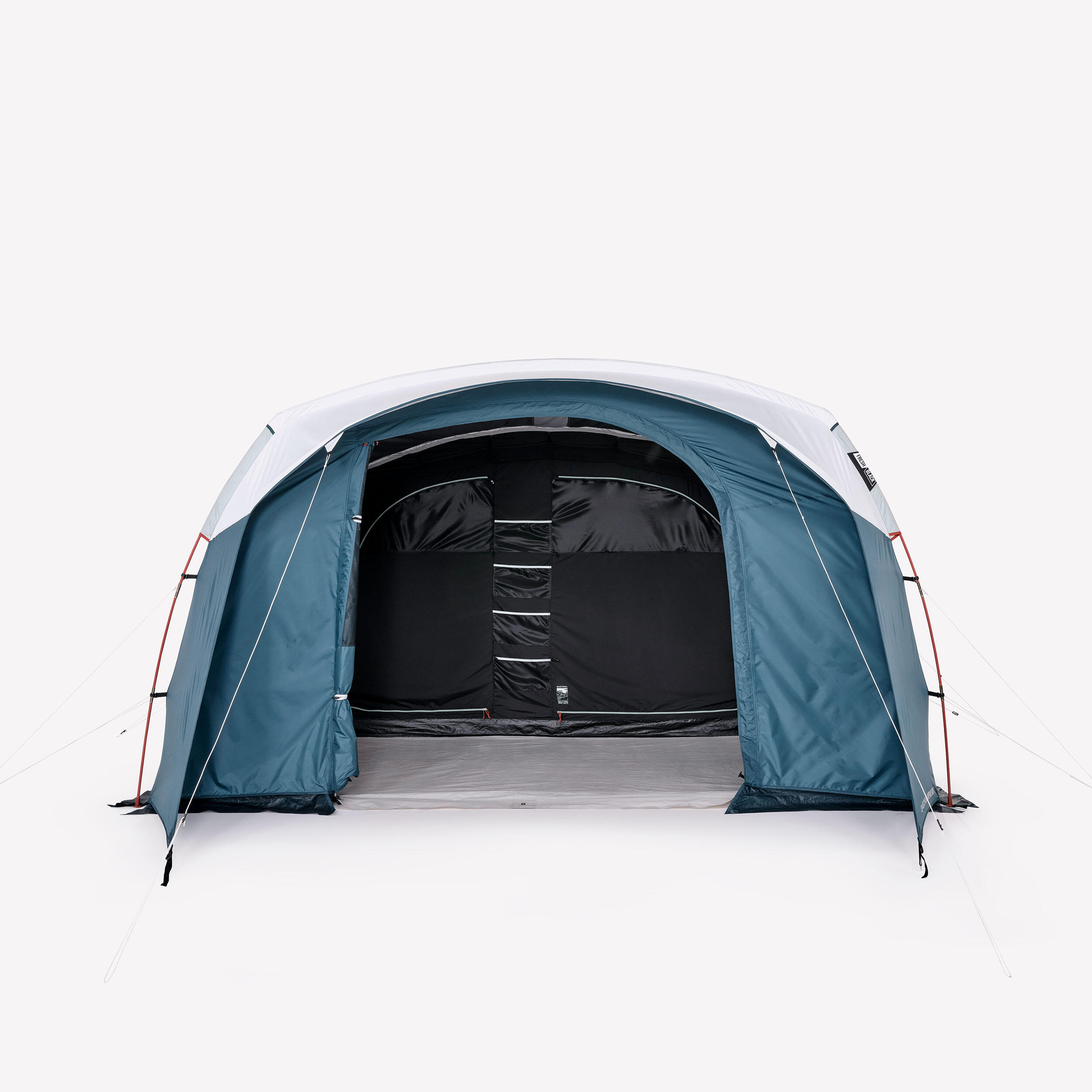
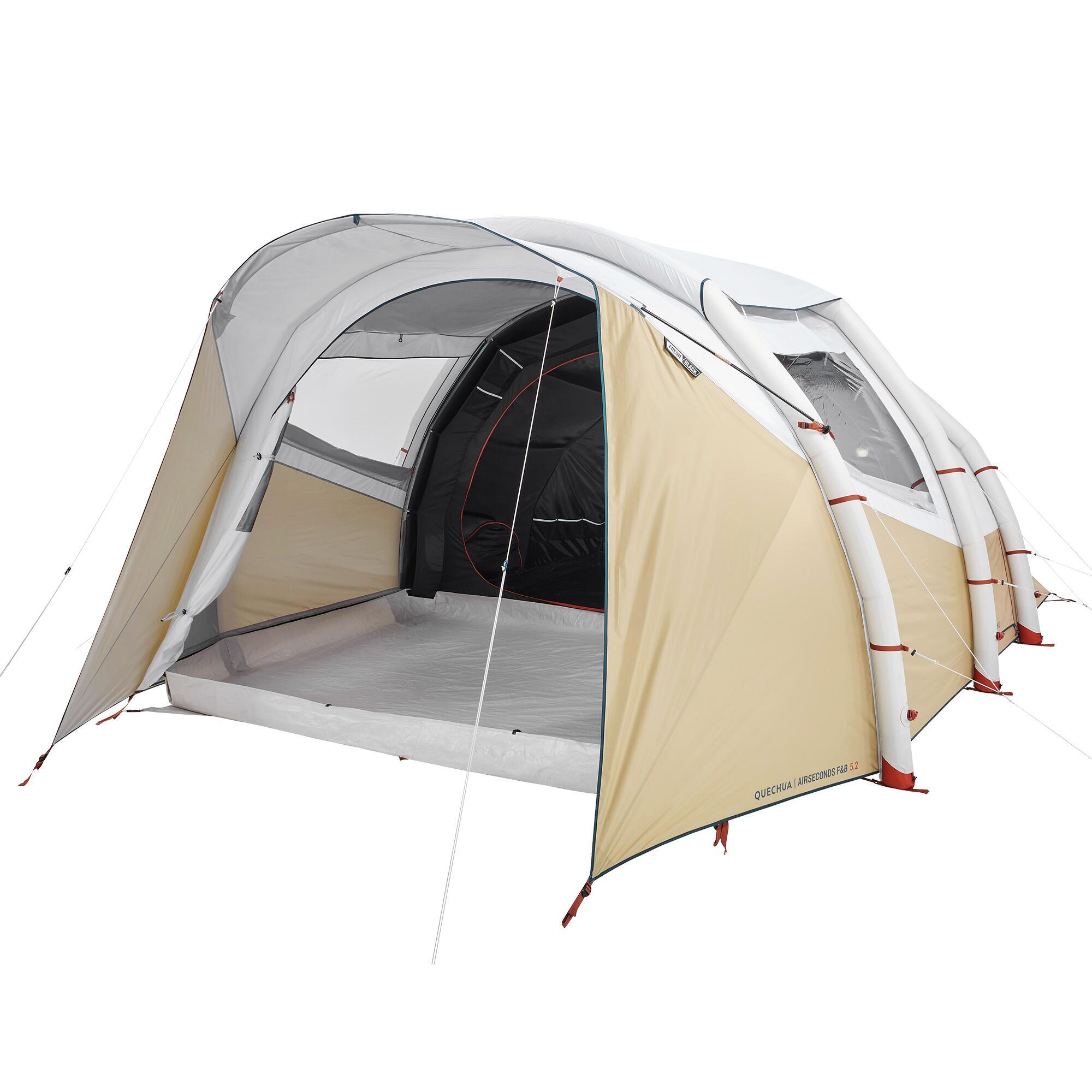
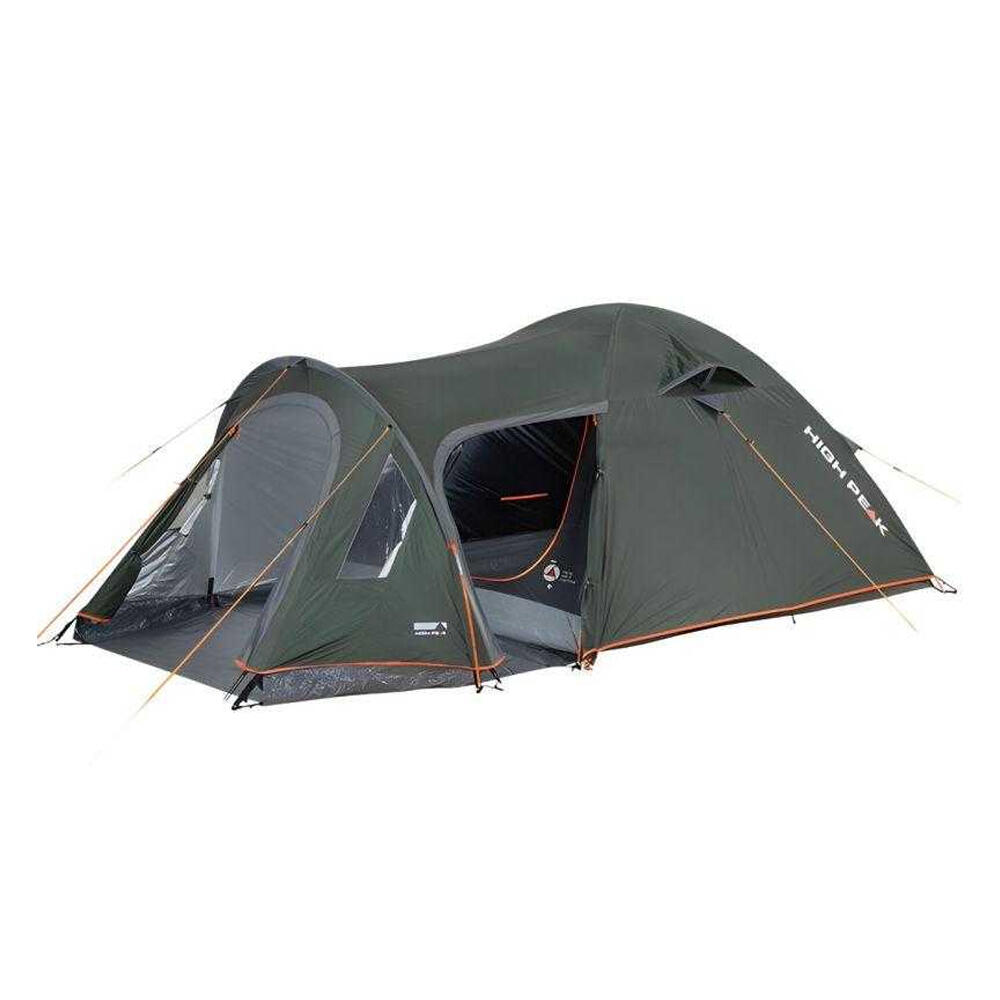
QUECHUA Camping tent - MH100 - 2 person4.7(3,917)Reviews.votesAriaCurrent price {{currentPrice}} €30.00
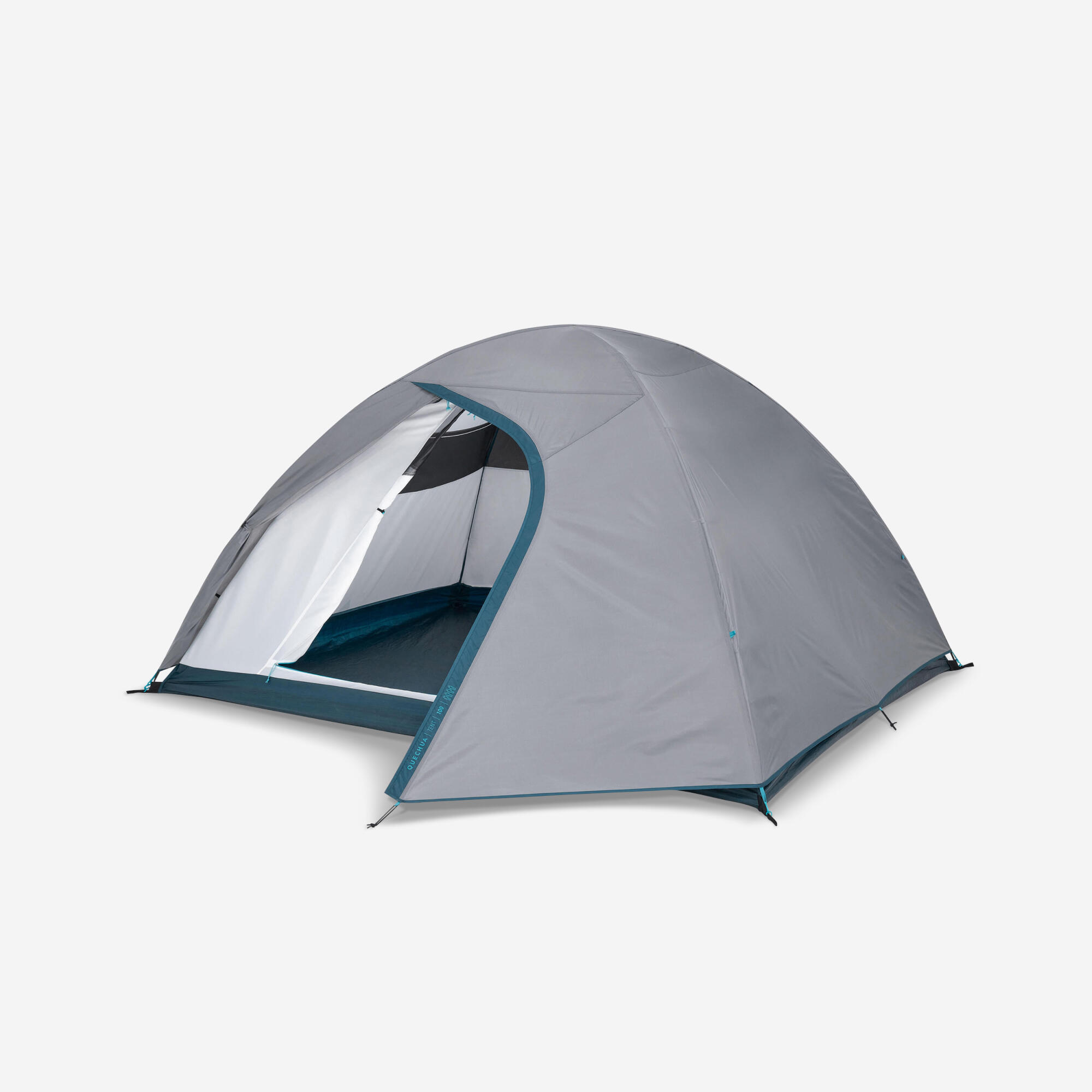
QUECHUA 3-person camping tent - MH100 - Grey4.7(2,452)Reviews.votesAriaCurrent price {{currentPrice}} €46.00
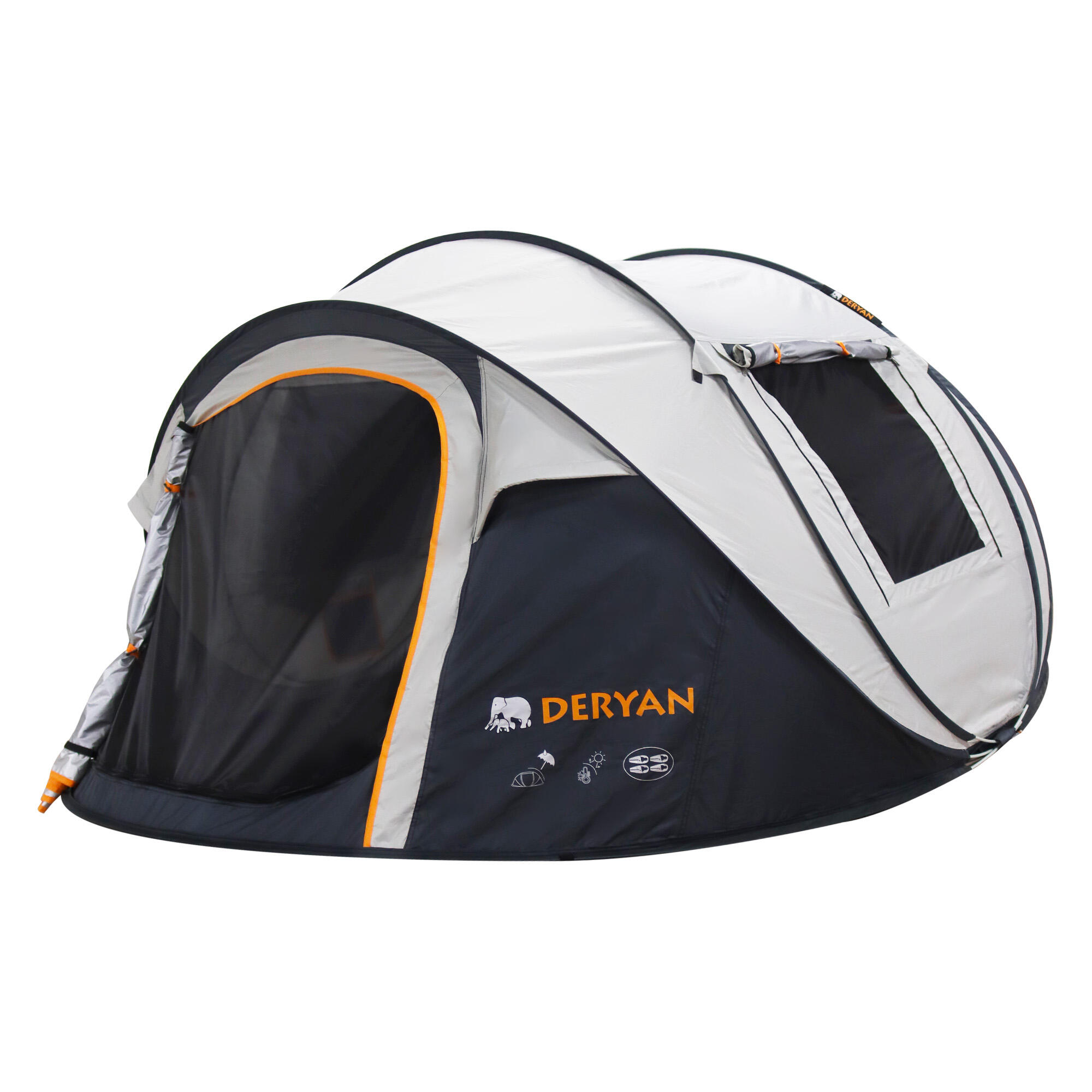
Marketplace -Online Only Marketplace -Online OnlyMarketplace -Online OnlyDERYAN Second Life - Luxe Pop Up Tent 4-pers. 2000MM Anti-UV - Very Good3(2)Reviews.votesAriaCurrent price {{currentPrice}} €74.95Recommended retail price: €99.95Sold and shipped by DERYAN
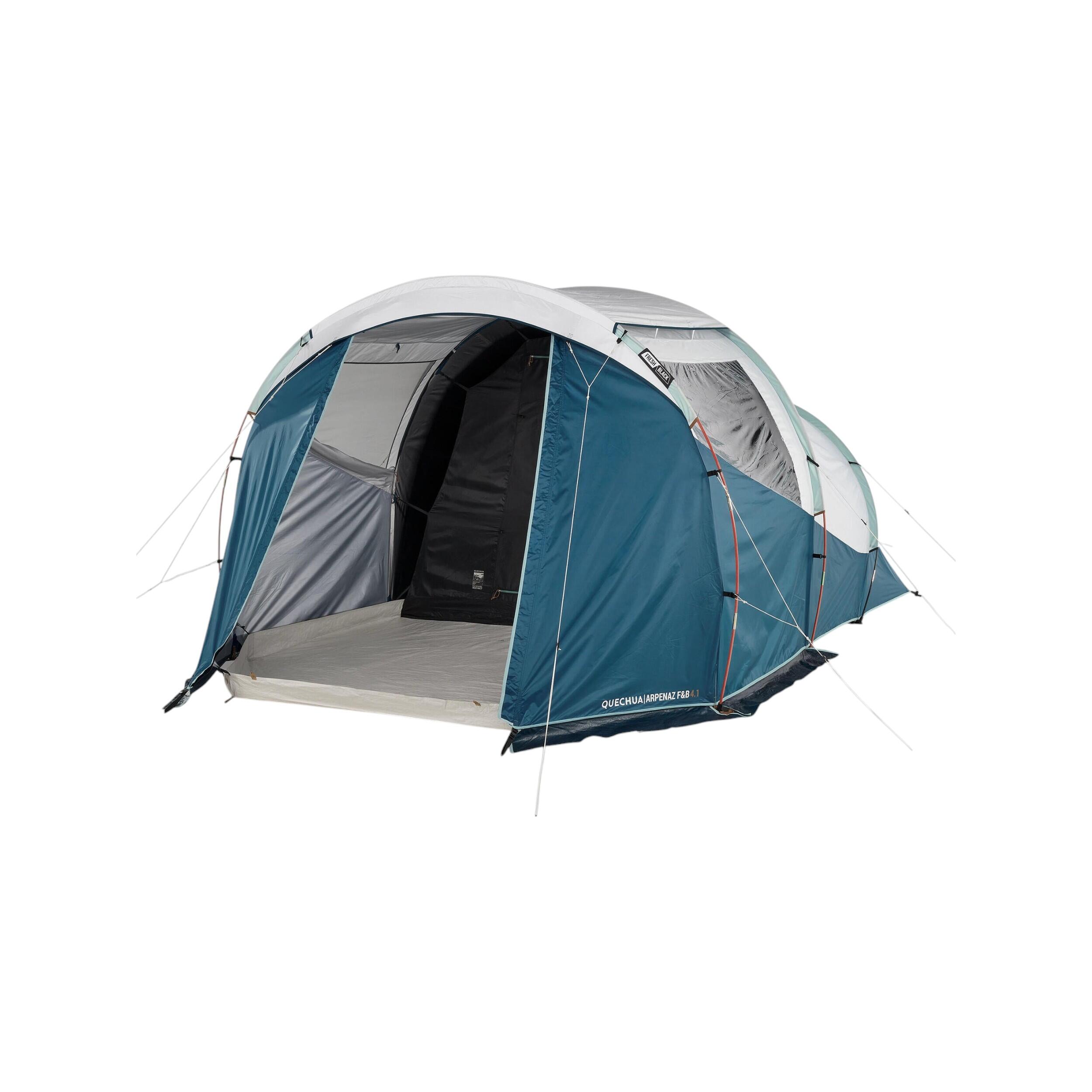
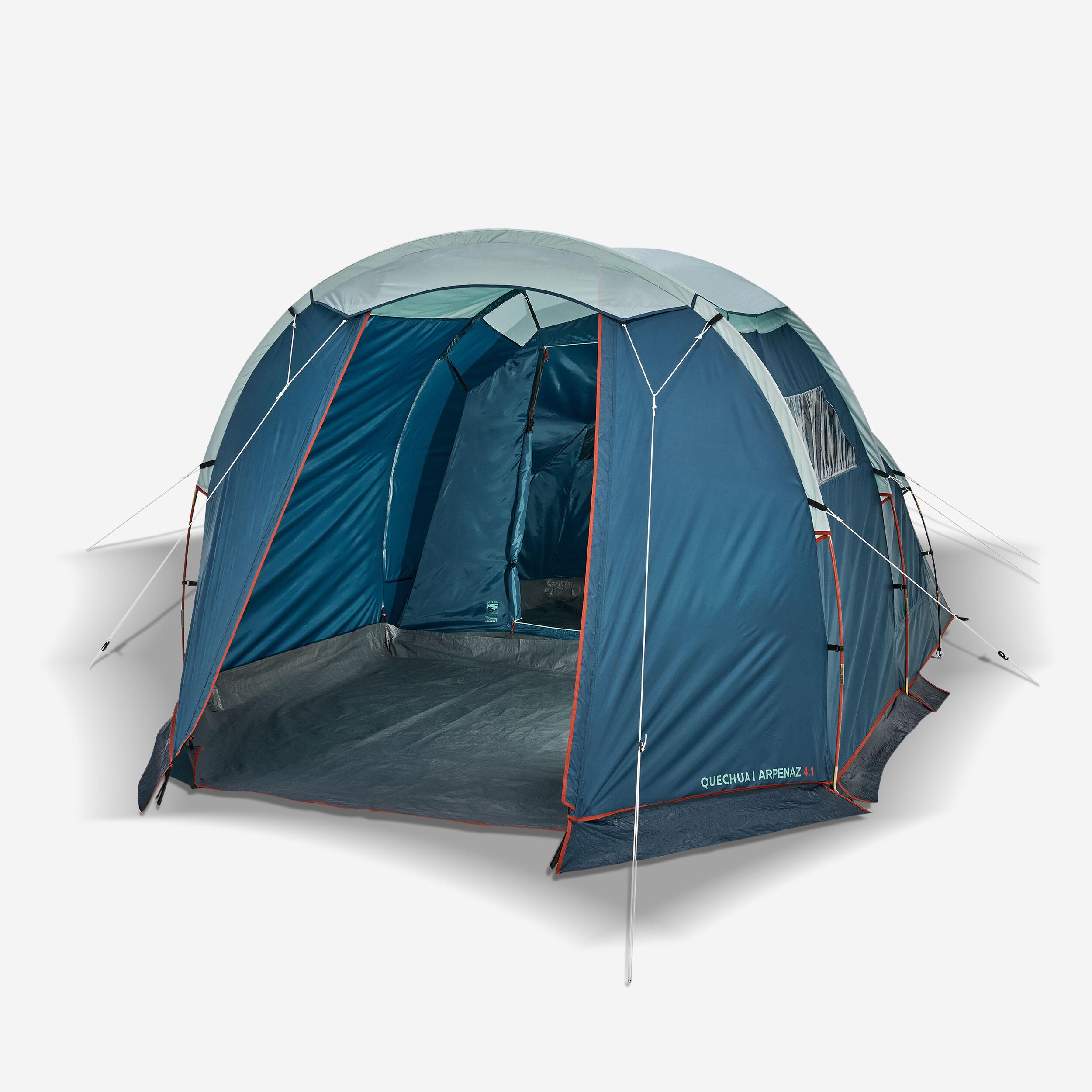
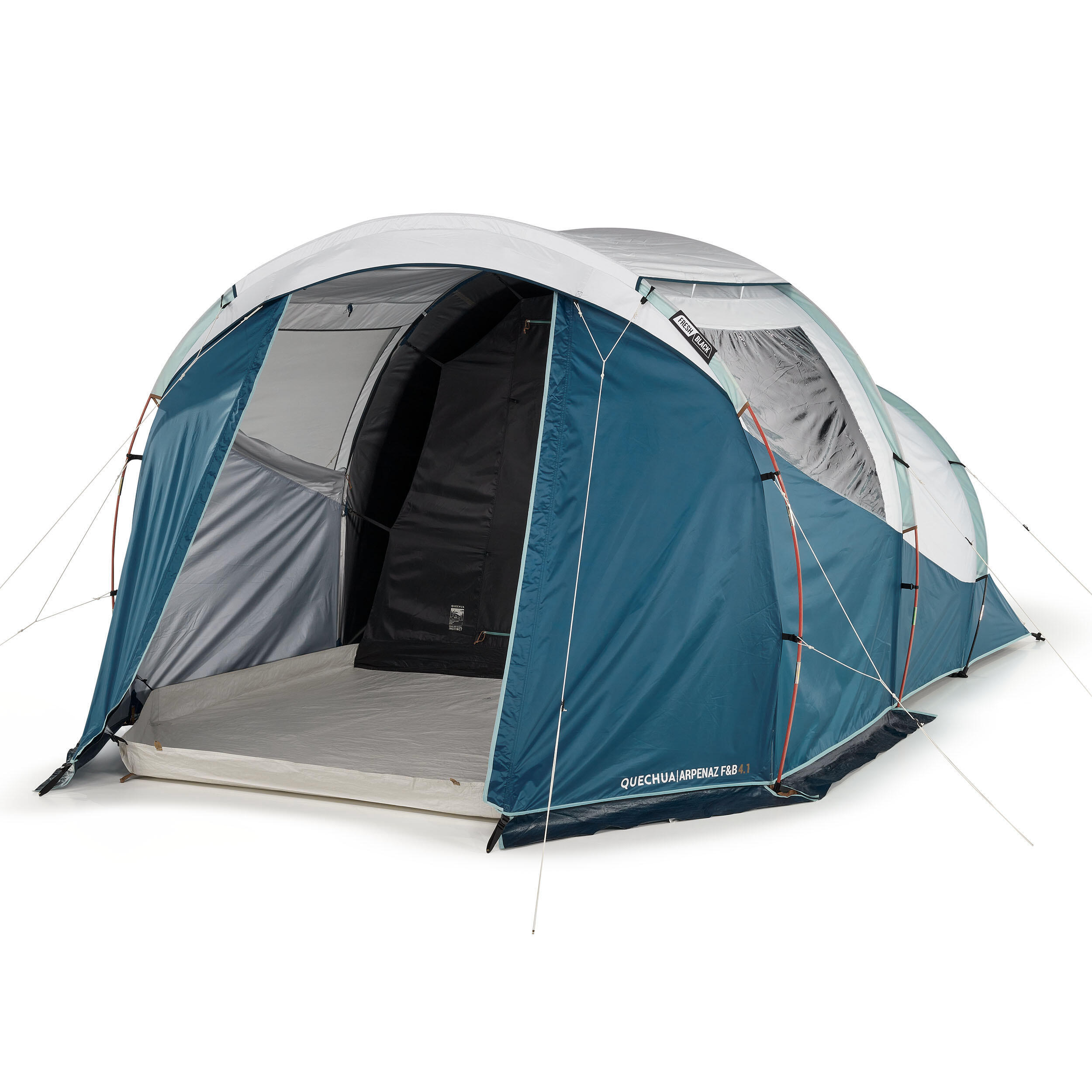
QUECHUA 4-person camping tent, Arpenaz 4.14.7(2,036)Reviews.votesAriaCurrent price {{currentPrice}} €135.00
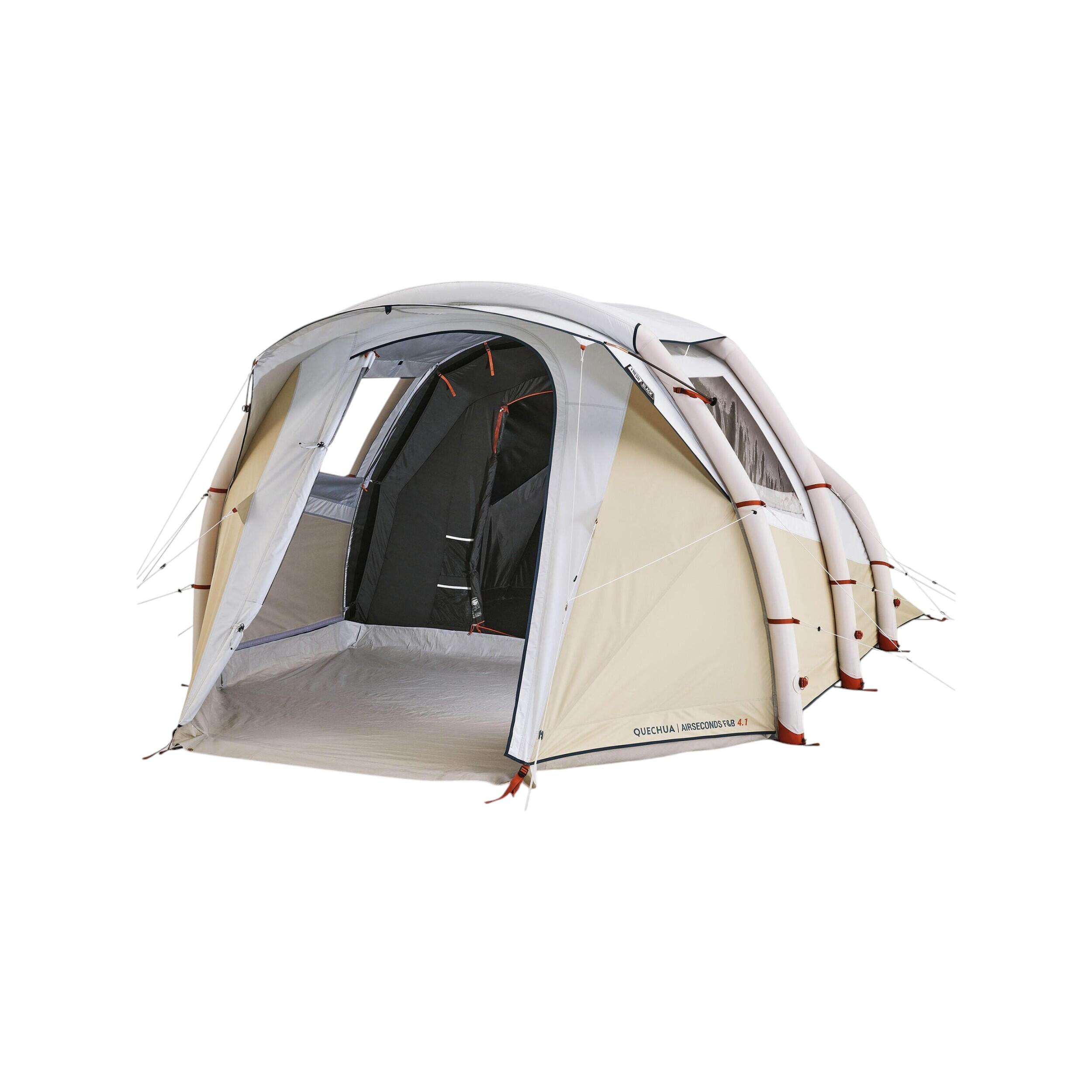
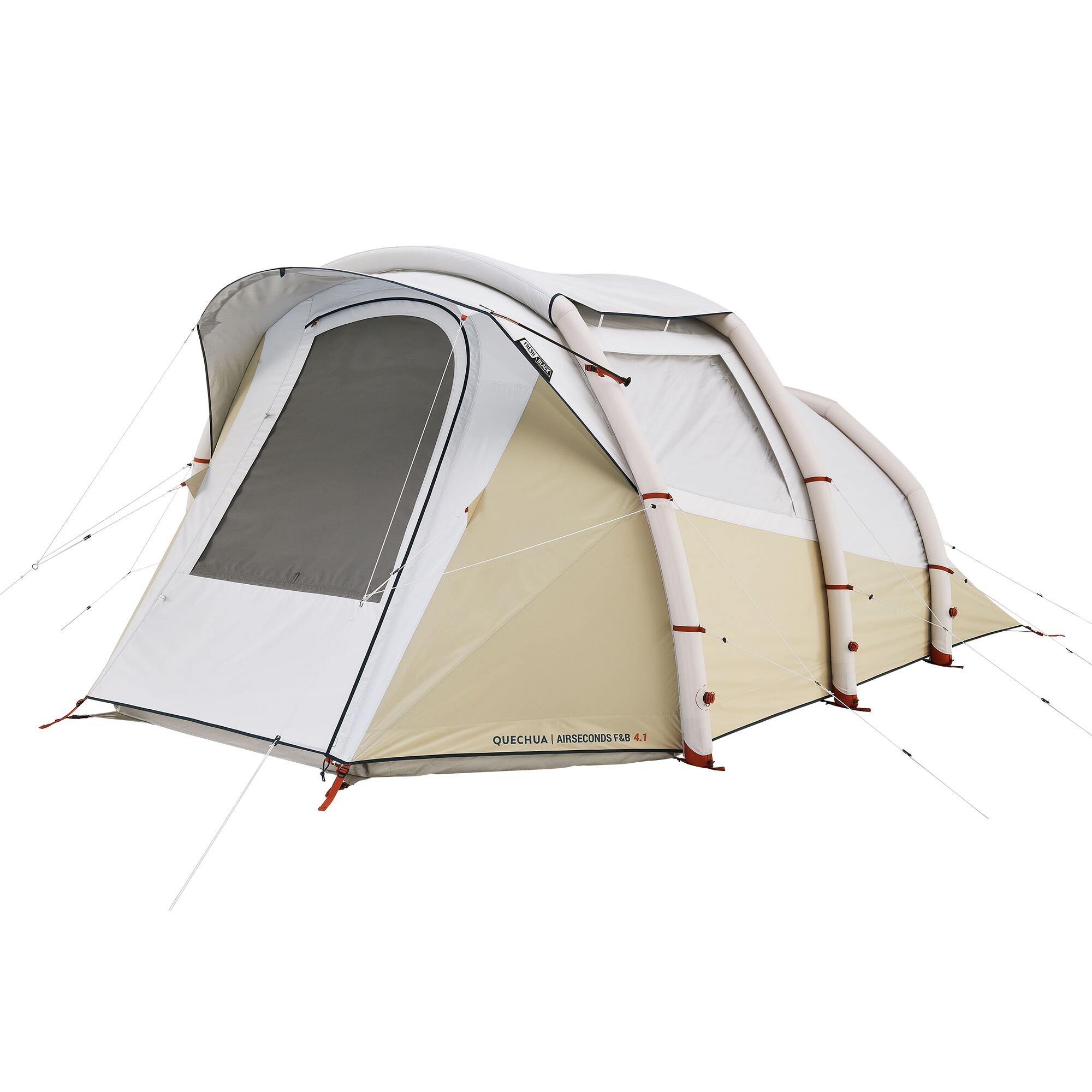
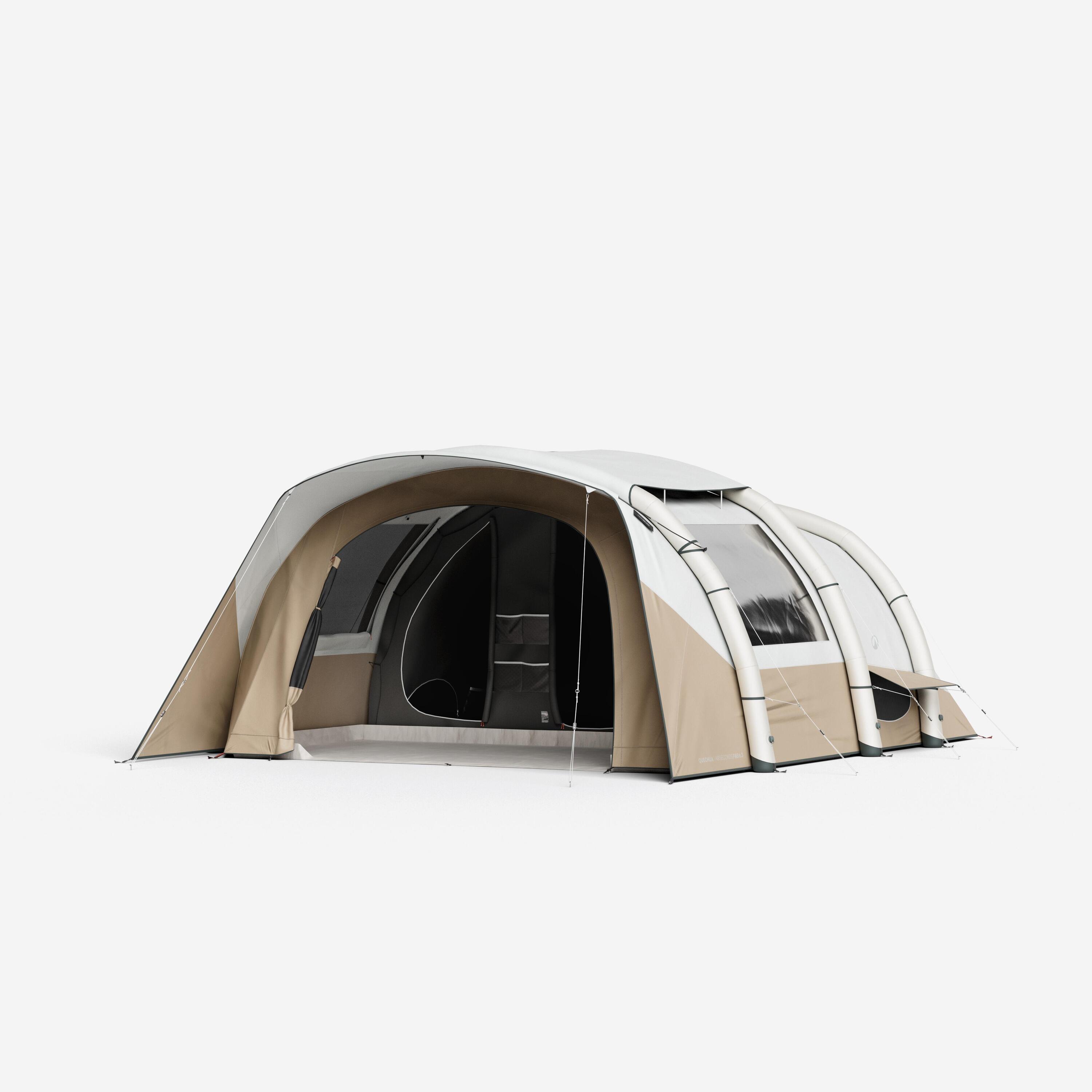
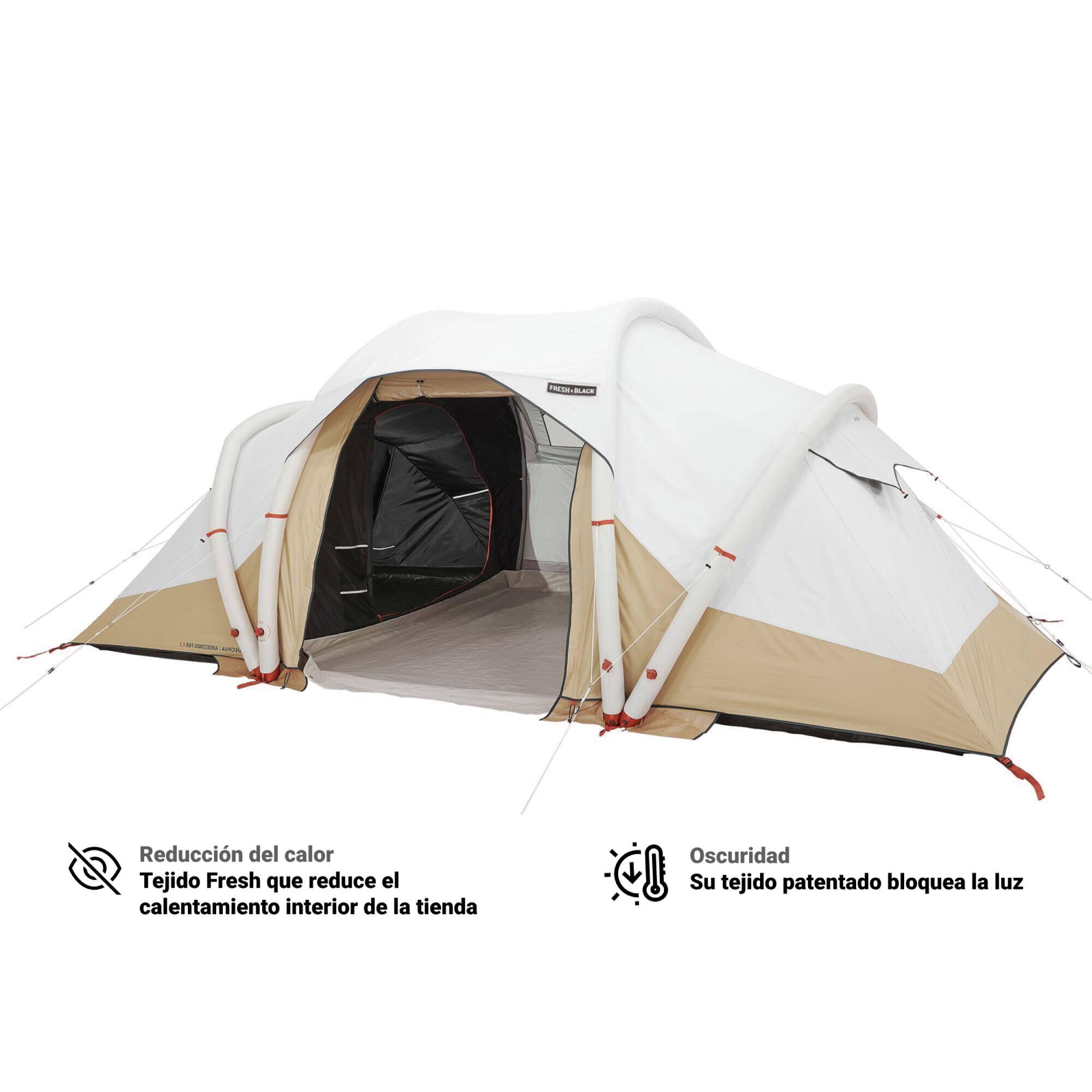
QUECHUA Inflatable 4-person camping tent, Air Seconds 4.1 Fresh & Black - Beige4.7(1,249)Reviews.votesAriaCurrent price {{currentPrice}} €360.00
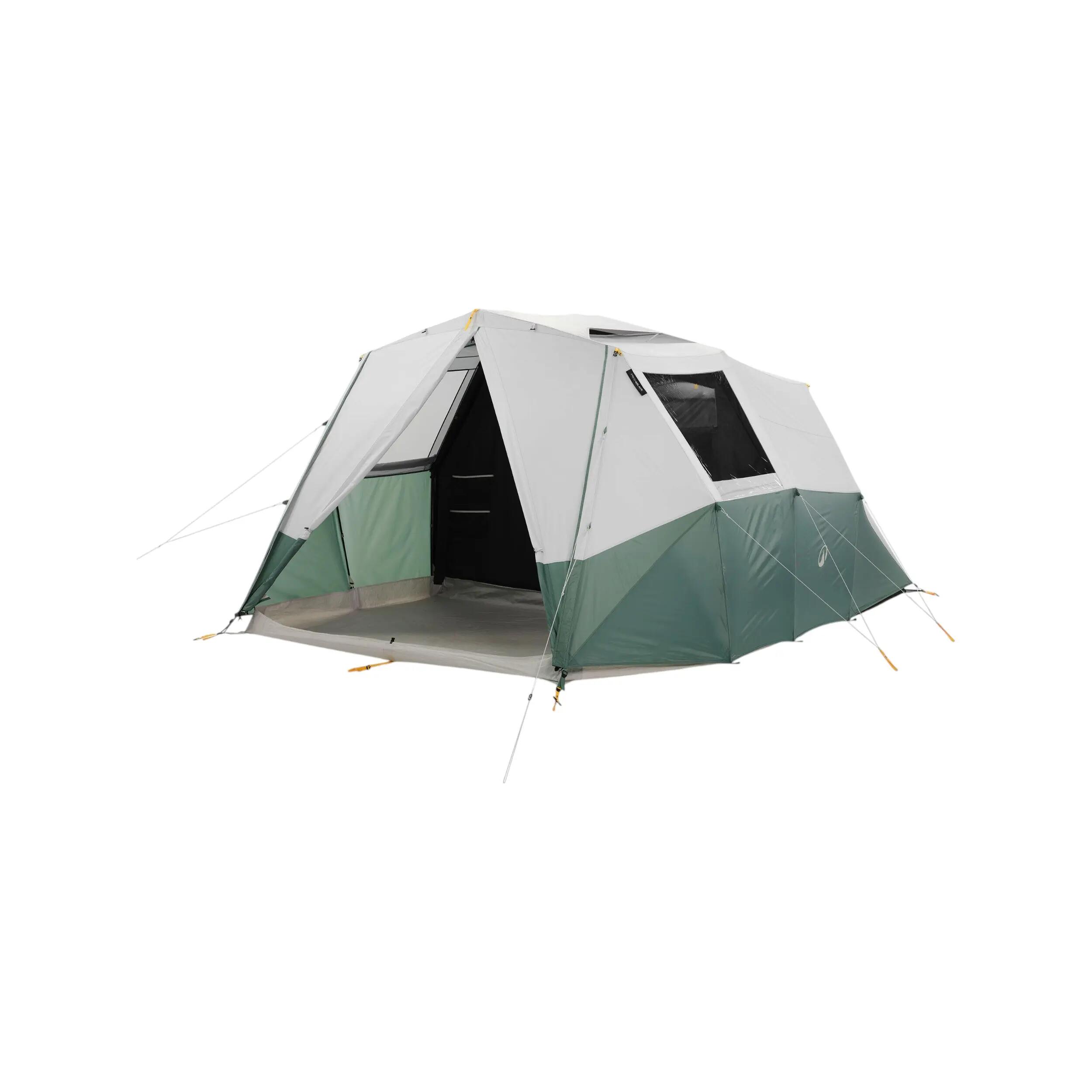
QUECHUA 6-person, 3-bedroom inflatable camping tent, Air Seconds 6.3, Fresh & Black4.8(87)Reviews.votesAriaCurrent price {{currentPrice}} €670.00
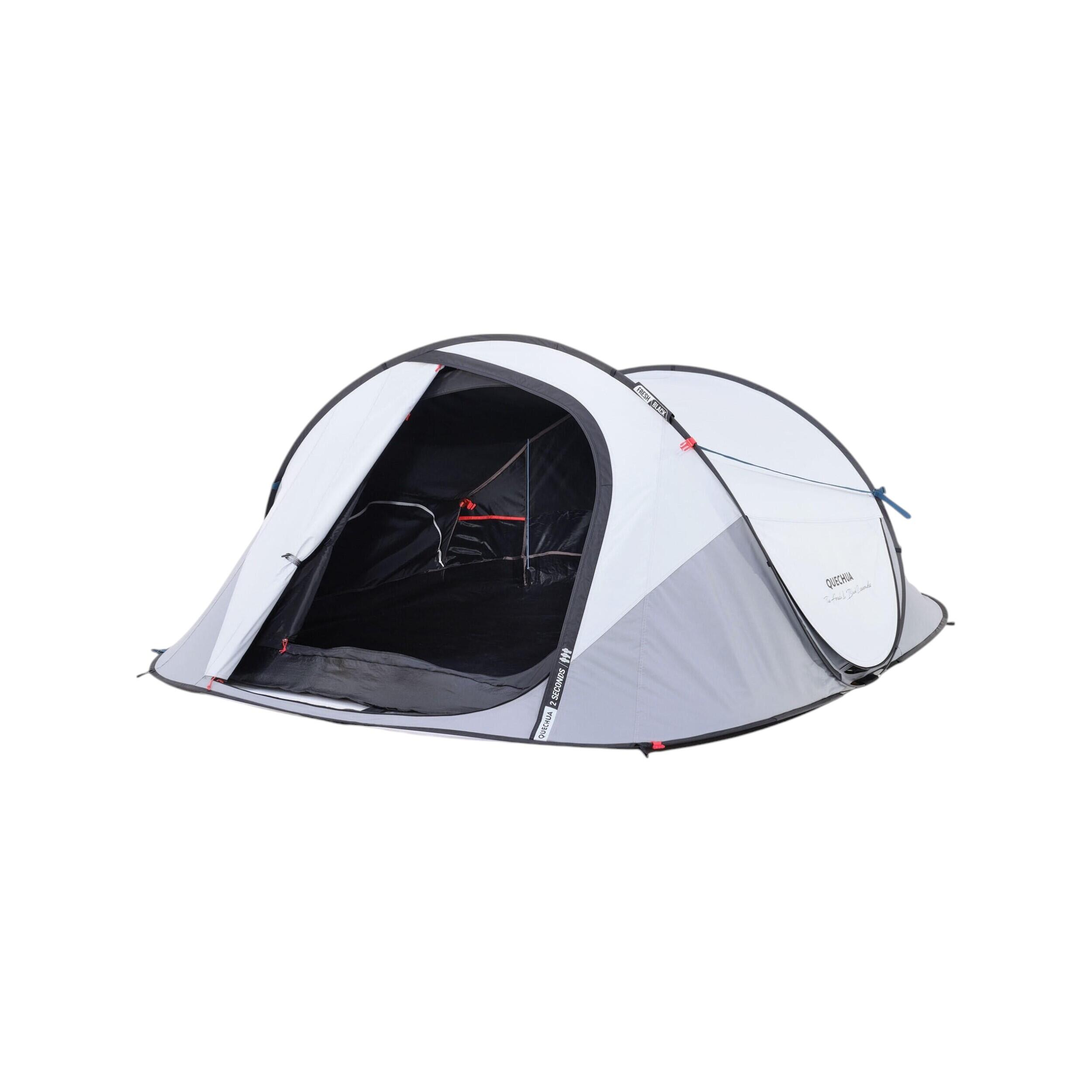
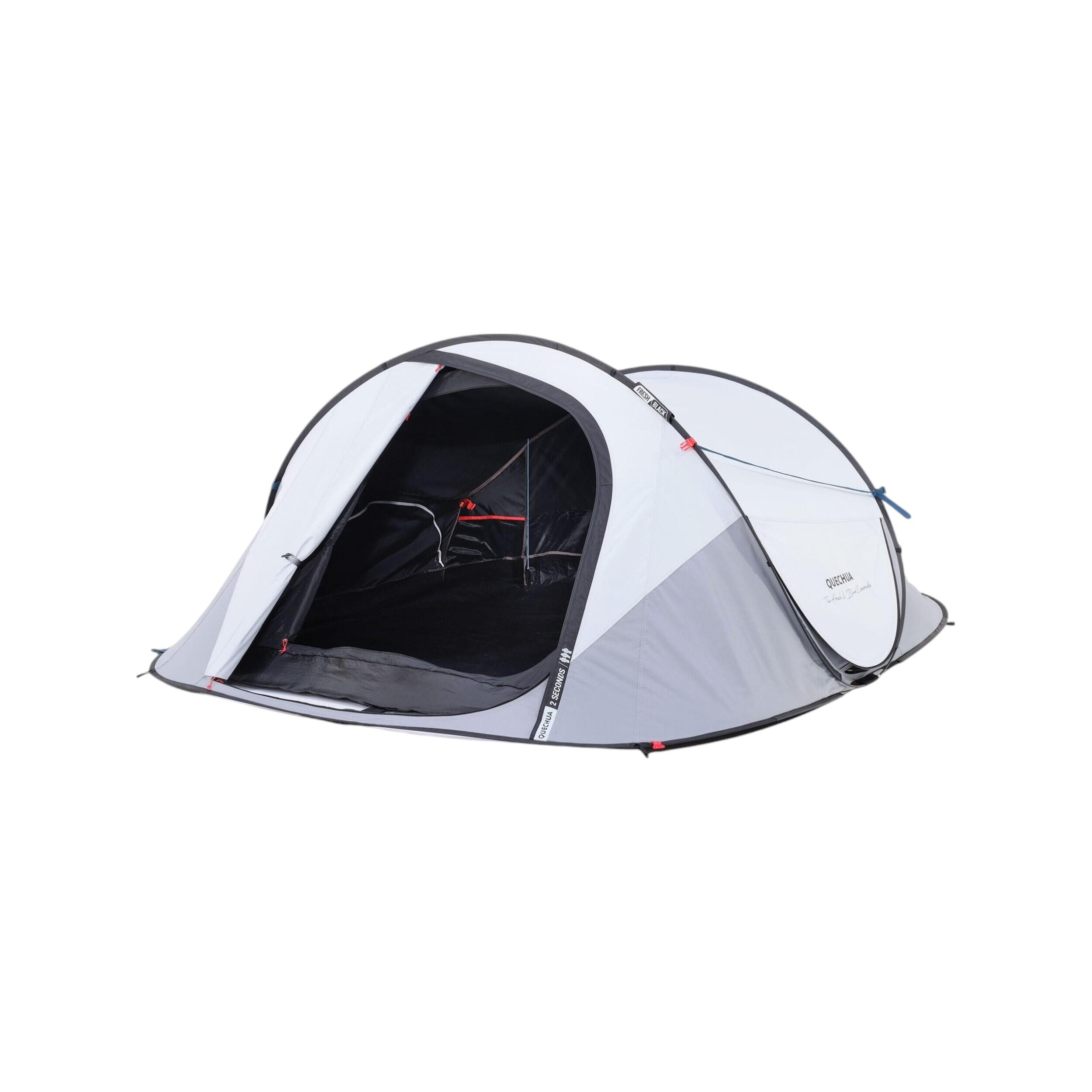
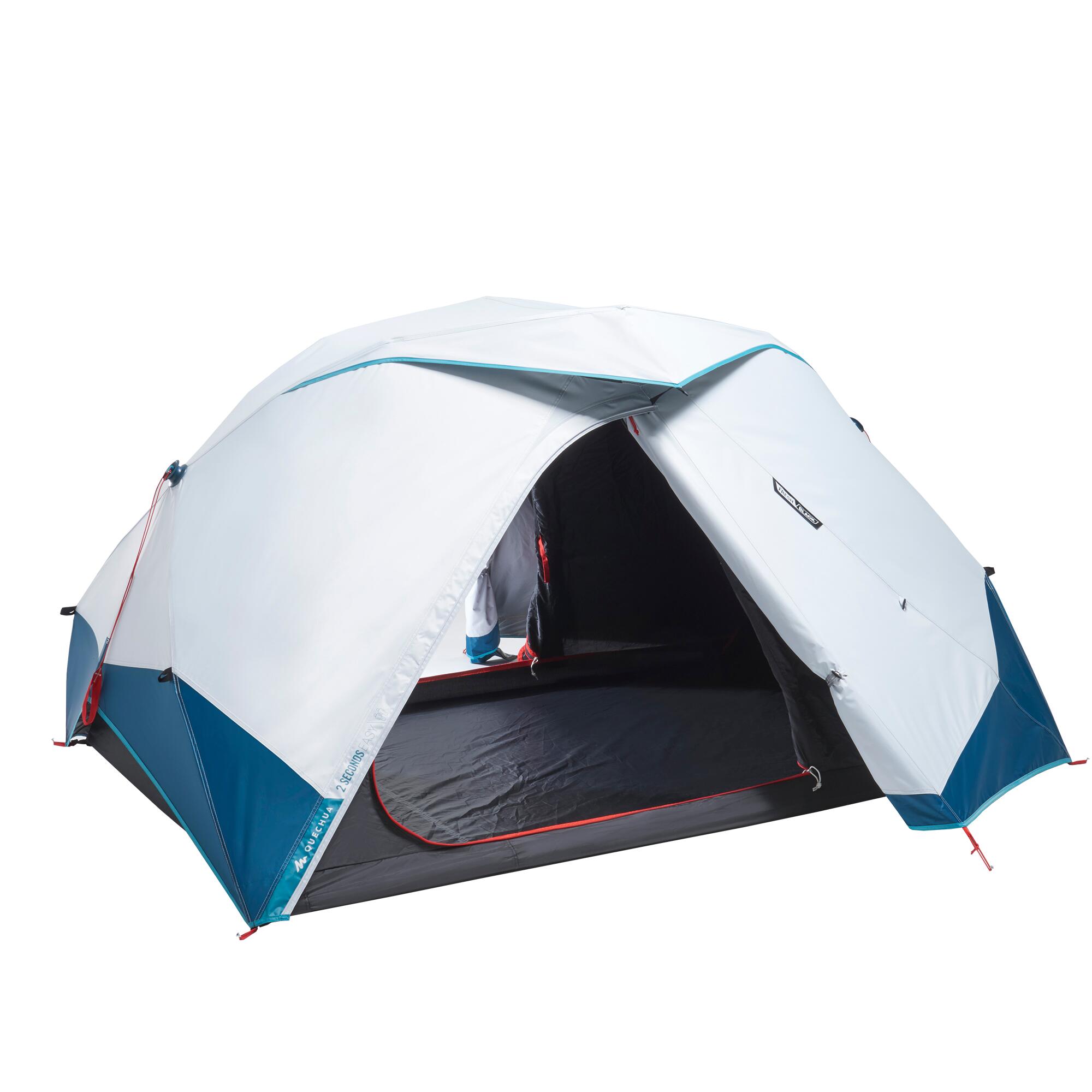
QUECHUA Instant 2-person camping tent, 2 Seconds Easy Fresh & Black4.7(969)Reviews.votesAriaCurrent price {{currentPrice}} €115.00
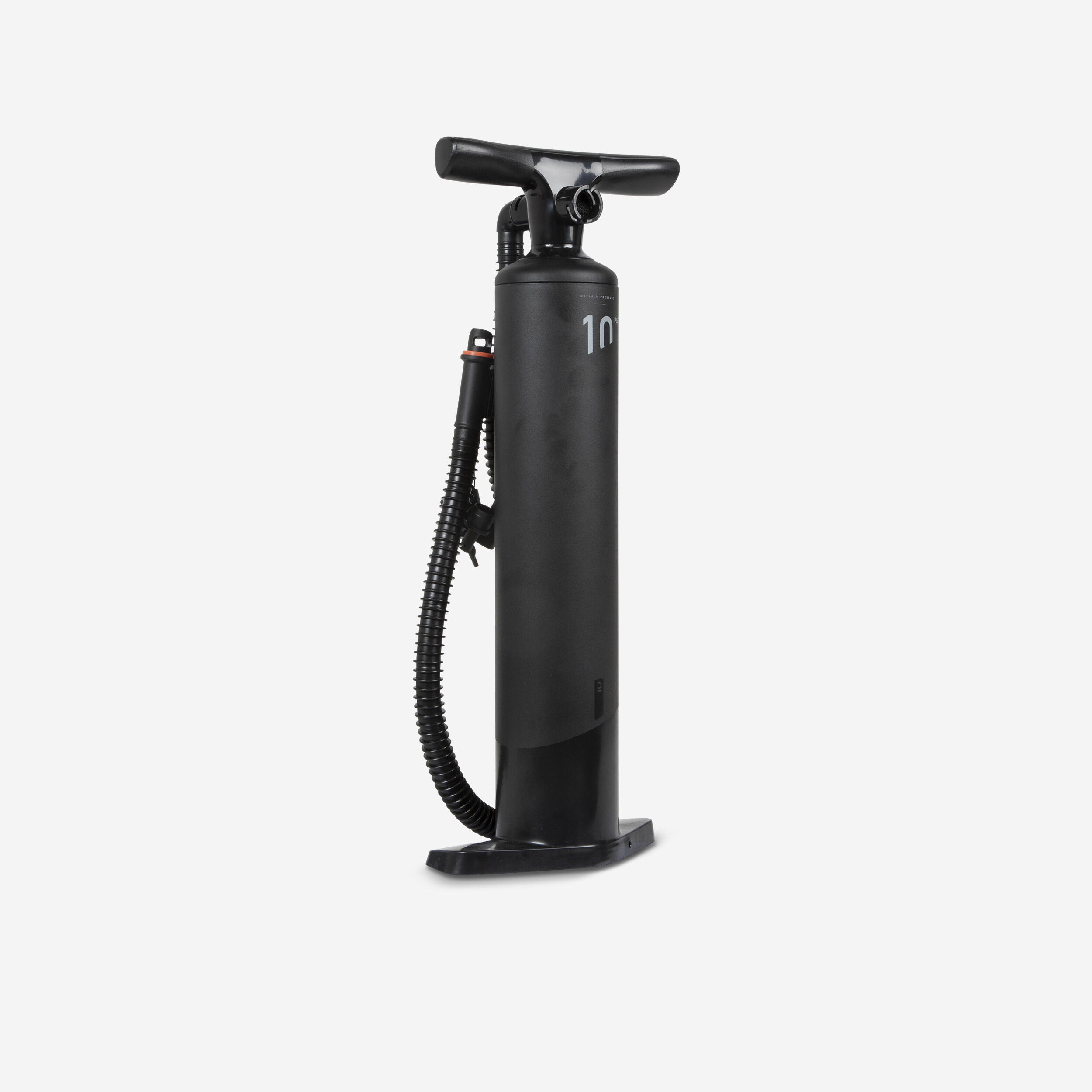
QUECHUA CAMPING HAND PUMP - ULTIM COMFORT 10 PSI - RECOMMENDED FOR INFLATABLE TENT4.7(1,353)Reviews.votesAriaCurrent price {{currentPrice}} €26.00
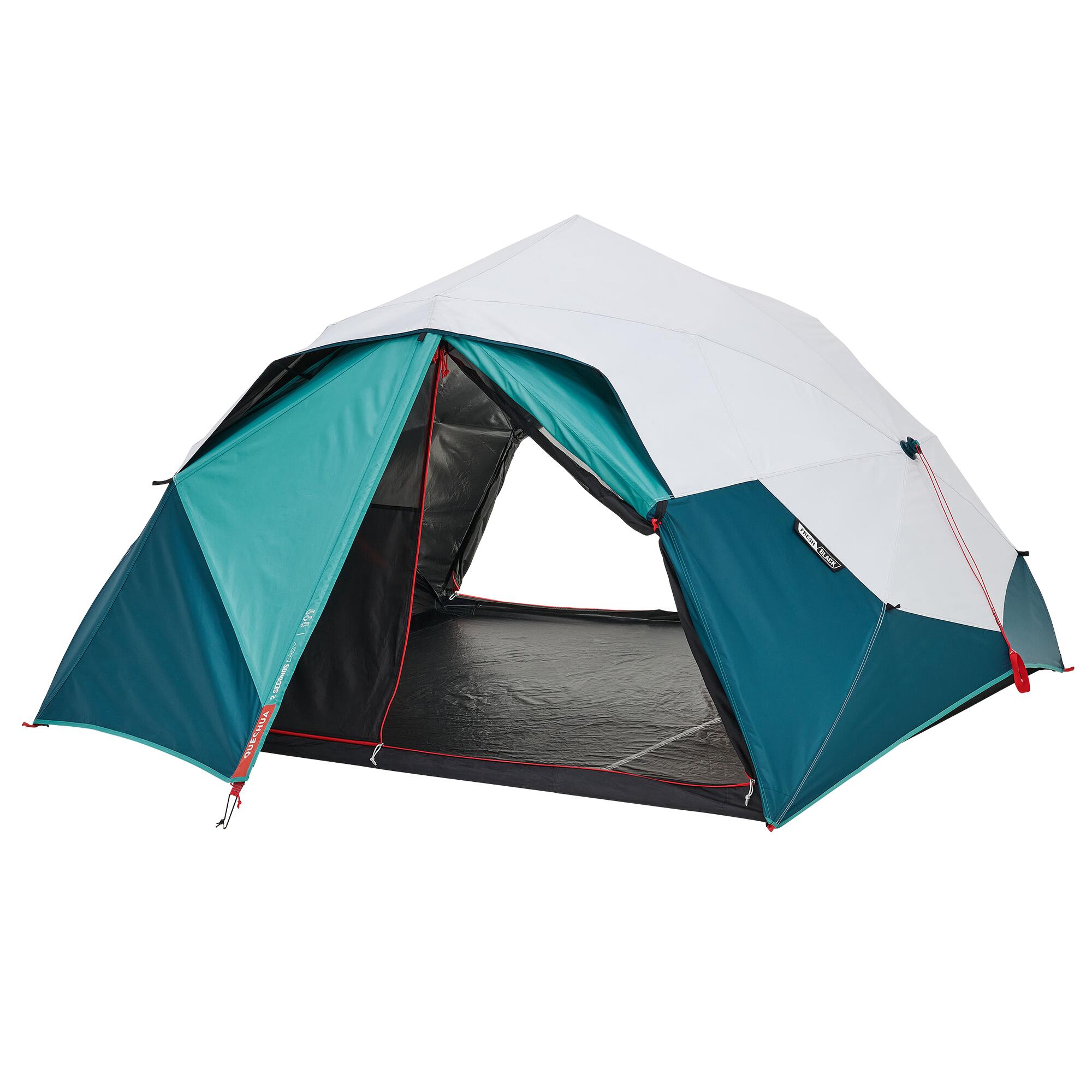
QUECHUA Instant 3-person camping tent, 2 Seconds Easy Fresh & Black4.5(225)Reviews.votesAriaCurrent price {{currentPrice}} €230.00
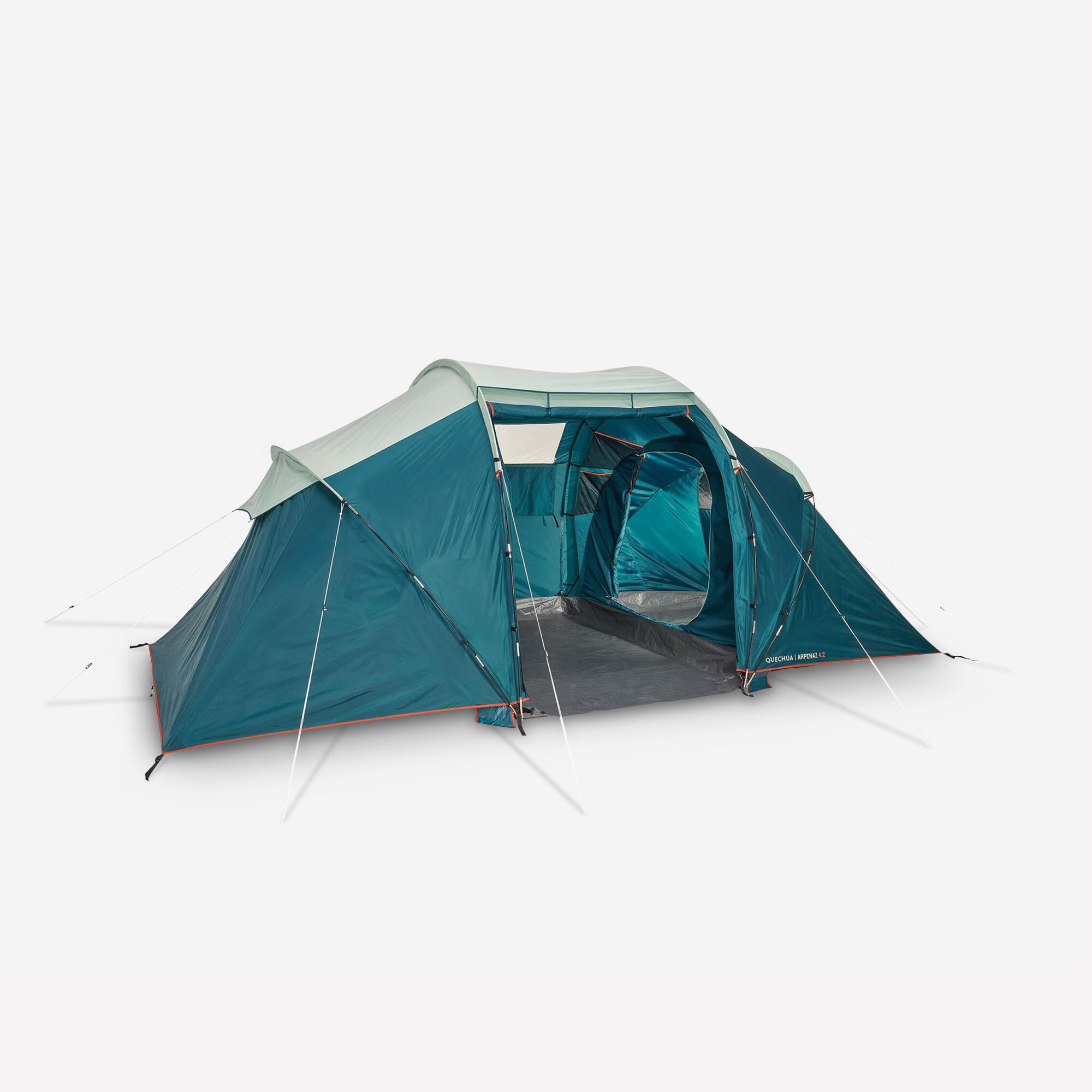
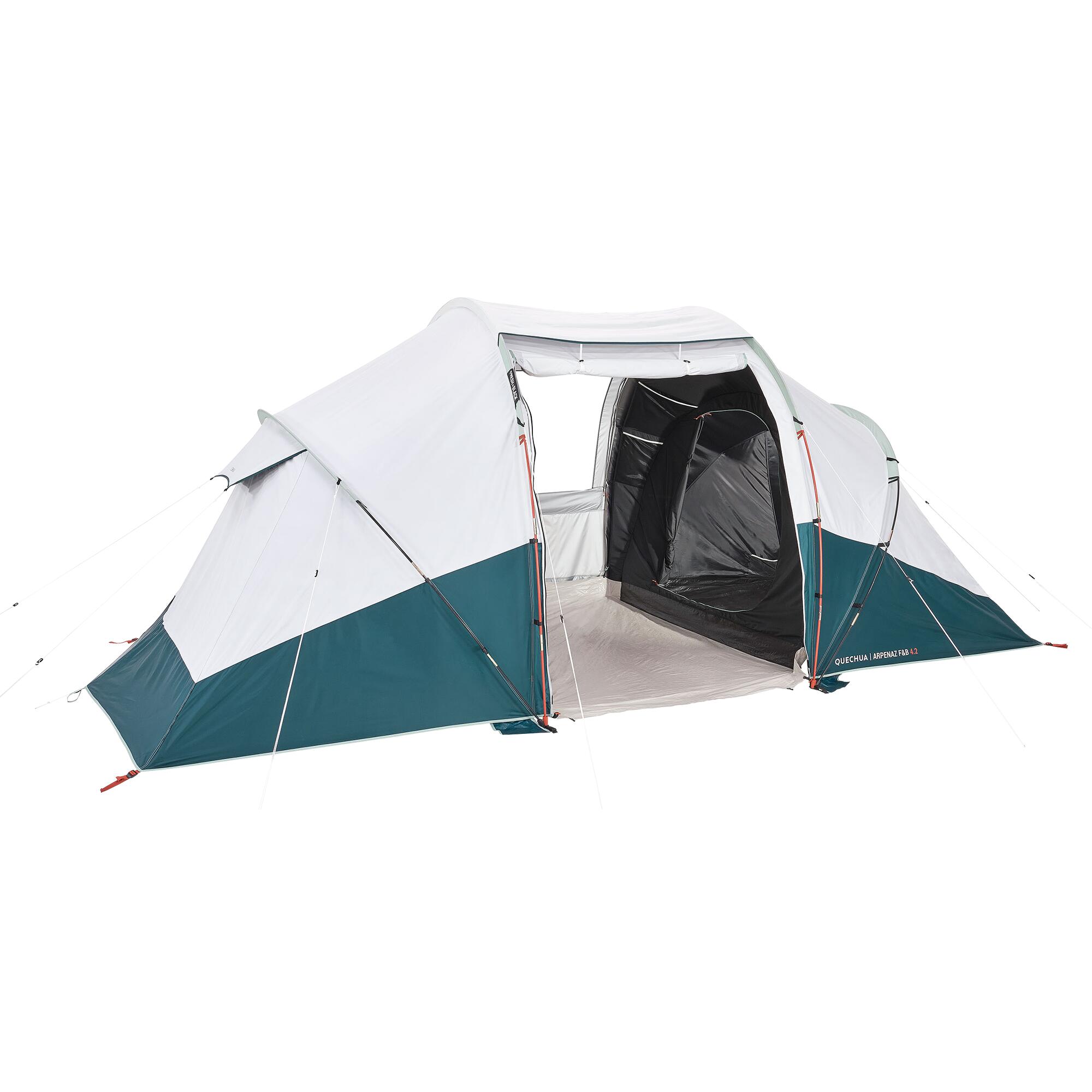
New Lower Price New Lower PriceNew Lower PriceQUECHUA 4-person, 2-bedroom camping tent, Arpenaz 4.24.5(491)Reviews.votesAriaCurrent price {{currentPrice}} €155.00 Former price Was €185.00Lowest price: €185.00
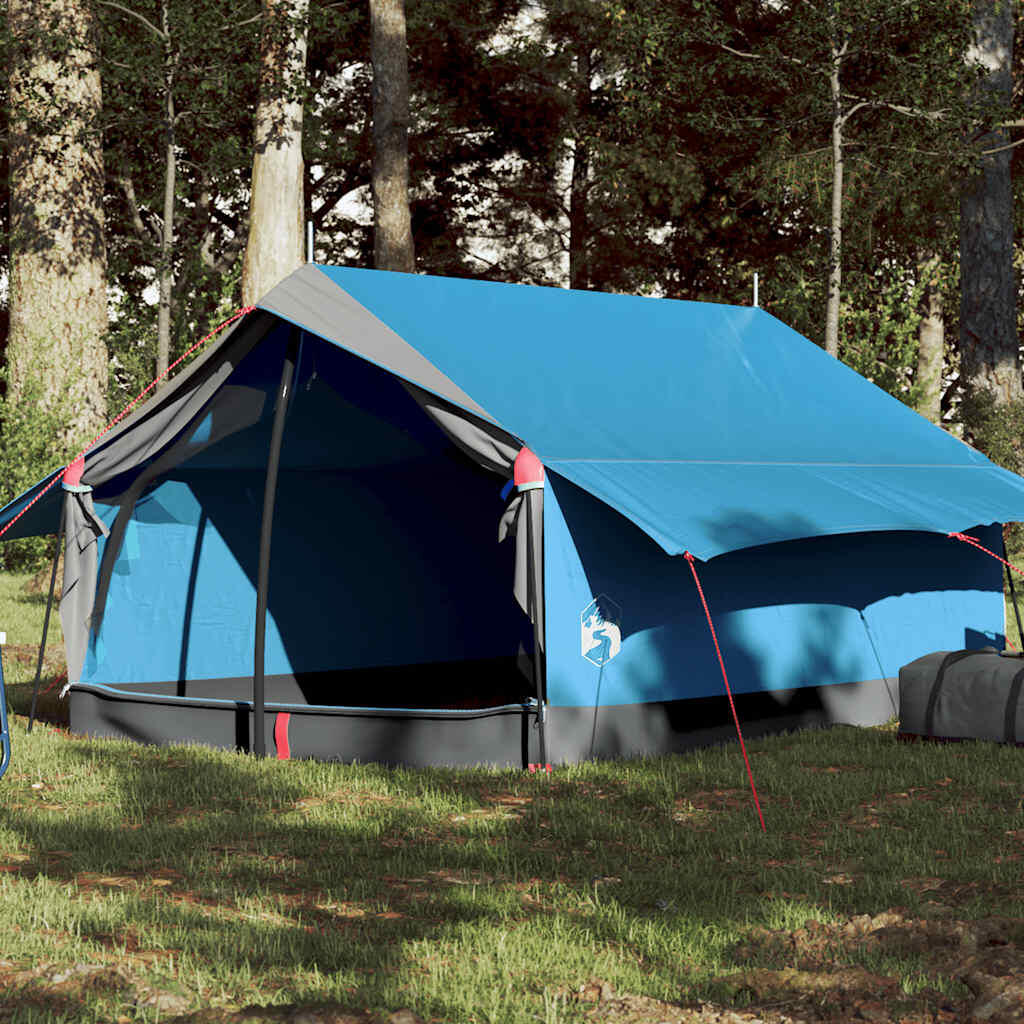
Marketplace -Online Only Marketplace -Online OnlyMarketplace -Online OnlyVIDAXL Vidaxl 2-Person Waterproof Tent in Blue for Outdoor Adventures1(1)Reviews.votesAriaCurrent price {{currentPrice}} €112.95Sold and shipped by Tormino IE
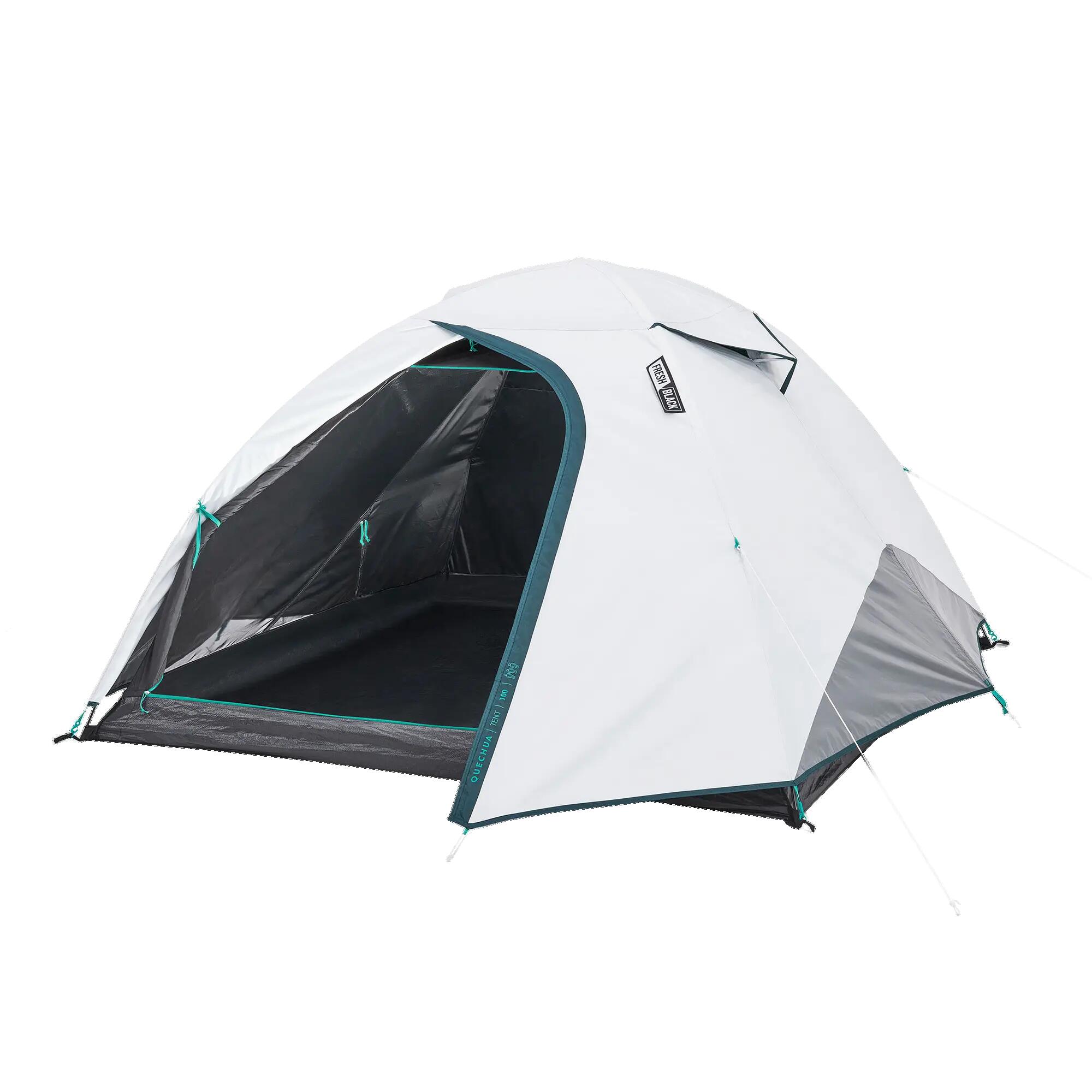
QUECHUA 3-person camping tent, MH100 - Fresh & Black4.8(3,056)Reviews.votesAriaCurrent price {{currentPrice}} €70.00
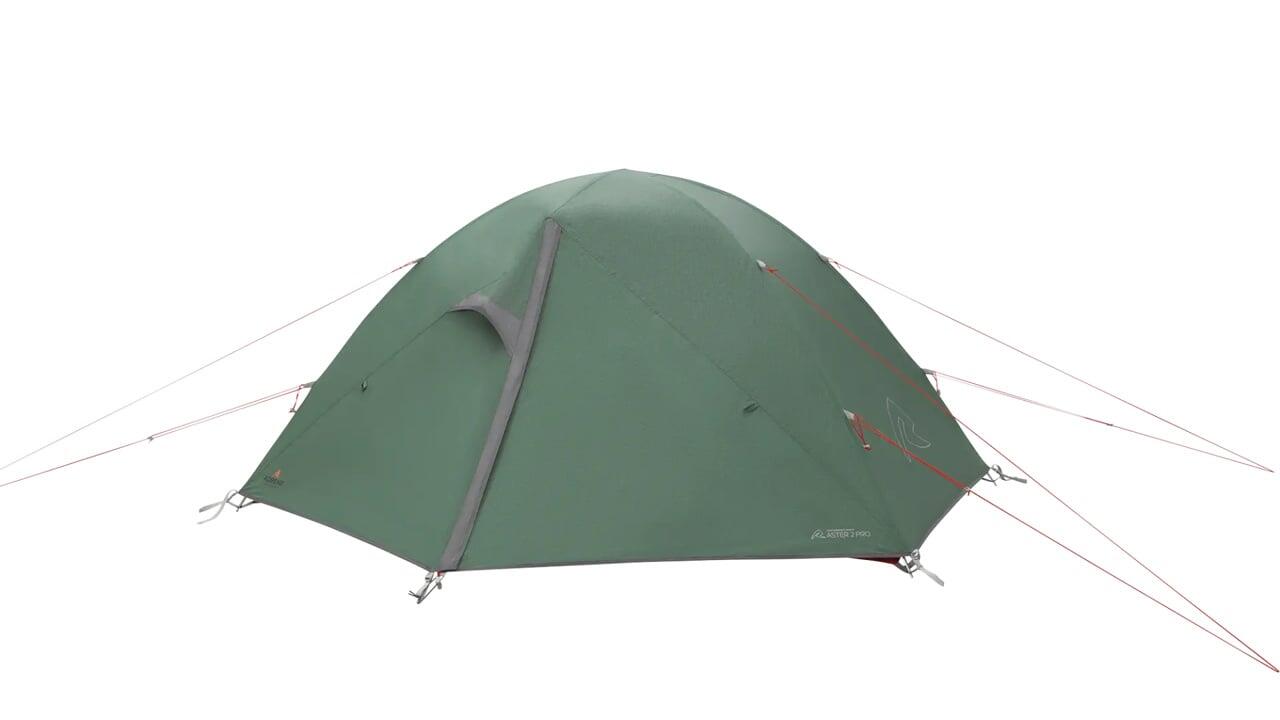
Marketplace -Online Only Marketplace -Online OnlyMarketplace -Online OnlyROBENS Aster 2 Pro Camping TentCurrent price {{currentPrice}} €184.99Sold and shipped by Outdoor Food
QUECHUA 4-person, 2-bedroom inflatable camping tent, Air Seconds 4.2, Fresh & Black4.7(366)Reviews.votesAriaCurrent price {{currentPrice}} €460.00
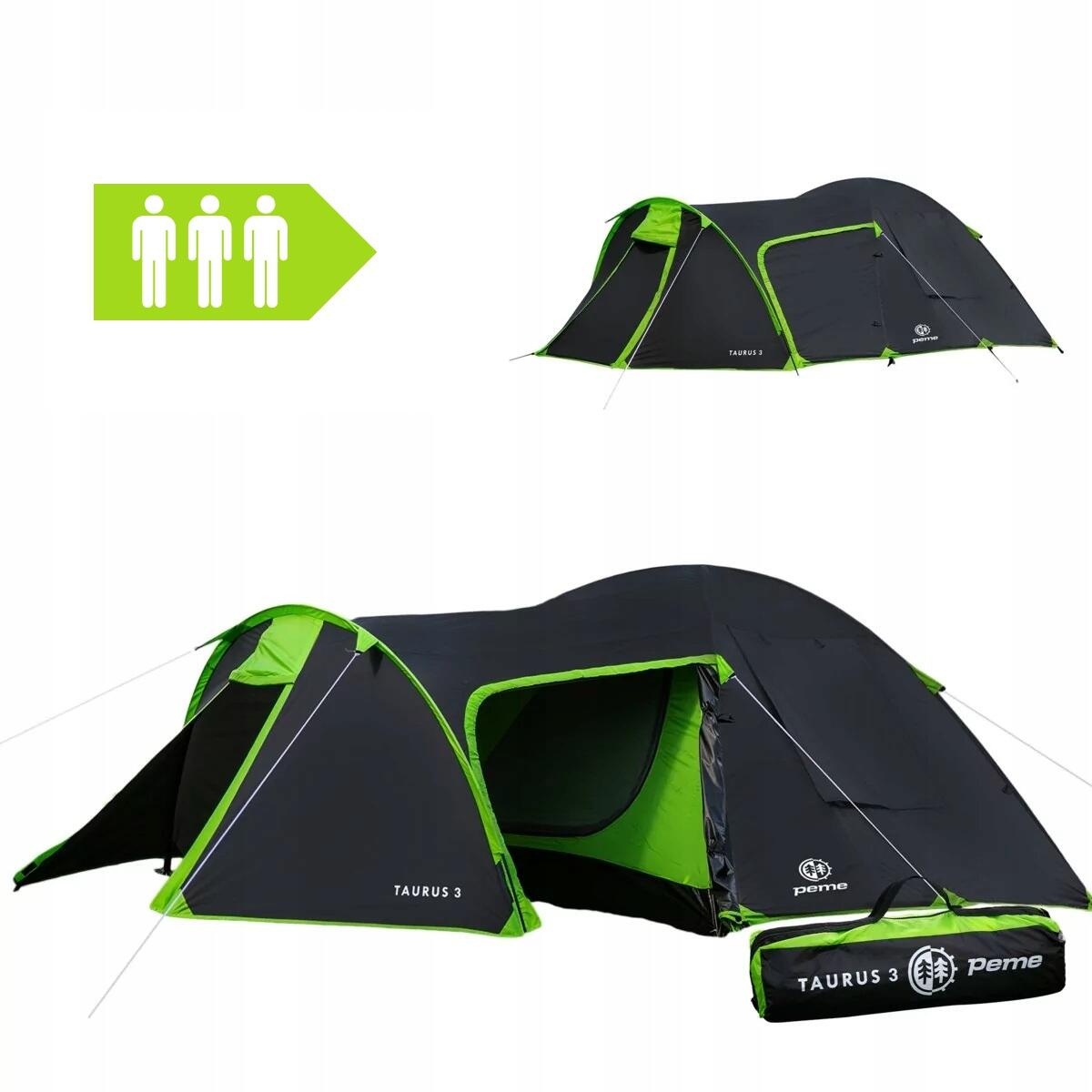
Marketplace -Online Only Marketplace -Online OnlyMarketplace -Online OnlyPEME Peme Taurus 3-Person Camping Tent – Spacious, Waterproof & Easy to Pitch4.3(41)Reviews.votesAriaCurrent price {{currentPrice}} €78.00Sold and shipped by Morele.net EU
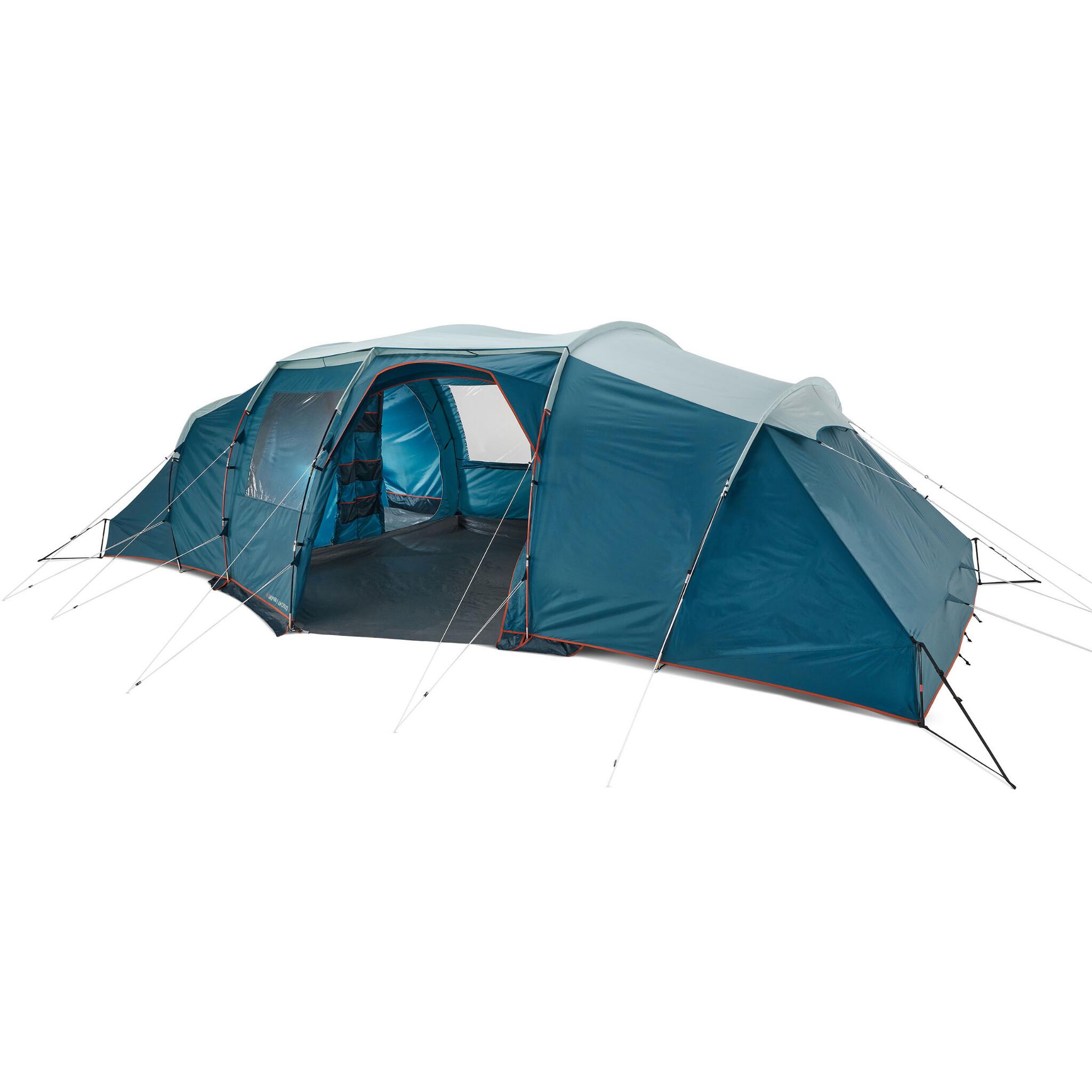
Last chance Last chanceLast chanceQUECHUA 8-person, 4-bedroom camping tent, Arpenaz 8.44.5(49)Reviews.votesAriaCurrent price {{currentPrice}} €310.00 Former price €360.00 13% offLowest price: €360.00Starting on 11/9/2026 and valid for the entire duration of the promo
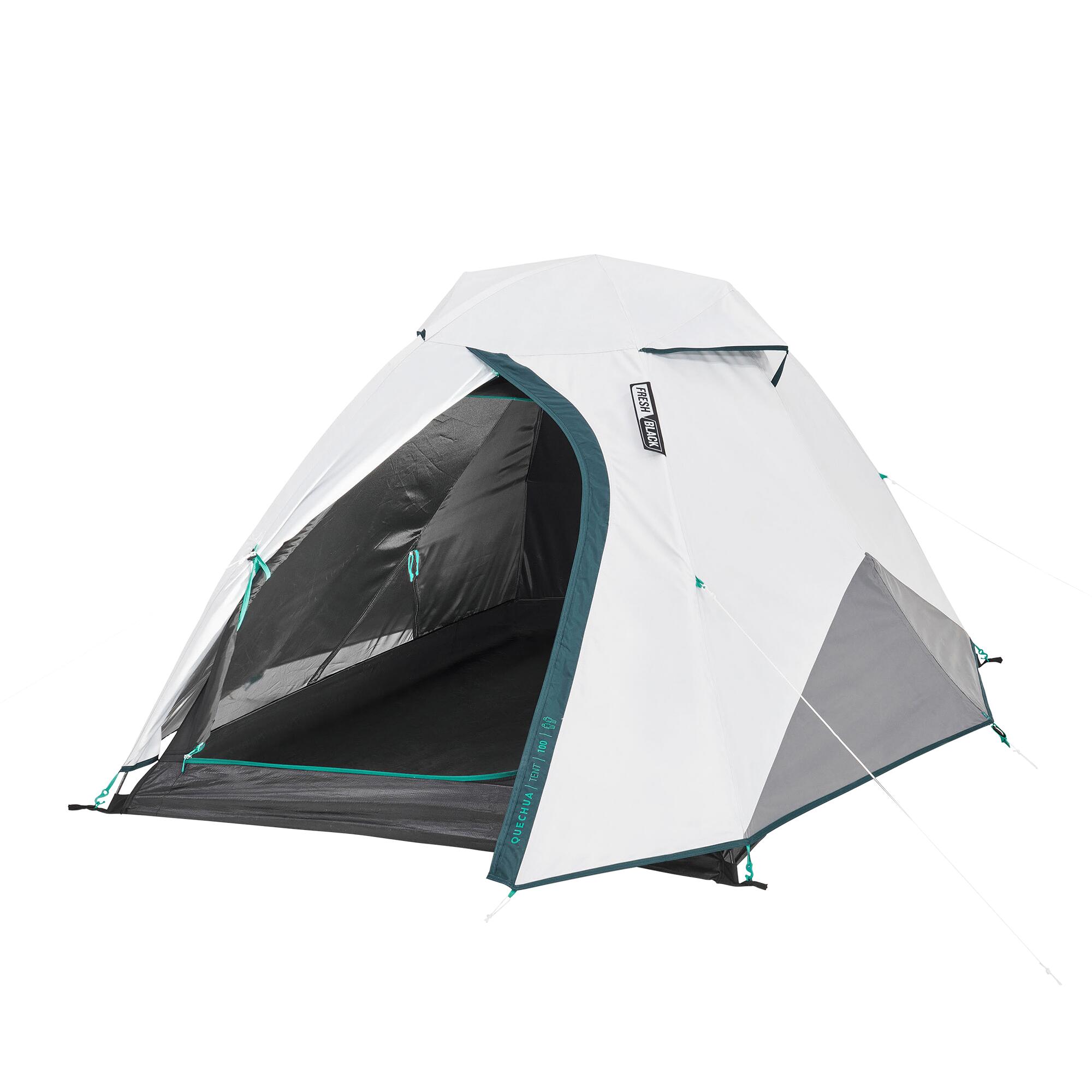
QUECHUA 2-person camping tent, MH100 - Fresh & Black4.7(823)Reviews.votesAriaCurrent price {{currentPrice}} €55.00
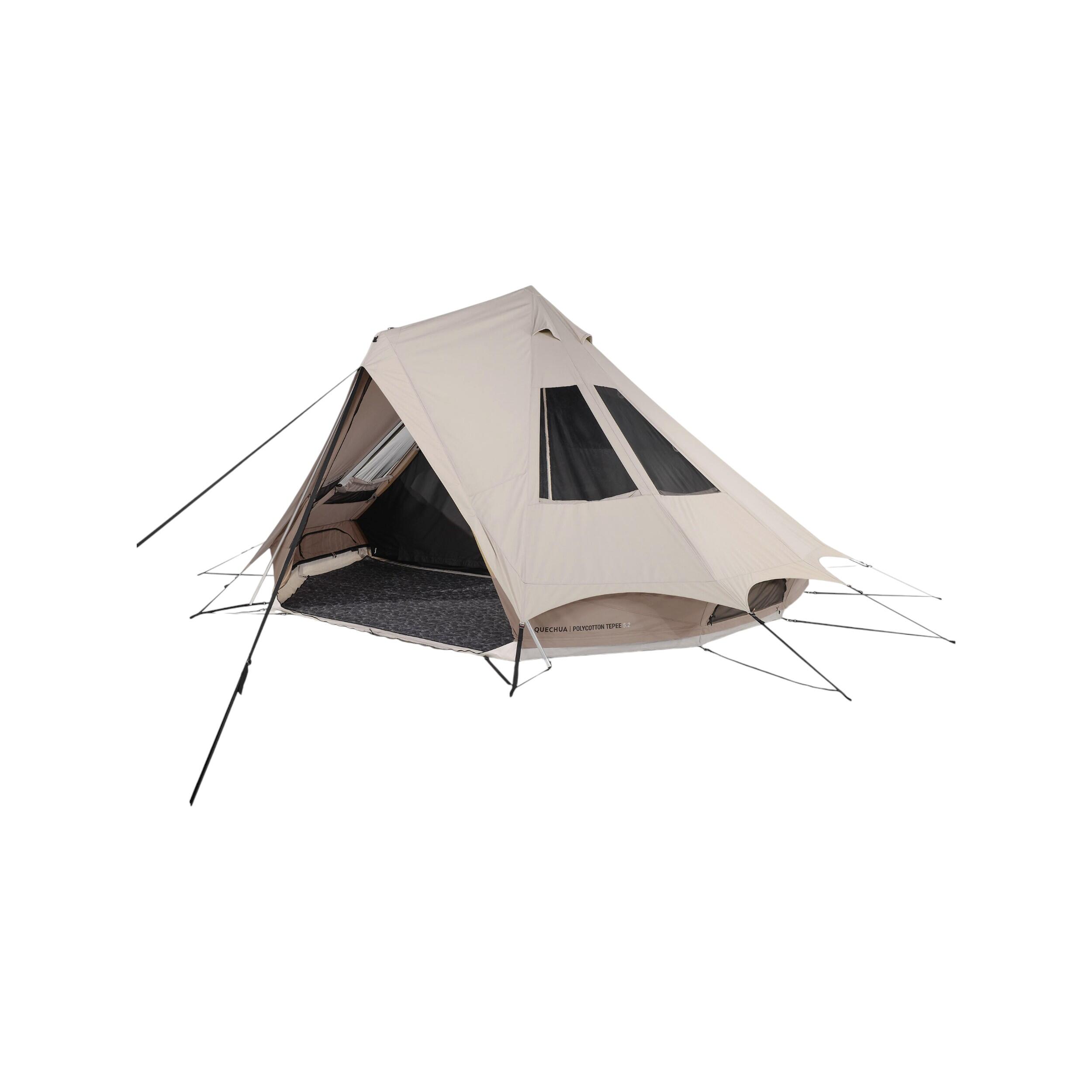
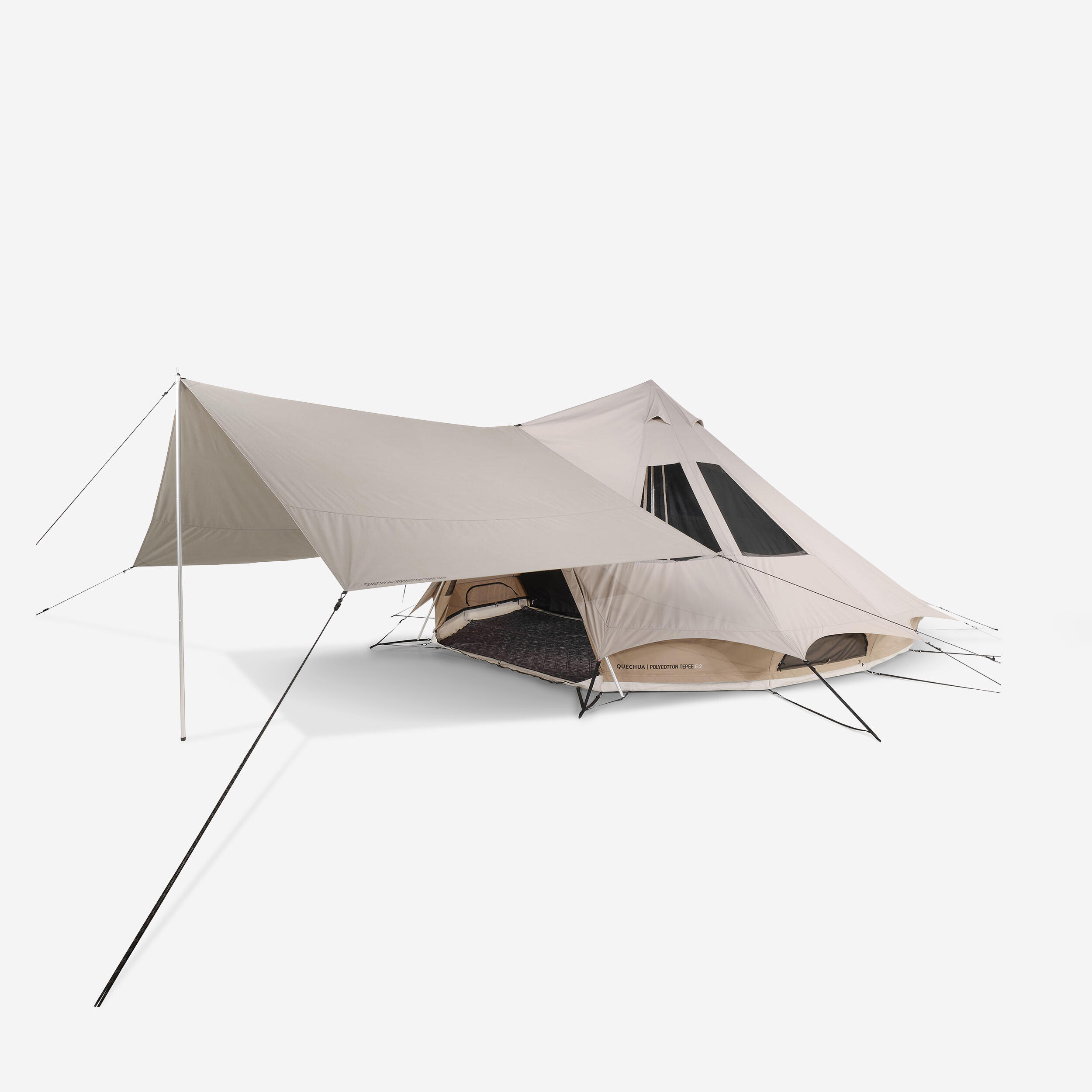
QUECHUA CAMPING TARP - POLYCOTTON TEPEE - 6 PERSON4.7(3)Reviews.votesAriaCurrent price {{currentPrice}} €190.00
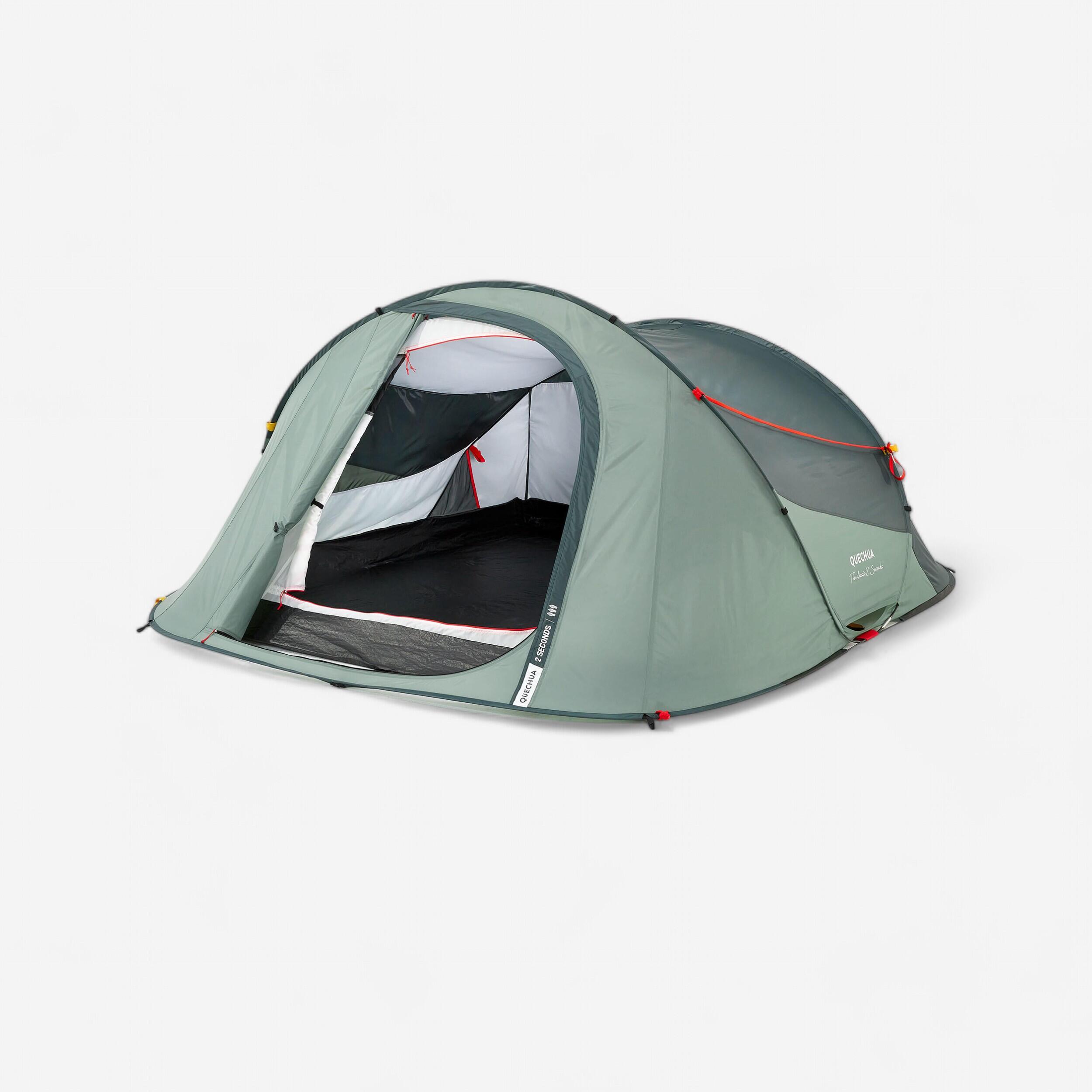
New Lower Price New Lower Price2 coloursNew Lower PriceQUECHUA Instant 3-person camping tent, 2 Seconds - Green4.6(499)Reviews.votesAria2 coloursCurrent price {{currentPrice}} €75.00 Former price Was €90.00Lowest price: €90.00
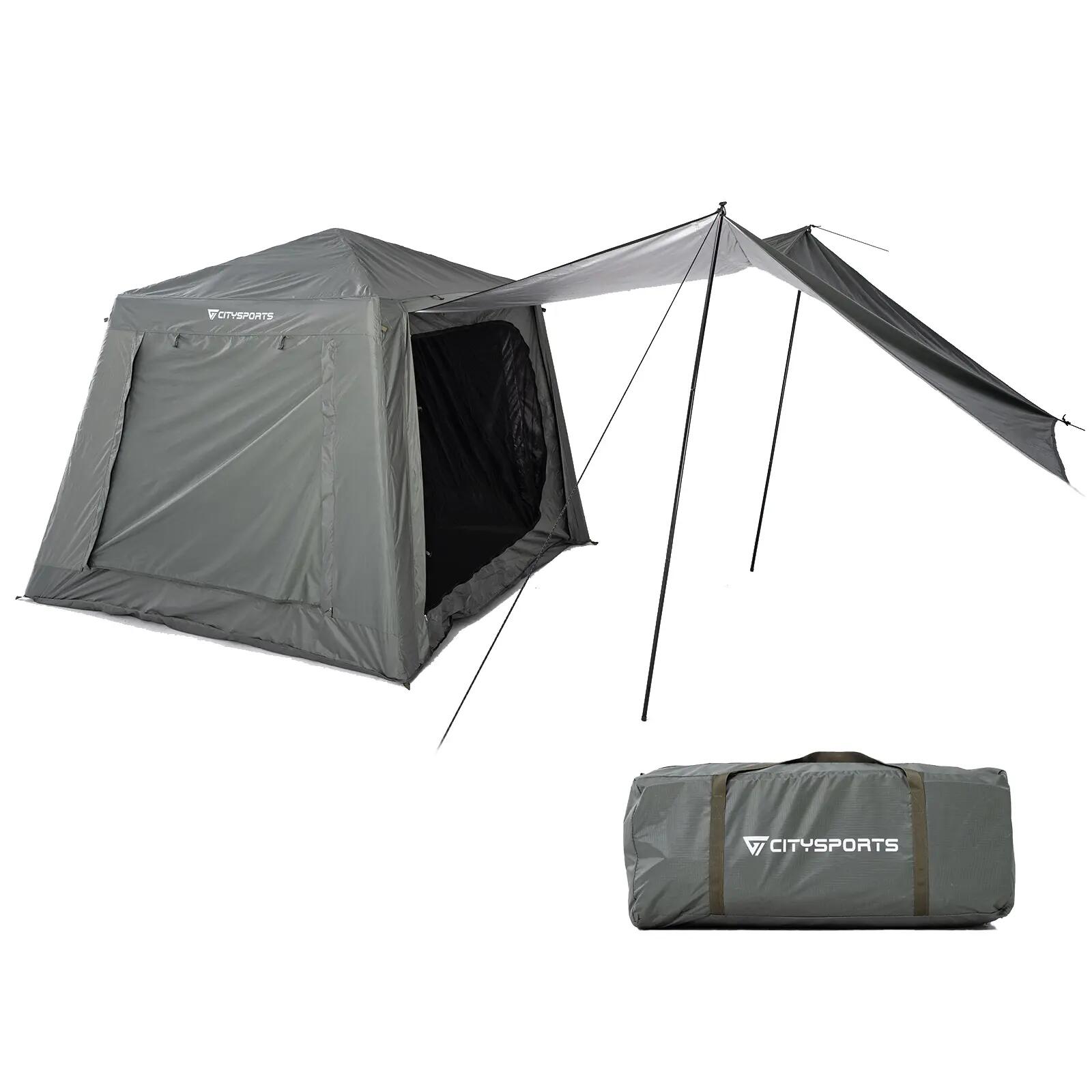
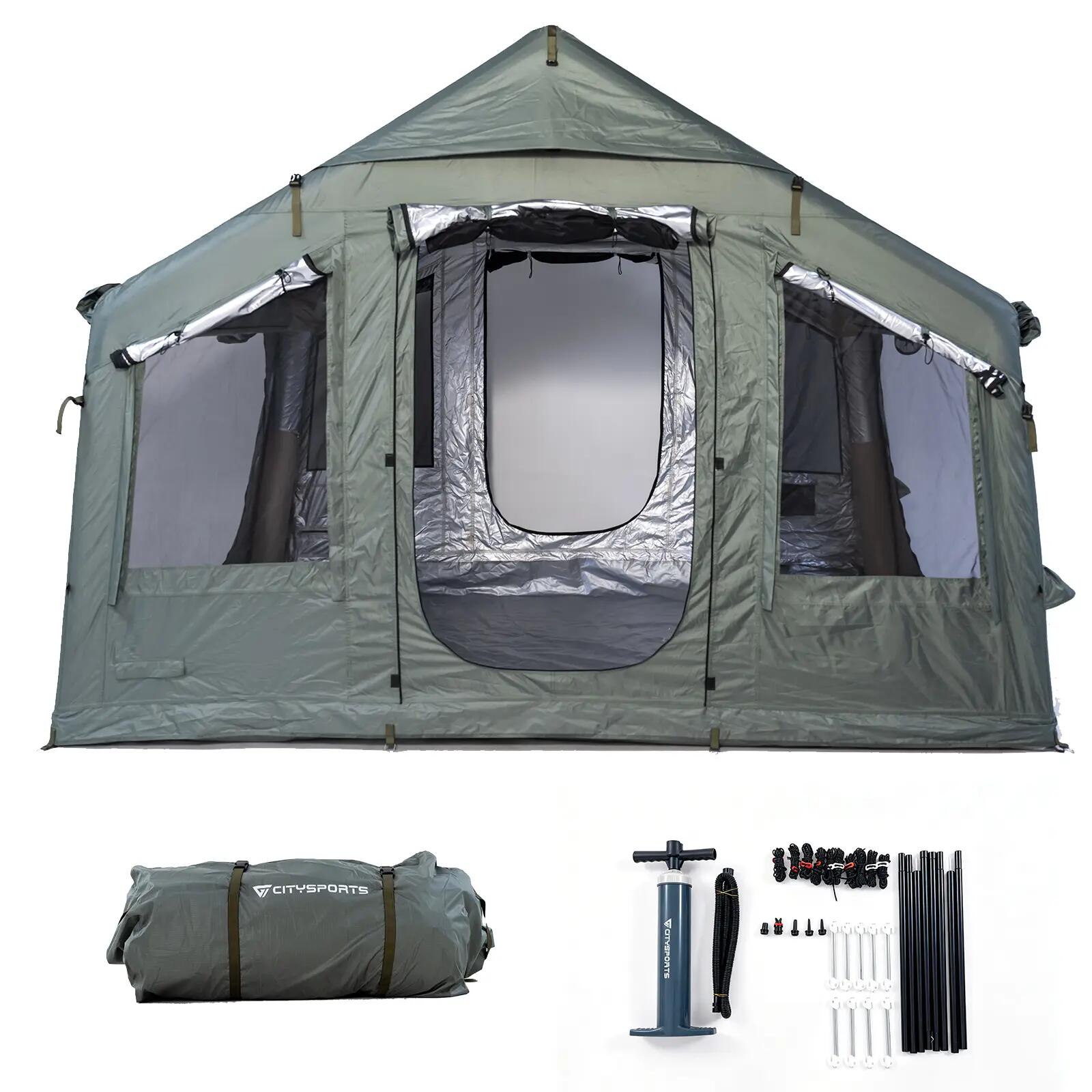
Marketplace -Online Only Marketplace -Online OnlyMarketplace -Online OnlyCITYSPORTS Inflatable Camping Tent with Hand Pump - Easy Set Up - Waterproof - WindproofCurrent price {{currentPrice}} €149.00 Former price €159.00 6% offLowest price: €159.00Promo 27/9/2026 from to 29/10/2026Sold and shipped by Citysports EU
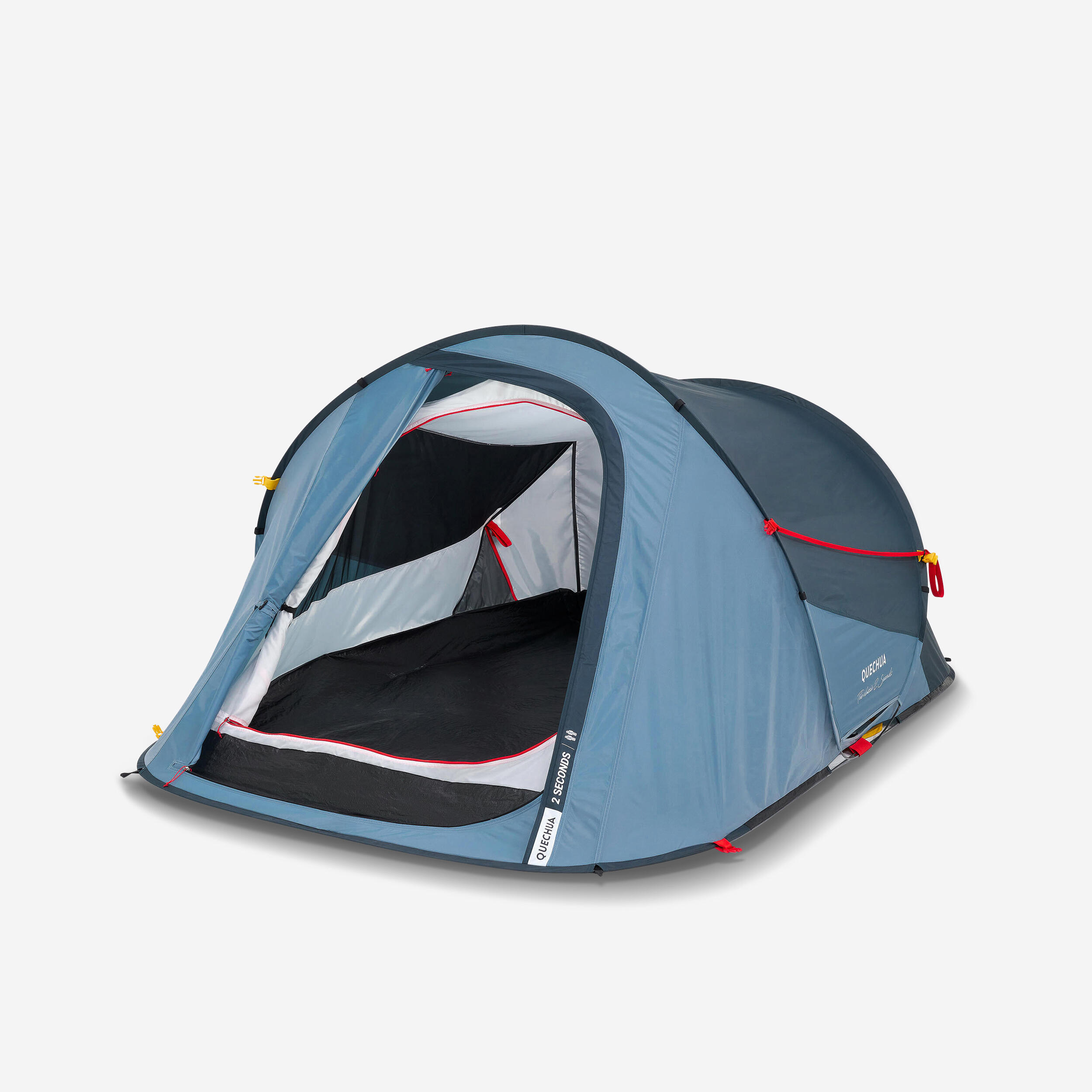
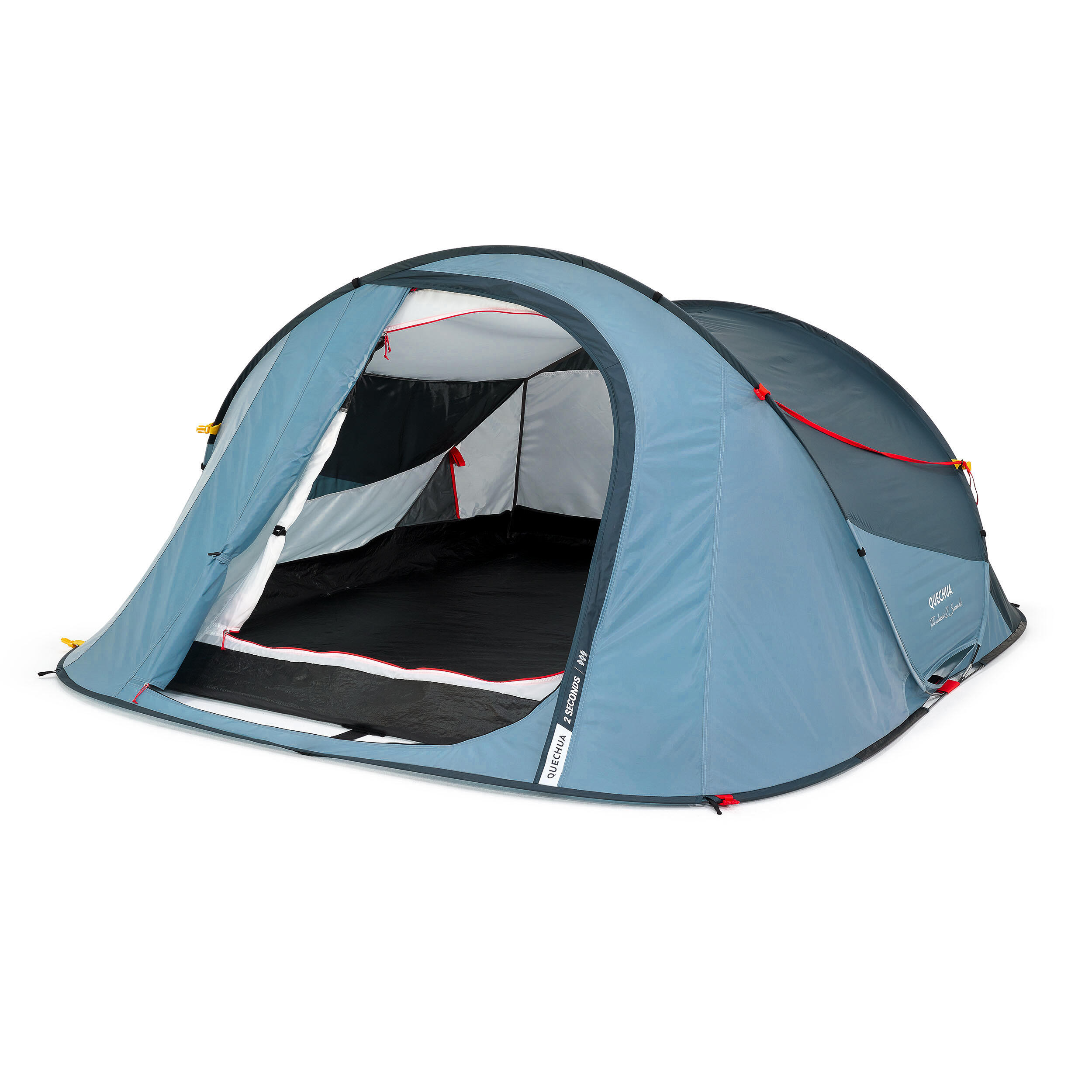
2 coloursQUECHUA 2-person instant camping tent, 2 Seconds - Blue4.6(515)Reviews.votesAria2 coloursCurrent price {{currentPrice}} €60.00
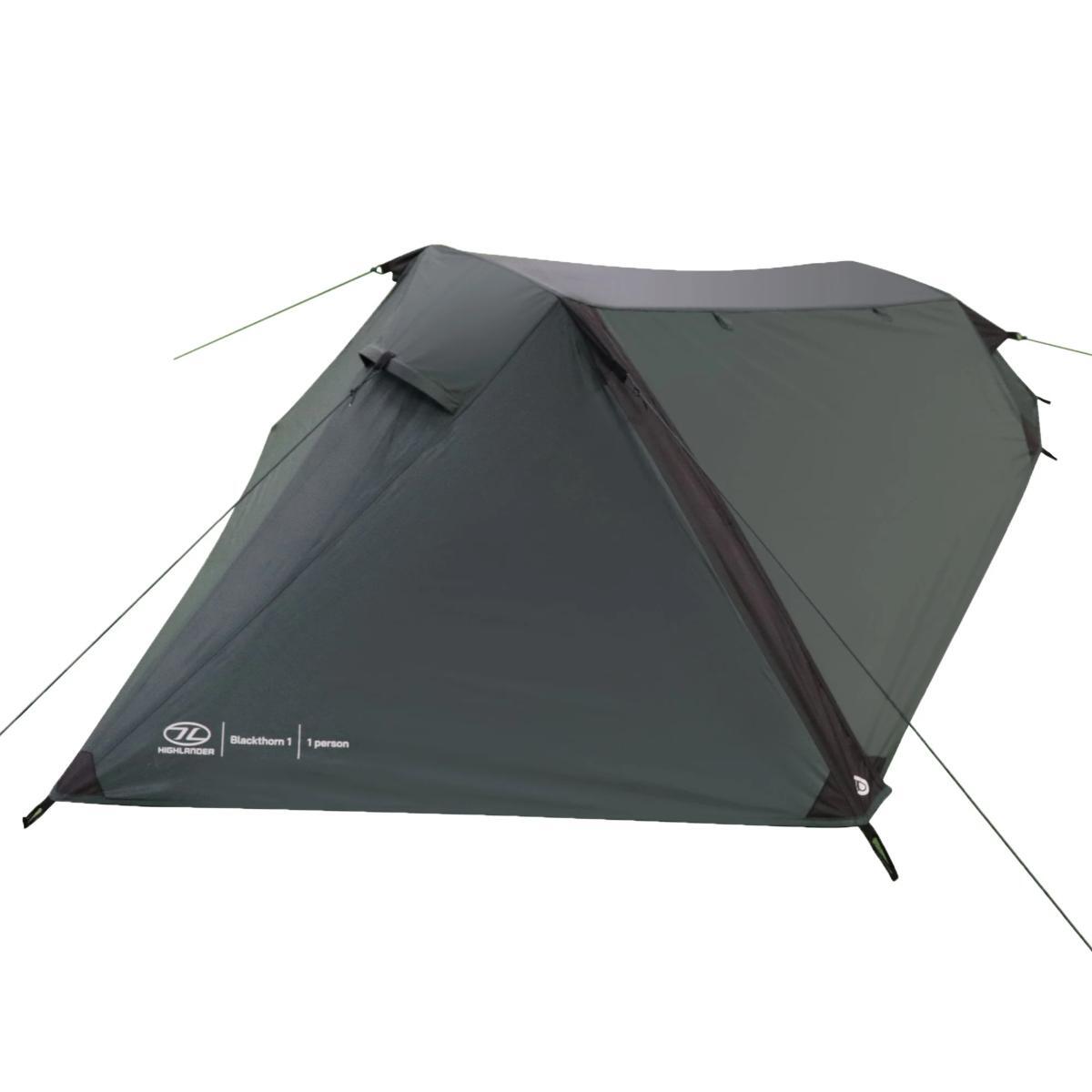
Marketplace -Online Only Marketplace -Online OnlyMarketplace -Online OnlyHIGHLANDER Blackthorn 1 Gen2 Scarab Green – 1‑Person Tent – Green5(1)Reviews.votesAriaCurrent price {{currentPrice}} €128.35€128.35/unitSold and shipped by CheapOutdoor
QUECHUA 4-person camping tent, Arpenaz 4.1, Fresh & Black4.6(3,279)Reviews.votesAriaCurrent price {{currentPrice}} €195.00
QUECHUA Camping tent - MH100 - 4 person4.8(581)Reviews.votesAriaCurrent price {{currentPrice}} €65.00
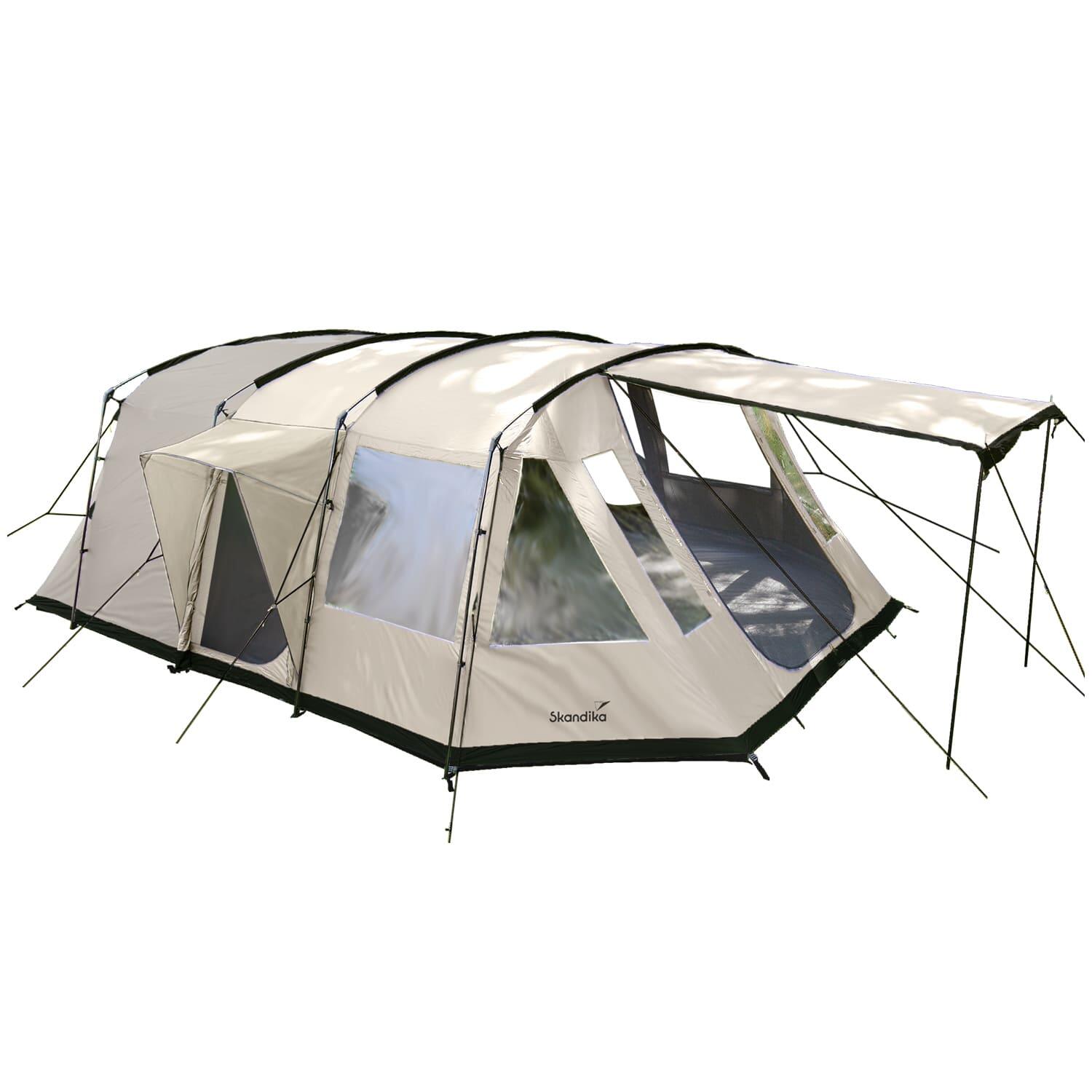
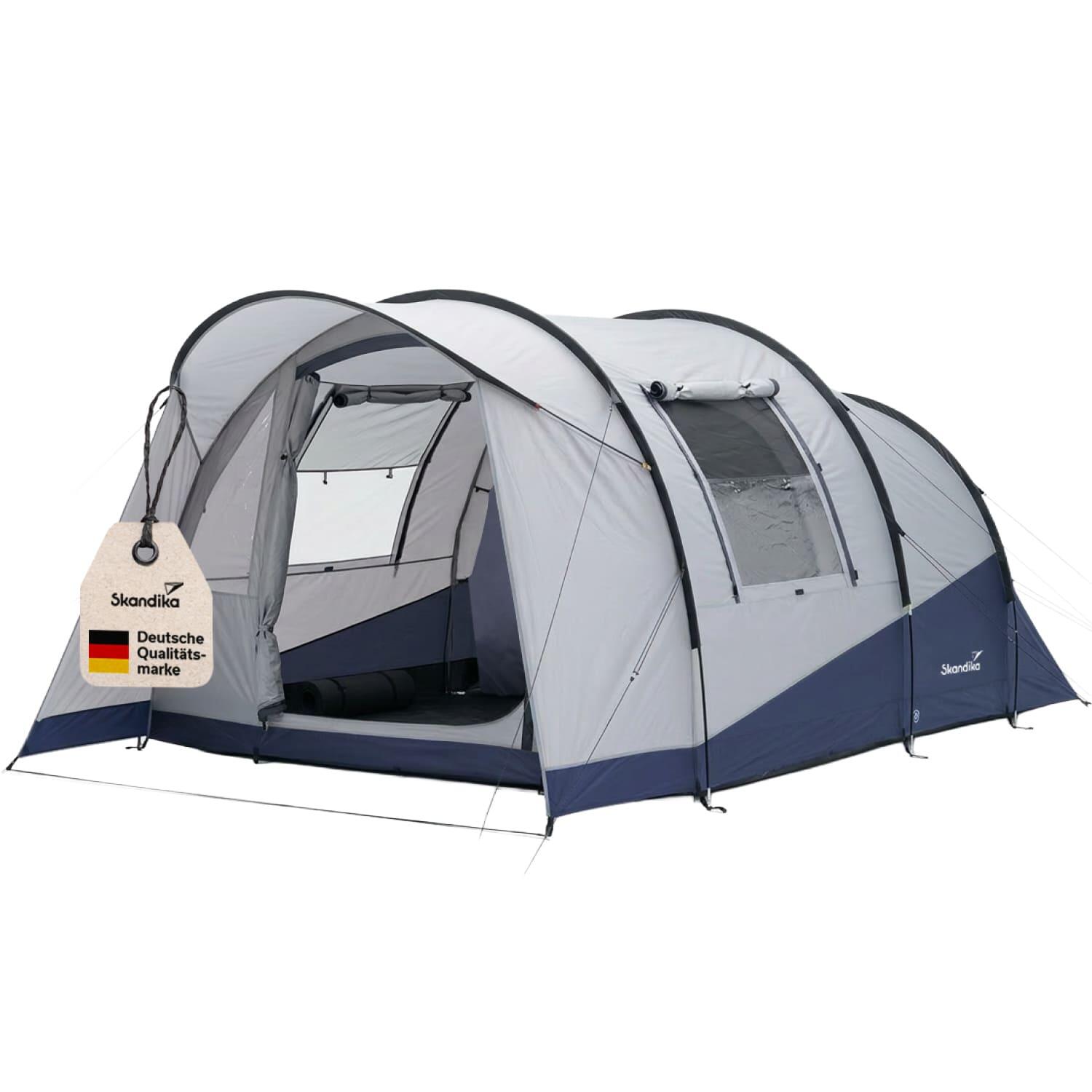
Marketplace -Online Only Marketplace -Online OnlyMarketplace -Online OnlySKANDIKA Nordland 4 Sleeper Protect Tunnel Tent – With Sewn‑In GroundsheetCurrent price {{currentPrice}} €469.00Sold and shipped by Max Trader GmbH
New Lower Price New Lower PriceNew Lower PriceQUECHUA 4-person, 2-bedroom camping tent, Arpenaz 4.2, Fresh & Black4.6(822)Reviews.votesAriaCurrent price {{currentPrice}} €229.00 Former price Was €255.00Lowest price: €255.00
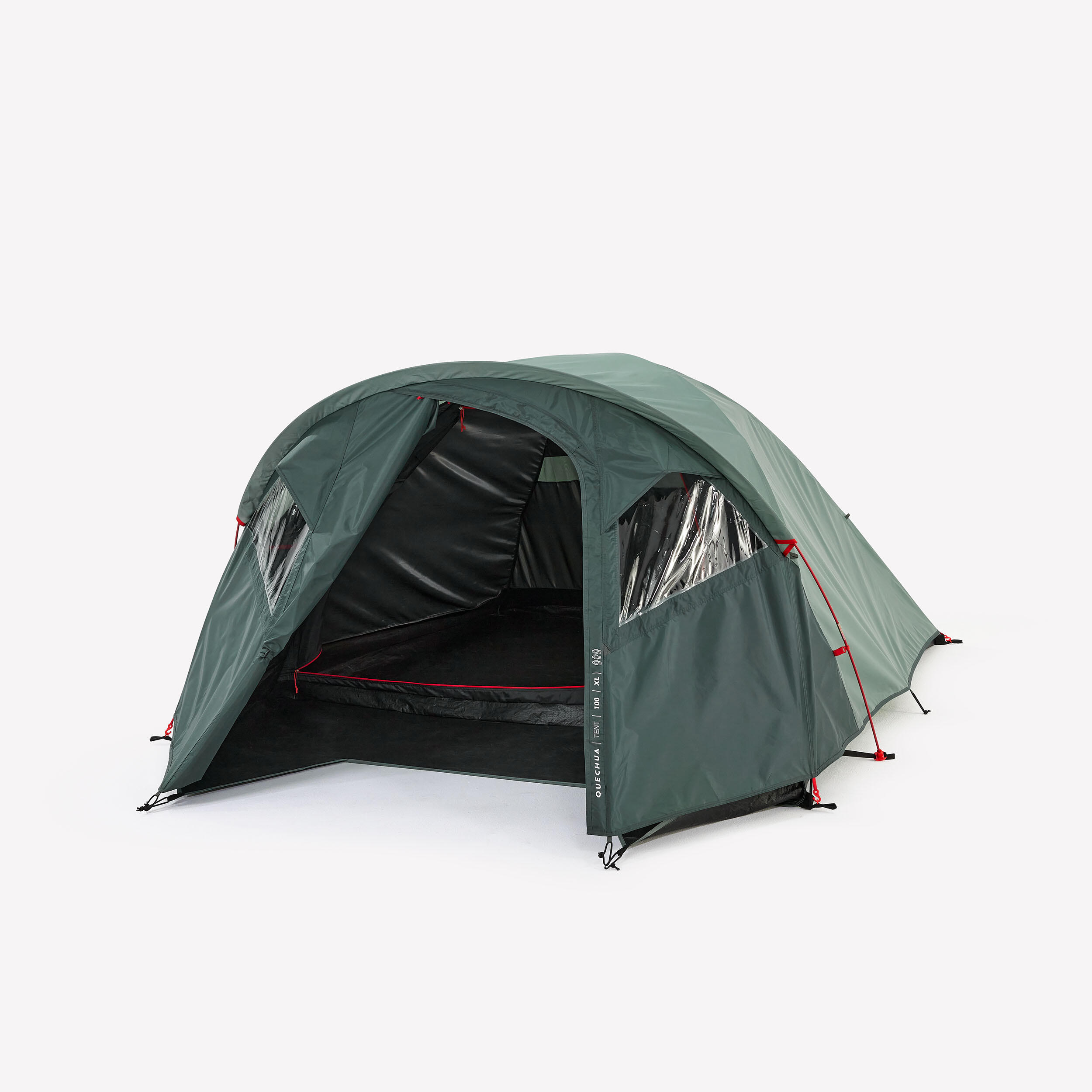
Last chance Last chanceLast chanceQUECHUA Camping Tent - MH100 XL - 3-Person4.6(75)Reviews.votesAriaCurrent price {{currentPrice}} €95.00
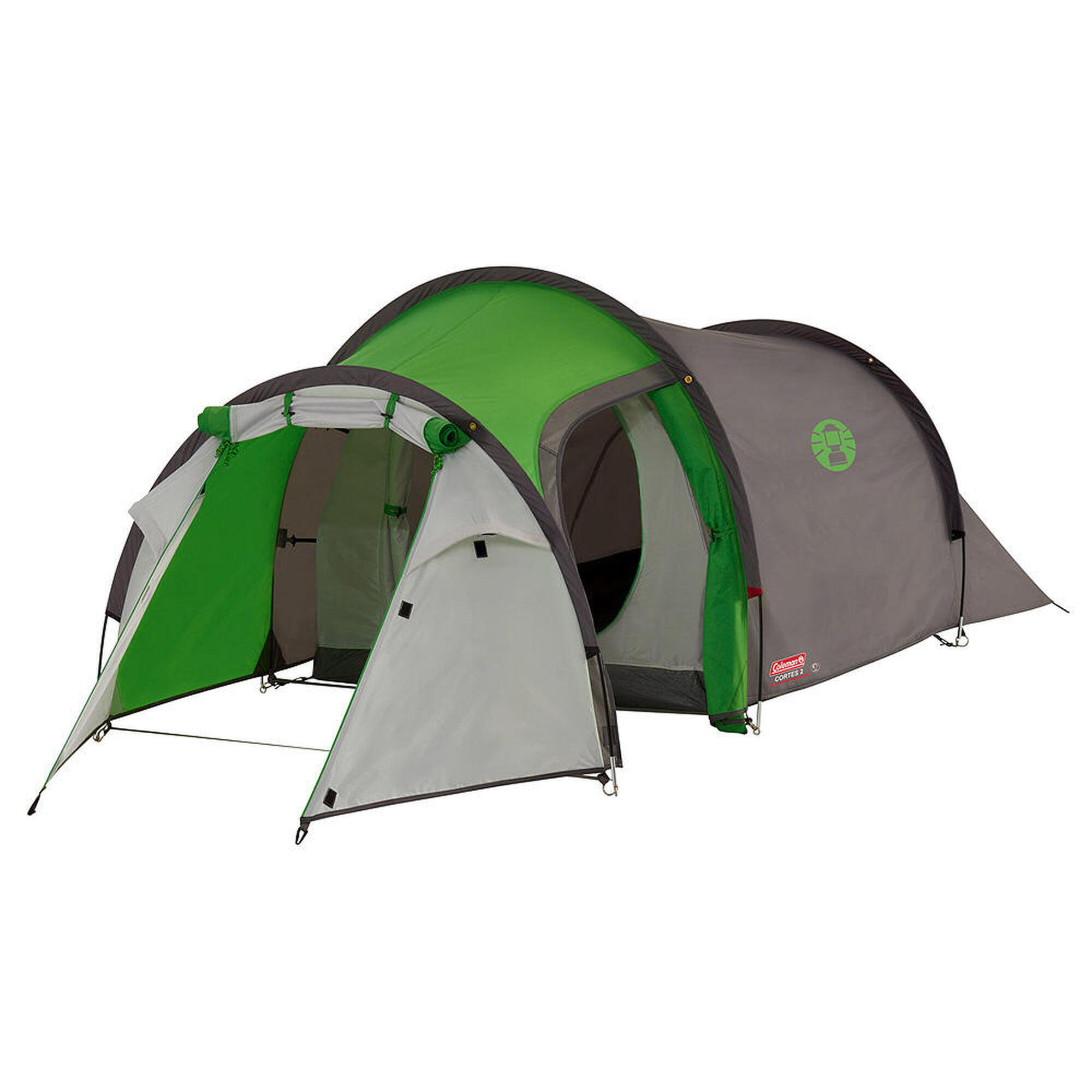
Marketplace -Online Only Marketplace -Online OnlyMarketplace -Online OnlyCOLEMAN Coleman Cortes 2 - 2 Berth Festival TentCurrent price {{currentPrice}} €255.91Sold and shipped by Solution 4YOU
New Lower Price New Lower Price2 coloursNew Lower PriceQUECHUA Instant 3-person camping tent, 2 Seconds - Blue4.6(499)Reviews.votesAria2 coloursCurrent price {{currentPrice}} €75.00 Former price Was €87.00Lowest price: €87.00
QUECHUA Camping tent - MH100 XL Fresh & Black - 3 person4.8(1,334)Reviews.votesAriaCurrent price {{currentPrice}} €115.00
QUECHUA 5-person, 2-bedroom camping tent, Arpenaz 5.2, Fresh & Black4.7(675)Reviews.votesAriaCurrent price {{currentPrice}} €360.00
QUECHUA 5-person, 2-bedroom inflatable camping tent Air Seconds 5.2, Fresh & Black4.6(383)Reviews.votesAriaCurrent price {{currentPrice}} €560.00
Marketplace -Online Only Marketplace -Online OnlyMarketplace -Online OnlyHIGH PEAK Kira 3.1 Dome Tent (Green)Current price {{currentPrice}} €195.78€195.78/unitSold and shipped by Pertemba IE
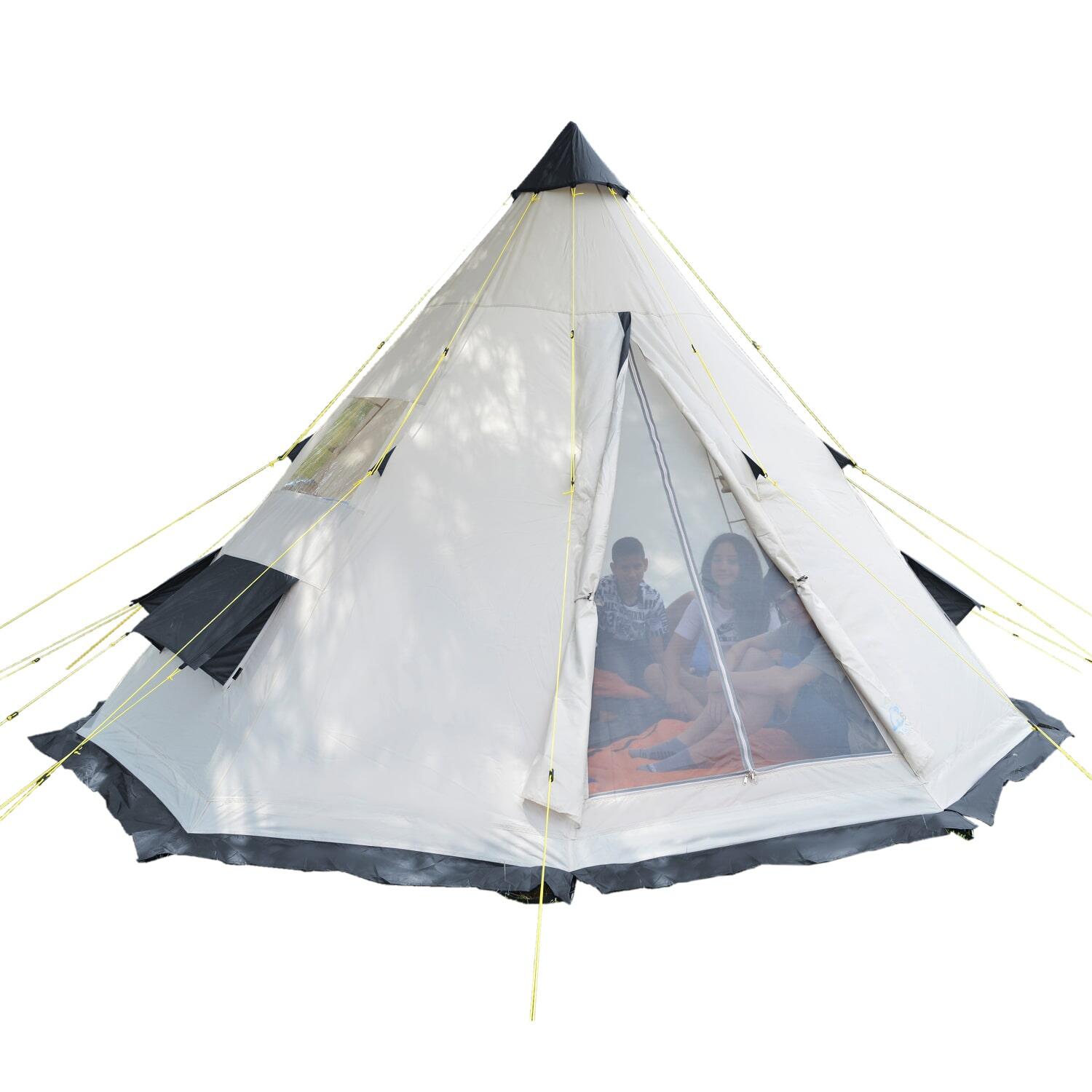
Marketplace -Online Only Marketplace -Online OnlyMarketplace -Online OnlySKANDIKA Goathi 550 Protect Tipi Tent - Waterproof Camping Tent with 3 m HeightCurrent price {{currentPrice}} €319.00Sold and shipped by Max Trader GmbH
Marketplace -Online Only Marketplace -Online OnlyMarketplace -Online OnlyCITYSPORTS Inflatable Camping Tent, Large Portable Tent 8 m² with Air Pump, Chimney OpeningCurrent price {{currentPrice}} €339.00 Former price €699.00 51% offLowest price: €699.00Promo 30/9/2026 from to 29/10/2026Sold and shipped by Citysports EU
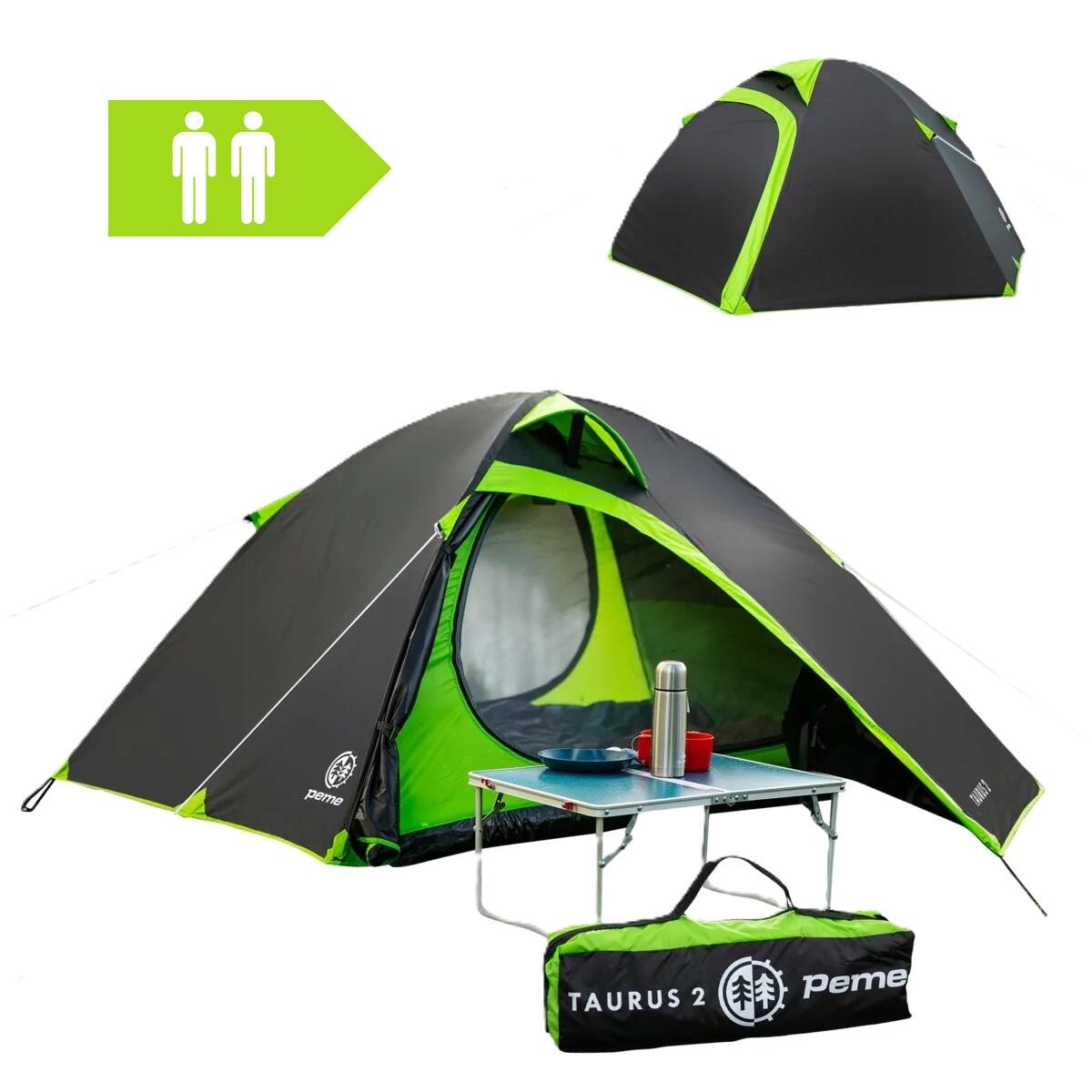
Marketplace -Online Only Marketplace -Online OnlyMarketplace -Online OnlyPEME Peme Taurus 2-Person Camping Tent – Waterproof, Compact & Easy to Pitch4.3(3)Reviews.votesAriaCurrent price {{currentPrice}} €64.00 Former price €81.00 20% offLowest price: €81.00Starting on 31/8/2026 and valid for the entire duration of the promoSold and shipped by Morele.net EU
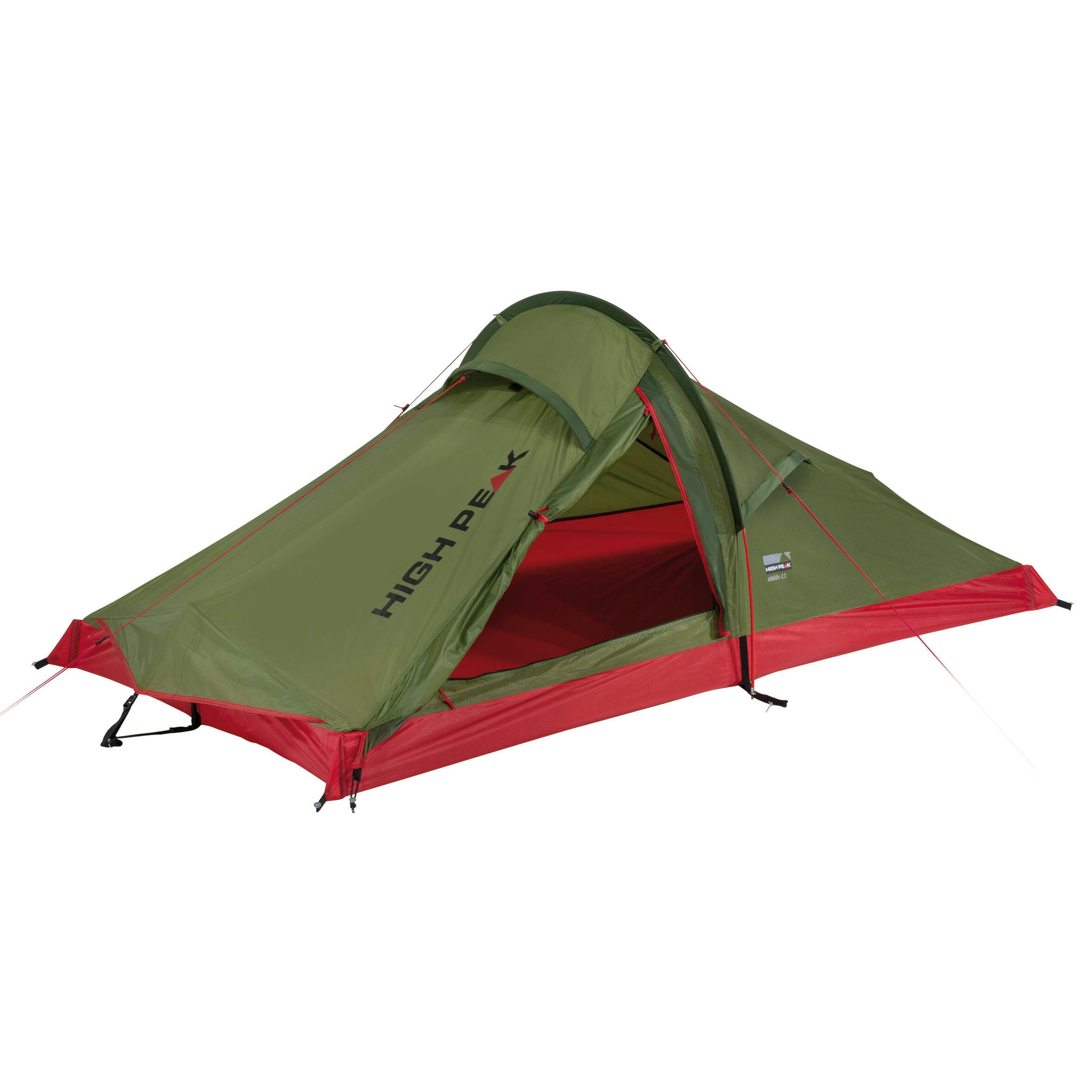
Marketplace -Online Only Marketplace -Online OnlyMarketplace -Online OnlyHIGH PEAK High Peak lightweight tent Siskin 2.0 LW, only 1.35 kg, aluminium poles,2.3(3)Reviews.votesAriaCurrent price {{currentPrice}} €149.55€149.55/unitSold and shipped by Sports Lab IE
Marketplace -Online Only Marketplace -Online OnlyMarketplace -Online OnlySKANDIKA Isken 3 Protect Tunnel Tent – 3 Person – UPF 50+5(1)Reviews.votesAriaCurrent price {{currentPrice}} €249.00Sold and shipped by Max Trader GmbH
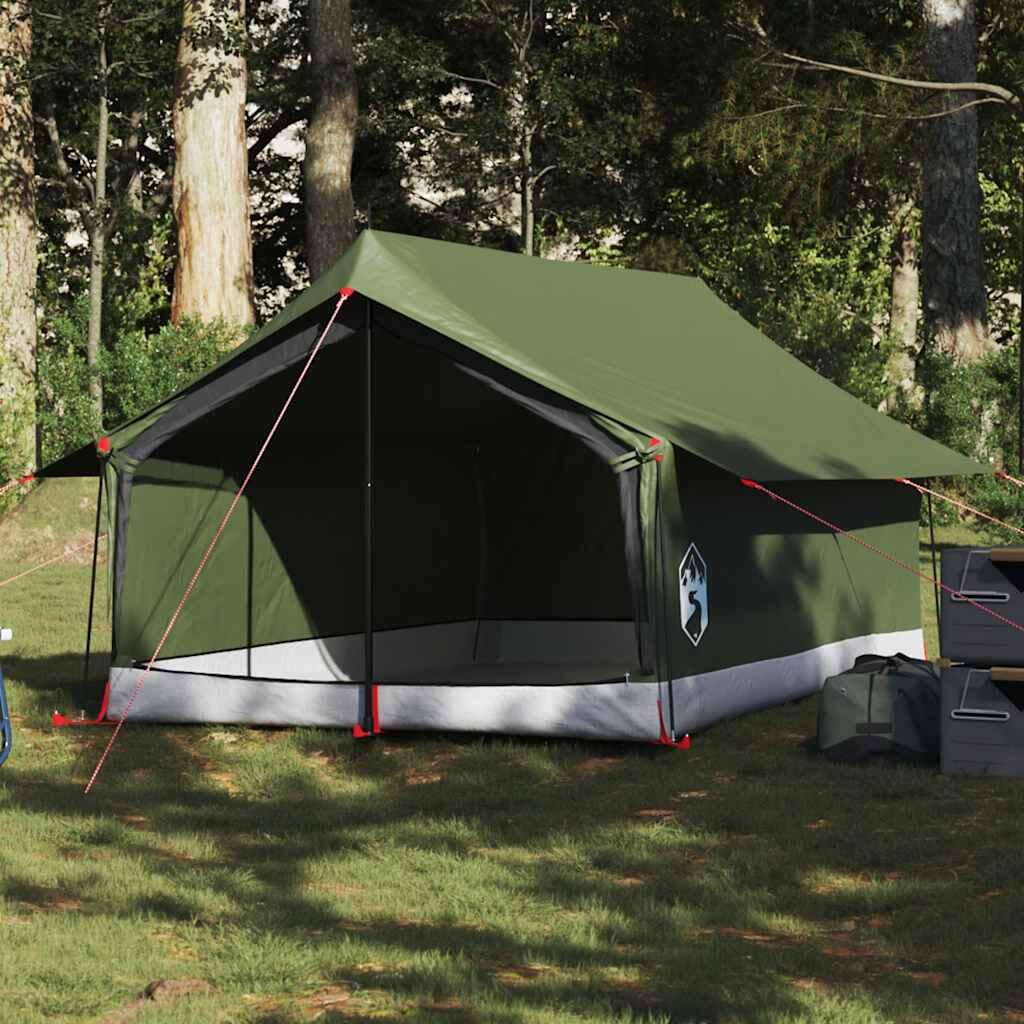
Marketplace -Online Only Marketplace -Online OnlyMarketplace -Online OnlyVIDAXL VidaXL 2-Person Olive Green Waterproof Camping TentCurrent price {{currentPrice}} €86.95€0.88/unitSold and shipped by Tormino IE
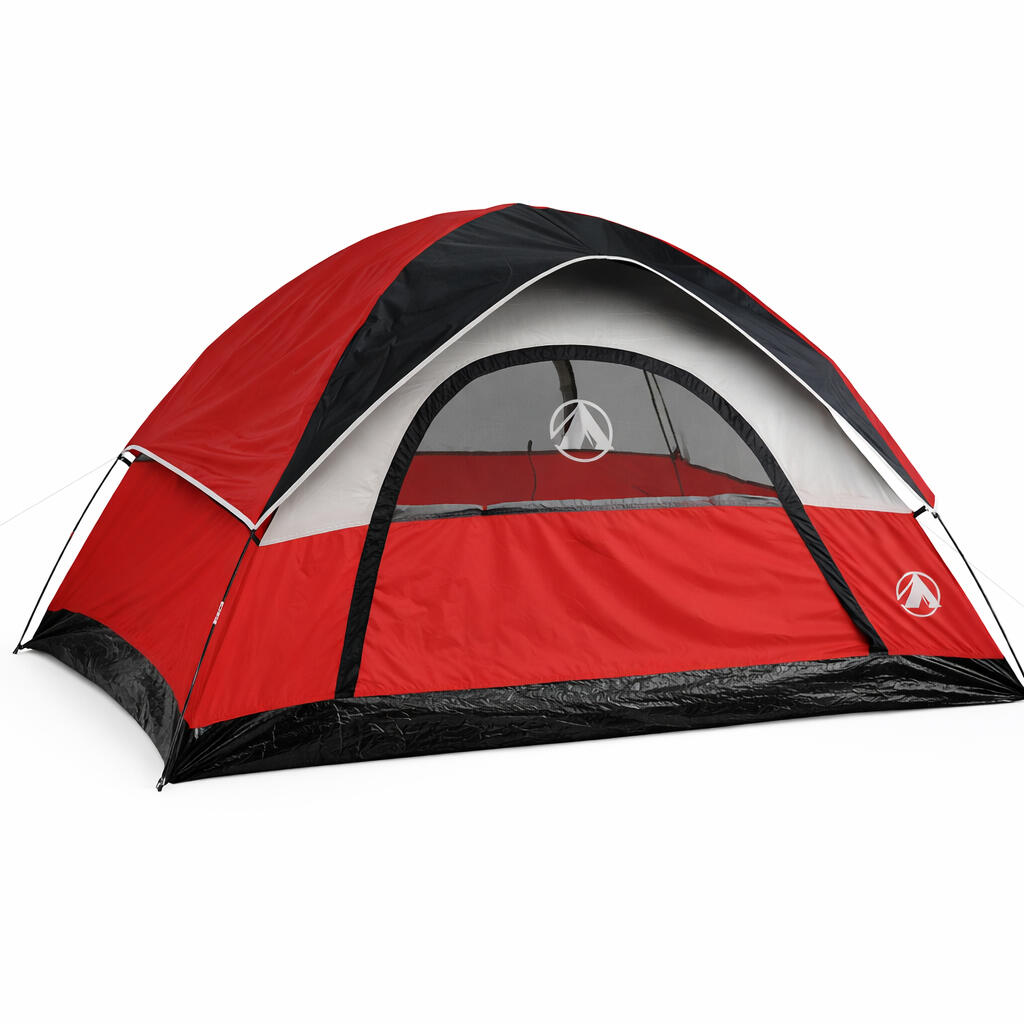
Marketplace -Online Only Marketplace -Online OnlyMarketplace -Online OnlyEUROCATCH Dome Camping Tent 240 x 210 x 130 cm - 4 Person - Waterproof - Carry Bag5(2)Reviews.votesAriaCurrent price {{currentPrice}} €69.99Sold and shipped by Raven Intnl