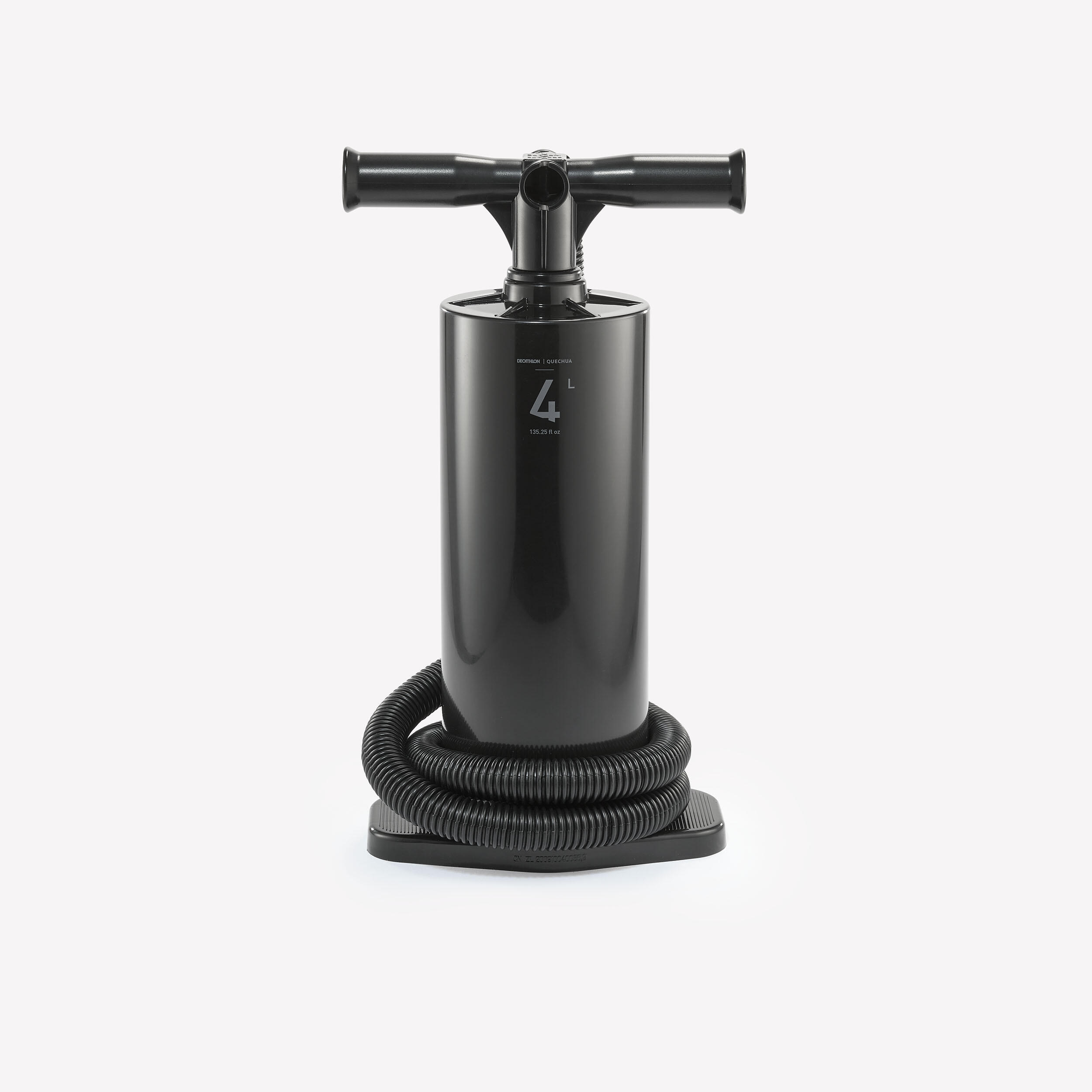
QUECHUA COMFORT DOUBLE ACTION 4 L HAND PUMP | RECOMMENDED FOR INFLATABLE MATTRESSES4.6(399)Reviews.votesAriaCurrent price {{currentPrice}} €12.00
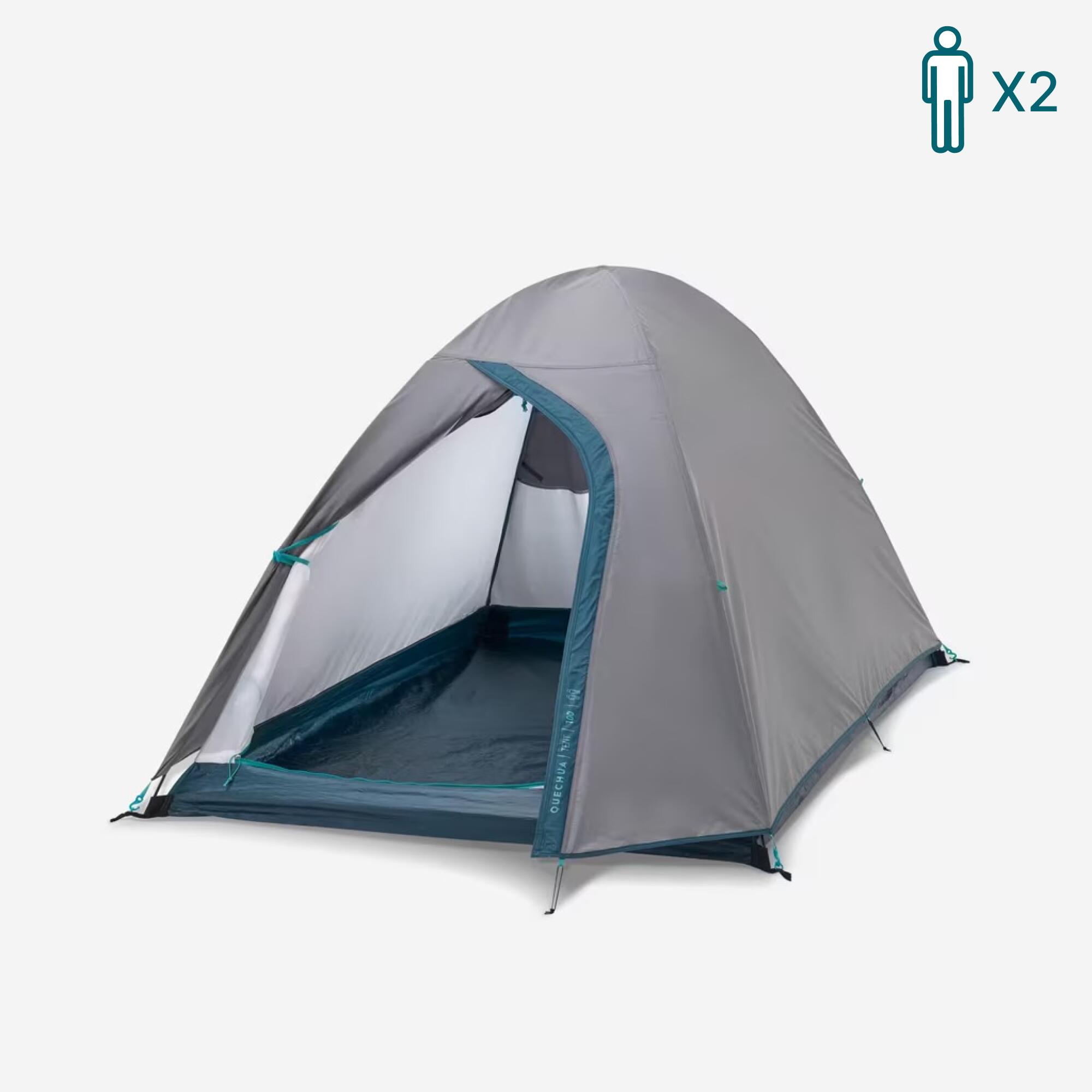
QUECHUA Camping tent - MH100 - 2 person4.7(3,896)Reviews.votesAriaCurrent price {{currentPrice}} €30.00
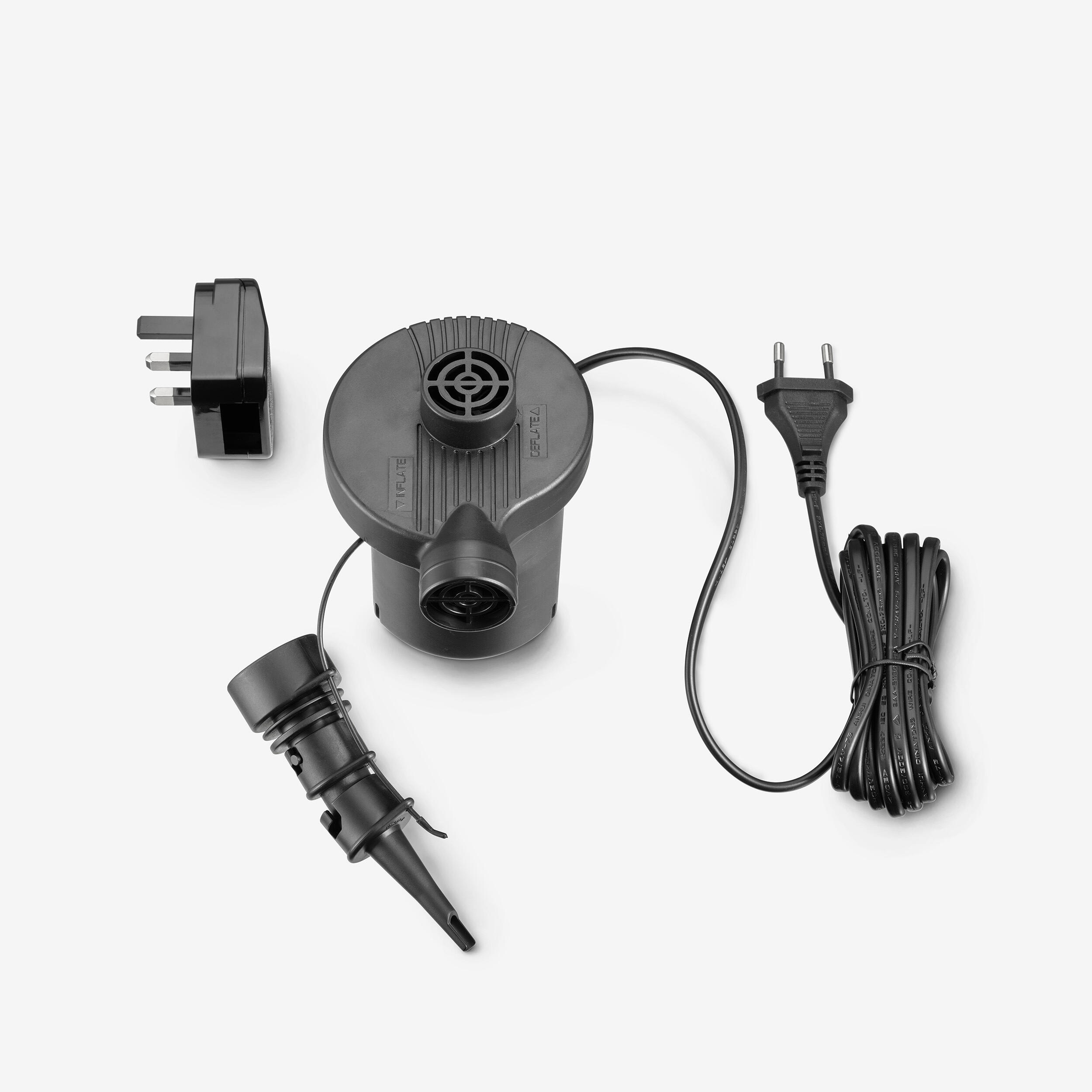
QUECHUA Electric Camping Pump - Mains Power4.7(507)Reviews.votesAriaCurrent price {{currentPrice}} €19.00
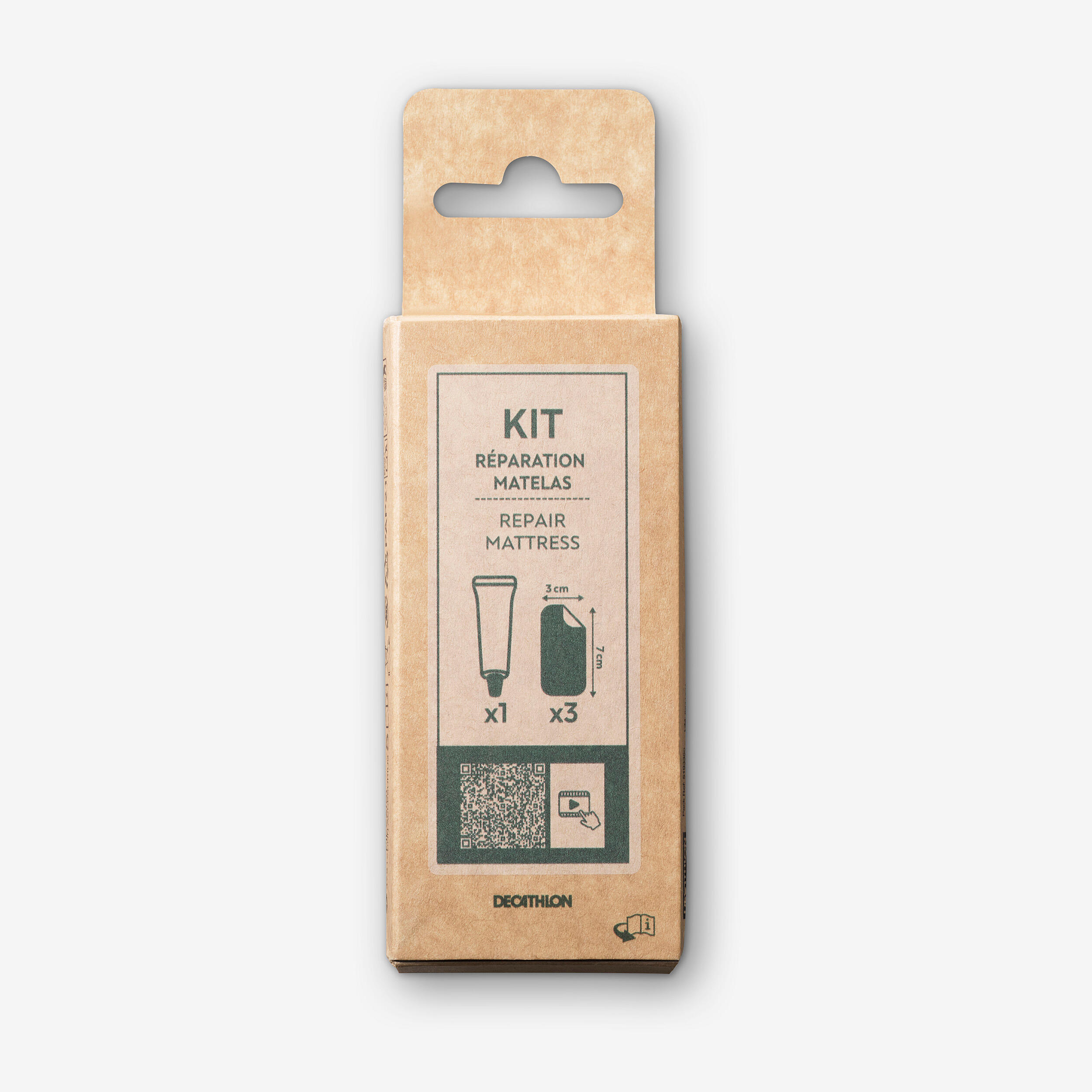
DECATHLON Mattress repair kit (patch and glue)4.3(155)Reviews.votesAriaCurrent price {{currentPrice}} €10.00
DECATHLON Multi-purpose, self-adhesive textile repair tape roll - Blue4.8(393)Reviews.votesAriaCurrent price {{currentPrice}} €10.00€3.34/m
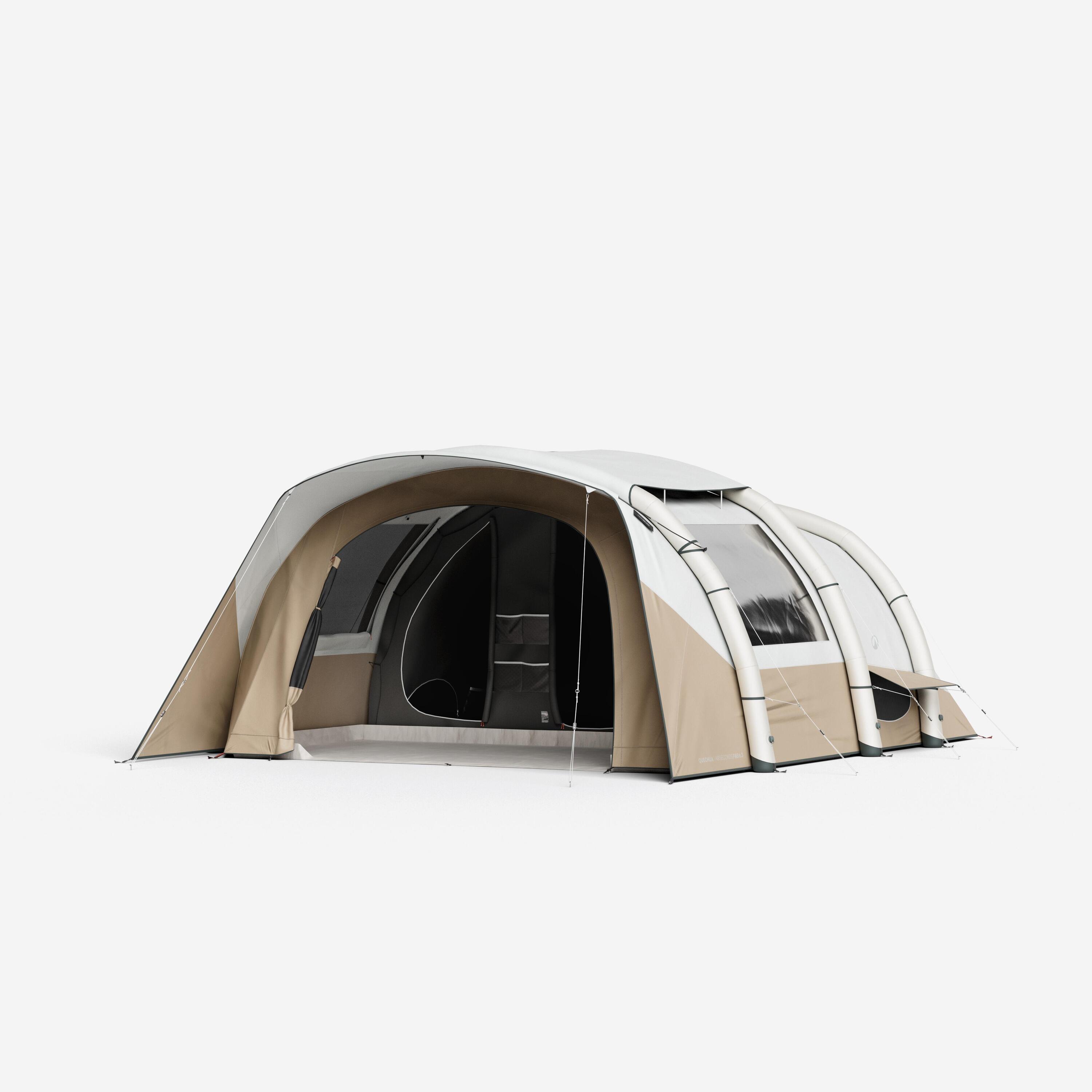
QUECHUA 6-person, 3-bedroom inflatable camping tent, Air Seconds 6.3, Fresh & Black4.8(87)Reviews.votesAriaCurrent price {{currentPrice}} €670.00
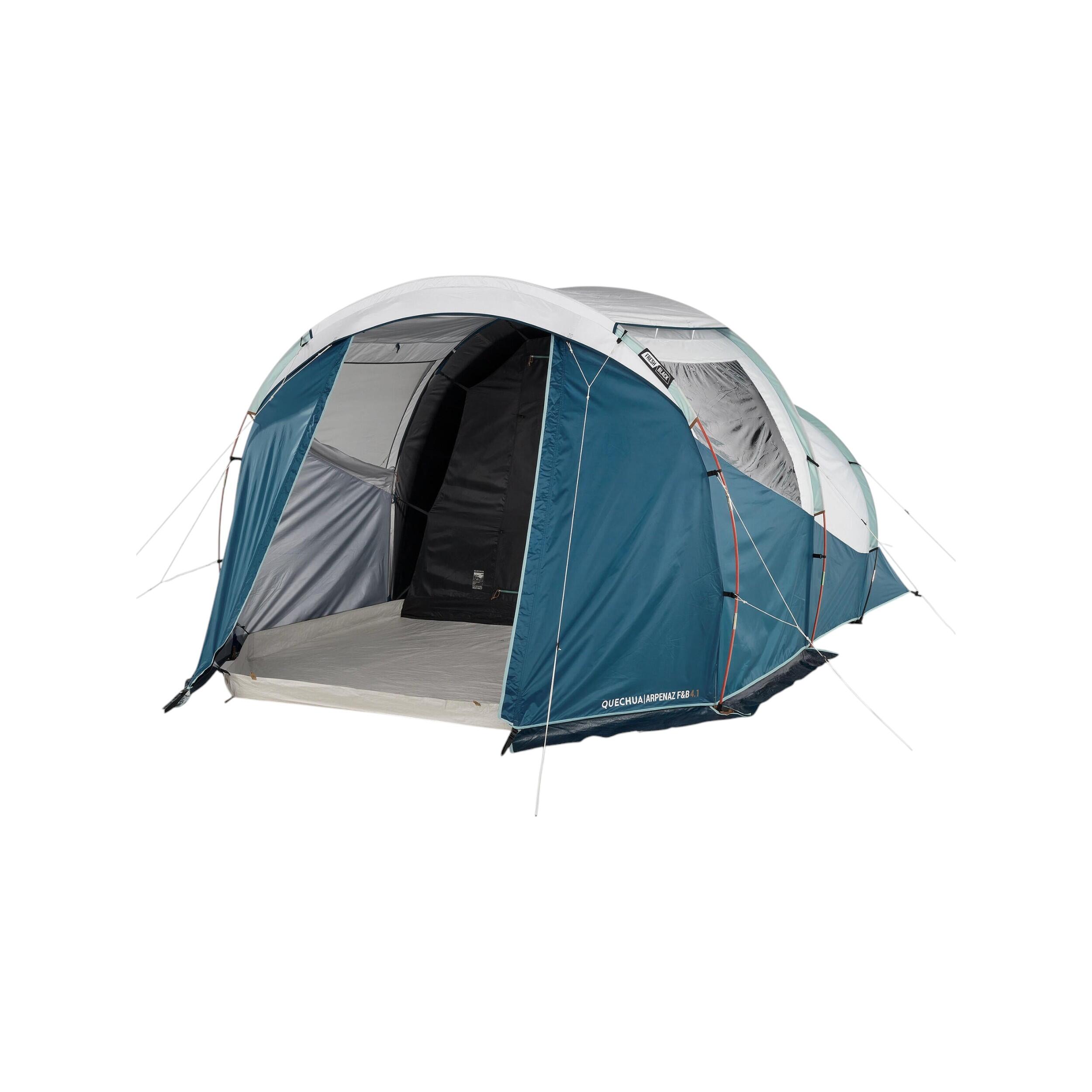
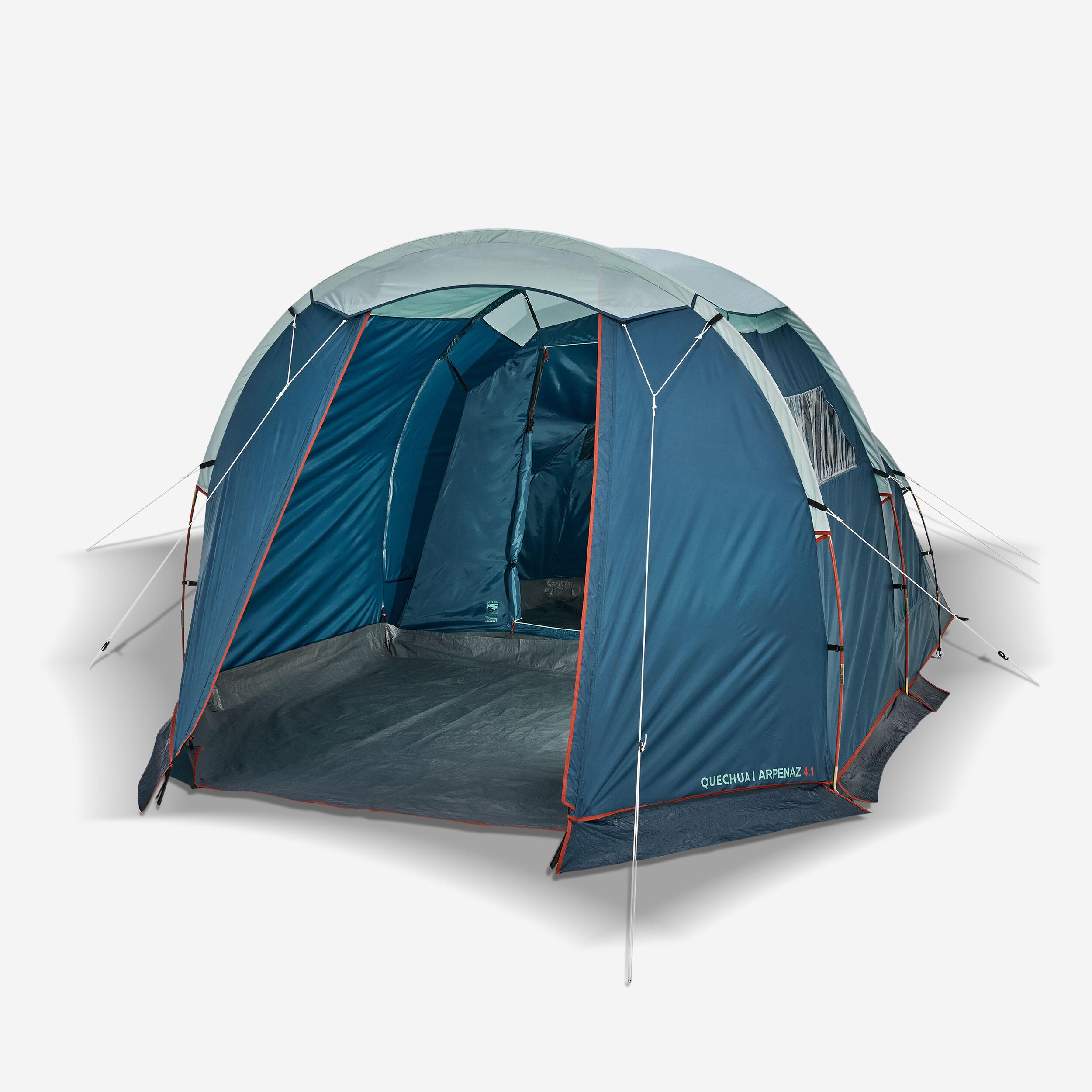
QUECHUA 4-person camping tent, Arpenaz 4.14.7(2,021)Reviews.votesAriaCurrent price {{currentPrice}} €135.00
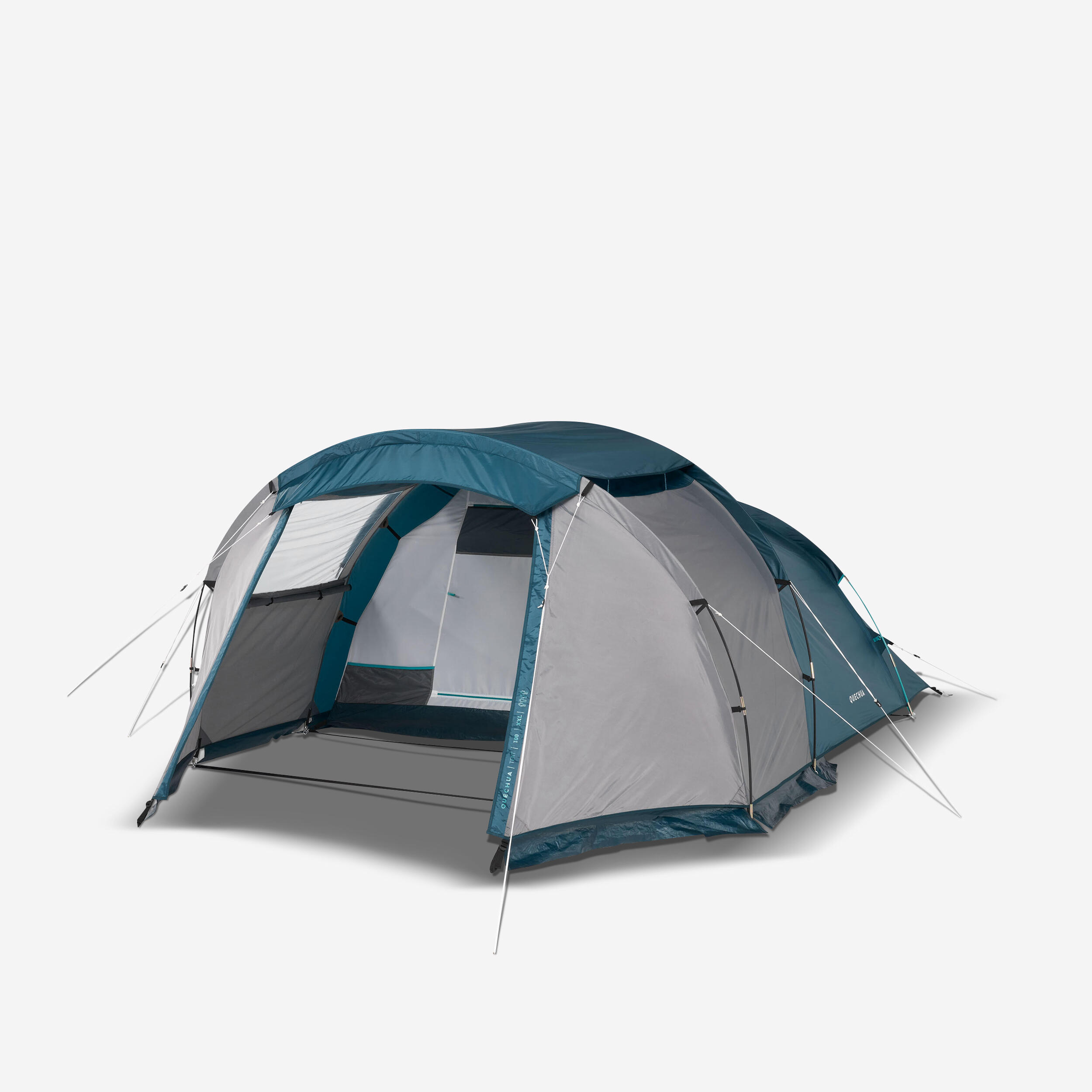
New Lower Price New Lower PriceNew Lower PriceQUECHUA Camping tent - MH100 XXL - 4 person4.7(960)Reviews.votesAriaCurrent price {{currentPrice}} €85.00 Former price Was €110.00Lowest price: €110.00
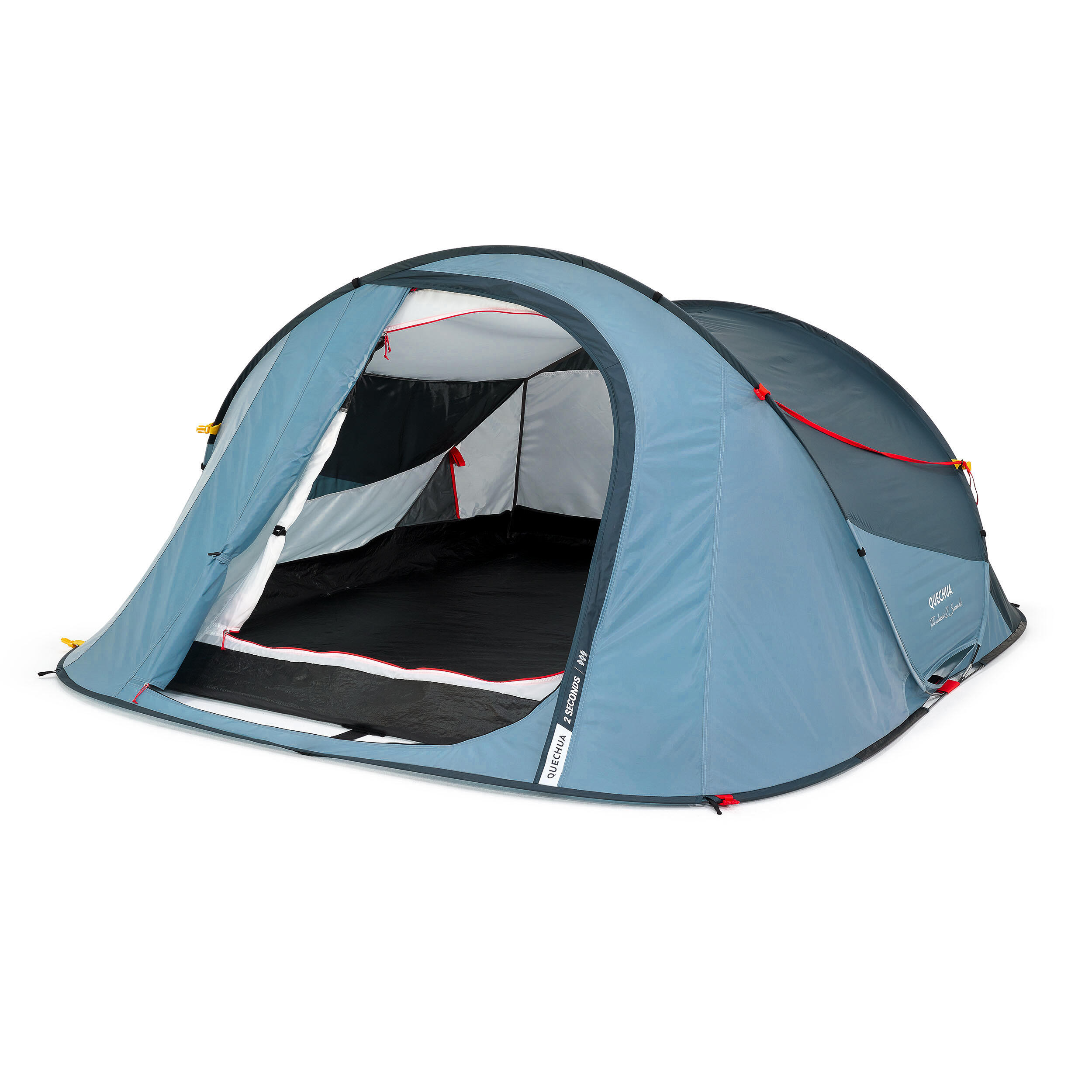
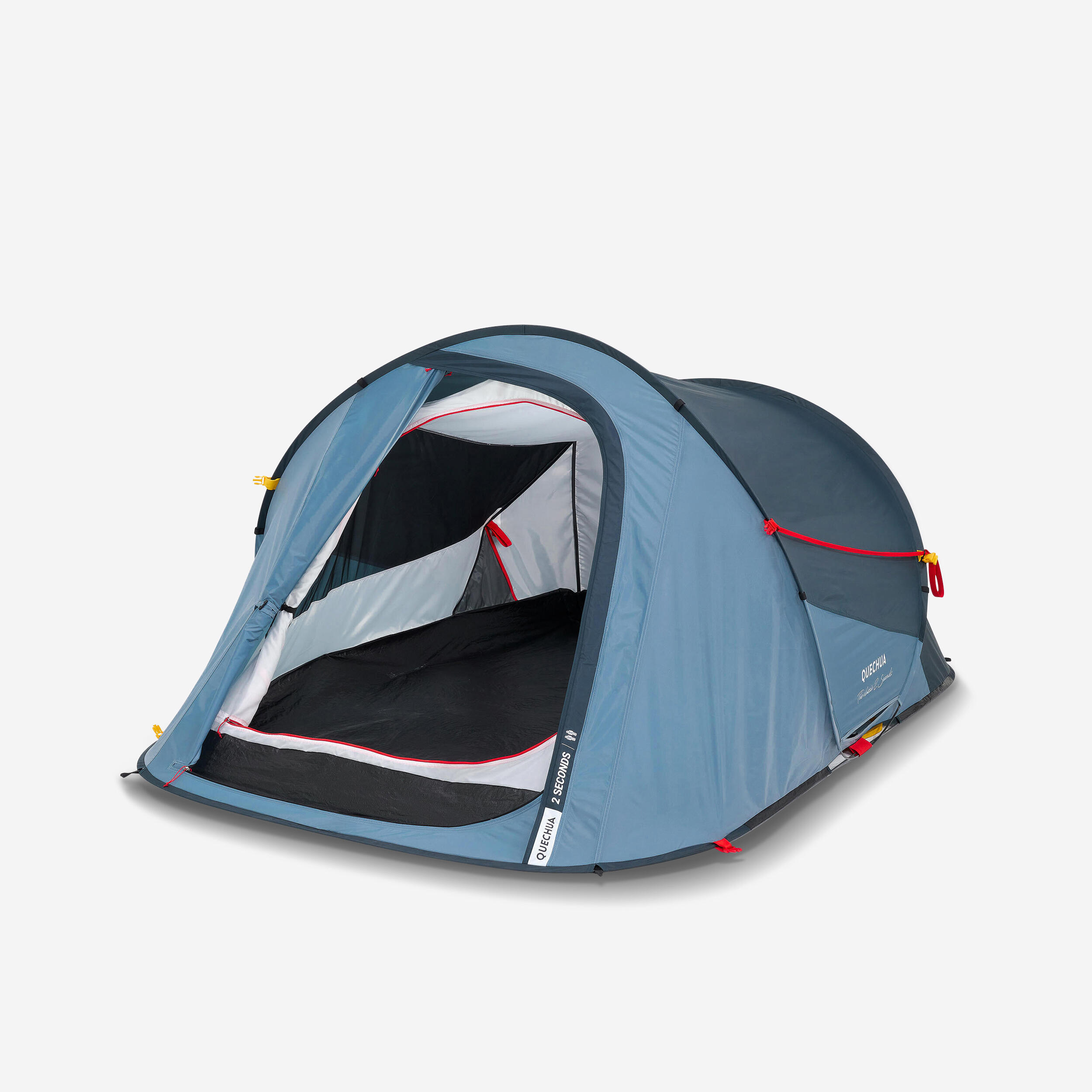
New Lower Price New Lower Price2 coloursNew Lower PriceQUECHUA Instant 3-person camping tent, 2 Seconds - Blue4.6(496)Reviews.votesAria2 coloursCurrent price {{currentPrice}} €75.00 Former price Was €87.00Lowest price: €87.00
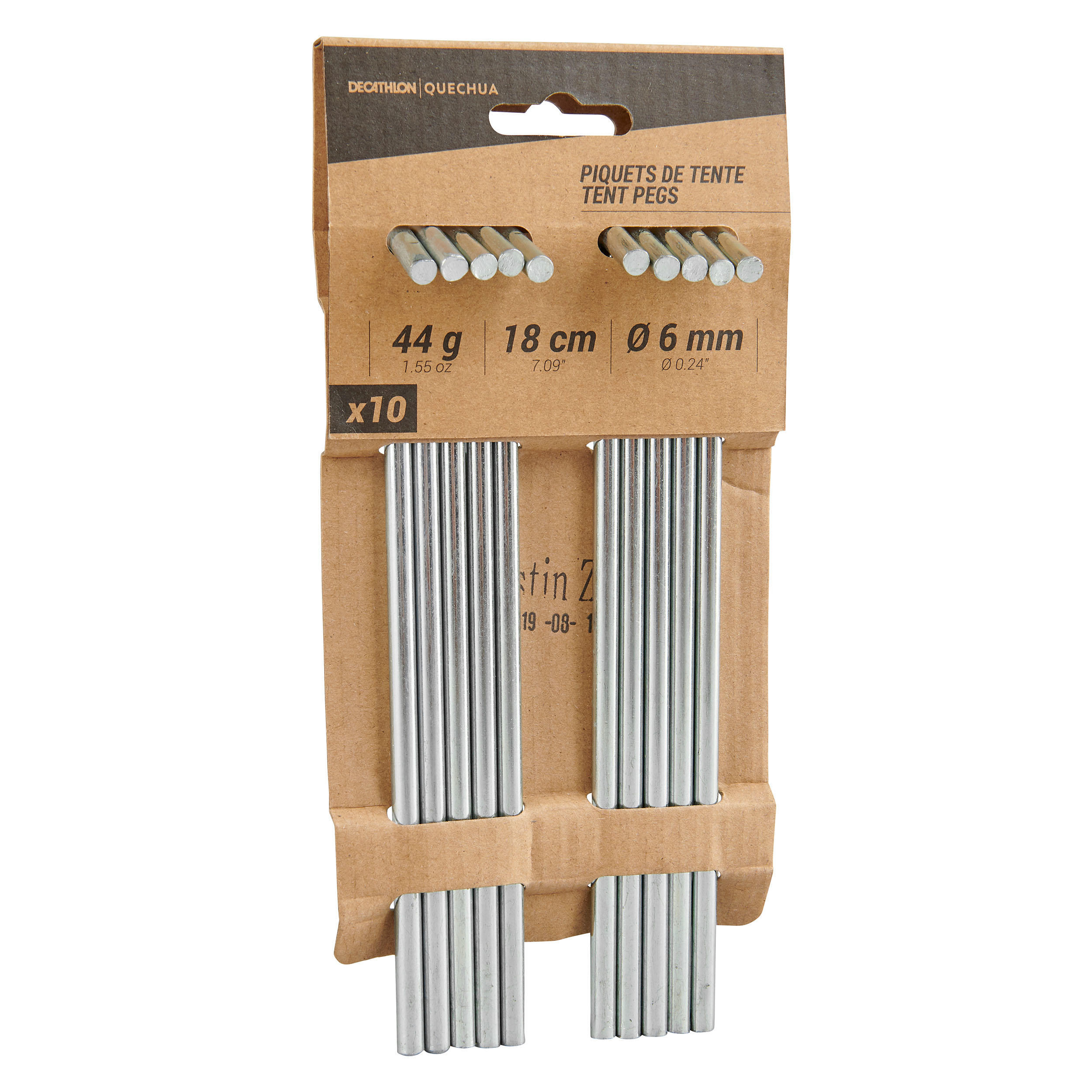
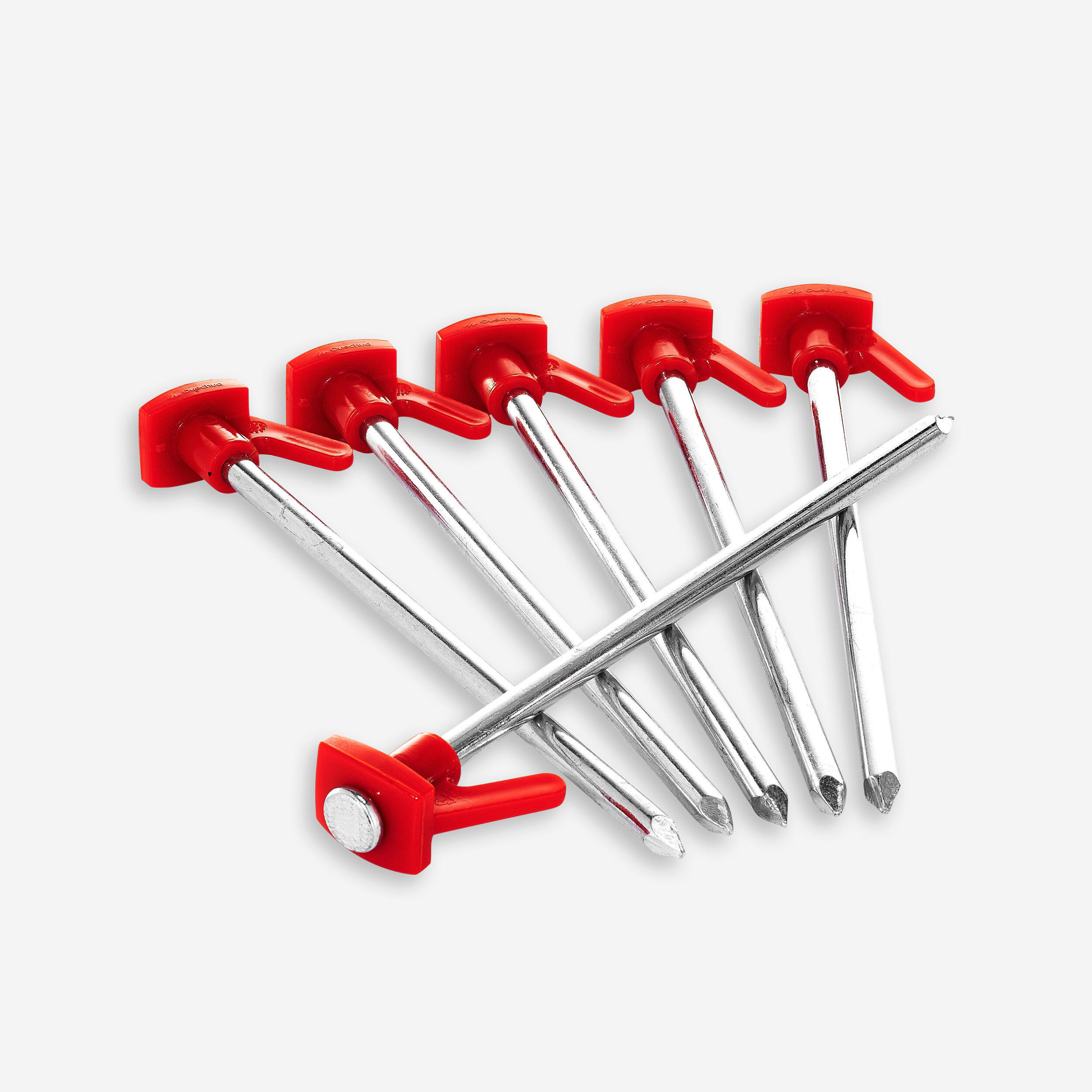
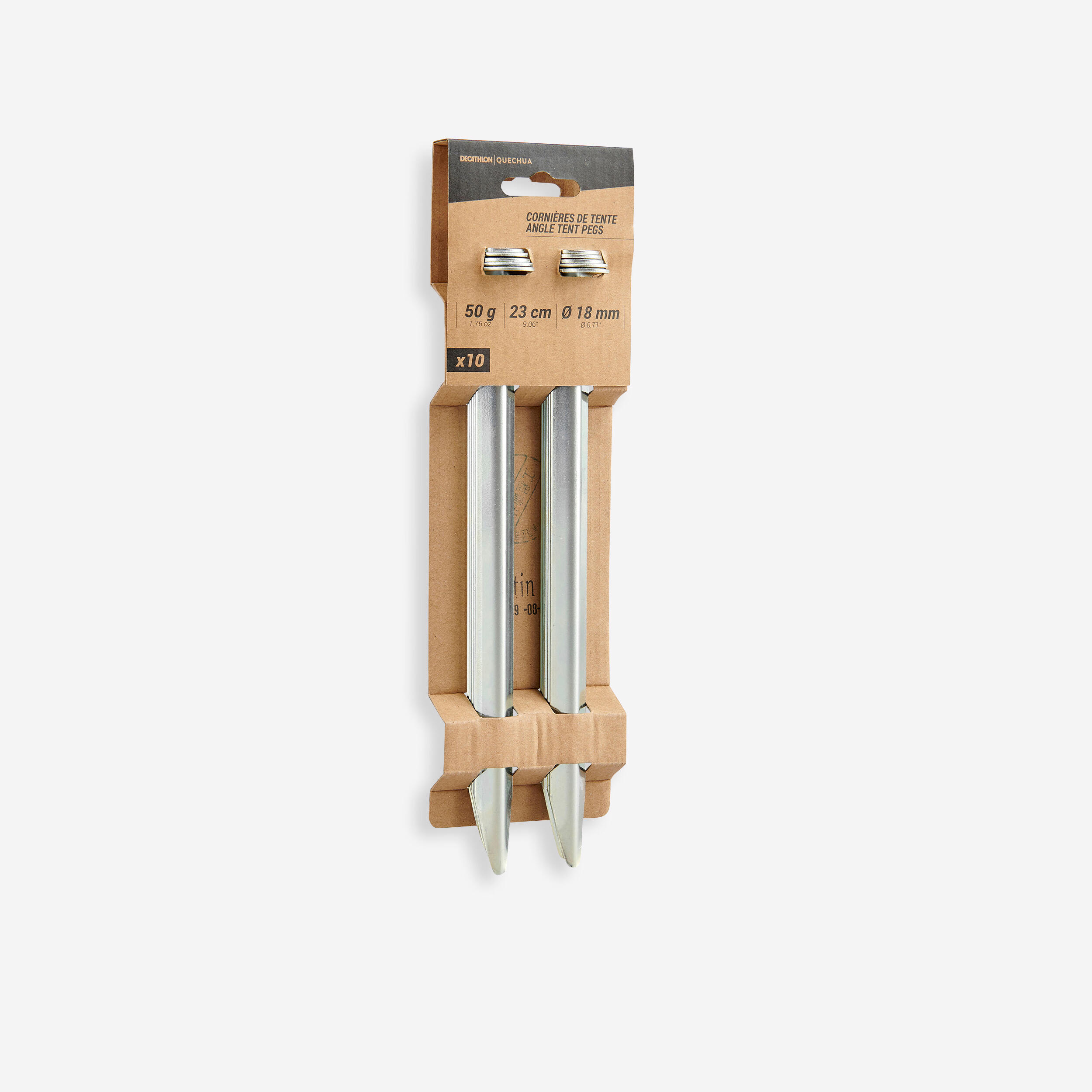
QUECHUA Recycled steel tent pegs - 18 cm x 10 cm4.8(201)Reviews.votesAriaCurrent price {{currentPrice}} €6.00€0.60/unit
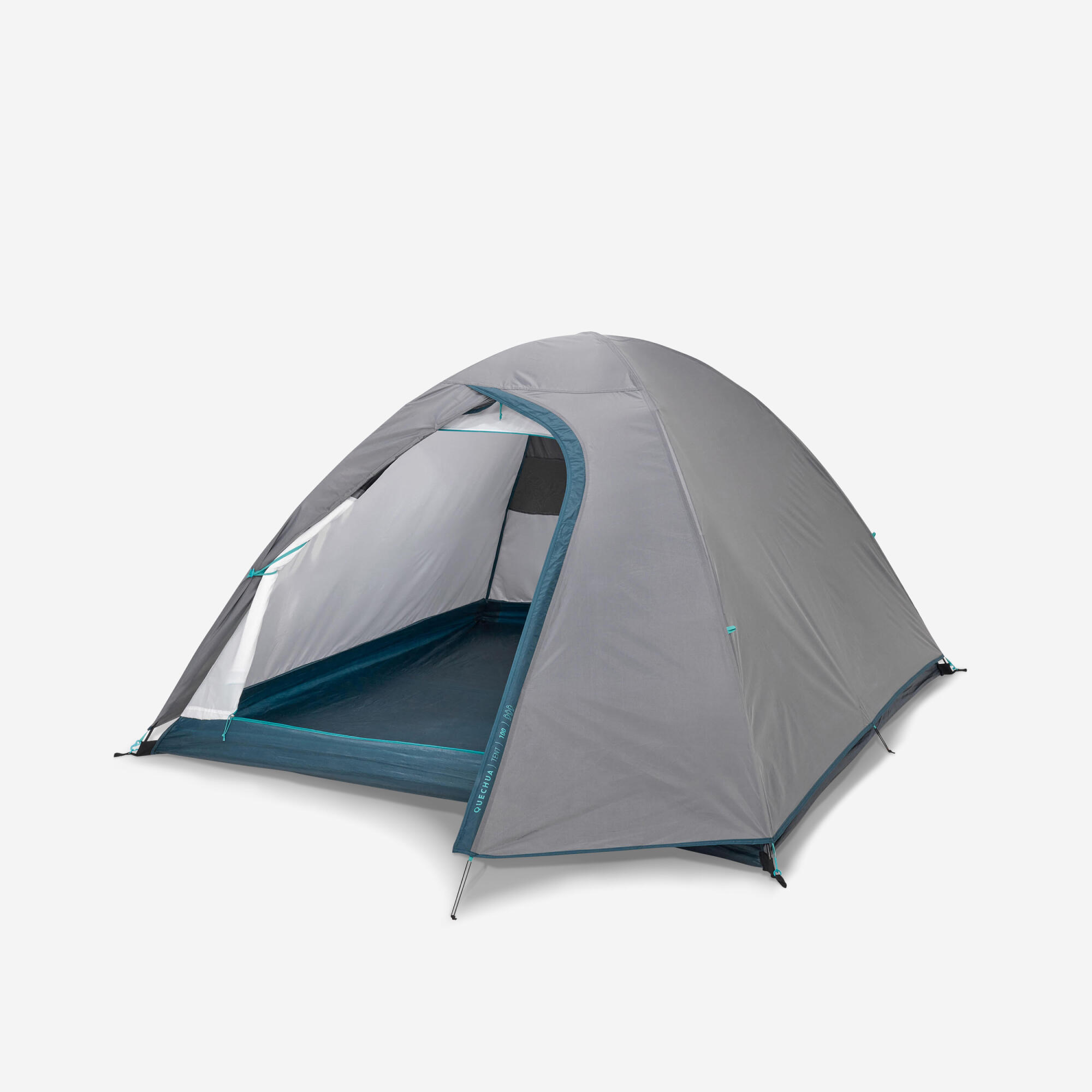
QUECHUA 3-person camping tent - MH100 - Grey4.7(2,434)Reviews.votesAriaCurrent price {{currentPrice}} €46.00
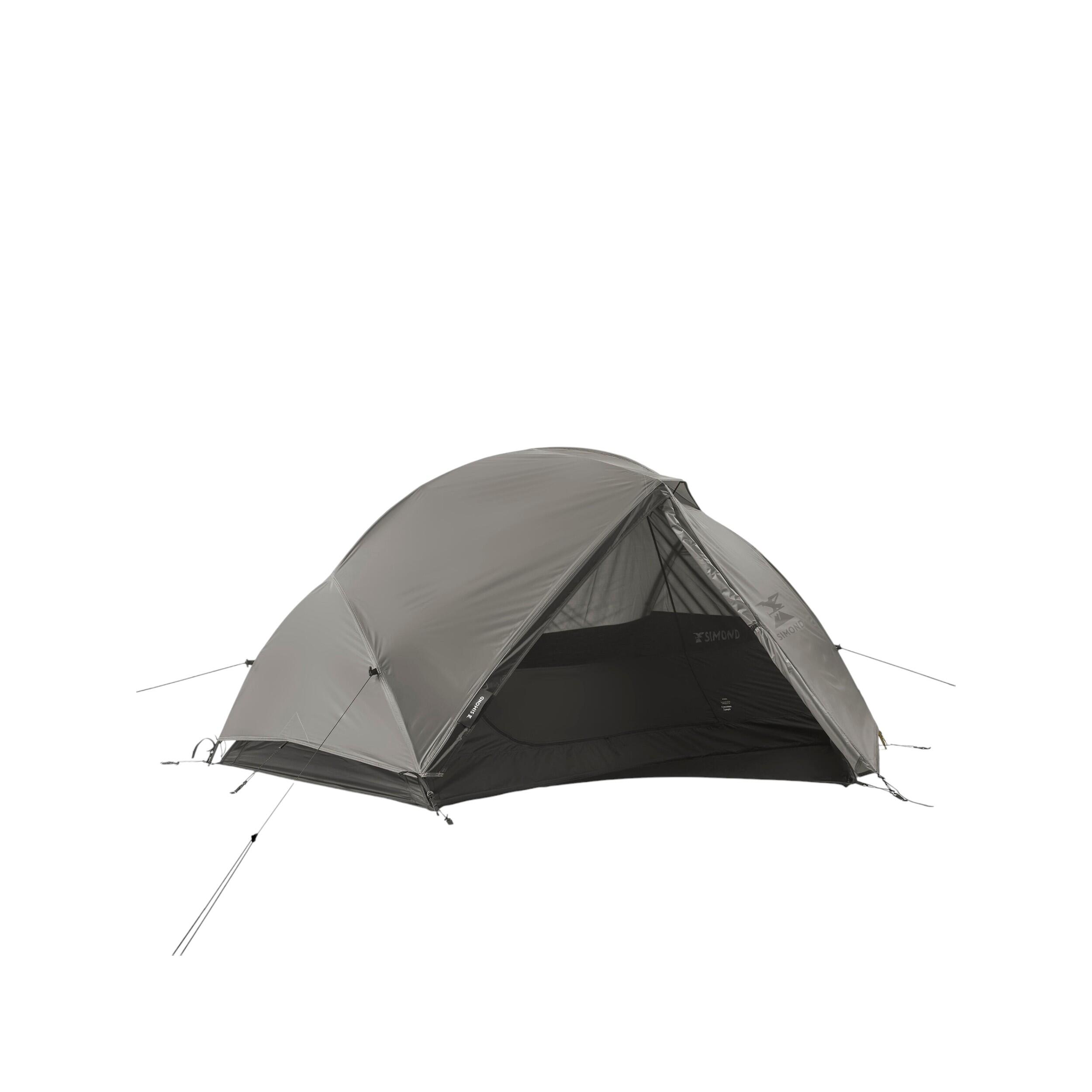
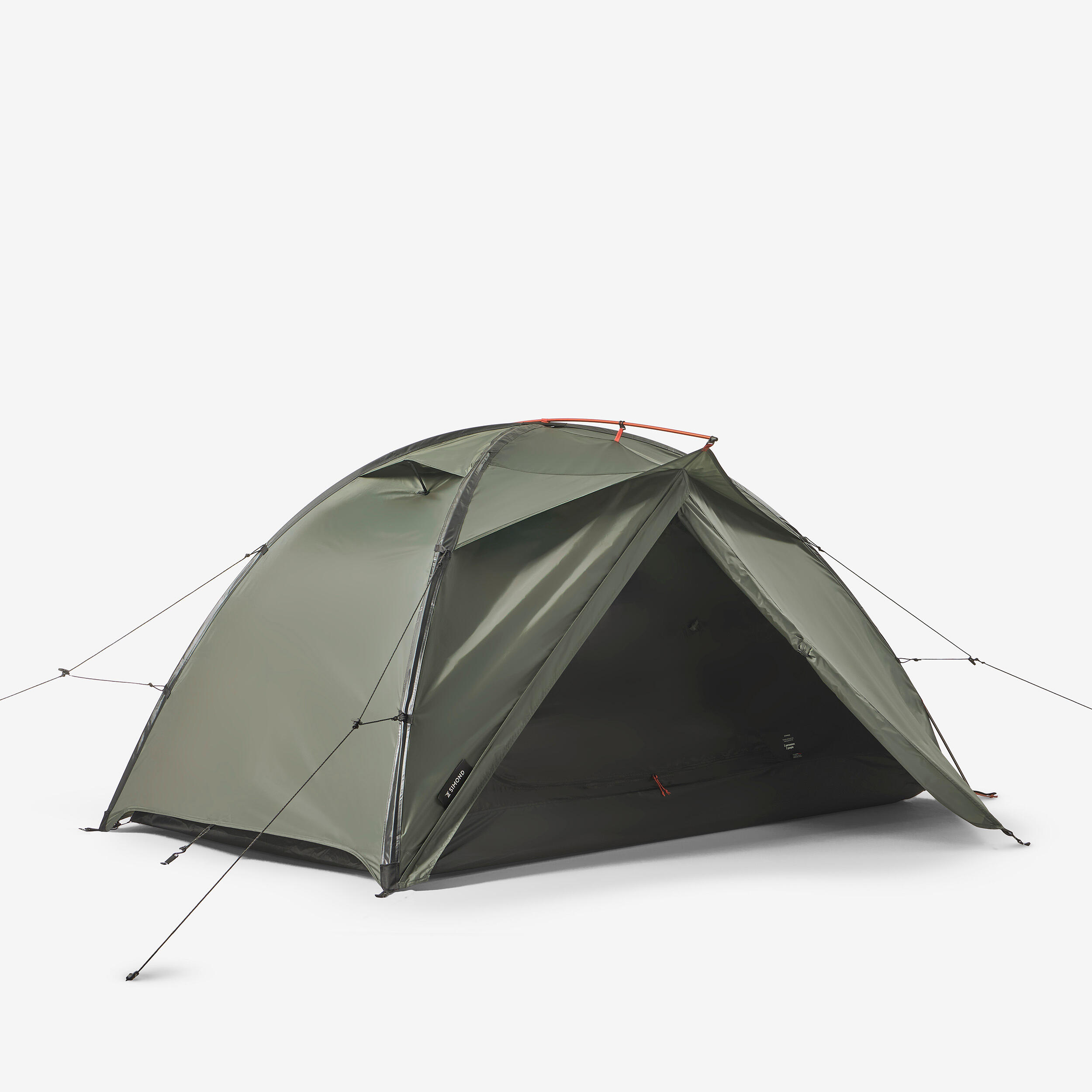
SIMOND 2-person Dome Trekking Tent MT5004.6(540)Reviews.votesAriaCurrent price {{currentPrice}} €125.00
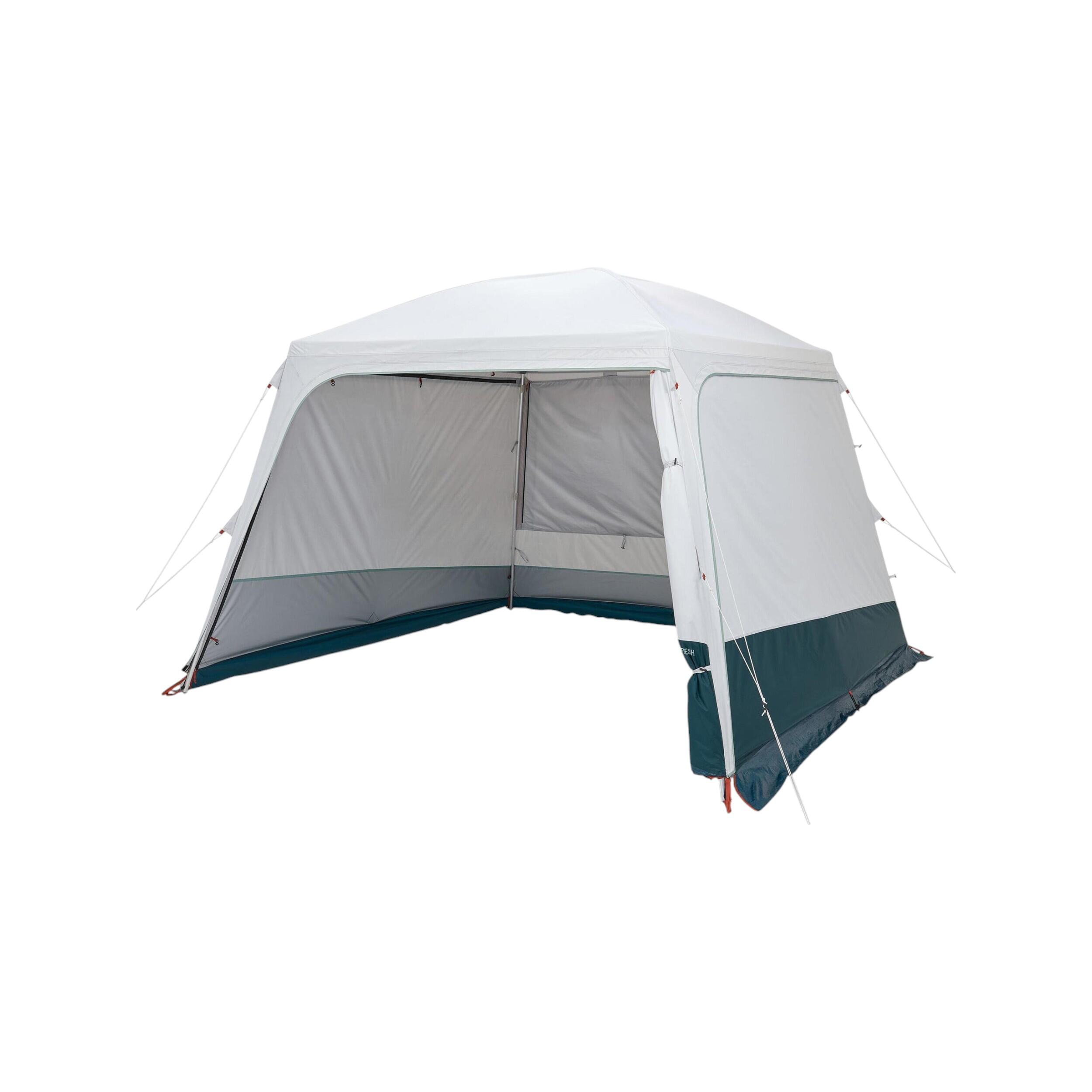
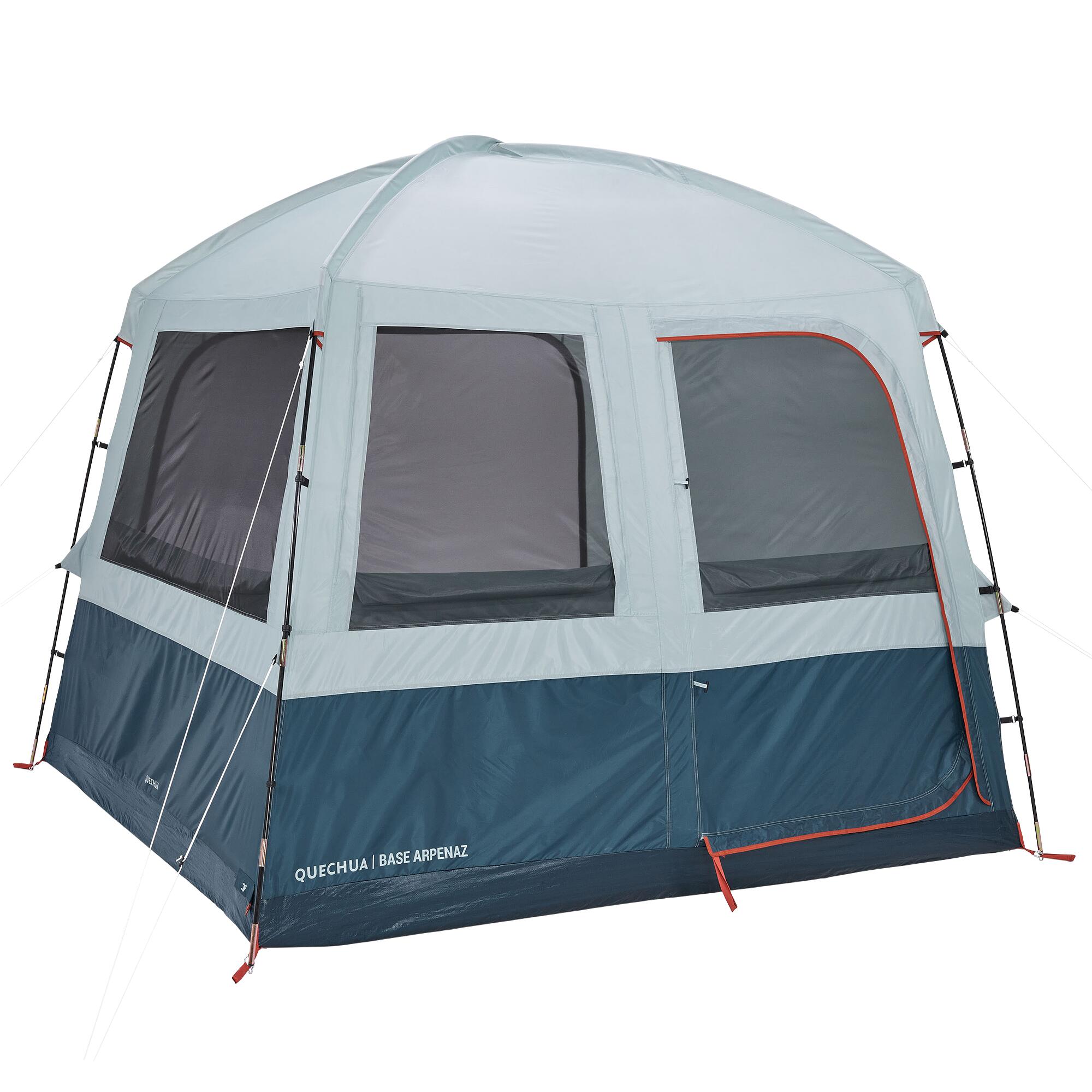
New Lower Price New Lower PriceNew Lower PriceQUECHUA 6 MAN CAMPING LIVING AREA - ARPENAZ BASE M4.6(2,094)Reviews.votesAriaCurrent price {{currentPrice}} €115.00 Former price Was €125.00Lowest price: €125.00
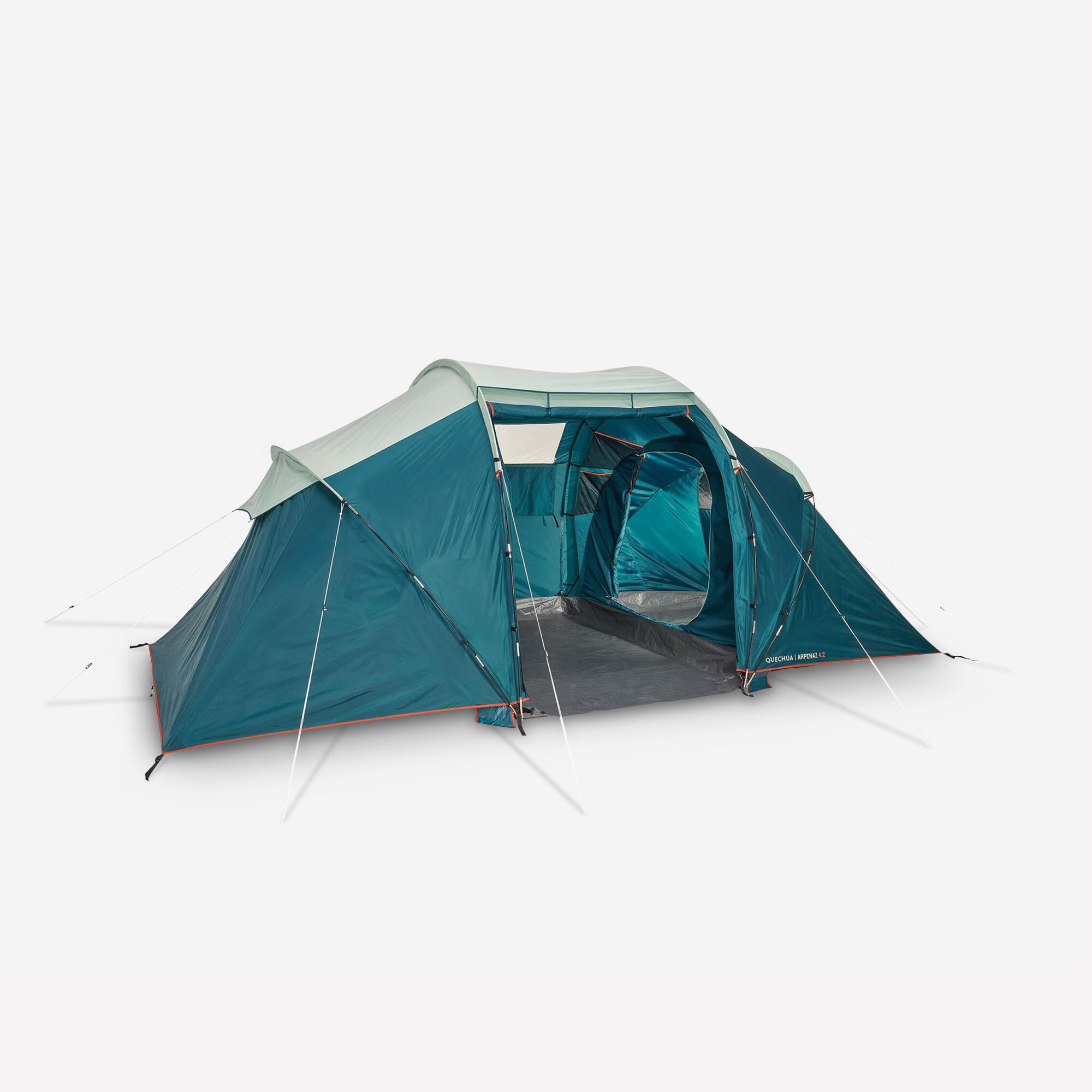
New Lower Price New Lower PriceNew Lower PriceQUECHUA 4-person, 2-bedroom camping tent, Arpenaz 4.24.5(490)Reviews.votesAriaCurrent price {{currentPrice}} €155.00 Former price Was €185.00Lowest price: €185.00
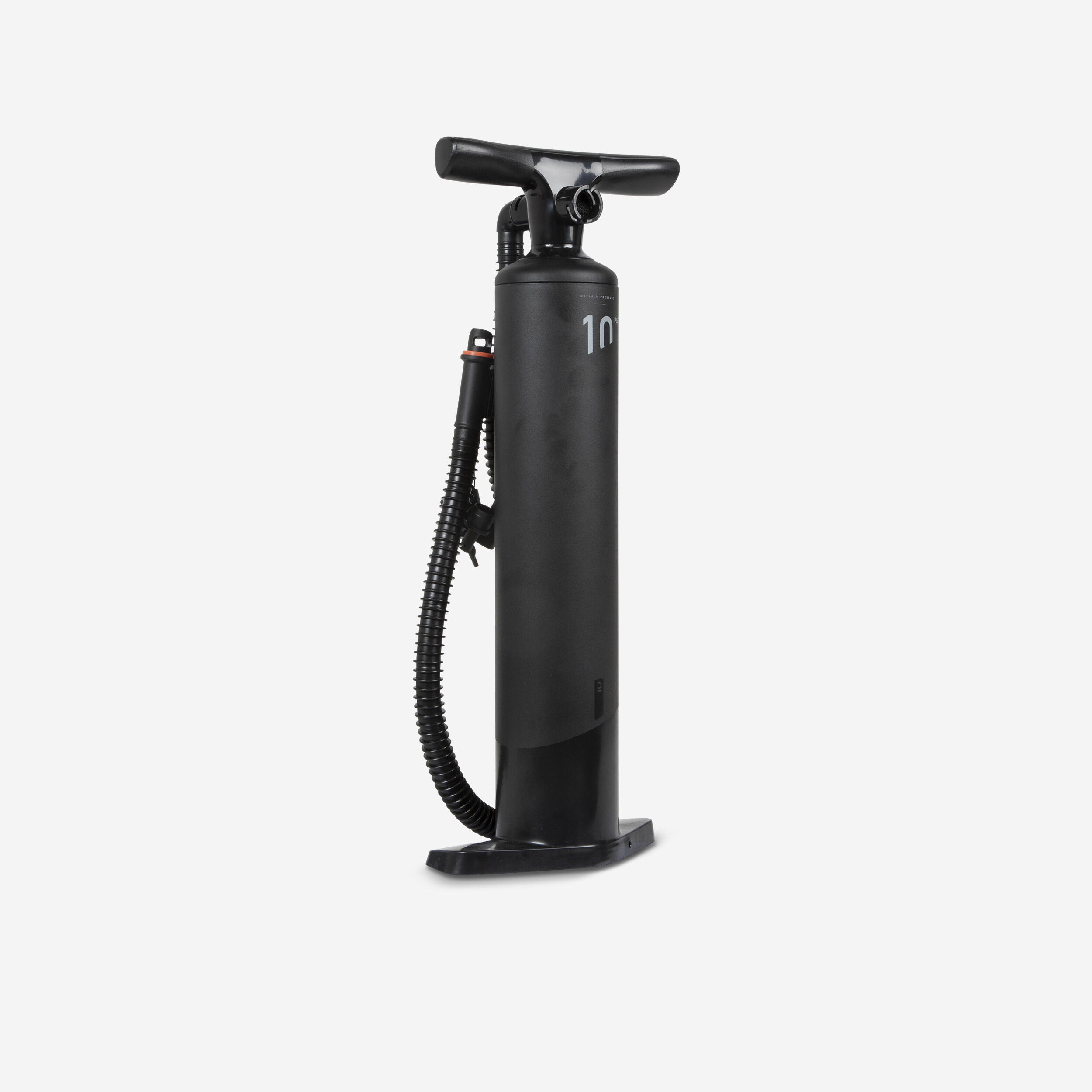
QUECHUA CAMPING HAND PUMP - ULTIM COMFORT 10 PSI - RECOMMENDED FOR INFLATABLE TENT4.7(1,349)Reviews.votesAriaCurrent price {{currentPrice}} €26.00
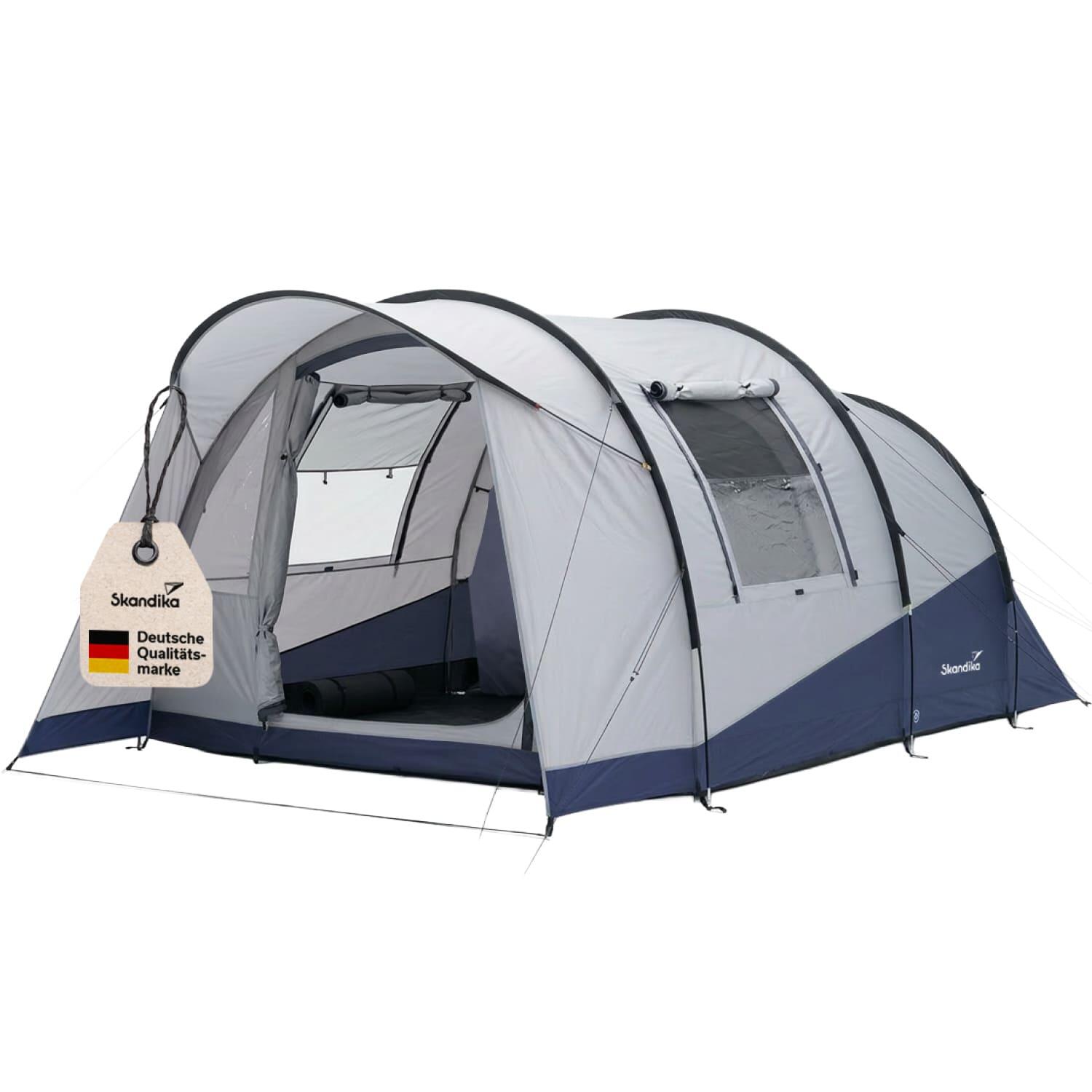
Marketplace -Online Only Marketplace -Online OnlyMarketplace -Online OnlySKANDIKA Isken 3 Protect Tunnel Tent – 3 Person – UPF 50+5(1)Reviews.votesAriaCurrent price {{currentPrice}} €249.00Sold and shipped by Max Trader GmbH
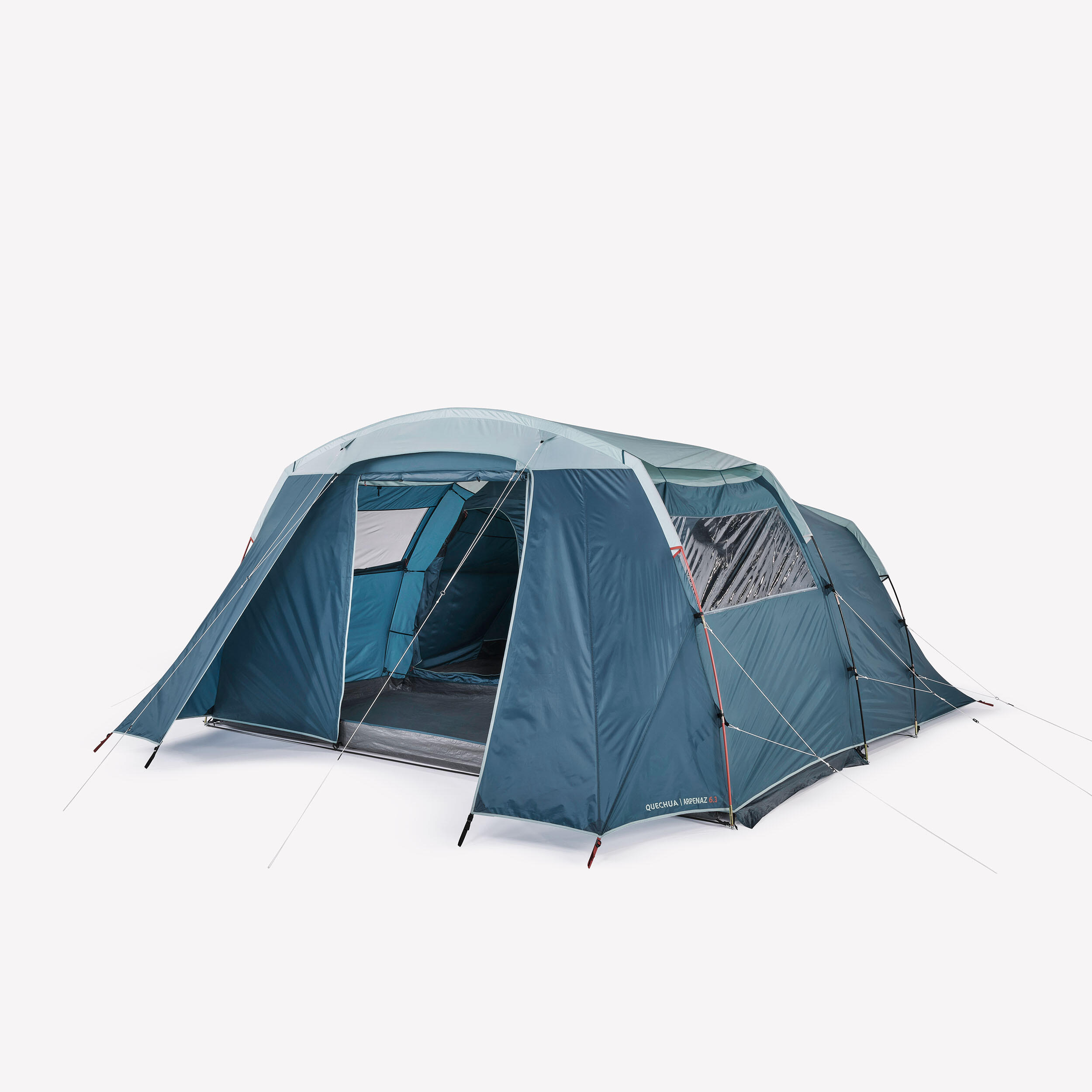
Last chance Last chanceLast chanceQUECHUA 6-person, 3-bedroom camping tent, Arpenaz 6.34.5(254)Reviews.votesAriaCurrent price {{currentPrice}} €260.00 Former price €310.00 16% offLowest price: €310.00Starting on 4/10/2026 and valid for the entire duration of the promo
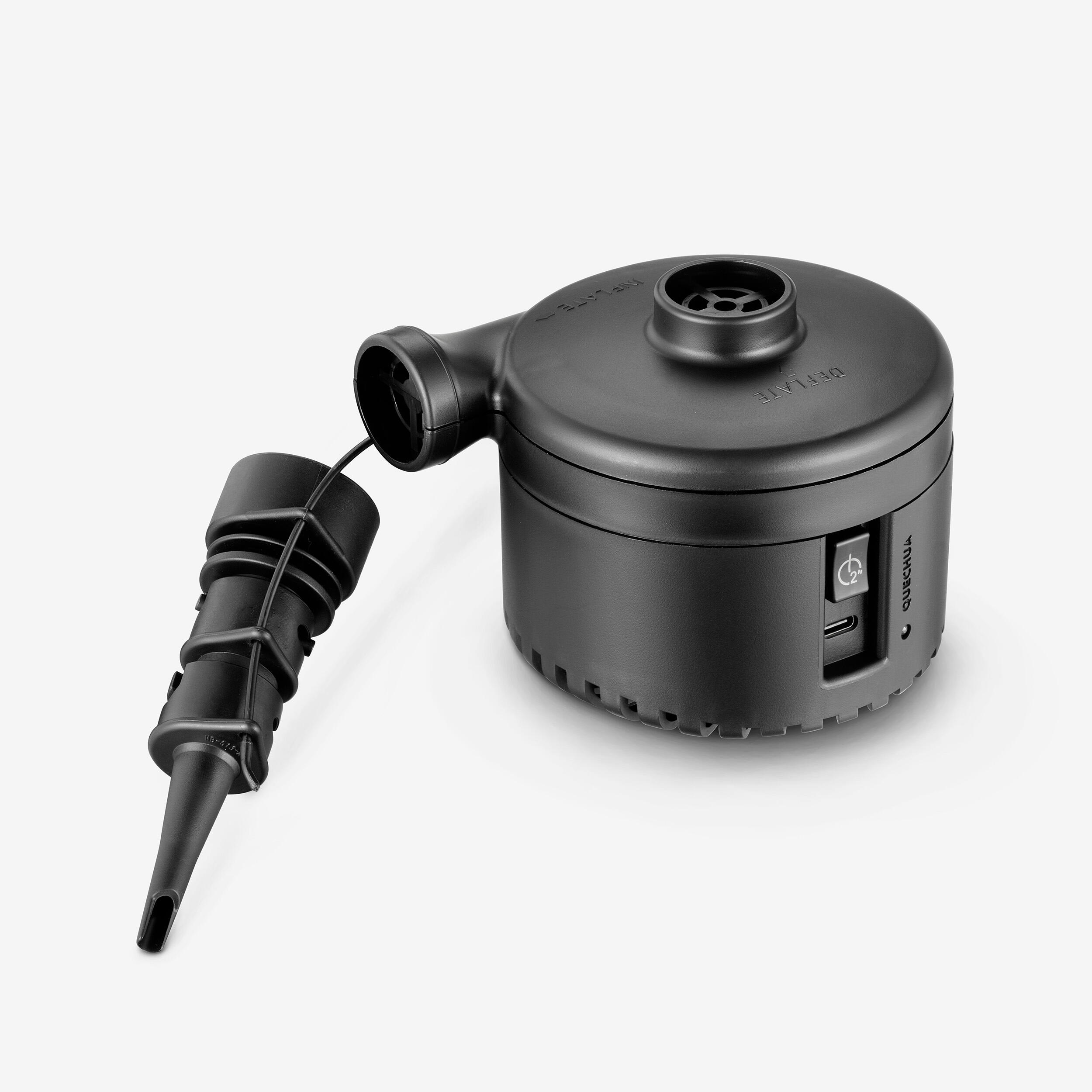
QUECHUA Electric pump for camping mattresses, on a battery, rechargeable via USB-C4.7(500)Reviews.votesAriaCurrent price {{currentPrice}} €30.00
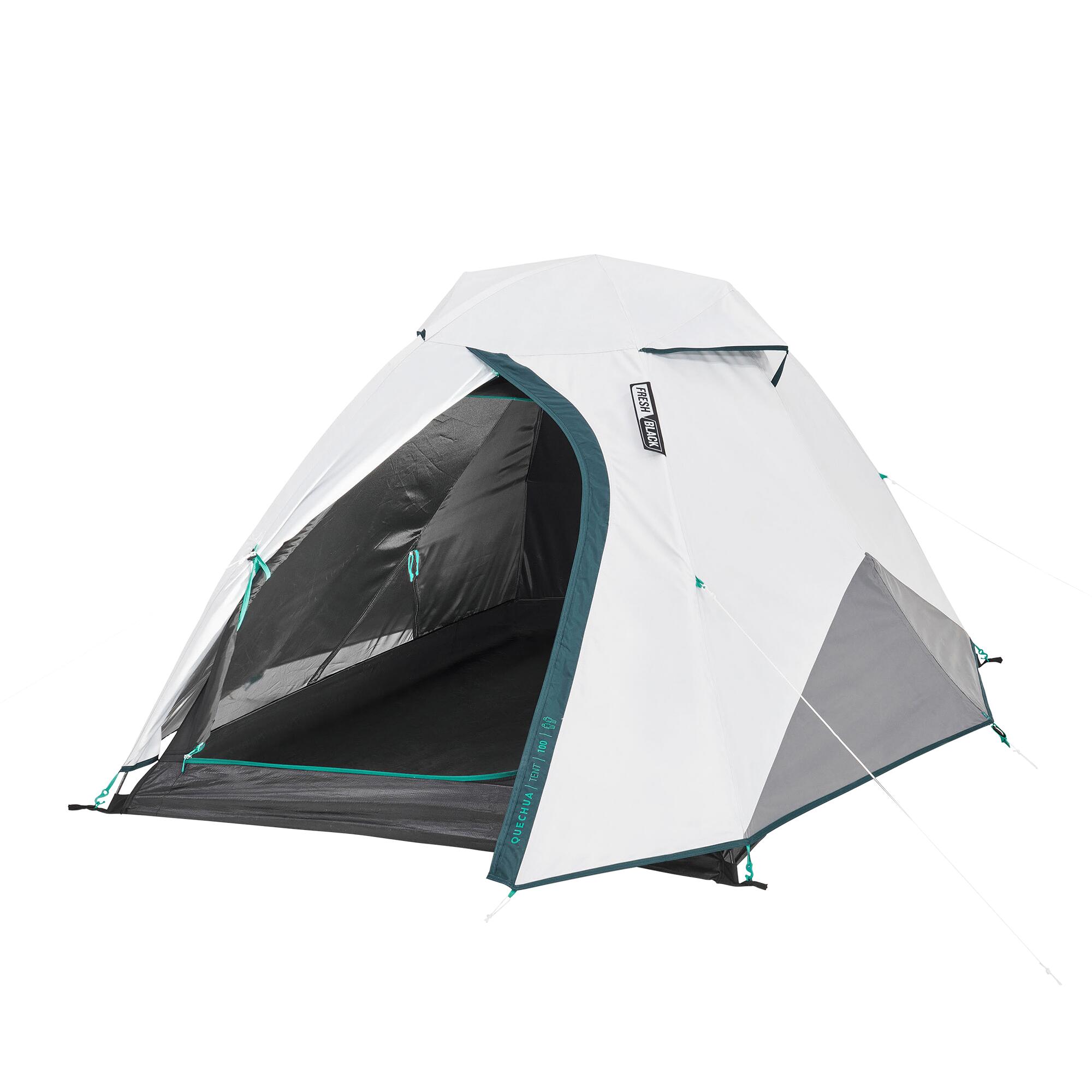
QUECHUA 2-person camping tent, MH100 - Fresh & Black4.7(821)Reviews.votesAriaCurrent price {{currentPrice}} €55.00
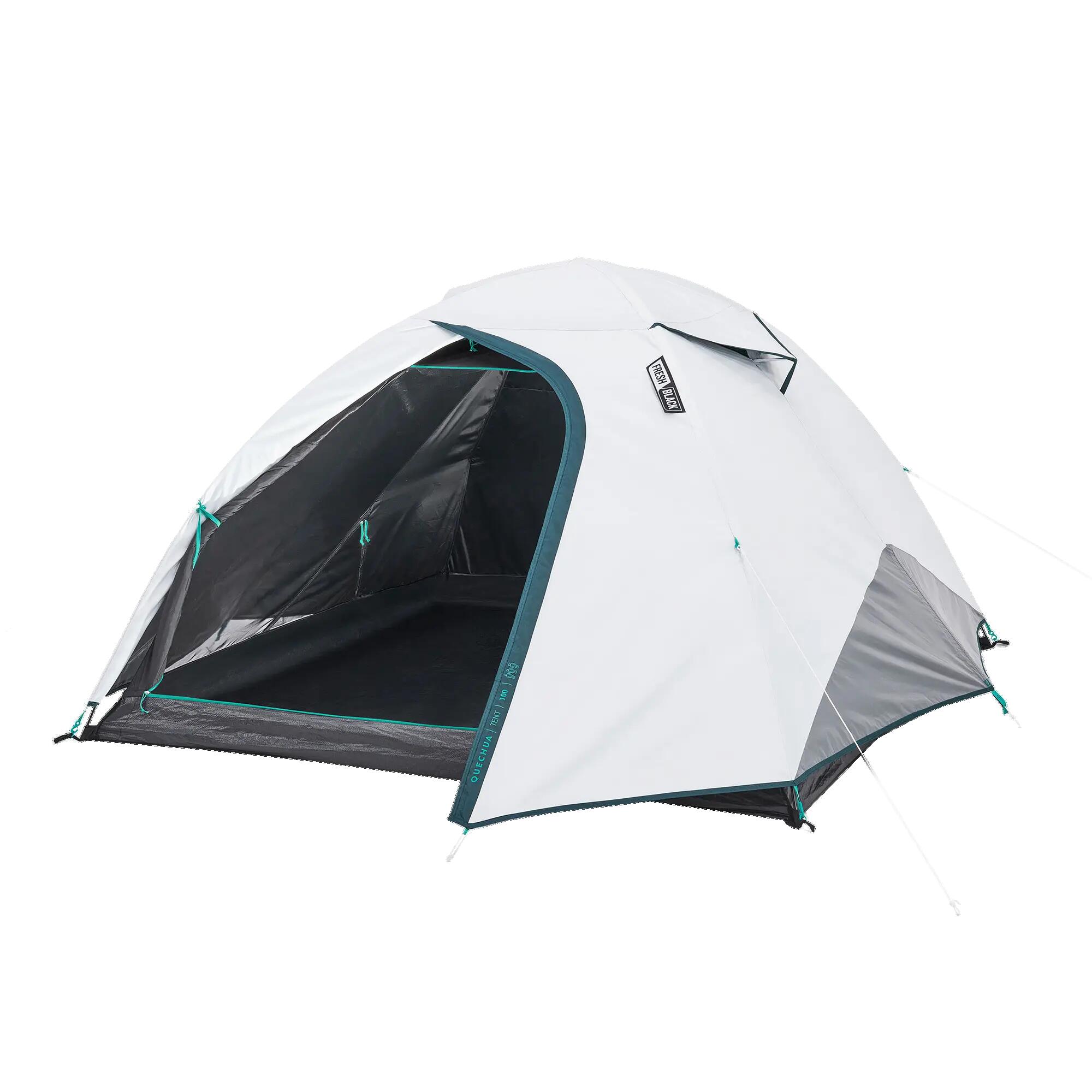
QUECHUA 3-person camping tent, MH100 - Fresh & Black4.8(3,052)Reviews.votesAriaCurrent price {{currentPrice}} €70.00
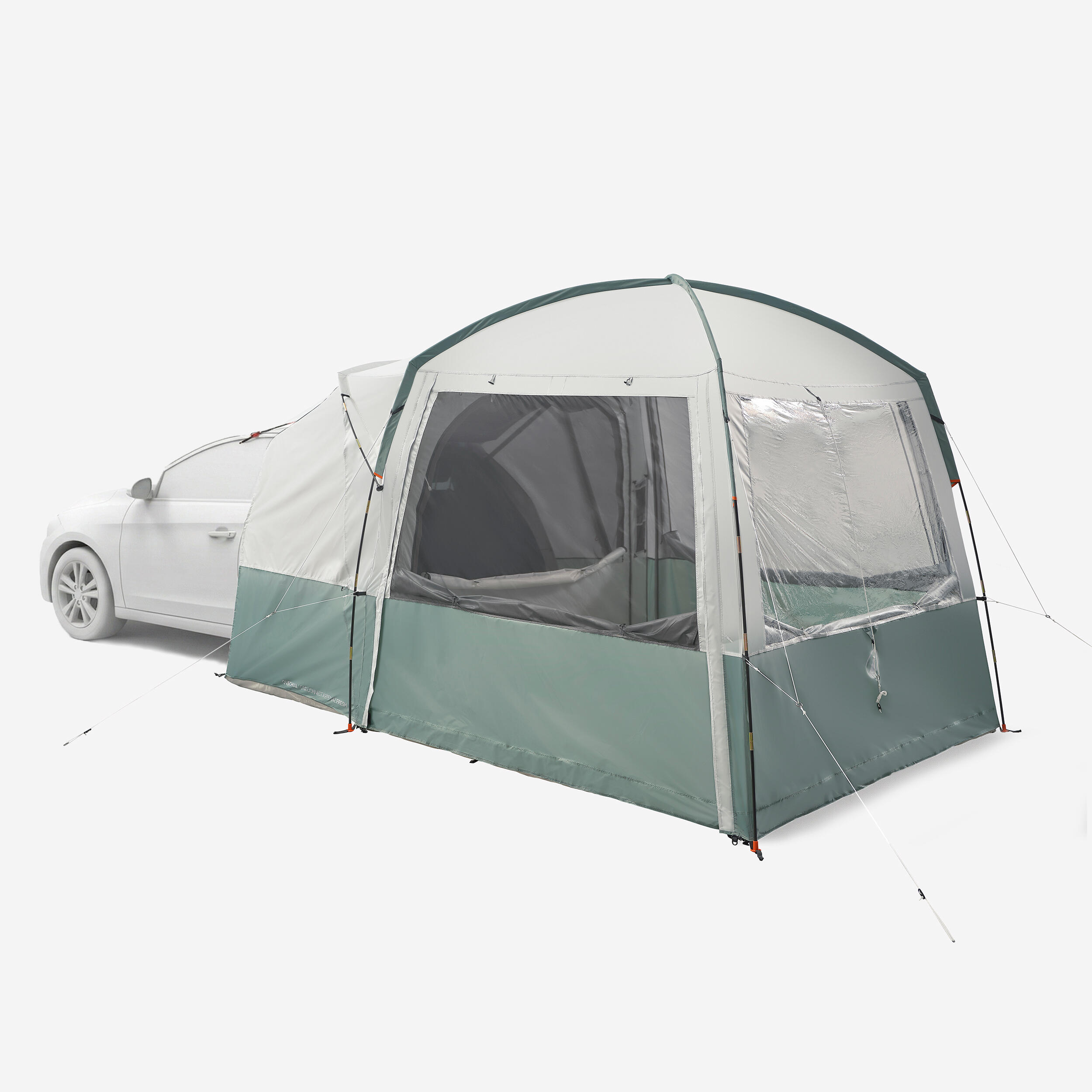
QUECHUA Car boot tent, Car Connect Fresh3.7(9)Reviews.votesAriaCurrent price {{currentPrice}} €310.00
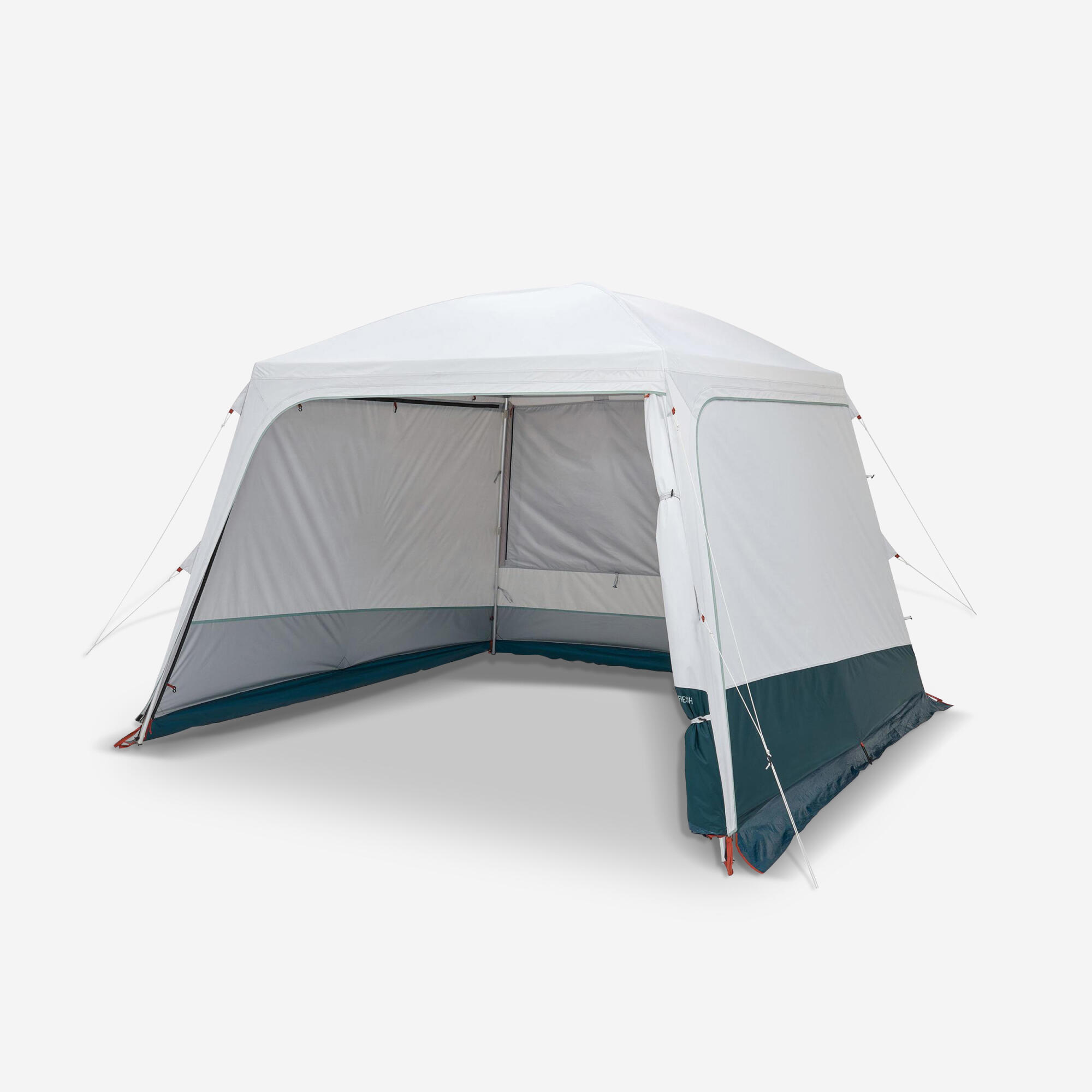
New Lower Price New Lower PriceNew Lower PriceQUECHUA Gazebo Camping Shelter With Sides - Arpenaz4.7(931)Reviews.votesAriaCurrent price {{currentPrice}} €190.00 Former price Was €200.00Lowest price: €200.00
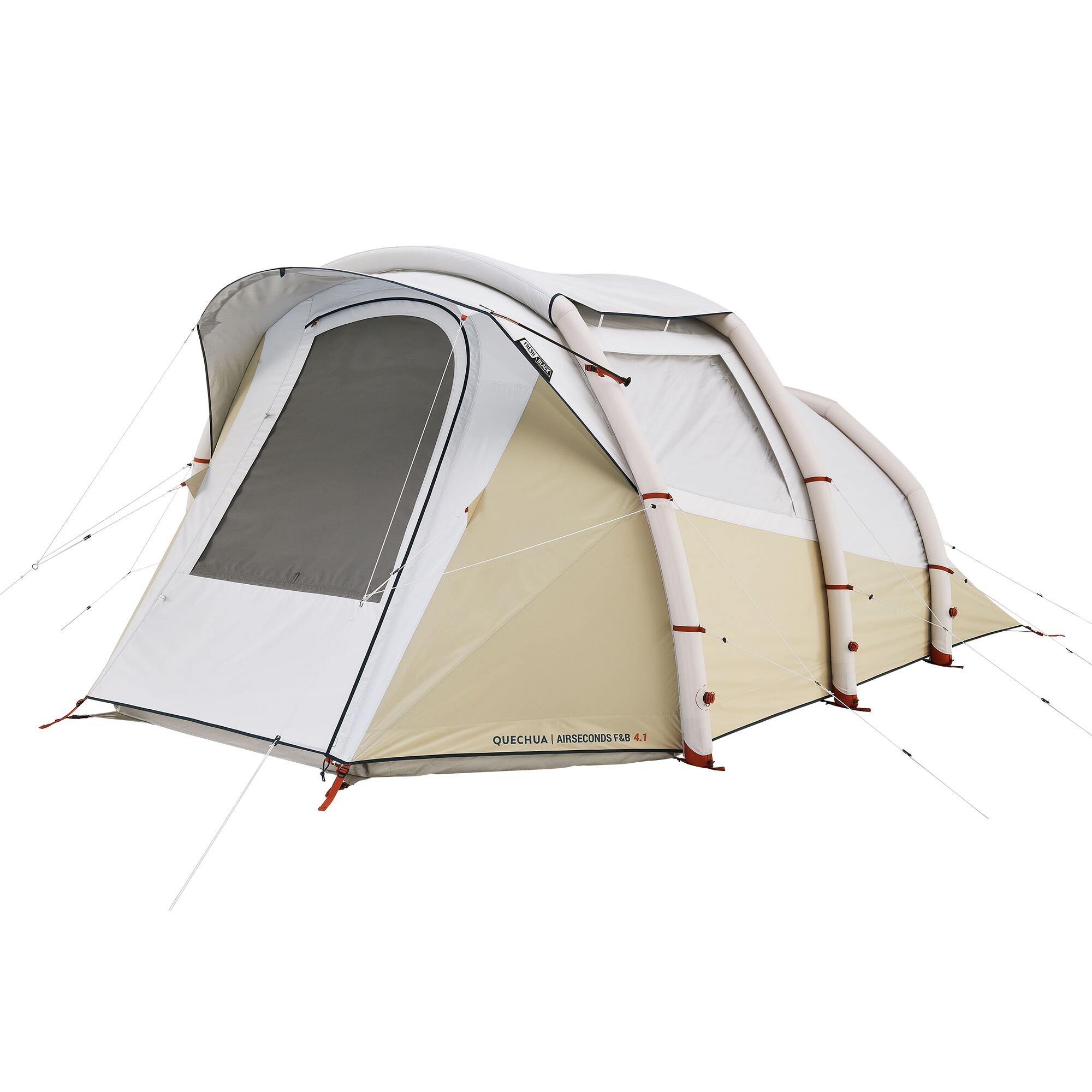
QUECHUA Inflatable 4-person camping tent, Air Seconds 4.1 Fresh & Black - Beige4.7(1,247)Reviews.votesAriaCurrent price {{currentPrice}} €360.00
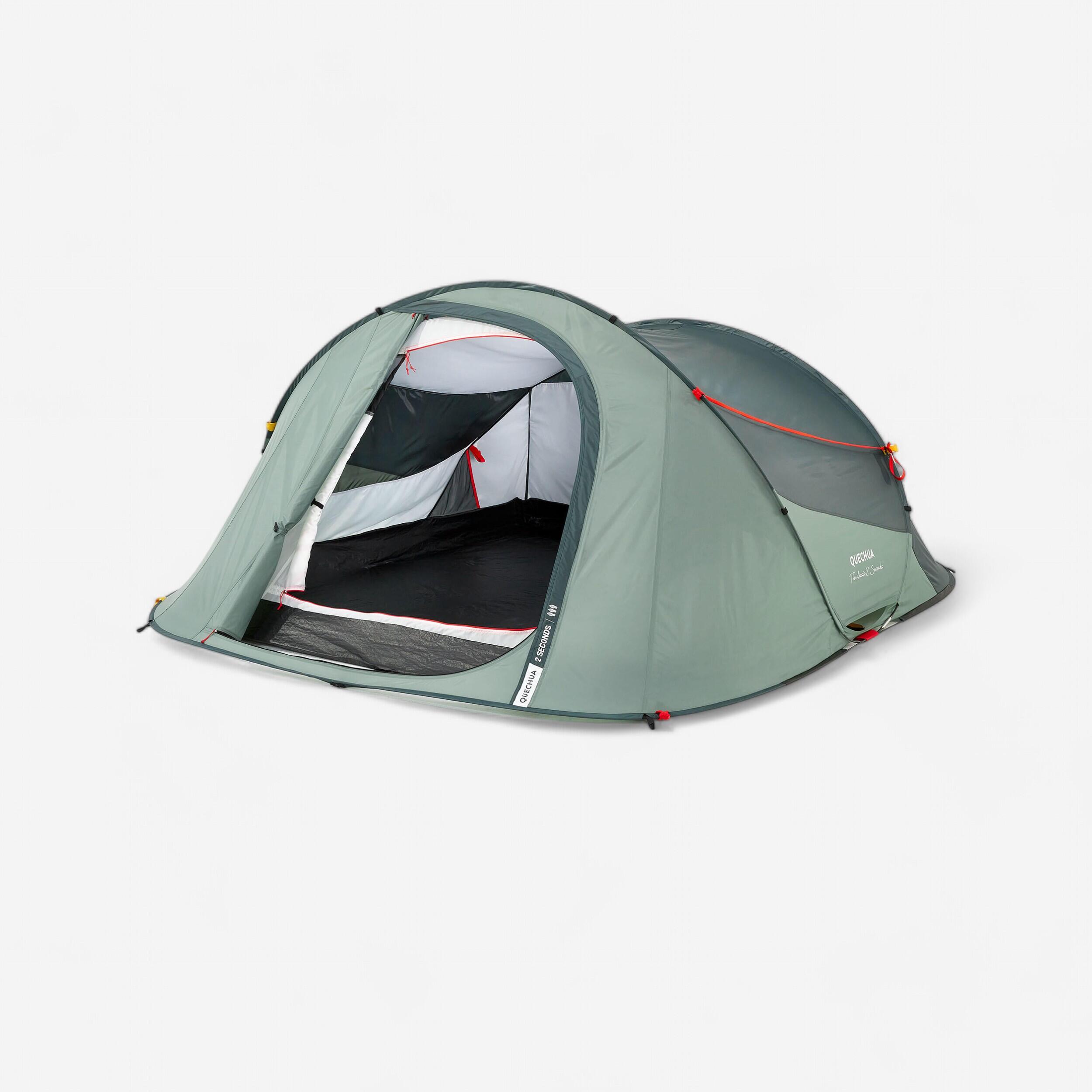
New Lower Price New Lower Price2 coloursNew Lower PriceQUECHUA Instant 3-person camping tent, 2 Seconds - Green4.6(496)Reviews.votesAria2 coloursCurrent price {{currentPrice}} €75.00 Former price Was €90.00Lowest price: €90.00
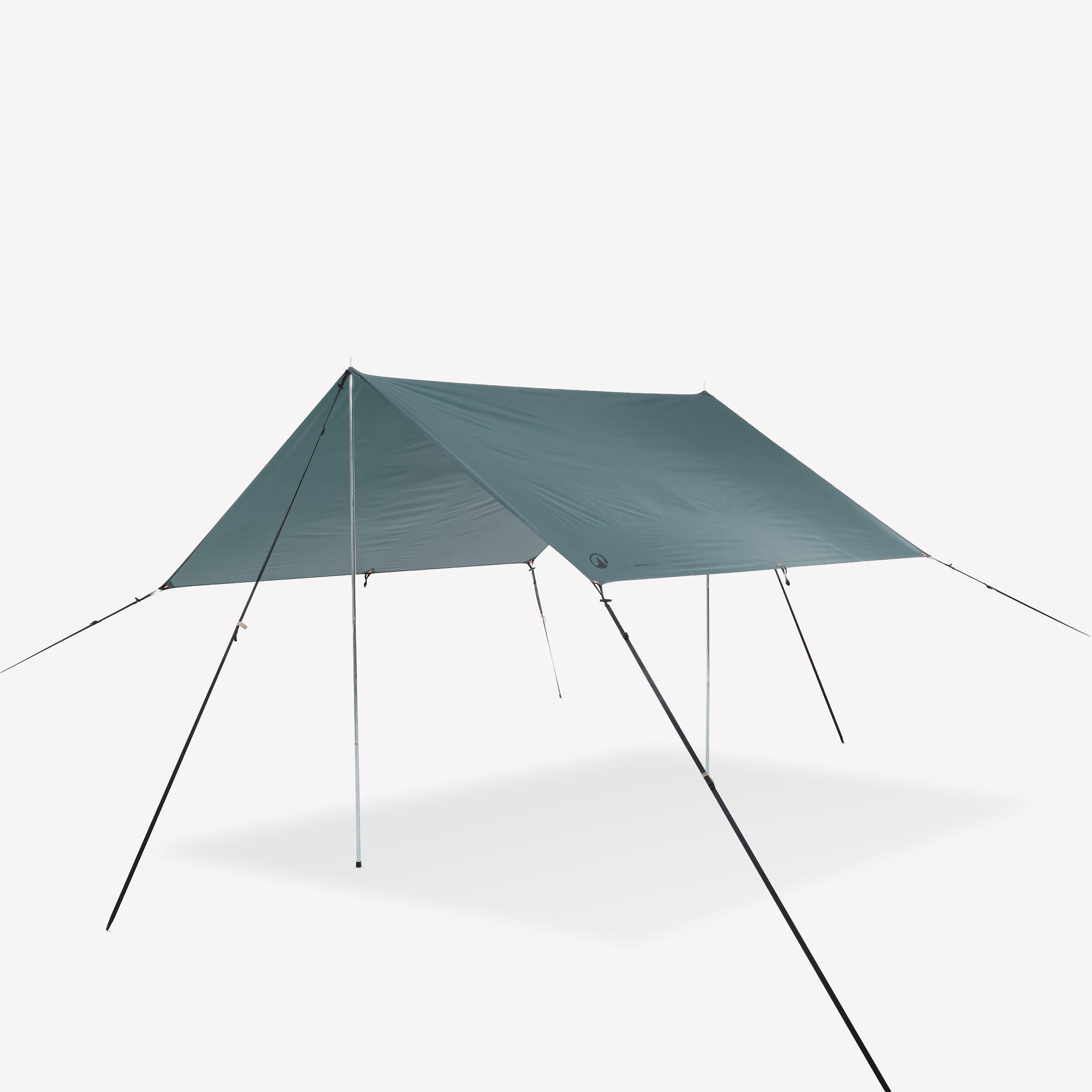
QUECHUA Multi-purpose camping shelter tarp - size L4.7(37)Reviews.votesAriaCurrent price {{currentPrice}} €36.00
2 coloursQUECHUA 2-person instant camping tent, 2 Seconds - Blue4.6(514)Reviews.votesAria2 coloursCurrent price {{currentPrice}} €60.00
DECATHLON Self-adhesive Stretch Material Repair Patches - Black5(12)Reviews.votesAriaCurrent price {{currentPrice}} €7.00
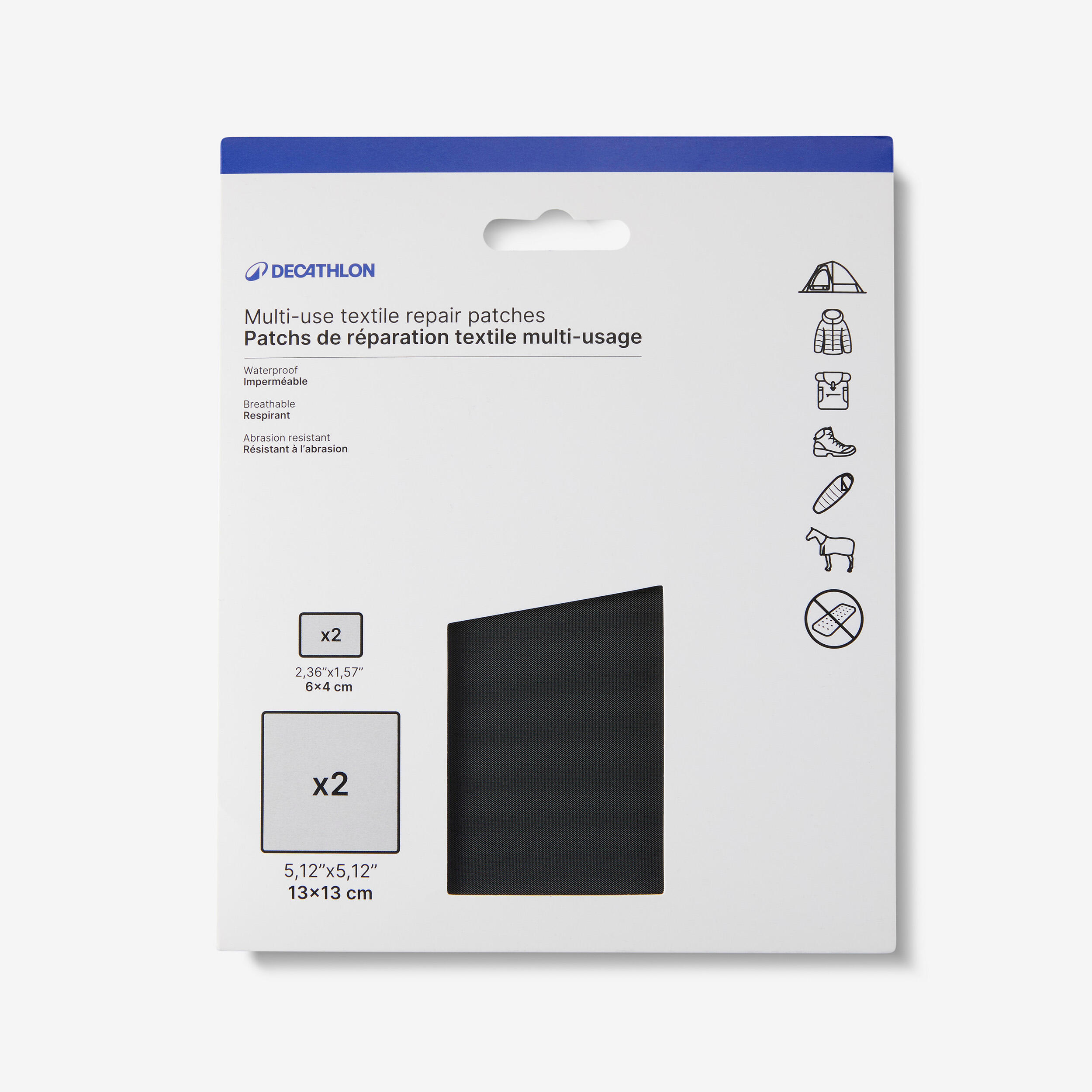
DECATHLON Multi-purpose, self-adhesive fabric repair patches - Black4.7(117)Reviews.votesAriaCurrent price {{currentPrice}} €7.00
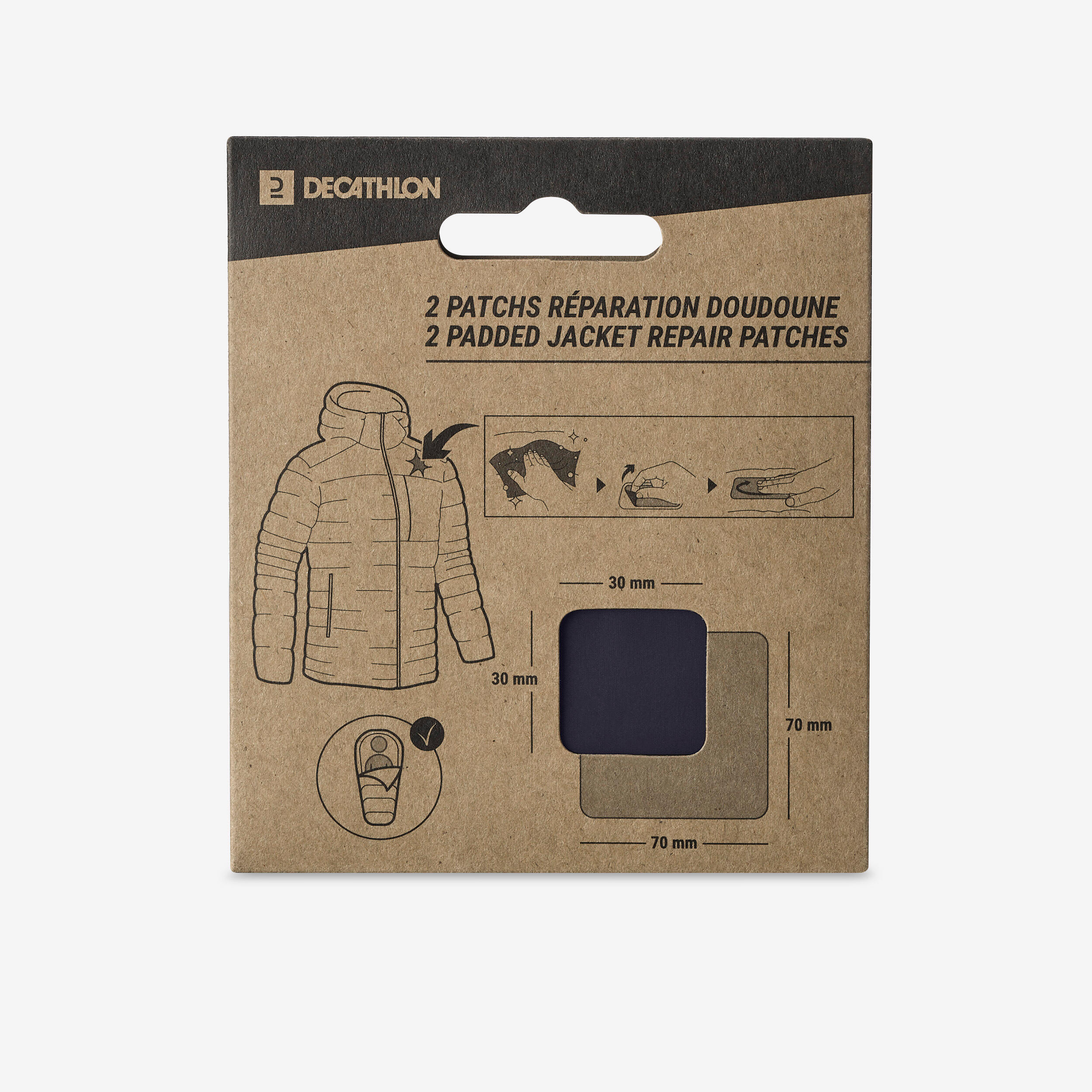
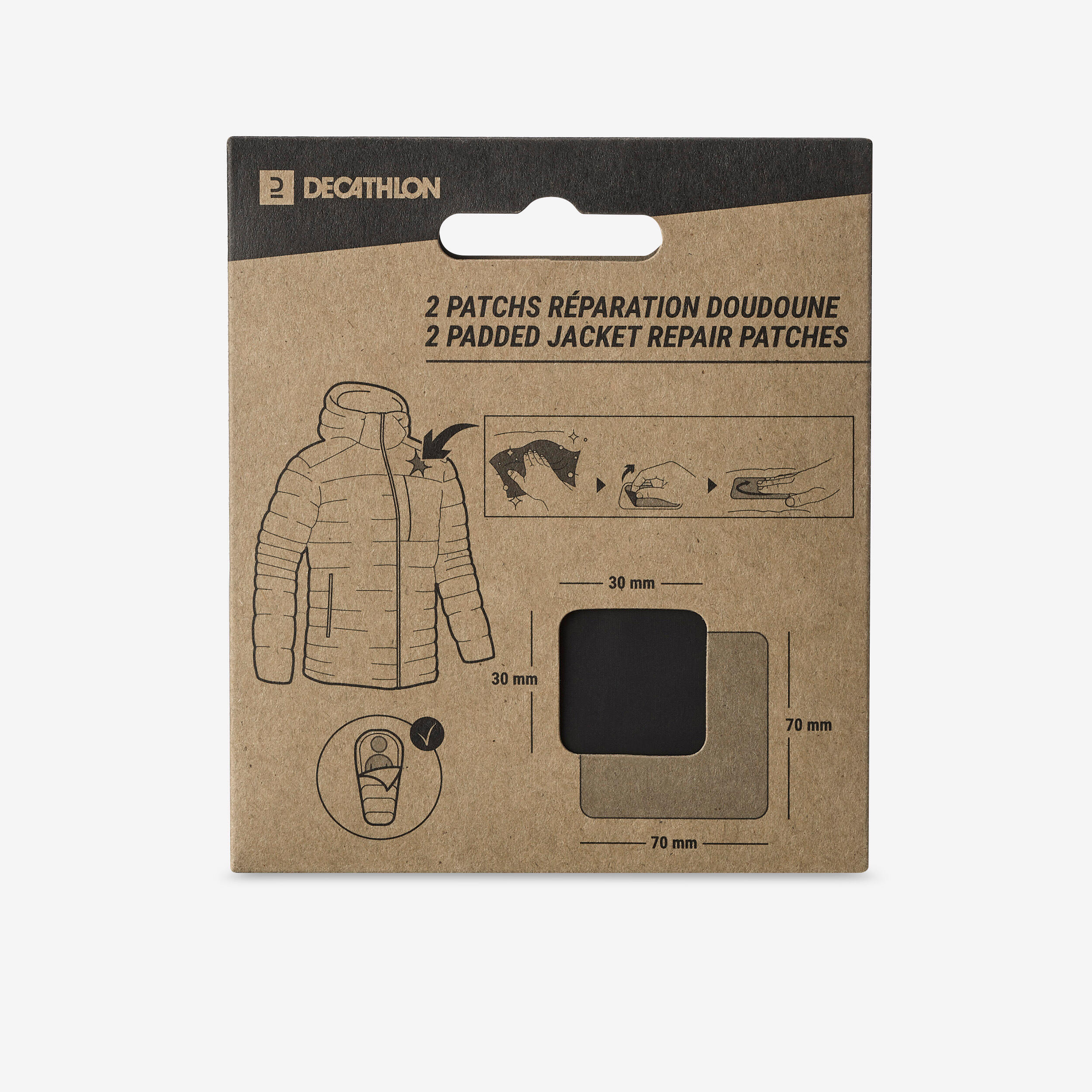
5 coloursDECATHLON Repair patches for down jackets and sleeping bags4.8(947)Reviews.votesAria5 coloursCurrent price {{currentPrice}} €5.00
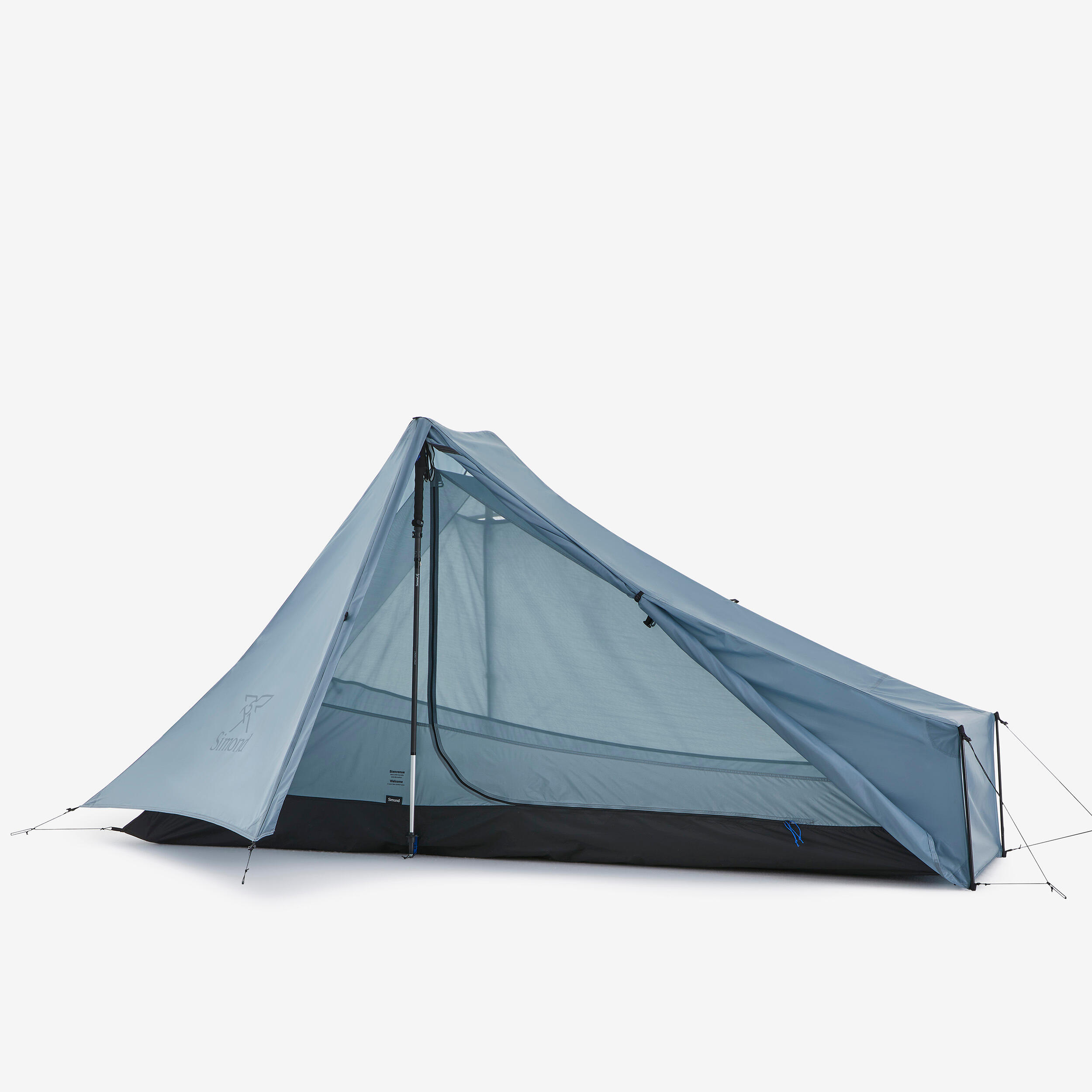
SIMOND One-person trekking ultra-light and ultra-compact tarp tent MT9004.3(183)Reviews.votesAriaCurrent price {{currentPrice}} €150.00
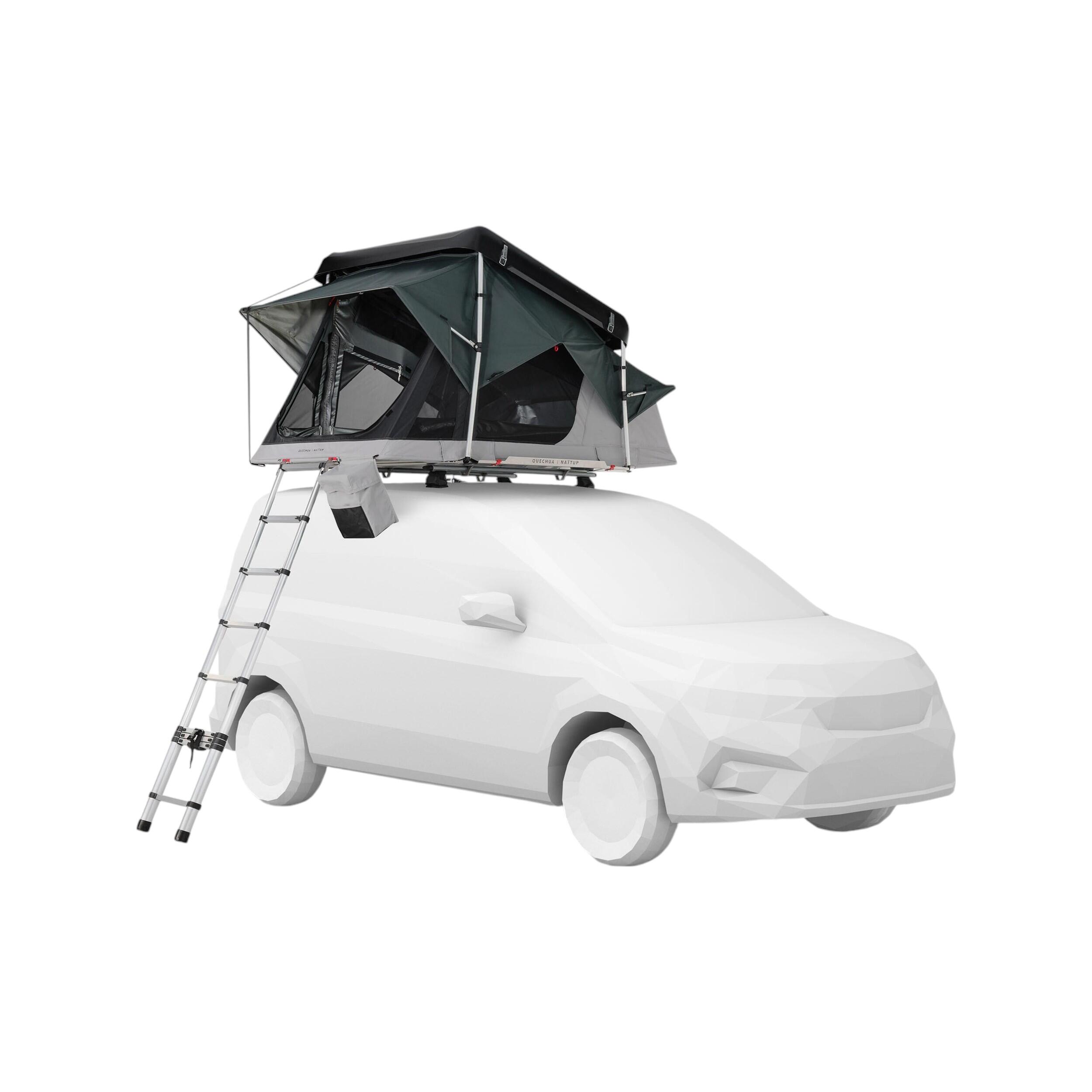
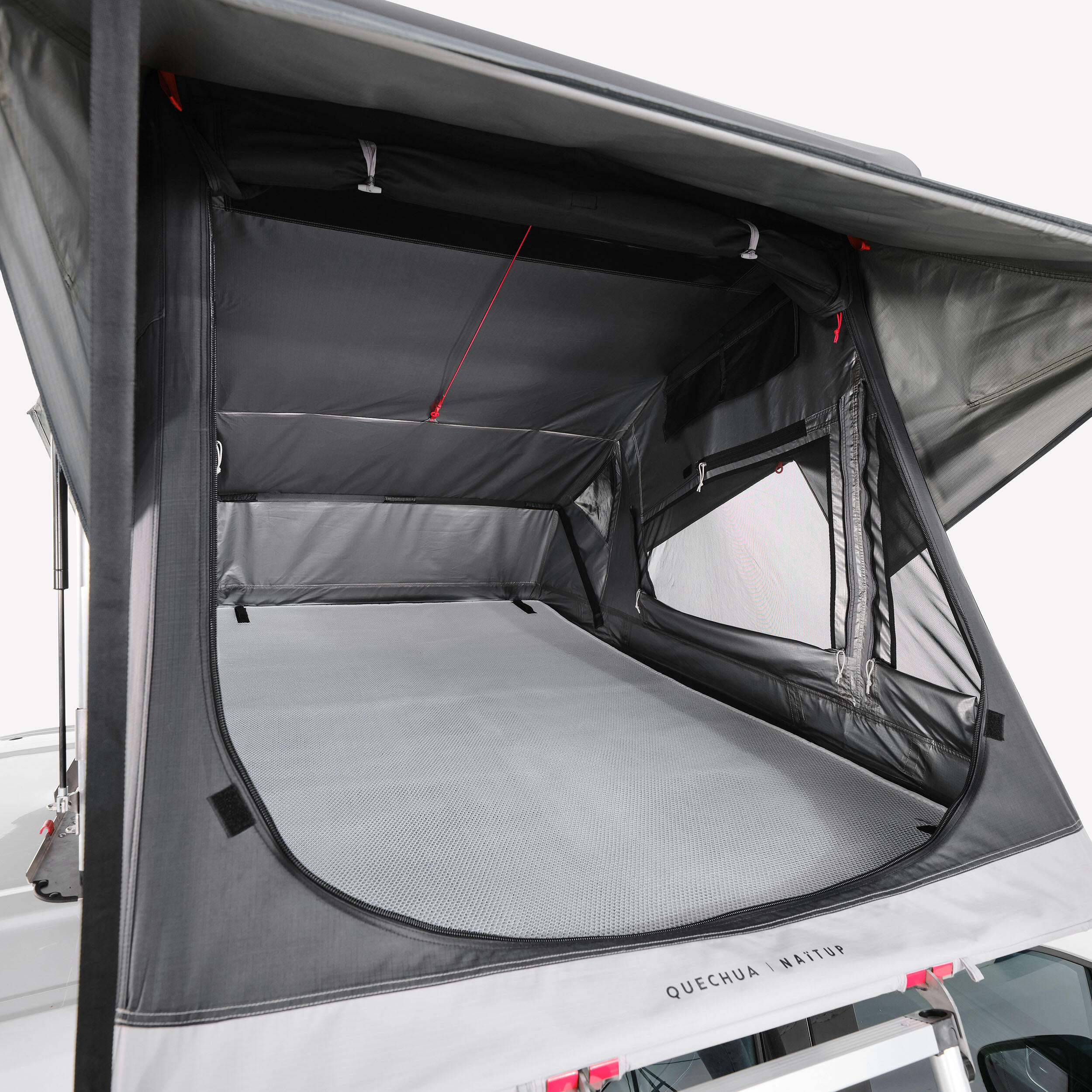
QUECHUA 2-Person anti-cond. rigid rooftop tent rigid Quechua x nAïtup mattress b. layer5(3)Reviews.votesAriaCurrent price {{currentPrice}} €70.00
5 coloursDECATHLON Repair patches for down jackets and sleeping bags4.8(947)Reviews.votesAria5 coloursCurrent price {{currentPrice}} €5.00
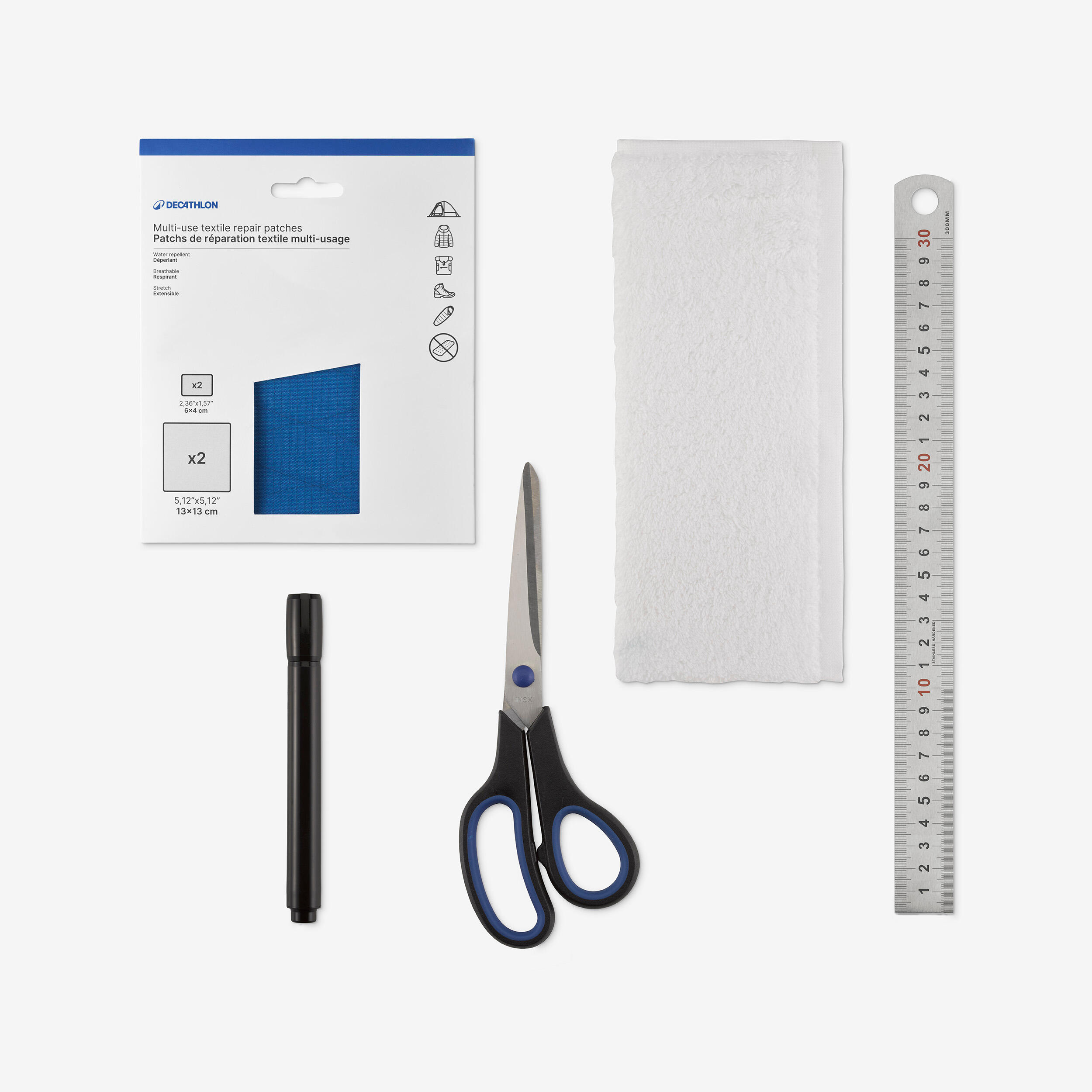
DECATHLON Multipurpose adhesive repair patches (for tents, sleeping bags, backpacks, etc.)4.7(449)Reviews.votesAriaCurrent price {{currentPrice}} €7.00
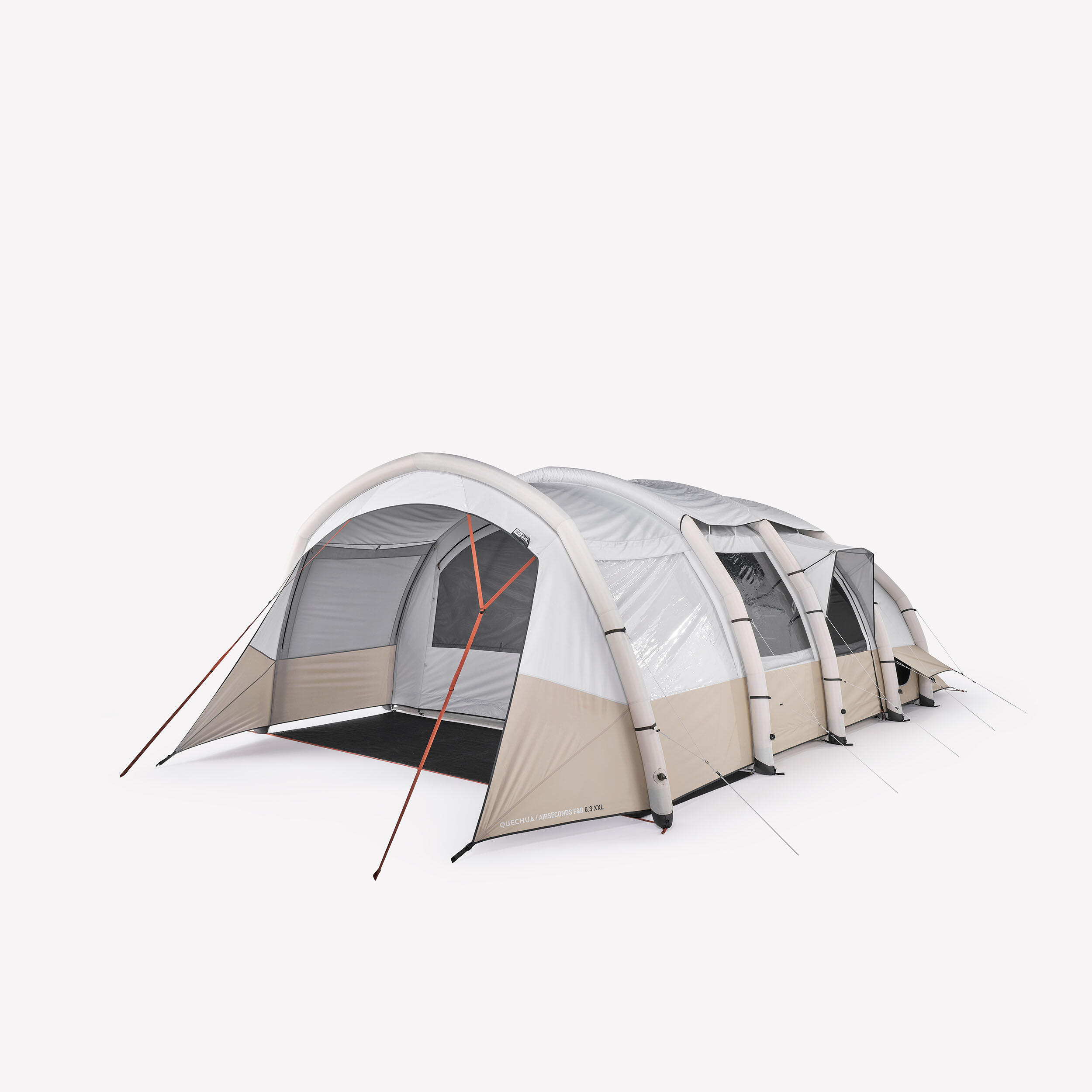
QUECHUA 6-person, 3-bedroom inflatable camping tent, Air Seconds 6.3 XXL, Fresh & Black4.5(73)Reviews.votesAriaCurrent price {{currentPrice}} €1,280.00
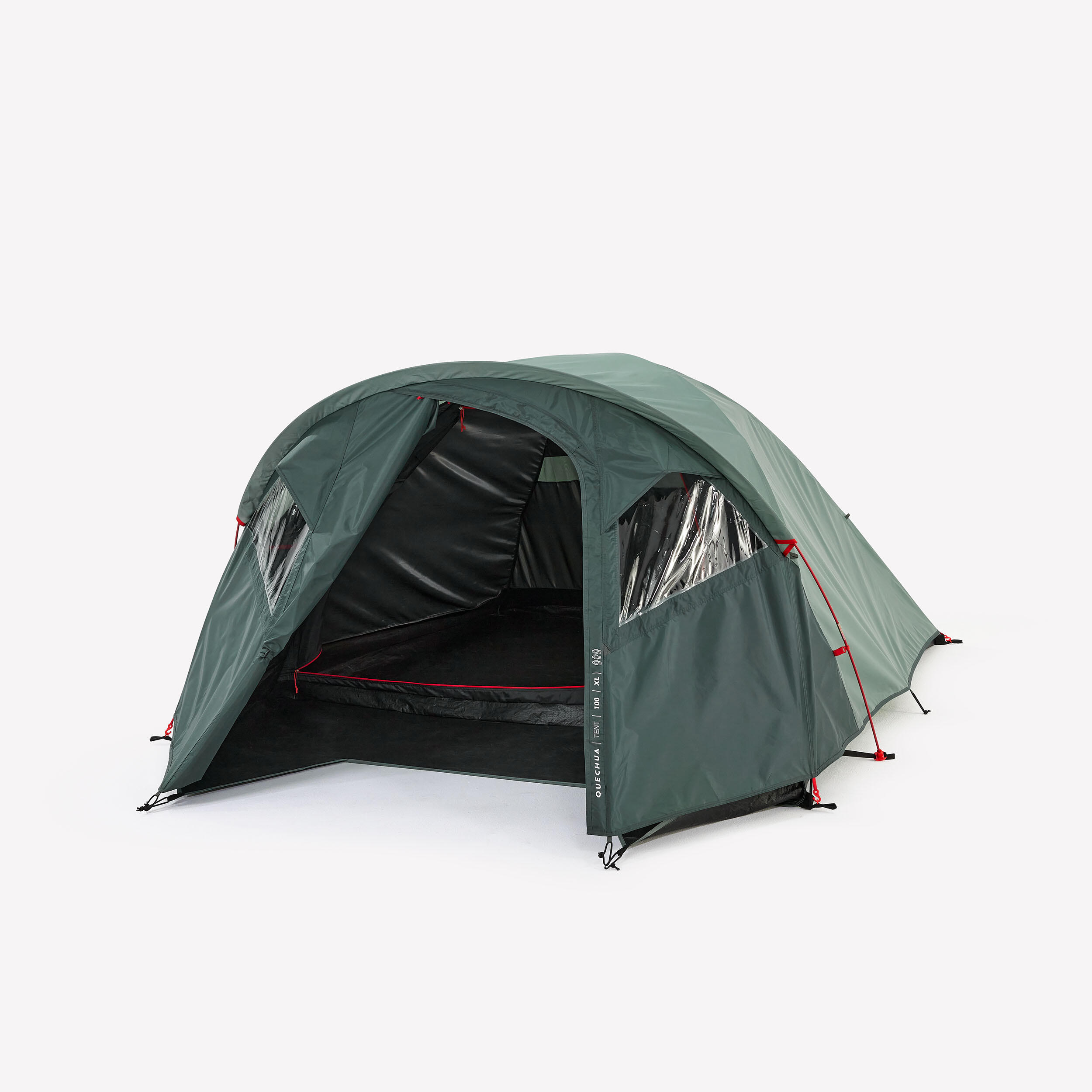
Last chance Last chanceLast chanceQUECHUA Camping Tent - MH100 XL - 3-Person4.6(75)Reviews.votesAriaCurrent price {{currentPrice}} €95.00
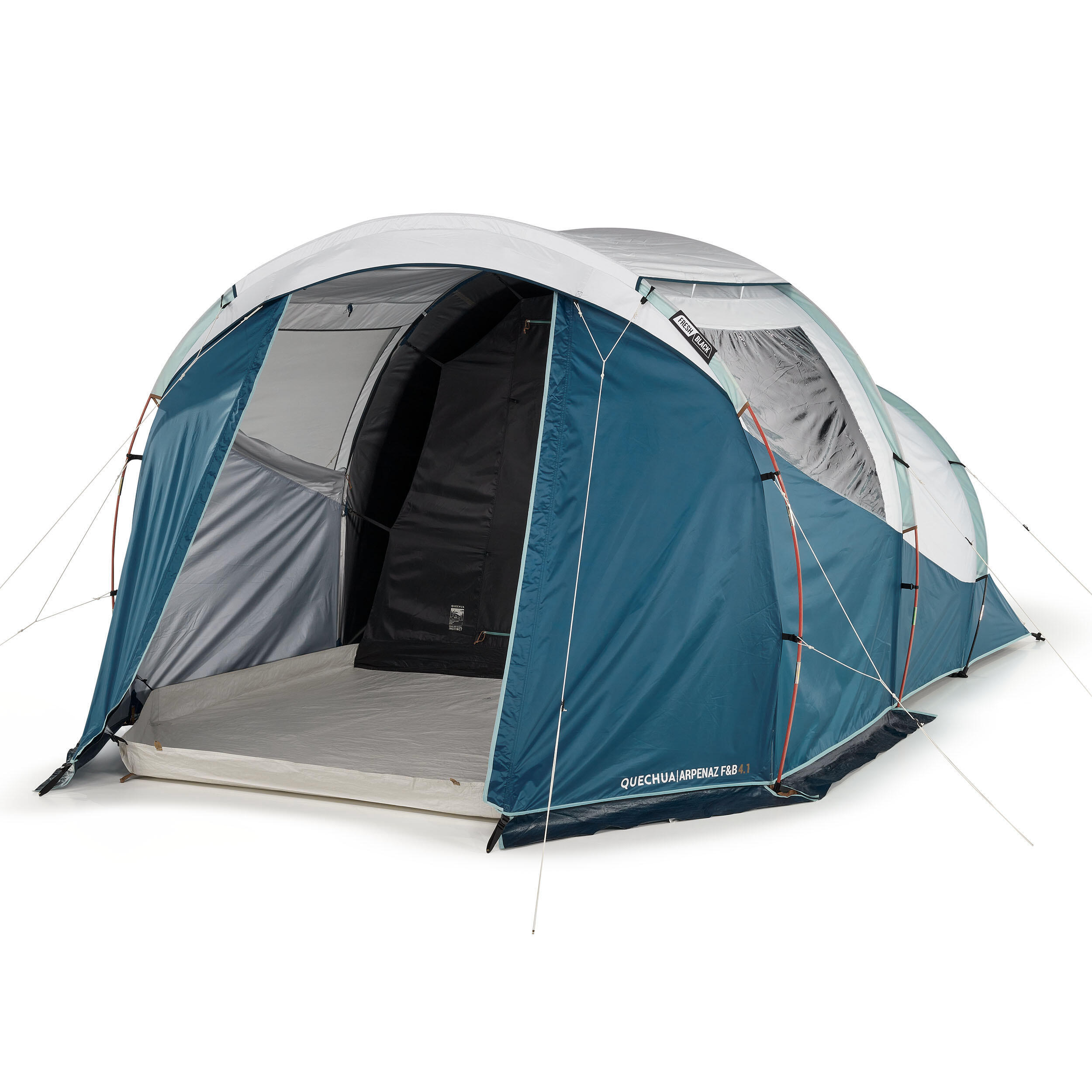
QUECHUA 4-person camping tent, Arpenaz 4.1, Fresh & Black4.6(3,276)Reviews.votesAriaCurrent price {{currentPrice}} €195.00