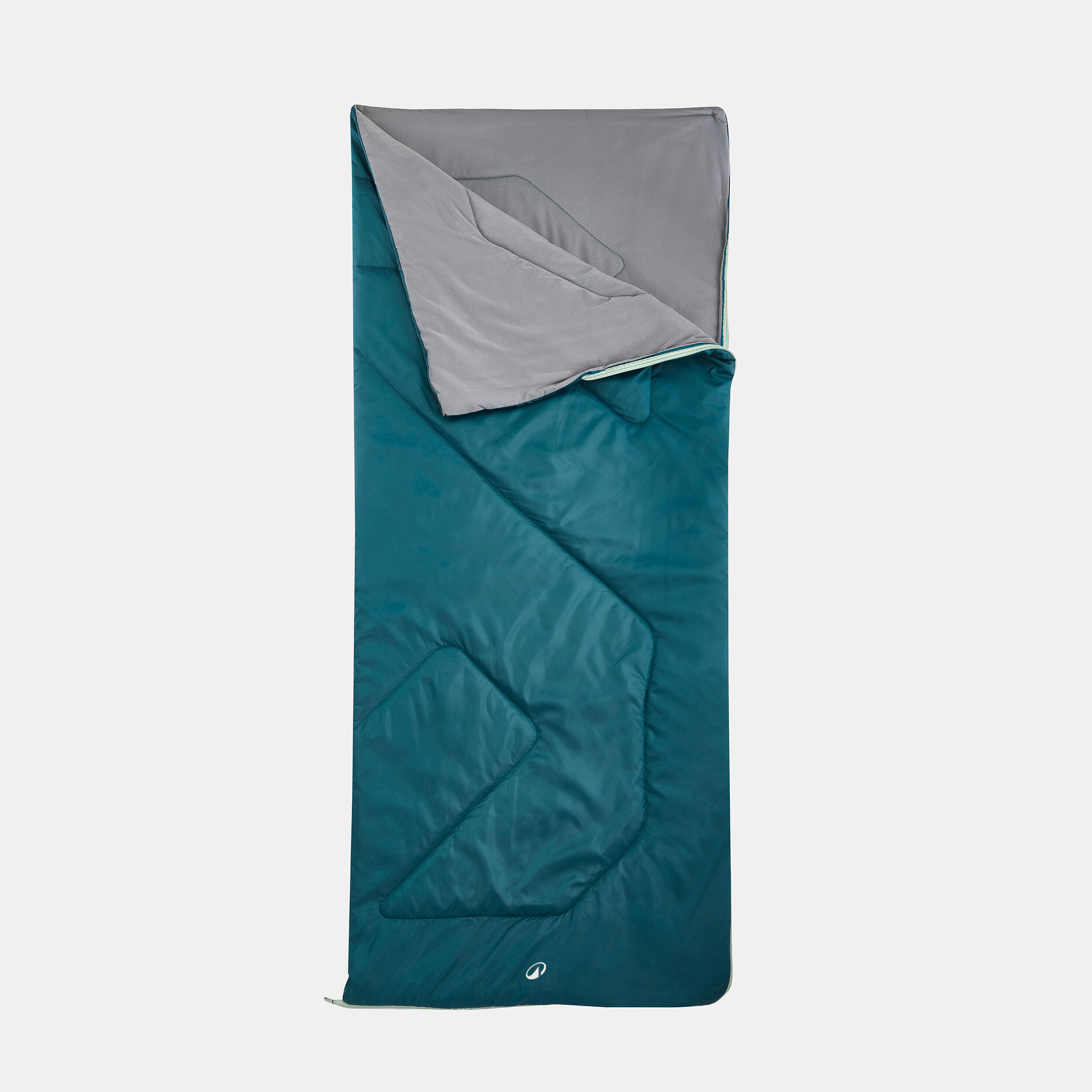
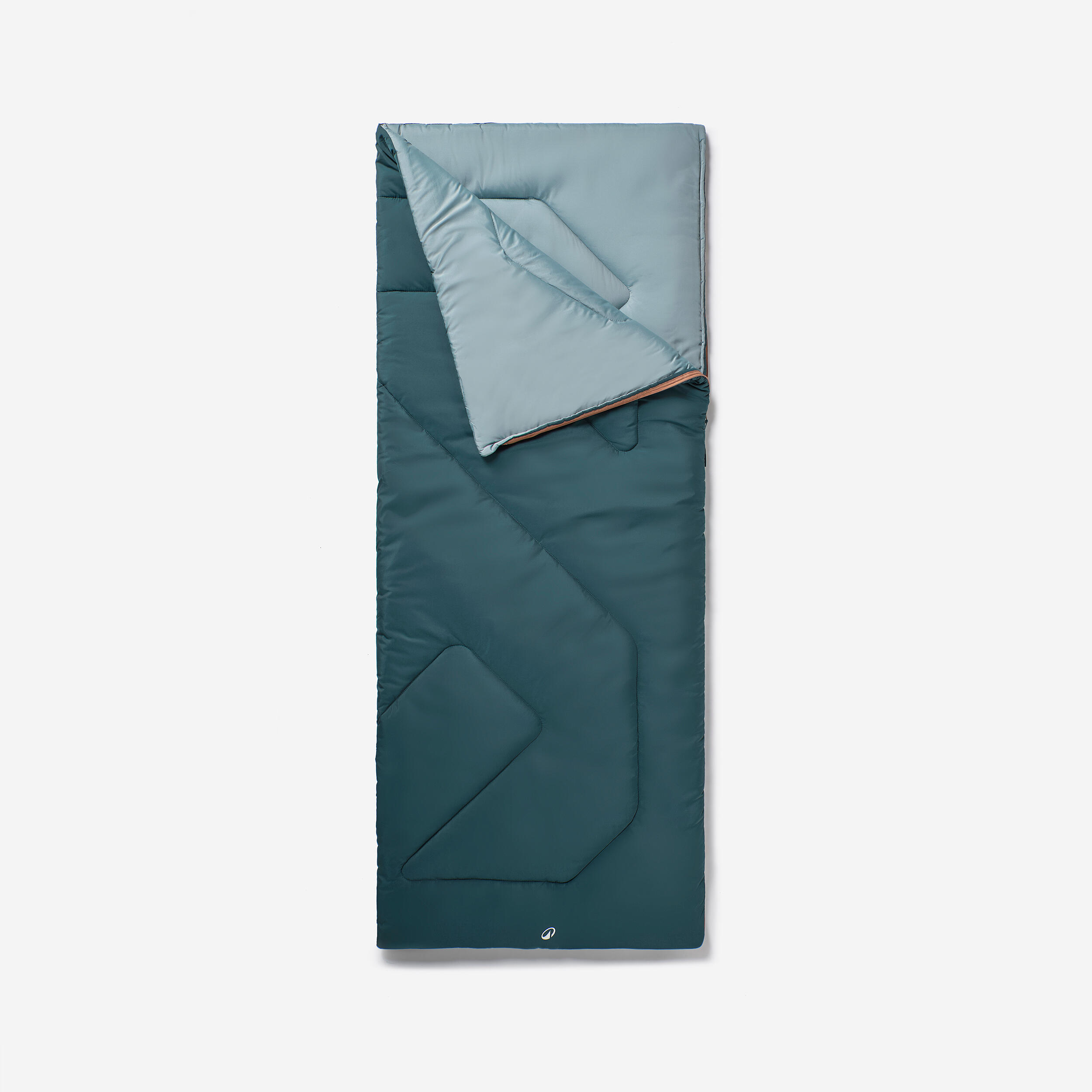
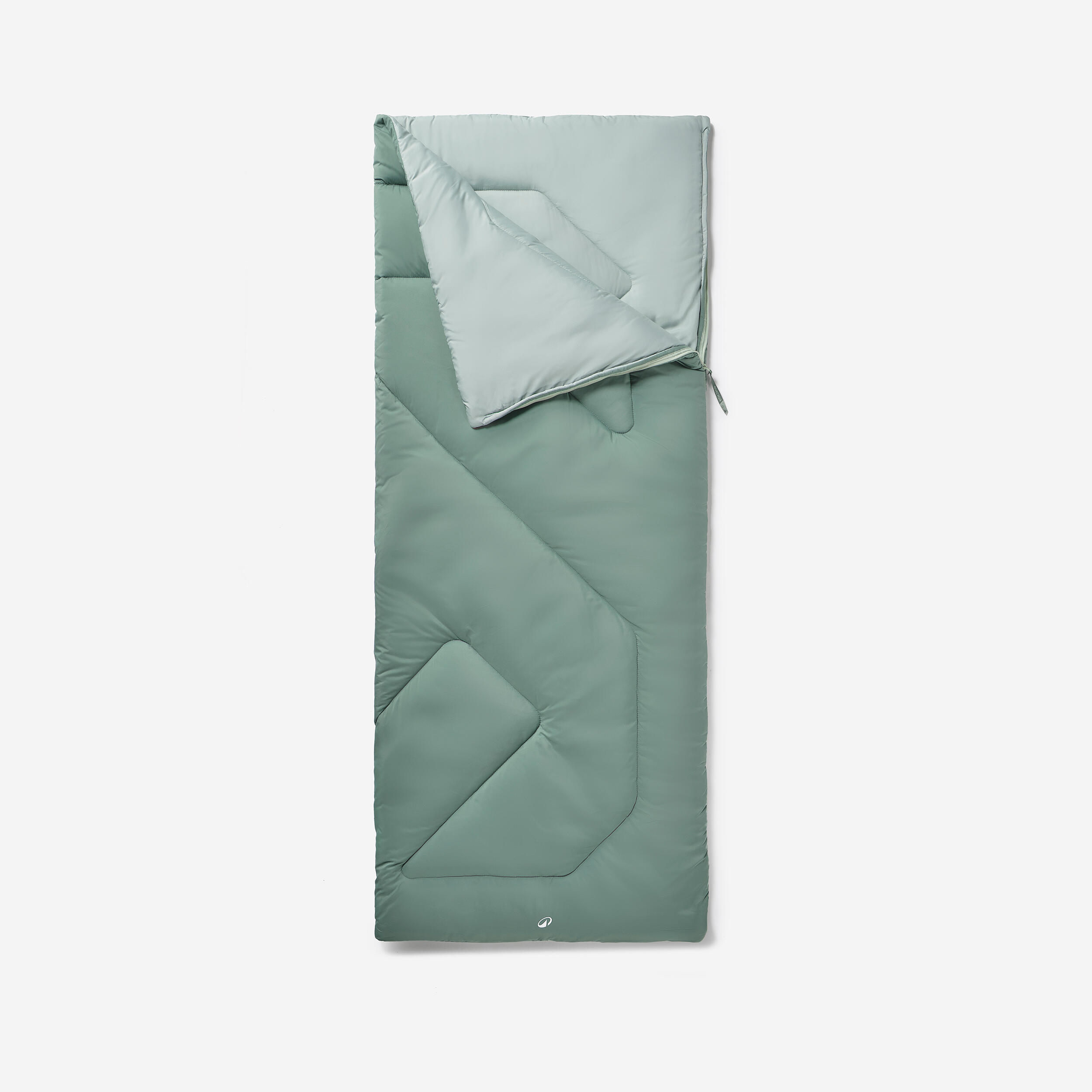
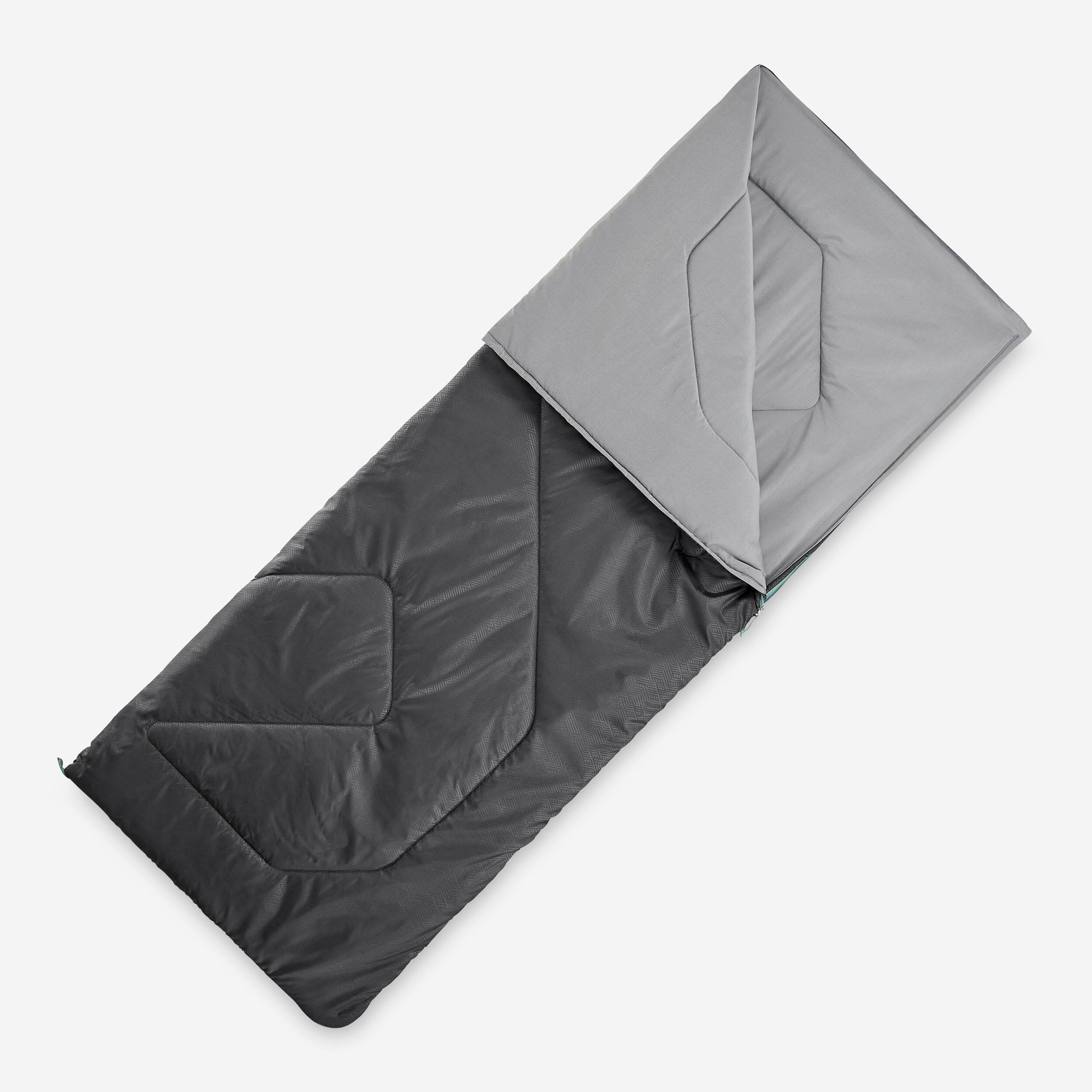
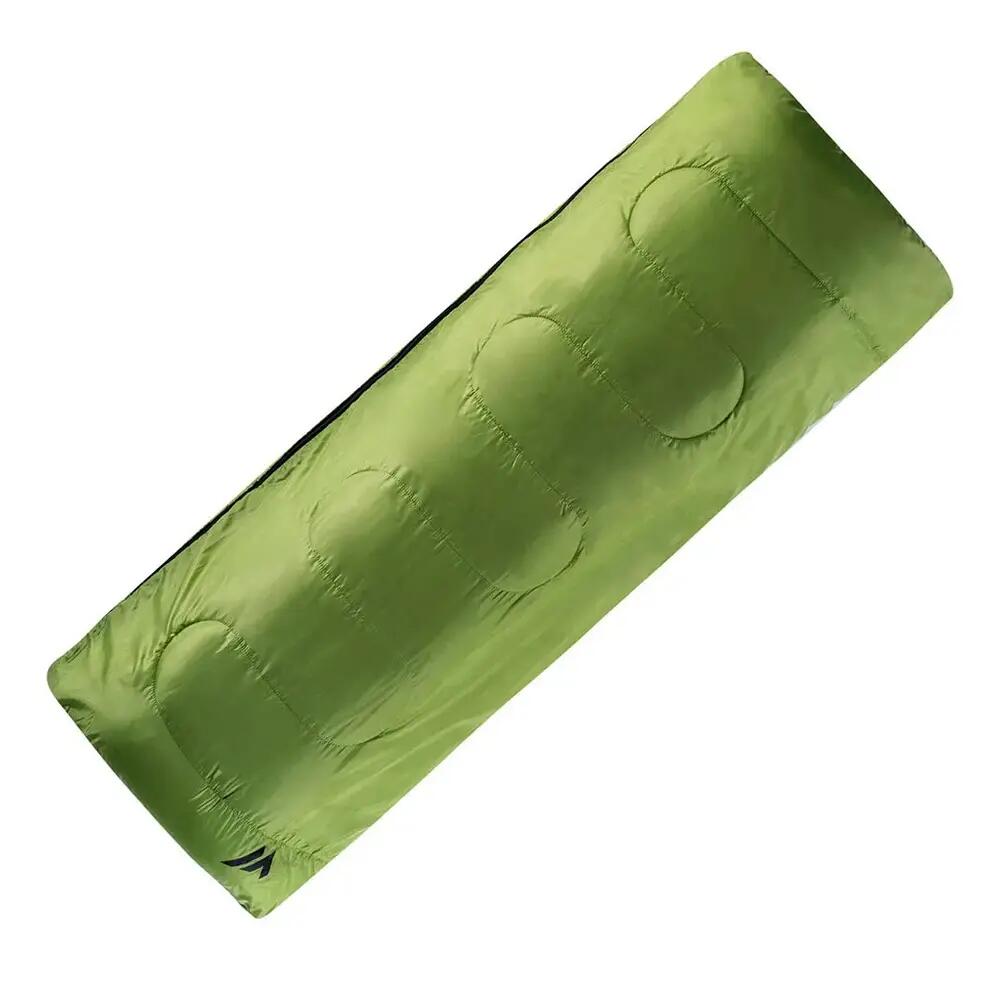
QUECHUA Camping Sleeping Bag 20°C Basic4.7(536)Reviews.votesAriaCurrent price {{currentPrice}} €14.00
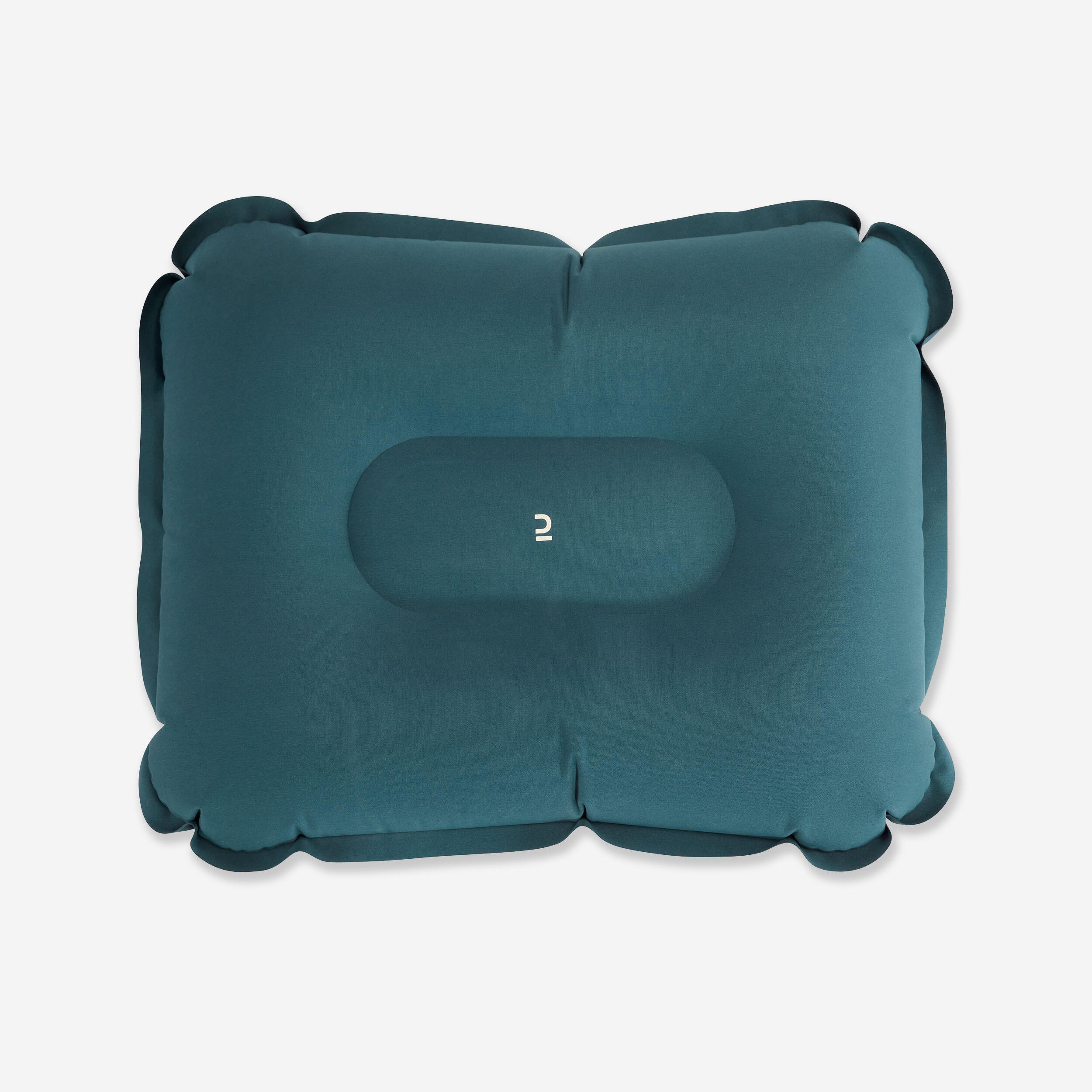
QUECHUA INFLATABLE CAMPING PILLOW - AIR BASIC4.5(3,637)Reviews.votesAriaCurrent price {{currentPrice}} €6.00
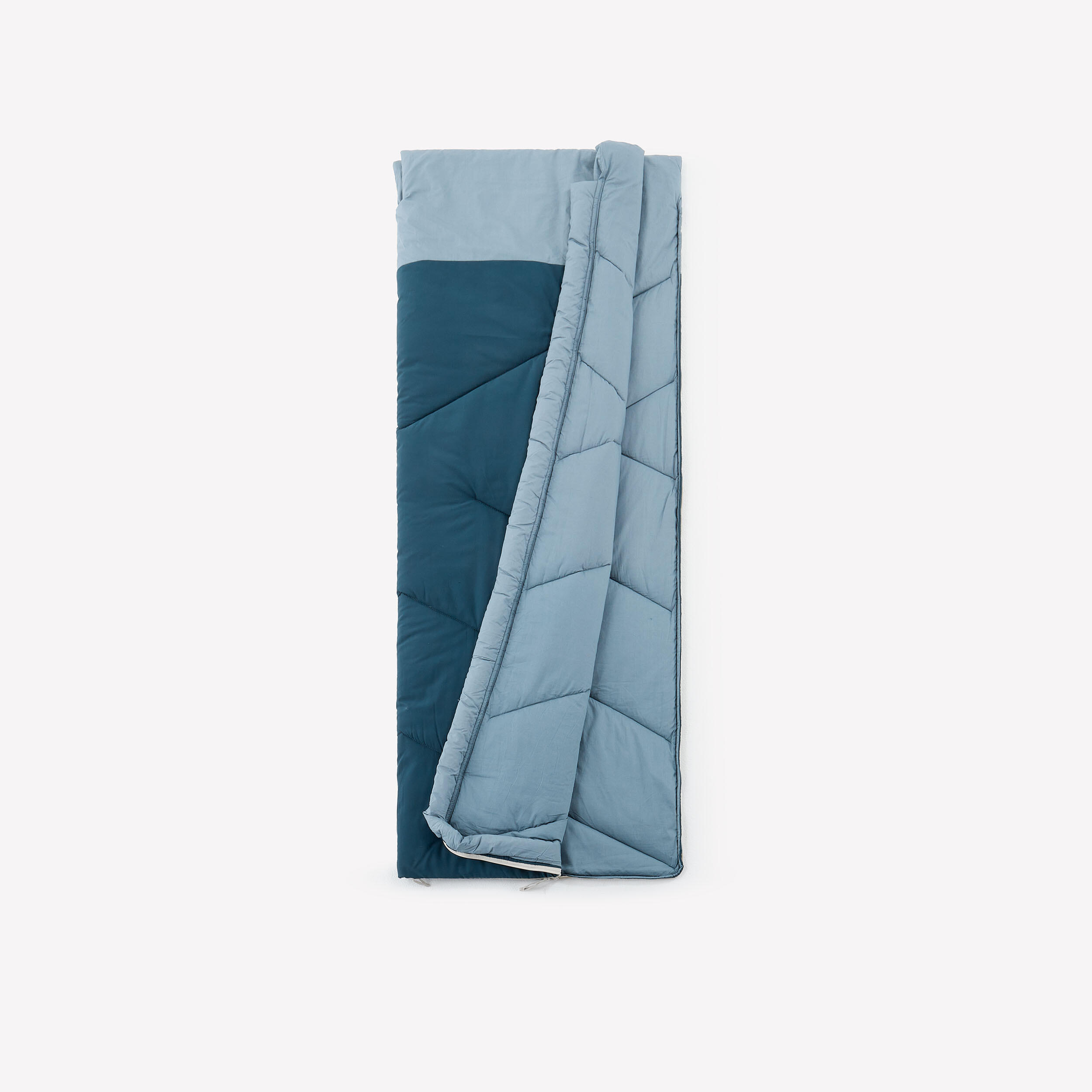
2 coloursQUECHUA Camping sleeping bag 10°C, Comfort - Blue4.8(1,917)Reviews.votesAria2 coloursCurrent price {{currentPrice}} €26.00
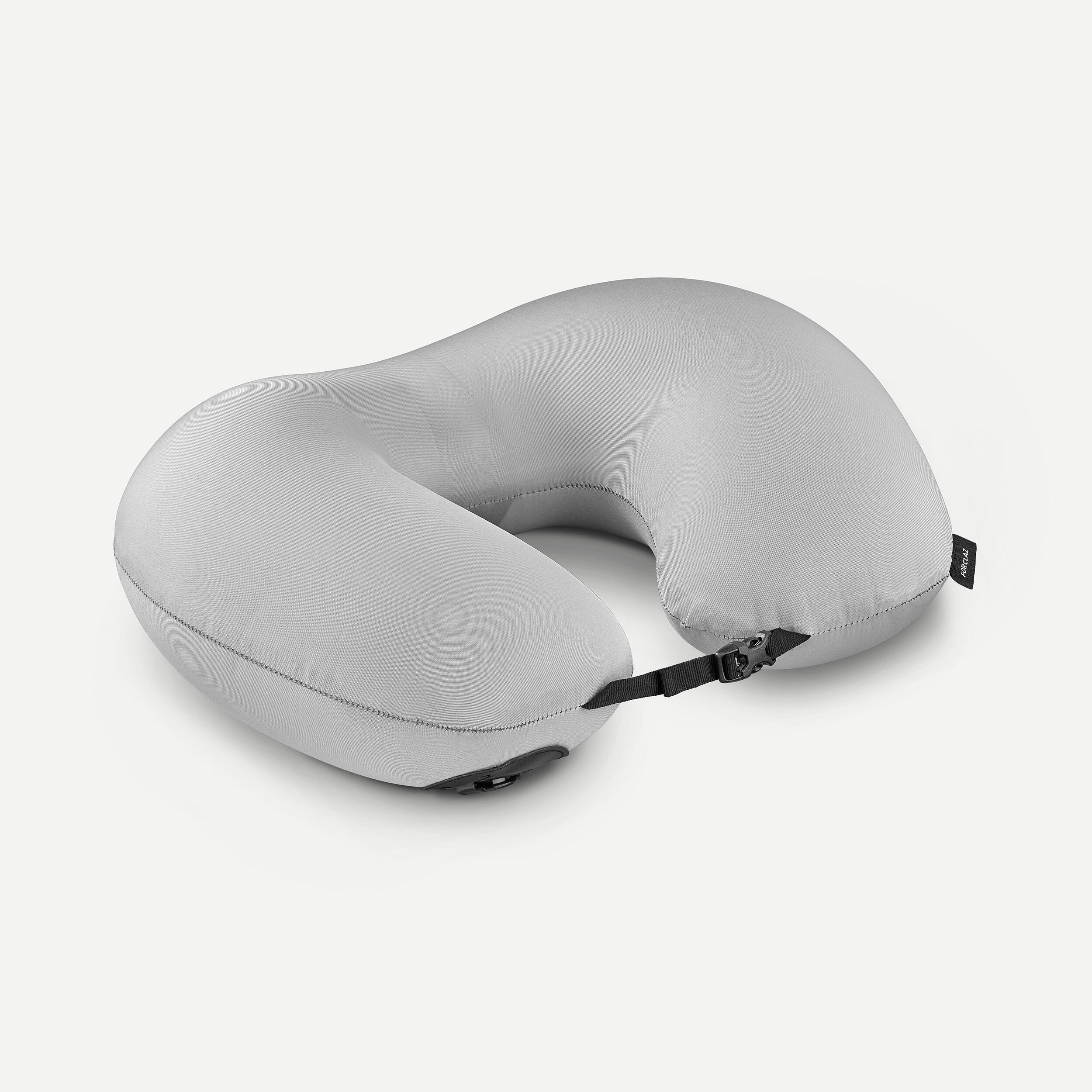
New Lower Price New Lower PriceNew Lower PriceDECATHLON Travel Pillow TRAVEL 100 Compact4.6(1,379)Reviews.votesAriaCurrent price {{currentPrice}} €10.00 Former price Was €11.00Lowest price: €11.00
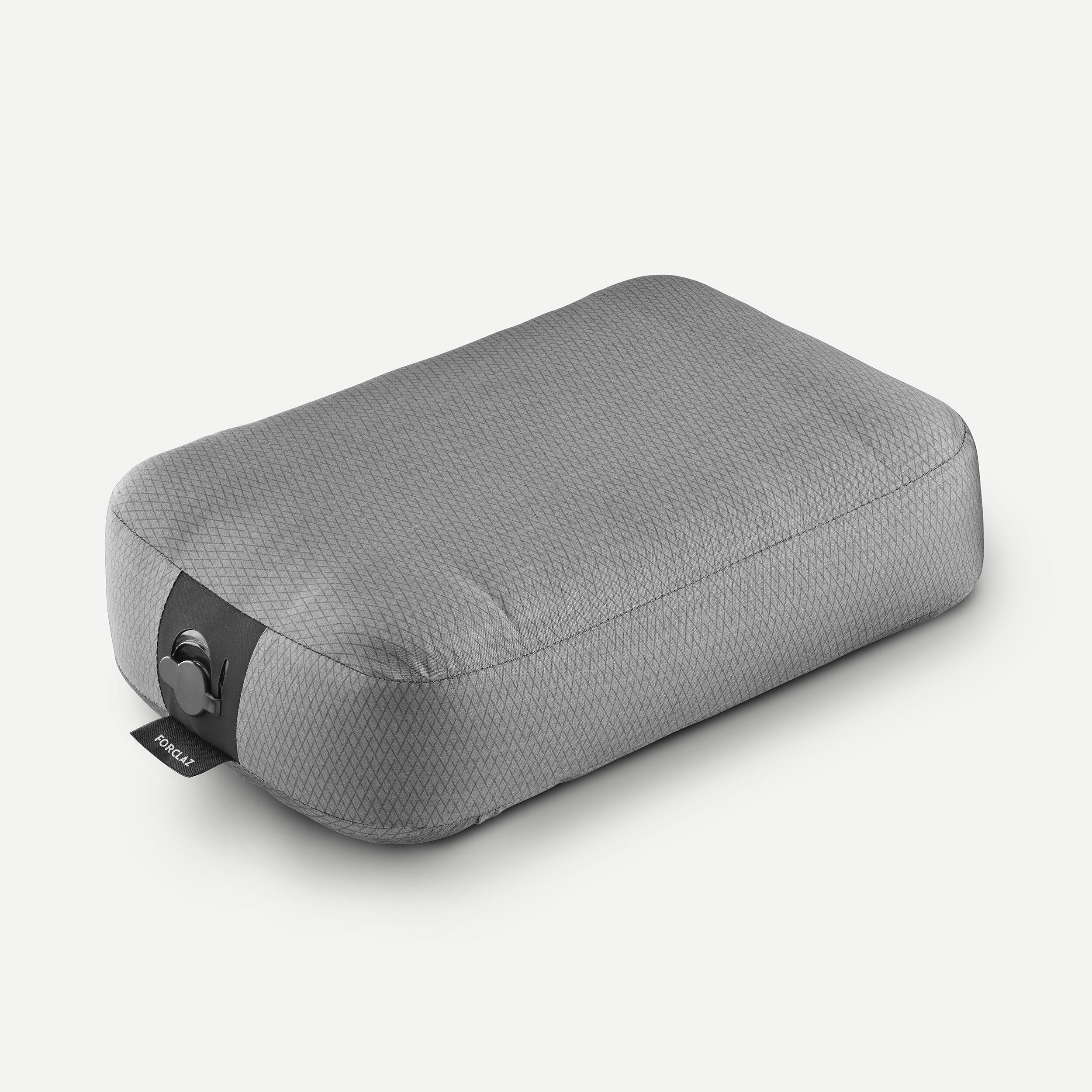
SIMOND Inflatable trekking pillow MT5004.6(2,566)Reviews.votesAriaCurrent price {{currentPrice}} €15.00
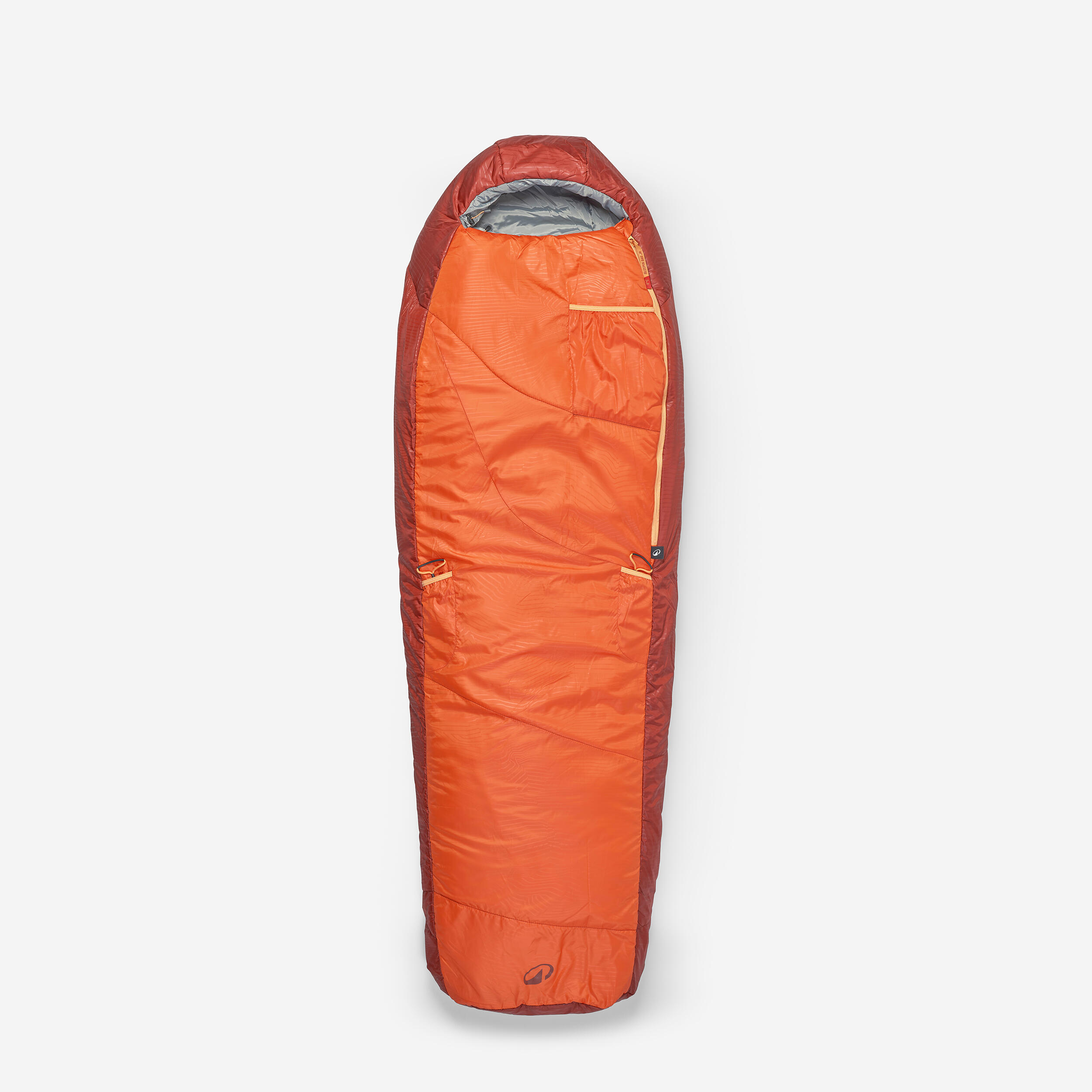
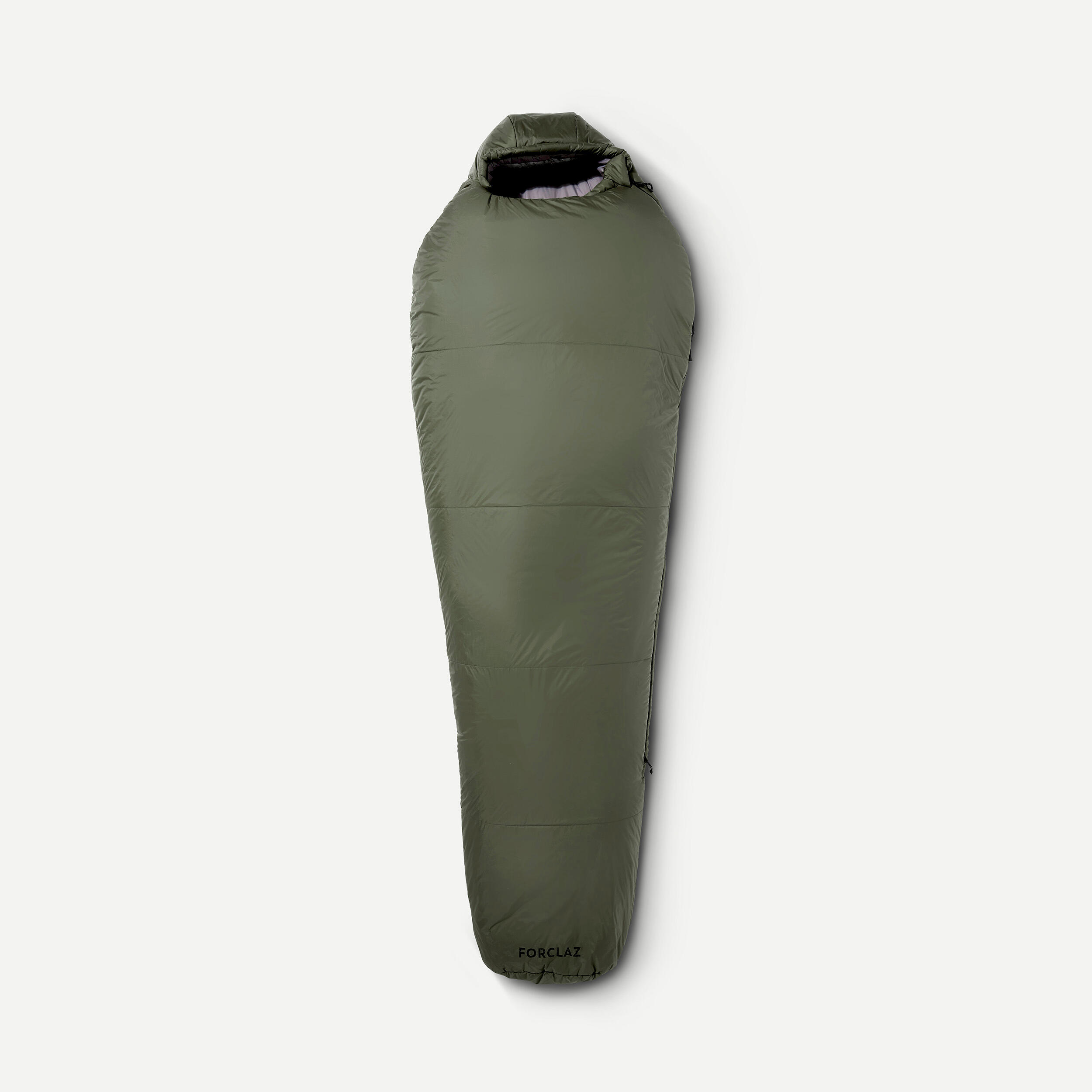
QUECHUA Camping sleeping bag 0°C, Arpenaz4.7(655)Reviews.votesAriaCurrent price {{currentPrice}} €60.00
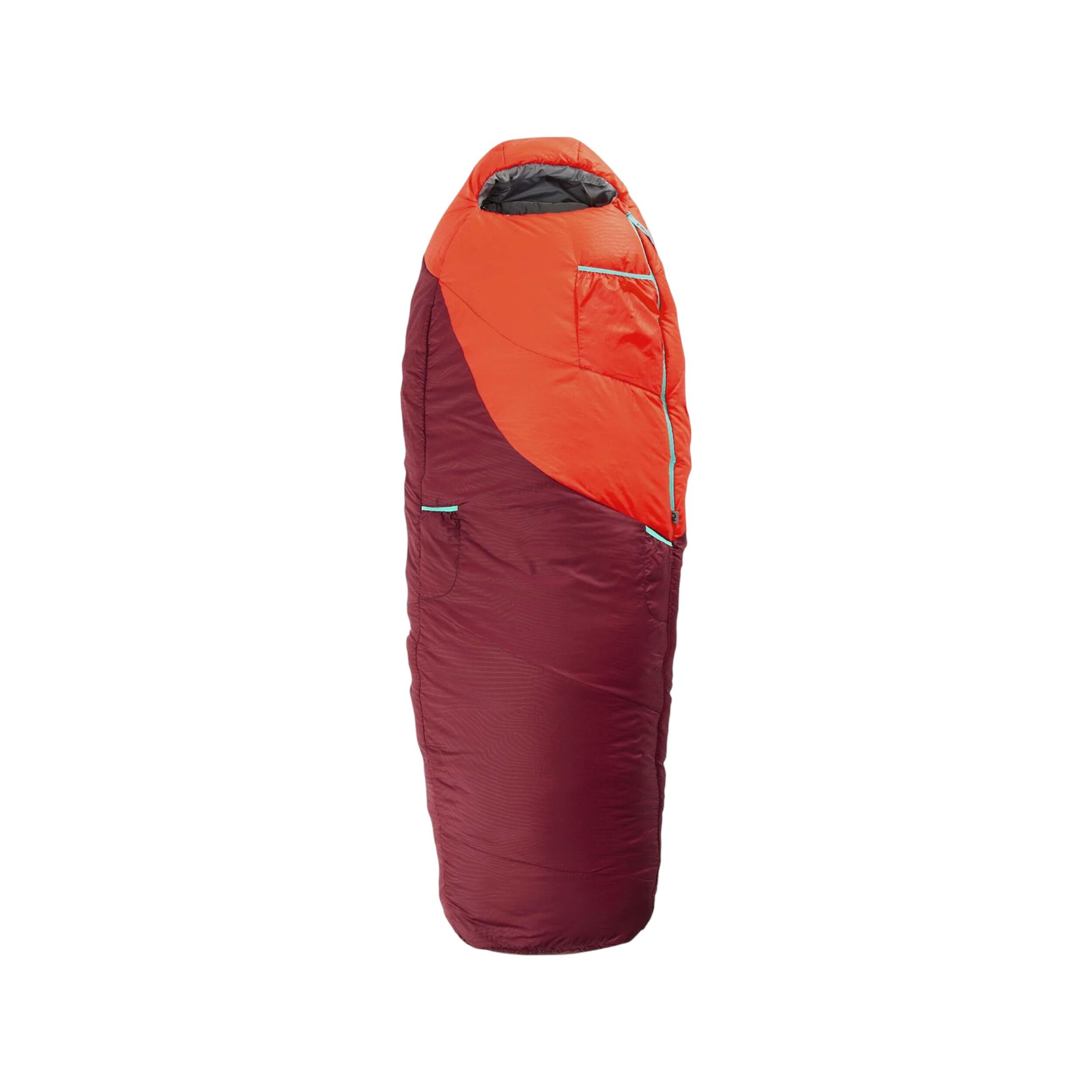
QUECHUA Children's 0°C camping sleeping bag, MH500 red4.8(272)Reviews.votesAriaCurrent price {{currentPrice}} €46.00
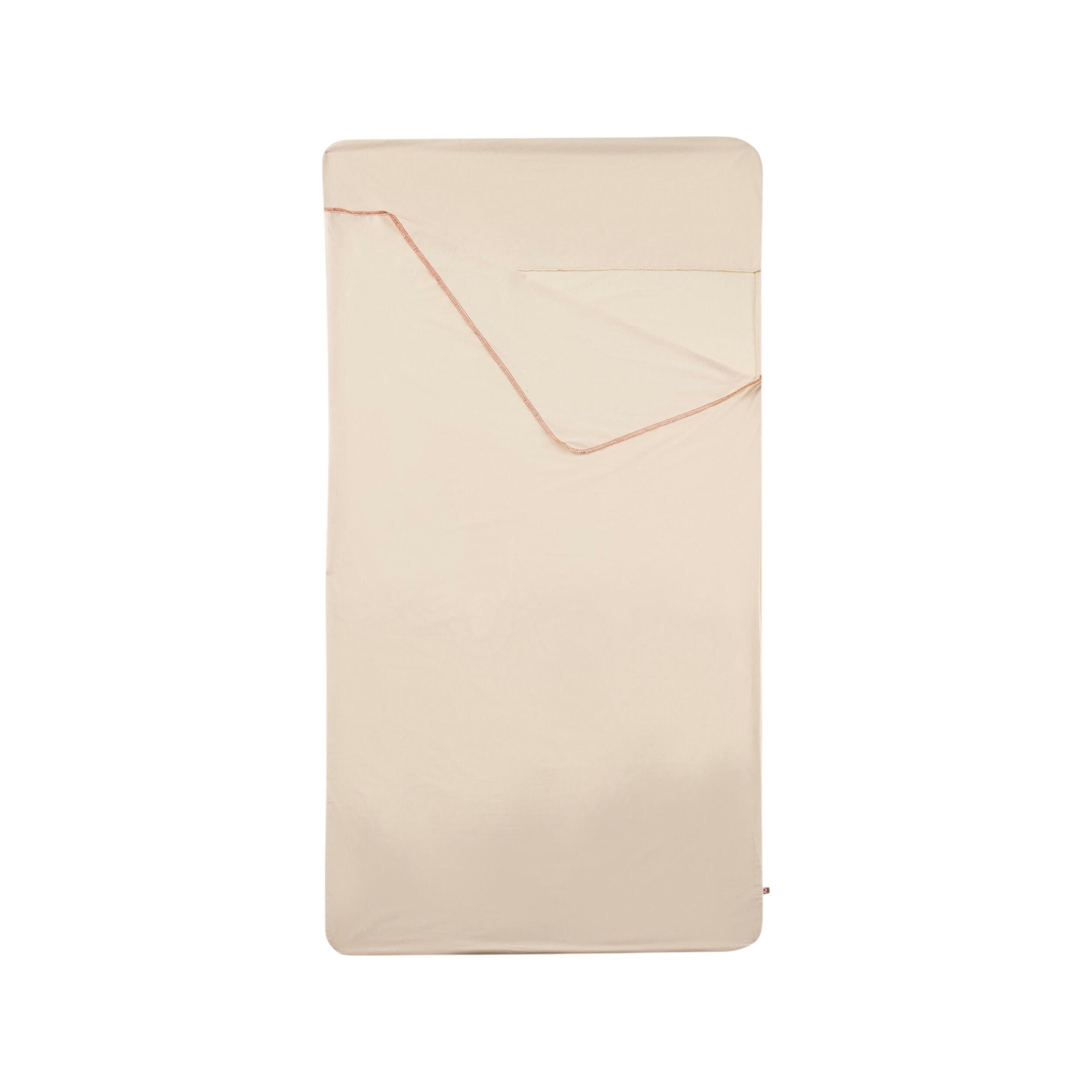
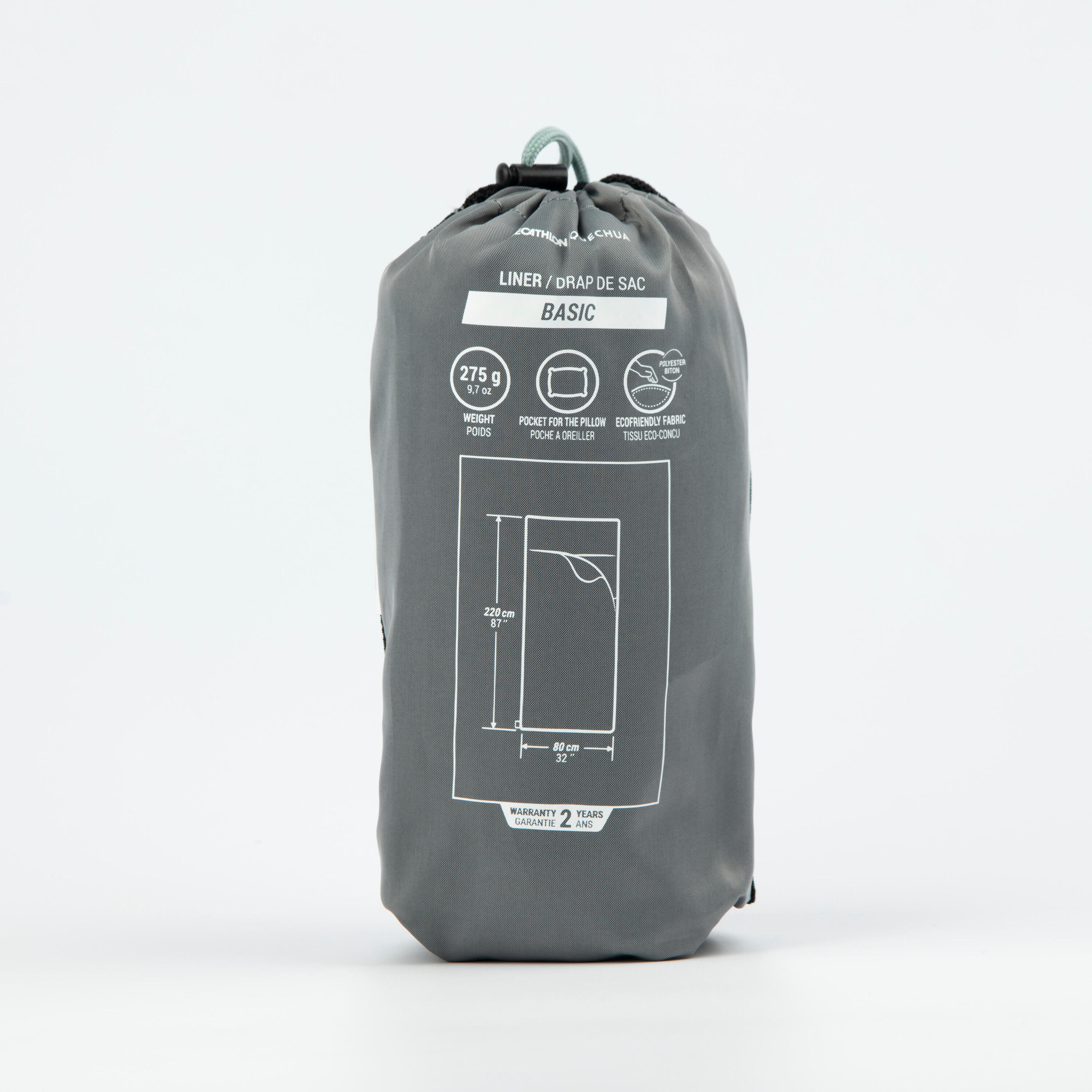
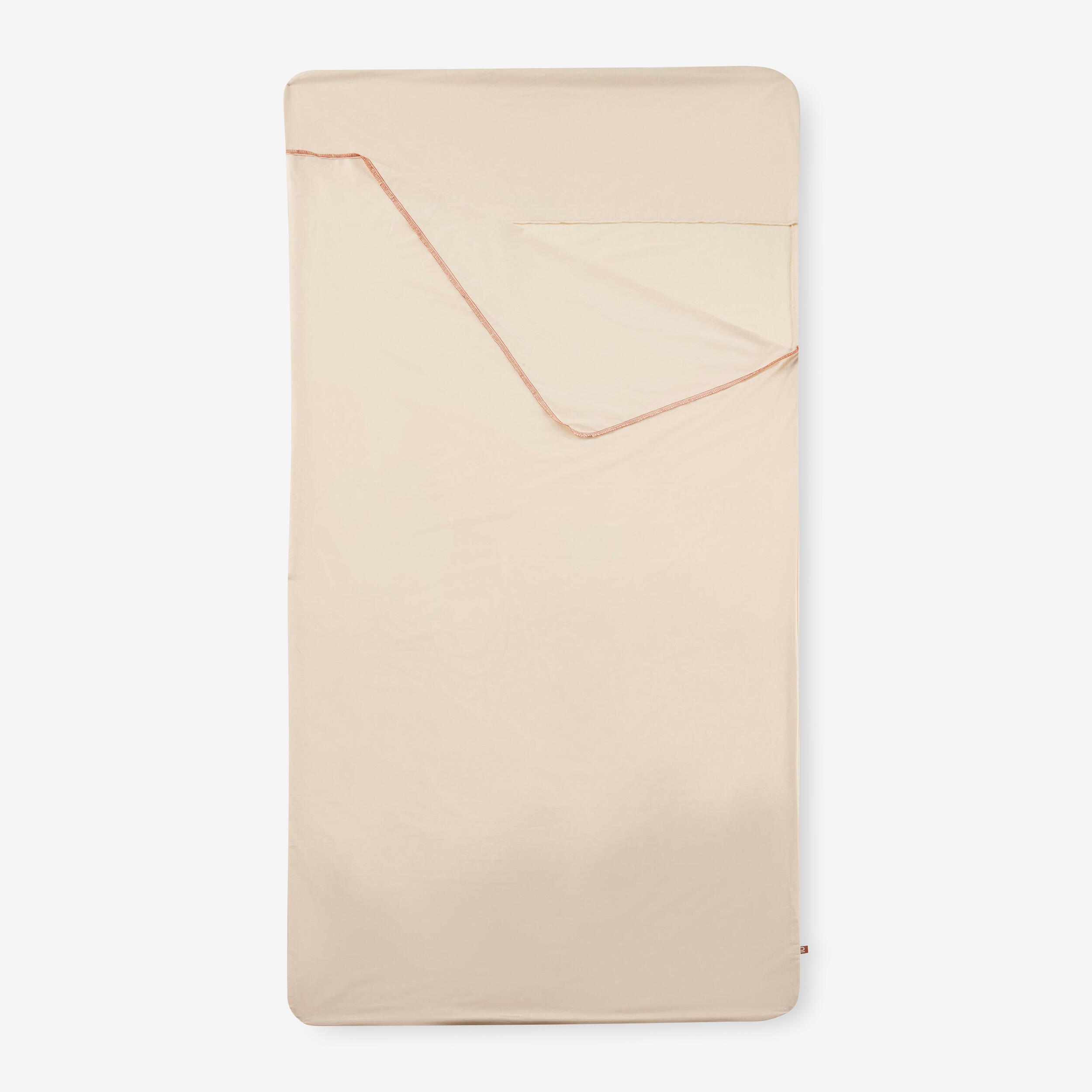
QUECHUA Polyester sleeping bag liner, Basic4.7(1,587)Reviews.votesAriaCurrent price {{currentPrice}} €10.00
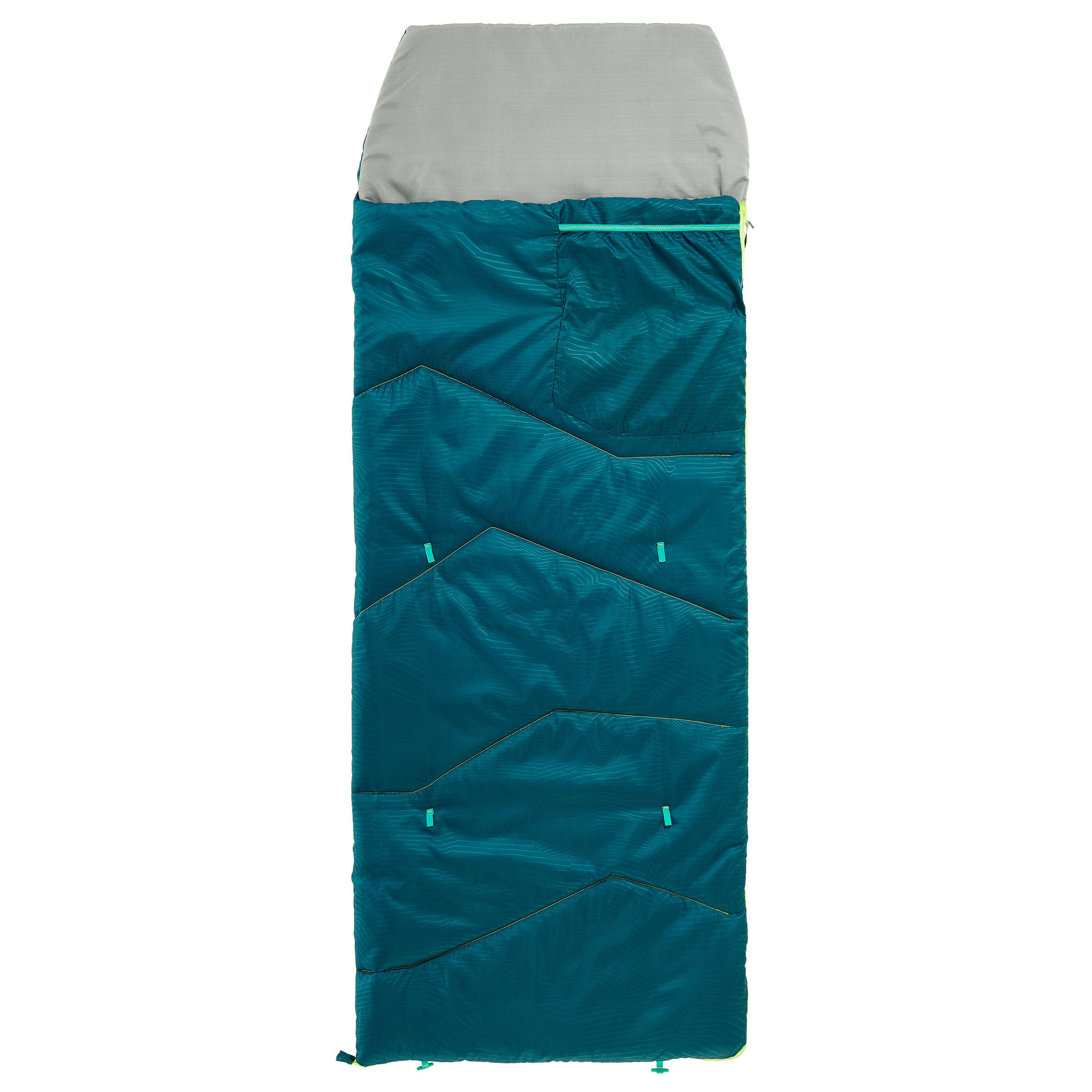
4 coloursQUECHUA Kids’ sleeping bag 10°C - Blue4.8(1,339)Reviews.votesAria4 coloursCurrent price {{currentPrice}} €21.00
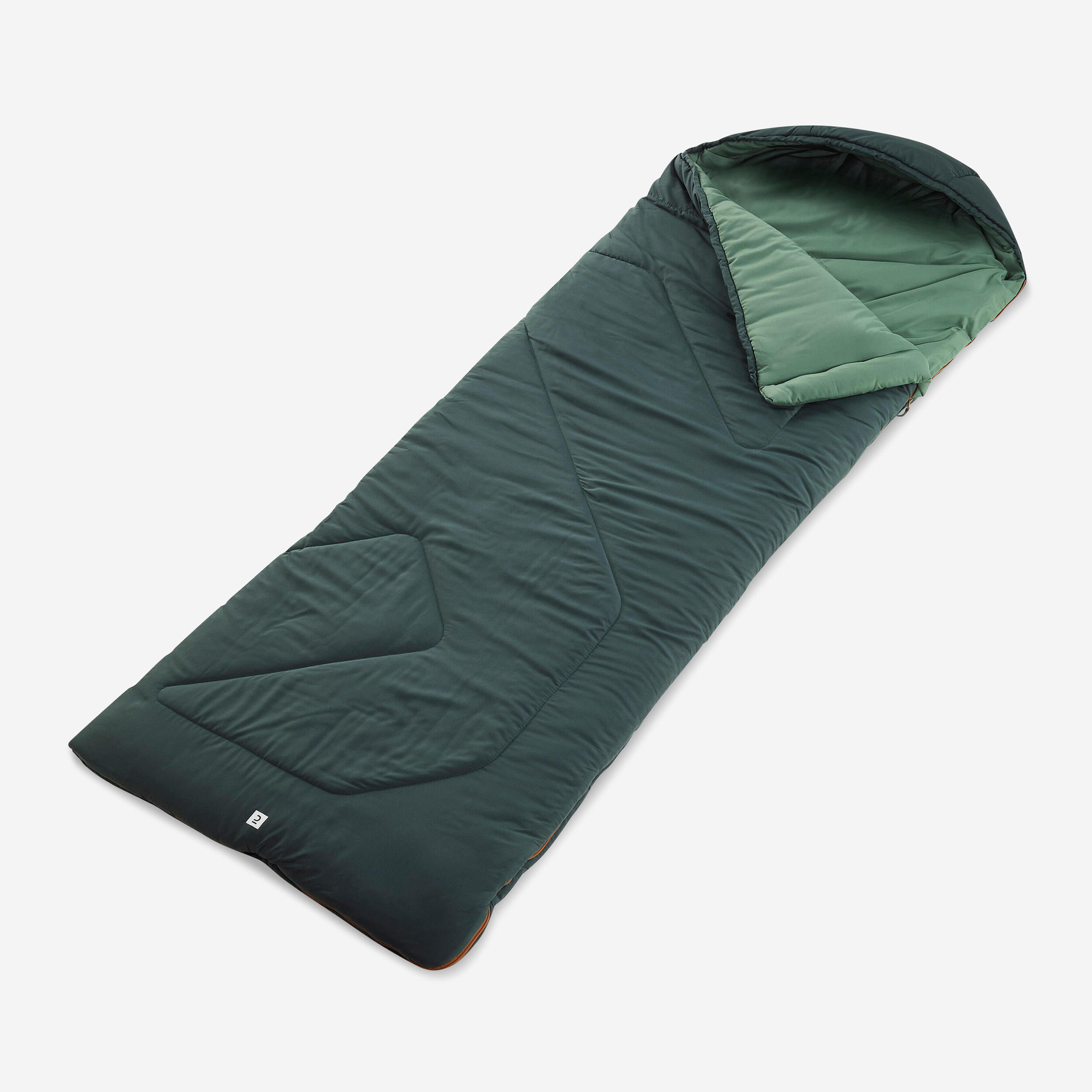
2 coloursQUECHUA Camping sleeping bag 10°C, Comfort - Green4.8(1,917)Reviews.votesAria2 coloursCurrent price {{currentPrice}} €26.00
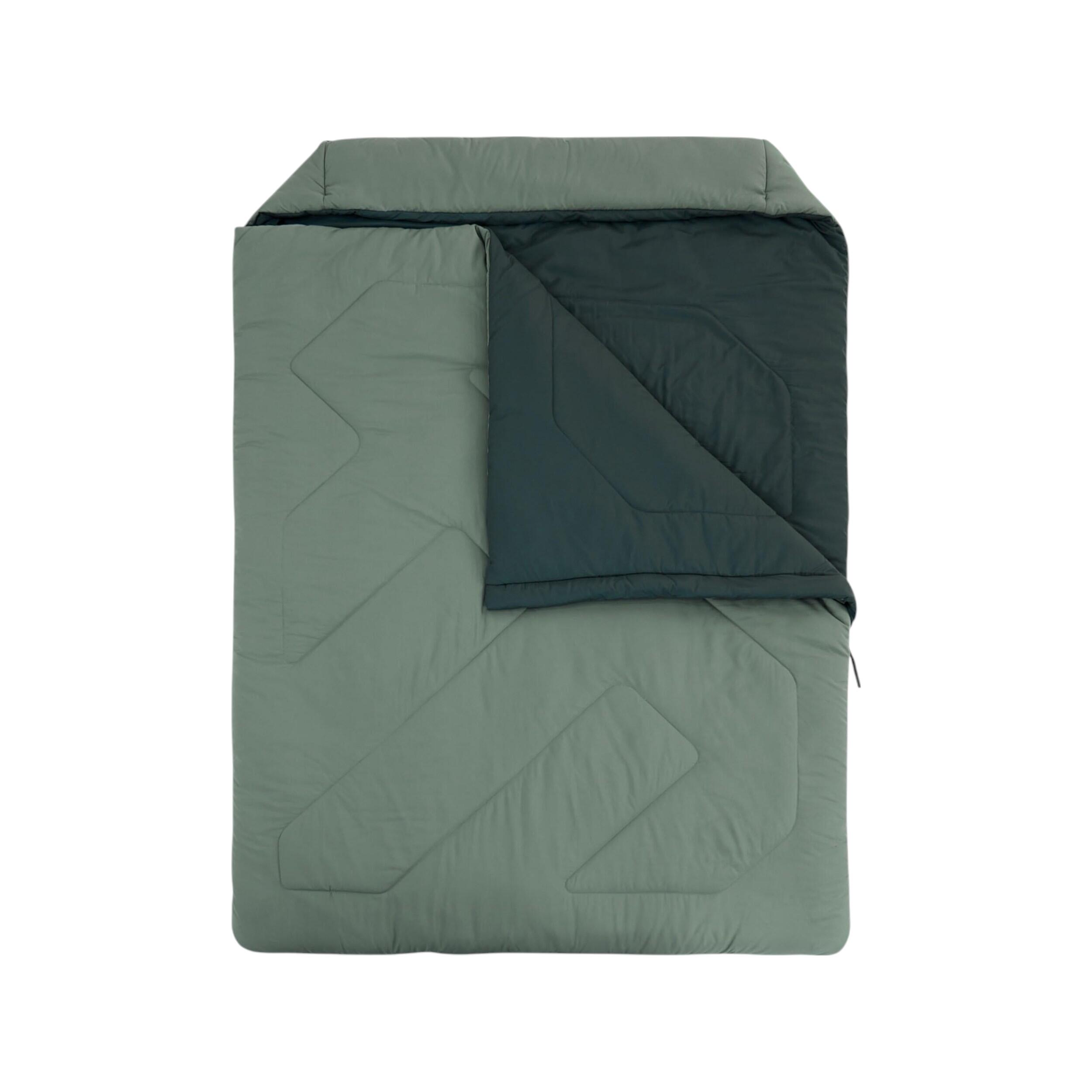
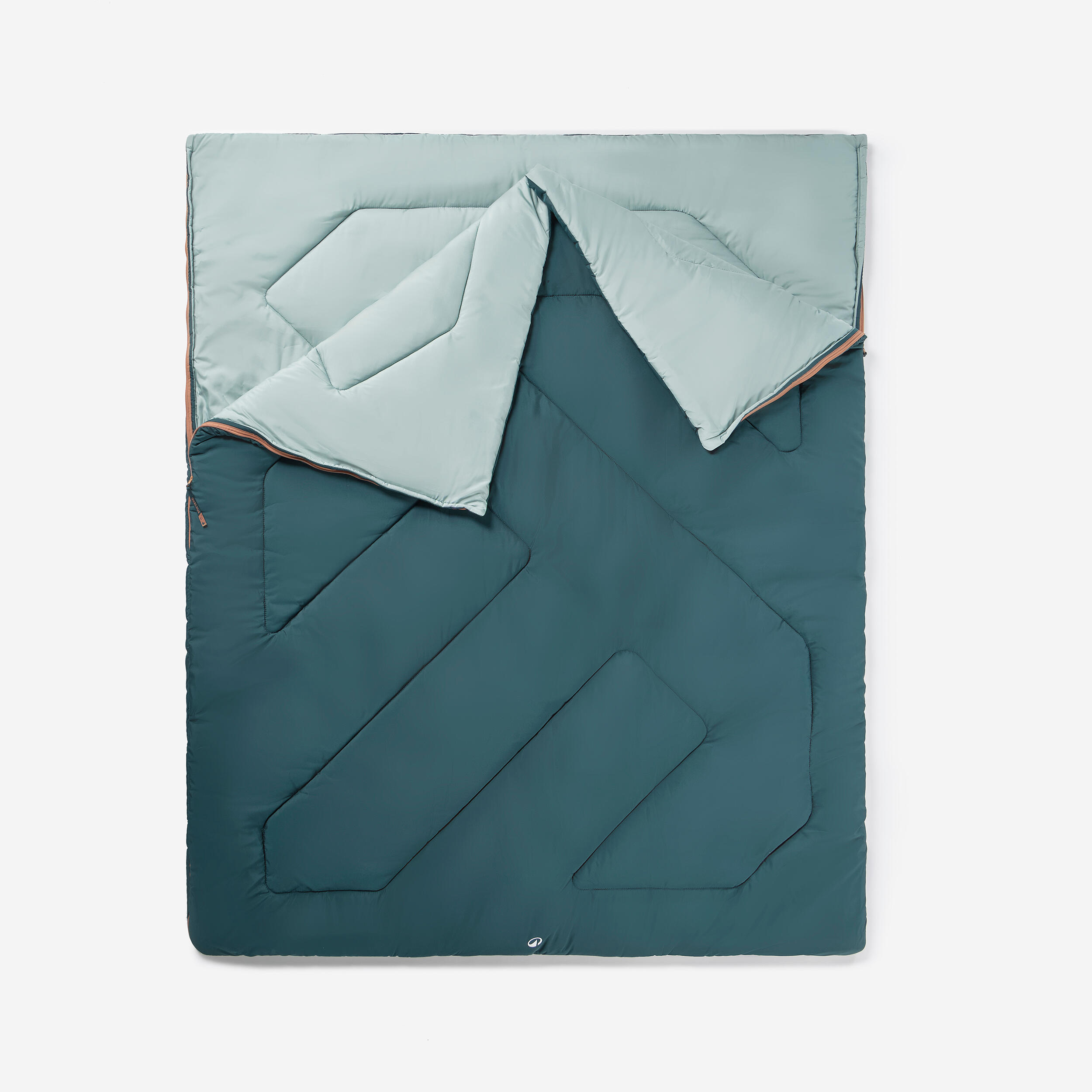
QUECHUA 10°C camping sleeping bag, 2-person, Comfort4.8(218)Reviews.votesAriaCurrent price {{currentPrice}} €55.00
QUECHUA Cotton sleeping bag liner Comfort4.6(634)Reviews.votesAriaCurrent price {{currentPrice}} €19.00
QUECHUA CAMPING PILLOW - XL ULTIM COMFORT4.8(208)Reviews.votesAriaCurrent price {{currentPrice}} €30.00
QUECHUA 15°C camping sleeping bag Azpenaz4.7(1,971)Reviews.votesAriaCurrent price {{currentPrice}} €21.00
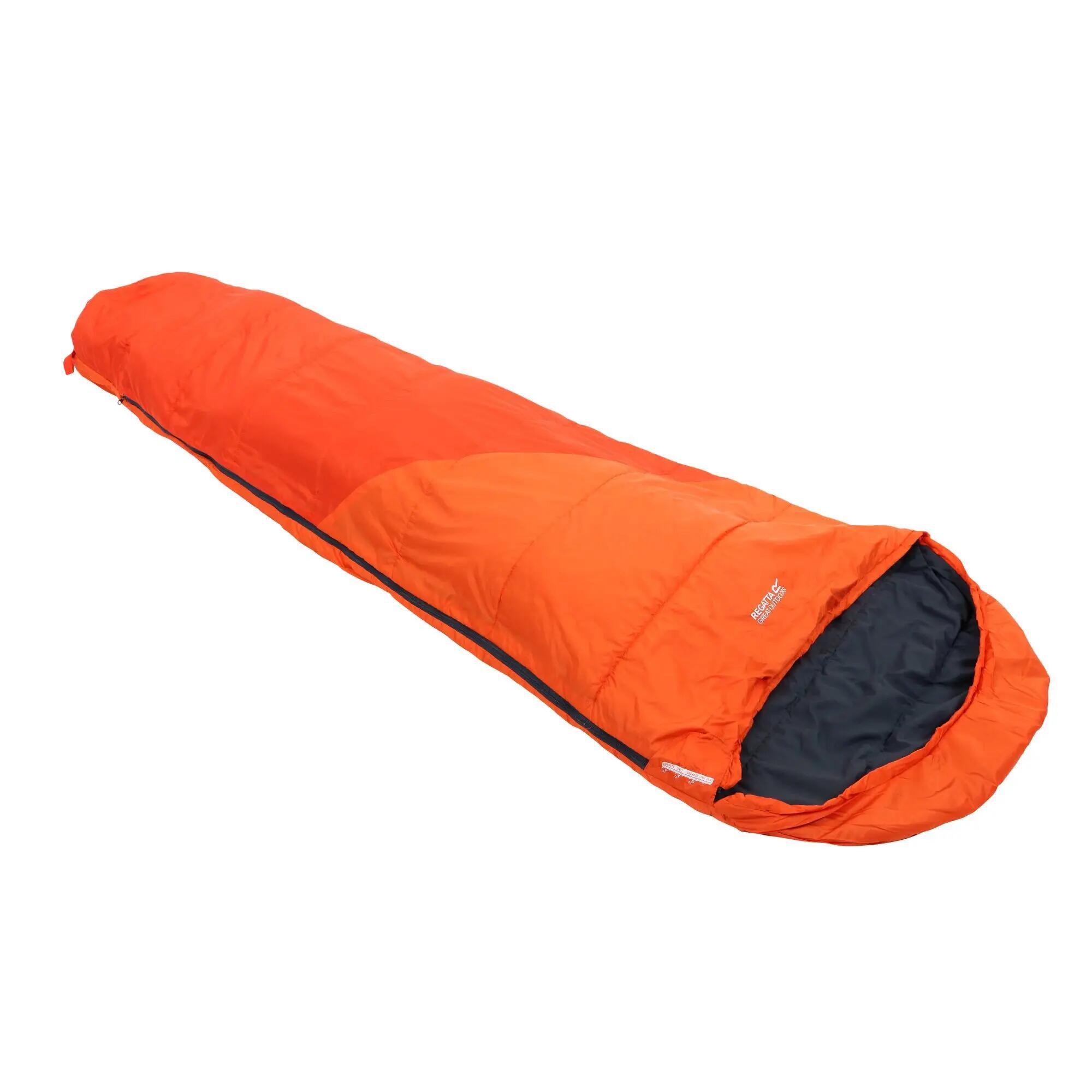
Marketplace -Online Only Marketplace -Online OnlyMarketplace -Online OnlyREGATTA Hilo v2 Ultralite 750 Mummy Sleeping Bag4.8(6)Reviews.votesAriaCurrent price {{currentPrice}} €47.43Sold and shipped by Sport & Go EU
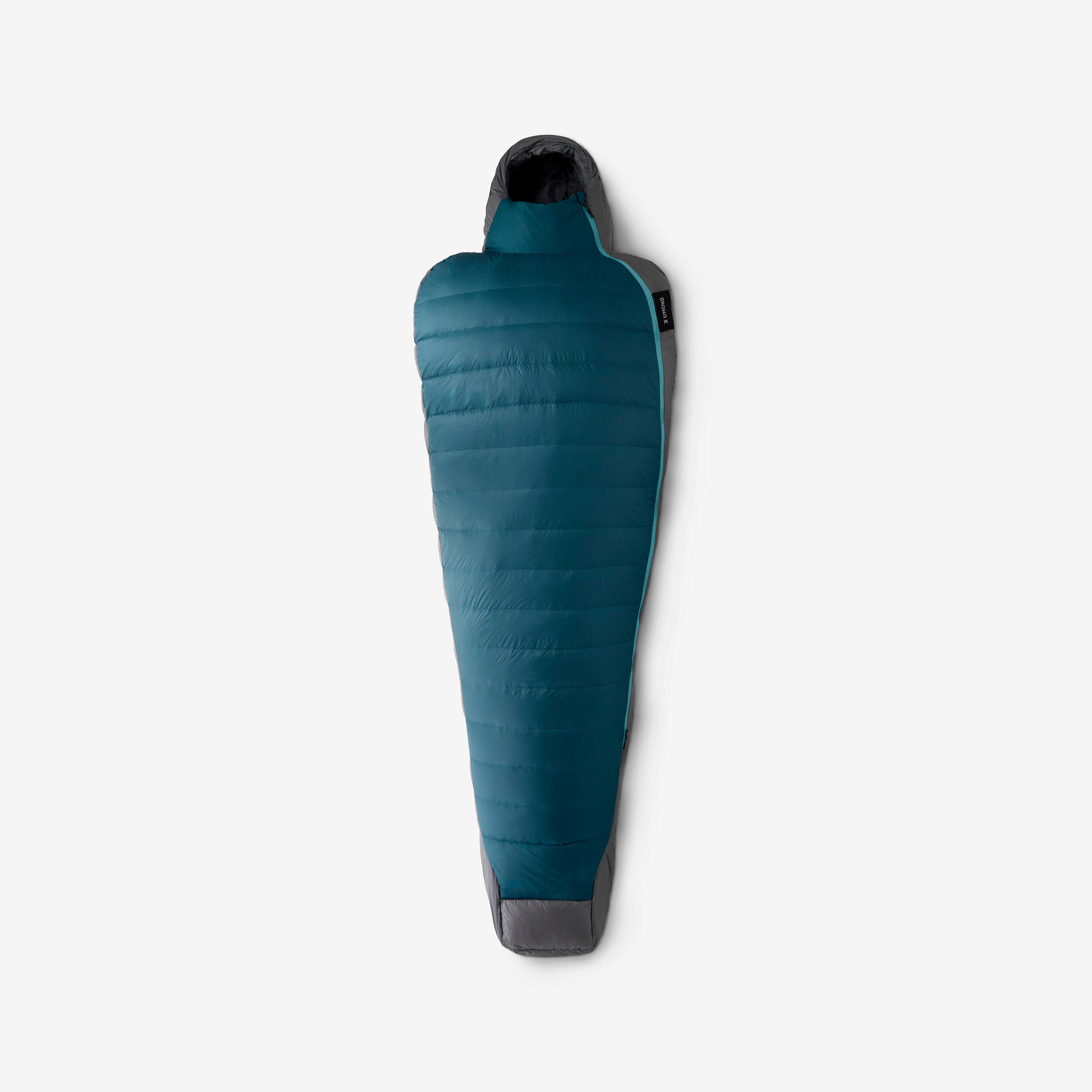
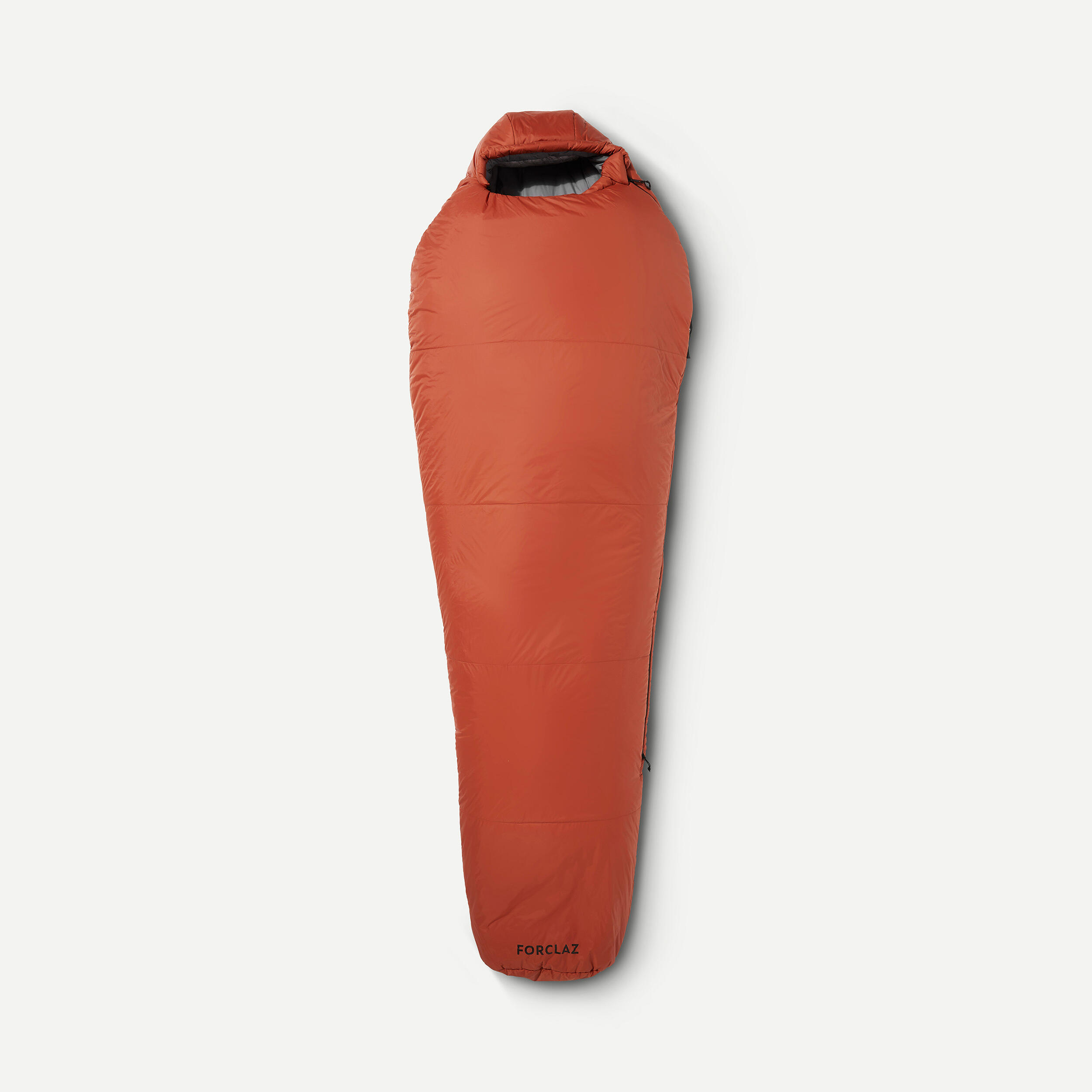
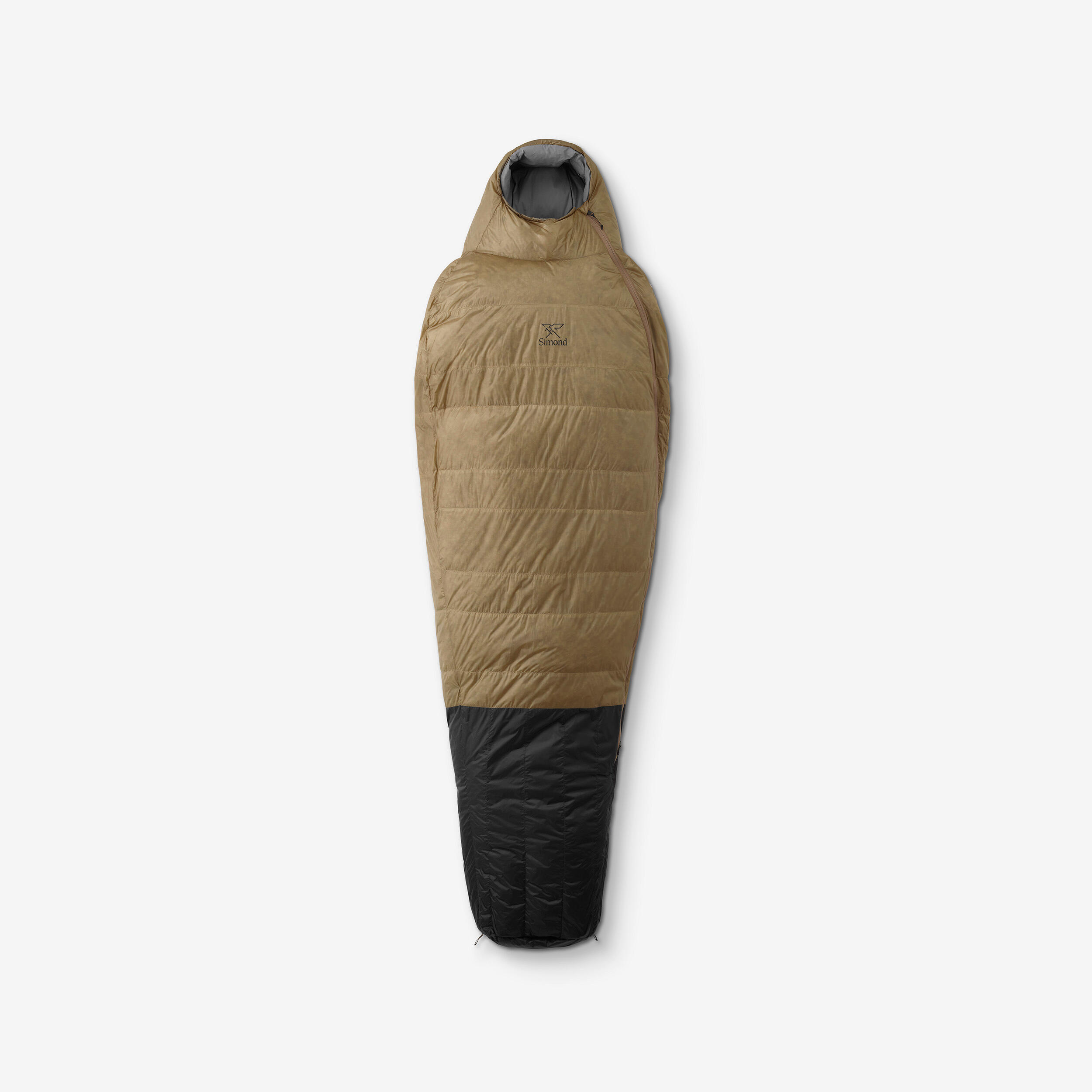
Last chance Last chanceLast chanceSIMOND 10°C lightweight, compact down trekking sleeping bag, MT9004.6(155)Reviews.votesAriaCurrent price {{currentPrice}} €125.00
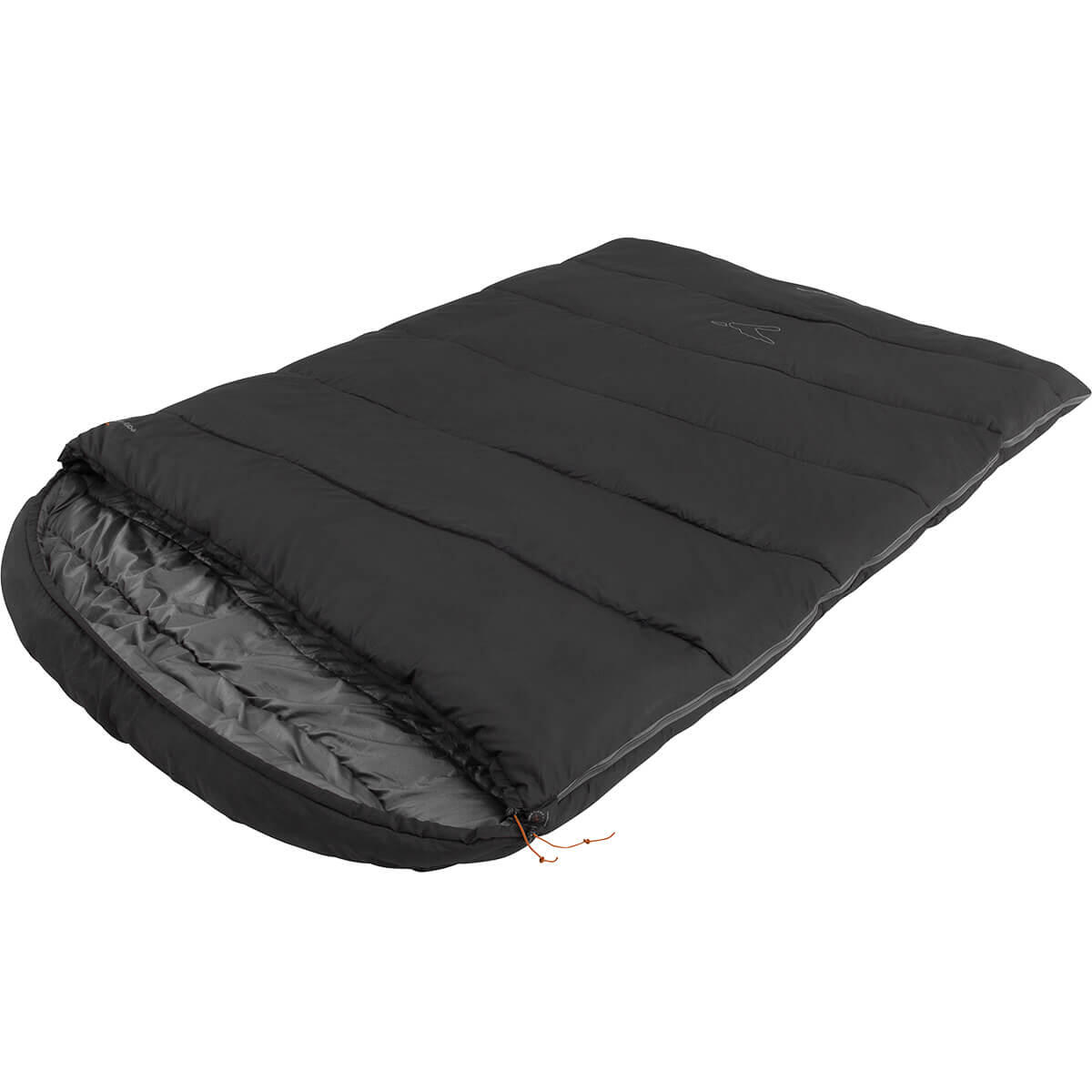
Marketplace -Online Only Marketplace -Online OnlyMarketplace -Online OnlyEASY CAMP Easy Camp Raven Square Double Sleeping Bag 5°CCurrent price {{currentPrice}} €127.95€31.99/unitSold and shipped by Tormino IE
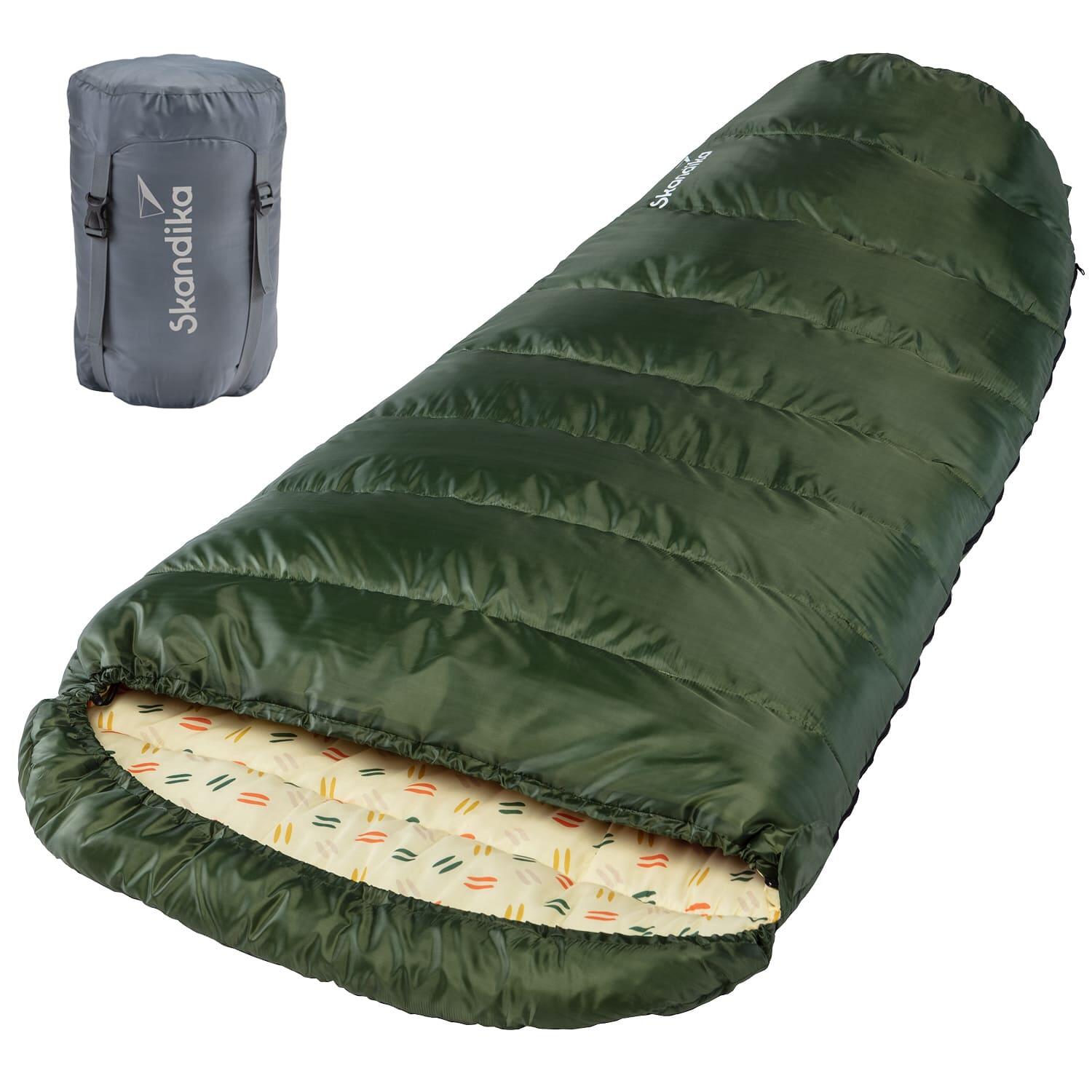
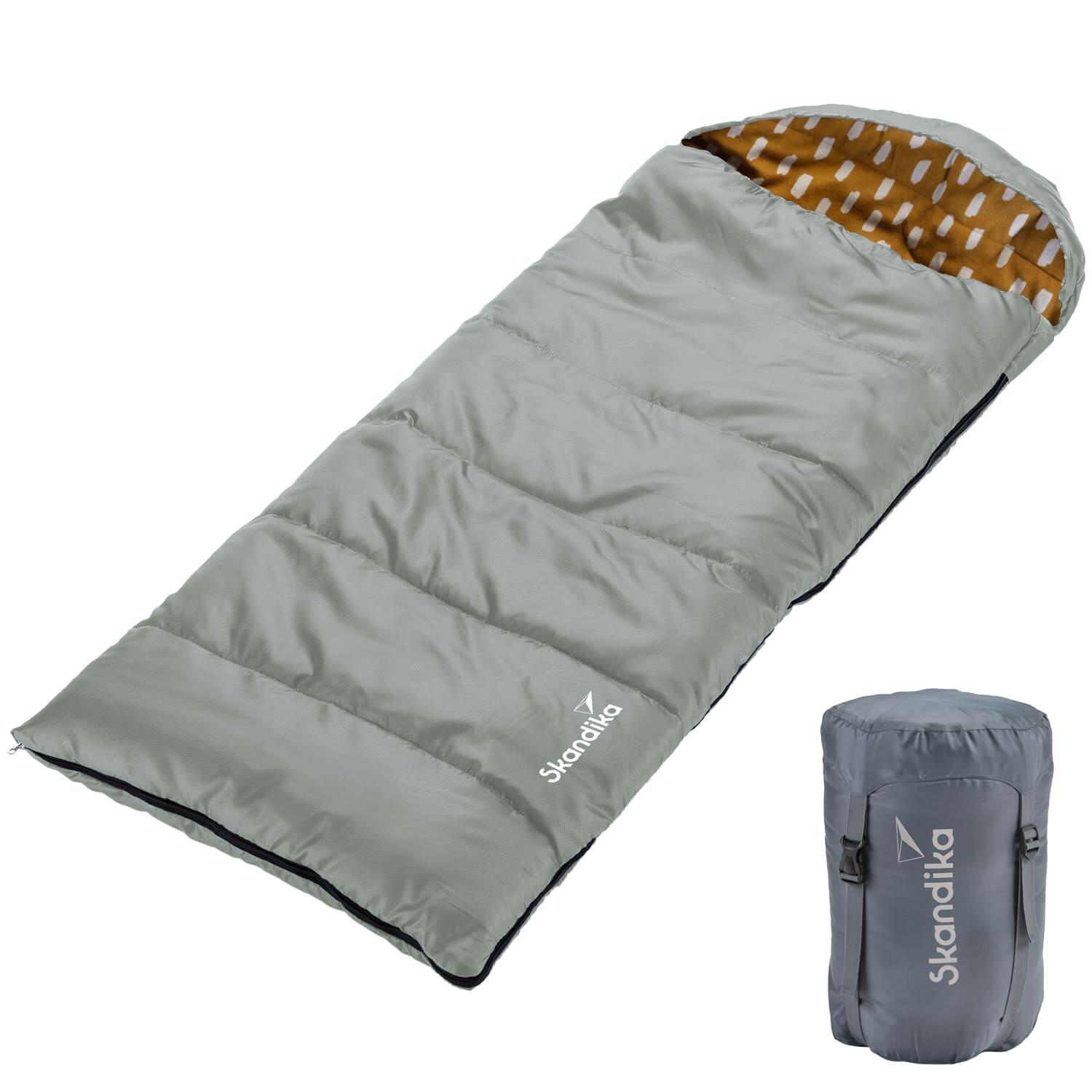
Marketplace -Online Only Marketplace -Online OnlyMarketplace -Online OnlySKANDIKA Vegas Mummy Sleeping Bag – Outdoor, Left Zip, Down to −12°C5(2)Reviews.votesAriaCurrent price {{currentPrice}} €94.95Sold and shipped by Max Trader GmbH
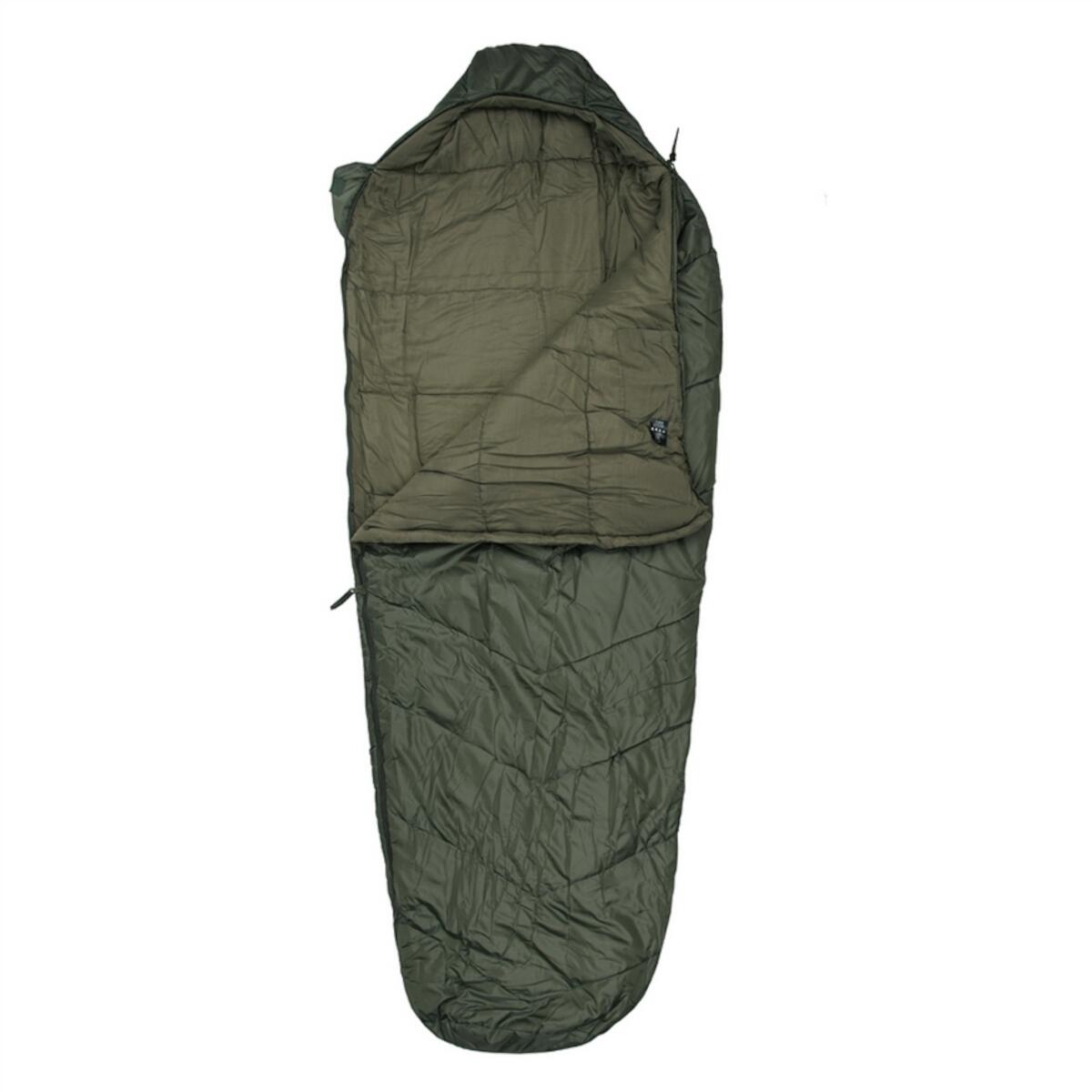
Marketplace -Online Only Marketplace -Online OnlyMarketplace -Online Only101INC Modular Mummy Sleeping Bag 230 x 86 cm - Green - AdultsCurrent price {{currentPrice}} €111.25Sold and shipped by CheapOutdoor
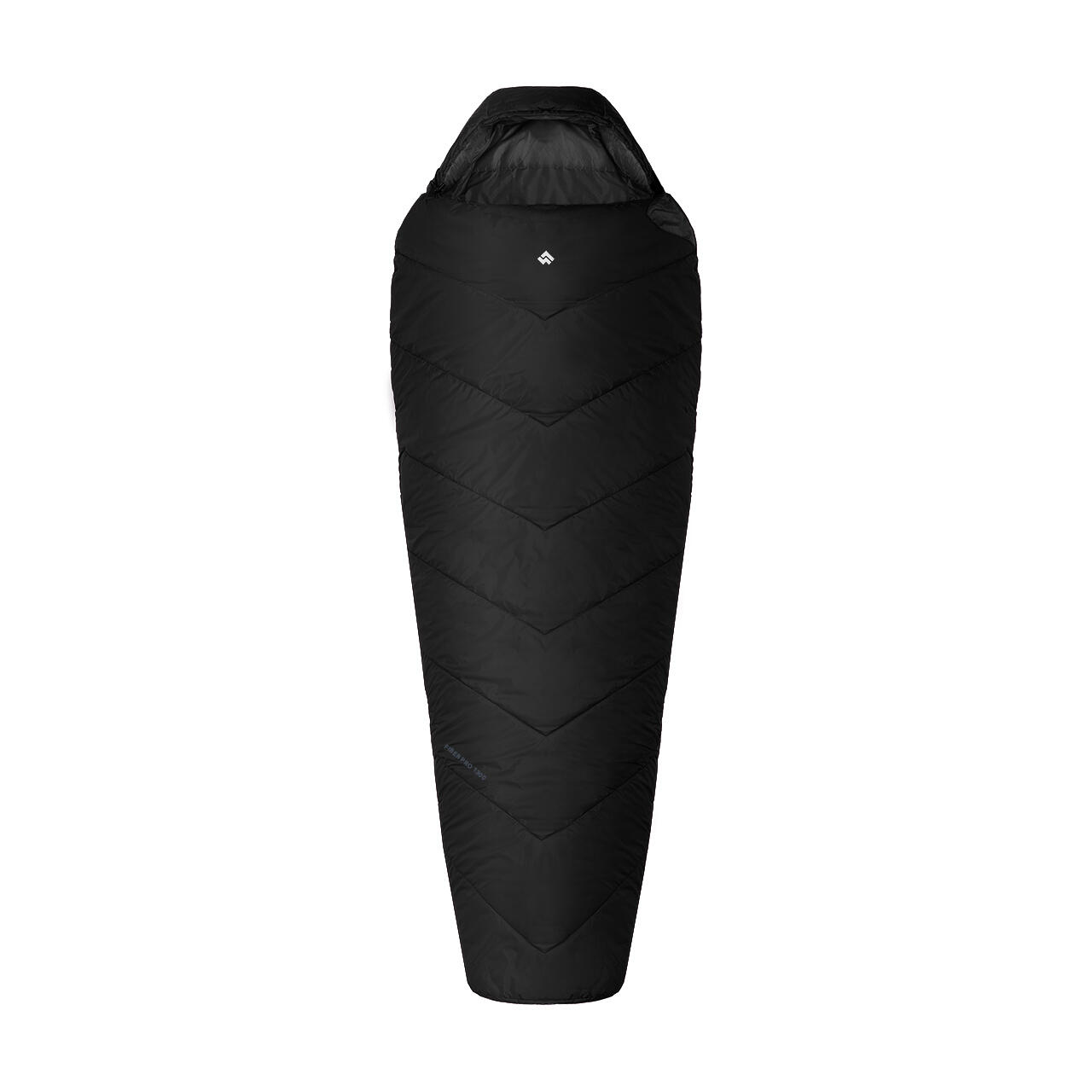
Marketplace -Online Only Marketplace -Online OnlyMarketplace -Online OnlyALPINUS Śpiwór syntetyczny Alpinus Fiber Pro 13005(2)Reviews.votesAriaCurrent price {{currentPrice}} €84.98€84.98/unitSold and shipped by Super Merchant EUR
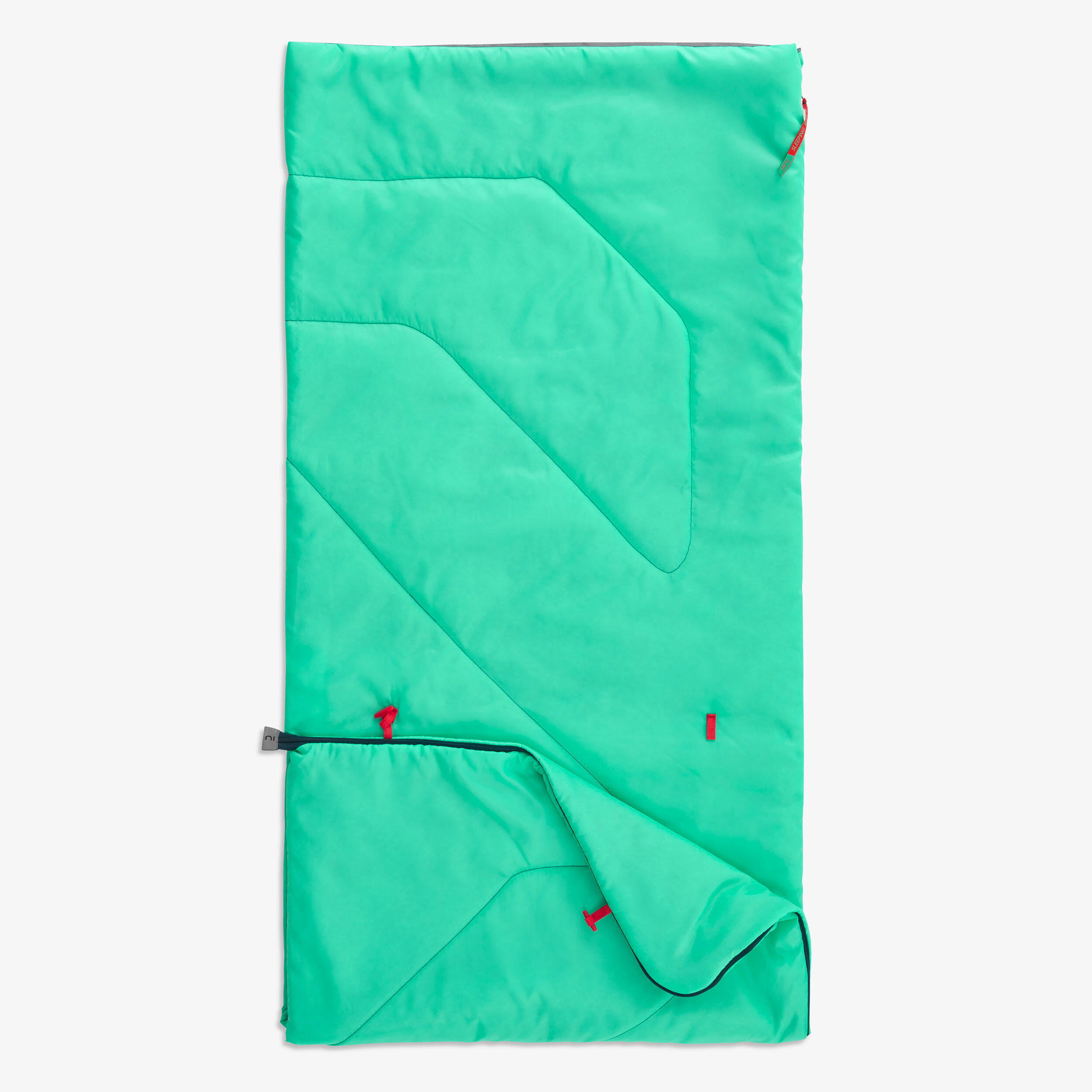
QUECHUA Kids’ 20°C sleeping bag - Turquoise4.9(341)Reviews.votesAriaCurrent price {{currentPrice}} €15.00
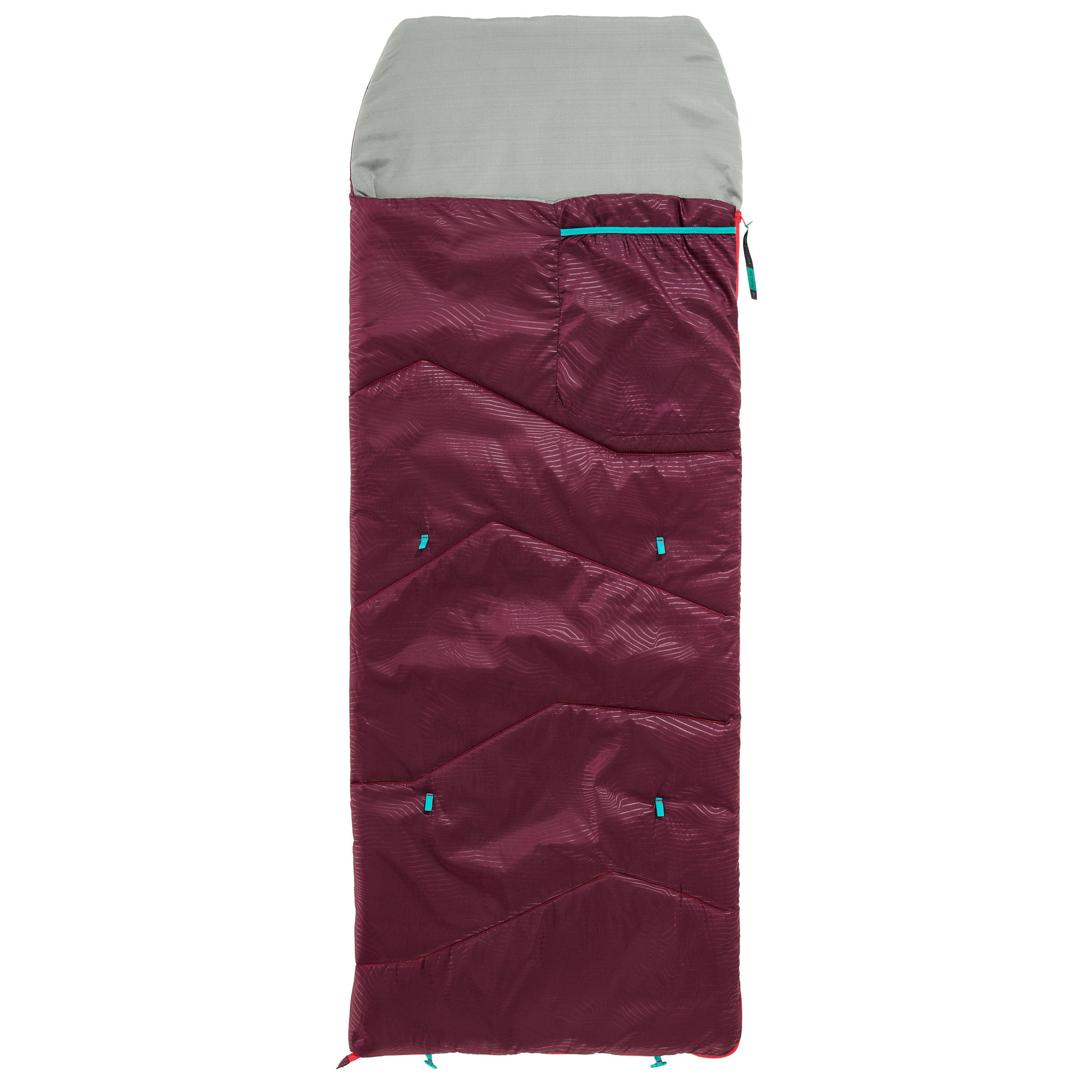
Last chance Last chance4 coloursLast chanceQUECHUA Kids’ sleeping bag 10°C - Plum4.8(1,339)Reviews.votesAria4 coloursCurrent price {{currentPrice}} €15.00 Former price €21.00 28% offLowest price: €21.00Starting on 13/10/2026 and valid for the entire duration of the promo
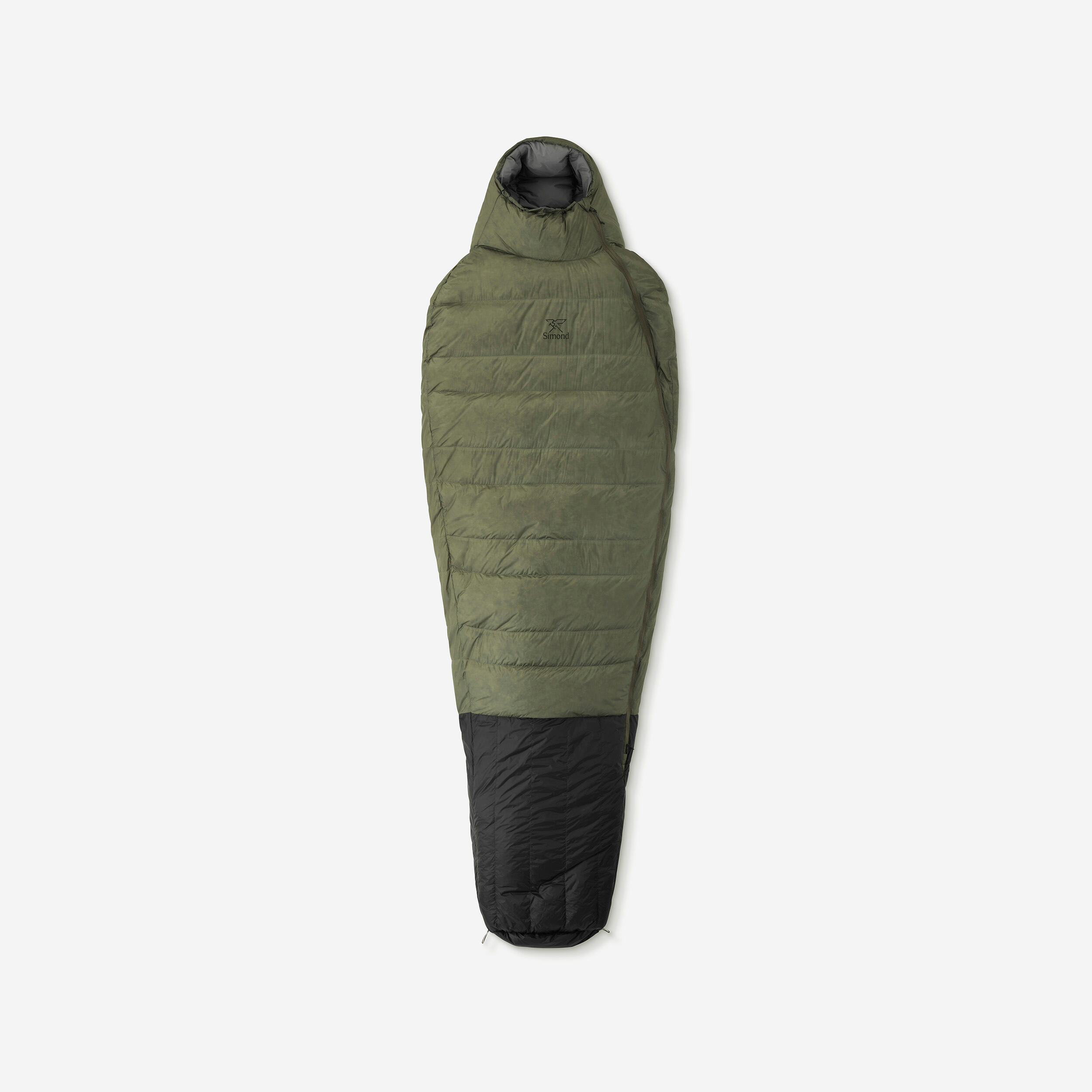
SIMOND 10°C trekking sleeping bag, twinnable - MT5004.6(541)Reviews.votesAriaCurrent price {{currentPrice}} €60.00
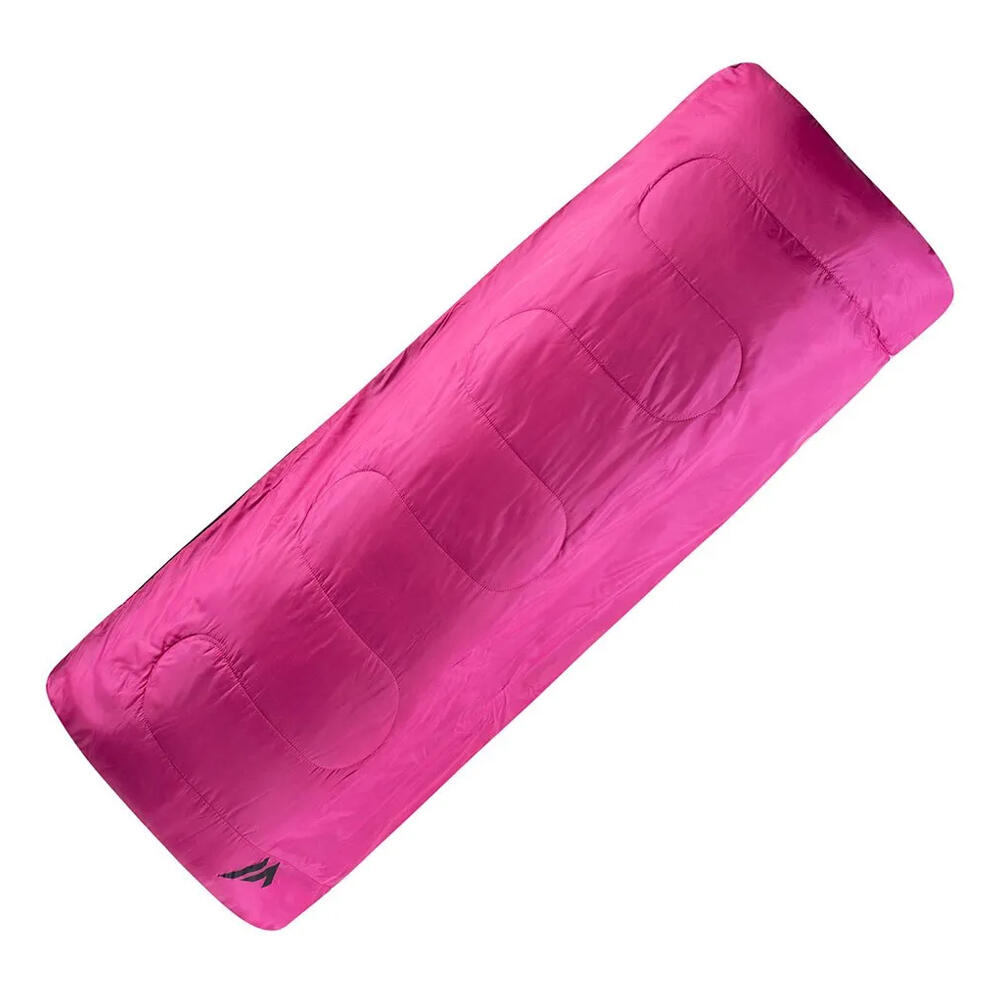
Marketplace -Online Only Marketplace -Online Only4 coloursMarketplace -Online OnlyMARTES ESSENTIALS Derg II Sleeping Bag (Fuchsia Purple)4 coloursCurrent price {{currentPrice}} €26.51Sold and shipped by Pertemba IE
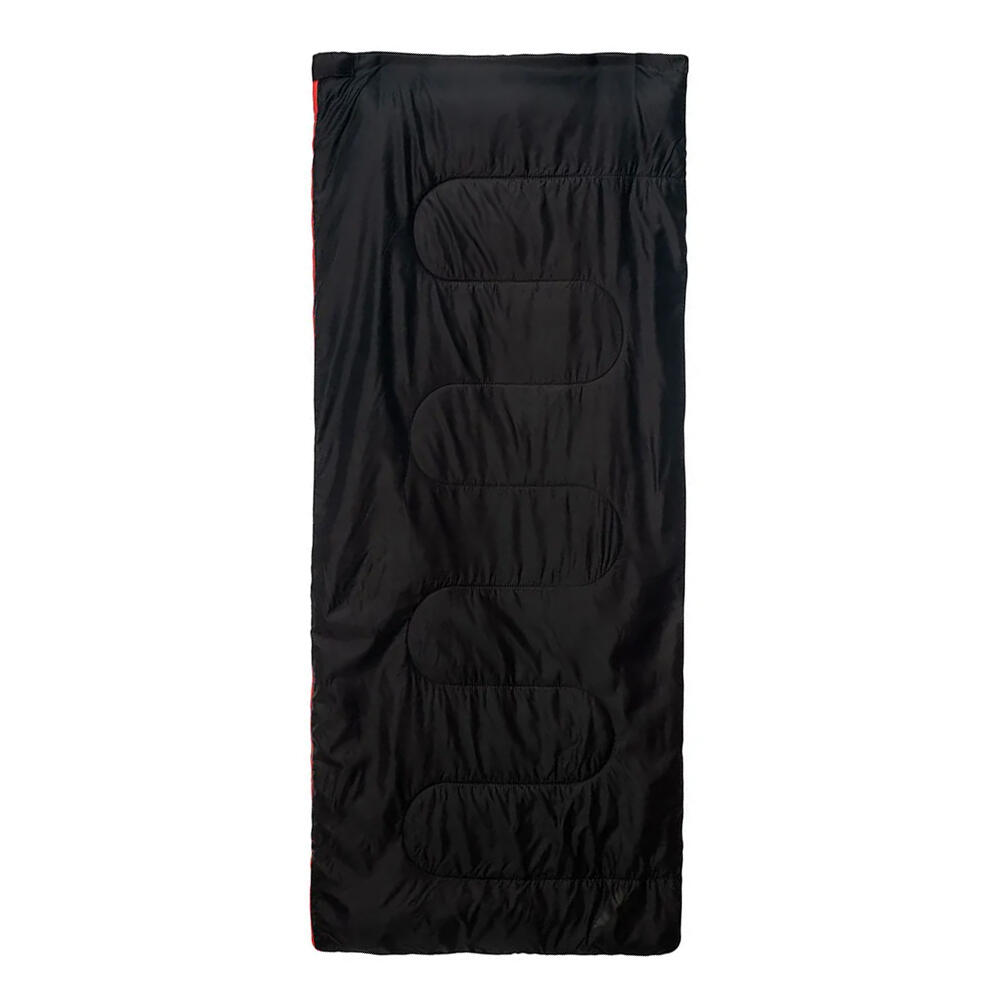
Marketplace -Online Only Marketplace -Online Only4 coloursMarketplace -Online OnlyMARTES ESSENTIALS Derg II Sleeping Bag (Black)4 coloursCurrent price {{currentPrice}} €26.51Sold and shipped by Pertemba IE
Marketplace -Online Only Marketplace -Online Only4 coloursMarketplace -Online OnlyMARTES ESSENTIALS Derg II Sleeping Bag (Grape Leaf)4 coloursCurrent price {{currentPrice}} €26.51Sold and shipped by Pertemba IE
Marketplace -Online Only Marketplace -Online Only4 coloursMarketplace -Online OnlyMARTES ESSENTIALS Derg II Sleeping Bag (Lime Green)4 coloursCurrent price {{currentPrice}} €26.51Sold and shipped by Pertemba IE
QUECHUA Camping Sleeping Bag 10°C in cotton, Ultim Comfort - Blue4.7(482)Reviews.votesAriaCurrent price {{currentPrice}} €50.00
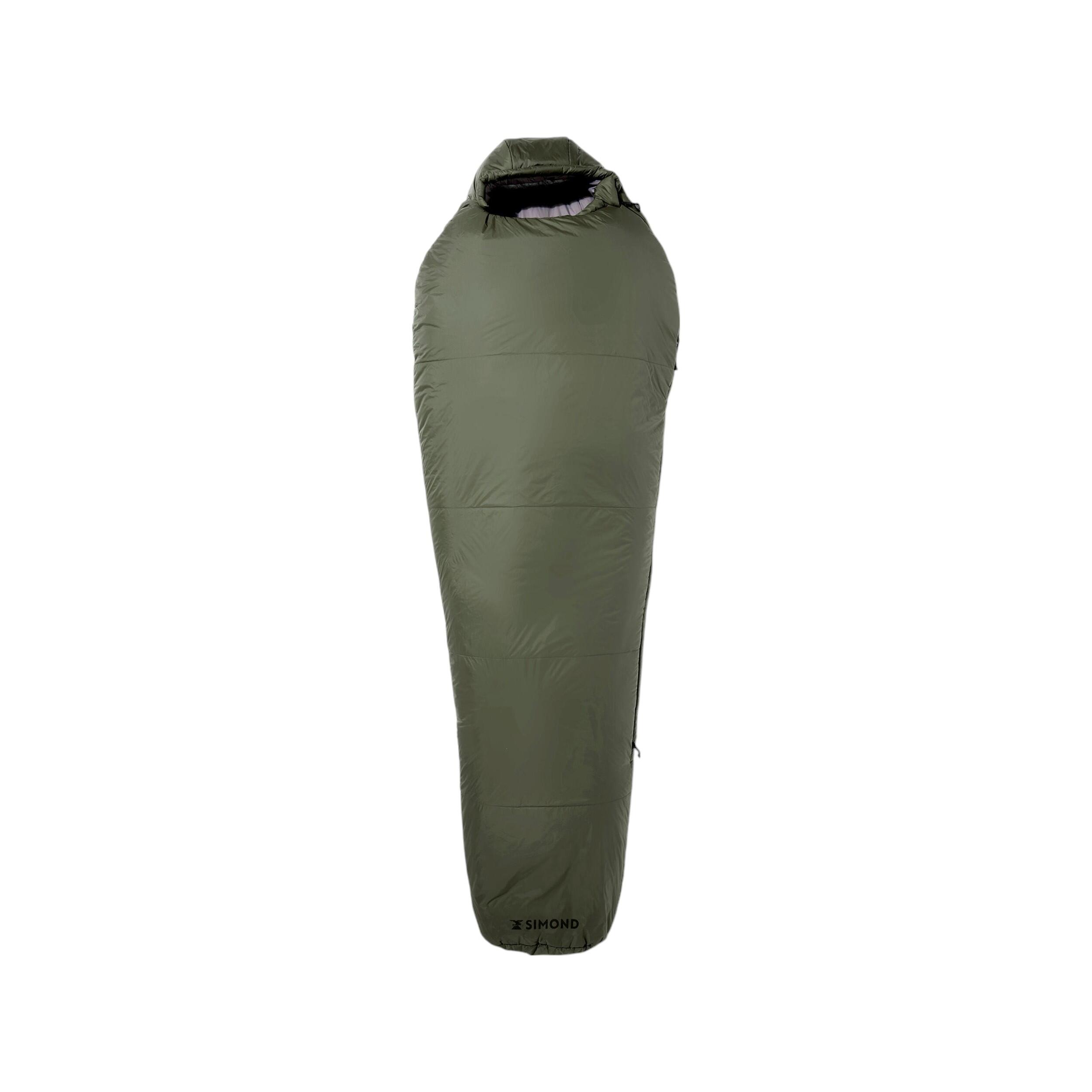
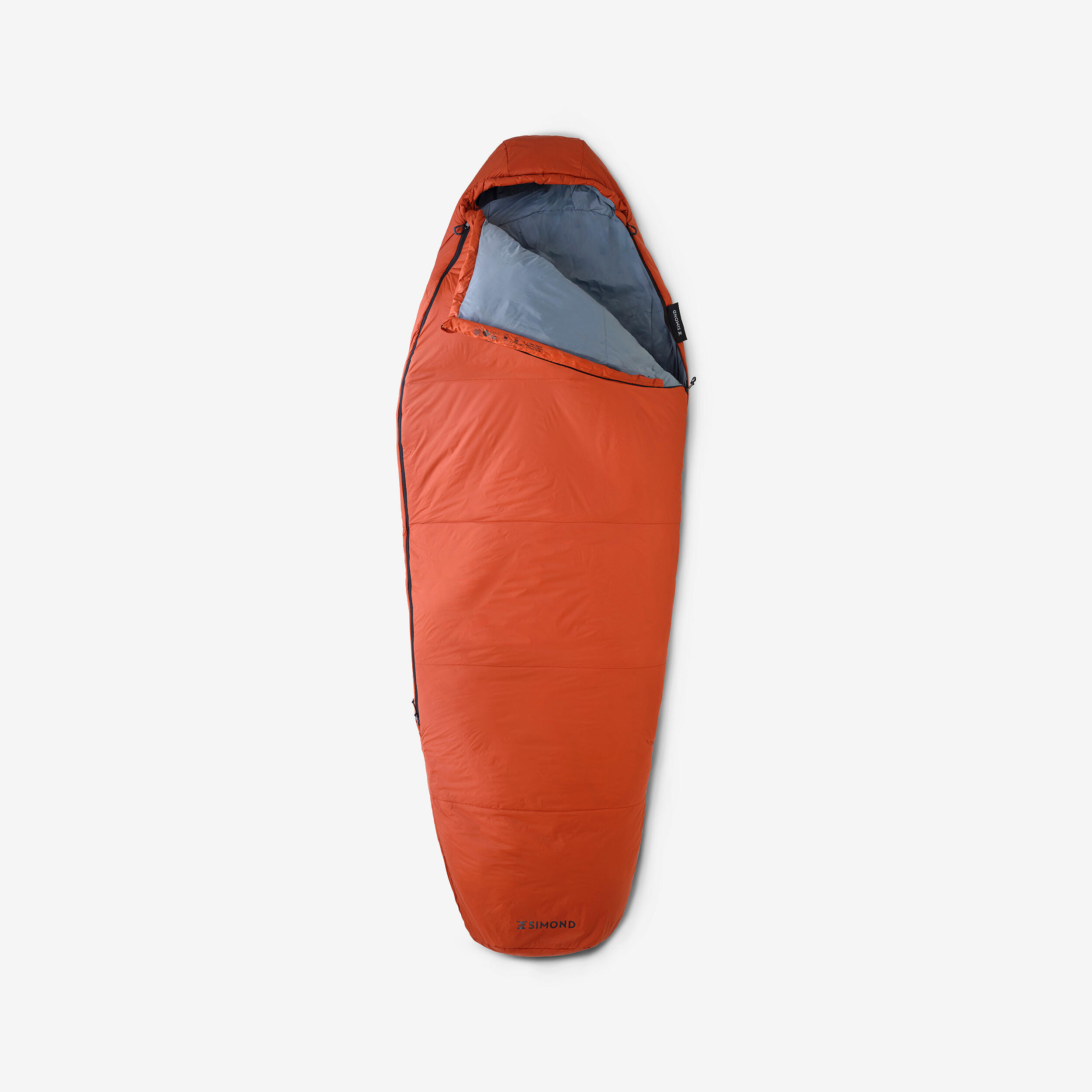
SIMOND Trekking Sleeping Bag MT500 -5°C4.6(211)Reviews.votesAriaCurrent price {{currentPrice}} €110.00
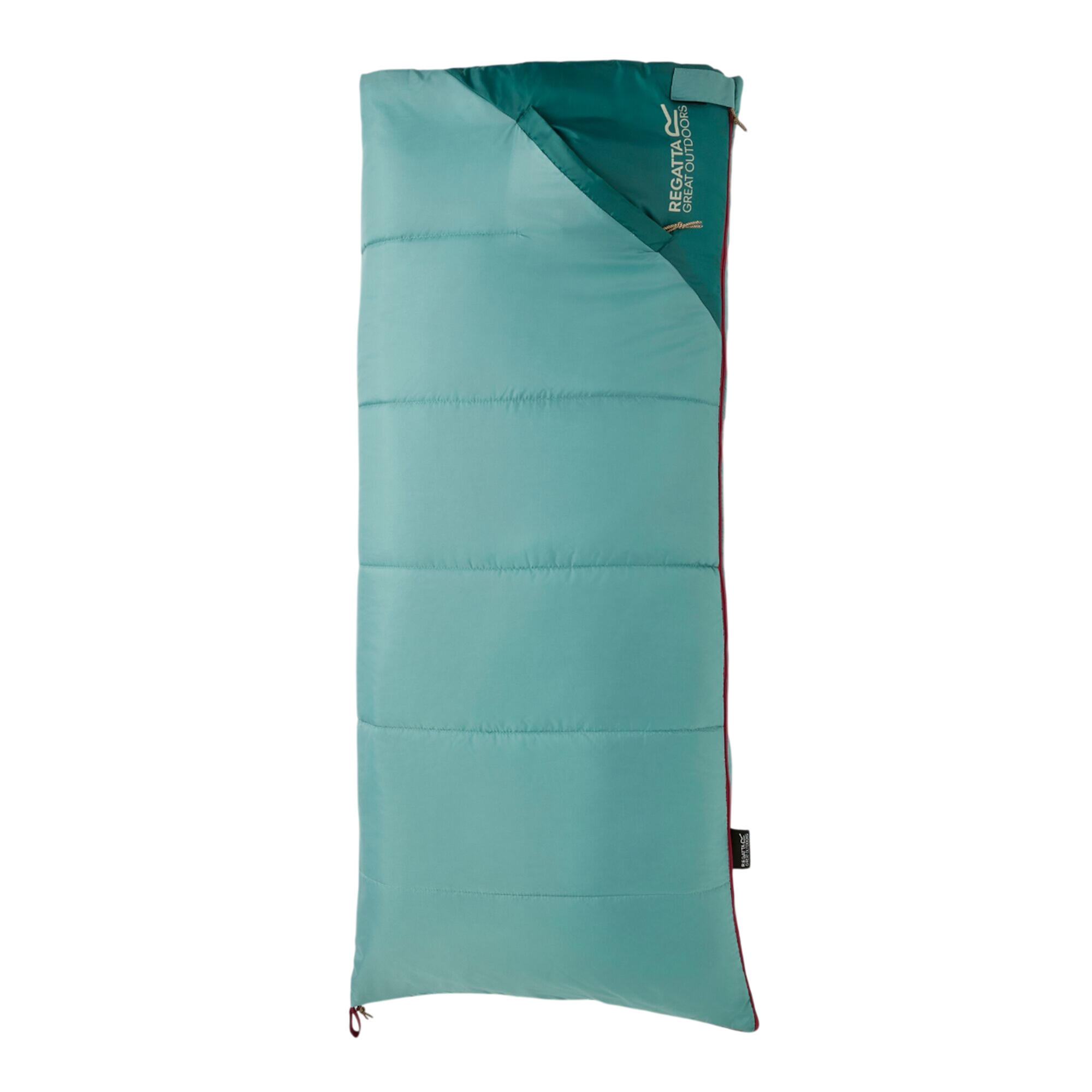
Marketplace -Online Only Marketplace -Online OnlyMarketplace -Online OnlyREGATTA Childrens/Kids Paven 2 Season LeftHanded Sleeping Bag (Arctic/MediterraneanCurrent price {{currentPrice}} €32.00Sold and shipped by Pertemba IE
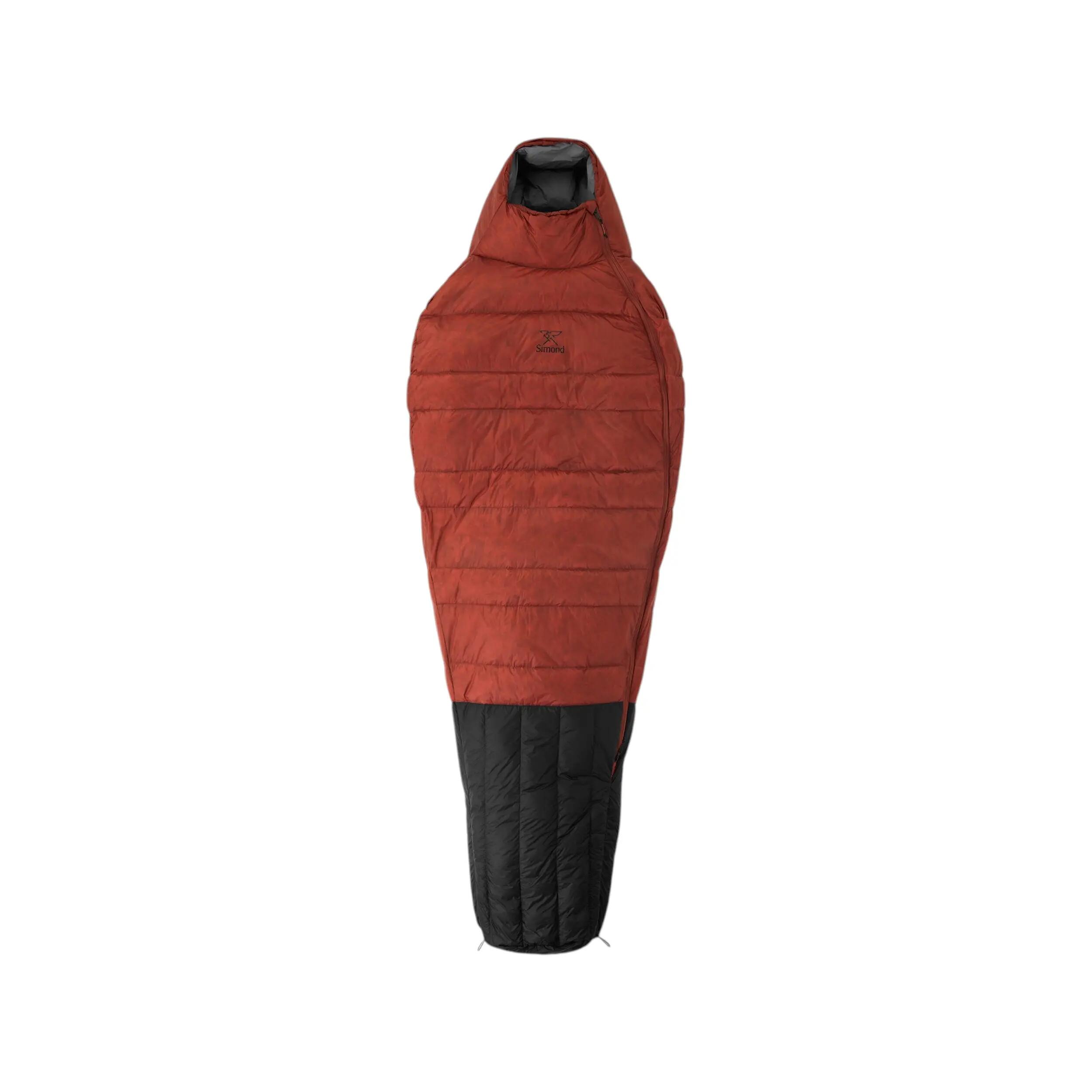
SIMOND 0°C lightweight, compact down trekking sleeping bag, MT9004.6(62)Reviews.votesAriaCurrent price {{currentPrice}} €230.00
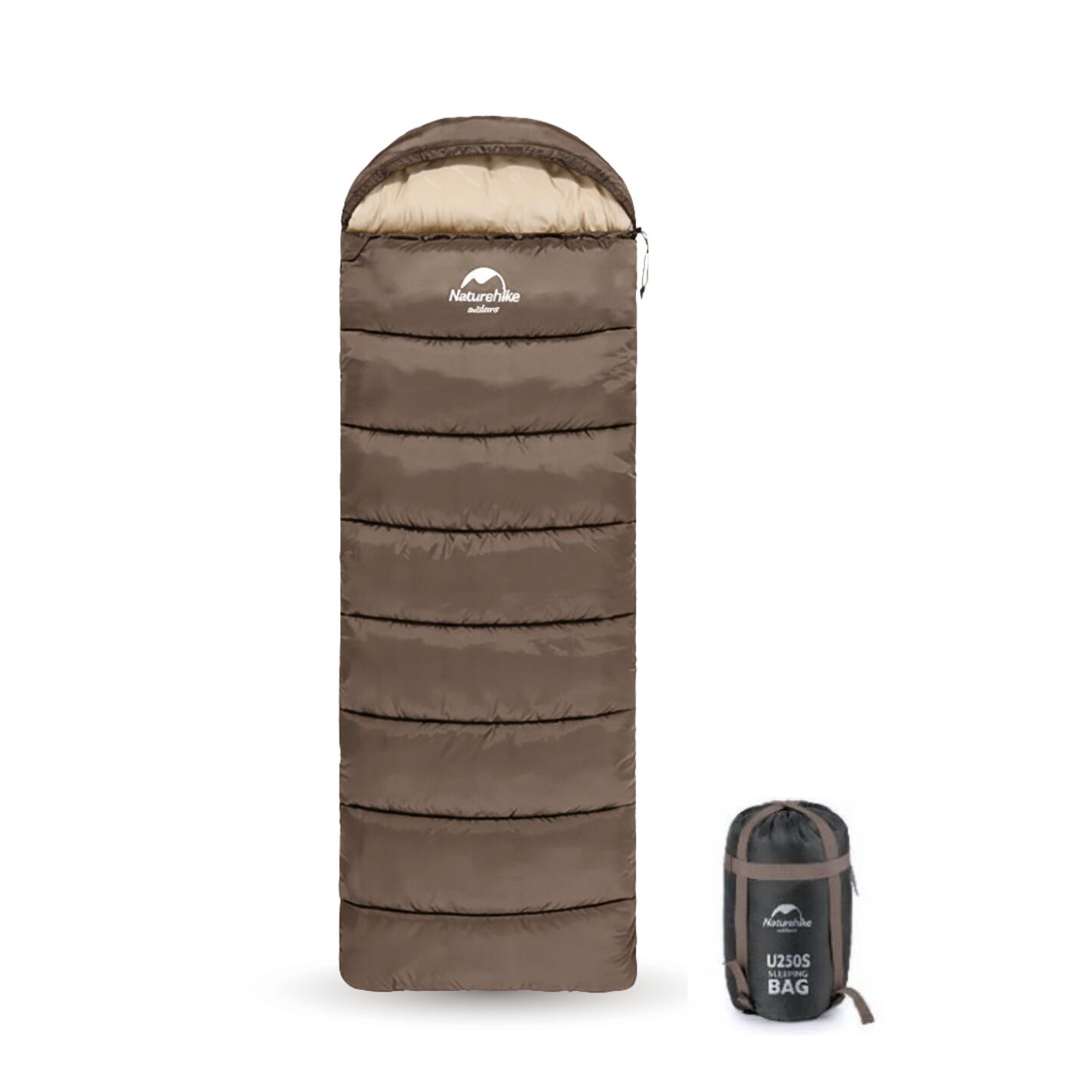
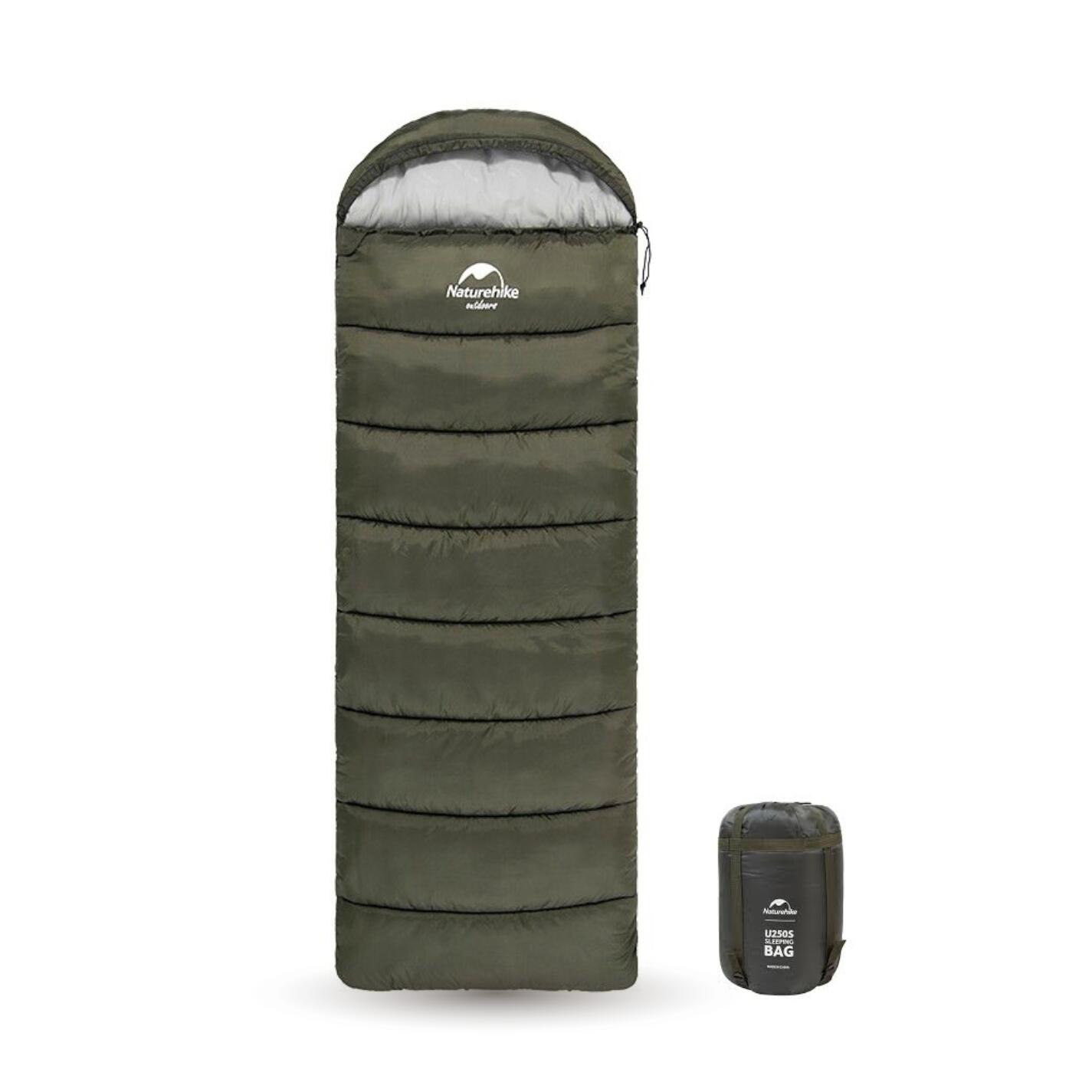
Marketplace -Online Only Marketplace -Online Only2 coloursMarketplace -Online OnlyNATUREHIKE Naturehike synthetic sleeping bag comfort 0°C2 coloursCurrent price {{currentPrice}} €59.95€59.95/unitSold and shipped by For outdoor
Marketplace -Online Only Marketplace -Online Only2 coloursMarketplace -Online OnlyNATUREHIKE Naturehike synthetische slaapzak comfort 0°C2 coloursCurrent price {{currentPrice}} €59.95Sold and shipped by For outdoor
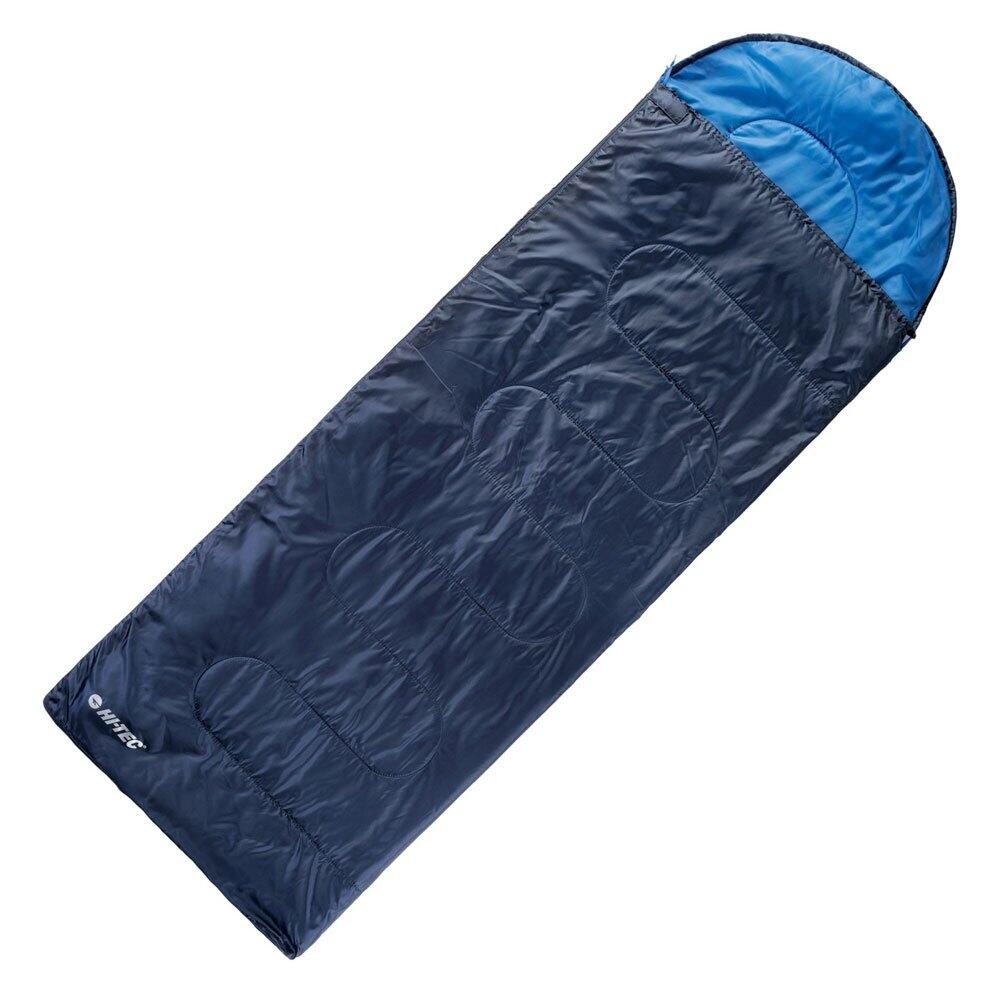
Marketplace -Online Only Marketplace -Online Only2 coloursMarketplace -Online OnlyHI-TEC Unisex Adult Mumio Sleeping Bag (Dress Blues/Classic Blue)2 coloursCurrent price {{currentPrice}} €31.39Sold and shipped by Pertemba IE
SIMOND 5°C trekking lightweight and compact down sleeping bag MT9004.6(118)Reviews.votesAriaCurrent price {{currentPrice}} €200.00
Marketplace -Online Only Marketplace -Online Only5 coloursMarketplace -Online OnlySKANDIKA Dundee Junior Kids’ Sleeping Bag – 2‑Way Zip with Inner Velcro Pocket5(6)Reviews.votesAria5 coloursCurrent price {{currentPrice}} €79.95Sold and shipped by Max Trader GmbH