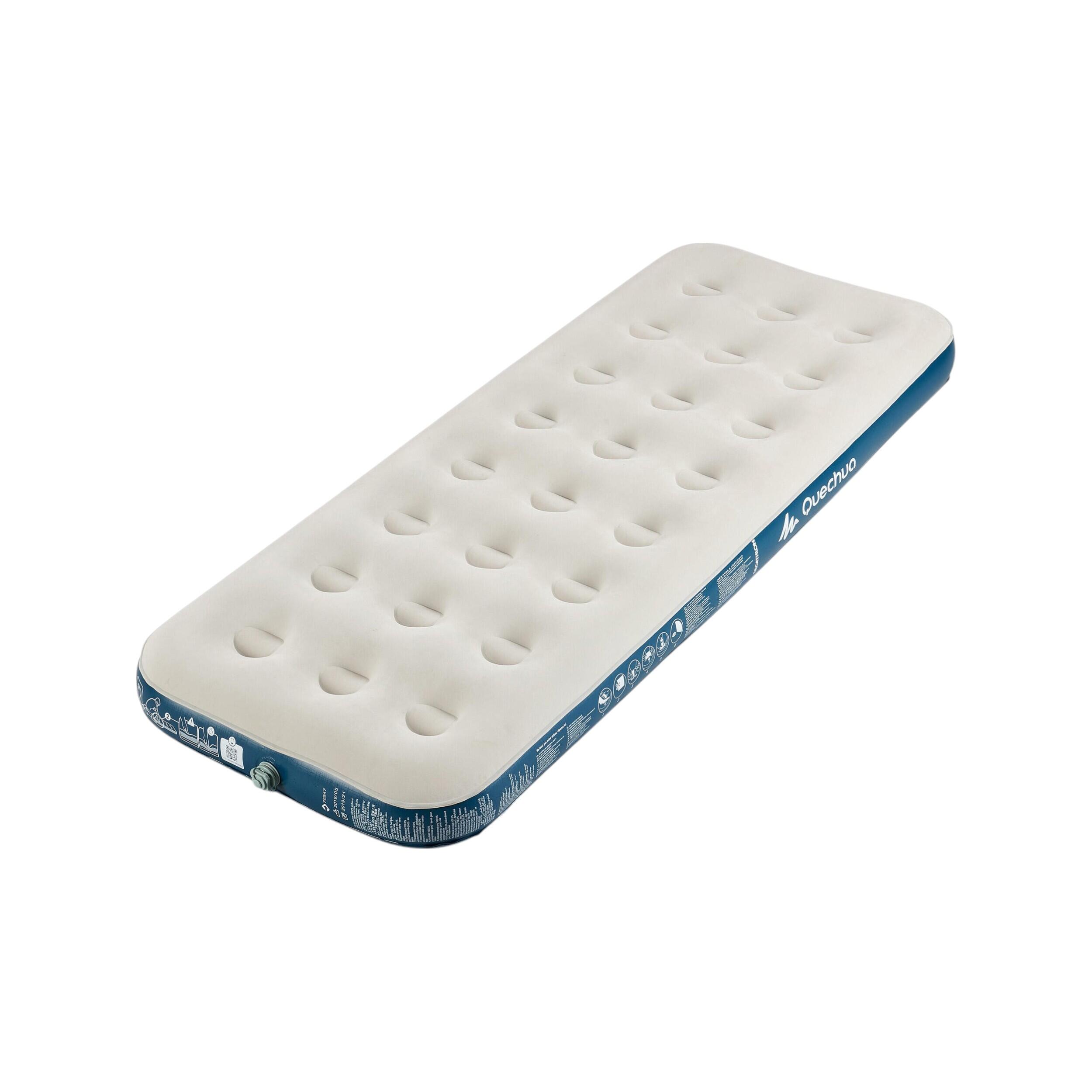
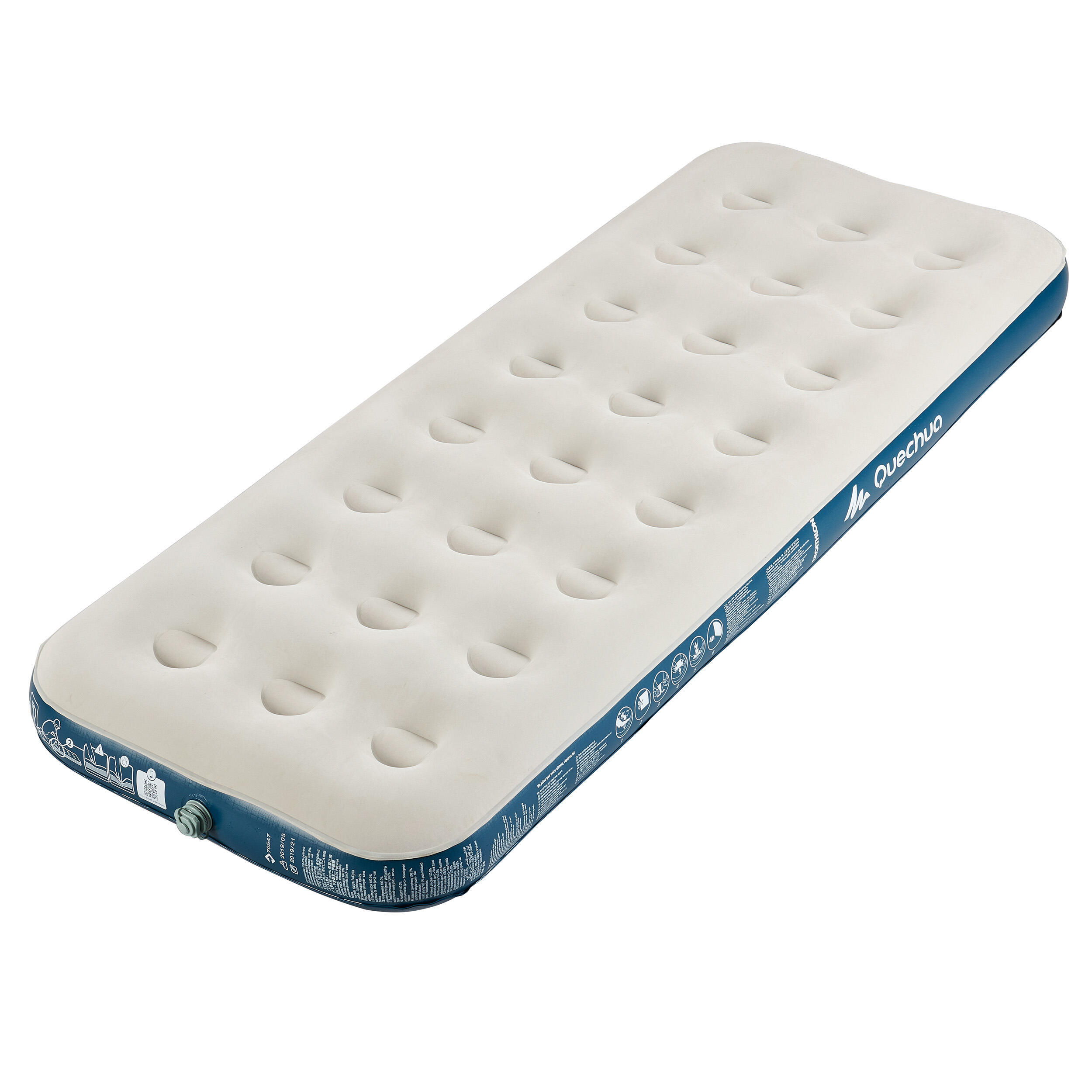
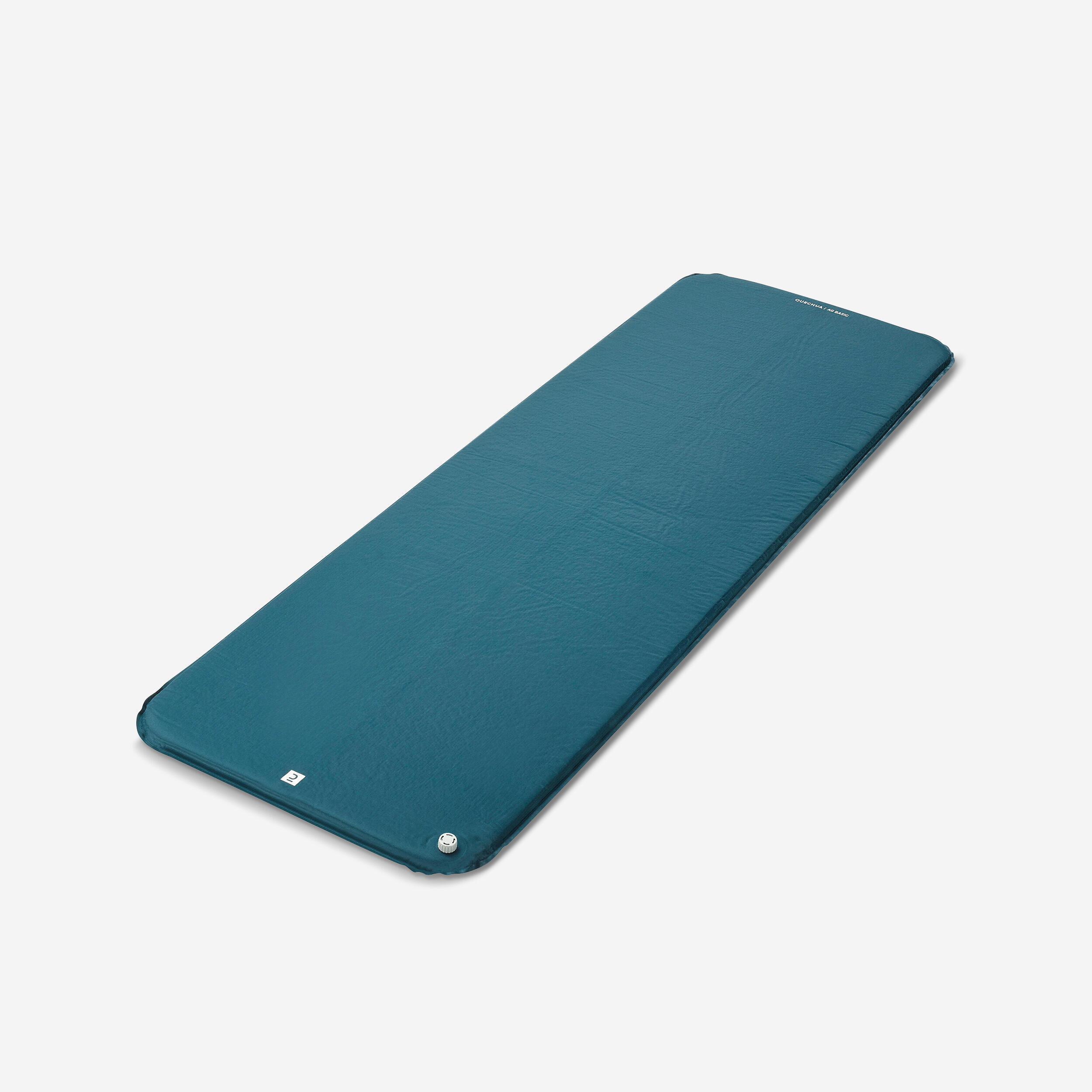
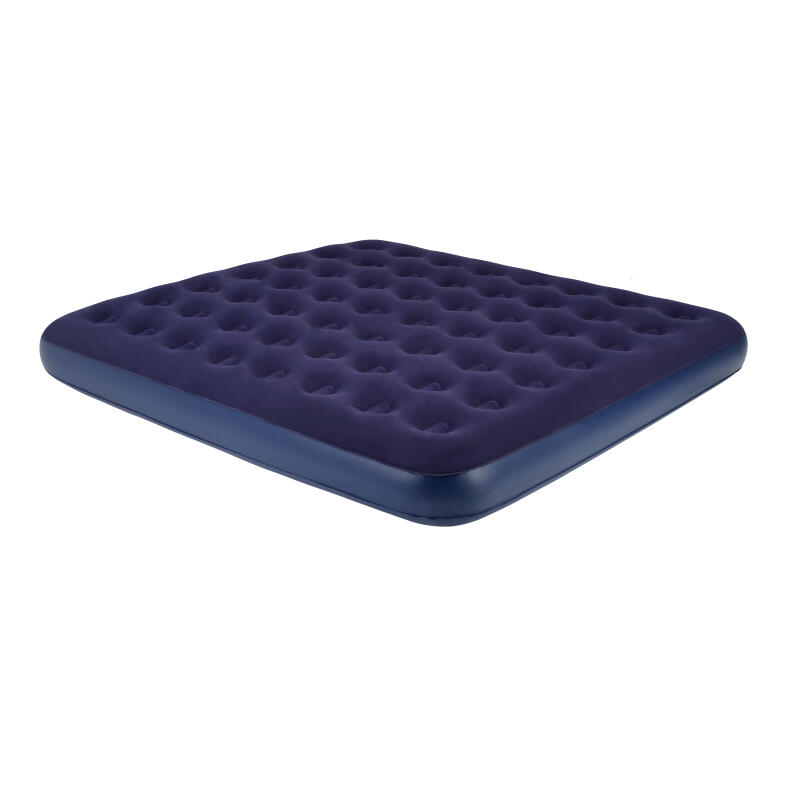
2 coloursQUECHUA Inflatable, 1-person camping mattress, 190 x 70 cm, Air basic4.5(4,086)Reviews.votesAria2 coloursCurrent price {{currentPrice}} €14.00
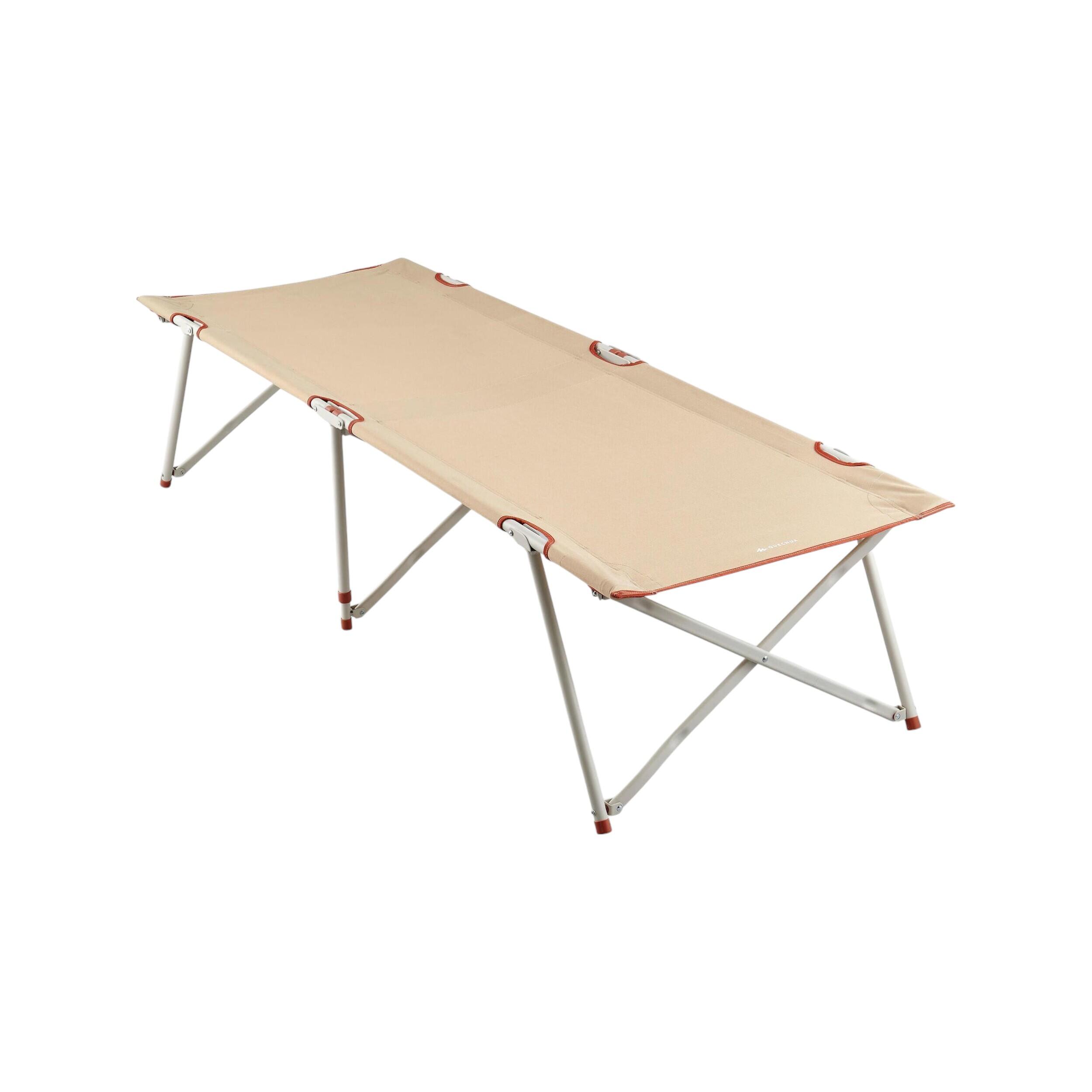
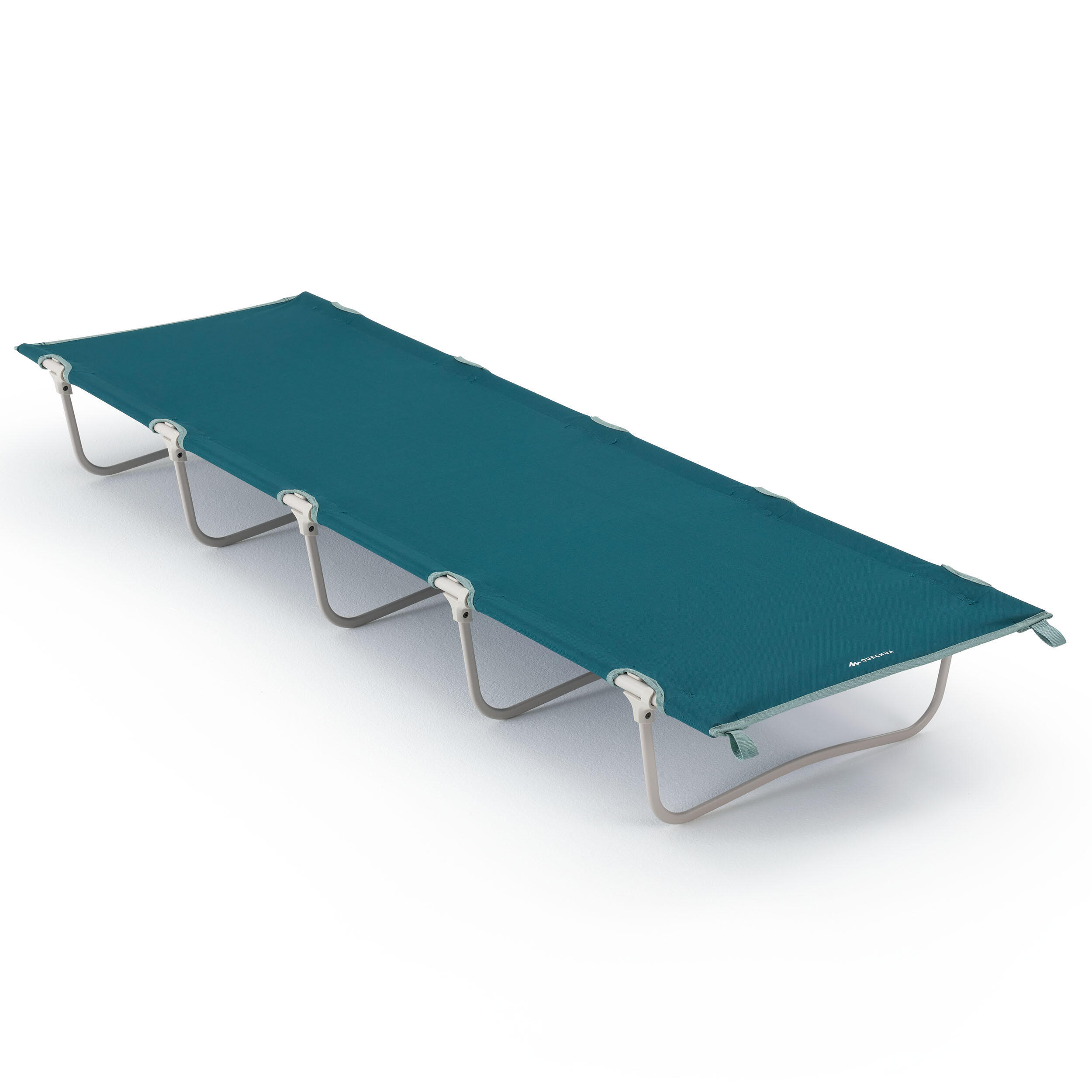
QUECHUA Camping Bed Basic Camp Bed 60 cm 1 Person4.6(1,113)Reviews.votesAriaCurrent price {{currentPrice}} €36.00
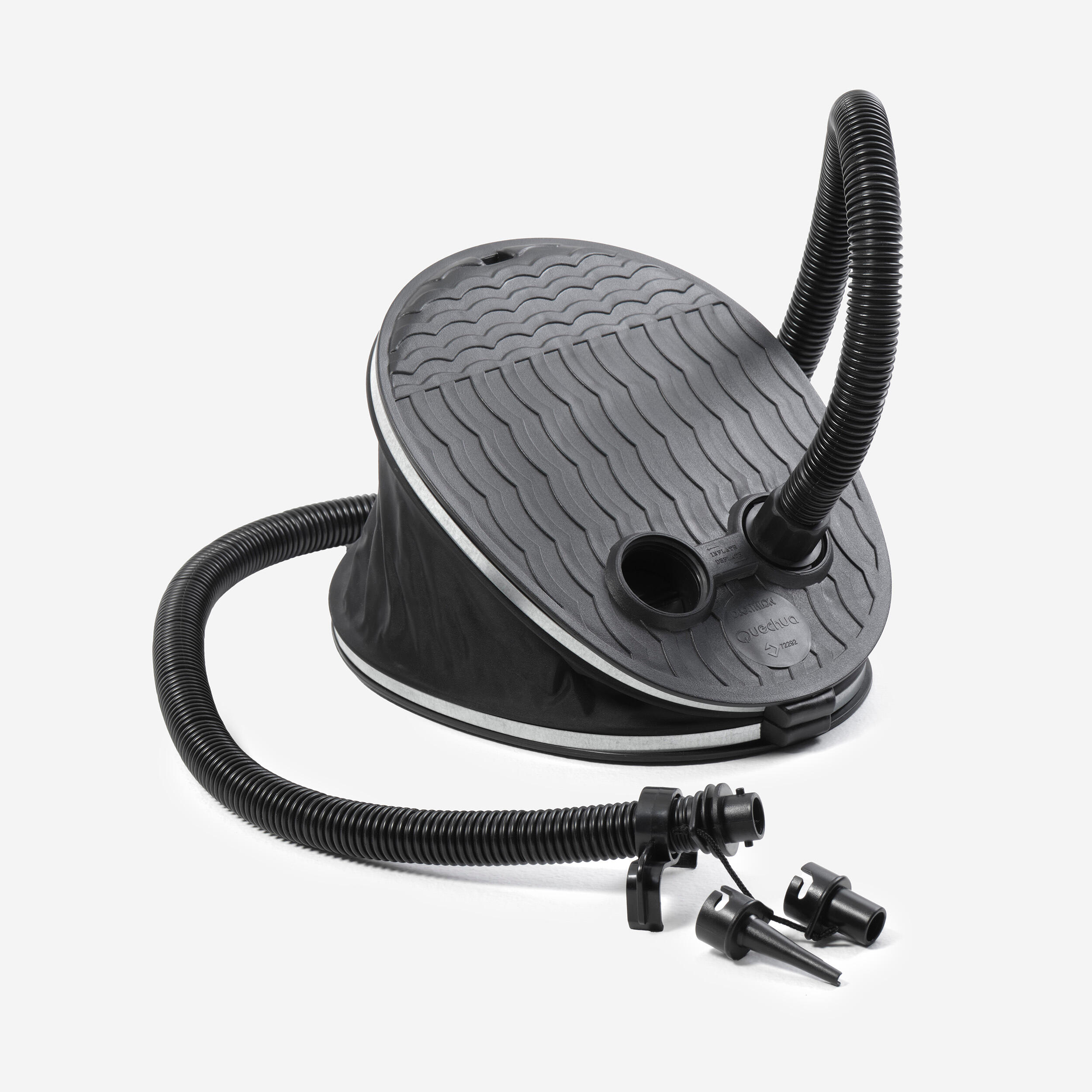
QUECHUA CAMPING FOOT PUMP - RECOMMENDED FOR INFLATABLE MATRESSES4.7(3,050)Reviews.votesAriaCurrent price {{currentPrice}} €10.00
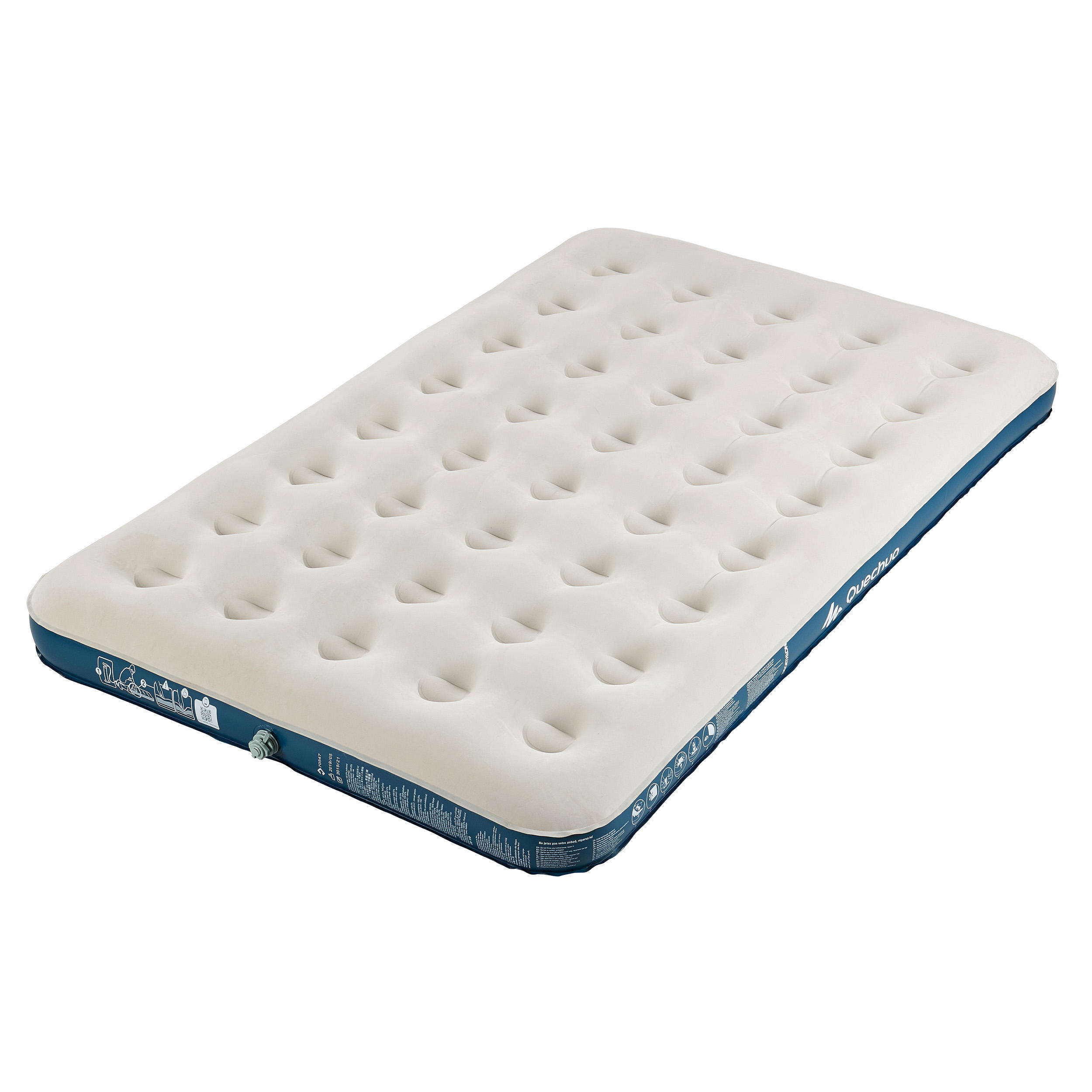
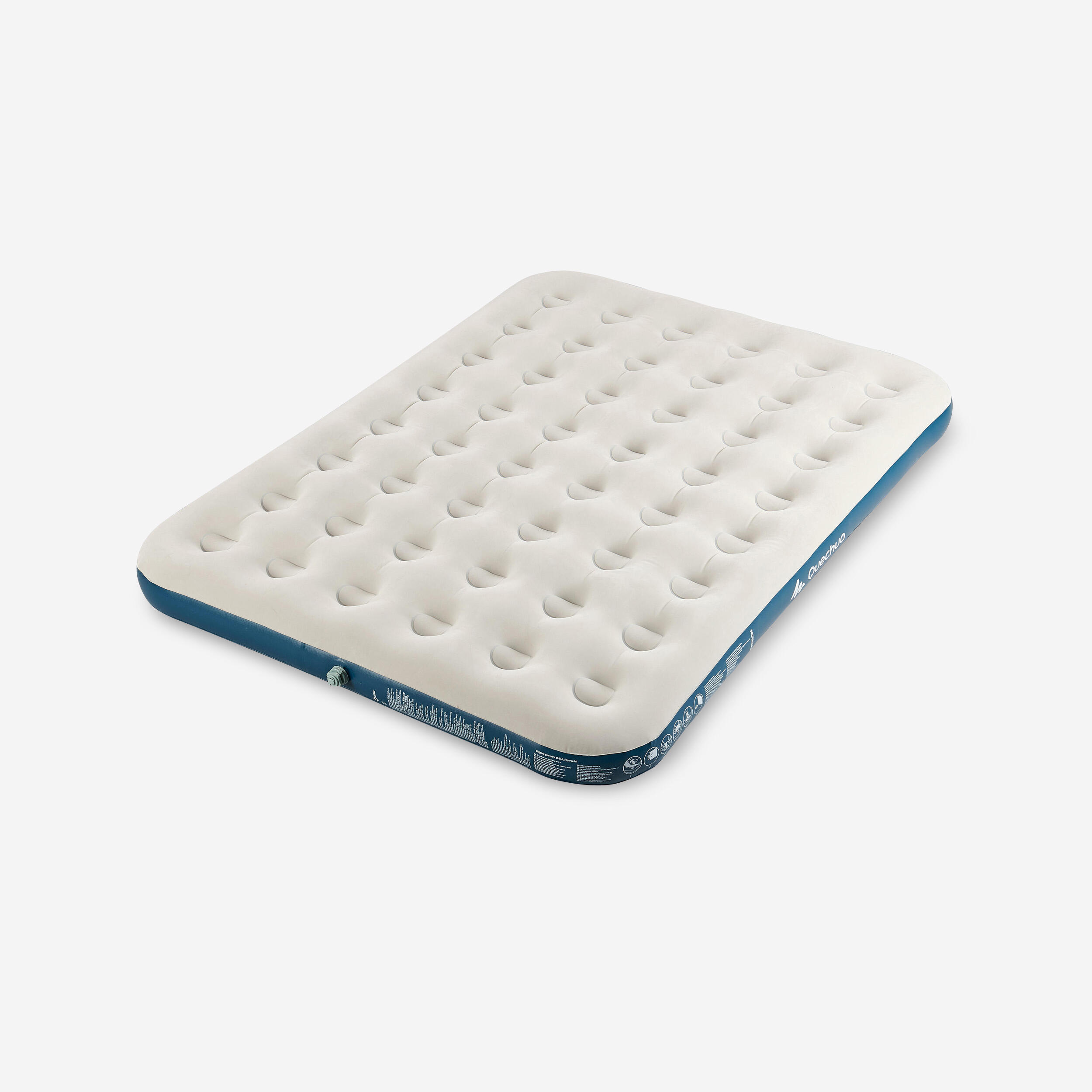
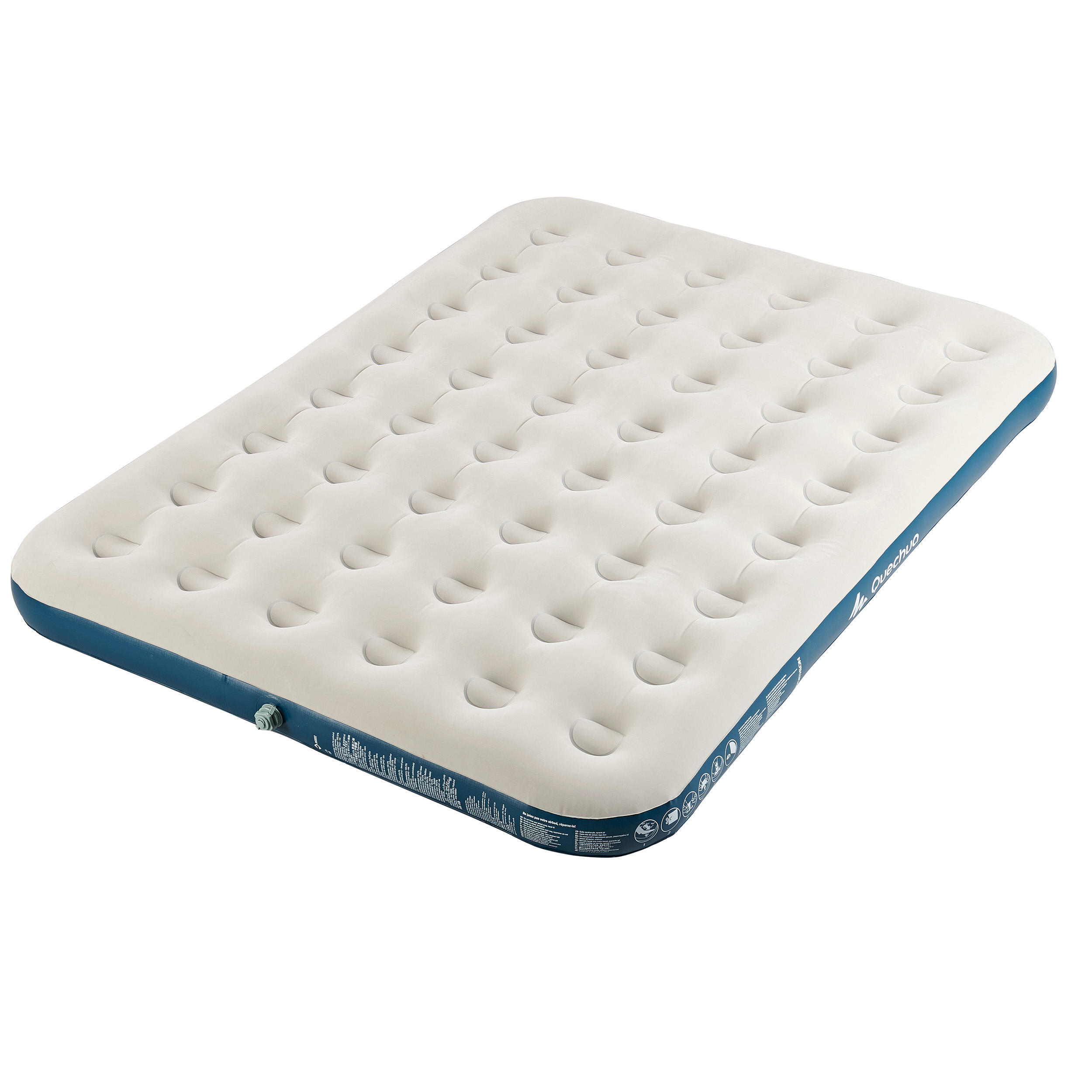
QUECHUA Inflatable, 2-person camping mattress, 190 x 120 cm, Air basic4.5(2,919)Reviews.votesAriaCurrent price {{currentPrice}} €24.00
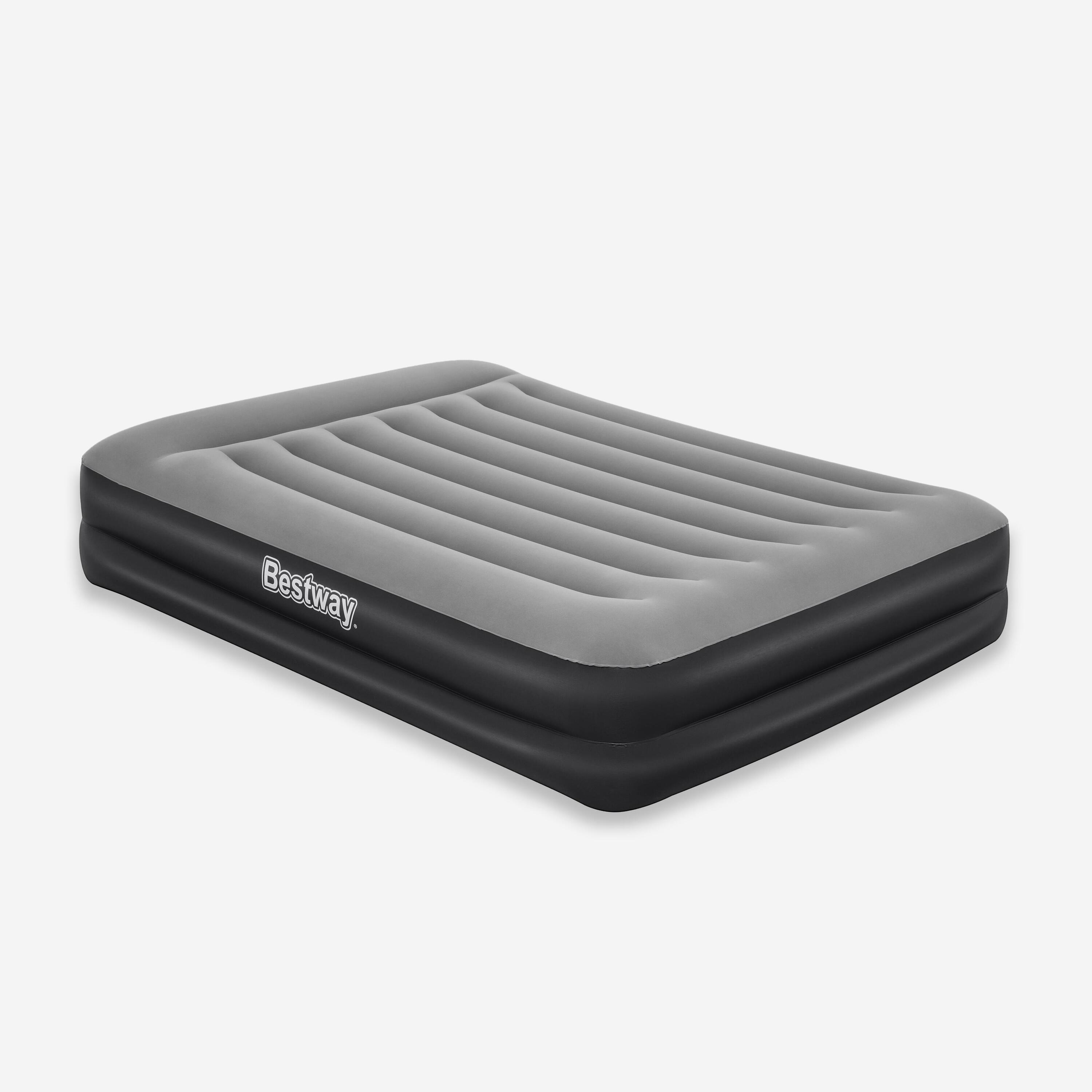
BESTWAY High inflatable mattress for two people, with built-in electric pump4.1(150)Reviews.votesAriaCurrent price {{currentPrice}} €44.00
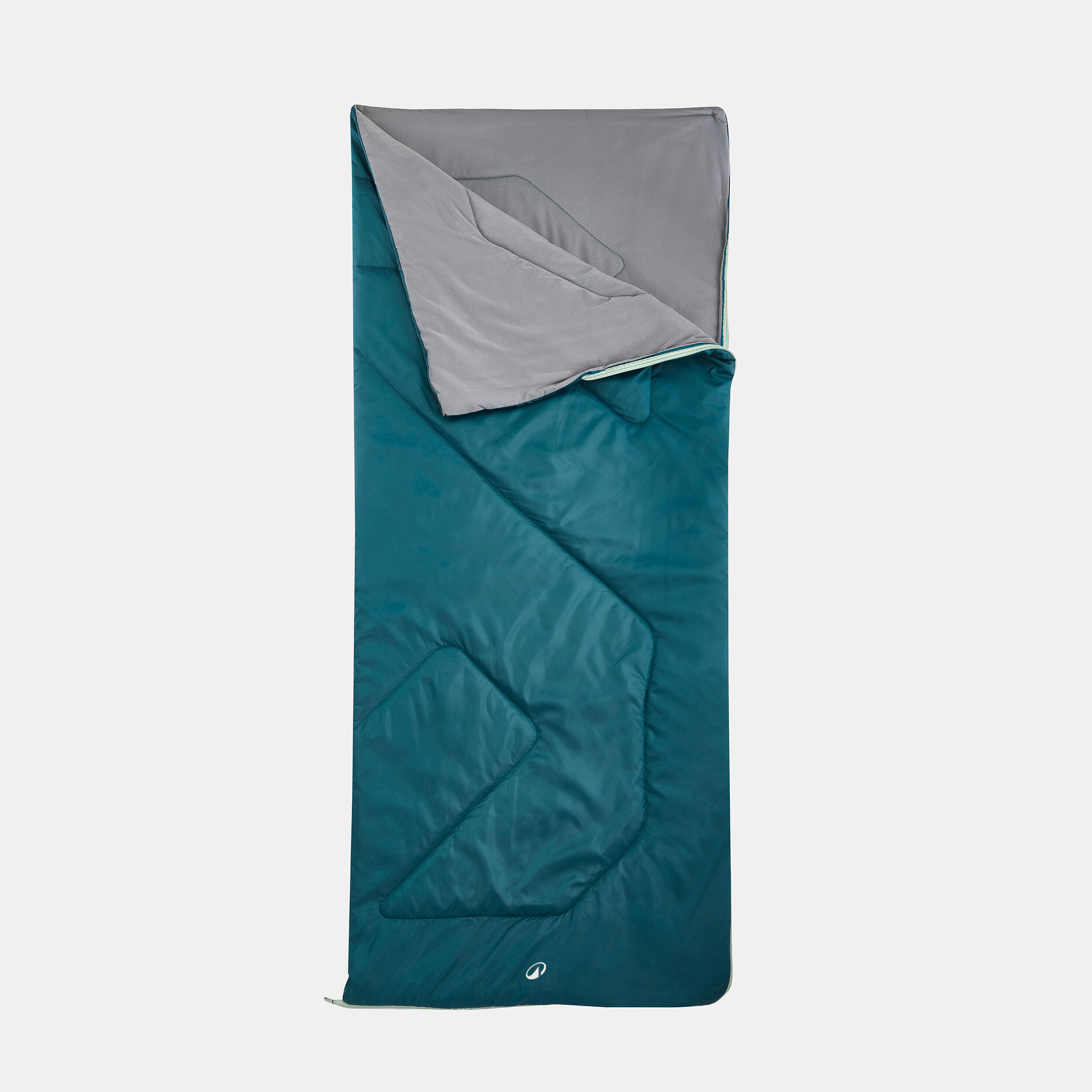
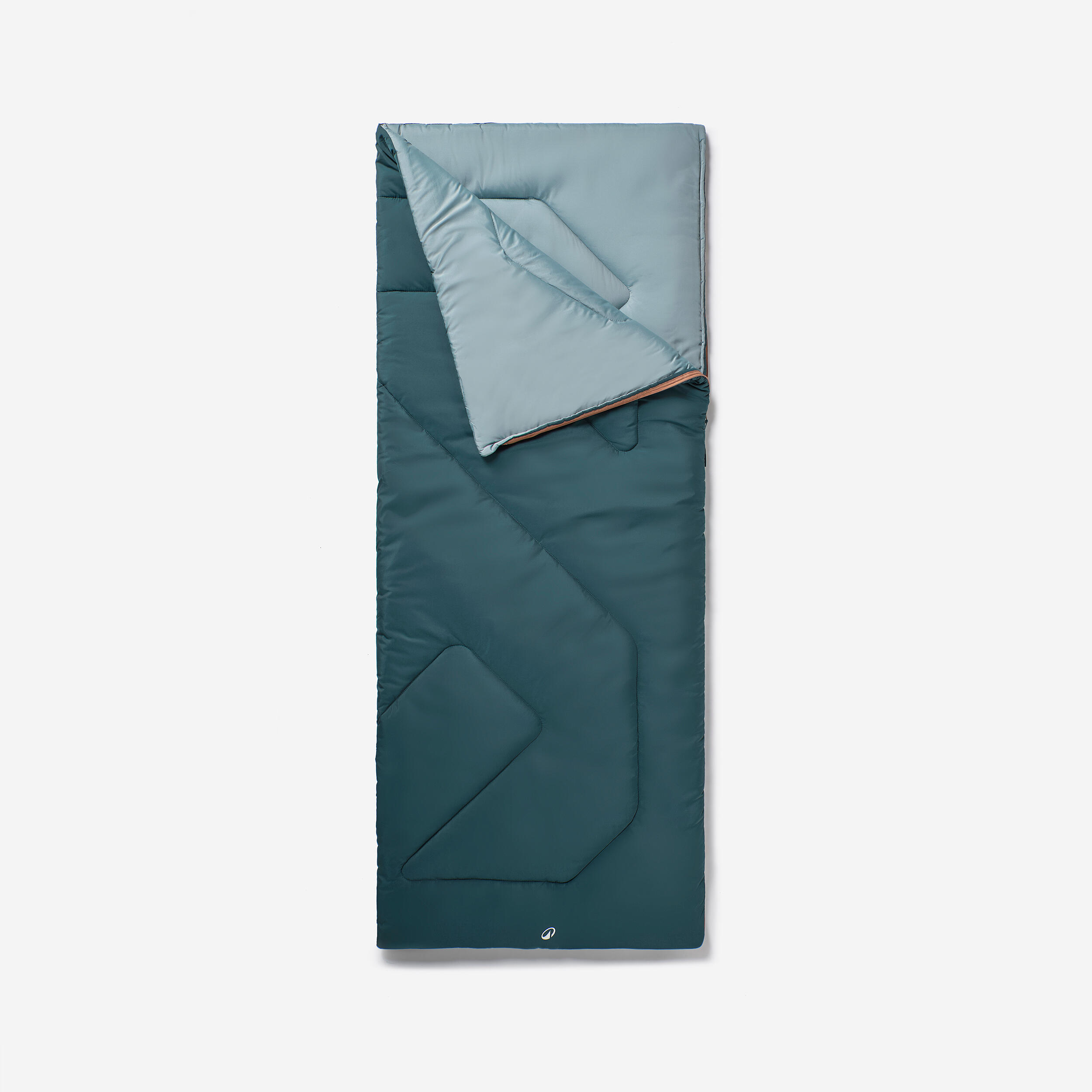
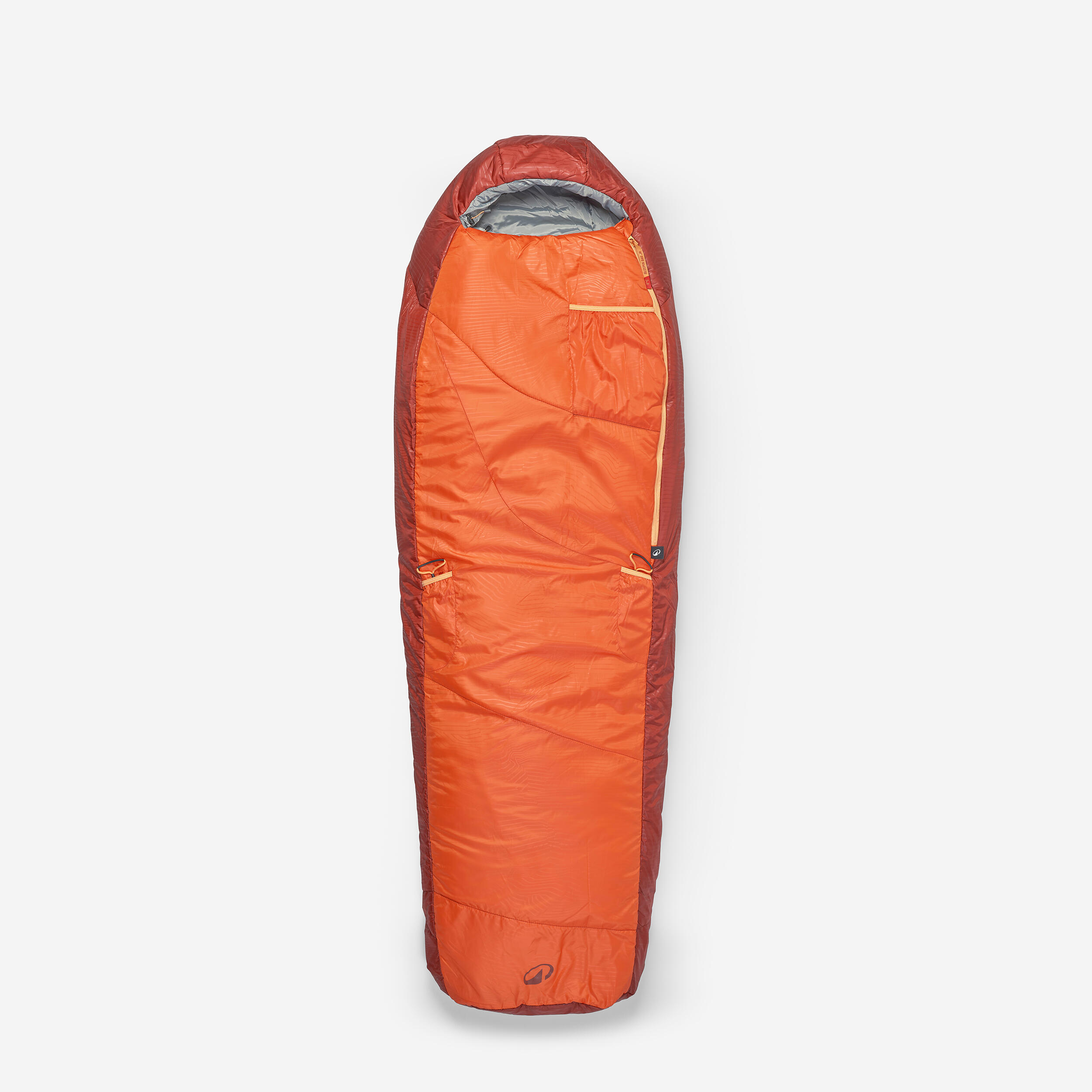
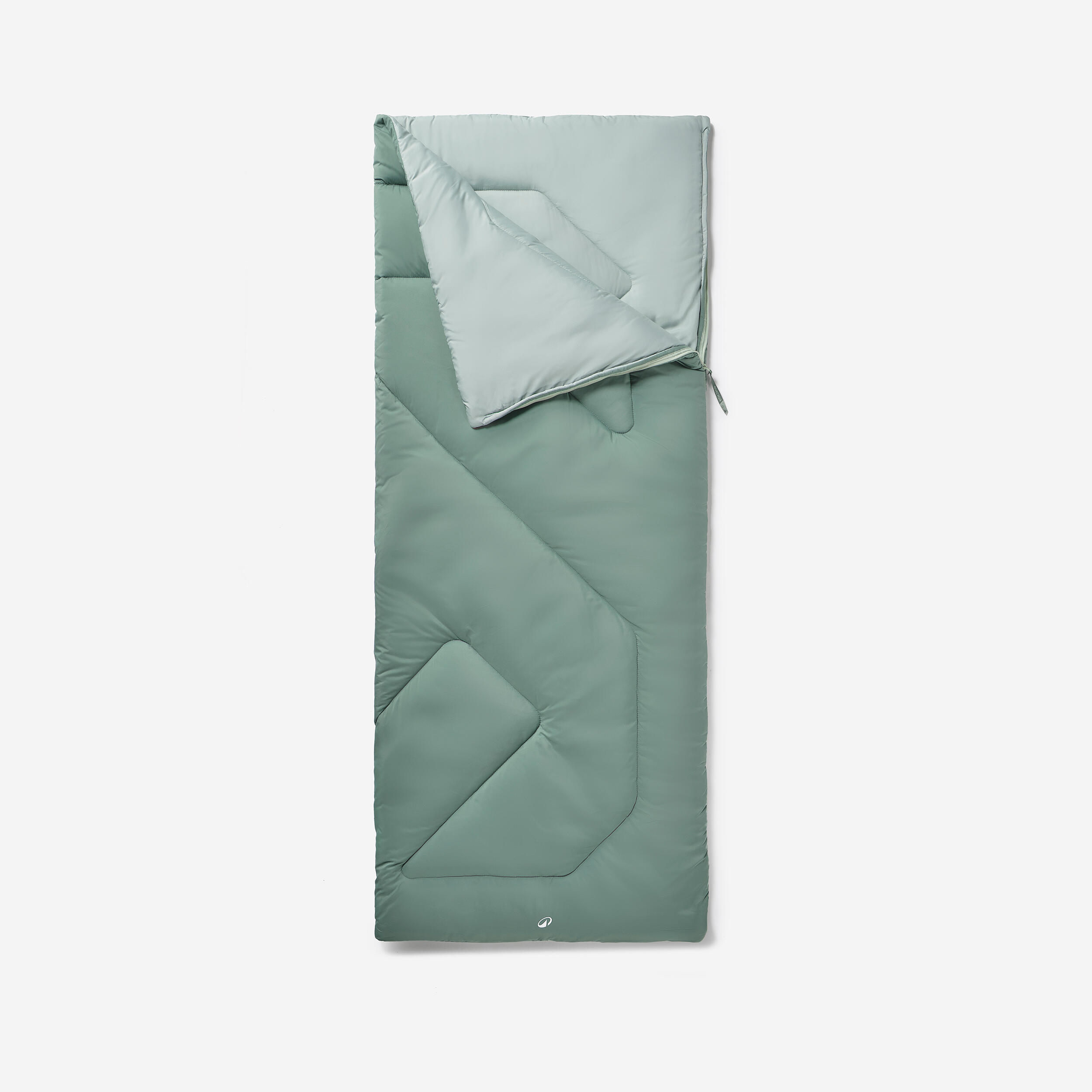
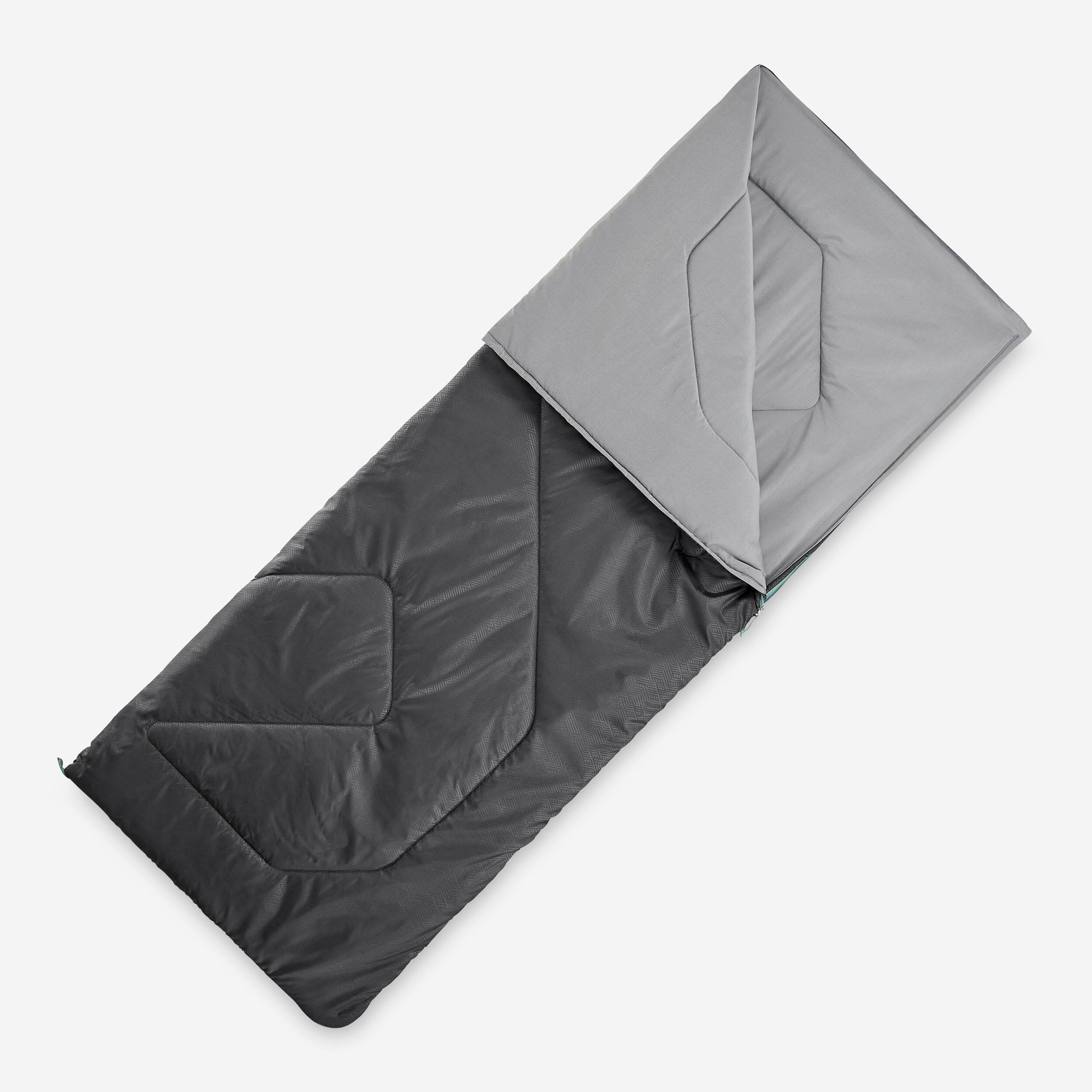
QUECHUA Camping Sleeping Bag 20°C Basic4.7(514)Reviews.votesAriaCurrent price {{currentPrice}} €14.00
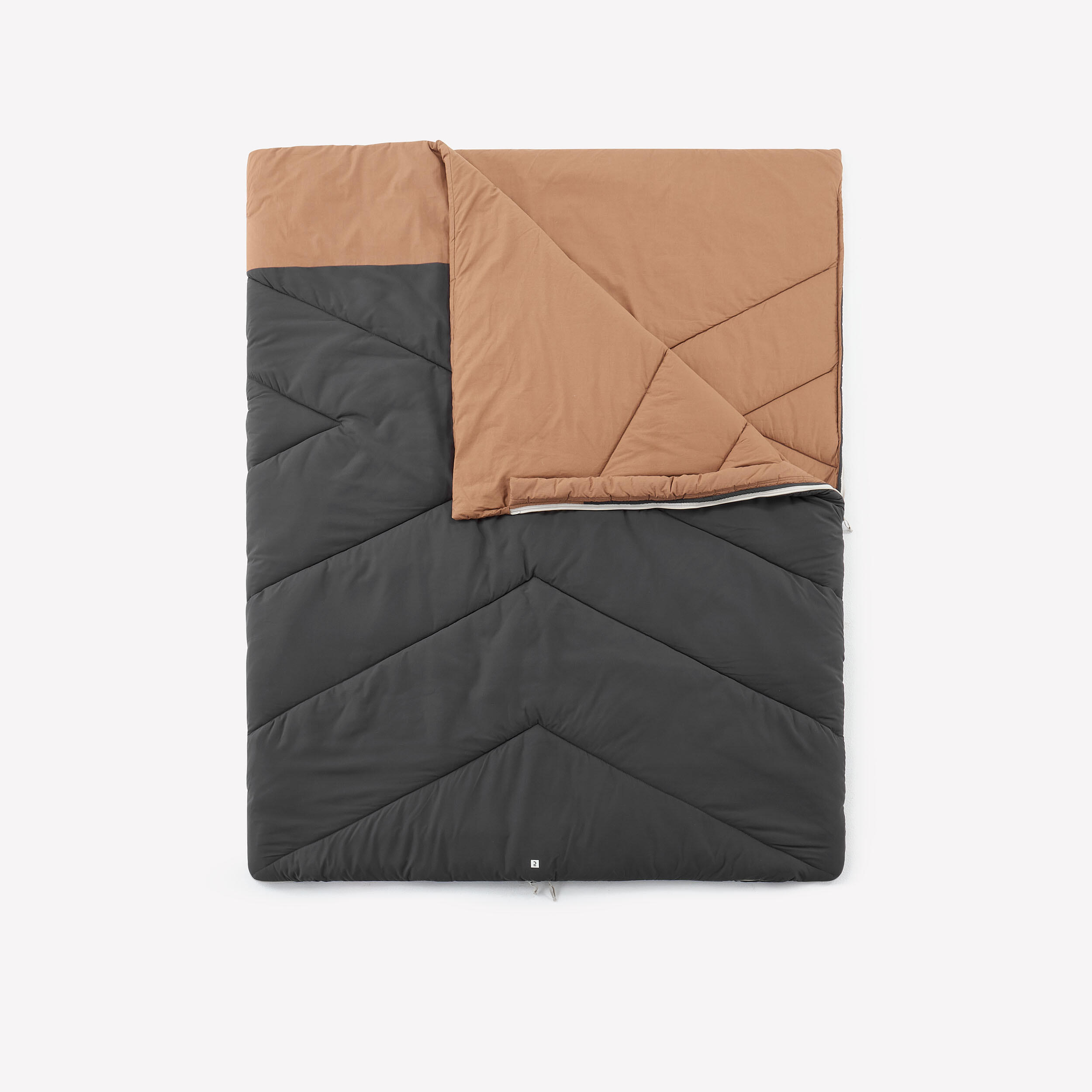
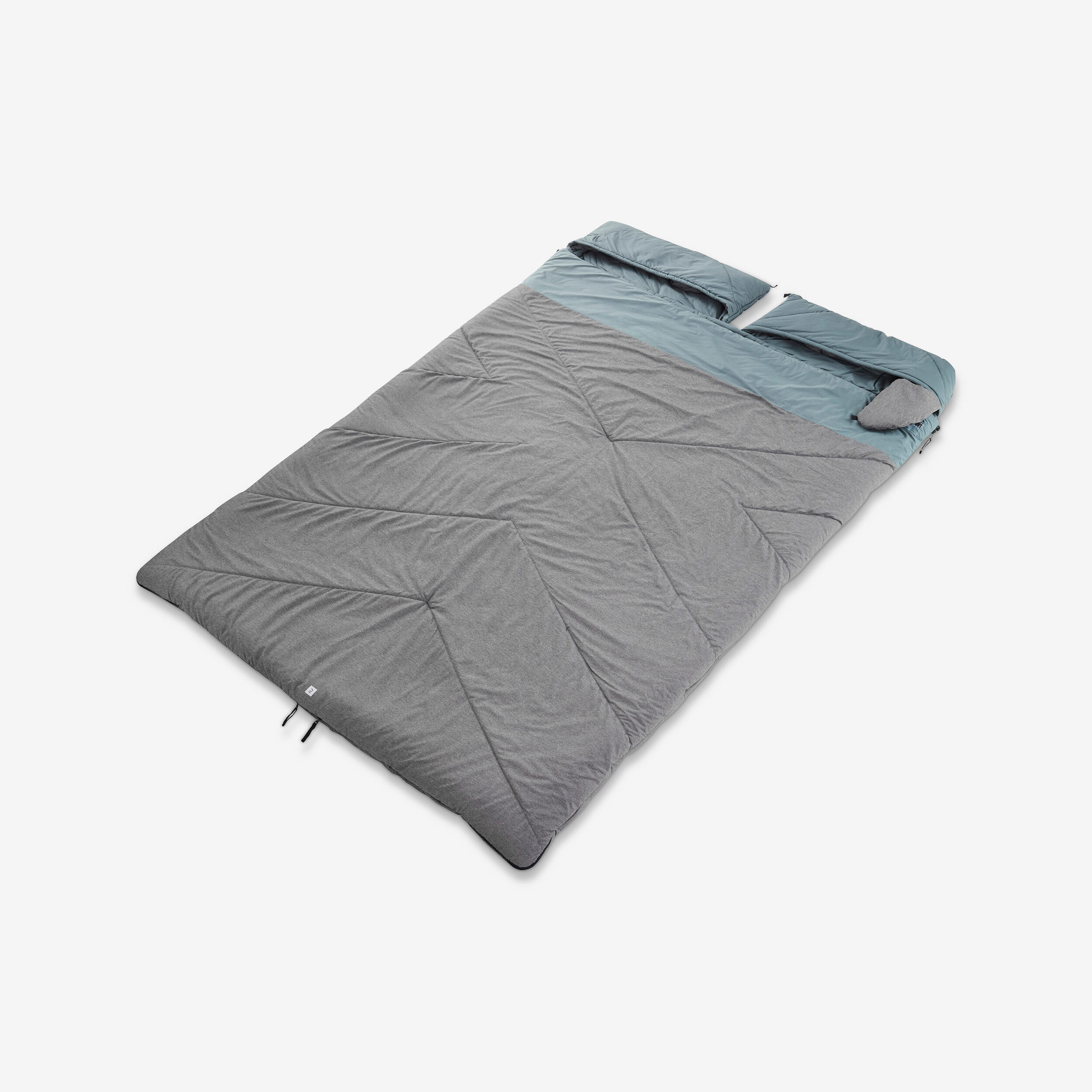
QUECHUA Two-person camping 10°C cotton sleeping bag Ultim Comfort4.8(82)Reviews.votesAriaCurrent price {{currentPrice}} €105.00
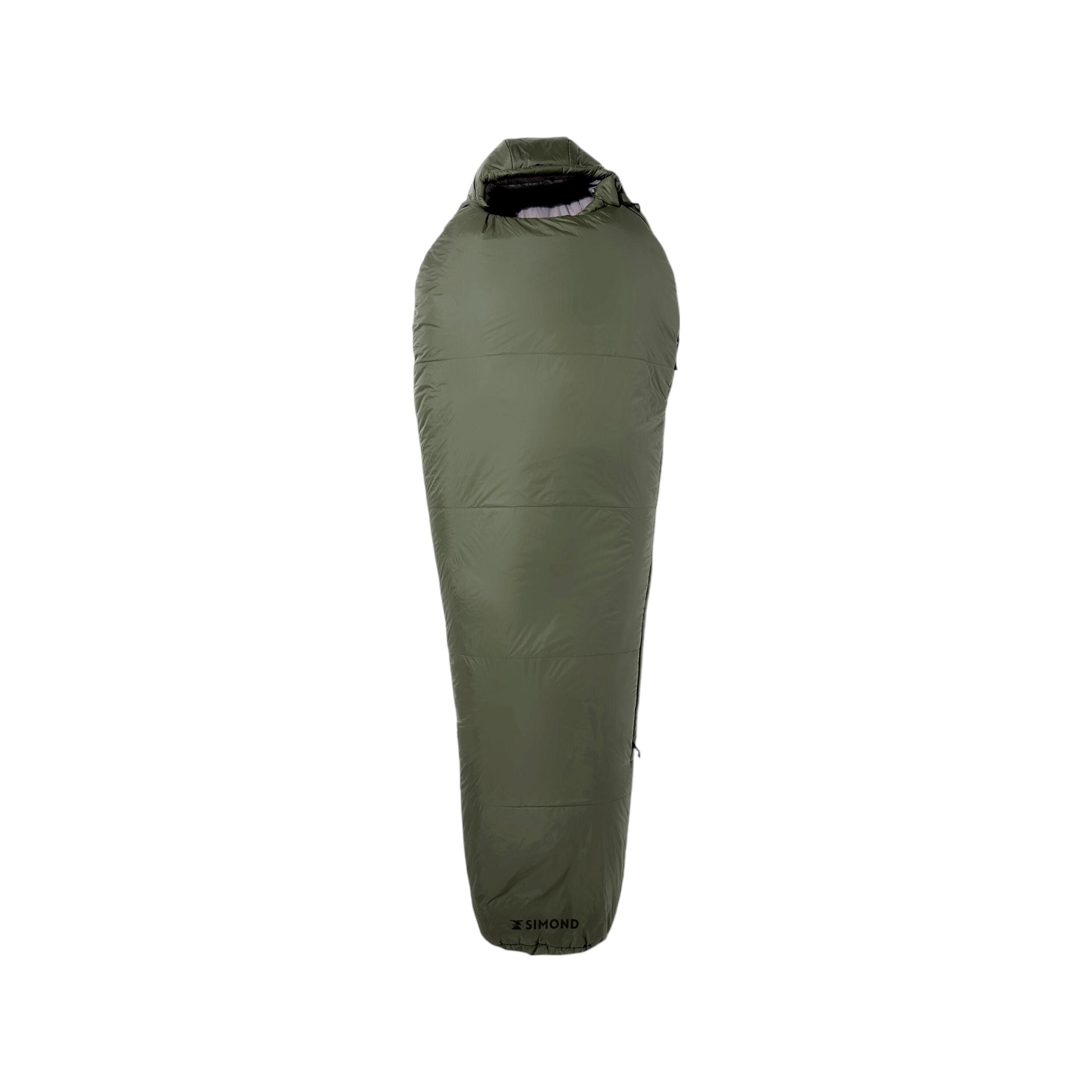
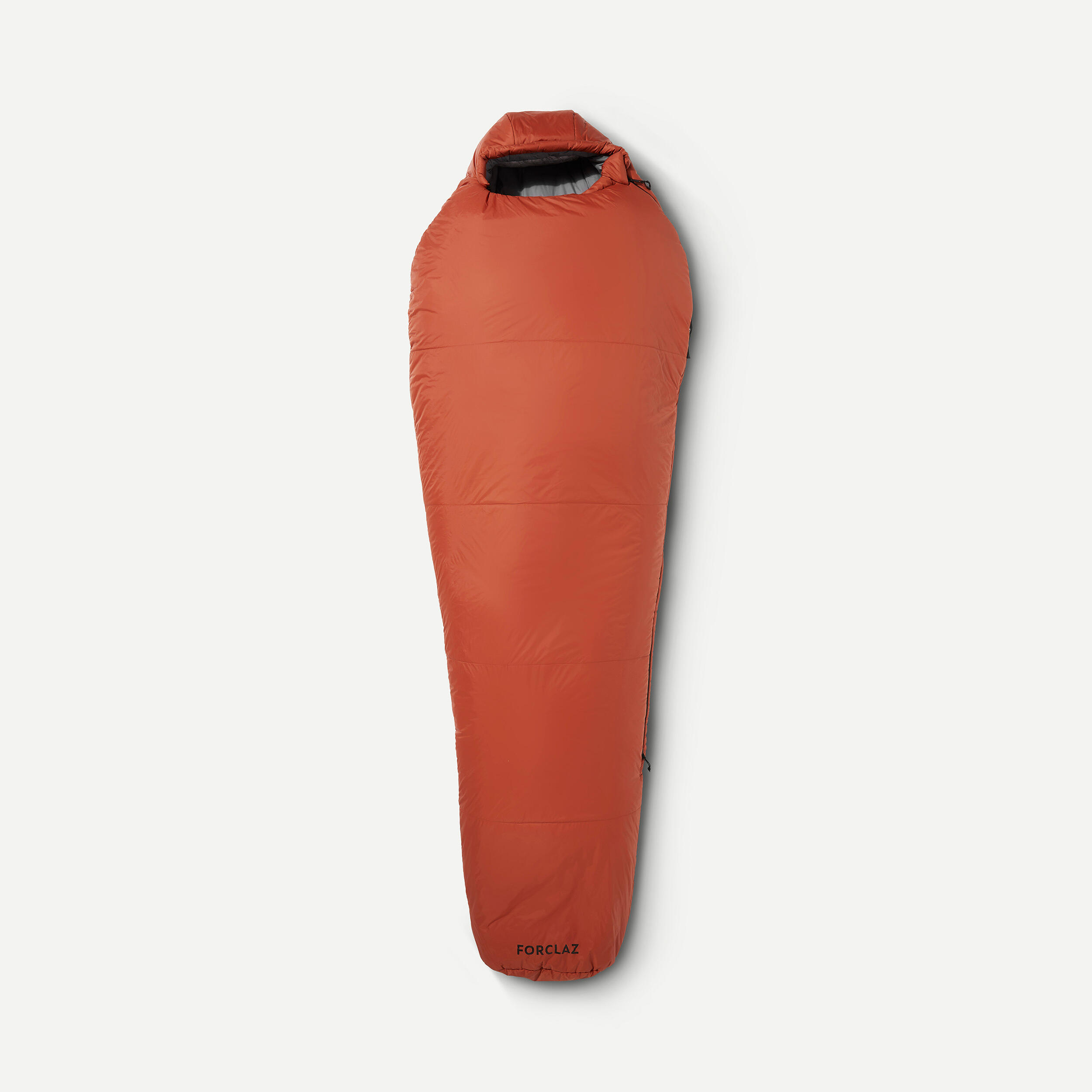
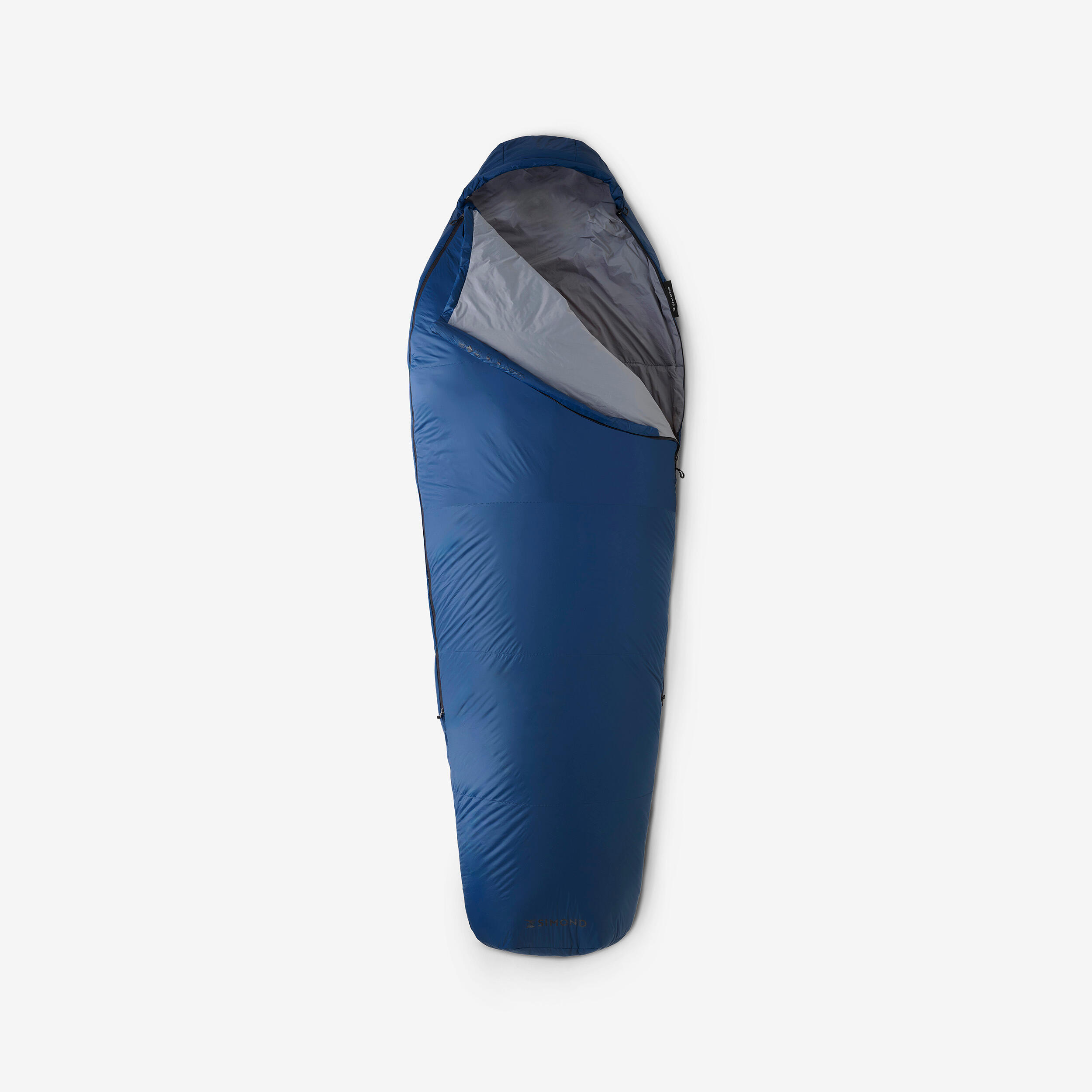
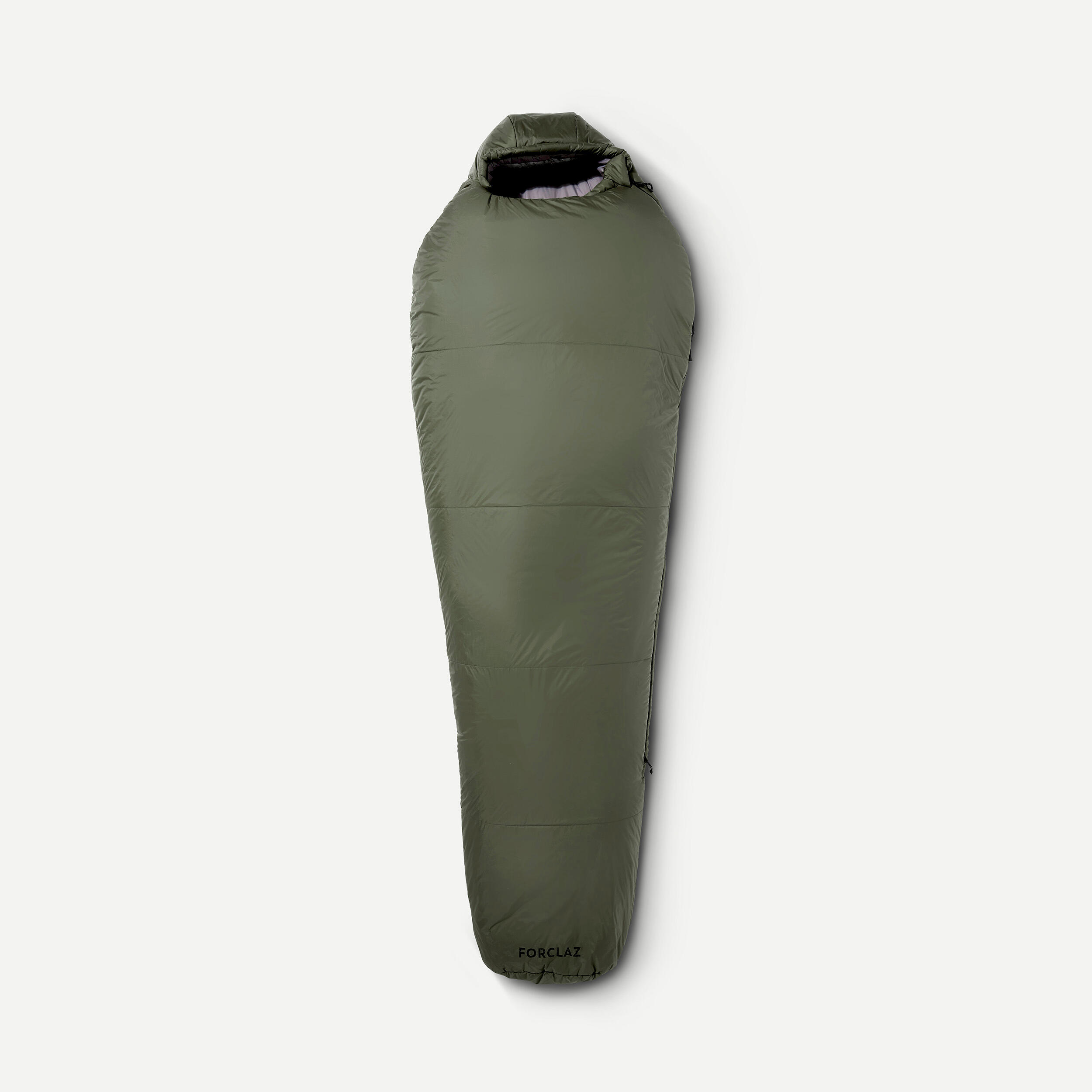
SIMOND Trekking Sleeping Bag MT500 -5°C4.6(208)Reviews.votesAriaCurrent price {{currentPrice}} €110.00
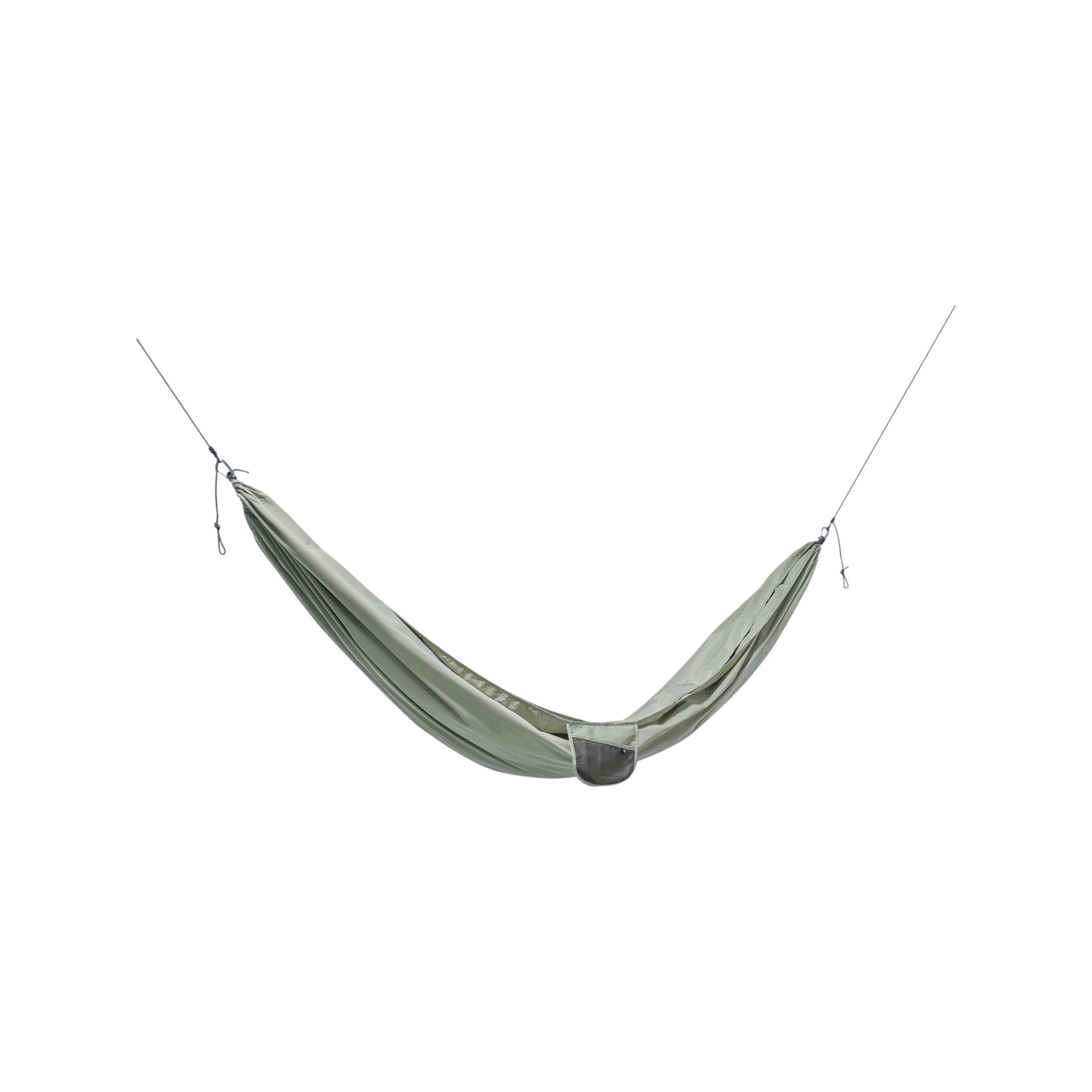
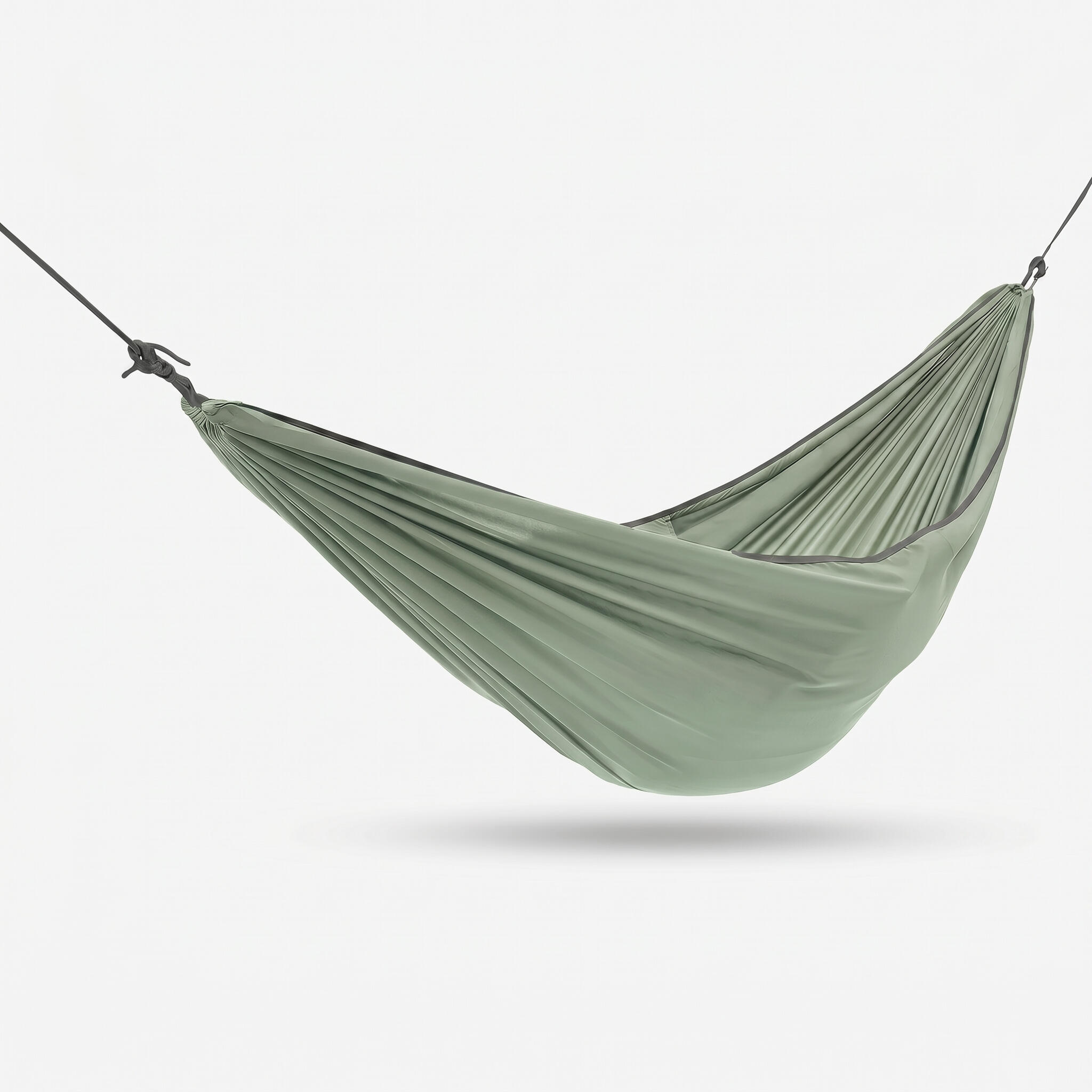
Last chance Last chance2 coloursLast chanceQUECHUA One-person Hammock - Basic 300 x 150 cm - 1 Person4.8(712)Reviews.votesAria2 coloursCurrent price {{currentPrice}} €11.00
QUECHUA Self-inflating, 1-person camping mattress - Basic, 185 x 60 cm4.4(1,730)Reviews.votesAriaCurrent price {{currentPrice}} €26.00
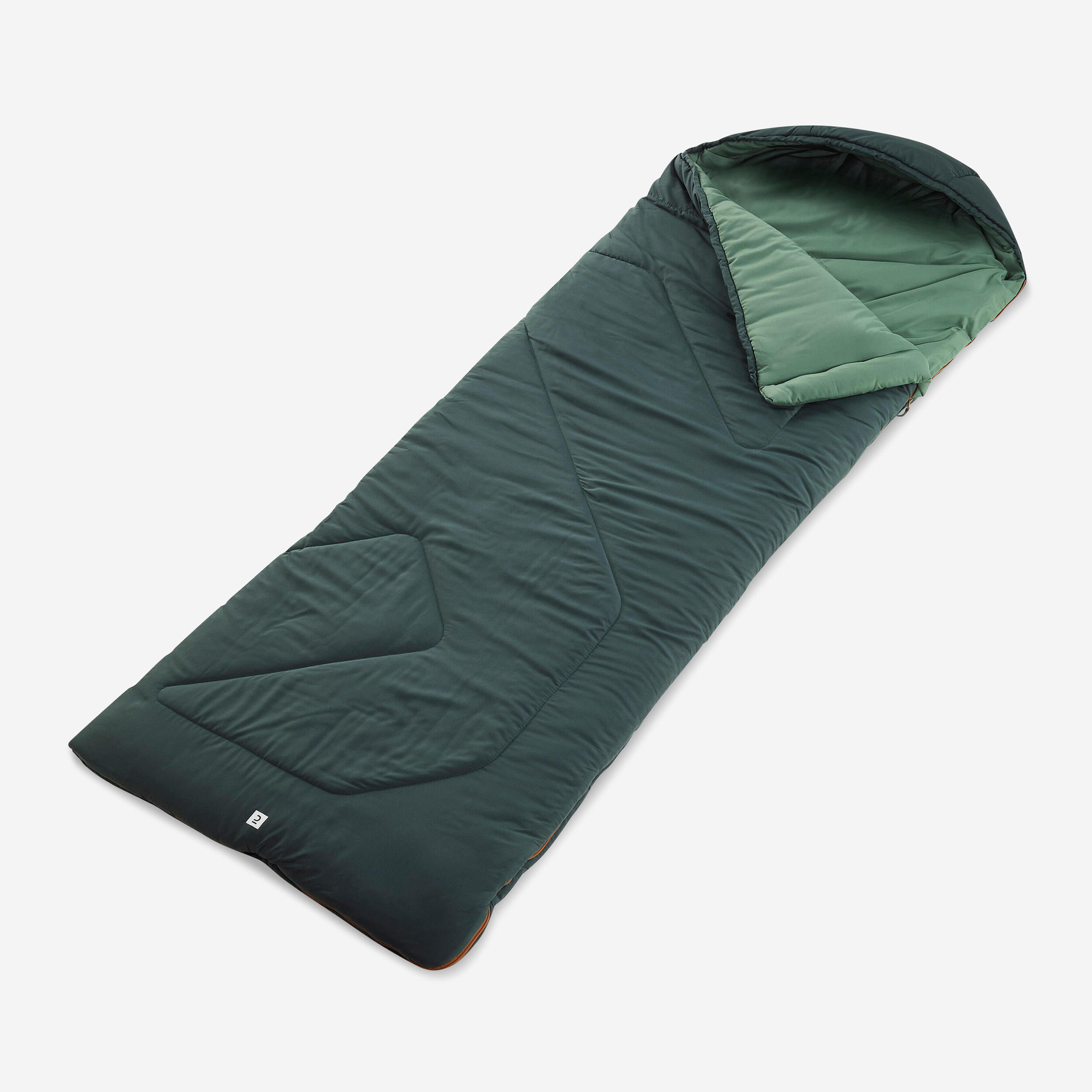
2 coloursQUECHUA Camping sleeping bag 10°C, Comfort - Blue4.8(1,879)Reviews.votesAria2 coloursCurrent price {{currentPrice}} €26.00
QUECHUA Camping sleeping bag 0°C, Arpenaz4.7(650)Reviews.votesAriaCurrent price {{currentPrice}} €60.00
SIMOND 15°C trekking sleeping bag, twinnable - MT5004.6(439)Reviews.votesAriaCurrent price {{currentPrice}} €50.00
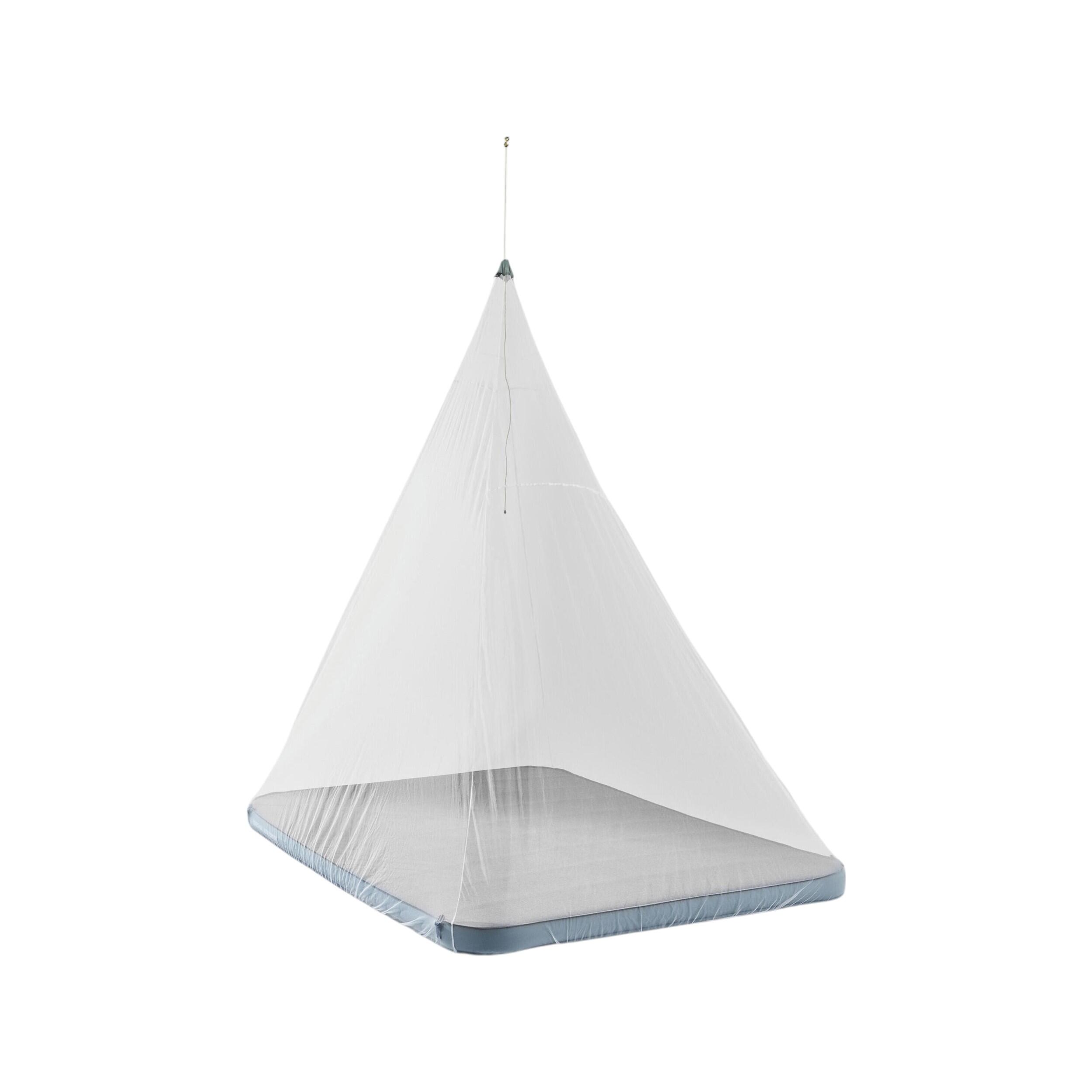
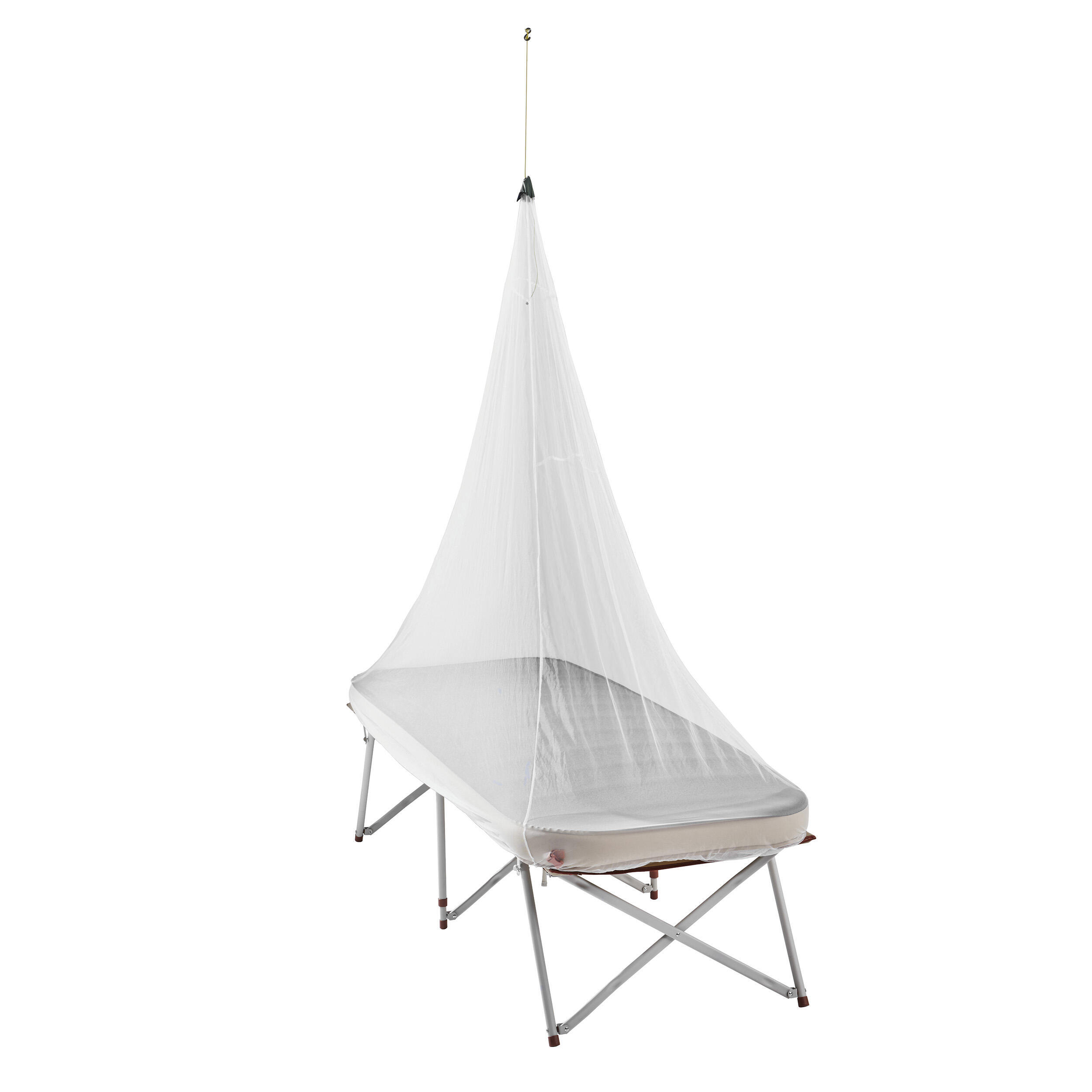
FORCLAZ Untreated travel mosquito net for 1 person, Travel Mosquito Net4.5(88)Reviews.votesAriaCurrent price {{currentPrice}} €20.00
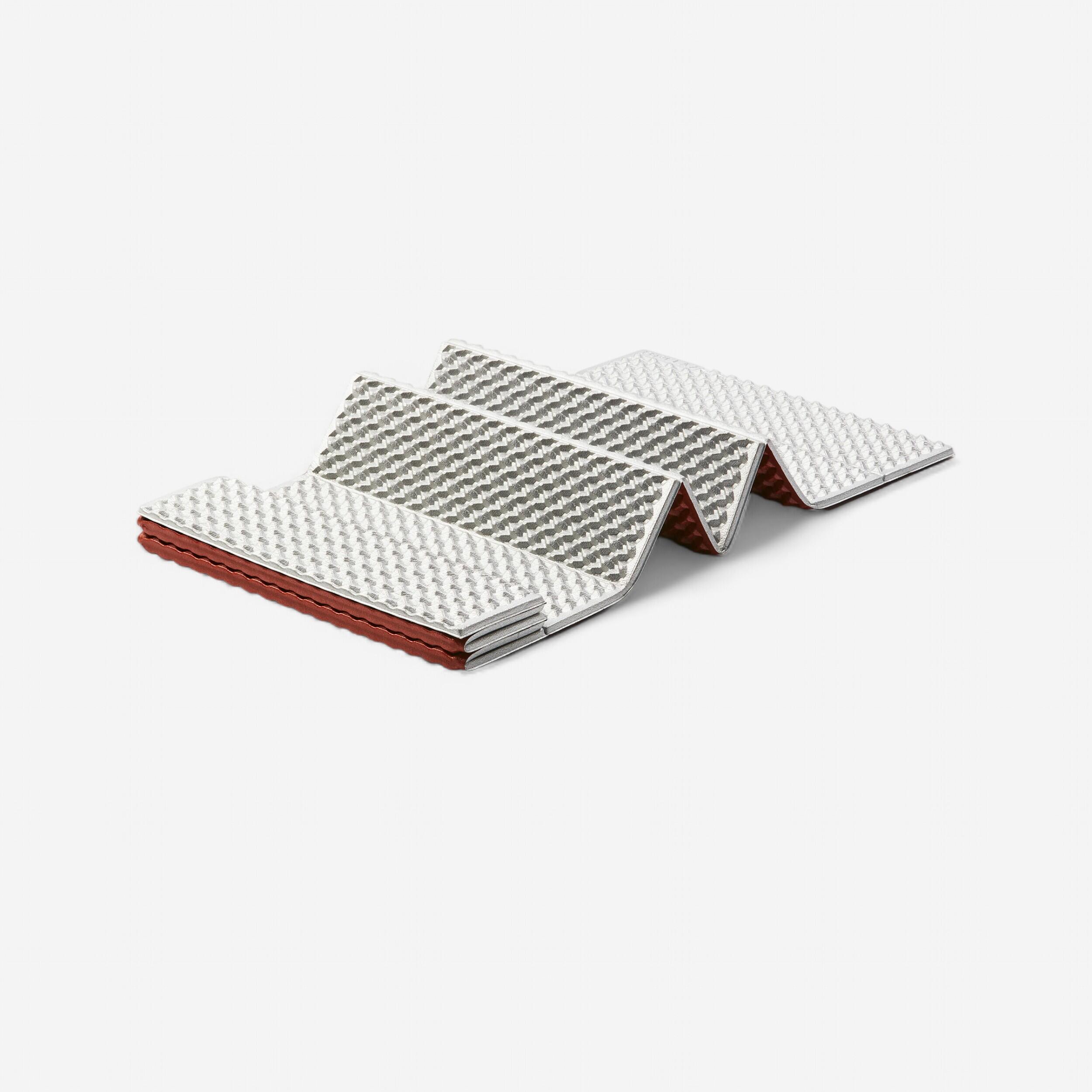
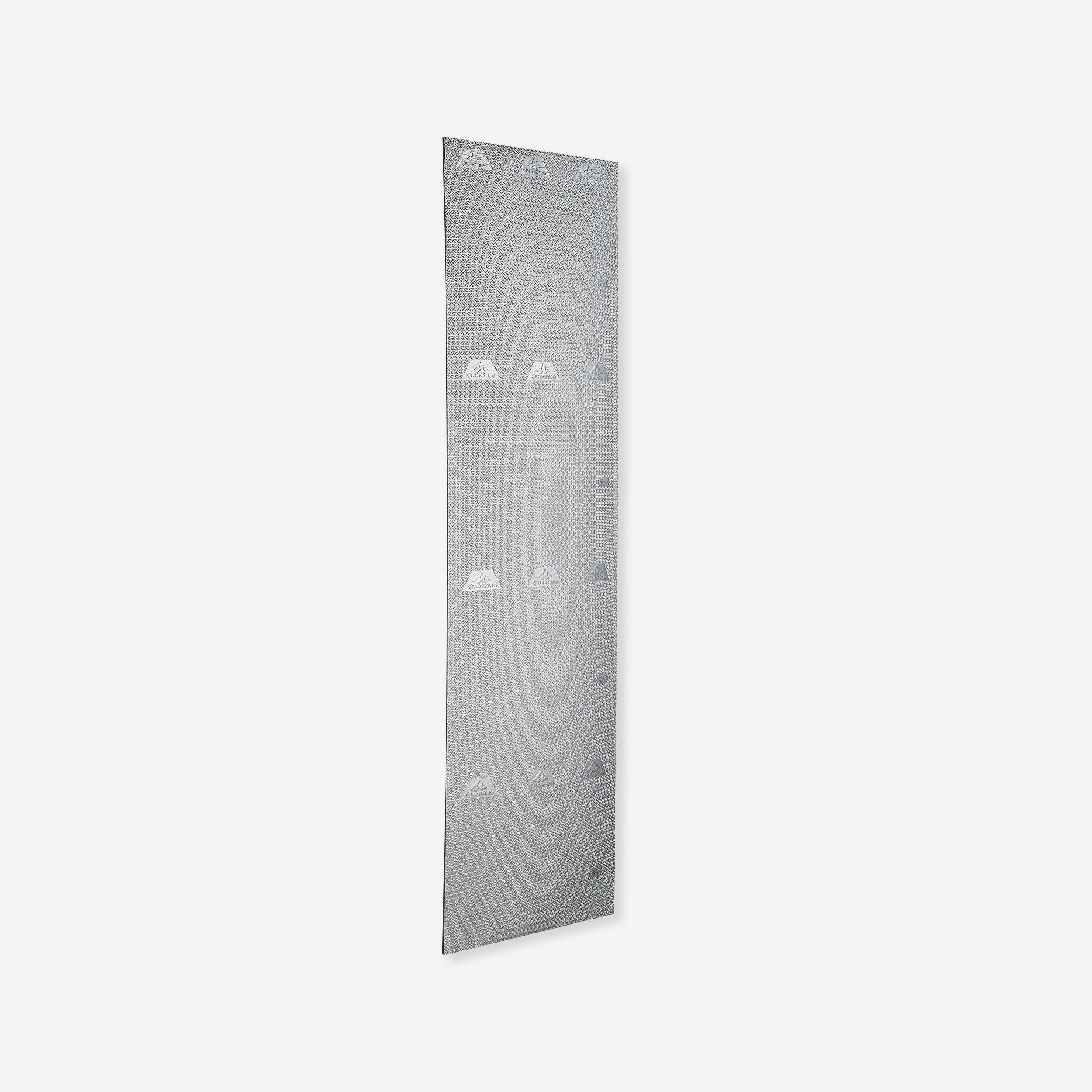
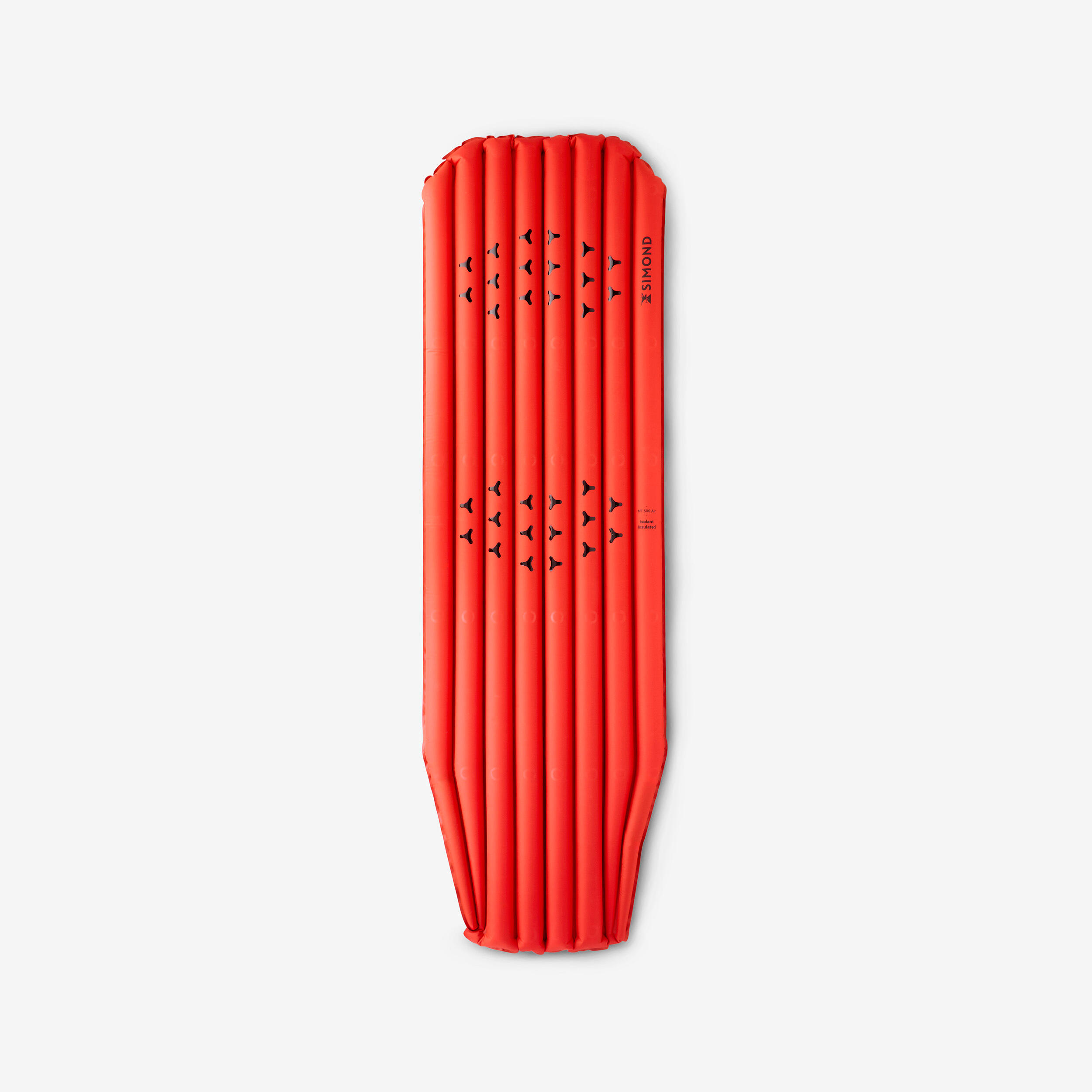
SIMOND Trekking insulating foam mattress, 195 x 55cm, MT5004.8(1,212)Reviews.votesAriaCurrent price {{currentPrice}} €23.00
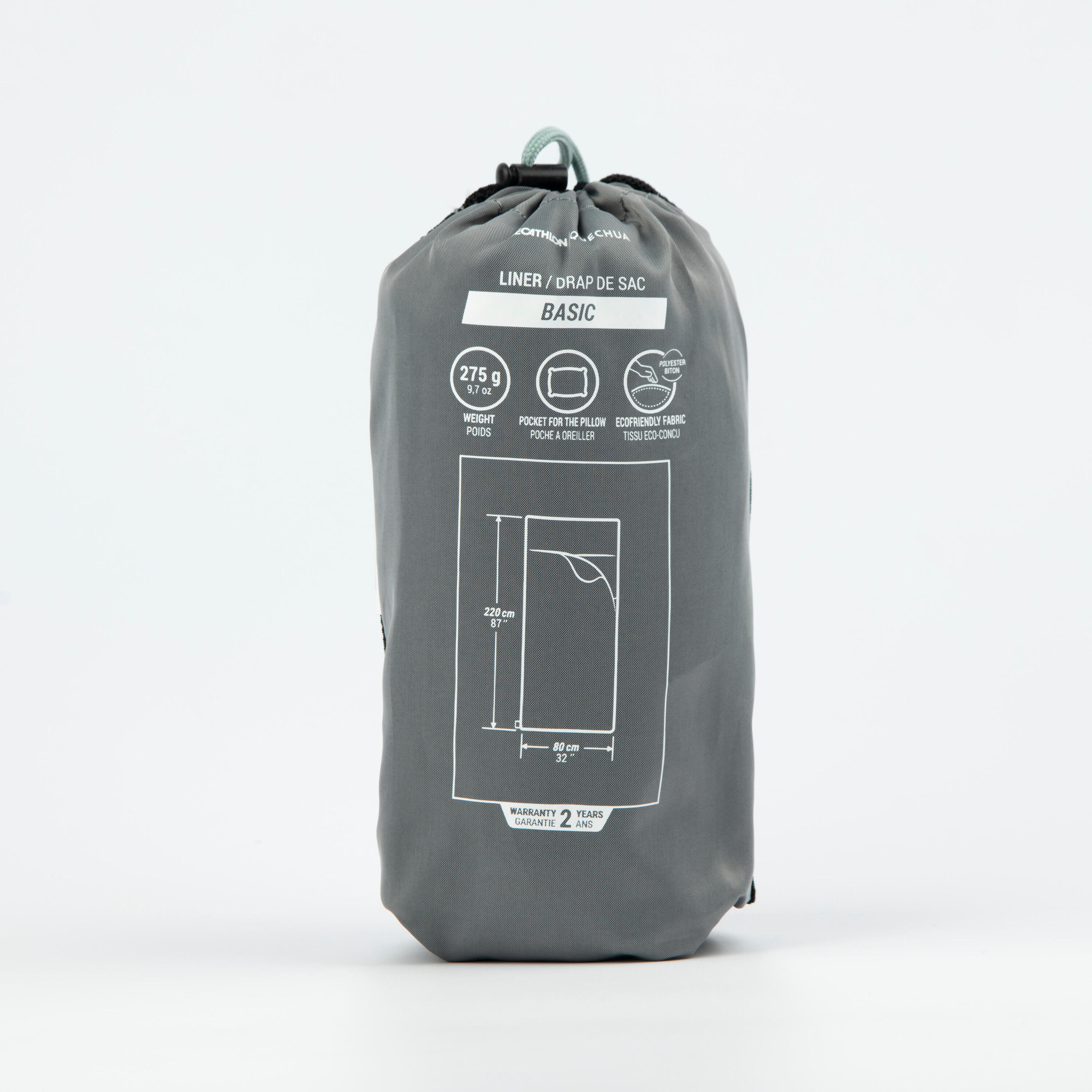
QUECHUA Polyester sleeping bag liner, Basic4.7(1,581)Reviews.votesAriaCurrent price {{currentPrice}} €10.00
QUECHUA Children's 0°C camping sleeping bag, MH500 red4.8(271)Reviews.votesAriaCurrent price {{currentPrice}} €46.00
Marketplace -Online Only Marketplace -Online OnlyMarketplace -Online OnlyAVENLI Jilong Avenli Double AirbedCurrent price {{currentPrice}} €52.12€52.12/unitSold and shipped by Super Merchant EUR
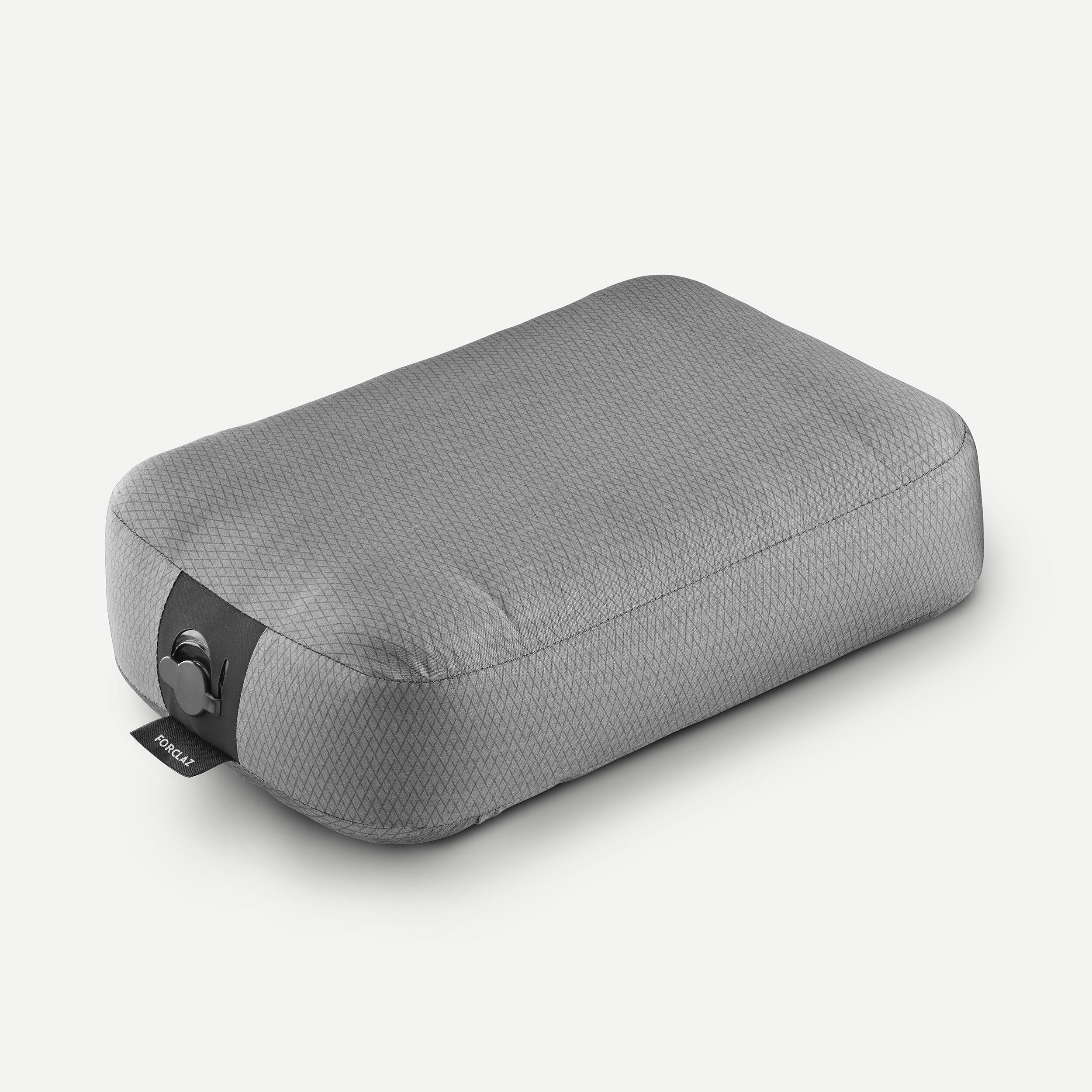
SIMOND Inflatable trekking pillow MT5004.6(2,524)Reviews.votesAriaCurrent price {{currentPrice}} €15.00
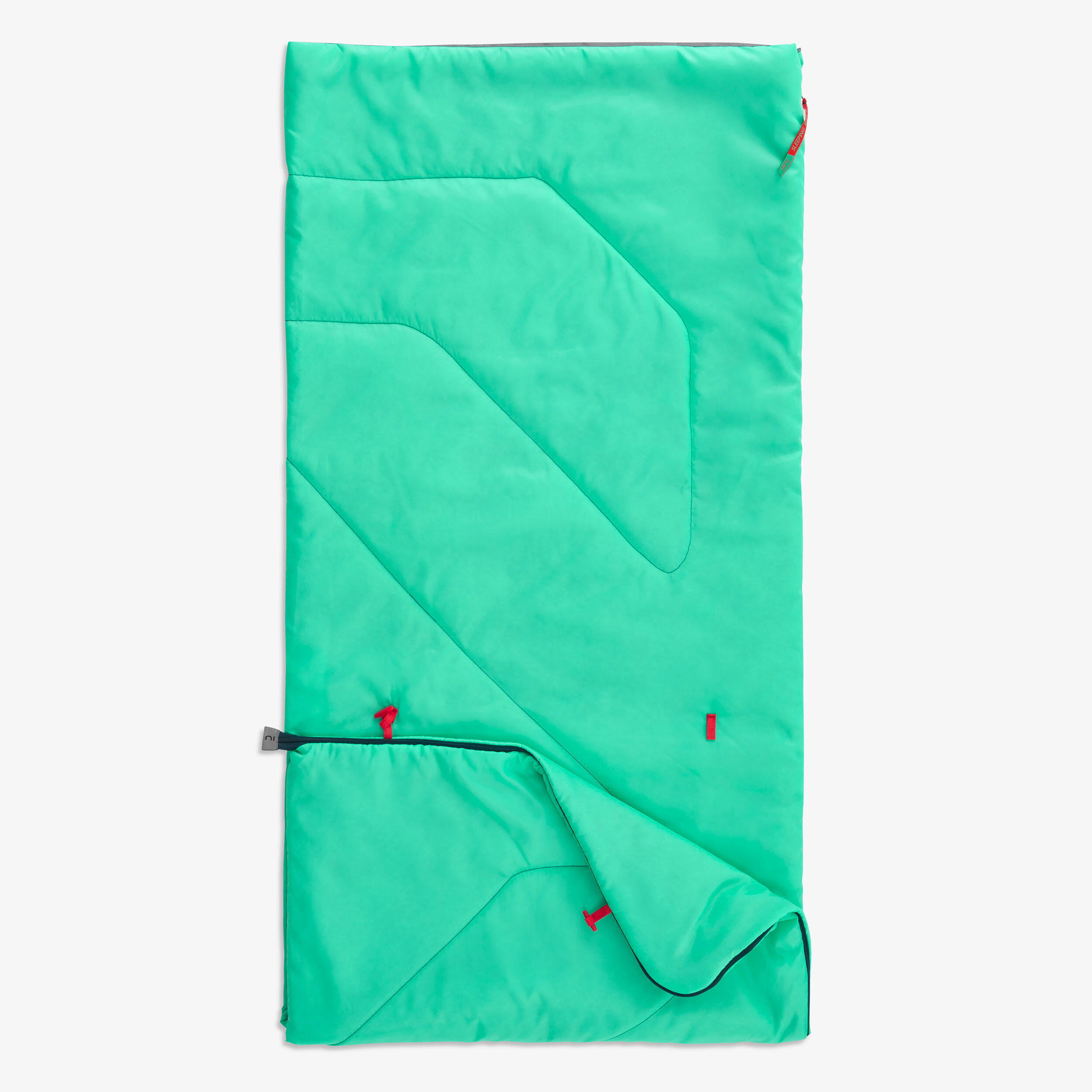
QUECHUA Kids’ 20°C sleeping bag - Turquoise4.9(338)Reviews.votesAriaCurrent price {{currentPrice}} €15.00
QUECHUA One-person trekking foam mattress, 180 x 50cm, MT1004.7(1,707)Reviews.votesAriaCurrent price {{currentPrice}} €8.00
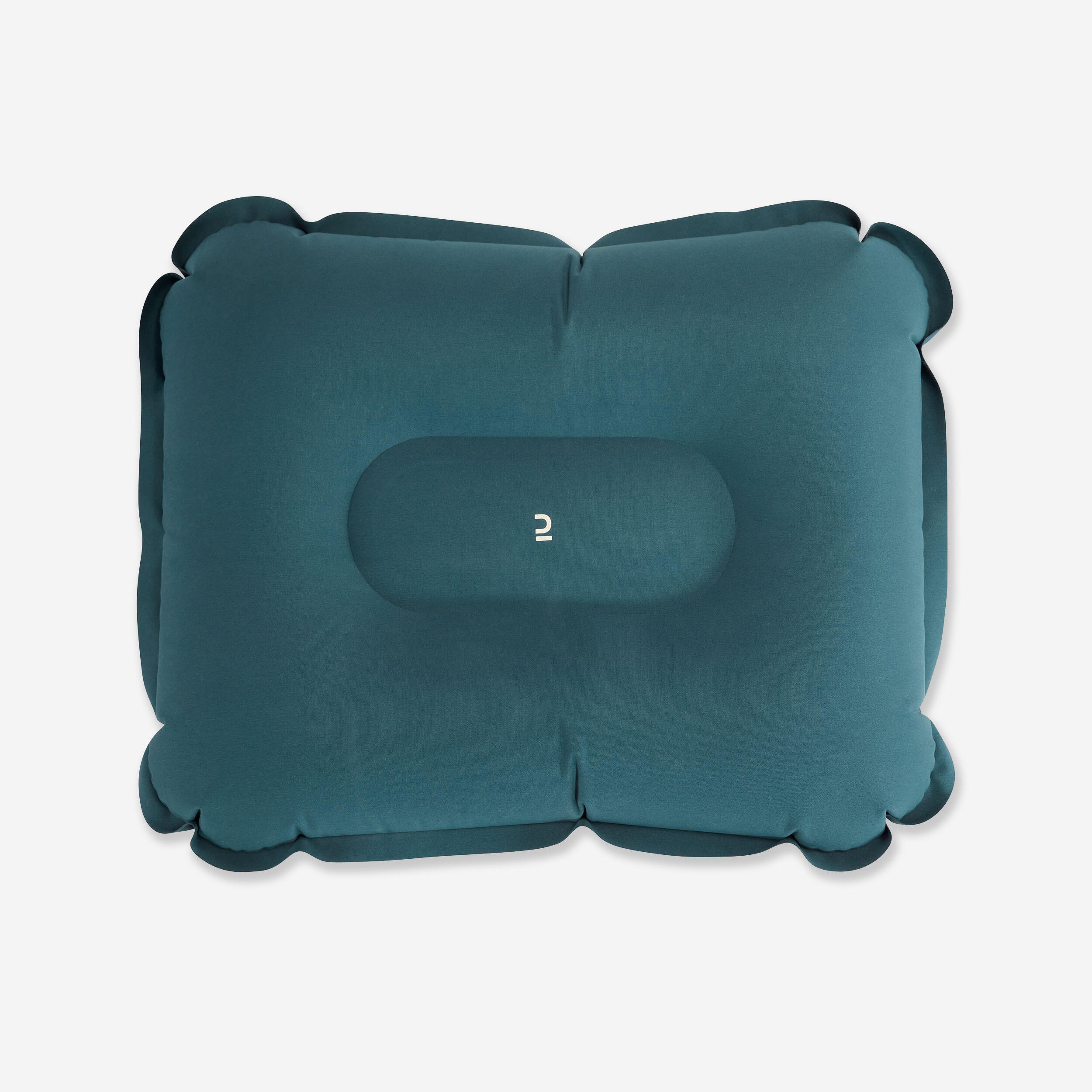
QUECHUA INFLATABLE CAMPING PILLOW - AIR BASIC4.5(3,621)Reviews.votesAriaCurrent price {{currentPrice}} €6.00
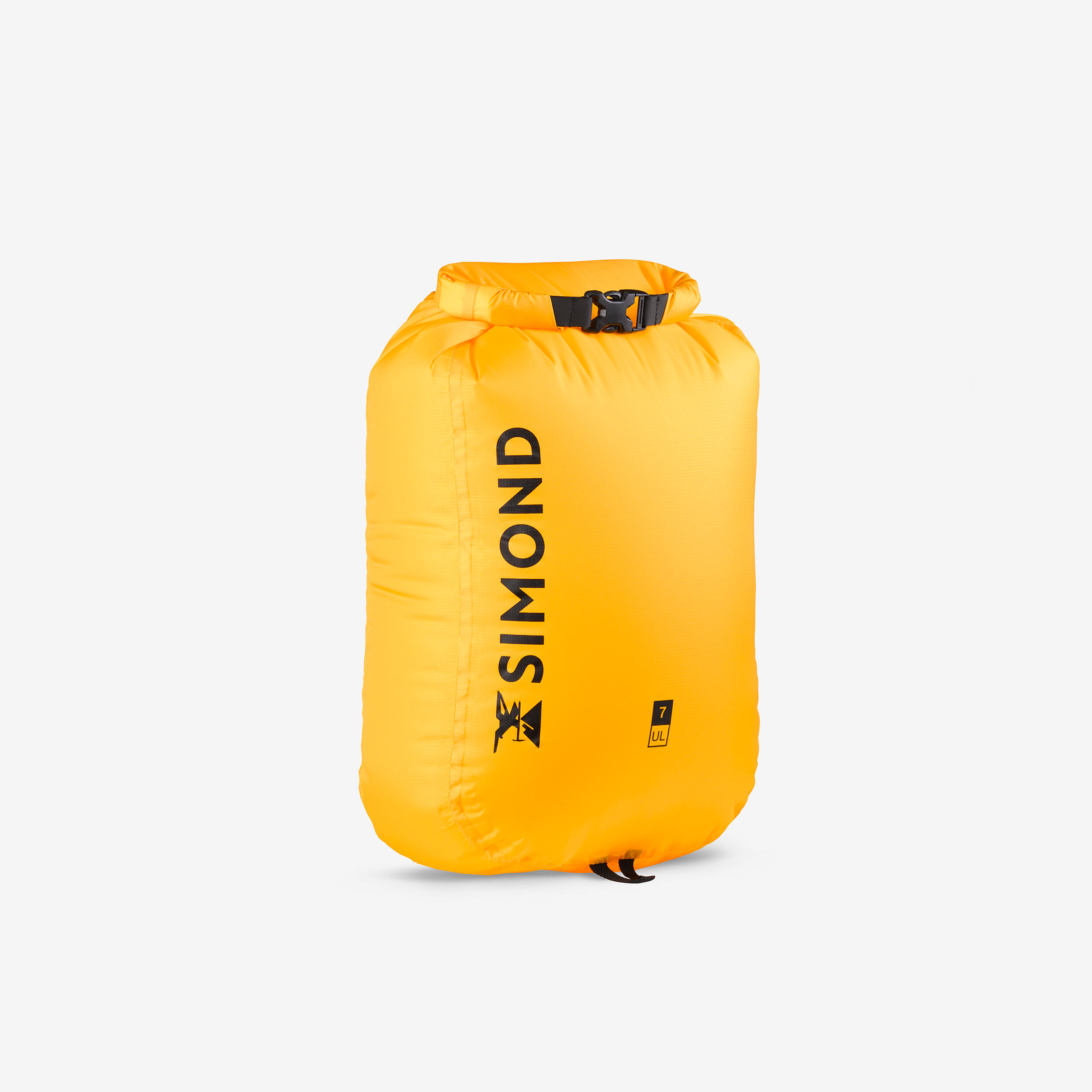
SIMOND Ultra-light, 7 litre waterproof bag, yellow4.8(696)Reviews.votesAriaCurrent price {{currentPrice}} €10.00
New Lower Price New Lower Price2 coloursNew Lower PriceQUECHUA 2-person inflatable camping mattress, 190 x 140 cm, Air basic4.5(3,565)Reviews.votesAria2 coloursCurrent price {{currentPrice}} €26.00 Former price Was €27.00Lowest price: €27.00
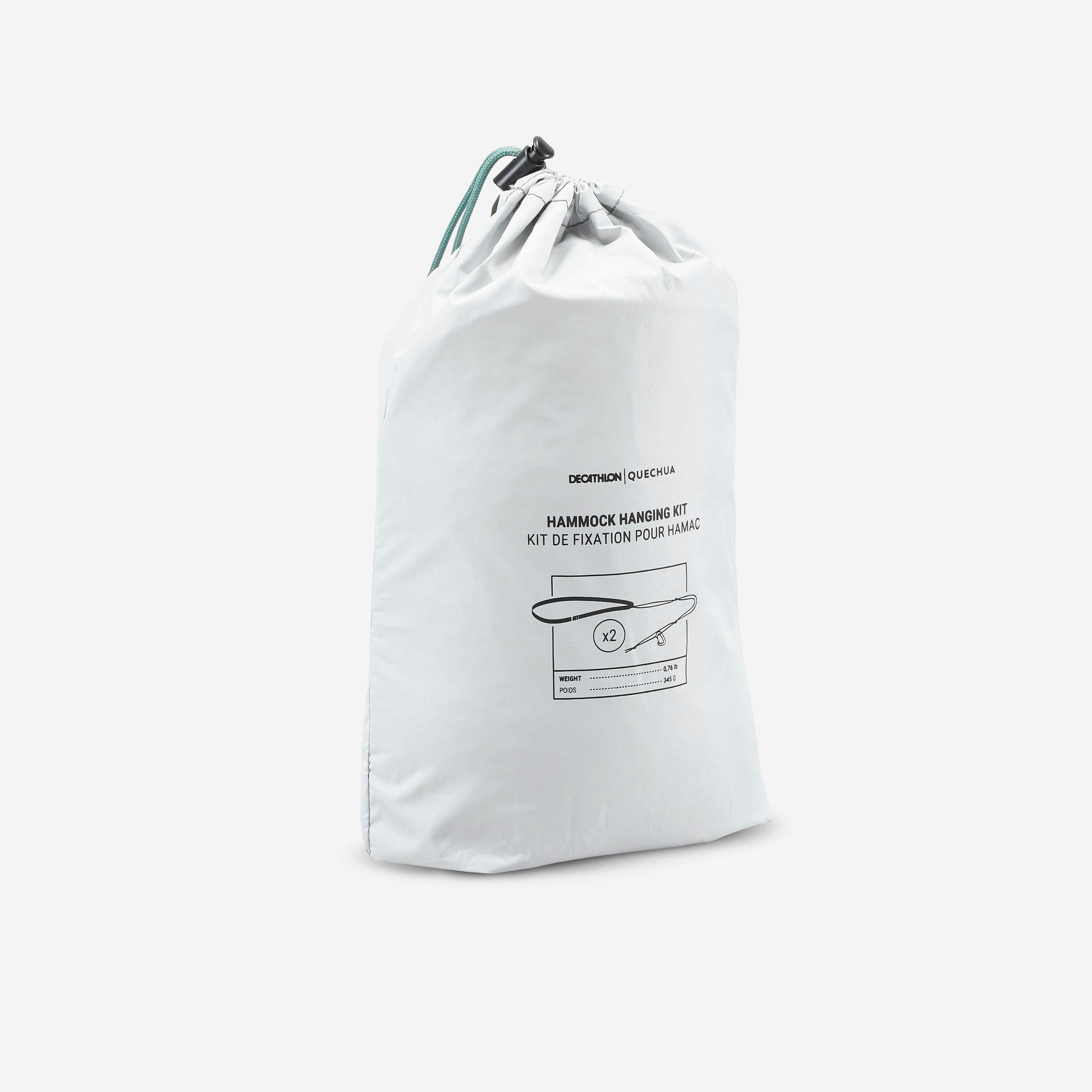
QUECHUA Hammock Strap and Carabiner Kit -4.9(131)Reviews.votesAriaCurrent price {{currentPrice}} €15.00
2 coloursQUECHUA Camping sleeping bag 10°C, Comfort - Green4.8(1,879)Reviews.votesAria2 coloursCurrent price {{currentPrice}} €26.00
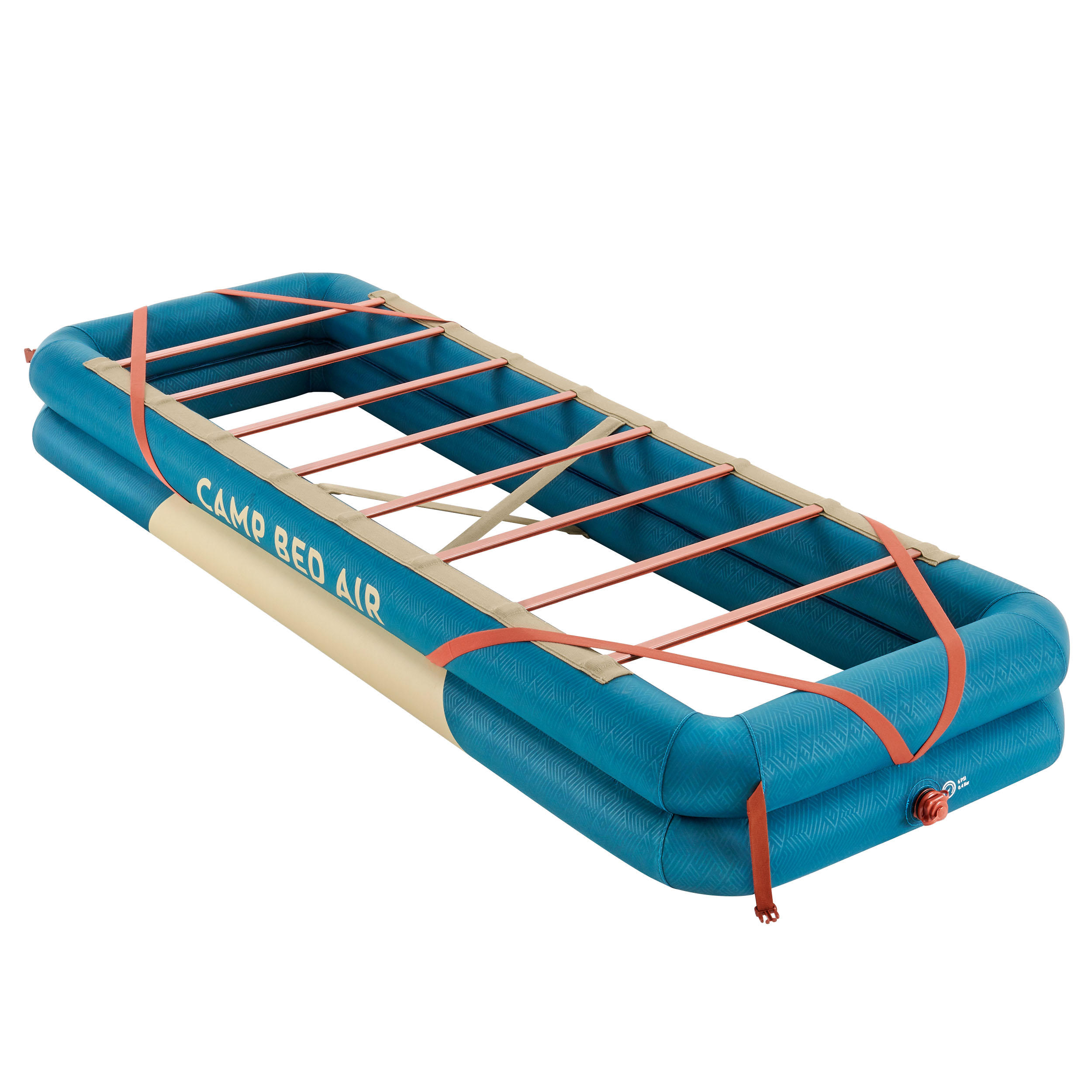
QUECHUA Single-person inflatable camping bed base, 200x70x25 cm, Camp Bed Air4.8(463)Reviews.votesAriaCurrent price {{currentPrice}} €85.00
SIMOND Lightweight, inflatable trekking mattress, size XL - MT500 XL - 195 x 60 cm4.5(255)Reviews.votesAriaCurrent price {{currentPrice}} €85.00
QUECHUA 15°C camping sleeping bag Azpenaz4.7(1,974)Reviews.votesAriaCurrent price {{currentPrice}} €21.00
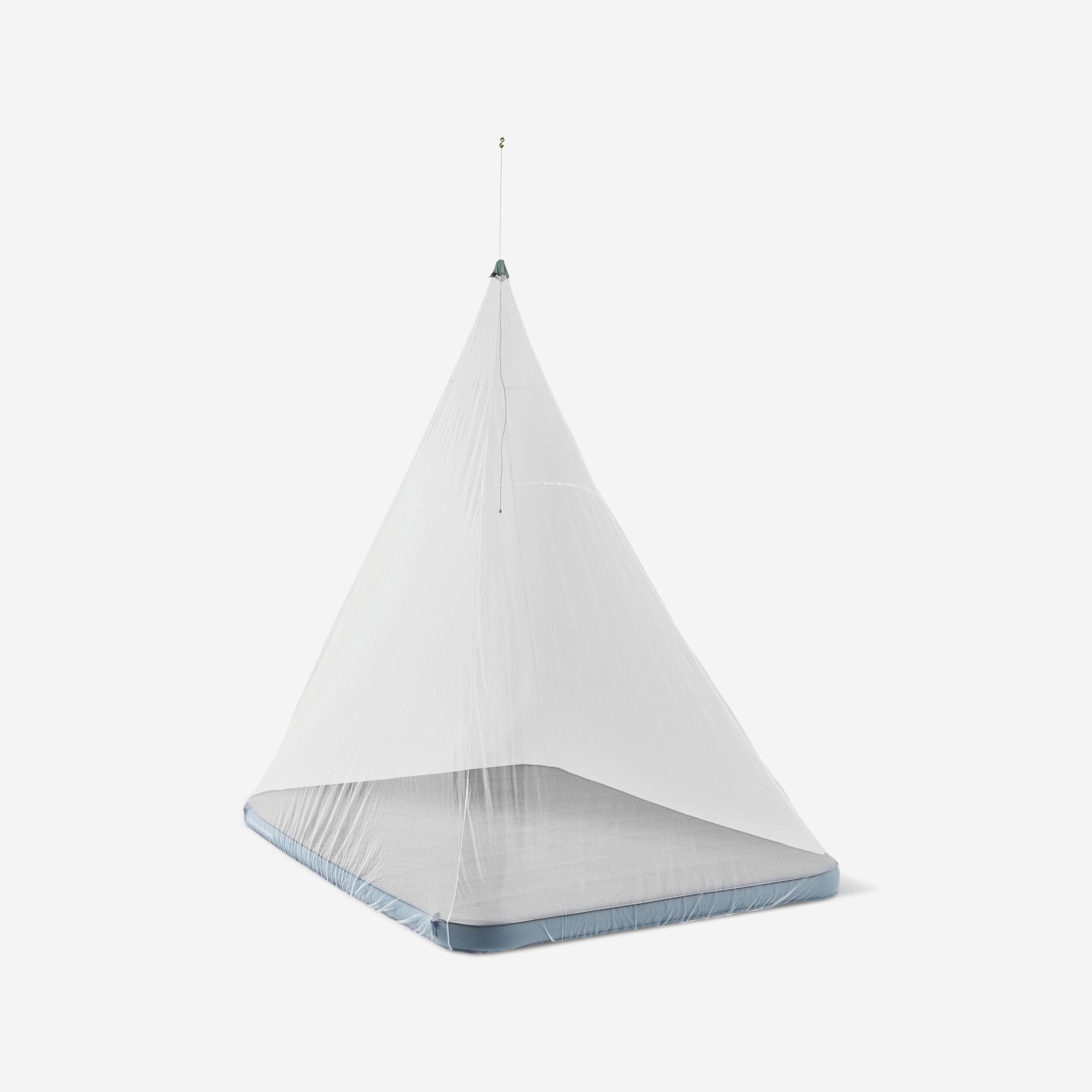
FORCLAZ Untreated travel mosquito net for 2 people4.5(153)Reviews.votesAriaCurrent price {{currentPrice}} €25.00
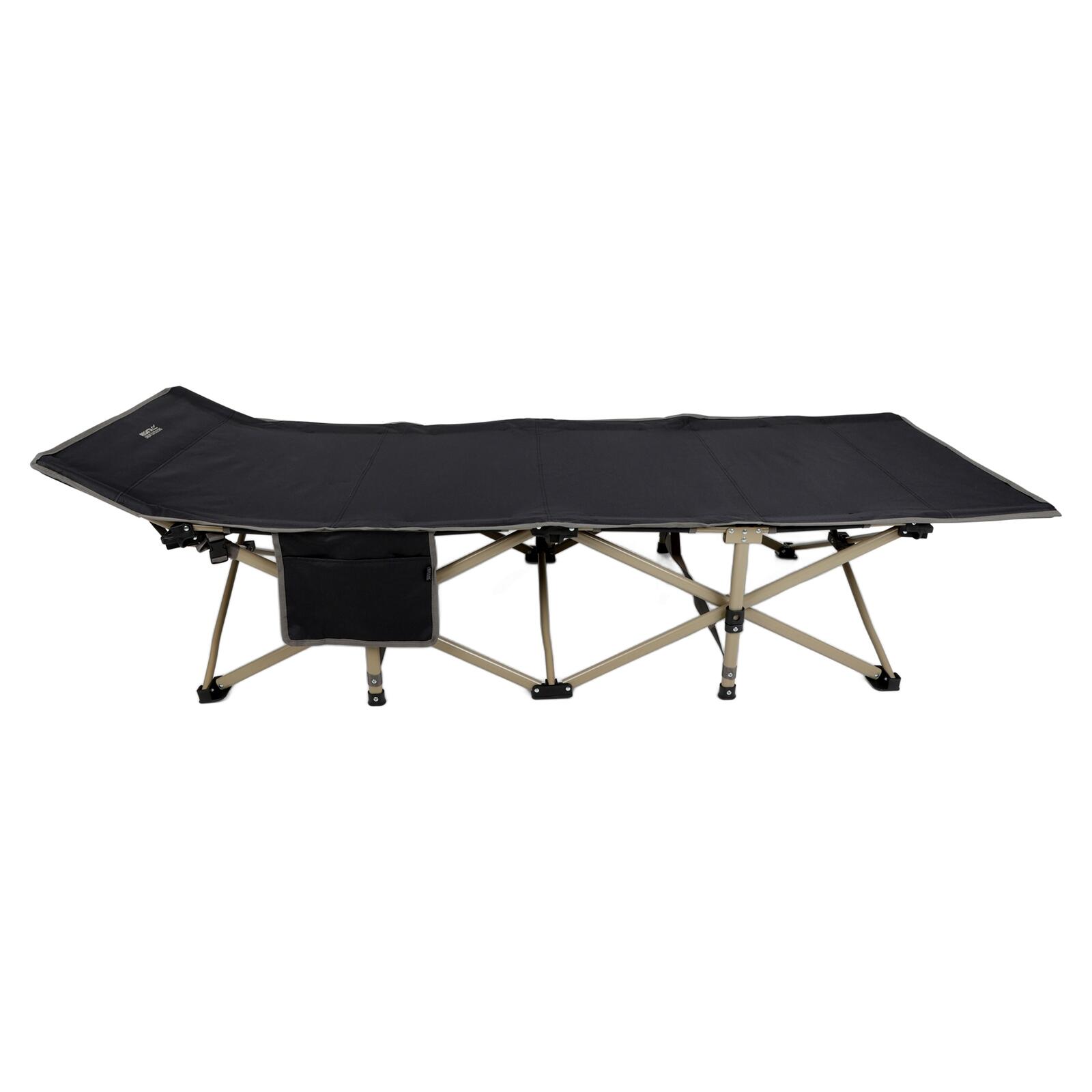
Marketplace -Online Only Marketplace -Online OnlyMarketplace -Online OnlyREGATTA Camp bed Regatta IslaCurrent price {{currentPrice}} €56.99Sold and shipped by Sport & Go EU
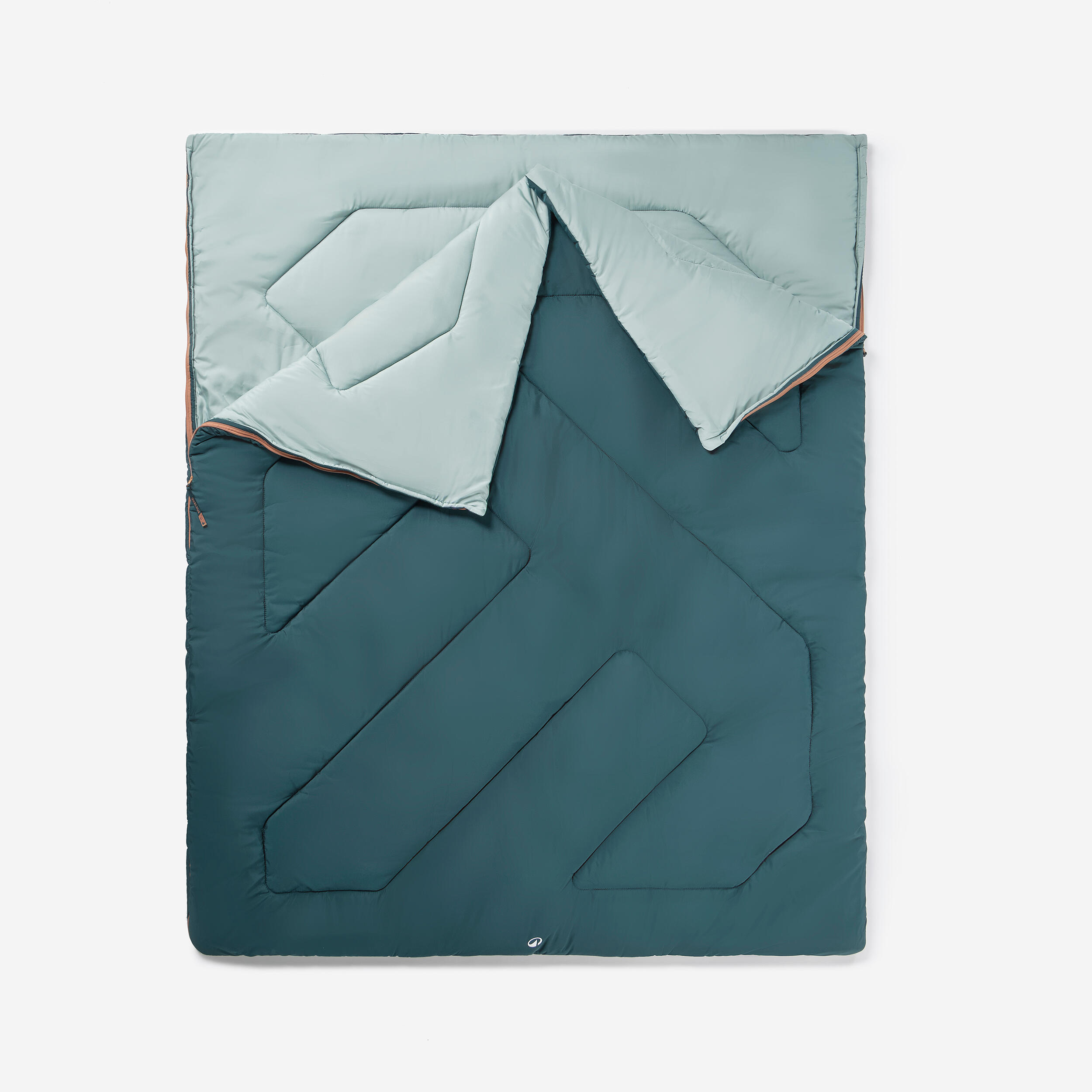
QUECHUA 10°C camping sleeping bag, 2-person, Comfort4.8(216)Reviews.votesAriaCurrent price {{currentPrice}} €55.00
New Lower Price New Lower PriceNew Lower PriceQUECHUA 2-person camping sleeping bag 0°C in cotton, Ultim Comfort4.7(26)Reviews.votesAriaCurrent price {{currentPrice}} €180.00 Former price Was €190.00Lowest price: €190.00
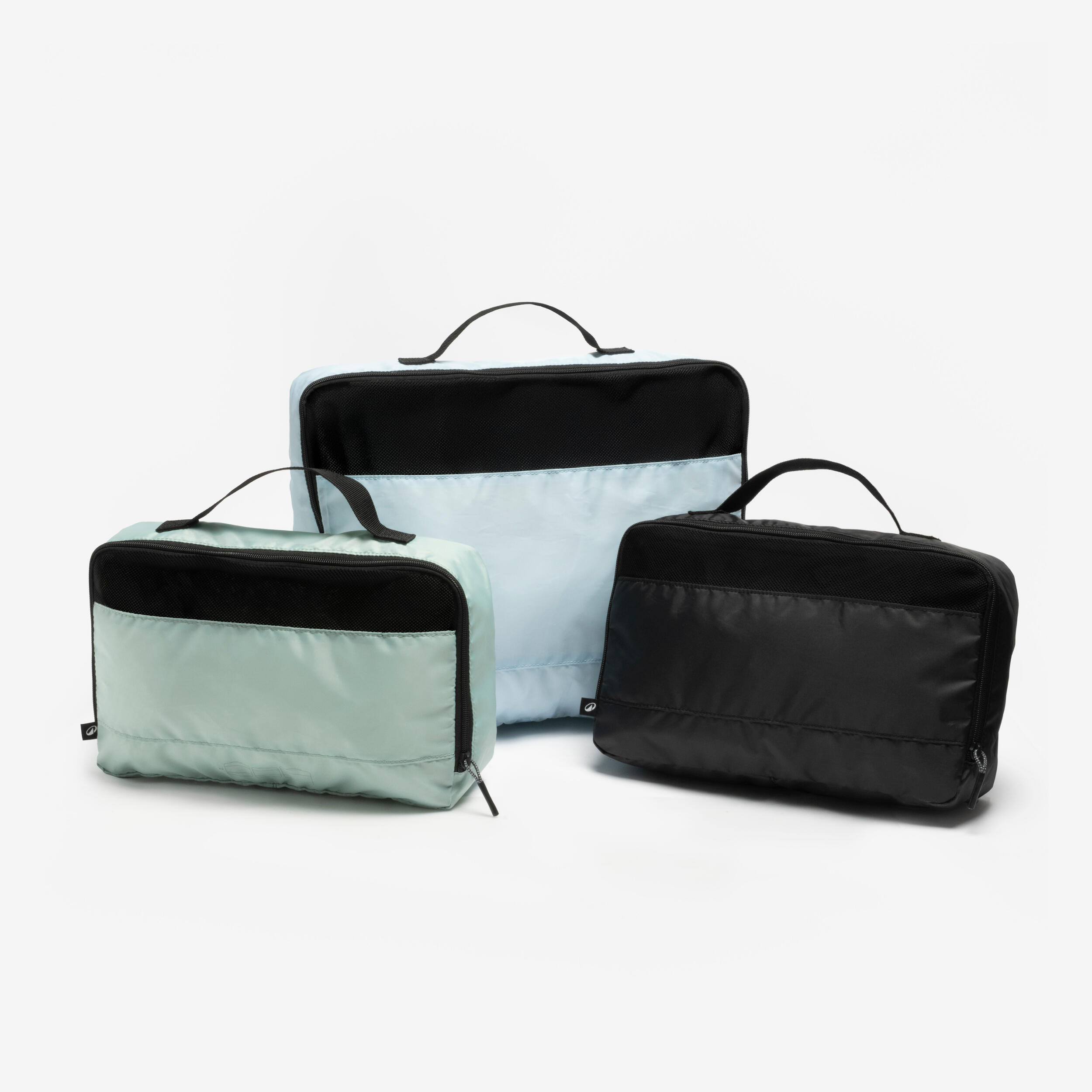
QUECHUA Set of 3 travel storage bags, Travel4.9(171)Reviews.votesAriaCurrent price {{currentPrice}} €10.00€3.34/unit
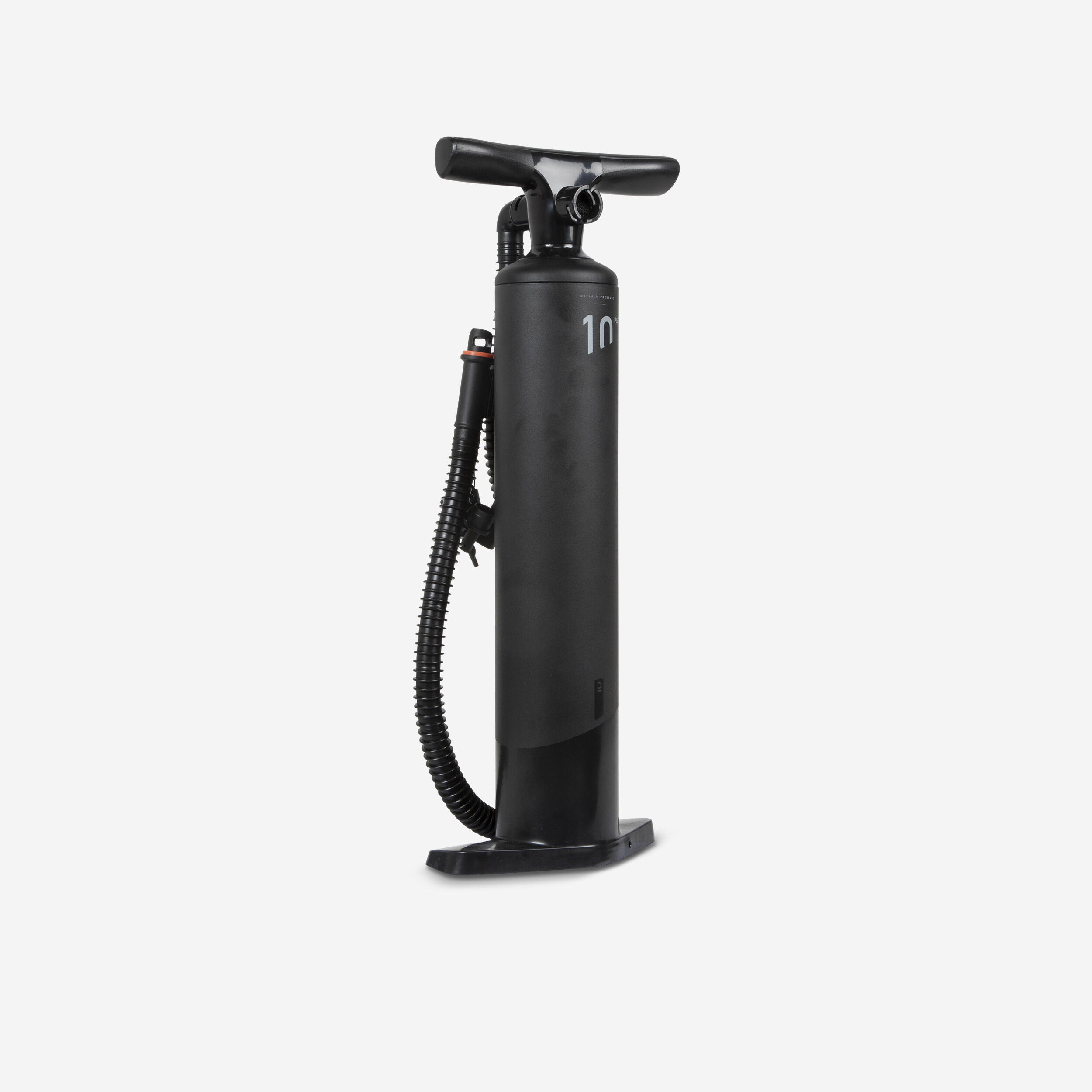
QUECHUA CAMPING HAND PUMP - ULTIM COMFORT 10 PSI - RECOMMENDED FOR INFLATABLE TENT4.7(1,349)Reviews.votesAriaCurrent price {{currentPrice}} €26.00
2 coloursQUECHUA Inflatable, 2-person camping mattress, 190 x 140 cm, Air basic4.5(3,565)Reviews.votesAria2 coloursCurrent price {{currentPrice}} €26.00
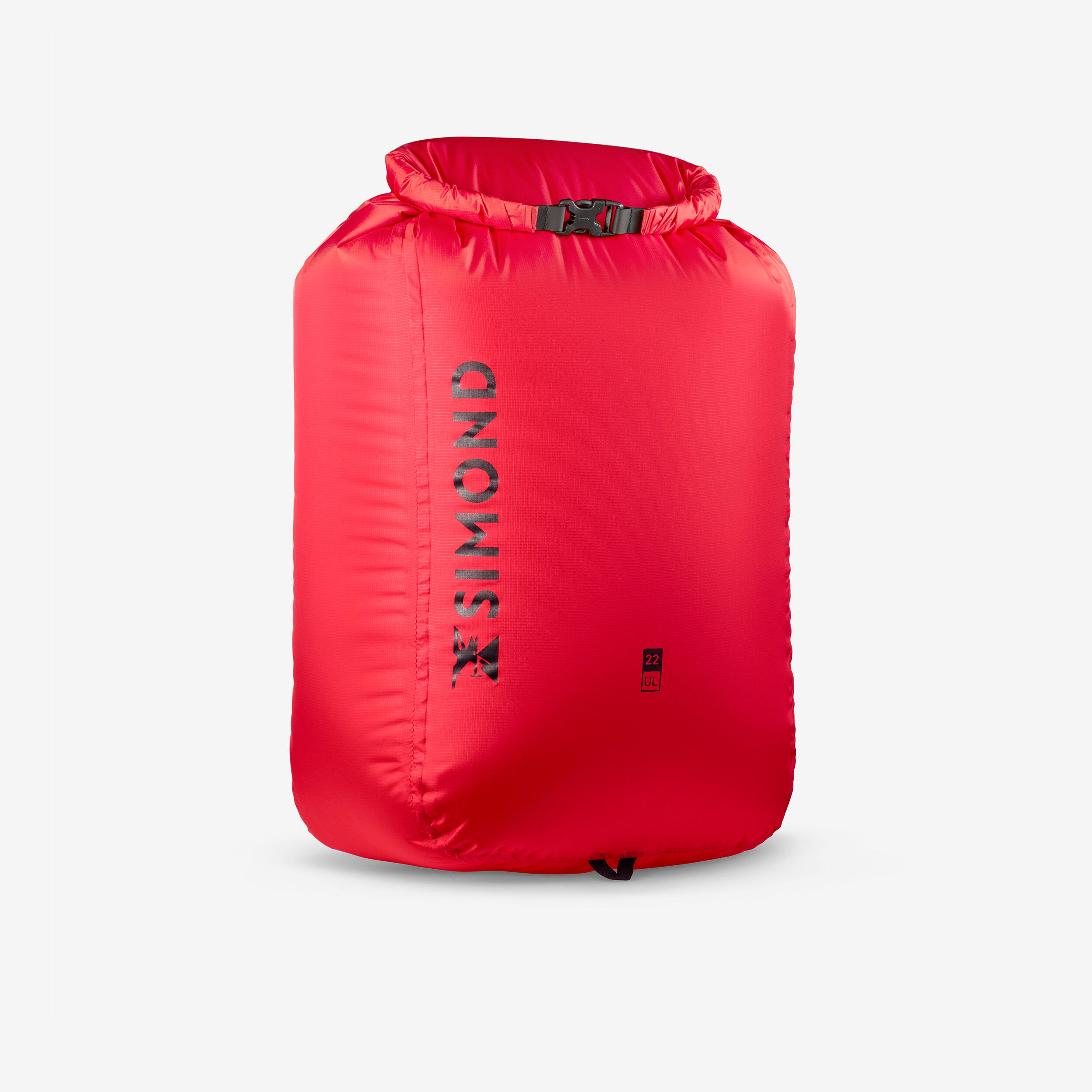
SIMOND Ultra-light 22 litre waterproof bag, red4.8(277)Reviews.votesAriaCurrent price {{currentPrice}} €14.00