12 items
4.5/5 based on 1287 reviews collected online and in stores

Tent Waterproofing Sprays FAQs

Why use a tent waterproofing spray?

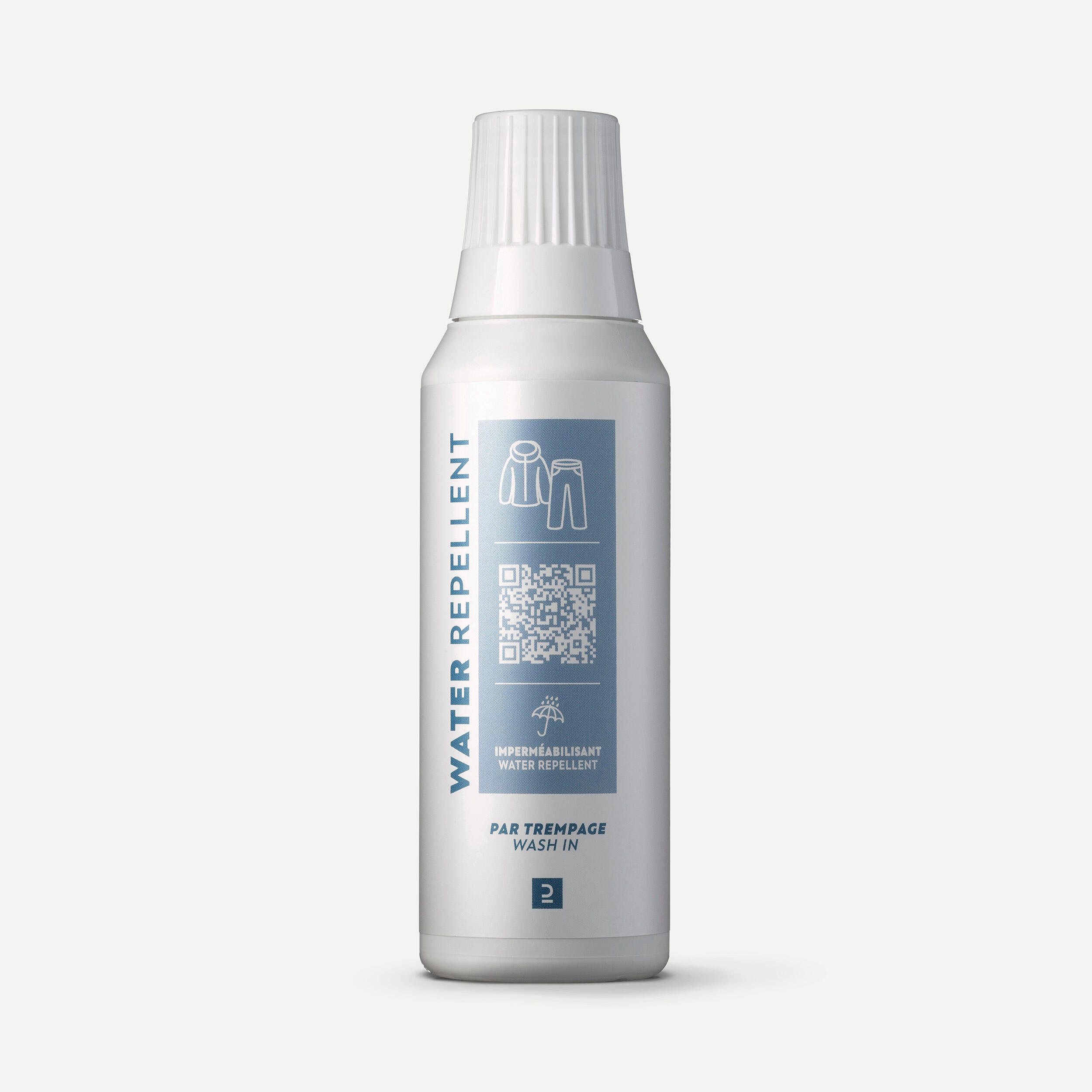
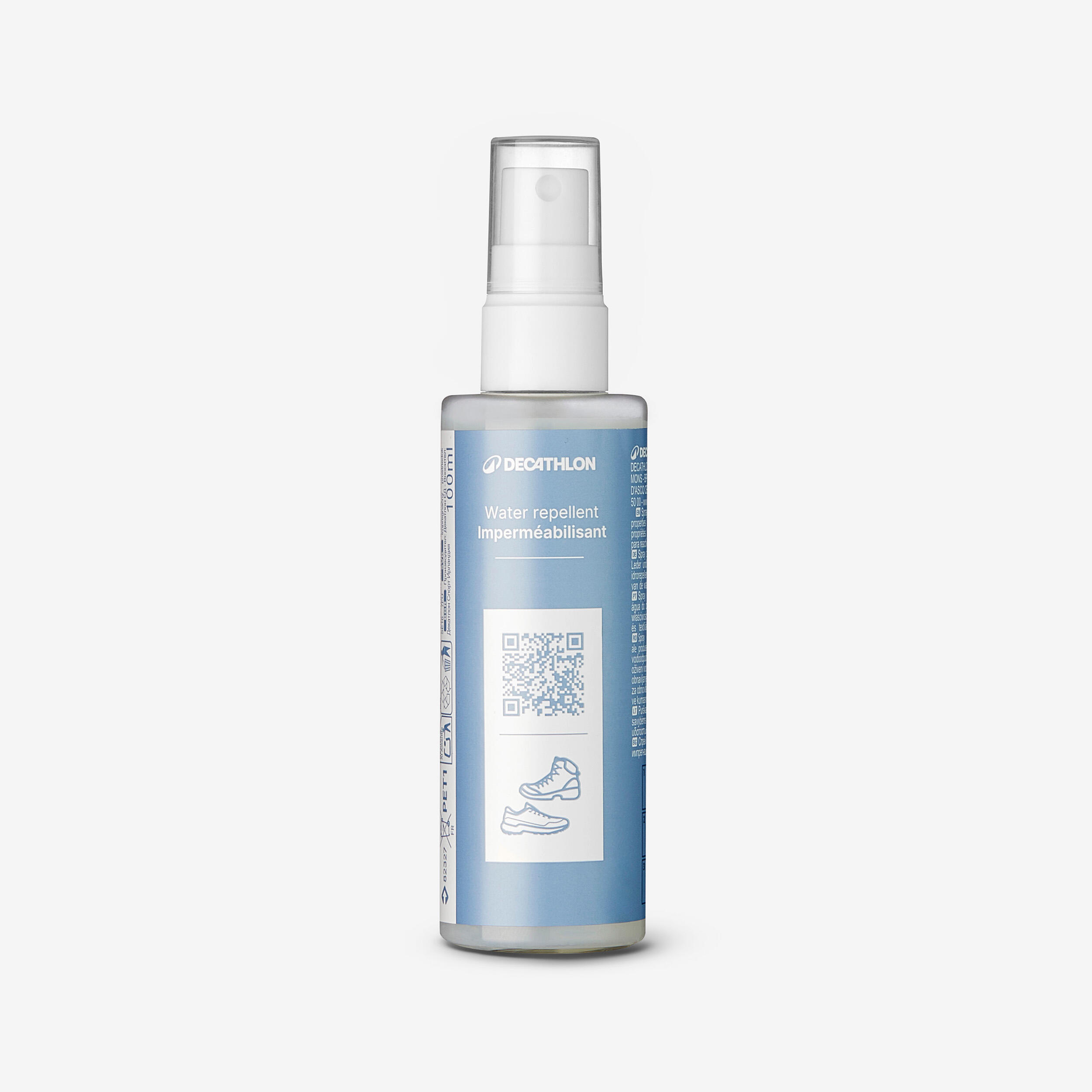
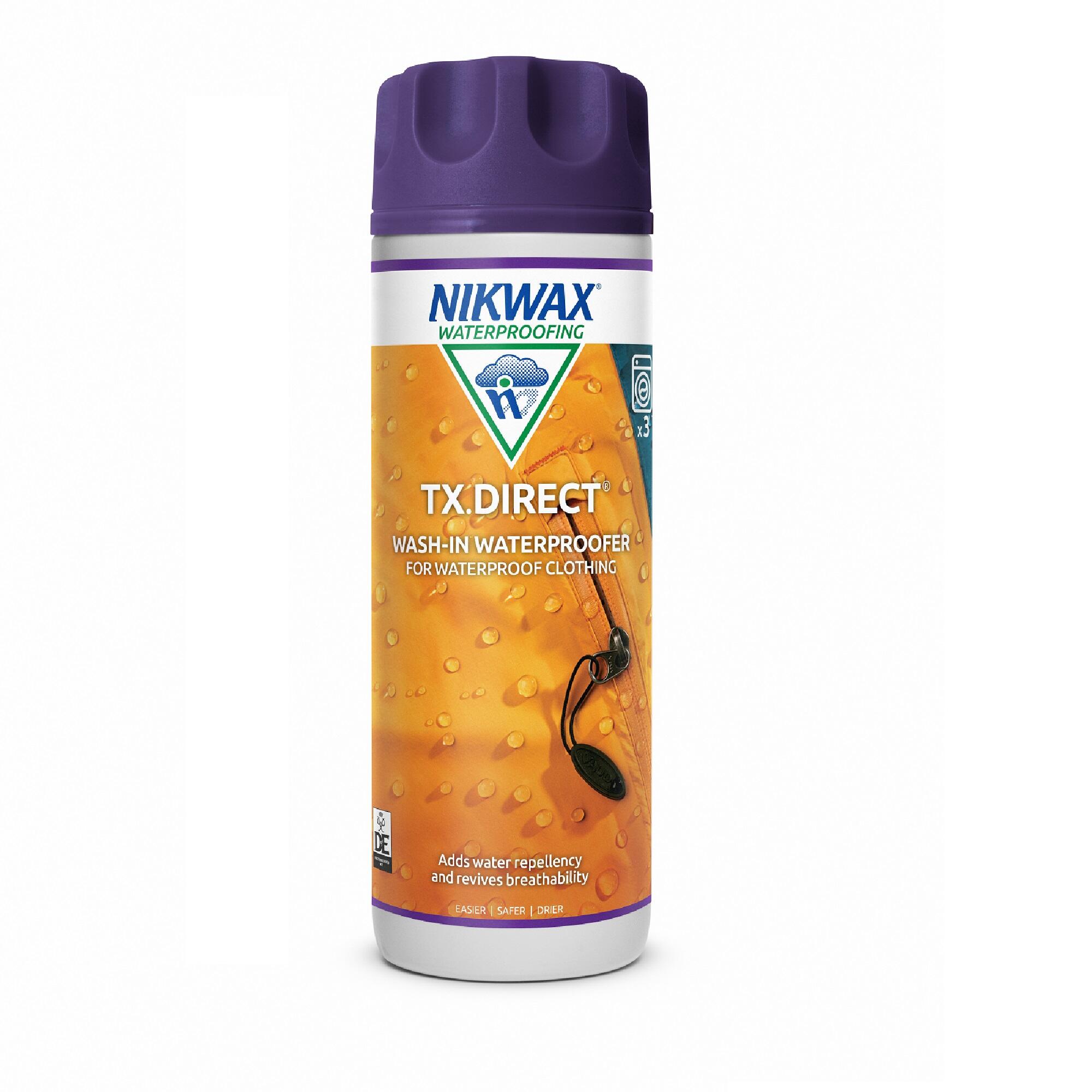
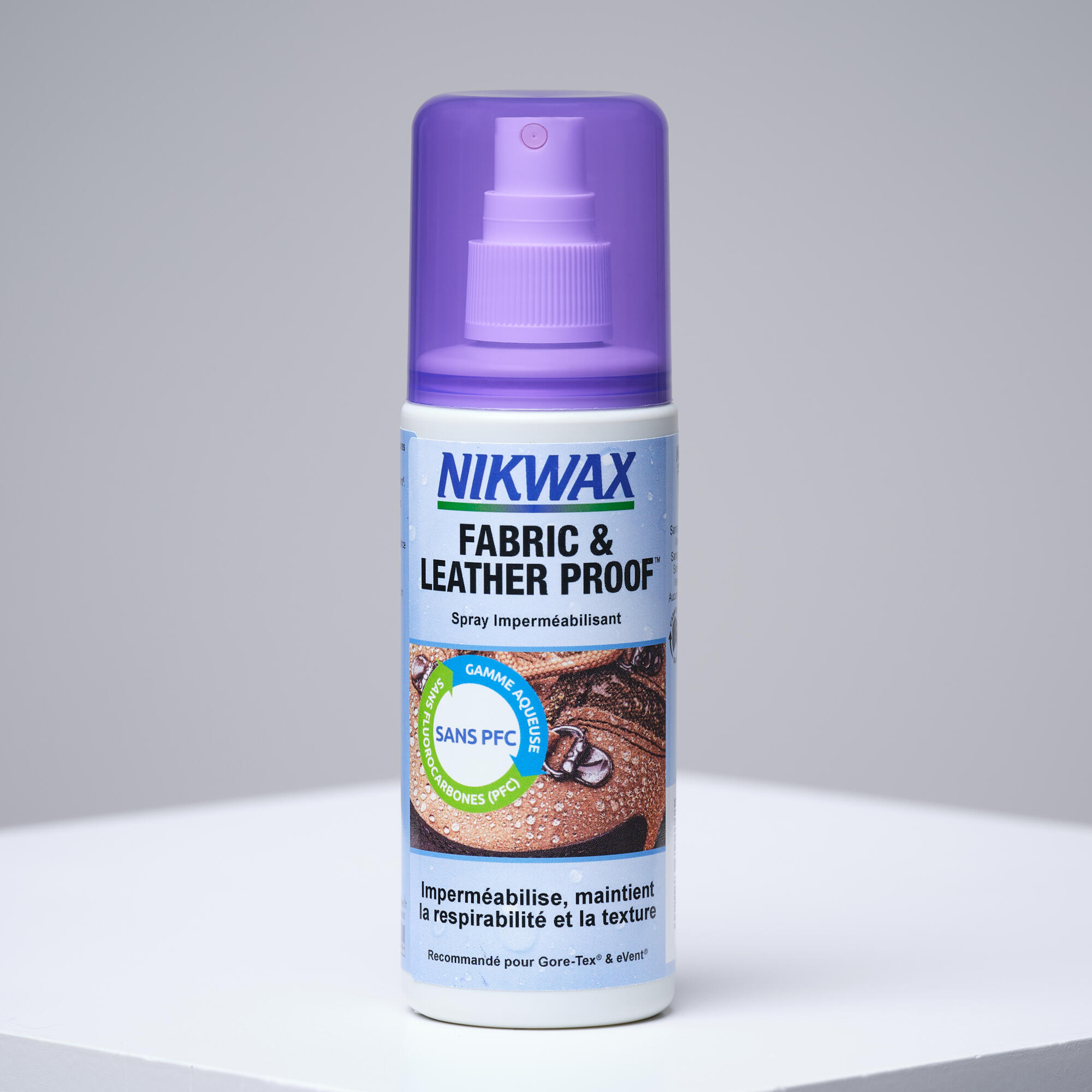
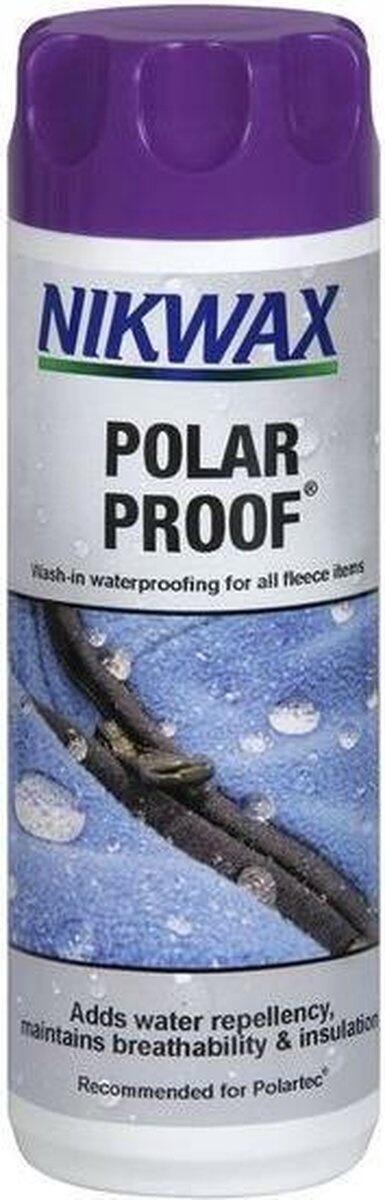
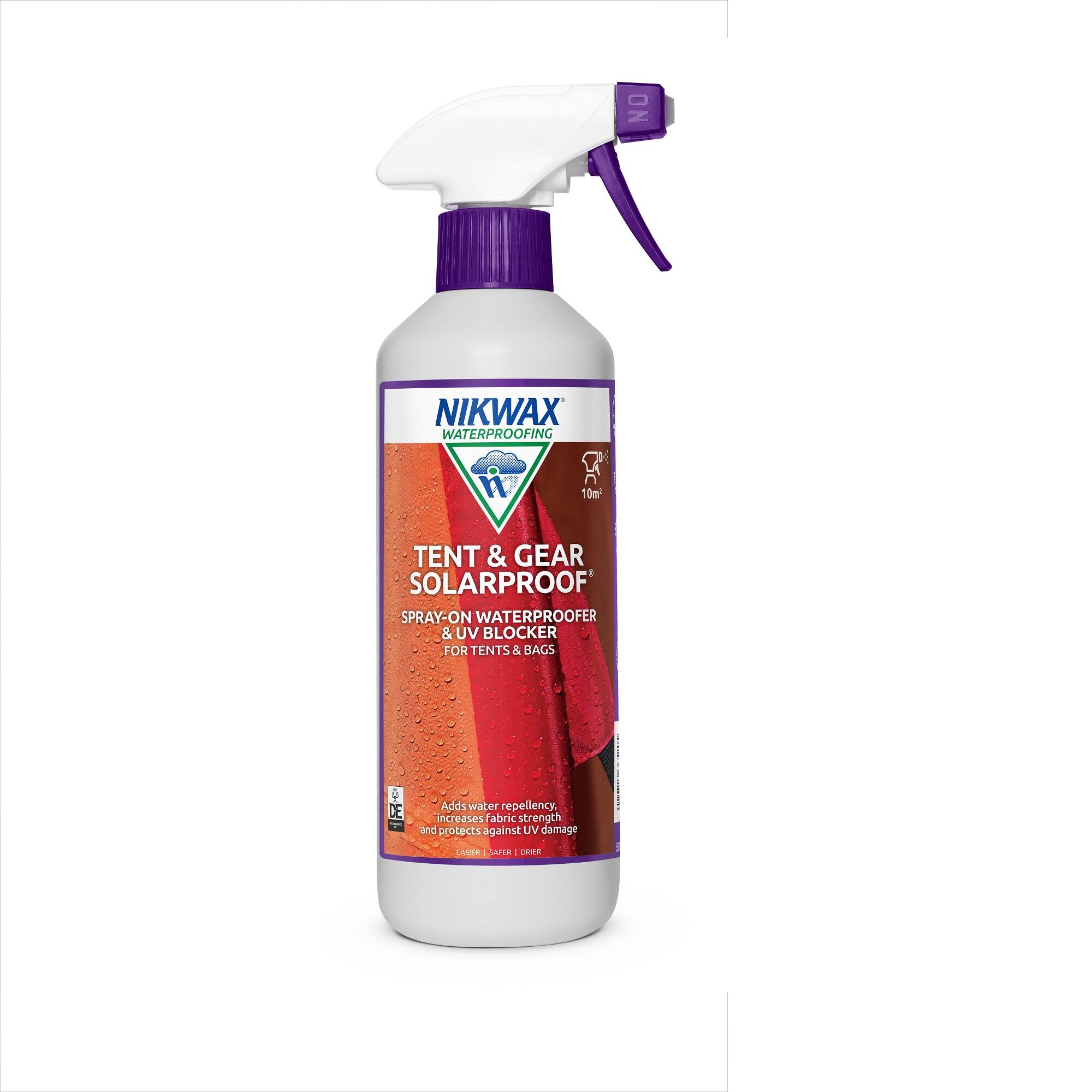
It restores the durable water-repellent finish that makes rain bead and run off rather than soak in, and good ones add UV protection that slows the sun's weakening of the fabric. Over time, dirt, abrasion and sunlight wear that finish down until the tent starts to wet out. One even application can noticeably extend the fabric's working life and restore that reassuring beading in a downpour. It's the simplest way to coax another season or two out of a tiring flysheet.

How often should a tent be reproofed?

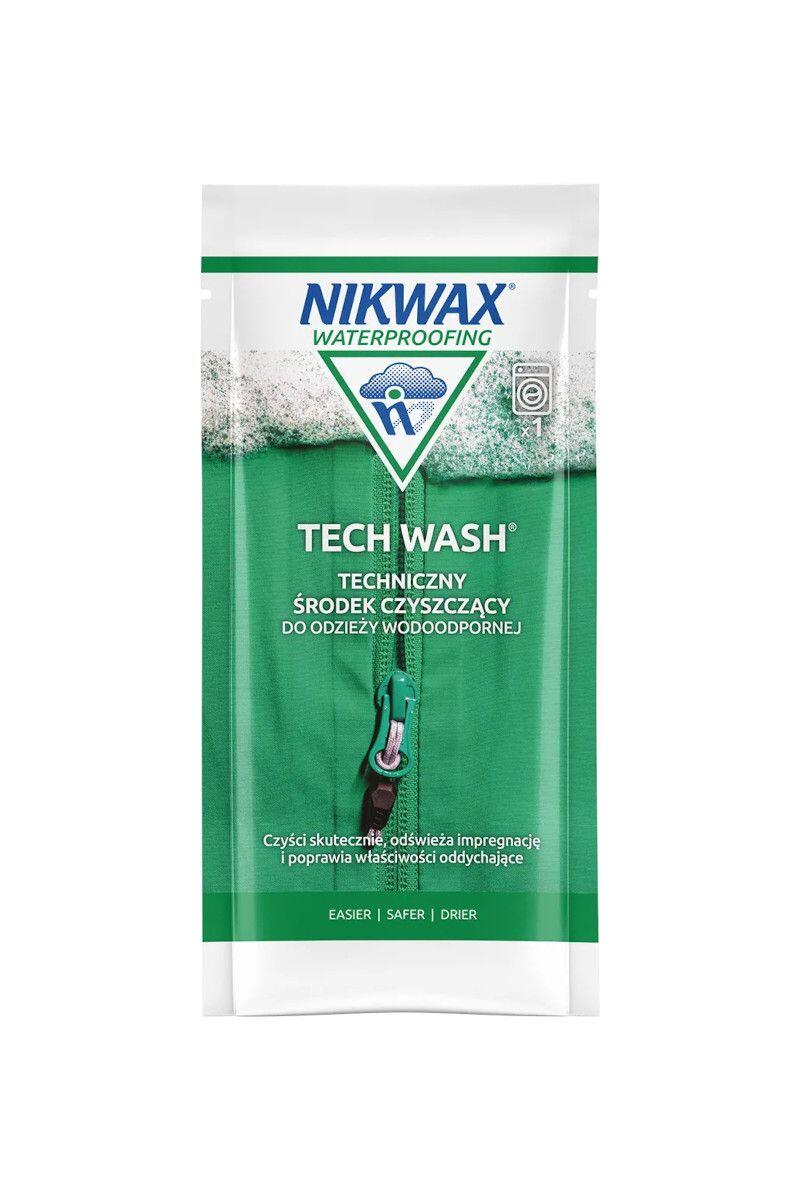
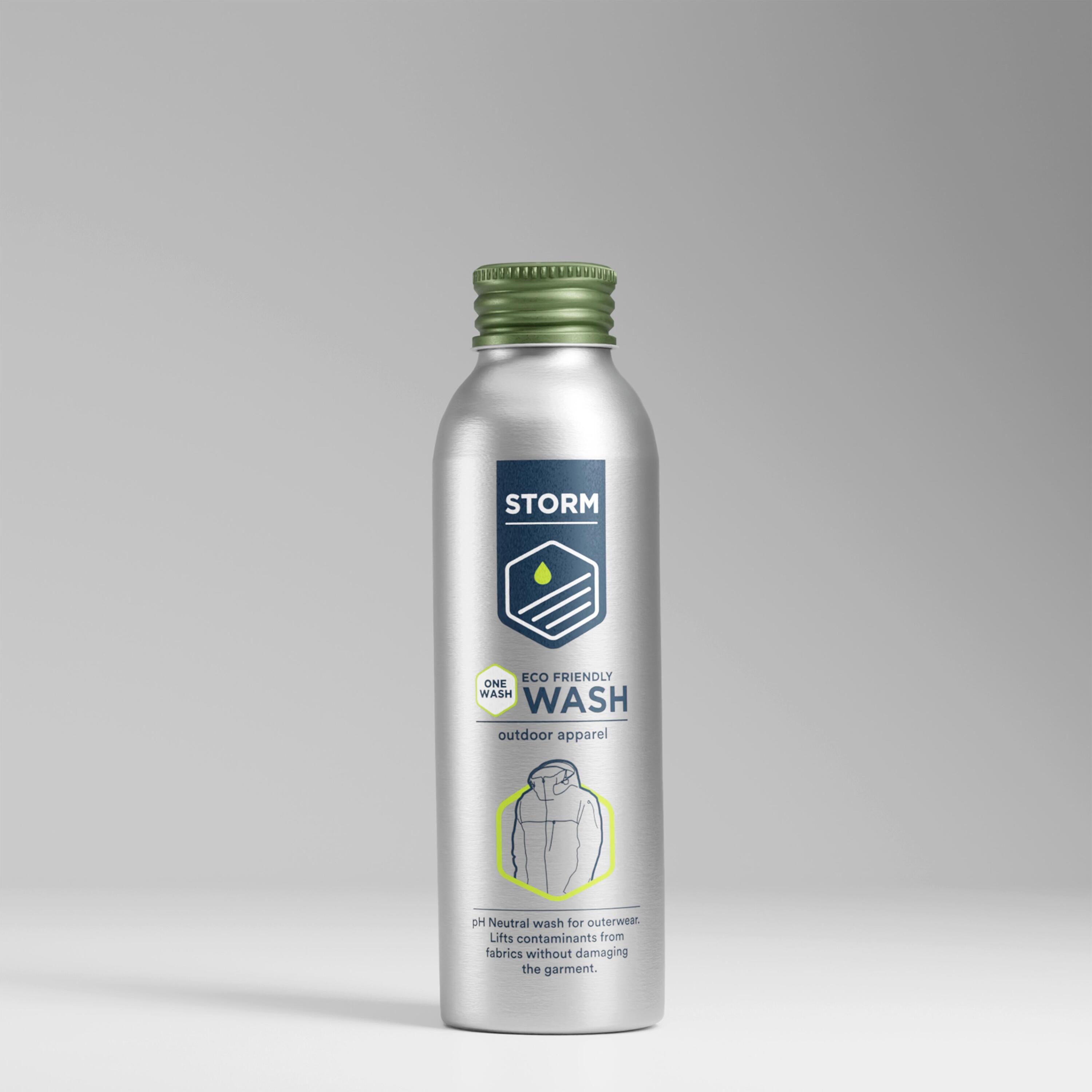
When water stops beading and starts soaking into the flysheet, or you notice damp patches inside after rain, it's time, as a rule of thumb, every one to three years, depending on how hard the tent is used. A quick test: spray water on the fly; if it beads, the finish is fine and if it soaks in, reproof. Cleaning first with proper camping detergents clears residues that prevent a new coating from bonding.

What's the correct way to apply tent waterproofing spray?

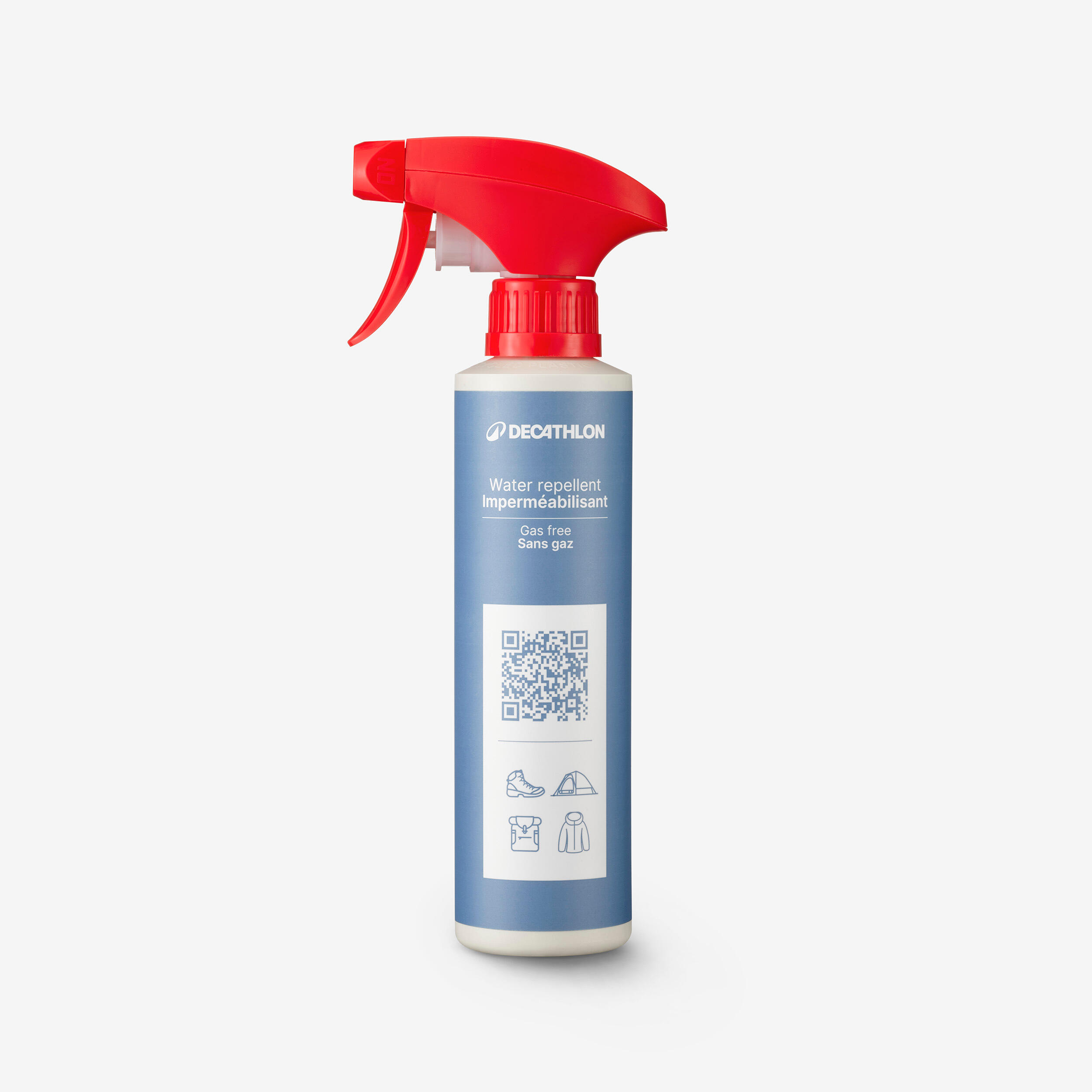
Clean the tent first and work while it's still slightly damp, in a well-ventilated spot out of direct sun. Spray evenly across the whole flysheet, paying extra attention to the seams where leaks most often start, then wipe off any excess with a cloth so it dries without streaks. Let it cure fully before packing. Any remaining leaks around the seams can be sealed from the inside with our adhesive tapes.

Can you waterproof other gear with it?

Many sprays work on more than tents, refreshing the repellency on awnings, rucksacks, groundsheets and similar synthetic kits. Always check the label for the fabrics it suits and test a small hidden area first. Reproofing sits alongside cleaning and repair in our camping maintenance and care range, the trio of jobs that together keep a shelter weatherproof year after year. A quick reproof each spring leaves everything ready for the months ahead.

Does reproofing replace the need for repairs?

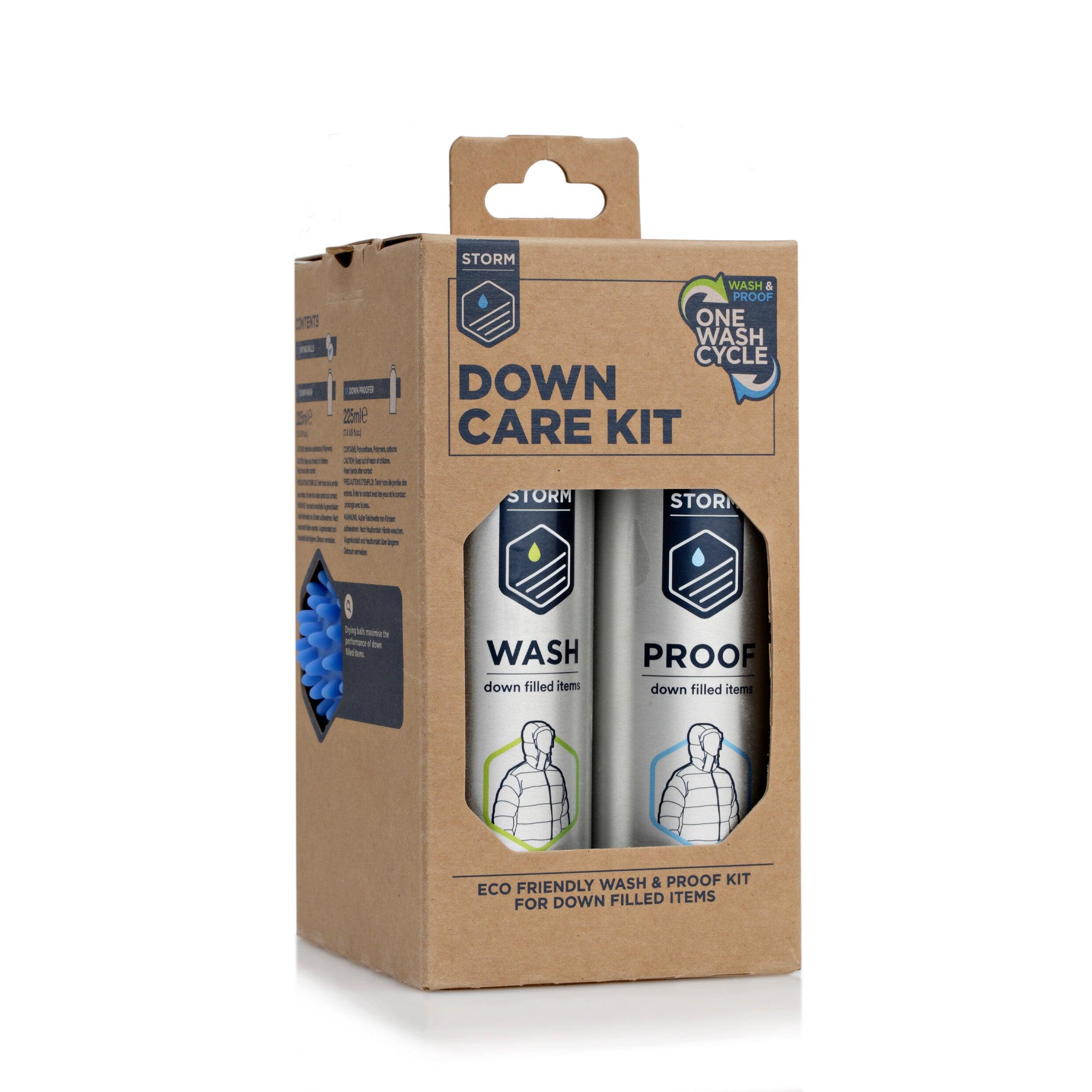
No, spray restores the fabric's repellency but won't mend a torn panel, a failed zip or a snapped pole. Treat reproofing as upkeep and repair as a separate job, tackling holes and broken bits as they appear. Having a few camping spare parts and a roll of repair tape to hand, along with a good reproof, helps your tents and shelters stay dry and serviceable.