531 items
4.4/5 based on 22606 reviews collected online and in stores

Camping Spare Parts and Care FAQs

What spare parts should every camper carry for common gear failures on a multi-night trip?

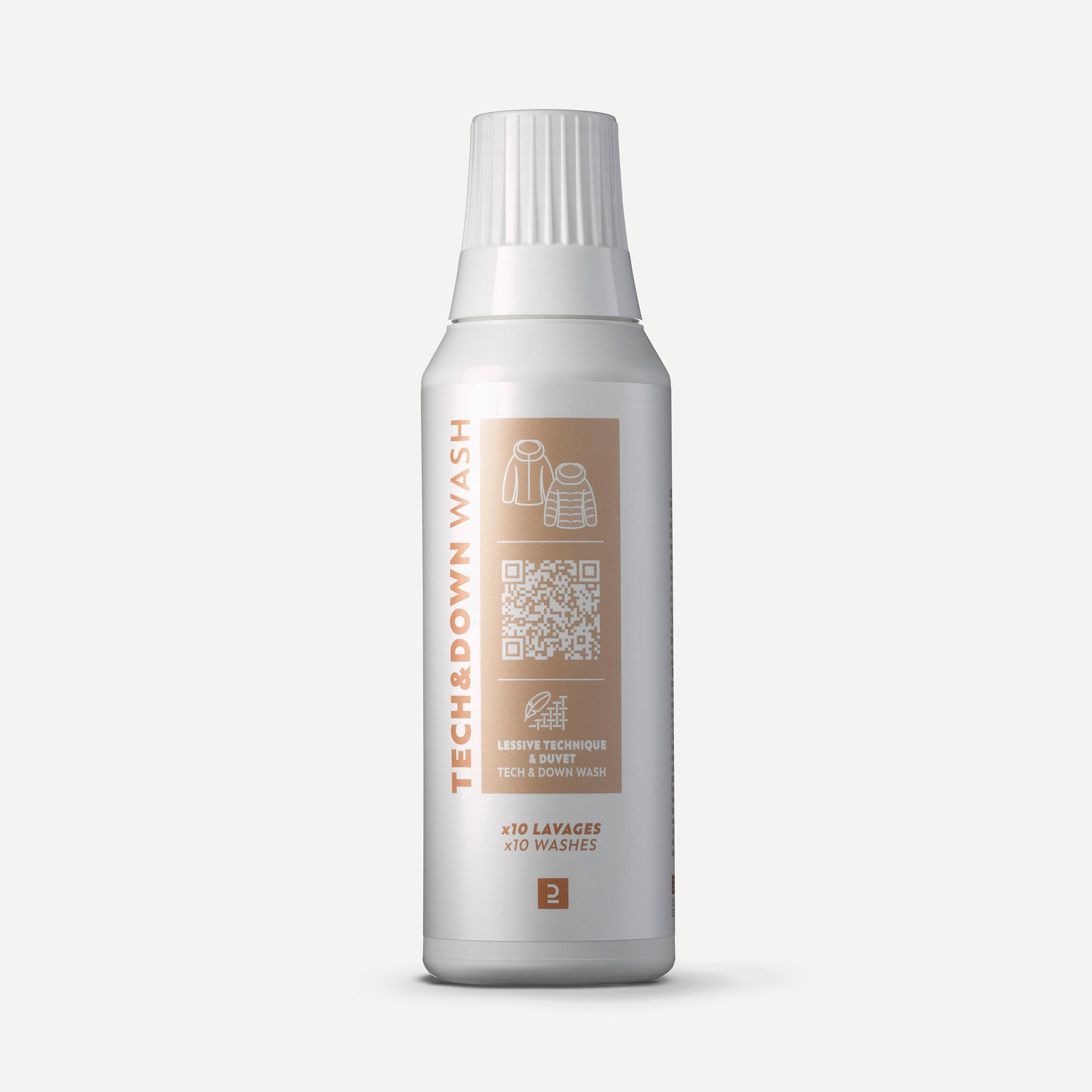
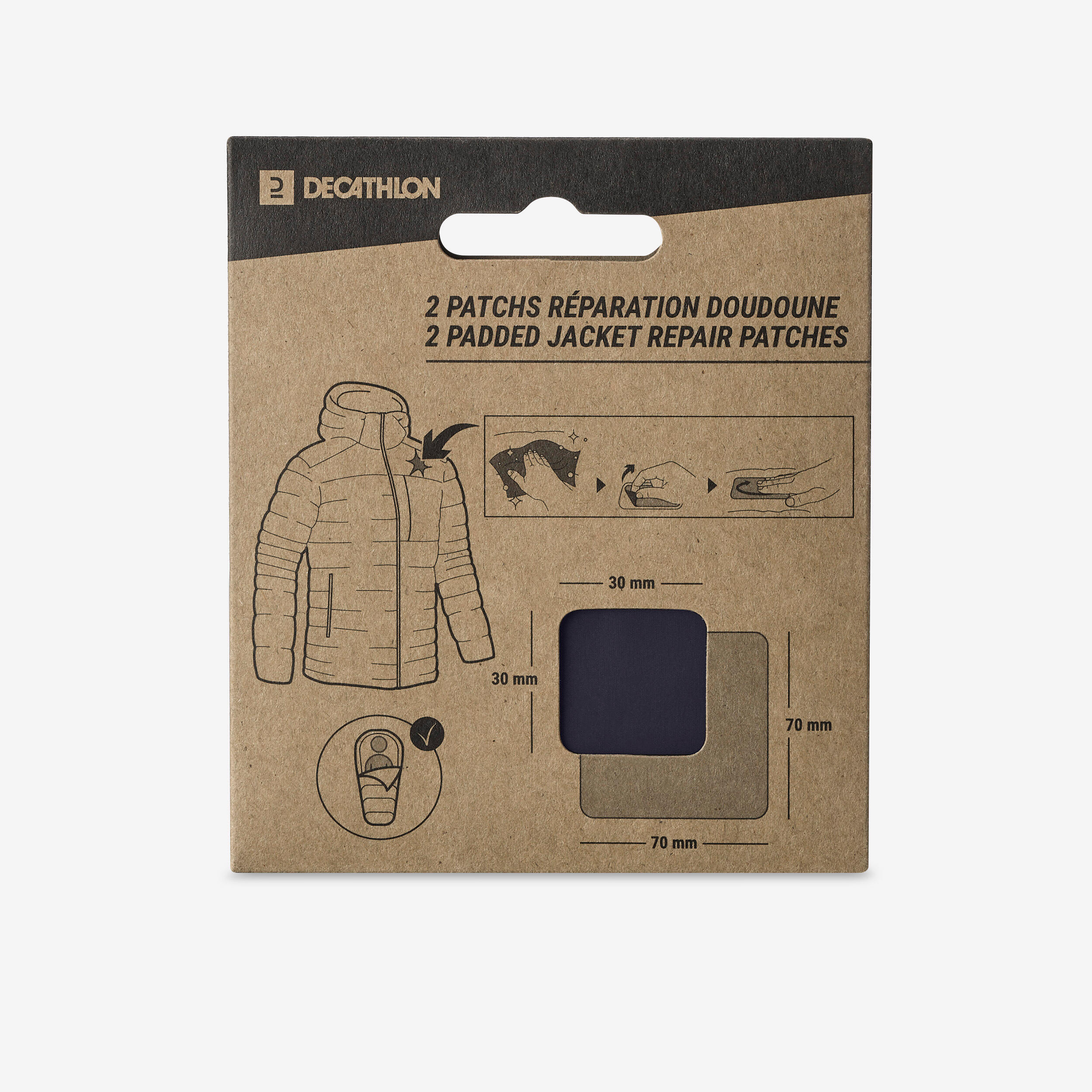
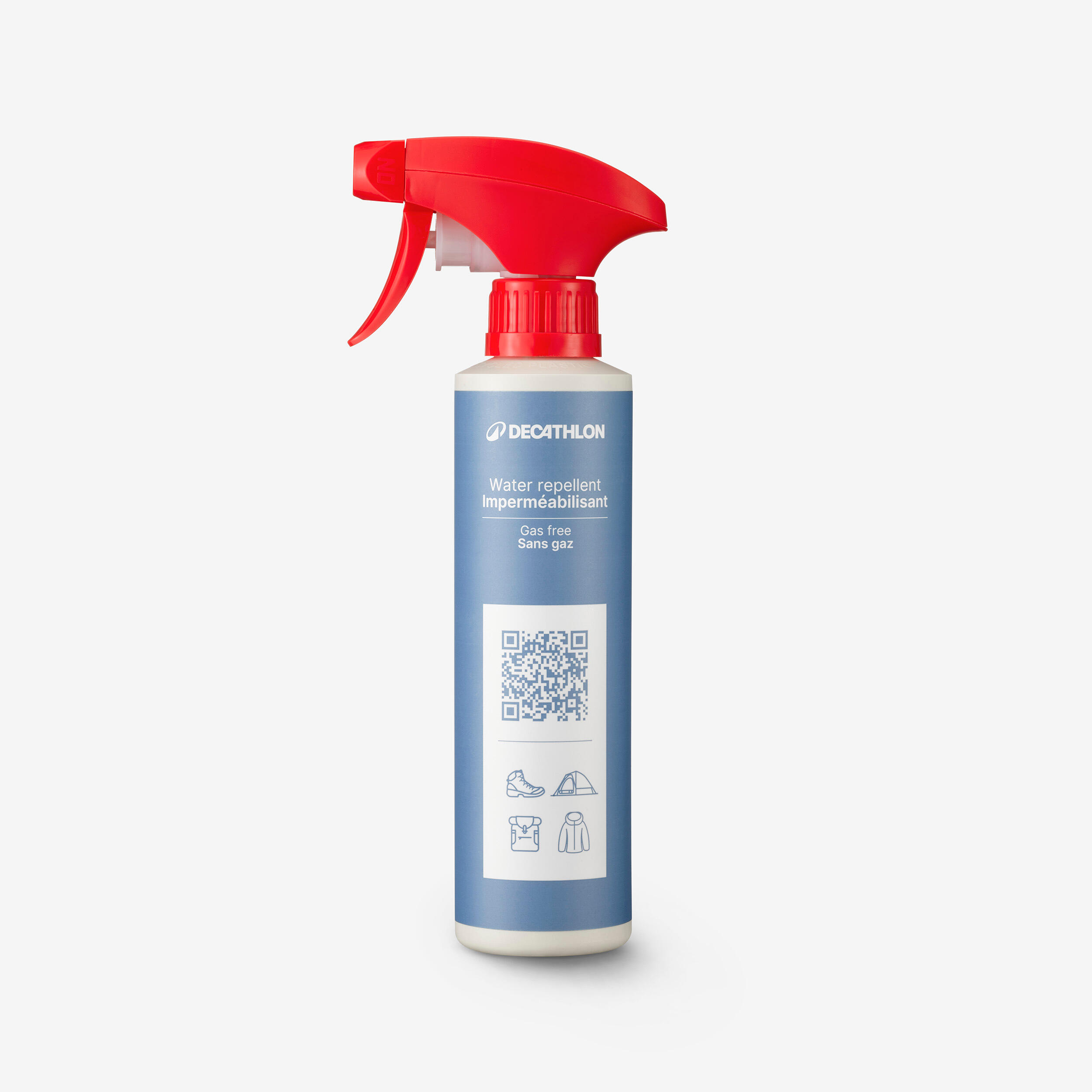
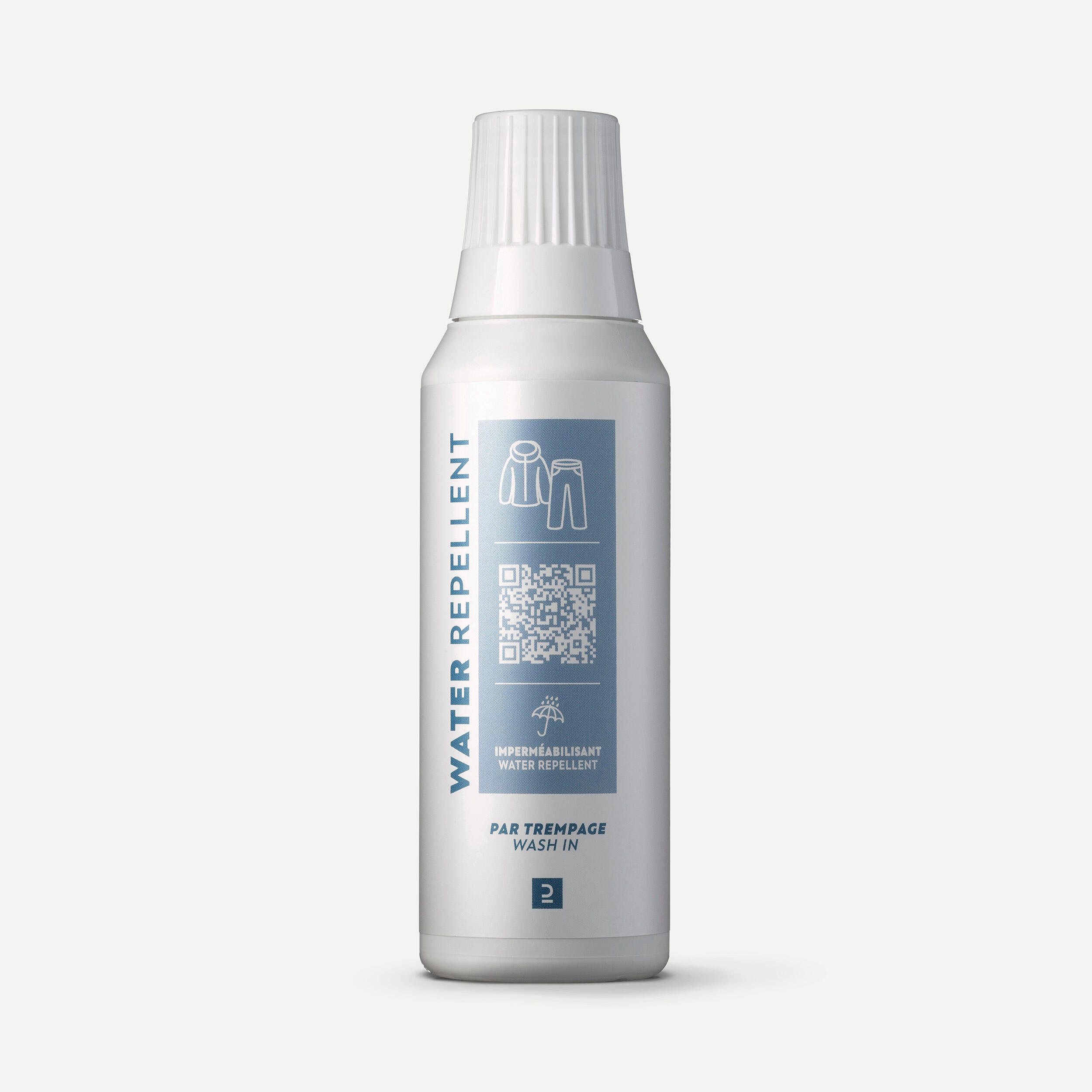
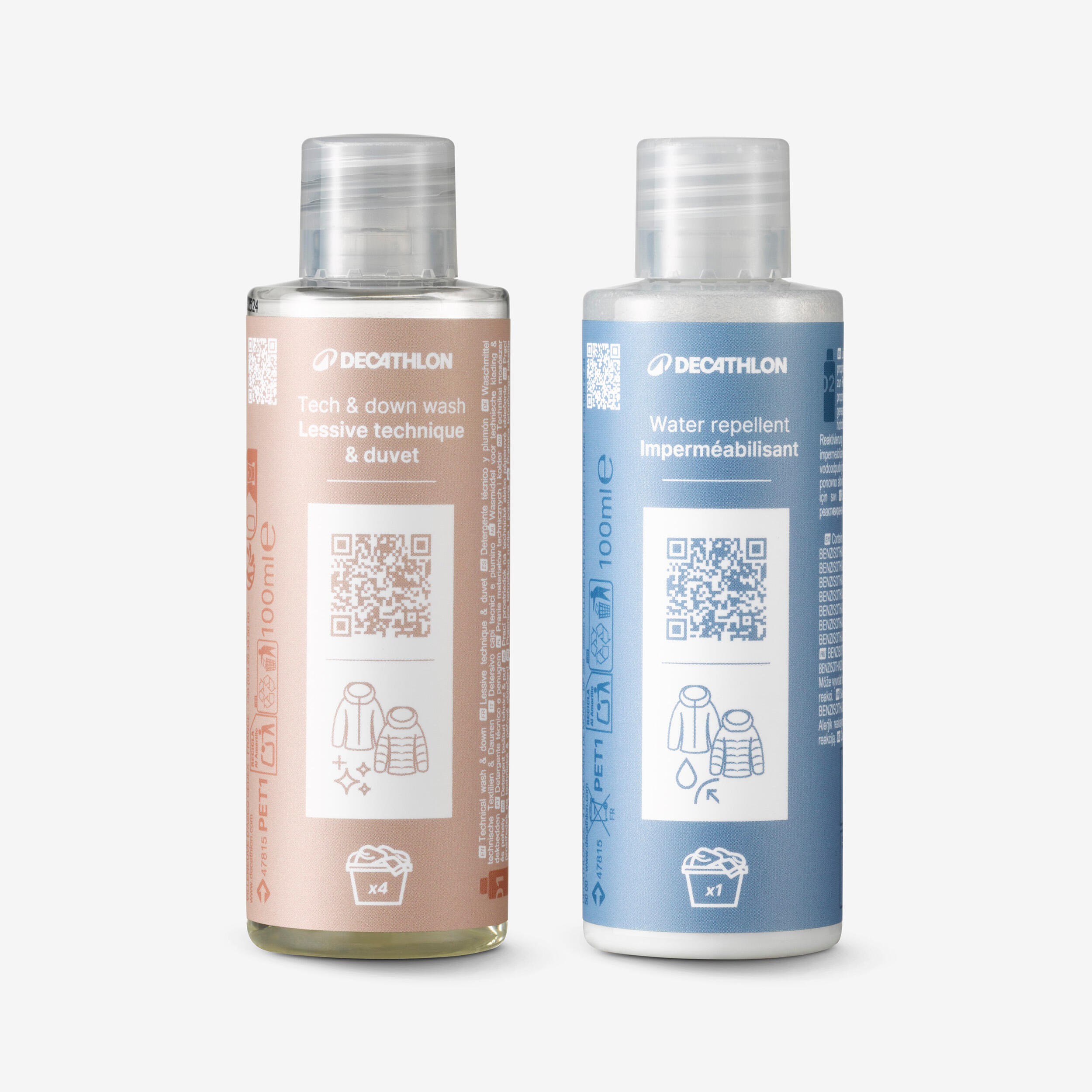
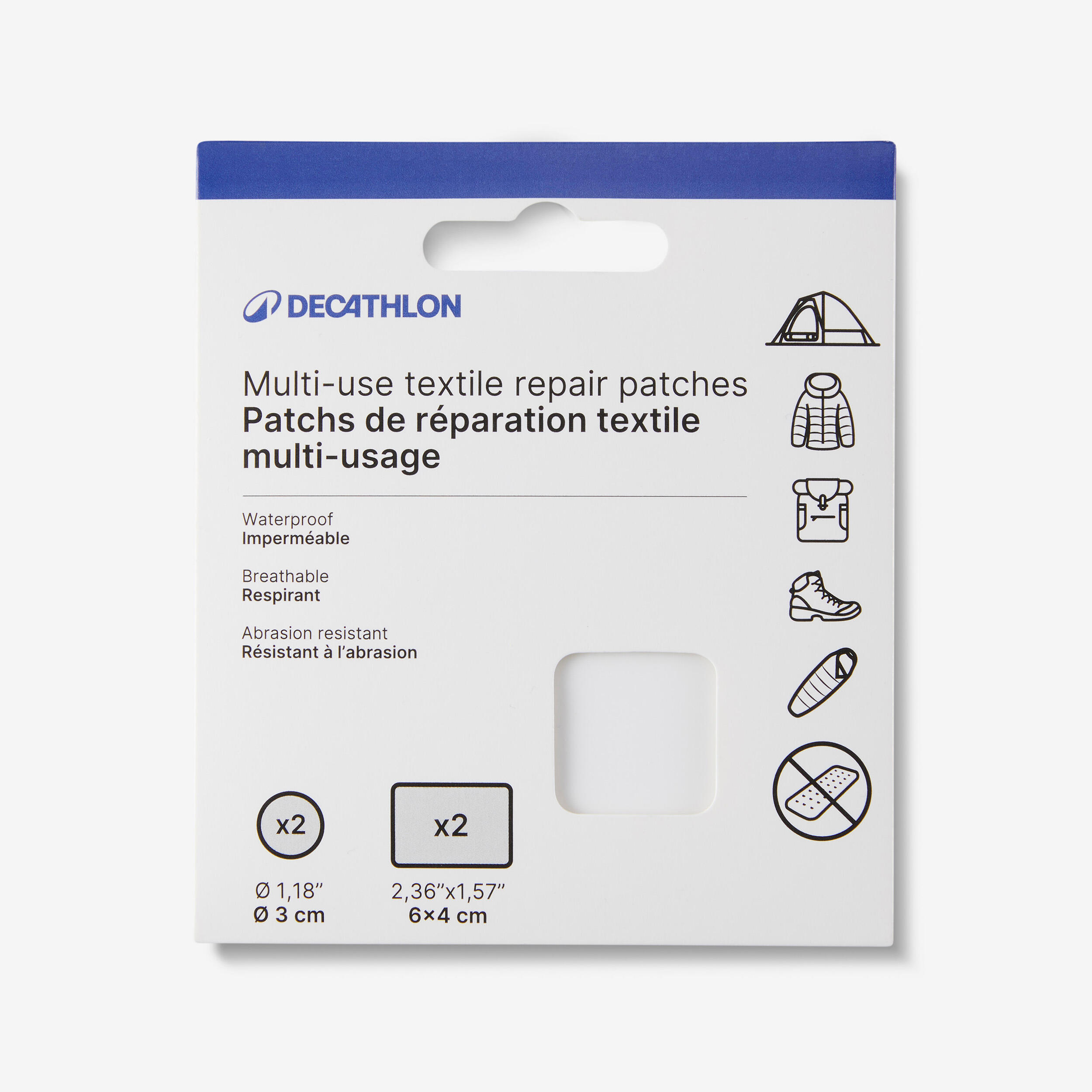
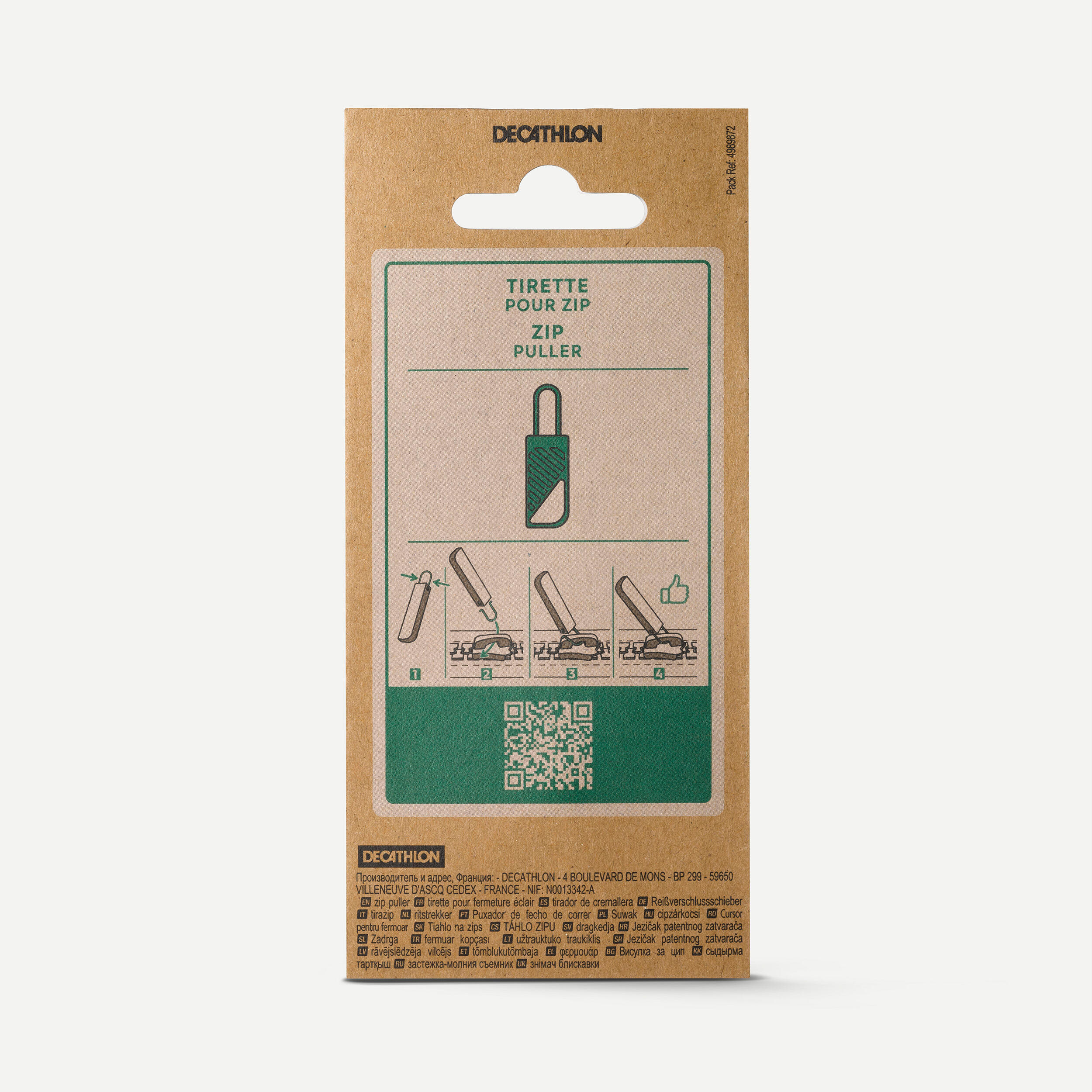
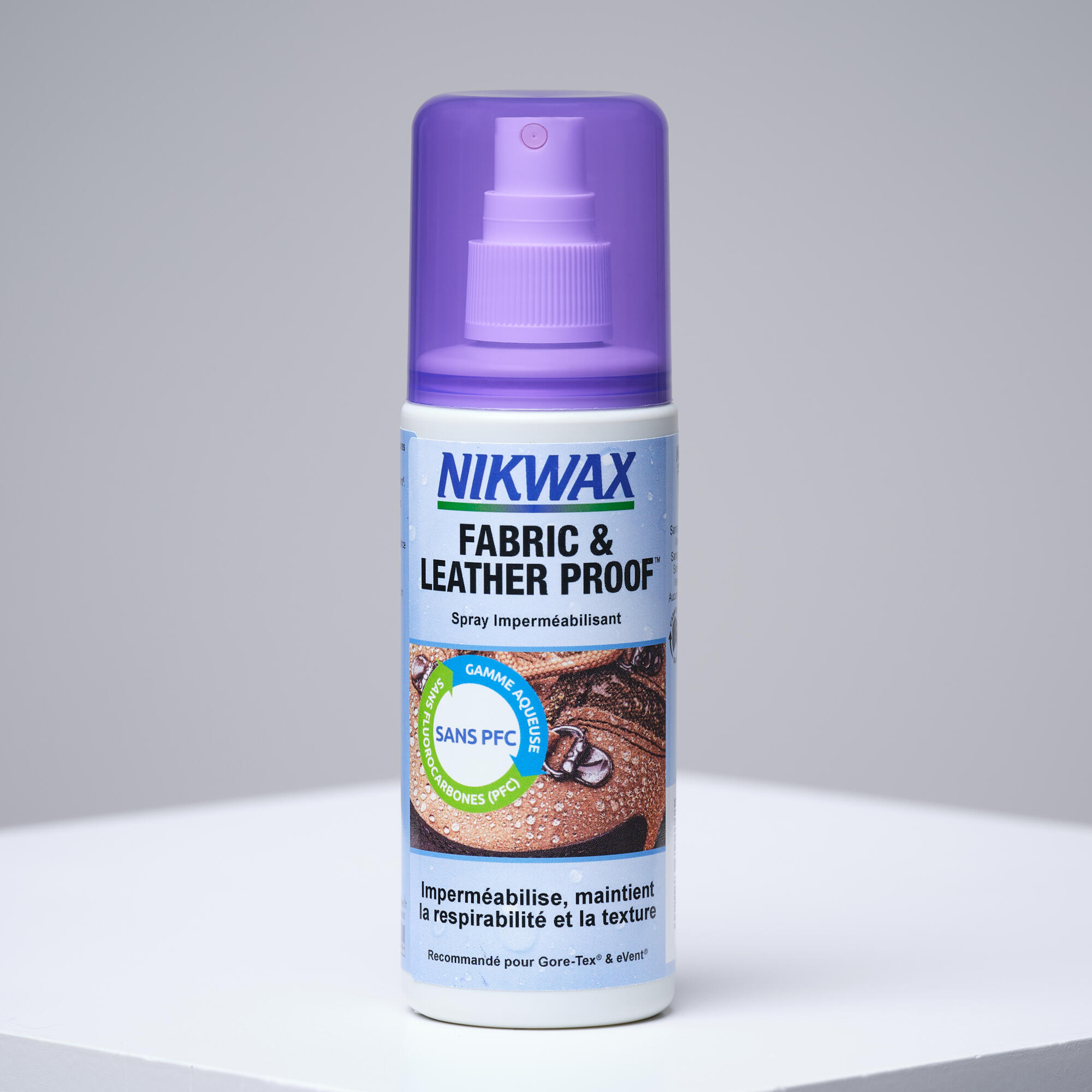
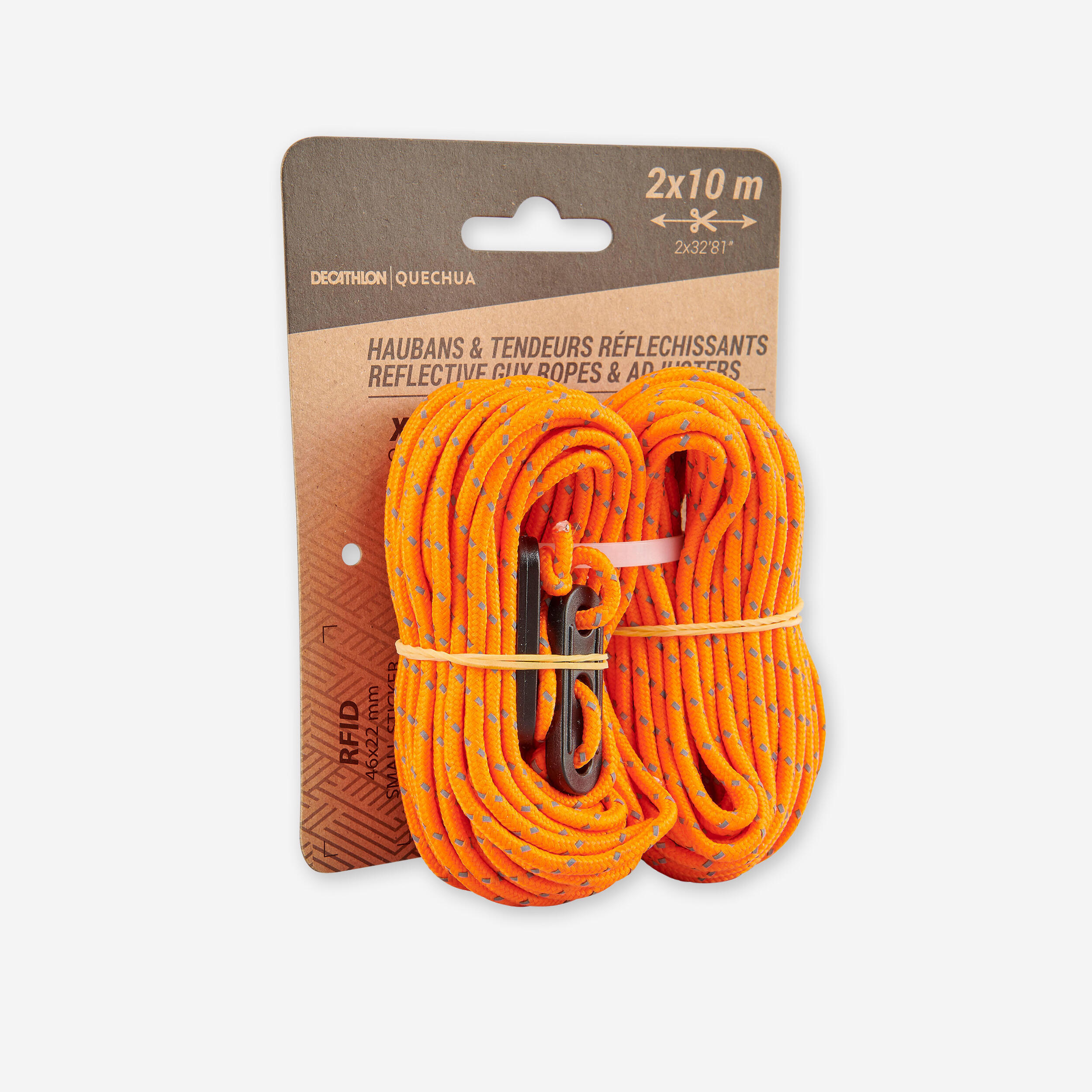
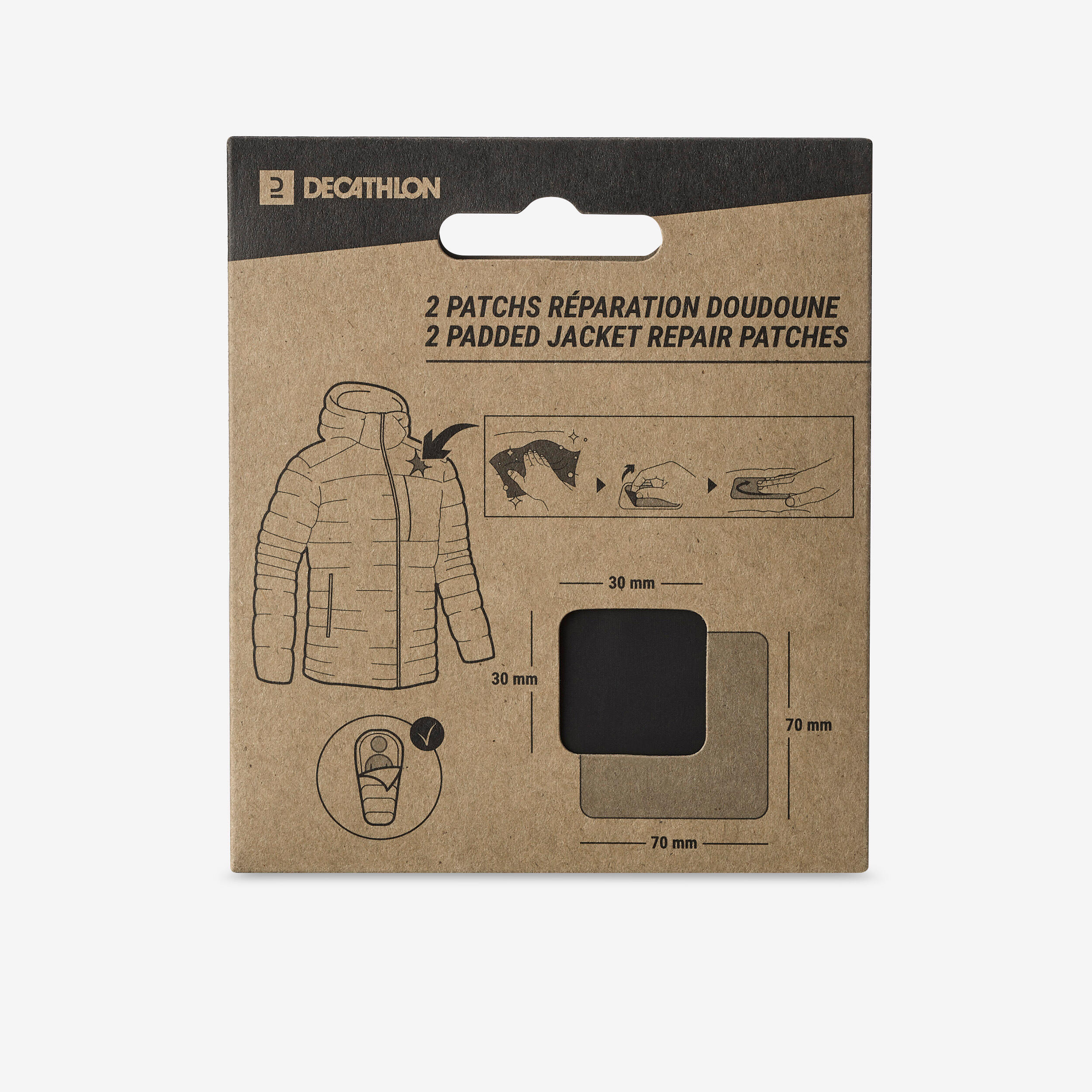
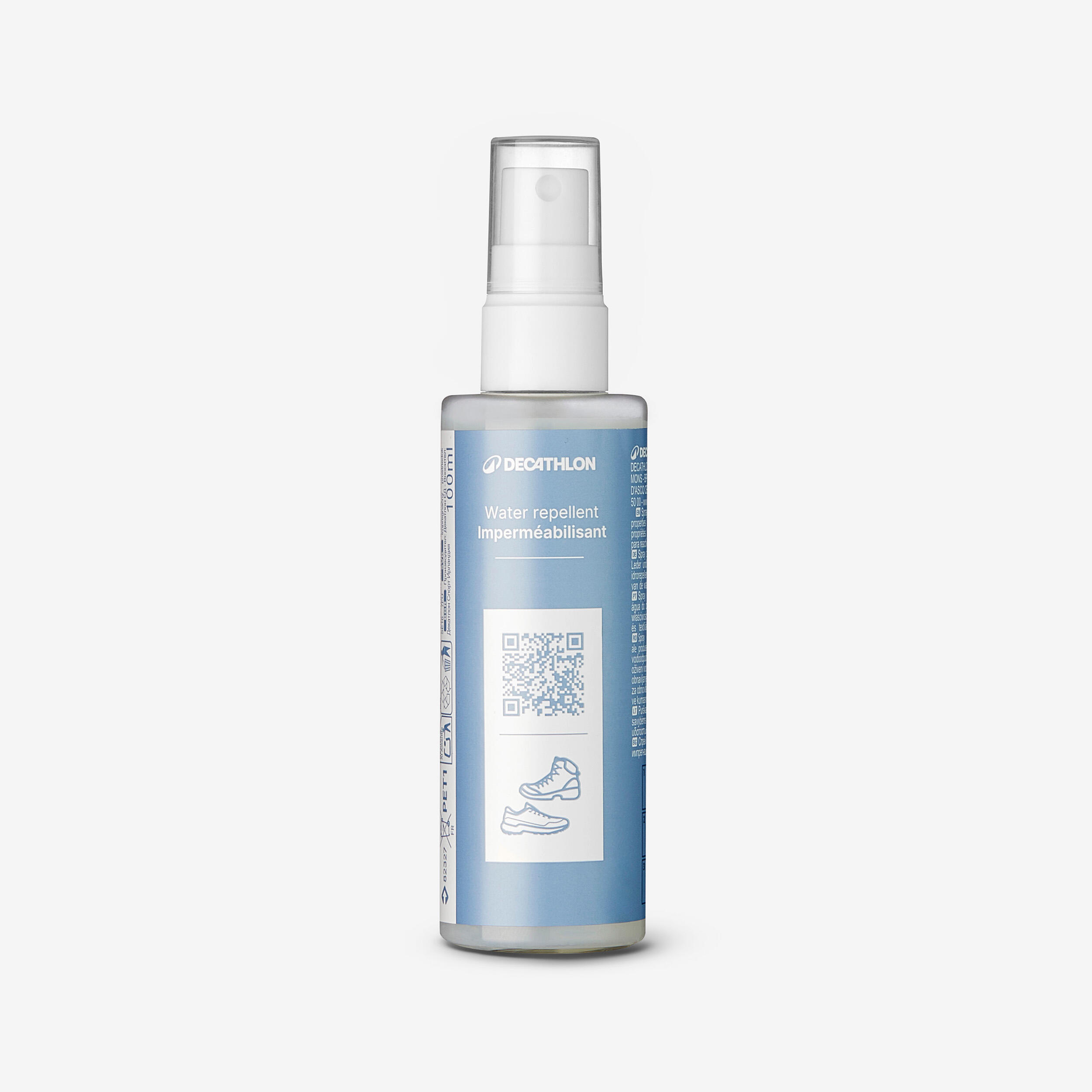
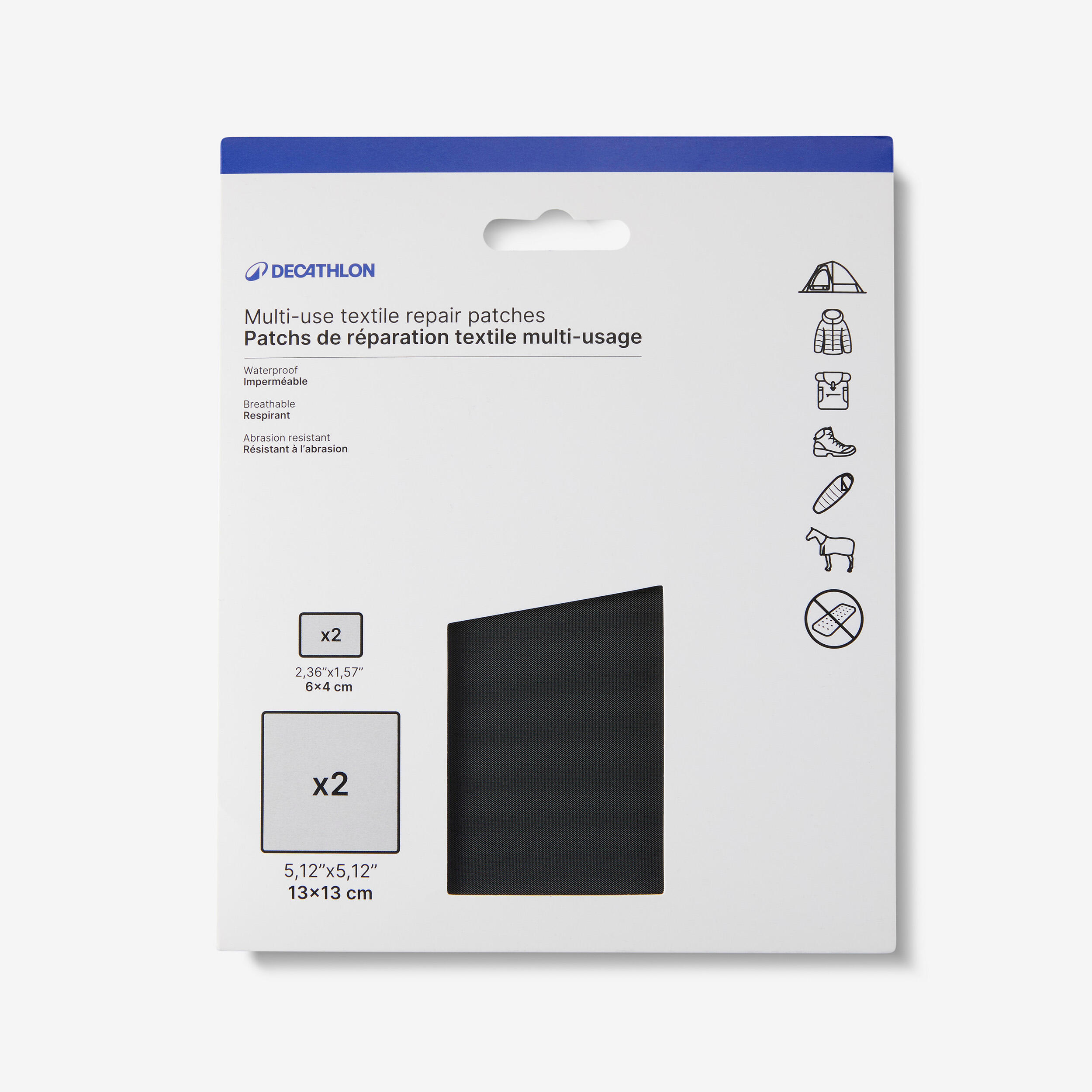
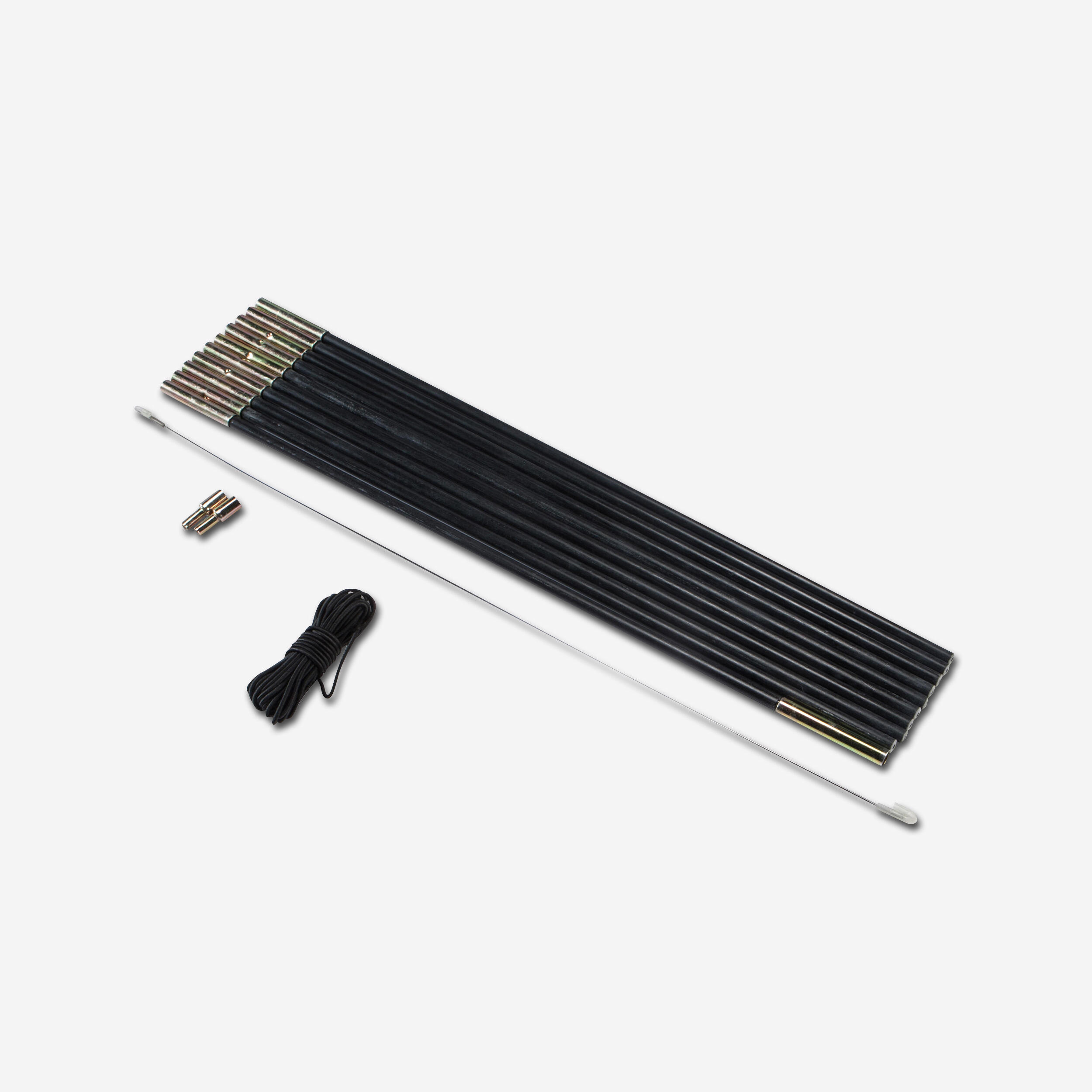
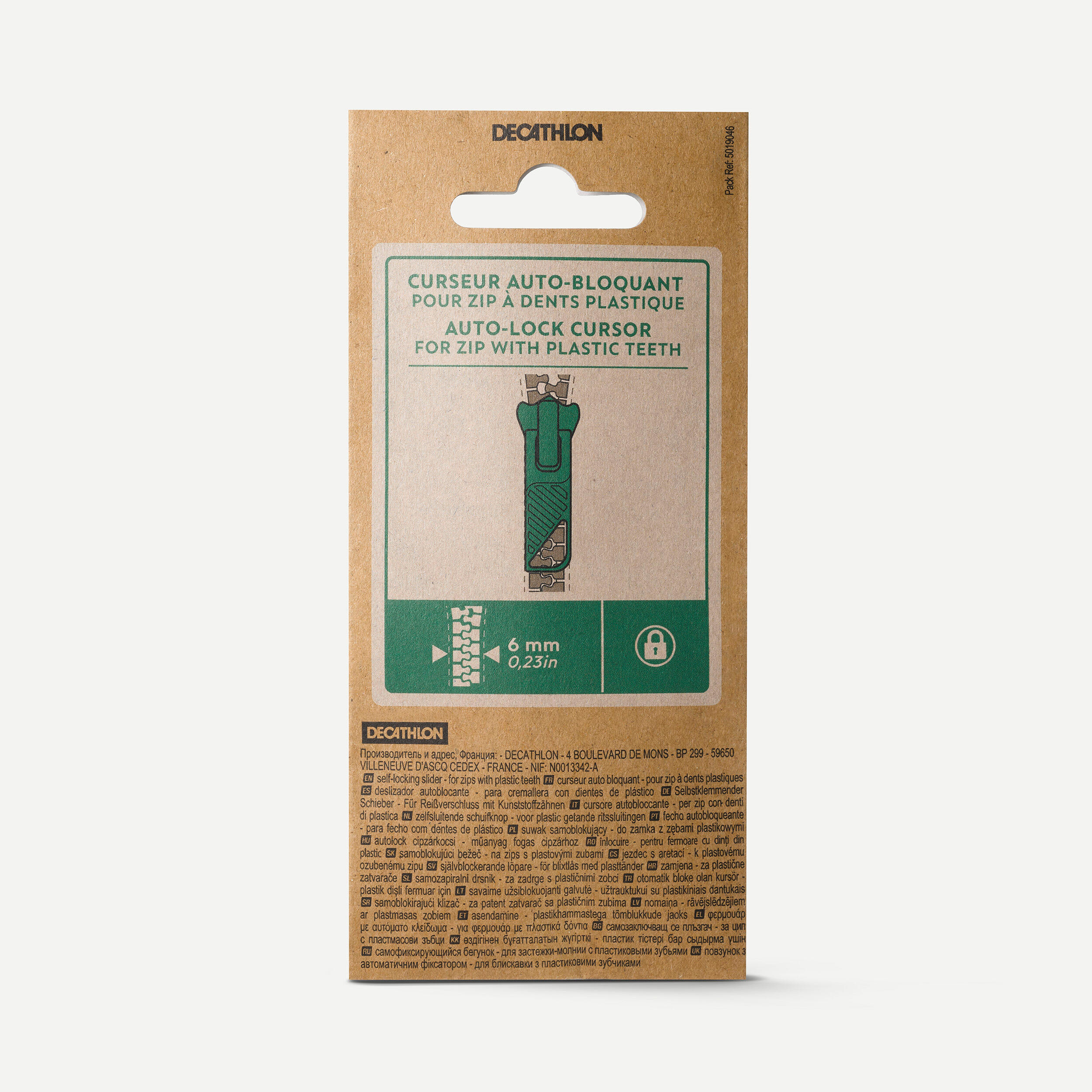
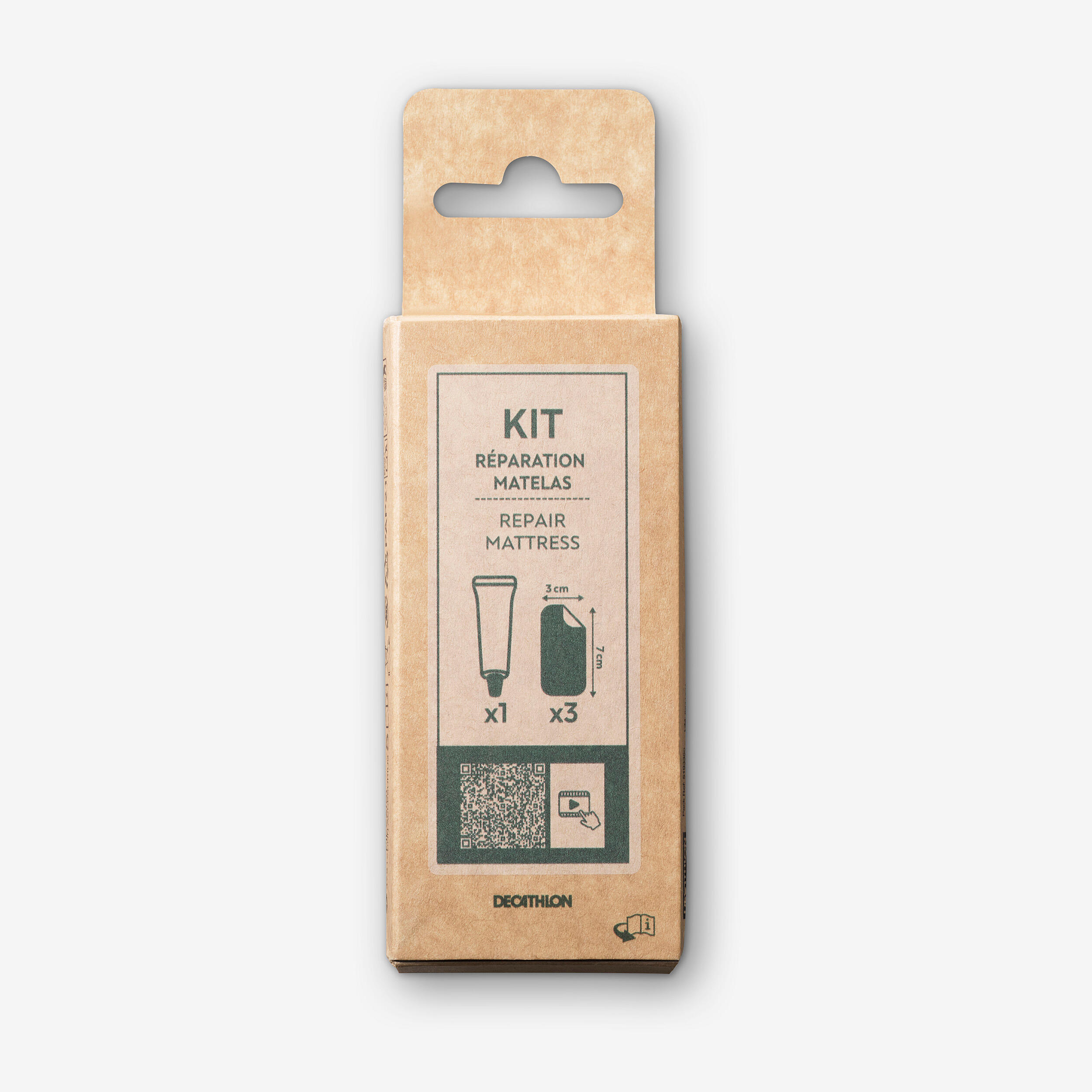
The most practical spare parts kit covers three failure points that occur most often in the field: tent pole repair sleeves, groundsheet patches, and zip pull replacements. A pole repair sleeve is a short aluminium tube that slides over a snapped section and is held by the elastic cord running through the pole, restoring enough rigidity to pitch safely until a full replacement arrives. Groundsheet patches are self-adhesive and bond directly to polyethylene or polyester floor fabrics, sealing a puncture before moisture reaches the sleeping area. Zip pull replacements have an outsized impact on usability; a broken pull means struggling with the slider directly, which accelerates wear on the zip teeth and can split the chain entirely. Beyond these three, a tube of seam sealer and a small DWR spray cover the most common waterproofing failures that develop after several seasons of use. A complete camp setup runs from food storage to water carrying, and the hydration and food range sits alongside spare parts as an equally important part of trip prep.
What is a door pole kit and which tents need one?

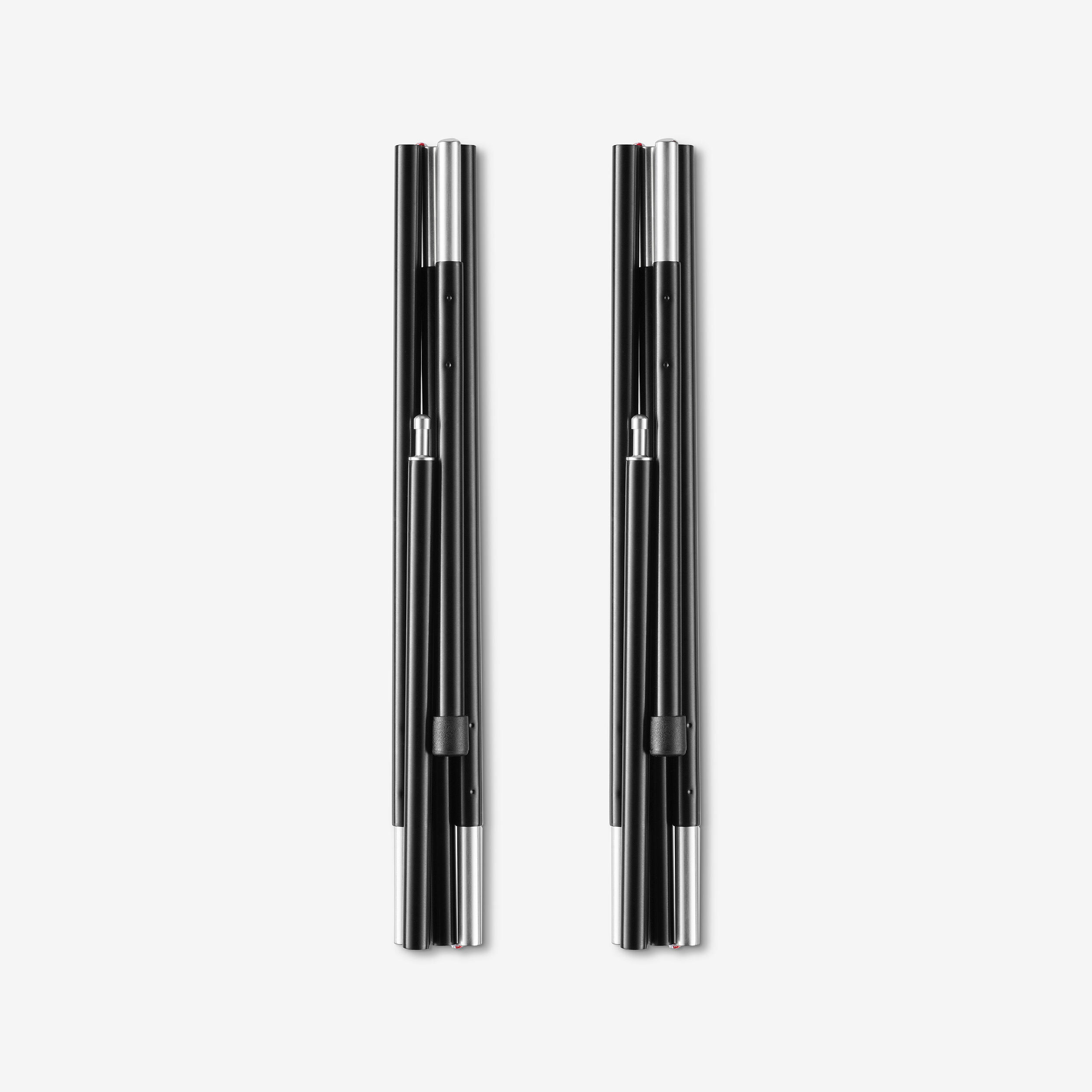
A door pole kit is a short dedicated pole that props open the porch or door panel of a tent to create a sheltered entry area. It is used on tunnel and ridge tents with a projecting porch design, where the door panel is large enough to function as an awning when supported at its outer edge. Without it, the porch either needs to be rolled back entirely or left down, where it can collect rainwater and direct it inside when opened. The kit typically consists of one or two short aluminium sections with a push-fit connector that attaches to a grommet at the outer hem of the door panel. Expert tip: stake the base of the door pole outward at a slight angle rather than straight down to prevent wind pressure on the panel from pushing it inward. For guidance on compatible models and related upkeep products, look for matching elements within the camping maintenance and care section.

How do I choose a waterproof groundsheet for tarp camping?

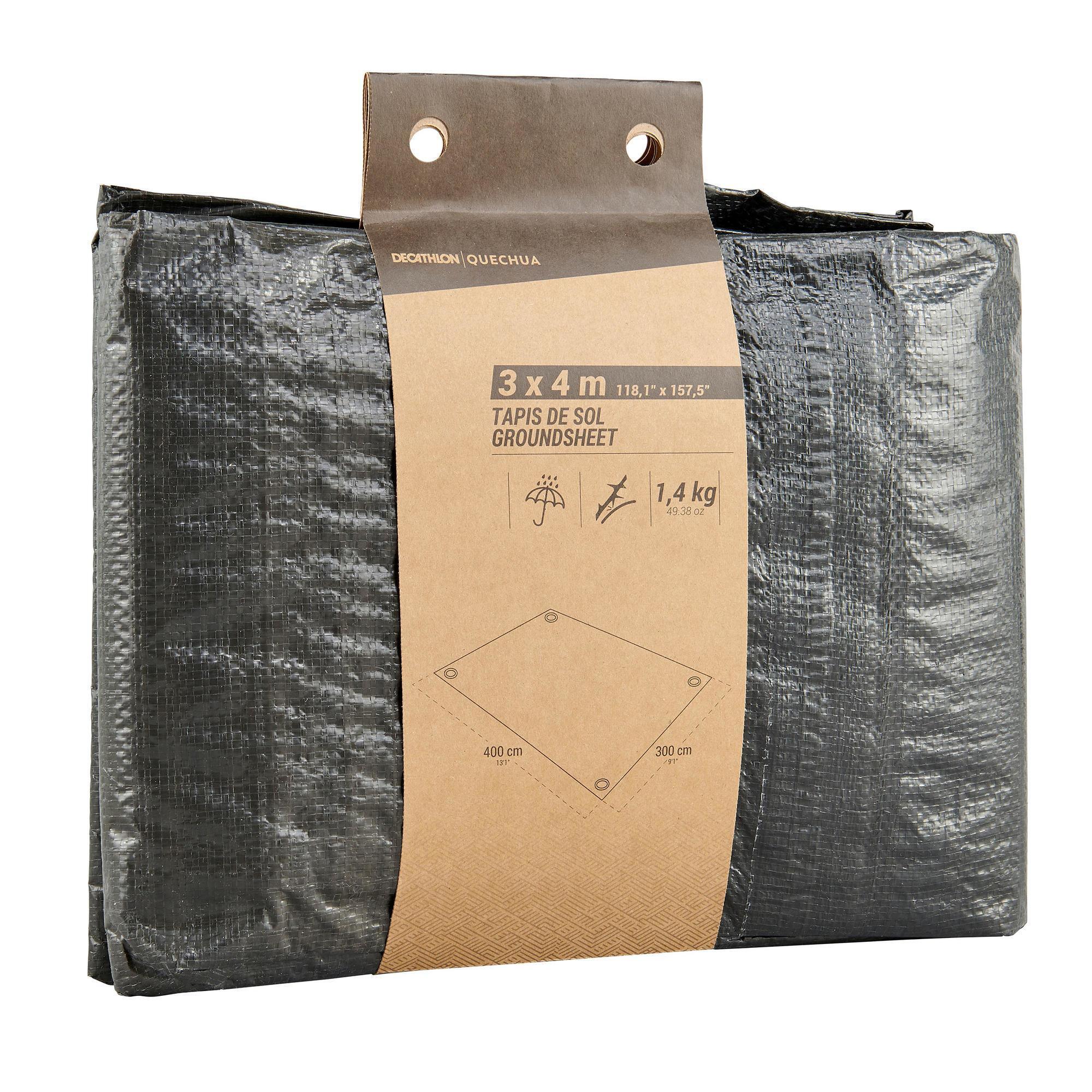
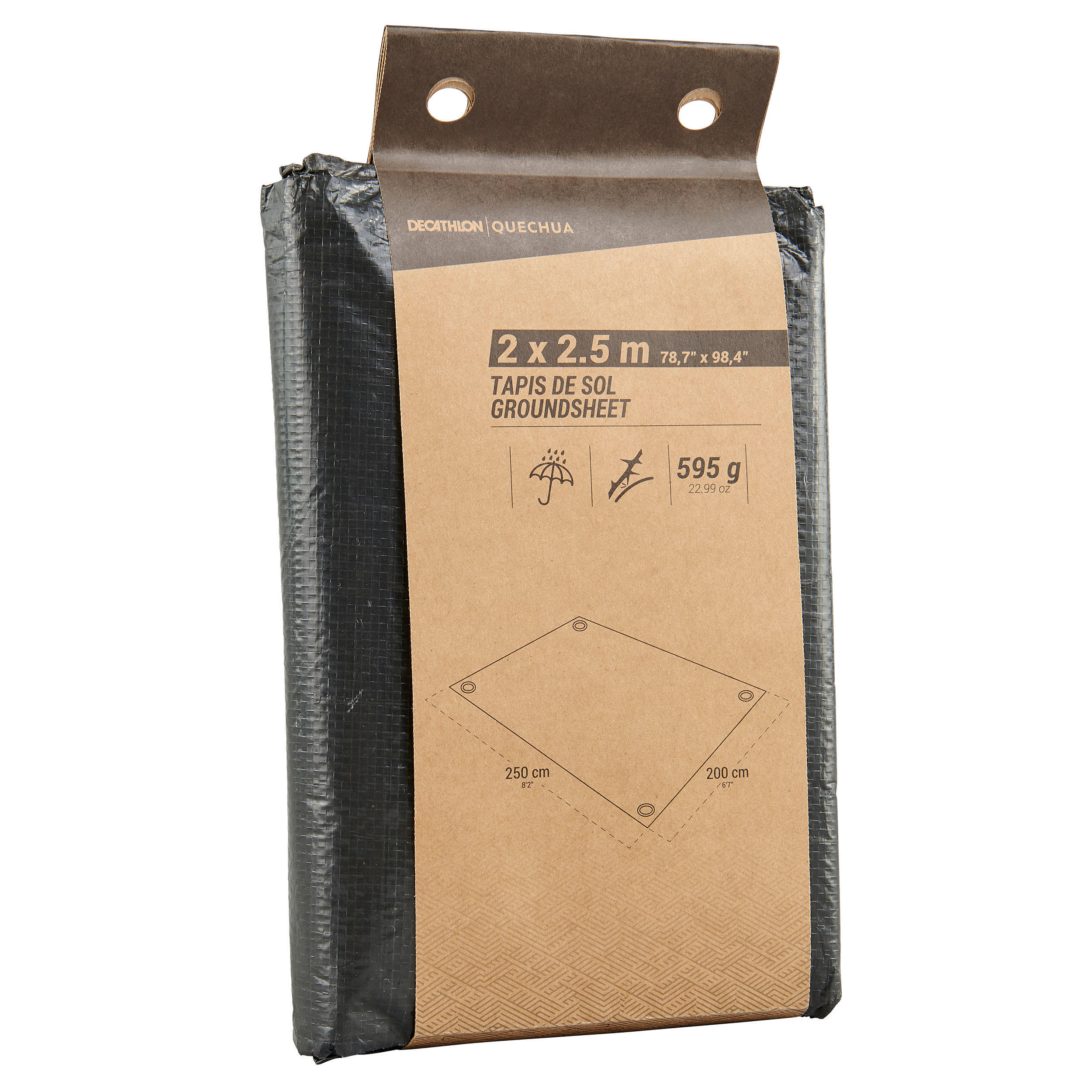
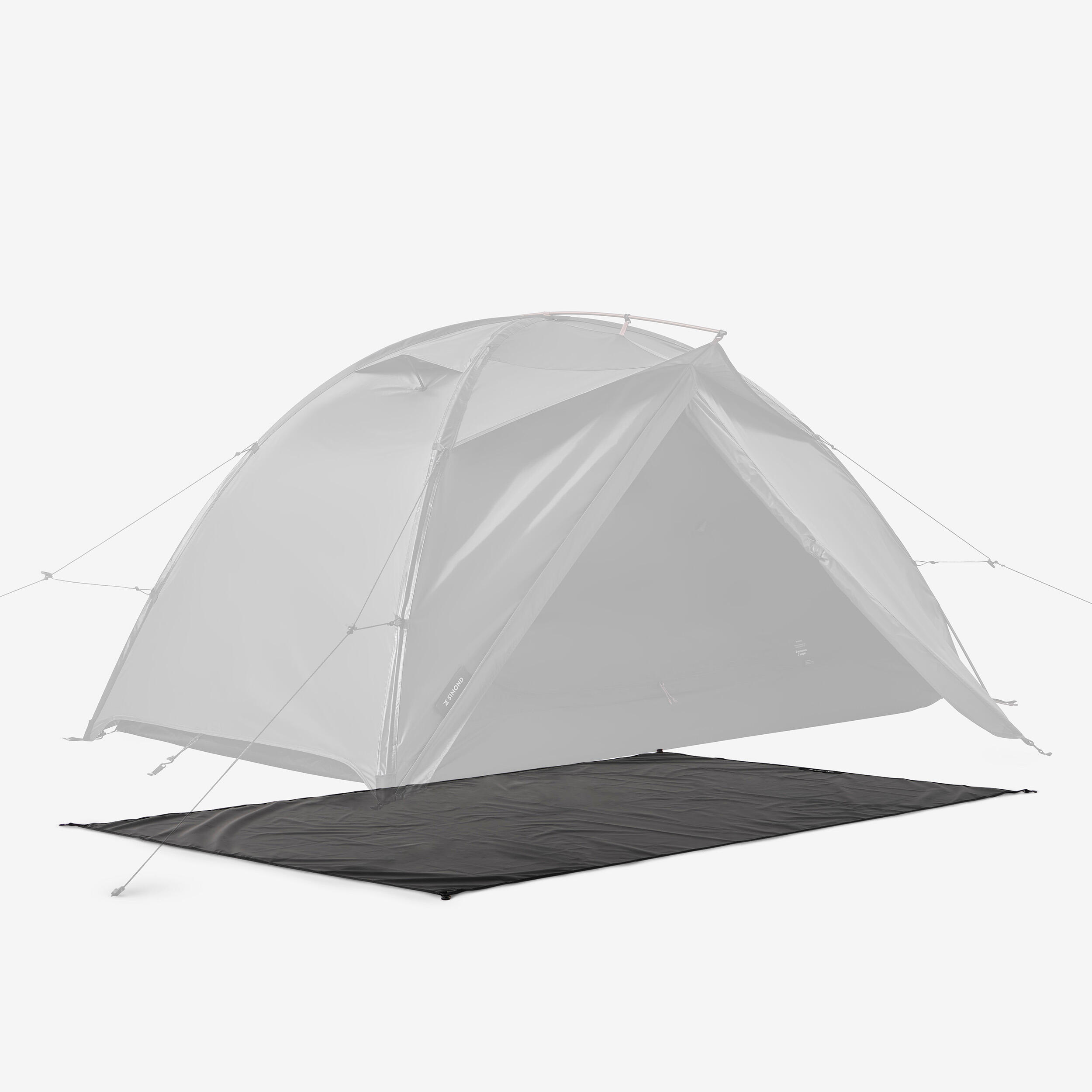
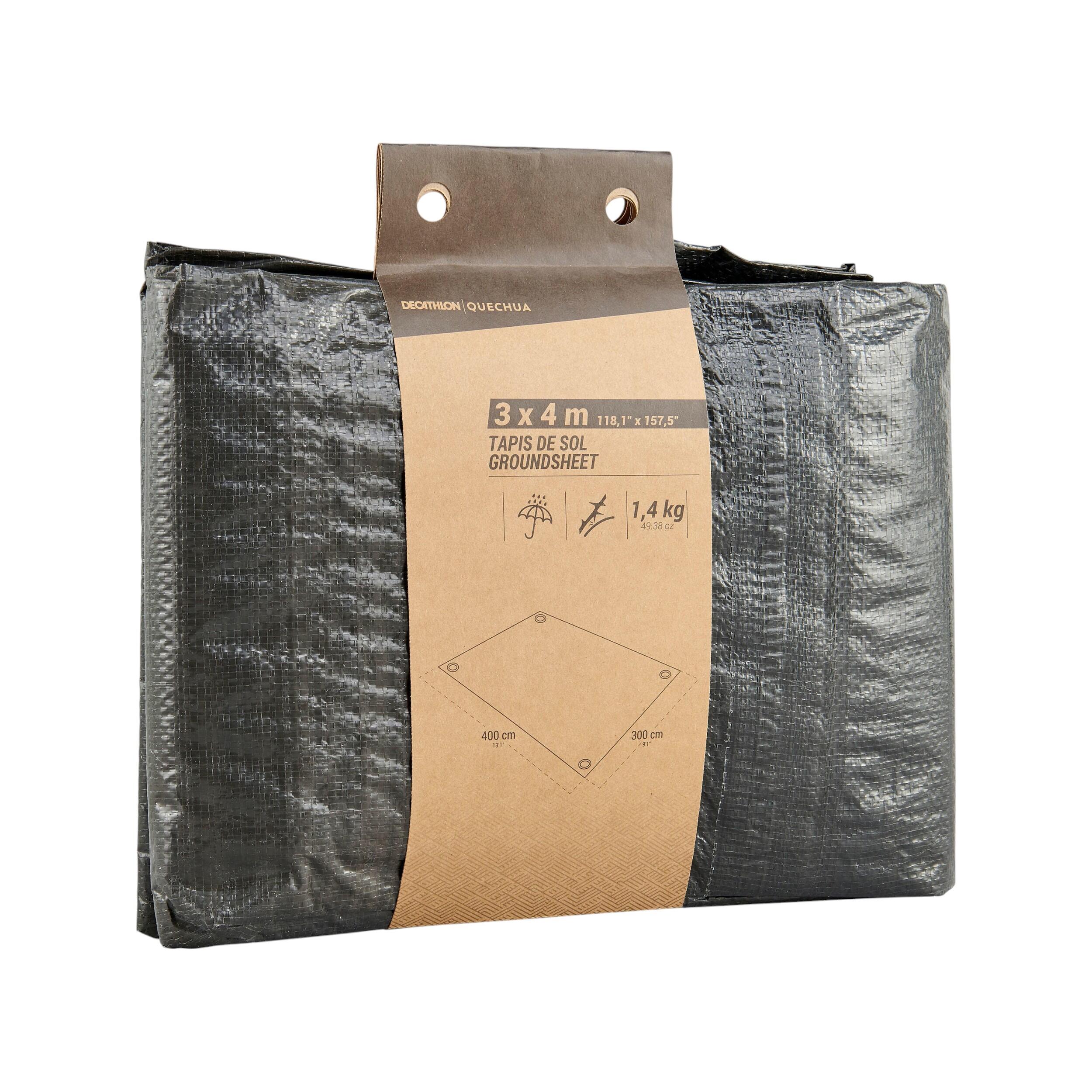
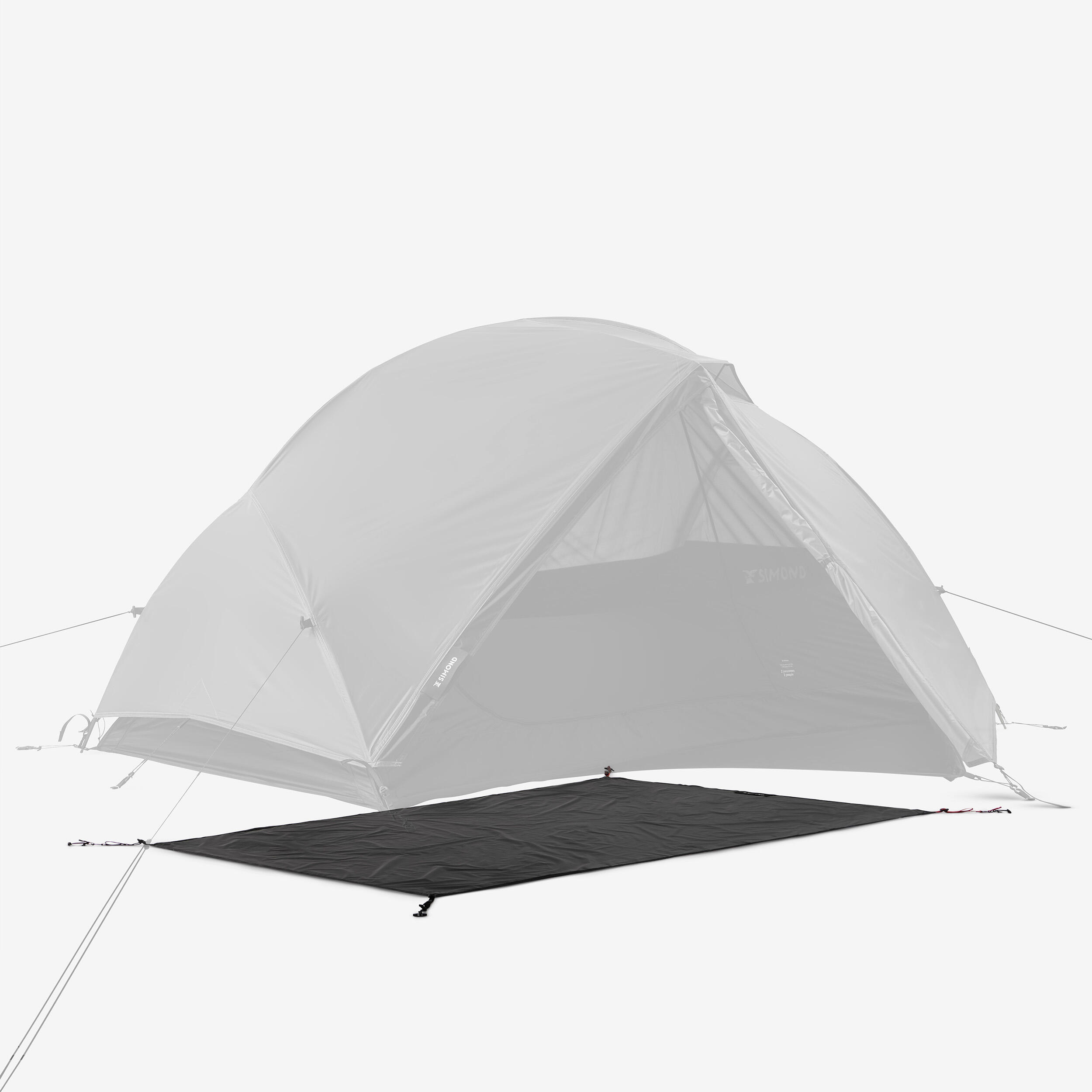
A groundsheet for tarp camping needs to be lighter and more compact than a standard tent footprint. The key specification is hydrostatic head rating; a rating above 2,000 mm is sufficient for typical ground contact where pressure comes from body weight on damp soil. Polycrylate-coated polyester at around 100 g per square metre offers a good balance of waterproof performance and pack weight. Size the sheet to your sleep zone rather than the full tarp footprint; a sheet extending beyond the drip line collects water and channels it underneath. If you're matching a groundsheet to a particular tent model, compatible sizes and materials sit under camping spare parts, organised by product reference.

When should I replace fibreglass pole sections rather than repair them?

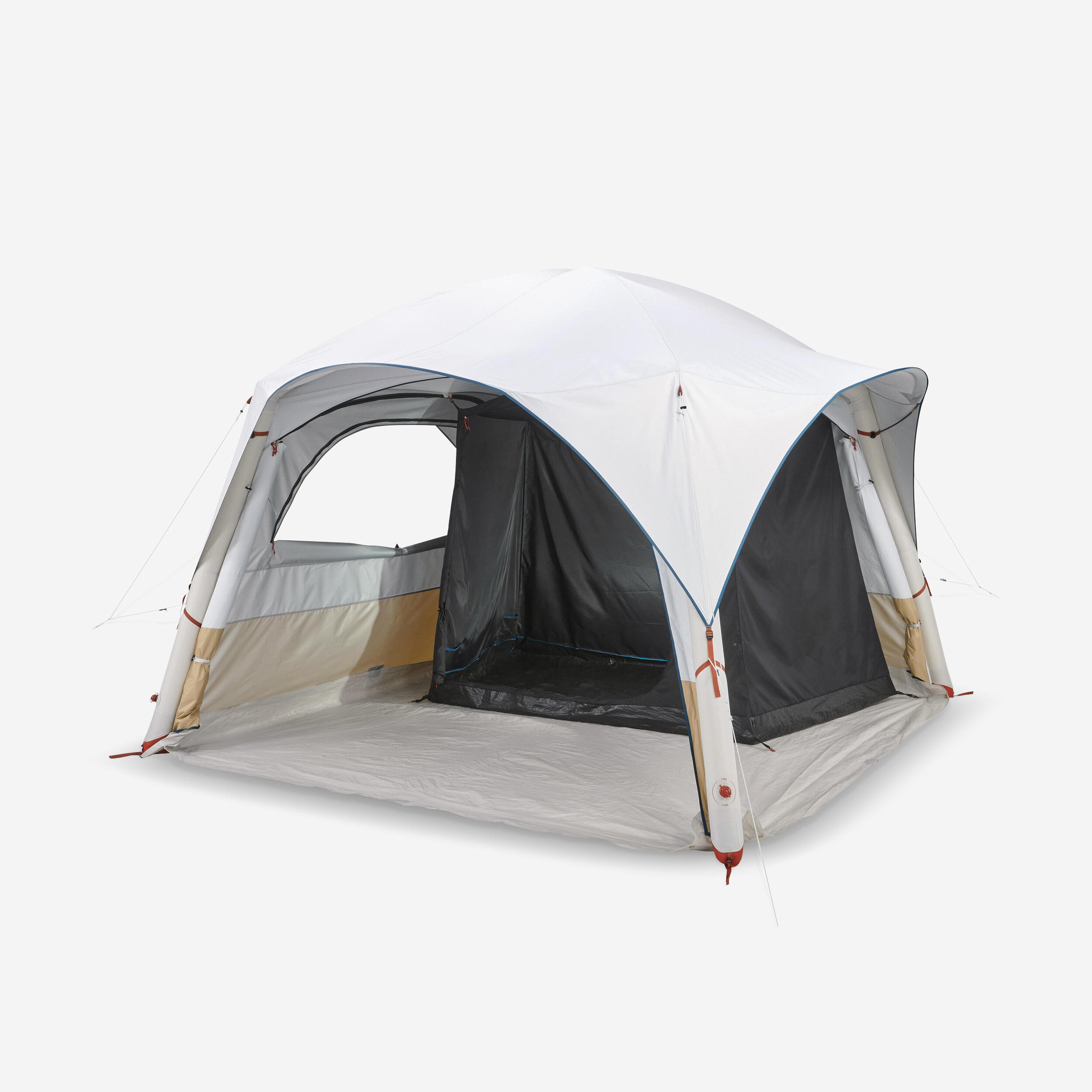
Replace rather than repair when the break is a longitudinal split rather than a clean transverse snap. A transverse snap can be bridged with a repair sleeve. A longitudinal split weakens the full tube wall and cannot be stabilised because the crack continues to propagate under bending load. Splintered fibreglass is also a safety concern as exposed fibres can penetrate sleeve fabric and skin. Spare sections are available in standard diameters used across the Quechua range, sold individually so only the damaged piece needs replacing. Sometimes a replacement makes more sense than another round of repairs, and the current range of shelters and tents is organised by capacity and use type to make that call easier.

How do camping spare parts and care products fit into a complete camp setup?

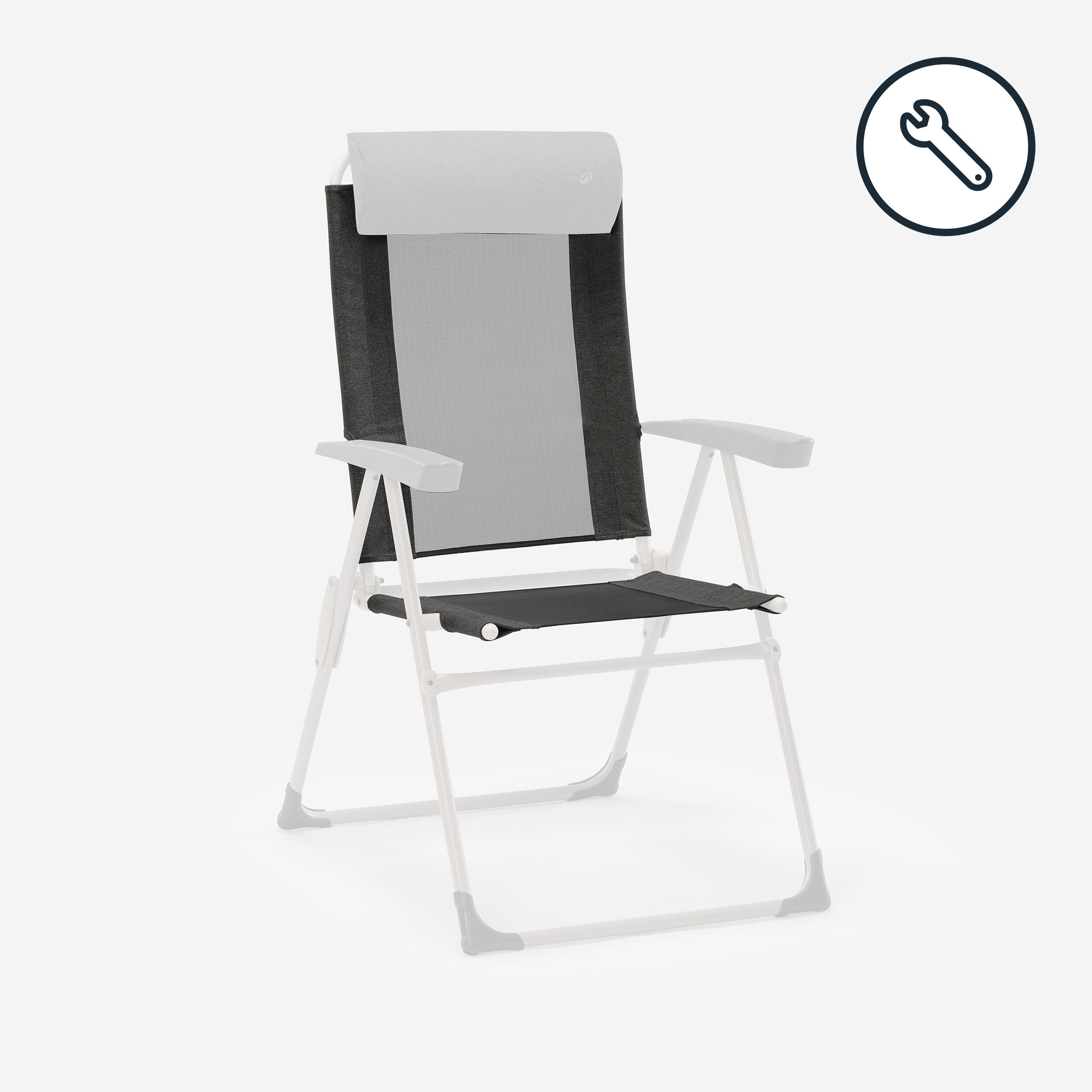
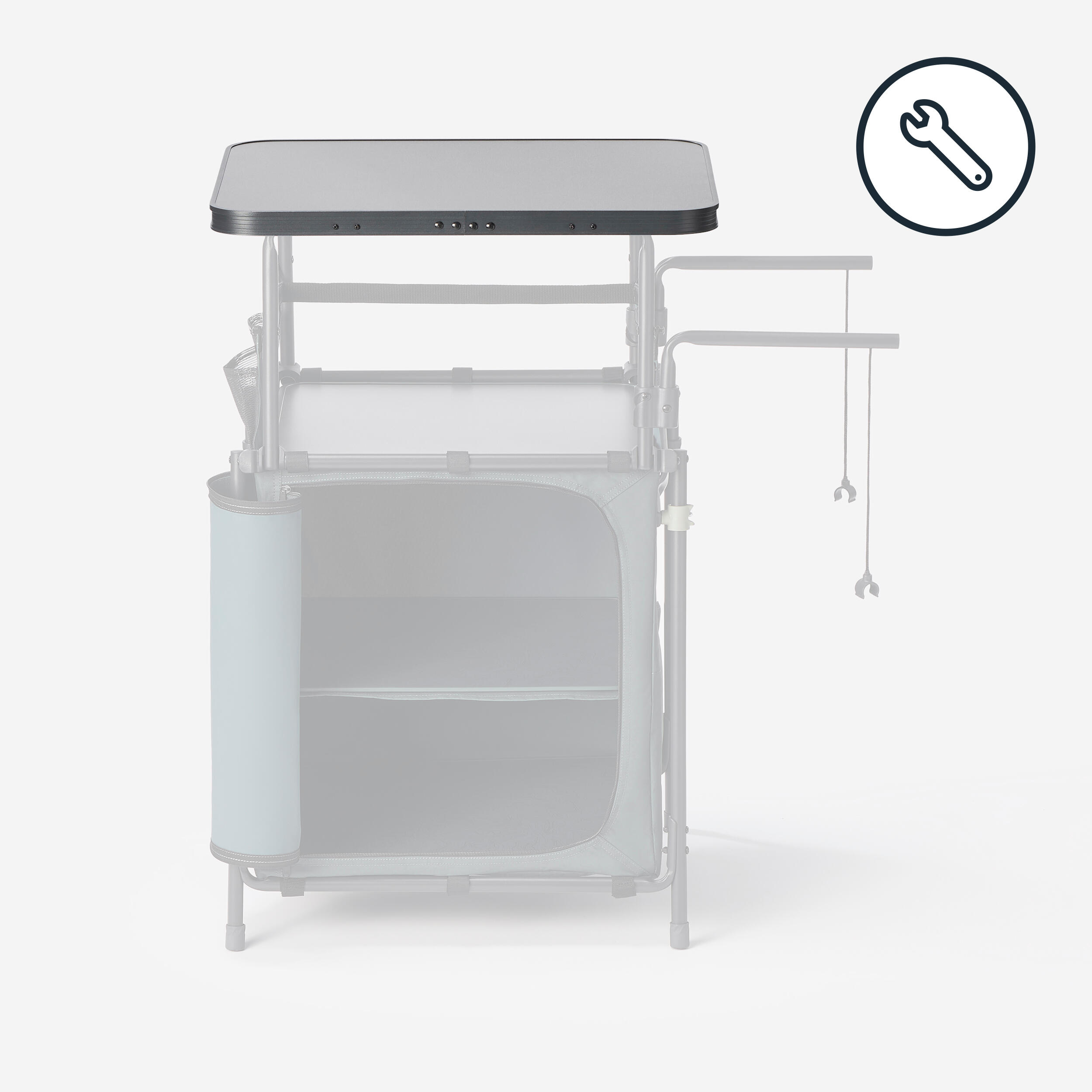
A complete camp setup has three layers of preparedness: primary gear for shelter, sleep, and cooking; spare parts that restore gear when a component fails; and care products that extend usable life across seasons. Spare parts address sudden mid-trip failures while care products address gradual degradation between trips. Together they help reduce overall ownership costs, since replacing a ferrule or reapplying DWR coating costs a fraction of replacing a full product. Camp furniture is worth including in a spare parts strategy because locking buttons, folding joints, and fabric panels fail in predictable ways that are easy to address with the right part on hand. The full range of folding tables, chairs, and shelving is mentioned under the category of camping furniture, where model reference numbers can be cross-checked against spare parts listings before ordering.