917 items
4/5 based on 12382 reviews collected online and in stores

Bike & Bicycle Locks FAQs

What is the most secure lock for a bike?

Choosing the right protection depends on how valuable your bike is and where you plan to leave it unattended. For maximum security in high-risk urban environments, robust bike U locks are widely considered the gold standard due to their resistance against leverage attacks and bolt cutters. The technical reason for this superior strength lies in the hardened steel shackle, which prevents the metal from being easily crushed or sheared. To achieve even greater protection, cyclists often combine a shackle lock with a secondary deterrent to protect specific components. For example, using heavy duty chain bike locks allows you to tether the frame and the rear wheel together to a fixed post, making it significantly harder for a thief to carry the bike away. Expert insight: Always check for a Sold Secure rating, Bronze, Silver, Gold, or Diamond as this indicates the lock has undergone independent rigorous testing against common criminal tools.

Where is the best place to mount bike locks while riding?

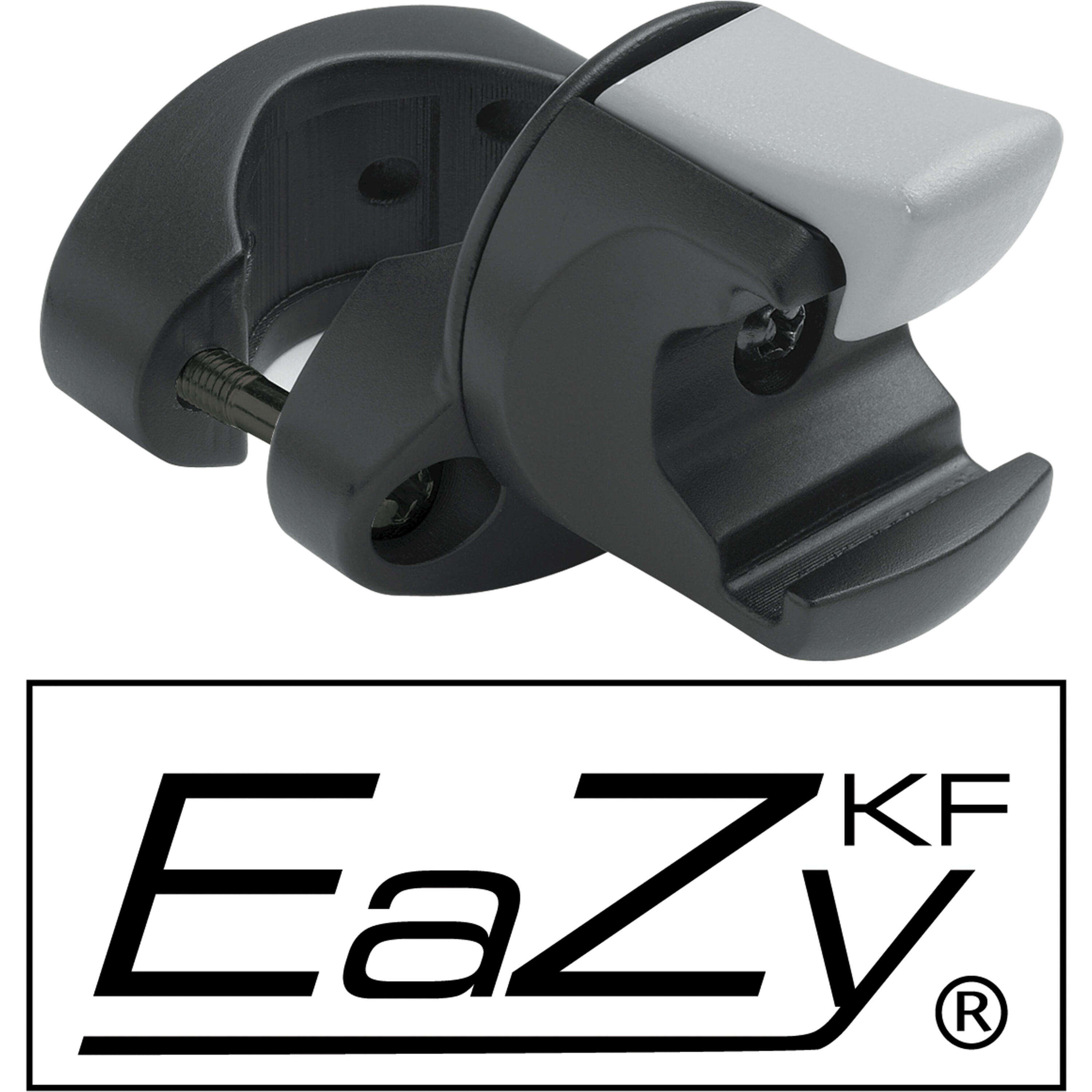
It's best to store your lock in a way that's both secure and easy to access, without affecting your bike's balance or handling. Many urban commuters prefer bike folding locks because they come with compact brackets that screw directly into the water bottle cage mounts. This central placement keeps the centre of gravity low and prevents the lock from rattling or swinging into your spokes. If your frame lacks mounting points, you can use specialized velcro straps to secure the device to the seat tube. Practical tip: Never wrap a long cable or chain around your seat post or handlebars while moving, as loose ends can suddenly catch in the wheels or drivetrain, leading to a mechanical failure or a fall.

How do bike wheel locks prevent component theft?

Standard bike locks often focus solely on the frame, leaving expensive wheelsets vulnerable to quick-release theft. To mitigate this risk, bike wheel locks or security skewers replace standard quick-release levers with nuts that require a unique key or specific orientation to open. This mechanical barrier ensures that your wheels remain attached to the fork and dropouts even if a thief successfully targets the main lock. For those who frequently leave their bike in public racks for long durations, using a combination of a shackle and cable deterrent provides a visual and physical obstacle. Ensure the cable is looped through the rim and the frame before clicking it into the main lock body to remove any slack.

What is the technical benefit of using cable bike locks?

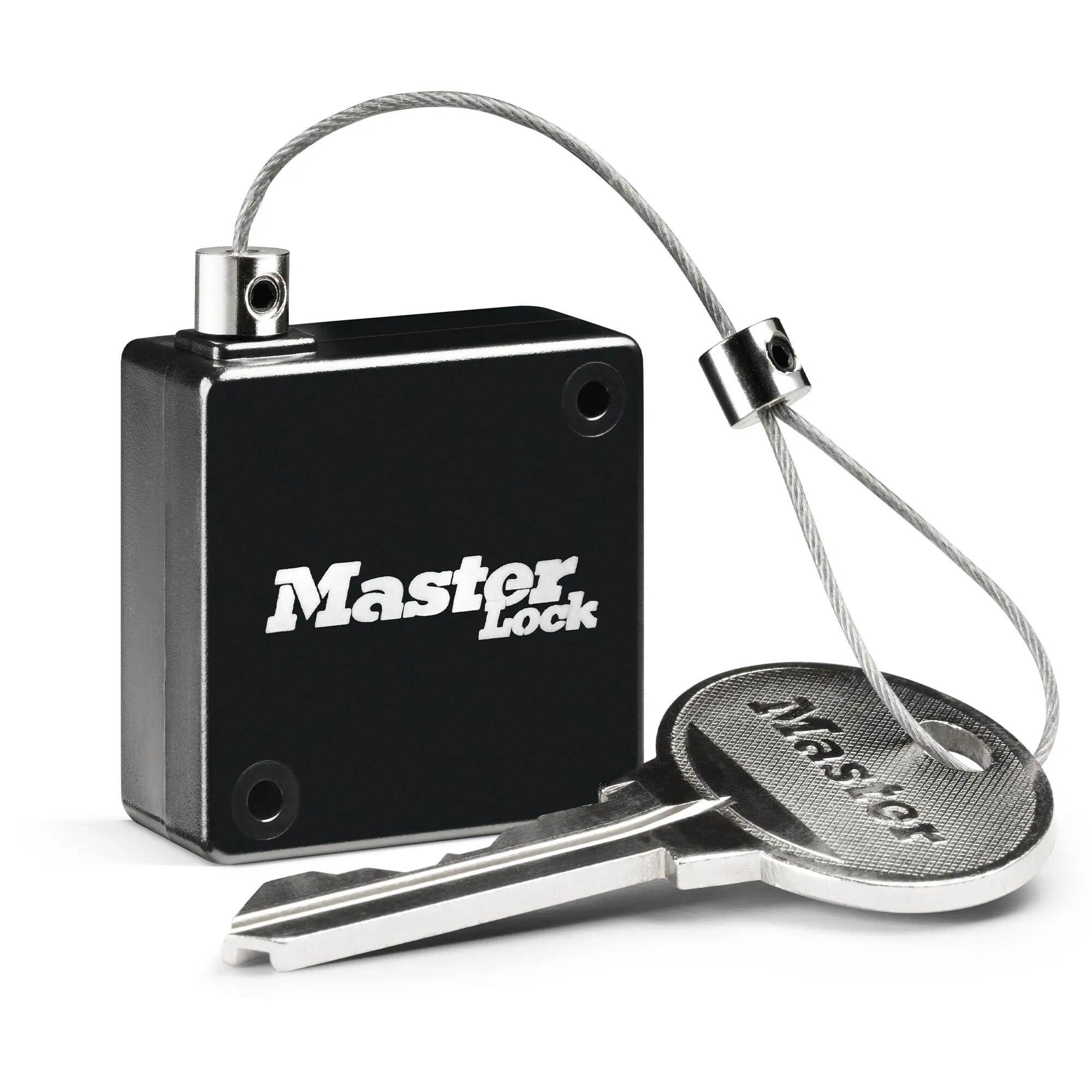
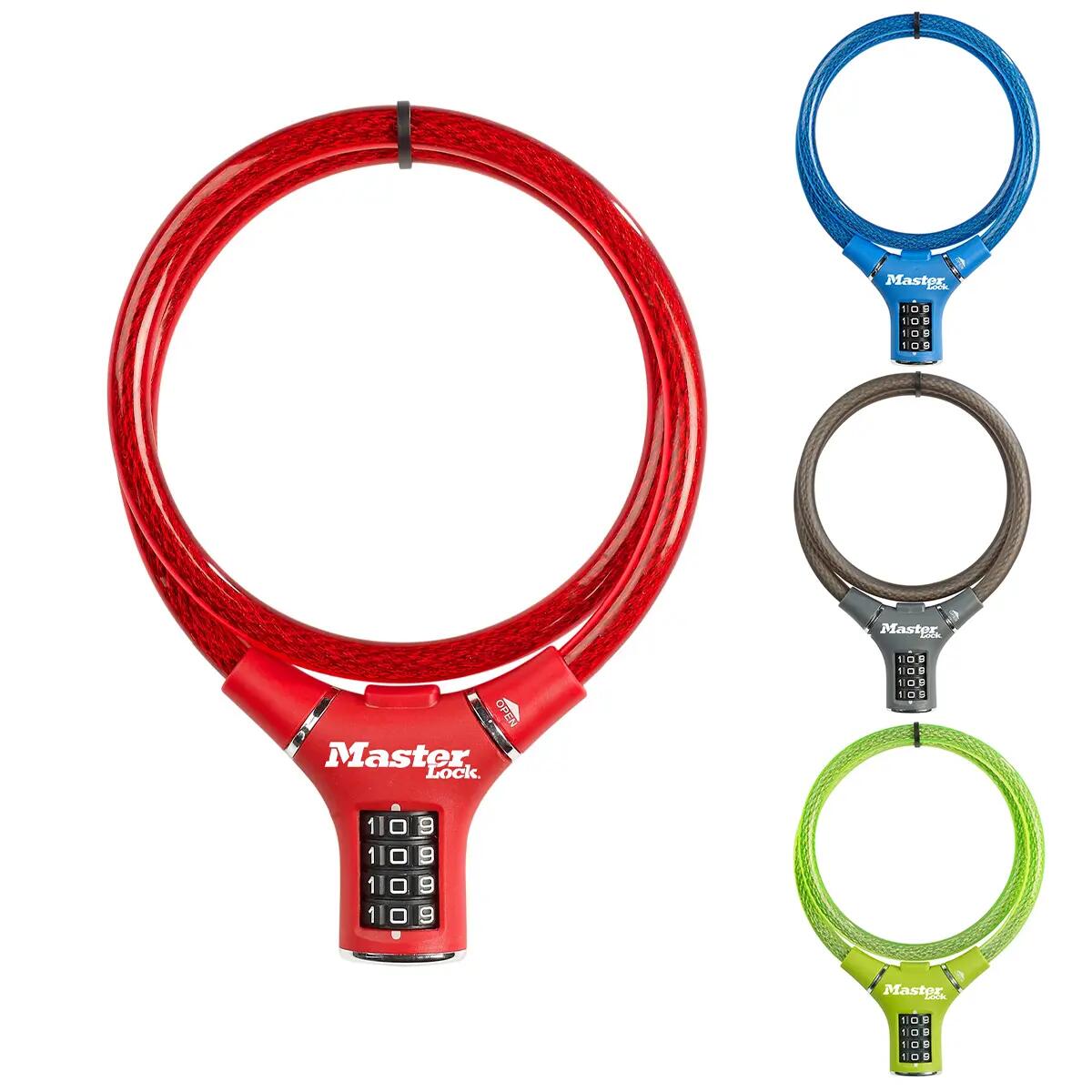
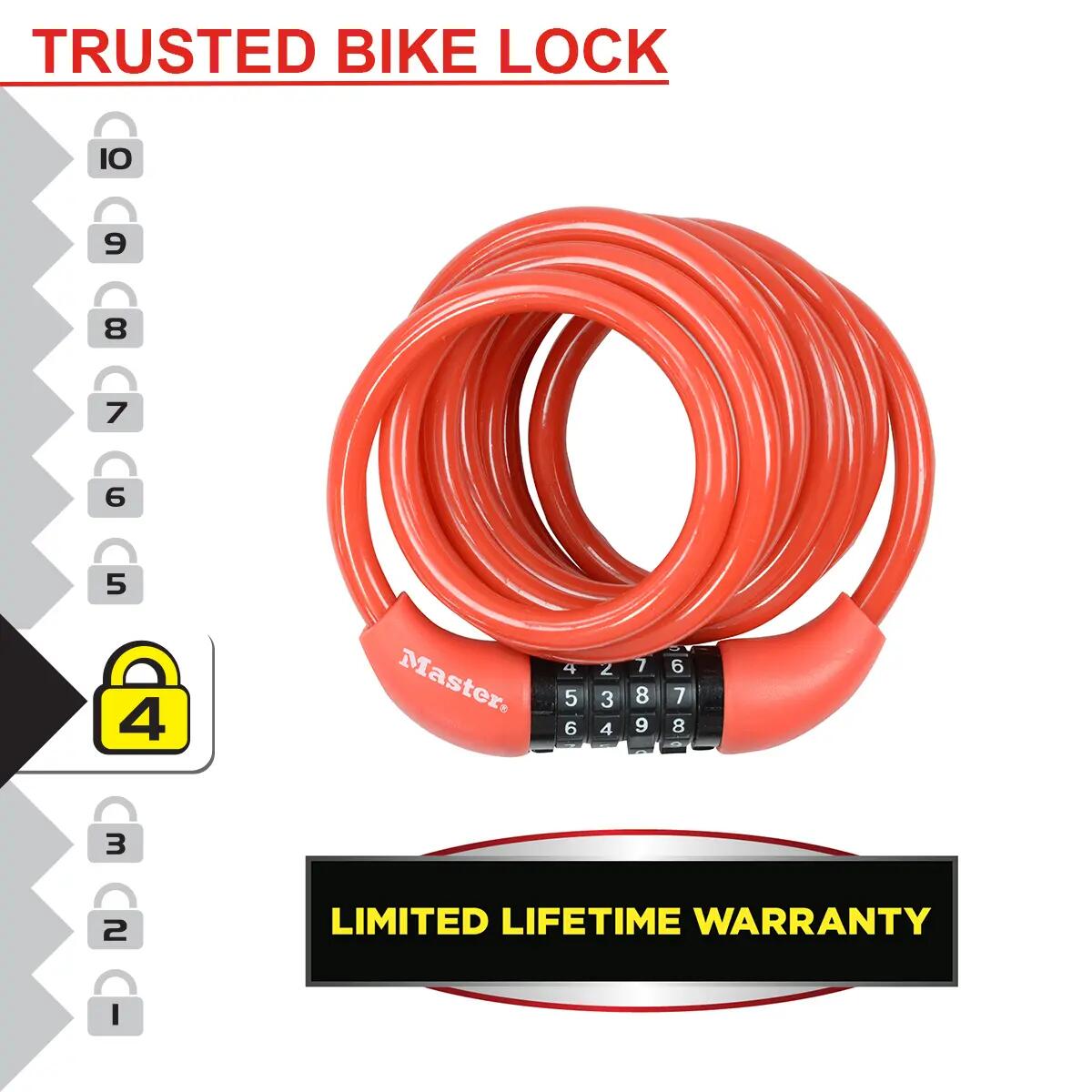
While they often used as secondary security, cable bike locks are valued for their lightweight, flexible design. Built from braided steel strands, they deliver a strong strength-to-weight ratio while remaining easy to coil, pack, and carry. This flexibility allows riders to secure parts that rigid locks can't reach, such as helmets, saddles, or even multiple bikes in low-risk settings. They're especially convenient for quick stops or casual rides where portability matters. Smart tip: always keep the cable tightly tensioned and minimize slack, loose cables make it easier for thieves to use cutting tools or gain leverage.

Why are bike chain locks preferred for street furniture?

Flexibility is the primary advantage when you need to secure your ride to oversized street furniture like lamp posts or thick railings. High-quality bike chain locks feature interlinked steel loops encased in a thick fabric sleeve to prevent the metal from scratching your paintwork. The reason these are effective in crowded areas is their total reach, which allows you to wrap around anchor points that a rigid shackle simply cannot encompass. While they are heavier than lightweight cable bike locks, the increased mass provides a much higher level of resistance against standard hand tools used by opportunists. Important point: when locking your bike, keep the chain as high off the ground as possible; this prevents a thief from using the pavement as a flat surface to gain leverage with a hammer.