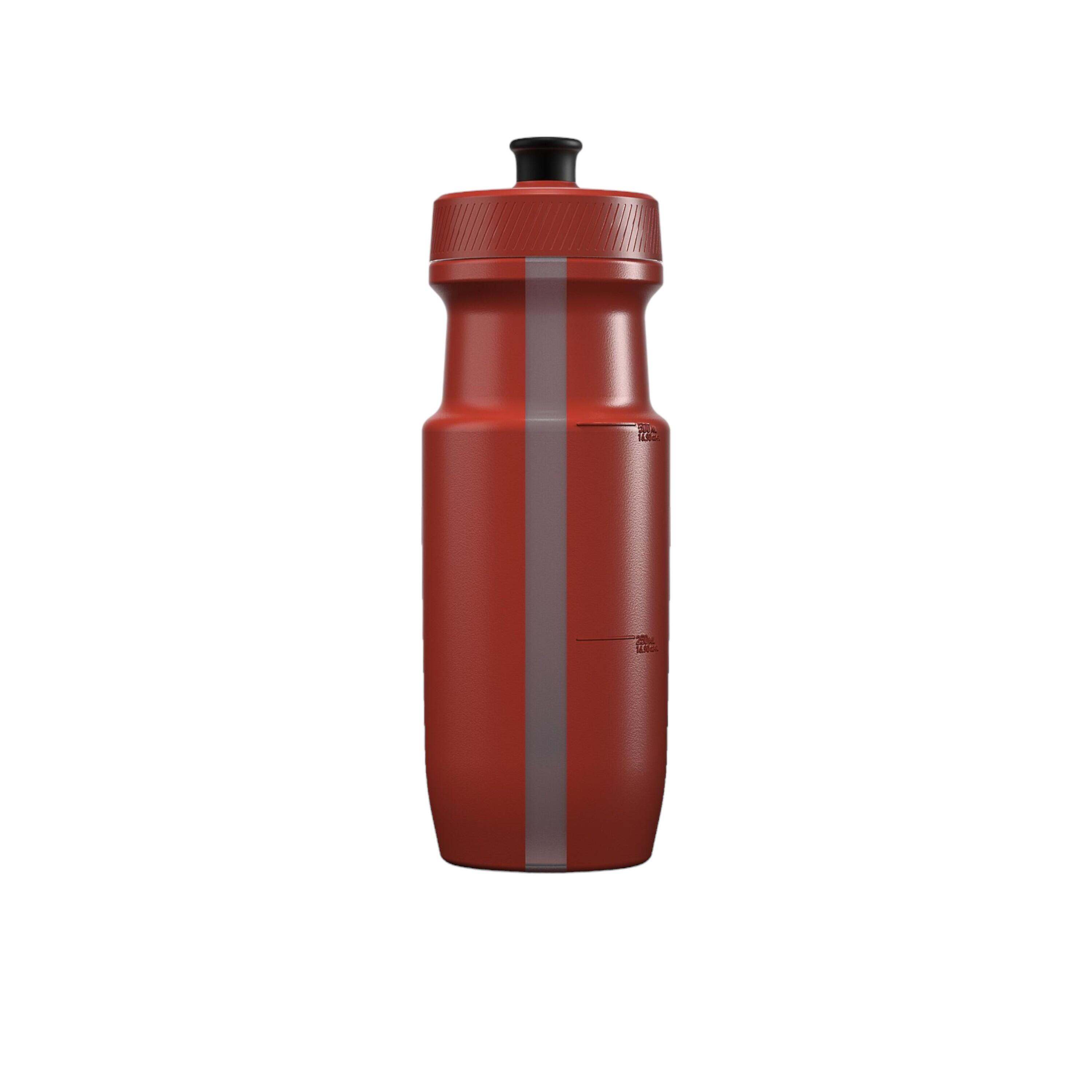
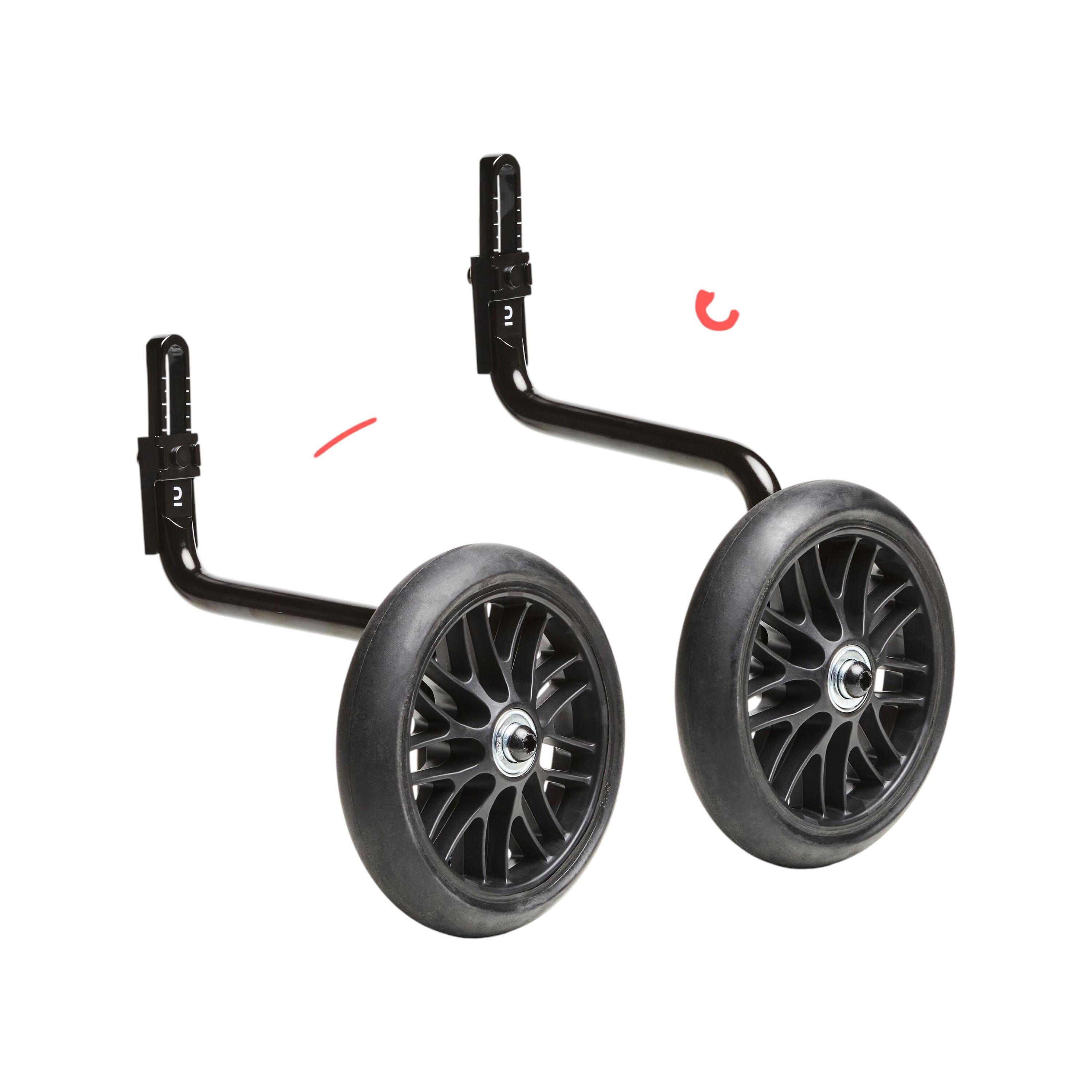
6,755 items
4.3/5 based on 290462 reviews collected online and in stores

Bike Accessories FAQs

Which bike accessories must you prioritise for everyday cycling?

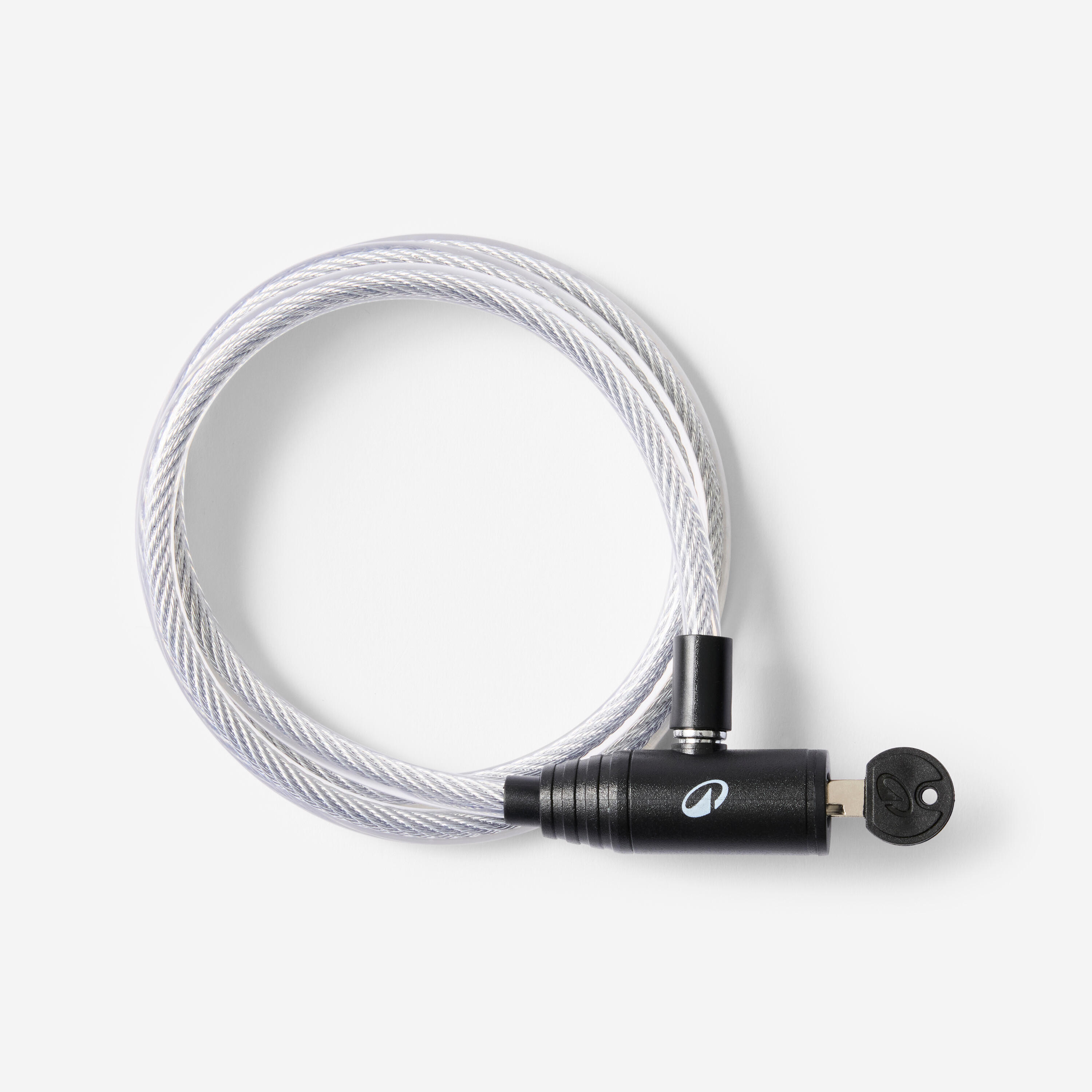
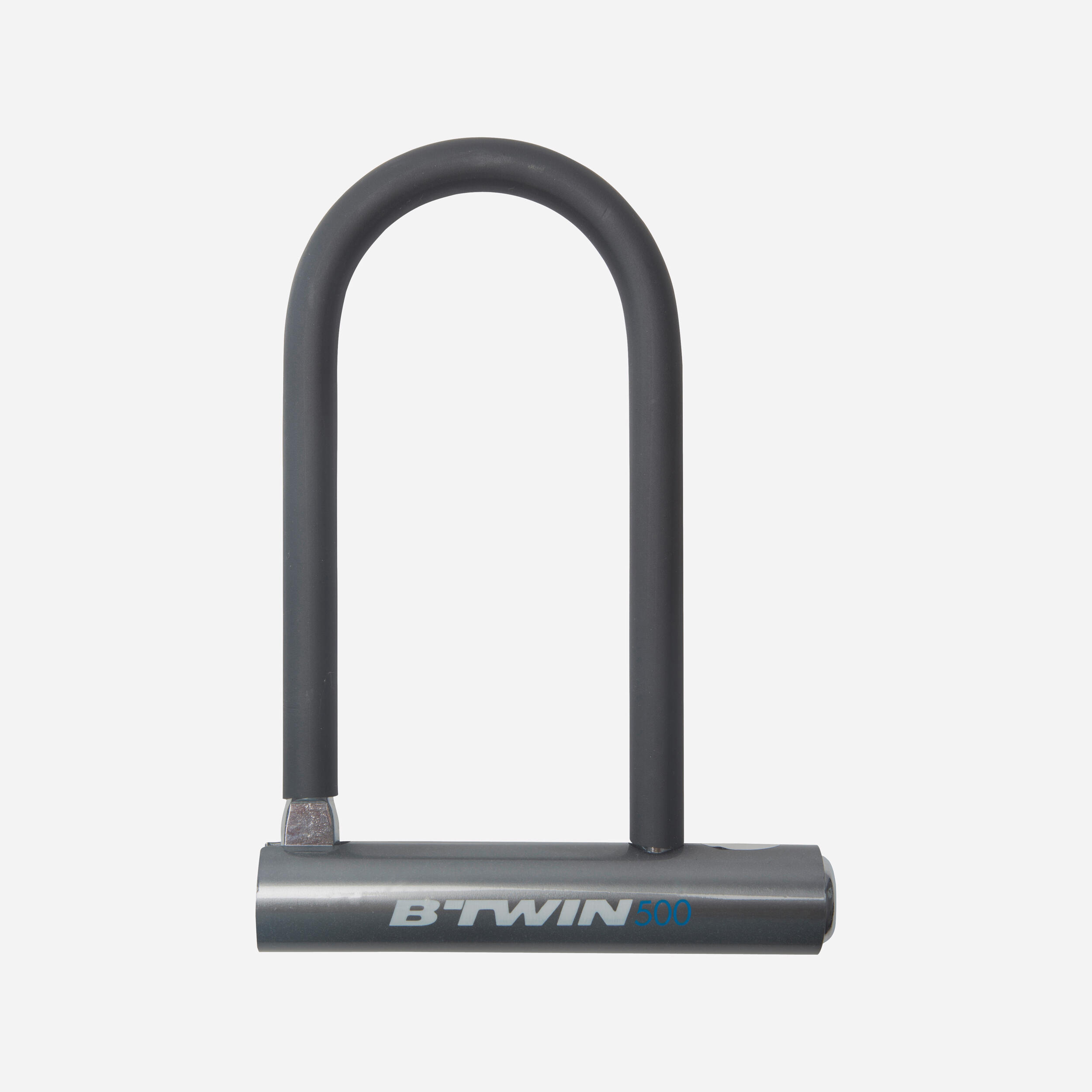
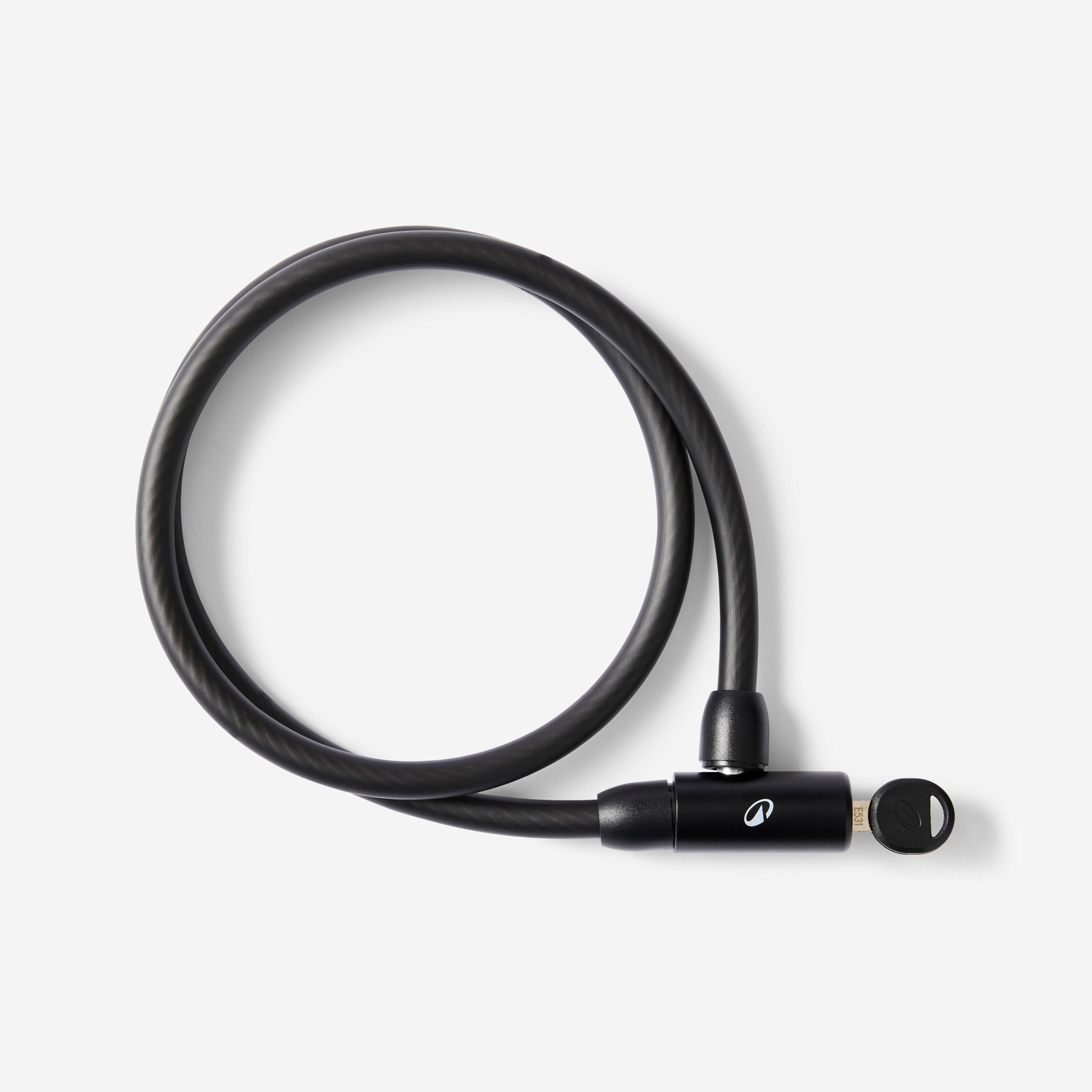
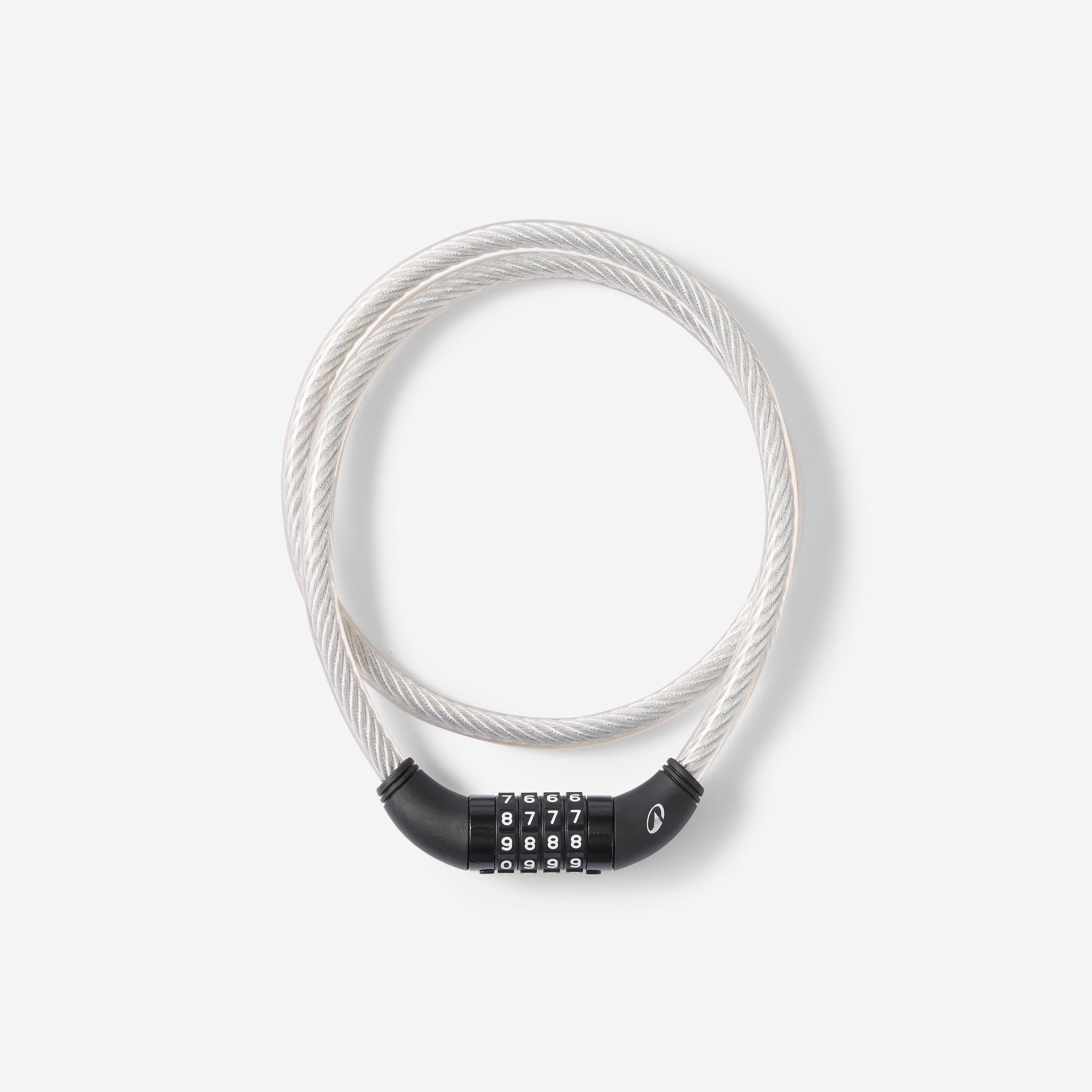
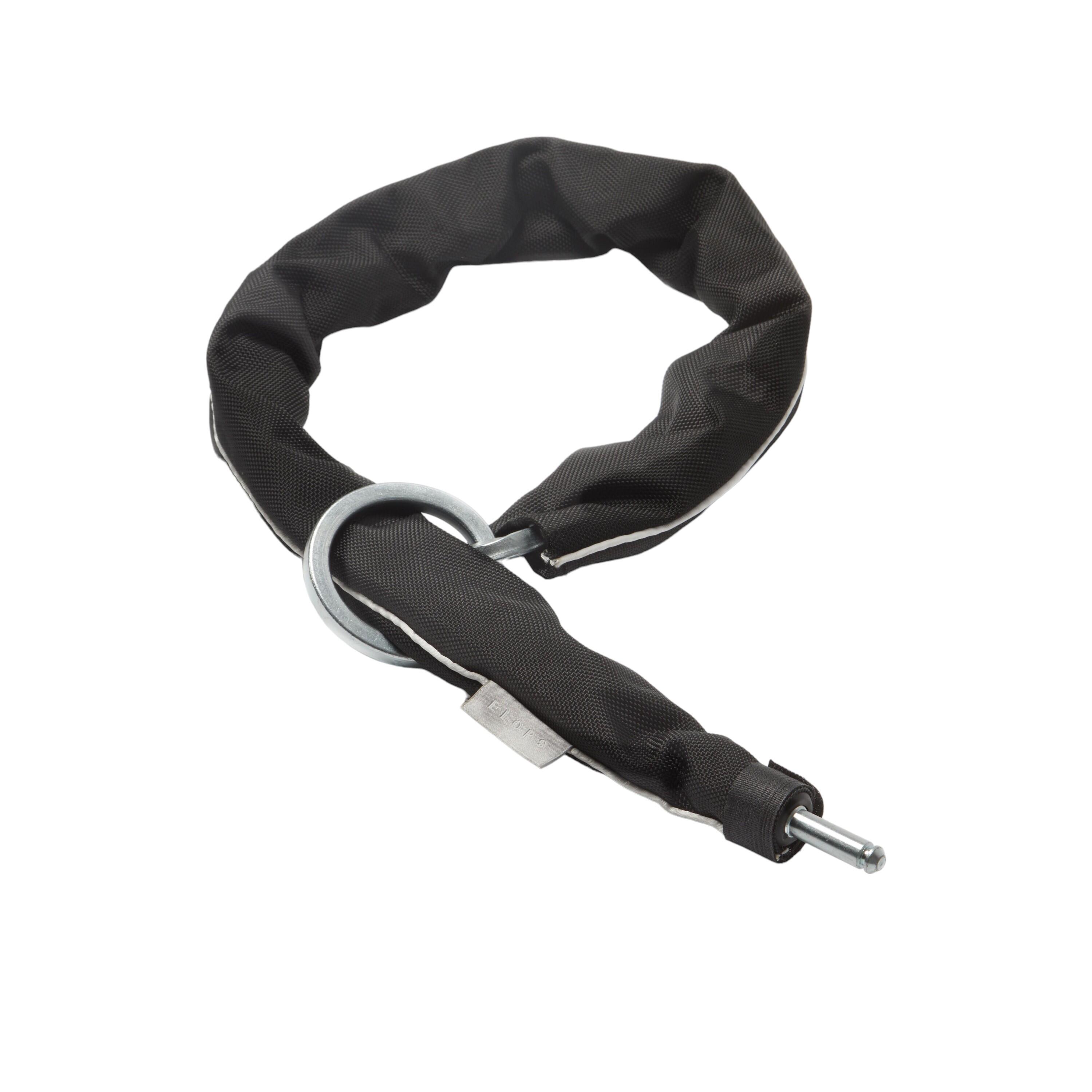
Start with accessories that solve the problems you regularly face on your rides, such as security, visibility, road spray and awareness. If you leave your bike unattended, security should be high on your list. Different bike locks suit different situations, from flexible secondary locks for wheels or accessories to stronger U-locks and chains for securing the bike itself. Consider security level, weight and carrying convenience. A stronger construction generally takes more time and force to attack, while a lightweight lock can be easier to carry but may suit lower-risk use. Pro tip: Secure the frame to a solid fixed point and keep the lock off the ground, where it's harder to gain leverage.

How can you select bike lights for visibility and everyday riding?

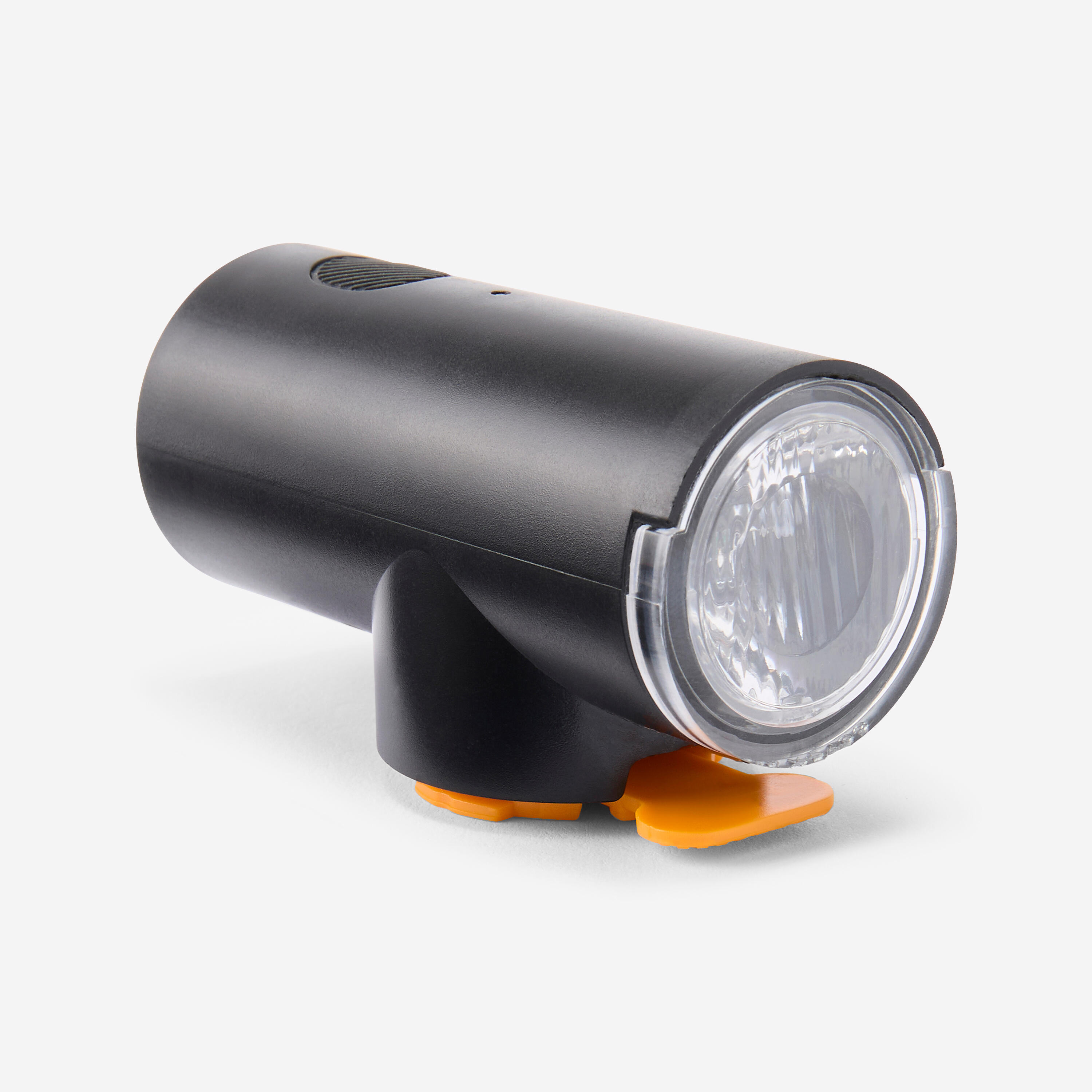
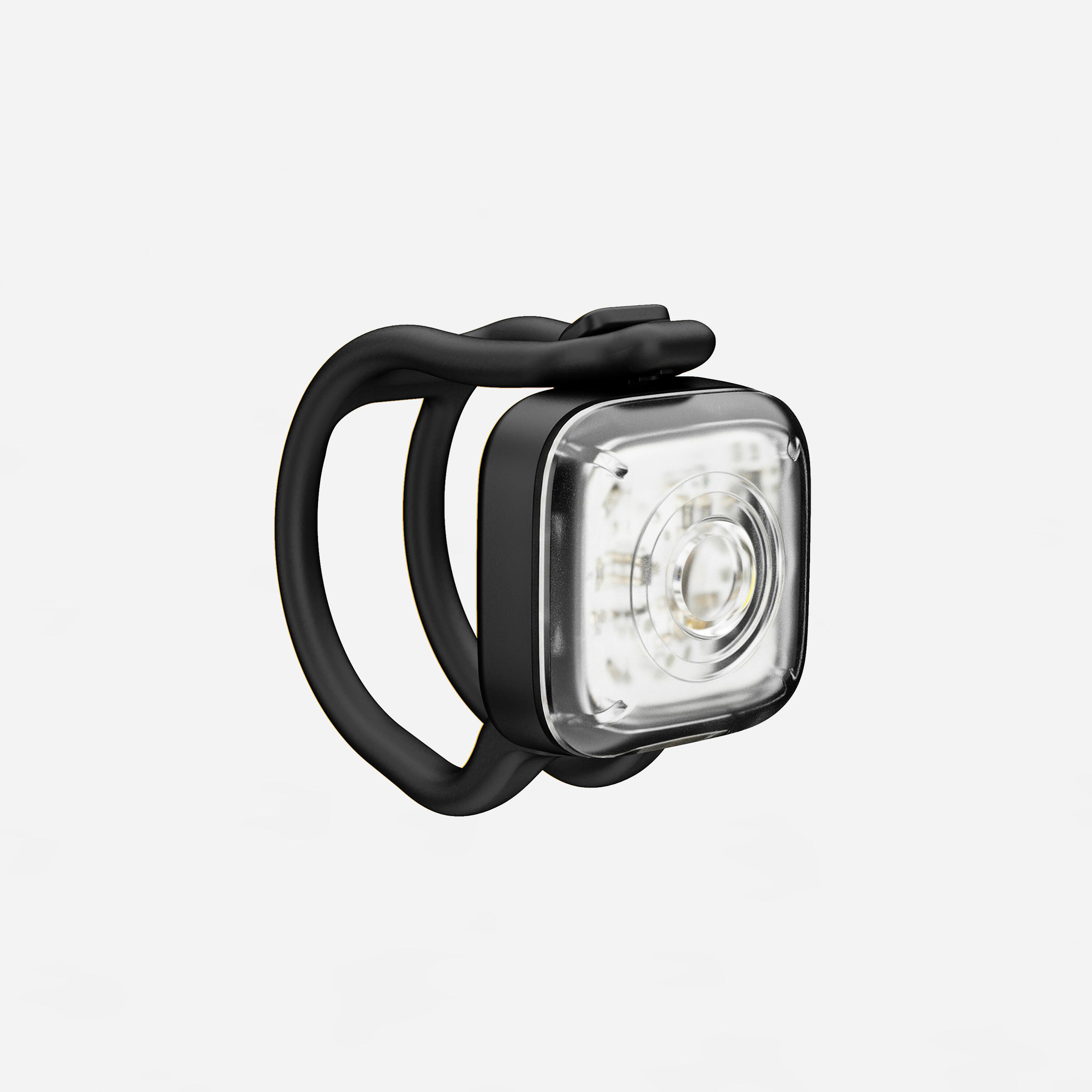
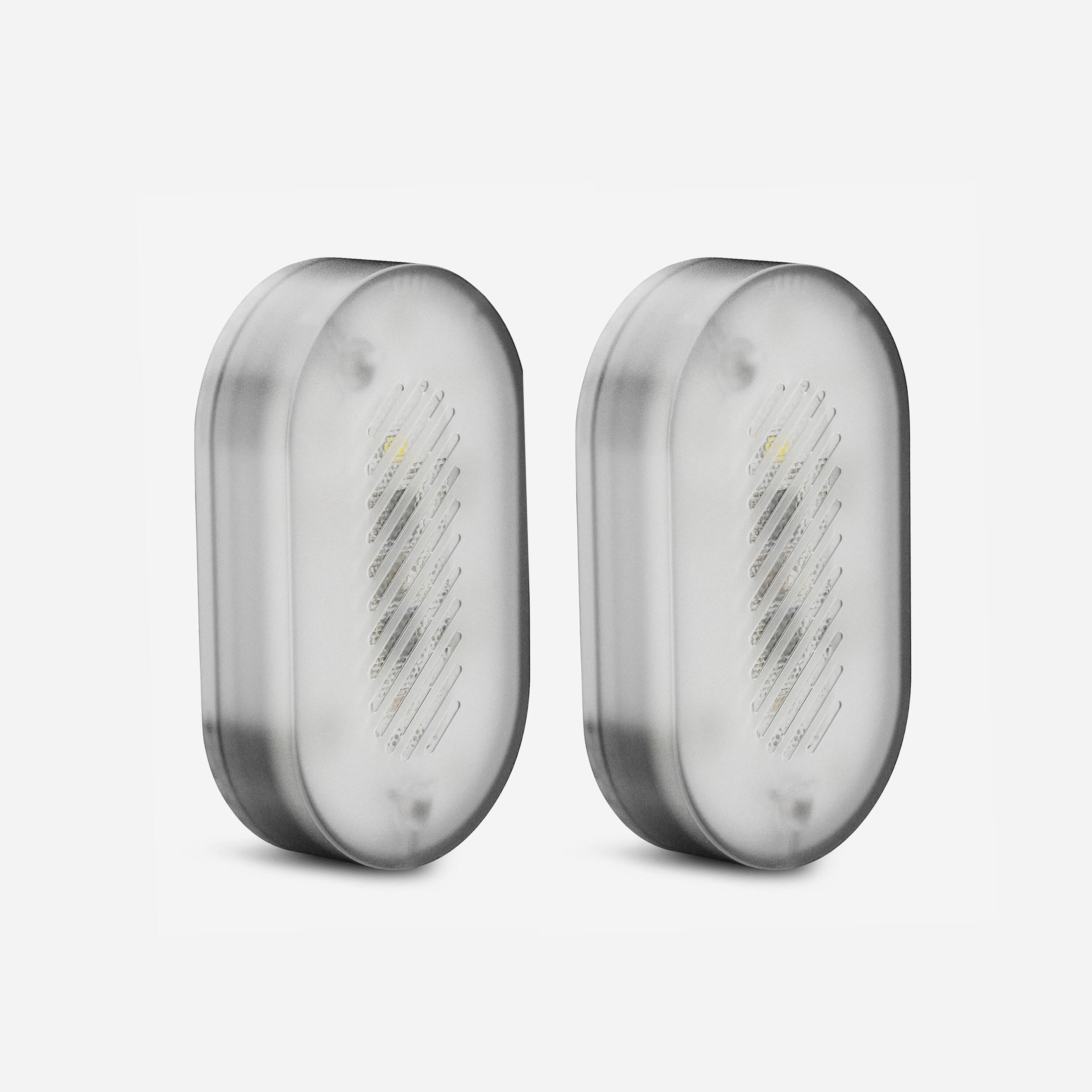
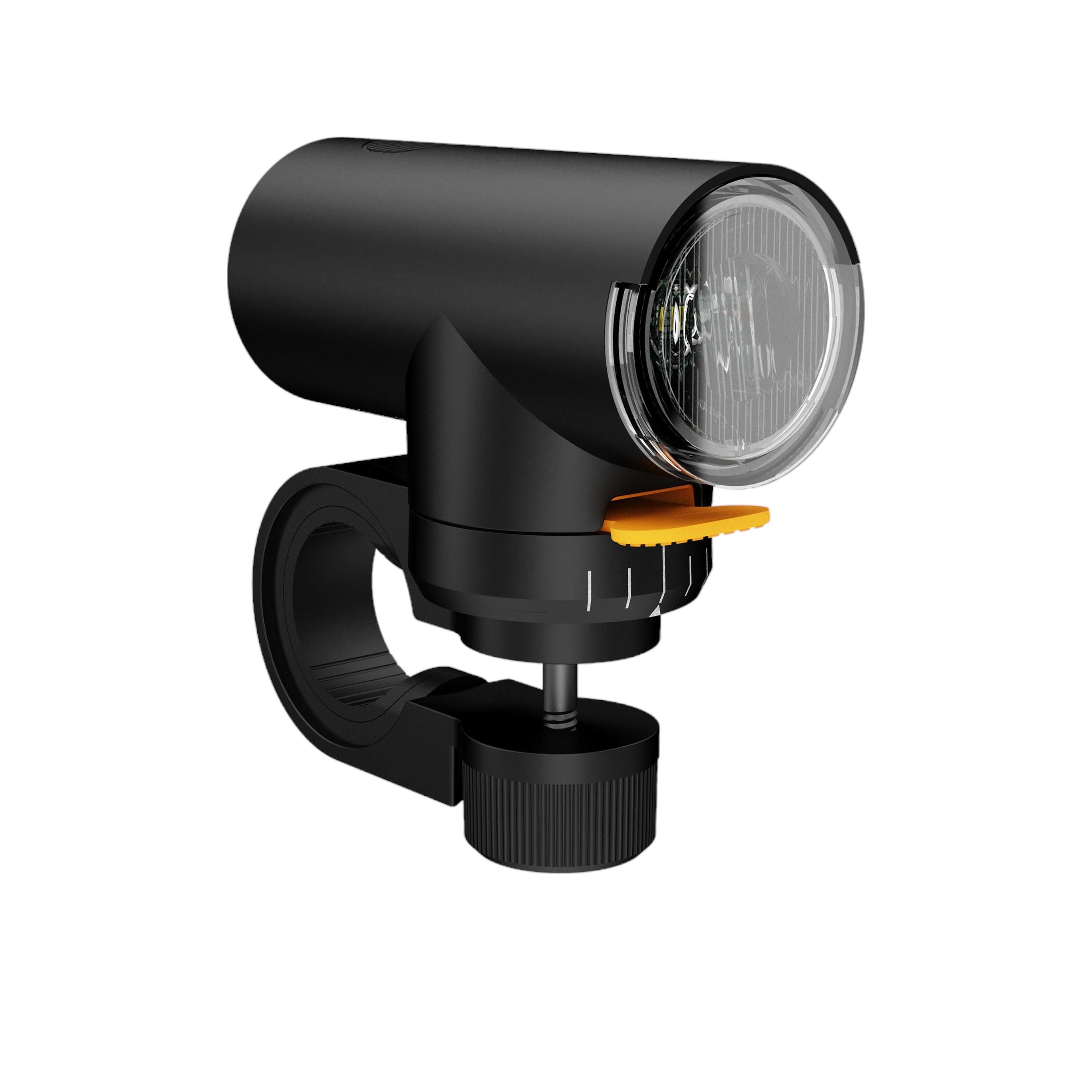
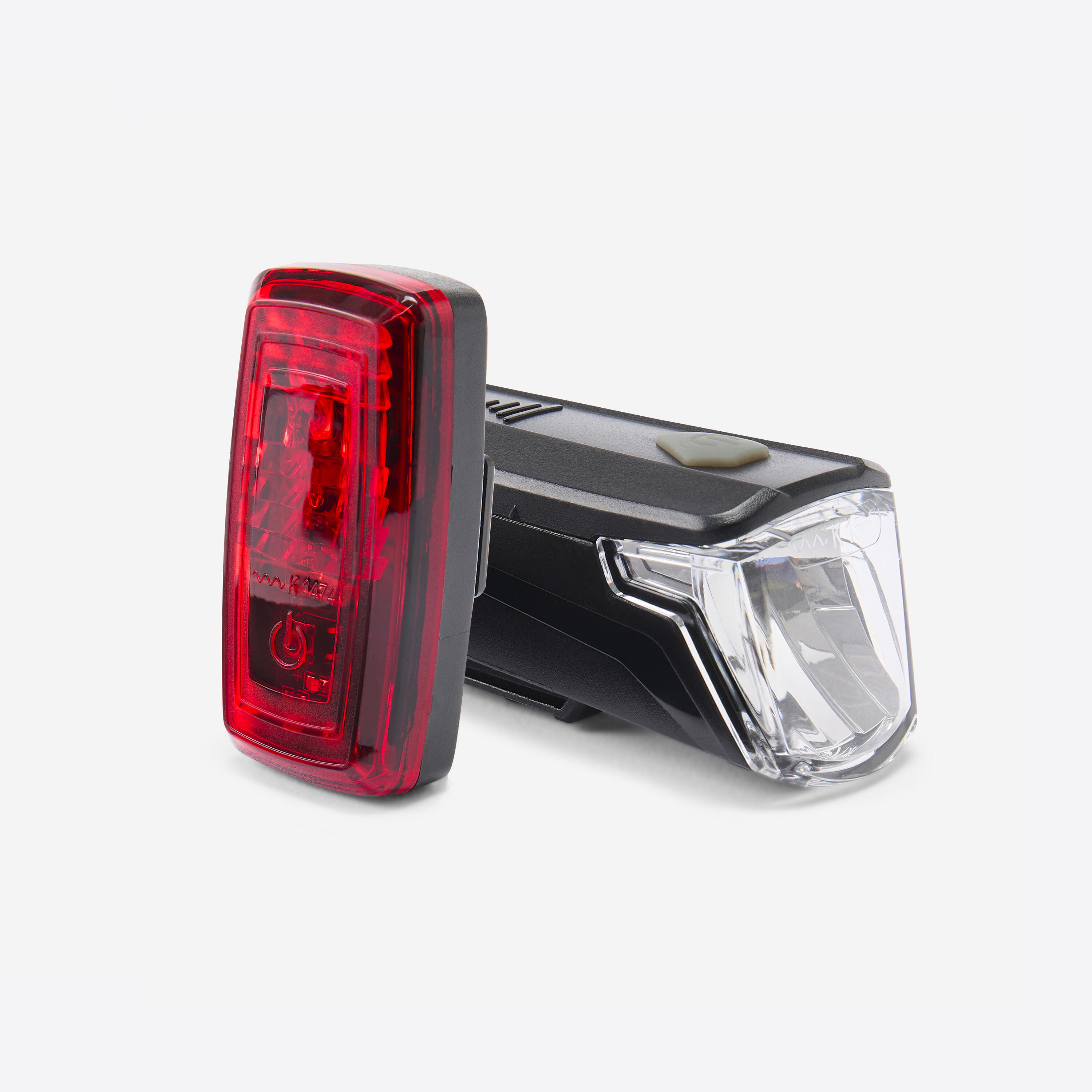
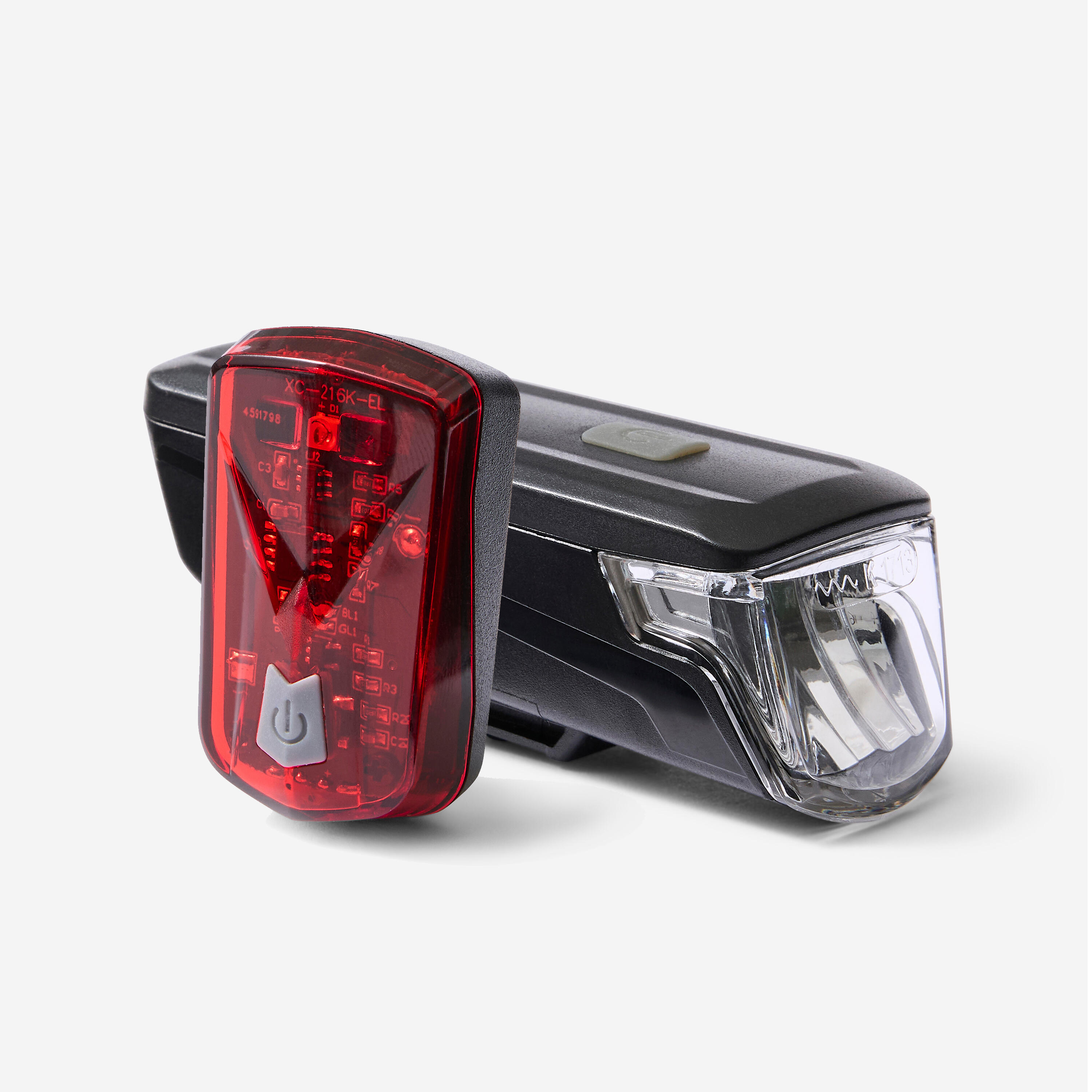
Think first about whether you need to be seen by other road users, illuminate an unlit route, or do both. The bike lights range includes front, rear and combined sets with different outputs, mounting systems and power options. Lumens describe light output, but beam shape also matters because a focused front beam can place useful light on the road rather than scattering it in every direction. Rear viewing angle helps other road users notice you from positions that are not directly behind the bike, while an IP rating indicates resistance to rain and spray. Pro tip: clean the lenses regularly and check battery or charge levels before evening rides, as dirt and low power can reduce useful visibility.
Which bike mudguards are suitable for your bike setup?

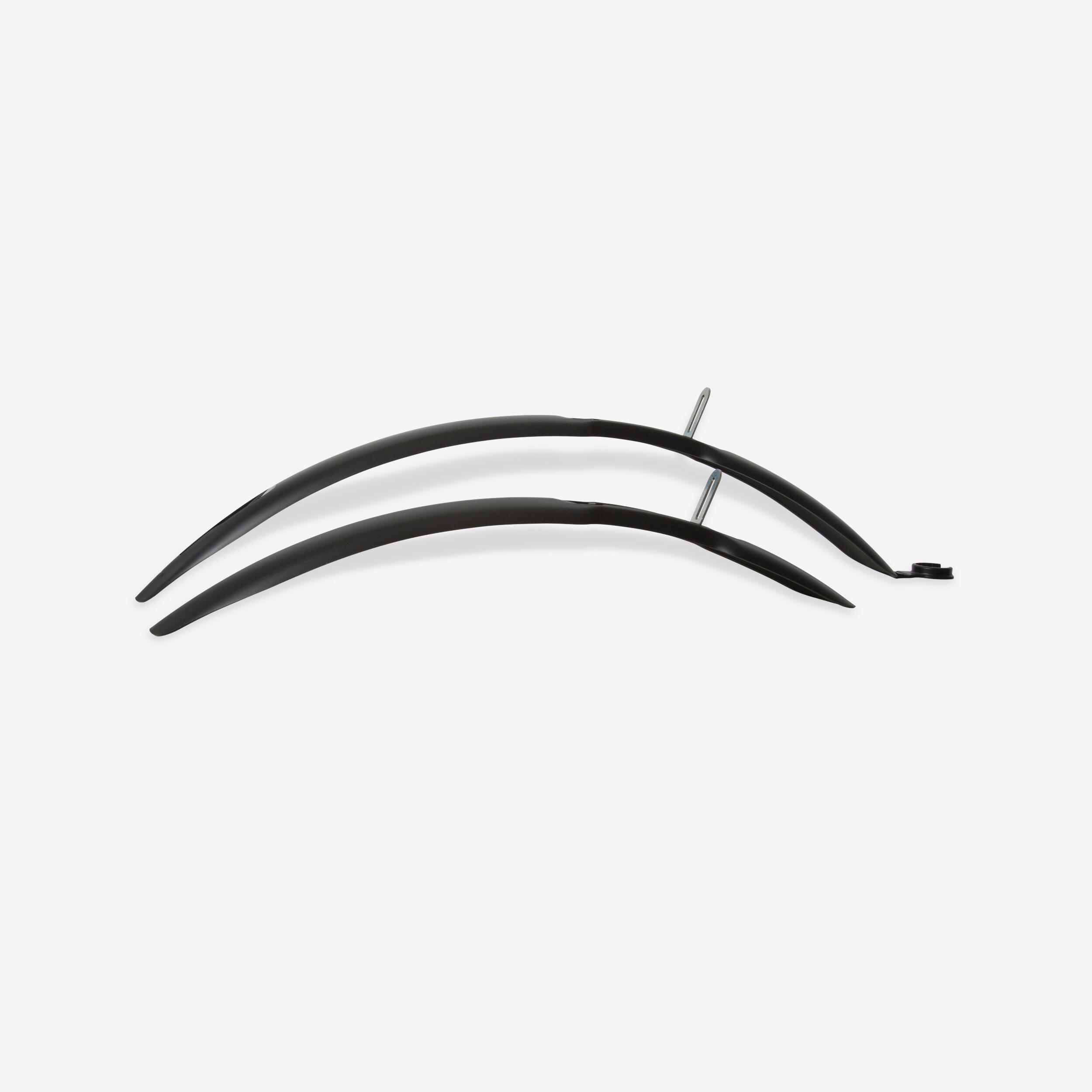
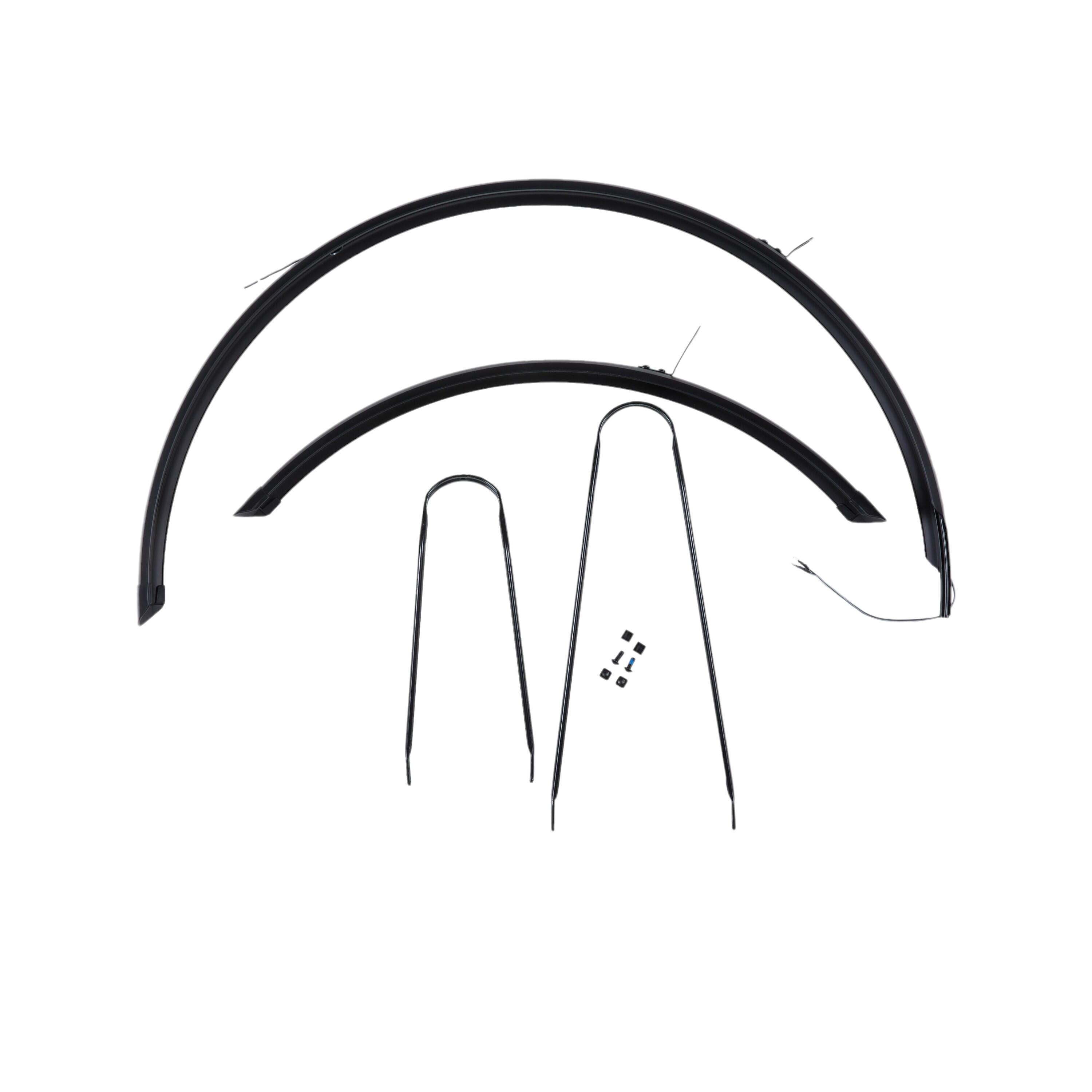
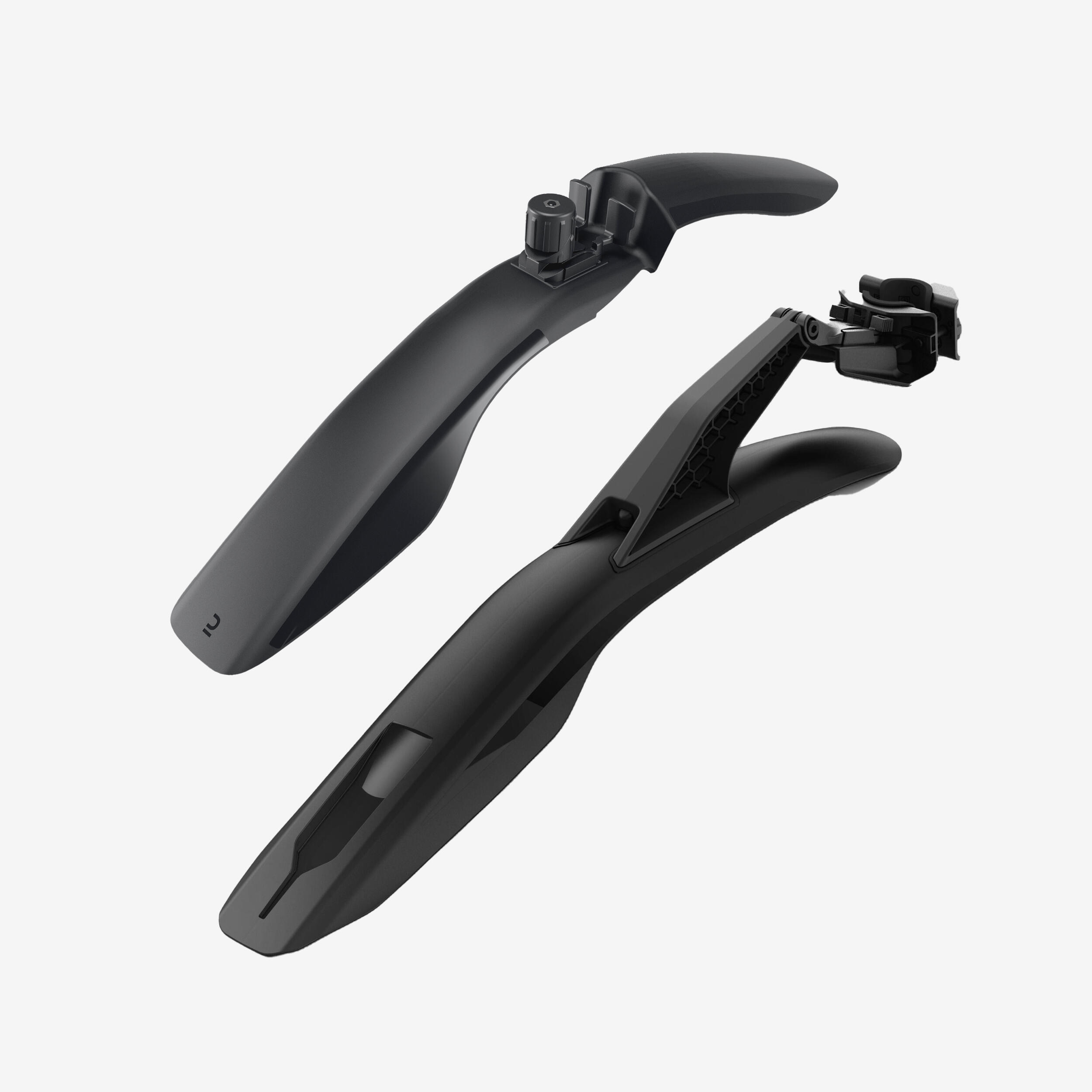
Check wheel diameter, tyre width, frame fittings and riding style before choosing a mudguard. The bike mudguards range covers different bike formats, so do not assume that every set is universal. A longer guard covers more of the wheel and can intercept more water and road spray before it reaches your clothing or bike components. Mountain bike models may use wider coverage and greater tyre clearance because mud can build up around the wheel, while city and hybrid options often focus on protection from wet roads. Pro tip: after fitting the guards, spin both wheels and check for rubbing. Recheck the fittings after your first few rides, as vibration can reveal a loose bracket or poor alignment.
What type of bike bell or horn works best for adults and kids?

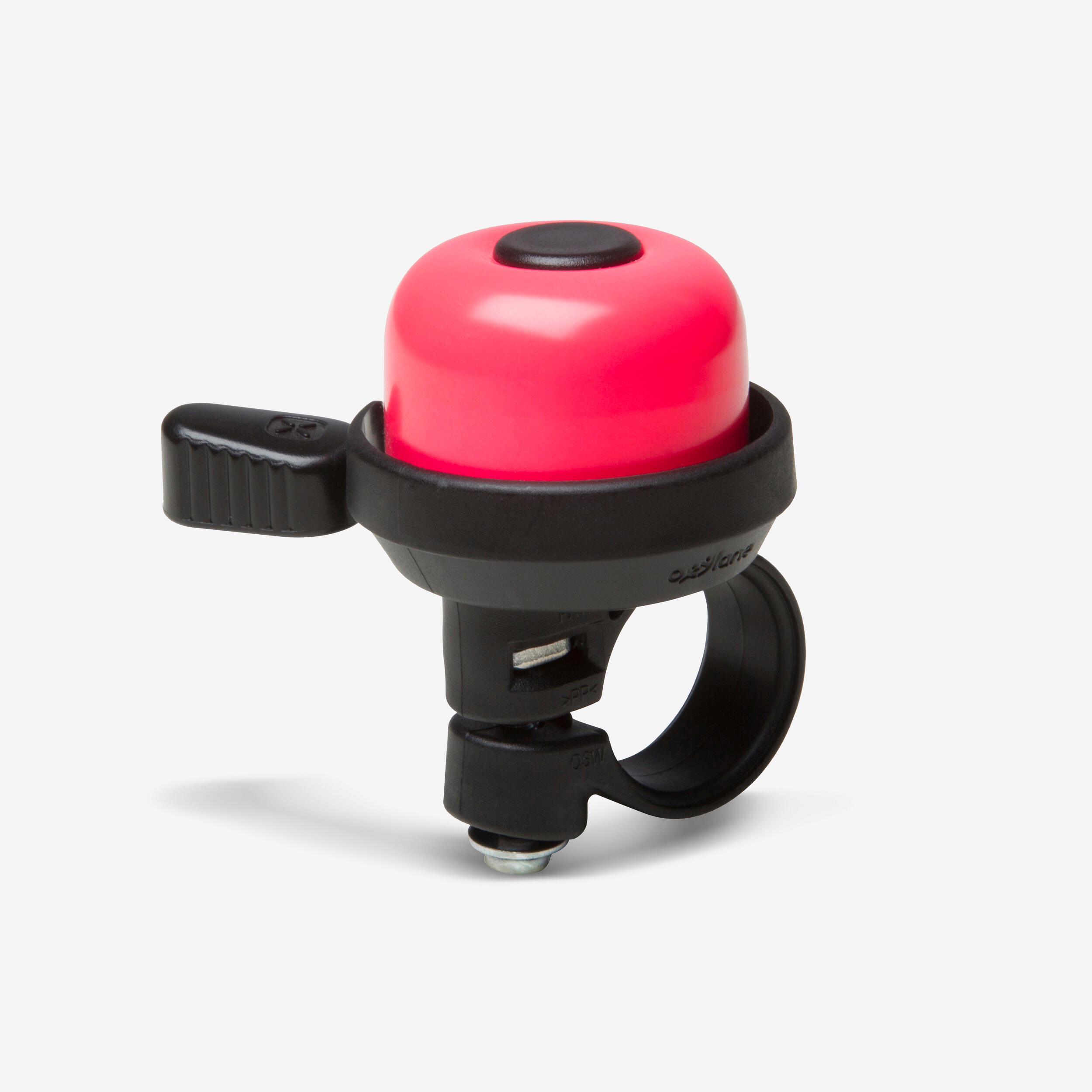
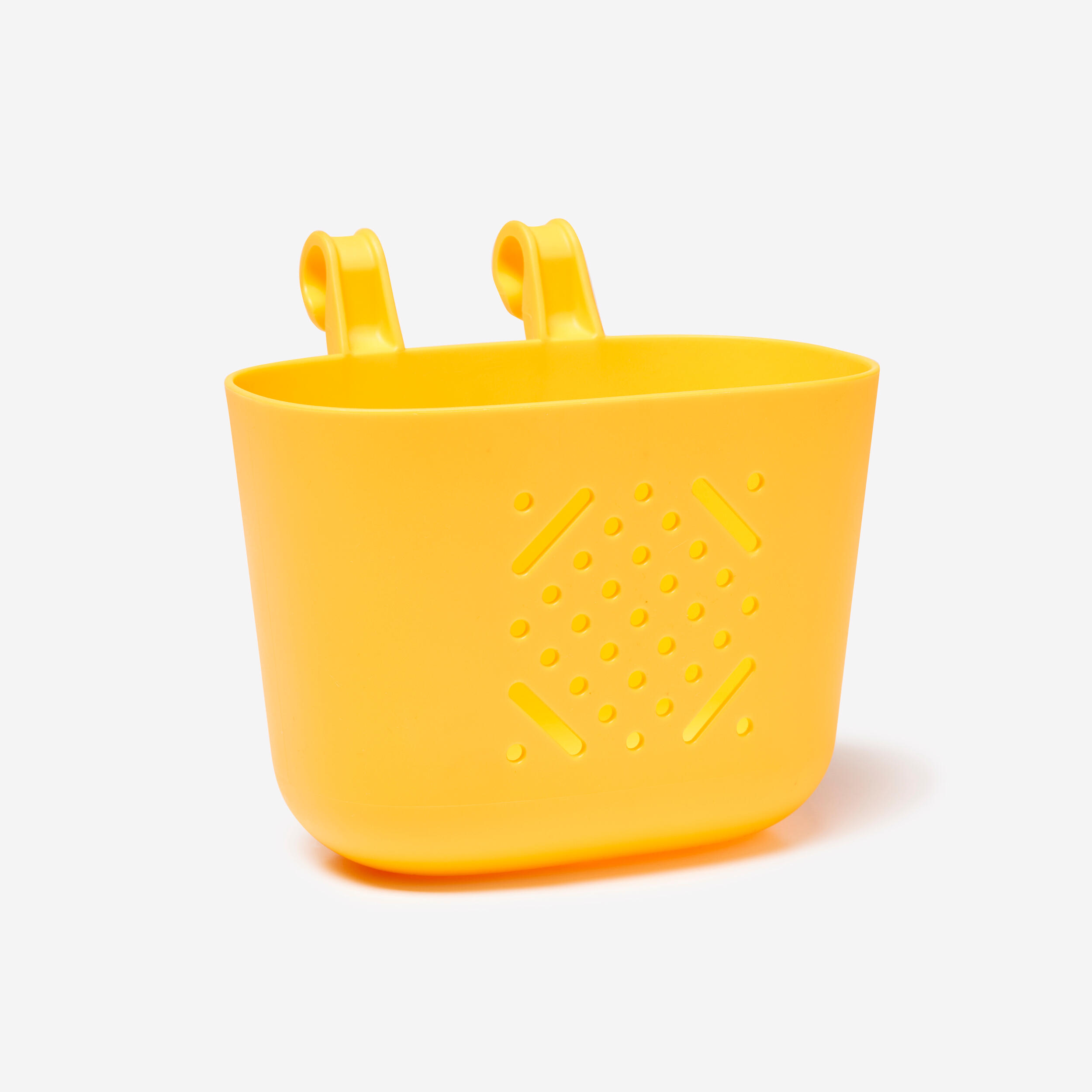
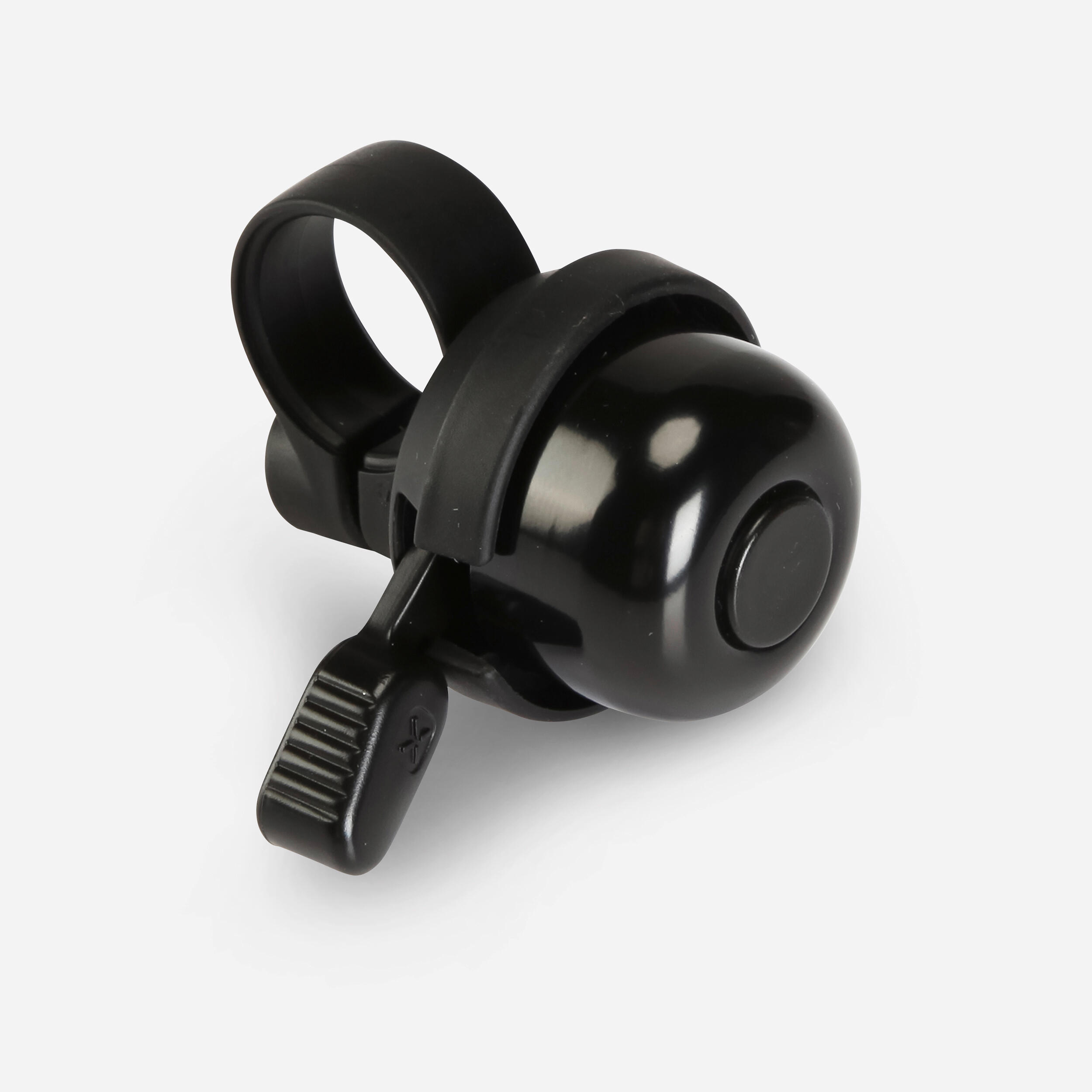
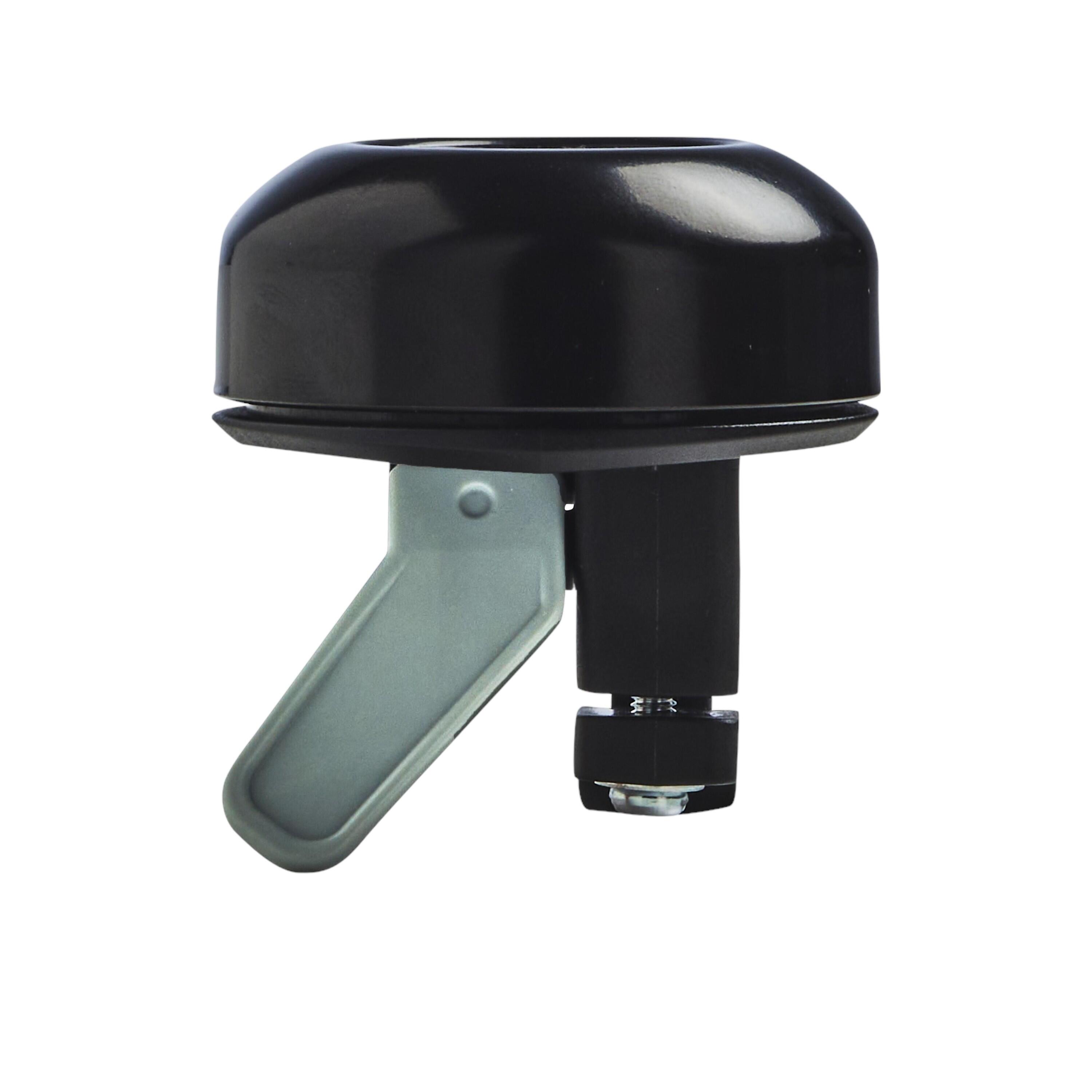
A bell or horn should be easy to operate without forcing you to move your hand far from the normal riding position. The bike bells and horns range includes options for adult bikes, children's bikes and balance bikes, making handlebar size and rider reach important considerations. A clear audible signal helps you make pedestrians and other cyclists aware of your presence on shared paths and busy routes. For kids' bike accessories, simple controls can be especially useful because young riders shouldn't have to compromise steering or braking to reach the bell. Pro tip: position the bell close enough to the grip for your thumb or finger to operate comfortably, and make sure it doesn't interfere with brake levers or gear controls.

When is a bike mirror useful and how should you position it?

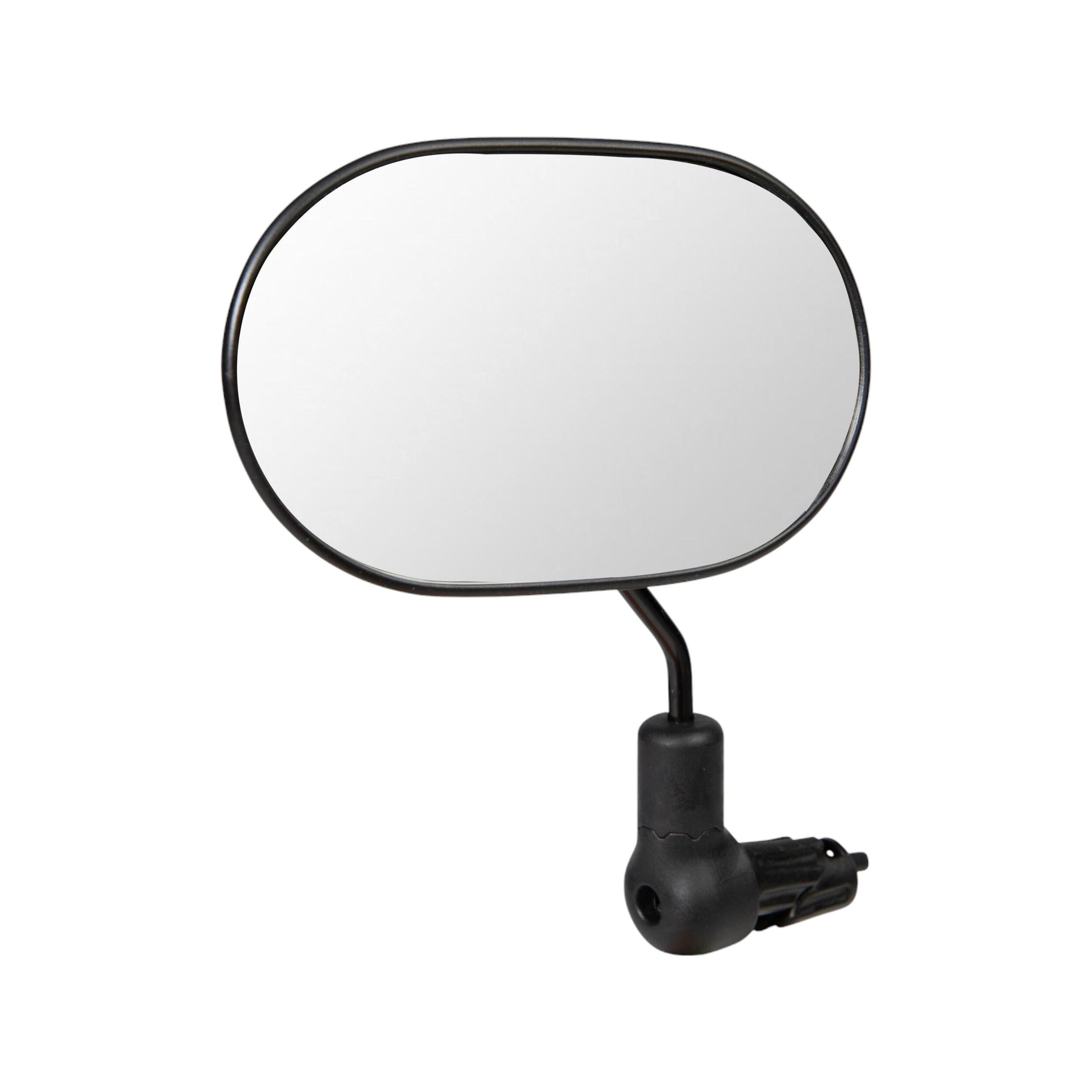
A mirror can add useful rearward awareness when commuting, touring or riding on roads with regular traffic. The bike mirrors range includes handlebar and bar-end options, so check the mounting diameter and available handlebar space before choosing. Lens size and shape affect the view: a wider or convex mirror can show a broader area behind you, though objects may appear smaller than in a flatter mirror. Position matters just as much as lens size because your arm or shoulder can block a poorly placed mirror. Pro tip: adjust the mirror while sitting in your normal riding position, then use it as an extra awareness aid rather than replacing a direct shoulder check before turning or changing road position.