1,701 items
4.3/5 based on 31675 reviews collected online and in stores

BIKE SADDLES & SEATPOSTS FAQS

How often do you need to replace your bike seat?

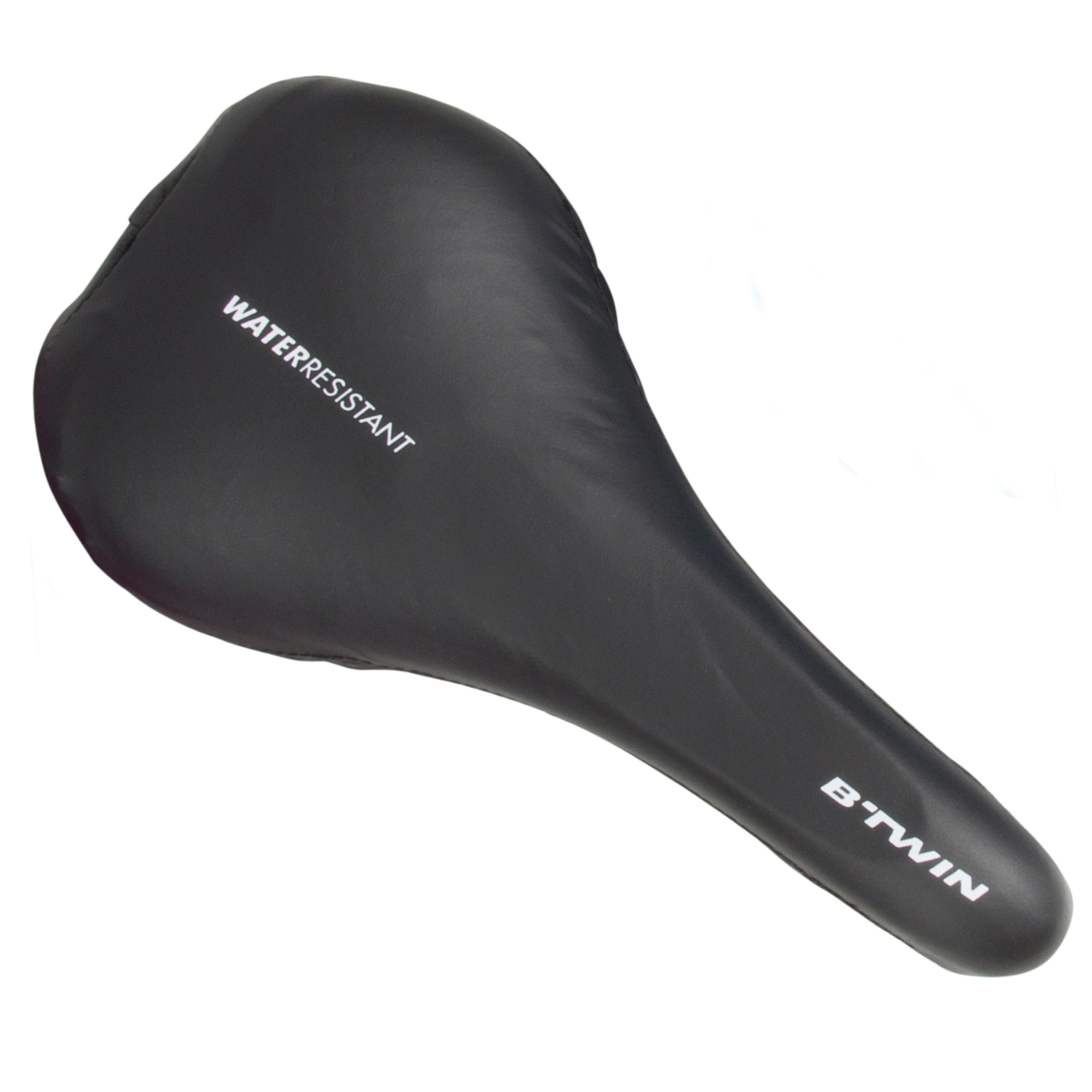
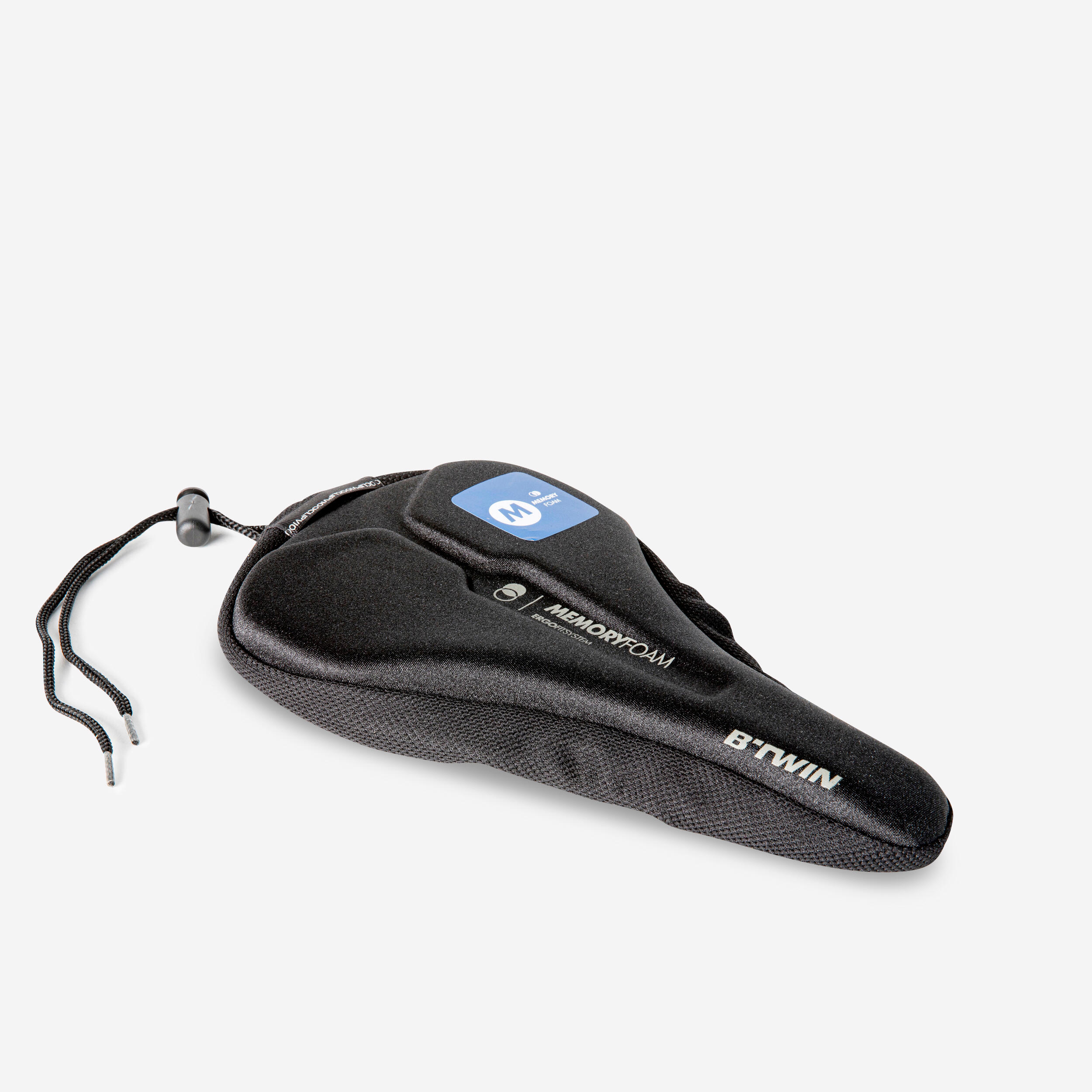
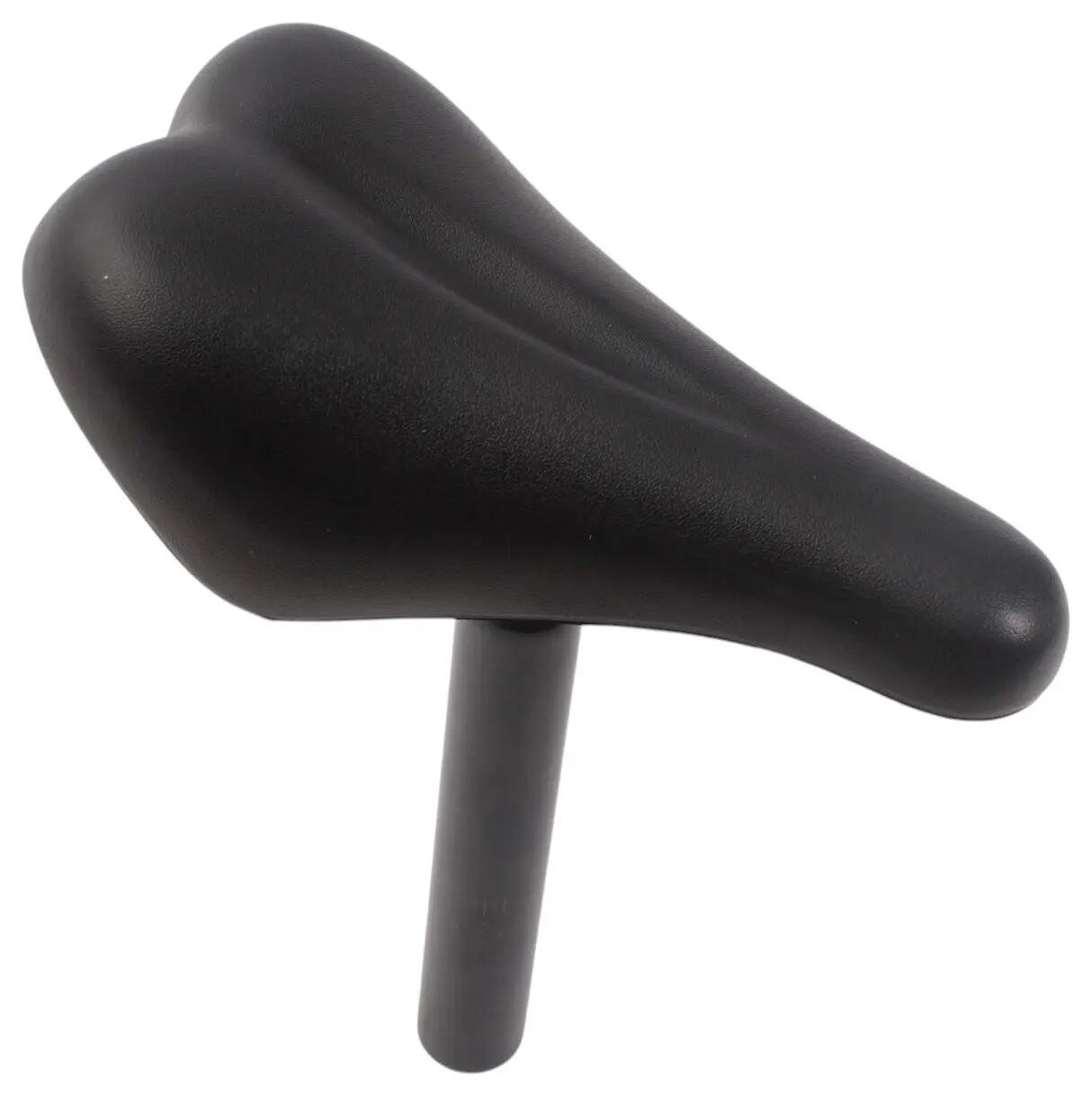
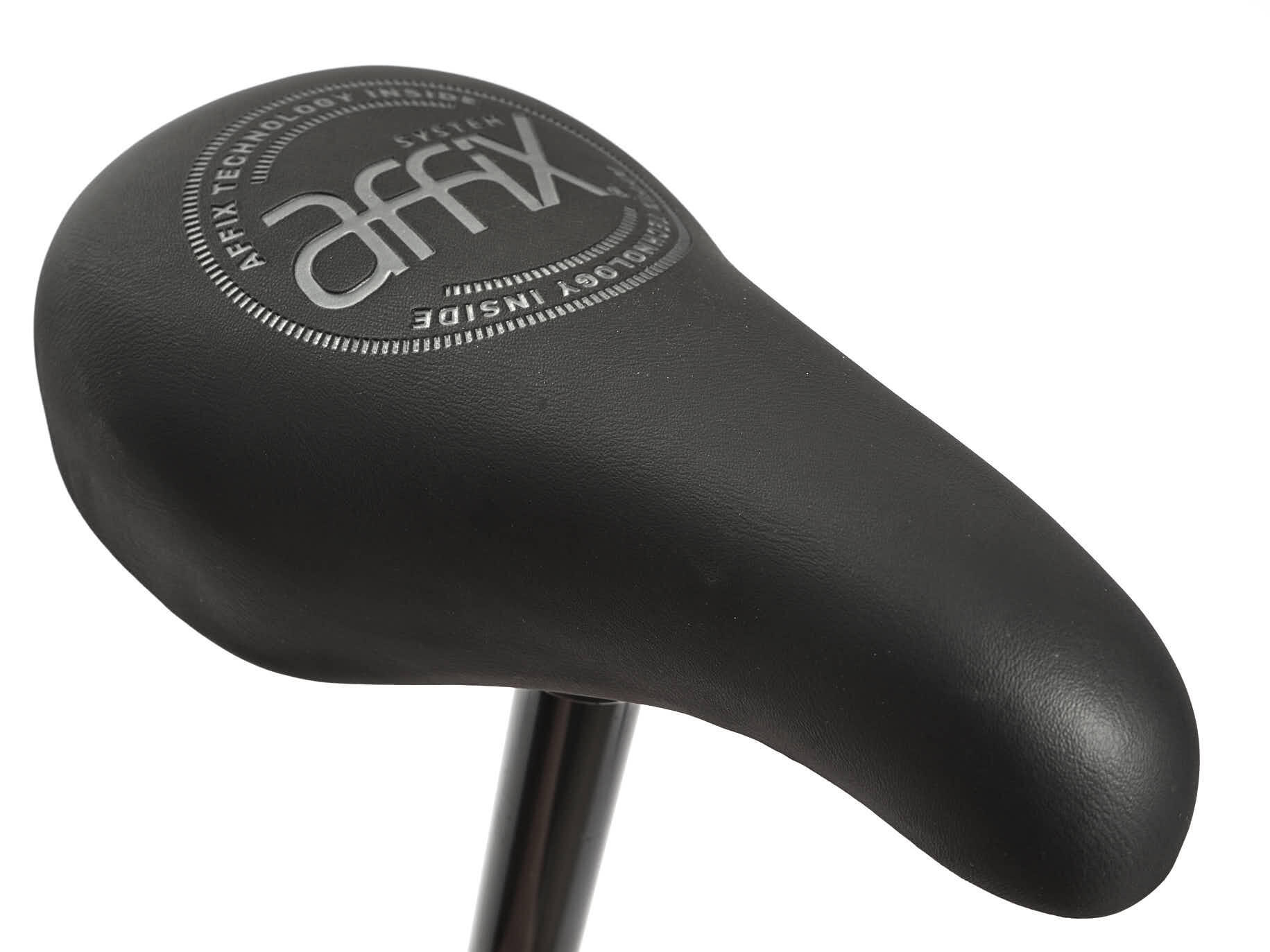
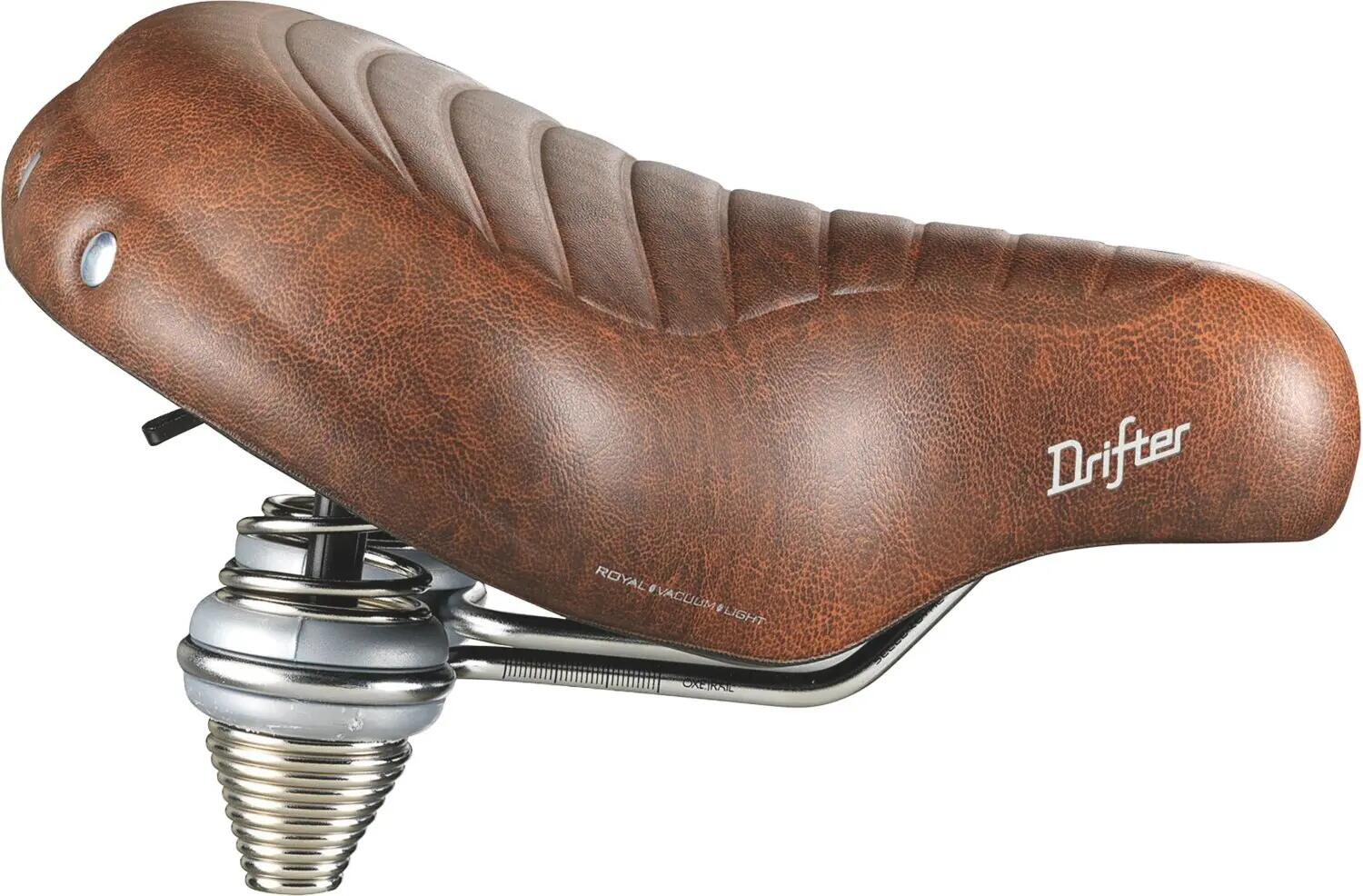
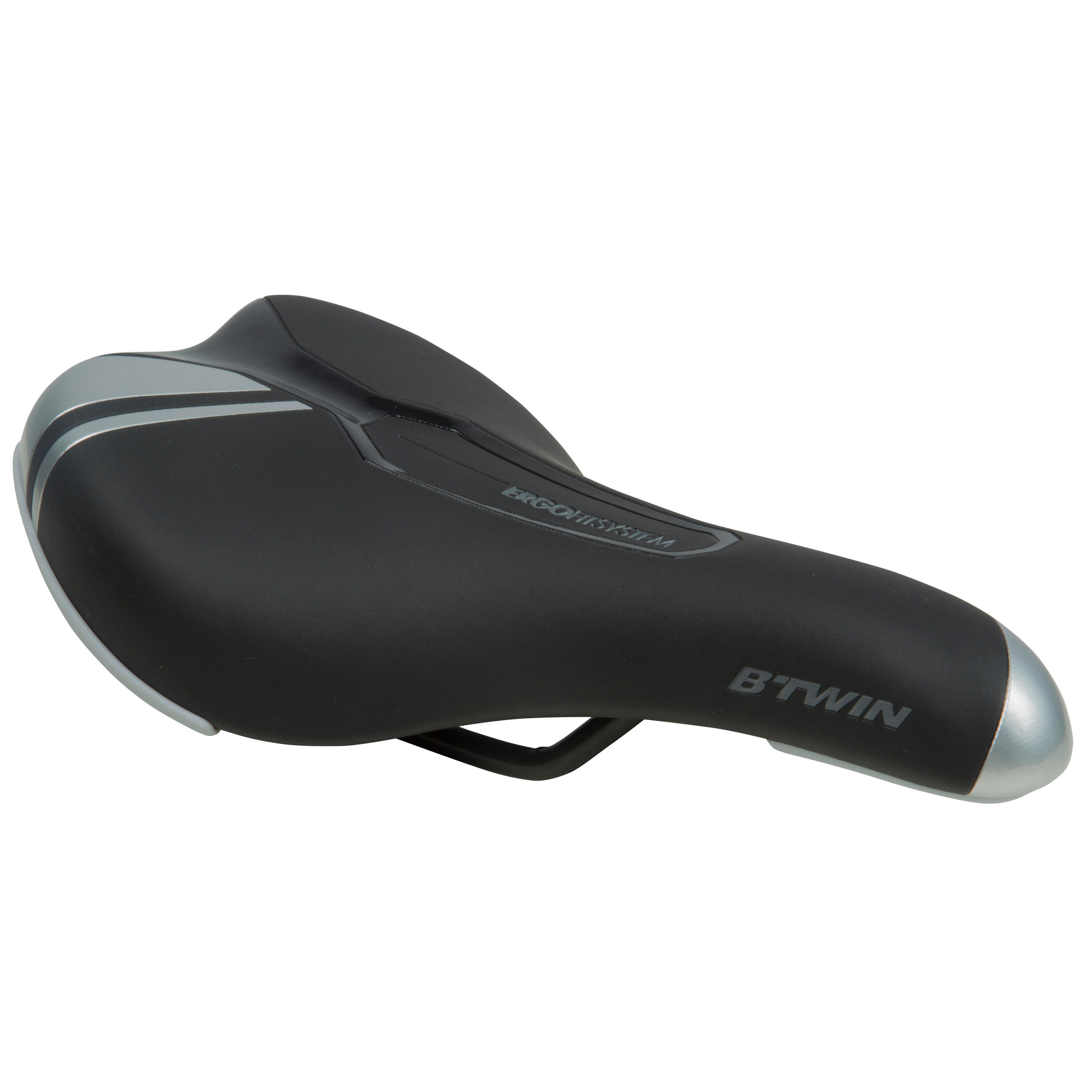
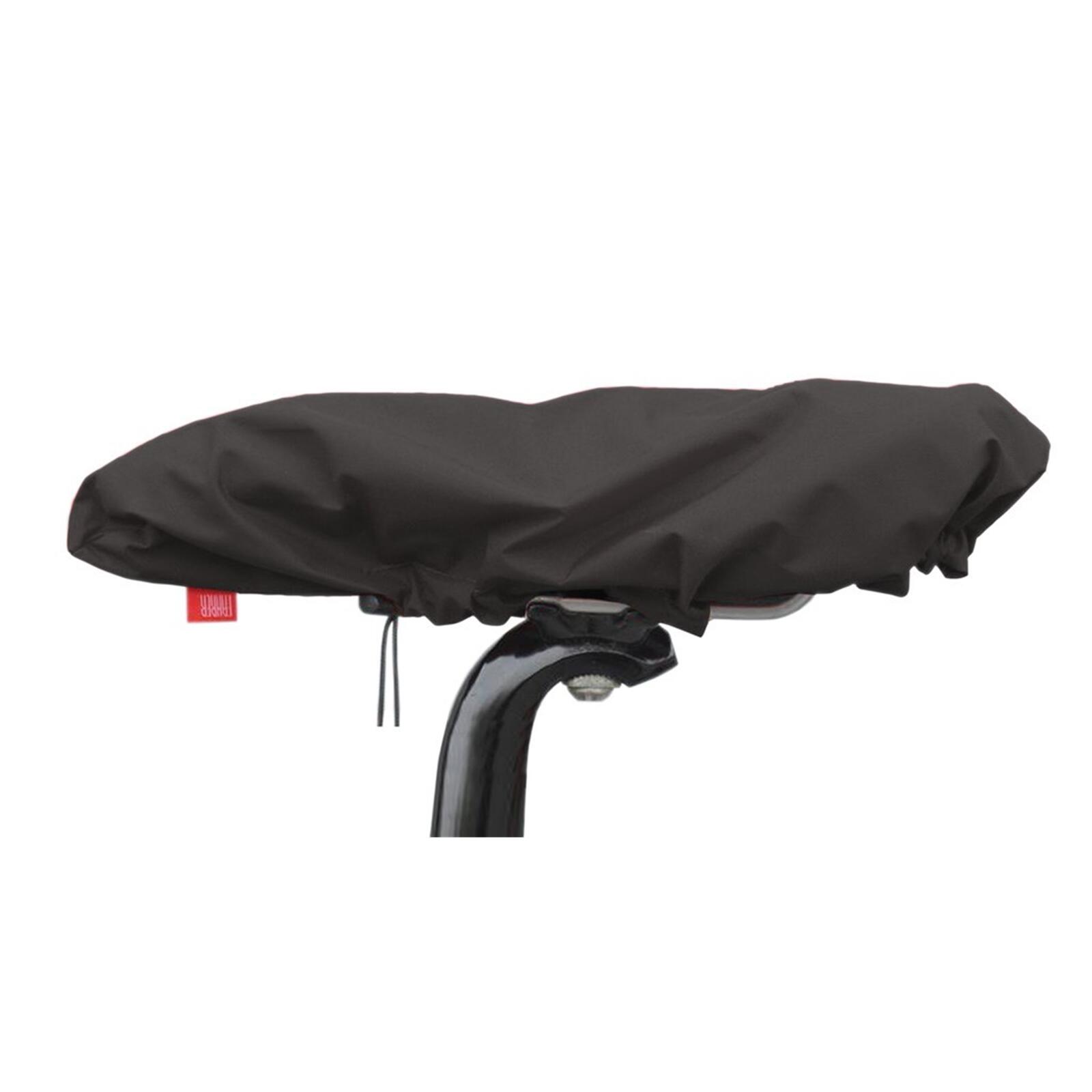
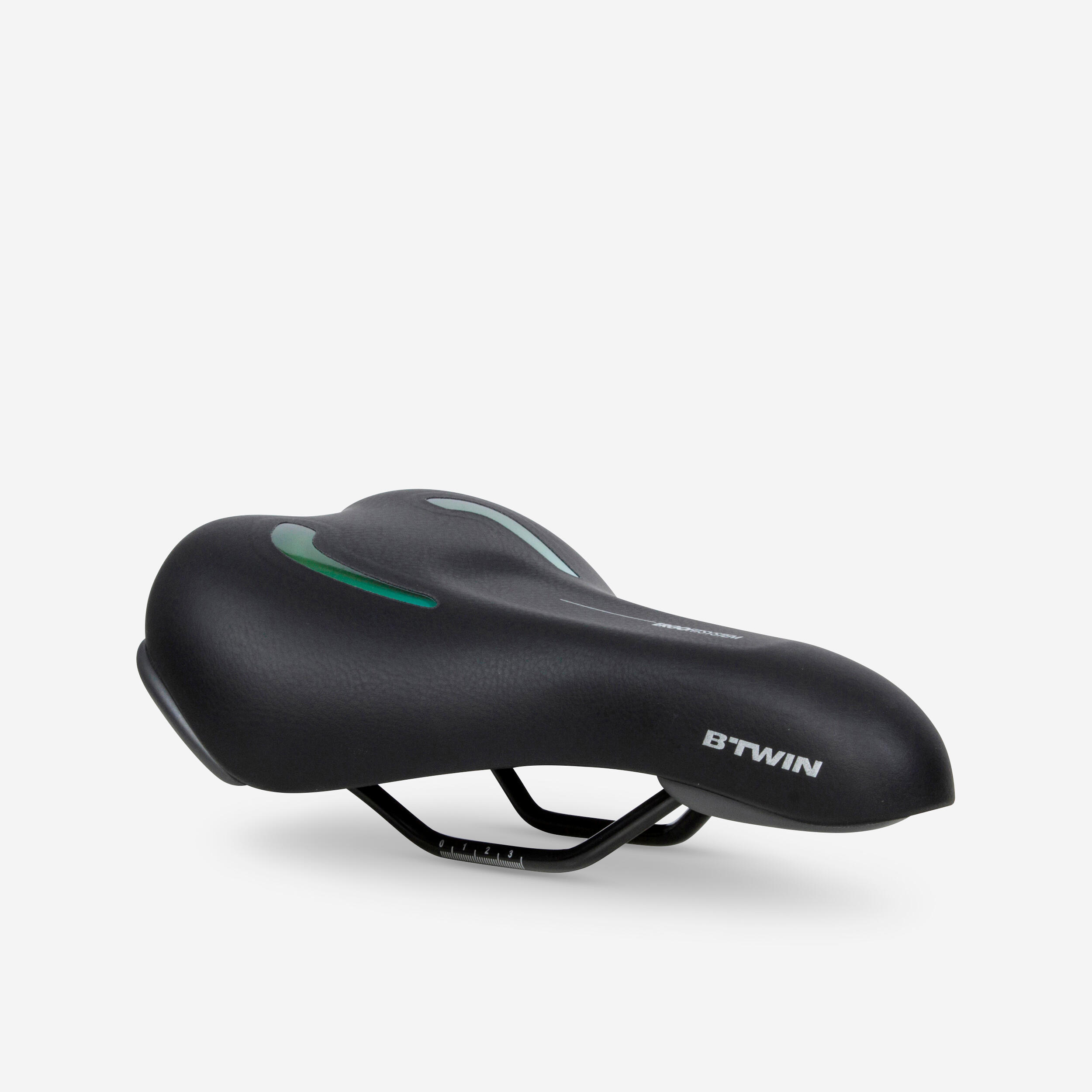
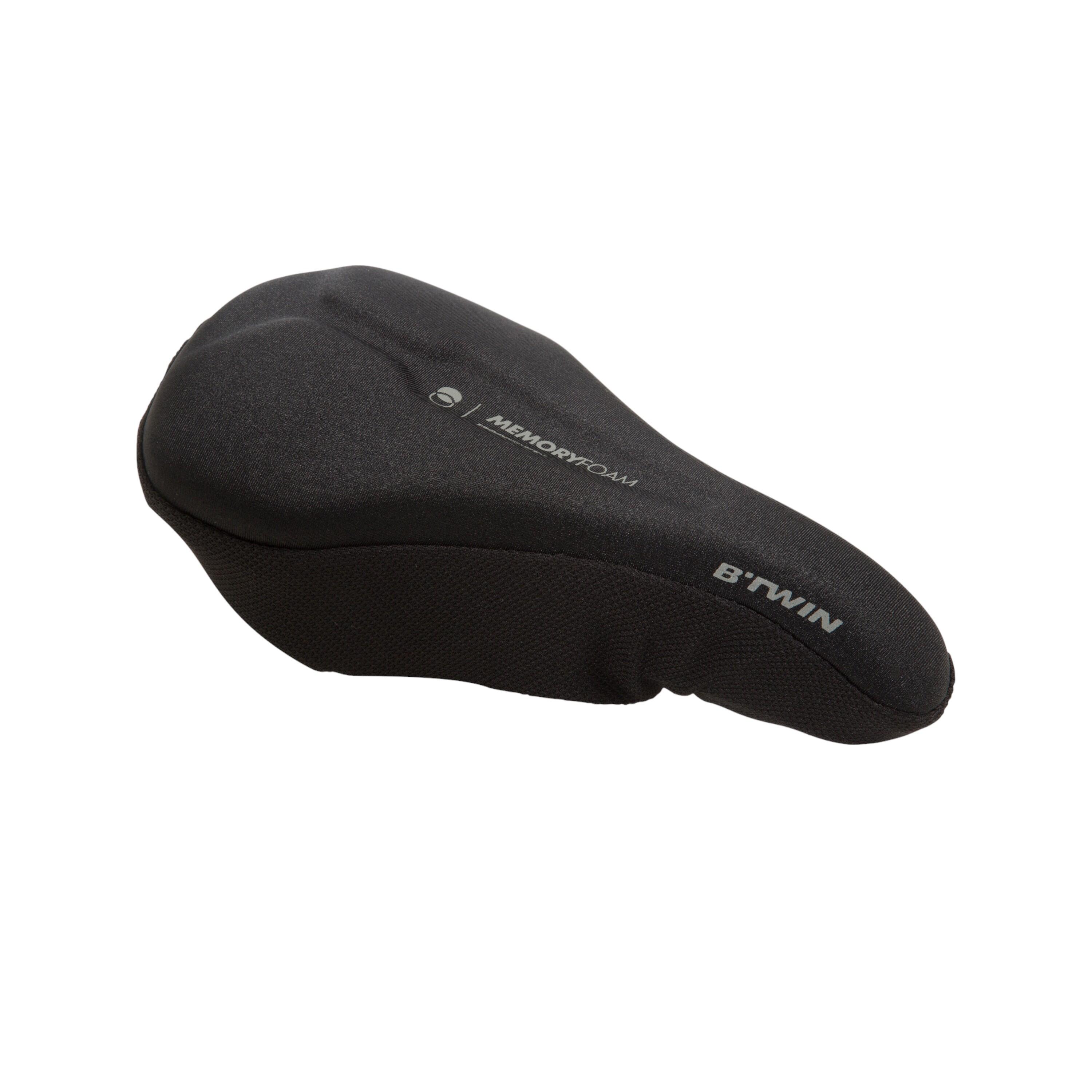
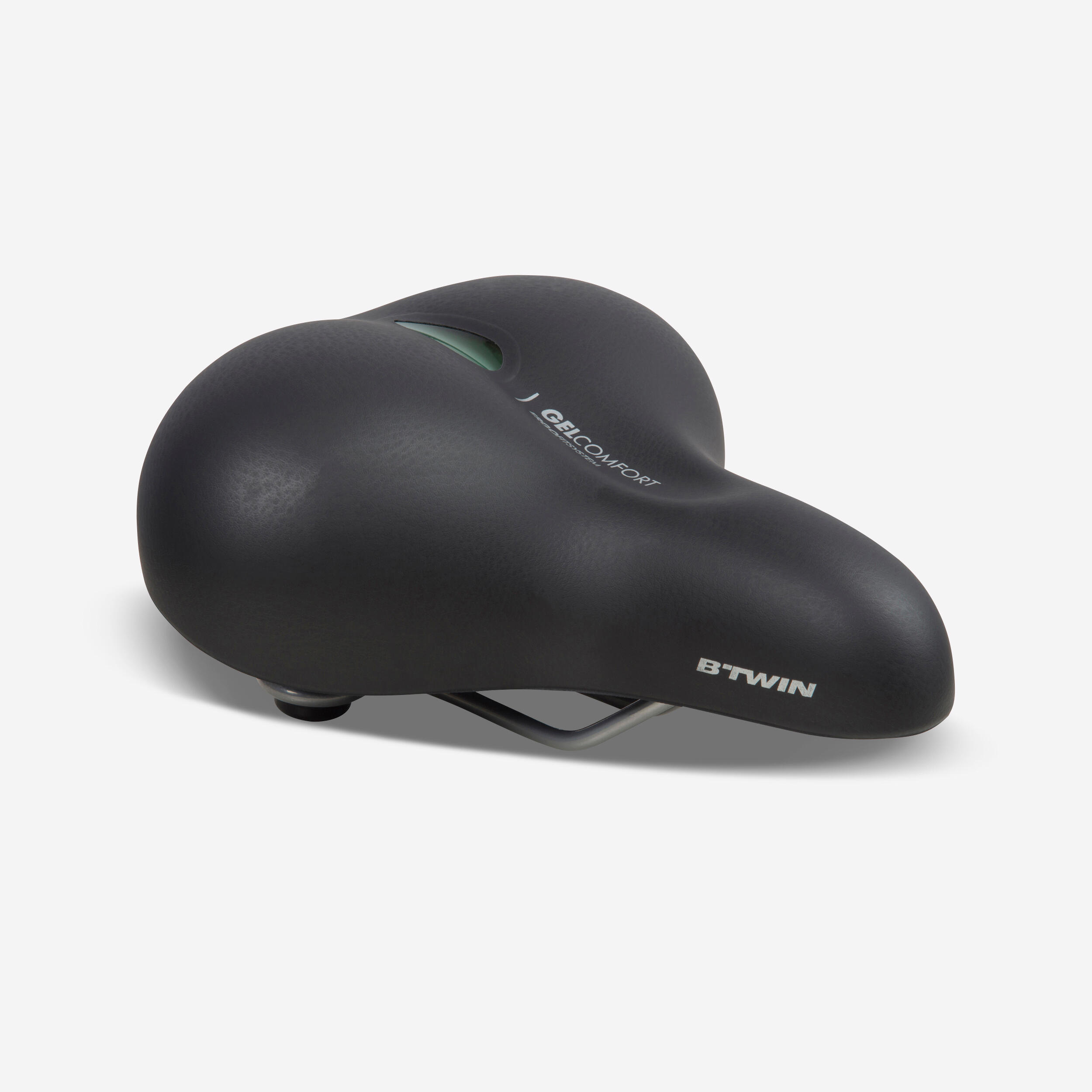
A bike seat's longevity depends on the frequency of your commutes and the environmental conditions where you store your bicycle. While a high-quality saddle can last for many years, the internal foam or gel padding eventually loses its elasticity and ability to distribute pressure away from your sit bones. If you notice visible cracks in the synthetic cover or if the rails have started to creak under load, it is time to buy new bike saddles to restore your riding posture. For the daily city cyclist, checking the integrity of the shell every twelve months is highly recommended, as UV exposure and rain can make materials brittle. The technical "why" behind replacing a worn seat is that collapsed padding increases friction, which leads to painful saddle sores and chafing. Expert tip: If the seat is structurally sound but just feels a bit firm, adding a temporary cushion can prolong its life until you are ready for a full hardware upgrade.

Are extra padded bike seats good for riding?

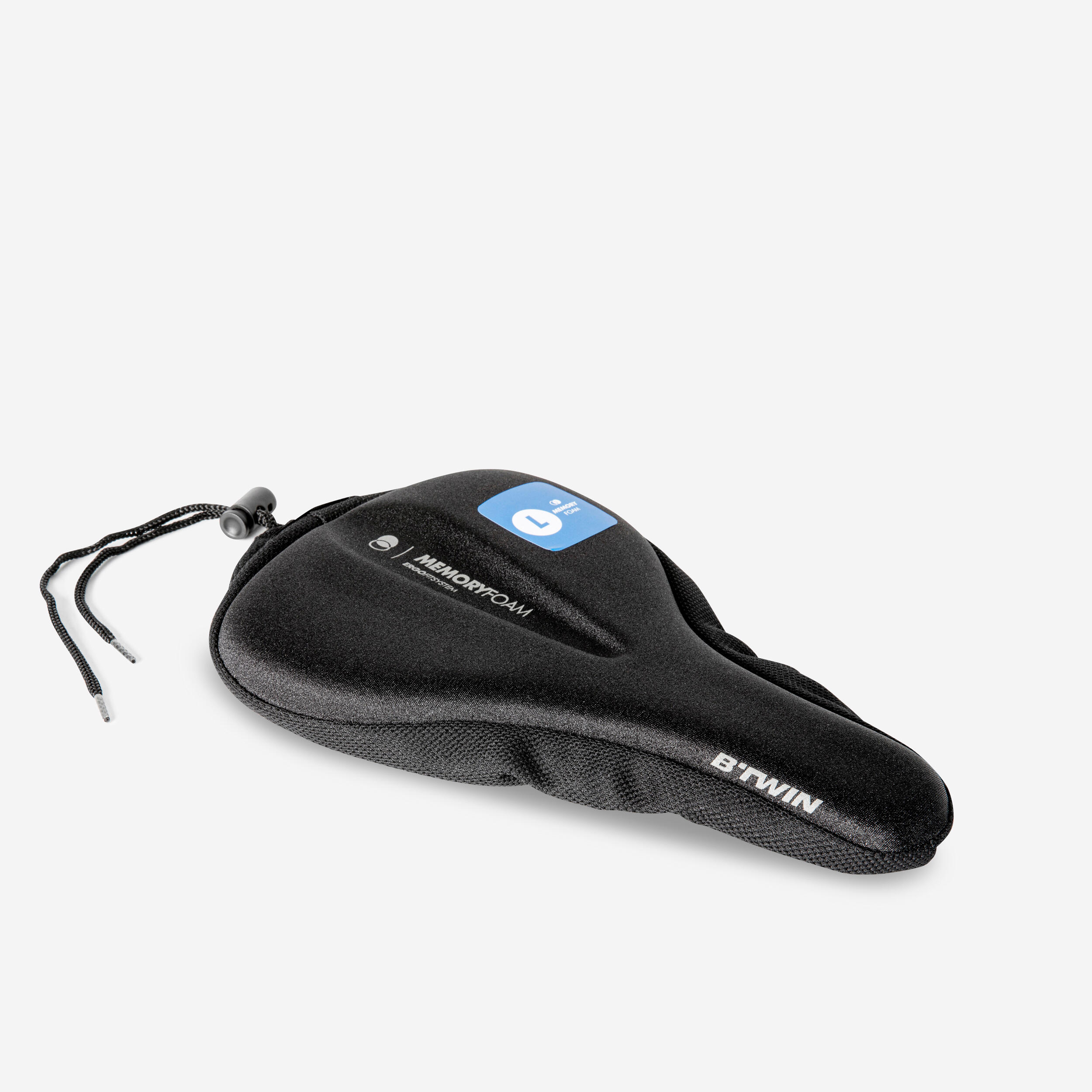
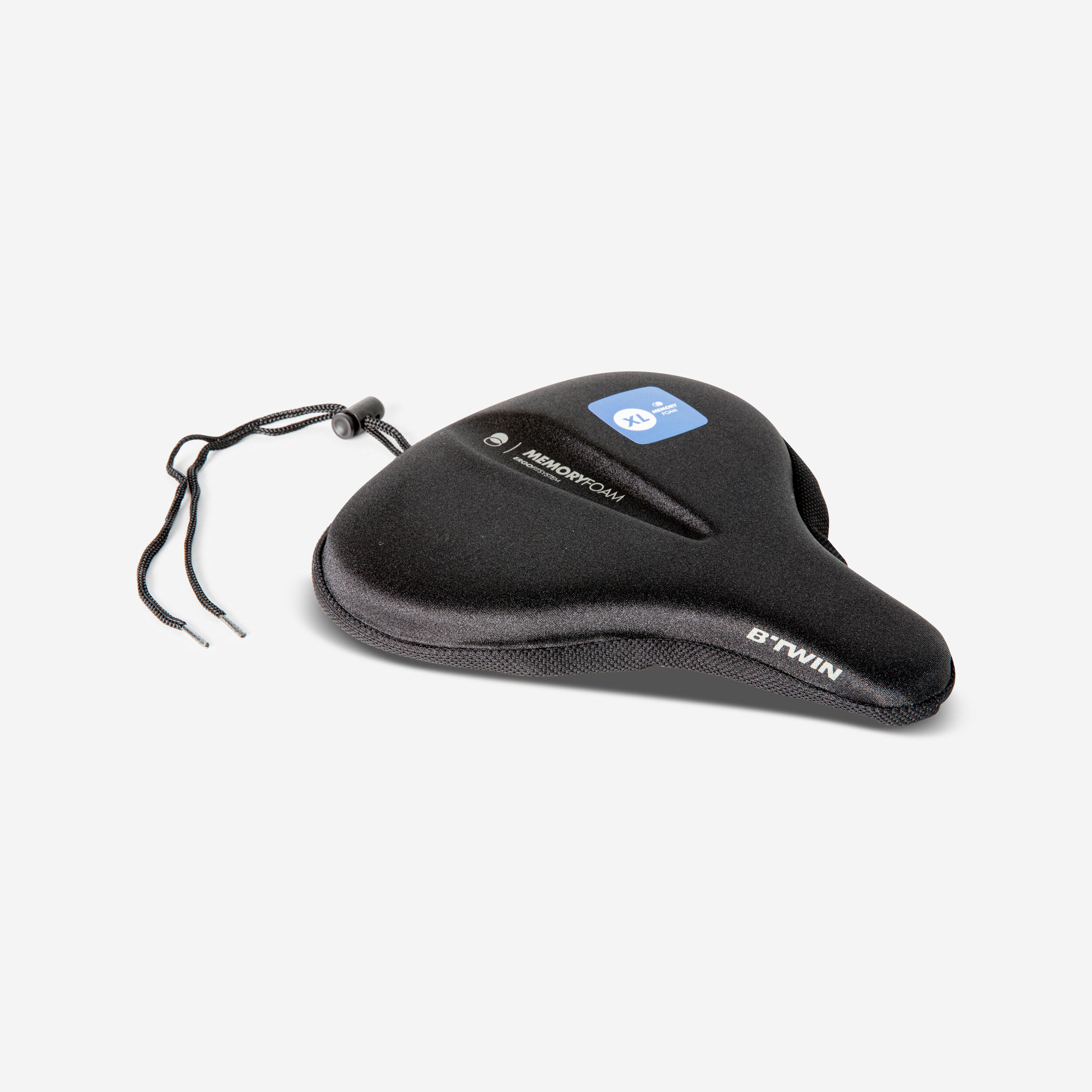
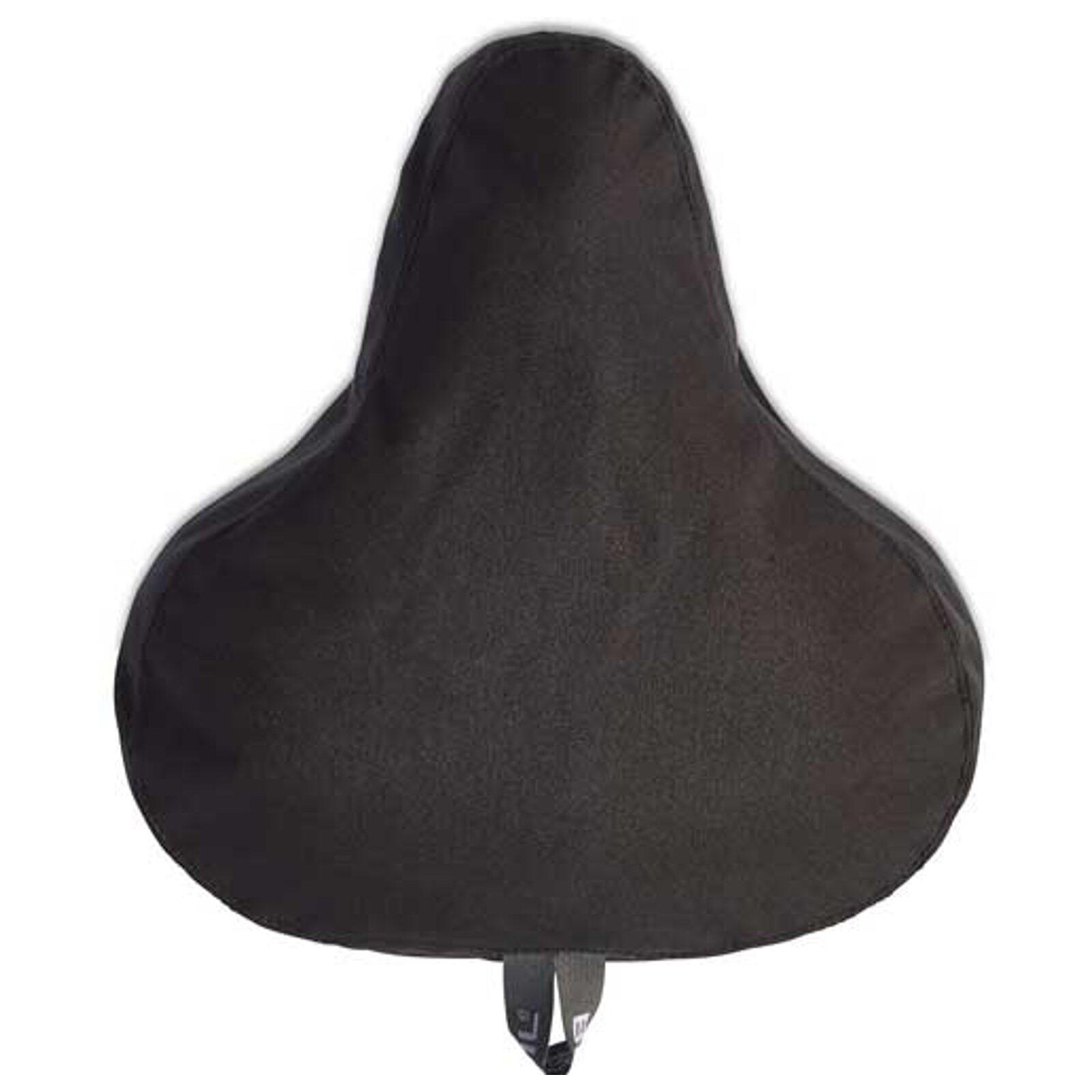
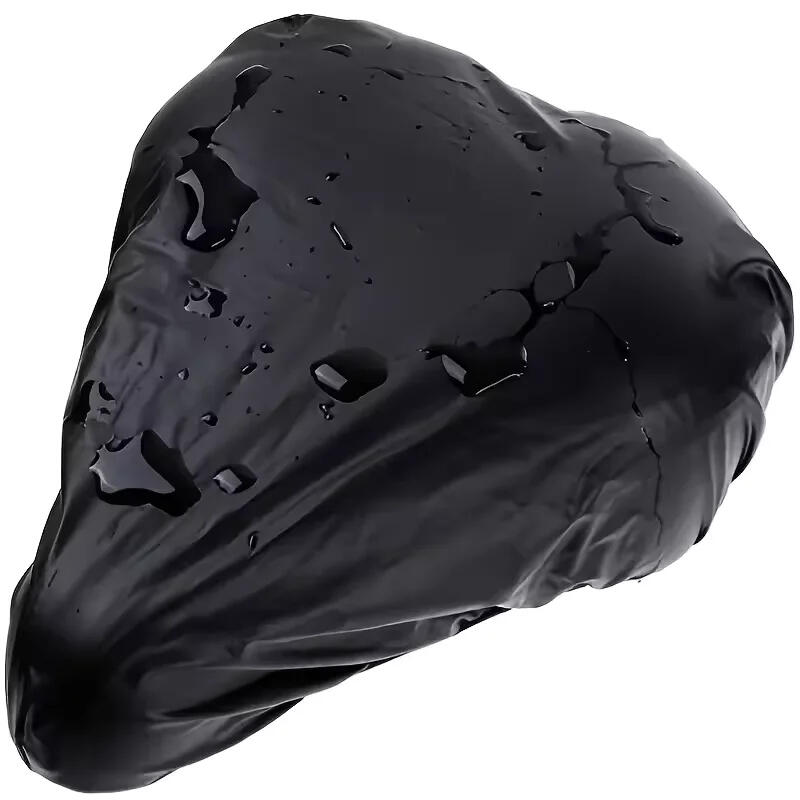
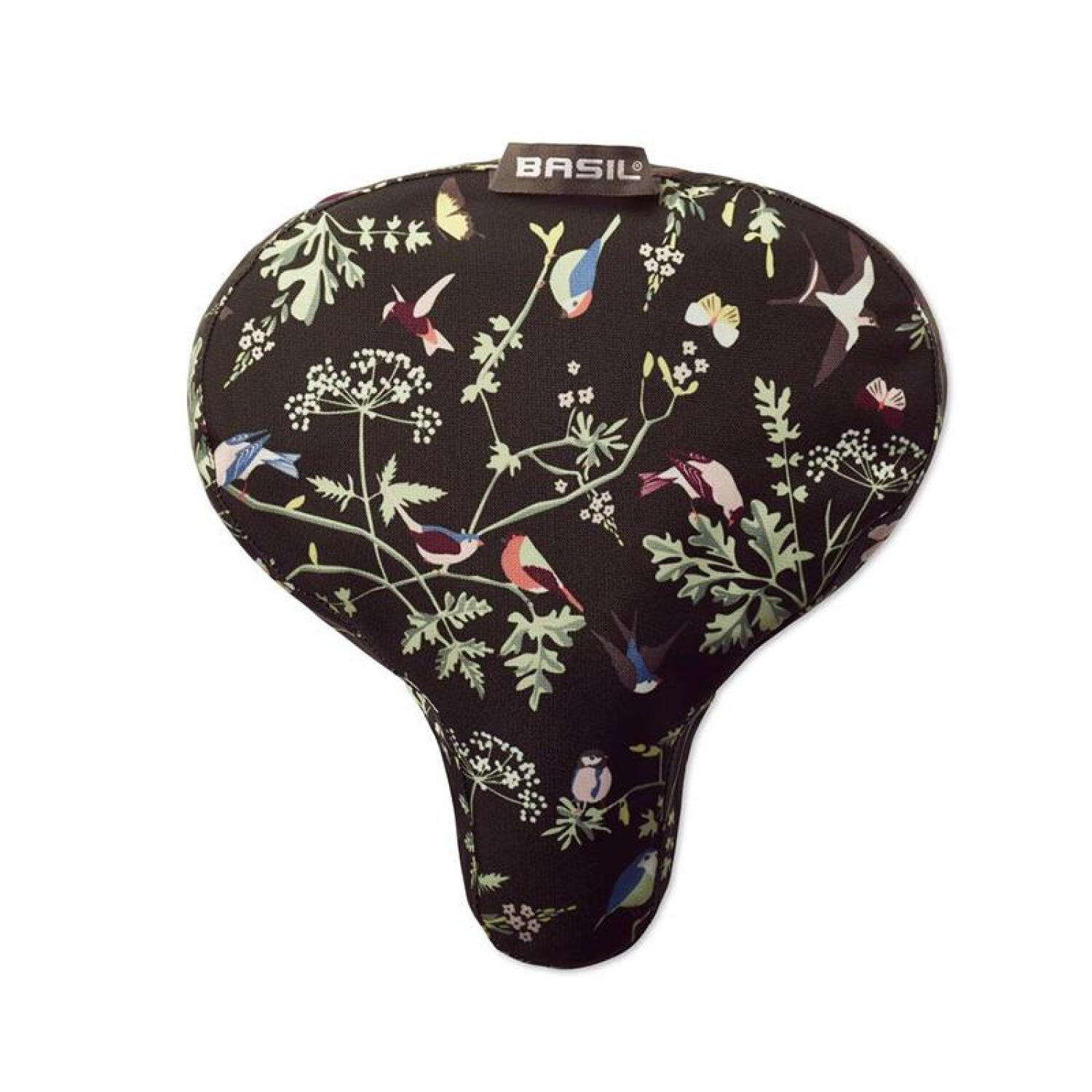
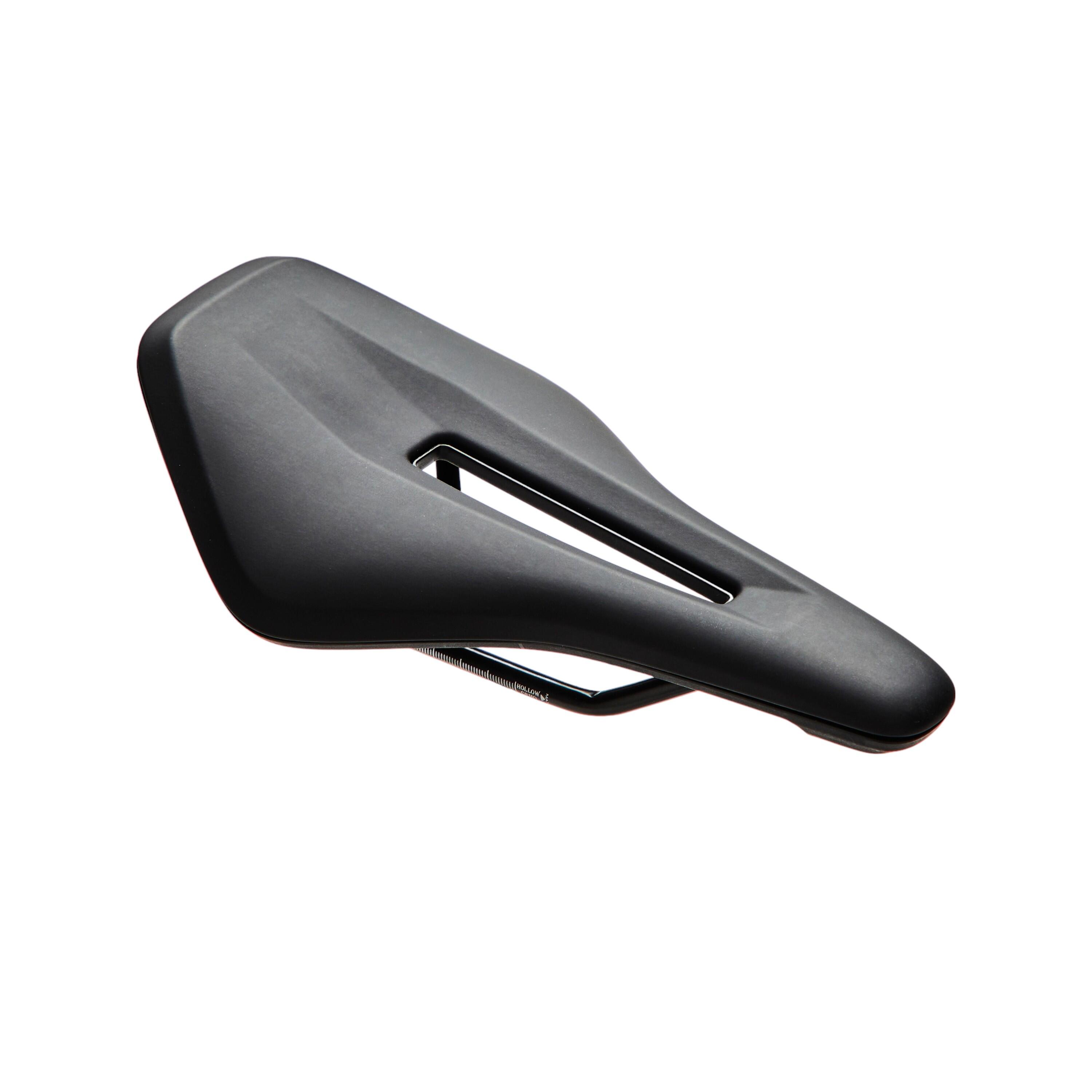
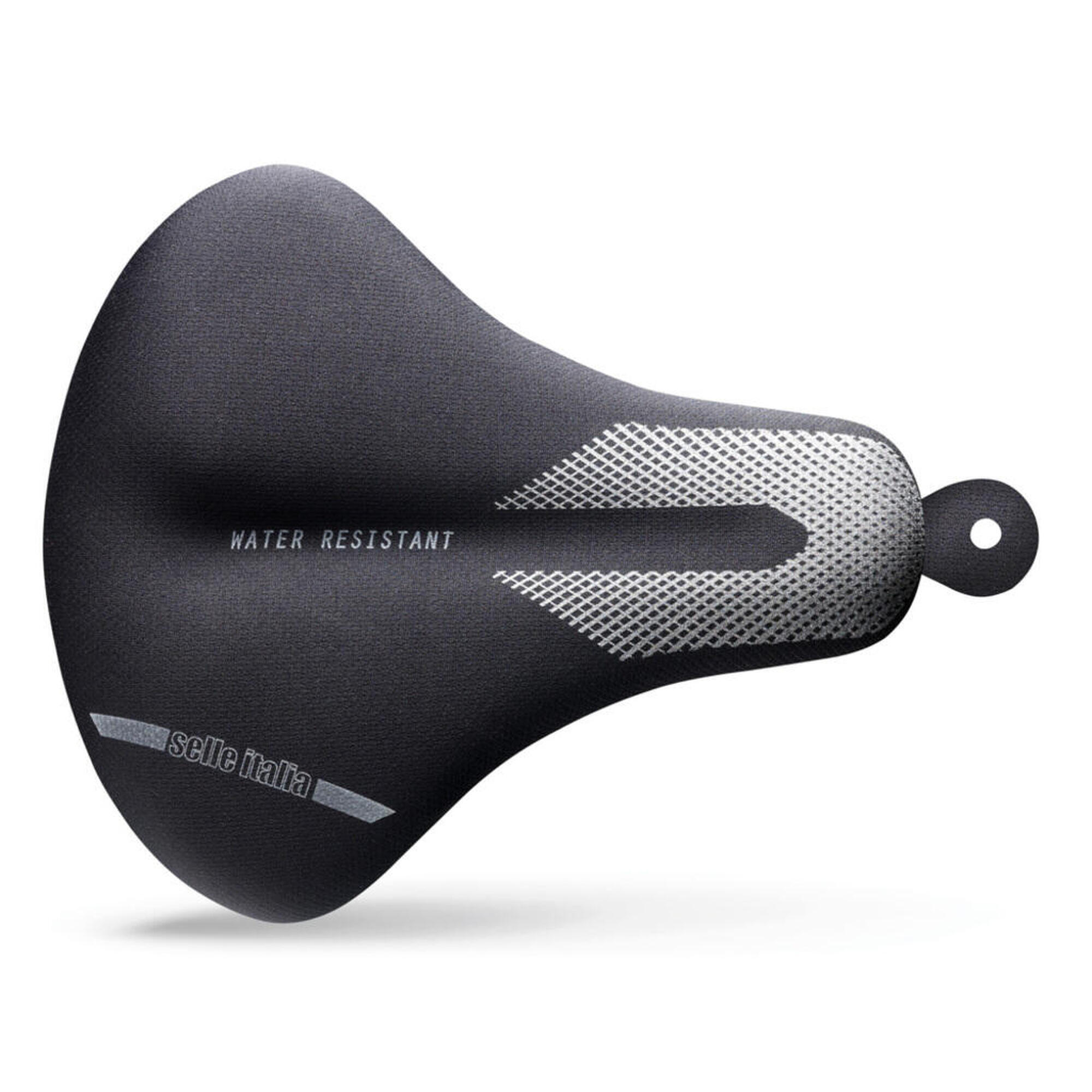
Extra padding provides immediate relief for casual riders or those returning to cycling after a break, but it is not always the best solution for long-distance endurance. Soft foam can often adjust under your weight, actually increasing pressure on soft tissues rather than supporting your skeletal structure. If you find your current setup too harsh during short weekend spins, applying a gel saddle cover allows you to test higher levels of cushioning without committing to a permanent change. Performance-oriented cyclists usually choose firmer, narrower profiles to prevent inner-thigh rubbing during high-cadence pedalling. Small advice: Pick a saddle width that fits you well. Too wide can get in the way when you pedal, while too narrow can feel uncomfortable and put pressure on the sit bones

How comfortable should my bike seat really be?

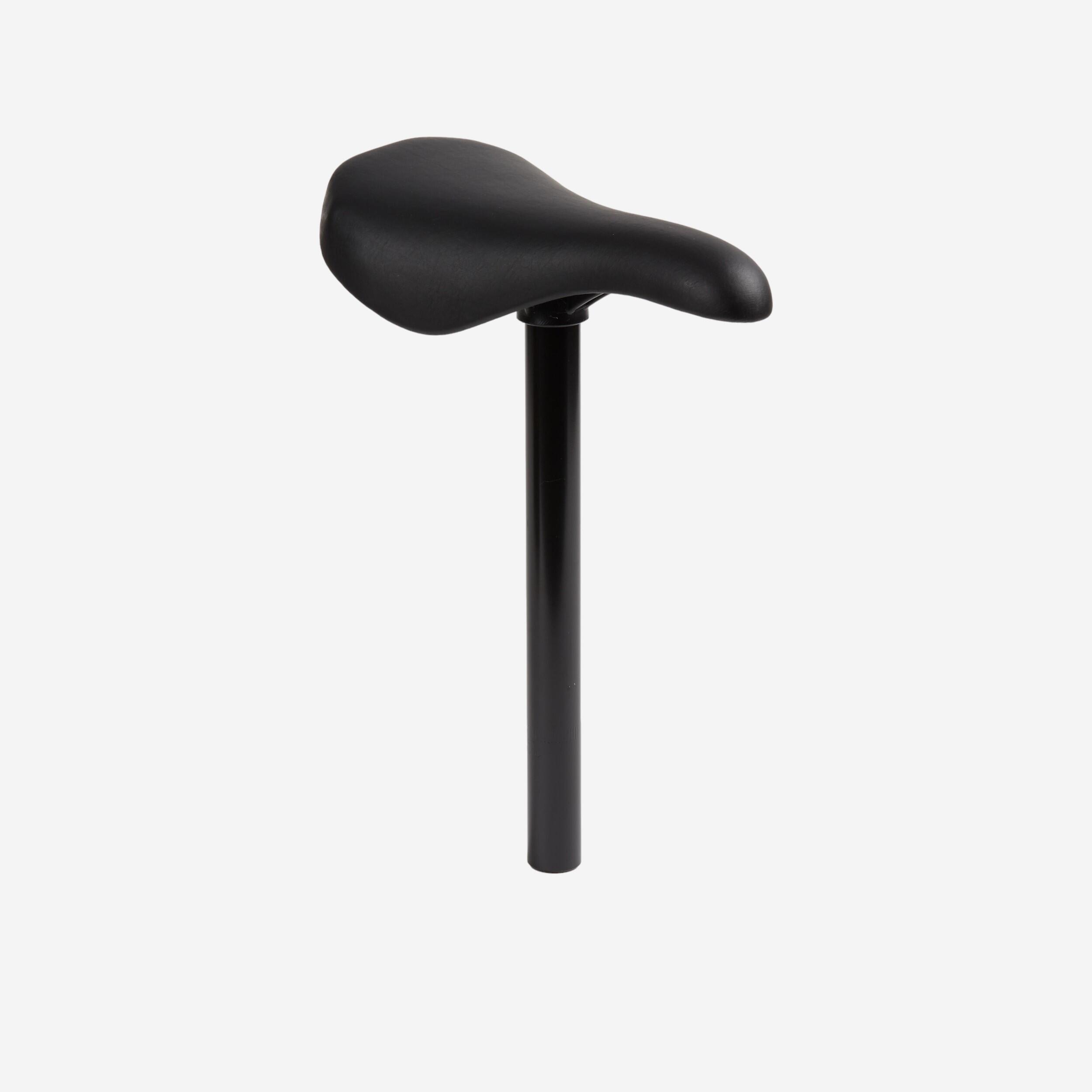
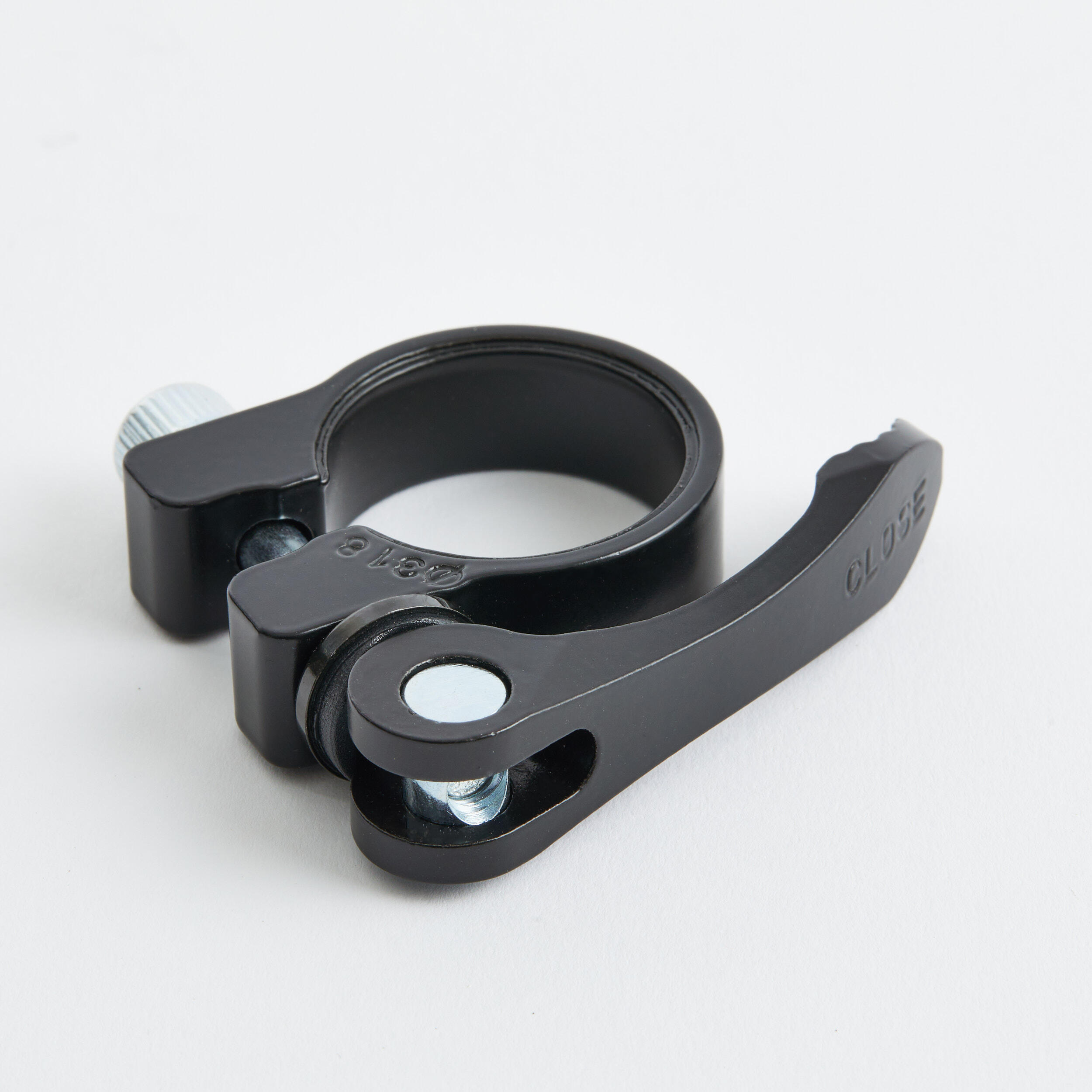
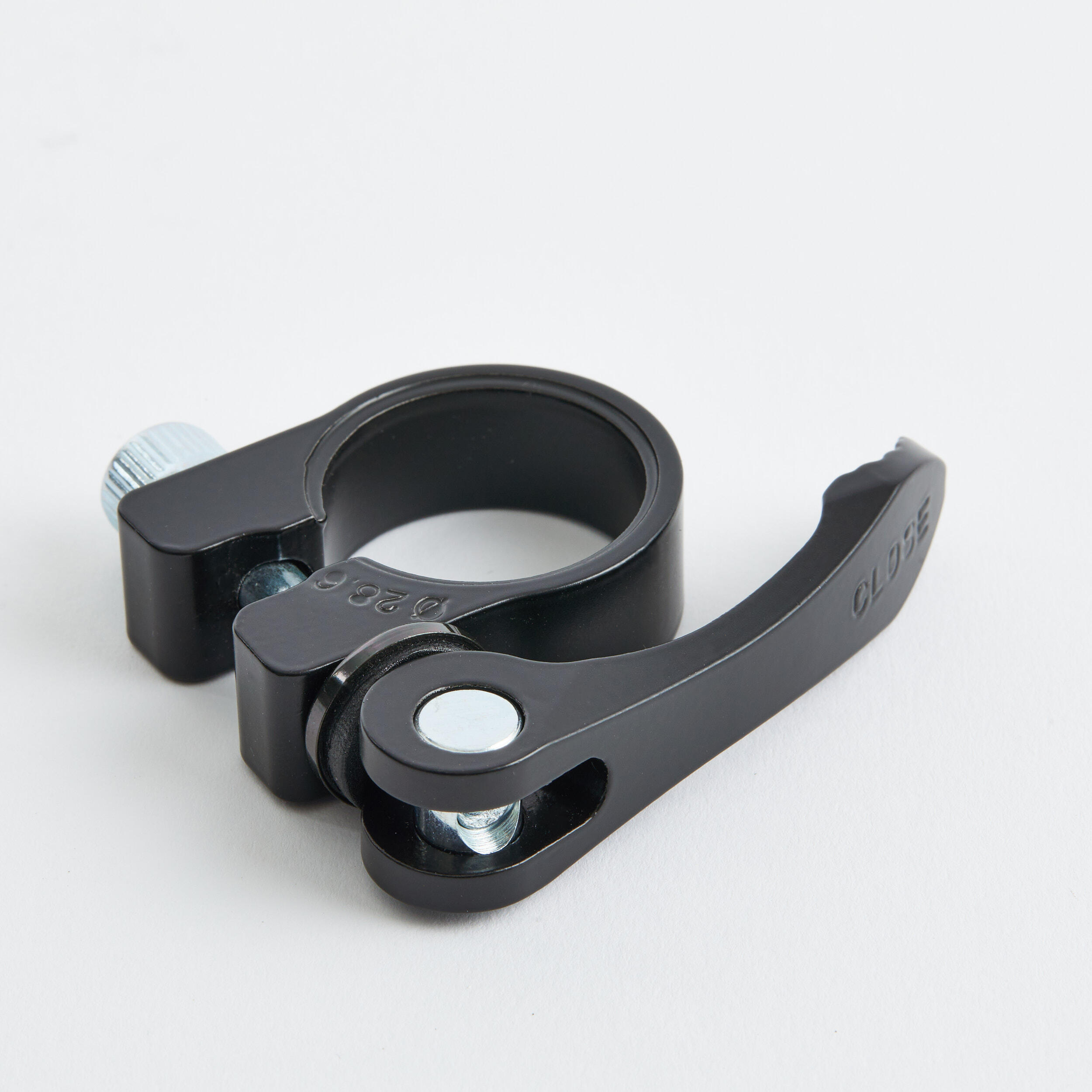
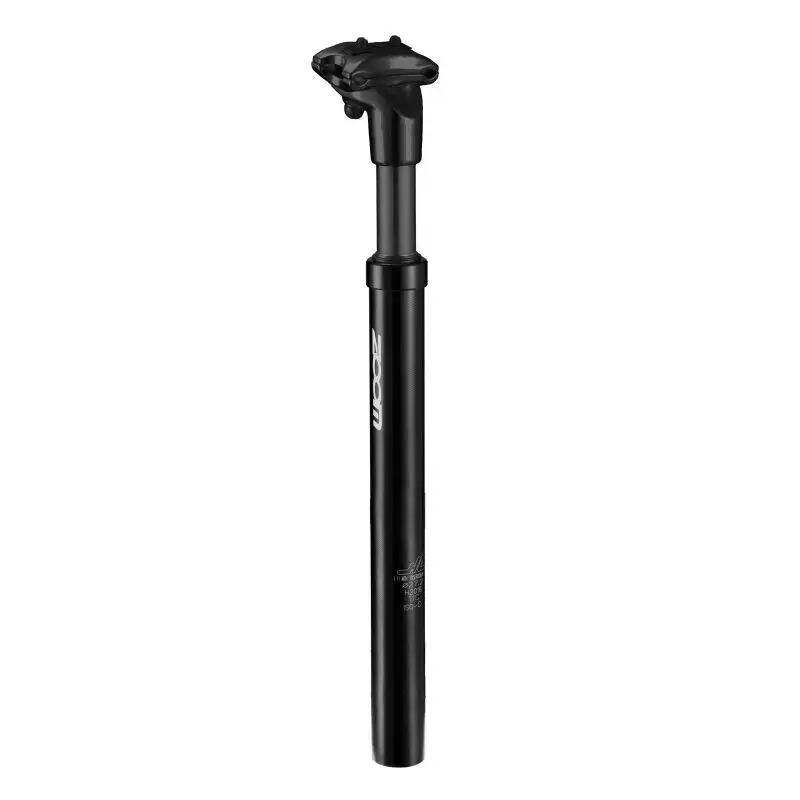
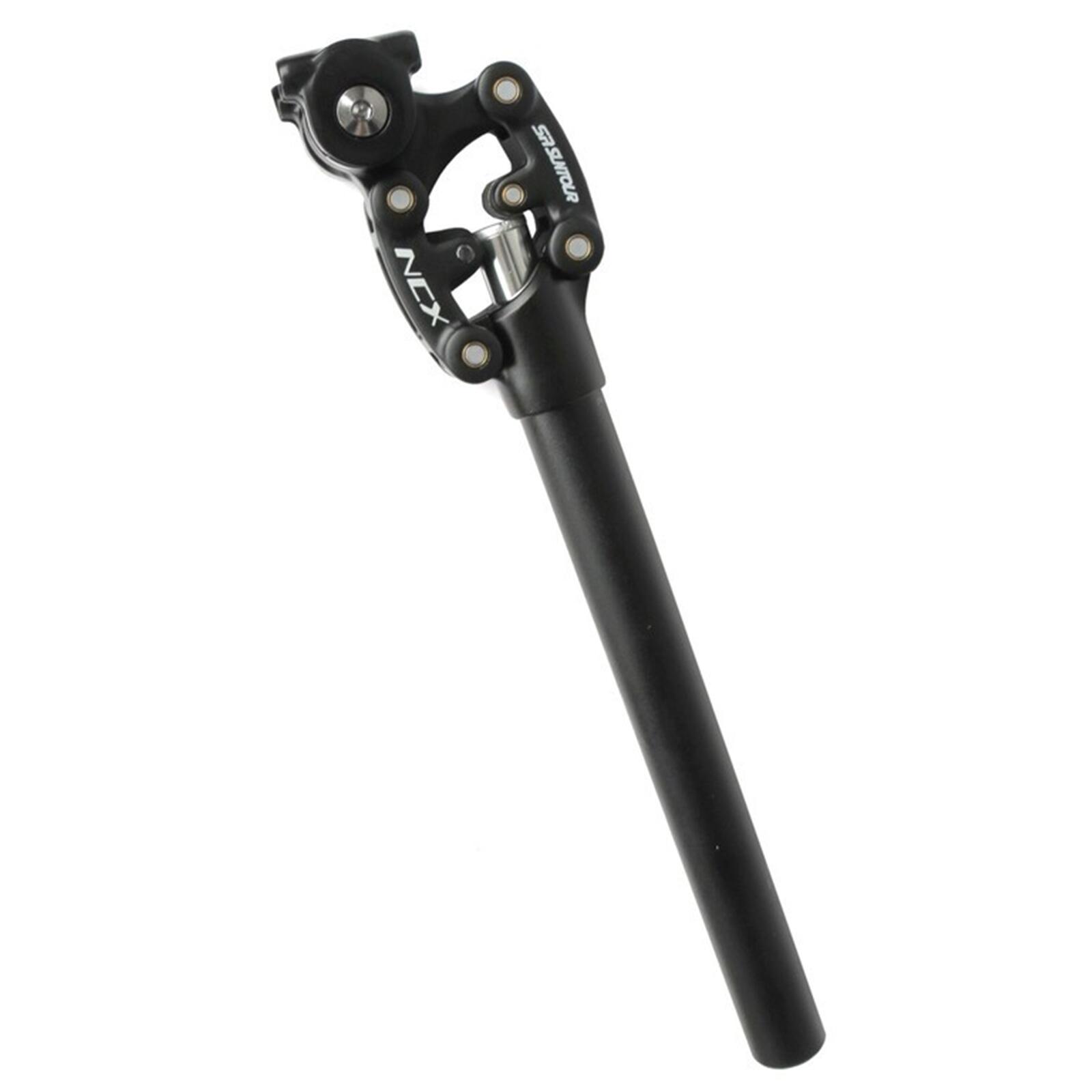
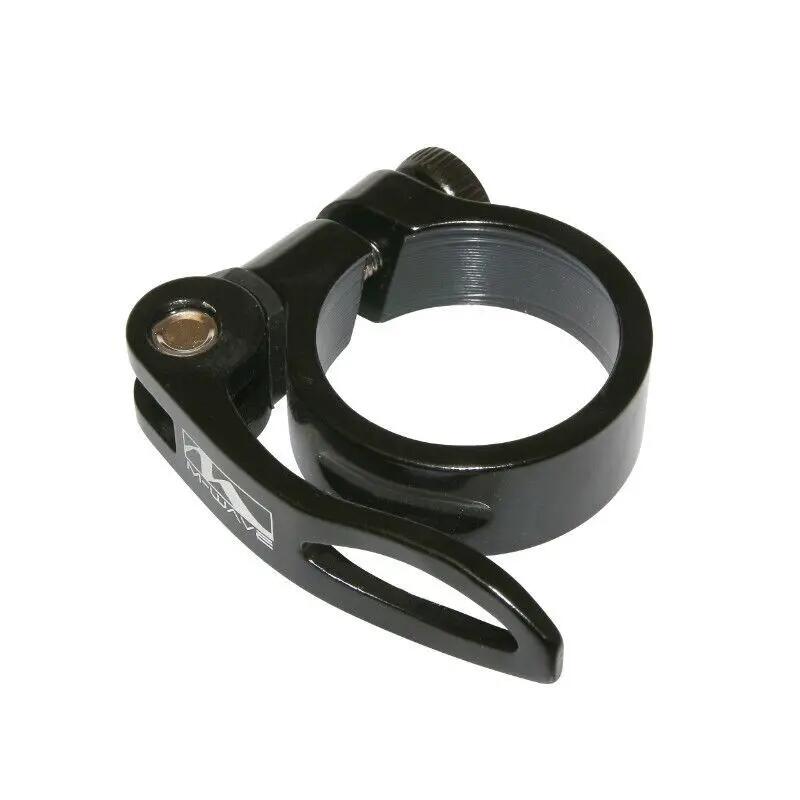
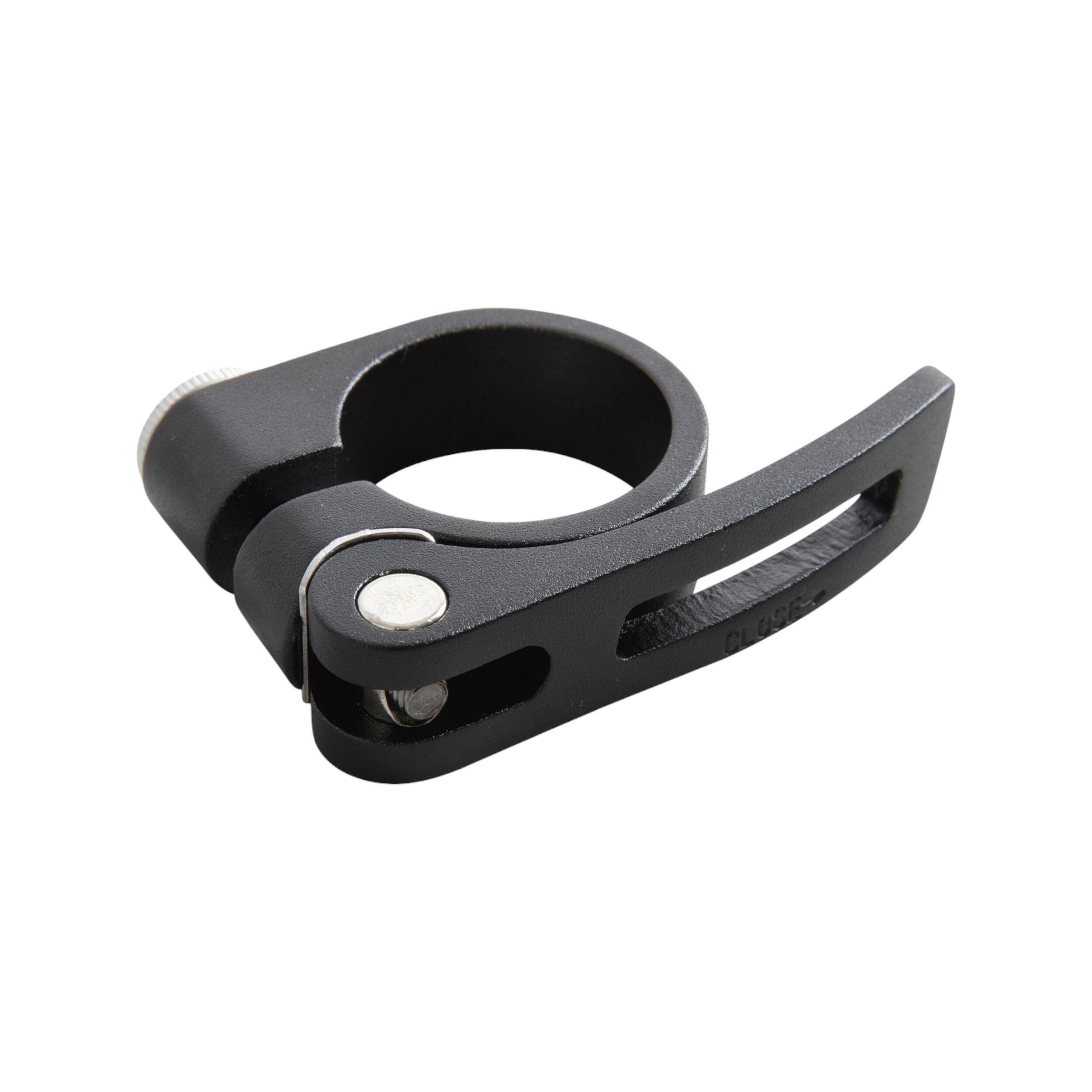
Your bike seats should feel supportive enough that you can ride for your intended duration without experiencing numbness or sharp pains. While some "break-in" period is normal for leather options, modern synthetic bike saddles & seatposts should offer a neutral, pain-free platform from the first day. If you regularly ride on rough road surfaces, upgrading to suspension seatposts can absorb the micro-shocks that travel through the frame. This mechanical absorption helps protect your lower back and reduces fatigue on longer journeys. Ensuring all components are properly secured with reliable bike seat clamps also helps maintain saddle position and overall riding comfort. If you're frequently shifting your weight or standing up to stay comfortable, your saddle’s angle or width likely isn’t suited to your anatomy. A practical tip: use a spirit level to check that your saddle is perfectly horizontal. Even a slight nose-down tilt can cause you to slide forward, placing unnecessary strain on your wrists and shoulders.
How high should your bike seat be?

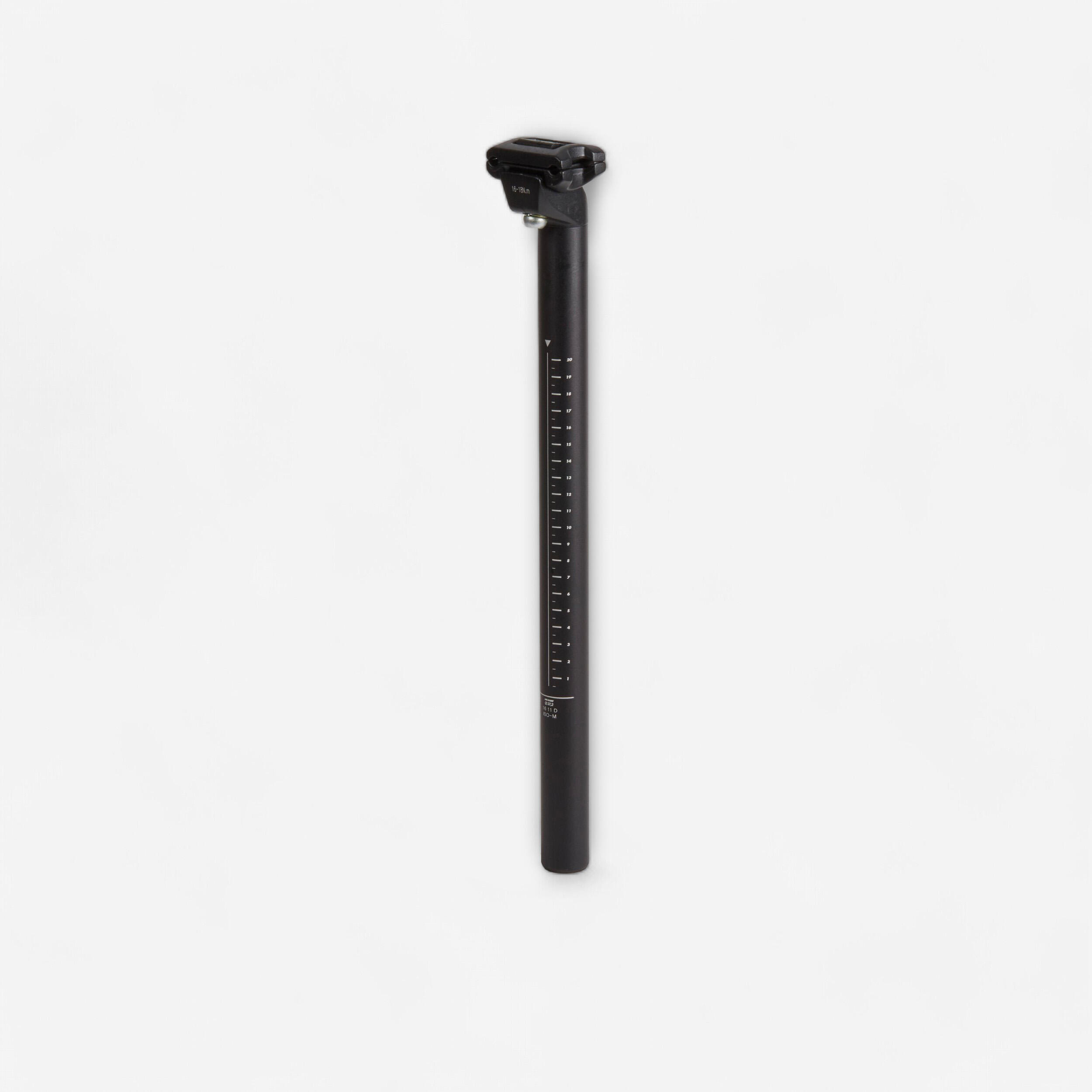
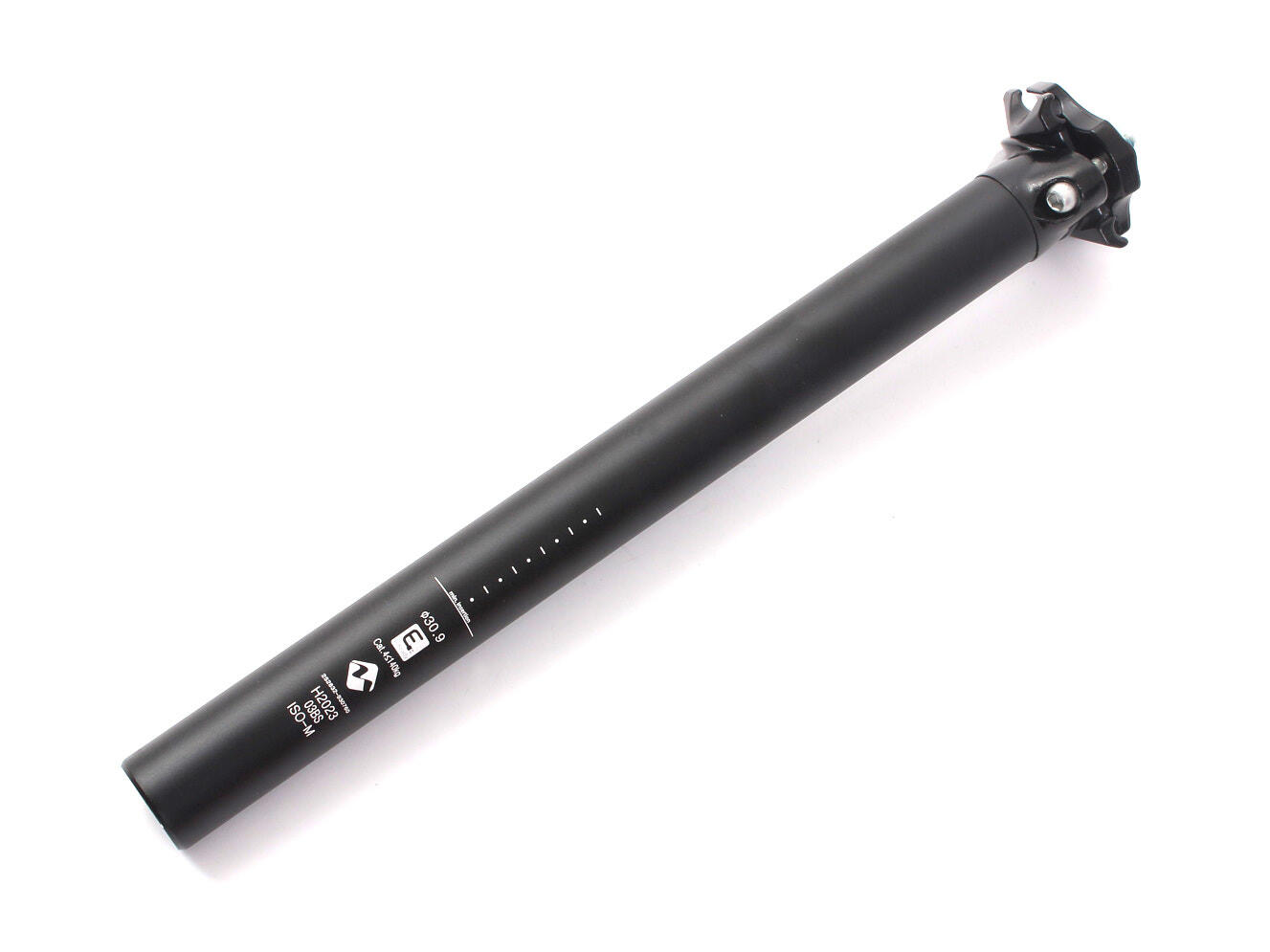
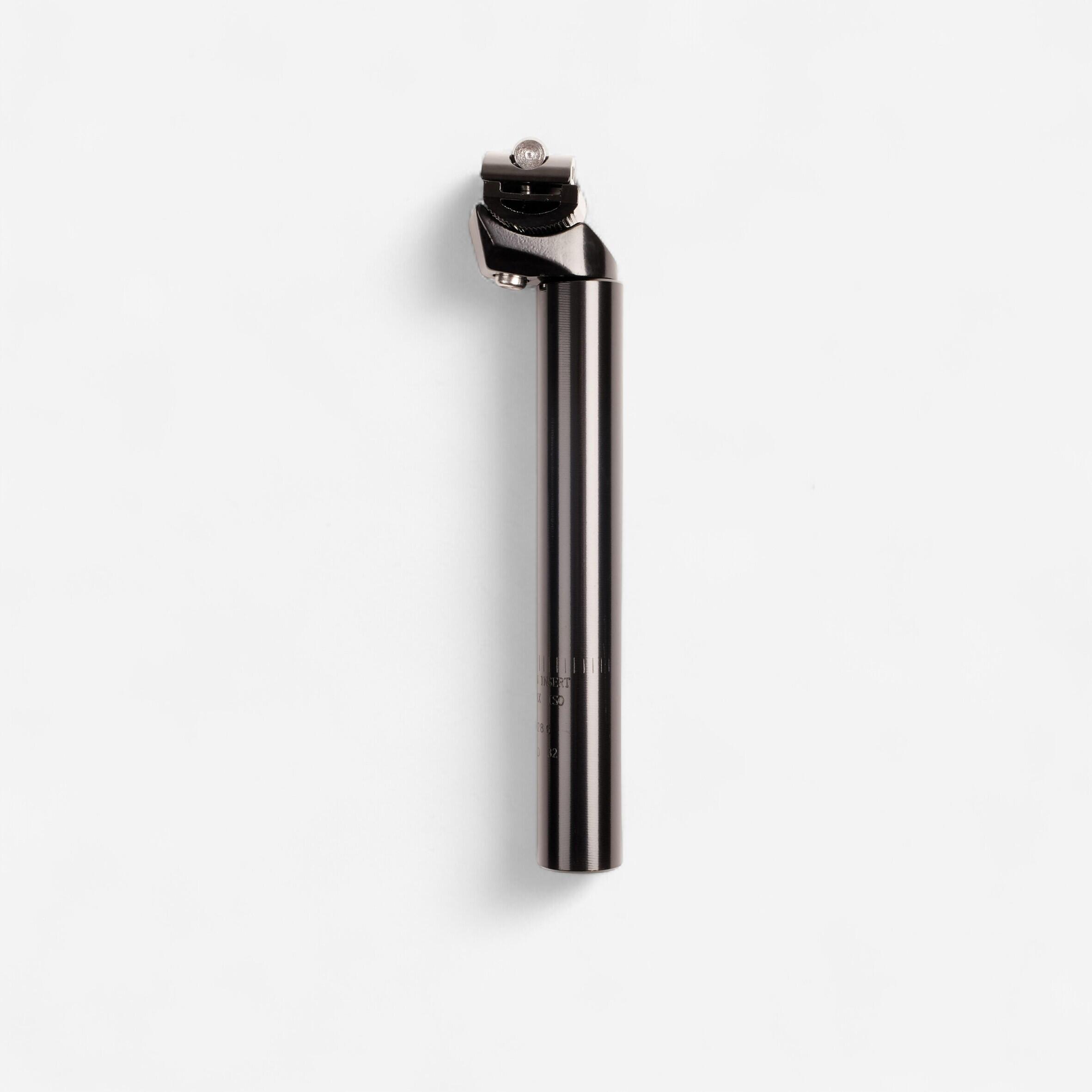
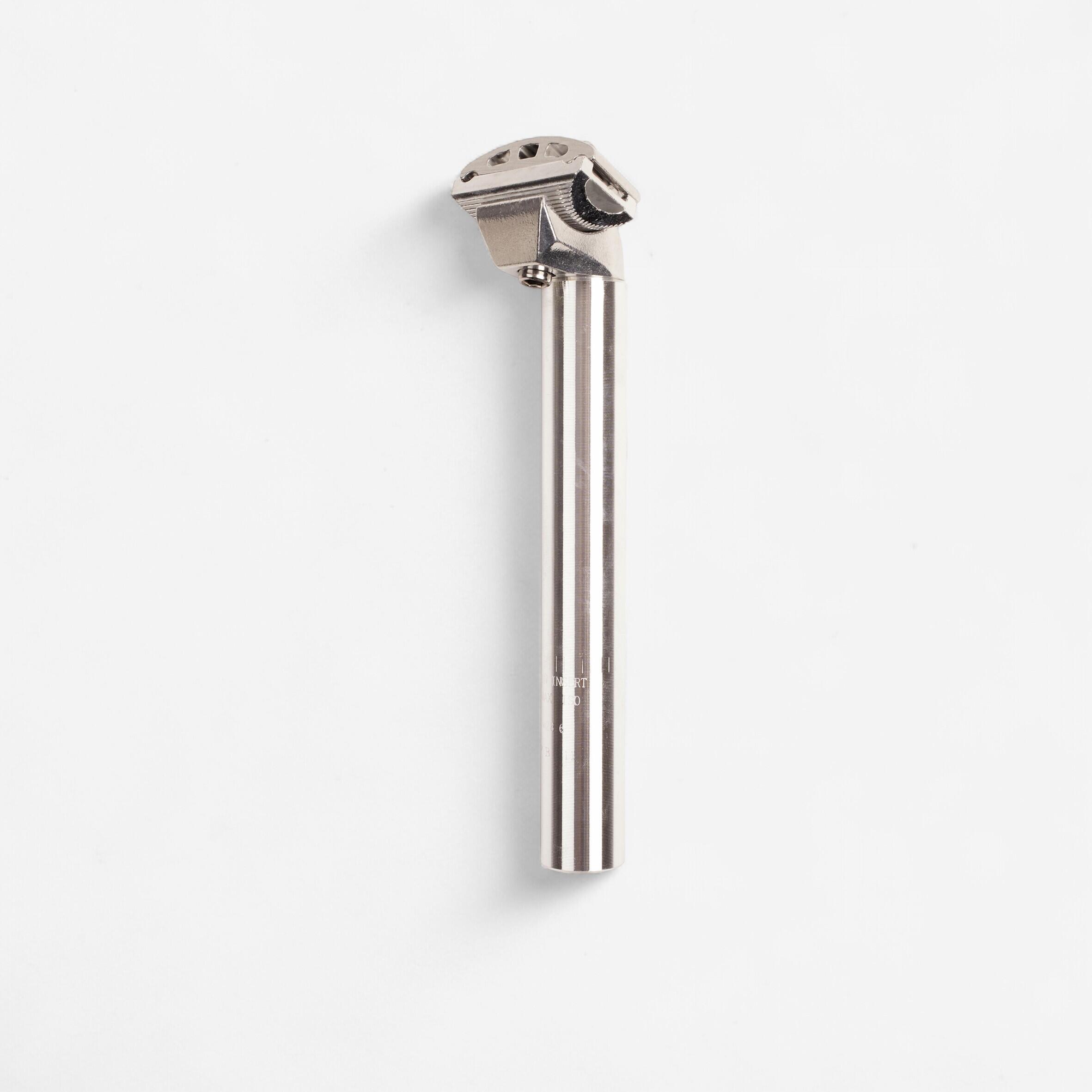
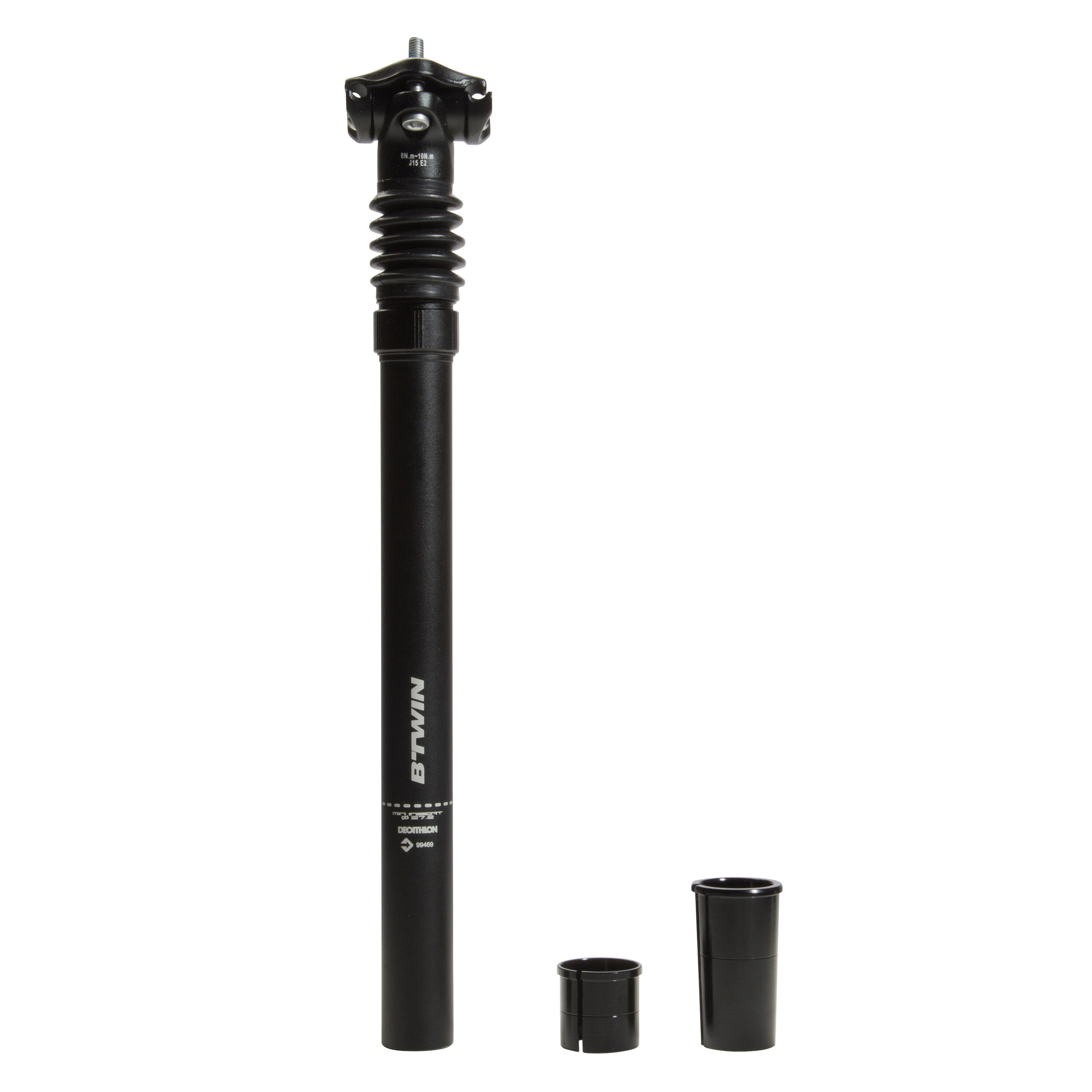
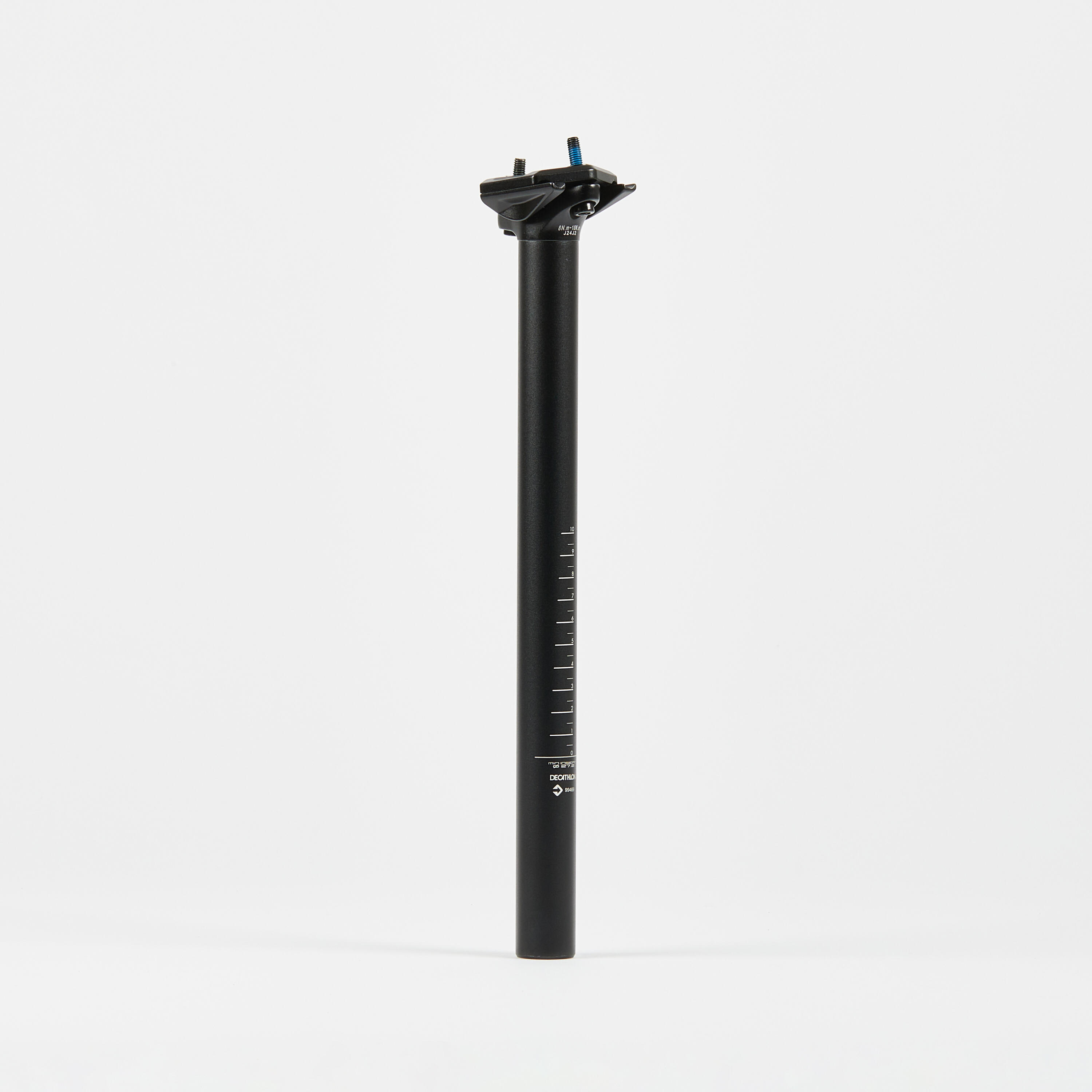
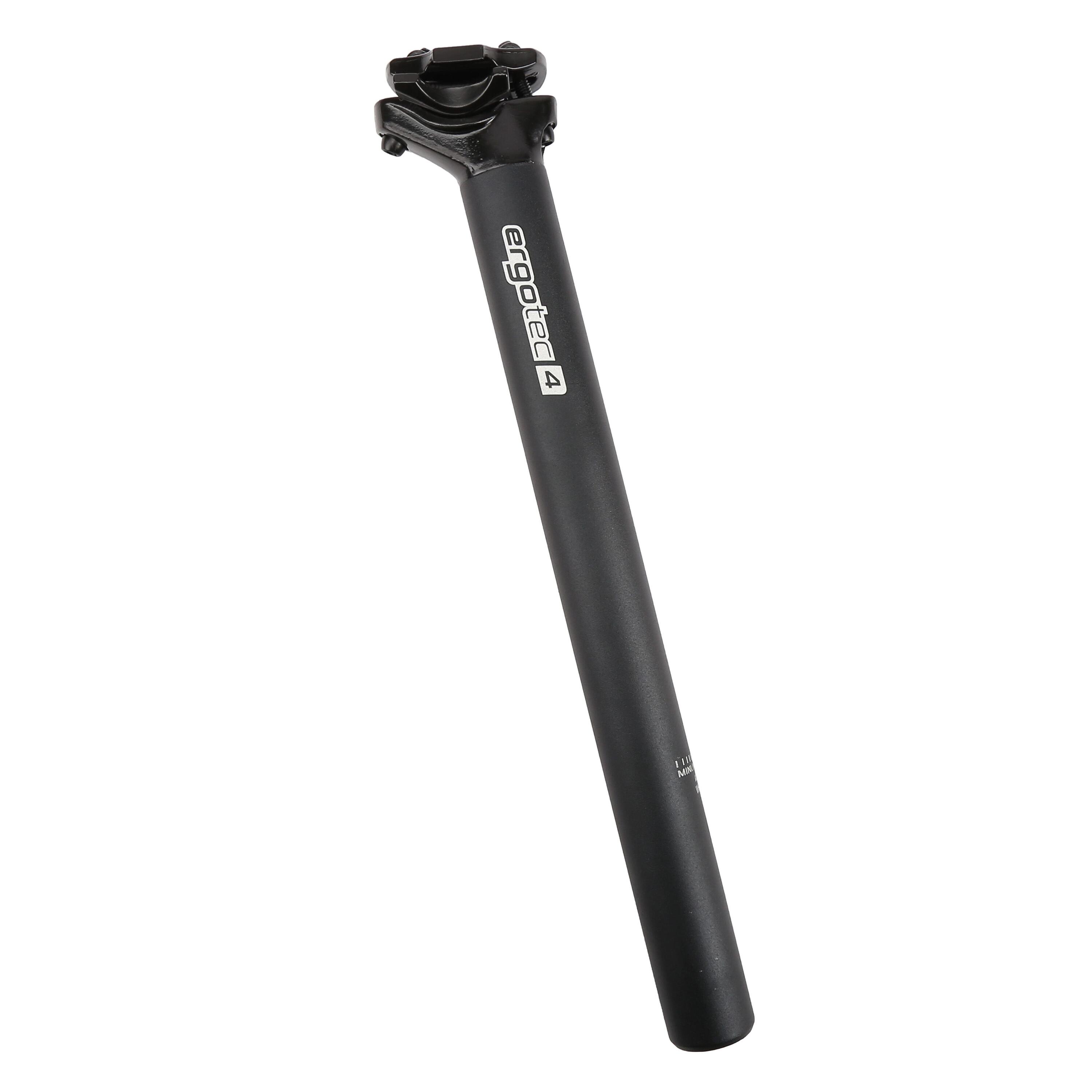
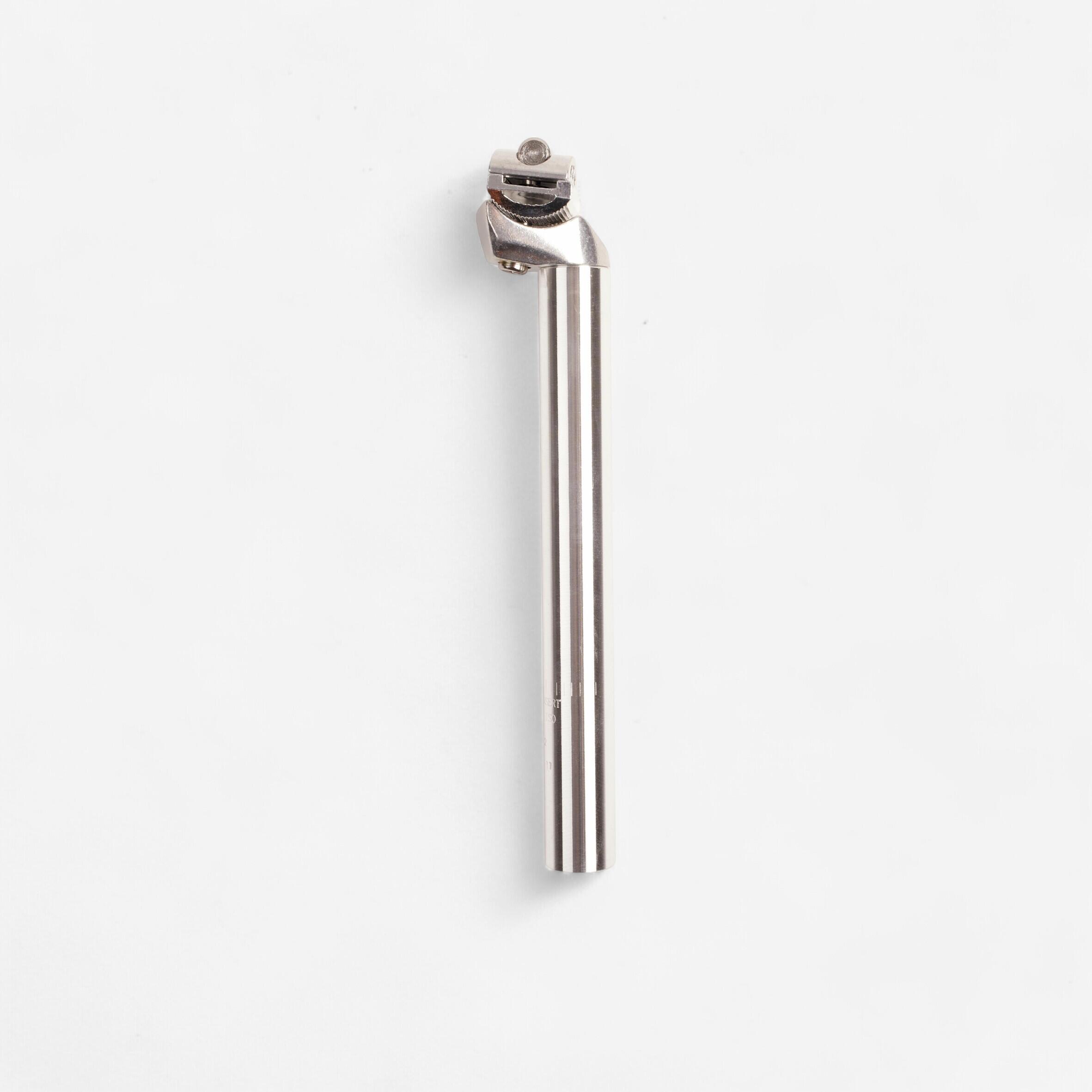
Finding the correct height for bike seatposts is critical for power transfer and preventing long-term knee strain. When sitting on the saddle with your foot at the very bottom of the pedal stroke, your knee should have a slight bend of approximately 25 to 35 degrees. If you find yourself reaching the limit of your current hardware, you may need to install longer seatposts to achieve the safe minimum insertion depth required by your frame. Too low a height causes the quadriceps to overwork, leading to pain at the front of the knee, while a seat that is too high causes your hips to rock, which can lead to lower back issues. Smart tip: A quick field test is to place your heel on the pedal; in this position, your leg should be completely straight. When you move to the proper ball-of-the-foot pedalling position, that perfect slight bend will naturally appear.