25,351 items
4.4/5 based on 130783 reviews collected online and in stores

Bike Spare Parts FAQs

Which replacement tyre or inner tube will fit your bike?

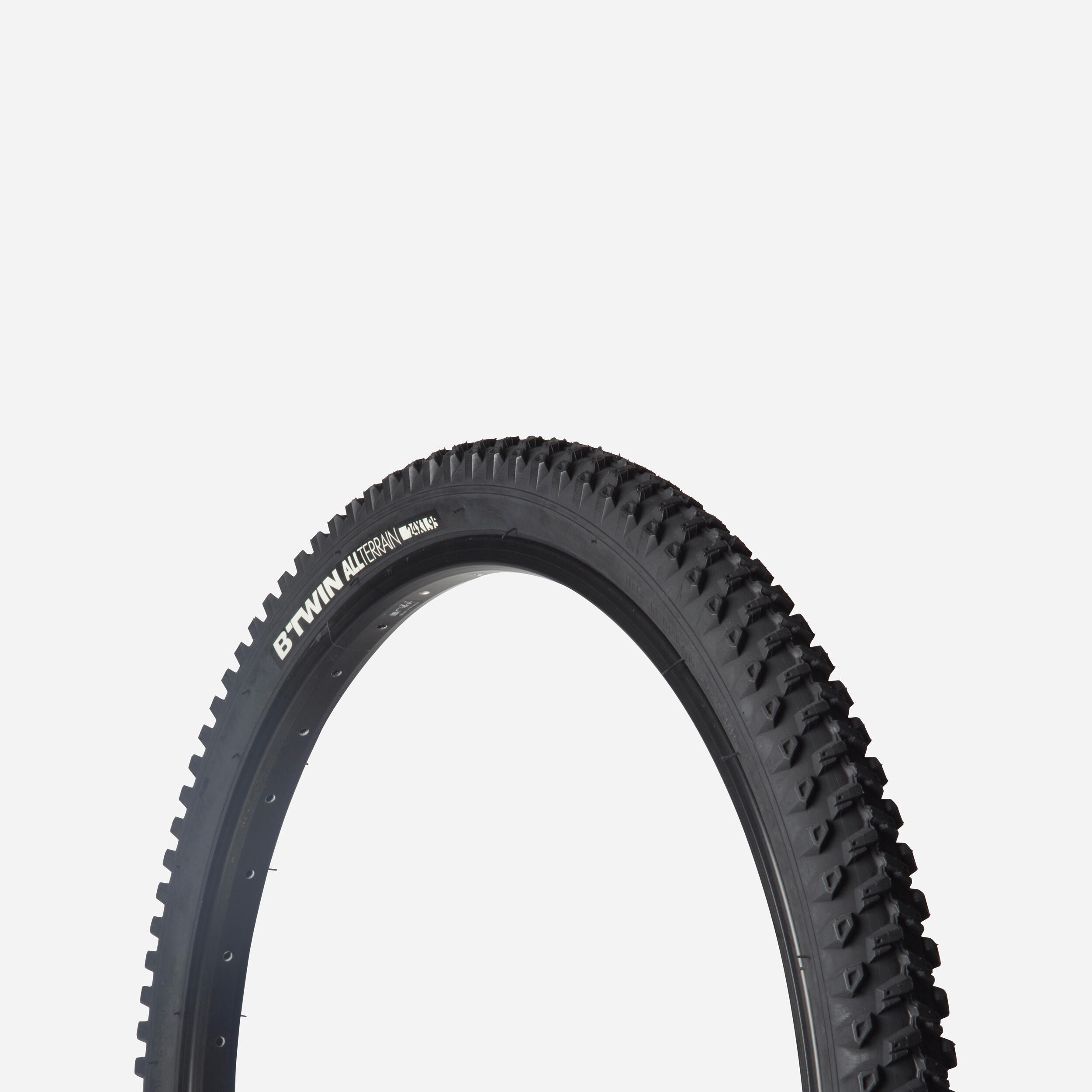
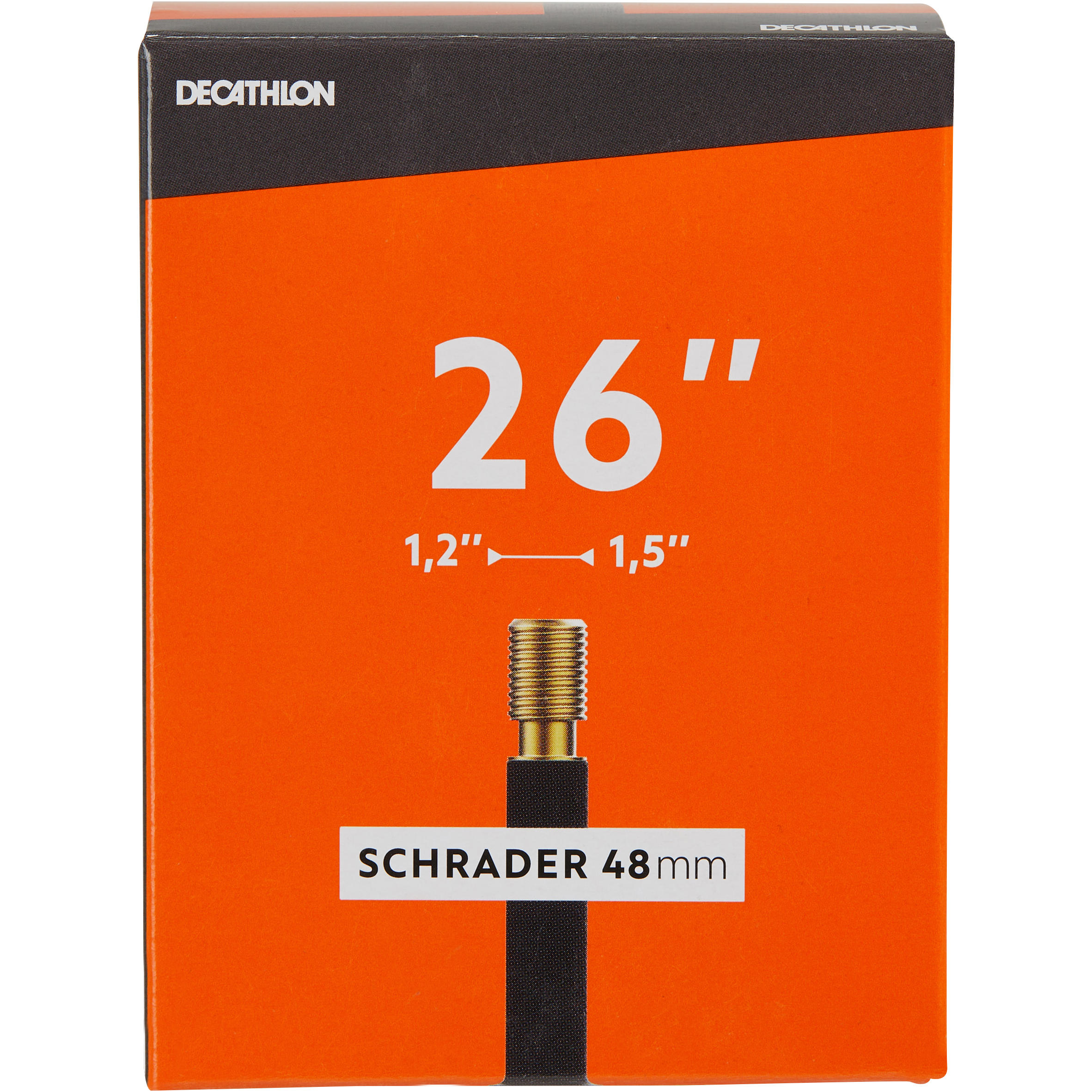
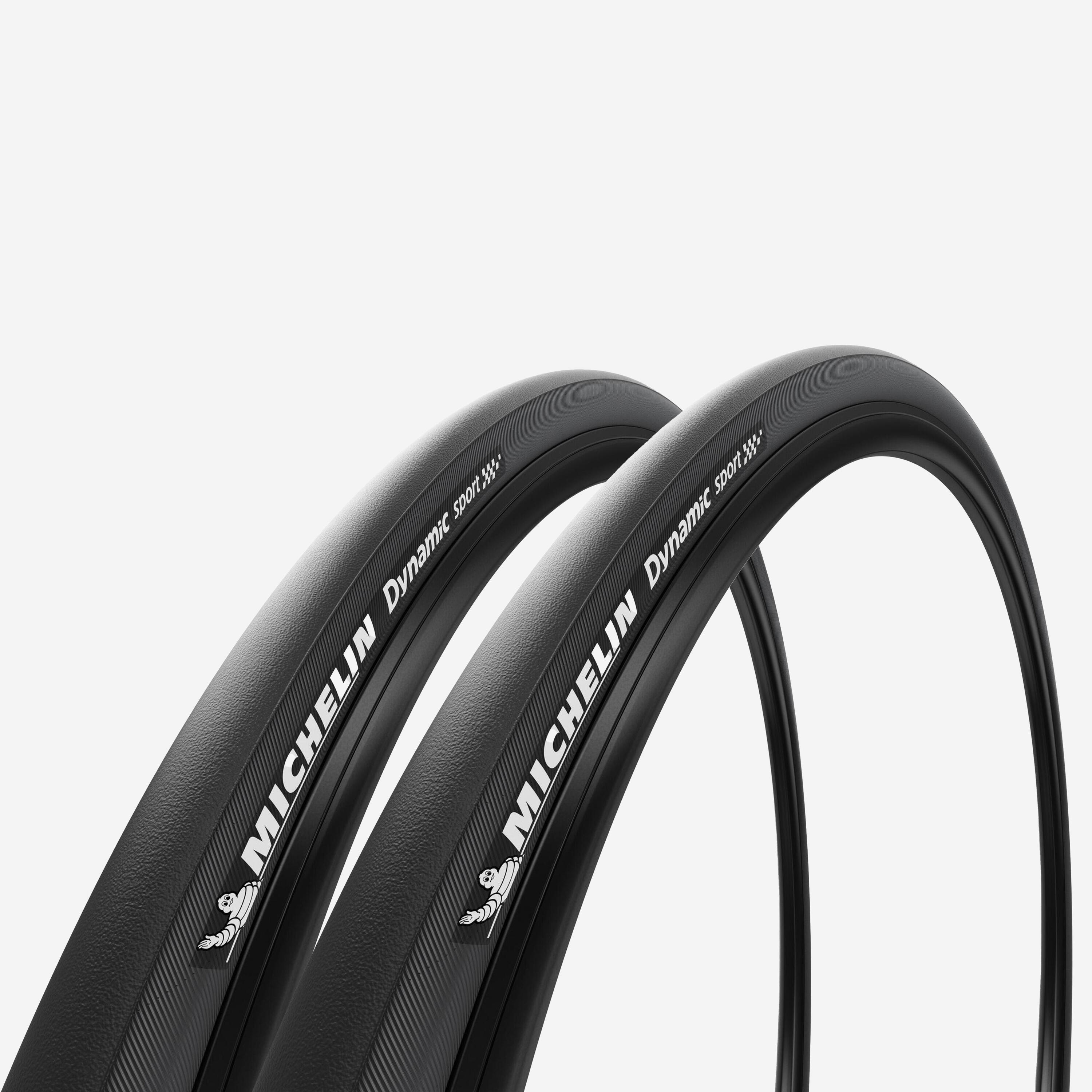
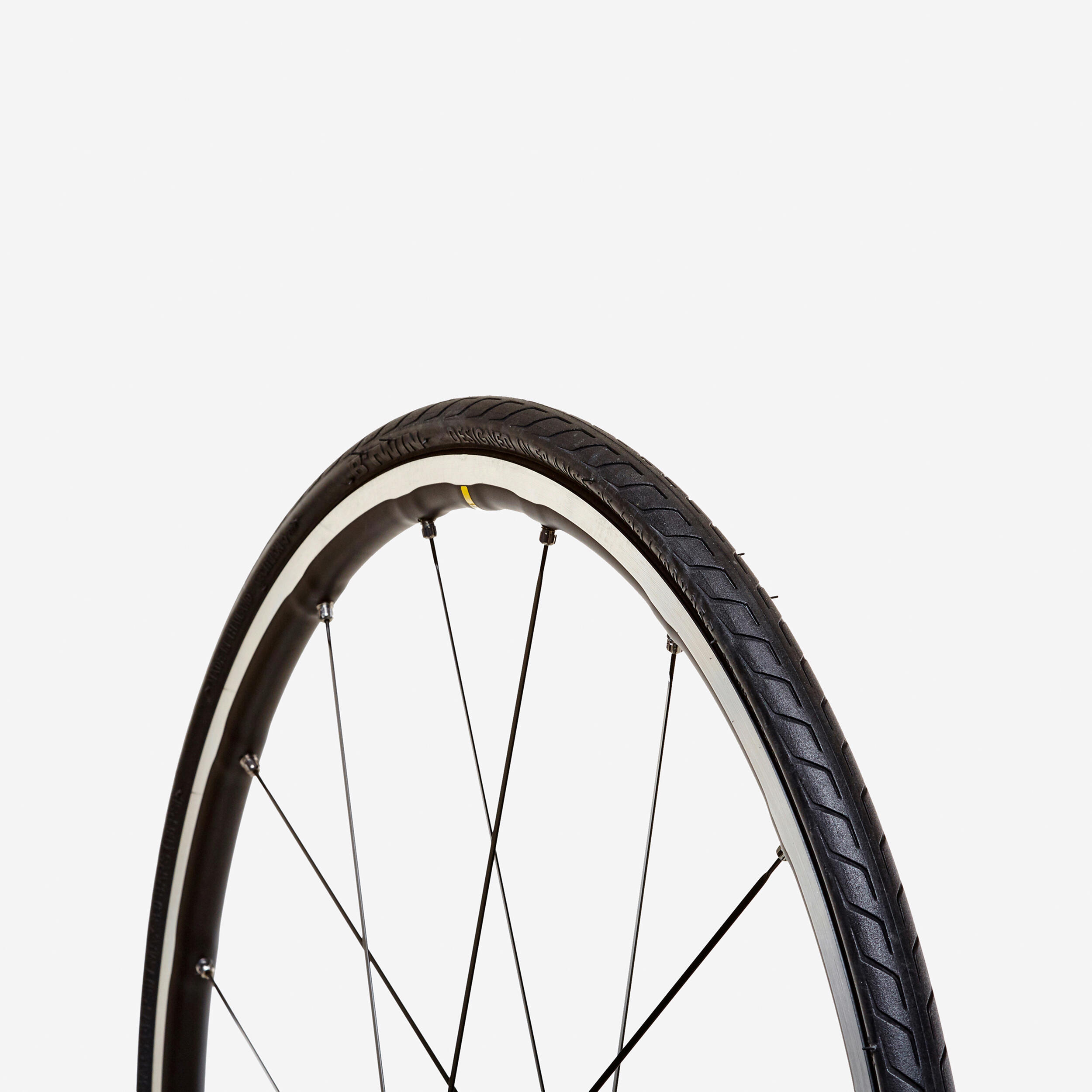
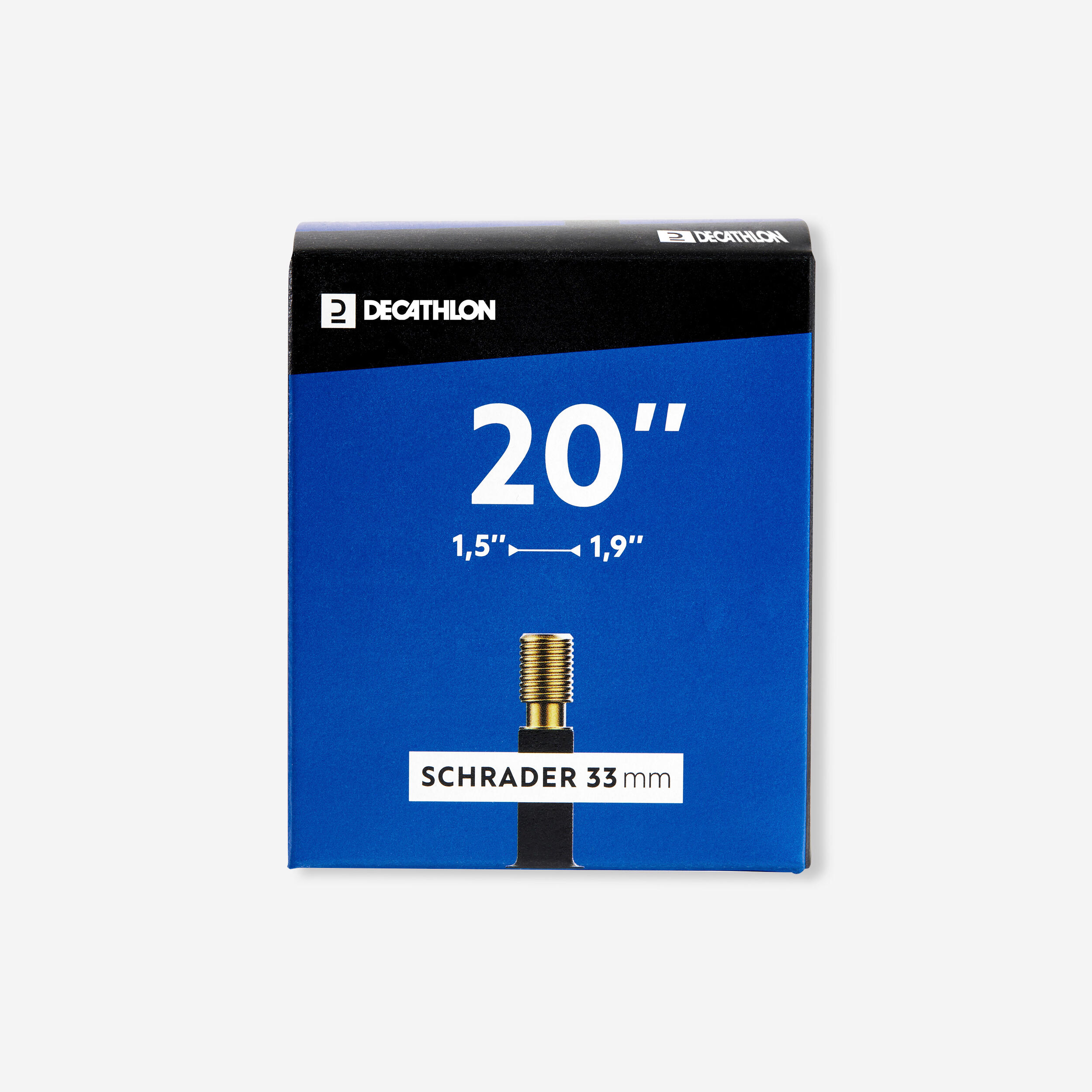
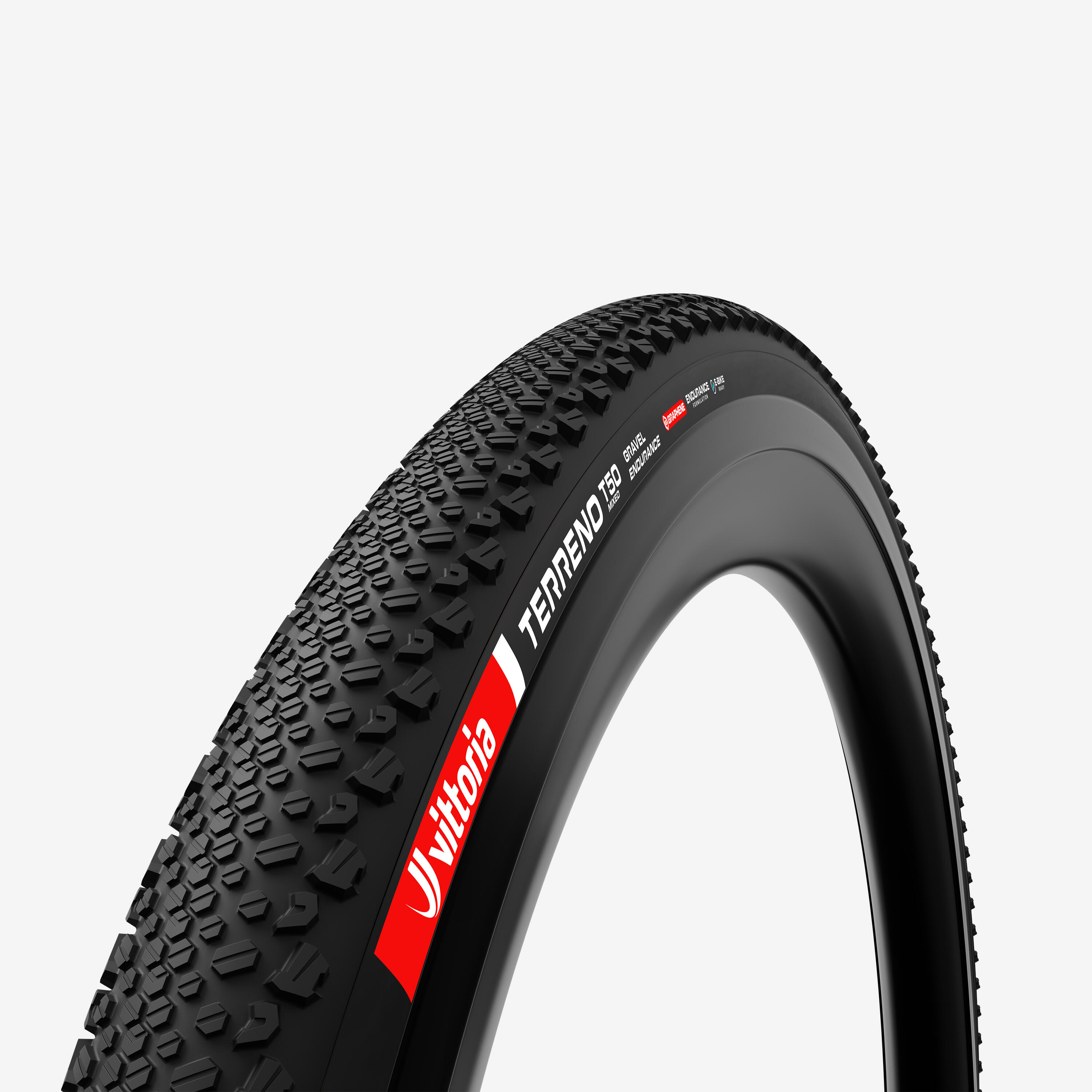
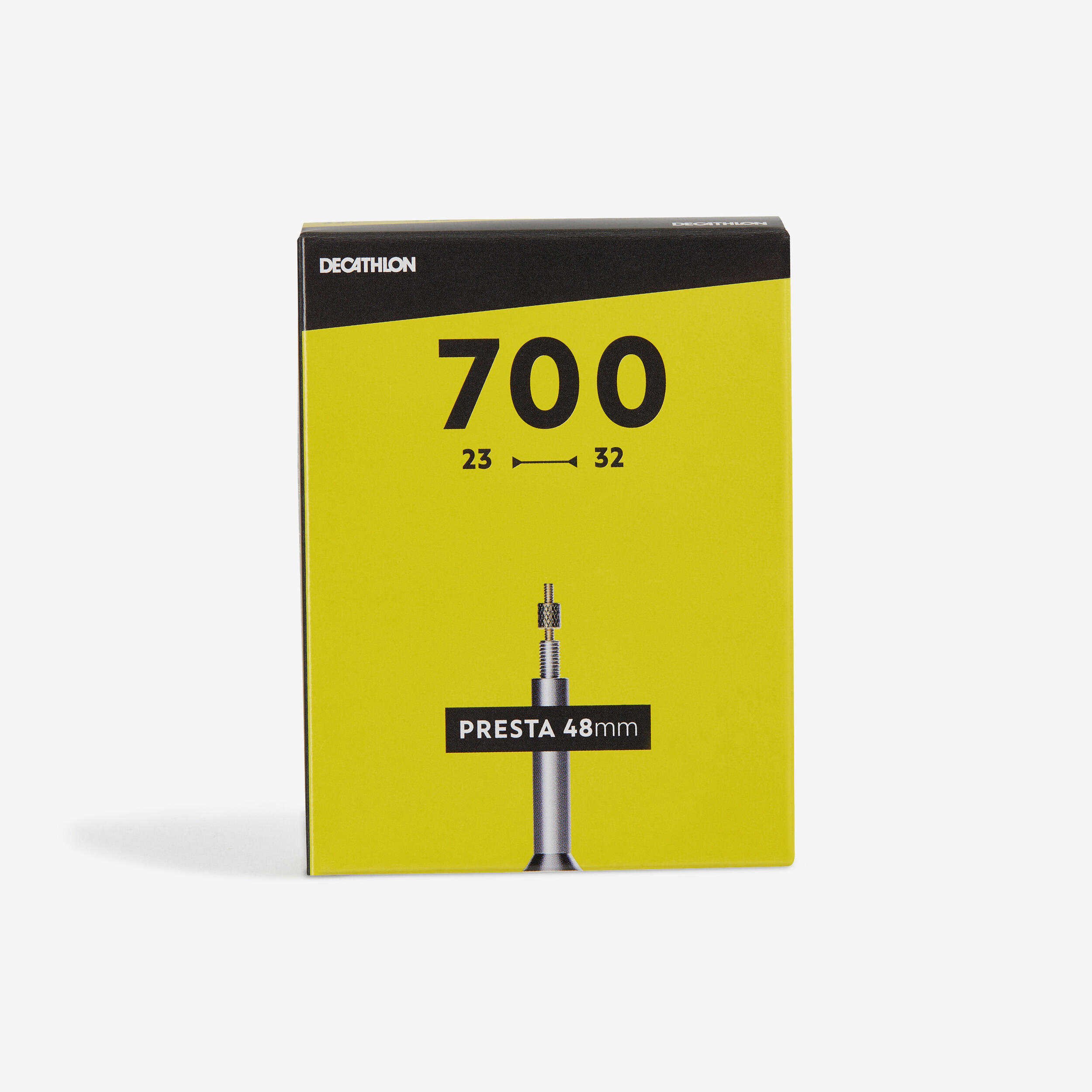
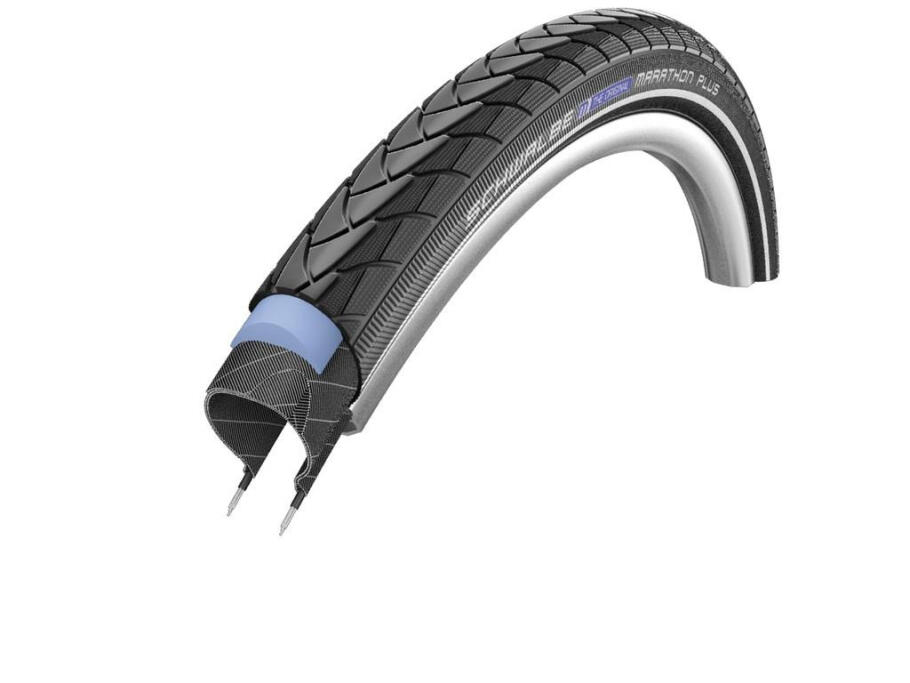
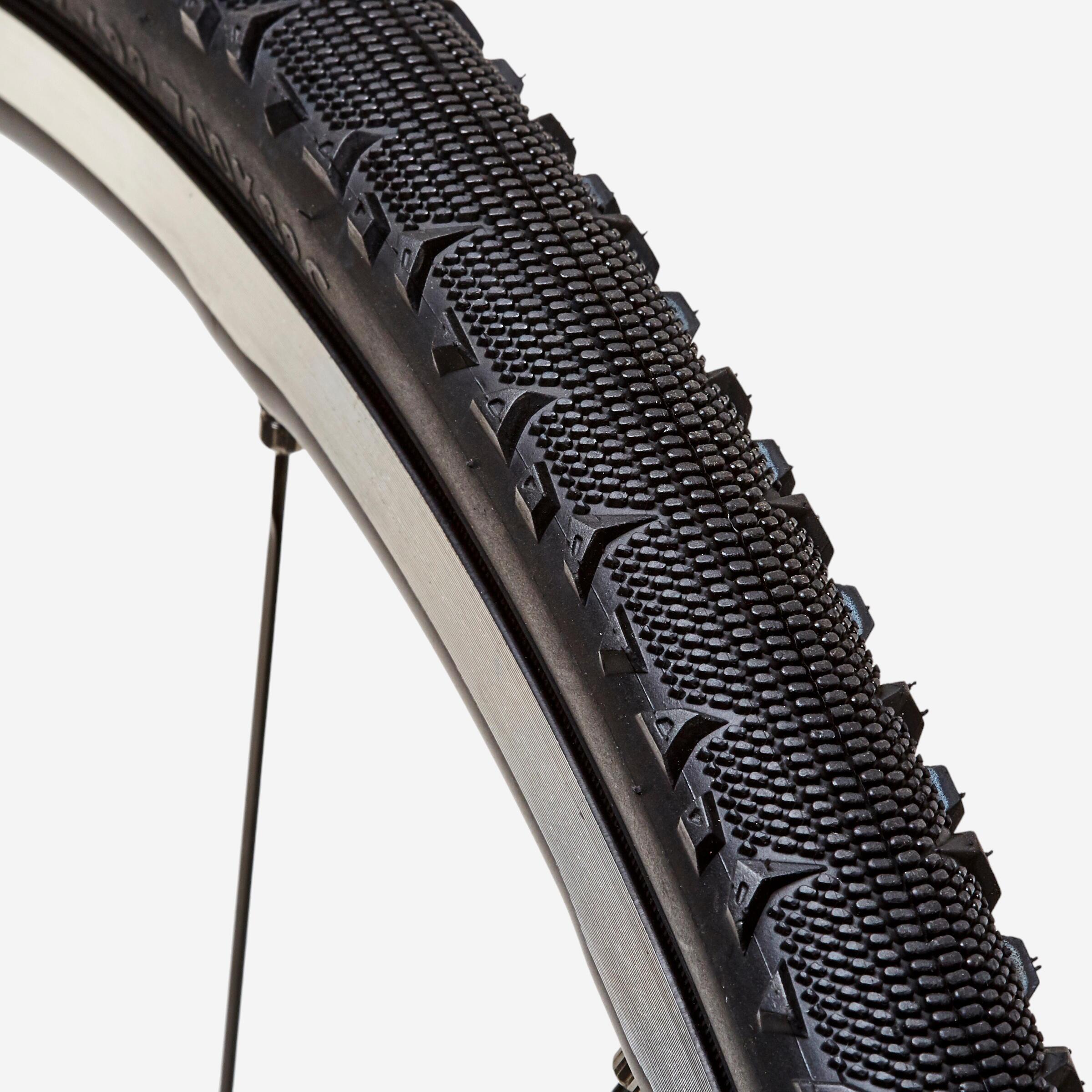
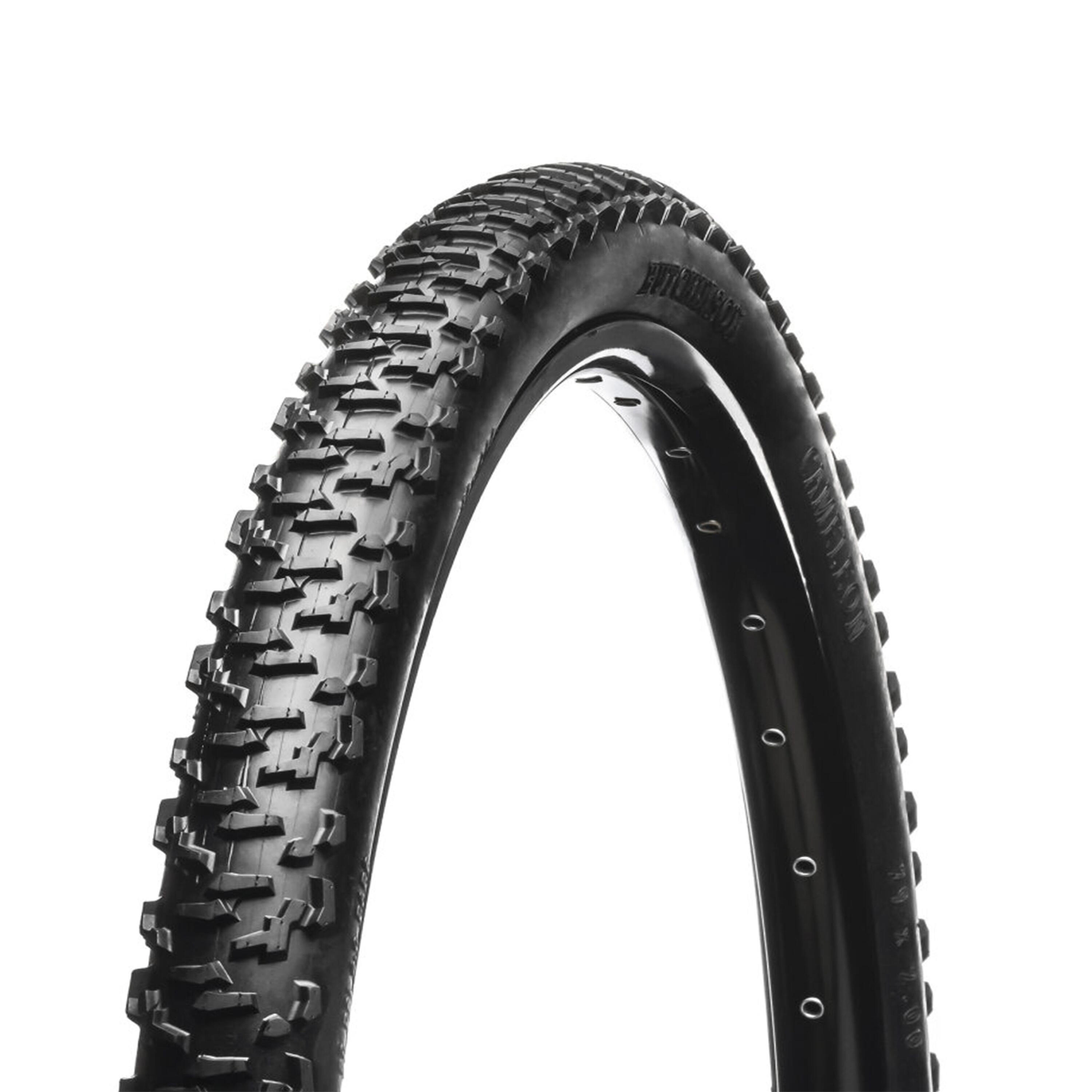
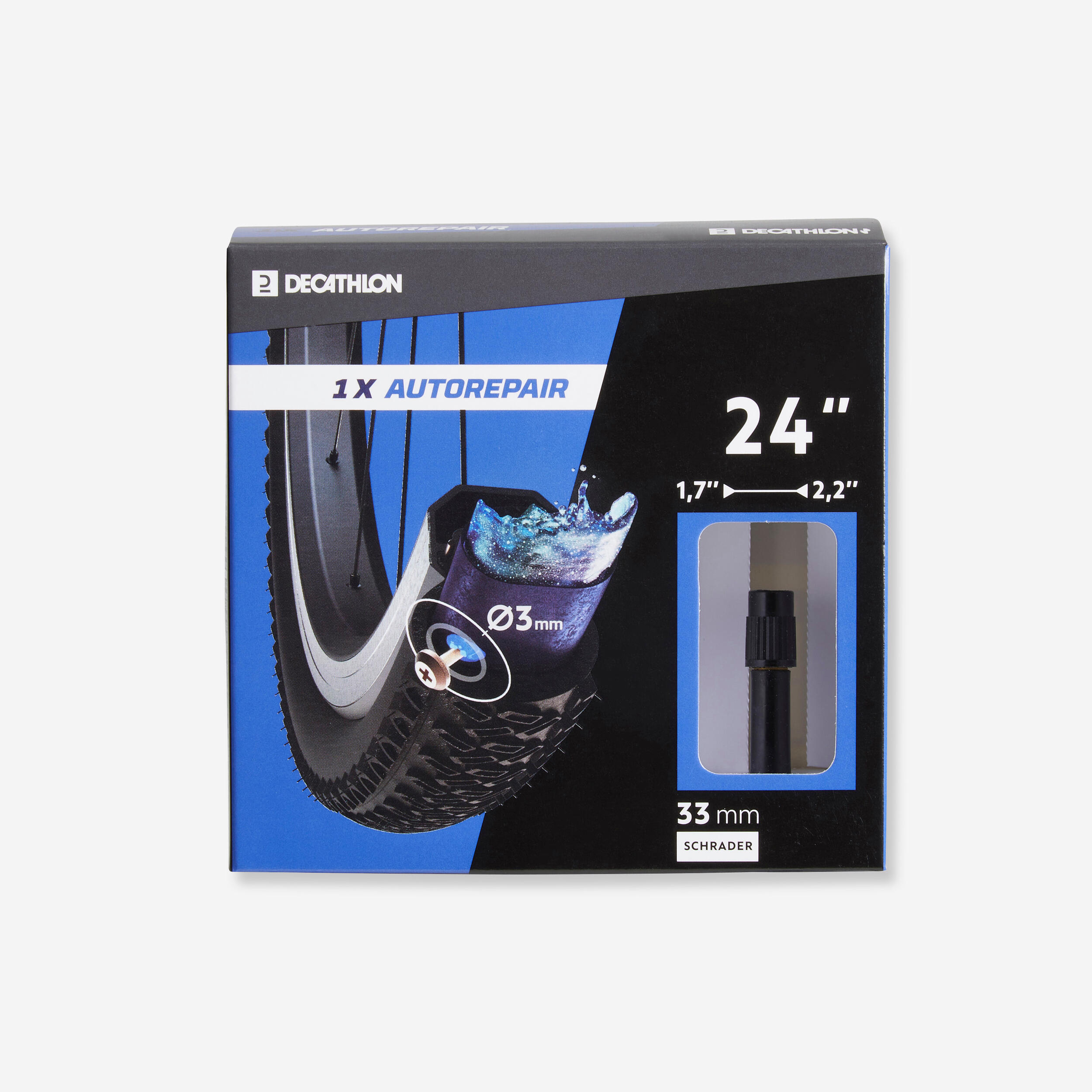
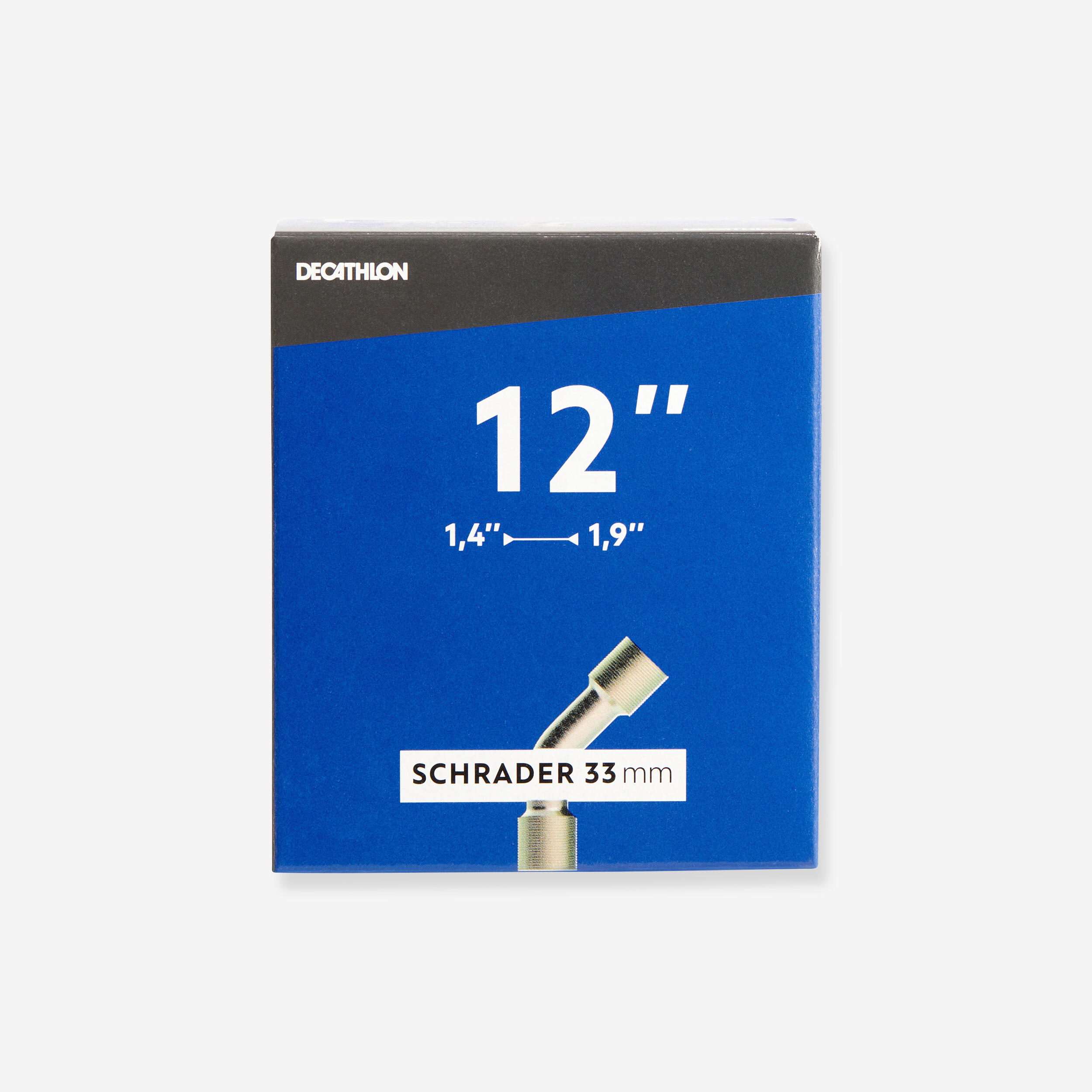
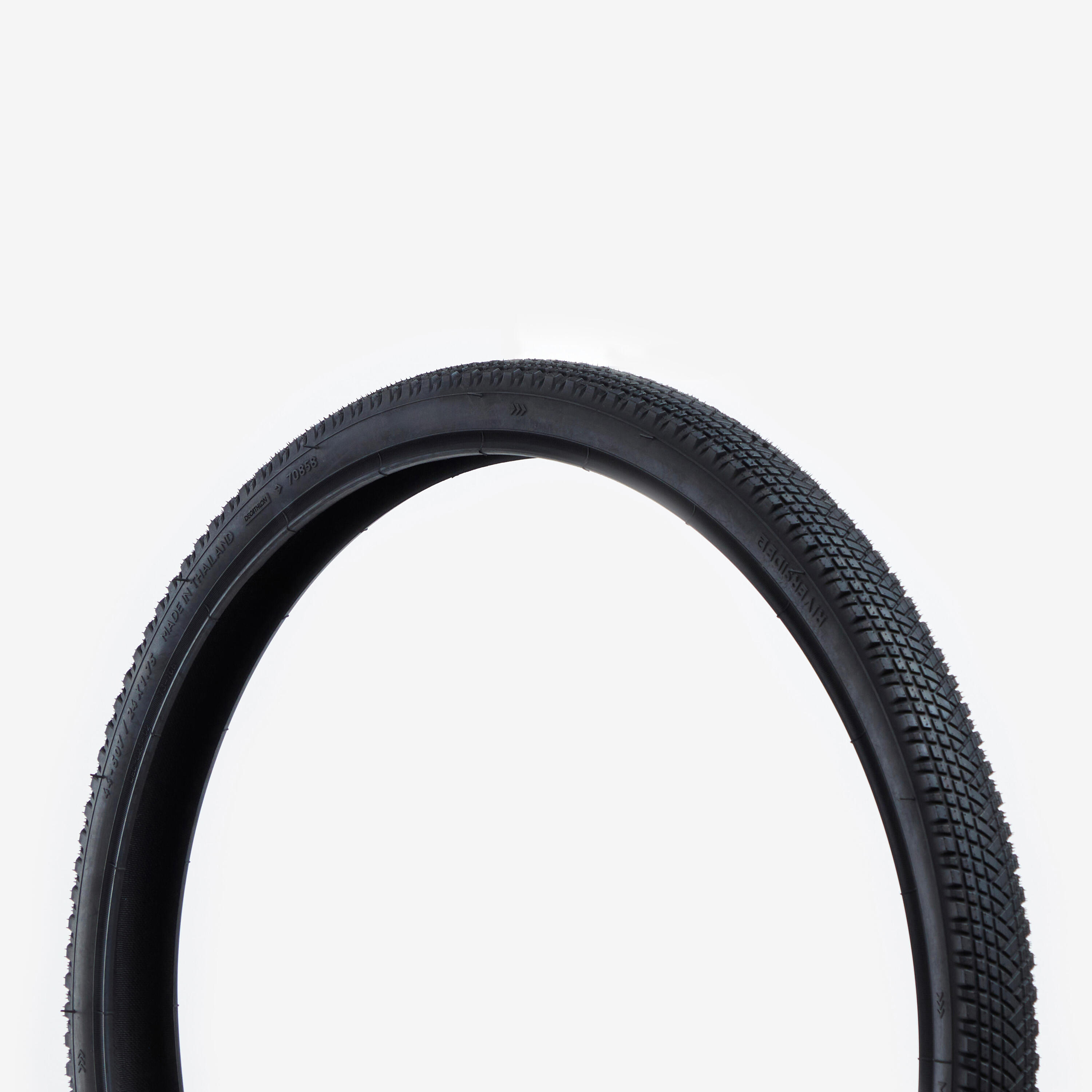
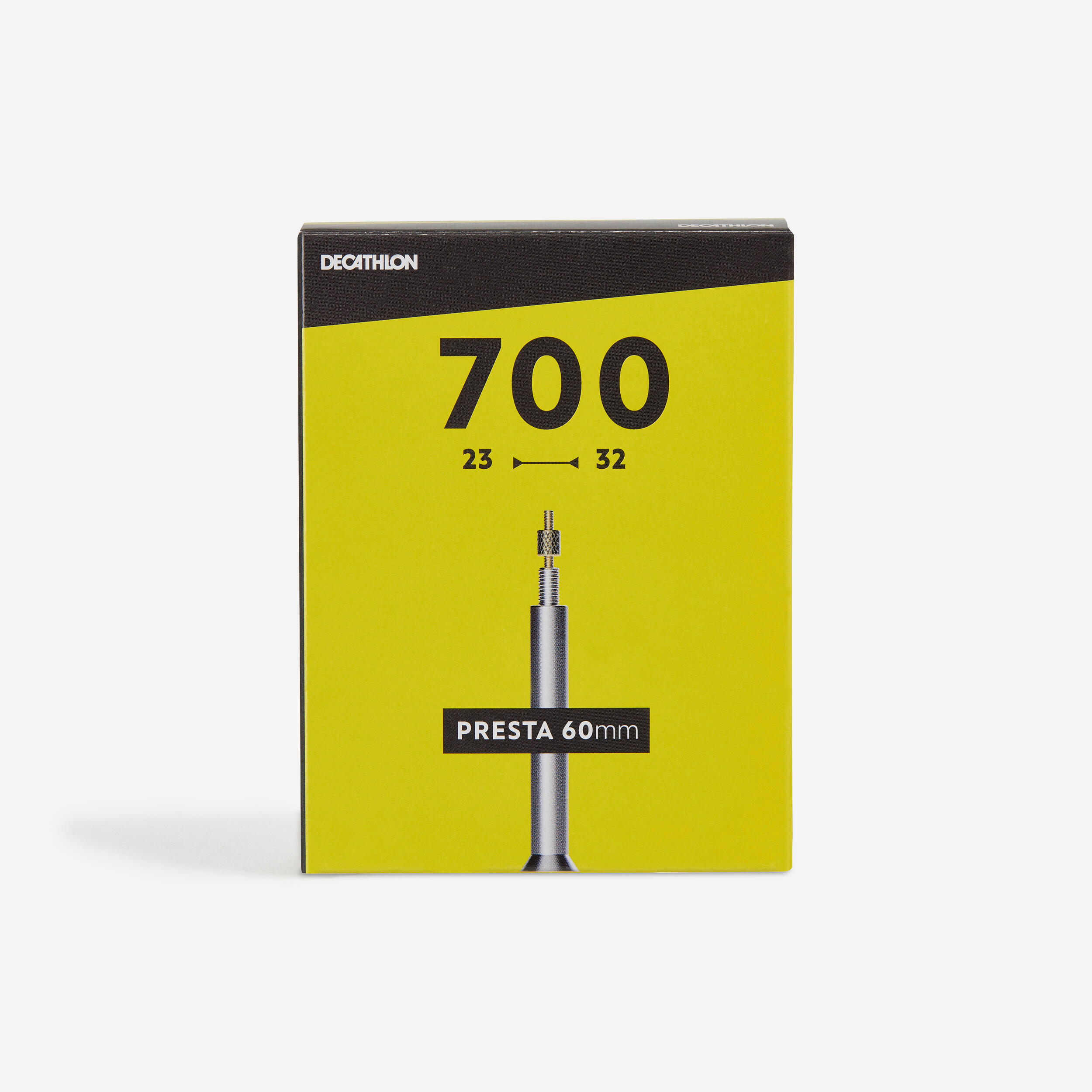
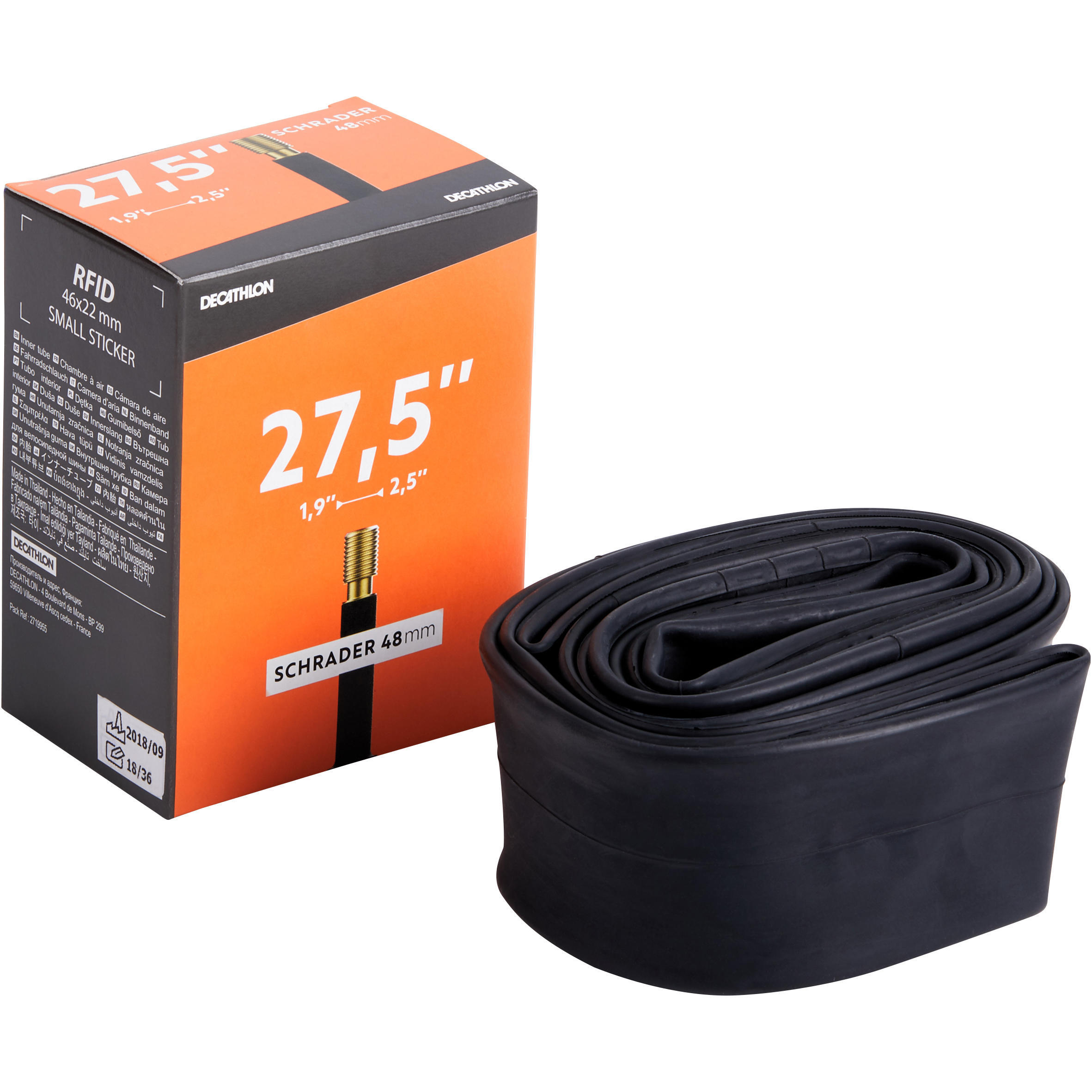
Start with the measurements already printed on your tyre rather than choosing a replacement from wheel diameter alone. Width, rim diameter and valve type all affect compatibility. When comparing bike wheels, tyres and inner tubes, check both the familiar wheel size and the ETRTO markings where available, as these measurements give a more precise indication of tyre width and rim diameter. Before fitting a new tube, inspect the inside of the tyre and the rim area for thorns, sharp debris or damage that could cause another puncture. Slightly inflating the tube before installation can also help it sit evenly inside the tyre. Pro tip: finish mounting the tyre carefully by hand where possible so the inner tube is less likely to become trapped between the tyre bead and rim.
What signs indicate it is time to replace a bike saddle or seatpost?

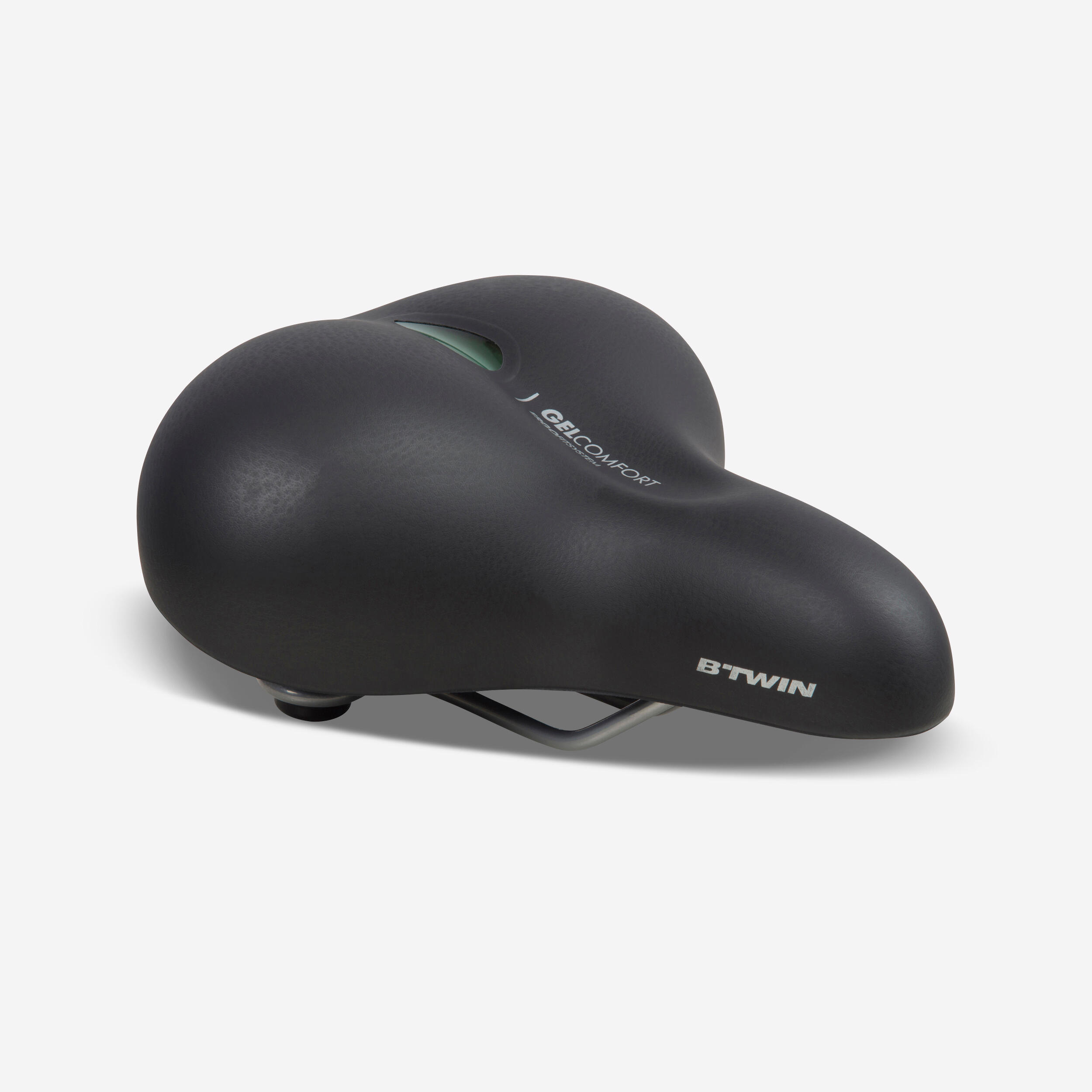
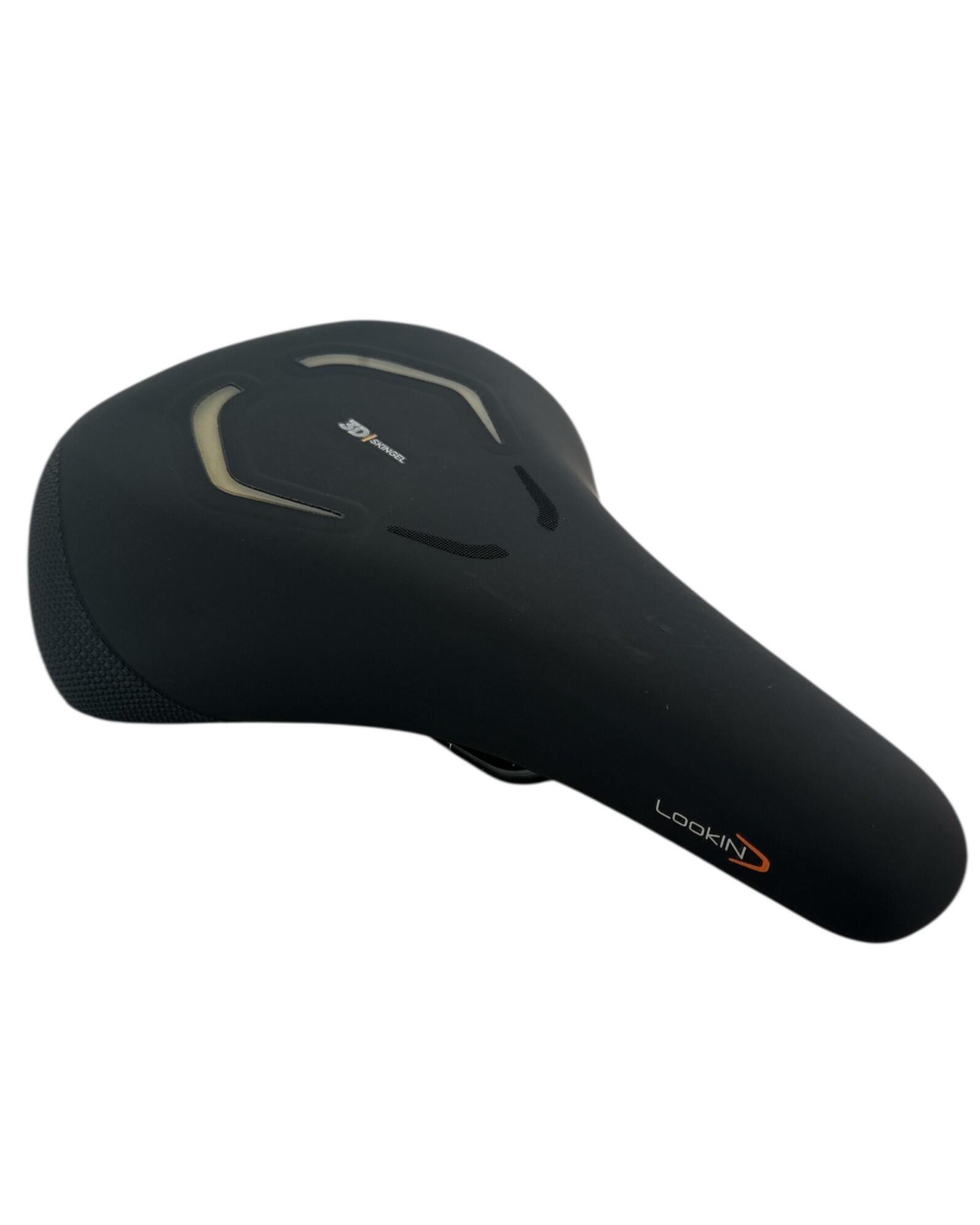
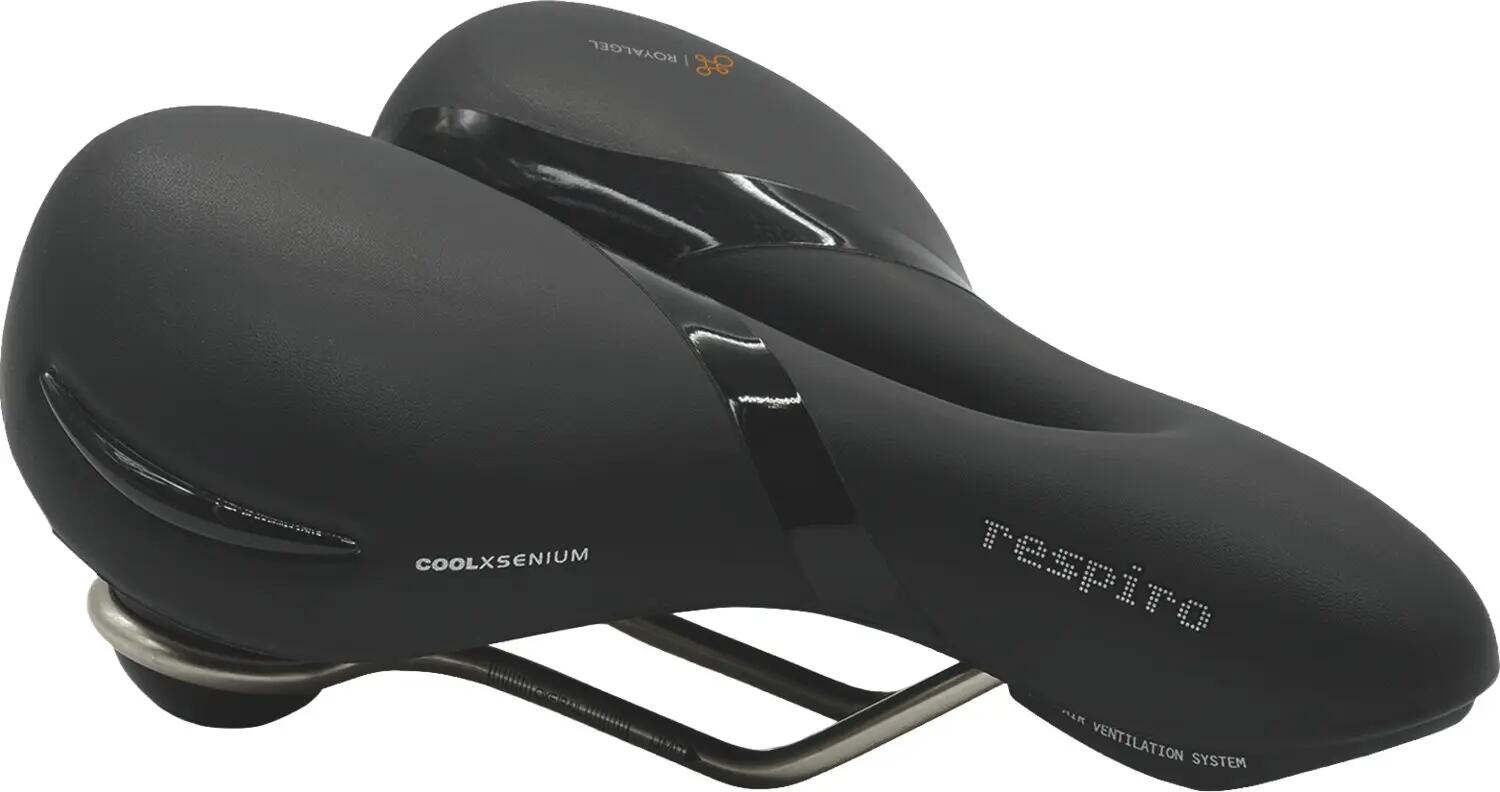
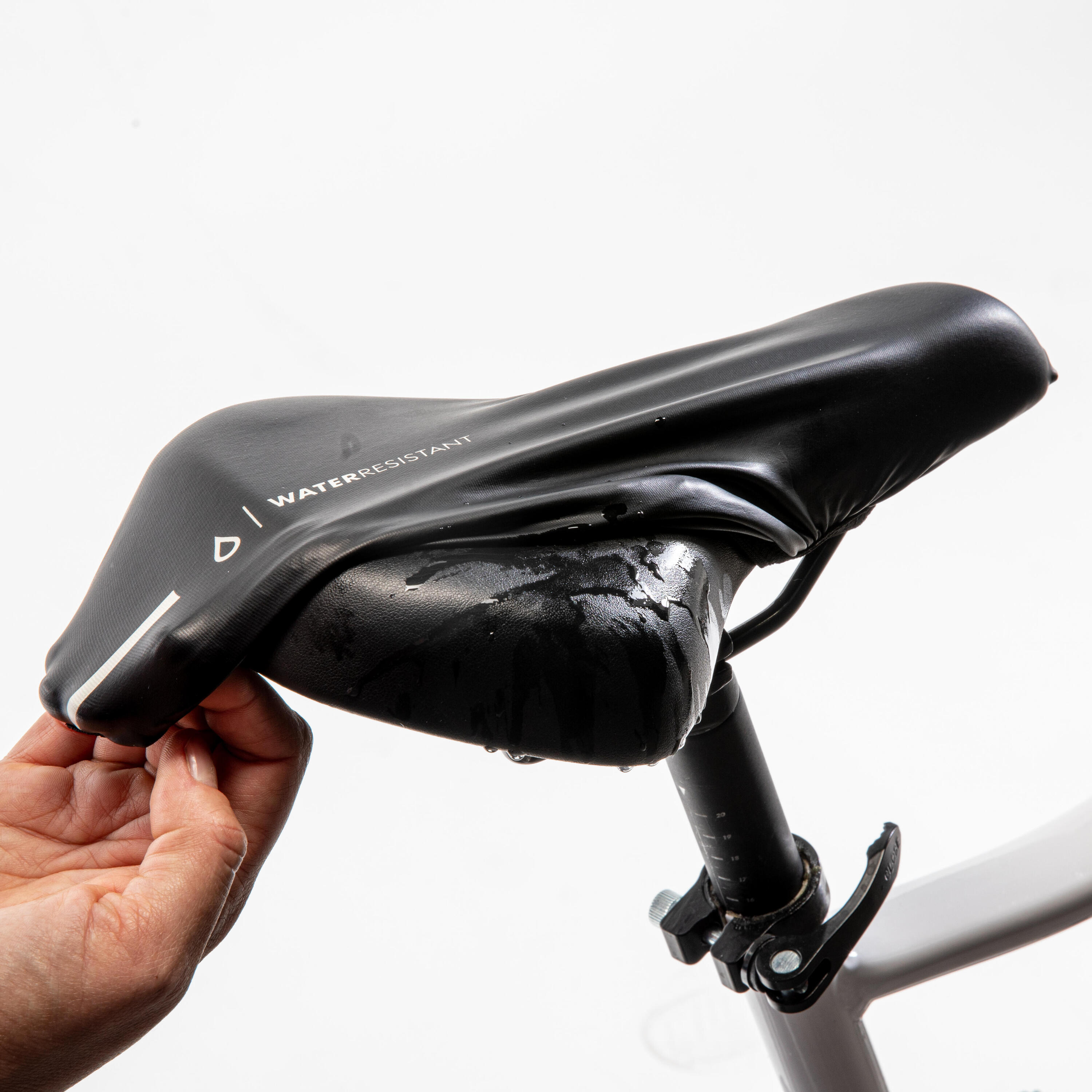
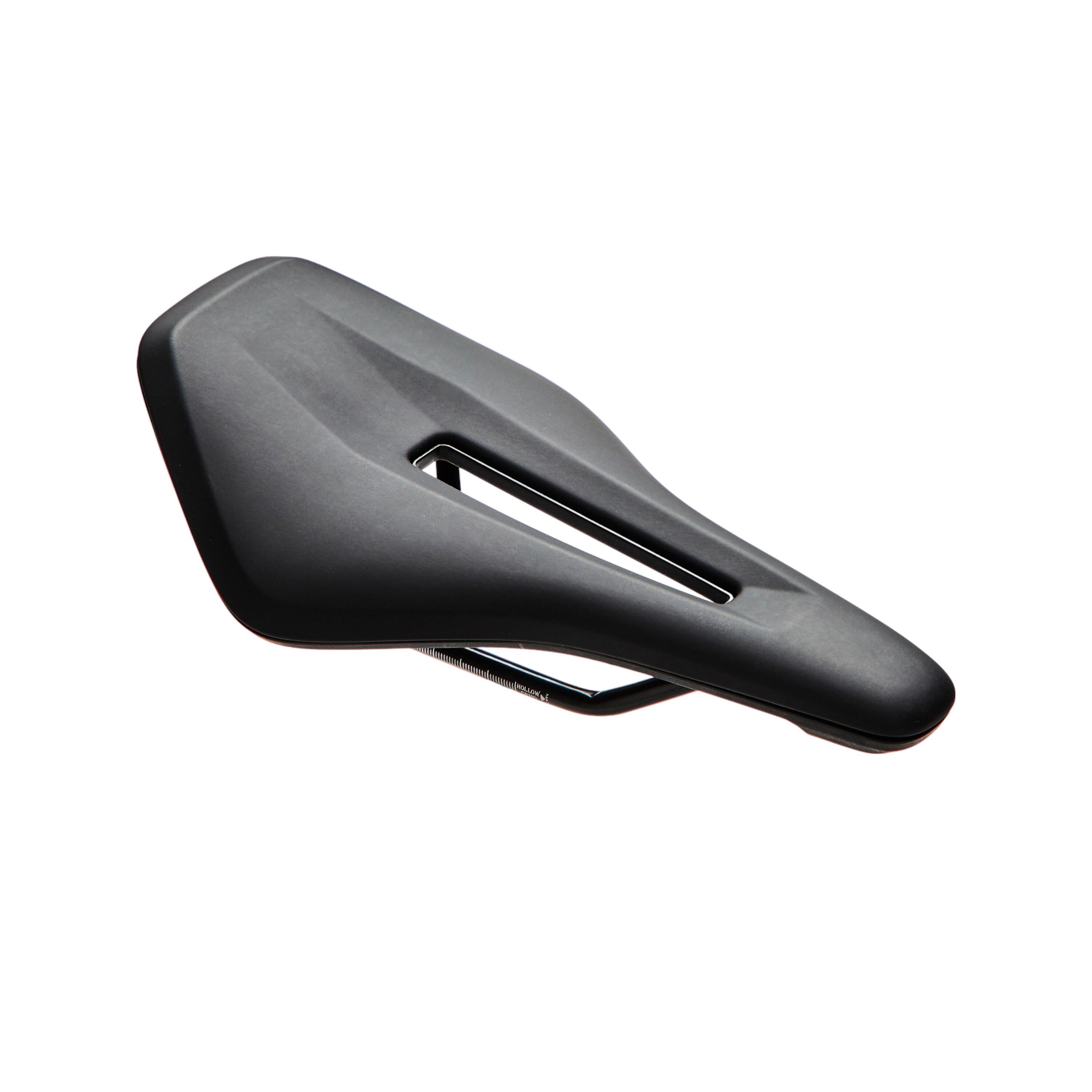
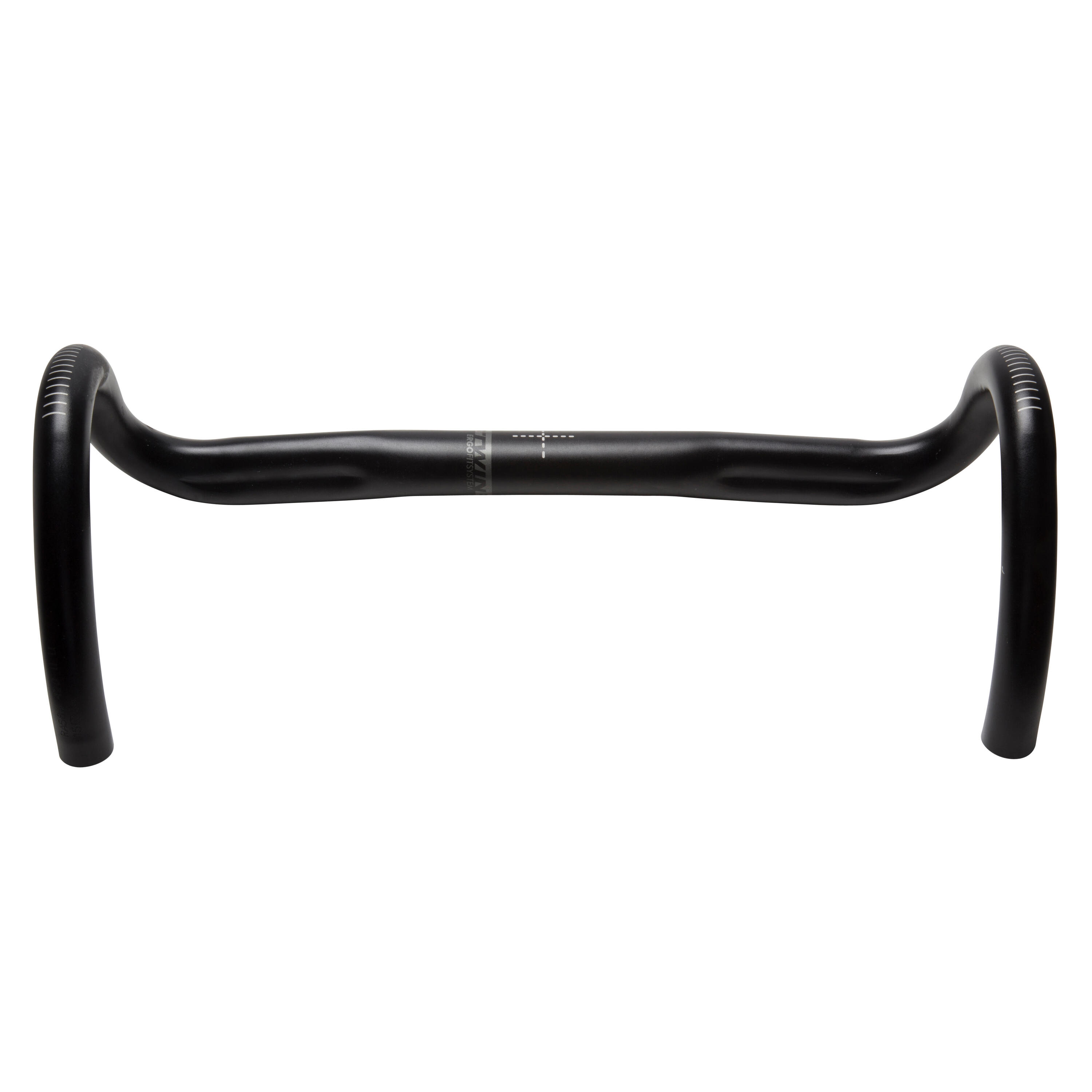
A saddle may need attention if its cover, rails or padding are damaged, but discomfort does not always mean the saddle itself needs replacing. First check saddle height, angle and fore-aft position because small adjustments can change how your weight is supported. Your sit bones should carry much of the load without excessive pressure on sensitive areas, while the saddle should remain stable as you pedal. Seatposts must also match the frame's specified diameter and minimum insertion requirements. If you are changing your riding position or replacing a worn component, compare the fitting options within bike saddles and seatposts before choosing. Pro tip: mark your existing saddle height before removing the old seatpost, so you have a useful starting point when setting up the replacement.

How can you tell when bike braking parts need replacing?

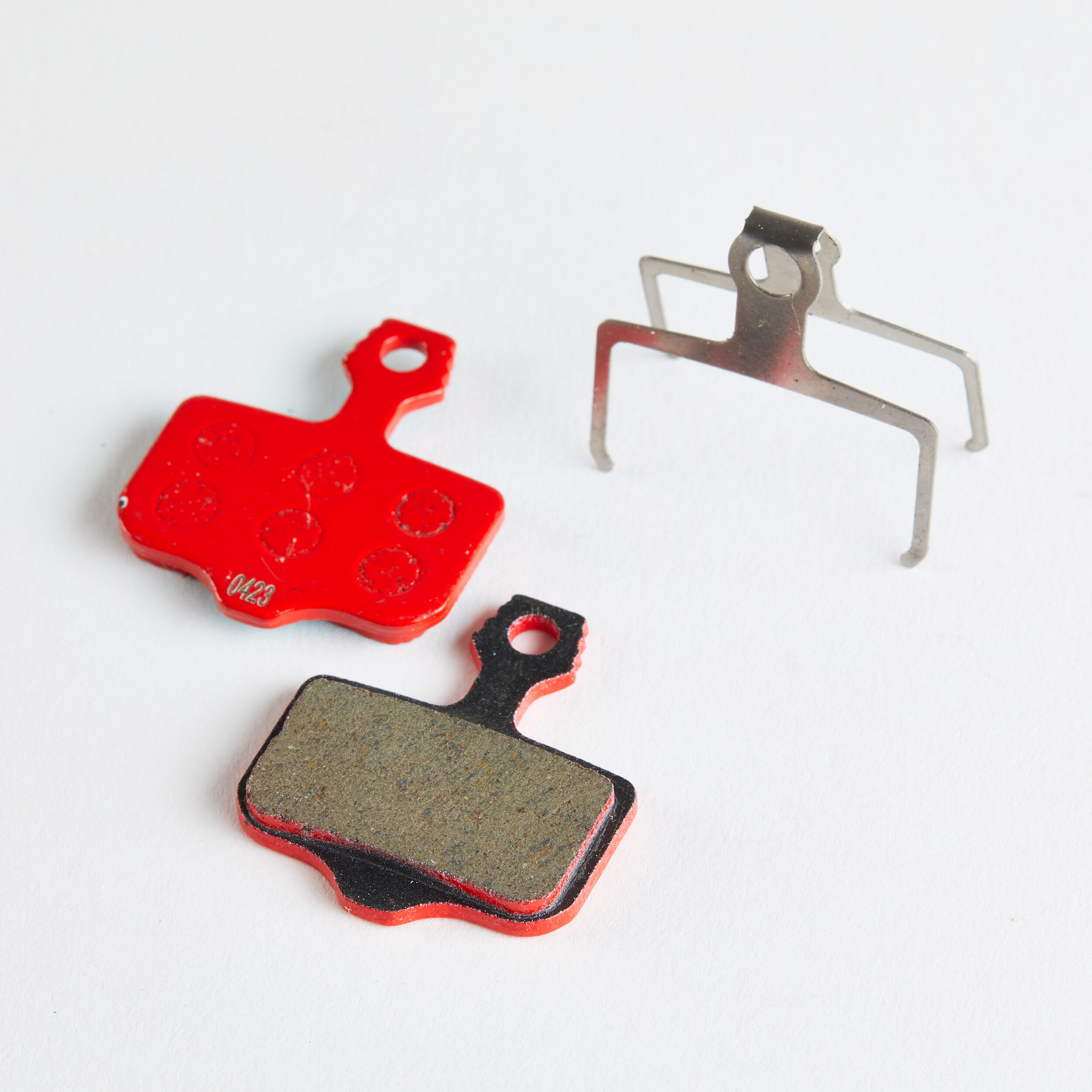
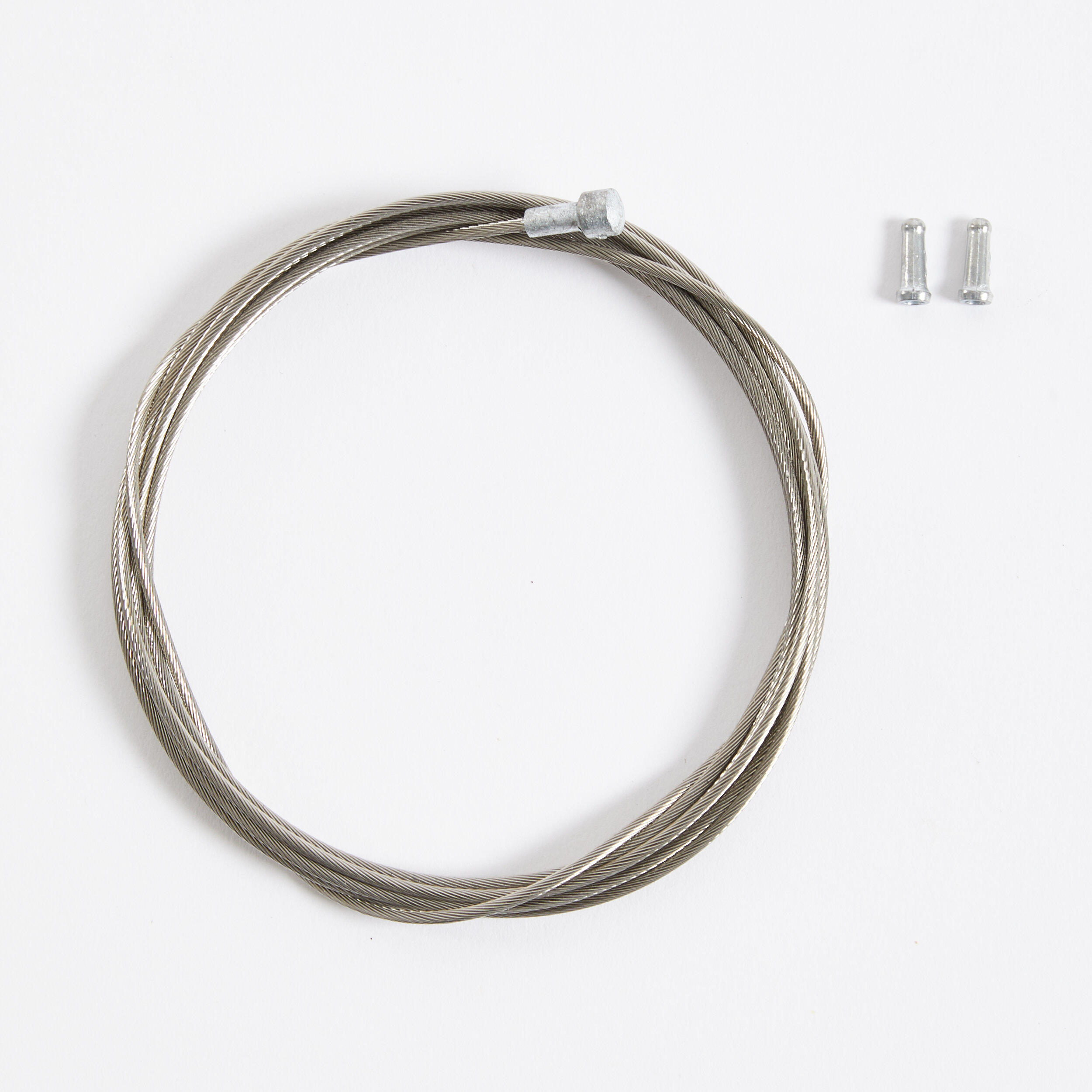
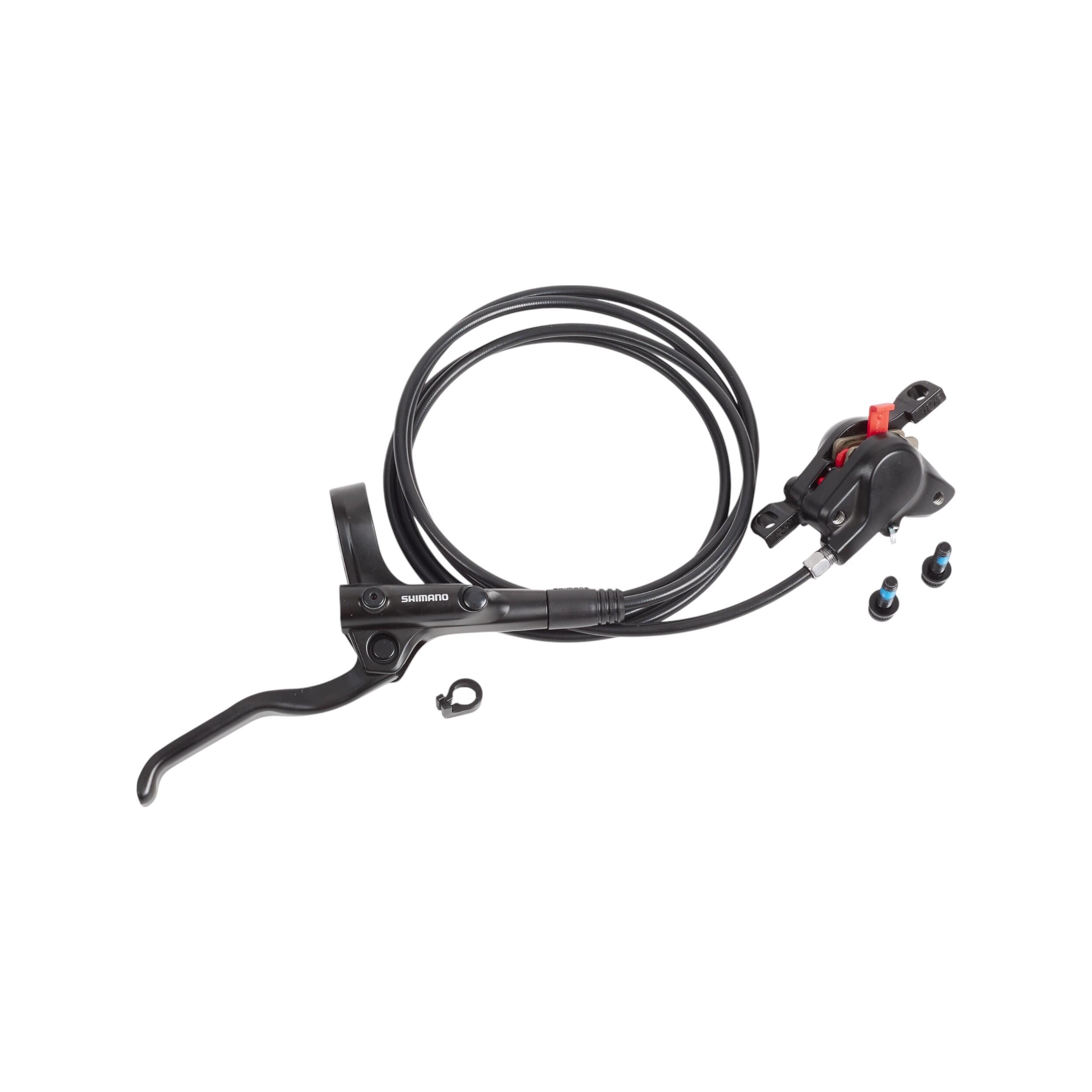
Regularly checking bike braking components can help you spot wear before braking performance becomes noticeably poor. Check brake pads for worn friction material and see whether braking feels weaker, uneven or requires more lever travel than usual. With rim brakes, also inspect the braking surface and make sure the pads contact the rim correctly rather than rubbing the tyre. Disc brake systems require compatible pads and correctly matched components, so identify the existing calliper and braking system before ordering replacements. This matters because different brake systems use different pad shapes, mounting arrangements and operating methods. Pro tip: after replacing braking components, test the bike at low speed in a traffic-free area. If you are unsure about installation or adjustment, have a qualified technician check the braking system.

Which steering parts should you check when your riding position feels wrong?

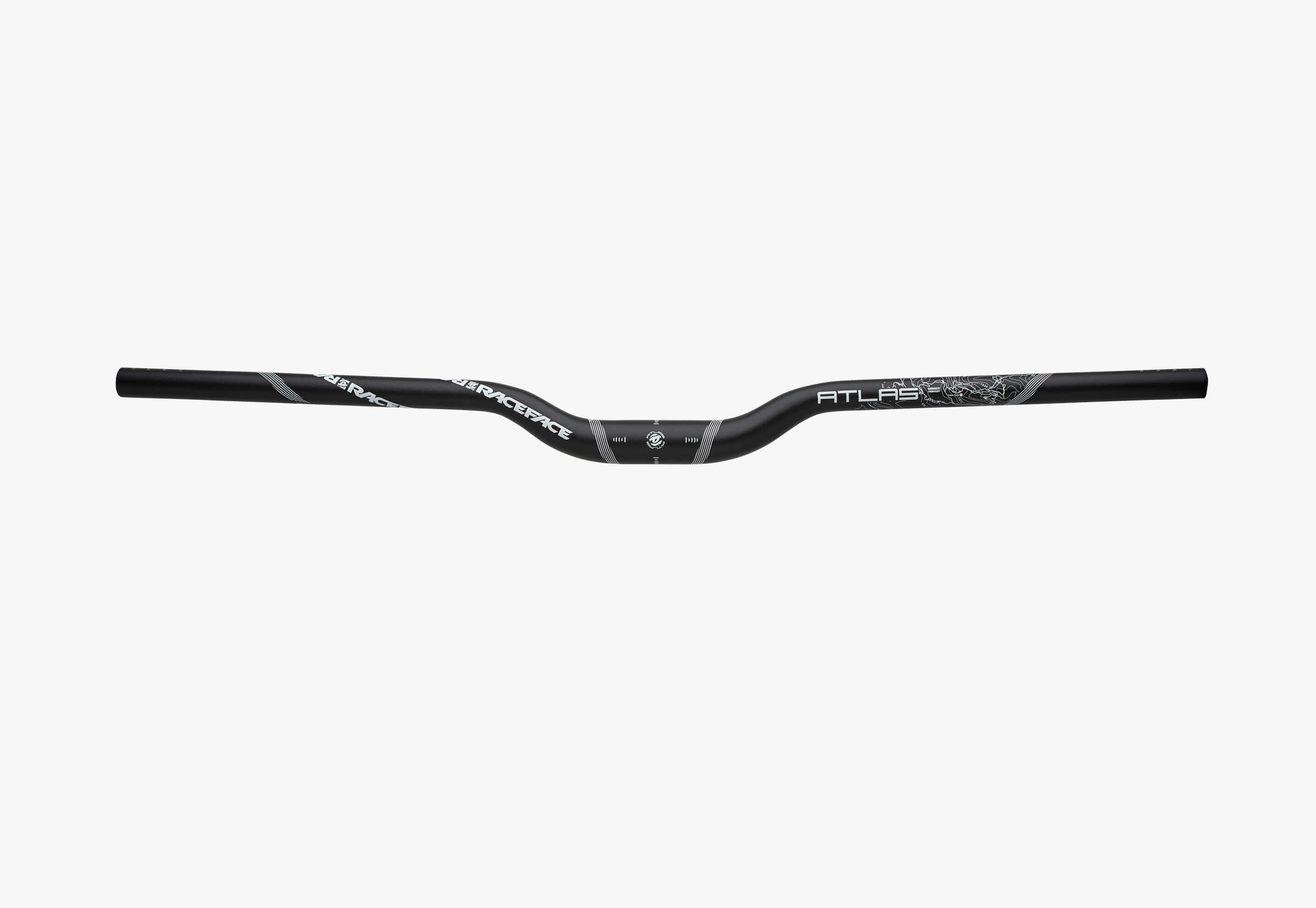
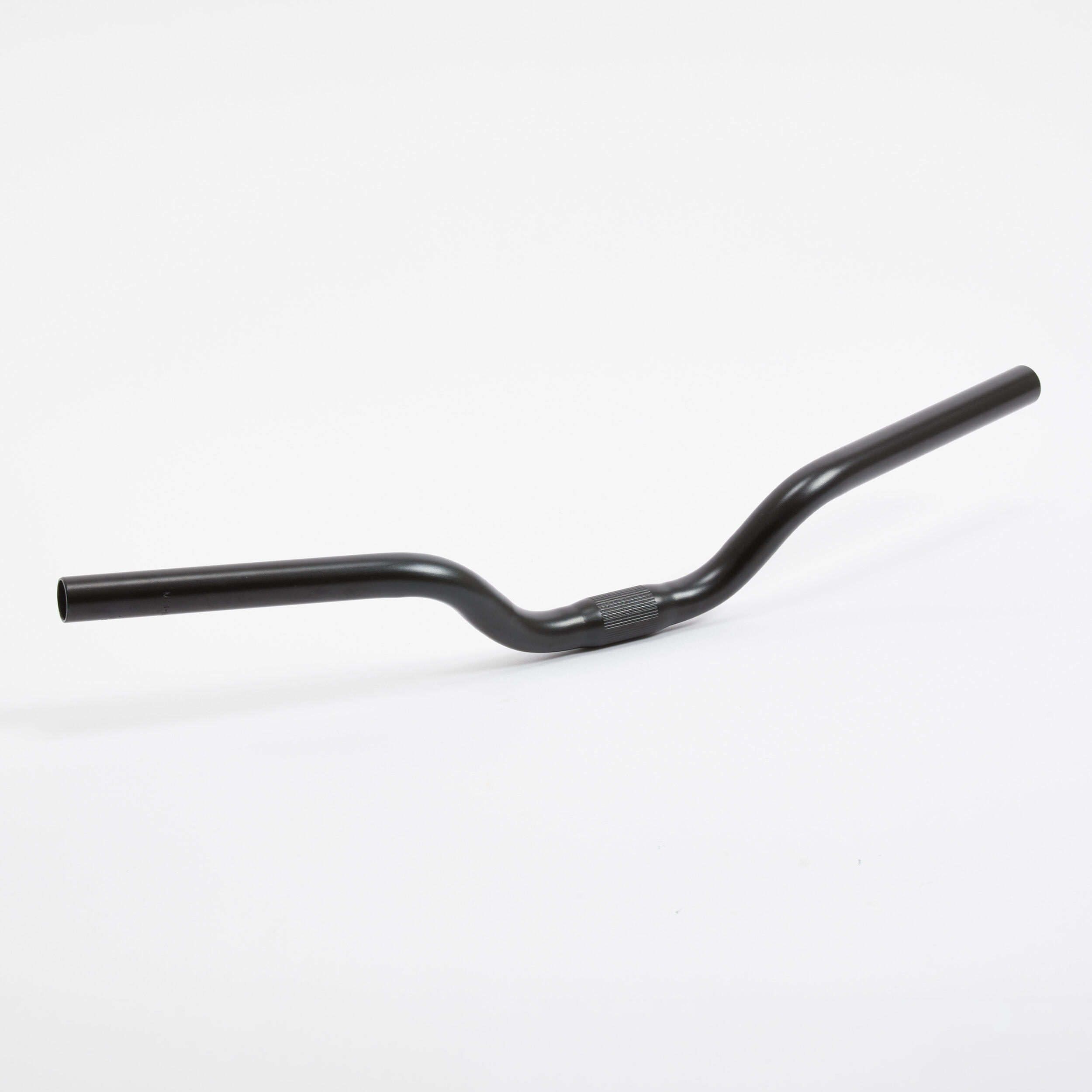
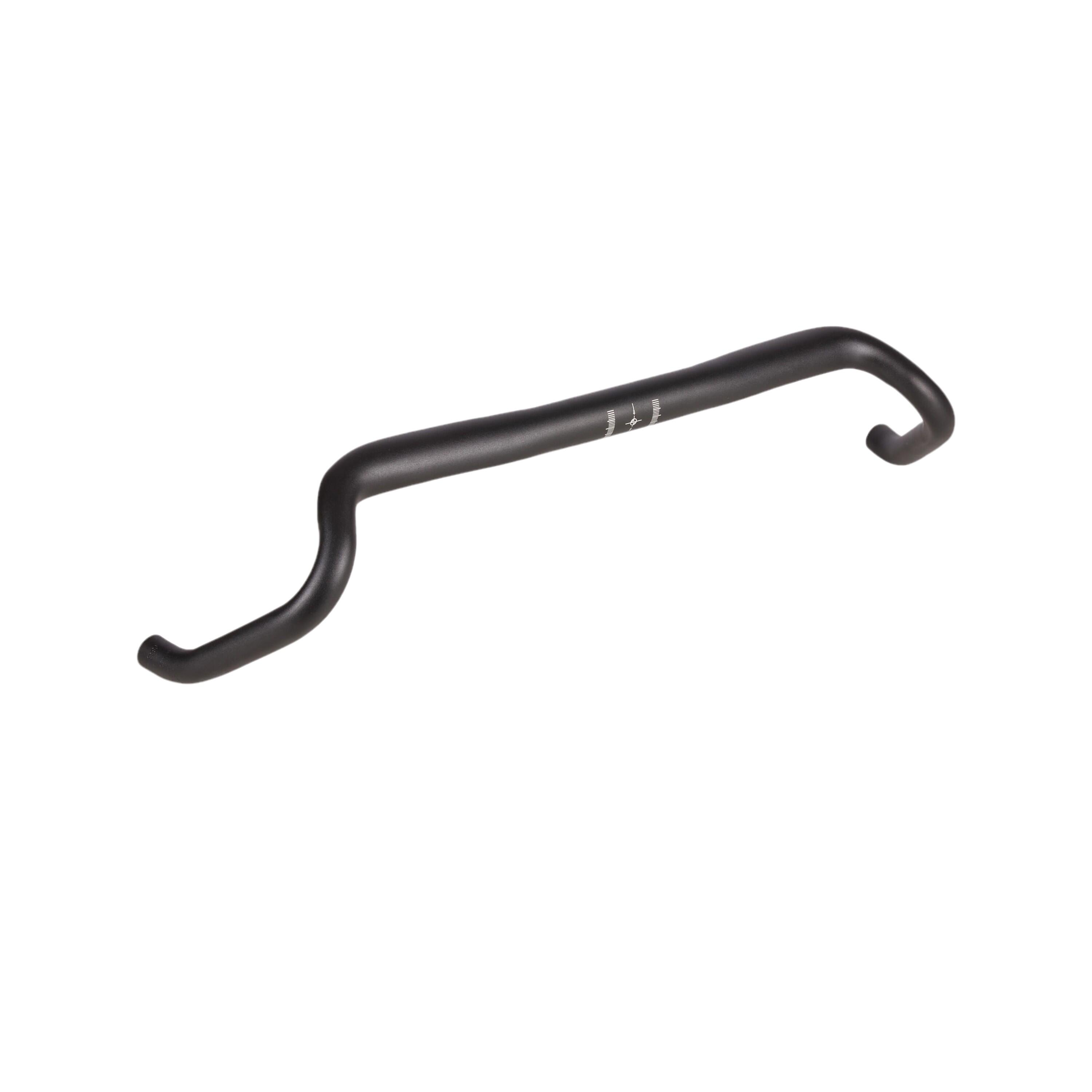
Handlebars, stems and grips affect both bike control and how your upper body sits while riding. If you feel overstretched, cramped or uncomfortable through your hands and shoulders, check your overall bike fit before changing individual components. Stem length and angle influence how far you reach towards the handlebars, while handlebar width and shape affect hand position and steering feel. Replacement parts also need compatible clamp diameters, so measure carefully before fitting anything new. The bike steering and position range can help when replacing worn grips, handlebars, stems or other cockpit components. Pro tip: make one position change at a time and test it on a familiar route. Changing several measurements at once makes it harder to tell which adjustment actually improves your comfort and control.

How do you confirm a replacement frame, fork or suspension part is suitable?

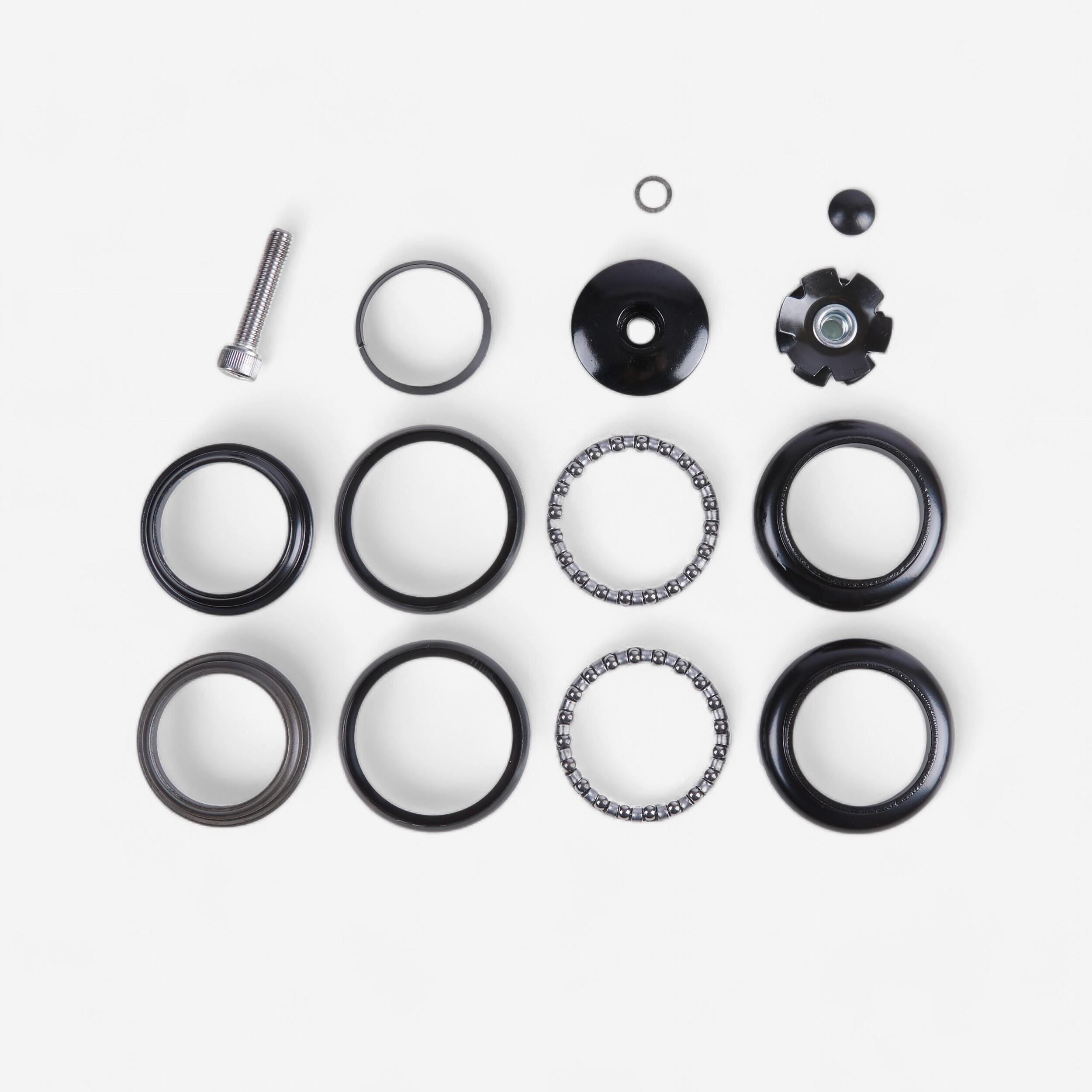
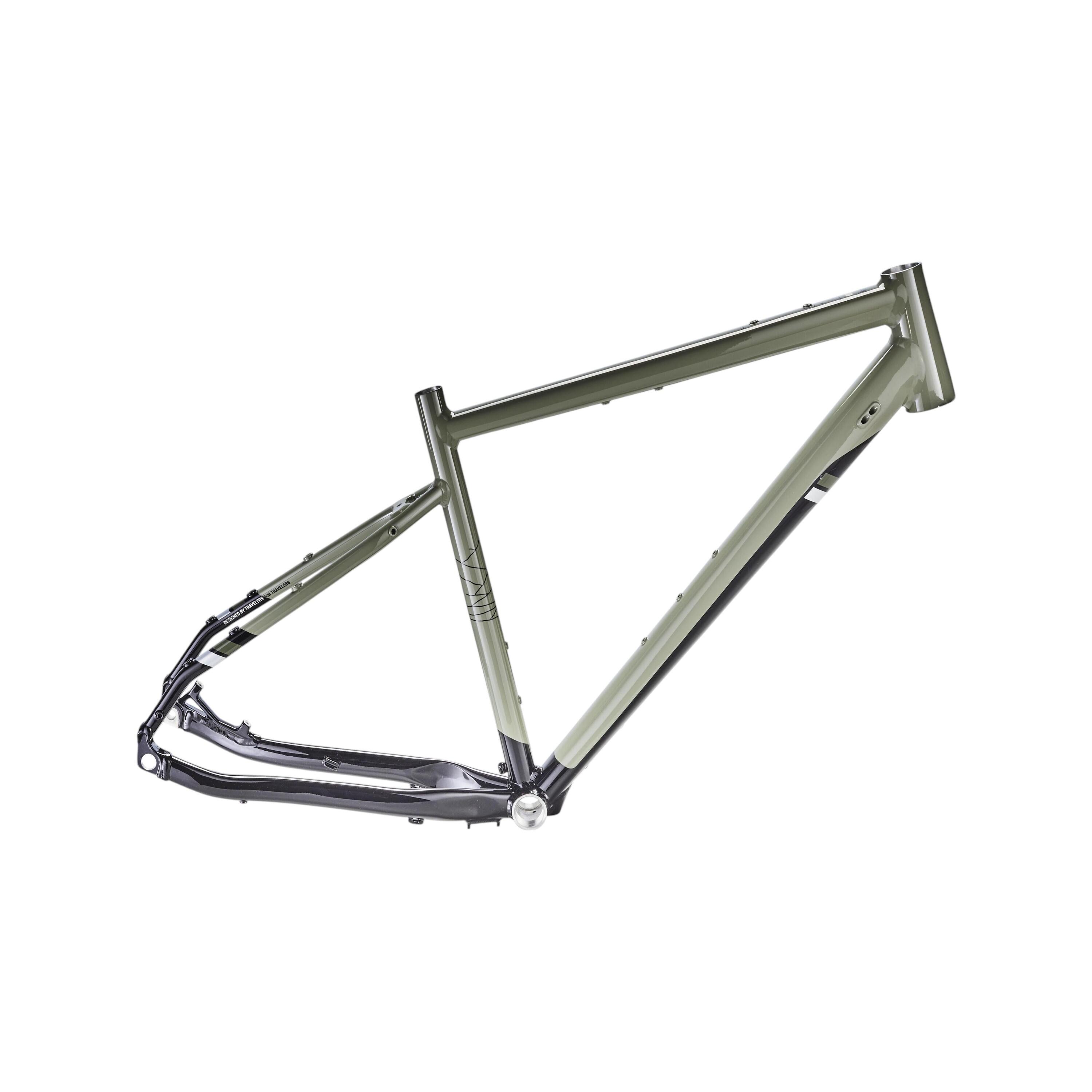
Compatibility should come before appearance when dealing with bike frame, fork and suspension components. Check the bike model, wheel size, steerer dimensions, axle system, brake mounting points and any other specifications relevant to the part being replaced. Suspension components must also suit the bike's intended travel and geometry because changing fork dimensions can alter steering behaviour and the bike's position. If a fork, frame or suspension component has been damaged in a crash, inspect the surrounding parts rather than assuming the visible component is the only affected area. Pro tip: avoid riding a bike with suspected structural cracks, bent steering components or significant suspension damage. For safety-critical structural repairs, professional assessment is preferable to fitting a part based only on visual similarity.